EP1292315B1 - Use of sulodexide for the treatment of diabetic nephropathy - Google Patents
Use of sulodexide for the treatment of diabetic nephropathy Download PDFInfo
- Publication number
- EP1292315B1 EP1292315B1 EP01939923A EP01939923A EP1292315B1 EP 1292315 B1 EP1292315 B1 EP 1292315B1 EP 01939923 A EP01939923 A EP 01939923A EP 01939923 A EP01939923 A EP 01939923A EP 1292315 B1 EP1292315 B1 EP 1292315B1
- Authority
- EP
- European Patent Office
- Prior art keywords
- sulodexide
- patients
- treatment
- diabetic nephropathy
- day
- Prior art date
- Legal status (The legal status is an assumption and is not a legal conclusion. Google has not performed a legal analysis and makes no representation as to the accuracy of the status listed.)
- Expired - Lifetime
Links
- GRYSXUXXBDSYRT-WOUKDFQISA-N (2r,3r,4r,5r)-2-(hydroxymethyl)-4-methoxy-5-[6-(methylamino)purin-9-yl]oxolan-3-ol Chemical compound C1=NC=2C(NC)=NC=NC=2N1[C@@H]1O[C@H](CO)[C@@H](O)[C@H]1OC GRYSXUXXBDSYRT-WOUKDFQISA-N 0.000 title claims abstract description 72
- 229920000439 Sulodexide Polymers 0.000 title claims abstract description 72
- 229960003491 sulodexide Drugs 0.000 title claims abstract description 72
- 208000007342 Diabetic Nephropathies Diseases 0.000 title claims abstract description 30
- 208000033679 diabetic kidney disease Diseases 0.000 title claims abstract description 28
- 239000003814 drug Substances 0.000 claims description 14
- 239000003826 tablet Substances 0.000 claims description 11
- 238000002360 preparation method Methods 0.000 claims description 9
- -1 troche Substances 0.000 claims description 6
- 239000007894 caplet Substances 0.000 claims description 5
- 239000007903 gelatin capsule Substances 0.000 claims description 5
- 239000000243 solution Substances 0.000 claims description 4
- 239000000725 suspension Substances 0.000 claims description 4
- 239000006185 dispersion Substances 0.000 claims description 2
- 239000008298 dragée Substances 0.000 claims description 2
- 150000003839 salts Chemical class 0.000 claims 2
- 230000029142 excretion Effects 0.000 abstract description 22
- 102000009027 Albumins Human genes 0.000 abstract description 20
- 108010088751 Albumins Proteins 0.000 abstract description 20
- 230000009467 reduction Effects 0.000 abstract description 19
- 239000000203 mixture Substances 0.000 abstract description 15
- 206010001580 Albuminuria Diseases 0.000 abstract description 11
- 238000009472 formulation Methods 0.000 abstract description 10
- 206010067584 Type 1 diabetes mellitus Diseases 0.000 abstract description 9
- 208000001072 type 2 diabetes mellitus Diseases 0.000 abstract description 9
- 230000006872 improvement Effects 0.000 abstract description 8
- 238000000034 method Methods 0.000 abstract description 8
- 230000002045 lasting effect Effects 0.000 abstract description 6
- 208000035408 type 1 diabetes mellitus 1 Diseases 0.000 abstract description 6
- 206010012601 diabetes mellitus Diseases 0.000 description 16
- 230000000694 effects Effects 0.000 description 12
- 239000005541 ACE inhibitor Substances 0.000 description 10
- 239000004480 active ingredient Substances 0.000 description 10
- 229940044094 angiotensin-converting-enzyme inhibitor Drugs 0.000 description 10
- 238000013270 controlled release Methods 0.000 description 10
- 229920002683 Glycosaminoglycan Polymers 0.000 description 8
- 239000002552 dosage form Substances 0.000 description 8
- 229940079593 drug Drugs 0.000 description 8
- 229920000669 heparin Polymers 0.000 description 8
- 229960002897 heparin Drugs 0.000 description 8
- 239000008194 pharmaceutical composition Substances 0.000 description 8
- HTTJABKRGRZYRN-UHFFFAOYSA-N Heparin Chemical compound OC1C(NC(=O)C)C(O)OC(COS(O)(=O)=O)C1OC1C(OS(O)(=O)=O)C(O)C(OC2C(C(OS(O)(=O)=O)C(OC3C(C(O)C(O)C(O3)C(O)=O)OS(O)(=O)=O)C(CO)O2)NS(O)(=O)=O)C(C(O)=O)O1 HTTJABKRGRZYRN-UHFFFAOYSA-N 0.000 description 7
- 239000002775 capsule Substances 0.000 description 7
- 239000007788 liquid Substances 0.000 description 7
- 210000004379 membrane Anatomy 0.000 description 6
- 239000012528 membrane Substances 0.000 description 6
- 239000000902 placebo Substances 0.000 description 6
- 229940068196 placebo Drugs 0.000 description 6
- 206010027525 Microalbuminuria Diseases 0.000 description 5
- 150000001875 compounds Chemical class 0.000 description 5
- 239000007787 solid Substances 0.000 description 5
- 230000001225 therapeutic effect Effects 0.000 description 5
- 108010010803 Gelatin Proteins 0.000 description 4
- 230000002411 adverse Effects 0.000 description 4
- 239000003146 anticoagulant agent Substances 0.000 description 4
- 230000008901 benefit Effects 0.000 description 4
- 208000020832 chronic kidney disease Diseases 0.000 description 4
- 239000008273 gelatin Substances 0.000 description 4
- 229920000159 gelatin Polymers 0.000 description 4
- 235000019322 gelatine Nutrition 0.000 description 4
- 235000011852 gelatine desserts Nutrition 0.000 description 4
- 230000001434 glomerular Effects 0.000 description 4
- 239000000546 pharmaceutical excipient Substances 0.000 description 4
- 210000002700 urine Anatomy 0.000 description 4
- 241001465754 Metazoa Species 0.000 description 3
- DNIAPMSPPWPWGF-UHFFFAOYSA-N Propylene glycol Chemical compound CC(O)CO DNIAPMSPPWPWGF-UHFFFAOYSA-N 0.000 description 3
- 241000700159 Rattus Species 0.000 description 3
- 230000002785 anti-thrombosis Effects 0.000 description 3
- 239000003795 chemical substances by application Substances 0.000 description 3
- KRKNYBCHXYNGOX-UHFFFAOYSA-N citric acid Chemical compound OC(=O)CC(O)(C(O)=O)CC(O)=O KRKNYBCHXYNGOX-UHFFFAOYSA-N 0.000 description 3
- 239000003085 diluting agent Substances 0.000 description 3
- 230000005764 inhibitory process Effects 0.000 description 3
- 210000003734 kidney Anatomy 0.000 description 3
- 208000017169 kidney disease Diseases 0.000 description 3
- 230000002580 nephropathic effect Effects 0.000 description 3
- 230000007170 pathology Effects 0.000 description 3
- 229920000642 polymer Polymers 0.000 description 3
- 239000007905 soft elastic gelatin capsule Substances 0.000 description 3
- 238000002560 therapeutic procedure Methods 0.000 description 3
- 201000001320 Atherosclerosis Diseases 0.000 description 2
- PEDCQBHIVMGVHV-UHFFFAOYSA-N Glycerine Chemical compound OCC(O)CO PEDCQBHIVMGVHV-UHFFFAOYSA-N 0.000 description 2
- 229920002971 Heparan sulfate Polymers 0.000 description 2
- 102000003978 Tissue Plasminogen Activator Human genes 0.000 description 2
- 108090000373 Tissue Plasminogen Activator Proteins 0.000 description 2
- 239000000443 aerosol Substances 0.000 description 2
- 125000000129 anionic group Chemical group 0.000 description 2
- 229940127219 anticoagulant drug Drugs 0.000 description 2
- 230000004888 barrier function Effects 0.000 description 2
- 239000011230 binding agent Substances 0.000 description 2
- 239000000969 carrier Substances 0.000 description 2
- 208000022831 chronic renal failure syndrome Diseases 0.000 description 2
- DDRJAANPRJIHGJ-UHFFFAOYSA-N creatinine Chemical compound CN1CC(=O)NC1=N DDRJAANPRJIHGJ-UHFFFAOYSA-N 0.000 description 2
- 239000003937 drug carrier Substances 0.000 description 2
- 201000000523 end stage renal failure Diseases 0.000 description 2
- 239000000499 gel Substances 0.000 description 2
- 230000024924 glomerular filtration Effects 0.000 description 2
- 239000008187 granular material Substances 0.000 description 2
- 239000003979 granulating agent Substances 0.000 description 2
- 230000035876 healing Effects 0.000 description 2
- 239000004615 ingredient Substances 0.000 description 2
- 239000002502 liposome Substances 0.000 description 2
- 239000000314 lubricant Substances 0.000 description 2
- 230000001404 mediated effect Effects 0.000 description 2
- 239000004005 microsphere Substances 0.000 description 2
- 238000000465 moulding Methods 0.000 description 2
- 239000000843 powder Substances 0.000 description 2
- 102000004169 proteins and genes Human genes 0.000 description 2
- 108090000623 proteins and genes Proteins 0.000 description 2
- 201000001474 proteinuria Diseases 0.000 description 2
- 230000019635 sulfation Effects 0.000 description 2
- 238000005670 sulfation reaction Methods 0.000 description 2
- 239000004094 surface-active agent Substances 0.000 description 2
- 229960000187 tissue plasminogen activator Drugs 0.000 description 2
- 230000002792 vascular Effects 0.000 description 2
- 230000006439 vascular pathology Effects 0.000 description 2
- XLYOFNOQVPJJNP-UHFFFAOYSA-N water Substances O XLYOFNOQVPJJNP-UHFFFAOYSA-N 0.000 description 2
- FUOUNKGLDGJSME-JIZZDEOASA-N (2r)-2-amino-3-sulfanylpropanoic acid;dihydrochloride Chemical compound Cl.Cl.SC[C@H](N)C(O)=O FUOUNKGLDGJSME-JIZZDEOASA-N 0.000 description 1
- BJEPYKJPYRNKOW-REOHCLBHSA-N (S)-malic acid Chemical compound OC(=O)[C@@H](O)CC(O)=O BJEPYKJPYRNKOW-REOHCLBHSA-N 0.000 description 1
- IVLXQGJVBGMLRR-UHFFFAOYSA-N 2-aminoacetic acid;hydron;chloride Chemical compound Cl.NCC(O)=O IVLXQGJVBGMLRR-UHFFFAOYSA-N 0.000 description 1
- 200000000007 Arterial disease Diseases 0.000 description 1
- FBPFZTCFMRRESA-FSIIMWSLSA-N D-Glucitol Natural products OC[C@H](O)[C@H](O)[C@@H](O)[C@H](O)CO FBPFZTCFMRRESA-FSIIMWSLSA-N 0.000 description 1
- FBPFZTCFMRRESA-JGWLITMVSA-N D-glucitol Chemical compound OC[C@H](O)[C@@H](O)[C@H](O)[C@H](O)CO FBPFZTCFMRRESA-JGWLITMVSA-N 0.000 description 1
- 229920000045 Dermatan sulfate Polymers 0.000 description 1
- FEWJPZIEWOKRBE-JCYAYHJZSA-N Dextrotartaric acid Chemical compound OC(=O)[C@H](O)[C@@H](O)C(O)=O FEWJPZIEWOKRBE-JCYAYHJZSA-N 0.000 description 1
- 208000032131 Diabetic Neuropathies Diseases 0.000 description 1
- 102000002045 Endothelin Human genes 0.000 description 1
- 108050009340 Endothelin Proteins 0.000 description 1
- 102000004190 Enzymes Human genes 0.000 description 1
- 108090000790 Enzymes Proteins 0.000 description 1
- 241000233866 Fungi Species 0.000 description 1
- 206010022562 Intermittent claudication Diseases 0.000 description 1
- 208000005230 Leg Ulcer Diseases 0.000 description 1
- 108010013563 Lipoprotein Lipase Proteins 0.000 description 1
- 102000043296 Lipoprotein lipases Human genes 0.000 description 1
- 229920000168 Microcrystalline cellulose Polymers 0.000 description 1
- 241001252473 Minuria Species 0.000 description 1
- 206010029164 Nephrotic syndrome Diseases 0.000 description 1
- 239000002202 Polyethylene glycol Substances 0.000 description 1
- 241000288906 Primates Species 0.000 description 1
- 208000001647 Renal Insufficiency Diseases 0.000 description 1
- 229920002472 Starch Polymers 0.000 description 1
- ZSJLQEPLLKMAKR-UHFFFAOYSA-N Streptozotocin Natural products O=NN(C)C(=O)NC1C(O)OC(CO)C(O)C1O ZSJLQEPLLKMAKR-UHFFFAOYSA-N 0.000 description 1
- FEWJPZIEWOKRBE-UHFFFAOYSA-N Tartaric acid Natural products [H+].[H+].[O-]C(=O)C(O)C(O)C([O-])=O FEWJPZIEWOKRBE-UHFFFAOYSA-N 0.000 description 1
- 102000046299 Transforming Growth Factor beta1 Human genes 0.000 description 1
- 102000009618 Transforming Growth Factors Human genes 0.000 description 1
- 108010009583 Transforming Growth Factors Proteins 0.000 description 1
- 101800002279 Transforming growth factor beta-1 Proteins 0.000 description 1
- VLSOAXRVHARBEQ-UHFFFAOYSA-N [4-fluoro-2-(hydroxymethyl)phenyl]methanol Chemical compound OCC1=CC=C(F)C=C1CO VLSOAXRVHARBEQ-UHFFFAOYSA-N 0.000 description 1
- 238000002679 ablation Methods 0.000 description 1
- 239000008186 active pharmaceutical agent Substances 0.000 description 1
- 239000013543 active substance Substances 0.000 description 1
- BJEPYKJPYRNKOW-UHFFFAOYSA-N alpha-hydroxysuccinic acid Natural products OC(=O)C(O)CC(O)=O BJEPYKJPYRNKOW-UHFFFAOYSA-N 0.000 description 1
- 229940126575 aminoglycoside Drugs 0.000 description 1
- 238000004458 analytical method Methods 0.000 description 1
- 238000004450 analytical method by type Methods 0.000 description 1
- 238000010171 animal model Methods 0.000 description 1
- 229940127088 antihypertensive drug Drugs 0.000 description 1
- 230000009286 beneficial effect Effects 0.000 description 1
- 230000015572 biosynthetic process Effects 0.000 description 1
- 230000036772 blood pressure Effects 0.000 description 1
- 239000001913 cellulose Substances 0.000 description 1
- 235000010980 cellulose Nutrition 0.000 description 1
- 229920002678 cellulose Polymers 0.000 description 1
- 230000008859 change Effects 0.000 description 1
- 230000001684 chronic effect Effects 0.000 description 1
- 235000015165 citric acid Nutrition 0.000 description 1
- 229960004106 citric acid Drugs 0.000 description 1
- 230000035602 clotting Effects 0.000 description 1
- 230000015271 coagulation Effects 0.000 description 1
- 238000005345 coagulation Methods 0.000 description 1
- 238000000576 coating method Methods 0.000 description 1
- ZPUCINDJVBIVPJ-LJISPDSOSA-N cocaine Chemical compound O([C@H]1C[C@@H]2CC[C@@H](N2C)[C@H]1C(=O)OC)C(=O)C1=CC=CC=C1 ZPUCINDJVBIVPJ-LJISPDSOSA-N 0.000 description 1
- 238000013329 compounding Methods 0.000 description 1
- 239000007891 compressed tablet Substances 0.000 description 1
- 238000007906 compression Methods 0.000 description 1
- 230000006835 compression Effects 0.000 description 1
- 238000007796 conventional method Methods 0.000 description 1
- 229940109239 creatinine Drugs 0.000 description 1
- 230000034994 death Effects 0.000 description 1
- 231100000517 death Toxicity 0.000 description 1
- 239000003405 delayed action preparation Substances 0.000 description 1
- AVJBPWGFOQAPRH-FWMKGIEWSA-L dermatan sulfate Chemical compound CC(=O)N[C@H]1[C@H](O)O[C@H](CO)[C@H](OS([O-])(=O)=O)[C@@H]1O[C@H]1[C@H](O)[C@@H](O)[C@H](O)[C@H](C([O-])=O)O1 AVJBPWGFOQAPRH-FWMKGIEWSA-L 0.000 description 1
- 229940051593 dermatan sulfate Drugs 0.000 description 1
- 230000006866 deterioration Effects 0.000 description 1
- 229910003460 diamond Inorganic materials 0.000 description 1
- 239000010432 diamond Substances 0.000 description 1
- 201000010099 disease Diseases 0.000 description 1
- 208000037265 diseases, disorders, signs and symptoms Diseases 0.000 description 1
- 239000002270 dispersing agent Substances 0.000 description 1
- 229940088679 drug related substance Drugs 0.000 description 1
- 238000002651 drug therapy Methods 0.000 description 1
- 230000008030 elimination Effects 0.000 description 1
- 238000003379 elimination reaction Methods 0.000 description 1
- 239000000839 emulsion Substances 0.000 description 1
- 208000028208 end stage renal disease Diseases 0.000 description 1
- ZUBDGKVDJUIMQQ-UBFCDGJISA-N endothelin-1 Chemical compound C([C@@H](C(=O)N[C@@H](CC(C)C)C(=O)N[C@@H](CC(O)=O)C(=O)N[C@@H]([C@@H](C)CC)C(=O)N[C@@H]([C@@H](C)CC)C(=O)N[C@@H](CC=1C2=CC=CC=C2NC=1)C(O)=O)NC(=O)[C@H]1NC(=O)[C@H](CC=2C=CC=CC=2)NC(=O)[C@@H](CC=2C=CC(O)=CC=2)NC(=O)[C@H](C(C)C)NC(=O)[C@H]2CSSC[C@@H](C(N[C@H](CO)C(=O)N[C@@H](CO)C(=O)N[C@H](CC(C)C)C(=O)N[C@@H](CCSC)C(=O)N[C@H](CC(O)=O)C(=O)N[C@@H](CCCCN)C(=O)N[C@@H](CCC(O)=O)C(=O)N2)=O)NC(=O)[C@@H](CO)NC(=O)[C@H](N)CSSC1)C1=CNC=N1 ZUBDGKVDJUIMQQ-UBFCDGJISA-N 0.000 description 1
- BEFDCLMNVWHSGT-UHFFFAOYSA-N ethenylcyclopentane Chemical compound C=CC1CCCC1 BEFDCLMNVWHSGT-UHFFFAOYSA-N 0.000 description 1
- 239000007897 gelcap Substances 0.000 description 1
- 210000000585 glomerular basement membrane Anatomy 0.000 description 1
- 235000011187 glycerol Nutrition 0.000 description 1
- 229960001269 glycine hydrochloride Drugs 0.000 description 1
- 150000002334 glycols Chemical class 0.000 description 1
- 206010020718 hyperplasia Diseases 0.000 description 1
- 239000000411 inducer Substances 0.000 description 1
- 239000003701 inert diluent Substances 0.000 description 1
- 208000021156 intermittent vascular claudication Diseases 0.000 description 1
- 210000004347 intestinal mucosa Anatomy 0.000 description 1
- 238000007918 intramuscular administration Methods 0.000 description 1
- 238000010255 intramuscular injection Methods 0.000 description 1
- 239000007927 intramuscular injection Substances 0.000 description 1
- 201000006370 kidney failure Diseases 0.000 description 1
- 230000009021 linear effect Effects 0.000 description 1
- 230000003908 liver function Effects 0.000 description 1
- 230000007774 longterm Effects 0.000 description 1
- 239000003055 low molecular weight heparin Substances 0.000 description 1
- 229940127215 low-molecular weight heparin Drugs 0.000 description 1
- 210000003141 lower extremity Anatomy 0.000 description 1
- 235000011090 malic acid Nutrition 0.000 description 1
- 239000001630 malic acid Substances 0.000 description 1
- 229940099690 malic acid Drugs 0.000 description 1
- 239000011159 matrix material Substances 0.000 description 1
- 230000007246 mechanism Effects 0.000 description 1
- 210000003584 mesangial cell Anatomy 0.000 description 1
- 235000010270 methyl p-hydroxybenzoate Nutrition 0.000 description 1
- 239000008108 microcrystalline cellulose Substances 0.000 description 1
- 229940016286 microcrystalline cellulose Drugs 0.000 description 1
- 235000019813 microcrystalline cellulose Nutrition 0.000 description 1
- 239000011859 microparticle Substances 0.000 description 1
- 239000002480 mineral oil Substances 0.000 description 1
- 239000007932 molded tablet Substances 0.000 description 1
- 230000014508 negative regulation of coagulation Effects 0.000 description 1
- 210000000885 nephron Anatomy 0.000 description 1
- 208000009928 nephrosis Diseases 0.000 description 1
- 231100001027 nephrosis Toxicity 0.000 description 1
- 230000007823 neuropathy Effects 0.000 description 1
- 230000009022 nonlinear effect Effects 0.000 description 1
- 231100000252 nontoxic Toxicity 0.000 description 1
- 230000003000 nontoxic effect Effects 0.000 description 1
- 239000007764 o/w emulsion Substances 0.000 description 1
- 239000003921 oil Substances 0.000 description 1
- 239000006186 oral dosage form Substances 0.000 description 1
- 239000008203 oral pharmaceutical composition Substances 0.000 description 1
- 230000003204 osmotic effect Effects 0.000 description 1
- 238000012261 overproduction Methods 0.000 description 1
- 231100000915 pathological change Toxicity 0.000 description 1
- 230000036285 pathological change Effects 0.000 description 1
- 230000001575 pathological effect Effects 0.000 description 1
- 230000002093 peripheral effect Effects 0.000 description 1
- 229940124531 pharmaceutical excipient Drugs 0.000 description 1
- 239000000825 pharmaceutical preparation Substances 0.000 description 1
- 229940127557 pharmaceutical product Drugs 0.000 description 1
- 230000000144 pharmacologic effect Effects 0.000 description 1
- 230000004962 physiological condition Effects 0.000 description 1
- 239000004014 plasticizer Substances 0.000 description 1
- 229920001223 polyethylene glycol Polymers 0.000 description 1
- 229920005862 polyol Polymers 0.000 description 1
- 150000003077 polyols Chemical class 0.000 description 1
- 229920000136 polysorbate Polymers 0.000 description 1
- 229940068965 polysorbates Drugs 0.000 description 1
- 239000003755 preservative agent Substances 0.000 description 1
- 230000002335 preservative effect Effects 0.000 description 1
- 235000010232 propyl p-hydroxybenzoate Nutrition 0.000 description 1
- 230000001681 protective effect Effects 0.000 description 1
- 210000002966 serum Anatomy 0.000 description 1
- 238000007493 shaping process Methods 0.000 description 1
- HRZFUMHJMZEROT-UHFFFAOYSA-L sodium disulfite Chemical compound [Na+].[Na+].[O-]S(=O)S([O-])(=O)=O HRZFUMHJMZEROT-UHFFFAOYSA-L 0.000 description 1
- 229940001584 sodium metabisulfite Drugs 0.000 description 1
- 235000010262 sodium metabisulphite Nutrition 0.000 description 1
- 235000010199 sorbic acid Nutrition 0.000 description 1
- 239000004334 sorbic acid Substances 0.000 description 1
- 229940075582 sorbic acid Drugs 0.000 description 1
- 239000000600 sorbitol Substances 0.000 description 1
- 238000012453 sprague-dawley rat model Methods 0.000 description 1
- 239000007921 spray Substances 0.000 description 1
- 239000003381 stabilizer Substances 0.000 description 1
- 235000019698 starch Nutrition 0.000 description 1
- ZSJLQEPLLKMAKR-GKHCUFPYSA-N streptozocin Chemical compound O=NN(C)C(=O)N[C@H]1[C@@H](O)O[C@H](CO)[C@@H](O)[C@@H]1O ZSJLQEPLLKMAKR-GKHCUFPYSA-N 0.000 description 1
- 229960001052 streptozocin Drugs 0.000 description 1
- 235000000346 sugar Nutrition 0.000 description 1
- 150000008163 sugars Chemical class 0.000 description 1
- 238000013268 sustained release Methods 0.000 description 1
- 239000012730 sustained-release form Substances 0.000 description 1
- 238000003786 synthesis reaction Methods 0.000 description 1
- 235000002906 tartaric acid Nutrition 0.000 description 1
- 239000011975 tartaric acid Substances 0.000 description 1
- 229960001367 tartaric acid Drugs 0.000 description 1
- 230000001732 thrombotic effect Effects 0.000 description 1
- 231100000331 toxic Toxicity 0.000 description 1
- 230000002588 toxic effect Effects 0.000 description 1
- 229940099456 transforming growth factor beta 1 Drugs 0.000 description 1
- 150000003626 triacylglycerols Chemical class 0.000 description 1
- 208000037999 tubulointerstitial fibrosis Diseases 0.000 description 1
- 230000002485 urinary effect Effects 0.000 description 1
- 239000008158 vegetable oil Substances 0.000 description 1
- 235000013311 vegetables Nutrition 0.000 description 1
- 239000003981 vehicle Substances 0.000 description 1
Images
Classifications
-
- A—HUMAN NECESSITIES
- A61—MEDICAL OR VETERINARY SCIENCE; HYGIENE
- A61K—PREPARATIONS FOR MEDICAL, DENTAL OR TOILETRY PURPOSES
- A61K31/00—Medicinal preparations containing organic active ingredients
- A61K31/70—Carbohydrates; Sugars; Derivatives thereof
- A61K31/715—Polysaccharides, i.e. having more than five saccharide radicals attached to each other by glycosidic linkages; Derivatives thereof, e.g. ethers, esters
- A61K31/726—Glycosaminoglycans, i.e. mucopolysaccharides
- A61K31/727—Heparin; Heparan
-
- A—HUMAN NECESSITIES
- A61—MEDICAL OR VETERINARY SCIENCE; HYGIENE
- A61K—PREPARATIONS FOR MEDICAL, DENTAL OR TOILETRY PURPOSES
- A61K31/00—Medicinal preparations containing organic active ingredients
- A61K31/70—Carbohydrates; Sugars; Derivatives thereof
-
- A—HUMAN NECESSITIES
- A61—MEDICAL OR VETERINARY SCIENCE; HYGIENE
- A61K—PREPARATIONS FOR MEDICAL, DENTAL OR TOILETRY PURPOSES
- A61K31/00—Medicinal preparations containing organic active ingredients
- A61K31/70—Carbohydrates; Sugars; Derivatives thereof
- A61K31/715—Polysaccharides, i.e. having more than five saccharide radicals attached to each other by glycosidic linkages; Derivatives thereof, e.g. ethers, esters
- A61K31/726—Glycosaminoglycans, i.e. mucopolysaccharides
-
- A—HUMAN NECESSITIES
- A61—MEDICAL OR VETERINARY SCIENCE; HYGIENE
- A61K—PREPARATIONS FOR MEDICAL, DENTAL OR TOILETRY PURPOSES
- A61K31/00—Medicinal preparations containing organic active ingredients
- A61K31/70—Carbohydrates; Sugars; Derivatives thereof
- A61K31/715—Polysaccharides, i.e. having more than five saccharide radicals attached to each other by glycosidic linkages; Derivatives thereof, e.g. ethers, esters
- A61K31/737—Sulfated polysaccharides, e.g. chondroitin sulfate, dermatan sulfate
-
- A—HUMAN NECESSITIES
- A61—MEDICAL OR VETERINARY SCIENCE; HYGIENE
- A61K—PREPARATIONS FOR MEDICAL, DENTAL OR TOILETRY PURPOSES
- A61K35/00—Medicinal preparations containing materials or reaction products thereof with undetermined constitution
- A61K35/12—Materials from mammals; Compositions comprising non-specified tissues or cells; Compositions comprising non-embryonic stem cells; Genetically modified cells
- A61K35/37—Digestive system
- A61K35/38—Stomach; Intestine; Goblet cells; Oral mucosa; Saliva
-
- A—HUMAN NECESSITIES
- A61—MEDICAL OR VETERINARY SCIENCE; HYGIENE
- A61K—PREPARATIONS FOR MEDICAL, DENTAL OR TOILETRY PURPOSES
- A61K9/00—Medicinal preparations characterised by special physical form
- A61K9/48—Preparations in capsules, e.g. of gelatin, of chocolate
-
- A—HUMAN NECESSITIES
- A61—MEDICAL OR VETERINARY SCIENCE; HYGIENE
- A61P—SPECIFIC THERAPEUTIC ACTIVITY OF CHEMICAL COMPOUNDS OR MEDICINAL PREPARATIONS
- A61P13/00—Drugs for disorders of the urinary system
- A61P13/12—Drugs for disorders of the urinary system of the kidneys
Definitions
- the present invention relates to the use of Sulodexide in specific dosages for the treatment of patients with diabetic nephropathy and albuminuria caused by, for example, insulin dependent or non-insulin dependent Diabetes Mellitus.
- glycosaminoglycans such as heparin
- Sulodexide is a glycosaminoglycan of natural origin extracted from mammalian intestinal mucosa that posses an anticoagulant activity.
- Sulodexide has a sulfation degree lower than those of heparin, as shown by Radhakrishnamurthy B. et al., Atherosclerosis, 31, 217-229 (1978 ).
- the preparation of Sulodexide is described in U.S. Patent 3,936,3 5 1 ,(incorporated herein by reference in its entirety).
- VESSEL DUE F(R) peripheral occlusive arterial disease
- POAD peripheral occlusive arterial disease
- venous leg ulcers and intermittent claudication
- POAD peripheral occlusive arterial disease
- venous leg ulcers and intermittent claudication
- POAD peripheral occlusive arterial disease
- cardiovasculopathies as described by Tramarin R. et al. Medicaltechnik, 8, 1, (1987 )
- cerebrovasculopathies as described by Sozzi C., Eur. Rev. Med. Pharmacol Sci. 6, 295, (1984 ) and venous pathologies of the lower limbs, as described by Cospite M. et al, Acta Therapeutica, 18, 149, (1992 ).
- Diabetic nephropathy is a common and serious complication of the disease Diabetes Mellitus and is the leading cause of chronic renal failure (CRF) in the U.S., being responsible for one third of all CFR cases.
- CRF chronic renal failure
- the precise cause of the changes produced by diabetes in the kidney are not all known.
- a hallmark of diabetic nephropathy is the presence of protein in the urine (proteinuria) of patients.
- the protein albumin which is normally present in plasma, is excreted in the urine of patients with diabetic nephropathy. This is referred to as albuminuria.
- albuminuria The rate of excretion of this protein is a good indicator of the extent of the renal pathology.
- ACE inhibitors decrease albuminuria in diabetic nephropathy but the pathological changes in the kidney and renal functional deterioration may continue toward end stage renal disease (ESRD). ACEI are also less effective in type 2 or non-insulin dependent diabetic (DM2) nephropathy as compared to that seen in type 1 or insulin dependent diabetes (DM1). Salvetti A. et al. Drugs 57(5):665-693 (1999 ).
- Diabetic nephropathy is a clinically well defined pathological condition characterized by proteinuria, hypertension, edema and renal insufficiency and generally occurs in patients suffering from diabetes for more than ten years. Diabetic nephropathy causes a number of structural changes in the kidney, the most characteristic of which is the glomerular injury detectable by the enlargement of the mesangium and by the thickening of the basement membrane in the glomerulus. (See Cecil Textbook of Medicine (pages 1281-1283), Edited by Goldman L. and Claude Bennett J., 21st Edition (2000), W.B. Saunders, Philadelphia ).
- Glycosaminoglycans such as Sulodexide are known to decrease albumin excretion in patients with diabetic nephropathy.
- the precise mechanism is not known but may include the following:
- Sulodexide to treat diabetic nephropathy is described in U.S. Patent No. 5,496,807 .
- This patent describes the effectiveness of Sulodexide in two clinical studies in which diabetic patients, some with microalbuminuria and some with macroalbuminuria, were given doses of Sulodexide.
- Sulodexide was administered at the then recognized safe and effective dose of 1000 lipoproteinlipase releasing units/day (LRU's/day) (equivalent to 100 mg/day). This daily dose required two 250 LRU capsules of VESSEL DUE F(R) administrated twice a day.
- LRU's/day lipoproteinlipase releasing units/day
- glycosaminoglycans including Sulodexide
- Sulodexide is described as being active in preventing diabetic nephropathy in an experimental animal model, Gambaro et al. Kidney Int. 42: 285-291, 1992 .
- Sulodexide is said to have been shown to reduce albuminuria in both insulin dependent diabetes mellitus (IDDM) and non-insulin dependent diabetes mellitus (NIDDM).
- IDDM insulin dependent diabetes mellitus
- NIDDM non-insulin dependent diabetes mellitus
- Sulodexide is known to have antithrombotic activity equal to that of heparin, Thomas D.P. et al. Ann. N.Y. Acad. Sci., 556, 313 (1989 ) and to completely prevent clot formation at high doses.
- TPA tissue plasminogen activator
- Sulodexide is a strong anticoagulant, antithrombotic and profibromolytic agent. Callas D.D. et al., Thromb. Hemost., 19 (Suppl. 1), 49 (1993 ).
- Effective oral doses of Sulodexide have been in the range of 25-100 mg/day or 250-1000 LRU/day for the treatment of vascular pathologies Harenberg J., Med. Res. Rev. vol.18, 1-20 (1998 ).
- the largest dose reported in the literature to our knowledge for the treatment of diabetic nephropathy was an oral dose of 1000 LRU/day or 100 mg/day. This dose did decrease the rate of albumin excretion in patients with NIDDM (type II diabetes or DM2) but the albumin excretion rate was found again increased four months after cessation of treatment Solina A. Diab. Nutr. Metabo., 7, 304 (1994 ).
- the present invention is directed to the use of sulodexide in a dosage of 200 mg/day to 1000 mg/day for the preparation of a medicament. for the treatment of diabetic nephropathies.
- the medicament is suitable for oral administration.
- the present invention encompasses the use of sulodexide in a dosage comprising an amount of Sulodexide sufficient to produce an immediate and lasting reduction in AER without significant adverse side effects.
- the doses of Sulodexide disclosed in the present invention are novel in the treatment of diabetic nephropathy and are based, at least in part, on the discovery that such doses produce lasting improvement in albumin excretion rate and do not produce the expected toxic effects.
- the present invention encompasses the use of Sulodexide, preferably in orally administratable form, to decrease the amount of albumin excreted in the urine of a patient with diabetic nephropathy.
- Sulodexide is available commercially under the trademark VESSEL DUE F(r), and it can be made by the methods disclosed in U.S. Patent 3,936,351 .
- This invention is based in part on the discovery of unexpected benefits of using doses of Sulodexide in humans much higher than previously used, including the absence of expected adverse side effects at the higher dose levels.
- the unexpected benefits of the higher doses are demonstrated in patients given oral Sulodexide for the treatment of diabetic nephropathy.
- the present invention encompasses the use of sulodexide in a dosage from 20 0mg/day to 1000 mg/day for the treatment of diabetic nephropathy.
- the dosage of sulodexide is sufficient to reduce the albumin excretion rate but insufficient to cause adverse side effects.
- the present invention encompasses the administration of unit dose forms of Sulodexide of; 100mg, 125mg, 150mg, 175mg, 200mg, 225mg, 250mg, 275mg, 300mg, 325mg, 350mg, 375mg, 400mg, 425mg, 450mg, 475mg, 500mg, 525mg, 550mg, 575mg, 600mg, 625mg, 650mg, 675mg, 700mg, 725mg, 750mg, 775mg, 800mg, 825mg, 850mg, 875mg, 900mg, 925mg, 950mg, 975mg, and 1000mg.
- the objective of this study was to evaluate the efficacy of three dose regimens of oral Sulodexide versus placebo, in both DM1 and DM2 patients with diabetic nephropathy and albuminuria.
- the experimental methodology was to randomly divide 240 patients with diabetic nephropathy and albuminuria into four groups. These groups received treatment with placebo or with oral Sulodexide at doses of 50, 100 or 200 mg per day. The active treatment phase was four months long and this was followed by an additional post treatment follow up after four months. The assignment and treatment of the patients was done in a double blind fashion.
- Inclusion criteria for the study required a stable blood pressure of less than 160/90, a serum creatinine of less than150 ⁇ mol/L, proteinuria of less than 3 g/day and stable HgBA1C.
- albumin excretion rate was determined by three overnight urine collections (analysis by ANCOVA adjusting for the baseline value of log AER).
- compositions of the present invention comprise Sulodexide as the active ingredient, and may also contain a pharmaceutically acceptable carrier, excipient or diluent and optionally other therapeutic ingredients.
- any formulation suitable for oral administration may be used in the present invention.
- These dosage forms include tablets, coated tablets, caplets, hard gelatin capsules, soft gelatin capsules, troches, dragées, dispersions, suspensions, solutions, patches and the like, including sustained release formulations well known in the art. See, e.g., Introduction to Pharmaceutical Dosage Forms, 1985, Ansel, H.C., Lea and Febiger, Philadelphia, PA ; Remington's Pharmaceutical Sciences, 1995, Mack Publ. Co., Easton, PA .
- the active agent (Sulodexide) in the pharmaceutical compositions of the invention can be combined as the active ingredient in intimate admixture with a pharmaceutically acceptable carrier according to conventional pharmaceutical compounding techniques.
- the carrier may take a wide variety of forms and comprises a number of components depending on the form of preparation desired for administration.
- the compositions of the present invention include, but are not limited to, suspensions, solutions and elixirs; aerosols; or excipients, including, but not limited to, starches, sugars, microcrystalline cellulose, diluents, granulating agents, lubricants, binders, disintegrating agents, and the like.
- the pharmaceutical composition is in the form of an oral preparation.
- tablets and capsules are preferred and represent the most advantageous oral dosage unit form, in which case solid pharmaceutical excipients are employed.
- tablets may be coated by standard aqueous or nonaqueous techniques.
- the oral pharmaceutical compositions of the present invention may be administered in single or divided doses, from one to four times a day.
- the oral dosage forms may be conveniently presented in unit dosage forms and prepared by any methods well known in the art of pharmacy.
- compositions of the present invention suitable for oral administration may be presented as discrete pharmaceutical unit dosage forms, such as capsules, cachets, soft elastic gelatin capsules, tablets, caplets, or aerosols sprays, each containing a predetermined amount of the active ingredients, as a powder or granules, or as a solution or a suspension in an aqueous liquid, a non-aqueous liquid, an oil-in-water emulsion, or a water-in-oil liquid emulsion.
- Such compositions may be prepared by any methods well known in the art of pharmacy, but all methods include the step of bringing into association one or more active ingredient(s) with the carrier.
- compositions are prepared by uniformly and intimately admixing the active ingredients with liquid carriers or finely divided solid carriers or both, and then, if necessary, shaping the product into the desired presentation.
- Oral solid preparations are preferred over oral liquid preparations.
- One preferred oral solid preparation is tablets, but the most preferred oral solid preparation is capsules.
- a tablet may be prepared by compression or molding, optionally, with one or more accessory ingredients.
- Compressed tablets may be prepared by compressing in a suitable machine the active ingredient in a free-flowing form, such as powder or granules, optionally mixed with a binder, lubricant, inert diluent, granulating agent, surface active or dispersing agent, or the like.
- Molded tablets may be made by molding, in a suitable machine, a mixture of the powdered compound moistened with an inert liquid diluent.
- each tablet, cachet, caplet, or capsule contains from about 100mg to about 1000 mg of Sulodexide, more preferably from about 100 mg to about 250 mg Sulodexide.
- compositions of the present invention suitable for oral administration may be formulated as a pharmaceutical composition in a soft elastic gelatin capsule unit dosage form by using conventional methods well known in the art. See, e . g ., Ebert, Pharm. Tech, 1(5):44-50 (1977 ).
- Soft elastic gelatin capsules have a soft, globular gelatin shell somewhat thicker than that of hard gelatin capsules, wherein a gelatin is plasticized by the addition of plasticizing agent, e.g., glycerin, sorbitol, or a similar polyol.
- plasticizing agent e.g., glycerin, sorbitol, or a similar polyol.
- the hardness of the capsule shell may be changed by varying the type of gelatin used and the amounts of plasticizer and water.
- the soft gelatin shells may contain a preservative, such as methyl- and propylparabens and sorbic acid, to prevent the growth of fungi.
- the active ingredient may be dissolved or suspended in a liquid vehicle or carrier, such as vegetable or mineral oils, glycols, such as polyethylene glycol and propylene glycol, triglycerides, surfactants, such as polysorbates, or a combination thereof.
- the compounds of the present invention may also be administered by controlled release means or delivery devices that are well known to those of ordinary skill in the art, such as those described in U.S. Patent Nos.: 3,845,770 ; 3,916,899 ; 3,536,809 ; 3,598,123 ; and 4,008,719 , 5,674,533 , 5,059,595 , 5,591,767 , 5,120,548 , 5,073,543 , 5,639,476 , 5,354,556 , and 5,733,566 .
- compositions can be used to provide slow or controlled-release of one or more of the active ingredients therein using, for example, hydropropylmethyl cellulose, other polymer matrices, gels, permeable membranes, osmotic systems, multilayer coatings, microparticles, liposomes, microspheres, or the like, or a combination thereof to provide the desired release profile in varying proportions.
- Suitable controlled-release formulations known to those of ordinary skill in the art, including those described herein may be readily selected for use with the pharmaceutical compositions of the invention.
- single unit dosage forms suitable for oral administration such as tablets, capsules, gelcaps, caplets, and the like, that are adapted for controlled-release are encompassed by the present invention.
- controlled-release pharmaceutical products have a common goal of improving drug therapy over that achieved by their non-controlled counterparts.
- the use of an optimally designed controlled-release preparation in medical treatment is characterized by a minimum of drug substance being employed to cure or control the condition in a minimum amount of time.
- Advantages of controlled-release formulations may include: 1) extended activity of the drug; 2) reduced dosage frequency; and 3) increased patient compliance.
- controlled-release formulations are designed to initially release an amount of drug that promptly produces the desired therapeutic effect, and gradually and continually release of other amounts of drug to maintain this level of therapeutic effect over an extended period of time.
- the drug In order to maintain this constant level of drug in the body, the drug must be released from the dosage form at a rate that will replace the amount of drug being metabolized and excreted from the body.
- controlled-release of an active ingredient may be stimulated by various inducers, for example pH, temperature, enzymes, water, or other physiological conditions or compounds.
- controlled-release component in the context of the present invention is defined herein as a compound or compounds, including, but not limited to, polymers, polymer matrices, gels, permeable membranes, liposomes, microspheres, or the like, or a combination thereof, that facilitates the controlled-release of the active ingredient.
- compositions containing Sulodexide may also be used to stabilize compositions containing Sulodexide; acceptable stabilizers include but are not limited to L-cysteine hydrochloride, glycine hydrochloride, malic acid, sodium metabisulfite, citric acid, tartaric acid and L-cysteine dihydrochloride.
Landscapes
- Health & Medical Sciences (AREA)
- Life Sciences & Earth Sciences (AREA)
- Public Health (AREA)
- Chemical & Material Sciences (AREA)
- Medicinal Chemistry (AREA)
- Pharmacology & Pharmacy (AREA)
- Animal Behavior & Ethology (AREA)
- General Health & Medical Sciences (AREA)
- Veterinary Medicine (AREA)
- Epidemiology (AREA)
- Molecular Biology (AREA)
- Dermatology (AREA)
- Cell Biology (AREA)
- Engineering & Computer Science (AREA)
- Biomedical Technology (AREA)
- Physiology (AREA)
- Nutrition Science (AREA)
- Biotechnology (AREA)
- Developmental Biology & Embryology (AREA)
- Immunology (AREA)
- Virology (AREA)
- Zoology (AREA)
- Urology & Nephrology (AREA)
- Bioinformatics & Cheminformatics (AREA)
- Chemical Kinetics & Catalysis (AREA)
- General Chemical & Material Sciences (AREA)
- Nuclear Medicine, Radiotherapy & Molecular Imaging (AREA)
- Organic Chemistry (AREA)
- Pharmaceuticals Containing Other Organic And Inorganic Compounds (AREA)
- Medicinal Preparation (AREA)
- Acyclic And Carbocyclic Compounds In Medicinal Compositions (AREA)
- Organic Low-Molecular-Weight Compounds And Preparation Thereof (AREA)
- Medicines That Contain Protein Lipid Enzymes And Other Medicines (AREA)
- Polysaccharides And Polysaccharide Derivatives (AREA)
Abstract
Description
- The present invention relates to the use of Sulodexide in specific dosages for the treatment of patients with diabetic nephropathy and albuminuria caused by, for example, insulin dependent or non-insulin dependent Diabetes Mellitus.
- The use of glycosaminoglycans, such as heparin, in various anticoagulant and antithrombotic therapies is well known. Sulodexide is a glycosaminoglycan of natural origin extracted from mammalian intestinal mucosa that posses an anticoagulant activity. Sulodexide has a sulfation degree lower than those of heparin, as shown by Radhakrishnamurthy B. et al., Atherosclerosis, 31, 217-229 (1978). The preparation of Sulodexide is described in
U.S. Patent 3,936,3 5 1 ,(incorporated herein by reference in its entirety). - Sulodexide is marketed in Europe under the trademark VESSEL DUE F(R) and is prescribed for the treatment of vascular pathologies with thrombotic risk such as peripheral occlusive arterial disease (POAD), healing of venous leg ulcers and intermittent claudication (See Harenberg J, Med. Res. Rev. vol.18,1-20 (1998), Crepaldi G. et al., Atherosclerosis, 81, 233, (1990)), cardiovasculopathies, as described by Tramarin R. et al. Medical Praxis, 8, 1, (1987), cerebrovasculopathies as described by Sozzi C., Eur. Rev. Med. Pharmacol Sci. 6, 295, (1984) and venous pathologies of the lower limbs, as described by Cospite M. et al, Acta Therapeutica, 18, 149, (1992).
- Diabetic nephropathy is a common and serious complication of the disease Diabetes Mellitus and is the leading cause of chronic renal failure (CRF) in the U.S., being responsible for one third of all CFR cases. The precise cause of the changes produced by diabetes in the kidney are not all known. However, it is known that a hallmark of diabetic nephropathy is the presence of protein in the urine (proteinuria) of patients. The protein albumin, which is normally present in plasma, is excreted in the urine of patients with diabetic nephropathy. This is referred to as albuminuria. The rate of excretion of this protein is a good indicator of the extent of the renal pathology. High levels of albumin excretion strongly predict accelerated diminution in glomerular filtration rate (GFR) and eventual renal failure. The degree of albumin excretion is used to divide patients into two groups; those with microalbuminuria (excretion of 200 mcg/min or less), and those with macroalbuminuria (excretion of more than 200 mcg/min).
- The antihypertension drugs known as ACE inhibitors (ACEI) decrease albuminuria in diabetic nephropathy but the pathological changes in the kidney and renal functional deterioration may continue toward end stage renal disease (ESRD). ACEI are also less effective in
type 2 or non-insulin dependent diabetic (DM2) nephropathy as compared to that seen in type 1 or insulin dependent diabetes (DM1). Salvetti A. et al. Drugs 57(5):665-693 (1999). - Diabetic nephropathy is a clinically well defined pathological condition characterized by proteinuria, hypertension, edema and renal insufficiency and generally occurs in patients suffering from diabetes for more than ten years. Diabetic nephropathy causes a number of structural changes in the kidney, the most characteristic of which is the glomerular injury detectable by the enlargement of the mesangium and by the thickening of the basement membrane in the glomerulus. (See Cecil Textbook of Medicine (pages 1281-1283), Edited by Goldman L. and Claude Bennett J., 21st Edition (2000), W.B. Saunders, Philadelphia).
- Glycosaminoglycans such as Sulodexide are known to decrease albumin excretion in patients with diabetic nephropathy. The precise mechanism is not known but may include the following:
- 1) Restoration of the physiologic glomerular membrane anionic charge barrier via enhanced synthesis and sulfation of heparan sulfate in renal vascular membranes, and direct replenishment of renal heparan sulfate,
- 2) Inhibition of Transforming Growth Factor beta-1 (TGF beta-1) mediated mesangial matrix overproduction,
- 3) Inhibition of endothelin mediated tubulo-interstitial fibrosis, and
- 4) Inhibition of mesangial cell hyperplasia.
- Kanwar Y.S. et al., Sem. Nephrol., 5, 307, (1985) and Groggel G.C. et al., Kidney Int., 33, 517. (1988), have produced evidence of the probable role of glycosaminoglycans in helping the integrity and the functioning of the renal cells.
- Moreover, Canfield J.P. et al., Lab. Invest., 39, 505, (1978), previously showed a decrease of glycosaminoglycans in the glomerular basement membrane in many conditions of nephropathy, while Baggio B. et al., Nephron., 43, 187, (1986) showed an increased urinary elimination of glycosaminoglycans in diabetic, non-albuminuric, patients. This increased excretion of glycosaminoglycans in diabetic nephropathies was shown also by Partasarathy N. et al., Diabetes, 31, 738, (1982).
- In addition, Diamond J.R. et al., Renal Physiol., 9, 366, (1986) and Parkerson M.B. et al., J. Clin. Invest., 81, 69, (1988), showed in animals the potential protective effect of heparin and its derivatives in models of experimental nephropathy not related to diabetic nephropathy, like chronic nephrosis from aminoglycosides and renal pathologies resulting from the subtotal renal ablation in the rat.
- The use of heparin, low molecular weight heparin fractions, chemically modified heparins or low molecular weight dermatan sulfate in the treatment of both diabetic nephropathy and neuropathy has been investigated in the European Patent Publication
EP 0513513 andU.S. Patent No. 5,236,910 .The possibility of therapeutic use was shown by means of pharmacological tests in animals: diabetes was caused by streptozotocin in Sprague Dawley male albino rats and the diabetic rats were treated with the above mentioned glycosaminoglycans. The effectiveness of treatment in animals was determined on the basis of the diminution of albuminuria and of the reduction of the thickness of the basal glomerular membrane and the increase of the glomerular anionic charges. - The use of Sulodexide to treat diabetic nephropathy is described in
U.S. Patent No. 5,496,807 . This patent describes the effectiveness of Sulodexide in two clinical studies in which diabetic patients, some with microalbuminuria and some with macroalbuminuria, were given doses of Sulodexide. In one study Sulodexide was administered at the then recognized safe and effective dose of 1000 lipoproteinlipase releasing units/day (LRU's/day) (equivalent to 100 mg/day). This daily dose required two 250 LRU capsules of VESSEL DUE F(R) administrated twice a day. After 60 days, 8 out of 10 diabetic patients, 4 with microalbuminuria and 4 with macroalbuminuria showed an average decrease of 44% and 35% in albumin excretion respectively. Two of the patients with microalbuminia did not get any improvement. In addition, no substantial change in the glomerular filtration rate of any of the patients was noted at follow-up four months after the end of treatment. - The second clinical trial described in
U.S. Patent No. 5,496,807 involved three microalbuminuric and two macroalbuminuric diabetic patients administered 600 LRU/day of Sulodexide by intramuscular route for 21 days. All five of these patients showed a significant lowering of albumin excretion. - In neither of these studies, disclosed in the '807 patent, was the improvement in albumin excretion shown to be maintained after the Sulodexide administration ended. The dose range disclosed in this patent specification and the claims was 500 to 1500 L.R.U.'s or 50 to 150mg./day.
- Recently, the use of glycosaminoglycans, including Sulodexide, in the treatment of diabetic nephropathy has been reviewed by Gambaro G. and Van Der Woude in J. Am.Soc. Nephrol. 11: 359-368 (2000). In this review Sulodexide is described as being active in preventing diabetic nephropathy in an experimental animal model, Gambaro et al. Kidney Int. 42: 285-291, 1992. In addition, Sulodexide is said to have been shown to reduce albuminuria in both insulin dependent diabetes mellitus (IDDM) and non-insulin dependent diabetes mellitus (NIDDM). (See Skrha J. et al. Diabetes Res. Clin. Pract. 38: 25-51 (1997), Solini a. et al. Diabetes Nutr. Metab. 7: 304-307, (1994), Poplawska A. et al. Diabetes Res Clin. Pract. 38: 109-114, (1997), Dedov. I. et al. Nephrol Dial Transplant 12:2295-2300, (1997) and Szelanowska M. et al. Curr Med. Res. Opin. 13:539-545, (1997)).
- In these studies Sulodexide treatment in IDDM was found to be consistently effective in reducing microalbuminuria. However this hypoalbuminuric effect was observed in only 30 to 50% of NIDDM patient, and at most the effect lasted only several weeks after the withdrawal of the Sulodexide. In the studies reviewed by Gambaro the maximum dose of Sulodexide used was 100 mg/day orally and more typically doses of only 60 mg/day were used either by the oral route or by intra muscular injection. Previous experience in using Sulodexide to treat other pathological conditions had shown that doses of 25-100 mg/day (250-1000 LRU's) were considered clinically effective.
- In addition, another reason for the use of such low doses was the concern over possible risks and side effects of a drug such as Sulodexide. For example Sulodexide is known to have antithrombotic activity equal to that of heparin, Thomas D.P. et al. Ann. N.Y. Acad. Sci., 556, 313 (1989) and to completely prevent clot formation at high doses. In primates the oral administration of 10 mg/kg of Sulodexide increased tissue plasminogen activator (TPA) from 5 to 10 ng/ml and produced an increase of U-PA from 3 to 6.5 ng/ml. This suggests that Sulodexide is a strong anticoagulant, antithrombotic and profibromolytic agent. Callas D.D. et al., Thromb. Hemost., 19 (Suppl. 1), 49 (1993).
- Effective oral doses of Sulodexide have been in the range of 25-100 mg/day or 250-1000 LRU/day for the treatment of vascular pathologies Harenberg J., Med. Res. Rev. vol.18, 1-20 (1998). The largest dose reported in the literature to our knowledge for the treatment of diabetic nephropathy was an oral dose of 1000 LRU/day or 100 mg/day. This dose did decrease the rate of albumin excretion in patients with NIDDM (type II diabetes or DM2) but the albumin excretion rate was found again increased four months after cessation of treatment Solina A. Diab. Nutr. Metabo., 7, 304 (1994).
- The art concerning the use of Sulodexide to treat vascular conditions teaches that doses of 100 mg/day or 1000 LRU's or less are effective and that higher doses may produce unwanted or dangerous heparin like effects. However, doses in the range of 100 mg./day (1000LRU's) or less, have not proved effective in all subjects with diabetic nephropathy and have not been shown to produce lasting improvement in the albumin excretion rate in treated patients. (See Harenberg J. Med. Res. Rev. vol.18,1-20 (1998) and Gambaro G. and Van Der Woude, J. Am. Soc. Nephrol. 11:359-368 (2000)). Furthermore, oral administration is much more desirable and less problematic to the patient as compared to intramucular administration.
- For these reasons there is a need for oral formulations of Sulodexide in dosage formulations adapted to adequately treat diabetic nephropathy in both macro and micro albuminic patients and to produce lasting improvement in albumin excretion rate in diabetic patients.
- The present invention is directed to the use of sulodexide in a dosage of 200 mg/day to 1000 mg/day for the preparation of a medicament. for the treatment of diabetic nephropathies.
- The medicament is suitable for oral administration.
- The present invention encompasses the use of sulodexide in a dosage comprising an amount of Sulodexide sufficient to produce an immediate and lasting reduction in AER without significant adverse side effects.
- The doses of Sulodexide disclosed in the present invention are novel in the treatment of diabetic nephropathy and are based, at least in part, on the discovery that such doses produce lasting improvement in albumin excretion rate and do not produce the expected toxic effects.
- These and other features, aspects and advantages of the present invention will become better understood with reference to the following description, figure and appended claims.
-
-
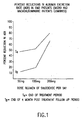
Fig. 1 shows the percent albumin excretion rate (AER) reduction in DM2 patients (micro and macro albuminuric patients combined). - The present invention encompasses the use of Sulodexide, preferably in orally administratable form, to decrease the amount of albumin excreted in the urine of a patient with diabetic nephropathy.
- Sulodexide is available commercially under the trademark VESSEL DUE F(r), and it can be made by the methods disclosed in
U.S. Patent 3,936,351 . - This invention is based in part on the discovery of unexpected benefits of using doses of Sulodexide in humans much higher than previously used, including the absence of expected adverse side effects at the higher dose levels. The unexpected benefits of the higher doses are demonstrated in patients given oral Sulodexide for the treatment of diabetic nephropathy.
- The effectiveness of these higher doses is unexpected because in the treatment of conditions other than diabetic nephropathy much lower doses of Sulodexide have been used and found clinically effective. Even in the treatment of diabetic nephropathy doses of Sulodexide larger than 100 mg/day or 1000 LRU's have never been reported and to our knowledge the art does not teach that higher doses would be effective and non-toxic. In addition, the possibility of adverse heparin like side effects was well known and this constituted teaching away from the use of these higher doses of Sulodexide.
- The present invention encompasses the use of sulodexide in a dosage from 20 0mg/day to 1000 mg/day for the treatment of diabetic nephropathy. The dosage of sulodexide is sufficient to reduce the albumin excretion rate but insufficient to cause adverse side effects. In addition, the present invention encompasses the administration of unit dose forms of Sulodexide of; 100mg, 125mg, 150mg, 175mg, 200mg, 225mg, 250mg, 275mg, 300mg, 325mg, 350mg, 375mg, 400mg, 425mg, 450mg, 475mg, 500mg, 525mg, 550mg, 575mg, 600mg, 625mg, 650mg, 675mg, 700mg, 725mg, 750mg, 775mg, 800mg, 825mg, 850mg, 875mg, 900mg, 925mg, 950mg, 975mg, and 1000mg.
- The therapeutic effectiveness of Sulodexide at high doses has been evaluated in a placebo controlled double-blind study. The results of this study reported in the example show below compared placebo treatment with 200 mg/day of Sulodexide and showed a 70% reduction in AER in patients with IDDM (DM1) and 77% reduction in AER in patients with NIDDM (DM2) compared to a 48% reduction and 52% in patients treated with a 100 mg/day dose for four months. Even more dramatic was the improvement in albumin excretion rate shown at follow-up, four months post treatment. In this follow up portion of the study the 200 mg/day dose produced a 62% reduction in AER in DM1 patients and a 63% reduction in AER in DM2 patient compared to 38% and 18% reductions respectively in patients receiving 100 mg/day.
- Thus, patients with DM2 receiving 200 mg/day of Sulodexide showed more than three times the reduction in albumin excretion at a point four months post treatment as compared to the patients receiving 100 mg/day. This dramatic non-linear effect of high dose Sulodexide was highly significant clinically and unexpected.
- The following example is given to illustrate the invention.
- The objective of this study was to evaluate the efficacy of three dose regimens of oral Sulodexide versus placebo, in both DM1 and DM2 patients with diabetic nephropathy and albuminuria.
- The experimental methodology was to randomly divide 240 patients with diabetic nephropathy and albuminuria into four groups. These groups received treatment with placebo or with oral Sulodexide at doses of 50, 100 or 200 mg per day. The active treatment phase was four months long and this was followed by an additional post treatment follow up after four months. The assignment and treatment of the patients was done in a double blind fashion.
- Inclusion criteria for the study required a stable blood pressure of less than 160/90, a serum creatinine of less than150 µmol/L, proteinuria of less than 3 g/day and stable HgBA1C.
- The primary end point changes in albumin excretion rate (AER) were determined by three overnight urine collections (analysis by ANCOVA adjusting for the baseline value of log AER).
- The results demonstrated that the percent reduction in AER after 4 months treatment with Sulodexide was significantly different from placebo, and approximately linear to dose increments. The group receiving Sulodexide at 50 mg/day had a 31 % reduction in AER (p = 0. 0026), the 100 mg/day group, a 50% reduction (p = 0.0001), and the 200 mg/day group a 75% reduction (p = 0.0001). After 4 months follow-up, the
Sulodexide 100 mg group maintained a 28% AER reduction compared to placebo (p = 0.0179), and the 200 mg group maintained a 65% reduction (p = 0.0001). Sub-analysis by type of diabetes (DM1 vs. DM2), micro vs. macroalbuminuria, and patients treated with or without ACE inhibitors demonstrated similar reductions in AER. Sulodexide at all dose levels was well tolerated. There were no significant changes in hemotologic, coagulation, and liver function parameters among the four groups. No deaths were recorded. - The conclusions were that oral Sulodexide reduces AER in patients with diabetic nephropathy caused by both DM1 and DM2 who are demonstrating micro or macroalbuminuria. The study showed no evidence of a plateau effect with the maximum doses used in this study. This was very significant and unexpected because the maximum dose used in this study was twice the maximum dose of Sulodexide used in any prior studies.
- In addition, the ability of oral Sulodexide to reduce albuminuria persisted following a four month cessation of treatment. This effect was a dramatic and unexpected finding and demonstrated a lasting beneficial effect of Sulodexide at high doses. This may be due to replenishment of the glomerular membrane electrostatic charge barrier or some other ability of high dose Sulodexide to produce a "healing" effect.
- The additional efficacy of high dose Sulodexide was observed even in diabetic nephropathy patients already taking ACE inhibitors.
- These findings show the ability of Sulodexide to lower albuminuria in nephropathic diabetic patients on a long term basis, beyond improvements achieved with ACE inhibitors. This may be of particular important in NIDDM or DM2 nephropathic patients, who respond less well to ACE inhibitors and who compromise the fastest growing group of patients with ESRD.
- The clinical results showing the effectiveness of treatment with various doses of Sulodexide are summarized in the following table;
TABLE 1 Percent AER Reduction by Patient Subgroups Group DM1 DM2 Microalbu minuria Macroalbu minuria ACEI Therapy Yes No T4 T8 T4 T8 T4 T8 T4 T8 T4 T8 T4 T8 Sulodexide 50 mg 16% 0% 47% 12% 30% 0% 35%* 20% 35%* 12% 27% -5 % Sulodexide 100 mg 48% * 38% 52% * 18% 50% * 25% 49%* 42% * 51%* 28% 48%* 36% Sulodexide 200 mg 70% * 62% * 77% * 63% * 74% * 65% * 75%* 62% * 74%* 60% * 74%* 67% * T4 = end of treatment period
T8 = end of 4 month post treatment follow up period
* denotes p-value < 0.05
** denotes p-value < 0.01
ACEI Therapy denotes simultaneous treatment with angiotensin converting enzyme inhibitors - The pharmaceutical compositions of the present invention comprise Sulodexide as the active ingredient, and may also contain a pharmaceutically acceptable carrier, excipient or diluent and optionally other therapeutic ingredients.
- Any formulation suitable for oral administration may be used in the present invention. These dosage forms include tablets, coated tablets, caplets, hard gelatin capsules, soft gelatin capsules, troches, dragées, dispersions, suspensions, solutions, patches and the like, including sustained release formulations well known in the art. See, e.g., Introduction to Pharmaceutical Dosage Forms, 1985, Ansel, H.C., Lea and Febiger, Philadelphia, PA; Remington's Pharmaceutical Sciences, 1995, Mack Publ. Co., Easton, PA.
- In practical use, the active agent (Sulodexide) in the pharmaceutical compositions of the invention can be combined as the active ingredient in intimate admixture with a pharmaceutically acceptable carrier according to conventional pharmaceutical compounding techniques. The carrier may take a wide variety of forms and comprises a number of components depending on the form of preparation desired for administration. The compositions of the present invention include, but are not limited to, suspensions, solutions and elixirs; aerosols; or excipients, including, but not limited to, starches, sugars, microcrystalline cellulose, diluents, granulating agents, lubricants, binders, disintegrating agents, and the like.
- Preferably, the pharmaceutical composition is in the form of an oral preparation. Because of their ease of administration, tablets and capsules are preferred and represent the most advantageous oral dosage unit form, in which case solid pharmaceutical excipients are employed. If desired, tablets may be coated by standard aqueous or nonaqueous techniques.
- Preferably, the oral pharmaceutical compositions of the present invention may be administered in single or divided doses, from one to four times a day. The oral dosage forms may be conveniently presented in unit dosage forms and prepared by any methods well known in the art of pharmacy.
- Pharmaceutical compositions of the present invention suitable for oral administration may be presented as discrete pharmaceutical unit dosage forms, such as capsules, cachets, soft elastic gelatin capsules, tablets, caplets, or aerosols sprays, each containing a predetermined amount of the active ingredients, as a powder or granules, or as a solution or a suspension in an aqueous liquid, a non-aqueous liquid, an oil-in-water emulsion, or a water-in-oil liquid emulsion. Such compositions may be prepared by any methods well known in the art of pharmacy, but all methods include the step of bringing into association one or more active ingredient(s) with the carrier. In general, the compositions are prepared by uniformly and intimately admixing the active ingredients with liquid carriers or finely divided solid carriers or both, and then, if necessary, shaping the product into the desired presentation. Oral solid preparations are preferred over oral liquid preparations. One preferred oral solid preparation is tablets, but the most preferred oral solid preparation is capsules.
- For example, a tablet may be prepared by compression or molding, optionally, with one or more accessory ingredients. Compressed tablets may be prepared by compressing in a suitable machine the active ingredient in a free-flowing form, such as powder or granules, optionally mixed with a binder, lubricant, inert diluent, granulating agent, surface active or dispersing agent, or the like. Molded tablets may be made by molding, in a suitable machine, a mixture of the powdered compound moistened with an inert liquid diluent. Preferably, each tablet, cachet, caplet, or capsule contains from about 100mg to about 1000 mg of Sulodexide, more preferably from about 100 mg to about 250 mg Sulodexide.
- Pharmaceutical compositions of the present invention suitable for oral administration may be formulated as a pharmaceutical composition in a soft elastic gelatin capsule unit dosage form by using conventional methods well known in the art. See, e.g., Ebert, Pharm. Tech, 1(5):44-50 (1977). Soft elastic gelatin capsules have a soft, globular gelatin shell somewhat thicker than that of hard gelatin capsules, wherein a gelatin is plasticized by the addition of plasticizing agent, e.g., glycerin, sorbitol, or a similar polyol. The hardness of the capsule shell may be changed by varying the type of gelatin used and the amounts of plasticizer and water. The soft gelatin shells may contain a preservative, such as methyl- and propylparabens and sorbic acid, to prevent the growth of fungi. The active ingredient may be dissolved or suspended in a liquid vehicle or carrier, such as vegetable or mineral oils, glycols, such as polyethylene glycol and propylene glycol, triglycerides, surfactants, such as polysorbates, or a combination thereof.
- In addition to the common dosage forms set out above, the compounds of the present invention may also be administered by controlled release means or delivery devices that are well known to those of ordinary skill in the art, such as those described in
U.S. Patent Nos.: 3,845,770 ;3,916,899 ;3,536,809 ;3,598,123 ; and4,008,719 ,5,674,533 ,5,059,595 ,5,591,767 ,5,120,548 ,5,073,543 ,5,639,476 ,5,354,556 , and5,733,566 . - These pharmaceutical compositions can be used to provide slow or controlled-release of one or more of the active ingredients therein using, for example, hydropropylmethyl cellulose, other polymer matrices, gels, permeable membranes, osmotic systems, multilayer coatings, microparticles, liposomes, microspheres, or the like, or a combination thereof to provide the desired release profile in varying proportions. Suitable controlled-release formulations known to those of ordinary skill in the art, including those described herein, may be readily selected for use with the pharmaceutical compositions of the invention. Thus, single unit dosage forms suitable for oral administration, such as tablets, capsules, gelcaps, caplets, and the like, that are adapted for controlled-release are encompassed by the present invention.
- All controlled-release pharmaceutical products have a common goal of improving drug therapy over that achieved by their non-controlled counterparts. Ideally, the use of an optimally designed controlled-release preparation in medical treatment is characterized by a minimum of drug substance being employed to cure or control the condition in a minimum amount of time. Advantages of controlled-release formulations may include: 1) extended activity of the drug; 2) reduced dosage frequency; and 3) increased patient compliance.
- Most controlled-release formulations are designed to initially release an amount of drug that promptly produces the desired therapeutic effect, and gradually and continually release of other amounts of drug to maintain this level of therapeutic effect over an extended period of time. In order to maintain this constant level of drug in the body, the drug must be released from the dosage form at a rate that will replace the amount of drug being metabolized and excreted from the body.
- The controlled-release of an active ingredient may be stimulated by various inducers, for example pH, temperature, enzymes, water, or other physiological conditions or compounds. The term "controlled-release component" in the context of the present invention is defined herein as a compound or compounds, including, but not limited to, polymers, polymer matrices, gels, permeable membranes, liposomes, microspheres, or the like, or a combination thereof, that facilitates the controlled-release of the active ingredient.
- Pharmaceutical stabilizers may also be used to stabilize compositions containing Sulodexide; acceptable stabilizers include but are not limited to L-cysteine hydrochloride, glycine hydrochloride, malic acid, sodium metabisulfite, citric acid, tartaric acid and L-cysteine dihydrochloride.
Claims (4)
- Use of Sulodexide for the preparation of a medicament for the treatment of diabetic nephropathy, wherein the medicament administers from 200 mg/day to 1000 mg/day Sulodexide, or a pharmaceutically acceptable salt thereof.
- A use as claimed in claim 1, wherein the unit dosage of Sulodexide, or a pharmaceutically acceptable salt thereof, is 225 mg, 250 mg, 275 mg, 300 mg, 325 mg, 350 mg, 375 mg, 400 mg, 425 mg, 450 mg, 475 mg, 500 mg, 525 mg, 550 mg, 575 mg or 600 mg per unit dose.
- A use as claimed in claim 1 or claim 2 wherein said medicament is administered orally.
- A use as claimed in any of claims 1 to 3, wherein said medicament is in the form of a tablet, coated tablet, caplet, hard gelatin capsule, soft gelatin capsule, troche, dragée, dispersion, suspension or solution.
Priority Applications (1)
| Application Number | Priority Date | Filing Date | Title |
|---|---|---|---|
| CY20081101363T CY1108595T1 (en) | 2000-06-07 | 2008-11-26 | SULODEXIDIS USE FOR THE TREATMENT OF TREATMENT OF DIABETIC Nephropathy |
Applications Claiming Priority (3)
| Application Number | Priority Date | Filing Date | Title |
|---|---|---|---|
| US20990700P | 2000-06-07 | 2000-06-07 | |
| US209907P | 2000-06-07 | ||
| PCT/US2001/018411 WO2001093850A2 (en) | 2000-06-07 | 2001-06-06 | Methods and compositions using sulodexide for the treatment of diabetic nephropathy |
Publications (2)
| Publication Number | Publication Date |
|---|---|
| EP1292315A2 EP1292315A2 (en) | 2003-03-19 |
| EP1292315B1 true EP1292315B1 (en) | 2008-09-24 |
Family
ID=22780806
Family Applications (1)
| Application Number | Title | Priority Date | Filing Date |
|---|---|---|---|
| EP01939923A Expired - Lifetime EP1292315B1 (en) | 2000-06-07 | 2001-06-06 | Use of sulodexide for the treatment of diabetic nephropathy |
Country Status (21)
| Country | Link |
|---|---|
| US (2) | US7259152B2 (en) |
| EP (1) | EP1292315B1 (en) |
| JP (1) | JP2003535129A (en) |
| KR (1) | KR100815287B1 (en) |
| AT (1) | ATE409042T1 (en) |
| AU (2) | AU2001265388B2 (en) |
| BR (1) | BR0111464A (en) |
| CA (1) | CA2411243A1 (en) |
| CY (1) | CY1108595T1 (en) |
| DE (1) | DE60135911D1 (en) |
| DK (1) | DK1292315T3 (en) |
| ES (1) | ES2309070T3 (en) |
| HU (1) | HUP0301408A2 (en) |
| IL (2) | IL153074A0 (en) |
| MX (1) | MXPA02011708A (en) |
| NO (1) | NO20025849D0 (en) |
| NZ (1) | NZ522963A (en) |
| PL (1) | PL201658B1 (en) |
| PT (1) | PT1292315E (en) |
| RU (1) | RU2003100081A (en) |
| WO (1) | WO2001093850A2 (en) |
Families Citing this family (7)
| Publication number | Priority date | Publication date | Assignee | Title |
|---|---|---|---|---|
| US20030013680A1 (en) * | 2001-06-12 | 2003-01-16 | Keryx | Methods using glycosaminoglycans for the treatment of nephropathy |
| WO2006121853A1 (en) * | 2005-05-05 | 2006-11-16 | Keryx Biopharmaceuticals, Inc. | Combination therapy with sulodexide and a blood pressure reducing agent in the treatment of diabetic nephropathy |
| ATE481094T1 (en) * | 2005-12-22 | 2010-10-15 | Kiacta Sarl | TREATMENT OF DIABETIC NEPHROPATHY |
| CA2673022A1 (en) * | 2006-12-22 | 2008-07-03 | Bellus Health (International) Limited | Methods, compounds, and compositions for treating metabolic disorders and diabetes |
| CN101632686A (en) * | 2008-04-04 | 2010-01-27 | 马斯特里赫特大学 | Use of glycosaminoglycan for restoring glycocalyx |
| IT1401253B1 (en) | 2010-04-23 | 2013-07-18 | Uni Degli Studi Carlo Bo Urbino | USE OF SULODEXIDE FOR THE REDUCTION OF MATRIX METALLOPROTEINASE. |
| FR3071283B1 (en) * | 2017-09-21 | 2022-07-29 | Fineheart | HEART PUMP EQUIPPED WITH AN INTERNAL BLADES TURBINE |
Family Cites Families (38)
| Publication number | Priority date | Publication date | Assignee | Title |
|---|---|---|---|---|
| US3536809A (en) | 1969-02-17 | 1970-10-27 | Alza Corp | Medication method |
| US3598123A (en) | 1969-04-01 | 1971-08-10 | Alza Corp | Bandage for administering drugs |
| US3845770A (en) | 1972-06-05 | 1974-11-05 | Alza Corp | Osmatic dispensing device for releasing beneficial agent |
| US3916899A (en) | 1973-04-25 | 1975-11-04 | Alza Corp | Osmotic dispensing device with maximum and minimum sizes for the passageway |
| DE2426586A1 (en) | 1973-06-14 | 1975-01-09 | Opocrin Srl | PROCESS FOR THE PRODUCTION OF GLUCURONIL-GLUCOSAMINE-GLYCAN SULPHATES WITH ANTILIPAEMIC EFFECT |
| US4008719A (en) | 1976-02-02 | 1977-02-22 | Alza Corporation | Osmotic system having laminar arrangement for programming delivery of active agent |
| IT1163772B (en) | 1983-07-13 | 1987-04-08 | Baldacci Lab Spa | COMPLEX HETEROGENEOUS AND ALPHA-IDOSAN OLIGOSACCHARIDES FOR THERAPEUTIC ACTIVITIES, PROCEDURE FOR THEIR PREPARATION AND RELATED PHARMACEUTICAL COMPOSITIONS |
| IE58110B1 (en) | 1984-10-30 | 1993-07-14 | Elan Corp Plc | Controlled release powder and process for its preparation |
| US5413645A (en) | 1986-04-25 | 1995-05-09 | Weirton Steel Corporation | Light-cage composite-coated flat-rolled steel manufacture and product |
| US5672334A (en) | 1991-01-16 | 1997-09-30 | Access Pharmaceuticals, Inc. | Invivo agents comprising cationic metal chelators with acidic saccharides and glycosaminoglycans |
| US4945086A (en) | 1988-05-03 | 1990-07-31 | The Board Of Trustees Of The Leland Stanford Junior University | Smooth muscle cell growth inhibitor |
| IT1234508B (en) | 1988-06-10 | 1992-05-19 | Alfa Wassermann Spa | HEPARIN DERIVATIVES AND PROCEDURE FOR THEIR PREPARATION |
| US5073543A (en) | 1988-07-21 | 1991-12-17 | G. D. Searle & Co. | Controlled release formulations of trophic factors in ganglioside-lipsome vehicle |
| US5380716A (en) | 1988-12-15 | 1995-01-10 | Glycomed, Inc. | Sulfated polysaccharides as inhibitors of smooth muscle cell proliferation |
| US5272261A (en) | 1989-01-11 | 1993-12-21 | Merrell Dow Pharmaceuticals Inc. | Preparation of sulfated polysaccharide fractions |
| IT1234826B (en) | 1989-01-30 | 1992-05-29 | Alfa Wassermann Spa | HEPARIN DERIVATIVES AND PROCEDURE FOR THEIR PREPARATION |
| IT1229203B (en) | 1989-03-22 | 1991-07-25 | Bioresearch Spa | USE OF 5 METHYLTHETRAHYDROPHOLIC ACID, 5 FORMYLTHETRAHYDROPHOLIC ACID AND THEIR PHARMACEUTICALLY ACCEPTABLE SALTS FOR THE PREPARATION OF PHARMACEUTICAL COMPOSITIONS IN THE FORM OF CONTROLLED RELEASE ACTIVE IN THE THERAPY OF MENTAL AND ORGANIC DISORDERS. |
| US5120548A (en) | 1989-11-07 | 1992-06-09 | Merck & Co., Inc. | Swelling modulated polymeric drug delivery device |
| US5378829A (en) | 1990-04-23 | 1995-01-03 | Akzo N.V. | Sulfated glycosaminoglycanoid derivatives of the heparin and heparan sulfate type |
| US5733566A (en) | 1990-05-15 | 1998-03-31 | Alkermes Controlled Therapeutics Inc. Ii | Controlled release of antiparasitic agents in animals |
| US5464942A (en) | 1990-07-24 | 1995-11-07 | Seikagaku Kogyo Kabushiki Kaisha | Phospholipid- or lipid-linked glycosaminoglycan and process for producing the same |
| US5073643A (en) | 1990-08-30 | 1991-12-17 | Polyset Corporation | High yield synthesis of hydroxyl-containing cationic photoinitiators |
| IT1242604B (en) | 1990-11-13 | 1994-05-16 | Alfa Wassermann Spa | GLYCOSAMINOGLICAN SALTS WITH AMINO ACID ESTERS, THEIR PREPARATION AND PHARMACEUTICAL FORMULATIONS THAT CONTAIN THEM. |
| IT1245761B (en) | 1991-01-30 | 1994-10-14 | Alfa Wassermann Spa | PHARMACEUTICAL FORMULATIONS CONTAINING GLYCOSAMINOGLICANS ABSORBABLE ORALLY. |
| IT1245907B (en) | 1991-05-17 | 1994-10-25 | Alfa Wassermann Spa | USE OF GLYCOSAMINOGLICANS IN THE TREATMENT OF DIABETIC NEPHROPATHY AND DIABETIC NEUROPATHY. |
| US5580578A (en) | 1992-01-27 | 1996-12-03 | Euro-Celtique, S.A. | Controlled release formulations coated with aqueous dispersions of acrylic polymers |
| IT1260137B (en) | 1992-04-17 | 1996-03-28 | Alfa Wassermann Spa | SEMI-SYNTHETIC GLYCOSAMINOGLICANS WITH EPARINIC OR EPARANIC STRUCTURE MODIFIED IN POSITION 2 OF ALPHA-L-IDURONIC-2-0-SULPHATE ACID |
| IT1260136B (en) | 1992-04-17 | 1996-03-28 | Alfa Wassermann Spa | SEMI-SYNTHETIC GLYCOSAMINOGLICANS CONTAINING ALPHA-L-GALACTURONIC ACID REPLACED WITH NUCLEOPHILIC RADICALS IN POSITION 3 |
| US5591767A (en) | 1993-01-25 | 1997-01-07 | Pharmetrix Corporation | Liquid reservoir transdermal patch for the administration of ketorolac |
| IT1264102B1 (en) | 1993-03-29 | 1996-09-10 | Alfa Wassermann Spa | PROCESS FOR THE SYNTHESIS OF SEMI-SYNTHETIC GLYCOSAMINOGLICANS CONTAINING ALPHA-L-GALACTURONIC ACID SUBSTITUTED WITH RADICALS |
| IT1264101B1 (en) | 1993-03-29 | 1996-09-10 | Alfa Wassermann Spa | PROCESS FOR THE SYNTHESIS OF SEMI-SYNTHETIC HEPARIN OR HEPARAN STRUCTURE GLYCOSAMINOGLICANS MODIFIED IN POSITION 2 |
| IT1270846B (en) | 1993-05-10 | 1997-05-13 | Alfa Wassermann Spa | USE OF SULODEXIDE AND MEDICINAL SPECIALTIES THAT CONTAIN IT IN THE TREATMENT OF DIABETIC NEPHROPATHY. |
| US5585361A (en) | 1994-06-07 | 1996-12-17 | Genzyme Corporation | Methods for the inhibition of platelet adherence and aggregation |
| IT1270594B (en) | 1994-07-07 | 1997-05-07 | Recordati Chem Pharm | CONTROLLED RELEASE PHARMACEUTICAL COMPOSITION OF LIQUID SUSPENSION MOGUISTEIN |
| IT1274351B (en) | 1994-10-06 | 1997-07-17 | Alfa Wassermann Spa | USE OF SOME GLYCOSAMINOGLICANS IN PERITONEAL DIALYSIS. |
| IT1299969B1 (en) | 1998-04-15 | 2000-04-04 | Alfa Wassermann Spa | USE OF SULODEXIDE AND MEDICINAL SPECIALTIES THAT CONTAIN IT IN THE TREATMENT OF DIABETIC RETINOPATHY. |
| US6399078B1 (en) | 1998-06-01 | 2002-06-04 | University Of Maryland Biotechnology Institute | Chemokine—glycosaminoglycan complexes and their use in treating or preventing receptor mediated diseases |
| IL127896A0 (en) | 1998-12-31 | 1999-10-28 | Gail Laster | A novel treatment for preeclampsia and related diseases |
-
2001
- 2001-06-04 US US09/873,234 patent/US7259152B2/en not_active Expired - Lifetime
- 2001-06-06 DK DK01939923T patent/DK1292315T3/en active
- 2001-06-06 RU RU2003100081/15A patent/RU2003100081A/en not_active Application Discontinuation
- 2001-06-06 MX MXPA02011708A patent/MXPA02011708A/en active IP Right Grant
- 2001-06-06 HU HU0301408A patent/HUP0301408A2/en unknown
- 2001-06-06 EP EP01939923A patent/EP1292315B1/en not_active Expired - Lifetime
- 2001-06-06 DE DE60135911T patent/DE60135911D1/en not_active Expired - Lifetime
- 2001-06-06 AT AT01939923T patent/ATE409042T1/en active
- 2001-06-06 JP JP2002501423A patent/JP2003535129A/en active Pending
- 2001-06-06 NZ NZ522963A patent/NZ522963A/en not_active IP Right Cessation
- 2001-06-06 AU AU2001265388A patent/AU2001265388B2/en not_active Ceased
- 2001-06-06 KR KR1020027016731A patent/KR100815287B1/en not_active Expired - Lifetime
- 2001-06-06 ES ES01939923T patent/ES2309070T3/en not_active Expired - Lifetime
- 2001-06-06 IL IL15307401A patent/IL153074A0/en unknown
- 2001-06-06 PL PL359346A patent/PL201658B1/en unknown
- 2001-06-06 BR BR0111464-6A patent/BR0111464A/en not_active Application Discontinuation
- 2001-06-06 AU AU6538801A patent/AU6538801A/en active Pending
- 2001-06-06 WO PCT/US2001/018411 patent/WO2001093850A2/en not_active Ceased
- 2001-06-06 CA CA002411243A patent/CA2411243A1/en not_active Abandoned
- 2001-06-06 PT PT01939923T patent/PT1292315E/en unknown
-
2002
- 2002-11-25 IL IL153074A patent/IL153074A/en not_active IP Right Cessation
- 2002-12-05 NO NO20025849A patent/NO20025849D0/en not_active Application Discontinuation
-
2007
- 2007-07-19 US US11/880,274 patent/US20080045476A1/en not_active Abandoned
-
2008
- 2008-11-26 CY CY20081101363T patent/CY1108595T1/en unknown
Non-Patent Citations (1)
| Title |
|---|
| GAMBARO ET AL., J ASM SOC NEPHROL, vol. 13, 2002, pages 1615 - 1625 * |
Also Published As
| Publication number | Publication date |
|---|---|
| MXPA02011708A (en) | 2004-05-17 |
| KR100815287B1 (en) | 2008-03-19 |
| IL153074A0 (en) | 2003-06-24 |
| US20080045476A1 (en) | 2008-02-21 |
| ES2309070T3 (en) | 2008-12-16 |
| EP1292315A2 (en) | 2003-03-19 |
| IL153074A (en) | 2008-07-08 |
| WO2001093850B1 (en) | 2003-02-20 |
| NZ522963A (en) | 2004-11-26 |
| US7259152B2 (en) | 2007-08-21 |
| HUP0301408A2 (en) | 2003-11-28 |
| ATE409042T1 (en) | 2008-10-15 |
| PL359346A1 (en) | 2004-08-23 |
| DE60135911D1 (en) | 2008-11-06 |
| BR0111464A (en) | 2003-05-06 |
| CA2411243A1 (en) | 2001-12-13 |
| KR20030031493A (en) | 2003-04-21 |
| PT1292315E (en) | 2008-10-16 |
| US20020065233A1 (en) | 2002-05-30 |
| JP2003535129A (en) | 2003-11-25 |
| PL201658B1 (en) | 2009-04-30 |
| RU2003100081A (en) | 2004-07-20 |
| NO20025849L (en) | 2002-12-05 |
| AU6538801A (en) | 2001-12-17 |
| NO20025849D0 (en) | 2002-12-05 |
| WO2001093850A3 (en) | 2002-08-22 |
| CY1108595T1 (en) | 2014-04-09 |
| WO2001093850A2 (en) | 2001-12-13 |
| DK1292315T3 (en) | 2008-11-17 |
| AU2001265388B2 (en) | 2006-12-14 |
Similar Documents
| Publication | Publication Date | Title |
|---|---|---|
| DE69738089T2 (en) | Solid oral dosage forms containing valsartan | |
| Gisen Group | Randomised placebo-controlled trial of effect of ramipril on decline in glomerular filtration rate and risk of terminal renal failure in proteinuric, non-diabetic nephropathy | |
| DE60221691T2 (en) | TAMSULOSIN TABLETS WITHOUT FOOD EFFECT | |
| EP1515702B3 (en) | Abuse-protected administration form | |
| DE60222687T3 (en) | PHARMACEUTICAL COMPOSITIONS CONTAINING MYCOPHENOLIC ACID OR A MYCOPHENOLATE SALT | |
| US20080045476A1 (en) | Methods and compositions using sulodexide for the treatment of diabetic nephropathy | |
| JPH0552814B2 (en) | ||
| DE69008258T2 (en) | S-ADENOSYL METHIONINE FOR TREATING PANCREATITIS AND IMMUNE REPELLATION OF THE PANCREASTRANSPLANT. | |
| JP2702400B2 (en) | Sulodexide-containing drugs for the treatment of diabetic nephropathy | |
| AU2001265388A1 (en) | Methods and compositions using sulodexide for the treatment of diabetic nephropathy | |
| DE10209979A1 (en) | Medicines with cholesterol-lowering active substances with delayed active substance release | |
| ES2349295T3 (en) | SOLID GALENIC FORM FOR THE OCULAR ADMINISTRATION OF AN ACTIVE AND SOLUBLE OPTICAL INSTRUMENT AND MANUFACTURING PROCEDURE FOR AN INSERT OF THIS TYPE. | |
| WO2000025756A2 (en) | Medicament for topical treatment of inflammatory intestinal diseases | |
| KR101697773B1 (en) | Modified release composition comprising doxofylline | |
| CN121793949A (en) | A dexamethasone sodium phosphate lyophilized composition suitable for tympanic cavity administration and its preparation method | |
| WO2018158465A1 (en) | Pharmaceutical composition comprising pancreatin and a lipase-containing coating | |
| EP3415163B1 (en) | Composition with topical anaesthetic effect and the use thereof | |
| WO2000066088A1 (en) | Controlled release pharmaceutical preparation containing metamizole | |
| CN112569356B (en) | A pharmaceutical composition containing diuretic | |
| EP1267861B1 (en) | Composition comprising paracetamol and niflumic acid | |
| EP3900708A1 (en) | Extended-release medical composition containing zaltoprofen | |
| DE202017103288U1 (en) | Composition for the treatment of inflammatory diseases of the genitourinary tract in the form of a high-dose combination of active ingredients | |
| JP2008515807A (en) | Methods of using glycosaminoglycans for the treatment of kidney disease | |
| CN107510696A (en) | For treating the pharmaceutical composition of NASH | |
| DE2800110A1 (en) | METHOD FOR PRODUCING NEW ANTIDIARRHOICA |
Legal Events
| Date | Code | Title | Description |
|---|---|---|---|
| PUAI | Public reference made under article 153(3) epc to a published international application that has entered the european phase |
Free format text: ORIGINAL CODE: 0009012 |
|
| 17P | Request for examination filed |
Effective date: 20030107 |
|
| AK | Designated contracting states |
Kind code of ref document: A2 Designated state(s): AT BE CH CY DE DK ES FI FR GB GR IE IT LI LU MC NL PT SE TR |
|
| AX | Request for extension of the european patent |
Extension state: AL LT LV MK RO SI |
|
| 17Q | First examination report despatched |
Effective date: 20031009 |
|
| GRAP | Despatch of communication of intention to grant a patent |
Free format text: ORIGINAL CODE: EPIDOSNIGR1 |
|
| RTI1 | Title (correction) |
Free format text: USE OF SULODEXIDE FOR THE TREATMENT OF DIABETIC NEPHROPATHY |
|
| GRAS | Grant fee paid |
Free format text: ORIGINAL CODE: EPIDOSNIGR3 |
|
| GRAA | (expected) grant |
Free format text: ORIGINAL CODE: 0009210 |
|
| AK | Designated contracting states |
Kind code of ref document: B1 Designated state(s): AT BE CH CY DE DK ES FI FR GB GR IE IT LI LU MC NL PT SE TR |
|
| REG | Reference to a national code |
Ref country code: GB Ref legal event code: FG4D |
|
| REG | Reference to a national code |
Ref country code: CH Ref legal event code: EP Ref country code: CH Ref legal event code: NV Representative=s name: MOINAS & SAVOYE SA |
|
| REG | Reference to a national code |
Ref country code: PT Ref legal event code: SC4A Free format text: AVAILABILITY OF NATIONAL TRANSLATION Effective date: 20081006 |
|
| REG | Reference to a national code |
Ref country code: IE Ref legal event code: FG4D |
|
| REF | Corresponds to: |
Ref document number: 60135911 Country of ref document: DE Date of ref document: 20081106 Kind code of ref document: P |
|
| REG | Reference to a national code |
Ref country code: DK Ref legal event code: T3 |
|
| REG | Reference to a national code |
Ref country code: SE Ref legal event code: TRGR |
|
| REG | Reference to a national code |
Ref country code: ES Ref legal event code: FG2A Ref document number: 2309070 Country of ref document: ES Kind code of ref document: T3 |
|
| REG | Reference to a national code |
Ref country code: GR Ref legal event code: EP Ref document number: 20080403304 Country of ref document: GR |
|
| PLBE | No opposition filed within time limit |
Free format text: ORIGINAL CODE: 0009261 |
|
| STAA | Information on the status of an ep patent application or granted ep patent |
Free format text: STATUS: NO OPPOSITION FILED WITHIN TIME LIMIT |
|
| 26N | No opposition filed |
Effective date: 20090625 |
|
| PGFP | Annual fee paid to national office [announced via postgrant information from national office to epo] |
Ref country code: CY Payment date: 20100525 Year of fee payment: 10 |
|
| PGFP | Annual fee paid to national office [announced via postgrant information from national office to epo] |
Ref country code: LU Payment date: 20110527 Year of fee payment: 11 Ref country code: SE Payment date: 20110603 Year of fee payment: 11 Ref country code: GR Payment date: 20110525 Year of fee payment: 11 Ref country code: MC Payment date: 20110524 Year of fee payment: 11 Ref country code: CH Payment date: 20110526 Year of fee payment: 11 Ref country code: IE Payment date: 20110526 Year of fee payment: 11 |
|
| PGFP | Annual fee paid to national office [announced via postgrant information from national office to epo] |
Ref country code: DK Payment date: 20110524 Year of fee payment: 11 Ref country code: AT Payment date: 20110525 Year of fee payment: 11 Ref country code: BE Payment date: 20110531 Year of fee payment: 11 Ref country code: GB Payment date: 20110606 Year of fee payment: 11 Ref country code: NL Payment date: 20110527 Year of fee payment: 11 Ref country code: FI Payment date: 20110525 Year of fee payment: 11 |
|
| PGFP | Annual fee paid to national office [announced via postgrant information from national office to epo] |
Ref country code: FR Payment date: 20110727 Year of fee payment: 11 |
|
| PGFP | Annual fee paid to national office [announced via postgrant information from national office to epo] |
Ref country code: DE Payment date: 20110606 Year of fee payment: 11 |
|
| BERE | Be: lapsed |
Owner name: ALFA WASSERMANN, INC. Effective date: 20120630 |
|
| REG | Reference to a national code |
Ref country code: NL Ref legal event code: V1 Effective date: 20130101 |
|
| REG | Reference to a national code |
Ref country code: DK Ref legal event code: EBP |
|
| REG | Reference to a national code |
Ref country code: SE Ref legal event code: EUG |
|
| PG25 | Lapsed in a contracting state [announced via postgrant information from national office to epo] |
Ref country code: MC Free format text: LAPSE BECAUSE OF NON-PAYMENT OF DUE FEES Effective date: 20120630 Ref country code: FI Free format text: LAPSE BECAUSE OF NON-PAYMENT OF DUE FEES Effective date: 20120606 Ref country code: CY Free format text: LAPSE BECAUSE OF NON-PAYMENT OF DUE FEES Effective date: 20120606 |
|
| REG | Reference to a national code |
Ref country code: CH Ref legal event code: PL |
|
| REG | Reference to a national code |
Ref country code: AT Ref legal event code: MM01 Ref document number: 409042 Country of ref document: AT Kind code of ref document: T Effective date: 20120606 Ref country code: CH Ref legal event code: PL |
|
| GBPC | Gb: european patent ceased through non-payment of renewal fee |
Effective date: 20120606 |
|
| PG25 | Lapsed in a contracting state [announced via postgrant information from national office to epo] |
Ref country code: SE Free format text: LAPSE BECAUSE OF NON-PAYMENT OF DUE FEES Effective date: 20120607 |
|
| REG | Reference to a national code |
Ref country code: GR Ref legal event code: ML Ref document number: 20080403304 Country of ref document: GR Effective date: 20130104 |
|
| REG | Reference to a national code |
Ref country code: IE Ref legal event code: MM4A |
|
| REG | Reference to a national code |
Ref country code: FR Ref legal event code: ST Effective date: 20130228 |
|
| REG | Reference to a national code |
Ref country code: DE Ref legal event code: R119 Ref document number: 60135911 Country of ref document: DE Effective date: 20130101 |
|
| PG25 | Lapsed in a contracting state [announced via postgrant information from national office to epo] |
Ref country code: CH Free format text: LAPSE BECAUSE OF NON-PAYMENT OF DUE FEES Effective date: 20120630 Ref country code: NL Free format text: LAPSE BECAUSE OF NON-PAYMENT OF DUE FEES Effective date: 20130101 Ref country code: IE Free format text: LAPSE BECAUSE OF NON-PAYMENT OF DUE FEES Effective date: 20120606 Ref country code: GB Free format text: LAPSE BECAUSE OF NON-PAYMENT OF DUE FEES Effective date: 20120606 Ref country code: FR Free format text: LAPSE BECAUSE OF NON-PAYMENT OF DUE FEES Effective date: 20120702 Ref country code: DE Free format text: LAPSE BECAUSE OF NON-PAYMENT OF DUE FEES Effective date: 20130101 Ref country code: LI Free format text: LAPSE BECAUSE OF NON-PAYMENT OF DUE FEES Effective date: 20120630 Ref country code: BE Free format text: LAPSE BECAUSE OF NON-PAYMENT OF DUE FEES Effective date: 20120630 |
|
| PG25 | Lapsed in a contracting state [announced via postgrant information from national office to epo] |
Ref country code: GR Free format text: LAPSE BECAUSE OF NON-PAYMENT OF DUE FEES Effective date: 20130104 |
|
| PG25 | Lapsed in a contracting state [announced via postgrant information from national office to epo] |
Ref country code: AT Free format text: LAPSE BECAUSE OF NON-PAYMENT OF DUE FEES Effective date: 20120606 |
|
| PG25 | Lapsed in a contracting state [announced via postgrant information from national office to epo] |
Ref country code: DK Free format text: LAPSE BECAUSE OF NON-PAYMENT OF DUE FEES Effective date: 20120702 |
|
| PG25 | Lapsed in a contracting state [announced via postgrant information from national office to epo] |
Ref country code: LU Free format text: LAPSE BECAUSE OF NON-PAYMENT OF DUE FEES Effective date: 20120606 |
|
| REG | Reference to a national code |
Ref country code: PT Ref legal event code: PC4A Owner name: , IT Effective date: 20160309 |
|
| REG | Reference to a national code |
Ref country code: ES Ref legal event code: PC2A Owner name: ALFA WASSERMANN S.P.A. Effective date: 20160414 |
|
| REG | Reference to a national code |
Ref country code: ES Ref legal event code: PC2A Owner name: ALFASIGMA S.P.A. Effective date: 20180117 |
|
| PGFP | Annual fee paid to national office [announced via postgrant information from national office to epo] |
Ref country code: PT Payment date: 20200522 Year of fee payment: 20 Ref country code: TR Payment date: 20200604 Year of fee payment: 20 |
|
| PGFP | Annual fee paid to national office [announced via postgrant information from national office to epo] |
Ref country code: IT Payment date: 20200512 Year of fee payment: 20 |
|
| PGFP | Annual fee paid to national office [announced via postgrant information from national office to epo] |
Ref country code: ES Payment date: 20200701 Year of fee payment: 20 |
|
| PG25 | Lapsed in a contracting state [announced via postgrant information from national office to epo] |
Ref country code: PT Free format text: LAPSE BECAUSE OF EXPIRATION OF PROTECTION Effective date: 20210616 |
|
| PG25 | Lapsed in a contracting state [announced via postgrant information from national office to epo] |
Ref country code: ES Free format text: LAPSE BECAUSE OF EXPIRATION OF PROTECTION Effective date: 20210607 |