TECHNICAL FIELD
The present invention relates to a medicament, food beverage or feed,
comprising as an effective ingredient a polyphenol, a derivative thereof and/or a
salt thereof.
BACKGROUND ART
Polyphenol is a generic term of substances having several or more
phenolic hydroxyl groups in its molecule, many of which have been known to be
derived from plants. In a broad sense, the polyphenol includes flavonoids,
chlorogenic acid, caffeic acid, dicaffeoylquinic acid, gallic acid,
proanthocyanin, gallotannin, and the like. Also, the flavonoids are further
classified according to their basic backbones, and can be classified into
flavones, flavonols, flavanones, anthocyanidins, chalcones, isoflavones,
flavanols, flavanonols, and the like. The flavonols include, for instance,
myricetin, quercetin, and the like. The flavanols include catechins, for instance,
epigallocatechin gallate, and the like. The flavanones include isoxanthohumol,
and the like. The chalcones include xanthohumol B, xanthohumol D and the like.
Although antioxidating activity has been primarily known as
physiological activities of the polyphenol, the enhancing activity for growth
factor production therefor has not yet been known.
Nerve cells play a principal role for sustaining psychoactivities of human
being such as intellectual functions, memory, emotions and behaviors. It has
been thought that the differentiation, survival and exhibition of functions of the
nerve cells which are the foundations of these psychoactivities need a
neurotrophic factor specific for each nerve cell. Among the neurotrophic factors,
one of which existence and function have been firstly elucidated is a nerve
growth factor (hereinafter simply referred to as "NGF"), and currently, there
have been found a brain-derived-neurotrophic factor, neurotrophin-3,
neurotrophin-4/5, and the like.
NGF is a neurotrophic factor of a large cellular cholinergic nerve cell of
basal portion of the forebrain, so that its association with Alzheimer's dementia
has been remarked [Pharmacia, Vol.22, No.2, 147-151 (1986), Ronen Seishin
Igaku (Senile Psychiatry), Vol.3, No.6, 751-758 (1986)]. Alzheimer's dementia
refers to a disease that gives a pathological finding such as senile plaque or
Alzheimer's fibrillar changes, which are accompanied by a clinical picture such
as developmental disability, manic state, tonic seizures of lower limbs, or
epileptic seizure, and is one disease of senile dementia. The Alzheimer's
dementia tends to be increasing in recent aging society, so that a larger societal
interest has been drawn thereto. However, there has not yet been found a method
for ameliorating or treating such symptoms.
In the brain of a patient with Alzheimer's dementia, there has been found
a dramatic denaturation and a drastic lowering of the activity of choline acetyl
transferase (CAT) in the basal portion of the forebrain centering about Meynert's
basal nuclei [Annu. Rev. Neurosci., Vol.3, 77 (1980)]. In the studies of a rat
brain in 1985, there has been elucidated that NGF is a neurotrophic factor at this
site of the brain [EMBO J., Vol.4, 1389 (1985)], so that the association of NGF
with this disease has been remarked. In addition, there have been elucidated that
in the striate body of the brain of a patient with Huntington's chorea, there are
remarkable detachment of GABAergic nerve cell as well as detachment of
cholinergic nerve cell, so that NGF also acts on the endogenous cholinergic
nerve cell of the striate body [Science, Vol.234, 1341 (1986)], addressing a
possibility that this disease is associated with NGF. The effects of NGF have
been studied with an animal such as a rat which can serve as a model for various
nerve diseases. There has been reported that the degeneration of the nerve cell
can be stopped in a rat if NGF is intracerebrally administered before the
degeneration becomes remarkable, and that the lowering of CAT activity is also
prevented [J. Neurosci., Vol.6, 2155 (1986), Brain Res., Vol.293, 305 (1985),
Science, Vol.235, 214 (1986), Proc. Natl. Acad. Sci. USA, Vol.83, 9231 (1986)].
Also, it has been proven that NGF is biosynthesized in the peripheral
sympathetic nerve-dominant tissues and in the brain, and that each of fibroblasts
or astroglia which are interstitial cells for peripheral tissues or brain tissues plays
an important role for the NGF biosynthesis [J. Biol. Chem., Vol.259, 1259
(1984), Biochem. Biophys. Res. Commun., Vol.136, 57 (1986)]. In addition, it
has been elucidated that antigenicity, molecular weight, isoelectric point and
biological activity of the fibroblast-producing or astroglia-producing NGF are
the same as NGF of conventionally well studied submandibular gland. At the
same time, it has been found that a catecholamine such as norepinephrine,
epinephrine or dopamine shows enhancing action for NGF production by a test
of adding various neurotransmitters to a culture medium of fibroblasts (L-M
cells) and astroglia [J. Biol. Chem., Vol.201, 6039 (1986)].
There has been expected that NGF can be used as a therapeutic agent for
stopping degeneration in a nerve disease in which a site at which NGF acts as a
neurotrophic factor is degenerated. In addition, once the cranial nerve cells are
degenerated by cebrovascular disorders, cerebral tumor, cerebral apicitus, nerve
degenerative disease caused by head injury, intoxication with an anesthetic, or
the like, the degenerated cranial nerve cells would never recover during the life
time, whereby various disorders such as emotional disorders and behavioral
abnormality are consequently caused in addition to lowering in the intellectual
functions and memory disabilities. On the other hand, nerve fiber shows
plasticity, that is, when the nerve fiber is damaged, budding takes place from its
surrounding healthy fibers, so that a new synapsis is formed in place of the
damaged synapsis. Therefore, it has been expected that NGF can be used as a
therapeutic agent for promoting restoration and regeneration of nerve functions
at this stage.
However, when NGF is applied to a treatment of various nerve diseases,
NGF must reach in very close vicinity of nerve cell that requires NGF, and NGF
must be transmitted to lesion site of the cranial cell in a case of a disease in the
central nervous system. However, NGF cannot be transmitted into the brain
through the blood system. This is because the vascular endothelial cells in the
brain are bound to each other by adhesion bonding (referred to as brain blood
barrier), so that there is a limitation in the transport of a substance other than
water, gas or an oil-soluble substance from blood to a brain tissue, whereby a
protein (including NGF), which is polymeric substance, cannot pass through the
brain blood barrier. There is a too large risk involved in the introduction of NGF
directly into the brain by a surgical means, even if the introduction is conducted
by the current techniques.
On the other hand, there has been developed a substance for enhancing
NGF production, not a direct administration of NGF. Most of the compounds,
however, have various problems such that the compounds have strong toxicity,
or the compounds have effective concentration very closely approximating
concentration at which toxicity is shown, or the compounds have severe adverse
actions against nervous system such as nerve excitation action. Therefore, these
compounds have not yet been actually used.
A liver subjected to partial hepatectomy quickly regenerates and regains
its original size. Although the substance of the factor for hepatic regeneration
has been unknown for many years, hepatocyte growth factor (HGF) has been
found in plasma of a patient suffering from fulminant hepatitis, and isolated and
purified from the plasma of this patient (Gohda, E. et al.: J. Clin. Invest., 88 414-419,
1988). Further, human HGF cDNA has been also cloned, and the primary
structure for HGF has been also elucidated (Miyakawa, K. et al.: Biochem.
Biophys. Res. Commun., 163 967-973, 1989). In addition, it has been elucidated
that scatter factor (SF) for facilitating motility of cells, and a tumor cell disorder
factor, tumor cytotoxic factor (TCF) are identical substances to HGF (Weidner,
K. M. et al.: Proc. Natl. Acad. Sci. USA, 88 7001-7005, 1991; Shima, N. et al.:
Biochem. Biophys. Res. Commun., 180 1151-1158, 1991).
HGF accelerates growth of many of epithelial cells, such as
changioepithelial cells, renal tubule epithelial cells, and gastric mucosa cells, as
well as hepatocytes, and induces morphological formations as seen in facilitation
of motility of epithelial cells, vascularization or luminal formation of epithelial
cells, so that HGF is a multi-functional active substance exhibiting a wide variety
of physiological activity. In other words, in various organs, HGF induces
morphological formations such as proliferation acceleration and facilitation of
motility of epithelial cells, or vascularization during the recovery of the disorder
of the organ, and the like.
HGF exhibits growing action for hepatocytes, accelerating action for
protein synthesis, ameliorating action for cholestasia, and further preventing
action for renal disorder caused by drugs and the like. mRNA of HGF is
synthesized even in the brain, the kidney, the lungs, and the like. HGF is a
mesoblast growth factor that accelerates growth of many of epithelial cells, such
as changioepithelial cells, renal tubule epithelial cells, and gastric mucosa cells.
In addition, it induces morphological formations such as proliferation
acceleration and facilitation of motility of epithelial cells, or vascularization
during the recovery of the disorder, so that HGF is a multi-functional active
substance exhibiting a wide variety of physiological activity. Further, HGF also
has actions for protection, proliferation acceleration, and recovery of disorder of
nerve cells, and the like. Therefore, by enhancing the production of HGF, it has
been expected to treat or prevent hepatic disorders such as hepatitis, severe
hepatitis, fulminant hepatitis, cirrhosis, and cholestasia in the liver, renal
disorders caused by drugs and the like, gastrointestinal disorders, vascular
disorders, chronic nephritis, pneumonia, wound, diabetes, cancer, and the like.
Since HGF has the various actions mentioned above, the HGF itself is
expected to be used as a therapeutic agent for hepatic disorders such as hepatitis,
severe hepatitis, fulminant hepatitis, cirrhosis, and cholestasia in the liver, renal
disorders caused by drugs and the like, gastrointestinal disorders, vascular
disorders, chronic nephritis, pneumonia, wound, diabetes, cancer, and the like.
However, the HGF itself has not yet been used as a therapeutic agent for actual
use. Further, although a method of introducing a gene of HGF by gene therapy
has been tried, it is far from being actually used because of adverse actions
resulting from HGF actions caused in an unnecessary timing and location. As
described above, if HGF can be arbitrarily enhanced without being externally
administered, HGF is thought to be effective for treatment and prophylaxis of a
disease requiring enhancement for HGF production, such as hepatic disorders
such as hepatitis, severe hepatitis, fulminant hepatitis, cirrhosis, and cholestasia
in the liver, renal disorders caused by drugs and the like, gastrointestinal
disorders, vascular disorders, chronic nephritis, pneumonia, wound, diabetes, and
cancer. However, this has not yet been actually used.
As described above, although it is thought that various diseases associated
with growth factor can be treated or prevented by enhancing the growth factor,
there have not been known substances, means, and the like capable of
appropriately enhancing growth factor production as desired without showing
toxicity or adverse actions.
DISCLOSURE OF INVENTION
As a result of intensive studies, the present inventors have found that a
polyphenol, a derivative thereof or a salt thereof has enhancing action for growth
factor production. The present invention has been perfected thereby.
Concretely, the present invention relates to:
BRIEF DESCRIPTION OF THE DRAWINGS
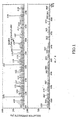
Figure 1 is MS spectrum of the fraction 18-3 derived from Angelica
keiskei koidz.
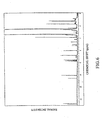
Figure 2 is 1H-NMR spectrum of the fraction 18-3 derived from Angelica
keiskei koidz.
Figure 3 is MS spectrum of the fraction 28 derived from Angelica keiskei
koidz.
Figure 4 is 1H-NMR spectrum of the fraction 28 derived from Angelica
keiskei koidz.
Figure 5 is MS spectrum of the fraction A-5 derived from xanthohumol
fraction.
Figure 6 is 1H-NMR spectrum of the fraction A-5 derived from
xanthohumol fraction.
BEST MODE FOR CARRYING OUT THE INVENTION
The effective ingredient according to the present invention is (i) at least
one kind selected from the group consisting of polyphenols, derivatives thereof,
and salts thereof (hereinafter referred to as "polyphenols and the like" in some
cases); or (ii) a composition obtained by subjecting at least one kind selected
from the group consisting of polyphenols, derivatives thereof, and salts thereof to
(A) a mixing treatment with at least one kind selected from the group consisting
of a metal, a metal salt and a metal ion, or (B) an oxidation treatment. The
enhancing action for growth factor production of the effective ingredient is
exhibited by the polyphenol, a derivative thereof, or a salt thereof, and these
effective ingredients can be conveniently prepared and are very useful in wide
range of fields such as medicaments and foods due to their various physiological
functions. In addition, the enhancing action for growth factor production of the
polyphenols and the like is enhanced by subjecting the polyphenols and the like
to a treatment of (A) or (B) mentioned above. Therefore, the above-mentioned
composition is more preferable one as the effective ingredient. The above-mentioned
enhancing action for growth factor production of the polyphenols and
the like and the enhancement of the above-mentioned action by the above-mentioned
treatment of the polyphenols and the like have been found for the first
time in the present invention.
In the present specification, the term "enhancing action for growth factor
production" and "enhancing activity for growth factor production" refer to
enhancement for growth factor production and a function for enhancing growth
factor production, respectively, and are not intended to particularly strictly
distinguish in their meaning. In addition, the term "enhance" encompasses an
embodiment in which the amount of the desired substance is increased after the
action as compared to that before the action of the effective ingredient according
to the present invention, as well as an embodiment in which the desired
substance is produced by the action of the effective ingredient according to the
present invention (induce). In addition, in the present specification, any of the
substances listed as the effective ingredients can be used alone or in admixture of
two or more kinds in the present invention.
The polyphenols used in the present invention are not particularly limited,
as long as they have enhancing action for growth factor production. For instance,
there can be used any of those classified as flavonoids such as flavonols,
chalcones, isoflavones, anthocyanins, flavanols, flavanones, flavones, aurones,
and flavanonols; and those classified as non-flavonoids such as gallic acid,
chlorogenic acid, cryptochlorogenic acid, neochlorogenic acid, caffeic acid,
ellagic acid and dicaffeoylquinic acid. Also, condensed-type polymer
polyphenols such as proanthocyanin, and hydrolyzed-type polymer
polyphenols such as gallotannin and ellagitannin are encompassed in the
polyphenols of the present invention. A preferred polyphenol is at least one
kind selected from the group consisting of flavonoids, gallic acid, chlorogenic
acid, cryptochlorogenic acid, neochlorogenic acid, caffeic acid and
dicaffeoylquinic acid, from the viewpoint of exhibiting the desired effects of
the present invention. The dicaffeoylquinic acid is especially preferably 3,5-dicaffeoylquinic
acid. In addition, the above-mentioned flavonoid is
preferably at least one kind selected from the group consisting of flavonols,
flavanones, chalcones and flavanols. The above-mentioned flavonols include
kaemferol, myricetin, quercetin and the like, preferably myricetin and/or
quercetin. The above-mentioned flavanone is preferably isoxanthohumol. The
above-mentioned chalcone is preferably xanthohumol B and/or xanthohumol D.
The above-mentioned flavanol includes catechins, preferably epigallocatechin
gallate. In addition, various isomers such as optical isomers, keto-enol tautomers
and geometric isomers can be also used in the present invention, as long as these
have enhancing action for growth factor production, and may be isolated into
each isomer or may be a mixture of isomers. The polyphenol used in the present
invention can be prepared by a known method. For instance, the polyphenol can
be isolated and purified from fruit, seed, seed coat, flower, leaf, stem, root, or
rhizome of a plant (for instance, Artemisia L., Angelica keiskei koidz., bamboo,
plum, rice, soybean, Chrysanthemum, Chrysanthemum coronarium, Humulus
lupulus, mulukhiya, Curcuma zedoaeia Roscoe, Curcuma, and the like). Also,
commercially available polyphenols can be used. In addition, extracts of a plant
containing a polyphenol can be directly used.
The derivative of the polyphenol in the present invention is not
particularly limited. For instance, there are exemplified a carboxylic acid ester, a
glycoside, a sulfated product and the like of a polyphenol. Any of these
derivatives can be used in the present invention as long as they have enhancing
action for growth factor production. It is preferable that the derivative is the
carboxylic acid ester of a polyphenol and/or the glycoside of a polyphenol. The
above-mentioned carboxylic acid ester of a polyphenol is exemplified by, for
instance, an ester with a carboxylic acid having an aliphatic group, an aromatic
group or an aromatic-aliphatic group. The carboxylic acid may be those having
unsaturated hydrocarbons, or those of which hydrogen atom is substituted with a
halogen atom or a functional group such as hydroxyl group, amino group, oxo
group or the like. The carboxylic acid ester of a polyphenol may be those in
which an ester is formed with all of the phenolic hydroxyl groups existing in the
polyphenol, or those in which the hydroxyl group partly remains in the
polyphenol. The carboxylic acid ester of the polyphenol is preferably the
carboxylic acid ester of the preferred compound as the effective ingredient
exemplified above as the polyphenol, more preferably caffeic acid methyl ester
and/or caffeic acid ethyl ester, which are carboxylic acid esters of caffeic acid.
In addition, any of carboxylic acid esters of flavonoids such as kaemferol,
myricetin, quercetin, isoxanthohumol, xanthohumol B, xanthohumol D or
epigallocatechin gallate are preferable.
In addition, the glycoside of a polyphenol includes, for instance,
glycosides of monosaccharides such as glucose, threose, ribose, apiose, allose,
ramnose, arabinopyranose, ribulose, xylose, galactose, mannose, talose, fucose,
fructose, glucuronic acid and galacturonic acid, disaccharides such as
neohesperidose, lutinose, agarobiose, isomaltose, sucrose, xylobiose, nigerose,
maltose and lactose, polysaccharides such as agarose and fucoidan, or the like.
In addition, the glycoside includes compounds in which C-C bonding is formed
at a carbon other than the reducing end of the saccharide, as well as compounds
in which O-, N-, S- or C-glycoside bonding is formed between the polyphenol
and the saccharide. The glycoside of the polyphenol is preferably isoorientin,
which is a glycoside of luteolin, a kind of flavone. Also, the glycoside of the
polyphenol is preferably a glycoside of the compounds suitable as the effective
ingredient exemplified above as the polyphenol. In addition, any of glycosides
of flavonoids such as kaemferol, myricetin, quercetin, isoxanthohumol,
xanthohumol B, xanthohumol D or epigallocatechin gallate are preferable.
Further, for instance, a compound which has such a function as a so-called
prodrug, which undergoes hydrolysis reaction in the living body, thereby
exhibiting enhancing action for growth factor production, is encompassed in the
derivative of the polyphenol.
The derivative of the polyphenol described above can be appropriately
prepared by a known method.
The salt of the polyphenol or derivative thereof according to the present
invention is exemplified by, for instance, an alkali metal salt, an alkaline earth
metal salt, a salt with an organic base, and the like. For instance, the salts
include salts with sodium, potassium, calcium, magnesium, ammonium,
diethanolamine, ethylenediamine, and the like. These salts can be obtained, for
instance, by converting a phenolic hydroxyl group or the like of the polyphenol
into a salt by a known method. The salt is preferably a pharmacologically
acceptable salt.
Also, as the effective ingredient of the present invention, there can be
suitably used the above-mentioned composition, namely a composition obtained
by subjecting at least one kind selected from the group consisting of polyphenols,
derivatives thereof, and salts thereof to:
By subjecting to the treatment (A) or (B) mentioned above, the enhancing action
for growth factor production of the above-mentioned polyphenols or the like is
enhanced. Therefore, the composition is more suitable as the effective ingredient
as compared to the above-mentioned polyphenols or the like. The polyphenols
or the like includes those preferred compounds as the effective ingredients
exemplified as the polyphenols or the like, derivatives of the compounds, and
salts thereof. Among them, chlorogenic acid and/or caffeic acid, derivatives
thereof and salts thereof are preferable. Also, the derivative is preferably a
carboxylic acid ester and/or a glycoside of chlorogenic acid and/or caffeic acid.
The composition itself is also encompassed in the present invention.
The metal used in the present invention is not particularly limited, and a
preferred metal includes at least one metal element selected from the group
consisting of iron, manganese, magnesium, copper, zinc, silver, gold, aluminum,
calcium, nickel and cobalt. The metal salt is preferably a salt containing the
above-mentioned metal, and the metal salt includes, for instance, sulfates,
acetates, nitrates, phosphates, carbonates, chlorides and the like of the metals.
Also, a complex salt containing a complex ion can be used. The metal ion refers
to a metal ion which is formed by dissolving these metals and/or metal salts in,
for instance, an aqueous solution, and it is preferred to use at least one kind
selected from the group consisting of Fe2+, Fe3+, Mn2+, Mn3+, Mg2+, Cu+, Cu2+,
Cu3+, Zn2+, Ag+, Ag2+, Au+, Au3+, Al3+, Ca2+, Ni2+, Co2+ and Co3+.
The mixing treatment (A) with at least one kind selected from the group
consisting of a metal, a metal salt and a metal ion (hereinafter referred to as "the
metal and the like" in some cases) can be carried out by contacting the above-mentioned
polyphenol and the like with the metal and the like. For instance, in
an appropriate solvent, a polyphenol and a metal salt is mixed so as to have a
molar ratio (polyphenol/metal salt) of preferably from 0.01 to 10000, more
preferably from 1 to 100, and the mixture is allowed to stand preferably at 0° to
100°C, more preferably at room temperature (25°C), for preferably from
5 minutes to 10 days, more preferably from 30 minutes to 1 day. As the solvent,
there can be used, for instance, a hydrophilic or lipophilic solvent such as water,
chloroform, an alcohol such as ethanol, methanol or isopropyl alcohol, a ketone
such as acetone or methyl ethyl ketone, methyl acetate or ethyl acetate, alone or
as a mixed solution, and water is preferably used. In the mixing treatment, it is
preferable that both the polyphenol and the like and the metal and the like which
are to be treated are dissolved in the solvent. Also, in the step of extracting a
polyphenol from a plant, the above-mentioned composition can also be obtained
by carrying out the above-mentioned mixing treatment. For instance, the above-mentioned
metal and the like are previously added to the extracting solvent, and
the mixture after the extraction is allowed to stand for, for instance, several
minutes to several hours, whereby the above-mentioned composition can be
obtained.
Although the structure of the composition obtained by the mixing
treatment is unknown, it is deduced that, for instance, the composition is formed,
for instance, as a complex by some sort of bonding between the polyphenol and
the like and the metal and the like, the composition is in simply mixed state
without bonding, or the like.
The above-mentioned (B) oxidation treatment of the polyphenol and the
like is carried out, for instance, by subjecting a polyphenol to the steps of
oxidation by contact with oxygen, oxidation with an oxidizing agent, oxidation
with an oxidizing enzyme, electric oxidation, or the like. Any of these steps can
be carried out according to known methods. For instance, when the oxidation is
carried out by contact with oxygen, the process can be carried out by feeding an
air through a pump to the polyphenol and the like dissolved in an aqueous
solution. The oxidation with an oxidizing agent can be carried out by suitably
using as the oxidizing agent hydrogen peroxide, ozone, silver, copper, iron,
nickel, manganese, cobalt, chromium or the like. The oxidation with an
oxidizing enzyme can be carried out by suitably using as the oxidizing enzyme
tyrosinase, peroxidase or the like. The oxidation with a microorganism
containing the oxidizing enzyme exemplified above is encompassed in the
oxidation with an oxidizing enzyme. When oxidation is electrically carried out,
the oxidation is carried out by cathode oxidation reaction using as an electrode
platinum, zinc oxide, carbon, graphite, platinum oxide or the like.
Although the structure of the composition obtained by the oxidation
treatment is unknown, it is deduced that the polyphenol and the like are simply
oxidized or exist as a polymer by polymerization.
The composition used as the effective ingredient is not particularly limited,
as long as the composition is obtained through the treatment of (A) or (B)
mentioned above. Therefore, there can be used those obtained by a treatment
method including a step of treatment (A) or (B) mentioned above [namely,
treatment method including steps other than the step of treatment (A) or (B)
mentioned above]. In addition, the above-mentioned polyphenol and the like
after the above-mentioned treatment may be directly used as a composition. On
the other hand, the composition may be used after subjecting it to purification as
desired in accordance with a known purification step, as long as the desired
effects are obtained.
The effective ingredient according to the present invention can be used in
combination with known substances having enhancing action for growth factor
production. Further, a composition obtained by mixing treatment of the
polyphenol and the like with the metal and the like, and a composition obtained
by the oxidation treatment of the polyphenol and the like can be used in
combination.
Any of the effective ingredients according to the present invention, as
described above, have enhancing action for growth factor production. For
instance, the exhibition of the action can be evaluated by the methods described
in Examples 1 and 17 described below.
In the effective ingredient of the present invention, toxicity is not
particularly recognized as described below, and there is no concern for
generation of adverse actions, so that the enhancement of the growth factor
production can be carried out safely and appropriately. Therefore, the
therapeutic agent, the prophylactic agent, the food, the beverage or the feed of
the present invention, each comprising the effective ingredient, is effective for
treatment or prevention of a disease requiring the enhancement of growth factor
production.
The growth factor in the present invention is not particularly limited, as
long as the growth factor has activity for accelerating the cell growth. The
growth factor is exemplified by hepatocyte growth factor (HGF), nerve growth
factor (NGF), neurotrophic factor, epidermal growth factor, milk-derived growth
factor, fibroblast growth factor, brain-derived fibroblast growth factor, acidic
fibroblast growth factor, platelet-derived growth factor, platelet basic protein,
connective tissue-activating peptide, insulin-like growth factor, colony-stimulating
factor, erythropoietin, thrombopoietin, T cell growth factor,
interleukins (for instance, interleukins 2, 3, 4, 5, 7, 9, 11 and 15), B cell growth
factor, cartilage-derived factor, cartilage-derived growth factor, bone-derived
growth factor, skeletal growth factor, epithelial cell growth factor, epithelial cell-derived
growth factor, oculus-derived growth factor, testis-derived growth factor,
Sertoli's cell-derived growth factor, mammotropic factor, spinal cord-derived
growth factor, macrophage-derived growth factor, mesodermal growth factor,
transforming growth factor-α, transforming growth factor-β, heparin-binding
EGF-like growth factor, amphyllegrin, SDGF, betacellulin, epiregulin,
neuregulin 1, 2 and 3, vascular endotherial growth factor, neurotrophin, BDNF,
NT-3, NT-4, NT-5, NT-6, NT-7, glial cell line-derived neurotrophic factor, stem
cell factor, midkine, pleiotrophin, ephrin, angiopoietin, activin, tumor necrosis
factor, interferons, and the like. According to the present invention, the
enhancement for production of nerve growth factor (NGF) or hepatocyte growth
factor (HGF) can be especially suitably carried out.
HGF is a factor for hepatocyte regeneration, and is further a factor for
facilitating motility of cells, as well as a tumor cytotoxic factor. HGF accelerates
growth of many of epithelial cells, such as changioepithelial cells, renal tubule
epithelial cells, and gastric mucosa cells, as well as hepatocytes. In addition,
HGF exhibits remarkably a wide variety of physiological activity, for instance,
HGF induces morphological formations as seen in facilitation of motility of
epithelial cells, vascularization or luminal formation of epithelial cells.
Therefore, by enhancing the production of HGF, hepatic disorders such as
hepatitis, severe hepatitis, fulminant hepatitis, cirrhosis, and cholestasia in the
liver, renal disorders caused by drugs and the like, gastrointestinal disorders,
vascular disorders, chronic nephritis, pneumonia, wound, diabetes, cancer, and
the like can be treated or prevented.
On the other hand, NGF is an endogenous growth factor for maintaining
viability and functions of nerve cells, elongating nerve cells in accordance with a
concentration gradient of NGF, or the like. By enhancing the production of NGF,
the treatment or prevention of senile dementia such as Alzheimer's disease,
peripheral nerve disorder, cerebrovascular disorder, cerebral tumor, cerebral
apicitis, nerve degenerative disease caused by head injury, diseases requiring
recovery and regeneration of nerve functions, caused by intoxication with an
anesthetic, and the like can be carried out. In addition, it is useful in the
treatment or prevention of amyotrophic lateral sclerosis, drug-induced peripheral
nerve disorder, diabetic peripheral nerve disorder, Parkinson's disease, sensory
nerve disorder, retinitis pigmentosa, macular dystrophy, and the like.
The disease requiring the enhancement of growth factor production in the
present invention is not particularly limited, as long as the disease can be treated
or prevented by enhancing growth factor production with the therapeutic agent,
the prophylactic agent or the like, comprising the above-mentioned effective
ingredient. It is especially effective for various diseases exemplified above
which can be treated or prevented by enhancing HGF or NGF production.
The therapeutic agent or prophylactic agent of the present invention for a
disease requiring enhancement of growth factor production includes those
formed into a preparation by combining the above-mentioned effective
ingredient with a known pharmaceutical vehicle. In this embodiment, as the salt
which is the effective ingredient, the pharmacologically acceptable salts can be
used.
The therapeutic agent or prophylactic agent of the present invention is
usually prepared by formulating the above-mentioned effective ingredient with a
pharmacologically acceptable liquid or solid vehicle, and optionally adding
thereto a solvent, a dispersant, an emulsifier, a buffer, a stabilizer, an excipient, a
binder, a disintegrant, a lubricant, or the like, thereby being made into a solid
agent such as a tablet, a granule, a powder, a fine powder, and a capsule, or a
liquid agent such as a common liquid agent, a suspension agent or an emulsion
agent. In addition, there can be also prepared a dry product which can be made
liquid by adding an appropriate vehicle before use, and an external preparation.
The pharmaceutical vehicle can be selected depending upon the above-mentioned
administration form and preparation form of the therapeutic agent or
prophylactic agent. In the case of an orally administered preparation comprising
a solid composition, a tablet, a pill, a capsule, a powder, a fine powder, a granule
or the like can be formed by utilizing, for instance, starch, lactose, saccharose,
mannitol, carboxymethyl cellulose, cornstarch, an inorganic salt or the like. In
addition, during the preparation of the orally administered preparation, a binder,
a disintegrant, a surfactant, a lubricant, a fluidity accelerator, a flavor, a colorant,
a perfume, and the like can be further formulated. In the case of forming into a
tablet or pill, for instance, the tablet or pill may be covered with a sugar-coating
made of sucrose, gelatin or hydroxypropyl cellulose, or with a film made of a
substance soluble in the stomach or intestine as occasion demands. In the case of
an orally administered preparation comprising a liquid composition, the
preparation can be prepared in the form of a pharmaceutically acceptable
emulsion, solution, suspension, syrup, or the like, using purified water, ethanol,
or the like, for instance, as a vehicle. Furthermore, an auxiliary agent such as a
wetting agent or a suspending agent, a sweetener, a flavor, an antiseptic, or the
like may be added as desired.
On the other hand, a non-orally administered preparation is prepared by
dissolving or suspending the above-mentioned effective ingredient of the present
invention in a diluent such as distilled water for injection, physiological saline,
an aqueous solution of glucose, vegetable oil for injection, sesame oil, peanut oil,
soybean oil, corn oil, propylene glycol or polyethylene glycol, by a conventional
method, and adding a microbicide, a stabilizer, an osmotic regulator, a soothing
agent, or the like as necessary. It is also possible to produce a solid composition
which is dissolved in sterile water or a sterile solvent for injection before use.
The external preparation includes solid, semi-solid or liquid preparations
for percutaneous administration or transmucosal (oral or intranasal)
administration. The external preparation also includes suppositories and the like.
For instance, the external preparation may be prepared as liquid preparations
including emulsions, suspensions such as lotions, external tinctures, and liquids
for transmucosal administration; ointments including oily ointments and
hydrophilic ointments; medical adhesives for percutaneous administration or
transmucosal administration such as films, tapes and poultices; and the like.
Each of the above-mentioned various preparations can be appropriately
produced by conventional methods by utilizing known pharmaceutical vehicles
and the like. The content of the effective ingredient in the preparation is not
particularly limited, as long as the content is preferably the amount so that the
effective ingredient can be administered within the dose described below in
consideration of administration form, administration method and the like of the
preparation.
The therapeutic agent or prophylactic agent of the present invention is
administered via an administration route appropriate for each of the preparation
form. The administration route is not limited to specific one. The agent can be
administered internally or externally (or topically) or by injection. The injection
can be administered, for instance, intravenously, intramuscularly, subcutaneously,
intracutaneously, or the like. In the use of external preparations, for instance, a
suppository may be administered by a method of administration suitable therefor.
The dose for the therapeutic agent or prophylactic agent of the present
invention is changeable and properly set depending upon its preparation form,
administration method, purpose of use, age, body weight, symptom or the like of
the patient to which the therapeutic agent or prophylactic agent is applied, or the
like. Generally, the dose for the above-mentioned effective ingredient contained
in the preparation is preferably from 0.1 µg to 200 mg/kg weight per day for
adult. As a matter of course, the dose varies depending upon various conditions,
so that an amount smaller than the dose mentioned above may be sufficient, or
an amount exceeding the dose range may be required. The agent may be
administered in a single dose or in several divided portions during the day within
the desired dose range. Also, the agent of the present invention can be directly
orally administered, or the agent can be added to any foodstuffs to take it on a
daily basis.
In addition, in another embodiment of the present invention, there can
provided an enhancer for growth factor production comprising the above-mentioned
effective ingredient according to the present invention. The enhancer
may be the above-mentioned effective ingredient itself, or a composition
comprising the above-mentioned effective ingredient. In this embodiment, as the
salt which is the effective ingredient, the pharmacologically acceptable salts can
be preferably used. The enhancer for growth factor production can be produced
by formulating the above-mentioned effective ingredient with other ingredients
which can be used for the same application as the effective ingredient, and
forming into a form of reagent usually used according to the above-mentioned
process for producing the therapeutic agent or prophylactic agent. The content
of the above-mentioned effective ingredient in the enhancer is not particularly
limited, as long as the content is in an amount so that the desired effects of the
present invention can be exhibited in consideration of administration route,
administration purpose or the like of the enhancer. Also, the amount of the
enhancer used is not particularly limited, as long as the desired effects of the
present invention can be exhibited. Especially in the case where the enhancer is
administered to a living body, the enhancer is preferably used in an amount so
that the effective ingredient can be administered within the dose range of the
effective ingredient in the above-mentioned therapeutic agent or prophylactic
agent. The enhancer for growth factor production is useful for enhancement of
growth factor production, especially useful for enhancement of the production of
growth factor in a disease requiring enhancement for HGF or NGF production.
In addition, the enhancer is also useful for screening of drugs for growth factor-associated
diseases. Also, the enhancer can be used for a method for activating
epithelial cells, and this method is useful for biochemical studies relating to
epithelial cell mechanism, and screening drugs for hepatic disorders, renal
disorders, gastrointestinal disorders, and vascular disorders. In addition, the
enhancer is useful for functional studies of growth factor.
Further, in a still another embodiment of the present invention, there can
provided a method for enhancing growth factor production, comprising
administering the above-mentioned effective ingredient according to the present
invention to an animal. In this embodiment, as the salt which is the effective
ingredient, the pharmacologically acceptable salts can be preferably used. This
method can be carried out by administering the above-mentioned effective
ingredient, preferably as the above-mentioned enhancer for growth factor
production, to an animal that is predicted to require or requires enhancement of
growth factor production, so that the growth factor production is enhanced by the
administration. The administration method, dose, or the like of the effective
ingredient may be similar to that of the above-mentioned enhancer for growth
factor production. In the method for enhancing growth factor production, the
therapeutic agent or prophylactic agent, or the food, beverage or feed described
below of the present invention can be used. In addition, the term "animal"
includes a mammal such as human, dogs, cats, Bos, Porcus, Equus, and the like,
among which the method is preferably used for human. The method for
enhancing growth factor production is useful for, for instance, the enhancement
of growth factor production in the treatment or prevention of a disease requiring
enhancement for growth factor production. In addition, the method is also useful
for screening of drugs for growth factor-associated diseases. Also, the method is
useful for functional studies of growth factor.
In addition, the present invention provides a food, beverage or feed for
enhancing growth factor production, comprising the above-mentioned effective
ingredient. In this embodiment of the present invention, as the salt which is the
effective ingredient, a pharmacologically acceptable salt or a salt having the
same level of safety as the pharmacologically acceptable salt can be suitably
used. Since the food, beverage or feed has enhancing action for growth factor
production, the food, beverage or feed is very useful in amelioration or
prevention of symptoms for a disease requiring enhancement for growth factor
production.
Here, in this embodiment of the present invention, the term "comprise or
comprising" includes the meanings of containing, adding and diluting. The term
"containing" refers to an embodiment of containing the effective ingredient used
in the present invention in the food, beverage or feed; the term "adding" refers to
an embodiment of adding the effective ingredient used in the present invention to
a raw material for the food, beverage or feed; and the term "diluting" refers to an
embodiment of adding a raw material for the food, beverage or feed to the
effective ingredient used in the present invention.
The method for preparing the food, beverage or feed of the present
invention is not particularly limited. For instance, formulation, cooking,
processing, and the like can be carried out in accordance with those generally
employed for foods, beverages or feeds, and the food, beverage or feed can be
prepared by the general methods for preparing a food, beverage or feed, as long
as the resulting food, beverage or feed may contain the above-mentioned
effective ingredient according to the present invention, wherein the effective
ingredient has enhancing action for growth factor production.
The food or beverage of the present invention is not particularly limited.
The food or beverage includes, for instance, processed agricultural and forest
products, processed stock raising products, processed marine products and the
like, including processed grain products such as processed wheat products,
processed starch products, processed premix products, noodles, macaronis, bread,
bean jam, buckwheat noodles, wheat-gluten bread, rice noodle, fen-tiao, and
packed rice cake; processed fat and oil products such as plastic fat and oil,
tempura oil, salad oil, mayonnaise, and dressing; processed soybean products
such as tofu products, soybean paste, and fermented soybeans; processed meat
products such as ham, bacon, pressed ham, and sausage; marine products such as
frozen ground fish, boiled fish paste, tubular roll of boiled fish paste, cake of
ground fish, deep-fried patty of fish paste, fish ball, sinew, fish meat ham and
sausage, dried bonito, products of processed fish egg, marine cans, and preserved
food boiled down in soy sauce (tsukudani); milk products such as raw material
milk, cream, yogurt, butter, cheese, condensed milk, powder milk, and ice cream;
processed vegetable and fruit products such as paste, jam, pickled vegetables,
fruit beverages, vegetable beverages, and mixed beverages; confectionaries such
as chocolates, biscuits, sweet bun, cake, rice cake snacks, and rice snacks;
alcohol beverages such as sake, Chinese liquor, wine, whisky, Japanese distilled
liquor (shochu), vodka, brandy, gin, ram, beer, refreshing alcoholic beverages,
fruit liquor, and liqueur; luxury drinks such as green tea, tea, oolong tea, coffee,
refreshing beverages and lactic acid beverages; seasonings such as soy sauce,
sauce, vinegar, and sweet rice wine; canned, binned or pouched foods such as
rice topped cooked beef and vegetable, rice boiled together with meat and
vegetables in a small pot, steamed rice with red beans, curry roux and rice, and
other precooked foods; semi-dry or concentrated foods such as liver pastes and
other spreads, soups for buckwheat noodles or wheat noodles, and concentrated
soups; dry foods such as instant noodles, instant curry roux, instant coffee,
powder juice, powder soup, instant soybean paste (miso) soup, precooked foods,
precooked beverages, and precooked soup; frozen foods such as sukiyaki, pot-steamed
hotchpotch, split and grilled eel, hamburger steak, shao-mai, dumpling
stuffed with minced pork, various sticks, and fruit cocktails; solid foods; liquid
foods (soups); spices; and the like, wherein the food or beverage comprises the
above-mentioned effective ingredient according to the present invention.
The above-mentioned effective ingredient is singly or in plurality
contained, added and/or diluted in the food or beverage. The food or beverage of
the present invention does not have any particular limitation on its shape, as long
as the effective ingredient is contained in an amount necessary for the food or
beverage to exhibit enhancing action for growth factor production. Such shapes
also include orally taken shapes such as tablets, granules and capsules.
The content of the above-mentioned effective ingredient in the food or
beverage of the present invention is not particularly limited, and the content can
be appropriately selected from the viewpoints of sensory ability and exhibition of
activity. The content of the effective ingredient is, for instance, preferably
0.0001 parts by weight or more, more preferably from 0.001 to 10 parts by
weight, per 100 parts by weight of the food, or for instance, preferably
0.0001 parts by weight or more, more preferably from 0.001 to 10 parts by
weight, per 100 parts by weight of the beverage. Also, the food or beverage of
the present invention may be taken such that the effective ingredient contained
therein is taken in an amount of preferably from 0.01 to 100 mg/kg weight per
day for adult.
In addition, the present invention provides a feed for an organism having
enhancing action for growth factor production, in which the above-mentioned
effective ingredient is contained, added and/or diluted. In another embodiment,
the present invention also provides a method of feeding an organism,
characterized by administering the above-mentioned effective ingredient to the
organism. In still another embodiment, the present invention provides an
organism feeding agent characterized in that the organism feeding agent
comprises the above-mentioned effective ingredient.
In these inventions, the organism includes, for instance, culturing or
breeding animals, pet animals, and the like. The culturing or breeding animal is
exemplified by cattle, experimental animals, poultry, pisces, crustaceae or
shellfish. The feed is exemplified by a feed for sustenance of and/or
improvement in physical conditions. The organism feeding agent includes
immersion agents, feed additives, and beverage additives.
According to these inventions, the same effects can be expected to be
exhibited as those of the above-mentioned therapeutic agent or prophylactic
agent of the present invention, on the basis of the enhancing action for growth
factor production of the above-mentioned effective ingredient used in the present
invention, in the organism exemplified above for applying these. In other words,
according to these inventions, there can be expected exhibition of therapeutic or
prophylactic effect for a disease requiring enhancing action for growth factor
production in the organism.
The above-mentioned effective ingredient used in the present invention is
usually administered in an amount of preferably from 0.01 to 2000 mg per 1 kg
of the body weight of the subject organism per day. The administration can be
made by adding and mixing the effective ingredient in a raw material for an
artificially formulated feed, or mixing the effective ingredient with a powder raw
material for an artificially formulated feed, and thereafter further adding and
mixing the resulting mixture with other raw materials, wherein the artificially
formulated feed is applied to a subject organism. In addition, the content of the
above-mentioned effective ingredient in the feed is not particularly limited. The
content of the effective ingredient can be appropriately set in accordance with its
purposes, and an appropriate proportion in the feed is from 0.001 to 15% by
weight.
The artificially formulated feed includes feeds using as raw materials
animal-derived raw materials such as fish meal, casein, and squid meal; plant-derived
raw materials such as soybean grounds, flour, and starch; microorganism
raw materials such as yeasts for feed; animal fats and oils such as cod-liver oil
and squid-liver oil; vegetable fats and oils such as soybean oil and rapeseed oil;
and other raw materials such as vitamins, minerals, amino acids, and
antioxidants; and the like. In addition, feeds for fish such as fish minced meat
are also included.
The method for preparing the feed of the present invention is not
particularly limited. In addition, the formulation may be in accordance with
those of general feeds, as long as the above-mentioned effective ingredient
according to the present invention having enhancing action for growth factor
production is contained in the feed produced.
Also, the above-mentioned effective ingredient having enhancing activity
for growth factor production according to the present invention can be
administered by directly adding the above-mentioned effective ingredient to
water, seawater, or the like in a pool, a water tank, a water reservoir, or a feeding
range, and immersing a subject organism into the resulting solution. The
immersion method is especially effective when the amount of intake of the feed
of the subject organism is lowered. The concentration of the effective ingredient
according to the present invention having enhancing action for growth factor
production in water or seawater is not particularly limited. The concentration of
the effective ingredient may be adjusted in accordance with its purposes. It is
appropriate that the concentration is preferably from 0.00001 to 1% by weight.
Also, a beverage comprising the above-mentioned effective ingredient
according the present invention, having enhancing action for growth factor
production may be given to a subject organism as a feeding drink. The
concentration of the effective ingredient used in the present invention having
enhancing action for growth factor production in the beverage is not particularly
limited. The concentration of the effective ingredient may be adjusted in
accordance with its purposes. It is appropriate that the concentration is
preferably from 0.0001 to 1% by weight. The organism feeding agent, for
instance, an immersion agent, a feed additive, or a beverage additive comprising
the above-mentioned effective ingredient according to the present invention
having enhancing action for growth factor production may be prepared by known
formulation and preparation method. The content of the effective ingredient in
the organism feeding agent is not particularly limited, so long as the desired
effects of the present invention can be obtained.
The organism to which the present invention can be applied is not limited.
The culturing or breeding animals include cattle such as Equus, Bos, Porcus,
Ovis, Capra, Camelus, and Lama; experimental animals such as mice, rats,
guinea pigs, and rabbits; poultry such as Chrysolophus, ducks, Meleagris, and
Struthioniformes; pisces such as Pagrus, Oplegnathidae, Paralichthys, plaice,
Seriola, young Seriola, amberjack, Thunna, Caranx delicatissimus, Plecoglossus,
Salmo•Oncorhynchus, Fugu, Anguilla, Misguirus, and Parasilurus; Crustaceae
such as Penaidae, black tiger shrimp, Penaeus roentalis, and Portulus
trituberculatus; and shellfish such as abalones (awabi), turban shells, scallops,
and oysters; and the pet animals includes dogs, cats, and the like, so that the feed
can be widely applied to animals on land and in water.
By allowing a subject organism to take the feed comprising the above-mentioned
effective ingredient used in the present invention having enhancing
action for growth factor production, or immersing a subject organism into a
solution containing the above-mentioned effective ingredient used in the present
invention having enhancing action for growth factor production, the physical
conditions of the cattle, experimental animals, poultry, pisces, Caustacea,
shellfish, pet animals or the like can be well sustained and ameliorated.
Further, as a still another embodiment, the present invention provides use
of the above-mentioned effective ingredient according to the present invention in
the preparation of a therapeutic agent or prophylactic agent for a disease
requiring enhancement of growth factor production, an enhancer for growth
factor production, or a food, beverage or feed for enhancing growth factor
production. The use embodiments include use embodiments of the above-mentioned
effective ingredient in the preparation of the therapeutic agent or
prophylactic agent, the enhancer for growth factor production, or the food,
beverage or feed for enhancing growth factor production of the present invention
mentioned above. For instance, as the use of the above-mentioned effective
ingredient in the preparation of a therapeutic agent or prophylactic agent for a
disease requiring enhancement of growth factor production, or an enhancer for
growth factor production, there are exemplified the use in the preparation of a
solid agent such as a tablet, a granule, a powder, a fine powder, and a capsule, a
liquid agent such as a common liquid agent, a suspension agent, or an emulsion
agent, or a dry product which can be liquefied by adding an appropriate vehicle
before use.
The above-mentioned effective ingredient used in the present invention
shows no toxicity, even when its effective dose for its action and exhibition is
administered. For instance, there are no cases of death when any of kaemferol,
myricetin, quercetin, isoxanthohumol, xanthohumol B, xanthohumol D,
epigallocatechin gallate, gallic acid, chlorogenic acid, cryptochlorogenic acid,
neochlorogenic acid, caffeic acid, dicaffeoylquinic acid, isoorientin, methyl
ester caffeic acid, ethyl ester caffeic acid, or these optical activated isomers or
salts thereof is orally administered to a mouse in a single dose of 1 g/1 kg.
EXAMPLES
The present invention will be more concretely described below by means
of Examples, without intending to limit the present invention thereto. Here, "%"
in Examples means "% by weight" unless otherwise specified.
Example 1 Enhancing Activity for HGF Production of Myricetin and
Quercetin
MRC-5 cells (CCL 171: manufactured by DAINIPPON
PHARMACEUTICAL CO., LTD., code. 02-021) were suspended in a DME
medium containing 10% fetal bovine serum so as to have a concentration of
5 × 10⁴ cells/cm2. The suspension was put in a 48-well cell culture plate, and the
cells were cultured at 37°C in the presence of 5% CO2 gas for 24 hours. After
culturing, the medium was exchanged. Thereafter, the sample was added, and
the cells were cultured for another 24 hours. Subsequently, the medium was
collected, and the amount of HGF in the medium was assayed using Quantikine
Human Hepatocyte Growth Factor (HGF) ELISA Kit (manufactured by
Funakoshi, code. RS-0641-00). As the sample, myricetin (Sample (i)) was added
so as to have a final concentration of 0, 1, 10 or 100 µM, and quercetin (Sample
(ii)) was added so as to have a final concentration of 0, 10 or 100 µM. Here, the
addition of the sample was carried out by previously preparing aqueous solutions
of the samples at various concentrations, and adding a given amount of each
solution to the medium so as to have the above-mentioned final concentration.
As the control, that with addition of a given amount of distilled water alone (final
concentration of the sample: 0 µM) was used. The amount of HGF production
was expressed as the relative value (%) when the HGF concentration in the cell
culture medium of the control was defined as 100%. The results are shown in
Table 1. All experiments were carried out twice, and an average value was taken.
As shown in Table 1, the samples (i) and (ii) enhanced HGF production. Further,
myricetin, which has a larger number of hydroxyl groups in the B-ring of the
flavonol, had a higher enhancing activity for HGF production.
From this, it was demonstrated that the flavonols and the derivatives
thereof had an enhancing activity for HGF production.
| Sample | Concentration (µM) | Amount of HGF Production (%) |
| Sample (i) | 0 | 100 |
| | 1 | 187 |
| | 10 | 543 |
| | 100 | 454 |
| Sample (ii) | 0 | 100 |
| | 10 | 139 |
| | 100 | 304 |
| (Here, the amount of HGF production in the control was 4.80 ng/ml.) |
The enhancing activity for HGF production of epigallocatechin gallate
was assayed in the same manner as in Example 1. Here, epigallocatechin gallate
was added so as to have a final concentration of 0, 1 or 10 µM. The results are
shown in Table 2. As shown in Table 2, epigallocatechin gallate enhanced HGF
production.
| Concentration (µM) | Amount of HGF Production (%) |
| 0 | 100 |
| 1 | 175 |
| 10 | 160 |
| (Here, the amount of HGF production in the control was 6.78 ng/ml.) |
The enhancing activity for HGF production of gallic acid was assayed in
the same manner as in Example 1. Here, gallic acid was added so as to have a
final concentration of 0, 1, 10 or 100 µM. The results are shown in Table 3. As
shown in Table 3, gallic acid enhanced HGF production.
| Concentration (µM) | Amount of HGF Production (%) |
| 0 | 100 |
| 1 | 112 |
| 10 | 217 |
| 100 | 576 |
| (Here, the amount of HGF production in the control was 6.78 ng/ml.) |
The enhancing activity for HGF production of chlorogenic acid was
assayed in the same manner as in Example 1. Chlorogenic acid (manufactured
by Tokyo Kasei) was added so as to have a final concentration of 0, 1, 10, 100,
500 or 1000 µM. The results are shown in Table 4. As shown in Table 4,
chlorogenic acid enhanced HGF production.
| Concentration (µM) | Amount of HGF Production (%) |
| 0 | 100 |
| 1 | 105 |
| 10 | 122 |
| 100 | 302 |
| 500 | 479 |
| 1000 | 624 |
| (Here, the amount of HGF production in the control was 5.16 ng/ml.) |
The enhancing activity for HGF production of caffeic acid was assayed in
the same manner as in Example 1. Here, caffeic acid (manufactured by Sigma)
was added so as to have a final concentration of 0, 10 or 100 µM. The results are
shown in Table 5. As shown in Table 5, caffeic acid enhanced HGF production.
| Concentration (µM) | Amount of HGF Production (%) |
| 0 | 100 |
| 10 | 117 |
| 100 | 196 |
| (Here, the amount of HGF production in the control was 6.27 ng/ml.) |
| Concentration (µM) | Amount of HGF Production (%) |
| 0 | 100 |
| 1 | 142 |
| 10 | 206 |
| 100 | 290 |
| (Here, the amount of HGF production in the control was 6.27 ng/ml.) |
Example 7 Preparation and Enhancing Activity for HGF Production of
Dicaffeoylquinic Acid
A raw sample of about 900 g of
Chrysanthemum coronarium was
lyophilized, and the lyophilized sample was grinded together with 2 L of 80%
ethanol with a mixer. The resulting mixture was filtered using a gauze, and the
resulting extract was concentrated to a volume of 200 mL, to give a crude extract
of
Chrysanthemum coronarium. A 100-ml portion of the resulting crude extract
was applied to a 200 mL XAD resin (manufactured by Organo), and the elution
was carried out with 500 mL each of 0%, 30%, 40%, 60% or 100% methanol.
Each fraction was concentrated to a volume of 50 mL, and the enhancing activity
for HGF production of each fraction was confirmed in the same manner as in
Example 1. As a result, as shown in Table 7, the 60% methanol-eluted fraction
had an enhancing activity for HGF production. The 60% methanol-eluted
fraction was analyzed by
1H-NMR. As a result, it was found that this fraction
contained 3,5-dicaffeoylquinic acid in a high concentration. Here, the fraction
was added so as to have a final concentration of 0, 0.1 or 1%.
| 60% Methanol Eluted-Fraction of Chrysanthemum Coronarium Crude Extract (%) | Amount of HGF Production (%) |
| 0 | 100 |
| 0.1 | 220 |
| 1 | 349 |
| (Here, the amount of HGF production in the control was 8.22 ng/ml.) |
About 5 g of thinly cut bamboo blades were extracted with 70 mL of 50%
acetone for 15 minutes or more with stirring. The resulting extract was filtered
with suction, and the residue was extracted again with the same volume of the
solvent. A 1 ml portion of 100 mL of the resulting filtrate was dried under
reduced pressure, and thereafter the resulting product was dissolved in 1 mL of
DMSO. The resulting solution was assayed for the enhancing activity for HGF
production in the same manner as in Example 1. As a result, as shown in Table 8,
the enhancing activity for HGF production was confirmed. The crude extract
was added so as to have a final concentration of 0, 0.1 or 1%. The crude extract
was concentrated under reduced pressure, and the concentrate was 20-fold
diluted with water. A portion of the dilution was applied to 10 mL XAD-2
(manufactured by Organo), and the elution was carried out with 30 mL each of
30%, 40%, 50%, 60% or 100% methanol. The enhancing activity for HGF
production of each fraction was assayed in the same manner as in Example 1. As
a result, the activity was confirmed in 40% methanol-eluted fraction or 30%
methanol-eluted fraction. Each of the 30% methanol-eluted fraction and 40%
methanol-eluted fraction was concentrated, dried and subjected to silica column
chromatography using a developing solvent of chloroform:methanol:acetic acid
= 3:1:0.025. The eluate was collected 10 mL each. As a result of analysis by
1H-NMR and FAB-MS, the 19th to the 35th fractions contained isoorientin, a
glycoside of luteolin which is a kind of flavones, in a high concentration, and it
was confirmed that these fractions had an enhancing activity for HGF production
as shown in Table 9. Here, the fraction was added so as to have a final
concentration of 0, 0.1 or 1 mg/ml.
1H-NMR
isoorientin : σ 7.57 (1H, dd, J = 8.0, 2.0 Hz), 7.55 (1H, d, J = 2.0 Hz),
7.02 (1H, d, J = 8.0 Hz), 6.81 (1H, s), 6.63 (1H, d, J = 8.0 Hz), 4.74 (1H, d, J =
10.0 Hz), 4.19 (1H, t, J = 4.5 Hz)
FAB-MASS
449 (M + H)
+
| Bamboo Blade Crude Extract (%) | Amount of HGF Production (%) |
| 0 | 100 |
| 0.1 | 195 |
| 1 | 463 |
| (Here, the amount of HGF production in the control was 9.09 ng/ml.) |
| Fraction Containing Isoorientin in High Concentration (mg/ml) | Amount of HGF Production (%) |
| 0 | 100 |
| 0.1 | 131 |
| 1 | 318 |
| (Here, the amount of HGF production in the control was 9.62 ng/ml.) |
About 300 g of dried plums were grinded together with 500 mL of 100%
methanol with a mixer. The resulting mixture was filtered with suction, to obtain
its filtrate. One milliliter of the filtrate was concentrated to dryness, and the
resulting product was dissolved in 1 mL of DMSO. The enhancing activity for
HGF production of this plum crude extract was assayed in the same manner as in
Example 1. As a result, as shown in Table 10, the activity was confirmed. The
crude extract was added so as to have a final concentration of 0, 0.01, 0.1 or 1%.
The resulting crude extract was concentrated to remove extraction solvent,
and the resulting concentrate was diluted with water to a volume of 1 L. The
dilution was applied to 200 mL XAD-2, and washed with 500 mL of water.
Thereafter, the adsorbed fraction was eluted with 100% methanol. The resulting
eluted fractions were concentrated, and thereafter the concentrate was dissolved
in a small amount of water. Subsequently, the solution was subjected to a
column containing Cosmosil 140 C
18-OPN (manufactured by nakalaitesque), and
the elution was carried out with a gradient of from 0% to 25% acetonitrile/water
in a total amount of 800 mL. The eluate was collected about 10 mL each. The
resulting fractions were analyzed by
1H-NMR. As a result, the 26th to the 32nd
fractions and the 41st to the 48th fractions contained neochlorogenic acid
(5-caffeoyl-quinic acid) and cryptochlorogenic acid (4-caffeoyl-quinic acid),
respectively, which are isomers of chlorogenic acid, in a high concentration.
Also, it was confirmed that both fractions had enhancing activities for HGF
production as shown in Tables 11 and 12, respectively. Here, these fractions
were added so as to have a final concentration of 0, 0.01 or 0.1 mg/ml.
1H-NMR
5-caffeoyl-quinic acid : σ 7.63 (1H, d, J = 15.5 Hz), 7.19 (1H, s), 7.12
(1H, d, J = 8.0 Hz), 6.93 (1H, d, J = 8.0 Hz), 5.40 (1H, m), 4.18 (1H, m), 3.77
(1H, dd, J = 9.5, 4.5 Hz), 2.2-1.6 (5H, m)
4-caffeoyl-quinic acid : σ 7.49 (1H, d, J = 15.5 Hz), 7.04 (1H, d, J = 4.0
Hz), 6.99 (1H, dd, J = 8.0, 4.0 Hz), 6.73 (1H, d, J = 8.0 Hz), 6.27 (1H, d, J = 16
Hz), 4.65 (1H, dd, J = 8.0, 3.0 Hz), 4.08 (1H, m), 2.2-1.6 (5H, m)
| Plum Crude Extract (%) | Amount of HGF Production (%) |
| 0 | 100 |
| 0.01 | 111 |
| 0.1 | 214 |
| 1 | 306 |
| (Here, the amount of HGF production in the control was 8.02 ng/ml.) |
| Fraction Containing Neochlorogenic Acid in High Concentration (mg/ml) | Amount of HGF Production (%) |
| 0 | 100 |
| 0.01 | 111 |
| 0.1 | 321 |
| (Here, the amount of HGF production in the control was 9.98 ng/ml.) |
| Fraction Containing Cryptochlorogenic Acid in High Concentration (mg/ml) | Amount of HGF Production (%) |
| 0 | 100 |
| 0.01 | 103 |
| 0.1 | 142 |
| (Here, the amount of HGF production in the control was 9.98 ng/ml.) |
Example 11 Preparation of Tablets
Tablets
(1) A tablet containing 100 mg of myricetin, quercetin, kaempferol,
epigallocatechin gallate, gallic acid, chlorogenic acid, neochlorogenic acid,
cryptochlorogenic acid, isoxanthohumol, xanthohumol B, xanthohumol D,
caffeic acid or dicaffeoylquinic acid, and an appropriate amount of
microcrystalline cellulose was prepared, and covered with a sugar, to give each
tablet.
(2) A tablet containing 0.1 mg each of myricetin, quercetin,
kaempferol, epigallocatechin gallate, gallic acid, chlorogenic acid,
neochlorogenic acid, cryptochlorogenic acid, isoxanthohumol, xanthohumol B,
xanthohumol D, caffeic acid or dicaffeoylquinic acid, 10 mg of dipotassium
glycyrrhizate and an appropriate amount of microcrystalline cellulose was
prepared, and covered with a sugar, to prepare a tablet.
Example 12 Enhancement of Enhancing Activity for HGF Production of
Chlorogenic Acid by Iron
An aqueous chlorogenic acid was prepared so as to have a concentration
of 100 mM. Next, a 10 mM aqueous ferric chloride (manufactured by Nakarai
Chemical Ltd.) was prepared, and mixed with an equal volume of the aqueous
chlorogenic acid. The resulting mixture was allowed to stand at room
temperature for 60 minutes. The enhancing activity for HGF production of this
iron-treated chlorogenic acid was assayed in the same manner as in Example 1.
The iron-treated chlorogenic acid was added so as to have a concentration of 0,
10, 100 or 500 µM when calculated as chlorogenic acid. Incidentally, the
addition of the sample was carried out by previously preparing aqueous solutions
of iron-treated chlorogenic acid at various concentrations, and adding a given
amount of each solution to the medium so as to have a final concentration
mentioned above. In the case where the final concentration of chlorogenic acid
was 0 µM, a given amount of an aqueous solution obtained by an iron treatment
in the absence of chlorogenic acid was added to the medium. In addition, for the
purpose of comparison, the activity of the chlorogenic acid without the iron
treatment was assayed in the same manner. As described above, that with
addition of a given amount of distilled water alone (final concentration of
chlorogenic acid: 0 µM) was used as the control. The amount of HGF
production was expressed as the relative value (%) when the HGF concentration
in the cell culture medium of the control was defined as 100%. The results are
shown in Table 13. The enhancing activity for HGF production of chlorogenic
acid was enhanced by the iron treatment.
| Concentration (µM) | 0 | 10 | 100 | 500 |
| Without Iron Treatment | Amount of HGF Production (%) | 100 | 122 | 302 | 479 |
| Iron Treatment | Amount of HGF Production (%) | 77 | 399 | 508 | 635 |
| (Here, the amount of HGF production in the control was 5.16 ng/ml.) |
An aqueous chlorogenic acid was prepared so as to have a concentration
of 100 mM. Next, a 10 mM aqueous manganese (II) chloride (manufactured by
nakalaitesque) was prepared, and mixed with an equal volume of the aqueous
chlorogenic acid. The resulting mixture was allowed to stand at room
temperature for 60 minutes. The enhancing activity for HGF production of this
manganese-treated chlorogenic acid was assayed in the same manner as in
Example 1. The manganese-treated chlorogenic acid was added in an amount of
1/1000 that of the medium (final concentration of chlorogenic acid: 50 µM). In
addition, for the purpose of comparison, the activity of the chlorogenic acid
without the manganese treatment was assayed in the same manner. The results
are shown in Table 14. The enhancing activity for HGF production of
chlorogenic acid was enhanced by the manganese treatment.
| Sample | Amount of HGF Production (%) |
| 0 µM Chlorogenic Acid | 100 |
| 50 µM Chlorogenic Acid | 148 |
| 50 µM Manganese-Treated Chlorogenic Acid | 364 |
| (Here, the amount of HGF production in the control was 7.02 ng/ml.) |
An aqueous chlorogenic acid was prepared so as to have a concentration
of 100 mM. Next, a 10 mM aqueous copper (II) sulfate (manufactured by
Nakarai Kagaku Yakuhin) was prepared, and mixed with an equal volume of the
aqueous chlorogenic acid. The resulting mixture was allowed to stand at room
temperature for 60 minutes. The enhancing activity for HGF production of this
copper-treated chlorogenic acid was assayed in the same manner as in Example 1.
The copper-treated chlorogenic acid was added in an amount of 1/1000 that of
the medium (final concentration of chlorogenic acid: 50 µM). In addition, for
the purpose of comparison, the activity of the chlorogenic acid without the
copper treatment was assayed in the same manner. The results are shown in
Table 15. The enhancing activity for HGF production of chlorogenic acid was
enhanced by the copper treatment.
| Sample | Amount of HGF Production (%) |
| 0 µM Chlorogenic Acid | 100 |
| 50 µM Chlorogenic Acid | 148 |
| 50 µM Copper-Treated Chlorogenic Acid | 293 |
| (Here, the amount of HGF production in the control was 7.02 ng/ml.) |
Chlorogenic acid was dissolved in 100 mM sodium carbonate buffer (pH
9) so as to have a concentration of 100 mM. Air was blown into the resulting
solution via a peristaltic pump for 12 hours, to prepare an oxidation-treated
product of chlorogenic acid. The enhancing activity for HGF production of this
oxidation-treated chlorogenic acid was assayed in the same manner as in
Example 1. The oxidation-treated chlorogenic acid was added so as to have a
concentration of 0, 1, 10, 100 or 1000 µM when calculated as chlorogenic acid.
Incidentally, in the case where the final concentration of the oxidation-treated
chlorogenic acid was 0 µM, a given amount of an aqueous solution obtained by
oxidation treatment in the absence of chlorogenic acid was added to the medium.
In addition, for the purpose of comparison, the activity of the chlorogenic acid
without the oxidation treatment was assayed in the same manner. The results are
shown in Table 16. The enhancing activity for HGF production of chlorogenic
acid was enhanced by the oxidation treatment.
| Concentration (µM) | 0 | 1 | 10 | 100 | 1000 |
| Without Oxidation Treatment | Amount of HGF Production (%) | 100 | 105 | 122 | 302 | 624 |
| Oxidation Treatment | Amount of HGF Production (%) | 100 | 198 | 541 | 704 | 687 |
| (Here, the amount of HGF production in the control was 5.16 ng/ml.) |
Caffeic acid was dissolved in 100 mM sodium carbonate buffer (pH 9) so
as to have a concentration of 100 mM. Air was blown into the resulting solution
via a peristar pump for 12 hours, to prepare an oxidation-treated product of
caffeic acid. The enhancing activity for HGF production of this oxidation-treated
caffeic acid was assayed in the same manner as in Example 1. The
oxidation-treated chlorogenic acid was added so as to have a concentration of 0,
1, 10, 100 or 1000 µM when calculated as caffeic acid. In addition, for the
purpose of comparison, the activity of the caffeic acid without the oxidation
treatment was assayed in the same manner. The results are shown in Table 17.
The enhancing activity for HGF production of caffeic acid was enhanced by the
oxidation treatment.
| Concentration (µM) | 0 | 1 | 10 | 100 | 1000 |
| Without Oxidation Treatment | Amount of HGF Production (%) | 100 | 85 | 117 | 196 | 92 |
| Oxidation Treatment | Amount of HGF Production (%) | 100 | 307 | 353 | 411 | 555 |
| (Here, the amount of HGF production in the control was 6.27 ng/ml.) |
An aqueous solution of chlorogenic acid (manufactured by Tokyo Kasei
Kogyo) was prepared so as to have a concentration of 100 mM. Next, a 10 mM
aqueous ferric chloride (manufactured by Nakarai Kagaku Yakuhin) was
prepared, and mixed with an equal volume of the aqueous solution of
chlorogenic acid. The resulting mixture was allowed to stand at room
temperature for 60 minutes, to prepare an iron-treated chlorogenic acid. The
effect of this iron-treated chlorogenic acid on NGF production was assayed by
the method described below.
L-M cells (ATCC CCL-1.2) from murine fibroblasts were suspended in an
M199 medium (manufactured by ICN) containing 0.5% bactopeptone
(manufactured by Gibco BRL) so as to have a concentration of 1.5 × 10
5 cells/ml.
The suspension was put in a 96-well plate in an amount of 0.1 ml each well, and
the cells were aseptically cultured. After culturing the cells for 3 days, the
medium was removed therefrom, and exchanged with an M199 medium
containing 0.5% bovine serum albumin (manufactured by Sigma). To this was
added the above iron-treated chlorogenic acid in an amount of 1/100 that of the
medium (final concentration of chlorogenic acid: 500 µM), and the cells were
cultured for 20 hours. After the termination of the culture, the NGF
concentration in the culture medium was determined by an enzyme immunoassay
method (NGF Emax Immuno Assay System, manufactured by Promega).
Incidentally, in the case where the final concentration of the iron-treated
chlorogenic acid was 0 µM, a given amount of an aqueous solution obtained by
an iron treatment in the absence of chlorogenic acid was added to the medium.
In addition, for the purpose of comparison, the activity of the chlorogenic acid
without the iron treatment was assayed in the same manner. As described above,
that with addition of a given amount of distilled water alone (final concentration
of chlorogenic acid without the iron treatment: 0 µM) was used as the control.
The amount of NGF production was expressed as the relative value (%) when the
NGF concentration in the cell culture medium of the control was defined as
100%. The results are shown in Table 18. The experiment was carried out twice,
and an average value was taken. The enhancing activity for NGF production of
chlorogenic acid was enhanced by the iron treatment.
| Concentration (µM) | 0 | 500 |
| Without Iron Treatment | Amount of NGF Production (%) | 100 | 351.1 |
| Iron Treatment | Amount of NGF Production (%) | 98.8 | 476.7 |
| (Here, the amount of NGF production in the control was 0.174 ng/ml.) |
An aqueous chlorogenic acid was prepared so as to have a concentration
of 100 mM. Next, a 5, 10 or 20 mM aqueous ferric chloride was prepared, and
mixed with an equal volume of the aqueous chlorogenic acid. The resulting
mixture was allowed to stand at room temperature for 60 minutes. The
enhancing activity for NGF production of this iron-treated chlorogenic acid was
assayed in the same manner as in Example 17. The iron-treated chlorogenic acid
was added in an amount of 1/100 that of the medium (final concentration of
chlorogenic acid: 500 µM). In addition, for the purpose of comparison, the
activity of the chlorogenic acid without the iron treatment was assayed in the
same manner. The results are shown in Table 19. Iron enhanced the enhancing
activity for NGF production of chlorogenic acid in a concentration-dependent
manner.
| Concentration (µM) | 0 | 500 | 500 | 500 | 500 |
| Iron Concentration (µM) | 0 | 0 | 25 | 50 | 100 |
| Amount of NGF Production (%) | 100 | 351.1 | 355.0 | 441.6 | 472.6 |
| (Here, the amount of NGF production in the control was 0.176 ng/ml.) |
An aqueous chlorogenic acid was prepared so as to have a concentration
of 25, 50 or 100 mM. Next, a 10 mM aqueous manganese (II) chloride
(manufactured by nakalaitesque) was prepared, and mixed with an equal volume
of the aqueous chlorogenic acid. The resulting mixture was allowed to stand at
room temperature for 60 minutes. The enhancing activity for NGF production of
this manganese-treated chlorogenic acid was assayed in the same manner as in
Example 17. The manganese-treated chlorogenic acid was added in an amount
of 1/100 that of the medium (final concentration of chlorogenic acid: 125, 250 or
500 µM). In addition, for the purpose of comparison, the activity of the
chlorogenic acid without the manganese treatment was assayed in the same
manner. The results are shown in Table 20. The enhancing activity for NGF
production of chlorogenic acid was enhanced by the manganese treatment.
| Concentration (µM) | 0 | 125 | 250 | 500 |
| Without Manganese Treatment | Amount of NGF Production (%) | 100 | 124.6 | 308.5 | 382.2 |
| Manganese Treatment | Amount of NGF Production (%) | 94.0 | 495.3 | 691.0 | 877.4 |
| (Here, the amount of NGF production in the control was 0.145 ng/ml.) |
An aqueous chlorogenic acid was prepared so as to have a concentration
of 100 mM. Next, 2.5, 5 or 10 mM aqueous manganese (II) chloride was
prepared, and mixed with an equal volume of the aqueous chlorogenic acid. The
resulting mixture was allowed to stand at room temperature for 60 minutes. The
enhancing activity for NGF production of this manganese-treated chlorogenic
acid was assayed in the same manner as in Example 17. The manganese-treated
chlorogenic acid was added in an amount of 1/100 that of the medium (final
concentration of chlorogenic acid: 500 µM). In addition, for the purpose of
comparison, the activity of the chlorogenic acid without the manganese treatment
was assayed in the same manner. The results are shown in Table 21. Manganese
enhanced the enhancing activity for NGF production of chlorogenic acid in a
concentration-dependent manner.
| Concentration (µM) | 0 | 500 | 500 | 500 | 500 |
| Manganese Concentration (µM) | 0 | 0 | 12.5 | 25 | 50 |
| Amount of NGF Production (%) | 100 | 328.5 | 567.5 | 647.6 | 661.6 |
| (Here, the amount of NGF production in the control was 0.186 ng/ml.) |
An aqueous solution of caffeic acid (manufactured by Sigma) was
prepared so as to have a concentration of 12.5, 25 or 50 mM. Next, a 10 mM
aqueous manganese (II) chloride was prepared, and mixed with an equal volume
of the aqueous caffeic acid. The resulting mixture was allowed to stand at room
temperature for 60 minutes. The enhancing activity for NGF production of this
manganese-treated caffeic acid was assayed in the same manner as in Example
17. The manganese-treated caffeic acid was added in an amount of 1/100 that of
the medium (final concentration of caffeic acid: 62.5, 125 or 250 µM). In
addition, for the purpose of comparison, the activity of the caffeic acid without
the manganese treatment was assayed in the same manner. The results are
shown in Table 22. The enhancing activity for NGF production of caffeic acid
was enhanced by the manganese treatment.
| Concentration (µM) | 0 | 62.5 | 125 | 250 |
| Without Manganese Treatment | Amount of NGF Production (%) | 100 | 97.8 | 199.5 | 221.2 |
| Manganese Treatment | Amount of NGF Production (%) | 96.4 | 188.2 | 235.2 | 267.4 |
| (Here, the amount of NGF production in the control was 0.253 ng/ml.) |
Chlorogenic acid was dissolved in 100 mM sodium carbonate buffer
(pH 9) so as to have a concentration of 100 mM. Air was blown into the
resulting solution via a peristar pump for 12 hours, to prepare an oxidation-treated
product of chlorogenic acid. The enhancing activity for NGF production
of this oxidation-treated chlorogenic acid was assayed in the same manner as in
Example 17. The oxidation-treated chlorogenic acid was added so as to have a
concentration of 0, 250, 500 or 1000 µM when calculated as chlorogenic acid.
Incidentally, in the case where the final concentration of the oxidation-treated
chlorogenic acid was 0 µM, a given amount of an aqueous solution obtained by
oxidation treatment in the absence of chlorogenic acid was added to the medium.
In addition, for the purpose of comparison, the activity of the chlorogenic acid
without the oxidation treatment was assayed in the same manner. The results are
shown in Table 23. The enhancing activity for NGF production of chlorogenic
acid was enhanced by the oxidation treatment.
| Concentration (µM) | 0 | 250 | 500 | 1000 |
| Without Oxidation Treatment | Amount of NGF Production (%) | 100 | 192.8 | 231.9 | 256.2 |
| Oxidation Treatment | Amount of NGF Production (%) | 100 | 211.0 | 368.7 | 642.7 |
| (Here, the amount of NGF production in the control was 0.166 ng/ml.) |
Caffeic acid was dissolved in 100 mM sodium carbonate buffer (pH 9) so
as to have a concentration of 100 mM. Air was blown into the resulting solution
via a peristar pump for 12 hours, to prepare an oxidation-treated product of
caffeic acid. The enhancing activity for NGF production of this oxidation-treated
caffeic acid was assayed in the same manner as in Example 22. The
oxidation-treated caffeic acid was added so as to have a concentration of 0, 250,
500 or 1000 µM when calculated as caffeic acid. In addition, for the purpose of
comparison, the activity of the caffeic acid without the oxidation treatment was
assayed in the same manner. The results are shown in Table 24. The enhancing
activity for NGF production of caffeic acid was enhanced by the oxidation
treatment.
| Concentration (µM) | 0 | 250 | 500 | 1000 |
| Without Oxidation Treatment | Amount of NGF Production (%) | 100 | 227.8 | 287.9 | 269.3 |
| Oxidation Treatment | Amount of NGF Production (%) | 100 | 275.3 | 449.5 | 655.2 |
| (Here, the amount of NGF production in the control was 0.218 ng/ml.) |
The amount 0.1 g of caffeic acid was dissolved in methanol containing
10% sulfuric acid, and heated in the presence of anhydrous sodium sulfate at
100°C for 1 hour. Anhydrous sodium sulfate was filtered off from the reaction
solution, and the filtrate was concentrated to dryness with a rotary evaporator.
Next, the reaction product was purified by reversed-phase chromatography. The
conditions are shown below. The column used was TSK gel ODS-80Ts
(diameter: 21.5 mm, length: 30 cm, manufactured by Tosoh Corporation). The
elution ratio of Solvent A (mixture of distilled water and acetonitrile in a volume
ratio of 2:3, containing 0.1% trifluoroacetic acid) and Solvent B (mixture of
distilled water and acetonitrile in a volume ratio of 1:4, containing 0.1%
trifluoroacetic acid) was such that the ratio of Solvent B was increased linearly
from 25% to 45% from 0 to 30 minutes, and the ratio of Solvent B was retained
at 45% for the subsequent 15 minutes. The elution rate was 5 ml/minute, and the
detection was carried out at 215 nm. The fractions including a peak at a
retention time of 19.8 minutes were collected, and concentrated to dryness, to
give 3.7 mg of a compound. The resulting compound was analyzed by NMR.
As a result, the compound was confirmed to be caffeic acid methyl ester.
The determination results of the NMR spectrum and the mass spectrum
are shown below.
1H-NMR: δ 3.67(3H, s, OCH3), 6.26(1H, d, J=16.0 Hz, 2'-H), 6.74(1H,
d, J=8.0 Hz, 5-H), 6.99(1H, dd, J=2.0, 8.0 Hz, 6-H), 7.04(1H, d, J=2.0 Hz, 2-H),
7.47(1H, d, J=16.0 Hz, 3'-H), 9.16(1H, s, 3-OH), 9.63(1H, s, 4-OH)
Here, the sample was dissolved in deuterated dimethyl sulfoxide, and the
chemical shift of the residual dimethyl sulfoxide was expressed as 2.49 ppm.
FAB-MS : m/z 195 (M+H)+ (Here, glycerol was used as the matrix.)
(2) Preparation of Caffeic Acid Ethyl Ester
The amount 0.1 g of caffeic acid was dissolved in ethanol containing 10%
sulfuric acid, and the resulting solution was subjected to a heating reaction and a
purification operation in the same manner as in item (1) of Example 24. Fraction
including a peak at a retention time of 23.8 minutes on reversed-phase
chromatography was collected, and concentrated to dryness, to give 2.7 mg of a
compound. The resulting compound was analyzed by NMR. As a result, the
compound was confirmed to be caffeic acid ethyl ester.
The determination results of the NMR spectrum and the mass spectrum
are shown below.
1H-NMR: δ 1.22 (3H, t, J=7.0 Hz, 2"-H), 4.14 (2H, q, J=7.0 Hz, 1"-H),
6.24 (1H, d, J=16.0 Hz, 2'-H), 6.74 (1H, d, J=8.0 Hz, 5-H), 6.99 (1H, dd,
J=2.0, 8.0 Hz, 6-H), 7.03 (1H, d, J=2.0 Hz, 2-H), 7.45 (1H, d, J=16.0 Hz, 3'-H),
9.15 (1H, s, 3-OH), 9.62 (1H, s, 4-OH)
Here, the sample was dissolved in deuterated dimethyl sulfoxide, and the
chemical shift of the residual dimethyl sulfoxide was expressed as 2.49 ppm.
FAB-MS : m/z 209 (M+H)+ (Here, glycerol was used as the matrix.)
(3) Enhancing Activities for NGF Production of Caffeic Acid Methyl
Ester and Caffeic Acid Ethyl Ester
The enhancing activities for NGF production of caffeic acid methyl ester
prepared and caffeic acid ethyl ester prepared in items (1) and (2) of Example 24
were, respectively, assayed in the same manner as in Example 17.
Caffeic acid methyl ester was added so as to have a final concentration of
0, 0.0625 or 0.125 mg/ml, while caffeic acid ethyl ester was added so as to have
a final concentration of 0 or 0.0625 mg/ml. The results are shown in Table 25.
Caffeic acid methyl ester and caffeic acid ethyl ester enhanced NGF production
in the L-M cells.
| Sample | Concentration (mg/ml) | Amount of NGF Production (%) |
| Caffeic Acid Methyl Ester | 0 | 100 |
| | 0.0625 | 824.4 |
| | 0.125 | 889.6 |
| Caffeic Acid Ethyl Ester | 0 | 100 |
| | 0.0625 | 1279.1 |
| (Here, the amount of NGF production in the control was 0.109 ng/ml.) |
The amount 5.8 kg of powder of root portions of dried Angelica keiskei
koidz, was extracted with 24 L of ethyl acetate at room temperature for 3 hours.
The residue after the suction filtration was extracted with 18 L of ethanol
overnight at room temperature. Next, the residue after the suction filtration was
extracted with 52 L of distilled water at 60°C for 3 hours. A liquid portion
resulting from removal of the solid residue was concentrated with a rotary
evaporator. A 2.5-fold volume of ethanol was added to the concentrate, and the
resulting mixture was allowed to stand overnight at 4°C. Subsequently, the
mixture was fractionated into a liquid portion and precipitates by suction
filtration, and the liquid portion was concentrated to dryness with a rotary
evaporator, to give a water-extracted, low-molecular weight fraction from root
portions of Angelica keiskei koidz. Next, the water-extracted, low-molecular
weight fraction from root portions of Angelica keiskei koidz. was applied to
Amberlite XAD-2 (manufactured by Organo; resin amount: 2 L). A non-adsorbed
substance was sufficiently washed out with 30 L of distilled water, and
an adsorbed substance was then eluted with 16 L of methanol. The methanol
eluate was concentrated to dryness with a rotary evaporator, to give an XAD-2-treated
product of the water-extracted, low-molecular weight fraction from root
portions of Angelica keiskei koidz.
(2) Enhancement of NGF Production by XAD-2-Treated Product of
Water-Extracted, Low-Molecular Weight Fraction from Root Portions of
Angelica keiskei koidz.
The enhancing activity for NGF production of the XAD-2-treated product
of the water-extracted low molecular weight fraction from root portions of
Angelica keiskei koidz. prepared in item (1) of Example 25 was assayed in the
same manner as in Example 17. The XAD-2-treated, water-extracted, low-molecular
weight fraction from root portions of
Angelica keiskei koidz. was
added so as to have a concentration of 0, 0.85, 1.7 or 3.4 mg/ml. The XAD-2-treated
product of the water-extracted, low-molecular weight fraction from root
portions of
Angelica keiskei koidz. enhanced NGF production in the L-M cells in
a concentration-dependent manner, as shown in Table 26.
| XAD-2-treated Product of Water-Extracted, Low-Molecular Weight Fraction from Root Portions of Angelica keiskei koidz. (mg/ml) | Amount of NGF Production (%) |
| 0 | 100 |
| 0.85 | 655.3 |
| 1.7 | 858.8 |
| 3.4 | 1127.6 |
| (Here, the amount of NGF production in the control was 0.074 ng/ml.) |
An active component of the XAD-2-treated product of the water-extracted
low-molecular weight fraction from root portions of Angelica keiskei koidz.
prepared in item (1) of Example 25 was fractionated by reversed-phase
chromatography. The conditions are shown below. The resin used was
Cosmosil 140 C18-OPN (manufactured by nakalaitesque; resin amount: 400 ml).
The XAD-2-treated product of the water-extracted, low-molecular weight
fraction from root portions of Angelica keiskei koidz. was subjected to the
chromatography, and elution was carried out sequentially using 1 L each of
distilled water, a 20% aqueous acetonitrile, a 25% aqueous acetonitrile, a 40%
aqueous acetonitrile and methanol as a developing solvent. Each eluted fraction
was concentrated under reduced pressure.
(4) Enhancement of NGF Production by Cosmosil 140
Chromatography-Fractionated Product of XAD-2-Treated Product of Water-Extracted,
Low-Molecular Weight Fraction from Root Portions of Angelica
keiskei koidz.
The enhancing activity for NGF production of the
Cosmosil 140
chromatography-fractionated product prepared in item (3) of Example 25 was
assayed in the same manner as in Example 17. As a result, it was clarified that
the 20% aqueous acetonitrile-eluted fraction, the 25% aqueous acetonitrile-eluted
fraction and the 40% aqueous acetonitrile-eluted fraction had an enhancing
activity for NGF production. The results are shown in Table 27.
| Fraction | Concentration (mg/ml) | Amount of NGF Production (%) |
| 20% Aqueous Acetonitrile-Eluted Fraction | 4.05 | 301.0 |
| 8.1 | 436.7 |
| 16.2 | 1263.3 |
| 25% Aqueous Acetonitrile-Eluted Fraction | 0.7 | 161.7 |
| 1.5 | 1028.8 |
| 2.8 | 2110.4 |
| 40% Aqueous Acetonitrile-Eluted Fraction | 0.575 | 465.3 |
| 1.15 | 653.1 |
| 2.3 | 1226.2 |
| (Here, the amounts of NGF production in the controls were 0.074 ng/ml for the 20% acetonitrile-eluted fraction, and 0.087 ng/ml for the 25% or 40% acetonitrile-eluted fraction.) |
An active component of the 25% aqueous acetonitrile-eluted fraction on
the Cosmosil 140 prepared in item (3) of Example 25 was fractionated by
reversed-phase chromatography. The conditions are shown below. The column
used was TSK gel ODS-80 Ts (diameter: 21.5 mm, length: 30 cm, manufactured
by Tosoh Corporation). The elution ratio of Solvent A (distilled water) and
Solvent B (mixture of distilled water and acetonitrile in a volume ratio of 1:1)
was such that the ratio of Solvent B was increased linearly from 25 to 100%
from 0 to 120 minutes, the ratio of Solvent B was retained at 100% for the next
20 minutes, and the ratio of Solvent B was finally decreased to 25% and retained
thereat for 20 minutes. The elution rate was 5 ml/minute, and the detection was
carried out at 235 nm. Fractions were collected using UV absorption as an index.
(6) Enhancement of NGF Production by ODS-80 Ts Chromatography-Fractionated
Product of 25% Aqueous Acetonitrile-Eluted Fraction on Cosmosil
140
The activity of the ODS-80 Ts chromatography-fractionated product of
the 25% aqueous acetonitrile-eluted fraction on the Cosmosil prepared in item
(5) of Example 25 was assayed in the same manner as in Example 17. As a
result, it was clarified that many fractions had an enhancing activity for NGF
production. The results are shown in Table 28.
| Fractionated Fraction (Detected Peak: minute) | Concentration (mg/ml) | Amount of NGF Production (%) |
| 1 (46.0, 47.2, 49.0) | 2.00 | 250.8 |
| 2 (53.2) | 2.00 | 275.2 |
| 3 (54.0) | 2.00 | 318.7 |
| 4 (54.9, 55.5, 56.4) | 2.00 | 293.0 |
| 5 (57. 6) | 2.00 | 320.5 |
| 6 (58.6) | 2.00 | 297.8 |
| 7 (59.3) | 2.00 | 324.8 |
| 8 (60.5) | 2.00 | 324.8 |
| 9 (61.3) | 2.00 | 402.8 |
| 10 (62.2) | 2.00 | 565.5 |
| 11 (63.0) | 2.00 | 616.9 |
| 12 (64.1) | 2.00 | 575.4 |
| 13 (66.9) | 2.00 | 805.3 |
| 14 (68.4) | 2.00 | 819.6 |
| 15 (69.2) | 2.00 | 510.2 |
| 16 (70.3) | 1.00 | 389.2 |
| 17 (71.3, 71.9) | 1.00 | 609.1 |
| 18 (73.0, 73.8, 74.9) | 0.50 | 1002.5 |
| 19 (75.4) | 0.50 | 851.3 |
| 20 (76.5) | 1.00 | 838.5 |
| 21 (77.7) | 1.00 | 249.4 |
| 22 (79.6, 80.5) | 0.50 | 234.3 |
| 23 (82.4) | 0.25 | 359.1 |
| 24 (84.1) | 0.25 | 285.8 |
| 25 (85.5) | 0.0625 | 359.1 |
| 26 (86.9, 87.5) | 0.10 | 411.6 |
| 27 (89.1) | 0.50 | 443.3 |
| 28 (91.4) | 0.05 | 1058.1 |
| 29 (92.8) | 0.20 | 672.0 |
| 30 (93.8, 95.8, 97.5, 100.0, 100.6) | 0.50 | 593.6 |
| (Here, the amounts of NGF production in the controls were 0.355 ng/ml for fractions 1 - 9, 0.382 ng/ml for fractions 10 - 18, 0.415 ng/ml for fractions 19 - 27, and 0.450 ng/ml for fractions 28 - 30.) |
Fraction 18 (fraction including a detected peak at a retention time of 73.0,
73.8 or 74.9 minutes), which was confirmed to have a strong activity in item (6)
of Example 25, was further fractionated by reversed-phase chromatography. The
conditions are shown below. The column used was TSK gel ODS-80TsQA
(diameter: 4.6 mm, length: 25 cm, manufactured by Tosoh Corporation). The
elution ratio of Solvent A (distilled water containing 0.1% trifluoroacetic acid)
and Solvent B (mixture of distilled water and acetonitrile in a volume ratio of 1:1,
containing 0.1% trifluoroacetic acid) was such that the ratio of Solvent B was
retained at 50% for 20 minutes. The elution rate was 1 ml/minute, and the
detection was carried out at 235 nm. Fractions were collected using UV
absorption as an index.
(8) Enhancement of NGF Production by ODS-80 TsQA
Chromatography-Fractionated Product of Fraction 18
The activity of the fraction, which was fractionated by TSK gel ODS-80
TsQA chromatography in item (7) of Example 25, was assayed in the same
manner as in Example 17. As a result, it was clarified that fractions including a
detected peak at a retention time of 9.3, 10.1, 10.6, 10.9, 11.2, 12.0, 12.8, 13.3,
14.0, 15.2, 16.1 or 18.6 minutes had an enhancing activity for NGF production.
The results are shown in Table 29.
| Fractionated Fraction (Detected Peak: minute) | Concentration (mg/ml) | Amount of NGF Production (%) |
| 18-1 (9.3) | 0.20 | 1489.6 |
| 18-2 (10.1) | 0.50 | 2222.9 |
| 18-3 (10.6) | 0.25 | 3039.6 |
| 18-4 (10.9) | 0.0375 | 2510.4 |
| 18-5 (11.2) | 0.125 | 610.4 |
| 18-6 (12.0) | 0.50 | 560.4 |
| 18-7 (12.8) | 0.50 | 681.3 |
| 18-8 (13.3) | 0.40 | 339.6 |
| 18-9 (14.0) | 1.00 | 410.4 |
| 18-10 (15.2) | 1.00 | 2510.7 |
| 18-11 (16.1) | 1.00 | 3360.7 |
| 18-12 (18.6) | 1.00 | 1189.3 |
| (Here, the amounts of NGF production in the controls were 0.027 ng/ml for 18-1 - 18-9, and 0.015 ng/ml for 18-10 - 18-12.) |
The mass spectrum (MS) of the Fraction 18-3 from root portions of
Angelica keiskei koidz., which was prepared in item (7) of Example 25 and
confirmed to have the activity in item (8) of Example 25, was determined by a
mass spectrometer (DX302, manufactured by JEOL LTD.) using the FAB-MS
method. Glycerol was used as the matrix. As a result, a peak was detected at
m/z 195 (M+H)+. The MS spectrum of the Fraction 18-3 from root portions of
Angelica keiskei koidz. is shown in Figure 1. In Figure 1, the axis of abscissas is
the value of m/z, and the axis of ordinates is the relative intensity.
(9) 1H-NMR Analysis of Fraction 18-3
Various NMR spectra of the Fraction 18-3 from root portions of Angelica
keiskei koidz., which was prepared in item (7) of Example 25 and confirmed to
have the activity in item (8) of Example 25, were determined using a nuclear
magnetic resonance (NMR) spectrometer (JNM-A500, manufactured by JEOL
LTD.), and the structure was analyzed. The signals of NMR are shown below.
1H-NMR: δ 3.68 (3H, s, OCH3), 6.25 (1H, d, J = 16.0 Hz, 2'-H), 6.75
(1H, d, J = 8.0 Hz, 5-H), 6.98 (1H, dd, J = 2.0, 8.0 Hz, 6-H), 7.03 (1H, d, J =
2.0, 2-H), 7.46 (1H, d, J = 16.0 Hz, 3'-H), 9.10 (1H, s, 3-OH), 9.56 (1H, s, 4-OH)
Here, the sample was dissolved in deuterated dimethyl sulfoxide, and the
chemical shift of the residual dimethyl sulfoxide was expressed as 2.49 ppm.
The 1H-NMR spectra of the Fraction 18-3 from root portions of Angelica keiskei
koidz. is shown in Figure 2. In Figure 2, the axis of abscissas is the chemical
shift (ppm), and the axis of ordinates is the intensity of signal.
(10) Determination of Structure of Fraction 18-3
The mass spectrum analysis and the NMR spectrum analysis of the
Fraction 18-3 from root portions of Angelica keiskei koidz., which was prepared
in item (7) of Example 25 and confirmed to have the activity in item (8) of
Example 25 were conducted. As a result, the active component was confirmed
to be caffeic acid methyl ester (molecular weight: 194).
Example 26 Enhancing Activity for NGF Production of Caffeic Acid Ethyl
Ester
(1) MS Analysis of Fraction 28
The mass spectrum (MS) of the Fraction 28 from root portions of
Angelica keiskei koidz. (fraction including a detected peak at a retention time of
91.4 minutes), which was prepared in item (5) of Example 25 and confirmed to
have the activity in item (6) of Example 25, was determined by a mass
spectrometer (DX302, manufactured by JEOL LTD.) using the FAB-MS method.
Glycerol was used as the matrix. As a result, a peak was detected at m/z 209
(M+H)+. The MS spectrum of the Fraction 28 from root portions of Angelica
keiskei koidz. is shown in Figure 3. In Figure 3, the axis of abscissas is the value
of m/z, and the axis of ordinates is the relative intensity.
(2) 1H-NMR Analysis of Fraction 28
Various NMR spectra of the Fraction 28 from root portions of Angelica
keiskei koidz., which was prepared in item (5) of Example 25 and confirmed to
have the activity in item (6) of Example 25, were determined using a nuclear
magnetic resonance (NMR) spectrometer (JNM-A500, manufactured by JEOL
LTD.), and the structure was analyzed. The signals of NMR are shown below.
1H-NMR : δ 1.23 (3H, t, J = 7.0 Hz, 2"-H), 4.14 (2H, q, J = 7.0 Hz, 1"-H),
6.24 (1H,d, J = 16.0 Hz, 2'-H), 6.74 (1H, d, J = 8.0 Hz, 5-H), 6.98 (1H, dd,
J = 2.0, 8.0 Hz, 6-H), 7.03 (1H, d, J = 2.0 Hz, 2-H), 7.45 (1H, d, J = 16.0 Hz,
3'-H), 9.11 (1H, s, 3-OH), 9.57 (1H, s, 4-OH)
Here, the sample was dissolved in deuterated dimethyl sulfoxide, and the
chemical shift of the residual dimethyl sulfoxide was expressed as 2.49 ppm.
The 1H-NMR spectra of the Fraction 28 from root portions of Angelica keiskei
koidz. is shown in Figure 4. In Figure 4, the axis of abscissas is the chemical
shift (ppm), and the axis of ordinates is the intensity of signal.
(3) Determination of Structure of Fraction 28
The mass spectrum analysis and the NMR spectrum analysis of the
Fraction 28 from root portions of Angelica keiskei koidz., which was prepared in
item (5) of Example 25 and confirmed to have the activity in item (6) of
Example 25 were conducted. As a result, the active component was confirmed
to be caffeic acid ethyl ester (molecular weight: 208).
Example 27 Enhancing Activity for NGF Production by Isoxanthohumol
(1) The amount 0.4 g of a fraction of xanthohumol derived from
Humulus lupulus was dissolved in 3 ml of chloroform, and the resulting solution
was subjected to silica gel chromatography. The elution was carried out
stepwise by sequentially using chloroform (1000 ml), a chloroform/methanol
mixture in a ratio of 50:1 (1000 ml) and a chloroform/methanol mixture in a ratio
of 20:1 (1000 ml), and an 8 ml-aliquot was collected per fraction. The obtained
fractions 67 to 100 were concentrated under reduced pressure, to give a fraction
A of the fraction of xanthohumol derived from Humulus lupulus. The fraction A
of the fraction of xanthohumol derived from Humulus lupulus was further
purified by reversed-phase chromatography. The conditions are shown below.
The column used was TSK gel ODS-80 Ts (diameter: 21.5 mm, length: 30 cm,
manufactured by Tosoh Corporation). The elution ratio of Solvent A (mixture of
distilled water and acetonitrile in a volume ratio of 3:2, containing 0.1%
trifluoroacetic acid) and Solvent B (mixture of distilled water and acetonitrile in
a volume ratio of 1:4, containing 0.1% trifluoroacetic acid) was such that the
ratio of Solvent B was increased linearly from 50 to 100% from 0 to 60 minutes,
the ratio of Solvent B was retained at 100% for the next 20 minutes, and the ratio
of Solvent B was finally decreased to 50% and retained thereat for 20 minutes.
The elution rate was 5 ml/minute, and the detection was carried out at 370 nm.
Fractions were collected every minute. The fraction including a detected peak at
a retention time of 42.5 minutes was concentrated to dryness, to prepare a high
purity xanthohumol (19.4 mg).
(2) A solution prepared by dissolving 3.5 mg of xanthohumol prepared
in item (1) of Example 27 in 0.75 ml of a dimethyl sulfoxide solution was added
to 200 ml of 10 mM sodium acetate buffer (pH 5.5, containing 10% saccharose),
and the resulting mixture was heated at 100°C for 2 hours. After cooling, the
reaction solution was fractionated by reversed-phase chromatography. The
conditions are shown below. The resin used was Cosmosil 140 C18-OPN
(manufactured by nakalaitesque; resin amount: 20 ml). The reaction solution
was applied to a column, and the elution was carried out sequentially using 50 ml
each of distilled water, 20%, 30%, 40%, 50%, 60% and 70% aqueous acetonitrile
solutions and methanol as a developing solvent. As a result, the 40% aqueous
acetonitrile-eluted fraction was concentrated to dryness, to give a high purity
isoxanthohumol (2.1 mg). Various NMR spectra of the resulting compound
were determined and analyzed using a nuclear magnetic resonance (NMR)
spectrometer (JNM-A500, manufactured by JEOL LTD.), and the structure was
confirmed.
The determination results of the NMR spectra and the mass spectrum are
shown below.
1H-NMR : δ 1.52 (3H, s, 3"-CH3), 1.57 (3H, s, 3"-CH3), 2.54 (1H, dd, J
= 3.0, 16.5 Hz, 3-H), 2.92 (1H, dd, J = 12.5, 16.5 Hz, 3-H), 3.09 (2H, d,
J = 7.0 Hz, 1"-H), 3.68 (3H, s, 5-OCH3), 5.07 (1H, t, J = 7.0 Hz, 2"-H), 5.30
(1H, dd, J = 3.0, 12.3 Hz, 2-H), 6.12 (1H, s, 6-H), 6.76 (2H, d, J = 8.5 Hz, 3'-H
and 5'-H), 7.27 (2H, d, J = 8.5 Hz, 2'-H and 6'-H), 9.53 (1H, s, 4'-OH),
10.43 (1H, brs, 7-OH)Here, the sample was dissolved in deuterated dimethyl sulfoxide, and the
chemical shift of the residual dimethyl sulfoxide was expressed as 2.49 ppm.
FAB-MS : m/z 355 (M+H)+ (Here, glycerol was used as the matrix.)
(3) The enhancing activity for NGF production of isoxanthohumol
prepared in item (2) of Example 27 was assayed in the same manner as in
Example 17. The results are shown in Table 30. Isoxanthohumol was added so
as to have a concentration of 0, 50, 100 or 200 µM. Isoxanthohumol enhanced
NGF production in the L-M cells in a concentration-dependent manner.
| Concentration (µM) | Amount of NGF Production (%) |
| 0 | 100 |
| 50 | 110.7 |
| 100 | 121.4 |
| 200 | 198.0 |
| (Here, the amount of NGF production in the control was 0.181 ng/ml.) |
Example 28
(1) The amount 0.4 g of a xanthohumol fraction was dissolved in 3 ml
of chloroform, and the resulting solution was subjected to silica gel
chromatography. The elution was carried out stepwise by sequentially using
chloroform (1000 ml), a chloroform/methanol mixture in a ratio of 50:1
(1000 ml) and a chloroform/methanol mixture in a ratio of 20:1 (1000 ml). An
8 ml-aliquot was collected per fraction. The obtained fractions 67 to 100 were
concentrated under reduced pressure, to give a fraction A of the fraction of
xanthohumol derived from Humulus lupulus.
(2) The above-mentioned fraction A of the xanthohumol fraction was
further subjected to purification and isolation by reversed-phase chromatography.
The conditions are shown below. The column used was TSK gel ODS-80 Ts
(diameter: 21.5 mm, length: 30 cm, manufactured by Tosoh Corporation). The
elution ratio of Solvent A (mixture of distilled water and acetonitrile in a volume
ratio of 3:2, containing 0.1% trifluoroacetic acid) and Solvent B (mixture of
distilled water and acetonitrile in a volume ratio of 1:4, containing
0.1% trifluoroacetic acid) was such that the ratio of Solvent B was increased
linearly from 50 to 100% from 0 to 60 minutes, the ratio of Solvent B was
retained at 100% for the next 20 minutes, and the ratio of Solvent B was finally
decreased to 50% and retained thereat for 20 minutes. The elution rate was 5
ml/minute, and the detection was carried out at 370 nm. Fractions were collected
every minute.
(3) The enhancing activity for NGF production of the reversed-phase
chromatography-fractionated fractions of the above fraction A of the
xanthohumol fraction were assayed in the same manner as in Example 17. As a
result, it was clarified that fractions including a detected peak at a retention time
of 21.1, 22.2, 24.2, 25.7 or 28.6 minutes had an enhancing activity for NGF
production. The results are shown in Table 31.
| Fraction (Retention Time: minute) | Concentration (mg/ml) | Amount of NGF Production (%) |
| A-1 (21.1) | 0.025 | 92.4 |
| | 0.05 | 151.4 |
| A-2 (22.2) | 0.05 | 109.5 |
| | 0.1 | 136.2 |
| | 0.2 | 208.6 |
| A-3 (24.2) | 0.0125 | 134.3 |
| | 0.025 | 151.4. |
| | 0.05 | 202.9 |
| | 0.1 | 298.1 |
| A-4 (25.7) | 0.025 | 197.1 |
| | 0.05 | 345.7 |
| | 0.1 | 416.2 |
| A-5 (28.6) | 0.0125 | 145.7 |
| | 0.025 | 189.5 |
| | 0.05 | 229.5 |
| | 0.1 | 517.1 |
| (Here, the amount of NGF production in the control was 0.093 ng/ml.) |
(4) The mass spectrum (MS) of the above Fraction A-5 (fraction
including a detected peak at a retention time of 28.6 minutes) was determined by
a mass spectrometer (DX302, manufactured by JEOL LTD.) using the FAB-MS
method. Glycerol was used as the matrix. As a result, a peak was detected at
m/z 371 (M+H)+. The MS spectrum of the Fraction A-5 from the xanthohumol
fraction is shown in Figure 5. In Figure 5, the axis of abscissas is the value of
m/z, and the axis of ordinates is the relative intensity.
Further, various NMR spectra were determined using a nuclear magnetic
resonance (NMR) spectrometer (JNM-A500, manufactured by JEOL LTD.), and
the structure was analyzed. As a result, the active component was confirmed to
be a mixture of xanthohumol B (molecular weight: 370) and xanthohumol D
(molecular weight: 370) (mixing ratio: 1:1.65). The signals of NMR are shown
below.
Xanthohumol B
1H-NMR : δ 1.21 (3H, s, 6-H), 1.27 (3H, s, 6-H), 2.70 (2H, m, 4-H),
3.65 ((1H, m, 5-H), 3.87 (3H, s, 6-OCH3), 6.00 (1H, s, 5-H), 6.80 (2H, m, 3-H
and 5-H), 7.55 (2H, m, 2-H and 6-H), 7.70 (1H, m, β-H), 7.75 (1H, m, α-H),
10.12 (1H, s, 4-OH), 14.18 (1H, s, 2-OH)
Xanthohumol D
1H-NMR : δ 1.71 (3H, s, 5-H), 2.60 (2H, m, 1-H), 3.85 (3H, s, 6-OCH3),
4.20 (1H, m, 2-H), 4.58 (1H, s, 4-H), 4.61 (1H, s, 4-H), 6.04 (1H, s, 5-H), 6.80
(2H, m, 3-H and 5-H), 7.55 (2H, m, 2-H and 6-H), 7.70 (1H, m, β-H), 7.75(1H,
m, α-H), 10.09 (1H, s, 4-OH), 10.58 (1H, s, 4-OH), 14.69 (1H, s, 2-OH)
Here, the sample was dissolved in deuterated dimethyl sulfoxide, and the
chemical shift of the residual dimethyl sulfoxide was expressed as 2.49 ppm.
The 1H-NMR spectrum of the Fraction A-5 derived from the xanthohumol
fraction is shown in Figure 6. In Figure 6, the axis of abscissas is the chemical
shift (ppm), and the axis of ordinates is the intensity of signal.
INDUSTRIAL APPLICABILITY
According to the present invention, there are provided a therapeutic agent,
a prophylactic agent, a food, a beverage and a feed for treatment or prevention of
a disease requiring enhancement of growth factor production, comprising as an
effective ingredient a polyphenol, a derivative thereof and/or a salt thereof; or a
composition obtained by subjecting a polyphenol, a derivative thereof and/or a
salt thereof to (i) a mixing treatment with a metal, a metal salt and/or a metal ion,
or (ii) an oxidation treatment. The above-mentioned effective ingredient is
especially excellent in enhancing actions for production of hepatocyte growth
factor or a nerve growth factor. Therefore, according to a preferred embodiment
of the present invention, there are provided a therapeutic agent, a prophylactic
agent, a food, a beverage and a feed for treatment or prevention of a disease
requiring enhancement for production of hepatocyte growth factor or a nerve
growth factor.