Technical Field
The present invention relates to a method for
producing a photosensitive letterpress printing plate
used in a letterpress printing such as corrugated board
printing, film printing, preprint printing and label
printing. In particular, the present invention relates
to a method for producing a photosensitive letterpress
printing plate which uses aqueous developing liquid,
thereby minimizing the waste liquid discharged in a
development treatment for a photosensitive letterpress
printing plate.
Background Art
A photosensitive letterpress printing plate
has been used as a printing plate for letterpress
printing represented by corrugated board printing, film
printing, preprint printing and label printing.
APR (trade name, made by Asahi Kasei Corp.),
one of the photosensitive resins, is a most typical
product as a liquid photosensitive resin, and several
models of equipment such as ALF, AWF and ASF (all trade
names, made by Asahi Kasei) are commercially available
as a plate-making equipment using this photosensitive
resin. A plate-making is performed by the following
process using the photosensitive resin. Firstly, a
photosensitive resin is coated on a transparent carrier
film in a uniform thickness, then laminated with a base
film. The laminate structure is irradiated by UV light
through a transparent image bearer such as a negative
film made by another system in advance, through which
UV light is selectively transmitted, so that a photosensitive
resin in the exposed area photochemically
hardens locally to form a relief image, then unhardened
resin is removed and recovered using a rubber blade and
the like, and finally unhardened resin remaining on a
relief surface is washed out completely with wash out
solution (developing solution), followed by application
of a necessary post-treatment to produce a photosensitive
letterpress printing plate to be provided for
printing.
In a developing process in which unhardened
resin is washed off, presently, unhardened resin is
washed off and removed by means of a developing
solution having a high chemical activity. However, if
the developing solution contains unhardened resin more
than a certain amount, the solution loses a developing
ability and becomes impossible to be used. The
unusable developing solution has to be consigned to an
industrial waste disposal trader because the waste
solution can not be discharged into sewage or the
natural environment. The waste solution is high in
volume and disposal cost, and has become an economical
problem.
In addition, presently a post-exposure
process is carried out after the developing process.
This post-exposure process enhances mechanical
properties by hardening unreacted resin in and on the
surface of the hardened plate obtained in the
developing process, and also reduces tackiness on the
surface of the hardened plate by irradiating an active
light to the printing plate. In this post-exposure
process, in order to facilitate a polymerization
reaction on the surface of the photosensitive resin
layer, a photosensitive resin plate is exposed to
active light in a liquid so that the plate is shielded
from oxygen in the air. However, practice of the post-exposure
process in a liquid results in dirty plate-making
equipment and its surroundings and lowering of
operation efficiency. Thus, a problem of significant
deterioration of the working environment arises.
Based on the above-described situation,
development of a method for reducing the cost for
treating worn-out developing solution and a method for
applying a post-exposure in air to improve the working
environment have been strongly demanded.
On the other hand, with regard to a
developing process, an example of a developing method,
in which a highly pressurized aqueous developing
solution is sprayed from spray nozzles to a photosensitive
resin layer of an object to be developed, has
been disclosed in JP-A-2000-29227 (Kansai New
Technology Laboratory Co., Ltd., "A Pattern Forming
Method and Photosensitive Resin Compound"). The
developing solution used in this developing method is
an aqueous developing liquid, substantially water. In
a conventional developing method, an unhardened resin
is decomposed and removed using the chemical action of
a surfactant contained in a developing solution,
whereas in this developing method of JP-A-2000-29227,
in which unhardened resin is washed off using a
developing liquid substantially not containing a
chemical component such as surfactant, unhardened resin
is scattered and removed by giving large physical
energy to a relief surface by means of spraying a
developing liquid at high pressure. Accordingly, water
can sufficiently work as a developing liquid because
the developing liquid does not require chemical
activity. Thus the cost for a wash out agent such as
surfactant has been reduced, and the life of developing
liquid has been extended compared with a developing
method using a surfactant because the life of the
developing liquid hardly depends on an amount of
unhardened resin mixed in the developing liquid, and
therefore, the cost to treat waste developing liquid
has been reduced. However, although this method could
solve the problem to reduce the cost to treat waste
developing liquid, it still had a problem that this
method could not provide a printing plate having a
reproduction on the plate having sharp printing
results, as well as that this method required several
times the wash out time compared with the conventional
method to provide a printing plate having a
reproduction on the plate having sharp printing
results.
Based on the above described situation,
development of a method for developing a photosensitive
resin letterpress printing plate is strongly demanded,
which makes it possible to reduce the cost to treat
worn-out developing liquid, and to give sharp printing
results with a comparative developing time to that of
the conventional developing method using surfactant.
Disclosure of the Invention
The invention is directed to respond to these
demands, and provides a plate-making method in which
the volume of waste developing liquid discharged is
reduced by recycling and reusing the developing liquid
for a photosensitive resin letterpress printing plate
after an exposure process to reduce the cost for
treating waste liquid, and at the same time, even a
post-exposure process in air can be realized.
The inventors enthusiastically studied to
solve the above problems, and found the fact that a
photosensitive resin letterpress printing plate with no
tackiness on a plate surface can be obtained by
removing unhardened resin from the printing plate with
physical force using a developing liquid mainly
comprising water not containing a special wash out
component at a high temperature, then applying a post-exposure
in air by adding a small amount of
photosensitive hydrogen abstracting agent in the
developing agent if necessary, and completed this
invention.
Thus, the present invention provides:
Brief Description of the Drawings
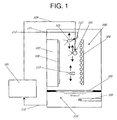
Fig. 1 is a drawing illustrating a schematic
composition of a developing equipment suitable for
implementation of the present invention.
Figs. 2A to 2D are magnified photographs of
measured parts of a photosensitive resin letterpress
printing plate obtained by a conventional chemical
developing method as a reference example.
Figs. 3A to 3D are magnified photographs of
measured parts of a photosensitive resin letterpress
printing plate obtained in the example 1.
Figs. 4A to 4D are magnified photographs of
measured parts of a photosensitive resin letterpress.
printing plate obtained in the example 3.
Figs. 5A to 5D are magnified photographs of
measured parts of a photosensitive resin letterpress
printing plate obtained in the comparative example 1.
Best Mode for Carrying out the Invention
The developing method for a printing plate of
the present invention comprises a series of processes
including a spraying process of an aqueous developing
liquid to a printing plate at a high pressure under
specified conditions, then a rinsing process using
mainly water and a post-exposure process by irradiation
of an active light. Firstly, an outline of the
developing method and the developing equipment of the
present invention will be described with reference to
Fig. 1.
Fig. 1 is a schematic drawing of an example
of developing equipment utilizing the developing method
of the present invention. As shown in the drawing, the
developing equipment of the present invention is
composed of a plate treatment section 200 to perform a
high pressure spray development, a subsequent rinsing
treatment and a post-exposure treatment, a liquid tank
section 210 to heat up the liquid, and a high pressure
jet pump 101 providing a highly pressurized developing
liquid.
In the plate treatment section 200, a support
107 is equipped to fix a photosensitive resin
letterpress printing plate 108 to be developed with a
clip or the like, and a nozzle header 102 arranged with
one or more spray nozzles 112 to spray highly pressurized
developing liquid to the fixed photosensitive
resin letterpress printing plate in a perpendicular
direction to a surface of the photosensitive resin
letterpress printing plate. To an input side of this
nozzle header 102, a high pressure jet pump 101 is
connected through a hose 109 for exclusive use for a
high pressure superior in heat and pressure
resistances. In the plate treatment section 200, a
nozzle header 103 is further equipped in order to spray
rinsing water to wash off the developing liquid
remaining on a surface of a photosensitive resin
letterpress printing plate after a high pressure
developing treatment. To an input side of the nozzle
header for spraying rinsing water, a water service pipe
114 is connected through a hose 111. A gas blow nozzle
113 may further be equipped to blow off rinsing water
remaining on a surface of a photosensitive resin
letterpress printing plate. Further, a lamp section
104 is arranged with one or more lamps to irradiate an
active light in air in parallel to a surface of a
photosensitive resin letterpress printing plate for the
purpose of removing tackiness of a surface of a
photosensitive resin letterpress printing plate and
enhancing the physical properties of the letterpress
printing plate itself.
In a liquid tank section 210, a heater 106 is
equipped to heat up developing liquid to a prescribed
temperature or to maintain it at a prescribed
temperature. In addition, on a surface of developing
liquid reserved in the liquid tank, a filter 105 such
as an oil-absorbing mat, non-woven filter and paper
filter is provided to filter a liquid resin mixed in
the developing liquid if necessary.
A high pressure jet pump 101 constitutes a
pressure source of this developing equipment. An input
side of the high pressure jet pump 101 is connected to
liquid tank 210 through a hose 110. On the other hand,
an output side of the high pressure jet pump 101 is
connected to a nozzle header 102 arranged with one or
more nozzles 112 to spray a highly pressurized
developing liquid through a hose 109 for exclusive use
for high pressure.
In the developing equipment for a photosensitive
resin letterpress printing plate having the
above composition, by driving the high pressure jet
pump, a developing liquid heated up to a prescribed
temperature in the liquid tank 210 is sucked into the
high pressure jet pump 101 and then supplied to the
nozzle header 102 in a highly pressurized state. The
developing liquid supplied to the nozzle header 102 is
sprayed out from a spraying hole in atomized or
homogenized state. The developing liquid sprayed out
from the spray nozzle 112 is, after splashing against a
photosensitive resin letterpress printing plate and
removal of unhardened resin via a filter 105, taken in
a liquid tank 210. The liquid is again sucked into a
high pressure jet pump 101 through a hose 110 connected
to the liquid tank 210. After development is
thoroughly performed, rinsing water sucked directly
from a water service is sprayed from a nozzle header
103 for spraying rinsing water to wash off developing
liquid remaining on a surface of a photosensitive resin
letterpress printing plate. This rinsing water is
directly taken into a liquid tank 210 as it is. After
the rinsing treatment is finished, the rinsing water is
blown off by blowing a gas from a gas blow nozzle 113
to a photosensitive resin letterpress printing plate if
necessary, then post-exposure is carried out by
irradiating an active light to a photosensitive resin
letterpress printing plate with an active light lamp
104.
As described above, a high pressure spray
developing method and equipment of the present
invention using the developing method and equipment for
a photosensitive resin letterpress printing plate based
on the composition illustrated in Fig. 1 can be applied
to a liquid or solid photosensitive resin printing
plate provided to an exposure process by a usual
procedure. That is, an exposure is given to a printing
plate composition obtained by laminating a cover film,
a photosensitive resin, a base film and a masking film
on a negative film bearing a prescribed design of
images. After the exposure, the cover film is peeled
off, then a certain extent of unhardened resin is
recovered from a main body of the photosensitive resin
letterpress printing plate with a rubber spatula, air
knife or the like if necessary, then the photosensitive
resin letterpress printing plate is inserted and fixed
in a plate treatment section of the above-described
developing equipment for a photosensitive resin
letterpress printing plate, and can be applied to the
above-described high pressure spray development.
Hereinbelow, an embodiment to carry out the
present invention will be described more specifically.
An aqueous developing liquid is used in the
present invention. Aqueous developing liquid used here
means a developing liquid which has a sufficiently low
solubility or emulsifying action for the unhardened
photosensitive resin to be removed and easily enables
regeneration of the developing liquid by treating a
waste developing liquid by a comparatively simple
method such as filtration, and includes, for example, a
liquid mainly comprising water containing not higher
than 0.5 % by weight of surfactant, though it depends
on the kind of photosensitive resin of printing plate
to be developed. This aqueous developing liquid may
contain other components than water such as a small
amount of surfactant, alcohol, organic solvent and
surface treatment agent within limits not to impair the
effect of the present invention, if necessary.
Conventionally, as an aqueous developing
liquid generally used for a developing liquid for a
liquid photosensitive resin, an aqueous solution
containing 1 to 5 % of surfactant has been used, which
performs developing by dissolving a resin by means of a
chemical action. However, if this developing liquid is
used, since unhardened resin removed in the developing
process is dispersed in the developing liquid, it
becomes difficult to remove only the resin component
from the developing liquid. Such developing liquid
containing unhardened photosensitive resin not only
decreases in resin dispersibility but also gives
unfavorable effect on tack removal of a surface of a
printing plate by a post-exposure process as described
below. Contrary, since the aqueous developing liquid
of the present invention is an aqueous developing
liquid containing little surfactant, and a hygroscopic
resin component can not disperse in an aqueous
developing liquid of the present invention, it becomes
easy to remove only unhardened resin component from a
worn-out aqueous developing liquid after the developing
process.
Thus, in the present invention, use of an
aqueous developing liquid can make it easy to separate
unhardened resin contained in an aqueous developing
liquid after development from the developing liquid,
and enables recycle and reuse of the developing liquid
to achieve a prolonged life of the developing liquid.
However, the aqueous developing liquid of the present
invention may contain suitable amounts of photosensitive
hydrogen abstracting agent for a post-exposure
process as described below and other various
additives including surfactant if necessary within
limits not to impair the elongated life of the
developing liquid.
With regard to an amount of resin mixed in
the aqueous developing liquid, a sufficient developing
effect can be maintained if an amount of mixed-in resin
is not higher than 4.0 parts by weight per 100 parts by
weight of developing liquid.
In the present invention, the above-described
life of developing liquid can be further extended by
providing filters at suitable locations of the
equipment to separate and remove a resin component in
an aqueous developing liquid. For example, a filter
(Fig. 1, 105) such as an oil-absorbing mat, non-woven
fabric filter and paper filter are placed on a surface
of the liquid tank (Fig. 1, 210), reserving worn-out
developing liquid after spraying the developing liquid
on a photosensitive resin letterpress printing plate.
Thus, the aqueous developing liquid can be recycled by
removing the majority of unhardened resin in the
developing liquid with the filter, through which the
developing liquid passes and returns to the liquid
tank.
In an aqueous developing liquid of the
present invention, a gas may be mixed in order to
enhance developing force when said developing liquid is
sprayed. When a gas is mixed in an aqueous developing
liquid, the pressure of gas is preferably not lower
than 0.1 MPa. Under the pressure lower than 0.1 MPa,
an improvement of developing effect by a physical
impact due to mixing of a gas can not be observed.
An aqueous developing liquid of the present
invention may contain an appropriate amount of a
photosensitive hydrogen abstracting agent for a post-exposure
process for the purpose of removing tackiness
remaining on a plate surface after the developing
process. A photosensitive hydrogen abstracting agent
used in the present invention is desirably an organic
carbonyl compound capable of pulling out a hydrogen
atom of other compounds in an activated state by
irradiating active light, for example, like a
photosensitive hydrogen abstracting agent described in
JP-A-9-288356. In this case, a suitable hydrogen
abstracting agent is an organic carbonyl compound
showing the same or higher level of hydrogen
abstracting reactivity compared with other reactions
based on a carbonyl group in a photochemically excited
state, in particular, Norrish 1 type reaction, which is
a cleavage reaction of carbonyl compound at the α-position
under a photo-irradiation, or Norrish 2 type
reaction, which is an auto-cleavage reaction in which a
ketone group having a hydrogen atom to be abstracted at
the γ-position of the carbonyl group cleaves to an
olefin and a lower molecular weight ketone compound
under photo-irradiation.
A typical organic carbonyl compound usable as
a photosensitive hydrogen abstracting agent of the
present invention includes various organic carbonyl
compounds, for example, as follows:
In the present invention, a photosensitive
hydrogen abstracting agent can be adhered or
impregnated on a surface of hardened resin in a
printing plate by spraying an aqueous developing liquid
containing the above-described photosensitive hydrogen
abstracting agent in a developing process, which can
cause a hydrogen abstraction reaction by a subsequent
irradiation of an active light to the printing plate in
air to sufficiently reduce tackiness on a surface of
the printing plate.
In order to achieve a sufficient impregnation
of the photosensitive hydrogen abstracting agent into a
printing plate in a developing process, the
photosensitive hydrogen abstracting agent is most
preferably dissolved in an aqueous developing liquid,
but a sufficient effect can be exhibited even it is
uniformly dispersed as a suspension state. The term
"uniformly dispersed state" means a state in which a
necessary amount of the photosensitive hydrogen
abstracting agent is dissolved or suspended without
precipitation. In a state in which the photosensitive
hydrogen abstracting agent is not uniformly dispersed,
a sufficient tack removal effect may not be obtained
after the developing process due to, for example,
precipitation or staying of the photosensitive hydrogen
abstracting agent not subjecting to adherence or
impregnation into a surface layer of the hardened part
of resin in a liquid tank (Fig. 1, 210) of the
developing equipment. Alternatively, the
photosensitive hydrogen abstracting agent crystallizing
in a spray nozzle part (Fig. 1, 112) may cause
clogging, which can result in lowering of spray
pressure and further malfunction of the equipment.
A mixing method to uniformly disperse the
photosensitive hydrogen abstracting agent in a
developing liquid includes the following methods. When
the photosensitive hydrogen abstracting agent dissolves
or uniformly disperses in a developing liquid, the
photosensitive hydrogen abstracting agent is charged
directly into a developing liquid and mixed.
Alternatively, the photosensitive hydrogen abstracting
agent may be mixed in a part of a developing liquid in
advance, and then the mixture may be charged into a
developing liquid. Many photosensitive hydrogen
abstracting agents are solid at 10 to 20°C, or do not
dissolve or disperse uniformly in an aqueous developing
liquid even if liquid. When a developing liquid is
heated up at the temperature not lower than 40°C in the
present invention, the photosensitive hydrogen
abstracting agent may disperse uniformly even with
direct charging. However, when a photosensitive
hydrogen abstracting agent is hard to disperse
uniformly, it is possible to improve solubility or
uniform dispersion of the photosensitive hydrogen
abstracting agent by adding a dispersion aid.
A developing liquid of the present invention
is preferably sprayed on a printing plate under a high
pressure of not lower than 1 MPa and not higher than 30
MPa, in order to sufficiently exhibit its developing
effect for unhardened resin by physical impact when
sprayed to a printing plate. A pressure lower than 1
MPa can not exhibit a sufficient developing effect to
remove unhardened resin by a physical impact, and
contrary, a pressure over 30 MPa may damage a relief
shape on a surface of the printing plate by the impact
of sprayed developing liquid. In particular, an
isolated line with a width of not larger than 500 µm
and a highlight screen dot with a area density of not
higher than 5% may be remarkably damaged by being
chipped off or delaminated from a printing plate.
In addition, the temperature of an aqueous
developing liquid used in the present invention needs
to be not lower than 40°C. By keeping an aqueous
developing liquid at a temperature not lower than 40°C,
a printing plate having the same plate quality as that
of a conventional developing method using a surfactant
can be prepared. A reason for this fact arises from
the removal effect for unhardened resin by a physical
impact in a developing process that is supposed to be
drastically improved due to a lowered viscosity of the
unhardened resin remained unreacted in an exposure
process, which is heated up by contacting with a high
temperature developing liquid. In addition, in a post-exposure
process using the photosensitive hydrogen
abstracting agent, solubility and uniform
dispersibility of the photosensitive hydrogen
abstracting agent in a developing liquid are generally
improved with the temperature of the developing liquid,
and a further tack removal effect for a surface of the
printing plate increases due to an increased amount of
impregnated photosensitive hydrogen abstracting agent
because of a more swollen surface of the hardened part
of resin. In order to obtain a stable tack removal
effect for a plate surface, the temperature of
developing liquid is maintained preferably at 40 to
80°C, more preferably at 55 to 65°C.
A developing time in the present invention
may be a time to sufficiently wash off unhardened
resin. For example, the developing time is 8 to 18
minutes for a photosensitive resin plate with a
thickness of 5 to 7 mm. When an aqueous developing
liquid contains a photosensitive hydrogen abstracting
agent, the amount of the impregnated photosensitive
hydrogen abstracting agent can be controlled by
adjusting other impregnation conditions such as
temperature of the developing liquid, content of the
photosensitive hydrogen abstracting agent in the
developing liquid, collision force of a high pressure
spray developing liquid, and the like to obtain a
necessary amount of the impregnated photosensitive
hydrogen abstracting agent within a prescribed
developing time, since the developing time corresponds
to an impregnation time of the photosensitive hydrogen
abstracting agent into a hardened part of the resin.
That is, an amount of impregnated
photosensitive hydrogen abstracting agent in a surface
layer of hardened resin part increases with increasing
collision force of a high pressure spray of developing
liquid on a surface of the hardened part of the resin.
Measures to increase the collision force of the high
pressure spray developing liquid on the surface of the
hardened part of resin include (1) increasing a
hydraulic pressure, (2) increasing the flow rate of the
nozzle spray, and (3) shortening the distance between
nozzle tip and a surface of printing plate.
With regard to a content of a photosensitive
hydrogen abstracting agent in a developing liquid, the
content to obtain a sufficient tack removal effect is
0.01 to 10 parts by weight, preferably 0.05 to 10 parts
by weight of photosensitive hydrogen abstracting agent
for 100 parts by weight of developing liquid. A
content lower than 0.01 parts by weight can not give a
sufficient tack removal effect for a surface. In
contrast, a content over 10 parts by weight can not
further increase the tack removal effect for a surface.
Hereinbelow, the developing equipment and the
process of the present invention will be described in
more detail.
A typical developing equipment to carry out
the above-described developing process is composed of a
nozzle header having one or more nozzles to spray
developing liquid under a pressure of not lower than 1
MPa and not higher than 30 MPa, and a pump capable of
delivering developing liquid under the pressure of not
lower than 1 MPa and not higher than 30 MPa. In a
developing process, the direction of spraying or
ejection is not specially limited so long as unhardened
resin can be removed. Generally, the direction is
almost perpendicular (around 0 to 15 degree) to a
surface of the hardened part of the resin, though it
may be slightly inclined to the surface of the hardened
part of the resin. Spraying of an aqueous developing
liquid can be carried out using a single or a plurality
of nozzles (for example, a group of nozzles arranged in
parallel), and an aqueous developing liquid is sprayed
in an atomized state or through a slit-like opening
with the nozzles being transferring. In addition, in
high pressure spray development, the pressure may be
constant or may be developed a plurality of times under
different pressures. Further, when development is
performed a plurality of times, the kind of developing
liquid may be changed, for example, in such a manner as
only water for the first time and an aqueous developing
liquid containing a photosensitive hydrogen abstracting
agent for the second time.
Moreover, a nozzle to spray developing liquid
under high pressure may one which sprays by mixing a
gas in the developing liquid. An example of such a
nozzle which can enhance the collision force, that is,
by developing force of a developing liquid by mixing a
gas in the developing liquid includes, for example, a
nozzle attached to a tip of a gun type delivery section
in multi-washing machine Model MUC 100 (made by Shibuya
Industry Co., Ltd.).
As a heating device for a developing liquid,
a heater for heating up developing liquid is generally
equipped in a reservoir tank of the developing liquid.
In this case, a heater having a large output is
advantageous for controlling the temperature of the
developing liquid, because such a heater can heat up
the developing liquid up to a target temperature within
a short time, and even if the temperature of developing
liquid goes down slightly during developing by spraying
the developing liquid, the temperature can be returned
to the target temperature quickly. In addition, the
reservoir tank for the developing liquid preferably has
a volume of not less than 4 times of a delivery flow
rate of the high pressure pump used. For example, when
a pump having a delivery rate of 50 L per minute is
used, a volume of reservoir tank for developing liquid
is preferably not less than 200 L.
After completion of the above-described high
pressure spray development, rinsing is carried out by
spraying water on a surface of the printing plate to
wash off any aqueous developing liquid remaining on the
surface of photosensitive resin letterpress printing
plate. A composition of this rinsing water is water
only, and hydraulic pressure, spraying direction, time,
temperature and type of rinsing are not specially
limited so long as the developing liquid remaining on
the surface of printing plate can be washed off. In
addition, the rinsing water is mixed into the
developing liquid as it is, and is subsequently used as
a developing liquid. In a developing process of the
present invention, the developing liquid is atomized by
spraying at high temperature under high pressure, by
which procedure water in the developing liquid
evaporates, and the developing liquid decreases.
However, the volume of the developing liquid can be
maintained at a fixed level by adding the above-described
rinsing water to the developing liquid.
There is no fear that addition of the rinsing water
into the developing liquid deteriorates the developing
effect due to a decrease of the concentration of
surfactant in the developing liquid and quickens a
renewal timing of developing liquid, differing from a
conventional developing liquid containing surfactant
and having a high chemical activity.
After a completion of rinsing step, a water
removal process using a gas blow nozzle is usually
provided in order to remove rinsing water remaining on
the surface of printing plate. Gas pressure, direction
of ejection, time, temperature and type of a gas blow
are not specially limited so long as rinsing water
remaining on the surface of printing plate can be blown
off. If rinsing water remains on a surface of the
printing plate, an area of a surface of photosensitive
resin covered with adhered rinsing water has more
oxygen retardation compared with another area not
covered with rinsing water in a subsequent post-exposure
process. Therefore, the surface of the
printing plate covered with rinsing water may whiten or
cause a difference in surface tack, compared with an
area where an active light is irradiated in air, which
makes it difficult to obtain a printing plate with a
uniform surface state.
After completion of the water removal step, a
post-exposure is carried out in order to enhance the
physical properties of the printing plate and remove
tackiness from the surface. In the post-exposure
process, usually UV light having a wavelength mainly in
a range of 200 to 400 nm from light sources such as a
metal halide lamp, a low pressure mercury lamp, a
chemical lamp or a germicidal lamp is irradiated on the
printing plate in air.
An appropriate amount of exposure to obtain a
sufficient tack removal effect for a surface varies
depending on the kind of photosensitive hydrogen
abstracting agent, the content of a photosensitive
hydrogen abstracting agent in a resin composition, but
requires at least 500 mJ/cm2. Preferably a range of
1,000 to 3,000 mJ/cm2 is usually exposed. An exposure
of not less than 5,000 mJ/cm2 is not preferable because
it may cause fine cracks on the plate surface.
Tackiness of a surface of printing plate can
be evaluated, for example, using a Tack Tester (made by
Toyo Seiki Seisaku-Sho, Ltd.). In this measurement, a
ring with a diameter of 50 mm made of an aluminum wire
with a diameter of 13 mm, which is wound with a
polyethylene film at a circumferential surface, is
placed on a relief surface of a printing plate with 500
g of load on the aluminum ring for 4 seconds, and then
the aluminum ring is pulled up at a rate of 30 mm per
minute. An adhesive strength when the aluminum ring is
pulled apart from a relief surface is read with a
pushable gage. With regard to value by the Tack Tester
(hereinafter referred to as tack value), smaller value
means a printing plate with less tackiness on the
surface. A printing plate with a tack value over 50 g
tends to give an inferior print because foreign matter
adheres on the surface of the printing plate, and a
plate over 100 g tends to stick together when the
plates are piled up or cause a picking phenomenon due
to adhesion between the plate surface and paper when
the printing substrate is paper. A plate with a tack
value not larger than 30 g is thought to have no
problem caused by tackiness during practical use. In
the case of a liquid photosensitive resin printing
plate, which is regarded to have particularly large
tackiness among printing plates, the tack value
generally exceeds 100 g unless special treatment is
applied to remove tackiness on a surface.
Hereinbelow, it will be described in more
detail by examples and a comparative example that an
aqueous developing liquid of the present invention has
a developing performance that is not inferior or even
more superior compared with a conventional developing
liquid with a high chemical activity. The scope and
embodiments of the present invention should not be
limited by these examples.
Reference Example (Conventional developing method by a
chemical developing liquid)
Using a photosensitive resin composition F-320
(made by Asahi Kasei Corp., hereinafter referred to
as photosensitive resin A) and a plate-making equipment
Model ALF-II (made by Asahi Kasei Corp.), a 7 mm thick
plate completed up to the exposure process step was
prepared. Exposure amounts were set at an optimum
exposure conditions to give: relief depth: 2 mm, shelf
layer: 5 mm, back layer: 1 mm, and a highlight dot of
45 LPI/5% could be formed.
To 100 L of water in a liquid tank of a
developing equipment Model ALF-400W (rotary drum spray
type, made by Asahi Kasei Corp.), 1.5% of APR (TM) wash
out agent which can emulsify a liquid photosensitive
resin A, 0.5% of surface treatment agent AX-10 (made by
Asahi Kasei Corp., photosensitive hydrogen abstracting
agent) and 0.3% of anti-foaming agent SH-4 (silicone
mixture, made by Asahi Kasei Corp.) were dissolved to
obtain a developing liquid.
Using the developing liquid maintained
preheated to 30°C, a 7 mm thick printing plate composed
of a liquid photosensitive resin A completed up to the
exposure process was developed under the conditions of
0.2 MPa delivery hydraulic pressure and 10 minutes
developing time. Under these developing conditions,
the developing time per unit area becomes 1,640 sec/m2.
Then the developed plate was rinsed with tap water
until foaming by the developing liquid could not be
observed, followed by post-exposure in air with
exposure amounts of 1,000 mJ/cm2 by chemical lamps and
2,000 mJ/cm2 by germicidal lamps using a post-exposure
unit Model AL-200 UP (made by Asahi Kasei Corp.).
Subsequently, the plate was dried for about 30 minutes
until water on the plate surface disappeared using a
dryer Model ALF-100P (made by Asahi Kasei Corp.), then
left for a half day at ordinary temperature to observe
the printing plate.
The obtained printing plate of liquid
photosensitive resin A was evaluated at its image part
by a sensual test to find it to be slightly gentle in
touch but not tacky. The appearance of a plate surface
was opaque and not shiny. A surface of back layer was
visually slightly coarse. The depth of a reverse line
with 500 µm width was measured and found to be about
210 µm. An area percent of 100 LPI/90% screen dot was
measured and found to be about 91 %. A width in
printing surface of an isolated line with 500 µm width
was measured and found to be 524 µm (Fig. 2A). Then,
line width and depth of a reverse line with 500 µµm
width were measured and found to be 492 µm for line
width and 218 µm for depth, respectively (Fig. 2B). An
area percentage of 45 LPI/5% screen dot was 6.1 % (Fig.
2C), and the area percentage of 65 LPI/30% screen dot
was 32.9 % (Fig. 2D), which was a slightly larger value
than an image size on negative film. Further,
formation state at a base part of 45 LPI/5% screen dot
was examined by a microscope, and particularly resin
residue was observed, suggesting a slightly
insufficient development. Magnified drawings of
measured parts of a liquid photosensitive resin A
printing plate obtained by the above-described
developing method are shown in Fig. 2.
Example 1
Using a photosensitive resin composition F-320
(made by Asahi Kasei Corp., hereinafter referred to
as photosensitive resin A) and a plate-making equipment
Model ALF-II (made by Asahi Kasei Corp.), a 7 mm thick
plate completed up to the exposure process was
prepared. Exposure amounts were set at optimum exposure
conditions to give: relief depth: 2 mm, shelf height: 5
mm, back layer: 1 mm, and a highlight dot of 45 LPI/5%
could be formed.
A developing liquid was prepared by
dissolving 0.5 % of surface treatment agent AX-10 (made
by Asahi Kasei Corp., photosensitive hydrogen
abstracting agent) in water. The above-described
developing liquid was charged into a liquid tank
(volume: 70 L) of a test equipment for high pressure
spray development. Using the developing liquid
preheated to 60°C, a 7 mm plate composed of a liquid
photosensitive resin A completed up to the exposure
process was developed with a nozzle header arranged
with a plurality of high pressure uniform fan-shaped
nozzles VNP-1 / 8M-6549 (made by Ikeuchi Co., Ltd.) in
parallel under the conditions of delivery hydraulic
pressure: 8.0 MPa, distance between nozzle and surface
of printing plate: 100 mm, nozzle pitch: 100 mm,
transfer speed of nozzle header: 6.28 mm / sec, and
number of nozzle header passes: 1 time. In these
developing conditions, a developing time per unit area
becomes 1,590 sec/m2. Then the developed plate was
rinsed with tap water until foaming by the developing
liquid could not be observed, and further rinsing water
remaining on a rinsed plate surface was blown off with
a gas gun. Subsequently, post-exposure was carried out
in air with an exposure 1,000 mJ/cm2 by chemical lamps
and 2,000 mJ/cm2 by germicidal lamps using a post-exposure
unit Model AL-200 UP (made by Asahi Kasei
Corp.). Then the plate was left for 30 minutes at
ordinary temperature to observe the printing plate.
Image surface provided to the printing part
(hereinafter referred to as image part) of the obtained
printing plate of a liquid photosensitive resin A was
evaluated by a sensual test, and found to be not tacky.
The appearance of a plate surface looks transparent and
slightly shiny. A surface of the back layer was
visually in a very smooth state.
The width in printing surface of an isolated
line with 500 µm width was 531 µm (Fig. 3A). Then,
line width and depth of a reverse line with 500 µm
width were measured and found to be 478 µm for line
width and 270 µm for depth, respectively (Fig. 3B).
The area percentage of 45 LPI/5% screen dot was 5.1 %
(Fig. 3C), and the area percentage of 65 LPI/30% screen
dot was 33.7 % (Fig. 3D), which was a very faithfull
value to an image size on negative film. The formation
state at a base part of 45 LPI/5% screen dot was
examined by a microscope. Neither large damage nor
insufficient developing was observed, and a tendency of
a significantly large depth among screen dots was
confirmed. Magnified drawings of measured parts of a
liquid photosensitive resin A printing plate obtained
by the above-described developing method are shown in
Fig. 3.
Example 2 (High temperature and high pressure
development by an aqueous developing liquid mixed with
a gas)
A liquid photosensitive resin A was prepared
under the similar conditions as in example 1.
Using water preheated to 60°C, a 7 mm thick
plate composed of a liquid photosensitive resin A
completed up to the exposure process was developed
using a multi washout equipment Model MUC 1000C (made
by Shibuya Industry Co., Ltd.) having one gun-type
nozzle with a mechanism to mix a gas into high pressure
water under the conditions of delivery hydraulic
pressure: 10 MPa, delivery flow rate: 10 L/min,
delivery gas pressure: 0.3 MPa, delivery gas flow rate:
1.6 m3/min, distance between nozzle and surface of
printing plate: 150 mm, transfer speed in X direction
on XY-transfer table: 320 mm/sec, transfer pitch in Y
direction: 5 mm, and number of nozzle header passes: 1
time. In these developing conditions, a developing
time per unit area becomes 625 sec/m2. Then the
developed plate was rinsed with tap water, and further
rinsing water remaining on a rinsed plate surface was
blown off with a gas gun. Subsequent post-exposure was
carried out in air with exposure amounts of 1,000 mJ/cm2
by chemical lamps and 2,000 mJ/cm2 by germicidal lamps
using a post-exposure unit Model AL-200 UP (made by
Asahi Kasei Corp.). Then the plate was left for 30
minutes at ordinary temperature to observe the printing
plate.
The appearance of a liquid photosensitive
resin A printing plate obtained was evaluated, and
neither large damage nor residue of unhardened resin
was observed. The depth of a reverse line with 500 µm
width was about 230 µm. The area percentage of 100
LPI/90% screen dot was about 90 %. The formation state
at a base part of 45 LPI/5% screen dot was examined by
a microscope. Neither large damage nor insufficient
developing was observed.
Example 3 (High temperature and high pressure
development by an aqueous developing liquid (2))
A liquid photosensitive resin A was prepared
under similar conditions as in example 1.
Water was used as a developing liquid, and
the above-described developing liquid was charged into
a liquid tank (volume: 70 L) of a test equipment for
high pressure spray development. Using the developing
liquid preheated to 40°C, a 7 mm plate composed of a
liquid photosensitive resin A completed up to the
exposure process was developed with a nozzle header
arranged with a plurality of high pressure uniform fan-shaped
nozzles VNP-1 / 8M-6549 (made by Ikeuchi Co.,
Ltd.) in parallel under the conditions of delivery
hydraulic pressure: 8.0 MPa, distance between nozzle
and surface of printing plate: 100 mm, nozzle pitch:
100 mm, transfer speed of nozzle header: 6.28 mm / sec,
and number of nozzle header passes: 1 time. Under
these developing conditions, a developing time per unit
area becomes 1,590 sec/m2. Then the developed plate was
rinsed with tap water until foaming by the developing
liquid could not be observed. Subsequently, post-exposure
was carried out under water with exposure
amounts of 1,000 mJ/cm2 by chemical lamps and 2,000
mJ/cm2 by germicidal lamps using a post-exposure unit
Model AL-200 UP (made by Asahi Kasei Corp.). Then the
plate was left for 30 minutes at ordinary temperature
to observe the printing plate.
The obtained liquid photosensitive resin A
printing plate was evaluated. The appearance of a
plate surface looked transparent and slightly shiny.
Width in printing surface of an isolated line with 500µ
m width was 537 µm (Fig. 4A). Then, line width and
depth of a reverse line with 500 µm width were measured
and found to be 478 µm for line width and 240 µm for
depth, respectively (Fig. 4B). The area percentage of
45 LPI/5% screen dot was 7.4 % (Fig. 4C), and the area
percentage of 65 LPI/30% screen dot was 37.0 % (Fig.
4D). The formation state at a base part of 45 LPI/5%
screen dot was examined by a microscope. Neither large
damage nor insufficient developing was observed.
Magnified drawings of measured parts of a liquid
photosensitive resin A printing plate obtained by the
above-described developing method are shown in Fig. 4.
Example 4 (High temperature and high pressure
development by an aqueous developing liquid (3))
A liquid photosensitive resin A was prepared
under similar conditions as in example 1.
Water was used as a developing liquid, and
the above-described developing liquid was charged into
a liquid tank (volume: 70 L) of a test equipment for
high pressure spray development. Using the developing
liquid preheated to 60°C, a 7 mm plate composed of a
liquid photosensitive resin A completed up to the
exposure process was developed with a nozzle header
arranged with a plurality of high pressure uniform fan-shaped
nozzles VNP-1 / 8M-6549 (made by Ikeuchi Co.,
Ltd.) in parallel under the conditions of delivery
hydraulic pressure: 8.0 MPa, distance between nozzle
and surface of printing plate: 100 mm, nozzle pitch:
100 mm, transfer speed of nozzle header: 6.28 mm / sec,
and number of nozzle header passes: 1 time. Under
these developing conditions, a developing time per unit
area becomes 1,590 sec/m2. Then the developed plate was
rinsed with tap water until foaming by the developing
liquid could not be observed. Subsequently, post-exposure
was carried out under water with an exposure
of 1,000 mJ/cm2 by chemical lamps and 2,000 mJ/cm2 by
germicidal lamps using a post-exposure unit Model AL-200
UP (made by Asahi Kasei Corp.). Then the plate was
left for 30 minutes at ordinary temperature to observe
the printing plate.
The obtained liquid photosensitive resin A
printing plate was evaluated. The appearance of a
plate surface looked transparent and slightly shiny.
Width in printing surface of an isolated line with 500
µm width was 535 µm. Then, line width and depth of a
reverse line with 500 µm width were measured and found
to be 458 µm for line width and 270 µm for depth,
respectively. An area percentage of 45 LPI/5% screen
dot was 5.4 %, and the area percentage of 65 LPI/30%
screen dot was 30.3 %. The formation state at a base
part of 45 LPI/5% screen dot was examined by a
microscope. Neither large damage nor insufficient
developing was observed.
Comparative Example 1 (Low temperature and high
pressure development by an aqueous developing liquid)
A liquid photosensitive resin A was prepared
under similar conditions as in example 1.
Water was used as a developing liquid, and
the above-described developing liquid was charged into
a liquid tank (volume: 70 L) of a test equipment for
high pressure spray development. Using the developing
liquid maintained at 20°C in advance, a 7 mm plate
composed of a liquid photosensitive resin A completed
up to the exposure process was developed with a nozzle
header arranged with a plurality of high pressure
uniform fan-shaped nozzles VNP-1 / 8M-6549 (made by
Ikeuchi Co., Ltd.) in parallel under the conditions of
delivery hydraulic pressure: 8.0 MPa, distance between
nozzle and surface of printing plate: 100 mm, nozzle
pitch: 100 mm, transfer speed of nozzle header: 6.28 mm
/ sec, and number of nozzle header passes: 1 time. In
these developing conditions, a developing time per unit
area becomes 1,590 sec/m2. Then the developed plate was
rinsed with tap water until foaming by the developing
liquid could not be observed. Subsequently, post-exposure
was carried out in air with exposure of 1,000
mJ/cm2 by chemical lamps and 2,000 mJ/cm2 by germicidal
lamps using a post-exposure unit Model AL-200 UP (made
by Asahi Kasei Corp.). Then the plate was left for 30
minutes at ordinary temperature to observe the printing
plate.
The obtained liquid photosensitive resin A
printing plate was evaluated. The appearance of a
plate surface looked transparent but considerably shiny
because a significant amount of residue of unhardened
resin was present. Width in printing surface of an
isolated line with 500 µm width was 527 µm (Fig. 5A).
A shoulder part of this isolated line with 500 µm width
was examined by a microscope, and considerable
unevenness was found, suggesting remaining of
unhardened resin. Then, line width and depth of a
reverse line with 500 µm width were measured and found
to be 449 µm for line width and 170 µm for depth (Fig.
5B), respectively. Similarly to the above-described
isolated line with 500 µm width, a reverse line with
500 µm width also showed a considerable amount of
unhardened resin remained in the reverse line during
microscopic examination. An area percentage of 45
LPI/5% screen dot could not be measured because of
insufficient developing (Fig. 5C). An area percentage
of 65 LPI/30% screen dot also could not be measured
because of insufficient developing (Fig. 5D).
Formation state at a base part of 45 LPI/5% screen dot
was examined by a microscope, and a considerable amount
of unhardened resin was found to remain, showing
developing was insufficient. Magnified drawings of
measured parts of a liquid photosensitive resin A
printing plate obtained by the above-described
developing method are shown in Fig. 5.
INDUSTRIAL APPLICABILITY
Since a method for developing a photosensitive
resin printing plate of the present invention
is performed by a high pressure spray development using
a physical action, it enables developing a printing
plate using an aqueous developing liquid which does not
dissolve a photosensitive resin. By using this method,
it becomes easy to reuse the worn-out developing liquid
after separating and removing photosensitive resin.
Thus, this method reduces the amount of waste
developing liquid, is advantageous for environmental
conservation, and realizes a drastic reduction of a
cost for waste liquid treatment.