EP1218517B1 - Gst sequences from soybean and their use in the production of herbicide resistant plants - Google Patents
Gst sequences from soybean and their use in the production of herbicide resistant plants Download PDFInfo
- Publication number
- EP1218517B1 EP1218517B1 EP00960838A EP00960838A EP1218517B1 EP 1218517 B1 EP1218517 B1 EP 1218517B1 EP 00960838 A EP00960838 A EP 00960838A EP 00960838 A EP00960838 A EP 00960838A EP 1218517 B1 EP1218517 B1 EP 1218517B1
- Authority
- EP
- European Patent Office
- Prior art keywords
- seq
- plants
- polynucleotide
- gst
- plant
- Prior art date
- Legal status (The legal status is an assumption and is not a legal conclusion. Google has not performed a legal analysis and makes no representation as to the accuracy of the status listed.)
- Expired - Lifetime
Links
Images


Classifications
-
- C—CHEMISTRY; METALLURGY
- C12—BIOCHEMISTRY; BEER; SPIRITS; WINE; VINEGAR; MICROBIOLOGY; ENZYMOLOGY; MUTATION OR GENETIC ENGINEERING
- C12N—MICROORGANISMS OR ENZYMES; COMPOSITIONS THEREOF; PROPAGATING, PRESERVING, OR MAINTAINING MICROORGANISMS; MUTATION OR GENETIC ENGINEERING; CULTURE MEDIA
- C12N9/00—Enzymes; Proenzymes; Compositions thereof; Processes for preparing, activating, inhibiting, separating or purifying enzymes
- C12N9/93—Ligases (6)
-
- C—CHEMISTRY; METALLURGY
- C12—BIOCHEMISTRY; BEER; SPIRITS; WINE; VINEGAR; MICROBIOLOGY; ENZYMOLOGY; MUTATION OR GENETIC ENGINEERING
- C12N—MICROORGANISMS OR ENZYMES; COMPOSITIONS THEREOF; PROPAGATING, PRESERVING, OR MAINTAINING MICROORGANISMS; MUTATION OR GENETIC ENGINEERING; CULTURE MEDIA
- C12N15/00—Mutation or genetic engineering; DNA or RNA concerning genetic engineering, vectors, e.g. plasmids, or their isolation, preparation or purification; Use of hosts therefor
- C12N15/09—Recombinant DNA-technology
- C12N15/63—Introduction of foreign genetic material using vectors; Vectors; Use of hosts therefor; Regulation of expression
- C12N15/79—Vectors or expression systems specially adapted for eukaryotic hosts
- C12N15/82—Vectors or expression systems specially adapted for eukaryotic hosts for plant cells, e.g. plant artificial chromosomes (PACs)
- C12N15/8241—Phenotypically and genetically modified plants via recombinant DNA technology
- C12N15/8261—Phenotypically and genetically modified plants via recombinant DNA technology with agronomic (input) traits, e.g. crop yield
- C12N15/8271—Phenotypically and genetically modified plants via recombinant DNA technology with agronomic (input) traits, e.g. crop yield for stress resistance, e.g. heavy metal resistance
- C12N15/8274—Phenotypically and genetically modified plants via recombinant DNA technology with agronomic (input) traits, e.g. crop yield for stress resistance, e.g. heavy metal resistance for herbicide resistance
-
- C—CHEMISTRY; METALLURGY
- C12—BIOCHEMISTRY; BEER; SPIRITS; WINE; VINEGAR; MICROBIOLOGY; ENZYMOLOGY; MUTATION OR GENETIC ENGINEERING
- C12N—MICROORGANISMS OR ENZYMES; COMPOSITIONS THEREOF; PROPAGATING, PRESERVING, OR MAINTAINING MICROORGANISMS; MUTATION OR GENETIC ENGINEERING; CULTURE MEDIA
- C12N9/00—Enzymes; Proenzymes; Compositions thereof; Processes for preparing, activating, inhibiting, separating or purifying enzymes
- C12N9/10—Transferases (2.)
- C12N9/1085—Transferases (2.) transferring alkyl or aryl groups other than methyl groups (2.5)
- C12N9/1088—Glutathione transferase (2.5.1.18)
Definitions
- Suitable variant proteins in accordance with the present invention may be determined by testing the GST properties of the protein using routine methods which are well known to the person skilled in the art. Such variant proteins may also be synthesised chemically using standard techniques.
- Km or "Michaelis-Menten Constant” is a kinetic parameter which indicates the substrate concentration at which the initial velocity of the reaction (V 0 ) is half maximal. Methods for the calculation of Km are well known to the person skilled in the art.
- the plant operable promoter of the DNA construct may be selected from the group consisting of Agrobacterium rhizogenes RoID; RoID/Fd; potato protease inhibitor II; CaMV35S; CamV35S double enhanced; FMV35S; NOS; OCS; Patatin; E9; alcA/alcR.switch; GST switch; RMS switch; oleosin; ribulose bisphosphate carboxylase-oxygenase small sub-unit promoter.
- Terminators which can be used in the constructs according to the present invention include Nos, proteinase inhibitor II and the terminator of a gene of alpha-tubulin ( EP-A 652,286 ).
Landscapes
- Health & Medical Sciences (AREA)
- Life Sciences & Earth Sciences (AREA)
- Genetics & Genomics (AREA)
- Chemical & Material Sciences (AREA)
- Engineering & Computer Science (AREA)
- Zoology (AREA)
- Bioinformatics & Cheminformatics (AREA)
- Wood Science & Technology (AREA)
- Organic Chemistry (AREA)
- General Engineering & Computer Science (AREA)
- Biomedical Technology (AREA)
- Biotechnology (AREA)
- Molecular Biology (AREA)
- Microbiology (AREA)
- Biochemistry (AREA)
- General Health & Medical Sciences (AREA)
- Medicinal Chemistry (AREA)
- Cell Biology (AREA)
- Physics & Mathematics (AREA)
- Biophysics (AREA)
- Plant Pathology (AREA)
- Enzymes And Modification Thereof (AREA)
- Micro-Organisms Or Cultivation Processes Thereof (AREA)
- Breeding Of Plants And Reproduction By Means Of Culturing (AREA)
- Agricultural Chemicals And Associated Chemicals (AREA)
Description
- The present invention relates inter alia, to Glutathione-S-transferase (GST) sequences and their use in methods for the production of herbicide resistant plants. In particular the polynucleotides according to the invention may be used in methods for the production of plants which are resistant to herbicides comprising fomesafen and/or acifluorfen.
- Plants which are substantially "tolerant" to a herbicide when they are subjected to it provide a dose/response curve which is shifted to the right when compared with that provided by similarly subjected non tolerant like plants. Such dose/resppnse curves have "dose" plotted on the x-axis and "percentage kill", "herbicidal effect" etc. plotted on the y-axis. Tolerant plants will typically require at least twice as much herbicide as non tolerant like plants in order to produce a given herbicidal effect. Plants which are substantially "resistant" to the herbicide exhibit few, if any, necrotic, lytic, chlorotic or other lesions when subjected to the herbicide at concentrations and rates which are typically employed by the agrochemical community to kill weeds in the field. Hereinafter the words (i) "tolerant" and (ii) "resistant" when used individually mean "tolerant and/or resistant".
- Herbicide resistant plants are already available within the art for example, ROUNDUP READY™ Soya which is resistant to herbicides having as a site of action the enzyme 5-enolpyruvylshikimate-3-phosphate synthase, such as those agrochemicals containing glyphosate. One of the advantages of these plants is that the farmer can apply the herbicides to fields containing the resistant crop plants and weeds using "over-the-top application", to kill the weeds.
- Other examples of products for use in methods for the production of herbicide resistant plants are provided in International Patent Application Publication Number
WO 93/01294 WO99/14337 - The synthesis of homoglutathione (hGSH) is catalyzed by the activity of the enzyme homoglutathione synthase (hGSHS). The partial sequence of an hGSHS from Medicago truncatula has been published (FRENDO et al. 1999 Plant Journal. 17 pp215-219).
- Thus, the present invention seeks to provide inter alia, novel polynucleotides which encode proteins which can be used in methods of providing plants with high levels of resistance to a herbicide which comprises fomesafen and/or acifluorfen.
- According to the present invention there is provided a Glutathione-S-transferase (GST) comprising the amino acid sequence depicted as SEQ ID No. 10 or a variant GST having at least 80% identity therewith with the proviso that said variant GST does not comprise the amino acid sequence depicted as SEQ ID No. 36. (which corresponds to the sequence of clone SE3.03B09 listed as SEQ ID No. 8 in International Patent Application Publication Number
WO00/18936 version 3 algorithm which uses the method of Pearson and Lipman (Lipman, D.J. and Pearson, W.R. (1985) Rapid and Sensitive Protein Similarity Searches and Science. 227:1435-1441 and Pearson, W.R. and Lipman, D.J. (1988) Improved tools for biological sequence comparison. PNAS. 85:2444-2448) to search for similarities between the reference sequence (also termed the query sequence) and any group of sequences (termed further sequences). Methods also exist in the art which enable the percentage sequence identity between polynucleotide sequences to be calculated. - The protein may differ from the basic GST protein sequence (SEQ ID No. 10) by conservative or non-conservative amino acid substitutions. A conservative substitution is to be understood to mean that the amino acid is replaced with an amino acid with broadly similar chemical properties. In particular conservative substitutions may be made between amino acids within the following groups:
- (i) Alanine and Glycine;
- (ii) Serine and Threonine;
- (ii) Glutamic acid and Aspartic acid;
- (iii) Arginine and Lysine;
- (iv) Asparagine and Glutamine;
- (v) Isoleucine and Leucine,
- (vi) Valine and Methionine;
- (vii) Phenylalanine and Tryptophan.
- In general, more conservative than non-conservative substitutions will be possible without destroying the GST properties of the proteins. Suitable variant proteins in accordance with the present invention may be determined by testing the GST properties of the protein using routine methods which are well known to the person skilled in the art. Such variant proteins may also be synthesised chemically using standard techniques.
- The present invention further provides a GST or variant as described above wherein said GST or variant is capable of conferring resistance and/or tolerance to a herbicide which comprises fomesafen and/or acifluorfen. The herbicide may also comprise other Diphenyl ethers or Sulphonylureas such as Chlorimuron Ethyl and/or Chloroacetanilides such as acetochlor.
- The present invention still further provides a polynucleotide comprising a region which encodes a GST or a variant GST as described above. In a particular embodiment of the present invention said polynucleotide comprises the sequence depicted as SEQ ID No. 14.
- In a further aspect of the present invention there is provided a protein comprising the amino acid sequence depicted as SEQ ID No. 1 or a protein variant having at least 80% identity therewith wherein the said protein or variant is capable of catalysing the addition of Beta-alanine onto gamma glutamylcysteine. In a further embodiment of the present invention said protein variant has at least 75% identity with the sequence depicted as SEQ ID No. 1. In a still further embodiment of the present invention said protein variant has at least 85% identity with the sequence depicted as SEQ ID No. 1. In a still further embodiment of the present invention said protein variant has at least 90% identity with the sequence depicted as SEQ ID No. 1. In a still further embodiment of the present invention said protein variant has at least 95% identity with the sequence depicted as SEQ ID No. 1. In a still further embodiment of the present invention said protein variant has at least 96% identity with the sequence depicted as SEQ ID No. 1. In a still further embodiment of the present invention said protein variant has at least 97% identity with the sequence depicted as SEQ ID No. 1. In a still further embodiment of the present invention said protein variant has at least 98% identity with the sequence depicted as SEQ ID No. 1. In a still further embodiment of the present invention said protein variant has at least 99% identity with the sequence depicted as SEQ ID No. 1. The sequence identity may be calculated and the protein variants created/identified in a manner analogous to that described above.
- The present invention still further provides a protein variant as described in the preceding paragraph having a Km for Beta-alanine which is less than the said variants Km for glycine when calculated using the same method. In a further embodiment of the present invention said protein variant has a Km for Beta-alanine which is less than or equal to about 1mM and a Km for glycin which is higher than 1mM when calculated using the same method. In a still further embodiment of the present invention said protein variant has a Km for Beta-alanine which is less than or equal to about 0.8mM and a Km for glycine which is higher than 0.8mM when calculated using the same method. The Km or "Michaelis-Menten Constant" is a kinetic parameter which indicates the substrate concentration at which the initial velocity of the reaction (V0) is half maximal. Methods for the calculation of Km are well known to the person skilled in the art.
- The present invention further provides a protein variant as described above comprises a sequence which contains at least one of the amino acid sequence regions depicted in the group depicted as SEQ ID No. 2 (KKIQQELAKP); SEQ ID No. 3 (CFAGLWSL); SEQ ID No. 4 (VMKPQREGGGNNIYG) and SEQ ID No. 5 (AAYILMQRIFP). In a still further embodiment of the present invention said protein variant comprises a sequence which contains at least two amino acid sequence regions selected from the group depicted as SEQ ID No. 2, 3, 4 or 5. In a still further embodiment of the present invention said protein variant comprises a sequence which contains all of the amino acid sequence regions depicted as SEQ ID No. 2, 3, 4 or 5
- The present invention still further provides a polynucleotide comprising a region encoding the protein or protein variant as described above. In a further embodiment of the present invention said polynucleotide comprises the sequence depicted as SEQ ID No. 6.
- The present invention still further provides a polynucleotide comprising a first region comprising a polynucleotide encoding a GST or variant GST according to the present invention and a second region comprising a polynucleotide encoding a protein or protein variant according to the present invention. In a further embodiment of the present invention said first region comprises a polynucleotide encoding the amino acid sequence depicted as SEQ ID No. 10 and said second region comprises a polynucleotide encoding the amino acid depicted as SEQ ID No. 1. The regions may be separated by a region which provides for a self processing polypeptide which is capable of separating the proteins such as the self processing polypeptide described in
US5,846,767 or any similarly functioning element. Alternatively the regions may be separated by a sequence which acts as a target site for an external element which is capable of separating the protein sequences. Alternatively the polynucleotide may provide for a polyprotein which comprises a plurality of protein functions such as a GST and a homoglutathione synthetase according to the invention. In a further embodiment of the present invention the proteins of the polyprotein may be arranged in tandem. In a still further embodiment of the present invention the polyprotein comprises a plurality of protein functions which are separated by linker sequences. - The present invention still further provides a DNA construct comprising in sequence a plant operable promoter operably linked to a polynucleotide according to the present invention operably linked to a transcription termination region. In a further embodiment of the present invention the DNA construct further comprises a region or a plurality of regions which provide for the targeting of the protein product or products to a particular location or locations. The DNA construct may further comprise a region which provides for the production of a protein which acts as a selectable marker. The selectable marker may, in particular, confer resistance to kanamycin; hygromycin or gentamycin. Further suitable selectable markers include genes which confer resistance to other herbicides such as glyphosate based herbicides or resistance to toxins such as eutypine. Other forms of selection are also available such as hormone based selection systems such as the Multi Auto Transformation (MAT) system of Hiroyrasu Ebinuma et al. 1997. PNAS Vol. 94 pp2117-2121; visual selection systems which use the known green fluorescence protein, β glucoronidase and any other selection system such as mannose isomerase, xylose isomerase and 2-deoxyglucose (2-DOG). The plant operable promoter of the DNA construct may be selected from the group consisting of Agrobacterium rhizogenes RoID; RoID/Fd; potato protease inhibitor II; CaMV35S; CamV35S double enhanced; FMV35S; NOS; OCS; Patatin; E9; alcA/alcR.switch; GST switch; RMS switch; oleosin; ribulose bisphosphate carboxylase-oxygenase small sub-unit promoter. Terminators which can be used in the constructs according to the present invention include Nos, proteinase inhibitor II and the terminator of a gene of alpha-tubulin (
EP-A 652,286 PCT publication number WO87/07644 - The present invention still further provides a method of providing plants which are resistant and/or tolerant to a diphenyl ether herbicide comprising: (a) inserting into the genome of plant material a polynucleotide or a polynucleotide sequence which provides for a GST or variant GST as described above or a DNA construct as described above; and (b) regenerating plants or plant parts therefrom; and (c) applying to said plants or plant parts an amount of said a diphenyl ether herbicide which is phytotoxic to control-like plants and selecting those plants or plant parts which are resistant to said a diphenyl ether herbicide. In a further embodiment of the present invention the polynucleotide inserted into plant material in accordance with the method of the preceding sentence encodes an amino acid sequence depicted as SEQ ID No. 10.
- The present invention still further provides methods as described in the preceding paragraph wherein said a diphenyl ether herbicide comprises fomesafen and/or acifluorfen. The polynucleotide/DNA construct may be incorporated into the genome of plant material in accordance with the present invention by plant transformation techniques which are well known to the person skilled in the art. Such techniques include but are not limited to particle mediated biolistic transformation. Agrobacterium-mediated transformation, protoplast transformation (optionally in the presence of polyethylene glycols); sonication of plant tissues, cells or protoplasts in a medium comprising the polynucleotide or vector; micro-insertion of the polynucleotide or vector into totipotent plant material (optionally employing the known silicon carbide "whiskers" technique), electroporation and the like. Techniques which are specifically optimised for a particular crop may also be employed for the purposes of transforming a particular crop in accordance with the present invention. For example, when transforming soybean it may be preferable to use a method based on one described by Christou et al (1990), Dan et al (1999), Williams et al (2000) and Hinchee et al (1999). The transformation method per se is not germane to the present invention and the skilled person may employ any functional method appropriate to the target crop.
- The present invention still further provides herbicide resistant plants or plant parts obtained according to the methods described above. Such plants or plant parts may be selected from the group consisting of: melons; mangoes; soybean; cotton; tobacco; sugarbeet; oilseed rape; canola; flax; sunflower; potato; tomato; alfalfa; lettuce; maize; wheat; sorghum; rye; bananas; barley; oat; turf grass; forage grass; sugar cane; pea; field bean; rice; pine; poplar; apple; peaches; grape; strawberries; carrot; lettuce; cabbage; onion; citrus; cereal; nut plants or other horticultural crops. In a particular embodiment of the present invention said plants or plant parts are soybean (Glycine sp.) plants or plant parts.
- The present invention still further provides a method of providing a plant with a further desired agronomic trait comprising: (a) inserting into the genome of plant material from a plant or plant part as described above a polynucleotide which provides for the desired agronomic trait; and regenerating plants or plant parts from said material; or (a) crossing a first plant or plant part as described above with a second plant which provides for said desired agronomic trait; and (b) selecting those resultant plants which contain said further desired agronomic trait. It will be appreciated that the plant resultant from such method will contain the characteristics of the GSTs and/or homoglutathione synthetase according to the present invention as described above along with the characteristics associated with said further agronomic trait. In a further embodiment of the present invention said further desired agronomic trait provides resistance to a herbicide which comprises glyphosate or a salt thereof. The further desired agronomic trait may also be selected from the group consisting of: further herbicide resistance; insect resistance; nematode resistance; stress tolerance; altered yield; altered nutritional value; altered quality or any other desirable agronomic trait. In a still further embodiment of the invention said further agronomic trait comprises resistance and/or tolerance to insects achieved via production of insecticidal proteins such as lectins or proteins derived from Bacillus thuringiensis, Xenorhabdus sp. and Photorabdus sp in the plant. In a still further embodiment of the invention said further agronomic trait comprises resistance and/or tolerance to nematodes achieved via production of nematicidal proteins such as enzyme inhibitors, in the plant
- The present invention still further provides a method of selectively controlling weeds in a field said field comprising crop plants and weeds said method comprising applying to said field an agriculturally acceptable formulation of an agrochemical comprising fomesafen and/or acifluorfen wherein the said crop plants are the plants according to the invention.
- The invention will now be described by way of the following non-limiting examples with reference to the figures and sequence listing of which:
-
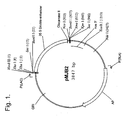
Figure 1 shows a schematic diagram of cloning vector pMJB2. -
Figure 2 shows a schematic diagram of cloning vector pMOG1051 -
Figure 3 shows a schematic diagram of binary vector pMOG800 -
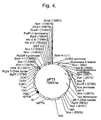
Figure 4 shows a schematic diagram of vector pFT2 used, via Agrobacterium transformation, to transform plants to give resistance to herbicides. -
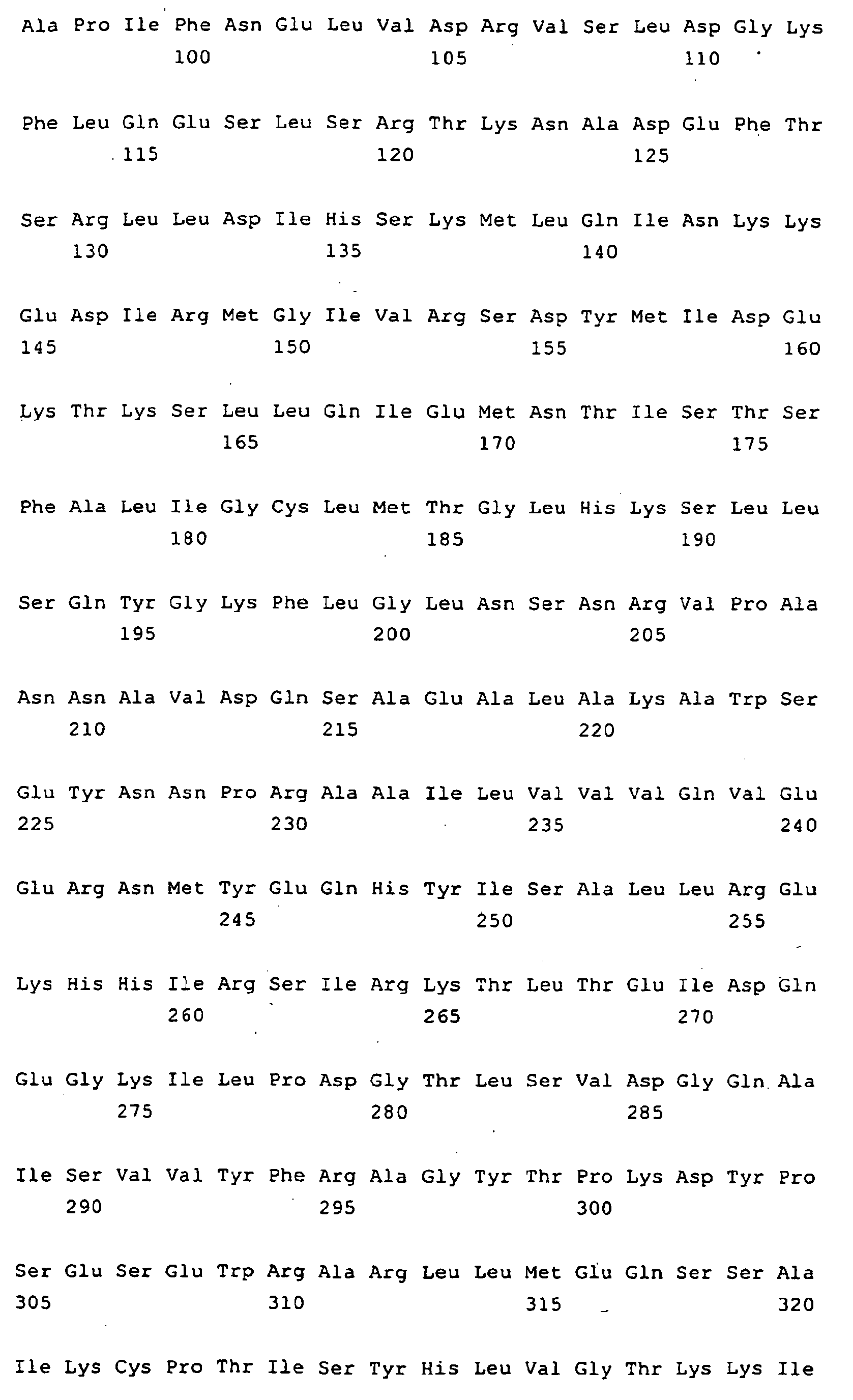
- SEQ ID No. 1. Homoglutathione synthetase from Glycine max.
- SEQ ID Nos. 2 to 5. Homoglutathione synthetase protein regions.
- SEQ ID No. 6. Polynucleotide sequence encoding Homoglutathione synthetase from Glycine max.
- SEQ ID Nos. 7 to 10. Glutathione-S-transferases 2.6, 3.1, 3.2 and 3.3 respectively.
- SEQ ID No. 11 to 14. Polynucleotides encoding the GSTs 2.6, 3.1, 3.2 and 3.3 respectively. (GST 3.3 may also be referred to as GST 3.6).
- SEQ ID Nos. 15 to 24. Primers.
- SEQ ID Nos. 25 to 34. Soybean sequence P32110 derived nucleic acid sequence; Mungbean sequence U20809; Tobacco sequence Q03663; Potato sequence P32111 derived nucleic acid sequence; Arabidopsis sequence P46421; Arabidopsis sequence P46421 (genomic); Papaya sequence AJ000923; Spruce sequence AF051214; Wheat sequence AF004358; Spruce sequence AF051238 respectively.
- SEQ ID No. 35. Primer.
- SEQ ID Nos 36 to 43. Sequences of clones listed as SEQ ID Nos. 8, 22, 7, 21, 31, 15, 23 and 25 in International Patent Application Publication Number
WO00/18936 -
- 1.1 Partial cDNAs encoding soybean GSTs were obtained using reverse-transcriptase polymerase chain reaction (RT-PCR) with degenerate oligonucleotide primers designed to regions conserved within known tau-class GSTs using alignment methods known within the art. Total RNA was obtained from soybean cell cultures (Glycine max cv. Mandarin) using TRIZOL™ reagent (Life Technologies™) according to the manufacturers guidelines. First-strand cDNA was obtained from 5 µg total RNA using oligonucleotide OG2 (SEQ ID No. 35) in conjunction with Superscript-II reverse transcriptase (Life Technologies™) using standard protocols provided by the manufacturer. Degenerate oligonucleotide primers CON2 (SEQ ID No.17) and CON3 (SEQ ID No.18) were then used in independent PCR reactions with oligonucleotide primer OG9 (SEQ ID No.16) to amplify partial GST-encoding genes from first strand cDNA. 2 µl of the first-strand cDNA synthesised was used as template in the reaction. The PCR conditions used are (94°C, 45 s; 51°C, 30 s and 72°C, 60 s) 35 cycles using Taq DNA polymerase supplied by Life Technologies and a Techne™ thermocycler. The amplified products were ligated into the pCR2.1 vector (Invitrogen™) and transformed into E. coli INV F' cells.
- 1.2 Transformed colonies were selected on LB media containing 100 ug ml-1 ampicillin and 40 ug ml X-GAL. Plasmid was recovered from 5 ml overnight cultures, initiated from each of 90 individual white colonies (45 from each initial RT reaction). The various plasmids were then subjected to restriction analysis ( EcoR1, Ssp1, Ssp1: Sph1 and Rsa1) allowing the grouping of similar clones to be made. Distinct cDNAs were identified by automated DNA sequencing with M13 primers, using an ABI 377 automated DNA sequencer, and analysed for similarity with known GST sequences by conducting database searches using the BLAST algorithm (Altschul S.F et al., 1990).
-
- 2.1 A partial length cDNA encoding homoglutathione synthetase was obtained by RT-PCR. Degenerate oligonucleotide primers MS-3 (SEQ ID No.15) and OG9 (SEQ ID No. 16) were used to specifically amplify the desired clone from first-strand cDNA, produced from soybean cell cultures as described previously.
- 2.2 The PCR product obtained was cloned into vector pCR2.1 and sequenced using an ABI377™ automated DNA sequencer. Products exhibiting homology to related glutathione synthetases were identified by searching the databases using the BLAST algorithm.
-
3.1 A cDNA library was constructed using the lambda ZAP-II system (Stratagene). Total RNA was isolated from 5-day-old soybean cell suspension cultures (cv Mandarin) using TRIZOL™ reagent. Poly A+ mRNA is isolated from total RNA using PolyATtract (Promega™) according to standard supplied protocols. The cDNA library was constructed following standard protocols provided by Stratagene™.
Table 1 below shows the characteristics of soybean cDNA library constructed from 5-day old soybean cell suspension cultures (cv. Mandarin).Library Primary titre Average cDNA size Cell culture seedling 2x10⁶ pfu 1.4 Kb
3.2 The partial cDNA sequences identified in previous examples were 32P-labelled using a Ready-to-go labelling kit (Pharmacia™) and used to screen the soybean cDNA library for full-length cDNAs. 160,000 pfu's were screened and putative colonies cross-hybridising with the probes subjected to secondary and tertiary screening until plaque purity was observed. Plasmid DNA was recovered from the plaque pure stocks using in vivo excision protocols provided by Stratagene™. Full-length cDNAs encoding GSTs and a full length cDNA encoding the homoglutathione synthetase was identified -
- 4.1 Bacterial expression of cDNA clones
Full length cDNAs encoding homoglutathione synthetase and glutathione S-transferase were independently expressed in E.coli using the pET expression system (Novagen™). - 4.2 Nde I or Nco I sites were introduced as appropriate into the 5' end cDNAs encoding glutathione S-transferase and Bam H1 at the 3' end using PCR. The cDNA was then cloned into pET-24a or pET-24d as appropriate. The resulting plasmids were introduced into E. coli BL21 (DE3) using standard bacterial transformation procedures known to the skilled artisan. Expression and purification of the recombinant GST was performed using anion-exchange chromatography and S-Hexyl-glutathione affinity chromatography according to the methods known in the art (for example, Skipsey et al., 1997). GST activity of the purified recombinant protein toward CDNB, acetochlor, acifluorfen, chlorimuron-ethyl, fluorodifen. fomesafen and metolachlor in the presence of both glutathione and homoglutathione was performed via assays which are described in Andrews et al., 1997 and Skipsey et al., 1997.
- 4.3 Table 2 below shows activity of recombinant enzymes. ±SE, n=2, ND = Not detectable, * Activity nkat mg-1, ** Activity pkat mg-1
-
- 5.1 Bacterial expression of cDNA clone.
A 5'Nco 1 and 3'Xho 1 restriction enzyme site were introduced into the homoglutathione synthetase cDNA via PCR using primers MS4-Nco (SEQ ID No. 19) and MS-4-HIS (SEQ ID No.20). Additionally, the use of the MS-4-HIS primer provided a C-terminal HIS-tag to assist purification of the enzyme. - 5.2 The resulting PCR fragment was digested with Nco1 and
Xho 1 and ligated into similarly digested pET-24d. This vector was termed pET-MS4-His.The purification of homoglutathione synthetase was performed using the following method. E. coli BL21 (DE3) harbouring the pET-MS4-His plasmid (section 1.3) were grown at 30 °C until OD600=0.5, after which isopropyl-β-D-thiogalactoside (IPTG) was added to a final concentration of 0.1 mM. Following a 3 hour incubation the bacteria were collected by centrifugation, re-suspended in buffer A (20mM Tris, 0.5 M NaCl, 5 mM imidazole pH 8.0) and lysed. Cell debris was removed by centrifugation (10,000 g, 10 min) and the supernatant applied to a 5 ml iminidiaceic acid column (Sigma™), previously charged with NiSO4 and equilibrated in buffer A. The column was washed with buffer A containing 20 mM imidiazole, followed by buffer A containing 300 mM imidiazole to remove the affinity bound protein. - 5.3 The eluted protein was concentrated using a Centriplus 30 (Amicon™) spin column and re-suspended in buffer A prior to application onto a 1 ml HiTrap chelating column (Phamacia™), pre-charged with NiSO4 and equilibrated as described previously. Affinity bound protein was then recovered using an increasing concentration of 20-200 mM imidiazole and the presence of His-tagged recombinant homoglutathione synthetase was detected using His-tagged antibodies according to known procedures. Fractions containing recombinant homoglutathione synthetase were pooled, concentrated using Centricon 30 spin columns and re-suspended in 20 mM Tris-HCl pH 8.0, 1mM DTT.
- 5.4 Homoglutathione synthetase was assayed for activity in 250 mM Tris-HCl pH 8.0, 50 mM KCl, 20 mM MgC12, 5 mM DTT, 10 mM ATP, 1 mM γ-glutamylcysteine and 50 mM glycine or 10 mM β-alanine in a total 100 µl. Experimental controls did not contain the enzyme or glycine/β-alanine. Assays were performed at 30°C for 60 min, with 20 µl aliquots removed at regular time intervals. Monobromobimane derivatisation was then performed on the aliquot to determine the presence of either glutathione or homoglutathione in accordance with the methods described by Cummins et al., 1997.
-
- 6.1 Plants with increased tolerance to the herbicides acifluorfen and fomesafen were obtained by expression in the plant host of both the active soybean GST 3.3 and the homoglutathione synthetase to further increase levels of homoglutathione, required for the enhanced efficiency function of GST 3.3.
- 6.2 PCR, using oligonucleotide primers hGSH-Nco1 (SEQ ID No. 21) and hGSH-Kpn1 (SEQ ID No.22) was used to introduce a 5' Nco1 site and 3' Kpn1 site into the GST 3.6 cDNA. The resulting PCR product was purified, sequenced, digested with Nco1 and Kpn1 and ligated into the vector pMJB2 (
Figure 1 ). The expression cassette, comprising the double enhanced CaMV35S promoter : Glucanase II leader, hGSH synthetase cDNA and nos terminator was then excised from pMJB2 using Hind III/ EcoR1 and ligated into the similarly digested binary vector pMOG800 (Figure 3 ). - 6.3 Oligonucleotide primers 3.6-Bgl II (SEQ ID No.23) and 3.6 Nco 1 (SEQ ID No.24) were used to introduce Nco1 and Bgl II sites at the 5' and 3' end of the GST 3.6 cDNA respectively. The resulting PCR product was purified, sequenced, digested with Nco1 and Bgl II and sub-cloned into the vector pMOG1051 (
Figure 2 ). The expression cassette, comprising the RoID/Fd promoter, GST 3.3 cDNA and potato PI-II terminator was then excised from pMOG1051 using Bam H1 and ligated into the unique Bam H1 site in the binary vector pMOG800 (Figure 3 ) harbouring the homoglutathione synthetase expression cassette (see above). Orientation of the insert was determined by PCR. The resulting binary vector, termed pFT2 (Figure 4 ) was sequenced in entirety to confirm authenticity. -
- 7.1 The binary vector pFT2 was transformed into Agrobacterium tumefaciens strain LBA 4404 using the freeze thaw method of transformation provided by Holsters et al., 1978. Tobacco transformation and whole plant regeneration was performed using Nicotiana tabacum var. Samsun according to standard protocols detailed by Bevan, 1984. Transformation events were selected on MS-media containing kanamycin. Other transformation methods may be employed for the transformation of other crops, such as soybean. Examples of such methods are referred to below.
-
- 8.1 PCR analysis of transformants
Leaf samples were taken from transformed lines and DNA extracted according to the methods described by Edwards et al., 1991. Oligonucleotide primer pairs SEQ ID No. 21 and SEQ ID No.22 and SEQ ID No.23 SEQ ID No.24 were used to amplify specific regions within the homoglutathione synthetase and GST 3.3 to enable the detection of both the transgenes within the putative transformed plant material.
The following analyses were performed on PCR positive material in order to confirm the functionality of the introduced genes. - 8.2 Enzyme Analysis
GST activity toward fomesafen in transgenic lines was performed in accordance with the methods described in the publication of Andrews et al., 1997. - 8.3 Free thiol synthetase activity
Glutathione and homoglutathione synthetase activities were determined in the transgenic lines using the assay described previously. - 8.4 Free thiol determination
The presence of free thiol within the transgenic plants was determined using the method of monobromobimane derivatisation. Tissue (1g) is weighed accurately, frozen in liquid nitrogen, ground to a fine powder and transferred to a clean tube containing 3 ml 0.1 M HCl. After incubation on ice for 30 min with occasional mixing, the slurry was transferred to an eppendorf tube and centrifuged (13,000 g, 3 min).Two 100 µl aliquots of supernatant were transferred to clean eppendorfs, and 10 µl water added to one and the other spiked with 1 mM glutathione or homoglutathione (10 µl). The free thiol present was reduced by adding 10 µl 1 M NaOH followed by 10 µl 1 M NaOH containing 20 mg ml NaBH4 and the solution incubated for 10 min at room temperature. - 8.4.1 The reaction was stopped by the addition of 120 µl 3.6 M HCl and the samples centrifuged (13,000 g, 5 min).The supernatant (100 µl) was transferred to a fresh tube and 10 µl 5 mg ml monobromobimane dissolved in acetonitrile added, followed by 5 µl of 35% v/v N-ethylmorpholine. The samples were placed in the dark for a period of 20 min, and the reaction stopped by the addition of 880 µl 5% acetic acid (5 ul v/v). A standard curve was prepared by derivatising glutathione or homoglutathione (0-20 mmol), and the S-bimane conjugates analysed by HPLC using methodology known in the art (Cummins et al., 1997).
-
9.1 Following tissue culture, kanamycin-resistant plantlets were transferred to 5 inch pots containing John Innes potting compost no. 3. The plants were allowed to develop to approximately the 10-leaf stage and fomesafen applied at 10g ai ha-1, formulated with nonionic surfactant, to the aerial tissue using a track sprayer. Visual assessment of phytotoxicity/plant necrosis is performed 5 days post application.
Table 4 Analysis of transgenic tobacco lines.Plant line % damage GST activity towards fomesafen GSH activity hGSH activity ug GSH UG hGSH GSH hGSH WT 55 1.4 5.0 0.91 AND 71.3 ND T82 3740 15 5.2 558.5 4.6 113.3 78.3 18.5 T82 3747 5 10.7 1320.4 1.59 145.9 112.2 26.9 -
- 10.1 Single copy transgenic plant lines were identified by Southern blot analysis according to methods described by Sambrook, 1989 using appropriate radiolabelled probes. Segregation analysis was performed on plants containing single insertion events by germination on MS media containing kanamycin. Further confirmation of homozygous lines may be performed by back crossing transgenic lines with wild-type tobacco and analysis genetic segregation following selection on kanamycin.
-
- Altschul S.F., Gish W., Miller W., Myers E.U and Lipman D.J (1990). Basic local alignment tool. Journal of Molecular Biology 215 403-410.
- Andrews C.J., Skipsey M., Townson J.K., Morris C., Jepson I. and Edwards R (1997) Glutathione transferase activities toward herbicides used selectively in soybean. Pesticide Science 51 213-222.
- Bevan M.M (1984) Binary Agrobacterium vectors used for plant transformation. Nucleic Acids Research 12 8711-8721.
- Cummins I., Moss S., Cole D.J and Edwards R (1997) Glutathione Transferases in Herbicide-resistant and Herbicide-Susceptible Black-grass (Alopecurus myosuroides). Pesticide Science 51244-250.
- Edwards K., Johnstone C and Thompson C (1991) A simple and rapid method for the preparation of plant genomic DNA for PCR analysis. Nucleic Acids Research 19 1349.
- Holsters M., de Waele D., Depicker A., Messens E., van Montagu M and Schell J (1978) Transfection and transformation of Agrobacterium tumefaciens. Molecular and General Genetics 163 181-187.
- Skipsey M., Andrews C.J., Townson J.K., Jepson I and Edwards R (1997) Substrate and thiol specificity of a stress-inducible glutathione transferase from soybean. FEBS Letters 409 370-374.
- Christou, Paul. Physiol. Plant. (1990), 79(1), 210-12. Soybean transformation by electric discharge particle acceleration.
-
Dan, Yinghui; Reichert, Nancy A. (1999), US Patent No. 5968830 Soybean transformation and regeneration methods. - Williams, Edward J.; Emler, Carol A.; Julson, Lori S.; Martinell, Brian J.; Mccabe, Dennis E.; Huang, Yong. (2000) International Patent Application Publication Number.
WO/0042207 -
Hinchee, Maud Ann Wrightson; Clemente, Thomas Elmo; Connor-Ward, Dannette Vaudrilyn; Fedele, Mary Jacqueline; Fry, Joyce Ellen; Howe, Arlene R.; Rozman, Renee Jean. US Patent No. 5959179 . Method for transforming soybeans. -
- <110> ZENECA LIMITED
- <120> GST SEQUENCES FROM SOYBEAN AND THEIR USE IN THE PRODUCTION OF HERBICIDE RESISTANT PLANTS
- <130> ZENECA CASE PPD50449/WO
- <140>
<141> - <150>
GB9922346.3
<151> 1999-09-21 - <160> 43
- <170> PatentIn Ver. 2.0
- <210> 1
<211> 499
<212> PRT
<213> Glycine max - <400> 1


- <210> 2
<211> 10
<212> PRT
<213> Artificial Sequence - <220>
<223> Description of Artificial Sequence:Protein Fragment - <400> 2

- <210> 3
<211> 8
<212> PRT
<213> Artificial Sequence - <220>
<223> Description of Artificial Sequence:Protein Fragment - <400> 3

- <210> 4
<211> 15
<212> PRT
<213> Artificial Sequence - <220>
<223> Description of Artificial Sequence:Protein Fragment - <400> 4

- <210> 5
<211> 11
<212> PRT
<213> Artificial Sequence - <220>
<223> Description of Artificial Sequence:Protein Fragment - <400> 5

- <210> 6
<211> 1854
<212> DNA
<213> Glycine max - <400> 6

- <210> 7
<211> 222
<212> PRT
<213> Glycine max - <400> 7


- <210> 8
<211> 235
<212> PRT
<213> Glycine max - <400> 8


- <210> 9
<211> 223
<212> PRT
<213> Glycine max - <400> 9


- <210> 10
<211> 232
<212> PRT
<213> Glycine max - <400> 10


- <210> 11
<211> 885
<212> DNA
<213> Glycine max - <400> 11


- <210> 12
<211> 899
<212> DNA
<213> Glycine max - <400> 12

- <210> 13
<211> 840
<212> DNA
<213> Glycine max - <400> 13


- <210> 14
<211> 918
<212> DNA
<213> Glycine max - <400> 14

- <210> 15
<211> 26
<212> DNA
<213> Artificial Sequence - <220>
<223> Description of Artificial Sequence:PRIMER - <400> 15
gcgaagcchc armgagargg hggagg 26 - <210> 16
<211> 23
<212> DNA
<213> Artificial Sequence - <220>
<223> Description of Artificial Sequence:PRIMER - <400> 16
cgcactgaga gaggatcctc gag 23 - <210> 17
<211> 27
<212> DNA
<213> Artificial Sequence - <220>
<223> Description of Artificial Sequence:PRIMER - <220>
<221> modified_base
<222> (16,24)
<223> i - <400> 17
ttctgggykr astwcntyga cranaag 27 - <210> 18
<211> 33
<212> DNA
<213> Artificial Sequence - <220>
<223> Description of Artificial Sequence:PRIMER - <400> 18
gagtcymwkg tsattgttga atacattgat gag 33 - <210> 19
<211> 23
<212> DNA
<213> Artificial Sequence - <220>
<223> Description of Artificial Sequence:PRIMER - <400> 19
cctctcaaac ccatggctca acc 23 - <210> 20
<211> 31
<212> DNA
<213> Artificial Sequence - <220>
<223> Description of Artificial Sequence:PRIMER - <400> 20
gcgctcgaga gttaggtata cagtatctac c 31 - <210> 21
<211> 23
<212> DNA
<213> Artificial Sequence - <220>
<223> Description of Artificial Sequence:PRIMER - <400> 21
cctctcaaac ccatggctca acc 23 - <210> 22
<211> 27
<212> DNA
<213> Artificial Sequence - <220>
<223> Description of Artificial Sequence:PRIMER - <400> 22
cgcggtacct ccatacaaag aaaatca 27 - <210> 23
<211> 24
<212> DNA
<213> Artificial Sequence - <220>
<223> Description of Artificial Sequence:PRIMER - <400> 23
gagatctgca acaaacatag cctc 24 - <210> 24
<211> 24
<212> DNA
<213> Artificial Sequence - <220>
<223> Description of Artificial Sequence:PRIMER - <400> 24
tacaccatgg ctgaaaggga cttg 24 - <210> 25
<211> 2763
<212> DNA
<213> Artificial Sequence - <220>
<223> Description of Artificial Sequence:SOYBEAN Derived nucleic acid sequence P32110 - <400> 25


- <210> 26
<211> 1137
<212> DNA
<213> Artificial Sequence - <220>
<223> Description of Artificial Sequence:Mungbean Sequence U20809 - <400> 26

- <210> 27
<211> 2038
<212> DNA
<213> Artificial Sequence - <220>
<223> Description of Artificial Sequence:Tobacco sequence Q03663 - <400> 27


- <210> 28
<211> 2796
<212> DNA
<213> Artificial Sequence - <220>
<223> Description of Artificial Sequence:Potato- Derived nucleic acid sequence P32111 - <400> 28


- <210> 29
<211> 1289
<212> DNA
<213> Artificial Sequence - <220>
<223> Description of Artificial Sequence:Arabidopsis P46421 - <400> 29

- <210> 30
<211> 1339
<212> DNA
<213> Artificial Sequence - <220>
<223> Description of Artificial Sequence:Arabidopsis Genomic sequence - <400> 30


- <210> 31
<211> 968
<212> DNA
<213> Artificial Sequence - <220>
<223> Description of Artificial Sequence:Papaya AJ000923 - <400> 31


- <210> 32
<211> 1040
<212> DNA
<213> Artificial Sequence - <220>
<213> Description of Artificial Sequence:Spruce AF051214 - <400> 32

- <210> 33
<211> 902
<212> DNA
<213> Artificial Sequence - <220>
<223> Description of Artificial Sequence:Wheat AF004358 - <400> 33


- <210> 34
<211> 1127
<212> DNA
<213> Artificial Sequence - <220>
<223> Description of Artificial Sequence:Spruce AF051238 - <400> 34

- <210> 35
<211> 34
<212> DNA
<213> Artificial Sequence - <220>
<223> Description of Artificial Sequence:Primer - <400> 35
gagagaggat cctcgagttt tttttttttt tttt 34 - <210> 36
<211> 234
<212> PRT
<213> Glycine max - <400> 36


- <210> 37
<211> 222
<212> PRT
<213> Glycine max - <400> 37


- <210> 38
<211> 895
<212> DNA
<213> Glycine max - <400> 38


- <210> 39
<211> 895
<212> DNA
<213> Glycine max - <400> 39

- <210> 40
<211> 977
<212> DNA
<213> Glycine max - <400> 40


- <210> 41
<211> 1006
<212> DNA
<213> Glycine max - <400> 41

- <210> 42
<211> 885
<212> DNA
<213> Glycine max - <400> 42


- <210> 43
<211> 991
<212> DNA
<213> Artificial Sequence - <400> 43

| Clone | GSH | hGSH | GSH | hGSH | GSH | hGSH | GSH | hGSH | GSH | hGSH | GSH | hGSH | GSH | hGSH |
| GST 2.6 | 18.7 ±0 | 19.0 ±0 | 352.5 ±106.5 | 391.0 ±12.0 | ND | 31.1 ±0 | ND | ND | ND | 19.3 ±2.8 | 27.1 ±1.4 | 350.5 ±78 | 142.0 ± 15.0 | 95.5 ±12.5 |
| GST 3.1 | 59.2 ±0 | 59.2 ±0 | 190.5 ±13.5 | 11.0 ±2.5 | 152.5 ±1.5 | 238.5 ±2.5 | ND | ND | 1150 ±50 | 1350 ±0 | 213.6 ±2.6 | 484.6 ±11.8 | 177.5 ±7.5 | 67.5 ±1.5 |
| GST 3.2 | 24.9 ±2.3 | 10.3 ±1.6 | 418.0 ±15.0 | 143.0 ±18.0 | 7.5 ±0.4 | 23.2 ±0.1 | ND | ND | 78.2 ±1.4 | 68.0 ±4.3 | 21.3 ±7.0 | 201.6 ±2.7 | 253.0 ±56.0 | 191.5 ±1.5 |
| GST 3.3 | 82.9 ±4.2 | 189.0 ±9.7 | 420.0 ±30.0 | ND | 123.0 ±2.0 | 1350 ±31 | ND | ND | 360.5 ±48.5 | 602.5 ±100.5 | 110 ±3.0 | 6250 ±150 | 312.0 ±3.0 | 264.5 ±8.5 |
| β-alanine | Glycine | |
| Vmax (pkats/mg hGS) | 42250 ± 3173 | 3300 ± 341 |
| Km (mM) | 0.84 ± 0.19 | 54.9 ± 18.7 |
Claims (13)
- A Glutathione-S-transferase (GST) comprising the amino acid sequence depicted as SEQ ID NO. 10 or a variant GST having at least 80% identity therewith when calculated over the full length of SEQ ID NO. 10 with the proviso that said variant GST does not comprise the amino acid sequence depicted as SEQ ID NO. 36, and wherein the GST or variant GST is capable of conferring resistance and/or tolerance to a herbicide which comprises fomesafen and/or acifluorfen.
- A polynucleotide comprising a region which encodes a GST or a variant GST according to claim 1.
- A polynucleotide according to claim 2 comprising the sequence depicted as SEQ ID NO. 14.
- A protein comprising the amino acid sequence depicted as SEQ ID NO. 1 or a protein variant having at least 80% identity therewith when calculated over the full length of SEQ ID NO. 1, wherein said protein or variant is capable of catalysing the addition of Beta-alanine onto gamma glutamylcysteine and wherein the variant has a Km for Beta-alanine which is less than the said variants Km for glycine when calculated using the same method.
- A protein variant according to claim 4 which variant comprises an amino acid sequence selected from the group depicted as SEQ ID NOs. 2, 3, 4 or 5.
- A polynucleotide comprising a region encoding the protein or protein variant according to claims 4 or 5.
- A polynucleotide according to claim 6 which comprises the sequence depicted as SEQ ID NO. 6.
- A polynucleotide comprising a first region comprising a polynucleotide according to claims 2 or 3 and a second region comprising a polynucleotide according to claims 6 or 7.
- A polynucleotide according to claim 8 wherein said first region comprises a polynucleotide encoding the amino acid sequence depicted as SEQ ID NO. 10 and said second region comprises a polynucleotide encoding the amino acid depicted as SEQ ID NO. 1.
- A method of providing plants which are resistant and/or tolerant to a diphenyl ether herbicide comprising:(a) inserting into the genome of plant material a polynucleotide or a polynucleotide sequence according to any one of claims 2, 3, 8 or 9;(b) regenerating plants or plant parts therefrom; and(c) applying to said plants or plant parts an amount of said diphenyl ether herbicide which is phytotoxic to control-like plants and selecting those plants or plant parts which are resistant to said diphenyl ether herbicide.
- Plants or plant parts, wherein said plants or plant parts are resistant to diphenyl ether herbicides due to expression of a GST according to claim 1 encoded by a DNA construct comprising a polynucleotide according to any one of claims 2, 3, 8, or 9.
- A method of providing a plant with a further desired agronomic trait comprising:(a) inserting into the genome of plant material from a plant or plant part according to claim 11 a polynucleotide which provides for the desired agronomic trait and regenerating plants or plant parts from said material; or(b) the method of claim 10, followed by crossing a first plant or plant part provided by step (c) of the method of claim 10 with a second plant which provides for said desired agronomic trait and selecting those resultant plants which contain said further desired agronomic trait.
- A method of selectively controlling weeds in a field said field comprising crop plants and weeds, said method comprising applying to said field an agriculturally acceptable formulation of an agrochemical comprising fomesafen and/or acifluorfen, wherein the said crop plants are the plants according to claim 11.
Applications Claiming Priority (3)
| Application Number | Priority Date | Filing Date | Title |
|---|---|---|---|
| GBGB9922346.3A GB9922346D0 (en) | 1999-09-21 | 1999-09-21 | Improvements in or relating to organic compounds |
| GB9922346 | 1999-09-21 | ||
| PCT/GB2000/003573 WO2001021770A2 (en) | 1999-09-21 | 2000-09-18 | Gst sequences from soybean and their use in the production of herbicide resistant plants |
Publications (2)
| Publication Number | Publication Date |
|---|---|
| EP1218517A2 EP1218517A2 (en) | 2002-07-03 |
| EP1218517B1 true EP1218517B1 (en) | 2008-11-05 |
Family
ID=10861340
Family Applications (1)
| Application Number | Title | Priority Date | Filing Date |
|---|---|---|---|
| EP00960838A Expired - Lifetime EP1218517B1 (en) | 1999-09-21 | 2000-09-18 | Gst sequences from soybean and their use in the production of herbicide resistant plants |
Country Status (9)
| Country | Link |
|---|---|
| US (1) | US7056715B1 (en) |
| EP (1) | EP1218517B1 (en) |
| AR (1) | AR025736A1 (en) |
| AT (1) | ATE413457T1 (en) |
| AU (1) | AU7300900A (en) |
| DE (1) | DE60040752D1 (en) |
| ES (1) | ES2316382T3 (en) |
| GB (1) | GB9922346D0 (en) |
| WO (1) | WO2001021770A2 (en) |
Families Citing this family (8)
| Publication number | Priority date | Publication date | Assignee | Title |
|---|---|---|---|---|
| US20020079846A1 (en) * | 2000-01-18 | 2002-06-27 | Facchini Peter James | Novel glutathione-S-transferase nucleic acids and polypeptides and methods of use thereof |
| GB0220038D0 (en) * | 2002-08-29 | 2002-10-09 | Univ Durham | Novel Protein Design |
| GB0920891D0 (en) | 2009-11-27 | 2010-01-13 | Syngenta Participations Ag | Herbicidal compositions |
| TWI667347B (en) | 2010-12-15 | 2019-08-01 | 瑞士商先正達合夥公司 | Soybean event syht0h2 and compositions and methods for detection thereof |
| GB201109239D0 (en) | 2011-06-01 | 2011-07-13 | Syngenta Participations Ag | Herbicidal compositions |
| CN109852597B (en) * | 2019-03-21 | 2022-11-18 | 云南师范大学 | A kind of β-galactosidase galRBM20_1 and its preparation method and application |
| CN111269896B (en) * | 2020-01-30 | 2022-04-19 | 吉林农业大学 | Chlorimuron-ethyl degrading enzyme Kj-GST, coding gene Kj-GST thereof and application thereof |
| CN113481185B (en) * | 2021-08-05 | 2022-12-02 | 云南师范大学 | Salt-tolerant beta-galactosidase GalNC2-13 and preparation method and application thereof |
Citations (1)
| Publication number | Priority date | Publication date | Assignee | Title |
|---|---|---|---|---|
| WO1993001294A1 (en) * | 1991-07-02 | 1993-01-21 | Zeneca Limited | Plant-derived enzyme and dna sequences, and uses thereof |
Family Cites Families (4)
| Publication number | Priority date | Publication date | Assignee | Title |
|---|---|---|---|---|
| US6168954B1 (en) * | 1997-09-05 | 2001-01-02 | E. I. Du Pont De Nemours & Company | Soybean glutathione-S-transferase enzymes |
| US6063570A (en) * | 1997-09-05 | 2000-05-16 | E. I. Du Pont De Nemours And Company | Soybean glutathione-S-transferase enzymes |
| GB9719727D0 (en) | 1997-09-16 | 1997-11-19 | Rhone Poulenc Agriculture | New plant genes |
| AU1185499A (en) * | 1998-09-30 | 2000-04-17 | E.I. Du Pont De Nemours And Company | Soybean glutathione-s-transferase enzymes |
-
1999
- 1999-09-21 GB GBGB9922346.3A patent/GB9922346D0/en not_active Ceased
-
2000
- 2000-09-18 ES ES00960838T patent/ES2316382T3/en not_active Expired - Lifetime
- 2000-09-18 AT AT00960838T patent/ATE413457T1/en not_active IP Right Cessation
- 2000-09-18 DE DE60040752T patent/DE60040752D1/en not_active Expired - Lifetime
- 2000-09-18 WO PCT/GB2000/003573 patent/WO2001021770A2/en not_active Ceased
- 2000-09-18 AU AU73009/00A patent/AU7300900A/en not_active Abandoned
- 2000-09-18 US US10/088,945 patent/US7056715B1/en not_active Expired - Fee Related
- 2000-09-18 EP EP00960838A patent/EP1218517B1/en not_active Expired - Lifetime
- 2000-09-21 AR ARP000104957A patent/AR025736A1/en unknown
Patent Citations (1)
| Publication number | Priority date | Publication date | Assignee | Title |
|---|---|---|---|---|
| WO1993001294A1 (en) * | 1991-07-02 | 1993-01-21 | Zeneca Limited | Plant-derived enzyme and dna sequences, and uses thereof |
Non-Patent Citations (3)
| Title |
|---|
| FRENDO P. ET AL., PLANT PHYSIOLOGY, vol. 126, August 2001 (2001-08-01), pages 1706 - 1715 * |
| SKIPSEY M. ET AL., PLANT BIOTECHNOLOGY JOURNAL, vol. 3, 2005, pages 409 - 420 * |
| SUGIYAMA A. ET AL., PLANT CELL PHYSIOL., vol. 46, no. 8, 2005, pages 1428 - 1432 * |
Also Published As
| Publication number | Publication date |
|---|---|
| DE60040752D1 (en) | 2008-12-18 |
| EP1218517A2 (en) | 2002-07-03 |
| AR025736A1 (en) | 2002-12-11 |
| WO2001021770A3 (en) | 2001-09-07 |
| WO2001021770A2 (en) | 2001-03-29 |
| ES2316382T3 (en) | 2009-04-16 |
| AU7300900A (en) | 2001-04-24 |
| GB9922346D0 (en) | 1999-11-24 |
| US7056715B1 (en) | 2006-06-06 |
| ATE413457T1 (en) | 2008-11-15 |
Similar Documents
| Publication | Publication Date | Title |
|---|---|---|
| US7169970B2 (en) | Herbicide resistant plants | |
| AU2001287862A1 (en) | Herbicide resistant plants | |
| MX2008015557A (en) | Improved epsp synthases: compositions and methods of use. | |
| AU759068B2 (en) | Methods and compositions for producing plants and microorganisms that express feedback insensitive threonine dehydratase/deaminase | |
| US7056715B1 (en) | GST sequences from soybean and their use in the production of herbicide resistant plants | |
| US20040143869A1 (en) | Methods of identifying compounds that induce expression of glutathione S-transferase | |
| WO2000047747A2 (en) | Maize glutathione-s-transferase enzymes | |
| AU744487B2 (en) | Riboflavin biosynthesis genes from plants and uses thereof | |
| US6171839B1 (en) | Soybean glutathione-S-transferase enzymes | |
| US6168954B1 (en) | Soybean glutathione-S-transferase enzymes | |
| WO2000006749A2 (en) | Sulfur metabolism enzymes | |
| US6906242B2 (en) | Gene involved in pyrimidine biosynthesis in plants | |
| EP1117811A1 (en) | Soybean glutathione-s-transferase enzymes | |
| US6441271B1 (en) | Plant histidine biosynthetic enzymes | |
| US6855867B1 (en) | Plant glutamine amidotransferase homologs | |
| US6916971B1 (en) | Polynucleotides encoding aminolevulinic acid biosynthetic enzymes | |
| US6271445B1 (en) | Nucleic acid molecules encoding 5′-phosphoribosyl-5-aminoimidazole (AIR) synthetase | |
| US20030200569A1 (en) | Amino acid:glyoxylate aminotransferase genes from plants and uses thereof | |
| JP2002518054A (en) | Method for screening herbicidal compounds using AIR synthetase from Arabidopsis thaliana | |
| JP2004535810A (en) | Plant ion channels and methods | |
| CA2339349A1 (en) | Maize glutathione-s-transferase enzymes | |
| MXPA00000336A (en) | Methods and compositions for producing plants and microorganisms that express feedback insensitive threonine dehydratase/deaminase | |
| WO2004074431A2 (en) | Plant ion channels and related methods | |
| ZA200302168B (en) | Herbicide resistant plants. | |
| WO2000028053A2 (en) | Plant glutamine amidotransferase homologs |
Legal Events
| Date | Code | Title | Description |
|---|---|---|---|
| PUAI | Public reference made under article 153(3) epc to a published international application that has entered the european phase |
Free format text: ORIGINAL CODE: 0009012 |
|
| 17P | Request for examination filed |
Effective date: 20020422 |
|
| AK | Designated contracting states |
Kind code of ref document: A2 Designated state(s): AT BE CH CY DE DK ES FI FR GB GR IE IT LI LU MC NL PT SE |
|
| AX | Request for extension of the european patent |
Free format text: AL;LT;LV;MK;RO;SI |
|
| RAP1 | Party data changed (applicant data changed or rights of an application transferred) |
Owner name: SYNGENTA LIMITED |
|
| 17Q | First examination report despatched |
Effective date: 20051220 |
|
| GRAP | Despatch of communication of intention to grant a patent |
Free format text: ORIGINAL CODE: EPIDOSNIGR1 |
|
| GRAJ | Information related to disapproval of communication of intention to grant by the applicant or resumption of examination proceedings by the epo deleted |
Free format text: ORIGINAL CODE: EPIDOSDIGR1 |
|
| GRAP | Despatch of communication of intention to grant a patent |
Free format text: ORIGINAL CODE: EPIDOSNIGR1 |
|
| GRAS | Grant fee paid |
Free format text: ORIGINAL CODE: EPIDOSNIGR3 |
|
| GRAA | (expected) grant |
Free format text: ORIGINAL CODE: 0009210 |
|
| AK | Designated contracting states |
Kind code of ref document: B1 Designated state(s): AT BE CH CY DE DK ES FI FR GB GR IE IT LI LU MC NL PT SE |
|
| REG | Reference to a national code |
Ref country code: GB Ref legal event code: FG4D |
|
| REG | Reference to a national code |
Ref country code: CH Ref legal event code: EP |
|
| REG | Reference to a national code |
Ref country code: IE Ref legal event code: FG4D |
|
| REF | Corresponds to: |
Ref document number: 60040752 Country of ref document: DE Date of ref document: 20081218 Kind code of ref document: P |
|
| REG | Reference to a national code |
Ref country code: ES Ref legal event code: FG2A Ref document number: 2316382 Country of ref document: ES Kind code of ref document: T3 |
|
| PG25 | Lapsed in a contracting state [announced via postgrant information from national office to epo] |
Ref country code: AT Free format text: LAPSE BECAUSE OF FAILURE TO SUBMIT A TRANSLATION OF THE DESCRIPTION OR TO PAY THE FEE WITHIN THE PRESCRIBED TIME-LIMIT Effective date: 20081105 |
|
| PG25 | Lapsed in a contracting state [announced via postgrant information from national office to epo] |
Ref country code: FI Free format text: LAPSE BECAUSE OF FAILURE TO SUBMIT A TRANSLATION OF THE DESCRIPTION OR TO PAY THE FEE WITHIN THE PRESCRIBED TIME-LIMIT Effective date: 20081105 |
|
| PG25 | Lapsed in a contracting state [announced via postgrant information from national office to epo] |
Ref country code: DK Free format text: LAPSE BECAUSE OF FAILURE TO SUBMIT A TRANSLATION OF THE DESCRIPTION OR TO PAY THE FEE WITHIN THE PRESCRIBED TIME-LIMIT Effective date: 20081105 Ref country code: BE Free format text: LAPSE BECAUSE OF FAILURE TO SUBMIT A TRANSLATION OF THE DESCRIPTION OR TO PAY THE FEE WITHIN THE PRESCRIBED TIME-LIMIT Effective date: 20081105 |
|
| PG25 | Lapsed in a contracting state [announced via postgrant information from national office to epo] |
Ref country code: PT Free format text: LAPSE BECAUSE OF FAILURE TO SUBMIT A TRANSLATION OF THE DESCRIPTION OR TO PAY THE FEE WITHIN THE PRESCRIBED TIME-LIMIT Effective date: 20090406 Ref country code: SE Free format text: LAPSE BECAUSE OF FAILURE TO SUBMIT A TRANSLATION OF THE DESCRIPTION OR TO PAY THE FEE WITHIN THE PRESCRIBED TIME-LIMIT Effective date: 20090205 |
|
| PLBE | No opposition filed within time limit |
Free format text: ORIGINAL CODE: 0009261 |
|
| STAA | Information on the status of an ep patent application or granted ep patent |
Free format text: STATUS: NO OPPOSITION FILED WITHIN TIME LIMIT |
|
| 26N | No opposition filed |
Effective date: 20090806 |
|
| PG25 | Lapsed in a contracting state [announced via postgrant information from national office to epo] |
Ref country code: MC Free format text: LAPSE BECAUSE OF NON-PAYMENT OF DUE FEES Effective date: 20090930 |
|
| REG | Reference to a national code |
Ref country code: CH Ref legal event code: PL |
|
| PG25 | Lapsed in a contracting state [announced via postgrant information from national office to epo] |
Ref country code: IE Free format text: LAPSE BECAUSE OF NON-PAYMENT OF DUE FEES Effective date: 20090918 |
|
| PG25 | Lapsed in a contracting state [announced via postgrant information from national office to epo] |
Ref country code: LI Free format text: LAPSE BECAUSE OF NON-PAYMENT OF DUE FEES Effective date: 20090930 Ref country code: CH Free format text: LAPSE BECAUSE OF NON-PAYMENT OF DUE FEES Effective date: 20090930 Ref country code: GR Free format text: LAPSE BECAUSE OF FAILURE TO SUBMIT A TRANSLATION OF THE DESCRIPTION OR TO PAY THE FEE WITHIN THE PRESCRIBED TIME-LIMIT Effective date: 20090206 |
|
| PG25 | Lapsed in a contracting state [announced via postgrant information from national office to epo] |
Ref country code: LU Free format text: LAPSE BECAUSE OF NON-PAYMENT OF DUE FEES Effective date: 20090918 |
|
| PG25 | Lapsed in a contracting state [announced via postgrant information from national office to epo] |
Ref country code: CY Free format text: LAPSE BECAUSE OF FAILURE TO SUBMIT A TRANSLATION OF THE DESCRIPTION OR TO PAY THE FEE WITHIN THE PRESCRIBED TIME-LIMIT Effective date: 20081105 |
|
| PGFP | Annual fee paid to national office [announced via postgrant information from national office to epo] |
Ref country code: GB Payment date: 20120912 Year of fee payment: 13 |
|
| PGFP | Annual fee paid to national office [announced via postgrant information from national office to epo] |
Ref country code: IT Payment date: 20120917 Year of fee payment: 13 Ref country code: FR Payment date: 20120926 Year of fee payment: 13 Ref country code: DE Payment date: 20120912 Year of fee payment: 13 |
|
| PGFP | Annual fee paid to national office [announced via postgrant information from national office to epo] |
Ref country code: NL Payment date: 20120908 Year of fee payment: 13 |
|
| PGFP | Annual fee paid to national office [announced via postgrant information from national office to epo] |
Ref country code: ES Payment date: 20121004 Year of fee payment: 13 |
|
| REG | Reference to a national code |
Ref country code: NL Ref legal event code: V1 Effective date: 20140401 |
|
| GBPC | Gb: european patent ceased through non-payment of renewal fee |
Effective date: 20130918 |
|
| REG | Reference to a national code |
Ref country code: DE Ref legal event code: R119 Ref document number: 60040752 Country of ref document: DE Effective date: 20140401 |
|
| REG | Reference to a national code |
Ref country code: FR Ref legal event code: ST Effective date: 20140530 |
|
| PG25 | Lapsed in a contracting state [announced via postgrant information from national office to epo] |
Ref country code: GB Free format text: LAPSE BECAUSE OF NON-PAYMENT OF DUE FEES Effective date: 20130918 |
|
| PG25 | Lapsed in a contracting state [announced via postgrant information from national office to epo] |
Ref country code: FR Free format text: LAPSE BECAUSE OF NON-PAYMENT OF DUE FEES Effective date: 20130930 Ref country code: NL Free format text: LAPSE BECAUSE OF NON-PAYMENT OF DUE FEES Effective date: 20140401 Ref country code: IT Free format text: LAPSE BECAUSE OF NON-PAYMENT OF DUE FEES Effective date: 20130918 Ref country code: DE Free format text: LAPSE BECAUSE OF NON-PAYMENT OF DUE FEES Effective date: 20140401 |
|
| REG | Reference to a national code |
Ref country code: ES Ref legal event code: FD2A Effective date: 20141010 |
|
| PG25 | Lapsed in a contracting state [announced via postgrant information from national office to epo] |
Ref country code: ES Free format text: LAPSE BECAUSE OF NON-PAYMENT OF DUE FEES Effective date: 20130919 |