EP1192245B1 - Verfahren zur vermehrung von lytischen organismen - Google Patents
Verfahren zur vermehrung von lytischen organismen Download PDFInfo
- Publication number
- EP1192245B1 EP1192245B1 EP00943754A EP00943754A EP1192245B1 EP 1192245 B1 EP1192245 B1 EP 1192245B1 EP 00943754 A EP00943754 A EP 00943754A EP 00943754 A EP00943754 A EP 00943754A EP 1192245 B1 EP1192245 B1 EP 1192245B1
- Authority
- EP
- European Patent Office
- Prior art keywords
- lytic
- organism
- cells
- infection
- bioreactor
- Prior art date
- Legal status (The legal status is an assumption and is not a legal conclusion. Google has not performed a legal analysis and makes no representation as to the accuracy of the status listed.)
- Expired - Lifetime
Links
- 230000002101 lytic effect Effects 0.000 title claims abstract description 74
- 238000000034 method Methods 0.000 title claims abstract description 43
- 208000015181 infectious disease Diseases 0.000 claims abstract description 49
- 238000003306 harvesting Methods 0.000 claims abstract description 45
- 239000000835 fiber Substances 0.000 claims abstract description 18
- 108090000623 proteins and genes Proteins 0.000 claims description 73
- 102000004169 proteins and genes Human genes 0.000 claims description 66
- 241000700605 Viruses Species 0.000 claims description 29
- 108020004707 nucleic acids Proteins 0.000 claims description 16
- 102000039446 nucleic acids Human genes 0.000 claims description 16
- 150000007523 nucleic acids Chemical class 0.000 claims description 16
- 241000701447 unidentified baculovirus Species 0.000 claims description 12
- 230000000694 effects Effects 0.000 claims description 10
- 241000701161 unidentified adenovirus Species 0.000 claims description 7
- 230000000063 preceeding effect Effects 0.000 claims 3
- 210000004027 cell Anatomy 0.000 description 140
- 239000002609 medium Substances 0.000 description 28
- 238000005516 engineering process Methods 0.000 description 27
- 238000004519 manufacturing process Methods 0.000 description 25
- 239000000047 product Substances 0.000 description 16
- 108090000854 Oxidoreductases Proteins 0.000 description 12
- 101150053185 P450 gene Proteins 0.000 description 12
- 102000004316 Oxidoreductases Human genes 0.000 description 11
- 239000012528 membrane Substances 0.000 description 10
- WSFSSNUMVMOOMR-UHFFFAOYSA-N Formaldehyde Chemical compound O=C WSFSSNUMVMOOMR-UHFFFAOYSA-N 0.000 description 9
- 239000013589 supplement Substances 0.000 description 9
- 239000006144 Dulbecco’s modified Eagle's medium Substances 0.000 description 8
- 239000012737 fresh medium Substances 0.000 description 7
- 108020004414 DNA Proteins 0.000 description 6
- 230000007774 longterm Effects 0.000 description 6
- 239000000463 material Substances 0.000 description 6
- HJCMDXDYPOUFDY-WHFBIAKZSA-N Ala-Gln Chemical compound C[C@H](N)C(=O)N[C@H](C(O)=O)CCC(N)=O HJCMDXDYPOUFDY-WHFBIAKZSA-N 0.000 description 5
- 241000238631 Hexapoda Species 0.000 description 5
- 108010045510 NADPH-Ferrihemoprotein Reductase Proteins 0.000 description 5
- 230000009089 cytolysis Effects 0.000 description 5
- 238000011010 flushing procedure Methods 0.000 description 5
- 238000011081 inoculation Methods 0.000 description 5
- 235000015097 nutrients Nutrition 0.000 description 5
- 239000013612 plasmid Substances 0.000 description 5
- 239000002699 waste material Substances 0.000 description 5
- PVNIIMVLHYAWGP-UHFFFAOYSA-N Niacin Chemical compound OC(=O)C1=CC=CN=C1 PVNIIMVLHYAWGP-UHFFFAOYSA-N 0.000 description 4
- 241001494479 Pecora Species 0.000 description 4
- AUNGANRZJHBGPY-SCRDCRAPSA-N Riboflavin Chemical compound OC[C@@H](O)[C@@H](O)[C@@H](O)CN1C=2C=C(C)C(C)=CC=2N=C2C1=NC(=O)NC2=O AUNGANRZJHBGPY-SCRDCRAPSA-N 0.000 description 4
- 239000011159 matrix material Substances 0.000 description 4
- 238000010186 staining Methods 0.000 description 4
- 239000013598 vector Substances 0.000 description 4
- 230000003442 weekly effect Effects 0.000 description 4
- 229920000936 Agarose Polymers 0.000 description 3
- 102000002004 Cytochrome P-450 Enzyme System Human genes 0.000 description 3
- HEMHJVSKTPXQMS-UHFFFAOYSA-M Sodium hydroxide Chemical compound [OH-].[Na+] HEMHJVSKTPXQMS-UHFFFAOYSA-M 0.000 description 3
- 229920002301 cellulose acetate Polymers 0.000 description 3
- 229940079593 drug Drugs 0.000 description 3
- 239000003814 drug Substances 0.000 description 3
- 229960002413 ferric citrate Drugs 0.000 description 3
- 239000012634 fragment Substances 0.000 description 3
- BTIJJDXEELBZFS-UHFFFAOYSA-K hemin Chemical compound [Cl-].[Fe+3].[N-]1C(C=C2C(=C(C)C(C=C3C(=C(C)C(=C4)[N-]3)C=C)=N2)C=C)=C(C)C(CCC(O)=O)=C1C=C1C(CCC(O)=O)=C(C)C4=N1 BTIJJDXEELBZFS-UHFFFAOYSA-K 0.000 description 3
- NPFOYSMITVOQOS-UHFFFAOYSA-K iron(III) citrate Chemical compound [Fe+3].[O-]C(=O)CC(O)(CC([O-])=O)C([O-])=O NPFOYSMITVOQOS-UHFFFAOYSA-K 0.000 description 3
- 210000004962 mammalian cell Anatomy 0.000 description 3
- 210000002966 serum Anatomy 0.000 description 3
- 230000004083 survival effect Effects 0.000 description 3
- 210000001519 tissue Anatomy 0.000 description 3
- 230000014616 translation Effects 0.000 description 3
- 229960005486 vaccine Drugs 0.000 description 3
- 230000009385 viral infection Effects 0.000 description 3
- 241000701386 African swine fever virus Species 0.000 description 2
- OMPJBNCRMGITSC-UHFFFAOYSA-N Benzoylperoxide Chemical compound C=1C=CC=CC=1C(=O)OOC(=O)C1=CC=CC=C1 OMPJBNCRMGITSC-UHFFFAOYSA-N 0.000 description 2
- 108010015742 Cytochrome P-450 Enzyme System Proteins 0.000 description 2
- AUNGANRZJHBGPY-UHFFFAOYSA-N D-Lyxoflavin Natural products OCC(O)C(O)C(O)CN1C=2C=C(C)C(C)=CC=2N=C2C1=NC(=O)NC2=O AUNGANRZJHBGPY-UHFFFAOYSA-N 0.000 description 2
- 241001466953 Echovirus Species 0.000 description 2
- 241000709661 Enterovirus Species 0.000 description 2
- 241000702259 Orbivirus Species 0.000 description 2
- 239000004698 Polyethylene Substances 0.000 description 2
- 241001135549 Porcine epidemic diarrhea virus Species 0.000 description 2
- 241000700584 Simplexvirus Species 0.000 description 2
- 208000036142 Viral infection Diseases 0.000 description 2
- 239000002253 acid Substances 0.000 description 2
- 150000001413 amino acids Chemical class 0.000 description 2
- 238000004458 analytical method Methods 0.000 description 2
- 238000003491 array Methods 0.000 description 2
- 230000001413 cellular effect Effects 0.000 description 2
- 230000008859 change Effects 0.000 description 2
- 238000010924 continuous production Methods 0.000 description 2
- 230000004069 differentiation Effects 0.000 description 2
- 210000003527 eukaryotic cell Anatomy 0.000 description 2
- 238000001415 gene therapy Methods 0.000 description 2
- 238000010353 genetic engineering Methods 0.000 description 2
- 239000003446 ligand Substances 0.000 description 2
- 210000002540 macrophage Anatomy 0.000 description 2
- 230000004048 modification Effects 0.000 description 2
- 238000012986 modification Methods 0.000 description 2
- 230000007935 neutral effect Effects 0.000 description 2
- 235000001968 nicotinic acid Nutrition 0.000 description 2
- 229960003512 nicotinic acid Drugs 0.000 description 2
- 239000011664 nicotinic acid Substances 0.000 description 2
- 229940109615 oxy 10 Drugs 0.000 description 2
- 238000006213 oxygenation reaction Methods 0.000 description 2
- -1 polyethylene Polymers 0.000 description 2
- 229920000573 polyethylene Polymers 0.000 description 2
- 239000011148 porous material Substances 0.000 description 2
- 230000008569 process Effects 0.000 description 2
- 230000003134 recirculating effect Effects 0.000 description 2
- 238000011160 research Methods 0.000 description 2
- 230000000717 retained effect Effects 0.000 description 2
- 235000019192 riboflavin Nutrition 0.000 description 2
- 229960002477 riboflavin Drugs 0.000 description 2
- 239000002151 riboflavin Substances 0.000 description 2
- 201000005404 rubella Diseases 0.000 description 2
- 239000000725 suspension Substances 0.000 description 2
- 238000012360 testing method Methods 0.000 description 2
- 241000712461 unidentified influenza virus Species 0.000 description 2
- 210000003501 vero cell Anatomy 0.000 description 2
- XLYOFNOQVPJJNP-UHFFFAOYSA-N water Substances O XLYOFNOQVPJJNP-UHFFFAOYSA-N 0.000 description 2
- 238000001262 western blot Methods 0.000 description 2
- WZUVPPKBWHMQCE-XJKSGUPXSA-N (+)-haematoxylin Chemical compound C12=CC(O)=C(O)C=C2C[C@]2(O)[C@H]1C1=CC=C(O)C(O)=C1OC2 WZUVPPKBWHMQCE-XJKSGUPXSA-N 0.000 description 1
- QGVLYPPODPLXMB-UBTYZVCOSA-N (1aR,1bS,4aR,7aS,7bS,8R,9R,9aS)-4a,7b,9,9a-tetrahydroxy-3-(hydroxymethyl)-1,1,6,8-tetramethyl-1,1a,1b,4,4a,7a,7b,8,9,9a-decahydro-5H-cyclopropa[3,4]benzo[1,2-e]azulen-5-one Chemical compound C1=C(CO)C[C@]2(O)C(=O)C(C)=C[C@H]2[C@@]2(O)[C@H](C)[C@@H](O)[C@@]3(O)C(C)(C)[C@H]3[C@@H]21 QGVLYPPODPLXMB-UBTYZVCOSA-N 0.000 description 1
- TWJNQYPJQDRXPH-UHFFFAOYSA-N 2-cyanobenzohydrazide Chemical compound NNC(=O)C1=CC=CC=C1C#N TWJNQYPJQDRXPH-UHFFFAOYSA-N 0.000 description 1
- 241000710929 Alphavirus Species 0.000 description 1
- 241000710189 Aphthovirus Species 0.000 description 1
- 241000712891 Arenavirus Species 0.000 description 1
- 241000711404 Avian avulavirus 1 Species 0.000 description 1
- 241000894006 Bacteria Species 0.000 description 1
- 241000120506 Bluetongue virus Species 0.000 description 1
- 241000283690 Bos taurus Species 0.000 description 1
- 241000701822 Bovine papillomavirus Species 0.000 description 1
- 241000710780 Bovine viral diarrhea virus 1 Species 0.000 description 1
- 208000024172 Cardiovascular disease Diseases 0.000 description 1
- 206010008761 Choriomeningitis lymphocytic Diseases 0.000 description 1
- 108091026890 Coding region Proteins 0.000 description 1
- 208000035473 Communicable disease Diseases 0.000 description 1
- 241000709687 Coxsackievirus Species 0.000 description 1
- 102000004127 Cytokines Human genes 0.000 description 1
- 108090000695 Cytokines Proteins 0.000 description 1
- 208000001490 Dengue Diseases 0.000 description 1
- 206010012310 Dengue fever Diseases 0.000 description 1
- 241000702421 Dependoparvovirus Species 0.000 description 1
- 206010012735 Diarrhoea Diseases 0.000 description 1
- 208000000655 Distemper Diseases 0.000 description 1
- 206010013710 Drug interaction Diseases 0.000 description 1
- 238000002965 ELISA Methods 0.000 description 1
- 201000011001 Ebola Hemorrhagic Fever Diseases 0.000 description 1
- 241000991587 Enterovirus C Species 0.000 description 1
- 102000004190 Enzymes Human genes 0.000 description 1
- 108090000790 Enzymes Proteins 0.000 description 1
- 208000000832 Equine Encephalomyelitis Diseases 0.000 description 1
- 241000206602 Eukaryota Species 0.000 description 1
- 241000711950 Filoviridae Species 0.000 description 1
- 241000710781 Flaviviridae Species 0.000 description 1
- 241000710831 Flavivirus Species 0.000 description 1
- 241000710198 Foot-and-mouth disease virus Species 0.000 description 1
- 241000287828 Gallus gallus Species 0.000 description 1
- 108010043121 Green Fluorescent Proteins Proteins 0.000 description 1
- 102000004144 Green Fluorescent Proteins Human genes 0.000 description 1
- WZUVPPKBWHMQCE-UHFFFAOYSA-N Haematoxylin Natural products C12=CC(O)=C(O)C=C2CC2(O)C1C1=CC=C(O)C(O)=C1OC2 WZUVPPKBWHMQCE-UHFFFAOYSA-N 0.000 description 1
- 206010061192 Haemorrhagic fever Diseases 0.000 description 1
- 208000005176 Hepatitis C Diseases 0.000 description 1
- 241000709715 Hepatovirus Species 0.000 description 1
- 208000009889 Herpes Simplex Diseases 0.000 description 1
- 241000700586 Herpesviridae Species 0.000 description 1
- 241000700588 Human alphaherpesvirus 1 Species 0.000 description 1
- 241000701085 Human alphaherpesvirus 3 Species 0.000 description 1
- 241000701024 Human betaherpesvirus 5 Species 0.000 description 1
- 101001001300 Human cytomegalovirus (strain Towne) 65 kDa phosphoprotein Proteins 0.000 description 1
- 241001502974 Human gammaherpesvirus 8 Species 0.000 description 1
- 241000701806 Human papillomavirus Species 0.000 description 1
- 241000709727 Human poliovirus 3 Species 0.000 description 1
- 241000371980 Influenza B virus (B/Shanghai/361/2002) Species 0.000 description 1
- 206010023927 Lassa fever Diseases 0.000 description 1
- 201000005505 Measles Diseases 0.000 description 1
- 241000712079 Measles morbillivirus Species 0.000 description 1
- 241001465754 Metazoa Species 0.000 description 1
- 208000005647 Mumps Diseases 0.000 description 1
- 206010062207 Mycobacterial infection Diseases 0.000 description 1
- 241000186359 Mycobacterium Species 0.000 description 1
- TUNFSRHWOTWDNC-UHFFFAOYSA-N Myristic acid Natural products CCCCCCCCCCCCCC(O)=O TUNFSRHWOTWDNC-UHFFFAOYSA-N 0.000 description 1
- 235000021360 Myristic acid Nutrition 0.000 description 1
- 239000000020 Nitrocellulose Substances 0.000 description 1
- 241000713112 Orthobunyavirus Species 0.000 description 1
- 241000150452 Orthohantavirus Species 0.000 description 1
- 241000150218 Orthonairovirus Species 0.000 description 1
- 241000702244 Orthoreovirus Species 0.000 description 1
- 241001631646 Papillomaviridae Species 0.000 description 1
- 208000009608 Papillomavirus Infections Diseases 0.000 description 1
- 241000150350 Peribunyaviridae Species 0.000 description 1
- 102000003992 Peroxidases Human genes 0.000 description 1
- 208000037581 Persistent Infection Diseases 0.000 description 1
- 241000710778 Pestivirus Species 0.000 description 1
- 201000000239 Phlebotomus fever Diseases 0.000 description 1
- 241000713137 Phlebovirus Species 0.000 description 1
- 108091000080 Phosphotransferase Proteins 0.000 description 1
- 241000709664 Picornaviridae Species 0.000 description 1
- 101710182846 Polyhedrin Proteins 0.000 description 1
- 241001505332 Polyomavirus sp. Species 0.000 description 1
- 102000004022 Protein-Tyrosine Kinases Human genes 0.000 description 1
- 108090000412 Protein-Tyrosine Kinases Proteins 0.000 description 1
- 241000125945 Protoparvovirus Species 0.000 description 1
- 206010037660 Pyrexia Diseases 0.000 description 1
- 102000007056 Recombinant Fusion Proteins Human genes 0.000 description 1
- 108010008281 Recombinant Fusion Proteins Proteins 0.000 description 1
- 241000702247 Reoviridae Species 0.000 description 1
- 241000725643 Respiratory syncytial virus Species 0.000 description 1
- 208000006257 Rinderpest Diseases 0.000 description 1
- 239000006146 Roswell Park Memorial Institute medium Substances 0.000 description 1
- 241000702670 Rotavirus Species 0.000 description 1
- 241000710801 Rubivirus Species 0.000 description 1
- 240000004808 Saccharomyces cerevisiae Species 0.000 description 1
- 241000150288 Sin Nombre orthohantavirus Species 0.000 description 1
- 241000710960 Sindbis virus Species 0.000 description 1
- 208000001203 Smallpox Diseases 0.000 description 1
- 108010090804 Streptavidin Proteins 0.000 description 1
- 240000001068 Thogoto virus Species 0.000 description 1
- 241000710924 Togaviridae Species 0.000 description 1
- 206010046865 Vaccinia virus infection Diseases 0.000 description 1
- 241000870995 Variola Species 0.000 description 1
- 241000700647 Variola virus Species 0.000 description 1
- 208000003152 Yellow Fever Diseases 0.000 description 1
- 230000004913 activation Effects 0.000 description 1
- 238000007792 addition Methods 0.000 description 1
- 125000003277 amino group Chemical group 0.000 description 1
- 239000003242 anti bacterial agent Substances 0.000 description 1
- 229940088710 antibiotic agent Drugs 0.000 description 1
- 239000000427 antigen Substances 0.000 description 1
- 230000000890 antigenic effect Effects 0.000 description 1
- 102000036639 antigens Human genes 0.000 description 1
- 108091007433 antigens Proteins 0.000 description 1
- PYMYPHUHKUWMLA-WDCZJNDASA-N arabinose Chemical compound OC[C@@H](O)[C@@H](O)[C@H](O)C=O PYMYPHUHKUWMLA-WDCZJNDASA-N 0.000 description 1
- PYMYPHUHKUWMLA-UHFFFAOYSA-N arabinose Natural products OCC(O)C(O)C(O)C=O PYMYPHUHKUWMLA-UHFFFAOYSA-N 0.000 description 1
- 238000003556 assay Methods 0.000 description 1
- 244000309743 astrovirus Species 0.000 description 1
- QVGXLLKOCUKJST-UHFFFAOYSA-N atomic oxygen Chemical compound [O] QVGXLLKOCUKJST-UHFFFAOYSA-N 0.000 description 1
- 230000001580 bacterial effect Effects 0.000 description 1
- 238000013320 baculovirus expression vector system Methods 0.000 description 1
- 238000010923 batch production Methods 0.000 description 1
- SRBFZHDQGSBBOR-UHFFFAOYSA-N beta-D-Pyranose-Lyxose Natural products OC1COC(O)C(O)C1O SRBFZHDQGSBBOR-UHFFFAOYSA-N 0.000 description 1
- 208000003836 bluetongue Diseases 0.000 description 1
- 238000009835 boiling Methods 0.000 description 1
- PPBOKXIGFIBOGK-BDTUAEFFSA-N bvdv Chemical compound C([C@@H](C(=O)N[C@@H](CCCCN)C(=O)N[C@@H](CCC(N)=O)C(=O)N[C@@H]([C@@H](C)CC)C(=O)N[C@@H](CC(N)=O)C(=O)N[C@@H](CCCNC(N)=N)C(=O)NCC(=O)N[C@@H](CC(C)C)C(=O)N[C@@H](CCCCN)C(=O)N[C@@H](CCCCN)C(O)=O)NC(=O)[C@H](CC(C)C)NC(=O)[C@H](CO)NC(=O)[C@H](CC=1C=CC(O)=CC=1)NC(=O)[C@@H](NC(=O)[C@H](CC(C)C)NC(=O)[C@H](CC(O)=O)NC(=O)[C@H](CC(C)C)NC(=O)[C@@H](N)C(C)C)[C@@H](C)CC)C1=CN=CN1 PPBOKXIGFIBOGK-BDTUAEFFSA-N 0.000 description 1
- 244000309466 calf Species 0.000 description 1
- 239000006143 cell culture medium Substances 0.000 description 1
- 238000010367 cloning Methods 0.000 description 1
- 239000002299 complementary DNA Substances 0.000 description 1
- 238000012790 confirmation Methods 0.000 description 1
- 201000003740 cowpox Diseases 0.000 description 1
- 230000001351 cycling effect Effects 0.000 description 1
- 230000034994 death Effects 0.000 description 1
- 230000002950 deficient Effects 0.000 description 1
- 238000012217 deletion Methods 0.000 description 1
- 230000037430 deletion Effects 0.000 description 1
- 208000025729 dengue disease Diseases 0.000 description 1
- 230000030609 dephosphorylation Effects 0.000 description 1
- 238000006209 dephosphorylation reaction Methods 0.000 description 1
- 230000001066 destructive effect Effects 0.000 description 1
- 238000010586 diagram Methods 0.000 description 1
- 201000010099 disease Diseases 0.000 description 1
- 208000037265 diseases, disorders, signs and symptoms Diseases 0.000 description 1
- 235000013601 eggs Nutrition 0.000 description 1
- 206010014599 encephalitis Diseases 0.000 description 1
- YQGOJNYOYNNSMM-UHFFFAOYSA-N eosin Chemical compound [Na+].OC(=O)C1=CC=CC=C1C1=C2C=C(Br)C(=O)C(Br)=C2OC2=C(Br)C(O)=C(Br)C=C21 YQGOJNYOYNNSMM-UHFFFAOYSA-N 0.000 description 1
- 239000012909 foetal bovine serum Substances 0.000 description 1
- 239000000499 gel Substances 0.000 description 1
- 239000005090 green fluorescent protein Substances 0.000 description 1
- 239000003102 growth factor Substances 0.000 description 1
- 239000001963 growth medium Substances 0.000 description 1
- 208000005252 hepatitis A Diseases 0.000 description 1
- 230000002163 immunogen Effects 0.000 description 1
- 238000010874 in vitro model Methods 0.000 description 1
- 230000003834 intracellular effect Effects 0.000 description 1
- 238000000670 ligand binding assay Methods 0.000 description 1
- 208000001419 lymphocytic choriomeningitis Diseases 0.000 description 1
- 239000003550 marker Substances 0.000 description 1
- 230000002503 metabolic effect Effects 0.000 description 1
- 239000000203 mixture Substances 0.000 description 1
- 208000010805 mumps infectious disease Diseases 0.000 description 1
- 208000027531 mycobacterial infectious disease Diseases 0.000 description 1
- 229920001220 nitrocellulos Polymers 0.000 description 1
- 229910052760 oxygen Inorganic materials 0.000 description 1
- 239000001301 oxygen Substances 0.000 description 1
- 239000012188 paraffin wax Substances 0.000 description 1
- 230000010412 perfusion Effects 0.000 description 1
- 108040007629 peroxidase activity proteins Proteins 0.000 description 1
- 230000002085 persistent effect Effects 0.000 description 1
- 230000003285 pharmacodynamic effect Effects 0.000 description 1
- QGVLYPPODPLXMB-QXYKVGAMSA-N phorbol Natural products C[C@@H]1[C@@H](O)[C@]2(O)[C@H]([C@H]3C=C(CO)C[C@@]4(O)[C@H](C=C(C)C4=O)[C@@]13O)C2(C)C QGVLYPPODPLXMB-QXYKVGAMSA-N 0.000 description 1
- 102000020233 phosphotransferase Human genes 0.000 description 1
- 229920002401 polyacrylamide Polymers 0.000 description 1
- 229920001184 polypeptide Polymers 0.000 description 1
- 230000004481 post-translational protein modification Effects 0.000 description 1
- 238000002360 preparation method Methods 0.000 description 1
- 102000004196 processed proteins & peptides Human genes 0.000 description 1
- 108090000765 processed proteins & peptides Proteins 0.000 description 1
- 238000012545 processing Methods 0.000 description 1
- 210000001236 prokaryotic cell Anatomy 0.000 description 1
- 238000003908 quality control method Methods 0.000 description 1
- 238000011084 recovery Methods 0.000 description 1
- 230000010076 replication Effects 0.000 description 1
- 230000000241 respiratory effect Effects 0.000 description 1
- 208000023504 respiratory system disease Diseases 0.000 description 1
- 210000003705 ribosome Anatomy 0.000 description 1
- 238000005070 sampling Methods 0.000 description 1
- 239000007787 solid Substances 0.000 description 1
- 239000000243 solution Substances 0.000 description 1
- 239000011550 stock solution Substances 0.000 description 1
- 230000002459 sustained effect Effects 0.000 description 1
- 238000002560 therapeutic procedure Methods 0.000 description 1
- 238000010399 three-hybrid screening Methods 0.000 description 1
- 201000008827 tuberculosis Diseases 0.000 description 1
- 241000724775 unclassified viruses Species 0.000 description 1
- 208000007089 vaccinia Diseases 0.000 description 1
- 108700026220 vif Genes Proteins 0.000 description 1
- 230000003612 virological effect Effects 0.000 description 1
- 210000005253 yeast cell Anatomy 0.000 description 1
- 238000001086 yeast two-hybrid system Methods 0.000 description 1
Images

Classifications
-
- C—CHEMISTRY; METALLURGY
- C12—BIOCHEMISTRY; BEER; SPIRITS; WINE; VINEGAR; MICROBIOLOGY; ENZYMOLOGY; MUTATION OR GENETIC ENGINEERING
- C12N—MICROORGANISMS OR ENZYMES; COMPOSITIONS THEREOF; PROPAGATING, PRESERVING, OR MAINTAINING MICROORGANISMS; MUTATION OR GENETIC ENGINEERING; CULTURE MEDIA
- C12N7/00—Viruses; Bacteriophages; Compositions thereof; Preparation or purification thereof
-
- C—CHEMISTRY; METALLURGY
- C12—BIOCHEMISTRY; BEER; SPIRITS; WINE; VINEGAR; MICROBIOLOGY; ENZYMOLOGY; MUTATION OR GENETIC ENGINEERING
- C12N—MICROORGANISMS OR ENZYMES; COMPOSITIONS THEREOF; PROPAGATING, PRESERVING, OR MAINTAINING MICROORGANISMS; MUTATION OR GENETIC ENGINEERING; CULTURE MEDIA
- C12N15/00—Mutation or genetic engineering; DNA or RNA concerning genetic engineering, vectors, e.g. plasmids, or their isolation, preparation or purification; Use of hosts therefor
- C12N15/09—Recombinant DNA-technology
- C12N15/63—Introduction of foreign genetic material using vectors; Vectors; Use of hosts therefor; Regulation of expression
- C12N15/79—Vectors or expression systems specially adapted for eukaryotic hosts
- C12N15/85—Vectors or expression systems specially adapted for eukaryotic hosts for animal cells
- C12N15/86—Viral vectors
-
- C—CHEMISTRY; METALLURGY
- C12—BIOCHEMISTRY; BEER; SPIRITS; WINE; VINEGAR; MICROBIOLOGY; ENZYMOLOGY; MUTATION OR GENETIC ENGINEERING
- C12N—MICROORGANISMS OR ENZYMES; COMPOSITIONS THEREOF; PROPAGATING, PRESERVING, OR MAINTAINING MICROORGANISMS; MUTATION OR GENETIC ENGINEERING; CULTURE MEDIA
- C12N2710/00—MICROORGANISMS OR ENZYMES; COMPOSITIONS THEREOF; PROPAGATING, PRESERVING, OR MAINTAINING MICROORGANISMS; MUTATION OR GENETIC ENGINEERING; CULTURE MEDIA dsDNA viruses
- C12N2710/00011—Details
- C12N2710/10011—Adenoviridae
- C12N2710/10051—Methods of production or purification of viral material
-
- C—CHEMISTRY; METALLURGY
- C12—BIOCHEMISTRY; BEER; SPIRITS; WINE; VINEGAR; MICROBIOLOGY; ENZYMOLOGY; MUTATION OR GENETIC ENGINEERING
- C12N—MICROORGANISMS OR ENZYMES; COMPOSITIONS THEREOF; PROPAGATING, PRESERVING, OR MAINTAINING MICROORGANISMS; MUTATION OR GENETIC ENGINEERING; CULTURE MEDIA
- C12N2710/00—MICROORGANISMS OR ENZYMES; COMPOSITIONS THEREOF; PROPAGATING, PRESERVING, OR MAINTAINING MICROORGANISMS; MUTATION OR GENETIC ENGINEERING; CULTURE MEDIA dsDNA viruses
- C12N2710/00011—Details
- C12N2710/14011—Baculoviridae
- C12N2710/14041—Use of virus, viral particle or viral elements as a vector
- C12N2710/14043—Use of virus, viral particle or viral elements as a vector viral genome or elements thereof as genetic vectore
-
- C—CHEMISTRY; METALLURGY
- C12—BIOCHEMISTRY; BEER; SPIRITS; WINE; VINEGAR; MICROBIOLOGY; ENZYMOLOGY; MUTATION OR GENETIC ENGINEERING
- C12N—MICROORGANISMS OR ENZYMES; COMPOSITIONS THEREOF; PROPAGATING, PRESERVING, OR MAINTAINING MICROORGANISMS; MUTATION OR GENETIC ENGINEERING; CULTURE MEDIA
- C12N2710/00—MICROORGANISMS OR ENZYMES; COMPOSITIONS THEREOF; PROPAGATING, PRESERVING, OR MAINTAINING MICROORGANISMS; MUTATION OR GENETIC ENGINEERING; CULTURE MEDIA dsDNA viruses
- C12N2710/00011—Details
- C12N2710/14011—Baculoviridae
- C12N2710/14051—Methods of production or purification of viral material
Definitions
- the present invention relates to a method for the propagation of lytic organisms, and its use for the production of lytic organisms and proteins.
- the culture of lytic organisms is particularly difficult as these quickly destroy the cell population they are grown in.
- the insect virus baculovirus is a lytic organism which can be used for the production of proteins. These viruses can be engineered for recombinant protein expression (Gruenwald, S. and Heitz, J. Baculovirus expression vector system: Procedures and methods manual. Pharmingen). They are generally grown in spinner culture, in which maximum infection and hence maximum protein production is reached after two days. A longer term culture of baculovirus would produce greater amounts of protein, and be extremely useful but, until now, has not been possible. Also, a continuous culture would provide a sustained supply of product, which until now has only been possible with batch processes requiring repeated cultures.
- the present invention provides a method for the propagation of lytic organisms which comprises the infection of the cells of a stable cell line within a hollow fibre bioreactor with a lytic organism, wherein after said infection, said organism multiplies within the cell line and can be harvested, characterised in that the cell line can survive for at least ten days after infection.
- the invention further provides a method as described above, wherein the lytic organism contains nucleic acid encoding a protein of interest, and after said infection this protein is expressed by the cells and can be harvested.
- any of the methods as described herein which further comprises the step of harvesting of either the lytic organism or the expressed protein.
- the cell line is allowed to re-populate the bioreactor, and at least one subsequent harvest may be taken, with the cell line being able to repopulate the bioreactor after each harvest.
- the method is applicable both when the desired product is the lytic organism itself, or an expressed protein of interest.
- a method for studying the effects of molecules on a lytic organism which comprises the infection of the cells of a stable cell line within a hollow fibre bioreactor, wherein after said infection, varying amounts of said molecules may be added, and their effects on the lytic organism measured, characterised in that said cell line can survive for at least 10 days after infection.
- the present inventors have determined that use of a high cell density in the method of the invention allows the cell line to survive for longer periods following infection with a lytic organism than has previously been possible.
- the cell line can survive for at least twelve days following infection, preferably at least 15 days, more preferably at least 20, 25 or 30 days.
- the lytic organism is produced and can be harvested. Also, if the lytic organism contains nucleic acid encoding a protein of interest, this is expressed as long as the cell line survives, and harvests can be taken during this time.
- Harvest of the lytic organism or the protein of interest in the method of the invention comprises removal of the organism or the protein from the bioreactor. This may be by any means, but preferably is by flushing of the medium from the bioreactor.
- the cell line is allowed to re-populate the bioreactor following harvest, and subsequent harvests may be taken.
- the method of the invention provides for continuous production of the lytic organism.
- at least two subsequent harvests may be taken, more preferably at least three, four, five, seven or nine subsequent harvests may be taken.
- Particularly preferred is when ten or more subsequent harvests for example 15, 20 or 25, may be taken.
- Repeated harvests may be taken for as long as the cell line survives, which in this aspect may be at least 15 days after infection, more preferably 20 days.
- the cell line can survive for at least 25, 30, 40, 50, 60, 90, 120, 150 or 180 days after infection with the lytic organism.
- the cell line may survive indefinitely, for example several years.
- the time between harvests should be sufficient for the cells to repopulate the bioreactor to an appreciable extent, but may be as little as 1 day.
- the cells Due to the high density of cells present in the bioreactor, generally the cells form three dimensional arrays within the fibre matrix such that whilst the cells on the outside of the array may become infected, the cells on the inside of the array will not be infected before harvest.
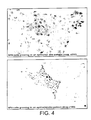
- the structure of an array can clearly be seen in figure 4, and these arrays may be found throughout the bioreactor.
- the invention provides a method for cyclical continuous production of lytic organisms or a desired protein.
- a Hollow fibre bioreactor as used in the method of the invention is a continuous perfusion system with a constant replenishment of nutrients and removal of wastes or products.
- Medium circulates through a micro-capillary bed of semipermeable fibres.
- the interior of the fibres is termed the Intracapillary space (ICS), and the exterior is termed the extracapillary space (ECS).
- ICS Intracapillary space
- ECS extracapillary space
- Cells grow in the ECS, and adhere to the outside of the fibres.
- the fibres provide a large surface area for cell contact, in a relatively compact system.
- a "feed” or “factor addition” port is used to introduce the lytic organism, or to feed large molecular weight nutrients, into the ECS.
- a harvest port is used to remove the medium containing the harvest from the ECS.
- a schematic diagram of a bioreactor is shown in figure 7.
- One example of a typical hollow fibre bioreactor is BR1910 which is available from UNISYN® Technologies.
- the reactor employs multiple fibres consisting of semipermeable polymeric membranes. The material of which these membranes are made may vary. Preferably, however, the semipermeable polymeric membranes are made from cellulose acetate.
- Infection comprises introducing the lytic organism into the ECS so that it may infect the cells of the stable cell line.
- the lytic organism is introduced as a suspension, or more preferably as a seeder culture.
- a seeder culture comprises a small number of cells of the same cell line as that within the bioreactor. The cells of the seeder culture have been previously infected with the lytic organism.
- the infected seeder culture is introduced into the ECS, where the lytic organism causes the cells of the seeder culture to lyse. The lytic organism is hence released into the ECS, and proceeds to infect the cells within the bioreactor.
- lytic organism as used throughout the specification and claims is intended to encompass any organism, whether in its natural state, or which has been modified genetically or in any other way, which is capable of infecting a cell and subsequently causing it to lyse.
- the lytic organism is destructive to the cells it infects. Multiplication of the organism within the cell leads to lysis and death of the cell and release of the organism into the surrounding medium. In the situation where the lytic organism contains nucleic acid encoding a protein of interest, this protein is expressed by the cell before lysis.
- Typical lytic organisms encompass eukaryotes, prokaryotes, for example mycobacteria, and viruses, for example baculovirus; members of the Herpesviridae such as HSV1, HSV 2, VZV, HCMV, HHV8; parvoviruses such as B19, AAV-2; members of the Togaviridae including alphaviruses such as equine encephalitis viruses & Sindbis and rubiviruses such as rubella; polyoma viruses such as SV40; arboviruses such as Getah arbovirus; diarrhoea viruses such as porcine epidemic diarrhoea virus; members of the Flaviviridae including flaviviruses such as yellow fever, dengue & encephalitis viruses, pestiviruses such as BVDV and unclassified viruses such as hepatitis C; members of the Bunyaviridae including phleboviruses, such as sandf
- modified is meant that the lytic organism has been altered in some way from the state in which it is found in nature. This may be, for example, by genetic manipulation, such as engineering the lytic organism to contain DNA encoding a protein of interest. Another example of genetic manipulation is where the lytic organism is engineered to contain or lack nucleic acid such that the resulting lytic organism is safer to use in therapy, such as a replication deficient, or less virulent organism. Lytic organisms can also be modified by other means, for example by attenuation.
- the term stable cell line as referred to above is intended to encompass all cell lines that are capable of growing in the extra capillary space of the bioreactor to establish a population of 10 6 cells per ml.
- the cells are preferably confluent. By confluent is meant that when examining the cells by eye, they have grown to cover the majority of the surface area.
- the cell density will preferably be 10 6 cells per ml. More preferably the cell density will be 10 7 cells per ml. Particularly preferred is when the cell density at the point of infection with the lytic organism is 10 8 or 10 9 cells per ml.
- the cell line can survive for so long after infection of the lytic organism.
- the cells are postulated to form a matrix, which prevents all the cells within the matrix becoming infected immediately, and hence allows the cell line to survive and proliferate for longer.
- An example of a matrix type structure within the bioreactor can be seen in Figure 4.
- Such cell lines include, for example, stable higher eukaryotic cell lines such as mammalian cell lines or insect cell lines, lower eukaryotic cell lines such as yeast cell lines or prokaryotic cell lines such as bacterial cell lines.
- the particular cell line chosen will vary depending on whether the desired product is a lytic organism, or whether the expression product of nucleic acid contained within the lytic organism is the desired product, and will depend also on the lytic organism used for infection. In the situation where the lytic organism contains nucleic acid encoding a protein of interest, and this protein is produced within the cell line, the cell line selected will preferably be one which allows for the correct post-translational modification of that protein to occur.
- vero cells which are susceptible to many typical lytic organisms as described above, for example adenovirus 12, African swine fever virus, arbovirus, bluetongue virus, echovirus, Getah arbovirus, herpes simplex virus, influenza virus, orbivirus, orthomyxovirus, paramyxovirus, poliovirus 3, porcine epidemic diarrhea virus, rheovirus and rubella; Hep-2C cells which are susceptible to, for example arbovirus and measles virus; PerC6 cells which are susceptible to, for example adenovirus; SF9 or Tni cells which are susceptible to, for example baculovirus, and human macrophage cell lines such as THP-1 which is susceptible to, for example mycobacteria such as tuberculosis or BCG.
- adenovirus 12 African swine fever virus, arbovirus, bluetongue virus, echovirus, Getah arbovirus, herpes simplex virus, influenza virus, orbivirus, orthomy
- the conditions within the bioreactor may vary depending on which cell line is used, which lytic organism is used for infection, and whether the desired product is a lytic organism, or the expression product of nucleic acid contained within a lytic organism.
- the medium used will vary depending on the cell line.
- the medium is preferably DMEM, RPMI, Ham's F12, or similar medium or a custom derived medium specific for each cell line.
- the medium is preferably SF900II, TC100 or similar insect cell medium.
- Supplements for example antibiotics, feotal calf serum (FCS), giutamaxTM, ⁇ -Aminolaevulinic Acid, ferric citrate, nicotinic acid, riboflavin and hemin chloride may be added when necessary, for example when producing a specific protein.
- FCS feotal calf serum
- giutamaxTM ⁇ -Aminolaevulinic Acid
- ferric citrate ferric citrate
- nicotinic acid riboflavin and hemin chloride
- the nucleic acid referred to in the specification and the claims as being contained within the lytic organism may be in the form of RNA or DNA, for example cDNA, genomic DNA, or synthetic DNA.
- the nucleic acid can be, for example, a whole gene, the coding region of a gene, a desired fragment of a gene or a wholly synthetic nucleic acid, depending on the protein required.
- protein as used throughout the specification and the claims includes within its meaning full length proteins, truncated proteins, chimaeric proteins, fragments of proteins, for example an antigenic portion or a ligand binding site, and wholly synthetic polypeptides of any desired length. Also included within the definition of protein are variants thereof, meaning that the protein has been modified by the deletion, modification or addition of single amino acids or groups of amino acids within the protein sequence.
- proteins which can be produced include, but are not limited to, recptors, cytokines, growth factors, adhesion molecules for example ICAM, and enzymes, for example cytochrome p450 reductase or tyrosine kinase, and fragments or variants thereof.
- the nucleic acid which may be contained within the lytic organism may encode one, two, three, four or more proteins of interest.
- the lytic organism can be engineered such that more than one protein is expressed.
- two or more genes may be contained on the same plasmid. They may be under the control of one promoter, each gene separated by, for example, an internal ribosomal entry site (IRES). Alternatively, they may be under the control of separate promoters. In this situation, the only limit to the number of proteins which may be contained within a vector or plasmid is the cloning capacity of the vector.
- large numbers of proteins may be expressed.
- three or fewer proteins are expressed, more preferably only one or two proteins are expressed.
- Particularly preferred is the method of the invention wherein the lytic organism is baculovirus, and two genes encoding proteins of interest are present, one under the control of the P10 promoter, and one under the control of the polyhedrin promoter.
- the genes may be contained on a multicistronic plasmid, or indeed may be contained on different plasmids, each plasmid containing one or more genes encoding proteins of interest.
- one lytic organism may be engineered to contain nucleic acid encoding a protein of interest, and another lytic organism may be engineered to contain nucleic acid encoding another protein of interest, and both organisms may be included in the seeder culture. This method may extend to three, four or more lytic organisms, each containing nucleic acid encoding one or more proteins of interest.
- Production of more than one protein of interest is preferred, for example, where an expressed protein requires the presence of another protein for activation, for example cytochrome p450 and cytochrome p450 reductase or proteins that require dephosphorylation and their kinases.
- Production of more than one protein of interest in the method of the invention is further preferred as a way of producing large amounts in one system of the components of assay systems, for example proteins for yeast two hybrid screens; proteins for yeast three hybrid screens; receptors and ligands for ligand binding assays.
- production of more than one protein in the method of the invention may be used to co-produce proteins of interest and marker proteins such as beta glactosidase or green fluorescent protein.
- a method for studying the effects of molecules on a lytic organism which comprises infection of the cells of a stable cell line within a hollow fibre bioreactor wherein after said infection, varying amounts of said molecules may be added, and their effects on the lytic organism measured, characterised in that said cell line can survive for at least ten days after infection.
- a means of testing the effect of drugs on the infectivity or life cycle of an organism or a means of testing the pharmacokinetics or pharmacodynamics of drugs during an infection caused by a lytic organism.
- the present invention provides longer term survival of the cell line after infection than existing systems, drug interactions and effects can be studied over a longer time period, opening the possibility of using the system for looking at the effect of molecules on chronic infections for example Herpes Simplex Virus , Papilloma virus, or mycobacterial infections.
- the method may also provide an in-vitro model for diseases other than infectious diseases, for example respiratory or cardiovascular disease.
- Example 1 Cyclical production of mammalian virus.
- the cells used are PerC6 cells (introgene).
- this method is applicable to all mammalian cell lines and mammalian viruses described in the specification.
- Cells were grown in 6 x 175sq.cm. flasks in DMEM (Life Technologies) supplemented with 2mM glutamax TM(Life Technologies) , 5% FCS (Life Technologies). The cells were scraped off or aspirated off at confluence and transferred to the extracapillary space (ECS) of a BR1910 (Unisyn Technologies) hollow fibre bioreactor (19sq.ft surface area, 10kD molecular weight cut off, membrane material cellulose acetate). Routinely around 10e8 cells are inoculated into the ECS of each BR1910. The intracapillary space (ICS) was constantly perfused with DMEM ⁇ Life Technologies ⁇ supplemented with 2mM glutamax TM(Life Technologies).
- ECS extracapillary space
- ICS intracapillary space
- the re-circulation rate is low at the time of inoculation and the rate increases with time in culture as the cell density within the bioreactor increases.
- the recirculating medium was held in a reservoir containing 1.0 litre, with a continuous medium change via a feed and harvest skimmer system of 0.8 litres/day to 2.0 litre /day.
- the feed rate is set low at inoculation and increases with cell density over time.
- the medium was oxygenated by an OXY10 (Unisyn Technologies) oxygenation cartridge (10sq.ft. surface area, pore size 0.2um, membrane material microporous polyethylene fibre) perfused with 95% air/ 5% CO2 at a pressure of 2 psi. Cells were then grown until the bioreactor was deemed to be confluent by eye (usually between 20 and 80 days).
- the cell mass in the ECS received regular feeding by exchanging 50ml of the spent ECS medium with 50ml fresh medium consisting of DMEM(Life Technologies) /5%FCS(Life Technologies) /2mMglutamax (Life Technologies) at intervals not less than weekly. Fresh medium is introduced and spent medium removed via the feed and harvest ports in the bioreactor.
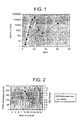
- Virus was inoculated into the ECS via one of the feed and harvest ports, and the infection allowed to continue until a suitable harvest point. In the first instance, samples were taken to monitor progress of the infection, and harvests were taken subsequently at 7 - 10 day intervals. The ECS was extensively harvested by flushing with 2 x 50ml aliquots of culture medium and by passing medium across the membrane - ie from ICS to ECS, and the product stored for subsequent analysis. The cell mass in the ECS was then allowed to regenerate by feeding with DMEM (Life Technologies) supplemented with 2mM glutamax TM (Life Technologies), 5% FCS (Life Technologies), and virus titre was monitored to determine the "recovery " phase. See figure 1 for results.
- Example 2 Production of a protein of interest from a baculovirus containing DNA encoding that protein.
- the cells were SF9 cells, at a concentration of around 10 6 cells/ml.
- the cells were maintained using standard methodologies, with a passage frequency of 3-4 days.
- the medium used is a specialist insect cell culture medium, SF900 II (supplemented), obtained from Life Technologies (Cat. No.041-94322). This is also made up to contain Ultra Low IgG Foetal Bovine Serum (U.S.) at a concentration of 10%, that was also obtained from Life Technologies (Cal.No.10118-164).
- the cells are left for 7-21 days in order to adapt to their new situation, before infection with virus occurs. This period can be longer if required, as the cells can be maintained in the bioreactor indefinitely. During this period air should be run through the oxygenator to saturate the medium with oxygen.
- the pumps should be running at between 0.8 and 2 litres/day for the feed and waste skimmer pump(increasing with cell density), and the re-circulation pump at around 100 - 500ml/min(also increasing with cell density).
- the temperature should be a constant 27 °C.
- the infection with virus is carried out at a multiplicity of infection (MOI) estimated to be 1.0.
- the volume of virus suspension that should be added will depend on the concentration of virus (in PFU/ml) and the number of cells present in the bioreactor. Addition of the virus is done through the factor addition port, along with SF900 and the required volume of any necessary supplements (see example 4). Some of the medium forced out of the harvest port is retained to give a time 0 sample. The bioreactor is then sampled at day 2, 4 and 6, and at subsequent weekly intervals to monitor the infection. Initially samples should be of 50ml,taken while adding fresh medium, FCS and other supplements. Larger harvests are taken as detailed in example 1. These large samples are then carried out on a weekly basis to monitor long term virus and protein production. As in example 1, this system can be operated in a cyclical manner by allowing the cell mass to regenerate by feeding with fresh medium, and any necessary supplements.
- Example 3 Production of Cytochrome p450 and cytochrome P450 reductase from baculovirus.
- THP-1 cells were grown in 6 x 175sq.cm. flasks in DMEM (Life Technologies) supplemented with 2mM glutamax TM(Life Technologies) , 5% FCS (Life Technologies). The cells were scraped off or aspirated off at confluence and transferred to the extracapillary space (ECS) of a BR1910 (Unisyn Technologies) hollow fibre bioreactor (19sq.ft surface area, 10kD molecular weight cut off, membrane material cellulose acetate). Routinely around 10e 8 cells are inoculated into the ECS of each BR1910.
- ECS extracapillary space
- the intracapillary space was constantly perfused with DMEM ⁇ Life Technologies ⁇ supplemented with 2mM glutamax TM(Life Technologies). at a recirculation rate of 100 - 500 ml/min.
- the re-circulation rate is low at the time of inoculation and the rate increases with time in culture as the cell density within the bioreactor increases.
- the recirculating medium was held in a reservoir containing 1.0 litre, with a continuous medium change via a feed and harvest skimmer system of 0.8 litres/day to 2.0 litre /day.
- the feed rate is set low at inoculation and increases with cell density over time.
- the medium was oxygenated by an OXY10 (Unisyn Technologies) oxygenation cartridge (10sq.ft.
- the cell mass in the ECS received regular feeding by exchanging 50ml of the spent ECS medium with 50ml fresh medium consisting of DMEM(Life Technologies) /5%FCS(Life Technologies) /2mMglutamax (Life Technologies) at intervals not less than weekly. Fresh medium is introduced and spent medium removed via the feed and harvest ports in the bioreactor.
- the cell mass at confluence was treated with phorbol myristic acid (PMA) at 5ng/ml to induce differentiation.
- PMA phorbol myristic acid
- 24 hours after differentiation 10e8 cfu of BCG were added to the bioreactor, and infection monitored by sampling at time intervals over 30 days. Final harvests were by flushing the ECS with medium, flushing medium across the membrane, flushing out the ECS in 2% SDS,and finally 5mM arabinose.
- Example 5 Bioreactor Fixation to examine the intemal structure of the cell mass.
- the ECS was filled with neutral buffered formalin (2% formaldehyde in PBS) to fix the cells.
- neutral buffered formalin 2% formaldehyde in PBS
- molten agarose 2% agarose in PBS
- formalin containing 2% agarose was then forced into the ECS using the feed and harvest ports. This was also allowed to set.
- the entire bioreactor cartridge was then cut away from the recirculation loop inside a biological safety cabinet. Using a hacksaw the top and bottom of the cartiridge were removed to leave a cylinder which contained the fixed cells. It was then possible to carefully push the fixed contents of the cartridge from one end of the cylinder.
- the cellular architecture within the bioreactor is maintained if this is done carefully. As the contents were pushed out, a razor blade was used to slice off aliquots of the fixed material around 4-5 cm thick, which was then dropped into neutral buffered formalin for starage. Once the bioreactor contents were fixed they were embedded in paraffin and cut to a thickness of around 5um using a microtome. They were then mounted on slides ready for staining.
- the photograph shown in figure 4 is a result of staining with haematoxylin and Eosin according to standard protocols.
- the picture indicates the presence of matrix-like cell structures.
Landscapes
- Health & Medical Sciences (AREA)
- Life Sciences & Earth Sciences (AREA)
- Genetics & Genomics (AREA)
- Engineering & Computer Science (AREA)
- Chemical & Material Sciences (AREA)
- Bioinformatics & Cheminformatics (AREA)
- Organic Chemistry (AREA)
- Wood Science & Technology (AREA)
- Zoology (AREA)
- Biomedical Technology (AREA)
- Biotechnology (AREA)
- General Engineering & Computer Science (AREA)
- General Health & Medical Sciences (AREA)
- Biochemistry (AREA)
- Virology (AREA)
- Microbiology (AREA)
- Biophysics (AREA)
- Plant Pathology (AREA)
- Molecular Biology (AREA)
- Physics & Mathematics (AREA)
- Immunology (AREA)
- Medicinal Chemistry (AREA)
- Micro-Organisms Or Cultivation Processes Thereof (AREA)
- Application Of Or Painting With Fluid Materials (AREA)
- Manufacture, Treatment Of Glass Fibers (AREA)
- Separation Using Semi-Permeable Membranes (AREA)
- Medicines Containing Material From Animals Or Micro-Organisms (AREA)
- Closing Of Containers (AREA)
- Catching Or Destruction (AREA)
Claims (11)
- Verfahren zur Vermehrung von lytischen Organismen, das die Infektion der Zellen einer stabilen Zellinie innerhalb eines Hohlfaserbioreaktors mit einem lytischen Organismus umfasst, worin die Zellinie bei Infektion in einer Dichte von wenigstens 106 Zellen pro ml ist, worin sich der Organismus nach der Infektion innerhalb der Zellen vermehrt und durch Entfernung des Organismus aus dem Bioreaktor geerntet wird, dadurch gekennzeichnet, dass die Zellinie für wenigstens 10 Tage nach der Infektion überlebt.
- Verfahren gemäss Anspruch 1, worin der lytische Organismus Nukleinsäure enthält, die ein interessierendes Protein codiert, und dieses Protein nach der Infektion durch die Zellen exprimiert wird und durch Entfernung des Proteins aus dem Bioreaktor geerntet wird.
- Verfahren gemäss Anspruch 1 oder 2, dadurch gekennzeichnet, dass die Zellinie für wenigstens 15 Tage nach der Infektion überlebt.
- Verfahren gemäss einem beliebigen vorhergehenden Anspruch, dadurch gekennzeichnet, dass die Zellinie für wenigstens 20 Tage nach der Infektion überlebt.
- Verfahren gemäss einem beliebigen vorhergehenden Anspruch, worin man die Zellinie den Bioreaktor nach dem Ernten wiederbesiedeln lässt und wenigstens eine anschliessende Ernte entnommen werden kann, wobei die Zellinie den Bioreaktor nach jeder Ernte wiederbesiedeln kann.
- Verfahren gemäss Anspruch 5, worin wenigstens zwei anschliessende Ernten entnommen werden können.
- Verfahren gemäss Anspruch 6, worin wenigstens drei anschliessende Ernten entnommen werden können.
- Verfahren gemäss einem der vorhergehenden Ansprüche, worin der lytische Organismus ein Virus ist.
- Verfahren gemäss Anspruch 8, worin das Virus ein Baculovirus ist.
- Verfahren gemäss Anspruch 9, worin das Virus ein Adenovirus ist.
- Verfahren zur Untersuchung der Wirkungen von Molekülen auf einen lytischen Organismus, das die Infektion der Zellen einer stabilen Zellinie innerhalb eines Hohlfaserbioreaktors umfasst, worin variierende Mengen der Moleküle nach der Infektion hinzugegeben werden können und ihre Wirkungen auf den lytischen Organismus gemessen werden, dadurch gekennzeichnet, dass die Zellinie für wenigstens 10 Tage nach der Infektion überlebt.
Applications Claiming Priority (3)
| Application Number | Priority Date | Filing Date | Title |
|---|---|---|---|
| GB9915413 | 1999-07-01 | ||
| GBGB9915413.0A GB9915413D0 (en) | 1999-07-01 | 1999-07-01 | Propagation method |
| PCT/EP2000/005029 WO2001002548A2 (en) | 1999-07-01 | 2000-06-02 | Methods for the propagation of lytic organisms |
Publications (2)
| Publication Number | Publication Date |
|---|---|
| EP1192245A2 EP1192245A2 (de) | 2002-04-03 |
| EP1192245B1 true EP1192245B1 (de) | 2005-01-12 |
Family
ID=10856437
Family Applications (1)
| Application Number | Title | Priority Date | Filing Date |
|---|---|---|---|
| EP00943754A Expired - Lifetime EP1192245B1 (de) | 1999-07-01 | 2000-06-02 | Verfahren zur vermehrung von lytischen organismen |
Country Status (8)
| Country | Link |
|---|---|
| US (1) | US6780612B1 (de) |
| EP (1) | EP1192245B1 (de) |
| AT (1) | ATE286969T1 (de) |
| AU (1) | AU5810400A (de) |
| DE (1) | DE60017404T2 (de) |
| ES (1) | ES2235903T3 (de) |
| GB (1) | GB9915413D0 (de) |
| WO (1) | WO2001002548A2 (de) |
Families Citing this family (19)
| Publication number | Priority date | Publication date | Assignee | Title |
|---|---|---|---|---|
| DE10144903A1 (de) * | 2001-09-12 | 2003-03-27 | Chiron Behring Gmbh & Co | Vermehrung von Viren in Zellkultur |
| JP2006129702A (ja) * | 2002-12-05 | 2006-05-25 | Zoegene Corp | タンパク質製造方法 |
| RU2381272C2 (ru) * | 2008-03-04 | 2010-02-10 | Институт элементоорганических соединений имени А.Н. Несмеянова Российской академии наук (ИНЭОС РАН) | Способ размножения вируса |
| EP2625264B1 (de) | 2010-10-08 | 2022-12-07 | Terumo BCT, Inc. | Verfahren und systeme für züchtung und ernte von zellen in einem hohlfaser-bioreaktorsystem mit steuerungsbedingungen |
| JP6633522B2 (ja) | 2013-11-16 | 2020-01-22 | テルモ ビーシーティー、インコーポレーテッド | バイオリアクターにおける細胞増殖 |
| WO2015148704A1 (en) | 2014-03-25 | 2015-10-01 | Terumo Bct, Inc. | Passive replacement of media |
| US20170313990A1 (en) * | 2014-08-27 | 2017-11-02 | Psioxus Therapeutics Limited | A process for the production of adenovirus |
| US20160090569A1 (en) | 2014-09-26 | 2016-03-31 | Terumo Bct, Inc. | Scheduled Feed |
| WO2017004592A1 (en) | 2015-07-02 | 2017-01-05 | Terumo Bct, Inc. | Cell growth with mechanical stimuli |
| JP7034949B2 (ja) | 2016-05-25 | 2022-03-14 | テルモ ビーシーティー、インコーポレーテッド | 細胞の増殖 |
| US11104874B2 (en) | 2016-06-07 | 2021-08-31 | Terumo Bct, Inc. | Coating a bioreactor |
| US11685883B2 (en) | 2016-06-07 | 2023-06-27 | Terumo Bct, Inc. | Methods and systems for coating a cell growth surface |
| US12234441B2 (en) | 2017-03-31 | 2025-02-25 | Terumo Bct, Inc. | Cell expansion |
| CN117247899A (zh) | 2017-03-31 | 2023-12-19 | 泰尔茂比司特公司 | 细胞扩增 |
| US11624046B2 (en) | 2017-03-31 | 2023-04-11 | Terumo Bct, Inc. | Cell expansion |
| WO2022150482A1 (en) * | 2021-01-08 | 2022-07-14 | Shayne Guiliano | Methods for culturing antibody secreting cells |
| GB2619893A (en) | 2021-03-23 | 2023-12-20 | Terumo Bct Inc | Cell capture and expansion |
| US12152699B2 (en) | 2022-02-28 | 2024-11-26 | Terumo Bct, Inc. | Multiple-tube pinch valve assembly |
| USD1099116S1 (en) | 2022-09-01 | 2025-10-21 | Terumo Bct, Inc. | Display screen or portion thereof with a graphical user interface for displaying cell culture process steps and measurements of an associated bioreactor device |
Family Cites Families (4)
| Publication number | Priority date | Publication date | Assignee | Title |
|---|---|---|---|---|
| US4921792A (en) | 1987-11-27 | 1990-05-01 | Miles Inc. | Continuous cell dispersion, cultivation and substance recovery process |
| WO1995027040A1 (en) * | 1994-04-01 | 1995-10-12 | Unisyn Technologies, Inc. | Culture media additives for hollow fiber bioreactors |
| JP2002512361A (ja) * | 1998-04-22 | 2002-04-23 | ジェンベク、インコーポレイティッド | アデノウイルスの効率的精製 |
| US6342384B1 (en) * | 1998-08-21 | 2002-01-29 | The University Of Va Patent Foundation | Production of adenoviral vectors using serum-free suspension cell culture in a hollow fiber system |
-
1999
- 1999-07-01 GB GBGB9915413.0A patent/GB9915413D0/en not_active Ceased
-
2000
- 2000-06-02 EP EP00943754A patent/EP1192245B1/de not_active Expired - Lifetime
- 2000-06-02 AT AT00943754T patent/ATE286969T1/de not_active IP Right Cessation
- 2000-06-02 DE DE60017404T patent/DE60017404T2/de not_active Expired - Lifetime
- 2000-06-02 US US10/018,700 patent/US6780612B1/en not_active Expired - Fee Related
- 2000-06-02 WO PCT/EP2000/005029 patent/WO2001002548A2/en not_active Ceased
- 2000-06-02 AU AU58104/00A patent/AU5810400A/en not_active Abandoned
- 2000-06-02 ES ES00943754T patent/ES2235903T3/es not_active Expired - Lifetime
Also Published As
| Publication number | Publication date |
|---|---|
| GB9915413D0 (en) | 1999-09-01 |
| US6780612B1 (en) | 2004-08-24 |
| DE60017404T2 (de) | 2005-12-29 |
| EP1192245A2 (de) | 2002-04-03 |
| WO2001002548A3 (en) | 2001-07-12 |
| WO2001002548A2 (en) | 2001-01-11 |
| DE60017404D1 (de) | 2005-02-17 |
| ES2235903T3 (es) | 2005-07-16 |
| ATE286969T1 (de) | 2005-01-15 |
| AU5810400A (en) | 2001-01-22 |
Similar Documents
| Publication | Publication Date | Title |
|---|---|---|
| EP1192245B1 (de) | Verfahren zur vermehrung von lytischen organismen | |
| KR102022952B1 (ko) | 백시니아 바이러스의 생산을 위한 방법 및 조성물 | |
| Van Oers et al. | Thirty years of baculovirus–insect cell protein expression: from dark horse to mainstream technology | |
| Earl et al. | Preparation of cell cultures and vaccinia virus stocks | |
| EP1268748B1 (de) | Verfahren zur produktion von adenovirus | |
| DE69737107T2 (de) | Ein verbessertes verfahren zur produktion und reinigung von adenoviralen vektoren | |
| Cortin et al. | High‐titer adenovirus vector production in 293S cell perfusion culture | |
| Irons et al. | Protein production using the baculovirus expression system | |
| US5994134A (en) | Viral production process | |
| Palomares et al. | Simultaneous expression of recombinant proteins in the insect cell-baculovirus system: production of virus-like particles | |
| Roldão et al. | Modeling rotavirus-like particles production in a baculovirus expression vector system: Infection kinetics, baculovirus DNA replication, mRNA synthesis and protein production | |
| US10851350B1 (en) | Bioreactor production of virus from adherent cells | |
| JP2025118611A (ja) | 接着細胞からのウイルスのバイオリアクター生成 | |
| JP7548916B2 (ja) | ウイルスの製造方法 | |
| Gotoh et al. | Oxygen consumption profiles of Sf-9 insect cells and their culture at low temperature to circumvent oxygen starvation | |
| Joe et al. | Accelerating manufacturing to enable large-scale supply of a new adenovirus-vectored vaccine within 100 days | |
| Fernandes et al. | Upstream bioprocess for adenovirus vectors | |
| Altenburg et al. | Process intensification of the baculovirus expression vector system using a perfusion process with a low multiplicity of infection at high cell concentrations | |
| Hamusics et al. | Perfusion process with tangential flow filtration for oncolytic VSV-GP production | |
| Pincus et al. | A Suspension Vero Cell Line for Production of Viral Vaccines and Viral Therapeutics | |
| Ehrengruber et al. | Alphavirus‐Mediated Gene Transfer into Neurons | |
| CN113430227A (zh) | 制备稳定细胞池的方法、蛋白表达方法及试剂盒 | |
| Sun et al. | Development of recombinant adenovirus vector herpes zoster vaccine production process using perfusion strategy with tangential flow filtration system | |
| Mannix et al. | A guide to successful scale-up of the baculovirus expression system | |
| Agathos | Culture Engineering |
Legal Events
| Date | Code | Title | Description |
|---|---|---|---|
| PUAI | Public reference made under article 153(3) epc to a published international application that has entered the european phase |
Free format text: ORIGINAL CODE: 0009012 |
|
| 17P | Request for examination filed |
Effective date: 20011218 |
|
| AK | Designated contracting states |
Kind code of ref document: A2 Designated state(s): AT BE CH CY DE DK ES FI FR GB GR IE IT LI LU MC NL PT SE |
|
| AX | Request for extension of the european patent |
Free format text: AL;LT;LV;MK;RO;SI |
|
| 17Q | First examination report despatched |
Effective date: 20030626 |
|
| GRAP | Despatch of communication of intention to grant a patent |
Free format text: ORIGINAL CODE: EPIDOSNIGR1 |
|
| GRAS | Grant fee paid |
Free format text: ORIGINAL CODE: EPIDOSNIGR3 |
|
| GRAA | (expected) grant |
Free format text: ORIGINAL CODE: 0009210 |
|
| AK | Designated contracting states |
Kind code of ref document: B1 Designated state(s): AT BE CH CY DE DK ES FI FR GB GR IE IT LI LU MC NL PT SE |
|
| PG25 | Lapsed in a contracting state [announced via postgrant information from national office to epo] |
Ref country code: AT Free format text: LAPSE BECAUSE OF FAILURE TO SUBMIT A TRANSLATION OF THE DESCRIPTION OR TO PAY THE FEE WITHIN THE PRESCRIBED TIME-LIMIT Effective date: 20050112 Ref country code: LI Free format text: LAPSE BECAUSE OF FAILURE TO SUBMIT A TRANSLATION OF THE DESCRIPTION OR TO PAY THE FEE WITHIN THE PRESCRIBED TIME-LIMIT Effective date: 20050112 Ref country code: CH Free format text: LAPSE BECAUSE OF FAILURE TO SUBMIT A TRANSLATION OF THE DESCRIPTION OR TO PAY THE FEE WITHIN THE PRESCRIBED TIME-LIMIT Effective date: 20050112 Ref country code: FI Free format text: LAPSE BECAUSE OF FAILURE TO SUBMIT A TRANSLATION OF THE DESCRIPTION OR TO PAY THE FEE WITHIN THE PRESCRIBED TIME-LIMIT Effective date: 20050112 Ref country code: NL Free format text: LAPSE BECAUSE OF FAILURE TO SUBMIT A TRANSLATION OF THE DESCRIPTION OR TO PAY THE FEE WITHIN THE PRESCRIBED TIME-LIMIT Effective date: 20050112 |
|
| REG | Reference to a national code |
Ref country code: GB Ref legal event code: FG4D |
|
| REG | Reference to a national code |
Ref country code: CH Ref legal event code: EP |
|
| REF | Corresponds to: |
Ref document number: 60017404 Country of ref document: DE Date of ref document: 20050217 Kind code of ref document: P |
|
| REG | Reference to a national code |
Ref country code: IE Ref legal event code: FG4D |
|
| PG25 | Lapsed in a contracting state [announced via postgrant information from national office to epo] |
Ref country code: DK Free format text: LAPSE BECAUSE OF FAILURE TO SUBMIT A TRANSLATION OF THE DESCRIPTION OR TO PAY THE FEE WITHIN THE PRESCRIBED TIME-LIMIT Effective date: 20050412 Ref country code: SE Free format text: LAPSE BECAUSE OF FAILURE TO SUBMIT A TRANSLATION OF THE DESCRIPTION OR TO PAY THE FEE WITHIN THE PRESCRIBED TIME-LIMIT Effective date: 20050412 |
|
| PG25 | Lapsed in a contracting state [announced via postgrant information from national office to epo] |
Ref country code: LU Free format text: LAPSE BECAUSE OF NON-PAYMENT OF DUE FEES Effective date: 20050602 Ref country code: CY Free format text: LAPSE BECAUSE OF FAILURE TO SUBMIT A TRANSLATION OF THE DESCRIPTION OR TO PAY THE FEE WITHIN THE PRESCRIBED TIME-LIMIT Effective date: 20050602 Ref country code: IE Free format text: LAPSE BECAUSE OF NON-PAYMENT OF DUE FEES Effective date: 20050602 |
|
| PG25 | Lapsed in a contracting state [announced via postgrant information from national office to epo] |
Ref country code: MC Free format text: LAPSE BECAUSE OF NON-PAYMENT OF DUE FEES Effective date: 20050630 |
|
| NLV1 | Nl: lapsed or annulled due to failure to fulfill the requirements of art. 29p and 29m of the patents act | ||
| REG | Reference to a national code |
Ref country code: ES Ref legal event code: FG2A Ref document number: 2235903 Country of ref document: ES Kind code of ref document: T3 |
|
| REG | Reference to a national code |
Ref country code: CH Ref legal event code: PL |
|
| PLBE | No opposition filed within time limit |
Free format text: ORIGINAL CODE: 0009261 |
|
| STAA | Information on the status of an ep patent application or granted ep patent |
Free format text: STATUS: NO OPPOSITION FILED WITHIN TIME LIMIT |
|
| ET | Fr: translation filed | ||
| 26N | No opposition filed |
Effective date: 20051013 |
|
| REG | Reference to a national code |
Ref country code: IE Ref legal event code: MM4A |
|
| PG25 | Lapsed in a contracting state [announced via postgrant information from national office to epo] |
Ref country code: PT Free format text: LAPSE BECAUSE OF NON-PAYMENT OF DUE FEES Effective date: 20050612 |
|
| PG25 | Lapsed in a contracting state [announced via postgrant information from national office to epo] |
Ref country code: GR Free format text: LAPSE BECAUSE OF NON-PAYMENT OF DUE FEES Effective date: 20050112 |
|
| PGFP | Annual fee paid to national office [announced via postgrant information from national office to epo] |
Ref country code: ES Payment date: 20110621 Year of fee payment: 12 Ref country code: FR Payment date: 20110603 Year of fee payment: 12 |
|
| PGFP | Annual fee paid to national office [announced via postgrant information from national office to epo] |
Ref country code: GB Payment date: 20110523 Year of fee payment: 12 |
|
| PGFP | Annual fee paid to national office [announced via postgrant information from national office to epo] |
Ref country code: IT Payment date: 20110616 Year of fee payment: 12 |
|
| PGFP | Annual fee paid to national office [announced via postgrant information from national office to epo] |
Ref country code: DE Payment date: 20110630 Year of fee payment: 12 |
|
| PGFP | Annual fee paid to national office [announced via postgrant information from national office to epo] |
Ref country code: BE Payment date: 20110705 Year of fee payment: 12 |
|
| BERE | Be: lapsed |
Owner name: *GLAXO GROUP LTD Effective date: 20120630 |
|
| GBPC | Gb: european patent ceased through non-payment of renewal fee |
Effective date: 20120602 |
|
| PG25 | Lapsed in a contracting state [announced via postgrant information from national office to epo] |
Ref country code: IT Free format text: LAPSE BECAUSE OF NON-PAYMENT OF DUE FEES Effective date: 20120602 |
|
| REG | Reference to a national code |
Ref country code: FR Ref legal event code: ST Effective date: 20130228 |
|
| REG | Reference to a national code |
Ref country code: DE Ref legal event code: R119 Ref document number: 60017404 Country of ref document: DE Effective date: 20130101 |
|
| PG25 | Lapsed in a contracting state [announced via postgrant information from national office to epo] |
Ref country code: DE Free format text: LAPSE BECAUSE OF NON-PAYMENT OF DUE FEES Effective date: 20130101 Ref country code: BE Free format text: LAPSE BECAUSE OF NON-PAYMENT OF DUE FEES Effective date: 20120630 Ref country code: GB Free format text: LAPSE BECAUSE OF NON-PAYMENT OF DUE FEES Effective date: 20120602 Ref country code: FR Free format text: LAPSE BECAUSE OF NON-PAYMENT OF DUE FEES Effective date: 20120702 |
|
| PG25 | Lapsed in a contracting state [announced via postgrant information from national office to epo] |
Ref country code: ES Free format text: LAPSE BECAUSE OF NON-PAYMENT OF DUE FEES Effective date: 20120603 |
|
| REG | Reference to a national code |
Ref country code: ES Ref legal event code: FD2A Effective date: 20131031 |