EP1163364B1 - Procede de criblage mettant en jeu la mgdg synthase - Google Patents
Procede de criblage mettant en jeu la mgdg synthase Download PDFInfo
- Publication number
- EP1163364B1 EP1163364B1 EP00910978A EP00910978A EP1163364B1 EP 1163364 B1 EP1163364 B1 EP 1163364B1 EP 00910978 A EP00910978 A EP 00910978A EP 00910978 A EP00910978 A EP 00910978A EP 1163364 B1 EP1163364 B1 EP 1163364B1
- Authority
- EP
- European Patent Office
- Prior art keywords
- mgdg
- mgdg synthase
- synthase
- activity
- protein
- Prior art date
- Legal status (The legal status is an assumption and is not a legal conclusion. Google has not performed a legal analysis and makes no representation as to the accuracy of the status listed.)
- Expired - Lifetime
Links
- 108010077134 1,2-diacylglycerol 3-beta-galactosyltransferase Proteins 0.000 title claims abstract description 77
- 238000000034 method Methods 0.000 title claims abstract description 26
- 238000012216 screening Methods 0.000 title claims abstract description 13
- 230000000694 effects Effects 0.000 claims abstract description 39
- 239000012528 membrane Substances 0.000 claims abstract description 21
- 244000045947 parasite Species 0.000 claims abstract description 21
- 238000011534 incubation Methods 0.000 claims abstract description 20
- 239000004009 herbicide Substances 0.000 claims abstract description 9
- 239000000126 substance Substances 0.000 claims abstract description 7
- 230000002255 enzymatic effect Effects 0.000 claims abstract description 6
- 108090000623 proteins and genes Proteins 0.000 claims description 32
- 102000004169 proteins and genes Human genes 0.000 claims description 31
- ATBOMIWRCZXYSZ-XZBBILGWSA-N [1-[2,3-dihydroxypropoxy(hydroxy)phosphoryl]oxy-3-hexadecanoyloxypropan-2-yl] (9e,12e)-octadeca-9,12-dienoate Chemical compound CCCCCCCCCCCCCCCC(=O)OCC(COP(O)(=O)OCC(O)CO)OC(=O)CCCCCCC\C=C\C\C=C\CCCCC ATBOMIWRCZXYSZ-XZBBILGWSA-N 0.000 claims description 22
- AWUCVROLDVIAJX-UHFFFAOYSA-N alpha-glycerophosphate Natural products OCC(O)COP(O)(O)=O AWUCVROLDVIAJX-UHFFFAOYSA-N 0.000 claims description 22
- 229930182830 galactose Natural products 0.000 claims description 12
- UMCMPZBLKLEWAF-BCTGSCMUSA-N 3-[(3-cholamidopropyl)dimethylammonio]propane-1-sulfonate Chemical compound C([C@H]1C[C@H]2O)[C@H](O)CC[C@]1(C)[C@@H]1[C@@H]2[C@@H]2CC[C@H]([C@@H](CCC(=O)NCCC[N+](C)(C)CCCS([O-])(=O)=O)C)[C@@]2(C)[C@@H](O)C1 UMCMPZBLKLEWAF-BCTGSCMUSA-N 0.000 claims description 8
- ZEDAGFBWUVYFQU-UHFFFAOYSA-M sodium;3-morpholin-4-ylpropane-1-sulfonate;hydrate Chemical compound [OH-].[Na+].OS(=O)(=O)CCCN1CCOCC1 ZEDAGFBWUVYFQU-UHFFFAOYSA-M 0.000 claims description 6
- 241000224016 Plasmodium Species 0.000 claims description 5
- 241000223996 Toxoplasma Species 0.000 claims description 5
- 239000000872 buffer Substances 0.000 claims description 5
- 241000223924 Eimeria Species 0.000 claims description 4
- 239000003096 antiparasitic agent Substances 0.000 claims description 3
- 229940125687 antiparasitic agent Drugs 0.000 claims description 3
- 239000003599 detergent Substances 0.000 claims description 3
- 239000003638 chemical reducing agent Substances 0.000 claims description 2
- 150000003839 salts Chemical class 0.000 claims description 2
- 239000007836 KH2PO4 Substances 0.000 claims 1
- ZPWVASYFFYYZEW-UHFFFAOYSA-L dipotassium hydrogen phosphate Chemical compound [K+].[K+].OP([O-])([O-])=O ZPWVASYFFYYZEW-UHFFFAOYSA-L 0.000 claims 1
- 229910000396 dipotassium phosphate Inorganic materials 0.000 claims 1
- 229910000402 monopotassium phosphate Inorganic materials 0.000 claims 1
- GNSKLFRGEWLPPA-UHFFFAOYSA-M potassium dihydrogen phosphate Chemical compound [K+].OP(O)([O-])=O GNSKLFRGEWLPPA-UHFFFAOYSA-M 0.000 claims 1
- 210000002706 plastid Anatomy 0.000 abstract description 11
- 230000002401 inhibitory effect Effects 0.000 abstract description 4
- 230000000590 parasiticidal effect Effects 0.000 abstract 1
- 239000002297 parasiticide Substances 0.000 abstract 1
- 235000018102 proteins Nutrition 0.000 description 30
- 244000300264 Spinacia oleracea Species 0.000 description 24
- 235000009337 Spinacia oleracea Nutrition 0.000 description 24
- VHJLVAABSRFDPM-QWWZWVQMSA-N dithiothreitol Chemical compound SC[C@@H](O)[C@H](O)CS VHJLVAABSRFDPM-QWWZWVQMSA-N 0.000 description 20
- 241000588724 Escherichia coli Species 0.000 description 17
- 239000002299 complementary DNA Substances 0.000 description 17
- 108020004414 DNA Proteins 0.000 description 15
- 150000001982 diacylglycerols Chemical class 0.000 description 14
- FIJGNIAJTZSERN-DQQGJSMTSA-N monogalactosyl-diacylglycerol Chemical compound CCCCCCCCCCCCCCCC(=O)O[C@H](COC(=O)CCCCCCCCCCCC)CO[C@@H]1O[C@@H](CO)[C@H](O)[C@H](O)[C@@H]1O FIJGNIAJTZSERN-DQQGJSMTSA-N 0.000 description 14
- 108090000790 Enzymes Proteins 0.000 description 12
- 102000004190 Enzymes Human genes 0.000 description 12
- 101150018892 MGD A gene Proteins 0.000 description 12
- HSCJRCZFDFQWRP-ABVWGUQPSA-N UDP-alpha-D-galactose Chemical compound O[C@@H]1[C@@H](O)[C@@H](O)[C@@H](CO)O[C@@H]1OP(O)(=O)OP(O)(=O)OC[C@@H]1[C@@H](O)[C@@H](O)[C@H](N2C(NC(=O)C=C2)=O)O1 HSCJRCZFDFQWRP-ABVWGUQPSA-N 0.000 description 12
- HSCJRCZFDFQWRP-UHFFFAOYSA-N Uridindiphosphoglukose Natural products OC1C(O)C(O)C(CO)OC1OP(O)(=O)OP(O)(=O)OCC1C(O)C(O)C(N2C(NC(=O)C=C2)=O)O1 HSCJRCZFDFQWRP-UHFFFAOYSA-N 0.000 description 12
- 238000004458 analytical method Methods 0.000 description 11
- 239000013612 plasmid Substances 0.000 description 10
- 241000196324 Embryophyta Species 0.000 description 9
- 210000003763 chloroplast Anatomy 0.000 description 9
- 150000002632 lipids Chemical class 0.000 description 9
- 201000004792 malaria Diseases 0.000 description 9
- 201000005485 Toxoplasmosis Diseases 0.000 description 8
- 239000012634 fragment Substances 0.000 description 8
- 239000002773 nucleotide Substances 0.000 description 7
- 125000003729 nucleotide group Chemical group 0.000 description 7
- 238000011282 treatment Methods 0.000 description 7
- 241000894006 Bacteria Species 0.000 description 6
- 240000008067 Cucumis sativus Species 0.000 description 6
- 235000010799 Cucumis sativus var sativus Nutrition 0.000 description 6
- XSQUKJJJFZCRTK-UHFFFAOYSA-N Urea Chemical compound NC(N)=O XSQUKJJJFZCRTK-UHFFFAOYSA-N 0.000 description 6
- 235000001014 amino acid Nutrition 0.000 description 6
- 238000004587 chromatography analysis Methods 0.000 description 6
- 239000000203 mixture Substances 0.000 description 6
- 208000030507 AIDS Diseases 0.000 description 5
- DGEZNRSVGBDHLK-UHFFFAOYSA-N [1,10]phenanthroline Chemical compound C1=CN=C2C3=NC=CC=C3C=CC2=C1 DGEZNRSVGBDHLK-UHFFFAOYSA-N 0.000 description 5
- 238000007792 addition Methods 0.000 description 5
- 238000006243 chemical reaction Methods 0.000 description 5
- 230000014509 gene expression Effects 0.000 description 5
- BPHPUYQFMNQIOC-NXRLNHOXSA-N isopropyl beta-D-thiogalactopyranoside Chemical compound CC(C)S[C@@H]1O[C@H](CO)[C@H](O)[C@H](O)[C@H]1O BPHPUYQFMNQIOC-NXRLNHOXSA-N 0.000 description 5
- 239000000047 product Substances 0.000 description 5
- 229920000936 Agarose Polymers 0.000 description 4
- HEDRZPFGACZZDS-UHFFFAOYSA-N Chloroform Chemical compound ClC(Cl)Cl HEDRZPFGACZZDS-UHFFFAOYSA-N 0.000 description 4
- 208000003495 Coccidiosis Diseases 0.000 description 4
- 108020004705 Codon Proteins 0.000 description 4
- 206010023076 Isosporiasis Diseases 0.000 description 4
- FAPWRFPIFSIZLT-UHFFFAOYSA-M Sodium chloride Chemical compound [Na+].[Cl-] FAPWRFPIFSIZLT-UHFFFAOYSA-M 0.000 description 4
- 125000003275 alpha amino acid group Chemical group 0.000 description 4
- 150000001413 amino acids Chemical class 0.000 description 4
- 239000000284 extract Substances 0.000 description 4
- FUZZWVXGSFPDMH-UHFFFAOYSA-N hexanoic acid Chemical compound CCCCCC(O)=O FUZZWVXGSFPDMH-UHFFFAOYSA-N 0.000 description 4
- 229910052588 hydroxylapatite Inorganic materials 0.000 description 4
- 239000000693 micelle Substances 0.000 description 4
- XYJRXVWERLGGKC-UHFFFAOYSA-D pentacalcium;hydroxide;triphosphate Chemical compound [OH-].[Ca+2].[Ca+2].[Ca+2].[Ca+2].[Ca+2].[O-]P([O-])([O-])=O.[O-]P([O-])([O-])=O.[O-]P([O-])([O-])=O XYJRXVWERLGGKC-UHFFFAOYSA-D 0.000 description 4
- YBYRMVIVWMBXKQ-UHFFFAOYSA-N phenylmethanesulfonyl fluoride Chemical compound FS(=O)(=O)CC1=CC=CC=C1 YBYRMVIVWMBXKQ-UHFFFAOYSA-N 0.000 description 4
- 238000002415 sodium dodecyl sulfate polyacrylamide gel electrophoresis Methods 0.000 description 4
- 241000219194 Arabidopsis Species 0.000 description 3
- OKKJLVBELUTLKV-UHFFFAOYSA-N Methanol Chemical compound OC OKKJLVBELUTLKV-UHFFFAOYSA-N 0.000 description 3
- GHAZCVNUKKZTLG-UHFFFAOYSA-N N-ethyl-succinimide Natural products CCN1C(=O)CCC1=O GHAZCVNUKKZTLG-UHFFFAOYSA-N 0.000 description 3
- HDFGOPSGAURCEO-UHFFFAOYSA-N N-ethylmaleimide Chemical compound CCN1C(=O)C=CC1=O HDFGOPSGAURCEO-UHFFFAOYSA-N 0.000 description 3
- 102000007056 Recombinant Fusion Proteins Human genes 0.000 description 3
- 108010008281 Recombinant Fusion Proteins Proteins 0.000 description 3
- 230000000692 anti-sense effect Effects 0.000 description 3
- 239000004202 carbamide Substances 0.000 description 3
- 238000010367 cloning Methods 0.000 description 3
- 201000010099 disease Diseases 0.000 description 3
- 208000037265 diseases, disorders, signs and symptoms Diseases 0.000 description 3
- RAXXELZNTBOGNW-UHFFFAOYSA-N imidazole Natural products C1=CNC=N1 RAXXELZNTBOGNW-UHFFFAOYSA-N 0.000 description 3
- 238000000338 in vitro Methods 0.000 description 3
- 230000006698 induction Effects 0.000 description 3
- 239000003112 inhibitor Substances 0.000 description 3
- 239000002184 metal Substances 0.000 description 3
- 229910052751 metal Inorganic materials 0.000 description 3
- 230000002018 overexpression Effects 0.000 description 3
- 229920001184 polypeptide Polymers 0.000 description 3
- 239000002243 precursor Substances 0.000 description 3
- 238000002360 preparation method Methods 0.000 description 3
- 108090000765 processed proteins & peptides Proteins 0.000 description 3
- 102000004196 processed proteins & peptides Human genes 0.000 description 3
- 239000000523 sample Substances 0.000 description 3
- GZCGUPFRVQAUEE-PRQLYDDOSA-N (2R,3S,4S,5R)-2,3,4,5,6-pentahydroxy(114C)hexanal Chemical compound O=[14CH][C@H](O)[C@@H](O)[C@@H](O)[C@H](O)CO GZCGUPFRVQAUEE-PRQLYDDOSA-N 0.000 description 2
- KDYAPQVYJXUQNY-OPHDRXFHSA-N 1,2-di-(alpha-linolenoyl)-3-[alpha-D-galactosyl-(1->6)-beta-D-galactosyl]-sn-glycerol Chemical compound O[C@@H]1[C@H](O)[C@@H](O)[C@H](OC[C@@H](COC(=O)CCCCCCC\C=C/C\C=C/C\C=C/CC)OC(=O)CCCCCCC\C=C/C\C=C/C\C=C/CC)O[C@@H]1CO[C@@H]1[C@H](O)[C@@H](O)[C@@H](O)[C@@H](CO)O1 KDYAPQVYJXUQNY-OPHDRXFHSA-N 0.000 description 2
- QKNYBSVHEMOAJP-UHFFFAOYSA-N 2-amino-2-(hydroxymethyl)propane-1,3-diol;hydron;chloride Chemical compound Cl.OCC(N)(CO)CO QKNYBSVHEMOAJP-UHFFFAOYSA-N 0.000 description 2
- QFVHZQCOUORWEI-UHFFFAOYSA-N 4-[(4-anilino-5-sulfonaphthalen-1-yl)diazenyl]-5-hydroxynaphthalene-2,7-disulfonic acid Chemical compound C=12C(O)=CC(S(O)(=O)=O)=CC2=CC(S(O)(=O)=O)=CC=1N=NC(C1=CC=CC(=C11)S(O)(=O)=O)=CC=C1NC1=CC=CC=C1 QFVHZQCOUORWEI-UHFFFAOYSA-N 0.000 description 2
- 241000219195 Arabidopsis thaliana Species 0.000 description 2
- XKRFYHLGVUSROY-UHFFFAOYSA-N Argon Chemical compound [Ar] XKRFYHLGVUSROY-UHFFFAOYSA-N 0.000 description 2
- IJGRMHOSHXDMSA-UHFFFAOYSA-N Atomic nitrogen Chemical compound N#N IJGRMHOSHXDMSA-UHFFFAOYSA-N 0.000 description 2
- 125000001433 C-terminal amino-acid group Chemical group 0.000 description 2
- 241000219112 Cucumis Species 0.000 description 2
- 235000010071 Cucumis prophetarum Nutrition 0.000 description 2
- UXDDRFCJKNROTO-UHFFFAOYSA-N Glycerol 1,2-diacetate Chemical compound CC(=O)OCC(CO)OC(C)=O UXDDRFCJKNROTO-UHFFFAOYSA-N 0.000 description 2
- 238000000636 Northern blotting Methods 0.000 description 2
- 238000012408 PCR amplification Methods 0.000 description 2
- 241000223997 Toxoplasma gondii Species 0.000 description 2
- 229920004890 Triton X-100 Polymers 0.000 description 2
- 239000013504 Triton X-100 Substances 0.000 description 2
- 238000003556 assay Methods 0.000 description 2
- 238000000376 autoradiography Methods 0.000 description 2
- PXXJHWLDUBFPOL-UHFFFAOYSA-N benzamidine Chemical compound NC(=N)C1=CC=CC=C1 PXXJHWLDUBFPOL-UHFFFAOYSA-N 0.000 description 2
- 230000008436 biogenesis Effects 0.000 description 2
- 210000004556 brain Anatomy 0.000 description 2
- 210000004027 cell Anatomy 0.000 description 2
- 238000005119 centrifugation Methods 0.000 description 2
- 238000006911 enzymatic reaction Methods 0.000 description 2
- 238000000605 extraction Methods 0.000 description 2
- 230000036541 health Effects 0.000 description 2
- HNDVDQJCIGZPNO-UHFFFAOYSA-N histidine Natural products OC(=O)C(N)CC1=CN=CN1 HNDVDQJCIGZPNO-UHFFFAOYSA-N 0.000 description 2
- 230000002779 inactivation Effects 0.000 description 2
- 208000015181 infectious disease Diseases 0.000 description 2
- 230000000977 initiatory effect Effects 0.000 description 2
- 239000003550 marker Substances 0.000 description 2
- 239000000463 material Substances 0.000 description 2
- 238000005259 measurement Methods 0.000 description 2
- 108020004999 messenger RNA Proteins 0.000 description 2
- 230000008520 organization Effects 0.000 description 2
- WTJKGGKOPKCXLL-RRHRGVEJSA-N phosphatidylcholine Chemical compound CCCCCCCCCCCCCCCC(=O)OC[C@H](COP([O-])(=O)OCC[N+](C)(C)C)OC(=O)CCCCCCCC=CCCCCCCCC WTJKGGKOPKCXLL-RRHRGVEJSA-N 0.000 description 2
- 229920002401 polyacrylamide Polymers 0.000 description 2
- 238000011533 pre-incubation Methods 0.000 description 2
- 238000000746 purification Methods 0.000 description 2
- 230000002285 radioactive effect Effects 0.000 description 2
- 238000012163 sequencing technique Methods 0.000 description 2
- 239000011780 sodium chloride Substances 0.000 description 2
- 241000894007 species Species 0.000 description 2
- 238000010186 staining Methods 0.000 description 2
- 238000006467 substitution reaction Methods 0.000 description 2
- 230000004083 survival effect Effects 0.000 description 2
- 238000012360 testing method Methods 0.000 description 2
- 238000004809 thin layer chromatography Methods 0.000 description 2
- HVGWFBLSVZHTTQ-SJSLFTRUSA-N (5r,6s,7s,8r)-1,2,5,6,7,8,9-heptahydroxynonan-4-one Chemical compound OCC(O)CC(=O)[C@H](O)[C@@H](O)[C@@H](O)[C@H](O)CO HVGWFBLSVZHTTQ-SJSLFTRUSA-N 0.000 description 1
- 108091032973 (ribonucleotides)n+m Proteins 0.000 description 1
- FWMNVWWHGCHHJJ-SKKKGAJSSA-N 4-amino-1-[(2r)-6-amino-2-[[(2r)-2-[[(2r)-2-[[(2r)-2-amino-3-phenylpropanoyl]amino]-3-phenylpropanoyl]amino]-4-methylpentanoyl]amino]hexanoyl]piperidine-4-carboxylic acid Chemical compound C([C@H](C(=O)N[C@H](CC(C)C)C(=O)N[C@H](CCCCN)C(=O)N1CCC(N)(CC1)C(O)=O)NC(=O)[C@H](N)CC=1C=CC=CC=1)C1=CC=CC=C1 FWMNVWWHGCHHJJ-SKKKGAJSSA-N 0.000 description 1
- 101710146995 Acyl carrier protein Proteins 0.000 description 1
- 241000256186 Anopheles <genus> Species 0.000 description 1
- 239000004475 Arginine Substances 0.000 description 1
- 241000972773 Aulopiformes Species 0.000 description 1
- 241000283690 Bos taurus Species 0.000 description 1
- 241000195628 Chlorophyta Species 0.000 description 1
- 208000035473 Communicable disease Diseases 0.000 description 1
- 108020004635 Complementary DNA Proteins 0.000 description 1
- 108010054814 DNA Gyrase Proteins 0.000 description 1
- MQJKPEGWNLWLTK-UHFFFAOYSA-N Dapsone Chemical compound C1=CC(N)=CC=C1S(=O)(=O)C1=CC=C(N)C=C1 MQJKPEGWNLWLTK-UHFFFAOYSA-N 0.000 description 1
- 206010012735 Diarrhoea Diseases 0.000 description 1
- 241000255925 Diptera Species 0.000 description 1
- KCXVZYZYPLLWCC-UHFFFAOYSA-N EDTA Chemical compound OC(=O)CN(CC(O)=O)CCN(CC(O)=O)CC(O)=O KCXVZYZYPLLWCC-UHFFFAOYSA-N 0.000 description 1
- 102100038132 Endogenous retrovirus group K member 6 Pro protein Human genes 0.000 description 1
- 101710091045 Envelope protein Proteins 0.000 description 1
- 241000282326 Felis catus Species 0.000 description 1
- FFEARJCKVFRZRR-BYPYZUCNSA-N L-methionine Chemical compound CSCC[C@H](N)C(O)=O FFEARJCKVFRZRR-BYPYZUCNSA-N 0.000 description 1
- 239000007993 MOPS buffer Substances 0.000 description 1
- 108010052285 Membrane Proteins Proteins 0.000 description 1
- 102000018697 Membrane Proteins Human genes 0.000 description 1
- 108700005084 Multigene Family Proteins 0.000 description 1
- 101001072533 Mycoplasma pneumoniae (strain ATCC 29342 / M129) Processive diacylglycerol beta-glycosyltransferase Proteins 0.000 description 1
- 108091028043 Nucleic acid sequence Proteins 0.000 description 1
- 108700026244 Open Reading Frames Proteins 0.000 description 1
- 208000001388 Opportunistic Infections Diseases 0.000 description 1
- 241000283973 Oryctolagus cuniculus Species 0.000 description 1
- 229910019142 PO4 Inorganic materials 0.000 description 1
- 241000223960 Plasmodium falciparum Species 0.000 description 1
- 108010076504 Protein Sorting Signals Proteins 0.000 description 1
- 101710188315 Protein X Proteins 0.000 description 1
- 108091081024 Start codon Proteins 0.000 description 1
- 108010006785 Taq Polymerase Proteins 0.000 description 1
- 108020004566 Transfer RNA Proteins 0.000 description 1
- QZXMUPATKGLZAP-DXLAUQRQSA-N [(2S)-1-hexadecanoyloxy-3-[(2R,3R,4S,5R,6R)-3,4,5-trihydroxy-6-[[(2S,3R,4S,5R,6R)-3,4,5-trihydroxy-6-(hydroxymethyl)oxan-2-yl]oxymethyl]oxan-2-yl]oxypropan-2-yl] (9Z,12Z)-octadeca-9,12-dienoate Chemical compound O[C@@H]1[C@H](O)[C@@H](O)[C@H](OC[C@@H](COC(=O)CCCCCCCCCCCCCCC)OC(=O)CCCCCCC\C=C/C\C=C/CCCCC)O[C@@H]1CO[C@@H]1[C@H](O)[C@@H](O)[C@@H](O)[C@@H](CO)O1 QZXMUPATKGLZAP-DXLAUQRQSA-N 0.000 description 1
- 239000004480 active ingredient Substances 0.000 description 1
- 238000001042 affinity chromatography Methods 0.000 description 1
- 238000005904 alkaline hydrolysis reaction Methods 0.000 description 1
- 230000003321 amplification Effects 0.000 description 1
- 238000012197 amplification kit Methods 0.000 description 1
- 210000004102 animal cell Anatomy 0.000 description 1
- 239000003242 anti bacterial agent Substances 0.000 description 1
- 229940088710 antibiotic agent Drugs 0.000 description 1
- ODKSFYDXXFIFQN-UHFFFAOYSA-N arginine Natural products OC(=O)C(N)CCCNC(N)=N ODKSFYDXXFIFQN-UHFFFAOYSA-N 0.000 description 1
- 125000000637 arginyl group Chemical group N[C@@H](CCCNC(N)=N)C(=O)* 0.000 description 1
- 229910052786 argon Inorganic materials 0.000 description 1
- UYFLKEIEOREOFC-UHFFFAOYSA-N atovaquone Chemical compound C1=CC(Cl)=CC=C1C1CCC(C2C(C3=CC=CC=C3C(=O)C2=O)=O)CC1 UYFLKEIEOREOFC-UHFFFAOYSA-N 0.000 description 1
- 229960004099 azithromycin Drugs 0.000 description 1
- MQTOSJVFKKJCRP-BICOPXKESA-N azithromycin Chemical compound O([C@@H]1[C@@H](C)C(=O)O[C@@H]([C@@]([C@H](O)[C@@H](C)N(C)C[C@H](C)C[C@@](C)(O)[C@H](O[C@H]2[C@@H]([C@H](C[C@@H](C)O2)N(C)C)O)[C@H]1C)(C)O)CC)[C@H]1C[C@@](C)(OC)[C@@H](O)[C@H](C)O1 MQTOSJVFKKJCRP-BICOPXKESA-N 0.000 description 1
- 230000001580 bacterial effect Effects 0.000 description 1
- 230000015572 biosynthetic process Effects 0.000 description 1
- 230000003197 catalytic effect Effects 0.000 description 1
- 238000006555 catalytic reaction Methods 0.000 description 1
- 238000012512 characterization method Methods 0.000 description 1
- 239000002738 chelating agent Substances 0.000 description 1
- 230000009920 chelation Effects 0.000 description 1
- 239000007795 chemical reaction product Substances 0.000 description 1
- 239000003153 chemical reaction reagent Substances 0.000 description 1
- 229960002626 clarithromycin Drugs 0.000 description 1
- AGOYDEPGAOXOCK-KCBOHYOISA-N clarithromycin Chemical compound O([C@@H]1[C@@H](C)C(=O)O[C@@H]([C@@]([C@H](O)[C@@H](C)C(=O)[C@H](C)C[C@](C)([C@H](O[C@H]2[C@@H]([C@H](C[C@@H](C)O2)N(C)C)O)[C@H]1C)OC)(C)O)CC)[C@H]1C[C@@](C)(OC)[C@@H](O)[C@H](C)O1 AGOYDEPGAOXOCK-KCBOHYOISA-N 0.000 description 1
- 238000003776 cleavage reaction Methods 0.000 description 1
- 229960002227 clindamycin Drugs 0.000 description 1
- KDLRVYVGXIQJDK-AWPVFWJPSA-N clindamycin Chemical compound CN1C[C@H](CCC)C[C@H]1C(=O)N[C@H]([C@H](C)Cl)[C@@H]1[C@H](O)[C@H](O)[C@@H](O)[C@@H](SC)O1 KDLRVYVGXIQJDK-AWPVFWJPSA-N 0.000 description 1
- 238000004440 column chromatography Methods 0.000 description 1
- 235000009508 confectionery Nutrition 0.000 description 1
- 125000000151 cysteine group Chemical group N[C@@H](CS)C(=O)* 0.000 description 1
- 230000009089 cytolysis Effects 0.000 description 1
- RGWHQCVHVJXOKC-SHYZEUOFSA-J dCTP(4-) Chemical compound O=C1N=C(N)C=CN1[C@@H]1O[C@H](COP([O-])(=O)OP([O-])(=O)OP([O-])([O-])=O)[C@@H](O)C1 RGWHQCVHVJXOKC-SHYZEUOFSA-J 0.000 description 1
- 229960000860 dapsone Drugs 0.000 description 1
- 230000020176 deacylation Effects 0.000 description 1
- 238000005947 deacylation reaction Methods 0.000 description 1
- 230000034994 death Effects 0.000 description 1
- 231100000517 death Toxicity 0.000 description 1
- 230000003247 decreasing effect Effects 0.000 description 1
- 238000011033 desalting Methods 0.000 description 1
- 235000014113 dietary fatty acids Nutrition 0.000 description 1
- 229940042399 direct acting antivirals protease inhibitors Drugs 0.000 description 1
- SYELZBGXAIXKHU-UHFFFAOYSA-N dodecyldimethylamine N-oxide Chemical compound CCCCCCCCCCCC[N+](C)(C)[O-] SYELZBGXAIXKHU-UHFFFAOYSA-N 0.000 description 1
- 229940079593 drug Drugs 0.000 description 1
- 239000003814 drug Substances 0.000 description 1
- 210000003743 erythrocyte Anatomy 0.000 description 1
- 238000001704 evaporation Methods 0.000 description 1
- 230000008020 evaporation Effects 0.000 description 1
- 229930195729 fatty acid Natural products 0.000 description 1
- 239000000194 fatty acid Substances 0.000 description 1
- 150000004665 fatty acids Chemical class 0.000 description 1
- 210000003754 fetus Anatomy 0.000 description 1
- 229940124307 fluoroquinolone Drugs 0.000 description 1
- 238000005194 fractionation Methods 0.000 description 1
- 108020001507 fusion proteins Proteins 0.000 description 1
- 102000037865 fusion proteins Human genes 0.000 description 1
- 210000001035 gastrointestinal tract Anatomy 0.000 description 1
- 150000002313 glycerolipids Chemical class 0.000 description 1
- 210000003494 hepatocyte Anatomy 0.000 description 1
- 125000000487 histidyl group Chemical group [H]N([H])C(C(=O)O*)C([H])([H])C1=C([H])N([H])C([H])=N1 0.000 description 1
- 238000009396 hybridization Methods 0.000 description 1
- 230000002209 hydrophobic effect Effects 0.000 description 1
- 238000007901 in situ hybridization Methods 0.000 description 1
- 210000003000 inclusion body Anatomy 0.000 description 1
- 238000010348 incorporation Methods 0.000 description 1
- 230000005764 inhibitory process Effects 0.000 description 1
- 238000001738 isopycnic centrifugation Methods 0.000 description 1
- 231100000518 lethal Toxicity 0.000 description 1
- 230000001665 lethal effect Effects 0.000 description 1
- 125000001909 leucine group Chemical group [H]N(*)C(C(*)=O)C([H])([H])C(C([H])([H])[H])C([H])([H])[H] 0.000 description 1
- 239000007788 liquid Substances 0.000 description 1
- 238000005567 liquid scintillation counting Methods 0.000 description 1
- 230000004807 localization Effects 0.000 description 1
- 239000006166 lysate Substances 0.000 description 1
- 239000003120 macrolide antibiotic agent Substances 0.000 description 1
- 229940041033 macrolides Drugs 0.000 description 1
- 235000013372 meat Nutrition 0.000 description 1
- 230000007246 mechanism Effects 0.000 description 1
- 150000002739 metals Chemical class 0.000 description 1
- 229930182817 methionine Natural products 0.000 description 1
- 239000002547 new drug Substances 0.000 description 1
- 229910052757 nitrogen Inorganic materials 0.000 description 1
- 108091027963 non-coding RNA Proteins 0.000 description 1
- 102000042567 non-coding RNA Human genes 0.000 description 1
- 238000003199 nucleic acid amplification method Methods 0.000 description 1
- 230000003287 optical effect Effects 0.000 description 1
- 210000003463 organelle Anatomy 0.000 description 1
- 230000003647 oxidation Effects 0.000 description 1
- 238000007254 oxidation reaction Methods 0.000 description 1
- 238000004816 paper chromatography Methods 0.000 description 1
- 239000008188 pellet Substances 0.000 description 1
- 239000000137 peptide hydrolase inhibitor Substances 0.000 description 1
- 239000000575 pesticide Substances 0.000 description 1
- NBIIXXVUZAFLBC-UHFFFAOYSA-K phosphate Chemical compound [O-]P([O-])([O-])=O NBIIXXVUZAFLBC-UHFFFAOYSA-K 0.000 description 1
- 239000010452 phosphate Substances 0.000 description 1
- 230000000886 photobiology Effects 0.000 description 1
- 230000003389 potentiating effect Effects 0.000 description 1
- 230000002250 progressing effect Effects 0.000 description 1
- 238000011321 prophylaxis Methods 0.000 description 1
- WKSAUQYGYAYLPV-UHFFFAOYSA-N pyrimethamine Chemical compound CCC1=NC(N)=NC(N)=C1C1=CC=C(Cl)C=C1 WKSAUQYGYAYLPV-UHFFFAOYSA-N 0.000 description 1
- 229960000611 pyrimethamine Drugs 0.000 description 1
- 230000007420 reactivation Effects 0.000 description 1
- 230000010076 replication Effects 0.000 description 1
- 108091008146 restriction endonucleases Proteins 0.000 description 1
- 235000019515 salmon Nutrition 0.000 description 1
- 230000007017 scission Effects 0.000 description 1
- 238000000926 separation method Methods 0.000 description 1
- 210000000998 shell membrane Anatomy 0.000 description 1
- 239000000243 solution Substances 0.000 description 1
- 239000002904 solvent Substances 0.000 description 1
- 238000003756 stirring Methods 0.000 description 1
- 239000000758 substrate Substances 0.000 description 1
- 238000000856 sucrose gradient centrifugation Methods 0.000 description 1
- SEEPANYCNGTZFQ-UHFFFAOYSA-N sulfadiazine Chemical compound C1=CC(N)=CC=C1S(=O)(=O)NC1=NC=CC=N1 SEEPANYCNGTZFQ-UHFFFAOYSA-N 0.000 description 1
- 229960004306 sulfadiazine Drugs 0.000 description 1
- 239000006228 supernatant Substances 0.000 description 1
- 239000000725 suspension Substances 0.000 description 1
- 208000024891 symptom Diseases 0.000 description 1
- 238000002560 therapeutic procedure Methods 0.000 description 1
- 239000013598 vector Substances 0.000 description 1
- DGVVWUTYPXICAM-UHFFFAOYSA-N β‐Mercaptoethanol Chemical compound OCCS DGVVWUTYPXICAM-UHFFFAOYSA-N 0.000 description 1
Images



Classifications
-
- C—CHEMISTRY; METALLURGY
- C12—BIOCHEMISTRY; BEER; SPIRITS; WINE; VINEGAR; MICROBIOLOGY; ENZYMOLOGY; MUTATION OR GENETIC ENGINEERING
- C12Q—MEASURING OR TESTING PROCESSES INVOLVING ENZYMES, NUCLEIC ACIDS OR MICROORGANISMS; COMPOSITIONS OR TEST PAPERS THEREFOR; PROCESSES OF PREPARING SUCH COMPOSITIONS; CONDITION-RESPONSIVE CONTROL IN MICROBIOLOGICAL OR ENZYMOLOGICAL PROCESSES
- C12Q1/00—Measuring or testing processes involving enzymes, nucleic acids or microorganisms; Compositions therefor; Processes of preparing such compositions
- C12Q1/48—Measuring or testing processes involving enzymes, nucleic acids or microorganisms; Compositions therefor; Processes of preparing such compositions involving transferase
-
- A—HUMAN NECESSITIES
- A61—MEDICAL OR VETERINARY SCIENCE; HYGIENE
- A61P—SPECIFIC THERAPEUTIC ACTIVITY OF CHEMICAL COMPOUNDS OR MEDICINAL PREPARATIONS
- A61P33/00—Antiparasitic agents
-
- A—HUMAN NECESSITIES
- A61—MEDICAL OR VETERINARY SCIENCE; HYGIENE
- A61P—SPECIFIC THERAPEUTIC ACTIVITY OF CHEMICAL COMPOUNDS OR MEDICINAL PREPARATIONS
- A61P33/00—Antiparasitic agents
- A61P33/02—Antiprotozoals, e.g. for leishmaniasis, trichomoniasis, toxoplasmosis
-
- A—HUMAN NECESSITIES
- A61—MEDICAL OR VETERINARY SCIENCE; HYGIENE
- A61P—SPECIFIC THERAPEUTIC ACTIVITY OF CHEMICAL COMPOUNDS OR MEDICINAL PREPARATIONS
- A61P33/00—Antiparasitic agents
- A61P33/02—Antiprotozoals, e.g. for leishmaniasis, trichomoniasis, toxoplasmosis
- A61P33/06—Antimalarials
-
- A—HUMAN NECESSITIES
- A61—MEDICAL OR VETERINARY SCIENCE; HYGIENE
- A61P—SPECIFIC THERAPEUTIC ACTIVITY OF CHEMICAL COMPOUNDS OR MEDICINAL PREPARATIONS
- A61P33/00—Antiparasitic agents
- A61P33/10—Anthelmintics
-
- G—PHYSICS
- G01—MEASURING; TESTING
- G01N—INVESTIGATING OR ANALYSING MATERIALS BY DETERMINING THEIR CHEMICAL OR PHYSICAL PROPERTIES
- G01N2333/00—Assays involving biological materials from specific organisms or of a specific nature
- G01N2333/90—Enzymes; Proenzymes
- G01N2333/91—Transferases (2.)
- G01N2333/91091—Glycosyltransferases (2.4)
-
- G—PHYSICS
- G01—MEASURING; TESTING
- G01N—INVESTIGATING OR ANALYSING MATERIALS BY DETERMINING THEIR CHEMICAL OR PHYSICAL PROPERTIES
- G01N2333/00—Assays involving biological materials from specific organisms or of a specific nature
- G01N2333/90—Enzymes; Proenzymes
- G01N2333/91—Transferases (2.)
- G01N2333/91091—Glycosyltransferases (2.4)
- G01N2333/91097—Hexosyltransferases (general) (2.4.1)
-
- G—PHYSICS
- G01—MEASURING; TESTING
- G01N—INVESTIGATING OR ANALYSING MATERIALS BY DETERMINING THEIR CHEMICAL OR PHYSICAL PROPERTIES
- G01N2333/00—Assays involving biological materials from specific organisms or of a specific nature
- G01N2333/90—Enzymes; Proenzymes
- G01N2333/91—Transferases (2.)
- G01N2333/91091—Glycosyltransferases (2.4)
- G01N2333/91097—Hexosyltransferases (general) (2.4.1)
- G01N2333/91102—Hexosyltransferases (general) (2.4.1) with definite EC number (2.4.1.-)
-
- Y—GENERAL TAGGING OF NEW TECHNOLOGICAL DEVELOPMENTS; GENERAL TAGGING OF CROSS-SECTIONAL TECHNOLOGIES SPANNING OVER SEVERAL SECTIONS OF THE IPC; TECHNICAL SUBJECTS COVERED BY FORMER USPC CROSS-REFERENCE ART COLLECTIONS [XRACs] AND DIGESTS
- Y02—TECHNOLOGIES OR APPLICATIONS FOR MITIGATION OR ADAPTATION AGAINST CLIMATE CHANGE
- Y02A—TECHNOLOGIES FOR ADAPTATION TO CLIMATE CHANGE
- Y02A50/00—TECHNOLOGIES FOR ADAPTATION TO CLIMATE CHANGE in human health protection, e.g. against extreme weather
- Y02A50/30—Against vector-borne diseases, e.g. mosquito-borne, fly-borne, tick-borne or waterborne diseases whose impact is exacerbated by climate change
Definitions
- the present invention relates to a method for screening and selecting antiparasitic agents (phyllum parasites of apicomplexes) and / or herbicides.
- Apicomplexes are unicellular parasites responsible for some of the most serious diseases for humans: malaria, the world's leading killer disease, and toxoplasmosis, one of the two most common opportunistic infections in AIDS patients. These infectious diseases are progressing whereas no treatment allows today to eradicate the parasites which provoke them: Plasmodium which is nested in the hepatic cells and red blood cells of the patients of malaria, and Toxoplasma which invades among others the brain of the patients toxoplasmosis.
- malaria affects more than 500 million people and causes 2.5 million deaths per year. Malaria kills half of children under 5 in Africa. 40% of the world's population is in malarious areas, and these areas are growing every year. Pesticide treatments have caused the resistance of mosquito vectors of the parasite (anopheles), and the parasite itself (4 species of Plasmodium, including Plasmodium falciparum for 95% of cases) is more resistant to known treatments (especially derived from chloroquines). According to estimates, malaria is the first or second (after diarrhea) fatal disease in the world. The direct and indirect cost of malaria in Africa increased from $ 800 million in 1987 to more than $ 2 billion in 1998. Resistance to treatment and the spread of malarious areas make this scourge a major challenge for the 21st century.
- toxoplasmosis is the first brain infection in AIDS patients.
- the parasite (Toxoplasma gondii) is common and one can consider that a person on two were infected, either by eating undercooked meat or by contact with domestic cats.
- Toxoplasmosis is serious only in fragile people, especially human fetuses and AIDS patients.
- patients with CD4 + levels ⁇ 100 / mm 3 develop the symptoms of toxoplasmosis, usually by reactivation of an earlier infection.
- apicomplexes such as those of the genus Eimeria, are responsible for coccidiosis in birds and cattle.
- the precursor of the PCR contains a chloroplast-like transit sequence, which allows the protein (mature PCR, or a fused GFP-type fluorescent marker with the transit sequence of the precursor of the PCR) to be integrated into the plastid of the parasite.
- ACP is unfortunately not specific to the plant kingdom, and it is found in bacteria, especially the intestinal tract. It is therefore not a specific target for a drug that only affects apicomplexes parasitizing the body.
- the inventors have therefore set themselves the goal of providing a specific target for apicomplex parasites to select new drugs effective against said apicomplex parasites.
- MGDG synthase (a key enzyme for plastid envelope biogenesis) may be a prime target for active ingredients against Plasmodium (malaria), Toxoplasma (toxoplasmosis) and Eimeria (coccidiosis) and for herbicides. .
- MGDG monoogalactosyldiacylglycerol, figure 1
- it is the most abundant lipid of the plastid membranes (> 50% of glycerolipids), vital to the biogenesis of plastids and the survival of the cells, and does not exist in the other membrane systems, particularly in animal cells ( Sweet Science, 1974, 183, 852-853 ); its biosynthesis is catalyzed in the envelope by a UDP-galactose: 1,2-diacylglycerol 3- ⁇ -D-galactosyltransferase (EC 2.4..1.46) also called MGDG synthase, according to the following reaction: 1,2-diacylglycerol + UDP-galactose ⁇ UDP + 1,2-diacyl-3- ⁇ -D-galactopyranosyl- sn- glycerol.
- the subject of the present invention is the use of a MGDG synthase for the selection or the screening of products inhibiting the activity of MGDG synthase, able to serve as active principles against apicomplex parasites and in particular those responsible for malaria, toxoplasmosis and coccidiosis.
- the subject of the present invention is also the use of an isolated plastid membrane of a plant for selection or screening.
- inhibitors of the activity of MGDG synthase able to serve as active principles against apicomplex parasites and in particular those responsible for malaria, toxoplasmosis and coccidiosis.
- the subject of the present invention is also the use of a MGDG synthase for the selection or the screening of products inhibiting the activity of MGDG synthase, able to serve as herbicides.
- the present invention further relates to the use of a plant isolated plastid membrane for the selection or screening of products inhibiting the activity of MGDG synthase, suitable for use as herbicides.
- Inhibition of enzymatic activity is defined by decreasing the activity by at least 50%, as a percentage of the control activity (activity of the enzyme treated as the assay, but in the absence of 'inhibitor).
- said MGDG synthase has an initial specific activity of preferably between 0.1 and 120 ⁇ mol of incorporated galactose / h / mg of protein; certain recombinant MGDG synthases may have a specific activity greater than 120 ⁇ mol incorporated galactose / h / mg protein.
- the MGDG synthase is of plant origin (spinach, cucumber or Arabidopsis, in particular) and is selected from the group consisting of MGDG synthase A and purified or recombinant MGDG synthase B.
- the incubation MGDG synthase / test substance is carried out in an incubation medium containing a buffer adjusted to a pH of between 6 and 9 (MOPS-NaOH, Tris-HCl, KH 2 PO 4 / K 2 HPO 4 , CAPS from 10 to 250 mM), in the presence of detergents (CHAPS 3 to 6 Mm or LDAO), a reducing agent (DTT 1-10 mM or ⁇ -mercaptoethanol), phosphatidylglycerol (0.1-2 mM) and a salt (KCl or NaCl, 10-300 mM); preferably, said buffer contains 50 mM MOPS-NaOH, pH 7.8, 4.5 mM CHAPS, 1.3 mM phosphatidylglycerol, 1 mM DTT, 250 mM KH 2 PO 4 / K 2 HPO 4 and 250 mM KCl.
- a buffer adjusted to a pH of between 6 and 9 MOPS-NaOH, Tris-
- the enzymatic activity of MGDG synthase is measured after constitution of micelles, according to the method described in Marshal et al. (J. Biol Chem., 1994, 269, 5788-5798 ).
- said apicomplex parasite is selected from the group consisting of Plasmodium, Toxoplasma and Eimeria.
- Example 1 Preparation of a MGDG synthase, from a plant.
- MGDG synthase is solubilized and purified from the spinach chloroplast shell under the conditions set forth in US Pat. Marshal et al. (CR Acad Sci Paris, 1991, 313, III, 521-528 ; J. Biol. Chem., 1994, 269, 8, 5788-5798 ; J. Biol. Chem., 1995, 270, 11, 5714-5722 ).
- Envelope membranes can also be obtained according to the following technique: more precisely, all operations are carried out at 0 ° -5 ° C. Chloroplasts are obtained from 3-4 kg of spinach leaves ( Spinacia oleracea L.) and purified by isopycnic centrifugation, using Percoll gradients. The purified intact chloroplasts are lysed in a hypotonic medium and the envelope membranes are purified from the lysate by sucrose gradient centrifugation.
- MGDG synthase can also be obtained from cucumber (Request JP 98/014579 on behalf of Kirin Brewery Co. Ltd).
- MGDG synthase having at least one specific activity of 0.1 ⁇ mol of incorporated galactose / h / mg of protein.
- Example 2 Preparation of recombinant MGDG synthase and constructs for its overexpression in E. coli.
- a 1647 bp fragment corresponding to the mature protein of cucumber MGDG cDNA (Shimojima et al., 1997) is used as a probe to screen an ⁇ gt11 library obtained from spinach leaves.
- Hybridization is carried out for 16 h at 60 ° C. in the same reagent in the presence of 1 ng of [ ⁇ - 32 P] dCTP-labeled cucumber DNA.
- the membranes are washed 3 times for 3 min at room temperature in 2 ⁇ SSC, 0.1% SDS (w / v) and 2 ⁇ 15 min at 55 ° C. and then autoradiographed.
- phage DNA is extracted and digested with EcoRI or EcoRI and BamHI. Both cDNA inserts are subcloned into plasmid pBlueScript SK + ( EcoRI digested or EcoRI-BamHI digested ) for sequencing.
- PCR amplification with primers adjacent to the ⁇ gt11 cloning site reveals 2.5 and 0.9 kb inserts, respectively.
- the analysis of the sequence of the inserts obtained by PCR shows that the 0.9 kb insert is identical to the 3 'end of the 2.5 kb insert.
- the longer insert is cut with BamHI / EcoRI restriction enzymes , subcloned into plasmid pBlueScript SK + (Stratagene) and sequenced.
- the obtained sequence which comprises 1851 nucleotides seems to be a chimera. It contains a sequence of 807 nucleotides which has high homology with the 3 'coding end of cDNA MGDG synthase cDNA, including the stop codon. This truncated DNA is fused at its 5 'end with a partial DNA sequence (1044 nucleotides), homologous to ⁇ -endoglucanases. The 5 'end of the MGDG synthase cDNA is cloned by rapid amplification of the cDNA ends (RACE) using the Marathon Amplification Kit (Clontech).
- RACE rapid amplification of the cDNA ends
- This method makes it possible to clone a 1001 bp fragment which is then subcloned into the pBlueScript SK + plasmid and sequenced on the 2 strands in 3 independent clones, so as to be sure that the Taq polymerase does not introduce any errors.
- the 5 'RACE fragment includes an identifiable initiation codon and 131 nucleotides of the 5' untranslated sequence.
- the clone comprising the complete cDNA of MGDG synthase is generated from the spinach leaf cDNA by PCR, using primers specific for the 3 'and 5' ends of the cDNA.
- the sense primer is: CACACAATATTTCCAATGTATACCCAC (nucleotides -82 to -57) (SEQ ID NO: 2).
- the antisense primer is: GATTATCATTTCCCCTCGCCCTGCC (nucleotides 1672 to 1648) (SEQ ID NO: 3).
- the resulting 1765 bp DNA fragment is subcloned into plasmid pBlueScript SK + at the SmaI restriction site and the sequence is verified.
- the cDNA sequence is smaller than the transcript (2.5 kb) detected by Northern blot analysis , indicating that it is not complete.
- the two techniques combined (5'-RACE technique and spin spin cDNA library) yielded a sequence of 1890 bp, which includes an open reading frame of 1569 bp, which encodes a protein of 522 amino acids (57.5 kDa) ( figure 2 ), which belongs to the family of MGDG synthases A.
- a pellet of recombinant bacteria (34 mg of protein), expressing MGDG synthase (7 mg of protein) is resuspended in 50 ml of medium A (6 mM CHAPS, 50 mM MOPS-NaOH, pH 7.8, 1 mM DTT) containing 50 mM KH 2 PO 4 / K 2 HPO 4 and a mixture of protease inhibitors (1 mM PMSF, 1 mM benzamidine, 0.5 mM caproic acid). After repeated sonic lysis, the suspension is mixed at 0 ° C in ice for 30 minutes. The mixture is centrifuged for 15 minutes. at 243,000xg (Beckman L2, rotor SW 40).
- the supernatant containing the solubilized proteins (16 mg) is loaded onto a column (Pharmacia C10 / 20, 25 ml of gel) hydroxyapatite-ultrogel (IBF-France), equilibrated with medium A containing 50 mM KH 2 PO 4 / K 2 HPO 4 .
- Proteins are eluted using a gradient of KH 2 PO 4 / K 2 HPO 4 (50-275 mM) (in medium A, flow rate: 30 ml / h, fraction volume: 1.5 ml).
- the recombinant MGDG synthase is eluted at 275 mM KH 2 PO 4 / K 2 HPO 4 .
- MGDG synthase Two mature forms of MGDG synthase are overexpressed in E. coli, using the plasmid pET-15b (Novagen) and a plasmid, called pET-Y 3a, which overcomes the problem due to the fact that the sequence deduced from MGDG synthase contains 22 arginine residues, of which 17 are coded by AGG or AGA, codons which are in fact little used in E. coli.
- pET-Y 3a was constructed by inserting into the plasmid pET-3a (Novagen), the arg U (or DNA Y) gene coding for the arginine transfer RNA associated with the rare codons AGA / AGG.
- the first construct allows the expression of a histidine tagged fusion protein (h MGD A), comprising 437 residues (48.24 kDa).
- the second construct allows the expression of a 425 amino acid protein (r MGD A), including an additional initiation methionine, corresponding to the ATG codon of the BamHI restriction site .
- Recombinant proteins are expressed in E. coli BI.21 (DE3). The bacterial cultures are cultured at 37 ° C., with vigorous stirring (Certomat, 250 rpm), until an optical density of 0.4 to 0.6 is obtained.
- the expression of the recombinant MGDG synthase is induced by the addition of 0.4 mM IPTG in the medium and the cultures are incubated for 3 h at 25 ° C.
- the bacteria are pelleted by centrifugation (Eppendorf, 14000 xg, 10 min), and solubilized in buffer A (50 mM MOPS, pH 7.8, 10 mM DTT, 1 mM EDTA, 1 mM benzamidine, 1 mM PMSF and caproic acid 0.5 mM) in the presence or in the absence of 0.1% Triton X-100 or in buffer A with 6M urea. Soluble and insoluble fractions are separated by centrifugation (Airfuge, 115,000 xg, 15 min) and analyzed on SDS-PAGE (12% polyacrylamide gel). Proteins are detected by staining with Coomassie blue.
- the hMGD is purified to homogeneity from the bacteria by metal affinity chromatography (NTA, Novagen), followed by desalting through a PD10 column (Pharmacia), equilibrated in a mixture comprising 5mM imidazole, 0.5mM NaCl, 20mM Tris-HCl, pH 7.9, in the presence of 6M urea.
- the pure recombinant protein (1 mg) is used to obtain a polyclonal rabbit antibody (Eurogentec, Belgium).
- IgG is purified by DEA-trisacryl M chromatography (IBF, France).
- the spinach cDNA is expressed from the leucine residue 99, which is the putative cleavage site of the MGD precursor signal peptide.
- a cucumber Shimojima et al., PNAS, 1997, 94, 333-337 ).
- the lipid extract is analyzed by two-dimensional thin layer chromatography, at the same time as the envelope lipids added to the mixture as standard ( Douce et al., In Methods in Plant Biochemistry, Lipids, Membranes and Aspects of Photobiology (Harwood et al., Eds., 1990, 4, 71-103, Academic Press, London ).
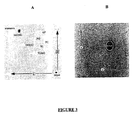
- the figure 3A shows that a single radioactive spot co-migrates with the original MGDG and is detected by autoradiography.
- MGDG synthase activity is catalyzed by a multigene family of proteins.
- the functional molecular mass during the inactivation of MGDG synthase was further determined by gamma irradiation: the apparent molecular weight of the MGDG synthase of the envelope is 97 ⁇ 5 kDa.
- a functional molecular mass of 114 ⁇ 12 kDa was also deduced by the same technique for purified recombinant MGDG synthase A. This result suggests that MGDG synthases are likely homodimers.
- Example 3 Measurement of enzymatic activity, from micelles.
- MGDG synthase The activity of MGDG synthase, is carried out on different types of samples, according to the chosen model: plastid membrane, membrane fractions of E. coli overexpressing a recombinant MGDG synthase ( r MGD A, 0.7 ⁇ g protein / assay, enzyme previously extracted from a plant (see Example 1).
- PG phosphatidylglycerol
- DAG diacylglycerol
- 200 ⁇ l of incubation medium containing 50 mM MOPS-NaOH, pH 7.8, 4.5 mM CHAPS, 1 mM DTT, 250 mM KH 2 PO 4 / K 2 HPO 4 and 250 mM KCl are added and the medium is vigorously mixed to resuspend the lipids.
- 100 ⁇ l of fractions containing MGDG synthase, in the incubation medium, are introduced, then the medium is again vigorously mixed, then maintained for 1 h at 20 ° C.
- the reaction in the incubation mixture is then initiated by the addition of 1 mM UDP- [ 14 C] gal (37 Bq / ⁇ mol). After 10 min. at 1 h, the reaction is stopped by the addition of a chloroform / methanol mixture (1: 2, v / v), the lipids are extracted according to the method of Bligh et al (Can J. Biochem Physiol, 1959, 37, 911-917 ) and the radioactivity of the labeled galactolipids is determined by liquid scintillation counting as described in Covès et al. (FEBS Lett., 1986, 208, 401-406 ). The activity is expressed in ⁇ mol of galactose incorporated / h / mg of protein.
- MGDG synthase In a sample rich in MGDG synthase, one can obtain a high specific activity, that is to say up to 115-120 ⁇ mol incorporated galactose / h / mg protein, and even more.
- the overexpressed spinach MGDG synthase has the same properties.
- R MGD A purified by chromatography with hydroxyapatite is very active in the presence of DTT. If the DTT is removed by chromatography on a Biogel P6-DG column, the MGDG synthase loses 85% of its activity, while the addition of DTT maintains its activity.
- Fractions r MGD A partially purified are desalted by chromatography on a column (Pharmacia, column C10 / 40, 30 ml gel) Biogel P6-DG (Bio-Rad) equilibrated without DTT. Aliquots (200 ⁇ l) of the fractions are incubated for 40 min at 25 ° C. with gentle shaking in the presence or absence of DTT. The galactosylation activity is then measured as specified above (see Example 3).
- Table I Purified fraction on hydroxyapatite Activity (%) Not desalinated 100 desalinated 15 Dumped + DTT 1 mM 75 Dumped + DTT 10 mM 65
- the activity is expressed as a percentage of the control activity (non-desalted).
- Table II shows that rMGD A is very sensitive to NEM and that protection of activity is obtained by preincubation in the presence of DAG and / or PG.
- Table II preincubation Incubation +/- NEM 150 ⁇ M Incubation +/- DTT 10 mM Enzymatic reaction Activity (%) (30 min) (10 minutes) (10 minutes) DTT - - + PG + DAG + UDP-gal 100 - - + + PG + DAG + UDP-gal 101 - - - + PG + DAG + UDP-gal 37 - + + + PG + DAG + UDP-gal 35 DTT + - + PG + DAG + UDP-gal 108 UDP-Gal + + + + + PG + DAG 32 PG + + + DAG + UDP-gal 56 PG + DAG + + + + UDP-gal 60
- the rMGD A is desalted by column chromatography (Pharmacia, column C10 / 40, 30 ml of gel) Biogel P6-DG (Bio-Rad), balanced without DTT. Aliquots (200 ⁇ l) of the fractions are incubated for 30 min at 25 ° C. with gentle shaking, followed by a 10 min incubation. in the presence or absence of 150 ⁇ M NEM, followed by a 10 min incubation in the presence or absence of DTT. The galactosylation activity is then measured as specified above (see Example 3).
- the activity is expressed as a percentage of the control activity, i.e. after incubation for 50 min. in the presence of 10 mM DTT.
Landscapes
- Health & Medical Sciences (AREA)
- Chemical & Material Sciences (AREA)
- Organic Chemistry (AREA)
- Life Sciences & Earth Sciences (AREA)
- Veterinary Medicine (AREA)
- General Health & Medical Sciences (AREA)
- Tropical Medicine & Parasitology (AREA)
- Animal Behavior & Ethology (AREA)
- Pharmacology & Pharmacy (AREA)
- Nuclear Medicine, Radiotherapy & Molecular Imaging (AREA)
- Medicinal Chemistry (AREA)
- General Chemical & Material Sciences (AREA)
- Engineering & Computer Science (AREA)
- Wood Science & Technology (AREA)
- Zoology (AREA)
- Chemical Kinetics & Catalysis (AREA)
- Proteomics, Peptides & Aminoacids (AREA)
- Public Health (AREA)
- Biotechnology (AREA)
- Biophysics (AREA)
- General Engineering & Computer Science (AREA)
- Bioinformatics & Cheminformatics (AREA)
- Biochemistry (AREA)
- Molecular Biology (AREA)
- Microbiology (AREA)
- Immunology (AREA)
- Physics & Mathematics (AREA)
- Genetics & Genomics (AREA)
- Analytical Chemistry (AREA)
- Enzymes And Modification Thereof (AREA)
- Measuring Or Testing Involving Enzymes Or Micro-Organisms (AREA)
- Medicines That Contain Protein Lipid Enzymes And Other Medicines (AREA)
- Investigating Or Analysing Biological Materials (AREA)
- Pharmaceuticals Containing Other Organic And Inorganic Compounds (AREA)
- Agricultural Chemicals And Associated Chemicals (AREA)
Description
- La présente invention est relative à un procédé de criblage et de sélection d'antiparasitaires (parasites du phyllum des apicomplexes) et/ou d'herbicides.
- Les apicomplexes sont des parasites unicellulaires responsables de maladies parmi les plus graves pour l'espèce humaine : le paludisme, la première maladie mortelle dans le monde, et la toxoplasmose, une des deux infections opportunistes les plus fréquentes chez les malades du SIDA. Ces maladies infectieuses progressent alors qu'aucun traitement ne permet aujourd'hui d'éradiquer les parasites qui les provoquent : Plasmodium qui se niche dans les cellules hépatiques et les globules rouges des malades du paludisme, et Toxoplasma qui envahit entre autre le cerveau des malades de la toxoplasmose.
- En effet, selon l'Organisation Mondiale de la Santé (OMS), le paludisme touche plus de 500 millions d'êtres humains et provoque 2,5 millions de morts par an. Le paludisme tue la moitié des enfants de moins de 5 ans en Afrique. 40 % de la population mondiale se trouve dans des zones impaludées, et ces zones progressent chaque année. Les traitements pesticides ont provoqué la résistance des moustiques vecteurs du parasite (les anophèles), et le parasite lui-même (4 espèces de Plasmodium, dont Plasmodium falciparum pour 95 % des cas) résiste de plus en plus aux traitements connus (en particulier les dérivés des chloroquines). Selon les estimations, le paludisme est la première ou la deuxième (après les diarrhées) maladie mortelle dans le monde. Le coût direct et indirect du paludisme en Afrique est passé de 800 millions de dollars en 1987 à plus de 2 milliards de dollars en 1998. La résistance aux traitements, et la progression des zones impaludées font de ce fléau un enjeu majeur du XXI siècle.
- Selon le National Institute of Health (NIH), la toxoplasmose est la première infection cérébrale chez les malades du SIDA. Le parasite (Toxoplasma gondii) est commun et l'on peut considérer qu'une personne sur deux a été infectée, soit en mangeant de la viande mal cuite, soit au contact de chats domestiques. La toxoplasmose n'est grave que chez les personnes fragiles, en particulier les foetus humains et les malades du SIDA. Dans le cas du SIDA, les patients présentant un taux en CD4+<100/mm3 développent les symptômes de la toxoplasmose, en général par réactivation d'une infection antérieure. Les traitements connus (les plus communs sulfadiazine et pyriméthamine, mais aussi clindamycine, azithromycine, clarithromycine, dapsone et atavaquone), doivent parfois être prescrits indéfiniment car bien que létales pour le parasite in vitro, ces substances n'éliminent pas toujours le parasite de l'organisme. Ces traitements étant parfois incompatibles avec la trithérapie, la prophylaxie est difficile. Dans le combat qu'il reste à mener contre le SIDA, il est donc fondamental de rechercher de nouveaux traitements susceptibles d'éradiquer Toxoplasma.
- D'autres apicomplexes tels que ceux du genre Eimeria, sont responsables de la coccidiose chez les oiseaux et les bovins.
- Depuis peu, l'on sait que ces parasites présentent des structures subcellulaires végétales (McFadden et al., Nature, 1996, 384, 482 ; Köhler et al., Science, 1997, 275, 1485-1489), dénommées apicoplastes.
- Ces Auteurs ont identifié par hybridation in-situ, le plaste qui contient un ADN de 35 kb chez Toxoplasma gondii : c'est un organite limité par 4 membranes, proche dans l'évolution de celui des algues vertes. Très vite, ce plaste a été présenté comme une faille des parasites apicomplexes (Fichera et Roos, Nature, 1996, 390, 407-409). Ces Auteurs ont en particulier montré que certains antibiotiques, tels que les fluoroquinolones et les macrolides inhibent les ADN gyrases procaryotes et bloquent la réplication de cet ADN de 35 kb, qui semble nécessaire à la survie du parasite. Plus récemment, Waller et al. (PNAS, 1998, 95, 12352-12357) ont montré que ce plaste contenait une protéine connue pour synthétiser les acides gras dans les chloroplastes végétaux, l'acyl-carrier-protéine ou ACP. Le précurseur de l'ACP contient une séquence de transit de type chloroplastique, qui permet à la protéine (l'ACP mature, ou un marqueur fluorescent de type GFP fusionné avec la séquence de transit du précurseur de l'ACP) d'être intégrée dans le plaste du parasite.
- L'ACP n'est malheureusement pas spécifique du règne végétal, et on la trouve chez les bactéries, en particulier du tractus intestinal. Elle ne constitue donc pas une cible spécifique pour un médicament qui n'affecterait que les apicomplexes parasitant l'organisme.
- Les Inventeurs se sont donc donnés pour but de pourvoir à une cible spécifique des parasites apicomplexes, pour sélectionner de nouveaux médicaments efficaces contre lesdits parasites apicomplexes.
- Ils ont maintenant trouvé que la MGDG synthase (enzyme capitale pour la biogénèse de l'enveloppe des plastes) peut être une cible de choix pour des principes actifs contre Plasmodium (paludisme), Toxoplasma (toxoplasmose) et Eimeria (coccidiose) et pour des herbicides.
- En effet, le MGDG (monogalactosyldiacylglycérol,
figure 1 ) est connu dans tous les plastes analysés à ce jour : il est le lipide le plus abondant des membranes plastidiales ( > 50 % des glycérolipides), vital à la biogénèse des plastes et à la survie des cellules, et n'existe pas dans les autres systèmes membranaires, en particulier dans les cellules animales (Douce, Science, 1974, 183, 852-853) ; sa biosynthèse est catalysée dans l'enveloppe par une UDP-galactose:1,2-diacylglycérol 3-β-D-galactosyltransférase (EC 2.4..1.46) appelée aussi MGDG synthase, selon la réaction suivante :
1,2-diacylglycérol + UDP-galactose → UDP + 1,2-diacyl-3-β-D-galactopyranosyl-sn-glycérol.
- La présente invention a pour objet l'utilisation d'une MGDG synthase pour la sélection ou le criblage de produits inhibiteurs de l'activité de la MGDG synthase, aptes à servir de principes actifs contre les parasites apicomplexes et notamment ceux responsables du paludisme, de la toxoplasmose et de la coccidiose.
- La présente invention a également pour objet l'utilisation d'une membrane plastidiale isolée de plante, pour la sélection ou le criblage de produits inhibiteurs de l'activité de la MGDG synthase, aptes à servir de principes actifs contre les parasites apicomplexes et notamment ceux responsables du paludisme, de la toxoplasmose et de la coccidiose.
- La présente invention a également pour objet l'utilisation d'une MGDG synthase pour la sélection ou le criblage de produits inhibiteurs de l'activité de la MGDG synthase, aptes à servir d'herbicides.
- La présente invention a, en outre, pour objet l'utilisation d'une membrane plastidiale isolée de plante, pour la sélection ou le criblage de produits inhibiteurs de l'activité de la MGDG synthase, aptes à servir d' herbicides.
- La présente invention a également pour objet un procédé de criblage et de sélection d'antiparasitaires apicomplexes et/ou d'herbicides, caractérisé en ce qu'il comprend :
- l'incubation d'une substance à tester avec une MGDG synthase et
- la mesure de l'activité spécifique enzymatique, après ladite incubation.
- On définit l'inhibition de l'activité enzymatique par la diminution de l'activité d'au moins 50 %, comme un pourcentage de l'activité contrôle (activité de l'enzyme traitée comme l'essai, mais en l'absence d'inhibiteur).
- Conformément à l'invention, ladite MGDG synthase présente une activité spécifique initiale comprise de préférence entre 0,1 et 120 µmol de galactose incorporé/h/mg de protéine ; certaines MGDG synthases recombinantes peuvent présenter une activité spécifique supérieure à 120 µmol de galactose incorporé/h/mg de protéine.
- Egalement, conformément à l'invention, la MGDG synthase est d'origine végétale (épinard, concombre ou Arabidopsis, notamment) et est sélectionnée dans le groupe constitué par les MGDG synthase A et les MGDG synthase B purifiées ou recombinantes.
- Conformément audit procédé, l'incubation MGDG synthase/substance à tester est réalisée dans un milieu d'incubation contenant un tampon ajusté à un pH compris entre 6 et 9 (MOPS-NaOH, Tris-HCl, KH2PO4/K2HPO4, CAPS de 10 à 250 mM), en présence de détergents (CHAPS de 3 à 6 Mm ou LDAO), d'un agent réducteur (DTT 1-10 mM ou β-mercaptoéthanol), de phosphatidylglycérol (0,1-2 mM) et d'un sel (KCl ou NaCl, 10-300 mM) ; de préférence, ledit tampon contient 50 mM de MOPS-NaOH, pH 7,8, 4,5 mM de CHAPS, 1,3 mM de phosphatidylglycérol, 1 mM de DTT, 250 mM de KH2PO4/K2HPO4 et 250 mM de KCl.
- Également conformément à l'invention, l'activité enzymatique de la MGDG synthase est mesurée après constitution de micelles, conformément à la méthode décrite dans Maréchal et al. (J. Biol. Chem., 1994, 269, 5788-5798).
- Conformément à l'invention, ledit parasite apicomplexe est sélectionné dans le groupe constitué par Plasmodium, Toxoplasma et Eimeria.
- Outre les dispositions qui précèdent, l'invention comprend encore d'autres dispositions, qui ressortiront de la description qui va suivre, qui se réfère à des exemples de mise en oeuvre du procédé objet de la présente invention, ainsi qu'aux dessins annexés, dans lesquels :
- la
figure 1 représente le MGDG (monogalactosyldiacylglycérol) ; - la
figure 2 est une comparaison de la MGDG synthase d'épinard, de concombre et d'Arabidopsis ; lafigure 2A correspond à une comparaison des séquences en amino acides déduites des ADNc codant pour les différentes MGDG synthases ; dans cette figure atMGD A et atMGD B correspondent à des séquences issues d'Arabidopsis thaliana, csMGD A correspond à une séquence issue de Cucumis sativa et soMGD A correspond à une séquence issue de Spinacia oleracea. * et : représentent des symboles respectivement pour les amino acides identiques et les substitutions conservées ; h1 à h7 correspondent à 7 hélices-α putatives ; lafigure 2B représente un arbre phylogénique des MGDG synthases matures ; - la
figure 3 correspond à l'identification du produit de la réaction de la rMGD A ; lafigure 3A : séparation des lipides polaires par chromatographie en couche mince bi-dimensionnelle ; dans cette figure MGDG = monogalactosyldiacylglycérol ; DGDG = digalactosyldiacylglycérol ; TGDG = trigalactosyldiacylglycérol ; SL = sulfolipide ; PC = phosphatidylcholine ; PG = phosphatidylglycérol ; lafigure 3B correspond à l'analyse des galactolipides synthétisés in vitro par la rMGD A ; - la
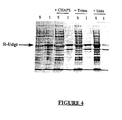
figure 4 illustre la localisation de la rMGD A dans E. coli ; - la
figure 5 correspond à la purification partielle de la rMGD A ;figure 5A : fractionnement par chromatographie hydroxyapatite-agarose ;figure 5B : analyse en SDS-Page de la fraction éluée à partir de la colonne hydroxyapatite-agarose. - Il doit être bien entendu, toutefois, que ces exemples sont donnés à titre d'illustration de l'objet de l'invention, dont ils ne constituent en aucune manière une limitation.
- On solubilise et on purifie la MGDG synthase à partir de l'enveloppe des chloroplastes d'épinard, dans les conditions exposées dans Maréchal et al. (C.R. Acad. Sci. Paris, 1991, 313, III, 521-528 ; J. Biol. Chem., 1994, 269, 8, 5788-5798 ; J. Biol. Chem., 1995, 270, 11, 5714-5722).
- Concrètement :
- on purifie les membranes d'enveloppe des chloroplastes d'épinard (voir Maréchal et al., J. Biol. Chem., 1995, précité).
- On peut également obtenir les membranes d'enveloppe, conformément à la technique suivante : de manière plus précise, toutes les opérations sont réalisées à 0°-5°C. Les chloroplastes sont obtenus à partir de 3-4 kg de feuilles d'épinard (Spinacia oleracea L.) et purifiés par centrifugation isopycnique, à l'aide de gradients de Percoll. Les chloroplastes intacts purifiés sont lysés dans un milieu hypotonique et les membranes d'enveloppe sont purifiées à partir du lysat par centrifugation en gradient de saccharose.
- Les membranes d'enveloppes obtenues sont stockées sous azote liquide, dans un milieu comprenant 50 mM de MOPS-NaOH, pH 7,8 et 1 mM de DTT (dithiothréitol).
- on solubilise et on purifie la MGDG synthase à partir des membranes d'enveloppe obtenues, comme précisé ci-dessus (voir Maréchal et al., J. Biol. Chem., 1995, précité).
- On peut également obtenir de la MGDG synthase, à partir du concombre (Demande
JP 98/014579 - Dans le cadre de la mise en oeuvre du procédé selon la présente invention, il est préférable d'utiliser une MGDG synthase présentant au moins une activité spécifique de 0,1 µmol de galactose incorporé/h/mg de protéine.
- Un fragment de 1647 pb correspondant à la protéine mature de l'ADNc de MGDG de concombre (Shimojima et al., 1997) est utilisé comme sonde pour cribler une banque λgt11 obtenue à partir de feuilles d'épinard.
- Avant le criblage, la présence d'un ARNm homologue est vérifiée par Northern blot à partir d'ARN total de feuilles d'épinard. 320 000 plaques sont cultivées sur E. coli Y1090 et transférées sur des membranes Hybond-N+. Les membranes sont préhybridées pendant 2h à 60°C dans une solution comprenant 2 x SSC, 5 x Denhardt's, 0,5 % SDS (w/v) et de l'ADN de sperme de saumon (0,1 mg.ml-1).
- L'hybridation est réalisée pendant 16h à 60°C dans le même réactif en présence d'1 ng d'ADN de concombre marqué au [α-32P]dCTP. Les membranes sont lavées 3 fois 3 min à température ambiante dans du 2 x SSC, 0,1 % SDS (w/v) et 2 fois 15 min à 55°C, puis autoradiographiées.
- Deux clones positifs sont ensuite purifiés par 3 niveaux de criblage. L'ADN de phage est extrait et digéré avec EcoRI ou EcoRI et BamHl. Les deux inserts d'ADNc sont sous-clonés dans le plasmide pBlueScript SK+ (digéré par EcoRI ou digéré par EcoRI-BamHI), pour le séquençage.
- L'analyse du fragment de restriction et le séquençage montrent que les deux clones correspondent au même ADNc.
- L'amplification par PCR avec des amorces adjacentes au site de clonage λgt11 révèle des inserts de 2,5 et 0,9 kb, respectivement. L'analyse de la séquence des inserts obtenus par PCR montre que l'insert de 0,9 kb est identique à l'extrémité 3' de l'insert de 2,5 kb.
- En conséquence, l'insert le plus long est coupé à l'aide des enzymes de restriction BamHI/EcoRI, sous-cloné dans le plasmide pBlueScript SK+ (Stratagene) et séquencé.
- La séquence obtenue, qui comprend 1851 nucléotides semble être une chimère. Elle contient une séquence de 807 nucléotides qui présente une homologie élevée avec l'extrémité codante en 3' de l'ADNc de la MGDG synthase de concombre, incluant le codon stop. Cet ADN tronqué est fusionné à son extrémité 5' avec une séquence d'ADN partielle (1044 nucléotides), homologue à des β-endoglucanases. L'extrémité 5' de l'ADNc de MGDG synthase est clonée par amplification rapide des extrémités d'ADNc (RACE) à l'aide du kit d'amplification Marathon (Clontech).
- L'ADNc de feuilles d'épinard est préparé à partir d'ARNm polyA+ et utilisé comme matrice pour les amplifications PCR de l'extrémité 5' de l'ADNc de MGDG synthase, conformément aux instructions du fabricant. La spécificité de la réaction est due à l'amorce spécifique CTCATTTGAAGGGCAGTAGCACC (nucléotides 870 à 848) (SEQ ID NO:1) et par la PCR " hot start ".
- Cette méthode permet de cloner un fragment de 1001 pb qui est ensuite sous-cloné dans le plasmide pBlueScript SK+ et séquencé sur les 2 brins dans 3 clones indépendants, de manière à être sûr que la Taq polymérase n'introduit aucune erreur.
- Le fragment 5' RACE inclut un codon d'initiation identifiable et 131 nucléotides de la séquence en 5' non traduite. Le clone comprenant l'ADNc complet de la MGDG synthase est généré à partir de l'ADNc de feuilles d'épinard par PCR, en utilisant des amorces spécifiques des extrémités 3' et 5' de l'ADNc. L'amorce sens est la suivante : CACACAATATTTCCAATGTATACCCAC (nucléotides -82 à -57) (SEQ ID NO:2).
- L'amorce anti-sens est la suivante : GATTATCATTTCCCCTCGCCCTGCC (nucléotides 1672 à 1648) (SEQ ID NO:3).
- Le fragment d'ADN obtenu de 1765 pb est sous-cloné dans le plasmide pBlueScript SK+ au niveau du site de restriction SmaI et la séquence est vérifiée.
- La séquence d'ADNc est plus petite que le transcrit (2,5 kb) détectée par une analyse en Northern blot, indiquant ainsi qu'elle n'est pas complète.
Les 2 techniques combinées (technique 5'-RACE et criblage d'une banque d'ADNc d'épinard) permettent d'obtenir une séquence de 1890 pb, qui inclut un cadre ouvert de lecture de 1569 pb, qui code pour une protéine de 522 acides aminés (57,5 kDa) (figure 2 ), qui appartient à la famille des MGDG synthases A. - L'analyse de la séquence en acides aminés montre que cette MGDG synthase A contient plus de résidus non polaires (56 %) que polaires (44 %), 9 résidus cystéine et 16 résidus histidine qui pourraient être impliqués dans la chélation des métaux ; cette protéine présente un point isoélectrique basique (pl = 9,16).
- toutes les opérations sont réalisées à 4°C. Un culot de bactéries recombinantes (34 mg de protéine), exprimant la MGDG synthase (7 mg de protéine) est remis en suspension dans 50 ml de milieu A (6 mM de CHAPS, 50 mM de MOPS-NaOH, pH 7,8, 1 mM de DTT) contenant 50 mM de KH2PO4/K2HPO4 et un mélange d'inhibiteurs de protéases (1 mM de PMSF ; 1 mM de benzamidine ; 0,5 mM d'acide caproïque). Après une lyse cellulaire par sonication répétée, la suspension est mélangée à 0°C dans de la glace) pendant 30 minutes. Le mélange est centrifugé pendant 15 min. à 243 000xg (Beckman L2, rotor SW 40). Le surnageant contenant les protéines solubilisées (16 mg) est chargé sur une colonne (Pharmacia C10/20, 25 ml de gel) hydroxyapatite-ultrogel (IBF-France), équilibrée avec un milieu A contenant 50 mM de KH2PO4/K2HPO4. Les protéines sont éluées, en utilisant un gradient de KH2PO4/K2HPO4 (50-275 mM) (dans un milieu A ; débit : 30 ml/h ; volume des fractions : 1,5ml). La MGDG synthase recombinante est éluée à 275 mM de KH2PO4/K2HPO4.
- Deux formes matures de MGDG synthase sont surexprimées dans E. coli, en utilisant le plasmide pET-15b (Novagen) et un plasmide, dénommé pET-Y 3a, qui permet de surmonter le problème dû au fait que la séquence déduite de la MGDG synthase contient 22 résidus arginine, parmi lesquels 17 sont codés par AGG ou AGA, codons qui sont en fait peu utilisés chez E. coli. En effet, pET-Y 3a a été construit en insérant dans le plasmide pET-3a (Novagen), le gène arg U (ou DNA Y) codant pour l'ARN de transfert de l'arginine associé aux codons rares AGA/AGG.
- Ces deux plasmides sont linéarisés avec BamHl et Ndel. Les fragments amplifiés par PCR sont générés à partir du clone d'ADNc complet. Le plasmide pET-15 est ligaturé avec un fragment codant les 417 résidus C-terminaux de l'enzyme, qui est amplifié par PCR à l'aide des amorces suivantes :
- Amorce sens : GGAG CATATG GGGGTGAGTGATAATG (SEQ ID NO:4) et
- Amorce anti-sens : GTTCT GGATCC TCAAGCAGCACAAGAGT (SEQ ID NO:5)
- Un autre fragment digéré par les enzymes BamHl et Ndel, est amplifié par PCR, à l'aides des amorces suivantes :
- Amorce sens : CTTCA CATATG CTTAATTCCGGGGAGAG (SEQ ID NO:6) et
- Amorce anti-sens: GTTCT GGATCC TCAAGCAGCACCGAGTA (SEQ ID NO:7),
- La première construction permet l'expression d'une protéine de fusion étiquetée histidine (hMGD A), comprenant 437 résidus (48,24 kDa). La seconde construction permet l'expression d'une protéine de 425 acides aminés (rMGD A), incluant une méthionine d'initiation additionnelle, correspondant au codon ATG du site de restriction BamHI. Les protéines recombinantes sont exprimées dans E. coli BI.21(DE3). Les cultures bactériennes sont cultivées à 37°C, sous agitation vigoureuse (Certomat, 250 rpm), jusqu'à l'obtention d'une densité optique de 0,4 à 0,6. L'expression de la MGDG synthase recombinante est induite par l'addition de 0,4 mM d'IPTG dans le milieu et les cultures sont incubées 3 h à 25°C. Les bactéries sont rassemblées en culot par centrifugation (Eppendorf, 14000 x g, 10 min), et solubilisées dans un tampon A (MOPS 50 mM, pH 7,8, DTT 10 mM, EDTA 1 mM, benzamidine 1 mM, PMSF 1 mM et acide caproïque 0,5 mM) en présence ou en l'absence de Triton X-100 0,1 % ou dans un tampon A avec de l'urée 6M. Les fractions solubles et insolubles sont séparées par centrifugation (Airfuge, 115 000 x g, 15 min) et analysées sur SDS-PAGE (gel de polyacrylamide à 12 %). Les protéines sont détectées par une coloration au bleu de Coomassie.
- L'hMGD est purifiée à homogénéité à partir des bactéries par chromatographie d'affinité à base d'un métal (NTA, Novagen), suivie d'un désalage à travers une colonne PD10 (Pharmacia), équilibrée dans un mélange comprenant de l'imidazole 5 mM, du NaCl 0,5 mM, du Tris-HCl 20 mM, pH 7,9, en présence d'urée 6M.
- La protéine recombinante pure (1 mg) est utilisée pour obtenir un anticorps polyclonal de lapin (Eurogentec, Belgique). L'IgG est purifiée par chromatographie DEA-trisacryle M (IBF, France).
- Afin de minimiser l'effet de l'extrémité N-terminale de la séquence cible de chloroplaste, l'ADNc d'épinard est exprimé à partir du résidu leucine 99, qui correspond au site de clivage putatif du peptide signal du précurseur de la MGD A de concombre (Shimojima et al., PNAS, 1997, 94, 333-337).
- En utilisant de l'UDP-[14C]-gal comme substrat, on peut mesurer l'activité de la MGDG synthase dans les extraits d'E. coli exprimant la rMGD A, après induction par IPTG : plus de 2 µmol de galactose sont incorporées/h/mg de protéine. L'activité déterminée dans les extraits d'E. coli contenant la protéine étiquetée à l'histidine hMGD A est du même ordre (1,3 µmol de galactose incorporé/h/mg de protéine).
- Seulement une fraction négligeable de [14C]-galactose (moins de 0,1 µmol de galactose incorporé/h/mg de protéine) est observée dans les lipides d'E. coli avant l'induction par IPTG. De plus, aucune incorporation de [14C]-galactose n'est observée dans les bactéries contrôles, exprimant E37, une autre protéine d'enveloppe interne (Teyssier et al., Plant J., 1996, 10, 903-912). Après 3 h d'induction par IPTG, un extrait d'E. coli contenant la rMGD A surexprimée est incubé en présence d'UDP-C14C]-gal et les lipides sont extraits, pour analyser les produits de la réaction.
- L'extrait lipidique est analysé par chromatographie en couche mince bi-dimensionnelle, en même temps que les lipides d'enveloppe ajoutés au mélange comme standard (Douce et al., In Methods in Plant Biochemistry, Lipids, Membranes and Aspects of Photobiology (Harwood et al. eds, 1990, 4, 71-103, Academic Press, Londres). La
figure 3A montre qu'une seule tache radioactive co-migre avec le MGDG d'origine et est détectée par autoradiographie. Une caractérisation plus poussée du MGDG a été faite par l'analyse des groupes polaires par chromatographie papier bi-dimensionnelle ; dans ce cas là également, une seule tache radioactive est détectée par autoradiographie et co-migre avec le glycéryl-galactose obtenu après désacylation du MGDG d'enveloppe par hydrolyse alcaline douce (figure 3B ). - Ces résultats montrent que le produit formé dans E. coli est effectivement du MGDG, qui est normalement absent dans les membranes d'E. coli. Aucun autre lipide contenant du galactose n'est formé, contrairement à ce que l'on observe après incubation de membranes d'enveloppe isolées, en présence d'UDP-[14C]-gal.
- L'activité MGDG synthase est catalysée par une famille multigénique de protéines.
- Grâce à des fractions protéiques membranaires très enrichies, le mécanisme biréactionnel de l'activité MGDG synthase a été étudié ainsi que sa sélectivité pour différentes espèces moléculaires de 1,2-diacylglycérol (Maréchal et al., J. Biol. Chem., 1994, 269, 5788-5798). Certaines propriétés structurales du site catalytique ont été élucidées : l'existence d'amino acides importants pour la catalyse (Cys, His, Lys) et l'association de l'enzyme à des métaux bivalents (Maréchal et al., J. Biol. Chem., 1995, 270, 5714-5722). La masse moléculaire fonctionnelle au cours de l'inactivation de la MGDG synthase a par ailleurs été déterminée par irradiation gamma : la masse moléculaire apparente de la MGDG synthase de l'enveloppe est de 97 ± 5 kDa. Le polypeptide MGDG synthase mature ayant une taille voisine de 45 kDa en gel dénaturant, il est probable que dans l'enveloppe, la MGDG synthase soit sous forme dimérique. Une masse moléculaire fonctionnelle de 114 ± 12 kDa a aussi été déduite par la même technique pour la MGDG synthase A recombinante purifiée. Ce résultat suggère que les MGDG synthases sont vraisemblablement des homodimères.
- L'activité de la MGDG synthase, est effectuée sur différents types d'échantillons, selon le modèle choisi : membrane plastidiale, fractions membranaires d'E. coli surexprimant une MGDG synthase recombinante (rMGD A, 0,7 µg protéine/test, enzyme préalablement extraite à partir d'une plante (voir exemple 1).
- 1,3 mM de phosphatidylglycérol (PG) et 160 µM de diacylglycérol (DAG) sont dissous dans du chloroforme. Après évaporation du solvant sous argon, 200 µl de milieu d'incubation contenant 50 mM de MOPS-NaOH, pH 7,8, 4,5 mM de CHAPS, 1 mM de DTT, 250 mM de KH2PO4/K2HPO4 et 250 mM de KCI sont ajoutés et le milieu est vigoureusement mélangé, de manière à remettre en suspension les lipides. 100 µl de fractions contenant la MGDG synthase, dans le milieu d'incubation, sont introduites, puis le milieu est à nouveau vigoureusement mélangé, puis maintenu 1 h à 20°C.
- Cette procédure permet d'obtenir des micelles, conformément à Maréchal et al., 1994, précité.
- La réaction dans le mélange d'incubation est alors initiée par l'addition d'1 mM d'UDP-[14C]gal (37 Bq/µmol). Après 10 min. à 1 h, la réaction est stoppée par l'addition d'un mélange chloroforme/ méthanol (1 :2, v/v), les lipides sont extraits conformément à la méthode de Bligh et al (Can. J. Biochem. Physiol, 1959, 37, 911-917) et la radioactivité des galactolipides marqués est déterminée par comptage en scintillation liquide comme décrit dans Covès et al. (FEBS lett., 1986, 208, 401-406). L'activité est exprimée en µmol de galactose incorporé/h/mg de protéine.
- Dans un échantillon riche en MGDG synthase, on peut obtenir une activité spécifique élevée, c'est-à-dire jusqu'à 115-120 µmol de galactose incorporé/h/mg de protéine, et même plus.
- Lorsque l'on analyse l'expression de la MGDG synthase d'épinard dans E. coli, on observe que la plupart de la protéine (rMGD A) est insoluble et que des détergents (6 mM de CHAPS ou 1 % de Triton X-100) ne solubilisent que partiellement la protéine (
figure 4 ). Par contre, presque toute la protéine surexprimée est solubilisée par de l'urée, indiquant que la plus grande partie de la MGDG synthase est présente dans des corps d'inclusion (figure 4 ). Dans cette fraction, l'activité de la MGDG synthase est très faible (0,03 µmol de galactose incorporé/h/mg de protéine). En fait, l'analyse par chromatographie d'hydroxyapatite des fractions d'E. coli solubilisées par le CHAPS montre que seulement une petite fraction (environ 0,1 %) de la protéine recombinante synthétisée par la bactérie est active. Les conditions expérimentales utilisées sont les mêmes que celles utilisées pour la MGDG synthase d'enveloppe (voir ci-dessus). - A la
figure 4 , l'expression de rMGD A est induite par 0,4 mM d'IPTG comme précisé dans Matériel et méthodes ci-dessus. - La plupart (50 à 80 %) de l'activité chargée par le haut de la colonne est retrouvée dans un pic étroit, élué avec du phosphate 275 mM (
figure 5A ). Dans ce pic, l'activité spécifique de la MGDG synthase est très élevée :115 µmol de galactose incorporé/h/mg de protéine. - L'analyse des polypeptides présents dans les différentes fractions montre qu'un polypeptide de 45 kDa, correspondant à la rMGD A, est présent dans les fractions actives, mais également dans le volume mort, dans lequel la plupart de la protéine est présente sous une forme inactive (
figure 5B ). Ceci montre que seulement une fraction (1 %) de la protéine solubilisée par le CHAPS est effectivement active. - Dans cette
figure 5B , 20 µl de fraction éluée à partir de la colonne hydroxyapatite sont analysés par SDS-PAGE (gel de polyacrylamide à 12 %); les protéines sont détectées par coloration au bleu de Coomassie ; Ch : échantillon chargé par le haut de la colonne ; 15, 30, etc... : fractions éluées à partir de la colonne ; MW : marqueur de poids moléculaire (Biorad) ; la rMGD A est indiquée par une flèche et la rMGD A active se trouve uniquement dans les fractions 67 à 71. - L'analyse de l'activité de la MGDG synthase partiellement purifiée de chloroplastes de feuilles d'épinard (Maréchal et al., J. Biol. Chem., 1995, 270, 5714-5722) a démontré que le DTT peut protéger l'activité de l'enzyme de l'oxydation et que le N-éthylmaléimide (NEM) et l'ortho-phénanthroline sont des inhibiteurs puissants de l'enzyme.
- La MGDG synthase d'épinard surexprimée présente les mêmes propriétés.
- La rMGD A, purifiée par chromatographie d'hydroxyapatite est très active en présence de DTT. Si le DTT est éliminé par chromatographie sur une colonne Biogel P6-DG, la MGDG synthase perd 85 % de son activité, alors que l'addition de DTT maintient son activité.
- Les fractions de rMGD A partiellement purifiée sont désalées par chromatographie sur une colonne (Pharmacia, colonne C10/40, 30 ml de gel) Biogel P6-DG (Bio-Rad), équilibrée sans DTT. Des aliquots (200 µl) des fractions sont incubés pendant 40 min à 25°C sous agitation douce en présence ou en l'absence de DTT. L'activité de galactosylation est alors mesurée comme précisé ci-dessus (voir exemple 3).
- Les résultats obtenus sont résumés dans le Tableau I ci-après :
Tableau I Fraction purifiée sur hydroxyapatite Activité (%) Non désalée 100 Désalée 15 Désalée + DTT 1 mM 75 Désalée + DTT 10 mM 65 - L'activité est exprimée comme un pourcentage de l'activité contrôle (non désalée).
- Le Tableau II montre que la rMGD A est très sensible au NEM et qu'une protection de l'activité est obtenue par préincubation en présence de DAG et/ou de PG.
Tableau II Préincubation Incubation +/- NEM 150 µM Incubation +/- DTT 10 mM Réaction enzymatique Activité (%) (30 min) (10 min) (10 min) DTT - - +PG+DAG+UDP-gal 100 - - + +PG+DAG+UDP-gal 101 - - - +PG+DAG+UDP-gal 37 - + + +PG+DAG+UDP-gal 35 DTT + - +PG+DAG+UDP-gal 108 UDP-gal + + +PG+DAG 32 PG + + +DAG+UDP-gal 56 PG+DAG + + +UDP-gal 60 - Pour obtenir les résultats résumés dans le Tableau II, la rMGD A est désalée par chromatographie sur une colonne (Pharmacia, colonne C10/40, 30 ml de gel) Biogel P6-DG (Bio-Rad), équilibrée sans DTT. Des aliquots (200 µl) des fractions sont incubés pendant 30 min à 25°C sous agitation douce, suivie d'une incubation de 10 min. en présence ou en l'absence de NEM 150 µM, puis d'une incubation de 10 min en présence ou en l'absence de DTT. L'activité de galactosylation est alors mesurée comme précisé ci-dessus (voir exemple 3).
- L'activité est exprimée comme un pourcentage de l'activité contrôle , c'est-à-dire après incubation pendant 50 min. en présence de DTT 10 mM.
- On observe également la rMGD surexprimée est inhibée par l'agent chélateur hydrophobe ortho-phénanthroline, comme le montre le Tableau III ci-après :
Tableau III Conditions Autres additions Activité (%) Activité initiale (temps 0) - 100 Sans ortho-phénanthroline - 82 PG 87 PG + DAG 78 UDP-gal 72 Avec ortho-phénanthroline - 43 PG 27 PG + DAG 92 UDP-gal 17 - L'inactivation de la rMGD A par l'ortho-phénanthroline est bloquée par le DAG, mais n'est pas affectée par l'UDP-gal.
- Ainsi que cela ressort de ce qui précède, l'invention ne se limite nullement à ceux de ses modes de mise en oeuvre, de réalisation et d'application qui viennent d'être décrits de façon plus explicite ; elle en embrasse au contraire toutes les variantes qui peuvent venir à l'esprit du technicien en la matière, sans s'écarter du cadre, ni de la portée, de la présente invention.
-
- <110> COMMISSARIAT A L'ENERGIE ATOMIQUE
MARECHAL Eric
BLOCK Maryse
JOYARD Jacques
DOUCE Roland - <120> PROCEDE DE CRIBLAGE ET DE SELECTION D'ANTIPARASITAIRES APICOMPLEXES ET/OU D'HERBICIDES ET SES APPLICATIONS.
- <130> BLOcp263/54P
- <140>
<141> - <160> 7
- <170> Patent In Vers. 2.0
- <210> 1
<211> 23
<212> ADN
<213> Spinacia oleracea - <400> 1
ctcatttgaa gggcagtagc acc 23 - <210> 2
<211> 27
<212> ADN
<213> Spinacia oleracea - <400> 2
cacacaatat ttccaatgta tacccac 27 - <210> 3
<211> 25
<212> ADN
<213> Spinacia oleracea - <400> 3
gattatcatt tcccctcgcc ctgcc 25 - <210> 4
<211> 26
<212> ADN
<213> Spinacia oleracea - <400> 4
ggagcatatg ggggtgagtg ataatg 26 - <210> 5
<211> 28
<212> ADN
<213> Spinacia oleracea - <400> 5
gttctggatc ctcaagcagc acaagagt 28 - <210> 6
<211> 28
<212> ADN
<213> Spinacia oleracea - <400> 6
cttcacatat gcttaattcc ggggagag 28 - <210> 7
<211> 28
<212> ADN
<213> Spinacia oleracea - <400> 7
gttctggatc ctcaagcagc accgagta 28
Claims (6)
- Procédé de criblage et de sélection d'antiparasitaires et/ou d'herbicides, caractérisé en ce qu'il comprend :- l'incubation d'une substance à tester avec une MGDG synthase ou avec une membrane plastidiale isolée de plante et- la mesure de l'activité enzymatique de la MGDG synthase, après ladite incubation.
- Procédé selon la revendication 1, caractérisé en ce que ladite MGDG synthase présente une activité spécifique initiale comprise entre 0,1 et 120 µmol de galactose incorporé/h/mg de protéine.
- Procédé selon la revendication 1 ou la revendication 2, caractérisé en ce que l'incubation MGDG synthase/substance à tester est réalisée dans un milieu d'incubation contenant un tampon ajusté à un pH compris entre 6 et 9, en présence de détergents, d'un agent réducteur, de phosphatidylglycérol et d'un sel.
- Procédé selon la revendication 3, caractérisé en ce que ledit milieu d'incubation contient de préférence 50 mM de MOPS-NaOH, pH 7,8, 4,5 mM de CHAPS, 1 mM de DTT, 1,3 mM de phosphatidylglycérol, 250 mM de KH2PO4/K2HPO4 et 250 mM de KCI.
- Procédé selon l'une quelconque des revendications 1 à 4, caractérisé en ce que la MGDG synthase est d'origine végétale et est sélectionnée dans le groupe constitué par les MGDG synthase A et les MGDG synthase B purifiées ou recombinantes.
- Procédé selon l'une quelconque des revendications 1 à 5, caractérisé en ce que ledit parasite apicomplexe est sélectionné dans le groupe constitué par Plasmodium, Toxoplasma et Eimeria.
Applications Claiming Priority (3)
| Application Number | Priority Date | Filing Date | Title |
|---|---|---|---|
| FR9903434A FR2790915B1 (fr) | 1999-03-19 | 1999-03-19 | Procede de criblage et de selection d'antiparasitaires apicomplexes et/ou d'herbicides et ses applications |
| FR9903434 | 1999-03-19 | ||
| PCT/FR2000/000658 WO2000056919A1 (fr) | 1999-03-19 | 2000-03-17 | Procede de criblage mettant en jeu la mgdg synthase |
Publications (2)
| Publication Number | Publication Date |
|---|---|
| EP1163364A1 EP1163364A1 (fr) | 2001-12-19 |
| EP1163364B1 true EP1163364B1 (fr) | 2008-10-08 |
Family
ID=9543402
Family Applications (1)
| Application Number | Title | Priority Date | Filing Date |
|---|---|---|---|
| EP00910978A Expired - Lifetime EP1163364B1 (fr) | 1999-03-19 | 2000-03-17 | Procede de criblage mettant en jeu la mgdg synthase |
Country Status (8)
| Country | Link |
|---|---|
| US (1) | US6924092B1 (fr) |
| EP (1) | EP1163364B1 (fr) |
| JP (1) | JP2002540122A (fr) |
| AT (1) | ATE410523T1 (fr) |
| CA (1) | CA2371987A1 (fr) |
| DE (1) | DE60040459D1 (fr) |
| FR (1) | FR2790915B1 (fr) |
| WO (1) | WO2000056919A1 (fr) |
Families Citing this family (3)
| Publication number | Priority date | Publication date | Assignee | Title |
|---|---|---|---|---|
| FR2790915B1 (fr) | 1999-03-19 | 2001-06-01 | Commissariat Energie Atomique | Procede de criblage et de selection d'antiparasitaires apicomplexes et/ou d'herbicides et ses applications |
| FR2815968B1 (fr) * | 2000-10-31 | 2005-01-07 | Commissariat Energie Atomique | Fractions membranaires de cellules enrichies en 1,2-sn- diacylglycerol, procede de preparation et utilisations |
| JP4820617B2 (ja) * | 2005-10-21 | 2011-11-24 | 微生物利用新機能物質生産技術研究組合 | 害虫摂食阻害剤及び方法 |
Family Cites Families (4)
| Publication number | Priority date | Publication date | Assignee | Title |
|---|---|---|---|---|
| CH606058A5 (fr) * | 1974-11-01 | 1978-10-13 | Sandoz Ag | |
| AU2290195A (en) * | 1994-04-13 | 1995-11-10 | La Jolla Cancer Research Foundation | Interaction of proteins involved in a cell death pathway |
| US5985848A (en) * | 1997-10-14 | 1999-11-16 | Albert Einstein College Of Medicine Of Yeshiva University | Inhibitors of nucleoside metabolism |
| FR2790915B1 (fr) | 1999-03-19 | 2001-06-01 | Commissariat Energie Atomique | Procede de criblage et de selection d'antiparasitaires apicomplexes et/ou d'herbicides et ses applications |
-
1999
- 1999-03-19 FR FR9903434A patent/FR2790915B1/fr not_active Expired - Fee Related
-
2000
- 2000-03-17 EP EP00910978A patent/EP1163364B1/fr not_active Expired - Lifetime
- 2000-03-17 CA CA002371987A patent/CA2371987A1/fr not_active Abandoned
- 2000-03-17 US US09/926,169 patent/US6924092B1/en not_active Expired - Fee Related
- 2000-03-17 DE DE60040459T patent/DE60040459D1/de not_active Expired - Lifetime
- 2000-03-17 JP JP2000606778A patent/JP2002540122A/ja active Pending
- 2000-03-17 WO PCT/FR2000/000658 patent/WO2000056919A1/fr not_active Ceased
- 2000-03-17 AT AT00910978T patent/ATE410523T1/de not_active IP Right Cessation
Non-Patent Citations (2)
| Title |
|---|
| AWAI ET AL: "Two types of MGDG synthase genes, found widely in both 16:3 and 18:3 plants, differentially mediate galactolipid syntheses in photosynthetic and nonphotosynthetic tissues in Arabidopsis thaliana", PROC.NATL.ACAD.SCI.USA, vol. 98, no. 19, 11 September 2001 (2001-09-11), pages 10960 - 10965 * |
| MIÈGE ET AL: "Biochemical and topological properties of type A MGDG synthase, a spinach chloroplast envelope enzyme catalysing the synthesis of both prokaryotic and eukaryotic MGDG", EUR.J.BIOICHEM. FEBS, vol. 265, 1999, pages 990 - 1001 * |
Also Published As
| Publication number | Publication date |
|---|---|
| ATE410523T1 (de) | 2008-10-15 |
| FR2790915A1 (fr) | 2000-09-22 |
| US6924092B1 (en) | 2005-08-02 |
| EP1163364A1 (fr) | 2001-12-19 |
| DE60040459D1 (de) | 2008-11-20 |
| JP2002540122A (ja) | 2002-11-26 |
| FR2790915B1 (fr) | 2001-06-01 |
| CA2371987A1 (fr) | 2000-09-28 |
| WO2000056919A1 (fr) | 2000-09-28 |
Similar Documents
| Publication | Publication Date | Title |
|---|---|---|
| Castro et al. | Complementary antioxidant defense by cytoplasmic and mitochondrial peroxiredoxins in Leishmania infantum | |
| Song et al. | Cloning and expression of human carboxypeptidase Z, a novel metallocarboxypeptidase | |
| Qian et al. | Protein farnesyltransferase in plants: molecular characterization and involvement in cell cycle control. | |
| Doi et al. | Molecular cloning and characterization of a glutathione S-transferase from largemouth bass (Micropterus salmoides) liver that is involved in the detoxification of 4-hydroxynonenal | |
| Lee et al. | Molecular cloning and characterization of θ-class glutathione S-transferase (GST-T) from the hermaphroditic fish Rivulus marmoratus and biochemical comparisons with α-class glutathione S-transferase (GST-A) | |
| Kasus-Jacobi et al. | Characterization of mouse short-chain aldehyde reductase (SCALD), an enzyme regulated by sterol regulatory element-binding proteins | |
| CA2397340A1 (fr) | Enzymes de metabolisation de medicaments | |
| Carletti et al. | Glutathione transferases from Anguilla anguilla liver: identification, cloning and functional characterization | |
| EP2081594B1 (fr) | Nouveau procédé pour traiter les infections par h. pylori | |
| FR2790915A1 (fr) | Procede de criblage et de selection d'antiparasitaires apicomplexes et/ou d'herbicides et ses applications | |
| EP1414967B1 (fr) | Gene associe a la virulence du parasite leishmania | |
| WO2021125352A1 (fr) | Procédé de synthèse de célosianine ii, procédé de synthèse de bétaxanthine, inhibiteur de polymérisation amyloïde-β ou agent thérapeutique ou prophylactique contre la maladie d'alzheimer, inhibiteur d'agrégation du peptide amyloïde, et inhibiteur de l'activité protéase du vih-1 | |
| EP1042463A1 (fr) | Cible de traitement de l'atherosclerose, de l'obesite et du diabete de type ii | |
| EP1641920B1 (fr) | Glutamine:fructose-6-phosphate amidotransferase (gfat) comprenant une etiquette de purification interne, et son utilisation pour le criblage de composes | |
| CA2514730A1 (fr) | Transposases d'elements genetiques mobiles mariner mutantes, non phosphorylables et hyperactives | |
| Buckner et al. | Trypanosoma brucei prenylated-protein carboxyl methyltransferase prefers farnesylated substrates | |
| EP1330537B1 (fr) | Fractions membranaires de cellules enrichies en 1,2-sn-diacylglycérol | |
| Adomat et al. | Cloning, sequence, expression, and characterization of protoporphyrinogen IX oxidase from chicory | |
| US20040086854A1 (en) | Drug metabolizing enzymes | |
| Nasizadeh et al. | Proteasomal degradation of a trypanosomal ornithine decarboxylase | |
| US7700121B2 (en) | Gene associated with leishmania parasite virulence | |
| Thiemann et al. | Role of | |
| WO2005005627A2 (fr) | Applications d'une nouvelle classe d'enzymes : les sulfiredoxines. | |
| CA2353304A1 (fr) | Polypeptides capables d'interagir avec la topoisomerase iii alpha humaine |
Legal Events
| Date | Code | Title | Description |
|---|---|---|---|
| PUAI | Public reference made under article 153(3) epc to a published international application that has entered the european phase |
Free format text: ORIGINAL CODE: 0009012 |
|
| 17P | Request for examination filed |
Effective date: 20011011 |
|
| AK | Designated contracting states |
Kind code of ref document: A1 Designated state(s): AT BE CH CY DE DK ES FI FR GB GR IE IT LI LU MC NL PT SE |
|
| 17Q | First examination report despatched |
Effective date: 20040308 |
|
| GRAP | Despatch of communication of intention to grant a patent |
Free format text: ORIGINAL CODE: EPIDOSNIGR1 |
|
| GRAS | Grant fee paid |
Free format text: ORIGINAL CODE: EPIDOSNIGR3 |
|
| GRAA | (expected) grant |
Free format text: ORIGINAL CODE: 0009210 |
|
| AK | Designated contracting states |
Kind code of ref document: B1 Designated state(s): AT BE CH CY DE DK ES FI FR GB GR IE IT LI LU MC NL PT SE |
|
| REG | Reference to a national code |
Ref country code: GB Ref legal event code: FG4D Free format text: NOT ENGLISH |
|
| REG | Reference to a national code |
Ref country code: CH Ref legal event code: EP |
|
| REG | Reference to a national code |
Ref country code: IE Ref legal event code: FG4D Free format text: LANGUAGE OF EP DOCUMENT: FRENCH |
|
| REF | Corresponds to: |
Ref document number: 60040459 Country of ref document: DE Date of ref document: 20081120 Kind code of ref document: P |
|
| RAP2 | Party data changed (patent owner data changed or rights of a patent transferred) |
Owner name: CENTRE NATIONAL DE LA RECHERCHE SCIENTIFIQUE (CNRS Owner name: COMMISSARIAT A L'ENERGIE ATOMIQUE |
|
| REG | Reference to a national code |
Ref country code: CH Ref legal event code: NV Representative=s name: ISLER & PEDRAZZINI AG |
|
| NLV1 | Nl: lapsed or annulled due to failure to fulfill the requirements of art. 29p and 29m of the patents act | ||
| PG25 | Lapsed in a contracting state [announced via postgrant information from national office to epo] |
Ref country code: AT Free format text: LAPSE BECAUSE OF FAILURE TO SUBMIT A TRANSLATION OF THE DESCRIPTION OR TO PAY THE FEE WITHIN THE PRESCRIBED TIME-LIMIT Effective date: 20081008 Ref country code: ES Free format text: LAPSE BECAUSE OF FAILURE TO SUBMIT A TRANSLATION OF THE DESCRIPTION OR TO PAY THE FEE WITHIN THE PRESCRIBED TIME-LIMIT Effective date: 20090119 |
|
| PG25 | Lapsed in a contracting state [announced via postgrant information from national office to epo] |
Ref country code: NL Free format text: LAPSE BECAUSE OF FAILURE TO SUBMIT A TRANSLATION OF THE DESCRIPTION OR TO PAY THE FEE WITHIN THE PRESCRIBED TIME-LIMIT Effective date: 20081008 Ref country code: FI Free format text: LAPSE BECAUSE OF FAILURE TO SUBMIT A TRANSLATION OF THE DESCRIPTION OR TO PAY THE FEE WITHIN THE PRESCRIBED TIME-LIMIT Effective date: 20081008 Ref country code: PT Free format text: LAPSE BECAUSE OF FAILURE TO SUBMIT A TRANSLATION OF THE DESCRIPTION OR TO PAY THE FEE WITHIN THE PRESCRIBED TIME-LIMIT Effective date: 20090217 |
|
| PG25 | Lapsed in a contracting state [announced via postgrant information from national office to epo] |
Ref country code: DK Free format text: LAPSE BECAUSE OF FAILURE TO SUBMIT A TRANSLATION OF THE DESCRIPTION OR TO PAY THE FEE WITHIN THE PRESCRIBED TIME-LIMIT Effective date: 20081008 |
|
| PLBE | No opposition filed within time limit |
Free format text: ORIGINAL CODE: 0009261 |
|
| STAA | Information on the status of an ep patent application or granted ep patent |
Free format text: STATUS: NO OPPOSITION FILED WITHIN TIME LIMIT |
|
| PG25 | Lapsed in a contracting state [announced via postgrant information from national office to epo] |
Ref country code: SE Free format text: LAPSE BECAUSE OF FAILURE TO SUBMIT A TRANSLATION OF THE DESCRIPTION OR TO PAY THE FEE WITHIN THE PRESCRIBED TIME-LIMIT Effective date: 20090108 Ref country code: IT Free format text: LAPSE BECAUSE OF FAILURE TO SUBMIT A TRANSLATION OF THE DESCRIPTION OR TO PAY THE FEE WITHIN THE PRESCRIBED TIME-LIMIT Effective date: 20081008 |
|
| 26N | No opposition filed |
Effective date: 20090709 |
|
| BERE | Be: lapsed |
Owner name: CENTRE NATIONAL DE LA RECHERCHE SCIENTIFIQUE (CNR Effective date: 20090331 Owner name: COMMISSARIAT A L'ENERGIE ATOMIQUE Effective date: 20090331 |
|
| PG25 | Lapsed in a contracting state [announced via postgrant information from national office to epo] |
Ref country code: MC Free format text: LAPSE BECAUSE OF NON-PAYMENT OF DUE FEES Effective date: 20090331 |
|
| PG25 | Lapsed in a contracting state [announced via postgrant information from national office to epo] |
Ref country code: BE Free format text: LAPSE BECAUSE OF NON-PAYMENT OF DUE FEES Effective date: 20090331 |
|
| PG25 | Lapsed in a contracting state [announced via postgrant information from national office to epo] |
Ref country code: GR Free format text: LAPSE BECAUSE OF FAILURE TO SUBMIT A TRANSLATION OF THE DESCRIPTION OR TO PAY THE FEE WITHIN THE PRESCRIBED TIME-LIMIT Effective date: 20090109 |
|
| PG25 | Lapsed in a contracting state [announced via postgrant information from national office to epo] |
Ref country code: LU Free format text: LAPSE BECAUSE OF NON-PAYMENT OF DUE FEES Effective date: 20090317 |
|
| PGFP | Annual fee paid to national office [announced via postgrant information from national office to epo] |
Ref country code: IE Payment date: 20110328 Year of fee payment: 12 |
|
| PG25 | Lapsed in a contracting state [announced via postgrant information from national office to epo] |
Ref country code: CY Free format text: LAPSE BECAUSE OF FAILURE TO SUBMIT A TRANSLATION OF THE DESCRIPTION OR TO PAY THE FEE WITHIN THE PRESCRIBED TIME-LIMIT Effective date: 20081008 |
|
| PGFP | Annual fee paid to national office [announced via postgrant information from national office to epo] |
Ref country code: CH Payment date: 20120419 Year of fee payment: 13 Ref country code: DE Payment date: 20120416 Year of fee payment: 13 |
|
| PGFP | Annual fee paid to national office [announced via postgrant information from national office to epo] |
Ref country code: GB Payment date: 20120423 Year of fee payment: 13 Ref country code: FR Payment date: 20120413 Year of fee payment: 13 |
|
| REG | Reference to a national code |
Ref country code: IE Ref legal event code: MM4A |
|
| PG25 | Lapsed in a contracting state [announced via postgrant information from national office to epo] |
Ref country code: IE Free format text: LAPSE BECAUSE OF NON-PAYMENT OF DUE FEES Effective date: 20120317 |
|
| REG | Reference to a national code |
Ref country code: CH Ref legal event code: PL |
|
| GBPC | Gb: european patent ceased through non-payment of renewal fee |
Effective date: 20130317 |
|
| REG | Reference to a national code |
Ref country code: FR Ref legal event code: ST Effective date: 20131129 |
|
| REG | Reference to a national code |
Ref country code: DE Ref legal event code: R119 Ref document number: 60040459 Country of ref document: DE Effective date: 20131001 |
|
| PG25 | Lapsed in a contracting state [announced via postgrant information from national office to epo] |
Ref country code: LI Free format text: LAPSE BECAUSE OF NON-PAYMENT OF DUE FEES Effective date: 20130331 Ref country code: GB Free format text: LAPSE BECAUSE OF NON-PAYMENT OF DUE FEES Effective date: 20130317 Ref country code: FR Free format text: LAPSE BECAUSE OF NON-PAYMENT OF DUE FEES Effective date: 20130402 Ref country code: CH Free format text: LAPSE BECAUSE OF NON-PAYMENT OF DUE FEES Effective date: 20130331 Ref country code: DE Free format text: LAPSE BECAUSE OF NON-PAYMENT OF DUE FEES Effective date: 20131001 |