EP1144664B1 - Transformation and regeneration of allium plants - Google Patents
Transformation and regeneration of allium plants Download PDFInfo
- Publication number
- EP1144664B1 EP1144664B1 EP99962589A EP99962589A EP1144664B1 EP 1144664 B1 EP1144664 B1 EP 1144664B1 EP 99962589 A EP99962589 A EP 99962589A EP 99962589 A EP99962589 A EP 99962589A EP 1144664 B1 EP1144664 B1 EP 1144664B1
- Authority
- EP
- European Patent Office
- Prior art keywords
- gene
- transformed
- plants
- transformation
- cells
- Prior art date
- Legal status (The legal status is an assumption and is not a legal conclusion. Google has not performed a legal analysis and makes no representation as to the accuracy of the status listed.)
- Expired - Lifetime
Links
Images




Classifications
-
- C—CHEMISTRY; METALLURGY
- C12—BIOCHEMISTRY; BEER; SPIRITS; WINE; VINEGAR; MICROBIOLOGY; ENZYMOLOGY; MUTATION OR GENETIC ENGINEERING
- C12N—MICROORGANISMS OR ENZYMES; COMPOSITIONS THEREOF; PROPAGATING, PRESERVING, OR MAINTAINING MICROORGANISMS; MUTATION OR GENETIC ENGINEERING; CULTURE MEDIA
- C12N15/00—Mutation or genetic engineering; DNA or RNA concerning genetic engineering, vectors, e.g. plasmids, or their isolation, preparation or purification; Use of hosts therefor
- C12N15/09—Recombinant DNA-technology
- C12N15/63—Introduction of foreign genetic material using vectors; Vectors; Use of hosts therefor; Regulation of expression
- C12N15/79—Vectors or expression systems specially adapted for eukaryotic hosts
- C12N15/82—Vectors or expression systems specially adapted for eukaryotic hosts for plant cells, e.g. plant artificial chromosomes (PACs)
- C12N15/8201—Methods for introducing genetic material into plant cells, e.g. DNA, RNA, stable or transient incorporation, tissue culture methods adapted for transformation
- C12N15/8202—Methods for introducing genetic material into plant cells, e.g. DNA, RNA, stable or transient incorporation, tissue culture methods adapted for transformation by biological means, e.g. cell mediated or natural vector
- C12N15/8205—Agrobacterium mediated transformation
Definitions
- the invention relates to a method of transforming plants of the Allium family and more particularly to the transformation of onion plants.
- GFP Green fluorescent protein
- the invention provides a method of transforming Allium using immature embryos as an explant source, which comprises the following steps:
- embryos are inoculated immediately following their isolation.
- the transformed plants are onions ( Allium cepa L ) .
- the embryos are transformed using a binary vector and more preferably a binary vector carrying a selectable gene.
- the embryos may preferably be transformed with a herbicide selective gene.
- Examples include the bar gene or ppt gene encoding resistance to phosphinothricin or genes encoding resistance to glyphosate. However other genes may be used.
- the embryos could alternatively be transformed with an antibiotic selective gene.
- An example is the kanamycin or geneticin resistance gene, nptll.
- Plant material Field grown, open-pollinated umbels of Allium cepa L were used as a source of immature embryos. Immature embryos were isolated as described by Eady et al. (1998).
- Bacterial strain Agrobacterium tumefaciens strain LBA4404 containing the binary vector pBIN m - grp - ER (Haseloff 1997) or binary vectors derived from p Cambia series were used. Cultures were grown to log phase in LB media containing an appropriate antibiotic and then stored at -80°C in 1 ml aliquots containing 15% glycerol. Aliquots were used to innoculate 50 ml overnight cultures. The following morning cultures were replenished with an equal volume of LB containing antibiotic and 100 ⁇ M acetosyringone and grown for a further 4 hours. Agrobact e ria were isolated by 10 minute centrifugation at 4500 rpm and resuspended in an equal volume of P5 (Eady and Lister 1998a) containing 200 ⁇ M acetosyringone.
- Transformation procedure Isolated immature embryos were isolated in groups of 20 40, cut into approximately 1 mm sections and then transferred into 0.8 ml of Agrobacteria and vortexed for 30 seconds. Following this treatment, embryos were placed under vacuum ( 20 in. Hg) for 30 minutes before Molting dry on sterile Whatman #1 fitter paper and then transfer to solid P5 medium (Eady and Lister 1998) (-40 embryos per plate). After 6 days cocultivation, embryo pieces were transferred to P5 plus 10 mg/l geneticin and - 200 mg/l timentin or 5 mg/l of Basta (active ingredient phosphothricin) and 200 mg/l of timentin depending on which binary vector was used.
- DNA isolation was performed using a nucleon phytopure plant DNA extraction kit (Amersham Lifescience, Buckinghamshire, England). Southern analysis followed the . method of Timmerman et al. (1993) and used PCR-amplified probes to confirm the presence of the gfp , nptII and bar genes. Genomic DNA from the onions was digested with HindIII, which cuts once in the middle of the T-DNA.
- the multiple shoot cultures enabled clonal plants from independent transgenic events to be grown. This was particularly important as earlier attempts to exflask putative transgenic plants had failed (Eady and Lister 1995b). In the first successful transformation experiment described here only 4 from 48 transgenic plants transferred to the soil have died. A total of 14 independent transformants have been transferred to the containment glasshouse.
- Onion immature embryos were transformed according to the protocol of Eady et al (1999) with the pBINmgfpER plasmid (Haseloff 1997) modified to contain the antisense root alliinase gene construct.
- the BamH1 to Kpn1 fragment of the root alliinase gene was cloned into the BamH1 - Kpn1 sites in the cloning vector pART7. This gave a antisense version of the root alliinase sequence under control of the CaMV35s regulatory element and ocs termination sequence in pART7.
- the Western blot of Figure 4 shows the relative amounts of the root alliinase in protein extracts taken from the transgenic and control roots. These extracts were run on a 10% SDS page gel to separate the proteins and then transferred to nitrocellulose paper using standard techniques. This was then incubated with rabbit polyclonal antibodies raised against the purified alliinase (Clark S. A. 1993. Molecular cloning and cDNA encoding Alliinase from onion (Allium cepa L), Ph D. thesis, University of Canterbury, Wales, New Zealand). These antibodies have been shown to bind specifically to the alliinase protein.
- Goat anti-rabbit alkaline phosphatase was added to specifically bind this antibody and after washing, the membrane was immersed in NBT (4 nitrotetrazolium chloride) and BCIP (5 bromo 4 chloro 3 indolyl phosphate) for 30 minutes in the dark. Colour develops at the site of the phosphatase in proportion to the amount alliinase present.
- the Western blot therefore shows the relative amounts of alliinase protein present in the roots of the transgenic and control onion plants.
- the control onion plant has the greatest colour development and has the most alliinase per unit of root protein.
- the intensity relates to the activity of the enzyme shown in the table and indicates that the activity is related to the amount of alliinase protein and not changes in enzyme activity. This is what is expected when using antisense technology to reduce enzyme activity.
- Onion immature embryos were transformed according to the protocol with the plasmid pCambia3301 modified, using standard cloning techniques, to contain the mgfpER reporter gene construct instead of the gus reporter gene.
- This construct contained within its T-DNA region the bar gene encoding resistance to the herbicide phosphinothricin and the visual reporter gene mgfpER both under regulatory control of the CaMV35s promoter.
- 994 and 9911 onion immature embryos from cultivar Cron 19 and CLK respectively were transformed with the above construct.
- 994 transformants were selected using the visual marker (GFP expression) and growth on herbicide, whilst on P5 media only.
- experiment 9911 only selection on herbicide was used to select for transformation.
- this described process of transformation can be used with any species within the Allium and is not limited to onions. Work has shown that the described process of transformation is genotype independent.
- the invention provides a novel method of transforming plants of the genus Allium and in particular onion plants. This allows Allium crop species which are an economically important vegetable species to be transformed by a variety of genes for improvement of Allium crop varieties.
Landscapes
- Health & Medical Sciences (AREA)
- Life Sciences & Earth Sciences (AREA)
- Engineering & Computer Science (AREA)
- Genetics & Genomics (AREA)
- Biomedical Technology (AREA)
- Biotechnology (AREA)
- Molecular Biology (AREA)
- Wood Science & Technology (AREA)
- Organic Chemistry (AREA)
- Chemical & Material Sciences (AREA)
- General Engineering & Computer Science (AREA)
- Zoology (AREA)
- Bioinformatics & Cheminformatics (AREA)
- Cell Biology (AREA)
- Microbiology (AREA)
- Plant Pathology (AREA)
- Biophysics (AREA)
- Biochemistry (AREA)
- General Health & Medical Sciences (AREA)
- Physics & Mathematics (AREA)
- Breeding Of Plants And Reproduction By Means Of Culturing (AREA)
- Micro-Organisms Or Cultivation Processes Thereof (AREA)
- Compounds Of Unknown Constitution (AREA)
- Medicines Containing Plant Substances (AREA)
- Solid-Sorbent Or Filter-Aiding Compositions (AREA)
Abstract
Description
- The invention relates to a method of transforming plants of the Allium family and more particularly to the transformation of onion plants.
- There are no published protocols for the transformation and regeneration of Allium species. The Allium crop species are probably the most economically important vegetable species for which transformation technology is unavailable. For other major vegetable crops, confirmed transformation systems have been produced.
- Initially, many monocotyledons were thought to be unsusceptible to Agrobacterium-mediated transformation. The development of direct gene transfer techniques soon led to bombardment being the favoured method of monocotyledon transformation. However, direct gene transfer is not without its problems. Often, low transformation frequencies and a high frequency of unusual integration patterns has been observed in transgenic plants. Recently, Agrobacterium-mediated transformation of monocotyledons has gained favour and many monocotyledonous species (including rice; wheat, barley, maize and sugarcane) have now been transformed using this method. A key component in the success of these systems has been the transfer of DNA to callus cell types (usually derived from the pre culture of embryo tissue) followed by regeneration from these callus cells using precise post transformation selection protocols. Transformation of Allium callus is not useful as regeneration from callus is extremely difficult.
- Recently, Haseloff (1997) has modified then gfp gens to enhance its use as a transgenic marker gene in viable plant systems. Green fluorescent protein (GFP) enables researchers to follow precisely the fate of any cells expressing this gene and so optimise post transformation cell survival. Such a system has been useful in the development of the onion transformation protocol reported here.
- As monocotyledons, the Allium species were predisposed to be recalcitrant to transformation. Onions (Allium cepa L) are a crop with diverse environmental requirements. It has, therefore, been relative understudied with respect to the application of biotechnology. There are only a few reports of DNA delivery to Alliums (Klein 1987; Dommisse et al. 1990; Eady et al. 1996; Barandiaran et al. 1998). Three workers used direct gene transfer whilst Dommisse et al. (1990) demonstrated that Agrobacterium-mediated transformation may be possible. Recently some reports of regeneration protocols for Alliums that are appropriate for transformation study have become available (Hong and Deberg 1995; Xue et al. 1997; Eady et al. 1998; Saker 1998). Only one report exists on the development of potential selective agents for use in Allium transformation (Eady and Lister 1998a).
- It is therefore an object of the invention to provide a method for producing transgenic Allium plants or to at least provide the public with a useful choice.
- In this specification we report the first repeatable protocol for the production of transgenic Allium plants.
- The invention provides a method of transforming Allium using immature embryos as an explant source, which comprises the following steps:
- (a) isolating immature embryos of the Allium plant to be transformed;
- (b) transforming cells of the immature embryos with an Agrobacterium tumefaciens strain containing suitable vector or plasmid, by
- (i) wounding the embryo cells and transferring the embryo cells into a suspension of agrobacterium;
- (ii) transferring the embryo cells from step (i) to a culture medium;
- (iii) co-cultivating the embryo cells;
- (c) selecting the transformed plant material derived from step b) by transferring embryos cells to a selective medium;
- (d) culturing transformed material from (c) under conditions for the production of secondary embryos;
- (e) selecting putative transgenic cultures;
- (f) transferring cultures from (e) to regeneration medium to regenerate plants
- Preferably embryos are inoculated immediately following their isolation.
- Preferably the transformed plants are onions (Allium cepa L).
- Preferably the embryos are transformed using a binary vector and more preferably a binary vector carrying a selectable gene.
- The embryos may preferably be transformed with a herbicide selective gene.
- Examples include the bar gene or ppt gene encoding resistance to phosphinothricin or genes encoding resistance to glyphosate. However other genes may be used.
- The embryos could alternatively be transformed with an antibiotic selective gene. An example is the kanamycin or geneticin resistance gene, nptll.
- Embodiments of the invention are now described, by way of example only, with reference to the drawings in which:
-
Figure 1 shows a) GFP expression in embryo tissue after 5 days of cocultivation (x50). b) GFP expression after 2 weeks (x50). c) GFP sector after 6 weeks culture (x25). d) Independent GFP positive tissue (x5). e) GFP positive onion shoot culture (x5). f) Two GFP negative (left) and two GFP positive (right) roots from independent plants (x10). g) Transgenic onion plant (x0.2). -
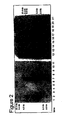
Figure 2 shows Southern analysis of the gfp gene of primary transformant: Bluescript plasmid containing the gfp gene (uncut), 1 copy number control (lane 1), 10 copy number control (lane 2), blank (lane 3), non transgenic onion (lane 4), 7 transgenic onion plants (lanes 5-11), bluescript plasmid containing the gfp gene (uncut), 1 copy number control (lane 12), 10 copy number control (lane 13), blank (lane14), non transgenic onion (lane 15), 6 transgenic onion plants (lanes 16-21). -
Figure 3 shows a Southern blot transgenic antisense root alliinase plants probed with the gfp gene fragment to indicate the presence of the pBINmgfpERantiroot T-DNA sequence.Lane 1 lambda hindIII marker;lane 2 one copy equivalent control pBINmgfpERantiroot,lane 3 five copy control pBINmgfpERantiroot;lane 4 non transformed onion,lane 5 positive control onion transformed with pBINmgfpER; lane 6-10 transgenic plants transformed with pBINmgfpERantiroot (6&7 and 9&10 are separate clones);lane 11 one copy equivalent control pBINmgfpERantiroot,lane 12 five copy control pBINmgfpERantiroot. -
Figure 4 shows a Western blot analysis of alliinase levels in the roots of transgenic and non transgenic onion roots.Lane 1 purified root alliinase control; Lane 2-5 alliinase levels from the roots of four transgenic plants transformed with the pBINmgfpERantiroot DNA;Lane 6 alliinase levels from the roots of a typical non transgenic control plant. -
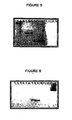
Figures 5 and 6 show a Southern blot analysis of HindIII digested DNA from Onion plants transformed with the modified pCambia 3301 T-DNA,Figure 5 probed with gfp probe.Figure 6 probed with bar gene probe.Lane Lane 3 non-transgenic onion DNA. Lane 4-6 clones of a transformant selected from experiment 994, Lane 7-9 clones of a transformant from experiment 9911. Lane 10-12 control transgenic plants containing the gfp gene and not the bar gene. Lane 13-14, 5 and 10 copy controls of plasmid containing the bar gene (lane 11-14 over washed the gfp probed blot). -
Figure 7 shows a comparison between A, an onion leaf containing the bar gene (two on left) and onion leaves without the bar gene (four on right) 10 days after painting with 0.5% v/v solution of the herbicide Buster and B, C and D showing an onion plant without the bar gene (left) and containing the bar gene (right) 0, 3 and 10 days respectively after spraying with 0.05% w solution of the herbicide Buster. - Plant material: Field grown, open-pollinated umbels of Allium cepa L were used as a source of immature embryos. Immature embryos were isolated as described by Eady et al. (1998).
- Bacterial strain: Agrobacterium tumefaciens strain LBA4404 containing the binary vector pBIN m-grp-ER (Haseloff 1997) or binary vectors derived from p Cambia series were used. Cultures were grown to log phase in LB media containing an appropriate antibiotic and then stored at -80°C in 1 ml aliquots containing 15% glycerol. Aliquots were used to innoculate 50 ml overnight cultures. The following morning cultures were replenished with an equal volume of LB containing antibiotic and 100 µM acetosyringone and grown for a further 4 hours. Agrobacteria were isolated by 10 minute centrifugation at 4500 rpm and resuspended in an equal volume of P5 (Eady and Lister 1998a) containing 200 µM acetosyringone.
- Transformation procedure. Isolated immature embryos were isolated in groups of 20 40, cut into approximately 1 mm sections and then transferred into 0.8 ml of Agrobacteria and vortexed for 30 seconds. Following this treatment, embryos were placed under vacuum ( 20 in. Hg) for 30 minutes before Molting dry on
sterile Whatman # 1 fitter paper and then transfer to solid P5 medium (Eady and Lister 1998) (-40 embryos per plate). After 6 days cocultivation, embryo pieces were transferred to P5 plus 10 mg/l geneticin and -200 mg/l timentin or 5 mg/l of Basta (active ingredient phosphothricin) and 200 mg/l of timentin depending on which binary vector was used. These embryo pieces were cultured in the dark under the same condition as described for the production of secondary embryos (Eady et al. 1998). Cultures were transferred to fresh medium every 2. weeks. After 3-4 transfers, growing material was transferred to P5 plus 25 mg/l geneticin or 5 mg/l Basta depending on the binary vector used and grown for a further B weeks. During this time pieces of putative transgenic tissue that were obviously actively growing were transferred to regeneration medium (Eady et al. 1998). Shoot cultures were maintained for 12 weeks and developing shoots were transferred to 1/2MS media (Murashige and Skoog 1962) plus 20 mg/l geneticin or 5 mg/l of Basta as appropriate to induce rooting. Rooted plants were either transferred to 1/2M5 plus 120 g/l sucrose to induce bulbing or transferred to soil in the glasshouse(12 h 12-23°C day, 12h 4-16°C night). - Analyses for transformation: For GFP expession, tissue was examined by observation under a fluorescence microscope (excitation 475 nm, emission 510 nm Haseloff et al. 1997). Larger tissues with high levels of expression were observed using hand held "shirt pocket" fluorescent lanterns (Zelco industries inc., 630 So, Columbus Ave, Mt Vernon NY 10551-4445). NptII expression was determined by the ability of regenerating plantlets to form roots on 1/2MS containing geneticin, bar expression was determined by the ability of regenerating plantlets to form roots on ½ MS containing Basta.
- DNA isolation was performed using a nucleon phytopure plant DNA extraction kit (Amersham Lifescience, Buckinghamshire, England). Southern analysis followed the . method of Timmerman et al. (1993) and used PCR-amplified probes to confirm the presence of the gfp, nptII and bar genes. Genomic DNA from the onions was digested with HindIII, which cuts once in the middle of the T-DNA.
- Cytology: Chromosome counts were made from the root tips of 2 primary transformants and followed the procedure of Grant et al. (1984).
- After three days of cocultivation, single cells expressing GFP could be observed in tissue transformed with T-DNA containing the mgfpER gene. Attempts to count cells expressing GFP after 5 days were abandoned as the variation within treatments and between embryo pieces was huge, with many embryo pieces showing no fluorescence and some exhibiting hundreds of fluorescing cells (
Fig. 1a ). In the latter case, distinguishing between multicellular 'stable' transformation events and multiple adjacent single-celled 'transient' events was not possible. Thus, large biases in any measurement of initial transfer could have occurred. As an alternative, treatments were given an initial transfer rating: *** being excellent initial transfer (-20-30% of tissue pieces with >20 GFP positive cells per plate), ** represented average initial transfer (5-20% of tissue pieces with some GFP positive cells per plate, and * being poor initial transfer (< 5% of tissue pieces with GFP positive cells per plate) (Table 1). Contamination was a problem in many experiments. Often whole experiments (data not shown) had to be abandoned due to contamination, much of which probably arose from infected embryos.Table 1. Summary of 5 transformation experiments. * - poor, ** - average, *** - excellent initial transfer, see text for details. Numbers in brackets represent the percentage of transformants from uncontaminated embryos (a - represents the stage and treatments which were transferred to the wrong selective media for 4 days). Expt N°. of embryos % of embryos contaminated initial transfer N°. of multicellular GFP tissue pieces Independent plants Positive Southern# 4wk 8wk 1 -400 100 - - - - - 2 -360 40 *** 52(16)a 15(4.6) 2 (0.6) 1 of 1 tested 3 -440 0 *** 72 (16) 44 (10) 12 (2.7) 8 of 8 tested 4 -520 60 ** 8 11 (2.4) 3 (0.7) 2 of 2 tested 5 -200 100 - - - - - - After 2 weeks on selection medium, embryo pieces transformed with pBINmgfpER construct were screened for GFP expression and only pieces containing fluorescing cells were maintained (
Fig. 1b ). The vast majority of fluorescing cells died over the following four weeks. Some fluorescing cells divided into multicellular clusters of up to -50 before their ability to fluoresce gradually faded. One interpretation of this was that the transformed cells were still reliant on surrounding non- transgenic cells, which died due to selection pressure and could no longer support the transgenic cells. The number of stable transgenic sectors arising from different plates within experiments varied from 0 to 21 and reflected the numerous parameters that affect the onion transformation process. Comparison between experiments was initially possible and ranged from * in contaminated samples to *** in non-contaminated samples. Indeed, lack of good initial transfer was often an early indication of contamination. Eady et al. (1998) and Eady and Lister (1998ab) demonstrated that genotype, condition of the embryo, size of the embryo, cocultivation conditions and selection pressure all affect embryo survival. The combined effects of these parameters and their interaction with the transformation process will, until they can be controlled, continue to make the success of onion transformation susceptible to large variation. - After 6 weeks of cultures, tissue was transferred to a selective medium without timentin. No growth of Agrobacterium was observed in any of the cultures grown on this medium. Fluorescing sectors continued to grow on this media and after 2 transfers it was possible to isolate the first sectors free from non-fluorescing cells (
Fig. 1c ). As sectors became independent (Fig. 1d ) they were transferred to regeneration medium. A few sectors still attached to non-fluorescing tissue were also transferred. On regeneration medium transgenic cultures responded in the same way as non-transgenic, embryo-derived cultures (Eady et al. 1998). Multiple shoots formed on many of the independent transgenic cultures. However, some, particularly the slower growing or more friable dedifferentiated cultures, either failed to regenerate or produced highly hyperhydric shoots that could not be transferred to the glasshouse. Up to 29% of stable sectors produced shoot cultures from which plants could be obtained (Table 1). These responses to regeneration are typical of those seen in non-transformed embryogenic cultures (Eady et al. 1998). Actively growing shoots were transferred to rooting medium containing an appropriate selective agent. In the instances where non-fluorescing cells were also transferred to shoot media some shoots were produced that failed to root on geneticin. These did not fluoresce. All plants that formed actively growing roots on geneticin also fluoresced (Fig. 1f ), indicating that in all instances the complete T-DNA was transferred. Fluorescence in the differentiated structures varied, with most fluorescence being seen in root tips. In shoots, strong fluorescence was limited to young shoots (Fig. 1e ). However, GFP fluorescence in shoots was usually masked by red autofluorescence from the chlorophyll. The presence of GFP fluorescence in older leaves could sometimes be observed in the stomatal guard cells. - The multiple shoot cultures enabled clonal plants from independent transgenic events to be grown. This was particularly important as earlier attempts to exflask putative transgenic plants had failed (Eady and Lister 1995b). In the first successful transformation experiment described here only 4 from 48 transgenic plants transferred to the soil have died. A total of 14 independent transformants have been transferred to the containment glasshouse.
- Apart from fluorescence and growth on geneticin, transformation of onion plants was confirmed by Southern analysis, probing with the gfp gene (
Fig. 2 ). As HindIII cuts the T-DNA only once it was possible to show copy number from the Southern analysis, Ten of the 13 transformants shown have single copies. The other 3 have 2 (lane 8). 3 [lane 18) and multiple copies (lane 7).Lanes - Chromosome counts in the 2 primary transformants tested showed a diploid 12n = 16) chromosome complement.
- Onion immature embryos were transformed according to the protocol of Eady et al (1999) with the pBINmgfpER plasmid (Haseloff 1997) modified to contain the antisense root alliinase gene construct. The BamH1 to Kpn1 fragment of the root alliinase gene was cloned into the BamH1 - Kpn1 sites in the cloning vector pART7. This gave a antisense version of the root alliinase sequence under control of the CaMV35s regulatory element and ocs termination sequence in pART7. The not1 fragment of this modified pART7 (containing the above CaMV35s promoter - antisense root alliinase - ocs termination) was then cloned into the Hind11 site of pBINmgfpER. Digestion of this plasmid (pBINmgfpERantiroot) with BamH1 to liberate a 1.6Kb fragment was used to determine presence and orientation of the insert. PBINmgfpERantiroot was electroporated into Agrobacterium tumefaciens strain LBA4404 and grown on kanamycin to select for transformants. Presence of the binary vector was confirmed by plasmid isolation and PCR for the gfp gene. LBA4404 (pBINmgfpERantiroot) was used in transformation experiments.
- Six putative transformants that fluoresced (to indicate the presence of the gfp gene) and grew on media containing geneticin (to indicate presence of the nptII gene) were obtained from three experiments. Three of these transformants or clones thereof were analysed by Southern Blot analysis for the successful transfer of the T-DNA insert from the binary vector by probing with both gfp and nptII gene probes. Roots from these plants were also analyse biochemically for root alliinase enzyme activity following the protocol of Clark et al (1998) (Table 2). Western Blots of the desalted protein (0.5µg/lane) extracts were probed with an anti-alliinase antibody and visualised colourmetrically using a goat-antirabbit-alkaline phosphatase system to determine the relative levels of alliinase enzyme in the transgenic plants.
Table 2: Plant Alliinase activity (U/mg protein) Non transgenic CLK control (9910) 14.0 transformant 992.11F1 3.4 transformant 994.7G1 11.9 transformant 992.11F2 9.6 transformant 992.9A1 6.3 - All three plants analysed contained at least one copy of the T-DNA sequence containing the antisense root alliinase DNA sequence (
Figure 3 ) indicating that integration of modified alliinase sequences into Allium species had been achieved. Both nptll and gfp sequences which flanked the antisense aliinase gene on the T-DNA could be deleted indicating successful transfer of the complete T-DNA in all cases. - The Western blot of
Figure 4 shows the relative amounts of the root alliinase in protein extracts taken from the transgenic and control roots. These extracts were run on a 10% SDS page gel to separate the proteins and then transferred to nitrocellulose paper using standard techniques. This was then incubated with rabbit polyclonal antibodies raised against the purified alliinase (Clark S. A. 1993. Molecular cloning and cDNA encoding Alliinase from onion (Allium cepa L), Ph D. thesis, University of Canterbury, Christchurch, New Zealand). These antibodies have been shown to bind specifically to the alliinase protein. Goat anti-rabbit alkaline phosphatase was added to specifically bind this antibody and after washing, the membrane was immersed in NBT (4 nitrotetrazolium chloride) and BCIP (5bromo 4chloro 3 indolyl phosphate) for 30 minutes in the dark. Colour develops at the site of the phosphatase in proportion to the amount alliinase present. The Western blot therefore shows the relative amounts of alliinase protein present in the roots of the transgenic and control onion plants. The control onion plant has the greatest colour development and has the most alliinase per unit of root protein. The intensity relates to the activity of the enzyme shown in the table and indicates that the activity is related to the amount of alliinase protein and not changes in enzyme activity. This is what is expected when using antisense technology to reduce enzyme activity. - Onion immature embryos were transformed according to the protocol with the plasmid pCambia3301 modified, using standard cloning techniques, to contain the mgfpER reporter gene construct instead of the gus reporter gene. This construct, contained within its T-DNA region the bar gene encoding resistance to the herbicide phosphinothricin and the visual reporter gene mgfpER both under regulatory control of the CaMV35s promoter. In two separate experiments, 994 and 9911 onion immature embryos from
cultivar Cron 19 and CLK respectively were transformed with the above construct. In experiment 994 transformants were selected using the visual marker (GFP expression) and growth on herbicide, whilst on P5 media only. In experiment 9911 only selection on herbicide was used to select for transformation. Selection conditions in both experiments consisted of growth on P5 media containing 5mg/l of the herbicide Basta (containing phosphinothricin) and 200mg/l of timentin for 4-6 weeks with fortnightly subculture. Following this, cultures were transferred to P5 media plus 5mg/l Basta for a further 4 weeks of culture. Cultures were then transferred to SM4 media for 6 weeks. In experiment 9911 the SM4 media included 5mg/l Basta, Shoots from 9911 were rooted on 1/2MS30 plus 5mg/l Basta. Shoots from experiment 994 were just rooted in 1 /2MS30. Once vigorous root growth was established plants were transferred to the glasshouse. - Putative transgenic plants were produced from both
experiments 3 from 994 and 4 from 9911. Southern Biot analysis of clones of one transformant from each experiment demonstrated that the gfp gene was present in plants from both experiments and that both cultivars could be transformed (Figure 5 ). When this blot was subsequently reprobed for the presence of the bar gene (Figure 6 ) only the plants selected solely on the basis of the herbicide resistance were shown to contain the bar gene. These plants were then used for herbicide leaf paint assays and subsequently sprayed with recommended field application rates of the herbicide Buster (active ingredient phosphinothricin). Control plants containing no bar gene showed noticeable wilt after 3 days and were essentially dead after 10 days following application of the herbicide, whilst the plants that contained the bar gene and had been selected on herbicide did not appear to be harmed and grew normally (Figure 7 ). - Further to examples 1-5, additional transgenic plants containing variations of the antisense alliinase construct (outlined in example 4) have been produced in
additional cultivars CRON 12, CRON19 and CRON2. The nature of these plants has been confirmed by GFP expression where appropriate and regeneration on media containing geneticin. A summary of the plants produced in all the examples outlined above is given in table 3 to demonstrate the plasticity of the transformation system. In experiments that were not contaminated transgenic plants have been obtained from all cultivars so far tested.Table 3 frustrating the different binary vectors, T-DNA, cultivars and selective agents used in the Allium transformation protocol outlined and the measures taken thus far to determine the nature of the transformants. Experiment number Binary vector used for transformation (T-DNA in brackets) Cultivar used Number of independent transformed lines produced Number of plants produced GFP +ve Growth on selective agent (geneticin or Basta) Southern Analysis and probe used 98/7,8,9 pBIN(mgfpER) CLK >10 >100 yes yes (geneticin) 12/12 tested (gfp) 99/2 pBIN(antiroot-mgfpER) CRON12 3 >40 yes yes (geneticin) 5/5 tested (gfp & nntII) 99/3 pBIN(35antibulb-mgfpER) CRON19 1 12 yes yes (geneticin) yet to be tested 99/3 pBIN(35antibulb-mgfpER) CRON2 3 7 yes yes (geneticin) yet to be tested 99/4 pBIN(antiroot-mgfpER) CRON19 1 3 yes yes (geneticin) yet to be tested 99/4 pCambia3301 (modified) CRON19 1 10 yes ?(phosphinothricin) 3/3(gfp) tested
0/3(bar) tested99/6 pCambia3301 (modified) CRON12 1 2 yes ?(phosphinothricin) yet to be tested 99/6 pBIN(antiroot-mgfhER) CRON12 1 1 yes yes (geneticin) yet to be tested 99/7 pBIN(mgfbER) CRON19 1 >12 yes yes (geneticin) yet to be tested 99/11 pCambia3301 (modified) CLK 3 >10 ? Yes (phosphinothricin) 3/3 (gfp & bar) tested 99/12 pBIN(bulbpromoterantib ulb-mgfpER) CLK 1 1 yes yes yet to be tested (Basta = phosphinothricin) - We have developed a repeatable transformation system for onion. The regenerating primary transformants appear to be phenotypically normal. The GFP expression, as a visual selectable marker, enabled post transformation selection conditions to be optimised. The GFP marker has also proved useful in the selection of transgenic plants from other species that are difficult to transform (Vain et al. 1998). Selection conditions have now been established, which enable the identification of transformants solely on their ability to root in selective media (example 5);
- This method of producing transgenic onions is repeatable and efficient. It takes a short time to produce transgenic plants and utilizes techniques have been shown to be cultivar independent (Example 6).
- For example, this described process of transformation can be used with any species within the Allium and is not limited to onions. Work has shown that the described process of transformation is genotype independent.
- The invention provides a novel method of transforming plants of the genus Allium and in particular onion plants. This allows Allium crop species which are an economically important vegetable species to be transformed by a variety of genes for improvement of Allium crop varieties.
-
- Barandiaran X, Dipietro A, Martin J (1998). Plant Cell Reports 17,737-741.
- Dommisse EM, Leung DM, Shaw M L, Conner A J (1990). Plant Science 69,249-257.
- Eady CC, Lister CE (1998a). Plant Cell Reports 18 : 117-12 1.
- Eady CC, Lister CE (1998b). In: Proceedings of the Second International Symposium on Edible Alliaceae, Adelaide Australia. Acta Horticulturae In press Eady CC, Suo Y,
- Butler RC (1998). Plant Cell Reports 18 : 111-116.
- Eady CC, Lister CE, Suo Y, Schaper D (1996). Plant Cell Reports 15,958-962.
- Grant J, Brown A, Grace J (1984). Australian Journal of Botany 32,665-677.
- Haseloff J, Siemering KR, Prasher DC, Hodge S (1997). Proceedings of the National Academy of Sciences of the United States of America 94,2122-2127.
- Hong W, Debergh P (1995). Plant Cell Tissue & Organ Culture 43,21-28.
- Klein TM, Wolf ED, Wu R, Sanford JC (1987). Nature 327,70-73.
- Murashige T, Skoog F (1962). Physiol Plant 15,473-497.
- Saker MM (1998). Biologia Plantarum 40,499-506.
- Timmerman GM, Frew T J, Miller AL, Weeden NF, Jermyn WA (1993). Theoretical and Applied Genetics 85, 809-615.
- Vain P, Worland B. Kohli A, Snape JW, Christou P (1998). Theoretical & Applied Genetics 96, 164-169.
- Xue HM, Araki H. Kanazawa T, Harada T, Yakuwa T (1997). Journal of the Japanese Society for .
Claims (8)
- A, method of transforming Allium using immature embryos as an explant source, which comprises the following steps:(a) isolating immature embryos of the Allium plant to be transformed;(b) transforming cells of the immature embryos with an Agrobacterium tumefaciens strain containing suitable vector or plasmid, by(i) wounding the embryo cells and transferring the embryo cells into a suspension of agrobacterium;(ii) transferring the embryo cells from step (i) to a culture medium;(iii) co-cultivating the embryo cells;(c) selecting the transformed plant material derived from step b) by transferring embryos cells to a selective medium;(d) culturing transformed material from (c) under conditions for the production of secondary embryos;(e) selecting putative transgenic cultures;(f) transferring cultures from (e) to regeneration medium to regenerate plants
- A method according to claims 1 in which the plants are onions.
- A method according to claim 1 or 2 wherein the plant is transformed with an Agrobacterium tunefaciens strain containing a vector which carries a selectable gene.
- A method according to claim 3 in which the selectable gene is a herbicide resistance gene.
- A method according to claim 4 in which the herbicide resistance gene is the bar gene or a glyphosate resistance gene.
- A method according to claim 3 in which the selectable gene is an antibiotic resistance gene,
- A method according to claim 6 in which the antibiotic resistance gene is the nptll gene.
- A method according to any one of claims 1-7 wherein the plant is transformed with an antisense allinase gene construct.
Applications Claiming Priority (3)
| Application Number | Priority Date | Filing Date | Title |
|---|---|---|---|
| NZ33399299 | 1999-01-29 | ||
| NZ33399299 | 1999-01-29 | ||
| PCT/NZ1999/000214 WO2000044919A1 (en) | 1999-01-29 | 1999-12-10 | Transformation and regeneration of allium plants |
Publications (3)
| Publication Number | Publication Date |
|---|---|
| EP1144664A1 EP1144664A1 (en) | 2001-10-17 |
| EP1144664A4 EP1144664A4 (en) | 2003-05-21 |
| EP1144664B1 true EP1144664B1 (en) | 2011-04-13 |
Family
ID=19927131
Family Applications (1)
| Application Number | Title | Priority Date | Filing Date |
|---|---|---|---|
| EP99962589A Expired - Lifetime EP1144664B1 (en) | 1999-01-29 | 1999-12-10 | Transformation and regeneration of allium plants |
Country Status (9)
| Country | Link |
|---|---|
| US (2) | US7112720B1 (en) |
| EP (1) | EP1144664B1 (en) |
| AT (1) | ATE505554T1 (en) |
| AU (1) | AU763531C (en) |
| CA (1) | CA2361143C (en) |
| DE (1) | DE69943353D1 (en) |
| DK (1) | DK1144664T3 (en) |
| ES (1) | ES2364560T3 (en) |
| WO (1) | WO2000044919A1 (en) |
Families Citing this family (6)
| Publication number | Priority date | Publication date | Assignee | Title |
|---|---|---|---|---|
| US7067719B1 (en) | 1999-05-05 | 2006-06-27 | Seminis Vegetable Seeds, Inc. | Transformation of Allium sp. with Agrobacterium using embryogenic callus cultures |
| AU780954B2 (en) * | 1999-05-05 | 2005-04-28 | Seminis Vegetable Seeds, Inc. | Transformation of (allium sp.) with (agrobacterium) using embryogenic callus cultures |
| KR100510960B1 (en) * | 2001-08-22 | 2005-08-30 | 제노마인(주) | Gene controlling life span of leaves in plants and method for controlling life span of plants using the gene |
| CN101113458B (en) * | 2007-06-28 | 2010-05-19 | 广东省农业科学院作物研究所 | Agrobacterium mediated onion epidermis cell conversion method |
| NZ562781A (en) * | 2007-10-24 | 2010-02-26 | Nz Inst Plant & Food Res Ltd | Allium transformation |
| DK2992756T3 (en) * | 2013-05-01 | 2019-01-07 | House Foods Group Inc | Reduced onions that do not generate tear-inducing component |
Family Cites Families (10)
| Publication number | Priority date | Publication date | Assignee | Title |
|---|---|---|---|---|
| JP3090680B2 (en) | 1989-10-18 | 2000-09-25 | 湧永製薬株式会社 | Spider virus gene |
| NL9002116A (en) * | 1990-09-27 | 1992-04-16 | Clovis Matton N V | METHOD FOR GENETICALLY MANIPULATING PLANT CELLS, RECOMBINANT PLASMID, RECOMBINANT BACTERIA, PLANTS. |
| US5932782A (en) * | 1990-11-14 | 1999-08-03 | Pioneer Hi-Bred International, Inc. | Plant transformation method using agrobacterium species adhered to microprojectiles |
| ZA973952B (en) * | 1996-05-09 | 1997-12-04 | Pioneer Hi Bred Int | Methods and compositions for production of plant foodstuffs with enhanced sweet component of flavor. |
| EP0856060A2 (en) * | 1996-06-21 | 1998-08-05 | Monsanto Company | METHODS FOR THE PRODUCTION OF STABLY-TRANSFORMED, FERTILE WHEAT EMPLOYING $i(AGROBACTERIUM)-MEDIATED TRANSFORMATION AND COMPOSITIONS DERIVED THEREFROM |
| GB9706469D0 (en) | 1997-03-27 | 1997-05-14 | Zeneca Ltd | Genetic method |
| US6583335B1 (en) * | 1997-04-18 | 2003-06-24 | Texas Tech University | Direct transformation of higher plants through pollen tube pathway |
| AU736349B2 (en) * | 1997-08-25 | 2001-07-26 | Nunhems Zaden Bv | Improved agrobacterium-mediated transformation of plants |
| WO2000032781A1 (en) * | 1998-11-30 | 2000-06-08 | New Zealand Institute For Crop & Food Research Limited | A sulfur metabolizing gene from the roots of onion |
| AU780954B2 (en) * | 1999-05-05 | 2005-04-28 | Seminis Vegetable Seeds, Inc. | Transformation of (allium sp.) with (agrobacterium) using embryogenic callus cultures |
-
1999
- 1999-12-10 EP EP99962589A patent/EP1144664B1/en not_active Expired - Lifetime
- 1999-12-10 DK DK99962589.0T patent/DK1144664T3/en active
- 1999-12-10 DE DE69943353T patent/DE69943353D1/en not_active Expired - Lifetime
- 1999-12-10 WO PCT/NZ1999/000214 patent/WO2000044919A1/en not_active Ceased
- 1999-12-10 CA CA2361143A patent/CA2361143C/en not_active Expired - Fee Related
- 1999-12-10 AU AU18996/00A patent/AU763531C/en not_active Ceased
- 1999-12-10 AT AT99962589T patent/ATE505554T1/en active
- 1999-12-10 US US09/890,064 patent/US7112720B1/en not_active Expired - Fee Related
- 1999-12-10 ES ES99962589T patent/ES2364560T3/en not_active Expired - Lifetime
-
2006
- 2006-07-28 US US11/494,734 patent/US7737328B2/en not_active Expired - Fee Related
Also Published As
| Publication number | Publication date |
|---|---|
| ATE505554T1 (en) | 2011-04-15 |
| CA2361143C (en) | 2010-10-12 |
| DK1144664T3 (en) | 2011-08-01 |
| AU1899600A (en) | 2000-08-18 |
| AU763531C (en) | 2004-02-26 |
| WO2000044919A1 (en) | 2000-08-03 |
| US7112720B1 (en) | 2006-09-26 |
| US7737328B2 (en) | 2010-06-15 |
| AU763531B2 (en) | 2003-07-24 |
| DE69943353D1 (en) | 2011-05-26 |
| ES2364560T3 (en) | 2011-09-06 |
| US20070192894A1 (en) | 2007-08-16 |
| CA2361143A1 (en) | 2000-08-03 |
| EP1144664A4 (en) | 2003-05-21 |
| EP1144664A1 (en) | 2001-10-17 |
Similar Documents
| Publication | Publication Date | Title |
|---|---|---|
| Eady et al. | Agrobacterium tumefaciens-mediated transformation and transgenic-plant regeneration of onion (Allium cepa L.) | |
| US6037522A (en) | Agrobacterium-mediated transformation of monocots | |
| JP6990653B2 (en) | Methods and compositions for rapid plant transformation | |
| Li et al. | Genetic transformation of cassava (Manihot esculenta Crantz) | |
| WO1989012102A1 (en) | Method for transforming plants via the shoot apex | |
| AU2594300A (en) | Plant transformation process | |
| US20220170033A1 (en) | Plant explant transformation | |
| Tyagi et al. | Regeneration and Agrobacterium-mediated transformation of a popular indica rice variety, ADT39 | |
| Charity et al. | Consistent and stable expression of the npt II, uid A and bar genes in transgenic Pinus radiata after Agrobacterium tumefaciens-mediated transformation using nurse cultures | |
| Solleti et al. | Additional virulence genes in conjunction with efficient selection scheme, and compatible culture regime enhance recovery of stable transgenic plants in cowpea via Agrobacterium tumefaciens-mediated transformation | |
| US5567599A (en) | Method for producing transformed chrysanthemum plants | |
| Uranbey et al. | Influence of different co-cultivation temperatures, periods and media on Agrobacterium tumefaciens-mediated gene transfer | |
| Jeknic et al. | Genetic transformation of Iris germanica mediated by Agrobacterium tumefaciens | |
| AU763531C (en) | Transformation and regeneration of allium plants | |
| Scorza et al. | Genetic transformation in Prunus persica (peach) and Prunus domestica (plum) | |
| Al-Forkan et al. | Agrobacterium-mediated transformation of Bangladeshi Indica rices | |
| CA2265570A1 (en) | Method for selecting transformed cells | |
| Clapham et al. | Transformation of Picea species | |
| Bosque-Pérez et al. | Applicability of an Agrobacterium-based system for the transformation of Musa species with diverse genomic constitution and ploidy level | |
| EP2211604B1 (en) | Transformation and regeneration allium plants | |
| Tran et al. | Study on plant regeneration and fungal disease resistant gene transformation for Vietnamese ginger(Zingiber officinale Rosc.) via Agrobacterium–mediated method | |
| Sumithra | Genetic transformation studies in cotton | |
| NISHANI | MASTER OF SCIENCE (AGRICULTURE) | |
| Dommisse | Development of an Agrobacterium transformation system for onion (Allium cepa L.) | |
| Samuels | Optimization of apex-mediated DNA transformation in rice |
Legal Events
| Date | Code | Title | Description |
|---|---|---|---|
| PUAI | Public reference made under article 153(3) epc to a published international application that has entered the european phase |
Free format text: ORIGINAL CODE: 0009012 |
|
| 17P | Request for examination filed |
Effective date: 20010809 |
|
| AK | Designated contracting states |
Kind code of ref document: A1 Designated state(s): AT BE CH CY DE DK ES FI FR GB GR IE IT LI LU MC NL PT SE |
|
| AX | Request for extension of the european patent |
Free format text: AL PAYMENT 20010809;LT PAYMENT 20010809;LV PAYMENT 20010809;MK PAYMENT 20010809;RO PAYMENT 20010809;SI PAYMENT 20010809 |
|
| A4 | Supplementary search report drawn up and despatched |
Effective date: 20030403 |
|
| 17Q | First examination report despatched |
Effective date: 20030916 |
|
| 17Q | First examination report despatched |
Effective date: 20030916 |
|
| RAP1 | Party data changed (applicant data changed or rights of an application transferred) |
Owner name: THE NEW ZEALAND INSTITUTE FOR PLANT AND FOOD RESEA |
|
| GRAP | Despatch of communication of intention to grant a patent |
Free format text: ORIGINAL CODE: EPIDOSNIGR1 |
|
| GRAS | Grant fee paid |
Free format text: ORIGINAL CODE: EPIDOSNIGR3 |
|
| GRAA | (expected) grant |
Free format text: ORIGINAL CODE: 0009210 |
|
| AK | Designated contracting states |
Kind code of ref document: B1 Designated state(s): AT BE CH CY DE DK ES FI FR GB GR IE IT LI LU MC NL PT SE |
|
| AX | Request for extension of the european patent |
Extension state: AL LT LV MK RO SI |
|
| REG | Reference to a national code |
Ref country code: GB Ref legal event code: FG4D |
|
| REG | Reference to a national code |
Ref country code: CH Ref legal event code: EP |
|
| REG | Reference to a national code |
Ref country code: IE Ref legal event code: FG4D |
|
| REF | Corresponds to: |
Ref document number: 69943353 Country of ref document: DE Date of ref document: 20110526 Kind code of ref document: P |
|
| REG | Reference to a national code |
Ref country code: DE Ref legal event code: R096 Ref document number: 69943353 Country of ref document: DE Effective date: 20110526 |
|
| REG | Reference to a national code |
Ref country code: NL Ref legal event code: T3 |
|
| REG | Reference to a national code |
Ref country code: DK Ref legal event code: T3 |
|
| REG | Reference to a national code |
Ref country code: SE Ref legal event code: TRGR |
|
| REG | Reference to a national code |
Ref country code: ES Ref legal event code: FG2A Ref document number: 2364560 Country of ref document: ES Kind code of ref document: T3 Effective date: 20110906 |
|
| LTIE | Lt: invalidation of european patent or patent extension |
Effective date: 20110413 |
|
| PG25 | Lapsed in a contracting state [announced via postgrant information from national office to epo] |
Ref country code: CY Free format text: LAPSE BECAUSE OF FAILURE TO SUBMIT A TRANSLATION OF THE DESCRIPTION OR TO PAY THE FEE WITHIN THE PRESCRIBED TIME-LIMIT Effective date: 20110413 Ref country code: FI Free format text: LAPSE BECAUSE OF FAILURE TO SUBMIT A TRANSLATION OF THE DESCRIPTION OR TO PAY THE FEE WITHIN THE PRESCRIBED TIME-LIMIT Effective date: 20110413 Ref country code: GR Free format text: LAPSE BECAUSE OF FAILURE TO SUBMIT A TRANSLATION OF THE DESCRIPTION OR TO PAY THE FEE WITHIN THE PRESCRIBED TIME-LIMIT Effective date: 20110714 |
|
| PLBE | No opposition filed within time limit |
Free format text: ORIGINAL CODE: 0009261 |
|
| STAA | Information on the status of an ep patent application or granted ep patent |
Free format text: STATUS: NO OPPOSITION FILED WITHIN TIME LIMIT |
|
| 26N | No opposition filed |
Effective date: 20120116 |
|
| REG | Reference to a national code |
Ref country code: DE Ref legal event code: R097 Ref document number: 69943353 Country of ref document: DE Effective date: 20120116 |
|
| PG25 | Lapsed in a contracting state [announced via postgrant information from national office to epo] |
Ref country code: MC Free format text: LAPSE BECAUSE OF NON-PAYMENT OF DUE FEES Effective date: 20111231 |
|
| REG | Reference to a national code |
Ref country code: IE Ref legal event code: MM4A |
|
| PG25 | Lapsed in a contracting state [announced via postgrant information from national office to epo] |
Ref country code: IE Free format text: LAPSE BECAUSE OF NON-PAYMENT OF DUE FEES Effective date: 20111210 |
|
| PG25 | Lapsed in a contracting state [announced via postgrant information from national office to epo] |
Ref country code: LU Free format text: LAPSE BECAUSE OF NON-PAYMENT OF DUE FEES Effective date: 20111210 |
|
| PG25 | Lapsed in a contracting state [announced via postgrant information from national office to epo] |
Ref country code: PT Free format text: LAPSE BECAUSE OF FAILURE TO SUBMIT A TRANSLATION OF THE DESCRIPTION OR TO PAY THE FEE WITHIN THE PRESCRIBED TIME-LIMIT Effective date: 20110413 |
|
| PGFP | Annual fee paid to national office [announced via postgrant information from national office to epo] |
Ref country code: CH Payment date: 20141204 Year of fee payment: 16 Ref country code: DK Payment date: 20141222 Year of fee payment: 16 Ref country code: GB Payment date: 20141105 Year of fee payment: 16 Ref country code: ES Payment date: 20141111 Year of fee payment: 16 Ref country code: SE Payment date: 20141219 Year of fee payment: 16 |
|
| PGFP | Annual fee paid to national office [announced via postgrant information from national office to epo] |
Ref country code: AT Payment date: 20141222 Year of fee payment: 16 Ref country code: NL Payment date: 20141128 Year of fee payment: 16 |
|
| PGFP | Annual fee paid to national office [announced via postgrant information from national office to epo] |
Ref country code: IT Payment date: 20141125 Year of fee payment: 16 |
|
| PGFP | Annual fee paid to national office [announced via postgrant information from national office to epo] |
Ref country code: BE Payment date: 20141107 Year of fee payment: 16 Ref country code: DE Payment date: 20141218 Year of fee payment: 16 |
|
| PGFP | Annual fee paid to national office [announced via postgrant information from national office to epo] |
Ref country code: FR Payment date: 20141107 Year of fee payment: 16 |
|
| PG25 | Lapsed in a contracting state [announced via postgrant information from national office to epo] |
Ref country code: BE Free format text: LAPSE BECAUSE OF NON-PAYMENT OF DUE FEES Effective date: 20151231 |
|
| REG | Reference to a national code |
Ref country code: DE Ref legal event code: R119 Ref document number: 69943353 Country of ref document: DE |
|
| REG | Reference to a national code |
Ref country code: DK Ref legal event code: EBP Effective date: 20151231 |
|
| REG | Reference to a national code |
Ref country code: CH Ref legal event code: PL |
|
| REG | Reference to a national code |
Ref country code: SE Ref legal event code: EUG |
|
| REG | Reference to a national code |
Ref country code: AT Ref legal event code: MM01 Ref document number: 505554 Country of ref document: AT Kind code of ref document: T Effective date: 20151210 |
|
| GBPC | Gb: european patent ceased through non-payment of renewal fee |
Effective date: 20151210 |
|
| PG25 | Lapsed in a contracting state [announced via postgrant information from national office to epo] |
Ref country code: SE Free format text: LAPSE BECAUSE OF NON-PAYMENT OF DUE FEES Effective date: 20151211 |
|
| REG | Reference to a national code |
Ref country code: NL Ref legal event code: MM Effective date: 20160101 |
|
| REG | Reference to a national code |
Ref country code: FR Ref legal event code: ST Effective date: 20160831 |
|
| PG25 | Lapsed in a contracting state [announced via postgrant information from national office to epo] |
Ref country code: DE Free format text: LAPSE BECAUSE OF NON-PAYMENT OF DUE FEES Effective date: 20160701 Ref country code: NL Free format text: LAPSE BECAUSE OF NON-PAYMENT OF DUE FEES Effective date: 20160101 Ref country code: LI Free format text: LAPSE BECAUSE OF NON-PAYMENT OF DUE FEES Effective date: 20151231 Ref country code: CH Free format text: LAPSE BECAUSE OF NON-PAYMENT OF DUE FEES Effective date: 20151231 Ref country code: GB Free format text: LAPSE BECAUSE OF NON-PAYMENT OF DUE FEES Effective date: 20151210 |
|
| PG25 | Lapsed in a contracting state [announced via postgrant information from national office to epo] |
Ref country code: FR Free format text: LAPSE BECAUSE OF NON-PAYMENT OF DUE FEES Effective date: 20151231 Ref country code: AT Free format text: LAPSE BECAUSE OF NON-PAYMENT OF DUE FEES Effective date: 20151210 |
|
| PG25 | Lapsed in a contracting state [announced via postgrant information from national office to epo] |
Ref country code: IT Free format text: LAPSE BECAUSE OF NON-PAYMENT OF DUE FEES Effective date: 20151210 |
|
| PG25 | Lapsed in a contracting state [announced via postgrant information from national office to epo] |
Ref country code: DK Free format text: LAPSE BECAUSE OF NON-PAYMENT OF DUE FEES Effective date: 20151231 |
|
| REG | Reference to a national code |
Ref country code: ES Ref legal event code: FD2A Effective date: 20170301 |
|
| PG25 | Lapsed in a contracting state [announced via postgrant information from national office to epo] |
Ref country code: ES Free format text: LAPSE BECAUSE OF NON-PAYMENT OF DUE FEES Effective date: 20151211 |