EP1143981B1 - Use of n-glycolneuraminic acid and its derivatives for the manufacture of a medicament for the treatment of hiv infections - Google Patents
Use of n-glycolneuraminic acid and its derivatives for the manufacture of a medicament for the treatment of hiv infections Download PDFInfo
- Publication number
- EP1143981B1 EP1143981B1 EP99967738A EP99967738A EP1143981B1 EP 1143981 B1 EP1143981 B1 EP 1143981B1 EP 99967738 A EP99967738 A EP 99967738A EP 99967738 A EP99967738 A EP 99967738A EP 1143981 B1 EP1143981 B1 EP 1143981B1
- Authority
- EP
- European Patent Office
- Prior art keywords
- glycolylneuraminic acid
- glycolylneuraminic
- acid
- hiv
- lukor
- Prior art date
- Legal status (The legal status is an assumption and is not a legal conclusion. Google has not performed a legal analysis and makes no representation as to the accuracy of the status listed.)
- Expired - Lifetime
Links
- 238000011282 treatment Methods 0.000 title claims description 21
- 239000002253 acid Substances 0.000 title claims description 6
- 238000004519 manufacturing process Methods 0.000 title claims description 6
- 208000031886 HIV Infections Diseases 0.000 title description 35
- 239000003814 drug Substances 0.000 title description 16
- FDJKUWYYUZCUJX-KVNVFURPSA-N N-glycolylneuraminic acid Chemical compound OC[C@H](O)[C@H](O)[C@@H]1O[C@](O)(C(O)=O)C[C@H](O)[C@H]1NC(=O)CO FDJKUWYYUZCUJX-KVNVFURPSA-N 0.000 claims abstract description 108
- FDJKUWYYUZCUJX-UHFFFAOYSA-N N-glycolyl-beta-neuraminic acid Natural products OCC(O)C(O)C1OC(O)(C(O)=O)CC(O)C1NC(=O)CO FDJKUWYYUZCUJX-UHFFFAOYSA-N 0.000 claims abstract description 91
- SUHQNCLNRUAGOO-UHFFFAOYSA-N N-glycoloyl-neuraminic acid Natural products OCC(O)C(O)C(O)C(NC(=O)CO)C(O)CC(=O)C(O)=O SUHQNCLNRUAGOO-UHFFFAOYSA-N 0.000 claims abstract description 90
- 208000036142 Viral infection Diseases 0.000 claims abstract description 4
- 230000009385 viral infection Effects 0.000 claims abstract description 4
- 241000725303 Human immunodeficiency virus Species 0.000 claims description 24
- 208000015181 infectious disease Diseases 0.000 claims description 14
- 239000003443 antiviral agent Substances 0.000 claims description 9
- 239000000137 peptide hydrolase inhibitor Substances 0.000 claims description 4
- 239000003419 rna directed dna polymerase inhibitor Substances 0.000 claims description 4
- 230000003612 virological effect Effects 0.000 claims description 4
- 239000012472 biological sample Substances 0.000 claims description 3
- 238000001990 intravenous administration Methods 0.000 claims description 3
- 239000008194 pharmaceutical composition Substances 0.000 claims description 3
- -1 sulphated N-glycolylneuraminic acid phosphorylated N-glycolylneuraminic acid Chemical class 0.000 claims description 3
- 229940124158 Protease/peptidase inhibitor Drugs 0.000 claims description 2
- 150000003839 salts Chemical class 0.000 claims 6
- 238000011321 prophylaxis Methods 0.000 claims 1
- 238000007920 subcutaneous administration Methods 0.000 claims 1
- 238000000034 method Methods 0.000 abstract description 8
- 210000004027 cell Anatomy 0.000 description 73
- 238000010790 dilution Methods 0.000 description 37
- 239000012895 dilution Substances 0.000 description 37
- 230000000694 effects Effects 0.000 description 33
- 102100034343 Integrase Human genes 0.000 description 23
- 230000005764 inhibitory process Effects 0.000 description 23
- 108010092799 RNA-directed DNA polymerase Proteins 0.000 description 22
- 210000004369 blood Anatomy 0.000 description 22
- 239000008280 blood Substances 0.000 description 22
- WEVYAHXRMPXWCK-UHFFFAOYSA-N Acetonitrile Chemical compound CC#N WEVYAHXRMPXWCK-UHFFFAOYSA-N 0.000 description 21
- 239000000523 sample Substances 0.000 description 21
- 241000713772 Human immunodeficiency virus 1 Species 0.000 description 20
- 241000700605 Viruses Species 0.000 description 20
- 239000000243 solution Substances 0.000 description 20
- 150000001875 compounds Chemical class 0.000 description 15
- 241001504519 Papio ursinus Species 0.000 description 14
- 238000003556 assay Methods 0.000 description 13
- LOKCTEFSRHRXRJ-UHFFFAOYSA-I dipotassium trisodium dihydrogen phosphate hydrogen phosphate dichloride Chemical compound P(=O)(O)(O)[O-].[K+].P(=O)(O)([O-])[O-].[Na+].[Na+].[Cl-].[K+].[Cl-].[Na+] LOKCTEFSRHRXRJ-UHFFFAOYSA-I 0.000 description 12
- 239000000284 extract Substances 0.000 description 12
- 239000002953 phosphate buffered saline Substances 0.000 description 12
- SQVRNKJHWKZAKO-UHFFFAOYSA-N beta-N-Acetyl-D-neuraminic acid Natural products CC(=O)NC1C(O)CC(O)(C(O)=O)OC1C(O)C(O)CO SQVRNKJHWKZAKO-UHFFFAOYSA-N 0.000 description 11
- 208000030507 AIDS Diseases 0.000 description 10
- 208000037357 HIV infectious disease Diseases 0.000 description 10
- SQVRNKJHWKZAKO-PFQGKNLYSA-N N-acetyl-beta-neuraminic acid Chemical compound CC(=O)N[C@@H]1[C@@H](O)C[C@@](O)(C(O)=O)O[C@H]1[C@H](O)[C@H](O)CO SQVRNKJHWKZAKO-PFQGKNLYSA-N 0.000 description 10
- FAPWRFPIFSIZLT-UHFFFAOYSA-M Sodium chloride Chemical compound [Na+].[Cl-] FAPWRFPIFSIZLT-UHFFFAOYSA-M 0.000 description 10
- 208000033519 human immunodeficiency virus infectious disease Diseases 0.000 description 10
- 239000000203 mixture Substances 0.000 description 10
- 239000012085 test solution Substances 0.000 description 10
- XLYOFNOQVPJJNP-UHFFFAOYSA-N water Substances O XLYOFNOQVPJJNP-UHFFFAOYSA-N 0.000 description 10
- 229940079593 drug Drugs 0.000 description 9
- 239000011780 sodium chloride Substances 0.000 description 9
- 238000002474 experimental method Methods 0.000 description 8
- 239000002609 medium Substances 0.000 description 8
- 238000012360 testing method Methods 0.000 description 8
- 150000001720 carbohydrates Chemical class 0.000 description 7
- 235000014633 carbohydrates Nutrition 0.000 description 7
- PEDCQBHIVMGVHV-UHFFFAOYSA-N Glycerine Chemical compound OCC(O)CO PEDCQBHIVMGVHV-UHFFFAOYSA-N 0.000 description 6
- 241001465754 Metazoa Species 0.000 description 6
- 230000000120 cytopathologic effect Effects 0.000 description 6
- OXZOLXJZTSUDOM-UHFFFAOYSA-N fluoro 2,2,2-trifluoroacetate Chemical compound FOC(=O)C(F)(F)F OXZOLXJZTSUDOM-UHFFFAOYSA-N 0.000 description 6
- 238000009472 formulation Methods 0.000 description 6
- 229930182830 galactose Natural products 0.000 description 6
- UCSJYZPVAKXKNQ-HZYVHMACSA-N streptomycin Chemical compound CN[C@H]1[C@H](O)[C@@H](O)[C@H](CO)O[C@H]1O[C@@H]1[C@](C=O)(O)[C@H](C)O[C@H]1O[C@@H]1[C@@H](NC(N)=N)[C@H](O)[C@@H](NC(N)=N)[C@H](O)[C@H]1O UCSJYZPVAKXKNQ-HZYVHMACSA-N 0.000 description 6
- 239000006228 supernatant Substances 0.000 description 6
- RXGJTUSBYWCRBK-UHFFFAOYSA-M 5-methylphenazinium methyl sulfate Chemical compound COS([O-])(=O)=O.C1=CC=C2[N+](C)=C(C=CC=C3)C3=NC2=C1 RXGJTUSBYWCRBK-UHFFFAOYSA-M 0.000 description 5
- 230000000840 anti-viral effect Effects 0.000 description 5
- 238000006243 chemical reaction Methods 0.000 description 5
- 210000003743 erythrocyte Anatomy 0.000 description 5
- 238000004128 high performance liquid chromatography Methods 0.000 description 5
- 238000011534 incubation Methods 0.000 description 5
- 239000000546 pharmaceutical excipient Substances 0.000 description 5
- 108010086652 phytohemagglutinin-P Proteins 0.000 description 5
- 238000002360 preparation method Methods 0.000 description 5
- 239000003104 tissue culture media Substances 0.000 description 5
- 108091003079 Bovine Serum Albumin Proteins 0.000 description 4
- 108010010369 HIV Protease Proteins 0.000 description 4
- 241000282412 Homo Species 0.000 description 4
- 241000700159 Rattus Species 0.000 description 4
- 241000713311 Simian immunodeficiency virus Species 0.000 description 4
- 238000010306 acid treatment Methods 0.000 description 4
- 239000000427 antigen Substances 0.000 description 4
- 102000036639 antigens Human genes 0.000 description 4
- 108091007433 antigens Proteins 0.000 description 4
- 230000015572 biosynthetic process Effects 0.000 description 4
- 238000000423 cell based assay Methods 0.000 description 4
- 230000003833 cell viability Effects 0.000 description 4
- 230000003013 cytotoxicity Effects 0.000 description 4
- 231100000135 cytotoxicity Toxicity 0.000 description 4
- 230000003247 decreasing effect Effects 0.000 description 4
- 239000012091 fetal bovine serum Substances 0.000 description 4
- 230000002401 inhibitory effect Effects 0.000 description 4
- 239000013641 positive control Substances 0.000 description 4
- 239000011550 stock solution Substances 0.000 description 4
- 239000000126 substance Substances 0.000 description 4
- 101100134902 Arabidopsis thaliana OFUT23 gene Proteins 0.000 description 3
- WVDDGKGOMKODPV-UHFFFAOYSA-N Benzyl alcohol Chemical compound OCC1=CC=CC=C1 WVDDGKGOMKODPV-UHFFFAOYSA-N 0.000 description 3
- 102100022641 Coagulation factor IX Human genes 0.000 description 3
- IAZDPXIOMUYVGZ-UHFFFAOYSA-N Dimethylsulphoxide Chemical compound CS(C)=O IAZDPXIOMUYVGZ-UHFFFAOYSA-N 0.000 description 3
- 102000004190 Enzymes Human genes 0.000 description 3
- 108090000790 Enzymes Proteins 0.000 description 3
- LFQSCWFLJHTTHZ-UHFFFAOYSA-N Ethanol Chemical compound CCO LFQSCWFLJHTTHZ-UHFFFAOYSA-N 0.000 description 3
- 108010076282 Factor IX Proteins 0.000 description 3
- 108010054218 Factor VIII Proteins 0.000 description 3
- 102000001690 Factor VIII Human genes 0.000 description 3
- 108010002350 Interleukin-2 Proteins 0.000 description 3
- 102000000588 Interleukin-2 Human genes 0.000 description 3
- ZDXPYRJPNDTMRX-VKHMYHEASA-N L-glutamine Chemical compound OC(=O)[C@@H](N)CCC(N)=O ZDXPYRJPNDTMRX-VKHMYHEASA-N 0.000 description 3
- 229930182816 L-glutamine Natural products 0.000 description 3
- OKKJLVBELUTLKV-UHFFFAOYSA-N Methanol Chemical compound OC OKKJLVBELUTLKV-UHFFFAOYSA-N 0.000 description 3
- 241000283973 Oryctolagus cuniculus Species 0.000 description 3
- 229930182555 Penicillin Natural products 0.000 description 3
- JGSARLDLIJGVTE-MBNYWOFBSA-N Penicillin G Chemical compound N([C@H]1[C@H]2SC([C@@H](N2C1=O)C(O)=O)(C)C)C(=O)CC1=CC=CC=C1 JGSARLDLIJGVTE-MBNYWOFBSA-N 0.000 description 3
- 239000012980 RPMI-1640 medium Substances 0.000 description 3
- 210000001744 T-lymphocyte Anatomy 0.000 description 3
- 230000036436 anti-hiv Effects 0.000 description 3
- 230000008901 benefit Effects 0.000 description 3
- 238000005119 centrifugation Methods 0.000 description 3
- 230000035602 clotting Effects 0.000 description 3
- 239000000975 dye Substances 0.000 description 3
- 229960004222 factor ix Drugs 0.000 description 3
- 229960000301 factor viii Drugs 0.000 description 3
- 238000001727 in vivo Methods 0.000 description 3
- 239000006166 lysate Substances 0.000 description 3
- 238000012544 monitoring process Methods 0.000 description 3
- 210000005087 mononuclear cell Anatomy 0.000 description 3
- 238000007911 parenteral administration Methods 0.000 description 3
- 229940049954 penicillin Drugs 0.000 description 3
- 239000000047 product Substances 0.000 description 3
- 108090000623 proteins and genes Proteins 0.000 description 3
- 238000000746 purification Methods 0.000 description 3
- 230000010076 replication Effects 0.000 description 3
- JUJBNYBVVQSIOU-UHFFFAOYSA-M sodium;4-[2-(4-iodophenyl)-3-(4-nitrophenyl)tetrazol-2-ium-5-yl]benzene-1,3-disulfonate Chemical compound [Na+].C1=CC([N+](=O)[O-])=CC=C1N1[N+](C=2C=CC(I)=CC=2)=NC(C=2C(=CC(=CC=2)S([O-])(=O)=O)S([O-])(=O)=O)=N1 JUJBNYBVVQSIOU-UHFFFAOYSA-M 0.000 description 3
- 230000000087 stabilizing effect Effects 0.000 description 3
- 238000010186 staining Methods 0.000 description 3
- 229960005322 streptomycin Drugs 0.000 description 3
- 125000003831 tetrazolyl group Chemical group 0.000 description 3
- 229940124597 therapeutic agent Drugs 0.000 description 3
- 231100001274 therapeutic index Toxicity 0.000 description 3
- 230000001988 toxicity Effects 0.000 description 3
- 231100000419 toxicity Toxicity 0.000 description 3
- IQFYYKKMVGJFEH-OFKYTIFKSA-N 1-[(2r,4s,5r)-4-hydroxy-5-(tritiooxymethyl)oxolan-2-yl]-5-methylpyrimidine-2,4-dione Chemical compound C1[C@H](O)[C@@H](CO[3H])O[C@H]1N1C(=O)NC(=O)C(C)=C1 IQFYYKKMVGJFEH-OFKYTIFKSA-N 0.000 description 2
- AXTNFJKQZPETJA-UHFFFAOYSA-N 1-methyl ethyl 2-chloro-5-[[[(1-methylethoxy)thiooxo]methyl]amino]-benzoate Chemical compound CC(C)OC(=S)NC1=CC=C(Cl)C(C(=O)OC(C)C)=C1 AXTNFJKQZPETJA-UHFFFAOYSA-N 0.000 description 2
- 206010002091 Anaesthesia Diseases 0.000 description 2
- CIWBSHSKHKDKBQ-JLAZNSOCSA-N Ascorbic acid Chemical compound OC[C@H](O)[C@H]1OC(=O)C(O)=C1O CIWBSHSKHKDKBQ-JLAZNSOCSA-N 0.000 description 2
- 108010013423 CMPacetylneuraminate monooxygenase Proteins 0.000 description 2
- UXVMQQNJUSDDNG-UHFFFAOYSA-L Calcium chloride Chemical compound [Cl-].[Cl-].[Ca+2] UXVMQQNJUSDDNG-UHFFFAOYSA-L 0.000 description 2
- 102100026735 Coagulation factor VIII Human genes 0.000 description 2
- 229930182566 Gentamicin Natural products 0.000 description 2
- CEAZRRDELHUEMR-URQXQFDESA-N Gentamicin Chemical compound O1[C@H](C(C)NC)CC[C@@H](N)[C@H]1O[C@H]1[C@H](O)[C@@H](O[C@@H]2[C@@H]([C@@H](NC)[C@@](C)(O)CO2)O)[C@H](N)C[C@@H]1N CEAZRRDELHUEMR-URQXQFDESA-N 0.000 description 2
- 108010007979 Glycocholic Acid Proteins 0.000 description 2
- 102000001554 Hemoglobins Human genes 0.000 description 2
- 108010054147 Hemoglobins Proteins 0.000 description 2
- 101000911390 Homo sapiens Coagulation factor VIII Proteins 0.000 description 2
- 108010016183 Human immunodeficiency virus 1 p16 protease Proteins 0.000 description 2
- VEXZGXHMUGYJMC-UHFFFAOYSA-N Hydrochloric acid Chemical compound Cl VEXZGXHMUGYJMC-UHFFFAOYSA-N 0.000 description 2
- TWRXJAOTZQYOKJ-UHFFFAOYSA-L Magnesium chloride Chemical compound [Mg+2].[Cl-].[Cl-] TWRXJAOTZQYOKJ-UHFFFAOYSA-L 0.000 description 2
- WCUXLLCKKVVCTQ-UHFFFAOYSA-M Potassium chloride Chemical compound [Cl-].[K+] WCUXLLCKKVVCTQ-UHFFFAOYSA-M 0.000 description 2
- GLWHPRRGGYLLRV-XLPZGREQSA-N [[(2s,3s,5r)-3-azido-5-(5-methyl-2,4-dioxopyrimidin-1-yl)oxolan-2-yl]methoxy-hydroxyphosphoryl] phosphono hydrogen phosphate Chemical compound O=C1NC(=O)C(C)=CN1[C@@H]1O[C@H](COP(O)(=O)OP(O)(=O)OP(O)(O)=O)[C@@H](N=[N+]=[N-])C1 GLWHPRRGGYLLRV-XLPZGREQSA-N 0.000 description 2
- WQZGKKKJIJFFOK-PHYPRBDBSA-N alpha-D-galactose Chemical compound OC[C@H]1O[C@H](O)[C@H](O)[C@@H](O)[C@H]1O WQZGKKKJIJFFOK-PHYPRBDBSA-N 0.000 description 2
- 230000037005 anaesthesia Effects 0.000 description 2
- 238000004458 analytical method Methods 0.000 description 2
- 210000000702 aorta abdominal Anatomy 0.000 description 2
- 238000003149 assay kit Methods 0.000 description 2
- 239000000872 buffer Substances 0.000 description 2
- 239000001110 calcium chloride Substances 0.000 description 2
- 229910001628 calcium chloride Inorganic materials 0.000 description 2
- 238000004364 calculation method Methods 0.000 description 2
- 210000004970 cd4 cell Anatomy 0.000 description 2
- 238000004113 cell culture Methods 0.000 description 2
- 230000022534 cell killing Effects 0.000 description 2
- 239000013592 cell lysate Substances 0.000 description 2
- 239000003636 conditioned culture medium Substances 0.000 description 2
- 238000000432 density-gradient centrifugation Methods 0.000 description 2
- 238000007865 diluting Methods 0.000 description 2
- 229940042399 direct acting antivirals protease inhibitors Drugs 0.000 description 2
- 239000012153 distilled water Substances 0.000 description 2
- 238000011156 evaluation Methods 0.000 description 2
- 238000001914 filtration Methods 0.000 description 2
- 239000012737 fresh medium Substances 0.000 description 2
- RFDAIACWWDREDC-FRVQLJSFSA-N glycocholic acid Chemical compound C([C@H]1C[C@H]2O)[C@H](O)CC[C@]1(C)[C@@H]1[C@@H]2[C@@H]2CC[C@H]([C@@H](CCC(=O)NCC(O)=O)C)[C@@]2(C)[C@@H](O)C1 RFDAIACWWDREDC-FRVQLJSFSA-N 0.000 description 2
- 230000036541 health Effects 0.000 description 2
- 238000000338 in vitro Methods 0.000 description 2
- 238000010348 incorporation Methods 0.000 description 2
- 230000001939 inductive effect Effects 0.000 description 2
- JJTUDXZGHPGLLC-UHFFFAOYSA-N lactide Chemical compound CC1OC(=O)C(C)OC1=O JJTUDXZGHPGLLC-UHFFFAOYSA-N 0.000 description 2
- 210000000265 leukocyte Anatomy 0.000 description 2
- 238000004949 mass spectrometry Methods 0.000 description 2
- 230000007246 mechanism Effects 0.000 description 2
- 210000001616 monocyte Anatomy 0.000 description 2
- VMGAPWLDMVPYIA-HIDZBRGKSA-N n'-amino-n-iminomethanimidamide Chemical compound N\N=C\N=N VMGAPWLDMVPYIA-HIDZBRGKSA-N 0.000 description 2
- 239000007923 nasal drop Substances 0.000 description 2
- 229940100662 nasal drops Drugs 0.000 description 2
- 239000013642 negative control Substances 0.000 description 2
- 108020004707 nucleic acids Proteins 0.000 description 2
- 102000039446 nucleic acids Human genes 0.000 description 2
- 150000007523 nucleic acids Chemical class 0.000 description 2
- 230000003287 optical effect Effects 0.000 description 2
- 230000003204 osmotic effect Effects 0.000 description 2
- 244000052769 pathogen Species 0.000 description 2
- 239000008188 pellet Substances 0.000 description 2
- 210000005259 peripheral blood Anatomy 0.000 description 2
- 239000011886 peripheral blood Substances 0.000 description 2
- 238000003752 polymerase chain reaction Methods 0.000 description 2
- 230000002265 prevention Effects 0.000 description 2
- 102000004169 proteins and genes Human genes 0.000 description 2
- 230000005855 radiation Effects 0.000 description 2
- 239000011535 reaction buffer Substances 0.000 description 2
- BOLDJAUMGUJJKM-LSDHHAIUSA-N renifolin D Natural products CC(=C)[C@@H]1Cc2c(O)c(O)ccc2[C@H]1CC(=O)c3ccc(O)cc3O BOLDJAUMGUJJKM-LSDHHAIUSA-N 0.000 description 2
- 238000011160 research Methods 0.000 description 2
- 238000002976 reverse transcriptase assay Methods 0.000 description 2
- SQVRNKJHWKZAKO-OQPLDHBCSA-N sialic acid Chemical compound CC(=O)N[C@@H]1[C@@H](O)C[C@@](O)(C(O)=O)OC1[C@H](O)[C@H](O)CO SQVRNKJHWKZAKO-OQPLDHBCSA-N 0.000 description 2
- 239000000758 substrate Substances 0.000 description 2
- 238000003786 synthesis reaction Methods 0.000 description 2
- 238000002560 therapeutic procedure Methods 0.000 description 2
- 239000001226 triphosphate Substances 0.000 description 2
- 235000011178 triphosphate Nutrition 0.000 description 2
- 238000005406 washing Methods 0.000 description 2
- MSWZFWKMSRAUBD-IVMDWMLBSA-N 2-amino-2-deoxy-D-glucopyranose Chemical compound N[C@H]1C(O)O[C@H](CO)[C@@H](O)[C@@H]1O MSWZFWKMSRAUBD-IVMDWMLBSA-N 0.000 description 1
- MSWZFWKMSRAUBD-CBPJZXOFSA-N 2-amino-2-deoxy-D-mannopyranose Chemical compound N[C@@H]1C(O)O[C@H](CO)[C@@H](O)[C@@H]1O MSWZFWKMSRAUBD-CBPJZXOFSA-N 0.000 description 1
- CFBVWCHTNQHZLT-UHFFFAOYSA-N 4-methoxy-5-[3-(2-methoxy-4-nitro-5-sulfophenyl)-5-(phenylcarbamoyl)tetrazol-3-ium-2-yl]-2-nitrobenzenesulfonate Chemical compound COC1=CC([N+]([O-])=O)=C(S([O-])(=O)=O)C=C1N1[N+](C=2C(=CC(=C(C=2)S(O)(=O)=O)[N+]([O-])=O)OC)=NC(C(=O)NC=2C=CC=CC=2)=N1 CFBVWCHTNQHZLT-UHFFFAOYSA-N 0.000 description 1
- WUUVTZUSGKYHIL-UHFFFAOYSA-N COC(C([N+]1=C(C(NC2=CC=CC=C2)=O)N=NN1)=C1)=CC([N+]([O-])=O)=C1S([O-])(=O)=O Chemical compound COC(C([N+]1=C(C(NC2=CC=CC=C2)=O)N=NN1)=C1)=CC([N+]([O-])=O)=C1S([O-])(=O)=O WUUVTZUSGKYHIL-UHFFFAOYSA-N 0.000 description 1
- OKTJSMMVPCPJKN-UHFFFAOYSA-N Carbon Chemical compound [C] OKTJSMMVPCPJKN-UHFFFAOYSA-N 0.000 description 1
- 241001227713 Chiron Species 0.000 description 1
- 208000030453 Drug-Related Side Effects and Adverse reaction Diseases 0.000 description 1
- KCXVZYZYPLLWCC-UHFFFAOYSA-N EDTA Chemical compound OC(=O)CN(CC(O)=O)CCN(CC(O)=O)CC(O)=O KCXVZYZYPLLWCC-UHFFFAOYSA-N 0.000 description 1
- 206010015719 Exsanguination Diseases 0.000 description 1
- 206010018910 Haemolysis Diseases 0.000 description 1
- 101001002657 Homo sapiens Interleukin-2 Proteins 0.000 description 1
- 101900297506 Human immunodeficiency virus type 1 group M subtype B Reverse transcriptase/ribonuclease H Proteins 0.000 description 1
- 206010020751 Hypersensitivity Diseases 0.000 description 1
- GUBGYTABKSRVRQ-QKKXKWKRSA-N Lactose Natural products OC[C@H]1O[C@@H](O[C@H]2[C@H](O)[C@@H](O)C(O)O[C@@H]2CO)[C@H](O)[C@@H](O)[C@H]1O GUBGYTABKSRVRQ-QKKXKWKRSA-N 0.000 description 1
- FDJKUWYYUZCUJX-AJKRCSPLSA-N N-glycoloyl-beta-neuraminic acid Chemical compound OC[C@@H](O)[C@@H](O)[C@@H]1O[C@](O)(C(O)=O)C[C@H](O)[C@H]1NC(=O)CO FDJKUWYYUZCUJX-AJKRCSPLSA-N 0.000 description 1
- 238000011887 Necropsy Methods 0.000 description 1
- 208000012266 Needlestick injury Diseases 0.000 description 1
- 241000282520 Papio Species 0.000 description 1
- 108010047620 Phytohemagglutinins Proteins 0.000 description 1
- 239000002202 Polyethylene glycol Substances 0.000 description 1
- 239000006146 Roswell Park Memorial Institute medium Substances 0.000 description 1
- 241000282887 Suidae Species 0.000 description 1
- 206010070863 Toxicity to various agents Diseases 0.000 description 1
- 239000007983 Tris buffer Substances 0.000 description 1
- GLNADSQYFUSGOU-GPTZEZBUSA-J Trypan blue Chemical compound [Na+].[Na+].[Na+].[Na+].C1=C(S([O-])(=O)=O)C=C2C=C(S([O-])(=O)=O)C(/N=N/C3=CC=C(C=C3C)C=3C=C(C(=CC=3)\N=N\C=3C(=CC4=CC(=CC(N)=C4C=3O)S([O-])(=O)=O)S([O-])(=O)=O)C)=C(O)C2=C1N GLNADSQYFUSGOU-GPTZEZBUSA-J 0.000 description 1
- 108020000999 Viral RNA Proteins 0.000 description 1
- 238000002835 absorbance Methods 0.000 description 1
- 230000004913 activation Effects 0.000 description 1
- 239000000853 adhesive Substances 0.000 description 1
- 230000001070 adhesive effect Effects 0.000 description 1
- 230000002411 adverse Effects 0.000 description 1
- 239000000443 aerosol Substances 0.000 description 1
- GZCGUPFRVQAUEE-KCDKBNATSA-N aldehydo-D-galactose Chemical compound OC[C@@H](O)[C@H](O)[C@H](O)[C@@H](O)C=O GZCGUPFRVQAUEE-KCDKBNATSA-N 0.000 description 1
- QIGJYVCQYDKYDW-SDOYDPJRSA-N alpha-D-galactosyl-(1->3)-D-galactose Chemical compound O[C@@H]1[C@@H](O)[C@@H](O)[C@@H](CO)O[C@@H]1O[C@H]1[C@@H](O)[C@@H](CO)OC(O)[C@@H]1O QIGJYVCQYDKYDW-SDOYDPJRSA-N 0.000 description 1
- BFNBIHQBYMNNAN-UHFFFAOYSA-N ammonium sulfate Chemical compound N.N.OS(O)(=O)=O BFNBIHQBYMNNAN-UHFFFAOYSA-N 0.000 description 1
- 229910052921 ammonium sulfate Inorganic materials 0.000 description 1
- 235000011130 ammonium sulphate Nutrition 0.000 description 1
- 230000003698 anagen phase Effects 0.000 description 1
- 239000003242 anti bacterial agent Substances 0.000 description 1
- 238000002832 anti-viral assay Methods 0.000 description 1
- 229940088710 antibiotic agent Drugs 0.000 description 1
- 239000007864 aqueous solution Substances 0.000 description 1
- 125000003118 aryl group Chemical group 0.000 description 1
- 229960005070 ascorbic acid Drugs 0.000 description 1
- 235000010323 ascorbic acid Nutrition 0.000 description 1
- 239000011668 ascorbic acid Substances 0.000 description 1
- QVGXLLKOCUKJST-UHFFFAOYSA-N atomic oxygen Chemical compound [O] QVGXLLKOCUKJST-UHFFFAOYSA-N 0.000 description 1
- 229960004217 benzyl alcohol Drugs 0.000 description 1
- 235000019445 benzyl alcohol Nutrition 0.000 description 1
- MSWZFWKMSRAUBD-UHFFFAOYSA-N beta-D-galactosamine Natural products NC1C(O)OC(CO)C(O)C1O MSWZFWKMSRAUBD-UHFFFAOYSA-N 0.000 description 1
- 230000004071 biological effect Effects 0.000 description 1
- 230000005540 biological transmission Effects 0.000 description 1
- 210000000601 blood cell Anatomy 0.000 description 1
- 239000003114 blood coagulation factor Substances 0.000 description 1
- 238000009835 boiling Methods 0.000 description 1
- 239000007853 buffer solution Substances 0.000 description 1
- 239000001506 calcium phosphate Substances 0.000 description 1
- 229910000389 calcium phosphate Inorganic materials 0.000 description 1
- 235000011010 calcium phosphates Nutrition 0.000 description 1
- 244000309466 calf Species 0.000 description 1
- 239000002775 capsule Substances 0.000 description 1
- 229910052799 carbon Inorganic materials 0.000 description 1
- 230000001413 cellular effect Effects 0.000 description 1
- 238000012512 characterization method Methods 0.000 description 1
- 239000012829 chemotherapy agent Substances 0.000 description 1
- 229910017052 cobalt Inorganic materials 0.000 description 1
- 239000010941 cobalt Substances 0.000 description 1
- GUTLYIVDDKVIGB-UHFFFAOYSA-N cobalt atom Chemical compound [Co] GUTLYIVDDKVIGB-UHFFFAOYSA-N 0.000 description 1
- 238000007398 colorimetric assay Methods 0.000 description 1
- 238000002648 combination therapy Methods 0.000 description 1
- 239000013068 control sample Substances 0.000 description 1
- 229920001577 copolymer Polymers 0.000 description 1
- 210000004748 cultured cell Anatomy 0.000 description 1
- 230000009089 cytolysis Effects 0.000 description 1
- 230000003111 delayed effect Effects 0.000 description 1
- 238000012217 deletion Methods 0.000 description 1
- 230000037430 deletion Effects 0.000 description 1
- 229940009976 deoxycholate Drugs 0.000 description 1
- KXGVEGMKQFWNSR-LLQZFEROSA-N deoxycholic acid Chemical compound C([C@H]1CC2)[C@H](O)CC[C@]1(C)[C@@H]1[C@@H]2[C@@H]2CC[C@H]([C@@H](CCC(O)=O)C)[C@@]2(C)[C@@H](O)C1 KXGVEGMKQFWNSR-LLQZFEROSA-N 0.000 description 1
- 230000000994 depressogenic effect Effects 0.000 description 1
- 239000003599 detergent Substances 0.000 description 1
- 239000003085 diluting agent Substances 0.000 description 1
- 231100000673 dose–response relationship Toxicity 0.000 description 1
- 239000003937 drug carrier Substances 0.000 description 1
- 238000000132 electrospray ionisation Methods 0.000 description 1
- 238000006911 enzymatic reaction Methods 0.000 description 1
- DEFVIWRASFVYLL-UHFFFAOYSA-N ethylene glycol bis(2-aminoethyl)tetraacetic acid Chemical compound OC(=O)CN(CC(O)=O)CCOCCOCCN(CC(O)=O)CC(O)=O DEFVIWRASFVYLL-UHFFFAOYSA-N 0.000 description 1
- 239000005038 ethylene vinyl acetate Substances 0.000 description 1
- 230000005284 excitation Effects 0.000 description 1
- 230000007717 exclusion Effects 0.000 description 1
- 239000000706 filtrate Substances 0.000 description 1
- 235000012631 food intake Nutrition 0.000 description 1
- 231100000221 frame shift mutation induction Toxicity 0.000 description 1
- 230000037433 frameshift Effects 0.000 description 1
- 239000000499 gel Substances 0.000 description 1
- 229960002442 glucosamine Drugs 0.000 description 1
- 230000012010 growth Effects 0.000 description 1
- 239000001963 growth medium Substances 0.000 description 1
- 229960004198 guanidine Drugs 0.000 description 1
- PJJJBBJSCAKJQF-UHFFFAOYSA-N guanidinium chloride Chemical compound [Cl-].NC(N)=[NH2+] PJJJBBJSCAKJQF-UHFFFAOYSA-N 0.000 description 1
- 230000003862 health status Effects 0.000 description 1
- 238000005534 hematocrit Methods 0.000 description 1
- 230000002489 hematologic effect Effects 0.000 description 1
- 230000008588 hemolysis Effects 0.000 description 1
- 229920001519 homopolymer Polymers 0.000 description 1
- 210000005260 human cell Anatomy 0.000 description 1
- 239000001257 hydrogen Substances 0.000 description 1
- 229910052739 hydrogen Inorganic materials 0.000 description 1
- 125000004435 hydrogen atom Chemical class [H]* 0.000 description 1
- 239000000815 hypotonic solution Substances 0.000 description 1
- 230000036039 immunity Effects 0.000 description 1
- 230000001524 infective effect Effects 0.000 description 1
- 238000001802 infusion Methods 0.000 description 1
- 238000002347 injection Methods 0.000 description 1
- 239000007924 injection Substances 0.000 description 1
- 238000010253 intravenous injection Methods 0.000 description 1
- 150000002500 ions Chemical class 0.000 description 1
- 238000002955 isolation Methods 0.000 description 1
- 239000008101 lactose Substances 0.000 description 1
- 239000002502 liposome Substances 0.000 description 1
- 239000007788 liquid Substances 0.000 description 1
- 238000004895 liquid chromatography mass spectrometry Methods 0.000 description 1
- 239000006193 liquid solution Substances 0.000 description 1
- 239000006194 liquid suspension Substances 0.000 description 1
- 238000000464 low-speed centrifugation Methods 0.000 description 1
- 238000002794 lymphocyte assay Methods 0.000 description 1
- 229920002521 macromolecule Polymers 0.000 description 1
- 229910001629 magnesium chloride Inorganic materials 0.000 description 1
- 239000000463 material Substances 0.000 description 1
- 238000007431 microscopic evaluation Methods 0.000 description 1
- 230000002438 mitochondrial effect Effects 0.000 description 1
- 238000002156 mixing Methods 0.000 description 1
- 150000002790 naphthalenes Chemical class 0.000 description 1
- 230000010807 negative regulation of binding Effects 0.000 description 1
- 229910052757 nitrogen Inorganic materials 0.000 description 1
- 125000004433 nitrogen atom Chemical group N* 0.000 description 1
- 231100001083 no cytotoxicity Toxicity 0.000 description 1
- 229940042402 non-nucleoside reverse transcriptase inhibitor Drugs 0.000 description 1
- 239000002726 nonnucleoside reverse transcriptase inhibitor Substances 0.000 description 1
- 231100000956 nontoxicity Toxicity 0.000 description 1
- 239000003921 oil Substances 0.000 description 1
- 239000001301 oxygen Substances 0.000 description 1
- 229910052760 oxygen Inorganic materials 0.000 description 1
- 239000002245 particle Substances 0.000 description 1
- 230000001717 pathogenic effect Effects 0.000 description 1
- 230000001885 phytohemagglutinin Effects 0.000 description 1
- 238000007747 plating Methods 0.000 description 1
- 229920001200 poly(ethylene-vinyl acetate) Polymers 0.000 description 1
- 229920001515 polyalkylene glycol Polymers 0.000 description 1
- 229920001223 polyethylene glycol Polymers 0.000 description 1
- 229920000642 polymer Polymers 0.000 description 1
- 229920001184 polypeptide Polymers 0.000 description 1
- 229920001451 polypropylene glycol Polymers 0.000 description 1
- 239000001103 potassium chloride Substances 0.000 description 1
- 235000011164 potassium chloride Nutrition 0.000 description 1
- 230000003389 potentiating effect Effects 0.000 description 1
- 239000000843 powder Substances 0.000 description 1
- 239000002244 precipitate Substances 0.000 description 1
- 238000001556 precipitation Methods 0.000 description 1
- 239000003755 preservative agent Substances 0.000 description 1
- 108090000765 processed proteins & peptides Proteins 0.000 description 1
- 102000004196 processed proteins & peptides Human genes 0.000 description 1
- 230000000135 prohibitive effect Effects 0.000 description 1
- 238000000425 proton nuclear magnetic resonance spectrum Methods 0.000 description 1
- 238000004445 quantitative analysis Methods 0.000 description 1
- 239000011541 reaction mixture Substances 0.000 description 1
- 230000009467 reduction Effects 0.000 description 1
- 230000002829 reductive effect Effects 0.000 description 1
- 238000004007 reversed phase HPLC Methods 0.000 description 1
- 238000005070 sampling Methods 0.000 description 1
- 229960001852 saquinavir Drugs 0.000 description 1
- QWAXKHKRTORLEM-UGJKXSETSA-N saquinavir Chemical compound C([C@@H]([C@H](O)CN1C[C@H]2CCCC[C@H]2C[C@H]1C(=O)NC(C)(C)C)NC(=O)[C@H](CC(N)=O)NC(=O)C=1N=C2C=CC=CC2=CC=1)C1=CC=CC=C1 QWAXKHKRTORLEM-UGJKXSETSA-N 0.000 description 1
- 238000012216 screening Methods 0.000 description 1
- 238000013207 serial dilution Methods 0.000 description 1
- 210000002966 serum Anatomy 0.000 description 1
- 150000003384 small molecules Chemical class 0.000 description 1
- 239000012064 sodium phosphate buffer Substances 0.000 description 1
- 159000000000 sodium salts Chemical class 0.000 description 1
- 239000007787 solid Substances 0.000 description 1
- 239000002195 soluble material Substances 0.000 description 1
- 241000894007 species Species 0.000 description 1
- 238000012453 sprague-dawley rat model Methods 0.000 description 1
- 238000010561 standard procedure Methods 0.000 description 1
- 239000008223 sterile water Substances 0.000 description 1
- 238000003860 storage Methods 0.000 description 1
- 210000001913 submandibular gland Anatomy 0.000 description 1
- 239000013595 supernatant sample Substances 0.000 description 1
- 208000011580 syndromic disease Diseases 0.000 description 1
- 238000001308 synthesis method Methods 0.000 description 1
- 238000004448 titration Methods 0.000 description 1
- 231100000048 toxicity data Toxicity 0.000 description 1
- 231100000027 toxicology Toxicity 0.000 description 1
- 231100000041 toxicology testing Toxicity 0.000 description 1
- QORWJWZARLRLPR-UHFFFAOYSA-H tricalcium bis(phosphate) Chemical compound [Ca+2].[Ca+2].[Ca+2].[O-]P([O-])([O-])=O.[O-]P([O-])([O-])=O QORWJWZARLRLPR-UHFFFAOYSA-H 0.000 description 1
- LENZDBCJOHFCAS-UHFFFAOYSA-N tris Chemical compound OCC(N)(CO)CO LENZDBCJOHFCAS-UHFFFAOYSA-N 0.000 description 1
- 238000003211 trypan blue cell staining Methods 0.000 description 1
- 238000000825 ultraviolet detection Methods 0.000 description 1
- 241001430294 unidentified retrovirus Species 0.000 description 1
- 235000013311 vegetables Nutrition 0.000 description 1
- 210000003462 vein Anatomy 0.000 description 1
- 230000035899 viability Effects 0.000 description 1
- 230000029812 viral genome replication Effects 0.000 description 1
- 230000002747 voluntary effect Effects 0.000 description 1
- 230000003442 weekly effect Effects 0.000 description 1
- 230000004584 weight gain Effects 0.000 description 1
- 235000019786 weight gain Nutrition 0.000 description 1
Images

Classifications
-
- A—HUMAN NECESSITIES
- A61—MEDICAL OR VETERINARY SCIENCE; HYGIENE
- A61K—PREPARATIONS FOR MEDICAL, DENTAL OR TOILETRY PURPOSES
- A61K31/00—Medicinal preparations containing organic active ingredients
- A61K31/70—Carbohydrates; Sugars; Derivatives thereof
-
- A—HUMAN NECESSITIES
- A61—MEDICAL OR VETERINARY SCIENCE; HYGIENE
- A61P—SPECIFIC THERAPEUTIC ACTIVITY OF CHEMICAL COMPOUNDS OR MEDICINAL PREPARATIONS
- A61P31/00—Antiinfectives, i.e. antibiotics, antiseptics, chemotherapeutics
- A61P31/04—Antibacterial agents
-
- A—HUMAN NECESSITIES
- A61—MEDICAL OR VETERINARY SCIENCE; HYGIENE
- A61P—SPECIFIC THERAPEUTIC ACTIVITY OF CHEMICAL COMPOUNDS OR MEDICINAL PREPARATIONS
- A61P31/00—Antiinfectives, i.e. antibiotics, antiseptics, chemotherapeutics
- A61P31/12—Antivirals
- A61P31/14—Antivirals for RNA viruses
-
- A—HUMAN NECESSITIES
- A61—MEDICAL OR VETERINARY SCIENCE; HYGIENE
- A61P—SPECIFIC THERAPEUTIC ACTIVITY OF CHEMICAL COMPOUNDS OR MEDICINAL PREPARATIONS
- A61P31/00—Antiinfectives, i.e. antibiotics, antiseptics, chemotherapeutics
- A61P31/12—Antivirals
- A61P31/14—Antivirals for RNA viruses
- A61P31/16—Antivirals for RNA viruses for influenza or rhinoviruses
-
- A—HUMAN NECESSITIES
- A61—MEDICAL OR VETERINARY SCIENCE; HYGIENE
- A61P—SPECIFIC THERAPEUTIC ACTIVITY OF CHEMICAL COMPOUNDS OR MEDICINAL PREPARATIONS
- A61P31/00—Antiinfectives, i.e. antibiotics, antiseptics, chemotherapeutics
- A61P31/12—Antivirals
- A61P31/14—Antivirals for RNA viruses
- A61P31/18—Antivirals for RNA viruses for HIV
-
- A—HUMAN NECESSITIES
- A61—MEDICAL OR VETERINARY SCIENCE; HYGIENE
- A61P—SPECIFIC THERAPEUTIC ACTIVITY OF CHEMICAL COMPOUNDS OR MEDICINAL PREPARATIONS
- A61P31/00—Antiinfectives, i.e. antibiotics, antiseptics, chemotherapeutics
- A61P31/12—Antivirals
- A61P31/20—Antivirals for DNA viruses
- A61P31/22—Antivirals for DNA viruses for herpes viruses
-
- A—HUMAN NECESSITIES
- A61—MEDICAL OR VETERINARY SCIENCE; HYGIENE
- A61P—SPECIFIC THERAPEUTIC ACTIVITY OF CHEMICAL COMPOUNDS OR MEDICINAL PREPARATIONS
- A61P33/00—Antiparasitic agents
-
- A—HUMAN NECESSITIES
- A61—MEDICAL OR VETERINARY SCIENCE; HYGIENE
- A61P—SPECIFIC THERAPEUTIC ACTIVITY OF CHEMICAL COMPOUNDS OR MEDICINAL PREPARATIONS
- A61P33/00—Antiparasitic agents
- A61P33/02—Antiprotozoals, e.g. for leishmaniasis, trichomoniasis, toxoplasmosis
- A61P33/06—Antimalarials
-
- A—HUMAN NECESSITIES
- A61—MEDICAL OR VETERINARY SCIENCE; HYGIENE
- A61P—SPECIFIC THERAPEUTIC ACTIVITY OF CHEMICAL COMPOUNDS OR MEDICINAL PREPARATIONS
- A61P35/00—Antineoplastic agents
-
- A—HUMAN NECESSITIES
- A61—MEDICAL OR VETERINARY SCIENCE; HYGIENE
- A61P—SPECIFIC THERAPEUTIC ACTIVITY OF CHEMICAL COMPOUNDS OR MEDICINAL PREPARATIONS
- A61P43/00—Drugs for specific purposes, not provided for in groups A61P1/00-A61P41/00
-
- Y—GENERAL TAGGING OF NEW TECHNOLOGICAL DEVELOPMENTS; GENERAL TAGGING OF CROSS-SECTIONAL TECHNOLOGIES SPANNING OVER SEVERAL SECTIONS OF THE IPC; TECHNICAL SUBJECTS COVERED BY FORMER USPC CROSS-REFERENCE ART COLLECTIONS [XRACs] AND DIGESTS
- Y02—TECHNOLOGIES OR APPLICATIONS FOR MITIGATION OR ADAPTATION AGAINST CLIMATE CHANGE
- Y02A—TECHNOLOGIES FOR ADAPTATION TO CLIMATE CHANGE
- Y02A50/00—TECHNOLOGIES FOR ADAPTATION TO CLIMATE CHANGE in human health protection, e.g. against extreme weather
- Y02A50/30—Against vector-borne diseases, e.g. mosquito-borne, fly-borne, tick-borne or waterborne diseases whose impact is exacerbated by climate change
Definitions
- HIV human immunodeficiency virus-type
- protease inhibitors Promising treatments for human immunodeficiency virus-type (HIV) have been developed over the past few years, including combination therapy with protease inhibitors. The cost associated with such treatments is prohibitive, however, as the spread of Acquired Immune Deficiency Syndrome (AIDS) is concentrated in regions of the world with limited financial resources. Although the AIDS incidence and mortality have been decreasing in the United States, it is estimated that 16,000 people worldwide are being infected with HIV each day. In certain African countries, infection rates have reached 25%. See, Balter, M., Science, 1998, 280:1863-1864. Treatment success also has been limited by poor tolerance of the treatments by patients and the emergence of resistant strains of HIV. Thus, a need exists for an effective HIV treatment that is well tolerated and relatively inexpensive.
- N-glycolylneuraminic acid is a complex galactose molecule that is produced in many non-human mammals.
- N-glycolylneuraminic acid was identified from extracts of baboon peripheral blood monocytes (PBMCs) that were capable of inhibiting HIV-1 replication in and/or infection of human cells.
- PBMCs peripheral blood monocytes
- toxicity is minimal.
- the invention provides a safe and effective treatment of HIV.
- the invention features N-glycolylneuraminic acid for medicine, e.g., N-glycolylneuraminic acid for treating HIV infections and use of N-glycolylneuraminic acid in the manufacture of a medicament for the treatment of HIV infections.
- the invention also features a method for preventing or treating a HIV infection in a subject.
- the method includes administering N-glycolylneuraminic acid or a derivative thereof, e.g., phosphorylated N-glycolylneuraminic acid or sulfated N-glycolylneuraminic acid, to the subject in an amount effective to prevent or treat the HIV infection.
- N-glycolylneuraminic acid can be synthetic or extracted from a biological sample.
- N-glycolylneuraminic acid or the derivatives according to claim 1 can be administered intravenously, subcutaneously, orally, by inhalation, or transdermally.
- the method further can include monitoring the subject for the presence of the viral infection.
- the amount of N-glycolylneuraminic acid or the derivatives according to claim 1 can be about 1 mg to about 1000 mg per administration, about 10 mg to about 100 mg per administration, or about 30 mg to about 80 mg per administration.
- N-glycolylneuraminic acid or the derivative thereof can be administered daily.
- the invention features a method for treating a HIV infection in a subject that includes administering a first anti-viral agent and a second anti-viral agent to the subject in amounts effective to treat the HIV infection, wherein the first anti-viral agent is N-glycolylneurammic acid or a derivative according to claim 1.
- the second anti-viral agent can be, for example a reverse transcriptase inhibitor or a protease inhibitor.
- the first and second anti-viral agents can be conjugated to each other.
- N-glycolylneuraminic acid (C 11 H 19 NO 10 , MW 325.3) is the hydroxylated derivative of N-acetylneuraminic acid (sialic acid), which is the most prevalent sialic acid in humans.
- N-glycolylneuraminic acid typically is not detectable in humans.
- CMP-N-acetylneuraminic acid hydroxylase the enzyme that converts N-acetylneuraminic acid to N-glycolylneuraminic acid, is not detectable in humans as the gene encoding this enzyme is inactivated by a 92 base pair deletion that results in a frameshift mutation. See, Irie and Suzuki, Biochem. Biophys.
- N-glycolylneuraminic acid may provide immunity to HIV infection in such species.
- derivative refers to a compound that is similar in structure to N-glycolylneuraminic acid. Additional derivatives include phosphorylated or sulfated N-glycolylneuraminic acid, N-glycolylneuraminic acid salts.
- N-glycolylneuraminic acid can be purchased commercially from, for example, Sigma Chemical Company, St. Louis, MO. N-glycolylneuraminic acid also can be synthesized. For example, CMP-N-acetylneuraminic acid hydroxylase can be used to synthesize N-glycolylneuraminic acid as its CMP-glycoside. See, Schlenzka et al., Glycobiology , 1994, 4(5):675-683. Non-enzymatic methods of synthesis include, for example, synthesis from N-acetylneuraminic acid using methanol or hydrochloric acid and benzylalcohol.
- N-glycolylneuraminic acid can be purified from biological samples from non-human mammals (e.g., pigs or baboons).
- N-glycolylneuraminic acid can be purified from pig submaxillary glands or baboon PBMCs.
- PBMCs are isolated from whole blood using, for example, Ficol-Hypaque density-gradient centrifugation. Cells are lysed in a hypotonic solution, e.g., sterile, distilled water.
- Proteins and nucleic acids are removed from the lysed cells by precipitation, for example, with a stabilizing solution containing 10% v/v calcium chloride and potassium chloride in phosphate-buffered saline, pH 7.4. After removal of the precipitate by centrifugation, the supernatant can be clarified by filtration through a 0.22 ⁇ m filter and sterilized. This purification procedure removes substantially all macromolecule components from the extract, leaving N-glycolylneuraminic acid and other small molecular weight components. Extracts at this stage of purification have potent antiviral activity.
- HPLC high-pressure liquid chromatography
- TFA tetrafluoroacetic acid
- ACN acetonitrile
- Use according to the invention includes administering N-glycolylneuraminic acid or a derivative thereof to a subject in an amount effective to prevent or treat the HIV infection.
- N-glycolylneuraminic acid or a derivative thereof can be administered to either subjects at risk for a HIV infection or subjects that have been infected.
- Subjects that are at risk for infection include, for example, health care workers that may have been exposed to a HIV virus through a needle stick or other patient contact, or patients involved in high-risk activities such as intravenous drug use.
- N-glycolylneuraminic acid or derivatives thereof are useful for treatment or prevention of HIV.
- the concentration of N-glycolylneuraminic acid or a derivative thereof effective for preventing or treating a HIV infection in a subject may vary, depending on a number of factors, including the preferred dosage of the compound to be administered, the chemical characteristics of the compounds employed, the formulation of the compound excipients and the route of administration.
- the optimal dosage of N-glycolylneuraminic acid to be administered also may depend on such variables as the overall health status of the particular patient and the relative biological efficacy of the compound selected.
- N-glycolylneuraminic acid or a derivative thereof is administered to the subject.
- about 10 mg to about 100 mg or about 30 mg to about 80 mg of N-glycolylneuraminic acid or a derivative thereof can be administered.
- N-glycolylneuraminic acid or a derivative thereof can be administered as a single, daily dose or administered multiple times over the course of a day.
- delayed release formulations can be used such that administrations of N-glycolylneuraminic acid or a derivative thereof are less frequent.
- N-glycolylneuraminic acid or a derivative thereof can be administered by any route of administration including, for example, orally, intravenously, subcutaneously, transdermally, or by inhalation.
- carbohydrate-based therapy is that carbohydrates do not naturally kill the pathogens, but simply prevent them from binding to a cell. Therefore, the presently described therapy should not engender the type of resistance that pathogens typically develop against therapeutics. This profound advantage allows carbohydrate treatment to be used not only in the treatment, but also in the prevention of infection.
- the method of the invention further can include monitoring the subject for the presence of the HIV infection.
- HIV Viral load of the subject i.e., amount of virus/ ml of blood
- PCR polymerase chain reaction
- P24 antigen for HIV
- Monitoring of treatment also can include determining the subject's number of CD4 cells, CD4 percentage, number of CD8 cells, CD8 percentage, or ratio of CD4 cells/CD8 cells.
- the use according to claim 1 further includes administering N-glycolylneuraminic acid in combination with other compounds such as polypeptides or therapeutic agents.
- therapeutic agents include antibiotics, chemotherapy agents, and other antiviral agents such as reverse transcriptase inhibitors (e.g., AZT, ddI, ddC, d4T, and 3TC) or protease inhibitors (e.g., NEVIROAPINE, SAQUINAVIR, RITNOVIR, and INDINARVIR).
- N-glycolylneuraminic acid also can be conjugated to other compounds or therapeutic agents using standard methodologies and administered to a subject.
- N-glycolylneuraminic acid or a derivative thereof may be formulated into pharmaceutical compositions by admixture with pharmaceutically acceptable excipients or carriers.
- Such compounds and compositions may be prepared for parenteral administration, particularly in the form of liquid solutions or suspensions in aqueous physiological buffer solutions; for oral administration, particularly in the form of tablets or capsules; or for intranasal administration, particularly in the form of powders, nasal drops, or aerosols.
- Compositions for other routes of administration may be prepared as desired using standard methods.
- Formulations for parenteral administration may contain as common excipients sterile water or saline, polyalkylene glycols such as polyethylene glycol, oils of vegetable origin, hydrogenated naphthalenes, and the like.
- polyalkylene glycols such as polyethylene glycol, oils of vegetable origin, hydrogenated naphthalenes, and the like.
- biocompatible, biodegradable lactide polymer, lactide/glycolide copolymer, or polyoxethylene-polyoxypropylene copolymers are examples of excipients for controlling the release of a compound of the invention in vivo.
- Other suitable parenteral delivery systems include ethylene-vinyl acetate copolymer particles, osmotic pumps, implantable infusion systems, and liposomes.
- Formulations for inhalation administration may contain excipients such as lactose, if desired.
- Inhalation formulations may be aqueous solutions containing, for example, polyoxyethylene-9-lauryl ether, glycocholate, and deoxycholate, or they may be oily solutions for administration in the form of nasal drops. If desired, the compounds can be formulated as gels to be applied intranasally. Formulations for parenteral administration also may include glycocholate for buccal administration.
- PBMC Peripheral blood monocytes
- PHA-P phytohemagglutinin -P
- IL-2 interleukin-2
- the PBMCs first were washed 3 times with sterile phosphate-buffered saline (PBS) and pelleted by centrifugation. The cell pellet then was lysed by resuspension in sterile H 2 O and held for 96 hours at 4°C.
- PBS sterile phosphate-buffered saline
- LUKOR Proteins and nucleic acids were precipitated from the extract and the remaining components in the extract were stabilized using 10% (v/v) calcium phosphate buffer (pH 7.4) containing 0.01 % calcium chloride and 0.001% ascorbic acid. The solution was clarified by centrifugation followed by filtration through a 0.22 ⁇ m filter. This final filtrate represented a 1:50 dilution of the initial cell lysate and is hereafter referred to as LUKOR. In some instances, the LUKOR preparation was sterilized by Cobalt radiation at 2.5 mRADs for 3 hours (Neutron Products, Inc. Gaithersburg, MD).
- LUKOR The biological activity of LUKOR was evaluated by determining if p24 expression from HIV-infected human mononuclear cells was inhibited.
- Human PBMCs were obtained from the American Red Cross and incubated with ⁇ 100 TCID 50 (tissue culture infective dose) of HIV-1 (Strain IIIB) at 37°C for 3 hours. Excess free virus was removed at the end of the incubation period by washing the cells two times with PBS. Uninfected control PBMCs were cultured in RPMI (Difco) plus 10% bovine calf serum, 100 U/ml penicillin, and 100 ⁇ g/ml streptomycin, at 37°C and 5% CO 2 .
- a standard preparation of LUKOR was serially diluted 1:2, 1:4, 1:8, 1:16, 1:32, and 1:64 in saline, and 750 ⁇ l of each dilution were added to each well containing 750 ⁇ L medium and 2 x 20 5 infected cells. Positive controls (HIV-infected PBMCs with 750 ⁇ L of medium in the absence of LUKOR), and negative controls (non-infected PBMCs in the presence of LUKOR) were included in each experiment.
- An HIV-1 p24 Antigen Kit (Dupont, Wilmington, DE) was used to determine the p24 output in all cell samples after 5 days in culture by measuring optical density of the cultures at 490 nm.
- Reverse transcriptase activity was measured after detergent treatment of cell supernatants, by determining [ 3 H]-TTP incorporation into poly(rA):oligo(dT)(rAdT) or by [ 3 H]-GTP incorporation into poly(rC):oligo(dG)((rCdG) homopolymer template/primer systems. See, Walker et al., J. Virol. , 1991, 65(11):5921-5927.
- the reverse transcriptase inhibitors AZTTP (3'-Azido-2',3'-dideoxythymidine-5'-triphosphate) and UC38 (NSC 629243, non-nucleoside reverse transcriptase inhibitor) served as positive controls.
- HIV-protease activity also was assayed in the presence or absence of various dilutions of LUKOR.
- the assay contained HIV-1 protease (1.25 ⁇ g/ml), 0.5 M KHPO 4 buffer (pH 6.5), 5% glycerol, 3mM DTT, 0.5mM EDTA, and 0.75M ammonium sulfate, and was initiated by the addition of the sp211 substrate (Ala-Ser-Gln-Asn-Tyr-Pro-Ile-Val-Gln-amide) to attain a final concentration of 0.1044 mg/ml. The reaction proceeded at 37°C for 30 minutes and then was quenched with 80mM Guanidine-HCl in TFA.
- the specificity of the anti-viral activity of LUKOR was tested against various strains of HIV and SIV-1 (simian immunodeficiency virus).
- the target cells were human PBMCs that had been incubated with a specified virus overnight. Following incubation, the cells were washed and plated in the presence of various dilutions of LUKOR. One-half of the medium in each well was changed at 3-4 day intervals. Antigen capture was determined with the HIV p24 OTC kit (Organon) at day 10. The control included HIV-infected PBMCs in the absence of LUKOR. Results of these experiments are presented in Table 5 as ng/ml p24, with % inhibition in parentheses.
- LUKOR had no effect on red blood cell (RBC) count, white blood cell (WBC) count, hemoglobin (Hb), hematocrit (Hct), mean corpuscular volume (MCV), mean cell hemoglobin (MCH), RBC osmotic fragility, and hemolysis.
- RBC red blood cell
- WBC white blood cell
- Hb hemoglobin
- Hct hematocrit
- MCV mean corpuscular volume
- MCH mean cell hemoglobin
- RBC osmotic fragility and hemolysis.
- the control blood sample that was stored for 42 days began to deteriorate. Reference values were 5.4 million/mm 3 RBCs, 12.7g/100ml for Hg content, and 33.3% for Hct (volume of cells in 100ml of blood).
- LUKOR In vivo toxicology of LUKOR was examined using Sprague-Dawley CD albino rats. Five male rats and 5 female rats were administered 1 ml of LUKOR per day by intravenous injection into the tail vein on 6 occasions (on Days 1, 3, 5, 7, 9 and 28). All animals were examined twice daily for mortality and signs of ill health or reaction to treatment, with a more detailed examination performed weekly. There were no treatment-related clinical signs and the animals did not develop hypersensitivity reactions by the end of the experiment on Day 28. No treatment-related effects on food consumption or weight gain were observed. Blood samples were collected under anesthesia from the orbital sinus, 24 hours following the dose at day 9, and again from the abdominal aorta at necropsy at day 28.
- aqueous soluble material can be extracted from baboon PBMCs. This material is active in reducing HIV-infection or replication in vitro. Without being limited to a particular mechanism, N-glycolylneuraminic acid may not directly inhibit HIV-1 protease or reverse transcriptase.
- Cultured human blood mononuclear cells were cultured in the presence of varying concentrations of LUKOR for 7 days. Solutions containing different concentrations of LUKOR were prepared by diluting the stock solution of LUKOR (1mg/mL) 1:4, 1:20, 1:100, and 1:500 with PBS. An equal volume of each dilution of LUKOR was added to cultured cells. Medium was changed at Day 3. The resulting cell counts at each concentration of LUKOR are listed in Table 8. A colorimetric assay was used to assess cytotoxicity.
- a WST-1 test kit (a tetrazolium compound that is the sodium salt of 4-[3-(4-iodophenyl)-2-(4-nitrophenyl)-2H-5-tetrazolio]-1,3-benzene disulfonate) was used in this assay (Roche Diagnostics, Indianapolis, IN). As indicated in Table 8, no cytotoxicity was observed and cell count was maintained at varying concentrations of LUKOR. TABLE 8 Cytotoxicity of LUKOR Dilution (1X) WST-1 (%) Cell Count (%) 0 100 100 4 84 78.8 20 98 106 100 101 100 500 104 106
- Example 3 Identification of Active Component from LUKOR: The soluble lysate isolated from PBMCs (LUKOR) was fractionated by HPLC as a first step in the identification of the active component.
- a C18 column (Delta Pak, 15 ⁇ m, 300 ⁇ , 0.39x30 cm) with a mobile phase of 0.1% tetrafluoroacetic acid (TFA) in water and a gradient of 0-100% acetonitrile (ACN) was used to separate the components in the cell lysate.
- TFA tetrafluoroacetic acid
- ACN acetonitrile
- Mass spectrometry was performed with a VG BioQ triple quadrupole mass spectrometer operating in the positive ion electrospray ionization mode using the following parameters: scan range m/z 100-950 and 35-700; cone voltage 57V to 63V; source temperature 80°C to 100°C. Calibration was performed with direction injection analysis of CsI prior to LC-MS. A distinct aromatic ring absorbance with a peak maximum at 258 nm was detected. Behavior of the compound was consistent with a small molecular weight compound. Sample related masses of 86, 194, and 288 were identified. The sample related masses of 86 and 194 represented less than 1% of total. It was determined that the sample mass of 288 was composed of carbon, hydrogen, oxygen, and a single nitrogen atom.
- Proton NMR also was performed on the extract in a solution of D 2 O using a modified Nicolet NT 360 MH3 spectrometer operating with a single 0.5 ⁇ sec. excitation pulse and a one second re-cycle delay. Signals were detected with shifts between 3.1-3.7ppm.
- the active component of LUKOR was identified as N-glycolylneuraminic acid based on the molecular weight and chemical composition. Data supporting this conclusion are described below.
- Example 4-Specificity of Inhibition Research grade purified d-Galactose (CAT# g404, lot 117H00431, FW 180.2, Sigma Chemical Co., St. Louis, MO) was dissolved in saline at a concentration of 5mg/ml. The solution was allowed to stand at room temperature for 15 minutes and mixed by vortex until the galactose was completely dissolved. The galactose solution was divided into two equal aliquots. Stabilizing solution (0.1 ml) was added to one aliquot, then vortexed and incubated at room temperature for 30 minutes.
- Stabilizing solution 0.1 ml
- the mixture was centrifuged at 1500g for 30 minutes and the supernatant was filtered through a 0.2 ⁇ m filter and transferred to a sterile 15 ml tube.
- the solution was sterilized by gamma radiation (2.5 mega RADs) with 15 minutes exposure.
- the aliquot without the stabilizing solution was labeled "1A” and the aliquot containing the stabilized solution was labeled "1B".
- Solutions of N-glycolylneuraminic acid (CAT# g2755, lot # 27H0485, FW325.3, Sigma Chemical Co., 5mg/ml) and galactose- ⁇ 1,3-galactose ( ⁇ 1, 3 galactosebios, V-Labs, Inc., Covington, LA, 5mg/ml) were prepared as described for galactose, and were labeled "2A” and "2B” and "3A” and “3B", respectively. Solutions 1 and 2 (galactose and N-glycolylneuraminic acid, respectively) were mixed in equal volumes to prepare solution 4. Each of the test solutions were diluted 1:20 1:40,1:80, and 1:160 in saline. Control solutions were water.
- HIV-1 III B ⁇ 50 TCID 50 /2x10 5 cells
- HIV-1 III B is a laboratory-adapted strain.
- the cells then were washed and placed in culture media containing the indicated dilution of the test solution in triplicate wells (1x10 3 cells per well, 1 ⁇ 2 medium changes with media containing the indicated dilutions of test solution were made at ⁇ 3 day intervals).
- the conditioned media were tested for HIV-1 P24 output on day 9 using the DuPont P24 assay kit.
- the control was infected PBMCs in the absence of test solutions.
- Results are shown in Table 9 and are measured as the Inhibition% of the control. As seen in Table 9, solutions containing N-glycolylneuraminic acid inhibited P24 output, while galactose and N-acetylneuraminic acid did not. TABLE 9 N-Glycolylneuraminic Acid Treatment Inhibits p24 Output DILUTION SAMPLE 1:10 1:20 1:40 1:80 1:160 1A 4 5 4 2 2 1B 7 5 3 4 2 2A 94 78 66 41 19 2B 93 81 61 37 16 3AA 4.3 3.6 2.2 1.4 0.4 3B 4.6 3.6 1.8 1.1 0.5 4A 97 88 72 58 46 4B 94 82 65 56 45
- N-glycolylneuraminic Acid (approximately 90% purity; MW325.3) was purchased from Sigma Chemicals (St. Louis, MO) and dissolved in dH 2 O to make an 80mM stock solution. The stock solution was diluted to a starting concentration of 200 ⁇ M and nine one-half log serial dilutions thereafter.
- PBMCs were isolated from fresh human blood obtained commercially from the American Red Cross (Baltimore, Maryland).
- CEM-SS cells were obtained from the NIH AIDS reagent program.
- the low passage, lymphotropic clinical isolate ROJO was obtained from a pediatric patient attending the AIDS Clinic at the University of Alabama at Birmingham.
- Phytohemagglutinin (PHA-P) was obtained from Sigma Chemical Co. (St. Louis, MO) and recombinant IL-2 was obtained from Amgen (San Francisco, CA).
- AZT was obtained from the NIH AIDS Reagent Program.
- HIV-1 RF also was obtained from the NIH AIDS reagent program.
- Tritiated thymidine triphosphate was obtained from New England Nuclear (Boston, MA).
- Each plate in each experiment contained cell control wells (cells only), virus control wells (cells plus virus), drug toxicity control wells (cells plus drug only), drug colorimetric control wells (drug only) as well as experimental wells (drug plus cells plus virus).
- CEM-SS cells Prior to infection, CEM-SS cells were grown in complete tissue culture medium (RPMI 1640 medium with 10% heat-inactivated fetal bovine serum, 2mM L-glutamine, 100 U/mL penicillin, 100 ⁇ g/mL streptomycin, 10 ⁇ g/mL gentamycin) and transferred to T-150 flasks. On the day preceding the assay, the cells were split 1:2 to assure the cells would be in an exponential growth phase at time of infection. On the day of assay, the cells were washed twice with tissue culture medium and resuspended in fresh tissue culture medium. Total cell and viability counting were performed using a hemacytometer and trypan blue dye exclusion.
- Cell viability was greater than 95% for the cells to be utilized in the assay.
- the cells were pelleted and resuspended at 2.5 x 10 4 cells per mL in tissue culture medium. Cells were added to the drug-containing plates in a volume of 50 ⁇ L.
- Fresh human PBMCs were isolated from voluntary Red Cross donors, seronegative for HIV and HBV. Leukophoresed blood was diluted 1:1 with Dulbecco's PBS, layered over 14 mL of Ficoll-Hypaque density gradient in a 50mL centrifuge and then centrifuged for 30 minutes at 600 x g. Banded PBMCs were gently aspirated from the resulting interface and subsequently washed twice with PBS by low speed centrifugation.
- PBMCs were maintained in this medium at a concentration of 1-2 x 10 6 cells/mL with bi-weekly medium changes until used in the assay.
- PHA-P stimulated cells from at least two normal donors were pooled, diluted in fresh medium to a final concentration of 1 x 10 6 cells/mL, and plated in the interior wells of a 96 well round bottom microplate at 50 ⁇ L/well (5 x 10 4 cells/well).
- Test drug dilutions were prepared at a 2X concentration in microfuge tubes and 100 ⁇ L of each concentration was placed in appropriate wells in a standard format. A predetermined dilution of virus stock was placed in each test well (50 ⁇ L, final MOI ⁇ 0.1). Wells with cells and virus alone were used for virus control. Separate plates were prepared identically without virus for drug cytotoxicity studies using an XTT assay system.
- the PBMC cultures were maintained for seven days following infection, at which time cell-free supernatant samples were collected and assayed for reverse transcriptase activity as described below.
- Virus Preparation Pre-tittered aliquots of HIV-1 ROJO and HIV-1 RF were removed from the freezer (-80°C) and thawed to room temperature in a biological safety cabinet. The virus was resuspended and diluted into tissue culture medium such that the amount of virus added to each well in a volume of 50 ⁇ L will be the amount determined to give complete cell killing at 6 days post-infection. TCID 50 calculation by endpoint titration in CEM-SS cells indicated that the multiplicity of infection (MOI) of these assays ranged from 0.005-0.01.
- MOI multiplicity of infection
- Tetrazolium dye staining of screening plates After 6 days of incubation (37°C with 5% CO 2 ), the test plates were analyzed by staining with the tetrazolium dye XTT (2,3-b (2-methoxy-4-nitro-5-sulfophenyl)-2H-tetrazolium -5-carboxanilide).
- XTT-tetrazolium is metabolized by mitochondrial enzymes of metabolically active cells to a soluble formazan product, allowing the rapid quantitative analysis of the inhibition of HIV-induced cell killing by anti-HIV compounds.
- the XTT solution was prepared daily as a stock of 1 mg/mL in PBS.
- Phenazine methosulfate (PMS) solution was prepared at 15 mg/mL in PBS and stored in the dark at -20°C.
- XTT/PMS stock was prepared immediately before use by diluting the PMS 1:100 into PBS and adding 40 ⁇ L per ml of XTT solution. Fifty ⁇ ls of XTT/PMS were added to each well of the plate and the plate was incubated for 4 hours at 37°C. Plates were sealed with adhesive plate sealers and inverted several times to mix the soluble formazan product and the plate was read spectrophotometrically at 450nm with a Molecular Devices Vmax plate reader.
- Table 13 provides the toxicity data as percent cell control (%CC) for PBMCs pretreated with N-glycolylneuraminic acid for 2 hours, then infected with HIV ROJO . As indicated in Table 13, no toxicity was observed at concentrations of at least 200mM, i.e., %CC was around 100% at each tested concentration of N-glycolylneuraminic acid. Similar results were observed for cells simultaneously exposed to N-glycolylneuraminic acid and HIV ROJO . TABLE 13 Toxicity of N-glycolylneuraminic Acid Treatment Toxicity Values (XTT- O.D.
- Reverse Transcriptase Activity Assay A microtiter based reverse transcriptase (RT) reaction was utilized as described by Buckheit et al., (1991), AIDS Research and Human Retroviruses, 7:295-302. Tritiated thymidine triphosphate ( 3 H-TTP) was suspended in distilled H 2 O at 5 Ci/mL. Poly rA and oligo dT were prepared as a stock solution which was kept at -20°C.
- RT reaction buffer was prepared fresh on a daily basis and contained 125 ⁇ L 1M EGTA, 125 ⁇ L dH 2 O, 110 ⁇ L 10% SDS, 50 ⁇ L 1M Tris (pH 7.4), 50 ⁇ L 1M DTT, and 40 ⁇ L 1M MgCl 2 . These three solutions were mixed together in a ratio of 2 parts 3 H-TTP, 1 part poly rA:oligo dT, and 1 part reaction buffer. Ten microliters of this reaction mixture were placed in a round bottom microtiter plate and 15 ⁇ L of virus containing supernatant were added and mixed.
- the plate was incubated at 37°C in a water bath with a solid support to prevent submersion of the plate and incubated for 60 minutes. After the incubation period, the reaction volume was spotted onto pieces of DE81 paper, washed 5 times for 5 minutes each in a 5% sodium phosphate buffer, 2 times for 1 minute each in distilled water, 2 times for 1 minute each in 70% ethanol, and then dried.
- Opti-Fluor-O Packard
- Table 14 provides a summary of the RT activity in PBMCs infected with HIV from the ROJO isolate.
- RT activity in cells pretreated with about 0.01 to 1 mM of N-glycolylneuraminic acid for about 2 hours was significantly reduced (3.7 to 46.2 % virus control, VC).
- RT activity in cells pretreated with concentrations of N-glycolylneuraminic acid less than 0.0032 mM was similar to the virus control.
- the IC 50 was approximately 0.010mM and the TC 50 was >1mM, resulting in a therapeutic index (TI) of >100.
- Table 14B provides the RT activity in cells simultaneously exposed to drug and HIV.
- the IC 50 was approximately 0.058mM and the TC 50 was >1mM, with a TI of >17.25.
- N-glycolylneuraminic acid (3.2 ⁇ M to 1 mM) did not display anti-HIV activity when tested against the laboratory-adapted HIV-1 RF and HIV-1 IIIB virus strains. Pretreatment with N-glycolylneuraminic acid for two hours did not reveal latent antiviral properties of the test compound.
- the TC 50 of N-glycolylneuraminic acid was greater than 1mM in the CEM-SS cell based assay using HIV-1 RF or IIIB , whereas for AZT, the TC 50 was greater than 1 ⁇ M.
- the IC 50 of AZT was calculated to be 0.005 - 0.007 ⁇ M for HIV-1 RF and 0.011-0.017 ⁇ M for HIV-1 IIIB .
- N-glycolylneuraminic acid did have anti-HIV activity in the PBMC cell-based assay system.
- N-glycolylneuraminic acid was active with and without a 2hr pretreatment of the cells. Activity was strain-specific, however, as N-glycolylneuraminic acid was inactive against the laboratory strain HIV-1 IIIB .
- the TC 50 of N-glycolylneuraminic acid was greater than 1mM in the PBMC cell based assay using HIV-1 ROJO or IIIB , whereas for AZT, the TC 50 was greater than 4 ⁇ M.
- the IC 50 of N-glycolylneuraminic acid was approximately 0.058mM without a pretreatment and 0.010mM with a 2hr pretreatment for HIV-1 ROJO , whereas the IC 50 for AZT was calculated to be 0.008 ⁇ M without pretreatment and 0.004 ⁇ M with a 2hr pretreatment.
- the IC 50 for AZT was 0.002 ⁇ M for HIV-1 IIIB .
- N-glycolylneuraminic acid did not have anti-viral activity against laboratory strains of HIV. It is possible that preservatives such as glycerol contained in these laboratory strains or diluents such as DMSO interfere with the anti-viral activity of N-glycolylneuraminic acid. See, Science, 1996, 274:1393-1395.
- Example 6-P-24 Assay for Infected PBMCs Treated with N-Glycolylneuraminic Acid PBMCs were isolated as described above and incubated with HIV-1 MN (NIH AIDS reagent program, catalog #137) at 37°C for 3 hours in 15mL tubes. Test groups included uninfected PBMCs, infected PBMCs with no N-glycolylneuraminic acid, and infected PBMCs plus N-glycolylneuraminic acid. Concentration of N-glycolylneuraminic acid ranged from about 6.2 ⁇ g (1:2 dilution) to about 50 ⁇ g (1:64 dilution).
- Sample #7 (p24 123x10 6 pg HIV-1P24/ml) was excluded from the mean P24 output calculation due to a sampling error. In unreacted samples, cell viability was 19%, whereas in samples treated with N-glycolylneuraminic acid, cell viability was 25%. As indicated in Table 15, syncytia formation and HIV-induced cytopathic effects were prevented in infected cells by treatment with N-glycolylneuraminic acid. TABLE 15 P24 output in Infected PBMCs Sample # O.D.
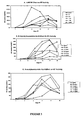
- Example 8-Comparison of Inhibition of LUKOR, N-Glycolylneuraminic Acid, and N-Acetylneuraminic Acid The RT assay described in Example 5 was used to compare the inhibitory activity of LUKOR, N-glycolylneuraminic acid, and N-acetylneuraminic acid.
- PBMCs were treated with dilutions of LUKOR of 1:4, 1:20, 1:100, 1:500, or 1:2500, or concentrations ofN-glycolylneuraminic acid or N-acetylneuraminic acid of 0.4, 1.2, 3.6, 11, or 33 ⁇ g/ml. No carbohydrates were added to the control sample.
- RT activity was determined at 3, 6, 9,13, 17, and 20 days post-infection (PI) with X4 strain LAI/IIIB.
- RT activity was decreased in cells treated with LUKOR, with the 1:4 and 1:20 dilutions of LUKOR most effective.
- RT activity was decreased, especially with the middle concentrations (1.2 and 3.6 ⁇ g/ml).
- middle concentrations 1.2 and 3.6 ⁇ g/ml
- decreased RT activity was observed only with high concentrations of N-acetylneuraminic acid.
- Figures 3A-3C are graphs that illustrate the inhibitory properties.
- Example 10 Inhibition of gp120 binding: The effect of N-glycolylneuraminic acid on preventing binding of HIV MN to CEM-SS cells was assessed. Concentrations of N-glycolylneuraminic acid ranged from 10-200 ⁇ m/ml. Saline was used as the control. Results are reported in Table 19 as percent inhibition of gp120 binding. Inhibition of binding was dose-dependent. TABLE 19 Inhibition of gp120 binding Conc. of N-Glycolylneuraminic Acid Inhibition of gp120 Binding ( ⁇ m/ml) (% of control) 10 3.4 20 9.8 40 34.1 80 57.6 200 86.8
Landscapes
- Health & Medical Sciences (AREA)
- Life Sciences & Earth Sciences (AREA)
- Veterinary Medicine (AREA)
- Virology (AREA)
- General Health & Medical Sciences (AREA)
- Chemical & Material Sciences (AREA)
- Public Health (AREA)
- Pharmacology & Pharmacy (AREA)
- Animal Behavior & Ethology (AREA)
- Medicinal Chemistry (AREA)
- Chemical Kinetics & Catalysis (AREA)
- General Chemical & Material Sciences (AREA)
- Organic Chemistry (AREA)
- Nuclear Medicine, Radiotherapy & Molecular Imaging (AREA)
- Oncology (AREA)
- Communicable Diseases (AREA)
- Molecular Biology (AREA)
- Tropical Medicine & Parasitology (AREA)
- Engineering & Computer Science (AREA)
- AIDS & HIV (AREA)
- Bioinformatics & Cheminformatics (AREA)
- Epidemiology (AREA)
- Pulmonology (AREA)
- Biotechnology (AREA)
- Pharmaceuticals Containing Other Organic And Inorganic Compounds (AREA)
- Medicines That Contain Protein Lipid Enzymes And Other Medicines (AREA)
- Acyclic And Carbocyclic Compounds In Medicinal Compositions (AREA)
- Saccharide Compounds (AREA)
Applications Claiming Priority (3)
| Application Number | Priority Date | Filing Date | Title |
|---|---|---|---|
| US11454098P | 1998-12-29 | 1998-12-29 | |
| US114540P | 1998-12-29 | ||
| PCT/US1999/031161 WO2000038697A1 (en) | 1998-12-29 | 1999-12-29 | Treatment and prevention of hiv and other viral infections |
Publications (3)
| Publication Number | Publication Date |
|---|---|
| EP1143981A1 EP1143981A1 (en) | 2001-10-17 |
| EP1143981A4 EP1143981A4 (en) | 2003-08-13 |
| EP1143981B1 true EP1143981B1 (en) | 2006-08-09 |
Family
ID=22355871
Family Applications (1)
| Application Number | Title | Priority Date | Filing Date |
|---|---|---|---|
| EP99967738A Expired - Lifetime EP1143981B1 (en) | 1998-12-29 | 1999-12-29 | Use of n-glycolneuraminic acid and its derivatives for the manufacture of a medicament for the treatment of hiv infections |
Country Status (6)
| Country | Link |
|---|---|
| EP (1) | EP1143981B1 (enExample) |
| JP (1) | JP2002533400A (enExample) |
| AT (1) | ATE335494T1 (enExample) |
| AU (1) | AU2396900A (enExample) |
| DE (1) | DE69932741D1 (enExample) |
| WO (1) | WO2000038697A1 (enExample) |
Families Citing this family (3)
| Publication number | Priority date | Publication date | Assignee | Title |
|---|---|---|---|---|
| AU2002342188A1 (en) * | 2001-10-30 | 2003-06-23 | Microbiotix, Inc. | Methods and compositions for treating flavivirus-mediated disease |
| CA2574721C (en) * | 2004-07-19 | 2011-06-07 | Life Science Nutrition As | Ngna compositions and methods of use |
| EP2364139A2 (en) | 2008-11-10 | 2011-09-14 | Life Science Nutrition AS | Ngna compositions and methods of use |
Family Cites Families (2)
| Publication number | Priority date | Publication date | Assignee | Title |
|---|---|---|---|---|
| JPS6287598A (ja) * | 1985-10-11 | 1987-04-22 | Mect Corp | N−グリコリルノイラミン酸誘導体 |
| US5834423A (en) * | 1994-07-15 | 1998-11-10 | Taiyo Kagaku Co., Ltd. | Pharmaceutical composition containing sialic acid derivatives |
-
1999
- 1999-12-29 WO PCT/US1999/031161 patent/WO2000038697A1/en not_active Ceased
- 1999-12-29 AU AU23969/00A patent/AU2396900A/en not_active Abandoned
- 1999-12-29 JP JP2000590649A patent/JP2002533400A/ja active Pending
- 1999-12-29 EP EP99967738A patent/EP1143981B1/en not_active Expired - Lifetime
- 1999-12-29 AT AT99967738T patent/ATE335494T1/de not_active IP Right Cessation
- 1999-12-29 DE DE69932741T patent/DE69932741D1/de not_active Expired - Lifetime
Also Published As
| Publication number | Publication date |
|---|---|
| DE69932741D1 (de) | 2006-09-21 |
| WO2000038697A1 (en) | 2000-07-06 |
| AU2396900A (en) | 2000-07-31 |
| JP2002533400A (ja) | 2002-10-08 |
| EP1143981A1 (en) | 2001-10-17 |
| ATE335494T1 (de) | 2006-09-15 |
| EP1143981A4 (en) | 2003-08-13 |
Similar Documents
| Publication | Publication Date | Title |
|---|---|---|
| Sarin et al. | Inhibition of replication of the etiologic agent of acquired immune deficiency syndrome (human T-lymphotropic retrovirus/lymphadenopathy-associated virus) by avarol and avarone | |
| EP0876387B1 (en) | Use of roxithromycin for the preparation of a medicament for improving the biological and antiviral activity of protease inhibitors | |
| Ito et al. | Inhibitory effect of glycyrrhizin on the in vitro infectivity and cytopathic activity of the human immunodeficiency virus [HIV (HTLV-III/LAV)] | |
| US4950652A (en) | dsRNAs for combination therapy in the treatment of viral diseases | |
| Lai et al. | Modification of human immunodeficiency viral replication by pine cone extracts | |
| Ghoneum | Anti-HIV activityin vitroof MGN-3, an activated arabinoxylane from rice bran | |
| EP0318562B1 (en) | Method of selectively inhibiting hiv | |
| US5047435A (en) | Antiviral compositions containing aromatic polycyclic diones and method for treating retrovirus infections | |
| US6413944B1 (en) | Triciribine and analogs as antiviral drugs | |
| Podzamczer et al. | Low‐dose interferon alpha combined with zidovudine in patients with AIDS‐associated Kaposi's sarcoma | |
| EP1143981B1 (en) | Use of n-glycolneuraminic acid and its derivatives for the manufacture of a medicament for the treatment of hiv infections | |
| EP0422097B1 (en) | Method of inhibiting the activity of human immunodeficiency virus (hiv) in vivo | |
| Fernández-Ortega et al. | Non-induced leukocyte extract reduces HIV replication and TNF secretion | |
| EP1333848B1 (en) | Phyllanthus-derived compounds for the prevention and/or treatment of diseases associated with a retrovirus | |
| US20050148541A1 (en) | Treatment and prevention of HIV and other viral infections | |
| O'Marro et al. | The effect of combinations of ampligen and zidovudine or dideoxyinosine against human immunodeficiency viruses in vitro | |
| JP2004538334A (ja) | Hiv感染の治療に使用される薬剤とその成分と使用法 | |
| EP0332679B1 (en) | Antiviral compositions containing aromatic polycyclic diones and method for treating retrovirus infections | |
| Valette et al. | Susceptibilities to rimantadine of influenza A/H1N1 and A/H3N2 viruses isolated during the epidemics of 1988 to 1989 and 1989 to 1990 | |
| EP0753305B1 (en) | Use of crude plant extract for the preparation of a medicament for treating HIV infection | |
| Antonelli et al. | Drug combination of AZT and ddl: synergism of action and prevention of appearance of AZT-resistance | |
| Vogt et al. | Treatment of human immunodeficiency virus infections | |
| AU3423989A (en) | Antiviral composition containing aromatic polycyclic diones and nucleoside analogs and method for treating retrovirus infections | |
| GB2255504A (en) | Complexes of polyadenylic acid with polyuridylic acid for use against aids | |
| CA2230086C (en) | Method to improve the biological and antiviral activity of protease inhibitors |
Legal Events
| Date | Code | Title | Description |
|---|---|---|---|
| PUAI | Public reference made under article 153(3) epc to a published international application that has entered the european phase |
Free format text: ORIGINAL CODE: 0009012 |
|
| 17P | Request for examination filed |
Effective date: 20010726 |
|
| AK | Designated contracting states |
Kind code of ref document: A1 Designated state(s): AT BE CH CY DE DK ES FI FR GB GR IE IT LI LU MC NL PT SE |
|
| AX | Request for extension of the european patent |
Free format text: AL;LT;LV;MK;RO;SI |
|
| A4 | Supplementary search report drawn up and despatched |
Effective date: 20030627 |
|
| 17Q | First examination report despatched |
Effective date: 20040121 |
|
| GRAP | Despatch of communication of intention to grant a patent |
Free format text: ORIGINAL CODE: EPIDOSNIGR1 |
|
| RIC1 | Information provided on ipc code assigned before grant |
Ipc: A61P 31/18 20060101ALI20051213BHEP Ipc: A61K 31/70 20060101AFI20051213BHEP |
|
| RTI1 | Title (correction) |
Free format text: USE OF N-GLYCOLYLNEURAMINIC ACID AND ITS DERIVATIVES FOR THE MANUFACTURE OF A MEDICAMENT FOR THE TREATMENT OF HIV INFECTIONS |
|
| RTI1 | Title (correction) |
Free format text: USE OF N-GLYCOLNEURAMINIC ACID AND ITS DERIVATIVES FOR THE MANUFACTURE OF A MEDICAMENT FOR THE TREATMENT OF HIV INFECTIONS |
|
| RAP3 | Party data changed (applicant data changed or rights of an application transferred) |
Owner name: GLUKOR, INC. |
|
| GRAS | Grant fee paid |
Free format text: ORIGINAL CODE: EPIDOSNIGR3 |
|
| GRAA | (expected) grant |
Free format text: ORIGINAL CODE: 0009210 |
|
| AK | Designated contracting states |
Kind code of ref document: B1 Designated state(s): AT BE CH CY DE DK ES FI FR GB GR IE IT LI LU MC NL PT SE |
|
| PG25 | Lapsed in a contracting state [announced via postgrant information from national office to epo] |
Ref country code: NL Free format text: LAPSE BECAUSE OF FAILURE TO SUBMIT A TRANSLATION OF THE DESCRIPTION OR TO PAY THE FEE WITHIN THE PRESCRIBED TIME-LIMIT Effective date: 20060809 Ref country code: LI Free format text: LAPSE BECAUSE OF FAILURE TO SUBMIT A TRANSLATION OF THE DESCRIPTION OR TO PAY THE FEE WITHIN THE PRESCRIBED TIME-LIMIT Effective date: 20060809 Ref country code: IT Free format text: LAPSE BECAUSE OF FAILURE TO SUBMIT A TRANSLATION OF THE DESCRIPTION OR TO PAY THE FEE WITHIN THE PRESCRIBED TIME-LIMIT;WARNING: LAPSES OF ITALIAN PATENTS WITH EFFECTIVE DATE BEFORE 2007 MAY HAVE OCCURRED AT ANY TIME BEFORE 2007. THE CORRECT EFFECTIVE DATE MAY BE DIFFERENT FROM THE ONE RECORDED. Effective date: 20060809 Ref country code: FI Free format text: LAPSE BECAUSE OF FAILURE TO SUBMIT A TRANSLATION OF THE DESCRIPTION OR TO PAY THE FEE WITHIN THE PRESCRIBED TIME-LIMIT Effective date: 20060809 Ref country code: CH Free format text: LAPSE BECAUSE OF FAILURE TO SUBMIT A TRANSLATION OF THE DESCRIPTION OR TO PAY THE FEE WITHIN THE PRESCRIBED TIME-LIMIT Effective date: 20060809 Ref country code: BE Free format text: LAPSE BECAUSE OF FAILURE TO SUBMIT A TRANSLATION OF THE DESCRIPTION OR TO PAY THE FEE WITHIN THE PRESCRIBED TIME-LIMIT Effective date: 20060809 Ref country code: AT Free format text: LAPSE BECAUSE OF FAILURE TO SUBMIT A TRANSLATION OF THE DESCRIPTION OR TO PAY THE FEE WITHIN THE PRESCRIBED TIME-LIMIT Effective date: 20060809 |
|
| REG | Reference to a national code |
Ref country code: GB Ref legal event code: FG4D |
|
| REG | Reference to a national code |
Ref country code: CH Ref legal event code: EP |
|
| REG | Reference to a national code |
Ref country code: IE Ref legal event code: FG4D |
|
| REF | Corresponds to: |
Ref document number: 69932741 Country of ref document: DE Date of ref document: 20060921 Kind code of ref document: P |
|
| PG25 | Lapsed in a contracting state [announced via postgrant information from national office to epo] |
Ref country code: SE Free format text: LAPSE BECAUSE OF FAILURE TO SUBMIT A TRANSLATION OF THE DESCRIPTION OR TO PAY THE FEE WITHIN THE PRESCRIBED TIME-LIMIT Effective date: 20061109 Ref country code: DK Free format text: LAPSE BECAUSE OF FAILURE TO SUBMIT A TRANSLATION OF THE DESCRIPTION OR TO PAY THE FEE WITHIN THE PRESCRIBED TIME-LIMIT Effective date: 20061109 |
|
| PG25 | Lapsed in a contracting state [announced via postgrant information from national office to epo] |
Ref country code: DE Free format text: LAPSE BECAUSE OF FAILURE TO SUBMIT A TRANSLATION OF THE DESCRIPTION OR TO PAY THE FEE WITHIN THE PRESCRIBED TIME-LIMIT Effective date: 20061110 |
|
| PG25 | Lapsed in a contracting state [announced via postgrant information from national office to epo] |
Ref country code: ES Free format text: LAPSE BECAUSE OF FAILURE TO SUBMIT A TRANSLATION OF THE DESCRIPTION OR TO PAY THE FEE WITHIN THE PRESCRIBED TIME-LIMIT Effective date: 20061120 |
|
| PG25 | Lapsed in a contracting state [announced via postgrant information from national office to epo] |
Ref country code: IE Free format text: LAPSE BECAUSE OF NON-PAYMENT OF DUE FEES Effective date: 20061229 |
|
| PG25 | Lapsed in a contracting state [announced via postgrant information from national office to epo] |
Ref country code: MC Free format text: LAPSE BECAUSE OF NON-PAYMENT OF DUE FEES Effective date: 20061231 |
|
| PG25 | Lapsed in a contracting state [announced via postgrant information from national office to epo] |
Ref country code: PT Free format text: LAPSE BECAUSE OF FAILURE TO SUBMIT A TRANSLATION OF THE DESCRIPTION OR TO PAY THE FEE WITHIN THE PRESCRIBED TIME-LIMIT Effective date: 20070109 |
|
| NLV1 | Nl: lapsed or annulled due to failure to fulfill the requirements of art. 29p and 29m of the patents act | ||
| REG | Reference to a national code |
Ref country code: CH Ref legal event code: PL |
|
| EN | Fr: translation not filed | ||
| PLBE | No opposition filed within time limit |
Free format text: ORIGINAL CODE: 0009261 |
|
| STAA | Information on the status of an ep patent application or granted ep patent |
Free format text: STATUS: NO OPPOSITION FILED WITHIN TIME LIMIT |
|
| 26N | No opposition filed |
Effective date: 20070510 |
|
| PG25 | Lapsed in a contracting state [announced via postgrant information from national office to epo] |
Ref country code: GR Free format text: LAPSE BECAUSE OF FAILURE TO SUBMIT A TRANSLATION OF THE DESCRIPTION OR TO PAY THE FEE WITHIN THE PRESCRIBED TIME-LIMIT Effective date: 20061110 Ref country code: FR Free format text: LAPSE BECAUSE OF FAILURE TO SUBMIT A TRANSLATION OF THE DESCRIPTION OR TO PAY THE FEE WITHIN THE PRESCRIBED TIME-LIMIT Effective date: 20070511 |
|
| PG25 | Lapsed in a contracting state [announced via postgrant information from national office to epo] |
Ref country code: LU Free format text: LAPSE BECAUSE OF NON-PAYMENT OF DUE FEES Effective date: 20061229 |
|
| PG25 | Lapsed in a contracting state [announced via postgrant information from national office to epo] |
Ref country code: FR Free format text: LAPSE BECAUSE OF FAILURE TO SUBMIT A TRANSLATION OF THE DESCRIPTION OR TO PAY THE FEE WITHIN THE PRESCRIBED TIME-LIMIT Effective date: 20060809 Ref country code: CY Free format text: LAPSE BECAUSE OF FAILURE TO SUBMIT A TRANSLATION OF THE DESCRIPTION OR TO PAY THE FEE WITHIN THE PRESCRIBED TIME-LIMIT Effective date: 20060809 |
|
| PGFP | Annual fee paid to national office [announced via postgrant information from national office to epo] |
Ref country code: GB Payment date: 20130130 Year of fee payment: 14 |
|
| GBPC | Gb: european patent ceased through non-payment of renewal fee |
Effective date: 20131229 |
|
| PG25 | Lapsed in a contracting state [announced via postgrant information from national office to epo] |
Ref country code: GB Free format text: LAPSE BECAUSE OF NON-PAYMENT OF DUE FEES Effective date: 20131229 |