EP1123316B1 - Proteinveränderung - Google Patents
Proteinveränderung Download PDFInfo
- Publication number
- EP1123316B1 EP1123316B1 EP99970666A EP99970666A EP1123316B1 EP 1123316 B1 EP1123316 B1 EP 1123316B1 EP 99970666 A EP99970666 A EP 99970666A EP 99970666 A EP99970666 A EP 99970666A EP 1123316 B1 EP1123316 B1 EP 1123316B1
- Authority
- EP
- European Patent Office
- Prior art keywords
- protein
- amino acid
- framework
- seq
- query
- Prior art date
- Legal status (The legal status is an assumption and is not a legal conclusion. Google has not performed a legal analysis and makes no representation as to the accuracy of the status listed.)
- Expired - Lifetime
Links
- 102000004169 proteins and genes Human genes 0.000 title claims abstract description 196
- 108090000623 proteins and genes Proteins 0.000 title claims abstract description 196
- 239000013598 vector Substances 0.000 claims abstract description 94
- 238000000034 method Methods 0.000 claims abstract description 83
- 125000000539 amino acid group Chemical group 0.000 claims abstract description 40
- 230000002401 inhibitory effect Effects 0.000 claims abstract description 7
- 235000018102 proteins Nutrition 0.000 claims description 180
- 108020003175 receptors Proteins 0.000 claims description 60
- 102000005962 receptors Human genes 0.000 claims description 60
- 230000027455 binding Effects 0.000 claims description 52
- 125000003275 alpha amino acid group Chemical group 0.000 claims description 40
- 102000004127 Cytokines Human genes 0.000 claims description 38
- 108090000695 Cytokines Proteins 0.000 claims description 38
- 235000001014 amino acid Nutrition 0.000 claims description 38
- 150000001413 amino acids Chemical class 0.000 claims description 35
- 102000018997 Growth Hormone Human genes 0.000 claims description 23
- 108010051696 Growth Hormone Proteins 0.000 claims description 23
- 239000000122 growth hormone Substances 0.000 claims description 23
- 102000004889 Interleukin-6 Human genes 0.000 claims description 21
- 108090001005 Interleukin-6 Proteins 0.000 claims description 21
- 229940100601 interleukin-6 Drugs 0.000 claims description 21
- 239000011159 matrix material Substances 0.000 claims description 19
- 102000004388 Interleukin-4 Human genes 0.000 claims description 18
- 108090000978 Interleukin-4 Proteins 0.000 claims description 18
- 229940028885 interleukin-4 Drugs 0.000 claims description 18
- 238000001914 filtration Methods 0.000 claims description 16
- MXWDLLUGULWYIQ-BFRWRHKQSA-N scyllatoxin Chemical compound C([C@@H](C(=O)N[C@@H](CS)C(=O)N[C@@H](CC(N)=O)C(=O)N[C@@H](CC(C)C)C(=O)N[C@@H](CCCNC(N)=N)C(=O)N[C@@H](CCSC)C(=O)N[C@@H](CS)C(=O)N[C@@H](CCC(N)=O)C(=O)N[C@@H](CC(C)C)C(=O)N[C@@H](CO)C(=O)N[C@@H](CS)C(=O)N[C@@H](CCCNC(N)=N)C(=O)N[C@@H](CO)C(=O)N[C@@H](CC(C)C)C(=O)NCC(=O)N[C@@H](CC(C)C)C(=O)N[C@@H](CC(C)C)C(=O)NCC(=O)N[C@@H](CCCCN)C(=O)N[C@@H](CS)C(=O)N[C@@H]([C@@H](C)CC)C(=O)NCC(=O)N[C@@H](CC(O)=O)C(=O)N[C@@H](CCCCN)C(=O)N[C@@H](CS)C(=O)N[C@@H](CCC(O)=O)C(=O)N[C@@H](CS)C(=O)N[C@@H](C(C)C)C(=O)N[C@@H](CCCCN)C(=O)N[C@@H](CC=1N=CNC=1)C(N)=O)NC(=O)[C@H](C)N)C1=CC=CC=C1 MXWDLLUGULWYIQ-BFRWRHKQSA-N 0.000 claims description 15
- 101001049894 Leiurus hebraeus Potassium channel toxin alpha-KTx 5.1 Proteins 0.000 claims description 14
- 101710110031 Small cysteine-rich protein Proteins 0.000 claims description 10
- 238000001514 detection method Methods 0.000 claims description 10
- 238000006664 bond formation reaction Methods 0.000 claims description 3
- 230000001747 exhibiting effect Effects 0.000 claims description 3
- 210000003714 granulocyte Anatomy 0.000 claims description 2
- 238000012986 modification Methods 0.000 abstract description 14
- 230000004048 modification Effects 0.000 abstract description 14
- 239000000470 constituent Substances 0.000 abstract description 6
- 230000008901 benefit Effects 0.000 abstract description 3
- 108090000765 processed proteins & peptides Proteins 0.000 description 74
- 102000002265 Human Growth Hormone Human genes 0.000 description 68
- 108010000521 Human Growth Hormone Proteins 0.000 description 68
- 239000000854 Human Growth Hormone Substances 0.000 description 68
- 230000006870 function Effects 0.000 description 33
- 238000004422 calculation algorithm Methods 0.000 description 30
- 102000004196 processed proteins & peptides Human genes 0.000 description 26
- 239000003446 ligand Substances 0.000 description 22
- 210000004027 cell Anatomy 0.000 description 17
- 239000000243 solution Substances 0.000 description 17
- RWSXRVCMGQZWBV-WDSKDSINSA-N glutathione Chemical compound OC(=O)[C@@H](N)CCC(=O)N[C@@H](CS)C(=O)NCC(O)=O RWSXRVCMGQZWBV-WDSKDSINSA-N 0.000 description 16
- 230000035772 mutation Effects 0.000 description 16
- 238000005481 NMR spectroscopy Methods 0.000 description 14
- 238000002983 circular dichroism Methods 0.000 description 14
- 239000000556 agonist Substances 0.000 description 13
- 230000008569 process Effects 0.000 description 13
- ZMXDDKWLCZADIW-UHFFFAOYSA-N N,N-Dimethylformamide Chemical compound CN(C)C=O ZMXDDKWLCZADIW-UHFFFAOYSA-N 0.000 description 12
- 102100036011 T-cell surface glycoprotein CD4 Human genes 0.000 description 12
- DTQVDTLACAAQTR-UHFFFAOYSA-N Trifluoroacetic acid Chemical compound OC(=O)C(F)(F)F DTQVDTLACAAQTR-UHFFFAOYSA-N 0.000 description 12
- 239000000463 material Substances 0.000 description 12
- WEVYAHXRMPXWCK-UHFFFAOYSA-N Acetonitrile Chemical compound CC#N WEVYAHXRMPXWCK-UHFFFAOYSA-N 0.000 description 11
- 102000004269 Granulocyte Colony-Stimulating Factor Human genes 0.000 description 11
- 108010017080 Granulocyte Colony-Stimulating Factor Proteins 0.000 description 11
- 238000013461 design Methods 0.000 description 11
- 238000004128 high performance liquid chromatography Methods 0.000 description 11
- BWGNESOTFCXPMA-UHFFFAOYSA-N Dihydrogen disulfide Chemical compound SS BWGNESOTFCXPMA-UHFFFAOYSA-N 0.000 description 10
- ROHFNLRQFUQHCH-YFKPBYRVSA-N L-leucine Chemical compound CC(C)C[C@H](N)C(O)=O ROHFNLRQFUQHCH-YFKPBYRVSA-N 0.000 description 9
- 239000005557 antagonist Substances 0.000 description 9
- 238000013459 approach Methods 0.000 description 9
- 239000013078 crystal Substances 0.000 description 9
- 108010005905 delta-hGHR Proteins 0.000 description 9
- 238000000302 molecular modelling Methods 0.000 description 9
- 210000002966 serum Anatomy 0.000 description 9
- 102000004190 Enzymes Human genes 0.000 description 8
- 108090000790 Enzymes Proteins 0.000 description 8
- 101000966742 Homo sapiens Leucine-rich PPR motif-containing protein, mitochondrial Proteins 0.000 description 8
- 238000004458 analytical method Methods 0.000 description 8
- YPZRWBKMTBYPTK-BJDJZHNGSA-N glutathione disulfide Chemical compound OC(=O)[C@@H](N)CCC(=O)N[C@H](C(=O)NCC(O)=O)CSSC[C@@H](C(=O)NCC(O)=O)NC(=O)CC[C@H](N)C(O)=O YPZRWBKMTBYPTK-BJDJZHNGSA-N 0.000 description 8
- 238000013112 stability test Methods 0.000 description 8
- 239000000126 substance Substances 0.000 description 8
- 238000012546 transfer Methods 0.000 description 8
- 108010053070 Glutathione Disulfide Proteins 0.000 description 7
- RHQDFWAXVIIEBN-UHFFFAOYSA-N Trifluoroethanol Chemical compound OCC(F)(F)F RHQDFWAXVIIEBN-UHFFFAOYSA-N 0.000 description 7
- 235000018417 cysteine Nutrition 0.000 description 7
- 229940088598 enzyme Drugs 0.000 description 7
- 229960003180 glutathione Drugs 0.000 description 7
- 239000004332 silver Substances 0.000 description 7
- 238000003786 synthesis reaction Methods 0.000 description 7
- RTZKZFJDLAIYFH-UHFFFAOYSA-N Diethyl ether Chemical compound CCOCC RTZKZFJDLAIYFH-UHFFFAOYSA-N 0.000 description 6
- DHMQDGOQFOQNFH-UHFFFAOYSA-N Glycine Chemical compound NCC(O)=O DHMQDGOQFOQNFH-UHFFFAOYSA-N 0.000 description 6
- 230000015572 biosynthetic process Effects 0.000 description 6
- 238000004364 calculation method Methods 0.000 description 6
- 230000000694 effects Effects 0.000 description 6
- 239000012909 foetal bovine serum Substances 0.000 description 6
- 230000003993 interaction Effects 0.000 description 6
- 230000003278 mimic effect Effects 0.000 description 6
- 230000003647 oxidation Effects 0.000 description 6
- 238000007254 oxidation reaction Methods 0.000 description 6
- 238000004007 reversed phase HPLC Methods 0.000 description 6
- 102100030563 Coagulation factor XI Human genes 0.000 description 5
- 101001033279 Homo sapiens Interleukin-3 Proteins 0.000 description 5
- 102100039064 Interleukin-3 Human genes 0.000 description 5
- 230000010799 Receptor Interactions Effects 0.000 description 5
- 230000008512 biological response Effects 0.000 description 5
- 238000001142 circular dichroism spectrum Methods 0.000 description 5
- 238000004590 computer program Methods 0.000 description 5
- 150000001945 cysteines Chemical class 0.000 description 5
- 238000005421 electrostatic potential Methods 0.000 description 5
- 239000012634 fragment Substances 0.000 description 5
- 230000012010 growth Effects 0.000 description 5
- 238000004949 mass spectrometry Methods 0.000 description 5
- 230000004044 response Effects 0.000 description 5
- 239000002904 solvent Substances 0.000 description 5
- 238000001228 spectrum Methods 0.000 description 5
- 229910001868 water Inorganic materials 0.000 description 5
- -1 Cl+ Chemical class 0.000 description 4
- 108090000284 Pepsin A Proteins 0.000 description 4
- 102000057297 Pepsin A Human genes 0.000 description 4
- 108090000631 Trypsin Proteins 0.000 description 4
- 102000004142 Trypsin Human genes 0.000 description 4
- 238000007792 addition Methods 0.000 description 4
- 238000003556 assay Methods 0.000 description 4
- 239000012131 assay buffer Substances 0.000 description 4
- 239000000872 buffer Substances 0.000 description 4
- 229910052799 carbon Inorganic materials 0.000 description 4
- 230000004663 cell proliferation Effects 0.000 description 4
- 230000008859 change Effects 0.000 description 4
- 238000003780 insertion Methods 0.000 description 4
- 230000037431 insertion Effects 0.000 description 4
- 102000039446 nucleic acids Human genes 0.000 description 4
- 108020004707 nucleic acids Proteins 0.000 description 4
- 150000007523 nucleic acids Chemical class 0.000 description 4
- 229940111202 pepsin Drugs 0.000 description 4
- 229920005989 resin Polymers 0.000 description 4
- 239000011347 resin Substances 0.000 description 4
- 238000012216 screening Methods 0.000 description 4
- 238000012876 topography Methods 0.000 description 4
- 239000012588 trypsin Substances 0.000 description 4
- 229960001322 trypsin Drugs 0.000 description 4
- 101100107610 Arabidopsis thaliana ABCF4 gene Proteins 0.000 description 3
- OKTJSMMVPCPJKN-UHFFFAOYSA-N Carbon Chemical compound [C] OKTJSMMVPCPJKN-UHFFFAOYSA-N 0.000 description 3
- 108090000317 Chymotrypsin Proteins 0.000 description 3
- YMWUJEATGCHHMB-UHFFFAOYSA-N Dichloromethane Chemical compound ClCCl YMWUJEATGCHHMB-UHFFFAOYSA-N 0.000 description 3
- 102000003951 Erythropoietin Human genes 0.000 description 3
- 108090000394 Erythropoietin Proteins 0.000 description 3
- 108010024636 Glutathione Proteins 0.000 description 3
- 102000000646 Interleukin-3 Human genes 0.000 description 3
- 108010002386 Interleukin-3 Proteins 0.000 description 3
- 102000035195 Peptidases Human genes 0.000 description 3
- 108091005804 Peptidases Proteins 0.000 description 3
- 239000012980 RPMI-1640 medium Substances 0.000 description 3
- 102000006382 Ribonucleases Human genes 0.000 description 3
- 108010083644 Ribonucleases Proteins 0.000 description 3
- 101100068078 Saccharomyces cerevisiae (strain ATCC 204508 / S288c) GCN4 gene Proteins 0.000 description 3
- 241000237854 Sipunculus nudus Species 0.000 description 3
- 108091023040 Transcription factor Proteins 0.000 description 3
- 102000040945 Transcription factor Human genes 0.000 description 3
- 239000000427 antigen Substances 0.000 description 3
- 102000036639 antigens Human genes 0.000 description 3
- 108091007433 antigens Proteins 0.000 description 3
- 230000004071 biological effect Effects 0.000 description 3
- 230000031018 biological processes and functions Effects 0.000 description 3
- 239000003795 chemical substances by application Substances 0.000 description 3
- 229960002376 chymotrypsin Drugs 0.000 description 3
- 238000004132 cross linking Methods 0.000 description 3
- 229940105423 erythropoietin Drugs 0.000 description 3
- 238000011534 incubation Methods 0.000 description 3
- 238000000329 molecular dynamics simulation Methods 0.000 description 3
- 238000000324 molecular mechanic Methods 0.000 description 3
- 108091033319 polynucleotide Proteins 0.000 description 3
- 102000040430 polynucleotide Human genes 0.000 description 3
- 239000002157 polynucleotide Substances 0.000 description 3
- OXCMYAYHXIHQOA-UHFFFAOYSA-N potassium;[2-butyl-5-chloro-3-[[4-[2-(1,2,4-triaza-3-azanidacyclopenta-1,4-dien-5-yl)phenyl]phenyl]methyl]imidazol-4-yl]methanol Chemical compound [K+].CCCCC1=NC(Cl)=C(CO)N1CC1=CC=C(C=2C(=CC=CC=2)C2=N[N-]N=N2)C=C1 OXCMYAYHXIHQOA-UHFFFAOYSA-N 0.000 description 3
- 125000002924 primary amino group Chemical group [H]N([H])* 0.000 description 3
- 238000011160 research Methods 0.000 description 3
- 239000007790 solid phase Substances 0.000 description 3
- 239000003381 stabilizer Substances 0.000 description 3
- 239000011550 stock solution Substances 0.000 description 3
- 238000006467 substitution reaction Methods 0.000 description 3
- 238000011282 treatment Methods 0.000 description 3
- DGVVWUTYPXICAM-UHFFFAOYSA-N β‐Mercaptoethanol Chemical compound OCCS DGVVWUTYPXICAM-UHFFFAOYSA-N 0.000 description 3
- HZAXFHJVJLSVMW-UHFFFAOYSA-N 2-Aminoethan-1-ol Chemical compound NCCO HZAXFHJVJLSVMW-UHFFFAOYSA-N 0.000 description 2
- 102100022987 Angiogenin Human genes 0.000 description 2
- 102000004506 Blood Proteins Human genes 0.000 description 2
- 108010017384 Blood Proteins Proteins 0.000 description 2
- 108010023798 Charybdotoxin Proteins 0.000 description 2
- 239000004471 Glycine Substances 0.000 description 2
- 241000725303 Human immunodeficiency virus Species 0.000 description 2
- 102220547197 Interferon-induced protein with tetratricopeptide repeats 1B_G14F_mutation Human genes 0.000 description 2
- 102100037792 Interleukin-6 receptor subunit alpha Human genes 0.000 description 2
- KFZMGEQAYNKOFK-UHFFFAOYSA-N Isopropanol Chemical compound CC(C)O KFZMGEQAYNKOFK-UHFFFAOYSA-N 0.000 description 2
- QNAYBMKLOCPYGJ-REOHCLBHSA-N L-alanine Chemical compound C[C@H](N)C(O)=O QNAYBMKLOCPYGJ-REOHCLBHSA-N 0.000 description 2
- 238000012565 NMR experiment Methods 0.000 description 2
- 108010067372 Pancreatic elastase Proteins 0.000 description 2
- 102000016387 Pancreatic elastase Human genes 0.000 description 2
- 101710193937 Protein hit Proteins 0.000 description 2
- 102000018594 Tumour necrosis factor Human genes 0.000 description 2
- 108050007852 Tumour necrosis factor Proteins 0.000 description 2
- 235000004279 alanine Nutrition 0.000 description 2
- 108010072788 angiogenin Proteins 0.000 description 2
- 210000003719 b-lymphocyte Anatomy 0.000 description 2
- 230000033228 biological regulation Effects 0.000 description 2
- 229920001222 biopolymer Polymers 0.000 description 2
- 210000004369 blood Anatomy 0.000 description 2
- 239000008280 blood Substances 0.000 description 2
- 230000015556 catabolic process Effects 0.000 description 2
- 238000006555 catalytic reaction Methods 0.000 description 2
- 230000024245 cell differentiation Effects 0.000 description 2
- 230000003196 chaotropic effect Effects 0.000 description 2
- 230000008878 coupling Effects 0.000 description 2
- 238000010168 coupling process Methods 0.000 description 2
- 238000005859 coupling reaction Methods 0.000 description 2
- CNVQLPPZGABUCM-LIGYZCPXSA-N ctx toxin Chemical compound C([C@@H](C(=O)N[C@H](C(=O)N[C@@H](CC(N)=O)C(=O)N[C@H](C(=O)N[C@@H](CO)C(=O)N[C@H]1CSSC[C@H]2C(=O)N[C@H](C(N[C@@H](CC(N)=O)C(=O)N[C@@H](CCCCN)C(=O)N[C@@H](CCCCN)C(=O)N[C@H]3CSSC[C@@H](C(N[C@@H](CC=4C5=CC=CC=C5NC=4)C(=O)N[C@@H](CO)C(=O)N[C@H](C(=O)N[C@@H](CSSC[C@H](NC(=O)[C@H](CCCNC(N)=N)NC3=O)C(=O)N[C@@H](CC=3C=CC(O)=CC=3)C(=O)N[C@@H](CO)C(O)=O)C(=O)N[C@@H](CCC(N)=O)C(=O)N[C@@H](CCCNC(N)=N)C(=O)N[C@@H](CC(C)C)C(=O)N[C@@H](CC=3NC=NC=3)C(=O)N[C@@H](CC(N)=O)C(=O)N[C@@H]([C@@H](C)O)C(=O)N[C@@H](CO)C(=O)N[C@@H](CCCNC(N)=N)C(=O)NCC(=O)N[C@@H](CCCCN)C(=O)N2)C(C)C)=O)NC(=O)[C@H](CCC(O)=O)NC(=O)[C@H](CCCCN)NC(=O)[C@H](CO)NC(=O)[C@H]([C@@H](C)O)NC(=O)[C@H]([C@@H](C)O)NC1=O)=O)CCSC)C(C)C)[C@@H](C)O)NC(=O)[C@H]1NC(=O)CC1)C1=CC=CC=C1 CNVQLPPZGABUCM-LIGYZCPXSA-N 0.000 description 2
- XUJNEKJLAYXESH-UHFFFAOYSA-N cysteine Natural products SCC(N)C(O)=O XUJNEKJLAYXESH-UHFFFAOYSA-N 0.000 description 2
- 108010057085 cytokine receptors Proteins 0.000 description 2
- 102000003675 cytokine receptors Human genes 0.000 description 2
- 230000007423 decrease Effects 0.000 description 2
- 238000006731 degradation reaction Methods 0.000 description 2
- 230000036425 denaturation Effects 0.000 description 2
- 238000004925 denaturation Methods 0.000 description 2
- 238000012938 design process Methods 0.000 description 2
- 239000003599 detergent Substances 0.000 description 2
- 230000004069 differentiation Effects 0.000 description 2
- 239000003814 drug Substances 0.000 description 2
- 238000005516 engineering process Methods 0.000 description 2
- 230000002349 favourable effect Effects 0.000 description 2
- 229910052739 hydrogen Inorganic materials 0.000 description 2
- 230000028993 immune response Effects 0.000 description 2
- 238000000338 in vitro Methods 0.000 description 2
- NOESYZHRGYRDHS-UHFFFAOYSA-N insulin Chemical compound N1C(=O)C(NC(=O)C(CCC(N)=O)NC(=O)C(CCC(O)=O)NC(=O)C(C(C)C)NC(=O)C(NC(=O)CN)C(C)CC)CSSCC(C(NC(CO)C(=O)NC(CC(C)C)C(=O)NC(CC=2C=CC(O)=CC=2)C(=O)NC(CCC(N)=O)C(=O)NC(CC(C)C)C(=O)NC(CCC(O)=O)C(=O)NC(CC(N)=O)C(=O)NC(CC=2C=CC(O)=CC=2)C(=O)NC(CSSCC(NC(=O)C(C(C)C)NC(=O)C(CC(C)C)NC(=O)C(CC=2C=CC(O)=CC=2)NC(=O)C(CC(C)C)NC(=O)C(C)NC(=O)C(CCC(O)=O)NC(=O)C(C(C)C)NC(=O)C(CC(C)C)NC(=O)C(CC=2NC=NC=2)NC(=O)C(CO)NC(=O)CNC2=O)C(=O)NCC(=O)NC(CCC(O)=O)C(=O)NC(CCCNC(N)=N)C(=O)NCC(=O)NC(CC=3C=CC=CC=3)C(=O)NC(CC=3C=CC=CC=3)C(=O)NC(CC=3C=CC(O)=CC=3)C(=O)NC(C(C)O)C(=O)N3C(CCC3)C(=O)NC(CCCCN)C(=O)NC(C)C(O)=O)C(=O)NC(CC(N)=O)C(O)=O)=O)NC(=O)C(C(C)CC)NC(=O)C(CO)NC(=O)C(C(C)O)NC(=O)C1CSSCC2NC(=O)C(CC(C)C)NC(=O)C(NC(=O)C(CCC(N)=O)NC(=O)C(CC(N)=O)NC(=O)C(NC(=O)C(N)CC=1C=CC=CC=1)C(C)C)CC1=CN=CN1 NOESYZHRGYRDHS-UHFFFAOYSA-N 0.000 description 2
- 108040006858 interleukin-6 receptor activity proteins Proteins 0.000 description 2
- 230000004068 intracellular signaling Effects 0.000 description 2
- 230000009545 invasion Effects 0.000 description 2
- 230000007246 mechanism Effects 0.000 description 2
- 238000002156 mixing Methods 0.000 description 2
- 238000002703 mutagenesis Methods 0.000 description 2
- 231100000350 mutagenesis Toxicity 0.000 description 2
- 230000000869 mutational effect Effects 0.000 description 2
- 239000013642 negative control Substances 0.000 description 2
- 210000000440 neutrophil Anatomy 0.000 description 2
- 230000036961 partial effect Effects 0.000 description 2
- 238000010647 peptide synthesis reaction Methods 0.000 description 2
- 238000002823 phage display Methods 0.000 description 2
- 238000002953 preparative HPLC Methods 0.000 description 2
- 230000035755 proliferation Effects 0.000 description 2
- 229940024999 proteolytic enzymes for treatment of wounds and ulcers Drugs 0.000 description 2
- 230000002829 reductive effect Effects 0.000 description 2
- 230000001105 regulatory effect Effects 0.000 description 2
- 238000010845 search algorithm Methods 0.000 description 2
- 239000003053 toxin Substances 0.000 description 2
- 231100000765 toxin Toxicity 0.000 description 2
- 238000013518 transcription Methods 0.000 description 2
- 230000035897 transcription Effects 0.000 description 2
- 238000012800 visualization Methods 0.000 description 2
- ONOURAAVVKGJNM-SCZZXKLOSA-N (2s,3r)-2-azaniumyl-3-phenylmethoxybutanoate Chemical compound [O-]C(=O)[C@@H]([NH3+])[C@@H](C)OCC1=CC=CC=C1 ONOURAAVVKGJNM-SCZZXKLOSA-N 0.000 description 1
- 238000005160 1H NMR spectroscopy Methods 0.000 description 1
- GOJUJUVQIVIZAV-UHFFFAOYSA-N 2-amino-4,6-dichloropyrimidine-5-carbaldehyde Chemical group NC1=NC(Cl)=C(C=O)C(Cl)=N1 GOJUJUVQIVIZAV-UHFFFAOYSA-N 0.000 description 1
- AZKSAVLVSZKNRD-UHFFFAOYSA-M 3-(4,5-dimethylthiazol-2-yl)-2,5-diphenyltetrazolium bromide Chemical compound [Br-].S1C(C)=C(C)N=C1[N+]1=NC(C=2C=CC=CC=2)=NN1C1=CC=CC=C1 AZKSAVLVSZKNRD-UHFFFAOYSA-M 0.000 description 1
- TVZRAEYQIKYCPH-UHFFFAOYSA-N 3-(trimethylsilyl)propane-1-sulfonic acid Chemical compound C[Si](C)(C)CCCS(O)(=O)=O TVZRAEYQIKYCPH-UHFFFAOYSA-N 0.000 description 1
- 102000006306 Antigen Receptors Human genes 0.000 description 1
- 108010083359 Antigen Receptors Proteins 0.000 description 1
- 108090000145 Bacillolysin Proteins 0.000 description 1
- 125000001433 C-terminal amino-acid group Chemical group 0.000 description 1
- 108010041397 CD4 Antigens Proteins 0.000 description 1
- 108010045403 Calcium-Binding Proteins Proteins 0.000 description 1
- 102000005701 Calcium-Binding Proteins Human genes 0.000 description 1
- 102000003846 Carbonic anhydrases Human genes 0.000 description 1
- 108090000209 Carbonic anhydrases Proteins 0.000 description 1
- 108010001857 Cell Surface Receptors Proteins 0.000 description 1
- 102000000844 Cell Surface Receptors Human genes 0.000 description 1
- 108050001186 Chaperonin Cpn60 Proteins 0.000 description 1
- 102000052603 Chaperonins Human genes 0.000 description 1
- QOZUCDOTVSPIMT-UHFFFAOYSA-N ClCCl.OC(=O)C(F)(F)F.OC(=O)C(F)(F)F Chemical compound ClCCl.OC(=O)C(F)(F)F.OC(=O)C(F)(F)F QOZUCDOTVSPIMT-UHFFFAOYSA-N 0.000 description 1
- 102220542074 Clathrin interactor 1_R29L_mutation Human genes 0.000 description 1
- 102000004626 Colony-Stimulating Factor Receptors Human genes 0.000 description 1
- 108010003384 Colony-Stimulating Factor Receptors Proteins 0.000 description 1
- 206010010741 Conjunctivitis Diseases 0.000 description 1
- 150000008574 D-amino acids Chemical class 0.000 description 1
- 230000004543 DNA replication Effects 0.000 description 1
- 101710088194 Dehydrogenase Proteins 0.000 description 1
- 201000004624 Dermatitis Diseases 0.000 description 1
- 108010017213 Granulocyte-Macrophage Colony-Stimulating Factor Proteins 0.000 description 1
- 102100039620 Granulocyte-macrophage colony-stimulating factor Human genes 0.000 description 1
- 102100020948 Growth hormone receptor Human genes 0.000 description 1
- 101001075374 Homo sapiens Gamma-glutamyl hydrolase Proteins 0.000 description 1
- 101000911753 Homo sapiens Protein FAM107B Proteins 0.000 description 1
- 101000881168 Homo sapiens SPARC Proteins 0.000 description 1
- 101000664737 Homo sapiens Somatotropin Proteins 0.000 description 1
- 241001632578 Hyacinthus orientalis Species 0.000 description 1
- 241000282596 Hylobatidae Species 0.000 description 1
- 235000003332 Ilex aquifolium Nutrition 0.000 description 1
- 241000209027 Ilex aquifolium Species 0.000 description 1
- 108060003951 Immunoglobulin Proteins 0.000 description 1
- 102000004877 Insulin Human genes 0.000 description 1
- 108090001061 Insulin Proteins 0.000 description 1
- 102100037850 Interferon gamma Human genes 0.000 description 1
- 108010074328 Interferon-gamma Proteins 0.000 description 1
- 108010050904 Interferons Proteins 0.000 description 1
- 102000014150 Interferons Human genes 0.000 description 1
- 102000018682 Interleukin Receptor Common gamma Subunit Human genes 0.000 description 1
- 108010066719 Interleukin Receptor Common gamma Subunit Proteins 0.000 description 1
- 108010002350 Interleukin-2 Proteins 0.000 description 1
- 102000000588 Interleukin-2 Human genes 0.000 description 1
- 102000010790 Interleukin-3 Receptors Human genes 0.000 description 1
- 108010038452 Interleukin-3 Receptors Proteins 0.000 description 1
- 102000010787 Interleukin-4 Receptors Human genes 0.000 description 1
- 108010038486 Interleukin-4 Receptors Proteins 0.000 description 1
- 102100037795 Interleukin-6 receptor subunit beta Human genes 0.000 description 1
- 102000015696 Interleukins Human genes 0.000 description 1
- 108010063738 Interleukins Proteins 0.000 description 1
- 102000004310 Ion Channels Human genes 0.000 description 1
- 108090000862 Ion Channels Proteins 0.000 description 1
- ROHFNLRQFUQHCH-UHFFFAOYSA-N Leucine Natural products CC(C)CC(N)C(O)=O ROHFNLRQFUQHCH-UHFFFAOYSA-N 0.000 description 1
- 241000713869 Moloney murine leukemia virus Species 0.000 description 1
- 101710138657 Neurotoxin Proteins 0.000 description 1
- 108091028043 Nucleic acid sequence Proteins 0.000 description 1
- 108091007494 Nucleic acid- binding domains Proteins 0.000 description 1
- 101000621511 Potato virus M (strain German) RNA silencing suppressor Proteins 0.000 description 1
- 102100024819 Prolactin Human genes 0.000 description 1
- 108010057464 Prolactin Proteins 0.000 description 1
- 239000004365 Protease Substances 0.000 description 1
- 229940124158 Protease/peptidase inhibitor Drugs 0.000 description 1
- 102100026983 Protein FAM107B Human genes 0.000 description 1
- 102100037599 SPARC Human genes 0.000 description 1
- 108090001109 Thermolysin Proteins 0.000 description 1
- 102000004887 Transforming Growth Factor beta Human genes 0.000 description 1
- 108090001012 Transforming Growth Factor beta Proteins 0.000 description 1
- CLZISMQKJZCZDN-UHFFFAOYSA-N [benzotriazol-1-yloxy(dimethylamino)methylidene]-dimethylazanium Chemical compound C1=CC=C2N(OC(N(C)C)=[N+](C)C)N=NC2=C1 CLZISMQKJZCZDN-UHFFFAOYSA-N 0.000 description 1
- 230000009471 action Effects 0.000 description 1
- 239000008186 active pharmaceutical agent Substances 0.000 description 1
- 238000012867 alanine scanning Methods 0.000 description 1
- 208000026935 allergic disease Diseases 0.000 description 1
- 108010027597 alpha-chymotrypsin Proteins 0.000 description 1
- 230000004075 alteration Effects 0.000 description 1
- 230000003698 anagen phase Effects 0.000 description 1
- 230000002491 angiogenic effect Effects 0.000 description 1
- 230000003042 antagnostic effect Effects 0.000 description 1
- 208000006673 asthma Diseases 0.000 description 1
- 238000004166 bioassay Methods 0.000 description 1
- 238000005842 biochemical reaction Methods 0.000 description 1
- 230000008827 biological function Effects 0.000 description 1
- 210000002449 bone cell Anatomy 0.000 description 1
- 230000004097 bone metabolism Effects 0.000 description 1
- 210000004899 c-terminal region Anatomy 0.000 description 1
- 210000003321 cartilage cell Anatomy 0.000 description 1
- 150000001768 cations Chemical class 0.000 description 1
- 230000030833 cell death Effects 0.000 description 1
- 230000010261 cell growth Effects 0.000 description 1
- 238000001516 cell proliferation assay Methods 0.000 description 1
- 230000005754 cellular signaling Effects 0.000 description 1
- 238000005119 centrifugation Methods 0.000 description 1
- 238000006243 chemical reaction Methods 0.000 description 1
- 239000003153 chemical reaction reagent Substances 0.000 description 1
- 239000003086 colorant Substances 0.000 description 1
- 238000010668 complexation reaction Methods 0.000 description 1
- 230000001276 controlling effect Effects 0.000 description 1
- 238000012937 correction Methods 0.000 description 1
- 125000000151 cysteine group Chemical group N[C@@H](CS)C(=O)* 0.000 description 1
- 239000000409 cytokine receptor agonist Substances 0.000 description 1
- 239000000430 cytokine receptor antagonist Substances 0.000 description 1
- 230000001086 cytosolic effect Effects 0.000 description 1
- 238000000354 decomposition reaction Methods 0.000 description 1
- 230000002939 deleterious effect Effects 0.000 description 1
- 238000012217 deletion Methods 0.000 description 1
- 230000037430 deletion Effects 0.000 description 1
- 230000001419 dependent effect Effects 0.000 description 1
- 230000000368 destabilizing effect Effects 0.000 description 1
- 230000029087 digestion Effects 0.000 description 1
- 238000006471 dimerization reaction Methods 0.000 description 1
- 238000010494 dissociation reaction Methods 0.000 description 1
- 238000009510 drug design Methods 0.000 description 1
- 239000003596 drug target Substances 0.000 description 1
- 238000002330 electrospray ionisation mass spectrometry Methods 0.000 description 1
- 230000009881 electrostatic interaction Effects 0.000 description 1
- DNJIEGIFACGWOD-UHFFFAOYSA-N ethyl mercaptane Natural products CCS DNJIEGIFACGWOD-UHFFFAOYSA-N 0.000 description 1
- 238000011156 evaluation Methods 0.000 description 1
- 238000001704 evaporation Methods 0.000 description 1
- 230000008020 evaporation Effects 0.000 description 1
- 238000002474 experimental method Methods 0.000 description 1
- 238000011049 filling Methods 0.000 description 1
- 238000002124 flame ionisation detection Methods 0.000 description 1
- 125000000524 functional group Chemical group 0.000 description 1
- 239000007789 gas Substances 0.000 description 1
- 239000003102 growth factor Substances 0.000 description 1
- 239000001963 growth medium Substances 0.000 description 1
- PJJJBBJSCAKJQF-UHFFFAOYSA-N guanidinium chloride Chemical compound [Cl-].NC(N)=[NH2+] PJJJBBJSCAKJQF-UHFFFAOYSA-N 0.000 description 1
- 230000011132 hemopoiesis Effects 0.000 description 1
- 239000000833 heterodimer Substances 0.000 description 1
- 230000003054 hormonal effect Effects 0.000 description 1
- 239000005556 hormone Substances 0.000 description 1
- 229940088597 hormone Drugs 0.000 description 1
- 238000009396 hybridization Methods 0.000 description 1
- 239000001257 hydrogen Substances 0.000 description 1
- 102000018358 immunoglobulin Human genes 0.000 description 1
- 229940072221 immunoglobulins Drugs 0.000 description 1
- 238000001727 in vivo Methods 0.000 description 1
- 238000011065 in-situ storage Methods 0.000 description 1
- 238000010348 incorporation Methods 0.000 description 1
- 230000006698 induction Effects 0.000 description 1
- 239000003112 inhibitor Substances 0.000 description 1
- 230000005764 inhibitory process Effects 0.000 description 1
- 230000000977 initiatory effect Effects 0.000 description 1
- 229940125396 insulin Drugs 0.000 description 1
- 229940047124 interferons Drugs 0.000 description 1
- 229940047122 interleukins Drugs 0.000 description 1
- 230000003834 intracellular effect Effects 0.000 description 1
- 238000011835 investigation Methods 0.000 description 1
- 150000002500 ions Chemical class 0.000 description 1
- 230000000670 limiting effect Effects 0.000 description 1
- 230000004576 lipid-binding Effects 0.000 description 1
- 229920002521 macromolecule Polymers 0.000 description 1
- 238000004519 manufacturing process Methods 0.000 description 1
- 230000010534 mechanism of action Effects 0.000 description 1
- MYWUZJCMWCOHBA-VIFPVBQESA-N methamphetamine Chemical compound CN[C@@H](C)CC1=CC=CC=C1 MYWUZJCMWCOHBA-VIFPVBQESA-N 0.000 description 1
- 230000002438 mitochondrial effect Effects 0.000 description 1
- 210000000663 muscle cell Anatomy 0.000 description 1
- 231100000219 mutagenic Toxicity 0.000 description 1
- 230000003505 mutagenic effect Effects 0.000 description 1
- 230000003988 neural development Effects 0.000 description 1
- 239000002581 neurotoxin Substances 0.000 description 1
- 231100000618 neurotoxin Toxicity 0.000 description 1
- 238000006386 neutralization reaction Methods 0.000 description 1
- 102000044158 nucleic acid binding protein Human genes 0.000 description 1
- 108700020942 nucleic acid binding protein Proteins 0.000 description 1
- TVMXDCGIABBOFY-UHFFFAOYSA-N octane Chemical compound CCCCCCCC TVMXDCGIABBOFY-UHFFFAOYSA-N 0.000 description 1
- 238000005457 optimization Methods 0.000 description 1
- IWDCLRJOBJJRNH-UHFFFAOYSA-N p-cresol Chemical compound CC1=CC=C(O)C=C1 IWDCLRJOBJJRNH-UHFFFAOYSA-N 0.000 description 1
- 239000000137 peptide hydrolase inhibitor Substances 0.000 description 1
- 230000001817 pituitary effect Effects 0.000 description 1
- 230000004983 pleiotropic effect Effects 0.000 description 1
- 229920000642 polymer Polymers 0.000 description 1
- 229920001184 polypeptide Polymers 0.000 description 1
- 229920005990 polystyrene resin Polymers 0.000 description 1
- 238000012545 processing Methods 0.000 description 1
- 229940097325 prolactin Drugs 0.000 description 1
- 125000006239 protecting group Chemical group 0.000 description 1
- 230000012846 protein folding Effects 0.000 description 1
- 230000009145 protein modification Effects 0.000 description 1
- 230000004850 protein–protein interaction Effects 0.000 description 1
- 230000022532 regulation of transcription, DNA-dependent Effects 0.000 description 1
- 230000010076 replication Effects 0.000 description 1
- 230000000717 retained effect Effects 0.000 description 1
- 206010039083 rhinitis Diseases 0.000 description 1
- 239000002795 scorpion venom Substances 0.000 description 1
- 238000013515 script Methods 0.000 description 1
- 230000019491 signal transduction Effects 0.000 description 1
- 150000003384 small molecules Chemical class 0.000 description 1
- 239000003998 snake venom Substances 0.000 description 1
- 238000012358 sourcing Methods 0.000 description 1
- 230000003595 spectral effect Effects 0.000 description 1
- 239000007921 spray Substances 0.000 description 1
- 238000003756 stirring Methods 0.000 description 1
- 239000000758 substrate Substances 0.000 description 1
- 239000000725 suspension Substances 0.000 description 1
- 230000002194 synthesizing effect Effects 0.000 description 1
- ZRKFYGHZFMAOKI-QMGMOQQFSA-N tgfbeta Chemical compound C([C@H](NC(=O)[C@H](C(C)C)NC(=O)CNC(=O)[C@H](CCC(O)=O)NC(=O)[C@H](CCCNC(N)=N)NC(=O)[C@H](CC(N)=O)NC(=O)[C@H](CC(C)C)NC(=O)[C@H]([C@@H](C)O)NC(=O)[C@H](CCC(O)=O)NC(=O)[C@H]([C@@H](C)O)NC(=O)[C@H](CC(C)C)NC(=O)CNC(=O)[C@H](C)NC(=O)[C@H](CO)NC(=O)[C@H](CCC(N)=O)NC(=O)[C@@H](NC(=O)[C@H](C)NC(=O)[C@H](C)NC(=O)[C@@H](NC(=O)[C@H](CC(C)C)NC(=O)[C@@H](N)CCSC)C(C)C)[C@@H](C)CC)C(=O)N[C@@H]([C@@H](C)O)C(=O)N[C@@H](C(C)C)C(=O)N[C@@H](CC=1C=CC=CC=1)C(=O)N[C@@H](C)C(=O)N1[C@@H](CCC1)C(=O)N[C@@H]([C@@H](C)O)C(=O)N[C@@H](CC(N)=O)C(=O)N[C@@H](CCC(O)=O)C(=O)N[C@@H](C)C(=O)N[C@@H](CC=1C=CC=CC=1)C(=O)N[C@@H](CCCNC(N)=N)C(=O)N[C@@H](C)C(=O)N[C@@H](CC(C)C)C(=O)N1[C@@H](CCC1)C(=O)N1[C@@H](CCC1)C(=O)N[C@@H](CCCNC(N)=N)C(=O)N[C@@H](CCC(O)=O)C(=O)N[C@@H](CCCNC(N)=N)C(=O)N[C@@H](CO)C(=O)N[C@@H](CCCNC(N)=N)C(=O)N[C@@H](CC(C)C)C(=O)N[C@@H](CC(C)C)C(O)=O)C1=CC=C(O)C=C1 ZRKFYGHZFMAOKI-QMGMOQQFSA-N 0.000 description 1
- 229940124597 therapeutic agent Drugs 0.000 description 1
- 238000001551 total correlation spectroscopy Methods 0.000 description 1
- 230000009466 transformation Effects 0.000 description 1
- XLYOFNOQVPJJNP-UHFFFAOYSA-N water Substances O XLYOFNOQVPJJNP-UHFFFAOYSA-N 0.000 description 1
- 239000003643 water by type Substances 0.000 description 1
- 238000001363 water suppression through gradient tailored excitation Methods 0.000 description 1
- 230000003442 weekly effect Effects 0.000 description 1
- 238000002424 x-ray crystallography Methods 0.000 description 1
Images






Classifications
-
- G—PHYSICS
- G16—INFORMATION AND COMMUNICATION TECHNOLOGY [ICT] SPECIALLY ADAPTED FOR SPECIFIC APPLICATION FIELDS
- G16B—BIOINFORMATICS, i.e. INFORMATION AND COMMUNICATION TECHNOLOGY [ICT] SPECIALLY ADAPTED FOR GENETIC OR PROTEIN-RELATED DATA PROCESSING IN COMPUTATIONAL MOLECULAR BIOLOGY
- G16B15/00—ICT specially adapted for analysing two-dimensional or three-dimensional molecular structures, e.g. structural or functional relations or structure alignment
- G16B15/20—Protein or domain folding
-
- G—PHYSICS
- G16—INFORMATION AND COMMUNICATION TECHNOLOGY [ICT] SPECIALLY ADAPTED FOR SPECIFIC APPLICATION FIELDS
- G16B—BIOINFORMATICS, i.e. INFORMATION AND COMMUNICATION TECHNOLOGY [ICT] SPECIALLY ADAPTED FOR GENETIC OR PROTEIN-RELATED DATA PROCESSING IN COMPUTATIONAL MOLECULAR BIOLOGY
- G16B50/00—ICT programming tools or database systems specially adapted for bioinformatics
-
- G—PHYSICS
- G16—INFORMATION AND COMMUNICATION TECHNOLOGY [ICT] SPECIALLY ADAPTED FOR SPECIFIC APPLICATION FIELDS
- G16B—BIOINFORMATICS, i.e. INFORMATION AND COMMUNICATION TECHNOLOGY [ICT] SPECIALLY ADAPTED FOR GENETIC OR PROTEIN-RELATED DATA PROCESSING IN COMPUTATIONAL MOLECULAR BIOLOGY
- G16B50/00—ICT programming tools or database systems specially adapted for bioinformatics
- G16B50/30—Data warehousing; Computing architectures
-
- G—PHYSICS
- G16—INFORMATION AND COMMUNICATION TECHNOLOGY [ICT] SPECIALLY ADAPTED FOR SPECIFIC APPLICATION FIELDS
- G16B—BIOINFORMATICS, i.e. INFORMATION AND COMMUNICATION TECHNOLOGY [ICT] SPECIALLY ADAPTED FOR GENETIC OR PROTEIN-RELATED DATA PROCESSING IN COMPUTATIONAL MOLECULAR BIOLOGY
- G16B15/00—ICT specially adapted for analysing two-dimensional or three-dimensional molecular structures, e.g. structural or functional relations or structure alignment
Definitions
- THIS INVENTION relates to a method of identifying proteins suitable for protein engineering.
- the present invention relates to a computer database searching method of identifying proteins according to aspects of three-dimensional structure, and furthermore to the modification of proteins so identified to thereby possess one or more desired characteristics.
- this invention relates to engineered proteins such as cytokine mimetics.
- Proteins are central to life due to their crucial involvement in a variety of biological processes, such as enzyme catalysis of biochemical reactions, control of nucleic acid transcription and replication, hormonal regulation, signal transduction cascades and antigen recognition during immune responses.
- one or more structural regions of a protein are responsible for a particular function, hereinafter referred to as "functional regions". These regions may constitute the active site of a protein enzyme, the nucleic acid binding domain of a transcription factor, a region of a protein cytokine crucial to binding the specific receptor for that cytokine, or antigen-binding regions of antigen receptors.
- a functional region of a protein usually comprises one or more amino acids which are required for that particular function, that is, they are essential for that function.
- these required amino acid residues are topographically proximal to each other, they may be well separated with respect to primary amino acid sequence, that is, they are non-contiguous.
- these regions may also be topographically proximal, but well separated in terms of primary amino acid sequence.
- these functional regions may also be topographically well separated. This is a particularly important point with regard to the functional regions of cytokines.
- Cytokines as used herein includes and encompasses soluble protein molecules which have a cognate cell surface receptor, and which are involved in initiating, controlling and otherwise regulating a variety of processes relevant to cell growth, death and differentiation.
- Cytokines are typically exemplified by interferons (e.g. IFN- ⁇ ), interleukins (for example IL-2, IL-4 and IL-6), growth and differentiation factors [e.g. granulocyte colony stimulating factor (G-CSF) and erythropoietin (EPO)] and others such as growth hormone (GH), prolactin, TGF- ⁇ , tumour necrosis factor (TNF) and insulin.
- G-CSF granulocyte colony stimulating factor
- EPO erythropoietin
- GH growth hormone
- prolactin TGF- ⁇
- tumour necrosis factor TNF
- cytokine mimetics design and engineering of cytokine mimetics has become an area of major importance, as many cytokine-cytokine receptor interactions are central to the regulation of a variety of biological processes. It is envisaged that new mimetics will therefore become important new therapeutic agents that either mimic or inhibit the biological response to cytokine-cytokine receptor interactions.
- a “mimetic” is a molecule which elicits a biological response either similar to, or more powerful than, that of another molecule (an “agonist”), or inhibits the action of the other molecule (an “antagonist”).
- the other molecule may be a cytokine, for example.
- small cysteine-rich proteins might be useful as protein "scaffolds" as a basis for engineering mimetics, due to their stability ( Vita et al., 1995, Proc. Natl. Acad. Sci. USA 92 6404 ). These small cysteine-rich proteins comprise a disulfide-bonded core and exposed amino acid side chains at the protein surface ( Neilsen et al., 1996, J. Mol. Biol. 263 297 ).
- Examples of such an approach would include: the exchange of secondary structural regions between RNase and angiogenin, either to confer RNase activity on angiogenin ( Harper et al.,1989, Biochemistry 28 1875 ) or angiogenic activity on RNase ( Raines et al., 1995, J. Biol. Chem.
- 3D molecular structures are being generated at an increasing rate, such as by X-Ray crystallography and NMR techniques.
- These 3D features can be stored in generally accessible, searchable databases, such as the BROOKHAVEN database.
- a database will comprise a collection of "entries", each entry corresponding to a representation of an aspect of 3D structure of a framework protein.
- a framework protein is simply any protein for which a 3D structure exists, either by experimental elucidation or by predictive means such as computer modelling.
- a framework protein is potentially useful as a scaffold which can be structurally modified for the purposes of imparting a particular function thereto.
- a “query'” refers herein to a representation of an aspect of 3D structure of a protein which exhibits a function of interest.
- the representation of 3D structure would be in a form suitable for searching a database with the intention of identifying a "hit".
- a hit is an entry identified according to the particular query and the algorithm used to perform the search.
- a location in Cartesian space is defined by three coordinates (x, y, z) which each correspond to a position along three respective axes (X, Y, Z), each axis being oriented at right angles to the other two.
- a location in distance space is defined by distances between atoms, expressed in the form of a distance matrix, which details the distance between atoms.
- Distance matrices are therefore coordinate independent, and comparisons between distance matrices can be made without restriction to a particular frame of reference, such as is required using Cartesian coordinates.
- RMS root mean squared
- a simplification of protein structure can be provided by reducing a 3D structure to "C ⁇ -C ⁇ vectors" as discussed in McKie et al., 1995, Peptides: Chemistry, Structure & Biology p 354-355 .
- a C ⁇ -C ⁇ vector occupies a location in 3D space, the location being defined by the orientation of the covalent bond between the ⁇ carbon and ⁇ carbon atoms of an amino acid (Lauri & Bartlett, 1994, J. Comp. Aid. Mol. Des. 8 51). It will be appreciated that each of the 20 naturally-occurring constituent amino acids of a protein (except glycine), possess a C ⁇ -C ⁇ vector due to the covalent bond between the "central" ⁇ carbon and the ⁇ carbon of the constituent side chain.
- C ⁇ -C ⁇ vectors provide a simplification of 3D structure. Therefore, only the amino acid side-chains of a functional region of a protein need be represented by the C ⁇ -C ⁇ vector map, thereby excluding the substantial portion of the protein(s) not directly involved in that particular function. For the purposes of database searching, C ⁇ -C ⁇ vectors are ideal, as they constitute the basic 3D structural information needed.
- C ⁇ -C ⁇ vectors corresponding to a protein or a functional region thereof After identification of C ⁇ -C ⁇ vectors corresponding to a protein or a functional region thereof, the parameters that characterize each vector must be stored in a database in such a way that retrieval in response to a query can be made quickly.
- a number of options are available for suitable representation of C ⁇ -C ⁇ vectors, whether as a database entry or as a query:-
- the search in (1) could screen entries based on geometric attributes of the query ( Lesk, 1979, Commun. ACM 22 219 ) interatomic distances and atom types (Jakes & Willett, 1986, supra), aromaticity, hybridization, connectivity, charge, position of lone pair electrons, or centre of mass of ring structures ( Sheridan et al., 1989, Proc. Natl Acad. Sci. 86 8165 ). This screening process would eliminate entries that have no chance of meeting the 3D constraints of the query.
- This strategy although quick, requires that for an entry to register as a hit, it must comprise every specified query component. As the number of query components increases, the number of near misses increases and the likelihood of finding a hit decreases.
- FOUNDATION uses a clique-detection algorithm (various algorithms are reviewed and compared in Brint & Willett, 1987, J. Mol. Graphics 5 49 and Brint & Willett, 1987, Chem. Inf. Comput. Sci. 27 152 ) which searches a 3D database of entries for a user-defined query consisting of the coordinates of various atoms and/or bonds of a 3D structural feature.
- FOUNDATION identifies all possible entries that contain any combination of a user-specified minimum number of matching atoms and/or bonds as hits.
- the present inventors have recognized that 3D database searching is useful for identifying proteins which have one or more desired structural features, such proteins being candidate "frameworks" for the subsequent engineering of proteins with desired characteristics or functions. Furthermore, the present inventors have realized that protein engineering is best achieved by modification of a framework protein to incorporate particular amino acid residues required for a characteristic, property or function, rather than by incorporating entire elements of secondary structure such as loops or helices. This is particularly applicable when functionally important amino acids are scattered throughout a protein and are not confined to particular regions of primary or secondary structure.
- the present invention resides in a method of protein engineering including the steps of:-
- said framework protein is a small cysteine rich protein which comprises 70 amino acids or less, having 2-11 disulfide bonds.
- the C ⁇ - C ⁇ vector is in the form of a distance matrix representation.
- the hits are ranked according to structural similarity with said sample protein.
- searching at step (iii) includes:
- said at least one amino acid residue of said sample protein constitute at least a portion of at least one functional region of said sample protein.
- the two or more amino acid residues of said sample protein used to create the query at step (ii) are non-contiguous in primary sequence.
- the framework protein comprises an amino acid sequence selected from the group consisting of scyllatoxin (SEQ 10 NO:1),VIB(SEQ 10 NO:7), ZDC (SEQ 10 NO:10) and ERP (SEQ NO 10 NO:14).
- said sample protein is a cytokine or a functional region thereof.
- the cytokine is selected from the group consisting of growth hormone (GH), interleukin-4 (IL-4), interleukin-6 (IL-6) and granulocyte colony simulating factor(G-CSF).
- GH growth hormone
- IL-4 interleukin-4
- IL-6 interleukin-6
- G-CSF granulocyte colony simulating factor
- the functional region is a receptor-binding region of said cytokine.
- the method includes the step of modifying an amino acid sequence of said framework protein which corresponds to a hit, by substituting at least one amino acid residue thereof with at least one amino acid residue of said sample protein to thereby create a modified framework protein.
- the modified framework protein has greater stability than said sample protein.
- the modified framework protein has increased structural similarity to said sample protein.
- the modified framework protein is capable of exhibiting a function which is either similar to, or inhibitory of, a function of said sample protein.
- the modified framework protein comprises an amino acid sequence selected from the group consisting of SCY01 (SEQ 10 NO:2), SCY02 (SEQ 10 NO:3), SCY03 (SEQ 10 NO:4), SCY13 (SEQ 10 NO:5), VIB01 (SEQ 10 NO:8), ZDC05 (SEQ 10 NO:11), ERP01 (SEQ 10 NO:15), ERP02 (SEQ 10 NO:16) and ERP03 (SEQ 10 NO:17).
- the modified framework protein is a cytokine mimetic.
- “comprise”, “comprises” and “comprising” are used inclusively, so that a stated integer or integer group does not exclude other integers or integer groups.
- the present invention is predicted, at least in part, on the present inventors' realization that in order to identify framework proteins suitable for further modification by protein engineering, it is advantageous to search databases according to the orientation in 3D space of constituent amino acid side-chains of the sample protein which is the subject of the query.
- Framework protein "hits" so identified suitably share similarity, such as in terms of topography and chemistry, to the sample protein "query”, and as such may be suitable candidates for further modification.
- a particular aspect of the present invention is that a modified framework protein may display one or more desired characteristics, such as increased stability and in some cases a function similar to or inhibitory of the same protein.
- each said entry corresponds to a description in the form of a distance matrix representation of said C ⁇ -C ⁇ vectors.
- said C ⁇ -C ⁇ vectors may be represented by dihedral angels or ⁇ 1- ⁇ 2 angles.
- protein and “polypeptide” are used interchangeably with regard to amino acid polymer.
- a “peptide” is a protein which has no more than fifty (50) amino acids.
- a "framework protein” is any protein which exhibits one or more desired structural features which provide advantages which include size, solubility and/or stability. "Stability” in this context includes resistance to degradation by proteolytic enzymes and/or temperature variation and/or resistance to denaturation by chaotropic agents and/or denaturing detergents, changes in pH, pH extremes, and/or REDOX extremes and/or changes.
- the framework protein may be capable of internal disulfide bond formation.
- said framework protein comprises 70 amino acids or less, having 2-11 disulfide bonds which is an example of a small cysteine-rich protein.
- the amino acids used for creating each said entry may include some or all of the constituent of amino acids of the framework protein.
- sample protein is a protein which has one or more functional characteristics of interest which render it desirable for the purposes of protein engineering.
- the sample protein may be an enzyme, nucleic acid-binding protein, cytokine, antigen, receptor, ion channel, chaperonin, or any protein with a function of interest.
- said sample protein is a cytokine selected from the group consisting of GH, IL-4, G-CSF, IL-6 and EPO.
- said function of said sample protein comprises binding a specific receptor to thereby elicit a biological response.
- a variety of other functions are contemplated, such as catalysis, binding cations (Zn++, Ca++, Mg++), transporting ions (e.g. Cl+, K+, Na+), binding lipids, binding nucleic acids as a means of transcriptional regulation or regulating DNA replication, assisting protein folding and transport, and any other function carried out by proteins.
- each said query corresponds to a description in the form of a distance matrix representation of C ⁇ -C ⁇ vectors.
- other representations such as dihedral angles or ⁇ 1 and ⁇ 2 angles may also be applicable.
- said computer program used for searching said database is the VECTRIX program, as will be described in detail hereinafter.
- VECTRIX incorporates the FOUNDATION algorithm (Ho & Marshall, 1993, supra).
- Program FOUNDATION searches 3D databases of small organic molecules to identify structures that contain any combination of a user-specified minimum number of matching elements of a user-defined query. It achieves this by first using a distance matrix to define the topography of the query atoms, followed by screening using various query constraints which define the chemical nature of the structure. The topology of the atoms in the structure are again represented using a distance matrix.
- Structural fragments in the database, whose distance description matches those of the query are identified using graph theory ( Gibbons Algorithmic Graph Theory; Cambridge University Press: Cambridge, 1988 ).
- a graph is a structure comprised of nodes (vertices) connected by edges.
- a graph is completely connected when all nodes are connected to one another.
- a subgraph is any subset of a larger graph.
- the largest completely connected subgraph of any graph is call a clique.
- the query is a completely connected graph, as all interatomic distances are determined in the distance matrix.
- the task is then to search a structural database to find all cliques that contain at least a user-defined number of matching nodes.
- VECTRIX is a modified version of the clique-detection algorithm in program FOUNDATION as described by Ho & Marshall, 1993, J. Comp. Aided. Mol. Des. 7 3-22 .
- the search procedure is illustrated in Scheme A. The major changes in comparison to Ho & Marshall, 1993, supra include:-
- the VECTRIX program requires four parameters: (1) query.file (2) database.file; (3) steric.file and (4) MIN_MATCH. The parameters are described in detail below.
- query.file (for example as in Table 1) contains the definition of the query, the definition of tolerance for each query atom and the definition of SUBSET. The three definitions are described below:-
- file contains a list of file names that correspond with the entries constituting the database.
- steric.file contains the coordinates of the grid points representing the ligand or receptor space.
- steric filtering There are two forms of steric filtering depending on the availability of 3D structure of a receptor or ligand. If the structure of the receptor is known and a query is from the C ⁇ -C ⁇ vectors corresponding to the receptor-binding amino acid side chains of a ligand, then a hit must be evaluated in terms of whether it would invade the 3D space accessed by the receptor upon binding a cytokine, for example (receptor-based filtering).
- a hit must be evaluated in terms of whether it would invade the 3D space not occupied by the ligand (ligand-based filtering).
- the mode is identified in the first line of the 'steric file'.
- the first step in our steric filtering algorithm is the calculation of the grid points that represent the ligand or receptor 3D space using the program PREPARE_STERIC_FILTER.
- the program first defines the limits of the structure via determining the maxima and minima in the x, y and z dimension. Then for each grid points (1 ⁇ apart) within the limit, a xyz coordinate is output to a 'steric file' if the point is in steric contact with the receptor or the ligand.
- MIN_MATCH is an integer defining the minimum number of C ⁇ -C ⁇ vectors that match between the query and the entry in the database required before VECTRIX will consider a clique as a hit.
- the first general step of the VECTRIX program is to calculate the distance matrix of the C ⁇ -C ⁇ vectors of the query (see SCHEME A). Each database entry is now read in turn and the C ⁇ -C ⁇ distance matrix of the framework protein is calculated.
- the clique detection algorithm of Ho & Marshall, 1993, supra is used to identify geometric matches between the query and the database entry. If no match is found, another database file is read and processed. If a Hit is found, then some further processing is required because clique detection algorithm only finds the entries with C ⁇ -C ⁇ vectors that match those in the query. It does not check for steric integrity, that is, the structural complementarity that each hit possesses with regard to the 3D space in which it must reside.
- the VECTRIX program uses the 'steric file' to calculate the number of atoms in the hit which invade the receptor space or the non-ligand space depending whether it is in receptor-based or ligand-based filtering mode.
- Some parts of the framework protein are not essential to binding to the target protein via the 'matched' functional residues.
- the non-essential part includes the side chains that are not in the matches, the N- or C-terminal residues, up to the matched residue or the first cysteine residue.
- the essential atoms of a residue are the backbone atoms (N, H, CA, HA, C, O) and the side chain atoms that are attached to the CA atom (CB, 1HA and 2HA).
- the essential residues are between the first and the last cysteine.
- the essential residues are defined to be between the first and the last matched residues.
- the VECTRIX program counts and outputs the number of essential atoms as well as the number of essential atoms that invade the receptor or non-ligand space. Furthermore, for each subset of vector defined in the query file, the VECTRIX program counts and outputs the number of matched vectors in the subset. The results are written to an output file and another database entry is read and the process repeated until the end of the database is reached.
- the VECTRIX program outputs all hits that have a number of matches greater than or equal to MIN_MATCH.
- the POSTVEC program is written for post VECTRIX filtering. The filtering is based on the steric contact, a new number of matches and the count of match in each SUBSET defined in the query.file.
- the POSTVEC program requires at least three parameters, i.e. postvec vectrix_out.file min_match max_invade_fraction ⁇ subset1_num> ⁇ subset2_num>... ⁇ subset X _num> where:
- EXAMINE_HIT.BCL An Insight II macro, EXAMINE_HIT.BCL, was written to enable easy viewing of the hits obtained from POSTVEC.
- an InsightII .psv file EXAMINE.PSV
- This file contains the ligand or the receptor in the same reference coordinate as the query vectors. It is used as the background to display the hits. Normally the ligand/receptor are set to dull colours and the query vectors are highlighted with thick lines, C ⁇ coloured red, and C ⁇ coloured yellow.
- sourcing the EXAMINE_HIT.BCL file will allow for visualisation of the hits through the next and previous button, or through clicking on the filename of the hit. The hits are displayed together with the query and the receptor/ligand. Steric contacts and matched vectors are highlighted.
- said one or more hits correspond to respective entries identified by said algorithm according to said query.
- evaluation and ranking of each said hit may be achieved manually by a person skilled in the art, although this would be a less preferred method, particularly when there is a plurality of hits to be evaluated and ranked.
- a framework protein hit has "structural similarity' to a sample protein by virtue of possessing amino acid sequence similarity, topographical similarity and/or chemical similarity.
- a framework protein "hit” has a surface topography and/or chemistry which is similar to that of a receptor-binding region of a cytokine. Substitution of framework protein amino acids by sample protein amino acids preferably increases the degree of similarity.
- a framework protein so modified has greater stability than the sample protein.
- Stability includes resistance to degradation by proteolytic enzymes and/or temperature variation and/or resistance to denaturation by chaotropic agents and/or denaturing detergents, changes in pH, pH extremes, and/or REDOX extremes and/or changes.
- the said two or more amino acids used for creating a query at step (iii) of the method of the invention constitute at least a portion of one or more functional regions of said sample protein.
- These amino acids may be the same as, or different to, said at least one amino acid used in modifying the hit.
- an amino acid sequence of a framework protein which corresponds to a hit is modified by substituting at least one amino acid residue thereof with at least one amino acid residue of said sample protein.
- the said at least one amino acid of the sample protein is/are selected from those required for a function of said sample protein. This engineering process can involve addition, deletion or insertion of amino acids as desired.
- the purpose of such modification is to impart a particular property, characteristic or function to a framework protein.
- the method of the invention takes account of the fact that the amino acid residues essential to a particular function will often be non-contiguous with respect to primary sequence. These "scattered" amino acid residues may nevertheless form at least a portion of one or more functional regions, each of which occupies a distinct location and orientation in 3D space.
- modification of the framework protein hit will be performed so as to effectively "transfer" one or more functional region(s) of the sample protein thereto. Transfer is achieved by incorporating amino acid residues from one or more functional regions (as hereinbefore defined) of the sample protein into an amino acid sequence of a framework protein. Such modification will be performed so as to engineer a protein which incorporates amino acid residues of said one or more functional region(s) appropriately located and oriented in 3D space.
- said framework protein is modified to function as a cytokine mimetic.
- modification of a framework protein may be performed so that said framework protein is capable of exhibiting a function similar to that of said sample protein (such as in the case of an agonist), or alternatively, so that it inhibits a function of said sample protein (such as in the case of an antagonist).
- an enzyme might be engineered to catalyze conversion of a substrate, or a transcription factor may be engineered to bind its cognate DNA sequence and to form complexes with other transcription factors necessary to promote transcription.
- a suitable approach is to modify an amino acid sequence of a framework protein (corresponding to a hit) by substituting amino acid residue(s) thereof with amino acid residue(s) of said cytokine selected from those amino acid residues which are required for binding of said cytokine to a specific receptor.
- a biological response is elicited by a cytokine binding to two or more receptor molecules, thereby cross-linking said receptor molecules.
- a cytokine antagonist is therefore engineered by modifying a framework protein to include amino acid residues of a functional region required for binding one receptor molecule but not the other; an agonist is engineered by including amino acid residues of two functional regions, which together are required for binding and cross-linking of two receptor molecules.
- the functional regions required for binding said two receptor proteins occupy unique locations and orientations in 3D space. Engineering of an agonist therefore requires that the relative 3D location and orientation of each functional region is such that receptor binding and cross-linking is achievable.
- cytokine design processes may be used.
- de novo design programs such as X-SITE ( Laskowski et al., 1996, Journal of Molecular Biology, 175 ; Bohm, 1992, J. Comput. Aided. Mol. Des. 6 69 ) may be used to guide engineering of auxilliary binding epitopes into the hit that modulate activity.
- the auxilliary binding epitopes may be natural or unnatural amino acids that may be conjugated to additional functionality such as protecting groups used in synthetic peptide chemistry.
- regions in proteins may be disordered and absent from the X-Ray or NMR structure.
- techniques such as homology modelling and loop searching may be employed to construct a complete model of the atomic coordinates.
- a modified framework protein would be chemically synthesized.
- this may be achieved by chemically synthesizing a polynucleotide sequence which encodes an amino acid sequence of said modified framework protein.
- Techniques applicable to the chemical synthesis of proteins and nucleic acids are well known in the art, and an example of such a technique will be provided hereinafter.
- a polynucleotide sequence which encodes an amino acid sequence of a framework protein corresponding to said hit may be modified by in vitro mutagenesis techniques, resulting in a modified polynucleotide sequence encoding an amino acid sequence of said modified framework protein.
- Suitable in vitro mutagenesis techniques are well known in the art, such as described in Chapter 8 CURRENT PROTOCOLS IN MOLECULAR BIOLOGY (Ausubel et al., Eds; John Wiley & Sons Inc., 1995 .
- Phage display is also contemplated, which technique is well known in the art.
- An exemplary phage display method is provided in Smith etal., 1998, J. Mol. Biol. 277 317 .
- each said entry in the database corresponds to a small cysteine-rich protein of not more than 70 amino acid residues, initially represented in cartesian coordinate form, but subsequently processed into a distance matrix representation of C ⁇ -C ⁇ vectors prior to searching.
- Said query is in the form of a distance matrix representation of C ⁇ -C ⁇ vectors corresponding to amino acid side-chains of said sample protein, said amino acid side-chains being required for high-affinity binding of said sample protein to a receptor protein.
- the sample protein is selected from group consisting of GH, IL-4, G-CSF and IL-6.
- the C ⁇ -C ⁇ vectors of hGH are a simplification of the 3D location and orientation of the amino acid side-chains of hGH which contact hGHR during high-affinity binding, and are required for such binding.
- said small cysteine-rich protein corresponding to a hit is scyllatoxin, the amino acid sequence of which (shown in FIG. 1 ) is modified so that a protein produced with that amino acid sequence is potentially capable of functioning as an hGH antagonist.
- the particular C ⁇ -C ⁇ vectors used in the search process were Asp A171; Lys A172; Glu A174; Thr A175; Phe A176; Arg A178; Ile A179; Lys A41; Leu A45; Pro A48; Glu A56; Arg A64; and Gln A68.
- the particular amino acid residues of hGH incorporated into the amino acid sequence of scyllatoxin were selected from those required for high-affinity binding of hGH to hGHR (as shown above) and which topographically matched with residues of scyllatoxin. Determination of which amino acids of scyllatoxin could be substituted without drastically affecting structural integrity was achieved with the assistance of the INSIGHT II modelling program.
- SCY01-SCY03 peptides designed as potential hGH antagonists, were chemically synthesised with the respective amino acid sequences shown in FIG. 1 .
- said small cysteine-rich protein corresponding to a hit is a marine worm toxin (VIB).
- VB marine worm toxin
- Said hit was identified by database searching using a query which comprised C ⁇ -C ⁇ vectors of the following hGH amino acid residues: Lys A41; Leu A45; Pro A48; Glu A56; Arg A64; Gln A68; Asp A171; Lys A 172; Glu A174; Thr A175; Phe A 176; Arg A178; Ile A179; Arg A8; Leu A9; Asn A12; Leu A15; Arg A16; His A18; Arg A19; Tyr A103; Asp A116; Leu A117; Glu A119; and Thr A123.
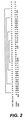
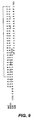
- FIG. 2 An amino acid sequence of said hit (VIB) is shown in FIG. 2 , and an amino acid sequence of proteins engineered by modifying one or more amino acids of said hit (VIB01) is shown in FIG. 2 .
- the particular amino acid residues of hGH used to modify said hit were selected from those forming the agonist-binding functional region of hGH as indicated in FIG. 2 .
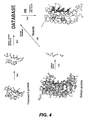
- Overlap between hGH and said marine worm toxin is shown in FIG. 3 , which serves to emphasize the ability of the method of the invention to identify hits which match cytokine agonist functional regions.
- the peptides designed according to the hGH agonist regions consitute candidate hGH agonists.
- the first step involves the creation of a library of small cysteine-rich proteins.
- 344 such proteins each with less than 70 amino acid residues
- 3779 experimentally-derived 3D structures have been extracted from the BROOKHAVEN database.
- each structure is simplified, in turn, into C ⁇ -C ⁇ vectors (step a), essentially resulting in a database of entries (step b).
- each query is in the form of a distance matrix representation of C ⁇ -C ⁇ vectors (step c).
- C ⁇ -C ⁇ vectors by other means, such as dihedral angles ( ⁇ ) or ⁇ 1 and ⁇ 2 angles.
- ⁇ dihedral angles
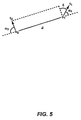
- ⁇ 1 and ⁇ 2 angles A simple description of these types of representations with respect to a C ⁇ -C ⁇ vector pair is shown in FIG. 5 .
- the search algorithm compares the distance matrix representing the query C ⁇ -C ⁇ vectors with the distance matrix representing C ⁇ -C ⁇ vectors of each entry (step d). Comparison of topographical similarities was chosen because C ⁇ -C ⁇ vectors are common to all amino acid side chains (except glycine), and are essentially anchored to the backbone. They therefore represent the initial orientation of the amino acid side chain in 3D space, which would probably not undergo significant change upon interaction with another protein. It is envisaged that the extra atoms of the side chain will provide some degree of induced fit during such an interaction.
- step d one or more hits may be identified. If a single hit is obtained, no ranking is necessary. If the number of hits is small, it may be possible for the skilled person to evaluate and rank each hit individually (step e). If, however, the number of hits is large, such manual comparison would be more difficult, and an automated process is required.
- steric integrity that is, the structural complementarity that each hit possesses with regard to the 3D space in which it must reside. For example, if the query is in the form of a distance matrix representation of C ⁇ -C ⁇ vectors corresponding to the receptor-binding amino acid side-chains of a hormone, then a hit must be evaluated in terms of whether it would invade the 3D space accessed by the receptor upon binding the cytokine.
- Several algorithms have been developed that are useful for this purpose.
- the FOUNDATION program of Ho & Marshall, 1993, supra uses various flood filling algorithms to define the 3D space occupied by the receptor (as determined from the crystal structure of the receptor), and then uses atom-checking routines to establish whether the atoms of a hit reside in the binding "cavity" of the receptor.
- Other approaches include placing molecules in a cube containing lattice points and checking the van der Waals overlap of each molecule ( Allinger, 1972, In: Pharmacology and the future of Man. Proceedings of the 5th International Conference on Pharmacology pp 57-63 ).
- a related method involves the calculation of the volume in common and the volume of extra space of two molecules ( Marshall et al., 1979, The Conformational Parameter in Drug Design: The active analog approach. 112 205 ).
- the present inventors plan to utilize molecular surfaces to compare various physicochemical properties of a query and hit. Charge, electrostatic potential, hydrophobicity, occupancy, and hydrogen bonding potential have all been mapped to protein surfaces, providing detailed comparisons between proteins.
- a method for quantitating the degree of similarity between two molecular surfaces has been developed, in which a gnomonic projection casts the calculated values of a given property onto a spherical surface ( Dasnzinger & Dean, 1985, J. Theor. Biol. 116 215 ). Two such surfaces can then be superimposed using pairs of corresponding atoms. This algorithm would be very useful for comparing query protein with a hit, to allow fine tuning of amino acid residues of the protein corresponding to the hit, and to improve steric and electrochemical complementarity.
- the database searching algorithms (such as provided by the VECTRIX program) applicable to the method of the invention allow for the identification of partial hits
- molecular modelling to identify additional regions on the surface of the protein corresponding to the partial hit for mimicking vectors missed in the database search. This could involve the use of D-amino acids or non-coded amino acids, for example, to achieve better mimicry when engineering a mimetic.
- VECTRIX program has been applied to various sample proteins.
- Growth hormone is a pituitary cytokine that regulates many growth processes, such as the growth and differentiation of muscle, bone and cartilage cells.
- the growth cytokine receptor (GHR) consists of three domains:-
- Intracellular signalling occurs as a result of dimerization of separate GHRs following sequential binding of each receptor to a single GH ligand.
- the first GHR binds to the high affinity site of GH, while the second GHR subsequently binds to this complex.
- the crystal structure of this complex shows two identical receptor molecules bound to dissimilar sites on a single human GH molecule (hGH; De Vos et al., 1992, Science 255 306 ).
- the high affinity site on hGH is concave and buries - approximately 1200 A 2 of surface area, while the second binding site on hGH buries approximately 900 A 2 of surface area.
- a third region contributing to the stability of the complex comprises an area of 500 A 2 buried by the receptor-receptor interaction.
- the crystal structure also reveals that the actual contact areas of both the high affinity and low affinity sites of hGH are buried upon complexation with the receptors.
- the GH residues currently used in the design of antagonists are: Asp A171; Lys A172; Glu A174; Thr A175; Phe A176; Arg A178; Ile A179; Lys A41; Leu A45; Pro A48; Glu A56; Arg A64; and Gln A68. It is these amino acid residues of hGH which formed the basis of the query for the purposes of database searching.
- Scyllatoxin (pdb1scy) was returned as a hit framework that matched a maximum of 7 vectors of the hGH high affinity surface. After identification of a hit molecule, molecular modelling studies were used to optimise the hit resulting in the design of SCY01, SCY02 and SCY03.
- the mutated framework SCY01 was produced by transfer of 7 matching hGH residues, R167, K168, D171, K172, E174, T175 and F176.
- SCY02 was designed by transfer of hGH residues D171, K172, E174, T175, F176, R178 and I179, however the affinity matured hGH mutation E174S was incorporated into SCY02.
- SCY03 incorporated the affinity matured hGH mutations D171 S and E174S. In this fashion, several analogues were designed based on a single hit, that incorporated different functional residues and affinity matured residues.
- SCY13 was developed from SCY02 and SCY03 with the aid of the program X-SITE (Laskowski et al., 1996, supra), to incorporate novel mutations and auxilliary groups. As shown in FIG. 1 , SCY13 possesses a D171Y mutation, a T175D mutation and an F176E(Fm) mutation.
- N4R mutation in the native scyllatoxin sequence was also incorporated based on the X-SITE (Laskowski et al., 1996, supra) results. These mutations were incorporated to optimise the electrostatic interactions and to increase the bound surface area of the modelled SCY-hGHR complex.
- the scyllatoxin peptides SCY01-SCY03 and SCY13 were then synthesised using solid phase techniques ( M. Schnolzer et al., 1992, International Journal of Peptide and Protein Research, 40 180-193 ) purified and oxidised.
- the products were fully characterised using mass spectrometry, high performance liquid chromatography (HPLC) and amino acid analysis (AAA).
- HPLC high performance liquid chromatography
- AAAA amino acid analysis
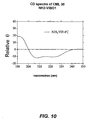
- the secondary structure elements of the engineered SCY molecules were determined by circular dichroism on SCY01 and SCY02 ( FIG. 6 ).
- the spectra showed a high helical content consistent with the native SCY fold.
- CD indicated that the helical structure was unchanged by addition of helical stabilizing agents such as TFE or destabilizing agents such as Guanidine.HCl or temperature. This emphasises the favourable chemical characteristics of these frameworks.
- the structure of SCY01 was determined by NMR spectroscopy. As illustrated in FIG. 7 , we found that their is close conformational overlap (RMS 0.45 ⁇ ) between the functional residues on GH and the engineered surface of SCY01.
- RMS 0.45 ⁇ is close conformational overlap
- SCY01 was tested for biological function by bioassay using the BaF3 cell line, which cells normally respond to GH. The results are shown in FIG. 8 . SCY01 was assayed at various concentrations to check its ability to inhibit BaF3 cell proliferation in response to either 0.5 ng/mL hGH, or as a control, 50 Units/mL IL-3. The calculated K i from these experiments was approximately 200 ⁇ M, and no inhibitory activity was observed with respect to IL-3 induced proliferation. Thus, SCY01 displayed an inhibitory activity with respect to GH-stimulated proliferation. This biological effect suggests that SCY01 is a candidate for further investigation with regard to it's mechanism of action.
- the SCY peptides showed extremely good stability in the hGH assay buffer as judged by HPLC of the peptide at various time points after incubation in the assay buffer for up to 72 hrs.
- Preliminary studies evaluated the bioavailability of SCY01 by exposing it to a variety of proteases (trypsin, chymotrypsin and pepsin) and blood serum proteins as described in MATERIALS AND METHODS.
- the results of the blood serum stability test are presented in Table 2, and the results of the enzyme stability tests are presented in Table 3.
- the SCY peptide was found to be stable after 24 hrs in each case, while control peptides were rapidly digested. Thus emphasising the favourable chemical characteristics of disulfide-rich proteins.
- the present inventors have taken a functional epitope of hGH and successfully engineered it onto a new disulfide-rich framework.
- This framework has appealing chemical characteristics in terms of bioavailability and bioactivity when compared to macromolecular proteins.
- Number of vectors searched 15 - R167, K168, D171, K172, E174, T175, F176, R178, I179, K45, P48, E56, R64, Q68.
- peptides were fully characterized by mass spectrometry, Reverse Phase High Performance Liquid chromatography (RP-HPLC) and Amino acid analysis (AAA).
- the pure reduced peptides SCY 01-03 were folded using 0.1 M solution of NH 4 HCO 3 stirred overnight at RT at a peptide concentration of ⁇ 0.3 ⁇ M per ml monitored by HPLC and mass spectrometry.
- the folded peptide was isolated by preparative HPLC.
- the correct disulphide connectivity for SCY01 was determined by full structure analysis by NMR. Folding methods using oxidized and reduced glutathione in a ratio of 100:10:1 GSH:GSSG: peptide and published methods using 5 mM GSSG to 0.5 mM GSH in NaPO 4 buffer pH 7.4 was carried out to give identically folded material. After folding the pure peptide an equivalent yield of peptide was obtained by folding the crude peptide in exactly the same manner.
- the oxidation of SCY13 was complicated by the Fm group attached to the Glu.
- SCY13 was oxidised using a 30% TFE solution in the presence of 5 mM GSSG to 0.5 mM GSH
- CD was performed as outlined in the General Materials and Methods section.
- the SCY peptides showed extremely good stability in the hGH assay buffer (RPMI-1640 medium supplemented with 10% (v/v) foetal bovine serum (FBS) and 100 units/mL IL3.
- the peptides were incubated at 1 mg/ml solutions in the buffer at 37°C. Samples were removed at various time points and HPLC analysis showed the rate of peptide decomposition up to 72 hrs.
- Blood was collected in heparinised tubes by venapuncture. The blood was centrifuged at 5000 rpm for 20 mins and the serum decanted. The blood serum was stored at -20°C. A sample of the blood serum (900 ⁇ L) was incubated with 100 ⁇ L of the stock peptide solution (I mg/mL in H 2 0) at 37°C and aliquots (100 ⁇ L) removed at the required time. A solution of 50% CH 3 CN 0.1 % TFA was added to precipitate the blood serum proteins and centrifuged at 13000 rpm for 5 mins.
- the low affinity site of growth hormone comprises at least 12 residues.
- the C ⁇ -C ⁇ vectors of these 12 residues were used in a VECTRIX search.
- Pdb1 zdc (ZDC) was returned as the best hit with 9 search vectors matched at 1 ⁇ tolerance. These residues were R8, L9, D11, N12, L15, R16, R19, D116 and E119.
- Molecular modelling (Insight II) was again used to optimise the hit. It was decided that the R29L (matching L9 of hGH) may disrupt the ZDC fold and this mutation was not incorporated. Furthermore, additional molecular modelling studies suggested that ZDC could match a further 7 residues of hGH.
- the residues that matched (15 residues - RMSd backbone atoms between hit and hGH - 1.46 angstroms) and were incorporated into ZDC05 were, R8, D11, N12, L15, R16, R19, Y111, D112 , K115, D116, E118, E119, G120, Q122 and T123.
- the mutated framework ZDC05 was produced by transfer of the above 15 matching hGH residues.
- Number of vectors searched 12-R8, L9, D11, N12, L15, R16, R19, D112, L113, D116, E119, T123.
- Number of different matches at 7 or more vector matches 22
- Protein A engineered fragment pdb1 zdc (9)
- the agonist site of hGH comprises 25 residues.
- the C ⁇ -C ⁇ vectors of these 25 residues were used in a VECTRIX search.
- Pdb1vib (VIB) was returned as the best hit with 8 search vectors matched. These residues were N12, R16, R19, D171, K172, E174, T175 and F176.
- Molecular modelling determined that VIB could match a further 9 residues of hGH.
- residues that matched (17 residues - RMSd backbone atoms between hit and hGH - 0.86 angstroms) and incorporated into VIB01 were D11, N12, R16, R19, L20 H21, Q22, L23, F25,R167, K168, D169, D171, K172, E174, T175 and F176.
- the mutated framework VIB01 was produced by transfer of the above 17 matching hGH residues.
- the modelling program Delphi (Honig & Nicholls, 1987, supra) was used to compare the electrostatic potential maps of hGH and the mimics, with the conclusion that there was good complimentarity between hGH and the mimics.
- VIB01 was determined to position the mutated residues in appropriate spatial orientations to mimic hGH and to retain the native fold.
- the VIB peptide ( FIG. 2 ) was synthesised using solid phase techniques (M. Schnolzer et al., International Journal of Peptide and Protein Research, supra), purified and oxidised. The product was fully characterised using mass spectrometry HPLC and AAA. The secondary structure elements of the engineered VIB molecules was checked by circular dichroism as illustrated in FIG. 10 .
- the engineered VIB peptide had a very stable structure and shows significant helical character in aqueous conditions. This would be expected as the native fold is a helix loop helix motif.
- the VECTRIX search identified peptide ERP as a hit with 7 search vectors matched. These residues were N12, L15, R16, H18, R19, T175 and R178. Molecular modelling determined that ERP could match a further 6 residues of hGH. The residues that matched (13 residues - RMSd backbone atoms between hit and hGH -1.33 angstroms) and were incorporated into ERP01 were R8, D11, N12, M14, L15, R16, H18, R19, E174, T175, F176, R178 and I179. As shown in FIG. 11 , the mutated framework ERP01 was produced by transfer of the above 13 matching hGH residues.
- ERP01 was determined to position the mutated residues in appropriate spatial orientations to mimic hGH and to retain the native fold.
- ERP02 differed from ERP01 in containing the hGH affinity matured mutations E174S, I179T and H18D.
- the G14F mutation (F176 mimic) in ERP01 and ERP02 necessitated two major mutations, S6G and N11 G.
- ERP03 eliminated the G14F mutation and the necessity for these mutations giving a less perturbed sequence.
- the ERP peptides 01-03 ( FIG. 11 ) were synthesised using solid phase techniques (M. Schnolzer et al., International Journal of Peptide and Protein Research, supra), purified and oxidised. The product was fully characterised using mass spectrometry HPLC and AAA. The secondary structure elements of the engineered ERP molecules was checked by circular dichroism on ERP03 ( FIG. 12 ). This showed a very high degree of alpha helical character in agreement with the 3 helical bundle structure of the native ERP molecule.
- the reduced VIB peptides were oxidsied using the methods outlined for the ERP peptides with 30% TFE solutions and GSSG: GSH oxidation shuttle.
- CD was performed as outlined in the General Materials and Methods section.
- the peptide was dissolved at a low concentration in cold water to which was added trifluoroethanol to 30%. This was cooled at 4°C for two hours before oxidised and reduced glutathione was added (10:100:1/GSSG:GSH:peptide) then 1 M NH 4 HCO 3 was added to give a 0.1 M solution at pH 8.1.
- the oxidised peptides were isolated by HPLC.
- CD was performed as outlined in the General Materials and Methods section.
- Interleukin 4 (IL-4)
- IL-4 is a four helix bundle cytokine that is the basis of the allergic response mechanisms in asthma, rhinitis, conjunctivitis and dermatitis. It plays an important role in the induction of immunoglobulins through the turning on of B-cells that produce Igm, IgE and IgG's. IL-4 associates primarily with the IL-4 alpha receptor which accounts for nearly the complete binding affinity. The IL-4 receptor complex then recruits the common ⁇ chain to form the cell signaling heterodimer.
- the functional epitope of IL-4 that determines the binding affinity to the receptor ⁇ chain has been identified through mutational analysis and from the crystal structure of the recently determined IL-4 and the IL-4R ⁇ complex. (Hage et al., 1999, Cell 97 271)
- the key binding event involves mainly charged residues from helix A and C of IL-4 particularly Arg88 and Glu9.
- the 13 amino acid residues of the binding surface of IL-4 were used as a query for program VECTRIX.
- the database to be searched contained the structure of GCN4, a 31 residue leucine zipper peptide.
- the GCN4 molecule was identified by the program VECTRIX as a hit. It matched 8 vectors of IL-4 (RMS 0.39A). Upon engineering and synthesising this molecule containing these 8 amino acids, an IL-4 agonist is expected with a potency of Kd 106 ⁇ M (Dominques et al., 1999, Nat. Struct. Biol. 6 652)
- GCN4 peptide pdb1zta
- Protein A fragment engineered
- pdb1zdc 10
- the CD4-GP120 interaction is the primary binding event that allows the Human Immunodeficiency Virus (HIV) to enter a cell.
- HIV Human Immunodeficiency Virus
- the crystal structure of CD4 has been known for some time ( Wang et al., 1990, Nature 348 411 ) but a structure of the CD4 and a highly modified GP120 complex was only solved in June 1998 ( Kwong et al., 1998, Nature 393 648 ). It has been known for some time through mutational analysis of CD4 ( Fleury et al., 1991, Cell 66 1037 ) that the key amino acids involved in binding to GP120 reside on a loop (CDR1) involving the residues 41-47 and the key binding residue Arg59.
- CDR1 loop
- Number of vectors searched 7: K35, S42, F43, R59, D63, Q40, L44.
- Scorpion neurotoxin pdb2pta (5) Scyllatoxin :pdb1 scy: (4) The scy molecule is only selected in the vectrix search if the absolute requirement of a match with Arg59 is removed.
- the PTA peptide was oxidised by stirring the peptide overnight in 0.1 M NH 4 HCO 3 pH 8.1.
- the oxidised peptide (2 forms) was recovered by HPLC. Both folded forms were assayed separately. The oxidation of the peptide in different conditions in the presence of glutathione failed to yield folded peptide.
- the SCY CD4 molecule was oxidised using 5 mM GSSG to 0.5 mM GSH in NaPO4 buffer pH 7.4.
- the oxidised peptide was purified by HPLC.
- CD4 is then passed over the GP120 surface and the degree of binding assessed through both the on rate K Association and the off rate k Dissociation . CD4 is then equilibrated with the inhibitor ligand and passaged over the GP120. Through the BiaCore module the degree to which the PTA or SCY ligand disrupts the binding of CD4 to the chip is assessed.
- Interleukin 6 (IL-6)
- Interleukin 6 is a cytokine that plays an important role in the inflamation cascade, neural development, bone metabolism, hematopoiesis cell proliferation and immune response mechanisms.
- Interleukin 6 is a 4 helical bundle cytokine that binds to a IL-6 alpha receptor and to a common receptor motif GP130.
- the IL-6R ⁇ subunit does not play a role in intracellular signalling. This is carried out through the ligand dependent dimerisation of the associated GP130 receptor molecule.
- the full receptor complex is believed to be hexameric with two units each of IL-6, IL-6R and GP130.
- IL-6 pleiotropic effects of IL-6 is thought to come about because of this complex arrangement of the heterotrimeric receptor complex.
- the interaction sites for both the IL-6R ⁇ and GP130 receptors has been well studied through site specific mutagenisis of both the receptor molecules and the IL-6 molecule.
- the structure of IL-6 in both solution and crystal forms has been solved and the crystal structure of the GP130 receptor has recently been determined.
- the IL-6 ⁇ receptor binding site on IL-6 (termed Site I) is localised primarily to the end of helix D.
- Two additional sites Site II and III are responsible for the two different GP130 receptor molecules binding.
- the two GP130 binding sites are spread over a wide area at the opposite end of the molecule to the IL-6 binding site.
- the IL-6 VECTRIX search described herein pertains only to the II-6 ⁇ receptor interaction. It does not relate to the GP130 receptor interaction or the multi receptor interactions (though the VECTRIX search has been carried out for these two sites II and III as well). No modeling of the IL-6 residues to any of the hit frameworks has been carried out. A few examples of possible framework targets are listed below.
- Protein A fragment (engineered): pdb1zdc: (9) Moloney murine leukemia virus fragment: Pdb1 mof: (10) Scyllatoxin: pdb1 scy: (8)
- G-CSF Granulocyte Colony Stimulating Factor
- VECTRIX search was done with an absolute requirement for a vector matching the critical amino acid Phe 145. However, relatively few hits resulted, presumably due to the restriction of every hit matching the Phe 145 vector. Alterations of this absolute requirement and refinement of the VECTRIX search will lead to a larger number of hits.
- Trifluoroacetic acid (TFA) dichloromethane (DCM) dimethylformamide (DMF) and disopropylethylamine (DIEA) were from Auspep (Melbourne Australia).
- 2-(1H-benzotriazol-1-yl)-1,1,3,3-tetramethyl uronium hexafluorophosphate (HBTU) was from Richelieu Biotechnologies (St. Hyacinth, Quebec, Canada).
- Acetonitrile was from BDH Laboratory Supplies (Poole, U.K.), Diethyl ether from Fluka Biochemicals (Melbourne) and 2- mercaptoethanol from Sigma (St. Louis Mo, USA).
- Trifluoroethanol from (Aldrich.
- HF was purchased from Boc Gases (Brisbane, Australia)
- the following N ⁇ -Boc protected L-amino acids Ala, Gly, Ile, Leu, Phe, Pro, Val, Arg (Tos), Asp(OChx), Asn(Xanth), Glu (OChx), His(DNP), Ser(Bzl), Thr(Bzl), Tyr(2BrZ) were purchased either from NovaBiochem (La Jolla, CA, USA) or Bachem (Switzerland).
- MBHA polystyrene resin was purchased from Peptide Institute (Kyoto, Japan).
- Analytical and preparative HPLC was carried out using a Waters HPLC system comprised of model 600 solvent delivery system 600E controller and model 484 detector. Vydac C18 and C4 columns analytical (4.6 X 250 mm id) at a flow rate of 1 ml/min and semi preparative (10 X 250 mm id) at a flow rate of 3 ml/min and preparative (22 X 250 mm id) at a flow rate of 8 ml/min were used. All peptides were purified using linear gradients of 0.1 % aqueous TFA (solvent A), 90% aqueous to acetonitrile 0.09% TFA (solvent B)
- Peptides were synthesized using the rapid manual HBTU in-situ neutralization synthesis techniques (Schnolzer et al .,1992, supra) on a modified ABI 430A peptide synthesizer (Alewood et al ., 1997, supra).
- the peptide was synthesized on a MBHA resin on a 0.2 mmol scale using 0.79 mmol/g NH2 substituted resin.
- Each amino acid was double coupled using 2 mmol AA 0.48M HBTU (4 ml) and 1 ml DIEA for 10 min each coupling.
- the Boc group was removed by 2 x 1 min treatments of TFA with 1 min DMF flow washes of the resin.
- the His(DNP) group if present in a particular sequence, was removed using 20% mercaptoethanol in 10% DI EA/DMF solution 3 x 30 min treatments.
- Peptide resin was cleaved using HF with p -cresol and p -thiocresol (90:8:2) as scavangers at -5 to 0°C for 2 hrs. If Trp(CHO) is present in a sequence, it is removed by treatment with ethanolamine.
- the HF was removed in vacuo, the peptides triturated with cold diethyl ether (3 x 50 ml) the precipitated peptide collected then dissolved in 50% acetonitrile with 0.1 %TFA to give the crude peptide.
- the crude peptide (-80 mg lots) was purified by RPHPLC and fractions collected and analysed by analytical RPHPLC and ESMS. Fractions containing the purified peptide were combined and lyophilised.
- Mass spectral data were collected using a Perkin Elmer Sciex (Toronto, Canada) API III Biomolecular Mass Analyzer ion-spray mass spectrometer equipped with an ABl 140B solvent delivery system. Raw data was analyzed using the program MassSpec (Perkin Elmer Sciex). Calculated masses were obtained using the program MacProMass (Sunil Vemuri & Terry Lee, City of Hope, Durate, CA).
- BaF-B03 cells (a pro B cell line) that stably express the human Growth Hormone Receptor (hGHR) are used in this assay since they are able to elicit a GH-specific response at concentrations as low as 0.1 ng/mL hGH (4.54 pM). These cells also endogenously express the IL3 receptor and require IL3 or GM-CSF to survive in culture.
- the assay is based on that of Mossman, 1983, J. Immunol. Meth. 65 55 , and involves the following procedure:-
- the present invention therefore provides a new strategy for the engineering of proteins, which strategy is particularly applicable to the engineering of mimetics which may constitute the next generation of therapeutics.
Landscapes
- Life Sciences & Earth Sciences (AREA)
- Physics & Mathematics (AREA)
- Engineering & Computer Science (AREA)
- Health & Medical Sciences (AREA)
- Theoretical Computer Science (AREA)
- Spectroscopy & Molecular Physics (AREA)
- Biotechnology (AREA)
- Medical Informatics (AREA)
- Bioinformatics & Cheminformatics (AREA)
- Bioinformatics & Computational Biology (AREA)
- Biophysics (AREA)
- Evolutionary Biology (AREA)
- General Health & Medical Sciences (AREA)
- Bioethics (AREA)
- Databases & Information Systems (AREA)
- Crystallography & Structural Chemistry (AREA)
- Chemical & Material Sciences (AREA)
- Peptides Or Proteins (AREA)
- Investigating Or Analysing Biological Materials (AREA)
- Information Retrieval, Db Structures And Fs Structures Therefor (AREA)
- Saccharide Compounds (AREA)
- Preparation Of Compounds By Using Micro-Organisms (AREA)
Claims (17)
- Verfahren zum Protein-Engineering, das die folgenden Schritte einschließt:(i) Erstellen einer Computerdatenbank, die eine Vielzahl von Einträgen enthält, wobei jeder Eintrag einer Beschreibung einer Lage und Orientierung im 3D-Raum von Seitenketten von Aminosäureresten eines Rahmenproteins entspricht, die zur Bildung interner Disulfidbindungen befähigt sind, wobei die Lage und Orientierung jeder Seitenkette als ein Cα-Cβ-Vektor vereinfacht wird;(ii) Erstellen einer Abfrage entsprechend einer Beschreibung einer Lage und Orientierung in 3D-Räumen von jeweiligen Seitenketten von zwei oder mehr Aminosäureresten eines Probenproteins, die für eine Funktion des Probenproteins erforderlich sind, wobei die Lage und Orientierung jeder Seitenkette als ein Cα-Cβ-Vektor vereinfacht wird; und(iii) Durchsuchen der Datenbank mit der Abfrage, um dadurch einen oder mehrere Treffer zu identifizieren, wobei mindestens einer der Treffer einem jeweiligen Rahmenprotein entspricht, das 3D-Strukturähnlichkeit zu dem Probenprotein aufweist.
- Verfahren von Anspruch 1, wobei das Rahmenprotein ein kleines Cystein-reiches Protein ist, das 70 Aminosäuren oder weniger umfasst und 2 - 11 Disulfidbinungen aufweist.
- Verfahren von Anspruch 1, wobei der Cα-Cβ-Vektor in der Form einer Distanzmatrix-Darstellung vorliegt.
- Verfahren von Anspruch 1, wobei bei Schritt (iii) die Treffer gemäß der Strukturähnlichkeit zu dem Probenprotein eingestuft werden.
- Verfahren von Anspruch 1, wobei die Suche bei Schritt (iii) Folgendes einschließt:(i) Identifizieren der Treffer durch Cliquen-Nachweis;(ii) Filtern der bei Schritt (i) identifizierten Treffer.
- Verfahren von Anspruch 1, wobei der mindestens eine Aminosäurerest des Probenproteins mindestens einen Abschnitt von mindestens einer funktionellen Region des Probenproteins bildet.
- Verfahren von Anspruch 1, wobei die zwei oder mehreren Aminosäurereste des Probenproteins, die zum Erstellen der Abfrage in Schritt (ii) verwendet werden, bezüglich der Primärsequenz nichtbenachbart sind.
- Verfahren von einem beliebigen vorangehenden Anspruch, wobei das Rahmenprotein eine Aminosäuresequenz umfasst, die aus der Gruppe, bestehend aus Scyllatoxin (SEQ ID NR: 1), VIB (SEQ ID NR: 7), ZDC (SEQ ID NR: 10) und ERP (SEQ ID NR: 14), gewählt ist.
- Verfahren von einem beliebigen vorangehenden Anspruch, wobei das Probenprotein ein Zytokin oder eine funktionelle Region davon ist.
- Verfahren von Anspruch 9, wobei das Zytokin aus der Gruppe gewählt ist, die aus Wachstumshormon (GH), Interleukin-4 (IL-4), Interleukin-6 (IL-6) und Granulozyten-Kolonie-Stimulierender-Faktor (G-CSF) besteht.
- Verfahren von Anspruch 10, wobei die Funktionsregion eine Rezeptor-bindende Region des Zytokins ist.
- Verfahren von einem beliebigen vorangehenden Anspruch, ferner einschließend den Schritt des Modifizierens einer Aminosäuresequenz des Rahmenproteins, welche einem Treffer entspricht, durch Substituieren mindestens eines Aminosäurerestes davon mit mindestens einer Aminosäure des Probenproteins, um dadurch ein modifiziertes Rahmenprotein zu erzeugen.
- Verfahren von Anspruch 12, wobei das modifizierte Rahmenprotein eine größere Stabilität als das Probenprotein aufweist.
- Verfahren von Anspruch 12, wobei das modifizierte Rahmenprotein erhöhte Strukturähnlichkeit zu dem Probenprotein aufweist.
- Verfahren von Anspruch 12, wobei das modifizierte Rahmenprotein zum Aufzeigen einer Funktion fähig ist, die entweder ähnlich zu, oder inhibitorisch hinsichtlich, einer Funktion des Probenproteins ist.
- Verfahren von mindestens einem der Ansprüche 12 - 15, wobei das modifizierte Rahmenprotein eine Aminosäuresequenz umfasst, die aus der Gruppe gewählt ist, welche aus SCY01 (SEQ ID NR: 2), SCY02 (SEQ ID NR: 3), SCY03 (SEQ ID NR: 4), SCY13 (SEQ ID NR: 5), VIB01 (SEQ ID NR: 8), ZDC05 (SEQ ID NR: 11), ERP01 (SEQ ID NR: 15), ERP02 (SEQ ID NR: 16) und ERP03 (SEQ ID NR: 17) besteht.
- Verfahren von Anspruch 16, wobei das modifizierte Rahmenprotein ein Zytokin-Mimetikum ist.
Applications Claiming Priority (3)
| Application Number | Priority Date | Filing Date | Title |
|---|---|---|---|
| AUPP6606A AUPP660698A0 (en) | 1998-10-21 | 1998-10-21 | A method of protein engineering |
| AUPP660698 | 1998-10-21 | ||
| PCT/AU1999/000914 WO2000023474A1 (en) | 1998-10-21 | 1999-10-21 | Protein engineering |
Publications (3)
| Publication Number | Publication Date |
|---|---|
| EP1123316A1 EP1123316A1 (de) | 2001-08-16 |
| EP1123316A4 EP1123316A4 (de) | 2007-10-17 |
| EP1123316B1 true EP1123316B1 (de) | 2011-03-02 |
Family
ID=3810827
Family Applications (1)
| Application Number | Title | Priority Date | Filing Date |
|---|---|---|---|
| EP99970666A Expired - Lifetime EP1123316B1 (de) | 1998-10-21 | 1999-10-21 | Proteinveränderung |
Country Status (8)
| Country | Link |
|---|---|
| US (2) | US7092825B1 (de) |
| EP (1) | EP1123316B1 (de) |
| JP (1) | JP4633930B2 (de) |
| AT (1) | ATE500561T1 (de) |
| AU (1) | AUPP660698A0 (de) |
| CA (1) | CA2347917C (de) |
| DE (1) | DE69943242D1 (de) |
| WO (1) | WO2000023474A1 (de) |
Families Citing this family (27)
| Publication number | Priority date | Publication date | Assignee | Title |
|---|---|---|---|---|
| AUPP660698A0 (en) * | 1998-10-21 | 1998-11-12 | University Of Queensland, The | A method of protein engineering |
| WO2002005133A1 (en) * | 2000-07-07 | 2002-01-17 | Kent Ridge Digital Labs | A method and apparatus for searching a database containing biological information |
| FR2827046B1 (fr) * | 2001-07-06 | 2004-01-23 | Commissariat Energie Atomique | Procede de criblage de molecules aptes a se lier a la proteine gp120 du virus de l'immunodeficience |
| AU2003202324B2 (en) * | 2002-02-08 | 2008-05-08 | The University Of Queensland | Common protein surface shapes and uses therefor |
| AUPS039702A0 (en) * | 2002-02-08 | 2002-03-07 | University Of Queensland, The | Common protein surface shapes and uses therefor |
| US7611700B2 (en) * | 2002-09-09 | 2009-11-03 | Hanall Pharmaceuticals, Co., Ltd. | Protease resistant modified interferon alpha polypeptides |
| US20060020396A1 (en) * | 2002-09-09 | 2006-01-26 | Rene Gantier | Rational directed protein evolution using two-dimensional rational mutagenesis scanning |
| JP5170630B2 (ja) * | 2007-12-19 | 2013-03-27 | 独立行政法人産業技術総合研究所 | タンパク質機能識別装置 |
| US9273093B2 (en) | 2012-10-11 | 2016-03-01 | Protagonist Therapeutics, Inc. | α4β7 peptide dimer antagonists |
| SI2923291T1 (sl) * | 2012-11-26 | 2020-09-30 | Innophore Gmbh | Ugotavljanje novih encimskih funkcionalnosti z uporabo oblakov tridimenzionalnih točk, ki predstavljajo fizikalno-kemijske lastnosti votlin znotraj proteina |
| EP4091624A1 (de) | 2013-03-15 | 2022-11-23 | Protagonist Therapeutics, Inc. | Hepcidin-analoga und verwendungen davon |
| CA2949215C (en) | 2014-05-16 | 2023-03-14 | Protagonist Therapeutics, Inc. | .alpha.4.beta.7 integrin thioether peptide antagonists |
| EP4378536A3 (de) | 2014-07-17 | 2024-10-09 | Protagonist Therapeutics, Inc. | Orale peptidhemmer des interleukin-23-rezeptors und deren verwendung zur behandlung von entzündlichen darmerkrankungen |
| SG11201702553RA (en) | 2014-10-01 | 2017-04-27 | Protagonist Therapeutics Inc | NOVEL α4β7 PEPTIDE MONOMER AND DIMER ANTAGONISTS |
| EP3201217A4 (de) | 2014-10-01 | 2018-07-18 | Protagonist Therapeutics Inc. | Neuartige cyclische monomer- und dimerpeptide mit integrin-antagonisten-aktivität |
| US10787490B2 (en) | 2015-07-15 | 2020-09-29 | Protaganist Therapeutics, Inc. | Peptide inhibitors of interleukin-23 receptor and their use to treat inflammatory diseases |
| WO2017117411A1 (en) | 2015-12-30 | 2017-07-06 | Protagonist Therapeutics, Inc. | Analogues of hepcidin mimetics with improved in vivo half lives |
| CN115925790A (zh) | 2016-03-23 | 2023-04-07 | 领导医疗有限公司 | 用于合成α4β7肽拮抗剂的方法 |
| EP4092038A1 (de) | 2017-09-11 | 2022-11-23 | Protagonist Therapeutics, Inc. | Opioidagonistpeptide und verwendungen davon |
| CA3089868A1 (en) | 2018-02-08 | 2019-08-15 | Protagonist Therapeutics, Inc. | Conjugated hepcidin mimetics |
| JP7112312B2 (ja) * | 2018-10-26 | 2022-08-03 | 富士通株式会社 | 化合物探索装置、化合物探索方法、及び化合物探索プログラム |
| CN114585918A (zh) * | 2019-05-31 | 2022-06-03 | 鲁比克治疗股份有限公司 | 中尺度工程化肽和选择方法 |
| KR20220044277A (ko) | 2019-07-10 | 2022-04-07 | 프로타고니스트 테라퓨틱스, 인코포레이티드 | 인터루킨-23 수용체의 펩티드 억제제 및 염증성 질환을 치료하기 위한 이의 용도 |
| WO2021146454A1 (en) | 2020-01-15 | 2021-07-22 | Janssen Biotech, Inc. | Peptide inhibitors of interleukin-23 receptor and their use to treat inflammatory diseases |
| WO2021146441A1 (en) | 2020-01-15 | 2021-07-22 | Janssen Biotech, Inc. | Peptide inhibitors of interleukin-23 receptor and their use to treat inflammatory diseases |
| EP4247403A4 (de) | 2020-11-20 | 2024-12-11 | JANSSEN Pharmaceutica NV | Zusammensetzungen von peptidinhibitoren des interleukin-23-rezeptors |
| JP2024525732A (ja) | 2021-07-14 | 2024-07-12 | ヤンセン バイオテツク,インコーポレーテツド | インターロイキン-23受容体の脂質化ペプチド阻害剤 |
Family Cites Families (15)
| Publication number | Priority date | Publication date | Assignee | Title |
|---|---|---|---|---|
| US4704692A (en) * | 1986-09-02 | 1987-11-03 | Ladner Robert C | Computer based system and method for determining and displaying possible chemical structures for converting double- or multiple-chain polypeptides to single-chain polypeptides |
| US4853871A (en) * | 1987-04-06 | 1989-08-01 | Genex Corporation | Computer-based method for designing stablized proteins |
| WO1993001484A1 (en) * | 1991-07-11 | 1993-01-21 | The Regents Of The University Of California | A method to identify protein sequences that fold into a known three-dimensional structure |
| JPH0673088A (ja) * | 1992-08-28 | 1994-03-15 | Fujitsu Ltd | Ss結合の表示方法 |
| TW263437B (de) * | 1992-09-24 | 1995-11-21 | Takeda Pharm Industry Co Ltd | |
| AU6136694A (en) * | 1993-02-12 | 1994-08-29 | Repligen Corporation | Methods for generating broadly neutralizing anti-hiv antibodies and antigens capable of eliciting same |
| JP3867863B2 (ja) * | 1993-07-13 | 2007-01-17 | 富士通株式会社 | 立体構造処理装置 |
| US5752019A (en) * | 1995-12-22 | 1998-05-12 | International Business Machines Corporation | System and method for confirmationally-flexible molecular identification |
| US5835382A (en) * | 1996-04-26 | 1998-11-10 | The Scripps Research Institute | Small molecule mimetics of erythropoietin |
| US5878373A (en) * | 1996-12-06 | 1999-03-02 | Regents Of The University Of California | System and method for determining three-dimensional structure of protein sequences |
| CA2294771A1 (en) * | 1997-07-03 | 1999-01-14 | Akiko Itai | Method for inferring protein functions with the use of ligand data base |
| US7212924B1 (en) * | 1997-10-02 | 2007-05-01 | Akiko Itai | Method of inferring three-dimensional structure of protein |
| AU1283199A (en) * | 1997-10-29 | 1999-05-17 | Rutgers, The State University Of New Jersey | Linking gene sequence to gene function by three-dimensional (3d) protein structure determination |
| JPH11232291A (ja) * | 1998-02-16 | 1999-08-27 | Seibutsu Bunshi Kogaku Kenkyusho:Kk | 蛋白質立体構造データベース検索方法 |
| AUPP660698A0 (en) * | 1998-10-21 | 1998-11-12 | University Of Queensland, The | A method of protein engineering |
-
1998
- 1998-10-21 AU AUPP6606A patent/AUPP660698A0/en not_active Abandoned
-
1999
- 1999-10-21 AT AT99970666T patent/ATE500561T1/de not_active IP Right Cessation
- 1999-10-21 US US09/830,011 patent/US7092825B1/en not_active Expired - Lifetime
- 1999-10-21 WO PCT/AU1999/000914 patent/WO2000023474A1/en not_active Ceased
- 1999-10-21 CA CA2347917A patent/CA2347917C/en not_active Expired - Lifetime
- 1999-10-21 EP EP99970666A patent/EP1123316B1/de not_active Expired - Lifetime
- 1999-10-21 JP JP2000577199A patent/JP4633930B2/ja not_active Expired - Lifetime
- 1999-10-21 DE DE69943242T patent/DE69943242D1/de not_active Expired - Lifetime
-
2006
- 2006-08-14 US US11/503,141 patent/US20070016380A1/en not_active Abandoned
Also Published As
| Publication number | Publication date |
|---|---|
| ATE500561T1 (de) | 2011-03-15 |
| JP4633930B2 (ja) | 2011-02-16 |
| EP1123316A4 (de) | 2007-10-17 |
| US20070016380A1 (en) | 2007-01-18 |
| DE69943242D1 (de) | 2011-04-14 |
| WO2000023474A1 (en) | 2000-04-27 |
| US7092825B1 (en) | 2006-08-15 |
| CA2347917A1 (en) | 2000-04-27 |
| EP1123316A1 (de) | 2001-08-16 |
| CA2347917C (en) | 2018-08-21 |
| AUPP660698A0 (en) | 1998-11-12 |
| JP2002527845A (ja) | 2002-08-27 |
Similar Documents
| Publication | Publication Date | Title |
|---|---|---|
| EP1123316B1 (de) | Proteinveränderung | |
| Janin et al. | Protein–protein interaction and quaternary structure | |
| US6801861B2 (en) | Apparatus and method for automated protein design | |
| Offmann et al. | Local protein structures | |
| Rooman et al. | Prediction of protein backbone conformation based on seven structure assignments: influence of local interactions | |
| Melo et al. | Novel knowledge-based mean force potential at atomic level | |
| Lam et al. | An overview of comparative modelling and resources dedicated to large-scale modelling of genome sequences | |
| Kolbeck et al. | Connectivity independent protein-structure alignment: a hierarchical approach | |
| Saven | Designing protein energy landscapes | |
| US20030078374A1 (en) | Complementary peptide ligands generated from the human genome | |
| Wilmanns et al. | Inverse protein folding by the residue pair preference profile method: estimating the correctness of alignments of structurally compatible sequences | |
| AU771697B2 (en) | Protein engineering | |
| Hashemi et al. | In silico Approaches for the Design and Optimization of Interfering Peptides Against | |
| Wang et al. | Integrating bonded and nonbonded potentials in the knowledge-based scoring function for protein structure prediction | |
| Matsuno et al. | Multidomain protein structure prediction using information about residues interacting on multimeric protein interfaces | |
| Thukral et al. | ProRegIn: a regularity index for the selection of native-like tertiary structures of proteins | |
| Joshi | A decade of computing to traverse the labyrinth of protein domains | |
| Soman et al. | Determining the three-dimensional fold of a protein from approximate constraints: a simulation study | |
| Zhang et al. | Overview of structural bioinformatics | |
| US20030049687A1 (en) | Novel methods for generalized comparative modeling | |
| John et al. | Understanding tools and techniques in protein structure prediction | |
| Subramaniam | Conformational sampling in protein structure prediction | |
| Yang et al. | Protein Structure Alphabetic Alignment | |
| Sobha et al. | Is protein structure prediction still an enigma? | |
| Tsang | Vector alignment search tool (VAST) automated protein structure comparison using special structural elements |
Legal Events
| Date | Code | Title | Description |
|---|---|---|---|
| PUAI | Public reference made under article 153(3) epc to a published international application that has entered the european phase |
Free format text: ORIGINAL CODE: 0009012 |
|
| 17P | Request for examination filed |
Effective date: 20010517 |
|
| AK | Designated contracting states |
Kind code of ref document: A1 Designated state(s): AT BE CH CY DE DK ES FI FR GB GR IE IT LI LU MC NL PT SE |
|
| AX | Request for extension of the european patent |
Free format text: AL;LT;LV;MK;RO;SI |
|
| RIC1 | Information provided on ipc code assigned before grant |
Ipc: G06F 19/00 20060101AFI20070515BHEP |
|
| A4 | Supplementary search report drawn up and despatched |
Effective date: 20070917 |
|
| 17Q | First examination report despatched |
Effective date: 20080304 |
|
| GRAP | Despatch of communication of intention to grant a patent |
Free format text: ORIGINAL CODE: EPIDOSNIGR1 |
|
| GRAS | Grant fee paid |
Free format text: ORIGINAL CODE: EPIDOSNIGR3 |
|
| GRAA | (expected) grant |
Free format text: ORIGINAL CODE: 0009210 |
|
| REG | Reference to a national code |
Ref country code: DE Ref legal event code: R079 Ref document number: 69943242 Country of ref document: DE Free format text: PREVIOUS MAIN CLASS: C07K0014610000 Ipc: G06F0019000000 |
|
| AK | Designated contracting states |
Kind code of ref document: B1 Designated state(s): AT BE CH CY DE DK ES FI FR GB GR IE IT LI LU MC NL PT SE |
|
| REG | Reference to a national code |
Ref country code: GB Ref legal event code: FG4D |
|
| REG | Reference to a national code |
Ref country code: CH Ref legal event code: EP |
|
| REG | Reference to a national code |
Ref country code: IE Ref legal event code: FG4D |
|
| REF | Corresponds to: |
Ref document number: 69943242 Country of ref document: DE Date of ref document: 20110414 Kind code of ref document: P |
|
| REG | Reference to a national code |
Ref country code: DE Ref legal event code: R096 Ref document number: 69943242 Country of ref document: DE Effective date: 20110414 |
|
| REG | Reference to a national code |
Ref country code: NL Ref legal event code: VDEP Effective date: 20110302 |
|
| PG25 | Lapsed in a contracting state [announced via postgrant information from national office to epo] |
Ref country code: ES Free format text: LAPSE BECAUSE OF FAILURE TO SUBMIT A TRANSLATION OF THE DESCRIPTION OR TO PAY THE FEE WITHIN THE PRESCRIBED TIME-LIMIT Effective date: 20110613 Ref country code: GR Free format text: LAPSE BECAUSE OF FAILURE TO SUBMIT A TRANSLATION OF THE DESCRIPTION OR TO PAY THE FEE WITHIN THE PRESCRIBED TIME-LIMIT Effective date: 20110603 Ref country code: SE Free format text: LAPSE BECAUSE OF FAILURE TO SUBMIT A TRANSLATION OF THE DESCRIPTION OR TO PAY THE FEE WITHIN THE PRESCRIBED TIME-LIMIT Effective date: 20110302 |
|
| PG25 | Lapsed in a contracting state [announced via postgrant information from national office to epo] |
Ref country code: CY Free format text: LAPSE BECAUSE OF FAILURE TO SUBMIT A TRANSLATION OF THE DESCRIPTION OR TO PAY THE FEE WITHIN THE PRESCRIBED TIME-LIMIT Effective date: 20110302 Ref country code: FI Free format text: LAPSE BECAUSE OF FAILURE TO SUBMIT A TRANSLATION OF THE DESCRIPTION OR TO PAY THE FEE WITHIN THE PRESCRIBED TIME-LIMIT Effective date: 20110302 Ref country code: AT Free format text: LAPSE BECAUSE OF FAILURE TO SUBMIT A TRANSLATION OF THE DESCRIPTION OR TO PAY THE FEE WITHIN THE PRESCRIBED TIME-LIMIT Effective date: 20110302 Ref country code: NL Free format text: LAPSE BECAUSE OF FAILURE TO SUBMIT A TRANSLATION OF THE DESCRIPTION OR TO PAY THE FEE WITHIN THE PRESCRIBED TIME-LIMIT Effective date: 20110302 |
|
| PG25 | Lapsed in a contracting state [announced via postgrant information from national office to epo] |
Ref country code: BE Free format text: LAPSE BECAUSE OF FAILURE TO SUBMIT A TRANSLATION OF THE DESCRIPTION OR TO PAY THE FEE WITHIN THE PRESCRIBED TIME-LIMIT Effective date: 20110302 |
|
| PG25 | Lapsed in a contracting state [announced via postgrant information from national office to epo] |
Ref country code: PT Free format text: LAPSE BECAUSE OF FAILURE TO SUBMIT A TRANSLATION OF THE DESCRIPTION OR TO PAY THE FEE WITHIN THE PRESCRIBED TIME-LIMIT Effective date: 20110704 |
|
| PLBE | No opposition filed within time limit |
Free format text: ORIGINAL CODE: 0009261 |
|
| STAA | Information on the status of an ep patent application or granted ep patent |
Free format text: STATUS: NO OPPOSITION FILED WITHIN TIME LIMIT |
|
| 26N | No opposition filed |
Effective date: 20111205 |
|
| PG25 | Lapsed in a contracting state [announced via postgrant information from national office to epo] |
Ref country code: DK Free format text: LAPSE BECAUSE OF FAILURE TO SUBMIT A TRANSLATION OF THE DESCRIPTION OR TO PAY THE FEE WITHIN THE PRESCRIBED TIME-LIMIT Effective date: 20110302 |
|
| REG | Reference to a national code |
Ref country code: DE Ref legal event code: R097 Ref document number: 69943242 Country of ref document: DE Effective date: 20111205 |
|
| PG25 | Lapsed in a contracting state [announced via postgrant information from national office to epo] |
Ref country code: IT Free format text: LAPSE BECAUSE OF FAILURE TO SUBMIT A TRANSLATION OF THE DESCRIPTION OR TO PAY THE FEE WITHIN THE PRESCRIBED TIME-LIMIT Effective date: 20110302 Ref country code: MC Free format text: LAPSE BECAUSE OF NON-PAYMENT OF DUE FEES Effective date: 20111031 |
|
| REG | Reference to a national code |
Ref country code: CH Ref legal event code: PL |
|
| PG25 | Lapsed in a contracting state [announced via postgrant information from national office to epo] |
Ref country code: LI Free format text: LAPSE BECAUSE OF NON-PAYMENT OF DUE FEES Effective date: 20111031 Ref country code: CH Free format text: LAPSE BECAUSE OF NON-PAYMENT OF DUE FEES Effective date: 20111031 |
|
| REG | Reference to a national code |
Ref country code: IE Ref legal event code: MM4A |
|
| PG25 | Lapsed in a contracting state [announced via postgrant information from national office to epo] |
Ref country code: IE Free format text: LAPSE BECAUSE OF NON-PAYMENT OF DUE FEES Effective date: 20111021 |
|
| PG25 | Lapsed in a contracting state [announced via postgrant information from national office to epo] |
Ref country code: LU Free format text: LAPSE BECAUSE OF NON-PAYMENT OF DUE FEES Effective date: 20111021 |
|
| REG | Reference to a national code |
Ref country code: FR Ref legal event code: PLFP Year of fee payment: 17 |
|
| REG | Reference to a national code |
Ref country code: FR Ref legal event code: PLFP Year of fee payment: 18 |
|
| REG | Reference to a national code |
Ref country code: FR Ref legal event code: PLFP Year of fee payment: 19 |
|
| REG | Reference to a national code |
Ref country code: FR Ref legal event code: PLFP Year of fee payment: 20 |
|
| REG | Reference to a national code |
Ref country code: DE Ref legal event code: R079 Ref document number: 69943242 Country of ref document: DE Free format text: PREVIOUS MAIN CLASS: G06F0019000000 Ipc: G16Z0099000000 |
|
| PGFP | Annual fee paid to national office [announced via postgrant information from national office to epo] |
Ref country code: DE Payment date: 20181024 Year of fee payment: 20 |
|
| PGFP | Annual fee paid to national office [announced via postgrant information from national office to epo] |
Ref country code: FR Payment date: 20181026 Year of fee payment: 20 Ref country code: GB Payment date: 20181025 Year of fee payment: 20 |
|
| REG | Reference to a national code |
Ref country code: DE Ref legal event code: R071 Ref document number: 69943242 Country of ref document: DE |
|
| REG | Reference to a national code |
Ref country code: GB Ref legal event code: PE20 Expiry date: 20191020 |
|
| PG25 | Lapsed in a contracting state [announced via postgrant information from national office to epo] |
Ref country code: GB Free format text: LAPSE BECAUSE OF EXPIRATION OF PROTECTION Effective date: 20191020 |