EP1104405B1 - Near infrared chemiluminescent acridinium compounds and uses thereof - Google Patents
Near infrared chemiluminescent acridinium compounds and uses thereof Download PDFInfo
- Publication number
- EP1104405B1 EP1104405B1 EP99941005A EP99941005A EP1104405B1 EP 1104405 B1 EP1104405 B1 EP 1104405B1 EP 99941005 A EP99941005 A EP 99941005A EP 99941005 A EP99941005 A EP 99941005A EP 1104405 B1 EP1104405 B1 EP 1104405B1
- Authority
- EP
- European Patent Office
- Prior art keywords
- acridinium
- group
- dmae
- compound
- compounds
- Prior art date
- Legal status (The legal status is an assumption and is not a legal conclusion. Google has not performed a legal analysis and makes no representation as to the accuracy of the status listed.)
- Expired - Lifetime
Links
- 0 Cc1cc(C(O)=O)cc(C)c1OC(c1c(cccc2)c2[n+](*)c2c1ccc(C=Cc(cc1)ccc1O)c2)=O Chemical compound Cc1cc(C(O)=O)cc(C)c1OC(c1c(cccc2)c2[n+](*)c2c1ccc(C=Cc(cc1)ccc1O)c2)=O 0.000 description 4
Images





Classifications
-
- G—PHYSICS
- G01—MEASURING; TESTING
- G01N—INVESTIGATING OR ANALYSING MATERIALS BY DETERMINING THEIR CHEMICAL OR PHYSICAL PROPERTIES
- G01N33/00—Investigating or analysing materials by specific methods not covered by groups G01N1/00 - G01N31/00
- G01N33/48—Biological material, e.g. blood, urine; Haemocytometers
- G01N33/50—Chemical analysis of biological material, e.g. blood, urine; Testing involving biospecific ligand binding methods; Immunological testing
- G01N33/58—Chemical analysis of biological material, e.g. blood, urine; Testing involving biospecific ligand binding methods; Immunological testing involving labelled substances
- G01N33/582—Chemical analysis of biological material, e.g. blood, urine; Testing involving biospecific ligand binding methods; Immunological testing involving labelled substances with fluorescent label
-
- C—CHEMISTRY; METALLURGY
- C07—ORGANIC CHEMISTRY
- C07D—HETEROCYCLIC COMPOUNDS
- C07D219/00—Heterocyclic compounds containing acridine or hydrogenated acridine ring systems
- C07D219/04—Heterocyclic compounds containing acridine or hydrogenated acridine ring systems with hetero atoms or with carbon atoms having three bonds to hetero atoms with at the most one bond to halogen, e.g. ester or nitrile radicals, directly attached to carbon atoms of the ring system
-
- Y—GENERAL TAGGING OF NEW TECHNOLOGICAL DEVELOPMENTS; GENERAL TAGGING OF CROSS-SECTIONAL TECHNOLOGIES SPANNING OVER SEVERAL SECTIONS OF THE IPC; TECHNICAL SUBJECTS COVERED BY FORMER USPC CROSS-REFERENCE ART COLLECTIONS [XRACs] AND DIGESTS
- Y10—TECHNICAL SUBJECTS COVERED BY FORMER USPC
- Y10S—TECHNICAL SUBJECTS COVERED BY FORMER USPC CROSS-REFERENCE ART COLLECTIONS [XRACs] AND DIGESTS
- Y10S436/00—Chemistry: analytical and immunological testing
- Y10S436/80—Fluorescent dyes, e.g. rhodamine
-
- Y—GENERAL TAGGING OF NEW TECHNOLOGICAL DEVELOPMENTS; GENERAL TAGGING OF CROSS-SECTIONAL TECHNOLOGIES SPANNING OVER SEVERAL SECTIONS OF THE IPC; TECHNICAL SUBJECTS COVERED BY FORMER USPC CROSS-REFERENCE ART COLLECTIONS [XRACs] AND DIGESTS
- Y10—TECHNICAL SUBJECTS COVERED BY FORMER USPC
- Y10S—TECHNICAL SUBJECTS COVERED BY FORMER USPC CROSS-REFERENCE ART COLLECTIONS [XRACs] AND DIGESTS
- Y10S436/00—Chemistry: analytical and immunological testing
- Y10S436/815—Test for named compound or class of compounds
- Y10S436/817—Steroids or hormones
-
- Y—GENERAL TAGGING OF NEW TECHNOLOGICAL DEVELOPMENTS; GENERAL TAGGING OF CROSS-SECTIONAL TECHNOLOGIES SPANNING OVER SEVERAL SECTIONS OF THE IPC; TECHNICAL SUBJECTS COVERED BY FORMER USPC CROSS-REFERENCE ART COLLECTIONS [XRACs] AND DIGESTS
- Y10—TECHNICAL SUBJECTS COVERED BY FORMER USPC
- Y10S—TECHNICAL SUBJECTS COVERED BY FORMER USPC CROSS-REFERENCE ART COLLECTIONS [XRACs] AND DIGESTS
- Y10S530/00—Chemistry: natural resins or derivatives; peptides or proteins; lignins or reaction products thereof
- Y10S530/81—Carrier - bound or immobilized peptides or proteins and the preparation thereof, e.g. biological cell or cell fragment as carrier
- Y10S530/812—Peptides or proteins is immobilized on, or in, an organic carrier
-
- Y—GENERAL TAGGING OF NEW TECHNOLOGICAL DEVELOPMENTS; GENERAL TAGGING OF CROSS-SECTIONAL TECHNOLOGIES SPANNING OVER SEVERAL SECTIONS OF THE IPC; TECHNICAL SUBJECTS COVERED BY FORMER USPC CROSS-REFERENCE ART COLLECTIONS [XRACs] AND DIGESTS
- Y10—TECHNICAL SUBJECTS COVERED BY FORMER USPC
- Y10T—TECHNICAL SUBJECTS COVERED BY FORMER US CLASSIFICATION
- Y10T436/00—Chemistry: analytical and immunological testing
- Y10T436/13—Tracers or tags
Definitions
- the present invention relates to novel chemiluminescent acridinium compounds that have emission maxima close to or in the near infrared (NIR) region (>590 nm).
- NIR near infrared
- the structural requirements for such long wavelength-emitting acridinium compounds are disclosed herein.
- These novel acridinium compounds when used in conjunction with short wavelength-emitting acridinium esters (with emission maxima below 450 nm) should be highly useful labels for the simultaneous detection of multiple target analytes in immunoassays or nucleic acid assays due to the extremely small or negligible spectral overlap between the different labels.
- a true and effective optical segregation of the two or more specific signals associated with different analytes can be easily achieved by the use of optical filters in conjunction with a simple algorithmic operation for minor correction of any low level of cross-talk. From practical standpoint, minimal spectral overlap is thus the key factor that is necessary for the simultaneous and accurate measurement of different analytes.
- a further application of the compounds described here is in situations where there is optical interference from biological samples at short wavelength (under 500 nm). Under these conditions, these novel acridinium compounds should be useful, alternative, labels, permitting the optical separation of non-label related luminescence from the specific, chemiluminescent signal generated from the binding complex.
- long-wavelength acridinium compounds used in conjunction with detectors such as CCD cameras offer the potential for improved assay sensitivity since these detectors are remarkably efficient in reading long wavelength signals.
- Acridinium esters provide for an extremely sensitive method of detection and are useful chemiluminescent signal molecules that have been used extensively as labels in immunoassays and nucleic acid assays.
- U.S. Patent Nos. 4,745,181 ; 4,918,192 ; 5,110,932 first described hydrolytically stable Polysubstituted Aryl Acridinium Esters (PAAE) which are useful for analytical measurements and became the first chemiluminescent acridinium compounds that enabled ligand binding assays to meet the stringent conditions required for commercialization owing to their remarkable stability. Subsequently, U.S. Patent Nos.
- EP 0324,202 A1 and subsequently EP 0609,885 A1 both describe acridinium esters with functional groups substituted at the nitrogen atom of the acridinium nucleus.
- the latter application further describes alternate substituents such as the biphenyl or naphthyl moieties as possible replacements for the phenyl group.
- These types of acridinium compounds are reported to have emission maxima at 420 nm.
- Mattingly, et al. (U.S. Patent Nos. 5,468,646 and 5,543,524 ) describe chemiluminescent acridinium salts, their methods of preparation, their antibody conjugates, and their applications in immunoassays.
- These acridinium salts belong to another class of compounds termed acridinium sulfonylamides (or N-sulfonylacridinium carboxamides).
- the acridinium sulfonylamides (AS) have aqueous stabilities which are comparable with PAAE. No emission maxima were reported for the AS described therein. However, since the same acridone species should be generated from both classes of these compounds during their reaction with alkaline peroxide, the emission maxima for the acridinium sulfonylamides is expected to be in the blue region.
- EP 0 478 626 B1 and U.S. Patent No. 5,656,207 by Batmanghelich et al . outline a structure for a purported, long-wavelength-emitting acridinium ester, in which an extended conjugation system is drawn by appending a substituted carboxybutadienyl group to the acridinium ester.
- an extended conjugation system is drawn by appending a substituted carboxybutadienyl group to the acridinium ester.
- the synthesis of this acridinium ester nor its emission properties was described to enable and substantiate the claim of light emission maxima of 500-700 nm, as already pointed out in the U.S. patent application serial No. 08/308,772 .
- chemiluminescent 1,2-dioxetanes comprised of enzyme-cleavable, functional groups and light emitting fluorophores with different emission wavelengths.
- Specific preferred embodiments include a acetoxybenzopyran-substituted stable dioxetane (A), a phosphoryloxy-benzopyran-substituted stable dioxetane (B), and a ⁇ -galactosyloxy-benzothiazolyl-benzopyran-substituted stable dioxetane (C).
- the dioxetane A emits light with a 450 nm wavelength maximum when its acetoxy group is cleaved by an esterase.
- the dioxetane B emits lights at a 480 nm wavelength maximum when its phosphoryloxy group is cleaved by a phosphatase, while the dioxetane C emits light at 515 nm wavelength maximum upon treatment with the enzyme ⁇ -galactosidase.
- the patent provides an example of a three-channel analysis for the simultaneous detection of HSV, CMV, and HPV in a nucleic acid probe simultaneous assay, using three, narrow band-pass optical filters to sort out the different color emissions from the aforementioned dioxetanes. The levels of HSV, CMV, and HPV present in the sample were correlated by the corresponding image brightness.
- a modified, semi-automatic luminescence analyzer in which the red-insensitive photomultiplier tube has been replaced with a state-of-the-art low-noise, cooled CCD detector utilized in photon counting mode.
- a cooled CCD camera system for imaging chemilluminescent signal in the short wavelength region generated from a 1,2-dioxetane compound, was described by Martin, et.al. in J. Biolumin. Chemilumin. 9 (3), 145, 1994 .
- the applications that were said to have been adapted to this imaging method included various nucleic acid and immuno blottings, ELISA methods and DNA sequencing systems.
- This invention identifies two sets of necessary and sufficient criteria for observing long-wavelength emission from acridinium compounds:
- an NIR-AC of comparable quantum yield as the conventional acridinium compounds goes hand-in-hand with the employment of a luminenscence detector of good to excellent detection efficiency.
- a further objective of the present invention is the advance of a concept and the realization of substituting a state-of-the-art charge-coupled device (CCD) detector for the red-insensitive photomultiplier tube (PMT) in a conventional fully or semi-automatic analyzer such as MLA-II of Chiron Diagnostics, Walpole, MA.
- CCD state-of-the-art charge-coupled device
- PMT red-insensitive photomultiplier tube
- the chemiluminescent reaction of a PAAE is triggered by hydrogen peroxide in strong alkaline solution (see figure below).
- the light emitting species is the acridone which is formed in an electronic excited state during the chemical (peroxide-mediated) decomposition of the acridinium ester via a putative, highly strained and unstable dioxetanone intermediate.
- any chemical which releases bivalent peroxide can be used, for example, sodium peroxide or any bivalent peroxide salt.
- Light emission occurs when this excited acridone reverts to its ground state.
- the energy (wavelength) of the emitted light depends upon the difference of energy between the first excited state and the ground state, which in turn is determined by the specific structure of the acridones with various functional group T.
- acridinium esters and derivatives e.g. acridinium sulfonylamides
- the energy gap between the excited and ground states of the corresponding acridone must be reduced.
- an extended conjugated system decreases the energy gap for the molecule in question.
- this necessitates attachment of a suitable functionality to the acridinium nucleus at a critical ring position so that an extended conjugated system is created. This is predicted to result in a shift in the emission properties of the corresponding acridone to longer wavelengths.
- a second, equally critical requirement, which is related to conformation (geometry), is that the extended conjugated system must remain, at all times, coplanar with the acridone ⁇ -system so that the over-all, planar structure of the light emitting species is indeed the only most energetically-favored conformation of the molecule. If such a geometry is energetically unfavorable, or if the molecule can assume other, nonplanar, conformations as well, then long-wavelength emission is either not possible, or the resulting emission spectrum will cover such a broad range that the utility of the compound as a label in a simultaneous, multiple analyte assay will be questionable.
- the carboxybutadienyl substituted AE fails to achieve an emission maximum of 510 nm as claimed by Batmanghelich et.al.. This is apparently because of the inability of the molecule to fulfill the coplanar rule for effective electron delocalization throughout the entire ⁇ system.
- 3-carboxybutadienyl AE only shows an emission maximum of 464 nm, an extension of merely 36 nm from the emission maximum of the original acridinium ester as demonstrated in the U.S. Patent No. 5,879,894 . Extensive emission spectral overlap remains between the 3-carboxybutadienyl AE and the original AE.
- An alternative mode of creating an extended conjugated system involves the single point attachment of the requisite functional group (T) to one of the peri-positions (C1-C4) of the acridinium nucleus.
- Said functional group must carry at least one electron-donating atom or group with an extra pair of electrons which can readily delocalize into the extended, conjugation system of the AE nucleus to which the electron-donating atom or group is directly attached or built into.
- Electron-donating atom involved in such structural arrangements include the commonly encountered oxygen, sulfur, and nitrogen which appear, for instance, in styrenyloxide, thiophenoxide, naphthoxide, indole, benzimidazole, benzotriazole, benzothiazole, and other numerous other aromatic, heterocyclic systems. Some resonance structures are shown below for illustration of the involvement of the electron pair in the extended, conjugation systems.
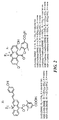
- Both the functional groups contain the extended conjugation system of the styrenyl moiety with an oxygen atom attached to the para position of the aromatic ring.
- the two functional groups differ in the ease with which they are capable of delocalizing a pair of electrons from the oxygen to the styrenyl ⁇ system.
- the 4-HS- group after deprotonation forms the phenoxide anion which is strongly electron donating and can readily delocalize its extra pair of electrons into the n system that it is attached to.
- the 4-MS- group since the ether oxygen cannot be deprotonated, such a mechanism for electron donation is not possible.
- the acridine nitrogen was alkylated with either methyl trifluoromethane sulfonate (4-hydroxyphenyl analog) or 1,4-butane sultone (4-methoxyphenyl analog).
- the benzyl ester was removed to liberate the free acid which was then converted to the N-hydroxysuccinimide ester using dicyclohexylcarbodiimide and N-hydroxysuccinimide.
- Protein conjugates of the acridinium esters were also prepared as described in examples 8-13.
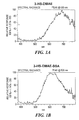
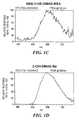
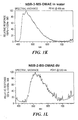
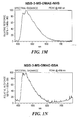
- NSB-3-MS-DMAE showed a hypsochromic shift of ⁇ 66 nm when its spectrum was recorded in water as opposed to either DMF or acetonitrile. Changes in the emission maximum of acridinium compounds that give rise to the same, blue light-emitting, N-methylacridone, as a function of the solvent mixture used, have also been recorded. McCapra et al. [Tetrahedron Letters No. 43, 3167, (1964 ) and Photochem. & Photobiology, 4.
- acridinium ester labels when flashed in an organic solvent rich medium, will give longer emission maxima than in water rich or completely aqueous environments.
- the difference in the observed maximum varies from about 4-12 nm in the case of shorter emission AEs to about 80 nm as seen in the present case of NIR-AE, which appears to be more susceptible to solvent effects.
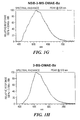
- a similar conjugate of BSA, with the hydrophilic version of the NIR-AE termed NSB-3-HS-DMAE has a N-sulfobutyl substituent instead of methyl group at the ring nitrogen of the acridinium nucleus. This conjugate also shows long wavelength emission at 620 nm. Note that for pratical utility in binding assays, the only relevant emission maxima are those obtained in a completely aqueous environment.
- NSB-3-MS-DMAE which contains a 3-(4-methoxystyrenyl) moiety, shows light emission at much shorter wavelength (455-460 nm) either as the free label or when conjugated to protein.
- the acridinium ester, NSB-2-MS-DMAE like the 3-analog, also shows relatively short-wavelength emission at 454 nm.
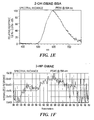
- the acridinium ester 2-HS-DMAE unlike the 3-isomer, was found to emit light over a wide range 450-700 nm. When this compound was conjugated to BSA, its light emission was at relatively short wavelength (482 nm).
- the emission spectra in Figure 1 clearly demonstrate that creation of an extended conjugation system by linking the appropriate functionality at C-2 or C-3 of acridinium ester, in itself, is a necessary but not a sufficient condition to get long-wavelength emission.
- the relatively short-wavelength observed in the emission spectra of the 3-carboxybutadienyl-AE, and MS-DMAE derivatives strongly suggests that the two ⁇ -systems (acridone and the 4-methyoxystyrenyl) are not coplanar.
- 2-HS-DMAE while the free label appears to show light emission from a range of low energy conformations, its emission spectrum when attached to protein suggests that there is considerable deviation from coplanarity of the two ⁇ -systems.
- the members within each group are expected to have similar emission characteristics because they are isomers with the hydroxyl group attached at the alternate position on the acridinium nucleus.
- 2-hydroxy-DMAE but not 3-hydroxy-DMAE is also capable of long wavelength emission (emission maximum of 604 nm), despite the absence of an extended conjugation system between the hydroxy substituent and the acridinium nucleus.
- the invention relates to the following structures of chemiluminescent Near Infrared Acridinium Compounds (NIR-AC).
- R 1 is an alkyl, alkenyl, alkynyl or aralkyl containing optionally up to 20 heteroatoms; preferably R 1 is methyl or sulfoalkyl group.
- R 2 and R 3 are identical or different, selected from hydrogen, R, substituted or unsubstituted aryl (ArR or Ar), halide, amino, hydroxyl, nitro, sulfonate, -CN, -COOH, -SCN, -OR, -SR, -SSR, -C(O)R, -C(O)OR, -C(O)NHR, or -NHC(O)R;
- R is selected from the group consisting of alkyl, alkenyl, alkynyl, aryl, and aralkyl containing optionally up to 20 heteroatoms;
- R 2 and R 3 can be linked, or they can be bridged, as exemplified by the following structures, so as to form an additional aromatic or non-aromatic ring fused to the attached acridinium nucleus.
- the ring can be either heterocyclic or non-heterocyclic, and, therefore, that some of these resulting structures include endocyclic heteroatoms (i.e., heteroatoms which are part of the ring structure itself).
- W OH, SH, -NR'R"; R 11 , R 12 , R 13 and R
- A is a counterion which is introduced to pair with the quaternary nitrogen of the acridinium nucleus either as a result of quaternarizing the acridine ring nitrogen by the use of alkylating agents during the synthesis, modification of the R 1 , or subsequent exchanging mechanism that occurs during the work-up of reaction mixtures and purification of desired compounds in a solution or fluid containing excess amount of other anions.
- Examples of the counter ions include CH 3 SO 4 - , FSO 3 - , CF 3 SO 4 - , C 4 F 9 SO 4 - , CH 3 C 6 H 4 SO 3 - , halide, CF 3 COO - , CH 3 COO - , and NO 3 - ,
- X is nitrogen, oxygen or sulfur;
- Z is omitted and Y is a polysubstituted aryl moiety of the formula: where R 4 and R 8 are alkyl, alkenyl, alkynyl, alkoxyl (-OR), alkylthiol (-SR), or substituted amino groups that serve to stabilize the -COX- linkage between the acridinium nucleus and the Y moiety, through steric and/or electronic effect; preferably R 4 and R 8 are low alkyl, more preferably methyl group, or at least one of them is as defined while the other is a hydrogen, if the C 1 or C 8 position of
- R 10 can also be -Q-R-Nu, -Q-R-(I)nNu-, -Q-Nu, -R-Nu, or -Nu, where n is a number of at least 1, Nu is a nucleophilic group, Q is a functional linkage, I is an ionic or ionizable group; detailed definitions of Nu, Q, and I can be found in the US Patent #5,241,070, column 3, line 45 to column 3, line 16. The reactions contemplated for Nu was also described in the same patent, column 3, line 48 to column 4, line 18.
- R 5 and R 6 , and R 6 and R 7 are interchangeable; and When X is nitrogen, then Z is -SO 2 -Y', Y' has the same definition of Y as described above, and both can be the same or different. Additionally, Y itself can be a branched or straight-chained alkyl containing optionally up to 20 carbon atoms, halogenated or unhalogenated, or a substituted aryl, or heterocyclic ring system.
- R 1 , R 2 , R 3 , A-, W, X, Y, and Z are the same as in set A NIR-AC general structure.
- the remaining C 3 , C 4 , C 5 peri-positions of the acridnium nucleus are optionally substituted.
- R 3 can also be the same as W in which case the acridinium ester has two electron donating groups instead of one.
- the disubstituted compounds are expected to show further bathochromic shifts in their emission maxima over their monosubstituted counterparts.
- NIR-AC functionalized with the previously mentioned chemically reactive functional groups and their obvious derivatives can be covalently coupled, directly or indirectly, both in vitro or in vivo, via a spacer or cross-linker (as described earlier in U.S. Patent No. 5,656,426 , and incorporated herein by reference) to:
- nucleic acid represents oligonucleotides typically synthesized in vitro using standard chemistry, and may be naturally occurring, e.g.
- DNA or RNA may be synthetic analogs, as known in the art. Such analogs may be preferred for use as probes because of superior stability under assay conditions.
- Modifications in the native structure including alterations in the backbone, sugars or heterocyclic bases, have been shown to increase intracellular stability and binding affinity. Among useful changes in the backbone chemistry are phosphorothioates; phosphorodithioates, where both of the non-bridging oxygens are substituted with sulfur; phosphoramidites; alkyl phosphotriesters and boranophosphates.
- Achiral phosphate derivatives include 3'-O'-5'-S-phosphorothioate, 3'-S-5'-O-phosphorothioate, 3'-CH2-5'-O-phosphonate and 3'-NH-5'-O-phosphoroamidate.
- Peptide nucleic acids replace the entire ribose phosphodiester backbone with a peptide linkage. Sugar modifications are also used to enhance stability and affinity.
- the a-anomer of deoxyribose may be used, where the base is inverted with respect to the natural b-anomer.
- the 2'-OH of the ribose sugar may be altered to form 2'-O-methyl or 2'-O-allyl sugars, which provide resistance to degradation without compromising affinity. Modification of the heterocyclic bases must maintain proper base pairing. Some useful substitutions include deoxyuridine for deoxythymidine; 5-methyl-2'-deoxycytidine and 5-bromo-2'-deoxycytidine for deoxycytidine. 5-Propynyl-2'-deoxyuridine and 5-propynyl-2'-deoxycytidine have been shown to increase affinity and biological activity when substituted for deoxythymidine and deoxycytidine, respectively.
- any applied diagnostic assays which might include but are not limited to the contemplated simultaneous use of more than one chemiluminescent compound as free molecules (such as in AE-encapsulated liposome technology, see U.S. Patent Nos. 5,227,489 ; 5449,556 ; 5,595,875 ) or as conjugated labels for signaling purposes (as described earlier in U.S. Patent Nos. 5,395,752 ; 5,702,887 , the copending U.S. Patent Number 5,879,894 and PCT application No. PCT/IB98/00831, and incorporated herein by reference), can benefit from the present invention.
- ETCs as described in the copending PCT application number PCT/IB98/00831, are comprised of an acridinium ester covalently attached to a fluorophore. These conjugates are structurally complex and synthetically challenging. Furthermore, a method for conjugation to biomolecules is not always apparent.
- the NIR-AC of the present invention are structurally simpler by design than the ETCs and therefore, offer an effective alternative to ETCs for use with conventional acridinium compounds (blue emitting) and LEAE (green emitting) for simultaneous, multiple analyte assays.
- the NIR-AC invention has added to the family of acridinium compounds, another series of distinctive members characterized by their longer emission maxima.
- the invention has provided a broad picture for first enabling, and then improving the quality of simultaneous multi-analyte diagnostic tests.
- NIR-AC's can be employed in conjunction with improved light detectors such as the charge-coupled devices (CCDs), to take advantage of the intrinsically high quantum yield of these compounds.
- CCDs charge-coupled devices
- a backed-illuminated thinned CCD with 1340 x 700 pixels which can be cooled by various methods is now commercially available (Princeton Instruments, Trenton, NJ).
- This CCD has an extremely low dark count and read out noise while maintaining a high detection efficiency of 80-90% or better across the light emission range of 400-800 nm.
- Binning is defined as subdividing the total number of pixels on the CCD chip and grouping a number of pixels into a single photon sensing/detecting and signal exporting unit (also referred as superpixel) through electronic connection and software programming.
- the result of binning is therefore, the significant reduction of read out noise due to the great reduction in the number of signal exporting units (i.e. pixels vs. superpixels).
- Superpixels on the other hand should be kept at a sufficient number to cope with the great interference of cosmic rays which are ubiquitous and occur at the frequency of low number of seconds. Signal from an affected superpixel will have to be sacrificed through proper software programming in order not to greatly distort the accuracy of the total signal output.
- the currently available photomultiplier tube (PMT)-based detectors either show a precipitous drop in detection efficiency (from 15% to ⁇ 1%) in the 500 - 650 nm range or are very noisy when they are designed to be more sensitive (detection efficiencies are 5-10%) in this region.
- the improved performance of CCDs is expected to enhance assay sensitivity primarily through the great reduction of the background signal contributed by the sample/buffer matrix in the same long wavelength region where there is a concurrent augmentation of NIR-AC detectability; consequently, providing the field of diagnostics with unprecedented assay performance.
- One embodiment for the CCD application is the modification of existing semi-automatic luminometers (e.g.
- the CCD can be oriented toward the sample chamber opening and brought to the closest possible proximity to detect the light emitted when chemiluminescence is triggered with alkaline hydrogen peroxide.
- a high transmission efficiency (95% plus) light pipe of proper shape can be installed between the chamber opening and the CCD detection window to improve the light collection efficiency.
- the light emission spectra of NIR-AC and the acridinium esters with shorter emission wavelengths were determined by a Fast Spectral Scanning System (FSSS) of Photo Research (a division of Kollmorgen Corp) of Burbank, Calif., U.S.A.
- FSSS Fast Spectral Scanning System
- the experiment was carried out in a dark room.
- Each compound was dissolved in acetonitrile or N , N -dimethylformamide, except for the protein-labeled conjugates and hydrophilic AE derivatives where aqueous solutions had to be used because of solubility.
- the resulting concentrates were diluted with the same solvent to form the working solution which upon reaction with alkaline hydrogen peroxide emitted light of adequate intensity.
- a typical experiment utilized 10 ⁇ 100 ug of the sample in 500 ul of the solvent contained in a 13 x 100 mm borosilicate test tube.
- the tube was placed into a test tube rack raised to a proper height.
- a piece of aluminum foil was placed at the back of the tube to enhance the detectability of the emitted light.
- the FSSS optical head was placed in front of the tube at an approximate distance of 130 mm with its lens focused on the liquid in the tube.
- the sample solution was first treated with 0.35 ml of the Flashing Reagent #1 (Chiron Diagnostics) containing 0.1 N HNO 3 and 0.1 % H 2 O 2 .
- 3-HS-DMAE 510 - 860 690 MeCN/DMF (42) 2.
- 2-OH-DMAE-Bz 500 - 800 604 MeCN/DMF (42) 5.
- 3-HP-DMAE 420 - 780 Broad MeCN/DMF (42) 7 NSB-3-MS-DMAE-Bz 420 - 700 520 MeCN/DMF (42) 8.
- NSB-3-MS-DMAE 420-720 522 DMF (42) 10.
- NSB-3-MS-DMAE 420-700 522 MeCN (42) 11.
- NSB-2-BS-DMAE-Bz 450 - 680 520 MeCN/DMF (42) 13.
- 2-HS-DMAE 420 - 850 Broad MeCN/DMF (42) 17.
- DMAE 400 - 530 430 DMF (42) 20.
- NSP-DMAE 390 - 530 424 DMF (42) 21.
- LEAE-BZ 490 - 670 522 MeCN (42) *Range is set for spectral region with signal intensity of above 5% of peak height.
- ⁇ Emission spectral range that goes beyond the scanning limit (380-780 nm) of FSSS, is extrapolated at the long end following the approximate trend of the curve
- ⁇ The percentage of organic solvent in the final mix after flash reagents of #1 and #2 were added.
- the acronyms inside the table represent compounds, the full nomenclatures of which are given in the example section.
- NSP, MeCN and DMF stand for N-sulfopropyl, acetonitrile, and dimethylformamide, respectively.
- chemiluminescent specific activities of various compounds and their conjugates are listed in Table 2. These values were determined either (a) on a Berthold luminometer (MLA-I, Chiron Diagnostics) fitted with a BG-38 filter (from Corion, Franklin, MA) with the wavelength transmission range of about 320 to 650 nm at transmission efficiency of 20-97%; or (b) on a prototype of a new instrument which comprised of an in-house semi-automatic luminometer (MLA-II) integrated to a back-illuminated, thinned, liquid nitrogen-cooled CCD detector from Princeton Instruments. The specific activities are therefore limited by the detectors used and the accessories selected.
- MLA-I in-house semi-automatic luminometer
- each sample was prepared in acetonitrile or methanol (free labels) or water (conjugates). These stock solutions were diluted further into 10 mM phosphate pH 8 also containing 150 mM NaCl, 0.1 % BSA, 0.05% sodium azide. Chemiluminescence of a 25 uL sample solution was initiated by the addition of Reagents 1 & 2 (Chiron Diagnostics) Typical dilutions of stock solutions resulted in overall observed RLUs in the range of 0.5-5 x 10 6 RLUs for a two second measurement time. From these measurements, the specific activity of the label could be calculated.
- each conjugate was further characterized by MALDI-TOF mass spectrometry to determine label incorporation. This was easily accomplished by recording the masses of the underivatized and labeled proteins. From the observed mass differences, label incorporation could be calculated. These are described in examples 9-14.
- the MALDI-TOF mass spectrum of this conjugate showed the expected incorporation of one label.
- Protein concentrations were determined by a micro-Bradford assay (BioRad). From a knowledge of the protein concentration and the number of labels per protein, the concentration of the label that was being measured in the luminometer could be determined. Similarly, oligonucleotide-AE concentration, and hence acridinium ester concentration, was determined by recording the absorbance of the conjugate at 260 nm on a UV-spectrophotometer. Acridinium ester contribution relative to oligonucleotide to the absorption band at 260 nm is negligible. All specific activities listed in Table 2 are for single labels only.
- NIR-AC coupled with CCD based detectors offer the potential for maximal sensitivity in assays because of the negligible backgrounds normally observed from biological samples in the red, remarkable detector efficiency of the CCD as well as improved quantum yields at least for some compounds such as 2-OH-DMAE. Even in the case of 3-HS-DMAE, it must be noted that once this compound is conjugated to a protein its quantum efficiency increases >20-fold thus also making this an extremely useful NIR-AC. Table 2.
- TSH antibody (0.5 mg, 3.33 nmoles) in 0.1 M carbonate pH 9 (0.45 mL) was treated with a solution of NSB-3-HS-DMAE-NHS (120 ug, 50 equivalents) in DMF (60 uL). The reaction was stirred at room temperature for 2 hours and then the labeled protein was isolated as described above.
- MALDI-TOF MS analysis of the conjugate indicated a mass increase of 1796 units corresponding to the incorporation of approximately 3 labels per molecule of anti-TSH.
- TSH antibody (0.5 mg, 3.33 nmoles) in 0.1 M carbonate pH 9 (400 uL) was treated with a solution of NSB-3-MS-DMAE-NHS (120 ug, ⁇ 50 equivalents) in DMF (120 uL). The reaction was stirred at room temperature for 16 hours and then the conjugate was isolated as described earlier.
- MALDI-TOF MS analysis of the conjugate showed a mass increase of 6074 units corresponding to the incorporation of approximately 10 labels per TSH antibody.
- Conjugate binding functionality for diagnostic assay applicability was evaluated using a divalent sandwich immunoassay formulated for the clinical quantitation of TSH in serum.
- the NSB-3-HS-DMAE-antiTSH conjugate (henceforth referred to as a tracer) should bind specifically to the selected analyte, TSH, present in a patient sample or in TSH-containing standards (Chiron Diagnostics Corp., Walpole, MA), to form a noncovalently associating antibody-antigen complex.
- the resultant traceranalyte complex is in turn captured by a second, polyclonal, sheep antiTSH antibody, covalently coupled to a paramagnetic particle solid phase.
- Chemiluminescent signal is determined following the magnetic separation of the solid-phase-bound conjugate from unbound conjugate. Tracer qualification is assessed through two related methods; primarily, a comparative analysis of normalized standard curve data, generated for both the conjugate in question and also a DMAE-antiTSH tracer of previously established utility. The standard curve data were used to calculate the TSH concentration of several control samples.
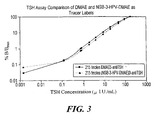
- the NSB-3-HS-DMAE-antiTSH concentrate was diluted 8.96 ⁇ 10 -4 -fold from 2.4 ⁇ M in ACSTM TSH3 Lite Reagent Buffer (Chiron Diagnostics Corp., Walpole, MA) to 2.15 nM, which was the concentration of the reference DMAE-antiTSH tracer supplied in the Chiron Diagnostics TSH3 Assay kit.
- the TSH assay was initiated when 100 uLs of the novel NSB-3-HS-DMAE-antiTSH tracer and 100 uLs of the reference DMAE-antiTSH kit tracer were mixed separately with 200 ⁇ Ls of either a TSH standard or control.
- TSH standards were used, containing TSH in concentrations of 0.000, 0.120, 0.740, 1.92, 3.86, 8.99, 19.9, 49.6, 97.1 and 183 ⁇ I.U./mL (Chiron Diagnostics Corp., Walpole, MA).
- Six controls were also assayed. These were Ligands 1, 2 and 3 from Chiron Diagnostics, which contained TSH in mean concentrations of 0.600, 4.90 and 17.0 ⁇ I.U./mL, respectively, and Lyphochek ® Immunoassay Control Serums 1, 2 and 3 from Bio-Rad Laboratories, which contained TSH in mean concentrations of 2.94, 11.5 and 40.6 ⁇ I.U./mL, respectively.
- the mixtures were collectively vortexed thrice for 5 seconds at setting no. 5 on a Coming, Inc. model 4010 Multi-Tube Vortexer. Data points were acquired in triplicate.
- the assay mixtures were then incubated for 20 minutes at room temperature, after which 200 uLs of ACSTM TSH3 Solid Phase ( ⁇ 67 ⁇ gs) was added to each assay.
- the assay mixtures were vortexed thrice as described above and incubated for 30 minutes at room temperature.
- the solid phase was magnetically separated from the supernatant by the 3 minute application of an array of permanent magnets in a Ciba-Corning Magic Lite Assay Rack..
- the supernatant was decanted from the solid phase. Residual supernatant was removed by blotting for 3 minutes and then again for 1 minute.
- the solid phase was washed with two separate 1.0 ml volumes of Chiron Diagnostics ACSTM:NG Wash Buffer and suspended in 100 ⁇ ls of reagent grade water.
- the chemiluminescent reaction was initiated with the sequential addition of 300 ⁇ Ls each of Chiron Diagnostics MLA Reagent 1 (0.1 N HNO 3 , 0.5% H 2 O 2 ) and Reagent 2 (0.25 N NaOH, 0.05% CTAC) on a Ciba-Corning Diagnostics Magic Lite Analyzer equipped with a Corion BG38 optical filter. Chemiluminescence data were collected as photons detected by the Magic Lite Analyzer and expressed in relative light units (RLUs).
- RLUs relative light units
- Arithmetic means for RLUs resulting from a specific analyte concentration, represented here as ⁇ , were calculated from three replicates. Non-tracer assay reagents also contribute a small though sometimes significant number of RLUs. Hence, a control reaction, containing all assay reagents except tracer, was run in parallel to determine non-tracer reagent background, represented here as n . Arithmetic mean RLUs, ⁇ , were corrected to represent RLUs obtained from the tracer only, represented here as B , where B ⁇ - n . Where the analyte concentration was highest, the corrected arithmetic mean RLU value for that point was denoted as B max .
- Double logarthmic plots of % B / B max versus TSH concentration illustrate the close similarity in the normalized standard curve shape generated by the NSB-3-HS-DMAE-antiTSH and DMAE-antiTSH conjugates. Therefore, indicating that the NSB-3-HS-DMAE label and other long emission wavelength acridinium ester labels have utility as immunoassay tracers over four or five orders of magnitude in analyte concentration: satisfactory in this case for the determination of TSH concentration over the its entire clinically relevant range.
- TSH concentrations were calculated for the Ciba-Corning Ligands 1, 2 and 3, as well as, for the Bio-Rad Control Serums 1, 2 and 3 using the weighted 4PL function. The calculated values were compared to the established value ranges stated in the associated product literature. In all cases NSB-3-HS-DMAE displayed demonstrable utility as a tracer label for the accurate determination of TSH concentration in the indicated controls. Results were comparable to those associated with the DMAE label. NIR acridinium esters have practical utility as tracer labels in immunoassay. Expected vs.
- TSH Concentration (uI.U./ml) Ciba-Corning Diagnostics Ligands Bio-Rad Laboratories Control Sera Levels 1 2 3 1 2 3 Expected Range 0.50 - 0.70 4.20- 5.60 14.0 - 20.0 2.34 - 3.54 9.10-13.9 35.6 - 45.6 Determined Using DMAE label 0.607 4.48 17.5 2.84 10.8 35.9 Using NSB-3-HS-DMAE label 0.688 4.95 19.3 3.32 12.0 41.1
- a 20-mer synthetic oligonucleotide containing the following Vancomycin A probe sequence 5'-XCG CAA GGT TTT TCG CAC ATT (SEQ ID NO 7) was synthesized using standard phosphoramidite chemistry. An amino group was introduced at the 5' end using Clontech's 'Unilink' amino-modifier (X in the above sequence). Ten nmoles of this oligonucleotide in 0.3 mL of 0.1 M sodium bicarbonate, pH 8.5 was chilled in ice and treated with a DMF solution of the above NHS ester (3 x 500 nmoles, 1 mg total) in three equal portions of 70 uL each.
- the reaction was stirred at room temperature for 16 hours and then the labeled DNA was separated from free label by gel-filtration on a Sephadex G25 column.
- the labeled DNA eluting in the void volume of the column was collected and further purified by preparative HPLC on a C18 column (3.9 x 300 mm) and a gradient of 8->20% in 20 minutes followed by a 20->60% gradient in 20 minutes of MeCN in 0.1 M trimethylammonium acetate pH 7.3.
- Glutaraldehyde (5 % (w/v) in 10 mM pyridine, 10 mLs) was mixed (setting 3, three hours) with the amino-PMP suspension. Unreacted glutaraldehyde was removed with four wash cycles of 10 mM pyridine (40 ml total). Thirty O.D. of 5'-amino-linked oligomer was coupled in 415 uLs 10 mM pyridine. The reaction mixtures were mixed in an end-over-end shaker (Lab Industries, Inc. model 400-100) for 16 hours. The supernatant was removed and the oligo-PMPs were treated with 10 mLs of 100 mM sodium cyanoborohydride for four hours.
- oligo-PMPs were washed five-fold with 1.0 mL of water and then deprotected with 2.0 mLs of concentrated ammonium hydroxide for 16 hours at 55°C. The supernatant was removed and the oligo-PMPs were washed with 1.0 mL of water and resuspended in 1.0 mL of water.
- Vanco-A PMP-Probe 557.22 is designated as SEQ ID NO 3.
- Vanco B PMP-Probe 496.20 is designated as SEQ ID NO 4.
- Hybridization Buffer (0.60 M sodium chloride, 60 m M citric acid, 10 m M Tris, 1.0 mM EDTA, 0.10 %( w / v ) bovine serum albumin, 0.020 %( v / v ) Tween-20, 0.020 %( w / v ) sodium azide, 1.0 %( w / v ) dextran sulfate, pH 8.0), Probe Diluent (50 mM sodium phosphate, pH 6.0), Wash Solution (0.30 M sodium chloride, 30 m M citric acid, 0.10 %( w / v ) sodium dodecyl sulfate, pH 7.7) and DNase I Solution ( 10 m M Tris, 1.0 mM EDTA, 10 mM magnesium chloride, 3.3 ⁇ g/ m L DNase I, pH 8.0).
- Solid phases and synthetic targets were diluted to the indicated working concentrations in Hybridization Buffer, while the probes were diluted in Probe Diluent.
- a hybridization reaction mixture was set up (See Figure 4 ) so as to contain 12.5 ⁇ Ls of 80 nM 2-OH-DMAE-Vanco A-Probe 526.20 (1.0 p mole) (SEQ ID NO 1), 12.5 ⁇ Ls of 1.6 n M DMAE-Vanco B-Probe 459.23 (0.10 p mole) (SEQ ID NO 2), 100 ⁇ Ls of 2.0 m g/ m L Vanco-A PMP-Probe 557.22 solid phase (0.20 mgs) (SEQ ID NO 3), 100 ⁇ Ls of 0.20 m g/ m L VancoB PMP-Probe 496.20 (20 ⁇ gs) (SEQ ID NO 4), 75 ⁇ Ls of both Vanco A 526.53 (SEQ ID NO 5) and Vanco B 459.57 (SEQ ID NO
- Van is also referred to herein as Van.
- the mass of target in each test was either 750, 375, 75, 37.5, 7.5 and 0.000 f moles, otherwise represented as 4.5 ⁇ 10 11 , 2.3 ⁇ 10 11 , 4.5 ⁇ 10 10 , 2.3 ⁇ 10 10 , 4.5 ⁇ 10 9 , and 0 molecules.
- the simultaneous assay reactions were constituted as indicated above, the individual assays for each analyte contained the complementary probe only, the other being substituted with Probe Diluent.
- the assay mixtures were vortexed thrice for five seconds at setting number five on a Coming, Inc. model 4010 Multi-Tube Vortexer. The reaction mixtures were incubated at 45°C for thirty minutes.
- the solid phase was magnetically separated from the supernatant by the three minute application of an array of permanent magnets in a Ciba Coming Magic Lite Assay Rack. The supernatant was decanted from the solid phase. Residual supernatant was removed by blotting for three minutes and then again for one minute. The solid phase was washed with two separate 1.0 m L volumes of Wash Solution to remove unbound probe and then suspended in 300 ⁇ Ls of DNase I Solution to release the probe from the solid phase surface.
- the chemiluminescent reaction was initiated under the control of the Dual PMT luminometer with the sequential addition of 300 ⁇ Ls Chiron Diagnostics ACS Reagent 1 (0.1 N nitric acid, 0.5 %( w / v ) hydrogen peroxide) followed 0.1 seconds later with the addition of 300 ⁇ Ls of ACS Reagent 2 (0.25 N sodium hydroxide, 0.5 %( w / v ) N,N,N,N- hexadecyltrimethylammonium chloride surfactant).
- Chemiluminescence data were collected as quanta detected by the Dual PMT Fixture for 2.0 seconds immediately following the addition of Reagent 2 and were expressed in relative light units (RLUs).
- RLUs relative light units
- the Dual-PMT luminometer has been described in U.S. Patent Nos. 5,395,752 and 5,447,687 .
- the two photomultiplier tubes (PMTs) on the Dual PMT luminometer were each equipped with a separate and different optical filter.
- Cross-talk for 2-HO-DMAE chemiluminescence on PMT1 was calculated as (PMT1 RLUs from 2-HO-DMAE-Van A) ⁇ 100 / T.
- Cross-talk for DMAE chemiluminescence on PMT2 was calculated as (PMT2 RLUs from DMAE-Van B) ⁇ 100 / T.
- the short wavelength channel, here designated as PMT1 was fitted with a Corion, Inc. BG-12-S-O939-4M229 optical filter through which wavelengths from 350 nm to 475 nm are transmitted by better than 20 % of incident light. Consequently, the BG-12-S-O939-4M229 filter will transmit only 3.5 % (cross-talk) of the total light emitted by the 2-HO-DMAE-Van A probe. Therefore, chemiluminescent signal from DMAE is preferentially detected by PMT1.
- the long wavelength channel here designated as PMT2
- PMT2 The long wavelength channel, here designated as PMT2
- LL-550-F-950B optical filter which transmits light wavelengths from 560 nm and longer at approximately 90 % of incident light.
- the LL-550-F-950B filter will transmit only 1.1 % (cross-talk) of the total light emitted by the DMAE-Van B probe. Therefore, chemiluminescent signal from 2-HO-DMAE is preferentially detected by PMT2.
- the Dual PMT luminometer equipped with these optical filters provides excellent discrimination of the separate chemiluminescent signals from a combined sample of DMAE- and 2-HO-DMAE-labeled probes.
- the standard curves are identical for both the individual Van A assay and the simultaneous Van A and B assay using chemiluminescence generated by the 2-HO-DMAE-labeled Van A probe.
- the standard curves are also identical for both the individual Van B assay and the simultaneous Van A and B assay using chemiluminescence generated by the DMAE-labeled Van B probe.
- the identical shapes of the standard curves in both the individual and dual analyte assays indicate that the mixed DMAE- and 2-HO-DMAE-labeled probes hybridize independently to their respective target sequences and are not perturbed by the presence of non-related, dual assay components.
Landscapes
- Chemical & Material Sciences (AREA)
- Life Sciences & Earth Sciences (AREA)
- Health & Medical Sciences (AREA)
- Engineering & Computer Science (AREA)
- Organic Chemistry (AREA)
- Urology & Nephrology (AREA)
- Biomedical Technology (AREA)
- Hematology (AREA)
- Immunology (AREA)
- Molecular Biology (AREA)
- Food Science & Technology (AREA)
- Pathology (AREA)
- Cell Biology (AREA)
- Medicinal Chemistry (AREA)
- Physics & Mathematics (AREA)
- Analytical Chemistry (AREA)
- Biochemistry (AREA)
- General Health & Medical Sciences (AREA)
- General Physics & Mathematics (AREA)
- Microbiology (AREA)
- Biotechnology (AREA)
- Investigating Or Analysing Materials By The Use Of Chemical Reactions (AREA)
- Plural Heterocyclic Compounds (AREA)
- Measuring Or Testing Involving Enzymes Or Micro-Organisms (AREA)
- Investigating Or Analysing Biological Materials (AREA)
- Luminescent Compositions (AREA)
- Peptides Or Proteins (AREA)
Applications Claiming Priority (3)
| Application Number | Priority Date | Filing Date | Title |
|---|---|---|---|
| US9607398P | 1998-08-11 | 1998-08-11 | |
| US96073P | 1998-08-11 | ||
| PCT/US1999/018076 WO2000009487A1 (en) | 1998-08-11 | 1999-08-10 | Near infrared chemiluminescent acridinium compounds and uses thereof |
Publications (2)
| Publication Number | Publication Date |
|---|---|
| EP1104405A1 EP1104405A1 (en) | 2001-06-06 |
| EP1104405B1 true EP1104405B1 (en) | 2009-02-18 |
Family
ID=22255133
Family Applications (1)
| Application Number | Title | Priority Date | Filing Date |
|---|---|---|---|
| EP99941005A Expired - Lifetime EP1104405B1 (en) | 1998-08-11 | 1999-08-10 | Near infrared chemiluminescent acridinium compounds and uses thereof |
Country Status (8)
| Country | Link |
|---|---|
| US (3) | US6355803B1 (enExample) |
| EP (1) | EP1104405B1 (enExample) |
| JP (2) | JP4672144B2 (enExample) |
| AT (1) | ATE423101T1 (enExample) |
| AU (1) | AU5473999A (enExample) |
| DE (1) | DE69940433D1 (enExample) |
| ES (1) | ES2320055T3 (enExample) |
| WO (1) | WO2000009487A1 (enExample) |
Families Citing this family (25)
| Publication number | Priority date | Publication date | Assignee | Title |
|---|---|---|---|---|
| US6514987B1 (en) * | 1997-01-06 | 2003-02-04 | Cerus Corporation | Frangible compounds for pathogen inactivation |
| US6673560B1 (en) | 1998-11-25 | 2004-01-06 | Bayer Corporation | Measurement of hydride using chemiluminescent acridinium compounds and applications thereof |
| JP3819294B2 (ja) * | 1999-07-30 | 2006-09-06 | バイエル コーポレイション | 燐酸酵素のような加水分解性酵素の化学発光基質 |
| US6783948B1 (en) * | 1999-07-30 | 2004-08-31 | Bayer Corporation | Chemiluminescent acridinium compounds and analogues thereof as substrates of hydrolytic enzymes |
| FI115139B (fi) * | 2001-01-10 | 2005-03-15 | Valtion Teknillinen | Menetelmä ja testipakkaus solu- tai kudosnäytteissä olevien polynukleotidien määrässä tapahtuvien vaihteluiden kvantitatiiviseen ja/tai vertailevaan arvioimiseen |
| FI20021325A0 (fi) * | 2002-07-05 | 2002-07-05 | Valtion Teknillinen | Menetelmä ja reagenssipakkaus yksittäisten polynukleotidien määrän määrittämiseksi |
| US7319041B2 (en) * | 2002-09-27 | 2008-01-15 | Siemens Medical Solutions Diagnostic | Applications of acridinium compounds and derivatives in homogeneous assays |
| US7309615B2 (en) * | 2002-09-27 | 2007-12-18 | Siemens Medical Solutions Diagnostic | High quantum yield acridinium compounds and their uses in improving assay sensitivity |
| US7572578B2 (en) * | 2003-09-09 | 2009-08-11 | Fujifilm Corporation | Method for isolating and purifying a nucleic acid |
| KR100697332B1 (ko) | 2004-12-14 | 2007-03-20 | 네오뷰코오롱 주식회사 | 적색 유기 발광화합물 및 이를 포함하는 유기 발광 다이오드 |
| TWI290956B (en) * | 2004-12-31 | 2007-12-11 | Ind Tech Res Inst | Luminescence-based recipe and device using the same |
| US20110097723A1 (en) * | 2009-09-19 | 2011-04-28 | Qun Liu | Methods and reagents for analyte detection |
| WO2011060228A1 (en) * | 2009-11-16 | 2011-05-19 | Siemens Healthcare Diagnostics Inc. | Zwitterion-containing acridinium compounds |
| US9244083B2 (en) | 2012-11-30 | 2016-01-26 | Siemens Healthcare Diagnostics Inc. | Compositions and methods for detecting vitamin D |
| JP6553020B2 (ja) | 2013-03-15 | 2019-07-31 | ジーピービー デット ホールディングス トゥー エルエルシー | アレルギー及び自己免疫疾患に関する診断分析を行うための自動化された免疫分析計システム |
| US9746484B2 (en) | 2014-06-27 | 2017-08-29 | Siemens Healthcare Diagnostics Inc. | Binding partners specific for vitamin D epimers in vitamin D assays |
| AU2015280292B2 (en) | 2014-06-27 | 2019-08-01 | Siemens Healthcare Diagnostics Inc. | Binding partners specific for vitamin D epimers |
| EP3257093B1 (de) * | 2015-02-09 | 2021-07-07 | Merck Patent GmbH | Elektronische vorrichtung enthaltend cyclische lactame |
| WO2019116234A1 (en) | 2017-12-12 | 2019-06-20 | Nestec S.A. | Methods for determining microbiome ribosomal rna composition changes |
| WO2020005920A1 (en) * | 2018-06-25 | 2020-01-02 | Siemens Healthcare Diagnostics Inc. | N-alkylation of acridans |
| US20210302320A1 (en) * | 2018-08-24 | 2021-09-30 | Moresco Corporation | Moisture detection method and moisture detection system |
| CN116034167A (zh) * | 2020-03-27 | 2023-04-28 | 萨摩尔股份有限公司 | 用于单分子测序和靶核酸检测的lash方法 |
| EP4601648A4 (en) * | 2022-10-13 | 2025-12-03 | Siemens Healthcare Diagnostics Inc | ACRIDINIUM COMPOUNDS WITH FUSIONIZED HETEROCYCLE COMPOUNDS |
| CN122138960A (zh) * | 2023-11-02 | 2026-06-02 | 美国西门子医学诊断股份有限公司 | 使用吖啶鎓标记物测量多种分析物 |
| AU2024411047A1 (en) * | 2023-12-28 | 2026-06-18 | Abbott Laboratories | Methods, systems, compounds, and kits for determining an analyte of interest in a test sample |
Family Cites Families (20)
| Publication number | Priority date | Publication date | Assignee | Title |
|---|---|---|---|---|
| US4931223A (en) | 1986-07-24 | 1990-06-05 | Tropix, Inc. | Methods of using chemiluminescent 1,2-dioxetanes |
| US4918192A (en) | 1986-10-06 | 1990-04-17 | Ciba Corning Diagnostics Corp. | Polysubstituted aryl acridinium esters |
| US4745181A (en) * | 1986-10-06 | 1988-05-17 | Ciba Corning Diagnostics Corp. | Polysubstituted aryl acridinium esters |
| US5110932A (en) | 1986-10-06 | 1992-05-05 | Ciba Corning Diagnostics Corp. | Polysubstituted aryl acridinium esters |
| EP0273115B1 (en) | 1986-10-22 | 1994-09-07 | Abbott Laboratories | Chemiluminescent acridinium and phenanthridinium salts |
| US4927769A (en) | 1987-07-08 | 1990-05-22 | Ciba Corning Diagnostics Corp. | Method for enhancement of chemiluminescence |
| NL8703075A (nl) | 1987-12-18 | 1989-07-17 | Nederlanden Staat | Acridiniumverbindingen als chemiluminescentie-merkstof. |
| US5227489A (en) | 1988-08-01 | 1993-07-13 | Ciba Corning Diagnostics Corp. | Stable hydrophilic acridinium esters suitable for liposome encapsulation |
| US5656426A (en) | 1988-08-01 | 1997-08-12 | Chiron Diagnostics Corporation | Functionaized hydrophilic acridinium esters |
| AU634716B2 (en) | 1988-08-01 | 1993-03-04 | Ciba Corning Diagnostics Corp. | Method for detection of an analyte using acridinium esters and liposomes |
| US5663074A (en) | 1988-09-26 | 1997-09-02 | Chiron Diagnostics Corporation | Nucleophilic polysubstituted aryl acridinium ester conjugates and syntheses thereof |
| CA1339491C (en) * | 1988-09-26 | 1997-10-07 | Say-Jong Law | Nucleophilic polysubstituted aryl acridinium ester and uses thereof |
| US5241070A (en) | 1988-09-26 | 1993-08-31 | Ciba Corning Diagnostics Corp. | Nucleophilic polysubstituted aryl acridinium esters and uses thereof |
| US5656207A (en) | 1989-06-24 | 1997-08-12 | Gen Probe Incorporated | Detecting or quantifying multiple analytes using labelling techniques |
| GB2233450B (en) | 1989-06-24 | 1993-06-30 | Univ Wales Medicine | Detecting or quantifing multiple analytes with luminescent reagents |
| JP3584379B2 (ja) | 1993-02-04 | 2004-11-04 | 持田製薬株式会社 | アクリジニウム化合物およびアクリジニウム化合物複合体 |
| US5395752A (en) | 1993-03-19 | 1995-03-07 | Ciba Corning Diagnostics Corp. | Long emission wavelength chemiluminescent compounds and their use in test assays |
| US5783453A (en) * | 1995-06-29 | 1998-07-21 | Chiron Diagnostics Corporation | Non-separation specific binding chemiluminescent assay |
| US6030803A (en) | 1996-07-16 | 2000-02-29 | De Staat Der Nederlanden, Vertegenwoordigd Door De Minister Van Welzijn, Volksgeszonheid En Cultuur | Dibenzodihydropyridinecarboxylic esters and their use in chemiluminescent assay methods |
| US6165800A (en) | 1997-05-30 | 2000-12-26 | Bayer Corporation | Chemiluminescent energy transfer conjugates and their uses as labels in binding assays |
-
1999
- 1999-08-10 AU AU54739/99A patent/AU5473999A/en not_active Abandoned
- 1999-08-10 US US09/371,489 patent/US6355803B1/en not_active Expired - Lifetime
- 1999-08-10 JP JP2000564941A patent/JP4672144B2/ja not_active Expired - Lifetime
- 1999-08-10 DE DE69940433T patent/DE69940433D1/de not_active Expired - Lifetime
- 1999-08-10 AT AT99941005T patent/ATE423101T1/de not_active IP Right Cessation
- 1999-08-10 WO PCT/US1999/018076 patent/WO2000009487A1/en not_active Ceased
- 1999-08-10 EP EP99941005A patent/EP1104405B1/en not_active Expired - Lifetime
- 1999-08-10 ES ES99941005T patent/ES2320055T3/es not_active Expired - Lifetime
-
2001
- 2001-12-06 US US10/006,421 patent/US7083986B2/en not_active Expired - Lifetime
-
2005
- 2005-11-04 US US11/266,902 patent/US7611909B1/en not_active Expired - Lifetime
-
2010
- 2010-04-26 JP JP2010101534A patent/JP2010215633A/ja active Pending
Also Published As
| Publication number | Publication date |
|---|---|
| JP2010215633A (ja) | 2010-09-30 |
| AU5473999A (en) | 2000-03-06 |
| ES2320055T3 (es) | 2009-05-18 |
| JP4672144B2 (ja) | 2011-04-20 |
| US7611909B1 (en) | 2009-11-03 |
| US7083986B2 (en) | 2006-08-01 |
| JP2002522530A (ja) | 2002-07-23 |
| ATE423101T1 (de) | 2009-03-15 |
| DE69940433D1 (de) | 2009-04-02 |
| US6355803B1 (en) | 2002-03-12 |
| EP1104405A1 (en) | 2001-06-06 |
| US20020076823A1 (en) | 2002-06-20 |
| WO2000009487A1 (en) | 2000-02-24 |
| WO2000009487A9 (en) | 2000-06-22 |
Similar Documents
| Publication | Publication Date | Title |
|---|---|---|
| US6355803B1 (en) | Near infrared chemiluminescent acridinium compounds and uses thereof | |
| US5395752A (en) | Long emission wavelength chemiluminescent compounds and their use in test assays | |
| Dickson et al. | Time-resolved detection of lanthanide luminescence for ultrasensitive bioanalytical assays | |
| JP4408451B2 (ja) | フッ素化キサンテン誘導体 | |
| US5545739A (en) | Chemiluminescent phenanthridinium salts | |
| EP0203047B1 (en) | Fluorescent lanthanide chelates | |
| EP1403254B1 (en) | Novel applications of acridinium compounds and derivatives in homogeneous assays | |
| EP0285179B1 (en) | Fluorescent diagnostic assay, assay elements, and conjugates | |
| US5981747A (en) | Monomethine cyanines rigidized by a two-carbon chain | |
| EP0988551A2 (en) | Chemiluminescent energy transfer conjugates and their uses as labels in binding assays | |
| US6162610A (en) | Xanthan-ester and acridan substrates for horseradish peroxidase | |
| Diamandis | Multiple labeling and time-resolvable fluorophores | |
| EP0656005B1 (en) | Biotinylated chemiluminescent label, conjugates, assays, assay kits | |
| EP0772779B1 (en) | Glycated proteins assay | |
| US5846703A (en) | Fluorescence immunoassays using fluorescent dyes free of aggregation and serum binding | |
| JP3975167B2 (ja) | 樹状化学発光基質 | |
| EP0617288B1 (en) | Long emission wavelength chemiluminescent compounds and their use in test assays |
Legal Events
| Date | Code | Title | Description |
|---|---|---|---|
| PUAI | Public reference made under article 153(3) epc to a published international application that has entered the european phase |
Free format text: ORIGINAL CODE: 0009012 |
|
| 17P | Request for examination filed |
Effective date: 20010312 |
|
| AK | Designated contracting states |
Kind code of ref document: A1 Designated state(s): AT BE CH CY DE DK ES FI FR GB GR IE IT LI LU MC NL PT SE |
|
| AX | Request for extension of the european patent |
Free format text: AL;LT;LV;MK;RO;SI |
|
| 17Q | First examination report despatched |
Effective date: 20030327 |
|
| 17Q | First examination report despatched |
Effective date: 20030327 |
|
| RAP1 | Party data changed (applicant data changed or rights of an application transferred) |
Owner name: SIEMENS HEALTHCARE DIAGNOSTICS INC. |
|
| GRAP | Despatch of communication of intention to grant a patent |
Free format text: ORIGINAL CODE: EPIDOSNIGR1 |
|
| GRAS | Grant fee paid |
Free format text: ORIGINAL CODE: EPIDOSNIGR3 |
|
| GRAA | (expected) grant |
Free format text: ORIGINAL CODE: 0009210 |
|
| AK | Designated contracting states |
Kind code of ref document: B1 Designated state(s): AT BE CH CY DE DK ES FI FR GB GR IE IT LI LU MC NL PT SE |
|
| REG | Reference to a national code |
Ref country code: GB Ref legal event code: FG4D |
|
| REG | Reference to a national code |
Ref country code: CH Ref legal event code: EP |
|
| REG | Reference to a national code |
Ref country code: IE Ref legal event code: FG4D |
|
| REF | Corresponds to: |
Ref document number: 69940433 Country of ref document: DE Date of ref document: 20090402 Kind code of ref document: P |
|
| REG | Reference to a national code |
Ref country code: ES Ref legal event code: FG2A Ref document number: 2320055 Country of ref document: ES Kind code of ref document: T3 |
|
| PG25 | Lapsed in a contracting state [announced via postgrant information from national office to epo] |
Ref country code: NL Free format text: LAPSE BECAUSE OF FAILURE TO SUBMIT A TRANSLATION OF THE DESCRIPTION OR TO PAY THE FEE WITHIN THE PRESCRIBED TIME-LIMIT Effective date: 20090218 Ref country code: FI Free format text: LAPSE BECAUSE OF FAILURE TO SUBMIT A TRANSLATION OF THE DESCRIPTION OR TO PAY THE FEE WITHIN THE PRESCRIBED TIME-LIMIT Effective date: 20090218 |
|
| NLV1 | Nl: lapsed or annulled due to failure to fulfill the requirements of art. 29p and 29m of the patents act | ||
| PG25 | Lapsed in a contracting state [announced via postgrant information from national office to epo] |
Ref country code: SE Free format text: LAPSE BECAUSE OF FAILURE TO SUBMIT A TRANSLATION OF THE DESCRIPTION OR TO PAY THE FEE WITHIN THE PRESCRIBED TIME-LIMIT Effective date: 20090518 Ref country code: AT Free format text: LAPSE BECAUSE OF FAILURE TO SUBMIT A TRANSLATION OF THE DESCRIPTION OR TO PAY THE FEE WITHIN THE PRESCRIBED TIME-LIMIT Effective date: 20090218 |
|
| PG25 | Lapsed in a contracting state [announced via postgrant information from national office to epo] |
Ref country code: BE Free format text: LAPSE BECAUSE OF FAILURE TO SUBMIT A TRANSLATION OF THE DESCRIPTION OR TO PAY THE FEE WITHIN THE PRESCRIBED TIME-LIMIT Effective date: 20090218 |
|
| PG25 | Lapsed in a contracting state [announced via postgrant information from national office to epo] |
Ref country code: PT Free format text: LAPSE BECAUSE OF FAILURE TO SUBMIT A TRANSLATION OF THE DESCRIPTION OR TO PAY THE FEE WITHIN THE PRESCRIBED TIME-LIMIT Effective date: 20090727 Ref country code: DK Free format text: LAPSE BECAUSE OF FAILURE TO SUBMIT A TRANSLATION OF THE DESCRIPTION OR TO PAY THE FEE WITHIN THE PRESCRIBED TIME-LIMIT Effective date: 20090218 |
|
| PLBE | No opposition filed within time limit |
Free format text: ORIGINAL CODE: 0009261 |
|
| STAA | Information on the status of an ep patent application or granted ep patent |
Free format text: STATUS: NO OPPOSITION FILED WITHIN TIME LIMIT |
|
| 26N | No opposition filed |
Effective date: 20091119 |
|
| PG25 | Lapsed in a contracting state [announced via postgrant information from national office to epo] |
Ref country code: MC Free format text: LAPSE BECAUSE OF NON-PAYMENT OF DUE FEES Effective date: 20090831 |
|
| REG | Reference to a national code |
Ref country code: CH Ref legal event code: PL |
|
| PG25 | Lapsed in a contracting state [announced via postgrant information from national office to epo] |
Ref country code: LI Free format text: LAPSE BECAUSE OF NON-PAYMENT OF DUE FEES Effective date: 20090831 Ref country code: CH Free format text: LAPSE BECAUSE OF NON-PAYMENT OF DUE FEES Effective date: 20090831 |
|
| REG | Reference to a national code |
Ref country code: IE Ref legal event code: MM4A |
|
| PG25 | Lapsed in a contracting state [announced via postgrant information from national office to epo] |
Ref country code: IE Free format text: LAPSE BECAUSE OF NON-PAYMENT OF DUE FEES Effective date: 20090810 |
|
| PG25 | Lapsed in a contracting state [announced via postgrant information from national office to epo] |
Ref country code: GR Free format text: LAPSE BECAUSE OF FAILURE TO SUBMIT A TRANSLATION OF THE DESCRIPTION OR TO PAY THE FEE WITHIN THE PRESCRIBED TIME-LIMIT Effective date: 20090519 |
|
| PG25 | Lapsed in a contracting state [announced via postgrant information from national office to epo] |
Ref country code: LU Free format text: LAPSE BECAUSE OF NON-PAYMENT OF DUE FEES Effective date: 20090810 |
|
| PG25 | Lapsed in a contracting state [announced via postgrant information from national office to epo] |
Ref country code: CY Free format text: LAPSE BECAUSE OF FAILURE TO SUBMIT A TRANSLATION OF THE DESCRIPTION OR TO PAY THE FEE WITHIN THE PRESCRIBED TIME-LIMIT Effective date: 20090218 |
|
| REG | Reference to a national code |
Ref country code: FR Ref legal event code: PLFP Year of fee payment: 18 |
|
| REG | Reference to a national code |
Ref country code: FR Ref legal event code: PLFP Year of fee payment: 19 |
|
| REG | Reference to a national code |
Ref country code: FR Ref legal event code: PLFP Year of fee payment: 20 |
|
| PGFP | Annual fee paid to national office [announced via postgrant information from national office to epo] |
Ref country code: IT Payment date: 20180829 Year of fee payment: 20 Ref country code: FR Payment date: 20180822 Year of fee payment: 20 |
|
| PGFP | Annual fee paid to national office [announced via postgrant information from national office to epo] |
Ref country code: GB Payment date: 20180809 Year of fee payment: 20 |
|
| PGFP | Annual fee paid to national office [announced via postgrant information from national office to epo] |
Ref country code: DE Payment date: 20181019 Year of fee payment: 20 |
|
| PGFP | Annual fee paid to national office [announced via postgrant information from national office to epo] |
Ref country code: ES Payment date: 20181123 Year of fee payment: 20 |
|
| REG | Reference to a national code |
Ref country code: DE Ref legal event code: R071 Ref document number: 69940433 Country of ref document: DE |
|
| REG | Reference to a national code |
Ref country code: GB Ref legal event code: PE20 Expiry date: 20190809 |
|
| PG25 | Lapsed in a contracting state [announced via postgrant information from national office to epo] |
Ref country code: GB Free format text: LAPSE BECAUSE OF EXPIRATION OF PROTECTION Effective date: 20190809 |
|
| REG | Reference to a national code |
Ref country code: ES Ref legal event code: FD2A Effective date: 20200904 |
|
| PG25 | Lapsed in a contracting state [announced via postgrant information from national office to epo] |
Ref country code: ES Free format text: LAPSE BECAUSE OF EXPIRATION OF PROTECTION Effective date: 20190811 |