EP1028715B1 - Dosage composition for nasal delivery comprising vibrio cholera zonula occludens toxin as absorption enhancer - Google Patents
Dosage composition for nasal delivery comprising vibrio cholera zonula occludens toxin as absorption enhancer Download PDFInfo
- Publication number
- EP1028715B1 EP1028715B1 EP98902381A EP98902381A EP1028715B1 EP 1028715 B1 EP1028715 B1 EP 1028715B1 EP 98902381 A EP98902381 A EP 98902381A EP 98902381 A EP98902381 A EP 98902381A EP 1028715 B1 EP1028715 B1 EP 1028715B1
- Authority
- EP
- European Patent Office
- Prior art keywords
- nasal
- dosage composition
- zot
- nasal dosage
- zonula occludens
- Prior art date
- Legal status (The legal status is an assumption and is not a legal conclusion. Google has not performed a legal analysis and makes no representation as to the accuracy of the status listed.)
- Expired - Lifetime
Links
Images


Classifications
-
- C—CHEMISTRY; METALLURGY
- C07—ORGANIC CHEMISTRY
- C07K—PEPTIDES
- C07K14/00—Peptides having more than 20 amino acids; Gastrins; Somatostatins; Melanotropins; Derivatives thereof
- C07K14/195—Peptides having more than 20 amino acids; Gastrins; Somatostatins; Melanotropins; Derivatives thereof from bacteria
- C07K14/28—Peptides having more than 20 amino acids; Gastrins; Somatostatins; Melanotropins; Derivatives thereof from bacteria from Vibrionaceae (F)
-
- A—HUMAN NECESSITIES
- A61—MEDICAL OR VETERINARY SCIENCE; HYGIENE
- A61K—PREPARATIONS FOR MEDICAL, DENTAL OR TOILETRY PURPOSES
- A61K39/00—Medicinal preparations containing antigens or antibodies
- A61K39/39—Medicinal preparations containing antigens or antibodies characterised by the immunostimulating additives, e.g. chemical adjuvants
-
- A—HUMAN NECESSITIES
- A61—MEDICAL OR VETERINARY SCIENCE; HYGIENE
- A61K—PREPARATIONS FOR MEDICAL, DENTAL OR TOILETRY PURPOSES
- A61K39/00—Medicinal preparations containing antigens or antibodies
- A61K39/395—Antibodies; Immunoglobulins; Immune serum, e.g. antilymphocytic serum
-
- A—HUMAN NECESSITIES
- A61—MEDICAL OR VETERINARY SCIENCE; HYGIENE
- A61K—PREPARATIONS FOR MEDICAL, DENTAL OR TOILETRY PURPOSES
- A61K45/00—Medicinal preparations containing active ingredients not provided for in groups A61K31/00 - A61K41/00
- A61K45/06—Mixtures of active ingredients without chemical characterisation, e.g. antiphlogistics and cardiaca
-
- A—HUMAN NECESSITIES
- A61—MEDICAL OR VETERINARY SCIENCE; HYGIENE
- A61K—PREPARATIONS FOR MEDICAL, DENTAL OR TOILETRY PURPOSES
- A61K47/00—Medicinal preparations characterised by the non-active ingredients used, e.g. carriers or inert additives; Targeting or modifying agents chemically bound to the active ingredient
- A61K47/30—Macromolecular organic or inorganic compounds, e.g. inorganic polyphosphates
- A61K47/42—Proteins; Polypeptides; Degradation products thereof; Derivatives thereof, e.g. albumin, gelatin or zein
-
- A—HUMAN NECESSITIES
- A61—MEDICAL OR VETERINARY SCIENCE; HYGIENE
- A61K—PREPARATIONS FOR MEDICAL, DENTAL OR TOILETRY PURPOSES
- A61K9/00—Medicinal preparations characterised by special physical form
- A61K9/0012—Galenical forms characterised by the site of application
- A61K9/0043—Nose
-
- C—CHEMISTRY; METALLURGY
- C07—ORGANIC CHEMISTRY
- C07K—PEPTIDES
- C07K14/00—Peptides having more than 20 amino acids; Gastrins; Somatostatins; Melanotropins; Derivatives thereof
- C07K14/195—Peptides having more than 20 amino acids; Gastrins; Somatostatins; Melanotropins; Derivatives thereof from bacteria
- C07K14/24—Peptides having more than 20 amino acids; Gastrins; Somatostatins; Melanotropins; Derivatives thereof from bacteria from Enterobacteriaceae (F), e.g. Citrobacter, Serratia, Proteus, Providencia, Morganella, Yersinia
- C07K14/245—Escherichia (G)
-
- A—HUMAN NECESSITIES
- A61—MEDICAL OR VETERINARY SCIENCE; HYGIENE
- A61K—PREPARATIONS FOR MEDICAL, DENTAL OR TOILETRY PURPOSES
- A61K38/00—Medicinal preparations containing peptides
-
- A—HUMAN NECESSITIES
- A61—MEDICAL OR VETERINARY SCIENCE; HYGIENE
- A61K—PREPARATIONS FOR MEDICAL, DENTAL OR TOILETRY PURPOSES
- A61K39/00—Medicinal preparations containing antigens or antibodies
-
- C—CHEMISTRY; METALLURGY
- C07—ORGANIC CHEMISTRY
- C07K—PEPTIDES
- C07K2319/00—Fusion polypeptide
Definitions
- the present invention relates to a nasal dosage composition for nasal delivery comprising (A) a therapeutic agent; and (B) a nasal absorption enhancing effective amount of zonula occludens toxin, as well as a method for the use of the same.
- the primary function of the nose is olfaction, but it also filters airborne particulates, as well as heat and humidified inspired air.
- the nasal cavities are covered by a 2.0 to 4.0 mm thick mucosa (Mygind, Nasal Allergy , Blackwell Scientific, Oxford (1979)).
- the volume of the nasal cavity is about 20 ml, and its total surface area is about 180 cm 2 (Schreider, Toxicology of the Nasal Passage , Hemisphere, Washington, D.C., pages 1-23 (1986)).
- Absorption of therapeutic agents across the nasal mucosa results in direct systemic exposure, thus avoiding the first-pass hepatic metabolism associated with oral administration.
- an alternative first-pass effect is created by the metabolic activity within the nasal mucosa (Sarkar, Pharmacol. Res ., 9 :1-9 (1992)).
- tj appear as an approximately 80 nm long region at the boundary of neighboring cells in which the plasma membranes of adjacent cells are brought into close opposition (Farquhar et al, J. Cell Biol ., 17 :375-412 (1963)).
- This structure circumscribes epithelial cells immediately below the apical domain, forming a seal between epithelial cells and their neighbors. This seal restricts diffusion of small molecules in a charge specific manner (Pappenheimer et al, J. Membrane Biol ., 102 :2125-2136 (1986); Madara et al, J. Cell Biol ., 102 :2125-2136 (1986); Claude et al, J.
- absorption enhancers are employed in attempts to increase the extent of peptide absorption.
- these enhancers include bile salts (Duchateau et al, Int. J. Pharm . 31 :193-196 (1986)), chelating agents (Lee, In: Delivery Systems for Peptide Drugs , Plenum, New York, pages 87-104 (1986)), and surfactants (Hirai et al, Int. J. Pharm . 9 :165-169 (1981)).
- ZO zonula occludens
- apical and basolateral compartments they selectively regulate the passive diffusion of ions and water-soluble solutes through the paracellular pathway (Gumbiner, Am. J. Physiol ., 253 (Cell Physiol. 22) :C749-C758 (1987)). This barrier maintains any gradient generated by the activity of pathways associated with the transcellular route (Diamond, Physiologist , 20 :10-18 (1977)).
- ZO-1 and ZO-2 exist as a heterodimer (Gumbiner et al, Proc. Natl. Acad. Sci ., USA , 88 :3460-3464 (1991)) in a detergent-stable complex with an uncharacterized 130 kD protein (ZO-3).
- ZO-3 Most immunoelectron microscopic studies have localized ZO-1 to precisely beneath membrane contacts (Stevenson et al, Molec. Cell Biochem ., 83 :129-145 (1988)).
- GTP-binding proteins are known to regulate the cortical cytoskeleton, i.e., rho regulates actin-membrane attachment in focal contacts (Ridley et al, Cell , 70 :389-399 (1992)), and rac regulates growth factor-induced membrane ruffling (Ridley et al, Cell , 70 :401-410 (1992)).
- focal contacts Guan et al, Nature , 358 :690-692 (1992)
- adherens junctions Tsukita et al, J.
- the ZO must be capable of rapid and coordinated responses that require the presence of a complex regulatory system.
- the precise characterization of the mechanisms involved in the assembly and regulation of the ZO is an area of current active investigation.
- the actin cytoskeleton is composed of a complicated meshwork of microfilaments whose precise geometry is regulated by a large cadre of actin-binding proteins.
- An example of how the state of phosphorylation of an actin-binding protein might regulate cytoskeletal linking to the cell plasma membrane is the myristoylated alanine-rich C kinase substrate (hereinafter "MARCKS").
- MARCKS is a specific protein kinase C (hereinafter "PKC") substrate that is associated with the cytoplasmic face of the plasma membrane (Aderem, Elsevier Sci. Pub. (UK) , pages 438-443 (1992)). In its non-phosphorylated form, MARCKS crosslinks to the membrane actin. Thus, it is likely that the actin meshwork associated with the membrane via MARCKS is relatively rigid (Hartwig et al, Nature , 356 :618-622 (1992)). Activated PKC phosphorylates MARCKS, which is released from the membrane (Rosen et al, J. Exp.
- PKC protein kinase C
- MARCKS actin linked to MARCKS is likely to be spatially separated from the membrane and be more plastic.
- MARCKS is dephosphorylated, it returns to the membrane where it once again crosslinks actin (Hartwig et al, supra ; and Thelen et al, supra ).
- a variety of intracellular mediators have been shown to alter tj function and/or structure. Tight junctions of amphibian gallbladder (Duffey et al, Nature , 204 :451-452 (1981)), and both goldfish (Bakker et al, Am. J. Physiol ., 246 :G213-G217 (1984)) and flounder (Krasney et al, Fed. Proc ., 42 :1100 (1983)) intestine, display enhanced resistance to passive ion flow as intracellular cAMP is elevated.
- ZOT increases the intestinal permeability by modulating the structure of intercellular tj (Fasano et al, supra ). It has been found that as a consequence of modification of the paracellular pathway, the intestinal mucosa becomes more permeable. It also was found that ZOT does not affect Na + -glucose coupled active transport, is not cytotoxic, and fails to completely abolish the transepithelial resistance (Fasano et al, supra ).
- ZOT is capable of reversibly opening tj in the intestinal mucosa, and thus ZOT, when co-administered with a therapeutic agent, is able to effect intestinal delivery of the therapeutic agent, when employed in an oral dosage composition for intestinal drug delivery (WO 96/37196; U.S. Patent Application Serial No. 08/443,864, filed May 24, 1995; and U.S. Patent Application Serial 08/598,852, filed February 9, 1996; each of which is incorporated by reference herein in their entirety).
- An object of the present invention is to provide nasal absorption enhancers which rapidly open tj in a reversible and reproducible manner.
- Another object of the present invention is to provide nasal absorption enhancers which can be used safely without damaging the nasal epithelium.
- Still another object of the present invention is to provide an nasal dosage composition which allows for the systemic delivery of therapeutic agents.
- Yet another object of the present invention is to provide a method for nasal delivery of therapeutic agents such that they are absorbed by the nasal mucosa.
- a nasal dosage composition for nasal delivery comprising:
- the present invention relates to a nasal dosage composition for nasal delivery comprising:
- Nasal dosage compositions for nasal delivery are well-known in the art.
- Such nasal dosage compositions generally comprise water-soluble polymers that have been used extensively to prepare pharmaceutical dosage forms (Martin et al, In: Physical Chemical Principles of Pharmaceutical Sciences , 3rd Ed., pages 592-638 (1983)) that can serve as carriers for peptides for nasal administration (Davis, In: Delivery Systems for Peptide Drugs , 125 :1-21 (1986)).
- the nasal absorption of peptides embedded in polymer matrices has been shown to be enhanced through retardation of nasal mucociliary clearance (Illum et al, Int. J. Pharm ., 46 :261-265 (1988)).
- the particular water-soluble polymer employed is not critical to the present invention, and can be selected from any of the well-known water-soluble polymers employed for nasal dosage forms.
- a typical example of a water-soluble polymer useful for nasal delivery is polyvinyl alcohol (PVA).
- PVA polyvinyl alcohol
- This material is swellable hydrophilic polymer whose physical properties depend on the molecular weight, degree of hydrolysis, cross-linking density, and crystallinity (Peppas et al, In: Hydrogels in Medicine and Pharmacy , 3 :109-131 (1987)).
- PVA can be used in the coating of dispersed materials through phase separation, spray-drying, spray-embedding, and spray-densation (Ting et al, supra ).
- a “nasal" delivery composition differs from an “intestinal” delivery composition in that the latter must have gastroresistent properties in order to prevent the acidic degradation of the active agents (e.g., ZOT and the therapeutic agent) in the stomach, whereas the former generally comprises water-soluble polymers with a diameter of about 50 ⁇ m in order to reduce the mucociliary clearance, and to achieve a reproducible bioavalaibility of the nasally administered agents.
- the active agents e.g., ZOT and the therapeutic agent
- the particular therapeutic agent employed is not critical to the present invention, and can be, e.g., any drug compound, biologically active peptide, vaccine, or any other moiety otherwise not absorbed through the transcellular pathway, regardless of size or charge.
- Examples of drug compounds which can be employed in the present invention include drugs which act on the cardiovascular system, drugs which act on the central nervous system, antineoplastic drugs and antibiotics.
- drugs which act on the cardiovascular system which can be employed in the present invention include lidocaine, adenosine, dobutamine, dopamine, epinephrine, norepinephrine and phentolamine.
- drugs which act on the central nervous system include doxapram, alfentanil, dezocin, nalbuphine, buprenorphine, naloxone, ketorolac, midazolam, propofol, metacurine, mivacurium and succinylcholine.
- antineoplastic drugs which can be employed in the present include cytarabine, mitomycin, doxorubicin, vincristine and vinblastine.
- antibiotics which can be employed in the present include methicillin, mezlocillin, piperacillin, cetoxitin, cefonicid, cefmetazole and aztreonam.
- biologically active peptides which can be employed in the present invention include hormones, lymphokines, globulins, and albumins.
- hormones which can be employed in the present invention include testosterone, nandrolene, menotropins, progesterone, insulin and urofolltropin.
- globulins which can be employed in the present invention include ⁇ -globulins, ⁇ -globulins and ⁇ -globulins (immunoglobulin).
- immunoglobulins which can be employed in the present invention include polyvalent IgG or specific IgG, IgA and IgM, e.g., anti-tetanus antibodies.
- albumin which can be employed in the present invention is human serum albumin and ovalbumin.
- peptide antigens which can be employed in the present invention include the B subunit of the heat-labile enterotoxin of enterotoxigenic E. coli , the B subunit of cholera toxin, capsular antigens of enteric pathogens, fimbriae or pili of enteric pathogens, HIV surface antigens, dust allergens and acari allergens.
- Attenuated microorganisms and viruses which can be employed in the present invention include those of enterotoxigenic Escherichia coli , enteropathogenic Escherichia coli, Vibrio cholerae, Shigella flexneri, Salmonella typhi, Helicobacter pylori and rotavirus (Fasano et al, In: Le Vaccinazioni in Pediatria , Eds. Vierucci et al, CSH, Milan, pages 109-121 (1991); Guandalini et al, In: Management of Digestive and Liver Disorders in Infants and Children , Elsevior, Eds.
- the nasal dosage composition of the present invention is useful for the treatment of diabetes.
- the amount of therapeutic agent employed is not critical to the present invention and will vary depending upon the particular agent selected, the disease or condition being treated, as well as the age, weight and sex of the subject being treated.
- the amount of zonula occludens toxin (hereinafter "ZOT”) employed is also not critical to the present invention and will vary depending upon the age, weight and sex of the subject being treated.
- the final concentration of ZOT employed in the present invention to enhance absorption of the therapeutic agent by the nose is in the range of about 10 -5 M to 10 -10 M, preferably about 10 -6 M to 5.0 x 10 -8 M.
- the amount of ZOT in a single nasal composition of the present invention will generally be about 40 ng to 1000 ng, preferably about 400 ng to 800 ng.
- the ratio of therapeutic agent to ZOT employed is not critical to the present invention and will vary depending upon the amount of therapeutic agent to be delivered within the selected period of time. Generally, the weight ratio of therapeutic agent to ZOT employed in the present invention is in the range of about 1:10 to 3:1, preferably about 1:5 to 2:1.
- V. cholerae is produced by V. cholerae .
- the particular strain of V. cholera from which ZOT is derived is not critical to the present invention. Examples of such V. cholerae strains include strain 569B, 395 and E7946 (Levine et al, supra ; Johnson et al, supra ; and Karasawa et al, supra ).
- ZOT refers to the mature protein of 399 amino acids, as well as mutants thereof which retain the ability to regulate tj.
- an N-terminal deletion of amino acids 1-8 can be made without effecting ZOT activity, and N-terminal fusion proteins of ZOT can be made without effecting ZOT activity.
- Such mutants can be readily prepared by site-directed mutagenesis, and screened for ZOT activity as described herein.
- ZOT can be obtained and purified, e.g., by genetically-engineered E. coli strains overexpressing the zot gene (Baudry et al, Infect. Immun ., 60 :428-434 (1992)), alone or fused to other genes, such as maltose binding protein (see Example 1 below) or glutathione-S-transferase (see Example 2 below).
- pZ14 supernatant A M r >10,000 supernatant fraction containing ZOT was obtained after culturing V. cholerae strain CVD110 transformed with plasmid pZ14 (hereinafter "pZ14 supernatant").
- CVD110 is a V. cholerae (El Tor biotype) strain in which all known toxin genes ( ctxA , zot and ace genes) have been deleted (Michalski et al, Infect. Immun ., G1 :4462-4468 (1993)).
- Plasmid pZ14 contains the zot gene transcribed by the inducible tac promoter. Plasmid pZ14 was constructed by digesting pBB241 with Hind III. pBB241 was obtained by cloning a Cla I -Xba I fragment containing the entire zot sequence into plasmid pUC19 (Baudry et al, supra ). The 5' overhang was filled in with Klenow fragment, and the linearized plasmid was digested with Xba I, yielding a zot fragment of 1.5 kb.
- pTTQ181 This fragment was cloned into vector pTTQ181 (Amersham, Arlington Heights, IL) which was modified by interruption of the Amp R gene by the Kan R cassette found in pHSG274 described in Maniatis et al, Molecular Cloning, A Laboratory Manual , Cold Spring Harbor (1989). That is, pTTQ181 was digested with Eco RI, filled in, and digested with Xba I. The 1.5 kb Xba I zot fragment was ligated into the resulting vector in the correct orientation, and was designated "pZ14".
- the M r >10,000 supernatant fraction was prepared as follows.
- CVD110 transformed with pZ14 was cultured overnight at 37°C, in Luria Bertani (hereinafter "LB") broth containing 50 ⁇ g/ml kanamycin so as to select kanamycin-resistant strains harboring pZ14 plasmid.
- the cultures were then diluted to obtain an initial OD 600 nm of 0.4-0.5.
- 2.0 mM of Isopropyl-Thio- ⁇ -D-Galactopyranoside (IPTG) (5'-3' Incorporation, Boulder, CO) was added to the cultures, which were incubated at 37°C for another 2 hr.
- IPTG Isopropyl-Thio- ⁇ -D-Galactopyranoside
- the culture medium was collected, cooled and centrifuged at 5,000 x g for 10 min at 4°C.
- the resulting liquid was collected and passed through a 0.45 ⁇ m filter (Millipore).
- the resulting culture supernatant was then subjected to ultrafiltration through Centricon filters (Vangard International Corp., NJ) with a 10 kDa M cut-off size.
- the M r >10 kDa fraction was washed twice with phosphate buffered saline (pH 7.4) (hereinafter "PBS”), reconstituted to the original volume in PBS.
- PBS phosphate buffered saline
- the zot gene was fused in frame with the maltose binding protein (hereinafter "MBP") gene to create a MBP-ZOT fusion protein.
- MBP maltose binding protein
- the MBP vector pMAL-c2 (Biolab) was used to express and purify ZOT by fusing the zot gene to the malE gene of E. coli .
- This construct uses the strong, inducible tac promoter, and the malE translation initiation signals to give high level expression of the cloned zot gene.
- the vector pMAL-c2 has an exact deletion of the malE signal sequence, which leads to cytoplasmic expression of the fusion protein. Affinity chromatography purification for MBP was used to facilitate isolation of the fusion protein (Biolab) .
- vector pMAL-c2 was linearized with Eco RI (that cuts at the 3' end of the malE gene), filled in with Klenow fragment, and digested with Xba I (that has a single site in pMAL-c2 polylinker).
- the orf encoding ZOT was subcloned from plasmid pBB241 (Baudry et al, supra ).
- Plasmid pBB241 was digested with Bss HII, filled in with Klenow fragment, and digested with Xba I. Then, the blunt-XbaI fragment was subcloned into pMAL-c2 to give plasmid pLC10-c.
- MBP-ZOT fusion protein 10 ml of Luria Bertani broth containing 0.2% (w/v) glucose and 100 ⁇ g/ml ampicillin were inoculated with a single colony containing pLC10-c, and incubated overnight at 37°C with shaking. The culture was diluted 1:100 in 1.0 l of the same fresh medium, and grown at 37°C while shaking, to about 1.0 x 10 8 cells/ml. 0.2 mM IPTG was then added to induce the MBP-ZOT expression, and the culture was incubated at 37°C for additional 3 hr.
- the bacteria were then pelleted and resuspended in 20 ml of ice cold "column buffer" comprising 20 mM Tris-HCl, 0.2 M NaCl, 1.0 mM EDTA, 10 mM 2-ME, 1.0 mM NaN 3 .
- the bacterial suspension was lysed by french press treatment and spun for 30 min at 13,000 x g at 4°C.
- the supernatant was collected, diluted 1:5 with column buffer and loaded into a 1 X 10 column of amylose resin (Biolabs, MBP-fusion purification system), pre-equilibrated with column buffer.
- the MBP-ZOT fusion protein was eluted by loading 10 ml of 10 mM maltose in column buffer.
- the typical yield from 1.0 l of culture was 2-3 mg of protein.
- the MBP fusion partner of the purified MBP-ZOT fusion protein was then cleaved off using 1.0 ⁇ g of Factor Xa protease (Biolabs) per 20 ⁇ g of MBP-ZOT.
- Factor Xa protease cleaves just before the amino terminus of ZOT.
- the ZOT protein so obtained was run on a 8.0% (w/v) SDS-PAGE gel, and electroeluted from the gel using an electroseparation chamber (Schleicher & Schuell, Keene, NH).
- GST glutathione S -transferase
- oligonucleotide primers were used to amplify the zot orf by polymerase chain reaction (PCR) using plasmid pBB241 (Baudry et al, supra ) as template DNA.
- the forward primer (TCATCACGGC GCGCCAGG, SEQ ID NO:1) corresponded to nucleotides 15-32 of zot orf
- the reverse primer (GGAGGTCTAG AATCTGCCCG AT, SEQ ID NO:2) corresponded to the 5' end of ctxA orf. Therefore, amino acids 1-5 of ZOT were missing in the resulting fusion protein.
- pGEX-2T is a fusion-protein expression vector that expresses a cloned gene as a fusion protein with GST of Schistosoma japonicum .
- the fusion gene is under the control of the tac promoter. Upon induction with IPTG, derepression occurs and GST fusion protein is expressed.
- the resulting recombinant plasmid was electroporated in E. coli DH5 ⁇ .
- 10 ml of Luria Bertani broth containing 100 ⁇ g/ml ampicillin were inoculated with a single colony containing pLC11, and incubated overnight at 37°C with shaking.
- the culture was diluted 1:100 in 1.0 l of the same fresh medium and grown at 37°C while shaking, to about 1.0 x 10 8 cells/ml.
- 0.2 mM IPTG was then added to induce the GST-ZOT expression, and the culture was incubated at 37°C for additional 3 hr.
- the bacteria were then pelleted, resuspended in 20 ml of ice cold PBS (pH 7.4) and lysed by the french press method.
- the GST-ZOT fusion protein was not soluble under these conditions as it sedimented with the bacterial pellet fraction. Therefore, the pellet was resuspended in Laemli lysis buffer comprising 0.00625 M Tris-HCl (pH 6.8), 0.2 M 2-ME, 2.0% (w/v) SDS, 0.025% (w/v) bromophenol blue and 10% (v/v) glycerol, and subjected to electrophoresis on a 8.0% (w/v) PAGE-SDS gel, and stained with Coomassie brilliant blue.
- a band of about 70 kDa (26 kDa of GST + 44 kDA of ZOT), corresponding to the fusion protein, was electroeluted from the gel using an electroseparation chamber (Schleicher & Schuell, Keene, NH).
- mice Female Balb/c mice aged 6-8 weeks were obtained from Charles River (Calco, Como, Italy).
- LT-R72 is a mutant of Escherichia coli heat-labile enterotoxin (LT) containing the single mutations Ala 72 ⁇ Arg. This mutant was used as a control delivery enhancer.
- Ovalbumin (Ova) was obtained from Sigma (St. Louis, MO).
- MBP-ZOT was obtained as described in Example 1 above.
- mice Groups of five mice were immunized five times (days 0, 14, 21, 28, 35) intranasally with either:
- Antigen (Ova) and adjuvant (LT or ZOT) were appropriately diluted in PBS, mixed together just before immunizations, and delivered with a Gilson pipette (15 ⁇ l/nostril) to partially anesthetized mice.
- the anesthetic was a mixture of 0.2 mg/ml xilazine and 5.0 mg/ml ketamine, and was given intraperitoneally (0.1 ml of mixture/10 g body weight).
- Nasal washes were collected 14 days after the fifth immunization. Lavages were performed on the sacrificed animal by repeated flushing and aspiration of 1.0 ml of PBS containing 0.1% (w/v) bovine serum albumin (BSA) and 1.0 mM PMSF (Fluka, Buchs, Switzerland) as protease inhibitor. The washes were stored at -20°C.
- BSA bovine serum albumin
- PMSF Fruka, Buchs, Switzerland
- 96-well plates were coated with 0.1 ml of Ova (45 ⁇ g/ml). The plates were then washed with PBS containing 0.05% (v/v) Tween 20, and blocked for 1 hr at 37°C with 0.2 ml of PBS containing 1.0% (w/v) BSA.
- Serum samples from individual mice or pooled sera were serially diluted, starting from a 1:50 dilution, in PBS.
- Nasal washes (from individual mice or pooled animals) were serially diluted, starting from a 1:10 dilution, in PBS.
- the diluted samples were then added to the plates (0.1 ml/well), and incubated for 2 hr at 37°C. Next, the plates were washed with PBS containing 0.05% (v/v) Tween 20.
- HRP horseradish peroxidase
- LT-R72 a second LT mutant has been found to be even more immunogenic then LT-K63.
- LT-R72 has still been found to be reactogenic when tested in animal models. The mechanism by which both LT-K63 and LT-R72 induces this response has not been completely defined. However, the molecules seem to act as a mucosal adjuvant.
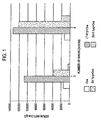
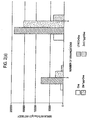
- ZOT and LT-R72 were also found to induce a mucosal immunoresponse, as determined by the elevated secretory IgA titer detected in the ELISA assay of the nasal washes of mice treated with either ZOT+Ova or LT-R72+Ova (see Figure 3).
Landscapes
- Health & Medical Sciences (AREA)
- Chemical & Material Sciences (AREA)
- Life Sciences & Earth Sciences (AREA)
- Medicinal Chemistry (AREA)
- General Health & Medical Sciences (AREA)
- Veterinary Medicine (AREA)
- Public Health (AREA)
- Animal Behavior & Ethology (AREA)
- Epidemiology (AREA)
- Pharmacology & Pharmacy (AREA)
- Organic Chemistry (AREA)
- Proteomics, Peptides & Aminoacids (AREA)
- Mycology (AREA)
- Gastroenterology & Hepatology (AREA)
- Immunology (AREA)
- Microbiology (AREA)
- Biochemistry (AREA)
- Molecular Biology (AREA)
- Genetics & Genomics (AREA)
- Biophysics (AREA)
- Chemical Kinetics & Catalysis (AREA)
- General Chemical & Material Sciences (AREA)
- Inorganic Chemistry (AREA)
- Engineering & Computer Science (AREA)
- Bioinformatics & Cheminformatics (AREA)
- Otolaryngology (AREA)
- Medicines That Contain Protein Lipid Enzymes And Other Medicines (AREA)
- Medicinal Preparation (AREA)
- Pharmaceuticals Containing Other Organic And Inorganic Compounds (AREA)
- Medicines Containing Antibodies Or Antigens For Use As Internal Diagnostic Agents (AREA)
- Medicines Containing Material From Animals Or Micro-Organisms (AREA)
- Peptides Or Proteins (AREA)
Applications Claiming Priority (3)
| Application Number | Priority Date | Filing Date | Title |
|---|---|---|---|
| US08/781,057 US5908825A (en) | 1997-01-09 | 1997-01-09 | Dosage composition for nasal delivery and method of use of the same |
| US781057 | 1997-01-09 | ||
| PCT/US1998/000019 WO1998030211A1 (en) | 1997-01-09 | 1998-01-09 | Dosage composition for nasal delivery and method of use of the same |
Publications (3)
| Publication Number | Publication Date |
|---|---|
| EP1028715A1 EP1028715A1 (en) | 2000-08-23 |
| EP1028715A4 EP1028715A4 (en) | 2001-10-10 |
| EP1028715B1 true EP1028715B1 (en) | 2003-12-17 |
Family
ID=25121537
Family Applications (1)
| Application Number | Title | Priority Date | Filing Date |
|---|---|---|---|
| EP98902381A Expired - Lifetime EP1028715B1 (en) | 1997-01-09 | 1998-01-09 | Dosage composition for nasal delivery comprising vibrio cholera zonula occludens toxin as absorption enhancer |
Country Status (9)
| Country | Link |
|---|---|
| US (1) | US5908825A (enExample) |
| EP (1) | EP1028715B1 (enExample) |
| JP (2) | JP2001524940A (enExample) |
| AT (1) | ATE256460T1 (enExample) |
| AU (1) | AU5906398A (enExample) |
| CA (1) | CA2277824C (enExample) |
| DE (1) | DE69820671T2 (enExample) |
| ES (1) | ES2213267T3 (enExample) |
| WO (1) | WO1998030211A1 (enExample) |
Families Citing this family (53)
| Publication number | Priority date | Publication date | Assignee | Title |
|---|---|---|---|---|
| GB9326174D0 (en) * | 1993-12-22 | 1994-02-23 | Biocine Sclavo | Mucosal adjuvant |
| AU712819B2 (en) * | 1996-01-25 | 1999-11-18 | Profylakse Aps | Pharmaceutical composition comprising serum amyloid P component for proph ylactic or therapeutic treatment of virus infections and a kit for detecting binding of compositions to virus components |
| US6818222B1 (en) * | 1997-03-21 | 2004-11-16 | Chiron Corporation | Detoxified mutants of bacterial ADP-ribosylating toxins as parenteral adjuvants |
| CN1221249C (zh) | 1998-08-19 | 2005-10-05 | 斯凯伊药品加拿大公司 | 普鲁泊福的可注射水分散体 |
| US7176279B2 (en) * | 2000-06-28 | 2007-02-13 | Palatin Technologies, Inc. | Cyclic peptide compositions and methods for treatment of sexual dysfunction |
| US6579968B1 (en) | 1999-06-29 | 2003-06-17 | Palatin Technologies, Inc. | Compositions and methods for treatment of sexual dysfunction |
| ES2237551T3 (es) * | 2000-02-08 | 2005-08-01 | Allergan, Inc. | Composiciones farmaceuticas que contienen toxina botulinica. |
| US20060269575A1 (en) * | 2000-02-08 | 2006-11-30 | Allergan, Inc. | Botulinum toxin pharmaceutical compositions formulated with recombinant albumin |
| US8632785B2 (en) * | 2000-02-08 | 2014-01-21 | Allergan, Inc. | Clostridial toxin pharmaceutical composition containing a gelatin fragment |
| US20030118598A1 (en) * | 2000-02-08 | 2003-06-26 | Allergan, Inc. | Clostridial toxin pharmaceutical compositions |
| US7780967B2 (en) * | 2000-02-08 | 2010-08-24 | Allergan, Inc. | Reduced toxicity Clostridial toxin pharmaceutical compositions |
| US6623765B1 (en) * | 2000-08-01 | 2003-09-23 | University Of Florida, Research Foundation, Incorporated | Microemulsion and micelle systems for solubilizing drugs |
| AU2002238106A1 (en) * | 2001-02-13 | 2002-08-28 | Palatin Technologies, Inc. | Melanocortin metallopeptides for treatment of sexual dysfunction |
| US7345144B2 (en) * | 2001-07-11 | 2008-03-18 | Palatin Technologies, Inc. | Cyclic peptides for treatment of cachexia |
| US7342089B2 (en) * | 2001-07-11 | 2008-03-11 | Palatin Technologies, Inc. | Cyclic peptides for treatment for cachexia |
| BR0214280A (pt) * | 2001-11-19 | 2005-01-11 | Becton Dickinson Co | Composição farmacêuticas em forma particulada |
| AU2003248888A1 (en) * | 2002-07-09 | 2004-01-23 | Palatin Technologies, Inc. | Peptide composition for treatment of sexual dysfunction |
| CA2531491A1 (en) * | 2003-07-15 | 2005-02-03 | University Of Maryland, Baltimore | Agonist polypeptide of receptor for zot and zonulin |
| US20060263350A1 (en) * | 2003-09-26 | 2006-11-23 | Fairfield Clinical Trials Llc | Combination antihistamine medication |
| DE10351778A1 (de) | 2003-11-06 | 2005-06-09 | Daimlerchrysler Ag | Verfahren zur Korrespondenzanalyse in Bilddatensätzen |
| US20060210614A1 (en) * | 2003-12-26 | 2006-09-21 | Nastech Pharmaceutical Company Inc. | Method of treatment of a metabolic disease using intranasal administration of exendin peptide |
| US20050143303A1 (en) | 2003-12-26 | 2005-06-30 | Nastech Pharmaceutical Company Inc. | Intranasal administration of glucose-regulating peptides |
| US20060074025A1 (en) * | 2003-12-26 | 2006-04-06 | Nastech Pharmaceutical Company Inc. | Therapeutic formulations for transmucosal administration that increase glucagon-like peptide-1 bioavailability |
| US20080318837A1 (en) * | 2003-12-26 | 2008-12-25 | Nastech Pharmaceutical Company Inc. | Pharmaceutical Formation For Increased Epithelial Permeability of Glucose-Regulating Peptide |
| US6974187B2 (en) * | 2004-01-28 | 2005-12-13 | Tachi-S Co., Ltd. | Vehicle seat structure |
| WO2006088491A2 (en) * | 2004-06-29 | 2006-08-24 | Massachusetts Institute Of Technology | Methods and compositions related to the modulation of intercellular junctions |
| TW200637573A (en) * | 2005-01-14 | 2006-11-01 | Univ Maryland | Peptide for delivery of mucosal vaccines |
| TW200716159A (en) * | 2005-06-09 | 2007-05-01 | Univ Maryland | Method of use of antagonists of zonulin to prevent the loss of or to regenerate pancreatic cells |
| US7754691B1 (en) | 2005-07-07 | 2010-07-13 | Palatin Technologies, Inc. | Linear melanocortin receptor-specific peptides for cachexia |
| US8247530B2 (en) * | 2005-11-08 | 2012-08-21 | Palatin Technologies, Inc. | N-alkylated cyclic peptide melanocortin agonists |
| WO2007067964A2 (en) * | 2005-12-08 | 2007-06-14 | Nastech Pharmaceutical Company Inc. | Mucosal delivery of stabilized formulations of exendin |
| US20070232537A1 (en) * | 2005-12-19 | 2007-10-04 | Nastech Pharmaceutical Company Inc. | Intranasal pyy formulations with improved transmucosal pharmacokinetics |
| AR060103A1 (es) | 2006-02-09 | 2008-05-28 | Alba Therapeutics Corp | Formulaciones para un efector de uniones apretadas |
| AU2007233116B2 (en) * | 2006-03-30 | 2013-05-09 | Palatin Technologies, Inc. | Cyclic natriuretic peptide constructs |
| US8580746B2 (en) * | 2006-03-30 | 2013-11-12 | Palatin Technologies, Inc. | Amide linkage cyclic natriuretic peptide constructs |
| AU2007233123A1 (en) * | 2006-03-30 | 2007-10-11 | Palatin Technologies, Inc. | Linear natriuretic peptide constructs |
| WO2009023311A2 (en) * | 2007-05-07 | 2009-02-19 | Alba Therapeutics Corporation | Transcutaneous delivery of therapeutic agents |
| WO2009015382A2 (en) | 2007-07-26 | 2009-01-29 | Alba Therapeutics Corporation | Novel peptides that enhance tight junction permeability |
| WO2010065799A2 (en) | 2008-12-04 | 2010-06-10 | Palatin Technologies, Inc. | Amine substituted piperidine melanocortin receptor-specific compounds |
| WO2010065801A1 (en) | 2008-12-04 | 2010-06-10 | Palatin Technologies, Inc. | Amine substituted piperazine melanocortin receptor-specific compounds |
| WO2010065802A2 (en) | 2008-12-04 | 2010-06-10 | Palatin Technologies, Inc. | Substituted pyrrolidine or imidazolidine melanocortin receptor-specific compounds |
| ES2628077T3 (es) | 2009-02-27 | 2017-08-01 | Pari GmbH Spezialisten für effektive Inhalation | Dispositivo de inhalación de aerosol |
| BRPI1009644B1 (pt) | 2009-06-08 | 2022-02-08 | Palatin Technologies, Inc | Peptídeo cíclico ou um sal farmaceuticamente aceitável do mesmo, composição farmacêutica e uso da composição farmacêutica |
| EP2380618A1 (en) * | 2010-04-26 | 2011-10-26 | PARI Pharma GmbH | Operating method for an aerosol delivery device and aerosol delivery device |
| EP2814501A4 (en) | 2012-03-13 | 2016-03-02 | Tensive Controls Inc | MELANOCORTINANALOGA WITH INCREASED EFFECTIVENESS AND TRANSPORTATION OF THEREOF |
| US9192570B2 (en) | 2013-12-20 | 2015-11-24 | AntiOP, Inc. | Intranasal naloxone compositions and methods of making and using same |
| US10085937B2 (en) | 2014-03-14 | 2018-10-02 | Adapt Pharma Limited | Nasal drug products and methods of their use |
| AU2015228541B2 (en) | 2014-03-14 | 2020-09-03 | Opiant Pharmaceuticals, Inc. | Nasal drug products and methods of their use |
| US9561177B2 (en) | 2014-03-14 | 2017-02-07 | Adapt Pharma Limited | Nasal drug products and methods of their use |
| US9480644B2 (en) | 2014-03-14 | 2016-11-01 | Opiant Pharmaceuticals, Inc. | Nasal drug products and methods of their use |
| EP3194422B1 (en) | 2014-09-19 | 2020-04-29 | Tensive Controls, Inc. | Anti-microbial peptides |
| US11590209B2 (en) | 2020-01-21 | 2023-02-28 | Palatin Technologies, Inc. | Use of bremelanotide in patients with controlled hypertension |
| WO2021158463A1 (en) | 2020-02-03 | 2021-08-12 | Palatin Technologies, Inc. | Diamine-linked receptor-specific cyclic peptides |
Family Cites Families (3)
| Publication number | Priority date | Publication date | Assignee | Title |
|---|---|---|---|---|
| US5470729A (en) * | 1983-03-04 | 1995-11-28 | University Of Maryland At Baltimore | Method of isolating restriction fragment deletions in Vibrio cholerae, and products thereof |
| US5665389A (en) * | 1995-05-24 | 1997-09-09 | University Of Maryland At Baltimore | Oral dosage composition for intestinal delivery and method of treating diabetes |
| US5945510A (en) * | 1997-05-21 | 1999-08-31 | University Of Maryland, Baltimore | Substantially pure zonulin, a physiological modulator of mammalian tight junctions |
-
1997
- 1997-01-09 US US08/781,057 patent/US5908825A/en not_active Expired - Lifetime
-
1998
- 1998-01-09 ES ES98902381T patent/ES2213267T3/es not_active Expired - Lifetime
- 1998-01-09 AT AT98902381T patent/ATE256460T1/de not_active IP Right Cessation
- 1998-01-09 CA CA002277824A patent/CA2277824C/en not_active Expired - Fee Related
- 1998-01-09 WO PCT/US1998/000019 patent/WO1998030211A1/en not_active Ceased
- 1998-01-09 JP JP53097398A patent/JP2001524940A/ja not_active Ceased
- 1998-01-09 AU AU59063/98A patent/AU5906398A/en not_active Abandoned
- 1998-01-09 DE DE69820671T patent/DE69820671T2/de not_active Expired - Fee Related
- 1998-01-09 EP EP98902381A patent/EP1028715B1/en not_active Expired - Lifetime
-
2005
- 2005-10-11 JP JP2005297014A patent/JP2006028199A/ja active Pending
Also Published As
| Publication number | Publication date |
|---|---|
| EP1028715A1 (en) | 2000-08-23 |
| ATE256460T1 (de) | 2004-01-15 |
| DE69820671D1 (de) | 2004-01-29 |
| US5908825A (en) | 1999-06-01 |
| JP2001524940A (ja) | 2001-12-04 |
| EP1028715A4 (en) | 2001-10-10 |
| WO1998030211A1 (en) | 1998-07-16 |
| CA2277824C (en) | 2006-11-07 |
| AU5906398A (en) | 1998-08-03 |
| DE69820671T2 (de) | 2004-09-30 |
| JP2006028199A (ja) | 2006-02-02 |
| CA2277824A1 (en) | 1998-07-16 |
| ES2213267T3 (es) | 2004-08-16 |
Similar Documents
| Publication | Publication Date | Title |
|---|---|---|
| US5908825A (en) | Dosage composition for nasal delivery and method of use of the same | |
| EP0982988B1 (en) | Substantially pure zonulin, a physiological modulator of mammalian tight junctions | |
| AU745507B2 (en) | Peptide antagonists of zonulin and methods for use of the same | |
| AU702385B2 (en) | Oral dosage composition for intestinal delivery and method of use of the same | |
| JP3860208B2 (ja) | 非毒性口内アジュバントとして有効な突然変異エンテロトキシン | |
| JP2011213742A (ja) | 糖尿病発症を予防または遅延させるためのゾヌリンのペプチドアンタゴニストの使用方法 | |
| JPH0656696A (ja) | 免疫原性キャリアー系 | |
| US4584195A (en) | Broad spectrum vaccine against gonorrhea | |
| van der Zee et al. | P-fimbriae of Escherichia coli as carriers for gonadotropin releasing hormone: development of a recombinant contraceptive vaccine | |
| KR20080027824A (ko) | 췌장 세포의 감소를 막거나 또는 췌장 세포를 재생시키기위한 조눌린의 안타고니스트의 사용 방법 | |
| EP0170496A2 (en) | Vaccine against urinary tract infection | |
| US4622223A (en) | Broad spectrum vaccine against gonorrhea |
Legal Events
| Date | Code | Title | Description |
|---|---|---|---|
| PUAI | Public reference made under article 153(3) epc to a published international application that has entered the european phase |
Free format text: ORIGINAL CODE: 0009012 |
|
| 17P | Request for examination filed |
Effective date: 19990708 |
|
| AK | Designated contracting states |
Kind code of ref document: A1 Designated state(s): AT BE CH DE DK ES FI FR GB GR IE IT LI LU MC NL PT SE |
|
| A4 | Supplementary search report drawn up and despatched |
Effective date: 20010824 |
|
| AK | Designated contracting states |
Kind code of ref document: A4 Designated state(s): AT BE CH DE DK ES FI FR GB GR IE IT LI LU MC NL PT SE |
|
| RIC1 | Information provided on ipc code assigned before grant |
Free format text: 7A 61K 9/72 A, 7A 61K 38/28 B, 7A 61K 39/00 B, 7C 07K 14/62 B, 7C 07K 14/05 B, 7C 07K 14/195 B, 7A 61K 9/00 B, 7A 61K 47/42 B |
|
| GRAH | Despatch of communication of intention to grant a patent |
Free format text: ORIGINAL CODE: EPIDOS IGRA |
|
| RIC1 | Information provided on ipc code assigned before grant |
Ipc: 7A 61K 47/42 B Ipc: 7A 61K 9/00 B Ipc: 7A 61K 39/00 B Ipc: 7A 61K 9/72 A |
|
| RTI1 | Title (correction) |
Free format text: DOSAGE COMPOSITION FOR NASAL DELIVERY COMPRISING VIBRIO CHOLERA ZONULA OCCLUDENS TOXIN AS ABSORPTION ENHANCER |
|
| GRAS | Grant fee paid |
Free format text: ORIGINAL CODE: EPIDOSNIGR3 |
|
| GRAA | (expected) grant |
Free format text: ORIGINAL CODE: 0009210 |
|
| RAP1 | Party data changed (applicant data changed or rights of an application transferred) |
Owner name: CHIRON S.R.L. Owner name: UNIVERSITY OF MARYLAND, BALTIMORE |
|
| AK | Designated contracting states |
Kind code of ref document: B1 Designated state(s): AT BE CH DE DK ES FI FR GB GR IE IT LI LU MC NL PT SE |
|
| PG25 | Lapsed in a contracting state [announced via postgrant information from national office to epo] |
Ref country code: NL Free format text: LAPSE BECAUSE OF FAILURE TO SUBMIT A TRANSLATION OF THE DESCRIPTION OR TO PAY THE FEE WITHIN THE PRESCRIBED TIME-LIMIT Effective date: 20031217 Ref country code: LI Free format text: LAPSE BECAUSE OF FAILURE TO SUBMIT A TRANSLATION OF THE DESCRIPTION OR TO PAY THE FEE WITHIN THE PRESCRIBED TIME-LIMIT Effective date: 20031217 Ref country code: FI Free format text: LAPSE BECAUSE OF FAILURE TO SUBMIT A TRANSLATION OF THE DESCRIPTION OR TO PAY THE FEE WITHIN THE PRESCRIBED TIME-LIMIT Effective date: 20031217 Ref country code: CH Free format text: LAPSE BECAUSE OF FAILURE TO SUBMIT A TRANSLATION OF THE DESCRIPTION OR TO PAY THE FEE WITHIN THE PRESCRIBED TIME-LIMIT Effective date: 20031217 Ref country code: BE Free format text: LAPSE BECAUSE OF FAILURE TO SUBMIT A TRANSLATION OF THE DESCRIPTION OR TO PAY THE FEE WITHIN THE PRESCRIBED TIME-LIMIT Effective date: 20031217 Ref country code: AT Free format text: LAPSE BECAUSE OF FAILURE TO SUBMIT A TRANSLATION OF THE DESCRIPTION OR TO PAY THE FEE WITHIN THE PRESCRIBED TIME-LIMIT Effective date: 20031217 |
|
| REG | Reference to a national code |
Ref country code: GB Ref legal event code: FG4D |
|
| REG | Reference to a national code |
Ref country code: CH Ref legal event code: EP |
|
| RAP2 | Party data changed (patent owner data changed or rights of a patent transferred) |
Owner name: CHIRON S.R.L. Owner name: UNIVERSITY OF MARYLAND, BALTIMORE |
|
| PG25 | Lapsed in a contracting state [announced via postgrant information from national office to epo] |
Ref country code: LU Free format text: LAPSE BECAUSE OF NON-PAYMENT OF DUE FEES Effective date: 20040109 Ref country code: IE Free format text: LAPSE BECAUSE OF NON-PAYMENT OF DUE FEES Effective date: 20040109 |
|
| REG | Reference to a national code |
Ref country code: IE Ref legal event code: FG4D |
|
| REF | Corresponds to: |
Ref document number: 69820671 Country of ref document: DE Date of ref document: 20040129 Kind code of ref document: P |
|
| PG25 | Lapsed in a contracting state [announced via postgrant information from national office to epo] |
Ref country code: MC Free format text: LAPSE BECAUSE OF NON-PAYMENT OF DUE FEES Effective date: 20040131 |
|
| RAP2 | Party data changed (patent owner data changed or rights of a patent transferred) |
Owner name: UNIVERSITY OF MARYLAND, BALTIMORE |
|
| NLT2 | Nl: modifications (of names), taken from the european patent patent bulletin |
Owner name: UNIVERSITY OF MARYLAND, BALTIMORE EN CHIRON S.R.L. |
|
| PG25 | Lapsed in a contracting state [announced via postgrant information from national office to epo] |
Ref country code: SE Free format text: LAPSE BECAUSE OF FAILURE TO SUBMIT A TRANSLATION OF THE DESCRIPTION OR TO PAY THE FEE WITHIN THE PRESCRIBED TIME-LIMIT Effective date: 20040317 Ref country code: GR Free format text: LAPSE BECAUSE OF FAILURE TO SUBMIT A TRANSLATION OF THE DESCRIPTION OR TO PAY THE FEE WITHIN THE PRESCRIBED TIME-LIMIT Effective date: 20040317 Ref country code: DK Free format text: LAPSE BECAUSE OF FAILURE TO SUBMIT A TRANSLATION OF THE DESCRIPTION OR TO PAY THE FEE WITHIN THE PRESCRIBED TIME-LIMIT Effective date: 20040317 |
|
| NLT2 | Nl: modifications (of names), taken from the european patent patent bulletin |
Owner name: UNIVERSITY OF MARYLAND, BALTIMORE |
|
| NLV1 | Nl: lapsed or annulled due to failure to fulfill the requirements of art. 29p and 29m of the patents act | ||
| REG | Reference to a national code |
Ref country code: CH Ref legal event code: PL |
|
| REG | Reference to a national code |
Ref country code: ES Ref legal event code: FG2A Ref document number: 2213267 Country of ref document: ES Kind code of ref document: T3 |
|
| ET | Fr: translation filed | ||
| REG | Reference to a national code |
Ref country code: IE Ref legal event code: MM4A |
|
| PLBE | No opposition filed within time limit |
Free format text: ORIGINAL CODE: 0009261 |
|
| STAA | Information on the status of an ep patent application or granted ep patent |
Free format text: STATUS: NO OPPOSITION FILED WITHIN TIME LIMIT |
|
| 26N | No opposition filed |
Effective date: 20040920 |
|
| PG25 | Lapsed in a contracting state [announced via postgrant information from national office to epo] |
Ref country code: PT Free format text: LAPSE BECAUSE OF NON-PAYMENT OF DUE FEES Effective date: 20040517 |
|
| PGFP | Annual fee paid to national office [announced via postgrant information from national office to epo] |
Ref country code: ES Payment date: 20090126 Year of fee payment: 12 |
|
| PGFP | Annual fee paid to national office [announced via postgrant information from national office to epo] |
Ref country code: DE Payment date: 20090302 Year of fee payment: 12 |
|
| PGFP | Annual fee paid to national office [announced via postgrant information from national office to epo] |
Ref country code: GB Payment date: 20090129 Year of fee payment: 12 |
|
| PGFP | Annual fee paid to national office [announced via postgrant information from national office to epo] |
Ref country code: IT Payment date: 20090128 Year of fee payment: 12 |
|
| PGFP | Annual fee paid to national office [announced via postgrant information from national office to epo] |
Ref country code: FR Payment date: 20090119 Year of fee payment: 12 |
|
| GBPC | Gb: european patent ceased through non-payment of renewal fee |
Effective date: 20100109 |
|
| REG | Reference to a national code |
Ref country code: FR Ref legal event code: ST Effective date: 20100930 |
|
| PG25 | Lapsed in a contracting state [announced via postgrant information from national office to epo] |
Ref country code: FR Free format text: LAPSE BECAUSE OF NON-PAYMENT OF DUE FEES Effective date: 20100201 |
|
| PG25 | Lapsed in a contracting state [announced via postgrant information from national office to epo] |
Ref country code: DE Free format text: LAPSE BECAUSE OF NON-PAYMENT OF DUE FEES Effective date: 20100803 |
|
| PG25 | Lapsed in a contracting state [announced via postgrant information from national office to epo] |
Ref country code: GB Free format text: LAPSE BECAUSE OF NON-PAYMENT OF DUE FEES Effective date: 20100109 |
|
| REG | Reference to a national code |
Ref country code: ES Ref legal event code: FD2A Effective date: 20110328 |
|
| PG25 | Lapsed in a contracting state [announced via postgrant information from national office to epo] |
Ref country code: IT Free format text: LAPSE BECAUSE OF NON-PAYMENT OF DUE FEES Effective date: 20100109 |
|
| PG25 | Lapsed in a contracting state [announced via postgrant information from national office to epo] |
Ref country code: ES Free format text: LAPSE BECAUSE OF NON-PAYMENT OF DUE FEES Effective date: 20110314 |
|
| PG25 | Lapsed in a contracting state [announced via postgrant information from national office to epo] |
Ref country code: ES Free format text: LAPSE BECAUSE OF NON-PAYMENT OF DUE FEES Effective date: 20100110 |