EP0961609B1 - Methods for improving the health of hair and scalp - Google Patents
Methods for improving the health of hair and scalp Download PDFInfo
- Publication number
- EP0961609B1 EP0961609B1 EP98963042A EP98963042A EP0961609B1 EP 0961609 B1 EP0961609 B1 EP 0961609B1 EP 98963042 A EP98963042 A EP 98963042A EP 98963042 A EP98963042 A EP 98963042A EP 0961609 B1 EP0961609 B1 EP 0961609B1
- Authority
- EP
- European Patent Office
- Prior art keywords
- hair
- agent
- shampoo
- ketoconazole
- anagen
- Prior art date
- Legal status (The legal status is an assumption and is not a legal conclusion. Google has not performed a legal analysis and makes no representation as to the accuracy of the status listed.)
- Revoked
Links
Images


Classifications
-
- A—HUMAN NECESSITIES
- A61—MEDICAL OR VETERINARY SCIENCE; HYGIENE
- A61Q—SPECIFIC USE OF COSMETICS OR SIMILAR TOILETRY PREPARATIONS
- A61Q7/00—Preparations for affecting hair growth
-
- A—HUMAN NECESSITIES
- A61—MEDICAL OR VETERINARY SCIENCE; HYGIENE
- A61K—PREPARATIONS FOR MEDICAL, DENTAL OR TOILETRY PURPOSES
- A61K31/00—Medicinal preparations containing organic active ingredients
- A61K31/095—Sulfur, selenium, or tellurium compounds, e.g. thiols
-
- A—HUMAN NECESSITIES
- A61—MEDICAL OR VETERINARY SCIENCE; HYGIENE
- A61K—PREPARATIONS FOR MEDICAL, DENTAL OR TOILETRY PURPOSES
- A61K31/00—Medicinal preparations containing organic active ingredients
- A61K31/33—Heterocyclic compounds
- A61K31/395—Heterocyclic compounds having nitrogen as a ring hetero atom, e.g. guanethidine or rifamycins
- A61K31/435—Heterocyclic compounds having nitrogen as a ring hetero atom, e.g. guanethidine or rifamycins having six-membered rings with one nitrogen as the only ring hetero atom
- A61K31/44—Non condensed pyridines; Hydrogenated derivatives thereof
- A61K31/4412—Non condensed pyridines; Hydrogenated derivatives thereof having oxo groups directly attached to the heterocyclic ring
-
- A—HUMAN NECESSITIES
- A61—MEDICAL OR VETERINARY SCIENCE; HYGIENE
- A61K—PREPARATIONS FOR MEDICAL, DENTAL OR TOILETRY PURPOSES
- A61K31/00—Medicinal preparations containing organic active ingredients
- A61K31/33—Heterocyclic compounds
- A61K31/395—Heterocyclic compounds having nitrogen as a ring hetero atom, e.g. guanethidine or rifamycins
- A61K31/495—Heterocyclic compounds having nitrogen as a ring hetero atom, e.g. guanethidine or rifamycins having six-membered rings with two or more nitrogen atoms as the only ring heteroatoms, e.g. piperazine or tetrazines
- A61K31/496—Non-condensed piperazines containing further heterocyclic rings, e.g. rifampin, thiothixene or sparfloxacin
-
- A—HUMAN NECESSITIES
- A61—MEDICAL OR VETERINARY SCIENCE; HYGIENE
- A61K—PREPARATIONS FOR MEDICAL, DENTAL OR TOILETRY PURPOSES
- A61K8/00—Cosmetics or similar toiletry preparations
- A61K8/18—Cosmetics or similar toiletry preparations characterised by the composition
- A61K8/19—Cosmetics or similar toiletry preparations characterised by the composition containing inorganic ingredients
- A61K8/23—Sulfur; Selenium; Tellurium; Compounds thereof
-
- A—HUMAN NECESSITIES
- A61—MEDICAL OR VETERINARY SCIENCE; HYGIENE
- A61K—PREPARATIONS FOR MEDICAL, DENTAL OR TOILETRY PURPOSES
- A61K8/00—Cosmetics or similar toiletry preparations
- A61K8/18—Cosmetics or similar toiletry preparations characterised by the composition
- A61K8/19—Cosmetics or similar toiletry preparations characterised by the composition containing inorganic ingredients
- A61K8/27—Zinc; Compounds thereof
-
- A—HUMAN NECESSITIES
- A61—MEDICAL OR VETERINARY SCIENCE; HYGIENE
- A61K—PREPARATIONS FOR MEDICAL, DENTAL OR TOILETRY PURPOSES
- A61K8/00—Cosmetics or similar toiletry preparations
- A61K8/18—Cosmetics or similar toiletry preparations characterised by the composition
- A61K8/30—Cosmetics or similar toiletry preparations characterised by the composition containing organic compounds
- A61K8/49—Cosmetics or similar toiletry preparations characterised by the composition containing organic compounds containing heterocyclic compounds
- A61K8/4906—Cosmetics or similar toiletry preparations characterised by the composition containing organic compounds containing heterocyclic compounds with one nitrogen as the only hetero atom
- A61K8/4933—Cosmetics or similar toiletry preparations characterised by the composition containing organic compounds containing heterocyclic compounds with one nitrogen as the only hetero atom having sulfur as an exocyclic substituent, e.g. pyridinethione
-
- A—HUMAN NECESSITIES
- A61—MEDICAL OR VETERINARY SCIENCE; HYGIENE
- A61K—PREPARATIONS FOR MEDICAL, DENTAL OR TOILETRY PURPOSES
- A61K8/00—Cosmetics or similar toiletry preparations
- A61K8/18—Cosmetics or similar toiletry preparations characterised by the composition
- A61K8/30—Cosmetics or similar toiletry preparations characterised by the composition containing organic compounds
- A61K8/49—Cosmetics or similar toiletry preparations characterised by the composition containing organic compounds containing heterocyclic compounds
- A61K8/494—Cosmetics or similar toiletry preparations characterised by the composition containing organic compounds containing heterocyclic compounds with more than one nitrogen as the only hetero atom
- A61K8/4946—Imidazoles or their condensed derivatives, e.g. benzimidazoles
-
- A—HUMAN NECESSITIES
- A61—MEDICAL OR VETERINARY SCIENCE; HYGIENE
- A61P—SPECIFIC THERAPEUTIC ACTIVITY OF CHEMICAL COMPOUNDS OR MEDICINAL PREPARATIONS
- A61P17/00—Drugs for dermatological disorders
- A61P17/08—Antiseborrheics
-
- A—HUMAN NECESSITIES
- A61—MEDICAL OR VETERINARY SCIENCE; HYGIENE
- A61P—SPECIFIC THERAPEUTIC ACTIVITY OF CHEMICAL COMPOUNDS OR MEDICINAL PREPARATIONS
- A61P17/00—Drugs for dermatological disorders
- A61P17/14—Drugs for dermatological disorders for baldness or alopecia
-
- A—HUMAN NECESSITIES
- A61—MEDICAL OR VETERINARY SCIENCE; HYGIENE
- A61P—SPECIFIC THERAPEUTIC ACTIVITY OF CHEMICAL COMPOUNDS OR MEDICINAL PREPARATIONS
- A61P31/00—Antiinfectives, i.e. antibiotics, antiseptics, chemotherapeutics
- A61P31/10—Antimycotics
-
- A—HUMAN NECESSITIES
- A61—MEDICAL OR VETERINARY SCIENCE; HYGIENE
- A61Q—SPECIFIC USE OF COSMETICS OR SIMILAR TOILETRY PREPARATIONS
- A61Q5/00—Preparations for care of the hair
- A61Q5/02—Preparations for cleaning the hair
-
- A—HUMAN NECESSITIES
- A61—MEDICAL OR VETERINARY SCIENCE; HYGIENE
- A61Q—SPECIFIC USE OF COSMETICS OR SIMILAR TOILETRY PREPARATIONS
- A61Q9/00—Preparations for removing hair or for aiding hair removal
- A61Q9/04—Depilatories
-
- A—HUMAN NECESSITIES
- A61—MEDICAL OR VETERINARY SCIENCE; HYGIENE
- A61Q—SPECIFIC USE OF COSMETICS OR SIMILAR TOILETRY PREPARATIONS
- A61Q5/00—Preparations for care of the hair
- A61Q5/006—Antidandruff preparations
Definitions
- the present invention relates to methods of improving the health of hair and the scalp. More particularly, this invention relates to methods for reducing hair shedding, methods for increasing hair diameter, and methods for maintaining hair in the anagen phase for a prolonged period of time.
- Dandruff (“pityriasis capitis sicca”) and seborrheic dermatitis (“pityriasis capitis oleosa”) are two related clinical manifestations of one common dermatological disorder that involves the scalp as well as other areas of the body having a high density of sebaceous glands. While dandruff is primarily a scaling condition, it is often also associated with some inflammation. See e.g. Dawber, P., “The Scaly and Itchy Scalp," Hair and Scalp Disorders 191-227 (1995). Typically dandruff is expressed on the scalp, but other areas of the body that are predisposed to seborrheic dermatitis also often show mild scaling without obvious signs of inflammation.
- Pityrosporum ovale is a key contributor in the pathogenesis of seborrheic dermatitis and dandruff, it is likewise accepted that both conditions should not be regarded as an infection. Rather, it is the yeast's overcolonization of the scalp and other body areas having a high density of sebaceous glands that causes a very mild inflammatory reaction, i.e. dandruff, or a moderate inflammatory reaction, i.e. seborrheic dermatitis, redness, as well as an accelerated turnover of the epidermis.
- Typical primary symptoms of dandruff and seborrheic dermatitis include scaling, redness, and itching; however, several other clinical manifestations such as seborrhea (oiliness), telogen effluvium (shedding), thin shaft diameter, androgenic alopecia, and reduction in percent anagen hairs have also been reported in conjunction with this disorder.
- seborrhea ovaliness
- telogen effluvium shedding
- thin shaft diameter thin shaft diameter
- androgenic alopecia reduction in percent anagen hairs
- One known method employs the application of minoxidil to areas such as the scalp for purposes for stimulating hair growth and prolonging the period of time that hair is in the anagen phase. Unfortunately, this method has been found to be effective in only a small proportion of users.
- Another known method for increasing hair diameter involves the application of silicons-containing treatments to areas such as the scalp. Disadvantageously, this method produces a "build-up" of silicone on the hair that tends to dull its physical appearance.
- the medicaments of this invention not only are effective in alleviating symptoms indicative of unhealthy hair and scalp, but also are effective in treating two underlying, related clinical manifestations, dandruff and seborrheic dermatitis.
- anagen hair shall mean hair that is in the growth phase.
- the active ingredients may be applied to a desired area via any inert vehicle or carrier suitable for topical applications.
- a shampoo including, but not limited to a shampoo, a soap, a gel, a cream, a lotion, a solution, and the like (hereinafter collectively "Medium").
- the Medium which can either be oil-based or preferably water-based, may be designed to be left on the skin and not washed shortly after application. In an alternative, preferred embodiment, the Medium may be designed to be rinsed off within a given amount of time after application. In the latter embodiment wherein the active ingredients are incorporated into a shampoo, the shampoo is applied to wet hair, and the hair is washed in accordance with known practices.
- the areas to which the active ingredients may be applied include one or more of those areas typically affected by seborrheic dermatitis and dandruff, which include but are not limited to the scalp and other hairy areas, body folds, behind the ears, areas of the body having a high density of sebaceous glands, and/or areas having an increased presence of P . ovate.
- an anagen hair-inducing agent is comprised of any agent capable of inhibiting the growth of P . ovate.
- suitable anagen hair-inducing agents include, but are not limited to, imidazoles, triazoles, zinc pyrithione (including zinc pyrithione in its ultramicronized form), selenium sulfide, lithium-containing products such as lithium salts including but not limited to lithium succinate, or mixtures thereof, which are topically applied in an effective amount to an area of a human where an increase in the amount of anagen hair is desired.
- Preferred areas include those which possess or had possessed hair such as, for example, the scalp.
- ketoconazole While various imidazoles may be employed, the preferred compounds include, but are not limited to ketoconazole; dichlorophenyl imidazolodioxalan, which is commercially available from Janssen Pharmaceutica, N.V., under the tradename, "Elubiol”; clotrimazole; itraconazole; miconazole; climbazole; tioconazole; sulconazole; butoconazole; fluconazole; and any possible stereo isomers thereof and mixtures thereof.
- Ketoconazole and ultra-micronized zinc pyrithione are preferred anagen hair-inducing agents.
- the topical application of the anagen hair-inducing agent is performed by applying a dilute solution of the anagen hair-inducing agent to a desired area.
- the amount of anagen hair-inducing agent used in this embodiment shall be an amount effective for increasing the amount of anagen hair in a desired area of a human.
- amount effective shall mean an amount sufficient to cover the region of skin surface where an indication exists as well as to ameliorate the indication.
- the amount of anagen hair-inducing agent used will depend upon, for example, the amount of anagen hair desired and a human's tolerance and/or receptiveness to the particular anagen hair-inducing agent selected, typically from about 0.001 mg/sq.
- anagen hair-inducing agent may be delivered to a desired area when the amount of the anagen hair-inducing agent is present in the desired Medium in an amount, based upon the total weight of the Medium, of from about 0.01 percent to about 20 percent, and preferably from about 0.5 percent to about 5 percent.
- the anagen hair-inducing agent is preferably applied topically to the desired areas of the body at regular intervals, and more preferably from about 1 to about 7 times per week.
- the anagen hair-inducing agent may be applied more frequently during the initial stages of treatment, e.g. from about 4 to about 7 times per week until the desired effect is achieved, then less frequently when maintenance is desired, e.g. from about 1 to about 2 times per week. It is preferable to continue use of the agent in order to maintain the resulting increase in amount of anagen hair, that is to keep the hair growing for a longer period of time.
- the anagen hair-inducing agent should remain on the desired area of the human at least for about 15 seconds, preferably from about 15 seconds to about 5 minutes, and more preferably from about 60 seconds to about 3 minutes.
- Media containing the anagen hair-inducing agent may be prepared by combining the anagen hair-inducing agent with the other components commonly present in the Media under ambient conditions via any mixing devices commonly used in the art.
- ketoconazole used as the anagen hair-inducing agent
- Butylated hydroxytoluene (BHT) and butylated hydroxyanisole (BHA) are the antioxidants of choice. Details of how to prepare a cream containing the anagen hair-inducing compound are disclosed in U.S. Patent No. 4,942,162, which is incorporated by reference herein, and details of how to prepare a shampoo containing the anagen hair-inducing compound are disclosed in U.S. Patent No. 5,456,851.
- a hair shedding reductant comprised of any agent capable of inhibiting the growth of P. ovale is topically applied in an effective amount to an area of a human where a decrease in the amount of hair shedding is desired.
- Preferred areas include those which possess hair such as, for example, the scalp.
- suitable hair shedding reductants include, but are not limited to, imidazoles, triazoles, elubiol, zinc pyrithione (including zinc pyrithione in its ultramicronized form), selenium sulfide, lithium-containing products such as lithium salts including but not limited to lithium succinate, or mixtures thereof.
- Suitable imidazoles include, but are not limited to those set forth above. Ketoconazole and ultra-micronized zinc pyrithione are preferred hair shedding reductant agents.
- the amount of hair shedding reductant used in this embodiment shall be an amount effective for decreasing the amount of shedding hair in a desired area of the human.
- This amount, as well as the method for preparing the Media containing the hair shedding reductant and the method for using such Media are similar to those respective amounts and methods provided above for the Media containing the anagen hair-inducing agent.
- a hair diameter increasing agent comprised of imidazoles, triazoles, selenium sulfide, lithium-containing products such as lithium salts including but not limited to lithium succinate, or mixtures thereof (including mixtures with zinc pyrithione) is topically applied in an effective amount to an area of a human where in an increase in hair diameter is desired.
- Preferred areas include those which possess hair such as, for example, the scalp.
- Ketoconazole is the preferred hair diameter increasing agent.
- the zinc pyrithione is present in an amount, based upon the total weight of the solution comprised of the hair diameter increasing agent, of from about 0.25 percent to about 2 percent.
- the amount of hair diameter increasing agent used in this embodiment shall be an amount effective for increasing the diameter of hair shafts in a desired area of the human.
- This amount, as well as the method for preparing the Media containing the hair diameter increasing agent and the method for using such Media are similar to those respective amounts and methods provided above for the Media containing the anagen hair-inducing agent.
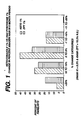
- both the ketoconazole-containing shampoo and the zinc pyrithione -containing shampoo beneficially improved the percent of anagen hairs by 8.3% and 10.3%, respectively.
- ketoconazole and zinc pyrithione are effective in increasing the number of anagen hairs, i.e. in keeping the hair growing for a longer period of time.
- Example 1 was repeated but the baseline and 6 month values for hair diameter were measured.
- the ketoconazole-containing shampoo beneficially increased the hair shaft diameter by about 11%, whereas the diameter was slightly decreased by about 3% in those subjects using the zinc pyrithione -containing shampoo.
- ketoconazole as opposed to zinc pyrithione, is more effective in increasing the diameter of a hair shaft.
- Example 2 was repeated, except the baseline and 6 month sebum excretion rate was measured.
- the sebum excretion rate for those subjects using the ketoconazole-containing shampoo decreased over the 6 month period by about 6%, while the sebum excretion rate for those subjects using the zinc pyrithione-containing shampoo increased by about 7%. Since this correlation addressed two biological parameters in relation to each other, the correlation is apparent independent from the type of shampoo used as illustrated in Table 3 and Table 4 below, which shows that the greater the reduction in the amount of sebum excretion, the greater the change in hair diameter.
- This Example shows that ketoconazole is effective in both reducing the amount of sebum excretion while also increasing the diameter of hair shafts.
- zinc pyrithione is comparatively less effective in reducing the amount of sebum excreted and further appears to contribute to a decrease in the diameter of hair shafts.
- the Example suggests a relationship between reducing the production of sebum in order to increase hair diameter.
- the baseline shedding value was calculated for each male.
- about 1/3 of the subjects in both groups had low hair loss, i.e. about 20 to about 30 shafts, 1/3 of the subjects had moderate hair loss, i.e. about 30 to about 40 shafts, and 1/3 of the subjects had high hair loss, i.e. more than about 40 shafts.
- the shedding value for each male was recalculated.
- the subjects who used the ketoconazole shampoo exhibited a significant reduction in hair loss in after only one month of treatment, and a highly significant reduction after three and six months of treatment.
- both groups exhibited significant reductions from base line levels of hair loss.
- ketoconazole is the preferred agent for hair loss reduction.
- This Example also shows that the improvement in hair loss reduction occurs relatively soon after using ketoconazole. Further, this Example shows that the reduction in hair loss is more dramatic in those subjects exhibiting a relatively excessive hair loss before treatment.
Landscapes
- Health & Medical Sciences (AREA)
- Life Sciences & Earth Sciences (AREA)
- General Health & Medical Sciences (AREA)
- Public Health (AREA)
- Animal Behavior & Ethology (AREA)
- Veterinary Medicine (AREA)
- Epidemiology (AREA)
- Chemical & Material Sciences (AREA)
- Birds (AREA)
- Medicinal Chemistry (AREA)
- Pharmacology & Pharmacy (AREA)
- Inorganic Chemistry (AREA)
- Dermatology (AREA)
- General Chemical & Material Sciences (AREA)
- Organic Chemistry (AREA)
- Nuclear Medicine, Radiotherapy & Molecular Imaging (AREA)
- Chemical Kinetics & Catalysis (AREA)
- Engineering & Computer Science (AREA)
- Bioinformatics & Cheminformatics (AREA)
- Oncology (AREA)
- Communicable Diseases (AREA)
- Cosmetics (AREA)
- Pharmaceuticals Containing Other Organic And Inorganic Compounds (AREA)
Description
| EFFECT OF KETOCONAZOLE AND ZINC PYRITHIONE ON PERCENT HAIRS IN ANAGEN PHASE | ||
| CHANGE IN AMOUNT OF ANAGEN HAIRS (%) | KETOCONAZOLE N = 44 | ZINC PYRITHIONE N = 43 |
| >20 | 3 | 8 |
| 10 to 19 | 13 | 11 |
| 0 to 9 | 20 | 14 |
| -1 to -10 | 8 | 8 |
| -11 to -20 | 0 | 2 |
| EFFECT OF KETOCONAZOLE AND ZINC PYRITHIONE ON CHANGE IN HAIR DIAMETER | ||
| CHANGE IN HAIR DIAMETER (%) | KETOCONAZOLE N = 44 | ZINC PYRITHIONE N = 43 |
| > 20 | 6 | 2 |
| 10 to 19 | 10 | 2 |
| 0 to 9 | 19 | 6 |
| -1 to -10 | 9 | 29 |
| -11 to -20 | 0 | 4 |
| CHANGES IN HAIR DIAMETER IN RELATION TO SCALP OIL CHANGE (CATEGORIES INDEPENDENT FROM TYPE OF SHAMPOO USED) | |
| CATEGORY: CHANGE IN SCALP OILINESS (%) | MEAN CHANGE IN HAIR DIAMETER (%) |
| > 10 DECREASE (Mean = 14.4) | + 11 |
| from 5 DECREASE TO 5 INCREASE (Mean = -.6) | 3.7 |
| > 10 INCREASE | -3.6 |
| CHANGES IN SCALP OILINESS IN RELATION TO HAIR DIAMETER CHANGE (CATEGORIES INDEPENDENT FROM TYPE OF SHAMPOO USED) | |
| CATEGORY: CHANGE IN HAIR DIAMETER (%) | MEAN CHANGE IN SCALP OIL (%) |
| > 20 INCREASE (Mean = 30.5) | -6.25 |
| FROM 10 TO 19 INCREASE (Mean = 13.6) | -2.2 |
| FROM -4 TO 9 (Mean = .7) | .5 |
| FROM 5 TO 10 DECREASE (Mean = -6.4) | 5.4 |
| > 10% DECREASE (Mean = -12) | .6 |
| Six Month Change in Hair Loss | ||
| Degree of Hair Loss of Subjects (Baseline) | Reduction in Hair Loss from Baseline by Subjects Using Ketoconazole Shampoo A (%) | Reduction in Hair Loss from Baseline by Subjects Using Zinc Pyrithione Shampoo B (%) |
| Low | 1 | -2 |
| | 9 | 6 |
| High | 17 | 9 |
Claims (11)
- The use of an agent which inhibits the growth of P. ovale in the manufacture of a medicament for (i) increasing the amount of anagen hair in a human, (ii) reducing the shedding of hair in a human, (iii) increasing the diameter of a hair shaft in a human, or (iv) increasing the period of time during which hair grows in a human, wherein said agent is applied at least one time per week for a period of at least six months.
- The use of claim 1 wherein the agent is comprised of an imidazole, a triazole, zinc pyrithione, selenium sulfide, a lithium-containing product, or mixtures thereof.
- The use of claim 2 wherein the imidazole is ketoconazole; dichlorophenyl imidazolodioxalan; clotrimazole; itraconazole; miconazole; climbazole; tioconazole; sulconazole; butoconazole; fluconazole; or any possible stereo isomers thereof and mixtures thereof.
- The use of claim 2 wherein the imidazole is ketoconazole, dichlorophenyl imidazolodioxalan, or mixtures thereof.
- The use of claim 1 wherein the agent is ketoconazole, zinc pyrithione, or mixtures thereof.
- The use of claim 1 wherein the agent is topically applied in an amount of from 0.001 mg/sq. mm to 1000 mg/sq. mm to the area.
- The use of claim 1 wherein the agent is applied in a water-based medium or an oil-based medium.
- The use of claim 7 wherein the medium is water-based.
- The use of claim 7 wherein the medium contains, based upon the total weight of the medium, from 0.01 percent to 20 percent of the agent.
- The use of claim 7 wherein the medium contains, based upon the total weight of the medium, from 0.5 percent to 5 percent of the agent
- The use of an oil-reducing agent in the manufacture of a medicament for increasing the thickness of hair in humans.
Applications Claiming Priority (3)
| Application Number | Priority Date | Filing Date | Title |
|---|---|---|---|
| US6999397P | 1997-12-18 | 1997-12-18 | |
| US69993P | 1997-12-18 | ||
| PCT/US1998/026259 WO1999030675A1 (en) | 1997-12-18 | 1998-12-10 | Methods for improving the health of hair and scalp |
Publications (2)
| Publication Number | Publication Date |
|---|---|
| EP0961609A1 EP0961609A1 (en) | 1999-12-08 |
| EP0961609B1 true EP0961609B1 (en) | 2003-04-16 |
Family
ID=22092464
Family Applications (1)
| Application Number | Title | Priority Date | Filing Date |
|---|---|---|---|
| EP98963042A Revoked EP0961609B1 (en) | 1997-12-18 | 1998-12-10 | Methods for improving the health of hair and scalp |
Country Status (22)
| Country | Link |
|---|---|
| US (1) | US6099870A (en) |
| EP (1) | EP0961609B1 (en) |
| JP (1) | JP2001512493A (en) |
| KR (1) | KR20000071156A (en) |
| CN (1) | CN1248158A (en) |
| AR (1) | AR017222A1 (en) |
| AT (1) | ATE237299T1 (en) |
| AU (1) | AU1814899A (en) |
| BR (1) | BR9807419A (en) |
| CA (1) | CA2281650A1 (en) |
| CZ (1) | CZ292099A3 (en) |
| DE (1) | DE69813517T2 (en) |
| DK (1) | DK0961609T3 (en) |
| ES (1) | ES2196641T3 (en) |
| HU (1) | HUP0002484A3 (en) |
| ID (1) | ID23988A (en) |
| IL (1) | IL131416A0 (en) |
| PL (1) | PL335157A1 (en) |
| PT (1) | PT961609E (en) |
| RU (1) | RU2215518C2 (en) |
| WO (1) | WO1999030675A1 (en) |
| ZA (1) | ZA9811601B (en) |
Families Citing this family (23)
| Publication number | Priority date | Publication date | Assignee | Title |
|---|---|---|---|---|
| CA2364948C (en) | 1999-03-05 | 2011-04-26 | Duke University | C16 unsaturated fp-selective prostaglandins analogs |
| US6389150B1 (en) * | 1999-03-22 | 2002-05-14 | Somnuk Amornsiripanitch | Total quality of hair parameters measuring method |
| US6894175B1 (en) | 1999-08-04 | 2005-05-17 | The Procter & Gamble Company | 2-Decarboxy-2-phosphinico prostaglandin derivatives and methods for their preparation and use |
| US20020172693A1 (en) | 2000-03-31 | 2002-11-21 | Delong Michell Anthony | Compositions and methods for treating hair loss using non-naturally occurring prostaglandins |
| US20020013294A1 (en) | 2000-03-31 | 2002-01-31 | Delong Mitchell Anthony | Cosmetic and pharmaceutical compositions and methods using 2-decarboxy-2-phosphinico derivatives |
| US20020037914A1 (en) | 2000-03-31 | 2002-03-28 | Delong Mitchell Anthony | Compositions and methods for treating hair loss using C16-C20 aromatic tetrahydro prostaglandins |
| FR2811550B1 (en) * | 2000-07-11 | 2003-02-14 | Oreal | COMPOSITION BASED ON VITAMINS AND MINERAL SALTS, FOR REDUCING HAIR LOSS AND / OR PROMOTING HAIR GROWTH |
| KR100441059B1 (en) * | 2001-10-19 | 2004-07-21 | 주식회사 태평양 | Composition for improving conditions of scalp and hair |
| KR100454149B1 (en) * | 2001-10-31 | 2004-10-26 | 나드리화장품주식회사 | Hair-Care composition containing Porifera extract |
| AU2003216034A1 (en) * | 2002-01-21 | 2003-07-30 | Slovakofarma A.S. | Dermatological topical compositions and a process for the preparation thereof |
| US20070248556A1 (en) * | 2006-04-07 | 2007-10-25 | L'oreal | Administration of C-glycoside compounds for activating and regulating cutaneous immunity |
| FR2903003B1 (en) * | 2006-07-03 | 2012-08-17 | Oreal | USE OF A C-GLYCOSIDE DERIVATIVE TO ENHANCE THE BARRIER FUNCTION OF THE SKIN |
| FR2902999B1 (en) * | 2006-07-03 | 2012-09-28 | Oreal | USE OF C-GLYCOSIDE DERIVATIVES AS PRODESQUAMANT INGREDIENTS |
| FR2903004B1 (en) * | 2006-07-03 | 2009-07-10 | Oreal | COSMETIC USE OF A C-GLYCOSIDE DERIVATIVE IN ASSOCIATION WITH ASCORBIC ACID |
| FR2903002B1 (en) * | 2006-07-03 | 2012-08-17 | Oreal | COMPOSITION COMPRISING A C-GLYCOSIDE DERIVATIVE AND A EMULSIFYING POLYMER |
| FR2902996B1 (en) * | 2006-07-03 | 2008-09-26 | Oreal | COSMETIC COMPOSITIONS COMPRISING A C-GLYCOSIDE DERIVATIVE AND A N-ACYLAMINOAMIDE DERIVATIVE |
| FR2902998B1 (en) * | 2006-07-03 | 2012-09-21 | Oreal | USE OF AT LEAST ONE C-GLYCOSIDE DERIVATIVE AS A SOOTHING AGENT |
| WO2009053163A1 (en) * | 2007-10-25 | 2009-04-30 | Unilever Plc | Hair care composition |
| EP2723452A2 (en) | 2011-06-22 | 2014-04-30 | Vyome Biosciences Pvt Ltd | Conjugate-based antifungal and antibacterial prodrugs |
| WO2014195872A1 (en) | 2013-06-04 | 2014-12-11 | Vyome Biosciences Pvt. Ltd. | Coated particles and compositions comprising same |
| CN106456494A (en) * | 2014-06-24 | 2017-02-22 | 荷兰联合利华有限公司 | Sebum Boosters for Hair Improvement |
| US20190321395A1 (en) * | 2018-04-20 | 2019-10-24 | Oread Therapeutics | Treatment of psoriasis, seborrheic dermatitis, and eczema of the head and neck |
| FR3143332B1 (en) * | 2022-12-15 | 2026-01-30 | Oreal | A cosmetic treatment process comprising the application of a cosmetic composition comprising at least one zinc salt and the application of a cosmetic composition comprising at least one specific imidazole compound |
Family Cites Families (11)
| Publication number | Priority date | Publication date | Assignee | Title |
|---|---|---|---|---|
| GB1295276A (en) * | 1969-11-06 | 1972-11-08 | ||
| US4942162A (en) * | 1982-03-31 | 1990-07-17 | University Of Tennessee Research Corporation | Topical treatment of seborrheic dermatitis with ketoconazole |
| FR2651122B1 (en) * | 1989-08-29 | 1994-10-28 | Oreal | COMPOSITIONS FOR USE IN BRAKING HAIR LOSS AND INDUCING AND STIMULATING THEIR GROWTH, CONTAINING 2-AMINO PYRIMIDINE OXIDE-3 DERIVATIVES AND NEW AMINO-2 PYRIMIDINE OXIDE-3 DERIVATIVES. |
| US5270035A (en) * | 1992-05-21 | 1993-12-14 | Lexin International Marketing Corporation | Hair conditioner containing disodium cocoamphodiacetate |
| RU2068420C1 (en) * | 1992-07-31 | 1996-10-27 | Малое предприятие "ЭКО" при Ангарском городском совете Всероссийского общества охраны природы | Poly-5-vinyltetrazole ethanol ammonium salt as film- forming component for cosmetic compounds |
| BR9406259A (en) * | 1993-01-11 | 1996-01-09 | Elias Bouras | Composition for the treatment of scalp or skin hair and process to improve the aesthetic appearance of the scalp or skin |
| US5456851A (en) * | 1994-04-07 | 1995-10-10 | Johnson & Johnson Consumer Products, Inc. | Ketoconazole shampoo containing butylated hydroxytoluene or butylated hydroxyanisole |
| FR2719481B1 (en) * | 1994-05-05 | 1996-05-31 | Oreal | Composition based on antifungal compounds and halogenated antibacterial compounds to reduce hair loss. |
| ES2168392T3 (en) * | 1994-12-02 | 2002-06-16 | Kao Corp | FLAVANONOL DERIVATIVES AND STIMULATING COMPOUND FOR NUTRITION AND GROWTH OF THE HAIR THAT CONTAINS THEM. |
| IL113057A (en) * | 1995-03-21 | 1999-01-26 | Univ Ramot | Compositions for the treatment of dandruff |
| TW449485B (en) * | 1995-03-31 | 2001-08-11 | Colgate Palmolive Co | Skin care products containing anti itching/anti irritant agents |
-
1998
- 1998-12-09 US US09/208,948 patent/US6099870A/en not_active Expired - Lifetime
- 1998-12-10 EP EP98963042A patent/EP0961609B1/en not_active Revoked
- 1998-12-10 CN CN98802630A patent/CN1248158A/en active Pending
- 1998-12-10 AU AU18148/99A patent/AU1814899A/en not_active Abandoned
- 1998-12-10 WO PCT/US1998/026259 patent/WO1999030675A1/en not_active Ceased
- 1998-12-10 DE DE69813517T patent/DE69813517T2/en not_active Revoked
- 1998-12-10 PL PL98335157A patent/PL335157A1/en not_active Application Discontinuation
- 1998-12-10 RU RU99118220/15A patent/RU2215518C2/en not_active IP Right Cessation
- 1998-12-10 CA CA002281650A patent/CA2281650A1/en not_active Abandoned
- 1998-12-10 BR BR9807419A patent/BR9807419A/en not_active Application Discontinuation
- 1998-12-10 PT PT98963042T patent/PT961609E/en unknown
- 1998-12-10 IL IL13141698A patent/IL131416A0/en not_active IP Right Cessation
- 1998-12-10 JP JP53272699A patent/JP2001512493A/en active Pending
- 1998-12-10 CZ CZ992920A patent/CZ292099A3/en unknown
- 1998-12-10 KR KR1019997007446A patent/KR20000071156A/en not_active Ceased
- 1998-12-10 AT AT98963042T patent/ATE237299T1/en not_active IP Right Cessation
- 1998-12-10 DK DK98963042T patent/DK0961609T3/en active
- 1998-12-10 ES ES98963042T patent/ES2196641T3/en not_active Expired - Lifetime
- 1998-12-10 HU HU0002484A patent/HUP0002484A3/en unknown
- 1998-12-10 ID IDW990883D patent/ID23988A/en unknown
- 1998-12-17 ZA ZA9811601A patent/ZA9811601B/en unknown
- 1998-12-17 AR ARP980106456A patent/AR017222A1/en unknown
Also Published As
| Publication number | Publication date |
|---|---|
| EP0961609A1 (en) | 1999-12-08 |
| DE69813517D1 (en) | 2003-05-22 |
| US6099870A (en) | 2000-08-08 |
| CZ292099A3 (en) | 1999-12-15 |
| ES2196641T3 (en) | 2003-12-16 |
| CA2281650A1 (en) | 1999-06-24 |
| AU1814899A (en) | 1999-07-05 |
| WO1999030675A1 (en) | 1999-06-24 |
| CN1248158A (en) | 2000-03-22 |
| AR017222A1 (en) | 2001-08-22 |
| ZA9811601B (en) | 2000-06-19 |
| JP2001512493A (en) | 2001-08-21 |
| HUP0002484A2 (en) | 2000-12-28 |
| KR20000071156A (en) | 2000-11-25 |
| ATE237299T1 (en) | 2003-05-15 |
| DK0961609T3 (en) | 2003-08-04 |
| DE69813517T2 (en) | 2004-02-19 |
| HUP0002484A3 (en) | 2003-04-28 |
| PT961609E (en) | 2003-08-29 |
| ID23988A (en) | 2000-06-14 |
| RU2215518C2 (en) | 2003-11-10 |
| BR9807419A (en) | 2000-03-21 |
| IL131416A0 (en) | 2001-01-28 |
| PL335157A1 (en) | 2000-04-10 |
Similar Documents
| Publication | Publication Date | Title |
|---|---|---|
| US6099870A (en) | Methods for improving the health of hair and scalp | |
| US7025955B2 (en) | Method for maximizing scalp health and inducing enhanced visual and tactile hair quality | |
| JPH05320028A (en) | Hair-growing agent | |
| US8986664B2 (en) | Use of monoamine oxidase inhibitors to improve epithelial biology | |
| US8790626B2 (en) | Method for treating hair growth disorders, such as female pattern alopecia, and compositions useful therefore | |
| KR20230094728A (en) | Hair care composition | |
| IL113057A (en) | Compositions for the treatment of dandruff | |
| JP2025510801A (en) | Composition for improving scalp condition containing gluconolactone and climbazole as active ingredients | |
| AU2006203095A1 (en) | Methods for improving the health of hair and scalp | |
| US6075017A (en) | Compositions for the treatment of dandruff | |
| US9126056B2 (en) | Method of promoting hair growth | |
| EP0679385B1 (en) | Hair revitalizing composition | |
| JPH07267830A (en) | Hair-growing hair-tonic agent | |
| JPH0112725B2 (en) | ||
| WO2012068714A1 (en) | Hair growth promoter | |
| JP3529117B2 (en) | Hair restoration composition | |
| EP2465581B1 (en) | Non-therapeutic use of a composition for promoting hair growth | |
| JP2961528B2 (en) | Hair restoration | |
| Cardin | dren. 2.3 Its peak incidence and severity | |
| Al-Aradi et al. | Hair fall: common causes and treatment modalities | |
| JPH02167213A (en) | Trichogen | |
| TW201143803A (en) | Hair growth promoting composition | |
| HK1127305B (en) | Method for treating hair growth disorders, such as female pattern alopecia, and compositions useful therefore |
Legal Events
| Date | Code | Title | Description |
|---|---|---|---|
| PUAI | Public reference made under article 153(3) epc to a published international application that has entered the european phase |
Free format text: ORIGINAL CODE: 0009012 |
|
| 17P | Request for examination filed |
Effective date: 19990917 |
|
| AK | Designated contracting states |
Kind code of ref document: A1 Designated state(s): AT BE CH DE DK ES FI FR GB GR IE IT LI NL PT SE |
|
| 17Q | First examination report despatched |
Effective date: 20011206 |
|
| GRAH | Despatch of communication of intention to grant a patent |
Free format text: ORIGINAL CODE: EPIDOS IGRA |
|
| GRAH | Despatch of communication of intention to grant a patent |
Free format text: ORIGINAL CODE: EPIDOS IGRA |
|
| GRAA | (expected) grant |
Free format text: ORIGINAL CODE: 0009210 |
|
| AK | Designated contracting states |
Designated state(s): AT BE CH DE DK ES FI FR GB GR IE IT LI NL PT SE |
|
| REG | Reference to a national code |
Ref country code: GB Ref legal event code: FG4D |
|
| REG | Reference to a national code |
Ref country code: CH Ref legal event code: EP |
|
| REF | Corresponds to: |
Ref document number: 69813517 Country of ref document: DE Date of ref document: 20030522 Kind code of ref document: P |
|
| REG | Reference to a national code |
Ref country code: IE Ref legal event code: FG4D |
|
| REG | Reference to a national code |
Ref country code: SE Ref legal event code: TRGR |
|
| REG | Reference to a national code |
Ref country code: DK Ref legal event code: T3 |
|
| REG | Reference to a national code |
Ref country code: CH Ref legal event code: NV Representative=s name: DR. LUSUARDI AG |
|
| REG | Reference to a national code |
Ref country code: GR Ref legal event code: EP Ref document number: 20030402534 Country of ref document: GR |
|
| ET | Fr: translation filed | ||
| REG | Reference to a national code |
Ref country code: ES Ref legal event code: FG2A Ref document number: 2196641 Country of ref document: ES Kind code of ref document: T3 |
|
| PLBQ | Unpublished change to opponent data |
Free format text: ORIGINAL CODE: EPIDOS OPPO |
|
| PLBI | Opposition filed |
Free format text: ORIGINAL CODE: 0009260 |
|
| PLAX | Notice of opposition and request to file observation + time limit sent |
Free format text: ORIGINAL CODE: EPIDOSNOBS2 |
|
| 26 | Opposition filed |
Opponent name: UNILEVER PLC Effective date: 20040108 |
|
| NLR1 | Nl: opposition has been filed with the epo |
Opponent name: UNILEVER PLC |
|
| PLAX | Notice of opposition and request to file observation + time limit sent |
Free format text: ORIGINAL CODE: EPIDOSNOBS2 |
|
| PLAX | Notice of opposition and request to file observation + time limit sent |
Free format text: ORIGINAL CODE: EPIDOSNOBS2 |
|
| PGFP | Annual fee paid to national office [announced via postgrant information from national office to epo] |
Ref country code: NL Payment date: 20051204 Year of fee payment: 8 |
|
| PGFP | Annual fee paid to national office [announced via postgrant information from national office to epo] |
Ref country code: SE Payment date: 20051206 Year of fee payment: 8 |
|
| PGFP | Annual fee paid to national office [announced via postgrant information from national office to epo] |
Ref country code: PT Payment date: 20051207 Year of fee payment: 8 Ref country code: GB Payment date: 20051207 Year of fee payment: 8 |
|
| PGFP | Annual fee paid to national office [announced via postgrant information from national office to epo] |
Ref country code: FR Payment date: 20051208 Year of fee payment: 8 |
|
| PGFP | Annual fee paid to national office [announced via postgrant information from national office to epo] |
Ref country code: DE Payment date: 20051209 Year of fee payment: 8 |
|
| PGFP | Annual fee paid to national office [announced via postgrant information from national office to epo] |
Ref country code: AT Payment date: 20051213 Year of fee payment: 8 |
|
| PGFP | Annual fee paid to national office [announced via postgrant information from national office to epo] |
Ref country code: IE Payment date: 20051214 Year of fee payment: 8 |
|
| PGFP | Annual fee paid to national office [announced via postgrant information from national office to epo] |
Ref country code: DK Payment date: 20051215 Year of fee payment: 8 Ref country code: CH Payment date: 20051215 Year of fee payment: 8 |
|
| PGFP | Annual fee paid to national office [announced via postgrant information from national office to epo] |
Ref country code: ES Payment date: 20060118 Year of fee payment: 8 |
|
| RDAF | Communication despatched that patent is revoked |
Free format text: ORIGINAL CODE: EPIDOSNREV1 |
|
| PGFP | Annual fee paid to national office [announced via postgrant information from national office to epo] |
Ref country code: BE Payment date: 20060217 Year of fee payment: 8 |
|
| RDAG | Patent revoked |
Free format text: ORIGINAL CODE: 0009271 |
|
| STAA | Information on the status of an ep patent application or granted ep patent |
Free format text: STATUS: PATENT REVOKED |
|
| 27W | Patent revoked |
Effective date: 20060219 |
|
| GBPR | Gb: patent revoked under art. 102 of the ep convention designating the uk as contracting state |
Free format text: 20060219 |
|
| REG | Reference to a national code |
Ref country code: CH Ref legal event code: PL |
|
| NLR2 | Nl: decision of opposition |
Effective date: 20060219 |
|
| REG | Reference to a national code |
Ref country code: PT Ref legal event code: MP4A Effective date: 20060718 |
|
| REG | Reference to a national code |
Ref country code: SE Ref legal event code: ECNC |
|
| PGFP | Annual fee paid to national office [announced via postgrant information from national office to epo] |
Ref country code: GR Payment date: 20061113 Year of fee payment: 9 |
|
| PGFP | Annual fee paid to national office [announced via postgrant information from national office to epo] |
Ref country code: FI Payment date: 20061214 Year of fee payment: 9 |
|
| PGFP | Annual fee paid to national office [announced via postgrant information from national office to epo] |
Ref country code: IT Payment date: 20061231 Year of fee payment: 9 |
|
| PLAB | Opposition data, opponent's data or that of the opponent's representative modified |
Free format text: ORIGINAL CODE: 0009299OPPO |