EP0956039B1 - IL-11 Signalling zur Erhöhung der Fertilität - Google Patents
IL-11 Signalling zur Erhöhung der Fertilität Download PDFInfo
- Publication number
- EP0956039B1 EP0956039B1 EP97948654A EP97948654A EP0956039B1 EP 0956039 B1 EP0956039 B1 EP 0956039B1 EP 97948654 A EP97948654 A EP 97948654A EP 97948654 A EP97948654 A EP 97948654A EP 0956039 B1 EP0956039 B1 EP 0956039B1
- Authority
- EP
- European Patent Office
- Prior art keywords
- receptor
- animal
- fragment
- pregnancy
- mice
- Prior art date
- Legal status (The legal status is an assumption and is not a legal conclusion. Google has not performed a legal analysis and makes no representation as to the accuracy of the status listed.)
- Expired - Lifetime
Links
Images





Classifications
-
- C—CHEMISTRY; METALLURGY
- C12—BIOCHEMISTRY; BEER; SPIRITS; WINE; VINEGAR; MICROBIOLOGY; ENZYMOLOGY; MUTATION OR GENETIC ENGINEERING
- C12N—MICROORGANISMS OR ENZYMES; COMPOSITIONS THEREOF; PROPAGATING, PRESERVING, OR MAINTAINING MICROORGANISMS; MUTATION OR GENETIC ENGINEERING; CULTURE MEDIA
- C12N15/00—Mutation or genetic engineering; DNA or RNA concerning genetic engineering, vectors, e.g. plasmids, or their isolation, preparation or purification; Use of hosts therefor
- C12N15/09—Recombinant DNA-technology
- C12N15/63—Introduction of foreign genetic material using vectors; Vectors; Use of hosts therefor; Regulation of expression
- C12N15/79—Vectors or expression systems specially adapted for eukaryotic hosts
- C12N15/85—Vectors or expression systems specially adapted for eukaryotic hosts for animal cells
- C12N15/8509—Vectors or expression systems specially adapted for eukaryotic hosts for animal cells for producing genetically modified animals, e.g. transgenic
-
- A—HUMAN NECESSITIES
- A01—AGRICULTURE; FORESTRY; ANIMAL HUSBANDRY; HUNTING; TRAPPING; FISHING
- A01K—ANIMAL HUSBANDRY; AVICULTURE; APICULTURE; PISCICULTURE; FISHING; REARING OR BREEDING ANIMALS, NOT OTHERWISE PROVIDED FOR; NEW BREEDS OF ANIMALS
- A01K67/00—Rearing or breeding animals, not otherwise provided for; New or modified breeds of animals
- A01K67/027—New or modified breeds of vertebrates
- A01K67/0275—Genetically modified vertebrates, e.g. transgenic
- A01K67/0276—Knock-out vertebrates
-
- A—HUMAN NECESSITIES
- A61—MEDICAL OR VETERINARY SCIENCE; HYGIENE
- A61K—PREPARATIONS FOR MEDICAL, DENTAL OR TOILETRY PURPOSES
- A61K38/00—Medicinal preparations containing peptides
- A61K38/16—Peptides having more than 20 amino acids; Gastrins; Somatostatins; Melanotropins; Derivatives thereof
- A61K38/17—Peptides having more than 20 amino acids; Gastrins; Somatostatins; Melanotropins; Derivatives thereof from animals; from humans
- A61K38/18—Growth factors; Growth regulators
- A61K38/185—Nerve growth factor [NGF]; Brain derived neurotrophic factor [BDNF]; Ciliary neurotrophic factor [CNTF]; Glial derived neurotrophic factor [GDNF]; Neurotrophins, e.g. NT-3
-
- A—HUMAN NECESSITIES
- A61—MEDICAL OR VETERINARY SCIENCE; HYGIENE
- A61K—PREPARATIONS FOR MEDICAL, DENTAL OR TOILETRY PURPOSES
- A61K38/00—Medicinal preparations containing peptides
- A61K38/16—Peptides having more than 20 amino acids; Gastrins; Somatostatins; Melanotropins; Derivatives thereof
- A61K38/17—Peptides having more than 20 amino acids; Gastrins; Somatostatins; Melanotropins; Derivatives thereof from animals; from humans
- A61K38/19—Cytokines; Lymphokines; Interferons
- A61K38/20—Interleukins [IL]
- A61K38/204—IL-6
-
- A—HUMAN NECESSITIES
- A61—MEDICAL OR VETERINARY SCIENCE; HYGIENE
- A61K—PREPARATIONS FOR MEDICAL, DENTAL OR TOILETRY PURPOSES
- A61K38/00—Medicinal preparations containing peptides
- A61K38/16—Peptides having more than 20 amino acids; Gastrins; Somatostatins; Melanotropins; Derivatives thereof
- A61K38/17—Peptides having more than 20 amino acids; Gastrins; Somatostatins; Melanotropins; Derivatives thereof from animals; from humans
- A61K38/19—Cytokines; Lymphokines; Interferons
- A61K38/20—Interleukins [IL]
- A61K38/2093—Leukaemia inhibitory factor [LIF]
-
- C—CHEMISTRY; METALLURGY
- C07—ORGANIC CHEMISTRY
- C07K—PEPTIDES
- C07K14/00—Peptides having more than 20 amino acids; Gastrins; Somatostatins; Melanotropins; Derivatives thereof
- C07K14/435—Peptides having more than 20 amino acids; Gastrins; Somatostatins; Melanotropins; Derivatives thereof from animals; from humans
- C07K14/52—Cytokines; Lymphokines; Interferons
- C07K14/54—Interleukins [IL]
- C07K14/5431—IL-11
-
- C—CHEMISTRY; METALLURGY
- C07—ORGANIC CHEMISTRY
- C07K—PEPTIDES
- C07K14/00—Peptides having more than 20 amino acids; Gastrins; Somatostatins; Melanotropins; Derivatives thereof
- C07K14/435—Peptides having more than 20 amino acids; Gastrins; Somatostatins; Melanotropins; Derivatives thereof from animals; from humans
- C07K14/705—Receptors; Cell surface antigens; Cell surface determinants
- C07K14/715—Receptors; Cell surface antigens; Cell surface determinants for cytokines; for lymphokines; for interferons
- C07K14/7155—Receptors; Cell surface antigens; Cell surface determinants for cytokines; for lymphokines; for interferons for interleukins [IL]
-
- A—HUMAN NECESSITIES
- A01—AGRICULTURE; FORESTRY; ANIMAL HUSBANDRY; HUNTING; TRAPPING; FISHING
- A01K—ANIMAL HUSBANDRY; AVICULTURE; APICULTURE; PISCICULTURE; FISHING; REARING OR BREEDING ANIMALS, NOT OTHERWISE PROVIDED FOR; NEW BREEDS OF ANIMALS
- A01K2217/00—Genetically modified animals
- A01K2217/05—Animals comprising random inserted nucleic acids (transgenic)
-
- A—HUMAN NECESSITIES
- A01—AGRICULTURE; FORESTRY; ANIMAL HUSBANDRY; HUNTING; TRAPPING; FISHING
- A01K—ANIMAL HUSBANDRY; AVICULTURE; APICULTURE; PISCICULTURE; FISHING; REARING OR BREEDING ANIMALS, NOT OTHERWISE PROVIDED FOR; NEW BREEDS OF ANIMALS
- A01K2217/00—Genetically modified animals
- A01K2217/07—Animals genetically altered by homologous recombination
- A01K2217/075—Animals genetically altered by homologous recombination inducing loss of function, i.e. knock out
-
- A—HUMAN NECESSITIES
- A01—AGRICULTURE; FORESTRY; ANIMAL HUSBANDRY; HUNTING; TRAPPING; FISHING
- A01K—ANIMAL HUSBANDRY; AVICULTURE; APICULTURE; PISCICULTURE; FISHING; REARING OR BREEDING ANIMALS, NOT OTHERWISE PROVIDED FOR; NEW BREEDS OF ANIMALS
- A01K2227/00—Animals characterised by species
- A01K2227/10—Mammal
-
- A—HUMAN NECESSITIES
- A01—AGRICULTURE; FORESTRY; ANIMAL HUSBANDRY; HUNTING; TRAPPING; FISHING
- A01K—ANIMAL HUSBANDRY; AVICULTURE; APICULTURE; PISCICULTURE; FISHING; REARING OR BREEDING ANIMALS, NOT OTHERWISE PROVIDED FOR; NEW BREEDS OF ANIMALS
- A01K2227/00—Animals characterised by species
- A01K2227/10—Mammal
- A01K2227/105—Murine
-
- A—HUMAN NECESSITIES
- A01—AGRICULTURE; FORESTRY; ANIMAL HUSBANDRY; HUNTING; TRAPPING; FISHING
- A01K—ANIMAL HUSBANDRY; AVICULTURE; APICULTURE; PISCICULTURE; FISHING; REARING OR BREEDING ANIMALS, NOT OTHERWISE PROVIDED FOR; NEW BREEDS OF ANIMALS
- A01K2267/00—Animals characterised by purpose
- A01K2267/02—Animal zootechnically ameliorated
-
- A—HUMAN NECESSITIES
- A61—MEDICAL OR VETERINARY SCIENCE; HYGIENE
- A61K—PREPARATIONS FOR MEDICAL, DENTAL OR TOILETRY PURPOSES
- A61K38/00—Medicinal preparations containing peptides
-
- A—HUMAN NECESSITIES
- A61—MEDICAL OR VETERINARY SCIENCE; HYGIENE
- A61K—PREPARATIONS FOR MEDICAL, DENTAL OR TOILETRY PURPOSES
- A61K48/00—Medicinal preparations containing genetic material which is inserted into cells of the living body to treat genetic diseases; Gene therapy
Definitions
- the present invention relates generally to a method for controlling fertility and/or modulating the maintenance of pregnancy in animals.
- An animal model useful for screening for therapeutic agents to treat infertility, to prevent or reduce spontaneous abortion and/or as contraceptive agents in animals is also disclosed.
- spontaneous abortion is a major economic consideration. There is a need, therefore, to further investigate the basis behind spontaneous abortion and to develop appropriate therapeutic means for reducing its occurrence. There is also a need to investigate ways of improving the fertility rates of animals and to treat infertility in males and females. In work leading up to the present invention, the inventors investigated the role of IL-11 in fertility and pregnancy.
- Interleukin (IL)-11 is a cytokine with many biological actions (1). It was originally cloned based on its ability to stimulate proliferation of a murine IL-6 dependent plasmacytoma cell line (2) and to inhibit adipogenesis (3). Within the hematopoietic system, IL-11 actions include stimulation of multipotential progenitors (4) and effects on erythropoiesis (5), megakaryopoiesis (6) and B lymphocyte maturation (7). IL-11 also stimulates acute phase protein synthesis (8), regulates neuronal differentiation (9) and acts in osteoclast development (10). In vivo, IL-11 has been demonstrated to stimulate multilineage hematopoietic reconstitution and enhance recovery of intestinal epithelial cells and spermatogenesis after cytotoxic therapy (11,12,13).
- IL-11 cytokines
- IL-6 leukemia inhibitory factor
- CNTF ciliary neurotrophic growth factor
- OSM oncostatin M
- IL-6 for example, binds with low affinity to its specific ⁇ -chain and with high affinity to this ⁇ -chain together with two gp130 subunits (18).
- IL-11 binds to the interleukin-11 receptor ⁇ -chain (IL-11R ⁇ ) with low affinity and to a complex of IL-11R ⁇ and gp130 with high affinity (19,20).
- the inventors have previously cloned cDNA encoding the IL-11R ⁇ chain and the inventors have now created mice in which the low affinity IL-11 receptor (IL-11R ⁇ ) gene has been disrupted thereby ablating IL-11 signalling in the tissues of these mice. Surprisingly, the mice exhibited infertility.
- the present invention therefore concerns a method for modulating fertility and pregnancy as well as a method for treating individuals with altered levels of IL-11, IL-11R ⁇ or altered IL-11-receptor interaction.
- WO95/24650 teaches the use of cytokines to diagnose and treat pre-eclampsia.
- the preferred cytokine for such use is M-CSF (macrophage colony stimulating factor).
- IL-11 may be used in conjunction with M-CSF in the second trimester of pregnancy.
- WO96/09382 discloses the use of a splice variant of gp130 (an antagonist of IL-11) on pre-implantation embryos to ensure correct development.
- WO97/01353 discloses the use of IL-11 to treat inflammation in various conditions, including pre-eclampsia. It also proposes the treatment of infertility by administering IL-11 to promote folliculogenesis, oocyte maturation, ovulation, normal atresia of unovulated follicules and early embryogenesis in the oviduct.
- the present invention provides use of an effective amount of IL-11 (Interleukin 11) or a fragment thereof which retains IL-11 mediated signalling function or an agonist of IL-11 and IL-11R ⁇ (Interleukin 11 Receptor ⁇ -chain) interaction derived from IL-11 or IL-11 receptor by single or multiple amino acid deletions and/or additions and/or side chain modifications and/or incorporation of unnatural amino acids and/or glycosylation for the manufacture of a medicament for enhancing fertility in a female animal, wherein treatment to enhance fertility comprises administering said medicament from the time of embryo implantation to the development of the chorioallantoic placenta under conditions sufficient for a pregnancy to proceed past the early post-implantation stage by affecting decidualization.
- IL-11 Interleukin 11
- IL-11R ⁇ Interleukin 11 Receptor ⁇ -chain
- the present invention further provides a non-therapeutic method for enhancing fertility in a non-human female animal by affecting decidualization, said method comprising administering to said female animal an effective amount of IL-11 or a fragment thereof which retains IL-11 mediated signalling function or an agonist of IL-11 and IL-11R ⁇ interaction derived from IL-11 or IL-11 receptor by single or multiple amino acid deletions and/or additions and/or side chain modifications and/or incorporation of unnatural amino acids and/or glycosylation from the time of embryo implantation to the development of the chorioallantoic placenta under conditions sufficient for a pregnancy to proceed past the early post-implantation stage.
- the invention provides use of an effective amount of an antagonist of IL-11 and IL-11-receptor interaction derived from IL-11 or IL-11 receptor by single or multiple amino acid deletions and/or additions and/or side chain modifications and/or incorporation of unnatural amino acids and/or glycosylation for the manufacture of a medicament for decreasing fertility or promoting termination of a pregnancy in a female animal, wherein treatment to decrease fertility or promote termination of a pregnancy comprises administering said medicament in an amount sufficient to induce or facilitate defective decidualization.
- the present invention provides a non-therapeutic method of decreasing fertility in a non-human female animal for promoting termination of a pregnancy in a female animal by inducing or facilitating defective decidualization, said method comprising administering to said female animal an effective amount of an antagonist of IL-11 and IL-11-receptor interaction derived from IL-11 or IL-11 receptor by single or multiple amino acid deletions and/or additions and/or side chain modifications and/or incorporation of unnatural amino acids and/or glycosylation.
- a method for modulating fertility in an animal comprising administering to said animal an effective amount of IL-11 or a functional derivative or homologue thereof or an effective amount of an agonist or antagonist of interaction between IL-11 and IL-11R ⁇ is disclosed.
- a method for modulating fertility in an animal comprising modulating the levels of expression of the gene encoding IL-11 and/or its receptor is also disclosed.
- references herein to "animals” includes humans, primates, livestock animals (eg. horses, cattle, sheep, pigs, goats), companion animals (eg. dogs, cats), laboratory test animals (eg. mice, rats, guinea pigs) and captive wild animals (eg. deer, foxes, kangaroos).
- livestock animals eg. horses, cattle, sheep, pigs, goats
- companion animals eg. dogs, cats
- laboratory test animals eg. mice, rats, guinea pigs
- captive wild animals eg. deer, foxes, kangaroos
- the present invention is predicated in part on the surprising finding that IL-11, its receptor and/or the IL-11-receptor complex and/or other downstream signalling molecules are required for fertility and the maintenance of pregnancy.
- IL-11 its receptor and/or the IL-11-receptor complex and/or other downstream signalling molecules are required for fertility and the maintenance of pregnancy.
- normal IL-11 function is required for uterine decidual reaction which occurs post-implantation. Where a normal uterine decidual reaction does not occur, a pregnancy is aborted during the early post-implantation period, before the development of the chorioallantoic placenta.
- IL-11 function is required for normal spermatogenesis to occur.
- the term “modulates” encompasses up-regulating or down-regulating fertility or the maintenance of a pregnancy. Accordingly, the present invention is applicable for facilitating fertility and pregnancy maintenance as well as fertility control and induction of abortion such as may be required in life threatening situations for a pregnant female.
- the ability to control fertility and pregnancy is also important for animal breeding such as in the horse industry and livestock animal industry.
- the disclosed methods are applicable to modulating fertility in both female and male animals and, hence, is useful for birth control in females and males.
- the present invention is also applicable to fertility and pregnancy control in non-human vermin animals such as but not limited to rodents, foxes, bats, rabbits, mice and rats.
- the present invention provides use of an effective amount of IL-11 (Interleukin 11) or a fragment thereof which retains IL-11 mediated signalling function or an agonist of IL-11 and IL-11R ⁇ (Interleukin 11 Receptor ⁇ -chain) interaction derived from IL-11 or IL-11 receptor by single or multiple amino acid deletions and/or additions and/or side chain modifications and/or incorporation of unnatural amino acids and/or glycosylation for the manufacture of a medicament for enhancing fertility in a female animal, wherein treatment to enhance fertility comprises administering said medicament from the time of embryo implantation to the development of the chorioallantoic placenta under conditions sufficient for a pregnancy to proceed past the early post-implantation stage by affecting decidualization.
- IL-11 Interleukin 11
- IL-11R ⁇ Interleukin 11 Receptor ⁇ -chain
- the present invention also provides a non-therapeutic method for enhancing fertility in a non-human female animal by affecting decidualization, said method comprising administering to said female animal an effective amount of IL-11 or a fragment thereof which retains IL-11 mediated signalling function or an agonist of IL-11 and IL-11R ⁇ interaction derived from IL-11 or IL-11 receptor by single or multiple amino acid deletions and/or additions and/or side chain modifications and/or incorporation of unnatural amino acids and/or glycosylation from the time of embryo implantation to the development of the chorioallantoic placenta under conditions sufficient for a pregnancy to proceed past the early post-implantation stage.
- a method of enhancing fertility and/or maintenance of a pregnancy in a female animal comprising modulating the levels of expression of the gene encoding IL-11 and/or its receptor for a time and under conditions sufficient for a pregnancy to proceed past the early post-implantation stage is also disclosed.
- a method of enhancing fertility in a male animal comprising administering to said male animal an effective amount of IL-11 or a functional derivative or homologue thereof or an agonist thereof is disclosed.
- a method of enhancing fertility in a male animal comprising modulating the levels of expression of the gene encoding IL-11 and/or its receptor is also disclosed.
- IL-11 or its functional derivatives or homologues may also be simultaneously or sequentially co-administered with one or more other cytokines such as but not limited to LIF, CNTF, IL-6 and/or OSM or their functional derivatives or homologues.
- cytokines such as but not limited to LIF, CNTF, IL-6 and/or OSM or their functional derivatives or homologues.
- a method of decreasing fertility or promoting termination of a pregnancy in a female animal comprising administering to said female animal an effective amount of an antagonist of IL-11 or IL-11 - receptor interaction is also disclosed.
- a method of decreasing fertility or promoting termination of a pregnancy in a female animal comprising modulating the levels of expression of the gene encoding IL-11 and/or its receptor is also disclosed.
- the present invention provides use of an effective amount of an antagonist of IL-11 and IL-11-receptor interaction derived from IL-11 or IL-11 receptor by single or multiple amino acid deletions and/or additions and/or side chain modifications and/or incorporation of unnatural amino acids and/or glycosylation for the manufacture of a medicament for decreasing fertility or promoting termination of a pregnancy in a female animal, wherein treatment to decrease fertility or promote termination of a pregnancy comprises administering said medicament in an amount sufficient to induce or facilitate defective decidualization.
- the present invention also provides a non-therapeutic method of decreasing fertility in a non-human female animal for promoting termination of a pregnancy in a female animal by inducing or facilitating defective decidualization, said method comprising administering to said female animal an effective amount of an antagonist of IL-11 and IL-11-receptor interaction derived from IL-11 or IL-11 receptor by single or multiple amino acid deletions and/or additions and/or side chain modifications and/or incorporation of unnatural amino acids and/or glycosylation.
- a method of decreasing fertility in a male animal comprising administering to said male animal an effective amount of an antagonist of IL-11 or IL-11-receptor interaction is also disclosed.
- a method of decreasing fertility in a male animal comprising modulating the levels of expression of the gene encoding IL-11 and/or its receptor is disclosed.
- IL-11 or IL-11R ⁇ expression or interaction is modulated to an extent to affect decidualization.
- down-regulation of IL-11 or IL-11R ⁇ or inhibiting interaction between IL-11 and IL-11R ⁇ would facilitate defective decidualization.
- derivatives as it applies to IL-11, its receptor and other cytokines and their receptors includes parts, fragments, portions, analogues and homologues.
- the derivatives may comprise single or multiple amino acid substitutions, deletions and/or additions.
- Agonists or antagonists may be derived from a target molecule (e.g. IL-11 or its receptor) or may be a chemical molecule identified, for example, following natural product screening or screening of other chemical entities.
- Reference to "functional” molecules means that the molecules (eg. IL-11 or IL-11 R ⁇ ) retain the ability to act in a manner for which they are normally associated. For example, a functional IL-11 or IL-11R ⁇ would retain IL-11-mediated signalling function.
- analogues includes, but is not limited to, modification to side chains, incorporating of unnatural amino acids and/or their derivatives during peptide, polypeptide or protein synthesis and the use of crosslinkers and other methods which impose conformational constraints on the proteinaceous molecule or their analogues.
- side chain modifications contemplated by the present invention include modifications of amino groups such as by reductive alkylation by reaction with an aldehyde followed by reduction with NaBH 4 ; amidination with methylacetimidate; acylation with acetic anhydride; carbamoylation of amino groups with cyanate; trinitrobenzylation of amino groups with 2, 4, 6-trinitrobenzene sulphonic acid (TNBS); acylation of amino groups with succinic anhydride and tetrahydrophthalic anhydride; and pyridoxylation of lysine with pyridoxal-5-phosphate followed by reduction with NaBH 4 .
- modifications of amino groups such as by reductive alkylation by reaction with an aldehyde followed by reduction with NaBH 4 ; amidination with methylacetimidate; acylation with acetic anhydride; carbamoylation of amino groups with cyanate; trinitrobenzylation of amino groups with 2, 4, 6-trinitrobenzene sulphonic acid (TNBS);
- the guanidine group of arginine residues may be modified by the formation of heterocyclic condensation products with reagents such as 2,3-butanedione, phenylglyoxal and glyoxal.
- the carboxyl group may be modified by carbodiimide activation via O-acylisourea formation followed by subsequent derivitisation, for example, to a corresponding amide.
- Sulphydryl groups may be modified by methods such as carboxymethylation with iodoacetic acid or iodoacetamide; performic acid oxidation to cysteic acid; formation of a mixed disulphides with other thiol compounds; reaction with maleimide, maleic anhydride or other substituted maleimide; formation of mercurial derivatives using 4-chloromercuribenzoate, 4-chloromercuriphenylsulphonic acid, phenylmercury chloride, 2-chloromercuri-4-nitrophenol and other mercurials; carbamoylation with cyanate at alkaline pH.
- Tryptophan residues may be modified by, for example, oxidation with N-bromosuccinimide or alkylation of the indole rin 3 with 2-hydroxy-5-nitrobenzyl bromide or sulphenyl halides.
- Tyrosine residues on the other hand, may be altered by nitration with tetranitromethane to form a 3-nitrotyrosine derivative.
- Modification of the imidazole ring of a histidine residue may be accomplished by alkylation with iodoacetic acid derivatives or N-carbethoxylation with diethylpyrocarbonate.
- Examples of incorporating unnatural amino acids and derivatives during peptide synthesis include, but are not limited to, use of norleucine, 4-amino butyric acid, 4-amino-3-hydroxy-5-phenylpentanoic acid, 6-aminohexanoic acid, t-butylglycine, norvaline, phenylglycine, ornithine, sarcosine, 4-amino-3-hydroxy-6-methylheptanoic acid, 2-thienyl alanine and/or D-isomers of amino acids.
- a list of unnatural amino acid, contemplated herein is shown in Table 1.
- Non-conventional amino acid Code Non-conventional amino acid Code ⁇ -aminobutyric acid Abu L-N-methylalanine Nmala ⁇ -amino- ⁇ -methylbutyrate Mgabu L-N-methylarginine Nmarg aminocyclopropane- Cpro L-N-methylasparagine Nmasn carboxylate L-N-methylaspartic acid Nmasp aminoisobutyric acid Aib L-N-methylcysteine Nmcys aminonorbornyl- Norb L-N-methylglutamine Nmgln carboxylate L-N-methylglutamic acid Nmglu cyclohexylalanine Chexa L-N-methylhistidine Nmhis cyclopentylalanine Cpen L-N-methylisolleucine Nmile D-alanine Dal L-N-methylleucine Nmleu D-arginine Darg L-N-methyllysine Nmlys D-aspartic
- peptides can be conformationally constrained by, for example, incorporation of C ⁇ and N ⁇ -methylamino acids, introduction of double bonds between C ⁇ and C ⁇ atoms of amino acids and the formation of cyclic peptides or analogues by introducing covalent bonds such as forming an amide bond between the N and C termini, between two side chains or between a side chain and the N or C terminus.
- Chemical analogues of IL-11 capable of acting as antagonists or agonists of IL-11 or which can act as functional analogues of IL-11 are disclosed.
- Chemical analogues may not necessarily be derived from IL-11 but may share certain conformational similarities.
- chemical analogues may be specifically designed to mimic certain physiochemical properties of IL-11.
- Chemical analogues may be chemically synthesised or may be detected following, for example, natural product screening.
- Derivatives contemplated for use in the present invention include a range of glycosylation variants from a completely unglycosylated molecule to a modified glycosylated molecule.
- Altered glycosylation patterns may result from expression of recombinant molecules in different host cells.
- cytokines such as IL-11, LIF, CNTF, IL-6 and OSM, their derivatives and homologues and their receptors (eg. IL-11R ⁇ ) are referred to herein as "therapeutic molecules”.
- the therapeutic molecules used in accordance with the present invention are useful in a pharmaceutical composition together with one or more pharmaceutically acceptable carriers and/or diluents to modulate fertility and/or pregnancy.
- the term "active ingredient/s" is also used below to describe the therapeutic molecules.
- the pharmaceutical forms suitable for injectable use include sterile aqueous solutions (where water soluble) and sterile powders for the extemporaneous preparation of sterile injectable solutions. It must be stable under the conditions of manufacture and storage and must be preserved against the contaminating action of microorganisms such as bacteria and fungi.
- the carrier can be a solvent or dispersion medium containing, for example, water, ethanol, polyol (for example, glycerol, propylene glycol and liquid polyethylene glycol, and the like), suitable mixtures thereof, and vegetable oils.
- the proper fluidity can be maintained, for example, by the use of a coating such as licithin, by the maintenance of the required particle size in the case of dispersion and by the use of superfactants.
- the preventions of the action of microorganisms can be brought about by various antibacterial and antifungal agents, for example, parabens, chlorobutanol, phenol, sorbic acid, thirmerosal and the like.
- isotonic agents for example, sugars or sodium chloride.
- Prolonged absorption of the injectable compositions can be brought about by the use in the compositions of agents delaying absorption, for example, aluminum monostearate and gelatin.
- Sterile injectable solutions are prepared by incorporating the active compounds in the required amount in the appropriate solvent with various of the other ingredients enumerated above, as required, followed by filter sterilization.
- the preferred methods of preparation are vacuum drying and the freeze-drying technique which yield a powder of the active ingredient plus any additional desired ingredient from previously sterile-filtered solution thereof.
- the active ingredients When the active ingredients are suitably protected they may be orally administered, for example, with an inert diluent or with an assimilable edible carrier, or it may be enclosed in hard or soft shell gelatin capsule, or it may be compressed into tablets, or it may be incorporated directly with the food of the diet.
- the active compound For oral therapeutic administration, the active compound may be incorporated with excipients and used in the form of ingestible tablets, buccal tablets, troches, capsules, elixirs, suspensions, syrups, wafers, and the like.
- Such compositions and preparations should contain at least 1% by weight of active compound.
- the percentage of the compositions and preparations may, of course, be varied and may conveniently be between about 5 to about 80% of the weight of the unit.
- the amount of active compound in such therapeutically useful compositions is such that a suitable dosage will be obtained.
- Preferred compositions or preparations according to the present invention are prepared so that an oral dosage unit form contains between about 0.1 ⁇
- the tablets, troches, pills, capsules and the like may also contain the components as listed hereafter: A binder such as gum, acacia, corn starch or gelatin; excipients such as dicalcium phosphate; a disintegrating agent such as corn starch, potato starch, alginic acid and the like; a lubricant such as magnesium stearate; and a sweetening agent such a sucrose, lactose or saccharin may be added or a flavouring agent such as peppermint, oil of wintergreen, or cherry flavouring.
- a binder such as gum, acacia, corn starch or gelatin
- excipients such as dicalcium phosphate
- a disintegrating agent such as corn starch, potato starch, alginic acid and the like
- a lubricant such as magnesium stearate
- a sweetening agent such as sucrose, lactose or saccharin
- a flavouring agent such as peppermint, oil of wintergreen, or cherry
- tablets, pills, or capsules may be coated with shellac, sugar or both.
- a syrup or elixir may contain the active compound, sucrose as a sweetening agent, methyl and propylparabens as preservatives, a dye and flavouring such as cherry or orange flavour.
- any material used in preparing any dosage unit form should be pharmaceutically pure and substantially non-toxic in the amounts employed.
- the active compound(s) may be incorporated into sustained-release preparations and formulations.
- the present invention also extends to medicaments suitable for topical application such as creams, lotions, gels and foam. Topical application may be important during invasive procedures on female reproductive organs.
- Pharmaceutically acceptable carriers and/or diluents include any and all solvents, dispersion media, coatings, antibacterial and antifungal agents, isotonic and absorption delaying agents and the like.
- the use of such media and agents for pharmaceutical active substances is well known in the art. Except insofar as any conventional media or agent is incompatible with the active ingredient, use thereof in the therapeutic compositions used in accordance with the invention is contemplated. Supplementary active ingredients can also be incorporated into the compositions.
- Dosage unit form refers to physically discrete units suited as unitary dosages for the mammalian subjects to be treated; each unit containing a predetermined quantity of active material calculated to produce the desired therapeutic effect in association with the required pharmaceutical carrier.
- the specification for the novel dosage unit forms of the invention are dictated by and directly dependent on (a) the unique characteristics of the active material and the particular therapeutic effect to be achieved, and (b) the limitations inherent in the art of compounding such an active material for the treatment of disease in living subjects having a diseased condition in which bodily health is impaired as herein disclosed in detail.
- the principal active ingredient is compounded for convenient and effective administration in effective amounts with a suitable pharmaceutically acceptable carrier in dosage unit form as hereinbefore disclosed.
- a unit dosage form can, for example, contain the principal active compound in amounts ranging from 0.5 ⁇ g to about 2000 mg. Expressed in proportions, the active compound is generally present in from about 0.5 ⁇ g to about 2000 mg/ml of carrier.
- the dosages are determined by reference to the usual dose and manner of administration of the said ingredients.
- the pharmaceutical composition may also comprise genetic molecules such as a vector capable of transfecting target cells where the vector carries a nucleic acid molecule capable of modulating IL-11 expression or IL-11 activity, or the expression or activity of the IL-11 receptor.
- the vector may, for example, be a viral vector.
- Gene therapy and other genetic means of modulating expression of the IL-11 gene or the IL-11 receptor gene are also disclosed. For example, co-suppression, anti-sense molecule and/or ribozyme molecules can be used to reduce expression of IL-11 or its receptor. Alternatively, more efficient promoters or other regulatory molecules may be employed to enhance expression.
- the methods of the present invention may require the selective disruption of IL-11 or IL-11 mediated signalling such that the disruption affects only, or substantially only the reproductive system. This may be important where IL-11 is required for other physiologic activities such as modulating the immune system.
- the gene based methods described herein may be applied to all loci encoding IL-11R ⁇ . For example, some mice contain two loci for IL-11R ⁇ : one of these, IL-11R ⁇ is expressed only in testis, lymph node and thymus.
- an animal model comprising a mutation in at least one allele for IL-11 and/or IL-11R ⁇ is also disclosed.
- the animal is a murine animal such as a mouse
- the mutation may be a substitution, deletion and/or addition of one or more nucleotides in the IL-11 or IL-11R ⁇ gene and includes deletion of the entire gene.
- ES cells are isolated, the IL-11 or IL-11R ⁇ gene disrupted or deleted by, for example, homologous recombination, antisense technology, riboenzymes or by co-suppression and the ES cells injected into blastocysts and implanted in a foster mother.
- the preferred offspring are IL-11-/- and/or IL-11 R ⁇ -/- but heterozygous animals are also contemplated.
- the animal model is useful for screening for therapeutic molecules capable of modulating fertility and pregnancy.
- IL-11R ⁇ -/- mice spontaneously abort at early post-implantation stage. Such mice may be subjected to a range of putative therapeutic molecules and then mice screened for successfully maintaining a pregnancy.
- putative therapeutic molecules include IL-11 or IL-11 complexed with its receptor.
- a similar protocol may be employed to screen for molecules capable of promoting fertility.
- the treatment and/or prophylaxis of individuals with aberrations in IL-11 or IL-11 receptor is also disclosed. This might be particularly useful in treating female individuals.
- IL-11R ⁇ and "IL11R ⁇ ” interchangeably (with or without a hyphen) to describe the IL-11 receptor locus in all animals.
- sesame oil Sigma
- medroxyprogesterone acetate Upjohn in peanut oil was administered subcutaneously to control IL11R ⁇ - / - mice as follows: 1 mg 1.5-2.5 d.p.c., 2 mg 3.5-7.5 d.p.c.
- Tissues fixed in 4% v/v paraformaldehyde were dehydrated and embedded in paraffin. Adjacent 5 ⁇ m sections were processed and hybridised with ( ⁇ 33 P)UTP labelled sense and antisense riboprobes as described (27). The placental lactogen-1 probe has been described (28).
- Two IL11R ⁇ probes were used: 1155 bp Hind III and 436bp Sph I-SacI cDNA fragments subcloned into Bluescript (Stratagene). Both gave similar results.
- Two IL-11 probes were used: one as described (13) and a 460 bp fragment, generated by PCR, corresponding to nucleotides 48-508 of the murine IL-11 cDNA.
- RNA samples prepared from timed matings of C57BL/6 mice. For samples collected prior to 4.5 d.p.c., the uteri were flushed to confirm the presence of fertilised embryos.
- the IL-11 and LIF riboprobes have been described previously (13, 29).
- the gp130 riboprobe was a 313 bp Eco RI -Apa I cDNA fragment cloned into Bluescript.
- the LIF receptor riboprobe was a 705 bp Bgl II- Apa I cDNA fragment cloned into Bluescript. This probe was able to detect the soluble form of the LIF receptor as a protected fragment of 411 bp (30).
- the actin riboprobe was purchased from Ambion.
- the targeting construct was created using the pNTK vector.
- a 5' 2.6 kb Hind III- Sph I fragment and a 3' 2.9 kb Bam HI -Hind III fragment (both derived from genomic clone ⁇ 11.4, (21) were blunt-ended and inserted either side of the 1.8 kb pgkNEO cassette at the Bam HI and Cla I sites.
- the NEO cassette replaced exons 9, 10, 11, 12, and exons 8 and 13 partially, resulting in a null mutation.
- the construct was linearised using Xho I and electroporated into W9.5 embryonic stem (ES) cells (22) which were selected using gancyclovir and G418 on day 2 and 10 respectively.
- ES embryonic stem
- Antibiotic resistant ES cell clones were isolated, amplified and screened by Southern blot by hybridizing Eco RI digested DNA to a 600 bp Hind III -Eco RI fragment derived from genomic clone ⁇ 11.4 (21) ( Fig. 1 ).
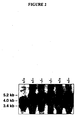
- the probe ( Fig. 1 ) which is situated in the IL-11R ⁇ locus outside the targeting construct, allowed distinction between the endogenous loci (3.4 kb for locus IL-11R ⁇ and 4.0 kb for locus IL-11R ⁇ 2) and mutant IL-11R ⁇ loci (5.2 kb for locus IL-11R ⁇ and 5.8 kb for locus IL-11R ⁇ 2).
- Genomic DNA was digested to completion with Eco RI, transferred to nylon membrane by capillary blotting and pre-hybridized and hybridized at 65 °C in a solution containing NaCl 1M, SDS 1% w/v, and dextran sulphate 10% w/v.
- the membranes were washed with a solution containing 0.2x SSC (1xSSC is 0.15 M NaCl, 0.015 M trisodium citrate) and 0.1% w/v SDS, at 65 ° C and exposed to radiographic film for 18 h at -70 °C using intensifying screens.
- mice A single targeted clone for locus IL-11R ⁇ was used to derive chimeric mice (23) which were mated with C57BL/6 female mice and the heterozygous offspring interbred to yield wild type (+/+), heterozygous (+/-), and mutant (-/-) mice.
- Mice genotypes were determined by Southern blot analysis of genomic DNA obtained from tail biopsies ( Fig. 2 ).
- Orbital plexus blood was collected from anaesthetised mice and peripheral blood white cell count, haematocrit, and platelet counts were determined using either manual or automated (Sysmex K1000) counting techniques.
- Cell suspensions were made from bone marrow and spleen by standard techniques and total femoral and splenic cellularity was determined by haemocytometryafter eosin staining.
- Manual 100-400 cell differential counts were performed on May-Grunwald Giemsa stained blood smears and cyto-centrifuge preparations of bone marrow and spleen.
- Bone marrow and spleen progenitors were assayed using semisolid agar and methyl cellulose cultures as previously described (23, 24). For each sample, 5x10 4 nucleated cells, were plated in triplicate in 1 ml cultures.
- Colony formation was stimulated by combinations of growth factors at the following final concentrations: murine granulocyte-macrophagc colony stimulating factor (GM-CSF) 10 ng/ml, murine granulocyte -CSF 10 ng/ml, murine interleukin-3 (IL-3) 10, 1, 0.1 ng/ml, human IL-11 10 ng/ml, murine IL-6 500 ng/ml, recombinant human erythropoietin 4U/ml, murine stem cell factor (SCF) 10ng/ml, human megakaryocyte growth and development factor.
- Colony numbers were enumerated after 7 days incubation in humidified atmosphere at 37°C supplemented with 10% or 5% CO 2 (24). Cultures were fixed and stained using acetyl choline esterase, luxol fast blue and haematoxylin and the cellular composition of colonies determined.
- RNA loading buffer (2 mM 3-N-morpholino) propane-sulfonic acid (MOPS), 1 mM EDTA, 5 mM sodium acetate pH 7.0, 50% v/v formamide, 6.3% v/v formaldehyde
- 1xMOPS buffer 0.22 M MOPS, pH 7, 1 mM EDTA, 5 mM sodium acetate
- 0.1 ⁇ g/ml ethidium bromide and run in 1xMOPS.
- Prehybridisation and hybridisation were carried out in a solution containing 50% v/v deionised formamide, 5xSSC, 0.1 % w/v SDS, 300 ⁇ g/ml sheared herring sperm DNA and 2x Denhardtös (100x Denhardtös is 2% w/v Bovine Serum albumin, 2% w/v Ficoll and 2% w/v polyvinyl-pyrollidone). Washes were performed with 0.2xSSC, 0.1% w/v SDS at 65 °C. Northern blots ( Fig.
- PCR reactions were carried out in 50 ⁇ l volume containing 1 x PCR buffer (Boehringer) 0.2 mM of each dNTP, 0.5 unit Taq Polymerase (Boehringer) and 200 ng of each primer: 5'- ATGAGCAGCAGCTGCTCAGGGCTG -3' (SEQ ID NO:1) and 5'-ACTTTCCCTCTGACTCTCAGCTCCTGG -3' (SEQ ID NO:2).
- Amplification conditions were: initial denaturation of 96 °C for 2 min followed by 25 cycles of 94 °C for 30 s, 55 °C for 30 s, 72 °C for 90 s.
- the PCR product was purified from an 2% w/v agarose gel using Qiaex Kit (Qiagen).
- mice heterozygous for the IL-11R ⁇ (IL-11R ⁇ +/-) mutation were interbred and the offspring genotyped ( Figure 2 ).
- Mice homozygous for the IL-11R ⁇ mutation (IL-11R ⁇ -/-) were bom with Mendelian frequency (Table 2).
- Table 2 Mendelian frequency
- the IL-11R ⁇ -/- mice appeared normal and thrived as well as their wild type litter mates. Gross anatomical examination and extensive histological examination did not reveal any abnormalities in IL-11R ⁇ -/- mice of either sex. Peripheral blood counts, and differential counts of blood, spleen and bone marrow were unaltered. When bone marrow cells were cultured in semi-solid media with SCF, GM-CSF, IL-3 and IL-6 no differences were observed between the numbers or type of haematopoietic progenitor cells observed in the IL-11R ⁇ -/- mice or in their wild-type littermates. IL-11 alone did not support colony formation in cultures from IL-11R ⁇ -/- mice or controls.
- the inventors mated two virgin female IL-11R+/- and two virgin female IL-11R ⁇ -/- mice with wild type males and sacrificed them at 7.5 days post coitus (dpc) Whilst the uteri of the IL-11R+/- mice contained normal embryos within well-developed decidua, the uteri of the IL-11R ⁇ -/- mice contained minute decidua, largely composed of the embryo-derived trophoblastic giant cells, with minimal decidual tissue and necrotic embryonic tissue.
- the inventors also induced ovulation in the IL-11R ⁇ mice and at 3.5 dpc and collected and examined the blastocysts. These blastocysts appeared normal.
- Virgin IL11R ⁇ -/- females had normal estrus cycles, as indicated by the cytology of vaginal smears, and normal mating behaviour was observed when they were caged with males. The appearance and histology of the ovaries, oviducts, vagina and virgin uterus were normal. To elucidate the cause of the infertility, the inventors mated virgin C57BL/6 wild type (WT) and IL11R ⁇ -/- females with males of both genotypes and examined the reproductive organs between 0.5 and 10.5 d.p.c. (day 0.5 being the day of detection of the vaginal plug).
- the cells of the secondary decidual zone were polyhedral and basophilic often with two or more nuclei and were morphologically indistinguishable from those seen in WT decidua.
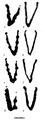
- the reduced size of the IL11R ⁇ -/- decidua was striking ( Fig. 5e-g ).
- the space normally occupied by the mesometrial decidua was invaded by very large cells resembling trophoblast giant cells ( Fig. 5h, i ).
- the identity of these cells was confirmed by in situ hybridisation with probe for placental lactogen-1 ( Fig. 5j ), and proliferin the expression of which is restricted to trophoblast (28).
- the number of secondary trophoblast giant cells present in the IL11R ⁇ - / - decidua was markedly increased.
- the invasion of trophoblast cells was similar to that seen when ectoplacental cone tissue was grafted to ectopic sites such as the kidney, spleen, or non-pregnant uterus. Its occurrence in the IL11R ⁇ -/- uteri suggests that signals from the mesometrial decidual tissues may normally regulate trophoblast development.
- the fetal components of the chorioallantoic placenta including the chorionic plate, labyrinthine trophoblast and spongiotrophoblast were present.
- the decidua basalis was entirely absent, being replaced by multiple layers of giant trophoblast cells, in contrast to the single-cell, discontinuous layer seen in normal 9.5 d.p.c. placentas ( Fig. 5k,l ). This demonstrated that the fetal components of the murine placenta can form in the absence of the decidua basalis.
- the decidua capsularis was present in the decidua of the rare embryos surviving in 9 d.p.c. IL11R ⁇ -/- uteri, although it was reduced in thickness in comparison with WT decidua.
- the abnormalities of decidualization seen in the IL11R ⁇ -/- mice were similar whether the mutation was on a mixed (129Sv x C57BL/6) or inbred (129Sv) background and were unaffected by the genotype of the implanting embryo.
- the murine decidual reaction can be mimicked by the application of a stimulus, such as oil, to the lumen of the pseudopregnant uterus.
- a stimulus such as oil
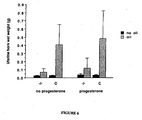
- the inventors compared deciduoma formation in response to an artificial stimulus in IL11R ⁇ -/- uteri and control (IL11R ⁇ - / -) mice. Pseudopregnancy was induced by mating with vasectomized males and at 3.5 d.p.c. sesame oil was introduced into one or both uterine horns anaesthesia. The mice were killed at 8.5 d.p.c. and the wet weight of the injected uterine horns was compared with that of uninjected controls.
- the decidual response was significantly greater in the control mice compared with IL11R ⁇ -/mice ( Fig. 6 ).
- progesterone was administered to control and mutant mice. This did not rescue the decidualization defect observed in the IL11R ⁇ -/- mice ( Fig. 6 ).
- IL-11 mRNA was undetectable from 0.5-3.5 d.p.c., but was observed postimplantation, peaking at 5.5-7.5 d.p.c., after which it decreased ( Fig. 7a ).
- Fig. 7b A similar time of onset of IL-11 expression was seen in oil-induced deciduomata ( Fig. 7b ).
- LIF expression was maximal at 2.5-3.5 d.p.c.
- the expression of IL-11R ⁇ , gp130 and the LIT receptor alpha chain did not alter significantly during pregnancy ( Fig. 7a ).
Landscapes
- Health & Medical Sciences (AREA)
- Life Sciences & Earth Sciences (AREA)
- Chemical & Material Sciences (AREA)
- Engineering & Computer Science (AREA)
- Zoology (AREA)
- General Health & Medical Sciences (AREA)
- Genetics & Genomics (AREA)
- Organic Chemistry (AREA)
- Bioinformatics & Cheminformatics (AREA)
- Gastroenterology & Hepatology (AREA)
- Medicinal Chemistry (AREA)
- Veterinary Medicine (AREA)
- Proteomics, Peptides & Aminoacids (AREA)
- Animal Behavior & Ethology (AREA)
- Immunology (AREA)
- Pharmacology & Pharmacy (AREA)
- Biotechnology (AREA)
- Biophysics (AREA)
- Biochemistry (AREA)
- Epidemiology (AREA)
- Public Health (AREA)
- Biomedical Technology (AREA)
- Molecular Biology (AREA)
- Toxicology (AREA)
- Environmental Sciences (AREA)
- Wood Science & Technology (AREA)
- General Engineering & Computer Science (AREA)
- Psychology (AREA)
- Physics & Mathematics (AREA)
- Neurosurgery (AREA)
- Plant Pathology (AREA)
- Microbiology (AREA)
- Neurology (AREA)
- Animal Husbandry (AREA)
- Biodiversity & Conservation Biology (AREA)
- Cell Biology (AREA)
- Medicines That Contain Protein Lipid Enzymes And Other Medicines (AREA)
Claims (15)
- Verwendung einer wirksamen Menge von IL-11 (Interleukin 11) oder eines Fragments davon, das die IL-11-vermittelte Signalling-Funktion beibehält oder eines Agonisten der Wechselwirkung von IL-11 und IL-11 Rα (Interleukin 11 Rezeptor α-Kette), abgeleitet von IL-11 oder dem IL-11-Rezeptor durch einzelne oder mehrfache Aminosäure-Deletionen und/oder -Additionen und/oder -Seitenkettenmodifikationen und/oder Inkorporation von unnatürlichen Aminosäuren und/oder Glykosylierung, zur Herstellung eines Medikaments zur Förderung der Fertilität in einem weiblichen Lebewesen durch Beeinflussung der Dezidualisierung, wobei das Medikament der Verabreichung während der Zeit der embryonalen Implantation bis zur Entwicklung der Chorioallantois-Plazenta unter Bedingungen dient, welche ausreichend sind, um eine Schwangerschaft über das frühe Stadium der Post-Implantation fortschreiten zu lassen.
- Ein nicht-therapeutisches Verfahren zur Förderung der Fertilität in einem nichtmenschlichen weiblichen Lebewesen durch Beeinflussung der Dezidualisierung, wobei man bei diesem Verfahren diesem weiblichen Lebewesen eine wirksame Menge IL-11 oder eines Fragments davon, welches die IL-11-vermittelte Signalling-Funktion beibehält, oder eines Agonisten der Wechselwirkung zwischen IL-11 und IL-11 Rα, abgeleitet von IL-11 oder dem IL-11-Rezeptor durch einzelne oder mehrfache Aminosäure-Deletionen und/oder -Additionen und/oder -Seitenkettenmodifikationen und/oder Inkorporation von unnatürlichen Aminosäuren und/oder Glykosylierung, während der Zeit der Embryo-Implantation bis zur Entwicklung der Chorioallantois-Plazenta unter Bedingungen verabreicht, die ausreichen, um die Schwangerschaft über das frühe Stadium der Post-Implantation fortschreiten zu lassen.
- Verwendung einer wirksamen Menge eines Antagonisten der Wechselwirkung von IL-11 und dem IL-11-Rezeptor, abgeleitet von IL-11 oder dem IL-11-Rezeptor durch einzelne oder mehrfache Aminosäure-Deletionen und /oder -Additionen und/oder - Seitenkettenmodifikationen und/oder Inkorporation von unnatürlichen Aminosäuren und/oder Glykosylierung, zur Herstellung eines Medikaments zur Verringerung der Fertilität oder zur Förderung der Beendigung einer Schwangerschaft in einem weiblichen Lebewesen, wobei das Medikament zur Verabreichung in einer Menge dient, die ausreicht, um eine fehlerhafte Dezidualisierung zu induzieren oder zu erleichtern.
- Ein nicht-therapeutisches Verfahren zur Verringerung der Fertilität in einem nichtmenschlichen weiblichen Lebewesen zur Förderung der Beendigung einer Schwangerschaft in einem weiblichen Lebewesen durch Induzierung oder Erleichterung einer fehlerhaften Dezidualisierung, wobei man bei diesem Verfahren dem weiblichen Lebewesen eine wirksame Menge eines Antagonisten der Wechselwirkung von IL-11. und dem IL-11-Rezeptor verabreicht, welcher abgeleitet ist von IL-11 oder dem IL-11-Rezeptor durch einzelne oder mehrfache Aminosäure-Deletionen und/oder - Additionen und/oder -Seitenkettenmodifikationen und/oder Inkorporation von unnatürlichen Aminosäuren und/oder Glykosylierung.
- Verfahren nach einem der Ansprüche 1 bis 4, wobei das Lebewesen ein Mensch, ein Primat, Vieh, ein Haustier, ein Laboratoriums-Versuchstier oder ein gefangenes Wildtier ist.
- Verwendung nach Anspruch 1, wobei die Behandlung die gemeinsame Verabreichung des Medikamentes mit einem oder mehreren Cytokinen umfasst.
- Verfahren nach Anspruch 2, worin IL-11 oder ein Agonist zusammen mit einem oder mehreren Cytokinen gemeinsam verabreicht wird.
- Verfahren nach einem der Ansprüche 6 oder 7, wobei das gemeinsam verabreichte Cytokin ausgewählt ist unter LIF (Leukemia Inhibitory Factor), CNTF (Ciliary Neurotrophic Growth Factor), IL-6 (Interleukin 6) und OSM (Oncostatin M).
- Verwendung nach Anspruch 3 oder 4, wobei der Antagonist ein Fragment des IL-11-Rezeptors ist.
- IL-11 (Interleukin 11) oder ein Fragment davon, welches die IL-11-vermittelte Signalling-Funktion beibehält, oder ein Agonist der Wechselwirkung von IL-11 und IL-11 Rα (Interleukin 11 Rezeptor α-Kette), abgeleitet von IL-11 oder dem IL-11-Rezeptor durch einzelne oder mehrfache Aminosäure-Deletionen und/oder -Additionen und/oder -Seitenkettenmodifikationen und/oder Inkorporation von unnatürlichen Aminosäuren und/oder Glykosylierung, zur Förderung der Fertilität in einem weiblichen Lebewesen, wobei IL-11, das Fragment davon oder der Agonist der Wechselwirkung zwischen IL-11 und IL-11-Rα zur Verabreichung während der Zeit der Embryo-Implantation bis zur Entwicklung der Chorioallantois-Plazenta unter Bedingungen dient, die ausreichen, um die Schwangerschaft über das frühe Stadium der Post-Implantation fortschreiten zu lassen, in dem die Dezidualisierung beeinflusst wird.
- Antagonist der Wechselwirkung von IL-11 und dem IL-11-Rezeptor, abgeleitet von IL-11 oder dem IL-11-Rezeptor durch einzelne oder mehrfache Aminosäure-Deletionen und/oder -Additionen und/oder -Seitenkettenmodifikationen und/oder Inkorporation von unnatürlichen Aminosäuren und/oder Glykosylierung, zur Verringerung der Fertilität oder Förderung der Beendigung einer Schwangerschaft in einem weiblichen Lebewesen, wobei der Antagonist der Wechselwirkung zwischen IL-11 und dem IL-11-Rezeptor der Verabreichung in einer Menge dient, die ausreicht, um eine fehlerhafte Dezidualisierung zu induzieren oder zu erleichtern.
- IL-11, ein Fragment davon, ein Agonist oder ein Antagonist nach Anspruch 10 oder 11, worin das Lebewesen ein Mensch, ein Primat, Vieh, ein Haustier, ein Laboratoriums-Versuchstier oder ein gefangenes Wildtier ist.
- IL-11, ein Fragment davon oder ein Agonist nach Anspruch 10, wobei die Behandlung die gemeinsame Verabreichung des Medikaments mit einem oder mehreren Cytokinen umfasst.
- IL-11, ein Fragment davon oder ein Agonist nach Anspruch 13, wobei das gemeinsam verabreichte Cytokin ausgewählt ist unter LIF (Leukemia Inhibitory Factor), CNTF (Ciliary Neurotrophic Growth Factor), IL-6 (Interleukin 6) und OSM (Oncostatin M).
- Antagonist nach Anspruch 11, worin der Antagonist ein Fragment des IL-11-Rezepors ist.
Applications Claiming Priority (3)
| Application Number | Priority Date | Filing Date | Title |
|---|---|---|---|
| AUPO4393A AUPO439396A0 (en) | 1996-12-24 | 1996-12-24 | A method of treatment and prophylaxis |
| AUPO439396 | 1996-12-24 | ||
| PCT/AU1997/000880 WO1998027996A1 (en) | 1996-12-24 | 1997-12-24 | A method of treatment and prophylaxis |
Publications (3)
| Publication Number | Publication Date |
|---|---|
| EP0956039A1 EP0956039A1 (de) | 1999-11-17 |
| EP0956039A4 EP0956039A4 (de) | 2002-10-02 |
| EP0956039B1 true EP0956039B1 (de) | 2008-09-10 |
Family
ID=3798701
Family Applications (1)
| Application Number | Title | Priority Date | Filing Date |
|---|---|---|---|
| EP97948654A Expired - Lifetime EP0956039B1 (de) | 1996-12-24 | 1997-12-24 | IL-11 Signalling zur Erhöhung der Fertilität |
Country Status (5)
| Country | Link |
|---|---|
| US (3) | US6669934B1 (de) |
| EP (1) | EP0956039B1 (de) |
| AU (1) | AUPO439396A0 (de) |
| DE (1) | DE69738983D1 (de) |
| WO (1) | WO1998027996A1 (de) |
Families Citing this family (5)
| Publication number | Priority date | Publication date | Assignee | Title |
|---|---|---|---|---|
| WO2000001404A1 (en) | 1998-07-06 | 2000-01-13 | The Government Of The United States Of America As Represented By The Secretary, Department Of Health And Human Services | Compositions and methods for $i(in vitro) fertilization |
| AU2003240052A1 (en) * | 2002-05-24 | 2003-12-12 | Isis Innovation Limited | Il-11 derivatives and therapeutic uses thereof |
| US20080069796A1 (en) * | 2006-07-31 | 2008-03-20 | Kim Jong-Mook | Low Dose Treatment with an Interleukin-11 Analog |
| CN115773978A (zh) * | 2022-12-07 | 2023-03-10 | 上海市第一妇婴保健院 | Cd24+蜕膜基质细胞在辅助诊断和预测不明原因复发性流产中的应用 |
| CN120661437A (zh) * | 2025-07-01 | 2025-09-19 | 南通大学附属医院 | 可注射生物活性水凝胶在治疗复发性流产中的应用 |
Family Cites Families (16)
| Publication number | Priority date | Publication date | Assignee | Title |
|---|---|---|---|---|
| US5215895A (en) | 1989-11-22 | 1993-06-01 | Genetics Institute, Inc. | Dna encoding a mammalian cytokine, interleukin-11 |
| US5166190A (en) * | 1990-01-08 | 1992-11-24 | Genentech, Inc. | Method for increasing fertility in males |
| US5292646A (en) * | 1991-02-06 | 1994-03-08 | Genetics Institute, Inc. | Peptide and protein fusions to thioredoxin and thioredoxin-like molecules |
| US5460810A (en) * | 1992-09-02 | 1995-10-24 | Genetics Institute, Inc. | Method for maintaining gut epithelial cells by treatment with a cytokine such as interleukin 11 |
| JPH06256399A (ja) | 1993-03-10 | 1994-09-13 | Toray Ind Inc | ヒト・インターロイキン11の精製法 |
| US5543138A (en) | 1994-03-10 | 1996-08-06 | Genetics Institute, Inc. | Methods of diagnosing and treating preeclampsia |
| US5582821A (en) | 1994-07-22 | 1996-12-10 | Genetics Institute, Inc. | Methods for treating bleeding disorders |
| DE69535831D1 (de) | 1994-09-05 | 2008-10-16 | Amrad Operations Pty Ltd | Hemopoietin-rezeptor |
| AU690743B2 (en) * | 1994-09-05 | 1998-04-30 | Walter And Eliza Hall Institute Of Medical Research, The | A novel haemopoietin receptor |
| GB9419021D0 (en) | 1994-09-21 | 1994-11-09 | Applied Research Systems | Therapeutic protein |
| IT1274782B (it) * | 1994-12-14 | 1997-07-24 | Angeletti P Ist Richerche Bio | Metodo per selezionare superagonisti, antagonisti e superantagonisti di ormoni del cui complesso recettoriale fa parte gp 130 |
| US5760189A (en) | 1995-06-02 | 1998-06-02 | Genetics Institute, Inc. | Protein recovery & purification methods |
| EP0833656A4 (de) | 1995-06-09 | 1999-02-03 | Yeda Res & Dev | Restrictine p/activine a enthaltende pharmazeutische zusammensetzungen und ihre verwendung als il-6 oder/und il-11 antagonisten |
| US5679339A (en) * | 1995-06-27 | 1997-10-21 | Keith; James | Method of using IL-11 for treating spondyloarthropies |
| US6177078B1 (en) | 1995-12-29 | 2001-01-23 | Medvet Science Pty Limited | Monoclonal antibody antagonists to IL-3 |
| AU1134097A (en) * | 1995-12-29 | 1997-07-28 | Medvet Science Pty. Ltd. | Monoclonal antibody antagonists to haemopoietic growth factors |
-
1996
- 1996-12-24 AU AUPO4393A patent/AUPO439396A0/en not_active Abandoned
-
1997
- 1997-12-24 US US09/331,569 patent/US6669934B1/en not_active Expired - Fee Related
- 1997-12-24 WO PCT/AU1997/000880 patent/WO1998027996A1/en not_active Ceased
- 1997-12-24 DE DE69738983T patent/DE69738983D1/de not_active Expired - Fee Related
- 1997-12-24 EP EP97948654A patent/EP0956039B1/de not_active Expired - Lifetime
-
2003
- 2003-09-10 US US10/659,200 patent/US20040043000A1/en not_active Abandoned
-
2007
- 2007-01-16 US US11/653,656 patent/US20070110712A1/en not_active Abandoned
Non-Patent Citations (6)
| Title |
|---|
| "Oxford Dictionary of English, 2nd Edition", OXFORD UNIVERSITY PRESS * |
| BLOOD, vol. 90, no. 11, 1997, pages 4403 - 4412 * |
| FEBS LETTERS, vol. 450, 1999, pages 117 - 122 * |
| METCALF-D ET AL.: "Production of hematopoietic regulatory factors in cultures of adult and fetal mouse organs: measurement by specific bioassays", LEUKEMIA, vol. 9, 1995, pages 1556-1564 * |
| MOLECULAR HUMAN REPRODUCTION, vol. 6, 2000, pages 907 - 914 * |
| MOLECULAR HUMAN REPRODUCTION, vol. 8, no. 7, 2002, pages 636 - 643 * |
Also Published As
| Publication number | Publication date |
|---|---|
| EP0956039A4 (de) | 2002-10-02 |
| WO1998027996A1 (en) | 1998-07-02 |
| DE69738983D1 (de) | 2008-10-23 |
| EP0956039A1 (de) | 1999-11-17 |
| US6669934B1 (en) | 2003-12-30 |
| US20040043000A1 (en) | 2004-03-04 |
| US20070110712A1 (en) | 2007-05-17 |
| AUPO439396A0 (en) | 1997-01-23 |
Similar Documents
| Publication | Publication Date | Title |
|---|---|---|
| Wakamiya et al. | Disruption of the adenosine deaminase gene causes hepatocellular impairment and perinatal lethality in mice. | |
| US20070135336A1 (en) | Follistatin isoforms and uses thereof | |
| US7897570B2 (en) | Method of treatment | |
| US20080166730A1 (en) | Therapeutic and diagnostic proteins comprising a SOCS box | |
| EP0931149B1 (de) | Hemopotein-rezeptor und diese kodierende genetische sequenzen | |
| US7049418B2 (en) | Therapeutic and diagnostic agents comprising a SOCS box | |
| US20070110712A1 (en) | Method of modulating fertility in animals | |
| WO2010022444A1 (en) | Methods and agents for modulating kinase signalling pathways through modulation of mixed-lineage kinase domain-like protein (mlkl) | |
| US20090077677A1 (en) | Mammalian grainyhead transcription factors | |
| AU739063B2 (en) | A method of treatment and prophylaxis | |
| EP1242111B1 (de) | Tiermodell für hormonsignalstudien und verfahren zum verändern der signalübertragung | |
| AU762879B2 (en) | A method of treatment and prophylaxis | |
| EP1542528B1 (de) | Behandlungs- und prophylaxeverfahren | |
| EP1723235B1 (de) | Modifizierte, gleichzeitig blimp1 und ein reportermolekül exprimierende zellen und verfahren zu deren verwendung | |
| US20030039643A1 (en) | Synthetic mammalian alpha-N-acetylglucosaminidase and genetic sequences encoding same | |
| CN100434519C (zh) | 粒细胞集落刺激因子或粒细胞集落刺激因子受体的抑制剂的用途 | |
| WO2005060992A1 (en) | Therapeutic agents and uses therefor | |
| US7220828B2 (en) | Haemopoietin receptor and genetic sequence encoding same | |
| AU784277B2 (en) | An animal model for studying hormone signalling and method of modulating the signalling | |
| US20060294608A1 (en) | Novel haemopoietin receptor and genetic sequences encoding same | |
| WO2009046483A1 (en) | Therapeutic protocol for the treatment or prevention of thrombocytopenia | |
| WO2004015417A1 (en) | A method and agents useful for same | |
| AU2006200097A1 (en) | An animal model for studying hormone signalling and method of modulating the signalling |
Legal Events
| Date | Code | Title | Description |
|---|---|---|---|
| PUAI | Public reference made under article 153(3) epc to a published international application that has entered the european phase |
Free format text: ORIGINAL CODE: 0009012 |
|
| 17P | Request for examination filed |
Effective date: 19990726 |
|
| AK | Designated contracting states |
Kind code of ref document: A1 Designated state(s): DE FR GB IT |
|
| RAP1 | Party data changed (applicant data changed or rights of an application transferred) |
Owner name: THE WALTER AND ELIZA HALL INSTITUTE OF MEDICAL RES |
|
| A4 | Supplementary search report drawn up and despatched |
Effective date: 20020816 |
|
| AK | Designated contracting states |
Kind code of ref document: A4 Designated state(s): DE FR GB IT |
|
| 17Q | First examination report despatched |
Effective date: 20030304 |
|
| 17Q | First examination report despatched |
Effective date: 20030304 |
|
| GRAP | Despatch of communication of intention to grant a patent |
Free format text: ORIGINAL CODE: EPIDOSNIGR1 |
|
| RTI1 | Title (correction) |
Free format text: IL-11 SIGNALLING FOR ENHANCING FERTILITY |
|
| RIC1 | Information provided on ipc code assigned before grant |
Ipc: C07K 14/54 20060101ALI20071026BHEP Ipc: A01K 67/00 20060101ALI20071026BHEP Ipc: C12N 15/24 20060101ALI20071026BHEP Ipc: A61K 38/20 20060101AFI20071026BHEP |
|
| GRAS | Grant fee paid |
Free format text: ORIGINAL CODE: EPIDOSNIGR3 |
|
| GRAA | (expected) grant |
Free format text: ORIGINAL CODE: 0009210 |
|
| AK | Designated contracting states |
Kind code of ref document: B1 Designated state(s): DE FR GB IT |
|
| REG | Reference to a national code |
Ref country code: GB Ref legal event code: FG4D |
|
| REF | Corresponds to: |
Ref document number: 69738983 Country of ref document: DE Date of ref document: 20081023 Kind code of ref document: P |
|
| PLBE | No opposition filed within time limit |
Free format text: ORIGINAL CODE: 0009261 |
|
| STAA | Information on the status of an ep patent application or granted ep patent |
Free format text: STATUS: NO OPPOSITION FILED WITHIN TIME LIMIT |
|
| 26N | No opposition filed |
Effective date: 20090611 |
|
| GBPC | Gb: european patent ceased through non-payment of renewal fee |
Effective date: 20081224 |
|
| PG25 | Lapsed in a contracting state [announced via postgrant information from national office to epo] |
Ref country code: IT Free format text: LAPSE BECAUSE OF FAILURE TO SUBMIT A TRANSLATION OF THE DESCRIPTION OR TO PAY THE FEE WITHIN THE PRESCRIBED TIME-LIMIT Effective date: 20080910 |
|
| REG | Reference to a national code |
Ref country code: FR Ref legal event code: ST Effective date: 20090831 |
|
| PG25 | Lapsed in a contracting state [announced via postgrant information from national office to epo] |
Ref country code: DE Free format text: LAPSE BECAUSE OF NON-PAYMENT OF DUE FEES Effective date: 20090701 |
|
| PG25 | Lapsed in a contracting state [announced via postgrant information from national office to epo] |
Ref country code: GB Free format text: LAPSE BECAUSE OF NON-PAYMENT OF DUE FEES Effective date: 20081224 |
|
| PG25 | Lapsed in a contracting state [announced via postgrant information from national office to epo] |
Ref country code: FR Free format text: LAPSE BECAUSE OF NON-PAYMENT OF DUE FEES Effective date: 20081231 |