EP0911901A1 - Sekundäre Lithium-Ionen-Zelle - Google Patents
Sekundäre Lithium-Ionen-Zelle Download PDFInfo
- Publication number
- EP0911901A1 EP0911901A1 EP98116148A EP98116148A EP0911901A1 EP 0911901 A1 EP0911901 A1 EP 0911901A1 EP 98116148 A EP98116148 A EP 98116148A EP 98116148 A EP98116148 A EP 98116148A EP 0911901 A1 EP0911901 A1 EP 0911901A1
- Authority
- EP
- European Patent Office
- Prior art keywords
- vol
- lithium
- ion cell
- cell according
- secondary lithium
- Prior art date
- Legal status (The legal status is an assumption and is not a legal conclusion. Google has not performed a legal analysis and makes no representation as to the accuracy of the status listed.)
- Withdrawn
Links
- 229910001416 lithium ion Inorganic materials 0.000 title claims abstract description 17
- HBBGRARXTFLTSG-UHFFFAOYSA-N Lithium ion Chemical compound [Li+] HBBGRARXTFLTSG-UHFFFAOYSA-N 0.000 title description 2
- KMTRUDSVKNLOMY-UHFFFAOYSA-N Ethylene carbonate Chemical compound O=C1OCCO1 KMTRUDSVKNLOMY-UHFFFAOYSA-N 0.000 claims abstract description 13
- RUOJZAUFBMNUDX-UHFFFAOYSA-N propylene carbonate Chemical compound CC1COC(=O)O1 RUOJZAUFBMNUDX-UHFFFAOYSA-N 0.000 claims abstract description 11
- OIFBSDVPJOWBCH-UHFFFAOYSA-N Diethyl carbonate Chemical compound CCOC(=O)OCC OIFBSDVPJOWBCH-UHFFFAOYSA-N 0.000 claims abstract description 10
- 239000011877 solvent mixture Substances 0.000 claims abstract description 5
- 229910003002 lithium salt Inorganic materials 0.000 claims abstract 2
- 159000000002 lithium salts Chemical class 0.000 claims abstract 2
- 239000011255 nonaqueous electrolyte Substances 0.000 claims abstract 2
- 239000003792 electrolyte Substances 0.000 claims description 15
- WHXSMMKQMYFTQS-UHFFFAOYSA-N Lithium Chemical compound [Li] WHXSMMKQMYFTQS-UHFFFAOYSA-N 0.000 claims description 8
- PXHVJJICTQNCMI-UHFFFAOYSA-N Nickel Chemical compound [Ni] PXHVJJICTQNCMI-UHFFFAOYSA-N 0.000 claims description 8
- 229910013870 LiPF 6 Inorganic materials 0.000 claims description 7
- 229910052744 lithium Inorganic materials 0.000 claims description 7
- OKTJSMMVPCPJKN-UHFFFAOYSA-N Carbon Chemical compound [C] OKTJSMMVPCPJKN-UHFFFAOYSA-N 0.000 claims description 4
- 229910013684 LiClO 4 Inorganic materials 0.000 claims description 4
- 229910052759 nickel Inorganic materials 0.000 claims description 4
- 239000003791 organic solvent mixture Substances 0.000 claims description 4
- 239000006260 foam Substances 0.000 claims description 3
- 229910013063 LiBF 4 Inorganic materials 0.000 claims description 2
- 229910052596 spinel Inorganic materials 0.000 claims description 2
- 239000011029 spinel Substances 0.000 claims description 2
- 239000010405 anode material Substances 0.000 claims 2
- 229910052799 carbon Inorganic materials 0.000 claims 2
- 239000010406 cathode material Substances 0.000 claims 2
- 239000011159 matrix material Substances 0.000 claims 2
- 229910012424 LiSO 3 Inorganic materials 0.000 claims 1
- KLARSDUHONHPRF-UHFFFAOYSA-N [Li].[Mn] Chemical group [Li].[Mn] KLARSDUHONHPRF-UHFFFAOYSA-N 0.000 claims 1
- 229910052751 metal Inorganic materials 0.000 claims 1
- 239000002184 metal Substances 0.000 claims 1
- 229910001220 stainless steel Inorganic materials 0.000 claims 1
- 239000010935 stainless steel Substances 0.000 claims 1
- 239000004575 stone Substances 0.000 claims 1
- 230000000052 comparative effect Effects 0.000 description 6
- -1 lithium hexafluoroarsenate Chemical compound 0.000 description 6
- 150000003839 salts Chemical class 0.000 description 3
- 239000004743 Polypropylene Substances 0.000 description 2
- IEJIGPNLZYLLBP-UHFFFAOYSA-N dimethyl carbonate Chemical compound COC(=O)OC IEJIGPNLZYLLBP-UHFFFAOYSA-N 0.000 description 2
- JBTWLSYIZRCDFO-UHFFFAOYSA-N ethyl methyl carbonate Chemical compound CCOC(=O)OC JBTWLSYIZRCDFO-UHFFFAOYSA-N 0.000 description 2
- 239000011888 foil Substances 0.000 description 2
- 229910002804 graphite Inorganic materials 0.000 description 2
- 239000010439 graphite Substances 0.000 description 2
- 239000000203 mixture Substances 0.000 description 2
- 229920001155 polypropylene Polymers 0.000 description 2
- 229910015015 LiAsF 6 Inorganic materials 0.000 description 1
- 239000002202 Polyethylene glycol Substances 0.000 description 1
- 230000000295 complement effect Effects 0.000 description 1
- 150000001983 dialkylethers Chemical class 0.000 description 1
- 238000007599 discharging Methods 0.000 description 1
- 150000003949 imides Chemical class 0.000 description 1
- 230000002427 irreversible effect Effects 0.000 description 1
- 229910000103 lithium hydride Inorganic materials 0.000 description 1
- FUJCRWPEOMXPAD-UHFFFAOYSA-N lithium oxide Chemical compound [Li+].[Li+].[O-2] FUJCRWPEOMXPAD-UHFFFAOYSA-N 0.000 description 1
- 229910001947 lithium oxide Inorganic materials 0.000 description 1
- MHCFAGZWMAWTNR-UHFFFAOYSA-M lithium perchlorate Chemical compound [Li+].[O-]Cl(=O)(=O)=O MHCFAGZWMAWTNR-UHFFFAOYSA-M 0.000 description 1
- 229910001496 lithium tetrafluoroborate Inorganic materials 0.000 description 1
- LGRLWUINFJPLSH-UHFFFAOYSA-N methanide Chemical compound [CH3-] LGRLWUINFJPLSH-UHFFFAOYSA-N 0.000 description 1
- 229920001223 polyethylene glycol Polymers 0.000 description 1
- 239000002904 solvent Substances 0.000 description 1
Images



Classifications
-
- H—ELECTRICITY
- H01—ELECTRIC ELEMENTS
- H01M—PROCESSES OR MEANS, e.g. BATTERIES, FOR THE DIRECT CONVERSION OF CHEMICAL ENERGY INTO ELECTRICAL ENERGY
- H01M10/00—Secondary cells; Manufacture thereof
- H01M10/05—Accumulators with non-aqueous electrolyte
- H01M10/052—Li-accumulators
- H01M10/0525—Rocking-chair batteries, i.e. batteries with lithium insertion or intercalation in both electrodes; Lithium-ion batteries
-
- H—ELECTRICITY
- H01—ELECTRIC ELEMENTS
- H01M—PROCESSES OR MEANS, e.g. BATTERIES, FOR THE DIRECT CONVERSION OF CHEMICAL ENERGY INTO ELECTRICAL ENERGY
- H01M10/00—Secondary cells; Manufacture thereof
- H01M10/05—Accumulators with non-aqueous electrolyte
- H01M10/056—Accumulators with non-aqueous electrolyte characterised by the materials used as electrolytes, e.g. mixed inorganic/organic electrolytes
- H01M10/0564—Accumulators with non-aqueous electrolyte characterised by the materials used as electrolytes, e.g. mixed inorganic/organic electrolytes the electrolyte being constituted of organic materials only
- H01M10/0566—Liquid materials
-
- H—ELECTRICITY
- H01—ELECTRIC ELEMENTS
- H01M—PROCESSES OR MEANS, e.g. BATTERIES, FOR THE DIRECT CONVERSION OF CHEMICAL ENERGY INTO ELECTRICAL ENERGY
- H01M4/00—Electrodes
- H01M4/02—Electrodes composed of, or comprising, active material
- H01M4/64—Carriers or collectors
- H01M4/66—Selection of materials
- H01M4/661—Metal or alloys, e.g. alloy coatings
-
- H—ELECTRICITY
- H01—ELECTRIC ELEMENTS
- H01M—PROCESSES OR MEANS, e.g. BATTERIES, FOR THE DIRECT CONVERSION OF CHEMICAL ENERGY INTO ELECTRICAL ENERGY
- H01M4/00—Electrodes
- H01M4/02—Electrodes composed of, or comprising, active material
- H01M4/64—Carriers or collectors
- H01M4/70—Carriers or collectors characterised by shape or form
- H01M4/72—Grids
- H01M4/74—Meshes or woven material; Expanded metal
- H01M4/745—Expanded metal
-
- H—ELECTRICITY
- H01—ELECTRIC ELEMENTS
- H01M—PROCESSES OR MEANS, e.g. BATTERIES, FOR THE DIRECT CONVERSION OF CHEMICAL ENERGY INTO ELECTRICAL ENERGY
- H01M6/00—Primary cells; Manufacture thereof
- H01M6/14—Cells with non-aqueous electrolyte
- H01M6/16—Cells with non-aqueous electrolyte with organic electrolyte
- H01M6/162—Cells with non-aqueous electrolyte with organic electrolyte characterised by the electrolyte
- H01M6/164—Cells with non-aqueous electrolyte with organic electrolyte characterised by the electrolyte by the solvent
-
- H—ELECTRICITY
- H01—ELECTRIC ELEMENTS
- H01M—PROCESSES OR MEANS, e.g. BATTERIES, FOR THE DIRECT CONVERSION OF CHEMICAL ENERGY INTO ELECTRICAL ENERGY
- H01M6/00—Primary cells; Manufacture thereof
- H01M6/14—Cells with non-aqueous electrolyte
- H01M6/16—Cells with non-aqueous electrolyte with organic electrolyte
- H01M6/162—Cells with non-aqueous electrolyte with organic electrolyte characterised by the electrolyte
- H01M6/166—Cells with non-aqueous electrolyte with organic electrolyte characterised by the electrolyte by the solute
-
- Y—GENERAL TAGGING OF NEW TECHNOLOGICAL DEVELOPMENTS; GENERAL TAGGING OF CROSS-SECTIONAL TECHNOLOGIES SPANNING OVER SEVERAL SECTIONS OF THE IPC; TECHNICAL SUBJECTS COVERED BY FORMER USPC CROSS-REFERENCE ART COLLECTIONS [XRACs] AND DIGESTS
- Y02—TECHNOLOGIES OR APPLICATIONS FOR MITIGATION OR ADAPTATION AGAINST CLIMATE CHANGE
- Y02E—REDUCTION OF GREENHOUSE GAS [GHG] EMISSIONS, RELATED TO ENERGY GENERATION, TRANSMISSION OR DISTRIBUTION
- Y02E60/00—Enabling technologies; Technologies with a potential or indirect contribution to GHG emissions mitigation
- Y02E60/10—Energy storage using batteries
Definitions
- the invention relates to a secondary lithium-ion cell with a good current carrying capacity and a small loss of capacity after high temperature storage.
- a lithium-ion cell is known from document US Pat. No. 5,472,809, in which a ternary organic solvent mixture consisting of 5-40 vol.% Propylene carbonate (PC), 10-20 vol.% Ethylene carbonate (EC) and 50-85 vol.% Dimethyl carbonate (DMC) is used as electrolyte with a conductive salt containing lithium ions dissolved therein.
- PC Propylene carbonate
- EC Ethylene carbonate
- DMC Dimethyl carbonate
- Electrolyte salts are proposed: lithium hexafluoroarsenate (LiAsF 6), lithium hexafluorophosphate (LiPF 6), lithium tetrafluoroborate (LiBF 4), lithium perchlorate (LiClO 4), Lithiumtrifluoromethansulfat (LiCF 3 SO 3), lithium bis (trifluoromethansulfon) imide (LiN (CF 3 SO 2 ) 2 ) or lithium bis (trifluoromethanesulfone) methide (LiC (CF 3 SO 2 ) 3 ) or mixtures thereof.
- the previously known electrolytes are primarily intended to ensure the discharge capacity of lithium-ion cells at low temperatures.
- a comparative example is a solvent mixture consisting of 40 mol% PC, 40 mol% EC and 20 mol% DEC stated.
- the object of the invention is to provide a secondary lithium-ion cell, which has good high-temperature storage stability and improved resilience.
- the Lithium-ion cells with the electrolyte according to the invention have a lower loss of capacity after storage at 60 ° C for a period of 7 days.
- the Removable capacity from the cells produced according to the invention both after storage in the charged as well as after storage in the uncharged state compared to the comparison cells higher.
- the cells of the invention have a higher resilience on, which is reflected in the higher removable capacity with larger discharge currents shows. It was also found that the lithium-ion cells according to the invention can be charged and discharged more than 100 times despite discharging to 0 V, until the removable capacity drops to a value ⁇ 70% of the initial capacity.
- the invention Cells therefore have very good resistance to deep discharge.
- 18 ⁇ l of a 1 molar solution of LiClO 4 in an organic solvent mixture consisting of 30 vol.% EC, 20 vol.% DEC and 50 vol.% PC are added as the electrolyte.
- the cells are sealed and tested for their capacity before and after high temperature storage, their resilience and deep discharge.
- Example 1 button cells are produced with the difference that LiPF 6 is used as the conductive salt.
- Button cells produced analogously to Example 1 contain as electrolytes a 1 molar solution of LiClO 4 in a solvent mixture consisting of 25 vol.% EC, 10 vol.% DEC and 65 vol.% Ethyl methyl carbonate (EMC).
- a solvent mixture consisting of 25 vol.% EC, 10 vol.% DEC and 65 vol.% Ethyl methyl carbonate (EMC).
- a round plate made of a 0.31 mm thick lithium foil and a graphite anode pasted in nickel foam are inserted into a button cell housing with a diameter of 6.8 mm and a height of 2.1 mm.
- a 200 ⁇ m polypropylene separator serves as the separator and a lithium spinel-containing electrode is used as the cathode.
- the electrolyte consists of a 1 molar solution of LiPF 6 in an organic solvent mixture consisting of 30 vol.% EC, 20 vol.% DEC and 50 vol.% PC.
- Button cells are produced analogously to Example 3, with the difference that a 0.25 mm thick lithium foil is used.
- Button cells are produced analogously to Example 4, a 1 molar solution of LiPF 6 in 15 vol.% EC, 50 vol.% DMC and 35 vol.% PC being used as the electrolyte.
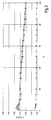
- FIG. 1 shows, the cells produced according to the invention have a higher removable capacity even with larger discharge currents.
- Figures 2 and 3 show the surprising deep discharge resistance of the cells according to the invention.
- Table 1 shows the capacities which can be drawn according to the inventive and comparative examples. A comparison of the relative loss of capacity after high-temperature storage shows that the cells according to the invention suffer less irreversible loss of capacity. Discharge capacities C in [mAh] Trial No. without HT storage after HT storage direct HT storage rel.
Landscapes
- Chemical & Material Sciences (AREA)
- Chemical Kinetics & Catalysis (AREA)
- Electrochemistry (AREA)
- General Chemical & Material Sciences (AREA)
- Engineering & Computer Science (AREA)
- Materials Engineering (AREA)
- Manufacturing & Machinery (AREA)
- Physics & Mathematics (AREA)
- Condensed Matter Physics & Semiconductors (AREA)
- General Physics & Mathematics (AREA)
- Inorganic Chemistry (AREA)
- Secondary Cells (AREA)
- Battery Electrode And Active Subsutance (AREA)
- Cell Electrode Carriers And Collectors (AREA)
Abstract
Description
den Vergleich der entnehmbaren Kapazitäten aus den Zellen gemäß Bei spiel 1 (▪), 2 (x) und Vergleichsbeispiel 1 (◆) in Abhängigkeit von der Entladestromstärke.
die in Zellen gemäß Beispiel 1 eingeladenen (▴) und entnommenen Kapazitäten in Abhängigkeit von der Zyklenzahl (z), wobei die gestrichelte Kurve (◆) die entnommene Kapazität bis zu einer Entladeschlußspannung von 1,8 V darstellt und die gepunktete Kurve (x) die zusätzlich entnommene Kapazität bei einer Entladung bis 0 V zeigt.
die eingeladenen und entnommenen Kapazitäten für die Zellen ge mäß Beispiel 2.
die Entladekapazität der Zellen gemäß dem Beispiel 3 (x) und Beispiel 4 (▴) in Abhängigkeit von der Zyklenzahl (z).
| Entladekapazitäten C in [mAh] | |||||||
| Versuch Nr. | ohne HT-Lagerung | nach HT-Lagerung | direkte HT-Lagerung | rel. C-Verlust [%] | |||
| 1. Zyklus | 2. Zyklus | 1. Zyklus | 2. Zyklus | 1. Zyklus | 2. Zyklus | ||
| B1 | 1,142 | 1,136 | 0,906 | 0,898 | 0,891 | 0,881 | 20,95 |
| B2 | 1,161 | 1,154 | 0,992 | 0,997 | 1,032 | 1,008 | 13,60 |
| V1 | 1,194 | 1,192 | 0,470 | 0,171 | 0,470 | 0,102 | 85,65 |
| B3 | 1,247 | 1,202 | 0,757 | 0,822 | 0,891 | 0,916 | 31,61 |
| B4 | 1,112 | 1,122 | 0,636 | 0,732 | 0,663 | 0,732 | 39,76 |
| V2 | 1,410 | 1,402 | 0,364 | 0,493 | n. b. | n. b. | 64,84 |
| n. b. nicht bestimmt |
Claims (7)
- Sekundäre Lithium-Ionen-Zelle mit einem kohlenstoffhaltigen Anodenmaterial, einem lithiumhaltigen Kathodenmaterial und einem nichtwäßrigen Elektrolyt, dadurch gekennzeichnet, daß der Elektrolyt aus der Lösung eines Lithiumsalzes in einem organischen Lösemittelgemisch besteht, welchesenthält.20 bis 40 Vol.% Ethylencarbonat,15 bis 30 Vol.% Diethylcarbonat und35 bis 55 Vol.% Propylencarbonat
- Sekundäre Lithium-Ionen-Zelle nach Anspruch 1, dadurch gekennzeichnet, daß das Lösemittelgemisch ausbesteht.25 bis 35 Vol.% Ethylencarbonat,20 bis 25 Vol.% Diethylcarbonat und40 bis 50 Vol.% Propylencarbonat
- Sekundäre Lithium-Ionen-Zelle nach Anspruch 1 und/oder Anspruch 2, dadurch gekennzeichnet, daß der Elektrolyt 0,9 bis 2,0 mol/l LiClO4 , LiPF6 , LiSO3CF3, LiBF4, LiN(CF3SO2)3 oder LiC(CF3 SO2)3 enthält.
- Sekundäre Lithium-Ionen-Zelle nach Anspruch 3, dadurch gekennzeichnet, daß der Elektrolyt 0,9 bis 1,5 mol/l LiClO4 oder LiPF6 enthält.
- Sekundäre Lithium-Ionen-Zelle nach einem oder mehreren der Ansprüche 1 bis 4, dadurch gekennzeichnet, daß das kohlenstoffhaltigen Anodenmaterial mit einer metallischen Ableitermatrix versehen ist.
- Sekundäre Lithium-Ionen-Zelle nach Anspruch 5, dadurch gekennzeichnet, daß die metallische Ableitermatrix ein Edelstahlband, ein Nickelstreckmetall oder ein Nickelfoam ist.
- Sekundäre Lithium-Ionen-Zelle nach einem oder mehreren der Ansprüche 1 bis 4, dadurch gekennzeichnet, daß das lithiumhaltigen Kathodenmaterial ein lithiierter Braunstein oder ein Lithium-Mangan-Spinell ist.
Applications Claiming Priority (2)
| Application Number | Priority Date | Filing Date | Title |
|---|---|---|---|
| DE19747140A DE19747140A1 (de) | 1997-10-24 | 1997-10-24 | Sekundäre Lithium-Ionen-Zelle |
| DE19747140 | 1997-10-24 |
Publications (1)
| Publication Number | Publication Date |
|---|---|
| EP0911901A1 true EP0911901A1 (de) | 1999-04-28 |
Family
ID=7846583
Family Applications (1)
| Application Number | Title | Priority Date | Filing Date |
|---|---|---|---|
| EP98116148A Withdrawn EP0911901A1 (de) | 1997-10-24 | 1998-08-27 | Sekundäre Lithium-Ionen-Zelle |
Country Status (4)
| Country | Link |
|---|---|
| EP (1) | EP0911901A1 (de) |
| JP (1) | JPH11195431A (de) |
| CA (1) | CA2251068A1 (de) |
| DE (1) | DE19747140A1 (de) |
Cited By (1)
| Publication number | Priority date | Publication date | Assignee | Title |
|---|---|---|---|---|
| US6503663B1 (en) | 2000-05-05 | 2003-01-07 | Samsung Sdi Co., Ltd. | Organic electrolyte and lithium secondary battery |
Families Citing this family (2)
| Publication number | Priority date | Publication date | Assignee | Title |
|---|---|---|---|---|
| CN1921190A (zh) * | 2006-09-22 | 2007-02-28 | 任晓平 | 采用泡沫金属作为集流体的二次锂离子电池或电池组 |
| CN115326893A (zh) * | 2022-07-20 | 2022-11-11 | 浙江野马电池股份有限公司 | 一种碱性电池二氧化锰电性能快速测试方法 |
Citations (5)
| Publication number | Priority date | Publication date | Assignee | Title |
|---|---|---|---|---|
| EP0312236A1 (de) * | 1987-10-13 | 1989-04-19 | AT&T Corp. | Nichtwässrige Zelle |
| US5472809A (en) * | 1993-03-02 | 1995-12-05 | Societe Anonyme Dite Saft | Lithium rechargeable electrochemical cell |
| US5643695A (en) * | 1995-09-26 | 1997-07-01 | Valence Technology, Inc. | Carbonaceous electrode and compatible electrolyte |
| EP0782207A1 (de) * | 1995-12-25 | 1997-07-02 | SHARP Corporation | Nichtwässrige Sekundärbatterie |
| EP0847098A1 (de) * | 1996-11-27 | 1998-06-10 | Denso Corporation | Sekundärzelle mit nichtwässrigem Elektrolyt |
-
1997
- 1997-10-24 DE DE19747140A patent/DE19747140A1/de not_active Withdrawn
-
1998
- 1998-08-27 EP EP98116148A patent/EP0911901A1/de not_active Withdrawn
- 1998-10-21 JP JP10299766A patent/JPH11195431A/ja active Pending
- 1998-10-22 CA CA002251068A patent/CA2251068A1/en not_active Abandoned
Patent Citations (5)
| Publication number | Priority date | Publication date | Assignee | Title |
|---|---|---|---|---|
| EP0312236A1 (de) * | 1987-10-13 | 1989-04-19 | AT&T Corp. | Nichtwässrige Zelle |
| US5472809A (en) * | 1993-03-02 | 1995-12-05 | Societe Anonyme Dite Saft | Lithium rechargeable electrochemical cell |
| US5643695A (en) * | 1995-09-26 | 1997-07-01 | Valence Technology, Inc. | Carbonaceous electrode and compatible electrolyte |
| EP0782207A1 (de) * | 1995-12-25 | 1997-07-02 | SHARP Corporation | Nichtwässrige Sekundärbatterie |
| EP0847098A1 (de) * | 1996-11-27 | 1998-06-10 | Denso Corporation | Sekundärzelle mit nichtwässrigem Elektrolyt |
Cited By (1)
| Publication number | Priority date | Publication date | Assignee | Title |
|---|---|---|---|---|
| US6503663B1 (en) | 2000-05-05 | 2003-01-07 | Samsung Sdi Co., Ltd. | Organic electrolyte and lithium secondary battery |
Also Published As
| Publication number | Publication date |
|---|---|
| DE19747140A1 (de) | 1999-04-29 |
| JPH11195431A (ja) | 1999-07-21 |
| CA2251068A1 (en) | 1999-04-24 |
Similar Documents
| Publication | Publication Date | Title |
|---|---|---|
| DE69220660T2 (de) | AUFLADBARE BATTERIE MIT EINER Li1+xMn2O4 KATHODE UND EINER KOHLENSTOFFANODE | |
| EP4343888A1 (de) | Batteriepositivelektrodenmaterial, herstellungsverfahren dafür und anwendung davon | |
| KR100838932B1 (ko) | 비수전해질 이차전지 | |
| KR101073181B1 (ko) | 비수전해질 2차 전지 | |
| DE3878527T2 (de) | Nichtwaessrige zelle. | |
| US7115340B2 (en) | Non-aqueous electrolyte secondary battery | |
| EP1115170B1 (de) | Nichtwässrige sekundärzelle mit flüssigem elektrolyten und verfahen zu deren herstellung | |
| DE69514531T2 (de) | Lithiumbatterie mit einer positiven li-va-pentoxidelektrode | |
| EP1136446A2 (de) | Beschichtete Lithium-Mischoxid-Partikel und ein Verfahren zu deren Herstellung | |
| US6746804B2 (en) | Nonaqueous organic electrolytes for low temperature discharge of rechargeable electrochemical cells | |
| DE69701587T2 (de) | Fluorierte Carbonat-Elektrolyten zur Verwendung in Lithium-Sekundärbatterie | |
| US20010004507A1 (en) | Organic carbonate additives for nonaqueous electrolyte rechargeable electrochemical cells | |
| US20030129500A1 (en) | Organic carbonate additives for nonaqueous electrolyte rechargeable electrochemical cells | |
| DE60029516T2 (de) | Batterie mit nicht-wässrigem Elektrolyten | |
| EP0996187A1 (de) | Organische Karbonate als Zusätze für nichtwässrige aufladbare Zellen | |
| DE112005002982B4 (de) | Kupferfolie oder Kupfernetz, umfassend einenCu-Nitrilverbindungskomplex, Verfahren zur Herstellung davon und Verwendung der Kupferfolie oder des Kupfernetzes für eineElektrode in einer sekundären Lithium-Batterie | |
| US6620552B2 (en) | Lithium secondary battery | |
| EP0911901A1 (de) | Sekundäre Lithium-Ionen-Zelle | |
| DE69704746T2 (de) | Organischer Elektrolyt enthaltende Lithium-Sekundärbatterie | |
| JPH0562690A (ja) | 非水電解液電池 | |
| US12095086B2 (en) | Negative electrode active material based on iron and lithium hydroxysulfide | |
| CA1290805C (en) | Rechargeable organic electrolyte cell | |
| US20020187404A1 (en) | Liquid electrolyte composition and lithium battery comprising same | |
| US6221533B1 (en) | Nonaqueous electrolyte battery | |
| US20230395866A1 (en) | Electrochemical cell with a specific liquid electrolyte |
Legal Events
| Date | Code | Title | Description |
|---|---|---|---|
| PUAI | Public reference made under article 153(3) epc to a published international application that has entered the european phase |
Free format text: ORIGINAL CODE: 0009012 |
|
| AK | Designated contracting states |
Kind code of ref document: A1 Designated state(s): AT BE CH DE DK ES FI FR GB GR IE IT LI NL PT SE |
|
| AX | Request for extension of the european patent |
Free format text: AL;LT;LV;MK;RO;SI |
|
| 17P | Request for examination filed |
Effective date: 19990423 |
|
| AKX | Designation fees paid |
Free format text: AT BE CH DE DK ES FI FR GB GR IE IT LI NL PT SE |
|
| 17Q | First examination report despatched |
Effective date: 19991207 |
|
| STAA | Information on the status of an ep patent application or granted ep patent |
Free format text: STATUS: THE APPLICATION IS DEEMED TO BE WITHDRAWN |
|
| 18D | Application deemed to be withdrawn |
Effective date: 20000418 |