EP0894136B1 - Methode zur behandlung von muskelkrankheiten - Google Patents
Methode zur behandlung von muskelkrankheiten Download PDFInfo
- Publication number
- EP0894136B1 EP0894136B1 EP97906296A EP97906296A EP0894136B1 EP 0894136 B1 EP0894136 B1 EP 0894136B1 EP 97906296 A EP97906296 A EP 97906296A EP 97906296 A EP97906296 A EP 97906296A EP 0894136 B1 EP0894136 B1 EP 0894136B1
- Authority
- EP
- European Patent Office
- Prior art keywords
- lys
- arg
- igf
- ser
- gln
- Prior art date
- Legal status (The legal status is an assumption and is not a legal conclusion. Google has not performed a legal analysis and makes no representation as to the accuracy of the status listed.)
- Expired - Lifetime
Links
Images



Classifications
-
- C—CHEMISTRY; METALLURGY
- C07—ORGANIC CHEMISTRY
- C07K—PEPTIDES
- C07K14/00—Peptides having more than 20 amino acids; Gastrins; Somatostatins; Melanotropins; Derivatives thereof
- C07K14/435—Peptides having more than 20 amino acids; Gastrins; Somatostatins; Melanotropins; Derivatives thereof from animals; from humans
- C07K14/575—Hormones
- C07K14/65—Insulin-like growth factors, i.e. somatomedins, e.g. IGF-1, IGF-2
-
- A—HUMAN NECESSITIES
- A61—MEDICAL OR VETERINARY SCIENCE; HYGIENE
- A61P—SPECIFIC THERAPEUTIC ACTIVITY OF CHEMICAL COMPOUNDS OR MEDICINAL PREPARATIONS
- A61P21/00—Drugs for disorders of the muscular or neuromuscular system
-
- A—HUMAN NECESSITIES
- A61—MEDICAL OR VETERINARY SCIENCE; HYGIENE
- A61K—PREPARATIONS FOR MEDICAL, DENTAL OR TOILETRY PURPOSES
- A61K38/00—Medicinal preparations containing peptides
Definitions
- the present invention relates to improvements in treating muscle disorders and related conditions using insulin-like growth factor I.
- IGF-I Insulin-like growth factor I
- Human IGF-I have been cloned and its cDNA sequence can be found in Jansen et al , Nature, 1993 (reference 11 below).
- the cDNA sequence encodes a precursor (also known as the D-chain), a mature 70 amino acid comprising the B, C and A regions respectively, and a C-terminal region which is termed the E-peptide.
- the E-peptide can exist in different isoforms. This arises as a result of alternative splicing at the mRNA level.
- Chew et al report the existence of three alternatively spliced C-terminal regions of human IGF-I.
- One of the isoforms produced is as a result of splicing between exons 4 , 5 and 6 of the gene and this predicts a prepro-IGF-I molecule of 158 amino acids including a C-terminal peptide, the Ec peptide of 24 amino acids in length. This Ec peptide appears to correspond to the Eb peptide found in rat IGF-I.
- IGF-I has been proposed for use of a number of disorders relating to muscle atrophy and related conditions.
- WO92/11865 proposes the use of human IGF-I for the prevention or treatment of cardiac disorders and for the promotion of cardiac muscle protein synthesis, for prevention or treatment of cardiomyophthies, acute heart failure or acute insult including myocarditis or myocardial infarction and for improving cardiac output by increasing heart stroke volume.
- WO95/13290 relates to the use of IGF-I for treating muscular disorders such as muscular dystrophy and related progressive skeletal muscle weakness and wasting.
- WO93/09236 teaches methods of gene therapy using myogenic vector systems comprising promoters suitable for use in muscle cells. Such vectors may be introduced into a human patient for the treatment of muscle atrophy in ageing humans, muscle atrophy induced by spinal cord injuries or neuromuscular diseases.
- IGF-I A difficulty with the use of IGF-I is that this peptide is responsible for a wide range of effects within the human body. Although IGF-I is produced in muscle cells it is also produced in the liver from where it circulates and is involved in regulating metabolism. Administration of IGF-I may thus induce side-effects including hypoglycaemia.
- IGF-I expression is elevated during work-induced skeletal muscle growth.
- resting muscles normally produce the liver IGF-I isoform including the Ea peptide
- muscle cells induced to undergo rapid hypertrophy using active stretch rapidly up-regulate the production of a different IGF-I isoform.
- IGF-I Ec isoform in humans corresponding to the IGF-I Eb isoform in rats and rabbits, may play an important role in targeting the action of IGF-I to muscle cells.
- treatment of muscular disorders such as those mentioned above may be improved by the use of the human Ec isoform or the Ec peptide of human IGF-I.
- the present invention provides:
- IGF-I Insulin-like growth factor I
- the invention also provides pharmaceutical compositions comprising such polypeptides, together with a pharmaceutically acceptable carrier or diluent.
- the IGF-I isoform to which the invention relates may thus be used in methods of treating disorders relating to muscle atrophy and related conditions. This includes the use of human IGF-I for the prevention or cardiac disorders, diseases where promotion of cardiac muscle protein synthesis is a beneficial treatment, cardiomyophthies, acute heart failure or acute insult including myocarditis or myocardial infarction.
- the IGF isoform may also be used for improving cardiac output by increasing heart stroke volume.
- muscular disorders which may be treated include muscular dystrophy, e.g. Duchenne or Becker muscular dystrophy, as well as autosomal dystrophies, and related progressive skeletal muscle weakness and wasting.
- muscular dystrophy e.g. Duchenne or Becker muscular dystrophy
- autosomal dystrophies e.g., autosomal dystrophies
- the treatment of muscle atrophy in ageing humans, muscle atrophy induced by spinal cord injuries or neuromuscular diseases may also be treated by the present invention. Therapy with the appropriate IGF-I may also promote healing of bone fractures and maintenance of bone in old age.
- Pharmaceutically acceptable carriers or diluents include those used in formulations suitable for oral or parenteral (e.g. intramuscular or intravenous) administration.
- the formulations may conveniently be presented in unit dosage form and may be prepared by any of the methods well known in the art of pharmacy. Such methods include the step of bringing into association the active ingredient with the carrier which constitutes one or more accessory ingredients.
- the formulations are prepared by uniformly and intimately bringing into association the active ingredient with liquid carriers or finely divided solid carriers or both, and then, if necessary, shaping the product.
- formulations suitable for parenteral administration include aqueous and non-aqueous sterile injection solutions which may contain anti-oxidants, buffers, bacteriostats and solutes which render the formulation isotonic with the blood of the intended recipient; and aqueous and non-aqueous sterile suspensions which may include suspending agents and thickening agents, and liposomes or other microparticulate systems which are designed to target the polypeptide to blood components or one or more organs.
- polypeptide of the invention may be administered by any suitable route, for example orally or injection, e.g. subcutaneous, intramuscular or intravenous injection, or alternatively may be produced in situ in a patient as a result of gene therapy treatment, for example as disclosed in WO93/09236.
- WO95/13290 describes dose ranges of recombinant human IGF-I (the mature 70 amino acid polypeptide) in the range of 0.06 to 0.12 mg/kg per dose and IGF-I polypeptides comprising the Ec peptide may also be administered at this dose range. Doses may be administered at daily intervals or less frequently, for example at twice weekly or weekly intervals.
- the IGF-I will preferably be a polypeptide comprising the 70 amino acid sequence of mature human IGF-I together with the Ec region which in humans corresponds to the Eb region of rabbit IGF-I set out in Figure 3 of the accompanying Example.
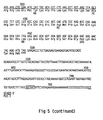
- FIG. 5 shows the entire human cDNA sequence encoding the human Ea isoform.
- the human Ec isoform may be responsible for its activity via action on a receptor different from the normal IGF-I receptor.
- the presence of Ec region is believed to be responsible for binding to this receptor and thus derivatives of IGF-I Ec which retain the ability to induce the growth of muscle tissue may be used.
- derivatives may include further N-terminal truncations of the mature 70 amino acid sequence. This may be tested by bridging methods known as such to those of skill in the art, for example, by administration of such polypeptides (or mammalian equivalents thereof) to a mammal such as a rabbit or rat and observing the amount of muscle growth.
- IGF-I Ec may be produced by any suitable means. Usually, this will be by recombinant means. For example, mRNA encoding the Ec isoform may be amplified using PCR primers as described in the accompanying Examples and the amplified product inserted into a suitable expression vector. IGF-I is produced by recombinant means commercially and these commercial methods may be used to produce the IGF-I Ec isoform.
- the vector may be any suitable recombinant vector known in the art for recombinant proteins.
- the vector will contain control signals for the expression of the IGF-I Ec protein operably linked to an open ring frame encoding said protein.
- the promoter will be compatible with a suitable host cell, for example a bacterial, yeast, insect or mammalian cell.
- IGF-1 Insulin-like growth factor 1
- the liver is a primary target for pituitary growth hormone (GH) which is stimulated to synthesize IGF-1.
- GH pituitary growth hormone
- the resultant increase in circulating level of IGF-1 promotes cell division and is a major factor in regulating the growth of the body as a whole.
- IGF-1 insulin-like growth factor 1
- GH pituitary growth hormone
- the IGF-1 gene comprises at least six exons (designated exon 1, 2, 3, 4, 5 and 6) spanning a region of over 90 kilobases (kb) of genomic, DNA.
- Exons 1 and 2 are alternative leader exons [4,5] with distinct transcription start sites which are differentially spliced to the common exon 3 and produce class 1 and class 2 IGF-1 mRNA transcripts respectively [6-8].
- Exons 3 and 4 code for the mature IGF-1 peptide (B, C, A and D domains) as well as the first 16 amino acid of the E Domain. Exons 5 and 6 each encodes an alternative part of a distinct extension peptide, named the E domain. This is followed by the termination codons of precursor IGF-1, 3' untranslated regions and poly (A) addition signal sites [2]. Sequence analyses of IGF-1 peptide purified from human plasma demonstrated that mature IGF-1 contains A, B, C and D domains. The A and B domains are homologous to the A and B chains of insulin [9].
- liver IGF-1 cDNA sequences also demonstrated the presence of an E peptide domain which was an extension of the D peptide domain [10-12].
- a later study using antibodies directed against the E peptide of human IGF-1 confirmed that the mRNA sequence encoding the E peptide is actively translated and suggested that the E peptide circulates as part of the IGF-1 prohormone [13].
- IGF-lEa 35-amino-acid E peptide sequence
- IGF-lEb isoform with a different 41-amino-acid Eb domain has been detected at very low levels [14].
- IGF-1Eb IGF-1Eb
- IGF-lEa 52 base insert in the region coding the E domain [10, 14].
- IGF-1 cDNAs encoding three different Ea, Eb and Ec domains.
- the Ea and Eb-type cDNAs contain entirely different 3' sequences which specify different 3' untranslated sequences as well as different E domain coding sequences [2]. This is due to splicing in 3' exons [2].
- the Ec is a exon 4-5-6 spliced cDNA which predicts a precursor IGF- 1 of 158 amino-acid residues and is the human counterpart of the rat Eb [15].
- the physiological role of the alternative E peptide generated from IGF-1Ea, IGF-1Eb and IGF-lEc remains unknown.
- Skeletal muscle has been shown to increase in mass very rapidly in response to passive stretch.
- the mature rabbit anterior tibialis is able to increase in mass by 35% in 4 days in this way [16]. From previous work [17, 18] this was known to be associated with the rapid production of new sarcomeres which are added serially at the ends of the fibre to existing myofibrils.
- Muscle stretch has been shown to result in an increase of IGF-1 mRNA as measured by RT-PCR [19].
- the 1GF-1 gene is expressed by the muscle fibres themselves or by satellite cells or what isoforms of IGF-1 are involved.
- the regulation of muscle growth in vivo remains poorly understood, although the original observations on compensatory muscle hypertrophy implied that a component of muscle growth regulation is a localized, self-contained, and selflimiting process.
- RNA extracted from normal and stretched extensor digitorum longus are depicted in Fig. 1.
- the 280 bp IGF-1 antisense probe containing sequences derived from exon 3, and 4 of the IGF-1 gene hybridized with the two prominent IGF-1 mRNA species, 1.2 kb and 7.5 kb long. Ihe expression of both types of mRNA species was greater in stretched muscle, although in some muscles the control muscle expressed more 7.5 kb mRNA than the stretched muscle.
- IGF-1 mRNA in normal and stretched,muscle Expression of IGF-1 mRNA within normal and stretched muscle studied by in situ hybridization using antisense and sense RNA probe is shown in fig. 2.
- the in situ hybridization data demonstrates that the mRNA of IGF-1 is produced in response to stretch at the muscle fibre level as result of mechanical stimulation. This work showed that IGF-1 gene expression is not confined to the satellite cells but is up-regulated in the muscle fibres themselves.
- the IGF-1 message was localized to large muscle fiber but tended to be expressed strongly in the small fibres which represent the tapered ends of fibres terminating in the muscle belly [22].
- IGF-1 mRNA levels In a few muscles some evidence of degeneration and regeneration was noted with high IGF-1 mRNA levels. These regions were superficial and indicated that in these cases the plaster cast was too tight.
- the in situ hybridization study however showed that with the use of the simple stretch model the upregulation of IGF-1 occurred in apparently undamaged fibres.
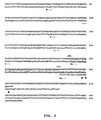
- the sequences of the two classes of IGF-1 cDNA isolated from total RNA of the stretched EDL muscle are shown in fig. 3.
- the sequence may be divided into three sections.
- an extension E peptide which in IGF-lEb has a 52 base insert which is lacking in IGF-1Ea, and a common 3' untranslated region.
- the carboxyl-terminal extension (E) peptide the rabbit amino acid sequence is identical to the human sequence up to residue E 16.
- the amino acid sequences of the two cDNA clones diverge due to the 52-bp insert in the IGF-1Eb clone.
- the insert changes the derived amino acid sequence as well as the reading frame, resulting in two possible carboxyl-terminal E peptide sequences and the presence of two-different UAG stop codons in end variants.
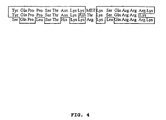
- the rabbit cDNA sequence shows 77% homology with rat IGF-1Eb, with 12 of the 17 expected amino acid sequences being identical and 94% with human IGF-1Ec, with 13 of 16 expected amino acid sequence being identical (fig.4).
- IGF-1 may act as a trophic factor in muscle regeneration [23] and it is expressed in proliferating myoblasts and satellite cells [24].
- IGF-1 mRNA in skeletal muscle induced to undergo rapid longitudinal growth. This model was chosen as there is very little injury to the muscle fibres.
- the results presented here agree with published work [25-27] that IGF-1 mRNA is expressed in muscle tissues. However, they also show that the IGF-1 gene is expressed in the muscle fibres themselves and not solely in satellite and connective tissue cells. The expression of the IGF-1 transcripts was not uniform and it is usually the smaller fibres that show high levels of IGF-1 mRNA.
- the isolation of two classes of cDNA clones (IGF-lEa and IGF-1Eb) from stretched muscle indicates that both forms of IGF-I mRNA are present in the stretched muscle.
- the IGF-lEa and IGF-1Eb cDNA 3' sequences differ by the presence of a 52-bp insert which in the latter alters the derived carboxyl-terminal amino acid sequence.
- Three mechanisms may account for the 52bp insert. Firstly, the insert could be generated by an alternate splice donor site 52-bp into the 5'-end of an intron present at this position in the IGF-1 genomic sequence. Alternatively, it may be generated by the use of an alternate splice acceptor site 52 bp from the 3' -end of the pertinent intron. Finally, the 52-bp insert could arise from a completely separate exon [10].
- IGF-1 binding proteins The site for IGF-1 binding proteins (BP) is believed to be in the B domain [30]. Also C and D-domains, are thought to be "active regions" [3 1].
- the physiological role of the alternative E peptide generated from IGF-lEa and IGF-1Eb mRNA remains unknown [14]. It has been suggested that it could affect the interaction of IGF-1 with its receptor or its binding proteins. It has been also suggested that the E-peptides themselves may also have distinct biological roles after being cleaved from the prohormone [14]. Recently, part of the E-peptide has been shown to contain an amidated growth-promoting peptide with specific binding sites in human tissues [32]. According to our findings, the Eb-peptide appears to be induced only in the stretched muscle.
- Eb-peptide may play a role in local growth control as exemplified by skeletal muscle fibre increasing in length and mass in response to mechanical stretch.
- the Eb peptide may be involved in the externalization of IGF-1 and also the binding of IGF-1 to muscle receptors.
- Ea peptide may be glycosylated in vivo.
- Bach et al [33] found that the Ea peptide can be glycosylated following in vitro translation in the presence of microsome. No putative glycosylation sites were noted from the muscle IGF-1 Eb sequence data.
- Possible functions for the differences in glycosylation of Ea and Eb include the reduction of the half life of IGF-1 lEb, differential localization of the two forms and differential affinities for binding proteins. Therefore, the stretched muscle type IGF- lEb maybe much smaller but with a shorter half-life than the isoforms produced by normal muscle and the liver.
- IGF-1 mRNA in skeletal muscle is independent of GH and other pituitary hormones and demonstrated a link between local stimulation of skeletal muscle growth and IGF-1 gene expression.
- the Eb expressed only in stretched muscle indicates that the expression of IGF-1Eb mRNA might be switched on by mechanical stimulation, which is known to induce rapid muscle growth [16].
- the Eb peptide may then be a specific factor distinguishing mechanical stimulation and associated mechanisms of muscle growth.
Landscapes
- Health & Medical Sciences (AREA)
- Chemical & Material Sciences (AREA)
- Life Sciences & Earth Sciences (AREA)
- Organic Chemistry (AREA)
- General Health & Medical Sciences (AREA)
- Medicinal Chemistry (AREA)
- Biophysics (AREA)
- Gastroenterology & Hepatology (AREA)
- Biochemistry (AREA)
- Diabetes (AREA)
- Zoology (AREA)
- Genetics & Genomics (AREA)
- Toxicology (AREA)
- Molecular Biology (AREA)
- Endocrinology (AREA)
- Proteomics, Peptides & Aminoacids (AREA)
- General Chemical & Material Sciences (AREA)
- Physical Education & Sports Medicine (AREA)
- Public Health (AREA)
- Animal Behavior & Ethology (AREA)
- Pharmacology & Pharmacy (AREA)
- Nuclear Medicine, Radiotherapy & Molecular Imaging (AREA)
- Chemical Kinetics & Catalysis (AREA)
- Veterinary Medicine (AREA)
- Orthopedic Medicine & Surgery (AREA)
- Neurology (AREA)
- Bioinformatics & Cheminformatics (AREA)
- Engineering & Computer Science (AREA)
- Medicines That Contain Protein Lipid Enzymes And Other Medicines (AREA)
- Peptides Or Proteins (AREA)
- Medicines Containing Plant Substances (AREA)
- Acyclic And Carbocyclic Compounds In Medicinal Compositions (AREA)
Claims (11)
- Verwendung eines Polypeptids des Insulin-artigen Wachstumsfaktors I (IGF-I) für die Herstellung eines Medikaments zur Behandlung einer Muskelerkrankung, wobei das Polypeptid folgendes umfasst:(i) ein C-terminales Peptid des Insulin-artigen Wachstumsfaktors I (IGF-I), dessen Sequenz diejenige ist von(a) dem humanen Ec-Peptid, das eine Länge von 24 Aminosäuren besitzt und beginnt mit Tyr-Gln-Pro-Pro-Ser-Thr-Asn-Lys-Asn-Thr-Lys-Ser-Gln-Arg-Arg-Lys,(b) dem aus Kaninchen stammenden Eb-Peptid, das Tyr-Gln-Pro-Pro-Ser-Thr-Asn-Lys-Lys-Met-Lys-Ser-Gln-Arg-Arg-Arg-Lys-Gly-Ser-Thr-Phe-Glu-Glu-His-Lys ist, oder(c) dem aus der Ratte stammenden Eb-Peptid, das beginnt mit Ser-Gln-Pro-Leu-Ser-Thr-His-Lys-Lys-Arg-Lys-Leu-Gln-Arg-Arg-Arg-Lys; oder(ii) ein C-terminales Peptid von IGF-I, codiert von einem muskelspezifischen RNA-Transkript, das spezifisch durch Streckung induziert wird.
- Verwendung nach Anspruch 1, wobei die Muskelerkrankung Muskeldystrophie ist.
- Verwendung nach Anspruch 1, wobei die Muskelerkrankung Muskelatrophie oder ein verwandter Zustand ist.
- Verwendung nach Anspruch 3, wobei die Muskelatrophie bei alternden Menschen vorliegt oder Muskelatrophie ist, die durch Rückenmarksverletzungen oder eine neuromuskuläre Erkrankung verursacht wird.
- Verwendung nach Anspruch 1 bei der Herstellung eines Medikaments für die Verhinderung einer Herzmuskelerkrankung, einer Erkrankung, bei der die Förderung der Herzmuskelproteinsynthese eine nutzbringende Behandlung ist, einer Cardiomyopathie, akutem Herzversagen oder akutem Herzanfall.
- Verwendung nach Anspruch 5, wobei der akute Herzanfall Myokarditis oder Myokardinfarkt ist.
- Verwendung nach Anspruch 1 bei der Herstellung eines Medikaments zur Verbesserung des Herzminutenvolumens durch Erhöhen des Herzschlagvolumens.
- Polypeptid des Insulin-artigen Wachstumsfaktors I (IGF-I), umfassend:(i) ein C-terminales Peptid des Insulin-artigen Wachstumsfaktors I (IGF-I), dessen Sequenz diejenige ist von(a) dem humanen Ec-Peptid, das eine Länge von 24 Aminosäuren besitzt und beginnt mit Tyr-Gln-Pro-Pro-Ser-Thr-Asn-Lys-Asn-Thr-Lys-Ser-Gln-Arg-Arg-Lys,(b) dem aus Kaninchen stammenden Eb-Peptid, das Tyr-Gln-Pro-Pro-Ser-Thr-Asn-Lys-Lys-Met-Lys-Ser-Gln-Arg-Arg-Arg-Lys-Gly-Ser-Thr-Phe-Glu-Glu-His-Lys ist, oder(c) dem aus der Ratte stammenden Eb-Peptid, das beginnt mit Ser-Gln-Pro-Leu-Ser-Thr-His-Lys-Lys-Arg-Lys-Leu-Gln-Arg-Arg-Arg-Lys; oder(ii) ein C-terminales Peptid von IGF-I, codiert von einem muskelspezifischen RNA-Transkript, das spezifisch durch Streckung induziert wirdzur Verwendung in einem Verfahren der Behandlung oder Therapie des menschlichen oder tierischen Körpers.
- Pharmazeutische Zusammensetzung mit einem Polypeptid des Insulin-artigen Wachstumsfaktors I (IGF-I), umfassend:(i) ein C-terminales Peptid des Insulin-artigen Wachstumsfaktors I (IGF-I), dessen Sequenz diejenige ist von(a) dem humanen Ec-Peptid, das eine Länge von 24 Aminosäuren besitzt und beginnt mit Tyr-Gln-Pro-Pro-Ser-Thr-Asn-Lys-Asn-Thr-Lys-Ser-Gln-Arg-Arg-Lys,(b) dem aus Kaninchen stammenden Eb-Peptid, das Tyr-Gln-Pro-Pro-Ser-Thr-Asn-Lys-Lys-Met-Lys-Ser-Gln-Arg-Arg-Arg-Lys-Gly-Ser-Thr-Phe-Glu-Glu-His-Lys ist, oder(c) dem aus der Ratte stammenden Eb-Peptid, das beginnt mit Ser-Gln-Pro-Leu-Ser-Thr-His-Lys-Lys-Arg-Lys-Leu-Gln-Arg-Arg-Arg-Lys; oder(ii) ein C-terminales Peptid von IGF-I, codiert von einem muskelspezifischen RNA-Transkript, das spezifisch durch Streckung induziert wirdzusammen mit einem pharmazeutisch verträglichen Träger oder Verdünnungsmittel.
- Pharmazeutische Zusammensetzung nach Anspruch 9 in einer Formulierung, die für die orale oder parenterale Applikation geeignet ist.
- Pharmazeutische Zusammensetzung nach Anspruch 9 in einer Formulierung, die für die intravenöse oder intramuskuläre Applikation geeignet ist.
Priority Applications (1)
| Application Number | Priority Date | Filing Date | Title |
|---|---|---|---|
| EP06003275A EP1726651B1 (de) | 1996-03-11 | 1997-03-11 | Methode zur Behandlung von Muskelkrankheiten |
Applications Claiming Priority (3)
| Application Number | Priority Date | Filing Date | Title |
|---|---|---|---|
| GB9605124 | 1996-03-11 | ||
| GBGB9605124.8A GB9605124D0 (en) | 1996-03-11 | 1996-03-11 | Method of treating muscular disorders |
| PCT/GB1997/000658 WO1997033997A1 (en) | 1996-03-11 | 1997-03-11 | Method of treating muscular disorders |
Related Child Applications (1)
| Application Number | Title | Priority Date | Filing Date |
|---|---|---|---|
| EP06003275A Division EP1726651B1 (de) | 1996-03-11 | 1997-03-11 | Methode zur Behandlung von Muskelkrankheiten |
Publications (2)
| Publication Number | Publication Date |
|---|---|
| EP0894136A1 EP0894136A1 (de) | 1999-02-03 |
| EP0894136B1 true EP0894136B1 (de) | 2006-05-17 |
Family
ID=10790201
Family Applications (2)
| Application Number | Title | Priority Date | Filing Date |
|---|---|---|---|
| EP06003275A Expired - Lifetime EP1726651B1 (de) | 1996-03-11 | 1997-03-11 | Methode zur Behandlung von Muskelkrankheiten |
| EP97906296A Expired - Lifetime EP0894136B1 (de) | 1996-03-11 | 1997-03-11 | Methode zur behandlung von muskelkrankheiten |
Family Applications Before (1)
| Application Number | Title | Priority Date | Filing Date |
|---|---|---|---|
| EP06003275A Expired - Lifetime EP1726651B1 (de) | 1996-03-11 | 1997-03-11 | Methode zur Behandlung von Muskelkrankheiten |
Country Status (10)
| Country | Link |
|---|---|
| US (1) | US6221842B1 (de) |
| EP (2) | EP1726651B1 (de) |
| JP (1) | JP2000506729A (de) |
| AT (2) | ATE326534T1 (de) |
| DE (2) | DE69735883T2 (de) |
| DK (2) | DK1726651T3 (de) |
| ES (2) | ES2265649T3 (de) |
| GB (1) | GB9605124D0 (de) |
| PT (2) | PT894136E (de) |
| WO (1) | WO1997033997A1 (de) |
Families Citing this family (13)
| Publication number | Priority date | Publication date | Assignee | Title |
|---|---|---|---|---|
| WO1995031517A1 (en) * | 1994-05-16 | 1995-11-23 | Shell Internationale Research Maatschappij B.V. | Process for upgrading residual hydrocarbon oils |
| US7700353B2 (en) * | 1998-07-22 | 2010-04-20 | E-P Therapeutics, Inc. | Compositions and methods for inducing apoptosis in tumor cells |
| US7118752B2 (en) * | 1998-07-22 | 2006-10-10 | University Of Connecticut | Compositions and methods for inhibiting the proliferation and invasiveness of malignant cells comprising E-domain peptides of IGF-I |
| GB9926968D0 (en) * | 1999-11-15 | 2000-01-12 | Univ London | Treatment of neurological disorders |
| GB0011278D0 (en) | 2000-05-10 | 2000-06-28 | Univ London | Repair of nerve damage |
| FR2829498B1 (fr) * | 2001-09-11 | 2003-11-28 | Merial Sas | Igf-1 comme adjuvant de vaccin felin, notamment contre les retrovirus felins |
| US7326417B2 (en) | 2001-09-11 | 2008-02-05 | Merial Ltd. | IGF-1 as feline vaccine adjuvant, in particular against feline retroviruses |
| GB0202906D0 (en) * | 2002-02-07 | 2002-03-27 | Univ London | Prevention of myocardial damage |
| US20050125914A1 (en) * | 2003-11-18 | 2005-06-16 | Gerard Malle | Hair shaping composition comprising at least one- non-hydroxide base |
| WO2006097682A1 (en) * | 2005-03-18 | 2006-09-21 | Ucl Business Plc | Mechano growth factor peptides and their use |
| US20090221072A1 (en) * | 2006-02-15 | 2009-09-03 | Chen Thomas T | Compositions and methods for modulating cell differentiation |
| WO2007146689A2 (en) | 2006-06-09 | 2007-12-21 | Novartis Ag | Stabilized insulin-like growth factor polypeptides |
| CN101466399B (zh) * | 2006-06-09 | 2015-05-13 | 诺华股份有限公司 | 稳定的胰岛素样生长因子多肽 |
Family Cites Families (5)
| Publication number | Priority date | Publication date | Assignee | Title |
|---|---|---|---|---|
| US4963665A (en) * | 1986-01-07 | 1990-10-16 | Washington University | Human preproinsulin-like growth factor I |
| SE9100099D0 (sv) | 1991-01-11 | 1991-01-11 | Kabi Pharmacia Ab | Use of growth factor |
| US5298422A (en) | 1991-11-06 | 1994-03-29 | Baylor College Of Medicine | Myogenic vector systems |
| US5252479A (en) | 1991-11-08 | 1993-10-12 | Research Corporation Technologies, Inc. | Safe vector for gene therapy |
| AU1178395A (en) * | 1993-11-12 | 1995-05-29 | North Shore University Hospital Research Corporation | Method of treating muscular dystrophy |
-
1996
- 1996-03-11 GB GBGB9605124.8A patent/GB9605124D0/en active Pending
-
1997
- 1997-03-11 ES ES97906296T patent/ES2265649T3/es not_active Expired - Lifetime
- 1997-03-11 EP EP06003275A patent/EP1726651B1/de not_active Expired - Lifetime
- 1997-03-11 PT PT97906296T patent/PT894136E/pt unknown
- 1997-03-11 DK DK06003275.2T patent/DK1726651T3/da active
- 1997-03-11 EP EP97906296A patent/EP0894136B1/de not_active Expired - Lifetime
- 1997-03-11 DK DK97906296T patent/DK0894136T3/da active
- 1997-03-11 DE DE69735883T patent/DE69735883T2/de not_active Expired - Lifetime
- 1997-03-11 AT AT97906296T patent/ATE326534T1/de active
- 1997-03-11 JP JP9532359A patent/JP2000506729A/ja active Pending
- 1997-03-11 DE DE69739737T patent/DE69739737D1/de not_active Expired - Lifetime
- 1997-03-11 US US09/142,583 patent/US6221842B1/en not_active Expired - Lifetime
- 1997-03-11 ES ES06003275T patent/ES2337917T3/es not_active Expired - Lifetime
- 1997-03-11 WO PCT/GB1997/000658 patent/WO1997033997A1/en not_active Ceased
- 1997-03-11 PT PT06003275T patent/PT1726651E/pt unknown
- 1997-03-11 AT AT06003275T patent/ATE454451T1/de active
Also Published As
| Publication number | Publication date |
|---|---|
| EP1726651A1 (de) | 2006-11-29 |
| ES2265649T3 (es) | 2007-02-16 |
| DK1726651T3 (da) | 2010-04-12 |
| EP0894136A1 (de) | 1999-02-03 |
| DE69735883D1 (de) | 2006-06-22 |
| PT1726651E (pt) | 2010-04-08 |
| JP2000506729A (ja) | 2000-06-06 |
| WO1997033997A1 (en) | 1997-09-18 |
| DE69735883T2 (de) | 2007-04-19 |
| US6221842B1 (en) | 2001-04-24 |
| ATE326534T1 (de) | 2006-06-15 |
| ES2337917T3 (es) | 2010-04-30 |
| GB9605124D0 (en) | 1996-05-08 |
| DK0894136T3 (da) | 2006-09-18 |
| ATE454451T1 (de) | 2010-01-15 |
| EP1726651B1 (de) | 2010-01-06 |
| DE69739737D1 (de) | 2010-02-25 |
| PT894136E (pt) | 2006-10-31 |
Similar Documents
| Publication | Publication Date | Title |
|---|---|---|
| Yang et al. | Cloning and characterization of an IGF-1 isoform expressed in skeletal muscle subjected to stretch | |
| Duguay et al. | Nucleotide sequence and tissue distribution of three insulin-like growth factor I prohormones in salmon. | |
| MURPHY et al. | Identification, characterization, and regulation of a rat complementary deoxyribonucleic acid which encodes insulin-like growth factor-I | |
| Cao et al. | Nucleotide sequence and growth hormone-regulated expression of salmon insulin-like growth factor I mRNA | |
| EP0894136B1 (de) | Methode zur behandlung von muskelkrankheiten | |
| Cox et al. | Recombinant human insulin-like growth factor (IGF)-binding protein-1 inhibits somatic growth stimulated by IGF-I and growth hormone in hypophysectomized rats | |
| CARROLL et al. | In vivo regulation of FSH synthesis by inhibin and activin | |
| Denhez et al. | Cloning by polymerase chain reaction of a new mouse TGF-β, mTGF-β3 | |
| Bonnefond et al. | Distribution of galanin mRNA containing cells and galanin receptor binding sites in human and rat hypothalamus | |
| KR20040063906A (ko) | 인간 3 릴랙신 | |
| CA2221148C (en) | Muscle trophic factor | |
| Norstedt et al. | Growth hormone induction of insulin-like growth factor I messenger RNA in primary cultures of rat liver cells | |
| Kermouni et al. | Cloning of a full-length insulin-like growth factor-I complementary DNA in the goldfish liver and ovary and development of a quantitative PCR method for its measurement | |
| EP0950110A1 (de) | Morphogen-empfindlicher Signalvermittler und Verfahren zu dessen Anwendung | |
| Boyle et al. | Canine galanin: sequence, expression and pancreatic effects | |
| US6303320B1 (en) | Polypeptide of protein P140 and DNAs encoding it | |
| Goddard et al. | Decreased muscle cell proliferation in chicks with a deletion in the GH receptor gene | |
| SEGAWA et al. | Cloning, functional expression and dietary regulation of the mouse neutral and basic amino acid transporter (NBAT) | |
| Foster et al. | Nucleotide sequence of the complementary DNA for turkey growth hormone | |
| US5104806A (en) | Porcine growth hormone analogs encoding dna | |
| Frohman et al. | Regulation of growth hormone-releasing hormone gene expression and biosynthesis | |
| Dunaiski et al. | Effect of growth hormone administration on IGF binding protein-3 mRNA levels in porcine tissues | |
| Schulte-Bockholt et al. | Gene expression and transcript size of the prepro-peptide VIP/PHM-27 in normal human tissue | |
| Martinoli et al. | Dihydrotestosterone (DHT) regulation of insulin-like growth factor II mRNA in neonatal rats | |
| NZ223842A (en) | Porcine growth hormone analogues, production using genetic engineering and compositions for promoting growth in mammals |
Legal Events
| Date | Code | Title | Description |
|---|---|---|---|
| PUAI | Public reference made under article 153(3) epc to a published international application that has entered the european phase |
Free format text: ORIGINAL CODE: 0009012 |
|
| 17P | Request for examination filed |
Effective date: 19980915 |
|
| AK | Designated contracting states |
Kind code of ref document: A1 Designated state(s): AT BE CH DE DK ES FI FR GB GR IE IT LI LU MC NL PT SE |
|
| RIN1 | Information on inventor provided before grant (corrected) |
Inventor name: THE OTHER INVENTOR HAS AGREED TO WAIVE HIS ENTITLE Inventor name: GOLDSPINK, GEOFFREY,ROYAL FREE HOSPITAL SCHOOL |
|
| 17Q | First examination report despatched |
Effective date: 20030924 |
|
| GRAP | Despatch of communication of intention to grant a patent |
Free format text: ORIGINAL CODE: EPIDOSNIGR1 |
|
| RAP1 | Party data changed (applicant data changed or rights of an application transferred) |
Owner name: UNIVERSITY COLLEGE LONDON |
|
| RIN1 | Information on inventor provided before grant (corrected) |
Inventor name: YANG,SHI YU Inventor name: GOLDSPINK, GEOFFREY,ROYAL FREE HOSPITAL SCHOOL |
|
| GRAS | Grant fee paid |
Free format text: ORIGINAL CODE: EPIDOSNIGR3 |
|
| GRAA | (expected) grant |
Free format text: ORIGINAL CODE: 0009210 |
|
| AK | Designated contracting states |
Kind code of ref document: B1 Designated state(s): AT BE CH DE DK ES FI FR GB GR IE IT LI LU MC NL PT SE |
|
| PG25 | Lapsed in a contracting state [announced via postgrant information from national office to epo] |
Ref country code: IT Free format text: LAPSE BECAUSE OF FAILURE TO SUBMIT A TRANSLATION OF THE DESCRIPTION OR TO PAY THE FEE WITHIN THE PRESCRIBED TIME-LIMIT;WARNING: LAPSES OF ITALIAN PATENTS WITH EFFECTIVE DATE BEFORE 2007 MAY HAVE OCCURRED AT ANY TIME BEFORE 2007. THE CORRECT EFFECTIVE DATE MAY BE DIFFERENT FROM THE ONE RECORDED. Effective date: 20060517 |
|
| REG | Reference to a national code |
Ref country code: GB Ref legal event code: FG4D |
|
| REG | Reference to a national code |
Ref country code: CH Ref legal event code: EP |
|
| REG | Reference to a national code |
Ref country code: IE Ref legal event code: FG4D |
|
| REF | Corresponds to: |
Ref document number: 69735883 Country of ref document: DE Date of ref document: 20060622 Kind code of ref document: P |
|
| REG | Reference to a national code |
Ref country code: SE Ref legal event code: TRGR |
|
| REG | Reference to a national code |
Ref country code: CH Ref legal event code: NV Representative=s name: PATENTANWAELTE SCHAAD, BALASS, MENZL & PARTNER AG |
|
| REG | Reference to a national code |
Ref country code: DK Ref legal event code: T3 |
|
| REG | Reference to a national code |
Ref country code: GR Ref legal event code: EP Ref document number: 20060402835 Country of ref document: GR |
|
| REG | Reference to a national code |
Ref country code: PT Ref legal event code: SC4A Effective date: 20060817 |
|
| ET | Fr: translation filed | ||
| REG | Reference to a national code |
Ref country code: ES Ref legal event code: FG2A Ref document number: 2265649 Country of ref document: ES Kind code of ref document: T3 |
|
| PLBE | No opposition filed within time limit |
Free format text: ORIGINAL CODE: 0009261 |
|
| STAA | Information on the status of an ep patent application or granted ep patent |
Free format text: STATUS: NO OPPOSITION FILED WITHIN TIME LIMIT |
|
| 26N | No opposition filed |
Effective date: 20070220 |
|
| PGFP | Annual fee paid to national office [announced via postgrant information from national office to epo] |
Ref country code: DK Payment date: 20110328 Year of fee payment: 15 |
|
| PGFP | Annual fee paid to national office [announced via postgrant information from national office to epo] |
Ref country code: CH Payment date: 20110322 Year of fee payment: 15 |
|
| REG | Reference to a national code |
Ref country code: PT Ref legal event code: MM4A Free format text: LAPSE DUE TO NON-PAYMENT OF FEES Effective date: 20120911 |
|
| REG | Reference to a national code |
Ref country code: PT Ref legal event code: NF4A Free format text: RESTITUTIO IN INTEGRUM Effective date: 20121004 |
|
| PGFP | Annual fee paid to national office [announced via postgrant information from national office to epo] |
Ref country code: LU Payment date: 20120928 Year of fee payment: 16 Ref country code: FI Payment date: 20120927 Year of fee payment: 16 Ref country code: SE Payment date: 20120928 Year of fee payment: 16 Ref country code: GB Payment date: 20120927 Year of fee payment: 16 Ref country code: IE Payment date: 20120928 Year of fee payment: 16 |
|
| PG25 | Lapsed in a contracting state [announced via postgrant information from national office to epo] |
Ref country code: PT Free format text: LAPSE BECAUSE OF NON-PAYMENT OF DUE FEES Effective date: 20120911 |
|
| PGFP | Annual fee paid to national office [announced via postgrant information from national office to epo] |
Ref country code: GR Payment date: 20120928 Year of fee payment: 16 |
|
| PGFP | Annual fee paid to national office [announced via postgrant information from national office to epo] |
Ref country code: BE Payment date: 20120928 Year of fee payment: 16 Ref country code: DE Payment date: 20121001 Year of fee payment: 16 Ref country code: FR Payment date: 20121017 Year of fee payment: 16 Ref country code: MC Payment date: 20121001 Year of fee payment: 16 |
|
| PGFP | Annual fee paid to national office [announced via postgrant information from national office to epo] |
Ref country code: ES Payment date: 20121017 Year of fee payment: 16 Ref country code: PT Payment date: 20121002 Year of fee payment: 16 Ref country code: IT Payment date: 20120928 Year of fee payment: 16 |
|
| PGRI | Patent reinstated in contracting state [announced from national office to epo] |
Ref country code: PT Effective date: 20121004 |
|
| PGFP | Annual fee paid to national office [announced via postgrant information from national office to epo] |
Ref country code: AT Payment date: 20120928 Year of fee payment: 16 Ref country code: NL Payment date: 20120927 Year of fee payment: 16 |
|
| REG | Reference to a national code |
Ref country code: PT Ref legal event code: MM4A Free format text: LAPSE DUE TO NON-PAYMENT OF FEES Effective date: 20130911 |
|
| BERE | Be: lapsed |
Owner name: *UNIVERSITY COLLEGE LONDON Effective date: 20130331 |
|
| REG | Reference to a national code |
Ref country code: NL Ref legal event code: V1 Effective date: 20131001 |
|
| REG | Reference to a national code |
Ref country code: DK Ref legal event code: EBP Effective date: 20130331 Ref country code: DK Ref legal event code: EBP |
|
| REG | Reference to a national code |
Ref country code: SE Ref legal event code: EUG |
|
| PG25 | Lapsed in a contracting state [announced via postgrant information from national office to epo] |
Ref country code: MC Free format text: LAPSE BECAUSE OF NON-PAYMENT OF DUE FEES Effective date: 20130331 Ref country code: SE Free format text: LAPSE BECAUSE OF NON-PAYMENT OF DUE FEES Effective date: 20130312 Ref country code: PT Free format text: LAPSE BECAUSE OF NON-PAYMENT OF DUE FEES Effective date: 20130911 Ref country code: FI Free format text: LAPSE BECAUSE OF NON-PAYMENT OF DUE FEES Effective date: 20130311 |
|
| REG | Reference to a national code |
Ref country code: CH Ref legal event code: PL |
|
| REG | Reference to a national code |
Ref country code: AT Ref legal event code: MM01 Ref document number: 326534 Country of ref document: AT Kind code of ref document: T Effective date: 20130311 |
|
| REG | Reference to a national code |
Ref country code: GR Ref legal event code: ML Ref document number: 20060402835 Country of ref document: GR Effective date: 20131002 |
|
| GBPC | Gb: european patent ceased through non-payment of renewal fee |
Effective date: 20130311 |
|
| REG | Reference to a national code |
Ref country code: FR Ref legal event code: ST Effective date: 20131129 |
|
| REG | Reference to a national code |
Ref country code: IE Ref legal event code: MM4A |
|
| REG | Reference to a national code |
Ref country code: DE Ref legal event code: R119 Ref document number: 69735883 Country of ref document: DE Effective date: 20131001 |
|
| PG25 | Lapsed in a contracting state [announced via postgrant information from national office to epo] |
Ref country code: AT Free format text: LAPSE BECAUSE OF NON-PAYMENT OF DUE FEES Effective date: 20130311 Ref country code: BE Free format text: LAPSE BECAUSE OF NON-PAYMENT OF DUE FEES Effective date: 20130331 Ref country code: GB Free format text: LAPSE BECAUSE OF NON-PAYMENT OF DUE FEES Effective date: 20130311 Ref country code: FR Free format text: LAPSE BECAUSE OF NON-PAYMENT OF DUE FEES Effective date: 20130402 Ref country code: LI Free format text: LAPSE BECAUSE OF NON-PAYMENT OF DUE FEES Effective date: 20130331 Ref country code: IE Free format text: LAPSE BECAUSE OF NON-PAYMENT OF DUE FEES Effective date: 20130311 Ref country code: CH Free format text: LAPSE BECAUSE OF NON-PAYMENT OF DUE FEES Effective date: 20130331 Ref country code: DE Free format text: LAPSE BECAUSE OF NON-PAYMENT OF DUE FEES Effective date: 20131001 |
|
| PG25 | Lapsed in a contracting state [announced via postgrant information from national office to epo] |
Ref country code: GR Free format text: LAPSE BECAUSE OF NON-PAYMENT OF DUE FEES Effective date: 20131002 Ref country code: NL Free format text: LAPSE BECAUSE OF NON-PAYMENT OF DUE FEES Effective date: 20131001 Ref country code: IT Free format text: LAPSE BECAUSE OF NON-PAYMENT OF DUE FEES Effective date: 20130311 |
|
| PG25 | Lapsed in a contracting state [announced via postgrant information from national office to epo] |
Ref country code: DK Free format text: LAPSE BECAUSE OF NON-PAYMENT OF DUE FEES Effective date: 20130331 |
|
| REG | Reference to a national code |
Ref country code: ES Ref legal event code: FD2A Effective date: 20140609 |
|
| PG25 | Lapsed in a contracting state [announced via postgrant information from national office to epo] |
Ref country code: ES Free format text: LAPSE BECAUSE OF NON-PAYMENT OF DUE FEES Effective date: 20130312 |
|
| PG25 | Lapsed in a contracting state [announced via postgrant information from national office to epo] |
Ref country code: LU Free format text: LAPSE BECAUSE OF NON-PAYMENT OF DUE FEES Effective date: 20130311 |