EP0841402A2 - High capacity binary shuttle vector - Google Patents
High capacity binary shuttle vector Download PDFInfo
- Publication number
- EP0841402A2 EP0841402A2 EP97307555A EP97307555A EP0841402A2 EP 0841402 A2 EP0841402 A2 EP 0841402A2 EP 97307555 A EP97307555 A EP 97307555A EP 97307555 A EP97307555 A EP 97307555A EP 0841402 A2 EP0841402 A2 EP 0841402A2
- Authority
- EP
- European Patent Office
- Prior art keywords
- vector
- gene
- plant
- high capacity
- genome
- Prior art date
- Legal status (The legal status is an assumption and is not a legal conclusion. Google has not performed a legal analysis and makes no representation as to the accuracy of the status listed.)
- Granted
Links
- 239000013605 shuttle vector Substances 0.000 title claims abstract description 45
- 239000013598 vector Substances 0.000 claims abstract description 126
- 108090000623 proteins and genes Proteins 0.000 claims abstract description 80
- 239000012634 fragment Substances 0.000 claims abstract description 78
- 239000013612 plasmid Substances 0.000 claims abstract description 46
- 238000000034 method Methods 0.000 claims abstract description 39
- 108020004638 Circular DNA Proteins 0.000 claims abstract description 5
- 241000196324 Embryophyta Species 0.000 claims description 102
- 241000589158 Agrobacterium Species 0.000 claims description 55
- 230000009466 transformation Effects 0.000 claims description 33
- 241000588724 Escherichia coli Species 0.000 claims description 29
- 108020005091 Replication Origin Proteins 0.000 claims description 16
- 238000010367 cloning Methods 0.000 claims description 14
- YQYJSBFKSSDGFO-UHFFFAOYSA-N Epihygromycin Natural products OC1C(O)C(C(=O)C)OC1OC(C(=C1)O)=CC=C1C=C(C)C(=O)NC1C(O)C(O)C2OCOC2C1O YQYJSBFKSSDGFO-UHFFFAOYSA-N 0.000 claims description 12
- 101150066555 lacZ gene Proteins 0.000 claims description 10
- 102000004190 Enzymes Human genes 0.000 claims description 6
- 108090000790 Enzymes Proteins 0.000 claims description 6
- 230000003115 biocidal effect Effects 0.000 claims description 6
- 101150079601 recA gene Proteins 0.000 claims description 6
- 238000003169 complementation method Methods 0.000 claims description 5
- 238000012216 screening Methods 0.000 claims description 5
- 241000592344 Spermatophyta Species 0.000 claims description 4
- 238000002744 homologous recombination Methods 0.000 claims description 4
- 230000006801 homologous recombination Effects 0.000 claims description 4
- 230000035772 mutation Effects 0.000 claims description 4
- 238000009281 ultraviolet germicidal irradiation Methods 0.000 claims description 4
- 101150111062 C gene Proteins 0.000 claims description 3
- 239000003242 anti bacterial agent Substances 0.000 claims description 3
- 230000001678 irradiating effect Effects 0.000 claims description 2
- 238000004519 manufacturing process Methods 0.000 claims description 2
- 230000014509 gene expression Effects 0.000 abstract description 10
- 230000008707 rearrangement Effects 0.000 abstract description 7
- 238000012217 deletion Methods 0.000 abstract description 5
- 230000037430 deletion Effects 0.000 abstract description 5
- 238000003556 assay Methods 0.000 abstract description 2
- 238000002955 isolation Methods 0.000 abstract description 2
- 210000004027 cell Anatomy 0.000 description 36
- 108020004414 DNA Proteins 0.000 description 26
- 241000209094 Oryza Species 0.000 description 22
- 235000007164 Oryza sativa Nutrition 0.000 description 19
- 235000009566 rice Nutrition 0.000 description 19
- 239000002609 medium Substances 0.000 description 13
- 239000003550 marker Substances 0.000 description 12
- 229930027917 kanamycin Natural products 0.000 description 9
- 229960000318 kanamycin Drugs 0.000 description 9
- SBUJHOSQTJFQJX-NOAMYHISSA-N kanamycin Chemical compound O[C@@H]1[C@@H](O)[C@H](O)[C@@H](CN)O[C@@H]1O[C@H]1[C@H](O)[C@@H](O[C@@H]2[C@@H]([C@@H](N)[C@H](O)[C@@H](CO)O2)O)[C@H](N)C[C@@H]1N SBUJHOSQTJFQJX-NOAMYHISSA-N 0.000 description 9
- 229930182823 kanamycin A Natural products 0.000 description 9
- 230000008929 regeneration Effects 0.000 description 9
- 238000011069 regeneration method Methods 0.000 description 9
- 108010060309 Glucuronidase Proteins 0.000 description 8
- 238000004520 electroporation Methods 0.000 description 7
- 238000012360 testing method Methods 0.000 description 7
- 102000053187 Glucuronidase Human genes 0.000 description 6
- 238000010276 construction Methods 0.000 description 6
- 108091008146 restriction endonucleases Proteins 0.000 description 6
- 241000894006 Bacteria Species 0.000 description 5
- 239000002202 Polyethylene glycol Substances 0.000 description 5
- 238000002105 Southern blotting Methods 0.000 description 5
- 229920001223 polyethylene glycol Polymers 0.000 description 5
- 102100039143 Magnesium transporter MRS2 homolog, mitochondrial Human genes 0.000 description 4
- 238000004458 analytical method Methods 0.000 description 4
- 244000038559 crop plants Species 0.000 description 4
- BPHPUYQFMNQIOC-NXRLNHOXSA-N isopropyl beta-D-thiogalactopyranoside Chemical compound CC(C)S[C@@H]1O[C@H](CO)[C@H](O)[C@H](O)[C@H]1O BPHPUYQFMNQIOC-NXRLNHOXSA-N 0.000 description 4
- 238000012546 transfer Methods 0.000 description 4
- OPIFSICVWOWJMJ-AEOCFKNESA-N 5-bromo-4-chloro-3-indolyl beta-D-galactoside Chemical compound O[C@@H]1[C@@H](O)[C@@H](O)[C@@H](CO)O[C@H]1OC1=CNC2=CC=C(Br)C(Cl)=C12 OPIFSICVWOWJMJ-AEOCFKNESA-N 0.000 description 3
- GRRNUXAQVGOGFE-UHFFFAOYSA-N Hygromycin-B Natural products OC1C(NC)CC(N)C(O)C1OC1C2OC3(C(C(O)C(O)C(C(N)CO)O3)O)OC2C(O)C(CO)O1 GRRNUXAQVGOGFE-UHFFFAOYSA-N 0.000 description 3
- 239000006142 Luria-Bertani Agar Substances 0.000 description 3
- 108010055016 Rec A Recombinases Proteins 0.000 description 3
- 238000003501 co-culture Methods 0.000 description 3
- GRRNUXAQVGOGFE-NZSRVPFOSA-N hygromycin B Chemical compound O[C@@H]1[C@@H](NC)C[C@@H](N)[C@H](O)[C@H]1O[C@H]1[C@H]2O[C@@]3([C@@H]([C@@H](O)[C@@H](O)[C@@H](C(N)CO)O3)O)O[C@H]2[C@@H](O)[C@@H](CO)O1 GRRNUXAQVGOGFE-NZSRVPFOSA-N 0.000 description 3
- 229940097277 hygromycin b Drugs 0.000 description 3
- 238000012423 maintenance Methods 0.000 description 3
- 210000001938 protoplast Anatomy 0.000 description 3
- 230000006798 recombination Effects 0.000 description 3
- 102000007469 Actins Human genes 0.000 description 2
- 108010085238 Actins Proteins 0.000 description 2
- LMKYZBGVKHTLTN-NKWVEPMBSA-N D-nopaline Chemical compound NC(=N)NCCC[C@@H](C(O)=O)N[C@@H](C(O)=O)CCC(O)=O LMKYZBGVKHTLTN-NKWVEPMBSA-N 0.000 description 2
- 241001302160 Escherichia coli str. K-12 substr. DH10B Species 0.000 description 2
- 102000003960 Ligases Human genes 0.000 description 2
- 108090000364 Ligases Proteins 0.000 description 2
- 102220611360 Magnesium transporter MRS2 homolog, mitochondrial_P35S_mutation Human genes 0.000 description 2
- 229940088710 antibiotic agent Drugs 0.000 description 2
- 239000002585 base Substances 0.000 description 2
- 108010005774 beta-Galactosidase Proteins 0.000 description 2
- 230000015572 biosynthetic process Effects 0.000 description 2
- 210000000349 chromosome Anatomy 0.000 description 2
- 239000002299 complementary DNA Substances 0.000 description 2
- 230000007812 deficiency Effects 0.000 description 2
- 238000003780 insertion Methods 0.000 description 2
- 230000037431 insertion Effects 0.000 description 2
- 244000005700 microbiome Species 0.000 description 2
- 238000002703 mutagenesis Methods 0.000 description 2
- 231100000350 mutagenesis Toxicity 0.000 description 2
- 230000008569 process Effects 0.000 description 2
- 239000000047 product Substances 0.000 description 2
- 238000005215 recombination Methods 0.000 description 2
- 238000010561 standard procedure Methods 0.000 description 2
- 210000001519 tissue Anatomy 0.000 description 2
- 230000010474 transient expression Effects 0.000 description 2
- 241000589155 Agrobacterium tumefaciens Species 0.000 description 1
- 241000233866 Fungi Species 0.000 description 1
- 240000005979 Hordeum vulgare Species 0.000 description 1
- 235000007340 Hordeum vulgare Nutrition 0.000 description 1
- 206010020649 Hyperkeratosis Diseases 0.000 description 1
- 241001465754 Metazoa Species 0.000 description 1
- 229930193140 Neomycin Natural products 0.000 description 1
- 108091093105 Nuclear DNA Proteins 0.000 description 1
- 108020005120 Plant DNA Proteins 0.000 description 1
- 102000001218 Rec A Recombinases Human genes 0.000 description 1
- 108700005075 Regulator Genes Proteins 0.000 description 1
- 239000004098 Tetracycline Substances 0.000 description 1
- 241000209140 Triticum Species 0.000 description 1
- 235000021307 Triticum Nutrition 0.000 description 1
- 240000008042 Zea mays Species 0.000 description 1
- 235000005824 Zea mays ssp. parviglumis Nutrition 0.000 description 1
- 235000002017 Zea mays subsp mays Nutrition 0.000 description 1
- 230000009471 action Effects 0.000 description 1
- 230000002411 adverse Effects 0.000 description 1
- 239000003513 alkali Substances 0.000 description 1
- 102000005936 beta-Galactosidase Human genes 0.000 description 1
- 229960004261 cefotaxime Drugs 0.000 description 1
- GPRBEKHLDVQUJE-VINNURBNSA-N cefotaxime Chemical compound N([C@@H]1C(N2C(=C(COC(C)=O)CS[C@@H]21)C(O)=O)=O)C(=O)/C(=N/OC)C1=CSC(N)=N1 GPRBEKHLDVQUJE-VINNURBNSA-N 0.000 description 1
- 230000008859 change Effects 0.000 description 1
- 239000007795 chemical reaction product Substances 0.000 description 1
- 230000002759 chromosomal effect Effects 0.000 description 1
- 238000003776 cleavage reaction Methods 0.000 description 1
- 230000000295 complement effect Effects 0.000 description 1
- 239000000470 constituent Substances 0.000 description 1
- 230000001276 controlling effect Effects 0.000 description 1
- 238000007796 conventional method Methods 0.000 description 1
- 235000005822 corn Nutrition 0.000 description 1
- 238000012258 culturing Methods 0.000 description 1
- 230000005684 electric field Effects 0.000 description 1
- 230000035558 fertility Effects 0.000 description 1
- 239000000499 gel Substances 0.000 description 1
- 238000001502 gel electrophoresis Methods 0.000 description 1
- 239000005556 hormone Substances 0.000 description 1
- 229940088597 hormone Drugs 0.000 description 1
- 108010002685 hygromycin-B kinase Proteins 0.000 description 1
- 230000001939 inductive effect Effects 0.000 description 1
- 230000010354 integration Effects 0.000 description 1
- 239000000463 material Substances 0.000 description 1
- 230000013011 mating Effects 0.000 description 1
- 238000012986 modification Methods 0.000 description 1
- 230000004048 modification Effects 0.000 description 1
- 229960004927 neomycin Drugs 0.000 description 1
- 238000002360 preparation method Methods 0.000 description 1
- 230000001172 regenerating effect Effects 0.000 description 1
- 230000010076 replication Effects 0.000 description 1
- 230000003362 replicative effect Effects 0.000 description 1
- 239000000523 sample Substances 0.000 description 1
- 230000007017 scission Effects 0.000 description 1
- 238000002741 site-directed mutagenesis Methods 0.000 description 1
- 244000000000 soil microbiome Species 0.000 description 1
- 229930101283 tetracycline Natural products 0.000 description 1
- 229960002180 tetracycline Drugs 0.000 description 1
- 235000019364 tetracycline Nutrition 0.000 description 1
- 150000003522 tetracyclines Chemical class 0.000 description 1
- 238000010361 transduction Methods 0.000 description 1
- 230000026683 transduction Effects 0.000 description 1
- 230000001052 transient effect Effects 0.000 description 1
- 230000001018 virulence Effects 0.000 description 1
Images




Classifications
-
- C—CHEMISTRY; METALLURGY
- C12—BIOCHEMISTRY; BEER; SPIRITS; WINE; VINEGAR; MICROBIOLOGY; ENZYMOLOGY; MUTATION OR GENETIC ENGINEERING
- C12N—MICROORGANISMS OR ENZYMES; COMPOSITIONS THEREOF; PROPAGATING, PRESERVING, OR MAINTAINING MICROORGANISMS; MUTATION OR GENETIC ENGINEERING; CULTURE MEDIA
- C12N15/00—Mutation or genetic engineering; DNA or RNA concerning genetic engineering, vectors, e.g. plasmids, or their isolation, preparation or purification; Use of hosts therefor
- C12N15/09—Recombinant DNA-technology
- C12N15/63—Introduction of foreign genetic material using vectors; Vectors; Use of hosts therefor; Regulation of expression
- C12N15/74—Vectors or expression systems specially adapted for prokaryotic hosts other than E. coli, e.g. Lactobacillus, Micromonospora
- C12N15/743—Vectors or expression systems specially adapted for prokaryotic hosts other than E. coli, e.g. Lactobacillus, Micromonospora for Agrobacterium; Rhizobium; Bradyrhizobium
-
- C—CHEMISTRY; METALLURGY
- C12—BIOCHEMISTRY; BEER; SPIRITS; WINE; VINEGAR; MICROBIOLOGY; ENZYMOLOGY; MUTATION OR GENETIC ENGINEERING
- C12N—MICROORGANISMS OR ENZYMES; COMPOSITIONS THEREOF; PROPAGATING, PRESERVING, OR MAINTAINING MICROORGANISMS; MUTATION OR GENETIC ENGINEERING; CULTURE MEDIA
- C12N15/00—Mutation or genetic engineering; DNA or RNA concerning genetic engineering, vectors, e.g. plasmids, or their isolation, preparation or purification; Use of hosts therefor
- C12N15/09—Recombinant DNA-technology
- C12N15/63—Introduction of foreign genetic material using vectors; Vectors; Use of hosts therefor; Regulation of expression
- C12N15/79—Vectors or expression systems specially adapted for eukaryotic hosts
- C12N15/82—Vectors or expression systems specially adapted for eukaryotic hosts for plant cells, e.g. plant artificial chromosomes (PACs)
- C12N15/8201—Methods for introducing genetic material into plant cells, e.g. DNA, RNA, stable or transient incorporation, tissue culture methods adapted for transformation
- C12N15/8202—Methods for introducing genetic material into plant cells, e.g. DNA, RNA, stable or transient incorporation, tissue culture methods adapted for transformation by biological means, e.g. cell mediated or natural vector
- C12N15/8205—Agrobacterium mediated transformation
-
- C—CHEMISTRY; METALLURGY
- C12—BIOCHEMISTRY; BEER; SPIRITS; WINE; VINEGAR; MICROBIOLOGY; ENZYMOLOGY; MUTATION OR GENETIC ENGINEERING
- C12N—MICROORGANISMS OR ENZYMES; COMPOSITIONS THEREOF; PROPAGATING, PRESERVING, OR MAINTAINING MICROORGANISMS; MUTATION OR GENETIC ENGINEERING; CULTURE MEDIA
- C12N15/00—Mutation or genetic engineering; DNA or RNA concerning genetic engineering, vectors, e.g. plasmids, or their isolation, preparation or purification; Use of hosts therefor
- C12N15/09—Recombinant DNA-technology
- C12N15/63—Introduction of foreign genetic material using vectors; Vectors; Use of hosts therefor; Regulation of expression
- C12N15/79—Vectors or expression systems specially adapted for eukaryotic hosts
- C12N15/82—Vectors or expression systems specially adapted for eukaryotic hosts for plant cells, e.g. plant artificial chromosomes (PACs)
- C12N15/8241—Phenotypically and genetically modified plants via recombinant DNA technology
Definitions
- the present invention relates to a high capacity binary shuttle vector for plant transformation, etc.
- the present invention relates to a high capacity binary shuttle vector which may be used for seed plant transformation, particularly monocotyledonous plants which have proved difficult to transform in spite of their economic importance, but it also may be used very powerfully for the complementation test analysis of genome functions and the construction of a genome library for genome function analysis.
- Monocotyledonous plants are more difficult to transform than dicotyledonous plants, in spite of their importance in agriculture.
- the conventional transformation of these plants has been carried out by various forced introduction methods such as those using gene guns for intact cells, or electroporation or PEG (polyethylene glycol) method for protoplasts.
- Hiei et al. have reported that rice, a typical monocotyledonous crop can be transformed with a pBI system vector and Agrobacterium (Hiei et al., Plant Journal, 6 :271-282 (1994)). This has made the transformation of rice drastically easier.
- the pBI vector used by Hiei et al. can stably introduce only about 10 kb DNA into rice. If larger DNA was integrated into such a shuttle vector, the vector could not be stably maintained even in E. coli.
- the present invention seeks to overcome the problems described above. We have now found it possible to introduce a genomic DNA fragment of 10 kb or larger into plants, including higher plants. The technique can also be used with monocotyledonous plants which are difficult to transform and many of them are agriculturally important.
- the present invention relates to a high capacity binary shuttle vector comprising a T-DNA region, and a Ri replication origin.
- the high capacity binary shuttle vector of the present invention is a binary shuttle vector.
- said high capacity shuttle vector comprises a gene with a multi-cloning site in the T-DNA region, more preferably the lacZ gene.
- said high capacity binary shuttle vector comprises at least one antibiotic resistant gene introduced between the lacZ gene introduced in the T-DNA region and the border regions of the T-DNA.
- Said border region is preferably a left border region, and said antibiotic resistance gene is preferably a hygromycin resistant gene.
- Another suitable selection marker using antibiotic resistance is the kanamycin resistance gene which may be used as a selection marker in E. coli, and dicotyledonous plants.
- said high capacity shuttle vector may integrate fragments with various sizes ranging from a small DNA fragment to a large genome fragment. It has been confirmed that genome fragments with sizes up to at least 40 kb can be efficiently integrated to rice, and even larger sizes may be integrated.
- a binary vector comprising a lox site in the T-DNA region, a par C gene and an Ri ori as replication origin.
- the vector is capable of integrating a clone plasmid of a circular genome library with a lox site by cre enzyme, in a host, such as E. coli or Agrobacterium.
- the present invention also provides a binary vector for plant transformation comprising a multi-cloning site sandwiched between a promoter and a terminator for plants in a T-DNA region, and an Ri ori as a replication origin.
- the present invention further provides a genomic library having the ability to transform plants.
- Each clone constituting the genomic library having the ability to transform plants has an insert in the T-DNA region of the high capacity binary shuttle vector of the present invention.
- the present invention further provides a complementation method for assessing the function of genes in a genome fragment inserted in a clone of a genome library.
- This method comprises introducing said plasmid with a genome insert into an Agrobacterium cell, and transferring said plasmid into a plant.
- the present invention provides another complementation method for assessing the function of genes in a genome fragment inserted in a clone of a genome library.
- This method comprises integrating a component plasmid of a library with a genome insert and a binary vector comprising a lox site in its T-DNA region, a par C gene, and an Ri ori as replication origin, wherein said vector is capable of integrating a clone plasmid of a circular genome library with a lox site by cre enzyme, in an E. coli or Agrobacterium host; wherein said library is constructed using a circular vector with a lox site and E. coli as host, introducing said integrated vector into an Agrobacterium cell, and then transferring said integrated vector into a plant.
- the present invention provides a gene obtained with the complementation method described above.
- the present invention also provides a screening method for a useful gene by using the above-mentioned high capacity binary shuttle vector or the library integrating vector.
- the present invention provides a plant transformed with said high capacity binary shuttle vector.
- the plant which may be transformed includes all kinds of plants, preferably seed plants including monocotyledonous plants.
- the present invention further provides a method for producing a highly efficient Agrobacterium strain with recA - to maintain stably a binary vector with a large insert.
- This method comprises generating high transformation efficient recA - strains by the site-directed mutation of the recA gene of said strain to transform it to a recA - strain, introducing a homologous recombination to the strains with recA + genes, between the transformed recA - vector and recA + gene in the cell, selecting the recombinant by making a replica of the plate on which the strains are spread, and irradiating the plate to screen a clone which cannot grow under UV irradiation.
- recA - strain can be selected by replica after normal mutagenesis and selection under UV irradiation.
- the present invention thus provides a high transformation efficiency Agrobacterium strain with recA - , wherein said strain can maintain stably the said high capacity binary vector with large insert, and can transform various plants which are normally recultitrait for transformation.
- FIG. 1 shows the construct of a high capacity shuttle vector pBIGRZ with Ri ori and similar vector pBIGZ without Ri ori. Construct of the high capacity binary vector pBIGRZ. Arrows of Ri ori indicate the direction of the gene and corresponding numbering of the plasmid. Restriction enzymes with the unique cloning site are indicated.
- RB right border of T-DNA
- LB left border of T-DNA
- NPT II neomycin resistance gene
- NP and NT Promoter and Terminator of nopaline synthetase
- lacZ ⁇ -galactosidase gene
- MCS multicloning site
- P35S 35S promoter
- iGUS ⁇ -glucuronidase gene with an intron
- HPT hygromycin resistance gene
- Ri ori replicator origin of Ri plasmid.
- FIG. 2 shows a construction process for pBIGRZ from pBI121 and pBIHG.
- Fig. 3A and 3B show Southern blot analysis of the two genome fragments of about 40 kb, which are introduced into the rice plant by pBIGRZ.
- A No deletion or almost no rearrangement of the fragments occurred during transformation as shown by the primary transformants(R 0 ) as compared with control. This result shows that the genome fragments are intactly transferred to plant cells and stably maintained.
- B In the first generation of the progeny(R 1 ), also no deletion nor rearrangement of the fragments were observed. The result shows that the genome fragments integrated into the plant genomes are stably inherited to their progenies.
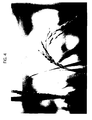
- Fig. 4 shows flowers and panicles of the rice plant into which a human genome fragment of about 40 kb was introduced by pBIGRZ.
- the rice plant has excellent fertility, and its heads bend down under the weight of seeds.
- Fig. 5 shows the rice genome library generated using pBIGRZ. They were digested by the restriction enzyme Not I. A shows those in which the genome fragments with 45 kb or larger size were introduced. B shows those in which the fragments with 30 to 50 kb were introduced. In A and B, the average size of the introduced fragments were 51 kb and 39 kb, respectively.
- the average insert size was obtained by subtracting the vector size which is about 20 kb from the size of each band on the lane.
- the two lanes on the right side of the gel are size markers.
- Fig. 6A and 6B show various inducible vector utilized properties of the high capacity binary shuttle vector of the present invention.
- the high capacity binary shuttle vector of the present invention may be contructed using the following procedure.
- the high capacity binary shuttle vector of the present invention can be transduced into Agrobacterium.
- Agrobacterium tumefaciens is a soil bacterium having a Ti plasmid of about 200 kb in size, and on the Ti plasmid there is a 10 to 20 kb region called T-DNA.
- T-DNA region is excised by the action of a gene product of the vir (virulence) region on the Ti plasmid from Agrobacterium. It is known that the T-DNA thus excised is transferred into a plant cells and finally integrated into their nuclear DNA.
- the T-DNA region and vir region may be included in separate vectors. Therefore, it is possible to construct a binary vector consisting of the T-DNA region, at least one origin of replication which can work in E. coli and Agrobacterium and a marker gene only.
- T-DNA The transfer and integration of T-DNA requires only 25-bp border sequences located at both ends of the T-DNA, and none of the other gene groups located in T-DNA is required.
- the border sequences located at both ends of T-DNA are called left border (LB) and right border (RB), respectively.
- pBI system vectors such as pBI101 and pBI121 are commercially available, and can be conveniently used.
- the replication origin used in the pBI binary vector is generally RK2.
- RK2 is used as the replication origin, often large inserts of 10 kb or larger are not maintained stably in E. coli or Agrobacterium. Further its high copy number may lead to mutual recombination making the plasmid instable. Therefore, the vector should be devised to have high capacity for large inserts and stability in any of the hosts.
- Ri as the low copy number replication origin from Rizobium bacteria, the vector was found by us to have high capacity and stability. In this case, the Ri ori may be included in the vector singly or together with RK2.
- the selection marker for the vector plasmid includes various kinds of antibiotic resistant genes, preferably the kanamycin resistance gene (NPT), hygromycin resistant gene (HPT), gene and so forth are used. These markers can be introduced as required into the plasmid using the known procedure.
- NPT kanamycin resistance gene
- HPT hygromycin resistant gene
- hygromycin resistant gene may additionally be introduced. This is because kanamycin does not work well in rice as a selection marker.
- restriction sites which interfere the multiple cloning site may be removed or modified.
- an Eco RI site in said hygromycin resistant gene was modified so as not to be digested with the restriction enzyme.
- the genome or DNA fragments to be introduced into said binary vector can be obtained using known methodsfrom any kind of organism including various microorganisms, filamentous fungi, protozoan, animals and plants.
- Any DNA or genome fragments of at least about 40 kb or more in size can be introduced into the binary vector and selected depending on the requirement. As the transformation of rice with 40 kb genome fragment was done without any difference of efficiency from a few kb of gene, it will be possible to introduce larger fragments without difficulty.
- cloning sites in a marker gene it is preferable to introduce cloning sites in a marker gene to check for the introduction of genome fragment.
- a lacZ ( ⁇ -galactosidase) gene with cloning sites such as Hind III, Spe I, Not I can be used.
- genes can be further introduced into the vector, that is, genes to monitor the introduction and expression of the T-DNA in a transformed plant with the binary shuttle vector.
- the NPT or HPT genes can be used as such marker genes.
- ⁇ -glucuronidase (GUS) gene is particularly suited to visualize the localized expression sites.
- Intron-containing GUS (iGUS) is expressed in only eukaryte cells including plant cells, but not in prokaryote cells such as Agrobacterium. Therefore by using intron-containing GUS as the expression marker the noise from the contaminating Agrobacterium can be eliminated.
- the vector obtained in (1) above, and fragment DNAs (genome fragments) of suitable size are ligated to the vector using commercially-available ligase, etc.
- the resulting reaction product is introduced into E. coli DH10B cells by electroporation.
- the cells are then plated onto an LB agar plate containing kanamycin or hygromycin B (50 ⁇ g/ml), X-gal and IPTG (isopropyl thiogalactoside). Under usual conditions, the plates are incubated overnight and white colonies formed on the LB agar plate are selected as the transformants in which the above DNA fragment is integrated as an insert.
- Suitable restriction enzymes most cases Hind III were used optionally to digest partially or completely the genomic DNA from plant cells or other materials.
- the fragments thus obtained are separated based on their sizes by CHEF (contour-clamped hexagonal electric field) gel electrophoresis.
- the DNA fragments thus obtained are ligated to the vector from (1) above.
- the resulting products are introduced by electroporation into E. coli DH10B cells, and the cells having the above DNA fragment as the insert are plated and selected using the same procedure as in (i) on an LB agar plate containing kanamycin (25 ⁇ g/ml) or hygromycin B (50 ⁇ g/ml), X-gal and IPTG.
- the vector with aninsert can be prepared from E. coli and can be transferred to Agrobacterium by the electroporation method or triparent method (triparent mating method).
- the binary vector with aninsert is recovered from E. coli by using the conventional mini-prep method with alkali. If an automatic plasmid extractor is available, a large number of vectors can be extracted efficiently and very easily.
- EHA101 is preferable due to its high efficiency.
- rec A strain which lacks recombinant ability induced from high transformation efficiency strains is suitably employed when large fragments are inserted into those cells.
- Electro-competent cells are prepared by the known method from Agrobacterium.
- the binary vector with aninsert recovered by the mini-prep method from E. coli is introduced by electroporation into the competent cells of Agrobacterium.
- the competent cells with the introduced vector are cultured under the same conditions as normal but on medium containing hygromycin B (50 ⁇ g/ml) and kanamycin (50 ⁇ g/ml) to select transformants.
- E. coli cells having the binary vector as described in (2) above, E. coli cells carrying a helper plasmid, and Agrobacterium cells are mixed and co-cultured to transfer the desired binary vector from E. coli to Agrobacterium.
- E. coli cells carrying the helper plasmid and E. coli cells having the introduced binary vector are mixed and co-cultured with Agrobacterium in a suitable medium at 28 °C for 12 to 24 hours.
- the suitable medium includes YEP medium etc.
- the helper plasmid herein used is defined as the plasmid which helps the transfer of a vector from a bacteria into the microorganism of the interest. As examples are pRK2013, etc. If E. coli carrying the helper plasmid is used at the time of co-culture, the vector is efficiently transferred from the binary vector-containing bacteria to Agrobacterium during co-culture.
- the transformant was selected by combination of kanamycin, tetracycline and hygromycin, and used to transform plants as described below.
- a plant was transformed by Agrobacterium harboring the binary vector, as follows.
- the Agrobacterium strain (about 3X 10 8 to 3 ⁇ 10 9 cells/ml) harboring the vector introduced as described above was co-cultured with plant calli or tissue slices in a medium such as 2N6-AS or N6CO at 25 to 28 °C for about 3 days.
- seed plants may be used although there is a divergence in the difficulty for transformation.
- monocotyledonous plants which have been difficult to transform so far, that is, rice, wheat, barley, corn and so forth may be used as the recipient candidate.
- rice is most preferably used due to ease of regenerating the plant.
- the calli or tissue slices are selected in a medium containing suitable antibiotics. If the hygromycin resistant gene was introduced as the selection marker in the binary shuttle vector as described above, the transformed calli are selected by culturing in 2N6-CH or N6Se medium containing hygromycin (10 to 100 ⁇ g/ml) and Cefotaxime (250 ⁇ /ml) or Carbenicilin (500 ⁇ g/ml) to remove Agrobacterium for 1 to 3 weeks.
- Re-differentiation of the hygromycin selected calli was induced on suitable re-differentiation medium such as N6S3-CH, MSre and so forth to give a re-generated plant.
- the calli or re-generated plants turns blue when x-gluc (x-glucuronide) is added to their media. By this blue color, successful transformation can be confirmed.
- the high capacity binary shuttle vector of the present invention can be used to introduce a large genome fragment into a plant to transform it.
- genomic DNA obtained in the standard method from suitable plants or other living things, and digested with suitable restriction enzymes as described above, can be integrated into the high capacity binary shuttle vector of the present invention as described above to prepare a genomic DNA library.
- genomic DNA library Since the vector of the present invention is a high capacity binary shuttle vector, thus prepared genomic DNA library has the ability to transform various cells. Therefore, this genomic DNA library can be employed to transform other plant cells with the plant DNA fragment contained in each clone which comprises this library.
- the high capacity binary shuttle vector of the present invention can integrate as large DNA or genome fragments more than 40 kb to enable efficient screening of useful genes. That is, if a clone which can make complementary transformation of a cultivar or a deficiency mutant, which lacks a certain function, and restore the function then the gene of interest must be present in the clone (complementation test).
- the means for introducing a genome fragment of 10 kb or larger size into a higher plant, particularly monocotyledonous crop plants including rice, easily, efficiently and stably under those conditions without rearrangement or deletion and so forth of the genes were established.
- the high capacity binary shuttle vector of the present invention can also be used to prepare a genomic library of more than 40 kb in insert size having the ability to transform the plant of the interest. Therefore, this vector is useful for isolating useful genes by using the positional cloning method etc.
- the high capacity binary shuttle vector of the present invention can integrate such a large genome fragment, the high capacity binary shuttle vector of the present invention is also useful for introducing a far larger gene or gene complex efficiently into a plant than the conventional binary vectors.
- the means for assaying genomic functions efficiently by complementation test was established for rice as a crop plants representing the higher plant, particularly monocotyledonous plants.
- a group of genes that are biologically important but expressed in a lesser amount e.g., regulatory genes and genes involved in signal recognition/ transduction or genes involved in expression of agriculturally important traits can be isolated with considerable ease.
- the high capacity was accomplished by using only Ri ori as the replicating origin of the vector.
- the efficiency of screening for a useful gene can be drastically improved by using the high capacity binary shuttle vector of the present invention.
- This vector can be modified to have the capacity to change a plasmid with an insert from the conventional circular genome library with a lox site, such as the constituents of a BAC library, into a transformable form for plants.
- the vector having Ri ori alone, or both Ri ori and RK2 ori as its replication origin for example, the above-mentioned high capacity vector, is very stable in both E. coli and Agrobacterium, and has excellent transformability for plants.
- the present vector with an Ri ori as the replication origin and a lox site and a par C site in T-DNA regions can be produced.
- the vector can be introduced together with a circular plasmid, which is constituting a clone of a genome library with a lox site such as BAC library, into an E.
- the large genome insert is inserted basically in the same manner as in the above-mentioned high capacity binary shuttle vector. Therefore, introduction of the integrated vector into Agrobacterium by using the procedure described above makes the introduction of the inserts into plant with high transformation efficiency shown in Table I possible.
- par C sequence is inserted near the lox site.
- the vector with both Ri ori and RK2 ori can efficiently transform the plants more markedly than that with RK2 ori alone does.
- the high capacity binary vector may be utilized to transform the plant recalcitrant to gene introduction.
- genes are only introduced in the form of genome fragments or with some promoter and terminator. It is convenient to have a vector with a multi-cloning site between the suitable promoter and terminator to introduce a gene from which the inherent promoter was removed or a full length cDNA to give desirable expression properties of an arbitrary gene (FIG. 6B). After insertion of the gene or cDNA, such vectors can be introduced into plants for transformation.
- the combination of actin promoter and actin terminator is preferred to express a gene strongly.
- the same promoter or terminator are not employed repeatedly in a vector, because it may cause homologous recombination in a host cell.
- the high transformation efficient strain of Agrobacterium with rec A - is produced to maintain a large size plasmid made from the high capacity binary vector of the present invention.
- this large plasmid is stably maintained in both E. coli and Agrobacterium, because it is maintained as a single or low copy plasmid.
- E. coli strains with rec A - which can not make genetic recombination, can easily be obtained, for example, DH10B.
- Agrobacterium some rec A - strains are known.
- the high transformation efficient strains indispensable for transformation of plants which are difficult to transform there are no report on rec A - strains desirable for stable maintenance and transformation of a large plasmid.
- such a high transformation efficient rec A - strain is produced by site-directed mutation on rec A gene in EHA101 strain.
- the mutation is introduced into Agrobacterium by homologous recombination with the chromosomal rec A gene and transformed plasmid with rec A - gene.
- a plasmid with a rec A - gene produced by site-directed mutagenesis is transformed to a high transformation efficient Agrobacterium strain and then spread on a plate. After replica plate formation, the replica plate is irradiated by UV, and Agrobacterium cells are then cultured on the plate. Since the mutant with rec A - can not grow under UV, such colonies are selected. When the mutant is used, the clone comprising a large genome fragment is more stably maintained in Agrobacterium cells. Such a mutant also can be selected by negative selection under UV irradiation as above after normal mutagenesis.
- the high capacity binary shuttle vector of the present invention was constructed in steps (1) to (3) as follows:
- This example shows the introduction of about 40 kb human genome fragment into rice to examine whether the binary vector pBIGRZ obtained in Example 1 can actually introduce a 10 kb or larger genome fragment efficiently and stably into a monocotyledonous plant.
- panel A is the results of Southern hybridization of the R 0 generation plant transformed with H605 (about 44 kb), or with H78C10 (about 38 kb).
- the digested fragment from the original human genome fragment with Hind III was electrophoresed at a single copy equivalent.
- Lanes 1 to 10 of each clone show the results of Southern hybridization of Hind III-digested DNA extracted from leaves of one of the regenerated plants. The results by Southern hybridization of the DNA fragment obtained from each transformant showed almost the same pattern as the reference.
- Panel B shows Southern brot analysis of 3 plant lives which were obtained from the same parent plant. In any plant life, almost single copy of the same fragment as control is harbored. Bands marked with dots are those hybridized to random marker.
- the high capacity binary shuttle vector of the present invention is useful for narrowing the target region in the genome by complementing the functions of the gene of the interest with as large a genomic DNA fragment as possible.
Landscapes
- Health & Medical Sciences (AREA)
- Genetics & Genomics (AREA)
- Life Sciences & Earth Sciences (AREA)
- Engineering & Computer Science (AREA)
- Biomedical Technology (AREA)
- Biotechnology (AREA)
- Zoology (AREA)
- Chemical & Material Sciences (AREA)
- Organic Chemistry (AREA)
- Wood Science & Technology (AREA)
- General Engineering & Computer Science (AREA)
- Bioinformatics & Cheminformatics (AREA)
- Molecular Biology (AREA)
- Plant Pathology (AREA)
- Microbiology (AREA)
- Physics & Mathematics (AREA)
- Biochemistry (AREA)
- General Health & Medical Sciences (AREA)
- Biophysics (AREA)
- Cell Biology (AREA)
- Breeding Of Plants And Reproduction By Means Of Culturing (AREA)
- Micro-Organisms Or Cultivation Processes Thereof (AREA)
Abstract
Description
- The present invention relates to a high capacity binary shuttle vector for plant transformation, etc. Particularly, but not exclusively, the present invention relates to a high capacity binary shuttle vector which may be used for seed plant transformation, particularly monocotyledonous plants which have proved difficult to transform in spite of their economic importance, but it also may be used very powerfully for the complementation test analysis of genome functions and the construction of a genome library for genome function analysis.
- Monocotyledonous plants are more difficult to transform than dicotyledonous plants, in spite of their importance in agriculture. The conventional transformation of these plants has been carried out by various forced introduction methods such as those using gene guns for intact cells, or electroporation or PEG (polyethylene glycol) method for protoplasts.
- However, there are problems in the electroporation method or PEG method in that regeneration from protoplasts to normal plants is difficult, and in case of gene gun, in that expensive facilities are required and a large number of samples can not be processed simultaneously. Furthermore, a large gene fragment of 10 kb or more into monocotyledonous plants has not been introduced without its rearrangement.
- Recently, Hiei et al. have reported that rice, a typical monocotyledonous crop can be transformed with a pBI system vector and Agrobacterium (Hiei et al., Plant Journal, 6:271-282 (1994)). This has made the transformation of rice drastically easier.
- However, the pBI vector used by Hiei et al. can stably introduce only about 10 kb DNA into rice. If larger DNA was integrated into such a shuttle vector, the vector could not be stably maintained even in E. coli.
- By the recent advances of genome studies, the positional cloning method to isolate a gene, which is based on its positional information on the chromosome map, became the focus of interest as a promising method to isolate a useful gene determining agricultural traits. In order to apply this technique to identify genes causing these traits from the candidate genes selected by using their map information, the trait expression by the gene in the genome fragment must be confirmed by transformation of the fragment to a plant. Therefore, the introduction of larger genome fragments would make such screening of genes much more efficient. Thus, it is desirable to introduce as large a genome fragment as possible.
- Although the binary cosmid method and PEG method are known to introduce genome fragments of 10 kb or larger size into a plant, both of the methods have deficiencies as follows:
- (1) As for the binary cosmid method, the upper size of a genome fragment to be introduced is limited up to about 20 kb, and pBI system RK2 is used as replication origin. Therefore, it has been often difficult to stably maintain the plasmid even in E. coli into which the plasmid with the chromosome fragment is initially introduced.
- (2) As for the PEG method, regeneration from protoplasts requires a high degree of skill, and often the introduced fragments are severely rearranged making normal complementation by the fragment rather difficult. Therefore, such methods are not sufficiently suited to assay the functions of large genome fragments.
- The present invention seeks to overcome the problems described above. We have now found it possible to introduce a genomic DNA fragment of 10 kb or larger into plants, including higher plants. The technique can also be used with monocotyledonous plants which are difficult to transform and many of them are agriculturally important.
- We have also found it possible to establish an efficient and stable complementation analysis method for a genome region of 10 kb or larger, such regions are very difficult to introduce into plants by conventional methods. By introducing such a large genome fragment efficiently into plants, isolation of the genes controlling various agricultural traits can be made more efficient. We have also found it possible to introduce a large gene complex into a plant as a block to enable them to express complicated traits in plants. Sometimes such a gene complex is located in a group as an operon.
- Thus, the present invention relates to a high capacity binary shuttle vector comprising a T-DNA region, and a Ri replication origin.
- The high capacity binary shuttle vector of the present invention is a binary shuttle vector.
- Preferably, said high capacity shuttle vector comprises a gene with a multi-cloning site in the T-DNA region, more preferably the lacZ gene.
- Preferably, said high capacity binary shuttle vector comprises at least one antibiotic resistant gene introduced between the lacZ gene introduced in the T-DNA region and the border regions of the T-DNA. Said border region is preferably a left border region, and said antibiotic resistance gene is preferably a hygromycin resistant gene.
- Another suitable selection marker using antibiotic resistance is the kanamycin resistance gene which may be used as a selection marker in E. coli, and dicotyledonous plants.
- Further, said high capacity shuttle vector may integrate fragments with various sizes ranging from a small DNA fragment to a large genome fragment. It has been confirmed that genome fragments with sizes up to at least 40 kb can be efficiently integrated to rice, and even larger sizes may be integrated.
- According to one aspect of the present invention there is provided a binary vector comprising a lox site in the T-DNA region, a par C gene and an Ri ori as replication origin. The vector is capable of integrating a clone plasmid of a circular genome library with a lox site by cre enzyme, in a host, such as E. coli or Agrobacterium.
- The present invention also provides a binary vector for plant transformation comprising a multi-cloning site sandwiched between a promoter and a terminator for plants in a T-DNA region, and an Ri ori as a replication origin.
- The present invention further provides a genomic library having the ability to transform plants. Each clone constituting the genomic library having the ability to transform plants has an insert in the T-DNA region of the high capacity binary shuttle vector of the present invention.
- The present invention further provides a complementation method for assessing the function of genes in a genome fragment inserted in a clone of a genome library. This method comprises introducing said plasmid with a genome insert into an Agrobacterium cell, and transferring said plasmid into a plant. Furthermore, the present invention provides another complementation method for assessing the function of genes in a genome fragment inserted in a clone of a genome library. This method comprises integrating a component plasmid of a library with a genome insert and a binary vector comprising a lox site in its T-DNA region, a par C gene, and an Ri ori as replication origin, wherein said vector is capable of integrating a clone plasmid of a circular genome library with a lox site by cre enzyme, in an E. coli or Agrobacterium host; wherein said library is constructed using a circular vector with a lox site and E. coli as host, introducing said integrated vector into an Agrobacterium cell, and then transferring said integrated vector into a plant.
- The present invention provides a gene obtained with the complementation method described above.
- The present invention also provides a screening method for a useful gene by using the above-mentioned high capacity binary shuttle vector or the library integrating vector.
- Furthermore, the present invention provides a plant transformed with said high capacity binary shuttle vector. The plant which may be transformed includes all kinds of plants, preferably seed plants including monocotyledonous plants.
- The present invention further provides a method for producing a highly efficient Agrobacterium strain with recA- to maintain stably a binary vector with a large insert. This method comprises generating high transformation efficient recA- strains by the site-directed mutation of the recA gene of said strain to transform it to a recA- strain, introducing a homologous recombination to the strains with recA+ genes, between the transformed recA- vector and recA+ gene in the cell, selecting the recombinant by making a replica of the plate on which the strains are spread, and irradiating the plate to screen a clone which cannot grow under UV irradiation. Alternatively, such recA- strain can be selected by replica after normal mutagenesis and selection under UV irradiation.
- The present invention thus provides a high transformation efficiency Agrobacterium strain with recA-, wherein said strain can maintain stably the said high capacity binary vector with large insert, and can transform various plants which are normally recultitrait for transformation.
- Various further preferred features and embodiments of the present invention will now be described by way of non-limiting example, in which:
- FIG. 1 shows the construct of a high capacity shuttle vector pBIGRZ with Ri ori and similar vector pBIGZ without Ri ori. Construct of the high capacity binary vector pBIGRZ. Arrows of Ri ori indicate the direction of the gene and corresponding numbering of the plasmid. Restriction enzymes with the unique cloning site are indicated. RB: right border of T-DNA, LB: left border of T-DNA, NPTII: neomycin resistance gene, NP and NT: Promoter and Terminator of nopaline synthetase, lacZ: β-galactosidase gene, MCS: multicloning site, P35S: 35S promoter, iGUS: β-glucuronidase gene with an intron, HPT: hygromycin resistance gene, Ri ori: replicator origin of Ri plasmid.
- FIG. 2 shows a construction process for pBIGRZ from pBI121 and pBIHG.
- Fig. 3A and 3B show Southern blot analysis of the two genome fragments of about 40 kb, which are introduced into the rice plant by pBIGRZ. A: No deletion or almost no rearrangement of the fragments occurred during transformation as shown by the primary transformants(R0) as compared with control. This result shows that the genome fragments are intactly transferred to plant cells and stably maintained. B: In the first generation of the progeny(R1), also no deletion nor rearrangement of the fragments were observed. The result shows that the genome fragments integrated into the plant genomes are stably inherited to their progenies.
- Fig. 4 shows flowers and panicles of the rice plant into which a human genome fragment of about 40 kb was introduced by pBIGRZ. The rice plant has excellent fertility, and its heads bend down under the weight of seeds.
- Fig. 5 shows the rice genome library generated using pBIGRZ. They were digested by the restriction enzyme NotI. A shows those in which the genome fragments with 45 kb or larger size were introduced. B shows those in which the fragments with 30 to 50 kb were introduced. In A and B, the average size of the introduced fragments were 51 kb and 39 kb, respectively.
- This indicates that a genome library usable for complementation tests may actually be constructed using this vector. The average insert size was obtained by subtracting the vector size which is about 20 kb from the size of each band on the lane. The two lanes on the right side of the gel are size markers.
- Fig. 6A and 6B show various inducible vector utilized properties of the high capacity binary shuttle vector of the present invention.
- A: a single vector generated by site-directed recombination based on transient cre enzyme expression at lox site. In order to generate this vector, pBRC: one example of a vector to perform complementation test and BAC vector having a genome insert and a lox site was integrated by transient expression of the cre enzyme in host cells. Unintegrated pBRC with BAC is quickly removed when par C sequence is present in it.
- B: an example of the vector, pBRPT. This vector is used for introducing a single gene with an expression property from a promoter and terminator, and having a high transformation efficiency of the high capacity vector of the present invention.
- The high capacity binary shuttle vector of the present invention may be contructed using the following procedure.
- A binary vector system complying with the following requirements are used as the base:
- (i) A vector with a T-DNA region, having various genome fragments which are introduced into it as inserts. This T-DNA region can be efficiently introduced into various plant cells.
- (ii) A genomic library is constructed easily and stably.
- (iii) Plasmid DNA is also prepared easily and E. coli can be used as a host cell.
- (iv) The constructed plasmid can be easily transduced into Agrobacterium and maintained stably, to make efficient transformation of plants possible.
- As described above, the high capacity binary shuttle vector of the present invention can be transduced into Agrobacterium.
- Agrobacterium tumefaciens is a soil bacterium having a Ti plasmid of about 200 kb in size, and on the Ti plasmid there is a 10 to 20 kb region called T-DNA. When a plant is infected with Agrobacterium, the T-DNA region is excised by the action of a gene product of the vir (virulence) region on the Ti plasmid from Agrobacterium. It is known that the T-DNA thus excised is transferred into a plant cells and finally integrated into their nuclear DNA.
- The T-DNA region and vir region may be included in separate vectors. Therefore, it is possible to construct a binary vector consisting of the T-DNA region, at least one origin of replication which can work in E. coli and Agrobacterium and a marker gene only.
- The transfer and integration of T-DNA requires only 25-bp border sequences located at both ends of the T-DNA, and none of the other gene groups located in T-DNA is required. The border sequences located at both ends of T-DNA are called left border (LB) and right border (RB), respectively.
- Various binary shuttle vectors which comply with the above requirements can be used as the base of construction, as long as it can still be used in the mircoorganisms used as the host when it has a proper replication origin, and function as a binary vector. For example, pBI system vectors such as pBI101 and pBI121 are commercially available, and can be conveniently used.
- The replication origin used in the pBI binary vector is generally RK2. However, if RK2 is used as the replication origin, often large inserts of 10 kb or larger are not maintained stably in E. coli or Agrobacterium. Further its high copy number may lead to mutual recombination making the plasmid instable. Therefore, the vector should be devised to have high capacity for large inserts and stability in any of the hosts. By introducing Ri as the low copy number replication origin from Rizobium bacteria, the vector was found by us to have high capacity and stability. In this case, the Ri ori may be included in the vector singly or together with RK2.
- The selection marker for the vector plasmid includes various kinds of antibiotic resistant genes, preferably the kanamycin resistance gene (NPT), hygromycin resistant gene (HPT), gene and so forth are used. These markers can be introduced as required into the plasmid using the known procedure.
- Although a basic vector plasmid in the pBI system has only a kanamycin gene as the selection marker in the host plant, hygromycin resistant gene may additionally be introduced. This is because kanamycin does not work well in rice as a selection marker.
- Some restriction sites which interfere the multiple cloning site may be removed or modified. For example, an EcoRI site in said hygromycin resistant gene was modified so as not to be digested with the restriction enzyme.
- The genome or DNA fragments to be introduced into said binary vector can be obtained using known methodsfrom any kind of organism including various microorganisms, filamentous fungi, protozoan, animals and plants.
- Any DNA or genome fragments of at least about 40 kb or more in size can be introduced into the binary vector and selected depending on the requirement. As the transformation of rice with 40 kb genome fragment was done without any difference of efficiency from a few kb of gene, it will be possible to introduce larger fragments without difficulty.
- It is preferable to introduce cloning sites in a marker gene to check for the introduction of genome fragment. As the marker genes a lacZ (β-galactosidase) gene with cloning sites such as HindIII, SpeI, NotI can be used.
- The following genes can be further introduced into the vector, that is, genes to monitor the introduction and expression of the T-DNA in a transformed plant with the binary shuttle vector.
- The NPT or HPT genes can be used as such marker genes. β-glucuronidase (GUS) gene is particularly suited to visualize the localized expression sites. Intron-containing GUS (iGUS) is expressed in only eukaryte cells including plant cells, but not in prokaryote cells such as Agrobacterium. Therefore by using intron-containing GUS as the expression marker the noise from the contaminating Agrobacterium can be eliminated.
- However, introduction of many makers can adversely affect the expression of the genes of the interest, such markers in the vector should be kept as few as possible.
- The vector obtained in (1) above, and fragment DNAs (genome fragments) of suitable size are ligated to the vector using commercially-available ligase, etc. The resulting reaction product is introduced into E. coli DH10B cells by electroporation. The cells are then plated onto an LB agar plate containing kanamycin or hygromycin B (50 µg/ml), X-gal and IPTG (isopropyl thiogalactoside). Under usual conditions, the plates are incubated overnight and white colonies formed on the LB agar plate are selected as the transformants in which the above DNA fragment is integrated as an insert.
- Suitable restriction enzymes, most cases HindIII were used optionally to digest partially or completely the genomic DNA from plant cells or other materials. The fragments thus obtained are separated based on their sizes by CHEF (contour-clamped hexagonal electric field) gel electrophoresis. The DNA fragments thus obtained are ligated to the vector from (1) above. The resulting products are introduced by electroporation into E. coli DH10B cells, and the cells having the above DNA fragment as the insert are plated and selected using the same procedure as in (i) on an LB agar plate containing kanamycin (25 µg/ml) or hygromycin B (50 µg/ml), X-gal and IPTG.
- The vector with aninsert can be prepared from E. coli and can be transferred to Agrobacterium by the electroporation method or triparent method (triparent mating method).
- The binary vector with aninsert is recovered from E. coli by using the conventional mini-prep method with alkali. If an automatic plasmid extractor is available, a large number of vectors can be extracted efficiently and very easily.
- As the recipient Agrobacterium strain of the vector , EHA101 is preferable due to its high efficiency. Particularly, rec A strain which lacks recombinant ability induced from high transformation efficiency strains is suitably employed when large fragments are inserted into those cells. Electro-competent cells are prepared by the known method from Agrobacterium.
- The binary vector with aninsert recovered by the mini-prep method from E. coli is introduced by electroporation into the competent cells of Agrobacterium. The competent cells with the introduced vector are cultured under the same conditions as normal but on medium containing hygromycin B (50 µg/ml) and kanamycin (50 µg/ml) to select transformants.
- E. coli cells having the binary vector as described in (2) above, E. coli cells carrying a helper plasmid, and Agrobacterium cells are mixed and co-cultured to transfer the desired binary vector from E. coli to Agrobacterium.
- E. coli cells carrying the helper plasmid and E. coli cells having the introduced binary vector are mixed and co-cultured with Agrobacterium in a suitable medium at 28 °C for 12 to 24 hours.
- The suitable medium includes YEP medium etc.
- The helper plasmid herein used is defined as the plasmid which helps the transfer of a vector from a bacteria into the microorganism of the interest. As examples are pRK2013, etc. If E. coli carrying the helper plasmid is used at the time of co-culture, the vector is efficiently transferred from the binary vector-containing bacteria to Agrobacterium during co-culture.
- From the Agrobacterium thus co-cultured as described above, the transformant was selected by combination of kanamycin, tetracycline and hygromycin, and used to transform plants as described below.
- A plant was transformed by Agrobacterium harboring the binary vector, as follows. The Agrobacterium strain (about
3X 10⁸ to 3×10⁹ cells/ml) harboring the vector introduced as described above was co-cultured with plant calli or tissue slices in a medium such as 2N6-AS or N6CO at 25 to 28 °C for about 3 days. - As the plant to be co-cultured, seed plants may be used although there is a divergence in the difficulty for transformation. In particular, monocotyledonous plants, which have been difficult to transform so far, that is, rice, wheat, barley, corn and so forth may be used as the recipient candidate. Among them, rice is most preferably used due to ease of regenerating the plant.
- After co-culture with the Agrobacterium, the calli or tissue slices are selected in a medium containing suitable antibiotics. If the hygromycin resistant gene was introduced as the selection marker in the binary shuttle vector as described above, the transformed calli are selected by culturing in 2N6-CH or N6Se medium containing hygromycin (10 to 100 µg/ml) and Cefotaxime (250 µ/ml) or Carbenicilin (500 µg/ml) to remove Agrobacterium for 1 to 3 weeks.
- Re-differentiation of the hygromycin selected calli was induced on suitable re-differentiation medium such as N6S3-CH, MSre and so forth to give a re-generated plant.
- As described above, if the plant cell is transformed by using the binary vector containing the β-glucuronidase gene in T-DNA, the calli or re-generated plants turns blue when x-gluc (x-glucuronide) is added to their media. By this blue color, successful transformation can be confirmed.
- As described above, the high capacity binary shuttle vector of the present invention can be used to introduce a large genome fragment into a plant to transform it.
- Therefore, genomic DNA obtained in the standard method from suitable plants or other living things, and digested with suitable restriction enzymes as described above, can be integrated into the high capacity binary shuttle vector of the present invention as described above to prepare a genomic DNA library.
- Since the vector of the present invention is a high capacity binary shuttle vector, thus prepared genomic DNA library has the ability to transform various cells. Therefore, this genomic DNA library can be employed to transform other plant cells with the plant DNA fragment contained in each clone which comprises this library.
- In particular, the high capacity binary shuttle vector of the present invention can integrate as large DNA or genome fragments more than 40 kb to enable efficient screening of useful genes. That is, if a clone which can make complementary transformation of a cultivar or a deficiency mutant, which lacks a certain function, and restore the function then the gene of interest must be present in the clone (complementation test).
- According to the present invention, the means for introducing a genome fragment of 10 kb or larger size into a higher plant, particularly monocotyledonous crop plants including rice, easily, efficiently and stably under those conditions without rearrangement or deletion and so forth of the genes were established. In addition, the high capacity binary shuttle vector of the present invention can also be used to prepare a genomic library of more than 40 kb in insert size having the ability to transform the plant of the interest. Therefore, this vector is useful for isolating useful genes by using the positional cloning method etc.
- Further, since the high capacity binary shuttle vector of the present invention can integrate such a large genome fragment, the high capacity binary shuttle vector of the present invention is also useful for introducing a far larger gene or gene complex efficiently into a plant than the conventional binary vectors.
- According to the present invention, the means for assaying genomic functions efficiently by complementation test was established for rice as a crop plants representing the higher plant, particularly monocotyledonous plants. Thus, a group of genes that are biologically important but expressed in a lesser amount, e.g., regulatory genes and genes involved in signal recognition/ transduction or genes involved in expression of agriculturally important traits can be isolated with considerable ease.
- The high capacity was accomplished by using only Ri ori as the replicating origin of the vector.
- Furthermore, the efficiency of screening for a useful gene can be drastically improved by using the high capacity binary shuttle vector of the present invention.
- This vector can be modified to have the capacity to change a plasmid with an insert from the conventional circular genome library with a lox site, such as the constituents of a BAC library, into a transformable form for plants.
- Up to this time, many genome libraries have been produced, and it is very useful if these libraries can be used for complementation testing of plants. The vector having Ri ori alone, or both Ri ori and RK2 ori as its replication origin, for example, the above-mentioned high capacity vector, is very stable in both E. coli and Agrobacterium, and has excellent transformability for plants. Based on a vector with such properties, the present vector with an Ri ori as the replication origin and a lox site and a par C site in T-DNA regions can be produced. Then, the vector can be introduced together with a circular plasmid, which is constituting a clone of a genome library with a lox site such as BAC library, into an E. coli strain which is engineered to express cre enzyme transiently under a specific condition. The resulting transformants are then subjected to selection by antibiotics of the library vector and then the binary vector. Thus, a vector in which the library component vector such as BAC which has lox site is integrated into lox site in T-DNA region of the another vector is obtained (FIG. 6A).
- In the integrated vector obtained hereinabove, the large genome insert is inserted basically in the same manner as in the above-mentioned high capacity binary shuttle vector. Therefore, introduction of the integrated vector into Agrobacterium by using the procedure described above makes the introduction of the inserts into plant with high transformation efficiency shown in Table I possible. In order to remove the binary vector with Ri ori which was not integrated with the library plasmid, par C sequence is inserted near the lox site.
- Accordingly, already constructed genome libraries made by vectors such as BAC or P1 having lox sites can be utilized for complementation test efficiently without the reconstruction of a library and using the high capacity binary vector of the present invention.
- As shown in Table 1, the vector with both Ri ori and RK2 ori can efficiently transform the plants more markedly than that with RK2 ori alone does. As a result, the high capacity binary vector may be utilized to transform the plant recalcitrant to gene introduction.
- In the vector, pBRGRZ, genes are only introduced in the form of genome fragments or with some promoter and terminator. It is convenient to have a vector with a multi-cloning site between the suitable promoter and terminator to introduce a gene from which the inherent promoter was removed or a full length cDNA to give desirable expression properties of an arbitrary gene (FIG. 6B). After insertion of the gene or cDNA, such vectors can be introduced into plants for transformation. In general, the combination of actin promoter and actin terminator is preferred to express a gene strongly. Preferably the same promoter or terminator are not employed repeatedly in a vector, because it may cause homologous recombination in a host cell.
- The high transformation efficient strain of Agrobacterium with rec A- is produced to maintain a large size plasmid made from the high capacity binary vector of the present invention.
- In general, this large plasmid is stably maintained in both E. coli and Agrobacterium, because it is maintained as a single or low copy plasmid. In E. coli, strains with rec A- which can not make genetic recombination, can easily be obtained, for example, DH10B. Also in Agrobacterium, some rec A- strains are known. However, as for the high transformation efficient strains indispensable for transformation of plants which are difficult to transform, there are no report on rec A- strains desirable for stable maintenance and transformation of a large plasmid.
- Accordingly,such a high transformation efficient rec A- strain is produced by site-directed mutation on rec A gene in EHA101 strain. The mutation is introduced into Agrobacterium by homologous recombination with the chromosomal rec A gene and transformed plasmid with rec A- gene. A plasmid with a rec A- gene produced by site-directed mutagenesis is transformed to a high transformation efficient Agrobacterium strain and then spread on a plate. After replica plate formation, the replica plate is irradiated by UV, and Agrobacterium cells are then cultured on the plate. Since the mutant with rec A- can not grow under UV, such colonies are selected. When the mutant is used, the clone comprising a large genome fragment is more stably maintained in Agrobacterium cells. Such a mutant also can be selected by negative selection under UV irradiation as above after normal mutagenesis.
- Hereinafter, the present invention is described in more detail by reference to examples showing construction of the high capacity binary shuttle vector of the present invention and its application to introduce human genomic DNA into rice. However, the present invention is not limited to the following examples.
- The high capacity binary shuttle vector of the present invention, pBIGRZ (shown in FIG. 2), was constructed in steps (1) to (3) as follows:
- (1) Construction of pBH
A hygromycin phosphotransferase gene (HPT, a gift from Dr. Hatsuyama, Hokkaido University) with a 35S promoter, a nopaline terminator but without EcoRI cleavage site was introduced using ligation into EcoRI site of the left border side (referred to as LB in FIG. 2) in T-DNA of the binary vector pBI121 to construct pBH. In FIG. 2, the 35S promoter and nopaline terminator are referred to as P35S and NPT respectively. - (2) Construction of pBHG
Intron-containing β-glucuronidase (iGUS) was introduced by using standard procedure between HPT and NPT in T-DNA in pBH obtained in (1) above to construct pBHG. - (3) Insertion of the replication origin of Ri plasmid
Ri ori, which is replication origin for Ri plasmid cloned from Rizobium bacteria was inserted by using ligation into NotI site of the outside of T-DNA. - (4) lacZ gene having a multi-cloning site including HindIII, SpeI, and NotI was prepared from the lacZ region in pBluescript and introduced between NPT and iGUS to construct a plasmid, which was designated pBIGRZ.
As described above, since pBIGRZ has a cloning site in lacZ, it can be confirmed whether a fragment from genome and so forth has been inserted in the plasmid in a medium containing X-gal and IPTG. - This example shows the introduction of about 40 kb human genome fragment into rice to examine whether the binary vector pBIGRZ obtained in Example 1 can actually introduce a 10 kb or larger genome fragment efficiently and stably into a monocotyledonous plant.
- (1) A NotI site in pBIGRZ in lacZ was digested using a restriction enzyme, and the terminals formed were dephosphorylated. Then human genome NotI fragment DNAs (about 40 kb) which was inserted into 2 cosmids were inserted into the binary vector by ligation. The vector with the insert was introduced into E. coli.
- (2) pBIGRZ vector with the introduced human genome fragment was electroporated from the E. coli to Agrobacterium as follows:
The binary vector was recovered from the E. coli by the mini-prep method using alkaline. The prepared binary vector was electroporated into competent cells of Agrobacterium (EHA101) carrying T-DNA-free helper plasmid, and a transformant was selected on a medium containing hygromycin (50 µg/ml) and kanamycin (50 µg/ml). - (3) pBIGRZ vector having the human genome fragment introduced stably into the Agrobacterium was introduced into rice scutellum calli as follows: The Agrobacterium into which the binary vector was introduced was co-cultivated with the calli at 25°C for 3 days, and the transformed calli were selectively cultured in a hygromycin medium (30-50 µg/ml). Thereafter, their regeneration into plants was prepared in a regeneration medium and then shoot formation was done in a hormone free medium to give re-differentiated plants. After the plants were acclimated, they were grown in pots in a greenhouse.
pBIGRZ1 and pBGRZ2, which has Ri ori with opposite direction, were used to examine whether the direction of Ri ori affects the stability of the plasmid in Agrobacterium (EHA101), transient expression rate of GUS after co-cultivation with rice calli, and regeneration rate of the re-differentiated plants in the above process.
The results are shown in Table 1.
- (4) Simultaneously, the same human genome fragment was introduced into pBIGZ (FIG. 1) and the introduction of this genome fragment into callus cells of rice was attempted in the same procedure as above. pBIGZ is a vector having the same structure as pBIGRZ except that it has only RK2 ori in pBI121 and does not have Ri ori.
The maintenance of the plasmid in Agrobacterium and degrees of regeneration of plants are shown in Table 1. - (5) By comparing pBIGRZ with Ri origin and pBIGZ without it, it was revealed that the stability of the plasmid in Agrobacterium and the plant regeneration rate significantly increased in the plant with pBIGRZ. In particular, the significant increase in the plant regeneration rate was observed in the plant with pBIGRZ.
- (6) No significant difference due to the direction of Ri ori in the plasmid was observed in the maintenance of the plasmid in Agrobacterium and the rate of regeneration of plants.
- (7) Genomic DNA was extracted from green leaves of the transformed plants and was digested with HindIII. This digested fragment was analyzed by Southern blotting with human genome NotI inserts in cosmids (H78C10, H605) used as probes. The results are shown in FIG. 3A and 3B.
- In FIG. 3, panel A is the results of Southern hybridization of the R0 generation plant transformed with H605 (about 44 kb), or with H78C10 (about 38 kb). In the reference lane in each panel, the digested fragment from the original human genome fragment with HindIII was electrophoresed at a single copy equivalent.
Lanes 1 to 10 of each clone show the results of Southern hybridization of HindIII-digested DNA extracted from leaves of one of the regenerated plants. The results by Southern hybridization of the DNA fragment obtained from each transformant showed almost the same pattern as the reference. Panel B shows Southern brot analysis of 3 plant lives which were obtained from the same parent plant. In any plant life, almost single copy of the same fragment as control is harbored. Bands marked with dots are those hybridized to random marker. - As shown in FIG. 3A and 3B, it was demonstrated that one or more copies of genome fragments were introduced without rearrangement into the rice genome at 6/10 plants for human cosmid fragment H78C10 and 5/10 plants for fragment H605. Also it was demonstrated that such genome fragments are stably inherited by the offsprings.
- As described above, when a large genome DNA fragment was inserted into the vector of the present invention and used for transformation of the plant, the inserted DNA fragment is stably maintained in the vector of the present invention without deletion or rearrangement and introduced efficiently into plant cells. Therefore, it was also demonstrated that the high capacity binary shuttle vector of the present invention is useful for narrowing the target region in the genome by complementing the functions of the gene of the interest with as large a genomic DNA fragment as possible.
- In this example, the results of rice transformation were shown. However, based on the previous findings, dicotyledonous plants are generally easier in transformation by Agrobacterium than rice, so the high capacity binary vector of the present invention may be applied to various kinds of dicotyledonous plant, and by little modification of the experimental conditions, it also may apply in the wider range of crop plants including other important monocotyledonous crop plants.
Claims (20)
- A high capacity binary shuttle vector comprising T-DNA region, and a replication origin comprising Ri ori, or Ri ori and RK2 ori.
- A high capacity binary shuttle vector according to claim 1, wherein said vector is based on a pBI system vector.
- A high capacity binary shuttle vector according to claim 1 or 2, wherein said vector comprises a T-DNA region into which a gene with a multi-cloning site is introduced.
- A high capacity binary shuttle vector according to claim 3, wherein said gene with a multi-cloning site is a lacZ gene.
- A high capacity binary shuttle vector according to any preceding claim, wherein said vector comprises an antibiotic resistant gene inserted between a lacZ gene introduced in the T-DNA region and the border sequences of the T-DNA region.
- A high capacity binary shuttle vector according to claim 5, wherein said antibiotic is hygromycin.
- A high capacity binary shuttle vector according to any one of claims 1 to 6, wherein said vector is capable of integrating a large genome fragment.
- A binary vector comprising a lox site in its T-DNA region, a par C gene, and an Ri ori as replication origin, wherein said vector is capable of integrating a clone plasmid of a circular genome library with a lox site by cre enzyme, in an E. coli or Agrobacterium host.
- A binary vector for plant transformation comprising a multi-cloning site sandwiched between a promoter and a terminator for plants in a T-DNA region, and an Ri ori as replication origin.
- A genomic library having the ability to transform plants, including monocotyledonous.
- A genomic library having the ability to transform plants, wherein said library comprises a high capacity binary shuttle vector according to any one of claims 1 to 9.
- Complementation method for assessing the function ofa gene in a genome fragment inserted in a clone of a genome library of claim 11 comprising:introducing said vector into an Agrobacterium cell, andtransferring said Agrobacterium into a plant.
- Complementation method for assessing the function of a gene in a genome fragment inserted in a clone of a genome library comprising:integrating a plasmid clone of the library and a binary vector of any one of claims 1 to 9, wherein said library is constructed using a circular vector with a lox site and E. coli as host,introducing said integrated vector into an Agrobacterium cell, andtransferring said Agrobacterium into a plant.
- A gene obtained with the method according to claim 12 or 13.
- A method for screening for a useful gene comprising using a high capacity binary shuttle vector of any one of claims 1 to 9.
- A plant transformed using the binary vector according to any one of claims 1 to 9, or by introduction of a gene of claim 14.
- A transformed plant according to claim 16, wherein said plant is seed plant or any plant.
- A transformed plant according to claim 16 or claim 17, wherein said plant is a monocotyledonous plant.
- A method for producing a high efficiency Agrobacterium strain with recA- to maintain stably a binary vector with a large insert comprising:generating a hightransformation efficiency strain by the site-directed mutation on a recA gene of said strain to transformit to a recA- strain,introducing a homologous recombination to the strain with a recA+ gene, between the transformed recA- vector and recA+ gene in the cell,selecting the recombinant by making a replica of the plate on which the strains are spread, andirradiating the plate to screen for a clone which can not grow under UV irradiation.
- A high transformation efficiency Agrobacterium strain with recA-, wherein said strain can maintain stably a high capacity binary vector with a large insert.
Applications Claiming Priority (3)
| Application Number | Priority Date | Filing Date | Title |
|---|---|---|---|
| JP25518496 | 1996-09-26 | ||
| JP25518496 | 1996-09-26 | ||
| JP255184/96 | 1996-09-26 |
Publications (3)
| Publication Number | Publication Date |
|---|---|
| EP0841402A2 true EP0841402A2 (en) | 1998-05-13 |
| EP0841402A3 EP0841402A3 (en) | 2001-02-28 |
| EP0841402B1 EP0841402B1 (en) | 2004-12-01 |
Family
ID=17275208
Family Applications (1)
| Application Number | Title | Priority Date | Filing Date |
|---|---|---|---|
| EP97307555A Expired - Lifetime EP0841402B1 (en) | 1996-09-26 | 1997-09-26 | High capacity binary shuttle vector |
Country Status (5)
| Country | Link |
|---|---|
| US (1) | US6165780A (en) |
| EP (1) | EP0841402B1 (en) |
| CN (1) | CN1133744C (en) |
| AU (1) | AU694393B2 (en) |
| CA (1) | CA2216596A1 (en) |
Cited By (3)
| Publication number | Priority date | Publication date | Assignee | Title |
|---|---|---|---|---|
| WO2000077181A3 (en) * | 1999-06-11 | 2001-05-10 | Qxyz Ltd | Dna manipulation methods, applications for synthetic enzymes and use for polyketide production |
| WO2002040641A3 (en) * | 2000-10-19 | 2003-09-18 | Cornell Res Foundation Inc | Binary bac vector and uses thereof |
| US8298819B2 (en) | 2006-06-23 | 2012-10-30 | Japan Tobacco Inc. | Cosmid vector for plant transformation and use thereof |
Families Citing this family (6)
| Publication number | Priority date | Publication date | Assignee | Title |
|---|---|---|---|---|
| US6521408B1 (en) * | 1997-09-25 | 2003-02-18 | National Institute Of Agrobiological Sciences | Method for assessing a function of a gene |
| CN1101462C (en) * | 2000-01-26 | 2003-02-12 | 殷江临 | Detergent |
| AU2003278524A1 (en) * | 2003-10-24 | 2005-05-11 | Honeywell International Inc | Sector-divided turbine assembly with axial piston variable-geometry mechanism |
| CA2547514A1 (en) | 2003-10-24 | 2005-05-06 | Japan Tobacco Inc. | Method for screening genomic dna fragments |
| EP2444496A1 (en) | 2005-04-15 | 2012-04-25 | Del Monte Fresh Produce Company | Plant promoters, terminators, genes, vectors and related transformed plants |
| ES2693895A1 (en) | 2017-06-12 | 2018-12-14 | Consejo Superior De Investigaciones Científicas (Csic) | BINARY VECTORS AND USES OF THE SAME |
Family Cites Families (2)
| Publication number | Priority date | Publication date | Assignee | Title |
|---|---|---|---|---|
| US5447858A (en) * | 1984-04-13 | 1995-09-05 | Mycogen Plant Sciences, Inc. | Heat shock promoter and gene |
| US5614395A (en) * | 1988-03-08 | 1997-03-25 | Ciba-Geigy Corporation | Chemically regulatable and anti-pathogenic DNA sequences and uses thereof |
-
1997
- 1997-09-25 AU AU39226/97A patent/AU694393B2/en not_active Ceased
- 1997-09-25 US US08/937,902 patent/US6165780A/en not_active Expired - Fee Related
- 1997-09-26 EP EP97307555A patent/EP0841402B1/en not_active Expired - Lifetime
- 1997-09-26 CN CNB971214395A patent/CN1133744C/en not_active Expired - Fee Related
- 1997-09-26 CA CA002216596A patent/CA2216596A1/en not_active Abandoned
Non-Patent Citations (6)
| Title |
|---|
| BHATTACHARYYA M K ET AL: "REDUCED VARIATION IN TRANSGENE EXPRESSION FROM A BINARY VECTOR WITHSELECTABLE MARKERS AT THE RIGHT AND LEFT T-DNA BORDERS" PLANT JOURNAL,GB,BLACKWELL SCIENTIFIC PUBLICATIONS, OXFORD, vol. 6, no. 6, 1994, pages 957-968, XP002062604 ISSN: 0960-7412 * |
| ENGELEN VAN F A ET AL: "PBINPLUS: AN IMPROVED PLANT TRANSFORMATION VECTOR BASED ON PBIN19" TRANSGENIC RESEARCH,GB,LONDON, vol. 4, no. 4, 1 July 1995 (1995-07-01), pages 288-290, XP000197155 ISSN: 0962-8819 * |
| FARRAND ET AL: 'Construction of an Agrobacterium tumefaciens C58 recA mutant' J.BACTERIOL. vol. 171, no. 10, 1989, pages 5314 - 5321 * |
| HIEI YUKOH ET AL: "Efficient transformation of rice (Oryza sativa L.) mediated by Agrobacterium and sequence analysis of the boundaries of the T-DNA" PLANT JOURNAL,BLACKWELL SCIENTIFIC PUBLICATIONS, OXFORD,GB, vol. 6, no. 2, 1994, pages 271-282, XP002147288 ISSN: 0960-7412 * |
| OLSZEWSKI ET AL: 'specialzed binary vector for plant transformation: expression of the arabidopsis thanliana AHAS gene in Nicotiana tabacum' NUCLEIC ACIDS RESEARCH vol. 16, no. 22, 1988, OXFORD GB, pages 10765 - 10782 * |
| WARDHAN ET AL: 'molecular analysis of the recA of Agrobacterium tumefaciens C58' GENE vol. 121, 1992, pages 133 - 136 * |
Cited By (3)
| Publication number | Priority date | Publication date | Assignee | Title |
|---|---|---|---|---|
| WO2000077181A3 (en) * | 1999-06-11 | 2001-05-10 | Qxyz Ltd | Dna manipulation methods, applications for synthetic enzymes and use for polyketide production |
| WO2002040641A3 (en) * | 2000-10-19 | 2003-09-18 | Cornell Res Foundation Inc | Binary bac vector and uses thereof |
| US8298819B2 (en) | 2006-06-23 | 2012-10-30 | Japan Tobacco Inc. | Cosmid vector for plant transformation and use thereof |
Also Published As
| Publication number | Publication date |
|---|---|
| HK1009150A1 (en) | 1999-05-28 |
| EP0841402A3 (en) | 2001-02-28 |
| AU3922697A (en) | 1998-04-02 |
| CA2216596A1 (en) | 1998-03-26 |
| US6165780A (en) | 2000-12-26 |
| EP0841402B1 (en) | 2004-12-01 |
| CN1133744C (en) | 2004-01-07 |
| AU694393B2 (en) | 1998-07-16 |
| CN1182796A (en) | 1998-05-27 |
Similar Documents
| Publication | Publication Date | Title |
|---|---|---|
| EP0687730B1 (en) | Method of transforming plant and vector therefor | |
| EP0628082B1 (en) | Agrobacterium strains capable of site-specific recombination | |
| AU2016225872B2 (en) | Strains of Agrobacterium modified to increase plant transformation frequency | |
| EP0116718B2 (en) | Process for the introduction of expressible genes into plant cell genomes and agrobacterium strains carrying hybrid Ti plasmid vectors useful for this process | |
| JP2528270B2 (en) | Shuttle plasmid containing foreign gene | |
| US6521408B1 (en) | Method for assessing a function of a gene | |
| JPH0736751B2 (en) | Introduction of exogenous DNA into plants | |
| US5073675A (en) | Method of introducing spectinomycin resistance into plants | |
| EP0841402B1 (en) | High capacity binary shuttle vector | |
| US20090075358A1 (en) | Vectors for transformation of plant cells | |
| US5217902A (en) | Method of introducing spectinomycin resistance into plants | |
| Senior et al. | Transformation of Antirrhinum majus using Agrobacterium rhizogenes | |
| US8334428B2 (en) | Backbone-free low transgene copy transgenic plants | |
| AU721577B2 (en) | New high capacity binary shuttle vector | |
| US20050289667A1 (en) | Biological gene transfer system for eukaryotic cells | |
| Lin | Optimization of the transformation efficiency of Agrobacterium tumefaciens cells using electroporation | |
| JP3350753B2 (en) | New large capacity binary shuttle vector | |
| HK1009150B (en) | High capacity binary shuttle vector | |
| US20050289672A1 (en) | Biological gene transfer system for eukaryotic cells | |
| AU733623B2 (en) | Method for transforming plants and vector therefor | |
| AU771116B2 (en) | Agrobacterium mediated method of plant transformation | |
| US7122716B2 (en) | Enhanced plant cell transformation by addition of host genes involved in T-DNA integration | |
| US20100257632A1 (en) | Methods for generating marker-free transgenic plants | |
| AU2008332063A1 (en) | Methods for generating marker free transgenic plants |
Legal Events
| Date | Code | Title | Description |
|---|---|---|---|
| PUAI | Public reference made under article 153(3) epc to a published international application that has entered the european phase |
Free format text: ORIGINAL CODE: 0009012 |
|
| AK | Designated contracting states |
Kind code of ref document: A2 Designated state(s): FR GB |
|
| AX | Request for extension of the european patent |
Free format text: AL;LT;LV;RO;SI |
|
| EL | Fr: translation of claims filed | ||
| PUAL | Search report despatched |
Free format text: ORIGINAL CODE: 0009013 |
|
| AK | Designated contracting states |
Kind code of ref document: A3 Designated state(s): AT BE CH DE DK ES FI FR GB GR IE IT LI LU MC NL PT SE |
|
| AX | Request for extension of the european patent |
Free format text: AL;LT;LV;RO;SI |
|
| RIC1 | Information provided on ipc code assigned before grant |
Free format text: 7C 12N 15/82 A, 7C 12N 15/01 B, 7C 12N 1/20 B, 7C 12N 1/21 B, 7C 12N 15/74 B |
|
| 17P | Request for examination filed |
Effective date: 20010802 |
|
| AKX | Designation fees paid |
Free format text: FR GB |
|
| RAP1 | Party data changed (applicant data changed or rights of an application transferred) |
Owner name: NATIONAL INSTITUTE OF AGROBIOLOGICAL SCIENCES |
|
| REG | Reference to a national code |
Ref country code: DE Ref legal event code: 8566 |
|
| 17Q | First examination report despatched |
Effective date: 20020704 |
|
| RIC1 | Information provided on ipc code assigned before grant |
Ipc: 7C 12N 15/74 B Ipc: 7C 12N 1/20 B Ipc: 7C 12N 15/01 B Ipc: 7C 12N 15/82 A |
|
| GRAP | Despatch of communication of intention to grant a patent |
Free format text: ORIGINAL CODE: EPIDOSNIGR1 |
|
| RIC1 | Information provided on ipc code assigned before grant |
Ipc: 7C 12N 15/74 B Ipc: 7C 12N 1/20 B Ipc: 7C 12N 15/01 B Ipc: 7C 12N 15/82 A |
|
| RIC1 | Information provided on ipc code assigned before grant |
Ipc: 7C 12N 15/74 B Ipc: 7C 12N 1/20 B Ipc: 7C 12N 15/01 B Ipc: 7C 12N 15/82 A |
|
| GRAS | Grant fee paid |
Free format text: ORIGINAL CODE: EPIDOSNIGR3 |
|
| GRAA | (expected) grant |
Free format text: ORIGINAL CODE: 0009210 |
|
| AK | Designated contracting states |
Kind code of ref document: B1 Designated state(s): FR GB |
|
| RAP1 | Party data changed (applicant data changed or rights of an application transferred) |
Owner name: NATIONAL INSTITUTE OF AGROBIOLOGICAL SCIENCES |
|
| REG | Reference to a national code |
Ref country code: GB Ref legal event code: FG4D |
|
| REG | Reference to a national code |
Ref country code: HK Ref legal event code: GR Ref document number: 1009150 Country of ref document: HK |
|
| PG25 | Lapsed in a contracting state [announced via postgrant information from national office to epo] |
Ref country code: GB Free format text: LAPSE BECAUSE OF NON-PAYMENT OF DUE FEES Effective date: 20050926 |
|
| PLBE | No opposition filed within time limit |
Free format text: ORIGINAL CODE: 0009261 |
|
| STAA | Information on the status of an ep patent application or granted ep patent |
Free format text: STATUS: NO OPPOSITION FILED WITHIN TIME LIMIT |
|
| ET | Fr: translation filed | ||
| 26N | No opposition filed |
Effective date: 20050902 |
|
| GBPC | Gb: european patent ceased through non-payment of renewal fee |
Effective date: 20050926 |
|
| PG25 | Lapsed in a contracting state [announced via postgrant information from national office to epo] |
Ref country code: FR Free format text: LAPSE BECAUSE OF NON-PAYMENT OF DUE FEES Effective date: 20060531 |
|
| REG | Reference to a national code |
Ref country code: FR Ref legal event code: ST Effective date: 20060531 |