EP0800575B1 - Verfahren des transfers von genen in aktivierten zellen ausgehend von einem zustand des teilungsstillstandes - Google Patents
Verfahren des transfers von genen in aktivierten zellen ausgehend von einem zustand des teilungsstillstandes Download PDFInfo
- Publication number
- EP0800575B1 EP0800575B1 EP95942764A EP95942764A EP0800575B1 EP 0800575 B1 EP0800575 B1 EP 0800575B1 EP 95942764 A EP95942764 A EP 95942764A EP 95942764 A EP95942764 A EP 95942764A EP 0800575 B1 EP0800575 B1 EP 0800575B1
- Authority
- EP
- European Patent Office
- Prior art keywords
- stem cells
- cells
- hematopoietic stem
- tgf
- cell cycle
- Prior art date
- Legal status (The legal status is an assumption and is not a legal conclusion. Google has not performed a legal analysis and makes no representation as to the accuracy of the status listed.)
- Expired - Lifetime
Links
Images

Classifications
-
- C—CHEMISTRY; METALLURGY
- C12—BIOCHEMISTRY; BEER; SPIRITS; WINE; VINEGAR; MICROBIOLOGY; ENZYMOLOGY; MUTATION OR GENETIC ENGINEERING
- C12N—MICROORGANISMS OR ENZYMES; COMPOSITIONS THEREOF; PROPAGATING, PRESERVING, OR MAINTAINING MICROORGANISMS; MUTATION OR GENETIC ENGINEERING; CULTURE MEDIA
- C12N5/00—Undifferentiated human, animal or plant cells, e.g. cell lines; Tissues; Cultivation or maintenance thereof; Culture media therefor
- C12N5/06—Animal cells or tissues; Human cells or tissues
- C12N5/0602—Vertebrate cells
- C12N5/0634—Cells from the blood or the immune system
- C12N5/0647—Haematopoietic stem cells; Uncommitted or multipotent progenitors
-
- A—HUMAN NECESSITIES
- A61—MEDICAL OR VETERINARY SCIENCE; HYGIENE
- A61K—PREPARATIONS FOR MEDICAL, DENTAL OR TOILETRY PURPOSES
- A61K48/00—Medicinal preparations containing genetic material which is inserted into cells of the living body to treat genetic diseases; Gene therapy
-
- C—CHEMISTRY; METALLURGY
- C12—BIOCHEMISTRY; BEER; SPIRITS; WINE; VINEGAR; MICROBIOLOGY; ENZYMOLOGY; MUTATION OR GENETIC ENGINEERING
- C12N—MICROORGANISMS OR ENZYMES; COMPOSITIONS THEREOF; PROPAGATING, PRESERVING, OR MAINTAINING MICROORGANISMS; MUTATION OR GENETIC ENGINEERING; CULTURE MEDIA
- C12N2501/00—Active agents used in cell culture processes, e.g. differentation
- C12N2501/10—Growth factors
- C12N2501/15—Transforming growth factor beta (TGF-β)
-
- C—CHEMISTRY; METALLURGY
- C12—BIOCHEMISTRY; BEER; SPIRITS; WINE; VINEGAR; MICROBIOLOGY; ENZYMOLOGY; MUTATION OR GENETIC ENGINEERING
- C12N—MICROORGANISMS OR ENZYMES; COMPOSITIONS THEREOF; PROPAGATING, PRESERVING, OR MAINTAINING MICROORGANISMS; MUTATION OR GENETIC ENGINEERING; CULTURE MEDIA
- C12N2510/00—Genetically modified cells
-
- C—CHEMISTRY; METALLURGY
- C12—BIOCHEMISTRY; BEER; SPIRITS; WINE; VINEGAR; MICROBIOLOGY; ENZYMOLOGY; MUTATION OR GENETIC ENGINEERING
- C12N—MICROORGANISMS OR ENZYMES; COMPOSITIONS THEREOF; PROPAGATING, PRESERVING, OR MAINTAINING MICROORGANISMS; MUTATION OR GENETIC ENGINEERING; CULTURE MEDIA
- C12N2510/00—Genetically modified cells
- C12N2510/02—Cells for production
Definitions
- the subject of the invention is a method for gene transfer into cells. activated from a resting state, especially stem cells hematopoietic, and the cells thus obtained.
- CFU-GM cells colony-forming unit - granulocyte / macrophage: granulocytocytic progenitor.
- these cells that presumably play an important role in generating cell for a short time after a transplant, may not reflect the content in more primitive cells, including hematopoietic stem cells which are important in hematopoiesis to long term.
- Stem cells involved in long-term transplants represent a small subpopulation of cells possibly having the CD34 + CD38- phenotype (stem cell compartment hematopoietic: cells rich in CD34 membrane antigen and poor in CD38 maturation membrane antigen).
- umbilical cord blood has a higher capacity for generating progenitors in culture, that of the bone marrow, and therefore, that the umbilical cord blood may be sufficient to perform hematopoietic tissue transplants on adult recipients.
- Gene transfer into activated cells from a resting state, in particular hematopoietic stem cells activated from a state of rest, is one aspect of the invention.
- the subject of the invention is also cells in a resting state, in particular hematopoietic stem cells in the resting state, containing a heterologous gene.
- the invention also relates to hematopoietic tissue containing a heterologous gene likely to constitute long-term grafts.
- the invention relates to cells, especially stem cells. hematopoietic, containing in their genome all or part of a gene heterologous.
- the invention relates to the use of locking means of at least one cell cycle inhibitor for a period not exceeding 72 h, and preferably not exceeding 36 hours, and in particular less than around 20 hours, and preferably from about 1 to 15 hrs, and preferably from about 1 to 10 hrs, in a stem cell culture, in order to free stem cells from their state of rest.
- the subject of the invention is the use of means for blocking at least one inhibitor of the cell cycle in a comparison test, on the one hand, between a culture of stem cells in a medium containing the above-mentioned means for blocking at least one inhibitor of the cell cycle and, on the other hand, between the same culture of cells strains than that mentioned above in a medium not containing the above means for blocking at least one inhibitor of the cell cycle, in order to determine the degree of maturity of the above-mentioned stem cells.
- the invention relates to the use of means for blocking at least one inhibitor of the cell cycle in a culture stem cells, in order to free stem cells from their resting state, followed by a step of transferring genes into the so-called stem cells.
- the stem cells are advantageously hematopoietic cells and the means for blocking at least one inhibitor of the cell cycle are advantageously constituted by anti TGF- ⁇ .
- the invention relates more particularly to hematopoietic stem cells containing in their genome all or part of a heterologous gene and having a potential for multiplication in vitro equal to or greater than 106 and a potential for differentiation capable of covering all hematopoietic lineages.
- Hematopoietic stem cells are defined as resting cells which can give rise to all hematopoietic lineages and to cells derived therefrom. Whatever the origin of stem cells (fetal liver, fetal marrow, umbilical cord blood, adult marrow, peripheral blood) their proliferation potential is always very high: a cell giving birth to more than 1 to 20 x 10 6 cells in vitro . This number can be higher if new cytokines and bioreactors are used.
- Hematopoietic stem cells can come from a sample of bone marrow originating from a puncture of the iliac crest on donors of bone marrow.
- Hematopoietic stem cells can also be recovered from from umbilical cord blood taken immediately after birth, from liver or fetal marrow of peripheral blood or any other organ of the hematopoietic system.
- a multiplication potential equal to or greater than 10 6 means that a hematopoietic stem cell can give, under appropriate conditions, 10 6 blood cells.
- the multiplication potential of the hematopoietic stem cells of the invention can reach 1 to 20 ⁇ 10 6 cells in Stem GEM * medium and in traditional culture. This value can be raised if new cytokines and bioreactors are used.
- hematopoietic lineages is meant all of the cells giving birth to one of the different cell types of blood.
- cells at rest likely to fall within the scope of the invention, we designate cells that do not multiply in physiological situations ordinary and are likely to be activated in culture.
- the invention relates to cells, in particular hematopoietic stem cells, comprising, inside themselves or on their surface, means for blocking everything inhibitor of their cell cycle.
- antisense oligonucleotides As means of blocking inhibitors of the cell cycle inside of the cell, there may be mentioned antisense oligonucleotides, ribozymes, natural or synthetic chemical inhibitors, blocking antibodies, cytokines such as TNF, interferons or factors such as MIP-1 ⁇ , platelet factor 4 or FGF. These can penetrate naturally with appropriate culture media or by electroporation, by microinjection or by any other method using transport through the membrane such as liposomes.
- Antibodies and ligands specifically bind to an antigen or a corresponding receiver.
- the blocking means can be constituted by those chosen from: anti-inhibitors of the cell cycle, for example agents blocking tumor suppressor genes, such as TGF- ⁇ antagonists that: antisense oligonucleotides of TGF- ⁇ , antibodies neutralizing the TGF- ⁇ , soluble TGF- ⁇ receptors or natural inhibitors or synthesis of TGF- ⁇ .
- anti-inhibitors of the cell cycle for example agents blocking tumor suppressor genes, such as TGF- ⁇ antagonists that: antisense oligonucleotides of TGF- ⁇ , antibodies neutralizing the TGF- ⁇ , soluble TGF- ⁇ receptors or natural inhibitors or synthesis of TGF- ⁇ .
- TGF- ⁇ stands for "transforming growth factor” transforming growth) and corresponds to a family of proteins.
- tumor suppressing antigens examples include pRb, p107 (Zhu et al., Genes and development, 7: 1111-1125, 1993), p130 (Hannon et al., Genes Dev., 7: 2378-2391 , 1993), p300, p53, p15 (Hannon GJ & Beach D. (1994): "p15 INK4B is a potential effector of TGF- ⁇ -induced cell cycle arrest", Nature, 371: 257), p16 (Ivison AJ ( 1994): "p16 and familial melanoma”. Nature Genet., 371: 180, Sansilvestri P.
- p21 is a universal inhibitor of cyclin kinases. Nature, 366: 701)
- p27 Polyak et al. (1994a): p27 kip1 , a cyclin-cdk inhibitor, links transforming growth factor b and contact inhibition to cell cycle arrest ". Genes Development, 8: 9-22).
- TGF- ⁇ antagonists an agent which neutralizes in vitro or in vivo the biological activity of TGF- ⁇ , types 1, 2 or 3.
- neutralizing antibodies is meant an antibody or a combination of antibodies, preferably a monoclonal antibody or a combination of monoclonal antibodies, which neutralizes in vitro or in vivo the biological activity of TGF- ⁇ types 1, 2 or 3 .
- TGF- ⁇ denotes a substance which inhibits in vitro or in vivo the biological activity of TGF- ⁇ .
- antisense nucleotide of TGF- ⁇ it is advantageous to use:
- cytokine As blocking means, it is also possible to envisage a cytokine or a combination of cytokines capable of releasing stem cells from the state of rest for a period of less than about 10 h.
- cytokines we can cite: all interleukins, all CSFs, (colony stimulating factors) all immunomodulators (e.g. following interleukins: IL1, IL2, IL3, IL4, ILS, IL6, IL7, IL8, IL9, IL10, IL11, IL12, IL13, TNF (Tumor Necrosis Factors: Necrotizing Factors of Tumor), interferons, LIF (leukemia inhibiting factor), MIP-1 ⁇ (macrophage inflammatory protein: inflammatory protein produced or acting on the macrophage, Dunlop D.J. et al .: Blood, 1992, 79: 2221-2225), the Steel Factor or Factor Steel, the ligand for the flt-3 or FL receptor.
- interleukins IL1, IL2, IL3, IL4, ILS, IL6, IL7, IL8, IL9, IL10, IL11, IL12, IL13, T
- cytokines As a combination of cytokines, mention may be made of IL3, IL6, GMCSF (growth factor of granulocytic progenitors), SF and FL.
- the means of blocking any inhibitor of the cell cycle must be used in an appropriate amount to neutralize the activity of any cell cycle. They are generally used in concentrations ranging from 0.1 to 1000 units / ml, preferably 1 to 10 units / ml.
- an antisense oligonucleotide of TGF- ⁇ this can be used from 0.03 ⁇ M to 100 ⁇ M, especially from 5 ⁇ M to 8 ⁇ M, or from 0.01 ⁇ M to 0.5 ⁇ M in the presence of certain agents, for example lipids, allowing a better penetration of oligonucleotides into the cell than penetrations previously described.
- the invention relates to cells at rest, in particular hematopoietic stem cells containing, integrated into their genome, all or part of a heterologous gene.
- cells can be returned to a resting state.
- the invention also relates to a composition of cells.
- the expression "maintain a continuous hematopoiesis” corresponds to a physiological production of mature blood cells.
- the resting hematopoietic stem cells used in the context of gene transfer can be obtained from fetal hematopoietic organs, umbilical cord blood, bone marrow, peripheral blood or any other hematopoietic organ, according to the method described in the examples (Hatzfeld J., Batard P., Cardoso AA, Li M.-L., and Hatzfeld A .: "Purification and in vitro assay of early human hematopoietic progenitors", 205-221. In Culture of Hematopoietic Cells. Freshney RI, Pragnell IB, Freshney MG, 1994).
- the duration of the pretimulation does not exceed approximately 72 hours, preferably 36 hours, and is preferably approximately 1 hour to 3 pm, and preferably from about 1 hour to 10 hours.
- the induction of the pretimulation can be done for a time extremely short, on the order of a few seconds, but the triggering of the set of cellular mechanisms allowing the stem cell to exit the Go phase takes at least 1 hour.
- the pretimulation does not exceed approximately 72 h, because beyond 72 h, and in particular beyond from 7 p.m., there is no additional effect to the pretimulation obtained with combinations of cytokines or anti-TGF- ⁇ and combinations of cytokines.
- activation of a cell cycle corresponds to the implementation places functions allowing the crossing of the cell cycle.
- crossing at least one cell cycle corresponds to a division of the genome (phase S), and a mitosis giving two cells identical.
- the cells can either multiply and become differentiate, either can be returned to the rest state, as explained in the following description.
- the stem cell compartment When the transfected stem cells are returned to rest, the stem cell compartment has "aged” from a division which is little by compared to its huge hematopoietic potential.
- the pretimulation medium includes: IMDM (Iscove Dubelcco Modified Medium), (StemGEM * corresponding to a range of marketed media by C.N.R.S.), cytokines, TGF- ⁇ antagonists such as TGF- ⁇ antisense oligonucleotides, antibodies neutralizing TGF- ⁇ , soluble receptors for TGF- ⁇ or natural or synthetic inhibitors of TGF- ⁇ , combinations of cytokines capable of blocking in a space short time (less than 72 h, preferably less than 10 h), the inhibitors cell cycle of quiescent stem cells, whether or not controlled by the TGF- ⁇ .
- IMDM Iscove Dubelcco Modified Medium
- stemGEM * corresponding to a range of marketed media by C.N.R.S.
- TGF- ⁇ antagonists such as TGF- ⁇ antisense oligonucleotides
- antibodies neutralizing TGF- ⁇ soluble receptors for TGF- ⁇ or natural or synthetic inhibitors of TGF- ⁇
- the cytokines are chosen from a combination of at least four cytokines chosen from following cytokines: IL1 (interleukin 1), IL2 (interleukin 2), IL3 (interleukin 3), IL4 (interleukin 4), ILS (interleukin 5), IL6 (interleukin 6), IL7 (interleukin 7), IL11 (interleukin 11), GM-CSF (granulocyte-macrophage colony-stimulating factor: growth factor for granulocytocytic progenitors), G-CSF (granulocyte colony-stimulating factor: growth of granulocytic progenitors), factor Steel (SF), ligand of FLT3 (FL) receptor, erythropoietin, TNF, LIF (leukemia inhibitor factor: leukemia inhibiting factor), thrombopoietin, insulins and FGF.
- IL1 interleukin 1
- IL2 interleuk
- the transfer of all or part of a heterologous gene can be carried out with a coculture of cells, in particular hematopoietic stem cells, presimulated according to the first step of the method of the invention, and of cells producing a vector, such as a vector viral or a retrovirus, containing all or part of the gene to be transferred.
- a vector such as a vector viral or a retrovirus
- the transfer can also be carried out by bringing cells, in particular hematopoietic stem cells, prestimulated and the supernatant of cells containing a vector, such as a viral vector or a retrovirus comprising all or part of the gene to be transferred (Lu, RL) , Xiao, M., Clapp, D.-W., Li, Z.-H., & Broxmeyer, HE (1993) J. Exp. Med., 178: 2089-2096).
- a vector such as a viral vector or a retrovirus comprising all or part of the gene to be transferred
- Co-culture can be performed as described in Human Cord Blood Cells as Targets for Gene Transfer: Potential Use in Genetic Therapies of Severe Combined Immunodeficiency Disease. Moritz T., Keller D.C. and Williams D.A., J. Exp. Med., 178: 529-536 (1993).
- stem cells they are eventually restored to the state rest after the transfer step.
- the medium allowing the transfer of all or part of the heterologous gene consists by, or includes: DMEM (middle of Eagle modified by Dubelcco), and possibly IMDM (middle of Isvove modified by Dubelcco), cytokines, and optionally a TGF- ⁇ antagonist as defined above, anti-interferons, or any other viral agent, to increase production and / or the stability of the viral vector or of the retrovirus, containing the gene to transfect, when the transfer of all or part of the heterologous gene is done by coculture of stem cells and the viral vector, or of the retrovirus.
- the title of the vector produced by the producing culture can be advantageously increased by adding to the culture producing the vector, an anti-TGF- ⁇ or an anti-interferon or any other agent capable of increasing vector production and / or stability.
- the invention also relates to a method for increasing the titer of a vector, such as a viral vector, or a retrovirus, which vector is produced by a producing culture, by adding to said culture a viral agent such as a friend-TGF- ⁇ , an anti-interferon, or any stabilizing agent of vector.
- a vector such as a viral vector, or a retrovirus
- a viral agent such as a friend-TGF- ⁇ , an anti-interferon, or any stabilizing agent of vector.
- stem cells comprising in their genome all or part of a heterologous gene can be placed in a suitable medium, in particular a liquid medium or a semi-solid medium, in order to multiply and to differentiate into differentiated hematopoietic cells, especially in differentiated blood cells.
- a suitable medium in particular a liquid medium or a semi-solid medium
- differentiated cells mention may be made of granulocytes, monocytes, megakaryocytes, erythrocytes.
- step of transferring all or part of the heterologous gene into hematopoietic cells one can advantageously envisage a step of return to resting state of hematopoietic stem cells containing all or part of the heterologous gene, this step can be carried out using at least minus a cell cycle inhibitor, such as TGF- ⁇ .
- a cell cycle inhibitor such as TGF- ⁇ .
- the advantage of the method of the invention over all the other methods is the fact that the activation of the cell at rest takes place within a period of time extremely short (around 1 to 72 hours, preferably 6 to 12 hours at from the end of the pretimulation step) thanks to a synchronization of the exit of the Go phase for all the cells at rest during the step of pretimulation of the process of the invention as described above.
- This allows to return the transfected cells to the Go phase, after the transfer by adding TGF- ⁇ . This ensures that during gene transfer (s) the stem cells have not lost their hematopoietic potential, since the number of division is not greater than 1 or 2.
- the heterologous gene all or part of which is introduced into the genome of hematopoietic stem cells can be chosen from the following genes: markers: Neo (neomycin resistance gene), CD2 (antigen leukocyte), nls-LacZ, or genes correcting a hematopathy or any other pathology such as ADA (adenosine deaminase gene), ALDP (gene correcting adrenoleukodystrophy), TK (suicide gene allowing to kill cells in the presence of acyclovir under the control of viral promoters), this list is not exhaustive.
- Neo neomycin resistance gene
- CD2 antigen leukocyte
- nls-LacZ antigen leukocyte
- genes correcting a hematopathy or any other pathology such as ADA (adenosine deaminase gene), ALDP (gene correcting adrenoleukodystrophy), TK (suicide gene allowing to kill cells in the presence of
- the media used to allow the division of the stem cell compartment, once activated to exit the Go phase, must respect the expression of the stem cell receptors according to recommendations published in Hatzfeld A. et al., Hématol., 1993 , 35: 281-283, and in Panterne et al., J. Cell. Physiol., 91, 1481: 1489.
- the invention also relates to a method for evaluating the maturity or immaturity of stem cells, before and / or after the transfer of Genoa.
- the optimal concentration of antisense oligonucleotides can be around 0.001 ⁇ M to about 100 ⁇ M, preferably less than about 10 ⁇ M.
- the optimal concentration of blocking antibodies can be around 0.01 ⁇ g / ml to about 100 ⁇ g / ml, preferably 1 ⁇ g / ml.
- the number and the nature of the colonies After 18 days, the number and the nature of the colonies: the number of mixed colonies made up of cells from the red line and one or more cell types of the white line.
- the number of mixed colonies is higher when the cell population culture is more immature, i.e. made up of younger cells whose some are at rest.
- Culture conditions in the medium containing no anti-inhibitor can use IL1, IL2, IL3, IL4, IL5, IL6, IL7, IL11, G-CSF, GM-CSF, SF, FL, FGF, insulin, erythropoietin, thrombopoietin or other cooperating cytokines or synergize with the previous ones.
- the culture conditions in the medium containing an anti-inhibitor of cell cycle for example the anti-TGF- ⁇ are as follows: the anti-TGF- ⁇ has been added that in pretimulation for 10 hours in a small volume of liquid culture containing cells at rest such as CD34 + CD38- cells (1 10% of the most immature CD34 +). The volume of this preculture is About 1/6 of the final volume. This preculture is then added to methylcellulose with cytokines not supplemented with anti-TGF- ⁇ , to succeed to the final volume.
- a simplification of this procedure consists in putting the anti TGF- ⁇ immediately in the final culture at concentrations that do not allow it to be active only during the first hours of cultivation, preferably for the first 10 hours.
- test is done in liquid medium, clonal or non-clonal, we compare the clones or populations in both types of culture.
- HPP-Q In the case of HPP-Q, they constitute an element of the compartment of the stem cell and, as for their phenotyping, it is CD34 + Kit Low IL6-R low.
- any suitable medium can be used for CFU-GEMM cells and also allowing the development of lymphoid cells.
- composition of the semi-solid culture media can be such that it is described in Chapter 12, included in the book “Culture of Hematopo ⁇ etic cells, R.I. Freshney, I.B. Pragnell, M.G. Freshney ed, Wiley-Liss " pp. 205-221.
- the title of the chapter is "Purification and in vivo assay of early human hematopo ⁇ etic progenitors "J. Hatzfeld, P. Batard, A.A. Cardoso, M.L. Li, A. Hatzfeld.
- the invention relates in particular to a method for transferring genes into the hematopoietic stem cell in which the immaturity of cells is assessed strains before the gene transfer, and advantageously after the transfer of Genoa.
- liquid culture media such as those described in the article of Cardoso et al. (Proc. Natl. Acad. Sci. USA, Vol. 90, pp. 8707-8711, September 1993).
- the method of the invention makes it possible to evaluate the number of cells primitives at rest (HPP-Q) before gene transfer, to determine the richness in stem cells, or after gene transfer, to determine the efficiency of gene transfer in the compartment of the stem cell.
- HPP-Q number of cells primitives at rest
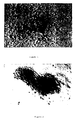
- Figure 1 shows a CFU-GEMM colony stably expressing the nls-Lac-Z gene demonstrated by the X Gal staining.
- Figure 2 shows at higher magnification a group of cells erythroids from the CFU-GEMM colony with an expression of the nls-lacZ gene homogeneous in all cells.
- FIG. 3 shows the nuclear localization of ⁇ -galactosidase in the macrophages and the absence of non-specific staining in the cytoplasm.
- EXAMPLE 1 TRANSFER OF THE NLS-LACZ GENE TO HEMATOPOIETIC STEM CELLS.
- Recombinant human interleukin 3 (IL3), recombinant human interleukin 6 (IL6), recombinant human granulocyte macrophage colony-stimulating factor (GM-CSF) and recombinant human granulocyte colony-stimulating factor (G-CSF) are provided by Genetics Institute (Cambridge, MA).
- Recombinant human erythropoietin is supplied by AMGEN (Thousand Oaks, CA), and the recombinant human SF (Steel factor) is obtained from IMMUNEX (Seattle, WA).
- Turkey anti-TGF- ⁇ blocking antiserum is a gift from Dr. AB Roberts and MB Sporn (Danielpour, D., Dart, LL, Flanders, KC, Roberts, AB, & Sporn, MB (1989) J. Cell. Physiol. 138, 79-86): 1 ⁇ l can neutralize 4 ng of TGF- ⁇ . It is used at a concentration of 4.2 ⁇ l / ml.
- CD34 + cells we mean cells carrying the antigen membrane CD34 and comprising a subpopulation which represents the stem cell compartment.
- Mononuclear cells are obtained as described above (Hatzfeld, J., Li, M.-L., Brown, EL, Sookdeo, H., Levesque, J.-P., O'Toole, T., Gurney, C. , Clarck, SC, & Hatzfeld, A. (1991) J. Exp. Med. 174, 925-929).
- SBA- cells cells which do not bind to soy agglutinin
- the SBA- cells are purified by eliminating the cells which remain attached to the soy agglutinin covalently immobilized in using the AIS procedure (procedure developed by the firm Applied Immune Sciences).
- CD34 + positive selection is obtained with culture flasks coated with CD34 ICH3 monoclonal antibodies (CD34 CELLector Flasks, AIS), washed a sufficient number of times (up to 10 times) with Dulbecco phosphate buffered saline, containing 1 mM EDTA to ensure the removal of non-attached and weakly attached cells (CD34 + weak ) as observed on the inverted microscope (Hatzfeld J., Batard P., Cardoso AA, Li M.-L., and Hatzfeld A Purification and in vitro assay of early human hematopoietic progenitors. 205-221. In Culture of Hematopoiectic Cells. Freshney RI, Pragnell IB, Freshney MG, 1994).
- CD34 + SBA- cells are then detached by a 2 hour incubation at 37 ° C in Iscove medium modified by Dulbecco (IMDM) supplemented with fetal calf serum (FCS) at 10% or in medium CNEM GEM * stem (medium without serum). Detachment of cells must be complete, since cells that express a high amount of CD34 antigens represent the most immature progenitors and are the more difficult to detach.
- IMDM Iscove medium modified by Dulbecco
- FCS fetal calf serum
- the pretimulation and transfer media are Stem GEM * media with or without serum (CNRS National Center for Scientific Research UPR 9044 Villejuif France).
- the NB16 cell line a cell line (Danos O., and Mulligan RC: "Safe and efficient generation of recombinant retroviruses with amphotropic and ecotropic host ranges". Proc. Natl. Acad. Sci., USA 85: 6460-6464 , 1988) which expresses ⁇ -galactosidase from E. coli (Strair, RK, Towle. M., & Smith, BR (1990) Nucleic Acids Res. 18, 47-4762) is provided by JM Heard and O. Danos . These cells are kept in culture in DMEM medium supplemented with 10% newborn calf serum enriched with iron (Hyclone).
- CD34 + cells are pre-simulated for various times (50,000 CD34 + cells in 0.5 ml). They are then placed in coculture for 40 h on NB16 cells at 40% confluence in StemGEM * medium (CNRS) supplemented with polybrene at 8 ⁇ l / ml at 37 ° C. with 5% CO 2 in a saturated atmosphere. in humidity. The CD34 + cells are then gently detached, concentrated and tested for clonogenic tests.
- CNRS StemGEM * medium
- CD34 + cells are cultured at the rate of 300-400 cells / ml depending on a modification of a mixed colony test by Fauser and Messner (Hatzfeld, J., Li, M.-L., Brown, E. L., Sookdeo, H., Levesque, J.-P., O'Toole, T., Gurney, C., Clarck, S.C., & Hatzfeld, A. (1991) J. Exp. Med. 174, 925-929; Fauser, A. A., & Messner, H. A. (1979) Blood 53, 1023). All cultures are at least duplicate.
- nls-lacZ infection depends on a period of stimulation 10 h with anti-TGF- ⁇ .
- the SBA-CD34 +++ cells are purified with a high recovery of cells from the stem cell compartment of which the CFU-GEMM (colony-forming unit - granulocyte / erythrocyte / macrophage / megakaryocyte) are part. with a high proliferation potential (greater than 10 5 cells) as described in Materials and methods. These cells are preincubated for various times with or without anti-TGF- ⁇ serum as detailed in Table 1 before co-culture with NB16 cells for infection by retroviral vectors. When these cells are pretimulated for 10 h with only cytokines and without anti-TGF- ⁇ before transduction, the transfer efficiency increases from 1.1 to 23.8%.
- Table 2 details the various types of progenitors that are transduced with this method and the relative efficiency of expression for each of them. The highest expression efficiency is obtained with the most immature progenitors which are the mixed colonies originating from CFU-GEMM. These progenitors give colonies containing 1 to 2 x 10 5 cells. Figure 1 shows such a colony. Figure 2 shows erythroid cells with homogeneous expression of the nls-Lac-Z gene in all cells.
- FIG. 3 details in more detail the nuclear localization of ⁇ -galactosidase in macrophages and proves the absence of non-specific staining in the cytoplasm.
- Prestimulation with anti-TGF- ⁇ increases the transfer efficiency from 54.5 to 95% in CFU-GEMM (colony-forming unit - granulocyte / erythrocyte / macrophage / megakaryocyte), from 43.8 to 66, 2% in BFU-E (burst-forming unit - erythroide), from 3.5 to 13.5% in CFU-GM (colony-forming unit - granulocyte / macrophage), from 0 to 9.3% in CFU -G (colony-forming unit - granulocyte) and from 8.3 to 22.2% in CFU-M (colony-forming unit - macrophage).
- the transfer efficiency is increased compared to the transfection conditions of CFU-GEMM without TGF- ⁇ ).
- Presimulation with anti-TGF- ⁇ increases the stability of expression of the gene during the development of CFU-GEMM.
- CFU-GEMM represents a sub-population of the stem cell compartment which takes part in long-term hematopoietic reconstitution (Lu, L., Xiao, M., Shen, R.-N., Grisby, S ., & Broxmeyer, HE (1993) Blood 81, 41-48), the stability of gene expression was analyzed during the development of CFU-GEMM in mixed colonies.
- the CFU-GEMMs are classified according to the percentage of cells expressing nls-lacZ, within each of the colonies. Prostimulation with anti-TGF- ⁇ serum increases the number of colonies containing from 90 to 100% of cells expressing the nls-lacZ gene.
- This type of CFU-GEMM does not develop in cell cultures which are not pre-simulated by an anti-TGF- ⁇ serum. On the contrary, this sub-population represents 41.2% of all CFU-GEMM transduced after pretimulation with anti-TGF- ⁇ serum.
- the number of colonies is obtained with 10 3 cells / ml cultured in methylcellulose as described in Materials and Methods. Effect of anti-TGF- ⁇ serum on transfer efficiency in different types of hematopoietic progenitors. progenitor % transfer without pretimulation by anti-TGF- ⁇ % transfer with presumption with anti-TGF- ⁇ CFU-GEMM Total number of colonies 11 21 Transfected colonies 6 20 % transfer 54.5 95 BFU-E Total number of colonies 67 83 Transfected colonies 19 55 % transfer 43.8 66.2 CFU-GM Total number of colonies 28 38 Transfected colonies 1 5 % transfer 3.5 13.5 CFU-G Total number of colonies 21 43 Transfected colonies 0 4 % transfer 0 9.3 CFU-M Total number of colonies 12 18 Transfected colonies 1 4 % transfer 8.3 22.2 CFU-GEMM: colony-forming unit - granulocyte / erythrocyte / macrophage / megakaryocyte; BFU-E: burst-forming
- NB16 cells were cultured in the absence or presence of anti-TGF- ⁇ or anti-interferon.
- the supernatants are then added to cultures of non-3T3 cells. confluent. When cells are confluent, they are stained with X-Gal and the viral foci are counted and the title is expressed by the number of viral foci multiplied by the inverse of the dilution of the starting supernatant (CFU: Colony Forming Unit).
- anti-TGF- ⁇ or anti-interferon can increase the percentage of transfer (result not shown) in cells hematopoietic by a direct effect on the producing line.
- Table 4 indeed shows that when anti-TGF- ⁇ or a viral agent such as an anti-interferon, the titer of the supernatant is increased. In effect, the supernatant obtained after treatment with anti-interferon increases by 11 times the number of foci of infection and with anti-TGF- ⁇ , it increases by 6 times.
- composition of the GTL medium is described in the following article "Specific role of lipids, transferrin and insulin in defined media for cells of the human hematopoietic and immune systems "J. Hatzfeld, A. Hatzfeld, J. Maigné, M. Sasportes, R. Willis and D.B. Mc Clure in Cold Spring Harbor Conferences on Cell proliferation vol. 9, Growth of Cells in hormonally defined media, 1982, pp. 703-710.
- cytokines are added to these two basic media. following: IL1, IL2, IL3, IL4, ILS, IL6, IL7, IL11, GCSF, SF, EPO, GM-CSF, FL, TPO, FGF, insulin or receptor activating synthokines corresponding to these cytokines.
- the cells are placed in an oven for 10 hours at 37 ° C, 5% CO2; 1000 cells in 0.4 ml of medium.
- cytokines induce the receptor amphotropic retroviruses used for gene transfer
- the anti-TGF ⁇ increases the expression of cytokines, therefore their action, therefore the expression of amphotropic receptors, therefore gene transfer.
- Increased expression of receptors for cytokines for anti TGF- ⁇ are especially clear on resting cells.
- the antibody induces the cycling of earlier cells since it is only with the anti-TGF- ⁇ antibody that the erythroid pathways are stimulated or mixed.
- the cells that are transfected are more immature, which is the goal of cell-based gene therapy hematopoietic strain.
- This process is applicable to other types of cells possibly using other anti-inhibitors of the cell cycle (anti Rb: anti-retinoblastoma susceptibility gene, anti INK: anti-inhibitor of kinase, etc.).
- anti-inhibitors can be antisense oligonucleotides, blocking antibodies, natural or synthetic inhibitors.
Landscapes
- Health & Medical Sciences (AREA)
- Engineering & Computer Science (AREA)
- Life Sciences & Earth Sciences (AREA)
- Biomedical Technology (AREA)
- Genetics & Genomics (AREA)
- Zoology (AREA)
- Hematology (AREA)
- Biotechnology (AREA)
- Organic Chemistry (AREA)
- Bioinformatics & Cheminformatics (AREA)
- Chemical & Material Sciences (AREA)
- Wood Science & Technology (AREA)
- Microbiology (AREA)
- Immunology (AREA)
- Developmental Biology & Embryology (AREA)
- Biochemistry (AREA)
- General Engineering & Computer Science (AREA)
- General Health & Medical Sciences (AREA)
- Cell Biology (AREA)
- Micro-Organisms Or Cultivation Processes Thereof (AREA)
- Management, Administration, Business Operations System, And Electronic Commerce (AREA)
Claims (20)
- Verwendung von Hemmstoffen von wenigstens einem Inhibitor des Zellzyklus über eine Zeitspanne, die 72 h nicht übersteigt und bevorzugt 36 h nicht übersteigt, und insbesondere geringer als etwa 20 h und bevorzugt etwa 1 bis 15 h und bevorzugt etwa 1 bis 10 h ist, in einer Kultur von Zellen einer hämatopoetischen Zelllinie, um die Zellen der hämatopoetischen Zelllinie aus ihrem Ruhezustand zu befreien.
- Verwendung der Hemmstoffe von wenigstens einem Inhibitor des Zellzyklus nach Anspruch 1, in einer Vergleichsuntersuchung zwischen einerseits einer Kultur von Zellen einer hämatopoetischen Zelllinie in einem Medium, welches die oben genannten Hemmstoffe von wenigstens einem Inhibitor des Zellzyklus enthält, und andererseits einer gleichen Kultur von Zellen einer hämatopoetischen Zelllinie wie die oben erwähnte, in einem Medium, welches keine der oben genannten Hemmstoffe von wenigstens einem Inhibitor des Zellzyklus enthält, um den Reifegrad der oben genannten Zellen einer hämatopoetischen Zelllinie zu bestimmen.
- Verwendung der Hemmstoffe von wenigstens einem Inhibitor des Zellzyklus nach Anspruch 1 in einer Kultur von Zellen einer hämatopoetischen Zelllinie, um die Zellen einer hämatopoetischen Zelllinie aus ihrem Ruhezustand zu befreien, gefolgt von einem Gentransferschritt in die oben genannten Zellen einer hämatopoetischen Zelllinie.
- Verwendung nach einem der Ansprüche 1 bis 3, wobei die Zellen der Zelllinie hämatopoetische Zellen sind, und wobei die Hemmstoffe mit wenigstens einem Inhibitor des Zellzyklus aus dem anti-TGF-β bestehen.
- Zellen einer hämatopoetischen Zelllinie, welche ein vollständiges oder einen Teil eines heterologen Gens in ihrem Genom enthalten, welche durch das Verfahren erhalten werden können, das die folgenden Schritte umfasst:Vorstimulation der Zellen einer hämatopoetischen Zelllinie im Ruhezustand in einem Medium, welches enthält:direkte oder indirekte Hemmstoffe von wenigstens einem Inhibitor des Zellzyklus der besagten Zellen einer hämatopoetischen Zelllinie über eine ausreichende Zeitspanne, um die Zellen einer hämatopoetischen Zelllinie aus ihrem Ruhezustand zu befreien, und die 72 h nicht übersteigt und bevorzugt 36 h nicht übersteigt, und insbesondere geringer als etwa 20 h und bevorzugt etwa 1 h bis 15 h und bevorzugt etwa 1 h bis 10 h beträgt, undSubstanzen, insbesondere Zytokine, um die Aktivierung in einen Zellzyklus und/oder das spätere Durchlaufen wenigstens eines Zellzyklus zu ermöglichen,den Transferschritt durch Vorlegen der im vorherigen Schritt erhaltenen Zellen einer hämatopoetischen Zelllinie mit einem vollständigen oder einen Teil eines heterologen Gens in einem Medium, welches den Transfer des vollständigen oder eines Teils des heterologen Gens in das Genom der Zellen einer hämatopoetischen Zelllinie ermöglicht, um Zellen einer hämatopoetischen Zelllinie zu erhalten, welche vollständig oder einen Teil eines heterologen Gens enthalten,die eventuelle Rückgewinnung der durch den vorhergehenden Schritt erhaltenen Zellen einer hämatopoetischen Zelllinie.
- Zellen einer hämatopoetischen Zelllinie nach Anspruch 5, welche in ihrem Genom ein vollständiges oder einen Teil eines heterologen Gens enthalten, und ein Multiplikationspotential von gleich oder mehr als 106, und ein Differenzierungspotential haben, welches sich über die gesamten hämatopoetischen Zelllinien erstreckt.
- Zellen einer hämatopoetischen Zelllinie nach Anspruch 5 oder 6, welche in ihrem Innern oder auf ihrer Oberfläche Hemmstoffe mit einem vollständigen Inhibitor ihres Zellzyklus aufweisen.
- Zellen nach einem der Ansprüche 5 bis 7, welche sich im Ruhezustand befinden.
- Zellen einer hämatopoetischen Zelllinie nach einem der Ansprüche 5 bis 8, in denen die Hemmstoffe ausgewählt sind aus: Den anti-Inhibitoren des Zellzyklus, zum Beispiel Hemmstoffe der Tumorsuppressorgene, Antagonisten des TGF-β, wie TGF-β-Antisense, neutralisierende Antikörper gegen TGF-β, lösliche Rezeptoren des TGF-β oder natürliche oder synthetische Inhibitoren des TGF-β oder Inhibitoren des Syntheseweges von TGF-β.
- Zellen einer hämatopoetischen Zelllinie nach einem der Ansprüche 5 bis 9, wobei das vollständige oder ein Teil des heterologen Gens aus den folgenden Genen ausgewählt werden kann: Marker: Neo (Gen der Neomycinresistenz), CD2 (Leukozytenantigen), nls-Lac-Z, oder Gene, die eine Hämatopathie oder eine andere Krankheiten heilen können, wie etwa ADA (Gen der Adenosindesaminase), ALDP (Gen, das Adrenoleukodystrophie heilen kann), TK (Suizidgen unter der Kontrolle viraler Promotoren, das es ermöglicht, Zellen in der Anwesenheit von Aciclovir zu töten).
- Verfahren zum Transfer eines vollständigen oder eines Teils eines heterologen Gens in das Genom von Zellen einer hämatopoetischen Zelllinie, welche aus dem Ruhezustand aktiviert wurden, dadurch gekennzeichnet, dass es die folgenden Schritte umfasst:Vorstimulation der Zellen einer hämatopoetischen Zelllinie im Ruhezustand in einem Medium, welches enthält:direkte oder indirekte Hemmstoffe von wenigstens einem Inhibitor des Zellzyklus der besagten Zellen einer hämatopoetischen Zelllinie über eine ausreichende Zeitspanne, um die Zellen einer hämatopoetischen Zelllinie, aus ihrem Ruhezustand zu befreien, und die 72 h nicht übersteigt und bevorzugt 36 h nicht übersteigt, und insbesondere geringer als etwa 20 h und bevorzugt etwa 1 h bis 15 h und bevorzugt etwa 1 h bis 10 h beträgt, undSubstanzen, insbesondere Zytokine, um die Aktivierung in einen Zellzyklus und/oder das spätere Durchlaufen wenigstens eines Zellzyklus zu ermöglichen,den Transferschritt durch Vorlegen der im vorherigen Schritt erhaltenen Zellen einer hämatopoetischen Zelllinie mit einem vollständigen oder eines Teils eines heterologen Gens in einem Medium, welches den Transfer des vollständigen oder eines Teils des heterologen Gens in das Genom der Zellen einer hämatopoetischen Zelllinie ermöglicht, um Zellen einer hämatopoetischen Zelllinie zu erhalten, welche vollständig oder einen Teil eines heterologen Gens enthalten,die eventuelle Rückgewinnung der durch den vorhergehenden Schritt erhaltenen Zellen einer hämatopoetischen Zelllinie.
- Verfahren nach Anspruch 11, wobei der Transferschritt eines vollständigen oder eines Teils eines heterologen Gens durch eine Kokultivierung von gemäß dem ersten Schritt des Anspruchs 11 vorstimulierten Zellen einer hämatopoetischen Zelllinie und von Zellen, welche einen Vektor produzieren, wie einen ein vollständiges oder einen Teil eines zu transferierenden Gens umfassender viraler Vektor oder Retrovirus, erfolgt.
- Verfahren nach Anspruch 11, wobei der Transferschritt des vollständigen oder eines Teils des heterologen Gens durch Vorlegen von gemäß dem ersten Schritt des Anspruchs 11 vorstimulierten Zellen einer hämatopoetischen Zelllinie und durch Überschichten mit Zellen, welche einen Vektor produzieren, wie einen ein vollständiges oder einen Teil eines zu transferierenden Gens umfassender viraler Vektor oder Retrovirus, erfolgt.
- Verfahren nach einem der Ansprüche 11 bis 13, wobei das vollständige oder ein Teil eines zu transferierenden Gens aus einem Vektor wie einem viralen Vektor oder einem Retrovirus stammt, welcher durch eine produktive Kultur produziert wird, zu der ein virales Mittel, wie ein anti-TGF-β, ein anti-Interferon oder alle vektorstabilisierenden Mittel, hinzugegeben wird.
- Verfahren nach einem der Ansprüche 11 bis 14, wobei das vorstimulierende Medium umfasst: IMDM (Iscove Dulbecco Modified Medium), Stem GEM* (welches einem vom C.N.R.S. vertriebenen Medium entspricht), Zytokine, Antagonisten des TGF-β, wie TGF-β-Antisense-Oligonukleotide, neutralisierende Antikörper gegen das TGF-β, lösliche Rezeptoren des TGF-β oder natürliche oder synthetische Inhibitoren des TGF-β, Mischungen von Zytokinen, welche geeignet sind, über einen kurzen Zeitraum (weniger als 72 h, bevorzugt weniger als 10 h) zu hemmen, die Inhibitoren des Zellzyklus der ruhenden Zellen der Zelllinie.
- Verfahren nach einem der Ansprüche 11 bis 15, wobei die Substanzen, welche die Aktivierung in einen Zellzyklus und/oder das spätere Durchlaufen wenigstens eines Zellzyklus erlauben, ausgewählt sind aus einer Mischung von wenigstens 4 Substanzen, ausgewählt aus den Folgenden: IL1, IL2, IL3, IL4, IL5, IL6, IL7, IL11, GM-CSF (Granulozyten-Monozyten Kolonien stimulierender Faktor), G-CSF, Steel-Faktor (SF), ein Ligand von FLT3 (FL), Erythropoetin, TNF, LIF, Thrombopoetin und Insulin oder Synthokine der Synthese.
- Verfahren nach einem der Ansprüche 11 bis 16, wobei das Medium, welches den Transfer des vollständigen oder eines Teils des heterologen Gens erlaubt, besteht aus oder umfasst: DMEM und eventuell IMDM, Zytokine und eventuell einen Antagonisten des TGF-β, anti-Interferone, oder alle anderen viralen Mittel, welche die Produktion und/oder die Stabilität des das zu transfizierende Gen enthaltenden viralen Vektors oder Retrovirus erhöhen.
- Verfahren nach einem der Ansprüche 11 bis 17, welches am Ende des Transferschritts des vollständigen oder eines Teils des heterologen Gens, die Kultur der Zellen einer hämatopoetischen Zelllinie, die in ihrem Genom ein vollständiges oder einen Teil eines heterologen Gens enthalten, in einem geeigneten Medium umfasst, insbesondere einem flüssigen Medium oder einem halbfesten Medium, um differenzierte hämatopoetische Zellen zu erhalten, insbesondere differenzierte Blutzellen.
- Verfahren nach einem der Ansprüche 11 bis 17, welches am Ende des Transferschritts des vollständigen oder eines Teils des Gens einen Schritt des Versetzen der Zellen einer hämatopoetischen Zelllinie, welche ein vollständiges oder einen Teil eines heterologen Gens enthalten, in den Ruhezustand umfasst, wobei dieser Schritt durch die Hilfe wenigstens eines Inhibitors des Zellzyklus, wie das TGF-β, erfolgen kann.
- Verfahren zur Bestimmung des Reifegrades der Zellen einer hämatopoetischen Zelllinie, dadurch gekennzeichnet, dass es die folgenden Schritte umfasst:Kultivierung eines ersten Ansatzes von Zellen einer hämatopoetischen Zelllinie in einem zu ihrer Kultivierung geeigneten Medium, welches aber keine Hemmstoffe von wenigstens einem Inhibitor des Zellzyklus enthält, für etwa 14 bis 28 Tage, bevorzugt 18 Tage,Kultivierung eines zweiten Ansatzes von Zellen einer hämatopoetischen Zelllinie von gleicher Herkunft und mit gleichem Reifegrad wie die vorher erwähnten Zellen, in einem geeigneten Medium, welches einen Hemmstoffe von wenigstens einem Inhibitor des Zellzyklus enthält, wobei diese Hemmstoffe in dem Kulturmedium in einer wirkungsvollen Konzentration vorliegen, über eine Zeitspanne, die 72 h nicht übersteigt, bevorzugt etwa 1 bis 15 h und bevorzugter etwa 1 bis 10 h, wobei diese Kultur die gleiche Dauer hat wie die der Zellen des ersten Ansatzes der Zelllinie,18 Tage nach Beginn der Kultivierung jedes der beiden Zellansätze Vergleich zwischen den Zellen des zweiten Zellansatzes bzw. des ersten Zellansatzes hinsichtlich der Anzahl und des Zustands der Kolonien und des Unterschieds in der Menge der Kolonien mit hohem Proliferationspotential (HPP-CFC, HPP-MEG, HPP-GEMM), welche den HPP-Q-Kolonien entsprechen.
Applications Claiming Priority (3)
| Application Number | Priority Date | Filing Date | Title |
|---|---|---|---|
| FR9415497A FR2728584A1 (fr) | 1994-12-22 | 1994-12-22 | Procede de transfert de gene dans des cellules activees a partir d'un etat de repos |
| FR9415497 | 1994-12-22 | ||
| PCT/FR1995/001691 WO1996019567A1 (fr) | 1994-12-22 | 1995-12-18 | Procede de transfert de gene dans des cellules activees a partir d'un etat de repos |
Publications (2)
| Publication Number | Publication Date |
|---|---|
| EP0800575A1 EP0800575A1 (de) | 1997-10-15 |
| EP0800575B1 true EP0800575B1 (de) | 2003-05-14 |
Family
ID=9470123
Family Applications (1)
| Application Number | Title | Priority Date | Filing Date |
|---|---|---|---|
| EP95942764A Expired - Lifetime EP0800575B1 (de) | 1994-12-22 | 1995-12-18 | Verfahren des transfers von genen in aktivierten zellen ausgehend von einem zustand des teilungsstillstandes |
Country Status (7)
| Country | Link |
|---|---|
| US (2) | US5958774A (de) |
| EP (1) | EP0800575B1 (de) |
| AT (1) | ATE240390T1 (de) |
| DE (1) | DE69530793T2 (de) |
| ES (1) | ES2200013T3 (de) |
| FR (1) | FR2728584A1 (de) |
| WO (1) | WO1996019567A1 (de) |
Families Citing this family (15)
| Publication number | Priority date | Publication date | Assignee | Title |
|---|---|---|---|---|
| FR2728584A1 (fr) * | 1994-12-22 | 1996-06-28 | Centre Nat Rech Scient | Procede de transfert de gene dans des cellules activees a partir d'un etat de repos |
| AU2737500A (en) * | 1999-01-25 | 2000-08-07 | Seattle Biomedical Research Institute | Anti-transforming growth factor beta (tgf-beta) treated stem cell composition and method |
| AUPQ307399A0 (en) * | 1999-09-24 | 1999-10-21 | Luminis Pty Limited | Cell cycle control |
| AU2007202366B2 (en) * | 2000-07-06 | 2009-06-18 | Avi Biopharma, Inc. | Transforming growth factor beta (TGF-B) blocking agent-treated stem cell composition and method |
| AU2001271873A1 (en) | 2000-07-06 | 2002-01-21 | Avi Biopharma, Inc. | Transforming growth factor beta (TGF-beta) blocking agent-treated stem cell composition and method |
| AU8470301A (en) * | 2000-08-03 | 2002-02-18 | Wim-Van Schooten | Production of humanized antibodies in transgenic animals |
| US7070996B2 (en) * | 2001-08-31 | 2006-07-04 | Rigel Pharmaceuticals, Inc. | Production of cultured human mast cells and basophils for high throughput small molecule drug discovery |
| US20030175242A1 (en) * | 2001-09-17 | 2003-09-18 | Micheal Gruenberg | Cell therapy system |
| WO2003054143A2 (en) * | 2001-10-25 | 2003-07-03 | Neurogenetics, Inc. | Genes and polymorphisms on chromosome 10 associated with alzheimer's disease and other neurodegenerative diseases |
| US20030224380A1 (en) * | 2001-10-25 | 2003-12-04 | The General Hospital Corporation | Genes and polymorphisms on chromosome 10 associated with Alzheimer's disease and other neurodegenerative diseases |
| US20030170678A1 (en) * | 2001-10-25 | 2003-09-11 | Neurogenetics, Inc. | Genetic markers for Alzheimer's disease and methods using the same |
| US7838503B2 (en) * | 2005-06-15 | 2010-11-23 | Children's Medical Center Corporation | Methods for extending the replicative lifespan of cells |
| EP2064325B1 (de) | 2006-09-01 | 2011-12-07 | Therapeutic Human Polyclonals, Inc. | Erhöhte expression von humanem oder humanisiertem immunglobulin bei nicht-humanen transgenen tieren |
| CA2665568C (en) * | 2006-10-04 | 2018-01-09 | Janssen Pharmaceutica, N.V. | Preparation of inactivated artificial antigen presenting cells and their use in cell therapies |
| US20080254005A1 (en) * | 2007-04-06 | 2008-10-16 | Medistem Labortories | Stem Cell Therapy for the Treatment of Autism and Other Disorders |
Family Cites Families (3)
| Publication number | Priority date | Publication date | Assignee | Title |
|---|---|---|---|---|
| US5399493A (en) * | 1989-06-15 | 1995-03-21 | The Regents Of The University Of Michigan | Methods and compositions for the optimization of human hematopoietic progenitor cell cultures |
| AU4402193A (en) * | 1992-06-08 | 1994-01-04 | Becton Dickinson & Company | Human primitive stem cells |
| FR2728584A1 (fr) * | 1994-12-22 | 1996-06-28 | Centre Nat Rech Scient | Procede de transfert de gene dans des cellules activees a partir d'un etat de repos |
-
1994
- 1994-12-22 FR FR9415497A patent/FR2728584A1/fr active Granted
-
1995
- 1995-12-18 WO PCT/FR1995/001691 patent/WO1996019567A1/fr not_active Ceased
- 1995-12-18 AT AT95942764T patent/ATE240390T1/de not_active IP Right Cessation
- 1995-12-18 DE DE69530793T patent/DE69530793T2/de not_active Expired - Lifetime
- 1995-12-18 US US08/860,299 patent/US5958774A/en not_active Expired - Lifetime
- 1995-12-18 EP EP95942764A patent/EP0800575B1/de not_active Expired - Lifetime
- 1995-12-18 ES ES95942764T patent/ES2200013T3/es not_active Expired - Lifetime
-
1999
- 1999-04-07 US US09/287,623 patent/US6225044B1/en not_active Expired - Lifetime
Also Published As
| Publication number | Publication date |
|---|---|
| ATE240390T1 (de) | 2003-05-15 |
| FR2728584B1 (de) | 1997-02-07 |
| US6225044B1 (en) | 2001-05-01 |
| FR2728584A1 (fr) | 1996-06-28 |
| DE69530793D1 (de) | 2003-06-18 |
| DE69530793T2 (de) | 2004-03-18 |
| WO1996019567A1 (fr) | 1996-06-27 |
| EP0800575A1 (de) | 1997-10-15 |
| US5958774A (en) | 1999-09-28 |
| ES2200013T3 (es) | 2004-03-01 |
Similar Documents
| Publication | Publication Date | Title |
|---|---|---|
| EP0800575B1 (de) | Verfahren des transfers von genen in aktivierten zellen ausgehend von einem zustand des teilungsstillstandes | |
| Wang et al. | Embryonic stem cell-derived hematopoietic stem cells | |
| Dexter et al. | Stromal cells in haemopoiesis | |
| CA2236263C (en) | Methods for use of mpl ligands with primitive human stem cells | |
| JP2023516632A (ja) | 多能性幹細胞からナチュラルキラー細胞を産生するための方法 | |
| CA2963756C (fr) | Methode de generation de progeniteurs de cellules t | |
| JP2002516085A (ja) | 哺乳動物における造血幹細胞集団に影響を及ぼす組成物および使用法 | |
| Anderson et al. | Derivation of normal macrophages from human embryonic stem (hES) cells for applications in HIV gene therapy | |
| Nobuhisa et al. | Sox17-mediated maintenance of fetal intra-aortic hematopoietic cell clusters | |
| JP2002527101A (ja) | ヒストンデアセチラーゼ阻害剤による造血幹細胞への遺伝子形質導入の改良及び自己再生の促進 | |
| US20240408145A1 (en) | Gene Therapy | |
| US20050221482A1 (en) | Methods and compositions for obtaining hematopoietic stem cells derived from embryonic stem cells and uses thereof | |
| US5837507A (en) | Hox-induced enhancement of in vivo and in vitro proliferative capacity and gene therapeutic methods | |
| Cellot et al. | Sustained in vitro trigger of self-renewal divisions in Hoxb4hiPbx1lo hematopoietic stem cells | |
| Dao et al. | Immunodeficient mice as models of human hematopoietic stem cell engraftment | |
| Chan et al. | Enhanced in vivo homing of uncultured and selectively amplified cord blood CD34+ cells by cotransplantation with cord blood-derived unrestricted somatic stem cells | |
| FR3079239A1 (fr) | Nouvelle methode d’obtention de cellules t a partir de cellules souches pluripotentes, et leurs utilisations | |
| US8846393B2 (en) | Methods of improving stem cell homing and engraftment | |
| ES2409128T3 (es) | Procedimientos de mejora de anidamiento e injerto de células madre | |
| EP1181354A1 (de) | Verfahren zur vermehrung von stammzellen | |
| Ng et al. | Selective in vitro expansion and efficient retroviral transduction of human CD34+ CD38–haematopoietic stem cells | |
| Choong et al. | A novel role for proliferin-2 in the ex vivo expansion of hematopoietic stem cells | |
| Sellers et al. | The presence of the carboxy-terminal fragment of fibronectin allows maintenance of non-human primate long-term hematopoietic repopulating cells during extended ex vivo culture and transduction | |
| Huang et al. | Flt3-Ligand–Mobilized Peripheral Blood, but Not Flt3-Ligand–Expanded Bone Marrow, Facilitating Cells Promote Establishment of Chimerism and Tolerance | |
| EP2201103B1 (de) | Behandlung von tumoren mit t-lymphozyt-zubereitungen |
Legal Events
| Date | Code | Title | Description |
|---|---|---|---|
| PUAI | Public reference made under article 153(3) epc to a published international application that has entered the european phase |
Free format text: ORIGINAL CODE: 0009012 |
|
| 17P | Request for examination filed |
Effective date: 19970704 |
|
| AK | Designated contracting states |
Kind code of ref document: A1 Designated state(s): AT BE CH DE DK ES FR GB GR IE IT LI LU MC NL PT SE |
|
| 17Q | First examination report despatched |
Effective date: 20000519 |
|
| GRAH | Despatch of communication of intention to grant a patent |
Free format text: ORIGINAL CODE: EPIDOS IGRA |
|
| GRAH | Despatch of communication of intention to grant a patent |
Free format text: ORIGINAL CODE: EPIDOS IGRA |
|
| GRAA | (expected) grant |
Free format text: ORIGINAL CODE: 0009210 |
|
| AK | Designated contracting states |
Designated state(s): AT BE CH DE DK ES FR GB GR IE IT LI LU MC NL PT SE |
|
| PG25 | Lapsed in a contracting state [announced via postgrant information from national office to epo] |
Ref country code: AT Free format text: LAPSE BECAUSE OF FAILURE TO SUBMIT A TRANSLATION OF THE DESCRIPTION OR TO PAY THE FEE WITHIN THE PRESCRIBED TIME-LIMIT Effective date: 20030514 |
|
| REG | Reference to a national code |
Ref country code: GB Ref legal event code: FG4D Free format text: NOT ENGLISH |
|
| REG | Reference to a national code |
Ref country code: CH Ref legal event code: EP |
|
| REG | Reference to a national code |
Ref country code: IE Ref legal event code: FG4D Free format text: FRENCH |
|
| REF | Corresponds to: |
Ref document number: 69530793 Country of ref document: DE Date of ref document: 20030618 Kind code of ref document: P |
|
| PG25 | Lapsed in a contracting state [announced via postgrant information from national office to epo] |
Ref country code: SE Free format text: LAPSE BECAUSE OF FAILURE TO SUBMIT A TRANSLATION OF THE DESCRIPTION OR TO PAY THE FEE WITHIN THE PRESCRIBED TIME-LIMIT Effective date: 20030814 Ref country code: PT Free format text: LAPSE BECAUSE OF FAILURE TO SUBMIT A TRANSLATION OF THE DESCRIPTION OR TO PAY THE FEE WITHIN THE PRESCRIBED TIME-LIMIT Effective date: 20030814 Ref country code: GR Free format text: LAPSE BECAUSE OF FAILURE TO SUBMIT A TRANSLATION OF THE DESCRIPTION OR TO PAY THE FEE WITHIN THE PRESCRIBED TIME-LIMIT Effective date: 20030814 Ref country code: DK Free format text: LAPSE BECAUSE OF FAILURE TO SUBMIT A TRANSLATION OF THE DESCRIPTION OR TO PAY THE FEE WITHIN THE PRESCRIBED TIME-LIMIT Effective date: 20030814 |
|
| GBT | Gb: translation of ep patent filed (gb section 77(6)(a)/1977) | ||
| PG25 | Lapsed in a contracting state [announced via postgrant information from national office to epo] |
Ref country code: LU Free format text: LAPSE BECAUSE OF NON-PAYMENT OF DUE FEES Effective date: 20031218 |
|
| PG25 | Lapsed in a contracting state [announced via postgrant information from national office to epo] |
Ref country code: MC Free format text: LAPSE BECAUSE OF NON-PAYMENT OF DUE FEES Effective date: 20031231 Ref country code: LI Free format text: LAPSE BECAUSE OF NON-PAYMENT OF DUE FEES Effective date: 20031231 Ref country code: CH Free format text: LAPSE BECAUSE OF NON-PAYMENT OF DUE FEES Effective date: 20031231 |
|
| REG | Reference to a national code |
Ref country code: ES Ref legal event code: FG2A Ref document number: 2200013 Country of ref document: ES Kind code of ref document: T3 |
|
| PLBE | No opposition filed within time limit |
Free format text: ORIGINAL CODE: 0009261 |
|
| STAA | Information on the status of an ep patent application or granted ep patent |
Free format text: STATUS: NO OPPOSITION FILED WITHIN TIME LIMIT |
|
| 26N | No opposition filed |
Effective date: 20040217 |
|
| REG | Reference to a national code |
Ref country code: CH Ref legal event code: PL |
|
| PGFP | Annual fee paid to national office [announced via postgrant information from national office to epo] |
Ref country code: GB Payment date: 20101201 Year of fee payment: 16 Ref country code: IT Payment date: 20101129 Year of fee payment: 16 |
|
| PGFP | Annual fee paid to national office [announced via postgrant information from national office to epo] |
Ref country code: DE Payment date: 20101208 Year of fee payment: 16 |
|
| PGFP | Annual fee paid to national office [announced via postgrant information from national office to epo] |
Ref country code: IE Payment date: 20111125 Year of fee payment: 17 Ref country code: ES Payment date: 20111212 Year of fee payment: 17 Ref country code: NL Payment date: 20111128 Year of fee payment: 17 |
|
| PGFP | Annual fee paid to national office [announced via postgrant information from national office to epo] |
Ref country code: BE Payment date: 20111123 Year of fee payment: 17 |
|
| PGFP | Annual fee paid to national office [announced via postgrant information from national office to epo] |
Ref country code: FR Payment date: 20120119 Year of fee payment: 17 |
|
| BERE | Be: lapsed |
Owner name: CENTRE NATIONAL DE LA RECHERCHE SCIENTIFIQUE *CNRS Effective date: 20121231 |
|
| REG | Reference to a national code |
Ref country code: NL Ref legal event code: V1 Effective date: 20130701 |
|
| GBPC | Gb: european patent ceased through non-payment of renewal fee |
Effective date: 20121218 |
|
| REG | Reference to a national code |
Ref country code: IE Ref legal event code: MM4A |
|
| REG | Reference to a national code |
Ref country code: FR Ref legal event code: ST Effective date: 20130830 |
|
| PG25 | Lapsed in a contracting state [announced via postgrant information from national office to epo] |
Ref country code: BE Free format text: LAPSE BECAUSE OF NON-PAYMENT OF DUE FEES Effective date: 20121231 |
|
| REG | Reference to a national code |
Ref country code: DE Ref legal event code: R119 Ref document number: 69530793 Country of ref document: DE Effective date: 20130702 |
|
| PG25 | Lapsed in a contracting state [announced via postgrant information from national office to epo] |
Ref country code: NL Free format text: LAPSE BECAUSE OF NON-PAYMENT OF DUE FEES Effective date: 20130701 Ref country code: DE Free format text: LAPSE BECAUSE OF NON-PAYMENT OF DUE FEES Effective date: 20130702 Ref country code: IE Free format text: LAPSE BECAUSE OF NON-PAYMENT OF DUE FEES Effective date: 20121218 |
|
| PG25 | Lapsed in a contracting state [announced via postgrant information from national office to epo] |
Ref country code: FR Free format text: LAPSE BECAUSE OF NON-PAYMENT OF DUE FEES Effective date: 20130102 Ref country code: GB Free format text: LAPSE BECAUSE OF NON-PAYMENT OF DUE FEES Effective date: 20121218 |
|
| PG25 | Lapsed in a contracting state [announced via postgrant information from national office to epo] |
Ref country code: IT Free format text: LAPSE BECAUSE OF NON-PAYMENT OF DUE FEES Effective date: 20121218 |
|
| REG | Reference to a national code |
Ref country code: ES Ref legal event code: FD2A Effective date: 20140307 |
|
| PG25 | Lapsed in a contracting state [announced via postgrant information from national office to epo] |
Ref country code: ES Free format text: LAPSE BECAUSE OF NON-PAYMENT OF DUE FEES Effective date: 20121219 |