EP0792270B1 - Use of 2,7,8-trimethyl-2-(beta-carboxyethyl)-6-hydroxy chroman (LLU-alpha) - Google Patents
Use of 2,7,8-trimethyl-2-(beta-carboxyethyl)-6-hydroxy chroman (LLU-alpha) Download PDFInfo
- Publication number
- EP0792270B1 EP0792270B1 EP95929559A EP95929559A EP0792270B1 EP 0792270 B1 EP0792270 B1 EP 0792270B1 EP 95929559 A EP95929559 A EP 95929559A EP 95929559 A EP95929559 A EP 95929559A EP 0792270 B1 EP0792270 B1 EP 0792270B1
- Authority
- EP
- European Patent Office
- Prior art keywords
- llu
- natriuretic
- hplc
- minutes
- acetic acid
- Prior art date
- Legal status (The legal status is an assumption and is not a legal conclusion. Google has not performed a legal analysis and makes no representation as to the accuracy of the status listed.)
- Expired - Lifetime
Links
- VMJQLPNCUPGMNQ-HNNXBMFYSA-N 3-[(2s)-6-hydroxy-2,7,8-trimethyl-3,4-dihydrochromen-2-yl]propanoic acid Chemical compound C1C[C@@](C)(CCC(O)=O)OC2=C(C)C(C)=C(O)C=C21 VMJQLPNCUPGMNQ-HNNXBMFYSA-N 0.000 title claims description 69
- VMJQLPNCUPGMNQ-UHFFFAOYSA-N gamma-CEHC Chemical compound C1CC(C)(CCC(O)=O)OC2=C(C)C(C)=C(O)C=C21 VMJQLPNCUPGMNQ-UHFFFAOYSA-N 0.000 title description 5
- 150000001875 compounds Chemical class 0.000 claims abstract description 46
- 230000001452 natriuretic effect Effects 0.000 claims abstract description 43
- 239000002934 diuretic Substances 0.000 claims abstract description 39
- DGAQECJNVWCQMB-PUAWFVPOSA-M Ilexoside XXIX Chemical compound C[C@@H]1CC[C@@]2(CC[C@@]3(C(=CC[C@H]4[C@]3(CC[C@@H]5[C@@]4(CC[C@@H](C5(C)C)OS(=O)(=O)[O-])C)C)[C@@H]2[C@]1(C)O)C)C(=O)O[C@H]6[C@@H]([C@H]([C@@H]([C@H](O6)CO)O)O)O.[Na+] DGAQECJNVWCQMB-PUAWFVPOSA-M 0.000 claims abstract description 26
- 239000011734 sodium Substances 0.000 claims abstract description 26
- 229910052708 sodium Inorganic materials 0.000 claims abstract description 26
- 239000003814 drug Substances 0.000 claims description 14
- 201000010099 disease Diseases 0.000 claims description 11
- 208000037265 diseases, disorders, signs and symptoms Diseases 0.000 claims description 11
- 206010020772 Hypertension Diseases 0.000 claims description 5
- 206010002383 Angina Pectoris Diseases 0.000 claims description 4
- 208000031886 HIV Infections Diseases 0.000 claims description 4
- 208000037357 HIV infectious disease Diseases 0.000 claims description 4
- 208000033519 human immunodeficiency virus infectious disease Diseases 0.000 claims description 4
- 208000028867 ischemia Diseases 0.000 claims description 4
- 238000002360 preparation method Methods 0.000 claims description 4
- 208000030507 AIDS Diseases 0.000 claims description 3
- 206010030113 Oedema Diseases 0.000 claims description 2
- 238000000034 method Methods 0.000 abstract description 34
- 230000029142 excretion Effects 0.000 abstract description 16
- 230000012495 positive regulation of renal sodium excretion Effects 0.000 abstract description 14
- 241000124008 Mammalia Species 0.000 abstract description 9
- 239000000203 mixture Substances 0.000 abstract description 8
- 230000001939 inductive effect Effects 0.000 abstract description 4
- ZLMJMSJWJFRBEC-UHFFFAOYSA-N Potassium Chemical compound [K] ZLMJMSJWJFRBEC-UHFFFAOYSA-N 0.000 abstract description 3
- 239000011591 potassium Substances 0.000 abstract description 3
- 229910052700 potassium Inorganic materials 0.000 abstract description 3
- 230000002035 prolonged effect Effects 0.000 abstract description 2
- 230000002194 synthesizing effect Effects 0.000 abstract description 2
- 238000002560 therapeutic procedure Methods 0.000 abstract description 2
- QTBSBXVTEAMEQO-UHFFFAOYSA-N Acetic acid Chemical compound CC(O)=O QTBSBXVTEAMEQO-UHFFFAOYSA-N 0.000 description 57
- OKKJLVBELUTLKV-UHFFFAOYSA-N Methanol Chemical compound OC OKKJLVBELUTLKV-UHFFFAOYSA-N 0.000 description 57
- RTZKZFJDLAIYFH-UHFFFAOYSA-N Diethyl ether Chemical compound CCOCC RTZKZFJDLAIYFH-UHFFFAOYSA-N 0.000 description 37
- 238000004007 reversed phase HPLC Methods 0.000 description 28
- WEVYAHXRMPXWCK-UHFFFAOYSA-N Acetonitrile Chemical compound CC#N WEVYAHXRMPXWCK-UHFFFAOYSA-N 0.000 description 24
- VLKZOEOYAKHREP-UHFFFAOYSA-N n-Hexane Chemical compound CCCCCC VLKZOEOYAKHREP-UHFFFAOYSA-N 0.000 description 24
- 229910052796 boron Inorganic materials 0.000 description 20
- KFZMGEQAYNKOFK-UHFFFAOYSA-N Isopropanol Chemical compound CC(C)O KFZMGEQAYNKOFK-UHFFFAOYSA-N 0.000 description 18
- 238000004128 high performance liquid chromatography Methods 0.000 description 18
- 238000003556 assay Methods 0.000 description 17
- 230000005764 inhibitory process Effects 0.000 description 15
- 210000002700 urine Anatomy 0.000 description 15
- 238000000746 purification Methods 0.000 description 14
- 239000000523 sample Substances 0.000 description 14
- VYPSYNLAJGMNEJ-UHFFFAOYSA-N Silicium dioxide Chemical compound O=[Si]=O VYPSYNLAJGMNEJ-UHFFFAOYSA-N 0.000 description 13
- 238000000605 extraction Methods 0.000 description 11
- 239000000741 silica gel Substances 0.000 description 11
- 229910002027 silica gel Inorganic materials 0.000 description 11
- 238000004166 bioassay Methods 0.000 description 9
- 238000001727 in vivo Methods 0.000 description 9
- 238000001802 infusion Methods 0.000 description 9
- -1 LLU-α Chemical class 0.000 description 8
- ZZUFCTLCJUWOSV-UHFFFAOYSA-N furosemide Chemical compound C1=C(Cl)C(S(=O)(=O)N)=CC(C(O)=O)=C1NCC1=CC=CO1 ZZUFCTLCJUWOSV-UHFFFAOYSA-N 0.000 description 8
- 229960003883 furosemide Drugs 0.000 description 8
- 239000000463 material Substances 0.000 description 8
- 239000000243 solution Substances 0.000 description 8
- 241000700159 Rattus Species 0.000 description 7
- FAPWRFPIFSIZLT-UHFFFAOYSA-M Sodium chloride Chemical compound [Na+].[Cl-] FAPWRFPIFSIZLT-UHFFFAOYSA-M 0.000 description 7
- 230000015572 biosynthetic process Effects 0.000 description 7
- 238000006243 chemical reaction Methods 0.000 description 7
- 230000000694 effects Effects 0.000 description 7
- 229940088597 hormone Drugs 0.000 description 7
- 239000005556 hormone Substances 0.000 description 7
- XEKOWRVHYACXOJ-UHFFFAOYSA-N Ethyl acetate Chemical compound CCOC(C)=O XEKOWRVHYACXOJ-UHFFFAOYSA-N 0.000 description 6
- YXFVVABEGXRONW-UHFFFAOYSA-N Toluene Chemical compound CC1=CC=CC=C1 YXFVVABEGXRONW-UHFFFAOYSA-N 0.000 description 6
- ZCHPKWUIAASXPV-UHFFFAOYSA-N acetic acid;methanol Chemical compound OC.CC(O)=O ZCHPKWUIAASXPV-UHFFFAOYSA-N 0.000 description 6
- 230000004044 response Effects 0.000 description 6
- 239000002904 solvent Substances 0.000 description 6
- 239000000126 substance Substances 0.000 description 6
- XLYOFNOQVPJJNP-UHFFFAOYSA-N water Substances O XLYOFNOQVPJJNP-UHFFFAOYSA-N 0.000 description 6
- LPMXVESGRSUGHW-UHFFFAOYSA-N Acolongiflorosid K Natural products OC1C(O)C(O)C(C)OC1OC1CC2(O)CCC3C4(O)CCC(C=5COC(=O)C=5)C4(C)CC(O)C3C2(CO)C(O)C1 LPMXVESGRSUGHW-UHFFFAOYSA-N 0.000 description 5
- LPMXVESGRSUGHW-GHYGWZAOSA-N Ouabain Natural products O([C@@H]1[C@@H](O)[C@@H](O)[C@@H](O)[C@H](C)O1)[C@H]1C[C@@H](O)[C@@]2(CO)[C@@](O)(C1)CC[C@H]1[C@]3(O)[C@@](C)([C@H](C4=CC(=O)OC4)CC3)C[C@@H](O)[C@H]21 LPMXVESGRSUGHW-GHYGWZAOSA-N 0.000 description 5
- 102000005393 Sodium-Potassium-Exchanging ATPase Human genes 0.000 description 5
- 108010006431 Sodium-Potassium-Exchanging ATPase Proteins 0.000 description 5
- 244000166550 Strophanthus gratus Species 0.000 description 5
- 238000002835 absorbance Methods 0.000 description 5
- 230000004872 arterial blood pressure Effects 0.000 description 5
- 230000004071 biological effect Effects 0.000 description 5
- 210000004027 cell Anatomy 0.000 description 5
- 238000004587 chromatography analysis Methods 0.000 description 5
- 230000001965 increasing effect Effects 0.000 description 5
- LPMXVESGRSUGHW-HBYQJFLCSA-N ouabain Chemical compound O[C@@H]1[C@H](O)[C@@H](O)[C@H](C)O[C@H]1O[C@@H]1C[C@@]2(O)CC[C@H]3[C@@]4(O)CC[C@H](C=5COC(=O)C=5)[C@@]4(C)C[C@@H](O)[C@@H]3[C@@]2(CO)[C@H](O)C1 LPMXVESGRSUGHW-HBYQJFLCSA-N 0.000 description 5
- 229960003343 ouabain Drugs 0.000 description 5
- 150000003839 salts Chemical class 0.000 description 5
- 239000006228 supernatant Substances 0.000 description 5
- 238000003786 synthesis reaction Methods 0.000 description 5
- HBEDSQVIWPRPAY-UHFFFAOYSA-N 2,3-dihydrobenzofuran Chemical class C1=CC=C2OCCC2=C1 HBEDSQVIWPRPAY-UHFFFAOYSA-N 0.000 description 4
- IJGRMHOSHXDMSA-UHFFFAOYSA-N Atomic nitrogen Chemical compound N#N IJGRMHOSHXDMSA-UHFFFAOYSA-N 0.000 description 4
- KZMGYPLQYOPHEL-UHFFFAOYSA-N Boron trifluoride etherate Chemical compound FB(F)F.CCOCC KZMGYPLQYOPHEL-UHFFFAOYSA-N 0.000 description 4
- 241000282414 Homo sapiens Species 0.000 description 4
- 206010050394 Hyperkaliuria Diseases 0.000 description 4
- 239000000010 aprotic solvent Substances 0.000 description 4
- 239000003054 catalyst Substances 0.000 description 4
- VZWXIQHBIQLMPN-UHFFFAOYSA-N chromane Chemical class C1=CC=C2CCCOC2=C1 VZWXIQHBIQLMPN-UHFFFAOYSA-N 0.000 description 4
- LOKCTEFSRHRXRJ-UHFFFAOYSA-I dipotassium trisodium dihydrogen phosphate hydrogen phosphate dichloride Chemical compound P(=O)(O)(O)[O-].[K+].P(=O)(O)([O-])[O-].[Na+].[Na+].[Cl-].[K+].[Cl-].[Na+] LOKCTEFSRHRXRJ-UHFFFAOYSA-I 0.000 description 4
- 231100000673 dose–response relationship Toxicity 0.000 description 4
- 229940079593 drug Drugs 0.000 description 4
- 239000003480 eluent Substances 0.000 description 4
- 238000001641 gel filtration chromatography Methods 0.000 description 4
- 238000002955 isolation Methods 0.000 description 4
- 230000036230 kaliuresis Effects 0.000 description 4
- 150000004702 methyl esters Chemical class 0.000 description 4
- 230000004048 modification Effects 0.000 description 4
- 238000012986 modification Methods 0.000 description 4
- 239000002953 phosphate buffered saline Substances 0.000 description 4
- 239000000047 product Substances 0.000 description 4
- 239000011780 sodium chloride Substances 0.000 description 4
- 238000000108 ultra-filtration Methods 0.000 description 4
- RYHBNJHYFVUHQT-UHFFFAOYSA-N 1,4-Dioxane Chemical compound C1COCCO1 RYHBNJHYFVUHQT-UHFFFAOYSA-N 0.000 description 3
- YXHKONLOYHBTNS-UHFFFAOYSA-N Diazomethane Chemical compound C=[N+]=[N-] YXHKONLOYHBTNS-UHFFFAOYSA-N 0.000 description 3
- YMWUJEATGCHHMB-UHFFFAOYSA-N Dichloromethane Chemical compound ClCCl YMWUJEATGCHHMB-UHFFFAOYSA-N 0.000 description 3
- 239000006144 Dulbecco’s modified Eagle's medium Substances 0.000 description 3
- LFQSCWFLJHTTHZ-UHFFFAOYSA-N Ethanol Chemical compound CCO LFQSCWFLJHTTHZ-UHFFFAOYSA-N 0.000 description 3
- 238000005033 Fourier transform infrared spectroscopy Methods 0.000 description 3
- 241001465754 Metazoa Species 0.000 description 3
- 238000005481 NMR spectroscopy Methods 0.000 description 3
- CMWTZPSULFXXJA-UHFFFAOYSA-N Naproxen Natural products C1=C(C(C)C(O)=O)C=CC2=CC(OC)=CC=C21 CMWTZPSULFXXJA-UHFFFAOYSA-N 0.000 description 3
- HEDRZPFGACZZDS-MICDWDOJSA-N Trichloro(2H)methane Chemical compound [2H]C(Cl)(Cl)Cl HEDRZPFGACZZDS-MICDWDOJSA-N 0.000 description 3
- 150000001408 amides Chemical class 0.000 description 3
- 230000036772 blood pressure Effects 0.000 description 3
- 230000001882 diuretic effect Effects 0.000 description 3
- 238000010828 elution Methods 0.000 description 3
- 230000032050 esterification Effects 0.000 description 3
- 238000005886 esterification reaction Methods 0.000 description 3
- 150000002148 esters Chemical class 0.000 description 3
- 238000004108 freeze drying Methods 0.000 description 3
- 239000007788 liquid Substances 0.000 description 3
- CMWTZPSULFXXJA-VIFPVBQESA-N naproxen Chemical compound C1=C([C@H](C)C(O)=O)C=CC2=CC(OC)=CC=C21 CMWTZPSULFXXJA-VIFPVBQESA-N 0.000 description 3
- 229960002009 naproxen Drugs 0.000 description 3
- 239000012071 phase Substances 0.000 description 3
- 239000011541 reaction mixture Substances 0.000 description 3
- 238000002211 ultraviolet spectrum Methods 0.000 description 3
- JLIDBLDQVAYHNE-YKALOCIXSA-N (+)-Abscisic acid Chemical compound OC(=O)/C=C(/C)\C=C\[C@@]1(O)C(C)=CC(=O)CC1(C)C JLIDBLDQVAYHNE-YKALOCIXSA-N 0.000 description 2
- QESPSAHXYXIGBG-UHFFFAOYSA-N 5-ethenyl-5-methyloxolan-2-one Chemical compound C=CC1(C)CCC(=O)O1 QESPSAHXYXIGBG-UHFFFAOYSA-N 0.000 description 2
- CSCPPACGZOOCGX-UHFFFAOYSA-N Acetone Chemical compound CC(C)=O CSCPPACGZOOCGX-UHFFFAOYSA-N 0.000 description 2
- QGZKDVFQNNGYKY-UHFFFAOYSA-N Ammonia Chemical compound N QGZKDVFQNNGYKY-UHFFFAOYSA-N 0.000 description 2
- XKRFYHLGVUSROY-UHFFFAOYSA-N Argon Chemical compound [Ar] XKRFYHLGVUSROY-UHFFFAOYSA-N 0.000 description 2
- 241000283690 Bos taurus Species 0.000 description 2
- 206010007559 Cardiac failure congestive Diseases 0.000 description 2
- 206010016654 Fibrosis Diseases 0.000 description 2
- 206010019280 Heart failures Diseases 0.000 description 2
- 241000282412 Homo Species 0.000 description 2
- 208000001953 Hypotension Diseases 0.000 description 2
- CSNNHWWHGAXBCP-UHFFFAOYSA-L Magnesium sulfate Chemical compound [Mg+2].[O-][S+2]([O-])([O-])[O-] CSNNHWWHGAXBCP-UHFFFAOYSA-L 0.000 description 2
- 208000004880 Polyuria Diseases 0.000 description 2
- 229920005654 Sephadex Polymers 0.000 description 2
- 239000012507 Sephadex™ Substances 0.000 description 2
- UIIMBOGNXHQVGW-UHFFFAOYSA-M Sodium bicarbonate Chemical compound [Na+].OC([O-])=O UIIMBOGNXHQVGW-UHFFFAOYSA-M 0.000 description 2
- XSQUKJJJFZCRTK-UHFFFAOYSA-N Urea Chemical compound NC(N)=O XSQUKJJJFZCRTK-UHFFFAOYSA-N 0.000 description 2
- RQBBFKINEJYDOB-UHFFFAOYSA-N acetic acid;acetonitrile Chemical compound CC#N.CC(O)=O RQBBFKINEJYDOB-UHFFFAOYSA-N 0.000 description 2
- 239000011149 active material Substances 0.000 description 2
- 230000006907 apoptotic process Effects 0.000 description 2
- 230000033228 biological regulation Effects 0.000 description 2
- OSGAYBCDTDRGGQ-UHFFFAOYSA-L calcium sulfate Chemical compound [Ca+2].[O-]S([O-])(=O)=O OSGAYBCDTDRGGQ-UHFFFAOYSA-L 0.000 description 2
- 238000001460 carbon-13 nuclear magnetic resonance spectrum Methods 0.000 description 2
- 230000008859 change Effects 0.000 description 2
- 238000012512 characterization method Methods 0.000 description 2
- 230000007882 cirrhosis Effects 0.000 description 2
- 208000019425 cirrhosis of liver Diseases 0.000 description 2
- DDRJAANPRJIHGJ-UHFFFAOYSA-N creatinine Chemical compound CN1CC(=O)NC1=N DDRJAANPRJIHGJ-UHFFFAOYSA-N 0.000 description 2
- 230000035619 diuresis Effects 0.000 description 2
- 230000002497 edematous effect Effects 0.000 description 2
- 238000011067 equilibration Methods 0.000 description 2
- 238000002474 experimental method Methods 0.000 description 2
- 125000000524 functional group Chemical group 0.000 description 2
- YMAWOPBAYDPSLA-UHFFFAOYSA-N glycylglycine Chemical compound [NH3+]CC(=O)NCC([O-])=O YMAWOPBAYDPSLA-UHFFFAOYSA-N 0.000 description 2
- 208000021822 hypotensive Diseases 0.000 description 2
- 230000001077 hypotensive effect Effects 0.000 description 2
- 238000002347 injection Methods 0.000 description 2
- 239000007924 injection Substances 0.000 description 2
- 210000003734 kidney Anatomy 0.000 description 2
- 208000017169 kidney disease Diseases 0.000 description 2
- 210000004185 liver Anatomy 0.000 description 2
- 239000003550 marker Substances 0.000 description 2
- 238000004949 mass spectrometry Methods 0.000 description 2
- 229910052757 nitrogen Inorganic materials 0.000 description 2
- 239000003921 oil Substances 0.000 description 2
- 235000019198 oils Nutrition 0.000 description 2
- 239000003960 organic solvent Substances 0.000 description 2
- 230000036542 oxidative stress Effects 0.000 description 2
- 239000008194 pharmaceutical composition Substances 0.000 description 2
- 210000002381 plasma Anatomy 0.000 description 2
- 230000008569 process Effects 0.000 description 2
- 239000003586 protic polar solvent Substances 0.000 description 2
- GAPYKZAARZMMGP-UHFFFAOYSA-N pyridin-1-ium;acetate Chemical compound CC(O)=O.C1=CC=NC=C1 GAPYKZAARZMMGP-UHFFFAOYSA-N 0.000 description 2
- 210000002966 serum Anatomy 0.000 description 2
- DAEPDZWVDSPTHF-UHFFFAOYSA-M sodium pyruvate Chemical compound [Na+].CC(=O)C([O-])=O DAEPDZWVDSPTHF-UHFFFAOYSA-M 0.000 description 2
- 238000000638 solvent extraction Methods 0.000 description 2
- 238000004611 spectroscopical analysis Methods 0.000 description 2
- 238000003756 stirring Methods 0.000 description 2
- 239000000725 suspension Substances 0.000 description 2
- 230000002459 sustained effect Effects 0.000 description 2
- 230000001225 therapeutic effect Effects 0.000 description 2
- 230000002792 vascular Effects 0.000 description 2
- 229920002554 vinyl polymer Polymers 0.000 description 2
- 238000005160 1H NMR spectroscopy Methods 0.000 description 1
- HBAQYPYDRFILMT-UHFFFAOYSA-N 8-[3-(1-cyclopropylpyrazol-4-yl)-1H-pyrazolo[4,3-d]pyrimidin-5-yl]-3-methyl-3,8-diazabicyclo[3.2.1]octan-2-one Chemical class C1(CC1)N1N=CC(=C1)C1=NNC2=C1N=C(N=C2)N1C2C(N(CC1CC2)C)=O HBAQYPYDRFILMT-UHFFFAOYSA-N 0.000 description 1
- 206010003445 Ascites Diseases 0.000 description 1
- 108091003079 Bovine Serum Albumin Proteins 0.000 description 1
- UXVMQQNJUSDDNG-UHFFFAOYSA-L Calcium chloride Chemical compound [Cl-].[Cl-].[Ca+2] UXVMQQNJUSDDNG-UHFFFAOYSA-L 0.000 description 1
- 238000007445 Chromatographic isolation Methods 0.000 description 1
- LTMHDMANZUZIPE-AMTYYWEZSA-N Digoxin Natural products O([C@H]1[C@H](C)O[C@H](O[C@@H]2C[C@@H]3[C@@](C)([C@@H]4[C@H]([C@]5(O)[C@](C)([C@H](O)C4)[C@H](C4=CC(=O)OC4)CC5)CC3)CC2)C[C@@H]1O)[C@H]1O[C@H](C)[C@@H](O[C@H]2O[C@@H](C)[C@H](O)[C@@H](O)C2)[C@@H](O)C1 LTMHDMANZUZIPE-AMTYYWEZSA-N 0.000 description 1
- 239000004606 Fillers/Extenders Substances 0.000 description 1
- 229940123457 Free radical scavenger Drugs 0.000 description 1
- WQZGKKKJIJFFOK-GASJEMHNSA-N Glucose Natural products OC[C@H]1OC(O)[C@H](O)[C@@H](O)[C@@H]1O WQZGKKKJIJFFOK-GASJEMHNSA-N 0.000 description 1
- 108010008488 Glycylglycine Proteins 0.000 description 1
- 239000007836 KH2PO4 Substances 0.000 description 1
- 229920000168 Microcrystalline cellulose Polymers 0.000 description 1
- 229920000881 Modified starch Polymers 0.000 description 1
- WHNWPMSKXPGLAX-UHFFFAOYSA-N N-Vinyl-2-pyrrolidone Chemical compound C=CN1CCCC1=O WHNWPMSKXPGLAX-UHFFFAOYSA-N 0.000 description 1
- VZUNGTLZRAYYDE-UHFFFAOYSA-N N-methyl-N'-nitro-N-nitrosoguanidine Chemical compound O=NN(C)C(=N)N[N+]([O-])=O VZUNGTLZRAYYDE-UHFFFAOYSA-N 0.000 description 1
- 206010029164 Nephrotic syndrome Diseases 0.000 description 1
- BELBBZDIHDAJOR-UHFFFAOYSA-N Phenolsulfonephthalein Chemical compound C1=CC(O)=CC=C1C1(C=2C=CC(O)=CC=2)C2=CC=CC=C2S(=O)(=O)O1 BELBBZDIHDAJOR-UHFFFAOYSA-N 0.000 description 1
- 208000001647 Renal Insufficiency Diseases 0.000 description 1
- PMZURENOXWZQFD-UHFFFAOYSA-L Sodium Sulfate Chemical compound [Na+].[Na+].[O-]S([O-])(=O)=O PMZURENOXWZQFD-UHFFFAOYSA-L 0.000 description 1
- 238000000862 absorption spectrum Methods 0.000 description 1
- 150000001242 acetic acid derivatives Chemical class 0.000 description 1
- 150000001263 acyl chlorides Chemical class 0.000 description 1
- 230000001919 adrenal effect Effects 0.000 description 1
- 230000002411 adverse Effects 0.000 description 1
- 150000001412 amines Chemical class 0.000 description 1
- 229910021529 ammonia Inorganic materials 0.000 description 1
- 150000008064 anhydrides Chemical class 0.000 description 1
- 230000003501 anti-edematous effect Effects 0.000 description 1
- 230000003276 anti-hypertensive effect Effects 0.000 description 1
- 230000002253 anti-ischaemic effect Effects 0.000 description 1
- 230000000840 anti-viral effect Effects 0.000 description 1
- 229940030600 antihypertensive agent Drugs 0.000 description 1
- 239000002220 antihypertensive agent Substances 0.000 description 1
- 239000002249 anxiolytic agent Substances 0.000 description 1
- 239000008346 aqueous phase Substances 0.000 description 1
- 229910052786 argon Inorganic materials 0.000 description 1
- 150000008378 aryl ethers Chemical class 0.000 description 1
- 239000012298 atmosphere Substances 0.000 description 1
- 239000011230 binding agent Substances 0.000 description 1
- 230000002051 biphasic effect Effects 0.000 description 1
- 230000037396 body weight Effects 0.000 description 1
- 239000006227 byproduct Substances 0.000 description 1
- 239000001110 calcium chloride Substances 0.000 description 1
- 229910001628 calcium chloride Inorganic materials 0.000 description 1
- CJZGTCYPCWQAJB-UHFFFAOYSA-L calcium stearate Chemical compound [Ca+2].CCCCCCCCCCCCCCCCCC([O-])=O.CCCCCCCCCCCCCCCCCC([O-])=O CJZGTCYPCWQAJB-UHFFFAOYSA-L 0.000 description 1
- 239000008116 calcium stearate Substances 0.000 description 1
- 235000013539 calcium stearate Nutrition 0.000 description 1
- 235000011132 calcium sulphate Nutrition 0.000 description 1
- 238000004364 calculation method Methods 0.000 description 1
- 244000309466 calf Species 0.000 description 1
- 239000002775 capsule Substances 0.000 description 1
- 239000004202 carbamide Substances 0.000 description 1
- 125000003178 carboxy group Chemical group [H]OC(*)=O 0.000 description 1
- 125000002843 carboxylic acid group Chemical group 0.000 description 1
- 229940097217 cardiac glycoside Drugs 0.000 description 1
- 239000002368 cardiac glycoside Substances 0.000 description 1
- 239000000969 carrier Substances 0.000 description 1
- 239000003795 chemical substances by application Substances 0.000 description 1
- 238000011210 chromatographic step Methods 0.000 description 1
- 208000020832 chronic kidney disease Diseases 0.000 description 1
- 208000022831 chronic renal failure syndrome Diseases 0.000 description 1
- 230000007012 clinical effect Effects 0.000 description 1
- 230000000295 complement effect Effects 0.000 description 1
- 238000007796 conventional method Methods 0.000 description 1
- 229940109239 creatinine Drugs 0.000 description 1
- 230000037029 cross reaction Effects 0.000 description 1
- 239000013058 crude material Substances 0.000 description 1
- 238000002425 crystallisation Methods 0.000 description 1
- 230000008025 crystallization Effects 0.000 description 1
- 210000004748 cultured cell Anatomy 0.000 description 1
- 238000012217 deletion Methods 0.000 description 1
- 230000037430 deletion Effects 0.000 description 1
- LTMHDMANZUZIPE-PUGKRICDSA-N digoxin Chemical compound C1[C@H](O)[C@H](O)[C@@H](C)O[C@H]1O[C@@H]1[C@@H](C)O[C@@H](O[C@@H]2[C@H](O[C@@H](O[C@@H]3C[C@@H]4[C@]([C@@H]5[C@H]([C@]6(CC[C@@H]([C@@]6(C)[C@H](O)C5)C=5COC(=O)C=5)O)CC4)(C)CC3)C[C@@H]2O)C)C[C@@H]1O LTMHDMANZUZIPE-PUGKRICDSA-N 0.000 description 1
- 229960005156 digoxin Drugs 0.000 description 1
- LTMHDMANZUZIPE-UHFFFAOYSA-N digoxine Natural products C1C(O)C(O)C(C)OC1OC1C(C)OC(OC2C(OC(OC3CC4C(C5C(C6(CCC(C6(C)C(O)C5)C=5COC(=O)C=5)O)CC4)(C)CC3)CC2O)C)CC1O LTMHDMANZUZIPE-UHFFFAOYSA-N 0.000 description 1
- BNIILDVGGAEEIG-UHFFFAOYSA-L disodium hydrogen phosphate Chemical compound [Na+].[Na+].OP([O-])([O-])=O BNIILDVGGAEEIG-UHFFFAOYSA-L 0.000 description 1
- 229910000397 disodium phosphate Inorganic materials 0.000 description 1
- 238000006073 displacement reaction Methods 0.000 description 1
- 239000012153 distilled water Substances 0.000 description 1
- 239000003937 drug carrier Substances 0.000 description 1
- 239000003792 electrolyte Substances 0.000 description 1
- 238000005516 engineering process Methods 0.000 description 1
- 239000012259 ether extract Substances 0.000 description 1
- 150000002170 ethers Chemical class 0.000 description 1
- ZKQFHRVKCYFVCN-UHFFFAOYSA-N ethoxyethane;hexane Chemical compound CCOCC.CCCCCC ZKQFHRVKCYFVCN-UHFFFAOYSA-N 0.000 description 1
- 238000011156 evaluation Methods 0.000 description 1
- 230000001747 exhibiting effect Effects 0.000 description 1
- 210000001105 femoral artery Anatomy 0.000 description 1
- 210000003191 femoral vein Anatomy 0.000 description 1
- 239000012091 fetal bovine serum Substances 0.000 description 1
- 238000003818 flash chromatography Methods 0.000 description 1
- 239000000796 flavoring agent Substances 0.000 description 1
- 235000013355 food flavoring agent Nutrition 0.000 description 1
- 238000009472 formulation Methods 0.000 description 1
- 230000024924 glomerular filtration Effects 0.000 description 1
- 239000008103 glucose Substances 0.000 description 1
- 229940043257 glycylglycine Drugs 0.000 description 1
- 210000003016 hypothalamus Anatomy 0.000 description 1
- 210000002865 immune cell Anatomy 0.000 description 1
- 238000000338 in vitro Methods 0.000 description 1
- 238000000099 in vitro assay Methods 0.000 description 1
- 238000005462 in vivo assay Methods 0.000 description 1
- 238000002329 infrared spectrum Methods 0.000 description 1
- 230000002401 inhibitory effect Effects 0.000 description 1
- 239000002198 insoluble material Substances 0.000 description 1
- 238000010255 intramuscular injection Methods 0.000 description 1
- 239000007927 intramuscular injection Substances 0.000 description 1
- 238000001990 intravenous administration Methods 0.000 description 1
- 238000011835 investigation Methods 0.000 description 1
- HEBMCVBCEDMUOF-UHFFFAOYSA-N isochromane Chemical class C1=CC=C2COCCC2=C1 HEBMCVBCEDMUOF-UHFFFAOYSA-N 0.000 description 1
- 201000006370 kidney failure Diseases 0.000 description 1
- 150000002632 lipids Chemical class 0.000 description 1
- 208000019423 liver disease Diseases 0.000 description 1
- 229910052943 magnesium sulfate Inorganic materials 0.000 description 1
- 238000004519 manufacturing process Methods 0.000 description 1
- 238000001819 mass spectrum Methods 0.000 description 1
- 239000002609 medium Substances 0.000 description 1
- 239000001525 mentha piperita l. herb oil Substances 0.000 description 1
- 125000002496 methyl group Chemical group [H]C([H])([H])* 0.000 description 1
- 229940016286 microcrystalline cellulose Drugs 0.000 description 1
- 235000019813 microcrystalline cellulose Nutrition 0.000 description 1
- 239000008108 microcrystalline cellulose Substances 0.000 description 1
- 238000012544 monitoring process Methods 0.000 description 1
- 229910000402 monopotassium phosphate Inorganic materials 0.000 description 1
- 239000002833 natriuretic agent Substances 0.000 description 1
- QJGQUHMNIGDVPM-UHFFFAOYSA-N nitrogen group Chemical group [N] QJGQUHMNIGDVPM-UHFFFAOYSA-N 0.000 description 1
- 238000000655 nuclear magnetic resonance spectrum Methods 0.000 description 1
- 229940097271 other diuretics in atc Drugs 0.000 description 1
- 230000007170 pathology Effects 0.000 description 1
- 235000019477 peppermint oil Nutrition 0.000 description 1
- 230000010412 perfusion Effects 0.000 description 1
- 239000000825 pharmaceutical preparation Substances 0.000 description 1
- 230000000144 pharmacologic effect Effects 0.000 description 1
- 229960003531 phenolsulfonphthalein Drugs 0.000 description 1
- 230000000704 physical effect Effects 0.000 description 1
- 239000000244 polyoxyethylene sorbitan monooleate Substances 0.000 description 1
- 235000010482 polyoxyethylene sorbitan monooleate Nutrition 0.000 description 1
- 229940068968 polysorbate 80 Drugs 0.000 description 1
- 229920000053 polysorbate 80 Polymers 0.000 description 1
- 229920000036 polyvinylpyrrolidone Polymers 0.000 description 1
- 235000013855 polyvinylpyrrolidone Nutrition 0.000 description 1
- 239000013641 positive control Substances 0.000 description 1
- GNSKLFRGEWLPPA-UHFFFAOYSA-M potassium dihydrogen phosphate Chemical compound [K+].OP(O)([O-])=O GNSKLFRGEWLPPA-UHFFFAOYSA-M 0.000 description 1
- 229940069328 povidone Drugs 0.000 description 1
- 238000012545 processing Methods 0.000 description 1
- BDERNNFJNOPAEC-UHFFFAOYSA-N propan-1-ol Chemical compound CCCO BDERNNFJNOPAEC-UHFFFAOYSA-N 0.000 description 1
- 102000004169 proteins and genes Human genes 0.000 description 1
- 108090000623 proteins and genes Proteins 0.000 description 1
- 238000000425 proton nuclear magnetic resonance spectrum Methods 0.000 description 1
- 239000002516 radical scavenger Substances 0.000 description 1
- 150000003254 radicals Chemical class 0.000 description 1
- 230000009257 reactivity Effects 0.000 description 1
- 238000010992 reflux Methods 0.000 description 1
- 238000011160 research Methods 0.000 description 1
- FGDZQCVHDSGLHJ-UHFFFAOYSA-M rubidium chloride Inorganic materials [Cl-].[Rb+] FGDZQCVHDSGLHJ-UHFFFAOYSA-M 0.000 description 1
- 229920006395 saturated elastomer Polymers 0.000 description 1
- 239000000377 silicon dioxide Substances 0.000 description 1
- 229910000030 sodium bicarbonate Inorganic materials 0.000 description 1
- 229940054269 sodium pyruvate Drugs 0.000 description 1
- 229910052938 sodium sulfate Inorganic materials 0.000 description 1
- 235000011152 sodium sulphate Nutrition 0.000 description 1
- 239000007787 solid Substances 0.000 description 1
- 239000002195 soluble material Substances 0.000 description 1
- 238000012453 sprague-dawley rat model Methods 0.000 description 1
- 230000003637 steroidlike Effects 0.000 description 1
- 150000003431 steroids Chemical class 0.000 description 1
- 230000004936 stimulating effect Effects 0.000 description 1
- 230000000638 stimulation Effects 0.000 description 1
- 238000007920 subcutaneous administration Methods 0.000 description 1
- 238000003883 substance clean up Methods 0.000 description 1
- 238000006467 substitution reaction Methods 0.000 description 1
- 238000010189 synthetic method Methods 0.000 description 1
- 230000009897 systematic effect Effects 0.000 description 1
- 229940124597 therapeutic agent Drugs 0.000 description 1
- 238000000870 ultraviolet spectroscopy Methods 0.000 description 1
Images


Classifications
-
- C—CHEMISTRY; METALLURGY
- C07—ORGANIC CHEMISTRY
- C07D—HETEROCYCLIC COMPOUNDS
- C07D307/00—Heterocyclic compounds containing five-membered rings having one oxygen atom as the only ring hetero atom
- C07D307/02—Heterocyclic compounds containing five-membered rings having one oxygen atom as the only ring hetero atom not condensed with other rings
- C07D307/26—Heterocyclic compounds containing five-membered rings having one oxygen atom as the only ring hetero atom not condensed with other rings having one double bond between ring members or between a ring member and a non-ring member
- C07D307/30—Heterocyclic compounds containing five-membered rings having one oxygen atom as the only ring hetero atom not condensed with other rings having one double bond between ring members or between a ring member and a non-ring member with hetero atoms or with carbon atoms having three bonds to hetero atoms with at the most one bond to halogen, e.g. ester or nitrile radicals, directly attached to ring carbon atoms
- C07D307/32—Oxygen atoms
- C07D307/33—Oxygen atoms in position 2, the oxygen atom being in its keto or unsubstituted enol form
-
- A—HUMAN NECESSITIES
- A61—MEDICAL OR VETERINARY SCIENCE; HYGIENE
- A61K—PREPARATIONS FOR MEDICAL, DENTAL OR TOILETRY PURPOSES
- A61K31/00—Medicinal preparations containing organic active ingredients
- A61K31/33—Heterocyclic compounds
- A61K31/335—Heterocyclic compounds having oxygen as the only ring hetero atom, e.g. fungichromin
- A61K31/35—Heterocyclic compounds having oxygen as the only ring hetero atom, e.g. fungichromin having six-membered rings with one oxygen as the only ring hetero atom
- A61K31/352—Heterocyclic compounds having oxygen as the only ring hetero atom, e.g. fungichromin having six-membered rings with one oxygen as the only ring hetero atom condensed with carbocyclic rings, e.g. methantheline
- A61K31/353—3,4-Dihydrobenzopyrans, e.g. chroman, catechin
-
- A—HUMAN NECESSITIES
- A61—MEDICAL OR VETERINARY SCIENCE; HYGIENE
- A61K—PREPARATIONS FOR MEDICAL, DENTAL OR TOILETRY PURPOSES
- A61K31/00—Medicinal preparations containing organic active ingredients
- A61K31/33—Heterocyclic compounds
- A61K31/335—Heterocyclic compounds having oxygen as the only ring hetero atom, e.g. fungichromin
- A61K31/365—Lactones
-
- A—HUMAN NECESSITIES
- A61—MEDICAL OR VETERINARY SCIENCE; HYGIENE
- A61P—SPECIFIC THERAPEUTIC ACTIVITY OF CHEMICAL COMPOUNDS OR MEDICINAL PREPARATIONS
- A61P7/00—Drugs for disorders of the blood or the extracellular fluid
- A61P7/10—Antioedematous agents; Diuretics
-
- C—CHEMISTRY; METALLURGY
- C07—ORGANIC CHEMISTRY
- C07C—ACYCLIC OR CARBOCYCLIC COMPOUNDS
- C07C59/00—Compounds having carboxyl groups bound to acyclic carbon atoms and containing any of the groups OH, O—metal, —CHO, keto, ether, groups, groups, or groups
- C07C59/40—Unsaturated compounds
- C07C59/76—Unsaturated compounds containing keto groups
- C07C59/90—Unsaturated compounds containing keto groups containing singly bound oxygen-containing groups
-
- C—CHEMISTRY; METALLURGY
- C07—ORGANIC CHEMISTRY
- C07C—ACYCLIC OR CARBOCYCLIC COMPOUNDS
- C07C69/00—Esters of carboxylic acids; Esters of carbonic or haloformic acids
- C07C69/66—Esters of carboxylic acids having esterified carboxylic groups bound to acyclic carbon atoms and having any of the groups OH, O—metal, —CHO, keto, ether, acyloxy, groups, groups, or in the acid moiety
- C07C69/73—Esters of carboxylic acids having esterified carboxylic groups bound to acyclic carbon atoms and having any of the groups OH, O—metal, —CHO, keto, ether, acyloxy, groups, groups, or in the acid moiety of unsaturated acids
- C07C69/732—Esters of carboxylic acids having esterified carboxylic groups bound to acyclic carbon atoms and having any of the groups OH, O—metal, —CHO, keto, ether, acyloxy, groups, groups, or in the acid moiety of unsaturated acids of unsaturated hydroxy carboxylic acids
-
- C—CHEMISTRY; METALLURGY
- C07—ORGANIC CHEMISTRY
- C07C—ACYCLIC OR CARBOCYCLIC COMPOUNDS
- C07C69/00—Esters of carboxylic acids; Esters of carbonic or haloformic acids
- C07C69/66—Esters of carboxylic acids having esterified carboxylic groups bound to acyclic carbon atoms and having any of the groups OH, O—metal, —CHO, keto, ether, acyloxy, groups, groups, or in the acid moiety
- C07C69/73—Esters of carboxylic acids having esterified carboxylic groups bound to acyclic carbon atoms and having any of the groups OH, O—metal, —CHO, keto, ether, acyloxy, groups, groups, or in the acid moiety of unsaturated acids
- C07C69/738—Esters of keto-carboxylic acids or aldehydo-carboxylic acids
-
- C—CHEMISTRY; METALLURGY
- C07—ORGANIC CHEMISTRY
- C07D—HETEROCYCLIC COMPOUNDS
- C07D311/00—Heterocyclic compounds containing six-membered rings having one oxygen atom as the only hetero atom, condensed with other rings
- C07D311/02—Heterocyclic compounds containing six-membered rings having one oxygen atom as the only hetero atom, condensed with other rings ortho- or peri-condensed with carbocyclic rings or ring systems
- C07D311/04—Benzo[b]pyrans, not hydrogenated in the carbocyclic ring
- C07D311/58—Benzo[b]pyrans, not hydrogenated in the carbocyclic ring other than with oxygen or sulphur atoms in position 2 or 4
- C07D311/70—Benzo[b]pyrans, not hydrogenated in the carbocyclic ring other than with oxygen or sulphur atoms in position 2 or 4 with two hydrocarbon radicals attached in position 2 and elements other than carbon and hydrogen in position 6
- C07D311/72—3,4-Dihydro derivatives having in position 2 at least one methyl radical and in position 6 one oxygen atom, e.g. tocopherols
-
- C—CHEMISTRY; METALLURGY
- C07—ORGANIC CHEMISTRY
- C07D—HETEROCYCLIC COMPOUNDS
- C07D493/00—Heterocyclic compounds containing oxygen atoms as the only ring hetero atoms in the condensed system
- C07D493/02—Heterocyclic compounds containing oxygen atoms as the only ring hetero atoms in the condensed system in which the condensed system contains two hetero rings
- C07D493/04—Ortho-condensed systems
Definitions
- This invention relates to a compound which can be used to increase sodium excretion in man or other mammals.
- the invention also relates to the use of the compound in the preparation of a natriuretic medicament.
- natriuretic hormone a "natriuretic hormone" must exist for sodium excretion regulation.
- natriuresis prolonged increased sodium excretion
- natriuretic factors acting on the Na + /K + -ATPase pump.
- Numerous putative natriuretic compounds (sometimes identified as hormones) have been found using the above-mentioned methodologies. See, e . g ., Wechter et al., Frog. Drug Res. 34 231-260 (1990).
- Bricker et al ., U.S. Patent No. 5,106,630 identified a compound having a steroidal nucleus, a molecular weight of 360 and a molecular formula of C 21 H 28 O 5 as natriuretic hormone.
- natriuretic compounds had not been isolated in pure form, chemically and structurally defined, or synthesized in the laboratory. Also, as demonstrated above, the above-mentioned methodologies used in the purification process to monitor natriuretic activity fail to measure natriuresis directly. Therefore, prior to the present invention, the putative natriuretic hormone had not been identified.
- US-A-4 321 270 and GB-A-1 120 763 disclose nitrogen-containing chroman and coumaran derivatives, respectively, which are said to possess hypotensive (antihypertensive) activity.
- JP-A-63-208557, US-A-4 237 130, US-A-3 726 904, EP-A-0 183 899, EP-A-0 205 872 and DE-A-27 54 068 describe the diuretic use of 2,3-dihydrobenzofuran-based compounds together with their hypotensive and/or antiedema activity.
- a natriuretic compound having the formula for the preparation of a medicament for the treatment of a disease characterized by high sodium concentration.
- the present invention provides the compound LLU- ⁇ for use as a natriuretic medicament.
- LLU- ⁇ can be employed per se or in pharmaceutical compositions for stimulating sodium excretion and for treatment of conditions including hypertension or other edematous conditions, ischemia, angina pectoris and HIV infection or AIDS.
- a novel natriuretic compound for the stimulation of sodium excretion in mammals and for the treatment of high sodium concentration related diseases in humans.
- natriuretic compound refers to a compound which increases the rate of sodium excretion in a mammal upon administering the compound to the mammal.
- natriuretic compound also refers to both the native compound and in vitro or in vivo modifications which retain natriuretic activity. It is understood that limited modifications, substitution or deletions of functional groups may be made without destroying the biological activity. Moreover, it will be recognized by those skilled in the arts of chemistry and pharmaceutical preparation that many derivatives can be made which are biologically and chemically equivalent to, or even more active than, the indicated compound.
- Examples of equivalent compounds include esters, ethers, amides and salts of the foregoing compounds.
- the compound of the present invention can be mixed with, bonded to or conjugated with compounds having the same or a complementary range of biologic activities to obtain the benefits of the present invention.
- Substantially purified when used to describe the state of the natriuretic compound, denotes the compounds essentially free of proteins, steroids, and other material normally associated or occurring with natriuretic compounds in its native environment.
- post salt peak refers to material eluted from a G-25 Sephadex column which appears immediately after the sodium, potassium, urea and creatinine containing fractions which has uv. absorbance at 280 nm.
- a material is "biologically active" if it is capable of increasing natriuresis in an in vivo assay as described herein.
- One aspect of the invention provides the use of LLU- ⁇ for the preparation of a medicament for the treatment of a disease characterized by high sodium concentration.
- LLU- ⁇ has been isolated in substantially pure form. It can be obtained from a variety of sources, including urine, hypothalamus, adrenal, plasma, blood and cultured cells. Human uremic urine is the preferred source, although normal human urine may also be used.
- LLU- ⁇ is shown to have natriuretic and diuretic activity in mammals.
- LLU- ⁇ has a molecular weight of 264.1362 and a molecular formula of C 15 H 20 O 4 .
- the compound has the following properties: a major ultraviolet absorbance peak at about 210 nm; a broad secondary peak at about 295 nm; instability in dilute base; capability of esterification by reaction with CH 2 N 2 .
- the compound is capable of increasing sodium excretion in the urine in mammals without a corresponding increase in potassium excretion, and does not cause a significant change in mean arterial pressure.
- the compound additionally acts as a cardio-selective free radical scavenger.
- LLU- ⁇ (systematic name: 6-hydroxy-2,7,8-trimethylchroman-2-propanoic acid) has the following structure:
- LLU- ⁇ The biological activity of LLU- ⁇ can be determined by a number of assay techniques which include, but are not limited to the in vivo bioassay described herein to measure the natriuresis and the mean arterial pressure (MAP) in conscious rats after infusion of the compounds of present invention into conscious rats.
- LLU- ⁇ is shown to have natriuretic and diuretic activity in the in vivo bioassay.
- natriuresis can be observed when LLU- ⁇ . is infused to the conscious rat.
- the MAP measured by connecting the arterial catheter of the conscious rat to a blood pressure transducer has no significant changes upon adding LLU- ⁇ .
- LLU- ⁇ shows no inhibition in the Na + /K + -ATPase inhibition assay.
- LLU- ⁇ can find use in numerous therapeutic applications, such as, e . g ., inducing natriuresis and diuresis. Thus, it can find use as a therapeutic agent in the treatment of various edematous states such as, for example, congestive heart failure, cirrhosis of the liver accompanied by edema or ascites, renal diseases such as nephrotic syndrome, in addition to hypertension, and renal failure due to ineffective renal perfusion or reduced glomerular filtration rate.
- various edematous states such as, for example, congestive heart failure, cirrhosis of the liver accompanied by edema or ascites, renal diseases such as nephrotic syndrome, in addition to hypertension, and renal failure due to ineffective renal perfusion or reduced glomerular filtration rate.
- LLU- ⁇ can be useful in treating ischemia and angina pectoris.
- the present invention thus includes LLU- ⁇ useful in treating these conditions. It has also been unexpectedly discovered that LLU- ⁇ can also relieve oxidative stress, and thus inhibit apoptosis and subsequent loss of immune cells. Oxidative stress and resulting apoptosis have been implicated in HIV infection (see, e.g., Greenspan et al., Immunology Today, vol. 15, No. 5, pp. 209-213 (1994)).
- the present invention also provides LLU- ⁇ for use as a medicament in treating patients suffering from HIV infection or AIDS.
- LLU- ⁇ can be administered to mammals for veterinary use such as with domestic animals, and clinical use in humans in any conventional manner.
- a composition can be prepared which includes LLU- ⁇ together with a pharmaceutically acceptable carrier.
- the amount of LLU- ⁇ administered is therapeutically effective if it can increase sodium excretion.
- a typical initial dose would be from 0.1 ⁇ g to 1 mg/kg, more preferably 4 ⁇ g to 50 ⁇ g/kg of the host body weight. Later doses can be adjusted in accordance with the clinical effects of the initial dose.
- the total daily dose can consist of a single individual dose or multiple doses given at intervals. Dosages within these ranges can also be administered by constant infusion over an extended period of time, usually exceeding 24 hours, until the desired therapeutic benefits have been obtained.
- Amounts of LLU- ⁇ which are therapeutically effective against hypertension, ischemia, etc., can also be determined through routine investigation.
- LLU- ⁇ can be administered neat, as mixtures with other physiologically acceptable active or inactive materials such as moistening agents, flavoring agents, binding agents, and extenders, as well as other compounds having pharmacological activities, such as other diuretics which increase the distal delivery of sodium or other anti-hypertensive agents. It may also be administered with physiologically suitable carriers such as, for example, water or normal saline. It can be administered orally, nasally or parenterally, for example, by injection. Injection can be subcutaneous, intravenous, or by intramuscular injection. It may also be administered as pharmacologically acceptable salts.
- compositions can take the form of tablets, capsules, injectable solutions and suspensions, oral solutions, and other formulations intended for pharmaceutical use.
- a composition intended for use in a tablet could contain active material, calcium stearate, calcium sulfate, microcrystalline cellulose, peppermint oil, polysorbate 80, povidone, and pregelatinized starch.
- LLU- ⁇ can be purified by a number of methods, particularly those exemplified,herein.
- collected urine is processed by ultrafiltration ( ⁇ 3 kDa), gel filtration chromatography (G-25) and extraction with isopropanol and diethyl ether.
- the organic soluble material is then subjected to sequential high-performance liquid chromatography, while assaying for the natriuretic, Na + /K + -ATPase pump inhibition and vascular relaxant activity of the fractions.
- the material from gel filtration chromatography may be directly subjected to sequential high-performance liquid chromatography without the organic solvent extraction.
- the LLU- ⁇ can be synthesized using methods known to those skilled in the art.
- One such method is the method described by J. Weichet et al ., Czech. Chem. Commun. 24, 1689-1694 (1959), the disclosure of which is hereby incorporated by reference. This method can readily be adapted by one of ordinary skill in the art to provide a method of synthesizing LLU- ⁇ .
- a preferred synthetic method includes the step of reacting a compound of the formula VI, i.e. 2, 3-dimethyl-1,4-hydroquinone: with a vinyl lactone of the formula VII, i.e. ⁇ -methyl- ⁇ -vinylbutyrolactone:
- a catalyst such as a metallic or non-metallic salt.
- catalyst include non-metallic salts which form complexes with a solvent, particularly a catalyst such as boron trifluoride diethyl etherate.
- an aprotic or protic solvent is employed, in particular an aprotic solvent such as dioxane.
- the catalyst and/or the vinyl lactone is preferably diluted in the selected solvent.
- the synthesis is carried out at an elevated temperature, such as 100-110°C.
- the foregoing reaction mixture is diluted with an aprotic or protic solvent, particularly an aprotic solvent such as diethyl ether.
- the desired product preferably is obtained from concentrated supernatant which is purified, for example, using an RP-HPLC column or silica gel.
- Preferred eluents for RP-HPLC include mixtures of water, acetonitrile and acetic acid.
- Preferred solvents for silica gel include ethyl acetate and hexane. Other purification methods, such as crystallization, can be used. Also, other eluents, such as hexane and dimethyl ketone, can be employed.
- the foregoing synthesis produces a racemic mixture, of which typically one enantiomer is active while the second enantiomer is less active or inactive.
- the racemate can be employed in compositions according to the invention, with adjustment of the quantity to account for the presence of the inactive enantiomer. Alternatively, the racemate can be resolved using conventional methods, and the active enantiomer identified and utilized. All enantiomeric forms of the compounds described herein are specifically contemplated as being within the scope of the instant invention.
- the natriuretic compound of the instant invention can be modified by formation of esters, amides, etc. Esterification can be carried out, for example, by reaction with a solution of a diazoalkane, or with an an anhydride or an acyl chloride. Amides can be formed by reaction with ammonia or an amine.
- Example 1 Isolation of natriuretic compound
- a four-step sequential HPLC procedure was employed which was a modification of the procedure reported by Benaksas et al. , noted above.
- the first C 18 RP-HPLC (Table I, step 2) was performed on a Beckman Ultrasphere ODS column (10 ⁇ m; 21.2 x 150 mm) eluting at 6 mL/minute with a gradient of 0.2 M pyridinium acetate, pH 5.5 (A) and methanol (B) (80% A:20% B for 22 minutes, a linear gradient to 40% A:60% B over 48 minutes, a linear gradient to 100% B over 10 minutes).
- the column was washed with 70% toluene:30% methanol, then re-equilibrated at initial conditions for at least 20 minutes.
- This column wash method was implemented in every chromatography employing a methanol eluant.
- the eluant was monitored with a Beckman 166 UV detector at 290 nm.
- Eighty (80) one-minute fractions were collected and dried under reduced pressure in a centrifugal vacuum concentrator.
- fractions 50-80 were combined for the second RP-HPLC step (Table I, third step).
- a Beckman Ultrasphere ODS (C 18 ) column (5 ⁇ m; 10 x 250 mm) was eluted at 2 mL/minute with a gradient of 0.2 M acetic acid (A), methanol (B) and 70% toluene: 30% methanol (C), (60% A:40% B for 5 minutes, a linear gradient to 50% A:50% B over 5 minutes, a linear gradient to 30% A:70% B over 55 minutes, a linear gradient to 100% B over 2 minutes, 100% B for 3 minutes, 100% C for 8 minutes, 100% B for 7 minutes).
- the eluant was monitored for fluorescence (exc. 310-410 nm; emm. 475-610 nm: Beckman 157 detector) and absorbance at 290 nm with a Beckman 168 diode array detector.
- Fluorescence exc. 310-410 nm; emm. 475-610 nm: Beckman 157 detector
- absorbance at 290 nm with a Beckman 168 diode array detector.
- Ultraviolet spectra were collected by diode array at 2 second intervals over the range of 202-390 nm. Eighty (80) one-minute fractions were collected.
- the LLU- ⁇ natriuretic isolate was subjected individually to normal phase chromatography on silica gel (Beckman Ultrasphere, 5 ⁇ m, 10 X 250 mm) eluting at 2 mL/minute with a hexane (B) isopropanol (A) gradient (6% A:94% B for 25 minutes, a linear gradient to 100% A over 30 minutes, 100% A for 20 minutes, a linear gradient to 6% A:94% B over 5 minutes and an equilibration period at 6% A:94% B for 35 minutes). Seventy (70) one-minute fractions were collected from this fifth purification step (Table I). Fluorescence was monitored as described above.
- the wavelength monitored for each of the isolates was selected based upon its absorbance spectrum from the prior chromatogram. Chromatography of the first isolate (LLU- ⁇ ) was monitored at 295 nm and that of the second (LLU- ⁇ ) at 267 nm. Fractions exhibiting UV absorbance characteristic of LLU- ⁇ and LLU- ⁇ were bioassayed (see below).
- Freeze-dried material obtained from the gel filtration chromatography was stirred with 9 volumes of isopropanol for 18 hours.
- the isopropanol solution was then removed and evaporated to dryness on a rotary evaporator under reduced pressure.
- the resulting thick, dark brown oil from the isopropanol soluble phase was weighed and then alternately stirred and sonicated for 6 hours and finally stirred for an additional 18 hours, with 10 volumes of diethyl ether.
- the ether solution was then decanted and 4 volumes of ether were added to the remaining insoluble material. After stirring for 72 hours, the ether solution was again decanted. Two volumes of deionized distilled water and 2 volumes of diethyl ether were added to the residue.
- Isocratic acetic acid-methanol RP-HPLC (Table I, fifth step) was then performed on LLU- ⁇ .
- LLU- ⁇ was eluted at 2 mL/minute with 45% 0.2 M acetic acid and 55% methanol for 35 minutes collecting seventy (70) half-minute fractions. The eluant was monitored for absorbance at 290 nm (diode array) and fluorescence.
- LLU- ⁇ was identified by its UV spectrum and subjected to silica gel HPLC (Table I, sixth step).
- the fractions containing LLU- ⁇ from the silica gel HPLC were pooled and subjected to another C 18 RP-HPLC step.
- a Beckman Ultrasphere ODS column (5 ⁇ m; 4.6 X 250 mm) was eluted at 1 mL/minute with a gradient of 50 mM acetic acid (A) and 45 mM acetic acid in acetonitrile (B) (85% A:15% B for 3 minutes, a linear gradient to 100% B over 42 minutes, 100% B for 5 minutes).
- the column was washed with 1:1 methylene chloride: acetonitrile for 5 minutes followed by re-equilibration at initial conditions for 16 minutes. Chromatography was monitored at 265 and 295 nm with the diode array detector. Fifty (50) half-minute fractions were collected staring at 10 minutes.
- the extraction purification procedure increased the yield of isolated LLU- ⁇ by about 50%.
- less than 1 mg of LLU- ⁇ was obtained from about 105 g of lyophilized G-25 material (yield less than 9 x 10 -4 %).
- Approximately 1.8 mg of LLU- ⁇ resulted from the extraction procedure (seven purification steps) applied to about 155 g of lyophilized G-25 product (yield approximately 1.2 x 10 -3 %).
- the two additional RP-HPLC steps of this procedure led to essentially pure LLU- ⁇ .
- the yield of LLU- ⁇ appeared to increase comparably.
- Diazomethane was generated by treatment of 1-methyl-3-nitro-1-nitrosoguanidine (112 mg, 760 ⁇ mol) with 400 ⁇ L 50% KOH (aq). The diazomethane was distilled into 1 mL diethyl ether at -7°C. This solution was then added to 700 ⁇ g (2.6 ⁇ mol) LLU- ⁇ in 0.5 mL diethyl ether at 0°C. The reaction mixture was warmed to ambient temperature, then allowed to stand for 40 minutes.
- the natriuretic response of a sample was normalized to the dose of furosemide infused.
- the net sodium excretion for the infusion of furosemide or sample was calculated as follows.
- the sum of ⁇ UNaV for the four periods following infusion of furosemide was the net sodium excreted for furosemide, defined as FR.
- the sum of ⁇ UNaV for the fifteen periods following infusion of the sample was the net sodium excreted for the sample defined as SR.
- LLU- ⁇ Partially purified LLU- ⁇ from silica gel-HPLC (sixth purification step) was assayed for natriuretic activity utilizing the in vivo bioassay. It was active in the 4-8 ⁇ g/kg dose range and showed no activity at lower or higher doses (Table III). LLU- ⁇ is also active at 8 ⁇ g/kg when evaluated in the in vivo bioassay after being further purified on acetic acid/acetonitrile RP-HPLC (seventh step of extraction method).
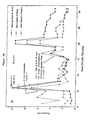
- LLU- ⁇ and - ⁇ when infused into the rat produced sustained natriuresis ( Figures 3A and B) with no effect on blood pressure (data not shown).
- LLU- ⁇ has not been purified sufficiently to obtain a dose-response curve for natriuresis, owing to its instability.
- LLU- ⁇ displays a narrow and biphasic natriuretic dose-response curve (Table III).
- There was no detectable kaliuresis when LLU- ⁇ was infused (Figure 3A).
- Neither LLU- ⁇ nor - ⁇ caused a significant change in'mean arterial pressure.
- MDBK cells The assay in MDBK cells has been described previously (see Benaksas et al. , above). The assay is described briefly here.
- Madin-Darby bovine kidney (MDBK) cells ATCC:CCL22) were maintained in Dulbecco's Modified Eagle's Medium (DMEM) with 5% Fetal Bovine Serum and 5% Bovine Calf Serum in a 5% CO 2 /95% humidified air atmosphere at 37° C and split (1:2) once per week.
- DMEM Dulbecco's Modified Eagle's Medium
- the plate was preincubated for 30 minutes at 37°C, then chilled on ice for 10 minutes. To each well was added 0.15 ⁇ Ci 86 RbCl (Amersham) in 10 ⁇ L of assay media. The plate was then incubated at 37° C for 10 minutes. A portion (100 ⁇ L) of the supernatant was counted with 0.5 mL of scintillation cocktail in a liquid scintillation counter. As a control for Na + /K + -ATPase inhibition, a dose response curve for ouabain in the range of 10 -5 -10 -8 M was obtained. Intra-experiment coefficient of variation for ouabain was 3-15%. Inhibition of 86 Rb + uptake by samples was corrected for that uptake which was inhibitable by ouabain.
- Examples 4 and 5 describe the synthesis and resolution of LLU- ⁇ .
- the liquid was further purified by flash column chromatography on silica gel (eluent ethyl acetate/hexane/acetic acid, 500:300:1) to afford pure racemic 2,7,8-trimethyl-2-( ⁇ -carboxyethyl)-6-hydroxy chroman, which was crystallized from ether-hexane in a yield of 40%.
- M.P. 147-148°C.
Landscapes
- Chemical & Material Sciences (AREA)
- Organic Chemistry (AREA)
- Health & Medical Sciences (AREA)
- Medicinal Chemistry (AREA)
- Pharmacology & Pharmacy (AREA)
- Life Sciences & Earth Sciences (AREA)
- Animal Behavior & Ethology (AREA)
- General Health & Medical Sciences (AREA)
- Public Health (AREA)
- Veterinary Medicine (AREA)
- Epidemiology (AREA)
- Hematology (AREA)
- Diabetes (AREA)
- Engineering & Computer Science (AREA)
- Chemical Kinetics & Catalysis (AREA)
- General Chemical & Material Sciences (AREA)
- Nuclear Medicine, Radiotherapy & Molecular Imaging (AREA)
- Bioinformatics & Cheminformatics (AREA)
- Pharmaceuticals Containing Other Organic And Inorganic Compounds (AREA)
- Organic Low-Molecular-Weight Compounds And Preparation Thereof (AREA)
- Steroid Compounds (AREA)
- Medicines That Contain Protein Lipid Enzymes And Other Medicines (AREA)
- Furan Compounds (AREA)
- Heterocyclic Carbon Compounds Containing A Hetero Ring Having Oxygen Or Sulfur (AREA)
- Low-Molecular Organic Synthesis Reactions Using Catalysts (AREA)
- Heterocyclic Compounds Containing Sulfur Atoms (AREA)
- Read Only Memory (AREA)
- For Increasing The Reliability Of Semiconductor Memories (AREA)
- Dram (AREA)
- Pyrane Compounds (AREA)
- Acyclic And Carbocyclic Compounds In Medicinal Compositions (AREA)
Abstract
Description
- This invention relates to a compound which can be used to increase sodium excretion in man or other mammals. The invention also relates to the use of the compound in the preparation of a natriuretic medicament.
- The adverse effects of high sodium concentration are considered to be at least partially responsible for a number of diseases, including hypertension, congestive heart failure, cirrhosis of the liver and renal disease leading to chronic renal failure. Understanding the nature of the system controlling sodium excretion, therefore, may lead to an effective therapy or cure for these diseases.
- Over thirty years ago, de Wardener formulated that a "natriuretic hormone" must exist for sodium excretion regulation. In his classic parabiotic experiments in the dog, it was observed that prolonged increased sodium excretion (hereinafter referred to as "natriuresis") was produced in a normal animal by the infusion of plasma from a volume expanded animal. See de Wardener et al., Clin. Sci. 21, 249-258 (1961). Since then, considerable effort has been employed by researchers in the field to isolate and identify the factors involved in the regulation of sodium excretion.
- Most investigators in this field believe that this putative humoral substance may be responsible not only for sustained natriuresis, but also for inhibition of sodium transport and increased vascular reactivity. The latter two effects occur via inhibition of the Na+/K+-ATPase, also known as the sodium pump. Therefore, many in vitro assays have been used to search for the hormone based on the tenet of sodium pump inhibition by the hormone. These assays include Na+/K+-ATPase inhibition, ouabain displacement from the pump, and cross-reaction of isolates from various in vivo sources with anti-cardiac glycoside antibodies. (See Wechter, et al., Prog. Drug Res. 34, 231-260 (1990). Research has focused on isolation of natriuretic factors acting on the Na+/K+-ATPase pump. Numerous putative natriuretic compounds (sometimes identified as hormones) have been found using the above-mentioned methodologies. See, e.g., Wechter et al., Frog. Drug Res. 34 231-260 (1990). For example, Bricker et al., U.S. Patent No. 5,106,630 identified a compound having a steroidal nucleus, a molecular weight of 360 and a molecular formula of C21H28O5 as natriuretic hormone.
- Ouabain and digoxin or their isomers have been isolated recently using these methodologies. These materials are not, however, natriuretic. See Ludens et al., Hypertens. 17, 923-929 (1991); Mathews et al., Hypertens. 17, 930-935 (1991); Tymiak et al., Proc. Natl. Acad. Sci. (USA) 90, 8189, 8193 (1993); Goto et al., Biochem. Biophys. Res. Comm. 173, 1093-1101 (1990). These and other results indicate that sodium pump inhibitory activity does not necessarily lead to natriuresis. In fact, it is at least as likely to produce kaliuresis. See Sekihara et al., Life Sci. 53, 975-980 (1993); Pamnani, et al., Hypertens, 18, 316-324 (1991); Smyth et al., Can. J. Physiol. Pharmacol. 70, 723-727 (1992); Crabos et al., Eur. J. Biochem. 162, 129-135 (1987). Therefore, a natriuretic compound purification process solely using assays based on binding to and/or inhibition of the Na+/K+-ATPase pump may not lead to the discovery of the putative natriuretic hormone.
- In addition, despite decades of efforts, natriuretic compounds had not been isolated in pure form, chemically and structurally defined, or synthesized in the laboratory. Also, as demonstrated above, the above-mentioned methodologies used in the purification process to monitor natriuretic activity fail to measure natriuresis directly. Therefore, prior to the present invention, the putative natriuretic hormone had not been identified.
- Chroman derivatives, processes for manufacturing same and their use in medicine are disclosed inter alia, in EP-A-0 369 082, EP-A-0 441 116, EP-A-0 036 160, EP-A-0 003 484, US-A-3 947 473, GB-A-1 590 939, EP-A-0 512 899, CH-A-421 072 and CH-A-412 933. In addition, the following documents deal with chroman and derivatives thereof as well as their biological activity: JP-A-57 145 871, J. Lipid. Res., vol. 25, no. 1, pp. 40-48 (1984), and Helv. Chim. Act., vol. 49, no. 7, pp. 2303-2312 (1966).
- US-A-4 321 270 and GB-A-1 120 763 disclose nitrogen-containing chroman and coumaran derivatives, respectively, which are said to possess hypotensive (antihypertensive) activity.
- JP-A-63-208557, US-A-4 237 130, US-A-3 726 904, EP-A-0 183 899, EP-A-0 205 872 and DE-A-27 54 068 describe the diuretic use of 2,3-dihydrobenzofuran-based compounds together with their hypotensive and/or antiedema activity.
- The documents EP-A-0 413 668, EP-A-0 326 987, Free Radical Biology & Medicine 16(4): 427-435 (1994), Pharmacology 48: 157-166 (1994), and Res. Comm. in Chemical Pathology 76: 287-303 (1992) disclose the anti-ischemic activity of 2,3-dihydrobenzofuran derivatives and chroman derivatives and/or their use in the treatment of angina pectoris.
- According to DE-A-41 21 468, certain isochroman derivatives possess antiviral activity.
- It would be highly desirable to provide compounds having a natriuretic effect. It would also be desirable to develop a new method to isolate endogenous natriuretic compounds by using an assay measuring natriuresis directly. It would be desirable as well to develop a more effective purification method to obtain substantially pure natriuretic compounds in an amount sufficient for chemical and structural definition.
- In accordance with one aspect of the present invention, there is provided the use of a natriuretic compound having the formulafor the preparation of a medicament for the treatment of a disease characterized by high sodium concentration. In another aspect, the present invention provides the compound LLU-α for use as a natriuretic medicament.
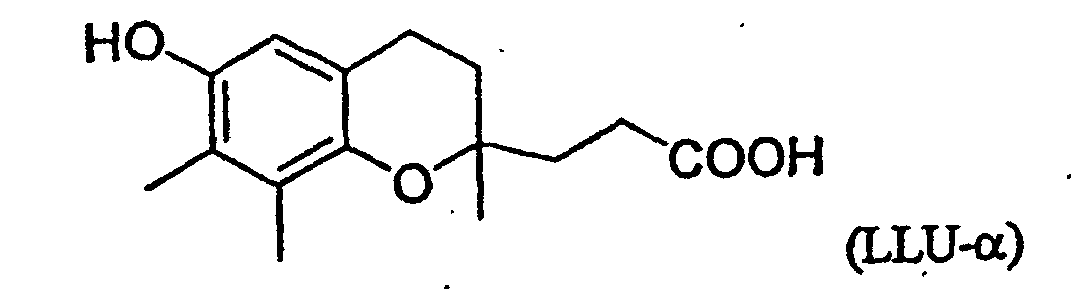
- LLU-α can be employed per se or in pharmaceutical compositions for stimulating sodium excretion and for treatment of conditions including hypertension or other edematous conditions, ischemia, angina pectoris and HIV infection or AIDS.
- The invention is defined in its fullest scope in the appended claims and is described below in its preferred embodiments.
-
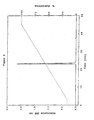
- FIGURE 1 provides the HPLC chromatogram, elution profile at 290 nm (solid line), of an aqueous acetic acid/methanol rechromatography step and the natriuretic and blood pressure responses of the corresponding fractions.
- FIGURE 2 provides a chromatogram, elution profile at 295 nm (solid line), of an aliquot of a purified natriuretic compound, namely LLU-α, on the acetic acid/acetonitrile RP-HPLC system. LLU-α, purified through the seventh purificiation step of the extraction procedure, was subjected to analytical HPLC using acetic acid/acetonitrile in an additional RP-HPLC step.
- FIGURES 3A-B provide the results of the in vivo bioassay of LLU-α (A) and LLU-y (B). Natriuresis (UNaV; closed circles), Kaliuresis (UKV; open circles), and diuresis (Urine volume; closed triangles ) were measured.
-
- In accordance with the present invention, a novel natriuretic compound is provided for the stimulation of sodium excretion in mammals and for the treatment of high sodium concentration related diseases in humans.
- As used herein, the term "natriuretic compound" refers to a compound which increases the rate of sodium excretion in a mammal upon administering the compound to the mammal. The term "natriuretic compound" also refers to both the native compound and in vitro or in vivo modifications which retain natriuretic activity. It is understood that limited modifications, substitution or deletions of functional groups may be made without destroying the biological activity. Moreover, it will be recognized by those skilled in the arts of chemistry and pharmaceutical preparation that many derivatives can be made which are biologically and chemically equivalent to, or even more active than, the indicated compound.
- Examples of equivalent compounds include esters, ethers, amides and salts of the foregoing compounds.
- Furthermore the compound of the present invention can be mixed with, bonded to or conjugated with compounds having the same or a complementary range of biologic activities to obtain the benefits of the present invention.
- "Substantially purified," when used to describe the state of the natriuretic compound, denotes the compounds essentially free of proteins, steroids, and other material normally associated or occurring with natriuretic compounds in its native environment.
- As used herein, the term "post salt peak" refers to material eluted from a G-25 Sephadex column which appears immediately after the sodium, potassium, urea and creatinine containing fractions which has uv. absorbance at 280 nm.
- A material is "biologically active" if it is capable of increasing natriuresis in an in vivo assay as described herein.
- One aspect of the invention provides the use of LLU-α for the preparation of a medicament for the treatment of a disease characterized by high sodium concentration.
- LLU-α has been isolated in substantially pure form. It can be obtained from a variety of sources, including urine, hypothalamus, adrenal, plasma, blood and cultured cells. Human uremic urine is the preferred source, although normal human urine may also be used.
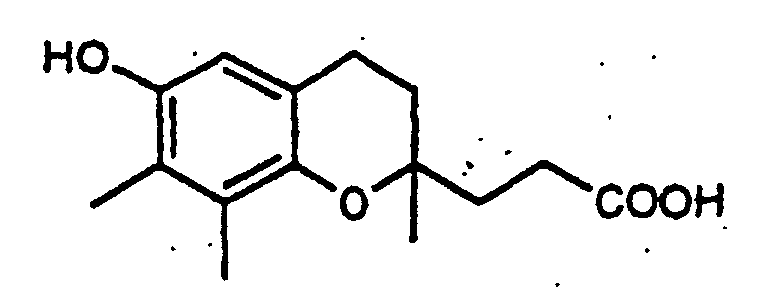
- LLU-α is shown to have natriuretic and diuretic activity in mammals. LLU-α has a molecular weight of 264.1362 and a molecular formula of C15H20O4. The compound has the following properties: a major ultraviolet absorbance peak at about 210 nm; a broad secondary peak at about 295 nm; instability in dilute base; capability of esterification by reaction with CH2N2. The compound is capable of increasing sodium excretion in the urine in mammals without a corresponding increase in potassium excretion, and does not cause a significant change in mean arterial pressure. The compound additionally acts as a cardio-selective free radical scavenger. LLU-α (systematic name: 6-hydroxy-2,7,8-trimethylchroman-2-propanoic acid) has the following structure:
- The biological activity of LLU-α can be determined by a number of assay techniques which include, but are not limited to the in vivo bioassay described herein to measure the natriuresis and the mean arterial pressure (MAP) in conscious rats after infusion of the compounds of present invention into conscious rats. LLU-α is shown to have natriuretic and diuretic activity in the in vivo bioassay. For example, in the in vivo bioassay, natriuresis can be observed when LLU-α. is infused to the conscious rat. However, the MAP measured by connecting the arterial catheter of the conscious rat to a blood pressure transducer has no significant changes upon adding LLU-α. Generally, LLU-α shows no inhibition in the Na+/K+-ATPase inhibition assay.
- LLU-α can find use in numerous therapeutic applications, such as, e.g., inducing natriuresis and diuresis. Thus, it can find use as a therapeutic agent in the treatment of various edematous states such as, for example, congestive heart failure, cirrhosis of the liver accompanied by edema or ascites, renal diseases such as nephrotic syndrome, in addition to hypertension, and renal failure due to ineffective renal perfusion or reduced glomerular filtration rate.
- In addition to natriuretic properties, it has been unexpectedly discovered that LLU-α can be useful in treating ischemia and angina pectoris. The present invention thus includes LLU-α useful in treating these conditions. It has also been unexpectedly discovered that LLU-α can also relieve oxidative stress, and thus inhibit apoptosis and subsequent loss of immune cells. Oxidative stress and resulting apoptosis have been implicated in HIV infection (see, e.g., Greenspan et al., Immunology Today, vol. 15, No. 5, pp. 209-213 (1994)). Thus, the present invention also provides LLU-α for use as a medicament in treating patients suffering from HIV infection or AIDS.
- LLU-α can be administered to mammals for veterinary use such as with domestic animals, and clinical use in humans in any conventional manner. For example, a composition can be prepared which includes LLU-α together with a pharmaceutically acceptable carrier.
- The amount of LLU-α administered is therapeutically effective if it can increase sodium excretion. A typical initial dose would be from 0.1 µg to 1 mg/kg, more preferably 4 µg to 50 µg/kg of the host body weight. Later doses can be adjusted in accordance with the clinical effects of the initial dose. The total daily dose can consist of a single individual dose or multiple doses given at intervals. Dosages within these ranges can also be administered by constant infusion over an extended period of time, usually exceeding 24 hours, until the desired therapeutic benefits have been obtained.
- Amounts of LLU-α which are therapeutically effective against hypertension, ischemia, etc., can also be determined through routine investigation.
- LLU-α can be administered neat, as mixtures with other physiologically acceptable active or inactive materials such as moistening agents, flavoring agents, binding agents, and extenders, as well as other compounds having pharmacological activities, such as other diuretics which increase the distal delivery of sodium or other anti-hypertensive agents. It may also be administered with physiologically suitable carriers such as, for example, water or normal saline. It can be administered orally, nasally or parenterally, for example, by injection. Injection can be subcutaneous, intravenous, or by intramuscular injection. It may also be administered as pharmacologically acceptable salts.
- The pharmaceutical compositions can take the form of tablets, capsules, injectable solutions and suspensions, oral solutions, and other formulations intended for pharmaceutical use. For example, a composition intended for use in a tablet could contain active material, calcium stearate, calcium sulfate, microcrystalline cellulose, peppermint oil, polysorbate 80, povidone, and pregelatinized starch.
- LLU-α can be purified by a number of methods, particularly those exemplified,herein. In a preferred method within the invention, collected urine is processed by ultrafiltration (≤ 3 kDa), gel filtration chromatography (G-25) and extraction with isopropanol and diethyl ether. The organic soluble material is then subjected to sequential high-performance liquid chromatography, while assaying for the natriuretic, Na+/K+-ATPase pump inhibition and vascular relaxant activity of the fractions. In an alternative embodiment, the material from gel filtration chromatography may be directly subjected to sequential high-performance liquid chromatography without the organic solvent extraction.
- In a further alternative embodiment, the LLU-α can be synthesized using methods known to those skilled in the art. One such method is the method described by J. Weichet et al., Czech. Chem. Commun. 24, 1689-1694 (1959), the disclosure of which is hereby incorporated by reference. This method can readily be adapted by one of ordinary skill in the art to provide a method of synthesizing LLU-α.
- A preferred synthetic method includes the step of reacting a compound of the formula VI, i.e. 2, 3-dimethyl-1,4-hydroquinone:with a vinyl lactone of the formula VII, i.e. γ-methyl-γ-vinylbutyrolactone:
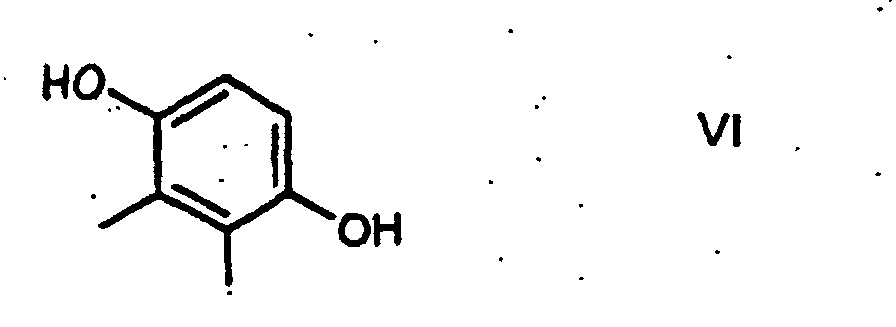

- In carrying out the foregoing reaction, preferably a catalyst is used, such as a metallic or non-metallic salt. Specific types of catalyst include non-metallic salts which form complexes with a solvent, particularly a catalyst such as boron trifluoride diethyl etherate.
- In carrying out the foregoing reaction, preferably an aprotic or protic solvent is employed, in particular an aprotic solvent such as dioxane. The catalyst and/or the vinyl lactone is preferably diluted in the selected solvent.
- Preferably the synthesis is carried out at an elevated temperature, such as 100-110°C.
- In a preferred embodiment, the foregoing reaction mixture is diluted with an aprotic or protic solvent, particularly an aprotic solvent such as diethyl ether.
- The desired product preferably is obtained from concentrated supernatant which is purified, for example, using an RP-HPLC column or silica gel. Preferred eluents for RP-HPLC include mixtures of water, acetonitrile and acetic acid. Preferred solvents for silica gel include ethyl acetate and hexane. Other purification methods, such as crystallization, can be used. Also, other eluents, such as hexane and dimethyl ketone, can be employed.
- The foregoing synthesis produces a racemic mixture, of which typically one enantiomer is active while the second enantiomer is less active or inactive. The racemate can be employed in compositions according to the invention, with adjustment of the quantity to account for the presence of the inactive enantiomer. Alternatively, the racemate can be resolved using conventional methods, and the active enantiomer identified and utilized. All enantiomeric forms of the compounds described herein are specifically contemplated as being within the scope of the instant invention.
- As a byproduct of the foregoing synthesis, derivative compounds of formula VIII are produced:
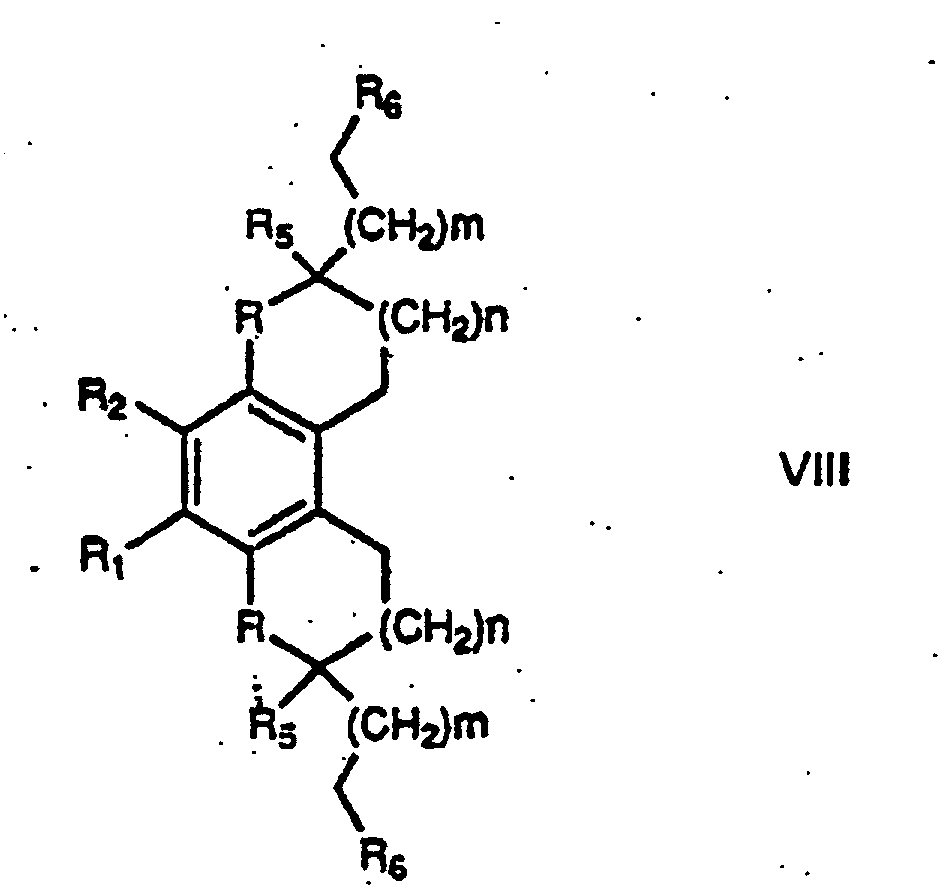
- All stereoisomeric forms of the foregoing compound, including meso compounds and diastereomeric pairs, are specifically contemplated as being within the scope of the instant invention.
- As mentioned previously, the natriuretic compound of the instant invention can be modified by formation of esters, amides, etc. Esterification can be carried out, for example, by reaction with a solution of a diazoalkane, or with an an anhydride or an acyl chloride. Amides can be formed by reaction with ammonia or an amine.
- The following examples are intended to illustrate, but not limit the invention. While they are typical of those that might be used, other procedures known to those skilled in the art may be alternatively employed. In the examples, the following abbreviations are used:
- El
- electron impact
- FR
- furosemide response
- FT-IR
- Fourier-transform infrared spectroscopy
- HPLC
- high performance liquid chromatography
- MAP
- mean arterial pressure
- MDBK
- Madin-Darby bovine kidney
- MS
- mass spectrometry
- NMR
- nuclear magnetic resonance
- PBS
- phosphate buffered saline
- Rn
- natriuretic ratio
- RP-HPLC
- reverse-phase high performance liquid chromatography
- SR
- sample response
- UNaV
- urine concentration of sodium X urine volume per time
- Human uremic urine was initially processed by ultrafiltration (3 kDa) and lyophilization, followed by isolation of the post-salt fraction from Sephadex G-25 gel filtration chromatography, following the procedure of Benaksas et al., Life Sci. 52, 1045-1054 (1993), the entire disclosure of which is herein incorporated by reference. See Table I (first purification step).
- The crude material was further purified by one of two procedures. One procedure involved four sequential HPLC steps, and the second procedure included organic solvent extraction followed by up to five sequential HPLC steps. Table I summarizes the two methods.
Summary of steps used in the chromatographic and extraction isolation procedures Purification Step Chromatographic Method Extraction Method First 3K ultrafiltration, lyophilization and G-25 3K ultrafiltration, lyophilization and G-25 Second 0.2 M pyridinium acetate pH 5.5/Methanol C18 RP-HPLC Sequential extraction with isopropanol/diethyl ether yielding soluble compounds Third 1st 0.2 M acetic acid/methanol C18 RP-HPLC 1st 0.2 M acetic acid/methanol C18RP-HPLC Fourth 2nd (modified) 0.2 M acetic acid/methanol C18 RP-HPLC 2nd (modified) 0.2 M acetic acid/methanol C18 RP-HPLC Fifth Isopropanol/hexane Isocratic 0.2 M acetic acid/methanol Sixth Isopropanol/hexane silica gel HPLC Seventh 50 mM acetic acid/acetonitrile C18RP-HPLC - A four-step sequential HPLC procedure was employed which was a modification of the procedure reported by Benaksas et al., noted above. The first C18 RP-HPLC (Table I, step 2) was performed on a Beckman Ultrasphere ODS column (10 µm; 21.2 x 150 mm) eluting at 6 mL/minute with a gradient of 0.2 M pyridinium acetate, pH 5.5 (A) and methanol (B) (80% A:20% B for 22 minutes, a linear gradient to 40% A:60% B over 48 minutes, a linear gradient to 100% B over 10 minutes). The column was washed with 70% toluene:30% methanol, then re-equilibrated at initial conditions for at least 20 minutes. This column wash method was implemented in every chromatography employing a methanol eluant. The eluant was monitored with a Beckman 166 UV detector at 290 nm. Eighty (80) one-minute fractions were collected and dried under reduced pressure in a centrifugal vacuum concentrator.
- Based on bioassay evaluation (see Example 2, below) and chromatographic comparison of previous HPLC runs, fractions 50-80 were combined for the second RP-HPLC step (Table I, third step). A Beckman Ultrasphere ODS (C18) column (5 µm; 10 x 250 mm) was eluted at 2 mL/minute with a gradient of 0.2 M acetic acid (A), methanol (B) and 70% toluene: 30% methanol (C), (60% A:40% B for 5 minutes, a linear gradient to 50% A:50% B over 5 minutes, a linear gradient to 30% A:70% B over 55 minutes, a linear gradient to 100% B over 2 minutes, 100% B for 3 minutes, 100% C for 8 minutes, 100% B for 7 minutes). The eluant was monitored for fluorescence (exc. 310-410 nm; emm. 475-610 nm: Beckman 157 detector) and absorbance at 290 nm with a Beckman 168 diode array detector. Ultraviolet spectra were collected by diode array at 2 second intervals over the range of 202-390 nm. Eighty (80) one-minute fractions were collected.
- As discussed in detail in Example 2, two natriuretically active isolates (LLU-α and LLU-γ) in particular were identified. The region encompassing the two natriuretically active isolates was pooled and rechromatographed using a modified acetic acid/methanol gradient for the third RP-HPLC (Table I, fourth step). The solvents and column were the same as the second RP-HPLC above; however, the gradient was changed (60% A:40% B for 5 minutes, a linear gradient to 40% A:60% B over 5 minutes, a linear gradient to 30% A:70% B over 28 minutes, a linear gradient to 100% B over 2 minutes, 100% B for 3 minutes, 100% C for 8 minutes) and only fifty (50) one-minute fractions were collected.
- During the first aqueous acetic acid-methanol RP-HPLC step (Table I, third step), chromophore markers corresponding to natriuretically active materials could be identified when processing different batches of urine. By rechromatographing fractions 38-58 and 63-66 using a modified acetic acid-methanol method (Table I, fourth step) employing a shorter gradient, the two natriuretically active marker chromophores, designated LLU- α and LLU-γ, reproducibly eluted at 27.8 and 35.4 minutes, respectively (Figure 1). This fourth purification step allowed consistent identification of natriuretically active crude isolates.
- The LLU-α natriuretic isolate was subjected individually to normal phase chromatography on silica gel (Beckman Ultrasphere, 5 µm, 10 X 250 mm) eluting at 2 mL/minute with a hexane (B) isopropanol (A) gradient (6% A:94% B for 25 minutes, a linear gradient to 100% A over 30 minutes, 100% A for 20 minutes, a linear gradient to 6% A:94% B over 5 minutes and an equilibration period at 6% A:94% B for 35 minutes). Seventy (70) one-minute fractions were collected from this fifth purification step (Table I). Fluorescence was monitored as described above. The wavelength monitored for each of the isolates was selected based upon its absorbance spectrum from the prior chromatogram. Chromatography of the first isolate (LLU-α) was monitored at 295 nm and that of the second (LLU-γ) at 267 nm. Fractions exhibiting UV absorbance characteristic of LLU-α and LLU-γ were bioassayed (see below).
- Freeze-dried material obtained from the gel filtration chromatography was stirred with 9 volumes of isopropanol for 18 hours. The isopropanol solution was then removed and evaporated to dryness on a rotary evaporator under reduced pressure. The resulting thick, dark brown oil from the isopropanol soluble phase was weighed and then alternately stirred and sonicated for 6 hours and finally stirred for an additional 18 hours, with 10 volumes of diethyl ether. The ether solution was then decanted and 4 volumes of ether were added to the remaining insoluble material. After stirring for 72 hours, the ether solution was again decanted. Two volumes of deionized distilled water and 2 volumes of diethyl ether were added to the residue. After stirring for 2 hours, the ether phase was separated and the aqueous phase was washed three times with one volume of ether. The combined ether extracts were washed with saturated aqueous NaCl and water, and taken to dryness on a rotary evaporator under reduced pressure. The residue was redissolved in 95% ethanol and again taken to dryness.
- The ether extraction residue was dissolved in 40% aqueous methanol and subjected to acetic acid-methanol RP-HPLC (Table I, third step). The chromatographic region from LLU-α to LLU-γ, as identified by their characteristic UV spectra, was pooled, dried, re-suspended and chromatographed on the second modified acetic acid-methanol RP-HPLC (Table I, fourth step). Only LLU-α and LLU-γ were detected after this chromatography step.
- Isocratic acetic acid-methanol RP-HPLC (Table I, fifth step) was then performed on LLU-α. Employing a Beckman Ultrasphere ODS (C18) column (5 µm; 10 X 250 mm), LLU-α was eluted at 2 mL/minute with 45% 0.2 M acetic acid and 55% methanol for 35 minutes collecting seventy (70) half-minute fractions. The eluant was monitored for absorbance at 290 nm (diode array) and fluorescence. LLU-α was identified by its UV spectrum and subjected to silica gel HPLC (Table I, sixth step).
- The fractions containing LLU-α from the silica gel HPLC were pooled and subjected to another C18 RP-HPLC step. In this seventh purification step (Table I), a Beckman Ultrasphere ODS column (5 µm; 4.6 X 250 mm) was eluted at 1 mL/minute with a gradient of 50 mM acetic acid (A) and 45 mM acetic acid in acetonitrile (B) (85% A:15% B for 3 minutes, a linear gradient to 100% B over 42 minutes, 100% B for 5 minutes). The column was washed with 1:1 methylene chloride: acetonitrile for 5 minutes followed by re-equilibration at initial conditions for 16 minutes. Chromatography was monitored at 265 and 295 nm with the diode array detector. Fifty (50) half-minute fractions were collected staring at 10 minutes.
- The extraction purification procedure increased the yield of isolated LLU-α by about 50%. In the chromatographic procedure, encompassing a total of five purification steps, less than 1 mg of LLU-α was obtained from about 105 g of lyophilized G-25 material (yield less than 9 x 10⁻⁴%). Approximately 1.8 mg of LLU-α resulted from the extraction procedure (seven purification steps) applied to about 155 g of lyophilized G-25 product (yield approximately 1.2 x 10⁻³%). The two additional RP-HPLC steps of this procedure led to essentially pure LLU-α. Likewise, the yield of LLU-γ appeared to increase comparably.
Chemical characteristics of the natriuretic LLUs LLU-α LLU-γ Exact Mass 264.1373 ND Empirical Formula C15H20O4 ND UV Characteristics λmax 205nm
λmax 294nmλmax 220nm
λmax 268nmFunctional Groups Determined by IR carboxyl
hydroxyl
aryl etherND Physical Properties Unstable in dilute Base
Unstable in CDCl3Unstable when Purified
Very Unstable in
Dilute BaseReaction with CH2N2 HNF-α methyl ester
C14H19O2CO2CH3
MW 278.1515
+ Other ProductsND - Isolated from early fractions of silica gel HPLC of LLU-α was the drug naproxen, which was being administered to some urine donors. Its identity was determined by NMR and verified by comparison with the NMR spectrum of commercial naproxen. Naproxen serves as an additional marker during the silica gel HPLC.
- Diazomethane was generated by treatment of 1-methyl-3-nitro-1-nitrosoguanidine (112 mg, 760 µmol) with 400 µL 50% KOH (aq). The diazomethane was distilled into 1 mL diethyl ether at -7°C. This solution was then added to 700 µg (2.6 µmol) LLU-α in 0.5 mL diethyl ether at 0°C. The reaction mixture was warmed to ambient temperature, then allowed to stand for 40 minutes. Solvent was removed under a stream of N2 and the residue dissolved in 15% 45 mM acetic acid in acetonitrile/85% 50 mM acetic acid and subjected to the acetic acid - acetonitrile RP-HPLC purification step as described above (seventh step). The approximate yield of the ester was 53%. Methyl esterification of LLU-α followed by RP-HPLC yielded essentially pure LLU-α methyl ester. The methyl ester was synthesized to further the characterization of LLU-α. LLU-α methyl ester eluted as an apparently homogenous single peak from acetic acid - acetonitrile RP-HPLC. A total of approximately 0.9 mg of LLU-α methyl ester was isolated and subjected to chemical characterization by ultraviolet, infrared, 13C- and 1H- NMR and mass spectroscopy. The physical chemical characteristics, molecular weight and inferred molecular formula of both LLU-α and its methyl ester are listed in Table II.
- The assay for natriuresis in conscious rats has been described previously (see Benaksas et al., above). The assay is briefly reiterated here. Female Sprague-Dawley (Harlan) rats (200-250 g) were cannulated in the femoral artery and vein for monitoring of mean arterial pressure (MAP) and infusion of saline and samples, respectively. The bladder was catheterized for collection of urine in ten-minute periods. Furosemide (0.4 mg/kg bwt; 1 mg/mL in 0.17% saline) was infused as a positive control at the beginning of the sixth ten-minute period. The sample was infused at the beginning of the seventeenth ten-minute period. Urine was collected for another 150 minutes. The volume of the urine was determined gravimetrically and the Na+ and K+ concentrations determined with a Beckman E2A electrolyte analyzer. From these data the sodium excretion values (UNaV) were calculated.
- The natriuretic response of a sample was normalized to the dose of furosemide infused. The net sodium excretion for the infusion of furosemide or sample was calculated as follows. The median sodium excretion value (µmoles Na+ /10 minute period) for the five periods before infusion of furosemide or sample was used to establish a baseline value for the calculation of ΔUNaV (= µmoles Na+ period - baseline µmoles Na+) for administration of either furosemide or sample respectively. The sum of ΔUNaV for the four periods following infusion of furosemide was the net sodium excreted for furosemide, defined as FR. The sum of ΔUNaV for the fifteen periods following infusion of the sample was the net sodium excreted for the sample defined as SR. The natriuretic ratio Rn (or normalized natriuretic response) of a sample was calculated by dividing SR by FR (Rn = SR/FR). A sample is considered natriuretically active if the Rn value for that sample was greater than or equal to 0.67 (greater than 99% confidence limits).
- Partially purified LLU-α from silica gel-HPLC (sixth purification step) was assayed for natriuretic activity utilizing the in vivo bioassay. It was active in the 4-8 µg/kg dose range and showed no activity at lower or higher doses (Table III). LLU-α is also active at 8 µg/kg when evaluated in the in vivo bioassay after being further purified on acetic acid/acetonitrile RP-HPLC (seventh step of extraction method).
Dose response of LLU-α present in fractions from the silica gel HPLC step of the extraction procedure from uremic urine Fraction Dose (µg) Natriuretic Response (R) 17 0.2 -0.14 1 0.27 2 1.14 2 0.75 10 0.26 18 56.4 0.23 224 0.02 19 0.2 0.24 1 0.93 2 -0.10 2 0.82 10 0.09 20 2 1.32 2 0.39 21 2 -0.06 2 0.39 - LLU-α and -γ when infused into the rat produced sustained natriuresis (Figures 3A and B) with no effect on blood pressure (data not shown). LLU-γ has not been purified sufficiently to obtain a dose-response curve for natriuresis, owing to its instability. LLU-α displays a narrow and biphasic natriuretic dose-response curve (Table III). There was no detectable kaliuresis when LLU-α was infused (Figure 3A). Some kaliuresis occurred after the infusion of LLU-γ, however, this was not always observed. Neither LLU-α nor -γ caused a significant change in'mean arterial pressure.
- The assay in MDBK cells has been described previously (see Benaksas et al., above). The assay is described briefly here. Madin-Darby bovine kidney (MDBK) cells (ATCC:CCL22) were maintained in Dulbecco's Modified Eagle's Medium (DMEM) with 5% Fetal Bovine Serum and 5% Bovine Calf Serum in a 5% CO2/95% humidified air atmosphere at 37° C and split (1:2) once per week.
- One day before the assay, cells were plated in a 96-well plate at a density of 5
X 105 cells/well in DMEM with serum. On the day of the assay the medium was removed and the cells washed with phosphate buffered saline (PBS) before addition of 100 µL of assay media (122 mM NaCl, 1.8 mM CaCl2, 0.8 mM MgSO4, 24 mM NaHCO3, 1 mM sodium pyruvate, 25 mM glucose, 14 mM glycylglycine, 0.2% phenol red, 8 mM Na2HPO4 1.15 mM KH2PO4, pH 8.0) and 100 µl of sample. The plate was preincubated for 30 minutes at 37°C, then chilled on ice for 10 minutes. To each well was added 0.15 µCi 86RbCl (Amersham) in 10 µL of assay media. The plate was then incubated at 37° C for 10 minutes. A portion (100 µL) of the supernatant was counted with 0.5 mL of scintillation cocktail in a liquid scintillation counter. As a control for Na+/K+-ATPase inhibition, a dose response curve for ouabain in the range of 10-5-10-8 M was obtained. Intra-experiment coefficient of variation for ouabain was 3-15%. Inhibition of 86Rb+ uptake by samples was corrected for that uptake which was inhibitable by ouabain. - When LLU-α was assayed in the Na+/K+-ATPase inhibition assay it exhibited no inhibition in the range of 0.2-200 ng/well. Assay of crude LLU-γ obtained from the acetic acid-methanol RP-HPLC rechromatography step in the sodium pump inhibition assay showed no inhibition of the sodium pump.
- In addition, spectroscopy other than UV was performed. 13C- and 1H-NMR spectra were recorded at 500.1357 MHz in deutero-chloroform (99.9%) in a GN-500 spectrometer (General Electric). High resolution Electron-Impact (El) mass spectra with a resolution of 2000 were recorded at an ionization voltage of 70 eV, source temperature of 220° C and introduction of sample by direct probe on a VG7070 EHF high resolution mass spectrometer. Fourier-transform infrared (FT-IR) spectroscopy was performed on a Nicoler 5DX with 4 wavenumber resolution.
- The IR and 13C-NMR spectra of LLU-α provided evidence for the presence of a carboxylic acid group. This explained the tailing of LLU-α observed upon elution from isopropanol/hexane silica gel HPLC (sixth purification step). The presence of a carboxyl group was verified when the reaction of LLU-α with diazomethane resulted in a product that was less polar on RP-HPLC and had an
exact mass 14 units greater than LLU-α as determined by MS (Table II). This is consistent with the formation of a methyl ester. - Examples 4 and 5 describe the synthesis and resolution of LLU-α.
-

- To a solution of 2,3-dimethyl-1,4-hydroquinone (0.01 mol) and boron trifluoride diethyl etherate (0.016 mol) in dioxane (10 mL, dried on sodium) in a flask was added γ-methyl-y-vinylbutyrolactone (0.016 mol) in dioxane (5.0 mL) over 50 min at 110°C (oil bath, reflux) under nitrogen. The reaction mixture was cooled to room temperature and diluted with ether (200 mL), then washed with water (100 mL, 2 x 50 mL) and dried over sodium sulfate. Ether was then removed under reduced pressure to afford a brown, oily residue. The residue was dissolved in methanol (30 mL), and solvent was removed under reduced pressure. The residue was redissolved in methanol (10 mL), and the flask was purged with nitrogen and stored at 5°C for 20 hours. The resulting suspension was centrifuged, and the supernatant was removed. The remaining white solid was suspended in aqueous 70% methanol (15 mL) and again centrifuged. The supernatant was combined with the previous supernatant, and methanol was removed in vacuum to afford a brown, oily liquid. The liquid was further purified by flash column chromatography on silica gel (eluent ethyl acetate/hexane/acetic acid, 500:300:1) to afford pure racemic 2,7,8-trimethyl-2-(β-carboxyethyl)-6-hydroxy chroman, which was crystallized from ether-hexane in a yield of 40%. M.P.: 147-148°C.
- The resolution of (S) and (R)-enantiomers was carried out on an (S,S)-WHELK-O 1 column (Regis Technologies, Inc.) 250 x 4.6 mm, 1 mL/min, using as eluent isocratic 80% hexane:20% propanol:0.5% acetic acid. Fractions were monitored by UV spectroscopy, collected and dried under an argon stream. The enantiomers elute at 6.8 minutes and 8.7 minutes. Isolated. LLU-α, when run on this system, elutes at 8.6 minutes.
- Although the invention has been described with reference to the presently preferred embodiment, it should be understood that various modifications can be made without departing from the scope of the invention. Accordingly, the invention is limited only by the following claims.
Claims (8)
- Use of the compound LLU-α for the preparation of a medicament for the treatment of a disease characterized by high sodium concentration:

- Compound LLU-α as defined in Claim 1 for use as a natriuretic medicament.
- The compound of Claim 2 for use as a natriuretic medicament in humans.
- The use of Claim 1, wherein said disease is hypertension.
- The use of Claim 1, wherein said disease is edema.
- The use of Claim 1, wherein said disease is ischemia.
- The use of Claim 1, wherein said disease is angina pectoris.
- The use of Claim 1, wherein said disease is HIV infection or AIDS.
Applications Claiming Priority (3)
| Application Number | Priority Date | Filing Date | Title |
|---|---|---|---|
| US08/290,430 US6150402A (en) | 1994-08-15 | 1994-08-15 | Natriuretic compounds |
| PCT/US1995/010411 WO1996005191A1 (en) | 1994-08-15 | 1995-08-15 | Natriuretic cyclic compounds |
| US290430 | 1999-04-13 |
Publications (2)
| Publication Number | Publication Date |
|---|---|
| EP0792270A1 EP0792270A1 (en) | 1997-09-03 |
| EP0792270B1 true EP0792270B1 (en) | 2003-05-07 |
Family
ID=23115959
Family Applications (1)
| Application Number | Title | Priority Date | Filing Date |
|---|---|---|---|
| EP95929559A Expired - Lifetime EP0792270B1 (en) | 1994-08-15 | 1995-08-15 | Use of 2,7,8-trimethyl-2-(beta-carboxyethyl)-6-hydroxy chroman (LLU-alpha) |
Country Status (7)
| Country | Link |
|---|---|
| US (2) | US6150402A (en) |
| EP (1) | EP0792270B1 (en) |
| JP (2) | JPH10506383A (en) |
| AT (1) | ATE239465T1 (en) |
| AU (1) | AU3327795A (en) |
| DE (1) | DE69530701D1 (en) |
| WO (1) | WO1996005191A1 (en) |
Cited By (1)
| Publication number | Priority date | Publication date | Assignee | Title |
|---|---|---|---|---|
| US9623085B2 (en) | 2011-09-02 | 2017-04-18 | Capricor Therapeutics, Inc. | Chimeric natriuretic peptide compositions and methods of preparation |
Families Citing this family (39)
| Publication number | Priority date | Publication date | Assignee | Title |
|---|---|---|---|---|
| US6120432A (en) | 1997-04-23 | 2000-09-19 | Vascular Science Inc. | Medical grafting methods and apparatus |
| AU2474399A (en) | 1998-01-26 | 1999-08-09 | Mitokor | Mitochondria protecting agents for treating mitochondria associated diseases |
| US6048891A (en) * | 1998-12-17 | 2000-04-11 | Loma Linda University Medical Center | Use of γ-tocopherol and its oxidative metabolite LLU-α in the treatment of natriuretic disease |
| US6426362B1 (en) | 1999-10-08 | 2002-07-30 | Galileo Laboratories, Inc. | Formulations of tocopherols and methods of making and using them |
| KR100730338B1 (en) * | 2000-03-31 | 2007-06-19 | 에자이 알앤드디 매니지먼트 가부시키가이샤 | Diuretics containing ?-tocotrienol |
| US7034054B2 (en) * | 2000-12-15 | 2006-04-25 | Galileo Pharmaceuticals, Inc. | Methods for the prevention and treatment of cerebral ischemia using non-alpha tocopherols |
| AU2002352726A1 (en) | 2001-11-15 | 2003-06-10 | Galileo Laboratories, Inc. | Formulations and methods for treatment or amelioration of inflammatory conditions |
| JP4118623B2 (en) * | 2002-07-23 | 2008-07-16 | 松下電器産業株式会社 | Nonvolatile semiconductor memory device |
| AU2003291012A1 (en) * | 2002-11-15 | 2004-06-15 | Galileo Pharmaceuticals, Inc. | Chroman derivatives for the reduction of inflammation symptoms |
| ITTO20030140U1 (en) * | 2003-09-16 | 2005-03-17 | Interfila Srl | COSMETIC PENCIL |
| CA2580584C (en) * | 2003-09-19 | 2015-07-28 | Galileo Pharmaceuticals, Inc. | Use of alpha-tocotrienol for treatment of mitochondrial diseases |
| US7435837B2 (en) * | 2003-10-24 | 2008-10-14 | Wyeth | Dihydrobenzofuranyl alkanamine derivatives and methods for using same |
| US20050261347A1 (en) * | 2003-10-24 | 2005-11-24 | Wyeth | Dihydrobenzofuranyl alkanamine derivatives and methods for using same |
| MXPA06012621A (en) * | 2004-05-05 | 2006-12-15 | Hoffmann La Roche | Arylsulfonyl benzodioxanes useful for modulation the 5-ht6 receptor, the 5-ht2areceptor or both. |
| CN101091222A (en) * | 2004-10-26 | 2007-12-19 | 斯班逊有限公司 | non-volatile storage device |
| BRPI0515835A (en) * | 2004-12-21 | 2008-08-12 | Hoffmann La Roche | tetraline and indane derivatives and their uses |
| ES2306275T3 (en) * | 2004-12-21 | 2008-11-01 | F. Hoffmann-La Roche Ag | CHROMAN DERIVATIVES AND THEIR USES AS LIGANDS FROM 5-HT RECEIVERS. |
| JP4738418B2 (en) | 2004-12-21 | 2011-08-03 | エフ.ホフマン−ラ ロシュ アーゲー | Chroman derivatives and their use in the treatment of CNS disorders |
| PT1831159E (en) * | 2004-12-21 | 2010-03-03 | Hoffmann La Roche | Tetralin and indane derivatives and uses thereof |
| CA2591800A1 (en) * | 2004-12-21 | 2006-06-29 | F.Hoffmann-La Roche Ag | Tetralin and indane derivatives and uses thereof as 5-ht antagonists |
| AU2006239897A1 (en) * | 2005-04-22 | 2006-11-02 | Wyeth | Crystal forms of {[(2R)-7-(2,6-dichlorophenyl)-5-fluoro-2,3-dihydro-1-benzofuran-2-yl]methyl}amine hydrochloride |
| CA2604915A1 (en) * | 2005-04-22 | 2006-11-02 | Wyeth | New therapeutic combinations for the treatment or prevention of depression |
| JP2008538576A (en) * | 2005-04-22 | 2008-10-30 | ワイス | Chroman and chromene derivatives and uses thereof |
| CA2610152C (en) * | 2005-06-01 | 2018-04-10 | Edison Pharmaceuticals, Inc. | Redox-active therapeutics for treatment of mitochondrial diseases and other conditions and modulation of energy biomarkers |
| ES2823728T3 (en) * | 2005-09-15 | 2021-05-10 | Ptc Therapeutics Inc | Tail variants of therapeutic agents with redox activity for the treatment of mitochondrial diseases and other conditions and the modulation of energy biomarkers |
| WO2007051735A1 (en) * | 2005-11-03 | 2007-05-10 | F. Hoffmann-La Roche Ag | Arylsulfonylchromans as 5-ht6 inhibitors indolylmaleimide derivatives as protein kinase inhibitors |
| EA019675B1 (en) | 2006-02-22 | 2014-05-30 | Эдисон Фармасьютикалз, Инк. | REDOX-ACTIVE THERAPEUTIC MEANS FOR THE TREATMENT OF MITOCHONDRIAL DISEASES AND MODULATION OF BIOMARKER COENZYM Q |
| US8580746B2 (en) * | 2006-03-30 | 2013-11-12 | Palatin Technologies, Inc. | Amide linkage cyclic natriuretic peptide constructs |
| MX2008012663A (en) * | 2006-03-30 | 2008-10-13 | Palatin Technologies Inc | Cyclic natriuretic peptide constructs. |
| AU2007233123A1 (en) * | 2006-03-30 | 2007-10-11 | Palatin Technologies, Inc. | Linear natriuretic peptide constructs |
| JP2009541248A (en) * | 2006-06-20 | 2009-11-26 | エフ.ホフマン−ラ ロシュ アーゲー | Arylsulfonamidyltetralin derivatives and their use |
| WO2007147763A1 (en) * | 2006-06-20 | 2007-12-27 | F. Hoffmann-La Roche Ag | Arylsulfonyl naphthalene derivatives and uses thereof |
| KR101066306B1 (en) * | 2006-06-20 | 2011-09-20 | 에프. 호프만-라 로슈 아게 | Tetralin and indene derivatives and uses thereof |
| EP3018122B1 (en) | 2007-11-06 | 2018-10-10 | BioElectron Technology Corporation | 4-(p-quinonyl)-2-hydroxybutanamide derivatives for treatment of mitochondrial diseases |
| BRPI0918139B1 (en) | 2008-09-10 | 2024-04-30 | Ptc Therapeutics, Inc | COMPOSITION, MEDICAL OR FUNCTIONAL FOOD, FOOD OR DIETARY SUPPLEMENT FOR TREATMENT OF PERVASIVE DEVELOPMENTAL DISORDERS WITH REDOX-ACTIVE THERAPEUTICS |
| EP2678002A2 (en) | 2011-02-25 | 2014-01-01 | Medtronic, Inc. | Therapy for kidney disease and/or heart failure |
| US20160115141A1 (en) * | 2013-05-31 | 2016-04-28 | Edison Pharmaceuticals, Inc. | Carboxylic acid derivatives for treatment of oxidative stress disorders |
| WO2016100579A1 (en) | 2014-12-16 | 2016-06-23 | Edison Pharmaceuticals, Inc., | Polymorphic and amorphous forms of (r)-2-hydroxy-2-methyl-4-(2,4,5-trimethyl-3,6-dioxocyclohexa-1,4-dienyl)butanamide |
| CN113024369A (en) | 2015-12-17 | 2021-06-25 | Ptc医疗公司 | Compounds for the treatment of oxidative stress disorders |
Family Cites Families (25)
| Publication number | Priority date | Publication date | Assignee | Title |
|---|---|---|---|---|
| NL185719B (en) * | 1954-03-08 | Enichem Elastomers | PROCEDURE FOR PREPARING VULCANIZABLE ACRYLIC LASTOMERS. | |
| GB947885A (en) * | 1961-04-12 | 1964-01-29 | Vitamins Ltd | Improvements in or relating to the preparation of chromanols |
| GB949715A (en) * | 1961-04-12 | 1964-02-19 | Vitamins Ltd | Improvements in or relating to chromanols |
| US3726904A (en) * | 1970-11-16 | 1973-04-10 | Ciba Geigy Corp | 2,3-dihydro-5-(2-nitro-1-alkenyl)-benzofuran-2-carboxylic acid and pharmaceutically acceptable salts |
| US3947473A (en) * | 1972-12-22 | 1976-03-30 | Hoffman-La Roche Inc. | Antioxidant chroman compounds |
| US4003919A (en) * | 1973-11-19 | 1977-01-18 | Hoffmann-La Roche Inc. | Antioxidant chroman compounds |
| US4026907A (en) * | 1973-11-19 | 1977-05-31 | Hoffmann-La Roche Inc. | Antioxidant chroman compounds |
| US4018799A (en) * | 1973-11-19 | 1977-04-19 | Hoffmann-La Roche Inc. | Antioxidant chroman compounds |
| US4100294A (en) * | 1976-12-06 | 1978-07-11 | Merck & Co., Inc. | 5-(Hydroxy (substituted) methyl)-2,3-dihydrobenzo furan-2-carboxylic acid and its derivatives |
| US4127608A (en) * | 1977-05-17 | 1978-11-28 | Hoffmann-La Roche Inc. | Synthesis of Vitamin E |
| EP0003484B1 (en) * | 1978-01-30 | 1981-10-14 | F. HOFFMANN-LA ROCHE & CO. Aktiengesellschaft | Process for the preparation of chromane derivatives |
| US4237130A (en) * | 1979-06-21 | 1980-12-02 | Merck & Co., Inc. | 2,3-Dihydro-6,7-disubstituted-5-(substituted sulfonyl)benzofuran-2-carboxylic acids |
| DE3010504A1 (en) * | 1980-03-19 | 1981-10-01 | Basf Ag, 6700 Ludwigshafen | METHOD FOR THE PRODUCTION OF 2-HYDROXYALKYLCHROMANS |
| US4321270A (en) * | 1981-01-29 | 1982-03-23 | E. R. Squibb & Sons, Inc. | Substituted chromans |
| JPS57145871A (en) * | 1981-03-05 | 1982-09-09 | Eisai Co Ltd | Chromanolcarboxylic derivative |
| JPS6163671A (en) * | 1984-09-05 | 1986-04-01 | Shionogi & Co Ltd | 2,3-dihydrobenzofuran-5-sulfonamide derivative and hypotensive diuretic |
| US4728650A (en) * | 1985-05-13 | 1988-03-01 | Kuraray Co., Ltd. | 3,4-dihydrobenzopyran derivatives and medicinal uses thereof |
| US4791209A (en) * | 1985-05-22 | 1988-12-13 | Chugai Seiyako Kabushiki Kaisha | Furobenzisoxazole derivatives |
| DK36389A (en) * | 1988-02-05 | 1989-08-06 | Eastman Kodak Co | PREPARATION AND PROCEDURE FOR PREVENTION OF REFUSION |
| JPH01303467A (en) * | 1988-05-31 | 1989-12-07 | Mita Ind Co Ltd | Half tone controller for image forming device |
| EP0369082A1 (en) * | 1988-11-14 | 1990-05-23 | Merrell Dow Pharmaceuticals Inc. | Cardioprotective tocopherol analogs |
| IT1231341B (en) * | 1989-08-18 | 1991-11-28 | Foscama Biomed Chim Farma | 2.3 DIHYDRO 5 BONES 4,6,7 TRIMETHYLBENZOFURANI 2 (RS) REPLACED, USEFUL AS ANTIOXIDANT DRUGS WITH MUCOREGULATING AND ANTI-CHEMICAL PROPERTIES. |
| JP3029840B2 (en) * | 1990-01-18 | 2000-04-10 | 旭電化工業株式会社 | Method for producing optically active chroman-2-ethanol derivative and intermediate thereof |
| FR2676056B1 (en) * | 1991-05-03 | 1993-07-16 | Adir | NOVEL BENZOPYRAN DERIVATIVES, THEIR PREPARATION PROCESS AND THE PHARMACEUTICAL COMPOSITIONS CONTAINING THEM. |
| DE4121468A1 (en) * | 1991-06-28 | 1993-01-14 | Deutsches Primatenzentrum Gmbh | New use of cpds. isolated from Streptomyces - for treatment of HIV infection |
-
1994
- 1994-08-15 US US08/290,430 patent/US6150402A/en not_active Expired - Lifetime
-
1995
- 1995-08-15 AU AU33277/95A patent/AU3327795A/en not_active Abandoned
- 1995-08-15 AT AT95929559T patent/ATE239465T1/en not_active IP Right Cessation
- 1995-08-15 JP JP8507600A patent/JPH10506383A/en active Pending
- 1995-08-15 EP EP95929559A patent/EP0792270B1/en not_active Expired - Lifetime
- 1995-08-15 DE DE69530701T patent/DE69530701D1/en not_active Expired - Lifetime
- 1995-08-15 WO PCT/US1995/010411 patent/WO1996005191A1/en not_active Ceased
-
1996
- 1996-07-09 JP JP9507600A patent/JPH10510656A/en active Pending
-
1998
- 1998-04-09 US US09/057,731 patent/US6083982A/en not_active Expired - Lifetime
Cited By (1)
| Publication number | Priority date | Publication date | Assignee | Title |
|---|---|---|---|---|
| US9623085B2 (en) | 2011-09-02 | 2017-04-18 | Capricor Therapeutics, Inc. | Chimeric natriuretic peptide compositions and methods of preparation |
Also Published As
| Publication number | Publication date |
|---|---|
| JPH10510656A (en) | 1998-10-13 |
| ATE239465T1 (en) | 2003-05-15 |
| EP0792270A1 (en) | 1997-09-03 |
| AU3327795A (en) | 1996-03-07 |
| US6150402A (en) | 2000-11-21 |
| JPH10506383A (en) | 1998-06-23 |
| DE69530701D1 (en) | 2003-06-12 |
| US6083982A (en) | 2000-07-04 |
| WO1996005191A1 (en) | 1996-02-22 |
Similar Documents
| Publication | Publication Date | Title |
|---|---|---|
| US6150402A (en) | Natriuretic compounds | |
| US6410589B2 (en) | Use of γ-tocopherol and its oxidative metabolite LLU-α in the treatment of disease | |
| CA2756823A1 (en) | New compound of salvianolic acid l, preparation method and use thereof | |
| CN106860500B (en) | Low-toxicity tripterygium glycosides, preparation method and application thereof | |
| CN101434625A (en) | Anoectochilus roxburghii glycosides, derivatives thereof, preparation and use | |
| KR100876233B1 (en) | Method for preparing Ginkgo biloba leaf extract rich in active ingredient | |
| CN111269283A (en) | A kind of cryptotanshinone derivative, its preparation method and its application in anti-neuroinflammation and neuroprotection | |
| JP3128823B2 (en) | Anticancer compound and method for producing the same | |
| US5747527A (en) | Furanoeremophilane and eremophilanolide sesquiterpenes for treatment of diabetes | |
| CN115772076B (en) | Diterpene compounds with anti-inflammatory activity from Euphorbia grandiflora and their extraction methods and applications | |
| US8299119B2 (en) | Biologically active compounds | |
| KR20210094997A (en) | Pharmaceuticals or health functional foods for treating or preventing non-alcoholic fatty acid liver disease comprising novel compounds isolated from Cervus nippon | |
| KR19980037405A (en) | Process for producing acyl-CoA: cholesterol acyltransferase (ACAT) activity inhibitor from ginseng and composition containing the same | |
| CN110183414A (en) | One of two color jackfruits isopentene group talan and its purposes in preparation treatment diseases associated with inflammation drug | |
| EP4410301A1 (en) | Extracellular cyclophilin inhibitor and use thereof | |
| WO1998042350A1 (en) | Cholesterol lowering pharmaceutical composition | |
| CN114591282A (en) | A pyrone compound isolated from vanilla and its preparation method and use | |
| JP3330127B2 (en) | Solid cancer treatment | |
| WO2007042902A2 (en) | Extracts from nyctanthes arbortristis for the treatement of leishmaniasis | |
| CN122059827A (en) | Ferulic acid derivative and preparation method and application thereof | |
| CN112546058A (en) | Use of compounds that promote cholesterol metabolism | |
| JP2009100775A (en) | Preparation and diabetic use of gibberellin | |
| HK1168584B (en) | New salvianolic acid compound l, preparation method and use thereof |
Legal Events
| Date | Code | Title | Description |
|---|---|---|---|
| PUAI | Public reference made under article 153(3) epc to a published international application that has entered the european phase |
Free format text: ORIGINAL CODE: 0009012 |
|
| 17P | Request for examination filed |
Effective date: 19970225 |
|
| AK | Designated contracting states |
Kind code of ref document: A1 Designated state(s): AT BE CH DE DK ES FR GB GR IE IT LI LU MC NL PT SE |
|
| 17Q | First examination report despatched |
Effective date: 19980713 |
|
| RIC1 | Information provided on ipc code assigned before grant |
Free format text: 7A 61K 31/35 A |
|
| RTI1 | Title (correction) |
Free format text: USE OF 2,7,8-TRIMETHYL-2-(BETA-CARBOXYETHYL)-6-HYDROXY CHROMAN (LLU-ALPHA) |
|
| GRAH | Despatch of communication of intention to grant a patent |
Free format text: ORIGINAL CODE: EPIDOS IGRA |
|
| RIC1 | Information provided on ipc code assigned before grant |
Free format text: 7A 61K 31/35 A |
|
| RTI1 | Title (correction) |
Free format text: USE OF 2,7,8-TRIMETHYL-2-(BETA-CARBOXYETHYL)-6-HYDROXY CHROMAN (LLU-ALPHA) |
|
| GRAH | Despatch of communication of intention to grant a patent |
Free format text: ORIGINAL CODE: EPIDOS IGRA |
|
| GRAA | (expected) grant |
Free format text: ORIGINAL CODE: 0009210 |
|
| AK | Designated contracting states |
Designated state(s): AT BE CH DE DK ES FR GB GR IE IT LI LU MC NL PT SE |
|
| PG25 | Lapsed in a contracting state [announced via postgrant information from national office to epo] |
Ref country code: NL Free format text: LAPSE BECAUSE OF FAILURE TO SUBMIT A TRANSLATION OF THE DESCRIPTION OR TO PAY THE FEE WITHIN THE PRESCRIBED TIME-LIMIT Effective date: 20030507 Ref country code: LI Free format text: LAPSE BECAUSE OF FAILURE TO SUBMIT A TRANSLATION OF THE DESCRIPTION OR TO PAY THE FEE WITHIN THE PRESCRIBED TIME-LIMIT Effective date: 20030507 Ref country code: IT Free format text: LAPSE BECAUSE OF FAILURE TO SUBMIT A TRANSLATION OF THE DESCRIPTION OR TO PAY THE FEE WITHIN THE PRE;WARNING: LAPSES OF ITALIAN PATENTS WITH EFFECTIVE DATE BEFORE 2007 MAY HAVE OCCURRED AT ANY TIME BEFORE 2007. THE CORRECT EFFECTIVE DATE MAY BE DIFFERENT FROM THE ONE RECORDED.SCRIBED TIME-LIMIT Effective date: 20030507 Ref country code: FR Free format text: LAPSE BECAUSE OF FAILURE TO SUBMIT A TRANSLATION OF THE DESCRIPTION OR TO PAY THE FEE WITHIN THE PRESCRIBED TIME-LIMIT Effective date: 20030507 Ref country code: CH Free format text: LAPSE BECAUSE OF FAILURE TO SUBMIT A TRANSLATION OF THE DESCRIPTION OR TO PAY THE FEE WITHIN THE PRESCRIBED TIME-LIMIT Effective date: 20030507 Ref country code: BE Free format text: LAPSE BECAUSE OF FAILURE TO SUBMIT A TRANSLATION OF THE DESCRIPTION OR TO PAY THE FEE WITHIN THE PRESCRIBED TIME-LIMIT Effective date: 20030507 Ref country code: AT Free format text: LAPSE BECAUSE OF FAILURE TO SUBMIT A TRANSLATION OF THE DESCRIPTION OR TO PAY THE FEE WITHIN THE PRESCRIBED TIME-LIMIT Effective date: 20030507 |
|
| REG | Reference to a national code |
Ref country code: GB Ref legal event code: FG4D |
|
| REG | Reference to a national code |
Ref country code: CH Ref legal event code: EP |
|
| REG | Reference to a national code |
Ref country code: IE Ref legal event code: FG4D |
|
| REF | Corresponds to: |
Ref document number: 69530701 Country of ref document: DE Date of ref document: 20030612 Kind code of ref document: P |
|
| PG25 | Lapsed in a contracting state [announced via postgrant information from national office to epo] |
Ref country code: SE Free format text: LAPSE BECAUSE OF FAILURE TO SUBMIT A TRANSLATION OF THE DESCRIPTION OR TO PAY THE FEE WITHIN THE PRESCRIBED TIME-LIMIT Effective date: 20030807 Ref country code: PT Free format text: LAPSE BECAUSE OF FAILURE TO SUBMIT A TRANSLATION OF THE DESCRIPTION OR TO PAY THE FEE WITHIN THE PRESCRIBED TIME-LIMIT Effective date: 20030807 Ref country code: GR Free format text: LAPSE BECAUSE OF FAILURE TO SUBMIT A TRANSLATION OF THE DESCRIPTION OR TO PAY THE FEE WITHIN THE PRESCRIBED TIME-LIMIT Effective date: 20030807 Ref country code: DK Free format text: LAPSE BECAUSE OF FAILURE TO SUBMIT A TRANSLATION OF THE DESCRIPTION OR TO PAY THE FEE WITHIN THE PRESCRIBED TIME-LIMIT Effective date: 20030807 |
|
| PG25 | Lapsed in a contracting state [announced via postgrant information from national office to epo] |
Ref country code: DE Free format text: LAPSE BECAUSE OF FAILURE TO SUBMIT A TRANSLATION OF THE DESCRIPTION OR TO PAY THE FEE WITHIN THE PRESCRIBED TIME-LIMIT Effective date: 20030808 |
|
| PG25 | Lapsed in a contracting state [announced via postgrant information from national office to epo] |
Ref country code: LU Free format text: LAPSE BECAUSE OF NON-PAYMENT OF DUE FEES Effective date: 20030815 Ref country code: IE Free format text: LAPSE BECAUSE OF NON-PAYMENT OF DUE FEES Effective date: 20030815 |
|
| PG25 | Lapsed in a contracting state [announced via postgrant information from national office to epo] |
Ref country code: ES Free format text: LAPSE BECAUSE OF FAILURE TO SUBMIT A TRANSLATION OF THE DESCRIPTION OR TO PAY THE FEE WITHIN THE PRESCRIBED TIME-LIMIT Effective date: 20030818 |
|
| PG25 | Lapsed in a contracting state [announced via postgrant information from national office to epo] |
Ref country code: MC Free format text: LAPSE BECAUSE OF NON-PAYMENT OF DUE FEES Effective date: 20030831 |
|
| NLV1 | Nl: lapsed or annulled due to failure to fulfill the requirements of art. 29p and 29m of the patents act | ||
| REG | Reference to a national code |
Ref country code: CH Ref legal event code: PL |
|
| PLBE | No opposition filed within time limit |
Free format text: ORIGINAL CODE: 0009261 |
|
| STAA | Information on the status of an ep patent application or granted ep patent |
Free format text: STATUS: NO OPPOSITION FILED WITHIN TIME LIMIT |
|
| 26N | No opposition filed |
Effective date: 20040210 |
|
| EN | Fr: translation not filed | ||
| REG | Reference to a national code |
Ref country code: IE Ref legal event code: MM4A |
|
| PGFP | Annual fee paid to national office [announced via postgrant information from national office to epo] |
Ref country code: GB Payment date: 20140813 Year of fee payment: 20 |
|
| REG | Reference to a national code |
Ref country code: GB Ref legal event code: PE20 Expiry date: 20150814 |
|
| PG25 | Lapsed in a contracting state [announced via postgrant information from national office to epo] |
Ref country code: GB Free format text: LAPSE BECAUSE OF EXPIRATION OF PROTECTION Effective date: 20150814 |