EP0723597B1 - A detection system for mutagens that also identifies mutagenic changes - Google Patents
A detection system for mutagens that also identifies mutagenic changes Download PDFInfo
- Publication number
- EP0723597B1 EP0723597B1 EP94930753A EP94930753A EP0723597B1 EP 0723597 B1 EP0723597 B1 EP 0723597B1 EP 94930753 A EP94930753 A EP 94930753A EP 94930753 A EP94930753 A EP 94930753A EP 0723597 B1 EP0723597 B1 EP 0723597B1
- Authority
- EP
- European Patent Office
- Prior art keywords
- derivative
- bacterium
- salmonella
- dna sequence
- primary
- Prior art date
- Legal status (The legal status is an assumption and is not a legal conclusion. Google has not performed a legal analysis and makes no representation as to the accuracy of the status listed.)
- Expired - Lifetime
Links
Images



Classifications
-
- C—CHEMISTRY; METALLURGY
- C12—BIOCHEMISTRY; BEER; SPIRITS; WINE; VINEGAR; MICROBIOLOGY; ENZYMOLOGY; MUTATION OR GENETIC ENGINEERING
- C12N—MICROORGANISMS OR ENZYMES; COMPOSITIONS THEREOF; PROPAGATING, PRESERVING, OR MAINTAINING MICROORGANISMS; MUTATION OR GENETIC ENGINEERING; CULTURE MEDIA
- C12N15/00—Mutation or genetic engineering; DNA or RNA concerning genetic engineering, vectors, e.g. plasmids, or their isolation, preparation or purification; Use of hosts therefor
- C12N15/09—Recombinant DNA-technology
- C12N15/10—Processes for the isolation, preparation or purification of DNA or RNA
- C12N15/102—Mutagenizing nucleic acids
-
- C—CHEMISTRY; METALLURGY
- C12—BIOCHEMISTRY; BEER; SPIRITS; WINE; VINEGAR; MICROBIOLOGY; ENZYMOLOGY; MUTATION OR GENETIC ENGINEERING
- C12N—MICROORGANISMS OR ENZYMES; COMPOSITIONS THEREOF; PROPAGATING, PRESERVING, OR MAINTAINING MICROORGANISMS; MUTATION OR GENETIC ENGINEERING; CULTURE MEDIA
- C12N1/00—Microorganisms; Compositions thereof; Processes of propagating, maintaining or preserving microorganisms or compositions thereof; Processes of preparing or isolating a composition containing a microorganism; Culture media therefor
- C12N1/20—Bacteria; Culture media therefor
- C12N1/205—Bacterial isolates
-
- C—CHEMISTRY; METALLURGY
- C12—BIOCHEMISTRY; BEER; SPIRITS; WINE; VINEGAR; MICROBIOLOGY; ENZYMOLOGY; MUTATION OR GENETIC ENGINEERING
- C12N—MICROORGANISMS OR ENZYMES; COMPOSITIONS THEREOF; PROPAGATING, PRESERVING, OR MAINTAINING MICROORGANISMS; MUTATION OR GENETIC ENGINEERING; CULTURE MEDIA
- C12N15/00—Mutation or genetic engineering; DNA or RNA concerning genetic engineering, vectors, e.g. plasmids, or their isolation, preparation or purification; Use of hosts therefor
- C12N15/09—Recombinant DNA-technology
- C12N15/11—DNA or RNA fragments; Modified forms thereof; Non-coding nucleic acids having a biological activity
- C12N15/52—Genes encoding for enzymes or proenzymes
-
- C—CHEMISTRY; METALLURGY
- C12—BIOCHEMISTRY; BEER; SPIRITS; WINE; VINEGAR; MICROBIOLOGY; ENZYMOLOGY; MUTATION OR GENETIC ENGINEERING
- C12Q—MEASURING OR TESTING PROCESSES INVOLVING ENZYMES, NUCLEIC ACIDS OR MICROORGANISMS; COMPOSITIONS OR TEST PAPERS THEREFOR; PROCESSES OF PREPARING SUCH COMPOSITIONS; CONDITION-RESPONSIVE CONTROL IN MICROBIOLOGICAL OR ENZYMOLOGICAL PROCESSES
- C12Q1/00—Measuring or testing processes involving enzymes, nucleic acids or microorganisms; Compositions therefor; Processes of preparing such compositions
- C12Q1/02—Measuring or testing processes involving enzymes, nucleic acids or microorganisms; Compositions therefor; Processes of preparing such compositions involving viable microorganisms
- C12Q1/025—Measuring or testing processes involving enzymes, nucleic acids or microorganisms; Compositions therefor; Processes of preparing such compositions involving viable microorganisms for testing or evaluating the effect of chemical or biological compounds, e.g. drugs, cosmetics
-
- C—CHEMISTRY; METALLURGY
- C12—BIOCHEMISTRY; BEER; SPIRITS; WINE; VINEGAR; MICROBIOLOGY; ENZYMOLOGY; MUTATION OR GENETIC ENGINEERING
- C12R—INDEXING SCHEME ASSOCIATED WITH SUBCLASSES C12C - C12Q, RELATING TO MICROORGANISMS
- C12R2001/00—Microorganisms ; Processes using microorganisms
- C12R2001/01—Bacteria or Actinomycetales ; using bacteria or Actinomycetales
- C12R2001/42—Salmonella
Definitions
- the field of this invention concerns the construction of auxotrophic Salmonella strains diagnostic of each of the six types of base substitution mutations induced by mutagenic agents.
- Salmonella typhimurium strains have been used widely in what is known as the Ames test to detect mutagenic agents.
- His- bacterial strains that require histidine for growth
- His+ wild type phenotype
- Many such strains e.g. , TA97a, TA98, TA100, TA102 and TA104 etc., are known in the art. While these bacterial strains allow the detection of mutagens they do not provide information on which of the six possible base pair substitution mutations are caused by the mutagen.
- yeast strains capable of detecting specific base substitution mutations without DNA sequence analysis, by reversion of the mutants to the wild type phenotype (Hampsey, 1991).
- yeast are more difficult to maintain and the mutagenicity assay requires almost two weeks to complete compared to 48 h for the Salmonella assay.
- phenotypic revertants of the yeast strains have not been sequenced adequately to confirm reversion via a single base substitution mutation.
- missense suppression cannot be eliminated as causative of the observed phenotypic reversion.
- Tester mammalian cells capable of detecting specific point mutations have also been reported (Schaff et al. 1990; Stambrook et al, 1988; U.S. Patent No. 4,792,520). These references are essentially by the same authors and disclose similar subject matter.
- the references relate to a cell assay for specific base substitutions and frame shift mutations using non-reverting mammalian tester cells engineered to contain a mutated mouse adenine phosphoribosyl-transferase (APRT) gene.
- APRT mutated mouse adenine phosphoribosyl-transferase
- mammalian cells are much more expensive and too cumbersome for routine screening of mutagenic agents.
- the method of producing the mammalian tester cells relies on targeting the nucleotide sequence at one of the intron/exon junctions in the APRT gene. This method is clearly not relevant to prokaryotic cells like Salmonella typhimurium, as splicing of RNA is not characteristic of prokaryotic cells.
- This invention relates to a system that is designed to detect mutational events and to identify which of the six possible base substitutions occur during those mutational events.
- the test system consists of six sets of strains of Salmonella typhimurium that carry base substitution mutations in the genes for histidine biosynthesis such that each set can be reverted to a normal wild type gene by a particular base pair substitution, e.g.
- the invention is used as follows.
- the number of colonies of bacteria that grow following exposure to a test agent is a measure of the rate or frequency of mutations caused by that test agent.
- An agent capable of mutagenesis may consist of a single compound of known chemical purity and structure; or a mixture of chemical compounds such as that found in industrial wastes; or a complex biological mixture of unknown chemical composition such as crude extracts from plants; or radiation of different charges and energy levels; or any combination thereof.
- the test agent can be applied in any physical state, i.e. , gaseous, liquid or solid. Induced mutation rates must be shown to increase in a dose-dependent manner at sub-lethal concentrations of the test agent.
- the initial slope of the dose-dependent curve (Bernstein et al., 1982) can be used to compare the potency of the newly tested compound to reference compounds (Claxon et al., 1991 (a) and (b)) or other established mutagens.
- the test system is based on target mutations such that back-mutation or reversion of the target mutation results from a unique, and predictably specific, base change about 99% of the time.
- target mutations such that back-mutation or reversion of the target mutation results from a unique, and predictably specific, base change about 99% of the time.
- all bacterial colonies visible to the naked eye after 48 h of incubation at 37°C represent unique base substitutions as predicted from each set of strains.
- the six target mutations are stable and revert at very low spontaneous frequencies, but at the same time are very sensitive to reversion when exposed to mutagens to provide quantitative measurements of the mutagenic potential of test agents.
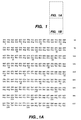
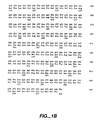
- Figure 1 shows the DNA (SEQ ID NO:1) and amino acid (SEQ ID NO:2) sequence of wild type Salmonella typhimurium hisG gene.
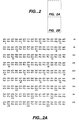
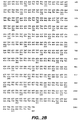
- Figure 2 shows the DNA (SEQ ID NO:3) and amino acid (SEQ ID NO:4) sequence of wild type Salmonella typhimurium hisC gene.
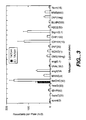
- Figure 3 is a graph showing reversion of Set I strains TA7041 and TA7001 by A:T to G:C transitions.
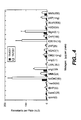
- Figure 4 is a graph showing a comparison of the sensitivity to mutagens of Set I strain, TA7001, and TA4001.
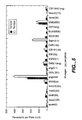
- Figure 5 is a graph showing reversion of Set II strains, TA7042 and TA7002 by T:A to A:T transversions.
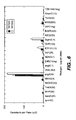
- Figure 6 is a graph showing reversion of Set III strains TA7043 and TA7003 by T:A to G:C transversions.
- Figure 7 is a graph showing reversion of Set IV strains TA7044 and TA7004 by G:C to A:T transitions.
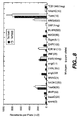
- Figure 8 is a graph showing reversion of Set V strains TA7045 and TA7005 by C:G to A:T transversions.
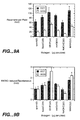
- Figure 9A is a graph showing the effect of context change from GC T to GC G on the mutagenic frequency for C:G to A:T transversions, expressed as the number of revertants.
- Figure 9B is a graph showing the effect of context change from GC T to GC G on the mutagenic frequency for C:G to A:T transversions expressed as the ratios of spontaneous frequencies.
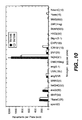
- Figure 10 is a graph showing reversion of Set VI strains TA7046 and TA7006 by C:G to G:C transversions.
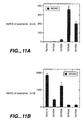
- Figure 11A is a graph showing reversion of Set V strains in response to treatment with 1 ⁇ g of NQNO (4-nitroquinoline-1-oxide).
- Figure 11B is a graph showing reversion of Set IV strains in response to treatment with 4 ⁇ g of MNNG ( N -methyl- N' -nitro- N -nitroso-guanidine).
- Figure 12 shows a dose response curve of TA7001 revertants treated with different concentrations of N 4 -aminocytidine.
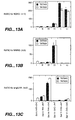
- Figures 13(A), 13(B) and 13(C) are graphs showing reversion of Sets I, II, III, IV, V and VI to 4-nitroquinoline-1-oxide (1 ⁇ g) (A), N -methyl- N '-nitro- N -nitroso-guanidine (4 ⁇ g) (B), and angelicin/UVA (C).
- Figure 14 is a graph showing the effect of a 20 min period of liquid preincubation prior to plate incorporation on the number of revertants of the strains in the TA702X series induced by t -butyl hydroperoxide ( t BHP) and cumene hydroperoxide (CHP).
- the invention provides, in part, Salmonella strains capable of detecting mutagenic agents and diagnosing each of the six base substitution mutations induced in DNA by mutagens.
- N4-hydroxycytidine was synthesized according to Janion (1978).
- Angelicin was purchased from HRI Associates, Emeryville, CA and the UVA source was purchased from Thomas, Philadelphia, PA.
- the acridine, ICR191 was purchased from Terochem, Edmonton, AB, Canada.
- the streptonigrin (Stgrn) was purchased from Flow Laboratories, McLean, VA and the formaldehyde (form) was purchased from Fluka Chemika-BioChemika, Buchs, Switzerland.
- primary Salmonella bacterium As used herein, the terms "primary Salmonella bacterium”, “primary bacterium”, “primary cell” and equivalents thereof are used interchangeably to refer to any Salmonella cell having wild type or pseudo wild type DNA sequences.
- a pseudo wild type DNA sequence may differ from the wild type DNA sequence, however, there will be no physiological difference between a cell expressing the pseudo wild type sequence and one expressing the wild type sequence.
- derivative Salmonella bacterium “derivative bacterium”, “derivative cell” and equivalents are intended to refer to a Salmonella cell having the same DNA sequence as the primary Salmonella bacterium from which it is derived, with the exception that the DNA sequence of the derivative bacterium contains a thymine substituted for an adenine or for a guanine, an adenine substituted for a guanine, a guanine substituted for an adenine, a cytosine substituted for an adenine or a cytosine substituted for a guanine in the sense strand of a DNA sequence in the primary bacterial cell.
- Derivative bacterial cells may be constructed from primary bacterial cells by treatment of the primary bacterial cells with mutagens capable of interacting with and changing nucleic acids. Further, derivative bacterial cells may be constructed using recombinant DNA methods such as site-directed mutagenesis, polymerase chain reaction (PCR), and the like.
- the invention is directed to a derivative Salmonella bacterium derived from a primary Salmonella bacterium by substituting a thymine for adenine at a specific site in the sense strand of a DNA sequence in the primary Salmonella bacterium.
- the derivative Salmonella bacterium is capable of reverting to the primary bacterium only as a result of a single substitution of the thymine at the specific DNA site with adenine, and in the absence of missense suppression. Reversion of derivative to primary cells may be brought about by treatment of the derivative cells with an agent that causes base substitution of adenine for thymine.
- UVA 320-400nm
- CB1348 chlorambucil
- Stgrn streptonigrin
- tBHP t -butyl hydroperoxide
- the spontaneous reversion of the derivative bacterium is preferably not more than about 5 revertants in 10 8 derivative cells, more preferably not more than about 1 revertant in 10 8 derivative cells and most preferably not more than about 8 revertants in 10 10 derivative cells.
- the invention provides for a derivative Salmonella bacterium derived from a primary Salmonella bacterium in which a thymine is substituted for a guanine at a specific site in the sense strand of a DNA sequence contained in the primary Salmonella bacterium. Further, the derivative Salmonella bacterium reverts to the primary Salmonella bacterium as a result only of a single substitution of the thymine at the specific site in the derivative bacterium with guanine, and in the absence of missense suppression. Reversion of derivative to primary cells may be effected by treating the derivative cells with an agent that causes base substitution of guanine for thymine.
- the substituted thymine in the derivative Salmonella bacterium is stable, i.e. , spontaneously reverts to guanine in the absence of an agent effecting an guanine-for-thymine substitution at a very low rate.
- the spontaneous reversion of the derivative bacterium is preferably not more than about 2 revertants in 10 8 derivative cells, more preferably not more than about 1 revertant in 10 9 derivative cells and most preferably not more than about 8 revertants in 10 11 derivative cells.
- the invention comprises four other derivative Salmonella bacteria in which either an adenine is substituted for a guanine, a guanine is substituted for an adenine, a cytosine is substituted for an adenine or a cytosine is substituted for a guanine at a specific site in the sense strand of a DNA sequence of a primary Salmonella bacterial cell.
- each of these derivative bacteria reverts to its respective primary Salmonella bacterium only as the result of a single base substitution of, respectively, guanine for adenine, adenine for guanine, adenine for cytosine or guanine for cytosine at the specific site.
- reversion of a derivative cell to its respective primary cell is effected by treating the derivative cell with an agent that causes the particular base substitution.
- the DNA sequence of the primary bacterial cell prior to the thymine-for-adenine, thymine-for-guanine, adenine-for-guanine, guanine-for-adenine, cytosine-for-adenine or cytosine-for-guanine substitution may be any sequence encoding a polypeptide which confers to the cell a characteristic for which the cell may be selected in the presence of a selection agent. It is preferable that the selectable characteristic conferred on the primary bacterium be phenotypic. Most preferably, the selectable phenotypic characteristic would render primary bacterial cells capable of growth in the absence of. a selection agent.
- non-selectable derived bacterium which is non-selectable for the particular characteristic, be able to grow only in the presence of the same selection agent.
- selectable characteristics that allow cell growth in the absence of a selection agent exist.
- primary bacterial cells may be chosen that are selectable for prototrophic growth in the absence of supplements, such as amino acids like histidine or tryptophan, or a carbon source like lactose or glycerol.
- specific site refers to a particular site in a DNA sequence of the primary bacterium or to the corresponding site in the DNA sequence of the derivative bacterium.
- the term "specific site” in the DNA of the primary bacterium herein has a functional definition and refers to a site in the DNA which when mutated by a thymine-for-adenine, adenine-for-guanine, guanine-for-adenine, cytosine-for-adenine or cytosine-for-guanine or by a thymine-for-guanine substitution renders the bacterium non-selectable for a characteristic for which the primary bacterium is selectable.
- the specific site in a DNA sequence at which a specific substitution may be introduced to render selectable cells non-selectable for a given characteristic may be determined from X-ray crystallography of the polypeptide encoded by the DNA of interest using methods well known in the art.
- the specific site in the primary bacterium reside in a codon encoding an amino acid to be translated by only a small number of tRNA isoacceptors, each coded by genes in low copy number.
- tRNA isoacceptors each coded by genes in low copy number.
- only one tRNA species has been found for the amino acids, cysteine, tryptophan and phenylalanine in E. coli.
- each tRNA gene is present in only one copy ( Komine et al., 1990).
- the specific DNA site in the primary bacterium should encode an amino acid having no equivalent amino acids.
- Equivalent amino acids are amino acids having similar size, and/or charge, and/or similar degrees of hydrophobicity, such as tyrosine and phenylalanine, glutamate and aspartate, and leucine and isoleucine. Further, equivalent amino acids are functionally defined by their ability to replace other amino acids in a polypeptide without altering the biological activity of the polypeptide.
- the specific site in the DNA in the primary bacterium should encode for an essential amino acid which when replaced with any other amino acid renders the polypeptide inactive.
- Essential amino acids may reside in the active site or co-factor binding site of a polypeptide or reside between two functional domains to provide the exact geometry of a regulatory site which is essential for activity.
- amino acids which are determined from X-ray crystallography data of the polypeptide to participate in the active site or co-factor binding site may be selected with advantage.
- the appropriate base substitutions may be made using methods known by those of ordinary skill in the art as in the substitution of thymine for adenine or guanine bases in codons encoding for the amino acids in the polypeptide active site.
- DNA sequence of interest encodes a polypeptide having between about 15% and 25% homology to the amino acid sequence of a peptide in the same or another organism and the homologous peptide includes conservative amino acid residue substitutions
- essential amino acids may be determined by aligning small segments of the polypeptide encoded by the DNA sequence of interest with the homologous peptide.
- Overall amino acid homologies of between 15% and 25% are generally considered trivial, but the resulting three-dimensional structures of the polypeptides may share the same physical geometries in critical regions of the protein. With homologies lower than 40%, small segments of different polypeptides can be analyzed by using a multiple sequence editor such as that developed by Mehta et al. (1989), to display segments of different peptides in parallel.
- Standard programs such as AALIGN and AACOMP (DNASTAR Inc., Microcomputer Systems, Madison, USA), based on the FASTP program (Lipman and Pearson, 1985) and the Needleman-Wunsch algorithm (Needleman and Wunsch, 1970) can be used to align amino acids in each segment. Gaps of varying lengths are introduced liberally between peptide segments to facilitate contiguous alignment of entire polypeptides with each other. The type and location of essential amino acids may be determined from invariant amino acid residues resulting from such alignments of the polypeptides encoded by the DNA sequence of interest.
- Essential amino acids may be further determined, using methods known in the art (Saiki et al., 1988), by sequencing of DNA in derivative bacterial cells having a DNA mutation which renders these cells non-selectable for the desired characteristic and by comparing this DNA sequence with that in primary bacterial cells selectable for the same characteristic. It is preferred that the DNA sequences in primary and derivative bacterial cells be determined by direct sequencing. Where comparison of DNA sequences in primary and derivative bacterial cells shows a single nucleic acid substitution in a codon wherein the substituted codon encodes a different amino acid from a primary amino acid encoded by the equivalent codon in the selectable primary cell, the primary amino acid may be essential.
- an amino acid is an essential amino acid
- one may substitute the single nucleic acid base using methods known in the art, in the first or second positions of the codon encoding the amino acid of interest with another base to produce a derivative codon such that the derivative codon encodes an amino acid which is different from the amino acid of interest.
- Cells containing derivative codons encoding each of the known amino acids other than the primary amino acid are tested for selectability for the characteristic of interest.
- Amino acids which when replaced by any other amino acid result in a cell non-selectable for the characteristic of interest are essential amino acids.
- essential amino acids are functionally defined as those amino acids which when replaced with any other amino acid result in abrogation of the activity of the polypeptide wherein they are disposed.
- the derivative bacterium comprises a thymine substituted for an adenine at +650 in the hisC gene or a homologue thereof, wherein this substitution renders the derivative cells incapable of growth in the absence of histidine.
- the derivative bacterium contains a thymine substituted for a guanine at +458 in the hisG gene or a homologue thereof, such that derivative cells having the thymine-for-guanine substitution do not grow in the absence of histidine.
- a nucleic acid hisG homologue or hisC homologue is initially identified by substantial nucleic acid sequence homology to the nucleic acid sequences shown in, respectively, Figure 1 (SEQ ID NO:1) and Figure 2 (SEQ ID NO:3). Furthermore, a nucleic acid hisG homologue or hisC homologue may also be identified by substantial amino acid sequence homology to the amino acid sequences shown in, respectively, Figure 1 (SEQ ID NO:2) and Figure 2 (SEQ ID NO:4). Thus, such homology can be based upon the overall nucleic acid or amino acid sequence. Where the homology is based on the amino acid sequence, it is preferred that the overall homology of the amino acid sequence be greater than 40%, more preferably greater than 65% and most preferably greater than 80% homologous.
- nucleic acid sequence homology may be substantially lower than that based on protein sequence.
- the overall homology of the nucleic acid sequence is preferably greater than 35%, more preferably greater than 60% and most preferably greater than 75% homologous.
- a hisG or hisC homologue can be readily identified by standard methods utilizing the nucleic acid sequence depicted in, respectively, Figure 1 (SEQ ID NO:1) and Figure 2 (SEQ ID NO:3).
- labelled probes corresponding to the hisG (SEQ ID NO:1) or hisC (SEQ ID NO:3) nucleic acid sequences can be used for in situ hybridization to detect the presence of a homologue in a particular cell.
- probes can be used to screen genomic or cDNA libraries of different Salmonella species or to identify one or more bands containing all or part of a homologue by hybridization to an electrophoretically separated preparation of genomic DNA from different Salmonella strains digested with one or more restriction endonucleases.
- Hybridization is preferably carried out under low stringency conditions. For example, prehybridization of filters carrying genomic or cDNA is incubated at 42°C for 6 h or more in 30% formamide (1.65 ml formamide, 1.375 ml 20x SSPE, 0.55 ml 100x Denhardt's reagent, 0.275 ml 20% SDS, 1.1 ml water, 0.25 ml sheared salmon sperm DNA).
- the homologue Once the homologue is identified, it can be cloned and, if necessary, its constituent parts recombined. Once isolated from its natural source, e.g. , contained within a plasmid or other vector or excised therefrom as a linear nucleic acid segment, the homologue can be further used as a probe to identify and isolate other homologues.
- Salmonella bacteria having two substituted nucleic acids in hisC or hisG are provided.
- the Salmonella bacteria contain a hisG (SEQ ID NO:1), or homologue thereof, having a guanine at site +506, i.e ., in the second position of the codon, and a guanine at site +507, i.e. , in the third, or wobble, position of the same codon.
- the position of the codon in a hisG homologue can be determined by finding a functionally equivalent codon by aligning the hisG nucleic acid sequence with the amino acid sequence of the homologue.
- Salmonella bacteria having a hisG (SEQ ID NO:1), or homologue thereof, containing a cytosine at site +506, i.e. , in the second position of the codon, and a guanine at site +507, i.e. , in the wobble position of the same codon.
- the invention is directed to providing Salmonella typhimurium mutants capable of detecting specific base substitution mutations.
- the base substitutions and mutations refer to the sense strand of DNA but also encompass the appropriate equivalents.
- a base substitution of thymine for guanine would also include the substitution of adenine for cytosine in the complementary strand.
- Salmonella typhimurium mutants capable of detecting A:T to G:C substitutions consisting of the strains TA7001, TA7021, TA7031 and TA7041.
- Salmonella typhimurium mutants which detect T:A to A:T substitutions consisting of the strains TA7002, TA7012, TA7022, TA7032 and TA7042. Further included are Salmonella typhimurium strains diagnostic of T:A to G:C substitutions consisting of the strains TA7003, TA7013, TA7023, TA7033 and TA7043. Also provided are Salmonella typhimurium mutants capable of detecting G:C to A:T substitutions consisting of the strains TA7004, TA7014, TA7024, TA7034 and TA7044.
- Salmonella typhimurium mutants which detect C:G to A:T substitutions are also provided and consist of strains TA7005, TA7015, TA7025, TA7035 and TA7045.
- Salmonella typhimurium mutant strains diagnostic of C:G to G:C mutations are also provided and consist of TA7006, TA7026, TA7036 and TA7046.
- the invention provides DNA sequences comprising hisC (SEQ ID NO:3), or homologues thereof, having a thymine at site +650.
- Other DNA sequences provided by the invention include a hisG homologue containing a thymine at site +458, or a guanine at site +507 with either a guanine or cytosine at site +506.
- Another embodiment provides for autonomously replicating, transferable DNA molecules harboring the hisC or hisG homologues having substituted nucleic acids.
- autonomously replicating refers to any DNA sequence capable of replicating in a cell and of directing expression of heterologous sequences disposed therein.
- transferable refers to DNA sequences that can be introduced into a host cell.
- Such autonomously replicating and transferable DNA sequences include plasmids, bacteriophages, and animal or plant viruses, with or without inserted heterologous sequences.
- the DNA sequence will contain transcription and translation regulatory sequences, transcription and translation stop signals and at least one restriction site sequence for a given restriction enzyme.
- Still another embodiment of the invention is directed to host cells comprising autonomously replicating, transferable DNA molecules containing the hisC or hisG homologues having substituted nucleic acids.
- the DNA elements can be transferred to a suitable host cell by appropriate means including transformation, transfection, or infection.
- Host cells bearing, replicating and expressing the inserted DNA sequences are then subjected to conditions appropriate for growth of the host cell.
- a wide variety of organisms may be employed as hosts, particularly those having polypeptides with homologous bioactivitiy to the activity of the polypeptide translational products of hisC and hisG.
- Host cells having rfa mutations are desirable because they receive autonomously replicating transferable DNA easily and also bulky test agents.
- host cells should be devoid of the pSLT plasmid (Sanderson et al., 1983) which may be associated with virulence properties in Salmonella.
- host cells that have specific defects in their DNA repair systems, such as mutations which inactivate genes responsible for recombinatorial and mismatch repair, may increase the spectrum of mutagenic agents detected in hisC and hisG.
- Other species include Salmonella abony, but of particular interest are subspecies of Salmonella typhimurium, including LT2, LT7 and LT22 (Sanderson et al., 1987).
- kits for characterizing each of the six specific base substitution mutations induced by a mutagenic agent.
- the kit comprises at least one series of derivative Salmonella bacteria strain from each of the six sets, each derivative bacterium being capable of detecting one of the six base substitution mutations, namely A:T to G:C, T:A to A:T, T:A to G:C, G:C to A:T, C:G to A:T and C:G to G:C.
- the kit finds use in, for example, determining the type and relative proportion of specific substitution mutations induced by therapeutic agents. Many compounds used in therapy have undesirable genotoxic effects on non-target cells.
- kits may be used to screen for the efficacy of redesigned therapeutic compounds in inducing specific DNA base substitutions. Further, several compounds are used desirably for their genotoxic effects, on for example tumor cells. The design of these compounds may be manipulated to enhance the compound's activity in producing specific DNA base substitution mutations causative of cell toxicity. The kit finds use in screening derivative compounds for the spectrum of the type and relative proportion of specific substitution mutations.
- Each of the derivative bacteria in the kit is derived from a primary bacterium.
- the primary bacterium from which each of the derivative bacteria are constructed may be the same or a different bacterium, provided that the primary bacterium of each of the derivative bacteria is selectable for a given characteristic.
- each of the strains from the six sets of derivative bacteria are non-selectable for the same characteristic for which the primary bacteria are selectable. Additionally, each of the non-selectable derivative bacteria reverts to a cell selectable for that characteristic only as a result of one of the six possible base substitutions for which the revertant bacterium is diagnostic and in the absence of missense suppression. This reversion can be brought about either as a result of treatment with an agent which causes the specific base substitution of interest or spontaneously, i.e. , in the absence of such agents. However, spontaneous reversion is a relatively rare event.
- the derivative bacteria used to diagnose the specific mutations preferably have a spontaneous reversion rate no greater than about 0.00002% (50 revertants in 4 x 10 8 cells). It is preferable that derivatives specific for substituting A:T with G:C, T:A with A:T, T:A with G:C, G:C with A:T, C:G with A:T and C:G with G:C, are respectively incapable of more than about 0.000003%, 0.000005%, 0.000002%, 0.00001%, 0.00001% and 0.000005% spontaneous reversion. More preferably, these derivatives do not revert, respectively, more than about 0.0000003%, 0.000001%, 0.0000001%, 0.000002%, 0.000003% and 0.0000005%. It is most preferable that spontaneous reversion of these derivatives is respectively not more than about 0.00000003%, 0.00000008%, 0.000000008%, 0.0000001%, 0.0000001% and 0.00000003%.
- Another specific embodiment is directed to a kit wherein the derivative bacteria capable of detecting each of the six specific base substitutions are Salmonella typhimurium strains having a mutation in hisC or hisG of the his operon and which do not grow in the absence of histidine in the culture medium.
- the derivatives diagnostic of A:T to G:C substitutions are selected from the strains TA7001, TA7011, TA7021, TA7031 and TA7041, those diagnostic of T:A to A:T substitutions are selected from the strains TA7002, TA7012, TA7022, TA7032 and TA7042, those diagnostic of T:A to G:C substitutions are selected from TA7003, TA7013, TA7023, TA7033 and TA7043, those diagnostic of G:C to A:T substitutions are selected from TA7004, TA7014, TA7024, TA7034 and TA7044, those diagnostic for C:G to A:T substitutions are selected from TA7005, TA7015, TA7025, TA7035 and TA7045, and those diagnostic for C:G to G:C substitutions are selected from TA7006, TA7016, TA7026, TA7036 and TA7046.
- kits for characterizing each of the six possible base substitution mutations are provided. Many cancers are known to result from a specific, or limited repertoire of, base substitution mutations in critical genes, such as oncogenes. It is therefore desirable to provide kits which can detect agents capable of inducing the specific substitution mutations of interest. Thus, in a preferred embodiment, kits are provided for characterizing specific substitution of guanine for adenine, adenine for thymine, guanine for thymine, adenine for guanine, adenine for cytosine, or guanine for cytosine.
- a method for characterizing specific classes of DNA base substitution mutations induced by mutagenic agents.
- the method to detect types of base transition mutations employs use of two Salmonella strains, each being non-selectable for a given characteristic, and each capable of reverting to a cell selectable for the same characteristic exclusively as a result of only one of two possible base transition mutations, and, therefore, in the absence of missense suppression.
- the mutagenic agent is contacted separately with each of the strains under conditions permitting base transition in the DNA of the strains by the mutagen.
- both tester strains should also be treated, separately, with a reference mutagen N 4 -aminocytidine (N4amC), which is known to induce both A:T to G:C and G:C to A:T transitions.
- a method to detect types of transversion mutations employs use of four Salmonella strains, each being non-selectable for a given characteristic, and each capable of reverting to a cell selectable for the same characteristic exclusively as a result of only one of four possible base transversion mutations and, therefore, in the absence of missense suppression.
- the mutagenic agent is contacted separately with each of the strains under conditions permitting base transversion in the DNA of the strains by the mutagen.
- the tester strains should also be treated, separately, with a reference mutagen known to induce the specific base transversion (Table 2) for which the tester strain is diagnostic.
- conditions of treatment vary depending on such factors as the stability of the mutagenic agent, e.g. , temperature or light sensitivity, solubility in solvents compatible with the tester strains and chemical nature of the mutagen, e.g. , the concentration required to cause base substitution mutation in combination with a minimal effect on the viability of the tester strains.
- the treated cells are cultured under appropriate conditions which select for revertant cells having the desired selectable characteristic using conventional methods well known in the art for culturing Salmonella cells, such as those described by Maron et al. (1983).
- the treated cells are grown for a sufficient length of time, e.g. , about 48 h when incubated at 37°C, to allow formation of colonies from cells having the desired selectable characteristic. Observation of colonies derived from a strain treated with the mutagen indicates that the mutagen induces the specific base substitution mutation for which that strain is diagnostic. Thus, each of the base substitution mutations caused by the mutagen can be determined.
- the invention is directed to a method for reducing missense suppression of a mutation at a specific site in a derivative codon in a DNA sequence, wherein the derivative codon is derived from a primary codon, the mutation in the derivative codon is present in either the base at the first or second site in the codon, and wherein the primary and derivative codons have the same base in the wobble, i.e., third, site.
- the derivative codon can be obtained from the primary codon by treating the DNA sequence wherein the codon is disposed with mutagenic agents or by site-directed mutagenesis and the like.
- the method consists of substituting the base in the wobble site of the derivative codon with a different base, with the proviso that if the base in the wobble site of the primary codon were substituted with the substitute base, this substitution would result in a pseudo primary codon which encodes an amino acid that is equivalent to the amino acid encoded by the primary codon.
- a further aspect of the invention provides for a method for reducing missense suppression of a mutation at the first or second site of a codon, by substituting the base in the wobble, i.e. , third, site of the same codon with a guanine.
- a method for making a mutation in the first or second position of a codon, wherein the mutation is not suppressed by an extragenic element.
- extragenic element herein refers to the gene product of a nucleic acid sequence that is not present in the gene sequence wherein the codon of interest is contained.
- An example of an extragenic element includes a gene encoding a tRNA sequence.
- suppression in this context refers to an abolishment of the phenotype expressed by a mutation.
- the term “suppressed” refers to the translation of a particular codon, which encodes a particular amino acid, to another amino acid other than the particular amino acid for which this codon encodes.
- the method comprises, in any order, substituting the base in the first or second codon positions with another base that is different from the base it is substituting and substituting the base in the wobble position of the codon with a guanine.
- the hisG1775 mutation is a G to A transition within the hisG gene that reverts exclusively by an A to G transition at the site of the original mutation.
- the hisC9070 mutation is a G to C transversion within the hisC gene that reverts exclusively to a C to G transversion. Over 50 specific changes were made at codons of different amino acid residues thought to be critical for enzyme activity by in vitro site-directed mutagenesis to locate targets that met the criteria for tester strain status.
- the mutations for Sets II, III, IV and V (Table 1) were designed and constructed on clones in vitro and transferred to the chromosome (Blum et al ., 1989).
- DNA fragments were obtained from asymetric amplification of freshly resuspended revertant colonies purified on minimal glucose plates (Maron and Ames, 1983) containing 3 ⁇ M biotin, by polymerase chain reaction (PCR; Saiki et al. , 1988). Excess primers and buffer salts were removed from the asymmetric PCR products by Quick Spin columns (SEPHADEX® G50 fine, Boehringer Mannheim, Indianapolis, IN). Sequencing primers were 5'-end labelled with [ 32 P]-gamma-ATP (Amersham, Arlington Heights, IL) using T4 polynucleotide kinase (United States Biochemical, Cleveland, OH). The asymmetric PCR products obtained from the revertant colonies were dideoxy sequenced using SEQUENASE® Version 2.0 (United States Biochemical).
- the rfa derivative of TA704X was made.
- the resulting derivatives were designated as complete tester strains, TA700X, and were retested with key mutagenic agents. If the rfa derivative retained sensitivity to reversion by these agents, the specificity of reversion was determined again by direct PCR sequencing.
- TA700X was confirmed to be specific for the predicted base substitution mutation, then other derivatives of the set were constructed and tested for sensitivity to reversion.
- the target mutations were transferred to SB8052 (hisD3052 ⁇ ara9; Hartman et al,, 1971) by P22 transduction to make the series, TA701X, which carry just the target mutations without any of the additional features that enhance mutagenic sensitivity.
- the R factor, pKM101 (Mortelmans, 1975), was introduced into TA701X by conjugation with TA4593 ( argB69 /pKM101; described later in this application) to make the TA702X derivatives.
- the target mutations were transferred to TA2684 (hisD3052 ⁇ ara9 ⁇ chll004 (bio chlD uvrB chlA) galE503/ pKM101; Levin and Ames, 1986) to make the TA703X derivatives (Table 1).
- the target mutation was confirmed by direct PCR sequencing in each derivative in all sets of strains. Each of these strains was tested with appropriate mutagens and the specificity of a sample of revertants induced by a wide variety of mutagens was confirmed by direct PCR sequencing. Thus the reversion of each set of strains from His- to His+ by the single base substitution unique to the set, not only quantitates the potency of the mutagenic agent, but the subset of six sets of strains which responds to the mutagen indicates the molecular pathways of mutagenesis recruited by the mutagenic agent.
- SB8052 provided a common genetic background to all six target mutations in the his operon (Salmonella Genetic Stock Centre internal stock number SBSC2559). SB8052 has also been deposited at the American Type Culture Collection (ATCC) in Rockville, Maryland and has been assigned deposit number ATCC 55480.
- ATCC American Type Culture Collection
- TA4593 was constructed from TA94 (Salmonella Genetic Stock Centre internal stock number SGSC2560) and SA4757 (Salmonella Genetic Stock Centre internal stock number SA4757 because this strain designation was assigned by the Salmonella Genetic Stock Centre).
- TA94 and SA4757 have been deposited at the ATCC and have been assigned deposit numbers ATCC 69451 and ATCC 55481, respectively.
- the parents of TA4490 were TA2684 (Salmonella Genetic Stock Centre internal stock number SGSC2561) and TA4593.
- TA2684 has been deposited at the ATCC and has been assigned deposit number ATCC 55479.
- Thousands of Salmonella strains derived from the wild type typhimurium, LT2, LT7 and other less common species, and many associated bacteriophages are freely available upon request from the Salmonella Genetic Stock Centre, University of Calgary, 2500 University Drive N.W., Calgary, AB T2N 1N4, Canada. Requests are accepted by telephone, 403 220 6792; by FAX, 403 289 9311 and by electronic mail, kesander@acs.ucalgary.ca.
- the mutant, SB8052( hisD3052 ⁇ ara9 ) forms the basis of the recipient strains and became the genetic background of all of the subsequent tester strains of the invention. It was isolated from penicillin enrichment of mutagenesis by the non-alkylating derivative of the acridine half-mustard, ICR354-OH (2-chloro-6-methoxy-9-[2-(2-hydroxyethyl) aminoethylamino]-1-azaacridine dihydrochloride) of a stable deletion mutant, ⁇ ara9 (Oeschger and Hartman, 1970). Cells carrying the ⁇ ara9 mutation cannot grow on L-arabinose as a carbon source.
- the hisD3052 mutation is a deletion of a C:G base pair at position 896 of the DNA sequence of the hisD gene in the histidine biosynthetic operon so that the hisD protein is translated out of frame after ala 298 .
- the hisD3052 mutation was mapped to the genetic regions IV-VA of the hisD gene by complementation to a set of deletion strains of the his operon (Hartman et al., 1971). No other mutations in SB8052 were found in the his operon when compared to the wild type DNA sequence (Barnes, 1981; Carlomagno et al., 1988).
- the nucleotide sequence of the hisD3052 mutation was derived from a comparison of the amino acid sequence of peptides from the wild type hisD gene and the revertants of SB8052 (Isono and Yourno, 1974).
- TA4593 an arginine auxotroph
- pKM101 which confers ampicillin resistance to the recipient.
- R factor pKM101 (Mortelmans, 1975)
- mucAB genes also carries the mucAB genes.
- mucAB muc: mutagenesis: UV and chemical; Langer et al., 1981; Perry et al., 1982; and Elledge et al., 1983), which code for a very active SOS system.
- mucAB genes muc: mutagenesis: UV and chemical; Langer et al., 1981; Perry et al., 1982; and Elledge et al., 1983.
- These genes are induced when damage to the DNA blocks replication and/or transcription. Elevated concentrations of these SOS-related proteins enhance the misincorporation of bases and/or allows the polymerases to bypass the DNA lesion.
- TA2000 purF145/ pKM101 was constructed by transferring pKM101 from SL3379 (Mortelmans et al., 1975) to purF145 (TR6770, Downs and Roth, 1987).
- TA2000 was carrying a cryptic prophage that was defective in some way since its release as a plaque-forming particle was not predictable and was transferred to some of our strains. Inconsistently, about ten or less very faint plaques were observed on a lawn of cells during mutagenicity testing. Induction of these plaques was not reproducible when testing was repeated using the same testing components. Further, plaque formation could not be enriched by plating the actual culture used for testing on rich medium. This indicated that neither the bacterial culture nor the reagents used during the testing was contaminated with an exogenous bacteriophage. However plaques were observed only when the strain used for testing had been constructed with TA2000 as an intermediate derivative.
- TA2000 was used as the donor of pKM101 in the construction of all Salmonella tester strains from 1975 (McCann et al., 1975) including the widely distributed strains, TA97a, TA98, TA100, TA102, TA104 (Maron and Ames, 1983) and more recently, TA4001 and TA4006 (Levin and Ames, 1986).
- TA97a TA98, TA100, TA102, TA104
- TA4001 and TA4006 Levin and Ames, 1986.
- the variability in the mutagenic response between experiments and between laboratories may be a result of unpredictable plaque formation which may have escaped observation.
- pKM101 was transferred to ⁇ pyrE125 (Turnbough and Bochner, 1985) to construct TA4488.
- This strain failed to eliminate plaques.
- using this strain as the pKM101 donor only made a slight improvement in the robustness of the completed tester strain. Further, fewer faint plaques were observed, and these appeared less frequently during testing of the same strains. No consistent pattern of release of plaque-forming particles was found with a given mutagen or a particular derivative or a set of strains.
- the histidine biosynthetic pathway uses ATP and PRPP as the initial substrates, it is tied into intermediary metabolism of the purines, pyrimidines, pyridines and tryptophan. It has been shown that when the mutant, purF145 (the mutation carried in TA2000 as the basis of selection for conjugation), is starved for purines, plaques sometimes form but not consistently (Downs and Roth, 1987). Theoretically, only the episome should be transferred during conjugation for which the R factor donor strains are used and not any of the markers associated with the purF145 or ⁇ pyrE125. However, it appears that episome transfer sometimes included a factor that is associated with induction of phage particles.
- mutants such as SA2841 (trpC2) and SA1117 ( metA22 ) (Sanderson and Stocker, 1987; Salmonella Genetic Stock Centre, internal stock numbers SA2841 and SA1117), respectively, may also have suitable auxotrophies for the construction of a donor strain for pKM101.
- ArgB69 was chosen as the faster growing mutant on rich nutrient agar plates and was assigned the strain designation, SA4757 (Salmonella Genetic Stock Centre, argD10 is available at the Salmonella Genetic Stock Centre but was not assigned a strain designation). Two single colony isolates of SA4757 were picked and reisolated on minimal 0.4% glucose plates containing 0.6 mM arginine. A single large colony was picked and grown overnight (12 h) in a shaking incubator at 37°C. A 100 ⁇ l aliquot of the freshly grown culture of SA4757 was spotted in the center of a minimal 0.4% glucose plate.
- TA94 cannot grow without histidine and SA4757 was not resistant to ampicillin.
- Six isolates were picked from different areas of confluent growth and were streaked for single colony isolates twice on minimal 0.4% glucose plates containing 0.6 mM arginine and 50 ⁇ g/ml ampicillin.
- a large single colony was chosen and designated TA4593 ( argB69/ pKM101) .
- TA4593 was used as the donor of pKM101 for all the TA7000 series strains (See Table 1) and there has been no reoccurrence of plaque formation.
- mutations which compromise repair of damaged DNA include mutations that affect the excision of bulky adducts which distort the alpha-helical structure of DNA. These mutations include a complete deletion of the uvrB gene (uvr: UV repair) which directs the bulky excision repair complex, ( uvr A 2 BC 2 ) to the specific location of the DNA adduct formed by agents like UVC irradiation or 4-nitroquinoline-1-oxide (NQNO).
- uvr B increases the concentration of premutagenic lesions to enhance the probability of a mutation in response to the lesion instead of its removal.
- galE496 SL1657
- galE856 LB5010
- Other point mutations such as galE496 (SL1657) and galE856 (LB5010) (and smaller deletions in the gal operon) are available from the Salmonella Genetic Stock Centre under their strain designation SL1657 and LB5010, respectively. They may prove to be as suitable as galE503 (HN202) but this mutation was used in the selection of rfa mutations because it had been well characterized.
- rfa operon which consists of nine genes
- Isolates with mutation(s) in the rfa operon were selected on the basis of best growth (doubling time of about 30 min) and permeability to the high molecular weight dye, crystal violet. Permeability to crystal violet is measured by the size of the zone of growth inhibition of the rfa mutant by crystal violet and simulates the accessibility of large test compounds for the purposes of mutagenicity assay.
- Mutations in the rfa operon are believed to play a pivotal role in determining whether a given concentration of chemical is toxic enough to induce the SOS response and undergo mutagenesis, or is so toxic as to kill or arrest the growth of the cell, which prevents mutagenesis.
- the rfa mutation may contribute to the sensitivity of the strains in the detection of some mutagenic agents like N4OHC when tested on TA7001 as represented by the hatched bar (right side of graph), which is the rfa derivative of TA7041 as represented by the solid bar (left side) in Figure 3.
- the rfa mutations may detract from the sensitivity of the strains in the detection of other mutagenic agents like NQNO when tested on TA7004 as represented by the hatched bar (right side), which is the rfa derivative of TA7044 as represented by the solid bar (left side) in Figure 7.
- each of the mutagenicity enhancing features have been optimized to increase the sensitivity of the present strains with the least effect on the growth rate of the resulting strain.
- hisG9074 SEQ ID NO:17
- the mutation of Set III was transferred into a genetic background where a large deletion removed a substantial part of the gal operon (galE, galT, galK; TA4338) which is mapped to 18 min of the Salmonella genetic map (Sanderson and Hurley, 1990).
- This deletion extends past uvrB to include chlA which is more than 0.6 min away on the genetic map. This constitutes approximately 28 kbp of DNA.
- hut operon histidine utilization genes
- glnP high affinity glutamine transporter
- bio biotin synthesis
- chlD and chlA which is responsible for resistance to chlorate were deleted in addition to the deletion which inactivated gal and uvrB.
- TA4338 hisG9074 ⁇ chl1043(gal hut glnP bio chlD uvrB chlA ) rfa/ pKM101 was made to optimize the contributions of mutations in gal and uvrB.
- TA4593 pKM101 was transferred to TA2684 (hisD3052 ⁇ ara9 ⁇ chl1004(bio chlD uvrB chlA) galE503; Levin and Ames, 1986) by conjugation.
- a 10 ⁇ l aliquot of a fresh overnight culture of TA4593 was placed on top of 100 ⁇ l of a similar culture of TA2684 and spread on a minimal 0.4% glucose plate (Maron and Ames, 1983) containing 260 ⁇ M histidine, 3 ⁇ M biotin and 50 ⁇ g/ml ampicillin.
- Conjugate cells were picked from six different areas of confluent growth and streaked for single colony purification on plates used in the original selection.
- TA4490 was used as the recipient strain in the first step of strain construction because it allowed the testing of both SOS-dependent and independent mutagenic agents.
- the mutations in hisG and hisC for each of Sets I to VI were transferred to TA4490 by P22 transduction to growth on minimal 0.4% glucose plates (Maron and Ames, 1983) containing 300 ⁇ M histidinol, 3 ⁇ M biotin and 50 ⁇ g/ml ampicillin. These plates were incubated at 37°C for 36 to 48 h. Fifteen to twenty transductants were picked and purified for single colony isolation on nutrient agar plates (Maron and Ames, 1983) and incubated for 24 h at 37°C.
- His-Hol+ isolates A healthy medium size colony from each original transductant was tested for a His-Hol+ phenotype.
- His-Hol+ isolates one was chosen according to a high growth rate on histidine; and a low spontaneous reversion frequency in the absence of histidine and a high degree of inducibility by SOS-dependent and independent mutagens and designated TA704X.
- the codon for Set I was found by sequencing the pre-existing mutant, hisG1775, which was isolated from N -methyl- N '-nitro- N -nitroso-guanidine (MNNG) mutagenesis and enriched by penicillin selection (Hartman et al., 1971).
- TA4071 hisG1775 supE zbf98::Tn 10 /F42 finP301 lac +
- SA2197 purC7/F42 finP301 lac + ; Sanderson et al., 1981; Salmonella Genetic Stock Centre internal stock number SA2197
- TT2342 supE zbf98::Tn10 hisC527 leu-414; Johnston and Roth, 1981
- the hisG1775 mutation of TA4071 was transferred to the clone, M13mp9::his4 (Artz et al., 1983), which has a deletion in the region homologous to the hisG1775 mutation.
- Recombinant phage were purified and single stranded DNA was prepared for single stranded M13 dideoxy sequencing.
- the hisG1775 mutation was identified to be a G:C to A:T transition where asp 153 (GAT) has replaced the wild type, gly 153 (GGT). This single mutation was responsible for the histidine requirement of hisG1775.
- hisG72, hisG1769 and hisG1792 were found to carry an identical asp 153 (GAT) mutation at gly 153 (GGT)
- hisG1775 was selected because some mutagenicity data were available (Levin and Ames, 1986).
- the high frequency transducing phage, P22 int4 HT was grown on hisG1775 and phage lysate carrying this mutation was used to transduce TA4490.
- the transductant was selected for growth on histidinol, and designated, TA7041 (hisG1775 ⁇ ara9 ⁇ chl1004(bio chlD uvrB chlA) galE503/ pKM101) . It was checked for His-Hol+ phenotype and was PCR sequenced to verify the transfer of the mutation.
- TA7041 was screened for resistance to lysis by bacteriophage C21 (Wilkinson et al., 1972) to select for its rfa derivative, TA7001 (hisG1775 ⁇ ara9 ⁇ chl1004(bio chlD uvrB chlA) galE503 rfal041/ pKM101) which constitutes the complete tester strain.
- TA7011 hisG1775 ⁇ ara9
- TA7031 hisG1775 ⁇ ara9 ⁇ chl1004(bio chlD uvrB chlA) galE503
- the R factor, pKM101 was introduced to TA7011 by conjugation with TA4593 to make TA7021 (hisG1775 ⁇ ara9/pKM101) (Table 1).
- TA7001 was tested extensively as represented by the open bars in Figure 3, instead of TA7041 as represented by the stippled bars in Figure 3 because it was desirable to check that the addition of the rfa1041 mutation did not decrease the mutagenic response by more than about 50% for compounds such as N 4 -aminocytidine (N4amC).
- N4amC N 4 -aminocytidine
- the plate incorporation assay (Maron and Ames, 1983) was used with only a minor modification. The concentration of glucose in the agar plates was decreased from 2% to 0.4%. Both methyl glyoxal (meGl) and formaldehyde (form) were preincubated with TA7001 for 20 min before plating.
- Revertants induced by different mutagens were suspended in sterile water (10 17 ohms resistivity) and whole cells were used as templates for 40 cycles of asymmetric PCR using primer ratios of 1:100. DNA obtained was sequenced directly using a 32 P-end-labelled primer. Over 100 independent, spontaneous revertants and mutagen-induced revertants, from the mutagens set forth in Figure 3, were sequenced and found to have only the wild type sequence (SEQ ID NO:7), GGT; therefore, this mutant codon reverts specifically by A:T to G:C transitions. About 10 revertants induced by N 4 amC were sequenced from each representative strain from Set I ( i.e.
- hisG1775 (SEQ ID NO:5) was assumed to be a C:G to T:A transition (Hartman et al., 1971), the location and the type of this mutation was not identified until hisG1775 (SEQ ID NO:5) was sequenced. It was confirmed to be G:C to A:T by sequence analysis. Both of these changes are classified as Set I since only the DNA strands are inverted; it was decided to name the sense strand of the actual mutation first.
- sequence analyses of both mutagen induced and spontaneous revertants revealed that only 57% were reverting by the expected A:T to C:G transversion (equivalent to Set III strains) of which only 14% were to the wild type thr (ACA) and the other 43% were to asn 214 (AAC). The remaining 43% reverted by A:T to T:A transversions also to asn 214 (AAT) .
- the mutation in the other mutant, hisA9071 was thought to revert by C:G to T:A transitions (equivalent to Set IV strains) because it responded very well to MNNG and not much else.
- the mutation was identified to be a pro 16 (CCC) in place of leu 16 (CTC).
- TA4001 and TA4011 were reisolated and tested with several mutagens in addition to those already reported (Levin and Ames, 1986). Although TA4001 reverted specifically to wild type sequence (SEQ ID NO:7), it was not sensitive enough to be useful because its average reversion rate was not even 5 ⁇ 1 times let alone 10 times greater than the spontaneous frequency when treated with approximately 20 mutagenic agents (See, Figure 4). TA4001 is represented by the stippled bars in Figure 4. The complete tester strain, TA4001 did not show the requisite sensitivity for inclusion in Set I. (In contemplating an acceptable level of sensitivity it should be noted that usually a 10 fold above background sensitivity is considered a minimal detection limit in a measurement system.) Therefore, a new set of strains, designated TA70X1, were constructed for Set I.
- the mutant allele, hisG1775 was retained in the construction of strains in Set I (TA7001, TA7041, TA7031, TA7021 and TA7011) using the herein described novel recipient and donor strains. Construction of Set I strains using TA4593 and TA4490 resulted in strains that are more genetically stable and were sensitive to mutagenic agents. No plaque formation has been observed during the extensive testing of all representative strains of Set I.
- TA7001 (as represented by the open bars in Figure 4) was approximately 8 fold more sensitive than TA4001 (as represented by the stippled bars in Figure 4), to N4OHC, since the Levin and Ames 1986 spontaneous reversion rates were very similar (2.5 and 2 revertants per plate respectively).
- a standard number of 8 ⁇ 4 x 10 8 cells per plate was always used in the present studies as well as in the 1986, Levin and Ames study to test the induction of reversion by mutagenic agents as detailed in Maron and Ames (1983).
- Streptonigrin (Strgn) a bulky agent that requires the presence of a rfa mutation for maximal induction was found to induce 13 ⁇ 1 revertants per plate in TA4001 as compared to 103 ⁇ 19 revertants per plate in TA7001. These represent sensitivity ratios of less than 7 for TA4001 and greater than 40 for TA7001.
- the present study repeated the testing of TA4001 with to angelicin/UVA (ang/UVA) to obtain 14 ⁇ 1 revertants per plate which was the same as the published value of 14 revertants per plate (Levin and Ames, 1986). By comparison, 60 ⁇ 4 revertants were induced in TA7001, which is greater than 20 fold over spontaneous.
- TA7001 was induced to a greater extent by all mutagenic agents tested when compared to TA4001 (See Figure 4).
- the average of the sensitivity ratios for the 18 mutagens tested was about 14 and the individual ratios ranged from 0.3 to 66 fold over spontaneous; as compared to an average of only 2.7 with ratios ranging from 0.3 to 11 fold over spontaneous reversion rates for TA4001.
- coli one of these 12 invariant amino acids, a lysine residue, was determined to be responsible for binding the cofactor, pyridoxal phosphate (Kamitori et al., 1990). While there was less than 20% amino acid sequence identity between aspartate and non-aspartate aminotransferases, there was 86.9% amino acid homology between the E. coli histidinol-phosphate aminotransferase and the S. typhimurium histidinol-phosphate aminotransferase (Carlomagno et al., 1988). After careful analysis of these two sequences, lys 217 in hisC (See Figure 2) of the S. typhimurium enzyme was chosen as the target site of in vitro mutagenesis.
- TA4303 ( ⁇ his129 ( hisDC ) supE zbf::Tn 10 /F42 finP301 lac + ) , a supE derivative of TA4302, was made by P22 transduction with TT2342 (Johnston and Roth, 1981).
- the endpoints of the deleted region in TA4302 were determined by direct PCR sequence analyses. The 5' endpoint of the deletion started in the hisD gene such that enough was deleted to render TA4302 Hol- and extended through almost 80% of hisC including the region that corresponded to the lys 217 codon.
- hisD and hisC The structural genes of hisD and hisC (SEQ ID NO:3) were excised sequentially with Nar I and Eco RV from PHS10000 (Carlomagno et al. , 1983) which had been propagated in the E. coli strain, TA4308 ( ⁇ his416 ( hisOGDCBGHAFIE )/F42 finP301 lac + ) . TA4308 has been deposited at the ATCC and has been assigned deposit number ATCC 69450.
- the 692 bp fragment was restricted further with Hind III to yield a 498 bp Hind III to EcoRV fragment, which, together with a 2210 bp EcoRV to Nar I fragment, was subcloned into the bacteriophage, M13mp8, using the Hind III and Acc I sites of the polylinker (Boehringer Mannheim) to construct the clone, M13mp8::hisDC1.
- the flanking regions provided sufficient overlap on both sides of ⁇ his129 for homologous recombination into TA4302.
- the hisD gene was included as the selectable marker for growth on histidinol and is the adjacent gene upstream of hisC which provided a continuous fragment to complete the deleted region in TA4302.
- M13mp8::hisDC1 was able to complement both ⁇ his129 ( hisDC ) in TA4303 and hisD3337 in AZ1457 (Artz et al., 1983) to His+Hol+. Therefore, the hisD and hisC (SEQ ID NO:3) genes in the clone, M13mp8::hisDC1, were expressed correctly.
- the codon for lys 217 (AAA) of hisC was changed to ile 217 (ATA) using PCR to generate a DNA fragment to fix the mutation which was synthesized in a 22 bp oligomer (SEQ ID NO:9).
- the sequence of the single-stranded 22-bp DNA oligomer (SEQ ID NO:9) which contained the mutation for hisC9138 was made in the sense strand:
- the middle A of the lys 217 codon was changed to a T
- the reversion of the ile 217 mutant to lysine requires a T : A to A : T transversion.
- the underlined sequences indicate the actual DNA oligomer that was synthesized to introduce the target mutation.
- This synthetic 22 bp DNA oligomer (SEQ ID NO:9) was used to generate a DNA fragment by PCR that was subcloned into the clone, M13mp8::hisDC1.
- the subsequent ile 217 clone was found to be His- and Hol+. This indicated that changing lys to ile was sufficient to inactivate the histidinol-phosphate transferase coded by hisC to the extent that it would no longer support growth without histidine.
- the ile mutation was then transferred to the chromosome of TA4302 by M13 transduction (Blum et al. , 1989) using histidinol selection.
- the transductant was cured for lysogeny and was designated the mutant allele, hisC9138 (See, Table 1).
- P22 int4 HT was grown on this transductant and the resulting phage lysate, (P22 int4 HT: :hisC9138 ) was used to carry the ile 217 (ATA) mutation into tester strain backgrounds.
- TA7042 hisC9138 ⁇ ara9 ⁇ chl1004 ( bio chlD uvrB chlA) galE503 /pKM101 was made by P22 transduction of hisC9138 to TA4490 by selection on histidinol.
- TA7002 hisC9138 ⁇ ara9 ⁇ ch11004(bio chlD uvrB chlA) galE503 rfa1042 /pKM101
- C21 TA7012 (hisC9138 ⁇ ara9) and TA7032 (hisC9138 ⁇ ara9 ⁇ chl1004(bio chlD uvrB chlA) galE503) were constructed by P22 transduction into SB8052 and TA2864 respectively and TA7022 (hisC9138 ⁇ ara9 /pKM101) was made from conjugation of TA7012 with TA4593.
- TA7042 represented by the stippled bars in Figure 5, left side
- TA7002 represented by the open bars in Figure 5, right side
- CB1348 the standard plate incorporation assay
- the tester strains, TA7002 in this example is grown overnight (12 h) in oxoid broth as indicated in Maron and Ames (1983). However 5.5 ml of this culture is centrifuged at 1080 xg for 10 min. The broth is removed to prevent confounding effects from UVA irradiation of components in the broth.
- the cell pellet is resuspended in 1xVBC (Maron and Ames, 1983) to a concentration comparable to the original overnight culture as measured by absorbance at 650 nm.
- the ile 217 mutation introduced in place of wild type lys 217 inactivated the enzyme sufficiently to inhibit growth, and reversion of the strains built on this hisC9138 mutant allele was specifically by T:A to A:T transversions only. Further, the ile 217 mutants were sensitive to mutagenic agents which specifically induce T:A to A:T mutations.
- the target mutation of Set III strains was based on the mutant codon identified for hisG1775.
- This mutation was synthesized in a 20 bp DNA oligomer (SEQ ID NO:13) and was used to prime a single stranded template of M13mp9::hisl (Artz et al., 1983).
- the sense strand is shown as its reverse complement.
- the oligomer (SEQ ID NO:13) is the bottom strand:
- T was inserted in the top or sense strand opposite the A in the bottom strand in subsequent rounds of replication and was fixed as GTT which was translated as valine:
- the val 153 mutant reverts to wild type gly 153 by a T:A to G:C transversion.
- the mutant clone was enriched by methods as described by Kunkel et al. (1987) with some minor modifications.
- the val 153 mutation was transferred to the chromosome by M13 transduction (Blum et al. , 1989) and assigned the allele number, hisG9074. Although no pre-existing val 153 (GTT) mutants were found, three alternate Set I mutants, ser 153 (AGT), hisG8643, hisG3048 and hisG3085 (Hartman et al., 1971), were found using direct PCR sequencing.
- the rfa derivative, TA7003 was isolated from resistance to lysis from bacteriophage, C21 (Wilkinson et al., 1972) .
- hisG9074 was transferred to SB8052 and TA2864 by P22 transduction to make TA7013 (hisG9074 ⁇ ara9) and TA7033 (hisG9074 ⁇ ara9 ⁇ chl100 4 (bio chlD uvrB chlA) galE503), respectively; while TA7023 (hisG9074 ⁇ ara9 /pKM101) was made by conjugation with TA4593 (Table 1).
- val 153 (GTT) mutation in all strains of Set III reverted at a spontaneous frequency of less than one colony per plate (from one colony in two to ten plates, Table 2)
- the conservative estimate of one colony per plate (8 x 10 8 cells/plate) was used to determine sensitivity or responsiveness of strains based on this mutation.
- the mutagenic agent, angelicin/UVA was selected as the positive control for the strains of Set III. This agent induces reversion approximately 150 times, for TA7043 (as represented by the stippled bars in Figure 6), and about 190 times, for TA7003 (as represented by the open bars in Figure 6), above their respective spontaneous frequencies.
- meGl, form and CB1348 were preincubated for 20 min before plating.
- low levels of mutagenicity were detected on using t -butylhydroperoxide (t BHP; open bars) and cumene hydroperoxide (CHP; light stippled bars) at about five times above spontaneous frequencies for TA7023 when tested with 20 min of liquid preincubation (Maron and Ames, 1983) before plating ( Figure 14).
- Revertants were chosen from each of the mutagens tested ( Figure 6) and were resuspended for asymmetric PCR and sequenced as in previous sets. Over 100 independent revertants of TA7043 and TA7003 resulting from the mutagenicity assays as depicted in Figure 6 were sequenced and found to be of only wild type sequence (SEQ ID NO:15), thereby confirming the specificity of the T:A to G:C transversions in the reversion of strains in Set III.
- Mutant suppressor tRNA species have been used to study the effects of codon context on the efficiency of suppression of nonsense and missense mutations (Pages et al., 1991; Maldonado-Rodriguez et al., 1991; Buckingham, 1990; Buckingham et al., 1990(a); Tucker et al., 1989; Murgola et al., 1984; Winston et al., 1979; Simarov et al., 1971) and in some cases where sufficient detail is known (Sledziewska-Gojska et al., 1992; Levin and Ames, 1986), suppressor tRNA species have been used to imply mutagenic specificity.
- the target mutation for Set IV was indirectly based on the pre-existing mutant, hisG3096 (Hartman et al., 1971). This mutant was isolated from MNNG mutagenesis using methods identical to those for hisG1775. The mutant allele, hisG3096, was identified by direct PCR sequencing to carry the asn 169 (AAT) mutation which had replaced the wild type residue, asp 169 (GAT). Approximately 40 to 50 spontaneous and mutagen-induced revertants from tester strains made with hisG3096 were sequenced and all were found to be wild type. This site was changed by PCR mutagenesis to carry gly 169 (GGT) and subcloned into M13mp9::hisl (Artz et al., 1983).
- the third base at the asp 169 codon, GAT was not completely degenerate and a change to a G to maximize the precision of tRNA selection according to the wobbling rules based on the inherent degeneracy of the DNA code, changed the amino acid residue from asp 169 (GAT) to glu 169 (GAG).
- This conservative substitution was made using PCR mutagenesis methods which fixed the mutation into a DNA fragment that was subcloned into M13mp9::hisl (Artz et al., 1983) to determine the effect of glu 169 on the activity of ATP-phosphoribosyltransferase.
- a 21 bp DNA oligomer (SEQ ID NO:19) containing the context change was made as the anti-sense strand:
- the oligomer (SEQ ID NO:19), as the bottom, anti-sense strand, is shown with its reverse complement, the sense strand:
- the C in the bottom strand becomes a G in the top (i.e. , sense strand) in the next round of replication and is fixed as GAG which translates to glutamate:
- the ATP-phosphoribosyltransferase remained active to give a His+ phenotype in complementation assays when glutamate was substituted for the wild type, aspartate residue in this position.
- This glu 169 (GAG) change was transferred to the chromosome (Blum et al., 1989). There was no detectable difference in the growth rate of cells carrying glutamate as compared to those carrying the wild type aspartate. Therefore, there was no selective advantage for the back-mutation of glutamate to aspartate.
- This context change in the glutamate mutant was phenotypically silent and therefore was designated as the psuedo wild type reference for Sets IV and V.
- the base change for Set IV was engineered as gly 169 (GGG) based on glu 169 (GAG) as the wild type using methods similar to those used for constructing the GAG pseudo wild type.
- the mutation for hisG9133, fixed in a 23 bp DNA oligomer (SEQ ID NO:25) was synthesized in the anti-sense strand:
- the mutant DNA oligomer (SEQ ID NO:25) is the bottom strand and is shown below with its reverse complement, the sense strand:
- the gly 169 mutant was designed to revert to the glu 169 pseudo wild type by a G : C to A : T transition.
- the mutation carried in a PCR fragment was subcloned into M13mp9::his1 (Artz et al, 1983) and transferred to the chromosome by M13 transduction (Blum et al., 1989).
- P22 int4 HT was grown on the M13 transductant ( hisG9133 ) and this phage was used to transfer this mutant allele, hisG9133 , into tester strain backgrounds.
- TA7044 hisG9133 ⁇ ara9 ⁇ chl1004(bio chlD uvrB chlA) galE503 /pKM101
- the rfa derivative was isolated from C21 resistance and designated TA7004 ( hisG9133 ⁇ ara9 ⁇ chl1004(bio chlD uvrB chlA) galE503 rfa1044/pKM101).
- the mutant allele, hisG9133 was transferred in a similar fashion to SB8052 and TA2864 to construct TA7014 (hisG9133 ⁇ ara9 ) and TA7034 ( hisG9233 ⁇ ara9 ⁇ chl1004(bio chlD uvrB chlA) galE503), respectively.
- TA7014 was mated with TA4593 to make the R factor derivative, TA7024 (hisG9133 ⁇ ara9 /pKM101),
- TA7044 represented by the stippled bars in Figure 7
- TA7004 represented by the open bars in Figure 7
- MNNG MNNG induced 1800 ⁇ 170 revertants per plate which was over 100 times the spontaneous frequencies in TA7004.
- the reversion data for MNNG is shown in Table 2 but have been left out of Figure 7 because the scale would obscure the mutagenic response from the other mutagens. Based on the high response of TA7004, MNNG was selected as the positive control for strains of Set IV.
- TA7044 as represented by stippled bars in Figure 7 and TA7004 represented by open bars in Figure 7 were found to detect a subset of mutagens such as ethyl methanesulfonate (EMS), 4-nitroquinoline-1-oxide (NQNO) and N4amC, approximately 20 to 50 times over spontaneous frequencies (See, Figure 7). Both meGl and formaldehyde (form) were preincubated for 20 min before plating.
- EMS ethyl methanesulfonate
- NQNO 4-nitroquinoline-1-oxide
- N4amC N4amC
- the revertants by definition are His+, and those that retain the mutant sequence must have a functional enzyme which has the appropriate amino acid residue at the target site even if the DNA codes for a mutant nonfunctional protein. It was speculated that the translational machinery was inserting the wild type amino acid; either by charging the tRNA complementing the mutant codon in the mRNA with the incorrect wild type amino acid, or the wild type amino acid is charged to its correct tRNA but the anticodon has been mutated to recognize the mutant mRNA. Since aminoacylation undergoes chemical proofreading by the synthetase, the amino acid is charged to its isoacceptor tRNA's with high accuracy.
- a single tRNA can recognize more than one codon.
- the base pairing between the first two codon positions follows the usual G:C and A:U pairing.
- the third base of the codon allows pairing between G and U as well as G and C which means that an A in the third position of the codon in the mRNA no longer carries unique information (because the U on the anticodon that reads it must also accommodate G).
- C in the third position of the codon in the mRNA is no longer unique because the G on the anticodon that reads it must also read U. Therefore it is possible to recognize unique codons only when the third base of the codon in the mRNA is a G or U. U is never in the third position where it has to convey unique information which leaves G as the most precise base in the wobble position of the codon.
- the target mutation for Set V was made in parallel with Set IV.
- the derivatives of this set were based on ala 169 (GCG) substitution for the pseudo wild type, glu 169 (GAG) previously described in the construction of Set IV derivatives.
- the mutation for hisG9130 was carried in a 23 bp DNA oligomer (SEQ ID NO:33) which was synthesized in the anti-sense strand:
- the DNA oligomer (SEQ ID NO:33) is shown as the bottom strand with its reverse complement the sense strand:
- the G in the bottom strand directs a C to be inserted in the top sense strand in the next round of replication and is fixed as GCG which translates to alanine:
- the ala 169 mutant reverts to the glu 169 pseudo-wild type by a C : T to A : T transversion.
- the spontaneous frequency of reversion of the CCG ala mutant was reduced to about 70% of the GGT ala version. This reduction suggested that one or more pathways of reversion were made less prominent by the context change.
- the GCG ala mutation was transferred to the chromosome by M13 transduction as in Set IV and the resulting transductant was designated, hisG9130.
- P22 int4 HT was grown on hisG9130 and sterile phage lysate was used to transfer the mutation into tester strain backgrounds.
- the mutation, hisG9130 was transferred into TA449D to make TA7045 ( hisG9130 ⁇ ara9 ⁇ chl1004(bio chlD uvrB chlA) galE503/ pKM101) by P22 transduction and TA7005 (hisG9133 ⁇ ara9 ⁇ chl1004(bio chld uvrB chlA) galE503 rfa1045 /pKM101) was isolated from resistance to C21 lysis.
- TA7015 hisG9130 ⁇ ara9
- TA7035 hisG9133 ⁇ ara9 ⁇ chl1004(bio chlD uvrB chlA) galE503
- TA7025 hisG9130 ⁇ ara9/ pKM101
- NQNO 4-nitroquinoline-1-oxide
- the mutant, hisC9070 was obtained from 5-azacytidine mutagenesis and selected by two rounds of penicillin enrichment (Levin and Ames, 1986).
- the mutation was identified by PCR sequencing to be a G:C to C:G transversion in which the wild type gly 163 (GGA) was replaced by arg 163 (CGA).
- the first G in the gly 163 codon was replaced with a C , so that the reversion of the arginine to the wild type glycine requires a C : G to G : C transversion.
- the pro 163 codon, CCA has been designated as a pseudo wild type sequence, and is obtained by a G : C to C : G transversion in the middle position of the arg 163 codon, CGA.
- hisC9070 was transduced into TA4490 to construct TA7046 (hisC9070 ⁇ ara9 ⁇ chl1004(bio chlD uvrB chlA) galE503 /pKM101) and its rfa derivative was isolated from C21 lysis and designated, TA7006 ( hisC9070 ⁇ ara9 ⁇ chl1004(bio chlD uvrB chlA) galE503 rfa1046/pKM101).
- TA7016 hisC9070 ⁇ ara9
- TA7036 hisC9070 ⁇ ara9 ⁇ chl1004(bio chlD uvrB chlA) galE503
- TA7026 hisC9070 ⁇ ara9/ pKM101
- the mutant allele, hisC9070 was chosen because it was the basis of TA4006 (hisC9070 galE503 ⁇ uvrB bio chl1004 rfa1032/ pKM101; Levin and Ames, 1986) and was proposed to have a specific reversion pathway.
- TA4006 was not reverted by 5azaC, (0 revertants), even though the TA4016 strain which carries just the mutation, hisC9070, (Table IV of Levin and Ames, 1986) was reported to give 265 revertants per plate with no spontaneous colonies.
- hisC9070 Since the mutation in hisC9070 was identified to be arg 163 (CGA) compared to the wild type, gly 163 (GGA), hisC9070 was reisolated by single colony purification. Even after reisolation, retesting hisC9070 with 5azaC did not induce more than 145 ⁇ 18 revertants per plate in over five independent experiments. This response was virtually identical to the 148 ⁇ 10 revertants per plate induced by 5azaC in TA7016 ( hisC9070 ⁇ ara9 ) . It was found that of the spontaneous and induced revertants of both hisC9070 strains sequenced, all were specifically of wild type, gly 163 , GGA, or pseudo-wild type, pro 163 , CCA.
- TA7006 When the sensitivity of TA7006 was compared to the published sensitivity for TA4006 (Levin and Ames, 1986), TA7006 was about seven times more sensitive to reversion by ang/UVA than TA4006. Ang/UVA induced 11 revertants per plate in TA4006 which was about 1.5 fold over a spontaneous of 7 revertants in 8 ⁇ 4 x 10 8 cells (Levin and Ames, 1986). By comparison, 76 ⁇ 3 revertants per plate were obtained in TA7006 which was about 19 fold over a spontaneous of 4 revertants per plate (in 8 ⁇ 4 x 10 8 cells). Similarly, TA7006 was about 10 times more sensitive to induction by methyl glyoxal than was TA4006 when both were preincubated for 20 min.
- the complete tester strains of the TA700X series, TA7001, TA7002, TA7003, TA7004, TA7005 and TA7006, be used for the initial testing of unknown agents in the absence of the S9 mixture. It is known that the minimum detection limit is an important parameter in determining the sensitivity of any detection system and that the greater the difference in magnitude of the actual test measurement from that limit, the more reliable the test measurement.
- the upper limit of the Salmonella detection system is determined by the maximal number of distinguishable colonies that can physically grow on a standard agar plate (100x15 mm). However it is more preferable that this number does not exceed the linear response of mechanical colony counters or that which can be counted manually. It is most preferable that the dose of the mutagen be chosen such that the number of revertant colonies are minimally 5 fold over the spontaneous frequencies up to about 500 revertant colonies. This leaves sufficient area on the surface of the plate such that the background lawn can be checked for toxicity or other abnormalities (Maron and Ames, 1983) . This is a major advantage of low spontaneous frequencies of the six sets of strains. The spontaneous frequencies of the current Ames tester strains are generally around 250 ⁇ 100 revertants per plate. In this case, induction of two times over background is already 500 colonies which is at the upper limit of what can be counted easily.
- the sensitivity of any Salmonella tester strain is defined as the number of revertant colonies induced by a given mutagen as a ratio of the number of spontaneous revertants specific to that particular tester strain.
- a reproducible dose response curve with a sensitivity of 5 indicates a positive mutagenicity result in the Salmonella mutagenicity assay.
- an agent can be classified as a mutagen if the frequency of mutagen induced revertant colonies is 5 times greater than the spontaneous rate of reversion in the absence of the mutagen.
- the response with TA704 X series, TA7041, TA7042, TA7043, TA7044, TA7045 and TA7046 may be higher than with the TA700 X series because these mutagens do not require rfa mutations to have maximal accessibility to DNA.
- the response from TA7045 was about 350 ⁇ 43 times above its spontaneous frequency, while the response from the complete tester strain was 210 ⁇ 30 times above its background rate of reversion (See, Figure 11A).
- MNNG is most mutagenic in the Set IV representative strain, TA7014 (See, Figure 11B), which has an intact DNA repair system and a complete outer membrane.
- the response to MNNG (4 ⁇ g/plate) for TA7014 was over 1800 ⁇ 160 times the background rate of reversion.
- the ratio in the complete tester strain, TA7004 was only 100 ⁇ 20, but was still respectable.
- the TA701X series was preferable.
- Strains other than the complete strain, TA700X also provide more information as to the mutagenic mechanism of action.
- mutagens like mitomycin C induce the TA702X series at a higher level than the TA700X series (data not shown).
- agents like MMC are capable of interstrand crosslinking of DNA, exposure to MMC is lethal when the cell has been compromised for bulky excision repair.
- strains like TA700X, TA704X and TA703X (Table 1) that carry the ⁇ uvrB mutation do not revert as well as TA702X.
- TA97a and TA98 may be used in conjunction to detect frameshift mutations.
- a single concentration of the agent must be chosen to be tested with strains from each of the six sets. This concentration must be within the initial linear portion of the dose response curve for the most responsive strain and should result in a sensitivity of preferably about 5. Thus, a dose response curve must be determined for each test agent and should include a concentration that induces the number of revertants to increase at least about 5 fold above the number of spontaneous revertants for the strain used for testing.
- the optimal dose for all strains can be approximated on six plates, a single plate for a representative strain from each of the six sets. If used in conjunction with a laser scanner (Spiral Systems Instruments, Bethesda, MD) that counts the number of revertant colonies associated with each spiral, a dose response for each of the six representative strains can be determined directly.
- test agent is diffusible in agar
- spot test Maron and Ames, 1983, p.197
- dose optimization should be done on the most responsive strain, and then the optimal dose can be used with each of the other five representative strains.
- Arbitrary concentrations that span three logs of a test agent may be chosen for the initial testing. In most cases there are other mutagenic agents with similar chemical properties that have been tested and can give a first approximation of an appropriate range of concentrations.
- the Environmental Mutagen Information Center (EMIC: Maron and Ames, 1983) as well as reports in the literature for similar mutagenic agents are valuable resources. From the linear slope of the dose response curve a concentration can be chosen at about 80% to 90% of the dose that induces the maximal revertants, and that is about 5 times above the spontaneous frequency, to test the remaining five representative strains. The initial slope is correlated to the potency of the mutagen.
- a single Salmonella strain is used to obtain a dose response with each of the tested agents, and the results are expressed as revertants per ⁇ mole of mutagenic agent or equivalent thereof from the initial linear slope of the dose response curve.
- the sensitivity of each strain is calculated by dividing the number of revertants induced by treatment with a mutagenic agent by the number of spontaneous revertants for each strain. The sensitivities are then compared among strains to analyze which base substitutions were induced by the mutagenic agent and which were not detected by the set of strains used for testing.
- a reference mutagen known to cause the specific base substitution for which a tester strain is diagnostic should be included as a positive control whenever a mutagenic agent is tested.
- Exemplary reference mutagens and their concentrations are listed in Table 2. Only streptonigrin and NQNO are necessary to test the mutability of all six strains, TA7001, TA7002, TA7003, TA7004, TA7005 and TA7006.
- Each base substitution is then interpreted as to what chemical adduct of the target base in the originals mutant DNA might lead to the pro-mutagenic lesion that resulted in the observed base change.
- NQNO 4-nitroquinoline-1-oxide
- FIG. 13A the mutagenicity profile for 4-nitroquinoline-1-oxide
- the stippled bars indicate the response from the TA704X strains which do not carry the rfa mutation while the open bars represent the response from the complete strains, TA700X.
- NQNO has been shown to activate the oncogene, Ki- ras and to produce skin tumors in mice.
- the quinoline ring of NQNO preferentially binds to guanine, giving two major DNA adducts, one in at the N2 position and the other at the C8 position.
- NQNO induced the transversions: C:G to A:T (Set V) and C:G to G:C (Set VI) at frequencies of 295 ⁇ 8 and 206 ⁇ 9 times over the spontaneous rates of mutations, respectively.
- the transition, G:C to A:T (Set IV) was approximately 43 ⁇ 8 times over background rates, while the ratios of mutation frequencies were less than four at T:A base pairs represented by Sets I, II and III ( Figure 13A).
- MNNG is known to induce a wide spectrum of mutations by forming adducts with both purines and pyrimidines.
- the predominant adduct, O 6 -methylguanine mispairs with thymine instead of cytosine.
- thymine is correctly paired with adenine which replaces the original guanine.
- the resulting G:C to A:T transition as detected by Set IV was about 100 ⁇ 27 times above frequencies of background mutations (See, Figure 13B).
- the thymine adduct, O 4 -methylthymine causes misincorporation of guanine on the opposite strand of DNA, resulting in a A:T to G:C transition as detected by Set I.
- the response of Set I was about 11 ⁇ 2 times above rates of spontaneous mutations.
- Ratios for T:A to G:C transversions as detected by Set III was about the same as for Set I.
- Ratios for the transversions: T:A to A:T (Set II) and C:G to G:C (Set VI) were about 4. While the major type of point mutation is a G:C to A:T transition, the differences among the remaining sets were small.
- Angelicin (ang) and other monofunctional psoralens have been the subject of extensive study because of their antiviral properties and their therapeutic potential in treating skin disorders like psoriasis.
- the major products of the photochemical reactions of ang and DNA are adducts linked by a cyclobutane ring to the 5-6 position of the pyrimidines.
- Their preference for thymine over cytosine is reflected by the response at T:A base pairs as compared to C:G base pairs (See, Figure 13C).
- ang/UVA in the unique context of the mutation of Set III, induced the reversion of T:A to G:C at a frequency of approximately 195 ⁇ 14 times above the rates of spontaneous mutations.
- Mutagens that require activation by S9 the microsomal fraction of rat liver homogenate (Maron and Ames, 1983; p.188-190) can be tested by adding S9 to the liquid top agar together with the bacterial cells in the plate incorporation assay. S9 can also be incorporated along with a liquid preincubation period (Maron and Ames, 1983; p, 199) or can be distributed with the automated spiral plater (Spiral System Instruments). This microsomal fraction can be prepared according to Maron and Ames (supra., p.186) or purchased from several companies including Sitek Research Laboratories (Rockville, MD) or Molecular Toxicology Inc. (Annapolis, MD).
- the disclosed strains possess useful properties including easy handling of cells, low rates of spontaneous reversion mutation, sensitivity to mutagens and speed in obtaining definitive results.
- the strains also allow unambiguous characterization of each of the six possible base substitution mutations without the need for DNA sequencing, are sensitive to mutagens, and allow detection of the presence of mutagenic agents which are otherwise not detectable using the original Salmonella Ames strains.
- strains from the six sets as well as determine the type and ratio of different DNA base substitutions induced by the agent.
- the relative potency of different mutagens in inducing specific substitution mutations may be determined.
- derivative strains from the set which is specific for the mutation of interest may be used with advantage.
- genotoxic side effects many compounds in therapeutic use have genotoxic side effects. If those genotoxic attributes can be identified, then rational strategies can be chosen to redesign that part of the compound without destroying its therapeutic usefulness.
- the six sets of tester strains disclosed herein may be used to indicate which of the six possible base substitutions can be induced by a given compound and, therefore, contribute to the understanding of the mechanism(s) of mutagenesis. If a compound cannot be altered to ameliorate its genotoxic properties, then an understanding of the mechanisms of mutagenesis may provide a rational basis for a compensating therapy or for changing the strategy used in its administration.
- the low rates of spontaneous mutations of the strains account for the reliability and reproducibility of the data obtained using these strains.
- the rates of spontaneous mutations are less than 25 revertants per plate (Table 2) and vary as little as ⁇ 25% depending on the strain.
- the currently available Salmonella strains TA97A, TA98, TA100, TA102 and TA104 have spontaneous rates of mutation as high as 350 revertants per plate and in some of the current Ames tester strains the spontaneous rates vary as much as ⁇ 100% (Agnese et al. 1984).
- Tyrosine aminotransferase histidinol-phosphate aminotransferase, and aspartate aminotransferase are homologous proteins. Eur. J. Biochem., 186, 249-253.
- Salmonella typhimurium strains used in genetic analysis in: Escherichia coli and Salmonella typhimurium, cellular and molecular biology, pp. 1220-1224. Ed. in Chief. F.C. Neidhardt. American Society for Microbiolgy, Washington, DC.
- Non-smooth mutants of Salmonella typhimurium differentiation by phage sensitivity and genetic mapping. J. Gen. Microbiol., 70, 527-554.
Landscapes
- Health & Medical Sciences (AREA)
- Life Sciences & Earth Sciences (AREA)
- Chemical & Material Sciences (AREA)
- Engineering & Computer Science (AREA)
- Genetics & Genomics (AREA)
- Organic Chemistry (AREA)
- Bioinformatics & Cheminformatics (AREA)
- Zoology (AREA)
- Wood Science & Technology (AREA)
- Biotechnology (AREA)
- Biomedical Technology (AREA)
- General Engineering & Computer Science (AREA)
- Biochemistry (AREA)
- General Health & Medical Sciences (AREA)
- Microbiology (AREA)
- Molecular Biology (AREA)
- Biophysics (AREA)
- Physics & Mathematics (AREA)
- Plant Pathology (AREA)
- Proteomics, Peptides & Aminoacids (AREA)
- Medicinal Chemistry (AREA)
- Virology (AREA)
- Tropical Medicine & Parasitology (AREA)
- Immunology (AREA)
- Toxicology (AREA)
- Analytical Chemistry (AREA)
- Crystallography & Structural Chemistry (AREA)
- Measuring Or Testing Involving Enzymes Or Micro-Organisms (AREA)
- Micro-Organisms Or Cultivation Processes Thereof (AREA)
- Investigating Or Analysing Materials By The Use Of Chemical Reactions (AREA)
- Organic Low-Molecular-Weight Compounds And Preparation Thereof (AREA)
Applications Claiming Priority (3)
| Application Number | Priority Date | Filing Date | Title |
|---|---|---|---|
| US137627 | 1993-10-15 | ||
| US08/137,627 US5681737A (en) | 1993-10-15 | 1993-10-15 | Detection system for mutagens that also identifies mutagenic changes |
| PCT/US1994/011617 WO1995010629A1 (en) | 1993-10-15 | 1994-10-14 | A detection system for mutagens that also identifies mutagenic changes |
Publications (2)
| Publication Number | Publication Date |
|---|---|
| EP0723597A1 EP0723597A1 (en) | 1996-07-31 |
| EP0723597B1 true EP0723597B1 (en) | 1998-07-22 |
Family
ID=22478322
Family Applications (1)
| Application Number | Title | Priority Date | Filing Date |
|---|---|---|---|
| EP94930753A Expired - Lifetime EP0723597B1 (en) | 1993-10-15 | 1994-10-14 | A detection system for mutagens that also identifies mutagenic changes |
Country Status (9)
| Country | Link |
|---|---|
| US (2) | US5681737A (enExample) |
| EP (1) | EP0723597B1 (enExample) |
| JP (2) | JP3150699B2 (enExample) |
| AT (1) | ATE168723T1 (enExample) |
| AU (1) | AU7977994A (enExample) |
| DE (1) | DE69411934T2 (enExample) |
| DK (1) | DK0723597T3 (enExample) |
| ES (1) | ES2118443T3 (enExample) |
| WO (1) | WO1995010629A1 (enExample) |
Families Citing this family (11)
| Publication number | Priority date | Publication date | Assignee | Title |
|---|---|---|---|---|
| US10361802B1 (en) | 1999-02-01 | 2019-07-23 | Blanding Hovenweep, Llc | Adaptive pattern recognition based control system and method |
| US5543789A (en) | 1994-06-24 | 1996-08-06 | Shields Enterprises, Inc. | Computerized navigation system |
| US7432830B2 (en) | 1994-06-24 | 2008-10-07 | Navteq North America, Llc | Electronic navigation system and method |
| US5682525A (en) | 1995-01-11 | 1997-10-28 | Civix Corporation | System and methods for remotely accessing a selected group of items of interest from a database |
| US6387651B1 (en) | 1995-04-12 | 2002-05-14 | Biolog, Inc. | Comparative phenotype analysis of two or more microorganisms using a plurality of substrates within a microwell device |
| US6696239B1 (en) | 2000-04-20 | 2004-02-24 | Biolog, Inc. | Comparative phenotype analysis for assessment of biological active compounds such as antimicrobials |
| EP1176211A1 (en) * | 2000-07-27 | 2002-01-30 | Novartis Forschungsstiftung, c/o Novartis International AG | Process for monitoring mutagens in plants |
| US20030211457A1 (en) * | 2002-04-08 | 2003-11-13 | Transgenomic, Inc. | Methods and kits for testing mutagenicity |
| EP2233577A1 (en) * | 2009-03-20 | 2010-09-29 | F. Hoffmann-La Roche AG | Process and apparatus for testing substances for potential carcinogenicity |
| CN113736895B (zh) * | 2021-08-09 | 2024-05-10 | 江苏大学 | 一种超声诱变的鼠伤寒沙门氏菌hisD基因InDel分子标记及应用 |
| FR3133860B1 (fr) * | 2022-03-23 | 2025-01-10 | Genevolution | Procédé pour détecter le caractère mutagène de composés chimiques |
Family Cites Families (8)
| Publication number | Priority date | Publication date | Assignee | Title |
|---|---|---|---|---|
| US4072574A (en) * | 1976-07-30 | 1978-02-07 | The Institute For Cancer Research | System for in vitro assay for mutagenicity and/or carcinogenicity of chemicals or other exogenous agents |
| US4302535A (en) * | 1979-09-27 | 1981-11-24 | Massachusetts Institute Of Technology | Assay for mutagenesis in heterozygous diploid human lymphoblasts |
| US4359535A (en) * | 1979-10-01 | 1982-11-16 | George Pieczenik | Autonomously replicating DNA containing inserted DNA sequences |
| US4345026A (en) * | 1981-01-12 | 1982-08-17 | The Children's Hospital Medical Center | Mutagenicity assay |
| US4469786A (en) * | 1981-01-30 | 1984-09-04 | The Mount Sinai School Of Medicine Of The City University Of New York | Detection of chemical mutagens in marker rescue assay |
| IL62479A (en) * | 1981-03-25 | 1984-11-30 | Yeda Res & Dev | Assay for the determination of carcinogenicity |
| US4792520A (en) * | 1984-02-16 | 1988-12-20 | University Of Cincinnati | Methods and kits for identifying mutagenic agents and molecular mutations in DNA in mammalian cells |
| DE4238318A1 (de) * | 1992-11-13 | 1994-05-19 | Audi Ag | Ventiltrieb für eine Brennkraftmaschine |
-
1993
- 1993-10-15 US US08/137,627 patent/US5681737A/en not_active Expired - Lifetime
-
1994
- 1994-10-14 AT AT94930753T patent/ATE168723T1/de active
- 1994-10-14 AU AU79779/94A patent/AU7977994A/en not_active Abandoned
- 1994-10-14 JP JP50663295A patent/JP3150699B2/ja not_active Expired - Lifetime
- 1994-10-14 DE DE69411934T patent/DE69411934T2/de not_active Expired - Lifetime
- 1994-10-14 EP EP94930753A patent/EP0723597B1/en not_active Expired - Lifetime
- 1994-10-14 ES ES94930753T patent/ES2118443T3/es not_active Expired - Lifetime
- 1994-10-14 WO PCT/US1994/011617 patent/WO1995010629A1/en not_active Ceased
- 1994-10-14 DK DK94930753T patent/DK0723597T3/da active
-
1997
- 1997-05-28 US US08/865,348 patent/US5869258A/en not_active Expired - Lifetime
-
2000
- 2000-03-01 JP JP2000104190A patent/JP3492975B2/ja not_active Expired - Lifetime
Also Published As
| Publication number | Publication date |
|---|---|
| JP3150699B2 (ja) | 2001-03-26 |
| JPH09505203A (ja) | 1997-05-27 |
| ES2118443T3 (es) | 1998-09-16 |
| AU7977994A (en) | 1995-05-04 |
| DE69411934T2 (de) | 1999-03-04 |
| DK0723597T3 (da) | 1999-04-26 |
| JP2001029086A (ja) | 2001-02-06 |
| WO1995010629A1 (en) | 1995-04-20 |
| US5681737A (en) | 1997-10-28 |
| ATE168723T1 (de) | 1998-08-15 |
| EP0723597A1 (en) | 1996-07-31 |
| US5869258A (en) | 1999-02-09 |
| JP3492975B2 (ja) | 2004-02-03 |
| DE69411934D1 (de) | 1998-08-27 |
Similar Documents
| Publication | Publication Date | Title |
|---|---|---|
| Miwa et al. | Structural and functional dissections of transcription termination factor rho by random mutagenesis | |
| EP0389066B1 (en) | Inhibition resistant 5-enolpyruvyl-3-phosphoshikimate synthetase and plant materials containing it | |
| Siegel | Ultraviolet-sensitive mutator strain of Escherichia coli K-12 | |
| Oller et al. | Transcription-repair coupling determines the strandedness of ultraviolet mutagenesis in Escherichia coli. | |
| Garrick-Silversmith et al. | Histidine-requiring mutants of Escherichia coli K12 | |
| Hall et al. | Increased spontaneous mutation rates in mutants of E. coli with altered DNA polymerase III | |
| Fijalkowska et al. | Effects of Escherichia coli dnaE antimutator alleles in a proofreading-deficient mutD5 strain | |
| US5681737A (en) | Detection system for mutagens that also identifies mutagenic changes | |
| AU743007B2 (en) | Screening methods using microbial strain pools | |
| Clerget et al. | A zinc-binding region in the β′ subunit of RNA polymerase is involved in antitermination of early transcription of phage HK022 | |
| Perret et al. | Rapid identification of Rhizobium strains by targeted PCR fingerprinting | |
| Briehl et al. | Mutants of Bacillus subtilis 168 thermosensitive for growth and wall teichoic acid synthesis | |
| Michaels et al. | mutA and mutC: two mutator loci in Escherichia coli that stimulate transversions. | |
| LeClerc et al. | Detection of mutator subpopulations in Salmonella typhimurium LT2 by reversion of his alleles | |
| Hampsey | A tester system for detecting each of the six base-pair substitutions in Saccharomyces cerevisiae by selecting for an essential cysteine in iso-1-cytochrome c | |
| Śledzieska-Gójska et al. | Mutagenesis of Escherichia coli: a method for determining mutagenic specificity by analysis of tRNA suppressors | |
| Lederberg | Host-controlled restriction and modification of deoxyribonucleic acid in Escherichia coli | |
| Clements et al. | Isolation of a polA mutation that affects transposition of insertion sequences and transposons | |
| Pham et al. | Mutator mutants of Escherichia coli carrying a defect in the DNA polymerase III τ subunit | |
| Prival et al. | Adaptive mutation and slow-growing revertants of an Escherichia coli lacZ amber mutant | |
| Maurer et al. | Dominant lethal mutations in the dnaB helicase gene of Salmonella typhimurium | |
| Gottlieb et al. | Mutators in SACCHAROMYCES CEREVISIAE: MUT1–1, MUT1–2 and MUT2–1 | |
| Saint-Girons et al. | Fine structure analysis of the threonine operon in Escherichia coli K-12 | |
| EP0594710B1 (en) | Tyrosine kinase | |
| Garganta et al. | Base‐substitution profiles of externally activated polycyclic aromatic hydrocarbons and aromatic amines determined in a lacZ reversion assay |
Legal Events
| Date | Code | Title | Description |
|---|---|---|---|
| PUAI | Public reference made under article 153(3) epc to a published international application that has entered the european phase |
Free format text: ORIGINAL CODE: 0009012 |
|
| 17P | Request for examination filed |
Effective date: 19960514 |
|
| AK | Designated contracting states |
Kind code of ref document: A1 Designated state(s): AT BE CH DE DK ES FR GB GR IE IT LI LU MC NL PT SE |
|
| GRAG | Despatch of communication of intention to grant |
Free format text: ORIGINAL CODE: EPIDOS AGRA |
|
| 17Q | First examination report despatched |
Effective date: 19970919 |
|
| GRAG | Despatch of communication of intention to grant |
Free format text: ORIGINAL CODE: EPIDOS AGRA |
|
| GRAH | Despatch of communication of intention to grant a patent |
Free format text: ORIGINAL CODE: EPIDOS IGRA |
|
| GRAH | Despatch of communication of intention to grant a patent |
Free format text: ORIGINAL CODE: EPIDOS IGRA |
|
| GRAA | (expected) grant |
Free format text: ORIGINAL CODE: 0009210 |
|
| AK | Designated contracting states |
Kind code of ref document: B1 Designated state(s): AT BE CH DE DK ES FR GB GR IE IT LI LU MC NL PT SE |
|
| REF | Corresponds to: |
Ref document number: 168723 Country of ref document: AT Date of ref document: 19980815 Kind code of ref document: T |
|
| REG | Reference to a national code |
Ref country code: CH Ref legal event code: EP |
|
| REF | Corresponds to: |
Ref document number: 69411934 Country of ref document: DE Date of ref document: 19980827 |
|
| REG | Reference to a national code |
Ref country code: ES Ref legal event code: FG2A Ref document number: 2118443 Country of ref document: ES Kind code of ref document: T3 |
|
| ET | Fr: translation filed | ||
| REG | Reference to a national code |
Ref country code: CH Ref legal event code: NV Representative=s name: BOVARD AG PATENTANWAELTE |
|
| REG | Reference to a national code |
Ref country code: IE Ref legal event code: FG4D |
|
| REG | Reference to a national code |
Ref country code: PT Ref legal event code: SC4A Free format text: AVAILABILITY OF NATIONAL TRANSLATION Effective date: 19981016 |
|
| REG | Reference to a national code |
Ref country code: DK Ref legal event code: T3 |
|
| PLBE | No opposition filed within time limit |
Free format text: ORIGINAL CODE: 0009261 |
|
| STAA | Information on the status of an ep patent application or granted ep patent |
Free format text: STATUS: NO OPPOSITION FILED WITHIN TIME LIMIT |
|
| 26N | No opposition filed | ||
| REG | Reference to a national code |
Ref country code: GB Ref legal event code: IF02 |
|
| REG | Reference to a national code |
Ref country code: CH Ref legal event code: PFA Owner name: THE REGENTS OF THE UNIVERSITY OF CALIFORNIA Free format text: THE REGENTS OF THE UNIVERSITY OF CALIFORNIA#300 LAKESIDE DRIVE, 22ND FLOOR#OAKLAND, CALIFORNIA 94612-3550 (US) -TRANSFER TO- THE REGENTS OF THE UNIVERSITY OF CALIFORNIA#300 LAKESIDE DRIVE, 22ND FLOOR#OAKLAND, CALIFORNIA 94612-3550 (US) |
|
| PGFP | Annual fee paid to national office [announced via postgrant information from national office to epo] |
Ref country code: PT Payment date: 20130415 Year of fee payment: 20 Ref country code: MC Payment date: 20130918 Year of fee payment: 20 |
|
| PGFP | Annual fee paid to national office [announced via postgrant information from national office to epo] |
Ref country code: DK Payment date: 20131025 Year of fee payment: 20 |
|
| PGFP | Annual fee paid to national office [announced via postgrant information from national office to epo] |
Ref country code: BE Payment date: 20131028 Year of fee payment: 20 Ref country code: DE Payment date: 20131029 Year of fee payment: 20 Ref country code: GB Payment date: 20131028 Year of fee payment: 20 Ref country code: SE Payment date: 20131029 Year of fee payment: 20 Ref country code: LU Payment date: 20131031 Year of fee payment: 20 Ref country code: AT Payment date: 20130919 Year of fee payment: 20 Ref country code: FR Payment date: 20131017 Year of fee payment: 20 Ref country code: IE Payment date: 20131025 Year of fee payment: 20 Ref country code: CH Payment date: 20131029 Year of fee payment: 20 |
|
| PGFP | Annual fee paid to national office [announced via postgrant information from national office to epo] |
Ref country code: IT Payment date: 20131024 Year of fee payment: 20 Ref country code: NL Payment date: 20131026 Year of fee payment: 20 Ref country code: GR Payment date: 20131029 Year of fee payment: 20 Ref country code: ES Payment date: 20131028 Year of fee payment: 20 |
|
| REG | Reference to a national code |
Ref country code: DE Ref legal event code: R071 Ref document number: 69411934 Country of ref document: DE |
|
| REG | Reference to a national code |
Ref country code: DE Ref legal event code: R071 Ref document number: 69411934 Country of ref document: DE |
|
| REG | Reference to a national code |
Ref country code: DK Ref legal event code: EUP Effective date: 20141014 |
|
| REG | Reference to a national code |
Ref country code: PT Ref legal event code: MM4A Free format text: MAXIMUM VALIDITY LIMIT REACHED Effective date: 20141014 |
|
| REG | Reference to a national code |
Ref country code: NL Ref legal event code: V4 Effective date: 20141014 |
|
| REG | Reference to a national code |
Ref country code: CH Ref legal event code: PL |
|
| REG | Reference to a national code |
Ref country code: GB Ref legal event code: PE20 Expiry date: 20141013 |
|
| REG | Reference to a national code |
Ref country code: SE Ref legal event code: EUG |
|
| REG | Reference to a national code |
Ref country code: IE Ref legal event code: MK9A |
|
| REG | Reference to a national code |
Ref country code: AT Ref legal event code: MK07 Ref document number: 168723 Country of ref document: AT Kind code of ref document: T Effective date: 20141014 |
|
| REG | Reference to a national code |
Ref country code: ES Ref legal event code: FD2A Effective date: 20150107 |
|
| REG | Reference to a national code |
Ref country code: GR Ref legal event code: MA Ref document number: 980401576 Country of ref document: GR Effective date: 20141015 |
|
| PG25 | Lapsed in a contracting state [announced via postgrant information from national office to epo] |
Ref country code: GB Free format text: LAPSE BECAUSE OF EXPIRATION OF PROTECTION Effective date: 20141013 Ref country code: ES Free format text: LAPSE BECAUSE OF EXPIRATION OF PROTECTION Effective date: 20141015 Ref country code: IE Free format text: LAPSE BECAUSE OF EXPIRATION OF PROTECTION Effective date: 20141014 Ref country code: PT Free format text: LAPSE BECAUSE OF EXPIRATION OF PROTECTION Effective date: 20141021 |