EP0693935B1 - Method and compositions for digesting tissue - Google Patents
Method and compositions for digesting tissue Download PDFInfo
- Publication number
- EP0693935B1 EP0693935B1 EP94914153A EP94914153A EP0693935B1 EP 0693935 B1 EP0693935 B1 EP 0693935B1 EP 94914153 A EP94914153 A EP 94914153A EP 94914153 A EP94914153 A EP 94914153A EP 0693935 B1 EP0693935 B1 EP 0693935B1
- Authority
- EP
- European Patent Office
- Prior art keywords
- cells
- collagenase
- chymopapain
- tissue
- present
- Prior art date
- Legal status (The legal status is an assumption and is not a legal conclusion. Google has not performed a legal analysis and makes no representation as to the accuracy of the status listed.)
- Expired - Lifetime
Links
- 239000000203 mixture Substances 0.000 title claims abstract description 94
- 238000000034 method Methods 0.000 title abstract description 67
- 108060005980 Collagenase Proteins 0.000 claims abstract description 96
- 102000029816 Collagenase Human genes 0.000 claims abstract description 96
- 229960002424 collagenase Drugs 0.000 claims abstract description 94
- 102000004190 Enzymes Human genes 0.000 claims abstract description 66
- 108090000790 Enzymes Proteins 0.000 claims abstract description 66
- 229940088598 enzyme Drugs 0.000 claims abstract description 66
- 210000004088 microvessel Anatomy 0.000 claims abstract description 53
- 108090001069 Chymopapain Proteins 0.000 claims abstract description 52
- ISWQCIVKKSOKNN-UHFFFAOYSA-L Tiron Chemical compound [Na+].[Na+].OC1=CC(S([O-])(=O)=O)=CC(S([O-])(=O)=O)=C1O ISWQCIVKKSOKNN-UHFFFAOYSA-L 0.000 claims abstract description 51
- 229960002976 chymopapain Drugs 0.000 claims abstract description 51
- 210000002808 connective tissue Anatomy 0.000 claims abstract description 37
- 102000008186 Collagen Human genes 0.000 claims abstract description 17
- 108010035532 Collagen Proteins 0.000 claims abstract description 17
- 229920001436 collagen Polymers 0.000 claims abstract description 17
- 239000003053 toxin Substances 0.000 claims abstract description 15
- 231100000765 toxin Toxicity 0.000 claims abstract description 15
- 108700012359 toxins Proteins 0.000 claims abstract description 15
- 210000004027 cell Anatomy 0.000 claims description 169
- 210000001519 tissue Anatomy 0.000 claims description 44
- 210000000577 adipose tissue Anatomy 0.000 claims description 25
- 102000008100 Human Serum Albumin Human genes 0.000 claims description 12
- 108091006905 Human Serum Albumin Proteins 0.000 claims description 12
- 239000008151 electrolyte solution Substances 0.000 claims description 12
- 239000007788 liquid Substances 0.000 claims description 10
- 239000008188 pellet Substances 0.000 claims description 8
- 238000002360 preparation method Methods 0.000 claims description 6
- 210000001789 adipocyte Anatomy 0.000 claims description 5
- 239000012528 membrane Substances 0.000 claims 1
- 230000008569 process Effects 0.000 abstract description 33
- 102000035195 Peptidases Human genes 0.000 abstract description 15
- 108091005804 Peptidases Proteins 0.000 abstract description 15
- 239000000243 solution Substances 0.000 description 18
- 230000035899 viability Effects 0.000 description 15
- 230000000694 effects Effects 0.000 description 12
- 238000009826 distribution Methods 0.000 description 11
- 229940021013 electrolyte solution Drugs 0.000 description 11
- 230000029087 digestion Effects 0.000 description 10
- 102000004169 proteins and genes Human genes 0.000 description 10
- 108090000623 proteins and genes Proteins 0.000 description 10
- 230000003301 hydrolyzing effect Effects 0.000 description 9
- 239000000463 material Substances 0.000 description 9
- 239000000523 sample Substances 0.000 description 9
- 102000010834 Extracellular Matrix Proteins Human genes 0.000 description 7
- 108010037362 Extracellular Matrix Proteins Proteins 0.000 description 7
- 210000002744 extracellular matrix Anatomy 0.000 description 7
- 239000012535 impurity Substances 0.000 description 7
- 230000001580 bacterial effect Effects 0.000 description 6
- 238000010494 dissociation reaction Methods 0.000 description 6
- 230000005593 dissociations Effects 0.000 description 6
- 238000001727 in vivo Methods 0.000 description 6
- 239000000758 substrate Substances 0.000 description 6
- 239000004365 Protease Substances 0.000 description 5
- 238000002835 absorbance Methods 0.000 description 5
- 239000000427 antigen Substances 0.000 description 5
- 108091007433 antigens Proteins 0.000 description 5
- 102000036639 antigens Human genes 0.000 description 5
- 210000004369 blood Anatomy 0.000 description 5
- 239000008280 blood Substances 0.000 description 5
- 230000001413 cellular effect Effects 0.000 description 5
- 238000000576 coating method Methods 0.000 description 5
- 230000007062 hydrolysis Effects 0.000 description 5
- 238000006460 hydrolysis reaction Methods 0.000 description 5
- 239000002245 particle Substances 0.000 description 5
- 239000002953 phosphate buffered saline Substances 0.000 description 5
- 230000035755 proliferation Effects 0.000 description 5
- 229940024999 proteolytic enzymes for treatment of wounds and ulcers Drugs 0.000 description 5
- 230000001235 sensitizing effect Effects 0.000 description 5
- 238000012360 testing method Methods 0.000 description 5
- 102000003886 Glycoproteins Human genes 0.000 description 4
- 108090000288 Glycoproteins Proteins 0.000 description 4
- 241000193159 Hathewaya histolytica Species 0.000 description 4
- 230000004663 cell proliferation Effects 0.000 description 4
- 239000000356 contaminant Substances 0.000 description 4
- 238000002474 experimental method Methods 0.000 description 4
- 239000007943 implant Substances 0.000 description 4
- 239000006228 supernatant Substances 0.000 description 4
- 241000894006 Bacteria Species 0.000 description 3
- 238000003556 assay Methods 0.000 description 3
- 230000021164 cell adhesion Effects 0.000 description 3
- 238000004113 cell culture Methods 0.000 description 3
- 239000011248 coating agent Substances 0.000 description 3
- LOKCTEFSRHRXRJ-UHFFFAOYSA-I dipotassium trisodium dihydrogen phosphate hydrogen phosphate dichloride Chemical compound P(=O)(O)(O)[O-].[K+].P(=O)(O)([O-])[O-].[Na+].[Na+].[Cl-].[K+].[Cl-].[Na+] LOKCTEFSRHRXRJ-UHFFFAOYSA-I 0.000 description 3
- 238000002955 isolation Methods 0.000 description 3
- 238000007443 liposuction Methods 0.000 description 3
- 239000011159 matrix material Substances 0.000 description 3
- 231100000331 toxic Toxicity 0.000 description 3
- 230000002588 toxic effect Effects 0.000 description 3
- 230000002792 vascular Effects 0.000 description 3
- 206010002199 Anaphylactic shock Diseases 0.000 description 2
- 108020000946 Bacterial DNA Proteins 0.000 description 2
- 206010004446 Benign prostatic hyperplasia Diseases 0.000 description 2
- 235000009467 Carica papaya Nutrition 0.000 description 2
- 241000282412 Homo Species 0.000 description 2
- 208000004403 Prostatic Hyperplasia Diseases 0.000 description 2
- FAPWRFPIFSIZLT-UHFFFAOYSA-M Sodium chloride Chemical compound [Na+].[Cl-] FAPWRFPIFSIZLT-UHFFFAOYSA-M 0.000 description 2
- 238000010521 absorption reaction Methods 0.000 description 2
- 238000004458 analytical method Methods 0.000 description 2
- 208000003455 anaphylaxis Diseases 0.000 description 2
- 210000004204 blood vessel Anatomy 0.000 description 2
- 230000015556 catabolic process Effects 0.000 description 2
- 210000000170 cell membrane Anatomy 0.000 description 2
- 239000006285 cell suspension Substances 0.000 description 2
- 230000003833 cell viability Effects 0.000 description 2
- 230000000052 comparative effect Effects 0.000 description 2
- 150000001875 compounds Chemical class 0.000 description 2
- 238000006731 degradation reaction Methods 0.000 description 2
- 238000000151 deposition Methods 0.000 description 2
- 230000008021 deposition Effects 0.000 description 2
- 239000003085 diluting agent Substances 0.000 description 2
- 230000005847 immunogenicity Effects 0.000 description 2
- 238000000338 in vitro Methods 0.000 description 2
- 239000004816 latex Substances 0.000 description 2
- 229920000126 latex Polymers 0.000 description 2
- 239000000049 pigment Substances 0.000 description 2
- 238000004321 preservation Methods 0.000 description 2
- 235000019419 proteases Nutrition 0.000 description 2
- 230000002797 proteolythic effect Effects 0.000 description 2
- 238000000746 purification Methods 0.000 description 2
- 239000002994 raw material Substances 0.000 description 2
- 239000012487 rinsing solution Substances 0.000 description 2
- 239000012488 sample solution Substances 0.000 description 2
- 238000003756 stirring Methods 0.000 description 2
- 239000011550 stock solution Substances 0.000 description 2
- 239000000126 substance Substances 0.000 description 2
- 230000001225 therapeutic effect Effects 0.000 description 2
- 230000000007 visual effect Effects 0.000 description 2
- XLYOFNOQVPJJNP-UHFFFAOYSA-N water Chemical compound O XLYOFNOQVPJJNP-UHFFFAOYSA-N 0.000 description 2
- ZLFQNOJSYZSINX-PVJKAEHXSA-N (2s)-2-[[(2s)-1-[2-[[(2s)-2-[[(e)-3-(furan-2-yl)prop-2-enoyl]amino]-4-methylpentanoyl]amino]acetyl]pyrrolidine-2-carbonyl]amino]propanoic acid Chemical compound N([C@@H](CC(C)C)C(=O)NCC(=O)N1[C@@H](CCC1)C(=O)N[C@@H](C)C(O)=O)C(=O)\C=C\C1=CC=CO1 ZLFQNOJSYZSINX-PVJKAEHXSA-N 0.000 description 1
- 108010089930 2-furanacryloyl-leucyl-glycyl-prolyl-alanine Proteins 0.000 description 1
- HKJKONMZMPUGHJ-UHFFFAOYSA-N 4-amino-5-hydroxy-3-[(4-nitrophenyl)diazenyl]-6-phenyldiazenylnaphthalene-2,7-disulfonic acid Chemical compound OS(=O)(=O)C1=CC2=CC(S(O)(=O)=O)=C(N=NC=3C=CC=CC=3)C(O)=C2C(N)=C1N=NC1=CC=C([N+]([O-])=O)C=C1 HKJKONMZMPUGHJ-UHFFFAOYSA-N 0.000 description 1
- QTBSBXVTEAMEQO-UHFFFAOYSA-M Acetate Chemical compound CC([O-])=O QTBSBXVTEAMEQO-UHFFFAOYSA-M 0.000 description 1
- UXVMQQNJUSDDNG-UHFFFAOYSA-L Calcium chloride Chemical compound [Cl-].[Cl-].[Ca+2] UXVMQQNJUSDDNG-UHFFFAOYSA-L 0.000 description 1
- 241000219173 Carica Species 0.000 description 1
- 240000006432 Carica papaya Species 0.000 description 1
- 102000016289 Cell Adhesion Molecules Human genes 0.000 description 1
- 108010067225 Cell Adhesion Molecules Proteins 0.000 description 1
- VEXZGXHMUGYJMC-UHFFFAOYSA-M Chloride anion Chemical compound [Cl-] VEXZGXHMUGYJMC-UHFFFAOYSA-M 0.000 description 1
- 102100031007 Cytosolic non-specific dipeptidase Human genes 0.000 description 1
- 102000016359 Fibronectins Human genes 0.000 description 1
- 108010067306 Fibronectins Proteins 0.000 description 1
- 229920002683 Glycosaminoglycan Polymers 0.000 description 1
- 101000919690 Homo sapiens Cytosolic non-specific dipeptidase Proteins 0.000 description 1
- 108010003272 Hyaluronate lyase Proteins 0.000 description 1
- 102000001974 Hyaluronidases Human genes 0.000 description 1
- DGAQECJNVWCQMB-PUAWFVPOSA-M Ilexoside XXIX Chemical compound C[C@@H]1CC[C@@]2(CC[C@@]3(C(=CC[C@H]4[C@]3(CC[C@@H]5[C@@]4(CC[C@@H](C5(C)C)OS(=O)(=O)[O-])C)C)[C@@H]2[C@]1(C)O)C)C(=O)O[C@H]6[C@@H]([C@H]([C@@H]([C@H](O6)CO)O)O)O.[Na+] DGAQECJNVWCQMB-PUAWFVPOSA-M 0.000 description 1
- 208000003618 Intervertebral Disc Displacement Diseases 0.000 description 1
- FYYHWMGAXLPEAU-UHFFFAOYSA-N Magnesium Chemical compound [Mg] FYYHWMGAXLPEAU-UHFFFAOYSA-N 0.000 description 1
- 241000124008 Mammalia Species 0.000 description 1
- 241001465754 Metazoa Species 0.000 description 1
- 102000016943 Muramidase Human genes 0.000 description 1
- 108010014251 Muramidase Proteins 0.000 description 1
- 108010062010 N-Acetylmuramoyl-L-alanine Amidase Proteins 0.000 description 1
- DEOKFPFLXFNAON-UHFFFAOYSA-N N-α-Benzoyl-DL-arginine 4-nitroanilide hydrochloride Chemical compound Cl.C=1C=C([N+]([O-])=O)C=CC=1NC(=O)C(CCCN=C(N)N)NC(=O)C1=CC=CC=C1 DEOKFPFLXFNAON-UHFFFAOYSA-N 0.000 description 1
- 229910019142 PO4 Inorganic materials 0.000 description 1
- 108090000526 Papain Proteins 0.000 description 1
- 101000606724 Penicillium janthinellum Penicillopepsin-1 Proteins 0.000 description 1
- 208000004362 Penile Induration Diseases 0.000 description 1
- 208000020758 Peyronie disease Diseases 0.000 description 1
- ZLMJMSJWJFRBEC-UHFFFAOYSA-N Potassium Chemical compound [K] ZLMJMSJWJFRBEC-UHFFFAOYSA-N 0.000 description 1
- 102000004142 Trypsin Human genes 0.000 description 1
- 108090000631 Trypsin Proteins 0.000 description 1
- 208000025865 Ulcer Diseases 0.000 description 1
- 101001011890 Xenopus laevis Matrix metalloproteinase-18 Proteins 0.000 description 1
- 230000002159 abnormal effect Effects 0.000 description 1
- 239000000654 additive Substances 0.000 description 1
- 230000002411 adverse Effects 0.000 description 1
- 230000002052 anaphylactic effect Effects 0.000 description 1
- 230000000890 antigenic effect Effects 0.000 description 1
- 239000007864 aqueous solution Substances 0.000 description 1
- 239000002473 artificial blood Substances 0.000 description 1
- 230000009286 beneficial effect Effects 0.000 description 1
- 239000007853 buffer solution Substances 0.000 description 1
- 239000007975 buffered saline Substances 0.000 description 1
- 239000001110 calcium chloride Substances 0.000 description 1
- 229910001628 calcium chloride Inorganic materials 0.000 description 1
- 108010071626 caseinase Proteins 0.000 description 1
- 230000003197 catalytic effect Effects 0.000 description 1
- 230000005779 cell damage Effects 0.000 description 1
- 208000037887 cell injury Diseases 0.000 description 1
- 238000004587 chromatography analysis Methods 0.000 description 1
- 238000011097 chromatography purification Methods 0.000 description 1
- 108090001092 clostripain Proteins 0.000 description 1
- 239000000306 component Substances 0.000 description 1
- 230000002596 correlated effect Effects 0.000 description 1
- 239000008367 deionised water Substances 0.000 description 1
- 229910021641 deionized water Inorganic materials 0.000 description 1
- 230000001079 digestive effect Effects 0.000 description 1
- 238000007865 diluting Methods 0.000 description 1
- 238000011156 evaluation Methods 0.000 description 1
- 229920000295 expanded polytetrafluoroethylene Polymers 0.000 description 1
- 239000012530 fluid Substances 0.000 description 1
- 229940050410 gluconate Drugs 0.000 description 1
- -1 gluconate ions Chemical class 0.000 description 1
- 239000001963 growth medium Substances 0.000 description 1
- 230000009931 harmful effect Effects 0.000 description 1
- 239000000383 hazardous chemical Substances 0.000 description 1
- 230000035876 healing Effects 0.000 description 1
- 231100000206 health hazard Toxicity 0.000 description 1
- 229960002773 hyaluronidase Drugs 0.000 description 1
- 230000001900 immune effect Effects 0.000 description 1
- 238000002513 implantation Methods 0.000 description 1
- 210000004153 islets of langerhan Anatomy 0.000 description 1
- 239000003446 ligand Substances 0.000 description 1
- 239000008176 lyophilized powder Substances 0.000 description 1
- 229960000274 lysozyme Drugs 0.000 description 1
- 239000004325 lysozyme Substances 0.000 description 1
- 235000010335 lysozyme Nutrition 0.000 description 1
- 239000011777 magnesium Substances 0.000 description 1
- 229910052749 magnesium Inorganic materials 0.000 description 1
- 230000002503 metabolic effect Effects 0.000 description 1
- 238000002156 mixing Methods 0.000 description 1
- 231100000956 nontoxicity Toxicity 0.000 description 1
- 230000000414 obstructive effect Effects 0.000 description 1
- 230000003287 optical effect Effects 0.000 description 1
- 229940055729 papain Drugs 0.000 description 1
- 235000019834 papain Nutrition 0.000 description 1
- NBIIXXVUZAFLBC-UHFFFAOYSA-K phosphate Chemical compound [O-]P([O-])([O-])=O NBIIXXVUZAFLBC-UHFFFAOYSA-K 0.000 description 1
- 239000010452 phosphate Substances 0.000 description 1
- 239000004033 plastic Substances 0.000 description 1
- 239000011591 potassium Substances 0.000 description 1
- 229910052700 potassium Inorganic materials 0.000 description 1
- 230000002265 prevention Effects 0.000 description 1
- 239000000047 product Substances 0.000 description 1
- 201000004240 prostatic hypertrophy Diseases 0.000 description 1
- 235000019833 protease Nutrition 0.000 description 1
- 239000002510 pyrogen Substances 0.000 description 1
- 230000004044 response Effects 0.000 description 1
- 230000000717 retained effect Effects 0.000 description 1
- 238000000926 separation method Methods 0.000 description 1
- 210000002966 serum Anatomy 0.000 description 1
- 238000007873 sieving Methods 0.000 description 1
- 239000011734 sodium Substances 0.000 description 1
- 229910052708 sodium Inorganic materials 0.000 description 1
- 238000001228 spectrum Methods 0.000 description 1
- 238000001356 surgical procedure Methods 0.000 description 1
- 208000024891 symptom Diseases 0.000 description 1
- 238000002560 therapeutic procedure Methods 0.000 description 1
- 230000000699 topical effect Effects 0.000 description 1
- 239000012588 trypsin Substances 0.000 description 1
- 210000004881 tumor cell Anatomy 0.000 description 1
- 231100000397 ulcer Toxicity 0.000 description 1
- 238000012800 visualization Methods 0.000 description 1
- 238000005406 washing Methods 0.000 description 1
- 230000029663 wound healing Effects 0.000 description 1
Images

Classifications
-
- A—HUMAN NECESSITIES
- A61—MEDICAL OR VETERINARY SCIENCE; HYGIENE
- A61K—PREPARATIONS FOR MEDICAL, DENTAL OR TOILETRY PURPOSES
- A61K38/00—Medicinal preparations containing peptides
- A61K38/16—Peptides having more than 20 amino acids; Gastrins; Somatostatins; Melanotropins; Derivatives thereof
- A61K38/43—Enzymes; Proenzymes; Derivatives thereof
- A61K38/46—Hydrolases (3)
- A61K38/48—Hydrolases (3) acting on peptide bonds (3.4)
- A61K38/4886—Metalloendopeptidases (3.4.24), e.g. collagenase
-
- A—HUMAN NECESSITIES
- A61—MEDICAL OR VETERINARY SCIENCE; HYGIENE
- A61P—SPECIFIC THERAPEUTIC ACTIVITY OF CHEMICAL COMPOUNDS OR MEDICINAL PREPARATIONS
- A61P43/00—Drugs for specific purposes, not provided for in groups A61P1/00-A61P41/00
Definitions
- the present invention relates to artificial vessel grafts whose inner wall surface is coated with microvessel cells obtained by digesting fatty tissue with an enzyme composition comprising an aqueous mixture of collagene and chymopapain.
- the invention also relates to the use of the enzyme mixture in the preparation of microvessel cells for use in the preparation of artificial vessel grafts.
- Proteolytic enzymes have found wide utility in a variety of laboratory and clinical applications. Typically these applications involve cell dissociation and related therapeutic procedures which are benefitted by the ability of proteolytic enzymes to hydrolytically break-up or loosen connective tissue networks.
- bacterial collagenase derived from Clostridium histolyticum has been used to disperse cells in laboratory tissue culture applications. Additionally, collagenase has demonstrated utility in cell isolation procedures such as those associated with isolating pancreatic islets and dispersing a variety of tumor cells.
- Other uses for collagenase involve its topical use in clinical applications in which collagenase compositions are applied in the treatment of burns or ulcers and wound healing. Other uses include the treatment of Peyronie's disease and as an adjunct to cryoprostatectomy for the removal of retained cryoslough, intervertebral discolysis, and in ophthalmic surgery.
- chymopapain the major proteolytic component of the crude latex of Carica papaya , has been utilized in the treatment of abnormal or herniated discs to selectivelv dissolve the nucleus pulposus of the disc
- Other uses associated with chymopapain include its utility in cryosurgical healing processes.
- Combinations of proteolytic enzymes such as compositions of bacterial collagenase and hyaluronidase are reportedly particularly useful for digesting or dissolving prostatic tissue in the treatment of benign prostatic hypertrophy.
- the combination of these two proteolytic enzymes apparently dissolves prostatic tissue in order to relieve the obstructive symptoms of prostatic hypertrophy.
- bacterial collagenase derived from Clostridium histolyticum has found utility in procedures involving the dissociation and isolation of microvessel cells embedded in fatty tissues. These procedures generally involve combining fatty tissues having embedded microvessels, such as liposuctioned fat, with collagenase under conditions which cause the collagenase to disrupt and digest the connective tissue. By carefully separating the cells from the digested tissue, viable microvessel cells are recovered.
- microvessel cells have found particular utility as a coating on the interior of synthetic small diameter vascular grafts implanted in humans and animals to replace blood vessels.
- microvessel cells are useful as deposits on the surface of biomedical implant devices in general where they provide an improved biocompatibility to the implant.
- the microvessel cells contribute to the prevention of protein deposits and related cellular deposits on the implants which are known to occur when foreign materials are placed in contact with blood and tissue. In the case of vascular grafts these deposits can quickly cause the vessel to occlude, resulting in the functional failure of the graft.
- collagenase derived from native bacteria differs widely in its collagen specific hydrolytic activity and the amount and character of impurities, including other proteases and toxins.
- the protease impurities in crude collagenase contribute to the hydrolysis of minor proteins in connective tissue and actually aid in the digestive process.
- protease impurities are active with proteins generally and will react with collagenase, causing the crude collagenase to be subject to catalytic degradation.
- the toxin impurities associated with crude collagenase can be a serious problem for procedures involving both in vivo and in vitro applications. Toxins can disrupt cell membranes, destroy cell viability and generally lower cell yield.
- impurities can contain variable amounts of bacterial DNA, which may cause cell damage and possible immunological problems when isolated cells or tissue digestion procedures involve in vivo applications.
- noncollagenase impurities found in crude collagenase may act as sensitizing antigens which can cause anaphylactic shock if administered to patients.
- the present invention accomplishes the above objective by providing a proteolytic enzyme composition capable of predictably and reproducibly digesting physiological connective tissue associated with fatty tissue. Further the present invention provides the use of the proteolytic enzyme composition for digesting connective tissue and dissociating cells from the connective tissue, providing efficaciously viable microvessel cells in high yield. The viable cells thereby provided have utility in a variety of in vivo and in vitro applications.
- the present invention is based upon the discovery that, although neither collagenase nor chymopapain alone is effective to digest tissue, a mixture of collagenase and chymopapain can be used to safely, reproducibly and reliably digest connective tissue formed of a variety of proteins and glycoprotein extracellular matrix material.
- compositions of purified collagenase and chymopapain have been found to effectively digest connective tissue and reproducibly dissociate and isolate cells embedded in the tissue, providing the isolated cells in high yield.
- the isolated cells have been processed with compositions of purified enzymes, the cell suspensions are essentially free of the harmful effects of toxins and unknown unreactive materials, making them highly viable and safe for in vivo use.
- the present invention provides novel enzyme compositions and associated methodologies for hydrolyzing connective tissue in biological systems.
- the enzyme composition of the present invention principally comprises a combination of collagenase to hydrolyze collagen in the biological system, and chymopapain to hydrolyze chymopapain active tissue in the biological system.
- the collagenase and chymopapain are purified and essentially free of toxic components, such as bacterial DNA and sensitizing antigens, and the collagenase is essentially free of noncollagen specific components.
- An exemplary process of the present invention includes enzymatically digesting connective tissue by providing an enzyme composition of collagenase, essentially free of collagen inactive components and toxins to hydrolyze the collagen present in the connective tissue, and chymopapain essentially free of toxins to hydrolyze chymopapain active tissue in the connective tissue. Contacting the enzyme composition with the connective tissue produces a turbid appearing system indicating substantial tissue hydrolysis.
- the present invention utilizes the above steps to hydrolyze connective tissue associated with fatty tissues in order to dissociate and isolate microvessel cells embedded in the fatty tissue.
- microvessel cells which form part of the mixture are dissociated from the connective tissue and isolated in higher yield and have improved viability when compared with microvessel cells isolated from tissue hydrolyzed according to prior art procedures which utilize crude collagenase.
- the higher yield of microvessel cells provided by the processes of the present invention is characterized by the increased number of isolated cells shown to have the expected sizes which are indicative of viable healthy cells.
- cell counting techniques provide cell size information and information relating to the distribution of cell sizes in a given batch of isolated cells.
- cell viability and efficacy are demonstrated by the degree of cell proliferation activity, which measures the activity of an enzyme present in the viable cells.
- the greater viability and number of useful cells isolated according to the teachings of the present invention are particularly important for applications which involve coating the interior wall of synthetic small vessel grafts. This is because the ability of these dissociated microvessel cells to prevent protein deposition and subsequent occlusion is correlated with the total number and the viability of these cells.
- Fig. 1 is a plot of the absorbance at 570 nm vs time of treated microvessel cells proliferated over a period of 3 days and demonstrates the higher viability of microvessel cells isolated according to the present invention.
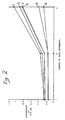
- Fig. 2 is a plot of the absorbance at 570 nm vs time of treated microvessel cells proliferated over a period of 3 days and demonstrates the higher viability of microvessel cells isolated according to the present invention.
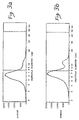
- Fig. 3a illustrates the particle size distribution of cells isolated utilizing prior art enzyme compositions.
- Fig. 3b illustrates the particle size distribution of cells isolated utilizing enzyme compositions of the present invention.
- the present invention provides a proteolytic enzyme composition capable of predictably and reproducibly digesting physiological connective tissue in laboratory applications. These application include techniques which involve dissociating and isolating cells embedded in connective tissue for subsequent laboratory or clinical applications.
- compositions and processes of the present invention are suitable for reproducibly hydrolyzing or digesting a wide variety of collagens, noncollagenous connective tissue proteins, and glycoprotein extracellular matrix materials.
- compositions and processes of the present invention find particular application in cell dissociation procedures including laboratory cell culture methods and related cell isolation techniques.
- cells can be effectively and reproducibly isolated from a host of different proteinaceous connective tissues and harvested in higher yield with improved preservation of the cell membranes.
- these cells have better viability and are free of toxins and contaminants, when compared with cells isolated using prior art processes.
- the compositions and processes of the present invention are particularly suitable for isolating microvessel cells embedded in fatty connective tissues for subsequent utility as coatings for implantable small diameter vessel grafts.
- the enzyme compositions of the present invention include purified collagenase in an amount sufficient to hydrolyze collagen present in the system, and chymopapain in an amount sufficient to hydrolyze chymopapain active tissue in the system.
- the collagenase and the chymopapain are purified and essentially free of toxic components such as bacterial components and sensitizing antigens. Additionally, the collagenase is free of collagen inactive components.
- Preferred exemplary embodiments of the present invention are solutions of collagenase and chymopapain in a physiologically compatible liquid.
- physiologically compatible liquids include phosphate buffered saline solutions and similar buffered electrolyte solutions having osmolalities which are compatible with physiological tissue.
- a particularly suitable commercially available electrolyte solution is Plasmalyte® electrolyte solution available from Baxter-Hyland, having a buffered pH of 7.4 and an osmolarity of 294 mOsmol/L obtained with controlled concentrations of sodium, potassium, magnesium, chloride, acetate, and gluconate ions.
- additives such as human serum albumin are preferred in many applications.
- compositions of the present invention include a solution of purified collagenase and purified chymopapain in a suitable pH buffered physiologically compatible liquid containing human serum albumin.
- the enzyme composition is a solution of 50 nkat/ml purified collagenase and 0.25 nkat/ml chymopapain in a solution of about 0.4 wt% human serum albumin in Plasmalyte® electrolyte solution.
- the nkat/ml unit is defined as nanomoles of substrate hydrolyzed per second by 1 ml of enzyme solution under they assay condition used.
- collagenase is derived from the bacterium Clostridium histolyticum and in its crude form differs from batch to batch in hydrolytic activity and purity. Uncontrolled amounts of impurities found in crude collagenase may include contaminating bacterial components, pigment, pyrogens, proteases, and peptidases, including clostripain, trypsin, and caseinase.
- purified collagenase suitable for use in the compositions of the present invention, is substantially free of pigment, bacterial components, and nonspecific enzyme activity. Crude collagenase is readily available from a number of commercial sources including Sigma Chemical Company of St. Louis, Missouri, and Boehringer Mannheim Biochemicals of Indianapolis, Indiana.
- collagenase which are substantially free of toxins and collagen inactive compounds include collagenase purified according to the process described in Bond et al. "Purification and Separation of Individual Collagenases of Clostridium histolyticum Using Red Dye Ligand Chromatography", Biochemistry Vol. 23, No. 13, 3077-3091, 1984. By removing non-specific enzyme activities and minimizing or eliminating sensitizing antigens in order to minimize immunogenicity, purified collagenase suitable for use in accordance with the present invention exhibits a batch to batch uniformity in specificity for collagen as well as toxin-free characteristics.
- chymopapain a proteolytic enzyme extracted from papaya latex
- Chymopapain is available in crude, partially purified, and more highly purified forms which differ in the amount of papain, lysozyme peptidase A and sensitizing antigens found in the preparation.
- Chymopapain suitable for use in the present invention is characterized as having essentially no immunogenicity and essentially no toxicity as a result of purification processes.
- Chymopapain from most commercial sources, which has been purified using known chromatographic purification processes provides chymopapain suitable in the practice of the present invention.
- purified chymopapain can be prepared using, for example, the process described in U.S. Patent No. 4,719,108.
- connective tissue which holds cells together, is a complex mixture of collagen, glycoproteins, and mucopolysaccharides. Purified collagenase alone will not effectively hydrolyze all of this extracellular matrix material. However, it has been discovered by the present inventors that by combining purified collagenase with toxin-free chymopapain a wide range of connective tissue systems and biologically derived raw materials can be predictably digested. Moreover, the hydrolyzed tissues and cells isolated during these hydrolysis processes are free of antigenic components which can cause anaphylactic shock if present in cells or tissues implanted or digested in vivo . Accordingly, cells isolated in accordance with the present invention for subsequent implantation do not present toxic health hazards to their recipients.
- the enzyme compositions of the present invention can be prepared according to processes known in the art. Typically, these processes involve mixing the two enzymes in a selected physiologically compatible liquid such as phosphate buffered normal saline solution or Plasmalyte® electrolyte solution containing human serum albumin (HSA) and CaCl 2 . Then lyophilizing the resulting aqueous solution provides a stable dry enzyme preparation which can be reconstituted with deionized water.
- the compositions are reconstituted just prior to their use in order to minimize any degradation that may occur once the enzymes are placed in solution.
- the prepared enzyme compositions are maintained at reduced temperatures in the range of about 4°C until their use.
- each enzyme which typically include concentrated forms of the enzyme in a buffered saline solution
- a suitable physiologically compatible diluent to a desired enzyme activity or concentration, and then combined to form the enzyme composition.
- suitable diluents include aqueous based solutions buffered to a pH of about 7.4 and having a physiologically compatible osmolarity.
- the processes of the present invention broadly include providing a composition of the present invention and causing the composition to contact selected tissue for a length of time and at a temperature sufficient to substantially hydrolyze the tissue.
- Preferred exemplary processes in accordance with the teachings of the present invention include digesting connective tissue for the purpose of dissociating and isolating cells embedded in the connective tissue.
- the compositions of the present invention provide highly viable cells.
- the present invention includes providing an appropriate enzyme composition of the present invention and contacting the enzyme composition with fatty tissue such as liposuctioned fat for a length of time and at a temperature sufficient to substantially hydrolyze the connective tissue and to dissociate microvessel cells embedded in the fatty raw material.
- fatty tissue such as liposuctioned fat
- an exemplary preferred process for digesting tissue includes the steps of providing an enzyme composition of a Plasmalyte® electrolyte solution of about 50 nkat/ml purified collagenase, about 0.25 nkat/ml chymopapain and about 0.4 wt% human serum albumin.
- the enzyme composition is combined with a liposuctioned fatty tissue mixture at a ratio of 1 ml of enzyme composition to 1 g of the mixture and the combination is incubated at about 37° C while shaking until the combination becomes turbid. At this point sufficient tissue hydrolysis is achieved.
- Further separating viable microvessel cells from the incubated combination can be accomplished by centrifuging the incubated combination until adipocytes and a supernatant are separated from the microvessel cells, which form as a pellet.
- the microvessel cell pellets are recovered from the separated combination by pipeting off the adipocytes and supernatants. This provides isolated cells in the form of pellet.
- Preferred exemplary processes further include rinsing the cell pellets with a physiologically compatible liquid and then centrifuging the rinsed cell pellet prior to the evaluation and use of the cells.
- Fatty tissue derived from liposuction which are subject to digestion in accordance with the present invention should be substantially homogeneous and without apparent large pieces of fat. Accordingly, nonhomogeneous appearing liposuctioned fatty tissue should be minced in a tissue mincer prior to further treatment. Additionally, the liposuctioned fatty tissue is preferably rinsed with a suitable physiologically compatible rinsing solution in order to remove visual blood contaminants including clotted blood. Suitable rinsing solutions include those having pH ranges and osmolarity ranges which are compatible with cellular material such as phosphate buffered saline and Plasmalyte® electrolyte solution.
- a preferred method for rinsing the mixture involves transferring the liposuctioned fatty tissue into a sieve-tissue grinder cup and adding phosphate buffered saline solution to the mixture while stirring. Excess liquids and blood contaminants are removed by the rinsing and sieving process. The homogenized and rinsed liposuction fatty mixture is then prepared for the above-described digestion and microvessel cell dissociation procedures.
- microvessel cells isolated from liposuctioned fatty tissues in accordance with the teachings of the present invention are isolated in higher yields and have greater viability than microvessel cells isolated by prior art processes.
- enzyme compositions used in the processes of the present invention are free of toxins, in the event that isolated cells are subjected to in vivo uses, any residual cotransplanted enzyme composition will not pose the threat of an anaphylactic or other adverse response.
- the superior physical and functional characteristics of the cells isolated according to the process of the present invention are demonstrated by the higher yield of cells having expected sizes as determined by known cell counting methods.
- Other indicators of the superior results obtained by the present invention include the improved adhesion capabilities and cell proliferation activities of the isolated cells.
- the improved ability of cells to adhere to surfaces and to freely proliferate demonstrates their improved viability.
- a higher yield of these larger cells, as produced by the present invention is an indicator of a highly safe and efficacious process.
- An exemplary cell size distribution profile of cells isolated according to prior art procedures utilizing prior art enzyme compositions is illustrated in Fig. 3a.
- a comparison size distribution profile of cells isolated according to the present invention is illustrated in Fig. 3b.
- the process of the present invention provides greater numbers of microvessel cells over 7.78 ⁇ in size as demonstrated by Coulter Counter analyses.
- digesting fatty tissue utilizing a prior art enzyme composition of 4 mg/ml crude collagenase in a solution of 0.4 wt% human serum albumin in Plasmalyte® electrolyte solution provides an average of 7944 cells over 7.78 ⁇ in size.
- cell adhesion studies performed by incubating a fixed number of cells on cell culture plates having a coating of cell adhesion molecules, washing the plates to remove unattached cells and then visualizing the density of attached cells further demonstrate the improved preservation and integrity of cells isolated according to the teachings of the present invention.
- microvessel cells isolated from connective tissue utilizing solutions of purified collagenase and chymopapain in accordance with the teachings of the present invention produce densely covered areas of attached cells on the cell culture plates. As known in the art this is indicative of highly viable cells with active surface receptors for adhesion materials being preserved through the present invention.
- cell proliferation studies of cells isolated according to the present invention further demonstrate their enhanced integrity.
- microvessel cells isolated according to the present invention make them particularly useful as coatings for the interior walls of small diameter artificial vessel grafts.
- These grafts are typically fabricated of polymeric materials, such as expanded polytetrafluoroethylene, and implanted in humans and other mammals as artificial blood vessels.
- the increased population and better viability of the microvessel cells produced through the present invention make it easier for the cells to effectively adhere to the interior walls of the graft with thorough coverage and to maintain their functional integrity.
- the high viability and functional ability of these cells provides a graft surface that is less prone to protein and related cellular depositions. Accordingly, grafts treated according to the teachings of the present invention are less susceptible to functional failure such as occlusion caused by protein and cellular deposits.
- a control crude collagenase enzyme solution containing 4 mg/ml collagenase and 0.4 wt% human serum albumin in Plasmalyte® electrolyte solution was centrifuged at 20,000 rpm in a Dupont rotor ss-34, with a Dupont Centrifuge model RC285, at 4° C for 20 minutes, and then sterile filtered through a 0.45 micron filter.
- Collagenase/chymopapain solutions were prepared by diluting stock solutions of purified collagenase and chymopapain stored at -80 ° C in Plasmalyte® electrolyte solution containing 0.4 wt% human serum albumin.
- Liposuctioned fatty tissue was minced at a ratio of 1.2 g. tissue to 1 ml of enzyme solution, and rinsed in a 100 ml sieve-tissue grinder cup by pouring 40 ml. of PBS over 30 g. of tissue while stirring. Excess liquid was sieved and removed along with blood contaminants.
- Adipocytes were observed to separate from the microvessel cells and form a layer on top of each tube. Additionally, a liquid supernatant appeared above the dissociated cells, which formed as a pellet at the bottom of each tube.
- the adipocytes and supernatant were pipetted off from the tubes and the dissociated and isolated cells were resuspended in PBS containing 0.1 wt% human serum albumin. The resuspended cells were centrifuged again at 700 G for 4 minutes at room temperature, collected from the bottom of the tube and resuspended in Plasmalyte® electrolyte solution containing 20% human serum.
- the following example illustrates the cell integrity of cells isolated in accordance with the present invention.
- Example I Cell adhesion experiments were performed upon each of the cell isolates of Example I.
- the experimental protocol consisted of testing the ability of the isolated microvessel cells to adhere to extracellular matrix (ECM) treated surfaces.
- ECM extracellular matrix
- an equal number of cells having sizes larger than 7.78 microns isolated using each sample enzyme composition were incubated in'culture plates treated with ProNectinF, a genetically engineered ECM, or fibronectin, a natural ECM. After 2 hrs, each plate was washed to removed unattached cells and then stained with amido black to visually reveal the attached cells. Microscopic visualization and photomicrographs of the stained plates were evaluated and clearly indicated that a much higher cell density was obtained on plates having adhered cells which had been isolated from enzyme compositions of the present invention containing purified collagenase and chymopapain.
- the cells isolated by digestion with the prior art crude collagenase composition had the least amount of proliferated cells.
- the microvessel cells isolated from compositions of purified collagenase and chymopapain in accordance with the present invention showed relatively increased degrees of proliferation.
- Example 2 The procedure of Example 1 was followed using a different fatty tissue sample and varying the enzyme compositions to some extent. The results are shown in Table II.
- SAMPLE ID NUMBER SAMPLE SOLUTIONS AVERAGE # OF COUNTED CELLS >7.78 ⁇ # OF CELLS PER GRAM TISSUE >7.78 ⁇
- B crude collagenase 6802 0.636x10 6 C 51 nkat/ml collagenase, lot C 0.22 nkat/ml chymopapain 8789 0.787x10 6 D 51 nkat/ml collagenase, lot A 0.22 nkat/ml chymopapain 8448 0.760x10 6
- F 51 nkat/ml collagenase lot A 0.
- Fig. 2 Cell proliferation tests of the cell isolates as described in Example 3 are shown in Fig. 2, where the absorbance at 570 nm of substrate treated microvessel cells isolated by the various enzyme compositions over a 3 day period is illustrated.
- the cells isolated by digesting the fatty mixture with the crude collagenase composition had the least amount of proliferated cells.
- the' microvessel cells isolated with the compositions of the present invention showed increased degrees of proliferation.
Landscapes
- Health & Medical Sciences (AREA)
- Life Sciences & Earth Sciences (AREA)
- General Health & Medical Sciences (AREA)
- Veterinary Medicine (AREA)
- Engineering & Computer Science (AREA)
- Animal Behavior & Ethology (AREA)
- Medicinal Chemistry (AREA)
- Public Health (AREA)
- Chemical & Material Sciences (AREA)
- Pharmacology & Pharmacy (AREA)
- Bioinformatics & Cheminformatics (AREA)
- Epidemiology (AREA)
- Gastroenterology & Hepatology (AREA)
- Immunology (AREA)
- Proteomics, Peptides & Aminoacids (AREA)
- Organic Chemistry (AREA)
- Nuclear Medicine, Radiotherapy & Molecular Imaging (AREA)
- General Chemical & Material Sciences (AREA)
- Chemical Kinetics & Catalysis (AREA)
- Enzymes And Modification Thereof (AREA)
- Micro-Organisms Or Cultivation Processes Thereof (AREA)
- Medicines Containing Material From Animals Or Micro-Organisms (AREA)
- Medicines That Contain Protein Lipid Enzymes And Other Medicines (AREA)
- Medicinal Preparation (AREA)
Abstract
Description
- The present invention relates to artificial vessel grafts whose inner wall surface is coated with microvessel cells obtained by digesting fatty tissue with an enzyme composition comprising an aqueous mixture of collagene and chymopapain. The invention also relates to the use of the enzyme mixture in the preparation of microvessel cells for use in the preparation of artificial vessel grafts.
- Proteolytic enzymes have found wide utility in a variety of laboratory and clinical applications. Typically these applications involve cell dissociation and related therapeutic procedures which are benefitted by the ability of proteolytic enzymes to hydrolytically break-up or loosen connective tissue networks. For example, bacterial collagenase derived from Clostridium histolyticum has been used to disperse cells in laboratory tissue culture applications. Additionally, collagenase has demonstrated utility in cell isolation procedures such as those associated with isolating pancreatic islets and dispersing a variety of tumor cells. Other uses for collagenase involve its topical use in clinical applications in which collagenase compositions are applied in the treatment of burns or ulcers and wound healing. Other uses include the treatment of Peyronie's disease and as an adjunct to cryoprostatectomy for the removal of retained cryoslough, intervertebral discolysis, and in ophthalmic surgery.
- Like collagenase, chymopapain, the major proteolytic component of the crude latex of Carica papaya, has been utilized in the treatment of abnormal or herniated discs to selectivelv dissolve the nucleus pulposus of the disc Other uses associated with chymopapain include its utility in cryosurgical healing processes.
- Combinations of proteolytic enzymes such as compositions of bacterial collagenase and hyaluronidase are reportedly particularly useful for digesting or dissolving prostatic tissue in the treatment of benign prostatic hypertrophy. The combination of these two proteolytic enzymes apparently dissolves prostatic tissue in order to relieve the obstructive symptoms of prostatic hypertrophy.
- Recently, bacterial collagenase derived from Clostridium histolyticum has found utility in procedures involving the dissociation and isolation of microvessel cells embedded in fatty tissues. These procedures generally involve combining fatty tissues having embedded microvessels, such as liposuctioned fat, with collagenase under conditions which cause the collagenase to disrupt and digest the connective tissue. By carefully separating the cells from the digested tissue, viable microvessel cells are recovered.
- These viable and intact microvessel cells have found particular utility as a coating on the interior of synthetic small diameter vascular grafts implanted in humans and animals to replace blood vessels. Similarly, microvessel cells are useful as deposits on the surface of biomedical implant devices in general where they provide an improved biocompatibility to the implant. Apparently the microvessel cells contribute to the prevention of protein deposits and related cellular deposits on the implants which are known to occur when foreign materials are placed in contact with blood and tissue. In the case of vascular grafts these deposits can quickly cause the vessel to occlude, resulting in the functional failure of the graft.
- One problem associated with the use of commercial sources of crude collagenase to digest fatty tissues, as well as connective tissue in general, is that the degree to which tissue digests or hydrolyzes is unpredictable. Moreover, cells which are isolated from tissue digestion procedures utilizing crude collagenase can be inferior in quality and have a low degree of viability and efficacy. Even when viable cells are successfully isolated, the yield and degree of viability is unpredictable.
- The unpredictable nature of these procedures may be attributed to the lot variations inherent in commercial sources of crude collagenase. Another factor which may contribute to the lack of reproducibility in these procedures is the nature of the mixture of tissues being digested. While connective tissues are formed largely of collagen, for which collagenase is specific in its hydrolytic activity, significant amounts of other proteins and glycoproteins are additionally found in connective tissue matrices. Thus, collagenase alone may not effectively hydrolyze all of the tissue mixtures.
- Further, collagenase derived from native bacteria differs widely in its collagen specific hydrolytic activity and the amount and character of impurities, including other proteases and toxins. The protease impurities in crude collagenase contribute to the hydrolysis of minor proteins in connective tissue and actually aid in the digestive process. However, unfortunately protease impurities are active with proteins generally and will react with collagenase, causing the crude collagenase to be subject to catalytic degradation. The toxin impurities associated with crude collagenase can be a serious problem for procedures involving both in vivo and in vitro applications. Toxins can disrupt cell membranes, destroy cell viability and generally lower cell yield. Additionally, impurities can contain variable amounts of bacterial DNA, which may cause cell damage and possible immunological problems when isolated cells or tissue digestion procedures involve in vivo applications. Finally, the noncollagenase impurities found in crude collagenase may act as sensitizing antigens which can cause anaphylactic shock if administered to patients.
- Thus, in view of the varying and unpredictable nature of crude collagenase compositions which contain a host of proteolytically active and unreactive compounds as well as toxins, the use of crude collagenase compositions for therapeutic digestion procedures and cell dissociation techniques can be unreliable. Alternatively, using purified collagenase having essentially only collagen specific hydrolytic reactive components in these tissue digestion procedures has not been successful. The failure of purified collagenase in these procedures is apparently due to the tissue containing noncollagen proteins which are not digested by collagen specific collagenase. Crude collagenase will digest these tissues because it contains other proteolytic enzymes. However, it does so to a varying and unpredictable degree.
- It has been suggested that bacteria genetically engineered to produce limited forms of collagenase having known molecular weights and hydrolytic activity may be advantageous when utilized in tissue digestion procedures. However, even when a wide range of isomeric forms of collagenase are utilized in tissue digestion procedures, the narrow specificity of collagenase in general precludes effectively hydrolyzing all of the tissue. This is because the wide spectrum of proteolytic activity and noncollagen specificity supplied by crude collagenase derived from native bacteria is not available in these genetically engineered sources of collagenase. Even when toxins are removed from genetically engineered sources of collagenase, the resulting collagenase compositions do not provide hydrolytic characteristics suitable for efficacious tissue digestion and/or cell dissociation procedures.
- Accordingly, it is an object of the present invention to provide viable and efficacious microvessel cells isolated from fatty tissue mixtures for incorporating on the inner surface of artificial vascular grafts and other medical implants.
- The present invention accomplishes the above objective by providing a proteolytic enzyme composition capable of predictably and reproducibly digesting physiological connective tissue associated with fatty tissue. Further the present invention provides the use of the proteolytic enzyme composition for digesting connective tissue and dissociating cells from the connective tissue, providing efficaciously viable microvessel cells in high yield. The viable cells thereby provided have utility in a variety of in vivo and in vitro applications.
- The present invention is based upon the discovery that, although neither collagenase nor chymopapain alone is effective to digest tissue, a mixture of collagenase and chymopapain can be used to safely, reproducibly and reliably digest connective tissue formed of a variety of proteins and glycoprotein extracellular matrix material. As a feature of the present invention, compositions of purified collagenase and chymopapain have been found to effectively digest connective tissue and reproducibly dissociate and isolate cells embedded in the tissue, providing the isolated cells in high yield. Moreover, because the isolated cells have been processed with compositions of purified enzymes, the cell suspensions are essentially free of the harmful effects of toxins and unknown unreactive materials, making them highly viable and safe for in vivo use.
- More particularly, the present invention provides novel enzyme compositions and associated methodologies for hydrolyzing connective tissue in biological systems. The enzyme composition of the present invention principally comprises a combination of collagenase to hydrolyze collagen in the biological system, and chymopapain to hydrolyze chymopapain active tissue in the biological system. The collagenase and chymopapain are purified and essentially free of toxic components, such as bacterial DNA and sensitizing antigens, and the collagenase is essentially free of noncollagen specific components.
- It is also within the scope of the present invention to provide associated processes utilizing these enzyme compositions of collagenase and chymopapain. These processes effectively hydrolyze connective tissue systems and dissociate cells embedded in the tissue to produce highly efficacious and viable cells in high yield. An exemplary process of the present invention includes enzymatically digesting connective tissue by providing an enzyme composition of collagenase, essentially free of collagen inactive components and toxins to hydrolyze the collagen present in the connective tissue, and chymopapain essentially free of toxins to hydrolyze chymopapain active tissue in the connective tissue. Contacting the enzyme composition with the connective tissue produces a turbid appearing system indicating substantial tissue hydrolysis.
- The present invention utilizes the above steps to hydrolyze connective tissue associated with fatty tissues in order to dissociate and isolate microvessel cells embedded in the fatty tissue. Advantageously, microvessel cells which form part of the mixture are dissociated from the connective tissue and isolated in higher yield and have improved viability when compared with microvessel cells isolated from tissue hydrolyzed according to prior art procedures which utilize crude collagenase. The higher yield of microvessel cells provided by the processes of the present invention is characterized by the increased number of isolated cells shown to have the expected sizes which are indicative of viable healthy cells.
- The increased yield as well as increased viability and integrity of cells isolated according to the processes of the present invention are readily demonstrated by laboratory testing techniques. More particularly, cell counting techniques provide cell size information and information relating to the distribution of cell sizes in a given batch of isolated cells. Similarly, cell viability and efficacy are demonstrated by the degree of cell proliferation activity, which measures the activity of an enzyme present in the viable cells.
- The greater viability and number of useful cells isolated according to the teachings of the present invention are particularly important for applications which involve coating the interior wall of synthetic small vessel grafts. This is because the ability of these dissociated microvessel cells to prevent protein deposition and subsequent occlusion is correlated with the total number and the viability of these cells.
- Further objects, features, and advantages of the present invention will become apparent to those skilled in the art from a consideration of the following detailed description taken in conjunction with the associated drawings.
- Fig. 1 is a plot of the absorbance at 570 nm vs time of treated microvessel cells proliferated over a period of 3 days and demonstrates the higher viability of microvessel cells isolated according to the present invention.
- Fig. 2 is a plot of the absorbance at 570 nm vs time of treated microvessel cells proliferated over a period of 3 days and demonstrates the higher viability of microvessel cells isolated according to the present invention.
- Fig. 3a illustrates the particle size distribution of cells isolated utilizing prior art enzyme compositions.
- Fig. 3b illustrates the particle size distribution of cells isolated utilizing enzyme compositions of the present invention.
- The present invention provides a proteolytic enzyme composition capable of predictably and reproducibly digesting physiological connective tissue in laboratory applications. These application include techniques which involve dissociating and isolating cells embedded in connective tissue for subsequent laboratory or clinical applications.
- The compositions and processes of the present invention are suitable for reproducibly hydrolyzing or digesting a wide variety of collagens, noncollagenous connective tissue proteins, and glycoprotein extracellular matrix materials.
- The compositions and processes of the present invention find particular application in cell dissociation procedures including laboratory cell culture methods and related cell isolation techniques. As a feature of the present invention, cells can be effectively and reproducibly isolated from a host of different proteinaceous connective tissues and harvested in higher yield with improved preservation of the cell membranes. Moreover, these cells have better viability and are free of toxins and contaminants, when compared with cells isolated using prior art processes. For this reason, the compositions and processes of the present invention are particularly suitable for isolating microvessel cells embedded in fatty connective tissues for subsequent utility as coatings for implantable small diameter vessel grafts.
- More particularly, the enzyme compositions of the present invention include purified collagenase in an amount sufficient to hydrolyze collagen present in the system, and chymopapain in an amount sufficient to hydrolyze chymopapain active tissue in the system. The collagenase and the chymopapain are purified and essentially free of toxic components such as bacterial components and sensitizing antigens. Additionally, the collagenase is free of collagen inactive components.
- Preferred exemplary embodiments of the present invention are solutions of collagenase and chymopapain in a physiologically compatible liquid. Suitable physiologically compatible liquids include phosphate buffered saline solutions and similar buffered electrolyte solutions having osmolalities which are compatible with physiological tissue. A particularly suitable commercially available electrolyte solution is Plasmalyte® electrolyte solution available from Baxter-Hyland, having a buffered pH of 7.4 and an osmolarity of 294 mOsmol/L obtained with controlled concentrations of sodium, potassium, magnesium, chloride, acetate, and gluconate ions. As illustrated below, additives such as human serum albumin are preferred in many applications.
- Those skilled in the art will appreciate that the concentration or amount of each enzyme present in the solutions will vary with the amount and the type of tissue to be hydrolyzed. The well-known principles of enzyme activity are applicable and basic experimentation involving techniques designed to optimize enzyme concentration and total activity provide necessary information to assure the effective hydrolysis of the amount and type of selected connective tissue. For applications directed toward digesting connective tissue in mixtures of fatty tissue, for example liposuctioned fat, and dissociating cells embedded in the fatty tissue, exemplary compositions of the present invention include a solution of purified collagenase and purified chymopapain in a suitable pH buffered physiologically compatible liquid containing human serum albumin. In a preferred embodiment of the present invention, the enzyme composition is a solution of 50 nkat/ml purified collagenase and 0.25 nkat/ml chymopapain in a solution of about 0.4 wt% human serum albumin in Plasmalyte® electrolyte solution. The nkat/ml unit is defined as nanomoles of substrate hydrolyzed per second by 1 ml of enzyme solution under they assay condition used.
- Most commercial collagenase is derived from the bacterium Clostridium histolyticum and in its crude form differs from batch to batch in hydrolytic activity and purity. Uncontrolled amounts of impurities found in crude collagenase may include contaminating bacterial components, pigment, pyrogens, proteases, and peptidases, including clostripain, trypsin, and caseinase. On the other hand purified collagenase, suitable for use in the compositions of the present invention, is substantially free of pigment, bacterial components, and nonspecific enzyme activity. Crude collagenase is readily available from a number of commercial sources including Sigma Chemical Company of St. Louis, Missouri, and Boehringer Mannheim Biochemicals of Indianapolis, Indiana. Commercial sources of crude forms of collagenase are typically packaged in a lyophilized powder form which helps maintain its stability. Alternative sources of collagenase which are substantially free of toxins and collagen inactive compounds include collagenase purified according to the process described in Bond et al. "Purification and Separation of Individual Collagenases of Clostridium histolyticum Using Red Dye Ligand Chromatography", Biochemistry Vol. 23, No. 13, 3077-3091, 1984. By removing non-specific enzyme activities and minimizing or eliminating sensitizing antigens in order to minimize immunogenicity, purified collagenase suitable for use in accordance with the present invention exhibits a batch to batch uniformity in specificity for collagen as well as toxin-free characteristics.
- Similarly, chymopapain, a proteolytic enzyme extracted from papaya latex, is commercially available in a dry lyophilized state from a number of sources including Sigma Chemical of St. Louis, Missouri. Chymopapain is available in crude, partially purified, and more highly purified forms which differ in the amount of papain, lysozyme peptidase A and sensitizing antigens found in the preparation. Chymopapain suitable for use in the present invention is characterized as having essentially no immunogenicity and essentially no toxicity as a result of purification processes. Chymopapain from most commercial sources, which has been purified using known chromatographic purification processes, provides chymopapain suitable in the practice of the present invention. Alternatively, purified chymopapain can be prepared using, for example, the process described in U.S. Patent No. 4,719,108.
- An exemplary tissue system demonstrating the features of the present invention is connective tissue. Generally, connective tissue, which holds cells together, is a complex mixture of collagen, glycoproteins, and mucopolysaccharides. Purified collagenase alone will not effectively hydrolyze all of this extracellular matrix material. However, it has been discovered by the present inventors that by combining purified collagenase with toxin-free chymopapain a wide range of connective tissue systems and biologically derived raw materials can be predictably digested. Moreover, the hydrolyzed tissues and cells isolated during these hydrolysis processes are free of antigenic components which can cause anaphylactic shock if present in cells or tissues implanted or digested in vivo. Accordingly, cells isolated in accordance with the present invention for subsequent implantation do not present toxic health hazards to their recipients.
- The enzyme compositions of the present invention can be prepared according to processes known in the art. Typically, these processes involve mixing the two enzymes in a selected physiologically compatible liquid such as phosphate buffered normal saline solution or Plasmalyte® electrolyte solution containing human serum albumin (HSA) and CaCl2. Then lyophilizing the resulting aqueous solution provides a stable dry enzyme preparation which can be reconstituted with deionized water. Preferably, the compositions are reconstituted just prior to their use in order to minimize any degradation that may occur once the enzymes are placed in solution. Similarly, it is preferred that the prepared enzyme compositions are maintained at reduced temperatures in the range of about 4°C until their use. Alternatively, separate stock solutions of each enzyme, which typically include concentrated forms of the enzyme in a buffered saline solution, can be prepared in advance and stored frozen at about -80° C. Just prior to use, the solutions are thawed, diluted with a suitable physiologically compatible diluent to a desired enzyme activity or concentration, and then combined to form the enzyme composition. Suitable diluents include aqueous based solutions buffered to a pH of about 7.4 and having a physiologically compatible osmolarity.
- It is additionally within the scope of the present invention to utilize these compositions in processes for digesting connective tissue. Thus, the processes of the present invention broadly include providing a composition of the present invention and causing the composition to contact selected tissue for a length of time and at a temperature sufficient to substantially hydrolyze the tissue.
- Preferred exemplary processes in accordance with the teachings of the present invention include digesting connective tissue for the purpose of dissociating and isolating cells embedded in the connective tissue. When used in accordance with processes known in the art for dissociating and isolating cells, the compositions of the present invention provide highly viable cells.
- The present invention includes providing an appropriate enzyme composition of the present invention and contacting the enzyme composition with fatty tissue such as liposuctioned fat for a length of time and at a temperature sufficient to substantially hydrolyze the connective tissue and to dissociate microvessel cells embedded in the fatty raw material. For purposes of dissociating and isolating cells embedded in liposuctioned fat, an exemplary preferred process for digesting tissue includes the steps of providing an enzyme composition of a Plasmalyte® electrolyte solution of about 50 nkat/ml purified collagenase, about 0.25 nkat/ml chymopapain and about 0.4 wt% human serum albumin. Then, the enzyme composition is combined with a liposuctioned fatty tissue mixture at a ratio of 1 ml of enzyme composition to 1 g of the mixture and the combination is incubated at about 37° C while shaking until the combination becomes turbid. At this point sufficient tissue hydrolysis is achieved.
- Further separating viable microvessel cells from the incubated combination can be accomplished by centrifuging the incubated combination until adipocytes and a supernatant are separated from the microvessel cells, which form as a pellet. The microvessel cell pellets are recovered from the separated combination by pipeting off the adipocytes and supernatants. This provides isolated cells in the form of pellet. Preferred exemplary processes further include rinsing the cell pellets with a physiologically compatible liquid and then centrifuging the rinsed cell pellet prior to the evaluation and use of the cells.
- Fatty tissue derived from liposuction which are subject to digestion in accordance with the present invention should be substantially homogeneous and without apparent large pieces of fat. Accordingly, nonhomogeneous appearing liposuctioned fatty tissue should be minced in a tissue mincer prior to further treatment. Additionally, the liposuctioned fatty tissue is preferably rinsed with a suitable physiologically compatible rinsing solution in order to remove visual blood contaminants including clotted blood. Suitable rinsing solutions include those having pH ranges and osmolarity ranges which are compatible with cellular material such as phosphate buffered saline and Plasmalyte® electrolyte solution. A preferred method for rinsing the mixture involves transferring the liposuctioned fatty tissue into a sieve-tissue grinder cup and adding phosphate buffered saline solution to the mixture while stirring. Excess liquids and blood contaminants are removed by the rinsing and sieving process. The homogenized and rinsed liposuction fatty mixture is then prepared for the above-described digestion and microvessel cell dissociation procedures.
- As generally mentioned above, microvessel cells isolated from liposuctioned fatty tissues in accordance with the teachings of the present invention are isolated in higher yields and have greater viability than microvessel cells isolated by prior art processes. Moreover, since the enzyme compositions used in the processes of the present invention are free of toxins, in the event that isolated cells are subjected to in vivo uses, any residual cotransplanted enzyme composition will not pose the threat of an anaphylactic or other adverse response.
- The superior physical and functional characteristics of the cells isolated according to the process of the present invention are demonstrated by the higher yield of cells having expected sizes as determined by known cell counting methods. Other indicators of the superior results obtained by the present invention include the improved adhesion capabilities and cell proliferation activities of the isolated cells. The improved ability of cells to adhere to surfaces and to freely proliferate demonstrates their improved viability. Similarly, since intact and viable microvessel cells are larger than 7.78 µ, a higher yield of these larger cells, as produced by the present invention, is an indicator of a highly safe and efficacious process. An exemplary cell size distribution profile of cells isolated according to prior art procedures utilizing prior art enzyme compositions is illustrated in Fig. 3a. A comparison size distribution profile of cells isolated according to the present invention is illustrated in Fig. 3b. A simple visual observation of these two profiles clearly demonstrates that when compared with prior art procedures the processes of the present invention provide a higher yield of material having large particle diameters. The large particle diameter material is known to be highly viable metabolically active cells. In contrast, small particle size materials include cellular material and tissue debris having little therapeutic usefulness.
- As described in more detail in the examples which follow, when compared with cells isolated by prior art processes utilizing crude collagenase, the process of the present invention provides greater numbers of microvessel cells over 7.78 µ in size as demonstrated by Coulter Counter analyses. For example, digesting fatty tissue utilizing a prior art enzyme composition of 4 mg/ml crude collagenase in a solution of 0.4 wt% human serum albumin in Plasmalyte® electrolyte solution provides an average of 7944 cells over 7.78 µ in size. In contrast, a comparable procedure utilizing the present invention enzyme composition of purified collagenase at 51 nkat/ml of collagenase and 0.33 µkat/ml chymopapain in Plasmalyte® electrolyte solution provides an average of 13,525 microvessel cells over 7.78 µ in size. These exemplary results of Coulter Counter analyses demonstrate the higher yield and larger size distribution of cells isolated according to the process of the present invention.
- Similarly, cell adhesion studies performed by incubating a fixed number of cells on cell culture plates having a coating of cell adhesion molecules, washing the plates to remove unattached cells and then visualizing the density of attached cells further demonstrate the improved preservation and integrity of cells isolated according to the teachings of the present invention. As detailed in the examples which follow, microvessel cells isolated from connective tissue utilizing solutions of purified collagenase and chymopapain in accordance with the teachings of the present invention produce densely covered areas of attached cells on the cell culture plates. As known in the art this is indicative of highly viable cells with active surface receptors for adhesion materials being preserved through the present invention. Finally, cell proliferation studies of cells isolated according to the present invention further demonstrate their enhanced integrity. The following examples clearly show that cells which have been isolated according to the present invention and then allowed to proliferate have a higher enzyme activity, an indication of the presence of more metabolically active cells, than those isolated according to prior art procedures. These results clearly demonstrate that cells treated in accordance with the teachings of the present invention have greater functional integrity than comparably treated cells using prior art enzyme compositions and methodologies.
- The resultant superior physical and functional characteristics of microvessel cells isolated according to the present invention make them particularly useful as coatings for the interior walls of small diameter artificial vessel grafts. These grafts are typically fabricated of polymeric materials, such as expanded polytetrafluoroethylene, and implanted in humans and other mammals as artificial blood vessels. When deposited on the interior surface of these artificial grafts according to methods known in the art, the increased population and better viability of the microvessel cells produced through the present invention make it easier for the cells to effectively adhere to the interior walls of the graft with thorough coverage and to maintain their functional integrity. The high viability and functional ability of these cells provides a graft surface that is less prone to protein and related cellular depositions. Accordingly, grafts treated according to the teachings of the present invention are less susceptible to functional failure such as occlusion caused by protein and cellular deposits.
- The invention will be better understood by reference to the following nonlimiting examples which illustrate the use of exemplary enzyme compositions of the present invention in processes for digesting fatty tissue derived from liposuction procedures. In these examples the activity of collagenase is expressed as nkat/ml of enzyme composition as determined by assay using FALGPA, furylacryloyl Leu-Gly-Pro-Ala synthetic substrate. The activity of chymopapain was determined by assay using BAPNA, Benzoyl-L-arginine-p-nitroanilide synthetic substrate.
- The following example demonstrates the superior characteristics of cells isolated according to the present invention.
- A control crude collagenase enzyme solution containing 4 mg/ml collagenase and 0.4 wt% human serum albumin in Plasmalyte® electrolyte solution was centrifuged at 20,000 rpm in a Dupont rotor ss-34, with a Dupont Centrifuge model RC285, at 4° C for 20 minutes, and then sterile filtered through a 0.45 micron filter. Collagenase/chymopapain solutions were prepared by diluting stock solutions of purified collagenase and chymopapain stored at -80 ° C in Plasmalyte® electrolyte solution containing 0.4 wt% human serum albumin. Liposuctioned fatty tissue was minced at a ratio of 1.2 g. tissue to 1 ml of enzyme solution, and rinsed in a 100 ml sieve-tissue grinder cup by pouring 40 ml. of PBS over 30 g. of tissue while stirring. Excess liquid was sieved and removed along with blood contaminants.
- Nine (9) g. tissue samples were added to sterile Erlenmeyer flasks and 9 ml. of the enzyme solution was then added to each flask. The flasks were placed into sterile plastic bags and moved to a 37° C water bath shaker. After shaking the flasks at 100 cycles/min. for 20 minutes, an aqueous portion of digested tissue appeared as a turbid layer. The contents of each flask were transferred to centrifuge tubes and centrifuged at 700 G for 7 minutes at room temperature.
- Adipocytes were observed to separate from the microvessel cells and form a layer on top of each tube. Additionally, a liquid supernatant appeared above the dissociated cells, which formed as a pellet at the bottom of each tube. The adipocytes and supernatant were pipetted off from the tubes and the dissociated and isolated cells were resuspended in PBS containing 0.1 wt% human serum albumin. The resuspended cells were centrifuged again at 700 G for 4 minutes at room temperature, collected from the bottom of the tube and resuspended in Plasmalyte® electrolyte solution containing 20% human serum.
- In order to evaluate the size distribution of the cells, 0.5 ml of cells isolated by each enzyme composition were separately added to Coulter Multisizer AccuComp cell counting vials, each containing 19.5 ml of Isoton counting fluid. The cell concentration and size distribution of the isolated cells in each vial were determined according to directions provided by the manufacturer. The results of the size distribution experiments for each sample enzyme composition are tabulated in Table I.
SAMPLE ID NUMBER SAMPLE SOLUTIONS AVERAGE # OF COUNTED CELLS >7.78 µ # OF CELLS PER GRAM TISSUE >7.78 µ A crude collagenase 4 mg/ml (control)7944 0.718X10⁶ B 43 nkat/ml collagenase, lot A 0.22 nkat/ml chymopapain 8128 0.721x10⁶ C 51 nkat/ml collagenase, lot A 0.22 nkat/ml chymopapain 9606 0.848x10⁶ D 43 nkat/ml collagenase, lot A 0.33 nkat/ml chymopapain 9119 0.811x10⁶ E 51 nkat/ml collagenase, lot A 0.33 nkat/ml chymopapain 10858 0.971x10⁶ F 43 nkat/ml collagenase, lot B 0.22 nkat/ml chymopapain 10476 0.940x10⁶ G 51 nkat/ml collagenase, lot B 0.22 nkat/ml chymopapain 8710 0.778x10⁶ H 43 nkat/ml collagenase, lot B 0.33 nkat/ml chymopapain 11257 1.01x10⁶ I 51 nkat/ml collagenase, lot B 0.33 nkat/ml chymopapain 13525 1.21x10⁶ - The data in Table I show that when Sample A, the control, was used to isolate cells from liposuctioned fat, only 7,944 cells over 7.78 microns in size were counted. By contrast, when the enzyme compositions of the present invention, shown as samples B - I, were used to isolate cells from liposuctioned fat, from 8,128 to 13,525 cells sized over 7.78 microns were isolated. Additionally, the number of cells per gram of liposuctioned fatty tissue isolated with the control (Sample A) is only 0.718 x 10⁶ compared with up to 1.21 x 10⁶ cells per gram of tissue (Sample I) using the enzyme compositions of the present invention. It can be seen that, relative to prior art compositions, the use of the enzyme compositions of the present invention results in greater cell concentrations and cell size distributions having higher numbers of large cells.
- The following example illustrates the cell integrity of cells isolated in accordance with the present invention.
- Cell adhesion experiments were performed upon each of the cell isolates of Example I. The experimental protocol consisted of testing the ability of the isolated microvessel cells to adhere to extracellular matrix (ECM) treated surfaces. In each trial an equal number of cells having sizes larger than 7.78 microns isolated using each sample enzyme composition were incubated in'culture plates treated with ProNectinF, a genetically engineered ECM, or fibronectin, a natural ECM. After 2 hrs, each plate was washed to removed unattached cells and then stained with amido black to visually reveal the attached cells. Microscopic visualization and photomicrographs of the stained plates were evaluated and clearly indicated that a much higher cell density was obtained on plates having adhered cells which had been isolated from enzyme compositions of the present invention containing purified collagenase and chymopapain.
- The following example illustrates the greater viability of cells isolated in accordance with the present invention.
- Individual samples of an equal volume of microvessel cell suspensions isolated by each enzyme composition of Example 1 were allowed to proliferate in growth medium. Then the metabolic activity of the cells was measured by allowing the cells to convert a substrate to a colored product having an absorption maximum at 570 nm. By measuring the absorption of each proliferation sample at 570 nm, the relative degree of proliferation was determined for each set of isolated microvessel cells. The results of this comparative test are represented in the graph of Fig. 1, which illustrates the absorbance at 570 nm, of each group of proliferated microvessel cells over a 3 day period. The plots of absorbance vs. time identified in Fig. 1 as A - I correspond to cells isolated by Samples A - I identified in Table I.
- As shown in Fig. 1, the cells isolated by digestion with the prior art crude collagenase composition had the least amount of proliferated cells. In contrast, the microvessel cells isolated from compositions of purified collagenase and chymopapain in accordance with the present invention showed relatively increased degrees of proliferation.
- These comparative test results of the experiments directed toward determining the number of cells larger than 7.78 µ, size distribution, cell adhesion characteristics, and proliferation capabilities of cell isolates produced through the teachings of the present invention versus those of the prior art clearly demonstrate the superior properties of microvessel cells isolated using the present invention. Cells isolated using the enzyme compositions of the present invention have greater viability and integrity and an improved ability to anchor themselves to substrates.
- The procedure of Example 1 was followed using a different fatty tissue sample and varying the enzyme compositions to some extent. The results are shown in Table II.
SAMPLE ID NUMBER SAMPLE SOLUTIONS AVERAGE # OF COUNTED CELLS >7.78 µ # OF CELLS PER GRAM TISSUE >7.78 µ A crude collagenase 7947 0.707x10⁶ B crude collagenase 6802 0.636x10⁶ C 51 nkat/ml collagenase, lot C 0.22 nkat/ml chymopapain 8789 0.787x10⁶ D 51 nkat/ml collagenase, lot A 0.22 nkat/ml chymopapain 8448 0.760x10⁶ E 51 nkat/ml collagenase, lot C 0.44 nkat/ml chymopapain 10552 0.937x10⁶ F 51 nkat/ml collagenase, lot A 0.44 nkat/ml chymopapain 9224 0.816x10⁶ - The results are similar to those shown in Table I, indicating that beneficial results can be obtained using a wide variety of enzyme compositions.
- Optical microscopic examination of stained cells attached to culture plates as a result of the adhesion experiments described in Example 2 showed a much higher cell density on plates having adhered cells isolated from the enzyme compositions of the present invention relative to the crude prior art compositions.
- Cell proliferation tests of the cell isolates as described in Example 3 are shown in Fig. 2, where the absorbance at 570 nm of substrate treated microvessel cells isolated by the various enzyme compositions over a 3 day period is illustrated. The cells isolated by digesting the fatty mixture with the crude collagenase composition had the least amount of proliferated cells. In contrast, the' microvessel cells isolated with the compositions of the present invention showed increased degrees of proliferation.
- These experimental results further demonstrate the superior properties of microvessel cells isolated using purified collagenase and chymopapain as disclosed by the teachings of the present invention. These results also demonstrated that any purified collagenase lot was effective when their activities were adjusted to the required level.
Claims (10)
- An artificial vessel graft having an elongate, generally tubular membrane whose inner wall surface is coated with microvessel cells obtained by digesting fatty tissue, having embedded microvessel cells, with an enzyme composition comprising:an aqueous mixture of collagenase and chymopapain, said collagenase being essentially free of toxins and non-collagen active components and said chymopapain being essentially free of toxins; and isolating viable microvessel cells from the digested tissue.
- An artificial vessel graft according to Claim 1, wherein the enzyme composition further incorporates human serum albumin.
- An artificial vessel graft according to Claim 2, wherein the human serum albumin in the enzyme composition is present in a concentration of about 0.4 wt%.
- An artificial vessel graft according to any preceding claim, wherein the collagenase and chymopapain in the enzyme composition are present in a physiologically compatible liquid.
- An artificial vessel graft according to Claim 4, wherein the physiologically compatible liquid is an electrolyte solution buffered to a pH of about 7.0.
- An artificial vessel graft according to any of Claims 1 to 4, wherein the enzyme composition has a pH of about 7.4 and an osmolarity of about 294 mOsmol/L.
- An artificial vessel graft according to any of the preceding claims, wherein the fatty tissue and enzyme composition are combined at a ratio of 1 ml of enzyme composition to 1 g of connective tissue; and the resulting combination is incubated at about 37° C while shaking for 20 minutes to 30 minutes.
- An artificial vessel graft according to Claim 7, wherein the microvessel cells are isolated by centrifuging the incubated combination until adipocytes separate from said combination and microvessel cells form as a pellet; and removing the microvessel cell pellets from the separated combination.
- Use of a toxin-free mixture of chymopapain and collagenase which is free of non-collagen specific components in the preparation of microvessel cells.
- Use of microvessel cells obtained by digesting fatty tissue with a toxin-free mixture of chymopapain and collagenase which is free of non-collagen specific components in the preparation of artificial vessel grafts.
Applications Claiming Priority (3)
| Application Number | Priority Date | Filing Date | Title |
|---|---|---|---|
| US08/049,015 US5422261A (en) | 1993-04-16 | 1993-04-16 | Composition containing collagenase and chymopapain for hydrolyzing connective tissue to isolate cells |
| US49015 | 1993-04-16 | ||
| PCT/US1994/004070 WO1994023743A1 (en) | 1993-04-16 | 1994-04-13 | Method and compositions for digesting tissue |
Publications (2)
| Publication Number | Publication Date |
|---|---|
| EP0693935A1 EP0693935A1 (en) | 1996-01-31 |
| EP0693935B1 true EP0693935B1 (en) | 2002-11-13 |
Family
ID=21957634
Family Applications (1)
| Application Number | Title | Priority Date | Filing Date |
|---|---|---|---|
| EP94914153A Expired - Lifetime EP0693935B1 (en) | 1993-04-16 | 1994-04-13 | Method and compositions for digesting tissue |
Country Status (6)
| Country | Link |
|---|---|
| US (2) | US5422261A (en) |
| EP (1) | EP0693935B1 (en) |
| JP (1) | JPH08509219A (en) |
| CA (1) | CA2160532A1 (en) |
| DE (1) | DE69431714T2 (en) |
| WO (1) | WO1994023743A1 (en) |
Families Citing this family (44)
| Publication number | Priority date | Publication date | Assignee | Title |
|---|---|---|---|---|
| US5830492A (en) * | 1992-02-24 | 1998-11-03 | Encelle, Inc. | Bioartificial devices and cellular matrices therefor |
| JP3028852B2 (en) * | 1994-06-24 | 2000-04-04 | ロシュ ダイアグノスティックス コーポレーション | Purified mixture of collagenase and two other proteases obtained from Histolyticus |
| US6958150B2 (en) * | 1994-12-15 | 2005-10-25 | Advance Biofactures Of Curacao, N.V. | Reduction of adipose tissue |
| EP0767833A1 (en) * | 1995-04-25 | 1997-04-16 | Baxter International Inc. | Composition containing collagenase and chymopapain for isolating hepatocytes and pancreatic islet cells |
| US5670358A (en) * | 1995-10-19 | 1997-09-23 | Baxter International Inc. | Method for inhibiting chymopapain and papain enzyme activity with polysaccharides of animal origin |
| US5989888A (en) * | 1996-01-24 | 1999-11-23 | Roche Diagnostics Corporation | Purified mixture of collagenase I, collagenase II and two other proteases |
| US5830741A (en) * | 1996-12-06 | 1998-11-03 | Boehringer Mannheim Corporation | Composition for tissue dissociation containing collagenase I and II from clostridium histolyticum and a neutral protease |
| WO1998036704A1 (en) * | 1997-02-20 | 1998-08-27 | Keller Gregory S | Augmentation and repair of dermal, subcutaneous, and vocal cord tissue defects |
| US7767452B2 (en) | 1997-02-20 | 2010-08-03 | Kleinsek Don A | Tissue treatments with adipocyte cells |
| US5891083A (en) * | 1997-04-22 | 1999-04-06 | Capella; Rafael F. | Suction lipolysis |
| AU9253898A (en) * | 1997-09-26 | 1999-04-23 | Novo Nordisk A/S | Use of proteases in passaging of adherent animal or human cell cultures |
| US5955257A (en) | 1997-10-21 | 1999-09-21 | Regents Of The University Of Minnesota | Infusible grade short-term cell storage medium for mononuclear cells |
| US6899889B1 (en) * | 1998-11-06 | 2005-05-31 | Neomend, Inc. | Biocompatible material composition adaptable to diverse therapeutic indications |
| US6830756B2 (en) | 1998-11-06 | 2004-12-14 | Neomend, Inc. | Systems, methods, and compositions for achieving closure of vascular puncture sites |
| DK1220830T3 (en) * | 1999-09-24 | 2007-07-16 | Proteon Therapeutics Inc | Use of elastase to open obstructed arteries and veins |
| US6428785B1 (en) | 1999-10-28 | 2002-08-06 | Immunolytics Inc. | Method and composition for treating prostate cancer |
| US7799325B2 (en) * | 1999-11-05 | 2010-09-21 | Kleinsek Donald A | Removal of hypertrophic scars |
| US20080286242A2 (en) * | 1999-11-05 | 2008-11-20 | Donald Kleinsek | Augmentation and repair of spincter defects with cells including mesenchymal cells |
| US20090074729A2 (en) * | 1999-11-05 | 2009-03-19 | Donald Kleinsek | Augmentation and repair of spincter defects with cells including fibroblasts |
| AU1472501A (en) * | 1999-11-05 | 2001-05-14 | Gerigene Medical Corporation | Augmentation and repair of age-related soft tissue defects |
| US20080267923A2 (en) * | 1999-11-05 | 2008-10-30 | Donald Kleinsek | Hair undifferentiated cells |
| US7112576B1 (en) | 1999-12-10 | 2006-09-26 | Regents Of The University Of Minnesota | Compositions and methods for cryopreservation of peripheral blood lymphocytes |
| US20090130066A1 (en) * | 2000-11-06 | 2009-05-21 | Gerigene Medical Corporation | Augmentation and repair of sphincter defects with cells including muscle cells |
| WO2002092794A2 (en) * | 2001-05-17 | 2002-11-21 | Isotis N.V. | Isolation method of mesenchymal cells |
| US6623959B2 (en) | 2001-06-13 | 2003-09-23 | Ethicon, Inc. | Devices and methods for cell harvesting |
| SI1438065T1 (en) * | 2001-10-01 | 2013-03-29 | Martizyme Pharma Corporation | Use of collagenase to facilitate guide wire crossing in chronic arterial occlusions |
| PT1601450E (en) | 2003-03-10 | 2013-09-06 | Expression Pathology Inc | Liquid tissue preparation from histopatologically processed biological samples, tissues and cells |
| SG146691A1 (en) | 2003-10-08 | 2008-10-30 | Vet Stem Inc | Methods of preparing and using stem cell compositions and kits comprising the same |
| US8697139B2 (en) | 2004-09-21 | 2014-04-15 | Frank M. Phillips | Method of intervertebral disc treatment using articular chondrocyte cells |
| US20070065415A1 (en) * | 2005-09-16 | 2007-03-22 | Kleinsek Donald A | Compositions and methods for the augmentation and repair of defects in tissue |
| US7771754B2 (en) * | 2006-09-14 | 2010-08-10 | Omeed Memar | Apparatus and methods for repairing tissue defects |
| US8579852B2 (en) * | 2006-09-14 | 2013-11-12 | Omeed Memar | Apparatus and methods for repairing tissue defects |
| EP2034010A1 (en) | 2007-08-30 | 2009-03-11 | Omrix Biopharmaceuticals Ltd. | Compositions suitable for repair and/or treatment of injured spinal tissue |
| US20100159564A1 (en) * | 2007-11-30 | 2010-06-24 | Dwulet Francis E | Protease resistant recombinant bacterial collagenases |
| CA2756818C (en) | 2009-03-27 | 2021-08-03 | Orthocell Pty Ltd | Method of tissue repair |
| KR20120117995A (en) | 2009-12-08 | 2012-10-25 | 헬쓰포인트, 엘티디. | Enzymatic wound debriding compositions with enhanced enzymatic activity |
| EP2709672B1 (en) | 2011-05-18 | 2019-12-18 | The Regents of The University of California | Compositions and methods for treating retinal diseases |
| HK1202251A1 (en) | 2011-11-07 | 2015-09-25 | Hina W. Chaudhry | Methods of cardiac repair |
| TWI788307B (en) | 2016-10-31 | 2023-01-01 | 美商艾歐凡斯生物治療公司 | Engineered artificial antigen presenting cells for tumor infiltrating lymphocyte expansion |
| TWI826360B (en) | 2016-11-17 | 2023-12-21 | 美商艾歐凡斯生物治療公司 | Remnant tumor infiltrating lymphocytes and methods of preparing and using the same |
| US11753623B2 (en) | 2017-06-05 | 2023-09-12 | The Regents Of The University Of California | Compositions for treating retinal diseases and methods for making and using them |
| WO2025057166A1 (en) * | 2023-09-14 | 2025-03-20 | Herbarius Ltd | Composition and method for removing plaque from an artery |
| WO2025114817A1 (en) | 2023-11-30 | 2025-06-05 | Osiris Therapeutics, Inc. | Methods and compositions for enzymatic wound debridement |
| WO2025181654A1 (en) | 2024-02-26 | 2025-09-04 | Smith & Nephew, Inc. | Methods for measurement of endotoxin contaminants in enzymatic compositions |
Family Cites Families (18)
| Publication number | Priority date | Publication date | Assignee | Title |
|---|---|---|---|---|
| US3558433A (en) * | 1967-11-07 | 1971-01-26 | Baxter Laboratories Inc | Process for purification of chymopapain |
| US4167447A (en) * | 1976-07-19 | 1979-09-11 | The United States Of America As Represented By The Secretary Of Agriculture | Method for insolubilizing enzymes on chitosan |
| DE2633601A1 (en) * | 1976-07-27 | 1978-02-02 | Henkel Kgaa | LIQUID, ENZYMATIC CONCENTRATE CAN BE USED AS A WASHING AGENT AND CLEANING AGENT |
| JPS5411294A (en) * | 1977-05-23 | 1979-01-27 | Toyo Soda Mfg Co Ltd | Recovery of protease |
| JPS5411293A (en) * | 1977-05-23 | 1979-01-27 | Toyo Soda Mfg Co Ltd | Recovery of protease |
| GB2064543A (en) * | 1979-12-07 | 1981-06-17 | Slovenska Akademia Vied | An Agent for the Release of Cells From Tissues or From the Surface of a Cultivation Vessel |
| FR2474052B1 (en) * | 1980-01-21 | 1984-04-20 | Agronomique Inst Nat Rech | NOVEL COLLAGENASE, PROCESS FOR OBTAINING AND APPLICATIONS |
| US4439423A (en) * | 1981-05-13 | 1984-03-27 | Smith Laboratories, Inc. | Chymopapain and method for its use |
| US4719108A (en) * | 1981-05-13 | 1988-01-12 | Smith Laboratories, Inc. | Chymopapain composition and method for its use |
| US4374926A (en) * | 1981-05-13 | 1983-02-22 | Smith Laboratories, Inc. | Method for the production of improved chymopapain |
| US4812314A (en) * | 1986-02-24 | 1989-03-14 | Yissum Research & Dev. Co. Of The Hebrew Univ. Of Jerusalem And Hadassah Medical Organization | Lipid replacement therapy |
| US5227157A (en) * | 1986-10-14 | 1993-07-13 | Board Of Regents, The University Of Texas System | Delivery of therapeutic agents |
| DE3713197A1 (en) * | 1987-04-18 | 1988-11-03 | Knoll Ag | Method for the long-term culture of intervertebral discs and cell cultures which can be isolated therefrom |
| US4978332A (en) * | 1987-09-28 | 1990-12-18 | Matrix Pharmaceutical, Inc. | Treatments employing vasoconstrictive substances in combination with cytotoxic agents for introduction into cellular lesion areas |
| SE8801701D0 (en) * | 1988-05-05 | 1988-05-05 | Pharmacia Ab | PRODUCTION TECHNOLOGY BASED ON ENZYMIC METHOD |
| US5116615A (en) * | 1989-01-27 | 1992-05-26 | Immunolytics, Inc. | Method for treating benign prostatic hypertrophy |
| EP0444270A1 (en) * | 1990-02-26 | 1991-09-04 | Thomas Jefferson University | Endothelial cell deposition device |
| US5177017A (en) * | 1990-03-22 | 1993-01-05 | Trigen, Inc. | Molecular cloning of the genes responsible for collagenase production from Clostridium histolyticum |
-
1993
- 1993-04-16 US US08/049,015 patent/US5422261A/en not_active Expired - Lifetime
-
1994
- 1994-04-13 CA CA002160532A patent/CA2160532A1/en not_active Abandoned
- 1994-04-13 JP JP6523423A patent/JPH08509219A/en active Pending
- 1994-04-13 WO PCT/US1994/004070 patent/WO1994023743A1/en not_active Ceased
- 1994-04-13 DE DE69431714T patent/DE69431714T2/en not_active Expired - Fee Related
- 1994-04-13 EP EP94914153A patent/EP0693935B1/en not_active Expired - Lifetime
- 1994-09-23 US US08/311,383 patent/US5424208A/en not_active Expired - Lifetime
Also Published As
| Publication number | Publication date |
|---|---|
| US5422261A (en) | 1995-06-06 |
| CA2160532A1 (en) | 1994-10-27 |
| JPH08509219A (en) | 1996-10-01 |
| WO1994023743A1 (en) | 1994-10-27 |
| EP0693935A1 (en) | 1996-01-31 |
| US5424208A (en) | 1995-06-13 |
| DE69431714T2 (en) | 2003-09-18 |
| DE69431714D1 (en) | 2002-12-19 |
Similar Documents
| Publication | Publication Date | Title |
|---|---|---|
| US5422261A (en) | Composition containing collagenase and chymopapain for hydrolyzing connective tissue to isolate cells | |
| CA2193354A1 (en) | Composition containing collagenase and chymopapain for isolating hepatocytes and pancreatic islet cells | |
| EP0907723B1 (en) | Enzyme composition for tissue dissociation | |
| Williams et al. | Collagenase lot selection and purification for adipose tissue digestion | |
| CA2160531C (en) | Process for purifying collagenase | |
| WO1984001715A1 (en) | Enzyme composition for therapeutical and/or non-therapeutical cleaning, the use thereof and preparation of the composition | |
| JP3253108B2 (en) | Compositions containing proteases produced by Vibrio and methods for use in debridement and wound healing | |
| WO1996000283A1 (en) | A purified mixture of collagenases and two other proteases obtained from clostridium histolyticum | |
| Evans et al. | Release of neutral proteinases from mononuclear phagocytes and synovial cells in response to cartilaginous wear particles in vitro | |
| US4801451A (en) | Cleaning with enzymes from krill | |
| US4361551A (en) | Method of enzymatic debridement | |
| US6146626A (en) | Defined enzyme mixtures for obtaining cells and treating wounds | |
| EP0636184B1 (en) | Media for isolation and stabilization of cells | |
| JP3621114B2 (en) | Hydrophilic composition containing protease produced by Vibrio | |
| EP0857202B1 (en) | Method for inhibiting chymopapain and papain enzyme activity with polysaccharides of animal origin | |
| JP2004065047A (en) | Method for extracting bacillus natto kinase and extracted bacillus natto kinase | |
| RU2610669C1 (en) | Method for production of proteolytic preparation for medical use | |
| WO1997014788A1 (en) | Method for inhibiting chymopapain and papain enzyme activity with zinc ions | |
| KR19980703053A (en) | New Confirmatory Enzyme Mixtures for Cell Acquisition and Wound Treatment | |
| Pebriani et al. | Science and Technology Indonesia | |
| JPH0429350B2 (en) | ||
| MXPA96006138A (en) | A purified mixture of colagenases and other two proteins obtained from clostridium histolyti |
Legal Events
| Date | Code | Title | Description |
|---|---|---|---|
| PUAI | Public reference made under article 153(3) epc to a published international application that has entered the european phase |
Free format text: ORIGINAL CODE: 0009012 |
|
| 17P | Request for examination filed |
Effective date: 19951109 |
|
| AK | Designated contracting states |
Kind code of ref document: A1 Designated state(s): DE FR GB |
|
| AX | Request for extension of the european patent |
Free format text: SI |
|
| RAX | Requested extension states of the european patent have changed |
Free format text: SI |
|
| 17Q | First examination report despatched |
Effective date: 20000309 |
|
| RAP1 | Party data changed (applicant data changed or rights of an application transferred) |
Owner name: EDWARDS LIFESCIENCES CORPORATION |
|
| GRAG | Despatch of communication of intention to grant |
Free format text: ORIGINAL CODE: EPIDOS AGRA |
|
| RIC1 | Information provided on ipc code assigned before grant |
Free format text: 7A 61K 38/46 A |
|
| DAX | Request for extension of the european patent (deleted) | ||
| GRAG | Despatch of communication of intention to grant |
Free format text: ORIGINAL CODE: EPIDOS AGRA |
|
| GRAH | Despatch of communication of intention to grant a patent |
Free format text: ORIGINAL CODE: EPIDOS IGRA |
|
| GRAH | Despatch of communication of intention to grant a patent |
Free format text: ORIGINAL CODE: EPIDOS IGRA |
|
| GRAA | (expected) grant |
Free format text: ORIGINAL CODE: 0009210 |
|
| AK | Designated contracting states |
Kind code of ref document: B1 Designated state(s): DE FR GB |
|
| REG | Reference to a national code |
Ref country code: GB Ref legal event code: FG4D |
|
| REF | Corresponds to: |
Ref document number: 69431714 Country of ref document: DE Date of ref document: 20021219 |
|
| ET | Fr: translation filed | ||
| PLBE | No opposition filed within time limit |
Free format text: ORIGINAL CODE: 0009261 |
|
| STAA | Information on the status of an ep patent application or granted ep patent |
Free format text: STATUS: NO OPPOSITION FILED WITHIN TIME LIMIT |
|
| 26N | No opposition filed |
Effective date: 20030814 |
|
| PGFP | Annual fee paid to national office [announced via postgrant information from national office to epo] |
Ref country code: DE Payment date: 20080602 Year of fee payment: 15 |
|
| PGFP | Annual fee paid to national office [announced via postgrant information from national office to epo] |
Ref country code: FR Payment date: 20080417 Year of fee payment: 15 |
|
| PGFP | Annual fee paid to national office [announced via postgrant information from national office to epo] |
Ref country code: GB Payment date: 20080429 Year of fee payment: 15 |
|
| GBPC | Gb: european patent ceased through non-payment of renewal fee |
Effective date: 20090413 |
|
| REG | Reference to a national code |
Ref country code: FR Ref legal event code: ST Effective date: 20091231 |
|
| PG25 | Lapsed in a contracting state [announced via postgrant information from national office to epo] |
Ref country code: DE Free format text: LAPSE BECAUSE OF NON-PAYMENT OF DUE FEES Effective date: 20091103 |
|
| PG25 | Lapsed in a contracting state [announced via postgrant information from national office to epo] |
Ref country code: GB Free format text: LAPSE BECAUSE OF NON-PAYMENT OF DUE FEES Effective date: 20090413 Ref country code: FR Free format text: LAPSE BECAUSE OF NON-PAYMENT OF DUE FEES Effective date: 20091222 |