EP0542136B1 - 1-[(1,4-benzodioxanyl)alkyl]-4-(heteroaryl) piperidines, piperazines and pyrrolidines as antipsychotic agents - Google Patents
1-[(1,4-benzodioxanyl)alkyl]-4-(heteroaryl) piperidines, piperazines and pyrrolidines as antipsychotic agents Download PDFInfo
- Publication number
- EP0542136B1 EP0542136B1 EP92118982A EP92118982A EP0542136B1 EP 0542136 B1 EP0542136 B1 EP 0542136B1 EP 92118982 A EP92118982 A EP 92118982A EP 92118982 A EP92118982 A EP 92118982A EP 0542136 B1 EP0542136 B1 EP 0542136B1
- Authority
- EP
- European Patent Office
- Prior art keywords
- alkyl
- compound
- alkoxy
- hydrogen
- hydroxy
- Prior art date
- Legal status (The legal status is an assumption and is not a legal conclusion. Google has not performed a legal analysis and makes no representation as to the accuracy of the status listed.)
- Expired - Lifetime
Links
- 0 C*C=C(C1)[C@@]23[C@@]1C2CC*C3 Chemical compound C*C=C(C1)[C@@]23[C@@]1C2CC*C3 0.000 description 6
- GKCOCGBPIZGYTO-UHFFFAOYSA-N CS(c1ccccc1)(O)=O Chemical compound CS(c1ccccc1)(O)=O GKCOCGBPIZGYTO-UHFFFAOYSA-N 0.000 description 1
Classifications
-
- C—CHEMISTRY; METALLURGY
- C07—ORGANIC CHEMISTRY
- C07D—HETEROCYCLIC COMPOUNDS
- C07D231/00—Heterocyclic compounds containing 1,2-diazole or hydrogenated 1,2-diazole rings
- C07D231/54—Heterocyclic compounds containing 1,2-diazole or hydrogenated 1,2-diazole rings condensed with carbocyclic rings or ring systems
- C07D231/56—Benzopyrazoles; Hydrogenated benzopyrazoles
-
- A—HUMAN NECESSITIES
- A61—MEDICAL OR VETERINARY SCIENCE; HYGIENE
- A61P—SPECIFIC THERAPEUTIC ACTIVITY OF CHEMICAL COMPOUNDS OR MEDICINAL PREPARATIONS
- A61P25/00—Drugs for disorders of the nervous system
- A61P25/04—Centrally acting analgesics, e.g. opioids
-
- A—HUMAN NECESSITIES
- A61—MEDICAL OR VETERINARY SCIENCE; HYGIENE
- A61P—SPECIFIC THERAPEUTIC ACTIVITY OF CHEMICAL COMPOUNDS OR MEDICINAL PREPARATIONS
- A61P25/00—Drugs for disorders of the nervous system
- A61P25/18—Antipsychotics, i.e. neuroleptics; Drugs for mania or schizophrenia
-
- A—HUMAN NECESSITIES
- A61—MEDICAL OR VETERINARY SCIENCE; HYGIENE
- A61P—SPECIFIC THERAPEUTIC ACTIVITY OF CHEMICAL COMPOUNDS OR MEDICINAL PREPARATIONS
- A61P29/00—Non-central analgesic, antipyretic or antiinflammatory agents, e.g. antirheumatic agents; Non-steroidal antiinflammatory drugs [NSAID]
-
- C—CHEMISTRY; METALLURGY
- C07—ORGANIC CHEMISTRY
- C07C—ACYCLIC OR CARBOCYCLIC COMPOUNDS
- C07C233/00—Carboxylic acid amides
- C07C233/01—Carboxylic acid amides having carbon atoms of carboxamide groups bound to hydrogen atoms or to acyclic carbon atoms
- C07C233/16—Carboxylic acid amides having carbon atoms of carboxamide groups bound to hydrogen atoms or to acyclic carbon atoms having the nitrogen atom of at least one of the carboxamide groups bound to a carbon atom of a hydrocarbon radical substituted by singly-bound oxygen atoms
- C07C233/24—Carboxylic acid amides having carbon atoms of carboxamide groups bound to hydrogen atoms or to acyclic carbon atoms having the nitrogen atom of at least one of the carboxamide groups bound to a carbon atom of a hydrocarbon radical substituted by singly-bound oxygen atoms with the substituted hydrocarbon radical bound to the nitrogen atom of the carboxamide group by a carbon atom of a six-membered aromatic ring
- C07C233/25—Carboxylic acid amides having carbon atoms of carboxamide groups bound to hydrogen atoms or to acyclic carbon atoms having the nitrogen atom of at least one of the carboxamide groups bound to a carbon atom of a hydrocarbon radical substituted by singly-bound oxygen atoms with the substituted hydrocarbon radical bound to the nitrogen atom of the carboxamide group by a carbon atom of a six-membered aromatic ring having the carbon atom of the carboxamide group bound to a hydrogen atom or to a carbon atom of an acyclic saturated carbon skeleton
-
- C—CHEMISTRY; METALLURGY
- C07—ORGANIC CHEMISTRY
- C07C—ACYCLIC OR CARBOCYCLIC COMPOUNDS
- C07C233/00—Carboxylic acid amides
- C07C233/01—Carboxylic acid amides having carbon atoms of carboxamide groups bound to hydrogen atoms or to acyclic carbon atoms
- C07C233/30—Carboxylic acid amides having carbon atoms of carboxamide groups bound to hydrogen atoms or to acyclic carbon atoms having the nitrogen atom of at least one of the carboxamide groups bound to a carbon atom of a hydrocarbon radical substituted by doubly-bound oxygen atoms
- C07C233/33—Carboxylic acid amides having carbon atoms of carboxamide groups bound to hydrogen atoms or to acyclic carbon atoms having the nitrogen atom of at least one of the carboxamide groups bound to a carbon atom of a hydrocarbon radical substituted by doubly-bound oxygen atoms with the substituted hydrocarbon radical bound to the nitrogen atom of the carboxamide group by a carbon atom of a six-membered aromatic ring
-
- C—CHEMISTRY; METALLURGY
- C07—ORGANIC CHEMISTRY
- C07C—ACYCLIC OR CARBOCYCLIC COMPOUNDS
- C07C255/00—Carboxylic acid nitriles
- C07C255/49—Carboxylic acid nitriles having cyano groups bound to carbon atoms of six-membered aromatic rings of a carbon skeleton
- C07C255/54—Carboxylic acid nitriles having cyano groups bound to carbon atoms of six-membered aromatic rings of a carbon skeleton containing cyano groups and etherified hydroxy groups bound to the carbon skeleton
-
- C—CHEMISTRY; METALLURGY
- C07—ORGANIC CHEMISTRY
- C07C—ACYCLIC OR CARBOCYCLIC COMPOUNDS
- C07C323/00—Thiols, sulfides, hydropolysulfides or polysulfides substituted by halogen, oxygen or nitrogen atoms, or by sulfur atoms not being part of thio groups
- C07C323/22—Thiols, sulfides, hydropolysulfides or polysulfides substituted by halogen, oxygen or nitrogen atoms, or by sulfur atoms not being part of thio groups containing thio groups and doubly-bound oxygen atoms bound to the same carbon skeleton
-
- C—CHEMISTRY; METALLURGY
- C07—ORGANIC CHEMISTRY
- C07C—ACYCLIC OR CARBOCYCLIC COMPOUNDS
- C07C45/00—Preparation of compounds having >C = O groups bound only to carbon or hydrogen atoms; Preparation of chelates of such compounds
- C07C45/45—Preparation of compounds having >C = O groups bound only to carbon or hydrogen atoms; Preparation of chelates of such compounds by condensation
-
- C—CHEMISTRY; METALLURGY
- C07—ORGANIC CHEMISTRY
- C07C—ACYCLIC OR CARBOCYCLIC COMPOUNDS
- C07C45/00—Preparation of compounds having >C = O groups bound only to carbon or hydrogen atoms; Preparation of chelates of such compounds
- C07C45/61—Preparation of compounds having >C = O groups bound only to carbon or hydrogen atoms; Preparation of chelates of such compounds by reactions not involving the formation of >C = O groups
- C07C45/67—Preparation of compounds having >C = O groups bound only to carbon or hydrogen atoms; Preparation of chelates of such compounds by reactions not involving the formation of >C = O groups by isomerisation; by change of size of the carbon skeleton
- C07C45/673—Preparation of compounds having >C = O groups bound only to carbon or hydrogen atoms; Preparation of chelates of such compounds by reactions not involving the formation of >C = O groups by isomerisation; by change of size of the carbon skeleton by change of size of the carbon skeleton
-
- C—CHEMISTRY; METALLURGY
- C07—ORGANIC CHEMISTRY
- C07C—ACYCLIC OR CARBOCYCLIC COMPOUNDS
- C07C45/00—Preparation of compounds having >C = O groups bound only to carbon or hydrogen atoms; Preparation of chelates of such compounds
- C07C45/61—Preparation of compounds having >C = O groups bound only to carbon or hydrogen atoms; Preparation of chelates of such compounds by reactions not involving the formation of >C = O groups
- C07C45/67—Preparation of compounds having >C = O groups bound only to carbon or hydrogen atoms; Preparation of chelates of such compounds by reactions not involving the formation of >C = O groups by isomerisation; by change of size of the carbon skeleton
- C07C45/68—Preparation of compounds having >C = O groups bound only to carbon or hydrogen atoms; Preparation of chelates of such compounds by reactions not involving the formation of >C = O groups by isomerisation; by change of size of the carbon skeleton by increase in the number of carbon atoms
- C07C45/70—Preparation of compounds having >C = O groups bound only to carbon or hydrogen atoms; Preparation of chelates of such compounds by reactions not involving the formation of >C = O groups by isomerisation; by change of size of the carbon skeleton by increase in the number of carbon atoms by reaction with functional groups containing oxygen only in singly bound form
- C07C45/71—Preparation of compounds having >C = O groups bound only to carbon or hydrogen atoms; Preparation of chelates of such compounds by reactions not involving the formation of >C = O groups by isomerisation; by change of size of the carbon skeleton by increase in the number of carbon atoms by reaction with functional groups containing oxygen only in singly bound form being hydroxy groups
-
- C—CHEMISTRY; METALLURGY
- C07—ORGANIC CHEMISTRY
- C07D—HETEROCYCLIC COMPOUNDS
- C07D207/00—Heterocyclic compounds containing five-membered rings not condensed with other rings, with one nitrogen atom as the only ring hetero atom
- C07D207/02—Heterocyclic compounds containing five-membered rings not condensed with other rings, with one nitrogen atom as the only ring hetero atom with only hydrogen or carbon atoms directly attached to the ring nitrogen atom
- C07D207/04—Heterocyclic compounds containing five-membered rings not condensed with other rings, with one nitrogen atom as the only ring hetero atom with only hydrogen or carbon atoms directly attached to the ring nitrogen atom having no double bonds between ring members or between ring members and non-ring members
- C07D207/08—Heterocyclic compounds containing five-membered rings not condensed with other rings, with one nitrogen atom as the only ring hetero atom with only hydrogen or carbon atoms directly attached to the ring nitrogen atom having no double bonds between ring members or between ring members and non-ring members with hydrocarbon radicals, substituted by hetero atoms, attached to ring carbon atoms
-
- C—CHEMISTRY; METALLURGY
- C07—ORGANIC CHEMISTRY
- C07D—HETEROCYCLIC COMPOUNDS
- C07D261/00—Heterocyclic compounds containing 1,2-oxazole or hydrogenated 1,2-oxazole rings
- C07D261/20—Heterocyclic compounds containing 1,2-oxazole or hydrogenated 1,2-oxazole rings condensed with carbocyclic rings or ring systems
-
- C—CHEMISTRY; METALLURGY
- C07—ORGANIC CHEMISTRY
- C07D—HETEROCYCLIC COMPOUNDS
- C07D275/00—Heterocyclic compounds containing 1,2-thiazole or hydrogenated 1,2-thiazole rings
- C07D275/04—Heterocyclic compounds containing 1,2-thiazole or hydrogenated 1,2-thiazole rings condensed with carbocyclic rings or ring systems
-
- C—CHEMISTRY; METALLURGY
- C07—ORGANIC CHEMISTRY
- C07D—HETEROCYCLIC COMPOUNDS
- C07D275/00—Heterocyclic compounds containing 1,2-thiazole or hydrogenated 1,2-thiazole rings
- C07D275/04—Heterocyclic compounds containing 1,2-thiazole or hydrogenated 1,2-thiazole rings condensed with carbocyclic rings or ring systems
- C07D275/06—Heterocyclic compounds containing 1,2-thiazole or hydrogenated 1,2-thiazole rings condensed with carbocyclic rings or ring systems with hetero atoms directly attached to the ring sulfur atom
-
- C—CHEMISTRY; METALLURGY
- C07—ORGANIC CHEMISTRY
- C07D—HETEROCYCLIC COMPOUNDS
- C07D277/00—Heterocyclic compounds containing 1,3-thiazole or hydrogenated 1,3-thiazole rings
- C07D277/60—Heterocyclic compounds containing 1,3-thiazole or hydrogenated 1,3-thiazole rings condensed with carbocyclic rings or ring systems
- C07D277/62—Benzothiazoles
- C07D277/68—Benzothiazoles with hetero atoms or with carbon atoms having three bonds to hetero atoms with at the most one bond to halogen, e.g. ester or nitrile radicals, directly attached in position 2
- C07D277/82—Nitrogen atoms
-
- C—CHEMISTRY; METALLURGY
- C07—ORGANIC CHEMISTRY
- C07D—HETEROCYCLIC COMPOUNDS
- C07D401/00—Heterocyclic compounds containing two or more hetero rings, having nitrogen atoms as the only ring hetero atoms, at least one ring being a six-membered ring with only one nitrogen atom
- C07D401/02—Heterocyclic compounds containing two or more hetero rings, having nitrogen atoms as the only ring hetero atoms, at least one ring being a six-membered ring with only one nitrogen atom containing two hetero rings
- C07D401/04—Heterocyclic compounds containing two or more hetero rings, having nitrogen atoms as the only ring hetero atoms, at least one ring being a six-membered ring with only one nitrogen atom containing two hetero rings directly linked by a ring-member-to-ring-member bond
-
- C—CHEMISTRY; METALLURGY
- C07—ORGANIC CHEMISTRY
- C07D—HETEROCYCLIC COMPOUNDS
- C07D401/00—Heterocyclic compounds containing two or more hetero rings, having nitrogen atoms as the only ring hetero atoms, at least one ring being a six-membered ring with only one nitrogen atom
- C07D401/02—Heterocyclic compounds containing two or more hetero rings, having nitrogen atoms as the only ring hetero atoms, at least one ring being a six-membered ring with only one nitrogen atom containing two hetero rings
- C07D401/12—Heterocyclic compounds containing two or more hetero rings, having nitrogen atoms as the only ring hetero atoms, at least one ring being a six-membered ring with only one nitrogen atom containing two hetero rings linked by a chain containing hetero atoms as chain links
-
- C—CHEMISTRY; METALLURGY
- C07—ORGANIC CHEMISTRY
- C07D—HETEROCYCLIC COMPOUNDS
- C07D401/00—Heterocyclic compounds containing two or more hetero rings, having nitrogen atoms as the only ring hetero atoms, at least one ring being a six-membered ring with only one nitrogen atom
- C07D401/14—Heterocyclic compounds containing two or more hetero rings, having nitrogen atoms as the only ring hetero atoms, at least one ring being a six-membered ring with only one nitrogen atom containing three or more hetero rings
-
- C—CHEMISTRY; METALLURGY
- C07—ORGANIC CHEMISTRY
- C07D—HETEROCYCLIC COMPOUNDS
- C07D403/00—Heterocyclic compounds containing two or more hetero rings, having nitrogen atoms as the only ring hetero atoms, not provided for by group C07D401/00
- C07D403/02—Heterocyclic compounds containing two or more hetero rings, having nitrogen atoms as the only ring hetero atoms, not provided for by group C07D401/00 containing two hetero rings
- C07D403/12—Heterocyclic compounds containing two or more hetero rings, having nitrogen atoms as the only ring hetero atoms, not provided for by group C07D401/00 containing two hetero rings linked by a chain containing hetero atoms as chain links
-
- C—CHEMISTRY; METALLURGY
- C07—ORGANIC CHEMISTRY
- C07D—HETEROCYCLIC COMPOUNDS
- C07D413/00—Heterocyclic compounds containing two or more hetero rings, at least one ring having nitrogen and oxygen atoms as the only ring hetero atoms
- C07D413/02—Heterocyclic compounds containing two or more hetero rings, at least one ring having nitrogen and oxygen atoms as the only ring hetero atoms containing two hetero rings
- C07D413/04—Heterocyclic compounds containing two or more hetero rings, at least one ring having nitrogen and oxygen atoms as the only ring hetero atoms containing two hetero rings directly linked by a ring-member-to-ring-member bond
-
- C—CHEMISTRY; METALLURGY
- C07—ORGANIC CHEMISTRY
- C07D—HETEROCYCLIC COMPOUNDS
- C07D413/00—Heterocyclic compounds containing two or more hetero rings, at least one ring having nitrogen and oxygen atoms as the only ring hetero atoms
- C07D413/02—Heterocyclic compounds containing two or more hetero rings, at least one ring having nitrogen and oxygen atoms as the only ring hetero atoms containing two hetero rings
- C07D413/10—Heterocyclic compounds containing two or more hetero rings, at least one ring having nitrogen and oxygen atoms as the only ring hetero atoms containing two hetero rings linked by a carbon chain containing aromatic rings
-
- C—CHEMISTRY; METALLURGY
- C07—ORGANIC CHEMISTRY
- C07D—HETEROCYCLIC COMPOUNDS
- C07D413/00—Heterocyclic compounds containing two or more hetero rings, at least one ring having nitrogen and oxygen atoms as the only ring hetero atoms
- C07D413/14—Heterocyclic compounds containing two or more hetero rings, at least one ring having nitrogen and oxygen atoms as the only ring hetero atoms containing three or more hetero rings
-
- C—CHEMISTRY; METALLURGY
- C07—ORGANIC CHEMISTRY
- C07D—HETEROCYCLIC COMPOUNDS
- C07D417/00—Heterocyclic compounds containing two or more hetero rings, at least one ring having nitrogen and sulfur atoms as the only ring hetero atoms, not provided for by group C07D415/00
- C07D417/02—Heterocyclic compounds containing two or more hetero rings, at least one ring having nitrogen and sulfur atoms as the only ring hetero atoms, not provided for by group C07D415/00 containing two hetero rings
- C07D417/04—Heterocyclic compounds containing two or more hetero rings, at least one ring having nitrogen and sulfur atoms as the only ring hetero atoms, not provided for by group C07D415/00 containing two hetero rings directly linked by a ring-member-to-ring-member bond
-
- C—CHEMISTRY; METALLURGY
- C07—ORGANIC CHEMISTRY
- C07D—HETEROCYCLIC COMPOUNDS
- C07D417/00—Heterocyclic compounds containing two or more hetero rings, at least one ring having nitrogen and sulfur atoms as the only ring hetero atoms, not provided for by group C07D415/00
- C07D417/14—Heterocyclic compounds containing two or more hetero rings, at least one ring having nitrogen and sulfur atoms as the only ring hetero atoms, not provided for by group C07D415/00 containing three or more hetero rings
-
- C—CHEMISTRY; METALLURGY
- C07—ORGANIC CHEMISTRY
- C07D—HETEROCYCLIC COMPOUNDS
- C07D471/00—Heterocyclic compounds containing nitrogen atoms as the only ring hetero atoms in the condensed system, at least one ring being a six-membered ring with one nitrogen atom, not provided for by groups C07D451/00 - C07D463/00
- C07D471/02—Heterocyclic compounds containing nitrogen atoms as the only ring hetero atoms in the condensed system, at least one ring being a six-membered ring with one nitrogen atom, not provided for by groups C07D451/00 - C07D463/00 in which the condensed system contains two hetero rings
- C07D471/04—Ortho-condensed systems
-
- C—CHEMISTRY; METALLURGY
- C07—ORGANIC CHEMISTRY
- C07F—ACYCLIC, CARBOCYCLIC OR HETEROCYCLIC COMPOUNDS CONTAINING ELEMENTS OTHER THAN CARBON, HYDROGEN, HALOGEN, OXYGEN, NITROGEN, SULFUR, SELENIUM OR TELLURIUM
- C07F7/00—Compounds containing elements of Groups 4 or 14 of the Periodic Table
- C07F7/02—Silicon compounds
- C07F7/08—Compounds having one or more C—Si linkages
- C07F7/18—Compounds having one or more C—Si linkages as well as one or more C—O—Si linkages
- C07F7/1804—Compounds having Si-O-C linkages
Definitions
- This invention relates to heteroarylpiperidines, pyrrolidines and piperazines. More particularly, this invention relates to heteroarylpiperidines, pyrrolidines and piperazines having antipsychotic activity and to their use as antipsychotic drugs.
- neuroleptic drugs such as chlorpromazine, haloperidol, sulpiride, and chemically closely related compounds. While control of schizophrenic symptoms has been successful, treatment with these drugs does not cure the psychotic patient, who will almost certainly relapse if medication is discontinued. There exists a continuing need in the art for antipsychotic drugs for the treatment of psychoses.
- the side effects of many antipsychotic drugs include the so-called extrapyramidal symptoms, such as rigidity and tremor, continuous restless walking, and tardive dyskinesia which causes facial grimacing, and involuntary movements of the face and extremities.
- Orthostatic hypotension is also common.
- GB 2163432 discloses the synthesis of compounds of formula wherein R 2 is lower alkyl or H, R 3 and R 4 are independently chosen from H, lower alkyl, lower acyloxy, lower alkoxy, lower alkyl thio, halogen, OH or CF 3 . They are expected to possess an analgesic activity.
- X is -O-, -S-, R 2 is selected from the group consisting of C 1 -C 6 alkyl, aryl C 1 -C 6 alkyl, aryl, cycloalkyl, aroyl, alkanoyl, and phenylsulfonyl groups;
- p is 1 or 2;
- Y is hydrogen, C 1 -C 6 alkyl, hydroxy, chlorine, fluorine, bromine, iodine, C 1 -C 6 alkoxy, trifluoromethyl, nitro, or amino, when p is 1;
- Y is C 1 -C 6 alkoxy, hydroxy and halogen when p is 2 and X is -O-;
- Q 1 is where Z is and Y 2 is in which n is 1 or 2 and all geometric, optical and stereoisomers thereof or a pharmaceutically acceptable acid addition salt thereof, for the preparation of a medicament
- This invention also aids in fulfilling these needs in the art by providing a compound of the formula: wherein X is -O-, -S-, R 2 is selected from the group consisting of C 1 -C 6 alkyl, aryl C 1 -C 6 alkyl, aryl, cycloalkyl, aroyl, alkanoyl, and phenylsulfonyl groups; p is 1 or 2; Y is hydrogen, C 1 -C 6 alkyl, hydroxy, chlorine, fluorine, bromine, iodine, C 1 -C 6 alkoxy, trifluoromethyl, nitro, or amino, when p is 1; Y is C 1 -C 6 alkoxy, hydroxy and halogen when p is 2 and X is -O-; Q 1 is selected from the group consisting of:
- This invention also provides a pharmaceutical composition, which comprises a compound of the invention of formula I or according to claim 21 and a pharmaceutically acceptable carrier therefor.
- the pharmaceutical composition is an antipsychotic composition comprising a compound of the invention in an amount sufficient to produce an antipsychotic effect.
- this invention provides the use of the invention compounds of claim 23 for the preparation of a medicament for treating psychoses.
- the treatment comprises administering to a patient a pharmaceutically effective amount of a compound of the invention.
- the compounds of this invention are useful as antipsychotic drugs.
- the compounds of the invention can contain a variety of different substituents and chemical groups. As used herein, when the term "lower" is mentioned in connection with the description of a particular group, the term means that the group it is describing contains from 1 to 6 carbon atoms.
- alkyl refers to a straight or branched chain hydrocarbon group containing no unsaturation, for example, methyl, ethyl, isopropyl, 2-butyl, neopentyl, or n-hexyl.
- alkoxy refers to a monovalent substituent comprising an alkyl group linked through an ether oxygen having its free valence bond from the ether oxygen, e.g. methoxy, ethoxy, propoxy, butoxy, or pentoxy.
- alkylene refers to a bivalent radical of a lower branched or unbranched alkyl group having valence bonds on two terminal carbons thereof, for example, ethylene (-CH 2 CH 2 -), propylene (-CH 2 CH 2 CH 2 -), or isopropylene
- cycloalkyl refers to a saturated hydrocarbon group possessing at least one carbacyclic ring, the ring containing from 3 to 10 carbon atoms such as cyclopropyl, cyclobutyl, cyclopentyl, cyclohexyl, cycloheptyl, cyclodecyl and the like.
- alkanoyl refers to the radical formed by removal of the hydroxyl function from an alkanoic acid. More particularly, the term “alkanoyl” as used herein refers to an alkyl carbonyl moiety containing from 2 to 11 carbon atoms, e.g. etc. Examples of alkanoyl groups are formyl, acetyl, propionyl, 2,2-dimethylacetyl, hexanoyl, octanoyl, decanoyl, and the like.
- aryl lower alkyl refers to compounds wherein “aryl” and “loweralkyl” are as defined above.
- phenylsulfonyl refers to a monovalent substituent having the formula phenyl-SO 2 -.
- acyl refers to a substituent having the formula
- lower monoalkylamino refers to a monosubstituted derivative of ammonia, wherein a hydrogen of ammonia is replaced by a lower alkyl group.
- lower dialkylamino refers to a disubstituted derivative of ammonia, wherein two hydrogens of ammonia are replaced by lower alkyl groups.
- acylamino refers to a primary or secondary amine, wherein a hydrogen of the amine is replaced by an acyl group, where acyl is as previously defined.
- aroyl refers to a disubstituted carbonyl, wherein at least one substituent is an aryl group, where "aryl” is as previously defined.
- halogen refers to a member of the halogen family selected from the group consisting of fluorine, chlorine, bromine, and iodine.
- the compounds of this invention can be represented by the above formula I.
- the compounds of the invention can also be represented by the following formula:
- the substituent X in formula (I) is selected from the group consisting of -O-, -S-, -NH-, or
- the substituent X is -O-, the compounds of the invention contain a 1,2-benzisoxazole nucleus, and when X is -S-, the compounds of the invention contain a 1,2-benzisothiazole nucleus.
- X is -NH- or the compounds of the invention contain the indazole nucleus.
- the substituent Y is selected from the group consisting of hydrogen, lower alkyl, hydroxyl, halogen, lower alkoxy, -CF 3 , -NO 2 , and -NH 2 .
- the substituent Y is preferably in the 5- or 6-position of the ring.
- the substituent Y is hydrogen, chlorine, bromine, or fluorine, and in the particularly preferred compounds of the invention, Y is fluorine, especially in the 6-position of the ring.
- each Y substituent can be independently selected from lower alkoxy, hydroxy or halogen groups, preferably methoxy groups.
- the substitutent Y 2 is the substitutent R 4 is preferably hydrogen or and n is preferably 1 or 2.
- n in the foregoing formula (I) can be 2, 3, 4, or 5, and preferably is 2, 3, or 4. In the particularly preferred compounds of the invention n is 3.
- R 2 is selected from the group consisting of lower alkyl, aryl lower alkyl, aryl, cycloalkyl, aroyl, alkanoyl, and phenylsulfonyl groups.
- the substituent Z can be in which case the compounds of the invention are heteroarylpiperidine derivatives, or in which case the compounds are heteroarylpiperazine derivatives.
- substituent Q 1 has the formula the compounds of the invention are heteroarylpyrrolidines.
- the preferred compounds of the invention are the heteroarylpiperidines, i.e. compounds in which Z is
- the compounds of the invention can contain one, two, or three R-substituents.
- the substituent R can be hydrogen, lower alkyl, C 1 - C 6 alkoxy, hydroxyl, carboxyl, Cl, F, Br, I, amino, C 1 - C 6 mono or dialkyl amino, -NO 2 , lower alkyl thio, -OCF 3 , cyano, acylamino, -CF 3 , trifluoroacetyl (i.e.
- each of the R-substituents can be independently selected from the above substituents.
- each of the R-substituents is selected from the group consisting of hydrogen, C 1 - C 3 alkyl, C 1 - C 3 alkoxy, hydroxyl, -COCF 3 , C 1 -C 6 alkanoyl, Cl, F, Br, I, C 1 - C 3 alkylamino, -NO 2 , -CF 3 , -OCF 3 , and
- the compounds of the present invention are prepared in the following manner.
- the substituents X, Y, and Z and the integers n, and p are as defined above unless indicated otherwise.
- the compounds of the invention can be prepared by reacting a piperidine or a piperazine of the formula: or a pyrrolidine of the formula: under alkylating conditions
- a piperidine or a piperazine of the formula: or a pyrrolidine of the formula: under alkylating conditions
- a substituted aryl ester of formula (5) is selected, where R 11 is lower alkyl and Hal is a halogen selected from the group consisting of Cl, Br, and I.
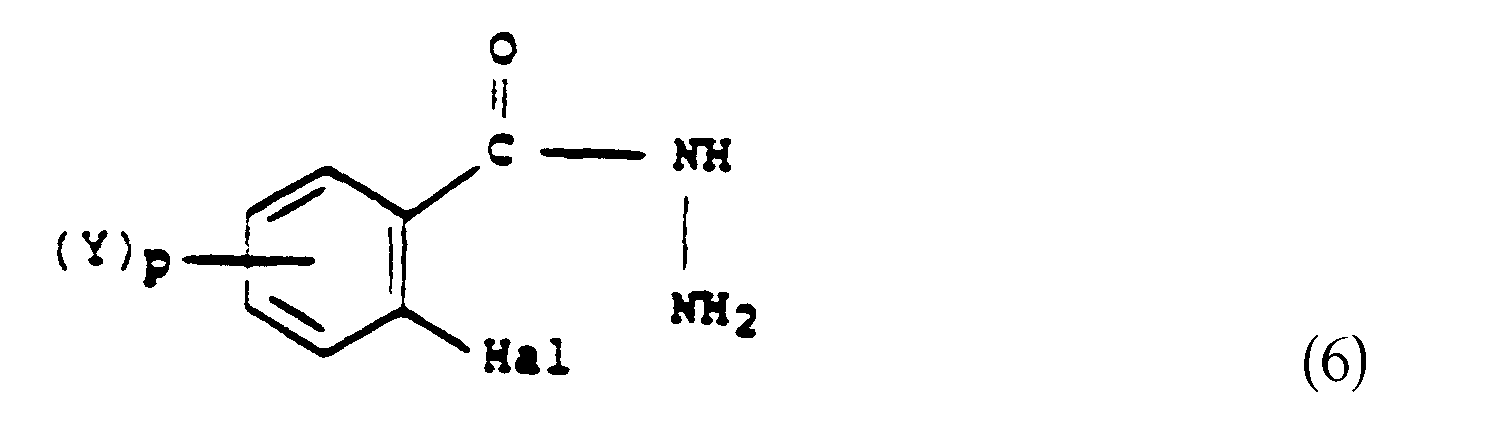
- the ester of formula (5) is reacted with hydrazine, H 2 NNH 2 , under standard hydrazide formation conditions. Typically, the reaction is carried out in a nonreactive solvent, e.g.
- a hydrazide of formula (6) is reacted with a phenyl sulfonyl halide of the formula where Hal is a halogen selected from the group consisting of Cl and Br, to form a compound of the formula Typically this reaction is carried out in a basic solvent, such as pyridine or collidine, at a temperature of 0° to 30°C for 2 to 16 hours.
- a basic solvent such as pyridine or collidine
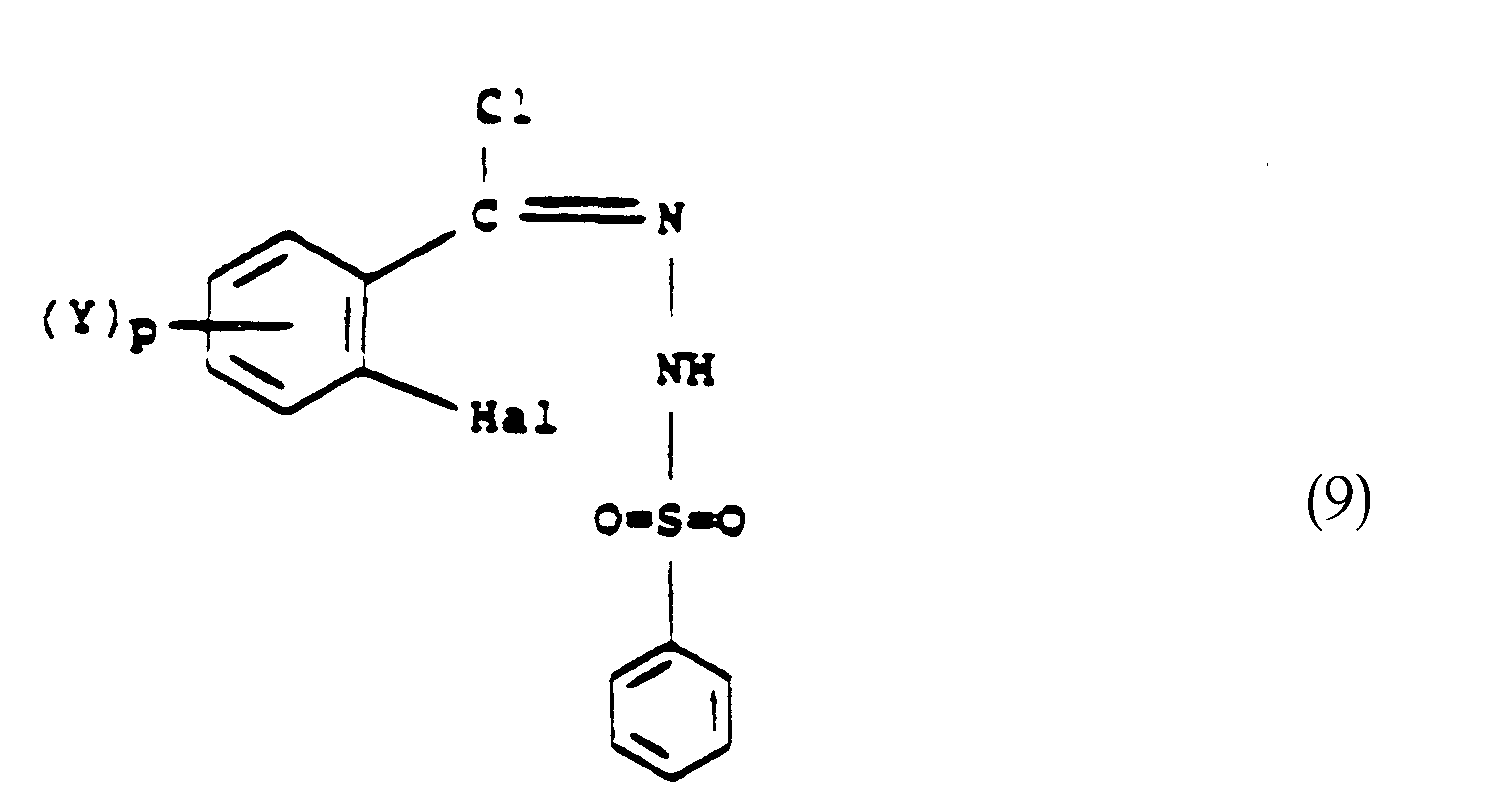
- the compound of formula (8) in turn is reacted neat with thionyl chloride at a temperature of 50° to 79°C (reflux temperature) for 2 to 16 hours to form a compound of formula (9)
- Compound (9) is reacted with a compound of formula (10), where R 11 is lower alkyl, under conventional nucleophilic reaction conditions, for example in an inert solvent, such as tetrahydrofuran (THF), toluene, or diethylether, at a temperature of 5° to 50°C for 1 to 16 hours to form a compound having the formula
- the compound of formula (11) is then reacted with a condensation agent, such as copper, copper-bronze, or cuprous oxide, in a solvent such as dimethylformamide, dimethylacetamide, or tetramethylurea, at a temperature of 120° to 177°C for 1 to 16 hours to form a piperazine-substituted phenylsulfonyl indazole of the
- a cyano-substituted piperazine phenylsulfonyl indazole is then formed by reacting the compound of formula (12) with a conventional cyanation source, such as a halo-cyanide, e.g. BrCN or ClCN, under conventional cyanation conditions, typically in an inert solvent, e.g. dimethylsulfoxide (DMSO) or CHCl 3 , at ambient temperature for 2 to 16 hours to form a compound of formula
- DMSO dimethylsulfoxide
- CHCl 3 CHCl 3
- the compound of formula (13) is then subjected to reduction by means of.a metal hydride, e.g. lithium aluminum hydride (LiAlH 4 ).
- a metal hydride e.g. lithium aluminum hydride (LiAlH 4 ).
- the reduction is carried out under standard reduction conditions in a solvent, such as tetrahydrofuran or diethyl ether, at a temperature of 35
- a compound of formula (14) can be formed in an alternative manner by first reacting a compound of formula (12) with a strong base, such as a metal alcoholate, e.g. sodium methoxide, sodium ethoxide, or sodium butoxide, or with KOH in tetrahydrofuran to form a compound of formula (15):
- a strong base such as a metal alcoholate, e.g. sodium methoxide, sodium ethoxide, or sodium butoxide
- KOH tetrahydrofuran
- the compound of formula (15) can be formed by reducing compound (12) with LiAlH 4 under conditions as previously described.
- the compound of formula (15) in turn can be reacted with a cyanation reagent, as previously described, to form a cyano substituted piperazine indazole of the formula which in turn can be reduced with a metal hydride, as previously described, to form a compound of formula (14).
- a compound of formula (16) can be reacted with an aqueous mineral acid, e.g. H 2 SO 4 or HCl, at a temperature of 50° to 120°C for 2 to 16 hours to form a compound of formula (14).
- an aqueous mineral acid e.g. H 2 SO 4 or HCl
- a compound of the formula: can be prepared according to conventional techniques. Suitable procedures are described in J. Med. Chem. 1986, 29 :359. Compounds of formula (17) are useful for synthesizing the benzisoxazole substituted piperazines of the invention.
- a compound of the formula: for use in synthesizing the benzisothiazole substituted piperazines of the invention can be prepared according to the techniques described in J. Med. Chem. 1986, 29 :359 and United Kingdom Patent (GB) 2 163 432 A.
- a compound of the formula: or for use in synthesizing the indazole-substituted piperidines of the invention can be prepared using known techniques. For example, suitable techniques are described in substantial detail in U.S. Patent 4,710,573.
- a compound of the formula: can be prepared by following the teachings from several sources.
- U.S. Patent No. 4,355,037 contains a detailed description of compounds of formula (21) and of methods for preparing the compounds. Additional disclosure of methods for preparing the compounds of formula (21) can be found in U.S. Patent No. 4,327,103 and in Strupczewski et al., J. Med. Chem., 28 :761-769 (1985).
- the compounds of formula (21) can be employed in the synthesis of the benzisoxazole substituted piperidines of the invention.
- Certain 3-(4-piperidinyl)-1,2-benzisothiazoles can be employed in the synthesis of the N-(aryloxyalkyl)heteroaryl piperidines of the invention.
- a benzisothiazole of the formula can be reacted with the alkylating agent previously described to form the N-(aryloxyalkyl)heteroarylpiperidines of the invention.
- Compounds of formula (22) and their methods of preparation are described in detail in U.S. patent 4,458,076.
- alkylating agents can be reacted with alkylating agents.
- the alkylating agents and methods for preparing the alkylating agents are described in U.S. Patent No. 4,366,162. Additional disclosure can be found in South African publication EA 86 14522.
- procedures for making alkylating agents are described in the following Examples. These procedures can be employed to make other alkylating agents for use in this invention.
- the heteroarylpiperidines, piperazines, and pyrrolidines described in Sections 1-6 above can be reacted under alkylating conditions with the alkylating agents described in Section 7 to form the compounds of this invention.
- the reaction can be carried out by dissolving the reagents in an inert solvent, such as dimethylformamide, acetonitrile, or butanol, and allowing the reagents to react from a temperature of 50°C to refluxing of the solvent in the presence of an acid receptor, such as a base.
- suitable bases are alkali metal carbonates, such as potassium carbonate, sodium carbonate, or sodium bicarbonate.
- the reaction can be carried out with or without a catalytic amount of an alkaline iodide, such as potassium iodide or sodium iodide, for a time sufficient to form a compound of formula (I) of the invention.
- an alkaline iodide such as potassium iodide or sodium iodide
- the alkylation reaction is carried out for about 4 to about 16 hours, depending on reactivity of the reagents.
- the reaction temperature can vary from about 50° to about 120°C.
- the products can be isolated by treating the reaction product with water, extracting the product into an organic solvent that is immiscible in water, washing, drying, and concentrating the organic solvent to yield the free base, and then, if indicated, converting the resulting compound to an acid addition salt in a conventional manner.
- the compounds of the present invention are useful for treating psychoses by virtue of their ability to elicit an antipsychotic response in mammals.
- Antipsychotic activity is determined in the climbing mice assay by a method similar to those described by P. Protais, et al., Psychopharmacol., 50 :1 (1976) and B. Costall, Eur. J. Pharmacol., 50 :39 (1978).
- mice 22-27 grams are group-housed under standard laboratory conditions. The mice are individually placed in wire mesh stick cages (4" X 10") and are allowed one hour for adaption and exploration of the new environment. Then apomorphine is injected subcutaneously at 1.5 mg/kg, a dose causing climbing in all subjects for 30 minutes. Compounds to be tested for antipsychotic activity are injected intraperitoneally or given oral doses at various time intervals, e.g. 30 minutes, 60 minutes, etc. prior to the apomorphine challenge at a screening dose of 10-60 mg/kg.
- the climbing scores are individually totaled (maximal score: 6 per mouse over 3 readings) and the total score of the control group (vehicle intraperitoneally-apomorphine subcutaneously) is set to 100%.
- ED 50 values with 95% confidence limits, calculated by a linear regression analysis, of some of the compounds of the present invention as well as a standard antipsychotic agent are presented in Table 1.
- COMPOUND CLIMBING MOUSE ASSAY ED 50 mg/kg, ip
- 2-[4-(6-fluoro-1,2-benzisoxazol-3-yl)-1-piperidinyl]ethyl]-1,4-benzodioxan 0.29 Chlorpromazine (standard) 1.3
- Antipsychotic response is achieved when the compounds of the present invention are administered to a subject requiring such treatment as an effective oral, parenteral, or intravenous dose of from 0.01 to 50 mg/kg of body weight per day. It is to be understood, however, that for any particular subject, specific dosage regimens should be adjusted according to the individual need and the professional judgment of the person administering or supervising the administration of the aforesaid compound. It is to be further understood that the dosages set forth herein are exemplary only and they do not, to any extent, limit the scope or practice of the invention.
- Effective amounts of the compounds of the present invention can be administered to a subject by any one of several methods, for example, orally as in capsules or tablets, parenterally in the form of sterile solutions or suspensions, and in some cases intravenously in the form of sterile solutions.
- the compounds of the present invention while effective themselves, can be formulated and administered in the form of their pharmaceutically acceptable addition salts for purposes of stability, convenience of crystallization, increased solubility, and the like.
- Preferred pharmaceutically acceptable addition salts include salts of mineral acids, for example, hydrochloric acid, sulfuric acid, nitric acid, and the like; salts of monobasic carboxylic acids, for example, acetic acid, propionic acid, and the like; salts of dibasic carboxylic acids, for example, maleic acid, fumaric acid, and the like; and salts of tribasic carboxylic acids, such as carboxysuccinic acid, citric acid, and the like.
- Effective quantities of the compounds of the invention can be administered orally, for example, with an inert diluent or with an edible carrier. They can be enclosed in gelatin capsules or compressed into tablets.
- compounds of the invention can be incorporated with an excipient and used in the form of tablets, troches, capsules, elixirs, suspensions, syrups, wafers, chewing gums, and the like.
- These preparations should contain at least 0.5% of active compound of the invention, but can be varied depending upon the particular form and can conveniently be between 4% to about 70% of the weight of the unit.
- the amount of active compound in such a composition is such that a suitable dosage will be obtained.
- Preferred compositions and preparations according to the present invention are prepared so that an oral dosage unit form contains between 1.0-300 milligrams of the active compound of the invention.
- Tablets, pills, capsules, troches, and the like can also contain the following ingredients: a binder, such as microcrystalline cellulose, gum tragacanth, or gelatin; an excipient, such as starch or lactose; a disintegrating agent such as alginic acid, Primogel, corn starch, and the like; a lubricant such as magnesium stearate or Sterotes; a glidant such as colloidal silicon dioxide; and a sweetening agent such as sucrose; or saccharin, or a flavoring agent, such as peppermint, methyl salicylate, or orange flavoring.
- a binder such as microcrystalline cellulose, gum tragacanth, or gelatin
- an excipient such as starch or lactose
- a disintegrating agent such as alginic acid, Primogel, corn starch, and the like
- a lubricant such as magnesium stearate or Sterotes
- a glidant such as colloidal silicon dioxide
- dosage unit forms can contain various materials that modify the physical form of the dosage unit, for example, as coatings.
- tablets or pills can be coated with sugar, shellac, or other enteric coating agents.
- a syrup can contain, in addition to the active compounds, sucrose as a sweetening agent and certain preservatives, dyes, colorings, and flavors. Materials used in preparing these various compositions should be pharmaceutically pure and non-toxic in the amounts used.
- the active compound of the invention can be incorporated into a solution or suspension.
- These preparations should contain at least 0.1% of active compound, but can be varied between 0.5 and about 50% of the weight thereof.
- the amount of active compounds in such compositions is such that a suitable dosage will be obtained.
- Preferred compositions and preparations according to the present invention are prepared so that a parenteral dosage unit contains between 0.5 to 100 milligrams of active compound.
- Solutions or suspensions can also include the following components: a sterile diluent, such as water for injection, saline solution, fixed oils, polyethylene glycols, glycerine, propylene glycol, or other synthetic solvents; antibacterial agents such as benzyl alcohol or methyl parabens; antioxidants such as ascorbic acid or sodium bisulfite; chelating agents such as ethylenediaminetetraacetic acid; buffers such as acetates, citrates, or phosphates, and agents for the adjustment of tonicity such as sodium chloride or dextrose.
- a sterile diluent such as water for injection, saline solution, fixed oils, polyethylene glycols, glycerine, propylene glycol, or other synthetic solvents
- antibacterial agents such as benzyl alcohol or methyl parabens
- antioxidants such as ascorbic acid or sodium bisulfite
- chelating agents such as ethylenediaminetetraacetic
- 6-Aceto-2-hydroxymethyl-1,4-benzodioxan (3.39 g, 16.3 mmol) was dissolved in trichloromethane (100 ml). Triethylamine (2.5 g) was added to mesylchloride (2.5 g, 1.35 eq) at 0°C. The mixture was stirred for 2 hours at room temperature. The mixture was then diluted, washed with an ice/dilute hydrochloric acid mixture (150 ml), washed with sodium bicarbonate and brine, dried over magnesium sulfate, and concentrated to yield 5.6 g. Following chromatography on a SiO 2 column, 3.64 g (78% yield) of 6-aceto-2-mesyloxymethyl-1,4-benzodioxan were obtained.
- This invention thus provides a group of chemical compounds that are capable of producing antipsychotic effects and may be capable of affecting negative symptoms of schizophrenia in a beneficial manner.
- many of the compounds may also have reduced tendencies to produce extrapyramidal side effects in mammals.
Landscapes
- Chemical & Material Sciences (AREA)
- Organic Chemistry (AREA)
- Health & Medical Sciences (AREA)
- Chemical Kinetics & Catalysis (AREA)
- Nuclear Medicine, Radiotherapy & Molecular Imaging (AREA)
- Animal Behavior & Ethology (AREA)
- Bioinformatics & Cheminformatics (AREA)
- Veterinary Medicine (AREA)
- Public Health (AREA)
- General Health & Medical Sciences (AREA)
- General Chemical & Material Sciences (AREA)
- Medicinal Chemistry (AREA)
- Engineering & Computer Science (AREA)
- Pharmacology & Pharmacy (AREA)
- Life Sciences & Earth Sciences (AREA)
- Pain & Pain Management (AREA)
- Neurosurgery (AREA)
- Neurology (AREA)
- Biomedical Technology (AREA)
- Rheumatology (AREA)
- Psychiatry (AREA)
- Pharmaceuticals Containing Other Organic And Inorganic Compounds (AREA)
- Plural Heterocyclic Compounds (AREA)
- Hydrogenated Pyridines (AREA)
- Thiazole And Isothizaole Compounds (AREA)
- Heterocyclic Carbon Compounds Containing A Hetero Ring Having Nitrogen And Oxygen As The Only Ring Hetero Atoms (AREA)
Abstract
Description
- This application is a European counterpart of a continuation-in-part of application Serial No. 788,269, filed November 5, 1991, which is a continuation-in-part of application Serial No. 944,705, filed September 5, 1991, which is a continuation of application Serial No. 619,825, filed November 29, 1990, now abandoned, which is a continuation of application Serial No. 456,790, filed December 29, 1989, now abandoned, which is a continuation-in-part of application Serial No. 354,411, filed May 19, 1989, now abandoned. The entire disclosure of these applications is relied upon and incorporated by reference herein.
- This invention relates to heteroarylpiperidines, pyrrolidines and piperazines. More particularly, this invention relates to heteroarylpiperidines, pyrrolidines and piperazines having antipsychotic activity and to their use as antipsychotic drugs.
- The therapeutic treatment of schizophrenic patients by administration of neuroleptic drugs, such as chlorpromazine, haloperidol, sulpiride, and chemically closely related compounds, is widespread. While control of schizophrenic symptoms has been successful, treatment with these drugs does not cure the psychotic patient, who will almost certainly relapse if medication is discontinued. There exists a continuing need in the art for antipsychotic drugs for the treatment of psychoses.
- Moreover, some of the known neuroleptics produce unwanted side effects. For example, the side effects of many antipsychotic drugs include the so-called extrapyramidal symptoms, such as rigidity and tremor, continuous restless walking, and tardive dyskinesia which causes facial grimacing, and involuntary movements of the face and extremities. Orthostatic hypotension is also common. Thus, there also exists a need in the art for antipsychotic drugs that produce fewer or less severe manifestations of these common side effects.
- GB 2163432 discloses the synthesis of compounds of formulawherein R2 is lower alkyl or H, R3 and R4 are independently chosen from H, lower alkyl, lower acyloxy, lower alkoxy, lower alkyl thio, halogen, OH or CF3. They are expected to possess an analgesic activity.
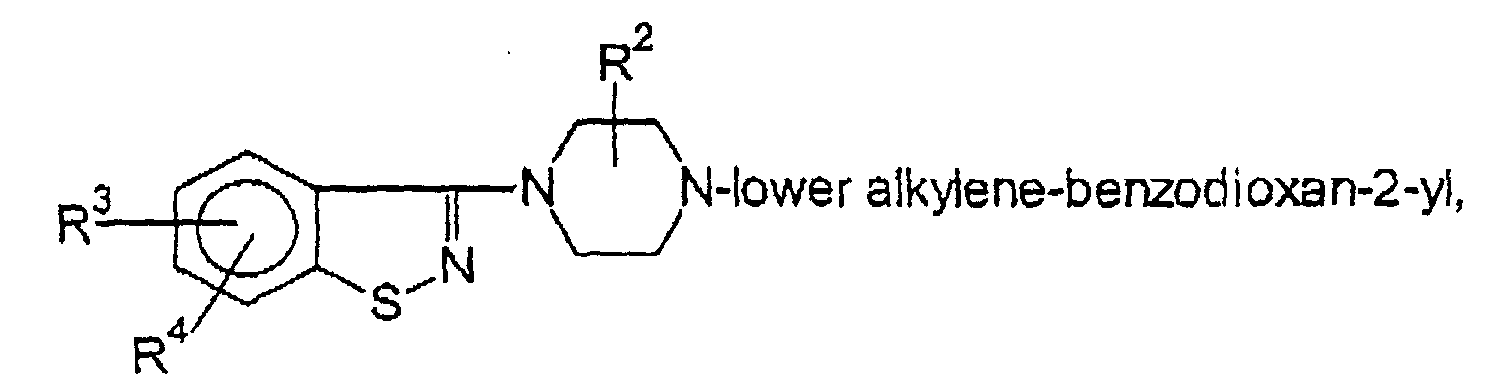
- This invention aids in fulfilling these needs in the art by providing the use of a compound of the formula:wherein

X is -O-, -S-,R2 is selected from the group consisting of C1-C6 alkyl, aryl C1-C6 alkyl, aryl, cycloalkyl, aroyl, alkanoyl, and phenylsulfonyl groups;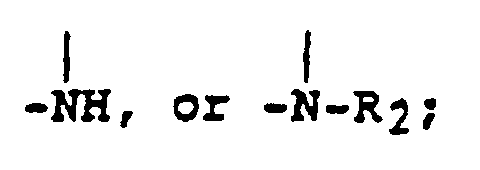
p is 1 or 2;
Y is hydrogen, C1-C6 alkyl, hydroxy, chlorine, fluorine, bromine, iodine, C1-C6 alkoxy, trifluoromethyl, nitro, or amino, when p is 1;
Y is C1-C6 alkoxy, hydroxy and halogen when p is 2 and X is -O-;
Q1 iswhere Z is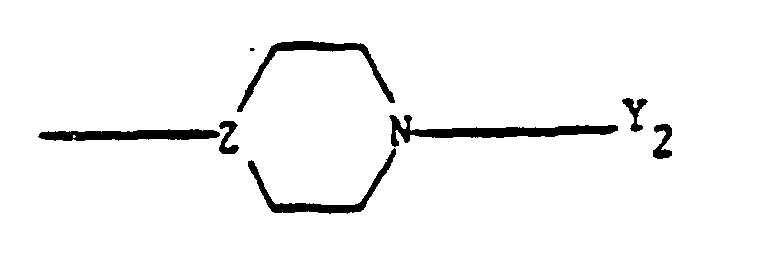 and
and
Y2 isin which n is 1 or 2 and all geometric, optical and stereoisomers thereof or a pharmaceutically acceptable acid addition salt thereof, for the preparation of a medicament for treating psychoses.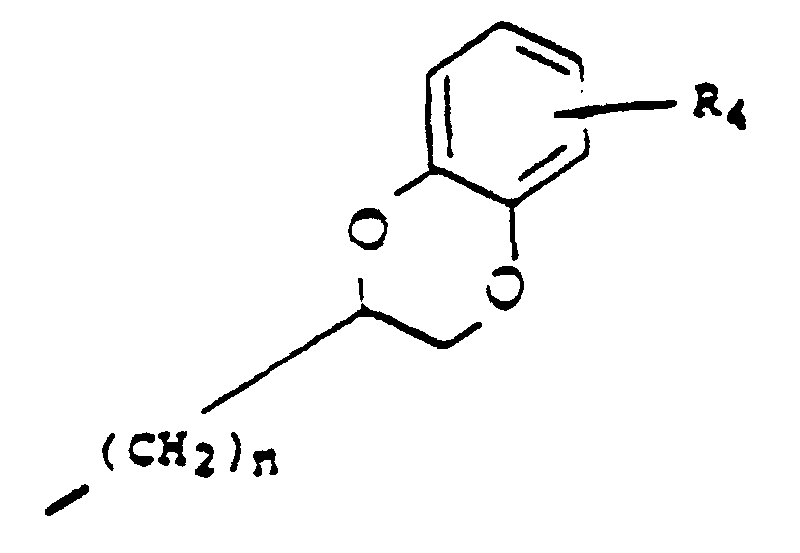
- This invention also aids in fulfilling these needs in the art by providing a compound of the formula:wherein

X is -O-, -S-,R2 is selected from the group consisting of C1-C6 alkyl, aryl C1-C6 alkyl, aryl, cycloalkyl, aroyl, alkanoyl, and phenylsulfonyl groups;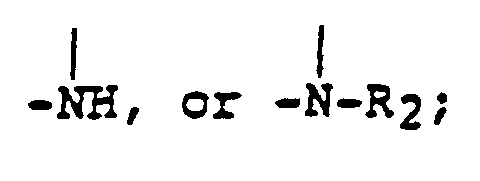
p is 1 or 2;
Y is hydrogen, C1-C6 alkyl, hydroxy, chlorine, fluorine, bromine, iodine, C1-C6 alkoxy, trifluoromethyl, nitro, or amino, when p is 1;
Y is C1-C6 alkoxy, hydroxy and halogen when p is 2 and X is -O-;
Q1 is selected from the group consisting of: - (a)
and

- (b)
 where Z is
- R20 is -(CH2)n- where n is 2, 3, 4 or 5;
- R21 is
- R22 is R20 or R21 in which one or more carbon atoms of R20 or
R21 are substituted by at least one C1-C6 linear alkyl group, phenyl
group or
where Z1 is C1-C6 alkyl, -OH, C1-C6 alkoxy, -CF3, -NO2, -NH2 or halogen; and

- R4 is hydrogen, C1-C6 alkyl, C1-C6 alkoxy, hydroxy,
amino, mono- or dialkylamino, C1-C3 acyl amino, C1-C6
alkanoyl, trifluoromethyl, chlorine, fluorine, bromine,
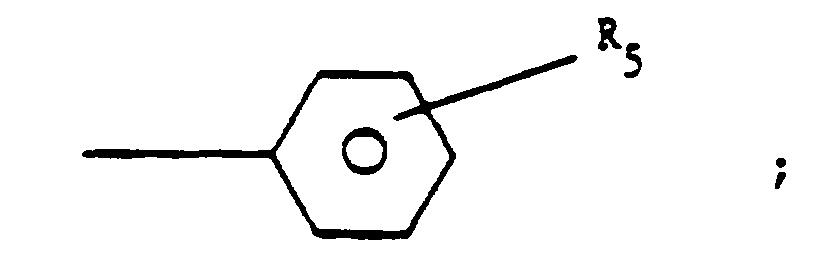
in which aryl is phenyl or

-
- This invention also provides a pharmaceutical composition, which comprises a compound of the invention of formula I or according to claim 21 and a pharmaceutically acceptable carrier therefor. In one embodiment of the invention, the pharmaceutical composition is an antipsychotic composition comprising a compound of the invention in an amount sufficient to produce an antipsychotic effect.
- In addition, this invention provides the use of the invention compounds of claim 23 for the preparation of a medicament for treating psychoses. The treatment comprises administering to a patient a pharmaceutically effective amount of a compound of the invention.
- The compounds of this invention are useful as antipsychotic drugs. The compounds of the invention can contain a variety of different substituents and chemical groups. As used herein, when the term "lower" is mentioned in connection with the description of a particular group, the term means that the group it is describing contains from 1 to 6 carbon atoms.
- The term "alkyl" as used herein refers to a straight or branched chain hydrocarbon group containing no unsaturation, for example, methyl, ethyl, isopropyl, 2-butyl, neopentyl, or n-hexyl.
- The term "alkoxy" as used herein refers to a monovalent substituent comprising an alkyl group linked through an ether oxygen having its free valence bond from the ether oxygen, e.g. methoxy, ethoxy, propoxy, butoxy, or pentoxy.
- The term "alkylene" as used herein refers to a bivalent radical of a lower branched or unbranched alkyl group having valence bonds on two terminal carbons thereof, for example, ethylene (-CH2CH2-), propylene (-CH2CH2CH2-), or isopropylene

- The term "cycloalkyl" refers to a saturated hydrocarbon group possessing at least one carbacyclic ring, the ring containing from 3 to 10 carbon atoms such as cyclopropyl, cyclobutyl, cyclopentyl, cyclohexyl, cycloheptyl, cyclodecyl and the like.
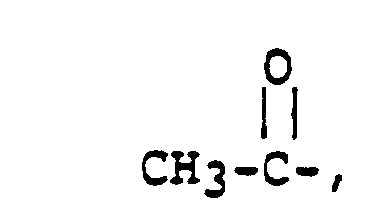
- The term "alkanoyl" refers to the radical formed by removal of the hydroxyl function from an alkanoic acid. More particularly, the term "alkanoyl" as used herein refers to an alkyl carbonyl moiety containing from 2 to 11 carbon atoms, e.g.
 etc.
etc.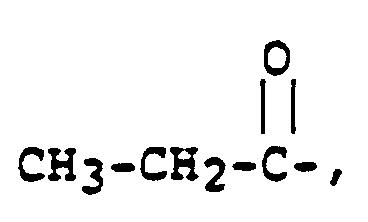
Examples of alkanoyl groups are formyl, acetyl, propionyl, 2,2-dimethylacetyl, hexanoyl, octanoyl, decanoyl, and the like. - The term "aryl lower alkyl" refers to compounds wherein "aryl" and "loweralkyl" are as defined above.
- The term "phenylsulfonyl" refers to a monovalent substituent having the formula phenyl-SO2-.
- The term "acyl" refers to a substituent having the formula

- The term "lower monoalkylamino" refers to a monosubstituted derivative of ammonia, wherein a hydrogen of ammonia is replaced by a lower alkyl group.
- The term "lower dialkylamino" refers to a disubstituted derivative of ammonia, wherein two hydrogens of ammonia are replaced by lower alkyl groups.
- The term "acylamino" refers to a primary or secondary amine, wherein a hydrogen of the amine is replaced by an acyl group, where acyl is as previously defined.
- The term "aroyl" refers to a disubstituted carbonyl, wherein at least one substituent is an aryl group, where "aryl" is as previously defined.
- Unless otherwise indicated, the term "halogen" as used herein refers to a member of the halogen family selected from the group consisting of fluorine, chlorine, bromine, and iodine.
- Throughout the specification and appended claims, a given chemical formula or name shall encompass all geometric, optical and stereoisomers thereof where such isomers exist.
- The compounds of this invention can be represented by the above formula I.
- The compounds of the invention can also be represented by the following formula:

- The substituent X in formula (I) is selected from the group consisting of -O-, -S-, -NH-, orWhen the substituent X is -O-, the compounds of the invention contain a 1,2-benzisoxazole nucleus, and when X is -S-, the compounds of the invention contain a 1,2-benzisothiazole nucleus. When X is -NH- or
 the compounds of the invention contain the indazole nucleus.
- When p in formula (I) is 1, the substituent Y is selected from the group consisting of hydrogen, lower alkyl, hydroxyl, halogen, lower alkoxy, -CF3, -NO2, and -NH2. The substituent Y is preferably in the 5- or 6-position of the ring. Moreover, in the preferred embodiments of the invention, the substituent Y is hydrogen, chlorine, bromine, or fluorine, and in the particularly preferred compounds of the invention, Y is fluorine, especially in the 6-position of the ring.
- When p in formula (I) is 2 and X is -O-, each Y substituent can be independently selected from lower alkoxy, hydroxy or halogen groups, preferably methoxy groups.
- When the substitutent Y2 isthe substitutent R4 is preferably hydrogen or
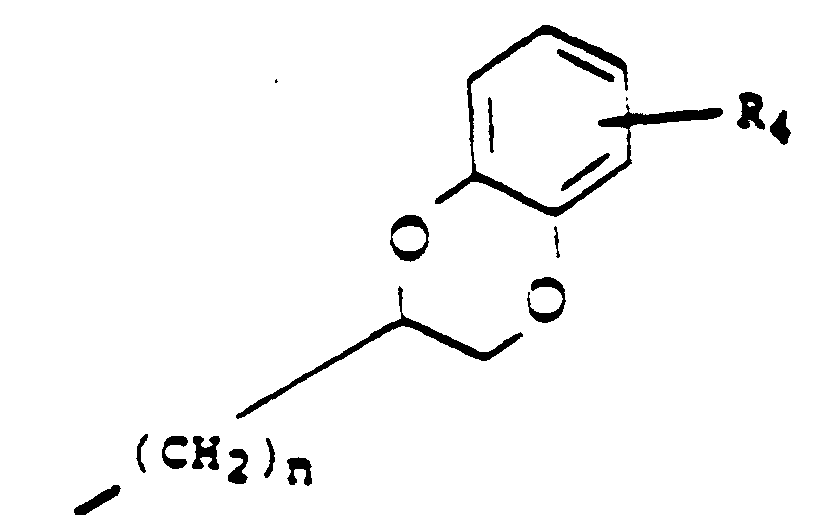 and n is preferably 1 or 2.
- The value of n in the foregoing formula (I) can be 2, 3, 4, or 5, and preferably is 2, 3, or 4. In the particularly preferred compounds of the invention n is 3.
- When X in the compounds of the invention isthe substituent R2 is selected from the group consisting of lower alkyl, aryl lower alkyl, aryl, cycloalkyl, aroyl, alkanoyl, and phenylsulfonyl groups.

- The substituent Z can bein which case the compounds of the invention are heteroarylpiperidine derivatives, or
 in which case the compounds are heteroarylpiperazine derivatives. When the substituent Q1 has the formula
 the compounds of the invention are heteroarylpyrrolidines. The preferred compounds of the invention are the heteroarylpiperidines, i.e. compounds in which Z is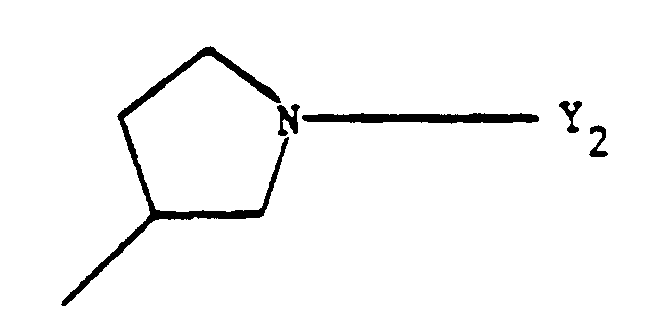

- The compounds of the invention can contain one, two, or three R-substituents. The substituent R can be hydrogen, lower alkyl, C1 - C6 alkoxy, hydroxyl, carboxyl, Cl, F, Br, I, amino, C1 - C6 mono or dialkyl amino, -NO2, lower alkyl thio, -OCF3, cyano, acylamino, -CF3, trifluoroacetyl (i.e.aminocarbonyl
 dialkylaminocarbonyl, formyl,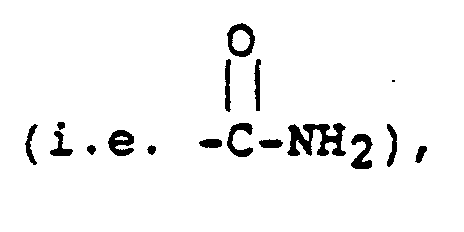
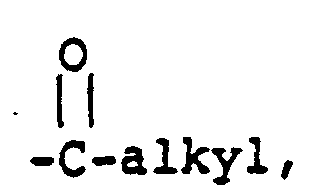

 or
or

 or
or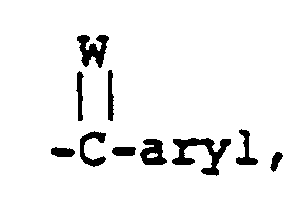 alkyl is lower alkyl;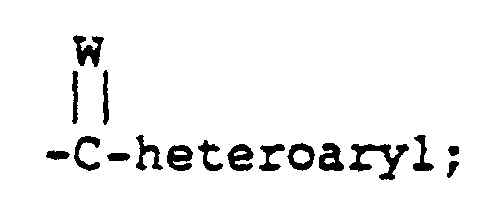
aryl is phenyl orwhere R5 is hydrogen, lower alkyl, C1 - C6 alkoxy, hydroxy, Cl, F, Br, I, C1 - C6 alkylamino, -NO2, -CN, -CF3, -OCF3; heteroaryl is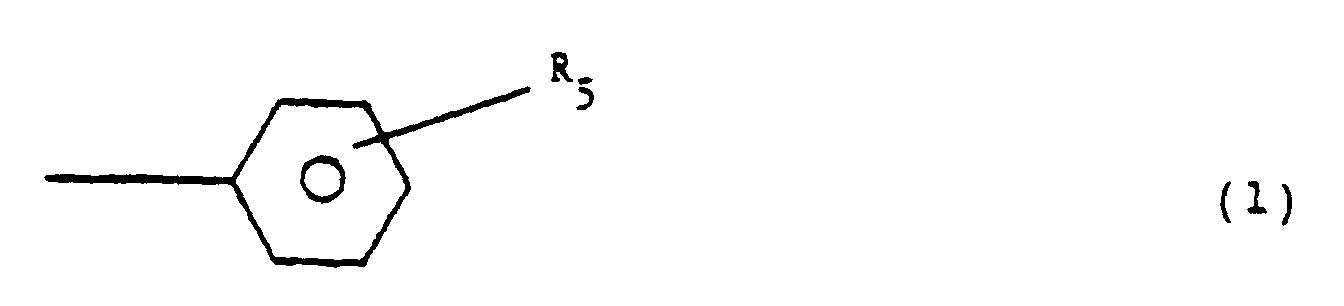 Q is -O-, -S-,
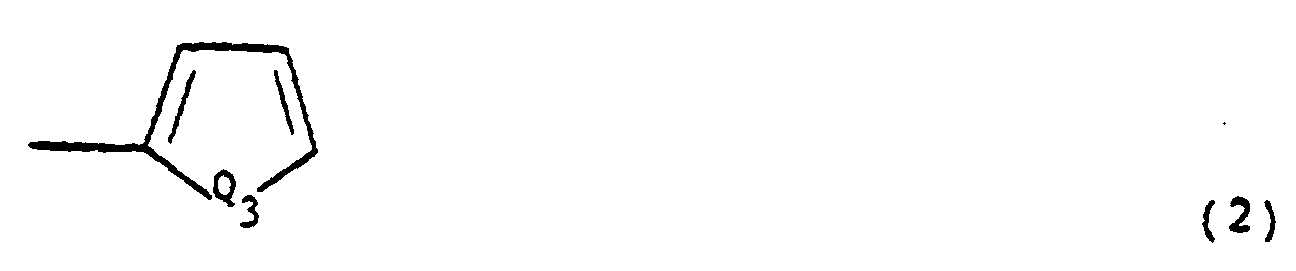 -CH=N-;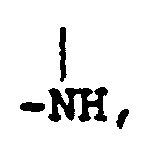
W is CH2 or CHR8 or N-R9;
R7 is hydrogen, lower alkyl, or acyl;
R8 is lower alkyl;
R9 is hydroxy, lower alkoxy, or -NHR10; and
R10 is hydrogen, lower alkyl, C1-C3 acyl, aryl,heteroaryl, where aryl and heteroaryl are as defined above; and
m is 1, 2, or 3.
When the compounds of the invention contain two or three R-substituents, each of the R-substituents can be independently selected from the above substituents. Preferably, each of the R-substituents is selected from the group consisting of hydrogen, C1 - C3 alkyl, C1 - C3 alkoxy, hydroxyl, -COCF3, C1-C6 alkanoyl, Cl, F, Br, I, C1 - C3 alkylamino, -NO2, -CF3, -OCF3,and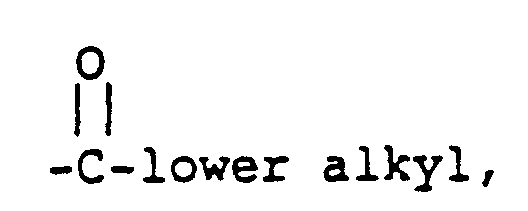

- The compounds of the present invention are prepared in the following manner. The substituents X, Y, and Z and the integers n, and p are as defined above unless indicated otherwise.
- The compounds of the invention can be prepared by reacting a piperidine or a piperazine of the formula:or a pyrrolidine of the formula:
 under alkylating conditions The procedures that can be employed for preparing the piperidines, the piperazines, and the pyrrolidines identified by the above formulas and the alkylating agents will now be described in detail.
- Compounds of the formulae:and
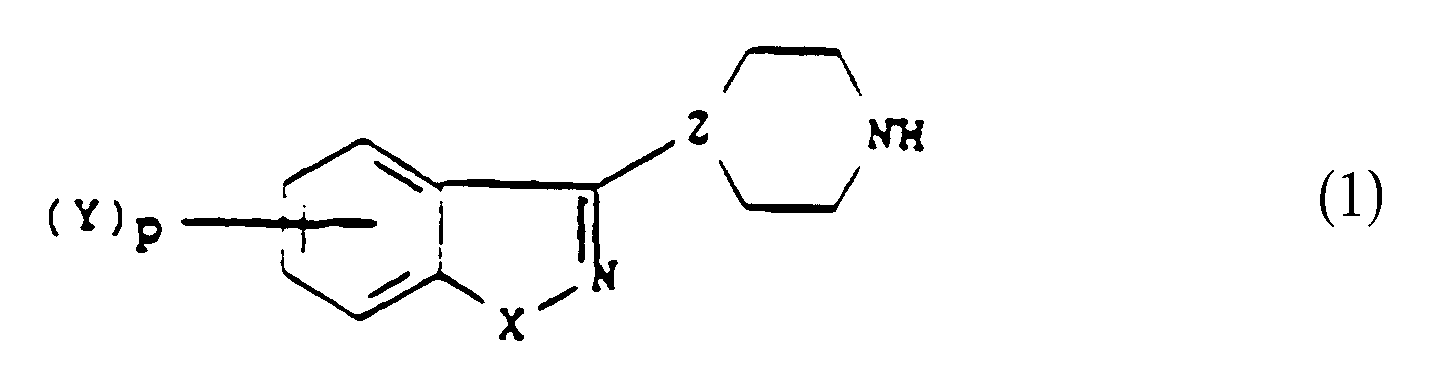
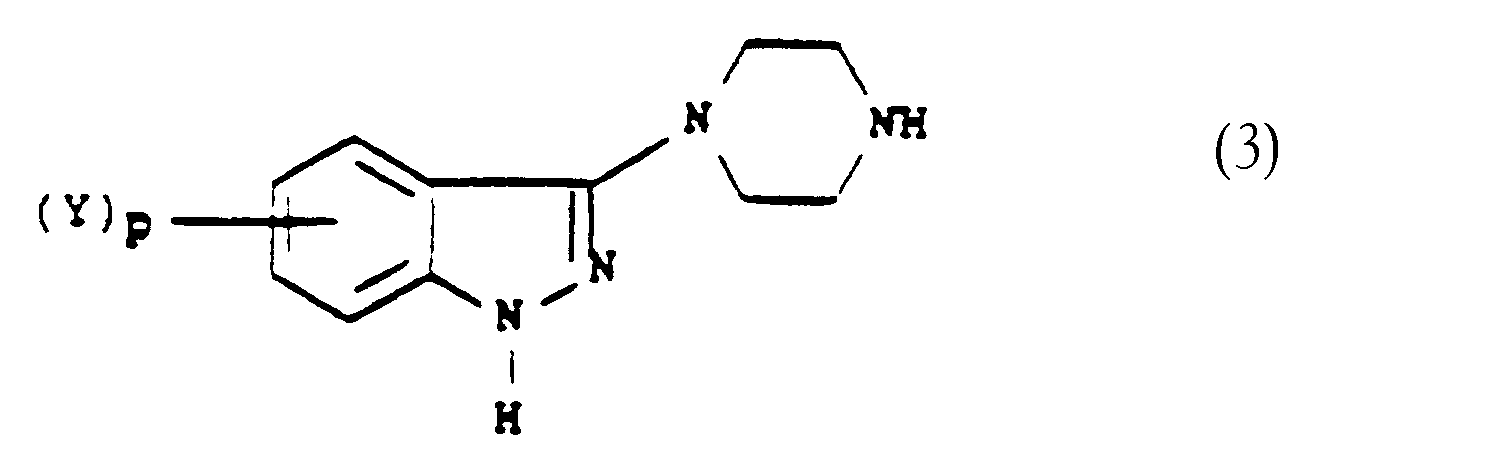 for use in synthesizing the indazoyl-substituted piperazines of the invention can be prepared as follows.
- A substituted aryl ester of formula (5) is selected,where R11 is lower alkyl and Hal is a halogen selected from the group consisting of Cl, Br, and I. The ester of formula (5) is reacted with hydrazine, H2NNH2, under standard hydrazide formation conditions. Typically, the reaction is carried out in a nonreactive solvent, e.g. ethanol, methanol, or toluene, at a temperature of ambient temperature to the reflux temperature of the solvent for 4 to 16 hours to form a hydrazide of formula (6):
 The hydrazide of formula (6) is reacted with a phenyl sulfonyl halide of the formula
 where Hal is a halogen selected from the group consisting of Cl and Br, to form a compound of the formula
 Typically this reaction is carried out in a basic solvent, such as pyridine or collidine, at a temperature of 0° to 30°C for 2 to 16 hours.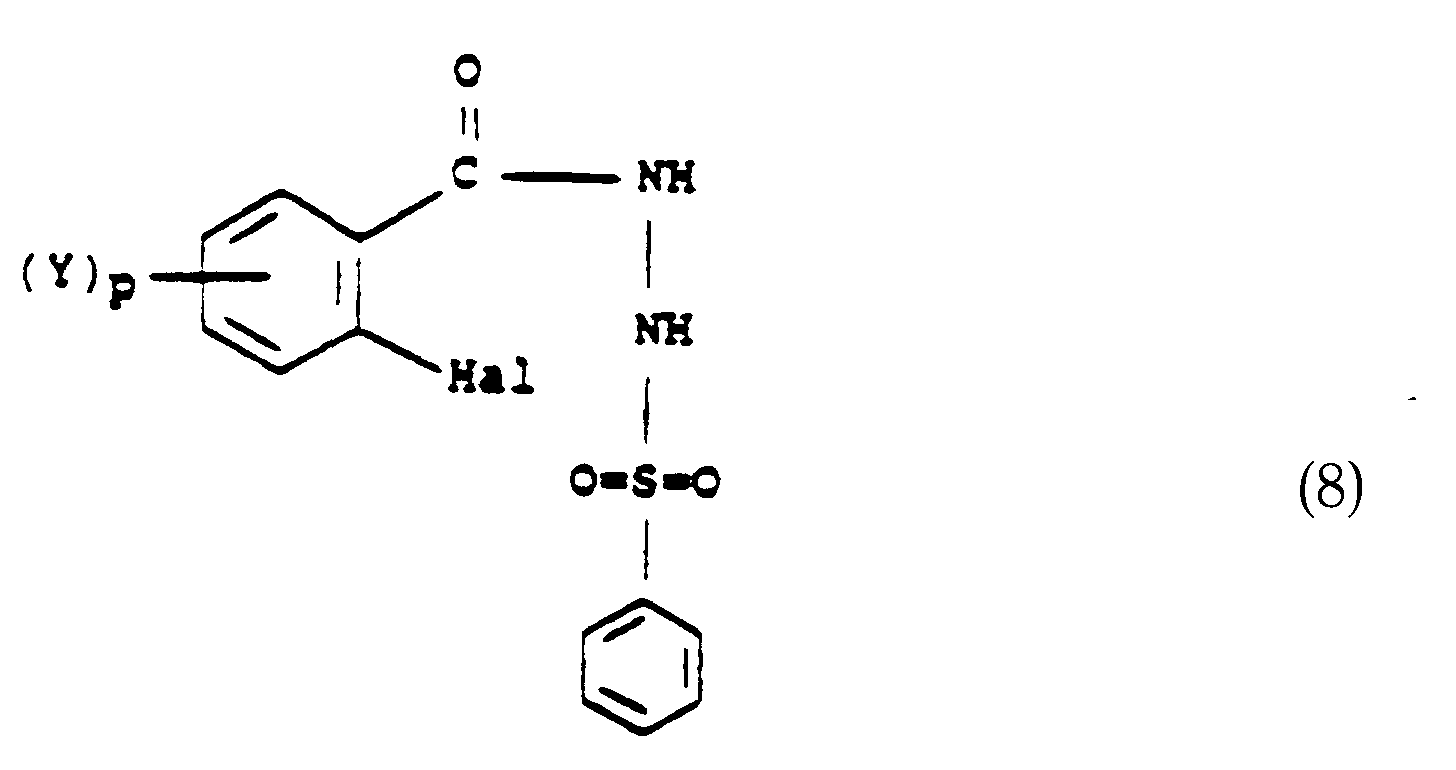
- The compound of formula (8) in turn is reacted neat with thionyl chloride at a temperature of 50° to 79°C (reflux temperature) for 2 to 16 hours to form a compound of formula (9)Compound (9) is reacted with a compound of formula (10),
 where R11 is lower alkyl, under conventional nucleophilic reaction conditions, for example in an inert solvent, such as tetrahydrofuran (THF), toluene, or diethylether, at a temperature of 5° to 50°C for 1 to 16 hours to form a compound having the formula
 The compound of formula (11) is then reacted with a condensation agent, such as copper, copper-bronze, or cuprous oxide, in a solvent such as dimethylformamide, dimethylacetamide, or tetramethylurea, at a temperature of 120° to 177°C for 1 to 16 hours to form a piperazine-substituted phenylsulfonyl indazole of the formula

- A cyano-substituted piperazine phenylsulfonyl indazole is then formed by reacting the compound of formula (12) with a conventional cyanation source, such as a halo-cyanide, e.g. BrCN or ClCN, under conventional cyanation conditions, typically in an inert solvent, e.g. dimethylsulfoxide (DMSO) or CHCl3, at ambient temperature for 2 to 16 hours to form a compound of formulaThe compound of formula (13) is then subjected to reduction by means of.a metal hydride, e.g. lithium aluminum hydride (LiAlH4). Typically the reduction is carried out under standard reduction conditions in a solvent, such as tetrahydrofuran or diethyl ether, at a temperature of 35° to 67°C for 6 to 16 hours to form a compound of formula (14):


- A compound of formula (14) can be formed in an alternative manner by first reacting a compound of formula (12) with a strong base, such as a metal alcoholate, e.g. sodium methoxide, sodium ethoxide, or sodium butoxide, or with KOH in tetrahydrofuran to form a compound of formula (15):This reaction is typically carried out in a polar solvent, such as for example CH3OH or C2H5OH, at a temperature of ambient to 50°C for 1 to 16 hours.

- Alternatively, the compound of formula (15) can be formed by reducing compound (12) with LiAlH4 under conditions as previously described.
- The compound of formula (15) in turn can be reacted with a cyanation reagent, as previously described, to form a cyano substituted piperazine indazole of the formulawhich in turn can be reduced with a metal hydride, as previously described, to form a compound of formula (14).
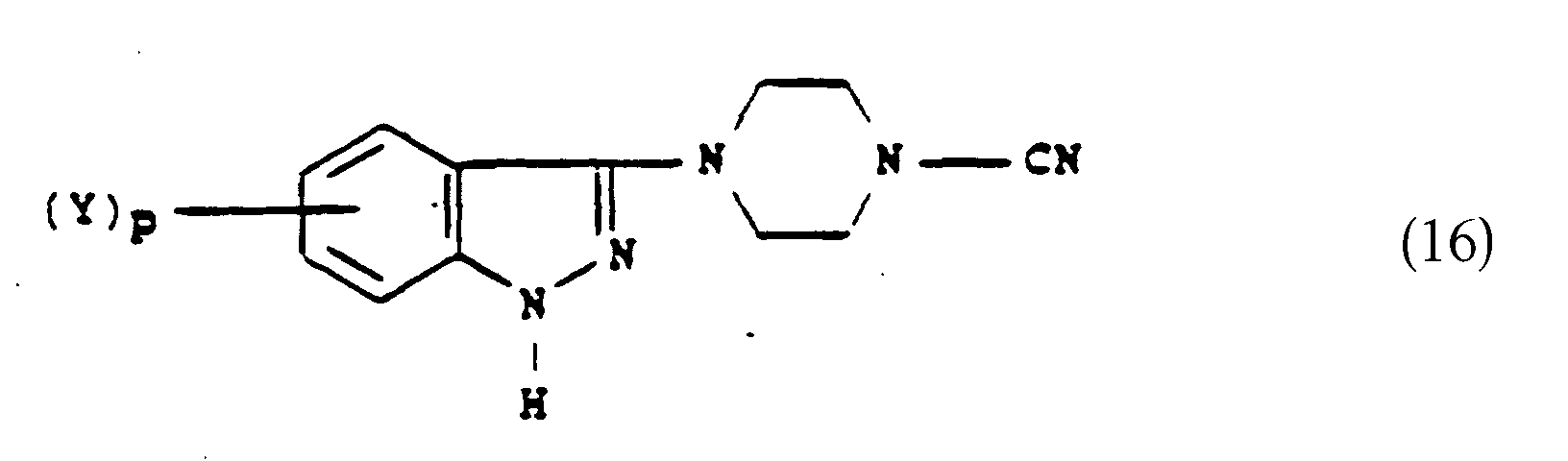
- In an alternative embodiment, a compound of formula (16) can be reacted with an aqueous mineral acid, e.g. H2SO4 or HCl, at a temperature of 50° to 120°C for 2 to 16 hours to form a compound of formula (14).
- A compound of the formula:can be prepared according to conventional techniques. Suitable procedures are described in J. Med. Chem. 1986, 29:359. Compounds of formula (17) are useful for synthesizing the benzisoxazole substituted piperazines of the invention.

- A compound of the formula:for use in synthesizing the benzisothiazole substituted piperazines of the invention can be prepared according to the techniques described in J. Med. Chem. 1986, 29:359 and United Kingdom Patent (GB) 2 163 432 A.

- A compound of the formula:or
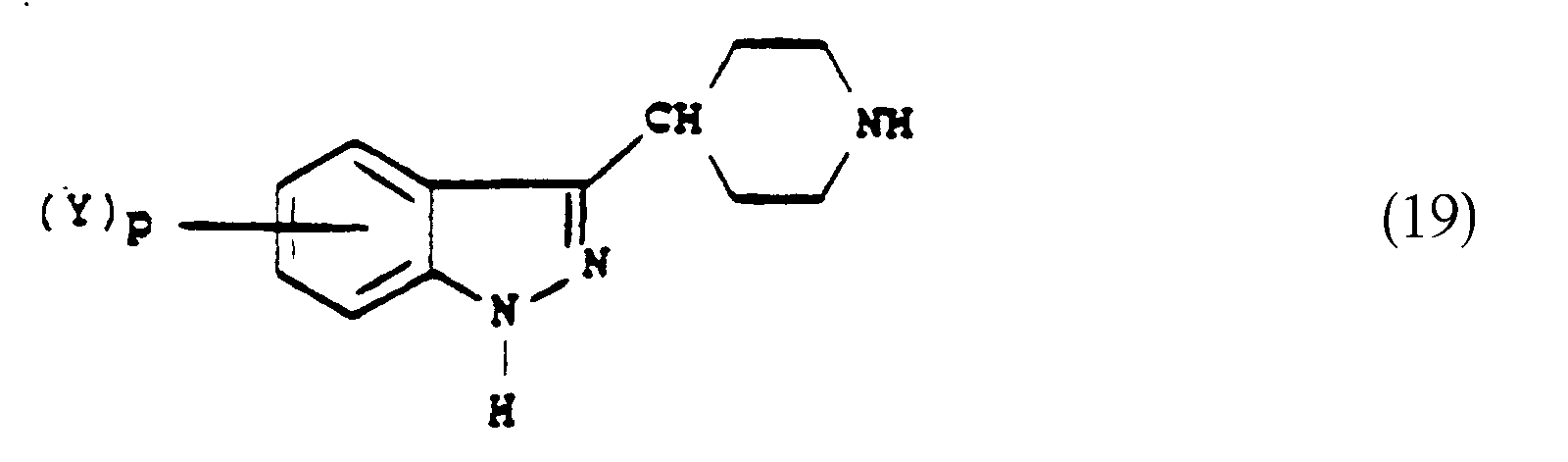 for use in synthesizing the indazole-substituted piperidines of the invention can be prepared using known techniques. For example, suitable techniques are described in substantial detail in U.S. Patent 4,710,573.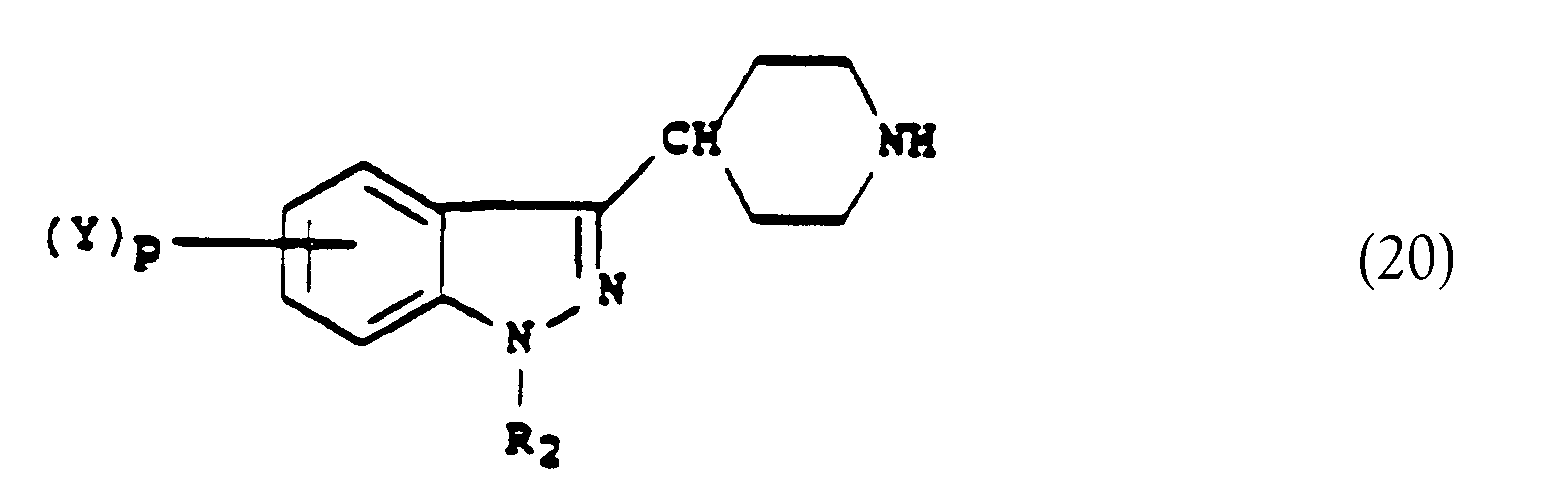
- A compound of the formula:can be prepared by following the teachings from several sources. For example, U.S. Patent No. 4,355,037 contains a detailed description of compounds of formula (21) and of methods for preparing the compounds. Additional disclosure of methods for preparing the compounds of formula (21) can be found in U.S. Patent No. 4,327,103 and in Strupczewski et al., J. Med. Chem., 28:761-769 (1985). The compounds of formula (21) can be employed in the synthesis of the benzisoxazole substituted piperidines of the invention.

- Certain 3-(4-piperidinyl)-1,2-benzisothiazoles can be employed in the synthesis of the N-(aryloxyalkyl)heteroaryl piperidines of the invention. Specifically, a benzisothiazole of the formula:can be reacted with the alkylating agent previously described to form the N-(aryloxyalkyl)heteroarylpiperidines of the invention. Compounds of formula (22) and their methods of preparation are described in detail in U.S. patent 4,458,076.

- The compounds described in Sections 1-6 above can be reacted with alkylating agents. The alkylating agents and methods for preparing the alkylating agents are described in U.S. Patent No. 4,366,162. Additional disclosure can be found in South African publication EA 86 14522. In addition, procedures for making alkylating agents are described in the following Examples. These procedures can be employed to make other alkylating agents for use in this invention.
- The heteroarylpiperidines, piperazines, and pyrrolidines described in Sections 1-6 above can be reacted under alkylating conditions with the alkylating agents described in Section 7 to form the compounds of this invention. The reaction can be carried out by dissolving the reagents in an inert solvent, such as dimethylformamide, acetonitrile, or butanol, and allowing the reagents to react from a temperature of 50°C to refluxing of the solvent in the presence of an acid receptor, such as a base. Examples of suitable bases are alkali metal carbonates, such as potassium carbonate, sodium carbonate, or sodium bicarbonate. The reaction can be carried out with or without a catalytic amount of an alkaline iodide, such as potassium iodide or sodium iodide, for a time sufficient to form a compound of formula (I) of the invention. Generally, the alkylation reaction is carried out for about 4 to about 16 hours, depending on reactivity of the reagents. The reaction temperature can vary from about 50° to about 120°C. The products can be isolated by treating the reaction product with water, extracting the product into an organic solvent that is immiscible in water, washing, drying, and concentrating the organic solvent to yield the free base, and then, if indicated, converting the resulting compound to an acid addition salt in a conventional manner.
- Following are typical examples of compounds of the invention that can be prepared by following the techniques described above:
- 6-aceto-2-[4-(6-fluoro-1,2-benzisoxazol-3-yl)-1-piperidinyl]methyl-1,4-benzodioxan;
- 2-[4-(6-fluoro-1,2-benzisoxazol-3-yl)-1-piperidinyl]methyl-1,4-benzodioxan;
- 2-[4-(6-fluoro-1,2-benzisoxazol-3-yl)-1-piperidinyl]ethyl-1,4-benzodioxan;
-
- The compounds of the present invention are useful for treating psychoses by virtue of their ability to elicit an antipsychotic response in mammals. Antipsychotic activity is determined in the climbing mice assay by a method similar to those described by P. Protais, et al., Psychopharmacol., 50:1 (1976) and B. Costall, Eur. J. Pharmacol., 50:39 (1978).
- Subject CK-1 male mice (23-27 grams) are group-housed under standard laboratory conditions. The mice are individually placed in wire mesh stick cages (4" X 10") and are allowed one hour for adaption and exploration of the new environment. Then apomorphine is injected subcutaneously at 1.5 mg/kg, a dose causing climbing in all subjects for 30 minutes. Compounds to be tested for antipsychotic activity are injected intraperitoneally or given oral doses at various time intervals, e.g. 30 minutes, 60 minutes, etc. prior to the apomorphine challenge at a screening dose of 10-60 mg/kg.
- For evaluation of climbing, 3 readings are taken at 10, 20, and 30 minutes after apomorphine administration according to the following scale:
Climbing Behavior Mice with: Score 4 paws on bottom (no climbing) 0 2 paws on the wall (rearing) 1 4 paws on the wall (full climb) 2 - With full-developed apomorphine climbing, the animals are hanging on to the cage walls, rather motionless, over long periods of time. By contrast, climbs due to mere motor stimulation usually only last a few seconds.
- The climbing scores are individually totaled (maximal score: 6 per mouse over 3 readings) and the total score of the control group (vehicle intraperitoneally-apomorphine subcutaneously) is set to 100%. ED50 values with 95% confidence limits, calculated by a linear regression analysis, of some of the compounds of the present invention as well as a standard antipsychotic agent are presented in Table 1.
COMPOUND CLIMBING MOUSE ASSAY
(ED50 mg/kg, ip)2-[4-(6-fluoro-1,2-benzisoxazol-3-yl)-1-piperidinyl]ethyl]-1,4-benzodioxan 0.29 Chlorpromazine (standard) 1.3 - Antipsychotic response is achieved when the compounds of the present invention are administered to a subject requiring such treatment as an effective oral, parenteral, or intravenous dose of from 0.01 to 50 mg/kg of body weight per day. It is to be understood, however, that for any particular subject, specific dosage regimens should be adjusted according to the individual need and the professional judgment of the person administering or supervising the administration of the aforesaid compound. It is to be further understood that the dosages set forth herein are exemplary only and they do not, to any extent, limit the scope or practice of the invention.
- Effective amounts of the compounds of the present invention can be administered to a subject by any one of several methods, for example, orally as in capsules or tablets, parenterally in the form of sterile solutions or suspensions, and in some cases intravenously in the form of sterile solutions.
- The compounds of the present invention, while effective themselves, can be formulated and administered in the form of their pharmaceutically acceptable addition salts for purposes of stability, convenience of crystallization, increased solubility, and the like. Preferred pharmaceutically acceptable addition salts include salts of mineral acids, for example, hydrochloric acid, sulfuric acid, nitric acid, and the like; salts of monobasic carboxylic acids, for example, acetic acid, propionic acid, and the like; salts of dibasic carboxylic acids, for example, maleic acid, fumaric acid, and the like; and salts of tribasic carboxylic acids, such as carboxysuccinic acid, citric acid, and the like.
- Effective quantities of the compounds of the invention can be administered orally, for example, with an inert diluent or with an edible carrier. They can be enclosed in gelatin capsules or compressed into tablets. For the purposes of oral therapeutic administration, compounds of the invention can be incorporated with an excipient and used in the form of tablets, troches, capsules, elixirs, suspensions, syrups, wafers, chewing gums, and the like. These preparations should contain at least 0.5% of active compound of the invention, but can be varied depending upon the particular form and can conveniently be between 4% to about 70% of the weight of the unit. The amount of active compound in such a composition is such that a suitable dosage will be obtained. Preferred compositions and preparations according to the present invention are prepared so that an oral dosage unit form contains between 1.0-300 milligrams of the active compound of the invention.
- Tablets, pills, capsules, troches, and the like can also contain the following ingredients: a binder, such as microcrystalline cellulose, gum tragacanth, or gelatin; an excipient, such as starch or lactose; a disintegrating agent such as alginic acid, Primogel, corn starch, and the like; a lubricant such as magnesium stearate or Sterotes; a glidant such as colloidal silicon dioxide; and a sweetening agent such as sucrose; or saccharin, or a flavoring agent, such as peppermint, methyl salicylate, or orange flavoring. When the dosage unit form is a capsule, it can contain, in addition to materials of the above type, a liquid carrier such as a fatty oil. Other dosage unit forms can contain various materials that modify the physical form of the dosage unit, for example, as coatings. Thus, tablets or pills can be coated with sugar, shellac, or other enteric coating agents. A syrup can contain, in addition to the active compounds, sucrose as a sweetening agent and certain preservatives, dyes, colorings, and flavors. Materials used in preparing these various compositions should be pharmaceutically pure and non-toxic in the amounts used.
- For the purpose of parenteral therapeutic administration, the active compound of the invention can be incorporated into a solution or suspension. These preparations should contain at least 0.1% of active compound, but can be varied between 0.5 and about 50% of the weight thereof. The amount of active compounds in such compositions is such that a suitable dosage will be obtained. Preferred compositions and preparations according to the present invention are prepared so that a parenteral dosage unit contains between 0.5 to 100 milligrams of active compound.
- Solutions or suspensions can also include the following components: a sterile diluent, such as water for injection, saline solution, fixed oils, polyethylene glycols, glycerine, propylene glycol, or other synthetic solvents; antibacterial agents such as benzyl alcohol or methyl parabens; antioxidants such as ascorbic acid or sodium bisulfite; chelating agents such as ethylenediaminetetraacetic acid; buffers such as acetates, citrates, or phosphates, and agents for the adjustment of tonicity such as sodium chloride or dextrose. The parenteral preparation can be enclosed in ampules, disposable syringes, or multiple dose vials made of glass or plastic.
- The following examples are for illustrative purposes only and are not to be construed as limiting the invention. All temperatures are given in degrees Centigrade (°C.) unless indicated otherwise.
- 6-Aceto-2-hydroxymethyl-1,4-benzodioxan (3.39 g, 16.3 mmol) was dissolved in trichloromethane (100 ml). Triethylamine (2.5 g) was added to mesylchloride (2.5 g, 1.35 eq) at 0°C. The mixture was stirred for 2 hours at room temperature. The mixture was then diluted, washed with an ice/dilute hydrochloric acid mixture (150 ml), washed with sodium bicarbonate and brine, dried over magnesium sulfate, and concentrated to yield 5.6 g. Following chromatography on a SiO2 column, 3.64 g (78% yield) of 6-aceto-2-mesyloxymethyl-1,4-benzodioxan were obtained.
- A stirred mixture of 6-fluoro-3-(4-piperidinyl)-1,2-benzisoxazole (3.0 g, 13.6 mmoles), K2CO3 (2 g, 14.5 mmoles) and 6-aceto-2-mesyloxymethyl-1,4-benzodioxan (3.5 g, 12 mmoles) in acetonitrile (100 ml) was heated at reflux for 3 hr. At the end of the reaction the solvent was removed on a rotary evaporator. The residue was extracted into dichloromethane (350 ml) and the insolubles were filtered off. The dichloromethane solution was concentrated and the crude oil was purified by flash chromatography. The product thus obtained weighed 3.38 g (59%). Recrystallization from ethanol gave 6-aceto-2-[4-(6-fluoro-1,2-benzisoxazol-3-yl)-1-piperidinyl]methyl-1,4-benzodioxan as light yellow crystals (3.2 g), m.p. = 122-123°C.
ANALYSIS: Calculated for C23H23FN2O4 67.31%C 5.65%H 6.83%N Found 67.24%C 5.50%H 6.75%N - A stirred mixture of 6-fluoro-3-(4-piperidinyl)-1,2-benzisoxazole (3.0 g, 13.6 mmoles), K2CO3 (2.45 g, 17.7 mmoles), 2-methanesulfonyloxymethyl-1,4-benzodioxan (3.35 g, 13.7 mmole) in acetonitrile (100 ml) was heated at reflux for 12 hours. At the end of the reaction, the insolubles were filtered and rinsed with dichloromethane. The organic solution was concentrated. The crude oil was purified by flash chromatography on a silica gel column. The fractions containing the pure product were pooled and concentrated to a light yellow oil (3.94 g, 74%). Crystallization from ethanol and petroleum ether gave 2-[4-(6-fluoro-1,2-benzisoxazol-3-yl)-1-piperidinyl]methyl-1,4-benzodioxan as off-white crystals, 2.22 g, m.p. = 86-87°C.
ANALYSIS: Calculated for C21H21FN2O3 68.47%C 5.75%H 7.60%N Found 68.33%C 5.75%H 7.51%N - To the compound 2-hydroxyethyl-1,4-benzodioxan (11.96 g) in dichloromethane (450 ml) was added triethylamine (0.12 mol, 10 ml). Mesylchloride (9.2 g) was then added dropwise and the reaction mixture was stirred for one hour at room temperature. After completion of the reaction, the solution was washed with water, brine, and concentrated to an oil, which was purified by chromatography on silica gel to yield 2-mesyloxyethyl-1,4-benzodioxan, 17.08 g.
- A mixture of 6-fluoro-3-(4-piperidinyl)-1,2-benzisoxazole (4.7 g, 21 mmoles), K2CO3 (3.5 g, 25.4 mmoles) and 2-mesyloxyethyl-1,4-benzodioxan (5.5 g, 21.3 mmoles) in acetonitrile (250 ml) was heated at reflux for 3.5 hours. At the end of the reaction, insolubles were filtered. The solid was washed with dichloromethane (200 ml). The solutions were combined and evaporated to an oil. This crude oil was purified by flash chromatography on a silica gel column. The material thus obtained was crystallized from ethanol. The 2-[4-(6-fluoro-1,2-benzisoxazol-3-yl)-1-piperidinyl]ethyl]-1,4-benzodioxan crystals were collected and weighed 3.8 g, 48%, m.p. = 112-113°C.
ANALYSIS: Calculated for C22H23FN2O3 69.09%C 6.06%H 7.32%N Found 69.17%C 6.02%H 7.31%N - This invention thus provides a group of chemical compounds that are capable of producing antipsychotic effects and may be capable of affecting negative symptoms of schizophrenia in a beneficial manner. In addition, many of the compounds may also have reduced tendencies to produce extrapyramidal side effects in mammals.

Y2 is

with the proviso that R4 is not H when R1 is R20, X is -S-, Y is hydrogen, halogen, C1-C6 alkyl, C1-C6 alkoxy, hydroxy or trifluoromethyl, and p is 1 or 2;
all geometric, optical and stereoisomers thereof, or a pharmaceutically acceptable acid addition salt thereof.
Claims (48)
- A compound of the formula:wherein

X is ―O―, ―S―,R2 is selected from the group consisting of C1-C6 alkyl, aryl C1-C6 alkyl, aryl, cycloalkyl, aroyl, alkanoyl, and phenylsulfonyl groups;
p is 1 or 2;
Y is hydrogen, C1-C6 alkyl, hydroxy, chlorine, fluorine, bromine, iodine, C1-C6 alkoxy, trifluoromethyl, nitro, or amino, when p is 1;
Y is C1-C6 alkoxy, hydroxy or halogen when p is 2 and X is ―O―;
Q1 is selected from the group consisting of:where Z is(a)and (b)
(b)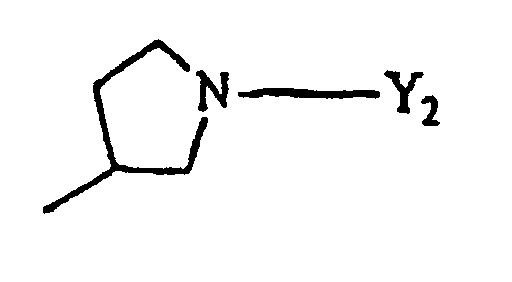 and
and
Y2 isin which (R1) is R20, R21 or R22, wherein: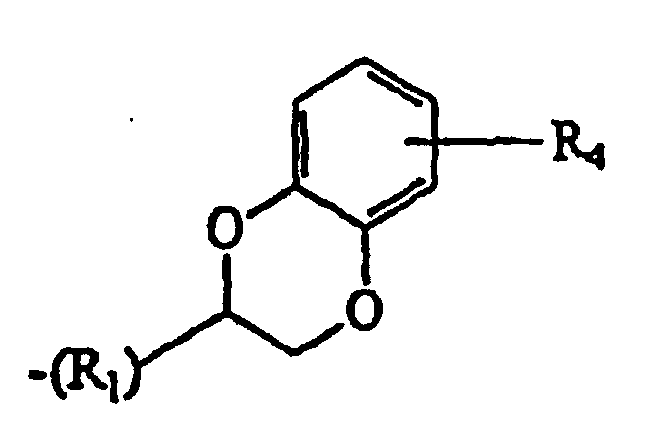 where R5 is hydrogen, C1-C6 alkyl, C1-C6 alkoxy, hydroxy, chlorine, fluorine, bromine, iodine, C1-C6 monoalkylamino, C1-C6 dialkylamino, nitro, cyano, trifluoromethyl, trifluoromethoxy;R20 is ―(CH2)n― where n is 2, 3, 4 or 5;R21 isR22 is R20 or R21 in which one or more carbon atoms of R20 or R21 are substituted by at least one C1-C6 linear alkyl group, phenyl group orwhere Z1 is C1-C6 alkyl, ―OH, C1-C6 alkoxy, ―CF3, ―NO2, NH2 or halogen;
 R4 is hydrogen, C1-C6 alkyl, C1-C6 alkoxy, hydroxy, amino, mono- or dialkylamino, C1-C3 acyl amino, C1-C6 alkanoyl, trifluoromethyl, chlorine, fluorine, bromine,in which aryl is phenyl or
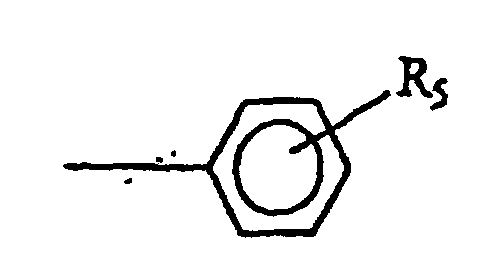
with the proviso that R4 is not H when R1 is R20, X is ―S―, Y is hydrogen, halogen, C1-C6 alkyl, C1-C6 alkoxy, hydroxy or trifluoromethyl, and p is 1 or 2;
all geometric, optical and stereoisomers thereof, or a pharmaceutically acceptable acid addition salt thereof. - The compound which is 2-[4-(6-fluoro-1,2-benzisoxazol-3-yl)-1-piperidinyl]-ethyl-1,4-benzodioxan, as claimed in claim 1, or a pharmaceutically acceptable acid addition salt thereof.
- A compound as claimed in claims 1, wherein X is ―O―, ―S―,

- A compound as claimed in claim 1, wherein Y is hydrogen, chlorine, bromine, or fluorine.
- A compound as claimed in claim 1, wherein n is 2, 3, or 4.
- A compound as claimed in claim 1, wherein X is ―O―.
- A compound as claimed in claim 1, wherein X is ―S―.
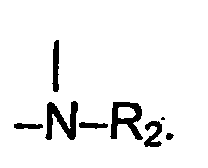
- A compound as claimed in claim 1, wherein X is
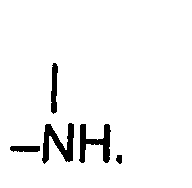
- A compound as claimed in claim 1, wherein X is
- A compound as claimed in claim 1, wherein p is 1 and Y is selected from the group consisting of hydrogen, C1-C6 alkyl, hydroxyl, halogen, C1-C6 alkoxy, ―CF3, ―NO2, and ―NH2.
- A compound as claimed in claim 10, wherein Y is in the 5- or 6- position.
- A compound as claimed in claim 10 or 11, wherein Y is selected from hydrogen, chlorine, bromine, or fluorine.
- A compound as claimed in claim 10, 11 or 12, wherein Y is fluorine.
- A compound as claimed in claim 13, wherein Y is in the 6-position.
- A compound as claimed in claim 1, wherein p is 2 and X is ―O― and Y is independently selected from C1-C6 alkoxy, hydroxy or halogen.
- A compound as claimed in claim 15, wherein Y is methoxy.
- A compound as claimed in claim 5, wherein n is 3.
- The compound of any one of claims 1 to 17, wherein said pharmaceutically acceptable acid addition salt is selected from the group consisting of salts of mineral acids, salts of monobasic carboxylic acids, salts of dibasic carboxylic acids, and salts of tribasic carboxylic acids.
- The compound of claim 18, wherein said pharmaceutically acceptable acid addition salt is selected from the group consisting of salts of hydrochloric acid, sulfuric acid, nitric acid, acetic acid, propionic acid, maleic acid, fumaric acid, carboxysuccinic acid, and citric acid.
- The compound of claim 18, wherein said pharmaceutically acceptable addition salt is a salt of hydrochloric acid.
- 6-aceto-2-[4-(6-fluoro-1,2-benzisoxazol-3-yl)-1-piperidinyl]-methyl-1,4-benzodioxan ; or 2-[4-(6-fluoro-1,2-benzisoxazol -3-yl)-1-piperidinyl]-methyl-1,4-benzodioxan, or a pharmaceutical acceptable acid addition salt thereof.
- A pharmaceutical composition comprising a compound according to any one of claims 1 to 21 and a pharmaceutically acceptable carrier.
- Use of a compound having one of the formula I or l' for the preparation of a medicament for treating psychoses, where I representswherein

X is ―O―, ―S―,R2 is selected from the group consisting of C1-C6 alkyl, aryl C1-C6 alkyl, aryl, cycloalkyl, aroyl, alkanoyl, and phenylsulfonyl groups;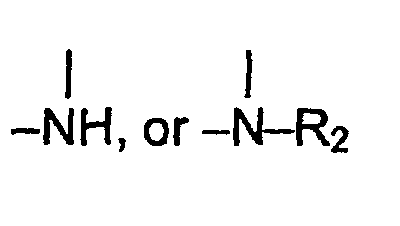
p is 1 or 2;
Y is hydrogen, C1-C6 alkyl, hydroxy, chlorine, fluorine, bromine, iodine, C1-C6 alkoxy, trifluoromethyl, nitro, or amino, when p is 1;
Y is C1-C6 alkoxy, hydroxy or halogen when p is 2 and X is ―O―;
Q1 is selected from the group consisting of:where Z is(a)and (b)
(b)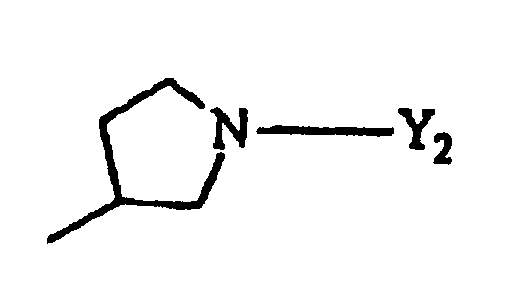 and
and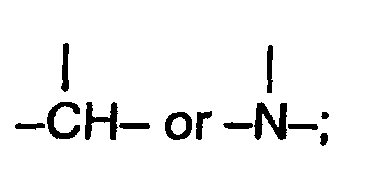
Y2 isin which (R1) is R20, R21 or R22, wherein: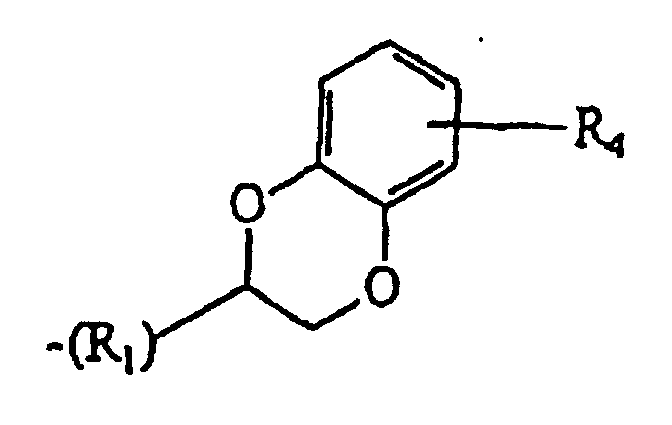 where R5 is hydrogen, C1-C6 alkyl, C1-C6 alkoxy, hydroxy, chlorine, fluorine, bromine, iodine, C1-C6 monoalkylamino, C1-C6 dialkylamino, nitro, cyano, trifluoromethyl, trifluoromethoxy;R20 is ―(CH2)n― where n is 2, 3, 4 or 5;R21 isR22 is R20 or R21 in which one or more carbon atoms of R20 or R21 are substituted by at least one C1-C6 linear alkyl group, phenyl group orwhere Z1 is C1-C6 alkyl, ―OH, C1-C6 alkoxy, ―CF3, ―NO2, NH2 or halogen
 R4 is hydrogen, C1-C6 alkyl, C1-C6 alkoxy, hydroxy, amino, mono- or dialkylamino, C1-C3 acyl amino, C1-C6 alkanoyl, trifluoromethyl, chlorine, fluorine, bromine,in which aryl is phenyl or
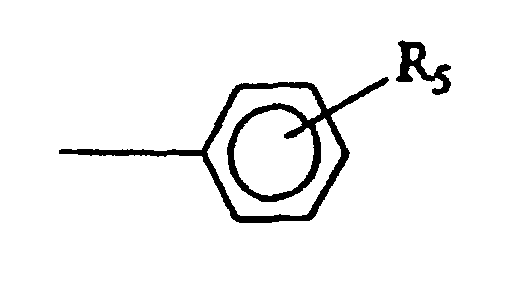
all geometric, optical and stereoisomers thereof, or a pharmaceutically acceptable acid addition salt thereof;
and l' represents:wherein
X is ―O―, ―S―,R2 is selected from the group consisting of C1-C6 alkyl, aryl C1-C6 alkyl, aryl, cycloalkyl, aroyl, alkanoyl, and phenylsulfonyl groups;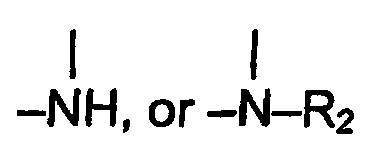
p is 1 or 2;
Y is hydrogen, C1-C6 alkyl, hydroxy, chlorine, fluorine, bromine, iodine, C1-C6 alkoxy, trifluoromethyl, nitro, or amino, when p is 1;
Y is C1-C6 alkoxy, hydroxy or halogen when p is 2 and X is ―O―;
Q1 is:where Z is and
and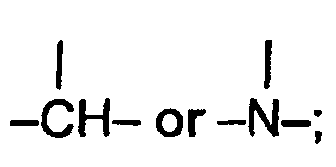
Y2 isin which: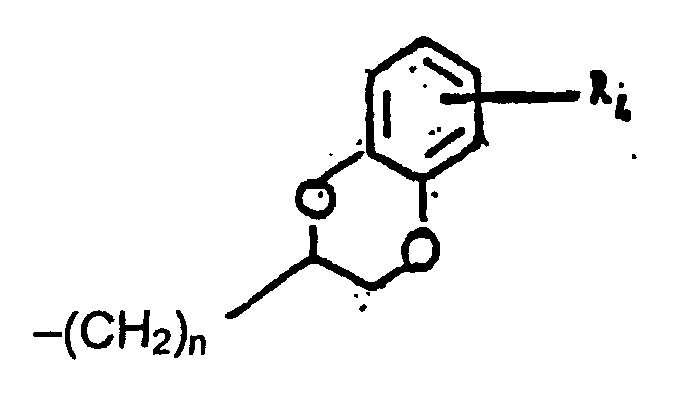 all geometric, optical and stereoisomers thereof, or a pharmaceutically acceptable acid addition salt thereof.n is 1 or 2;R4 is hydrogen or
- The use of claim 23, wherein the compound is of the formula:wherein

X is ―O―, ―S―,R2 is selected from the group consisting of C1-C6 alkyl, aryl C1-C6 alkyl, aryl, cycloalkyl, aroyl, alkanoyl, and phenylsulfonyl groups;
p is 1 or 2;
Y is hydrogen, C1-C6 alkyl, hydroxy, chlorine, fluorine, bromine, iodine, C1-C6 alkoxy, trifluoromethyl, nitro, or amino, when p is 1;
Y is C1-C6 alkoxy, hydroxy or halogen when p is 2 and X is ―O―;
Q1 is selected from the group consisting of:where Z is(a)and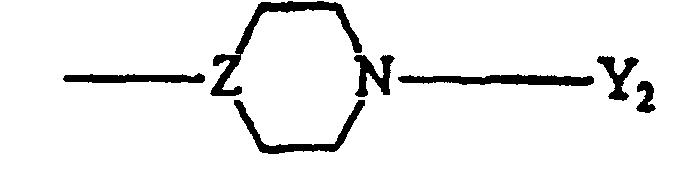
 (b)and
Y2 isin which (R1) is R20, R21 or R22, wherein: where R5 is hydrogen, C1-C6 alkyl, C1-C6 alkoxy, hydroxy, chlorine, fluorine, bromine, iodine, C1-C6 monoalkylamino, C1-C6 dialkylamino, nitro, cyano, trifluoromethyl, trifluoromethoxy;R20 is ―(CH2)n― where n is 2, 3, 4 or 5;R21 isR22 is R20 or R21 in which one or more carbon atoms of R20 or R21 are substituted by at least one C1-C6 linear alkyl group, phenyl group orwhere Z1 is C1-C6 alkyl, ―OH, C1-C6 alkoxy, ―CF3, ―NO2, NH2 or halogen;
 R4 is hydrogen, C1-C6 alkyl, C1-C6 alkoxy, hydroxy, amino, mono- or dialkylamino, C1-C3 acyl amino, C1-C6 alkanoyl, trifluoromethyl, chlorine, fluorine, bromine,in which aryl is phenyl or

all geometric, optical and stereoisomers thereof, or a pharmaceutically acceptable acid addition salt thereof. - The use of claim 23, wherein the compound is 2-[4-(6-fluoro-1,2-benzisoxazol-3-yl)-1-piperidinyl]-ethyl-1,4-benzodioxan, or a pharmaceutically acceptable acid addition thereof.
- The use as claimed in claim 23, wherein X is ―O―, ―S―,

- The use as claimed in claim 23, wherein Y is hydrogen, chlorine, bromine, or fluorine.
- The use as claimed in claim 23, wherein Z is

- The use as claimed in claim 23, wherein Z is
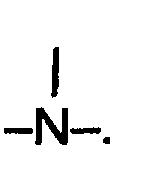
- The use as claimed in claim 23, wherein n is 2, 3, or 4.
- The use as claimed in claim 23, wherein X is ―O―.
- The use as claimed in claim 23, wherein X is ―S―.
- The use as claimed in claim 23, wherein X is
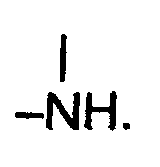
- The use as claimed in claim 23, wherein X is
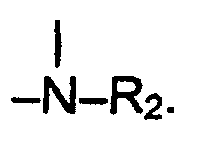
- The use as claimed in claim 23, wherein p is 1 and Y is selected from the group consisting of hydrogen, C1-C6 alkyl, hydroxyl, halogen, C1-C6 alkoxy, -CF3, -NO2, and -NH2.
- The use as claimed in claim 35, wherein Y is in the 5- or 6-position.
- The use as claimed in claim 35 or 36, wherein Y is selected from hydrogen, chlorine, bromine, or fluorine.
- The use as claimed in claim 35, 36 or 37, wherein Y is fluorine.
- The use as claimed in claim 38, wherein Y is in the 6- position.
- The use as claimed in claim 23, wherein p is 2 and X is ―O― and Y is independently selected from C1-C6 alkoxy, hydroxy or halogen.
- The use as claimed in claim 40, wherein Y is methoxy.
- The use as claimed in claim 30, wherein n is 3.
- The use of any one of claims 23 to 42, wherein said pharmaceutically acceptable acid addition salt is selected from the group consisting of salts of mineral acids, salts of monobasic carboxylic acids, salts of dibasic carboxylic acids, and salts of tribasic carboxylic acids.
- The use of claim 43, wherein said pharmaceutically acceptable acid addition salt is selected from the group consisting of salts of hydrochloric acid, sulfuric acid, nitric acid, acetic acid, propionic acid, maleic acid, fumaric acid, carboxysuccinic acid, and citric acid.
- The use of claim 43, wherein said pharmaceutically acceptable addition salt is a salt of hydrochloric acid.
- The use of claim 23, wherein in the formula I', R1 is (CH2)2, R4 is H orall geometric, optical and stereoisomers thereof or a pharmaceutically acceptable acid addition salt thereof.

- Use of a compound having one of the formula I' of claim 23 for the preparation of a medicament for treating psychoses, where I' representswherein

X is ―O―, ―S―,R2 is selected from the group consisting of C1-C6 alkyl, aryl C1-C6 alkyl, aryl, cycloalkyl, aroyl, alkanoyl, and phenylsulfonyl groups;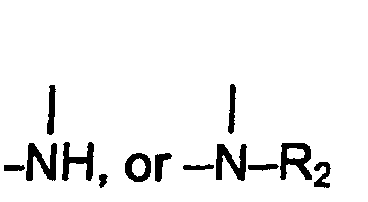
p is 1 or 2;
Y is hydrogen, C1-C6 alkyl, hydroxy, chlorine, fluorine, bromine, iodine, C1-C6 alkoxy, trifluoromethyl, nitro, or amino, when p is 1;
Y is C1-C6 alkoxy, hydroxy or halogen when p is 2 and X is ―O―;
Q1 iswhere Z is and
and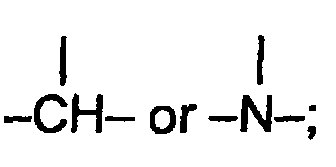
Y2 isin which: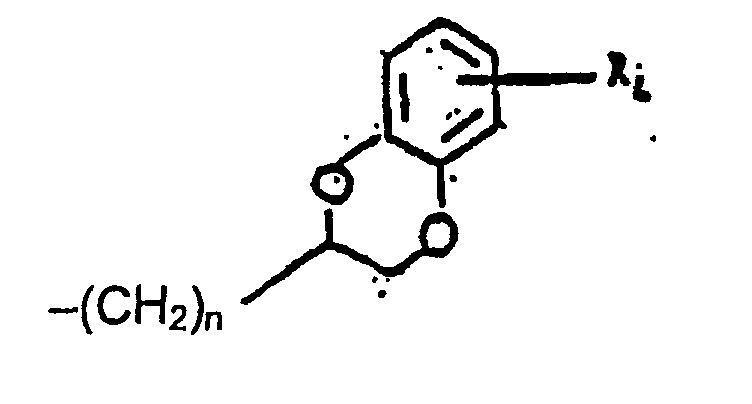 all geometric, optical and stereoisomers thereof, or a pharmaceutically acceptable acid addition salt thereof.n is 1;R4 is hydrogen or
- The use of claim 23 wherein the compound is 6-aceto-2-[4-(6-fluoro-1,2-benzisoxazol-3-yl)-1-piperidinyl]-methyl-1,4-benzodioxan; or 2-[4-(6-fluoro-1,2-benzisoxazol-3-yl)-1-piperidinyl]-methyl-1,4-benzodioxan, or a pharmaceutical acceptable acid addition salt thereof.
Priority Applications (3)
| Application Number | Priority Date | Filing Date | Title |
|---|---|---|---|
| EP99111315A EP0963984B1 (en) | 1991-11-05 | 1992-11-05 | Heteroarylpiperidines and piperazines and their use as antipsychotics and analgetics |
| EP00115401A EP1052255A1 (en) | 1991-11-05 | 1992-11-05 | Heteroarylpiperidines, pyrrolidines and piperazines and their use as antipsychotics and analgetics. |
| EP99111016A EP0957102A1 (en) | 1991-11-05 | 1992-11-05 | Heteroarylpiperidines and piperazines and their use as antipsychotics and analgetics |
Applications Claiming Priority (4)
| Application Number | Priority Date | Filing Date | Title |
|---|---|---|---|
| US78826991A | 1991-11-05 | 1991-11-05 | |
| US788269 | 1991-11-05 | ||
| US07/969,383 US5364866A (en) | 1989-05-19 | 1992-10-30 | Heteroarylpiperidines, pyrrolidines and piperazines and their use as antipsychotics and analetics |
| US969383 | 1992-10-30 |
Related Child Applications (3)
| Application Number | Title | Priority Date | Filing Date |
|---|---|---|---|
| EP99111016A Division EP0957102A1 (en) | 1991-11-05 | 1992-11-05 | Heteroarylpiperidines and piperazines and their use as antipsychotics and analgetics |
| EP99111315A Division EP0963984B1 (en) | 1991-11-05 | 1992-11-05 | Heteroarylpiperidines and piperazines and their use as antipsychotics and analgetics |
| EP00115401A Division EP1052255A1 (en) | 1991-11-05 | 1992-11-05 | Heteroarylpiperidines, pyrrolidines and piperazines and their use as antipsychotics and analgetics. |
Publications (2)
| Publication Number | Publication Date |
|---|---|
| EP0542136A1 EP0542136A1 (en) | 1993-05-19 |
| EP0542136B1 true EP0542136B1 (en) | 2002-10-16 |
Family
ID=27120778
Family Applications (8)
| Application Number | Title | Priority Date | Filing Date |
|---|---|---|---|
| EP01102643A Withdrawn EP1110954A1 (en) | 1991-11-05 | 1992-11-04 | Heteroarylpiperidines, pyrrolidines and piperazines and their use as antipsychotics and analgetics |
| EP99111314A Expired - Lifetime EP0959075B1 (en) | 1991-11-05 | 1992-11-04 | Heteroarylpiperidines and piperazines and their use as antipsychotics and analgetics |
| EP92924151A Expired - Lifetime EP0612318B1 (en) | 1991-11-05 | 1992-11-04 | Heteroarylpiperidines, pyrrolidines and piperazines and their use as antipsychotics and analgetics |
| EP99111017A Expired - Lifetime EP0959076B1 (en) | 1991-11-05 | 1992-11-04 | Heteroarylperidines and piperazines and their use as antipsychotics and analgetics |
| EP99111315A Expired - Lifetime EP0963984B1 (en) | 1991-11-05 | 1992-11-05 | Heteroarylpiperidines and piperazines and their use as antipsychotics and analgetics |
| EP00115401A Withdrawn EP1052255A1 (en) | 1991-11-05 | 1992-11-05 | Heteroarylpiperidines, pyrrolidines and piperazines and their use as antipsychotics and analgetics. |
| EP92118982A Expired - Lifetime EP0542136B1 (en) | 1991-11-05 | 1992-11-05 | 1-[(1,4-benzodioxanyl)alkyl]-4-(heteroaryl) piperidines, piperazines and pyrrolidines as antipsychotic agents |
| EP99111016A Withdrawn EP0957102A1 (en) | 1991-11-05 | 1992-11-05 | Heteroarylpiperidines and piperazines and their use as antipsychotics and analgetics |
Family Applications Before (6)
| Application Number | Title | Priority Date | Filing Date |
|---|---|---|---|
| EP01102643A Withdrawn EP1110954A1 (en) | 1991-11-05 | 1992-11-04 | Heteroarylpiperidines, pyrrolidines and piperazines and their use as antipsychotics and analgetics |
| EP99111314A Expired - Lifetime EP0959075B1 (en) | 1991-11-05 | 1992-11-04 | Heteroarylpiperidines and piperazines and their use as antipsychotics and analgetics |
| EP92924151A Expired - Lifetime EP0612318B1 (en) | 1991-11-05 | 1992-11-04 | Heteroarylpiperidines, pyrrolidines and piperazines and their use as antipsychotics and analgetics |
| EP99111017A Expired - Lifetime EP0959076B1 (en) | 1991-11-05 | 1992-11-04 | Heteroarylperidines and piperazines and their use as antipsychotics and analgetics |
| EP99111315A Expired - Lifetime EP0963984B1 (en) | 1991-11-05 | 1992-11-05 | Heteroarylpiperidines and piperazines and their use as antipsychotics and analgetics |
| EP00115401A Withdrawn EP1052255A1 (en) | 1991-11-05 | 1992-11-05 | Heteroarylpiperidines, pyrrolidines and piperazines and their use as antipsychotics and analgetics. |
Family Applications After (1)
| Application Number | Title | Priority Date | Filing Date |
|---|---|---|---|
| EP99111016A Withdrawn EP0957102A1 (en) | 1991-11-05 | 1992-11-05 | Heteroarylpiperidines and piperazines and their use as antipsychotics and analgetics |
Country Status (24)
| Country | Link |
|---|---|
| US (4) | US5364866A (en) |
| EP (8) | EP1110954A1 (en) |
| JP (1) | JP2927551B2 (en) |
| KR (1) | KR100276764B1 (en) |
| AT (3) | ATE356123T1 (en) |
| AU (1) | AU674499B2 (en) |
| CA (1) | CA2121253C (en) |
| CZ (1) | CZ287611B6 (en) |
| DE (3) | DE69233189T2 (en) |
| DK (3) | DK0959076T3 (en) |
| ES (3) | ES2283087T3 (en) |
| FI (2) | FI942052L (en) |
| GE (1) | GEP19991706B (en) |
| HU (1) | HUT70855A (en) |
| IL (1) | IL103622A (en) |
| NO (1) | NO304979B1 (en) |
| NZ (1) | NZ245006A (en) |
| PH (1) | PH30432A (en) |
| PT (2) | PT542136E (en) |
| RO (1) | RO114447B1 (en) |
| RU (1) | RU2127731C1 (en) |
| SK (1) | SK283517B6 (en) |
| UA (1) | UA41289C2 (en) |
| WO (1) | WO1993009102A1 (en) |
Cited By (2)
| Publication number | Priority date | Publication date | Assignee | Title |
|---|---|---|---|---|
| US7355042B2 (en) | 2001-10-16 | 2008-04-08 | Hypnion, Inc. | Treatment of CNS disorders using CNS target modulators |
| US7494998B2 (en) | 2005-04-26 | 2009-02-24 | Hypnion, Inc. | Benzisoxazole piperazine compounds and methods of use thereof |
Families Citing this family (70)
| Publication number | Priority date | Publication date | Assignee | Title |
|---|---|---|---|---|
| US5561128A (en) * | 1989-05-19 | 1996-10-01 | Hoechst-Roussel Pharmaceuticals, Inc. | N-[(4-(heteroaryl)-1-piperidinyl)alkyl]-10,11-dihydro-5H-dibenz[B,F]azepines and related compounds and their therapeutic utility |
| US5364866A (en) | 1989-05-19 | 1994-11-15 | Hoechst-Roussel Pharmaceuticals, Inc. | Heteroarylpiperidines, pyrrolidines and piperazines and their use as antipsychotics and analetics |
| US5776963A (en) * | 1989-05-19 | 1998-07-07 | Hoechst Marion Roussel, Inc. | 3-(heteroaryl)-1- (2,3-dihydro-1h-isoindol-2-yl)alkyl!pyrrolidines and 3-(heteroaryl)-1- (2,3-dihydro-1h-indol-1-yl)alkyl!pyrrolidines and related compounds and their therapeutic untility |
| US5750542A (en) | 1993-09-28 | 1998-05-12 | Pfizer | Benzisoxazole and benzisothizole derivatives as cholinesterase inhibitors |
| US5494908A (en) * | 1992-11-23 | 1996-02-27 | Hoechst-Roussel Pharmaceutical Incorporated | Substituted 3-(aminoalkylamino)-1,2-benzisoxazoles and related compounds |
| DE69332691T2 (en) * | 1992-11-23 | 2003-12-18 | Aventis Pharmaceuticals Inc., Cincinnati | SUBSTITUTED 3- (AMINOALKYLAMINO) -1,2-BENZISOXAZOLES AND RELATED COMPOUNDS |
| GB9410031D0 (en) * | 1994-05-19 | 1994-07-06 | Merck Sharp & Dohme | Therapeutic agents |
| JP3057763B2 (en) * | 1995-06-06 | 2000-07-04 | ヘキスト・マリオン・ルセル・インコーポレイテツド | Benzoisoxazole and indazole derivatives as antipsychotics |
| JP4214537B2 (en) * | 1996-08-12 | 2009-01-28 | セルジーン コーポレーション | A novel immunotherapeutic and how to use this drug to reduce cytokine levels |
| ATE412638T1 (en) * | 2001-02-16 | 2008-11-15 | Aventis Pharma Inc | HETEROCYCLIC SUBSTITUTED CARBONYL DERIVATIVES AND THEIR USE AS DOPAMINE D3 RECEPTOR LIGANDS |
| GB0117577D0 (en) | 2001-02-16 | 2001-09-12 | Aventis Pharm Prod Inc | Novel heterocyclic substituted carbonyl derivatives and their use as dopamine D receptor ligands |
| FR2827280B1 (en) * | 2001-07-13 | 2003-10-31 | Servier Lab | NOVEL BENZENE SULFONAMIDE DERIVATIVES, PROCESS FOR THEIR PREPARATION AND THE PHARMACEUTICAL COMPOSITIONS CONTAINING THEM |
| ES2398434T3 (en) | 2001-08-31 | 2013-03-19 | Novartis Ag | Optical isomers of a iloperidone metabolite |
| ES2358416T3 (en) | 2001-10-30 | 2011-05-10 | Novartis Ag | PROLONGED RELEASE FORMATIONS OF ILOPERIDONE AND POLYMER IN THE FORM OF A STAR. |
| CA2476936A1 (en) * | 2002-02-20 | 2003-08-28 | Chih-Hung Lee | Fused azabicyclic compounds that inhibit vanilloid receptor subtype 1 (vr1) receptor |
| GB0216416D0 (en) | 2002-07-15 | 2002-08-21 | Novartis Ag | Organic compounds |
| US6939877B2 (en) | 2002-09-12 | 2005-09-06 | Wyeth | Antidepressant piperidine derivatives of heterocycle-fused benzodioxans |
| AU2003263413A1 (en) * | 2002-09-17 | 2004-04-08 | Warner-Lambert Company Llc | Heterocyclic substituted piperazines for the treatment of schizophrenia |
| AU2003260882A1 (en) * | 2002-09-26 | 2004-04-19 | Warner-Lambert Company Llc | Heterocyclic substituted piperazines for the treatment of schizophrenia |
| US7157471B2 (en) * | 2003-08-25 | 2007-01-02 | Boehringer Ingelheim International Gmbh | Haloalkyl- and piperidine-substituted benzimidazole-derivatives |
| GB0322994D0 (en) * | 2003-10-01 | 2003-11-05 | Novartis Ag | Organic compounds |
| WO2005056540A1 (en) * | 2003-12-08 | 2005-06-23 | Warner-Lambert Company Llc | Heterocyclic substituted indane derivatives and related compounds for the treatment of schizophrenia |
| US20100063093A1 (en) | 2007-03-28 | 2010-03-11 | Curt Wolfgang | Methods for the administration of iloperidone |
| EP1799865B1 (en) | 2004-09-30 | 2012-06-06 | Vanda Pharmaceuticals Inc. | Methods for the administration of iloperidone |
| WO2007098418A1 (en) * | 2006-02-17 | 2007-08-30 | Memory Pharmaceuticals Corporation | Compounds having 5-ht6 receptor affinity |
| US20090306137A1 (en) * | 2006-05-22 | 2009-12-10 | Wolfgang Curt D | Treatment for depressive disorders |
| WO2008121899A2 (en) | 2007-03-29 | 2008-10-09 | Vanda Pharmaceuticals Inc. | Method of predicting a predisposition to qt prolongation |
| US20150259747A1 (en) | 2007-03-29 | 2015-09-17 | Vanda Pharmaceuticals Inc. | Method of predicting a predisposition to qt prolongation |
| WO2008128166A1 (en) * | 2007-04-13 | 2008-10-23 | Concert Pharmaceuticals Inc. | Deuterated derivatives of 4-(6-fluoro-1, 2-benzisoxazol-3-yl) piperidine compounds |
| EP3075865B1 (en) | 2007-05-18 | 2018-05-09 | Vanda Pharmaceuticals Inc. | Genetic markers for efficacy of iloperidone in the treatment of psychotic symptoms |
| AU2008280187B2 (en) * | 2007-07-26 | 2013-05-16 | F. Hoffmann-La Roche Ag | Dual modulators of 5-HT2A and D3 receptors |
| AU2008286760A1 (en) * | 2007-08-15 | 2009-02-19 | Memory Pharmaceuticals Corporation | 3' substituted compounds having 5-HT6 receptor affinity |
| US8652776B2 (en) * | 2007-09-10 | 2014-02-18 | Vanda Pharmaceuticals, Inc. | Prediction of QT prolongation based on SNP genotype |
| US8729100B2 (en) * | 2007-12-13 | 2014-05-20 | Vanda Pharmaceuticals, Inc. | Method and composition for treating an alpha adrenoceptor-mediated condition |
| CA2709104C (en) | 2007-12-13 | 2017-06-13 | Vanda Pharmaceuticals Inc. | Method and composition for treating a serotonin receptor-mediated condition |
| US20100016297A1 (en) * | 2008-06-24 | 2010-01-21 | Memory Pharmaceuticals Corporation | Alkyl-substituted 3' compounds having 5-ht6 receptor affinity |
| US20100029629A1 (en) * | 2008-07-25 | 2010-02-04 | Memory Pharmaceuticals Corporation | Acyclic compounds having 5-ht6 receptor affinity |
| US20100056531A1 (en) * | 2008-08-22 | 2010-03-04 | Memory Pharmaceuticals Corporation | Alkyl-substituted 3' compounds having 5-ht6 receptor affinity |
| WO2010117941A1 (en) | 2009-04-06 | 2010-10-14 | Vanda Pharmaceuticals, Inc. | Method of predicting a predisposition to qt prolongation based on abcc2 gene sequence or product thereof |
| EP2416779B1 (en) | 2009-04-06 | 2016-03-09 | Vanda Pharmaceuticals Inc. | Method of predicting a predisposition to qt prolongation based on bai3 gene sequence or product thereof |
| ES2604102T3 (en) | 2009-04-06 | 2017-03-03 | Vanda Pharmaceuticals Inc. | Treatment method based on polymorphisms of the KCNQ1 gene |
| JP5881597B2 (en) | 2009-04-06 | 2016-03-09 | ヴァンダ ファーマシューティカルズ インコーポレイテッド | How to predict a predisposition to QT prolongation |
| DE102009017729A1 (en) | 2009-04-11 | 2010-10-14 | Fleissner Gmbh | Device for strengthening material web made of fibers and/or filaments, comprises first and second endless belts tightly revolving around deflection rollers carrying the web, where second endless belt counter-rotates to first endless belt |
| DE102009016996A1 (en) | 2009-04-08 | 2010-10-14 | Fleissner Gmbh | Non-woven fibrous sheet consolidation apparatus, includes contrarotating supporting and compacting belts running non-parallel to each other in fluid jet application region |
| DE102009032343A1 (en) | 2009-07-09 | 2011-01-20 | Fleissner Gmbh Und Co. | Device for solidifying a material web |
| US8802855B2 (en) | 2009-09-19 | 2014-08-12 | Zhejiang Huahai Pharmaceutical Co., Ltd. | Method for preparation of iloperidone and crystallization method thereof |
| WO2011055188A1 (en) * | 2009-11-05 | 2011-05-12 | Orchid Chemicals And Pharmaceuticals Limited | An improved process for the preparation of iloperidone |
| WO2011061750A2 (en) * | 2009-11-19 | 2011-05-26 | Symed Labs Limited | Process for the preparation of iloperidone using a novel intermediate |
| BR112012015084A2 (en) | 2009-12-23 | 2017-03-07 | Lupin Ltd | iloperidone slow release pharmaceutical composition |
| AU2010339689B2 (en) | 2010-01-07 | 2015-02-19 | Alkermes Pharma Ireland Limited | Quaternary ammonium salt prodrugs |
| US8343706B2 (en) * | 2010-01-25 | 2013-01-01 | International Business Machines Corporation | Fluorine-free fused ring heteroaromatic photoacid generators and resist compositions containing the same |
| DE102010009275A1 (en) | 2010-02-25 | 2011-08-25 | Trützschler Nonwovens GmbH, 63329 | Device for solidifying a material web |
| WO2011154860A1 (en) * | 2010-06-08 | 2011-12-15 | Alembic Pharmaceuticals Limited | An improved process for preparing iloperidone |
| US9000221B2 (en) * | 2010-09-07 | 2015-04-07 | Symed Labs Limited | Processes for the preparation of 4′-[3-[4-(6-Fluoro-1 ,2-benzisoxazol-3-yl)piperidino]propoxy]-3′-methoxyacetophenone and intermediates thereof |
| WO2012090138A1 (en) * | 2010-12-27 | 2012-07-05 | Ranbaxy Laboratories Limited | Processes for the preparation of iloperidone |
| WO2012123963A2 (en) | 2011-02-24 | 2012-09-20 | Megafine Pharma (P) Ltd. | A process for preparation of iloperidone and amorphous co- precipitate of iloperidone with pharmaceutically acceptable excipient |
| CA2865845C (en) | 2012-03-14 | 2020-02-18 | Vanda Pharmaceuticals Inc. | An iloperidone metabolite for use in the treatment of psychiatric disorders |
| US9375433B2 (en) * | 2012-09-26 | 2016-06-28 | Tangent Reprofiling Limited | Modulators of androgen synthesis |
| WO2014078568A1 (en) | 2012-11-14 | 2014-05-22 | The Johns Hopkins University | Methods and compositions for treating schizophrenia |
| CN103012387B (en) * | 2012-12-26 | 2015-08-12 | 浙江大学 | The preparation method of Zomaril |
| EP2968220B1 (en) | 2013-03-15 | 2021-05-05 | Agenebio, Inc. | Methods and compositions for improving cognitive function |
| WO2014144663A1 (en) | 2013-03-15 | 2014-09-18 | The Johns Hopkins University | Methods and compositions for improving cognitive function |
| CN103319472B (en) * | 2013-07-23 | 2016-07-06 | 河北科技大学 | A kind of preparation method of iloperidone |
| NZ738682A (en) | 2015-05-22 | 2022-01-28 | Agenebio Inc | Extended release pharmaceutical compositions of levetiracetam |
| MX2021006601A (en) | 2018-12-04 | 2021-07-07 | Vanda Pharmaceuticals Inc | Depot administration of iloperidone. |
| US11607408B2 (en) | 2019-10-15 | 2023-03-21 | Vanda Pharmaceuticals Inc. | Method of treatment of schizophrenia |
| WO2023201182A1 (en) | 2022-04-13 | 2023-10-19 | Vanda Pharmaceuticals Inc. | Treatment of parkinson's disease and parkinson's disease psychosis |
| KR20260019503A (en) | 2023-06-02 | 2026-02-10 | 반다 파마슈티칼즈, 인코퍼레이티드. | Treatment with iloperidone |
| EP4735441A1 (en) | 2023-06-28 | 2026-05-06 | Psylo Pty Ltd | Pyrrolopyridine compounds for the treatment of mental illnesses |
| WO2025000053A1 (en) | 2023-06-28 | 2025-01-02 | Psylo Pty Ltd | Compounds |
Family Cites Families (30)
| Publication number | Priority date | Publication date | Assignee | Title |
|---|---|---|---|---|
| FR2258843B1 (en) | 1974-01-30 | 1977-09-09 | Roussel Uclaf | |
| US4335127A (en) * | 1979-01-08 | 1982-06-15 | Janssen Pharmaceutica, N.V. | Piperidinylalkyl quinazoline compounds, composition and method of use |
| US4355037A (en) * | 1981-11-12 | 1982-10-19 | Hoechst-Roussel Pharmaceuticals | 3-(4-Piperidyl)-1,2-benzisoxales |
| US4458076A (en) * | 1983-05-31 | 1984-07-03 | Hoechst-Roussel Pharmaceuticals | 3-(4-Piperidinyl)-1,2-benzisothiazoles |
| HU198036B (en) * | 1983-08-22 | 1989-07-28 | Hoechst Roussel Pharma | Process for production of derivatives of 3-piperidil-/1h/-indasole and medical preparatives containing them |
| US4670447A (en) * | 1983-08-22 | 1987-06-02 | Hoechst-Roussel Pharmaceuticals Inc. | Antipsychotic 3-(piperidinyl)- and 3-(pyrrolidinyl)-1H-indazoles |
| US4590196A (en) * | 1984-08-23 | 1986-05-20 | Bristol-Myers Company | Analgesic 1,2-benzisothiazol-3-ylpiperazine derivatives |
| ATE36939T1 (en) * | 1985-03-14 | 1988-09-15 | Ebel Sa | LINK BRACELET WITH HINGED LINK. |
| JPH0625181B2 (en) * | 1985-03-27 | 1994-04-06 | 住友製薬株式会社 | New imide derivative |
| AU593194B2 (en) * | 1986-09-26 | 1990-02-01 | Sumitomo Pharmaceuticals Company, Limited | Imide derivatives ,and their production and use |
| US4999356A (en) * | 1987-08-07 | 1991-03-12 | Hoechst-Roussel Pharmaceuticals, Inc. | 1-phenyl-3-(1-piperazinyl)-1H-indazoles |
| EP0302423A3 (en) | 1987-08-07 | 1991-01-09 | Hoechst-Roussel Pharmaceuticals Incorporated | 1-phenyl-3-(1-piperazinyl)-1h-indazoles, a process and intermediates for their preparation, and the use thereof as medicaments |
| CA1335289C (en) * | 1987-10-26 | 1995-04-18 | Fujio Antoku | Piperidinyl benzisoxazole derivatives, their production and pharmaceutical use |
| JPH01199967A (en) * | 1987-10-26 | 1989-08-11 | Sumitomo Pharmaceut Co Ltd | Novel imide derivative |
| US4880930A (en) | 1987-11-30 | 1989-11-14 | New James S | Psychotropic acyclic amide derivatives |
| US5001130A (en) * | 1988-02-18 | 1991-03-19 | Bristol-Myers Company | Psychotropic heterobicycloalkylpiperazine derivatives |
| US4780466A (en) * | 1988-03-17 | 1988-10-25 | Hoechst-Roussel Pharmaceuticals, Inc. | Arylpiperazinylalkoxy derivatives of cyclic imides |
| NZ230045A (en) * | 1988-08-05 | 1990-11-27 | Janssen Pharmaceutica Nv | 3-piperazinylbenzazole derivatives and pharmaceutical compositions |
| IL90879A0 (en) | 1988-09-02 | 1990-02-09 | Janssen Pharmaceutica Nv | 3-piperidinyl-indazole derivatives,their preparation and antihypertensive compositions containing them |
| FR2641278B1 (en) * | 1989-01-05 | 1991-03-22 | Lipha | PIPERIDINES, METHODS OF PREPARATION AND MEDICAMENTS CONTAINING THEM |
| NZ233525A (en) * | 1989-05-15 | 1991-09-25 | Janssen Pharmaceutica Nv | Piperidinyl, pyrrolidinyl and piperazinyl alkylphenol ethers and pharmaceutical compositions |
| NZ233503A (en) | 1989-05-15 | 1991-06-25 | Janssen Pharmaceutica Nv | Substituted (thio)morpholinyl and piperazinyl alkylphenol ethers |
| ES2076253T3 (en) | 1989-05-19 | 1995-11-01 | Hoechst Roussel Pharma | N- (ARYLOXYALKYL) -HETEROARILPIPERIDINES AND -HETEROARILPIPERAZINAS, A PROCEDURE FOR ITS PREPARATION AND USE AS MEDICINES. |
| US5364866A (en) | 1989-05-19 | 1994-11-15 | Hoechst-Roussel Pharmaceuticals, Inc. | Heteroarylpiperidines, pyrrolidines and piperazines and their use as antipsychotics and analetics |
| US4954503A (en) * | 1989-09-11 | 1990-09-04 | Hoechst-Roussel Pharmaceuticals, Inc. | 3-(1-substituted-4-piperazinyl)-1H-indazoles |
| US4968792A (en) * | 1989-09-25 | 1990-11-06 | American Home Products Corporation | Psychotropic benzisothiazole derivatives |
| JP2800953B2 (en) * | 1990-07-06 | 1998-09-21 | 住友製薬株式会社 | New imide derivatives |
| EP0609361A1 (en) | 1991-10-31 | 1994-08-10 | AlliedSignal Inc. | Electro-hydraulic brake system |
| GB9202915D0 (en) * | 1992-02-12 | 1992-03-25 | Wellcome Found | Chemical compounds |
| GB9302622D0 (en) | 1993-02-10 | 1993-03-24 | Wellcome Found | Heteroaromatic compounds |
-
1992
- 1992-10-30 US US07/969,383 patent/US5364866A/en not_active Ceased
- 1992-11-03 IL IL10362292A patent/IL103622A/en not_active IP Right Cessation
- 1992-11-03 NZ NZ245006A patent/NZ245006A/en not_active IP Right Cessation
- 1992-11-04 WO PCT/US1992/009276 patent/WO1993009102A1/en not_active Ceased
- 1992-11-04 EP EP01102643A patent/EP1110954A1/en not_active Withdrawn
- 1992-11-04 DK DK99111017T patent/DK0959076T3/en active
- 1992-11-04 DK DK99111314.3T patent/DK0959075T3/en active
- 1992-11-04 CZ CZ19941102A patent/CZ287611B6/en not_active IP Right Cessation
- 1992-11-04 DE DE69233189T patent/DE69233189T2/en not_active Expired - Lifetime
- 1992-11-04 UA UA94005421A patent/UA41289C2/en unknown
- 1992-11-04 DK DK92924151T patent/DK0612318T3/en active
- 1992-11-04 GE GEAP19922829A patent/GEP19991706B/en unknown
- 1992-11-04 KR KR1019940701524A patent/KR100276764B1/en not_active Expired - Lifetime
- 1992-11-04 ES ES99111017T patent/ES2283087T3/en not_active Expired - Lifetime
- 1992-11-04 JP JP5508591A patent/JP2927551B2/en not_active Expired - Lifetime
- 1992-11-04 EP EP99111314A patent/EP0959075B1/en not_active Expired - Lifetime
- 1992-11-04 DE DE69233686T patent/DE69233686T2/en not_active Expired - Lifetime
- 1992-11-04 ES ES92924151T patent/ES2206450T3/en not_active Expired - Lifetime
- 1992-11-04 AU AU30570/92A patent/AU674499B2/en not_active Expired
- 1992-11-04 RU RU94028105/04A patent/RU2127731C1/en active
- 1992-11-04 DE DE69233796T patent/DE69233796D1/en not_active Expired - Lifetime
- 1992-11-04 SK SK456-94A patent/SK283517B6/en not_active IP Right Cessation
- 1992-11-04 FI FI942052A patent/FI942052L/en not_active Application Discontinuation
- 1992-11-04 AT AT99111017T patent/ATE356123T1/en active
- 1992-11-04 EP EP92924151A patent/EP0612318B1/en not_active Expired - Lifetime
- 1992-11-04 FI FI20100200A patent/FI20100200A7/en not_active Application Discontinuation
- 1992-11-04 AT AT99111314T patent/ATE485293T1/en active
- 1992-11-04 CA CA002121253A patent/CA2121253C/en not_active Expired - Lifetime
- 1992-11-04 HU HU9401316A patent/HUT70855A/en unknown
- 1992-11-04 EP EP99111017A patent/EP0959076B1/en not_active Expired - Lifetime
- 1992-11-04 ES ES99111314T patent/ES2354407T3/en not_active Expired - Lifetime
- 1992-11-04 RO RO94-00761A patent/RO114447B1/en unknown
- 1992-11-04 AT AT92924151T patent/ATE248825T1/en active
- 1992-11-05 EP EP99111315A patent/EP0963984B1/en not_active Expired - Lifetime
- 1992-11-05 PT PT92118982T patent/PT542136E/en unknown
- 1992-11-05 EP EP00115401A patent/EP1052255A1/en not_active Withdrawn
- 1992-11-05 PT PT99111315T patent/PT963984E/en unknown
- 1992-11-05 EP EP92118982A patent/EP0542136B1/en not_active Expired - Lifetime
- 1992-11-05 EP EP99111016A patent/EP0957102A1/en not_active Withdrawn
- 1992-11-12 PH PH45259A patent/PH30432A/en unknown
-
1994
- 1994-05-04 NO NO941647A patent/NO304979B1/en not_active IP Right Cessation
- 1994-09-20 US US08/309,395 patent/US5658911A/en not_active Ceased
-
2000
- 2000-11-09 US US09/708,475 patent/USRE39265E1/en not_active Expired - Lifetime
- 2000-11-15 US US09/712,129 patent/USRE39198E1/en not_active Expired - Lifetime
Cited By (4)
| Publication number | Priority date | Publication date | Assignee | Title |
|---|---|---|---|---|
| US7355042B2 (en) | 2001-10-16 | 2008-04-08 | Hypnion, Inc. | Treatment of CNS disorders using CNS target modulators |
| US7494998B2 (en) | 2005-04-26 | 2009-02-24 | Hypnion, Inc. | Benzisoxazole piperazine compounds and methods of use thereof |
| US8088778B2 (en) | 2005-04-26 | 2012-01-03 | Hypnion, Inc. | Benzisoxazole piperazine compounds and methods of use thereof |
| US8129410B2 (en) | 2005-04-26 | 2012-03-06 | Hypnion, Inc. | Benzisoxazole piperidine compounds and methods of use thereof |
Also Published As
Similar Documents
| Publication | Publication Date | Title |
|---|---|---|
| EP0612318B1 (en) | Heteroarylpiperidines, pyrrolidines and piperazines and their use as antipsychotics and analgetics | |
| EP0402644B1 (en) | N-(aryloxyalkyl)heteroarylpiperidines and -heteroarylpiperazines,a process for their preparation and their use as medicaments | |
| US5776963A (en) | 3-(heteroaryl)-1- (2,3-dihydro-1h-isoindol-2-yl)alkyl!pyrrolidines and 3-(heteroaryl)-1- (2,3-dihydro-1h-indol-1-yl)alkyl!pyrrolidines and related compounds and their therapeutic untility | |
| EP0511610B1 (en) | Benzisothiazole- and benzisoxazole-3-carboxamides, a process for their preparation and their use as antipsychotic medicaments | |
| HK1006710B (en) | N-(aryloxyalkyl)heteroarylpiperidines and-heteroarylpiperazines, a process for their preparation and their use as medicaments | |
| EP0458234B1 (en) | 3-[1,Thiazolidinylbutyl-4-piperazinyl]-1H-indazoles, a process for their preparation and their use as medicaments | |
| EP0587048B1 (en) | Heteroarenylpiperazines, a process for their preparation and their use as medicaments | |
| HK1023776B (en) | Heteroarylperidines and piperazines and their use as antipsychotics and analgetics | |
| HK1023775B (en) | Heteroarylpiperidines and piperazines and their use as antipsychotics and analgetics | |
| CZ9603629A3 (en) | 4-(3-Bromopropoxy)-3-methoxybenzonitrile | |
| CZ288464B6 (en) | Substituted alkylcarbonyl and arylcarbonyl compounds | |
| HK1038021A (en) | Heteroarylpiperidines, pyrrolidines and piperazines and their use as antipsychotics and analgetics |
Legal Events
| Date | Code | Title | Description |
|---|---|---|---|
| PUAI | Public reference made under article 153(3) epc to a published international application that has entered the european phase |
Free format text: ORIGINAL CODE: 0009012 |
|
| AK | Designated contracting states |
Kind code of ref document: A1 Designated state(s): PT |
|
| 17P | Request for examination filed |
Effective date: 19931022 |
|
| 17Q | First examination report despatched |
Effective date: 19950803 |
|
| RTI1 | Title (correction) |
Free format text: 1-((1,4-BENZODIOXANYL)ALKYL)-4-(HETEROARYL) PIPERIDINES, PIPERAZINES AND PYRROLIDINES AS ANTIPSYCHOTIC AGENTS |
|
| GRAG | Despatch of communication of intention to grant |
Free format text: ORIGINAL CODE: EPIDOS AGRA |
|
| RTI1 | Title (correction) |
Free format text: 1-((1,4-BENZODIOXANYL)ALKYL)-4-(HETEROARYL) PIPERIDINES, PIPERAZINES AND PYRROLIDINES AS ANTIPSYCHOTIC AGENTS |
|
| RAP1 | Party data changed (applicant data changed or rights of an application transferred) |
Owner name: HOECHST MARION ROUSSEL, INC. |
|
| GRAG | Despatch of communication of intention to grant |
Free format text: ORIGINAL CODE: EPIDOS AGRA |
|
| RAP1 | Party data changed (applicant data changed or rights of an application transferred) |
Owner name: AVENTIS PHARMACEUTICALS INC. |
|
| RIN1 | Information on inventor provided before grant (corrected) |
Inventor name: BORDEAU, KENNETH J. Inventor name: CHIANG, YULIN Inventor name: GLAMKOWSKI, EDWARD J. Inventor name: STRUPCZEWSKI, JOSEPH T. |
|
| GRAG | Despatch of communication of intention to grant |
Free format text: ORIGINAL CODE: EPIDOS AGRA |
|
| GRAH | Despatch of communication of intention to grant a patent |
Free format text: ORIGINAL CODE: EPIDOS IGRA |
|
| GRAH | Despatch of communication of intention to grant a patent |
Free format text: ORIGINAL CODE: EPIDOS IGRA |
|
| GRAA | (expected) grant |
Free format text: ORIGINAL CODE: 0009210 |
|
| AK | Designated contracting states |
Kind code of ref document: B1 Designated state(s): PT |
|
| REG | Reference to a national code |
Ref country code: PT Ref legal event code: SC4A Free format text: AVAILABILITY OF NATIONAL TRANSLATION Effective date: 20030116 |
|
| PLBE | No opposition filed within time limit |
Free format text: ORIGINAL CODE: 0009261 |
|
| STAA | Information on the status of an ep patent application or granted ep patent |
Free format text: STATUS: NO OPPOSITION FILED WITHIN TIME LIMIT |
|
| 26N | No opposition filed |
Effective date: 20030717 |
|
| REG | Reference to a national code |
Ref country code: PT Ref legal event code: PC4A Owner name: AVENTIS HOLDINGS INC., US Effective date: 20090429 Ref country code: PT Ref legal event code: PC4A Owner name: HMR PHARMA, INC., US Effective date: 20090428 |
|
| REG | Reference to a national code |
Ref country code: PT Ref legal event code: PC4A Owner name: AVENTISUB II INC, US Effective date: 20100830 |
|
| PGFP | Annual fee paid to national office [announced via postgrant information from national office to epo] |
Ref country code: PT Payment date: 20111104 Year of fee payment: 20 |
|
| REG | Reference to a national code |
Ref country code: PT Ref legal event code: MM4A Free format text: MAXIMUM VALIDITY LIMIT REACHED Effective date: 20121105 |
|
| PG25 | Lapsed in a contracting state [announced via postgrant information from national office to epo] |
Ref country code: PT Free format text: LAPSE BECAUSE OF EXPIRATION OF PROTECTION Effective date: 20121113 |