EP0509040B1 - Methode zur erhöhung der fruchtbarkeit weiblicher säuger - Google Patents
Methode zur erhöhung der fruchtbarkeit weiblicher säuger Download PDFInfo
- Publication number
- EP0509040B1 EP0509040B1 EP91902626A EP91902626A EP0509040B1 EP 0509040 B1 EP0509040 B1 EP 0509040B1 EP 91902626 A EP91902626 A EP 91902626A EP 91902626 A EP91902626 A EP 91902626A EP 0509040 B1 EP0509040 B1 EP 0509040B1
- Authority
- EP
- European Patent Office
- Prior art keywords
- inhibin
- fertility
- ovary
- human
- pharmaceutical product
- Prior art date
- Legal status (The legal status is an assumption and is not a legal conclusion. Google has not performed a legal analysis and makes no representation as to the accuracy of the status listed.)
- Expired - Lifetime
Links
Images
Classifications
-
- A—HUMAN NECESSITIES
- A61—MEDICAL OR VETERINARY SCIENCE; HYGIENE
- A61K—PREPARATIONS FOR MEDICAL, DENTAL OR TOILETRY PURPOSES
- A61K38/00—Medicinal preparations containing peptides
- A61K38/16—Peptides having more than 20 amino acids; Gastrins; Somatostatins; Melanotropins; Derivatives thereof
- A61K38/17—Peptides having more than 20 amino acids; Gastrins; Somatostatins; Melanotropins; Derivatives thereof from animals; from humans
- A61K38/22—Hormones
-
- A—HUMAN NECESSITIES
- A61—MEDICAL OR VETERINARY SCIENCE; HYGIENE
- A61K—PREPARATIONS FOR MEDICAL, DENTAL OR TOILETRY PURPOSES
- A61K38/00—Medicinal preparations containing peptides
- A61K38/16—Peptides having more than 20 amino acids; Gastrins; Somatostatins; Melanotropins; Derivatives thereof
- A61K38/17—Peptides having more than 20 amino acids; Gastrins; Somatostatins; Melanotropins; Derivatives thereof from animals; from humans
- A61K38/22—Hormones
- A61K38/24—Follicle-stimulating hormone [FSH]; Chorionic gonadotropins, e.g. HCG; Luteinising hormone [LH]; Thyroid-stimulating hormone [TSH]
-
- A—HUMAN NECESSITIES
- A61—MEDICAL OR VETERINARY SCIENCE; HYGIENE
- A61P—SPECIFIC THERAPEUTIC ACTIVITY OF CHEMICAL COMPOUNDS OR MEDICINAL PREPARATIONS
- A61P13/00—Drugs for disorders of the urinary system
- A61P13/02—Drugs for disorders of the urinary system of urine or of the urinary tract, e.g. urine acidifiers
-
- A—HUMAN NECESSITIES
- A61—MEDICAL OR VETERINARY SCIENCE; HYGIENE
- A61P—SPECIFIC THERAPEUTIC ACTIVITY OF CHEMICAL COMPOUNDS OR MEDICINAL PREPARATIONS
- A61P15/00—Drugs for genital or sexual disorders; Contraceptives
Definitions
- This invention relates to the use of inhibin to increase fertility in female mammals.
- Inhibin is a glycoprotein produced by diverse tissues, including the gonads, pituitary, brain, bone marrow, placenta, and adrenal gland. It was initially identified by its ability to inhibit the secretion of follicle stimulating hormone (FSH) by the pituitary.
- FSH follicle stimulating hormone
- activin was shown to exist in follicular fluid as a naturally occurring substance. Activin was found to be capable of stimulating FSH release by rat anterior pituitary cells. Vale et al ., Nature , 321 : 776-779 (1986); Ling et al ., Nature , 321 : 779-782 (1986). Activin consists of a homodimer or heterodimer of inhibin ⁇ subunits, which may be ⁇ A or ⁇ B subunits. Vale et al ., Recent Prog. Horm. Res. , 44 : 1-34 (1988).
- Activin A and Activin AB have been isolated from natural sources.
- Activin mRNA ( ⁇ A and ⁇ B subunits), bioactivity, and immunoactivity have been reported to be produced by testicular Leydig cells from immature rat and pig. Lee et al ., Science , 243 : 396-398 (1989); Lee et al ., in Serono Symposium Publications, entitled "The Molecular and Cellular Endocrinology of the Testis” eds. Cooke and Sharpe, Vol. 50 (Raven Press: New York, 1988), p. 21-27.
- Activin A has been found recently to have erythropoietic-stimulating activity as well as FSH-releasing activity. See EP Publ. No. 210,461 published February 4, 1987 (where the protein is called BUF-3), Eto et al , Biochem. Biophys. Res. Commun. , 142 : 1095-1103 (1987) and Murata et al ., Proc. Natl. Acad. Sci . U.S.A., 85 : 2434-2438 (1988) (where the activin is called EDF), and Yu et al ., Nature , 330 : 765-767 (1987) (where the activin is called FRP). In these systems, inhibin antagonized the actions of activin.
- inhibin subunits each encoded by a separate gene, was demonstrated in several tissues in addition to ovary and testis. Inhibin ⁇ , ⁇ A , and ⁇ B mRNAs were detected in placental, pituitary, adrenal, bone marrow, and brain tissues. Meunier et al ., Proc. Natl. Acad. Sci. USA , 85 : 247-251 (1988). The expression of the inhibin subunit mRNAs varied by several-fold in a tissue-specific manner, suggesting different functions for these proteins depending on their pattern of association and their site of production.
- Inhibin and activin are members of a family of growth and differentiation factors.
- the prototype of this family is transforming growth factor-beta (TGF- ⁇ ) (Derynck et al ., Nature , 316 : 701-705 (1985)), which, according to one source, also possesses FSH-releasing activity. Ying et al ., Biochem. Biophys. Res. Commun. , 135 : 950-956 (1986).
- TGF- ⁇ transforming growth factor-beta
- Other members of the TGF- ⁇ family include the Mullerian inhibitory substance, the fly decapentaplegic gene complex, and the product of Xenopus Vg-1 mRNA.
- inhibin-related peptides play important roles in the modulation of gonadal functions via a pituitary feedback loop.
- inhibin has been reported to enhance androgen biosynthesis stimulated by leutinizing hormone (LH), whereas activin suppresses androgen production.
- LH leutinizing hormone
- inhibin is at least one of the factors that determines the number of follicles destined to ovulate, and that interference with the action of inhibin might contribute to the regulation of fertility.
- inhibin may be useful in male and female contraception. Sheth and Moodbidri, Adv. Contracept . 2 : 131-139 (1986); Findlay, Fertil. Steril. , 46 : 770 (1986).
- a method of increasing fertility in a female mammal comprising administering to the ovary of the mammal an effective amount of inhibin.
- the invention provides a pharmaceutical composition for increasing fertility comprising an effective amount of inhibin in a pharmaceutically acceptable carrier.
- Inhibin has been found to be a regulator of follicular development during the transition from diestrus to proestrus. In vivo studies were conducted by unilateral injection of inhibin into immature female rat ovaries and analysis of maturation of the antral follicle by morphology, follicular diameter, and incorporation of 3H-thymidine into developing follicles. The results indicate surprisingly that growth and development of the ovarian follicle can be maintained by local administration of inhibin to the ovary. Thus, females with infertility due to inadequate follicular development unresponsive to gonadotropin treatment have available an alterative therapy.
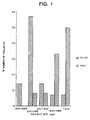
- Figure 1 is a graph of the follicular distribution in control (saline) and pregnant mare serum gonadotropin (PMSG)-treated ovaries of rats.
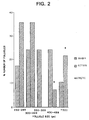
- Figure 2 is a graph of the follicular distribution in inhibin-and activin-treated ovaries, with the asterisks indicating largely atretic responses.
- the term "inhibin” refers to the heterodimers of ⁇ and ⁇ chains of inhibin, prepro forms, and pro forms, together with glycosylation and/or amino acid sequence variants thereof. After cleavage from the mature protein, the precursor portion may be non-covalently associated with the mature protein.
- Inhibin A refers to inhibin with the chains ⁇ and ⁇ A .
- Inhibin B refers to inhibin with the chains of ⁇ and ⁇ B .
- the intact isolated prepro or prodomain or mature ⁇ A , ⁇ B , and ⁇ sequences are suitably synthesized by any means, including synthetic and/or recombinant means, but are preferably synthesized in recombinant cell culture, for example, as described in U.S. Pat. No. 4,798,885 issued January 17, 1989.
- inhibin from animals other than humans for example, porcine or bovine sources
- porcine or bovine sources for example, the nucleotide and deduced amino acid sequences of the porcine inhibin ⁇ chain are found in U.S. Pat. No. 4,798,885, supra.
- human inhibin, as well as inhibin from other species is suitably employed.
- amino acid sequence variants will be substantially homologous with the relevant portion of the mammalian ⁇ or ⁇ chain sequences set forth in, e.g., U.S. Pat. No. 4,798,885, supra.
- substantially homologous means that greater than about 60% of the primary amino acid sequence of the homologous polypeptide corresponds to the sequence of the inhibin chain when aligned to maximize the number of amino acid residue matches between the two proteins. Alignment to maximize matches of residues includes shifting the amino and/or carboxyl terminus, introducing gaps as required, and/or deleting residues present as inserts in the candidate.
- amino acid sequence variants will be greater than about 70% homologous with the corresponding native sequences.
- the site for introducing a sequence variation is predetermined, it is unnecessary that the mutation per se be predetermined.
- random mutagenesis may be conducted at the target codon or region and the expressed inhibin mutants screened for the optimal combination of desired activity.
- Techniques for making substitution mutations at predetermined sites in DNA having a known sequence are well known, for example, M13 primer mutagenesis.
- Mutagenesis is conducted by making amino acid insertions, usually on the order of about from 1 to 10 amino acid residues, or deletions of about from 1 to 30 residues. Substitutions, deletions, insertions, or any subcombination may be combined to arrive at a final construct. Preferably, however, substitution mutagenesis is conducted. Obviously, the mutations in the encoding DNA must not place the sequence out of reading frame and preferably will not create complementary regions that could produce secondary mRNA structure.
- Covalent modifications of inhibin are included within the scope of the invention, and include covalent or aggregative conjugates with other chemical moieties.
- Covalent derivatives are prepared by linkage of functionalities to groups that are found in the inhibin amino acid side chains or at the N- or C-termini, by means known in the art.
- these derivatives will include: aliphatic esters or amides of the carboxyl terminus or residues containing carboxyl side chains, e.g., aspartyl residues; O-acyl derivatives of hydroxyl group-containing residues such as aryl or alanyl; and N-acyl derivatives of the amino terminal amino acid or amino-group containing residues, e.g., lysine or arginine.
- the acyl group is selected from the group of alkyl moieties (including C3 to C10 normal alkyl), thereby forming alkanoyl species, and carbocyclic or heterocyclic compounds, thereby forming aroyl species.
- the reactive groups preferably are difunctional compounds known per se for use in crosslinking proteins to insoluble matrices through reactive side groups, e.g., m-maleimidobenzoyl-N-hydroxy succinimide ester.
- Preferred derivatization sites are at histidine residues.
- administering to the ovary means not only injection into the ovary as by intrabursal means, but also techniques that result in flooding the area surrounding the ovary with inhibin such that the inhibin is absorbed into the ovary. This may be accomplished by making an incision in the abdomen or through the ovary with or without the use of a scope.
- the inhibin can be injected into a vessel that feeds the ovary, preferably using a microscopic procedure.
- the inhibin can be put into an implant that is placed near the ovary and through which the inhibin is absorbed into the ovary. Other techniques may be employed, provided that the result is that inhibin is applied locally to the ovary and is effective for the purposes stated herein.
- the present invention concerns itself with using inhibin to increase fertility in female mammals, including sports, zoo, pet, and farm animals such as dogs, cats, cattle, pigs, horses, monkeys, and sheep, as well as humans.
- the need for an increase in fertility is generally due to inadequate ovarian follicular development.
- the inhibin is administered to the mammal by means of the ovary, as discussed above.
- the specific route of administration will depend, e.g., on the medical history of the patient.
- the inhibin compositions to be used in the therapy will be formulated and dosed in a fashion consistent with good medical practice, taking into account the clinical condition of the individual patient, the method of administration, the scheduling of administration, and other factors known to practitioners.
- the "effective amount" for purposes herein is thus determined by such considerations.
- the total pharmaceutically effective amount of the inhibin administered per dose will be in the range of about 1 ⁇ g/kg/day to 10 mg/kg/day of patient body weight, although, as noted above, this will be subject to a great deal of therapeutic discretion.
- this dose is at no more than about 10 ⁇ g/kg/day.
- the key factor in selecting an appropriate dose is the result obtained, as measured by increases in follicular development or by other criteria as deemed appropriate by the practitioner.
- the inhibin is formulated generally by mixing it at the desired degree of purity, in a unit dosage injectable form (solution, suspension, or emulsion), with a pharmaceutically acceptable carrier, i.e., one that is non-toxic to recipients at the dosages and concentrations employed and is compatible with other ingredients of the formulation.
- a pharmaceutically acceptable carrier i.e., one that is non-toxic to recipients at the dosages and concentrations employed and is compatible with other ingredients of the formulation.
- the formulation preferably does not include oxidizing agents and other compounds that are known to be deleterious to polypeptides.
- the formulations are prepared by contacting the inhibin uniformly and intimately with liquid carriers or finely divided solid carriers or both. Then, if necessary, the product is shaped into the desired formulation.
- the carrier is a parenteral carrier, more preferably a solution that is isotonic with the blood of the recipient. Examples of such carrier vehicles include water, saline, Ringer's solution, and dextrose solution. Non-aqueous vehicles such as fixed oils and ethyl oleate are also useful herein, as well as liposomes.
- the carrier suitably contains minor amounts of additives such as substances that enhance isotonicity and chemical stability.
- additives such as substances that enhance isotonicity and chemical stability.
- Such materials are non-toxic to recipients at the dosages and concentrations employed, and include buffers such as phosphate, nitrate, and other organic acid salts; antioxidants such as ascorbic acid; low molecular weight (less than about ten residues) polypeptides, e.g., polyarginine or tripeptides; proteins, such as serum albumin, gelatin, or immunoglobulins; hydrophilic polymers such as polyvinylpyrrolidone; amino acids, such as glycine, glutamic acid, aspartic acid, or arginine,; monosaccharides, disaccharides, and other carbohydrates including cellulose or its derivatives, glucose, mannose, or dextrins; chelating agents such as EDTA; sugar alcohols such as mannitol or sorbitol; counterions such as
- the inhibin is typically formulated in such vehicles at a concentration of about 0.1 mg/ml to 100 mg/ml at physiological pH. It will be understood that use of certain of the foregoing excipients, carriers, or stabilizers will result in the formation of inhibin salts.
- Inhibin to be used for therapeutic administration must be sterile. Sterility is readily accomplished by filtration through sterile filtration membranes (e.g., 0.2 micron membranes).
- Therapeutic inhibin compositions generally are placed into a container having a sterile access port, for example, a vial having a stopper pierceable by a hypodermic injection needle.
- Inhibin ordinarily will be stored in unit or multi-dose containers, for example, sealed ampoules or vials, as an aqueous solution or as a lyophilized formulation for reconstitution.
- a lyophilized formulation 10-ml vials are filled with 5 ml of sterile-filtered 1% (w/v) aqueous inhibin solution, and the resulting mixture is lyophilized.
- the infusion solution is prepared by reconstituting the lyophilized inhibin using 5 ml of sterile water or Ringer's solution.
- Inhibin therapy is suitably combined with other proposed or conventional fertility increasing therapies.
- inhibin can be administered with other fertility agents used to increase the number of ova available.
- the inhibin can be combined with agents that enhance the effects of or synergize with the known fertility agents such as gonadotropin hormone releasing antagonists.
- agents used to induce controlled multiple follicular maturation include clomiphene citrate or human menopausal gonadotropins, e.g., FSH as described in U.S. Pat. 4,845,077 or a mixture of FSH and LH, and/or human chorionic gonadotropins.
- a gonadotropin releasing hormone antagonist may be administered. Typical gonadotropin releasing hormone antagonists are described by Rees et al ., J. Med. Chem.
- the inhibin and fertility agents are suitably delivered by separate or the same means, by separate or the same administration route, and at the same or at different times, depending, e.g., on dosing, the clinical condition of the patient, etc. It is not necessary that such fertility agents be included in the inhibin compositions per se although this will be convenient where such drugs are delivered by the same administration route.
- the effective amount is a daily amount of about 70 to 220/I.U., more preferably 1.5 to 4.0 I.U./kg.
- a gonadotropin releasing hormone antagonist is used in conjunction with FSH, preferably the amount is and the daily amount of gonadotropin releasing hormone antagonist is about 1.0 to 4.0 mg/kg, more preferably 1.5 to 2.5 mg/kg. Further details on administration of these latter agents can be found in U.S. Pat. No. 4,845,077.
- a typical combined composition will contain the above-noted amount of inhibin and from about 70 to 220/I.U. of FSH in a suitable intraperitoneal fluid such as lactated Ringer's solution.
- any embryo transfer procedure may be employed after ovulation is induced by the inhibin.
- IVF-ET in vitro fertilization and embryo transfer
- GIFT gamete intrafallopian transfer
- PROST pronuclear stage tubal transfer
- a burgeoning follicle(s) on the ovarian surface can be viewed near midcycle by ultrasound or laparoscopy, having distended vessels and substantial translucence. This is the familiar appearance of the dominant follicle near ovulation.
- a needle is passed into the follicle and its contents, which may be a single oocyte, are aspirated in the spontaneous ovarian cycle.
- Oocyte recovery is performed by means of transvaginal ultrasonically guided follicular aspiration. Following evacuation, the follicle collapses. When the follicle is aspirated, the ovum is examined microscopically to assess its condition.
- Subjective criteria to estimate the normality of the ovum include assessing its viability and ripeness by the number of surrounding granulosa cells, the density of the mucus coating, the thickness of the zona pellucida, and the presence or absence of the polar body.
- Human tubal fluid as obtained from Quinn et al ., Fertil. Steril. , 44 : 493 (1985), supplemented with 10% heat-inactivated maternal or fetal cord serum, may be used for IVF and embryo culture.
- Mature oocytes are inseminated with washed and migrated spermatozoa (typically 100,000 to 200,000 per egg) at a determined lapsed time after aspiration, such as 6 to 8 hours.
- Fertilization is assessed typically 12 to 18 hours after insemination and the oocytes are transferred to growth media. Only normally fertilized oocytes are transferred to the patients at the 2- to 8-cell stage at typically 48 to 56 hours after retrieval. Successful IVF results in pregnancies following transfer of donated embryos.
- the threat of non-hormone-induced luteal phase hormonal deficiency that may occur in IVF may be ameliorated by administration of the collective secretions for more than one corpus luteum.
- oocyte recovery is suitably carried out by a standard laparoscopically guided follicular aspiration technique. Renou et al ., Fertil. Steril , 35 : 409 (1981).
- the gametes a maximum of five oocytes, are transferred to the fallopian tube.
- a semen sample is collected about 3 to 4 hours before the oocyte collection, and the final suspension of motile spermatozoa is adjusted to 100,000 to 200,000/35 ⁇ l.
- the GIFT catheter is loaded with sperm suspension and oocytes.
- the fallopian tube is catheterized as described by Molloy et al ., Fert. Steril. , 47 : 289 (1987), and the gametes are transferred.
- ovary For each animal one ovary was injected with hormone and the other ovary served as the contralateral control. Dose volume was approximately 10 ⁇ l. Immediately post-dosing, slight pressure was applied to the injection site with a cotton applicator stick. The ovary was then carefully replaced, the incision was closed with two 9-mm wound clips, and the animal was returned to its cage and observed until it had recovered its righting reflex.
- Necropsy was performed twenty-four hours after dosing. Tissue samples were collected and placed in 4% formalin in preparation for histological analysis.
- Ovaries were allowed to fix 12 hours in 4% formalin, embedded in paraffin, and sectioned at 3 ⁇ m. Step sections were mounted onto microscope slides every 50 ⁇ m. 50 ⁇ m intervals were chosen based on oocyte diameter (80 ⁇ M) such that each follicle would be analyzed without redundancy. Sections were stained with hemotoxylin-eosin. Healthy vs. atretic follicles were scored morphologically by the following criteria: oocyte appearance, alignment of granulosa cell layer, and number of granulosa cell layer. Woodruff et al ., in Growth Factors and the Ovary , ed., A.N. Hirshfield, pp. 291-295 (New York: Plenum Press, 1989); Osman, J. Reprod. Fertil. , 73 : 261-270 (1985).
- Ovaries treated with 3H-thymidine were fixed analogously to non-radioactive samples and sectioned at 3 ⁇ M. Slides were dipped in autoradiographic emulsion, exposed for 2-4 weeks at 4°C, and stained.
- Follicular diameter was determined using the BioquantTM image analysis system. Two measurements were taken at right angles to each other at the level of the granulosa cell bridge to the cumulus and oocyte. Duplication of measurements was avoided by holding the first section image in memory and then juxtaposing it to the subsequent section. Follicles that had been measured in the first section were not used.
- Figure 1 shows the number of follicles in each size class following intrabursal injection of saline or PMSG for a representative set of animals.
- Figure 2 shows the number of follicles in each size class following intrabursal injection of inhibin A or activin A for a representative set of animals.
- Follicular size is an indicator of fertility; the size of the follicle increases as it matures and prepares to ovulate and thus is a morphological marker of the maturing oocyte.
- Follicular health was also monitored by following incorporation of 3H-thymidine into growing follicles.
- Saline-treated prepubertal follicles showed low levels of incorporation in mural granulosa cells, theca cells, and cells of the discus proligerus (cells of the cumulus and adjoining cells). Not all follicles in this treatment group were labeled.
- PMSG treatment resulted in a stimulation of follicular growth with concomitant enhancement of 3H-thymidine incorporation into dividing granulosa and theca cells.
- most follicles of several size classes incorporated label.
- Injection of inhibin produced a centripetal pattern of labeled granulosa cells. Two cell layers were labeled, the cells aligning the antral cavity and cells near the basement membrane. When inhibin was coinjected with PMSG, the pattern of labeling was identical to PMSG alone.
- inhibin influenced folliculogenesis by causing a wave of follicular growth from 250 ⁇ m to 350 ⁇ m. This size increase is similar to that found in the adult during the estrus to metestrus transition. Moreover, cellular division predominated in the granulosa cells of the antrum and basement layers. This centripetal pattern of mitosis is identical to the pattern reported by Hirshfield for adult cycling animals, Hirshfield, Biol. Reprod. , 34 : 229-235 (1986). The same pattern was not found in prepubertal animals treated with PMSG. Thus, the addition of inhibin to the immature rat ovary causes a follicular development response identical to adult follicular growth.
- inhibin is effective as is FSH in intragonadal upregulating of reproductive function. Therefore, females that do not have fully developed follicles are suitably treated with inhibin to induce ovulation and thereby increase their fertility. Further, inhibin appears to behave somewhat differently in vivo from FSH, another fertility drug, indicating that it may be useful in those patients that are non-responsive to FSH.
Landscapes
- Health & Medical Sciences (AREA)
- Life Sciences & Earth Sciences (AREA)
- Animal Behavior & Ethology (AREA)
- Engineering & Computer Science (AREA)
- Bioinformatics & Cheminformatics (AREA)
- Endocrinology (AREA)
- Chemical & Material Sciences (AREA)
- Veterinary Medicine (AREA)
- Public Health (AREA)
- Medicinal Chemistry (AREA)
- General Health & Medical Sciences (AREA)
- Pharmacology & Pharmacy (AREA)
- Nuclear Medicine, Radiotherapy & Molecular Imaging (AREA)
- Proteomics, Peptides & Aminoacids (AREA)
- General Chemical & Material Sciences (AREA)
- Chemical Kinetics & Catalysis (AREA)
- Epidemiology (AREA)
- Reproductive Health (AREA)
- Zoology (AREA)
- Gastroenterology & Hepatology (AREA)
- Immunology (AREA)
- Organic Chemistry (AREA)
- Urology & Nephrology (AREA)
- Medicines That Contain Protein Lipid Enzymes And Other Medicines (AREA)
- Pharmaceuticals Containing Other Organic And Inorganic Compounds (AREA)
- Organic Low-Molecular-Weight Compounds And Preparation Thereof (AREA)
- Medicines Containing Material From Animals Or Micro-Organisms (AREA)
- Containers, Films, And Cooling For Superconductive Devices (AREA)
- Fats And Perfumes (AREA)
- Fluid-Pressure Circuits (AREA)
- Preparation Of Compounds By Using Micro-Organisms (AREA)
- Materials For Photolithography (AREA)
Claims (14)
- Verwendung von Inhibin bei der Herstellung eines Medikaments zur Erhöhung der Fruchtbarkeit weiblicher Säuger, wobei dieses Medikament zur Verabreichung an den Eierstock des Säugers dient, sodaß das Inhibin auf diesen Eierstock die Follikelgenese beeinflussend wirkt und dadurch die Fruchtbarkeit erhöht.
- Verwendung nach Anspruch 1, worin der Säuger ein Mensch ist.
- Verwendung nach Anspruch 1, worin das Medikament zur Verabreichung durch Injektion in den Eierstock dient.
- Verwendung nach Anspruch 1, worin das Inhibin Schweine- oder menschliches Inhibin A oder B ist.
- Verwendung nach Anspruch 4, worin das Inhibin menschliches Inhibin A ist.
- Verwendung nach Anspruch 1, worin das Medikament zur Verwendung bei einem Verfahren zur Erhöhung der Fruchtbarkeit dient, worin nach Inhibinverabreichung, ungefähr in der Mitte des Zyklus, die Oozyten im Follikel des Säugereierstocks entfernt und mit Spermatozoen vermischt werden, was Befruchtung zur Folge hat.
- Verwendung nach Anspruch 6, worin die Befruchtung in vitro oder in vivo erfolgt.
- Pharmazeutisches Produkt, umfassend ein kombiniertes Präparat aus Inhibin und einem Fruchtbarkeitsmittel zur gleichzeitigen oder aufeinanderfolgenden Verwendung beim Erhöhen der Fruchtbarkeit eines weiblichen Säugers.
- Pharmazeutisches Produkt nach Anspruch 8, das eine pharmazeutische Zusammensetzung, umfassend eine wirksame Menge an Inhibin und eine wirksame Menge eines Fruchtbarkeitsmittels in einem pharmazeutisch annehmbaren Träger, ist.
- Pharmazeutisches Produkt nach Anspruch 8 oder 9, worin das Inhibin Schweine- oder menschliches Inhibin A oder Inhibin B ist.
- Pharmazeutisches Produkt nach Anspruch 8 oder 9, worin das Fruchtbarkeitsmittel aus der Gruppe, bestehend aus Klomiphenzitrat, einem menschlichen Menopausalgonadotropin oder einem menschlichen chorionischen Gonadotropin, ausgewählt wird.
- Pharmazeutisches Produkt nach Anspruch 8 oder 9, worin das Fruchtbarkeitsmittel ein follikelstimulierendes Hormon ist, allein oder in Kombination mit leutinisierendem Hormon oder einem Gonadotropin freisetzenden Hormonantagonisten.
- Pharmazeutisches Produkt nach Anspruch 12 zur Verabreichung einer täglichen Menge an follikelstimulierendem Hormon von ungefähr 75 bis 225/I.E. und einer täglichen Menge an einem Gonadotropin freisetzenden Hormonantagonisten von ungefähr 1,0 bis 4,0 mg/kg.
- Verwendung von Inhibin und einem Fruchtbarkeitsmittel bei der Herstellung eines Medikaments nach irgendeinem der Ansprüche 8 bis 13.
Applications Claiming Priority (3)
| Application Number | Priority Date | Filing Date | Title |
|---|---|---|---|
| US46171390A | 1990-01-08 | 1990-01-08 | |
| US461713 | 1990-01-08 | ||
| PCT/US1991/000079 WO1991010445A1 (en) | 1990-01-08 | 1991-01-04 | Method for increasing fertility in females |
Publications (2)
| Publication Number | Publication Date |
|---|---|
| EP0509040A1 EP0509040A1 (de) | 1992-10-21 |
| EP0509040B1 true EP0509040B1 (de) | 1994-11-09 |
Family
ID=23833651
Family Applications (1)
| Application Number | Title | Priority Date | Filing Date |
|---|---|---|---|
| EP91902626A Expired - Lifetime EP0509040B1 (de) | 1990-01-08 | 1991-01-04 | Methode zur erhöhung der fruchtbarkeit weiblicher säuger |
Country Status (9)
| Country | Link |
|---|---|
| EP (1) | EP0509040B1 (de) |
| JP (1) | JPH05503699A (de) |
| AT (1) | ATE113842T1 (de) |
| AU (1) | AU638310B2 (de) |
| CA (1) | CA2069755A1 (de) |
| DE (1) | DE69105114T2 (de) |
| DK (1) | DK0509040T3 (de) |
| ES (1) | ES2065673T3 (de) |
| WO (1) | WO1991010445A1 (de) |
Families Citing this family (8)
| Publication number | Priority date | Publication date | Assignee | Title |
|---|---|---|---|---|
| US5563059A (en) * | 1993-02-23 | 1996-10-08 | Genentech, Inc. | Use of human inhibin and human activin to increase the number of mature primate oocytes |
| US5545616A (en) * | 1994-09-22 | 1996-08-13 | Genentech, Inc. | Method for predicting and/or preventing preterm labor |
| AUPO550897A0 (en) * | 1997-03-06 | 1997-03-27 | Luminis Pty Limited | Treatment and diagnosis of an infertility condition |
| AU722150B2 (en) * | 1997-03-06 | 2000-07-20 | University Of Adelaide, The | Treatment and diagnosis of infertility using TGFbeta or activin |
| AUPO638897A0 (en) * | 1997-04-23 | 1997-05-22 | Monash University | Modulation of cell growth and methods relating thereto |
| YU81600A (sh) | 1998-06-22 | 2004-03-12 | Medi-Cult A/S. | Ispitivanje za ukazivanje na prisustvo jajnih ćelija koje se ne mogu oploditi |
| EP1163365A4 (de) * | 1999-02-25 | 2002-11-20 | Auckland Uniservices Ltd | Diagnose und therapie von frühzeitigem eierstockversagen |
| BR102014005376A2 (pt) * | 2014-03-07 | 2016-02-10 | Ouro Fino Saúde Animal Ltda | antígeno de inibina alfa, gene codificante de inibina alfa, gene codificante de proteína de fusão, processo de obtenção do antígeno de inibina alfa, composição antigênica, uso do antígeno de inibina alfa e uso da composição antigênica |
Family Cites Families (3)
| Publication number | Priority date | Publication date | Assignee | Title |
|---|---|---|---|---|
| CA1341617C (en) * | 1984-06-08 | 2011-06-28 | Henry George Burger | Inhibin isolated from ovarian follicular fluid |
| US4737578A (en) * | 1986-02-10 | 1988-04-12 | The Salk Institute For Biological Studies | Human inhibin |
| WO1988000208A1 (en) * | 1986-06-24 | 1988-01-14 | The Salk Institute For Biological Studies | Ovine inhibin |
-
1991
- 1991-01-04 ES ES91902626T patent/ES2065673T3/es not_active Expired - Lifetime
- 1991-01-04 AT AT91902626T patent/ATE113842T1/de not_active IP Right Cessation
- 1991-01-04 WO PCT/US1991/000079 patent/WO1991010445A1/en not_active Ceased
- 1991-01-04 CA CA002069755A patent/CA2069755A1/en not_active Abandoned
- 1991-01-04 AU AU71734/91A patent/AU638310B2/en not_active Expired
- 1991-01-04 EP EP91902626A patent/EP0509040B1/de not_active Expired - Lifetime
- 1991-01-04 DE DE69105114T patent/DE69105114T2/de not_active Expired - Lifetime
- 1991-01-04 JP JP3502983A patent/JPH05503699A/ja active Pending
- 1991-01-04 DK DK91902626.0T patent/DK0509040T3/da active
Non-Patent Citations (2)
| Title |
|---|
| Journal 0f endocrinology, vol., 102, 1984, K. M. Henderson et al., Increase in ovulation rate after active immunization of sheep with inhibin partiallypurifed from bovine follicular fluid", pages 305-309,. * |
| Physiological reviews, vol., 68, no. 2, April 1988, F. H. De Jong, "Inhibitin",pages 588-593, see pages 592-593, VIII. Summary and conclusions. * |
Also Published As
| Publication number | Publication date |
|---|---|
| CA2069755A1 (en) | 1991-07-09 |
| ATE113842T1 (de) | 1994-11-15 |
| JPH05503699A (ja) | 1993-06-17 |
| DE69105114D1 (de) | 1994-12-15 |
| WO1991010445A1 (en) | 1991-07-25 |
| DE69105114T2 (de) | 1995-05-04 |
| DK0509040T3 (da) | 1995-04-18 |
| ES2065673T3 (es) | 1995-02-16 |
| AU7173491A (en) | 1991-08-05 |
| AU638310B2 (en) | 1993-06-24 |
| EP0509040A1 (de) | 1992-10-21 |
Similar Documents
| Publication | Publication Date | Title |
|---|---|---|
| US5166190A (en) | Method for increasing fertility in males | |
| US5563059A (en) | Use of human inhibin and human activin to increase the number of mature primate oocytes | |
| Schams | Luteal peptides and intercellular communication | |
| McLachlan et al. | 5Inhibin—a non-steroidal regulator of pituitary follicle stimulating hormone | |
| EP0509047B1 (de) | Verfahren zur hemmung der follikelreifung | |
| KR20010093280A (ko) | 불임증 치료 | |
| EP0509040B1 (de) | Methode zur erhöhung der fruchtbarkeit weiblicher säuger | |
| Dandekar et al. | Polyovular follicles associated with human in vitro fertilization | |
| JP5170928B2 (ja) | 不妊症の治療のためのfshの使用 | |
| Anderson | Regulation of relaxin secretion and its role in pregnancy | |
| EP1071446B1 (de) | Regulierung der ovarianreifung und ovarianfunktion mit dem eipdermalen wachstumsfactor | |
| JP2023527221A (ja) | 不妊症の処置における使用のためのhp-hmgを含む組成物 | |
| Montgomery et al. | FSH-induced ovulation in intact and hypophysectomized mice | |
| Knox | Follicle maturation, ovulation rate and early embryonic development in pigs as influenced by natural and induced changes in gonadotropins during the estrous cycle | |
| JP2005509664A (ja) | 不妊症におけるレプチンの使用 | |
| Daya | Strategies for Controlled Superovulation in Normal Ovulatory Patients for Assisted Conception |
Legal Events
| Date | Code | Title | Description |
|---|---|---|---|
| PUAI | Public reference made under article 153(3) epc to a published international application that has entered the european phase |
Free format text: ORIGINAL CODE: 0009012 |
|
| AK | Designated contracting states |
Kind code of ref document: A1 Designated state(s): AT BE CH DE DK ES FR GB GR IT LI LU NL SE |
|
| 17P | Request for examination filed |
Effective date: 19920728 |
|
| 17Q | First examination report despatched |
Effective date: 19931216 |
|
| GRAA | (expected) grant |
Free format text: ORIGINAL CODE: 0009210 |
|
| AK | Designated contracting states |
Kind code of ref document: B1 Designated state(s): AT BE CH DE DK ES FR GB GR IT LI LU NL SE |
|
| REF | Corresponds to: |
Ref document number: 113842 Country of ref document: AT Date of ref document: 19941115 Kind code of ref document: T |
|
| REF | Corresponds to: |
Ref document number: 69105114 Country of ref document: DE Date of ref document: 19941215 |
|
| ITF | It: translation for a ep patent filed | ||
| ET | Fr: translation filed | ||
| REG | Reference to a national code |
Ref country code: ES Ref legal event code: FG2A Ref document number: 2065673 Country of ref document: ES Kind code of ref document: T3 |
|
| REG | Reference to a national code |
Ref country code: GR Ref legal event code: FG4A Free format text: 3014836 |
|
| REG | Reference to a national code |
Ref country code: DK Ref legal event code: T3 |
|
| PLBE | No opposition filed within time limit |
Free format text: ORIGINAL CODE: 0009261 |
|
| STAA | Information on the status of an ep patent application or granted ep patent |
Free format text: STATUS: NO OPPOSITION FILED WITHIN TIME LIMIT |
|
| 26N | No opposition filed | ||
| REG | Reference to a national code |
Ref country code: GB Ref legal event code: IF02 |
|
| PGFP | Annual fee paid to national office [announced via postgrant information from national office to epo] |
Ref country code: SE Payment date: 20091218 Year of fee payment: 20 |
|
| PGFP | Annual fee paid to national office [announced via postgrant information from national office to epo] |
Ref country code: CH Payment date: 20100113 Year of fee payment: 20 Ref country code: DK Payment date: 20100114 Year of fee payment: 20 Ref country code: ES Payment date: 20100115 Year of fee payment: 20 Ref country code: LU Payment date: 20100120 Year of fee payment: 20 Ref country code: GB Payment date: 20091230 Year of fee payment: 20 |
|
| PGFP | Annual fee paid to national office [announced via postgrant information from national office to epo] |
Ref country code: IT Payment date: 20100115 Year of fee payment: 20 Ref country code: FR Payment date: 20100208 Year of fee payment: 20 |
|
| PGFP | Annual fee paid to national office [announced via postgrant information from national office to epo] |
Ref country code: GR Payment date: 20091215 Year of fee payment: 20 Ref country code: BE Payment date: 20100125 Year of fee payment: 20 Ref country code: DE Payment date: 20091231 Year of fee payment: 20 Ref country code: AT Payment date: 20100113 Year of fee payment: 20 |
|
| PGFP | Annual fee paid to national office [announced via postgrant information from national office to epo] |
Ref country code: NL Payment date: 20100101 Year of fee payment: 20 |
|
| REG | Reference to a national code |
Ref country code: NL Ref legal event code: V4 Effective date: 20110104 |
|
| REG | Reference to a national code |
Ref country code: CH Ref legal event code: PL |
|
| REG | Reference to a national code |
Ref country code: DK Ref legal event code: EUP |
|
| REG | Reference to a national code |
Ref country code: GB Ref legal event code: PE20 Expiry date: 20110103 |
|
| BE20 | Be: patent expired |
Owner name: *GENENTECH INC. Effective date: 20110104 |
|
| PG25 | Lapsed in a contracting state [announced via postgrant information from national office to epo] |
Ref country code: GB Free format text: LAPSE BECAUSE OF EXPIRATION OF PROTECTION Effective date: 20110103 |
|
| PG25 | Lapsed in a contracting state [announced via postgrant information from national office to epo] |
Ref country code: NL Free format text: LAPSE BECAUSE OF EXPIRATION OF PROTECTION Effective date: 20110104 |
|
| PG25 | Lapsed in a contracting state [announced via postgrant information from national office to epo] |
Ref country code: DE Free format text: LAPSE BECAUSE OF EXPIRATION OF PROTECTION Effective date: 20110104 |
|
| REG | Reference to a national code |
Ref country code: ES Ref legal event code: FD2A Effective date: 20130723 |
|
| PG25 | Lapsed in a contracting state [announced via postgrant information from national office to epo] |
Ref country code: ES Free format text: LAPSE BECAUSE OF EXPIRATION OF PROTECTION Effective date: 20110105 |
|
| REG | Reference to a national code |
Ref country code: GR Ref legal event code: MA Ref document number: 950400115 Country of ref document: GR Effective date: 20110105 |