EP0500917B1 - Recombinant herpes simplex viruses vaccines and methods - Google Patents
Recombinant herpes simplex viruses vaccines and methods Download PDFInfo
- Publication number
- EP0500917B1 EP0500917B1 EP91918320A EP91918320A EP0500917B1 EP 0500917 B1 EP0500917 B1 EP 0500917B1 EP 91918320 A EP91918320 A EP 91918320A EP 91918320 A EP91918320 A EP 91918320A EP 0500917 B1 EP0500917 B1 EP 0500917B1
- Authority
- EP
- European Patent Office
- Prior art keywords
- hsv
- gene
- virus
- genome
- herpes simplex
- Prior art date
- Legal status (The legal status is an assumption and is not a legal conclusion. Google has not performed a legal analysis and makes no representation as to the accuracy of the status listed.)
- Revoked
Links
- 241000700584 Simplexvirus Species 0.000 title claims abstract description 46
- 238000000034 method Methods 0.000 title claims description 20
- 229960005486 vaccine Drugs 0.000 title claims description 19
- 241000700605 Viruses Species 0.000 claims abstract description 116
- 108090000623 proteins and genes Proteins 0.000 claims abstract description 93
- 108020004705 Codon Proteins 0.000 claims abstract description 34
- 241000700588 Human alphaherpesvirus 1 Species 0.000 claims description 120
- 238000012217 deletion Methods 0.000 claims description 35
- 230000037430 deletion Effects 0.000 claims description 35
- 101150076998 ICP34.5 gene Proteins 0.000 claims description 33
- 241000701074 Human alphaherpesvirus 2 Species 0.000 claims description 30
- 101150096316 5 gene Proteins 0.000 claims description 26
- 108091026890 Coding region Proteins 0.000 claims description 16
- 230000035772 mutation Effects 0.000 claims description 10
- 230000003053 immunization Effects 0.000 claims description 9
- 238000002649 immunization Methods 0.000 claims description 5
- 108091008146 restriction endonucleases Proteins 0.000 claims description 4
- 239000002671 adjuvant Substances 0.000 claims description 3
- 239000003085 diluting agent Substances 0.000 claims description 3
- 238000013518 transcription Methods 0.000 claims description 3
- 230000035897 transcription Effects 0.000 claims description 3
- 238000004519 manufacturing process Methods 0.000 claims 1
- 241000699670 Mus sp. Species 0.000 abstract description 18
- 230000003612 virological effect Effects 0.000 abstract description 14
- 238000011081 inoculation Methods 0.000 abstract description 8
- 238000004113 cell culture Methods 0.000 abstract description 2
- 230000002265 prevention Effects 0.000 abstract 1
- 210000004027 cell Anatomy 0.000 description 53
- 101100508081 Human herpesvirus 1 (strain 17) ICP34.5 gene Proteins 0.000 description 50
- 101150027249 RL1 gene Proteins 0.000 description 50
- 108020004414 DNA Proteins 0.000 description 46
- 239000012634 fragment Substances 0.000 description 38
- 102000004169 proteins and genes Human genes 0.000 description 24
- 239000002773 nucleotide Substances 0.000 description 23
- 125000003729 nucleotide group Chemical group 0.000 description 23
- 150000001413 amino acids Chemical group 0.000 description 22
- 239000013612 plasmid Substances 0.000 description 19
- 108700026244 Open Reading Frames Proteins 0.000 description 18
- 241000283973 Oryctolagus cuniculus Species 0.000 description 16
- 238000003780 insertion Methods 0.000 description 16
- 230000037431 insertion Effects 0.000 description 16
- 108090000288 Glycoproteins Proteins 0.000 description 14
- 102000003886 Glycoproteins Human genes 0.000 description 13
- 210000003169 central nervous system Anatomy 0.000 description 13
- 238000010276 construction Methods 0.000 description 13
- 101150003725 TK gene Proteins 0.000 description 11
- FFEARJCKVFRZRR-BYPYZUCNSA-N L-methionine Chemical compound CSCC[C@H](N)C(O)=O FFEARJCKVFRZRR-BYPYZUCNSA-N 0.000 description 10
- 108091028043 Nucleic acid sequence Proteins 0.000 description 9
- 239000000499 gel Substances 0.000 description 9
- 230000001018 virulence Effects 0.000 description 9
- QOIGKCBMXUCDQU-KDXUFGMBSA-N Ala-Thr-Pro Chemical compound C[C@H]([C@@H](C(=O)N1CCC[C@@H]1C(=O)O)NC(=O)[C@H](C)N)O QOIGKCBMXUCDQU-KDXUFGMBSA-N 0.000 description 8
- 230000036039 immunity Effects 0.000 description 8
- 230000000977 initiatory effect Effects 0.000 description 8
- 229930182817 methionine Natural products 0.000 description 8
- 101150027427 ICP4 gene Proteins 0.000 description 7
- 238000010171 animal model Methods 0.000 description 7
- 210000004927 skin cell Anatomy 0.000 description 7
- 231100000111 LD50 Toxicity 0.000 description 6
- 241000699666 Mus <mouse, genus> Species 0.000 description 6
- 108020005202 Viral DNA Proteins 0.000 description 6
- 238000013507 mapping Methods 0.000 description 6
- 239000000523 sample Substances 0.000 description 6
- 230000001131 transforming effect Effects 0.000 description 6
- 210000003501 vero cell Anatomy 0.000 description 6
- 108020004440 Thymidine kinase Proteins 0.000 description 5
- 201000010099 disease Diseases 0.000 description 5
- 208000037265 diseases, disorders, signs and symptoms Diseases 0.000 description 5
- 230000000694 effects Effects 0.000 description 5
- 230000006870 function Effects 0.000 description 5
- 208000015181 infectious disease Diseases 0.000 description 5
- 238000012163 sequencing technique Methods 0.000 description 5
- 238000012360 testing method Methods 0.000 description 5
- 241000700328 Herpes simplex virus (type 1 / strain F) Species 0.000 description 4
- 239000000020 Nitrocellulose Substances 0.000 description 4
- 108091034117 Oligonucleotide Proteins 0.000 description 4
- IQFYYKKMVGJFEH-XLPZGREQSA-N Thymidine Chemical compound O=C1NC(=O)C(C)=CN1[C@@H]1O[C@H](CO)[C@@H](O)C1 IQFYYKKMVGJFEH-XLPZGREQSA-N 0.000 description 4
- 102000006601 Thymidine Kinase Human genes 0.000 description 4
- 230000000295 complement effect Effects 0.000 description 4
- 210000000609 ganglia Anatomy 0.000 description 4
- 230000001939 inductive effect Effects 0.000 description 4
- 239000006166 lysate Substances 0.000 description 4
- 229920001220 nitrocellulos Polymers 0.000 description 4
- 229920002401 polyacrylamide Polymers 0.000 description 4
- 230000002829 reductive effect Effects 0.000 description 4
- 210000002966 serum Anatomy 0.000 description 4
- 238000001890 transfection Methods 0.000 description 4
- 239000013638 trimer Substances 0.000 description 4
- 229960004854 viral vaccine Drugs 0.000 description 4
- 102100022717 Atypical chemokine receptor 1 Human genes 0.000 description 3
- 101000678879 Homo sapiens Atypical chemokine receptor 1 Proteins 0.000 description 3
- 208000032420 Latent Infection Diseases 0.000 description 3
- 108091081024 Start codon Proteins 0.000 description 3
- 210000004556 brain Anatomy 0.000 description 3
- 210000004958 brain cell Anatomy 0.000 description 3
- 210000005013 brain tissue Anatomy 0.000 description 3
- 238000003776 cleavage reaction Methods 0.000 description 3
- 210000004087 cornea Anatomy 0.000 description 3
- 206010014599 encephalitis Diseases 0.000 description 3
- 239000000284 extract Substances 0.000 description 3
- 238000002955 isolation Methods 0.000 description 3
- 239000003550 marker Substances 0.000 description 3
- 230000001537 neural effect Effects 0.000 description 3
- 230000009257 reactivity Effects 0.000 description 3
- 230000008707 rearrangement Effects 0.000 description 3
- 230000007017 scission Effects 0.000 description 3
- 238000006467 substitution reaction Methods 0.000 description 3
- WOVKYSAHUYNSMH-RRKCRQDMSA-N 5-bromodeoxyuridine Chemical compound C1[C@H](O)[C@@H](CO)O[C@H]1N1C(=O)NC(=O)C(Br)=C1 WOVKYSAHUYNSMH-RRKCRQDMSA-N 0.000 description 2
- 102000002260 Alkaline Phosphatase Human genes 0.000 description 2
- 108020004774 Alkaline Phosphatase Proteins 0.000 description 2
- DWRXFEITVBNRMK-UHFFFAOYSA-N Beta-D-1-Arabinofuranosylthymine Natural products O=C1NC(=O)C(C)=CN1C1C(O)C(O)C(CO)O1 DWRXFEITVBNRMK-UHFFFAOYSA-N 0.000 description 2
- 108091003079 Bovine Serum Albumin Proteins 0.000 description 2
- NYHBQMYGNKIUIF-UUOKFMHZSA-N Guanosine Chemical group C1=NC=2C(=O)NC(N)=NC=2N1[C@@H]1O[C@H](CO)[C@@H](O)[C@H]1O NYHBQMYGNKIUIF-UUOKFMHZSA-N 0.000 description 2
- 241000701072 Human herpesvirus 2 strain HG52 Species 0.000 description 2
- 102000018697 Membrane Proteins Human genes 0.000 description 2
- 108010052285 Membrane Proteins Proteins 0.000 description 2
- 241001465754 Metazoa Species 0.000 description 2
- 101710115901 Neurovirulence factor ICP34.5 Proteins 0.000 description 2
- 108010067390 Viral Proteins Proteins 0.000 description 2
- 238000004458 analytical method Methods 0.000 description 2
- 230000000890 antigenic effect Effects 0.000 description 2
- IQFYYKKMVGJFEH-UHFFFAOYSA-N beta-L-thymidine Natural products O=C1NC(=O)C(C)=CN1C1OC(CO)C(O)C1 IQFYYKKMVGJFEH-UHFFFAOYSA-N 0.000 description 2
- 230000001413 cellular effect Effects 0.000 description 2
- OPTASPLRGRRNAP-UHFFFAOYSA-N cytosine Chemical compound NC=1C=CNC(=O)N=1 OPTASPLRGRRNAP-UHFFFAOYSA-N 0.000 description 2
- 230000006378 damage Effects 0.000 description 2
- 230000003247 decreasing effect Effects 0.000 description 2
- 230000002950 deficient Effects 0.000 description 2
- 238000010790 dilution Methods 0.000 description 2
- 239000012895 dilution Substances 0.000 description 2
- 238000001962 electrophoresis Methods 0.000 description 2
- 238000002474 experimental method Methods 0.000 description 2
- 230000001815 facial effect Effects 0.000 description 2
- 230000037433 frameshift Effects 0.000 description 2
- 230000004927 fusion Effects 0.000 description 2
- 101150118163 h gene Proteins 0.000 description 2
- 238000009396 hybridization Methods 0.000 description 2
- FDGQSTZJBFJUBT-UHFFFAOYSA-N hypoxanthine Chemical compound O=C1NC=NC2=C1NC=N2 FDGQSTZJBFJUBT-UHFFFAOYSA-N 0.000 description 2
- 238000002347 injection Methods 0.000 description 2
- 239000007924 injection Substances 0.000 description 2
- 239000002054 inoculum Substances 0.000 description 2
- 230000003902 lesion Effects 0.000 description 2
- 238000012986 modification Methods 0.000 description 2
- 230000004048 modification Effects 0.000 description 2
- 230000003472 neutralizing effect Effects 0.000 description 2
- 108020004707 nucleic acids Proteins 0.000 description 2
- 102000039446 nucleic acids Human genes 0.000 description 2
- 150000007523 nucleic acids Chemical class 0.000 description 2
- 229920001184 polypeptide Polymers 0.000 description 2
- 102000004196 processed proteins & peptides Human genes 0.000 description 2
- 108090000765 processed proteins & peptides Proteins 0.000 description 2
- 230000000306 recurrent effect Effects 0.000 description 2
- 230000010076 replication Effects 0.000 description 2
- 238000011160 research Methods 0.000 description 2
- 150000003839 salts Chemical class 0.000 description 2
- 239000000758 substrate Substances 0.000 description 2
- 229940104230 thymidine Drugs 0.000 description 2
- 210000001519 tissue Anatomy 0.000 description 2
- 238000013519 translation Methods 0.000 description 2
- 241001529453 unidentified herpesvirus Species 0.000 description 2
- 238000011144 upstream manufacturing Methods 0.000 description 2
- 210000002845 virion Anatomy 0.000 description 2
- 108091032973 (ribonucleotides)n+m Proteins 0.000 description 1
- TVZGACDUOSZQKY-LBPRGKRZSA-N 4-aminofolic acid Chemical compound C1=NC2=NC(N)=NC(N)=C2N=C1CNC1=CC=C(C(=O)N[C@@H](CCC(O)=O)C(O)=O)C=C1 TVZGACDUOSZQKY-LBPRGKRZSA-N 0.000 description 1
- WOVKYSAHUYNSMH-UHFFFAOYSA-N BROMODEOXYURIDINE Natural products C1C(O)C(CO)OC1N1C(=O)NC(=O)C(Br)=C1 WOVKYSAHUYNSMH-UHFFFAOYSA-N 0.000 description 1
- 108091033380 Coding strand Proteins 0.000 description 1
- 108091028732 Concatemer Proteins 0.000 description 1
- 241000557626 Corvus corax Species 0.000 description 1
- MIKUYHXYGGJMLM-GIMIYPNGSA-N Crotonoside Natural products C1=NC2=C(N)NC(=O)N=C2N1[C@H]1O[C@@H](CO)[C@H](O)[C@@H]1O MIKUYHXYGGJMLM-GIMIYPNGSA-N 0.000 description 1
- NYHBQMYGNKIUIF-UHFFFAOYSA-N D-guanosine Natural products C1=2NC(N)=NC(=O)C=2N=CN1C1OC(CO)C(O)C1O NYHBQMYGNKIUIF-UHFFFAOYSA-N 0.000 description 1
- 102000053602 DNA Human genes 0.000 description 1
- 239000003155 DNA primer Substances 0.000 description 1
- 238000001712 DNA sequencing Methods 0.000 description 1
- 108010014303 DNA-directed DNA polymerase Proteins 0.000 description 1
- 241000353621 Eilat virus Species 0.000 description 1
- 206010061978 Genital lesion Diseases 0.000 description 1
- CEAZRRDELHUEMR-URQXQFDESA-N Gentamicin Chemical compound O1[C@H](C(C)NC)CC[C@@H](N)[C@H]1O[C@H]1[C@H](O)[C@@H](O[C@@H]2[C@@H]([C@@H](NC)[C@@](C)(O)CO2)O)[C@H](N)C[C@@H]1N CEAZRRDELHUEMR-URQXQFDESA-N 0.000 description 1
- 229930182566 Gentamicin Natural products 0.000 description 1
- 208000000903 Herpes simplex encephalitis Diseases 0.000 description 1
- 208000037018 Herpes simplex virus encephalitis Diseases 0.000 description 1
- UGQMRVRMYYASKQ-UHFFFAOYSA-N Hypoxanthine nucleoside Natural products OC1C(O)C(CO)OC1N1C(NC=NC2=O)=C2N=C1 UGQMRVRMYYASKQ-UHFFFAOYSA-N 0.000 description 1
- 108010007403 Immediate-Early Proteins Proteins 0.000 description 1
- 108020005350 Initiator Codon Proteins 0.000 description 1
- 102000012750 Membrane Glycoproteins Human genes 0.000 description 1
- 108010090054 Membrane Glycoproteins Proteins 0.000 description 1
- 206010028980 Neoplasm Diseases 0.000 description 1
- 108091092724 Noncoding DNA Proteins 0.000 description 1
- 102000015636 Oligopeptides Human genes 0.000 description 1
- 108010038807 Oligopeptides Proteins 0.000 description 1
- 206010067152 Oral herpes Diseases 0.000 description 1
- 229930182555 Penicillin Natural products 0.000 description 1
- JGSARLDLIJGVTE-MBNYWOFBSA-N Penicillin G Chemical compound N([C@H]1[C@H]2SC([C@@H](N2C1=O)C(O)=O)(C)C)C(=O)CC1=CC=CC=C1 JGSARLDLIJGVTE-MBNYWOFBSA-N 0.000 description 1
- 206010035148 Plague Diseases 0.000 description 1
- 241000288906 Primates Species 0.000 description 1
- ICTZKEXYDDZZFP-SRVKXCTJSA-N Pro-Arg-Pro Chemical compound N([C@@H](CCCN=C(N)N)C(=O)N1[C@@H](CCC1)C(O)=O)C(=O)[C@@H]1CCCN1 ICTZKEXYDDZZFP-SRVKXCTJSA-N 0.000 description 1
- 108700008625 Reporter Genes Proteins 0.000 description 1
- DBMJMQXJHONAFJ-UHFFFAOYSA-M Sodium laurylsulphate Chemical compound [Na+].CCCCCCCCCCCCOS([O-])(=O)=O DBMJMQXJHONAFJ-UHFFFAOYSA-M 0.000 description 1
- 229930006000 Sucrose Natural products 0.000 description 1
- CZMRCDWAGMRECN-UGDNZRGBSA-N Sucrose Chemical compound O[C@H]1[C@H](O)[C@@H](CO)O[C@@]1(CO)O[C@@H]1[C@H](O)[C@@H](O)[C@H](O)[C@@H](CO)O1 CZMRCDWAGMRECN-UGDNZRGBSA-N 0.000 description 1
- 108020005038 Terminator Codon Proteins 0.000 description 1
- 108010046722 Thrombospondin 1 Proteins 0.000 description 1
- 102100036034 Thrombospondin-1 Human genes 0.000 description 1
- 239000007983 Tris buffer Substances 0.000 description 1
- 108700005077 Viral Genes Proteins 0.000 description 1
- JLCPHMBAVCMARE-UHFFFAOYSA-N [3-[[3-[[3-[[3-[[3-[[3-[[3-[[3-[[3-[[3-[[3-[[5-(2-amino-6-oxo-1H-purin-9-yl)-3-[[3-[[3-[[3-[[3-[[3-[[5-(2-amino-6-oxo-1H-purin-9-yl)-3-[[5-(2-amino-6-oxo-1H-purin-9-yl)-3-hydroxyoxolan-2-yl]methoxy-hydroxyphosphoryl]oxyoxolan-2-yl]methoxy-hydroxyphosphoryl]oxy-5-(5-methyl-2,4-dioxopyrimidin-1-yl)oxolan-2-yl]methoxy-hydroxyphosphoryl]oxy-5-(6-aminopurin-9-yl)oxolan-2-yl]methoxy-hydroxyphosphoryl]oxy-5-(6-aminopurin-9-yl)oxolan-2-yl]methoxy-hydroxyphosphoryl]oxy-5-(6-aminopurin-9-yl)oxolan-2-yl]methoxy-hydroxyphosphoryl]oxy-5-(6-aminopurin-9-yl)oxolan-2-yl]methoxy-hydroxyphosphoryl]oxyoxolan-2-yl]methoxy-hydroxyphosphoryl]oxy-5-(5-methyl-2,4-dioxopyrimidin-1-yl)oxolan-2-yl]methoxy-hydroxyphosphoryl]oxy-5-(4-amino-2-oxopyrimidin-1-yl)oxolan-2-yl]methoxy-hydroxyphosphoryl]oxy-5-(5-methyl-2,4-dioxopyrimidin-1-yl)oxolan-2-yl]methoxy-hydroxyphosphoryl]oxy-5-(5-methyl-2,4-dioxopyrimidin-1-yl)oxolan-2-yl]methoxy-hydroxyphosphoryl]oxy-5-(6-aminopurin-9-yl)oxolan-2-yl]methoxy-hydroxyphosphoryl]oxy-5-(6-aminopurin-9-yl)oxolan-2-yl]methoxy-hydroxyphosphoryl]oxy-5-(4-amino-2-oxopyrimidin-1-yl)oxolan-2-yl]methoxy-hydroxyphosphoryl]oxy-5-(4-amino-2-oxopyrimidin-1-yl)oxolan-2-yl]methoxy-hydroxyphosphoryl]oxy-5-(4-amino-2-oxopyrimidin-1-yl)oxolan-2-yl]methoxy-hydroxyphosphoryl]oxy-5-(6-aminopurin-9-yl)oxolan-2-yl]methoxy-hydroxyphosphoryl]oxy-5-(4-amino-2-oxopyrimidin-1-yl)oxolan-2-yl]methyl [5-(6-aminopurin-9-yl)-2-(hydroxymethyl)oxolan-3-yl] hydrogen phosphate Polymers Cc1cn(C2CC(OP(O)(=O)OCC3OC(CC3OP(O)(=O)OCC3OC(CC3O)n3cnc4c3nc(N)[nH]c4=O)n3cnc4c3nc(N)[nH]c4=O)C(COP(O)(=O)OC3CC(OC3COP(O)(=O)OC3CC(OC3COP(O)(=O)OC3CC(OC3COP(O)(=O)OC3CC(OC3COP(O)(=O)OC3CC(OC3COP(O)(=O)OC3CC(OC3COP(O)(=O)OC3CC(OC3COP(O)(=O)OC3CC(OC3COP(O)(=O)OC3CC(OC3COP(O)(=O)OC3CC(OC3COP(O)(=O)OC3CC(OC3COP(O)(=O)OC3CC(OC3COP(O)(=O)OC3CC(OC3COP(O)(=O)OC3CC(OC3COP(O)(=O)OC3CC(OC3COP(O)(=O)OC3CC(OC3COP(O)(=O)OC3CC(OC3CO)n3cnc4c(N)ncnc34)n3ccc(N)nc3=O)n3cnc4c(N)ncnc34)n3ccc(N)nc3=O)n3ccc(N)nc3=O)n3ccc(N)nc3=O)n3cnc4c(N)ncnc34)n3cnc4c(N)ncnc34)n3cc(C)c(=O)[nH]c3=O)n3cc(C)c(=O)[nH]c3=O)n3ccc(N)nc3=O)n3cc(C)c(=O)[nH]c3=O)n3cnc4c3nc(N)[nH]c4=O)n3cnc4c(N)ncnc34)n3cnc4c(N)ncnc34)n3cnc4c(N)ncnc34)n3cnc4c(N)ncnc34)O2)c(=O)[nH]c1=O JLCPHMBAVCMARE-UHFFFAOYSA-N 0.000 description 1
- 239000011543 agarose gel Substances 0.000 description 1
- 230000004075 alteration Effects 0.000 description 1
- 229960003896 aminopterin Drugs 0.000 description 1
- 125000000637 arginyl group Chemical group N[C@@H](CCCNC(N)=N)C(=O)* 0.000 description 1
- 238000003556 assay Methods 0.000 description 1
- 230000015572 biosynthetic process Effects 0.000 description 1
- 238000009395 breeding Methods 0.000 description 1
- 230000001488 breeding effect Effects 0.000 description 1
- 229950004398 broxuridine Drugs 0.000 description 1
- 239000000872 buffer Substances 0.000 description 1
- 244000309466 calf Species 0.000 description 1
- 239000013592 cell lysate Substances 0.000 description 1
- 210000000170 cell membrane Anatomy 0.000 description 1
- 208000015114 central nervous system disease Diseases 0.000 description 1
- 238000005119 centrifugation Methods 0.000 description 1
- 210000004720 cerebrum Anatomy 0.000 description 1
- 238000006243 chemical reaction Methods 0.000 description 1
- 239000003153 chemical reaction reagent Substances 0.000 description 1
- 238000010367 cloning Methods 0.000 description 1
- 230000000052 comparative effect Effects 0.000 description 1
- 230000001010 compromised effect Effects 0.000 description 1
- 238000004590 computer program Methods 0.000 description 1
- 210000004748 cultured cell Anatomy 0.000 description 1
- 210000000805 cytoplasm Anatomy 0.000 description 1
- 229940104302 cytosine Drugs 0.000 description 1
- SUYVUBYJARFZHO-RRKCRQDMSA-N dATP Chemical compound C1=NC=2C(N)=NC=NC=2N1[C@H]1C[C@H](O)[C@@H](COP(O)(=O)OP(O)(=O)OP(O)(O)=O)O1 SUYVUBYJARFZHO-RRKCRQDMSA-N 0.000 description 1
- SUYVUBYJARFZHO-UHFFFAOYSA-N dATP Natural products C1=NC=2C(N)=NC=NC=2N1C1CC(O)C(COP(O)(=O)OP(O)(=O)OP(O)(O)=O)O1 SUYVUBYJARFZHO-UHFFFAOYSA-N 0.000 description 1
- RGWHQCVHVJXOKC-SHYZEUOFSA-J dCTP(4-) Chemical compound O=C1N=C(N)C=CN1[C@@H]1O[C@H](COP([O-])(=O)OP([O-])(=O)OP([O-])([O-])=O)[C@@H](O)C1 RGWHQCVHVJXOKC-SHYZEUOFSA-J 0.000 description 1
- HAAZLUGHYHWQIW-KVQBGUIXSA-N dGTP Chemical compound C1=NC=2C(=O)NC(N)=NC=2N1[C@H]1C[C@H](O)[C@@H](COP(O)(=O)OP(O)(=O)OP(O)(O)=O)O1 HAAZLUGHYHWQIW-KVQBGUIXSA-N 0.000 description 1
- UFJPAQSLHAGEBL-RRKCRQDMSA-N dITP Chemical compound O1[C@H](COP(O)(=O)OP(O)(=O)OP(O)(O)=O)[C@@H](O)C[C@@H]1N1C(N=CNC2=O)=C2N=C1 UFJPAQSLHAGEBL-RRKCRQDMSA-N 0.000 description 1
- 238000003936 denaturing gel electrophoresis Methods 0.000 description 1
- LOKCTEFSRHRXRJ-UHFFFAOYSA-I dipotassium trisodium dihydrogen phosphate hydrogen phosphate dichloride Chemical compound P(=O)(O)(O)[O-].[K+].P(=O)(O)([O-])[O-].[Na+].[Na+].[Cl-].[K+].[Cl-].[Na+] LOKCTEFSRHRXRJ-UHFFFAOYSA-I 0.000 description 1
- KAKKHKRHCKCAGH-UHFFFAOYSA-L disodium;(4-nitrophenyl) phosphate;hexahydrate Chemical compound O.O.O.O.O.O.[Na+].[Na+].[O-][N+](=O)C1=CC=C(OP([O-])([O-])=O)C=C1 KAKKHKRHCKCAGH-UHFFFAOYSA-L 0.000 description 1
- 229940079593 drug Drugs 0.000 description 1
- 239000003814 drug Substances 0.000 description 1
- 239000003937 drug carrier Substances 0.000 description 1
- 239000012091 fetal bovine serum Substances 0.000 description 1
- 239000012894 fetal calf serum Substances 0.000 description 1
- 238000004108 freeze drying Methods 0.000 description 1
- 229960002518 gentamicin Drugs 0.000 description 1
- 230000005484 gravity Effects 0.000 description 1
- UYTPUPDQBNUYGX-UHFFFAOYSA-N guanine Chemical class O=C1NC(N)=NC2=C1N=CN2 UYTPUPDQBNUYGX-UHFFFAOYSA-N 0.000 description 1
- 229940029575 guanosine Drugs 0.000 description 1
- 210000003128 head Anatomy 0.000 description 1
- 229940124725 herpes simplex vaccine Drugs 0.000 description 1
- 230000005745 host immune response Effects 0.000 description 1
- 230000007236 host immunity Effects 0.000 description 1
- 244000052637 human pathogen Species 0.000 description 1
- 230000028993 immune response Effects 0.000 description 1
- 210000000987 immune system Anatomy 0.000 description 1
- 238000002650 immunosuppressive therapy Methods 0.000 description 1
- 239000004615 ingredient Substances 0.000 description 1
- 238000007917 intracranial administration Methods 0.000 description 1
- 238000010255 intramuscular injection Methods 0.000 description 1
- 239000007927 intramuscular injection Substances 0.000 description 1
- 239000007788 liquid Substances 0.000 description 1
- 230000003211 malignant effect Effects 0.000 description 1
- 239000000203 mixture Substances 0.000 description 1
- 238000004264 monolayer culture Methods 0.000 description 1
- 231100000350 mutagenesis Toxicity 0.000 description 1
- 238000004806 packaging method and process Methods 0.000 description 1
- 230000007918 pathogenicity Effects 0.000 description 1
- 230000035515 penetration Effects 0.000 description 1
- 229940049954 penicillin Drugs 0.000 description 1
- 239000008363 phosphate buffer Substances 0.000 description 1
- 239000002953 phosphate buffered saline Substances 0.000 description 1
- 238000007747 plating Methods 0.000 description 1
- 230000001376 precipitating effect Effects 0.000 description 1
- 239000003755 preservative agent Substances 0.000 description 1
- 230000002335 preservative effect Effects 0.000 description 1
- 230000008569 process Effects 0.000 description 1
- 239000003223 protective agent Substances 0.000 description 1
- 230000007420 reactivation Effects 0.000 description 1
- 238000011084 recovery Methods 0.000 description 1
- 230000009467 reduction Effects 0.000 description 1
- 230000001105 regulatory effect Effects 0.000 description 1
- 230000008439 repair process Effects 0.000 description 1
- 230000003252 repetitive effect Effects 0.000 description 1
- 230000035945 sensitivity Effects 0.000 description 1
- 239000007787 solid Substances 0.000 description 1
- 238000000527 sonication Methods 0.000 description 1
- 238000001179 sorption measurement Methods 0.000 description 1
- 230000002269 spontaneous effect Effects 0.000 description 1
- 238000010254 subcutaneous injection Methods 0.000 description 1
- 239000007929 subcutaneous injection Substances 0.000 description 1
- 239000005720 sucrose Substances 0.000 description 1
- 239000000725 suspension Substances 0.000 description 1
- 238000003786 synthesis reaction Methods 0.000 description 1
- 238000004448 titration Methods 0.000 description 1
- 238000012546 transfer Methods 0.000 description 1
- 238000002054 transplantation Methods 0.000 description 1
- 238000011282 treatment Methods 0.000 description 1
- 210000000427 trigeminal ganglion Anatomy 0.000 description 1
- LENZDBCJOHFCAS-UHFFFAOYSA-N tris Chemical compound OCC(N)(CO)CO LENZDBCJOHFCAS-UHFFFAOYSA-N 0.000 description 1
- JLEXUIVKURIPFI-UHFFFAOYSA-N tris phosphate Chemical compound OP(O)(O)=O.OCC(N)(CO)CO JLEXUIVKURIPFI-UHFFFAOYSA-N 0.000 description 1
- 230000010415 tropism Effects 0.000 description 1
- 238000002255 vaccination Methods 0.000 description 1
- 238000012795 verification Methods 0.000 description 1
- 230000029812 viral genome replication Effects 0.000 description 1
- 210000000605 viral structure Anatomy 0.000 description 1
- XLYOFNOQVPJJNP-UHFFFAOYSA-N water Substances O XLYOFNOQVPJJNP-UHFFFAOYSA-N 0.000 description 1
- DGVVWUTYPXICAM-UHFFFAOYSA-N β‐Mercaptoethanol Chemical compound OCCS DGVVWUTYPXICAM-UHFFFAOYSA-N 0.000 description 1
Images





Classifications
-
- C—CHEMISTRY; METALLURGY
- C12—BIOCHEMISTRY; BEER; SPIRITS; WINE; VINEGAR; MICROBIOLOGY; ENZYMOLOGY; MUTATION OR GENETIC ENGINEERING
- C12N—MICROORGANISMS OR ENZYMES; COMPOSITIONS THEREOF; PROPAGATING, PRESERVING, OR MAINTAINING MICROORGANISMS; MUTATION OR GENETIC ENGINEERING; CULTURE MEDIA
- C12N15/00—Mutation or genetic engineering; DNA or RNA concerning genetic engineering, vectors, e.g. plasmids, or their isolation, preparation or purification; Use of hosts therefor
- C12N15/09—Recombinant DNA-technology
- C12N15/63—Introduction of foreign genetic material using vectors; Vectors; Use of hosts therefor; Regulation of expression
- C12N15/79—Vectors or expression systems specially adapted for eukaryotic hosts
- C12N15/85—Vectors or expression systems specially adapted for eukaryotic hosts for animal cells
- C12N15/86—Viral vectors
-
- A—HUMAN NECESSITIES
- A61—MEDICAL OR VETERINARY SCIENCE; HYGIENE
- A61K—PREPARATIONS FOR MEDICAL, DENTAL OR TOILETRY PURPOSES
- A61K39/00—Medicinal preparations containing antigens or antibodies
- A61K39/12—Viral antigens
-
- A—HUMAN NECESSITIES
- A61—MEDICAL OR VETERINARY SCIENCE; HYGIENE
- A61P—SPECIFIC THERAPEUTIC ACTIVITY OF CHEMICAL COMPOUNDS OR MEDICINAL PREPARATIONS
- A61P31/00—Antiinfectives, i.e. antibiotics, antiseptics, chemotherapeutics
- A61P31/12—Antivirals
-
- A—HUMAN NECESSITIES
- A61—MEDICAL OR VETERINARY SCIENCE; HYGIENE
- A61P—SPECIFIC THERAPEUTIC ACTIVITY OF CHEMICAL COMPOUNDS OR MEDICINAL PREPARATIONS
- A61P31/00—Antiinfectives, i.e. antibiotics, antiseptics, chemotherapeutics
- A61P31/12—Antivirals
- A61P31/20—Antivirals for DNA viruses
- A61P31/22—Antivirals for DNA viruses for herpes viruses
-
- C—CHEMISTRY; METALLURGY
- C07—ORGANIC CHEMISTRY
- C07K—PEPTIDES
- C07K14/00—Peptides having more than 20 amino acids; Gastrins; Somatostatins; Melanotropins; Derivatives thereof
- C07K14/005—Peptides having more than 20 amino acids; Gastrins; Somatostatins; Melanotropins; Derivatives thereof from viruses
-
- A—HUMAN NECESSITIES
- A61—MEDICAL OR VETERINARY SCIENCE; HYGIENE
- A61K—PREPARATIONS FOR MEDICAL, DENTAL OR TOILETRY PURPOSES
- A61K39/00—Medicinal preparations containing antigens or antibodies
-
- A—HUMAN NECESSITIES
- A61—MEDICAL OR VETERINARY SCIENCE; HYGIENE
- A61K—PREPARATIONS FOR MEDICAL, DENTAL OR TOILETRY PURPOSES
- A61K39/00—Medicinal preparations containing antigens or antibodies
- A61K39/12—Viral antigens
- A61K39/245—Herpetoviridae, e.g. herpes simplex virus
-
- C—CHEMISTRY; METALLURGY
- C12—BIOCHEMISTRY; BEER; SPIRITS; WINE; VINEGAR; MICROBIOLOGY; ENZYMOLOGY; MUTATION OR GENETIC ENGINEERING
- C12N—MICROORGANISMS OR ENZYMES; COMPOSITIONS THEREOF; PROPAGATING, PRESERVING, OR MAINTAINING MICROORGANISMS; MUTATION OR GENETIC ENGINEERING; CULTURE MEDIA
- C12N2710/00—MICROORGANISMS OR ENZYMES; COMPOSITIONS THEREOF; PROPAGATING, PRESERVING, OR MAINTAINING MICROORGANISMS; MUTATION OR GENETIC ENGINEERING; CULTURE MEDIA dsDNA viruses
- C12N2710/00011—Details
- C12N2710/16011—Herpesviridae
- C12N2710/16611—Simplexvirus, e.g. human herpesvirus 1, 2
- C12N2710/16622—New viral proteins or individual genes, new structural or functional aspects of known viral proteins or genes
-
- C—CHEMISTRY; METALLURGY
- C12—BIOCHEMISTRY; BEER; SPIRITS; WINE; VINEGAR; MICROBIOLOGY; ENZYMOLOGY; MUTATION OR GENETIC ENGINEERING
- C12N—MICROORGANISMS OR ENZYMES; COMPOSITIONS THEREOF; PROPAGATING, PRESERVING, OR MAINTAINING MICROORGANISMS; MUTATION OR GENETIC ENGINEERING; CULTURE MEDIA
- C12N2710/00—MICROORGANISMS OR ENZYMES; COMPOSITIONS THEREOF; PROPAGATING, PRESERVING, OR MAINTAINING MICROORGANISMS; MUTATION OR GENETIC ENGINEERING; CULTURE MEDIA dsDNA viruses
- C12N2710/00011—Details
- C12N2710/16011—Herpesviridae
- C12N2710/16611—Simplexvirus, e.g. human herpesvirus 1, 2
- C12N2710/16634—Use of virus or viral component as vaccine, e.g. live-attenuated or inactivated virus, VLP, viral protein
-
- C—CHEMISTRY; METALLURGY
- C12—BIOCHEMISTRY; BEER; SPIRITS; WINE; VINEGAR; MICROBIOLOGY; ENZYMOLOGY; MUTATION OR GENETIC ENGINEERING
- C12N—MICROORGANISMS OR ENZYMES; COMPOSITIONS THEREOF; PROPAGATING, PRESERVING, OR MAINTAINING MICROORGANISMS; MUTATION OR GENETIC ENGINEERING; CULTURE MEDIA
- C12N2710/00—MICROORGANISMS OR ENZYMES; COMPOSITIONS THEREOF; PROPAGATING, PRESERVING, OR MAINTAINING MICROORGANISMS; MUTATION OR GENETIC ENGINEERING; CULTURE MEDIA dsDNA viruses
- C12N2710/00011—Details
- C12N2710/16011—Herpesviridae
- C12N2710/16611—Simplexvirus, e.g. human herpesvirus 1, 2
- C12N2710/16641—Use of virus, viral particle or viral elements as a vector
- C12N2710/16643—Use of virus, viral particle or viral elements as a vector viral genome or elements thereof as genetic vector
Definitions
- the present invention relates in general to recombinant virus strains, live viral vaccines, methods for making the strains and vaccines, and methods for immunizing a host against a virus. More specifically, the present invention relates to recombinant herpesvirus strains, live viral vaccines incorporating such strains, methods for making such strains and vaccines, and methods for immunizing a human host against herpes simplex virus using the vaccines wherein a vaccinal viral DNA does not encode an active ICP34.5 gene product, such as a herpesvirus having a deletion or a stop condon in reading frame within a coding region in all copies of the ICP34.5 gene.
- an active ICP34.5 gene product such as a herpesvirus having a deletion or a stop condon in reading frame within a coding region in all copies of the ICP34.5 gene.
- Viruses may cause infected cells to produce specific proteins. These proteins interact with each other and with cellular proteins and with viral nucleic acids to cause viral progeny to be made, to destroy the infected cell and to spread infection to previously noninfected cells. Some of these proteins also stimulate a host immune response, which may permit the viruses encoding them to be useful as a component of a viral vaccine.
- Herpes simplex virus is a relatively common human pathogen which can cause fatal disease in the young or immunosuppressed.
- HSV-1 herpes simplex virus type 1
- HSV-2 herpes simplex virus type 2
- HSV central nervous system
- CNS central nervous system
- This tropism for the CNS may result in encephalitis [Whitley, Virology, 2nd ed., Fields et al., eds., Raven Press, New York, 1843-1887 (1990)].
- regions of the HSV genome may relate to viral neurovirulence. These regions include those containing the thymidine kinase gene [Field et al., J. Hygiene , 81 , 267-277 (1978)] the DNA polymerase gene [Larder et al., J. Gen. Virol. , 67 , 2501-2506 (1986)], sequences within the internal repeats (Thompson et al., J. Virol., 55(2), 504-508 (1985); Meignier et al., J. Infect. Diseases, 158 (3), 602-614 (1988), and sequences between map units ("mu") 0.25 and 0.53 [Thompson et al., J. Virol. , 58 , 203-211 (1986)].
- a neural-specific, latency-associated transcript (LAT) in the long repeats may also be of interest, although there is no demonstrated function for the transcript thereof.
- a virus strain useful in a vaccine against HSV-1 and HSV-2 may be avirulent, stable (i.e., does not revert to the virulent state), provide demonstrated immunity to massive challenges of wild type strains of both HSV-1 and HSV-2, have low pathogenicity, and be incapable of transforming host cells. It may be desirable for the vaccinal virus to disappear, or capable of reactivation, after immunization of a host, but in some cases it may be desirable for the virus to remain in a latent form in the host. This is best accomplished by a virus which contains only a small alteration in the genomic structure, thereby preserving the ability to replicate well outside the host while maintaining normal expression of immunity-inducing viral components.
- a recombinant herpes simplex virus useful as effective ingredient in vaccines against both virulent HSV-1 and HSV-2 is disclosed.
- the genome of said recombinant virus comprises a mutant of the genome of HSV-1 wherein the portion of that HSV-1 genome which is responsible for neurovirulence yet non-essential for growth is deleted.
- a portion of the genome of HSV-2 which is responsible for coding one or more immunity inducing portions of glycoproteins of said HSV-2 is inserted in said HSV-1 mutant genome between the end points of said deletion.
- a herpes simplex virus (HSV-1 or HSV-2) genome consisting essentially of an otherwise virulent herpes simplex virus which is avirulent for lacking only an ICP34.5 gene encoding an active gene product is provided according to the present invention.
- the herpes simplex virus may include an ICP34.5 gene having a stop codon in reading frame between a first and a last codon of a coding sequence of the ICP34.5 gene, and in particular may have a stop codon at a BstEII site in the ICP34.5 gene of HSV-1(F), such as the site in a presently-preferred herpes simplex virus designated R4009 (ATCC VR2278).
- the herpes simplex virus according to the present invention may include an ICP34.5 gene having a deletion mutation, more particularly, an ICP34.5 gene lacking a portion of a coding sequence between BstEII and StuI sites in HSV-1(F), which portion may be 1000 base pairs in length, such as in a herpes simplex virus according to the present invention which is designated R3616 (ATCC VR2280).
- a vaccine including a herpes simplex virus genome is also provided according to the present invention.
- the genome consists essentially of a herpes simplex virus (HSV-1 or HSV-2) which is avirulent only for lacking an ICP34.5 gene encoding an active gene product, and is accompanied by a pharmaceutically acceptable diluent, adjuvant or carrier.
- the herpes simplex virus may include an ICP34.5 gene having a stop codon in reading frame between a first and a last codon of a coding sequence of the ICP34.5 gene, particularly a stop codon at a BstEII site in the ICP34.5 gene of HSV-1(F), as in presently-preferred virus R4009 (ATCC VR2278).
- the herpes simplex virus in the vaccine may include an ICP34.5 gene having a deletion mutation, in particular a deletion of a portion of a coding sequence between BstEII and StuI sites in HSV-1(F), which deletion may be 1000 base pairs in length as in herpes simplex virus designated R3616 (ATCC VR2280).
- a method for immunizing a human host against a herpes simplex virus includes a step of inoculating the host with an immunity-inducing dose of a vaccine including a herpes simplex virus genome consisting essentially of an otherwise virulent herpes simplex virus (HSV-1 or HSV-2) which is avirulent only for lacking an ICP34.5 gene encoding an active gene product, and a pharmaceutically acceptable diluent, adjuvant or carrier.
- a vaccine including a herpes simplex virus genome consisting essentially of an otherwise virulent herpes simplex virus (HSV-1 or HSV-2) which is avirulent only for lacking an ICP34.5 gene encoding an active gene product, and a pharmaceutically acceptable diluent, adjuvant or carrier.
- the herpes simplex virus may include an ICP34.5 gene having a stop codon in reading frame between a first and a last codon of a coding sequence of the ICP34.5 gene, in particular a stop codon at a BstEII site in the ICP34.5 gene of HSV-1(F), such as is present in presently-preferred virus R4009 (ATCC VR2278).
- the herpes simplex virus may include an ICP34.5 gene comprising deletion mutation, in particular an ICP34.5 gene which lacks a portion, which may be 1000 base pairs in length, of a coding sequence between BstEII and StuI sites in HSV-1(F), such as in virus R3616 (ATCC VR2280).
- a method for preparing a herpes simplex virus (HSV-1 or HSV-2) vaccine according to the present invention includes the steps of preventing transcription of an active product from an ICP34.5 gene an otherwise substantially intact herpes simplex vaccine virus, and combining said vaccine virus with a pharmaceutically acceptable carrier.
- the preventing step may include a step of deleting a portion of said ICP34.5 gene, and the deleting step may include the step of removing a coding sequence which may be 1000 base pairs in length between BstEII and StuI sites in HSV-1(F).
- the preventing step may include a step of inserting a stop codon in reading frame between a first and a last codon of a coding sequence of said ICP34.5 gene, and more particularly may include a step of introducing a stop codon at a BstEII site in the ICP34.5 gene of HSV-1(F).
- HSV DNA The structure of HSV DNA is described in the literature. See, e.g., Wadsworth et al., J. Virol. , 15 (6), 1487-1497 (1979); Hayward et al., Proc. Nat. Acad. Sci. (USA) , 72 (11), 4243-4247 (1975); and Morse et al., J. Virol. , 26 (2), 389-410 (1978).
- Each of the HSV-1 and HSV-2 genomes consists of two, covalently-linked components, designated L and S. Each component consists of unique sequences (U l for the L component, U S for the S component) flanked by inverted repeats. The inverted repeats flanking the L components are designated ab and b'a'. The inverted repeats of the S components are designated as a'c' and ca .
- a terminal 500 bp a sequence acts as a promoter characteristic of "late” or " ⁇ " HSV genes such as the ⁇ 1 34 5 gene (referred to herein as the ICP34.5 gene, i.e., as the gene encoding infected cell protein 34.5) the coding sequences of which, located in the adjacent b sequences, specify a protein of 263 amino acids with an apparent molecular weight of 44,000 [Chou et al., J. Virol. , 57 , 629 (1986); Ackermann et al., J. Virol.
- the protein contains 3 to 10 repeats of the amino acid sequence Ala-Thr-Pro [Chou et al., J. Virol. , 57 , 629 (1986); Ackermann et al., J. Virol. , 58 , 843 (1986) and Chou et al., J. Virol. , 64 1014 (1990)].
- the ICP34.5 gene lacks a canonical TATAA box, and the a sequence, its 5' transcribed non-coding domain, is very GC rich, contains numerous repeats and lacks the features characteristic of HSV promoters [Mocarski et al., Proc. Nat' l. Acad. Sci. (USA) , 78 , 7047 (1981); Mocarski et al., Cell , 31 , 89 (1982) and Chou et al., Cell , 41 , 80 (1985)].
- the a sequence contains the signals and the site of cleavage of the unit length DNA molecule from newly synthesized head to tail concatemers of viral DNA [Mocarski et al., Cell , 31 , 89 (1982); Chou et al., Cell , 41 , 803 (1985); Deiss et al., J. Virol. , 59 , 605 (1986); Varmuza et al., Cell , 41 , 793 (1985) and Vlazny et al., Proc. Nat' l. Acad. Sci. (USA) , 79 , 1423 (1982)].
- the cleavage occurs within a direct repeat which flanks the a sequence [Mocarski et al., Cell , 31 , 89 (1982)].
- the transcription of the ⁇ 1 34.5 gene is initiated in this repeat [Chou et al., J. Virol. , 57 , 629 (1986)].
- the right terminus of the L component of HSV DNA contains genes the mutation of which leads to loss of neurovirulence as well as the inability to cause lesions in the cornea. These genes are reported to map approximately between 0.70 and 0.83, but their exact location was not identified before the present invention.
- a recombinant HSV-1 virus (designated I358, ATCC VR2122) is described in which a portion of the unique sequence at the right end of the L component as well as most of the inverted repeats at the junction between the L and S components in a prototype arrangement is replaced by a small DNA sequence derived from the HindIII O fragment, normally located in the left end of the L component, and the thymidine kinase (TK) gene.
- TK thymidine kinase
- I358 itself is not suitable as a vector primarily because of the duplication of the HindIII O sequences. Because the HindIII O sequences at the novel junction between the L and S component are direct repeats of the sequences contained in the HindIII O fragment at its natural locations, the sequences between the HindIII O repeats spontaneously delete, and defective genomes accumulate in infected cells and culture. However, defective genomes do not contain all viral genes. They require wild type genomes as "helpers.” Because they compete for viral and cellular factors, they "interfere,” i.e., they reduce the yield of standard genomes. Moreover, even if the I358 genome were to be reconstructed so as to remove the HindIII O sequences duplicated at the novel L-S component junction, it is not be clear whether genes responsible for neurovirulence of the virus are deleted.
- an intertypic recombinant (HSV-1 X HSV-2) designated RE6, is reported to be over one million times less virulent than either of its parents in Thompson et al., Virology , 131 , 171-179 (1983). This virus is reported to contain sequences from both HSV-1 (67%) and HSV-2 (33%), of which the latter is reported to contribute the internal and terminal repeats of the long unique region [Thompson et al., Virology , 131 , 171-179 (1983)].
- RE6 is reported to be distinguishable from other nonvirulent intertypic recombinants tested in that it grew normally at the physiologic host temperature (38 5°C.).
- the mutation of RE6 is reported to be rescued to 0.71 mu to 0.83 mu [Thompson et al., Virology , 131 , 180-192 (1983)].
- the use of gel-purified fragments in marker rescue experiments as opposed to the use of cloned DNA, creates the possibility that results may be due to contaminating DNA fragments or UV-induced mutations.
- the use of cloned HSV-1 fragments are reported to show the region including the mutation to be involved with neurovirulence, implicating a specific site at 0.72 mu [Thompson et al., J. Virol. , 55 (2), 504-508 (1985)].
- the region is reported to be narrowed to include only 0.79 mu to 0.82 mu [Javier et al., J. Virol. , 61 (6), 1978-1984, (1987)], 0.81 to 0.83 [Taha et al., J. Gen. Virology , 70 , 705-716 (1989)], and to a 1.6 Kb fragment mapping between 0.82 mu to 0.832 mu [Thompson et al., Virology , 172 , 435-450 (1989)].
- HSV-1 X HSV-2 recombinant virus consisting largely of HSV-1 DNA but with HSV-2 sequences located at one terminus of the L component is avirulent, and that virulence is restored by rescue of the HSV-2 sequences with the homologous HSV-1 fragment.
- Taha et al., J. Gen. Virol. , 70 , 705 (1989) and Taha et al., J. Gen. Virol. , 70 , 3073 (1989) describe a spontaneous deletion mutant lacking 1.5 Kbp at both ends of the long component of a HSV-2 strain.
- the virus strain from which the rescuing fragment was derived does not contain an open reading frame in this region [Perry et al., J. Gen. Virol. , 69 , 2831-2846 (1988)].
- Centifanto-Fitzgerald et al. J. Exp. Med. , 155 , 475 (1982) reports the transfer, by means of a DNA fragment, of a virulence marker from a virulent to an avirulent strain of HSV-1.
- the main immune response to HSV-2 and HSV-1 is directed against surface proteins of the virus.
- the surface proteins of the virus are viral glycoproteins inserted into the virion envelope and into the plasma membrane of infected cells.
- the surface proteins of the virus are viral glycoproteins inserted into the virion envelope and into the plasma membrane of infected cells.
- at least 7 viral glycoproteins are known to be specified by HSV-1 and HSV-2. These are glycoproteins B, C, and H mapping in the L component and glycoproteins D, E, I and G mapping in close proximity to each other in the S component.
- glycoprotein D mapping in the S component and, to a smaller extent, glycoproteins B and C mapping in the L component induce neutralizing antibody and may induce immunity. The strongest neutralizing antibody may be induced by glycoprotein D. This glycoprotein, even by itself, induces some protection in experimental animal systems. Thus, it is desirable that a potential HSV vaccine virus retain antigenic properties.
- a potential HSV vaccine not contain transforming domains.
- Transforming domains are defined as those which confer upon recipient cells the ability to establish tumors on transplantation in experimental animals.
- the transforming regions in HSV-2 genome are mapped in the L component of HSV-2 DNA.
- the corresponding sequences of HSV-1 genome do not immortalize or confer malignant transforming properties to cells.
- the DNA fragment carrying the genes for glycoprotein D and G of HSV-2 does not contain sequences known to be able to transform cells in culture.
- TK - viruses i.e. viruses lacking a TK gene
- the parent virus of I358 [designated HSV-1(F) ⁇ 305, described in Poffenberger et al., Proc. Nat'l. Acad. Sci. (USA) , 80 , 2690-2694 (1983) and Poffenberger et al., J. Virol. , 53 , 587-595 (1985), and deposited on August 14, 1990 with the American Type Culture Collection, 12301 Parklawn Drive, Rockville, Maryland under the accession number VR2279] does not establish latency in experimental animals and it is thus reasonable to expect that the derivatives of 1358 lacking the TK gene would also fail to establish latency.
- TK - viruses although having reduced capacity to establish latency, may not confer protection.
- HSV-1(F) The isolation and properties of HSV-1(F) are described in Ejercito et al., J. Gen. Virol. , 2 , 357-364 (1968).
- HSV-1(MGH-10) is isolated from a case of HSV encephalitis [Hammer et al., J. Infect. Dis. , 141 , 436-440 (1980)] an isolate obtained from a patient in a pediatric intensive care unit at Cleveland General Hospital [Linnemann et al., Lancet , i , 964-966 (1978)]. Both viruses were passaged only once since they were received, and no more than three times since their isolation from the human hosts.
- HSV-1(F) differs from HSV-1(17)syn+ in several characteristics. HSV-1(F) was isolated from a recurrent facial vesicle [Ejercito et al., J. Gen. Virol.
- HSV-1(F) retains the temperature sensitivity characteristic of many HSV-1 isolates passaged a limited number of times in cells in culture.
- HSV-1(17)syn+ reported in 1973 [Brown et al., J. Gen. Virol. , 18 , 329-346 (1973)], is described as the progeny of a plaque-purified virus.
- the passage history of HSV-1(17)syn+ has not been described, but it apparently is a multipassage laboratory strain. It may be used as the parental (temperature-resistant) strain for generation of temperature-sensitive mutants.
- Viral DNAs were prepared from virions that accumulated in the cytoplasm of infected VERO cells as previously described [Kieff et al., J. Virol. , 8 , 125-132 (1971)].
- the Bam HI SP junction fragments containing the domain of the gene that specified ICP34.5 were cloned in pUC18 plasmids [Vieira et al., Gene , 19 , 259-268 (1982)] by using HSV-1(F) sequences as probes in colony blot hybridization. Further subclonings were done as necessary to facilitate sequencing of different regions of the gene. The sequencing was done in part by using the dideoxy-chain termination method [Sanger et al., Proc.
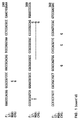
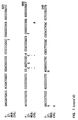
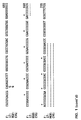
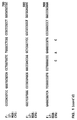
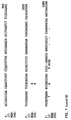
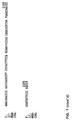
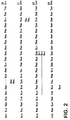
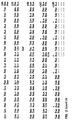
- FIG. 1 A comparison of the nucleotide sequences of HSV-1 strains F (SEQ ID NO:1), l7syn+, MGH-10, and CVG-2 in the region of the gene for ICP34.5 is shown in FIG. 1, and the predicted open reading frames for ICP34.5 in strains F (SEQ ID NO:2) and 17syn+ (SEQ ID NO:2) showing differences at corresponding positions in the sequences of MGH-10 and CVG-2 is in FIG. 2.
- RNA transcribed across the domain of the gene that specific ICP34.5 is initiated within DR1 of the ⁇ sequence [Chou et al., J. Virol. , 57 , 629-637 (1986)].
- Methionine codon l in all HSV strains is 90 nucleotides downstream from DR1, and, in three strains, l7syn+, MGH-10, and CVG-2, this sequence is identical in length to that of the F strain and differs from it in only one nucleotide.
- the differences among the strains within the domain of the gene are as follows.
- the 5'-noncoding domain of the gene that specifies ICP34.5 includes most of the ⁇ sequence.
- the ⁇ sequences of l7syn+, MGH-10 and CVG-2 contain a dinucleotide insert and vary in the nucleotide sequence in the UB domain of the ⁇ sequence. Whereas both F and 17 syn+ contain four Arg residues at amino acids 3 to 6, strains MGH-10 and CVG-2 contain the insert GCC, and encode five Arg residues at that position.
- MGH-10 lacks 21 nucleotides corresponding to the at positions 46 to 52 of the F strain amino acid sequence (SEQ ID NO:2) amino acids (Ala-Pro-Pro-Pro-Pro-Pro-Pro-Ala) present in all other strains.
- the strain l7syn+ sequence contains two additional nucleotides not present in other strains.
- HSV-1(F) and all other strains contain the sequence GCCCCCGGTCCCCA at nucleotide positions 437 to 450 in the F strain nucleotide seuqnce (SEQ ID NO:1), whereas the reported sequence for strain l7syn+ has a cytosine between positions 432 and 433 and between positions 449 and 450 of the F strain nucleotide sequence (SEQ ID NO:1) and a substitution of a guanosine at position 445 of the F strain nucleotide sequence (SEQ ID NO:1) to form the sequence GCCCCCCGGGCCCCCA.
- the net effects of insertion of the two nucleotides are frameshifts at amino acid positions 104 and 106.
- strain l7syn+ there are additional insertions and deletions which occur outside the coding domain of the genes for ICP34.5 of other strains; these occur at positions corresponding to nucleotides 1044 to 1064 of strain F.
- MGH-10 has a total of five nucleotide substitutions resulting in three amino acid differences.
- CVG-2 has 11 nucleotide substitutions resulting in five amino acid differences from F.
- the ICP34.5-coding domain in strain F contains 10 repeats of the sequence CCCCCGCGA, which encodes the trimer Ala-Thr-Pro.
- the numbers of repeats in the coding domains of the other strains are five for l7syn+ and six for strains MGH-10 and CVG-2. Because of the frameshift, the repeat sequence in strain l7syn+ translates as Pro-Arg-Pro.
- the open reading frame in HSV-1(F) is predicted to encode 263 amino acids, i.e., less than the otherwise-reported 358 amino acids [Chou et al., J. Virol. , 57 , 629-637 (1986)].
- a proposal that a gene exists which encodes ICP34.5 is related to the finding that the terminal ⁇ sequence in juxtaposition to a reporter gene is able to promote expression [Chou et al., J. Virol. , 57 , 629-637 (1986)].
- the DNA that encodes ICP34.5 is difficult to sequence because it is G + C rich and contains long stretches of guanines and cytosines.
- the 5'-untranscribed domain of the gene does not contain a TATAA box and is contained entirely within the terminal ⁇ sequence that also contains numerous repetitive G + C-rich elements, unlike most HSV-1 genes [Chou et al., J. Virol. , 57 , 629-637 (1986)].
- the close proximity and overlap with the terminal a sequence may indicate that the gene product is involved in one of the several functions of the terminal a sequence [Chou et al., Cell , 41 , 803-811 (1985); Deiss et al., J. Virol , 59 605-618 (1986); Mocarski et al., Cell , 31 , 7047-7051 (1981); Mocarski et al., Cell , 31 , 89-97 (1982); and Varmuza et al., Cell , 41 , 793-802 (1985)].
- Several laboratories [Centifanto-Fitzgerald et al., J. Exp. Med.
- the gene that specifies ICP34.5 contains 263 codons conserved in all three limited-passage strains, but not in the reported sequence of the HSV-1(17)syn+ strain.
- Nonconservation of the open reading frame that specifies ICP34.5 in the reported sequence of HSV-1(17)syn+ [McGeoch et al., J. Gen. Virol. , 69 , 1531-1574 (1986) and Perry et al., J. Gen. Virol. , 69 , 2831-2846 (1988)] indicates that the sequenced virus may have accumulated mutations since its original isolation. Consistent with this view is the report in Taha et al., J. Gen. Virol.
- HSV-2 strain HG52 lacks 1.5 kbp covering the domain of the gene that specifies ICP34.5. the virus grows but is avirulent (50% lethal dose, >l0 7 PFU) in mice inoculated intracerebrally.
- HSV-1(F) isolated from a recurrent facial lesion
- MGH-10 derived from a case of human encephalitis
- MGH-10 has a 50% lethal dose of 1 to 5 PFU by the same route in identical mouse strains [Meignier et al., J. Infect. Diseases , 158 , 602-614 (1988)].
- the evidence that the open reading frame between the terminal a sequence and the open reading frame that encodes ⁇ 0 specifies a protein and that this protein is made in lytically infected cells is based in part on the reactivity of infected-cell extracts with a polyclonal antibody to a synthetic oligopeptide having 10 repeats of (Ala-Thr-Pro) with a Cys following the tenth repeat.
- oligonucleotide 50 bases long and its complement sequence designed to end in NcoI restriction enzyme cleavage sites were synthesized as described in Example l and as illustrated in FIG. 3.
- the two oligonucleotides were then mixed at an equal molar ratio, heated to 80°C., and allowed to anneal by being cooled slowly to room temperature.
- the annealed DNA was then ligated to a cloned DNA fragment containing the gene for ICP34.5 and cleaved with NcoI.
- the NcoI site is located at the methionine initiation codon.
- the resulting plasmid, pRB3976 was sequenced (data not shown) to confirm the appropriate insertion as shown and then used in transfection experiments with the parental viral DNA.
- R3615 to generate recombinant virus R3976.
- the a sequence identifies the terminal 500-base-pair sequence present in the direct orientation at the two genomic termini and in the inverted orientation at the junction between the L and S components of the genome [Sheldrick et al., Cold Spring Harbor Symp. Quant. Biol. , 39 , 667-678 (1975) and Wadsworth et al., J. Virol. , 15 , 1487-1497 (1975)].
- b and c are large inverted repeats, 9 and 6 kbp in length, respectively, which, flank the L and S components of the virus.
- the extent of the deletion of sequences at the L-S component junction of recombinant virus R3410 is shown by the interrupted line [Ackermann et al., J. Virol. , 58 , 843-850 (1986)].
- the insert contains at its terminus distal from the a sequence the regulatory domain, the 5'-transcribed noncoding domain, and the methionine initiation codon of glycoprotein H.
- the initiation codon was fused in frame with amino acid 27 of ICP34.5, generating a truncated form of this protein [Ackermann et al., J. Virol. , 58 , 843-850 (1986)].
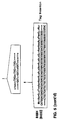
- SEQ ID NO: 3 is the nucleotide sequence (coding strand, SEQ ID NO:5; complementary strand, SEQ ID NO:6) and predicted amino acid sequence (SEQ ID NO:4) of the insert on plasmid pRB3976 that was inserted into recombinant virus R3976 in frame with the gene for ICP34.5 that and which encodes the ICP4 epitope specifically recognized by monoclonal antibody H943.
- Monolayer cultures containing 4 X 10 6 Vero cells were exposed to 5 to 10 PFU of recombinant viruses per cell for 2 hours. After adsorption, the inoculum was replaced with mixture 199 supplemented with 1% calf serum and maintained for 12 hours. The cells were then labeled with l0 ⁇ Ci of [ 35 S]methionine (Dupont, NEN Research Products) in the same medium but without methionine for an additional l2 hours.
- the cells were then harvested, washed once with phosphate-buffered saline, pelleted by centrifugation at 4,000 rpm for 5 min and suspended in disruption buffer which consisted of 0.05 M Tris (pH 7.0), 8.5% (wt/vol) sucrose, 5% (vol/vol) 2 ⁇ -mercaptoethanol, and 2% (vol/vol) sodium dodecyl sulfate. Extracts were then boiled for 2 min in water, disrupted by sonication in a Branson Sonifier 200 (SmithKline, King of Prussia, Pennsylvania) three times for 3 sec each time, and then subjected to electrophoresis in denaturing polyacrylamide gels.
- disruption buffer which consisted of 0.05 M Tris (pH 7.0), 8.5% (wt/vol) sucrose, 5% (vol/vol) 2 ⁇ -mercaptoethanol, and 2% (vol/vol) sodium dodecyl sulfate. Extracts were then boiled for 2 min in water,
- the polypeptides were separated electrophoretically on denaturing 10% polyacrylamide gels, transferred electrically to nitrocellulose sheets, and reacted with rabbit antiserum R4 or monoclonal antibody H943 by using Vectastain ABC kits specifically for rabbit and mouse antibodies (Vector Laboratories Inc., Burlingame, California) as previously described [Ackermann et al., J. Virol. , 58 , 843-850 (1986) and Braun et al., J. Virol. , 46 , 103-112 (1983)].
- FIG. 4 The results are illustrated in FIG. 4 wherein autoradiographic images (A and C) and photographs of lysates of cells mock infected or infected with HSV-1(F) or recombinants that were separated electrophoretically in denaturing gels, transferred electrically to a nitrocellulose sheet, and stained with monoclonal antibody H943 (B) or rabbit polyclonal antibody R4 (D) are presented.
- the numbers to the right of panels A and C indicate the infected-cell protein designations of Honess et al., J. Virol. , 12 , 1347-1365 (1973) and Morse et al, J. Virol. , 26 , 398-410 (1978).
- Lysates of R3976-infected cells exhibited a band which reacted with both monoclonal antibody H943 and polyclonal rabbit serum R4 (FIG. 4). This band migrated more slowly than the band formed by lysates of HSV-1(F)infected cells which reacted with R4 rabbit serum only. The band containing the truncated ICP34.5 protein reacted only with rabbit R4 serum and migrated faster than the authentic protein specified by HSV-1(F).
- a human host is preferably inoculated with a vaccine comprising an immunity-inducing dose of one or more of the live vaccinal recombinant strains of the invention by the parenteral route, preferably by intramuscular or subcutaneous injection.
- inoculation may be effected by surface scarification, or by inoculation of a body cavity.
- one or several inoculations of between about 10 and 1,000,000 pfu each, as measured in susceptible human or nonhuman primate cell lines, are sufficient to effect immunization of a human host.
- Indications for vaccination include:
- the vaccine according to the present invention may be conveniently utilized in liquid form or in freeze-dried form, in the latter case in combination with one or more suitable preservative and protective agents to protect the vaccinal strains during the freeze drying process.
- viruses were constructed using the procedures described by Post et al., Cell , 227 (1981) as follows.
- Rabbit skin cells of a convenient cell line were cotransfected with intact DNA of HSV-1(F) ⁇ 305 deposited with the American Type Culture Collection, 12301 Parklawn Drive, Rockville, Maryland under accession number ATCC VR2279 a virus from which a portion of the tk gene was specifically deleted [Post et al., Cell, 227 (1981)], and with a fragment of plasmid pRB3615, which contains the ⁇ 27- tk gene inserted into the BstEII site within the ⁇ 1 34.5 gene contained in the BamHI S fragment. Recombinant virus of the tk + type were then selected and plague-purified on human 143TK-cells in medium containing HAT hypoxanthine, aminopterin, and thymidine ("HAT Medium").
- HAT Medium HAT hypoxanthine, aminopterin, and thymidine
- the fragment including the ⁇ 27-tk gene, contains a 5' non-transcribed promoter, a transcribed non-coding sequence, and an initiating methionine codon of the glycoprotein H gene downstream from the tk gene [Chou et al., J. Virol. , 57 629 (1986)].
- the BstEII site into which the ⁇ 27-tk fragment was inserted is immediately upstream of the codon 29 of the ⁇ 1 34.5 open reading frame.
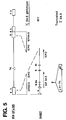
- the initiating codon of glycoprotein H was fused in frame and became the initiating codon of the truncated open reading frame of the ⁇ 1 34.5 gene as shown in the row of FIG. 5 identified as " ⁇ 1 34.5F.”
- FIG. 5 is a schematic representation of the sequence arrangements of the genome of wild type strain HSV-1 strain F [HSV-1(F)] and of recombinant viruses derived from it.
- N, Be, S, St are abbreviations for NcoI, BstEIII, Sacl and StuI restriction endonucleases (available from New England, Biolabs, Beverly, Massachusetts), respectively.
- the numbers in parentheses are the tk + version of each construct tested in mice.
- HSV-1 DNA consists of two components, long and short, each consisting of unique sequences flanked by inverted repeats. The open rectangles identify the inverted repeats ab , b'a'c, and ca [Wadsworth et al., J. Virol. , 15 , 1487 (1975)].
- the HSV-(F) a sequence consists of approximately 500 bp and is present in direct orientation at the two genomic termini and in the inverted orientation at the junction between the long and short two components, Wadsworth et al., supra.
- the b and c sequences are approximately 9 and 6 Kbp long, respectively, Wadsworth et al., supra.
- the triangle marked "TK" identifies the position of the tk gene and of the BglII-Sac sequence of BamHI Q fragment deleted from HSV-1(F) ⁇ 305.
- tk + recombinant viruses Of 20 tk + recombinant viruses screened, two were found to specify only the predicted truncated product of the chimeric ⁇ 1 34.5 gene and one, designated as R4002, was analyzed for the presence of the ⁇ 27- tk gene insert in both copies of the ⁇ 1 34.5 gene. Plasmids and viral DNAs were digested with BamHI or, in case of the R4009, with both BamHI and SpeI. A fragment NcoI to SphI contained entirely within the coding sequences of ⁇ 1 34.5 (left panel) and the BamHI Q fragment of HSV-1(F) (right panel) were used as hybridization probes.
- the probes were labeled by nick translation of the entire plasmid DNAs with [ ⁇ - 32 ]dCTP and reagents provided in a kit by New England Nuclear (Boston, Massachusetts). DNAs limit-digested with BamHI or both BamHI and SpeI were electrophoretically separated on 0.8% agarose gels in 90 mM Tris-Phosphate buffer at 40 V overnight. The DNA was then transferred by gravity to two nitrocellulose sheets sandwiching the gel and hybridized overnight with the respective probes.
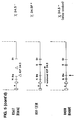
- FIG. 6 is a photographic reproduction of an autoradiographic image of electrophoretically separated digests of plasmid, wild type and mutant virus DNA, transferred to a solid substrate and hybridized with the labeled probes for the presence of ⁇ 1 34.5 and tk genes. Results for DNA digested with BamHI are shown in the left panel (except for lane 10), while results for DNA digested with BamHI and SpeI are shown in the left panel, lane 10, and in the right panel of FIG. 6.
- ⁇ 1 34.5 maps in BamHI S and SP fragments which form a characteristic ladder of bands at 500 base pair increments.
- the ladders are a consequence of the variable number of a sequences in the repeats flanking the unique sequences of the L component.
- BamHI S is the terminal fragment of the viral genome at the terminus of the long component
- BamHI SP is a fragment formed by the fusion of the terminal BamHI P, the terminal BamHI fragment of the short component.
- Bands of BamHI S and its deleted version ( ⁇ BamHl S), BamHI SP and ⁇ BamHI SP, and BamHI Q and ⁇ BamHl Q are indicated.
- band 1 represents the 1.7 Kbp ⁇ 27- tk insert into the BamHI SP fragment in R4002 and therefore this fragment reacted with both labeled probes (lanes numbered 4 in both panels).
- Band 2 represents the same insertion into the BamHI S fragment.
- the ⁇ 27- tk gene is inserted in both copies (designated 1 and 2 next to bands in the fourth lanes) of the ⁇ 1 34.5 gene.
- Lysates of cells were infected with HSV-1(F) or "mock infected" by exposure to Medium l99V for the same amount and recombinant viruses were separated electrophoretically in denaturing polyacrylamide (10%) gels, transferred electrically to a nitrocellulose sheet, and stained with rabbit polyclonal antibody R4 described elsewhere [Ackermann et al., J. Virol. , 58 , 843 (1986) and Chou et al., Cell , 41 , 803 (1985)].
- Replicate cultures of Vero cells were infected and labeled with [ 35 -S]methionine (New England Nuclear, Boston, Massachusetts) from 12 to 24 hours post infection.
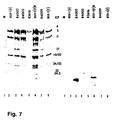
- FIG. 7 The results are illustrated in FIG. 7, the left panel of which is a photographic reproduction of an autoradiographic image, and the right panel of which is a photograph of an alkaline phosphatase gel (as described above).
- Infected cell proteins were designated by number according to Honess et al., J. Virol. , 12 , 1346 (1973). Also shown is that this virus specifies only the truncated form of ICP34.5 (See in FIG. 15 right panel, lane 3, a single, fast migrating band for ICP34.5).
- the amounts of the native ICP34.5 protein detected in these and previous studies were generally low [Ackermann et al., J. Virol. , 58 , 843 (1986)].
- the chimeric genes formed by the fusion of the 5' transcribed non-coding region and the initiating codon of glycoprotein H in frame with the truncated ⁇ 1 34.5 gene were expressed far more efficiently than the native genes.
- recombinant virus R4002 contains a thymidine kinase ( tk ) gene driven by the promoter of the ⁇ 27 gene ( ⁇ 27- tk ) is inserted in both copies of the ICP34.5 coding sequences.
- tk thymidine kinase
- a recombinant virus R3617 (as illustrated by the line in FIG. 5 to the right of "R3617”), lacking 1 Kbp of DNA in each copy of the ⁇ 1 34.5 gene, was generated by co-transfecting rabbit skin cells with intact R4002 DNA and the DNA of plasmid pRB3616.
- plasmid pRB3616 the sequences containing most of the coding domain of ⁇ 1 34.5' i.e., those located between BstEII and StuI sites within the BamHI S fragment of HSV-1 strain F, had been deleted (FIG. 5, line 5 from top).
- plasmid pRBl43 Post et al., Proc. Nat'l. Acad. Sci. (USA) , 77 , 4201 (1980)] was digested with BstEII and StuI, blunt-ended with T4 polymerase, and religated.
- the progeny of the transfection were plated on 143TK- cells overlaid with medium containing BUdR to select for tk - viruses. Because the tk gene is present in both copies of the ⁇ 1 34.5 gene in R4002, the selected progeny of the transfection contain deletions in both copies.
- the selected tk virus, designated as R3617, was analyzed for the presence of the deletion in both copies of the ⁇ 1 34.5 gene (data not shown). The ⁇ 1 34.5 gene was not present. See, e.g., FIG. 6, for R3616 where the tk gene is present in one copy at the normal position after repair.
- the deletion in the native tk - gene of R3617 which traces its origin from HSV-1(F) ⁇ 305, was repaired. This was done by cotransfection of rabbit skin cells with intact R3617 DNA and a BamHI Q fragment containing the tk gene.
- the virus selected for tk + phenotype in 143TK - cells was designated as R3616. This virus contains a wild type BamHI Q fragment (as shown in FIG. 6, right panel, lane 6) and does not make ICP34.5 (as shown in FIG. 6, right panel).
- R3616 was deposited under accession number ATCC VR2280 with the American Type Culture Collection, 12301 Parklawn Drive, Rockville, Maryland 20852 on August 14, 1990.
- the ⁇ 1 34.5 sequences deleted from R3616 were restored by cotransfecting rabbit skin cells with intact R36l7 DNA, the HSV-1(F) BamHI Q DNA fragment containing the intact tk gene and the BamHI SP DNA fragment containing the intact ⁇ 1 34.5 gene in the molar ratios of 1:1:10, respectively.
- Viruses of the tk + type were then selected in 143TK - cells overlaid with medium containing HAT. The tk + candidates were then screened for the presence of wild type tk and ⁇ 1 34.5 genes.
- HSV-1(F)R schematically illustrated to the right of "HSV-1(F)R" in FIG. 13 contained a wild type ( tk + ) BamHI Q fragment (as shown by comparison of FIG. 6), right panel lanes 2 and 7), a wild type terminal L component fragment (as shown by comparison of FIG. 6), left panel lanes 2, 7, and 8), and expressed ICP34.5 as shown in FIG. 7, right panel, lane 6).
- R4010 A 20 base oligonucleotide containing translational stop codons and their complement sequences was constructed in an Applied Biosystems (Foster City, California) 380D DNA synthesizer, mixed at equal molar ratio, heated to 80°C., and allowed to cool slowly to room temperature.
- the asterisks (****) in this sequence, and in all sequences in FIG. 5 designate nucleotides from a vector plasmid that form cohesive ends with the synthesized oligomers.
- the upper strand (also shown in FIG. 5) is SEQ ID NO:7
- the lower strand (also shown in FIG. 5) is SEQ ID NO:8.
- the annealed DNA was inserted into the HSV-1(F) BamHI S fragment at the BstEII site of the plasmid pR5143.
- the resulting plasmid pRB4009 contained a stop codon inserted in the beginning of the ICP34.5 coding sequence.
- the 20mer DNA insertion also contained a SpeI restriction site which allowed rapid verification of the presence of the insert.
- R4010 rabbit skin cells were cotransfected with the intact DNA of R4002 and the pRB4009 plasmid DNA. Recombinants of the tk - type were selected in 143TK - cells in medium containing BudR.
- the tk + version of this virus, designated as R4009 was generated by cotransfection of intact tk - R4010 DNA with HSV-1(F) BamHI Q DNA fragment, and selection of tk + progeny.
- the virus selected for neurovirulence studies, R4009 contained the SpeI site in both BamHI S and SP fragments as shown by a comparison of FIG. 14, left panel, lanes 9 and 10) and did not express ICP34.5 as shown by FIG. 7, right panel lane 7).
- R4009 was deposited under accession number ATCC VR2278 with the American Type Culture Collection, 12301 Parklawn Drive, Rockville, Maryland 20852 on August 14, 1990.
- R4004 is a recombinant virus produced by insertion of a sequence (SEQ ID NO:5 and SEQ ID NO:6) encoding 16 amino acids (SEQ ID NO:4), as illustrated in FIG. 7 to the right of "R4004.”
- This sequence is the epitope of the monoclonal antibody H943 reactive with a viral protein designated as ICP4 [Hubenthal-Voss et al., J. Virol. , 62 , 454 (1988)].
- R4004 was generated by cotransfecting intact R4002 DNA and the DNA of plasmid pRB3976 containing the insert, and tk - progeny were analyzed for the presence of the insert.
- recombinant plasmid pR53976 The construction of recombinant plasmid pR53976 is described elsewhere [Chou et al., J. Virol. , 57 , 629 (1986) and Chou et al., J. Virol. , 64 , 1014 (1990)] except that the sequence was inserted into both copies of the ⁇ 1 34.5 gene rather than into a recombinant virus which had only one copy of the gene. This insertion merely truncates but does not inactivate the ICP34.5 protein.
- the tk gene was restored to R4004 to form recombinant virus R4003 as described above.
- the DNA sequence was inserted in frame at the NcoI site at the initiating methionine codon of the ⁇ 1 34.5 gene.
- the insert regenerated the initiating methionine codon and generated a methionine codon between the epitope and the remainder of ICP34.5.
- the chimeric ICP34.5 specified by R4003 migrated more slowly in denaturing polyacrylamide gels (as seen in FIG. 7, right panel, lane 4) than the protein produced by other viruses illustrated in FIG. 7 because of the increased molecular weight due to the insertion of the epitope.
- the reactivity of the inserted epitope with monoclonal antibody H943 is reported elsewhere [Chou et al., Cell , 41 , 803 (1985)] and is not shown here.
- Plaque morphology and size of all of the recombinants were similar to those of the wild type parent, HSV-1(F) when plated on VERO, 143TK - and rabbit skin cell lines. Whereas HSV-1(F)R and R4003 replicated as well as the wild type virus in replicate cultures of Vero cells, the yields of R3616 and R4009 were reduced 3 to 4 fold.
- mice were obtained at 21 days of age (weight 9.4 ⁇ 1.8 gm) from Charles River Breeding Laboratories in Raleigh, North Carolina. The tk gene was restored in all recombinant viruses tested in mice.
- Viruses HSV-1(F), R3617, HSV-1(F)R, R4009 and R4003 were diluted in minimal essential medium containing Earle's salts and 10% fetal bovine serum, penicillin and gentamicin. The mice were inoculated intracerebrally into the right cerebral hemisphere with dilutions of virus using a 26-gauge needle. The volume delivered was 0.03 ml, and each dilution of virus was tested in groups of 10 mice.
- the wild type virus and all of the recombinants have identical surface glycoproteins necessary for attachment and penetration into brain cells. Injection of 10 6 pfu into the brain should result in infection and death of a significant number of the brain cells. Death following intracerebral inoculation results from viral replication, spread from cell to cell, and cell destruction before the immune system has a chance to act. Titrations of brain tissue suspended in minimal essential medium containing Eagle's salts and 10% fetal calf serum showed that the brains of animals inoculated with the viruses which failed to make ICP34.5 contained very little virus. Thus, for the R3616 and R4009 viruses, the recovery was 120 and 100 pfu per gram of brain tissue, respectively.
- mice inoculated with HSV-1(F)R and R4003 were 6 X 10 6 and 4 X 10 6 , respectively.
- ICP34.5 While the function of ICP34.5 is not known, it is not essential for growth in cells in culture. The slight decrease in replication of this virus in cells in culture is not concordant with the loss of its ability to multiply and destroy the CNS in mice. The failure to recover virus from the CNS suggests that brain cells do not express genes whose products can substitute for ⁇ 1 34.5 gene product and complement the deletion mutants. ICP34.5 extends the host range of HSV-1 and enables the virus to replicate in the CNS. From this point of view, the protein is necessary for the dissemination of the virus from cell to cell and destruction of brain tissue characteristic of human encephalitis.
- mice in each of 4 groups were anesthetized, a cornea was scarified using a hypodermic needle, and the cornea was bathed in a viral suspension of 1 X 10 7 pfu or l X 10 8 pfu of virus as indicated in Table 2.
- the trigeminal ganglia were removed from anesthetized and exsanguinated mice. The ganglia were pooled from each mouse, cut into small pieces and incubated for 3-4 days before plating on VERO cells. Plaques were counted 3 days later, with results as shown in Table 2.
- the ICP34.5 gene of HSV-2 may be modified according to the present invention. Although no gene is reported to be identified in the region of the deletion, Taha et al., J. Gen. Virol. , 70 , 3073-3078 (1989), reports a variant of HSV-2 strain HG52 having a deletion of 1.5 kbp including the domain of the gene that specified ICP34.5.
- the virus grows but is completely avirulent (50% lethal dose, >10 7 PFU) in mice inoculated intracerebrally.
- an HSV-2 virus which lacks an ICP34.5 gene encoding an active gene product may be produced according to the present invention just as in an HSV-1 virus according to the present invention, by insertion of a stop codon, or by a small deletion or insertion in the coding region of the ICP34.5 gene as determined by its homology to the HSV-1 ICP34.5 gene.
- virus strains of the invention are believed to have utility in treating a subject infected with wild type HSV. Treatment can be effected using similar dosages and routes of administration as used in immunization, described above.
Landscapes
- Health & Medical Sciences (AREA)
- Life Sciences & Earth Sciences (AREA)
- Chemical & Material Sciences (AREA)
- Virology (AREA)
- Genetics & Genomics (AREA)
- Organic Chemistry (AREA)
- General Health & Medical Sciences (AREA)
- Engineering & Computer Science (AREA)
- Medicinal Chemistry (AREA)
- Biotechnology (AREA)
- Molecular Biology (AREA)
- General Engineering & Computer Science (AREA)
- Bioinformatics & Cheminformatics (AREA)
- Microbiology (AREA)
- Wood Science & Technology (AREA)
- Zoology (AREA)
- Veterinary Medicine (AREA)
- Biochemistry (AREA)
- Biophysics (AREA)
- Biomedical Technology (AREA)
- Public Health (AREA)
- Animal Behavior & Ethology (AREA)
- Pharmacology & Pharmacy (AREA)
- Physics & Mathematics (AREA)
- Immunology (AREA)
- Nuclear Medicine, Radiotherapy & Molecular Imaging (AREA)
- Chemical Kinetics & Catalysis (AREA)
- Oncology (AREA)
- Communicable Diseases (AREA)
- Plant Pathology (AREA)
- General Chemical & Material Sciences (AREA)
- Mycology (AREA)
- Epidemiology (AREA)
- Gastroenterology & Hepatology (AREA)
- Proteomics, Peptides & Aminoacids (AREA)
- Medicines Containing Antibodies Or Antigens For Use As Internal Diagnostic Agents (AREA)
- Micro-Organisms Or Cultivation Processes Thereof (AREA)
- Preparation Of Compounds By Using Micro-Organisms (AREA)
Applications Claiming Priority (3)
| Application Number | Priority Date | Filing Date | Title |
|---|---|---|---|
| US579834 | 1990-09-10 | ||
| US07/579,834 US5328688A (en) | 1990-09-10 | 1990-09-10 | Recombinant herpes simplex viruses vaccines and methods |
| PCT/US1991/006532 WO1992004050A1 (en) | 1990-09-10 | 1991-09-10 | Recombinant herpes simplex viruses vaccines and methods |
Publications (3)
| Publication Number | Publication Date |
|---|---|
| EP0500917A1 EP0500917A1 (en) | 1992-09-02 |
| EP0500917A4 EP0500917A4 (en) | 1993-02-17 |
| EP0500917B1 true EP0500917B1 (en) | 1997-05-02 |
Family
ID=24318537
Family Applications (1)
| Application Number | Title | Priority Date | Filing Date |
|---|---|---|---|
| EP91918320A Revoked EP0500917B1 (en) | 1990-09-10 | 1991-09-10 | Recombinant herpes simplex viruses vaccines and methods |
Country Status (11)
| Country | Link |
|---|---|
| US (2) | US5328688A (enExample) |
| EP (1) | EP0500917B1 (enExample) |
| JP (1) | JP3334876B2 (enExample) |
| AT (1) | ATE152355T1 (enExample) |
| AU (1) | AU658838B2 (enExample) |
| CA (1) | CA2072627C (enExample) |
| DE (1) | DE69125925T2 (enExample) |
| DK (1) | DK0500917T3 (enExample) |
| ES (1) | ES2102409T3 (enExample) |
| GR (1) | GR3024144T3 (enExample) |
| WO (1) | WO1992004050A1 (enExample) |
Families Citing this family (75)
| Publication number | Priority date | Publication date | Assignee | Title |
|---|---|---|---|---|
| US6040169A (en) * | 1991-01-31 | 2000-03-21 | Medical Research Council | Herpes simplex virus-1 deletion variants and vaccines thereof |
| AU682463B2 (en) * | 1992-03-31 | 1997-10-09 | Arch Development Corporation | Methods and compositions for gene, tumor, and viral infection therapy, and prevention of programmed cell death (apoptosis) |
| US7223411B1 (en) | 1992-07-31 | 2007-05-29 | Dana-Farber Cancer Institute | Herpesvirus replication defective mutants |
| ATE232238T1 (de) * | 1992-12-23 | 2003-02-15 | Arch Dev Corp | Synthetische promotoren von herpes simplex virus |
| US5763217A (en) * | 1993-11-10 | 1998-06-09 | University Of British Columbia | Method of using, process of preparing and composition comprising recombinant herpesvirus vectors |
| US5585096A (en) * | 1994-06-23 | 1996-12-17 | Georgetown University | Replication-competent herpes simplex virus mediates destruction of neoplastic cells |
| GB9415320D0 (en) * | 1994-07-29 | 1994-09-21 | Medical Res Council | Cancer treatment |
| IL118942A (en) * | 1995-07-27 | 2002-09-12 | American Cyanamid Co | Avirulent herpetic viruses useful as tumoricidal agents and vaccines |
| US5834216A (en) * | 1995-09-06 | 1998-11-10 | Arch Development Corporation | Screening methods for the identification of inducers and inhibitors of programmed cell death (apoptosis) |
| US5922328A (en) * | 1995-09-11 | 1999-07-13 | Aviron | Methods and compositions for treatment of HSV-2 infections and conditions |
| EP0895476B1 (en) * | 1996-01-25 | 2003-06-04 | The University Court Of The University Of Glasgow | Hsv mutant 1716 for the treatment of mesotheliomas |
| US5824318A (en) * | 1996-07-24 | 1998-10-20 | American Cyanamid Company | Avirulent herpetic viruses useful as tumoricidal agents and vaccines |
| GB9615794D0 (en) * | 1996-07-26 | 1996-09-04 | Medical Res Council | Mutant herpes simplex virus strains and uses thereof |
| US6509020B1 (en) | 1997-03-27 | 2003-01-21 | The University Of Cincinnati | Replication-competent herpes simplex virus |
| CA2238659C (en) * | 1997-05-26 | 2010-12-14 | Akzo Nobel N.V. | Recombinant birnavirus vaccine |
| ATE374247T1 (de) | 1997-10-14 | 2007-10-15 | Darwin Molecular Corp | Thymidinkinase mutanten und fusionproteine mit thymidinkinase und guanylatekinase aktivitäten |
| US6051385A (en) * | 1997-10-22 | 2000-04-18 | The Regents Of The University Of Michigan | Compositions and methods for identifying and testing therapeutics against HSV infection |
| US6399354B1 (en) * | 1998-07-31 | 2002-06-04 | President And Fellows Of Harvard College | Replication-competent virus expressing a detectable fusion protein |
| JP2003535565A (ja) * | 1998-12-31 | 2003-12-02 | アーチ ディベロプメント コーポレイション | 新生物疾患の治療に有用な組換え単純ヘルペスウイルス |
| CA2361892C (en) | 1999-02-05 | 2010-05-25 | Ralph Weichselbaum | Treatment of tumors with genetically engineered herpes virus |
| US6774119B1 (en) * | 1999-04-26 | 2004-08-10 | Cedars-Sinai Medical Center | Herpes simplex virus type 1 (hsv-1)-derived vector for selectively inhibiting malignant cells and methods for its use to treat cancers and to express desired traits in malignant and non-malignant mammalian cells |
| CA2378519C (en) | 1999-07-07 | 2011-01-25 | Zymogenetics, Inc. | Human cytokine receptor |
| US6897057B1 (en) * | 1999-08-31 | 2005-05-24 | The General Hospital Corporation | Cell-specific and/or tumor-specific promoter retargeting of herpes γ 34.5 gene expression |
| US7063835B2 (en) * | 2000-01-21 | 2006-06-20 | Biovex Limited | Virus strains |
| AU2001239884B2 (en) * | 2000-02-25 | 2006-08-10 | Vegenics Limited | Materials and methods involving hybrid vascular endothelial growth factor DNAs and proteins and screening methods for modulators |
| US6516246B2 (en) * | 2000-09-11 | 2003-02-04 | Mimicking Man Manually, Inc. | Method and system for determining native neurological dominant hemisphere |
| WO2002045431A2 (en) * | 2000-11-28 | 2002-06-06 | The University Of Chicago | Genetically engineered herpes virus for the treatment of cardiovascular disease |
| MXPA03010687A (es) | 2001-05-24 | 2004-07-01 | Zymogentetics Inc | Proteinas de fusion de taci-inmunoglobulina. |
| CA2476724A1 (en) * | 2002-03-01 | 2003-09-12 | Sloan-Kettering Institute For Cancer Research | Prevention of recurrence and metastasis of cancer |
| US7446190B2 (en) * | 2002-05-28 | 2008-11-04 | Sloan-Kettering Institute For Cancer Research | Nucleic acids encoding chimeric T cell receptors |
| EP1552016A4 (en) * | 2002-09-23 | 2008-05-14 | Macrogenics Inc | METHODS OF VACCINING IDENTIFICATION AND NUCLEIC ACID AND / OR POLYPEPTIDE SEQUENCES OF THE HERPESVIRUS FAMILY COMPRISING COMPOSITIONS FOR VACCINATION |
| BR0314769A (pt) * | 2002-09-27 | 2005-07-26 | Powderject Res Ltd | Construção de ácido nucleico, método de gerar a mesma, partìculas revestidas adequadas para a liberação a partir de um dispositivo de liberação mediada por partìcula, receptáculo de dosagem para um dispositivo de liberação mediada por partìcula, dispositivo de liberação mediada por partìcula, e, métodos de obter a expressão em uma célula de mamìfero de um polipeptìdeo de interesse e de imunização por ácido nucleico |
| US20070243170A1 (en) * | 2002-10-07 | 2007-10-18 | The University Of Chicago | Targeting of Herpes Simplex Virus to Specific Receptors |
| US7501126B2 (en) * | 2002-10-07 | 2009-03-10 | The University Of Chicago | Targeting of herpes simplex virus to specific receptors |
| US7592169B2 (en) * | 2003-04-25 | 2009-09-22 | Medimmune, Llc | Methods and compositions for treatment and prevention of HSV-2 infections and conditions |
| GB0317511D0 (en) * | 2003-07-25 | 2003-08-27 | Biovex Ltd | Viral vectors |
| US20050120398A1 (en) * | 2003-09-12 | 2005-06-02 | Vertex Pharmaceuticals Incorporated | Animal model for HCV infection |
| US7897146B2 (en) * | 2003-11-17 | 2011-03-01 | Crusade Laboratories Limited | Treatment using herpes simplex virus |
| WO2005087808A2 (en) | 2004-03-05 | 2005-09-22 | Ludwig Institute For Cancer Research | Growth factor binding constructs materials and methods |
| US7582442B2 (en) * | 2004-03-16 | 2009-09-01 | The Regents Of The University Of Michigan | Methods and compositions for using aleveolar macrophage phospholipase A2 |
| US7319015B2 (en) * | 2004-03-16 | 2008-01-15 | The Regents Of The University Of Michigan | Methods and compositions for using alveolar macrophage phospholipase A2 |
| US7731952B2 (en) * | 2004-06-24 | 2010-06-08 | New York University | Avirulent oncolytic herpes simplex virus strains engineered to counter the innate host response |
| US20090233986A1 (en) * | 2004-07-27 | 2009-09-17 | Mount Sinai School Of Medicine | Methods and compositions for using sax2 |
| FI20050753A7 (fi) | 2004-09-03 | 2006-03-04 | Licentia Oy | Uudet peptidit |
| US7531523B2 (en) * | 2005-02-17 | 2009-05-12 | Vertex Pharmaceuticals Incorporated | Sodium channel protein type III alpha-subunit splice variant |
| US20100008944A1 (en) * | 2005-07-29 | 2010-01-14 | President And Fellows Of Harvard College | Herpes simplex virus mutant and uses therefore |
| US8025886B2 (en) | 2005-08-15 | 2011-09-27 | Vegenics Pty Ltd | Modified VEGF-A with improved angiogenic properties |
| US7972813B2 (en) * | 2005-09-30 | 2011-07-05 | Vertex Pharmaceuticals Incorporated | Tetrodotoxin-resistant sodium channel alpha subunit |
| US20080200408A1 (en) * | 2005-09-30 | 2008-08-21 | Mccormack Kenneth | Deletion mutants of tetrodotoxin-resistant sodium channel alpha subunit |
| JP5236488B2 (ja) | 2005-12-14 | 2013-07-17 | ハーモ ファーマ エルテーデー. | 新規な神経栄養因子タンパク質およびその用途 |
| WO2007089780A2 (en) * | 2006-01-30 | 2007-08-09 | Licentia, Ltd. | Bmx/etk tyrosine kinase gene therapy materials and methods |
| ES2429225T3 (es) | 2006-05-17 | 2013-11-13 | The Ludwig Institute For Cancer Research | Anticuerpos anti VEGF-B para tratamiento o profilaxis de diabetes de tipo II o síndrome metabólico |
| CA2687301C (en) * | 2007-05-09 | 2016-08-23 | Board Of Supervisors Of Louisiana State University And Agricultural And Mechanical College | Synthetic herpes simplex viruses type-1 for treatment of cancers |
| FI20070808A0 (fi) | 2007-10-25 | 2007-10-25 | Mart Saarma | GDNF:n silmukointivariantit ja niiden käytöt |
| US20090196854A1 (en) * | 2008-02-04 | 2009-08-06 | Kytos Biosystems S.A. | Methods and compositions for use of crl 5803 cells for expression of biotherapeutics and encapsulated cell-based delivery |
| FI20080326A0 (fi) | 2008-04-30 | 2008-04-30 | Licentia Oy | Neurotroofinen tekijä MANF ja sen käytöt |
| US8052970B2 (en) * | 2008-06-30 | 2011-11-08 | The Regents Of The University Of Michigan | Lysosomal phospholipase A2 (LPLA2) activity as a diagnostic and therapeutic target for identifying and treating systemic lupus erythematosis |
| WO2012158989A2 (en) | 2011-05-19 | 2012-11-22 | The Regents Of The University Of Michigan | Integrin alpha-2 binding agents and use thereof to inhibit cancer cell proliferation |
| LT2751279T (lt) | 2011-08-31 | 2017-12-11 | St. Jude Children`S Research Hospital | Būdai ir kompozicijos lizosominės egzocitozės aktyvumo lygio nustatymui ir panaudojimo būdai |
| DK2785683T3 (da) | 2011-11-30 | 2020-04-14 | Ludwig Inst For Cancer Res Ltd | Inkt-cellemodulatorer og fremgangsmåder til anvendelse heraf |
| GB201120860D0 (en) | 2011-12-05 | 2012-01-18 | Cambridge Entpr Ltd | Cancer immunotherapy |
| WO2013162772A2 (en) | 2012-04-24 | 2013-10-31 | University Of Miami | Perforin 2 defense against invasive and multidrug resistant pathogens |
| WO2013184209A1 (en) | 2012-06-04 | 2013-12-12 | Ludwig Institute For Cancer Research Ltd. | Mif for use in methods of treating subjects with a neurodegenerative disorder |
| EP2892617B1 (en) | 2012-09-06 | 2018-06-13 | The University of Chicago | Antisense polynucleotides to induce exon skipping and methods of treating dystrophies |
| JP6408492B2 (ja) | 2013-02-18 | 2018-10-17 | ヴェジェニクス プロプライエタリー リミテッドVegenics Pty Limited | リガンド結合分子およびその使用 |
| WO2014191630A2 (en) | 2013-05-28 | 2014-12-04 | Helsingin Yliopisto | Non-human animal model encoding a non-functional manf gene |
| US20160250303A1 (en) | 2013-10-09 | 2016-09-01 | University Of Miami | Perforin-2 activators and inhibitors as drug targets for infectious disease and gut inflammation |
| SI3283500T1 (sl) | 2015-04-08 | 2020-12-31 | The University Of Chicago | Sestavki in postopki za popravilo medenično ramenske distrofije tipa 2C z uporabo preskakovanja eksonov |
| WO2017118864A1 (en) | 2016-01-08 | 2017-07-13 | Replimune Limited | Modified oncolytic viurs |
| GB201700350D0 (en) | 2017-01-09 | 2017-02-22 | Replimune Ltd | Altered virus |
| BR112020025203A2 (pt) | 2018-06-11 | 2021-03-09 | University Of Florida Research Foundation, Inc. | Materiais e métodos para tratar distúrbios relacionados o estresse e câncer |
| WO2019243847A1 (en) | 2018-06-21 | 2019-12-26 | Replimune Limited | Treatment using oncolytic virus |
| WO2024228167A1 (en) | 2023-05-03 | 2024-11-07 | Iox Therapeutics Inc. | Inkt cell modulator liposomal compositions and methods of use |
| IL328122A (en) | 2023-12-01 | 2026-06-01 | Gilead Sciences Inc | Anti-Pap-Lite Fusion Protein and Its Uses |
| WO2025259871A1 (en) | 2024-06-14 | 2025-12-18 | Gilead Sciences, Inc. | Anti-ccr8 antibodies and uses thereof |
Family Cites Families (5)
| Publication number | Priority date | Publication date | Assignee | Title |
|---|---|---|---|---|
| US4769331A (en) * | 1981-09-16 | 1988-09-06 | University Patents, Inc. | Recombinant methods and materials |
| US4859587A (en) * | 1984-06-04 | 1989-08-22 | Institut Merieux | Recombinant herpes simplex viruses, vaccines and methods |
| US5068192A (en) * | 1986-01-27 | 1991-11-26 | Prutech Research And Development Partnership | Attenuated pseudorabies virus which includes foreign DNA encoding an amino acid sequence |
| US4999296A (en) * | 1986-04-29 | 1991-03-12 | Novagene, Inc. | Thymidine kinase negative insertion mutants of pseudorabies virus and methods for the production of same |
| IE63986B1 (en) * | 1989-12-30 | 1995-06-28 | Akzo Nv | Pharmaceutical preparation for oral administration in fluid form |
-
1990
- 1990-09-10 US US07/579,834 patent/US5328688A/en not_active Expired - Lifetime
-
1991
- 1991-09-10 DE DE69125925T patent/DE69125925T2/de not_active Expired - Lifetime
- 1991-09-10 DK DK91918320T patent/DK0500917T3/da active
- 1991-09-10 CA CA 2072627 patent/CA2072627C/en not_active Expired - Fee Related
- 1991-09-10 JP JP51696891A patent/JP3334876B2/ja not_active Expired - Fee Related
- 1991-09-10 WO PCT/US1991/006532 patent/WO1992004050A1/en not_active Ceased
- 1991-09-10 ES ES91918320T patent/ES2102409T3/es not_active Expired - Lifetime
- 1991-09-10 AT AT91918320T patent/ATE152355T1/de not_active IP Right Cessation
- 1991-09-10 AU AU87418/91A patent/AU658838B2/en not_active Ceased
- 1991-09-10 EP EP91918320A patent/EP0500917B1/en not_active Revoked
-
1994
- 1994-07-08 US US08/272,772 patent/US6120773A/en not_active Expired - Fee Related
-
1997
- 1997-07-16 GR GR970401794T patent/GR3024144T3/el unknown
Non-Patent Citations (5)
| Title |
|---|
| JOURNAL OF GENERAL VIROLOGY, vol. 70, no. 11, November 1989, READING, UK pages 3073 - 3078 TAHA et al., pp. 3073-3078/ * |
| JOURNAL OF GENERAL VIROLOGY, vol. 72, no. 3, March 1991, Reading (GB); A.R. MacLEAN et al., pp. 631-639/ * |
| JOURNAL OF GENERAL VIROLOGY, vol. 73, no. 4, April 1992, Reading (GB); A. DOLAN et al., pp. 971-973/ * |
| JOURNAL OF INFECTIOUS DISEASES, vol. 158, no. 3, September 1988; MEIGNIER et al., pp. 602-614/ * |
| PROCEEDINGS OF THE NATL. ACADEMY OF SCIENCES USA, vol. 80, May 1983, Washington, DC (US); POFFENBERGER et al., pp. 2690-2694/ * |
Also Published As
| Publication number | Publication date |
|---|---|
| AU658838B2 (en) | 1995-05-04 |
| EP0500917A4 (en) | 1993-02-17 |
| DE69125925D1 (de) | 1997-06-05 |
| DE69125925T2 (de) | 1997-09-25 |
| US6120773A (en) | 2000-09-19 |
| DK0500917T3 (da) | 1997-10-27 |
| US5328688A (en) | 1994-07-12 |
| AU8741891A (en) | 1992-03-30 |
| ES2102409T3 (es) | 1997-08-01 |
| CA2072627C (en) | 2003-12-16 |
| CA2072627A1 (en) | 1992-03-11 |
| EP0500917A1 (en) | 1992-09-02 |
| WO1992004050A1 (en) | 1992-03-19 |
| GR3024144T3 (en) | 1997-10-31 |
| ATE152355T1 (de) | 1997-05-15 |
| JPH05503017A (ja) | 1993-05-27 |
| JP3334876B2 (ja) | 2002-10-15 |
Similar Documents
| Publication | Publication Date | Title |
|---|---|---|
| US5328688A (en) | Recombinant herpes simplex viruses vaccines and methods | |
| Steiner et al. | A herpes simplex virus type 1 mutant containing a nontransinducing Vmw65 protein establishes latent infection in vivo in the absence of viral replication and reactivates efficiently from explanted trigeminal ganglia | |
| US4859587A (en) | Recombinant herpes simplex viruses, vaccines and methods | |
| Chou et al. | The herpes simplex virus 1 gene for ICP34. 5, which maps in inverted repeats, is conserved in several limited-passage isolates but not in strain 17syn+ | |
| US5824318A (en) | Avirulent herpetic viruses useful as tumoricidal agents and vaccines | |
| Mettenleiter et al. | Role of glycoprotein gIII of pseudorabies virus in virulence | |
| US5665362A (en) | Viral vaccines | |
| JPH04502852A (ja) | ウイルスワクチン | |
| US7025970B2 (en) | Modified poxviruses, including modified smallpox virus vaccine based on recombinant drug-sensitive vaccinia virus, and new selection methods | |
| EP0652772B1 (en) | Herpesvirus vaccines | |
| CA2227860C (en) | Avirulent herpetic viruses useful as tumoricidal agents and vaccines | |
| US7592169B2 (en) | Methods and compositions for treatment and prevention of HSV-2 infections and conditions | |
| US6040169A (en) | Herpes simplex virus-1 deletion variants and vaccines thereof | |
| WO1997009999A9 (en) | Methods and compositions for treatment of hsv-2 infections and conditions | |
| Kit et al. | Attenuated marmoset herpesvirus isolated from recombinants of virulent marmoset herpesvirus and hybrid plasmids | |
| Lowry et al. | The synthesis and immunogenicity of varicella-zoster virus glycoprotein E and immediate-early protein (IE62) expressed in recombinant herpes simplex virus-1 | |
| US7374768B1 (en) | Viral vaccines | |
| Batra | Herpes Simplex Virus Latency: Analysis of Viral Genes Controlling Reactivation | |
| Visalli | The herpes simplex virus type 1 UL45 gene | |
| Liesegang | The Biology and Pathology of Varicella Zoster Virus in the Ganglion | |
| Liesegang | THE BIOLOGY AND PATHOLOGY OF |
Legal Events
| Date | Code | Title | Description |
|---|---|---|---|
| PUAI | Public reference made under article 153(3) epc to a published international application that has entered the european phase |
Free format text: ORIGINAL CODE: 0009012 |
|
| 17P | Request for examination filed |
Effective date: 19920506 |
|
| AK | Designated contracting states |
Kind code of ref document: A1 Designated state(s): AT BE CH DE DK ES FR GB GR IT LI LU NL SE |
|
| A4 | Supplementary search report drawn up and despatched |
Effective date: 19921230 |
|
| AK | Designated contracting states |
Kind code of ref document: A4 Designated state(s): AT BE CH DE DK ES FR GB GR IT LI LU NL SE |
|
| RAP1 | Party data changed (applicant data changed or rights of an application transferred) |
Owner name: ARCH DEVELOPMENT CORPORATION |
|
| RIN1 | Information on inventor provided before grant (corrected) |
Inventor name: ROIZMAN, BERNARD |
|
| 17Q | First examination report despatched |
Effective date: 19950113 |
|
| GRAG | Despatch of communication of intention to grant |
Free format text: ORIGINAL CODE: EPIDOS AGRA |
|
| GRAH | Despatch of communication of intention to grant a patent |
Free format text: ORIGINAL CODE: EPIDOS IGRA |
|
| GRAH | Despatch of communication of intention to grant a patent |
Free format text: ORIGINAL CODE: EPIDOS IGRA |
|
| GRAA | (expected) grant |
Free format text: ORIGINAL CODE: 0009210 |
|
| AK | Designated contracting states |
Kind code of ref document: B1 Designated state(s): AT BE CH DE DK ES FR GB GR IT LI LU NL SE |
|
| REF | Corresponds to: |
Ref document number: 152355 Country of ref document: AT Date of ref document: 19970515 Kind code of ref document: T |
|
| REG | Reference to a national code |
Ref country code: CH Ref legal event code: NV Representative=s name: DIPL.-ING. ETH H. R. WERFFELI PATENTANWALT Ref country code: CH Ref legal event code: EP |
|
| ITF | It: translation for a ep patent filed | ||
| REF | Corresponds to: |
Ref document number: 69125925 Country of ref document: DE Date of ref document: 19970605 |
|
| REG | Reference to a national code |
Ref country code: ES Ref legal event code: FG2A Ref document number: 2102409 Country of ref document: ES Kind code of ref document: T3 |
|
| ET | Fr: translation filed | ||
| REG | Reference to a national code |
Ref country code: GR Ref legal event code: FG4A Free format text: 3024144 |
|
| REG | Reference to a national code |
Ref country code: DK Ref legal event code: T3 |
|
| PLBQ | Unpublished change to opponent data |
Free format text: ORIGINAL CODE: EPIDOS OPPO |
|
| PLBI | Opposition filed |
Free format text: ORIGINAL CODE: 0009260 |
|
| 26 | Opposition filed |
Opponent name: UNIVERSITY COURT OF THE UNIVERSITY OF GLASGOW Effective date: 19980202 Opponent name: UNIVERSITY COLLEGE LONDON Effective date: 19980202 |
|
| PLBF | Reply of patent proprietor to notice(s) of opposition |
Free format text: ORIGINAL CODE: EPIDOS OBSO |
|
| NLR1 | Nl: opposition has been filed with the epo |
Opponent name: UNIVERSITY COURT OF THE UNIVERSITY OF GLASGOW Opponent name: UNIVERSITY COLLEGE LONDON |
|
| PLBF | Reply of patent proprietor to notice(s) of opposition |
Free format text: ORIGINAL CODE: EPIDOS OBSO |
|
| PLBF | Reply of patent proprietor to notice(s) of opposition |
Free format text: ORIGINAL CODE: EPIDOS OBSO |
|
| PLBF | Reply of patent proprietor to notice(s) of opposition |
Free format text: ORIGINAL CODE: EPIDOS OBSO |
|
| PLBF | Reply of patent proprietor to notice(s) of opposition |
Free format text: ORIGINAL CODE: EPIDOS OBSO |
|
| PLBQ | Unpublished change to opponent data |
Free format text: ORIGINAL CODE: EPIDOS OPPO |
|
| PLAB | Opposition data, opponent's data or that of the opponent's representative modified |
Free format text: ORIGINAL CODE: 0009299OPPO |
|
| R26 | Opposition filed (corrected) |
Opponent name: UNIVERSITY COLLEGE LONDON * 19980202 UNIVERSITY CO Effective date: 19980202 |
|
| NLR1 | Nl: opposition has been filed with the epo |
Opponent name: UNIVERSITY COLLEGE LONDON Opponent name: UNIVERSITY COURT OF THE UNIVERSITY OF GLASGOW |
|
| REG | Reference to a national code |
Ref country code: GB Ref legal event code: IF02 |
|
| RDAH | Patent revoked |
Free format text: ORIGINAL CODE: EPIDOS REVO |
|
| APAC | Appeal dossier modified |
Free format text: ORIGINAL CODE: EPIDOS NOAPO |
|
| APAC | Appeal dossier modified |
Free format text: ORIGINAL CODE: EPIDOS NOAPO |
|
| APCC | Communication from the board of appeal sent |
Free format text: ORIGINAL CODE: EPIDOS OBAPO |
|
| APCC | Communication from the board of appeal sent |
Free format text: ORIGINAL CODE: EPIDOS OBAPO |
|
| APCC | Communication from the board of appeal sent |
Free format text: ORIGINAL CODE: EPIDOS OBAPO |
|
| APCA | Receipt of observations in appeal recorded |
Free format text: ORIGINAL CODE: EPIDOSNOBA4O |
|
| APAA | Appeal reference recorded |
Free format text: ORIGINAL CODE: EPIDOS REFN |
|
| APAH | Appeal reference modified |
Free format text: ORIGINAL CODE: EPIDOSCREFNO |
|
| PLAB | Opposition data, opponent's data or that of the opponent's representative modified |
Free format text: ORIGINAL CODE: 0009299OPPO |
|
| R26 | Opposition filed (corrected) |
Opponent name: UNIVERSITY COLLEGE LONDON Effective date: 19980202 Opponent name: UNIVERSITY COURT OF THE UNIVERSITY OF GLASGOW Effective date: 19980202 |
|
| APBU | Appeal procedure closed |
Free format text: ORIGINAL CODE: EPIDOSNNOA9O |
|
| NLR1 | Nl: opposition has been filed with the epo |
Opponent name: UNIVERSITY COLLEGE LONDON Opponent name: UNIVERSITY COURT OF THE UNIVERSITY OF GLASGOW |
|
| PLAY | Examination report in opposition despatched + time limit |
Free format text: ORIGINAL CODE: EPIDOSNORE2 |
|
| PLBC | Reply to examination report in opposition received |
Free format text: ORIGINAL CODE: EPIDOSNORE3 |
|
| PLAY | Examination report in opposition despatched + time limit |
Free format text: ORIGINAL CODE: EPIDOSNORE2 |
|
| PLBC | Reply to examination report in opposition received |
Free format text: ORIGINAL CODE: EPIDOSNORE3 |
|
| PLAY | Examination report in opposition despatched + time limit |
Free format text: ORIGINAL CODE: EPIDOSNORE2 |
|
| PGFP | Annual fee paid to national office [announced via postgrant information from national office to epo] |
Ref country code: DK Payment date: 20090914 Year of fee payment: 19 |
|
| PGFP | Annual fee paid to national office [announced via postgrant information from national office to epo] |
Ref country code: SE Payment date: 20090910 Year of fee payment: 19 Ref country code: LU Payment date: 20090929 Year of fee payment: 19 Ref country code: GB Payment date: 20090909 Year of fee payment: 19 Ref country code: NL Payment date: 20090903 Year of fee payment: 19 Ref country code: AT Payment date: 20090911 Year of fee payment: 19 |
|
| PGFP | Annual fee paid to national office [announced via postgrant information from national office to epo] |
Ref country code: CH Payment date: 20091006 Year of fee payment: 19 Ref country code: DE Payment date: 20090903 Year of fee payment: 19 Ref country code: ES Payment date: 20091006 Year of fee payment: 19 |
|
| PGFP | Annual fee paid to national office [announced via postgrant information from national office to epo] |
Ref country code: BE Payment date: 20090917 Year of fee payment: 19 |
|
| PGFP | Annual fee paid to national office [announced via postgrant information from national office to epo] |
Ref country code: FR Payment date: 20091012 Year of fee payment: 19 Ref country code: IT Payment date: 20090915 Year of fee payment: 19 |
|
| PGFP | Annual fee paid to national office [announced via postgrant information from national office to epo] |
Ref country code: GR Payment date: 20090915 Year of fee payment: 19 |
|
| RDAD | Information modified related to despatch of communication that patent is revoked |
Free format text: ORIGINAL CODE: EPIDOSCREV1 |
|
| BERE | Be: lapsed |
Owner name: *ARCH DEVELOPMENT CORP. Effective date: 20100930 |
|
| REG | Reference to a national code |
Ref country code: NL Ref legal event code: V1 Effective date: 20110401 |
|
| REG | Reference to a national code |
Ref country code: CH Ref legal event code: PL |
|
| REG | Reference to a national code |
Ref country code: SE Ref legal event code: EUG |
|
| GBPC | Gb: european patent ceased through non-payment of renewal fee |
Effective date: 20100910 |
|
| REG | Reference to a national code |
Ref country code: DK Ref legal event code: EBP |
|
| PG25 | Lapsed in a contracting state [announced via postgrant information from national office to epo] |
Ref country code: IT Free format text: LAPSE BECAUSE OF NON-PAYMENT OF DUE FEES Effective date: 20100910 |
|
| REG | Reference to a national code |
Ref country code: FR Ref legal event code: ST Effective date: 20110531 |
|
| REG | Reference to a national code |
Ref country code: DE Ref legal event code: R119 Ref document number: 69125925 Country of ref document: DE Effective date: 20110401 |
|
| PG25 | Lapsed in a contracting state [announced via postgrant information from national office to epo] |
Ref country code: LI Free format text: LAPSE BECAUSE OF NON-PAYMENT OF DUE FEES Effective date: 20100930 Ref country code: GR Free format text: LAPSE BECAUSE OF NON-PAYMENT OF DUE FEES Effective date: 20110404 Ref country code: CH Free format text: LAPSE BECAUSE OF NON-PAYMENT OF DUE FEES Effective date: 20100930 Ref country code: BE Free format text: LAPSE BECAUSE OF NON-PAYMENT OF DUE FEES Effective date: 20100930 Ref country code: FR Free format text: LAPSE BECAUSE OF NON-PAYMENT OF DUE FEES Effective date: 20100930 Ref country code: DE Free format text: LAPSE BECAUSE OF NON-PAYMENT OF DUE FEES Effective date: 20110401 |
|
| PG25 | Lapsed in a contracting state [announced via postgrant information from national office to epo] |
Ref country code: NL Free format text: LAPSE BECAUSE OF NON-PAYMENT OF DUE FEES Effective date: 20110401 Ref country code: GB Free format text: LAPSE BECAUSE OF NON-PAYMENT OF DUE FEES Effective date: 20100910 Ref country code: AT Free format text: LAPSE BECAUSE OF NON-PAYMENT OF DUE FEES Effective date: 20100910 |
|
| REG | Reference to a national code |
Ref country code: ES Ref legal event code: FD2A Effective date: 20111019 |
|
| PG25 | Lapsed in a contracting state [announced via postgrant information from national office to epo] |
Ref country code: DK Free format text: LAPSE BECAUSE OF NON-PAYMENT OF DUE FEES Effective date: 20100930 |
|
| PG25 | Lapsed in a contracting state [announced via postgrant information from national office to epo] |
Ref country code: ES Free format text: LAPSE BECAUSE OF NON-PAYMENT OF DUE FEES Effective date: 20100911 |
|
| PG25 | Lapsed in a contracting state [announced via postgrant information from national office to epo] |
Ref country code: SE Free format text: LAPSE BECAUSE OF NON-PAYMENT OF DUE FEES Effective date: 20100911 Ref country code: LU Free format text: LAPSE BECAUSE OF NON-PAYMENT OF DUE FEES Effective date: 20100910 |
|
| RDAG | Patent revoked |
Free format text: ORIGINAL CODE: 0009271 |
|
| STAA | Information on the status of an ep patent application or granted ep patent |
Free format text: STATUS: PATENT REVOKED |
|
| 27W | Patent revoked |
Effective date: 20101108 |
|
| REG | Reference to a national code |
Ref country code: AT Ref legal event code: MA03 Ref document number: 152355 Country of ref document: AT Kind code of ref document: T Effective date: 20101108 |
|
| REG | Reference to a national code |
Ref country code: SE Ref legal event code: ECNC |