EP0480048B1 - Process for purifying polypeptide - Google Patents
Process for purifying polypeptide Download PDFInfo
- Publication number
- EP0480048B1 EP0480048B1 EP91906510A EP91906510A EP0480048B1 EP 0480048 B1 EP0480048 B1 EP 0480048B1 EP 91906510 A EP91906510 A EP 91906510A EP 91906510 A EP91906510 A EP 91906510A EP 0480048 B1 EP0480048 B1 EP 0480048B1
- Authority
- EP
- European Patent Office
- Prior art keywords
- gly
- polypeptides
- leu
- polypeptide
- ser
- Prior art date
- Legal status (The legal status is an assumption and is not a legal conclusion. Google has not performed a legal analysis and makes no representation as to the accuracy of the status listed.)
- Expired - Lifetime
Links
- 108090000765 processed proteins & peptides Proteins 0.000 title claims abstract description 104
- 229920001184 polypeptide Polymers 0.000 title claims abstract description 98
- 102000004196 processed proteins & peptides Human genes 0.000 title claims abstract description 98
- 238000000034 method Methods 0.000 title claims abstract description 41
- 230000008569 process Effects 0.000 title claims abstract description 22
- 238000012856 packing Methods 0.000 claims abstract description 12
- 239000007864 aqueous solution Substances 0.000 claims abstract description 11
- 238000004007 reversed phase HPLC Methods 0.000 claims abstract description 8
- 108090000623 proteins and genes Proteins 0.000 claims description 30
- 102000004169 proteins and genes Human genes 0.000 claims description 19
- 239000000463 material Substances 0.000 claims description 11
- 239000006228 supernatant Substances 0.000 claims description 11
- 239000012535 impurity Substances 0.000 claims description 10
- 238000001179 sorption measurement Methods 0.000 claims description 7
- 239000000203 mixture Substances 0.000 claims description 3
- 238000002156 mixing Methods 0.000 claims description 2
- 230000001105 regulatory effect Effects 0.000 claims description 2
- 239000000243 solution Substances 0.000 abstract description 29
- 238000004128 high performance liquid chromatography Methods 0.000 abstract description 22
- 238000001556 precipitation Methods 0.000 abstract description 2
- 239000000356 contaminant Substances 0.000 abstract 1
- 238000000746 purification Methods 0.000 description 23
- 210000004027 cell Anatomy 0.000 description 20
- 235000018102 proteins Nutrition 0.000 description 18
- 238000010828 elution Methods 0.000 description 16
- 101000741445 Homo sapiens Calcitonin Proteins 0.000 description 15
- 229940045644 human calcitonin Drugs 0.000 description 15
- 229960002424 collagenase Drugs 0.000 description 14
- WEVYAHXRMPXWCK-UHFFFAOYSA-N Acetonitrile Chemical compound CC#N WEVYAHXRMPXWCK-UHFFFAOYSA-N 0.000 description 12
- BDAGIHXWWSANSR-UHFFFAOYSA-N methanoic acid Natural products OC=O BDAGIHXWWSANSR-UHFFFAOYSA-N 0.000 description 12
- 230000000694 effects Effects 0.000 description 11
- 239000002243 precursor Substances 0.000 description 11
- DTQVDTLACAAQTR-UHFFFAOYSA-N Trifluoroacetic acid Chemical compound OC(=O)C(F)(F)F DTQVDTLACAAQTR-UHFFFAOYSA-N 0.000 description 10
- 102000029816 Collagenase Human genes 0.000 description 9
- 108060005980 Collagenase Proteins 0.000 description 9
- FAPWRFPIFSIZLT-UHFFFAOYSA-M Sodium chloride Chemical compound [Na+].[Cl-] FAPWRFPIFSIZLT-UHFFFAOYSA-M 0.000 description 8
- 210000000692 cap cell Anatomy 0.000 description 8
- 238000006243 chemical reaction Methods 0.000 description 8
- 238000000926 separation method Methods 0.000 description 8
- 239000000126 substance Substances 0.000 description 8
- 229940024606 amino acid Drugs 0.000 description 7
- 235000001014 amino acid Nutrition 0.000 description 7
- 150000001413 amino acids Chemical class 0.000 description 7
- 238000003776 cleavage reaction Methods 0.000 description 7
- 230000007017 scission Effects 0.000 description 7
- OSWFIVFLDKOXQC-UHFFFAOYSA-N 4-(3-methoxyphenyl)aniline Chemical compound COC1=CC=CC(C=2C=CC(N)=CC=2)=C1 OSWFIVFLDKOXQC-UHFFFAOYSA-N 0.000 description 6
- 241000196324 Embryophyta Species 0.000 description 6
- 241000588724 Escherichia coli Species 0.000 description 6
- OKKJLVBELUTLKV-UHFFFAOYSA-N Methanol Chemical compound OC OKKJLVBELUTLKV-UHFFFAOYSA-N 0.000 description 6
- 235000019253 formic acid Nutrition 0.000 description 6
- 239000013598 vector Substances 0.000 description 6
- DGVVWUTYPXICAM-UHFFFAOYSA-N β‐Mercaptoethanol Chemical compound OCCS DGVVWUTYPXICAM-UHFFFAOYSA-N 0.000 description 6
- DHMQDGOQFOQNFH-UHFFFAOYSA-N Glycine Chemical compound NCC(O)=O DHMQDGOQFOQNFH-UHFFFAOYSA-N 0.000 description 5
- 102000005936 beta-Galactosidase Human genes 0.000 description 5
- 108010005774 beta-Galactosidase Proteins 0.000 description 5
- VHJLVAABSRFDPM-QWWZWVQMSA-N dithiothreitol Chemical compound SC[C@@H](O)[C@H](O)CS VHJLVAABSRFDPM-QWWZWVQMSA-N 0.000 description 5
- 239000002609 medium Substances 0.000 description 5
- 244000005700 microbiome Species 0.000 description 5
- KCXVZYZYPLLWCC-UHFFFAOYSA-N EDTA Chemical compound OC(=O)CN(CC(O)=O)CCN(CC(O)=O)CC(O)=O KCXVZYZYPLLWCC-UHFFFAOYSA-N 0.000 description 4
- 239000000637 Melanocyte-Stimulating Hormone Substances 0.000 description 4
- 108010007013 Melanocyte-Stimulating Hormones Proteins 0.000 description 4
- 210000004102 animal cell Anatomy 0.000 description 4
- 210000004899 c-terminal region Anatomy 0.000 description 4
- 238000005194 fractionation Methods 0.000 description 4
- YBYRMVIVWMBXKQ-UHFFFAOYSA-N phenylmethanesulfonyl fluoride Chemical compound FS(=O)(=O)CC1=CC=CC=C1 YBYRMVIVWMBXKQ-UHFFFAOYSA-N 0.000 description 4
- 239000013612 plasmid Substances 0.000 description 4
- 239000011780 sodium chloride Substances 0.000 description 4
- MTCFGRXMJLQNBG-REOHCLBHSA-N (2S)-2-Amino-3-hydroxypropansäure Chemical compound OC[C@H](N)C(O)=O MTCFGRXMJLQNBG-REOHCLBHSA-N 0.000 description 3
- QKNYBSVHEMOAJP-UHFFFAOYSA-N 2-amino-2-(hydroxymethyl)propane-1,3-diol;hydron;chloride Chemical compound Cl.OCC(N)(CO)CO QKNYBSVHEMOAJP-UHFFFAOYSA-N 0.000 description 3
- QTBSBXVTEAMEQO-UHFFFAOYSA-N Acetic acid Chemical compound CC(O)=O QTBSBXVTEAMEQO-UHFFFAOYSA-N 0.000 description 3
- 241000283690 Bos taurus Species 0.000 description 3
- 241000233866 Fungi Species 0.000 description 3
- 239000004471 Glycine Substances 0.000 description 3
- CZGUSIXMZVURDU-JZXHSEFVSA-N Ile(5)-angiotensin II Chemical compound C([C@@H](C(=O)N[C@@H]([C@@H](C)CC)C(=O)N[C@@H](CC=1NC=NC=1)C(=O)N1[C@@H](CCC1)C(=O)N[C@@H](CC=1C=CC=CC=1)C([O-])=O)NC(=O)[C@@H](NC(=O)[C@H](CCCNC(N)=[NH2+])NC(=O)[C@@H]([NH3+])CC([O-])=O)C(C)C)C1=CC=C(O)C=C1 CZGUSIXMZVURDU-JZXHSEFVSA-N 0.000 description 3
- XUJNEKJLAYXESH-REOHCLBHSA-N L-Cysteine Chemical compound SC[C@H](N)C(O)=O XUJNEKJLAYXESH-REOHCLBHSA-N 0.000 description 3
- DCXYFEDJOCDNAF-REOHCLBHSA-N L-asparagine Chemical compound OC(=O)[C@@H](N)CC(N)=O DCXYFEDJOCDNAF-REOHCLBHSA-N 0.000 description 3
- ROHFNLRQFUQHCH-YFKPBYRVSA-N L-leucine Chemical compound CC(C)C[C@H](N)C(O)=O ROHFNLRQFUQHCH-YFKPBYRVSA-N 0.000 description 3
- KDXKERNSBIXSRK-YFKPBYRVSA-N L-lysine Chemical compound NCCCC[C@H](N)C(O)=O KDXKERNSBIXSRK-YFKPBYRVSA-N 0.000 description 3
- COLNVLDHVKWLRT-QMMMGPOBSA-N L-phenylalanine Chemical compound OC(=O)[C@@H](N)CC1=CC=CC=C1 COLNVLDHVKWLRT-QMMMGPOBSA-N 0.000 description 3
- AYFVYJQAPQTCCC-GBXIJSLDSA-N L-threonine Chemical compound C[C@@H](O)[C@H](N)C(O)=O AYFVYJQAPQTCCC-GBXIJSLDSA-N 0.000 description 3
- OUYCCCASQSFEME-QMMMGPOBSA-N L-tyrosine Chemical compound OC(=O)[C@@H](N)CC1=CC=C(O)C=C1 OUYCCCASQSFEME-QMMMGPOBSA-N 0.000 description 3
- 102000035195 Peptidases Human genes 0.000 description 3
- 108091005804 Peptidases Proteins 0.000 description 3
- HEMHJVSKTPXQMS-UHFFFAOYSA-M Sodium hydroxide Chemical compound [OH-].[Na+] HEMHJVSKTPXQMS-UHFFFAOYSA-M 0.000 description 3
- 241000282898 Sus scrofa Species 0.000 description 3
- 239000002253 acid Substances 0.000 description 3
- 238000004458 analytical method Methods 0.000 description 3
- 239000000284 extract Substances 0.000 description 3
- 230000002068 genetic effect Effects 0.000 description 3
- 230000001965 increasing effect Effects 0.000 description 3
- 239000007788 liquid Substances 0.000 description 3
- 238000004519 manufacturing process Methods 0.000 description 3
- 239000000047 product Substances 0.000 description 3
- 239000000275 Adrenocorticotropic Hormone Substances 0.000 description 2
- 102400000345 Angiotensin-2 Human genes 0.000 description 2
- 101800000733 Angiotensin-2 Proteins 0.000 description 2
- 101800001288 Atrial natriuretic factor Proteins 0.000 description 2
- 102400001282 Atrial natriuretic peptide Human genes 0.000 description 2
- 101800001890 Atrial natriuretic peptide Proteins 0.000 description 2
- 241000271566 Aves Species 0.000 description 2
- 244000063299 Bacillus subtilis Species 0.000 description 2
- 235000014469 Bacillus subtilis Nutrition 0.000 description 2
- 102000055006 Calcitonin Human genes 0.000 description 2
- 108060001064 Calcitonin Proteins 0.000 description 2
- 102000004414 Calcitonin Gene-Related Peptide Human genes 0.000 description 2
- 108090000932 Calcitonin Gene-Related Peptide Proteins 0.000 description 2
- 102400000739 Corticotropin Human genes 0.000 description 2
- 101800000414 Corticotropin Proteins 0.000 description 2
- 108020004414 DNA Proteins 0.000 description 2
- VEXZGXHMUGYJMC-UHFFFAOYSA-N Hydrochloric acid Chemical compound Cl VEXZGXHMUGYJMC-UHFFFAOYSA-N 0.000 description 2
- ODKSFYDXXFIFQN-BYPYZUCNSA-N L-arginine Chemical compound OC(=O)[C@@H](N)CCCN=C(N)N ODKSFYDXXFIFQN-BYPYZUCNSA-N 0.000 description 2
- CKLJMWTZIZZHCS-REOHCLBHSA-N L-aspartic acid Chemical compound OC(=O)[C@@H](N)CC(O)=O CKLJMWTZIZZHCS-REOHCLBHSA-N 0.000 description 2
- WHUUTDBJXJRKMK-VKHMYHEASA-N L-glutamic acid Chemical compound OC(=O)[C@@H](N)CCC(O)=O WHUUTDBJXJRKMK-VKHMYHEASA-N 0.000 description 2
- ZDXPYRJPNDTMRX-VKHMYHEASA-N L-glutamine Chemical compound OC(=O)[C@@H](N)CCC(N)=O ZDXPYRJPNDTMRX-VKHMYHEASA-N 0.000 description 2
- QIVBCDIJIAJPQS-VIFPVBQESA-N L-tryptophane Chemical compound C1=CC=C2C(C[C@H](N)C(O)=O)=CNC2=C1 QIVBCDIJIAJPQS-VIFPVBQESA-N 0.000 description 2
- CSNNHWWHGAXBCP-UHFFFAOYSA-L Magnesium sulfate Chemical compound [Mg+2].[O-][S+2]([O-])([O-])[O-] CSNNHWWHGAXBCP-UHFFFAOYSA-L 0.000 description 2
- LRHPLDYGYMQRHN-UHFFFAOYSA-N N-Butanol Chemical compound CCCCO LRHPLDYGYMQRHN-UHFFFAOYSA-N 0.000 description 2
- NBIIXXVUZAFLBC-UHFFFAOYSA-N Phosphoric acid Chemical group OP(O)(O)=O NBIIXXVUZAFLBC-UHFFFAOYSA-N 0.000 description 2
- 239000004365 Protease Substances 0.000 description 2
- 240000004808 Saccharomyces cerevisiae Species 0.000 description 2
- PMZXXNPJQYDFJX-UHFFFAOYSA-N acetonitrile;2,2,2-trifluoroacetic acid Chemical compound CC#N.OC(=O)C(F)(F)F PMZXXNPJQYDFJX-UHFFFAOYSA-N 0.000 description 2
- 229960000723 ampicillin Drugs 0.000 description 2
- AVKUERGKIZMTKX-NJBDSQKTSA-N ampicillin Chemical compound C1([C@@H](N)C(=O)N[C@H]2[C@H]3SC([C@@H](N3C2=O)C(O)=O)(C)C)=CC=CC=C1 AVKUERGKIZMTKX-NJBDSQKTSA-N 0.000 description 2
- 229950006323 angiotensin ii Drugs 0.000 description 2
- BBBFJLBPOGFECG-VJVYQDLKSA-N calcitonin Chemical compound N([C@H](C(=O)N[C@@H](CC(C)C)C(=O)NCC(=O)N[C@@H](CCCCN)C(=O)N[C@@H](CC(C)C)C(=O)N[C@@H](CO)C(=O)N[C@@H](CCC(N)=O)C(=O)N[C@@H](CCC(O)=O)C(=O)N[C@@H](CC(C)C)C(=O)N[C@@H](CC=1NC=NC=1)C(=O)N[C@@H](CCCCN)C(=O)N[C@@H](CC(C)C)C(=O)N[C@@H](CCC(N)=O)C(=O)N[C@@H]([C@@H](C)O)C(=O)N[C@@H](CC=1C=CC(O)=CC=1)C(=O)N1[C@@H](CCC1)C(=O)N[C@@H](CCCNC(N)=N)C(=O)N[C@@H]([C@@H](C)O)C(=O)N[C@@H](CC(N)=O)C(=O)N[C@@H]([C@@H](C)O)C(=O)NCC(=O)N[C@@H](CO)C(=O)NCC(=O)N[C@@H]([C@@H](C)O)C(=O)N1[C@@H](CCC1)C(N)=O)C(C)C)C(=O)[C@@H]1CSSC[C@H](N)C(=O)N[C@@H](CO)C(=O)N[C@@H](CC(N)=O)C(=O)N[C@@H](CC(C)C)C(=O)N[C@@H](CO)C(=O)N[C@@H]([C@@H](C)O)C(=O)N1 BBBFJLBPOGFECG-VJVYQDLKSA-N 0.000 description 2
- 229960004015 calcitonin Drugs 0.000 description 2
- NSQLIUXCMFBZME-MPVJKSABSA-N carperitide Chemical compound C([C@H]1C(=O)NCC(=O)NCC(=O)N[C@@H](CCCNC(N)=N)C(=O)N[C@@H](CCSC)C(=O)N[C@@H](CC(O)=O)C(=O)N[C@@H](CCCNC(N)=N)C(=O)N[C@H](C(NCC(=O)N[C@@H](C)C(=O)N[C@@H](CCC(N)=O)C(=O)N[C@@H](CO)C(=O)NCC(=O)N[C@@H](CC(C)C)C(=O)NCC(=O)N[C@@H](CSSC[C@@H](C(=O)N1)NC(=O)[C@H](CO)NC(=O)[C@H](CO)NC(=O)[C@H](CCCNC(N)=N)NC(=O)[C@H](CCCNC(N)=N)NC(=O)[C@H](CC(C)C)NC(=O)[C@@H](N)CO)C(=O)N[C@@H](CC(N)=O)C(=O)N[C@@H](CO)C(=O)N[C@@H](CC=1C=CC=CC=1)C(=O)N[C@@H](CCCNC(N)=N)C(=O)N[C@@H](CC=1C=CC(O)=CC=1)C(O)=O)=O)[C@@H](C)CC)C1=CC=CC=C1 NSQLIUXCMFBZME-MPVJKSABSA-N 0.000 description 2
- 239000007795 chemical reaction product Substances 0.000 description 2
- 239000003795 chemical substances by application Substances 0.000 description 2
- IDLFZVILOHSSID-OVLDLUHVSA-N corticotropin Chemical compound C([C@@H](C(=O)N[C@@H](CO)C(=O)N[C@@H](CCSC)C(=O)N[C@@H](CCC(O)=O)C(=O)N[C@@H](CC=1NC=NC=1)C(=O)N[C@@H](CC=1C=CC=CC=1)C(=O)N[C@@H](CCCNC(N)=N)C(=O)N[C@@H](CC=1C2=CC=CC=C2NC=1)C(=O)NCC(=O)N[C@@H](CCCCN)C(=O)N1[C@@H](CCC1)C(=O)N[C@@H](C(C)C)C(=O)NCC(=O)N[C@@H](CCCCN)C(=O)N[C@@H](CCCCN)C(=O)N[C@@H](CCCNC(N)=N)C(=O)N[C@@H](CCCNC(N)=N)C(=O)N1[C@@H](CCC1)C(=O)N[C@@H](C(C)C)C(=O)N[C@@H](CCCCN)C(=O)N[C@@H](C(C)C)C(=O)N[C@@H](CC=1C=CC(O)=CC=1)C(=O)N1[C@@H](CCC1)C(=O)N[C@@H](CC(N)=O)C(=O)NCC(=O)N[C@@H](C)C(=O)N[C@@H](CCC(O)=O)C(=O)N[C@@H](CC(O)=O)C(=O)N[C@@H](CCC(O)=O)C(=O)N[C@@H](CO)C(=O)N[C@@H](C)C(=O)N[C@@H](CCC(O)=O)C(=O)N[C@@H](C)C(=O)N[C@@H](CC=1C=CC=CC=1)C(=O)N1[C@@H](CCC1)C(=O)N[C@@H](CC(C)C)C(=O)N[C@@H](CCC(O)=O)C(=O)N[C@@H](CC=1C=CC=CC=1)C(O)=O)NC(=O)[C@@H](N)CO)C1=CC=C(O)C=C1 IDLFZVILOHSSID-OVLDLUHVSA-N 0.000 description 2
- 229960000258 corticotropin Drugs 0.000 description 2
- 238000000354 decomposition reaction Methods 0.000 description 2
- 239000003480 eluent Substances 0.000 description 2
- 239000013604 expression vector Substances 0.000 description 2
- 125000003630 glycyl group Chemical group [H]N([H])C([H])([H])C(*)=O 0.000 description 2
- NOESYZHRGYRDHS-UHFFFAOYSA-N insulin Chemical compound N1C(=O)C(NC(=O)C(CCC(N)=O)NC(=O)C(CCC(O)=O)NC(=O)C(C(C)C)NC(=O)C(NC(=O)CN)C(C)CC)CSSCC(C(NC(CO)C(=O)NC(CC(C)C)C(=O)NC(CC=2C=CC(O)=CC=2)C(=O)NC(CCC(N)=O)C(=O)NC(CC(C)C)C(=O)NC(CCC(O)=O)C(=O)NC(CC(N)=O)C(=O)NC(CC=2C=CC(O)=CC=2)C(=O)NC(CSSCC(NC(=O)C(C(C)C)NC(=O)C(CC(C)C)NC(=O)C(CC=2C=CC(O)=CC=2)NC(=O)C(CC(C)C)NC(=O)C(C)NC(=O)C(CCC(O)=O)NC(=O)C(C(C)C)NC(=O)C(CC(C)C)NC(=O)C(CC=2NC=NC=2)NC(=O)C(CO)NC(=O)CNC2=O)C(=O)NCC(=O)NC(CCC(O)=O)C(=O)NC(CCCNC(N)=N)C(=O)NCC(=O)NC(CC=3C=CC=CC=3)C(=O)NC(CC=3C=CC=CC=3)C(=O)NC(CC=3C=CC(O)=CC=3)C(=O)NC(C(C)O)C(=O)N3C(CCC3)C(=O)NC(CCCCN)C(=O)NC(C)C(O)=O)C(=O)NC(CC(N)=O)C(O)=O)=O)NC(=O)C(C(C)CC)NC(=O)C(CO)NC(=O)C(C(C)O)NC(=O)C1CSSCC2NC(=O)C(CC(C)C)NC(=O)C(NC(=O)C(CCC(N)=O)NC(=O)C(CC(N)=O)NC(=O)C(NC(=O)C(N)CC=1C=CC=CC=1)C(C)C)CC1=CN=CN1 NOESYZHRGYRDHS-UHFFFAOYSA-N 0.000 description 2
- 238000005342 ion exchange Methods 0.000 description 2
- 238000010369 molecular cloning Methods 0.000 description 2
- 230000001766 physiological effect Effects 0.000 description 2
- 238000002360 preparation method Methods 0.000 description 2
- 235000019419 proteases Nutrition 0.000 description 2
- 238000011084 recovery Methods 0.000 description 2
- 238000000108 ultra-filtration Methods 0.000 description 2
- JIAARYAFYJHUJI-UHFFFAOYSA-L zinc dichloride Chemical compound [Cl-].[Cl-].[Zn+2] JIAARYAFYJHUJI-UHFFFAOYSA-L 0.000 description 2
- BFSVOASYOCHEOV-UHFFFAOYSA-N 2-diethylaminoethanol Chemical compound CCN(CC)CCO BFSVOASYOCHEOV-UHFFFAOYSA-N 0.000 description 1
- IQUPABOKLQSFBK-UHFFFAOYSA-N 2-nitrophenol Chemical compound OC1=CC=CC=C1[N+]([O-])=O IQUPABOKLQSFBK-UHFFFAOYSA-N 0.000 description 1
- VOUAQYXWVJDEQY-QENPJCQMSA-N 33017-11-7 Chemical compound OC(=O)CC[C@H](N)C(=O)N[C@@H](C)C(=O)N[C@@H](CCC(O)=O)C(=O)N[C@@H](CC(O)=O)C(=O)N[C@@H](CC(C)C)C(=O)N[C@@H](CCC(N)=O)C(=O)N[C@@H](C(C)C)C(=O)NCC(=O)N[C@@H](CCC(N)=O)C(=O)N[C@@H](C(C)C)C(=O)N[C@@H](CCC(O)=O)C(=O)N[C@@H](CC(C)C)C(=O)NCC(=O)NCC(=O)NCC(=O)N1CCC[C@H]1C(=O)NCC(=O)N[C@@H](C)C(=O)NCC(=O)N[C@@H](CO)C(=O)N[C@@H](CC(C)C)C(=O)N[C@@H](CCC(N)=O)C(=O)N1[C@H](C(=O)N[C@@H](CC(C)C)C(=O)N[C@@H](C)C(=O)N[C@@H](CC(C)C)C(=O)N[C@@H](CCC(O)=O)C(=O)NCC(=O)N[C@@H](CO)C(=O)N[C@@H](CC(C)C)C(=O)N[C@@H](CCC(N)=O)C(O)=O)CCC1 VOUAQYXWVJDEQY-QENPJCQMSA-N 0.000 description 1
- HFDKKNHCYWNNNQ-YOGANYHLSA-N 75976-10-2 Chemical compound C([C@@H](C(=O)N[C@@H]([C@@H](C)CC)C(=O)N[C@@H](CC(N)=O)C(=O)N[C@@H](CCSC)C(=O)N[C@@H](CC(C)C)C(=O)N[C@@H]([C@@H](C)O)C(=O)N[C@@H](CCCNC(N)=N)C(=O)N1[C@@H](CCC1)C(=O)N[C@@H](CCCNC(N)=N)C(=O)N[C@@H](CC=1C=CC(O)=CC=1)C(N)=O)NC(=O)[C@H](CCCNC(N)=N)NC(=O)[C@H](CCCNC(N)=N)NC(=O)[C@H](CC(C)C)NC(=O)[C@H](CC(O)=O)NC(=O)[C@H](C)NC(=O)[C@H](C)NC(=O)[C@H](CC=1C=CC(O)=CC=1)NC(=O)[C@H](CCC(N)=O)NC(=O)[C@H](C)NC(=O)[C@H](CCSC)NC(=O)[C@H](CCC(N)=O)NC(=O)[C@H](CCC(O)=O)NC(=O)[C@H]1N(CCC1)C(=O)[C@@H](NC(=O)[C@H](C)NC(=O)[C@H](CC(N)=O)NC(=O)[C@H](CC(O)=O)NC(=O)CNC(=O)[C@H]1N(CCC1)C(=O)[C@H](CC=1C=CC(O)=CC=1)NC(=O)[C@@H](NC(=O)[C@H]1N(CCC1)C(=O)[C@H](CCC(O)=O)NC(=O)[C@H](CC(C)C)NC(=O)[C@H]1N(CCC1)C(=O)[C@H](C)N)C(C)C)[C@@H](C)O)C1=CC=C(O)C=C1 HFDKKNHCYWNNNQ-YOGANYHLSA-N 0.000 description 1
- 229940123413 Angiotensin II antagonist Drugs 0.000 description 1
- QMMRCKSBBNJCMR-KMZPNFOHSA-N Angiotensin III Chemical compound C([C@@H](C(=O)N[C@@H]([C@@H](C)CC)C(=O)N[C@@H](CC=1NC=NC=1)C(=O)N1[C@@H](CCC1)C(=O)N[C@@H](CC=1C=CC=CC=1)C(O)=O)NC(=O)[C@@H](NC(=O)[C@@H](N)CCCN=C(N)N)C(C)C)C1=CC=C(O)C=C1 QMMRCKSBBNJCMR-KMZPNFOHSA-N 0.000 description 1
- 102400000348 Angiotensin-3 Human genes 0.000 description 1
- 101800000738 Angiotensin-3 Proteins 0.000 description 1
- 108010064733 Angiotensins Proteins 0.000 description 1
- 102000015427 Angiotensins Human genes 0.000 description 1
- PAYRUJLWNCNPSJ-UHFFFAOYSA-N Aniline Chemical group NC1=CC=CC=C1 PAYRUJLWNCNPSJ-UHFFFAOYSA-N 0.000 description 1
- 241000972773 Aulopiformes Species 0.000 description 1
- 108091003079 Bovine Serum Albumin Proteins 0.000 description 1
- 108010075254 C-Peptide Proteins 0.000 description 1
- OYPRJOBELJOOCE-UHFFFAOYSA-N Calcium Chemical compound [Ca] OYPRJOBELJOOCE-UHFFFAOYSA-N 0.000 description 1
- UXVMQQNJUSDDNG-UHFFFAOYSA-L Calcium chloride Chemical compound [Cl-].[Cl-].[Ca+2] UXVMQQNJUSDDNG-UHFFFAOYSA-L 0.000 description 1
- OKTJSMMVPCPJKN-UHFFFAOYSA-N Carbon Chemical compound [C] OKTJSMMVPCPJKN-UHFFFAOYSA-N 0.000 description 1
- 241000701489 Cauliflower mosaic virus Species 0.000 description 1
- 108010035563 Chloramphenicol O-acetyltransferase Proteins 0.000 description 1
- 241000272194 Ciconiiformes Species 0.000 description 1
- CKLJMWTZIZZHCS-UHFFFAOYSA-N D-OH-Asp Natural products OC(=O)C(N)CC(O)=O CKLJMWTZIZZHCS-UHFFFAOYSA-N 0.000 description 1
- QNAYBMKLOCPYGJ-UHFFFAOYSA-N D-alpha-Ala Natural products CC([NH3+])C([O-])=O QNAYBMKLOCPYGJ-UHFFFAOYSA-N 0.000 description 1
- 238000012270 DNA recombination Methods 0.000 description 1
- 241000283073 Equus caballus Species 0.000 description 1
- 241001596967 Escherichia coli M15 Species 0.000 description 1
- WQZGKKKJIJFFOK-GASJEMHNSA-N Glucose Natural products OC[C@H]1OC(O)[C@H](O)[C@@H](O)[C@@H]1O WQZGKKKJIJFFOK-GASJEMHNSA-N 0.000 description 1
- WHUUTDBJXJRKMK-UHFFFAOYSA-N Glutamic acid Natural products OC(=O)C(N)CCC(O)=O WHUUTDBJXJRKMK-UHFFFAOYSA-N 0.000 description 1
- 102000018997 Growth Hormone Human genes 0.000 description 1
- 108010051696 Growth Hormone Proteins 0.000 description 1
- 241000238631 Hexapoda Species 0.000 description 1
- 101000825742 Homo sapiens Somatoliberin Proteins 0.000 description 1
- 102000002265 Human Growth Hormone Human genes 0.000 description 1
- 108010000521 Human Growth Hormone Proteins 0.000 description 1
- 239000000854 Human Growth Hormone Substances 0.000 description 1
- 208000002682 Hyperkalemia Diseases 0.000 description 1
- 206010062767 Hypophysitis Diseases 0.000 description 1
- 102000004877 Insulin Human genes 0.000 description 1
- 108090001061 Insulin Proteins 0.000 description 1
- 108090000723 Insulin-Like Growth Factor I Proteins 0.000 description 1
- 102100037852 Insulin-like growth factor I Human genes 0.000 description 1
- 102100020873 Interleukin-2 Human genes 0.000 description 1
- 108010002350 Interleukin-2 Proteins 0.000 description 1
- 102100039064 Interleukin-3 Human genes 0.000 description 1
- 108010002386 Interleukin-3 Proteins 0.000 description 1
- 239000007836 KH2PO4 Substances 0.000 description 1
- QNAYBMKLOCPYGJ-UWTATZPHSA-N L-Alanine Natural products C[C@@H](N)C(O)=O QNAYBMKLOCPYGJ-UWTATZPHSA-N 0.000 description 1
- CKLJMWTZIZZHCS-UWTATZPHSA-N L-Aspartic acid Natural products OC(=O)[C@H](N)CC(O)=O CKLJMWTZIZZHCS-UWTATZPHSA-N 0.000 description 1
- HNDVDQJCIGZPNO-YFKPBYRVSA-N L-Histidine Natural products OC(=O)[C@@H](N)CC1=CN=CN1 HNDVDQJCIGZPNO-YFKPBYRVSA-N 0.000 description 1
- 235000019766 L-Lysine Nutrition 0.000 description 1
- FFEARJCKVFRZRR-UHFFFAOYSA-N L-Methionine Natural products CSCCC(N)C(O)=O FFEARJCKVFRZRR-UHFFFAOYSA-N 0.000 description 1
- ONIBWKKTOPOVIA-BYPYZUCNSA-N L-Proline Chemical compound OC(=O)[C@@H]1CCCN1 ONIBWKKTOPOVIA-BYPYZUCNSA-N 0.000 description 1
- KZSNJWFQEVHDMF-BYPYZUCNSA-N L-Valine Natural products CC(C)[C@H](N)C(O)=O KZSNJWFQEVHDMF-BYPYZUCNSA-N 0.000 description 1
- QNAYBMKLOCPYGJ-REOHCLBHSA-N L-alanine Chemical compound C[C@H](N)C(O)=O QNAYBMKLOCPYGJ-REOHCLBHSA-N 0.000 description 1
- 229930064664 L-arginine Natural products 0.000 description 1
- 235000014852 L-arginine Nutrition 0.000 description 1
- 235000013878 L-cysteine Nutrition 0.000 description 1
- 239000004201 L-cysteine Substances 0.000 description 1
- 229930182816 L-glutamine Natural products 0.000 description 1
- AGPKZVBTJJNPAG-WHFBIAKZSA-N L-isoleucine Chemical compound CC[C@H](C)[C@H](N)C(O)=O AGPKZVBTJJNPAG-WHFBIAKZSA-N 0.000 description 1
- 229930182844 L-isoleucine Natural products 0.000 description 1
- 239000004395 L-leucine Substances 0.000 description 1
- 235000019454 L-leucine Nutrition 0.000 description 1
- FFEARJCKVFRZRR-BYPYZUCNSA-N L-methionine Chemical compound CSCC[C@H](N)C(O)=O FFEARJCKVFRZRR-BYPYZUCNSA-N 0.000 description 1
- 229930195722 L-methionine Natural products 0.000 description 1
- 229930182821 L-proline Natural products 0.000 description 1
- 101710163560 Lamina-associated polypeptide 2, isoform alpha Proteins 0.000 description 1
- 101710189385 Lamina-associated polypeptide 2, isoforms beta/gamma Proteins 0.000 description 1
- 239000004472 Lysine Substances 0.000 description 1
- KDXKERNSBIXSRK-UHFFFAOYSA-N Lysine Natural products NCCCCC(N)C(O)=O KDXKERNSBIXSRK-UHFFFAOYSA-N 0.000 description 1
- 241000124008 Mammalia Species 0.000 description 1
- 102400000740 Melanocyte-stimulating hormone alpha Human genes 0.000 description 1
- 102400000747 Melanocyte-stimulating hormone beta Human genes 0.000 description 1
- 101710200814 Melanotropin alpha Proteins 0.000 description 1
- 101710129905 Melanotropin beta Proteins 0.000 description 1
- HDFGOPSGAURCEO-UHFFFAOYSA-N N-ethylmaleimide Chemical compound CCN1C(=O)C=CC1=O HDFGOPSGAURCEO-UHFFFAOYSA-N 0.000 description 1
- 102000018886 Pancreatic Polypeptide Human genes 0.000 description 1
- 108020004511 Recombinant DNA Proteins 0.000 description 1
- 241001416164 Squalidae Species 0.000 description 1
- 101000983124 Sus scrofa Pancreatic prohormone precursor Proteins 0.000 description 1
- 241000473945 Theria <moth genus> Species 0.000 description 1
- 239000004473 Threonine Substances 0.000 description 1
- 102400000159 Thymopoietin Human genes 0.000 description 1
- 239000000898 Thymopoietin Substances 0.000 description 1
- UGPMCIBIHRSCBV-XNBOLLIBSA-N Thymosin beta 4 Chemical compound N([C@@H](CC(O)=O)C(=O)N[C@@H](CCSC)C(=O)N[C@@H](C)C(=O)N[C@@H](CCC(O)=O)C(=O)N[C@@H]([C@@H](C)CC)C(=O)N[C@@H](CCC(O)=O)C(=O)N[C@@H](CCCCN)C(=O)N[C@@H](CC=1C=CC=CC=1)C(=O)N[C@@H](CC(O)=O)C(=O)N[C@@H](CCCCN)C(=O)N[C@@H](CO)C(=O)N[C@@H](CCCCN)C(=O)N[C@@H](CC(C)C)C(=O)N[C@@H](CCCCN)C(=O)N[C@@H](CCCCN)C(=O)N[C@@H]([C@@H](C)O)C(=O)N[C@@H](CCC(O)=O)C(=O)N[C@@H]([C@@H](C)O)C(=O)N[C@@H](CCC(N)=O)C(=O)N[C@@H](CCC(O)=O)C(=O)N[C@@H](CCCCN)C(=O)N[C@@H](CC(N)=O)C(=O)N1[C@@H](CCC1)C(=O)N[C@@H](CC(C)C)C(=O)N1[C@@H](CCC1)C(=O)N[C@@H](CO)C(=O)N[C@@H](CCCCN)C(=O)N[C@@H](CCC(O)=O)C(=O)N[C@@H]([C@@H](C)O)C(=O)N[C@@H]([C@@H](C)CC)C(=O)N[C@@H](CCC(O)=O)C(=O)N[C@@H](CCC(N)=O)C(=O)N[C@@H](CCC(O)=O)C(=O)N[C@@H](CCCCN)C(=O)N[C@@H](CCC(N)=O)C(=O)N[C@@H](C)C(=O)NCC(=O)N[C@@H](CCC(O)=O)C(=O)N[C@@H](CO)C(O)=O)C(=O)[C@@H]1CCCN1C(=O)[C@H](CCCCN)NC(=O)[C@H](CC(O)=O)NC(=O)[C@H](CO)NC(C)=O UGPMCIBIHRSCBV-XNBOLLIBSA-N 0.000 description 1
- AUYYCJSJGJYCDS-LBPRGKRZSA-N Thyrolar Chemical class IC1=CC(C[C@H](N)C(O)=O)=CC(I)=C1OC1=CC=C(O)C(I)=C1 AUYYCJSJGJYCDS-LBPRGKRZSA-N 0.000 description 1
- 102000009618 Transforming Growth Factors Human genes 0.000 description 1
- 108010009583 Transforming Growth Factors Proteins 0.000 description 1
- 102400001320 Transforming growth factor alpha Human genes 0.000 description 1
- 101800004564 Transforming growth factor alpha Proteins 0.000 description 1
- 102000004142 Trypsin Human genes 0.000 description 1
- 108090000631 Trypsin Proteins 0.000 description 1
- 229940122618 Trypsin inhibitor Drugs 0.000 description 1
- 101710162629 Trypsin inhibitor Proteins 0.000 description 1
- KZSNJWFQEVHDMF-UHFFFAOYSA-N Valine Chemical compound CC(C)C(N)C(O)=O KZSNJWFQEVHDMF-UHFFFAOYSA-N 0.000 description 1
- 238000010306 acid treatment Methods 0.000 description 1
- 230000002411 adverse Effects 0.000 description 1
- 229960003767 alanine Drugs 0.000 description 1
- 229910000147 aluminium phosphate Chemical group 0.000 description 1
- 230000009435 amidation Effects 0.000 description 1
- 238000007112 amidation reaction Methods 0.000 description 1
- BFNBIHQBYMNNAN-UHFFFAOYSA-N ammonium sulfate Chemical compound N.N.OS(O)(=O)=O BFNBIHQBYMNNAN-UHFFFAOYSA-N 0.000 description 1
- 229910052921 ammonium sulfate Inorganic materials 0.000 description 1
- 239000002333 angiotensin II receptor antagonist Substances 0.000 description 1
- 239000012736 aqueous medium Substances 0.000 description 1
- 229960001230 asparagine Drugs 0.000 description 1
- 229960005261 aspartic acid Drugs 0.000 description 1
- 230000006399 behavior Effects 0.000 description 1
- WQZGKKKJIJFFOK-FPRJBGLDSA-N beta-D-galactose Chemical compound OC[C@H]1O[C@@H](O)[C@H](O)[C@@H](O)[C@H]1O WQZGKKKJIJFFOK-FPRJBGLDSA-N 0.000 description 1
- 238000004166 bioassay Methods 0.000 description 1
- 229940098773 bovine serum albumin Drugs 0.000 description 1
- 239000011575 calcium Substances 0.000 description 1
- 229910052791 calcium Inorganic materials 0.000 description 1
- 239000001110 calcium chloride Substances 0.000 description 1
- 229910001628 calcium chloride Inorganic materials 0.000 description 1
- 238000011088 calibration curve Methods 0.000 description 1
- 229940041514 candida albicans extract Drugs 0.000 description 1
- 150000001720 carbohydrates Chemical group 0.000 description 1
- 229910052799 carbon Inorganic materials 0.000 description 1
- 210000000845 cartilage Anatomy 0.000 description 1
- 230000010261 cell growth Effects 0.000 description 1
- 230000008859 change Effects 0.000 description 1
- 108091000085 chlorophyll binding Proteins 0.000 description 1
- 238000004587 chromatography analysis Methods 0.000 description 1
- 238000004440 column chromatography Methods 0.000 description 1
- 230000000052 comparative effect Effects 0.000 description 1
- ATDGTVJJHBUTRL-UHFFFAOYSA-N cyanogen bromide Chemical compound BrC#N ATDGTVJJHBUTRL-UHFFFAOYSA-N 0.000 description 1
- UQHKFADEQIVWID-UHFFFAOYSA-N cytokinin Natural products C1=NC=2C(NCC=C(CO)C)=NC=NC=2N1C1CC(O)C(CO)O1 UQHKFADEQIVWID-UHFFFAOYSA-N 0.000 description 1
- 239000004062 cytokinin Substances 0.000 description 1
- 230000009849 deactivation Effects 0.000 description 1
- VGBVAARMQYYITG-DESRROFGSA-N des-acetyl msh Chemical compound C([C@@H](C(=O)N[C@@H](CO)C(=O)N[C@@H](CCSC)C(=O)N[C@@H](CCC(O)=O)C(=O)N[C@@H](CC=1NC=NC=1)C(=O)N[C@@H](CC=1C=CC=CC=1)C(=O)N[C@@H](CCCNC(N)=N)C(=O)N[C@@H](CC=1C2=CC=CC=C2NC=1)C(=O)NCC(=O)N[C@@H](CCCCN)C(=O)N1[C@@H](CCC1)C(=O)N[C@@H](C(C)C)C(O)=O)NC(=O)[C@@H](N)CO)C1=CC=C(O)C=C1 VGBVAARMQYYITG-DESRROFGSA-N 0.000 description 1
- 238000001514 detection method Methods 0.000 description 1
- 238000011161 development Methods 0.000 description 1
- 229940042399 direct acting antivirals protease inhibitors Drugs 0.000 description 1
- 230000008034 disappearance Effects 0.000 description 1
- BNIILDVGGAEEIG-UHFFFAOYSA-L disodium hydrogen phosphate Chemical compound [Na+].[Na+].OP([O-])([O-])=O BNIILDVGGAEEIG-UHFFFAOYSA-L 0.000 description 1
- 229910000397 disodium phosphate Inorganic materials 0.000 description 1
- 238000006911 enzymatic reaction Methods 0.000 description 1
- 238000002474 experimental method Methods 0.000 description 1
- 239000008103 glucose Substances 0.000 description 1
- 229960002989 glutamic acid Drugs 0.000 description 1
- 230000012010 growth Effects 0.000 description 1
- 239000003102 growth factor Substances 0.000 description 1
- 239000000122 growth hormone Substances 0.000 description 1
- 229960002885 histidine Drugs 0.000 description 1
- 238000000265 homogenisation Methods 0.000 description 1
- 229940088597 hormone Drugs 0.000 description 1
- 239000005556 hormone Substances 0.000 description 1
- 230000006872 improvement Effects 0.000 description 1
- 230000001939 inductive effect Effects 0.000 description 1
- 229940125396 insulin Drugs 0.000 description 1
- 229940076264 interleukin-3 Drugs 0.000 description 1
- 238000004255 ion exchange chromatography Methods 0.000 description 1
- 229960000310 isoleucine Drugs 0.000 description 1
- BPHPUYQFMNQIOC-NXRLNHOXSA-N isopropyl beta-D-thiogalactopyranoside Chemical compound CC(C)S[C@@H]1O[C@H](CO)[C@H](O)[C@H](O)[C@H]1O BPHPUYQFMNQIOC-NXRLNHOXSA-N 0.000 description 1
- 229960003136 leucine Drugs 0.000 description 1
- 229910052943 magnesium sulfate Inorganic materials 0.000 description 1
- 229960004452 methionine Drugs 0.000 description 1
- HOVAGTYPODGVJG-UHFFFAOYSA-N methyl beta-galactoside Natural products COC1OC(CO)C(O)C(O)C1O HOVAGTYPODGVJG-UHFFFAOYSA-N 0.000 description 1
- 238000012544 monitoring process Methods 0.000 description 1
- 229910000402 monopotassium phosphate Inorganic materials 0.000 description 1
- 125000001209 o-nitrophenyl group Chemical group [H]C1=C([H])C(*)=C(C([H])=C1[H])[N+]([O-])=O 0.000 description 1
- 230000020477 pH reduction Effects 0.000 description 1
- 239000000137 peptide hydrolase inhibitor Substances 0.000 description 1
- 229960005190 phenylalanine Drugs 0.000 description 1
- 239000002798 polar solvent Substances 0.000 description 1
- GNSKLFRGEWLPPA-UHFFFAOYSA-M potassium dihydrogen phosphate Chemical compound [K+].OP(O)([O-])=O GNSKLFRGEWLPPA-UHFFFAOYSA-M 0.000 description 1
- 239000000843 powder Substances 0.000 description 1
- 229960002429 proline Drugs 0.000 description 1
- 230000001737 promoting effect Effects 0.000 description 1
- 235000019833 protease Nutrition 0.000 description 1
- 238000005215 recombination Methods 0.000 description 1
- 230000006798 recombination Effects 0.000 description 1
- 238000011160 research Methods 0.000 description 1
- 235000019515 salmon Nutrition 0.000 description 1
- 229960001153 serine Drugs 0.000 description 1
- 238000003756 stirring Methods 0.000 description 1
- 125000001424 substituent group Chemical group 0.000 description 1
- 229960002898 threonine Drugs 0.000 description 1
- NZVYCXVTEHPMHE-ZSUJOUNUSA-N thymalfasin Chemical compound CC(=O)N[C@@H](CO)C(=O)N[C@@H](CC(O)=O)C(=O)N[C@@H](C)C(=O)N[C@@H](C)C(=O)N[C@@H](C(C)C)C(=O)N[C@@H](CC(O)=O)C(=O)N[C@@H]([C@@H](C)O)C(=O)N[C@@H](CO)C(=O)N[C@@H](CO)C(=O)N[C@@H](CCC(O)=O)C(=O)N[C@@H]([C@@H](C)CC)C(=O)N[C@@H]([C@@H](C)O)C(=O)N[C@@H]([C@@H](C)O)C(=O)N[C@@H](CCCCN)C(=O)N[C@@H](CC(O)=O)C(=O)N[C@@H](CC(C)C)C(=O)N[C@@H](CCCCN)C(=O)N[C@@H](CCC(O)=O)C(=O)N[C@@H](CCCCN)C(=O)N[C@@H](CCCCN)C(=O)N[C@@H](CCC(O)=O)C(=O)N[C@@H](C(C)C)C(=O)N[C@@H](C(C)C)C(=O)N[C@@H](CCC(O)=O)C(=O)N[C@@H](CCC(O)=O)C(=O)N[C@@H](C)C(=O)N[C@@H](CCC(O)=O)C(=O)N[C@@H](CC(N)=O)C(O)=O NZVYCXVTEHPMHE-ZSUJOUNUSA-N 0.000 description 1
- 239000005495 thyroid hormone Substances 0.000 description 1
- 229940036555 thyroid hormone Drugs 0.000 description 1
- 230000026683 transduction Effects 0.000 description 1
- 238000010361 transduction Methods 0.000 description 1
- 230000009466 transformation Effects 0.000 description 1
- 230000001131 transforming effect Effects 0.000 description 1
- 239000012588 trypsin Substances 0.000 description 1
- 239000002753 trypsin inhibitor Substances 0.000 description 1
- 229960004799 tryptophan Drugs 0.000 description 1
- 229960004441 tyrosine Drugs 0.000 description 1
- 229960004295 valine Drugs 0.000 description 1
- 238000005406 washing Methods 0.000 description 1
- XLYOFNOQVPJJNP-UHFFFAOYSA-N water Substances O XLYOFNOQVPJJNP-UHFFFAOYSA-N 0.000 description 1
- 239000012138 yeast extract Substances 0.000 description 1
- 239000011592 zinc chloride Substances 0.000 description 1
- 235000005074 zinc chloride Nutrition 0.000 description 1
- WHNFPRLDDSXQCL-UAZQEYIDSA-N α-msh Chemical compound C([C@@H](C(=O)N[C@@H](CO)C(=O)N[C@@H](CCSC)C(=O)N[C@@H](CCC(O)=O)C(=O)N[C@@H](CC=1NC=NC=1)C(=O)N[C@@H](CC=1C=CC=CC=1)C(=O)N[C@@H](CCCNC(N)=N)C(=O)N[C@@H](CC=1C2=CC=CC=C2NC=1)C(=O)NCC(=O)N[C@@H](CCCCN)C(=O)N1[C@@H](CCC1)C(=O)N[C@@H](C(C)C)C(N)=O)NC(=O)[C@H](CO)NC(C)=O)C1=CC=C(O)C=C1 WHNFPRLDDSXQCL-UAZQEYIDSA-N 0.000 description 1
- SFVVQRJOGUKCEG-OPQSFPLASA-N β-MSH Chemical compound C1C[C@@H](O)[C@H]2C(COC(=O)[C@@](O)([C@@H](C)O)C(C)C)=CCN21 SFVVQRJOGUKCEG-OPQSFPLASA-N 0.000 description 1
Images




Classifications
-
- C—CHEMISTRY; METALLURGY
- C07—ORGANIC CHEMISTRY
- C07K—PEPTIDES
- C07K1/00—General methods for the preparation of peptides, i.e. processes for the organic chemical preparation of peptides or proteins of any length
- C07K1/14—Extraction; Separation; Purification
- C07K1/16—Extraction; Separation; Purification by chromatography
-
- C—CHEMISTRY; METALLURGY
- C07—ORGANIC CHEMISTRY
- C07K—PEPTIDES
- C07K1/00—General methods for the preparation of peptides, i.e. processes for the organic chemical preparation of peptides or proteins of any length
- C07K1/14—Extraction; Separation; Purification
- C07K1/36—Extraction; Separation; Purification by a combination of two or more processes of different types
Definitions
- the present invention relates to an improved process for purifying a polypeptide, more specifically, to a purification process carried out by subjecting an objective substance containing a polypeptide to a pretreatment, and then treating the resulting crude polypeptide aqueous solution with a packing material for reversed phase high performance liquid chromatography.
- the object of the present invention is, therefore, to provide a process which can isolate polypeptides in a stable form and isolate and purify polypeptides at a high yield by carrying out a simple procedure, in order to thus solve these problems.
- the present inventors found that, when the cleaved substances of the above-mentioned fused polypeptides are treated under a specific pH level, and the treated liquid thus obtained is treated with a packing material for reversed phase high performance liquid chromatography, objective physiologically active polypeptides can be efficiently obtained, and that this process also can be advantageously used for purifying samples containing physiologically active polypeptides per se , to thereby accomplished the present invention.
- the above-mentioned object can be achieved by providing a process for purifying a polypeptide of the present invention, which process involves the following stages. That is, the present invention concerns a process which comprises
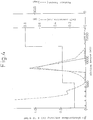
- Figs. 1 (a) - (e) show HPLC elution patterns of human calcitonin precursor solutions purified according to the process of the present invention accoding to stage order;
- Fig. 2 shows an HPLC elution pattern of the specimen of Fig. 1 (e) after having been freeze-dried;
- Fig. 3 shows an HPLC elution pattern of the highly pure purified human calcitonin precursor obtained by dispensing the solution of Fig.2;
- Fig. 4 shows an elution pattern of a human calcitonin fused polypeptide using an ion-exchange column chromatography;
- Fig.5 shows an HPLC elution pattern of an eluate purified according to the process of the present invention;
- Fig. 6 shows an HPLC elution pattern of melanocyte-stimulating hormone eluate purified according to the process of the present invention.
- the polypeptides to be purified according to the present invention may originate from microorganisms, animal cells and plant cells, or from these cells which have been subjected to a genetic procedure for producing prescribed polypeptides. Consequently, the purification process of the present invention is aimed at treated substances (e.g. homogenates) and/or cultures of the above-mentioned cells.
- treated substances e.g. homogenates
- physiologically active polypeptides are solubilized in an aqueous medium, and optionally are concentrated, to be purified in a separation/purification process known per se .
- physiologically active polypeptides are obtained from the above-mentioned origins in the fused polypeptide form, they are purified according to the process of the present invention, after being purified to a considerably high degree in the fused polypeptide form, and then are cleaved into the physiologically active moieties and other protein moieties.
- aqueous solution containing crude polypeptides used in the present invention includes a wide variety of treated liquid coming from the above-mentioned origins, and they can applied in any purification stage as long as the effect of the present invention is exhibited.
- One kind of solution which can be advantageously treated according to the process of the present invention includes, but is not limited to, a reaction solution after fused polypeptides are cleaved into the physiologically active moieties and other protein moieties.
- the treated substances and/or cultures of the above-mentioned cells can be prepared by a process for producing polypeptides known per se .
- pMb, pBR, and pUC type vectors for yeasts, YIp, YRp, or YEp type vectors, and for Bacillus subtilis , pUB, pBC, or pBD types can be used.
- yeasts YIp, YRp, or YEp type vectors
- Bacillus subtilis pUB, pBC, or pBD types
- SV 40, BKV, or BPV types can be used.
- plant cells the same vectors as those in the case of E. coli , with the exception that the prompters are changed to those which work on the plants, can be used.
- the promoters working on the plants include promoters for chlorophyll a-b binding proteins, cauliflower mosaic virus 35S, and the like.
- the recombination of these vectors, and the transformation and transduction of the host cell with the recombinant plasmids can be carried out by procedures known per se described in the above-mentioned literature, etc., respectively.
- the transformed cells thus obtained can be cultivated in a medium under the culture condition usually used for growing the cell to be treated.
- the cells are removed, and where they are accumulated in the cell, after the culture is removed, the polypeptides and/or fused polypeptides are collected by cell homogenization, etc.
- polypeptides at which the purification according to the present invention is aimed are those in which two or more amino acids are peptide-bonded.
- polypeptides intended herein include modified polypeptides, such as the polypeptides in which saccharide or phosphoric acid is bonded to their amino acids and polypeptides whose N-terminal side is amidated, etc.
- Such polypeptides possess a molecular weight of not less than 15,000, and include, for example, hormones and growth factors such as insulin, growth hormone release factor (GRF), epidernal growth factor-(EGF), atrial natriuretic peptide (ANP), thymosin ⁇ 1 , thymosin ⁇ 4 , thymopoietin, transforming growth factor (TGF- ⁇ ), adrenocorticotropic hormone (ACTH), calcitonin gene-related peptide (CGRP), and cartilage factor (CDF); and cytokinins such as interleukin-2 and interleukin-3.
- hormones and growth factors such as insulin, growth hormone release factor (GRF), epidernal growth factor-(EGF), atrial natriuretic peptide (ANP), thymosin ⁇ 1 , thymosin ⁇ 4 , thymopoietin, transforming growth factor (TGF- ⁇ ),
- polypeptides when amino acids and other things are displayed as abbreviations, they are displayed according to IUPAC rules or by symbols usual in this field. Some examples thereof are listed below.
- the fused polypeptides of the present invention are genetic products in which genes, for example, which code for proteins (if necessary, including adequate cleavable portions) which make them easily detected, and the above-mentioned genes are artificially ligated.
- proteins include ⁇ -galactosidase, chloramphenicol acetyltransferase, and the like.
- the process of the present invention is preferably carried out while monitoring the objective polypeptides by using the RIA method or HPLC method.
- the fused polypeptides are obtained as precursors of the objective polypeptides, it is necessary to cleave the objective polypeptide moieties and other protein moieties fused thereto as described above, to prepare an aqueous solution containing the crude polypeptides of the present invention. Techniques for this cleavage may be selected according to the type of polypeptide, but generally processes of treating with CNBr, trypsin, collagenase, etc., are applicable.
- protease inhibitors such as N-ethylmaleimide (NEM), dithiothreitol (DTT), 2-mercaptoethanol (2-ME), ethylenediamine tetraacetic acid (EDTA), or phenylmethanesulfonylfluoride (PMSF).
- NEM N-ethylmaleimide
- DTT dithiothreitol
- 2-ME 2-mercaptoethanol
- EDTA ethylenediamine tetraacetic acid
- PMSF phenylmethanesulfonylfluoride
- the reaction product i.e., an aqueous solution containing crude polypeptides of the present invention
- a purification stage For example, in a reaction solution of crude polypeptides obtained by cleaving with collagenase, formic acid, acetic acid, hydrochloric acid, or an aqueous solution thereof is added to adjust the pH to 1-4, preferably about pH 2. If the pH level exceeds 4, immanent protease, or non-specific protease, which possibly co-exists in the collagenase, adversely affects the stability of the objective physiologically active polypeptides, and the impurities to be removed may not be sufficiently modified and precipitated.
- the stage is advantageously carried out at 1000 to 100000, preferably 5000 to 30000.
- the above-mentioned stage is preferably carried out at a temperature equal to or less than normal room temperature, particularly at 1 to 15°C. If the temperature is less than 0°C, the solution is frozen, and the stability of the polypeptides worsened when being they are melted again. On the other hand, if the temperature exceeds 15°C, the stabilities of the objective polypeptides may be worsened.
- the period for treating with the acid is from several minutes to several hours, and usually a sufficient effect can be obtained at about 30 minutes. If the treatment period is less than several minutes, the impurities may be insufficiently removed. A treatment period over several hours gives no significant added effect.
- the acid solution having the objective polypeptides dissolved therein obtained in the former stage is then adsorbed on a packing material for reversed phase high performance liquid chromatography. Any adsorption method able to bring a carrier into contact with the polypeptide in the solution can be applied as a means for adsorption.
- an adsorption method in which an adequate amount of carrier is incorporated in a solution having a desired polypeptide dissolved therein, the contact being promoted by stirring or shaking to be adsorbed, an adsorption method in which a carrier is packed in a Buchner funnel, the polypeptide solution being passed through the Buchner funnel, an adsorption method in which a carrier is set as a filter bed, the peptide solution being passed and adsorbed thereon by pouring it thereon, etc., may be mentioned, but the method is not limited thereto as long as the peptide is brought into contact with a carrier, to thereby adsorb the peptide on the carrier.
- the packing material for reversed phase high performance liquid chromatography a material in which cyanol groups having substituents of various carbon numbers being bonded on its surface can be used.
- examples of commercially available products include CAPCELL PAK C 18 SG 300, CAPCELL PAK C 8 SG 300, CAPCELL PAK C 18 AG 120, and CAPCELL PAK C 8 AG 120 (all produced by Shiseido), Superpacks ferisoap ODS2 (produced by Pharmacia), TSK gel ODS-80TM, TSK gel ODS-120A, and TSK gel ODS-120T (all produced by Tosoh), Hipore RP-304 C 4 and Hipore RP-318 C 18 (both produced by Bio-Rad Laboratory), and the like.
- the elution of the polypeptide adsorbed can be carried out after washing with an aqueous 0.1% trifluoroacetic acid solution (for amino acid analysis), by changing the polarity of the adsorbed polypeptide with a polar solvent such as acetonitrile, methanol, or butanol.
- a polar solvent such as acetonitrile, methanol, or butanol.
- a human calcitonin precursor (which was then amidated at the C terminal to be human calcitonin)
- a gene which codes for human calcitonin-collagenase cleavage portion peptide- ⁇ -galactosidase fused polypeptide was prepared and the gene was incorporated in E. coli to be expressed.
- the transformed microorganism was cultivated in the manner described below.
- E. coli M15 strain transformed with plasmid pZT32 Japanese Patent Application No. 63-226288 was cultivated in an amount of 20 l using a 30 l Jarfermenter (produced by Hitachi Seisakusho).
- the fungus bodies were suspended in 10 mM Tris-HCl bubber (pH 8.0)/1 mM EDTA/0.1 mM DTT, and were homogenized by using a homogenizer 15HR (produced by Goring) at 10°C. The supernatant obtained by centrifugal separation was taken as a cell extract solution.
- the elution pattern is shown in Fig. 4.
- the concentration of sodium chloride is shown as .
- the ⁇ -galactosidase activity measured according to Miller's method is shown as and the amount of protein measured at an absorbency of 280 nm is shown as ------.
- the activity peaks were observed at a region of 1800-4500 ml of 0.32 M Sodium chloride eluted fractionation. Consequently, this eluted fractionation was defined as the purified protein fractionation.
- the amount of protein was measured according to Lowry's method (Lowry, O. H. et al., J. Biol. Chem., 193 , 265 (1951)).
- the calibration curve for Lowry's method was prepared by using a bovine-serum albumin (produced by Sigma, Fraction V).
- 1 unit of ⁇ -galactosidase was defined as a titer in which it works on o-nitrophenol ⁇ -D-galactoside at pH 7.0 at 28°C to liberate 1 nmol of o -nitrophenyl for 1 minute.
- Table 1 Step Total Protein Amount (mg) ⁇ -Galactosidase (U/mg) Yeild (%) Cell extract 42200 63500 100 Ultrafiltration 22800 76900 65 DEAE Toyoparl 650C 9100 222000 39
- the specific activity was increased about 3.5 times and was 222,000 U/mg protein.
- the above-mentioned human calcitonin-collagenase cleavage portion peptide- ⁇ -galactosidase fused polypeptide was specifically decomposed by using collagenase to obtain a C-terminal glycine adduct of human calcitonin.
- the collagenase used was available from Sigma (Type VII).
- the composition of the reaction solution is shown as follows: 5 mM Calcium chloride 50 mM Tris-HCl buffer, pH 7.5 250 ⁇ M Zinc chloride 10 mM Dithiothreitol 10 mM 2-Mercaptoethanol 1 mg/ml Fused protein purified standard 100 unit/ml Collagenase
- CAPCELL PAK C 18 SG 300 (6 mm x 35 mm) (produced by Shiseido) as a column
- an aqueous 0.1% trifluoroacetic acid solution/0.085% trifluoroacetic acid acetonitrile solution as an eluent
- linearly increasing the concentration of the 0.085% trifluoroacetic acid acetonitrile solution to 60% over a period of 20 minutes at a flow rate of 1.5 ml/min. a calcitonin precursor was eluted at an acetonitrile concentration of about 40%.
- the detection wavelength at this time was 214 nm.
- Fig. 1 (a) A filter-paper (produced by Toyo Roshi, No.2) was placed on a magnet Buchner funnel, and 10 g of CAPCELL PAK C 8 SG 300 powder (produced by Shiseido) was placed thereon, and the funnel was placed on a suction bottle.
- Fig. 2 is a drawing which shows an elution pattern when the eluate of Fig. 1 (e), after being freeze-dried, is analyzed with HPLC.
- peaks I and II corresponded to human calcitonin precursors having 1 to 33 amino acids
- peak III corresponded to that in which 1-7 positions in the N-terminal were deleted
- peak IV corresponded to that in which 1-8 positions in the N-terminal were deleted.
- peak II was found to correspond to that in which the S-S bonds in 1- and 7-positions had been reduced.
- the process of the present invention can be advantageously carried out in any purification stage in the production of various polypeptides, especially physiologically active polypeptides.
Landscapes
- Chemical & Material Sciences (AREA)
- Organic Chemistry (AREA)
- General Health & Medical Sciences (AREA)
- Life Sciences & Earth Sciences (AREA)
- Biochemistry (AREA)
- Biophysics (AREA)
- Health & Medical Sciences (AREA)
- Genetics & Genomics (AREA)
- Medicinal Chemistry (AREA)
- Molecular Biology (AREA)
- Proteomics, Peptides & Aminoacids (AREA)
- Analytical Chemistry (AREA)
- Peptides Or Proteins (AREA)
- Preparation Of Compounds By Using Micro-Organisms (AREA)
Abstract
Description
- The present invention relates to an improved process for purifying a polypeptide, more specifically, to a purification process carried out by subjecting an objective substance containing a polypeptide to a pretreatment, and then treating the resulting crude polypeptide aqueous solution with a packing material for reversed phase high performance liquid chromatography.
- A very complicated proceudure is required to purify polypeptides produced by microorganisms, animal cells, and plant cells, while maintaining their physiological activities to high degree.
Consequently, the present procedures require some to be improvement. For example, the purification of a human growth hormone releasing factor produced by transformed microorganisms involves a ten stage procedure, resulting in a large amount of production but at a yield too low for carrying out a bioassay (Vincent Geli et al., Gene, 80, 129-136 (1989)). For the purification of human calcitonin, it has been reported that an eight stage purification is carried out, using 6 types of columns, to isolate human calcitonin (J. P. Gilligan et al., Biochromatography, 2 (1), 20-27 (1987)). - These purification steps, however, are very complicated, and thus it may be considered that they lead to the decomposition of polypeptides, and to the disappearance of physiological activities of polypeptides during the purification.
- Journal of Chromatography, 411(1987) 345-354, Journal of Biolog. Chemistry, vol. 258, no. 9(1983), 5463-5466 and Analytical Biochemistry, vol. 148, no. 1(1985) 93-100 disclose a peptide purification process-comprising acidification of the crude polypeptide solution to precipitate impurities followed by further purification by RP-HPLC in a HPLC-column.
- The object of the present invention is, therefore, to provide a process which can isolate polypeptides in a stable form and isolate and purify polypeptides at a high yield by carrying out a simple procedure, in order to thus solve these problems.
- Over the past several years, various physiologically active polypeptides, represented by the human growth hormone and human calcitonin, have been increasing produced with the aid of various cells manufactured by a genetic procedure. Of these, in addition to naturally found types of physiologically active polypeptides per se, there are many polypeptides produced as fused polypeptides (also referred to as "chimera proteins") to which other protein moieties are fused. Although these can be purified by using a conventional separation/purification process, there has been a particularly desire for the development of a process for efficiently recovering objective physiologically active polypeptides without any deactivation after cleaving fused polypeptides into physiologically active moieties and other protein moieties fused thereto. The present inventors found that, when the cleaved substances of the above-mentioned fused polypeptides are treated under a specific pH level, and the treated liquid thus obtained is treated with a packing material for reversed phase high performance liquid chromatography, objective physiologically active polypeptides can be efficiently obtained, and that this process also can be advantageously used for purifying samples containing physiologically active polypeptides per se, to thereby accomplished the present invention.
- The above-mentioned object can be achieved by providing a process for purifying a polypeptide of the present invention, which process involves the following stages. That is, the present invention concerns a process which comprises
- (a) a stage for regulating the pH range of an aqueous solution containing a crude polypeptide to 1-4 to cause impurities to precipitate, followed by removing these impurites, and
- (b) adsorbing the supernatant obtained in the above-mentioned stage (a) on a packing material for reversed phase high performance liquid chromatography, followed by eluting desired polypeptides, characterized in that the adsorption in the step (b) is carried out either by (1) mixing the supernatant and the packing material and putting the mixture into a Buchner funnel or by (2) putting the packing material into a Buchner funnel and then pouring the supernatant into the Buchner funnel.
- Figs. 1 (a) - (e) show HPLC elution patterns of human calcitonin precursor solutions purified according to the process of the present invention accoding to stage order; Fig. 2 shows an HPLC elution pattern of the specimen of Fig. 1 (e) after having been freeze-dried; Fig. 3 shows an HPLC elution pattern of the highly pure purified human calcitonin precursor obtained by dispensing the solution of Fig.2; Fig. 4 shows an elution pattern of a human calcitonin fused polypeptide using an ion-exchange column chromatography; Fig.5 shows an HPLC elution pattern of an eluate purified according to the process of the present invention; and Fig. 6 shows an HPLC elution pattern of melanocyte-stimulating hormone eluate purified according to the process of the present invention.
- The polypeptides to be purified according to the present invention may originate from microorganisms, animal cells and plant cells, or from these cells which have been subjected to a genetic procedure for producing prescribed polypeptides. Consequently, the purification process of the present invention is aimed at treated substances (e.g. homogenates) and/or cultures of the above-mentioned cells.
- Before these treated substances and/or cultures are subjected to the process of the present invention, cell homogenated substances or the cells themselves are removed, objective physiologically active polypeptides are solubilized in an aqueous medium, and optionally are concentrated, to be purified in a separation/purification process known per se. Where the physiologically active polypeptides are obtained from the above-mentioned origins in the fused polypeptide form, they are purified according to the process of the present invention, after being purified to a considerably high degree in the fused polypeptide form, and then are cleaved into the physiologically active moieties and other protein moieties. Therefore, the term "aqueous solution containing crude polypeptides" used in the present invention includes a wide variety of treated liquid coming from the above-mentioned origins, and they can applied in any purification stage as long as the effect of the present invention is exhibited. One kind of solution which can be advantageously treated according to the process of the present invention includes, but is not limited to, a reaction solution after fused polypeptides are cleaved into the physiologically active moieties and other protein moieties.
- The treated substances and/or cultures of the above-mentioned cells can be prepared by a process for producing polypeptides known per se.
- For example, the outline for the production of polypeptide using an expression vector is as follows:
- As hosts which express genes coding for polypeptides, microorganisms such as E. coli, Bacillus subtilis, yeasts; animal cells such as those originating from insects, mammals, and the amphiba; and plant cells can be mentioned. As the expression vector, any plasmid can be used as long as it can effectively express a gene including an objective polypeptide in the cells. For examples, it can be suitably selected from among plasmids described in the following literature:
- Vector DNA, the 1st press (1986), edited by Yoshiyuki Sakaki., Kodansha; Zoku Seikagaku Jikken Koza I, Idenshi Kenkyuhou II (How to Research Gene II), - Kumikae DNA Gijutsu (DNA Recombination Technique)-,
Chapter 7, Kumikaetai no Hatsugen (Expression of Recombinants), edited by Society of Biochemical Society of Japan, Tokyo Kagaku Dojin; Recombinant DNA, Part D, Section II, Vectors for Expression of Cloned Gene, (1987), edited by Ray Wu and Lawrence Grossman., Academic Press, INC: Molecular Cloning, A Laboratory Manual 2nd Ed, Book 3, (1989), edited by J. Sambrook, E. P. P. Pritsch and T. Maniatis, Cold Spring Harbor Laboratory Press; etc. - For example, in the case of E.coli, pMb, pBR, and pUC type vectors, for yeasts, YIp, YRp, or YEp type vectors, and for Bacillus subtilis, pUB, pBC, or pBD types can be used. For animal cells, SV 40, BKV, or BPV types can be used. For plant cells, the same vectors as those in the case of E. coli, with the exception that the prompters are changed to those which work on the plants, can be used. Examples of the promoters working on the plants include promoters for chlorophyll a-b binding proteins, cauliflower mosaic virus 35S, and the like.
- The recombination of these vectors, and the transformation and transduction of the host cell with the recombinant plasmids can be carried out by procedures known per se described in the above-mentioned literature, etc., respectively. The transformed cells thus obtained can be cultivated in a medium under the culture condition usually used for growing the cell to be treated.
- Where the polypeptides and/or fused polypeptides from such cultivated substances are secreted extracellularly, the cells are removed, and where they are accumulated in the cell, after the culture is removed, the polypeptides and/or fused polypeptides are collected by cell homogenization, etc.
- Although not intended to be restricted, the polypeptides at which the purification according to the present invention is aimed are those in which two or more amino acids are peptide-bonded. Also the term "polypeptides" intended herein include modified polypeptides, such as the polypeptides in which saccharide or phosphoric acid is bonded to their amino acids and polypeptides whose N-terminal side is amidated, etc. Such polypeptides possess a molecular weight of not less than 15,000, and include, for example, hormones and growth factors such as insulin, growth hormone release factor (GRF), epidernal growth factor-(EGF), atrial natriuretic peptide (ANP), thymosin α1, thymosin β4, thymopoietin, transforming growth factor (TGF-α), adrenocorticotropic hormone (ACTH), calcitonin gene-related peptide (CGRP), and cartilage factor (CDF); and cytokinins such as interleukin-2 and interleukin-3. Polypeptides which can be preferably applied to the process of the present invention other than these polypeptides include the polypeptides listed below.
- As an explanation of the polypeptides, when amino acids and other things are displayed as abbreviations, they are displayed according to IUPAC rules or by symbols usual in this field. Some examples thereof are listed below.
- Ser:
- L-serine
- Arg:
- L-arginine
- Gln:
- L-glutamine
- Ile:
- L-isoleucine
- Pro:
- L-proline
- His:
- L-histidine
- Ala:
- L-alanine
- Phe:
- L-phenylalanine
- Asp:
- L-aspartic acid
- Leu:
- L-leucine
- Cys:
- L-cysteine
- Lys:
- L-Lysine
- Val:
- L-valine
- Met:
- L-methionine
- Gly:
- Glycine
- Asn:
- L-asparagine
- Glu:
- L-glutamic acid
- Trp:
- L-tryptophan
- Thr:
- L-threonine
- Tyr:
- L-tyrosine
- x:
- any one of the above-mentioned amino acids
- hCT:
- human calcitonin
- CT:
- calcitonin
- HPLC:
- high performance liquid chromatography
- (1) Angiotensin II which can be used as an angiotonic or a hypertensioning agent (origining from equine)
Asp-Arg-Val-Tyr-Ile-His-Pro-Phe
(L. T. Skeggs et al., J. Exptl. Med, 106, 439, 1957) - (2) Angiotensin II antagonist known as a hypotensor
Ser-Arg-Val-Tyr-Val-His-Pro-Ala - (3) Angiotensin III
Arg-Val-Tyr-Ile-His-Pro-Phe (Campbell. W. B. et al., Science, 184, 994, 1974) - (4) C-Terminal glycine adduct of calcitocin known as know as a hyperkalemia treating agent (precursor for C-terminal amidation)
(Human)
Cys-Gly-Asn-Leu-Ser-Thr-Cys-Met-Leu-Gly-Thr-Tyr-Thr-Gln-Asp-Phe-Asn-Lys-Phe-His-Thr-Phe-Pro-Gln-Thr-Ala-Ile-Gly-Val-Gly-Ala-Pro-Gly
(Swine)
Cys-Ser-Asn-Leu-Ser-Thr-Cys-Val-Leu-Ser-Ala-Tyr-Trp-Arg-Asn-Leu-Asn-Asn-Phe-His-Arg-Phe-Ser-Gly-Met-Gly-Phe-Gly-Pro-Glu-Thr-Pro-Gly
(Bovine)
Cys-Ser-Asn-Leu-Ser-Thr-Cys-Val-Leu-Ser-Ala-Tyr-Trp-Lys-Asp-Leu-Asn-Asn- Tyr-His-Arg-Phe-Ser-Gly-Met-Gly-Phe-Gly-Pro-Glu-Thr-Pro-Gly
(Salmon)
Cys-Ser-Asn-Leu-Ser-Thr-Cys-Val-Leu-Gly-Lys-Leu-Ser-Gln-Glu-Leu-His-Lys-Leu-Gln-Thr-Tyr-Pro-Arg-Thr-Asn-Thr-Gly-Ser-Gly-Thr-Pro-Gly
(Rabit)
Cys-Ser-Asn-Leu-Ser-Thr-Cys-Val-Leu-Gly-Lys-Leu-Ser-Gln-Glu-Leu-His-Lys-Leu-Gln-Thr-Tyr-Pro-Arg-Thr-Asp-Val-Gly-Ala-Gly-Thr-Pro-Gly
(Avian)
Cys-Ala-Ser-Leu-Ser-Thr-Cys-Val-Leu-Gly-Lys-Leu-Ser-Gln-Glu-Leu-His-Lys-Leu-Gln-Thr-Tyr-Pro-Arg-Thr-Asp-Val-Gly-Ala-Gly-Thr-Pro-Gly
(Lasmoles. F., et al., FEBS lett. 180, 113, 1985) - (5) Melanocyte-stimulating hormone having a melanocyte-stimulating effect, α-MSH Ser-Tyr-Ser-Met-Glu-His-Phe-Arg-Trp-Gly-Lys-Pro-Val
(Harris, J. I. et al., Nature, 179, 1346, 1957) - (6) Melanocyte-stimulating hormone, β-MSH (Squalidae)
Asp-Gly-Asp-Asp-Tyr-Lys-Phe-Gly-His-Phe-Arg-Trp-Ser-Val-Pro-Leu
(Bennet, H. P. J et al., Biochem. J., 141, 439, 1974) - (7) Trypsin inhibitor
(Human)
Asp-Ser-Leu-Gly-Arg-Glu-Ala-Lys-Cys-Tyr-Asn-Glu-Leu-Asn-Gly-Cys-Thr-Lys-Ile-Tyr-Asn-Pro-Val-Cys-Gly-Thr-Asp-Gly-Asp-Thr-Tyr-Pro-Asn-Gly-Cys-Val-Leu-Cys-Phe-Glu-Asn-Arg-Lys-Arg-Gln-Thr-Ser-Ile-Leu-Ile-Gln-Lys-Ser-Gly-Pro-Cys
(Bartelt. D.C.et al., Arch. Biochem. Biophys., 179, 189, 1977)
(Bovine)
Asn-Ile-Leu-Gly-Arg-Glu-Ala-Lys-Cys-Thr-Asn-Glu-Val-Asn-Gly-Cys-Pro-Arg-Ile-Tyr-Asn-pro-Val-Cys-Gly-Thr-Asp-Gly-Val-Thr-Tyr-Ser-Asn-Glu-Cys-Leu-Leu-Cys-Met-Glu-Asn-Lys-Glu-Arg-Gln-Thr-Pro-Val-Leu-Ile-Gln-Lys-Ser-Gly-Pro-Cys
(Greene, L. J. et al., J. Biol. Chem. 244, 2646, 1969) - (8) Accessory thyroid hormone having calcium release effect
(Swine)
Ser-Val-Ser-Glu-Ile-Gln-Leu-Met-His-Asn-Leu-Gly-Lys-His-Leu-Ser-Ser-Leu-Glu-Arg-Val-Gln-Trp-Leu-Arg-Lys-Lys-Leu-Gln-Asp-Val-His-Asn-Phe-Val-Ala-Leu-Gly-Ala-Ser-Ile-Val-His-Arg-Asp-Gly-Gly-Ser-Gln-Arg-Pro-Arg-Lys-Lys-Glu-Asp-Asn-Val-Leu-Val-Glu-Ser-His-Gln-Lys-Ser-Leu-Gly-Glu-Ala-Asp-Lys-Ala-Ala-Val-Asp-Val-Leu-Ile-Lys-Ala-Lys-Pro-Gln
(Brewer, H. B., et al., Amer. J. Med., 56, 759, 1974) - (9) Avoidance inducing hypophysis peptide
(Swine)
Cys-Tyr-Phe-Gln-Asn-Cys-Pro-Lys
(Lande, S., et al., J. Biol. Chem., 246, 2058, 1971) - (10) Proinsulin C peptide
(Bovine)
Glu-Val-Glu-Gly-Pro-Gln-Val-Gly-Ala-Leu-Glu-Leu-Ala-Gly-Gly-Pro-Gly-Ala-Gly-Gly-Leu-Glu-Gly-Pro-Pro-Gln
(Salokangas, A. et al., Eur. J. Biochem., 20, 813, 1971) - (11) Insulin-like growth factor I known as a cell growth promoting factor
Gly-Pro-Glu-Thr-Leu-Cys-Gly-Ala-Glu-Leu-Val-Asp-Ala-Leu-Gln-Phe-Val-Cys-Gly-Asp-Arg-Gly-Phe-Tyr-Phe-Asn-Lys-Pro-Thr-Gly-Tyr-Gly-Ser-Ser-Ser-Arg-Arg-Ala-Pro-Gln-Thr-Gly-Ile-Val-Asp-Glu-Cys-Cys-Phe-Arg-Ser-Cys-Asp-Leu-Arg-Arg-Leu-Glu-Met-Tyr-Cys-Ala-Pro-Leu-Lys-Pro-Ala-Lys-Ser-Ala
(Rinderknecht, E. et al., Proc. Natl. Acad. Sci. USA, 73, 4379, 1976) - (12) pancreatic polypeptide
(Avian)
Gly-Pro-Ser-Gln-Pro-Thr-Tyr-Pro-Gly-Asp-Asp-Ala-Pro-Val-Glu-Asp-Leu-Ile-Arg-Phe-Tyr-Asp-Asn-Leu-Gln-Gln-Tyr-Leu-Asn-Val-Val-Thr-Arg-His-Arg-Tyr
(Kimmel, J. R. et al., J. Biol. Chem., 250, 9369, 1978) - Consequently, where genes which code for the above-mentioned physiologically active polypeptides are expressed in an adequate host cell, the fused polypeptides of the present invention are genetic products in which genes, for example, which code for proteins (if necessary, including adequate cleavable portions) which make them easily detected, and the above-mentioned genes are artificially ligated. These proteins include β-galactosidase, chloramphenicol acetyltransferase, and the like.
- Utilizing the aqueous solution of crude polypeptides prepared as described above, the process of the present invention is preferably carried out while monitoring the objective polypeptides by using the RIA method or HPLC method. Where the fused polypeptides are obtained as precursors of the objective polypeptides, it is necessary to cleave the objective polypeptide moieties and other protein moieties fused thereto as described above, to prepare an aqueous solution containing the crude polypeptides of the present invention. Techniques for this cleavage may be selected according to the type of polypeptide, but generally processes of treating with CNBr, trypsin, collagenase, etc., are applicable. In this case, to inhibit non-specific peptidase activity, it is preferred to add an adequate amount of protease inhibitors, such as N-ethylmaleimide (NEM), dithiothreitol (DTT), 2-mercaptoethanol (2-ME), ethylenediamine tetraacetic acid (EDTA), or phenylmethanesulfonylfluoride (PMSF).
- The reaction product, i.e., an aqueous solution containing crude polypeptides of the present invention, is then purified in a purification stage. For example, in a reaction solution of crude polypeptides obtained by cleaving with collagenase, formic acid, acetic acid, hydrochloric acid, or an aqueous solution thereof is added to adjust the pH to 1-4, preferably about pH 2. If the pH level exceeds 4, immanent protease, or non-specific protease, which possibly co-exists in the collagenase, adversely affects the stability of the objective physiologically active polypeptides, and the impurities to be removed may not be sufficiently modified and precipitated. If the pH level is less than 1, a precipitation of the objective polypeptides may occur, which would result in a worsened recovery rate. As the acid, formic acid is most preferable. The impurities thus precipitated are filtered or subjected to centrifugal separation. For example, after the solution is left to stand, the impurities precipitated by centrifugal separation are removed, thereby obtaining a supernatant having objective polypeptides dissolved therein. With regard to the revolution number of the centrifugal separation at this time, the stage is advantageously carried out at 1000 to 100000, preferably 5000 to 30000.
- If the separation is carried out at the revolution number of less than 1000, an insufficient removal of the impurities may occur. Even if the revolution number is more than 100000, no significant effect can be obtained.
- The above-mentioned stage is preferably carried out at a temperature equal to or less than normal room temperature, particularly at 1 to 15°C. If the temperature is less than 0°C, the solution is frozen, and the stability of the polypeptides worsened when being they are melted again. On the other hand, if the temperature exceeds 15°C, the stabilities of the objective polypeptides may be worsened. The period for treating with the acid is from several minutes to several hours, and usually a sufficient effect can be obtained at about 30 minutes. If the treatment period is less than several minutes, the impurities may be insufficiently removed. A treatment period over several hours gives no significant added effect.
- The acid solution having the objective polypeptides dissolved therein obtained in the former stage is then adsorbed on a packing material for reversed phase high performance liquid chromatography. Any adsorption method able to bring a carrier into contact with the polypeptide in the solution can be applied as a means for adsorption. For example, an adsorption method in which an adequate amount of carrier is incorporated in a solution having a desired polypeptide dissolved therein, the contact being promoted by stirring or shaking to be adsorbed, an adsorption method in which a carrier is packed in a Buchner funnel, the polypeptide solution being passed through the Buchner funnel, an adsorption method in which a carrier is set as a filter bed, the peptide solution being passed and adsorbed thereon by pouring it thereon, etc., may be mentioned, but the method is not limited thereto as long as the peptide is brought into contact with a carrier, to thereby adsorb the peptide on the carrier.
- As the packing material for reversed phase high performance liquid chromatography, a material in which cyanol groups having substituents of various carbon numbers being bonded on its surface can be used. Examples of commercially available products include CAPCELL PAK C18 SG 300, CAPCELL PAK C8 SG 300, CAPCELL PAK C18 AG 120, and CAPCELL PAK C8 AG 120 (all produced by Shiseido), Superpacks ferisoap ODS2 (produced by Pharmacia), TSK gel ODS-80TM, TSK gel ODS-120A, and TSK gel ODS-120T (all produced by Tosoh), Hipore RP-304 C4 and Hipore RP-318 C18 (both produced by Bio-Rad Laboratory), and the like.
- The elution of the polypeptide adsorbed can be carried out after washing with an aqueous 0.1% trifluoroacetic acid solution (for amino acid analysis), by changing the polarity of the adsorbed polypeptide with a polar solvent such as acetonitrile, methanol, or butanol.
- The present invention will now be described in detail with reference to the working examples, but the present invention is not to be limited thereto.
- To obtain a human calcitonin precursor (which was then amidated at the C terminal to be human calcitonin), a gene which codes for human calcitonin-collagenase cleavage portion peptide-β-galactosidase fused polypeptide was prepared and the gene was incorporated in E. coli to be expressed. The transformed microorganism was cultivated in the manner described below.
- To be specific, E. coli M15 strain transformed with plasmid pZT32 (Japanese Patent Application No. 63-226288) was cultivated in an amount of 20 ℓ using a 30 ℓ Jarfermenter (produced by Hitachi Seisakusho).
- The following medium was used.
Na2HPO4. 12H2O 1.8% KH2PO4 0.2% (NH4)2SO4 0.2% Yeast extract 0.5% Pepton (Difco) 0.5% MgSO4. 7H2O 0.01% Glucose 0.5% Ampicillin 150 µg/mℓ - 500 mℓ of fungus liquid, which had been pre-cultivated on an LB-medium (T. Maniatis et al.; Molecular Cloning p48 (1982)) containing 150 µg/mℓ of ampicillin at 30°C overnight, was transferred on 500 mℓ of the above-mentioned medium, and then cultivated at 30°C. The cultivation was continued while ventilating air at 1 vvm and adjusting the pH of the medium to 7.0 with sodium hydroxide. When it was cultivated for 3 hours, OD660 became 1, whereby IPTG was added in a concentration of 1 mM. The cultivation was continued for 6 more hours, whereby OD660 reached 10, and the fungi were collected by centrifugal separation. After being washed with sterilized water, the fungus bodies were suspended in 10 mM Tris-HCℓ bubber (pH 8.0)/1 mM EDTA/0.1 mM DTT, and were homogenized by using a homogenizer 15HR (produced by Goring) at 10°C. The supernatant obtained by centrifugal separation was taken as a cell extract solution.
- Using β-galactosidase as an index, purification of human calcitonin-fused polypeptide was carried out.
- First, low molecular proteins, etc., were removed by ultrafiltration (product name: Pelican cassette) using a Millipore type PT filter (fractionation molecular weight = 300000), and then the extract was further purified by ion-exchange chromatography using a DEAE-TOYOPLARL 650C (produced by Tosoh). As the eluent buffer, 10 mM Tris-HCℓ buffer (pH 7.4)/0.1 mM EDTA/0.1 mM DTT was used. When non-adsorbed proteins were eluted (1000 mℓ), adsorbed proteins were eluted by a gradual concentration gradient of sodium chloride. The concentrations of sodium chloride at this time were 0.16 M, 0.32 M, and 0.8 M. The elution pattern is shown in Fig. 4. In the Figure, the concentration of sodium chloride is shown as . In Figs. 4, the β-galactosidase activity measured according to Miller's method (Miller. J., Experiments in molecular genetics 352-355 (1972)) is shown as

and the amount of protein measured at an absorbency of 280 nm is shown as ------. The activity peaks were observed at a region of 1800-4500 mℓ of 0.32 M Sodium chloride eluted fractionation. Consequently, this eluted fractionation was defined as the purified protein fractionation. The amount of protein was measured according to Lowry's method (Lowry, O. H. et al., J. Biol. Chem., 193, 265 (1951)). The calibration curve for Lowry's method was prepared by using a bovine-serum albumin (produced by Sigma, Fraction V). - Here, 1 unit of β-galactosidase was defined as a titer in which it works on o-nitrophenol β-D-galactoside at pH 7.0 at 28°C to liberate 1 nmol of o-nitrophenyl for 1 minute.
- Behaviors of specific activities by the above-mentioned treatment are shown in Table 1.
Table 1 Step Total Protein Amount (mg) β-Galactosidase (U/mg) Yeild (%) Cell extract 42200 63500 100 Ultrafiltration 22800 76900 65 DEAE Toyoparl 650C 9100 222000 39 - The specific activity was increased about 3.5 times and was 222,000 U/mg protein.
- The above-mentioned human calcitonin-collagenase cleavage portion peptide-β-galactosidase fused polypeptide was specifically decomposed by using collagenase to obtain a C-terminal glycine adduct of human calcitonin. The collagenase used was available from Sigma (Type VII). The composition of the reaction solution is shown as follows:
5 mM Calcium chloride 50 mM Tris-HCℓ buffer, pH 7.5 250 µM Zinc chloride 10 mM Dithiothreitol 10 mM 2- Mercaptoethanol 1 mg/mℓ Fused protein purified standard 100 unit/mℓ Collagenase - An enzyme reaction was carried out at 37°C for 3 hours, and the reaction product was confirmed with HPLC. This reaction solution was designated as the "aqueous solution containing a crude polypeptide". The conditions of HPLC analysis were as follows:
- By using CAPCELL PAK C18 SG 300 (6 mm x 35 mm) (produced by Shiseido) as a column, using an aqueous 0.1% trifluoroacetic acid solution/0.085% trifluoroacetic acid acetonitrile solution as an eluent, and linearly increasing the concentration of the 0.085% trifluoroacetic acid acetonitrile solution to 60% over a period of 20 minutes at a flow rate of 1.5 mℓ/min., a calcitonin precursor was eluted at an acetonitrile concentration of about 40%. The detection wavelength at this time was 214 nm.
- To the above-mentioned reaction solution containing the crude polypeptide, formic acid was added to a 2% concentration, and the solution was stirred, after which it was left to stand for 30 minutes at 4°C. After confirming that impurities had been sufficiently removed, the solution was centrifuged at 12000 rpm for 10 minutes to obtain a supernatant. The HPLC elution pattern of the supernatant at this time is shown in Fig. 1 (a). A filter-paper (produced by Toyo Roshi, No.2) was placed on a magnet Buchner funnel, and 10 g of CAPCELL PAK C8SG 300 powder (produced by Shiseido) was placed thereon, and the funnel was placed on a suction bottle. The supernatant was gently poured into the above-mentioned Buchner funnel under suction. The HPLC elution pattern of the non-adsorbed fraction at this time is shown in Fig. 1 (b). After the suction was finished, the residue was washed with 50 mℓ of aqueous 0.1% trifluoroacetic acid solution (produced by Wako Junyaku, for amino acid analysis) in two portions (HPLC elution pattern of the eluate; Fig. 1 (c)). It was then washed with 50 mℓ of aqueous 0.1% trifluoroacetic acid/20% acetonitrile solution in two portions (HPLC elution pattern of the eluate; Fig. 1 (d)). Thereafter, the objective polypeptide was eluted with 5 mℓ of aqueous 0.1% trifluoroacetic acid/60% acetonitrile solution in ten portions (HPLC elution pattern of the eluate; Fig. 1 (e)); and finally the adsorbed substance was completely eluted with methanol (for HPLC analysis: produced by Nakaraitesk). The results of the purification are shown in Table 2. The purity is shown as a percentage by weight of human calcitonin precursor in the total protein. The purify after the treatment with formic acid was calculated from the sum of peaks I and II in Fig. 2. The purity was improved 56-fold by the formic acid treatment after the collagenase reaction, and 100% of human calcitonin precursor could be recovered. Also, the purity was further improved by more than 70% with the next treatment of CAPCELL PAK C8 SG 300, attaining a 97% recovery.
Table 2 Step Human Calcitonin precursor (mg) Purity (%) Yield (%) Collagenase cleavage 120 0.9 100 Treatment with formic acid 120 51 100 Treatment with CAPCELL PAK C8 SG 300 115 >70 97 - Fig. 2 is a drawing which shows an elution pattern when the eluate of Fig. 1 (e), after being freeze-dried, is analyzed with HPLC. As is clear from this figure, there are four strong peaks for objective polypeptide in the elution pattern of HPLC analysis. They are due to the change of the N-terminal portion during the collagenase reaction. Each peak was analyzed by a peptide sequencer (produced by ABI, Model 471). According to the analysis, it was found that peaks I and II corresponded to human calcitonin precursors having 1 to 33 amino acids, peak III corresponded to that in which 1-7 positions in the N-terminal were deleted, and peak IV corresponded to that in which 1-8 positions in the N-terminal were deleted. In addition, peak II was found to correspond to that in which the S-S bonds in 1- and 7-positions had been reduced.
- Analytical results, after which both the purification process of the present invention and an HPLC dispensing procedure were carried out, are shown in Fig. 3.
- On the other hand, using the above-mentioned reaction solution containing the crude polypeptide, a purification of polypeptide was carried out by a conventional ion-exchanging column and HPLC as a comparative example. In this case, ten stages were required for the purification. Each stage required 2 hours, and therefore, a total of 10 times the required period of Example 1 according to the present invention was required.
- According to the expression of the gene coding for human calcitonin-collagenase cleavage portion peptide-β-galactosidase fused polypeptide by E. coli,, and the purification procedure of Example 1, angiotensin II-collagenase cleavage portion peptide-β-galactosidase fused polypeptide, and melanocyte-stimulating hormone-collagenase cleavage portion peptide-β-galactosidase fused polypeptide were produced and an aqueous solution containing a polypeptide was prepared in each case. These solutions were treated in the same manner as that of Example 1. The HPLC elution patterns of eluates for angiotensin II and melanocyte-stimulating hormone are shown in Fig. 5 and Fig. 6, respectively.
- The process of the present invention can be advantageously carried out in any purification stage in the production of various polypeptides, especially physiologically active polypeptides.
Claims (2)
- A process for purifying a polypeptide, which comprises:(a) a stage for regulating the pH range of an aqueous solution containing a crude polypeptide to 1-4, to cause impurities to precipitate, followed by removing these impurities, and(b) absorbing the supernatant obtained in the above-mentioned stage (a) on a packing material for reversed phase high performance liquid chromatography, followed by eluting desired polypeptides, characterized in that the adsorption in the step (b) is carried out either by (1) mixing the supernatant and the packing material and putting the mixture into a Buchner funnel or by (2) putting the packing material into a Buchner funnel and then pouring the supernatant into the Buchner funnel.
- A process according to claim 1, wherein said crude polypeptide is a fused polypeptide which is cleaved into objective physiologically active moieties and other protein portions fused thereto.
Applications Claiming Priority (5)
| Application Number | Priority Date | Filing Date | Title |
|---|---|---|---|
| JP8689890 | 1990-03-30 | ||
| JP86898/90 | 1990-03-30 | ||
| JP213016/90 | 1990-08-10 | ||
| JP21301690 | 1990-08-10 | ||
| PCT/JP1991/000421 WO1991015502A1 (en) | 1990-03-30 | 1991-03-29 | Process for purifying polypeptide |
Publications (3)
| Publication Number | Publication Date |
|---|---|
| EP0480048A1 EP0480048A1 (en) | 1992-04-15 |
| EP0480048A4 EP0480048A4 (en) | 1993-04-28 |
| EP0480048B1 true EP0480048B1 (en) | 1997-02-05 |
Family
ID=26427972
Family Applications (1)
| Application Number | Title | Priority Date | Filing Date |
|---|---|---|---|
| EP91906510A Expired - Lifetime EP0480048B1 (en) | 1990-03-30 | 1991-03-29 | Process for purifying polypeptide |
Country Status (8)
| Country | Link |
|---|---|
| US (1) | US5612454A (en) |
| EP (1) | EP0480048B1 (en) |
| KR (1) | KR100203545B1 (en) |
| AU (1) | AU645794B2 (en) |
| CA (1) | CA2057014C (en) |
| DE (1) | DE69124561T2 (en) |
| ES (1) | ES2097806T3 (en) |
| WO (1) | WO1991015502A1 (en) |
Cited By (1)
| Publication number | Priority date | Publication date | Assignee | Title |
|---|---|---|---|---|
| WO2015042639A1 (en) * | 2013-09-24 | 2015-04-02 | Hospira Adelaide Pty Ltd | Method of extracting protein |
Families Citing this family (8)
| Publication number | Priority date | Publication date | Assignee | Title |
|---|---|---|---|---|
| IT1254370B (en) * | 1992-05-22 | 1995-09-14 | Sorin Biomedica Spa | PROCEDURE FOR THE PURIFICATION OF PROTEINS FROM CELL SYSTEMS. |
| US7495070B2 (en) * | 2000-04-24 | 2009-02-24 | Yale University | Protein binding miniature proteins |
| US6966992B2 (en) * | 2001-03-19 | 2005-11-22 | Akzo Nobel Nv | Method of purification of molecules using unbranched terminal alkyldiols |
| US6822073B2 (en) * | 2001-12-20 | 2004-11-23 | Kimberly-Clark Worldwide, Inc. | Modular peptide-based reagent |
| EP2895610B1 (en) | 2012-09-13 | 2019-11-06 | Indiana University Research and Technology Corporation | Compositions and systems for conferring disease resistance in plants and methods of use thereof |
| US9688741B2 (en) | 2012-10-23 | 2017-06-27 | Elastagen Pty Ltd | Elastic hydrogel |
| ES2860023T3 (en) | 2012-12-10 | 2021-10-04 | Allergan Pharmaceuticals Int Ltd | Fabrication of scalable three-dimensional elastic constructs |
| EP4316537A3 (en) | 2013-08-13 | 2024-04-10 | Allergan Pharmaceuticals International Limited | Regeneration of damaged tissue |
Family Cites Families (3)
| Publication number | Priority date | Publication date | Assignee | Title |
|---|---|---|---|---|
| JPS60123500A (en) * | 1983-12-08 | 1985-07-02 | Mitsubishi Petrochem Co Ltd | New calcitonin and its collection method |
| EP0252588A3 (en) * | 1986-05-12 | 1989-07-12 | Smithkline Beecham Corporation | Process for the isolation and purification of p. falciparum cs protein expressed in recombinant e. coli, and its use as a vaccine |
| US4894330A (en) * | 1986-12-23 | 1990-01-16 | Cetus Corporation | Purification of recombinant beta-interferon incorporating RP-HPLC |
-
1991
- 1991-03-29 WO PCT/JP1991/000421 patent/WO1991015502A1/en not_active Ceased
- 1991-03-29 AU AU75482/91A patent/AU645794B2/en not_active Ceased
- 1991-03-29 CA CA002057014A patent/CA2057014C/en not_active Expired - Fee Related
- 1991-03-29 DE DE69124561T patent/DE69124561T2/en not_active Expired - Fee Related
- 1991-03-29 EP EP91906510A patent/EP0480048B1/en not_active Expired - Lifetime
- 1991-03-29 ES ES91906510T patent/ES2097806T3/en not_active Expired - Lifetime
- 1991-03-29 US US07/776,272 patent/US5612454A/en not_active Expired - Fee Related
- 1991-11-29 KR KR1019910701714A patent/KR100203545B1/en not_active Expired - Fee Related
Non-Patent Citations (1)
| Title |
|---|
| and Amino Acid Sequence of a Noncalcitonin Secretory Peptide Derived from Preprocalcitonin", pp. 5463-5466. * |
Cited By (1)
| Publication number | Priority date | Publication date | Assignee | Title |
|---|---|---|---|---|
| WO2015042639A1 (en) * | 2013-09-24 | 2015-04-02 | Hospira Adelaide Pty Ltd | Method of extracting protein |
Also Published As
| Publication number | Publication date |
|---|---|
| ES2097806T3 (en) | 1997-04-16 |
| CA2057014A1 (en) | 1991-10-01 |
| EP0480048A4 (en) | 1993-04-28 |
| US5612454A (en) | 1997-03-18 |
| CA2057014C (en) | 2001-07-24 |
| AU645794B2 (en) | 1994-01-27 |
| DE69124561T2 (en) | 1997-09-04 |
| WO1991015502A1 (en) | 1991-10-17 |
| EP0480048A1 (en) | 1992-04-15 |
| KR100203545B1 (en) | 1999-06-15 |
| DE69124561D1 (en) | 1997-03-20 |
| AU7548291A (en) | 1991-10-30 |
Similar Documents
| Publication | Publication Date | Title |
|---|---|---|
| JP4975895B2 (en) | Insulin isolation by high pressure liquid chromatography. | |
| Battersby et al. | Diketopiperazine formation and N‐terminal degradation in recombinant human growth hormone | |
| Kataoka et al. | Isolation and partial characterization of a prothoracicotropic hormone of the silkworm, Bombyx mori | |
| JPH0822240B2 (en) | Method for removing N-terminal amino acid residues from eukaryotic polypeptide analogs and polypeptides produced thereby | |
| CN107973848B (en) | Method for separating natural sequence nerve growth factor from mixture | |
| US5612454A (en) | Process for purification of polypeptide using a buchner funnel | |
| JPS62171699A (en) | Production of protein | |
| CN1167155A (en) | Method for cleaving chimeric protein using processing enzyme | |
| EP0092280B1 (en) | Semi-synthetic preparation of human insulin | |
| Kammermeier-Steinke et al. | Studies on the substrate specificity of a peptide amidase partially purified from orange flavedo | |
| Higaki et al. | The identification of neotrypsinogens in samples of bovine trypsinogen | |
| EP1173572B1 (en) | Method of removing n-terminal alanine residues from polypeptides with aeromonas aminopeptidase | |
| US5702922A (en) | Method for the extraction of glicentin or glicentin analogous substances | |
| KR100327971B1 (en) | Process for Preparing Amino-terminal Methionine Free Recombinant Interferon-alpha | |
| JPWO1991015502A1 (en) | Method for purifying polypeptides | |
| EP0570244B1 (en) | Process for preparing peptides having a C-terminal proline amide | |
| AU6122498A (en) | Aminopeptidase derived from (bacillus licheniformis) and process for preparationof natural type proteins | |
| JPH05178893A (en) | Preparation of grf(1-44) -nh2 | |
| KR100449125B1 (en) | Method for purifying aminopeptidase m from kidney of pig in higher purity and yield, thereby removing methionine without treatment of protease inhibitor | |
| AU647796B2 (en) | An enzymatic process for the preparation of derivatives of growth hormone releasing factor and peptides useful as intermediates in the process | |
| JP2670104B2 (en) | Secretion expression of protein | |
| CA2099967A1 (en) | Process for recovering peptides expressed as fusion proteins | |
| MXPA01009979A (en) | Production of pancreatic procarboxy-peptidase b, isoforms and muteins thereof, and their use | |
| EP0233645A2 (en) | Purification of growth hormone releasing factor from yeast strains producing same | |
| HK1003839B (en) | Process for preparing peptides having a c-terminal proline amide |
Legal Events
| Date | Code | Title | Description |
|---|---|---|---|
| PUAI | Public reference made under article 153(3) epc to a published international application that has entered the european phase |
Free format text: ORIGINAL CODE: 0009012 |
|
| AK | Designated contracting states |
Kind code of ref document: A1 Designated state(s): CH DE ES FR GB IT LI NL SE |
|
| 17P | Request for examination filed |
Effective date: 19920306 |
|
| A4 | Supplementary search report drawn up and despatched | ||
| AK | Designated contracting states |
Kind code of ref document: A4 Designated state(s): CH DE ES FR GB IT LI NL SE |
|
| 17Q | First examination report despatched |
Effective date: 19950323 |
|
| GRAG | Despatch of communication of intention to grant |
Free format text: ORIGINAL CODE: EPIDOS AGRA |
|
| GRAH | Despatch of communication of intention to grant a patent |
Free format text: ORIGINAL CODE: EPIDOS IGRA |
|
| GRAH | Despatch of communication of intention to grant a patent |
Free format text: ORIGINAL CODE: EPIDOS IGRA |
|
| GRAA | (expected) grant |
Free format text: ORIGINAL CODE: 0009210 |
|
| AK | Designated contracting states |
Kind code of ref document: B1 Designated state(s): CH DE ES FR GB IT LI NL SE |
|
| ITF | It: translation for a ep patent filed | ||
| REG | Reference to a national code |
Ref country code: CH Ref legal event code: EP |
|
| ET | Fr: translation filed | ||
| REF | Corresponds to: |
Ref document number: 69124561 Country of ref document: DE Date of ref document: 19970320 |
|
| REG | Reference to a national code |
Ref country code: CH Ref legal event code: NV Representative=s name: BUGNION S.A. |
|
| REG | Reference to a national code |
Ref country code: ES Ref legal event code: FG2A Ref document number: 2097806 Country of ref document: ES Kind code of ref document: T3 |
|
| PLBE | No opposition filed within time limit |
Free format text: ORIGINAL CODE: 0009261 |
|
| STAA | Information on the status of an ep patent application or granted ep patent |
Free format text: STATUS: NO OPPOSITION FILED WITHIN TIME LIMIT |
|
| 26N | No opposition filed | ||
| REG | Reference to a national code |
Ref country code: GB Ref legal event code: IF02 |
|
| PGFP | Annual fee paid to national office [announced via postgrant information from national office to epo] |
Ref country code: GB Payment date: 20020213 Year of fee payment: 12 |
|
| PGFP | Annual fee paid to national office [announced via postgrant information from national office to epo] |
Ref country code: FR Payment date: 20020226 Year of fee payment: 12 |
|
| PGFP | Annual fee paid to national office [announced via postgrant information from national office to epo] |
Ref country code: CH Payment date: 20020228 Year of fee payment: 12 |
|
| PGFP | Annual fee paid to national office [announced via postgrant information from national office to epo] |
Ref country code: SE Payment date: 20020307 Year of fee payment: 12 |
|
| PGFP | Annual fee paid to national office [announced via postgrant information from national office to epo] |
Ref country code: ES Payment date: 20020311 Year of fee payment: 12 |
|
| PGFP | Annual fee paid to national office [announced via postgrant information from national office to epo] |
Ref country code: DE Payment date: 20020325 Year of fee payment: 12 |
|
| PGFP | Annual fee paid to national office [announced via postgrant information from national office to epo] |
Ref country code: NL Payment date: 20020328 Year of fee payment: 12 |
|
| PG25 | Lapsed in a contracting state [announced via postgrant information from national office to epo] |
Ref country code: GB Free format text: LAPSE BECAUSE OF NON-PAYMENT OF DUE FEES Effective date: 20030329 |
|
| PG25 | Lapsed in a contracting state [announced via postgrant information from national office to epo] |
Ref country code: SE Free format text: LAPSE BECAUSE OF NON-PAYMENT OF DUE FEES Effective date: 20030330 |
|
| PG25 | Lapsed in a contracting state [announced via postgrant information from national office to epo] |
Ref country code: LI Free format text: LAPSE BECAUSE OF NON-PAYMENT OF DUE FEES Effective date: 20030331 Ref country code: ES Free format text: LAPSE BECAUSE OF NON-PAYMENT OF DUE FEES Effective date: 20030331 Ref country code: CH Free format text: LAPSE BECAUSE OF NON-PAYMENT OF DUE FEES Effective date: 20030331 |
|
| PG25 | Lapsed in a contracting state [announced via postgrant information from national office to epo] |
Ref country code: NL Free format text: LAPSE BECAUSE OF NON-PAYMENT OF DUE FEES Effective date: 20031001 Ref country code: DE Free format text: LAPSE BECAUSE OF NON-PAYMENT OF DUE FEES Effective date: 20031001 |
|
| EUG | Se: european patent has lapsed | ||
| REG | Reference to a national code |
Ref country code: CH Ref legal event code: PL |
|
| GBPC | Gb: european patent ceased through non-payment of renewal fee |
Effective date: 20030329 |
|
| PG25 | Lapsed in a contracting state [announced via postgrant information from national office to epo] |
Ref country code: FR Free format text: LAPSE BECAUSE OF NON-PAYMENT OF DUE FEES Effective date: 20031127 |
|
| NLV4 | Nl: lapsed or anulled due to non-payment of the annual fee |
Effective date: 20031001 |
|
| REG | Reference to a national code |
Ref country code: FR Ref legal event code: ST |
|
| REG | Reference to a national code |
Ref country code: ES Ref legal event code: FD2A Effective date: 20030331 |
|
| PG25 | Lapsed in a contracting state [announced via postgrant information from national office to epo] |
Ref country code: IT Free format text: LAPSE BECAUSE OF NON-PAYMENT OF DUE FEES;WARNING: LAPSES OF ITALIAN PATENTS WITH EFFECTIVE DATE BEFORE 2007 MAY HAVE OCCURRED AT ANY TIME BEFORE 2007. THE CORRECT EFFECTIVE DATE MAY BE DIFFERENT FROM THE ONE RECORDED. Effective date: 20050329 |