EP0472467A2 - LPS-Containing analgesics and veterinary analgesics - Google Patents
LPS-Containing analgesics and veterinary analgesics Download PDFInfo
- Publication number
- EP0472467A2 EP0472467A2 EP19910402276 EP91402276A EP0472467A2 EP 0472467 A2 EP0472467 A2 EP 0472467A2 EP 19910402276 EP19910402276 EP 19910402276 EP 91402276 A EP91402276 A EP 91402276A EP 0472467 A2 EP0472467 A2 EP 0472467A2
- Authority
- EP
- European Patent Office
- Prior art keywords
- lps
- macrophage
- content
- ability
- animal
- Prior art date
- Legal status (The legal status is an assumption and is not a legal conclusion. Google has not performed a legal analysis and makes no representation as to the accuracy of the status listed.)
- Withdrawn
Links
Images





Classifications
-
- C—CHEMISTRY; METALLURGY
- C12—BIOCHEMISTRY; BEER; SPIRITS; WINE; VINEGAR; MICROBIOLOGY; ENZYMOLOGY; MUTATION OR GENETIC ENGINEERING
- C12N—MICROORGANISMS OR ENZYMES; COMPOSITIONS THEREOF; PROPAGATING, PRESERVING, OR MAINTAINING MICROORGANISMS; MUTATION OR GENETIC ENGINEERING; CULTURE MEDIA
- C12N1/00—Microorganisms; Compositions thereof; Processes of propagating, maintaining or preserving microorganisms or compositions thereof; Processes of preparing or isolating a composition containing a microorganism; Culture media therefor
- C12N1/20—Bacteria; Culture media therefor
- C12N1/205—Bacterial isolates
-
- A—HUMAN NECESSITIES
- A61—MEDICAL OR VETERINARY SCIENCE; HYGIENE
- A61K—PREPARATIONS FOR MEDICAL, DENTAL OR TOILETRY PURPOSES
- A61K35/00—Medicinal preparations containing materials or reaction products thereof with undetermined constitution
- A61K35/66—Microorganisms or materials therefrom
- A61K35/74—Bacteria
-
- A—HUMAN NECESSITIES
- A61—MEDICAL OR VETERINARY SCIENCE; HYGIENE
- A61K—PREPARATIONS FOR MEDICAL, DENTAL OR TOILETRY PURPOSES
- A61K45/00—Medicinal preparations containing active ingredients not provided for in groups A61K31/00 - A61K41/00
- A61K45/05—Immunological preparations stimulating the reticulo-endothelial system, e.g. against cancer
-
- C—CHEMISTRY; METALLURGY
- C12—BIOCHEMISTRY; BEER; SPIRITS; WINE; VINEGAR; MICROBIOLOGY; ENZYMOLOGY; MUTATION OR GENETIC ENGINEERING
- C12P—FERMENTATION OR ENZYME-USING PROCESSES TO SYNTHESISE A DESIRED CHEMICAL COMPOUND OR COMPOSITION OR TO SEPARATE OPTICAL ISOMERS FROM A RACEMIC MIXTURE
- C12P19/00—Preparation of compounds containing saccharide radicals
- C12P19/04—Polysaccharides, i.e. compounds containing more than five saccharide radicals attached to each other by glycosidic bonds
-
- C—CHEMISTRY; METALLURGY
- C12—BIOCHEMISTRY; BEER; SPIRITS; WINE; VINEGAR; MICROBIOLOGY; ENZYMOLOGY; MUTATION OR GENETIC ENGINEERING
- C12R—INDEXING SCHEME ASSOCIATED WITH SUBCLASSES C12C - C12Q, RELATING TO MICROORGANISMS
- C12R2001/00—Microorganisms ; Processes using microorganisms
- C12R2001/01—Bacteria or Actinomycetales ; using bacteria or Actinomycetales
-
- C—CHEMISTRY; METALLURGY
- C12—BIOCHEMISTRY; BEER; SPIRITS; WINE; VINEGAR; MICROBIOLOGY; ENZYMOLOGY; MUTATION OR GENETIC ENGINEERING
- C12R—INDEXING SCHEME ASSOCIATED WITH SUBCLASSES C12C - C12Q, RELATING TO MICROORGANISMS
- C12R2001/00—Microorganisms ; Processes using microorganisms
- C12R2001/01—Bacteria or Actinomycetales ; using bacteria or Actinomycetales
- C12R2001/425—Serratia
-
- Y—GENERAL TAGGING OF NEW TECHNOLOGICAL DEVELOPMENTS; GENERAL TAGGING OF CROSS-SECTIONAL TECHNOLOGIES SPANNING OVER SEVERAL SECTIONS OF THE IPC; TECHNICAL SUBJECTS COVERED BY FORMER USPC CROSS-REFERENCE ART COLLECTIONS [XRACs] AND DIGESTS
- Y02—TECHNOLOGIES OR APPLICATIONS FOR MITIGATION OR ADAPTATION AGAINST CLIMATE CHANGE
- Y02A—TECHNOLOGIES FOR ADAPTATION TO CLIMATE CHANGE
- Y02A50/00—TECHNOLOGIES FOR ADAPTATION TO CLIMATE CHANGE in human health protection, e.g. against extreme weather
- Y02A50/30—Against vector-borne diseases, e.g. mosquito-borne, fly-borne, tick-borne or waterborne diseases whose impact is exacerbated by climate change
Definitions
- the present invention relates to novel analgesics, and novel veterinary analgesics.
- Analgesics are classified into two groups; narcotic and non-narcotic ones.
- Narcotic analgesics are of course narcotics, and thus they are required to be administered with the greatest care. ("Clinical pains” , pp. 70 - 74, 1981, Medical Friend Co. in Japan )
- non-narcotic analgesics generally the analgesic action of non-narcotic analgesics is characterized to be less than that of narcotic ones and to be nonhabit-forming. But, actually their prolonged use is reported to cause tolerance and/or dependence of the patients thereto, and thus they are considered to be used in the same manner as narcotic-ones from pharmacological viewpoints. ( "Clinical pains", p. 74, supra )
- analgesics have drawbacks, and no satisfactory ones have not been provided yet.
- the present invention is intended to provide novel analgesic agents, and veterinary analgesic agents which are free from the drawbacks of the prior art.
- An additional object of the present invention is to provide novel analgesics and veternary analgesics which show a high therapeutic range, and may be provided at a low cost and in a large amount and may be administered via any route of oral and intradermal administration and injection.
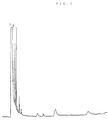
- Fig. 1 is a gas chromatographic chart of wheat LPS, showing the peaks evidencing the presence of fatty acids therein.
- Fig. 2 is a gas chromatographic chart of E. coli LPS, showing the peaks evidencing the presence of fatty acids therein.
- Fig. 3 is a gas chromatographic chart of B. pertussis LPS available for use according to the present invention, showing the peaks evidencing the presence of fatty acids therein.
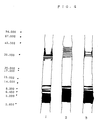
- Fig. 4 is a chart showing the patterns of the LPSs of the present invention on SDS-PAGE method.
- Figs. 5 to 8 are graphs evidencing the correlation between the macrophage activation ability and the limulus test-positive LPS content within the purview of the present invention.
- Fig. 9 is a graph showing the dose-response curve of the analgesic effects of the LPSs of the present invention
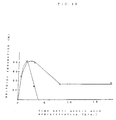
- Fig. 10 is a graph showing the analgesic effects of the LPSs of the present invention in comparison with those of the prior art analgesic phenylbutazone.
- Fig. 11 is a graph showing the analgesic effects of the LPSs of the present invention.
- the LPS available for use as an active ingredient of analgesic and veterinary analgesic agents according to the present invention may be chosen regardless of its source, process for its production and purification or the like.
- the LPS may be any one extracted from bacteria or plants, or may be a synthetic one such as synthetic lipid A.
- the LPS qualified with its source should not be interpreted to be restricted only those obtained from the specified source. Instead, it should be interpreted that the LPS include, in addition to those from the specified source, all the LPS obtained from bacteria or the like which grow on, in or together with the specified source during the course of its growth, storage, distribution or the like.
- wheat LPS should be interpreted to include not only LPS from wheat, but also all the LPS obtained from bacteria or the like which grow on, in or together with wheat during the course of its growth, storage, distribution or the like. This is because it is well known in the art that, besides the hitherto known parasitic plants and animals, many types of organisms are allowed to grow on, in or together with certain plants, animals, or organisms belonging to mycota or lichenes.
- the LPS available for use as an active ingredient of aanlgesics or veterinary analgesics according to the present invention include those whose macrophage activation ED50 is 0.4 - 100 ng/ml of culture solution in terms of its limulus test-positive LPS content observed on a sigmoid curve prepared by determining the ability of the LPS to activate the TNF productivity of macrophage cultured in vitro , and plotting the macrophage activation ability (%) along the axis of ordinate wherein the ability is estimated to be 0 % in the case where it corresponds to the quantity of TNF produced by macrophage with no LPS added thereto, and 100 % is assigned to the macrophage activation ability which provides the maximal and constant quantity of TNF produced by the macrophage, and plotting the limulus test-positive LPS content of the LPS along the axis of abscissa on a logarithmic scale.
- Macrophage is the generic name for large amoeba-like cells which belong to immunocompetent cells, are present in most internal tissues of animals, and prey and digest particulate foreign matter and waste cells in the body.
- TNF tumor necrosis factors produced by macrophage ( The Journal of Biol. Chem. , 260 , pp. 2345-2354, 1985), and the production quantity of TNF increases depending on the activity of macrophage.
- “Limulus test” is a method invented by Levin in 1968 for quantitative determination of endotoxin using a horseshoe crab haemocyte extract and a chromogenic substrate.
- the plants available for use as the starting material to prepare the cholesterol-lowering agents and veterinary cholesterol-lowering agents according to the present invention will be exemplified below.
- any plant belonging to Gymnospermae, Monocotyledoneae, Dicotyledoneae, Pteridophyta, Algae or Fungi may be used separately or in admixture with each other.
- the plants belonging to Gymnospermae available for use in the present invention include, for example, pine ( Pinus spp. ) belonging to Pinaceae.
- Illustrative embodiments of the plants belonging to Mono-cotyledoneae available for use in the present invention are rice ( Oryza safiva L. ), wheat ( Triticum sativum Lamarck, Triticum aestivum L. ), barley, rye, oats ( Avena fatua.), Sasa albo-marginata, and pearl barley ( Coix Lacryma-jobi L. var. Ma-yuen Stapf ) belonging to Gramineae; blue flag ( Iris sanguinea Donn., Iris Nertschinskia Lodd.) belonging to Iridaceae; garlic ( Allium sativum L. ), asparagus ( Asparagus officinalis L.
- dwarf lilyturf Ophiopogon japonicus Ker-Gawl. var. genuinus Maxim., O. japonicus Ker-Gawl. belonging to Liliaceae; ginger ( Zingiber officinale Roscoe ), Japanese ginger ( Zingiber mioga ) and turmeric ( Carcuma domestica Valeton, Carcuma longa L. ) belonging to Zingiberaceae; jack-in-the-culprit ( Arisaema triphyllum ), etc.
- the plants belonging to Dicotyledoneae available for use in the present invention are, for examle, those belonging to Rubiaceae, Cruciferae, Cucurbitaceae, Lauraceae, Juglandaceae, Piperaceae, Umbelliferae, Menispermaceae, Saururaceae, Solan-aceae, Rosaceae, Actinidiaceae, Leguminosae, Rutaceae, Magnoliaceae or Myristicaceae. More particularly, soybean ( Glycine Max Merill ), "adzuki” bean ( Azukia angularis Ohwi ), broad bean ( Vicia L.
- the plants belonging to Pteridophyta available for use according to the present invention are, for examle, horse tail ( Equisetum arvense L. ) belonging to Equisetaceae; royal fern ( Osmunda japonica Thunb. ) belonging to Osmundaceae; etc.
- any one belonging to, for example, Phaeophyceae, Rhodophyceae, Chlorophyceae or Cyanophyceae may be used separately or in admixture with each other.
- Illustrative embodiments of those belonging to Phaeophyceae are Undaria pinnatifida Suringar and kelp ( Laminaria japonica ) belonging to Laminariaceae; Hizikia fusiformis belonging to Sargassaceaeu, etc.
- Illustrative embodiments of those belonging to Rhodophyceae are asakusa laver (Porphyra tenera) belonging to Bangiaceae, etc.
- Illustrative embodiments of those belonging to Chlorophyceae are chlorella (Chlorella) belonging to Oocystaceae, etc.
- any one belonging to Basidiomycetes or Ascomycetes may be used separately or in admixture with each other.
- Illustrative embodiments of those belonging to Basidiomycetes are Lentinus edodes Sing., Cortinellus shiitake P. Henn.
- winter mushroom Flammulina velutipes
- Lyophyllum shimeji maitake (phonetically spelled); awabitake (phonetically spelled) belonging to Polyporaceae
- mushroom Agaricus bisporus, Agaricus bitorquis
- Jew's ear Hirneola auricula-judae Berk., Auricularia auricula-judae Ban ) belonging to Auriculariaceae; Pholiota nameko .
- Illustrative embodiments of those belonging to Ascomycetes are baker's yeast and brewer's yeast belonging to Saccharomycetaceae.
- the "brewer's yeast” include those for brewing beer, sake (a Japanese alcohoric beverage) or wine or making shoyu (a Japanese soy sauce) or miso (a Japanese food paste made of soybeans, etc.), and further many other types of yeast belonging to Saccharomycetaceae and used for the preparation of whiskey, samshu (a Chinese alcohoric beverage) or the like. Also Cordyceps sinensis Sacc., Cordyceps, sobolifera belonging to Clavicipitaceae may be used according the present invention.
- the detection of the limulus test-positive LPS contained in any one of the plants referred to above and the determination of their LPS content may be carried out by using, for example, a reagent set commercially available from Sei-Kagaku Kogyo Co. in Japan under the trade name of Toxi Color System. That is, the starting plant is contacted with LS-1 set of said system, and the chromogenic strength of the plant is determined in comparison with the data of the calibration curve prepared using the Et-2 set of said system.
- the vegetable LPS may be separated and purified in such a manner as mentioned below.
- the seeds are, if necessary or desired, after the removal of the seed coats, somewhat crushed or pulverized to an edible particle size of powders.
- the resulting powders are prepared as a dispersion by addition of water thereto, and stirred. The dispersion is allowed to stand or subjected to centrifugation to remove the sediment, or the dispersion is worked into a dough by kneading, and is gently washed with water in a mixer to remove the sediment.
- chlorella is used as the starting plant, then it is recommended first to crush the cell membranes, and then to wash the cells with ethanol to remove off the fat-soluble matter prior to the extraction with water.
- the temperature, the properties and the quantity of the water, the speed and the time of the stirring and the centrifugation conditions may be adjusted conventionally depending on the starting plant used.
- the temperature of the water for the extraction is desired to be not more than 50°C so that the starch in the starting plant is not gelatinized.
- the quantity of the water to be added changes depending on the type and the particle size of the staring plant used, for easiness of operation only, it is desired to be 20-50 w/v %.
- the purity of the limulus test-positive vegetable LPS plant of the present invention increases to about 30-fold value in the case of wheat seeds judging from the data on limulus test activity.
- the limulus test-positive vegetable LPS prepared according to the above procedures and other LPS within the purview of the present invention may be supplied as such, or in the forms diluted to an optional desired degree.
- they may be supplied as dried powders in the conventional manner including lyophilization and spray drying. Each of these forms may be produced conventionally.
- E. coli LPS is commercially available from, for example, Difco Co. in U.S.A.
- B. pertussis LPS is commercially available from, for example, Funakoshi Yakuhin (Funakoshi Pharmaceuticals Co.) in Japan.
- B. pertussis LPS may be prepared from dead cells of any publicly known B. pertussis, for example, Tohama I phase strain, by any of the publicly known processes described, for example, in the following literature: Webster, et al., " J. Immunol.”, 744, 55, 1955; and Westphal, et al., “ Z. Naturforsch “, 76, 148, 1952.
- Lipid A is commercially available from, for example, Dai-ichi Kagakuyakuhin (Dai-ichi Chemicals Co.) in Japan.
- the three bacteria according to the present invention were isolated from all kinds of wheat investigated by the inventors of the present invention regardless of their places of production. Thus, those bacteria are supposed to be isolated from any kind of wheat produced in any place and its processed goods.
- the kinds and the places of production of the wheat flour from which the three bacteria mentioned above were confirmed to be isolated by the inventors of the present invention include the following:
- the LPSs of the present invention may be isolated from the above bacteria by the hot phenol process described on page 83 of Westphal, et al., "Methods in Carbohydrate Chemistry", vol. v, 1965, Academic press in New York , followed by purification on an anion-exchange resin.
- the cells are suspended in distilled water which is then stirred with an equivolume of hot phenol.
- the aqueous layer is recovered by centrifugation and then subjected to dialysis to remove off the phenol.
- the aqueous layer is concentrated by ultrafiltration to yield crude LPS fractions which are then purified conventionally, for example, by anion-exchange chromatography using mono Q-Sepharose and Q-Sepharose in FPLC system (all manufactured by Pharmacia Inc.), followed by desalting in a conventional manner.
- a recombinant mouse IFN- ⁇ is added to peritoneal macrophage cells of mouse as the primer followed by addition of the LPS as the trigger thereto, and then the TNF activity is determined.
- the TNF activity is determined, as follows, on the basis of the cytotoxicity to L929 cells ( Proci. Natl. Acad. Sci. U.S.A. , 72 , pp. 3666 - 3670, 1983).
- L-929 cells are cultured in Eagles' Minimum Essential Medium (hereunder referred to only as MEM) with 5 % fetal calf serum (hereunder referred to only as FCS) added thereto until 100 ⁇ l of the medium contains 8 x 10⁴ cells, and then the cells are grown in a flat-bottomed plate having 96 wells.
- the growth conditions are 37°C in the presence of 5 % CO2, and under a humidity of 100 % for 2 hours, and the procedures may be the same as for the conventional cell culture.
- actinomycin D is added to the medium to a final concentration of 1 ⁇ g/ml, and the volume of the culture solution is adjusted to 150 ⁇ l.
- 50 ⁇ l of the sample diluted appropriately with MEM medium is added to the culture solution.
- ED50 may be determined by adjusting the dilution appropriately.
- the L-929 cells having a final volume of 200 ⁇ l are cultured for an additional 18 hours under the same conditions as described above.
- the whole medium is removed followed by addition of a 1% methyl alcoholic solution containing 0.1 % crystal violet for fixation staining.
- Crystal violet stains all the eukaryotic cells, but the dead cells are removed off from the bottom of the flask only by washing after the staining; so the cell necrosis activity may be determined directly.
- the staining degree is measured on the basis of adsorption at OD590nm, and is compared with that of a control to determine the cell necrosis activity. This activity is defined as follows.
- the dilution of the sample which allows 50 % of the L-929 cells to survive (N) is determined.
- Rabbit TNS is used as the control, and its activity n (units/ml) is determined using 2.4 x 10⁶ units/mg/ml of TNF- ⁇ .
- the dilution which provides ED50 of rabbit TNS is determined.
- the activity of the sample (units/ml) is calculated by the equation N/C x n.
- the analgesics and veterinary analgesics according to the present invention may be supplied conventionally in the form of powders, granules, pills, tablets, troches, capsules, solutions, pastes, ointments, liniments, lotions, suppositories, injections, etc.
- the agents may be prepared in the form of feed additives, premix preparations, drinking water additives.
- the "premix preparations" are such preparations as contain feed components beforehand so that they are easily mixed in the feed.
- the feed additives are preferred to be powders or granules. Any commercially available feed may be used to prepare the above -mentioned feed additives, premix preparations, etc.
- the feed may contain minerals, vitamins, amino acids and any other feed additives.
- these preparations may contain excipients, preservatives, buffers, etc. conventionally to improve the shelf life, homogeneity, etc.
- the preparations may contain correctives to improve taste, odor, appearance, etc.
- the excipients include, for example, lactose, starch, etc.
- the preservatives include, for example, parahydroxybenzoic esters such as methyl, ethyl or propyl paraoxybenzoate, sodium dehydroacetate, phenols, methyl, ethyl or propylparabene, etc.
- the buffers include, for example, citric, acetic or phosphoric acid salts, etc.
- the E.coli LPS used therein is one available from Difco Co. in U.S.A. under the code numer of 0128:B8.
- Sugar content was determined by the phenol-sulfuric acid process (M. Dubois et al., "Analytical Chemistry", vol. 28, p. 350, 1956), and protein content was determined by the Lowry process (O. H. Lowry et al., "Journal of Biological Chemistry", vol. 193, p. 65, 1951.)
- the limulus activity of wheat LPS was determined to be 2.7 mg according to the method described in Experiment 1 given later, so its specific activity is calculated to be 3.6 (2.7 ⁇ 0.75).
- the foregoing purification procedures are supposed to have removed substantially all the independent sugars present as contaminants, so all the sugars detected are supposed to be those constituting the wheat LPS.
- the purity of the wheat LPS on the basis of weight at this stage may be calculated as follows:
- Wheat LPS was dissolved in distilled water to prepare a 1 mg/ml solution of CHF, and 4 ⁇ l of the solution was placed in a 1.5 ml Treff tube. Separately, 2.5 % of SDS, 5 % of mercapto-ethanol and 10 mM Tris - HCl (pH8.0) were added to 1 mM EDTA to prepare 1 ⁇ l of an SDS treatment solution, and this solution was added to the above solution in the Treff tube which was then dipped in boiling water for 3 minutes. Phast System of Pharmacia Inc. was used in the electrophoresis experiments.
- Phast Gel Blue R was used as the staining solution, and a mixture of methanol, acetic acid and distilled water (volumetric ratio is 3:1:6), as the decoloring solution.
- the staining and decoloring were carried out in the following order:
- the silver staining was carried out in the following order:
- LPS are subjected to silver staining, but not to Coomassie staining. This difference was taken into consideration to observe the stained bands, and the main stained band of wheat LPS was found at a position indicating a molecular weight of 8,000 ⁇ 1,000.
- the captioned content was determined as follows according to the Chen-Toribara method (Chen et al., “ Analytical Chemistry ", vol. 28, pp. 1756 - 1758, 1956)
- Wheat LPS was dissolved in distilled water to prepare 20 ⁇ l of a solution containing 25 ⁇ g of wheat LPS which was then placed in a small test tube. To the mixture there was added 20 ⁇ l of 50 v/v % perchloric acid, and then the mixture was heated on a gas burner for 1 minute to ash.
- the number of phosphorus in LPS is calculated to be 1 - 4 per mol. according to the following equation on the basis of the data shown in the above table .
- Phosphorus content X 10 ⁇ 6X Molecular weight 25 X 10 ⁇ 6 X 1 32
- the captioned content was determined as follows according to the Elson-Morgan method (Library of biochemical experiments, No. 4, pp. 377 - 379, Tokyo Kagaku Dojin Shuppan Co. in Japan).
- Wheat LPS was dissolved in distilled water to prepare a solution containing 1 mg/ml of wheat LPS, and its 100 ⁇ l portion was placed in a test tube with a screwcap (manufactured by Iwaki Glass Co. in Japan) followed by addition of 100 ⁇ l of 8N HCl thereto, and the mixture was heated at 110°C for 16 hours, and then about 200 ⁇ l of 4N NaOH was added to the mixture to bring the pH to 7. A 100 ⁇ l portion of the mixture was separated off and placed in another test tube with a screwcap followed by addition of 200 ⁇ l of Reagent A explained below thereto. The mixture was then heated at 105°C for 1.5 hours, and then cooled with a running water.
- a screwcap manufactured by Iwaki Glass Co. in Japan
- Reagent A prepared by mixing 75 ⁇ l of acetyl acetone and 2.5 ml of 1.25 N sodium carbonate
- Reagent B prepared by mixing 1.6g of p-dimethyl benzaldehyde, 30 ml of conc. hydrochloric acid and 30 ml of 96% ethanol
- the number of the hexosamine in wheat LPS was 6 ⁇ 2 per mol. on the assumption that its molecular weight is 8,000.
- the hexane was evaporated off by nitrogen gas, and the layer was concentrated to about 20 ⁇ l.
- the resulting concentrate was subjected to gas chromatography (GC8A-PF manufactured by Shimazu Co. in Japan; capillary column: FSCAP Sp2330 manufactured by Spelco Co. in Canada; carrier gas: nitrogen) to determine the fatty acid content.
- gas chromatography GC8A-PF manufactured by Shimazu Co. in Japan
- carrier gas nitrogen
- E. coli type LA-15-PP a synthetic lipid A manufactured by Dai-ichi Kagaku lakuhin Co. in Japan and known to have a molecular weight of 2,000 and a fatty acid count of 6 per mol.
- the number of the fatty acid in wheat LPS was 6 ⁇ 2 per mol. on the assumption that its molecular weight is 8,000.
- Fig. 1 is the chart of wheat LPS
- Fig. 2 is that of E. coli LPS
- Fig. 3 is that of B. pertussis LPS.
- the KDO content was determined as follows on the basis of the diphenylamine method (Shaby R. ef al., " Analytical Biochem.”, 58(1), pp. 123-129, 1974).
- a KDO detection reagent was prepared by combining 500 mg of dipenylamine, 5 ml of ethanol, 45 ml of glacial acetic acid and 50 ml of conc. hydrochloric acid (all commercially available from Wako-junyaku Co. in Japan). A 500 ⁇ l portion of the prepared reagent was combined with 250 ⁇ l of distilled water containing 1.05 mg/ml of wheat LPS. The resulting mixture was heated in a boiling water bath at 100°C for 30 minutes and then cooled in cooling water at 23°C for 30 minutes. The UV absorption of the mixture was determined at 420, 470, 630 and 650 nm to provide data A420 , A470, A630 and A650 , respectively.
- the limulus activity of chlorella LPS corresponds to 14.3 mg , so its specific activity is calculated to be 2.5 (14.3 ⁇ 5.8).
- the foregoing purification procedures are supposed to have removed substantially all the independent sugars present as contaminants, so all the sugars detected are supposed to be those constituting chlorella LPS.
- the purity of chlorella LPS on the basis of weight at this stage may be calculated as follows:
- the solution was suspended in sterile water to prepare a suspension containing 25 mg (dry basis) / ml of dead cells.
- a 90% hot phenol solution (68 - 70°C ) was added, and the mixture was shaked at 68°C for 1 hr.
- the mixture was subjected to centrifugation at 8,000 G, 4°C for 20 min. to collect the aqueous layer.
- Sterile water in the same quantity as of the aqueous layer was added to the remaining phenol, and the mixture was shaked in the same manner as the above.
- the resulting aqueous layer was combined with the first aqueous layer followed by dialysis in running water overnight, and then the mixture was concentrated to a tenth using a rotary evaporator.
- the concentrate was subjected to centrifugation at 8,000 G, 4°C for 20 min. The supernatant was separated off, and a small amount of sodium acetate was added thereto.
- Cold ethanol at 0 - 4°C was added to the mixture in an amount of six times as much as the latter, and the resulting mixture was allowed to stand at -20°C overnight. Then the mixture was subjected to centrifugation at 4,000 G, 4°C for 30 min.
- the supernatant was treated at 4°C with nucleases, DNase I and Rnase A (both manufactrured by Sigma Co. in U.S.A) for 15 - 16 hrs; totally 10 ⁇ g/ml of DNase I and 20 ⁇ g/ml of Rnase A were used.
- the same amount of the nucleases as the above were added to the mixture followed by warming at 37°C for 2 hrs and centrifugation at 2,500 G, 4°C for 10 min. to separate off the supernatant.
- the supernatant was filtered through a pore size of 0.2 ⁇ m using Acrodisc manufactured by Gelman Co. in U.S.A.
- the filtrate was subjected to molecular sieve (resin: Sepharose 6B manufactured by Pharmacia Co. in U.S.A: column size: 5 cm (i.d.) x 100 cm (length); buffer: 10 mM of Tris-HCl / 10 mM of NaCl (pH 7.5): flow rate: about 3 ml/cm2/hr.).
- the fractions confirmed to be positive to limulus test with LS-1 kit commercially available from Sei-Kagaku Kogyo Co.
- Nucleic acid is of the greatest possibility of being mixed in the lyophilized sample (4.50 mg). Therefore, the UV absorption curve (200 - 400 nm) was prepared, and the absorbance at 60 nm was determined.
- the nucleic acid content was calculated to be 1% or less on the basis of the above absorbance in view of the fact that the nucleic acid content was 50 ⁇ g/ml in the case where the absorbance was 1.
- no apparent evidence showing the presence of a protein was observed in SDS electro-phoresis.
- the highest content of proteins which may be mixed in the above lyophilized sample was estimated to be 0 - 3%. Accordingly, the purity of the above lyophilized sample was estimated to be 96 % or more.
- E. coli LPS 0128: B8 manufactured by Difco Co. in U.S.A.
- colony 1 yellow to creamy opaque colony
- colony 2 creamy opaque colony
- colony 3 yellow translucent colony
- milk white opaque colony colony 4
- white opaque small colony colony 5
- the "limulus activity" means to be positive to limulus test which is a method invented by Levin in 1968 for quantitative determination of endotoxin using a norseshoe crab haemocyte extract and a chromogenic substrate.
- the limulus test is known as a method for the detection of LPSs, and may be carried out using, for example, a reagent set commercially available from Sei-Kagaku Kogyo Co. in Japan under the trade name of Toxi Color system.
- the bacteria are supposed to belong to the genus Serratia of the family Enterobacteriaceae in view of the following morphological and biochemical characteristics.
- the bacteria are supposed to belong to the genus Enterobacter of the family Enterobacteriaceae in view of the following morphological and biochemical characteristics.
- the bacteria are supposed to belong to the genus Pantoea of the family Enterobacteriaceae in view of the following morphological and biochemical characteristics.
- the colonies 1, 2 and 3 were transferred to 1 liter L-broth medium, respectively, and the media were shaken at 37°C over night, and then subjected to centrifugation at 5,000 G, 4°C for 20 minutes to collect the cells.
- the L-broth was prepared by dissolving 10 g of polypeptone (Difco Co.), 5 g of yeast extracts (Difco Co.) and special grade NaCl (Wako-Jun-Yaku Co. in Japan) in distilled water, adjusting the pH of the solution to 7.5 with NaOH followed by autoclaving, and then adding a 400-fold dilent of a 40% solution of special grade glucose (Wako-Jun-Yaku Co.) to the solution.
- the concentrated sample was subjected to anion-exchange chromatography using Q-Sepharose Fast Flow (Pharmacia Co.). That is, the sample was applied to the column using a buffer solution containing 10 mM Tris-HCl (pH 7.5) and 10 mM of NaCl, and then the limulus active fractions were eluted with 400 mM NaCl / 10mM Tris-HCl (pH 7.5). The eluate was subjected to ultrafiltration unde the same conditions as the above for desalting and concentration to produce 96% or more pure LPS. The nucleic acid was eluted with 1 M NaCl / 10 mM Tris-HCl (pH 7.5).
- the LPS content is in terms of E. coli LPS.
- the sugar content was determined according to the phenol - sulfuric acid method (M. Dubis et al., "Analytical Chemistry", vol. 28, p. 350, 1956), while the protein content was determined by the Lowry method (O.H. Lowry et al., "Journal of Biological Chemistry), vol. 193, p. 65, 1951.
- the LPSs resulting from the respective cells were dissolved in distilled water, respectively to prepare solutions containing 2 mg/ml of LPSs.
- the 10 ⁇ l portions of the solutions were placed in 1.5 ml plastic tubes.
- the resulting mixture was mixed well and then immerssed in boiling water for 5 minutes, and immediately thereafter the mixture was quenched in ice water.
- the molecular weight of the LPSs of the present invention was calculated to be 5,000 ⁇ 1,000 (LPS1 resulting from bacteria 900814-1), and 6,500 ⁇ 2,500 (LPS2 and LPS3 resulting from bacteria 900814-2 and 900814-3, respectively) in view of the behaviors of the markers for protein m. w.
- markers for m. w. [Pharmacia's 1860-101 m. w.
- E. coli LPS (0127:B8LPS available from Difco Co.) was found to have dominant m. w. at 40,000 ⁇ 10,000 and 8,000 ⁇ 4,000.
- the stained bands of LPS1, LPS2 and LPS3 in the silver staining are shown in Fig. 1.
- the number 1, 2 and 3 show the stained bands of LPS1, LPS2 and LPS3, respectively.
- LPS1 showed another stained band around m. w. 30,000.
- LPS2 showed another stained band bridging from 30,000 to 43,000, but it may be said that it contains only little high molecular weight substance in view of the staining strength of the bands at 14,000 or less.
- LPS2 the lowest sugar content, and LPS1 has higher sugar content than LPS3. This order is believed to be in harmony with the patterns observed in the electrophoresis.
- LPS2 comprises relatively low molecular weight LPSs
- the content of low molecular weight LPSs decrease in the order of LPS3 and LPS1.
- the captioned content was determined as follows according to the Chen-Toribara method (Chen et al., “Analytical Chemistry", vol. 28, pp. 1756 - 1758, 1956)
- LPS1, LPS2 and LPS3 were dissolved in distilled water separately to prepare 20 ⁇ l solutions containing 31.6, 57.6, or 103.6 ⁇ g of LPS which were then placed in a small test tube.
- 20 ⁇ l of 50 v/v sulfuric acid followed by heating at 160°C for 2 hours.
- 20 ⁇ l of 50 v/v % perchloric acid was added to the mixture which was then heated on a gas burner for 1 minute to ash.
- a reaction reagent a portion of the preparation made by mixing 1ml of 6N sulfuric acid, 2ml of distilled water, 2 ml of 2.5 v/w % ammonium molybdate and 1ml of 10 v/w % of ascorbic acid
- a reaction reagent a portion of the preparation made by mixing 1ml of 6N sulfuric acid, 2ml of distilled water, 2 ml of 2.5 v/w % ammonium molybdate and 1ml of 10 v/w % of ascorbic acid
- the captioned content was determined as follows according to the Elson-Morgan method (Library of biochemical experiments, No. 4, pp. 377 - 379, Tokyo Kagaku Dojin Shuppan Co. in Japan).
- LPS was dissolved in distilled water to prepare a solution containing 1.58 mg/ml of LPS1, 2.88 mg/ml of LPS2 or 5.18 mg/ml of LPS3, and the respective 100 ⁇ l portions were placed in a test tube with a screwcap (manufactured by Iwaki Glass Co. in Japan) followed by addition of 100 ⁇ l of 8N HCl thereto, and the mixture was heated at 110°C for 16 hours, and then about 200 ⁇ l of 4N NaOH was added to the mixture to bring the pH to 7. A 100 ⁇ l portion of the mixture was separated off and placed in another test tube with a screwcap followed by addition of 200 ⁇ l of Reagent A explained below thereto.
- a screwcap manufactured by Iwaki Glass Co. in Japan
- the mixture was then heated at 105°C for 1.5 hours, and then cooled with a running water. Next, a 100 ⁇ l portion of the mixture was separated off followed by addition of 670 ⁇ l of a 96 % ethanol and then 67 ⁇ l of Reagent B explained below, and was then allowed to stand at room temperature for 1 hour followed by determination of adsorption at 535nm.
- 0.20 - 200 ⁇ g/ml of N-acetyl glucosamine (Wako Jun-yaku Co. in japan) was used.
- Reagent A prepared by mixing 75 ⁇ l of acetyl acetone and 2.5 ml of 1.25 N sodium carbonate
- Reagent B prepared by mixing 1.6g of p-dimethyl benzaldehyde, 30 ml of conc. hydrochloric acid and 30 ml of 96% ethanol
- the number of hexosamine in LPS1, LPS2 or LPS3 was 9 ⁇ 1, 7 ⁇ 1 or 5 ⁇ 1 per m. w. 5,000.
- the KDO (2-keto-3-deoxyoctonate) content was determined as follows on the basis of the diphenylamine method (Shaby R. et al., "Analytical Biochem .”, 58(1), pp. 123-129, 1974).
- a KDO detection reagent was prepared by combining 500 mg of dipenylamine, 5 ml of ethanol, 45 ml of glacial acetic acid and 50 ml of conc. hydrochloric acid (all commercially available from Wako-junyaku Co. in Japan).
- a 500 ⁇ l portion of the prepared reagent was combined with 250 ⁇ l of distilled water containing any of 0.505 mg/ml of LPS1, 0.576 mg/ml of LPS2 and 0.518 mg/ml of LPS3.
- the resulting mixture was heated in a boiling water bath at 100°C for 33 minutes and then cooled in cooling water at 24.5°C for 30 minutes.
- the UV absorption of the mixture was determined at 420, 470, 630 and 650 nm to provide data A420 , A470, A630 and A650 , respectively.
- As the standard sample there was used 250 ⁇ l of distilled water containing 0.5 ⁇ mole/ml of ammonium salt of KDO (Sigma Co. in U.S.A.).
- x is determined to be 0.221.
- the molar number of KOD contained in 1 mole of LPS1 is determined to be 2.19 according to the following equation on the assumption that 1 mole of LPS1 is m. w. 5,000.
- the above ingredients were mixed and formed into 400 tablets each weighing 0.5 g and containing 0.1 mg of wheat LPS.
- the degree of dilution may be changed as desired by adjusting the quantitative rate of the distilled water for injection to the sample.
- Distilled water was used as the background, and 42 pg/ml of the ET-1 set of the Toxicolor System of Sei-Kagaku Kogyo Co. in Japan was used to prepare a calibration curve. This calibration curve was used as the basis to determine the quantity of the limulus test-positive vegetable LPS of the respective test samples; the absorbance of distilled water was assumed to be 0.
- a pipette was used to collect 130 ⁇ l of the supernatant from the respective wells, and the TNF activity was determined on the basis of the toxicity to L929 cells.
- the limulus test-positive LPS content was determined using Toxicolor System R commercially available from Sei-Kagaku Kogyo Co. in Japan.
- the values were plotted to prepare a graph wherein the quantity of the TNF produced (units / ml of culture solution) was plotted along the axis of ordinate, whereas the corresponding limulus test-positive LPS content (ng / ml of culture solution) was plotted along the axis of abscissa (on a logarithmic scale), and a sigmoid curve was prepared on the basis of the plotted points.
- the macrophage activation ability was estimated to be 0 % in the case where it corresponded to the quantity of TNF produced by macrophage with no trigger added thereto, and 100 % was assigned to the macrophage activation ability which provided the maximal constant of TNF.
- the limulus test-positive LPS content supposed to provide 50% of macrophage activation ability was determined with reference to the curve.
- TNF represents the quantity of the TNF produced (units / ml of culture solution), macrophage activation ability (%) and limulus test-positive LPS content (ng / ml of culture solution), respectively.
- the quantity of the TNF produced in the case where no trigger was added was 0.75 units / ml, so the macrophage activation ability was determined to be 0 % in the case where the quantity of the TNF produced was 0.75 units / ml or less.
- the macrophage activation ability (%) was calculated according to the following equation: Quantity of TNF produced - 0.75 Maximal constant of TNF - 0.75 x 100
- the axis of ordinate represents the macrophage activation activity (%), whereas the axis of abscissa (on a logarithmic scale) represents the limulus test-positive LPS content (ng / ml of culture solution).
- ⁇ , ⁇ , ⁇ , and ⁇ show the data of Turmeric, Sinomenium acutum Rehd. et Wils. , Kelp and Asakusa laver, respectively.
- ⁇ , ⁇ and ⁇ show the data of extracts of Undaria pinnatifida Suringar (bud), Hijikia fusiformis (bud) and Ebios, respectively.
- ⁇ , ⁇ and ⁇ show the data of Cordyceps sinensis Sacc., cordyceps, sobolifera, Undaria pinnatifida Suringar (bud) and Chlorella, respectively.
- ⁇ , ⁇ , ⁇ , and ⁇ show the data of E. coli LPS, wheat LPS, B. pertussis LPS and lipid A, respectively.
- Fig. 9 is a graph showing the writhing inhibition given in Table 7 (indicated with ⁇ in the figure), and that of E. coli LPS (0128:B8 of Difco in U.S.A.) (indicated with ⁇ in the figure).
- the data of E. coli LPS shows the writhing inhibition 96 % calculated on the basis of the average writhing frequency at the dose of 10 ⁇ g / mouse and the corresponding value 24 in the control group.
- Group A an intravenous solution prepared by dissolving 1 ⁇ g by weight / mouse of LPS (wheat LPS prepared in Reference Example 1) in 0.2 ml of physiological saline.
- Group B an intravenous solution prepard by dissolving 1 mg / mouse of the prior art analgesic phenylbutazone in 0.2 ml of 1 % aqueous CMC solution.
- Group C 0.2 ml of physiological saline.
- the writhing frequency in the group C is that obtained in the case where acetic acid was given 30 minutes after the administration of physiological saline, and the counting was made for 30 minutes.
- the data of the group A was 39, whereas that of the group B was 35.
- Fig. 10 is a graph showing the writhing inhibition given in Table 9.
- ⁇ and ⁇ are data of Groups A and B, respectively.
- the LPS of the present invention showed analgesic effects of the same as or better than phenylbutazone at a surprisingly small dose; a thousandth of phenylbutazone, and the effects were produced almost at the same time as phenylbutazone.
- significant analgesic effects of the LPS of the present invention were observed even 8 to 18 hours after the administration at a risk of 5 % or less, whereas phenybutazone was judged to have no significant analgesic effects 3 hours after the administration.
- the analgesic affects of the LPS of the present invention may be said to last for a very long time as compared with phenylbutazone.
- mice To the six-membered groups of 7 week old C3H/He male mice (average body weight: about 23 g), there was administered intravenously 200 ⁇ l of physiological saline prepared so that it contains 1 ⁇ g / mice of A. radiobacter LPS, LPS3 or E.coli LPS in terms of limulus activity.
- the control group received only physiological saline. 1.5 hours after that, 500 ⁇ l of 1 % acetic acid was administered intraperitoneally over a period of 5 minutes, and the writhing frequency of the respective mice was counted.
- mice To the five-memberd groups of 8 week old C3H/He male mice (average body weight: about 29 g), there was administered orally 200 ⁇ l of physiologlcal saline prepared so that it contains 0, 0.7, 3.5 or 17.5 ⁇ g / mice of powder A-a2 prepared in Reference Example 1 using a probe. 1.5 hours after that, 500 ⁇ l of 0.7 % acetic acid was administered intraperitoneally over a period of 5 minutes, and the writhing frequency of the respective mice was counted for 30 minutes. As a result, as an average of 5 mice in the respective groups, the data shown in Table 11 was recorded.
- Fig. 11 is a graph reflecting the results shown in Tables 10 and 11.
- Fig. 2 shows that the writhing inhibition ED50 of LPS3 , Powder A-a2, and E. coli LPS is estimated to be 2.8, 0.46 or 17 ⁇ g / mouse.
- the analgesic effect of LPS3 is about six times as of E. coli LPS
- the powder A-a2 is about 36 times effective as compared with E. coli LPS.
- the dose and the interval of the analgesics and veterinary analgesics of the present invention are of course determined by the doctor or veterinarian in charge individually in view of the age, conditions, etc. of the patient. However, it may be said that 1 ⁇ g - 100 mg (oral administration), 10 ng - 10 mg (intravenous administration) and 100 ng - 1 mg (percutanous administration) are standard single dose per day to adults (body weight 60 kg). For veterinary use, about one sixtieth of the above quantities may be given per 1 kg of body weight of large-sized animals such as cattle, horses or the like.
- the LD50 of LPS1, LPS2 and LPS3 in 7 week old C3H/He male mice having an average body weight of 22 g were 150, 180 and 180 ⁇ g / mouse according to the Behrens Karber; these values are less than 60 % of 300 ⁇ g / mouse found for E. coli LPS (0128:B8 manufactured by Difco Co. in U.S.A.). Further, wheat LPS (Reference example 1), E. coli LPS and B. pertussis LPS had the following LD50 (an average of the data on two male BALB/C mice weighing 45 kg on average).
Landscapes
- Health & Medical Sciences (AREA)
- Life Sciences & Earth Sciences (AREA)
- Chemical & Material Sciences (AREA)
- Organic Chemistry (AREA)
- Engineering & Computer Science (AREA)
- General Health & Medical Sciences (AREA)
- Wood Science & Technology (AREA)
- Zoology (AREA)
- Biotechnology (AREA)
- Genetics & Genomics (AREA)
- Microbiology (AREA)
- Bioinformatics & Cheminformatics (AREA)
- Medicinal Chemistry (AREA)
- Veterinary Medicine (AREA)
- General Engineering & Computer Science (AREA)
- Biochemistry (AREA)
- Public Health (AREA)
- Animal Behavior & Ethology (AREA)
- Epidemiology (AREA)
- Pharmacology & Pharmacy (AREA)
- Biomedical Technology (AREA)
- Immunology (AREA)
- Tropical Medicine & Parasitology (AREA)
- Mycology (AREA)
- Molecular Biology (AREA)
- Chemical Kinetics & Catalysis (AREA)
- General Chemical & Material Sciences (AREA)
- Virology (AREA)
- Oncology (AREA)
- Medicines Containing Material From Animals Or Micro-Organisms (AREA)
- Pharmaceuticals Containing Other Organic And Inorganic Compounds (AREA)
- Medicines Containing Plant Substances (AREA)
- Medicines That Contain Protein Lipid Enzymes And Other Medicines (AREA)
- Acyclic And Carbocyclic Compounds In Medicinal Compositions (AREA)
- Preparation Of Compounds By Using Micro-Organisms (AREA)
- Peptides Or Proteins (AREA)
Abstract
a method of treating pain of an animal comprising administration to said animal an amount of the above composition effective to prevent or cure the pain of said animal.
Description
- The present invention relates to novel analgesics, and novel veterinary analgesics.
- More particularly, it is concerned with novel analgesics and novel veterinary analgesics containing LPS.
- Analgesics are classified into two groups; narcotic and non-narcotic ones.
- Narcotic analgesics are of course narcotics, and thus they are required to be administered with the greatest care. ("Clinical pains" , pp. 70 - 74, 1981, Medical Friend Co. in Japan)
- On the other hand, generally the analgesic action of non-narcotic analgesics is characterized to be less than that of narcotic ones and to be nonhabit-forming. But, actually their prolonged use is reported to cause tolerance and/or dependence of the patients thereto, and thus they are considered to be used in the same manner as narcotic-ones from pharmacological viewpoints. ("Clinical pains", p. 74, supra)
- Thus the prior art analgesics have drawbacks, and no satisfactory ones have not been provided yet. Particularly, analgesics which are effective against chronic pain, are highly safe, have no side effects, are cheap and are very convenient for medication have been greatly expected to be developed.
-
- The present invention is intended to provide novel analgesic agents, and veterinary analgesic agents which are free from the drawbacks of the prior art.
- An additional object of the present invention is to provide novel analgesics and veternary analgesics which show a high therapeutic range, and may be provided at a low cost and in a large amount and may be administered via any route of oral and intradermal administration and injection.
- Fig. 1 is a gas chromatographic chart of wheat LPS, showing the peaks evidencing the presence of fatty acids therein.
- Fig. 2 is a gas chromatographic chart of E. coli LPS, showing the peaks evidencing the presence of fatty acids therein.
- Fig. 3 is a gas chromatographic chart of B. pertussis LPS available for use according to the present invention, showing the peaks evidencing the presence of fatty acids therein.
- Fig. 4 is a chart showing the patterns of the LPSs of the present invention on SDS-PAGE method.
- Figs. 5 to 8 are graphs evidencing the correlation between the macrophage activation ability and the limulus test-positive LPS content within the purview of the present invention.
- Fig. 9 is a graph showing the dose-response curve of the analgesic effects of the LPSs of the present invention
- Fig. 10 is a graph showing the analgesic effects of the LPSs of the present invention in comparison with those of the prior art analgesic phenylbutazone.
- Fig. 11 is a graph showing the analgesic effects of the LPSs of the present invention.
- The LPS available for use as an active ingredient of analgesic and veterinary analgesic agents according to the present invention may be chosen regardless of its source, process for its production and purification or the like. For example, the LPS may be any one extracted from bacteria or plants, or may be a synthetic one such as synthetic lipid A. Here, throughout the specification and particularly in the claims, the LPS qualified with its source should not be interpreted to be restricted only those obtained from the specified source. Instead, it should be interpreted that the LPS include, in addition to those from the specified source, all the LPS obtained from bacteria or the like which grow on, in or together with the specified source during the course of its growth, storage, distribution or the like. For example, wheat LPS should be interpreted to include not only LPS from wheat, but also all the LPS obtained from bacteria or the like which grow on, in or together with wheat during the course of its growth, storage, distribution or the like. This is because it is well known in the art that, besides the hitherto known parasitic plants and animals, many types of organisms are allowed to grow on, in or together with certain plants, animals, or organisms belonging to mycota or lichenes.
- Of the above-mentioned LPS, the LPS available for use as an active ingredient of aanlgesics or veterinary analgesics according to the present invention include those whose macrophage activation ED₅₀ is 0.4 - 100 ng/ml of culture solution in terms of its limulus test-positive LPS content observed on a sigmoid curve prepared by determining the ability of the LPS to activate the TNF productivity of macrophage cultured in vitro, and plotting the macrophage activation ability (%) along the axis of ordinate wherein the ability is estimated to be 0 % in the case where it corresponds to the quantity of TNF produced by macrophage with no LPS added thereto, and 100 % is assigned to the macrophage activation ability which provides the maximal and constant quantity of TNF produced by the macrophage, and plotting the limulus test-positive LPS content of the LPS along the axis of abscissa on a logarithmic scale.
- "Macrophage" is the generic name for large amoeba-like cells which belong to immunocompetent cells, are present in most internal tissues of animals, and prey and digest particulate foreign matter and waste cells in the body.
- "TNF" is the generic name for tumor necrosis factors produced by macrophage (The Journal of Biol. Chem., 260, pp. 2345-2354, 1985), and the production quantity of TNF increases depending on the activity of macrophage.
- "Limulus test" is a method invented by Levin in 1968 for quantitative determination of endotoxin using a horseshoe crab haemocyte extract and a chromogenic substrate.
- The plants available for use as the starting material to prepare the cholesterol-lowering agents and veterinary cholesterol-lowering agents according to the present invention will be exemplified below.
- For example, any plant belonging to Gymnospermae, Monocotyledoneae, Dicotyledoneae, Pteridophyta, Algae or Fungi may be used separately or in admixture with each other.
- The plants belonging to Gymnospermae available for use in the present invention include, for example, pine (Pinus spp.) belonging to Pinaceae.
- Illustrative embodiments of the plants belonging to Mono-cotyledoneae available for use in the present invention are rice (Oryza safiva L.), wheat (Triticum sativum Lamarck, Triticum aestivum L.), barley, rye, oats (Avena fatua.), Sasa albo-marginata, and pearl barley (Coix Lacryma-jobi L. var. Ma-yuen Stapf) belonging to Gramineae; blue flag (Iris sanguinea Donn., Iris Nertschinskia Lodd.) belonging to Iridaceae; garlic (Allium sativum L.), asparagus (Asparagus officinalis L.) and dwarf lilyturf (Ophiopogon japonicus Ker-Gawl. var. genuinus Maxim., O. japonicus Ker-Gawl.) belonging to Liliaceae; ginger (Zingiber officinale Roscoe), Japanese ginger (Zingiber mioga) and turmeric (Carcuma domestica Valeton, Carcuma longa L.) belonging to Zingiberaceae; jack-in-the-culprit (Arisaema triphyllum), etc.
- The plants belonging to Dicotyledoneae available for use in the present invention are, for examle, those belonging to Rubiaceae, Cruciferae, Cucurbitaceae, Lauraceae, Juglandaceae, Piperaceae, Umbelliferae, Menispermaceae, Saururaceae, Solan-aceae, Rosaceae, Actinidiaceae, Leguminosae, Rutaceae, Magnoliaceae or Myristicaceae. More particularly, soybean (Glycine Max Merill), "adzuki" bean (Azukia angularis Ohwi), broad bean (Vicia L.), kudzu (Pueraria thunbergiana), and licorice (Glycyrrhiza glabra L. var. glandulifera Regel et Herder) belonging to Leguminosae; potato (Solanum tuberosum L.), tomato (Solanum lycopersicum L., Lycopersicum esculetum Mill.), and red pepper (Capsicum annuum L.) belonging to Solanaceae; loquat (Eribotrya japonica Lindl.) and peach (Prunus persica Batsch., Prunus persica Batsch. var. vurgalis Maxim.) belonging to Rosaceae; avocado (Persea americana Mill.) belonging to Lauraceae; walnut belonging to Juglandaceae; pumpukin (Cucurbita moschata Duch.) and Gynostemma pentaphyllum (Thunb.) belonging to Cucurbitaceae; kaiware daikon (Japanese radish) belonging to Cruciferae; silvervine (Actinidia polygama Maxim.) belonging to Actinidiaceae; houtuynia cardata Thunb. belonging to Saururaceae; pepper (Piper nigrum L.) belonging to Peperaceae; Illicium verum Hook. fil.; nutmeg (Myristica fragrans Houtt.) belonging to Myristicaceae; sour orange (Citrus aurantium L. subsp. amara Engl., Citrus biparadia Risso et Pointean) belonging to Rutaceae; "otane ninjin" (otane carrot) belonging to Araliaceae; Seseli libanotis Koch var. daucifolia DC. belonging to Umbelliferae; Sinomenium acutum Rehd. et Wils. belonging to Menispermaceae; Uncaria rhychophylla Miq., Ourouparia rhynchophylla Matsum. belonging to Rubiaceae, etc. may be used.
- The plants belonging to Pteridophyta available for use according to the present invention are, for examle, horse tail (Equisetum arvense L.) belonging to Equisetaceae; royal fern (Osmunda japonica Thunb.) belonging to Osmundaceae; etc.
- As plants belonging to Algae, any one belonging to, for example, Phaeophyceae, Rhodophyceae, Chlorophyceae or Cyanophyceae may be used separately or in admixture with each other. Illustrative embodiments of those belonging to Phaeophyceae are Undaria pinnatifida Suringar and kelp (Laminaria japonica) belonging to Laminariaceae; Hizikia fusiformis belonging to Sargassaceaeu, etc. Illustrative embodiments of those belonging to Rhodophyceae are asakusa laver (Porphyra tenera) belonging to Bangiaceae, etc. Illustrative embodiments of those belonging to Chlorophyceae are chlorella (Chlorella) belonging to Oocystaceae, etc.
- As a fungus available for use according to the present invention, for example, any one belonging to Basidiomycetes or Ascomycetes may be used separately or in admixture with each other. Illustrative embodiments of those belonging to Basidiomycetes are Lentinus edodes Sing., Cortinellus shiitake P. Henn.; winter mushroom (Flammulina velutipes); Lyophyllum shimeji; maitake (phonetically spelled); awabitake (phonetically spelled) belonging to Polyporaceae; mushroom (Agaricus bisporus, Agaricus bitorquis); Jew's ear (Hirneola auricula-judae Berk., Auricularia auricula-judae Quel) belonging to Auriculariaceae; Pholiota nameko. Illustrative embodiments of those belonging to Ascomycetes are baker's yeast and brewer's yeast belonging to Saccharomycetaceae. Here the "brewer's yeast" include those for brewing beer, sake (a Japanese alcohoric beverage) or wine or making shoyu (a Japanese soy sauce) or miso (a Japanese food paste made of soybeans, etc.), and further many other types of yeast belonging to Saccharomycetaceae and used for the preparation of whiskey, samshu (a Chinese alcohoric beverage) or the like. Also Cordyceps sinensis Sacc., Cordyceps, sobolifera belonging to Clavicipitaceae may be used according the present invention.
- The detection of the limulus test-positive LPS contained in any one of the plants referred to above and the determination of their LPS content may be carried out by using, for example, a reagent set commercially available from Sei-Kagaku Kogyo Co. in Japan under the trade name of Toxi Color System. That is, the starting plant is contacted with LS-1 set of said system, and the chromogenic strength of the plant is determined in comparison with the data of the calibration curve prepared using the Et-2 set of said system.
- The vegetable LPS may be separated and purified in such a manner as mentioned below.
-
- 1) The starting plant is, if necessary after being sliced, dried and pulverized appropriately, suspended in distilled water, and then the supernatant is collected.
- For example, in case the starting plant is supplied in the form of cereal seeds, then the seeds are, if necessary or desired, after the removal of the seed coats, somewhat crushed or pulverized to an edible particle size of powders. The resulting powders are prepared as a dispersion by addition of water thereto, and stirred. The dispersion is allowed to stand or subjected to centrifugation to remove the sediment, or the dispersion is worked into a dough by kneading, and is gently washed with water in a mixer to remove the sediment.
- In the case where chlorella is used as the starting plant, then it is recommended first to crush the cell membranes, and then to wash the cells with ethanol to remove off the fat-soluble matter prior to the extraction with water.
- When the above extraction is effected, there is no need to put limitations on the particle size of the starting plant, the temperature, the properties and the quantity of the water, the speed and the time of the stirring and the centrifugation conditions. These conditions may be adjusted conventionally depending on the starting plant used. Surely the water for extraction at a higher temperature tends to provide a larger quantity of a higher purity. For convenience only, however, the temperature of the water for the extraction is desired to be not more than 50°C so that the starch in the starting plant is not gelatinized. In addition, though the quantity of the water to be added changes depending on the type and the particle size of the staring plant used, for easiness of operation only, it is desired to be 20-50 w/v %. At the end of this stage of operation, the purity of the limulus test-positive vegetable LPS plant of the present invention increases to about 30-fold value in the case of wheat seeds judging from the data on limulus test activity.
- Hereunder, the description of the specification will made with particular reference to the case where cereal seeds are used as the starting material. But, no doubt it is sure that the teachings found in such description are sufficient for any person skilled in the art to remove off sugars, proteins and other useless components from another starting material thereby extracting the limulus test-positive LPS of a high purity available for use according to the present invention.
- 2) In order to get a higher purity, the supernatant from the above 1) may be subjected to ultrafiltration in the conventional manner to remove fractions having molecular weights of 5,000 or less.
- 3) The resulting dried sample is then suspended in distilled water to a proportion of 50 mg/mℓ after which it is subjected to centrifugation to collect the supernatant.
- 4) The supernatant from the above 3) is cooled on ice water,and then an acid added thereto to produce sediment. Here, any acid may be employed; for example, trichloroacetic acid (hereunder referred to as TCA only), peichloric acid, trifluoroacetic acid, acetic acid or dichloroacetic acid may be employed.
- 5) Then the mixture is subjected to centrifugation to collect the sediment which is then washed with distilled water, and then is subjected to centrifugation again to collect the sediment.
- 6) The sediment from the above 5) is suspended in distilled water, and an alkali is added to the suspension until the sediment dissolves therein. Here, any alkali may be used; for example; sodium hydroxide, potassium hydroxide, ammonia, sodium carbonate, sodium acetate or the like may be used. Here, care should be taken that the basicity of the suspension does not go over pH 11 when the sediment dissolves in order to keep the object LPS from being deactivated.
- 7) Then an acid is added to the suspension to bring its pH to
pH 8 followed by warming to 37°C . Further addition of an acid makes the suspension basic to produce sediment which is then collected by a centrifuge warmed at 37°C . - 8) The thus collected supernatant is cooled on ice, and then subjected to centrifugation at 4°C again.
- 9) The supernatant is collected, and then neutralized by the addition of an alkali, and concentrated by ultrafiltration in the conventional manner. Here, any alkali may be used.
- 10) Then the concentrate is subjected to gel filtration in the conventional manner, and limulus test-positive fractions are collected and combined. Here, the support for the gel filtration may be, for example, Sephadex G-75, G-100, Sephacryl S-200, Sepharose 6B (the foregoing are all manufactured by Pharmacia Inc. in U.S.), Biogel P-100 (manufactured by Biorad Inc.), Toyo Pearl HW-50, HW-55(manufactured by Toyo Soda Kogyo Co. in Japan), or the like. The buffer solution may be any one as long as it can keep the pH within the range of 3-10. For example, Tris-HCℓ or phosphate buffer solutions may be used.
- 11) Then a proteolytic enzyme is added to the combined fractions which are then incubated at 37°C for 2 or more hours to decompose the remaining proteins. The thus treated solution is then concentrated by ultrafiltration in the conventional manner. Here, no specific proteolytic enzyme is required, and, for example, V8 protease, chymotrypsin, trypsin or thermolysin may be used separately or in optional combinations thereof. The commercially available proteolytic enzymes which may be used according to the present invention include, for example, PronaseR (Kaken Kagaku Co. in Japan) and ProteinaseR (Merc Co in U. S.)
- 12) Then the collected fractions are treated conventionally, for example, by being subjected to ion-exchange chromatography using mono Q Sepharose or Q Sepharose manufactured by Pharmacia Inc., to collect the limulus test-positive fractions.
- 13) Then, the fractions are subjected to gel filtration conventionally to collect the desalted limulus test-positive fractions.
- By the above-mentioned procedures, in the case of wheat seeds, about 20% of the originally present limulus test-positive matter is recovered, and a purified sample of about 95% purity is obtained. This value achieved in the case of wheat seeds is about 1,000 times as high as that obtained at the end of 1) referred to above.
- The limulus test-positive vegetable LPS prepared according to the above procedures and other LPS within the purview of the present invention may be supplied as such, or in the forms diluted to an optional desired degree. In addition, in order to improve its stability, they may be supplied as dried powders in the conventional manner including lyophilization and spray drying. Each of these forms may be produced conventionally.
- The hitherto known E. coli LPS, LPS provided by A. radiobacter (P. H. Graham and M. A. O'Brien, "Antonic van Leeuwenhock", vol. 34, pp. 326 - 330, 1968, hereunder will be referred to only as A. radiobacter LPS, B. pertussis LPS, lipid A, etc., and LPS1, LPS2 and LPS3 mentioned later and mixtures of them satisfy the requirements.
the . - E. coli LPS is commercially available from, for example, Difco Co. in U.S.A.
- B. pertussis LPS is commercially available from, for example, Funakoshi Yakuhin (Funakoshi Pharmaceuticals Co.) in Japan. Alternatively, B. pertussis LPS may be prepared from dead cells of any publicly known B. pertussis, for example, Tohama I phase strain, by any of the publicly known processes described, for example, in the following literature:
Webster, et al., "J. Immunol.", 744, 55, 1955; and
Westphal, et al., "Z. Naturforsch", 76, 148, 1952. - Lipid A is commercially available from, for example, Dai-ichi Kagakuyakuhin (Dai-ichi Chemicals Co.) in Japan.
- The three bacteria according to the present invention were isolated from all kinds of wheat investigated by the inventors of the present invention regardless of their places of production. Thus, those bacteria are supposed to be isolated from any kind of wheat produced in any place and its processed goods. The kinds and the places of production of the wheat flour from which the three bacteria mentioned above were confirmed to be isolated by the inventors of the present invention include the following:

- The LPSs of the present invention may be isolated from the above bacteria by the hot phenol process described on page 83 of Westphal, et al., "Methods in Carbohydrate Chemistry", vol. v, 1965, Academic press in New York, followed by purification on an anion-exchange resin.
- That is, the cells are suspended in distilled water which is then stirred with an equivolume of hot phenol. Next, the aqueous layer is recovered by centrifugation and then subjected to dialysis to remove off the phenol. The aqueous layer is concentrated by ultrafiltration to yield crude LPS fractions which are then purified conventionally, for example, by anion-exchange chromatography using mono Q-Sepharose and Q-Sepharose in FPLC system (all manufactured by Pharmacia Inc.), followed by desalting in a conventional manner.
- Products of 96% or more purity are provided by the foregoing procedures.
- Carswell et al. report that priming and triggering steps are necessary to produce endogenous TNF in the body of an animal; see Proc. Natl. Acad. Sci. USA., 72, pp. 3666 - 3670, 1975. Thereafter, many candidate chemicals were tried to stimulate the respective steps. The chemical used to start the priming step is a primer (endogenous TNF production stimulator), while that administered to start the triggering step is a trigger (endogenous TNF productive agent).
- In order to determine the ability of LPS to activate the in vitro TNF productivity of macrophage, a recombinant mouse IFN-γ is added to peritoneal macrophage cells of mouse as the primer followed by addition of the LPS as the trigger thereto, and then the TNF activity is determined.
- The TNF activity is determined, as follows, on the basis of the cytotoxicity to L929 cells (Proci. Natl. Acad. Sci. U.S.A., 72, pp. 3666 - 3670, 1983). L-929 cells are cultured in Eagles' Minimum Essential Medium (hereunder referred to only as MEM) with 5 % fetal calf serum (hereunder referred to only as FCS) added thereto until 100 µℓ of the medium contains 8 x 10⁴ cells, and then the cells are grown in a flat-bottomed plate having 96 wells.
- The growth conditions are 37°C in the presence of 5 % CO₂, and under a humidity of 100 % for 2 hours, and the procedures may be the same as for the conventional cell culture. Then actinomycin D is added to the medium to a final concentration of 1 µg/mℓ, and the volume of the culture solution is adjusted to 150 µℓ. Immediately thereafter 50 µℓ of the sample diluted appropriately with MEM medium is added to the culture solution. Here, ED₅₀ may be determined by adjusting the dilution appropriately. The L-929 cells having a final volume of 200 µℓ are cultured for an additional 18 hours under the same conditions as described above.
- In order to determine the cell necrosis activity, first the whole medium is removed followed by addition of a 1% methyl alcoholic solution containing 0.1 % crystal violet for fixation staining. Crystal violet stains all the eukaryotic cells, but the dead cells are removed off from the bottom of the flask only by washing after the staining; so the cell necrosis activity may be determined directly. The staining degree is measured on the basis of adsorption at OD₅₉₀nm, and is compared with that of a control to determine the cell necrosis activity. This activity is defined as follows.
- The dilution of the sample which allows 50 % of the L-929 cells to survive (N) is determined. Rabbit TNS is used as the control, and its activity n (units/mℓ) is determined using 2.4 x 10⁶ units/mg/mℓ of TNF-α. The dilution which provides ED₅₀ of rabbit TNS is determined.
- The activity of the sample (units/mℓ) is calculated by the equation N/C x n.
- The analgesics and veterinary analgesics according to the present invention may be supplied conventionally in the form of powders, granules, pills, tablets, troches, capsules, solutions, pastes, ointments, liniments, lotions, suppositories, injections, etc. For veterinary use, also the agents may be prepared in the form of feed additives, premix preparations, drinking water additives. Here, the "premix preparations" are such preparations as contain feed components beforehand so that they are easily mixed in the feed. The feed additives are preferred to be powders or granules. Any commercially available feed may be used to prepare the above -mentioned feed additives, premix preparations, etc. The feed may contain minerals, vitamins, amino acids and any other feed additives.
- If desired, these preparations may contain excipients, preservatives, buffers, etc. conventionally to improve the shelf life, homogeneity, etc. In addition, the preparations may contain correctives to improve taste, odor, appearance, etc. The excipients include, for example, lactose, starch, etc. The preservatives include, for example, parahydroxybenzoic esters such as methyl, ethyl or propyl paraoxybenzoate, sodium dehydroacetate, phenols, methyl, ethyl or propylparabene, etc. The buffers include, for example, citric, acetic or phosphoric acid salts, etc.
- The analgesic effects of the LPSs of the present invention have been confirmed by an experiment using animals according to the acetic acid-writhing method described on page 415 of "Inflammation and anti-inflammatory therapy" issued in 1982 by Ishiyaku Shuppan Co. in Japan, one of the established methods for the determination of the effects of non-narcotic analgesics. The experiment included comparison with the prior art phenylbutazone which is often used to eliminate inflammatory pain.
- Hereunder, the present invention will be explained in detail with reference to examples, preparations and experiments. The E.coli LPS used therein is one available from Difco Co. in U.S.A. under the code numer of 0128:B8. Sugar content was determined by the phenol-sulfuric acid process (M. Dubois et al., "Analytical Chemistry", vol. 28, p. 350, 1956), and protein content was determined by the Lowry process (O. H. Lowry et al., "Journal of Biological Chemistry", vol. 193, p. 65, 1951.)
-
- 1) In a small kneader, there was charged 3,120 g of hard flour containing 1.09% of ash (Hard Red Spring wheat from U.S.A. or Canada) followed by addition of 2.03ℓ of distilled water thereto and kneading for 10 minutes to prepare a dough. The mixture was allowed to stand for 15 minutes, and then 10ℓ of water was added to the mixture followed by gentle stirring to extract a starch emulsion and to dissolve soluble ingredients in the water. The resulting solution was allowed to stand in a refrigerator at 5°C for 12 hours, and then the sediment containing starch etc. was removed. The supernatant was lyophilized to get 201.1 g of powders (Powder A).
Then 5 ℓ of distilled water was added to the residual dough followed by gentle stirring, and the mixture was treated in the same manner as the above to get 40.1 g of powders (Powder B). - 2) The powders A and B were charged in an ultrafilter HF-Lab1 (Amicon Co.), and the ultrafiltration was carried out using a hollow cartridge HF-Lab1PM5 for fractions having a molecular weight of 5,000, and another hollow cartridge HF-Lab1PM10 for fractions having a molecular weight of 10,000; the temperature range was 5 - 10°C , the inlet pressure was 25 p.s.i. (1.76 kg/cm²), and the outlet pressure was 15 p.s.i. (1.06 kg/cm² ). As a result, the respective fractions were named as follows:
Powder A: Fractions having a molecular weight of 5,000 or less were named a₁.
Fractions having a molecular weight of 5,000 or more were named a₂.
Powder B: Fractions having a molecular weight of 5,000 or less were named b₁.
Fractions having a molecular weight of 5,000 or more were named b₂.
Powder A: Fractions having a molecular weight of 10,000 or less were named a₃.
Fractions having a molecular weight of 10,000 or more were named a₄.
Powder B: Fractions having a molecular weight of 10,000 or less were named b₃.
Fractions having a molecular weight of 10,000 or more were named b₄.
Each of these fractions was subjected to the limulus test according to the method detailed inExperiment 1 given later, and it was confirmed that much limulus test-positive ingredients are present in fractions having a molecular weight of 5,000 or more, whereas little limulus test-positive ingredients are present in fractions having a molecular weight of 5,000 or less. - 3) Thirty grams of the above powder a₂ was placed in a 1 ℓ Erlenmeyer flask after which 600 mℓ of distilled water was poured thereon. The resulting mixture was stirred with a stirrer for 60 minutes, and then subjected to centrifugation at 10,000 G for 10 minutes using a Hitachi cooling type high speed centrifuge SCR-20B (the rotor RPR16 was cooled to 4°C before-hand) to recover the supernatant.
- 4) The supernatant from the above 3) was placed in another 1 ℓ Erlenmeyer flask followed by dropwise addition of 20.5mℓ of a 100 % aqueous solution of TCA cooled to 2°C beforehand while cooling on ice (the temperature of the solution was about 2°C ) and stirring with a stirrer. After the completion of the dropwise addition, the flask was allowed to stand in ice water for 10 minutes.
- 5) Next, the mixture was subjected to centrifugation (at 10,000 G for 10 minutes) at 4°C in the same manner as the above to collect sediment which was in turn put in a 500 mℓ beaker together with 300 mℓ of distilled water while cooling in ice water to prepare a suspension. The resulting suspension was cooled in ice water and subjected to centrifugation (at 10,000 G for 10 minutes) at 4°C in the same manner as the above to recover sediment.
- 6) The sediment was placed in a 1 ℓ beaker followed by addition of 500 mℓ of distilled water to prepare a suspension. The resulting suspension was neutralized to pH 7 by the use of about 3.5mℓ of 1 N sodium hydroxide, and then, while cooling in ice water, about 2 mℓ of 1 N sodium hydroxide was added to the neutralized suspension until a 0.02 N sodium hydroxide solution is prepared to dissolve the sediment.
- 7) About 1.5 mℓ of 1 N hydrochloric acid was added to the solution to bring the pH to 8 followed by addition of 100 mℓ of distilled water. The solution was transferred to a 1 ℓ Erlenmeyer flask which was then shaken slowly in an incubator at 37°C for 30 minutes.
- 8) The solution from the above 7) was mixed with 30 mℓ of a 100 % aqueous solution of TCA, and then slowly shaken in an incubator at 37°C for 10 minutes. Thereafter the solution was subjected to centrifugation at 3,000 G for 10 minutes using a centrifuge, Tomy CD100R (Tomy Seiki Co. in Japan)
- 9) The supernatant was collected and cooled on ice, and then subjected to centrifugation at 4°C (at 10,000 G for 10 minutes.)
- 10) The supernatant was collected and neutralized to pH 7 with about 3.6 mℓ of 10 N sodium hydroxide, and the neutralized solution was concentrated using an ultrafilter (Toyo Roshi UHP-150, Filter:UK-10, N₂ pressure: 4.0 kg/cm²)
- 11) The resulting concentrate (60 mℓ) was subjected to gel filtration (buffer: 10 mM Tris-HCℓ / 10 mM NaCℓ (pH7.5), flow speed: 60 mℓ/h.) to collect 20 mℓ fractions using Sepharose 6B column (manufactured by Pharmacia Inc., column size: 5 cm (i.d.)
X 100 cm (2ℓ)). - 12) The 43rd to 56th fractions were combined to prepare 280 mℓ of a solution followed by addition of 450 µ g of Pronase E (Kaken Kagaku Co. in Japan) and warmed at 37°C for 2 hours while shaking. Thereafter the mixture was concentrated using an ultrafilter (Toyo Roshi UHP-62, filter: UK-10, N₂ pressure: 4.0 kg/cm²). Then the concentrate was subjected to anion exchange chromatography using FPLC system (manufactured by Pharmacia Inc., column:
mono Q HR 10/10). That is, the sample was applied to the column using a buffer solution containing 10 mM Tris-HCℓ (pH7.5) and 10mM of NaCℓ, and then the column was washed with 200 mℓ of the same type buffer solution as the above but containing an increased amount 165 mM of NaCℓ. Then, totally 400 mℓ of the eluate was used to elute the object LPS while increasing the NaCℓ concentration so that the NaCℓ concentration gradient ranges from 165 mM to 1 M. Two mℓ fractions were collected. The 5th to 8th fractions after the start of the concentration gradient which were confirmed to be positive to the limulus test were combined to yield 8 mℓ of LPS of about 92 % purity (LPS: 3.03 mg (in terms of E. coli LPS according to the limulus test; the same applies to the following), sugar: 0.23 mg, protein: 0.04 mg) - 13) Then, the 8 mℓ was subjected to gel filtration (buffer: water) using Sephadex G-25 (column: 2.0 cm (i. d. ) X 20.2 cm (66 mℓ)) to collect 3 mℓ fractions. The 9th to 12th fractions confirmed to be positive to the limulus test were combined to yield 12 mℓ of glycolipid of about 95 % purity (LPS: 2.7 mg, sugar: 0.18 mg, protein: 0.03 mg). The sugar content was determined according to the phenol - sulfuric acid method, while the protein content, according to the Lowry method. Here, the combined fractions were confirmed to be acidic by anion exchange chromatography. The molecular weight according to SDS electro-phoresis was 6,000 - 10,000.
- 14) The above fractions were frozen at -80°C , and then lyophilized to a constant weight which was measured to be 0.75 mg. Hereunder, this lyophilized sample is referred to as wheat LPS only.
- The limulus activity of wheat LPS was determined to be 2.7 mg according to the method described in
Experiment 1 given later, so its specific activity is calculated to be 3.6 (2.7 ÷ 0.75). Here, the foregoing purification procedures are supposed to have removed substantially all the independent sugars present as contaminants, so all the sugars detected are supposed to be those constituting the wheat LPS. Thus, the purity of the wheat LPS on the basis of weight at this stage may be calculated as follows: - Protein content:
- 0.03 mg
- LPS content:
- 0.72 mg (0.75 - 0.03)
- Purity =
- 0.72 ÷ 0.75 X 100 = 96 (%)
- Wheat LPS was dissolved in distilled water to prepare a 1 mg/mℓ solution of CHF, and 4 µ ℓ of the solution was placed in a 1.5 mℓ Treff tube. Separately, 2.5 % of SDS, 5 % of mercapto-ethanol and 10 mM Tris - HCℓ (pH8.0) were added to 1 mM EDTA to prepare 1 µ ℓ of an SDS treatment solution, and this solution was added to the above solution in the Treff tube which was then dipped in boiling water for 3 minutes. Phast System of Pharmacia Inc. was used in the electrophoresis experiments. That is, one µ ℓ of the mixture was applied to a gel (Phast Gel Gradient 8-25 of Pharmacia Inc.) which was connected to the electrodes through SDS-Buffer Strip of Pharmacia Inc., the maximum potential difference and the maximum electric current were set to 250 v and 10 mA, respectively, and then the electrophoresis started. Throughout the specification and the claims, this type electrophoresis is called SDS electrophoresis. At the end of the electophoresis, the behaviors in Coomassie staining and silver staining were observed.
- For Coomassie staining, Phast Gel Blue R was used as the staining solution, and a mixture of methanol, acetic acid and distilled water (volumetric ratio is 3:1:6), as the decoloring solution. The staining and decoloring were carried out in the following order:
- 1) Stained at 50°C for 8 minutes.
- 2) Stained at 50°C for 5 minutes.
- 3) Stained at 50°C for 8 minutes.
- 4) Decolored at 50°C for 10 minutes.
- 5) Protected at 50°C for 5 minutes (a mixture of glycerol, acetic acid and distilled water in a volumetric ratio of 5:10:85).
- 6) Dried.
- The silver staining was carried out in the following order:
- 1) Treated with a wash (a mixture of ethanol, acetic acid and distilled water in a volumetric ratio of 5:1:4) at 50°C for 2 minutes.
- 2) Treated with a wash (a mixture of ethanol, acetic acid and distilled water in a volumetric ratio of 10:5:85) at 50°C for 2 minutes.
- 3) Treated with a wash (a mixture of ethanol, acetic acid and distilled water in a volumetric ratio of 10:5:85) at 50°C for 4 minutes.
- 4) Treated with a sensitizer solution (8.3 % glutar dialdehyde) at 50°C for 6 minutes.
- 5) Treated with a wash (a mixture of ethanol, acetic acid and distilled water in a volumetric ratio of 10:5:85) at 50°C for 3 minutes.
- 6) Treated with a wash (a mixture of ethanol, acetic acid and distilled water in a volumetric ratio of 10:5:85) at 50°C for 5 minutes.
- 7) Treated with a wash (deionized water) at 50°C for 2 minutes.
- 8) Treated with a wash (deionized water) at 50°C for 2 minutes.
- 9) Treated with 0.25 w/v % of silver nitrate at 40°C for 13 minutes.
- 10) Treated with a wash (deionized water) at 30°C for 30 seconds.
- 11) Treated with a wash (deionized water) at 30°C for 30 seconds.
- 12) Treated with a developer (0.04 v/v % of formaldehyde + 2.5 w/v % of sodium carbonate as a wash) at 30°C for 30 seconds.
- 13) Treated with a developer (0.04 v/v % of formaldehyde + 2.5 w/v % of sodium carbonate as a wash) at 30 °C for 4 minutes.
- 14) Treated with a reaction termination solution (5 v/v % of acetic acid) at 50°C for 2 minutes.
- 15) Treated with a protective solution (a mixture of acetic acid, glycerol and distilled water in a volumetric ratio of 10:8:85) at 50°C for 3 minutes.
- 16) Dried.
- LPS are subjected to silver staining, but not to Coomassie staining. This difference was taken into consideration to observe the stained bands, and the main stained band of wheat LPS was found at a position indicating a molecular weight of 8,000 ± 1,000.
- The captioned content was determined as follows according to the Chen-Toribara method (Chen et al., "Analytical Chemistry", vol. 28, pp. 1756 - 1758, 1956)
- Wheat LPS was dissolved in distilled water to prepare 20 µ ℓ of a solution containing 25 µ g of wheat LPS which was then placed in a small test tube. To the mixture there was added 20 µ ℓ of 50 v/v % perchloric acid, and then the mixture was heated on a gas burner for 1 minute to ash. Thereafter, 0.5 mℓ of distilled water and then 0.5 mℓ of a reaction reagent (a portion of the preparation made by mixing 1mℓ of 6N sulfuric acid, 2mℓ of distilled water, 2 mℓ of 2.5 v/w % ammonium molybdate and 1mℓ of 10 v/w % of ascorbic acid) were added to the heated mixture which was then allowed to stand for 30 minutes at room temperature. Thereafter the absorption at 820nm (OD₈₂₀nm) was determined. Here, as the standard sample for the preparation of the calibration curve, potassium dihydrogen phosphate (manufactured by Wako Jun-yaku Co. in Japan) was diluted with water to prepare 0.5 mℓ of solutions containing 2.5µ g, 1µ g, 0.25µ g or 0 µ g of the standard in terms of phosphorus. In this connection, 1 g of phosphorus corresponds to 4.39 g of potassium dihydrogen phosphate. The effects observed are shown in Table 1 given below.

- On the assumption that the molecular weight of wheat LPS is 8,000, the number of phosphorus in LPS is calculated to be 1 - 4 per mol. according to the following equation on the basis of the data shown in the above table .

- The captioned content was determined as follows according to the Elson-Morgan method (Library of biochemical experiments, No. 4, pp. 377 - 379, Tokyo Kagaku Dojin Shuppan Co. in Japan).
- Wheat LPS was dissolved in distilled water to prepare a solution containing 1 mg/mℓ of wheat LPS, and its 100 µ ℓ portion was placed in a test tube with a screwcap (manufactured by Iwaki Glass Co. in Japan) followed by addition of 100 µ ℓ of 8N HCℓ thereto, and the mixture was heated at 110°C for 16 hours, and then about 200µ ℓ of 4N NaOH was added to the mixture to bring the pH to 7. A 100 µ ℓ portion of the mixture was separated off and placed in another test tube with a screwcap followed by addition of 200 µ ℓ of Reagent A explained below thereto. The mixture was then heated at 105°C for 1.5 hours, and then cooled with a running water. Next, a 100 µ ℓ portion of the mixture was separated off followed by addition of 670 µ ℓ of a 96 % ethanol and then 67 µ ℓ of Reagent B explained below, and was then allowed to stand at room temperature for 1 hour followed by determination of adsorption at 535nm. As the standard sample to prepare the calibration curve, 0.20 - 200 µ g/mℓ of N-acetyl glucosamine (Wako Jun-yaku Co. in Japan) was used. Reagent A: prepared by mixing 75µ ℓ of acetyl acetone and 2.5 mℓ of 1.25 N sodium carbonate
Reagent B: prepared by mixing 1.6g of p-dimethyl benzaldehyde, 30 mℓ of conc. hydrochloric acid and 30 mℓ of 96% ethanol - As a result, the number of the hexosamine in wheat LPS was 6 ± 2 per mol. on the assumption that its molecular weight is 8,000.
- To 90 µ ℓ of a solution of wheat LPS in distilled water containing 1 mg/mℓ of wheat LPS there was added 10 µ ℓ of an internal standard (0.55 mM margaric acid) followed by addition of 1.0 mℓ of 0.5M sodium methylate for hydrolysis and esterification of fatty acid esters. The mixture was allowed to stand at room temperature for 1 hour followed by the addition of 960 µ ℓ of 0.5 N HCℓ thereto for neutralization. Two mℓ of hexane was added to the mixture which was then stirred vigorously for 15 minutes. Next, the resulting mixture was subjected to centrifugation at 1,000 G for 5 minutes to separate off the hexane layer. The hexane was evaporated off by nitrogen gas, and the layer was concentrated to about 20 µ ℓ. The resulting concentrate was subjected to gas chromatography (GC8A-PF manufactured by Shimazu Co. in Japan; capillary column: FSCAP Sp2330 manufactured by Spelco Co. in Canada; carrier gas: nitrogen) to determine the fatty acid content. As the standard for determination of the fatty acid content, there was used E. coli type LA-15-PP, a synthetic lipid A manufactured by Dai-ichi Kagaku lakuhin Co. in Japan and known to have a molecular weight of 2,000 and a fatty acid count of 6 per mol.
- As a result, the number of the fatty acid in wheat LPS was 6 ± 2 per mol. on the assumption that its molecular weight is 8,000.
- The charts observed in the above gas chromatography are shown in accompanying Figs. 1 - 3. Fig. 1 is the chart of wheat LPS, Fig. 2 is that of E. coli LPS, and Fig. 3 is that of B. pertussis LPS.
- The retention times (minutes) corresponding to the main peaks shown in Figs. 2 - 4 are as follows:

- By the comparison of Figs. 1 - 3, it is apparent that wheat LPS and E. coli LPS show similar charts, whereas the chart of wheat LPS is clearly different from that of B. pertussis LPS.
- The KDO content was determined as follows on the basis of the diphenylamine method (Shaby R. ef al., "Analytical Biochem.", 58(1), pp. 123-129, 1974).
- A KDO detection reagent was prepared by combining 500 mg of dipenylamine, 5 mℓ of ethanol, 45 mℓ of glacial acetic acid and 50 mℓ of conc. hydrochloric acid (all commercially available from Wako-junyaku Co. in Japan). A 500 µℓ portion of the prepared reagent was combined with 250 µℓ of distilled water containing 1.05 mg/mℓ of wheat LPS. The resulting mixture was heated in a boiling water bath at 100°C for 30 minutes and then cooled in cooling water at 23°C for 30 minutes. The UV absorption of the mixture was determined at 420, 470, 630 and 650 nm to provide data A₄₂₀ , A₄₇₀, A₆₃₀ and A₆₅₀ , respectively. As the standard sample, there was used 250 µℓ of distilled water containing 127 µg/mℓ of ammonium salt of KDO (Sigma Co. in U.S.A.). The value S for the test and standard samples was calculated according to the following equation:

- The value of the test sample (St ) was 0.379, whereas that of the standard sample (Ss) was 0.294. The comparison of the two values suggests that wheat LPS contains 5 ± 1 mol. on the assumption that its molecular weight is 8,000.
-
- 1) Thirty grams of cell membrane-crushed chlorella (Mannan-foods YS Co. in japan) was washed with ethanol until the wash was not colored green any more.
- 2) The residue (26 g) was dissolved in distilled water to prepare a 100 mg/mℓ solution which was then shaken at 45°C for 2 hours followed by centrifugation (4°C . 10,000 G for 30 min.).
- 3) The supernatant was filtered through Toyo-roshi No. 2 followed by extraction with distilled water.
- 4) The extracts (290 mℓ) were subjected to anion exchange chromatography under the following concditions:
- Column:
- Q Sepharose (
φ 3 cm x 23 cm, volume: about 180 mℓ) - Buffer:
- 10 mM Tris-HCℓ (pH 7.5)
- Gradient of NaCℓ conc.:
- 10 mM, 400 mM, 1M
- Flow rate:
- 100 - 200 mℓ/hr.
- Temperature:
- Room temperature
- 5) The eluate (310 mℓ) was treated with glucoamylase at pH 5.0, 40°C , for about 2 hrs. to decompose the starch. The decomposition of the starch was confirmed by the fact that the coloring of the solution was not found in the starch iodide reaction.
- 6) The solution was subjected to centrifugation (10,000 G for 10 min.) to collect the supernatant which was then nuetralized with a 10 N NaOH solution to pH 7 followed by ultrafiltration using a ultrafilter having a pore size which excludes matter having a molecular weight of 20,000 or more.
- 7) The thus prepared concentrate (30 mℓ) was subjected to anion exchange chromatography using FPLC system (column:
mono Q HR 10/10). That is, the sample was applied to the column using a buffer solution containing 10 mM Tris-HCℓ (pH7.5) and 10mM of NaCℓ, and then the column was washed with 200 mℓ of the same type buffer solution as the above but containing an increased amount 165 mM of NaCℓ. Then, totally 400 mℓ of the eluate was used to elute the object LPS while increasing the NaCℓ concentration so that the NaCℓ concentration gradient ranges from 165 mM to 1 M. Two mℓ fractions were collected. The 5th to 8th fractions after the start of the concentration gradient which were confirmed to be positive to the limulus test were combined. - 8) Then, a 8 mℓ portion of the fractions was subjected to gel filtration (buffer: water) using Sephadex G-25 (column: 2.0 cm (i. d. ) x 20.2 cm (66 mℓ)) to collect 3 mℓ fractions. The 9th to 12th fractions confirmed to be positive to the limulus test were combined to yield a 12 mℓ solution (LPS: 14.3 mg, sugar: 2.0 mg, protein: 0.53 mg). The LPS content was determined by the procedure as described in
Experiment 1 mentioned later, the sugar content was determined according to the phenol - sulfuric acid method, and the protein content, according to the Lowry method. - 9) The above fractions were frozen at -80°C , and then lyophilized to a constant weight which was measured to be 5.8 mg. Hereunder, this lyophilized sample is referred to as chlorella LPS.
- The limulus activity of chlorella LPS corresponds to 14.3 mg , so its specific activity is calculated to be 2.5 (14.3 ÷ 5.8).
- The foregoing purification procedures are supposed to have removed substantially all the independent sugars present as contaminants, so all the sugars detected are supposed to be those constituting chlorella LPS. Thus, the purity of chlorella LPS on the basis of weight at this stage may be calculated as follows:
- Protein content:
- 0.53 mg
- LPS content:
- 5.27 mg (5.8 - 0.53)
- Purity =
- 91 (%) (5.27 ÷ 5.8 x 100)
- Following the procedures as described in Reference Example 1, the captioned properties were determined as follows (only the molecular weight was determined by SDS-PAGE method described in Reference Example 4):
- Molecular weight:
- 40,000 - 90,000
- Phosphorus content:
- 4 ± 1 per molecular weight of 10,000
- Hexosamine content:
- 7 ± 1 per molecular weight of 10,000
- Fatty acid content:
- 6 ± 1 per molecular weight of 10,000
- KDO content:
- 2 ± 1 per molecular weight of 10,000
- An experimental B. pertussis solution obtained from Serum Laboratory, a public institute of Chiba prefecture in Japan (2.0 x 10¹⁰ cells / mℓ) was used.
- The solution was suspended in sterile water to prepare a suspension containing 25 mg (dry basis) / mℓ of dead cells. To the suspension, there was added an equivalent of a 90% hot phenol solution (68 - 70°C ) was added, and the mixture was shaked at 68°C for 1 hr. The mixture was subjected to centrifugation at 8,000 G, 4°C for 20 min. to collect the aqueous layer. Sterile water in the same quantity as of the aqueous layer was added to the remaining phenol, and the mixture was shaked in the same manner as the above. The resulting aqueous layer was combined with the first aqueous layer followed by dialysis in running water overnight, and then the mixture was concentrated to a tenth using a rotary evaporator. The concentrate was subjected to centrifugation at 8,000 G, 4°C for 20 min. The supernatant was separated off, and a small amount of sodium acetate was added thereto. Cold ethanol at 0 - 4°C was added to the mixture in an amount of six times as much as the latter, and the resulting mixture was allowed to stand at -20°C overnight. Then the mixture was subjected to centrifugation at 4,000 G, 4°C for 30 min. to collect the sediment which was subjected to centrifugal washing with ethanol (twice) and acetone (once) followed by drying with an aspirator. The residue was suspended in distilled water to prepare a 20 mg /mℓ of solution which was then subjected to ultrasonic treatment with a Sonifia 185 (Branson Co. in U.S.A.) (
outlet control 5, 15 min., room temperature). The solution was subjected to centrifugation at 2,500 G, 4°C for 10 min. to separate off the supernatant. - The supernatant was treated at 4°C with nucleases, DNase I and Rnase A (both manufactrured by Sigma Co. in U.S.A) for 15 - 16 hrs; totally 10 µg/mℓ of DNase I and 20 µg/mℓ of Rnase A were used. The same amount of the nucleases as the above were added to the mixture followed by warming at 37°C for 2 hrs and centrifugation at 2,500 G, 4°C for 10 min. to separate off the supernatant.
- The supernatant was filtered through a pore size of 0.2 µm using Acrodisc manufactured by Gelman Co. in U.S.A. The filtrate was subjected to molecular sieve (resin: Sepharose 6B manufactured by Pharmacia Co. in U.S.A: column size: 5 cm (i.d.) x 100 cm (length); buffer: 10 mM of Tris-HCℓ / 10 mM of NaCℓ (pH 7.5): flow rate: about 3 mℓ/cm²/hr.). The fractions confirmed to be positive to limulus test with LS-1 kit commercially available from Sei-Kagaku Kogyo Co. in Japan were collected and filtered through a pore size of 0.2 µm using Acrodisc mentioned above. The filtrate was subjected to ion exchange (apparatus: FPLC manufactured by Pharmacia in U.S.A.; resin:
mono Q HR 10/10 manufactured by Pharmacia in U.S.A.; buffer: 10 mM of Tris-HCℓ / 10 mM of NaCℓ (pH 7.5); flow rate: 2 mℓ/min.) wherein the filtrate was washed with the buffer for 15 min., then, after the NaCℓ content of the buffer was increased to 165 mM, for 30 min., then, for 20 min. while increasing the NaCℓ content to provide a NaCℓ content gradient from 165 mM to 1 M, and then, for 30 min. at the NaCℓ content of 1 M. The fractions confirmed to be positive to limulus test with LS-1 kit commercially available from Sei-Kagaku Kogyo Co. in Japan were collected. - The collected fractions were combined and desalted on a column (resin: Sephadex G-25 fine manufactured by Pharmacia in U.S.A.; column size: 2 cm (i. d.) x 25 cm (length); eluting agent: distilled water), and then lyophilized.
- Nucleic acid is of the greatest possibility of being mixed in the lyophilized sample (4.50 mg). Therefore, the UV absorption curve (200 - 400 nm) was prepared, and the absorbance at 60 nm was determined. The nucleic acid content was calculated to be 1% or less on the basis of the above absorbance in view of the fact that the nucleic acid content was 50 µg/mℓ in the case where the absorbance was 1. In addition, no apparent evidence showing the presence of a protein was observed in SDS electro-phoresis. Thus, considering the detection sensibility, the highest content of proteins which may be mixed in the above lyophilized sample was estimated to be 0 - 3%. Accordingly, the purity of the above lyophilized sample was estimated to be 96 % or more.
- The physical properties of the thus prepared B. pertussis LPS were determined in the same manner as described in Reference Example 1, but the only molecular weight was determined by the SDS-PAGE method described in Reference Example 4. The results were as follows:
-
- Molecular weight:
- 6,000 ± 1,000
- Phosphorus content:
- 4 per molecular weight of 6,000
- Hexosamine content:
- 12 per molecular weight of 6,000
- Fatty acid content:
- 4 per molecular weight of 6,000
- KDO content:
- 2 ± 1 per molecular weight of 6,000
- The physical properties of E. coli LPS (0128: B8 manufactured by Difco Co. in U.S.A.) determined in the same manner as described in Reference Example 1 were as follows (the only molecular weight was determined by the SDS-PAGE method described in Reference Example 4):
-

- 1) In a 50 ml coning tube, there was charged 1.04 g of hard flour containing 1.09% of ash (1 Canadian wheat from Canada) followed by addition of 20 mℓ of distilled water thereto to prepare a 50 mg/ml aqueous solution of wheat flour.
- 2) The solution was cultured in a water bath at 37°C while shaking, and 0.5 ml portions of the solution were collected at 0, 1, 2, 3, 4, 6, 8, 10, 12, 20, 24 and 45 hours thereafter. 100 µl portions of the respective solutions diluted to 1 to 100,000 times were taken in standard agar culture media available from Nissui Seiyaku Co. in Japan and having the following composition to determine the number of living cells and to observe the colonies.

- At the end of 8 and 10 hour culture, yellow to creamy opaque colony (colony 1), creamy opaque colony (colony 2) yellow translucent colony (colony 3), milk white opaque colony (colony 4), and white opaque small colony (colony 5), which were judged to be different from each other, were scattered on the respective standard agar culture having the same composition as the above, for subcultivation. The gram staining and limulus activity of the bacteria in the colonies were determined.
- Here, the "limulus activity" means to be positive to limulus test which is a method invented by Levin in 1968 for quantitative determination of endotoxin using a norseshoe crab haemocyte extract and a chromogenic substrate. The limulus test is known as a method for the detection of LPSs, and may be carried out using, for example, a reagent set commercially available from Sei-Kagaku Kogyo Co. in Japan under the trade name of Toxi Color system.
- Of the above colonies, the limulus activity of the
colonies 4 and 5 (both being gram stain-positive) were extremely low as compared with that of thecolonies colonies - (The bacteria were depositted with Fermentation Research Institute Agency of Industrial Science and Technology on August 17, 1990 under the number of FERM P-11664 and transferred to the international deposit under BUDAPEST TREATY on August 12, 1991 under the number of FERM BP-3509.)
- The bacteria are supposed to belong to the genus Serratia of the family Enterobacteriaceae in view of the following morphological and biochemical characteristics.
- a) Morphological characteristics
- 1) Small rod
- 2) No Motility
- 3) Gram stain: -
- b) Growth
- 1) Standard agar medium: a yellow to creamy round opaque colony is formed.
- 2) SS agar medium: A white translucent colony is formed. [SS agar medium: Nissui Seiyaku's code No. 05031]
Broth 5.0 g/l
Bile acid salts 9.0 g/l
Peptone 7.5 g/l
Lactose 10.0 g/l
Sodium citrate 8.5 g/l
Sodium thiosulfate 5.5 g/l
Ferric citrate 1.0 g/l
Neutral red 0.025 g/l
Brilliant green 0.033 g/l
Agar 13.5 g/l
pH: 7.1± 0.1 - 3) TSI agar medium: No change is found on the slant, but the higher layer changes to yellow. Gas if produced. [SS agar medium: Nissui Seiyaku's code No. 05031]
Broth 5.0 g/l
NaCl 5.0 g/l
Peptone 15.0 g/l
Lactose 10.0 g/l
Sucrose 10.0 g/l
Glucose 1.0 g/l
Ferric citrate 0.2 g/l
Sodium thiosulfate 0.2 g/l
Phenol red 0.02 g/l
Agar 15.0 g/l
pH: 7.6±0.1
- c) Physlological characteristics
- 1) Voges-Proskauer reaction: +
- 2) Indole production: -
- 3) Hydrogen sulfide production: -
- 4) Utilization of citrate: +
- 5) Urease: -
- 6) Oxidase: -
- 7) O-F test: +
- d) Utilization of carbon sources
- 1) Lactose: +
- 2) Adonitol: -
- 3) Rhamnose: +
- 4) Mannitol: +
- 5) Esculin: +
- 6) Inositol: -
- 7) Sorbitol: +
- 8) Arabinose: +
- 9) Raffinose: +
- 10) Sucrose: +
- e) Others
- 1) Lysin decarboxylase: -
- 2) Utilization of malonate: -
- 3) Arginine dihydroxylase: -
- 4) Phenylalanine deaminase: -
- 5) Ornithine decarboxylase: -
- (The bacteria were depositted with Fermentation Research Institute Agency of Industrial Science and Technology on August 17, 1990 under the number of FERM P-11665 and transferred to the international deposit under BUDAPEST TREATY on August 12, 1991 under the number of FERM BP-3510.)
- The bacteria are supposed to belong to the genus Enterobacter of the family Enterobacteriaceae in view of the following morphological and biochemical characteristics.
- a) Morphological characteristics
- 1) Small rod
- 2) No Motility
- 3) Gram stain: -
- b) Growth
- 1) Standard agar medium: a creamy opaque colony is formed.
- 2) SS agar medium: A red opaque colony is formed.
- 3) TSI agar medium: No change is found on the slant, but the higher layer changes to yellow. Gas if produced.
- c) Physiological characteristics
- 1) Voges-Proskauer reaction: +
- 2) Indole production: -
- 3) Hydrogen sulfide production: -
- 4) Utilization of citrate: +
- 5) Urease: -
- 6) Oxidase: -
- 7) O-F test: +
- d) Utilization of carbon sources
- 1) Lactose: +
- 2) Adonitol: -
- 3) Rhamnose: +
- 4) Mannitol: +
- 5) Esculin: +
- 6) Inositol: -
- 7) Sorbitol: +
- 8) Arabinose: +
- 9) Raffinose: +
- 10) Sucrose: +
- e) Others
- 1) Lysin decarboxylase: -
- 2) Utilization of malonate: +
- 3) Arginine dihydroxylase: +
- 4) Phenylalanine deaminase: -
- 5) Ornithine decarboxylase: +
- (The bacteria were depositted with Fermentation Research Institute Agency of Industrial Science and Technology on August 17, 1990 under the number of FERM P-11666 and transferred to the international deposit under BUDAPEST TREATY on August 12, 1991 under the number of FERM BP-3511.)
- The bacteria are supposed to belong to the genus Pantoea of the family Enterobacteriaceae in view of the following morphological and biochemical characteristics.
- a) Morphological characteristics
- 1) Small rod
- 2) No Motility
- 3) Gram stain: -
- b) Growth
- 1) Standard agar medium: A yellow round translucent colony is formed.
- 2) SS agar medium: No colony is formed.
- 3) TSI agar medium: No change is found on the slant, but the higher layer changes to yellow. Gas in not produced.
- c) Physiological characteristics
- 1) Voges-Proskauer reaction: +
- 2) Indole production: -
- 3) Hydrogen sulfide production: -
- 4) Utilization of citrate: +
- 5) Urease: -
- 6) Oxidase: -
- 7) O-F test: +
- d) Utilization of carbon sources
- 1) Lactose: +
- 2) Adonitol: -
- 3) Rhamnose: +
- 4) Mannitol: +
- 5) Esculin: +
- 6) Inositol: -
- 7) Sorbitol: +
- 8) Arabinose: +
- 9) Raffinose: -
- 10) Sucrose: +
- e) Others
- 1) Lysin decarboxylase: -
- 2) Utilization of malonate: +
- 3) Arginine dihydroxylase: -
- 4) Phenylalanine deaminase: -
- 5) Ornithine decarboxylase: -
- 4) The
colonies - 5) The cells of the respective colonies were suspended in 50 ml of distilled water, and 50 ml of a 90 % hot phenol was added to the suspension followed by stirring at 65 - 70°C for 20 minutes. After being cooled, the mixture was subject to centrifugation at 10,000 G, 4°C for 20 minutes to recover the aqueous layer. The phenol layer was treated additional two times in the same manner as the above. The combined three aqueous layers were subjected to dialysis overnight to remove the phenol. The inner solution was subjected to ultrafiltration using UK-20 (Advantec Toyo Co.) for concentration by cutting off molecular weight 200,000: N₂ pressure: 2 atms.
- 6) The concentrated sample was subjected to anion-exchange chromatography using Q-Sepharose Fast Flow (Pharmacia Co.). That is, the sample was applied to the column using a buffer solution containing 10 mM Tris-HCl (pH 7.5) and 10 mM of NaCl, and then the limulus active fractions were eluted with 400 mM NaCl / 10mM Tris-HCl (pH 7.5). The eluate was subjected to ultrafiltration unde the same conditions as the above for desalting and concentration to produce 96% or more pure LPS. The nucleic acid was eluted with 1 M NaCl / 10 mM Tris-HCl (pH 7.5).
- The results of the respective cells are shown in Tables 2 - 4. Here, the LPS content is in terms of E. coli LPS. The sugar content was determined according to the phenol - sulfuric acid method (M. Dubis et al., "Analytical Chemistry", vol. 28, p. 350, 1956), while the protein content was determined by the Lowry method (O.H. Lowry et al., "Journal of Biological Chemistry), vol. 193, p. 65, 1951. The nucleic acid content was determined on the basis of the measurements of OD at 260 nm (1 OD= 50 µg), and the purity (%) was calculated by the equation:


- The LPSs resulting from the respective cells were dissolved in distilled water, respectively to prepare solutions containing 2 mg/ml of LPSs. The 10 µl portions of the solutions were placed in 1.5 ml plastic tubes. To the respective portions there was added 10 µl of an SDS treatment solution prepared by mixing 10 µl of 10 % (w/v) of SDS, 45 µl of 5 % β-mercaptoethanol, 90 µl of a CBB coloring matter solution, 112.5 µl of 0.5 M Tris-HCl (pH 6.8) and 22.5 µl of distilled water. The resulting mixture was mixed well and then immerssed in boiling water for 5 minutes, and immediately thereafter the mixture was quenched in ice water.
- 10 ml of 10 % (w/v) SDS, 17.9 g of tricine and 3.03 g of Tris were dissolved in 1 liter of distilled water to prepare a buffer solution for electrophoresis which was then placed in Slab-gel electrophoresis tank (Marisoru Co.). 20 % polyacrylamide gel was fixed in the tank, and the sample was placed in the sample groove. The voltage was kept at 50 v for 1 hour, and then at 150 v, and the electrophoresis was allowed to proceed until the coloring matter flowed out through the gel; these procedures are defined as SDS-PAGE method throughout the specification and the claims. At the end of the electrophoresis, silver staining was carried out using silver staining kit 161-0443 (Bio-rad Co.) at room temperature to confirm the behavior.
- The molecular weight of the LPSs of the present invention was calculated to be 5,000± 1,000 (LPS1 resulting from bacteria 900814-1), and 6,500± 2,500 (LPS2 and LPS3 resulting from bacteria 900814-2 and 900814-3, respectively) in view of the behaviors of the markers for protein m. w. [Pharmacia's LMW kit E: phosphorirase b (94k), albumin (67k), ovalbumin (43k), carbonic anhydrase (30k)′, trypsin inhibitor (20k), α-lactalbum-in (14k)], and those of the markers for peptide m. w. [Pharmacia's 1860-101 m. w. marker: myoglobin (16.9k), myoglobin I & II (14.4k), myoglobin I (8.2k), myoglobin II (6.0k) and myoglobin IV (2.5k). In the same manner as the above, E. coli LPS (0127:B8LPS available from Difco Co.) was found to have dominant m. w. at 40,000± 10,000 and 8,000± 4,000.
- The stained bands of LPS1, LPS2 and LPS3 in the silver staining are shown in Fig. 1. In Fig. 1, the
number - The captioned content was determined as follows according to the Chen-Toribara method (Chen et al., "Analytical Chemistry", vol. 28, pp. 1756 - 1758, 1956)
- LPS1, LPS2 and LPS3 were dissolved in distilled water separately to prepare 20 µℓ solutions containing 31.6, 57.6, or 103.6 µg of LPS which were then placed in a small test tube. To the mixture there was added 20 µℓ of 50 v/v sulfuric acid followed by heating at 160°C for 2 hours. Then 20 µℓ of 50 v/v % perchloric acid was added to the mixture which was then heated on a gas burner for 1 minute to ash. Thereafter, 0.5 mℓ of distilled water and then 0.5 mℓ of a reaction reagent (a portion of the preparation made by mixing 1mℓ of 6N sulfuric acid, 2mℓ of distilled water, 2 mℓ of 2.5 v/w % ammonium molybdate and 1mℓ of 10 v/w % of ascorbic acid) were added to the heated mixture which was then allowed to stand for 30 minutes at room temperature. Thereafter the absorption at 820nm (OD₈₂₀nm) was determined. Here, as the standard sample for the preparation of the calibration curve, potassium didrogen phosphate (manufactured by Wako Jun-yaku Co. in Japan) was diluted with water to prepare 0.5 mℓ of solutions containing 2.5µg, 1µg, 0.25µg or 0 µg of phosphorus. In this connection, 1 g of phosphorus corresponds to 4.39 g of potassium didrogen phosphate. The effects observed are shown in Table 4 given below. In the table, the data of absorption are modified by subtracting the values of the control not subjected to the heating from the observed values in order to avoid occurrence of errors due to mixing-in of inorganic phosphorus from, for example, phosphate buffer solution. The P content (µg) is calculated on the basis of the data of absorption. The P content (w/w %) was calculated according to the folloing equation. In the equation, "0.67" is the OD value of 1 µg of the standard phosphorus, and the sample concentration is the proportion of the respective LPSs dissolved in distilled water (mg/ml).

- P number is the number of phosphorus per m. w. 5,000 calculated according to the following equation:


- The captioned content was determined as follows according to the Elson-Morgan method (Library of biochemical experiments, No. 4, pp. 377 - 379, Tokyo Kagaku Dojin Shuppan Co. in Japan).
- LPS was dissolved in distilled water to prepare a solution containing 1.58 mg/ml of LPS1, 2.88 mg/ml of LPS2 or 5.18 mg/ml of LPS3, and the respective 100 µℓ portions were placed in a test tube with a screwcap (manufactured by Iwaki Glass Co. in Japan) followed by addition of 100 µℓ of 8N HCℓ thereto, and the mixture was heated at 110°C for 16 hours, and then about 200µℓ of 4N NaOH was added to the mixture to bring the pH to 7. A 100µℓ portion of the mixture was separated off and placed in another test tube with a screwcap followed by addition of 200 µℓ of Reagent A explained below thereto. The mixture was then heated at 105°C for 1.5 hours, and then cooled with a running water. Next, a 100 µℓ portion of the mixture was separated off followed by addition of 670 µℓ of a 96 % ethanol and then 67 µℓ of Reagent B explained below, and was then allowed to stand at room temperature for 1 hour followed by determination of adsorption at 535nm. As the standard sample to prepare the calibration curve, 0.20 - 200 µg/mℓ of N-acetyl glucosamine (Wako Jun-yaku Co. in japan) was used.
Reagent A: prepared by mixing 75µℓ of acetyl acetone and 2.5 mℓ of 1.25 N sodium carbonate
Reagent B: prepared by mixing 1.6g of p-dimethyl benzaldehyde, 30 mℓ of conc. hydrochloric acid and 30 mℓ of 96% ethanol - As a result, the number of hexosamine in LPS1, LPS2 or LPS3 was 9 ± 1, 7 ± 1 or 5 ± 1 per m. w. 5,000.
- The KDO (2-keto-3-deoxyoctonate) content was determined as follows on the basis of the diphenylamine method (Shaby R. et al., "Analytical Biochem.", 58(1), pp. 123-129, 1974).
- A KDO detection reagent was prepared by combining 500 mg of dipenylamine, 5 mℓ of ethanol, 45 mℓ of glacial acetic acid and 50 mℓ of conc. hydrochloric acid (all commercially available from Wako-junyaku Co. in Japan). A 500 µℓ portion of the prepared reagent was combined with 250 µℓ of distilled water containing any of 0.505 mg/mℓ of LPS1, 0.576 mg/mℓ of LPS2 and 0.518 mg/mℓ of LPS3. The resulting mixture was heated in a boiling water bath at 100°C for 33 minutes and then cooled in cooling water at 24.5°C for 30 minutes. The UV absorption of the mixture was determined at 420, 470, 630 and 650 nm to provide data A₄₂₀ , A₄₇₀, A₆₃₀ and A₆₅₀ , respectively. As the standard sample, there was used 250 µℓ of distilled water containing 0.5 µ mole/mℓ of ammonium salt of KDO (Sigma Co. in U.S.A.). The value S for the test and standard samples was calculated according to the following equation:

- The value of the test sample (St ) was 0.109 for LPS1, 0.078 for LPS2 and 0.099 for
LPS 3, whereas that of the standard sample (Ss) was 0.246. The value of distilled water was 0.005. The comparison of these values suggests that LPS1, LPS2 and LPS3 contain 2 ± 1, 1 ∼ 2 and 2 ± 1 of KOD per m. w. 5,000. - As an example, in the case of LPS1, the KOD content of the solution x (µ mole/ml) may be determined by the equation:

- According to the above equation, x is determined to be 0.221. Thus the molar number of KOD contained in 1 mole of LPS1 is determined to be 2.19 according to the following equation on the assumption that 1 mole of LPS1 is m. w. 5,000.

- Illustrative embodiments of preparations containing LPS according to the present invention will be given in the following examples wherein the LPS content is in terms of E. coli LPS calculated according to the limulus test.
-
- Wheat LPS
- 0.04 g
- 6% HPC
- lactose 178 g
- Talc stearate
- 8 g
- Potato starch
- 14 g
- The above ingredients were mixed and formed into 400 tablets each weighing 0.5 g and containing 0.1 mg of wheat LPS.
-
- Chlorella LPS
- 1 mg
- Purified water
- 100 mℓ
-
- LPS1
- 0.1 g
- Purified lanolin
- 80 g
- Yellow petrolatum
- ad 1,000 g
-
- LPS3
- 0.5 mg
- Distilled water for injection
- ad 1,000 mℓ
- The quantitative determination of limulus test-positive LPS contained in various plants was carried out using Toxicolor System commercially available from Sei-Kagaku Kogyo Co. in Japan.
- 1) Distilled water for injection was poured in a flat- or round-bottomed plate having 96 wells in a proportion of 180 µ ℓ per well. Twenty µ ℓ of the test sample (when the sample is a solid, it is dissolved in distilled water for injection) was placed in one of the wells of the plate. Pipetting was effected while stirring with a plate mixer to prepare a ten-fold dilution; hereafter, 20 µ ℓ portions of the respective diluted samples may be collected successively to prepare ten-fold serial dilutions including 100-fold, 1000-fold and so on.
- In addition, the degree of dilution may be changed as desired by adjusting the quantitative rate of the distilled water for injection to the sample.
- 2) As the internal standard, a 100,000-fold dilution of a solution containing 1.5 µ g/mℓ of E. coli was prepared and used to confirm that the dilution process and the chromogenic behaviors of the limulus test were normal.
- 3) Thirty-five µ ℓ of the ten-fold dilution mentioned in the above 1) placed in a well of another plate followed by addition of 35 µ ℓ of LS-1 set of Toxicolor System commercially available from Sei-Kagaku Kogyo Co. in Japan. The mixture was allowed to stand at 37°C for 30 minutes, then 105 µ ℓ of 1 M aqueous acetic acid was added to the mixture to terminate the reaction. The absorbance of this sample solution was determined at a wave length of 415 nm using Plate Reader MTP-100, an absorbance meter for 96 wells manufactured by Corona Denki Co. in Japan. Distilled water was used as the background, and 42 pg/mℓ of the ET-1 set of the Toxicolor System of Sei-Kagaku Kogyo Co. in Japan was used to prepare a calibration curve. This calibration curve was used as the basis to determine the quantity of the limulus test-positive vegetable LPS of the respective test samples; the absorbance of distilled water was assumed to be 0.
- Here, the experiments were carried out again at other dilutions when the value did not come within a range of 10 -45 pg/mℓ because the chromogenic strength was confirmed to depend on the content of the limulus test-positive vegetable LPS within said range in the case where the above-mentioned LS-1 set was used.
- The quantitative determination of the diluted sample was calculated according to the following equation:
(the value determined on the calibration curve) X (the degree of dilution) - The results of the experiments are shown in Table 6 where solid samples are reported in units of ng/g, and liquid samples, in units of ng/mℓ.
- In the table, the companies and places referred to in the column of samples, are the suppliers and growing districts of the respective samples. Samples without such referring-to were bought at the Nakano-cho branch of the super store Chujitsuya located in Tsukui-gun in Kanagawa, Japan, and their makers could not be identified.


-
- Two hundred µ ℓ (2
X 10b cells) / well of macrophage peritoneal cells of mice (each group comprised three mice of 9 weeks old and having an average weight of 29 g) were placed in a flat-bottomed plate having 96 wells, and 10 µ ℓ of recombinant IFN-γ (100 units/mℓ) as a primer was placed in the respective wells. Separately, extracts prepared by extraction of various LPS sources with hot water at 65°C for 5 hrs. were diluted to various degrees, and then were administered as triggers to the cells three hours after the administration of the primer in a proportion of 10 µ ℓ/well . After two hour culture, the culture solutions were subjected to centrifugation at 3,000 G for 20 min. A pipette was used to collect 130 µ ℓ of the supernatant from the respective wells, and the TNF activity was determined on the basis of the toxicity to L929 cells. The limulus test-positive LPS content was determined using Toxicolor SystemR commercially available from Sei-Kagaku Kogyo Co. in Japan. - The values were plotted to prepare a graph wherein the quantity of the TNF produced (units / mℓ of culture solution) was plotted along the axis of ordinate, whereas the corresponding limulus test-positive LPS content (ng / mℓ of culture solution) was plotted along the axis of abscissa (on a logarithmic scale), and a sigmoid curve was prepared on the basis of the plotted points. The macrophage activation ability was estimated to be 0 % in the case where it corresponded to the quantity of TNF produced by macrophage with no trigger added thereto, and 100 % was assigned to the macrophage activation ability which provided the maximal constant of TNF. The limulus test-positive LPS content supposed to provide 50% of macrophage activation ability was determined with reference to the curve.
- Table 7 given below shows the data of the LPS sources satisfying the above-mentioned correlation between the macrophage activation ability and the limulus test-positive LPS content. In the table, "TNF", "activation ability" and "LPS" represents the quantity of the TNF produced (units / mℓ of culture solution), macrophage activation ability (%) and limulus test-positive LPS content (ng / mℓ of culture solution), respectively. Here, the quantity of the TNF produced in the case where no trigger was added was 0.75 units / mℓ, so the macrophage activation ability was determined to be 0 % in the case where the quantity of the TNF produced was 0.75 units / mℓ or less. The macrophage activation ability (%) was calculated according to the following equation:


- The results given in Table 3 are shown in Figs. 5 - 8.
- In Figs. 5 - 8, the axis of ordinate represents the macrophage activation activity (%), whereas the axis of abscissa (on a logarithmic scale) represents the limulus test-positive LPS content (ng / mℓ of culture solution).
- In Fig. 5, ○ , ● , □ , and ■ show the data of Turmeric, Sinomenium acutum Rehd. et Wils., Kelp and Asakusa laver, respectively.
- In Fig. 6, ○ , ● and □ show the data of extracts of Undaria pinnatifida Suringar (bud), Hijikia fusiformis (bud) and Ebios, respectively.
- In Fig. 7, ○, ● and □ show the data of Cordyceps sinensis Sacc., cordyceps, sobolifera, Undaria pinnatifida Suringar (bud) and Chlorella, respectively.
- In Fig. 8, ○, ● , □, and ■ show the data of E. coli LPS, wheat LPS, B. pertussis LPS and lipid A, respectively.
- 1) To six-membered groups of 8 week old C3H/He male mice whose body weight being 20 - 25 g, there was intravenously administrated 0.2 ml of distilled water containing 0, 10⁻⁴, 10⁻³, 10⁻², 10⁻¹, 1 and 10 µg / mouse of LPS of the present invention (wheat LPS prepared in Reference Example 1). Three hours later, 0.5 ml of 1 % acetic acid was given to the mice intraperitoneally. The frequency of writhing of the respective mice was counted for 30 minutes. The results are shown in Table 8 as an average of 6 mice in the respective groups. In the table, the writhing inhibition (%) was calculated by the following equation. {1-[(frequency of writhing at the dose)-(that at 400 µg)]/ [(frequency of writhing at 0 µg)∼(that at 400 µg)]) x 100

- According to the double-sided t test, significant analgesic effects were judged to be produced at a dose of 10⁻² µg /mouse or more at a risk less than 1 %, and at a dose of 1 µg /mouse or more at a risk less than 0.1%.
- Fig. 9 is a graph showing the writhing inhibition given in Table 7 (indicated with ○ in the figure), and that of E. coli LPS (0128:B8 of Difco in U.S.A.) (indicated with ● in the figure). The data of E. coli LPS shows the writhing inhibition 96 % calculated on the basis of the average writhing frequency at the dose of 10 µg / mouse and the corresponding value 24 in the control group.
- As is apparent from the figure, about 90 % of writhing caused by acetic acid was inhibited at a weight dose of 1 µg / mouse of the LPS of the present invention.
- 2) The following preparations were given to six-membered groups of 8 week old C3H/H male mice (body weight: 20 - 25 g).
Group A: an intravenous solution prepared by dissolving 1 µg by weight / mouse of LPS (wheat LPS prepared in Reference Example 1) in 0.2 ml of physiological saline.
Group B: an intravenous solution prepard by dissolving 1 mg / mouse of the prior art analgesic phenylbutazone in 0.2 ml of 1 % aqueous CMC solution.
Group C: 0.2 ml of physiological saline. - 0.5 ml of 1 % acetic acid was administered intraperitoneally 0.5, 1.5, 3, 8 or 18 hours after the administration of the preparations, and the writhing frequency of the respective mice was counted. The results are shown in Table 9 as an average of six mice in the respective groups. In the table, the writhing inhibition (%) was calculated as follows:

- In the above equation, the writhing frequency in the group C is that obtained in the case where acetic acid was given 30 minutes after the administration of physiological saline, and the counting was made for 30 minutes. The data of the group A was 39, whereas that of the group B was 35.


- Fig. 10 is a graph showing the writhing inhibition given in Table 9. In the figure, ○ and ● are data of Groups A and B, respectively.
- As is apparently shown in Table 9 and Fig. 10, the LPS of the present invention showed analgesic effects of the same as or better than phenylbutazone at a surprisingly small dose; a thousandth of phenylbutazone, and the effects were produced almost at the same time as phenylbutazone. In addition, according the the double-sided t test, significant analgesic effects of the LPS of the present invention were observed even 8 to 18 hours after the administration at a risk of 5 % or less, whereas phenybutazone was judged to have no significant
analgesic effects 3 hours after the administration. Namely, the analgesic affects of the LPS of the present invention may be said to last for a very long time as compared with phenylbutazone. - To five-membered groups of 7 to 10 week old C3H/He male mice having an average body weight of 28 g, there was orally administrated 200 µl of distilled water containing 0, 1, 5, 25 or 400 µg / mouse of LPS3 or E. coli LPS using a probe. One and a half hours later, 500 µl of 0.7 °% acetic acid was given to the mice intraperitoneally over a period of 5 minutes. The frequency of writhing of the respective mice was counted, and the results as shown in Table 10 were recorded (an average of 5 mice in the respective groups). In the table, "-" reflects that the determination was not made at said dose. The writhing inhibition (%) was calculated by the following equation.


-
- To the six-membered groups of 7 week old C3H/He male mice (average body weight: about 23 g), there was administered intravenously 200 µl of physiological saline prepared so that it contains 1 µg / mice of A. radiobacter LPS, LPS3 or E.coli LPS in terms of limulus activity. The control group received only physiological saline. 1.5 hours after that, 500 µl of 1 % acetic acid was administered intraperitoneally over a period of 5 minutes, and the writhing frequency of the respective mice was counted. As a result, as an average of 6 mice in the respective groups, 17 frequencies of writhing was observed in the control group, whereas only 8 frequencies of writhing, which are less than half of the value of the control group, was observed in LPS-received groups.
- To the five-memberd groups of 8 week old C3H/He male mice (average body weight: about 29 g), there was administered orally 200 µl of physiologlcal saline prepared so that it contains 0, 0.7, 3.5 or 17.5 µg / mice of powder A-a2 prepared in Reference Example 1 using a probe. 1.5 hours after that, 500 µl of 0.7 % acetic acid was administered intraperitoneally over a period of 5 minutes, and the writhing frequency of the respective mice was counted for 30 minutes. As a result, as an average of 5 mice in the respective groups, the data shown in Table 11 was recorded. In the table, "-" means that the determination was not made at the dose, and the writhing inhibition (%) was calculated according to the following equation:

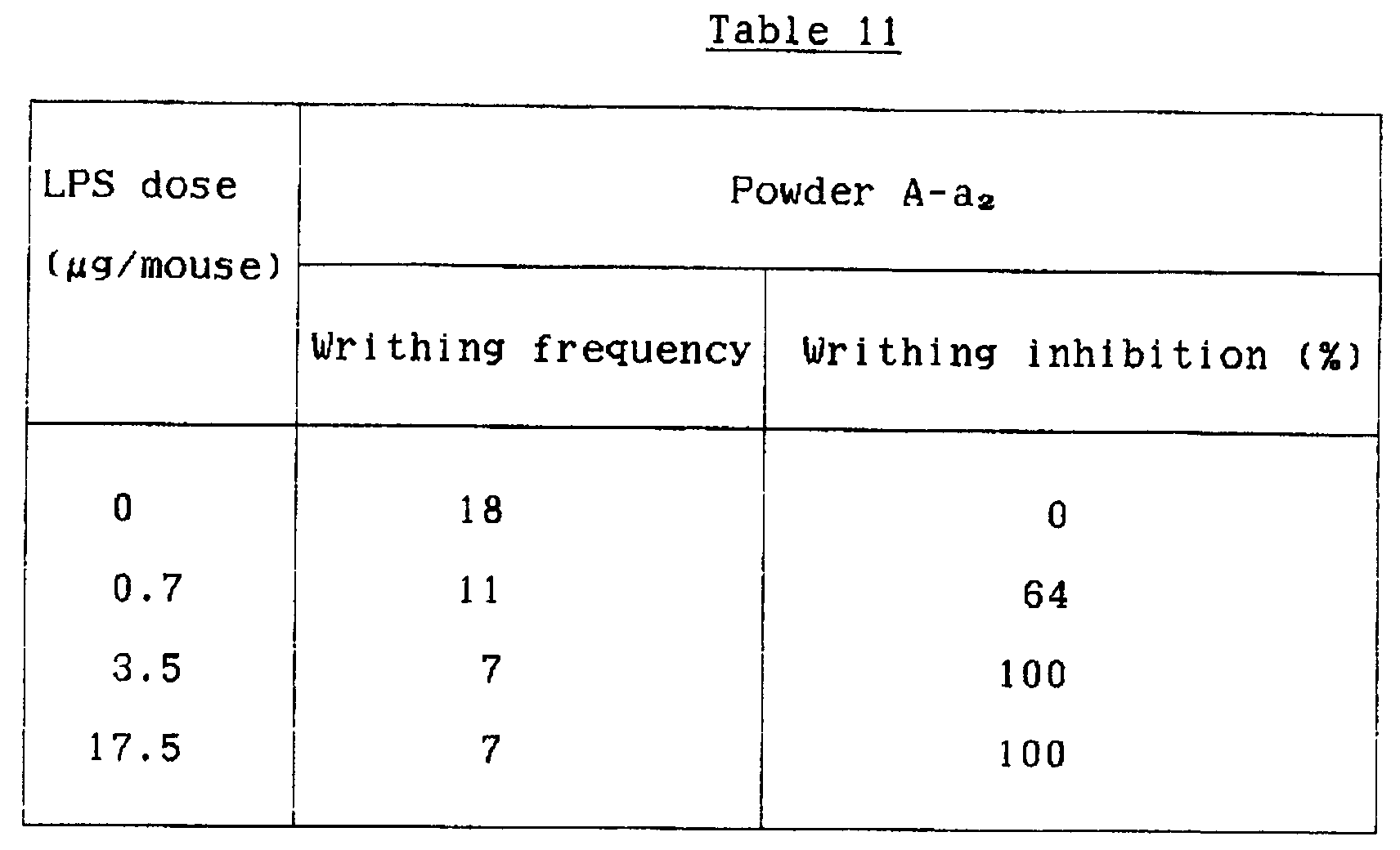
- Fig. 11 is a graph reflecting the results shown in Tables 10 and 11. Fig. 2 shows that the writhing inhibition ED₅₀ of LPS3 , Powder A-a₂, and E. coli LPS is estimated to be 2.8, 0.46 or 17 µg / mouse. Thus it is supposed that the analgesic effect of LPS3 is about six times as of E. coli LPS, and the powder A-a₂ is about 36 times effective as compared with E. coli LPS.
- Patient A (female, 41 years old)
1986: Infected with HIV through heterosexual intercourse
August in 1990: ARC
p24 antibody: +
August 20, 1990: Started to administer 400 mg / day of AZT.
September 28, 1990: Two left femoral eruptions were found.
October 4, 1990: VZV attained left hip, left femoral and left calf portions.
October 5, 1990: Hospitalized.
Leukocyte number: 4,000
C reactive protein: 0.25
T4 cells: 196
Pain: + + + - Forty ml of a 50 w/v % glycerin solution (glycerin: water = 1:1) containing 1 mg / ml of powder A-a₂ prepared in Reference Example 1 (1 µg / ml in terms of limulus test-positive LPS) was applied directly to VZV area once a day. No other drug was used for the patient while the glycerin solution is applied.
- As a result, the pain was drastically eliminated in some hours after the application.
- The dose and the interval of the analgesics and veterinary analgesics of the present invention are of course determined by the doctor or veterinarian in charge individually in view of the age, conditions, etc. of the patient. However, it may be said that 1 µg - 100 mg (oral administration), 10 ng - 10 mg (intravenous administration) and 100 ng - 1 mg (percutanous administration) are standard single dose per day to adults (body weight 60 kg). For veterinary use, about one sixtieth of the above quantities may be given per 1 kg of body weight of large-sized animals such as cattle, horses or the like. About twice as much as the dose to large-sized animals may be given per 1 kg of body weight of medium- or small-sized animals such as pigs, dogs, cats or the like. Fowls or the like may receive twice as much as the dose to medium- or small-sized animals.
- The LD₅₀ of LPS1, LPS2 and LPS3 in 7 week old C3H/He male mice having an average body weight of 22 g were 150, 180 and 180 µg / mouse according to the Behrens Karber; these values are less than 60 % of 300 µg / mouse found for E. coli LPS (0128:B8 manufactured by Difco Co. in U.S.A.). Further, wheat LPS (Reference example 1), E. coli LPS and B. pertussis LPS had the following LD₅₀ (an average of the data on two male BALB/C mice weighing 45 kg on average).

Claims (2)
- An analgesic composition comprising an effective amount of at least one member of LPS whose macrophage activation ED₅₀ is 0.4 - 100 ng/ml of culture solution in terms of its limulus test-positive LPS content observed on a sigmoid curve prepared by determining the ability of the LPS to activate the TNF productivity of macrophage cultured in vitro, and plotting the macrophage activation ability (°%) along the axis of ordinate wherein the ability is estimated to be 0 % in the case where it corresponds to the quantity of TNF produced by macrophage with no LPS added thereto, and 100 % is assigned to the macrophage activation ability which provides the maximal and constant quantity of TNF produced by the macrophage and plotting the limulus test-positive LPS content of the LPS along the axis of abscissa on a logarithmic scale, in admixture with a pharmaceutically or veterinarily acceptable carrier, such that when administered to an animal, pain of said animal is prevented or cured.
- The analgesic composition of Claim 1, wherein the LPS is selected from the group consisting of vegetable LPS, bacterial LPS and lipid A.
Applications Claiming Priority (4)
| Application Number | Priority Date | Filing Date | Title |
|---|---|---|---|
| JP218599/90 | 1990-08-20 | ||
| JP2218599A JPH0499481A (en) | 1990-08-20 | 1990-08-20 | Novel bacterium, novel lps, novel immunofunction-activating agent, new immunofunction-activating agent for animal |
| JP312932/90 | 1990-11-20 | ||
| JP31293290 | 1990-11-20 |
Publications (2)
| Publication Number | Publication Date |
|---|---|
| EP0472467A2 true EP0472467A2 (en) | 1992-02-26 |
| EP0472467A3 EP0472467A3 (en) | 1993-03-17 |
Family
ID=26522650
Family Applications (2)
| Application Number | Title | Priority Date | Filing Date |
|---|---|---|---|
| EP19910402276 Withdrawn EP0472467A3 (en) | 1990-08-20 | 1991-08-20 | Lps-containing analgesics and veterinary analgesics |
| EP91402275A Expired - Lifetime EP0477050B1 (en) | 1990-08-20 | 1991-08-20 | LPS-producing bacteria, LPSs, and LPS-containing medicines and veterinary medicines |
Family Applications After (1)
| Application Number | Title | Priority Date | Filing Date |
|---|---|---|---|
| EP91402275A Expired - Lifetime EP0477050B1 (en) | 1990-08-20 | 1991-08-20 | LPS-producing bacteria, LPSs, and LPS-containing medicines and veterinary medicines |
Country Status (5)
| Country | Link |
|---|---|
| US (2) | US5346891A (en) |
| EP (2) | EP0472467A3 (en) |
| AT (1) | ATE153374T1 (en) |
| CA (2) | CA2049548C (en) |
| DE (1) | DE69126183D1 (en) |
Cited By (7)
| Publication number | Priority date | Publication date | Assignee | Title |
|---|---|---|---|---|
| EP0533517A1 (en) * | 1991-08-20 | 1993-03-24 | Chiba Flour Milling Co. Ltd. | LPS-containing anti-withdrawal agents |
| EP0477050B1 (en) * | 1990-08-20 | 1997-05-21 | Gen-Ichiro Soma | LPS-producing bacteria, LPSs, and LPS-containing medicines and veterinary medicines |
| WO2000057719A1 (en) * | 1999-03-26 | 2000-10-05 | Taiho Pharmaceutical Company, Ltd. | Additives for crustacean or fish feeds and feeds |
| US6172220B1 (en) | 1997-01-21 | 2001-01-09 | Board Of Regents Of University Of Nebraska | Isolated algal lipopolysaccharides and use of same to inhibit endotoxin-initiated sepsis |
| US6444654B1 (en) | 1997-01-21 | 2002-09-03 | Board Of Regents Of University Of Nebraska | Isolated asgal lipopolysaccharides and use of same to inhibit innate immune response |
| WO2005030938A1 (en) | 2003-09-26 | 2005-04-07 | Biomedical Research Group Inc. | Fermentation and culture method, fermented plant extract, fermented plant extract powder and composition containing the fermented plant extract |
| US7968103B2 (en) | 2003-02-18 | 2011-06-28 | Josette Westphal, legal representative | Compositions comprising fetal hemoglobin and bacterial endotoxin and optionally additional fetal liver components |
Families Citing this family (5)
| Publication number | Priority date | Publication date | Assignee | Title |
|---|---|---|---|---|
| BR0009629A (en) * | 2000-12-08 | 2002-08-20 | Embrapa - Empresa Brasileira De Pesquisa Agropecua | Biocontrol of plant diseases caused by fusarium species with new isolates of bacillus megaterium and pantoea agglomerans |
| CN1935155A (en) * | 2002-08-27 | 2007-03-28 | 寺田弘 | medicine |
| CN101360829A (en) | 2005-11-28 | 2009-02-04 | 杣源一郎 | Method for fermentation and cultivation, plant fermented extract, plant fermented extract composition, method for preparing lipopolysaccharide and lipopolysaccharide |
| JP5440837B2 (en) * | 2009-03-26 | 2014-03-12 | Tdk株式会社 | Signal transmission device |
| US8753643B1 (en) * | 2012-04-11 | 2014-06-17 | Life-Science Innovations, Llc | Spray dried compositions and methods of use |
Family Cites Families (18)
| Publication number | Priority date | Publication date | Assignee | Title |
|---|---|---|---|---|
| FR2475900A1 (en) * | 1980-02-20 | 1981-08-21 | Fabre Sa Pierre | VACCINE COMPLEX CONTAINING A SPECIFIC ANTIGEN AND VACCINE CONTAINING SAME |
| US5023320A (en) * | 1982-03-23 | 1991-06-11 | Sloan-Kettering Institute For Cancer Research | Process for the purification of physiologically active substance having antitumor activity |
| US5057598A (en) * | 1983-05-06 | 1991-10-15 | Centocor, Inc. | Monoclonal antibodies reactive with endotoxin core |
| US4692332A (en) * | 1985-01-18 | 1987-09-08 | Mcmichael John | Immunotherapeutic methods and compositions employing antigens characteristic of malignant neoplasms |
| US4755381A (en) * | 1986-03-27 | 1988-07-05 | Swiss Serum And Vaccine Institute Berne | Klebsiella capsular polysaccharide vaccine |
| US4877611A (en) * | 1986-04-15 | 1989-10-31 | Ribi Immunochem Research Inc. | Vaccine containing tumor antigens and adjuvants |
| US4842862A (en) * | 1986-07-03 | 1989-06-27 | International Minerals & Chemical Corp. | Immunostimulating agents |
| US4980160A (en) * | 1986-10-16 | 1990-12-25 | Biogen, Inc. | Combinations of tumor necrosis factors and anti-inflammatory agents and methods for treating malignant and non-malignant diseases |
| JP2653061B2 (en) * | 1986-12-27 | 1997-09-10 | 武田薬品工業株式会社 | Novel polypeptide and method for producing the same |
| US4870158A (en) * | 1987-01-05 | 1989-09-26 | University Of Pittsburgh Of The Commonwealth System Of Higher Education | Polymyxin lipopolysaccharide antigen and associated method |
| DE3850800T2 (en) * | 1987-04-13 | 1994-11-17 | Hitachi Ltd | Superconducting material and process for its production. |
| US5023820A (en) * | 1989-05-10 | 1991-06-11 | Beloit Corporation | System for monitoring roll density |
| JPH0449244A (en) * | 1990-06-15 | 1992-02-18 | Chiba Seifun Kk | Antidiabetic agent and antidiabetic agent for animal |
| JPH0449243A (en) * | 1990-06-15 | 1992-02-18 | Chiba Seifun Kk | Cholesterol lowering agent and cholesterol lowering agent for animal |
| JPH0449242A (en) * | 1990-06-15 | 1992-02-18 | Chiba Seifun Kk | Antiherpes agent and antiherpes agent for animal |
| CA2049548C (en) * | 1990-08-20 | 2002-07-02 | Kiyoshi Yoshimura | Lps-producing bacteria, lpss, and lps-containing medicines and veterinary medicines |
| US5281583A (en) * | 1990-08-20 | 1994-01-25 | Den'ichi Mizuno | LPS-containing analgesics and veterinary analgesics |
| EP0533517A1 (en) * | 1991-08-20 | 1993-03-24 | Chiba Flour Milling Co. Ltd. | LPS-containing anti-withdrawal agents |
-
1991
- 1991-08-20 CA CA002049548A patent/CA2049548C/en not_active Expired - Fee Related
- 1991-08-20 EP EP19910402276 patent/EP0472467A3/en not_active Withdrawn
- 1991-08-20 CA CA002049533A patent/CA2049533A1/en not_active Abandoned
- 1991-08-20 DE DE69126183T patent/DE69126183D1/en not_active Expired - Lifetime
- 1991-08-20 AT AT91402275T patent/ATE153374T1/en active
- 1991-08-20 US US07/747,633 patent/US5346891A/en not_active Expired - Lifetime
- 1991-08-20 EP EP91402275A patent/EP0477050B1/en not_active Expired - Lifetime
-
1994
- 1994-04-12 US US08/226,636 patent/US5494819A/en not_active Expired - Fee Related
Cited By (17)
| Publication number | Priority date | Publication date | Assignee | Title |
|---|---|---|---|---|
| EP0477050B1 (en) * | 1990-08-20 | 1997-05-21 | Gen-Ichiro Soma | LPS-producing bacteria, LPSs, and LPS-containing medicines and veterinary medicines |
| EP0533517A1 (en) * | 1991-08-20 | 1993-03-24 | Chiba Flour Milling Co. Ltd. | LPS-containing anti-withdrawal agents |
| US6172220B1 (en) | 1997-01-21 | 2001-01-09 | Board Of Regents Of University Of Nebraska | Isolated algal lipopolysaccharides and use of same to inhibit endotoxin-initiated sepsis |
| US6444654B1 (en) | 1997-01-21 | 2002-09-03 | Board Of Regents Of University Of Nebraska | Isolated asgal lipopolysaccharides and use of same to inhibit innate immune response |
| US6534648B1 (en) * | 1997-01-21 | 2003-03-18 | Board Of Regents Of The University Of Nebraska | Isolated algal lipopolysaccharides and use of same to inhibit endotoxin-initiated sepsis |
| WO2000057719A1 (en) * | 1999-03-26 | 2000-10-05 | Taiho Pharmaceutical Company, Ltd. | Additives for crustacean or fish feeds and feeds |
| AU757122B2 (en) * | 1999-03-26 | 2003-02-06 | Genichiro Soma | Additives for crustacean or fish feeds and feeds |
| AU757122C (en) * | 1999-03-26 | 2004-11-25 | Genichiro Soma | Additives for crustacean or fish feeds and feeds |
| US7968103B2 (en) | 2003-02-18 | 2011-06-28 | Josette Westphal, legal representative | Compositions comprising fetal hemoglobin and bacterial endotoxin and optionally additional fetal liver components |
| WO2005030938A1 (en) | 2003-09-26 | 2005-04-07 | Biomedical Research Group Inc. | Fermentation and culture method, fermented plant extract, fermented plant extract powder and composition containing the fermented plant extract |
| EP1676908A4 (en) * | 2003-09-26 | 2009-04-22 | Soma Genichiro | FERMENTATION AND CULTURE PROCESS, FERMENTED PLANT EXTRACT, FERMENTED PLANT EXTRACT POWDER AND COMPOSITION CONTAINING SAID FERMENTED PLANT EXTRACT |
| NO20170687A1 (en) * | 2003-09-26 | 2006-06-22 | Biomedical Res Group Inc | Process for fermentation and cultivation, fermented plant extract, fermented plant extract powder and mixture containing the fermented plant extract |
| US8075928B2 (en) | 2003-09-26 | 2011-12-13 | Gen-Ichiro Soma | Method for fermentation and cultivation, fermented plant extract, fermented plant extract powder, and composition containing the extract of fermented plant |
| EP2444480A1 (en) * | 2003-09-26 | 2012-04-25 | Gen-Ichiro Soma | Method for fermentation and cultivation, fermented plant extract, fermented plant extract powder, and composition containing the extract of fermented plant |
| US9394513B2 (en) | 2003-09-26 | 2016-07-19 | Gen-Ichiro Soma | Method for fermentation and cultivation, fermented plant extract, fermented plant extract powder, and composition containing the extract of fermented plant |
| NO340880B1 (en) * | 2003-09-26 | 2017-07-03 | Biomedical Res Group Inc | Process for fermentation and cultivation, fermented plant extract, fermented plant extract powder and mixture containing the fermented plant extract. |
| NO342031B1 (en) * | 2003-09-26 | 2018-03-12 | Biomedical Res Group Inc | Process for fermentation and cultivation, fermented plant extract, fermented plant extract powder and mixture containing the fermented plant extract |
Also Published As
| Publication number | Publication date |
|---|---|
| CA2049548C (en) | 2002-07-02 |
| EP0477050B1 (en) | 1997-05-21 |
| DE69126183D1 (en) | 1997-06-26 |
| EP0477050A2 (en) | 1992-03-25 |
| CA2049548A1 (en) | 1992-02-21 |
| US5494819A (en) | 1996-02-27 |
| EP0477050A3 (en) | 1993-03-17 |
| US5346891A (en) | 1994-09-13 |
| CA2049533A1 (en) | 1992-02-21 |
| EP0472467A3 (en) | 1993-03-17 |
| ATE153374T1 (en) | 1997-06-15 |
Similar Documents
| Publication | Publication Date | Title |
|---|---|---|
| DE60103066T2 (en) | CHLORELLA PREPARATIONS WITH IMMUNOMODULATIVE PROPERTIES | |
| EP1602377B1 (en) | Composition containing beta-glucan and constipation-relieving drug, immunopotentiator and skin moistening agent using the composition | |
| EP0165726A2 (en) | Intestinal microflora-improving agent | |
| EP2444480A1 (en) | Method for fermentation and cultivation, fermented plant extract, fermented plant extract powder, and composition containing the extract of fermented plant | |
| DE2331144A1 (en) | WATER-SOLUBLE EXTRACTS FROM MYCOBACTERIA | |
| EP0462022A2 (en) | Anti-diabetic agents and veterinary anti-diabetic agents | |
| EP0462020A2 (en) | Anti-herpes agents and veterinary anti-herpes agent | |
| US5494819A (en) | Pure culture of Pantoea agglomerans ferm BP-3511 | |
| US5281583A (en) | LPS-containing analgesics and veterinary analgesics | |
| EP0384798B1 (en) | Limulus test-positive plant glycolipid, and method of stimulating the immuno system of an animal | |
| EP0462021A2 (en) | Cholesterol-lowering agents and veterinary cholesterol-lowering agents | |
| Inagawa et al. | Homeostasis as regulated by activated macrophage. II. LPS of plant origin other than wheat flour and their concomitant bacteria | |
| JP2005220065A (en) | Immunopotentiator | |
| Kim et al. | Turmeric bioprocessed with mycelia from the shiitake culinary-medicinal mushroom Lentinus edodes (Agaricomycetes) protects mice against salmonellosis | |
| DE602004008051T2 (en) | IMMUNOMODULATOR GENERATED FROM A BIFIDOBAKTERIC CULTURE AND COMPOSITIONS COMPRISING THEREOF | |
| EP0533517A1 (en) | LPS-containing anti-withdrawal agents | |
| EP0286869A1 (en) | Process for the preparation of cell wall components from Halobacteria, and their use as medicaments | |
| CN109954004B (en) | Application of bacteroides fragilis extract in preparation of composition for preventing and treating psoriasis | |
| Wong et al. | Tumor necrosis factor eliciting fractions separated from Pseudostellaria heterophylla | |
| US5366725A (en) | Method for the treatment of cancer | |
| KR102578112B1 (en) | A composition for preventing or treating inflammatory disease comprising extract of C. hassaku Hort. ex Y. Tan and Rehmanniae Radix preparata as effective component | |
| JPH0640937A (en) | Analgesics containing LPS and analgesics for animals | |
| JPH0690745A (en) | Lps-producing microorganism, lps and pharmaceutical and animal drug containing lps | |
| DE3686607T2 (en) | HYPOCHOLESTTRINAEMIC AND / OR HYPOTRIGLYCERIDAEMICALLY ACTIVE RNS FRACTIONS. | |
| EP0489178A1 (en) | Antitumor agent |
Legal Events
| Date | Code | Title | Description |
|---|---|---|---|
| PUAI | Public reference made under article 153(3) epc to a published international application that has entered the european phase |
Free format text: ORIGINAL CODE: 0009012 |
|
| AK | Designated contracting states |
Kind code of ref document: A2 Designated state(s): AT BE CH DE DK ES FR GB GR IT LI LU NL SE |
|
| PUAL | Search report despatched |
Free format text: ORIGINAL CODE: 0009013 |
|
| AK | Designated contracting states |
Kind code of ref document: A3 Designated state(s): AT BE CH DE DK ES FR GB GR IT LI LU NL SE |
|
| 17P | Request for examination filed |
Effective date: 19930913 |
|
| RIN1 | Information on inventor provided before grant (corrected) |
Inventor name: OSHIMA, HARUYUKI TATEGAOKA-DANCHI 2-10-513 Inventor name: MIZUNO, DEN'ICHI Inventor name: TSUKIOKA, DAISUKE Inventor name: YOSHIMURA, KIYOSHI Inventor name: SOMA, GEN-ICHIRO |
|
| 17Q | First examination report despatched |
Effective date: 19931215 |
|
| STAA | Information on the status of an ep patent application or granted ep patent |
Free format text: STATUS: THE APPLICATION IS DEEMED TO BE WITHDRAWN |
|
| 18D | Application deemed to be withdrawn |
Effective date: 19940627 |