EP0343544A2 - Immunostimulating substance from propioni bacteria, and process for its production - Google Patents
Immunostimulating substance from propioni bacteria, and process for its production Download PDFInfo
- Publication number
- EP0343544A2 EP0343544A2 EP89109115A EP89109115A EP0343544A2 EP 0343544 A2 EP0343544 A2 EP 0343544A2 EP 89109115 A EP89109115 A EP 89109115A EP 89109115 A EP89109115 A EP 89109115A EP 0343544 A2 EP0343544 A2 EP 0343544A2
- Authority
- EP
- European Patent Office
- Prior art keywords
- lysate
- agent according
- aqueous
- propionibacterium
- agent
- Prior art date
- Legal status (The legal status is an assumption and is not a legal conclusion. Google has not performed a legal analysis and makes no representation as to the accuracy of the status listed.)
- Withdrawn
Links
- 238000000034 method Methods 0.000 title claims abstract description 19
- 238000004519 manufacturing process Methods 0.000 title claims abstract description 6
- 230000008569 process Effects 0.000 title claims abstract description 4
- 230000003308 immunostimulating effect Effects 0.000 title claims description 13
- 239000000126 substance Substances 0.000 title description 10
- 241000894006 Bacteria Species 0.000 title 1
- 241001464974 Cutibacterium avidum Species 0.000 claims abstract description 7
- 241001464975 Cutibacterium granulosum Species 0.000 claims abstract description 7
- 239000003022 immunostimulating agent Substances 0.000 claims abstract description 7
- 229940055009 propionibacterium avidum Drugs 0.000 claims abstract description 7
- 241000186427 Cutibacterium acnes Species 0.000 claims abstract description 4
- 229940055019 propionibacterium acne Drugs 0.000 claims abstract description 4
- 239000003960 organic solvent Substances 0.000 claims abstract description 3
- 239000013592 cell lysate Substances 0.000 claims abstract 4
- 239000006166 lysate Substances 0.000 claims description 45
- 239000003795 chemical substances by application Substances 0.000 claims description 16
- ISWSIDIOOBJBQZ-UHFFFAOYSA-N Phenol Chemical compound OC1=CC=CC=C1 ISWSIDIOOBJBQZ-UHFFFAOYSA-N 0.000 claims description 12
- 239000000243 solution Substances 0.000 claims description 12
- 239000008346 aqueous phase Substances 0.000 claims description 9
- 238000002360 preparation method Methods 0.000 claims description 8
- XLYOFNOQVPJJNP-UHFFFAOYSA-N water Substances O XLYOFNOQVPJJNP-UHFFFAOYSA-N 0.000 claims description 7
- 239000002253 acid Substances 0.000 claims description 5
- 150000007513 acids Chemical class 0.000 claims description 5
- 238000005119 centrifugation Methods 0.000 claims description 5
- 206010027476 Metastases Diseases 0.000 claims description 3
- 238000002347 injection Methods 0.000 claims description 3
- 239000007924 injection Substances 0.000 claims description 3
- 239000000203 mixture Substances 0.000 claims description 3
- 238000011321 prophylaxis Methods 0.000 claims description 3
- 208000035143 Bacterial infection Diseases 0.000 claims description 2
- 241001655324 Propionibacteriales Species 0.000 claims description 2
- 208000022362 bacterial infectious disease Diseases 0.000 claims description 2
- 201000010099 disease Diseases 0.000 claims description 2
- 208000037265 diseases, disorders, signs and symptoms Diseases 0.000 claims description 2
- 229960001438 immunostimulant agent Drugs 0.000 claims description 2
- 230000009401 metastasis Effects 0.000 claims description 2
- 238000011275 oncology therapy Methods 0.000 claims description 2
- 230000003108 parasitologic effect Effects 0.000 claims description 2
- 239000000829 suppository Substances 0.000 claims description 2
- 238000011477 surgical intervention Methods 0.000 claims description 2
- 230000003612 virological effect Effects 0.000 claims description 2
- 239000002775 capsule Substances 0.000 claims 1
- 238000001914 filtration Methods 0.000 claims 1
- 238000001802 infusion Methods 0.000 claims 1
- 239000007922 nasal spray Substances 0.000 claims 1
- 229940097496 nasal spray Drugs 0.000 claims 1
- 230000002265 prevention Effects 0.000 claims 1
- 238000000926 separation method Methods 0.000 claims 1
- 230000003319 supportive effect Effects 0.000 claims 1
- 210000004027 cell Anatomy 0.000 description 34
- 241000699670 Mus sp. Species 0.000 description 12
- 210000003024 peritoneal macrophage Anatomy 0.000 description 11
- 238000012360 testing method Methods 0.000 description 11
- 210000001616 monocyte Anatomy 0.000 description 10
- 206010028980 Neoplasm Diseases 0.000 description 8
- 241000186429 Propionibacterium Species 0.000 description 8
- 230000000694 effects Effects 0.000 description 8
- 210000003714 granulocyte Anatomy 0.000 description 8
- 238000002474 experimental method Methods 0.000 description 7
- 239000002953 phosphate buffered saline Substances 0.000 description 7
- 238000007920 subcutaneous administration Methods 0.000 description 7
- 239000000725 suspension Substances 0.000 description 7
- 239000012981 Hank's balanced salt solution Substances 0.000 description 6
- 229920000392 Zymosan Polymers 0.000 description 6
- 239000007789 gas Substances 0.000 description 6
- 206010039491 Sarcoma Diseases 0.000 description 5
- 230000035605 chemotaxis Effects 0.000 description 5
- 210000002966 serum Anatomy 0.000 description 5
- IJGRMHOSHXDMSA-UHFFFAOYSA-N Atomic nitrogen Chemical compound N#N IJGRMHOSHXDMSA-UHFFFAOYSA-N 0.000 description 4
- 241001465754 Metazoa Species 0.000 description 4
- FAPWRFPIFSIZLT-UHFFFAOYSA-M Sodium chloride Chemical compound [Na+].[Cl-] FAPWRFPIFSIZLT-UHFFFAOYSA-M 0.000 description 4
- 238000001727 in vivo Methods 0.000 description 4
- 238000013508 migration Methods 0.000 description 4
- 230000005012 migration Effects 0.000 description 4
- 239000002504 physiological saline solution Substances 0.000 description 4
- 239000013049 sediment Substances 0.000 description 4
- 210000000952 spleen Anatomy 0.000 description 4
- 229920001817 Agar Polymers 0.000 description 3
- 241000699666 Mus <mouse, genus> Species 0.000 description 3
- MBLBDJOUHNCFQT-UHFFFAOYSA-N N-acetyl-D-galactosamine Natural products CC(=O)NC(C=O)C(O)C(O)C(O)CO MBLBDJOUHNCFQT-UHFFFAOYSA-N 0.000 description 3
- 230000004913 activation Effects 0.000 description 3
- 230000001464 adherent effect Effects 0.000 description 3
- 239000008272 agar Substances 0.000 description 3
- 238000010171 animal model Methods 0.000 description 3
- 230000003399 chemotactic effect Effects 0.000 description 3
- 238000000605 extraction Methods 0.000 description 3
- 239000011521 glass Substances 0.000 description 3
- 230000002519 immonomodulatory effect Effects 0.000 description 3
- 238000000338 in vitro Methods 0.000 description 3
- 238000011081 inoculation Methods 0.000 description 3
- 210000000265 leukocyte Anatomy 0.000 description 3
- 239000002609 medium Substances 0.000 description 3
- 239000006228 supernatant Substances 0.000 description 3
- 230000009885 systemic effect Effects 0.000 description 3
- 210000004881 tumor cell Anatomy 0.000 description 3
- 108091003079 Bovine Serum Albumin Proteins 0.000 description 2
- IAZDPXIOMUYVGZ-UHFFFAOYSA-N Dimethylsulphoxide Chemical compound CS(C)=O IAZDPXIOMUYVGZ-UHFFFAOYSA-N 0.000 description 2
- HTTJABKRGRZYRN-UHFFFAOYSA-N Heparin Chemical compound OC1C(NC(=O)C)C(O)OC(COS(O)(=O)=O)C1OC1C(OS(O)(=O)=O)C(O)C(OC2C(C(OS(O)(=O)=O)C(OC3C(C(O)C(O)C(O3)C(O)=O)OS(O)(=O)=O)C(CO)O2)NS(O)(=O)=O)C(C(O)=O)O1 HTTJABKRGRZYRN-UHFFFAOYSA-N 0.000 description 2
- 206010027458 Metastases to lung Diseases 0.000 description 2
- OVRNDRQMDRJTHS-UHFFFAOYSA-N N-acelyl-D-glucosamine Natural products CC(=O)NC1C(O)OC(CO)C(O)C1O OVRNDRQMDRJTHS-UHFFFAOYSA-N 0.000 description 2
- OVRNDRQMDRJTHS-KEWYIRBNSA-N N-acetyl-D-galactosamine Chemical compound CC(=O)N[C@H]1C(O)O[C@H](CO)[C@H](O)[C@@H]1O OVRNDRQMDRJTHS-KEWYIRBNSA-N 0.000 description 2
- OVRNDRQMDRJTHS-RTRLPJTCSA-N N-acetyl-D-glucosamine Chemical compound CC(=O)N[C@H]1C(O)O[C@H](CO)[C@@H](O)[C@@H]1O OVRNDRQMDRJTHS-RTRLPJTCSA-N 0.000 description 2
- MBLBDJOUHNCFQT-LXGUWJNJSA-N N-acetylglucosamine Natural products CC(=O)N[C@@H](C=O)[C@@H](O)[C@H](O)[C@H](O)CO MBLBDJOUHNCFQT-LXGUWJNJSA-N 0.000 description 2
- 239000012980 RPMI-1640 medium Substances 0.000 description 2
- GLNADSQYFUSGOU-GPTZEZBUSA-J Trypan blue Chemical compound [Na+].[Na+].[Na+].[Na+].C1=C(S([O-])(=O)=O)C=C2C=C(S([O-])(=O)=O)C(/N=N/C3=CC=C(C=C3C)C=3C=C(C(=CC=3)\N=N\C=3C(=CC4=CC(=CC(N)=C4C=3O)S([O-])(=O)=O)S([O-])(=O)=O)C)=C(O)C2=C1N GLNADSQYFUSGOU-GPTZEZBUSA-J 0.000 description 2
- 239000012190 activator Substances 0.000 description 2
- 239000011324 bead Substances 0.000 description 2
- 210000004369 blood Anatomy 0.000 description 2
- 239000008280 blood Substances 0.000 description 2
- 150000001720 carbohydrates Chemical class 0.000 description 2
- 235000014633 carbohydrates Nutrition 0.000 description 2
- 239000012159 carrier gas Substances 0.000 description 2
- 239000006285 cell suspension Substances 0.000 description 2
- 235000014113 dietary fatty acids Nutrition 0.000 description 2
- 210000003743 erythrocyte Anatomy 0.000 description 2
- 229930195729 fatty acid Natural products 0.000 description 2
- 239000000194 fatty acid Substances 0.000 description 2
- 150000004665 fatty acids Chemical class 0.000 description 2
- 239000012894 fetal calf serum Substances 0.000 description 2
- 238000004108 freeze drying Methods 0.000 description 2
- 229960002897 heparin Drugs 0.000 description 2
- 229920000669 heparin Polymers 0.000 description 2
- 238000007912 intraperitoneal administration Methods 0.000 description 2
- 238000001990 intravenous administration Methods 0.000 description 2
- KNJDBYZZKAZQNG-UHFFFAOYSA-N lucigenin Chemical compound [O-][N+]([O-])=O.[O-][N+]([O-])=O.C12=CC=CC=C2[N+](C)=C(C=CC=C2)C2=C1C1=C(C=CC=C2)C2=[N+](C)C2=CC=CC=C12 KNJDBYZZKAZQNG-UHFFFAOYSA-N 0.000 description 2
- HWYHZTIRURJOHG-UHFFFAOYSA-N luminol Chemical compound O=C1NNC(=O)C2=C1C(N)=CC=C2 HWYHZTIRURJOHG-UHFFFAOYSA-N 0.000 description 2
- 210000004072 lung Anatomy 0.000 description 2
- 229910052757 nitrogen Inorganic materials 0.000 description 2
- 210000001539 phagocyte Anatomy 0.000 description 2
- 239000011541 reaction mixture Substances 0.000 description 2
- 230000009467 reduction Effects 0.000 description 2
- 239000011780 sodium chloride Substances 0.000 description 2
- 230000002269 spontaneous effect Effects 0.000 description 2
- ZUQUTHURQVDNKF-CBQIKETKSA-N 1-[(2R,3R,4R,5S,6R)-3-amino-2,4,5-trihydroxy-6-(hydroxymethyl)oxan-2-yl]ethanone Chemical compound C(C)(=O)[C@@]1(O)[C@H](N)[C@@H](O)[C@H](O)[C@H](O1)CO ZUQUTHURQVDNKF-CBQIKETKSA-N 0.000 description 1
- JKMHFZQWWAIEOD-UHFFFAOYSA-N 2-[4-(2-hydroxyethyl)piperazin-1-yl]ethanesulfonic acid Chemical compound OCC[NH+]1CCN(CCS([O-])(=O)=O)CC1 JKMHFZQWWAIEOD-UHFFFAOYSA-N 0.000 description 1
- 229920000936 Agarose Polymers 0.000 description 1
- VYZAMTAEIAYCRO-UHFFFAOYSA-N Chromium Chemical compound [Cr] VYZAMTAEIAYCRO-UHFFFAOYSA-N 0.000 description 1
- 102000004127 Cytokines Human genes 0.000 description 1
- 108090000695 Cytokines Proteins 0.000 description 1
- SHZGCJCMOBCMKK-UHFFFAOYSA-N D-mannomethylose Natural products CC1OC(O)C(O)C(O)C1O SHZGCJCMOBCMKK-UHFFFAOYSA-N 0.000 description 1
- WQZGKKKJIJFFOK-QTVWNMPRSA-N D-mannopyranose Chemical compound OC[C@H]1OC(O)[C@@H](O)[C@@H](O)[C@@H]1O WQZGKKKJIJFFOK-QTVWNMPRSA-N 0.000 description 1
- 229920002307 Dextran Polymers 0.000 description 1
- PNNNRSAQSRJVSB-SLPGGIOYSA-N Fucose Natural products C[C@H](O)[C@@H](O)[C@H](O)[C@H](O)C=O PNNNRSAQSRJVSB-SLPGGIOYSA-N 0.000 description 1
- WQZGKKKJIJFFOK-GASJEMHNSA-N Glucose Natural products OC[C@H]1OC(O)[C@H](O)[C@@H](O)[C@@H]1O WQZGKKKJIJFFOK-GASJEMHNSA-N 0.000 description 1
- 241000282412 Homo Species 0.000 description 1
- 102000014150 Interferons Human genes 0.000 description 1
- 108010050904 Interferons Proteins 0.000 description 1
- 102000015696 Interleukins Human genes 0.000 description 1
- 108010063738 Interleukins Proteins 0.000 description 1
- SHZGCJCMOBCMKK-DHVFOXMCSA-N L-fucopyranose Chemical compound C[C@@H]1OC(O)[C@@H](O)[C@H](O)[C@@H]1O SHZGCJCMOBCMKK-DHVFOXMCSA-N 0.000 description 1
- 241001529936 Murinae Species 0.000 description 1
- OVRNDRQMDRJTHS-CBQIKETKSA-N N-Acetyl-D-Galactosamine Chemical compound CC(=O)N[C@H]1[C@@H](O)O[C@H](CO)[C@H](O)[C@@H]1O OVRNDRQMDRJTHS-CBQIKETKSA-N 0.000 description 1
- 229920002684 Sepharose Polymers 0.000 description 1
- 229910000831 Steel Inorganic materials 0.000 description 1
- 210000000683 abdominal cavity Anatomy 0.000 description 1
- 239000004480 active ingredient Substances 0.000 description 1
- 239000011543 agarose gel Substances 0.000 description 1
- PYMYPHUHKUWMLA-WDCZJNDASA-N arabinose Chemical compound OC[C@@H](O)[C@@H](O)[C@H](O)C=O PYMYPHUHKUWMLA-WDCZJNDASA-N 0.000 description 1
- PYMYPHUHKUWMLA-UHFFFAOYSA-N arabinose Natural products OCC(O)C(O)C(O)C=O PYMYPHUHKUWMLA-UHFFFAOYSA-N 0.000 description 1
- 230000001580 bacterial effect Effects 0.000 description 1
- TZCXTZWJZNENPQ-UHFFFAOYSA-L barium sulfate Chemical compound [Ba+2].[O-]S([O-])(=O)=O TZCXTZWJZNENPQ-UHFFFAOYSA-L 0.000 description 1
- SRBFZHDQGSBBOR-UHFFFAOYSA-N beta-D-Pyranose-Lyxose Natural products OC1COC(O)C(O)C1O SRBFZHDQGSBBOR-UHFFFAOYSA-N 0.000 description 1
- 230000004071 biological effect Effects 0.000 description 1
- 210000000601 blood cell Anatomy 0.000 description 1
- 230000037396 body weight Effects 0.000 description 1
- 238000009395 breeding Methods 0.000 description 1
- 230000001488 breeding effect Effects 0.000 description 1
- 244000309466 calf Species 0.000 description 1
- 238000012511 carbohydrate analysis Methods 0.000 description 1
- 239000006143 cell culture medium Substances 0.000 description 1
- 210000002421 cell wall Anatomy 0.000 description 1
- 210000003850 cellular structure Anatomy 0.000 description 1
- 238000002512 chemotherapy Methods 0.000 description 1
- 238000013375 chromatographic separation Methods 0.000 description 1
- 238000004587 chromatography analysis Methods 0.000 description 1
- 238000004140 cleaning Methods 0.000 description 1
- 230000002596 correlated effect Effects 0.000 description 1
- 230000000875 corresponding effect Effects 0.000 description 1
- 239000000287 crude extract Substances 0.000 description 1
- 230000029087 digestion Effects 0.000 description 1
- 238000010790 dilution Methods 0.000 description 1
- 239000012895 dilution Substances 0.000 description 1
- LOKCTEFSRHRXRJ-UHFFFAOYSA-I dipotassium trisodium dihydrogen phosphate hydrogen phosphate dichloride Chemical compound P(=O)(O)(O)[O-].[K+].P(=O)(O)([O-])[O-].[Na+].[Na+].[Cl-].[K+].[Cl-].[Na+] LOKCTEFSRHRXRJ-UHFFFAOYSA-I 0.000 description 1
- 239000012153 distilled water Substances 0.000 description 1
- 231100000673 dose–response relationship Toxicity 0.000 description 1
- 239000003937 drug carrier Substances 0.000 description 1
- 235000013305 food Nutrition 0.000 description 1
- 229930182830 galactose Natural products 0.000 description 1
- 238000004817 gas chromatography Methods 0.000 description 1
- 239000000499 gel Substances 0.000 description 1
- 238000005227 gel permeation chromatography Methods 0.000 description 1
- 239000008103 glucose Substances 0.000 description 1
- 239000000367 immunologic factor Substances 0.000 description 1
- 238000009169 immunotherapy Methods 0.000 description 1
- 238000011534 incubation Methods 0.000 description 1
- 239000003978 infusion fluid Substances 0.000 description 1
- 229940047124 interferons Drugs 0.000 description 1
- 229940047122 interleukins Drugs 0.000 description 1
- 238000011835 investigation Methods 0.000 description 1
- 239000007788 liquid Substances 0.000 description 1
- 210000004698 lymphocyte Anatomy 0.000 description 1
- 210000002540 macrophage Anatomy 0.000 description 1
- 239000000463 material Substances 0.000 description 1
- 239000011159 matrix material Substances 0.000 description 1
- 238000005259 measurement Methods 0.000 description 1
- 210000004400 mucous membrane Anatomy 0.000 description 1
- PGSADBUBUOPOJS-UHFFFAOYSA-N neutral red Chemical compound Cl.C1=C(C)C(N)=CC2=NC3=CC(N(C)C)=CC=C3N=C21 PGSADBUBUOPOJS-UHFFFAOYSA-N 0.000 description 1
- 239000012299 nitrogen atmosphere Substances 0.000 description 1
- 235000015097 nutrients Nutrition 0.000 description 1
- 230000000242 pagocytic effect Effects 0.000 description 1
- 239000012071 phase Substances 0.000 description 1
- 238000001959 radiotherapy Methods 0.000 description 1
- 239000000523 sample Substances 0.000 description 1
- 238000007086 side reaction Methods 0.000 description 1
- 238000010186 staining Methods 0.000 description 1
- 239000010959 steel Substances 0.000 description 1
- 230000000638 stimulation Effects 0.000 description 1
- 238000003756 stirring Methods 0.000 description 1
- 239000000758 substrate Substances 0.000 description 1
- 239000003104 tissue culture media Substances 0.000 description 1
- 238000000108 ultra-filtration Methods 0.000 description 1
- 210000003462 vein Anatomy 0.000 description 1
- 238000010626 work up procedure Methods 0.000 description 1
Images
Classifications
-
- A—HUMAN NECESSITIES
- A61—MEDICAL OR VETERINARY SCIENCE; HYGIENE
- A61K—PREPARATIONS FOR MEDICAL, DENTAL OR TOILETRY PURPOSES
- A61K39/00—Medicinal preparations containing antigens or antibodies
- A61K39/39—Medicinal preparations containing antigens or antibodies characterised by the immunostimulating additives, e.g. chemical adjuvants
-
- A—HUMAN NECESSITIES
- A61—MEDICAL OR VETERINARY SCIENCE; HYGIENE
- A61K—PREPARATIONS FOR MEDICAL, DENTAL OR TOILETRY PURPOSES
- A61K35/00—Medicinal preparations containing materials or reaction products thereof with undetermined constitution
- A61K35/66—Microorganisms or materials therefrom
- A61K35/74—Bacteria
-
- A—HUMAN NECESSITIES
- A61—MEDICAL OR VETERINARY SCIENCE; HYGIENE
- A61K—PREPARATIONS FOR MEDICAL, DENTAL OR TOILETRY PURPOSES
- A61K39/00—Medicinal preparations containing antigens or antibodies
- A61K2039/555—Medicinal preparations containing antigens or antibodies characterised by a specific combination antigen/adjuvant
- A61K2039/55588—Adjuvants of undefined constitution
- A61K2039/55594—Adjuvants of undefined constitution from bacteria
Definitions
- the present invention relates to an immunostimulating agent from propionibacteria, in particular from the strains Propionibacterium granulosum DSM 1773, Propionibacterium avidum DSM 1772 and / or Propionibacterium acnes ATCC 6919, and a method for producing the same.
- Cytokines such as interferons, interleukins and other substances secreted by lymphocytes, known as "biological response modifiers” (BRM), are known as immunostimulating agents.
- BRM biological response modifiers
- the subject of DE-PS 30 11 461 are cell wall and whole cell preparations on the basis of killed whole cells of certain propionibacteria, which are suitable for the radio- and chemotherapy of tumors.
- a disadvantage of these cell preparations is the fact that the administration of the cell components can lead to side reactions. Furthermore, any dosage is difficult because of the heterogeneous structure of these preparations.
- aqueous lysates from propionibacteria in particular from the strains Propionibacterium granulosum DSM 1773, Propionibacterium avidum DSM 1772 and / or Propionibacterium acnes ATCC 6919, show an immunostimulating effect.
- the active component After extraction of the crude lysate with organic solvents, especially after phenol extraction, the active component remains in the aqueous phase. Extraction with aqueous phenol solutions is particularly preferred.
- Suitable cleaning processes in particular chromatographic separation on gel permeation materials such as Sepharose R CL-6B, can be used to remove from the aqueous Lysate enrich certain fractions that contain lipoteichoic acids.
- the aqueous lysate or the active fractions can be freeze-dried. There is no loss of effectiveness. If desired, the aqueous lysate or the active fractions may have been dialyzed beforehand.
- the agent according to the invention can also contain the usual pharmaceutical carriers and auxiliary substances.
- the agent according to the invention can be obtained by disrupting the bacterial cells in question, preferably by mechanically destroying the cells, separating the cell debris and collecting the aqueous lysate. It is advantageous to work up the lysate obtained further, for example by further centrifugation steps. Between the centrifugation steps, it is advantageous to heat the aqueous lysate in the steam pot. If desired, freeze drying follows after a last ultrafiltration.
- the cells are mixed with phenolic solution, preferably 95% phenol, and treated for a few hours, preferably 1 to 3 hours at room temperature, if desired with stirring. After a centrifugation step, the aqueous phase is collected and then freeze-dried. However, the aqueous phase of the lysate can also be dialyzed against aqua destillata before freeze-drying.
- the crude extracts obtainable in the manner described above can be separated into their active components by suitable measures, for example by gel chromatography on a matrix which preferably has a digestion limit of the molecular weight of approx. 4 ⁇ 10 x.
- Cross-linked agarose gels for example, are suitable.
- the fractions which contain lipoteichoic acids (LTA) have proven to be immunostimulating.
- LTA lipoteichoic acids
- the agent according to the invention is suitable for use as an immunostimulant.
- the agent according to the invention can be used to support cancer therapy and / or prophylaxis and to prevent recurrence and metastasis. It is also suitable for medicinal support during surgical interventions.
- the agent according to the invention can be used in particular to combat and prevent viral, mycological and bacterial infections or parasitological diseases.
- the agent according to the invention can be applied parenterally.
- Subcutaneous and nasal administration as well as application in connection with injection or infusion solutions are possible.
- Oral application is also possible in addition to application as a suppository.
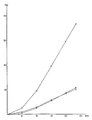
- Figure 1 shows the activity of human granulocytes incubated with zymosan or different concentrations of Propionibacterium lysate, measured by the chemiluminescence method.
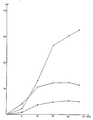
- Figure 2 shows the activity of human monocytes incubated with zymosan or different concentrations of Propionibacterium lysate, measured with the chemiluminescence method.
- the KP-40 lysate comes from Propionibacterium avidum.
- a lysate (KP-45) from Propionibacterium granulosum showed similar results.
- the immunomodulatory effect of the lysate was determined by examining the phagocytic activity of human granulocytes, monocytes and murine peritoneal macrophages using the chemiluminescence test. This test is extremely sensitive and provides reliable, reproducible results. As shown in Figures 1 and 2, human phagocytes (granulocytes and monocytes) were affected in their activity when they were incubated with different concentrations of Propionibacterium KP-40 lysate. Concentrations of 2.5 and 5 mg / ml of this substance caused an increased activatability of the granulocytes and monocytes, which, however, was not as pronounced due to the complete solubility of the lysate as by corresponding concentrations of a zymosan suspension. This finding was to be expected due to the different activation media (lysate solution or zymosan suspension) and is consistent with previous studies which revealed a stronger stimulation of phagocytes by particulate media compared to soluble ones.
- An equally large control group received physiological saline (same dosage amounts, intervals and type of application).
- Chemiluminescence studies with the peritoneal macrophages and serum-activated zymosan revealed that the lysate pretreatment brought about a massively increased activatability of the cells.
- the Propionibacterium KP-40 lysate exerts an excellent immunostimulating effect in vitro and in vivo. It is recommended as an alternative to the already known immunotherapy with whole, heat-inactivated Propionibacterium avidum KP-40 cells or Propionibacterium granulosum KP-45 cells.
- the possibility of subcutaneous and possible local application via the mucous membranes also opens up a wide range of applications.
- a agar plates were inoculated with a three-day A agar preculture and incubated in an anaerobic incubator (in a 5% CO2, 10% H2, 85% N2 atmosphere) at 37 ° C. Both the gas pack pot method (BBL) and the anaerobic incubator (Heraeus) were used for culture in the anaerobic environment. An optimal cell yield could be obtained from the mass cultures after an incubation period of 72 hours.
- the culture plates were then flooded with 2 to 3 ml of physiological saline and, after about 10 minutes, spatulated off from the A-agar culture surfaces with the physiological solution.
- the cells were harvested by centrifugation at 9000 rpm in a Sorval R 2B refrigerated centrifuge for 20 minutes and washed twice with physiological saline.
- the KP-40 cells or the KP-45 cells were mixed with twice the volume of glass beads (diameter 0.17 to 18 mm) and in a cell mill (Vibrogen cell mill Vi3, E. Buehler, Tuebingen ) Smashed for 1 to 1.5 hours.
- the glass beads were separated from the homogenate using a G-1 frit using distilled water.
- the milky suspension was centrifuged at 15,000 rpm for 30 minutes, the supernatant decanted, heated in a steam pot for 30 minutes, centrifuged again for 30 minutes, filtered through Millipore (0.45 ⁇ m) and freeze-dried.
- Mass cultures of the Propionibacterial strains (about 30 g wet weight of the cells) were on 100 ml Agua dest. filled up and mixed with the same amount of 95% phenol solution. This mixture was stirred at room temperature for 2 hours. This mixture was then centrifuged at 5000 rpm for 40 minutes, the aqueous phase was pipetted off and collected. The sediment and the phenol phase were again distilled in 100 ml agua. dissolved, stirred for a further hour at room temperature, centrifuged and the aqueous phase was pipetted off and collected. The aqueous phase was then dialyzed for 3 days at 4 ° C. against distilled agua, which was changed several times, and then freeze-dried.
- mice Only male Balb / c inbred mice, 8 to 12 weeks old, were used for the animal experiments (Origin: Central Institute for Experimental Animal Breeding, Hanover). They were kept in plastic cages and had free access to food and water.
- the human blood cells used for the in vitro studies came from healthy volunteers of both sexes.
- the leukocytes were collected as follows: 30 to 40 ml of blood containing 10 IU / ml of additive-free heparin (Sigma Chemicals Co., St. Louis) were mixed with 6% dextran solution in 0.9% saline (a quarter of the above Volume) mixed, the red blood cells were then able to sediment for 30 to 45 minutes at room temperature. A leucocyte-rich sediment was produced by centrifuging the supernatant (10 minutes at 350 g), which was then used further.
- the possibly remaining erythrocytes were lysed by briefly (45 seconds) adding 0.2% saline to the sediment, then immediately followed by an equal volume addition of 1.6% saline.
- the leukocytes were washed twice in Hanks Balanced Salt Solution (HBSS, Gibco Lab., Düsseldorf) and then resuspended in the desired concentration in Minimal Essential Medium (MEM, Gibco Lab.), which contained Hepes buffer and 1% heat-inactivated calf serum.
- HBSS Hanks Balanced Salt Solution
- MEM Minimal Essential Medium
- monocytes the blood was mixed with 0.9% saline in a ratio of 1: 1, passed through a Ficoll-Hypaque Density gradient and centrifuged at room temperature (40 minutes at 1400 g). The monocyte layer was collected, washed twice in HBSS and resuspended in a concentration of 5 ⁇ 106 living cells / ml in cell culture medium RPMI 1640 (Gibco Lab.), which was enriched with 10% autologous serum. This suspension was for one hour at 37 ° C in plates coated with autologous serum incubated. After removing the non-adherent cells, the adherent cells were detached. The cell preparation obtained in this way contained 90% monocytes (determined with neutral red staining).
- mice were sacrificed, laparatomized, and the abdominal cavity was cautiously treated with HBSS (Gibco Lab.), The 10 I.U. Heparin (Sigma Chemicals Co.) rinsed. The rinsing liquid was centrifuged (10 minutes, 400 x g) and the cells resuspended in HBSS, mixed with 10% heat-inactivated fetal calf serum. A cell suspension was prepared (5 x 10⁶ / ml), and 2 ml of this suspension were transferred to sterile Petri dishes (Falcon, Becton-Dickinson, Heidelberg) and incubated for 2 hours (37 ° C, 5% CO2).
- the adherent macrophages were washed twice with HBSS (Gibco Lab.), Detached and suspended in MEM (Gibco Lab.), Mixed with 1% fetal calf serum, for chemiluminescence measurements. After checking the vitality 95%) with Trypan Blue, the counting (hemocytometer) and dilution of the vital cells to the desired concentration of 5 x 10⁶ / ml took place.
- Luminol or lucigenin (Sigma Chemicals Co.) were dissolved in dimethyl sulfoxide (DM50, Sigma Chemicals Co.) in a concentration of 2 x 10 -3 M. This starting solution was further diluted in tissue culture medium before use.
- the reaction mixture consisted of 0.5 ml cell suspension (1 x 10⁶ leukocytes / ml, 2.5 x 10⁵ monocytes / ml or 5 x 10⁶ / ml peritoneal macrophages), 0.9 ml medium with 2 x 10 ⁇ 6 M luminol or lucigenin and 0 , 1 ml activator suspension or solution, as explained in the test scheme.
- the L-1 sarcoma was used for the in vivo experiments, a solid tumor that spontaneously developed in the lungs of a Balb / c mouse and was kept in this animal species over 120 to 130 passages.
- the separated L-1 cells were washed three times in PBS, taken up in nutrient medium RPMI 1640 (Gibco Lab.), Counted and checked for their vitality with Trypan blue.
- the immunomodulatory Propionibacterium KP-40 lysate and Propionibacterium KP-45 lysate were dissolved in all in vivo experiments in Balb / c mice 7, 4 and 2 days before the start of the test in doses of 1, 2.5 and 5 mg ( in 0.1 or 0.2 ml PBS) administered intraperitoneally, subcutaneously or nasally. Control groups of mice received equal volumes of physiological saline instead of the lysate.
Landscapes
- Health & Medical Sciences (AREA)
- Life Sciences & Earth Sciences (AREA)
- Chemical & Material Sciences (AREA)
- Epidemiology (AREA)
- General Health & Medical Sciences (AREA)
- Microbiology (AREA)
- Medicinal Chemistry (AREA)
- Pharmacology & Pharmacy (AREA)
- Veterinary Medicine (AREA)
- Animal Behavior & Ethology (AREA)
- Mycology (AREA)
- Public Health (AREA)
- Molecular Biology (AREA)
- Chemical Kinetics & Catalysis (AREA)
- General Chemical & Material Sciences (AREA)
- Immunology (AREA)
- Medicines Containing Material From Animals Or Micro-Organisms (AREA)
Abstract
Description
Gegenstand der vorliegenden Erfindung ist ein immunstimulierendes Mittel aus Propionibakterien, insbesondere aus den Stämmen Propionibacterium granulosum DSM 1773, Propionibacterium avidum DSM 1772 und/oder Propionibacterium acnes ATCC 6919, und ein Verfahren zur Herstellung desselben.The present invention relates to an immunostimulating agent from propionibacteria, in particular from the strains Propionibacterium granulosum DSM 1773, Propionibacterium avidum DSM 1772 and / or Propionibacterium acnes ATCC 6919, and a method for producing the same.
Als immunstimulierende Mittel sind Zytokine wie Interferone, Interleukine und andere, von Lymphozyten sezernierte Stoffe, sogenannte "biological response modifiers" (BRM) bekannt. Gegenstand der DE-PS 30 11 461 sind Zellwand- und Ganzzellpräparate auf der Grundlage von abgetöteten ganzen Zellen bestimmter Propionibakterien, die für die Radio- und Chemotherapie von Tumoren geeignet sind. Ein Nachteil dieser Zellpräparate ist die Tatsache, daß die Verabreichung der Zellbestandteile zu Nebenreaktionen führen kann. Des weiteren ist eine beliebige Dosierung aufgrund des heterogenen Aufbaus dieser Präparate nur schwer möglich.Cytokines such as interferons, interleukins and other substances secreted by lymphocytes, known as "biological response modifiers" (BRM), are known as immunostimulating agents. The subject of
Überraschenderweise wurde gefunden, daß wäßrige Lysate aus Propionibakterien, insbesondere aus den Stämmen Propionibacterium granulosum DSM 1773, Propionibacterium avidum DSM 1772 und/oder Propionibacterium acnes ATCC 6919, eine immunstimulierende Wirkung zeigen. Nach der Extraktion des Rohlysats mit organischen Lösungsmitteln, insbesondere nach Phenolextraktion, bleibt die wirksame Komponente in der wäßrigen Phase. Besonders bevorzugt ist die Extraktion mit wäßrigen Phenollösungen. Durch geeignete Reinigungsverfahren, insbesondere chromatographische Trennung an Gelpermeationsmaterialien wie SepharoseR CL-6B, lassen sich aus dem wäßrigen Lysat bestimmte Fraktionen anreichern, die Lipoteichonsäuren enthalten. Diese Fraktionen sind wirksame Immunstimulatoren. Das wäßrige Lysat oder die wirksamen Fraktionen können gefriergetrocknet werden. Dabei tritt ein Wirksamkeitsverlust nicht ein. Gewünschtenfalls können das wäßrige Lysat oder die wirksamen Fraktionen vorher dialysiert worden sein. Das erfindungsgemäße Mittel kann neben den wirksamen Bestandteilen auch die üblichen pharmazeutischen Träger und Hilffstoffe enthalten.Surprisingly, it was found that aqueous lysates from propionibacteria, in particular from the strains Propionibacterium granulosum DSM 1773, Propionibacterium avidum DSM 1772 and / or Propionibacterium acnes ATCC 6919, show an immunostimulating effect. After extraction of the crude lysate with organic solvents, especially after phenol extraction, the active component remains in the aqueous phase. Extraction with aqueous phenol solutions is particularly preferred. Suitable cleaning processes, in particular chromatographic separation on gel permeation materials such as Sepharose R CL-6B, can be used to remove from the aqueous Lysate enrich certain fractions that contain lipoteichoic acids. These fractions are effective immune stimulators. The aqueous lysate or the active fractions can be freeze-dried. There is no loss of effectiveness. If desired, the aqueous lysate or the active fractions may have been dialyzed beforehand. In addition to the active ingredients, the agent according to the invention can also contain the usual pharmaceutical carriers and auxiliary substances.
Das erfindungsgemäße Mittel ist erhältlich durch Aufschluß der betreffenden Bakterienzellen, vorzugsweise durch mechanisches Zerstören der Zellen, Abtrennen der Zelltrümmer und Sammeln des wäßrigen Lysats. Es ist vorteilhaft, das gewonnene Lysat weiter aufzuarbeiten, beispielsweise durch weitere Zentrifugationsschritte. Zwischen den Zentrifugationsschritten ist es vorteilhaft, das wäßrige Lysat im Dampftopf zu erhitzen. Gewünschtenfalls schließt sich nach einer letzten Ultrafiltration eine Gefriertrocknung an. In einer vorteilhaften Ausgestaltung des Verfahrens werden die Zellen mit phenolischer Lösung, vorzugsweise 95% Phenol gemischt und einige Stunden, vorzugsweise 1 bis 3 Stunden bei Raumtemperatur, gewünschtenfalls unter Rühren, behandelt. Nach einem Zentrifugationsschritt wird die wäßrige Phase gesammelt und danach gefriergetrocknet. Die wäßrige Phase des Lysats kann vor der Gefriertrocknung jedoch auch gegen Aqua destillata dialysiert werden.The agent according to the invention can be obtained by disrupting the bacterial cells in question, preferably by mechanically destroying the cells, separating the cell debris and collecting the aqueous lysate. It is advantageous to work up the lysate obtained further, for example by further centrifugation steps. Between the centrifugation steps, it is advantageous to heat the aqueous lysate in the steam pot. If desired, freeze drying follows after a last ultrafiltration. In an advantageous embodiment of the method, the cells are mixed with phenolic solution, preferably 95% phenol, and treated for a few hours, preferably 1 to 3 hours at room temperature, if desired with stirring. After a centrifugation step, the aqueous phase is collected and then freeze-dried. However, the aqueous phase of the lysate can also be dialyzed against aqua destillata before freeze-drying.
Die auf dem oben beschriebenen Wege erhältlichen Rohextrakte können durch geeignete Maßnahmen in ihre wirksamen Bestandteile aufgetrennt werden, zum Beispiel durch Gelchromatographie an einer Matrix, welche bevorzugt eine Aufschlußgrenze des Molekulargewichts von ca. 4 x 10⁶ aufweist. Geeignet sind zum Beispiel quervernetzte Agarosegele. Als immunstimulierend erweisen sich die Fraktionen, welche Lipoteichonsäuren (LTA) enthalten.The crude extracts obtainable in the manner described above can be separated into their active components by suitable measures, for example by gel chromatography on a matrix which preferably has a digestion limit of the molecular weight of approx. 4 × 10 x. Cross-linked agarose gels, for example, are suitable. The fractions which contain lipoteichoic acids (LTA) have proven to be immunostimulating.
Die Lipoteichonsäuren (LTA) enthaltenden Fraktionen werden gesammelt, gegebenenfalls dialysiert und gefriergetrocknet.The fractions containing lipoteichoic acids (LTA) are collected, optionally dialyzed and freeze-dried.
Das erfindungsgemäße Mittel ist zur Verwendung als Immunstimulans geeignet. So kann das erfindungsgemäße Mittel beispielsweise zur Unterstützung der Krebstherapie und/oder -prophylaxe sowie der Rezidiv- und Metastasenvorbeugung verwendet werden. Es ist auch zur medikamentösen Unterstützung bei chirurgischen Eingriffen geeignet. Das erfindungsgemäße Mittel kann insbesondere zur Bekämpfung und Prophylaxe viraler, mykologischer und bakterieller Infektionen bzw. parasitologischer Erkrankungen verwendet werden.The agent according to the invention is suitable for use as an immunostimulant. For example, the agent according to the invention can be used to support cancer therapy and / or prophylaxis and to prevent recurrence and metastasis. It is also suitable for medicinal support during surgical interventions. The agent according to the invention can be used in particular to combat and prevent viral, mycological and bacterial infections or parasitological diseases.
Die Applikation des erfindungsgemäßen Mittels kann auf parenteralem Wege erfolgen. Es sind subkutane und nasale Verabreichung wie auch eine Applikation in Verbindung mittels Injektions- oder Infusionslösungen möglich. Orale Applikation ist neben der Applikation als Suppositorium ebenfalls möglich.The agent according to the invention can be applied parenterally. Subcutaneous and nasal administration as well as application in connection with injection or infusion solutions are possible. Oral application is also possible in addition to application as a suppository.
Die Abbildung 1 zeigt die Aktivität menschlicher Granulozyten, die mit Zymosan oder unterschiedlichen Konzentrationen von Propionibacterium-Lysat inkubiert wurden, gemessen mit der Chemilumineszenz-Methode.
Die Abbildung 2 zeigt die Aktivität menschlicher Monozyten, die mit Zymosan oder unterschiedlichen Konzentrationen von Propionibacterium-Lysat inkubiert wurden, gemessen mit der Chemilumineszenz-Methode.
Das KP-40-Lysat stammt aus Propionibacterium avidum. Ein Lysat (KP-45) aus Propionibacterium granulosum zeigte ähnliche Ergebnisse.The KP-40 lysate comes from Propionibacterium avidum. A lysate (KP-45) from Propionibacterium granulosum showed similar results.
Die immunomodulatorische Wirkung des Lysats wurde durch die Untersuchung der Phagozytoseaktivität menschlicher Granulozyten, Monozyten und muriner Peritonealmakrophagen mit dem Chemilumineszenz-Test ermittelt. Dieser Test ist außerordentlich empfindlich und liefert verläßliche, gut reproduzierbare Ergebnisse. Wie in den Abbildungen 1 und 2 dargestellt, wurden menschliche Phagozyten (Granulozyten und Monozyten) in ihrer Aktivität beeinflußt, wenn sie mit unterschiedlichen Konzentrationen von Propionibacterium KP-40-Lysat inkubiert wurden. Konzentrationen von 2,5 und 5 mg/ml dieser Substanz bewirkten eine gesteigerte Aktivierbarkeit der Granulozyten und Monozyten, die aufgrund der vollständigen Löslichkeit des Lysats allerdings nicht so ausgeprägt war wie durch entsprechende Konzentrationen einer Zymosansuspension. Dieser Befund war aufgrund der unterschiedlichen Aktivierungsmedien (Lysatlösung bzw. Zymosansuspension) zu erwarten und stimmt mit früheren Untersuchungen überein, die eine stärkere Stimulierung von Phagozyten durch partikuläre Medien im Vergleich mit löslichen offenbarten.The immunomodulatory effect of the lysate was determined by examining the phagocytic activity of human granulocytes, monocytes and murine peritoneal macrophages using the chemiluminescence test. This test is extremely sensitive and provides reliable, reproducible results. As shown in Figures 1 and 2, human phagocytes (granulocytes and monocytes) were affected in their activity when they were incubated with different concentrations of Propionibacterium KP-40 lysate. Concentrations of 2.5 and 5 mg / ml of this substance caused an increased activatability of the granulocytes and monocytes, which, however, was not as pronounced due to the complete solubility of the lysate as by corresponding concentrations of a zymosan suspension. This finding was to be expected due to the different activation media (lysate solution or zymosan suspension) and is consistent with previous studies which revealed a stronger stimulation of phagocytes by particulate media compared to soluble ones.
Eine weitere Granulozytenfunktion wurde anhand des Chemotaxis-Testes ermittelt. Konzentrationen von 2,5 und 5 mg/ml des Lysats hatten keinen Einfluß auf die chemotaktische Beweglichkeit der Zellen.Another granulocyte function was determined using the chemotaxis test. Concentrations of 2.5 and 5 mg / ml of the lysate had no influence on the chemotactic mobility of the cells.
Um diese Unterschiede hinsichtlich der Aktivatorsubstanz (Lösung bzw. Suspension) auszuschalten, wurde einer Versuchsgruppe von Balb/c-Mäusen (n = 5) Propionibacterium KP-40-Lysat (1, 2,5 und 5 mg) 7, 4 und 2 Tage vor Versuchsbeginn, in diesem Falle vor Entnahme von Peritonealmakrophagen, appliziert. Eine gleich große Kontrollgruppe erhielt physiologische Kochsalzlösung (gleiche Dosierungsmengen, -intervalle und Applikationsart). Chemilumineszenz-Studien mit den Peritonealmakrophagen und serum-aktiviertem Zymosan offenbarten, daß die Lysat-Vorbehandlung eine massiv verstärkte Aktivierbarkeit der Zellen bewirkte. Dosisabhängig konnte eine Aktivierung von Peritonealmakrophagen nach intraperitonealer (+ 386% bei Applikation von 5 mg) und subkutaner (+ 127% bei Applikation von 5 mg) Gabe des Lysats nachgewiesen werden, was auf die gute immunstimulierende Wirksamkeit dieser Substanz erste Hinweise gab (Tabelle 1).
Von besonderem Interesse war die Beobachtung, daß auch die subkutane Applikation des löslichen Lysats eine verstärkte Aktivierbarkeit der Peritonealmakrophagen bewirkte. Dieser Befund ist auf die systemische Wirksamkeit dieser Substanz (trotz nicht-systemischer Applikation) zurückzuführen und könnte für die zukünftige Verwendung beim Menschen von besonderer Bedeutung sein.Of particular interest was the observation that subcutaneous application of the soluble lysate also increased the activability of the peritoneal macrophages. This finding is due to the systemic effectiveness of this substance (despite non-systemic application) and could be of particular importance for future use in humans.
Diese Daten führten zu der Überlegung, das immunstimulierende Lysat Balb/c-Mäusen lokal zu verabreichen, um dessen eventuelle systemische Wirksamkeit zu ermitteln. Chemilumineszenz-Experimente bestätigen die Vermutung, daß auch die lokale Applikation systemisch wirksam ist, und offenbarten eine verstärkte Aktivierbarkeit von Peritonealmakrophagen nach nasaler Lysatapplikation (7, 4 und 2 Tage vor deren Entnahme). Auch die Bestimmung des Milzgewichtes der Versuchstiere offenbarte, daß eine lokale (nasale) Lysat-Gabe dosisabhängig eine starke Zunahme (+ 71%) bewirkte, was als (sensibler) Parameter für die immunstimulatorische Potenz der Substanz gewertet werden kann. Ebenso bewirkte die dreimalige intraperitoneale und subkutane Gabe (dosisabhängig) eine starke Milzgewichtszunahme, die bei subkutaner Applikation am deutlichsten war (Tabellen 1 und 2).


Die gesicherte Aussage über die immunstimulatorische Potenz einer Substanz gestattet deren tumorprotektive Wirkung in vivo. Aus diesem Grunde wurden Lysat-behandelten (und unbehandelten Mäusen = Kontrollgruppe) Balb/c-Mäusen L-1 Sarkomzellen intravenös inokuliert. Wie aus Tabelle 3 ersichtlich, führte die dreimalige Lysat-Applikation (5 mg intraperitoneal oder subkutan) zu einer signifikanten (p < 0,05) Reduktion von Lungenmetastasen. Diese hochgradige Reduktion der L-1 Sarkommetastasen in den Versuchstierlungen korreliert sehr gut mit der Zunahme des Milzgewichtes und mit den chemiluminometrisch ermittelten Aktivitätssteigerungen von Peritonealmakrophagen, Monozyten und Granulozyten und demonstriert eindrucksvoll die immunstimulatorische Wirksamkeit des Propionibacterium KP-40-Lysats.
Gaschromatographische Analysen des Lysats offenbarten eine Vielzahl von Kohlenhydraten und Fettsäuren, die wohl weniger Einfluß auf die biologische Aktivität als auf nachfolgende Standardisierungs-Verfahren haben dürften (Tabellen 4 und 5). Auffällig ist allerdings der große i-C₁₄ : i-C₁₇ Quotient, der in vorangegangenen Experimenten mit der immunstimulatorischen Potenz der untersuchten Substanzen korrelierte und der für zukünftige Standardisierungen von Bedeutung ist.

Das Propionibacterium KP-40-Lysat übt in vitro und in vivo eine ausgezeichnete immunstimulierende Wirkung aus. Es ist als Alternative zur bereits bekannten Immuntherapie mit ganzen, hitzeinaktivierten Propionibacterium avidum KP-40-Zellen bzw. Propionibacterium granulosum KP-45-Zellen zu empfehlen. Die Möglichkeit der subkutanen und eventuellen lokalen Applikation über die Schleimhäute eröffnet ferner ein breites Anwendungsspektrum.The Propionibacterium KP-40 lysate exerts an excellent immunostimulating effect in vitro and in vivo. It is recommended as an alternative to the already known immunotherapy with whole, heat-inactivated Propionibacterium avidum KP-40 cells or Propionibacterium granulosum KP-45 cells. The possibility of subcutaneous and possible local application via the mucous membranes also opens up a wide range of applications.
Die Erfindung wird anhand der folgenden Beispiele näher erläutert.The invention is illustrated by the following examples.
Für die Massenanzüchtung der Propionibakterien wurden A-Agarplatten mit einer dreitägigen A-Agarvorkultur beimpft und im anaeroben Brutschrank (in einer 5% CO₂, 10% H₂ 85% N₂-Atmosphäre) bei 37°C inkubiert. Zur Kultur im anaeroben Milieu wurde sowohl das Gas-Pack-Topf-Verfahren (BBL) als auch der Anaerobenbrutschrank (Heraeus) angewandt. Eine optimale Zellausbeute konnte aus den Massenkulturen nach 72 Stunden Bebrütungsdauer erhalten werden. Danach wurden die Kulturplatten mit 2 bis 3 ml physiologischer Kochsalzlösung überflutet und nach etwa 10 Minuten mit der physiologischen Lösung von den A-Agarkultur-Oberflächen abgespatelt. Die Zellen wurden 20 Minuten durch Zentrifugieren bei 9000 U/min in einer Sorval R 2B-Kühlzentrifuge geerntet und zweimal mit physiologischer Kochsalzlösung gewaschen.For the mass growth of propionibacteria, A agar plates were inoculated with a three-day A agar preculture and incubated in an anaerobic incubator (in a 5% CO₂, 10% H₂, 85% N₂ atmosphere) at 37 ° C. Both the gas pack pot method (BBL) and the anaerobic incubator (Heraeus) were used for culture in the anaerobic environment. An optimal cell yield could be obtained from the mass cultures after an incubation period of 72 hours. The culture plates were then flooded with 2 to 3 ml of physiological saline and, after about 10 minutes, spatulated off from the A-agar culture surfaces with the physiological solution. The cells were harvested by centrifugation at 9000 rpm in a Sorval R 2B refrigerated centrifuge for 20 minutes and washed twice with physiological saline.
Zwecks Herstellung des immunmodulatorischen Lysats wurden die KP-40-Zellen bzw. die KP-45-Zellen mit dem doppelten Volumen Glasperlen (Durchmesser 0,17 bis 18 mm) vermischt und in einer Zellmühle (Vibrogen-Zellmühle Vi3, E. Bühler, Tübingen) 1 bis 1,5 Stunden zerschlagen.To produce the immunomodulatory lysate, the KP-40 cells or the KP-45 cells were mixed with twice the volume of glass beads (diameter 0.17 to 18 mm) and in a cell mill (Vibrogen cell mill Vi3, E. Buehler, Tuebingen ) Smashed for 1 to 1.5 hours.
Nachdem durch eine mikroskopische Kontrolle (Gram-Präparat) geprüft worden war, daß keine ganzen Zellen mehr vorhanden waren, wurden die Glasperlen mit einer G-1-Fritte unter Verwendung von destilliertem Wasser vom Homogenisat abgetrennt. Die milchige Suspension wurde 30 Minuten bei 15000 U/min zentrifugiert, der Überstand dekantiert, 30 Minuten im Dampftopf erhitzt, abermals 30 Minuten zentrifugiert, durch Millipore (0,45 µm) filtriert und gefriergetrocknet.After it had been checked by a microscopic control (Gram preparation) that there were no longer whole cells, the glass beads were separated from the homogenate using a G-1 frit using distilled water. The milky suspension was centrifuged at 15,000 rpm for 30 minutes, the supernatant decanted, heated in a steam pot for 30 minutes, centrifuged again for 30 minutes, filtered through Millipore (0.45 μm) and freeze-dried.
Massenkulturen der Propionibakterienstämme (etwa 30 g Naßgewicht der Zellen) wurden auf 100 ml Agua dest. aufgefüllt und mit der gleichen Menge 95%-iger Phenollösung gemischt. Diese Mischung wurde bei Raumtemperatur über 2 Stunden gerührt. Danach wurde diese Mischung für 40 Minuten bei 5000 U/min zentrifugiert, die wäßrige Phase abpipettiert und gesammelt. Das Sediment und die Phenolphase wurden nochmals in 100 ml Agua dest. gelöst, eine weitere Stunde bei Raumtemperatur gerührt, abzentrifugiert und die wäßrige Phase abpipettiert und gesammelt. Die wäßrige Phase wurde anschließend 3 Tage bei 4°C gegen Agua dest., das mehrmals gewechselt wurde, dialysiert und anschließend gefriergetrocknet.Mass cultures of the Propionibacterial strains (about 30 g wet weight of the cells) were on 100 ml Agua dest. filled up and mixed with the same amount of 95% phenol solution. This mixture was stirred at room temperature for 2 hours. This mixture was then centrifuged at 5000 rpm for 40 minutes, the aqueous phase was pipetted off and collected. The sediment and the phenol phase were again distilled in 100 ml agua. dissolved, stirred for a further hour at room temperature, centrifuged and the aqueous phase was pipetted off and collected. The aqueous phase was then dialyzed for 3 days at 4 ° C. against distilled agua, which was changed several times, and then freeze-dried.
Für die Tierexperimente wurden ausschließlich männliche, 8 bis 12 Wochen alte Balb/c-Inzuchtmäuse verwendet (Herkunft: Zentralinstitut für Versuchstierzucht, Hannover). Sie wurden in Plastikkäfigen gehalten und hatten freien Zugang zum Futter und Wasser.Only male Balb / c inbred mice, 8 to 12 weeks old, were used for the animal experiments (Origin: Central Institute for Experimental Animal Breeding, Hanover). They were kept in plastic cages and had free access to food and water.
Die für die in vitro-Untersuchungen benutzten menschlichen Blutzellen stammten von gesunden Freiwilligen beiderlei Geschlechts. Die Leukozyten wurden wie folgt gewonnen: 30 bis 40 ml Blut, welches 10 I.U./ml zusatzfreies Heparin (Sigma Chemicals Co., St. Louis) enthielt, wurden mit 6% Dextranlösung in 0,9%-iger Kochsalzlösung (ein Viertel des obigen Volumens) vermischt, die roten Blutkörperchen konnten anschließend 30 bis 45 Minuten bei Zimmertemperatur sedimentieren. Durch Zentrifugieren des Überstandes (10 Minuten bei 350 g) wurde ein leukozytenreiches Sediment hergestellt, welches dann weiterverwendet wurde. Die eventuell noch verbliebenen Erythrozyten wurden durch kurze Zugabe (45 Sekunden) von 0,2%-iger Kochsalzlösung zum Sediment lysiert, dann sofort gefolgt von einer gleichvolumigen Zugabe von 1,6%-iger Kochsalz lösung. Die Leukozyten wurden zweimal in Hanks Balanced Salt Solution (HBSS, Gibco Lab., Karlsruhe) gewaschen und anschließend in der gewünschten Konzentration in Minimal Essential Medium (MEM, Gibco Lab.) resuspendiert, welches Hepes Puffer und 1% hitzeinaktiviertes Kälberserum enthielt.The human blood cells used for the in vitro studies came from healthy volunteers of both sexes. The leukocytes were collected as follows: 30 to 40 ml of blood containing 10 IU / ml of additive-free heparin (Sigma Chemicals Co., St. Louis) were mixed with 6% dextran solution in 0.9% saline (a quarter of the above Volume) mixed, the red blood cells were then able to sediment for 30 to 45 minutes at room temperature. A leucocyte-rich sediment was produced by centrifuging the supernatant (10 minutes at 350 g), which was then used further. The possibly remaining erythrocytes were lysed by briefly (45 seconds) adding 0.2% saline to the sediment, then immediately followed by an equal volume addition of 1.6% saline. The leukocytes were washed twice in Hanks Balanced Salt Solution (HBSS, Gibco Lab., Karlsruhe) and then resuspended in the desired concentration in Minimal Essential Medium (MEM, Gibco Lab.), Which contained Hepes buffer and 1% heat-inactivated calf serum.
Zur Gewinnung von Monozyten wurde das Blut mit 0,9%-iger Kochsalzlösung im Verhältnis 1:1 gemischt, über einen Ficoll-Hypaque Density Gradienten geschickt und bei Zimmertemperatur zentrifugiert (40 Minuten bei 1400 g). Die Monozytenschicht wurde gesammelt, zweimal in HBSS gewaschen und in einer Konzentration von 5 x 10⁶ lebenden Zellen/ml in Zellkulturmedium RPMI 1640 (Gibco Lab.) resuspendiert, welches mit 10% autologem Serum angereichert war. Diese Suspension wurde für eine Stunde bei 37°C in mit autologem Serum beschichteten Platten bebrütet. Nach Entfernen der nichtadhärenten Zellen wurden die anhaftenden Zellen losgelöst. Die so gewonnene Zellpräparation enthielt 90% Monozyten (mit Neutralrotfärbung bestimmt).To obtain monocytes, the blood was mixed with 0.9% saline in a ratio of 1: 1, passed through a Ficoll-Hypaque Density gradient and centrifuged at room temperature (40 minutes at 1400 g). The monocyte layer was collected, washed twice in HBSS and resuspended in a concentration of 5 × 10⁶ living cells / ml in cell culture medium RPMI 1640 (Gibco Lab.), Which was enriched with 10% autologous serum. This suspension was for one hour at 37 ° C in plates coated with autologous serum incubated. After removing the non-adherent cells, the adherent cells were detached. The cell preparation obtained in this way contained 90% monocytes (determined with neutral red staining).
Zur Gewinnung von Peritonealmakrophagen der Maus wurden Balb/c-Mäuse getötet, laparatomiert und die Bauchhöhle vorsichtig mit HBSS (Gibco Lab.), die 10 I.U. Heparin (Sigma Chemicals Co.) enthielt, gespült. Die Spülflüssigkeit wurde zentrifugiert (10 Minuten, 400 x g) und die Zellen resuspendiert in HBSS, versetzt mit 10% hitzeinaktiviertem fetalen Kälberserum. Es wurde eine Zellsuspension hergestellt (5 x 10⁶/ml), und 2 ml dieser Suspension wurden in sterile Petri-Schalen (Falcon, Becton-Dickinson, Heidelberg) überführt und für 2 Stunden inkubiert (37°C, 5% CO₂). Nach Dekantierung des Überstandes wurden die adhärierenden Makrophagen zweimal mit HBSS (Gibco Lab.) gewaschen, losgelöst und in MEM (Gibco Lab.), versetzt mit 1% fetalem Kälberserum, für Chemilumineszenz-Messungen suspendiert. Nach Prüfung der Vitalität 95%) mit Trypan Blau erfolgte die Auszählung (Hämozytometer) und Verdünnung der vitalen Zellen auf die gewünschte Konzentration von 5 x 10⁶/ml.To obtain peritoneal macrophages from the mouse, Balb / c mice were sacrificed, laparatomized, and the abdominal cavity was cautiously treated with HBSS (Gibco Lab.), The 10 I.U. Heparin (Sigma Chemicals Co.) rinsed. The rinsing liquid was centrifuged (10 minutes, 400 x g) and the cells resuspended in HBSS, mixed with 10% heat-inactivated fetal calf serum. A cell suspension was prepared (5 x 10⁶ / ml), and 2 ml of this suspension were transferred to sterile Petri dishes (Falcon, Becton-Dickinson, Heidelberg) and incubated for 2 hours (37 ° C, 5% CO₂). After decanting the supernatant, the adherent macrophages were washed twice with HBSS (Gibco Lab.), Detached and suspended in MEM (Gibco Lab.), Mixed with 1% fetal calf serum, for chemiluminescence measurements. After checking the vitality 95%) with Trypan Blue, the counting (hemocytometer) and dilution of the vital cells to the desired concentration of 5 x 10⁶ / ml took place.
Luminol oder Lucigenin (Sigma Chemicals Co.) wurden in Dimethylsulfoxid (DM50, Sigma Chemicals Co.) in einer Konzentration von 2 x 10⁻³ M aufgelöst. Diese Ausgangslösung wurde in Gewebskulturmedium vor Anwendung weiter verdünnt. Die Reaktionsmischung bestand aus 0,5 ml Zellsuspension (1 x 10⁶ Leukozyten/ml, 2,5 x 10⁵ Monozyten/ml oder 5 x 10⁶/ml Peritonealmakrophagen) 0, 9 ml Medium mit 2 x 10⁻⁶ M Luminol oder Lucigenin und 0,1 ml Aktivatorsuspension bzw. -lösung, wie unter Versuchsschema erläutert. Alle Bestandteile dieser Reaktionsmischung wurden bei 37°C in einem Wasserbad vorgewärmt und unmittelbar vor Testbeginn zusammengegeben. Die Messung der Chemilumineszenz wurde bei 37°C mit dem LKB Wallac-Luminometer 1250 durchgeführt (Angabe in Millivolt, mV).Luminol or lucigenin (Sigma Chemicals Co.) were dissolved in dimethyl sulfoxide (DM50, Sigma Chemicals Co.) in a concentration of 2 x 10 -3 M. This starting solution was further diluted in tissue culture medium before use. The reaction mixture consisted of 0.5 ml cell suspension (1 x 10⁶ leukocytes / ml, 2.5 x 10⁵ monocytes / ml or 5 x 10⁶ / ml peritoneal macrophages), 0.9 ml medium with 2 x 10⁻⁶ M luminol or lucigenin and 0 , 1 ml activator suspension or solution, as explained in the test scheme. All components of this reaction mixture were preheated at 37 ° C in a water bath and put together immediately before the start of the test. The chemiluminescence was measured at 37 ° C. with the LKB Wallac luminometer 1250 (in millivolts, mV).
Gaschromatographie: Die gaschromatographischen Analysen wurden mit dem Gerät Nr. 7400 der Firma Hewlett-Packard durchgeführt. Dieses ist ausgestattet mit zwei Flammenionisationsdetektoren und Glassäulen von 3 m Länge und einem Innendurchmesser von 0,2 mm. Die Bedingungen der gaschromatographischen Kohlenhydratanalyse nach Chaplin, M.F., Anal. Biochem. 123, 336-341 (1982) waren:
- 1. Trägergas: Stickstoff; der Durchfluß betrug 50 ml/min.
- 2. Temperaturprogramm: 4°C/min von 160 bis 260°C
- 3. Detektortemperatur: 260°C
- 4. Injektionstemperatur: 250°C
- 5. Proben: 3 µl mit einer Thermomikrospitze (
Volumen 10 µl).
- 1. Carrier gas: nitrogen; the flow rate was 50 ml / min.
- 2. Temperature program: 4 ° C / min from 160 to 260 ° C
- 3. Detector temperature: 260 ° C
- 4. Injection temperature: 250 ° C
- 5. Samples: 3 µl with a thermal micro tip (
volume 10 µl).
Die Proben wurden 3 Minuten bei der Anfangstemperatur gehalten, bevor das Temperaturprogramm begann. Die gaschromatographische Fettsäurebestimmung erfolgte nach der Methodik von Minnikin, D.E. et al., J. Chrom. 188, 221-233 (1980).The samples were held at the initial temperature for 3 minutes before the temperature program started. The gas chromatographic fatty acid determination was carried out according to the methodology of Minnikin, DE et al., J. Chrom. 188 : 221-233 (1980).
Chemotaxis: Die Chemotaxis der menschlichen Granulozyten wurde nach der Methode von Chenoweth D. E. et al., J. Immunol. Methods 25, 337-352 (1979) untersucht. Eine spontane wie auch chemotaktische Wanderung der Zellen unter Agarose wurde mit einem Mikroskalenokular gemessen und der Koeffizient der Migration (MC) bestimmt, und zwar mit folgender Formel:
MD= Migrationsdichte, ausgedrückt in einer Skala von 1 bis 4.Chemotaxis: The chemotaxis of human granulocytes was carried out according to the method of Chenoweth DE et al., J. Immunol. Methods 25 , 337-352 (1979). A spontaneous as well as chemotactic migration of the cells under agarose was measured with a microscale eyepiece and the coefficient of migration (MC) was determined using the following formula:
MD = migration density, expressed on a scale from 1 to 4.
Tumor: Für die in vivo-Experimente wurde das L-1 Sarkom verwendet, ein in der Lunge einer Balb/c-Maus spontan entstandener und in dieser Tierart über 120 bis 130 Passagen gehaltener solider Tumor. Ein 14 Tage nach subkutaner Applikation von 1 x 10⁵ vitalen Tumorzellen, suspendiert in 0,1 ml PBS (phosphate buffered saline, Flow Laboratories, Meckenheim), am Inokulationsort entstandener Tumor wurde enukleiert, in kleine Stücke zerlegt und vorsichtig durch ein Stahlsieb gerieben. Die separierten L-1 Zellen wurden dreimal in PBS gewaschen, in Nährmedium RPMI 1640 (Gibco Lab.) aufgenommen, gezählt und mit Trypan-Blau auf ihre Vitalität geprüft. Alle Experimente wurden mit vitalen, vollständig disaggregierten L-1 Zellen ausgeführt, die in 0,1 ml PBS suspendiert und intravenös (in die Schwanzvenen der Balb/c-Mäuse) appliziert wurden. Die intravenöse Gabe der L-1 Tumorzellen führte zu einer ausschließlichen Manifestation des Tumors in den Lungen der Versuchstiere, die entsprechend der Methode von Hill und Bush gezählt wurden (Int. J. Radiat. Biol. 15, 435-444 (1969)).Tumor: The L-1 sarcoma was used for the in vivo experiments, a solid tumor that spontaneously developed in the lungs of a Balb / c mouse and was kept in this animal species over 120 to 130 passages. A 14 days after subcutaneous application of 1 x 10⁵ vital tumor cells, suspended in 0.1 ml PBS (phosphate buffered saline, Flow Laboratories, Meckenheim), the tumor arising at the site of inoculation was enucleated, broken up into small pieces and carefully rubbed through a steel sieve. The separated L-1 cells were washed three times in PBS, taken up in nutrient medium RPMI 1640 (Gibco Lab.), Counted and checked for their vitality with Trypan blue. All experiments were carried out with vital, completely disaggregated L-1 cells, which were suspended in 0.1 ml PBS and administered intravenously (into the tail veins of the Balb / c mice). The intravenous administration of the L-1 tumor cells led to an exclusive manifestation of the tumor in the lungs of the experimental animals, which were counted according to the method of Hill and Bush (Int. J. Radiat. Biol. 15 , 435-444 (1969)).
Das immunmodulatorische Propionibacterium KP-40-Lysat bzw. Propionibacterium KP-45-Lysat wurde bei allen in vivo-Experimenten den Balb/c-Mäusen 7, 4 und 2 Tage vor Testbeginn in Dosierungen von 1, 2,5 und 5 mg (gelöst in 0,1 oder 0,2 ml PBS) intraperitoneal, subkutan oder nasal verabreicht. Als Kontrolle fungierende Mäusegruppen erhielten anstelle des Lysats gleiche Volumina von physiologischer Kochsalzlösung. Getestet wurde die Auswirkung des Lysats auf die Aktivierbarkeit von Maus-Peritonealmakrophagen durch serum-aktiviertes Zymosan (Chemilumineszenz-Test) auf das Milzgewicht (als Parameter für die immunstimulatorische Wirksamkeit; bezogen auf 20 g Körpergewicht) und auf die Tumor-protektive Wirkung (Anzahl der Tumorkolonien in den Versuchstierlungen) Für die in vitro-Untersuchungen (Chemilumineszenz-Test menschlicher Monozyten und Granulozyten, Chemotaxis) wurden Lysat-Konzentrationen von 2,5 und 5 mg lyophilisiert/ml PBS verwendet.The immunomodulatory Propionibacterium KP-40 lysate and Propionibacterium KP-45 lysate were dissolved in all in vivo experiments in Balb / c mice 7, 4 and 2 days before the start of the test in doses of 1, 2.5 and 5 mg ( in 0.1 or 0.2 ml PBS) administered intraperitoneally, subcutaneously or nasally. Control groups of mice received equal volumes of physiological saline instead of the lysate. The effect of the lysate on the activability of mouse peritoneal macrophages by serum-activated zymosan was tested (Chemiluminescence test) on the spleen weight (as a parameter for the immunostimulatory efficacy; based on 20 g body weight) and on the tumor-protective effect (number of tumor colonies in the test animals) For the in vitro investigations (chemiluminescence test of human monocytes and Granulocytes, chemotaxis), lysate concentrations of 2.5 and 5 mg lyophilized / ml PBS were used.
Claims (16)
Applications Claiming Priority (2)
| Application Number | Priority Date | Filing Date | Title |
|---|---|---|---|
| DE3817762A DE3817762A1 (en) | 1988-05-26 | 1988-05-26 | IMMUNTIMULATING AGENT FROM PROPIONIBACTERIA AND METHOD FOR PRODUCING THE SAME |
| DE3817762 | 1988-05-26 |
Publications (2)
| Publication Number | Publication Date |
|---|---|
| EP0343544A2 true EP0343544A2 (en) | 1989-11-29 |
| EP0343544A3 EP0343544A3 (en) | 1990-07-18 |
Family
ID=6355088
Family Applications (1)
| Application Number | Title | Priority Date | Filing Date |
|---|---|---|---|
| EP89109115A Withdrawn EP0343544A3 (en) | 1988-05-26 | 1989-05-20 | Immunostimulating substance from propioni bacteria, and process for its production |
Country Status (2)
| Country | Link |
|---|---|
| EP (1) | EP0343544A3 (en) |
| DE (1) | DE3817762A1 (en) |
Cited By (4)
| Publication number | Priority date | Publication date | Assignee | Title |
|---|---|---|---|---|
| WO1998004275A1 (en) * | 1996-07-26 | 1998-02-05 | Bayer Aktiengesellschaft | Preparation of immunostimulating agents based on propionibacteria |
| EP0914778A1 (en) * | 1997-08-15 | 1999-05-12 | Consolidated Nutrition, L.C. | Oral administration of bacteria at a concentration which produces cell-mediated immunity and weight in certain animals |
| EP1260227A1 (en) * | 2001-05-23 | 2002-11-27 | Societe Des Produits Nestle S.A. | Lipoteichoic acid from lactic acid bacteria and its use to modulate immune responses mediated by gram-negative bacteria, potential pathogenic gram-positive bacteria |
| EP1216706A3 (en) * | 2000-12-22 | 2003-02-19 | Maxim Markenprodukte GmbH & Co. KG | Enteral composition for stimulating the immune system |
Families Citing this family (1)
| Publication number | Priority date | Publication date | Assignee | Title |
|---|---|---|---|---|
| DE102004046391A1 (en) * | 2004-09-24 | 2006-04-06 | Bioveta Ag | New vaccine for veterinary and human medical prophylaxis and therapy |
Family Cites Families (4)
| Publication number | Priority date | Publication date | Assignee | Title |
|---|---|---|---|---|
| DE3011461C2 (en) * | 1980-03-25 | 1986-10-30 | Dr. Madaus & Co, 5000 Köln | Use of propionibacteria |
| JPS59161320A (en) * | 1983-03-04 | 1984-09-12 | Maruyama Chisato | Lipopolysaccharide and its manufacturing method |
| US4678773A (en) * | 1983-08-26 | 1987-07-07 | Chugai Seiyaku Kabushiki Kaisha | Antitumor agent |
| US4613504A (en) * | 1983-09-23 | 1986-09-23 | Ribi Immunochem Research, Inc. | Pyridine-soluble extracts of microorganisms |
-
1988
- 1988-05-26 DE DE3817762A patent/DE3817762A1/en active Granted
-
1989
- 1989-05-20 EP EP89109115A patent/EP0343544A3/en not_active Withdrawn
Cited By (8)
| Publication number | Priority date | Publication date | Assignee | Title |
|---|---|---|---|---|
| WO1998004275A1 (en) * | 1996-07-26 | 1998-02-05 | Bayer Aktiengesellschaft | Preparation of immunostimulating agents based on propionibacteria |
| EP0914778A1 (en) * | 1997-08-15 | 1999-05-12 | Consolidated Nutrition, L.C. | Oral administration of bacteria at a concentration which produces cell-mediated immunity and weight in certain animals |
| EP1216706A3 (en) * | 2000-12-22 | 2003-02-19 | Maxim Markenprodukte GmbH & Co. KG | Enteral composition for stimulating the immune system |
| EP1260227A1 (en) * | 2001-05-23 | 2002-11-27 | Societe Des Produits Nestle S.A. | Lipoteichoic acid from lactic acid bacteria and its use to modulate immune responses mediated by gram-negative bacteria, potential pathogenic gram-positive bacteria |
| WO2002094296A1 (en) * | 2001-05-23 | 2002-11-28 | Societe Des Produits Nestle S.A. | Lipoteichoic acid from lactic acid bacteria and its use to modulate immune responses mediated by gram-negative bacteria, potential pathogenic gram-positive bacteria |
| JP2005500267A (en) * | 2001-05-23 | 2005-01-06 | ソシエテ デ プロデユイ ネツスル ソシエテ アノニム | Lipoteichoic acid from lactic acid bacteria and its use to modulate immune responses mediated by Gram-negative bacteria, potentially pathogenic Gram-positive bacteria |
| CN100502888C (en) * | 2001-05-23 | 2009-06-24 | 雀巢制品公司 | Lipoteichoic acid from lactic acid bacteria and its use to modulate immune responses mediated by gram-negative, potentially pathogenic gram-positive bacteria |
| US8329190B2 (en) | 2001-05-23 | 2012-12-11 | Societe Des Produits Nestle S.A. | Lipoteichoic acid from lactic acid bacteria and its use to modulate immune responses mediated by gram-negative bacteria, potential pathogenic gram-positive bacteria |
Also Published As
| Publication number | Publication date |
|---|---|
| DE3817762A1 (en) | 1989-11-30 |
| DE3817762C2 (en) | 1990-03-01 |
| EP0343544A3 (en) | 1990-07-18 |
Similar Documents
| Publication | Publication Date | Title |
|---|---|---|
| DE69030880T2 (en) | Composition for stimulating the immune system | |
| DE3833319C2 (en) | ||
| DE69331324T2 (en) | NEW GLUKAN PREPARATION | |
| EP0126313B1 (en) | Use of diterpene derivatives of forskolin for immune stimulation | |
| DE69216888T2 (en) | The equatorially linked beta 1-4 polyuronates and their use to stimulate the cytokines | |
| DE69217684T2 (en) | Guluronic acid polymers and their use in inhibiting cytokines | |
| EP1448215B1 (en) | Use of laminarin in the treatment of cancer | |
| DE3541945A1 (en) | IMMUNOTIMULATING POLYSACCHARIDES FROM CELL CULTURES FROM ECHINACEA PURPUREA (L.) MOENCH AND ECHINACEA ANGUSTIFOLIA, D.C. PROCESS FOR THEIR PRODUCTION AND PHARMACEUTICAL PREPARATIONS CONTAINING IT | |
| DE69833333T2 (en) | PHARMACEUTICAL COMPOSITION CONTAINING CERVUS NIPPON GERMANIC ACIDS WITH GROWTH STIMULATING ACTIVITY ON HEMATOPOIETIC STEM CELLS AND MEGAKARYOCYTES | |
| DE2635065C2 (en) | Process for the semi-continuous treatment of whole blood for the production of biologically active hematopoietic chalon extracts | |
| DE2655844A1 (en) | METHOD FOR MANUFACTURING ANTITUMOR GENERATING SUBSTANCES | |
| DE9390311U1 (en) | New macrophages suitable for use as active ingredients in pharmaceutical compositions | |
| DE68910577T2 (en) | AIDS virus remedy. | |
| EP0602686B1 (en) | Lectin concentrates of mistletoe extracts and corresponding standardized, stabilized mistletoe lectin preparations, process for their production as well as medicines containing them and their use | |
| DE3817762C2 (en) | ||
| DE3875859T2 (en) | PREPARATIONS FOR IMPROVING ADCC THERAPIES. | |
| CH643459A5 (en) | MICROBIAL CELL WALL SCAFFOLDING WITH ADJUVANS AND ANTITUARY EFFECT, CONTAINED, SOLID PHARMACEUTICAL PREPARATION AND THEIR PRODUCTION. | |
| DE2648834A1 (en) | NEOSCHIZOPHYLLAN AND METHOD OF MANUFACTURING THESSBY | |
| DE69624558T2 (en) | INHIBITOR OF THICKNESS OF THE INTRAVASCULAR MEMBRANE | |
| DE2262427A1 (en) | IMMUNOSTIMULATING AGENT AND METHOD FOR PREPARING IT | |
| EP0173262A2 (en) | Use of 1,4-naphthoquinone derivatives in a low concentration as immunostimulating agents | |
| DE69724156T2 (en) | MYCOBACTERIUM TUBERCULOSIS EXTRACTED HYDROCARBON COMPLEX AND METHOD FOR THE PRODUCTION THEREOF | |
| DE2546001A1 (en) | IMMUNOSTIMULATING PHOSPHOLIPIDS AND MEDICINAL PRODUCTS CONTAINING THEM | |
| DE3448164C2 (en) | ||
| EP0398313A2 (en) | Polysaccharides with an immunostimulating and antiproliferative activity, process for their recovery and medicines containing these substances |
Legal Events
| Date | Code | Title | Description |
|---|---|---|---|
| PUAI | Public reference made under article 153(3) epc to a published international application that has entered the european phase |
Free format text: ORIGINAL CODE: 0009012 |
|
| AK | Designated contracting states |
Kind code of ref document: A2 Designated state(s): AT BE CH DE ES FR GB GR IT LI LU NL SE |
|
| PUAL | Search report despatched |
Free format text: ORIGINAL CODE: 0009013 |
|
| AK | Designated contracting states |
Kind code of ref document: A3 Designated state(s): AT BE CH DE ES FR GB GR IT LI LU NL SE |
|
| 17P | Request for examination filed |
Effective date: 19901229 |
|
| 17Q | First examination report despatched |
Effective date: 19911105 |
|
| STAA | Information on the status of an ep patent application or granted ep patent |
Free format text: STATUS: THE APPLICATION IS DEEMED TO BE WITHDRAWN |
|
| 18D | Application deemed to be withdrawn |
Effective date: 19920317 |