EP0249193A2 - Vehicle for topical application of pharmaceuticals - Google Patents
Vehicle for topical application of pharmaceuticals Download PDFInfo
- Publication number
- EP0249193A2 EP0249193A2 EP87108313A EP87108313A EP0249193A2 EP 0249193 A2 EP0249193 A2 EP 0249193A2 EP 87108313 A EP87108313 A EP 87108313A EP 87108313 A EP87108313 A EP 87108313A EP 0249193 A2 EP0249193 A2 EP 0249193A2
- Authority
- EP
- European Patent Office
- Prior art keywords
- androgenetic alopecia
- percent
- weight
- polydimethylsiloxane
- centistokes
- Prior art date
- Legal status (The legal status is an assumption and is not a legal conclusion. Google has not performed a legal analysis and makes no representation as to the accuracy of the status listed.)
- Withdrawn
Links
Images

Classifications
-
- A—HUMAN NECESSITIES
- A61—MEDICAL OR VETERINARY SCIENCE; HYGIENE
- A61K—PREPARATIONS FOR MEDICAL, DENTAL OR TOILETRY PURPOSES
- A61K31/00—Medicinal preparations containing organic active ingredients
- A61K31/695—Silicon compounds
-
- A—HUMAN NECESSITIES
- A61—MEDICAL OR VETERINARY SCIENCE; HYGIENE
- A61K—PREPARATIONS FOR MEDICAL, DENTAL OR TOILETRY PURPOSES
- A61K8/00—Cosmetics or similar toiletry preparations
- A61K8/18—Cosmetics or similar toiletry preparations characterised by the composition
- A61K8/72—Cosmetics or similar toiletry preparations characterised by the composition containing organic macromolecular compounds
- A61K8/84—Cosmetics or similar toiletry preparations characterised by the composition containing organic macromolecular compounds obtained by reactions otherwise than those involving only carbon-carbon unsaturated bonds
- A61K8/89—Polysiloxanes
- A61K8/891—Polysiloxanes saturated, e.g. dimethicone, phenyl trimethicone, C24-C28 methicone or stearyl dimethicone
-
- A—HUMAN NECESSITIES
- A61—MEDICAL OR VETERINARY SCIENCE; HYGIENE
- A61K—PREPARATIONS FOR MEDICAL, DENTAL OR TOILETRY PURPOSES
- A61K31/00—Medicinal preparations containing organic active ingredients
- A61K31/557—Eicosanoids, e.g. leukotrienes or prostaglandins
-
- A—HUMAN NECESSITIES
- A61—MEDICAL OR VETERINARY SCIENCE; HYGIENE
- A61K—PREPARATIONS FOR MEDICAL, DENTAL OR TOILETRY PURPOSES
- A61K47/00—Medicinal preparations characterised by the non-active ingredients used, e.g. carriers or inert additives; Targeting or modifying agents chemically bound to the active ingredient
- A61K47/06—Organic compounds, e.g. natural or synthetic hydrocarbons, polyolefins, mineral oil, petrolatum or ozokerite
- A61K47/08—Organic compounds, e.g. natural or synthetic hydrocarbons, polyolefins, mineral oil, petrolatum or ozokerite containing oxygen, e.g. ethers, acetals, ketones, quinones, aldehydes, peroxides
- A61K47/14—Esters of carboxylic acids, e.g. fatty acid monoglycerides, medium-chain triglycerides, parabens or PEG fatty acid esters
-
- A—HUMAN NECESSITIES
- A61—MEDICAL OR VETERINARY SCIENCE; HYGIENE
- A61K—PREPARATIONS FOR MEDICAL, DENTAL OR TOILETRY PURPOSES
- A61K47/00—Medicinal preparations characterised by the non-active ingredients used, e.g. carriers or inert additives; Targeting or modifying agents chemically bound to the active ingredient
- A61K47/30—Macromolecular organic or inorganic compounds, e.g. inorganic polyphosphates
- A61K47/34—Macromolecular compounds obtained otherwise than by reactions only involving carbon-to-carbon unsaturated bonds, e.g. polyesters, polyamino acids, polysiloxanes, polyphosphazines, copolymers of polyalkylene glycol or poloxamers
-
- A—HUMAN NECESSITIES
- A61—MEDICAL OR VETERINARY SCIENCE; HYGIENE
- A61K—PREPARATIONS FOR MEDICAL, DENTAL OR TOILETRY PURPOSES
- A61K8/00—Cosmetics or similar toiletry preparations
- A61K8/18—Cosmetics or similar toiletry preparations characterised by the composition
- A61K8/30—Cosmetics or similar toiletry preparations characterised by the composition containing organic compounds
- A61K8/33—Cosmetics or similar toiletry preparations characterised by the composition containing organic compounds containing oxygen
- A61K8/36—Carboxylic acids; Salts or anhydrides thereof
- A61K8/365—Hydroxycarboxylic acids; Ketocarboxylic acids
-
- A—HUMAN NECESSITIES
- A61—MEDICAL OR VETERINARY SCIENCE; HYGIENE
- A61K—PREPARATIONS FOR MEDICAL, DENTAL OR TOILETRY PURPOSES
- A61K9/00—Medicinal preparations characterised by special physical form
- A61K9/0012—Galenical forms characterised by the site of application
- A61K9/0014—Skin, i.e. galenical aspects of topical compositions
-
- A—HUMAN NECESSITIES
- A61—MEDICAL OR VETERINARY SCIENCE; HYGIENE
- A61P—SPECIFIC THERAPEUTIC ACTIVITY OF CHEMICAL COMPOUNDS OR MEDICINAL PREPARATIONS
- A61P17/00—Drugs for dermatological disorders
-
- A—HUMAN NECESSITIES
- A61—MEDICAL OR VETERINARY SCIENCE; HYGIENE
- A61Q—SPECIFIC USE OF COSMETICS OR SIMILAR TOILETRY PREPARATIONS
- A61Q7/00—Preparations for affecting hair growth
Definitions
- Prostaglandins are a group of cyclic fatty acids that possess diverse and potent biologic activities affecting cellular function in every organ system.
- the parent compound, prostanoic acid contains a 20 carbon chain with a cyclopentane ring. Variations in the number and position of the double bonds and hydroxyl groups determine the physiologic activities of the various prostaglandins.
- prostaglandins are divided into types E, F, A, B, C and D based on functions in the cyclopentane ring.
- Numerical subscripts refer to the number of unsaturations in the side chains and, ⁇ or ⁇ subscritps refer to the configuration of the substituents in the ring.
- the naturally occurring prostaglandins are types E, F, A and B. All naturally ocurring prostaglandins have a trans 13,14 position bond and an hydroxyl group at C 15 .
- E- and F-type prostaglandins possess an additional hydroxyl at C 11 .
- E-type prostaglandins have a carbonyl function while F-type prostaglandins have an hydroxyl.
- A- and B-type prostaglandins may be regarded as dehydration products of E- type prostaglandins; i.e., the removal of the C 11 hydroxyl and the formation of a double bond in the cyclopentane ring.
- the known biologic activities of prostaglandins of the E-type include activities as hypotensive agents, bronchodilators, and gastric acid secretion inhibition agents. [Bergstrom, et al.,PHARMACOL., REV., 20:1. (1968) ].
- pharmaceutical use of .E-type prostaglandins has been impeded by their instability.
- E-type prostaglandins generally decompose slowly at room temperature and above, which decomposition is accelerated in the presence of small amounts of acid or base. Accordingly, E-type prostaglandins are unstable in pharmaceutical formulations containing water or hydroxylic compounds. Even in neutral, aqueous solution or in neat state there is a gradual decomposition of E-type prostaglandins to A- and B-type prostaglandins.
- composition according to the present invention may be described by the following formula:
- the polydimethylsiloxane was placed in a suitable container. One half of the total quantity of cyclomethicone was added to the container and the contents were stirred until homogenous.
- the C 12 -C 15 alcohols benzoate was added to the polydimethylsiloxanercyclomettricone mixture. The resulting mixture was then stirred until homogeneous.
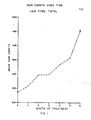
- Fig. 1 shows the total mean hair count over a six-month period of time.
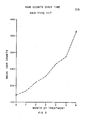
- Fig. 2 shows the mean hair count of intermediate and terminal hair over a six-month period of time.
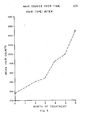
- Fig. 3 shown the mean hair count of intermediate hair over a six-month period of time.
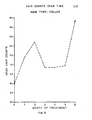
- Fig. 4 shows the mean hair count of terminal hair over a six-month period of time.
- Fig. 5 shows the mean hair count of vellus hair oyer a six month period of time.
- topical application of Formulation A causes hair growth.
- the mechanism by which such formulation causes such growth is unknown.
- one proposed mechanism is that the ingredients clean hair follicles of accumulations of 5-a-dihydrotestosterone. If such proposal is correct, then it is believed that any of the three components of Formulation A would promote hair growth.
- the formulation of the present invention has been determined to be useful as a pharmaceutical vehicle for topical application of E-type prostaglandin.
- a principal problem encountered with pharmacological utilization of prostaglandins resides in their relatively unstable nature in pharmaceutical formulations.
- the few successful attempts at providing stable formulations have resulted in oily liquid compositions such as the triethyl citrate formulation of U. S. 4,211,793.
- Such formulation is unsatisfactory for topical application, as such results in greasy build-up on the skin.
- Formulation A' it has been determined, presents a suitable vehicle for topical application of E-type prostaglandins.
- Viprostol is active as an anti-hypertensive agent, inter alia, and can be used for such purpose with topical application.
- Formulation A and other formulations according to the present invention provide a r.on-greasy vehicle for topical application of viprostol. Additionally, viprostol may be dissolved in such vehicle without significant loss of its potency over extended periods of time at room temperature.
Landscapes
- Health & Medical Sciences (AREA)
- Life Sciences & Earth Sciences (AREA)
- Veterinary Medicine (AREA)
- Public Health (AREA)
- General Health & Medical Sciences (AREA)
- Animal Behavior & Ethology (AREA)
- Chemical & Material Sciences (AREA)
- Epidemiology (AREA)
- Medicinal Chemistry (AREA)
- Pharmacology & Pharmacy (AREA)
- Dermatology (AREA)
- General Chemical & Material Sciences (AREA)
- Engineering & Computer Science (AREA)
- Birds (AREA)
- Chemical Kinetics & Catalysis (AREA)
- Emergency Medicine (AREA)
- Oil, Petroleum & Natural Gas (AREA)
- Bioinformatics & Cheminformatics (AREA)
- Organic Chemistry (AREA)
- Nuclear Medicine, Radiotherapy & Molecular Imaging (AREA)
- Proteomics, Peptides & Aminoacids (AREA)
- Inorganic Chemistry (AREA)
- Pharmaceuticals Containing Other Organic And Inorganic Compounds (AREA)
- Medicinal Preparation (AREA)
- Cosmetics (AREA)
- Compositions Of Macromolecular Compounds (AREA)
- Acyclic And Carbocyclic Compounds In Medicinal Compositions (AREA)
Abstract
Description
- Prostaglandins are a group of cyclic fatty acids that possess diverse and potent biologic activities affecting cellular function in every organ system. The parent compound, prostanoic acid, contains a 20 carbon chain with a cyclopentane ring.

- Conventionally, prostaglandins are divided into types E, F, A, B, C and D based on functions in the cyclopentane ring. Numerical subscripts refer to the number of unsaturations in the side chains and, α or β subscritps refer to the configuration of the substituents in the ring, The naturally occurring prostaglandins are types E, F, A and B. All naturally ocurring prostaglandins have a trans 13,14 position bond and an hydroxyl group at C15.
- The E- and F-type prostaglandins possess an additional hydroxyl at C11. At C9, E-type prostaglandins have a carbonyl function while F-type prostaglandins have an hydroxyl. In general, A- and B-type prostaglandins may be regarded as dehydration products of E- type prostaglandins; i.e., the removal of the C11 hydroxyl and the formation of a double bond in the cyclopentane ring.
- The known biologic activities of prostaglandins of the E-type include activities as hypotensive agents, bronchodilators, and gastric acid secretion inhibition agents. [Bergstrom, et al.,PHARMACOL., REV., 20:1. (1968) ]. However, pharmaceutical use of .E-type prostaglandins has been impeded by their instability. E-type prostaglandins generally decompose slowly at room temperature and above, which decomposition is accelerated in the presence of small amounts of acid or base. Accordingly, E-type prostaglandins are unstable in pharmaceutical formulations containing water or hydroxylic compounds. Even in neutral, aqueous solution or in neat state there is a gradual decomposition of E-type prostaglandins to A- and B-type prostaglandins.
- Good stability of the E-type prostaglandins has been observed in some solutions and in pure form at temperatures of -20°C or lower.. However, storage at such temperatures is impractical. Some success at stabilization at room temperature has been reported when non-alcoholic compounds such as ethyl acetate and chloroform are employed as solvents for E-type prostaglandins. Such solvents, however, are unsuitable for pharmaceutical dosage applications.
- More recently, good stability of E-type prostaglandins was reported with use of triethyl citrate as a solvent (U. S. Patent No. 4,211,793) and with use of hydroxylated derivatives of fatty acids (U. S. Patent No. 4,431,833).
- Although hair serves no vital function in humans, the psychological impact from excess hair growth or loss of hair can be enormous. For some men in particular, as a result of aging and predisposing genetic factors, scalp baldness occurs in stages often resulting in a complete loss of scalp hair. This baldness is known as male pattern baldness or androgenetic alopecia. It is believed that an accumulation of 5- a-dihydro testosterone, a tisue-active androgen, in some scalp hair follicles over time causes the regression of hair growth in such follicles. However, androgen production is no higher in men with androgenetic alopecia than in those with full scalps of hair.
- There is no effective treatment for androgenetic alopecia at the present time. There have been some reports that minoxidil, a potent vasodilator, has been effective in causing scalp hair growth in patients with androgenetic alopecia. However, contrary to some popular belief, there is no evidence of a vascular deficit to the scalp in patients with androgenetic alopecia.
- It has been discovered that a formulation of: (1) polydimethylsiloxane (20 to 1,000,000 centistokes viscosity); (2) C12-C15 alcohols benzoate, isopropyl palmitate, isopropyl myristate, diisopropyl adipate, octyl hydroxy- stearate, PPG-2 myristyl ether propionate, almond oil or mixtures thereof; and (3) volatile silicones such as octamethylcyclotetrasiloxane, decamethylcyclopentasiloxane, hexamethyldisiloxane and other low molecular weight polydimethylsiloxanes and/or pharmaceutically acceptable chlorofluorocarbons; is useful in the treatment of androgenetic alopecia. It has also been determined that such formulation provides a vehicle for stable-storage of E-type prostaglandins.
- In its broadest sense the formulation of the pre- sent invention may be described as:

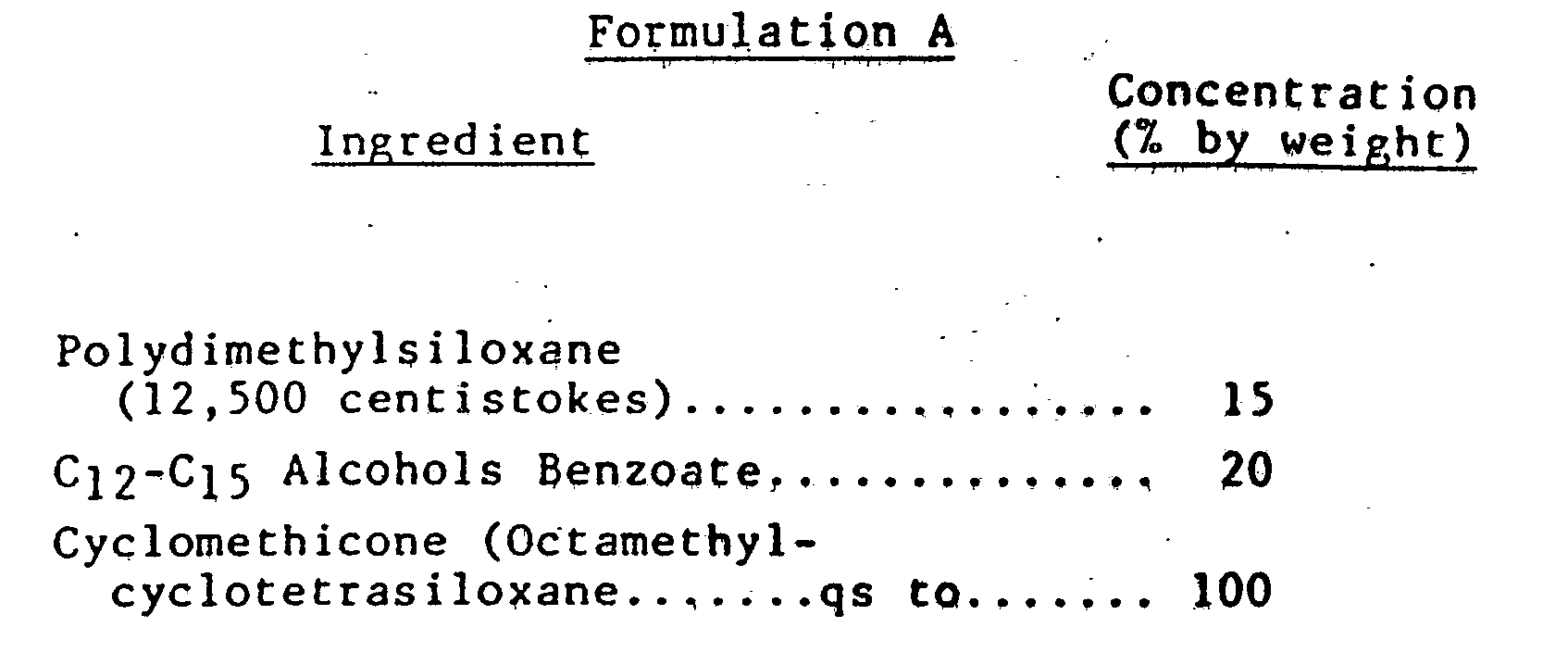
- In a specific sense, the composition according to the present invention may be described by the following formula:
- The following description details the preparation of a typical formulation encompassed by this invention,

- The polydimethylsiloxane was placed in a suitable container. One half of the total quantity of cyclomethicone was added to the container and the contents were stirred until homogenous.
- The C12-C15 alcohols benzoate was added to the polydimethylsiloxanercyclomettricone mixture. The resulting mixture was then stirred until homogeneous.
- The remaining portion of cyclomethicone was added and this final solution was stirred until homogeneous. The resulting Formulation A can then be placed into suitable containers.
- Clinical studies using healthy, male volunteers (age: 18-65) with vertex baldness and some recession of front hairline were performed using the above-described Formu- lation A. A patch of bald or balding scalp in the crown or vertex region near the margin of existing hairline, approximately one inch in diameter, was observed for hair growth. The hairs on such location were counted at the beginning of the study, and re-counts were done periodically during the course of the study. All hair, including unpigmented vellus and pigmented intermediate and terminal hair, was counted, except as indicated hereinbelow. The amount of Formulation A applied was approximately 3 ml, which amount was applied once daily to the bald and balding areas of the scalp. Formulation A was applied with an index finger and rubbing action. The volunteers were instructed to apply Formulation A to a clean and dry scalp. The chart below summarizes the results after three months of study.

- Additionally, as the study proceeded beyond three months, the results were charted as mean hair counts over time. Fig. 1 shows the total mean hair count over a six-month period of time. Fig. 2 shows the mean hair count of intermediate and terminal hair over a six-month period of time. Fig. 3 shown the mean hair count of intermediate hair over a six-month period of time. Fig. 4 shows the mean hair count of terminal hair over a six-month period of time. Fig. 5 shows the mean hair count of vellus hair oyer a six month period of time.
- As is shown in the above chart and in Figs. 1 through 5, topical application of Formulation A causes hair growth. The mechanism by which such formulation causes such growth is unknown. However, one proposed mechanism is that the ingredients clean hair follicles of accumulations of 5-a-dihydrotestosterone. If such proposal is correct, then it is believed that any of the three components of Formulation A would promote hair growth.
- Additionally, the formulation of the present invention has been determined to be useful as a pharmaceutical vehicle for topical application of E-type prostaglandin. As more fully described hereinabove, a principal problem encountered with pharmacological utilization of prostaglandins resides in their relatively unstable nature in pharmaceutical formulations. The few successful attempts at providing stable formulations have resulted in oily liquid compositions such as the triethyl citrate formulation of U. S. 4,211,793. Such formulation is unsatisfactory for topical application, as such results in greasy build-up on the skin. Formulation A', it has been determined, presents a suitable vehicle for topical application of E-type prostaglandins. In particular, it presents a vehicle for topical application of viprostol, methyl (±) -[lla, 5Z(5E), 13 E, 16R and 16S]-16 ethenyl-11,16-dihydroxy-9-oxoprosta-5, 13-dien- loate, an E-type prostaglandin. Viprostol is active as an anti-hypertensive agent, inter alia, and can be used for such purpose with topical application. Formulation A and other formulations according to the present invention provide a r.on-greasy vehicle for topical application of viprostol. Additionally, viprostol may be dissolved in such vehicle without significant loss of its potency over extended periods of time at room temperature.
Claims (9)
Applications Claiming Priority (2)
| Application Number | Priority Date | Filing Date | Title |
|---|---|---|---|
| US87039286A | 1986-06-09 | 1986-06-09 | |
| US870392 | 1992-04-17 |
Publications (2)
| Publication Number | Publication Date |
|---|---|
| EP0249193A2 true EP0249193A2 (en) | 1987-12-16 |
| EP0249193A3 EP0249193A3 (en) | 1988-05-25 |
Family
ID=25355283
Family Applications (1)
| Application Number | Title | Priority Date | Filing Date |
|---|---|---|---|
| EP87108313A Withdrawn EP0249193A3 (en) | 1986-06-09 | 1987-06-09 | Vehicle for topical application of pharmaceuticals |
Country Status (9)
| Country | Link |
|---|---|
| EP (1) | EP0249193A3 (en) |
| JP (1) | JPS6345221A (en) |
| KR (1) | KR880000097A (en) |
| AU (1) | AU600277B2 (en) |
| DK (1) | DK294487A (en) |
| FI (1) | FI872553L (en) |
| HU (1) | HUT49284A (en) |
| NZ (1) | NZ220628A (en) |
| ZA (1) | ZA874141B (en) |
Cited By (9)
| Publication number | Priority date | Publication date | Assignee | Title |
|---|---|---|---|---|
| GB2246708A (en) * | 1990-09-25 | 1992-02-12 | Universal Products | Hair conditioning composition |
| DE4215501C1 (en) * | 1992-05-12 | 1993-10-21 | Kao Corp Gmbh | Skin and hair conditioner giving smooth surface without accumulated residue - based on volatile silicone contg. acyl lactylate as moisturiser |
| EP0966972A1 (en) * | 1998-06-18 | 1999-12-29 | Dow Corning France S.A. | Topical composition containing silicon gum |
| FR2856301A1 (en) * | 2003-06-23 | 2004-12-24 | Galderma Res & Dev | SPRAY COMPOSITION COMPRISING A PHARMACEUTICAL ACTIVE, AT LEAST ONE VOLATILE SILICONE AND A NON-VOLATILE NON-POLAR PHASE |
| FR2862540A1 (en) * | 2003-11-21 | 2005-05-27 | Galderma Res & Dev | Vitamin D derivative formulation showing good skin penetration useful for treatment of skin disorders, especially psoriasis comprising active agent, volatile silicone and non-polar, non-volatile phase in vehicle |
| WO2005053666A1 (en) * | 2003-11-21 | 2005-06-16 | Galderma Research & Development, S.N.C. | Sprayable composition for the administration of vitamin d derivatives |
| FR2867682A1 (en) * | 2004-03-22 | 2005-09-23 | Galderma Res & Dev | ANHYDROUS PHARMACEUTICAL COMPOSITION COMPRISING A SILICONE AGENT AND A SOLUBILIZED ACTIVE INGREDIENT. |
| FR2916350A1 (en) * | 2007-05-22 | 2008-11-28 | Oreal | Use of thromboxane receptor antagonist to prepare composition to promote hair growth and/or to prevent hair loss, to treat cardio vascular and inflammatory diseases, to prevent atherosclerosis, myocardial infarction and thrombosis |
| WO2007149312A3 (en) * | 2006-06-16 | 2009-04-02 | Univ Pennsylvania | Methods and compositions for inhibiting or reducing hair loss, acne, rosacea, prostate cancer, and bph |
Families Citing this family (1)
| Publication number | Priority date | Publication date | Assignee | Title |
|---|---|---|---|---|
| JPS63130512A (en) * | 1986-11-18 | 1988-06-02 | Toray Silicone Co Ltd | Cosmetic |
Family Cites Families (5)
| Publication number | Priority date | Publication date | Assignee | Title |
|---|---|---|---|---|
| GB737134A (en) * | 1952-06-23 | 1955-09-21 | Midland Silicones Ltd | Improvements in or relating to dermatological compositions |
| ZA786259B (en) * | 1977-11-09 | 1979-10-31 | Procter & Gamble | Therapeutic composition |
| US4311707A (en) * | 1979-02-12 | 1982-01-19 | American Cyanamid Company | Process for topically producing cutaneous vasodilation for the treatment of vasospastic or ischemic conditions |
| DE3010572C2 (en) * | 1980-03-19 | 1982-05-06 | Süess, Hans R., Dr., Starrkirch | Skin care and skin protection preparations |
| DE3333240A1 (en) * | 1983-09-12 | 1985-03-28 | Schering AG, 1000 Berlin und 4709 Bergkamen | MEDIUM FOR TRANSDERMAL APPLICATION OF MEDICINAL PRODUCTS |
-
1987
- 1987-06-08 FI FI872553A patent/FI872553L/en not_active IP Right Cessation
- 1987-06-09 JP JP62143957A patent/JPS6345221A/en active Pending
- 1987-06-09 EP EP87108313A patent/EP0249193A3/en not_active Withdrawn
- 1987-06-09 NZ NZ220628A patent/NZ220628A/en unknown
- 1987-06-09 HU HU872639A patent/HUT49284A/en unknown
- 1987-06-09 ZA ZA874141A patent/ZA874141B/en unknown
- 1987-06-09 DK DK294487A patent/DK294487A/en not_active Application Discontinuation
- 1987-06-09 KR KR870005852A patent/KR880000097A/en not_active Withdrawn
- 1987-06-11 AU AU74116/87A patent/AU600277B2/en not_active Ceased
Cited By (16)
| Publication number | Priority date | Publication date | Assignee | Title |
|---|---|---|---|---|
| GB2246708A (en) * | 1990-09-25 | 1992-02-12 | Universal Products | Hair conditioning composition |
| GB2246708B (en) * | 1990-09-25 | 1992-08-12 | Universal Products | Hair conditioning composition |
| DE4215501C1 (en) * | 1992-05-12 | 1993-10-21 | Kao Corp Gmbh | Skin and hair conditioner giving smooth surface without accumulated residue - based on volatile silicone contg. acyl lactylate as moisturiser |
| DE4215501C2 (en) * | 1992-05-12 | 1998-10-22 | Kao Corp | Skin and hair care products |
| EP0966972A1 (en) * | 1998-06-18 | 1999-12-29 | Dow Corning France S.A. | Topical composition containing silicon gum |
| FR2856301A1 (en) * | 2003-06-23 | 2004-12-24 | Galderma Res & Dev | SPRAY COMPOSITION COMPRISING A PHARMACEUTICAL ACTIVE, AT LEAST ONE VOLATILE SILICONE AND A NON-VOLATILE NON-POLAR PHASE |
| WO2004112798A1 (en) * | 2003-06-23 | 2004-12-29 | Galderma Research & Development, S.N.C. | Compositions in the form of a spray comprising a pharmaceutical agent at least one volatile silicone and a non-volatile oily phase |
| WO2005053666A1 (en) * | 2003-11-21 | 2005-06-16 | Galderma Research & Development, S.N.C. | Sprayable composition for the administration of vitamin d derivatives |
| FR2862540A1 (en) * | 2003-11-21 | 2005-05-27 | Galderma Res & Dev | Vitamin D derivative formulation showing good skin penetration useful for treatment of skin disorders, especially psoriasis comprising active agent, volatile silicone and non-polar, non-volatile phase in vehicle |
| FR2867682A1 (en) * | 2004-03-22 | 2005-09-23 | Galderma Res & Dev | ANHYDROUS PHARMACEUTICAL COMPOSITION COMPRISING A SILICONE AGENT AND A SOLUBILIZED ACTIVE INGREDIENT. |
| WO2005092347A3 (en) * | 2004-03-22 | 2006-05-18 | Galderma Res & Dev | Anhydrous pharmaceutical composition associating a siliconated agent and solubilised active principle |
| WO2007149312A3 (en) * | 2006-06-16 | 2009-04-02 | Univ Pennsylvania | Methods and compositions for inhibiting or reducing hair loss, acne, rosacea, prostate cancer, and bph |
| US9254293B2 (en) | 2006-06-16 | 2016-02-09 | The Trustees Of The University Of Pennsylvania | Methods and compositions for inhibiting or reducing hair loss, acne, rosacea, prostate cancer, and BPH |
| US9889082B2 (en) | 2006-06-16 | 2018-02-13 | The Trustees Of The University Of Pennsylvania | Methods and compositions for inhibiting or reducing hair loss, acne, rosacea, prostate cancer, and BPH |
| US10849841B2 (en) | 2006-06-16 | 2020-12-01 | The Trustees Of The University Of Pennsylvania | Methods and compositions for inhibiting or reducing hair loss, acne, rosacea, prostate cancer, and BPH |
| FR2916350A1 (en) * | 2007-05-22 | 2008-11-28 | Oreal | Use of thromboxane receptor antagonist to prepare composition to promote hair growth and/or to prevent hair loss, to treat cardio vascular and inflammatory diseases, to prevent atherosclerosis, myocardial infarction and thrombosis |
Also Published As
| Publication number | Publication date |
|---|---|
| ZA874141B (en) | 1988-05-25 |
| FI872553A0 (en) | 1987-06-08 |
| DK294487A (en) | 1987-12-10 |
| JPS6345221A (en) | 1988-02-26 |
| NZ220628A (en) | 1990-08-28 |
| EP0249193A3 (en) | 1988-05-25 |
| AU600277B2 (en) | 1990-08-09 |
| DK294487D0 (en) | 1987-06-09 |
| AU7411687A (en) | 1987-12-10 |
| FI872553A7 (en) | 1987-12-10 |
| HUT49284A (en) | 1989-09-28 |
| FI872553L (en) | 1987-12-10 |
| KR880000097A (en) | 1988-03-23 |
Similar Documents
| Publication | Publication Date | Title |
|---|---|---|
| US5280018A (en) | Vehicle for optical application of pharmaceuticals | |
| EP0249194A2 (en) | Topical prostaglandin formulations | |
| US9138480B2 (en) | Compositions and methods for stimulating hair growth | |
| EP0532219A2 (en) | Cosmetic composition | |
| EP0403238A2 (en) | Cosmetic composition | |
| JP2899545B2 (en) | Formulation of vasoactive substances with fatty acids to prevent hair loss | |
| JPH0445486B2 (en) | ||
| AU600277B2 (en) | Vehicle for topical application of pharmaceuticals | |
| EP0334486A2 (en) | Hair care compositions | |
| JPH05221821A (en) | Skin-care cosmetic | |
| US5006332A (en) | Composition for inducing and stimulating the growth of hair and/or retarding its loss, based on an amphoteric surface-active agent and on a pyrimidine derivative | |
| JPH07316022A (en) | Hair restorer | |
| EP0728461B1 (en) | Composition for enhancing hair growth | |
| JPH11302133A (en) | Cosmetic for scalp and hair | |
| JPS6219513A (en) | Hair tonic | |
| JP2004518701A (en) | Novel compositions of potassium channel openers and protein kinase C inhibitors and uses thereof | |
| JPH0632710A (en) | Skin external preparation | |
| JPH10273424A (en) | Cosmetic for hair | |
| NO872475L (en) | PROCEDURE FOR TREATMENT OF HUMAN BEHAVIOR, AND PREPARATION FOR TREATMENT. | |
| JP2002145742A (en) | Hair tonic | |
| JPH022853B2 (en) | ||
| WO1993017687A1 (en) | Topical compositions containing steroids | |
| NO872474L (en) | PROCEDURE FOR HANDLING TREATMENT OF MEN AND PREPARATION FOR TREATMENT. | |
| EP0154296B1 (en) | Hair growth stimulating agents and their use | |
| JPH10273422A (en) | Cosmetic for hair |
Legal Events
| Date | Code | Title | Description |
|---|---|---|---|
| PUAI | Public reference made under article 153(3) epc to a published international application that has entered the european phase |
Free format text: ORIGINAL CODE: 0009012 |
|
| AK | Designated contracting states |
Kind code of ref document: A2 Designated state(s): AT BE CH DE ES FR GB GR IT LI NL SE |
|
| PUAL | Search report despatched |
Free format text: ORIGINAL CODE: 0009013 |
|
| AK | Designated contracting states |
Kind code of ref document: A3 Designated state(s): AT BE CH DE ES FR GB GR IT LI NL SE |
|
| 17P | Request for examination filed |
Effective date: 19881125 |
|
| 17Q | First examination report despatched |
Effective date: 19900124 |
|
| STAA | Information on the status of an ep patent application or granted ep patent |
Free format text: STATUS: THE APPLICATION IS DEEMED TO BE WITHDRAWN |
|
| 18D | Application deemed to be withdrawn |
Effective date: 19900606 |
|
| RIN1 | Information on inventor provided before grant (corrected) |
Inventor name: RITTER, LAWRENCE Inventor name: LAWTER, JAMES RONALD |