EP0185522B1 - Phenylene mixed diester peracid precursors - Google Patents
Phenylene mixed diester peracid precursors Download PDFInfo
- Publication number
- EP0185522B1 EP0185522B1 EP85309075A EP85309075A EP0185522B1 EP 0185522 B1 EP0185522 B1 EP 0185522B1 EP 85309075 A EP85309075 A EP 85309075A EP 85309075 A EP85309075 A EP 85309075A EP 0185522 B1 EP0185522 B1 EP 0185522B1
- Authority
- EP
- European Patent Office
- Prior art keywords
- hydrogen peroxide
- compound
- composition
- alkyl
- phenylene
- Prior art date
- Legal status (The legal status is an assumption and is not a legal conclusion. Google has not performed a legal analysis and makes no representation as to the accuracy of the status listed.)
- Expired - Lifetime
Links
Classifications
-
- C—CHEMISTRY; METALLURGY
- C11—ANIMAL OR VEGETABLE OILS, FATS, FATTY SUBSTANCES OR WAXES; FATTY ACIDS THEREFROM; DETERGENTS; CANDLES
- C11D—DETERGENT COMPOSITIONS; USE OF SINGLE SUBSTANCES AS DETERGENTS; SOAP OR SOAP-MAKING; RESIN SOAPS; RECOVERY OF GLYCEROL
- C11D3/00—Other compounding ingredients of detergent compositions covered in group C11D1/00
- C11D3/39—Organic or inorganic per-compounds
- C11D3/3902—Organic or inorganic per-compounds combined with specific additives
- C11D3/3905—Bleach activators or bleach catalysts
- C11D3/3907—Organic compounds
Definitions
- This relates to novel peracid precursors and the in situ generation of peracid in aqueous solution by combining a source of hydrogen peroxide, and the novel peracid precursor which are phenylene mixed diesters, in water.
- Peroxygen bleaching compounds such as hydrogen peroxide, sodium percarbonate, sodium perborate monohydrate or tetrahydrate, are useful for bleaching fabrics, textiles and other materials. Unfortunately these sorts of peroxygen bleaches appear less effective when bleaching temperatures of less than 70°C are utilized. Thus, the low wash temperature found in American washing machines make the use of these bleaches less effective than in European-type washing machines, which typically use water temperatures above 70°C. Therefore, attempts have been made to use activators in combination with these peroxygen bleaches.
- NABS sodium acetyloxy benzene sulfonate
- the invention provides a compound of the general structure:
- the invention also provides a solid or liquid bleaching composition comprising:
- Selected adjuncts can be added to these bleaching compositions, such as surfactants, stabilizers, buffers and builders.
- the invention also includes a method for synthesizing the above noted precursor compounds and a method of bleaching.
- washing temperatures of up to 100°C are common in Europe. However, there remains a need to provide peracid precursors which are effective to promote good bleaching in wash temperatures below 70°C, more preferably below 60°C, and most preferably below 50°C.
- any combination of these substituents may be present in the precursors of this invention.
- R 5 of NR 5+ 4 is selected from H, alkyl of 1-24 carbon atoms, and mixtures thereof and R 6 is alkyl of 1 to 20 carbon atoms
- any combination of these substituents may be present in the precursors of this invention.
- the substituents are charged moieties, e.g. S0 3
- appropriate counterpart ions may be present.
- appropriate counterions may be chosen from H + , alkali metal salts (Na + , Li + , K + ), although alkaline earth salts (calcium, magnesium, barium) or even ammonium salts may be possible.
- alkali metal salts Na + , Li + , K +
- alkaline earth salts calcium, magnesium, barium
- ammonium salts may be possible.
- appropriate counterions can include halides, (CI-, Br-, I - ), methosulfates, sulfates and nitrates. These aforementioned counterions may also be present with respect to the substituted R 1 , R 4 and R 6 groups, as appropriate.
- the compounds according to the invention include, ortho, meta and para-substituted phenylene mixed diesters, (i.e. wherein R 1 ⁇ R 4 ) of resorcinol, hydroquinone and catechol, which are exemplified below:
- Hydroquinone (1,4-benzenediol; 1,4-dihydroxybenzene; p-dihydroxybenzene) is a white crystalline compound which can be obtained by dry distillation of quinic acid or by reduction of quinone.
- Resorcinol (1,3-benzenediol; 1,3-dihydroxybenzene; m-dihydroxybenzene) is a crystalline compound with a faint aromatic odor, and a sweet/bitter taste. It may be produced by the alkali fusion of galbanum and asafetida resins.
- Catechol (1,2-benzenediol; 1,2-dihydroxybenzene; o-dihydroxybenzene) is a crystalline compound with a phenolic odor and a sweet and bitter taste. It may be obtained by dried distillation of catechin which is found in the aqueous extract of catechu, which is an extract of an East Asian acacia plant.
- the dihydroxybenzenes are weak acids with two dissociation constants. They are generally classified as antioxidant agents and are useful analytical reagents. Their structures, uses and chemistries are more thoroughly explored in Kirk-Othmer, Encyclopedia of Chemical Technology, 3rd Ed., vol. 13, pages 39-69 (1981), which pages are incorporated herein by reference.
- the mixed diesterified derivatives of these dihydroxybenzene compounds according to the invention are generally produced by reacting a monoesterified dihydroxybenzene having a group O-C(O)-R 1 or O ⁇ C(O) ⁇ R 4 with an appropriate acid anhydride providing the other group O ⁇ C(O) ⁇ R 1 or O ⁇ C(O) ⁇ R 4 in the presence of a strong acid.
- a monoesterified dihydroxybenzene having a group O-C(O)-R 1 or O ⁇ C(O) ⁇ R 4 with an appropriate acid anhydride providing the other group O ⁇ C(O) ⁇ R 1 or O ⁇ C(O) ⁇ R 4 in the presence of a strong acid.
- solubility/dispersibility and hence performance can be improved by the addition of solubilizing groups such as SOg, CO 2 , NRQ+. Placement of these solubilizing groups may have different effects on the precursor compositions. For example, if the solubilizing groups are placed on the aromatic ring or at or near the end of the alkyl groups of the esters, increased solubility may be observed. Placing the solubilizing groups next to the carbonyl carbon on the ester group or electron withdrawing substituents on the aromatic leaving group may increase the perhydrolysis rate.
- halogen groups may be added by typical halogenation reactions, in which a typical source of halogen is combined with the selected dihydroxybenzene starting material in the presence of a Lewis Acid. Nitration, on the other hand, occurs when the dihydroxybenzene is reacted with nitric acid in the presence of sulfuric acid. Sulfonation occurs when the dihydroxybenzene is reacted with concentrated sulfuric acid. On the other hand, amination will generally be produced by reacting a source of amino with the dihydroxybenzene in the presence of liquid ammonia. Further, as with typical benzene- derived compounds, acylation and alkylation can occur via Friedel-Crafts reactions.
- solubilizing groups such as sulfonate (-SO ) or carboxylate ( ⁇ CO ) groups. These appear to impart good solubilityldispersibility properties to the peracid precursors of this invention. Additionally, it is preferred that a counterpart ion (counterion) to the sulfonate or carbonate group be chosen from H + or an alkali metal ion selected from sodium, potassium or lithium, although alkaline earth counterions and even ammonium counterions may be appropriate.
- the precursors can be incorporated into a liquid or solid matrix for use in liquid or solid detergent bleaches by dissolving into an appropriate solvent or surfactant or by dispersing onto a substrate material.
- appropriate solvents include acetone, non-nucleophilic alcohols, ethers or hydrocarbons. Other more water-dispersible or -miscible solvents may be considered.
- the precursors of the present invention could be incorporated onto a non-particulate substrate such as disclosed in published European Patent Application EP 98 129, whose disclosure is incorporated herein by reference.
- the phenylene diesters of this invention which contain mixed chain lengths, i.e., a shorter carbon chain length of at least one ester functionality, and a longer carbon length at the second ester functionality, provides extremely proficient bleaching.
- one of the ester functionalities has an alkyl straight chain length of less than 5, e.g., wherein R 1 or R 4 is CH 3 , and the other alkyl group's chain length is greater than 5 carbon atoms, peroxyacids which are, respectively, hydrophilic and hydrophobic are generated.
- the believed advantage thereof is that particulate .soils, e.g., clay soil, and hydrophilic stains, e.g., tea and wine, can be attacked with a hydrophilic peroxyacid bleach while oily soils, e.g., sebum, can be attacked with a hydrophobic peroxyacid bleach.
- a hydrophilic peroxyacid bleach e.g., tea and wine
- oily soils e.g., sebum
- Pre-formed peracids appear, however, to have storage stability problems and may lose significant amounts of active oxygen (A.O) upon prolonged storage.
- EP 98 129 discloses in one embodiment, separate peracid precursors which are impregnated on a fabric substrate. Problematic to this approach are the added manufacturing steps to producing different peracid precursors and using slurrying, emulsifying or other techniques to bind the different precursors to the substrate.
- a particularly preferred combination of the present invention is when one ester is an acetate (e.g., R 1 is CH 3 ) and the other is an hexanoate, heptanoate, octanoate or nonanoate (e.g., R 4 is -(CH 2 ) 4 CH 3 to -(CH Z ),CH 3 ).
- the total number of backbone carbons of R 1 plus R 4 should be in the range of 2-20, more preferably 5-20, most preferably 7-14.
- any dihydroxybenzene whether catechol, hydroquinone or resorcinol, can be used as perhydrolysis leaving groups, and that the resulting antioxidant does not appreciably or rapidly consume the oxidant formed, i.e., the peroxyacid(s).
- Resorcinol and catechol may be the preferred leaving groups because, of the byproducts of perhydrolysis of ortho, meta and para phenylene diesters, hydroquinone may be the most readily oxidizable.
- an alternate mode and preferred embodiment is to combine the precursors with a surfactant.
- Particularly effective surfactants appear to be nonionic surfactants.
- Preferred surfactants of use include linear ethoxylated alcohols, such as those sold by Shell Chemical Company under the brand name Neodol.
- Suitable nonionic surfactants can include other linear ethoxylated alcohols with an average length of 6 to 16 carbon atoms and averaging about 2 to 20 moles of ethylene oxide per mole of alcohol; linear and branched, primary and secondary ethoxylated, propoxylated alcohols with an average length of about 6 to 16 carbon atoms and averaging 0-10 moles of ethylene oxide and about 1 to 10 moles of propylene oxide per mole of alcohol; linear and branched alkyl- phenoxy (polyethoxy) alcohols, otherwise known as ethoxylated alkylphenols, with an average chain length of 8 to 16 carbon atoms and averaging 1.5 to 30 moles of ethylene oxide per mole of alcohol; and mixtures thereof.
- nonionic surfactants may include polyoxyethylene carboxylic acid esters, fatty acid glycerol esters, fatty acid and ethoxylated fatty acid alkanolamides, certain block copolymers of propylene oxide and ethylene oxide, and block polymers of propylene oxide and ethylene oxide with propoxylated ethylene diamine. Also included are such semi-polar nonionic surfactants like amine oxides, phosphine oxides, sulfoxides, and their ethoxylated derivatives.
- Anionic surfactants may also be suitable.
- anionic surfactants may include the ammonium, substituted ammonium (e.g., mono-, di-, and triethanolammonium), alkali metal and alkaline earth metal salts of C 6 -C 20 fatty acids and rosin acids, linear and branched alkyl benzene sulfonates, alkyl sulfates, alkyl ether sulfates, alkane sulfonates, olefin sulfonates, hydroxyalkane sulfonates, fatty acid monoglyceride sulfates, alkyl glyceryl ether sulfates, acyl sarcosinates and acyl N-methyltaurides.
- substituted ammonium e.g., mono-, di-, and triethanolammonium
- Suitable cationic surfactants may include the quaternary ammonium compounds in which typically one of the groups linked to the nitrogen atom is a C12-C18 alkyl group and the other three groups are short chained alkyl groups which may bear inert substituents such as phenyl groups.
- suitable amphoteric and zwitterionic surfactants which contain an anionic water-solubilizing group, a cationic group and a hydrophobic organic group may include amino carboxylic acids and their salts, amino dicarboxylic acids and their salts, alkylbetaines, alkyl aminopropylbetaines, sulfobetaines, alkyl imidazolinium derivatives, certain quaternary ammonium compounds, certain quaternary phosphonium compounds and certain tertiary sulfonium compounds.
- Other examples of potentially suitable zwitterionic surfactants can be found described in Jones, U.S. 4,005,029, at columns 11-15, which are incorporated herein by reference.
- anionic, nonionic, cationic and amphoteric surfactants which may be suitable for use in this invention are depicted in Kirk-Othmer, Encyclopedia of Chemical Technology, Third Edition, Volume 22, pages 347-387, and McCutcheon's Detergents and Emulsifiers, North American Edition, 1983, which are incorporated herein by reference.
- the hydrogen peroxide source may be selected from the alkali metal salts of percarbonate, perborate, persilicate and hydrogen peroxide adducts and hydrogen peroxide. Most preferred are sodium percarbonate, sodium perborate mono- and tetrahydrate, and hydrogen peroxide. Other peroxygen sources may be possible, such as monopersulfates and monoperphosphates. In liquid applications, liquid hydrogen peroxide solutions are preferred, but the precursor may need to be kept separate therefrom prior to combination in aqueous solution to prevent premature decomposition.
- the buffer may be selected from sodium carbonate, sodium bicarbonate, sodium borate, sodium silicate, phosphoric acid salts, and other alkali metal/alkaline earth metal salts known to those skilled in the art.
- Organic buffers such as succinates, maleates and acetates may also be suitable for use. It appears preferable to have sufficient buffer to attain an alkaline pH, i.e., above at least about 7.0.
- the filler material which, in a detergent bleach application, may actually constitute the major constituent, by weight, of the detergent bleach, is usually sodium sulfate.
- Sodium chloride is another potential filler.
- Dyes include anthraquinone and similar blue dyes. Pigments, such as ultramarine blue (UMB), may also be used, and can have a bluing effect by depositing on fabrics washed with a detergent bleach containing UMB. Monastral colorants are also possible for inclusion.
- Brighteners such as stilbene, styrene and styrylnapthalene brighteners (fluorescent whitening agents), may be included. Fragrances used for esthetic purposes are commercially available from Norda, International Flavors and Fragrances and Givaudon.
- Stabilizers include hydrated salts, such as magnesium sulfate, and boric acid.
- a preferred bleach composition in which a mixed diester compound as in (III) above is the precursor, has the following ingredients:
- the above composition is formulated to deliver, desirably, about 14 ppm A.O. at a pH of about 10.5.
- Other peroxygen sources such as sodium perborate monohydrate or sodium percarbonate are suitable. If a more detergent-type product is desired, the amount of filler can be increased and the precursor halved or further decreased.
- novel precursors of this invention are synthesized by the methods which are disclosed below. Additionally, performance results are shown below in the EXPERIMENTAL section.
- acetoxylated resorcinol is obtained through commercial sources (from American Hoechst). It is placed in a reaction vessel with an equimolar amount of dioctanoic acid anhydride (from Aldrich Chemicals), in the presence of methanesulfonic acid to promote acid catalysis, and reacted at room temperature (21°C) for one hour. A 95% yield of the 1 octanoyloxy-3-acetoxy benzene (resorcinol acetate octanoate) and octanoic acid as a by-product results.
- any of the dihydroxybenzenes are suitable for use as starting materials. If non-nucleophilic solvents are required, as in base catalysis, acetone (dimethyl ketone), ethyl or methyl acetate, tetrachloromethane, dichloromethane, ethylene chloride, chloroform, and others appear appropriate to the synthesis.
- the catalyst 4-dimethylaminopyridine, appears to promote transesterification by acting to form a reactive intermediate.
- Other suitable catalysts may include pyridine and other tertiary aliphatic and aromatic amines.
- the base which may act to tie up any carboxylic acid moieties formed in the reaction, may include triethylamine, tetramethyl piperidine, NaHC0 3 , Na 2 CO 3 , and suitable tertiary amines. In the selection of suitable bases, care must be taken to insure solubility of the ingredients in the reaction. Similarly, if acid catalysis is the chosen route of synthesis, concentrated sulfuric acid, hydrochloric acid, and methanesulfonic acid are among the catalysts of choice known to those skilled in the art.
- the compound synthesized in I (resorcinol acetate octanoate) was combined in aqueous solution with sufficient hydrogen peroxide to yield a hydrogen peroxide:precursor ratio (based on ester equivalents) of about 1.4:1.
- the reaction conditions were pH 10.5 (based on 0.02M NaHC0 3 ), temperature 25°C, and 1 g/1 liter of a nonionic surfactant, Neodol 25-12 (which is a linear ethoxylated alcohol with predominant chain length of 12-15 carbon atoms, averaging about 12 moles of ethylene oxide per mole of alcohol).
- the concentration of II (resorcinol acetate octanoate) was 4.375 x 10- 4 M, H 2 0 2 was about 1.225 x 10 -3 M, to result in an H 2 0 2 :precursor (based on ester equivalents) ratio of about 1.4:1. Yields of about 75% peracid were obtained. Low levels of diacyl peroxide were detected consistent with the high peracid yield.
- any acetyl octanoyl diacyl peroxide formed may be rapidly re-perhydrolyzed, i.e., converted back into peracid, without the need for a large excess of hydrogen peroxide. Further experiments appear to bear out the low diacyl peroxide formation in the inventive compositions.
Landscapes
- Chemical & Material Sciences (AREA)
- Inorganic Chemistry (AREA)
- Life Sciences & Earth Sciences (AREA)
- Engineering & Computer Science (AREA)
- Chemical Kinetics & Catalysis (AREA)
- Oil, Petroleum & Natural Gas (AREA)
- Wood Science & Technology (AREA)
- Organic Chemistry (AREA)
- Detergent Compositions (AREA)
- Organic Low-Molecular-Weight Compounds And Preparation Thereof (AREA)
Description
- This relates to novel peracid precursors and the in situ generation of peracid in aqueous solution by combining a source of hydrogen peroxide, and the novel peracid precursor which are phenylene mixed diesters, in water.
- Peroxygen bleaching compounds, such as hydrogen peroxide, sodium percarbonate, sodium perborate monohydrate or tetrahydrate, are useful for bleaching fabrics, textiles and other materials. Unfortunately these sorts of peroxygen bleaches appear less effective when bleaching temperatures of less than 70°C are utilized. Thus, the low wash temperature found in American washing machines make the use of these bleaches less effective than in European-type washing machines, which typically use water temperatures above 70°C. Therefore, attempts have been made to use activators in combination with these peroxygen bleaches. It may be more accurate to call these activators peracid precursors, since it is generally accepted that when a molecule of a compound such as sodium acetyloxy benzene sulfonate ("NABS") is combined with a source of hydrogen peroxide, such as sodium perborate monohydrate, in aqueous solution (as indicated in GB 864,798), the result is production of peracetic acid,

- However, nothing within the prior art shows, discloses or suggests that di-substituted benzenes, more specifically, phenylene diesters, may be appropriate for use as peracid precursors.
- In the description which follows reference is made to US-A-4,412,934 and EP-A-0,068,547. Neither of these documents disclose the use of phenylene diesters with differing ester moieties.
- The invention provides a compound of the general structure:

- wherein R1 is alkyl of less than 5 carbon atoms; and X1, X2, Y and Z are individually selected from H, SO


- wherein R4 of
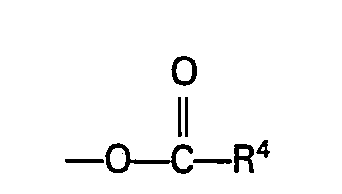

- The invention also provides a solid or liquid bleaching composition comprising:
- (a) A hydrogen peroxide source; and
- (b) A bleach effective amount of a precursor according to the invention.
- Selected adjuncts can be added to these bleaching compositions, such as surfactants, stabilizers, buffers and builders. The invention also includes a method for synthesizing the above noted precursor compounds and a method of bleaching.
- Washing temperatures of up to 100°C are common in Europe. However, there remains a need to provide peracid precursors which are effective to promote good bleaching in wash temperatures below 70°C, more preferably below 60°C, and most preferably below 50°C.
- With respect to the ring substituents X1, X2, Y and Z, in the compounds of the invention which are selected from H, SO- 3, CO2, N02, NR, halogen, R6 and mixtures thereof (wherein R5 of NR5+ 4 is selected from H, alkyl of 1-24 carbon atoms, and mixtures thereof and R6 is alkyl of 1 to 20 carbon atoms), any combination of these substituents may be present in the precursors of this invention. When the substituents are charged moieties, e.g. S03, appropriate counterpart ions (counterions) may be present. With respect to SO- 3, CO- 2, CI-, Br-, and F-, appropriate counterions may be chosen from H+, alkali metal salts (Na+, Li+, K+), although alkaline earth salts (calcium, magnesium, barium) or even ammonium salts may be possible. With respect to a quaternary ammonium substituent, i.e., NR, appropriate counterions can include halides, (CI-, Br-, I-), methosulfates, sulfates and nitrates. These aforementioned counterions may also be present with respect to the substituted R1, R4 and R6 groups, as appropriate.

- The compounds according to the invention include, ortho, meta and para-substituted phenylene mixed diesters, (i.e. wherein R1≠ R4) of resorcinol, hydroquinone and catechol, which are exemplified below:

- Hydroquinone (1,4-benzenediol; 1,4-dihydroxybenzene; p-dihydroxybenzene) is a white crystalline compound which can be obtained by dry distillation of quinic acid or by reduction of quinone.

- Resorcinol (1,3-benzenediol; 1,3-dihydroxybenzene; m-dihydroxybenzene) is a crystalline compound with a faint aromatic odor, and a sweet/bitter taste. It may be produced by the alkali fusion of galbanum and asafetida resins.

- Catechol (1,2-benzenediol; 1,2-dihydroxybenzene; o-dihydroxybenzene) is a crystalline compound with a phenolic odor and a sweet and bitter taste. It may be obtained by dried distillation of catechin which is found in the aqueous extract of catechu, which is an extract of an East Asian acacia plant.
- All three of these dihydroxybenzene starting materials are commercially available.
- The dihydroxybenzenes are weak acids with two dissociation constants. They are generally classified as antioxidant agents and are useful analytical reagents. Their structures, uses and chemistries are more thoroughly explored in Kirk-Othmer, Encyclopedia of Chemical Technology, 3rd Ed., vol. 13, pages 39-69 (1981), which pages are incorporated herein by reference.
- The mixed diesterified derivatives of these dihydroxybenzene compounds according to the invention are generally produced by reacting a monoesterified dihydroxybenzene having a group O-C(O)-R1 or O―C(O)―R4 with an appropriate acid anhydride providing the other group O―C(O)―R1 or O―C(O)―R4 in the presence of a strong acid. The general procedures for making these precursors are set forth below in EXPERIMENTAL.
- It is believed that in situ peracid generation occurs when these novel precursors are combined with a source of hydrogen peroxide in aqueous solution as follows:


- While the foregoing is believed to occur, in fact, the mechanism behind peracid generation may occur simultaneously, or in rapid sequence, or a combination of these reactions.
- Whatever the mechanism, it was surprisingly discovered that when the novel precursors were combined with hydrogen peroxide in aqueous solution, high yields of peracid were produced, even at low temperatures such as those found in U.S. wash water temperatures. It was even more surprising to see these high yields given that the byproducts of reaction, dihydroxybenzenes, are noted antioxidants which one would expect to consume the peracids thus produced.
- Applicants have found these particular substituted phenylene diesters to be particularly effective in low temperature bleaching applications. It was surprising that, given the large number of carbons on the disclosed compositions, the reactivities thereof were suitable for low temperature bleaching applications. Large alkyl groups are hydrophobic, hence solubility or dispersibility in cold water was assumed to be problematic. While enhanced bleaching activity occurs when various solubilizing groups are added to these compositions, sufficient peroxyacid generation for bleach applications has been observed even in their absence.
- Additionally, applicants observed that with increasing chain lengths of the phenylene diester precursors, decreasing bleaching performance may be observed due to decreasing solubility or dispersibility. Therefore, solubility/dispersibility and hence performance can be improved by the addition of solubilizing groups such as SOg, CO2, NRQ+. Placement of these solubilizing groups may have different effects on the precursor compositions. For example, if the solubilizing groups are placed on the aromatic ring or at or near the end of the alkyl groups of the esters, increased solubility may be observed. Placing the solubilizing groups next to the carbonyl carbon on the ester group or electron withdrawing substituents on the aromatic leaving group may increase the perhydrolysis rate. These theories are by way of explanation and not intended to thereby restrict the invention herein.
- Addition of the above described substituent groups can be accomplished by ways known to those skilled in the art. For example, halogen groups may be added by typical halogenation reactions, in which a typical source of halogen is combined with the selected dihydroxybenzene starting material in the presence of a Lewis Acid. Nitration, on the other hand, occurs when the dihydroxybenzene is reacted with nitric acid in the presence of sulfuric acid. Sulfonation occurs when the dihydroxybenzene is reacted with concentrated sulfuric acid. On the other hand, amination will generally be produced by reacting a source of amino with the dihydroxybenzene in the presence of liquid ammonia. Further, as with typical benzene- derived compounds, acylation and alkylation can occur via Friedel-Crafts reactions.
- Especially preferred are solubilizing groups, such as sulfonate (-SO) or carboxylate (―CO
 ) groups. These appear to impart good solubilityldispersibility properties to the peracid precursors of this invention. Additionally, it is preferred that a counterpart ion (counterion) to the sulfonate or carbonate group be chosen from H+ or an alkali metal ion selected from sodium, potassium or lithium, although alkaline earth counterions and even ammonium counterions may be appropriate.
- The precursors can be incorporated into a liquid or solid matrix for use in liquid or solid detergent bleaches by dissolving into an appropriate solvent or surfactant or by dispersing onto a substrate material. Examples of appropriate solvents include acetone, non-nucleophilic alcohols, ethers or hydrocarbons. Other more water-dispersible or -miscible solvents may be considered. As an example of affixation to a ,substrate material, the precursors of the present invention could be incorporated onto a non-particulate substrate such as disclosed in published European Patent Application EP 98 129, whose disclosure is incorporated herein by reference.
- The phenylene diesters of this invention which contain mixed chain lengths, i.e., a shorter carbon chain length of at least one ester functionality, and a longer carbon length at the second ester functionality, provides extremely proficient bleaching. For example, it is believed that when, according to the invention, one of the ester functionalities has an alkyl straight chain length of less than 5, e.g., wherein R1 or R4 is CH3, and the other alkyl group's chain length is greater than 5 carbon atoms, peroxyacids which are, respectively, hydrophilic and hydrophobic are generated. The believed advantage thereof is that particulate .soils, e.g., clay soil, and hydrophilic stains, e.g., tea and wine, can be attacked with a hydrophilic peroxyacid bleach while oily soils, e.g., sebum, can be attacked with a hydrophobic peroxyacid bleach. Different pre-formed hydrophobic and hydrophilic peroxyacid bleaches were combined in published European Patent Application EP 68 547, whose disclosure is incorporated herein by reference. Pre-formed peracids appear, however, to have storage stability problems and may lose significant amounts of active oxygen (A.O) upon prolonged storage. EP 98 129, mentioned above, discloses in one embodiment, separate peracid precursors which are impregnated on a fabric substrate. Problematic to this approach are the added manufacturing steps to producing different peracid precursors and using slurrying, emulsifying or other techniques to bind the different precursors to the substrate. A particularly preferred combination of the present invention is when one ester is an acetate (e.g., R1 is CH3) and the other is an hexanoate, heptanoate, octanoate or nonanoate (e.g., R4 is -(CH2)4CH3 to -(CHZ),CH3). In a preferred embodiment, the total number of backbone carbons of R1 plus R4 should be in the range of 2-20, more preferably 5-20, most preferably 7-14.
- Additionally, it was surprisingly found that while the positioning of the ester groups with respect to each other on the phenyl ring is significant, it is not critical. This was surprising since some references had suggested that activators which comprise a substituted phenyl ring must have the active substituent in para configuration with respect to other substituents, likely, it is assumed, to avoid steric hindrance.
- Under wash conditions and at temperatures below 70°C, it has been surprisingly found that any dihydroxybenzene, whether catechol, hydroquinone or resorcinol, can be used as perhydrolysis leaving groups, and that the resulting antioxidant does not appreciably or rapidly consume the oxidant formed, i.e., the peroxyacid(s). Resorcinol and catechol may be the preferred leaving groups because, of the byproducts of perhydrolysis of ortho, meta and para phenylene diesters, hydroquinone may be the most readily oxidizable.
- In the disclosure of Chung, et al., U.S. 4,412,934, it is contended that the molar ratio of hydrogen peroxide to bleach activator must exceed 1.5 or else a competing reaction is favored wherein peracid generated reacts with the bleach activator itself to form diacyl peroxide. In contrast to the Chung, et al. bleach activator, the present invention has been surprisingly discovered to form low levels of diacyl peroxide. This is further depicted below in EXPERIMENTAL, Example II. Although it is not definitely understood why this phenomenon occurs, it appears that the phenylene diester precursors may have different surface active properties. And, because of two reactive sites, which provides two equivalents of peracid per equivalent of precursor, lower concentrations of precursor are needed. There also is no need for a hydrogen peroxide/precursor ratio of greater than 1.5, as mandated in the Chung, et al. disclosure. Based on two reactive sites, i.e., the ester equivalents of the phenylene diester precursors, a ratio of 1:1 hydrogen peroxide:ester is possible, although ratios greater than this are also within the invention. It is preferred that the molar ratio of hydrogen peroxide:ester be from about 1:20 to 20:1, more preferably about 1:10 to 10:1, most preferably about 1:1 to 5:1.
- While it is explained above that substituting solubilizing groups on the phenyl ring will improve the solubility and enhance the reactivity of these precursors, an alternate mode and preferred embodiment is to combine the precursors with a surfactant. Particularly effective surfactants appear to be nonionic surfactants. Preferred surfactants of use include linear ethoxylated alcohols, such as those sold by Shell Chemical Company under the brand name Neodol. Other suitable nonionic surfactants can include other linear ethoxylated alcohols with an average length of 6 to 16 carbon atoms and averaging about 2 to 20 moles of ethylene oxide per mole of alcohol; linear and branched, primary and secondary ethoxylated, propoxylated alcohols with an average length of about 6 to 16 carbon atoms and averaging 0-10 moles of ethylene oxide and about 1 to 10 moles of propylene oxide per mole of alcohol; linear and branched alkyl- phenoxy (polyethoxy) alcohols, otherwise known as ethoxylated alkylphenols, with an average chain length of 8 to 16 carbon atoms and averaging 1.5 to 30 moles of ethylene oxide per mole of alcohol; and mixtures thereof.
- Further suitable nonionic surfactants may include polyoxyethylene carboxylic acid esters, fatty acid glycerol esters, fatty acid and ethoxylated fatty acid alkanolamides, certain block copolymers of propylene oxide and ethylene oxide, and block polymers of propylene oxide and ethylene oxide with propoxylated ethylene diamine. Also included are such semi-polar nonionic surfactants like amine oxides, phosphine oxides, sulfoxides, and their ethoxylated derivatives.
- Anionic surfactants may also be suitable. Examples of such anionic surfactants may include the ammonium, substituted ammonium (e.g., mono-, di-, and triethanolammonium), alkali metal and alkaline earth metal salts of C6-C20 fatty acids and rosin acids, linear and branched alkyl benzene sulfonates, alkyl sulfates, alkyl ether sulfates, alkane sulfonates, olefin sulfonates, hydroxyalkane sulfonates, fatty acid monoglyceride sulfates, alkyl glyceryl ether sulfates, acyl sarcosinates and acyl N-methyltaurides.
- Suitable cationic surfactants may include the quaternary ammonium compounds in which typically one of the groups linked to the nitrogen atom is a C12-C18 alkyl group and the other three groups are short chained alkyl groups which may bear inert substituents such as phenyl groups.
- Further, suitable amphoteric and zwitterionic surfactants which contain an anionic water-solubilizing group, a cationic group and a hydrophobic organic group may include amino carboxylic acids and their salts, amino dicarboxylic acids and their salts, alkylbetaines, alkyl aminopropylbetaines, sulfobetaines, alkyl imidazolinium derivatives, certain quaternary ammonium compounds, certain quaternary phosphonium compounds and certain tertiary sulfonium compounds. Other examples of potentially suitable zwitterionic surfactants can be found described in Jones, U.S. 4,005,029, at columns 11-15, which are incorporated herein by reference.
- Further examples of anionic, nonionic, cationic and amphoteric surfactants which may be suitable for use in this invention are depicted in Kirk-Othmer, Encyclopedia of Chemical Technology, Third Edition, Volume 22, pages 347-387, and McCutcheon's Detergents and Emulsifiers, North American Edition, 1983, which are incorporated herein by reference.
- As mentioned hereinabove, other common detergent adjuncts may be added if a bleach or detergent bleach product is desired. If, for example, a dry bleach composition is desired, the following ranges (weight %) appear practicable:

- The hydrogen peroxide source may be selected from the alkali metal salts of percarbonate, perborate, persilicate and hydrogen peroxide adducts and hydrogen peroxide. Most preferred are sodium percarbonate, sodium perborate mono- and tetrahydrate, and hydrogen peroxide. Other peroxygen sources may be possible, such as monopersulfates and monoperphosphates. In liquid applications, liquid hydrogen peroxide solutions are preferred, but the precursor may need to be kept separate therefrom prior to combination in aqueous solution to prevent premature decomposition.
- The buffer may be selected from sodium carbonate, sodium bicarbonate, sodium borate, sodium silicate, phosphoric acid salts, and other alkali metal/alkaline earth metal salts known to those skilled in the art. Organic buffers, such as succinates, maleates and acetates may also be suitable for use. It appears preferable to have sufficient buffer to attain an alkaline pH, i.e., above at least about 7.0.
- The filler material, which, in a detergent bleach application, may actually constitute the major constituent, by weight, of the detergent bleach, is usually sodium sulfate. Sodium chloride is another potential filler. Dyes include anthraquinone and similar blue dyes. Pigments, such as ultramarine blue (UMB), may also be used, and can have a bluing effect by depositing on fabrics washed with a detergent bleach containing UMB. Monastral colorants are also possible for inclusion. Brighteners, such as stilbene, styrene and styrylnapthalene brighteners (fluorescent whitening agents), may be included. Fragrances used for esthetic purposes are commercially available from Norda, International Flavors and Fragrances and Givaudon. Stabilizers include hydrated salts, such as magnesium sulfate, and boric acid.
- In another one of the preferred embodiments, in which a mixed diester compound as in (III) above is the precursor, a preferred bleach composition has the following ingredients:

- The above composition is formulated to deliver, desirably, about 14 ppm A.O. at a pH of about 10.5. Other peroxygen sources, such as sodium perborate monohydrate or sodium percarbonate are suitable. If a more detergent-type product is desired, the amount of filler can be increased and the precursor halved or further decreased.
- The novel precursors of this invention are synthesized by the methods which are disclosed below. Additionally, performance results are shown below in the EXPERIMENTAL section.
-

- An acetoxylated resorcinol is obtained through commercial sources (from American Hoechst). It is placed in a reaction vessel with an equimolar amount of dioctanoic acid anhydride (from Aldrich Chemicals), in the presence of methanesulfonic acid to promote acid catalysis, and reacted at room temperature (21°C) for one hour. A 95% yield of the 1 octanoyloxy-3-acetoxy benzene (resorcinol acetate octanoate) and octanoic acid as a by-product results.
- In the foregoing synthesis it is believed that any of the dihydroxybenzenes are suitable for use as starting materials. If non-nucleophilic solvents are required, as in base catalysis, acetone (dimethyl ketone), ethyl or methyl acetate, tetrachloromethane, dichloromethane, ethylene chloride, chloroform, and others appear appropriate to the synthesis. The catalyst, 4-dimethylaminopyridine, appears to promote transesterification by acting to form a reactive intermediate. Other suitable catalysts may include pyridine and other tertiary aliphatic and aromatic amines. The base, which may act to tie up any carboxylic acid moieties formed in the reaction, may include triethylamine, tetramethyl piperidine, NaHC03, Na2CO3, and suitable tertiary amines. In the selection of suitable bases, care must be taken to insure solubility of the ingredients in the reaction. Similarly, if acid catalysis is the chosen route of synthesis, concentrated sulfuric acid, hydrochloric acid, and methanesulfonic acid are among the catalysts of choice known to those skilled in the art.
- The purpose of the next experiment was to see if a greater than 1.5 molar ratio of H202:precursor as contended by U.S. 4,412,934 was actually necessary for the precursors of this invention to give good yields of desired peracids.
- a. The compound synthesized in I (resorcinol acetate octanoate) was combined in aqueous solution with sufficient hydrogen peroxide to yield a hydrogen peroxide:precursor ratio (based on ester equivalents) of about 1.4:1. The reaction conditions were pH 10.5 (based on 0.02M NaHC03), temperature 25°C, and 1 g/1 liter of a nonionic surfactant, Neodol 25-12 (which is a linear ethoxylated alcohol with predominant chain length of 12-15 carbon atoms, averaging about 12 moles of ethylene oxide per mole of alcohol). The concentration of II (resorcinol acetate octanoate) was 4.375 x 10⁻⁴M, H202 was about 1.225 x 10⁻³M, to result in an H202:precursor (based on ester equivalents) ratio of about 1.4:1. Yields of about 75% peracid were obtained. Low levels of diacyl peroxide were detected consistent with the high peracid yield.
- b. Repeating the above experiment, with the compound of I (resorcinol acetate octanoate) at 4.375 x 10⁻⁴M, but with 1.75 x 10⁻³M H202, to result in a ratio of H202:precursor of about 2:1, the resulting yield was about 78%. The reason for the absence of substantial diacyl peroxide formation in a competing side reaction as posited by U.S. 4,412,934 are presently unknown. It is speculated that there is a lack of interaction between the recently formed peracid and that portion of unreacted precursor. This theory is for purposes of explanation and not meant to restrict the scope of the invention. It is also believed that any acetyl octanoyl diacyl peroxide formed may be rapidly re-perhydrolyzed, i.e., converted back into peracid, without the need for a large excess of hydrogen peroxide. Further experiments appear to bear out the low diacyl peroxide formation in the inventive compositions.
- Performance tests for the inventive precursors have also been conducted. The precursors have been found to exhibit significant improvements in bleaching performance over a commercial dry perborate bleach:
-

- The foregoing description and embodiments of the invention have been presented for purposes of illustration and not intended to restrict the scope of the invention. Other non-limiting embodiments of the invention are possible. For example, standard bleaching and detergent adjuncts may be added to the compositions disclosed. Exemplary of such adjuncts are builders (sodium carbonate, sodium tripolyphosphate, etc.), fillers (e.g., sodium sulfate), brighteners, enzymes (e.g., alkaline proteases), defoaming agents, and the like known to those skilled in the art. Additionally, further esterification of the phenylene diesters may be possible, for example, resulting in tri- and quaternary-, substituted phenylene precursors. The claims hereto further illustrate the invention.
Claims (19)


Applications Claiming Priority (2)
| Application Number | Priority Date | Filing Date | Title |
|---|---|---|---|
| US68198384A | 1984-12-14 | 1984-12-14 | |
| US681983 | 1984-12-14 |
Publications (3)
| Publication Number | Publication Date |
|---|---|
| EP0185522A2 EP0185522A2 (en) | 1986-06-25 |
| EP0185522A3 EP0185522A3 (en) | 1987-07-01 |
| EP0185522B1 true EP0185522B1 (en) | 1990-11-07 |
Family
ID=24737696
Family Applications (1)
| Application Number | Title | Priority Date | Filing Date |
|---|---|---|---|
| EP85309075A Expired - Lifetime EP0185522B1 (en) | 1984-12-14 | 1985-12-12 | Phenylene mixed diester peracid precursors |
Country Status (5)
| Country | Link |
|---|---|
| EP (1) | EP0185522B1 (en) |
| CA (1) | CA1270717A (en) |
| DE (1) | DE3580460D1 (en) |
| ES (2) | ES8801893A1 (en) |
| TR (1) | TR22733A (en) |
Cited By (1)
| Publication number | Priority date | Publication date | Assignee | Title |
|---|---|---|---|---|
| US5296161A (en) | 1986-06-09 | 1994-03-22 | The Clorox Company | Enzymatic perhydrolysis system and method of use for bleaching |
Families Citing this family (51)
| Publication number | Priority date | Publication date | Assignee | Title |
|---|---|---|---|---|
| US4814110A (en) * | 1984-12-14 | 1989-03-21 | The Clorox Company | Method for esterifying dihydroxybenzenes |
| US5364554A (en) * | 1986-06-09 | 1994-11-15 | The Clorox Company | Proteolytic perhydrolysis system and method of use for bleaching |
| US4790952A (en) * | 1986-08-14 | 1988-12-13 | The Clorox Company | Alkyl monoperoxysuccinic acid precursors and method of synthesis |
| US5214034A (en) * | 1986-09-26 | 1993-05-25 | Mitsui Toatsu Chemicals, Incorporated | Catechol derivatives, and preventive and remedial preparations for regressive disorders in the central nervous system containing the same |
| FI874163L (en) * | 1986-09-26 | 1988-03-27 | Mitsui Toatsu Chemicals | KATEKOLDERIVAT SAMT PREPARAT INNEHAOLLANDE DESAMMA FOER HAEMMANDE OCH BOTANDE AV REGRESSIVA SJUKDOMAR I DET CENTRALA NERVSYSTEMET. |
| US4818426A (en) * | 1987-03-17 | 1989-04-04 | Lever Brothers Company | Quaternary ammonium or phosphonium substituted peroxy carbonic acid precursors and their use in detergent bleach compositions |
| US4751015A (en) * | 1987-03-17 | 1988-06-14 | Lever Brothers Company | Quaternary ammonium or phosphonium substituted peroxy carbonic acid precursors and their use in detergent bleach compositions |
| US5130045A (en) * | 1987-10-30 | 1992-07-14 | The Clorox Company | Delayed onset active oxygen bleach composition |
| US5234616A (en) * | 1987-10-30 | 1993-08-10 | The Clorox Company | Method of laundering clothes using a delayed onset active oxygen bleach composition |
| EP0333248A3 (en) * | 1988-03-17 | 1990-08-29 | Unilever N.V. | Bleach precursors and their use in bleaching and/or detergent composition |
| GB8815841D0 (en) * | 1988-07-04 | 1988-08-10 | Unilever Plc | Bleaching detergent compositions |
| US5290793A (en) * | 1989-09-12 | 1994-03-01 | Mitsui Toatsu Chemicals, Incorporated | Dihydrocaffeic acid derivatives and pharmaceutical preparation containing same |
| US5078907A (en) * | 1989-11-01 | 1992-01-07 | Lever Brothers Company, Division Of Conopco, Inc. | Unsymmetrical dicarboxylic esters as bleach precursors |
| US5688757A (en) * | 1990-01-22 | 1997-11-18 | Novo Nordisk A/S The Procter & Gamble Co. | Sugar derivatives containing both long and short chain acyl groups as bleach activators |
| GB9003741D0 (en) * | 1990-02-19 | 1990-04-18 | Unilever Plc | Bleach activation |
| ATE148092T1 (en) * | 1990-10-08 | 1997-02-15 | Sumitomo Chemical Co | METHOD FOR PRODUCING HIGH PURITY CARBOXYLIC ACID PHENYL ESTERS |
| JP3099455B2 (en) * | 1990-10-08 | 2000-10-16 | 住友化学工業株式会社 | Aromatic polyester and method for producing the same |
| US5055217A (en) * | 1990-11-20 | 1991-10-08 | Lever Brothers Company, Division Of Conopco, Inc. | Polymer protected bleach precursors |
| SK278833B6 (en) * | 1992-01-17 | 1998-03-04 | Unilever Nv | Detergent whitening mixture containing particles |
| SK278834B6 (en) * | 1992-01-17 | 1998-03-04 | Unilever Nv | Detergent whitening mixture containing particles |
| DE19600159A1 (en) | 1996-01-04 | 1997-07-10 | Hoechst Ag | Bleaching agent systems containing bis- and tris (mu-oxo) -di-manganese complex salts |
| DE19606343A1 (en) | 1996-02-21 | 1997-08-28 | Hoechst Ag | Bleach |
| US5850086A (en) * | 1996-06-21 | 1998-12-15 | Regents Of The University Of Minnesota | Iron complexes for bleach activation and stereospecific oxidation |
| EP0937772A1 (en) * | 1998-02-23 | 1999-08-25 | The Procter & Gamble Company | Bleaching compositions |
| GB0011527D0 (en) | 2000-05-12 | 2000-06-28 | Unilever Plc | Bleach catalyst and composition and method for bleaching a substrate |
| BRPI0909022B1 (en) | 2008-04-09 | 2020-11-10 | Basf Se | use of at least one compound, detergent, cleaner, disinfectant or bleach composition, and granule |
| WO2012000846A1 (en) | 2010-06-28 | 2012-01-05 | Basf Se | Metal free bleaching composition |
| PL2651907T3 (en) | 2010-12-13 | 2015-03-31 | Basf Se | Bleach catalysts |
| NO3011004T3 (en) | 2013-06-20 | 2017-12-23 | ||
| AU2014307707B2 (en) | 2013-08-16 | 2018-08-02 | Chemsenti Limited | Composition |
| WO2017076771A1 (en) | 2015-11-03 | 2017-05-11 | Basf Se | Bleach catalysts |
| EP3176157A1 (en) | 2015-12-01 | 2017-06-07 | Basf Se | Bleach catalysts |
| WO2017182295A1 (en) | 2016-04-18 | 2017-10-26 | Basf Se | Liquid cleaning compositions |
| WO2017186480A1 (en) | 2016-04-26 | 2017-11-02 | Basf Se | Metal free bleaching composition |
| EP3372663A1 (en) | 2017-03-10 | 2018-09-12 | Basf Se | Bleach catalysts |
| EP4110831B1 (en) | 2020-02-28 | 2024-02-21 | Catexel Technologies Limited | Degradative method |
| EP3967742A1 (en) | 2020-09-15 | 2022-03-16 | WeylChem Performance Products GmbH | Compositions comprising bleaching catalyst, manufacturing process thereof, and bleaching and cleaning agent comprising same |
| EP4008765A1 (en) | 2020-12-07 | 2022-06-08 | WeylChem Performance Products GmbH | Compositions comprising protonated triazacyclic compounds and bleaching agent and cleaning agent comprising same |
| EP4296343A1 (en) | 2022-06-24 | 2023-12-27 | WeylChem Performance Products GmbH | Compositions comprising protonated triazacyclic compounds and manganese(ii) acetate, manufacturing thereof, and bleaching and cleaning agent comprising same |
| CN120769877A (en) | 2023-02-21 | 2025-10-10 | 巴斯夫欧洲公司 | Modified alkoxylated polyalkylene imine or modified alkoxylated polyamine |
| EP4669690A1 (en) | 2023-02-21 | 2025-12-31 | Basf Se | MODIFIED ALCOXYLATED POLYALKYLENIMINES OR MODIFIED ALCOXYLATED POLYAMINES |
| WO2024175409A1 (en) | 2023-02-21 | 2024-08-29 | Basf Se | Modified hyperbranched alkoxylated polyalkylene imines |
| CN120882779A (en) | 2023-03-13 | 2025-10-31 | 巴斯夫欧洲公司 | Alkoxylated nitrogen-containing polymers and their uses |
| CN120981505A (en) | 2023-05-05 | 2025-11-18 | 巴斯夫欧洲公司 | Biodegradable polyol propoxylates, their preparation, uses, and compositions comprising them |
| EP4728032A1 (en) | 2023-06-13 | 2026-04-22 | Basf Se | Stabilized cleaning compositions comprising edds and enzymes and their use |
| WO2025125117A1 (en) | 2023-12-15 | 2025-06-19 | Basf Se | Biodegradable propoxylated ethylenediamines, their preparation, uses, and compositions comprising them |
| WO2025131888A1 (en) | 2023-12-19 | 2025-06-26 | Basf Se | Modified alkoxylated polyalkylene imines or modified alkoxylated polyamines |
| WO2025180874A1 (en) | 2024-02-27 | 2025-09-04 | Basf Se | Substituted 1,3-dioxolane sulfates and their use |
| WO2025195856A1 (en) | 2024-03-19 | 2025-09-25 | Basf Se | Compositions of guerbet alkyl sulfates and their use |
| WO2025202032A1 (en) | 2024-03-26 | 2025-10-02 | Basf Se | Biodegradable alkoxylated polyols, their preparation, uses, and compositions comprising them |
| EP4678725A1 (en) | 2024-07-11 | 2026-01-14 | Catexel GmbH | Co-granules comprising bleaching catalyst, bleaching activator, binder and zinc or bismuth salt, and bleaching and cleaning agent comprising same |
Citations (2)
| Publication number | Priority date | Publication date | Assignee | Title |
|---|---|---|---|---|
| EP0068547A1 (en) * | 1981-06-22 | 1983-01-05 | THE PROCTER & GAMBLE COMPANY | Mixed peroxyacid bleaches having improved bleaching power |
| US4412934A (en) * | 1982-06-30 | 1983-11-01 | The Procter & Gamble Company | Bleaching compositions |
Family Cites Families (10)
| Publication number | Priority date | Publication date | Assignee | Title |
|---|---|---|---|---|
| FR1375960A (en) * | 1963-09-16 | 1964-10-23 | Geigy Ag J R | Stabilization of organic matter, in particular polypropylene, by means of certain alkanoic derivatives, in particular hydroquinone esters |
| US3462468A (en) * | 1964-10-22 | 1969-08-19 | Celanese Corp | Resorcinol esters of alpha,alpha-dimethyl aliphatic acids |
| DE2038522A1 (en) * | 1969-08-04 | 1971-02-18 | Geigy Ag J R | Esters of fatty acids and tertiary-lower-alkyl-substituted hydroquinones and their use for stabilizing fat compositions |
| US3631227A (en) * | 1970-02-27 | 1971-12-28 | Texaco Inc | Halocyclohexanone conversion to catechol diacetate |
| US3624136A (en) * | 1970-02-27 | 1971-11-30 | Texaco Inc | Method of preparing catechol diacetates |
| GB1316739A (en) * | 1971-10-20 | 1973-05-16 | Texaco Development Corp | Preparation of acetates of monohydric and dihydric phenols |
| US3969383A (en) * | 1974-01-07 | 1976-07-13 | Ciba-Geigy Corporation | Fat compositions stabilized with esters of fatty acids and tertiary lower alkyl substituted hydroquinones and method therefrom |
| US4036773A (en) * | 1974-12-27 | 1977-07-19 | Mobil Oil Corporation | Lubricant compositions containing carboxylic acid esters of hindered hydroquinones |
| CA1175058A (en) * | 1980-04-07 | 1984-09-25 | James E. Lyons | Selective production of phenylene diacetate |
| JPS57145803A (en) * | 1981-03-05 | 1982-09-09 | Sunstar Inc | External decoloring agent for skin |
-
1985
- 1985-12-10 TR TR49502/85A patent/TR22733A/en unknown
- 1985-12-11 CA CA000497390A patent/CA1270717A/en not_active Expired
- 1985-12-12 DE DE8585309075T patent/DE3580460D1/en not_active Expired - Lifetime
- 1985-12-12 EP EP85309075A patent/EP0185522B1/en not_active Expired - Lifetime
- 1985-12-13 ES ES550880A patent/ES8801893A1/en not_active Expired
-
1987
- 1987-10-16 ES ES557775A patent/ES8802581A1/en not_active Expired
Patent Citations (2)
| Publication number | Priority date | Publication date | Assignee | Title |
|---|---|---|---|---|
| EP0068547A1 (en) * | 1981-06-22 | 1983-01-05 | THE PROCTER & GAMBLE COMPANY | Mixed peroxyacid bleaches having improved bleaching power |
| US4412934A (en) * | 1982-06-30 | 1983-11-01 | The Procter & Gamble Company | Bleaching compositions |
Non-Patent Citations (1)
| Title |
|---|
| "Beilsteins Handbuch der Organischen Chemie", IV Auflage, Band 6, S. 4416 * |
Cited By (1)
| Publication number | Priority date | Publication date | Assignee | Title |
|---|---|---|---|---|
| US5296161A (en) | 1986-06-09 | 1994-03-22 | The Clorox Company | Enzymatic perhydrolysis system and method of use for bleaching |
Also Published As
| Publication number | Publication date |
|---|---|
| ES557775A0 (en) | 1988-09-01 |
| EP0185522A2 (en) | 1986-06-25 |
| DE3580460D1 (en) | 1990-12-13 |
| CA1270717A (en) | 1990-06-26 |
| EP0185522A3 (en) | 1987-07-01 |
| ES8801893A1 (en) | 1988-03-01 |
| ES550880A0 (en) | 1988-03-01 |
| ES8802581A1 (en) | 1988-09-01 |
| TR22733A (en) | 1988-05-24 |
Similar Documents
| Publication | Publication Date | Title |
|---|---|---|
| CA1270717A (en) | Phenylene mono - and diester peracid precursors | |
| US4964870A (en) | Bleaching with phenylene diester peracid precursors | |
| AU671813B2 (en) | Acylated citrate esters as peracid precursors | |
| EP0267047B1 (en) | Bleaching compositions, glycolate ester peracids and precursors | |
| EP0484324B1 (en) | Cleaning compositions containing bleach activator compounds | |
| US4578206A (en) | Detergent bleach compositions | |
| US4957647A (en) | Acyloxynitrogen peracid precursors | |
| EP0694028A1 (en) | Diquaternary compounds useful as bleach activators, and compositions containing them | |
| JPH0761962A (en) | Novel sulfonate, method for producing the same, and bleach composition containing the same | |
| EP0390393B1 (en) | Polyglycolate peracid precursors and compositions containing them | |
| US4959187A (en) | Glycolate ester peracid precursors | |
| EP0267046B1 (en) | Bleaching compositions comprising peracid precursors | |
| EP0252724B1 (en) | Method of esterifying dihydroxybenzenes | |
| US5380456A (en) | Stabilization of aqueous persalt solutions | |
| US5087385A (en) | Acyloxynitrogen peracid precursors | |
| US4790952A (en) | Alkyl monoperoxysuccinic acid precursors and method of synthesis | |
| US5705091A (en) | Alkoxylated peracid activators | |
| JP3330230B2 (en) | Bleach detergent composition | |
| US4960925A (en) | Alkyl monoperoxysuccinic acid precursors and method of synthesis | |
| JP2801066B2 (en) | Bleach and bleach detergent composition | |
| JP3320484B2 (en) | Bleach activator and bleach composition | |
| JPH0565498A (en) | Bleaching agent and bleaching detergent composition | |
| JP3352208B2 (en) | Bleach detergent composition | |
| JPH0571698B2 (en) | ||
| EP0333248A2 (en) | Bleach precursors and their use in bleaching and/or detergent composition |
Legal Events
| Date | Code | Title | Description |
|---|---|---|---|
| PUAI | Public reference made under article 153(3) epc to a published international application that has entered the european phase |
Free format text: ORIGINAL CODE: 0009012 |
|
| AK | Designated contracting states |
Kind code of ref document: A2 Designated state(s): BE CH DE FR GB IT LI LU NL SE |
|
| PUAL | Search report despatched |
Free format text: ORIGINAL CODE: 0009013 |
|
| AK | Designated contracting states |
Kind code of ref document: A3 Designated state(s): BE CH DE FR GB IT LI LU NL SE |
|
| 17P | Request for examination filed |
Effective date: 19871015 |
|
| 17Q | First examination report despatched |
Effective date: 19890403 |
|
| GRAA | (expected) grant |
Free format text: ORIGINAL CODE: 0009210 |
|
| AK | Designated contracting states |
Kind code of ref document: B1 Designated state(s): BE CH DE FR GB IT LI LU NL SE |
|
| PG25 | Lapsed in a contracting state [announced via postgrant information from national office to epo] |
Ref country code: SE Effective date: 19901107 Ref country code: LI Effective date: 19901107 Ref country code: CH Effective date: 19901107 |
|
| ITF | It: translation for a ep patent filed | ||
| REF | Corresponds to: |
Ref document number: 3580460 Country of ref document: DE Date of ref document: 19901213 |
|
| PG25 | Lapsed in a contracting state [announced via postgrant information from national office to epo] |
Ref country code: LU Free format text: LAPSE BECAUSE OF NON-PAYMENT OF DUE FEES Effective date: 19901231 |
|
| ET | Fr: translation filed | ||
| REG | Reference to a national code |
Ref country code: CH Ref legal event code: PL |
|
| PLBE | No opposition filed within time limit |
Free format text: ORIGINAL CODE: 0009261 |
|
| STAA | Information on the status of an ep patent application or granted ep patent |
Free format text: STATUS: NO OPPOSITION FILED WITHIN TIME LIMIT |
|
| 26N | No opposition filed | ||
| PGFP | Annual fee paid to national office [announced via postgrant information from national office to epo] |
Ref country code: FR Payment date: 19921110 Year of fee payment: 8 |
|
| PGFP | Annual fee paid to national office [announced via postgrant information from national office to epo] |
Ref country code: BE Payment date: 19921120 Year of fee payment: 8 |
|
| PGFP | Annual fee paid to national office [announced via postgrant information from national office to epo] |
Ref country code: DE Payment date: 19921123 Year of fee payment: 8 |
|
| PGFP | Annual fee paid to national office [announced via postgrant information from national office to epo] |
Ref country code: GB Payment date: 19921127 Year of fee payment: 8 |
|
| ITTA | It: last paid annual fee | ||
| PGFP | Annual fee paid to national office [announced via postgrant information from national office to epo] |
Ref country code: NL Payment date: 19921231 Year of fee payment: 8 |
|
| PG25 | Lapsed in a contracting state [announced via postgrant information from national office to epo] |
Ref country code: GB Effective date: 19931212 |
|
| PG25 | Lapsed in a contracting state [announced via postgrant information from national office to epo] |
Ref country code: BE Effective date: 19931231 |
|
| BERE | Be: lapsed |
Owner name: THE CLOROX CY Effective date: 19931231 |
|
| PG25 | Lapsed in a contracting state [announced via postgrant information from national office to epo] |
Ref country code: NL Effective date: 19940701 |
|
| GBPC | Gb: european patent ceased through non-payment of renewal fee |
Effective date: 19931212 |
|
| NLV4 | Nl: lapsed or anulled due to non-payment of the annual fee | ||
| PG25 | Lapsed in a contracting state [announced via postgrant information from national office to epo] |
Ref country code: FR Effective date: 19940831 |
|
| PG25 | Lapsed in a contracting state [announced via postgrant information from national office to epo] |
Ref country code: DE Effective date: 19940901 |
|
| REG | Reference to a national code |
Ref country code: FR Ref legal event code: ST |