EP0178902A2 - Novel vasodilator compounds, process for the preparation thereof and pharmaceutical compositions containing same - Google Patents
Novel vasodilator compounds, process for the preparation thereof and pharmaceutical compositions containing same Download PDFInfo
- Publication number
- EP0178902A2 EP0178902A2 EP85307411A EP85307411A EP0178902A2 EP 0178902 A2 EP0178902 A2 EP 0178902A2 EP 85307411 A EP85307411 A EP 85307411A EP 85307411 A EP85307411 A EP 85307411A EP 0178902 A2 EP0178902 A2 EP 0178902A2
- Authority
- EP
- European Patent Office
- Prior art keywords
- aqueous
- methanol solution
- methanol
- microorganism
- substance
- Prior art date
- Legal status (The legal status is an assumption and is not a legal conclusion. Google has not performed a legal analysis and makes no representation as to the accuracy of the status listed.)
- Granted
Links
Images

Classifications
-
- C—CHEMISTRY; METALLURGY
- C12—BIOCHEMISTRY; BEER; SPIRITS; WINE; VINEGAR; MICROBIOLOGY; ENZYMOLOGY; MUTATION OR GENETIC ENGINEERING
- C12P—FERMENTATION OR ENZYME-USING PROCESSES TO SYNTHESISE A DESIRED CHEMICAL COMPOUND OR COMPOSITION OR TO SEPARATE OPTICAL ISOMERS FROM A RACEMIC MIXTURE
- C12P1/00—Preparation of compounds or compositions, not provided for in groups C12P3/00 - C12P39/00, by using microorganisms or enzymes
- C12P1/06—Preparation of compounds or compositions, not provided for in groups C12P3/00 - C12P39/00, by using microorganisms or enzymes by using actinomycetales
-
- A—HUMAN NECESSITIES
- A61—MEDICAL OR VETERINARY SCIENCE; HYGIENE
- A61P—SPECIFIC THERAPEUTIC ACTIVITY OF CHEMICAL COMPOUNDS OR MEDICINAL PREPARATIONS
- A61P9/00—Drugs for disorders of the cardiovascular system
- A61P9/08—Vasodilators for multiple indications
-
- C—CHEMISTRY; METALLURGY
- C12—BIOCHEMISTRY; BEER; SPIRITS; WINE; VINEGAR; MICROBIOLOGY; ENZYMOLOGY; MUTATION OR GENETIC ENGINEERING
- C12N—MICROORGANISMS OR ENZYMES; COMPOSITIONS THEREOF; PROPAGATING, PRESERVING, OR MAINTAINING MICROORGANISMS; MUTATION OR GENETIC ENGINEERING; CULTURE MEDIA
- C12N1/00—Microorganisms; Compositions thereof; Processes of propagating, maintaining or preserving microorganisms or compositions thereof; Processes of preparing or isolating a composition containing a microorganism; Culture media therefor
- C12N1/20—Bacteria; Culture media therefor
- C12N1/205—Bacterial isolates
-
- C—CHEMISTRY; METALLURGY
- C12—BIOCHEMISTRY; BEER; SPIRITS; WINE; VINEGAR; MICROBIOLOGY; ENZYMOLOGY; MUTATION OR GENETIC ENGINEERING
- C12R—INDEXING SCHEME ASSOCIATED WITH SUBCLASSES C12C - C12Q, RELATING TO MICROORGANISMS
- C12R2001/00—Microorganisms ; Processes using microorganisms
- C12R2001/01—Bacteria or Actinomycetales ; using bacteria or Actinomycetales
- C12R2001/465—Streptomyces
Definitions
- This invention concerns a novel physiologically active substance produced by a microorganism belonging to the genus Streptomyces.
- vasodilators are known which are capable of producing substances having vasodilator activity.
- two vasodilators are known which are produced by culturing a strain of Streptomyces aureofaciens.
- These two compounds known as WS-1228A and WS-1228B, have the following structures [J. Antibiotics 35, 151-156 (1982), ibid. 35, 157-163 (1982)]:
- KS-619-1 a new physiologically active substance having a vasodilative activity.
- the novel substance is produced in the culture broth of microorganisms of the genus Streptomyces. This new substance is hereinafter called "KS-619-1".
- KS-619-1 physico-chemical properties of KS-619-1 are:
- Solubility readily soluble in acetic acid; soluble in
- Mass spectrum The mass spectrum of the substance gives the following ions.
- KS-619-1 shows a ketone signal observable in the 13 C-NMR Spectrum at 205.0 ppm.
- KS-619-1 is a novel compound.
- Rf values in the thin layer chromatography of KS-619-1 with various developing agents are shown in Table 1. The detection was carried out through iodine reaction.
- KS-619-1 is prepared by culturing a microorganism belonging to the genus Streptomyces and having an ability to produce KS-619-1 in a medium, forming and accumulating KS-619-1 in the culture broth, and recovering KS-619-1 from the culture broth.
- Any microorganism can be employed as a KS-619-1- producing microorganism, so long as it belongs to the genus Streptomyces and has an ability to produce KS-619-1.
- strain Streptomyces californicus ATCC 3312 whose morphological characteristics and physiological properties are described in:
- the ordinary culturing procedures applicable to the culturing of actinomycetes are employed to culture the microorganisms.
- Either a natural medium or a synthetic medium can be used, so long as it contains satisfactory amounts of a carbon source, a nitrogen source, inorganic matters, etc., which are assimilable by the microorganism.
- carbohydrates such as glucose, fructose, sucrose, stabilose, starch, dextrin, mannose, maltose, molasses, etc.
- organic acids such as citric acid, malic acid, acetic acid, fumaric acid, etc., alcohols such as methanol, ethanol, etc.
- hydrocarbons such as methane, ethane, propane, n-paraffins, etc.
- amino acids such as glutamic acid, etc.; glycerol, etc.
- ammonium salts such as ammonium chloride, ammonium sulfate, ammonium nitrate, ammonium phosphate, etc.
- amino acids such as aspartic acid, glutamine, cystine, alanine, etc.
- urea peptone, meat extract, yeast extract, dry yeast, cornysteep liquor, soybean meal, cottonseed cakes, soybean casein, Casamino acid, Pharma media, etc.
- potassium dihydrogen phosphate disodium hydrogen phosphate, magnesium sulfate, ferrous sulfate, manganese sulfate, cobalt sulfate, zinc sulfate, calcium pantothenate, ammonium molybdate, potassium aluminum sulfate, barium carbonate, calcium carbonate, cobalt chloride, sodium chloride, etc.
- potassium dihydrogen phosphate disodium hydrogen phosphate
- magnesium sulfate ferrous sulfate
- manganese sulfate manganese sulfate
- cobalt sulfate zinc sulfate
- calcium pantothenate ammonium molybdate
- potassium aluminum sulfate barium carbonate
- calcium carbonate calcium carbonate
- cobalt chloride sodium chloride, etc.
- substances capable of promoting the propagation of cells or the production of K S-619-1 such as vitamins, thiamine, etc. can be added to the medium, if required.
- Culturing is carried out at a temperature of 20 to 40°C at pH around neutrality by shaking culture, aeration- stirring culture, etc.
- KS-619-1 Maximum accumulation of KS-619-1 can be attained by culturing for 3 to 15 days, and the culturing is completed.
- KS-619-1 can be isolated by cell removal through filtration, centrifugation, etc., and by adsorption and desorption of an active substance according to column chromatography or thin layer chromatography using adsorbing resin, silica gel, silanized silica gel, aluminum, cellulose, diatomaceous earth, magnesium silicate, gel filtration agent, etc.
- the extract is concentrated under reduced pressure and subjected to repetitions of silica gel column chromatography to conduct purification.
- chloroform : methanol : ethanol : water [ ⁇ 10 : 4 : 4 : 2 (V/V)] is used for the elution.
- Fractions containing KS-619-1 are concentrated under reduced pressure, and the concentrate is subjected to LH-20 (product of Pharmacia Co.) column chromatography using methanol as a developing solvent. Fractions containing KS-619-1 are collected and concentrated' under reduced pressure to obtain orange powders of KS-619-1.
- KS-619-1 is carried out by silica gel thin layer chromatography and then by iodine reaction.
- KS-619-1 has a vasodilative activity and thus is useful as a vasodilator which is a drug capable of dilating arteries, increasing the peripheral blood flow and decreasing the overall blood pressure. That is, KS-619-1 is useful for preventing, curing or treating high blood pressure, angina pectoris, peripheral circulating insufficiency and the like.
- a pharmaceutical composition comprising, as active ingredient, an effective amount of KS-619-1 usually in association with at least one pharmaceutically acceptable carrier or excipient.
- KS-619-1 can be administered as such, but generally administered in the form of tablets, pills, powder, granules, capsules, suppository, injection, etc.
- Conventional pharmaceutically acceptable carriers can be used for medical compositions of this invention.
- the present composition can contain 0.01 - 85 weight percent of KS-619-1.
- the acute toxicity (LD 50 ) of KS-619-1 in mice is more than 300 mg/kg ⁇ p.o. and more than 100 mg/kg ⁇ i.p.
- Streptomyces californicus ATCC 3312 is used, and as a first seed medium, a medium containing 1.0 g/d1 glucose, 1.0 g/dl soluble starch, 0.3 g/dl meat extract, 0.5 g/dl yeast extract, 0.5 g/df Bactotryptone (product of Difco Co.) and 0.2 g/dl calcium carbonate (pH 7.2-7.4) is used.
- One loopful of the seed microorganism is inoculated in 14 ml, of said seed medium contained in a 50 m1- large test tube, and cultured with shaking at 30°C for one day.
- 4 ml of the seed culture liquor is inoculated in 40 ml, of a second seed medium contained in a 300 ml-Erlenmeyer flask.
- the composition of the second seed medium is the same as that of the first seed medium.
- the second seed culturing is carried out at 30°C for one day.
- 40 ml of the seed culture liquor is inoculated in 300 ml of a third seed medium contained in a 2 l-Erlenmeyer flask with baffles.
- the composition of the third seed medium is the same as that of the first seed medium.
- the third seed culturing is carried out at 30°C for one day.
- 900 ml of the third seed culture liquor is inoculated in 18 1 of a main fermentation medium contained in a 30 I-stainless steel jar fermenter.
- the main fermentation medium contains 3.0 g/dl dextrin, 2.0 g/dl soybean meal, 0.25 g/dl corn steep liquor, 0.05 g/dl dipotassium hydrogen phosphate, 0.05 g/dl magnesium sulfate heptahydrate, 0.03 g/dl potassium chloride and 0.3 g/dl calcium carbonate (pH 7.8).
- the culturing is carried out at 28°C for 3 days with aeration and stirring.
- 0.32 ⁇ g/ml KS-619-1 is accumulated in the culture liquor.
- the culture liquor is centrifuged (15,000 rpm).
- 36 l of the supernatant is passed through a 2 l-column filled with Diaion HP-10, and after adsorption of KS-619-1, the column is washed with 6 1 of 30 % (V/V) methanol, and subjected to elution with 6 l of methanol.
- the eluted fractions are fractionated in 7g portions, and KS-619-1 is eluted in fraction Nos. 2-22. These fractions are collected and concentrated to dryness under reduced pressure, whereby about 60 mg of oily matter is obtained.
- KS-619-1 is eluted in fraction Nos. 24-57. These fractions are collected and concentrated to dryness under reduced pressure, whereby 9.7 mg of KS-619-1 is obtained as an orange powder.
- KS-619-1 is detected by silica gel thin layer chromatography, and then by iodine reaction.
- a 10% hydroxypropylcellulose solution is added to a mixture consisting of 100g of KS-619-1, 40g of lactose, 18g of corn starch and 10g of carboxymethylcellulose calcium, and the mixture is kneaded.
- the mixture is then granulated with an extrusion granulator with 1.0 mm screen, and the granules are dried at 60°C.
- the dried granules are screened on a 16-mesh sieve, and magnesium stearate is added to the granules to prepare tabletting granules.
- tablets, 8 mm in size, containing 100 mg of KS-619-1 in one tablet (170 mg) are prepared.
- a 10% hydroxypropylcellulose solution is added to a mixture consisting of 50g of KS-619-1, 80g of lactose and 38g of potato starch, and the mixture is kneaded.
- the mixture is granulated in the same manner as in Example 2, and after addition of magnesium stearate, capsules containing 50 mg of KS-619-1 in one capsule (170 mg) are prepared according to the ordinary procedure.
- KS-619-1 (lOg) is dissolved in 100g of soybean oil, and the solution is filled into capsules according to the ordinary procedure to prepare soft capsules each containing l0 mg of KS-619-1.
- a vasodilative activity of KS-619-1 is explained below, referring to an experimental example on inhibition of contraction using extirpated blood vessel preparation.
- White bastard rabbits male, 2-3 kg were incised along the abdominal median line.
- the superior mesenteric artery was cut out with a length of about 2-2.5 cm from the abdominal aortic branch, and spiral strips with a width of 3-4 mm were prepared therefrom.
- the strips were ligated with silk yarns at both ends, and the lower end was connected to a stationary rod, whereas the upper end was connected to a strong transducer (SB-1T, product of Nippon Koden Co., Ltd.).
- SB-1T strong transducer
- the preparation was kept at 37 ⁇ 1°C by means of peristaltic pump (Harvard 1210), while a gas (95% 0 2 and 5% C0 2 ) was introduced therein.
- the surface of the preparation was perfused with a Krebs-Henseleit solution whose composition in g/l was NaCl: 6.92, KCl: 0.35, MgSO 4 ⁇ 7H 2 O: 0.29, CaCl 2 : 0.28, KH 2 P0 4 : 0.16, NaHC0 3 : 2.1 and glucose: 2.0 at a flow rate of 10 mt/min.
- a Krebs-Henseleit solution whose composition in g/l was NaCl: 6.92, KCl: 0.35, MgSO 4 ⁇ 7H 2 O: 0.29, CaCl 2 : 0.28, KH 2 P0 4 : 0.16, NaHC0 3 : 2.1 and glucose: 2.0 at a flow rate of 10 mt/min.
- Potassium chloride as a blood vessel-contracting substance was injected into flow of the perfusion solution through a cannula provided just before the preparation so that potassium chloride can have the ultimate concentration of 20 mM.
- KS-619-1 was dissolved in ethanol to a concentration of 20 mg/ml, and the solution was properly diluted with a nutrient liquor and then continuously perfused from 10 minutes before the application of the contracting substance till the end of contraction reaction.
- KS-619-1 inhibited the contraction of rabbit mesenteric arteries, depending on the concentration.
Landscapes
- Life Sciences & Earth Sciences (AREA)
- Chemical & Material Sciences (AREA)
- Health & Medical Sciences (AREA)
- Engineering & Computer Science (AREA)
- Organic Chemistry (AREA)
- Wood Science & Technology (AREA)
- Zoology (AREA)
- Bioinformatics & Cheminformatics (AREA)
- Genetics & Genomics (AREA)
- Biotechnology (AREA)
- General Health & Medical Sciences (AREA)
- Biochemistry (AREA)
- General Engineering & Computer Science (AREA)
- Microbiology (AREA)
- Medicinal Chemistry (AREA)
- General Chemical & Material Sciences (AREA)
- Chemical Kinetics & Catalysis (AREA)
- Biomedical Technology (AREA)
- Mycology (AREA)
- Virology (AREA)
- Tropical Medicine & Parasitology (AREA)
- Pharmacology & Pharmacy (AREA)
- Nuclear Medicine, Radiotherapy & Molecular Imaging (AREA)
- Heart & Thoracic Surgery (AREA)
- Cardiology (AREA)
- Public Health (AREA)
- Animal Behavior & Ethology (AREA)
- Veterinary Medicine (AREA)
- Preparation Of Compounds By Using Micro-Organisms (AREA)
- Pharmaceuticals Containing Other Organic And Inorganic Compounds (AREA)
- Medicines Containing Material From Animals Or Micro-Organisms (AREA)
- Acyclic And Carbocyclic Compounds In Medicinal Compositions (AREA)
- Compounds Of Unknown Constitution (AREA)
Abstract
Description
- This invention concerns a novel physiologically active substance produced by a microorganism belonging to the genus Streptomyces.
- Various microorganisms are known which are capable of producing substances having vasodilator activity. For example, two vasodilators are known which are produced by culturing a strain of Streptomyces aureofaciens. These two compounds, known as WS-1228A and WS-1228B, have the following structures [J. Antibiotics 35, 151-156 (1982), ibid. 35, 157-163 (1982)]:


- Now as a result of studies of products of a large number of microorganisms obtained from nature with a view to providing useful novel physiologically active substances, we have found a new physiologically active substance having a vasodilative activity. The novel substance is produced in the culture broth of microorganisms of the genus Streptomyces. This new substance is hereinafter called "KS-619-1".
- The physico-chemical properties of KS-619-1 are given below and with reference to the accompanying drawings in which:
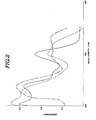
- Figure 1 is absorption spectrum in the visible region of KS-619-1, wherein the solid line shows the results obtained in a 0.08N HCl - aqueous 83% (V/V) methanol solution, the dotted line in an aqueous 83% (V/V) methanol solution (neutral), and the dot-dash line in a 0.08 NaOH - aqueous 83% (V/V) methanol solution.
- Figure 2 is absorption spectrum in the ultraviolet region of KS-619-1, wherein each line has the same meaning as above.
- In detail, the physico-chemical properties of KS-619-1 are:
- State: Orange powder
- Melting point: 198-200°C (decomposed), starting to turn brown at about 198°C without any distinct melting point
- Specific rotation: [α]20 D was unmeasurable because strong absorption of KS-619-1 in visible region overlapped with sodium D-line,
- Solubility: readily soluble in acetic acid; soluble in
- methanol, ethanol, acetone, ethyl acetate and
- butanol; sparingly soluble in chloroform and water
- Color reaction: Positive in the individual reactions
- with ferric chloride, iodine and anisaldehyde Absorption spectrum in visible region: Fig. 1
- Xmax (E%): 470(339) nm in an aqueous 83% (V/V) methanol solution (neutral), 450-475(330) nm in a 0.08N HCℓ - aqueous 83% (V/V) methanol solution, and 390-410(250), 515(340) nm in a 0.08N NaOH - aqueous 83% (V/V) methanol solution
- Absorption spectrum in ultraviolet region: Fig. 2
- λmax (E%): 225(816), 302(587), 317(542) nm in an aqueous 83% methanol solution (neutral), 240(761), 265(491), 300(681), 345(236) nm in a 0.08N HCℓ - aqueous 83% (V/V) methanol solution, and 242(877), 298(540), 330(721) nm in a 0.08N NaOH - aqueous 83% (V/V) methanol solution
- Absorption spectrum in infrared region (KBr);

- Mass spectrum: The mass spectrum of the substance gives the following ions.
- 457 (M+-17, base peak), 431, 388
- Molecular weight: 474
- Elemental analysis: (Found) H: 3.68, C: 65.52, N: 0 % (Calculated) as C26H18O9, H: 3.79, C; 65.82, 0: 30.38, N; 0%
- 1H-NMR spectrum (400 MHz, DMSO-d6, δ) :
- 12.51 (lH, br. s), 12.17 (lH, br. s), 9.08 (lH, s), 7.15 (lH, d, J=2.2), 6.58 (1H, d, J=2,2), 6,38 (1H,
- s), 4.01 (2H, s), ca. 2.8 (2H, m), ca. 2.7 (2H, m), 2.14 (3H, s)
- 13C-NMR spectrum (100 MHz, DNSO-d6, 6c);

- Additionally, the tetramethyl derivative of KS-619-1 shows a ketone signal observable in the 13C-NMR Spectrum at 205.0 ppm.
- It has been found from the foregoing data that KS-619-1 is a novel compound.
- Rf values in the thin layer chromatography of KS-619-1 with various developing agents are shown in Table 1. The detection was carried out through iodine reaction.

- invention KS-619-1 is prepared by culturing a microorganism belonging to the genus Streptomyces and having an ability to produce KS-619-1 in a medium, forming and accumulating KS-619-1 in the culture broth, and recovering KS-619-1 from the culture broth.
- Any microorganism can be employed as a KS-619-1- producing microorganism, so long as it belongs to the genus Streptomyces and has an ability to produce KS-619-1.
- A specific and preferred example is the strain Streptomyces californicus ATCC 3312, whose morphological characteristics and physiological properties are described in:
- Waksman, S.A. and R.E. Curtis (1916) Soil Science, Vol. 1, pages 99-134, and
- Waksman, S.A. and A.T. Henrici (1948 in Breed. R.S., E.G.D. Murray and A.P. Hitchenseds.) Bergey's Mannual of Determinative Bacteriology, Vol. 6, (The Williams and Wilkins Co., Baltimore), pages 929-980.
- The ordinary culturing procedures applicable to the culturing of actinomycetes are employed to culture the microorganisms. Either a natural medium or a synthetic medium can be used, so long as it contains satisfactory amounts of a carbon source, a nitrogen source, inorganic matters, etc., which are assimilable by the microorganism.
- As a carbon source, carbohydrates such as glucose, fructose, sucrose, stabilose, starch, dextrin, mannose, maltose, molasses, etc.; organic acids such as citric acid, malic acid, acetic acid, fumaric acid, etc., alcohols such as methanol, ethanol, etc.; hydrocarbons such as methane, ethane, propane, n-paraffins, etc.; amino acids such as glutamic acid, etc.; glycerol, etc. can be used.
- As a nitrogen source, ammonium salts such as ammonium chloride, ammonium sulfate, ammonium nitrate, ammonium phosphate, etc.; amino acids such as aspartic acid, glutamine, cystine, alanine, etc.; urea, peptone, meat extract, yeast extract, dry yeast, cornysteep liquor, soybean meal, cottonseed cakes, soybean casein, Casamino acid, Pharma media, etc. can be used.
- As inorganic matters, potassium dihydrogen phosphate, disodium hydrogen phosphate, magnesium sulfate, ferrous sulfate, manganese sulfate, cobalt sulfate, zinc sulfate, calcium pantothenate, ammonium molybdate, potassium aluminum sulfate, barium carbonate, calcium carbonate, cobalt chloride, sodium chloride, etc. can be used.
- Furthermore, substances capable of promoting the propagation of cells or the production of KS-619-1 such as vitamins, thiamine, etc. can be added to the medium, if required.
- When the microorganism to be used requires specific substances, it is necessary to add the substances necessary for the growth thereof.
- Culturing is carried out at a temperature of 20 to 40°C at pH around neutrality by shaking culture, aeration- stirring culture, etc.
- Maximum accumulation of KS-619-1 can be attained by culturing for 3 to 15 days, and the culturing is completed.
- To isolate and recover KS-619-1 accumulated in the culture broth, the ordinary procedure for the recovery of a physiologically active substance from a culture liquor can be employed.
- That is, KS-619-1 can be isolated by cell removal through filtration, centrifugation, etc., and by adsorption and desorption of an active substance according to column chromatography or thin layer chromatography using adsorbing resin, silica gel, silanized silica gel, aluminum, cellulose, diatomaceous earth, magnesium silicate, gel filtration agent, etc.
- One example of the process for isolating KS-619-1 from the culture liquor is given below:
- Cells are removed by filtration or centrifugation of the culture liquor. The thus obtained filtrate or supernatant is treated with adsorbing resin, Diaion HP-10 (made by Mitsubishi Kasei Kogyo Co., Ltd.) to adsorb the active substance on the resin. The adsorbed active substance is eluted with an appropriate solvent such as methanol, etc., and the eluate is concentrated under reduced pressure to remove the solvent and obtain an aqueous solution. Then, a water- immiscible solvent, such as ethyl acetate, butyl acetate, etc. is added to the aqueous solution to conduct extraction.
- The extract is concentrated under reduced pressure and subjected to repetitions of silica gel column chromatography to conduct purification. As a developing solvent, chloroform : methanol [= 9 : 1 (V/V)] is initially used for the elution, and as a solvent for the successive chromatography, butanol : ethanol : chloroform : concentrated ammonia water [= 4 : 5 : 2 : 2 (V/V)] is used for the elution. As a solvent for the third silica gel column chromatography, chloroform : methanol : ethanol : water [≃ 10 : 4 : 4 : 2 (V/V)] is used for the elution. Fractions containing KS-619-1 are concentrated under reduced pressure, and the concentrate is subjected to LH-20 (product of Pharmacia Co.) column chromatography using methanol as a developing solvent. Fractions containing KS-619-1 are collected and concentrated' under reduced pressure to obtain orange powders of KS-619-1.
- During the said purification, detection of KS-619-1 is carried out by silica gel thin layer chromatography and then by iodine reaction.
- KS-619-1 has a vasodilative activity and thus is useful as a vasodilator which is a drug capable of dilating arteries, increasing the peripheral blood flow and decreasing the overall blood pressure. That is, KS-619-1 is useful for preventing, curing or treating high blood pressure, angina pectoris, peripheral circulating insufficiency and the like. Thus, according to a further feature of the present invention, there is provided a pharmaceutical composition comprising, as active ingredient, an effective amount of KS-619-1 usually in association with at least one pharmaceutically acceptable carrier or excipient.
- Dosage of these purposes depends upon the desired healing effect, way of administration, healing period, age, body weight, etc., and usually is 0.1 - 4 mg/kg per day for an adult as KS-619-1 through oral or parenteral route (for example, injection, application, inhalation, etc.). KS-619-1 can be administered as such, but generally administered in the form of tablets, pills, powder, granules, capsules, suppository, injection, etc. Conventional pharmaceutically acceptable carriers can be used for medical compositions of this invention. They include lactose, dextrose, sucrose, sorbitol, mannitol, glucose, cellulose, cyclodextrin, talc, starch, methylcellulose, gelatin, arabic gum, polyethylene glycol, carboxymethylcellulose, hydroxypropylcellulose, sodium benzoate, sodium hydrogen sulfite, aluminium stearate, magnesium stearate, mineral oil, vegetable oil, white vaseline, liquid paraffin, etc., and can be appropriately selected in view of the kind of preparations. The present composition can contain 0.01 - 85 weight percent of KS-619-1.
- The acute toxicity (LD50) of KS-619-1 in mice is more than 300 mg/kg·p.o. and more than 100 mg/kg·i.p.
- The present invention is further described below, referring to examples.
- As a seed microorganism, Streptomyces californicus ATCC 3312 is used, and as a first seed medium, a medium containing 1.0 g/d1 glucose, 1.0 g/dℓ soluble starch, 0.3 g/dℓ meat extract, 0.5 g/dℓ yeast extract, 0.5 g/df Bactotryptone (product of Difco Co.) and 0.2 g/dℓ calcium carbonate (pH 7.2-7.4) is used. One loopful of the seed microorganism is inoculated in 14 mℓ, of said seed medium contained in a 50 m1- large test tube, and cultured with shaking at 30°C for one day.
- Then, 4 mℓ of the seed culture liquor is inoculated in 40 mℓ, of a second seed medium contained in a 300 ml-Erlenmeyer flask. The composition of the second seed medium is the same as that of the first seed medium. The second seed culturing is carried out at 30°C for one day. Then, 40 mℓ of the seed culture liquor is inoculated in 300 mℓ of a third seed medium contained in a 2 ℓ-Erlenmeyer flask with baffles. The composition of the third seed medium is the same as that of the first seed medium. The third seed culturing is carried out at 30°C for one day. Then, 900 mℓ of the third seed culture liquor is inoculated in 18 1 of a main fermentation medium contained in a 30 I-stainless steel jar fermenter. The main fermentation medium contains 3.0 g/dℓ dextrin, 2.0 g/dℓ soybean meal, 0.25 g/dℓ corn steep liquor, 0.05 g/dl dipotassium hydrogen phosphate, 0.05 g/dℓ magnesium sulfate heptahydrate, 0.03 g/dℓ potassium chloride and 0.3 g/dℓ calcium carbonate (pH 7.8).
- The culturing is carried out at 28°C for 3 days with aeration and stirring. By the culturing, 0.32 µg/mℓ KS-619-1 is accumulated in the culture liquor. After the completion of culturing, the culture liquor is centrifuged (15,000 rpm). Then, 36 ℓ of the supernatant is passed through a 2 ℓ-column filled with Diaion HP-10, and after adsorption of KS-619-1, the column is washed with 6 1 of 30 % (V/V) methanol, and subjected to elution with 6 ℓ of methanol. All the eluates are collected and concentrated to 500 mℓ, and the concentrate is extracted with 1.5 ℓ, of ethyl acetate. The ethyl acetate layer is dehydrated over anhydrous sodium sulfate, and then concentrated to dryness, whereby 2.0 g of oily matter is obtained. The oily matter is supplied to the top of a column filled with 150 mℓ of silica gel (Wako gel, product of Wako Pure Chemical Co.) using chloroform. After washing with 750 mℓ of chloroform, the column is subjected to elution with 450 mℓ of a solvent, i.e. chloroform : methanol [= 9 : 1 (V/V)]. All the eluates are collected and concentrated to dryness under reduced pressure, whereby 122.8 mg of oily matter is obtained. The oily matter is supplied to the top of a column filled with 100 m1 of silica gel (Wako gel) using butanol : ethanol : chloroform : concentrated ammonia water [= 4 : 5 : 2 : 2 (V/V)], and the column is subjected to elution with a developing solvent having the same composition as that of the filling solvent. The eluted fractions are fractionated in 7g portions, and KS-619-1 is eluted in fraction Nos. 12-18. These fractions are collected and concentrated to dryness under reduced pressure, whereby about 70.7 mg of oily matter is obtained. The oily matter is supplied to the top of a column filled with 90 mt of silica gel (Wako gel) using chloroform : methanol : ethanol : water [= 10 : 4 : 4 : 2 (V/V)] and the column is subjected to elution with a developing solvent having the same composition as that of the filling solvent. The eluted fractions are fractionated in 7g portions, and KS-619-1 is eluted in fraction Nos. 2-22. These fractions are collected and concentrated to dryness under reduced pressure, whereby about 60 mg of oily matter is obtained. The oily matter is dissolved in about 5 mℓ of methanol, and the solution is supplied to the top of a column filled with 300 mℓ of Sephadex LH-20 (product of Pharmacia Co.) using methanol. Development is made with methanol, and fractions are fractionated in 5g portions. KS-619-1 is eluted in fraction Nos. 24-57. These fractions are collected and concentrated to dryness under reduced pressure, whereby 9.7 mg of KS-619-1 is obtained as an orange powder. During the foregoing steps, KS-619-1 is detected by silica gel thin layer chromatography, and then by iodine reaction.
- A 10% hydroxypropylcellulose solution is added to a mixture consisting of 100g of KS-619-1, 40g of lactose, 18g of corn starch and 10g of carboxymethylcellulose calcium, and the mixture is kneaded. The mixture is then granulated with an extrusion granulator with 1.0 mm screen, and the granules are dried at 60°C. The dried granules are screened on a 16-mesh sieve, and magnesium stearate is added to the granules to prepare tabletting granules. According to the ordinary procedure, tablets, 8 mm in size, containing 100 mg of KS-619-1 in one tablet (170 mg) are prepared.
- A 10% hydroxypropylcellulose solution is added to a mixture consisting of 50g of KS-619-1, 80g of lactose and 38g of potato starch, and the mixture is kneaded. The mixture is granulated in the same manner as in Example 2, and after addition of magnesium stearate, capsules containing 50 mg of KS-619-1 in one capsule (170 mg) are prepared according to the ordinary procedure.
- KS-619-1 (lOg) is dissolved in 100g of soybean oil, and the solution is filled into capsules according to the ordinary procedure to prepare soft capsules each containing l0 mg of KS-619-1.
- A vasodilative activity of KS-619-1 is explained below, referring to an experimental example on inhibition of contraction using extirpated blood vessel preparation.
- White bastard rabbits (male, 2-3 kg) were incised along the abdominal median line. The superior mesenteric artery was cut out with a length of about 2-2.5 cm from the abdominal aortic branch, and spiral strips with a width of 3-4 mm were prepared therefrom. The strips were ligated with silk yarns at both ends, and the lower end was connected to a stationary rod, whereas the upper end was connected to a strong transducer (SB-1T, product of Nippon Koden Co., Ltd.). Thus, the strips were suspended under an initial tension of 1.5 g. The preparation was kept at 37±1°C by means of peristaltic pump (Harvard 1210), while a gas (95% 02 and 5% C02) was introduced therein. The surface of the preparation was perfused with a Krebs-Henseleit solution whose composition in g/ℓ was NaCℓ: 6.92, KCℓ: 0.35, MgSO4·7H2O: 0.29, CaCℓ2: 0.28, KH2P04: 0.16, NaHC03: 2.1 and glucose: 2.0 at a flow rate of 10 mt/min. After the preparation was stabilized for 1 to 2 hours, it was used for the experiment. Potassium chloride as a blood vessel-contracting substance was injected into flow of the perfusion solution through a cannula provided just before the preparation so that potassium chloride can have the ultimate concentration of 20 mM. The resulting contraction reaction was recorded on a polygraph (RM-45, product of Nippon Koden Co. Ltd.) in equal scales through the tension transducer. KS-619-1 was dissolved in ethanol to a concentration of 20 mg/mℓ, and the solution was properly diluted with a nutrient liquor and then continuously perfused from 10 minutes before the application of the contracting substance till the end of contraction reaction.
-


- As shown in Table 2, KS-619-1 inhibited the contraction of rabbit mesenteric arteries, depending on the concentration.
Claims (5)


Applications Claiming Priority (2)
| Application Number | Priority Date | Filing Date | Title |
|---|---|---|---|
| JP59215578A JPS6196987A (en) | 1984-10-15 | 1984-10-15 | Novel substance, ks-619-1 and its production |
| JP215578/84 | 1984-10-15 |
Publications (3)
| Publication Number | Publication Date |
|---|---|
| EP0178902A2 true EP0178902A2 (en) | 1986-04-23 |
| EP0178902A3 EP0178902A3 (en) | 1987-10-14 |
| EP0178902B1 EP0178902B1 (en) | 1991-01-09 |
Family
ID=16674755
Family Applications (1)
| Application Number | Title | Priority Date | Filing Date |
|---|---|---|---|
| EP85307411A Expired - Lifetime EP0178902B1 (en) | 1984-10-15 | 1985-10-15 | Novel vasodilator compounds, process for the preparation thereof and pharmaceutical compositions containing same |
Country Status (4)
| Country | Link |
|---|---|
| US (1) | US4962125A (en) |
| EP (1) | EP0178902B1 (en) |
| JP (1) | JPS6196987A (en) |
| DE (1) | DE3581259D1 (en) |
Cited By (1)
| Publication number | Priority date | Publication date | Assignee | Title |
|---|---|---|---|---|
| US4912132A (en) * | 1987-04-15 | 1990-03-27 | Kyowa Hakko Kogyo Co., Ltd. | Novel substances KS-504a, KS-504b, KS-504d and KS-504e and process for their preparation |
Family Cites Families (1)
| Publication number | Priority date | Publication date | Assignee | Title |
|---|---|---|---|---|
| FR2323699A1 (en) * | 1975-09-15 | 1977-04-08 | Ishihara Mining & Chemical Co | Antibiotic A-3459A, or chloquinomycin, and its acetate - produced by cultivating Streptomyces californicus var rivalis ATCC 31173 |
-
1984
- 1984-10-15 JP JP59215578A patent/JPS6196987A/en active Granted
-
1985
- 1985-10-15 DE DE8585307411T patent/DE3581259D1/en not_active Expired - Lifetime
- 1985-10-15 EP EP85307411A patent/EP0178902B1/en not_active Expired - Lifetime
-
1988
- 1988-08-24 US US07/235,654 patent/US4962125A/en not_active Expired - Fee Related
Cited By (1)
| Publication number | Priority date | Publication date | Assignee | Title |
|---|---|---|---|---|
| US4912132A (en) * | 1987-04-15 | 1990-03-27 | Kyowa Hakko Kogyo Co., Ltd. | Novel substances KS-504a, KS-504b, KS-504d and KS-504e and process for their preparation |
Also Published As
| Publication number | Publication date |
|---|---|
| EP0178902A3 (en) | 1987-10-14 |
| EP0178902B1 (en) | 1991-01-09 |
| JPS6196987A (en) | 1986-05-15 |
| DE3581259D1 (en) | 1991-02-14 |
| JPH0359891B2 (en) | 1991-09-12 |
| US4962125A (en) | 1990-10-09 |
Similar Documents
| Publication | Publication Date | Title |
|---|---|---|
| US4981792A (en) | Immunosuppressant compound | |
| EP0137632B1 (en) | Physiologically active substance k-252, process for producing same and a pharmaceutical composition containing same | |
| EP0335386B1 (en) | Ks-506 compounds and process for the production thereof | |
| US4138481A (en) | Antibiotic BL580Δ and method of use | |
| US4962125A (en) | Novel substance KS-619-1, preparation process and pharmaceutical composition | |
| EP0173649A2 (en) | Novel saframycin A derivatives and process for producing the same | |
| EP0282322B1 (en) | Novel serotonin inhibitors and pharmaceutical compositions containing them, and microbiological processes and organisms for the production thereof | |
| EP0372986B1 (en) | Compound ks-505 and a process for producing the same | |
| US4091093A (en) | Protease inhibitors | |
| US4692310A (en) | Substance K-259-2 and a process for producing the same | |
| US4189537A (en) | Process of producing antibiotic BL580Δ with Streptomyces hygroscopicus | |
| EP0287008B1 (en) | Novel substances ks-504a, ks-504b, ks-504d and ks-504e and process for their preparation | |
| JPH0564927B2 (en) | ||
| EP0253413A2 (en) | New antibiotics called "mureidomycins A, B, C and D" A process for their preparation and their therapeutic use | |
| US5990160A (en) | Use of tropolone derivatives as inhibitors of the enzyme inositol monophosphatase | |
| US4661352A (en) | WS 7739 substances, their preparation and pharmaceutical composition containing the same | |
| JPH08239379A (en) | Kr 2827 derivative as new substance, its production and use | |
| US5036010A (en) | BMY-40800 antitumor antibiotics | |
| US4563462A (en) | Substance AX-2, a process for producing the same and an antitumor composition containing the same | |
| US5270187A (en) | Microbial transformation product | |
| JP2706843B2 (en) | Novel anthraquinone derivative, method for producing the same, and antitumor agent containing the derivative | |
| IL52205A (en) | Antibiotic bl850 ,its preparation and anticoccidial composition comprising it | |
| JPH02258786A (en) | Microorganism conversion product of l-679 and 934 | |
| JPH0259596A (en) | Novel substance, utilization and production thereof | |
| JPH01108987A (en) | New material nk86-0186 and production thereof |
Legal Events
| Date | Code | Title | Description |
|---|---|---|---|
| PUAI | Public reference made under article 153(3) epc to a published international application that has entered the european phase |
Free format text: ORIGINAL CODE: 0009012 |
|
| AK | Designated contracting states |
Kind code of ref document: A2 Designated state(s): DE FR GB IT |
|
| PUAL | Search report despatched |
Free format text: ORIGINAL CODE: 0009013 |
|
| AK | Designated contracting states |
Kind code of ref document: A3 Designated state(s): DE FR GB IT |
|
| 17P | Request for examination filed |
Effective date: 19880326 |
|
| 17Q | First examination report despatched |
Effective date: 19900308 |
|
| GRAA | (expected) grant |
Free format text: ORIGINAL CODE: 0009210 |
|
| AK | Designated contracting states |
Kind code of ref document: B1 Designated state(s): DE FR GB IT |
|
| ITF | It: translation for a ep patent filed | ||
| REF | Corresponds to: |
Ref document number: 3581259 Country of ref document: DE Date of ref document: 19910214 |
|
| ET | Fr: translation filed | ||
| PLBE | No opposition filed within time limit |
Free format text: ORIGINAL CODE: 0009261 |
|
| STAA | Information on the status of an ep patent application or granted ep patent |
Free format text: STATUS: NO OPPOSITION FILED WITHIN TIME LIMIT |
|
| 26N | No opposition filed | ||
| PGFP | Annual fee paid to national office [announced via postgrant information from national office to epo] |
Ref country code: FR Payment date: 19920817 Year of fee payment: 8 |
|
| PGFP | Annual fee paid to national office [announced via postgrant information from national office to epo] |
Ref country code: GB Payment date: 19921014 Year of fee payment: 8 |
|
| PGFP | Annual fee paid to national office [announced via postgrant information from national office to epo] |
Ref country code: DE Payment date: 19921230 Year of fee payment: 8 |
|
| PG25 | Lapsed in a contracting state [announced via postgrant information from national office to epo] |
Ref country code: GB Effective date: 19931015 |
|
| GBPC | Gb: european patent ceased through non-payment of renewal fee |
Effective date: 19931015 |
|
| PG25 | Lapsed in a contracting state [announced via postgrant information from national office to epo] |
Ref country code: FR Effective date: 19940630 |
|
| PG25 | Lapsed in a contracting state [announced via postgrant information from national office to epo] |
Ref country code: DE Effective date: 19940701 |
|
| REG | Reference to a national code |
Ref country code: FR Ref legal event code: ST |