EP0059918A1 - Physiologically active novel substance mutastein and process for its production - Google Patents
Physiologically active novel substance mutastein and process for its production Download PDFInfo
- Publication number
- EP0059918A1 EP0059918A1 EP82101569A EP82101569A EP0059918A1 EP 0059918 A1 EP0059918 A1 EP 0059918A1 EP 82101569 A EP82101569 A EP 82101569A EP 82101569 A EP82101569 A EP 82101569A EP 0059918 A1 EP0059918 A1 EP 0059918A1
- Authority
- EP
- European Patent Office
- Prior art keywords
- mutastein
- culture
- physiologically active
- novel substance
- colour
- Prior art date
- Legal status (The legal status is an assumption and is not a legal conclusion. Google has not performed a legal analysis and makes no representation as to the accuracy of the status listed.)
- Granted
Links
- 108700033546 Aspergillus terreus M3328 Mutastein Proteins 0.000 title claims abstract description 46
- 239000000126 substance Substances 0.000 title claims abstract description 15
- 238000000034 method Methods 0.000 title claims description 24
- 238000004519 manufacturing process Methods 0.000 title description 8
- 238000012258 culturing Methods 0.000 claims abstract description 10
- CSCPPACGZOOCGX-UHFFFAOYSA-N Acetone Chemical compound CC(C)=O CSCPPACGZOOCGX-UHFFFAOYSA-N 0.000 claims abstract description 9
- LFQSCWFLJHTTHZ-UHFFFAOYSA-N Ethanol Chemical compound CCO LFQSCWFLJHTTHZ-UHFFFAOYSA-N 0.000 claims abstract description 9
- XEKOWRVHYACXOJ-UHFFFAOYSA-N Ethyl acetate Chemical compound CCOC(C)=O XEKOWRVHYACXOJ-UHFFFAOYSA-N 0.000 claims abstract description 9
- 238000006243 chemical reaction Methods 0.000 claims abstract description 9
- 239000001963 growth medium Substances 0.000 claims abstract description 9
- 241000228212 Aspergillus Species 0.000 claims abstract description 8
- UHOVQNZJYSORNB-UHFFFAOYSA-N Benzene Chemical compound C1=CC=CC=C1 UHOVQNZJYSORNB-UHFFFAOYSA-N 0.000 claims abstract description 8
- FAPWRFPIFSIZLT-UHFFFAOYSA-M Sodium chloride Chemical compound [Na+].[Cl-] FAPWRFPIFSIZLT-UHFFFAOYSA-M 0.000 claims abstract description 6
- 241001465318 Aspergillus terreus Species 0.000 claims abstract description 5
- 229910052757 nitrogen Inorganic materials 0.000 claims abstract description 5
- 239000002244 precipitate Substances 0.000 claims abstract description 5
- 238000002523 gelfiltration Methods 0.000 claims abstract description 4
- XLYOFNOQVPJJNP-UHFFFAOYSA-N water Substances O XLYOFNOQVPJJNP-UHFFFAOYSA-N 0.000 claims abstract description 4
- 229920005654 Sephadex Polymers 0.000 claims abstract description 3
- 239000012507 Sephadex™ Substances 0.000 claims abstract description 3
- 238000004458 analytical method Methods 0.000 claims abstract description 3
- 239000007853 buffer solution Substances 0.000 claims abstract description 3
- 150000001720 carbohydrates Chemical class 0.000 claims abstract description 3
- 239000010200 folin Substances 0.000 claims abstract description 3
- 238000002329 infrared spectrum Methods 0.000 claims abstract description 3
- 238000002211 ultraviolet spectrum Methods 0.000 claims abstract description 3
- 239000011800 void material Substances 0.000 claims abstract description 3
- 229940093499 ethyl acetate Drugs 0.000 claims abstract 2
- 235000019439 ethyl acetate Nutrition 0.000 claims abstract 2
- 239000012047 saturated solution Substances 0.000 claims abstract 2
- 239000002609 medium Substances 0.000 claims description 12
- 239000001965 potato dextrose agar Substances 0.000 claims description 4
- 239000013587 production medium Substances 0.000 claims description 4
- 229920001817 Agar Polymers 0.000 claims description 2
- 239000008272 agar Substances 0.000 claims description 2
- 238000002347 injection Methods 0.000 claims description 2
- 239000007924 injection Substances 0.000 claims description 2
- 239000000203 mixture Substances 0.000 claims 2
- QGZKDVFQNNGYKY-UHFFFAOYSA-O Ammonium Chemical compound [NH4+] QGZKDVFQNNGYKY-UHFFFAOYSA-O 0.000 claims 1
- 241000459479 Capsula Species 0.000 claims 1
- 239000002253 acid Substances 0.000 claims 1
- 238000007911 parenteral administration Methods 0.000 claims 1
- BFNBIHQBYMNNAN-UHFFFAOYSA-N ammonium sulfate Chemical compound N.N.OS(O)(=O)=O BFNBIHQBYMNNAN-UHFFFAOYSA-N 0.000 abstract description 4
- 229910052921 ammonium sulfate Inorganic materials 0.000 abstract description 4
- 235000011130 ammonium sulphate Nutrition 0.000 abstract description 4
- 230000001766 physiological effect Effects 0.000 abstract description 4
- 239000013543 active substance Substances 0.000 abstract description 2
- OQUKIQWCVTZJAF-UHFFFAOYSA-N phenol;sulfuric acid Chemical compound OS(O)(=O)=O.OC1=CC=CC=C1 OQUKIQWCVTZJAF-UHFFFAOYSA-N 0.000 abstract description 2
- 230000015572 biosynthetic process Effects 0.000 description 11
- 238000005755 formation reaction Methods 0.000 description 7
- 208000002925 dental caries Diseases 0.000 description 6
- 230000012010 growth Effects 0.000 description 6
- 241000894006 Bacteria Species 0.000 description 5
- 208000006558 Dental Calculus Diseases 0.000 description 5
- 229920002307 Dextran Polymers 0.000 description 5
- 244000005700 microbiome Species 0.000 description 5
- 239000000243 solution Substances 0.000 description 5
- IJGRMHOSHXDMSA-UHFFFAOYSA-N Atomic nitrogen Chemical compound N#N IJGRMHOSHXDMSA-UHFFFAOYSA-N 0.000 description 4
- 241000233866 Fungi Species 0.000 description 4
- WQZGKKKJIJFFOK-GASJEMHNSA-N Glucose Natural products OC[C@H]1OC(O)[C@H](O)[C@@H](O)[C@@H]1O WQZGKKKJIJFFOK-GASJEMHNSA-N 0.000 description 4
- PEDCQBHIVMGVHV-UHFFFAOYSA-N Glycerine Chemical compound OCC(O)CO PEDCQBHIVMGVHV-UHFFFAOYSA-N 0.000 description 4
- 241000194019 Streptococcus mutans Species 0.000 description 4
- 238000012136 culture method Methods 0.000 description 4
- 230000002401 inhibitory effect Effects 0.000 description 4
- 230000007505 plaque formation Effects 0.000 description 4
- 238000003786 synthesis reaction Methods 0.000 description 4
- OKTJSMMVPCPJKN-UHFFFAOYSA-N Carbon Chemical compound [C] OKTJSMMVPCPJKN-UHFFFAOYSA-N 0.000 description 3
- 229930006000 Sucrose Natural products 0.000 description 3
- CZMRCDWAGMRECN-UGDNZRGBSA-N Sucrose Chemical compound O[C@H]1[C@H](O)[C@@H](CO)O[C@@]1(CO)O[C@@H]1[C@H](O)[C@@H](O)[C@H](O)[C@@H](CO)O1 CZMRCDWAGMRECN-UGDNZRGBSA-N 0.000 description 3
- 229910052799 carbon Inorganic materials 0.000 description 3
- 239000012530 fluid Substances 0.000 description 3
- 239000008103 glucose Substances 0.000 description 3
- 230000003248 secreting effect Effects 0.000 description 3
- 229960004793 sucrose Drugs 0.000 description 3
- CSNNHWWHGAXBCP-UHFFFAOYSA-L Magnesium sulfate Chemical compound [Mg+2].[O-][S+2]([O-])([O-])[O-] CSNNHWWHGAXBCP-UHFFFAOYSA-L 0.000 description 2
- NBIIXXVUZAFLBC-UHFFFAOYSA-N Phosphoric acid Chemical compound OP(O)(O)=O NBIIXXVUZAFLBC-UHFFFAOYSA-N 0.000 description 2
- 229920002472 Starch Polymers 0.000 description 2
- 238000000862 absorption spectrum Methods 0.000 description 2
- 230000001580 bacterial effect Effects 0.000 description 2
- WQZGKKKJIJFFOK-VFUOTHLCSA-N beta-D-glucose Chemical compound OC[C@H]1O[C@@H](O)[C@H](O)[C@@H](O)[C@@H]1O WQZGKKKJIJFFOK-VFUOTHLCSA-N 0.000 description 2
- 239000000872 buffer Substances 0.000 description 2
- 230000001013 cariogenic effect Effects 0.000 description 2
- 239000006783 corn meal agar Substances 0.000 description 2
- 208000031513 cyst Diseases 0.000 description 2
- 235000013681 dietary sucrose Nutrition 0.000 description 2
- 230000000694 effects Effects 0.000 description 2
- 238000000605 extraction Methods 0.000 description 2
- 235000011187 glycerol Nutrition 0.000 description 2
- 229910001120 nichrome Inorganic materials 0.000 description 2
- 239000000843 powder Substances 0.000 description 2
- 230000003449 preventive effect Effects 0.000 description 2
- 238000000926 separation method Methods 0.000 description 2
- 239000011780 sodium chloride Substances 0.000 description 2
- 239000008107 starch Substances 0.000 description 2
- 235000019698 starch Nutrition 0.000 description 2
- OWEGMIWEEQEYGQ-UHFFFAOYSA-N 100676-05-9 Natural products OC1C(O)C(O)C(CO)OC1OCC1C(O)C(O)C(O)C(OC2C(OC(O)C(O)C2O)CO)O1 OWEGMIWEEQEYGQ-UHFFFAOYSA-N 0.000 description 1
- GUBGYTABKSRVRQ-XLOQQCSPSA-N Alpha-Lactose Chemical compound O[C@@H]1[C@@H](O)[C@@H](O)[C@@H](CO)O[C@H]1O[C@@H]1[C@@H](CO)O[C@H](O)[C@H](O)[C@H]1O GUBGYTABKSRVRQ-XLOQQCSPSA-N 0.000 description 1
- 235000017060 Arachis glabrata Nutrition 0.000 description 1
- 244000105624 Arachis hypogaea Species 0.000 description 1
- 235000010777 Arachis hypogaea Nutrition 0.000 description 1
- 235000018262 Arachis monticola Nutrition 0.000 description 1
- 241000699800 Cricetinae Species 0.000 description 1
- 206010011732 Cyst Diseases 0.000 description 1
- 244000068988 Glycine max Species 0.000 description 1
- 235000010469 Glycine max Nutrition 0.000 description 1
- VEXZGXHMUGYJMC-UHFFFAOYSA-N Hydrochloric acid Chemical compound Cl VEXZGXHMUGYJMC-UHFFFAOYSA-N 0.000 description 1
- GUBGYTABKSRVRQ-QKKXKWKRSA-N Lactose Natural products OC[C@H]1O[C@@H](O[C@H]2[C@H](O)[C@@H](O)C(O)O[C@@H]2CO)[C@H](O)[C@@H](O)[C@H]1O GUBGYTABKSRVRQ-QKKXKWKRSA-N 0.000 description 1
- GUBGYTABKSRVRQ-PICCSMPSSA-N Maltose Natural products O[C@@H]1[C@@H](O)[C@H](O)[C@@H](CO)O[C@@H]1O[C@@H]1[C@@H](CO)OC(O)[C@H](O)[C@H]1O GUBGYTABKSRVRQ-PICCSMPSSA-N 0.000 description 1
- 241000699673 Mesocricetus auratus Species 0.000 description 1
- 241001465754 Metazoa Species 0.000 description 1
- 240000007594 Oryza sativa Species 0.000 description 1
- 235000007164 Oryza sativa Nutrition 0.000 description 1
- 239000001888 Peptone Substances 0.000 description 1
- 108010080698 Peptones Proteins 0.000 description 1
- 240000004808 Saccharomyces cerevisiae Species 0.000 description 1
- 244000061456 Solanum tuberosum Species 0.000 description 1
- 235000002595 Solanum tuberosum Nutrition 0.000 description 1
- 235000019764 Soybean Meal Nutrition 0.000 description 1
- 240000008042 Zea mays Species 0.000 description 1
- 235000005824 Zea mays ssp. parviglumis Nutrition 0.000 description 1
- 235000002017 Zea mays subsp mays Nutrition 0.000 description 1
- 230000007059 acute toxicity Effects 0.000 description 1
- 231100000403 acute toxicity Toxicity 0.000 description 1
- 238000013019 agitation Methods 0.000 description 1
- YNQLUTRBYVCPMQ-UHFFFAOYSA-N alpha-methyl toluene Natural products CCC1=CC=CC=C1 YNQLUTRBYVCPMQ-UHFFFAOYSA-N 0.000 description 1
- 229910000147 aluminium phosphate Inorganic materials 0.000 description 1
- GUBGYTABKSRVRQ-QUYVBRFLSA-N beta-maltose Chemical compound OC[C@H]1O[C@H](O[C@H]2[C@H](O)[C@@H](O)[C@H](O)O[C@@H]2CO)[C@H](O)[C@@H](O)[C@@H]1O GUBGYTABKSRVRQ-QUYVBRFLSA-N 0.000 description 1
- 229940041514 candida albicans extract Drugs 0.000 description 1
- 239000002775 capsule Substances 0.000 description 1
- 239000000969 carrier Substances 0.000 description 1
- 239000003795 chemical substances by application Substances 0.000 description 1
- 235000005822 corn Nutrition 0.000 description 1
- 239000006787 czapek-dox agar Substances 0.000 description 1
- 239000013530 defoamer Substances 0.000 description 1
- 230000008021 deposition Effects 0.000 description 1
- 239000008121 dextrose Substances 0.000 description 1
- 238000000502 dialysis Methods 0.000 description 1
- 235000005911 diet Nutrition 0.000 description 1
- 230000037213 diet Effects 0.000 description 1
- ZPWVASYFFYYZEW-UHFFFAOYSA-L dipotassium hydrogen phosphate Chemical compound [K+].[K+].OP([O-])([O-])=O ZPWVASYFFYYZEW-UHFFFAOYSA-L 0.000 description 1
- 239000012153 distilled water Substances 0.000 description 1
- 239000003814 drug Substances 0.000 description 1
- 229940079593 drug Drugs 0.000 description 1
- 238000005516 engineering process Methods 0.000 description 1
- 239000000284 extract Substances 0.000 description 1
- 238000000855 fermentation Methods 0.000 description 1
- 230000004151 fermentation Effects 0.000 description 1
- 235000013373 food additive Nutrition 0.000 description 1
- 239000002778 food additive Substances 0.000 description 1
- 238000005194 fractionation Methods 0.000 description 1
- 238000004108 freeze drying Methods 0.000 description 1
- 230000007773 growth pattern Effects 0.000 description 1
- 229910001385 heavy metal Inorganic materials 0.000 description 1
- 238000011534 incubation Methods 0.000 description 1
- 229910017053 inorganic salt Inorganic materials 0.000 description 1
- 238000004255 ion exchange chromatography Methods 0.000 description 1
- 238000002955 isolation Methods 0.000 description 1
- 239000008101 lactose Substances 0.000 description 1
- 229910052943 magnesium sulfate Inorganic materials 0.000 description 1
- WRUGWIBCXHJTDG-UHFFFAOYSA-L magnesium sulfate heptahydrate Chemical compound O.O.O.O.O.O.O.[Mg+2].[O-]S([O-])(=O)=O WRUGWIBCXHJTDG-UHFFFAOYSA-L 0.000 description 1
- 235000019341 magnesium sulphate Nutrition 0.000 description 1
- 235000013372 meat Nutrition 0.000 description 1
- 229910052751 metal Inorganic materials 0.000 description 1
- 239000002184 metal Substances 0.000 description 1
- 238000012986 modification Methods 0.000 description 1
- 230000004048 modification Effects 0.000 description 1
- 235000015097 nutrients Nutrition 0.000 description 1
- 239000003960 organic solvent Substances 0.000 description 1
- 235000020232 peanut Nutrition 0.000 description 1
- 235000019319 peptone Nutrition 0.000 description 1
- 239000008363 phosphate buffer Substances 0.000 description 1
- 238000001556 precipitation Methods 0.000 description 1
- 108090000623 proteins and genes Proteins 0.000 description 1
- 102000004169 proteins and genes Human genes 0.000 description 1
- 235000009566 rice Nutrition 0.000 description 1
- 239000012266 salt solution Substances 0.000 description 1
- 238000005185 salting out Methods 0.000 description 1
- 150000003839 salts Chemical class 0.000 description 1
- 229920006395 saturated elastomer Polymers 0.000 description 1
- 229920002545 silicone oil Polymers 0.000 description 1
- 239000002689 soil Substances 0.000 description 1
- 239000007787 solid Substances 0.000 description 1
- 239000004455 soybean meal Substances 0.000 description 1
- 230000001954 sterilising effect Effects 0.000 description 1
- 238000004659 sterilization and disinfection Methods 0.000 description 1
- 239000005720 sucrose Substances 0.000 description 1
- 239000004094 surface-active agent Substances 0.000 description 1
- 208000024891 symptom Diseases 0.000 description 1
- 239000003826 tablet Substances 0.000 description 1
- -1 textrin Substances 0.000 description 1
- 238000000108 ultra-filtration Methods 0.000 description 1
- 239000012138 yeast extract Substances 0.000 description 1
Images

Classifications
-
- C—CHEMISTRY; METALLURGY
- C12—BIOCHEMISTRY; BEER; SPIRITS; WINE; VINEGAR; MICROBIOLOGY; ENZYMOLOGY; MUTATION OR GENETIC ENGINEERING
- C12P—FERMENTATION OR ENZYME-USING PROCESSES TO SYNTHESISE A DESIRED CHEMICAL COMPOUND OR COMPOSITION OR TO SEPARATE OPTICAL ISOMERS FROM A RACEMIC MIXTURE
- C12P1/00—Preparation of compounds or compositions, not provided for in groups C12P3/00 - C12P39/00, by using microorganisms or enzymes
- C12P1/02—Preparation of compounds or compositions, not provided for in groups C12P3/00 - C12P39/00, by using microorganisms or enzymes by using fungi
-
- C—CHEMISTRY; METALLURGY
- C12—BIOCHEMISTRY; BEER; SPIRITS; WINE; VINEGAR; MICROBIOLOGY; ENZYMOLOGY; MUTATION OR GENETIC ENGINEERING
- C12N—MICROORGANISMS OR ENZYMES; COMPOSITIONS THEREOF; PROPAGATING, PRESERVING, OR MAINTAINING MICROORGANISMS; MUTATION OR GENETIC ENGINEERING; CULTURE MEDIA
- C12N1/00—Microorganisms, e.g. protozoa; Compositions thereof; Processes of propagating, maintaining or preserving microorganisms or compositions thereof; Processes of preparing or isolating a composition containing a microorganism; Culture media therefor
- C12N1/14—Fungi; Culture media therefor
- C12N1/145—Fungal isolates
-
- A—HUMAN NECESSITIES
- A61—MEDICAL OR VETERINARY SCIENCE; HYGIENE
- A61P—SPECIFIC THERAPEUTIC ACTIVITY OF CHEMICAL COMPOUNDS OR MEDICINAL PREPARATIONS
- A61P1/00—Drugs for disorders of the alimentary tract or the digestive system
- A61P1/02—Stomatological preparations, e.g. drugs for caries, aphtae, periodontitis
-
- C—CHEMISTRY; METALLURGY
- C12—BIOCHEMISTRY; BEER; SPIRITS; WINE; VINEGAR; MICROBIOLOGY; ENZYMOLOGY; MUTATION OR GENETIC ENGINEERING
- C12R—INDEXING SCHEME ASSOCIATED WITH SUBCLASSES C12C - C12Q, RELATING TO MICROORGANISMS
- C12R2001/00—Microorganisms ; Processes using microorganisms
- C12R2001/645—Fungi ; Processes using fungi
- C12R2001/66—Aspergillus
Definitions
- This invention relates to a physiologically active novel substance having activities to inhibit dextran synthesis and to prevent teeth from decaying, and also to a process for its production.
- insoluble dextran is synthesized from sucrose by oral bacteria and it deposits together with the bacteria themselves to form tartar or dirt on the teeth, which is one of the causes for tooth decay. It has been considered possible to prevent the tooth decay by inhibiting the bacterial dextran synthesis which will cause tooth decay.
- the present inventor has conducted the extensive searches for substances which inhibit the dextran synthesis in culture media for microorganisms, and has discovered a physiologically active substance in a culture medium of the genus Aspergillus.
- the present invention provides the substance which is produced by a microorganism and which is useful as a tooth decay preventive.
- the present invention relates further to a process for culturing a fungus and collecting Mutastein from the cultured medium, and particularly to a process for culturing a strain of the genus Aspergillus and collecting Mutastein from the culture.
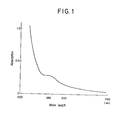
- Figure 1 shows the ultraviolet absorption spectrum of Mutastein.
- Figure 2 shows the infrared absorption spectrum of the same substance.
- the microorganisms which may be used in the present invention are Mutastein-producing strains belonging to the genus Aspergillus.
- the present inventor has found that particularly useful as such a strain is, for instance, Aspergillus terreus M 3328. This strain was deposited at Fermentation Research Institute Agency of Industrial Science and Technology Ministry of International Trade and Industries, under Deposit No. 5891 (FERM-P No. 5891).
- FERM BP-101 is accession number given by the International Depository Authority. The date of deposition is February 28, 1981.
- Conidiophores 50 to 180 x 4.0 to 5.4 ⁇ , most of them being more or less bent, smooth surface, colourless, the front tip being swelled to form a terminal cyst.
- Terminal cysts A hemispherical shape having a diameter of 8 to 9.5p, Metulae being formed on the upper half portion; during the growing stage those having a few metulae and not yet matured into a hemispherical shape.
- Metulae About 4 x 2 ⁇ , colourless.
- Phialides About 5.5 x 2 ⁇ , colourless.
- Conidia Phialide type conidia, long and chained, the diameter being 1.9 to 2.4p, spherical, smooth surface.
- Mutastein can be produced in a culture medium by culturing the Mutastein-producing strain aerobically in accordance with a generally known method for a fungus.
- the Mutastein-producing strain can be subcultured on a potato dextrose agar medium, and then for the production of Mutastein, the mycelium grown on this agar medium can directly be inoculated to a production medium and cultured therein.
- the strain grown in a production medium can be transplanted to a fresh production medium and also cultured therein for the production of Mutastein.
- the Mutastein-producing strain can grow at a temperature within a range of from 7 to 35°C. However, for the production of Mutastein, a temperature of from 20 to 30°C is usually preferred.
- the nutrient sources which are commonly known for the culture of fungi or other microorganisms. For instance, glucose, maltose, textrin, starch, lactose, saccharose, glycerine, and the like can be used as a carbon source.
- glucose and glycerine are the particularly preferable carbon sources for the production of Mutastein.
- All of the nitrogen sources known to be useful for the growth of fungi and other microorganisms can be used for the production of Mutastein.
- peptone, meat extract, yeast, yeast extract, soy bean powder, peanut powder, corn steep liquor, rice bran, and inorganic nitrogen sources can be used.
- An inorganic salt or a metal salt may be added, if required, in the process of the Mutastein production by culturing the Mutastein-producing strains. Further, if required, a very small amount of a heavy metal may also be added.
- Mutastein can generally be obtained by aerobical culture of the Mutastein-producing strain.
- an aerobic culture method may be commonly applied, which includes a solid culture method, a shaking culture method or an aeration-agitation culture method.
- a defoamer such as silicone oil or other surface active agents may be used.
- the culturing temperature is preferable from 20 to 30°C.
- the physiological activities of Mutastein is determined by the plaque formation method which is mentioned below. Namely, 10 mi of a culture medium is put in a test tube, and a nichrome wire (20 gage) is placed therein to inoculate Streptococcus mutans which is a cariogenic bacterium (i.e. a tooth decaying strain). After the incubation at 37°C for a predetermined period of time (for instance, after 48 hours), the amount of the plaque deposited on the nichrome wire is measured. By comparing the plaque amount in the case where a predetermined amount of Mutastein is added, with a control containing no Mutastein, the physiological activities of Mutastein can be determined (R. M. McCabe, P. H. Keyes, A. Howell, Jr., Arch. Oral. Biol., Vol. 12, pages 1653 to 1656, 1967).
- the isolation by extraction of the substance from the culture medium can be conducted by proper combinations of various methods based on the characteristics of the substance which have been made clearly known by the present inventor. Namely, there may be used a salting out method with use of e.g. ammonium sulfate, a pH precipitation fractionation method based on the control of the pH, various ion exchange chromatography methods, a gel-filtration method with use of various carriers, various electrophoreses, an ultrafiltration method, a freezedrying method, a dialysis, and an extraction treatment with use of various organic solvents. Mutastein can be isolated by using these methods in a proper combination or by repeating one of these methods.
- Mutastein has inhibiting effects against the tooth tartar formation and against the tooth decay. It can be used, for instance, for medical, Drug Quasi, or food additives, or as a preventive agent against the tooth decay.
- Mutastein may be orally or parenterally administered, for instance, in the form of capsules, tablets, injection solutions, etc. Normally, the oral administration is suitable.
- the dosage varies depending upon the age, symptom and weight, but usually, for an adult, it may be administered in an amount of about 1 to 1000 mg per day in 1 to 3 times a day. However, it may be administered in a greater amount or in a greater number of times, as the case requires.
- Aspergillus terreus M 3328 was inoculated to a culture medium containing 1% of glucose, 2% of starch, 2% of soy bean meal, 0.1% of potassium mono-phosphate, and 0.05% of magnesium sulfate (MgSO 4 .7H 2 O) and cultured aerobically at a temperature of 25°C for 9 days.
- the filtered culture solution thereby obtained (3.6 t) was saturated with 30% of ammonium sulfate, and the precipitates thereby formed were collected by centrifugal separation and sufficiently dialyzed against 5 mM phosphate buffer (pH 7.1).
- the dialyzed inner solution was brought to pH 3.5 with diluted hydrochloric acid, and the precipitates thereby formed were collected by centrifugal separation and sufficiently dialyzed against 5 mM phosphoric acid buffer (pH 6.9) containing 0.1 M sodium chloride.
- the dialyzed inner solution was applied to a column of Sephallose 6B prepared with the same buffer containing 0.1 M sodium chloride, and developed to isolate the active fraction. This active fraction was sufficiently dialyzed against distilled water, and then freeze-dried, whereupon slightly white purified Mutastein (1.8 g as a protein) was obtained.
Landscapes
- Life Sciences & Earth Sciences (AREA)
- Chemical & Material Sciences (AREA)
- Organic Chemistry (AREA)
- Engineering & Computer Science (AREA)
- Health & Medical Sciences (AREA)
- Zoology (AREA)
- Wood Science & Technology (AREA)
- Bioinformatics & Cheminformatics (AREA)
- Mycology (AREA)
- Genetics & Genomics (AREA)
- Biotechnology (AREA)
- General Health & Medical Sciences (AREA)
- Microbiology (AREA)
- Biochemistry (AREA)
- General Engineering & Computer Science (AREA)
- Medicinal Chemistry (AREA)
- General Chemical & Material Sciences (AREA)
- Chemical Kinetics & Catalysis (AREA)
- Biomedical Technology (AREA)
- Tropical Medicine & Parasitology (AREA)
- Botany (AREA)
- Virology (AREA)
- Nuclear Medicine, Radiotherapy & Molecular Imaging (AREA)
- Veterinary Medicine (AREA)
- Public Health (AREA)
- Animal Behavior & Ethology (AREA)
- Pharmacology & Pharmacy (AREA)
- Preparation Of Compounds By Using Micro-Organisms (AREA)
- Medicines Containing Material From Animals Or Micro-Organisms (AREA)
- Medicines Containing Plant Substances (AREA)
- Compounds Of Unknown Constitution (AREA)
Abstract
- (1) it has a molecular weight of at least 200,000, and, when subjected to gel-filtration with Sephadex G-100 and Sephallose 6B, it will be eluted in the void volume;
- (2) its ultraviolet spectrum: figure 1;
- (3) its infrared spectrum: figure 2;
- (4) it has a proteinous nature and contains about 10% of saccharide;
- (5) it is soluble in water and a saline solution, but it will be salted out from a saturated solution containing about 30% of ammonium sulfate; it is insoluble in acetone, ethanol, ethylacetate and benzene;
- (6) it dissolves in a buffer solution having a pH of 7 or over, but it precipitates at a pH of from 3 to 3.5;
- (7) it is stable when heat-treated at pH 9, at 100°C for 10 minutes;
- (8) its elementary analysis: C; about 44%, H: about 7%, and N: about 12%,
- (9) its colour reactions: phenol-sulfuric acid colour reaction (orange), and Folin's colour reaction (blue).

Description
- This invention relates to a physiologically active novel substance having activities to inhibit dextran synthesis and to prevent teeth from decaying, and also to a process for its production.
- It is known that insoluble dextran is synthesized from sucrose by oral bacteria and it deposits together with the bacteria themselves to form tartar or dirt on the teeth, which is one of the causes for tooth decay. It has been considered possible to prevent the tooth decay by inhibiting the bacterial dextran synthesis which will cause tooth decay.
- It is accordingly an object of the present invention to provide a physiologically active novel substance which can inhibit the bacterial dextran synthesis.
- It is another object of the invention to provide a process for producing the substance of the just-mentioned type.
- The present inventor has conducted the extensive searches for substances which inhibit the dextran synthesis in culture media for microorganisms, and has discovered a physiologically active substance in a culture medium of the genus Aspergillus. Thus, the present invention provides the substance which is produced by a microorganism and which is useful as a tooth decay preventive.
- It has been found that this substance inhibits a plaque formation by Streptococcus mutans which is a representative cariogenic bacterium. This substance will hereinafter be referred to as "Mutastein".
- The present invention relates further to a process for culturing a fungus and collecting Mutastein from the cultured medium, and particularly to a process for culturing a strain of the genus Aspergillus and collecting Mutastein from the culture.
- Figure 1 shows the ultraviolet absorption spectrum of Mutastein. Figure 2 shows the infrared absorption spectrum of the same substance.
- The microorganisms which may be used in the present invention, are Mutastein-producing strains belonging to the genus Aspergillus. The present inventor has found that particularly useful as such a strain is, for instance, Aspergillus terreus M 3328. This strain was deposited at Fermentation Research Institute Agency of Industrial Science and Technology Ministry of International Trade and Industries, under Deposit No. 5891 (FERM-P No. 5891). FERM BP-101 is accession number given by the International Depository Authority. The date of deposition is February 28, 1981.
- This strain was isolated from a soil of Musashino city, Tokyo, by the present inventor, and its mycological characteristics are as follows:
- Growth rate:
- It grows fairly fast at 25°C on a potato dextrose agar medium, a Czapek - Dox ager medium and a corn meal agar medium to form colonies having diameters of 2.8, 3.5 and 4.3 cm, respectively. At 37°C, the growth is inhibitive or extremely inhibitive on each one of these three media. The optimal growth temperature is from 24 to 28°C. The growth is observed in the above media at pH 2 to 8. However, the preferred pH range for the growth is from pH 3 to pH 7.
- -Growth pattern:
- (1) On a potato dextrose agar medium: At 25°C, the basal mycelial layer is more or less thin and has shallow radial grooves. Light brown to dark brown, velvet-like, a number of conidial head formations; the secretory fluid having a light amber colour; and the back side of the colonies being dark yellow to brown. At 37°C, the basal mycelial layer is swollen in a mountain-like shape and has radial grooves, being light brown, velvet-like, floccose at the center; the conidial head formations being small in number; the secretory fluid being dark amber; and the back side of the colonies being dark reddish brown.
- (2) On Czapek - Dox agar medium: At 25°C, the basal mycelial layer is flat, light brown to brown, velvet-like, the center portion being felt-like or floccose, the conidial head formation being slightly poor, the secretory fluid being amber, and the back side of the colonies being dark reddish brown. At 37°C, the growth pattern is similar to that on the potato dextrose medium at 37°C.
- (3) In a corn meal agar medium: At 25°C, the basal mycelial layer is extremely thin and flat, almost colourless, brown conidial heads lying sporadically, and the back side of the colonies being also colourless.
- Conidial generation:
- Conidial heads: An elongated cylindrical shape, red brown, 80 to 150 x 30 to 50p when cultured on a slide, and 400 to 500 x 50p on the colonies as observed by a stereoscopic microscope.
- Conidiophores: 50 to 180 x 4.0 to 5.4µ, most of them being more or less bent, smooth surface, colourless, the front tip being swelled to form a terminal cyst.
- Terminal cysts: A hemispherical shape having a diameter of 8 to 9.5p, Metulae being formed on the upper half portion; during the growing stage those having a few metulae and not yet matured into a hemispherical shape.
- Metulae: About 4 x 2µ, colourless.
- Phialides: About 5.5 x 2µ, colourless.
- Conidia: Phialide type conidia, long and chained, the diameter being 1.9 to 2.4p, spherical, smooth surface.
- On the basis of the above colonial and microscopic characteristics, this strain was identified as Aspergillus
- Mycological characteristics of Aspergillus terreus are described in the following literatures: Bacteria Picture Book, Last Volume, edited by Shun-ichi Utagawa, Keisuke Tsubaki, et al, pages 1039 to 1040, 1978 (Kodansha, Scientific) and C. Thom, M. B, Church: American Journal of Botany, Vol. 5, page 85, 1918.
- It is obvious that any other strain of Aspergillus is available in this invention so long as it has Mutastein producing ability regardless of whether or not it is a variety or a variant of the above mentioned strain.
- Mutastein can be produced in a culture medium by culturing the Mutastein-producing strain aerobically in accordance with a generally known method for a fungus. For instance, the Mutastein-producing strain can be subcultured on a potato dextrose agar medium, and then for the production of Mutastein, the mycelium grown on this agar medium can directly be inoculated to a production medium and cultured therein. Alternatively, the strain grown in a production medium can be transplanted to a fresh production medium and also cultured therein for the production of Mutastein.
- The Mutastein-producing strain can grow at a temperature within a range of from 7 to 35°C. However, for the production of Mutastein, a temperature of from 20 to 30°C is usually preferred. For the culture of the Mutastein-producing Aspergillus strains, it is possible to use the nutrient sources which are commonly known for the culture of fungi or other microorganisms. For instance, glucose, maltose, textrin, starch, lactose, saccharose, glycerine, and the like can be used as a carbon source. Among these carbon sources, glucose and glycerine are the particularly preferable carbon sources for the production of Mutastein.
- All of the nitrogen sources known to be useful for the growth of fungi and other microorganisms, can be used for the production of Mutastein. For instance, peptone, meat extract, yeast, yeast extract, soy bean powder, peanut powder, corn steep liquor, rice bran, and inorganic nitrogen sources, can be used.
- An inorganic salt or a metal salt may be added, if required, in the process of the Mutastein production by culturing the Mutastein-producing strains. Further, if required, a very small amount of a heavy metal may also be added.
- Mutastein can generally be obtained by aerobical culture of the Mutastein-producing strain. For this purpose, an aerobic culture method may be commonly applied, which includes a solid culture method, a shaking culture method or an aeration-agitation culture method. If defoaming is required during the culturing or the sterilization of the culture medium, a defoamer such as silicone oil or other surface active agents may be used. The culturing temperature is preferable from 20 to 30°C.
- The physiological activities of Mutastein is determined by the plaque formation method which is mentioned below. Namely, 10 mi of a culture medium is put in a test tube, and a nichrome wire (20 gage) is placed therein to inoculate Streptococcus mutans which is a cariogenic bacterium (i.e. a tooth decaying strain). After the incubation at 37°C for a predetermined period of time (for instance, after 48 hours), the amount of the plaque deposited on the nichrome wire is measured. By comparing the plaque amount in the case where a predetermined amount of Mutastein is added, with a control containing no Mutastein, the physiological activities of Mutastein can be determined (R. M. McCabe, P. H. Keyes, A. Howell, Jr., Arch. Oral. Biol., Vol. 12, pages 1653 to 1656, 1967).
- The culturing is continued until Mutastein is substantially accumulated, and as explained in the Examples hereinafter, the isolation by extraction of the substance from the culture medium can be conducted by proper combinations of various methods based on the characteristics of the substance which have been made clearly known by the present inventor. Namely, there may be used a salting out method with use of e.g. ammonium sulfate, a pH precipitation fractionation method based on the control of the pH, various ion exchange chromatography methods, a gel-filtration method with use of various carriers, various electrophoreses, an ultrafiltration method, a freezedrying method, a dialysis, and an extraction treatment with use of various organic solvents. Mutastein can be isolated by using these methods in a proper combination or by repeating one of these methods.
- Now, the physicochemical properties and the biological characteristics of Mutastein are as follows:
- (1) it has a molecular weight of at least 200,000, and when subjected to gel-filtration with Sephadex G-100 and Sephallose 6B, it will be eluted in a void volume
- (2) its ultraviolet spectrum: Figure 1,
- (3) its infrared spectrum: Figure 2,
- (4) it has a proteinous nature and contains about 10% of saccharide,
- (5) it is soluble in water and a salt solution, but it can be salted out from an ammonium sulfate solution at 30% saturation; and it is insoluble in acetone, ethanol, ethyl acetate and benzene,.
- (6) it is soluble in a buffer solution above pH 7, but it precipitates at a pH of from 3 to 3.5,
- (7) it is stable when heat-treated at pH 9, at 100°C for 10 minutes,
- (8) its elementary analysis:
- C: about 44%, H: about 7%, and N: about 12%,
- (9) its colour reactions:
- Phenol-sulfuric acid colour reaction (orange), anf Folin's colour reaction (blue),
- (10) In the physiological activity test in which, as mentioned precedingly, the plaque formation of Streptococcus mutans 6715 was observed, it inhibits the plaque formation in a concentration of above 10 pg/mk,
- (11) The acute toxicity (LD50) by its oral administration to a mouse is above 1 g/kg.
- Various studies have been made on the effects of Mutastein against the tooth tartar formation with use of animals, and as a result, its effectiveness has been confirmed. For instance, a group of five golden hamsters were infected with Streptococcus mutans 6715 and fed with a high saccharose feed (diet 2000) (H. V. Jordan, P. H. Keyes, Archs. Oral Biol., Vol. 9, pages 377 to 384, 1964). On the other hand, another group of the hamsters were fed with the feed containing 1% of Mutastein. After 3 weeks of feeding, these two groups were compared with respect to the amount of the tooth tartar formation and the degree of decaying of the teeth. It was thereby found that in the Mutastein administered group, the amount of the tooth tartar formation was significantly less than that in the group to which no Mutastein was administered, and the degree of the decaying of the teeth was also reduced.
- Thus, Mutastein has inhibiting effects against the tooth tartar formation and against the tooth decay. It can be used, for instance, for medical, Drug Quasi, or food additives, or as a preventive agent against the tooth decay.
- Mutastein may be orally or parenterally administered, for instance, in the form of capsules, tablets, injection solutions, etc. Normally, the oral administration is suitable. The dosage varies depending upon the age, symptom and weight, but usually, for an adult, it may be administered in an amount of about 1 to 1000 mg per day in 1 to 3 times a day. However, it may be administered in a greater amount or in a greater number of times, as the case requires.
- Now, Examples of the present invention will be given, below. However, it should be understood that various modifications are possible in collecting Mutastein from the culture or its related based on the knowledge of the above mentioned characteristics which have been made clearly known by the present invention. The present invention should not be limited to these Examples, and includes all the methods which are readily derivable from the findings described in this specification.
- Aspergillus terreus M 3328 was inoculated to a culture medium containing 1% of glucose, 2% of starch, 2% of soy bean meal, 0.1% of potassium mono-phosphate, and 0.05% of magnesium sulfate (MgSO4.7H2O) and cultured aerobically at a temperature of 25°C for 9 days. The filtered culture solution thereby obtained (3.6 t) was saturated with 30% of ammonium sulfate, and the precipitates thereby formed were collected by centrifugal separation and sufficiently dialyzed against 5 mM phosphate buffer (pH 7.1). Then, the dialyzed inner solution was brought to pH 3.5 with diluted hydrochloric acid, and the precipitates thereby formed were collected by centrifugal separation and sufficiently dialyzed against 5 mM phosphoric acid buffer (pH 6.9) containing 0.1 M sodium chloride. The dialyzed inner solution was applied to a column of Sephallose 6B prepared with the same buffer containing 0.1 M sodium chloride, and developed to isolate the active fraction. This active fraction was sufficiently dialyzed against distilled water, and then freeze-dried, whereupon slightly white purified Mutastein (1.8 g as a protein) was obtained.
Claims (10)
Priority Applications (1)
| Application Number | Priority Date | Filing Date | Title |
|---|---|---|---|
| AT82101569T ATE17954T1 (en) | 1981-03-06 | 1982-03-01 | MUTASTEIN, PHYSIOLOGICALLY ACTIVE SUBSTANCE AND PROCESS OF PRODUCTION. |
Applications Claiming Priority (2)
| Application Number | Priority Date | Filing Date | Title |
|---|---|---|---|
| JP31985/81 | 1981-03-06 | ||
| JP56031985A JPS57146587A (en) | 1981-03-06 | 1981-03-06 | New physiologically active substance mutastein and preparation thereof |
Publications (2)
| Publication Number | Publication Date |
|---|---|
| EP0059918A1 true EP0059918A1 (en) | 1982-09-15 |
| EP0059918B1 EP0059918B1 (en) | 1986-02-12 |
Family
ID=12346213
Family Applications (1)
| Application Number | Title | Priority Date | Filing Date |
|---|---|---|---|
| EP82101569A Expired EP0059918B1 (en) | 1981-03-06 | 1982-03-01 | Physiologically active novel substance mutastein and process for its production |
Country Status (5)
| Country | Link |
|---|---|
| US (1) | US4436725A (en) |
| EP (1) | EP0059918B1 (en) |
| JP (1) | JPS57146587A (en) |
| AT (1) | ATE17954T1 (en) |
| DE (1) | DE3269034D1 (en) |
Families Citing this family (7)
| Publication number | Priority date | Publication date | Assignee | Title |
|---|---|---|---|---|
| JP2001151651A (en) * | 1999-11-26 | 2001-06-05 | Earth Chem Corp Ltd | Oral composition |
| US7910531B2 (en) * | 2004-06-17 | 2011-03-22 | C2C Technologies Llc | Composition and method for producing colored bubbles |
| US20060222675A1 (en) * | 2005-03-29 | 2006-10-05 | Sabnis Ram W | Personal care compositions with color changing indicator |
| US20060236470A1 (en) * | 2005-03-29 | 2006-10-26 | Sabnis Ram W | Novelty compositions with color changing indicator |
| US20060257439A1 (en) * | 2005-03-29 | 2006-11-16 | Sabnis Ram W | Cleansing compositions with color changing indicator |
| US20060222601A1 (en) * | 2005-03-29 | 2006-10-05 | Sabnis Ram W | Oral care compositions with color changing indicator |
| US20070010400A1 (en) * | 2005-07-06 | 2007-01-11 | Sabnis Ram W | Use of color changing indicators in consumer products |
Citations (1)
| Publication number | Priority date | Publication date | Assignee | Title |
|---|---|---|---|---|
| CH568386A5 (en) * | 1972-04-24 | 1975-10-31 | Ciba Geigy Ag | Antifungal antibiotic A32204 prodn - by aerobic cultivation of Aspergillus nidulans var. echinulatus A32204 |
-
1981
- 1981-03-06 JP JP56031985A patent/JPS57146587A/en active Granted
-
1982
- 1982-02-24 US US06/352,069 patent/US4436725A/en not_active Expired - Lifetime
- 1982-03-01 AT AT82101569T patent/ATE17954T1/en not_active IP Right Cessation
- 1982-03-01 DE DE8282101569T patent/DE3269034D1/en not_active Expired
- 1982-03-01 EP EP82101569A patent/EP0059918B1/en not_active Expired
Patent Citations (1)
| Publication number | Priority date | Publication date | Assignee | Title |
|---|---|---|---|---|
| CH568386A5 (en) * | 1972-04-24 | 1975-10-31 | Ciba Geigy Ag | Antifungal antibiotic A32204 prodn - by aerobic cultivation of Aspergillus nidulans var. echinulatus A32204 |
Non-Patent Citations (1)
| Title |
|---|
| T. KORZYBSKI et al.:"ANTIBIOTICS", vol.II, Pergamon Press, PWN-Polish Scientific Publishers (WARSZAWA), pages 1230-1235 * |
Also Published As
| Publication number | Publication date |
|---|---|
| JPS6147515B2 (en) | 1986-10-20 |
| EP0059918B1 (en) | 1986-02-12 |
| DE3269034D1 (en) | 1986-03-27 |
| ATE17954T1 (en) | 1986-02-15 |
| US4436725A (en) | 1984-03-13 |
| JPS57146587A (en) | 1982-09-10 |
Similar Documents
| Publication | Publication Date | Title |
|---|---|---|
| Gauthier et al. | In vitro nitrogen fixation by two actinomycete strains isolated from Casuarina nodules | |
| JPH06184158A (en) | Fo-1289 substance and its production | |
| EP0059918B1 (en) | Physiologically active novel substance mutastein and process for its production | |
| US3936354A (en) | Anti-tumour product of bacterial origin | |
| RU2134694C1 (en) | Aminooligosaccharide "sk-4416", method of its synthesis, inhibitor of saccharide hydrolase and antibacterial agent | |
| Abdel-Ghaffar et al. | The rhizobia of Lupinus densiflorus Benth., with some remarks on the classification of root nodule bacteria | |
| CA1292962C (en) | Optimized nutrient conditions for producing microorganism secondary metabolites | |
| US4229539A (en) | β-Galactosidase and production thereof | |
| US3776815A (en) | Process for the manufacture of cephalosporin c | |
| Wheeler | Sexual versus asexual reproduction in Glomerella | |
| KR900003709B1 (en) | Process for the preparation of inulase | |
| US5529927A (en) | "Alga species lobsphaera TM-33 (ATCC 75630) which is useful for preparing trehalase" | |
| US2493489A (en) | Methods of converting mannosidostreptomycin and dihydromannosidostreptomycin into streptomycin and dihydrostreptomycin, respectively | |
| EP0015552B1 (en) | Process for producing sphingomyelinase, sphingomyelinase and the use thereof | |
| US4159321A (en) | Agent for inhibiting tumor induced by leukemia virus | |
| JPS6153033B2 (en) | ||
| EP0084333B1 (en) | Polysaccharide substance, process for the production of same, pharmaceutical compositions containing the same and their use as medicaments | |
| EP0084334A1 (en) | Polysaccharide substance, process for the production of same, pharmaceutical compositions containing the same and their use as medicaments | |
| KR0177478B1 (en) | Candida genus strain having erythritol producing ability and preparation method of erythritol using the same | |
| JPH0494693A (en) | Production of aphidicolin | |
| Ghareib | Assimilation of galacturonate by Aspergillus carbonarius | |
| HU185652B (en) | Process for producing riboflavine with microbiological method | |
| US4009077A (en) | Process for the preparation of phenopicolinic acid | |
| US4474693A (en) | ACE inhibitors produced from Nocardia orientalis | |
| JP2797295B2 (en) | Novel microorganism and method for producing menaquinone-4 using the novel microorganism |
Legal Events
| Date | Code | Title | Description |
|---|---|---|---|
| PUAI | Public reference made under article 153(3) epc to a published international application that has entered the european phase |
Free format text: ORIGINAL CODE: 0009012 |
|
| AK | Designated contracting states |
Designated state(s): AT BE CH DE FR GB IT NL |
|
| 17P | Request for examination filed |
Effective date: 19830128 |
|
| ITF | It: translation for a ep patent filed | ||
| GRAA | (expected) grant |
Free format text: ORIGINAL CODE: 0009210 |
|
| AK | Designated contracting states |
Designated state(s): AT BE CH DE FR GB IT LI NL |
|
| REF | Corresponds to: |
Ref document number: 17954 Country of ref document: AT Date of ref document: 19860215 Kind code of ref document: T |
|
| REF | Corresponds to: |
Ref document number: 3269034 Country of ref document: DE Date of ref document: 19860327 |
|
| ET | Fr: translation filed | ||
| PLBE | No opposition filed within time limit |
Free format text: ORIGINAL CODE: 0009261 |
|
| STAA | Information on the status of an ep patent application or granted ep patent |
Free format text: STATUS: NO OPPOSITION FILED WITHIN TIME LIMIT |
|
| 26N | No opposition filed | ||
| ITTA | It: last paid annual fee | ||
| PGFP | Annual fee paid to national office [announced via postgrant information from national office to epo] |
Ref country code: GB Payment date: 19970217 Year of fee payment: 16 |
|
| PGFP | Annual fee paid to national office [announced via postgrant information from national office to epo] |
Ref country code: BE Payment date: 19970221 Year of fee payment: 16 |
|
| PGFP | Annual fee paid to national office [announced via postgrant information from national office to epo] |
Ref country code: DE Payment date: 19970228 Year of fee payment: 16 |
|
| PGFP | Annual fee paid to national office [announced via postgrant information from national office to epo] |
Ref country code: CH Payment date: 19970314 Year of fee payment: 16 |
|
| PGFP | Annual fee paid to national office [announced via postgrant information from national office to epo] |
Ref country code: AT Payment date: 19970317 Year of fee payment: 16 |
|
| PGFP | Annual fee paid to national office [announced via postgrant information from national office to epo] |
Ref country code: FR Payment date: 19970326 Year of fee payment: 16 |
|
| PGFP | Annual fee paid to national office [announced via postgrant information from national office to epo] |
Ref country code: NL Payment date: 19970331 Year of fee payment: 16 |
|
| PG25 | Lapsed in a contracting state [announced via postgrant information from national office to epo] |
Ref country code: GB Free format text: LAPSE BECAUSE OF NON-PAYMENT OF DUE FEES Effective date: 19980301 Ref country code: AT Free format text: LAPSE BECAUSE OF NON-PAYMENT OF DUE FEES Effective date: 19980301 |
|
| PG25 | Lapsed in a contracting state [announced via postgrant information from national office to epo] |
Ref country code: LI Free format text: LAPSE BECAUSE OF NON-PAYMENT OF DUE FEES Effective date: 19980331 Ref country code: FR Free format text: THE PATENT HAS BEEN ANNULLED BY A DECISION OF A NATIONAL AUTHORITY Effective date: 19980331 Ref country code: CH Free format text: LAPSE BECAUSE OF NON-PAYMENT OF DUE FEES Effective date: 19980331 Ref country code: BE Free format text: LAPSE BECAUSE OF NON-PAYMENT OF DUE FEES Effective date: 19980331 |
|
| BERE | Be: lapsed |
Owner name: GODO SHUSEI CO. LTD Effective date: 19980331 |
|
| PG25 | Lapsed in a contracting state [announced via postgrant information from national office to epo] |
Ref country code: NL Free format text: LAPSE BECAUSE OF NON-PAYMENT OF DUE FEES Effective date: 19981001 |
|
| GBPC | Gb: european patent ceased through non-payment of renewal fee |
Effective date: 19980301 |
|
| REG | Reference to a national code |
Ref country code: CH Ref legal event code: PL |
|
| NLV4 | Nl: lapsed or anulled due to non-payment of the annual fee |
Effective date: 19981001 |
|
| PG25 | Lapsed in a contracting state [announced via postgrant information from national office to epo] |
Ref country code: DE Free format text: LAPSE BECAUSE OF NON-PAYMENT OF DUE FEES Effective date: 19981201 |
|
| REG | Reference to a national code |
Ref country code: FR Ref legal event code: ST |