CN1663272A - System for providing personalized television channels - Google Patents
System for providing personalized television channels Download PDFInfo
- Publication number
- CN1663272A CN1663272A CN038149427A CN03814942A CN1663272A CN 1663272 A CN1663272 A CN 1663272A CN 038149427 A CN038149427 A CN 038149427A CN 03814942 A CN03814942 A CN 03814942A CN 1663272 A CN1663272 A CN 1663272A
- Authority
- CN
- China
- Prior art keywords
- user
- channel
- personalized
- time information
- network
- Prior art date
- Legal status (The legal status is an assumption and is not a legal conclusion. Google has not performed a legal analysis and makes no representation as to the accuracy of the status listed.)
- Pending
Links
Images




Classifications
-
- H—ELECTRICITY
- H04—ELECTRIC COMMUNICATION TECHNIQUE
- H04N—PICTORIAL COMMUNICATION, e.g. TELEVISION
- H04N21/00—Selective content distribution, e.g. interactive television or video on demand [VOD]
- H04N21/20—Servers specifically adapted for the distribution of content, e.g. VOD servers; Operations thereof
- H04N21/25—Management operations performed by the server for facilitating the content distribution or administrating data related to end-users or client devices, e.g. end-user or client device authentication, learning user preferences for recommending movies
-
- H—ELECTRICITY
- H04—ELECTRIC COMMUNICATION TECHNIQUE
- H04N—PICTORIAL COMMUNICATION, e.g. TELEVISION
- H04N7/00—Television systems
- H04N7/16—Analogue secrecy systems; Analogue subscription systems
- H04N7/173—Analogue secrecy systems; Analogue subscription systems with two-way working, e.g. subscriber sending a programme selection signal
- H04N7/17309—Transmission or handling of upstream communications
- H04N7/17318—Direct or substantially direct transmission and handling of requests
-
- H—ELECTRICITY
- H04—ELECTRIC COMMUNICATION TECHNIQUE
- H04L—TRANSMISSION OF DIGITAL INFORMATION, e.g. TELEGRAPHIC COMMUNICATION
- H04L65/00—Network arrangements, protocols or services for supporting real-time applications in data packet communication
- H04L65/60—Network streaming of media packets
- H04L65/61—Network streaming of media packets for supporting one-way streaming services, e.g. Internet radio
- H04L65/612—Network streaming of media packets for supporting one-way streaming services, e.g. Internet radio for unicast
-
- H—ELECTRICITY
- H04—ELECTRIC COMMUNICATION TECHNIQUE
- H04L—TRANSMISSION OF DIGITAL INFORMATION, e.g. TELEGRAPHIC COMMUNICATION
- H04L65/00—Network arrangements, protocols or services for supporting real-time applications in data packet communication
- H04L65/60—Network streaming of media packets
- H04L65/75—Media network packet handling
- H04L65/762—Media network packet handling at the source
-
- H—ELECTRICITY
- H04—ELECTRIC COMMUNICATION TECHNIQUE
- H04L—TRANSMISSION OF DIGITAL INFORMATION, e.g. TELEGRAPHIC COMMUNICATION
- H04L67/00—Network arrangements or protocols for supporting network services or applications
- H04L67/2866—Architectures; Arrangements
- H04L67/30—Profiles
- H04L67/306—User profiles
-
- H—ELECTRICITY
- H04—ELECTRIC COMMUNICATION TECHNIQUE
- H04L—TRANSMISSION OF DIGITAL INFORMATION, e.g. TELEGRAPHIC COMMUNICATION
- H04L67/00—Network arrangements or protocols for supporting network services or applications
- H04L67/50—Network services
- H04L67/75—Indicating network or usage conditions on the user display
-
- H—ELECTRICITY
- H04—ELECTRIC COMMUNICATION TECHNIQUE
- H04L—TRANSMISSION OF DIGITAL INFORMATION, e.g. TELEGRAPHIC COMMUNICATION
- H04L9/00—Cryptographic mechanisms or cryptographic arrangements for secret or secure communications; Network security protocols
- H04L9/40—Network security protocols
-
- H—ELECTRICITY
- H04—ELECTRIC COMMUNICATION TECHNIQUE
- H04N—PICTORIAL COMMUNICATION, e.g. TELEVISION
- H04N21/00—Selective content distribution, e.g. interactive television or video on demand [VOD]
- H04N21/20—Servers specifically adapted for the distribution of content, e.g. VOD servers; Operations thereof
- H04N21/25—Management operations performed by the server for facilitating the content distribution or administrating data related to end-users or client devices, e.g. end-user or client device authentication, learning user preferences for recommending movies
- H04N21/251—Learning process for intelligent management, e.g. learning user preferences for recommending movies
- H04N21/252—Processing of multiple end-users' preferences to derive collaborative data
-
- H—ELECTRICITY
- H04—ELECTRIC COMMUNICATION TECHNIQUE
- H04N—PICTORIAL COMMUNICATION, e.g. TELEVISION
- H04N21/00—Selective content distribution, e.g. interactive television or video on demand [VOD]
- H04N21/20—Servers specifically adapted for the distribution of content, e.g. VOD servers; Operations thereof
- H04N21/25—Management operations performed by the server for facilitating the content distribution or administrating data related to end-users or client devices, e.g. end-user or client device authentication, learning user preferences for recommending movies
- H04N21/266—Channel or content management, e.g. generation and management of keys and entitlement messages in a conditional access system, merging a VOD unicast channel into a multicast channel
- H04N21/2668—Creating a channel for a dedicated end-user group, e.g. insertion of targeted commercials based on end-user profiles
-
- H—ELECTRICITY
- H04—ELECTRIC COMMUNICATION TECHNIQUE
- H04N—PICTORIAL COMMUNICATION, e.g. TELEVISION
- H04N21/00—Selective content distribution, e.g. interactive television or video on demand [VOD]
- H04N21/40—Client devices specifically adapted for the reception of or interaction with content, e.g. set-top-box [STB]; Operations thereof
- H04N21/41—Structure of client; Structure of client peripherals
- H04N21/422—Input-only peripherals, i.e. input devices connected to specially adapted client devices, e.g. global positioning system [GPS]
- H04N21/42203—Input-only peripherals, i.e. input devices connected to specially adapted client devices, e.g. global positioning system [GPS] sound input device, e.g. microphone
-
- H—ELECTRICITY
- H04—ELECTRIC COMMUNICATION TECHNIQUE
- H04N—PICTORIAL COMMUNICATION, e.g. TELEVISION
- H04N21/00—Selective content distribution, e.g. interactive television or video on demand [VOD]
- H04N21/40—Client devices specifically adapted for the reception of or interaction with content, e.g. set-top-box [STB]; Operations thereof
- H04N21/41—Structure of client; Structure of client peripherals
- H04N21/422—Input-only peripherals, i.e. input devices connected to specially adapted client devices, e.g. global positioning system [GPS]
- H04N21/4223—Cameras
-
- H—ELECTRICITY
- H04—ELECTRIC COMMUNICATION TECHNIQUE
- H04N—PICTORIAL COMMUNICATION, e.g. TELEVISION
- H04N21/00—Selective content distribution, e.g. interactive television or video on demand [VOD]
- H04N21/40—Client devices specifically adapted for the reception of or interaction with content, e.g. set-top-box [STB]; Operations thereof
- H04N21/43—Processing of content or additional data, e.g. demultiplexing additional data from a digital video stream; Elementary client operations, e.g. monitoring of home network or synchronising decoder's clock; Client middleware
- H04N21/443—OS processes, e.g. booting an STB, implementing a Java virtual machine in an STB or power management in an STB
- H04N21/4438—Window management, e.g. event handling following interaction with the user interface
-
- H—ELECTRICITY
- H04—ELECTRIC COMMUNICATION TECHNIQUE
- H04L—TRANSMISSION OF DIGITAL INFORMATION, e.g. TELEGRAPHIC COMMUNICATION
- H04L65/00—Network arrangements, protocols or services for supporting real-time applications in data packet communication
- H04L65/1066—Session management
- H04L65/1101—Session protocols
-
- H—ELECTRICITY
- H04—ELECTRIC COMMUNICATION TECHNIQUE
- H04L—TRANSMISSION OF DIGITAL INFORMATION, e.g. TELEGRAPHIC COMMUNICATION
- H04L69/00—Network arrangements, protocols or services independent of the application payload and not provided for in the other groups of this subclass
- H04L69/30—Definitions, standards or architectural aspects of layered protocol stacks
- H04L69/32—Architecture of open systems interconnection [OSI] 7-layer type protocol stacks, e.g. the interfaces between the data link level and the physical level
- H04L69/322—Intralayer communication protocols among peer entities or protocol data unit [PDU] definitions
- H04L69/329—Intralayer communication protocols among peer entities or protocol data unit [PDU] definitions in the application layer [OSI layer 7]
Landscapes
- Engineering & Computer Science (AREA)
- Multimedia (AREA)
- Signal Processing (AREA)
- Computer Networks & Wireless Communication (AREA)
- Databases & Information Systems (AREA)
- Computer Security & Cryptography (AREA)
- Human Computer Interaction (AREA)
- Software Systems (AREA)
- Computing Systems (AREA)
- Two-Way Televisions, Distribution Of Moving Picture Or The Like (AREA)
Abstract
Description
技术领域technical field
本发明涉及一种用于提供个人化电视频道的系统和方法。The present invention relates to a system and method for providing personalized television channels.
本发明还涉及一种在所述系统中使用的设备和服务器实体。The invention also relates to a device and a server entity used in said system.
本发明还涉及一种管理所述系统的方法。The invention also relates to a method of managing said system.
本发明还涉及一种用于提供个人化电视频道的计算机程序产品。The invention also relates to a computer program product for providing a personalized television channel.
背景技术Background technique
众所周知的电视系统(TV)通过显示电影、新闻、演出、问答比赛等而提供许多为用户提供娱乐的电视频道。一般内容预期用于有效观看。另外TV还提供或多或少的连续放映音乐剪辑的音乐频道。许多人使用TV不但用于有效观看,而且当他们在做其他事情时使TV保持打开的状态以当作背景使用。然而一般的TV频道的内容并不是非常适合于TV的背景应用。A well-known television system (TV) provides many television channels for entertainment of users by showing movies, news, shows, quizzes and the like. General content intended for effective viewing. In addition the TV also offers music channels showing music clips more or less continuously. Many people use the TV not only for productive viewing, but also keep the TV on for background use while they are doing other things. However, the contents of general TV channels are not very suitable for TV background applications.
发明内容Contents of the invention
因此,本发明的目的在于提供一种个人化电视频道。根据本发明的第一方面,该目的是通过用于给多个用户中的至少一个提供一个人化电视频道的系统实现的,该系统包括:一服务器实体,该实体与一网络相连接,所述实体包括:一网络单元,用于通过所述网络接收实时信息、用户参数和用户命令;产生装置,用于响应所述用户参数和用户命令通过在所述个人化电视频道中选择的包括来自另外的用户的实时信息而为所述至少一个用户产生所述个人化电视频道;和一用于所述至少一个用户的设备,该设备包括:一输入单元,用于从一俘获单元接收所述实时信息,所述实时信息包括与用户相关的视频信息,尤其是来自一网络摄像机的视频信息;存储装置,用于存储识别所述至少一个用户的用户参数;控制装置,用于接收控制所述个人化电视频道的内容的用户命令;一网络单元,用于通过一传送所述实时信息和用户参数以及用户命令的网络将所述设备连接至一服务器实体;和产生装置,用于根据所述个人化电视频道产生在电视显示器上进行显示的输出信号。根据本发明的第二方面,所述目的是通过如利用上面的系统所述的设备实现的。根据本发明的第三方面,所述目的是通过如利用上面的系统所述的服务器实体实现的。根据本发明的第四方面,所述目的是通过管理用于提供一个人化电视频道的系统的方法实现的,该方法包括通过为用户提供用户注册来管理一服务器实体,所述用户通过用于为用户提供一个人化电视频道的设备被允许连接至所述服务器实体,和产生识别用户的用于用户注册和用于在所述设备中进行存储的用户参数。Therefore, it is an object of the present invention to provide a personalized television channel. According to a first aspect of the invention, this object is achieved by a system for providing at least one of a plurality of users with a personalized television channel, the system comprising: a server entity connected to a network, the Said entity comprises: a network unit for receiving real-time information, user parameters and user commands via said network; generating means for responding to said user parameters and user commands by including from Real-time information of other users to generate said personalized television channel for said at least one user; and a device for said at least one user, which includes: an input unit for receiving said personalized television channel from a capture unit Real-time information, the real-time information includes video information related to the user, especially video information from a network camera; storage means for storing user parameters identifying the at least one user; control means for receiving and controlling the user commands to personalize the content of the television channel; a network unit for connecting said device to a server entity via a network transmitting said real-time information and user parameters and user commands; and generating means for according to said The personalized television channel produces an output signal that is displayed on a television display. According to a second aspect of the invention, said object is achieved by a device as described with the above system. According to a third aspect of the invention, said object is achieved by a server entity as described with the above system. According to a fourth aspect of the invention, said object is achieved by a method of managing a system for providing a personalized television channel, the method comprising managing a server entity by providing a user registration for a user, said user using A device providing a user with a personalized television channel is allowed to connect to said server entity and generate user parameters identifying the user for user registration and for storage in said device.
效果是:所述用户是注册用户群体的一部分并能够利用所述个人化电视频道,该个人化电视频道具有基于其它用户能够能够利用的实时信息的内容。所述用户通过发送用户命令来控制所述个人化电视频道的内容,所述命令通过用于从由该系统的其它用户提供的实时信息构成所述个人化电视频道的服务器实体进行解释。所述效果在于:通过切换至为一特定用户提供的个人化电视频道而能够以原始方式使用电视来提供伴音。用于所述个人化电视频道的内容的可用性基于用户之间的相互理解使得来自各个俘获单元的实时信息可用。The effect is that the user is part of a group of registered users and can utilize the personalized television channel with content based on real-time information that other users can utilize. Said user controls the content of said personalized TV channel by sending user commands interpreted by a server entity for composing said personalized TV channel from real-time information provided by other users of the system. The effect is that the TV can be used in an original way to provide accompanying sound by switching to a personalized TV channel for a particular user. Availability of content for said personalized television channel is based on mutual understanding between users making real-time information available from various capture units.
本发明还基于下面的认识。俘获单元,通常称作网络摄像机的应用在互联网上是已知的。例如,DE10034192披露了一种使用通过电子邮件连接至一计算机的远程摄像机的安全系统。然而,为了观看网络摄像机的实时信息,用户需要具有一台计算机和所谓的浏览器软件,并且需要搜索互联网以找到网络摄像机的位置。计算机的使用是交互式的,并且需要通过一标准计算机接口操作所述浏览器的用户知识,所述计算机是相对复杂的并且昂贵。发明人已经看到计算机的使用需求和类型与电视用户的需求是不可调和的。尤其是不应用所述计算机接口和浏览器软件,而是通过使用专用的用户命令并将该用户命令直接传送给将被执行的服务器实体已经能够将所述个人化数字电视频道的内容控制适用于所述电视用户。因此,所述设备是简单的并且廉价,所述服务器可被许多用户共享,并且具有执行所述用户命令的复杂功能,所述用户命令用于为连接至所述服务器的每个用户构成所述个人化电视频道。The invention is also based on the following recognition. The application of capture units, commonly called webcams, is known on the Internet. For example, DE10034192 discloses a security system using remote cameras connected to a computer via e-mail. However, in order to view the real-time information of the network camera, the user needs to have a computer and so-called browser software, and needs to search the Internet to find the location of the network camera. Use of the computer is interactive and requires user knowledge to operate the browser through a standard computer interface, and the computer is relatively complex and expensive. The inventors have seen that the needs and types of computer use are irreconcilable with the needs of television users. In particular without applying said computer interface and browser software, it has been possible to adapt the content control of said personalized digital television channel to The TV user. Thus, the equipment is simple and cheap, the server can be shared by many users and has complex functions to execute the user commands for composing the Personalized TV channels.
所述设备的一个实施例包括用于接收尤其是指示一另外的用户正在从该用户接收实时信息的服务器控制信息的装置。其具有这样的优点:用户能够知道他的环境以外的事件,例如所述另外的用户正在观看和可在用户之间开始通信。An embodiment of the device comprises means for receiving server control information, in particular indicating that a further user is receiving real-time information from the user. It has the advantage that the user can be aware of events outside his environment, eg the other user is watching and a communication can be initiated between the users.
在所述设备的一个实施例中,所述控制装置包括用于控制声音以对所述个人化电视频道进行伴奏尤其是从一电视或广播站选择声音的声音装置。在所述设备的一个实施例中,所述声音装置被布置用于添加一实时源的声音或将所述声音与来自一电视或广播站的声音混合,来自所述实时源的实时信息包括在所述个人化电视频道中。其具有这样的优点:即能够使用于所述个人化电视频道的声音适合于用户的需要,例如用于与其他用户同时观看正常的电视频道和使所述个人化电视频道被显示同时能够听得见。In an embodiment of the device, said control means comprise sound means for controlling the sound to accompany said personalized television channel, in particular selecting sounds from a television or radio station. In an embodiment of the apparatus, the sound means are arranged to add or mix sound from a television or radio station from a real-time source, the real-time information from which is included in the In the personalized TV channel. It has the advantage of being able to adapt the sound for the personalized TV channel to the user's needs, e.g. for simultaneously watching a normal TV channel with other users and having the personalized TV channel displayed while being audible See.
根据本发明的设备和服务器实体的另外的优选实施例在另外的权利要求中给出。Further preferred embodiments of the device and server entity according to the invention are given in the further claims.
附图说明Description of drawings
本发明的这些和其它方面从通过下面的说明中的例子和参照附图所述的实施例将是显而易见的,并且将参照这样的实施例来对其进行说明,其中:These and other aspects of the invention will be apparent from, and will be elucidated with reference to, the embodiments described in the following description and with reference to the accompanying drawings in which:
图1表示一个网络、一个服务器和多个用户设备;Fig. 1 represents a network, a server and a plurality of user equipments;
图2a和2b表示关联信息;Figures 2a and 2b represent associated information;
图3表示闭合的关联网络;Figure 3 represents a closed association network;
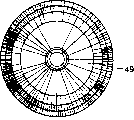
图4a、4b和4c表示用于一个人化频道的可视结构;Figures 4a, 4b and 4c show the visual structure for a personalized channel;
图5表示一可视结构的片段;Figure 5 represents a fragment of a visual structure;
图6表示一用户命令单元;Fig. 6 shows a user command unit;
图7表示用户命令功能;和Figure 7 represents a user command function; and
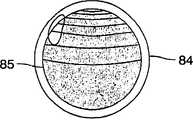
图8a、8b、8c和8d表示可选择的用户命令按钮集合。Figures 8a, 8b, 8c and 8d show selectable sets of user command buttons.
在图中,与已经描述的元件相对应的元件具有相同的参考数字。In the figures, elements corresponding to elements already described have the same reference numerals.
具体实施方式Detailed ways
图1表示一个网络、一个服务器和用户设备。该图示意性的示出了网络14例如互联网,以及多个通过该网络连接的设备。用于给用户提供个人化电视频道的第一用户设备10与所述网络相连接。设备10具有一用于从俘获单元11接收实时信息的输入单元24,所述实时信息包括与用户相关的视频信息。所述实时信息可以包括声音,或另外的检测参数诸如房间温度。用于产生视频信息的适当俘获单元为一网络摄像机。所述俘获单元还可以具有用于捕捉声音的麦克风,和用于控制该麦克风的开关。在一个实施例中,所述输入单元24提供到所述俘获单元的无线连接。所述输入单元24除了可以具有用于检测声音存在的检测器之外,还将检测结果提供给用于进一步控制所述个人化电视频道的用户控制单元22。设备10还具有一用于存储识别用户的用户参数的存储器25、用于接收控制所述个人化频道的内容的用户命令的控制单元22。所述用户命令可通过遥控单元12输入。该设备具有一用于通过网络14将所述设备连接到一服务器实体以便传送实时信息和用户参数以及用户命令并用于接收所述个人化频道的网络单元21、基于所述个人化频道产生一在显示器13上进行显示的输出信号的产生单元23。另外用户设备16、17、18也通过网络14被连接。该另外的用户设备与所述第一用户设备10相类似。每个用户具有一显示单元和用于连接到所述网络的个人参数。在一个实施例中,一个用户设备具有用于连接多个俘获单元的输入电路,和/或用于产生多个输出信号的输出电路,然而所述存储和控制被布置用于处理所述个人参数和用于多个用户的个人化电视频道。所述用户设备可被实现为分离的与所述电视相连接的“机顶”盒,或者可以与其它电视功能元件结合到一起,例如构成一包括用于所述个人化电视频道的模块的完整电视机。Figure 1 shows a network, a server and user equipment. The figure schematically shows a
通过所述网络14还连接有一服务器实体15,用于为多个用户中的每一个提供一个人化电视频道,只要各个用户被有效的连接并且需要这样一个个人化频道。所述服务器15具有用于通过网络接收实时信息、用户参数和用户命令和用于通过所述网络将所述个人化频道传送给所述用户的网络单元26、和用于响应所述用户参数和用户命令通过在所述个人化频道中选择性包括来自另外的用户的实时信息为所述至少一个用户产生个人化频道的产生单元27。在服务器的一个实施例中,所述产生单元27包括一用于产生可视结构的可视结构单元,如下面参照图4和5所述。Also connected via said
在所述系统的一个实施例中,所述可视结构本身是在用户设备产生单元23中产生的。那么所述服务器只提供用于在用户元中进行显示的可视信息。在一个实施例中,所述服务器便于从所述用户设备通过所述网络至各个其它用户设备设立一个链接。所述视频和/或音频信息通过所述链接在用户设备之间直接进行传送。用户设备可以请求来自用户元的以相对较大的可视结构显示的并比显示相对较小的用户元的视频信息出现频率大的视频信息。另外所述用户设备可以请求一些来自所述服务器的视频信息,和通过与其他用户的直接链接而请求其他视频信息,尤其是用于显示必须在显示屏的较大区域上进行有效显示并使用户注意的用户元。In an embodiment of the system, the visual structure itself is generated in the user
在所述系统的一个实施例中,服务器实体的功能性在所述用户设备中实现。每个用户设备内的服务器实体执行这样的功能:维持那个设备的用户的关联信息、和维持某一另外的用于构造所述个人化可视频道和连接至其它用户设备的关联信息。通过所述用户设备内的服务器实体来构造关联信息网络,并通过连接至其它用户设备内的其他服务器实体和交换关联信息来对所述关联信息网络进行延伸。在一个实施例中,所述系统以在适当配备的PC上运行的软件程序来实现,所述PC具有用于连接摄影机(网络摄像机)和网络单元的输入单元。In an embodiment of the system, the functionality of the server entity is implemented in the user equipment. A server entity within each user device performs the function of maintaining associated information for the user of that device and maintaining some additional associated information for constructing said personalized visual channel and connecting to other user devices. The associated information network is constructed by the server entity in the user equipment, and the associated information network is extended by connecting to other server entities in other user equipment and exchanging associated information. In one embodiment, the system is implemented as a software program running on a suitably equipped PC having an input unit for connecting a video camera (webcam) and a network unit.
如下面参照图2和3所描述的用于构建所述个人化可视频道的关联信息可维持在所述用户设备中,或者至少一部分关联信息可维持在所述服务器中。在一个实施例中,所述服务器包括一用于维持关联信息并计算关联距离(distance)的关联单元28。关联信息可由用户自己通过用户命令单元22输入。另外,系统操作员可直接在服务器15上输入和维持所述关联信息。关联距离计算是根据下面讨论的参数在关联单元28中执行的。一个适当的关联距离取决于将被设置为第一级的用户与作为第二级等的每个熟人的熟人的了解周期。相信六级基本上使世界上的所有用户都能触及。产生单元27使用从根据所述传送的用户参数和用户命令选择的从另外的用户接收的实时信息产生所述个人化频道。产生所述个人化电视频道的内容将在下面参照图2、3、4和5进行详细的说明。应该注意所述个人化电视频道是为请求服务的每个用户单独产生的,尽管不同个人化频道的图像部分可从相同的源获得,并且因此这些部分相对应。仅例如通过使用公知的传送技术例如互联网借助所述网络来将每个单独产生的频道传送给各个用户。The associated information used to construct the personalized visual channel as described below with reference to FIGS. 2 and 3 may be maintained in the user device, or at least a portion of the associated information may be maintained in the server. In one embodiment, the server includes an association unit 28 for maintaining association information and calculating association distances. The associated information can be input by the user himself through the
基本上所述系统为通过用户本身提供的图像连接用户的新网络。用户节目所呈现给他们的可以是他们自身、他们的花园、他们的宠物或仅仅是他们的白墙等的任何事情。该系统给出了用户这样的机会:只放映他们自身的事物、和观看其它用户。能在电视上看到个人化电视频道这样的事实使人在某种程度上感到放松和不拘束。在第一个例子中,可以预见一完全和被动应用。一个女孩正坐在起居室中阅读。她的电视上的个人化频道显示一不同的房间,稍后一个女友将出现在那个房间中。Basically the system is a new network connecting users through images provided by the users themselves. What the user shows them can be themselves, their garden, their pets, or just their white walls. The system gives users the opportunity to show only their own stuff, and watch other users. The fact of being able to watch personalized TV channels on TV makes one feel relaxed and uninhibited in a way. In the first example, a complete and passive application is foreseen. A girl is sitting in the living room reading. The personalized channel on her TV shows a different room in which a girlfriend will appear later.
在第二个例子中,将所述系统用作新的通信设备。那个女孩还是在她的起居室中进行阅读。所述用户设备被布置用于借助信号通知另一个用户正在连接,例如通过显示器上的可视信号或音频信号。该女孩接通声音,并与新连接的用户通信。他们决定收看所述电视频道,并且只有小的“画中画”帧仍然在所述个人化频道上彼此进行显示。In a second example, the system is used as a new communication device. The girl was still reading in her living room. The user equipment is arranged to signal to another user that a connection is being made, for example by a visual signal on a display or an audio signal. The girl switches on the voice and communicates with the newly connected user. They decide to watch the TV channel, and only the small "picture in picture" frames are still displayed to each other on the personalized channel.
用于管理个人化频道的系统的基本功能如下。请求登录-退出的用户要求所述服务器知道用户的标识。例如当购买一项产品,或用户通过订购而开始参加时,一新的用户就得到一个ID号。所述服务器保持状态信息,例如知道用户何时登录,或者用户与谁相联接。在一个实施例中,在用户能够接收个人化频道之前,也就是在他不能联机“不可见”之前,用户必须使视频信息是可用的。服务器维持关联信息,例如朋友的优选列表。在一个实施例中,所述第一级是两方面的;一个用户会自动处于彼此的第一级中。可选择的,当两个用户输入彼此的ID号时,用户处于彼此的第一级中。所述服务器还可以为用户提供搜索功能。例如用户能够在不同的等级移动(zap),但不能进行特定的搜索(例如搜索名字或确切地址)。在一个实施例中,搜索是通过自动移动进行的。移动功能的速度取决于用户处于什么层(最靠近用户的层一是最慢的,层六是最快的)。另外可通过类似ID号的直接参数来搜索用户。The basic functions of the system for managing personalized channels are as follows. A user requesting a login-logout requires the server to know the identity of the user. For example, a new user is given an ID number when a product is purchased, or when a user starts participating by subscribing. The server maintains state information, such as knowing when a user logs in, or who the user is connected with. In one embodiment, the user must have video information available before the user can receive the personalized channel, that is, before he cannot be "invisible" online. The server maintains association information, such as a preferred list of friends. In one embodiment, the first level is two-sided; a user is automatically at each other's first level. Optionally, when two users enter each other's ID numbers, the users are in each other's first level. The server can also provide users with a search function. For example the user can move (zap) through the different levels, but cannot perform specific searches (such as searching for names or exact addresses). In one embodiment, the search is performed by automatic movement. The speed of the mobile function depends on which tier the user is on (tier one, which is closest to the user, is the slowest, and tier six is the fastest). In addition, users can be searched by direct parameters like ID number.
图2a和2b表示关联信息。图2a表示一代表用户的家用元30,称作“我(me)”。第一等级的关联由第一级用户元31表示。第一等级用户元31与第二级用户元32的关联被表示为进一步与远离家用元30的一个等级。第三级用户元33是再从所述家用元30进一步离开的一个等级。如图所示,用户通过将他们的朋友和家人放在第一级中而能够产生激活的团体,通过这样的团体他们能够到达其它用户。注意使用这种以六个等级的关联网络,基本上该系统的所有用户都将是可达的。图2b表示一基于商业和娱乐兴趣的用户,或者在一特定时刻的用户心情的不同类型用户的关联示图。用户通过例如在第二等级34上指出的访问入口而能够进入这样一个兴趣组,即商业实体用户。第三等级用户35取决于各个第二等级兴趣导向用户34的(商业)兴趣参数。在一个实施例中,用户将必须对进入某一位置进行付费,或者通过广告进入,从而知道最流行的地方是什么。因此广告客户知道如何找到他们能触到人们以销售产品的场所。例如,个人化频道能够使某一事物变得商业化,这种商业化为用户否则从不会到达的地方打开大门,如图2b所示。该图表示类似UvA(阿姆斯特丹大学(University of Amsterdam))、Mazzo(阿姆斯特丹的俱乐部(club in Amsterdam))或Diesel(服装商标(a clothes brand))的用户的例子。在一个实施例中,如下所述的其它导航系统也是可用的,从而用户根据他的需要或心情能够选择一个系统。所述导航系统也可变得更加复杂;或许熟悉用户喜欢什么,或者取决于房间中的声音和情绪。2a and 2b represent associated information. Figure 2a shows a
图3表示一闭合关联网络。家用元30代表用户他/他自身。第一级关联具有用户元36、37、38,并且是仅需要相关关联的闭合团体,且不允许通过第一级的中间用户元访问其它相关元。在一个实施例中,第一级上的两个元36、37之间的关系对于用户30是可见的。因此就形成了可激活的团体,并且可将可视频道用作类似于视频通信工具的电话。用户将产生他自己的具有朋友的“岛屿”,并且与他们相连接的人们没有关系。在图中,Kim与朋友“G”相连,其也与Peter相连,尽管通过他们之间的“G”没有产生第二级连接。Figure 3 shows a closed association network. The
图4表示用于一个人化频道的可视结构。图4a表示作为可视结构45的中心元的家用元40。在家用元的周围,一环形区域表示与所述用户相关的第一级关系距离,所述第一等级被分割成段。通过显示由那个用户提供的某些可视信息,一个段显示了所述第一等级上的一个用户元41。一第二环形区域更靠外,并显示第二等级的关系距离的用户元42。第三等级用户元43和第四等级用户元44被显示在径向上更靠外布置的位置上。第五和第六环形区域46非常小,在该图中在这些等级上几乎不能看到各个用户元。在一个实施例中,较高等级的环形区域的段显示出了通过在一相应的中间更靠里布置的环形区域中的用户元与所述家用元相关的用户元。在一特定实施例中,所述可视结构被填充如下。该结构在一小的圆40周围被分割成6个环。第一个环被分割成代表4个“朋友”的4个部分。第二个环包含朋友的朋友,从而该环被分割成更多的部分,比方说每个朋友具有4个朋友;那么该环就包含16幅图像。所有其它环是以相同的方式建立的,并且以相同的方式产生连接。第4、第5和第6环或多或少都是相同的。用户可能不知道它里面的人;仅有的差别为在每个随后的环中都有以指数增长数量的图像。Figure 4 shows the visual structure for a personalized channel. FIG. 4 a shows the
图4b表示与图4a相似的可视结构,但用户被放大到一个不同的等级。第一等级的环形区域48的宽度远小于图4a中的第一等级的宽度,而第二等级的环形区域47的宽度增大了。在所述实施例中,通过用户命令,尤其是通过用户已经指出他已经选择了那个等级的关联距离来确定所述环形区域的宽度。图4c表示与图4a相似的可视结构,但所述用户已经放大到所述第三等级。因此,第三等级区域49被放大,而第一和第二等级区域收缩。Fig. 4b shows a similar visual structure as Fig. 4a, but the user is zoomed in to a different level. The width of the
在一个实施例中,所述环形区域构成一个盘,并且如下的填充有用户元。可用的网络摄像机被放置在最小圆的周围;其对应于用户的家。当该圆(基本上为等级0)被选择和放大时,用户能够看到什么样的图像将来自于他/她的网络摄像机。所述盘连续的变化。改变此现象的第一个原因是这样的事实,即不是每个人所有的时间都是“相连”的,如果某人未连接,则他/她的用户元将不被显示。这意味着在所述第一级中的一或两个人的变化在盘的布置中具有很大的后果,并且在联系中,具有相连的人(一个人可以延伸到更多的人,与在第一级中有3个人相比,其在第一级中具有8个人)。在一个实施例中,所述设备被布置用于显示更高级的用户元,包括基于与较低等级上的用户相关联的用户元,所述较低等级等级上的用户本身并未被连接。这样一个视图将总是显示较大数量的用户元。用户可以具有选择这种展开图的选择权。之后,如果用户改变等级,则所述盘将变化。所选择的等级增长的较大,从而人们能够更好的看到在选择的图像中正在发生什么。所选择的图像也比所述等级中的其它图像大,否则该图像将是如此的窄使得静止的任何事情都不能被看到。该较大视图的超大空间是通过是“较低的等级”变小实现的。In one embodiment, said annular area constitutes a disk and is filled with user elements as follows. Available web cameras are placed around the smallest circle; which corresponds to the user's home. When the circle (essentially level 0) is selected and zoomed in, the user can see what image will come from his/her webcam. The disc changes continuously. The first reason to change this is the fact that not everyone is "connected" all the time, if someone is not connected then his/her user meta will not be displayed. This means that a change of one or two persons in said first level has great consequences in the arrangement of the disc, and in the connection, with connected persons (one person can extend to many more persons, as in There are 3 people in the first level compared to 8 people in the first level). In one embodiment, the device is arranged to display higher-level user metas, including based on user meta-associations with users on lower levels that are not themselves connected. Such a view will always display a larger number of user metas. The user may have the option to select such an expanded view. Later, if the user changes the rating, the disc will change. The selected level grows larger so that one can better see what is happening in the selected image. The selected image is also larger than the other images in the hierarchy, otherwise the image would be so narrow that anything still would not be seen. The extra space of this larger view is achieved by making the "lower levels" smaller.
图5表示可视结构的片段。家用元40在显示器的底部示出。第一级用户元41被邻近的示出,第二级用户元42的一部分被显示在显示器的上部。显示器的中部显示选择的第一级用户元50的放大图像。通过应用搜索和缩放命令,用户指示可视结构必须被放大。该视图为上面参照图4描述的盘的放大部分,用户在某一位置能够获得更广博的查看。Figure 5 represents a fragment of the visual structure.
在下面的实施例中,关联信息和通过可视结构的导航取决于进一步的用户信息。在第一实施例中,使用了地理导航。在关联距离计算中可以包括多个用户参数,等级可例如基于:与相同的区域码相关联的人,在同一个城市中关联的人;在相同国家中的关联用户,在相同洲中的关联用户;在世界中的关联用户。在第二实施例中称作路程(road-trip)的地理信息被用于实际产生一个旅行。用户在去例如莫斯科或悉尼的途中能够通过所有关联的房子。用户甚至能够用关联的旅游轮船或列车带他通过荒芜的地方或海洋。因为多数人乘飞机到达他们的目的地,所以这样的公路旅行可能给他们些许“旅行感觉”。在第三实施例中,关联距离取决于对人们的选择标准,例如年龄、性别、头发颜色、健康状况、宠物、位置等。用户能够从日本的公共汽车站快速的移动到苏格兰到纽约市到西班牙的小村庄。在一第四实施例中,导航是基于环境参数,例如温度、或光强度。用户可以通过这样的因素来航行,例如去具有相同温度的地方;或去这样的地方:每步都有一个略微升高的温度直到到达最温暖的地方。用户还可以从漆黑的场景出发并转向逐步变亮的地方,直到他到达具有最高光强度的地方,然后返回。自动移动功能能够产生这种以24小时的循环。另外导航可依赖于移动:如果在30秒的场景中没有事物移动,则转向其它的事物。用户下面所得到的可以是随机的。导航也可以依赖于在用户房间中的移动。例如集中精神的用户通常将是在静坐,所以在房间中几乎没有动作。那么所选择的用户元将不会变化。如果在房间中有移动,则所述个人化频道将在四周移动直到它吸引了用户的注意力。In the following embodiments, the associated information and the navigation through the visual structure depend on further user information. In a first embodiment, geographic navigation is used. Multiple user parameters can be included in the association distance calculation, the ranking can be based, for example: people associated with the same area code, people associated in the same city; associated users in the same country, associated in the same continent User; an associated user in the world. In the second embodiment geographic information called road-trip is used to actually generate a trip. The user can pass through all associated houses on the way to eg Moscow or Sydney. The user can even take him through a deserted place or ocean with an associated tourist boat or train. Since most people arrive at their destination by plane, such a road trip may give them a little "travel feeling". In a third embodiment, the association distance depends on selection criteria for people, such as age, gender, hair color, health, pets, location, etc. Users can quickly move from a Japanese bus station to Scotland to New York City to a small village in Spain. In a fourth embodiment, navigation is based on environmental parameters, such as temperature, or light intensity. The user can navigate by factors such as going to places with the same temperature; or going to places with a slight increase in temperature with each step until reaching the warmest place. The user can also start from a dark scene and move towards progressively brighter places until he reaches the place with the highest light intensity, and then return. The automatic movement function is able to generate this in a 24-hour cycle. Also navigation can be dependent on movement: if nothing moves in the 30 second scene, turn to something else. What the user gets below can be random. Navigation can also depend on movement in the user's room. For example a concentrating user will usually be sitting still, so there is little movement in the room. Then the selected user element will not change. If there is movement in the room, the personalized channel will move around until it grabs the user's attention.
在所述设备的一个实施例中,用于为显示器产生输出信号的产生单元23具有用于结合本地存储的可视信息与由服务器实体提供的可视信息的单元。因此为用户显示的个人化电视频道是通过该组合构成的。例如本地存储在用户设备中的有关区域的地图被用作可视结构的背景图像,所述可视结构是通过服务器使用基于物理信息的导航提供的。In one embodiment of the device, the generating
图6表示一用户命令单元。该单元被实现为一矩形壳体61,具有数字按钮62、方向按钮63和一些专用功能按钮64。可选择的可以使用其它形状或类型的用户控制按钮。特别的个人化频道的控制是使用这些按钮来进行的。“MOVE(移动)”按钮被用于通过所述个人化频道内的各种可视源进行的导航。例如上面参照图4和5所述的轮型可视结构可被可视的进行旋转。通过再次按下MOVE按钮可停止该旋转。Fig. 6 shows a user command unit. The unit is realized as a rectangular housing 61 with number buttons 62 , direction buttons 63 and some dedicated function buttons 64 . Alternatively other shapes or types of user control buttons may be used. Control of specific personalized channels is performed using these buttons. A "MOVE" button is used to navigate through various visual sources within the personalized channel. A wheel-shaped visual structure such as that described above with reference to Figures 4 and 5 may be visually rotated. This rotation can be stopped by pressing the MOVE button again.
图7示意的表示用户命令功能。全套用户控制功能71(遥控按钮)在左侧示出。作为对右侧的功能细分,示出了与专用的功能按钮64和方向按钮63相应的专用功能72(观看、菜单、移动、箭头)。进一步的细分示出了详细的功能73(全面、放大、全屏、断开、连接、私人的、声音、移动、停止、右、左、下、上)。观看按钮整体进行放大;尤其是它在选择的图像周围进行放大。用户必须再次按下相同的按钮、两次或三次来看这些场景。连接功能用于连接新的“朋友”,断开功能用于断开老朋友。遥控上的数字按钮62也需要用于选择将被(断开)连接的人。私人功能只连接至选择的图像源;其它用户不能看到该用户。移动功能使所述轮开始转动并对选择的图像自动提供变化。如果用户按下该按钮,则可视结构移动;再次按下它,所述轮将停止。上下箭头按钮改变轮的层(向上为等级升,向下为等级降)。左和右按钮允许用户在所述各层内改变图像。Fig. 7 schematically shows the user command function. The full set of user control functions 71 (remote control buttons) are shown on the left. As a function subdivision to the right, dedicated functions 72 (view, menu, move, arrow) corresponding to dedicated function buttons 64 and direction buttons 63 are shown. A further breakdown shows detailed functions 73 (full, zoom, full screen, disconnect, connect, private, sound, move, stop, right, left, down, up). The View button zooms in overall; in particular it zooms in around the selected image. The user has to press the same button again, two or three times to see these scenes. The connect function is used to connect new "friends" and the disconnect function is used to disconnect old friends. The number buttons 62 on the remote are also needed to select who will be (disconnected) connected. The private function is only connected to the selected image source; other users cannot see this user. The move function starts the wheel turning and automatically provides changes to the selected image. If the user presses the button, the visible structure moves; press it again, and the wheel stops. The up and down arrow buttons change the tier of the wheel (up for up, down for down). Left and right buttons allow the user to change images within the layers.
声音功能提供用户对于个人化电视频道想要的声音的选择。在不同的实施例中,可如下执行声音功能。没有声音的可视频道不提供伴音,带有声音它会侵袭私密。声音功能可以接通摄像机上的麦克风或不接通它。当麦克风接通时,将没有问题;用户很显然对于隐私不具有问题。当切断麦克风时,将没有声音(和较少的伴音)。有多种可能性能够除去那种静默情况。例如,打开另外一个电视频道的声音,例如来自MTV或CNN的声音;对噪音进行加扰使用户不能明白说的是什么,但仍然能够听到一些声音;打开来自本地广播站的声音;用户提出来自外部源的某些声音。在一个实施例中,第一级中的用户具有支配所选择的声音的选择权,并通过所选择的声音唤起人们。这能给出意外的和自发的效果。The sound function provides the user with a selection of desired sound for a personalized TV channel. In various embodiments, the sound function may be performed as follows. A visual channel without sound provides no accompanying sound, with sound it would invade privacy. The sound function can switch on the microphone on the camera or not switch it on. When the microphone is on, there will be no problem; the user obviously has no problem with privacy. When the microphone is cut, there will be no sound (and less accompanying sound). There are several possibilities to remove that silent situation. For example, turn on the sound of another TV channel, such as from MTV or CNN; scramble the noise so that the user cannot understand what is being said, but still hear some sound; turn on the sound from the local radio station; Some sounds from external sources. In one embodiment, the user in the first level has the option to dictate and evoke people through the selected sound. This can give unexpected and spontaneous effects.
图8表示选择性的用户命令按钮。图8a表示具有一中央缩放按钮81的一组用户按钮。方向按钮(等级升、等级降、左、右)位于所述中央缩放按钮的周围。专用的功能按钮(菜单、移动)位于其它按钮的下面。缩放按钮对应于选择的图像,当该按钮被按下时,就对选择的图像进行放大。左、右、上和下按钮以这样一种方式组织使得其与显示器上的可视结构一致。菜单和移动按钮较小,从而用户能够感觉到差异并且意外的按下错误按钮的机会较小。图8b表示一旋转按钮82和占据其中的缩放按钮81。上和下按钮“等级升”和“等级降”用于改变等级。中间按钮用于放大。在缩放按钮的周围,有盘82,通过该盘用户能够在一个层中的图像之间进行“移动”。按钮“移动-停止”和“菜单”位于两侧并且用于菜单和移动功能,它们被放置于稍微远离中心的位置使得它们不会被意外的按下。图8c表示游戏类的用户控制单元。该单元是包含一个球的迷宫并用于操作例如游戏;如果用户滚动该球至左侧的下一个部分中,则可视结构使一个图像转向左侧。所述菜单、移动和其它功能按钮被放置在不同的位置(未示处),例如在类似图7所示的一个分离遥控单元上。图8d表示球形用户控制单元,一个球84在较大的球84中具有一第二球85。小球85在其上具有格子,其对应于显示器上的可视结构;较大的球84在其上具有一个选择器。通过转动该球用户能够选择新的图像。Figure 8 shows an optional user command button. Figure 8a shows a set of user buttons with a
虽然通过使用在家用电视系统上的可视个人化频道的实施例大体介绍了本发明,但本发明也适用于便携式电视系统,例如汽车中的便携式电视系统。此外可通过用于执行所需功能的计算机程序在计算机系统上来实现所述服务器实体。注意,在该篇文献中,单词“comprising(包括)”并不排除出现所列举之外的其它元件或步骤,但此元件之前的“a(一)”或“an(一个)”并不排除出现多个这样的元件,任何参考标记都不得限制权利要求的范围,本发明可借助硬件和软件来实现,并且若干个“means(装置)”可通过相同的硬件项来实现。此外,本发明的范围并不局限于所述实施例,本发明在于上述的每个和每项新颖的特征或特征的结合。Although the present invention has generally been described in terms of an embodiment using visual personalized channels on a home television system, the present invention is also applicable to portable television systems, such as those in automobiles. Furthermore said server entity may be realized on a computer system by a computer program for performing the required functions. Note that in this document, the word "comprising (comprising)" does not exclude the presence of other elements or steps than those listed, but "a (one)" or "an (one)" before this element does not exclude The presence of a plurality of such elements and any reference signs shall not limit the scope of the claims, the invention may be implemented by means of hardware and software and several "means" may be implemented by the same item of hardware. Furthermore, the scope of the invention is not limited to the embodiments described, the invention lies in each and every novel feature or combination of features described above.
Claims (13)
Applications Claiming Priority (2)
| Application Number | Priority Date | Filing Date | Title |
|---|---|---|---|
| EP02077569 | 2002-06-27 | ||
| EP02077569.8 | 2002-06-27 |
Publications (1)
| Publication Number | Publication Date |
|---|---|
| CN1663272A true CN1663272A (en) | 2005-08-31 |
Family
ID=29797240
Family Applications (1)
| Application Number | Title | Priority Date | Filing Date |
|---|---|---|---|
| CN038149427A Pending CN1663272A (en) | 2002-06-27 | 2003-06-12 | System for providing personalized television channels |
Country Status (7)
| Country | Link |
|---|---|
| US (1) | US20050251842A1 (en) |
| EP (1) | EP1520419A2 (en) |
| JP (1) | JP2005531249A (en) |
| KR (1) | KR20050013256A (en) |
| CN (1) | CN1663272A (en) |
| AU (1) | AU2003237003A1 (en) |
| WO (1) | WO2004004332A2 (en) |
Cited By (3)
| Publication number | Priority date | Publication date | Assignee | Title |
|---|---|---|---|---|
| CN102859971A (en) * | 2010-04-26 | 2013-01-02 | 讯恩科技公司 | Context dependent update in a social network |
| CN102984588A (en) * | 2011-09-02 | 2013-03-20 | 索尼公司 | Personalized television viewing mode adjustments responsive to facial recognition |
| CN108270797A (en) * | 2018-03-20 | 2018-07-10 | 李琼 | The personalized multi-media transmission system of network media information and method |
Families Citing this family (8)
| Publication number | Priority date | Publication date | Assignee | Title |
|---|---|---|---|---|
| CN101853684B (en) * | 2004-06-15 | 2012-06-27 | 松下电器产业株式会社 | Drive device |
| EP1971144A1 (en) * | 2007-03-14 | 2008-09-17 | Zattoo, Inc. | Method, software and installation for the creation and distribution of personalized internet TV-channels |
| US9049344B2 (en) | 2007-08-24 | 2015-06-02 | At&T Intellectual Property I, L.P. | Method and system for providing content |
| WO2009053260A1 (en) * | 2007-10-26 | 2009-04-30 | International Business Machines Corporation | A method, and system for selecting a program item |
| US8312494B2 (en) * | 2007-10-26 | 2012-11-13 | International Business Machines Corporation | Presenting a continuous programming sequence at a client terminal |
| EP2609750A4 (en) | 2010-08-26 | 2014-10-08 | Tarik Taleb | SYSTEM AND METHOD FOR CREATING A CUSTOMIZED MULTIMEDIA CONTENT CHANNEL FOR A SOCIAL NETWORK |
| TWI520592B (en) * | 2012-06-05 | 2016-02-01 | 緯創資通股份有限公司 | Method for personalized virtual channel management and web-based multimedia reproduction system with virtual channel |
| US11070862B2 (en) | 2017-06-23 | 2021-07-20 | At&T Intellectual Property I, L.P. | System and method for dynamically providing personalized television shows |
Family Cites Families (8)
| Publication number | Priority date | Publication date | Assignee | Title |
|---|---|---|---|---|
| US6389471B1 (en) * | 1998-07-07 | 2002-05-14 | At&T Corp. | Network broadcasting system for broadcasting audiovisual information to an identified audience |
| TW463503B (en) * | 1998-08-26 | 2001-11-11 | United Video Properties Inc | Television chat system |
| US6774926B1 (en) * | 1999-09-03 | 2004-08-10 | United Video Properties, Inc. | Personal television channel system |
| KR20010064671A (en) * | 2000-05-15 | 2001-07-11 | 김광묵 | Chatting system using a mobile communication terminal and method thereof |
| CA2344595A1 (en) * | 2000-06-08 | 2001-12-08 | International Business Machines Corporation | System and method for simultaneous viewing and/or listening to a plurality of transmitted multimedia streams through a centralized processing space |
| WO2002008856A2 (en) * | 2000-07-21 | 2002-01-31 | Burstband Technology Corporation | Method and system for data delivery with guaranteed quality of service |
| JP4752093B2 (en) * | 2000-08-16 | 2011-08-17 | ソニー株式会社 | Information processing apparatus and information processing method |
| GB0215378D0 (en) * | 2002-07-04 | 2002-08-14 | Hudson Jonathan O | Improvements in or relating to television formats |
-
2003
- 2003-06-12 CN CN038149427A patent/CN1663272A/en active Pending
- 2003-06-12 US US10/518,840 patent/US20050251842A1/en not_active Abandoned
- 2003-06-12 EP EP03735910A patent/EP1520419A2/en not_active Withdrawn
- 2003-06-12 WO PCT/IB2003/002740 patent/WO2004004332A2/en not_active Ceased
- 2003-06-12 AU AU2003237003A patent/AU2003237003A1/en not_active Abandoned
- 2003-06-12 KR KR10-2004-7021269A patent/KR20050013256A/en not_active Withdrawn
- 2003-06-12 JP JP2004517105A patent/JP2005531249A/en not_active Withdrawn
Cited By (3)
| Publication number | Priority date | Publication date | Assignee | Title |
|---|---|---|---|---|
| CN102859971A (en) * | 2010-04-26 | 2013-01-02 | 讯恩科技公司 | Context dependent update in a social network |
| CN102984588A (en) * | 2011-09-02 | 2013-03-20 | 索尼公司 | Personalized television viewing mode adjustments responsive to facial recognition |
| CN108270797A (en) * | 2018-03-20 | 2018-07-10 | 李琼 | The personalized multi-media transmission system of network media information and method |
Also Published As
| Publication number | Publication date |
|---|---|
| US20050251842A1 (en) | 2005-11-10 |
| EP1520419A2 (en) | 2005-04-06 |
| WO2004004332A3 (en) | 2004-06-03 |
| WO2004004332A2 (en) | 2004-01-08 |
| KR20050013256A (en) | 2005-02-03 |
| AU2003237003A8 (en) | 2004-01-19 |
| JP2005531249A (en) | 2005-10-13 |
| AU2003237003A1 (en) | 2004-01-19 |
Similar Documents
| Publication | Publication Date | Title |
|---|---|---|
| CN1666517A (en) | Controlling the content of a personalized visual channel | |
| CN101796541B (en) | Method and system for customizing live media content | |
| US9183514B2 (en) | Advanced user interface and control paradigm including contextual collaboration for multiple service operator extended functionality offers | |
| US20170048286A1 (en) | Live broadcast system | |
| US20140172891A1 (en) | Methods and systems for displaying location specific content | |
| JPWO2013077000A1 (en) | Voice link system | |
| CN105451039B (en) | A kind of interaction of multimedia information method and system | |
| US7792834B2 (en) | Pervasive media information retrieval system | |
| US20050251842A1 (en) | System for providing a personalized tv channel | |
| US20250301199A1 (en) | Dynamic Control of Media-Content Presentation Based on User Presence and/or User Profile | |
| JP2000040088A (en) | Information providing method and system in three-dimensional shared virtual space and storage medium storing information providing program in three-dimensional shared virtual space | |
| US20210258650A1 (en) | Live content streaming system and method | |
| CN111104087A (en) | Court trial information processing method, device and system and storage medium | |
| Carey | Digital media and the transformation of space | |
| US20100088602A1 (en) | Multi-Application Control | |
| Sadasue et al. | Development and Evaluation of Systems to Enjoy a Wedding Reception for People with Low Vision | |
| US20220038510A1 (en) | System and Method for Providing Remote Attendance to a Live Event | |
| Shaskevich | When Sex Is on TV: Julie Gustafson’s The Politics of Intimacy and the Feminist Video Revolution | |
| CN119937961A (en) | Screen splitting method, device, electronic device and computer-readable storage medium | |
| CA2687714A1 (en) | System, method and apparatus for global integrated video camera system using the unique video codes | |
| Yamashita et al. | Hiroyuki Tarumi), Tomoki Nakai, Kei Miyazaki | |
| CN110238842A (en) | Remote playing method and device for robot | |
| CN109635128A (en) | Recommend method, apparatus, electronic equipment and the storage medium of multimedia file | |
| KR20220021600A (en) | Apparatus for providing content service | |
| WO2018031438A1 (en) | Method, system, software, engine, and a mobile application platform for video chat |
Legal Events
| Date | Code | Title | Description |
|---|---|---|---|
| C06 | Publication | ||
| PB01 | Publication | ||
| C10 | Entry into substantive examination | ||
| SE01 | Entry into force of request for substantive examination | ||
| C02 | Deemed withdrawal of patent application after publication (patent law 2001) | ||
| WD01 | Invention patent application deemed withdrawn after publication |