CN1306373C - Control system, method, and program using rhythm pattern - Google Patents
Control system, method, and program using rhythm pattern Download PDFInfo
- Publication number
- CN1306373C CN1306373C CNB03819953XA CN03819953A CN1306373C CN 1306373 C CN1306373 C CN 1306373C CN B03819953X A CNB03819953X A CN B03819953XA CN 03819953 A CN03819953 A CN 03819953A CN 1306373 C CN1306373 C CN 1306373C
- Authority
- CN
- China
- Prior art keywords
- rhythm
- input
- rhythm pattern
- unit
- pattern
- Prior art date
- Legal status (The legal status is an assumption and is not a legal conclusion. Google has not performed a legal analysis and makes no representation as to the accuracy of the status listed.)
- Expired - Fee Related
Links
Images






Classifications
-
- G—PHYSICS
- G06—COMPUTING OR CALCULATING; COUNTING
- G06F—ELECTRIC DIGITAL DATA PROCESSING
- G06F3/00—Input arrangements for transferring data to be processed into a form capable of being handled by the computer; Output arrangements for transferring data from processing unit to output unit, e.g. interface arrangements
- G06F3/01—Input arrangements or combined input and output arrangements for interaction between user and computer
- G06F3/011—Arrangements for interaction with the human body, e.g. for user immersion in virtual reality
-
- G—PHYSICS
- G06—COMPUTING OR CALCULATING; COUNTING
- G06F—ELECTRIC DIGITAL DATA PROCESSING
- G06F3/00—Input arrangements for transferring data to be processed into a form capable of being handled by the computer; Output arrangements for transferring data from processing unit to output unit, e.g. interface arrangements
- G06F3/01—Input arrangements or combined input and output arrangements for interaction between user and computer
- G06F3/02—Input arrangements using manually operated switches, e.g. using keyboards or dials
- G06F3/023—Arrangements for converting discrete items of information into a coded form, e.g. arrangements for interpreting keyboard generated codes as alphanumeric codes, operand codes or instruction codes
Landscapes
- Engineering & Computer Science (AREA)
- General Engineering & Computer Science (AREA)
- Theoretical Computer Science (AREA)
- Human Computer Interaction (AREA)
- Physics & Mathematics (AREA)
- General Physics & Mathematics (AREA)
- User Interface Of Digital Computer (AREA)
- Electrophonic Musical Instruments (AREA)
Abstract
Description
技术领域technical field
本发明涉及用于控制各种装置的动作的系统,特别是涉及提供利用少量操作设备来控制各种装置动作的用户接口的系统。The present invention relates to a system for controlling the actions of various devices, and more particularly to a system for providing a user interface for controlling the actions of various devices with a small number of operating devices.
背景技术Background technique
现在的各种装置,特别是电视机、录像机、音响等视听设备以及车载导航系统和车载音响等车载设备等,功能非常多。相应地,搭载在装置本体或遥控器上的键或操纵杆等操作设备的数量也增加。操作设备的增加使操作复杂并且难以理解。Today's various devices, especially audio-visual equipment such as televisions, video recorders, and stereos, and vehicle-mounted equipment such as car navigation systems and car audio systems, have many functions. Accordingly, the number of operating devices such as keys and joysticks mounted on the main body of the device or the remote controller has also increased. The addition of operating equipment complicates and complicates operations.
另外,在有限的空间内配置对应数十、数百个功能的输入设备也很困难。In addition, it is also difficult to arrange input devices corresponding to dozens or hundreds of functions in a limited space.
为了解决上述问题,人们提出了各种各样的系统。例如有人提出通过将功能分类成层次结构来减少操作设备的个数的系统。该系统具有选择层次的操作设备和选择所选出层次内的功能的操作设备。In order to solve the above problems, various systems have been proposed. For example, a system has been proposed that reduces the number of operating devices by classifying functions into a hierarchical structure. The system has an operating device for selecting a layer and an operating device for selecting a function within the selected layer.
另外,还有人提出通过利用声音识别来减少操作设备个数的系统。该系统具有表示声音识别开始的操作设备和用于输入声音的麦克风。因此可以极大地减少操作设备的数量。In addition, a system for reducing the number of operating devices by using voice recognition has also been proposed. This system has an operation device indicating the start of voice recognition and a microphone for inputting voice. The number of operating devices can thus be greatly reduced.
但是,在将功能分类成层次结构的系统中,为了正确地选择期望的功能,用户常常需要确认现在处于哪个层次的选择模式下。即,系统必须通过图像或声音、开关状态等告知用户当前的选择模式。另外,为了选择期望的功能,用户必须对操作设备进行多次操作来选择适当的层次。用户无法通过一次操作来选择期望的功能。而且,为了正确地选择期望的功能,用户必须确认系统所具备的功能是如何进行层次结构化的。这些都成为不擅长机械的用户引入系统的障碍。However, in a system that classifies functions into a hierarchical structure, in order to correctly select a desired function, the user often needs to confirm which level of selection mode he is currently in. That is, the system must inform the user of the current selection mode through images or sounds, switch status, etc. In addition, in order to select a desired function, the user must perform multiple operations on the operating device to select an appropriate layer. The user cannot select a desired function by one operation. Also, in order to correctly select a desired function, the user must confirm how the functions possessed by the system are hierarchically structured. These have become obstacles for users who are not good at mechanics to introduce the system.
利用声音识别的系统存在的问题是,根据周围的杂音、背景音乐、说话人的声音、麦克风的位置等周围的状况,声音识别率降低。声音识别率降低的结果是不能执行期望的功能。即,存在由于声音识别的偏差无法执行正确操作的情况。另外,为了进行声音识别,需要大容量的存储器和高的计算速度。这样,在存储量或计算速度不够的系统中,就存在得不到实用的声音识别速度的问题。A problem with a system using voice recognition is that the voice recognition rate decreases depending on surrounding conditions such as surrounding noise, background music, speaker's voice, and microphone position. As a result of the reduced voice recognition rate, desired functions cannot be performed. That is, there are cases where correct operations cannot be performed due to deviations in voice recognition. In addition, in order to perform voice recognition, a large-capacity memory and a high calculation speed are required. In this way, there is a problem that a practical voice recognition speed cannot be obtained in a system with insufficient memory capacity or calculation speed.
发明内容Contents of the invention
因此,本发明的目的是提供一种可以根据用户利用少量的操作设备进行的操作指示来可靠地执行期望功能的系统。Therefore, it is an object of the present invention to provide a system that can reliably perform desired functions in accordance with an operation instruction by a user using a small number of operation devices.
为了实现上述目的,本发明具有下述特征。In order to achieve the above objects, the present invention has the following features.
第一发明是一种控制系统,用于控制至少一个以上装置的动作,它具有:节奏输入部,根据与表示所述装置的控制内容的名称的发音模式相对应的用户的敲击输入,将振幅电平变化的电信号作为节奏输入信号输出;The first invention is a control system for controlling the actions of at least one device, which includes: a rhythm input unit for inputting a user's tap corresponding to a pronunciation pattern of a name representing the control content of the device. The electrical signal whose amplitude level changes is output as a rhythm input signal;
节奏词典存储部,存储节奏词典表,该节奏词典表用于使所述装置的控制内容与将表示该控制内容的名称的发音模式类型化后形成的登记节奏模式相对应;以及a rhythm dictionary storage unit storing a rhythm dictionary table for associating the control content of the device with a registered rhythm pattern formed by typing a pronunciation pattern of a name representing the control content; and
控制所述装置的动作的控制部;a control unit that controls the action of the device;
所述控制部包括:输入节奏模式识别单元,对从所述节奏输入部输入的所述节奏输入信号进行分析,识别输入节奏模式;以及装置控制单元,参照所述节奏词典表,检索与所述输入节奏模式识别单元所识别的输入节奏模式一致的登记节奏模式,根据与该登记节奏模式对应的控制内容来控制所述装置。The control section includes: an input rhythm pattern recognition unit that analyzes the rhythm input signal input from the rhythm input section to identify the input rhythm pattern; and a device control unit that refers to the rhythm dictionary table to retrieve the The input rhythm pattern identified by the input rhythm pattern recognition unit matches the registered rhythm pattern, and the device is controlled according to the control content corresponding to the registered rhythm pattern.
根据上述第1发明,通过用户仅敲击节奏输入部就能控制各种装置的动作。因此提供了一种可以利用尽可能少的输入设备(典型的是一个开关或传感器)控制各种装置的动作的控制系统。而且提供了一种不受杂音影响的控制系统。另外,用户可以通过按自然语言的节奏输入节奏模式来操作各种装置,因此提供了一种操作性好的控制系统。而且,可以期待的是,用户可以在短时间内学会操作。According to the above-mentioned first invention, the operation of various devices can be controlled by the user simply tapping the rhythm input unit. A control system is thus provided that can control the actions of various devices using as few input devices as possible (typically a switch or sensor). Furthermore, a control system which is not affected by noise is provided. In addition, the user can operate various devices by inputting rhythm patterns in the rhythm of natural language, thus providing a control system with good operability. Also, it can be expected that the user can learn to operate in a short time.
最好是,节奏词典表通过向将表示控制内容的名称分割成至少一个以上规定单位后的每个单位分配规定的单位节奏模式来定义登记节奏模式,Preferably, the rhythm dictionary table defines a registered rhythm pattern by assigning a predetermined unit rhythm pattern to each unit obtained by dividing the name representing the control content into at least one or more predetermined units,
输入节奏模式识别单元通过简化节奏输入信号的振幅电平的时间变化来识别输入节奏模式。The input rhythm pattern recognition unit recognizes the input rhythm pattern by simplifying temporal variation of the amplitude level of the rhythm input signal.
这样,通过简化节奏输入信号的振幅电平的时间变化来识别输入节奏模式,因此所识别的输入节奏模式与用户意图的节奏模式相一致的可能性高。结果是提供了一种可以按用户的意图控制各种装置的动作的控制系统。In this way, since the input rhythm pattern is recognized by simplifying the temporal change of the amplitude level of the rhythm input signal, there is a high possibility that the recognized input rhythm pattern matches the rhythm pattern intended by the user. As a result, there is provided a control system that can control the actions of various devices according to the user's intention.
最好是,单位节奏模式通过根据所述规定单位上音的有无分配打拍的有无来定义,Preferably, the unit rhythm pattern is defined by assigning the presence or absence of beats according to the presence or absence of said prescribed unit upper tone,
输入节奏模式识别单元根据振幅电平的时间变化来识别用户敲击了节奏输入部的打拍时刻和/或规定的时间间隔内没有敲击的休拍时刻,然后通过利用打拍和/或休拍时刻表示节奏输入信号的时间变化来识别输入节奏模式。The input rhythm pattern recognition unit recognizes the beat time when the user hits the rhythm input part and/or the break time when there is no knocking within a prescribed time interval according to the time change of the amplitude level, and then uses the beat and/or break The beat instant represents the temporal variation of the rhythm input signal to identify the input rhythm pattern.
这样,利用通过判断是否超过规定时间来识别打拍和/或休拍的简单算法来识别输入节奏模式,因此可以减轻控制系统的处理负担的增加。而且可以将消耗的存储容量或程序大小抑制在最低限度。In this way, the input rhythm pattern is recognized by a simple algorithm that recognizes a beat and/or a rest by judging whether or not a predetermined time has elapsed, so that an increase in the processing load of the control system can be reduced. Furthermore, the consumption of memory capacity or program size can be kept to a minimum.
所述单位节奏模式中还定义了规定单位上音的强弱,The strength of the upper tone of the specified unit is also defined in the unit rhythm pattern,
输入节奏模式识别单元还根据振幅电平的强弱分层次地识别打拍时刻的敲击的强弱,从而通过可区别所述打拍时刻敲击强弱的表示来识别输入节奏模式。The input rhythm pattern recognition unit also recognizes the strength of the tap at the beat moment hierarchically according to the magnitude of the amplitude level, thereby identifying the input rhythm pattern through the representation that can distinguish the strength of the tap at the beat moment.
这样,同时包含音的强弱地来识别用户意图的控制内容名,因此提供了一种对于使用重视重音或语调差异的语言(例如英语)的用户使用也很方便的控制系统。而且,通过定义重音的差异,可以增加登记节奏模式的数量。结果是可以定义更多种类的控制内容。In this way, the name of the control content that recognizes the user's intention is also included in the strength and weakness of the sound, thereby providing a control system that is easy to use even for users of a language (such as English) that places emphasis on differences in accent or intonation. Also, by defining differences in accents, the number of registered rhythm patterns can be increased. The result is that a wider variety of control content can be defined.
而且,用户在规定的间隔时间内持续按下节奏输入部的情况下,输入节奏模式识别单元作为有打拍时刻和休拍时刻来识别输入节奏模式。Furthermore, when the user continues to press the rhythm input unit within a predetermined interval, the input rhythm pattern recognition unit recognizes the input rhythm pattern as a beat time and a rest time.
这样,在持续按下节奏输入部的情况下,控制系统可以判断为输入了长音。In this way, when the rhythm input unit is kept pressed, the control system can determine that a long sound has been input.
最好是,单位节奏模式通过对规定单位中的音的有无分配打拍的有无来定义,Preferably, the unit rhythm pattern is defined by assigning the presence or absence of the beat to the presence or absence of the sound in the predetermined unit,
输入节奏模式识别单元根据振幅电平的大小来检测打拍的有无,假设具有检测的打拍数目的所有节奏模式,从假设的节奏模式中寻找与节奏输入信号的时间变化倾向最一致的节奏模式,将寻找到的节奏模式识别为输入节奏模式。The input rhythm pattern recognition unit detects the presence or absence of beats according to the magnitude of the amplitude level, assumes all rhythm patterns with the detected number of beats, and searches for the rhythm most consistent with the temporal variation tendency of the rhythm input signal from the assumed rhythm patterns pattern, identifying the found rhythm pattern as an input rhythm pattern.
这样,控制系统根据节奏输入信号整体的时间变化倾向识别输入节奏模式,因此可以吸收敲击速度等的个体差异来识别输入节奏模式。这样提供了一种可以更可靠地控制各种装置的控制系统。In this way, the control system recognizes the input rhythm pattern based on the temporal variation tendency of the entire rhythm input signal, and thus can recognize the input rhythm pattern by absorbing individual differences in tapping speed and the like. This provides a control system that can control various devices more reliably.
这种情况下,输入节奏模式识别单元可以求出假设的节奏模式中相邻二个打拍的时间间隔和所述节奏输入信号中相邻二个打拍的时间间隔之差,将假设的节奏模式中差的平均值最小的节奏模式识别为输入节奏模式。In this case, the input rhythm pattern recognition unit can obtain the difference between the time interval between two adjacent beats in the assumed rhythm pattern and the time interval between two adjacent beats in the rhythm input signal, and the assumed rhythm The rhythm pattern with the smallest average value of the differences among the patterns is identified as the input rhythm pattern.
这样,控制系统可以通过求出时间间隔的差并算出平均值来识别时间变化倾向最一致的节奏模式。因此提供了一种可以利用简单的算法来识别节奏模式的控制系统。In this way, the control system can identify the rhythm pattern with the most consistent temporal tendency by taking the difference between the time intervals and calculating the average value. A control system is thus provided which can identify rhythmic patterns using a simple algorithm.
而且,所述输入节奏模式识别单元还在所识别的输入节奏模式的打拍间隔均匀分布的情况下,判断打拍间隔是否超过规定的间隔时间,超过的情况下,重新识别为输入节奏模式是打拍和休拍连续的节奏模式,不超过的情况下,重新识别为输入敲击模式是仅仅打拍连续的节奏模式。Moreover, the input rhythm pattern identification unit also judges whether the beat interval of the identified input rhythm pattern is uniformly distributed if the beat interval exceeds a specified interval time. If it exceeds, it is re-identified as the input rhythm pattern The beat and rest beat continuous rhythm pattern, under the situation of not exceeding, re-identify as the input beat pattern is only the beat continuous rhythm pattern.
这样,控制系统可以进一步重新识别输入节奏模式仅由打拍构成,还是由打拍和休拍的重复构成。因此提供了一种可以更正确地识别输入节奏模式的控制系统。In this way, the control system can further re-identify whether the input rhythm pattern consists of beats only or repetitions of beats and rests. Thus a control system is provided that can more correctly recognize input rhythm patterns.
而且,单位节奏模式中还定义了规定单位上音的强弱,Moreover, the unit rhythm mode also defines the strength of the upper tone of the specified unit,
输入节奏模式识别单元还根据振幅电平的强弱阶段性地识别所述打拍时刻的敲击的强弱,从而通过可区别所述打拍时刻敲击强弱的表示来识别输入节奏模式。The input rhythm pattern recognition unit also periodically recognizes the intensity of the beating at the beating moment according to the strength of the amplitude level, thereby identifying the input rhythm pattern through the representation that can distinguish the beating strength at the beating moment.
最好是,单位节奏模式通过根据所述规定单位上音的有无分配打拍的有无来定义,Preferably, the unit rhythm pattern is defined by assigning the presence or absence of beats according to the presence or absence of said prescribed unit upper tone,
输入节奏模式识别单元在节奏词典表的登记节奏模式中寻找与节奏输入信号的时间变化倾向最一致的节奏模式,将寻找到的节奏模式识别为输入节奏模式。The input rhythm pattern recognition unit looks for the rhythm pattern most consistent with the time variation tendency of the rhythm input signal among the registered rhythm patterns in the rhythm dictionary table, and recognizes the found rhythm pattern as the input rhythm pattern.
这样,控制系统从登记节奏模式中选择出可识别的输入节奏模式。因此可以避免与识别出的输入节奏模式一致的登记节奏模式没有登记在节奏词典表中。结果是提供了一种可以按照用户的希望可靠地控制各种装置的动作的控制系统。Thus, the control system selects a recognizable input rhythm pattern from the registered rhythm patterns. It can thus be avoided that a registered rhythm pattern coincident with the recognized input rhythm pattern is not registered in the rhythm dictionary table. The result is a control system that can reliably control the actions of various devices as desired by the user.
这种情况下,输入节奏模式识别单元可以根据振幅电平的大小来检测打拍的有无,在节奏词典表的登记节奏模式中寻找具有检测的打拍数目的节奏模式,然后进一步从寻找到的节奏模式中寻找与时间变化倾向最一致的节奏模式,将最终寻找到的节奏模式识别为输入节奏模式。In this case, the input rhythm pattern recognition unit can detect the presence or absence of a beat according to the magnitude of the amplitude level, and search for a rhythm pattern with the number of beats detected in the registered rhythm pattern of the rhythm dictionary table, and then further obtain Find the rhythm pattern that is most consistent with the time-varying tendency among the rhythm patterns, and identify the finally found rhythm pattern as the input rhythm pattern.
这样减少了作为寻找对象的节奏模式,从而减轻了控制系统的处理负担。This reduces the number of rhythm patterns to be searched for, thereby reducing the processing load on the control system.
具体地说,输入节奏模式识别单元在进一步检索与时间变化倾向最一致的节奏模式时,求出寻找到的节奏模式中相邻二个打拍的时间间隔和节奏输入信号中相邻二个打拍的时间间隔之差,将所寻找到的节奏模式中差的平均值最小的节奏模式识别为输入节奏模式。Specifically, when the input rhythm pattern recognition unit further searches for the rhythm pattern that is most consistent with the time variation tendency, it obtains the time interval between two adjacent beats in the found rhythm pattern and the time interval between two adjacent beats in the rhythm input signal. The rhythm pattern with the smallest average value of the difference among the found rhythm patterns is identified as the input rhythm pattern.
而且,所述单位节奏模式中还定义了所述规定单位上音的强弱,Moreover, the strength of the upper tone of the specified unit is also defined in the unit rhythm pattern,
所述输入节奏模式识别单元还根据所述振幅电平的强弱阶段性地识别所述打拍时刻的敲击的强弱,从而通过可区别所述打拍时刻敲击强弱的表示来识别输入节奏模式。The input rhythm pattern recognition unit also periodically recognizes the strength of the tap at the beat moment according to the strength of the amplitude level, so as to identify the strength of the tap at the tap moment by distinguishing the Enter the rhythm pattern.
最好是,单位节奏模式通过根据规定单位上音的有无分配打拍的有无来定义,Preferably, the unit rhythm pattern is defined by assigning the presence or absence of a beat according to the presence or absence of a specified unit upper note,
输入节奏模式识别单元根据振幅电平的大小来检测打拍的有无,求出节奏输入信号中相邻二个打拍的时间间隔内最小的时间间隔,根据该最小时间间隔和其它二个打拍的时间间隔比较后的相对值,确定该二个打拍之间是否有休拍,然后利用打拍和/或休拍时刻表示节奏输入信号的时间变化来识别输入节奏模式。The input rhythm pattern recognition unit detects the presence or absence of beating according to the magnitude of the amplitude level, and finds the minimum time interval in the time interval of two adjacent beatings in the rhythm input signal, according to the minimum time interval and other two beats The relative values of the time intervals of beats are compared to determine whether there is a break between the two beats, and then use the beat and/or break time to represent the time change of the rhythm input signal to identify the input rhythm pattern.
这样,控制系统通过相对评价来识别输入节奏模式,因此可以吸收敲击速度等的个体差异来识别输入节奏模式。因此提供了一种可以更可靠地控制各种装置的控制系统。In this way, since the control system recognizes the input rhythm pattern by relative evaluation, it is possible to recognize the input rhythm pattern by absorbing individual differences in tapping speed and the like. Accordingly, a control system that can control various devices more reliably is provided.
这种情况下,单位节奏模式中还定义了规定单位上音的强弱,In this case, the unit rhythm mode also defines the strength of the upper tone of the specified unit,
输入节奏模式识别单元还根据振幅电平的强弱阶段性地识别打拍时刻的敲击的强弱,从而通过可区别所述打拍时刻敲击强弱的表示来识别输入节奏模式。The input rhythm pattern recognition unit also periodically recognizes the strength of the beating at the beating moment according to the strength of the amplitude level, thereby identifying the input rhythm pattern by distinguishing the expression of the beating strength at the beating moment.
最好是,用于分割表示控制内容的名称的规定单位为音拍单位。Preferably, the predetermined unit for dividing the name indicating the content of the control is a beat unit.
这样,利用音拍单位分割表示控制内容的名称,用户可以按照自然发音时的节奏来输入节奏。从而提供了一种对用户友好的控制系统。这样分割成音拍单位对于日语等语言特别适用。In this way, the user can input the rhythm according to the rhythm of natural pronunciation by dividing the name representing the control content into units of beats. A user-friendly control system is thereby provided. Such division into beat units is especially suitable for languages such as Japanese.
而且,最好是,用于分割表示所述控制内容的名称的所述规定单位为音节单位。Furthermore, it is preferable that the predetermined unit for dividing the name indicating the content of the control is a syllable unit.
这样,利用音节单位分割表示控制内容的名称,用户可以按照自然发音时的节奏来输入节奏。从而提供了一种对用户友好的控制系统。这样分割成音节单位对于英语等语言特别适用。In this way, the user can input the rhythm according to the rhythm of natural pronunciation by dividing the name representing the control content into units of syllables. A user-friendly control system is thereby provided. Such division into syllable units is especially suitable for languages such as English.
最好是,控制部还包括根据用户的指示编辑所述节奏词典表的登记内容的节奏模式编辑单元。Preferably, the control unit further includes rhythm pattern editing means for editing the registered content of the rhythm dictionary table according to a user's instruction.
这样可以定制节奏词典表。This allows custom rhythm dictionary tables.
例如,节奏模式编辑单元使输入节奏模式识别单元识别敲击了节奏输入部的用户所意图的输入节奏模式,将该输入节奏模式作为节奏词典表的登记节奏模式登记。For example, the rhythm pattern editing unit causes the input rhythm pattern recognition unit to recognize the input rhythm pattern intended by the user who tapped the rhythm input unit, and registers the input rhythm pattern as a registered rhythm pattern in the rhythm dictionary table.
这样,根据用户输入的节奏模式来编辑节奏词典表,因此可以编制考虑到各用户的偏好的节奏词典表。In this way, since the rhythm dictionary table is edited based on the rhythm pattern input by the user, it is possible to create a rhythm dictionary table considering each user's preference.
而且,节奏模式编辑单元通过将利用用户输入的文字信息表示的控制名称分割成至少一个以上的规定单位,并向分割后的各个单位分配规定的单位节奏模式来定义节奏模式,然后将该节奏模式作为节奏词典表的登记节奏模式登记。Moreover, the rhythm pattern editing unit divides the control name represented by the text information input by the user into at least one predetermined unit, and assigns a predetermined unit rhythm pattern to each divided unit to define the rhythm pattern, and then the rhythm pattern Rhythm patterns are registered as registered rhythm dictionary tables.
这样,用户可以指定控制内容名,因此可以编制采用用户容易记住的控制内容名的节奏词典表。而且,可以在用户没有意识到语言与节奏之间的规则的情况下登记节奏模式。In this way, the user can designate the name of the control content, so it is possible to create a rhythm dictionary using the name of the control content that the user can easily remember. Also, rhythm patterns can be registered without the user being aware of the rules between language and rhythm.
而且,节奏模式编辑单元一边确认登记节奏模式的重复,一边编辑节奏词典表的登记内容。Furthermore, the rhythm pattern editing unit edits the registered contents of the rhythm dictionary table while confirming duplication of registered rhythm patterns.
而且,节奏词典表将控制内容定义为层次结构,Also, the Rhythm Dictionary table defines control content as a hierarchy,
装置控制单元存储当前检索中的层次,在当前检索中的层次内检索输入节奏模式和登记节奏模式的一致性,The device control unit stores the hierarchy currently being retrieved, and searches for consistency between the input rhythm pattern and the registered rhythm pattern within the hierarchy currently being retrieved,
节奏输入部还包括用于使装置控制单元切换当前检索中的层次的层次切换单元。The rhythm input unit further includes a layer switching unit for causing the device control unit to switch the layer currently being searched.
这样,控制系统将控制内容定义为层次结构,从而即使是有限数目的登记节奏模式,与单一层次结构相比,也可以定义更多的控制内容。而且,通过定义为层次结构,用户可以很容易地掌握控制内容。In this way, the control system defines control contents as a hierarchical structure, so that even a limited number of registered rhythm patterns can define more control contents than a single hierarchical structure. Moreover, by defining a hierarchical structure, users can easily grasp and control the content.
这种情况下,节奏输入部由用于用户输入敲击的2个以上的输入设备构成,In this case, the rhythm input unit is composed of two or more input devices for the user to input a tap,
层次切换单元在被敲击的输入设备切换时,使装置控制单元切换当前检索中的层次。The layer switching unit causes the device control unit to switch the layer currently being searched when the tapped input device is switched.
这样,用户可以通过切换所敲击的输入设备来切换层次结构。从而提供了一种操作简单的控制系统。In this way, the user can switch the hierarchy by switching the input device being tapped. Thereby, a control system that is easy to operate is provided.
最好是,节奏词典表中定义有不同用户的登记节奏模式,Preferably, there are registered rhythm patterns of different users defined in the rhythm dictionary table,
装置控制单元针对每个用户检索相一致的登记节奏模式。The device control unit retrieves the corresponding registered rhythm pattern for each user.
这样,登记节奏模式针对每个用户进行定义,因此控制系统可以结合各个用户的偏好来识别输入节奏模式。In this way, registered rhythm patterns are defined for each user, so the control system can recognize input rhythm patterns in conjunction with individual user preferences.
最好是,输入节奏模式识别单元针对每个用户存储有检测所述节奏输入信号的时间变化所必须的参数,并且根据该参数来针对每个用户进行所述节奏输入信号的分析。Preferably, the input rhythm pattern recognition unit stores parameters necessary for detecting temporal changes of the rhythm input signal for each user, and analyzes the rhythm input signal for each user according to the parameters.
这样,针对每个用户定义参数,因此控制系统可以结合各个用户的偏好来识别输入节奏模式。In this way, parameters are defined for each user, so the control system can recognize input rhythmic patterns in conjunction with individual user preferences.
最好是,还具有将是否存在相一致的登记节奏模式的装置控制单元的检索结果通过振动或声音、视觉等输出给用户的输出部。It is preferable to further include an output unit for outputting the search result of the device control unit whether there is a matching registered rhythm pattern to the user through vibration, sound, or vision.
这样,用户可以知晓节奏输入的成功或失败,从而可以放心。In this way, the user can know the success or failure of the rhythm input, and can feel relieved.
而且,还具有根据用户的指示,使用户身体感觉到节奏词典表中登记的节奏模式的体感输出部。Furthermore, it also has a somatosensory output unit for causing the user's body to feel the rhythm pattern registered in the rhythm dictionary table according to the user's instruction.
这样,用户可以通过振动或图像显示、声音等感觉到登记节奏模式,从而可以学习节奏输入。结果是,用户可以早早地记住登记节奏模式。In this way, the user can feel the registered rhythm pattern through vibration or image display, sound, etc., so that the rhythm input can be learned. As a result, the user can remember the registered rhythm pattern early.
最好是,输入节奏模式识别单元在节奏输入信号的振幅维持一定时间的低电平时,作为输入结束来识别输入节奏模式。Preferably, the input rhythm pattern recognition unit recognizes the input rhythm pattern as the end of input when the amplitude of the rhythm input signal maintains a low level for a certain period of time.
这样,控制系统可以自动地识别输入结束,从而用户不必进行用于结束输入的操作。In this way, the control system can automatically recognize the end of the input, so that the user does not have to perform an operation to end the input.
例如,控制系统可以搭载在车辆内。For example, the control system may be mounted in a vehicle.
这种情况下,节奏输入部配置在车辆内的方向盘把手上,具有可通过触感进行位置确认的结构。In this case, the rhythm input unit is arranged on the steering wheel handle in the vehicle, and has a structure that can confirm the position by touch.
第2发明是一种方法,用于通过计算机装置控制至少一个以上装置的动作,它包括以下步骤:The second invention is a method for controlling the actions of at least one device through a computer device, which includes the following steps:
对输入到所述计算机装置的电信号进行分析,由所述计算机装置识别输入节奏模式的步骤;analyzing electrical signals input to said computer means, and identifying an input rhythmic pattern by said computer means;
参照用于使存储在所述计算机装置中的所述装置的控制内容与将表示该控制内容的名称的发音模式类型化形成后的登记节奏模式相对应的节奏词典表,由所述计算机装置检索与所识别的所述输入节奏模式相一致的登记节奏模式的步骤;Retrieving by the computer device with reference to a rhythm dictionary table for associating the control content of the device stored in the computer device with the registered rhythm pattern formed by typifying the pronunciation pattern of the name indicating the control content the step of registering a rhythm pattern consistent with the identified input rhythm pattern;
由所述计算机装置根据与检索出的登记节奏模式相对应的控制内容来控制所述装置的步骤。A step of controlling the device by the computer device in accordance with the control content corresponding to the retrieved registered rhythm pattern.
第3发明是一种程序,用于使计算机装置控制至少一个以上软件的动作,它包括以下步骤:The third invention is a program for causing a computer device to control the actions of at least one piece of software, which includes the following steps:
它包括以下步骤:It includes the following steps:
对输入到所述计算机装置的电信号进行分析,使所述计算机装置识别输入节奏模式的步骤;analyzing the electrical signal input to the computer device so that the computer device recognizes the input rhythm pattern;
使所述计算机装置参照用于使存储在所述计算机装置中的所述装置的控制内容与将表示该控制内容的名称的发音模式类型化后形成的登记节奏模式相对应的节奏词典表,然后使所述计算机装置检索与所识别的所述输入节奏模式相一致的登记节奏模式的步骤,causing the computer device to refer to a rhythm dictionary table for making the control content of the device stored in the computer device correspond to a registered rhythm pattern formed by typing a pronunciation pattern of a name representing the control content, and then the step of causing said computer means to retrieve a registered rhythm pattern corresponding to said input rhythm pattern identified,
使所述计算机装置根据与检索出的登记节奏模式相对应的控制内容来控制所述装置的步骤。A step of causing the computer device to control the device according to the control content corresponding to the retrieved registered rhythm pattern.
附图说明Description of drawings
图1所示为本发明第1实施方式的控制系统100的结构和使用该控制系统的系统的整体结构。FIG. 1 shows the configuration of a control system 100 according to the first embodiment of the present invention and the overall configuration of a system using the control system.
图2所示为节奏输入部101在车内安装位置示例的模式图。FIG. 2 is a schematic diagram showing an example of the installation position of the
图3所示为使用数字输入设备作为节奏输入部101时节奏输入信号波形的模式图。FIG. 3 is a schematic diagram showing a rhythm input signal waveform when a digital input device is used as the
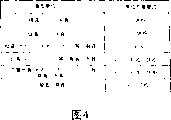
图4所示为规则表的一个例子。Figure 4 shows an example of a rule table.
图5所示为节奏词典表的一个例子。Fig. 5 shows an example of the rhythm dictionary table.
图6所示为控制部102识别用户通过敲击节奏输入部101输入的节奏并控制车辆内装置的动作时的动作流程图。FIG. 6 is a flow chart showing the operation when the control unit 102 recognizes the rhythm input by the user through the tapping
图7所示为输入节奏模式识别处理(步骤S102)中控制部102的详细动作流程图。FIG. 7 is a flowchart showing the detailed operation of the control unit 102 in the input rhythm pattern recognition process (step S102).
图8所示为使用在持续按下期间持续输出高电平的节奏输出信号的输入设备时的节奏输入信号的波形图。FIG. 8 is a waveform diagram of a rhythm input signal when using an input device that continuously outputs a high-level rhythm output signal during a continuous press.
图9所示为使用模拟输入设备作为节奏输入部101时的节奏输入信号的波形模式图。FIG. 9 is a schematic diagram showing a waveform of a rhythm input signal when an analog input device is used as the
图10所示为从第2实施方式的节奏输入部101输出的节奏模式信号波形的模式图。FIG. 10 is a schematic diagram showing a rhythm pattern signal waveform output from the
图11所示为第2实施方式的规则表的一个例子。FIG. 11 shows an example of a rule table in the second embodiment.
图12所示为第2实施方式的节奏词典表的一个例子。FIG. 12 shows an example of a rhythm dictionary table in the second embodiment.
图13所示为输入节奏模式识别处理中第2实施方式的控制部102的详细动作流程图。FIG. 13 is a flowchart showing the detailed operation of the control unit 102 of the second embodiment in the input rhythm pattern recognition process.
图14所示为输入节奏模式识别处理中第3实施方式的控制部102的详细动作流程图。FIG. 14 is a flowchart showing the detailed operation of the control unit 102 of the third embodiment in the input rhythm pattern recognition process.
图15所示为步骤S401中存储的敲击间隔时间的数组Ti的一个例子。FIG. 15 shows an example of the array Ti of tap intervals stored in step S401.
图16所示为步骤S405中假设的节奏模式不恰当时的时间分布示例。FIG. 16 shows an example of time distribution when the tempo pattern assumed in step S405 is not appropriate.
图17所示为步骤S405中假设的节奏模式恰当时的时间分布示例。FIG. 17 shows an example of time distribution when the tempo pattern assumed in step S405 is appropriate.
图18所示为输入节奏模式识别处理中第4实施方式的控制部102的详细动作流程图。FIG. 18 is a flowchart showing the detailed operation of the control unit 102 of the fourth embodiment in the input rhythm pattern recognition process.
图19所示为输入节奏模式识别处理中第5实施方式的控制部102的详细动作流程图。FIG. 19 is a flowchart showing the detailed operation of the control unit 102 of the fifth embodiment in the input rhythm pattern recognition process.
图20所示为本发明第6实施方式的控制系统600的结构以及使用该控制系统的系统的整体结构。FIG. 20 shows the configuration of a control system 600 according to the sixth embodiment of the present invention and the overall configuration of a system using the control system.
图21所示为控制部602识别用户通过敲击节奏输入部101输入的节奏来控制车辆内装置的动作时控制部602的动作流程图。FIG. 21 is a flow chart showing the operation of the control unit 602 when the control unit 602 recognizes the rhythm input by the user tapping the
图22所示为用户确认·编辑节奏词典表的内容时控制部602的动作流程图。FIG. 22 is a flow chart showing the operation of the control unit 602 when the user confirms and edits the contents of the rhythm dictionary table.
图23所示为使用由压电传感器等构成的模拟输入设备作为第7实施方式的节奏输入部101时在车内安装位置的模式图。FIG. 23 is a schematic view showing an installation position in a vehicle when an analog input device composed of a piezoelectric sensor or the like is used as the
图24所示为节奏词典存储部103中存储的节奏词典表的一个例子。FIG. 24 shows an example of the rhythm dictionary table stored in the rhythm dictionary storage unit 103 .
图25所示为节奏模式识别处理中控制部102的动作的详细流程图。FIG. 25 is a detailed flowchart showing the operation of the control unit 102 in the rhythm pattern recognition process.
具体实施方式Detailed ways
以下参照附图说明本发明的实施方式。Embodiments of the present invention will be described below with reference to the drawings.
首先说明各实施方式的概要。First, the outline of each embodiment will be described.
第1实施方式说明的是判断与用户输入的节奏模式相一致的节奏模式是否登记在节奏词典中、当存在相一致的节奏模式时控制各种装置的动作的系统。The first embodiment describes a system that determines whether a rhythm pattern matching a rhythm pattern input by a user is registered in a rhythm dictionary, and controls operations of various devices when there is a matching rhythm pattern.
第2实施方式说明的是同时识别所输入的节奏模式的强弱并判断相一致的节奏模式是否登记在节奏词典中、当存在相一致的节奏模式时控制各种装置的动作的系统。The second embodiment describes a system that simultaneously recognizes the strength of an input rhythm pattern, determines whether a matching rhythm pattern is registered in the rhythm dictionary, and controls the operations of various devices when there is a matching rhythm pattern.
第3实施方式说明的是一边假设可取的所有节奏模式一边寻找与输入的节奏模式最接近的节奏模式的控制系统。The third embodiment describes a control system that searches for a rhythm pattern closest to an input rhythm pattern while assuming all available rhythm patterns.
第4实施方式说明的是利用相对评价来识别所输入的节奏模式的控制系统。The fourth embodiment describes a control system that recognizes an input rhythm pattern using relative evaluation.
第5实施方式说明的是向第3和第4实施方式的控制系统附加了节奏模式强弱识别功能的控制系统。The fifth embodiment describes a control system in which a rhythm pattern strength/weakness recognition function is added to the control systems of the third and fourth embodiments.
第6实施方式说明的是可以根据用户的不同来切换识别节奏模式所必要的参数的控制系统。另外还说明了可以编辑节奏词典的控制系统。The sixth embodiment describes a control system capable of switching parameters necessary for rhythm pattern recognition depending on the user. Also explained is the control system for editing the rhythm dictionary.
第7实施方式说明的是通过分层次构成节奏词典来实现多功能操作的控制系统。The seventh embodiment describes a control system that implements multifunctional operations by constructing a rhythm dictionary hierarchically.
以下详细说明各实施方式。Each embodiment will be described in detail below.
(第1实施方式)(first embodiment)
图1所示为本发明第1实施方式的控制系统100的结构和使用该控制系统的系统的整体结构。在本实施方式中,为了易于理解说明,控制系统100是用于控制车辆内的空调、音响等装置的系统。FIG. 1 shows the configuration of a control system 100 according to the first embodiment of the present invention and the overall configuration of a system using the control system. In the present embodiment, for easy understanding of the description, the control system 100 is a system for controlling devices such as an air conditioner and an audio system in a vehicle.
在图1中,系统整体包括控制系统100、空调201、音响202、电视203和车载导航系统204。空调201、音响202、电视203和车载导航系统204是设置在车辆内的装置(以下称为车辆内装置)。这里所示的车辆内装置是一个例子。图1所示的车辆内装置以外的装置也可以设置在系统内。系统内还可以仅设有图1所示的车辆内装置中的一部分。In FIG. 1 , the system as a whole includes a control system 100 , an air conditioner 201 , a stereo 202 , a TV 203 and a car navigation system 204 . The air conditioner 201, the audio system 202, the television 203, and the car navigation system 204 are devices installed in the vehicle (hereinafter referred to as in-vehicle devices). The in-vehicle device shown here is an example. Devices other than the in-vehicle devices shown in FIG. 1 may also be provided in the system. Only some of the in-vehicle devices shown in FIG. 1 may be provided in the system.
控制系统100包括节奏输入部101、控制部102和节奏词典存储部103。The control system 100 includes a
用户想要执行车辆内装置的功能时,与该功能名称的发音模式(将该功能名称发音时的节奏)相对应,咚咚地敲击几次节奏输入部101。以下,将咚咚地敲击几次节奏输入部101称为“敲击节奏输入部101”,将通过敲击进行的输入称为“敲击输入”。节奏输入部101对应敲击输入而输出振幅电平变化的电信号(以下称为节奏输入信号)。控制部102接收节奏输入部101输出的节奏输入信号,在对该节奏输入信号的振幅电平的时间分布进行分析后,识别用户希望的节奏模式(以下称为输入节奏模式)。控制部102检索与识别出的输入节奏模式一致的节奏模式是否登记在节奏词典存储部103中。相一致的节奏模式登记在节奏词典存储部103中时,控制部102识别与该节奏模式对应的控制内容,然后控制与该控制内容对应的车辆内装置的动作。When the user wants to execute a function of the in-vehicle device, the user taps the
节奏输入部101由触摸板或接点式开关等数字输入设备构成。节奏输入部101将对应用户的敲击输入而输出的节奏输入信号传递给控制部102。The
图2所示为节奏输入部101在车内安装位置示例的模式图。为使行驶中的驾驶员容易进行敲击,节奏输入部101设置在方向盘301的上部,由接点式开关302和在接点式开关302所反应的部位设置的突起物303构成。为使可敲击部位通过手摸索也可以找到,突起物303具有从方向盘301突出的结构。另外,如果突起物303是可以通过触感进行位置确认的结构,则也可以是凹结构。FIG. 2 is a schematic diagram showing an example of the installation position of the
图3所示为使用数字输入设备作为节奏输入部101时节奏输入信号波形的模式图。节奏输入部101为数字输入设备,因此如图3所示,伴随用户的敲击,从休拍电平(低电平)向打拍电平(高电平)生成矩形脉冲。在第1实施方式中,将脉冲上升时刻称为键落时刻,将脉冲下降时刻称为键起时刻。相邻键落时刻之间的时间称为敲击间隔时间。FIG. 3 is a schematic diagram showing a rhythm input signal waveform when a digital input device is used as the
节奏词典存储部103是RAM或ROM、硬盘等存储装置。节奏词典存储部103中存储有使车辆内装置的控制内容与节奏模式相对应的节奏词典。节奏词典由定义了用于使控制内容名类型化的规则的规则表和用于使控制内容名与节奏模式相对应的节奏词典表构成。The rhythm dictionary storage unit 103 is a storage device such as RAM, ROM, or hard disk. Rhythm dictionary storage unit 103 stores a rhythm dictionary for associating control contents of in-vehicle devices with rhythm patterns. The rhythm dictionary is composed of a rule table defining rules for typing control content names and a rhythm dictionary table for making control content names correspond to rhythm patterns.
在此说明本说明书中使用的节奏模式这一用语。发出单词时,用户是以一定的节奏发出单词的。例如,一个单词中有发长音的部分,有发短音的部分,有发强音的部分,也有发弱音的部分。这样的发音倾向可以称为发音模式。节奏模式是指使该发音模式类型化后的模式。另外,发音模式也可以称为声音模式(voice pattern)。The term rhythm pattern used in this specification is explained here. When uttering a word, the user utters the word with a certain rhythm. For example, in a word, there are parts with long sounds, parts with short sounds, parts with strong sounds, and parts with weak sounds. Such pronunciation tendencies may be referred to as pronunciation patterns. The rhythm pattern is a pattern obtained by typifying the pronunciation pattern. In addition, the pronunciation pattern may also be referred to as a voice pattern.
图4所示为规则表的一个例子。规则表中表示有日语中的音拍(mora)单位和单位节奏模式的对应关系。在此,单位节奏模式针对每个音拍单位以简单的符号表示敲击时刻(打拍)和不敲击时刻(休拍)。在此,使用“x”和“-”作为符号。“x”表示打拍,“-”表示休拍。Figure 4 shows an example of a rule table. The rule table shows the correspondence between the unit of sound beat (mora) and the unit rhythm pattern in Japanese. Here, the unit rhythm pattern expresses the tapping timing (beat) and the non-tapping timing (pause) for each beat unit with simple symbols. Here, "x" and "-" are used as symbols. "x" means beat, "-" means rest.
音拍分为拨音(例如日语的“ん”)、促音(例如日语的“つ”等)、拗音(例如日语的“きや”、“きゆ”、“きよ”等)、长音(例如日语的“あ一”、“け一”等)、二重元音(例如日语的“ああ”、“あい”、“えい”等)以及上述以外的其它音(例如仅有元音、元音+辅音等,以下称为一般音)这6种类型。拨音和促音是无音。拗音和一般音是有音。长音和二重元音由有音和无音构成。The sound beat is divided into dial tone (such as "ん" in Japanese), short sound (such as "つ" in Japanese, etc.), oblique sound (such as "きや", "きゆ", "きよ" in Japanese, etc.), long sound ( Such as "あ一", "け一" in Japanese, etc.), double vowels (such as "ああ", "あい", "えい" in Japanese, etc.), and other sounds other than the above (such as only vowels, vowels, etc.) Sound + consonant, etc., hereinafter referred to as general sound) these 6 types. Dials and prompts are silent. Obtrusive and normal sounds have sounds. Long and double vowels are composed of voiced and voiceless.
如图4所示,分配给拨音的单位节奏模式是“-”。分配给促音的单位节奏模式是“-”。分配给拗音的单位节奏模式是“x”。分配给长音的单位节奏模式是“x-”。分配给二重元音的单位节奏模式是“x-”。分配给一般音的单位节奏模式是“x”。As shown in FIG. 4, the unit rhythm pattern assigned to dial tone is "-". The unit rhythm pattern assigned to the prompt is "-". The unit rhythm pattern assigned to Aurali is "x". The unit rhythm pattern assigned to the pad is "x-". The unit rhythm pattern assigned to diphthongs is "x-". The unit rhythm pattern assigned to the general tone is "x".
图5所示为节奏词典表的一个例子。节奏词典表中表示有车辆内装置的控制内容名和节奏模式的对应关系。以下将节奏词典表中登记的节奏模式称为登记节奏模式。车辆内装置的控制内容名表示希望启动的车辆内装置的功能的名称。在此,为便于用户理解,在希望显示地图的情况下,将控制内容名定义为“地图”,在希望启动电话的情况下,将控制内容名定义为“电话”等等,使用的是更为直观的控制内容名,但控制内容名的确定方法不限于此。登记节奏模式通过将表示对应的控制内容的名称的发音模式(对表示对应控制内容的名称进行发音时的节奏)类型化来定义。在第1实施方式中,登记节奏模式是通过向将控制内容名分割成音拍单位后的每个单位分配对应的单位节奏模式来定义的。Fig. 5 shows an example of the rhythm dictionary table. The rhythm dictionary table shows the correspondence between the name of the control content of the in-vehicle device and the rhythm pattern. Hereinafter, the rhythm patterns registered in the rhythm dictionary table are referred to as registered rhythm patterns. The control content name of the in-vehicle device indicates the name of the function of the in-vehicle device to be activated. Here, in order to facilitate the user's understanding, if you want to display a map, define the name of the control content as "map", and if you want to activate the phone, define the name of the control content as "telephone", etc. is an intuitive control content name, but the method for determining the control content name is not limited thereto. The registered rhythm pattern is defined by typing the pronunciation pattern of the name indicating the corresponding control content (rhythm when the name indicating the corresponding control content is pronounced). In the first embodiment, the registered rhythm pattern is defined by assigning a corresponding unit rhythm pattern to each unit obtained by dividing the control content name into beat units.
例如,日语的“地図”分解成音拍单位时,被分解成“ち”和“ず”。“ち”和“ず”分别是一般音。因此,与控制内容名“地図”对应的登记节奏模式为“xx”。For example, when the Japanese word "地図" is decomposed into sound units, it is decomposed into "ち" and "ず". "ち" and "ず" are common sounds respectively. Therefore, the registered rhythm pattern corresponding to the control content name "map" is "xx".
日语的“電話”分解成音拍时,被分解成“で”、“ん”和“わ”。“で”为一般音,“ん”为拨音,“わ”为一般音。因此,与控制内容名“電話”对应的登记节奏模式为“x-x”。The Japanese word for "telephone" is broken down into "で", "ん" and "わ" when broken down into beats. "で" is a common sound, "ん" is a dialed sound, and "わ" is a common sound. Therefore, the registered rhythm pattern corresponding to the control content name "telephone" is "x-x".
日语的“エアコン”分解成音拍时,被分解成“え”、“あ”、“て”和“ん”。“え”、“あ”和“て”为一般音,“ん”为拨音。拨音为休拍,并且“ん”为结束音,因此,与控制内容名“エアコン”对应的登记节奏模式为“xxx”。When Japanese "エアコン" is decomposed into sound beats, it is decomposed into "え", "あ", "て" and "ん". "え", "あ" and "て" are common sounds, and "ん" is dialed. The dial tone is a pause, and "ん" is an ending tone, therefore, the registered rhythm pattern corresponding to the control content name "エアコン" is "xxx".
日语的“温度設定”分解成音拍时,被分解成“お”、“ん”、“ど”、“せ”、“つ”和“て一”。“ん”为拨音,“つ”为促音,长音“て一”为结束音,因此,与控制内容名“温度設定”对应的登记节奏模式为“x-xx-x”。When the Japanese "temperature setting" is broken down into sound beats, it is broken down into "お", "ん", "ど", "せ", "つ" and "て一". "ん" is a dial sound, "つ" is a prompt sound, and the long sound "て一" is an ending sound. Therefore, the registered rhythm pattern corresponding to the control content name "temperature setting" is "x-xx-x".
日语的“オ一デイオ”分解成音拍时,被分解成“お一”、“でい”、和“お”。“お一”为长音,因此,与控制内容名“オ一デイオ”对应的登记节奏模式是“x-xx”。When Japanese "オ一デイオ" is decomposed into phonetic beats, it is decomposed into "お一", "でい", and "お". "お一" is a long sound, therefore, the registered rhythm pattern corresponding to the control content name "オ一デイオ" is "x-xx".
如上例所示,登记节奏模式通过将控制内容名分割成1个以上的音拍单位并分配单位节奏模式来定义。这样通过分割成音拍单位,来定义节奏模式的方法适合象日语这样可以在单词发音时忽视重音(アクセント)的语言。例如,在发出“地図”这样的音时,形成“咚咚”的拍子。该拍子无论在“ち”上有重音还是在“ず”上有重音都是一样的。在发出“電話”音时,形成在“咚·咚”之间空出一拍的拍子。该拍子无论在“で”上有重音还是在“わ”上有重音都是一样的。其它例子也同样如此。As shown in the above example, the registered rhythm pattern is defined by dividing the control content name into one or more beat units and assigning the unit rhythm pattern. The method of defining a rhythm pattern by dividing it into units of beats in this way is suitable for languages such as Japanese that can ignore the accent (アクセント) when pronouncing words. For example, when a sound like "地図" is uttered, the beat of "咚咚" is formed. The beat is the same whether there is an accent on "ち" or on "ず". When the "telephone" sound is made, a beat is formed with a beat between "咚·咚". The beat is the same whether there is an accent on "で" or an accent on "わ". The same goes for other examples.
控制部102由CPU和存储器等构成。控制部102通过简化从节奏输入部101输入的节奏输入信号的振幅电平的时间变化来识别输入节奏模式。该识别方法后述(参照图7)。控制部102参照节奏词典存储部103中存储的节奏词典表判断是否存在与识别出的输入节奏模式一致的登记节奏模式。当存在相一致的登记节奏模式时,控制部102识别与该登记节奏模式对应的控制内容名,然后控制执行该控制内容的车辆内装置的动作。The control unit 102 is composed of a CPU, a memory, and the like. The control section 102 recognizes an input rhythm pattern by simplifying the time variation of the amplitude level of the rhythm input signal input from the
图6所示为控制部102识别用户通过敲击节奏输入部101输入的节奏并控制车辆内装置的动作时的动作流程图。以下参照图6说明控制部102的动作。FIG. 6 is a flow chart showing the operation when the control unit 102 recognizes the rhythm input by the user through the tapping
首先,控制部102根据是否接收到来自节奏输入部101的节奏输入信号来判断是否有用户的输入(步骤S101)。没有用户的输入时,控制部102结束处理。有用户的输入的情况下,控制部102对来自节奏输入部101的节奏输入信号进行分析,识别输入节奏模式(步骤S102)。关于输入节奏模式的识别处理后述(参照图7)。First, the control unit 102 judges whether there is a user input based on whether a rhythm input signal from the
然后,控制部102参照节奏词典存储部103中的节奏词典表(步骤S103),判断与识别出的输入节奏模式一致的登记节奏模式是否登记在节奏词典表中(步骤S104)。Then, the control unit 102 refers to the rhythm dictionary table in the rhythm dictionary storage unit 103 (step S103), and determines whether a registered rhythm pattern matching the recognized input rhythm pattern is registered in the rhythm dictionary table (step S104).
没有相一致的登记节奏模式时,控制部102结束处理。有相一致的登记节奏模式时,控制部102命令相应的车辆内装置执行与该登记节奏模式对应的控制内容(步骤S105),然后结束处理。If there is no matching registered rhythm pattern, the control unit 102 ends the processing. When there is a registered rhythm pattern that matches, the control unit 102 instructs the corresponding in-vehicle device to execute the control content corresponding to the registered rhythm pattern (step S105), and then ends the process.
图7所示为输入节奏模式识别处理(步骤S102)中控制部102的详细动作流程图。以下参照图7说明输入节奏模式识别处理中控制部102的动作。FIG. 7 is a flowchart showing the detailed operation of the control unit 102 in the input rhythm pattern recognition process (step S102). The operation of the control unit 102 in the input rhythm pattern recognition process will be described below with reference to FIG. 7 .
首先,控制部102使起始模式为“x”(步骤S201)。这样做是为了检测出与下一次敲击之间的间隔时间。First, the control unit 102 sets the initial mode to "x" (step S201). This is done to detect the time between the next tap.
然后,控制部102在预定的结束间隔时间内判断节奏输入部101是否被敲击(步骤S202)。具体地说,控制部102根据结束间隔时间内是否有达到打拍电平的脉冲来进行判断。这里的结束间隔时间是指超过该时间仍没有用户输入的情况下,视为用户的节奏输入结束的阈值。例如,结束间隔时间可以规定为600毫秒等。Then, the control unit 102 judges whether or not the
在结束间隔时间内有下一敲击输入时,控制部102判断敲击间隔时间是否超过预定的长音间隔时间(步骤S203)。这里的长音间隔时间是指用于判断敲击间隔时间当中的敲击是打拍和休拍这两拍还是只有打拍这一拍的阈值。例如,长音间隔时间可以规定为400毫秒。When there is a next tap input within the end interval time, the control unit 102 determines whether the tap interval time exceeds a predetermined long sound interval time (step S203 ). The long tone interval time here refers to the threshold value used to judge whether the tapping in the tapping interval time is two beats of a beat and a rest beat or only one beat of a beat. For example, the long tone interval can be specified as 400 milliseconds.
敲击间隔时间不超过长音间隔时间时,控制部102确定下一模式为“x”(步骤S204),然后返回步骤S202的动作。而敲击间隔时间超过长音间隔时间时,控制部102确定下一模式为“-x”(步骤S205),然后返回步骤S202的动作。When the tap interval time does not exceed the long sound interval time, the control unit 102 determines that the next mode is "x" (step S204), and then returns to step S202. And when the tap interval time exceeds the long tone interval time, the control unit 102 determines that the next mode is "-x" (step S205), and then returns to the action of step S202.
另一方面,在步骤S202中,当结束间隔时间内没有下一敲击输入时,控制部102视为用户的输入结束,根据步骤S201、S204、S205中确定的模式识别最终的输入节奏模式,然后返回图6所示的主程序的动作。On the other hand, in step S202, when there is no next tap input within the end interval, the control unit 102 considers that the user's input has ended, and recognizes the final input rhythm pattern according to the patterns determined in steps S201, S204, and S205, Then, it returns to the operation of the main routine shown in FIG. 6 .
这样,在第1实施方式的控制系统中,节奏输入部对应用户的敲击来输出节奏输入信号。控制部对节奏输入信号的振幅的时间变化进行分析,将该时间变化简化为打拍的时刻和休拍的时刻,从而识别输入节奏模式。控制部判断与识别出的输入节奏模式一致的登记节奏模式是否登记在节奏词典表中,有相一致的登记节奏模式时,执行对应的控制内容。因此,可以提供一种不像声音识别那样受到周围杂音等的影响、可以利用少数输入设备输入操作指示并可靠地识别操作指示内容,并且可以通过盲敲来控制各种装置动作的控制系统。In this manner, in the control system according to the first embodiment, the rhythm input unit outputs a rhythm input signal in response to the tap of the user. The control unit analyzes the time variation of the amplitude of the rhythm input signal, and simplifies the time variation into beat time and rest time, thereby identifying the input rhythm pattern. The control unit judges whether a registered rhythm pattern matching the recognized input rhythm pattern is registered in the rhythm dictionary table, and executes corresponding control content if there is a matching registered rhythm pattern. Therefore, it is possible to provide a control system that can input operation instructions using a small number of input devices without being affected by surrounding noises, etc.
例如,用于操纵车辆内装置的控制内容充其量有20~30种。这一数量的控制内容可望全部利用节奏模式来表现。因此,可以提供一种可利用少数输入设备可靠地进行最低限度的必要操作的控制系统。For example, there are at most 20 to 30 kinds of control contents for operating devices in a vehicle. This amount of control content can be expected to be fully expressed using rhythmic patterns. Therefore, it is possible to provide a control system that can reliably perform minimum necessary operations with a small number of input devices.
在第1实施方式中,登记节奏模式与将控制内容发音时的节奏相对应,因此控制内容与节奏模式在直感上是一致的,因此可以期待更简单地进行利用节奏模式的输入。In the first embodiment, the registered rhythm pattern corresponds to the rhythm when the control content is uttered. Therefore, the control content and the rhythm pattern are intuitively consistent, and thus easier input using the rhythm pattern can be expected.
在第1实施方式中,如果有用户的节奏输入,则控制系统识别为有用户的操作指示(参照步骤S101),因此用户不需要像声音识别系统那样进行将控制系统的模式切换成声音识别模式的麻烦操作。In the first embodiment, if there is a user's rhythm input, the control system recognizes that there is an operation instruction from the user (see step S101), so the user does not need to switch the mode of the control system to the voice recognition mode like in the voice recognition system. troublesome operation.
而且,在第1实施方式中,仅通过将敲击间隔时间与结束间隔时间及长音间隔时间进行比较,就可以确定节奏模式,因此可以通过极为简单的算法来识别节奏模式。因此,具有安装容易、所使用的程序量和存储器容量很小的优点。Furthermore, in the first embodiment, the rhythm pattern can be specified only by comparing the tap interval time with the end interval time and the long tone interval time, so the rhythm pattern can be identified by an extremely simple algorithm. Therefore, it has the advantages of easy installation and small program and memory capacity.
另外,在上述实施方式中,所登记的控制内容名为日语,但也可以是英语、德语、法语、俄语、西班牙语、汉语和韩语等任何语言。这种情况下也可以使控制内容名发音时的发音模式类型化,然后将类型化后形成的节奏模式作为登记节奏模式进行登记。In addition, in the above-described embodiment, the name of the registered control content is in Japanese, but it may be in any language such as English, German, French, Russian, Spanish, Chinese, and Korean. In this case, the pronunciation pattern for controlling the pronunciation of the content name may be typed, and the typed rhythm pattern may be registered as a registered rhythm pattern.
结束间隔时间和长音间隔时间也可以根据用户的初始设定来进行调整。这样可以缓解输入速度快的用户和速度慢的用户的个体差异。进行初始设定的情况下,控制系统也可以让用户输入典型的模式,然后自动识别结束间隔时间和长音间隔时间。The end interval time and the long tone interval time can also be adjusted according to the user's initial settings. This can alleviate individual differences between users with fast input speed and users with slow input speed. In the case of initial setup, the control system also allows the user to enter a typical pattern, and then automatically recognizes the end interval and the long tone interval.
另外,也可以使用在持续按下期间内持续输出高电平的节奏输入信号的数字输入设备作为节奏输入部。图8所示为使用这样的输入设备时节奏输入信号的波形图。如图8所示,根据按下的时间不同,到达打拍电平的时间不同。通过持续按下节奏输入部,用户可以输入已输入的长音、二重元音等由有音和无音形成的节奏。在识别输入节奏模式时,在节奏输入信号的高电平持续规定间隔时间以上的情况下,控制部认为输入了由有音和无音形成的节奏、即有打拍和休拍,由此来识别输入节奏模式。然后,控制部如上述实施方式所述,判断输入节奏模式和登记节奏模式的一致性,然后控制车辆内装置的动作。In addition, a digital input device that continuously outputs a high-level rhythm input signal while the key is kept pressed may be used as the rhythm input unit. Fig. 8 shows a waveform diagram of a rhythm input signal when such an input device is used. As shown in Fig. 8, the time to reach the tap level differs depending on the pressing time. By continuing to press the rhythm input part, the user can input the rhythm formed by sound and no sound such as long sound and double vowel that have already been input. When identifying the input rhythm pattern, when the high level of the rhythm input signal continues for more than a predetermined interval, the control unit considers that a rhythm formed by sound and no sound has been input, that is, there is a beat and a pause, and thus Identify input rhythm patterns. Then, as described in the above embodiment, the control unit judges the match between the input rhythm pattern and the registered rhythm pattern, and then controls the operation of the in-vehicle device.
另外,在第1实施方式中,在节奏输入部101中使用数字输入设备,但也可以使用压电传感器等模拟输入设备。图9所示为使用模拟输入设备作为节奏输入部101时节奏输入信号的波形模式图。在节奏输入部101中使用模拟输入设备时,预先设定有打拍电平。节奏输入部101为模拟输入设备,因此如图9所示,随着用户的敲击,输入信号的振幅的强弱电平发生变化。这里,将波形的振幅电平超过打拍电平情况下的峰值时刻称为键落时刻。在键落时刻之后振幅电平降到最低的时刻称为键起时刻。相邻的键落时刻之间的时间称为敲击间隔时间。这样定义敲击间隔时间后,与图7所示的节奏模式识别处理同样,控制部可以识别节奏模式。In addition, in the first embodiment, a digital input device is used for the
(第2实施方式)(second embodiment)
本发明第2实施方式的系统整体结构与第1实施方式相同,因此在第2实施方式中沿用图1。以下以与第1实施方式的不同点为中心进行说明。The overall system configuration of the second embodiment of the present invention is the same as that of the first embodiment, so FIG. 1 is used in the second embodiment. The following description will focus on differences from the first embodiment.
第2实施方式的节奏输入部101由压电传感器等模拟输入设备构成。The
图10所示为从第2实施方式的节奏输入部101输出的节奏模式信号波形的模式图。在第2实施方式中,预先设定了强拍和弱拍电平。节奏输入部101为模拟输入设备,因此如图10所示,对应用户敲击的强弱程度不同,输入信号的振幅电平发生变化。在第2实施方式中,将波形的振幅电平超过强拍或弱拍电平情况下的峰值时刻称为键落时刻,将在键落时刻之后振幅电平降到最低的时刻称为键起时刻。相邻的键落时刻之间的时间称为敲击间隔时间。FIG. 10 is a schematic diagram showing a rhythm pattern signal waveform output from the
在图10中,节奏输入信号的振幅电平超过弱拍电平时为打拍。节奏输入信号的振幅电平是位于弱拍电平和强拍电平之间的电平时为弱拍。节奏输入信号的振幅电平超过强拍电平时为强拍。In FIG. 10, when the amplitude level of the rhythm input signal exceeds the upbeat level, it is a beat. When the amplitude level of the rhythm input signal is a level between the upbeat level and the downbeat level, it is an upbeat. The downbeat is when the amplitude level of the rhythm input signal exceeds the downbeat level.
第2实施方式的节奏词典由定义了用于对控制内容名进行模式化的单位的规则表和用于使控制内容名和登记节奏模式相对应的节奏词典表构成。The rhythm dictionary of the second embodiment is composed of a rule table defining units for patterning control content names and a rhythm dictionary table for associating control content names with registered rhythm patterns.
图11所示为规则表的一个例子。在规则表中,英语中的音节单位和单位节奏模式相对应。音节分为有重音的音节、没有重音的音节、有重音的长音节、没有重音的长音节、有重音的二重元音和没有重音的二重元音这6种类型。Figure 11 shows an example of a rule table. In the rule table, syllable units in English correspond to unit rhythm patterns. The syllables are divided into six types: stressed syllables, unstressed syllables, stressed long syllables, unstressed long syllables, stressed double vowels and unstressed double vowels.
在图11中,以“A”表示强拍,“x”表示弱拍,“-”表示休拍。如图11所示,单位节奏模式“A”分配给有重音的音节。单位节奏模式“x”分配给没有重音的音节。单位节奏模式“A-”分配给有重音的长音节。单位节奏模式“x-”分配给没有重音的长音节。单位节奏模式“A-”分配给有重音的二重元音。单位节奏模式“x-”分配给没有重音的二重元音。In FIG. 11, "A" represents a strong beat, "x" represents a weak beat, and "-" represents a rest beat. As shown in FIG. 11, the unit rhythm pattern "A" is assigned to accented syllables. The unit rhythm pattern "x" is assigned to syllables without accent. The unit rhythm pattern "A-" is assigned to accented long syllables. The unit rhythm pattern "x-" is assigned to long syllables without accent. The unit rhythm pattern "A-" is assigned to accented diphthongs. The unit rhythmic pattern "x-" is assigned to diphthongs without accent.
图12所示为节奏词典表的一个例子。通过向将控制内容名分解成音节单位后的每个单位分配相对应的单位节奏模式,来定义登记节奏模式。这里根据控制内容名的发音符号,将控制内容名分解成音节单位。Fig. 12 shows an example of the rhythm dictionary table. The registration rhythm pattern is defined by assigning a corresponding unit rhythm pattern to each unit after decomposing the control content name into syllable units. Here, the control content name is decomposed into syllable units according to the pronunciation symbol of the control content name.
例如,英语的“Navigation”分解成音节单位时,被分解成“na”、“vi”、“ga”和“tion”。“na”和“vi”是没有重音的音节,“ga”是有重音的二重元音,“tion”是没有重音的音节,因此,与控制内容名“navigation”对应的登记节奏模式为“xxA-x”。对于其它控制内容名,同样地进行登记节奏模式的定义。For example, when "Navigation" in English is decomposed into syllable units, it is decomposed into "na", "vi", "ga" and "tion". "na" and "vi" are syllables without accent, "ga" is a double vowel with accent, and "tion" is a syllable without accent. Therefore, the registered rhythm pattern corresponding to the control content name "navigation" is " xxA-x". For other control content names, the definition of the registered rhythm pattern is similarly performed.
以下说明第2实施方式的控制部102的动作。用户输入节奏时的控制部102的主程序动作与第1实施方式相同,因此沿用图6。在第2实施方式中,输入节奏模式识别处理与第1实施方式不同。The operation of the control unit 102 of the second embodiment will be described below. The operation of the main program of the control unit 102 when the user inputs a rhythm is the same as that of the first embodiment, so FIG. 6 is used. In the second embodiment, input rhythm pattern recognition processing is different from that in the first embodiment.
图13所示为输入节奏模式识别处理中第2实施方式的控制部102的详细动作流程图。以下参照图13说明输入节奏模式识别处理中控制部102的动作。FIG. 13 is a flowchart showing the detailed operation of the control unit 102 of the second embodiment in the input rhythm pattern recognition process. The operation of the control unit 102 in the input rhythm pattern recognition process will be described below with reference to FIG. 13 .
首先,控制部102判断节奏输入信号的起始振幅峰值是强拍还是弱拍(步骤S301)。如果是强拍,控制部102使模式开头为“A”(步骤S302),然后前进到步骤S304的动作。如果是弱拍,控制部102使模式开头为“x”(步骤S303),然后前进到步骤S304的动作。First, the control unit 102 judges whether the initial peak amplitude of the rhythm input signal is a strong beat or a weak beat (step S301 ). If it is a downbeat, the control unit 102 sets the pattern head to "A" (step S302), and then proceeds to the operation of step S304. If it is an upbeat, the control unit 102 sets the pattern head to "x" (step S303), and then proceeds to the operation of step S304.
在步骤S304中,控制部102在预定的结束间隔时间内判断节奏输入部101是否被敲击(步骤S305)。具体地说,控制部102根据结束间隔时间内是否有超过弱拍电平的电信号输入来进行判断。结束间隔时间与第1实施方式相同。In step S304, the control unit 102 judges whether the
在步骤S304中,在结束间隔时间内没有下一个敲击输入时,控制部102认为用户的输入结束而返回图6所示的主程序的动作。In step S304, if there is no next tap input within the end interval time, the control unit 102 considers that the user's input is completed and returns to the operation of the main program shown in FIG. 6 .
在结束间隔时间内输入了下一敲击时,控制部102判断敲击间隔时间是否超过预定的长音间隔时间(步骤S305)。长音间隔时间与第1实施方式相同。When the next tap is input within the end interval time, the control unit 102 determines whether the tap interval time exceeds a predetermined long sound interval time (step S305 ). The long tone interval time is the same as that of the first embodiment.
不超过长音间隔时间时,控制部102判断键落时刻的节奏输入信号的振幅电平峰值为强拍还是弱拍(步骤S306)。如果是强拍,控制部102使下一模式为“A”(步骤S307),然后返回步骤S304的动作。如果为弱拍,控制部102使下一模式为“x”(步骤S308),然后返回步骤S304的动作。If the long tone interval time is not exceeded, the control unit 102 judges whether the peak amplitude level of the rhythm input signal at the key-off time is a strong beat or a weak beat (step S306 ). If it is a downbeat, the control unit 102 sets the next mode to "A" (step S307), and then returns to the operation of step S304. If it is an upbeat, the control unit 102 sets the next mode to "x" (step S308), and returns to the operation of step S304.
另一方面,在步骤S305中判断超过长音间隔时间时,控制部102判断键落时刻的节奏输入信号的振幅电平峰值为强拍还是弱拍(步骤S309)。如果是强拍,控制部102使下一模式为“-A”(步骤S310),然后返回步骤S304的动作。如果为弱拍,控制部102使下一模式为“-x”(步骤S311),然后返回步骤S304的动作。On the other hand, when it is judged in step S305 that the long sound interval time has been exceeded, the control unit 102 judges whether the peak amplitude level of the rhythm input signal at the key-off time is a strong beat or a weak beat (step S309 ). If it is a downbeat, the control unit 102 sets the next mode to "-A" (step S310), and returns to the operation of step S304. If it is an upbeat, the control unit 102 sets the next mode to "-x" (step S311), and returns to the operation of step S304.
这样,在第2实施方式中,控制系统为了处理英语等有重音的语言,利用模拟输入设备来判断敲击的强弱,并且参照利用音节和重音来定义节奏模式的节奏词典,判断节奏模式的一致性。因此,对于英语等语言,也可以提供一种不象声音识别那样受到周围杂音等的影响、可以利用少数输入设备输入操作指示并可靠地识别操作指示内容,并且可以通过盲敲来控制各种装置动作的控制系统。In this way, in the second embodiment, in order to deal with accented languages such as English, the control system uses an analog input device to determine the strength of the knock, and refers to a rhythm dictionary that defines rhythm patterns using syllables and accents to determine the rhythm pattern. consistency. Therefore, for languages such as English, it is also possible to provide a system that is not affected by surrounding noises like voice recognition, can use a small number of input devices to input operation instructions and reliably recognize the content of operation instructions, and can control various devices through blind typing. Action control system.
另外,控制系统也可以像将日语的控制内容名分解成音节来定义节奏词典那样,识别节奏模式的一致性。这种情况下,可以判断重音位置,也可以不判断。In addition, the control system may recognize the consistency of rhythm patterns in the same way that a Japanese control content name is decomposed into syllables to define a rhythm dictionary. In this case, the position of the accent may be judged, or not judged.
节奏模式的识别方法不限于上述方法。敲击间隔时间也可以定义为相邻的键起时刻之间的时间。另外,振幅大小不限于强弱这2种类型,也可以更细地定义成多层次。The recognition method of the rhythm pattern is not limited to the above-mentioned method. The tapping interval time can also be defined as the time between adjacent key-on moments. In addition, the magnitude of the amplitude is not limited to the two types of strong and weak, and can be defined more finely in multiple levels.
(第3实施方式)(third embodiment)
本发明第3实施方式的系统整体结构与第1实施方式相同,因此在第3实施方式中沿用图1。第3实施方式的节奏输入部101既可以是数字输入设备,也可以是模拟输入设备。The overall system configuration of the third embodiment of the present invention is the same as that of the first embodiment, so FIG. 1 is used in the third embodiment. The
以下说明第3实施方式的控制部102的动作。用户输入节奏时的控制部102的主程序动作与第1实施方式相同,因此沿用图6。在第3实施方式中,输入节奏模式识别处理与第1实施方式不同。The operation of the control unit 102 in the third embodiment will be described below. The operation of the main program of the control unit 102 when the user inputs a rhythm is the same as that of the first embodiment, so FIG. 6 is used. In the third embodiment, input rhythm pattern recognition processing is different from that in the first embodiment.
图14所示为输入节奏模式识别处理中第3实施方式的控制部102的详细动作流程图。以下参照图14说明输入节奏模式识别处理中控制部102的动作。FIG. 14 is a flowchart showing the detailed operation of the control unit 102 of the third embodiment in the input rhythm pattern recognition process. The operation of the control unit 102 in the input rhythm pattern recognition process will be described below with reference to FIG. 14 .
首先,控制部102接收到来自节奏输入部101的节奏输入信号后,测量键落时刻并存储,然后测量从前一个键落时刻开始的经过时间(敲击间隔时间)并存储(步骤S401)。在此,键落时刻初次到来时,控制部102无法测量敲击间隔时间,因此直接前进到步骤S402的动作。控制部102将敲击间隔时间存储为数组Ti。First, after the control unit 102 receives the rhythm input signal from the
然后,控制部102根据节奏输入信号的振幅电平判断在预定的结束间隔时间内是否有下一敲击输入(步骤S402)。具体地说,控制部102根据在结束间隔时间内是否有键落时刻(参照图3或图8)到来进行判断。这里的结束间隔时间与第1实施方式中说明的相同。Then, the control unit 102 judges whether there is a next tap input within the predetermined end interval time according to the amplitude level of the rhythm input signal (step S402 ). Specifically, the control unit 102 judges based on whether or not the key-down time (refer to FIG. 3 or 8 ) arrives within the end interval time. The end interval here is the same as that described in the first embodiment.
在结束间隔时间内输入了下一敲击时,控制部102返回到步骤S401的动作。没有输入时,即用户的节奏输入结束时,控制部102前进到步骤S403的动作。When the next tap is input within the end interval time, the control unit 102 returns to the operation of step S401. When there is no input, that is, when the rhythm input by the user is completed, the control unit 102 proceeds to the operation of step S403.
在步骤S403中,控制部102参照步骤S401中存储的信息,判断键落时刻到来的次数(以下称为敲击次数)是否仅为一次。仅为一次的情况下,控制部102使输入节奏模式为“x”(步骤S404),然后返回图6所示的主程序动作。不只一次的情况下,控制部102前进到步骤S405的动作。In step S403 , the control unit 102 refers to the information stored in step S401 to determine whether or not the number of times the key-down time has come (hereinafter referred to as the number of taps) is only one. In the case of only one time, the control unit 102 sets the input rhythm pattern to "x" (step S404), and returns to the main routine operation shown in FIG. 6 . If not once, the control unit 102 proceeds to the operation of step S405.
在步骤S405中,控制部102假设一个与敲击次数对应的节奏模式(步骤S405)。在此,一个敲击间隔时间内的节奏模式,或者仅是一拍的打拍(即“x”),或者是二拍(即表示打拍和休拍的“x-”)。而且,最后的模式必为“x”。因此,敲击次数为N次的情况下,可取的节奏模式总数为2的N-1次方。例如,敲击次数为N=5的情况下,可取的节奏模式总数为2的4次方,即16种。In step S405, the control unit 102 assumes a rhythm pattern corresponding to the number of taps (step S405). Here, the rhythmic pattern within a beating interval is either only one beat (ie "x"), or two beats (ie "x-" indicating beat and rest). Also, the final pattern must be "x". Therefore, when the number of taps is N times, the total number of possible rhythm patterns is 2 to the N-1 power. For example, when the number of taps is N=5, the total number of possible rhythm patterns is 2 to the 4th power, that is, 16 kinds.
然后,控制部102求出假想的节奏模式的时间分布,算出所求出的时间分布与实际测量出的敲击间隔时间的偏离程度(步骤S406)。步骤S406的处理将通过图15~图17详述。Then, the control unit 102 obtains the time distribution of the virtual rhythm pattern, and calculates the degree of deviation between the obtained time distribution and the actually measured tap interval time (step S406 ). The processing of step S406 will be described in detail with reference to FIGS. 15 to 17 .
图15所示为步骤S401中存储的敲击间隔时间的数组Ti的一个例子。在图15所示例子中,在敲击间隔时间的数组Ti中,与敲击编号相对应地登记有测量出的实际敲击间隔时间(ms)。这里的敲击编号表示敲击的顺序。例如,敲击编号为“1”的敲击间隔时间表示从节奏输入信号的第一个键落时刻到下一键落时刻的敲击间隔时间。即,与各个敲击编号相对应的敲击间隔时间表示从该敲击编号的键落时刻到下一敲击编号的键落时刻的经过时间。因此,最后的敲击编号(图15中为“5”)没有对应敲击间隔时间。FIG. 15 shows an example of the array Ti of tap intervals stored in step S401. In the example shown in FIG. 15 , in the array Ti of the tap interval time, the measured actual tap interval time (ms) is registered in correspondence with the tap number. The tap numbers here represent the sequence of taps. For example, the tap interval time with the tap number "1" represents the tap interval time from the first key-down moment to the next key-down moment of the rhythm input signal. That is, the tap interval time corresponding to each tap number represents the elapsed time from the key-down time of the tap number to the key-down time of the next tap number. Therefore, the last tap number ("5" in FIG. 15) has no corresponding tap interval time.
图16所示为步骤S405中假设的节奏模式不恰当时的时间分布示例。图17所示为步骤S405中假设的节奏模式恰当时的时间分布示例。以下参照图16和图17说明假设的节奏模式的时间分布的求法。FIG. 16 shows an example of time distribution when the tempo pattern assumed in step S405 is not appropriate. FIG. 17 shows an example of time distribution when the tempo pattern assumed in step S405 is appropriate. The following describes how to obtain the time distribution of a hypothetical rhythm pattern with reference to FIGS. 16 and 17 .
首先,控制部102假设一个节奏模式。例如,在图16中假设为“x-xxx-x”。然后,控制部102针对每个敲击编号计算所假设的节奏模式的拍数,并算出其合计∑λi。在此,控制部102以“x”为一拍计算拍数,以“x-”为二拍计算拍数。在图16的例子中,假设的节奏模式的拍数合计∑λi为“6”。First, the control unit 102 assumes a rhythm pattern. For example, "x-xxx-x" is assumed in FIG. 16 . Then, the control unit 102 calculates the number of beats of the assumed rhythm pattern for each tap number, and calculates the total Σλi. Here, the control unit 102 calculates the number of beats by taking "x" as one beat, and counts the number of beats by taking "x-" as two beats. In the example of FIG. 16 , the total number of beats Σλi of the assumed rhythm pattern is "6".
然后,控制部102求出实际的敲击间隔时间的合计∑Ti。在图16的例子中,实际敲击间隔时间的合计∑Ti为“2100(ms)”。Then, the control unit 102 obtains the total ΣTi of the actual tapping interval time. In the example of FIG. 16 , the total ΣTi of the actual tap interval time is "2100 (ms)".
然后,控制部102求出实际敲击间隔时间的合计∑Ti除以拍数合计∑λi的值τ。即,τ=∑Ti/∑λi。在图16的例子中,τ=2100/6=350(ms)。值τ是假设的节奏模式中每一拍的需要时间。控制部102使值τ乘以各敲击编号的拍数,求出每个敲击编号的敲击间隔时间。在图16的例子中,敲击编号“1”中假设的敲击间隔时间为350(ms)×2=700(ms)。敲击编号“2”中假设的敲击间隔时间为350(ms)×1=350(ms)。Then, the control unit 102 obtains a value τ obtained by dividing the total ΣTi of the actual tap interval time by the total beat count Σλi. That is, τ=ΣTi/Σλi. In the example of FIG. 16, τ=2100/6=350 (ms). The value τ is the required time per beat in the assumed rhythm pattern. The control unit 102 multiplies the value τ by the beat number of each tap number to obtain the tap interval time for each tap number. In the example of FIG. 16 , the tap interval time assumed in the tap number "1" is 350 (ms) x 2 = 700 (ms). The tap interval time assumed in the tap number "2" is 350(ms)*1=350(ms).
然后,控制部102针对每个敲击编号求出实际敲击间隔时间与假设的敲击间隔时间之间的偏差(ms)。在图15的例子中,敲击编号“1”的实际敲击间隔时间为764(ms),在图16的例子中,假设的敲击间隔时间为700(ms),因此偏差为+64(ms)。Then, the control unit 102 obtains the deviation (ms) between the actual tap interval time and the assumed tap interval time for each tap number. In the example of Fig. 15, the actual tapping interval time of tapping number "1" is 764 (ms), and in the example of Fig. 16, the hypothetical tapping interval time is 700 (ms), so the deviation is +64 ( ms).
然后,控制部102对各敲击编号(除了最后一个敲击编号)的偏差的绝对值进行合计,求出平均值σ。即,σ=∑|Ti-τ×λi|。在图16的例子中,σ=(64+39+334+359)/4=199。在图17的例子中,σ=(64+39+16+9)/4=32。σ表示实际测定的敲击间隔时间分布与假设节奏模式的敲击间隔时间分布的偏离程度的值。即,σ是假设的节奏模式的适当性标准。σ值小,表示假设节奏模式适当。以下将σ称为偏离指数。Then, the control unit 102 totals the absolute values of the deviations of the tap numbers (excluding the last tap number) to obtain the average value σ. That is, σ=Σ|Ti-τ×λi|. In the example of FIG. 16, σ=(64+39+334+359)/4=199. In the example of FIG. 17, σ=(64+39+16+9)/4=32. σ is a value representing the degree of deviation between the actually measured tap interval time distribution and the tap interval time distribution of the hypothetical rhythm pattern. That is, σ is an appropriateness criterion for a hypothetical rhythmic pattern. A small value of σ indicates that the rhythmic pattern is assumed to be appropriate. Hereinafter, σ is referred to as a deviation index.
假设图16所示的节奏模式时的偏离指数σ为119。假设图17所示节奏模式时的偏离指数σ为32。因此可以预料,图17所示的节奏模式比图16所示的节奏模式更接近用户实际输入的节奏模式。The deviation index σ is 119 when the rhythm pattern shown in FIG. 16 is assumed. Assume that the deviation index σ is 32 when the rhythm pattern shown in FIG. 17 is assumed. Therefore, it can be expected that the rhythm pattern shown in FIG. 17 is closer to the rhythm pattern actually input by the user than the rhythm pattern shown in FIG. 16 .
再次参照图14说明控制部102的动作。The operation of the control unit 102 will be described with reference to FIG. 14 again.
如上所述,在求出实际的敲击间隔时间与假设的节奏模式的敲击间隔时间的偏离指数后,控制部102判断步骤S406中算出的偏离指数是否超过最小偏离指数(步骤S407)。这里的最小偏离指数是指目前为止假设的节奏模式的偏离指数中最小的偏离指数。As described above, after obtaining the deviation index between the actual tap interval time and the tap interval time of the hypothetical rhythm pattern, the control unit 102 determines whether the deviation index calculated in step S406 exceeds the minimum deviation index (step S407). The minimum deviation index here refers to the smallest deviation index among the deviation indices of the rhythm patterns assumed so far.
偏离指数不超过最小偏离指数时,控制部102将该偏离指数作为最小偏离指数存储,并将表示该偏离指数的节奏模式作为假设节奏模式存储(步骤S408),然后前进到步骤S409的动作。另外,在最初假设节奏模式时,控制部102没有存储最小偏离指数,因此一定前进到步骤S408的动作。If the deviation index does not exceed the minimum deviation index, the control unit 102 stores the deviation index as the minimum deviation index, and stores the rhythm pattern representing the deviation index as the assumed rhythm pattern (step S408), and then proceeds to step S409. In addition, since the control unit 102 does not store the minimum deviation index when the rhythm pattern is initially assumed, the operation proceeds to step S408 without fail.
另一方面,超过最小偏离指数时,控制部102不更新最小偏离指数,而是返回步骤S405的动作,重新假设其它节奏模式。On the other hand, if the minimum deviation index is exceeded, the control unit 102 returns to the operation of step S405 without updating the minimum deviation index, and assumes another rhythm pattern again.
在步骤S409中,控制部102判断是否已经假设了全部可以假设的节奏模式。没有假设的情况下,控制部102返回步骤S405的动作,重新假设其它的节奏模式。这样,通过返回步骤S405的动作,控制部102求出可以假设的全部节奏模式中偏离指数σ最小的节奏模式。In step S409, the control unit 102 determines whether or not all possible rhythm patterns have been assumed. If there is no assumption, the control unit 102 returns to the operation of step S405 and assumes another rhythm pattern again. In this way, by returning to the operation of step S405, the control unit 102 finds the rhythm pattern with the smallest deviation index σ among all the assumed rhythm patterns.
另一方面,所有节奏模式的假设结束时,控制部102判断作为最小偏离指数的假设节奏模式是否是均匀节奏模式(步骤S410)。这里所谓的均匀节奏模式是指象“xxx”或“x-x-x”这样,各敲击间隔时间全部由相同拍数构成的节奏模式。On the other hand, when the assumption of all rhythm patterns is completed, the control unit 102 judges whether or not the assumed rhythm pattern which is the smallest deviation index is a uniform rhythm pattern (step S410). The so-called uniform rhythm pattern here refers to a rhythm pattern such as "xxx" or "x-x-x" in which each tapping interval is all composed of the same number of beats.
不是均匀节奏模式的情况下,控制部102认为该假设节奏模式是根据节奏输入信号识别的输入节奏模式,返回图6所示主程序的动作,判断输入节奏模式和登记节奏模式一致,并控制车辆内装置的动作。If it is not a uniform rhythm pattern, the control unit 102 considers that the assumed rhythm pattern is an input rhythm pattern identified according to the rhythm input signal, and returns to the main routine shown in FIG. action of the internal device.
另一方面,是均匀节奏模式的情况下,控制部102无法区别实际节奏模式是由“x”构成的均匀节奏模式,还是由“x-”构成的均匀节奏模式。因为均匀节奏模式的偏离指数都相等。On the other hand, in the case of a uniform rhythm pattern, the control unit 102 cannot distinguish whether the actual rhythm pattern is a uniform rhythm pattern composed of "x" or a uniform rhythm pattern composed of "x-". Because the deviation indices of uniform rhythm patterns are all equal.
因此,控制部102求出敲击间隔时间的平均值,判断该平均值是否在长音间隔时间内(步骤S411)。这里的长音间隔时间与第1实施方式相同。Therefore, the control unit 102 obtains the average value of the tap interval time, and judges whether the average value is within the long sound interval time (step S411 ). The long tone interval time here is the same as that of the first embodiment.
敲击间隔时间的平均值在长音间隔时间以内时,控制部102认为全部节奏仅由一拍(即打拍“x”)构成的节奏模式是最终识别的输入节奏模式(步骤S412),然后返回图6所示的主程序的动作。When the average value of the tap interval time is within the long tone interval time, the control unit 102 considers that the rhythm pattern in which the whole rhythm is only composed of one beat (that is, beat "x") is the finally recognized input rhythm pattern (step S412), and then Return to the operation of the main program shown in FIG. 6 .
另一方面,敲击间隔时间的平均值比长音间隔时间长时,控制部102认为全部节奏由二拍(即打拍+休拍的“x-”,其中仅最后为“x”)构成的节奏模式是最终识别的输入节奏模式(步骤S413),然后返回图6所示的主程序的动作。On the other hand, when the average value of the tap interval time is longer than the long tone interval time, the control unit 102 considers that the entire rhythm is composed of two beats (that is, "x-" of beat + rest beat, wherein only "x" is at the end) The rhythm pattern is the finally recognized input rhythm pattern (step S413), and then returns to the action of the main program shown in FIG. 6 .
如上所述,控制系统假设可取的所有节奏模式,比较实际输入的节奏输入信号的敲击间隔时间分布与假设的节奏模式的敲击间隔时间分布,求出与实际的偏离。控制系统将假设的节奏模式中偏离最小的节奏模式识别为输入节奏模式。As described above, the control system assumes all available rhythm patterns, compares the tap interval time distribution of the actually input rhythm input signal with the tap interval time distribution of the assumed rhythm pattern, and obtains the deviation from the actual one. The control system recognizes the rhythm pattern with the smallest deviation among the assumed rhythm patterns as the input rhythm pattern.
这样,在第3实施方式中,控制系统考虑敲击间隔时间的总和来识别输入节奏模式,因此可以通过考虑整体的语调来识别输入节奏模式,而与输入节奏的速度快慢无关。因此,控制系统可以吸收用户的个体差异来识别输入节奏模式,因此与统一地根据与长音间隔的相对大小识别输入节奏模式相比,可以更正确地控制各种装置的动作。In this way, in the third embodiment, the control system recognizes the input rhythm pattern considering the sum of tap intervals, so the input rhythm pattern can be recognized by considering the overall intonation regardless of the speed of the input rhythm. Therefore, the control system can recognize the input rhythm pattern taking into account the individual differences of users, and thus can control the actions of various devices more accurately than recognizing the input rhythm pattern uniformly based on the relative size to the long tone interval.
另外,也可以根据用户的初始设定来调整用于在结束间隔或均匀节奏模式的情况下判断最终节奏模式的长音间隔。In addition, the long sound interval for determining the final rhythm pattern in the case of the end interval or the uniform rhythm pattern may also be adjusted according to the user's initial setting.
在第3实施方式中,根据敲击次数假设所有可假设的节奏模式,然后将与实际的节奏输入信号的时间变化倾向最一致的节奏模式识别为输入节奏模式,但时间变化倾向一致性的判断方法不限于此。例如,控制部也可以在节奏词典表中的所有登记节奏模式中寻找与实际节奏输入信号的时间变化倾向最一致的登记节奏模式,将最一致的登记节奏模式识别为输入节奏模式。而且,控制部也可以仅以与敲击次数一致的登记节奏模式为对象,来寻找与实际节奏输入信号的时间变化倾向最一致的登记节奏模式,将最一致的登记节奏模式识别为输入节奏模式。在此,判断时间变化倾向的方法可以是如上所述比较偏离指数的方法。In the third embodiment, all assumable rhythm patterns are assumed according to the number of taps, and then the rhythm pattern that is most consistent with the time variation tendency of the actual rhythm input signal is recognized as the input rhythm pattern, but the judgment of the consistency of the time variation tendency The method is not limited to this. For example, the control unit may search for the registered rhythm pattern most consistent with the temporal variation tendency of the actual rhythm input signal among all the registered rhythm patterns in the rhythm dictionary table, and recognize the most consistent registered rhythm pattern as the input rhythm pattern. Furthermore, the control unit may only target registered rhythm patterns that match the number of taps, search for the registered rhythm pattern that most matches the temporal variation tendency of the actual rhythm input signal, and recognize the most consistent registered rhythm pattern as the input rhythm pattern. . Here, the method of judging the tendency of time change may be the method of comparing deviation indices as described above.
(第4实施方式)(fourth embodiment)
本发明第4实施方式的系统整体结构与第1实施方式相同,因此在第4实施方式中沿用图1。第4实施方式的节奏输入部101既可以是数字输入设备,也可以是模拟输入设备。The overall system configuration of the fourth embodiment of the present invention is the same as that of the first embodiment, so FIG. 1 is used in the fourth embodiment. The
以下说明第4实施方式中控制部102的动作。用户输入节奏时控制部102的主程序动作与第1实施方式相同,因此沿用图6。在第4实施方式中,输入节奏模式识别处理与第1实施方式不同。The operation of the control unit 102 in the fourth embodiment will be described below. The operation of the main program of the control unit 102 when the user inputs a rhythm is the same as that of the first embodiment, so FIG. 6 is used. In the fourth embodiment, input rhythm pattern recognition processing is different from that in the first embodiment.
图18所示为输入节奏模式识别处理中第4实施方式的控制部102的详细动作流程图。以下参照图18说明输入节奏模式识别处理中控制部102的动作。FIG. 18 is a flowchart showing the detailed operation of the control unit 102 of the fourth embodiment in the input rhythm pattern recognition process. The operation of the control unit 102 in the input rhythm pattern recognition process will be described below with reference to FIG. 18 .
首先,与第3实施方式同样,控制部102存储敲击间隔时间(步骤S501),然后判断是否有下一敲击输入(步骤S502)。输入了下一敲击时,控制部102返回步骤S501的动作。没有输入时,即用户的节奏输入结束时,控制部102前进到步骤S503的动作,分析节奏模式。First, similarly to the third embodiment, the control unit 102 stores the tap interval time (step S501), and then determines whether there is a next tap input (step S502). When the next tap is input, the control unit 102 returns to the operation of step S501. When there is no input, that is, when the user's rhythm input is completed, the control unit 102 proceeds to step S503 to analyze the rhythm pattern.
在步骤S503中,控制部102判断敲击次数是否仅为一次。仅为一次的情况下,控制部102将输入节奏模式识别为“x”,然后返回图6所示的主程序动作。In step S503, the control unit 102 determines whether or not the number of taps is only one. In the case of only one time, the control unit 102 recognizes the input rhythm pattern as "x", and returns to the main routine operation shown in FIG. 6 .
不只一次的情况下,控制部102求出在所求得的敲击间隔时间中最小的敲击间隔时间(步骤S505)。然后,控制部102从头开始依次从已测量的敲击间隔时间内选择一个敲击间隔时间(步骤S506)。然后,控制部102以最小敲击间隔时间为1,求出所选择的敲击间隔时间的相对值,然后判断该相对值是否超过规定阈值(步骤S507)。规定阈值是打拍时间和休拍时间相加值的相对值,例如为2。In the case of more than once, the control unit 102 obtains the smallest tap interval time among the obtained tap interval times (step S505 ). Then, the control unit 102 sequentially selects one tap interval time from the measured tap interval time from the beginning (step S506 ). Then, the control unit 102 calculates the relative value of the selected tap interval time with the minimum tap interval time being 1, and determines whether the relative value exceeds a predetermined threshold (step S507). The predetermined threshold is a relative value of the added value of the beat time and the rest time, and is 2, for example.
相对值超过规定阈值的情况下,控制部102使所选择的敲击间隔时间中的模式为“x-”(步骤S508),然后前进到步骤S509的动作。另一方面,相对值不超过规定阈值的情况下,控制部102使所选择的敲击间隔时间中的模式为“x”(步骤S510),然后前进到步骤S509的动作。When the relative value exceeds the predetermined threshold, the control unit 102 sets the mode of the selected tap interval time to "x-" (step S508), and then proceeds to the operation of step S509. On the other hand, when the relative value does not exceed the predetermined threshold, the control unit 102 sets the mode of the selected tap interval time to "x" (step S510), and then proceeds to the operation of step S509.
例如,最小敲击间隔时间为300(ms)且某一敲击间隔时间为660(ms)的情况下,相对值为660/300=2.2。假设规定阈值为2时,则认为660(ms)的敲击间隔时间经过过程中的节奏模式为“x-”。For example, when the minimum tap interval time is 300 (ms) and a certain tap interval time is 660 (ms), the relative value is 660/300=2.2. Assuming that the predetermined threshold value is 2, it is considered that the rhythm pattern during the elapse of the tapping interval time of 660 (ms) is "x-".
在步骤S509中,控制部102对已测量的全部敲击间隔时间判断相对值的阈值判定是否结束。没有结束的情况下,控制部102返回步骤S506的动作,对下一敲击间隔时间进行与最小敲击间隔时间的比较。已经结束的情况下,控制部102根据步骤S508和/或步骤S510中确定的模式来确定输入节奏模式,然后返回图6所示主程序的动作,判断输入节奏模式和登记节奏模式的一致,并控制车辆内装置的动作。In step S509 , the control unit 102 determines whether the threshold value determination of the relative value for all the measured tap intervals is completed. If it is not finished, the control unit 102 returns to the operation of step S506, and compares the next tap interval time with the minimum tap interval time. When it has ended, the control unit 102 determines the input rhythm pattern according to the pattern determined in step S508 and/or step S510, then returns to the action of the main program shown in FIG. Control the actions of devices in the vehicle.
这样,在第4实施方式中,控制系统以最小敲击间隔时间为1,求出各敲击间隔时间的相对值,从而判断敲击间隔时间中是否有休拍。因此,可以通过考虑整体的语调来识别节奏模式,而与输入节奏的速度快慢无关。因此,控制系统可以吸收用户的个体差异来识别输入节奏模式,与统一地根据与长音间隔的相对大小来识别输入节奏模式相比,可以更正确地控制各种装置的动作。In this way, in the fourth embodiment, the control system determines whether there is a pause in the tapping interval by calculating the relative value of each tapping interval with the minimum tapping interval being 1. Thus, rhythmic patterns can be identified by considering the overall intonation, regardless of the speed of the input rhythm. Therefore, the control system can recognize the input rhythm pattern by absorbing the individual differences of users, and can control the operation of various devices more accurately than recognizing the input rhythm pattern uniformly based on the relative size of the long-sound interval.
(第5实施方式)(fifth embodiment)
本发明第5实施方式的系统整体结构与第1实施方式相同,因此在第5实施方式中沿用图1。第5实施方式的节奏输入部101由模拟输入设备构成。而且,在第5实施方式中,重音的位置也用于节奏模式的识别。节奏词典使用如图11和图12所示的还定义了强弱的节奏词典。The overall system configuration of the fifth embodiment of the present invention is the same as that of the first embodiment, so FIG. 1 is used in the fifth embodiment. The
以下说明第5实施方式中控制部102的动作。用户输入节奏时的控制部102的主程序动作与第1实施方式相同,因此沿用图6。在第5实施方式中,输入节奏模式识别处理与第1实施方式不同。The operation of the control unit 102 in the fifth embodiment will be described below. The operation of the main program of the control unit 102 when the user inputs a rhythm is the same as that of the first embodiment, so FIG. 6 is used. In the fifth embodiment, input rhythm pattern recognition processing is different from that in the first embodiment.
图19所示为输入节奏模式识别处理中第5实施方式的控制部102的详细动作流程图。以下参照图19说明输入节奏模式识别处理中控制部102的动作。FIG. 19 is a flowchart showing the detailed operation of the control unit 102 of the fifth embodiment in the input rhythm pattern recognition process. The operation of the control unit 102 in the input rhythm pattern recognition process will be described below with reference to FIG. 19 .
首先,控制部102接收来自节奏输入部101的节奏输入信号,存储键落时刻的振幅电平(步骤S601)。然后,控制部102测量敲击间隔时间并存储(步骤S602)。键落时刻初次到来时,控制部102不测量敲击间隔时间,直接前进到下一动作。First, the control unit 102 receives the rhythm input signal from the
然后,控制部102判断在结束间隔时间内是否有下一敲击输入(步骤S603)。输入了下一敲击时,控制部102返回步骤S601的动作。没有输入下一敲击时,控制部102前进到步骤S604的动作。Then, the control unit 102 judges whether there is a next tap input within the end interval time (step S603 ). When the next tap is input, the control unit 102 returns to the operation of step S601. When the next tap is not input, the control unit 102 proceeds to the operation of step S604.
在步骤S604中,控制部102不考虑敲击的强弱来识别输入节奏模式。这里用于识别输入节奏模式的算法,可以是第3和第4实施方式所示的任何一种算法。In step S604, the control unit 102 recognizes the input rhythm pattern regardless of the strength of the tap. The algorithm used to recognize the input rhythm pattern here may be any one of the algorithms shown in the third and fourth embodiments.
然后,控制部102从节奏输入信号的开头开始依次选择一个键落时刻的振幅电平(步骤S605),判断该振幅电平表示强拍还是表示弱拍(步骤S606)。Then, the control unit 102 sequentially selects one amplitude level at the key-off time from the beginning of the rhythm input signal (step S605), and judges whether the amplitude level indicates a strong beat or an weak beat (step S606).
振幅电平表示强拍的情况下,控制部102使强弱模式为“强”(步骤S607),然后前进到步骤S608的动作。这里所谓的强弱模式是指步骤S604中识别出的输入节奏模式的打拍部分是强拍还是弱拍的模式。另一方面,振幅电平表示弱拍的情况下,控制部102使强弱模式为“弱”(步骤S609),然后前进到步骤S608的动作。When the amplitude level indicates a downbeat, the control unit 102 sets the strength mode to "strong" (step S607), and then proceeds to the operation of step S608. The so-called strong and weak mode here refers to whether the beat part of the input rhythm pattern recognized in step S604 is a strong beat or a weak beat. On the other hand, when the amplitude level indicates the weak beat, the control unit 102 sets the strength mode to "weak" (step S609), and then proceeds to the operation of step S608.
在步骤S608中,控制部102判断是否已选择了全部的键落时刻。没有全部选择的情况下,控制部102返回步骤S605的动作,确定下一个强弱模式。另一方面,选择结束的情况下,控制部102结合步骤S604中识别的输入节奏模式和步骤S607、S609中识别的强弱模式,确定最终的输入节奏模式(步骤S610),然后返回图6所示主程序的动作,参照定义了强弱的节奏词典,来判断是否存在相一致的节奏模式,并控制车辆内装置的动作。In step S608, the control unit 102 determines whether or not all the key down times have been selected. If not all are selected, the control unit 102 returns to the operation of step S605 to determine the next strength mode. On the other hand, when the selection ends, the control unit 102 determines the final input rhythm pattern in combination with the input rhythm pattern identified in step S604 and the strong and weak patterns identified in steps S607 and S609 (step S610), and then returns to FIG. Display the action of the main program, refer to the rhythm dictionary that defines the strength and weakness, to judge whether there is a consistent rhythm pattern, and control the action of the device in the vehicle.
步骤S610中输入节奏模式和强弱模式的结合,是通过从头开始依次将强弱模式适用于节奏模式的打拍部分来进行。例如,输入节奏模式是“x-xxxx”、强弱模式为“强弱强弱弱”时,控制部102依次将“强”或“弱”适用于输入节奏模式的打拍部分,适用“强”时,将模式变更为“A”。通过这样的结合,控制部102可以识别最终的输入节奏模式“A-xAxx”。The combination of the input rhythm pattern and the strong/weak pattern in step S610 is performed by sequentially applying the strong and weak pattern to the beat part of the rhythm pattern from the beginning. For example, when the input rhythm pattern is "x-xxxx" and the intensity pattern is "strong, weak, strong, weak, weak", the control unit 102 applies "strong" or "weak" to the beat part of the input rhythm pattern in turn, and applies "strong" to the beat part of the input rhythm pattern. ”, change the mode to “A”. Through such a combination, the control unit 102 can recognize the final input rhythm pattern "A-xAxx".
这样,第5实施方式可以结合打拍强弱来识别输入节奏模式。特别是,通过与第3和第4实施方式所示的输入节奏模式识别处理的组合,控制系统可以通过考虑整体的语调并结合强弱来识别节奏模式,而与输入节奏的速度快慢无关。In this way, in the fifth embodiment, the input rhythm pattern can be recognized in combination with the strength of the beat. In particular, by combining with the input rhythm pattern recognition processing shown in the third and fourth embodiments, the control system can recognize rhythm patterns by considering the overall intonation and combining strong and weak, regardless of the speed of the input rhythm.
另外,打拍的强弱也有个体差异,因此控制系统也可以以最小打拍电平或最大打拍电平为基准,相对地判断打拍的强弱。In addition, there are individual differences in the strength of the beat, so the control system can also use the minimum beat level or the maximum beat level as a benchmark to relatively determine the strength of the beat.
(第6实施方式)(sixth embodiment)
每个用户的发音模式可能不同,因此每个用户的输入节奏模式也可能不同。第6实施方式说明了登记有各用户不同的节奏模式的节奏词典,同时也说明了可以与用户自己的输入节奏模式一致地编辑登记节奏模式的系统。Each user's pronunciation pattern may be different, so each user's input rhythm pattern may also be different. In the sixth embodiment, a rhythm dictionary in which different rhythm patterns are registered for each user is described, and a system in which the registered rhythm patterns can be edited and registered in accordance with the user's own input rhythm patterns is also described.
图20所示为本发明第6实施方式的控制系统600的结构以及使用该控制系统的系统的整体结构。在图20中,与第1实施方式相同的部分使用相同的附图标记并省略说明。FIG. 20 shows the configuration of a control system 600 according to the sixth embodiment of the present invention and the overall configuration of a system using the control system. In FIG. 20 , the same reference numerals are used for the same parts as those of the first embodiment, and description thereof will be omitted.
在图20中,整个系统包括控制系统600、空调201、音响202、电视203和车载导航系统204。控制系统600包含节奏输入部601、控制部602、个人数据/节奏词典存储部603、输出部604和认证部605。In FIG. 20 , the entire system includes a control system 600 , an air conditioner 201 , a stereo 202 , a TV 203 and a car navigation system 204 . The control system 600 includes a rhythm input unit 601 , a control unit 602 , a personal data/rhythm dictionary storage unit 603 , an output unit 604 and an authentication unit 605 .
节奏输入部601可以是数字输入设备,也可以是模拟输入设备。The rhythm input unit 601 may be a digital input device or an analog input device.
个人数据/节奏词典存储部603由RAM、ROM或硬盘等存储装置构成。个人数据/节奏词典存储部603针对每个用户存储有节奏词典表、识别输入节奏模式所必要的参数以及反馈方法的有关设定信息。The personal data/rhythm dictionary storage unit 603 is constituted by a storage device such as RAM, ROM, or hard disk. The personal data/rhythm dictionary storage unit 603 stores a rhythm dictionary table, parameters necessary for identifying input rhythm patterns, and setting information on feedback methods for each user.
这里,各个用户不同的节奏词典表是通过用户预先结合控制内容名来登记节奏模式而进行定义。识别输入节奏模式所必要的参数(以下称为识别用参数)是指打拍、休拍电平的阈值(参照图3、图9)、强拍、弱拍电平的阈值(参照图10)、长音间隔时间、结束间隔时间等检测节奏输入信号的时间变化所必要的信息。Here, the different rhythm dictionary tables for each user are defined by the user registering rhythm patterns in advance in conjunction with control content names. Parameters necessary for recognizing the input rhythm pattern (hereinafter referred to as parameters for recognition) are the threshold values of beat and rest levels (see Fig. 3 and Fig. 9 ), and the threshold values of upbeat and downbeat levels (refer to Fig. 10 ). , long tone interval time, end interval time and other necessary information to detect the time change of the rhythm input signal.
另外,有关反馈方法的设定信息(以下称为反馈设定信息)是指表示反馈给用户的内容是图像显示、声音输出还是振动的信息。In addition, the setting information on the feedback method (hereinafter referred to as the feedback setting information) refers to information indicating whether the content to be fed back to the user is image display, sound output, or vibration.
输出部604包括显示器等图像装置,扬声器、扩音器等发声装置,以及振动器等振动装置等,是用于给予用户的五个感官某一刺激的体感装置。The output unit 604 includes an image device such as a display, a sound generating device such as a speaker and a loudspeaker, and a vibrating device such as a vibrator, and is a somatosensory device for giving a stimulus to the user's five senses.
认证部605是进行用户个人认证的装置,其结构根据认证方法的不同而不同。认证方法包括用户输入密码的认证方法、对脸部或虹彩·指纹等进行图像识别的认证方法,以及输入笔迹或声音的认证方法等。本实施方式不特别涉及安全问题,因此仅使用在使用之前从用户列表中选择自己名字的认证方法。认证部605根据控制部602的要求认证并确定用户,然后将结果返回给控制部602。The authenticating unit 605 is a device for personally authenticating the user, and its configuration differs depending on the authentication method. Authentication methods include an authentication method in which a user enters a password, an authentication method in which an image is recognized by a face, iridescent fingerprint, etc., an authentication method in which handwriting or voice is input, and the like. This embodiment does not particularly deal with security issues, so only an authentication method of selecting one's own name from a user list before use is used. The authentication unit 605 authenticates and determines the user according to the requirements of the control unit 602 , and then returns the result to the control unit 602 .
控制部602由CPU、存储器等构成,根据来自认证部605的信息确定要使用的用户,然后参照个人数据/节奏词典存储部603中存储的识别用参数,针对每个用户对从节奏输入部601输出的节奏输入信号进行分析,来识别输入节奏模式。用于识别输入节奏模式的算法可以是上述第1~第5实施方式中使用的任意算法。控制部602参照个人数据/节奏词典存储部603中存储的各个用户的节奏词典表,判断是否存在与所识别的输入节奏模式相一致的登记节奏模式。存在相一致的登记节奏模式时,控制部602通过输出部604将该判断结果反馈给用户,控制车辆内装置的动作。Control part 602 is made up of CPU, memory etc., determines the user who will use according to the information from authentication part 605, then refers to the identification parameter stored in personal data/rhythm dictionary storage part 603, for each user from rhythm input part 601 The output rhythmic input signal is analyzed to identify the input rhythmic pattern. The algorithm for recognizing the input rhythm pattern may be any algorithm used in the above-mentioned first to fifth embodiments. The control unit 602 refers to the rhythm dictionary table of each user stored in the personal data/rhythm dictionary storage unit 603 to determine whether there is a registered rhythm pattern matching the recognized input rhythm pattern. When there is a matching registered rhythm pattern, the control unit 602 feeds back the judgment result to the user through the output unit 604 to control the operation of the device in the vehicle.
图21所示为控制部602识别用户通过敲击节奏输入部601输入的节奏来控制车辆内装置的动作时的控制部602的动作流程图。以下参照图21说明控制部602的动作。FIG. 21 is a flowchart showing the operation of the control unit 602 when the control unit 602 recognizes the rhythm input by the user tapping the rhythm input unit 601 to control the operation of the in-vehicle device. The operation of the control unit 602 will be described below with reference to FIG. 21 .
首先,控制部602要求认证部605确定并认证用户个人,然后接收其认证结果(步骤S701)。然后,控制部602根据是否接收到来自节奏输入部601的电信号来判断是否有用户输入(步骤S702)。没有用户输入的情况下,控制部602结束处理。有用户输入的情况下,控制部602参照个人数据/节奏词典存储部603中所确定的用户的认证用参数(步骤S703),然后前进到步骤S704的动作。First, the control unit 602 requests the authentication unit 605 to identify and authenticate the individual user, and then receives the authentication result (step S701). Then, the control unit 602 judges whether there is a user input according to whether the electrical signal from the rhythm input unit 601 is received (step S702 ). When there is no user input, the control unit 602 ends the processing. When there is a user input, the control unit 602 refers to the user's authentication parameters specified in the personal data/rhythm dictionary storage unit 603 (step S703), and then proceeds to the operation of step S704.
在步骤S704中,控制部602根据来自节奏输入部601的节奏输入信号和所参照的识别用参数,识别节奏模式。用于识别输入节奏模式的算法可以是上述第1~第5实施方式中使用的任意算法。通过利用各个用户的识别用参数,控制部602可以在缓和打拍时刻的个体差异和打拍强度的个体差异的情况下识别输入节奏模式。In step S704, the control unit 602 recognizes the rhythm pattern based on the rhythm input signal from the rhythm input unit 601 and the referenced identification parameters. The algorithm for recognizing the input rhythm pattern may be any algorithm used in the above-mentioned first to fifth embodiments. By using the identification parameters of each user, the control unit 602 can recognize the input rhythm pattern while mitigating individual differences in tap timing and individual differences in tap strength.
然后,控制部602判断与所识别的输入节奏模式相一致的登记节奏模式是否登记在该用户的节奏词典表中(步骤S705)。存在相一致的登记节奏模式时,控制部602执行与该节奏模式对应的控制内容,控制车辆内装置的动作(步骤S706),然后将表示控制成功的反馈信号与反馈设定信息一起输出到输出部604(步骤S707),并结束处理。另一方面,没有相一致的登记节奏模式时,控制部602将表示识别失败的反馈信号与反馈设定信息一起输出到输出部604(步骤S708),并结束处理。输出部604根据来自控制部602的反馈信号和反馈设定信息,通过声音、图像或振动等将识别是否成功的信息传递给用户。Then, the control unit 602 judges whether or not a registered rhythm pattern matching the recognized input rhythm pattern is registered in the user's rhythm dictionary table (step S705). When there is a consistent registered rhythm pattern, the control unit 602 executes the control content corresponding to the rhythm pattern, controls the action of the device in the vehicle (step S706), and then outputs the feedback signal indicating that the control is successful together with the feedback setting information to the output section 604 (step S707), and the process ends. On the other hand, if there is no matching registered rhythm pattern, the control unit 602 outputs a feedback signal indicating failure of recognition to the output unit 604 together with the feedback setting information (step S708), and ends the process. The output unit 604 transmits the information of whether the recognition is successful to the user through sound, image or vibration according to the feedback signal and the feedback setting information from the control unit 602 .
图22所示为用户确认·编辑节奏词典表的内容时控制部602的动作流程图。以下参照图22说明用户确认·编辑节奏词典表的内容时控制部602的动作。FIG. 22 is a flow chart showing the operation of the control unit 602 when the user confirms and edits the contents of the rhythm dictionary table. The operation of the control unit 602 when the user confirms and edits the contents of the rhythm dictionary table will be described below with reference to FIG. 22 .
首先,控制部602进入节奏词典表的确认、编辑操作时,在输出部604的画面上显示例如“追加·修正”、“确认”、“删除”等选择项,然后让用户选择项目(步骤S801)。First, when the control unit 602 enters the confirmation and editing operation of the rhythm dictionary table, options such as “addition/correction”, “confirmation” and “deletion” are displayed on the screen of the output unit 604, and then the user is allowed to select an item (step S801 ).
在步骤S801中,用户选择了“追加”时,控制部602在输出部604的画面上显示“文字输入”、“节奏输入”等选择项,等待用户的输入(步骤S802)。When the user selects "Add" in step S801, the control unit 602 displays options such as "character input" and "rhythm input" on the screen of the output unit 604, and waits for the user's input (step S802).
在步骤S802中,用户选择了节奏输入的情况下,控制部602接收来自节奏输入部601的节奏输入信号(步骤S803),识别输入节奏模式(步骤S804),然后前进到步骤S807的动作。步骤S804中的输入节奏模式的识别算法可以是上述第1~第5实施方式中说明的任意一个算法。In step S802, when the user selects rhythm input, the control unit 602 receives the rhythm input signal from the rhythm input unit 601 (step S803), recognizes the input rhythm pattern (step S804), and proceeds to step S807. The recognition algorithm of the input rhythm pattern in step S804 may be any one of the algorithms described in the first to fifth embodiments above.
在步骤S802中,用户选择了文字输入的情况下,控制部602通过键盘、声音识别部等文字输入部(图上未示出)接收来自用户的文字输入(步骤S805),将文字转换成节奏模式(步骤S806),然后前进到步骤S807的动作。在步骤S806中,控制部602如第1或第2实施方式所示,将输入文字分割成规定的单位,然后向分割后的每个单位分配规定的单位节奏模式,从而将输入文字转换成节奏模式。In step S802, when the user selects character input, the control unit 602 receives character input from the user through a character input unit (not shown) such as a keyboard and a voice recognition unit (step S805), and converts the character into a rhythm. mode (step S806), and then proceed to the action of step S807. In step S806, as in the first or second embodiment, the control unit 602 divides the input characters into predetermined units, and then assigns a predetermined unit rhythm pattern to each of the divided units, thereby converting the input characters into rhythms. model.
在步骤S807中,控制部602检查步骤S804或S806中确定的节奏模式是否与个人数据/节奏词典存储部603中存储的已有登记节奏模式相重复。可取的节奏模式的数量是有限的,因而节奏模式有可能重复。因此控制部602进行步骤S807的判断。In step S807 , the control section 602 checks whether the rhythm pattern determined in step S804 or S806 overlaps with an existing registered rhythm pattern stored in the personal data/rhythm dictionary storage section 603 . The number of desirable rhythm patterns is limited, and thus rhythm patterns may repeat. Therefore, the control unit 602 performs the determination in step S807.
有重复的登记节奏模式时,控制部602返回步骤S802,要求用户重新输入。没有重复的节奏模式时,控制部602在个人数据/节奏词典存储部603中登记新的节奏模式和控制内容(步骤S808),然后结束处理。另外,在进行修正的情况下,控制部602将与已登记的控制内容名对应的节奏模式变更成新的节奏模式。这里的控制内容可以由用户指定,也可以由控制部602让用户选择。这样,控制部602通过直接让用户敲击节奏来登记节奏模式,或者让用户输入文字来登记节奏模式,从而编辑节奏词典表的登记内容。If there is a duplicate registered rhythm pattern, the control unit 602 returns to step S802 to request the user to input again. When there is no repeated rhythm pattern, the control unit 602 registers a new rhythm pattern and control content in the personal data/rhythm dictionary storage unit 603 (step S808), and ends the process. In addition, in the case of correction, the control unit 602 changes the rhythm pattern corresponding to the registered control content name to a new rhythm pattern. The control content here may be specified by the user, or may be selected by the control unit 602 by the user. In this way, the control unit 602 edits the registration content of the rhythm dictionary table by directly asking the user to tap a rhythm to register a rhythm pattern, or asking the user to input a character to register a rhythm pattern.
返回步骤S801以后的动作说明。在步骤S801中,用户选择了“确认”时,控制部602使输出部604能让用户感觉到所选择的登记节奏模式(步骤S809),然后结束处理。具体地说,输出部604根据登记节奏模式的打拍(有强弱的情况下为强拍、弱拍)和/或休拍的速度,在画面上显示动画模式、输出声音模式或输出振动模式。这样,用户可以感觉到登记节奏模式。Return to the operation description after step S801. When the user selects "confirm" in step S801, the control unit 602 causes the output unit 604 to make the user feel the selected registered rhythm pattern (step S809), and ends the process. Specifically, the output unit 604 displays an animation mode, an output sound mode, or an output vibration mode on the screen according to the beat (strong beat, weak beat if there is strong or weak) and/or pause speed of the registered rhythm pattern. . In this way, the user can feel the registered rhythm pattern.
在步骤S801中,用户选择了“删除”时,控制部602从个人数据/节奏词典存储部603中删除与所选择的节奏模式相应的项目(步骤S810),然后结束处理。When the user selects "delete" in step S801, the control unit 602 deletes the item corresponding to the selected rhythm pattern from the personal data/rhythm dictionary storage unit 603 (step S810), and ends the process.
这样,在第6实施方式中,控制系统针对每个用户登记了节奏词典表、识别用参数和反馈设定信息,并且根据用户的不同变更可参照的信息,因此可以减少由于敲击节奏的偏好或速度等用户的个体差异导致的无法识别节奏模式的情况。In this way, in the sixth embodiment, the control system registers the rhythm dictionary table, identification parameters, and feedback setting information for each user, and changes the information that can be referred to according to the user, so it is possible to reduce the preference due to tapping rhythm. The rhythm pattern cannot be recognized due to individual differences in users such as speed or speed.
另外,控制系统可以将节奏模式的识别结果传递给用户,因此用户可以确认是否输入了正确的节奏。In addition, the control system can transmit the recognition result of the rhythm pattern to the user, so the user can confirm whether the correct rhythm is input.
另外,控制系统可以使用户感觉到登记节奏模式,因此用户可以学习登记节奏模式。In addition, the control system can make the user feel the registration rhythm pattern, so the user can learn the registration rhythm pattern.
而且,控制系统可以根据用户的节奏输入或文字输入来编辑节奏词典。因而可以编制被定制的节奏词典。Also, the control system can edit the rhythm dictionary according to the user's rhythm input or text input. A customized rhythm dictionary can thus be compiled.
(第7实施方式)(seventh embodiment)
以下说明本发明的第7实施方式。第7实施方式的控制系统的结构和使用该控制系统的系统的整体结构与第1实施方式相同,因此沿用图1。在第7实施方式中,为了将节奏模式分配给更多的功能,分层次对功能进行了定义。A seventh embodiment of the present invention will be described below. The configuration of the control system of the seventh embodiment and the overall configuration of a system using the control system are the same as those of the first embodiment, so FIG. 1 is used. In the seventh embodiment, functions are defined hierarchically in order to assign rhythm patterns to more functions.
图23所示为使用由压电传感器等构成的模拟输入设备作为第7实施方式的节奏输入部101时的车内安装位置的模式图。本实施方式的特征在于,节奏输入部101的内部包含2个以上的输入设备。为了便于驾驶员在驾驶当中进行敲击,节奏输入部101内置有位于方向盘301左部的压电传感器302L和位于右部的压电传感器302R。与第1实施方式相同,在压电传感器302L和302R反应的部位设有突起物。如果敲击部位是通过手摸索也容易找出的结构,则可以不是突起物。另外,图23所示的输入设备仅为一个例子。两个输入设备除了可以配置在左右位置,也可以配置在上下等其它位置。FIG. 23 is a schematic view showing an installation position in a vehicle when an analog input device including a piezoelectric sensor or the like is used as the
图24所示为节奏词典存储部103中存储的节奏词典表的一个例子。这里将控制命令的内容分类成大功能和附随在其下的小功能这两层的层次结构。FIG. 24 shows an example of the rhythm dictionary table stored in the rhythm dictionary storage unit 103 . Here, the content of the control command is classified into a hierarchical structure of two layers, a large function and an accompanying small function.
从左部的压电传感器302L输入的节奏模式被分配为大功能的输入。从右部的压电传感器302R输入的节奏模式被分配为小功能的输入。例如,通过在左部敲击节奏“x-xx-xx”,就选择了大功能“路线寻找”。然后,通过在右部敲击节奏“xxx”,就选择了附随在大功能“路线寻找”上的小功能“自己的住宅”。控制部对这两个输入的组合进行分析,然后控制例如让车载导航系统寻找到自己住宅的路线并开始引导等车辆内装置的动作。A rhythm pattern input from the piezoelectric sensor 302L on the left is assigned as an input of a large function. The rhythm pattern input from the piezoelectric sensor 302R on the right is assigned as an input of the small function. For example, by tapping the rhythm "x-xx-xx" on the left, the large function "route finding" is selected. Then, by tapping the rhythm "xxx" on the right, the small function "own house" accompanying the large function "route finding" is selected. The control unit analyzes the combination of these two inputs, and then controls the operation of the in-vehicle device such as causing the car navigation system to find the route to the own house and start guidance.
图25所示为节奏模式识别处理中控制部102的动作的详细流程图。以下参照图25说明节奏模式识别处理中控制部102的动作。FIG. 25 is a detailed flowchart showing the operation of the control unit 102 in the rhythm pattern recognition process. The operation of the control unit 102 in the rhythm pattern recognition process will be described below with reference to FIG. 25 .
控制部102使先头的模式为“x”(步骤S901),然后判断在结束间隔时间内是否有下一敲击输入(步骤S902)。没有输入时,控制部102结束处理。有输入时,控制部102判断被敲击的传感器是否是与上次敲击的传感器同侧的传感器(步骤S903)。这里的传感器是指压电传感器302L和302R(以下同样)。The control unit 102 sets the first mode to "x" (step S901), and then judges whether there is a next tap input within the end interval time (step S902). If there is no input, the control unit 102 ends the processing. When there is an input, the control unit 102 judges whether or not the tapped sensor is on the same side as the previous tapped sensor (step S903 ). The sensors here refer to the piezoelectric sensors 302L and 302R (the same applies hereinafter).
敲击了不同侧的传感器时,控制部102确定下一模式为“|x”(步骤S907),然后返回步骤S902的动作。这里的“|”是表示单词断开处的符号,表示用户切换敲击的传感器的时刻。When the sensor on a different side is tapped, the control unit 102 determines that the next mode is "|x" (step S907), and then returns to the operation of step S902. The "|" here is the symbol that indicates the break of the word, indicating the moment when the user switches the tapped sensor.
另一方面,被敲击的传感器与前次敲击的传感器同侧时,控制部102判断是否是在长音间隔时间内(步骤S904),根据判断结果使模式为“x”或“-x”(步骤S905或步骤S906),然后返回步骤S902的动作。On the other hand, when the knocked sensor is on the same side as the previous knocked sensor, the control unit 102 judges whether it is within the long sound interval (step S904), and makes the mode "x" or "-x" according to the judgment result. " (step S905 or step S906), then return to the action of step S902.
如上所述,在切换了要敲击的传感器时,在节奏模式中插入“|”控制部102在判断一致模式的有无时,判断是否插入有“|”。插入有“|”的情况下,控制部102判断是在执行大功能还是在执行小功能。在执行大功能的情况下,控制部102判断与小功能中登记的节奏模式的一致性来控制车辆内装置。另一方面,在执行小功能时,控制部判断与大功能中登记的节奏模式的一致性来控制车辆内装置。As described above, when the sensor to be tapped is switched, "|" is inserted in the rhythm pattern. The control unit 102 determines whether or not "|" is inserted when judging whether or not there is a match pattern. When "|" is inserted, the control unit 102 judges whether a large function or a small function is being executed. When executing a major function, the control unit 102 determines the consistency with the rhythm pattern registered in the minor function to control the in-vehicle device. On the other hand, when the small function is executed, the control unit determines the coincidence with the rhythm pattern registered in the large function to control the in-vehicle device.
这样,在第7实施方式中,在切换了敲击侧的情况下,控制系统自动插入表示层次切换的符号。在插入表示层次切换的符号时,控制系统通过切换用于判断节奏模式一致性的节奏词典来参照对应的节奏词典,然后判断节奏模式的一致性。这样,控制系统可以进行与各层次的功能相对应的控制。而且,因为功能被进行了层次化,因而可以增加控制系统可处理的控制内容的数量。In this way, in the seventh embodiment, when the tapping side is switched, the control system automatically inserts a symbol indicating switching of layers. When inserting a symbol representing a level switch, the control system refers to the corresponding rhythm dictionary by switching the rhythm dictionary for judging the consistency of the rhythm pattern, and then judges the consistency of the rhythm pattern. In this way, the control system can perform control corresponding to the functions of each layer. Also, since the functions are layered, it is possible to increase the number of control contents that can be handled by the control system.
另外,这里说明的是2层的层次结构的例子,但也可以分类成3层。这种情况下,例如在左部分配最高的层,在右部分配第2层,然后再在左部的传感器上分配第3层,控制系统根据敲击左部、右部和左部的顺序来切换要使用的节奏词典。例如,在执行第1层次的判断过程中从左部切换到了右部时,控制系统确认从第1层次转移到了第2层次,在执行第2层次的判断的过程中从右部切换到了左部时,控制系统确认从第2层次转移到了第3层次。而且,在执行第3层次的判断的过程中从左部切换到了右部时,控制系统确认从第3层次返回到了第1层次。In addition, although the example of the hierarchical structure of 2 levels was demonstrated here, it can also be classified into 3 levels. In this case, for example assigning the highest layer on the left, layer 2 on the right, and then layer 3 on the sensor on the left, the control system depends on the order in which the left, right and left are tapped to switch the rhythm dictionary to use. For example, when switching from the left part to the right part in the process of executing the judgment of the first level, the control system confirms that it has shifted from the first level to the second level, and switched from the right part to the left part in the process of executing the judgment of the second level , the control system confirms the transition from level 2 to level 3. And, when switching from the left part to the right part in the process of executing the judgment of the third level, the control system confirms the return from the third level to the first level.
同样,层次结构也可以是4层以上。这种情况下,控制系统也可以根据当前执行中的层次和传感器的切换顺序来确认转移后的层次,并且参照与该层次相对应的节奏词典。Likewise, the hierarchy can be more than 4 layers. In this case, the control system may check the transitioned hierarchy from the hierarchy currently being executed and the sensor switching order, and refer to the rhythm dictionary corresponding to the hierarchy.
另外,在第7实施方式中,传感器设置在左部和右部这2个部位上,但因为本实施方式的实质是检测传感器的切换,因此传感器的设置个数可以是多个,并不限于2个。In addition, in the seventh embodiment, the sensors are installed on the two parts of the left part and the right part, but since the essence of this embodiment is to detect the switching of sensors, the number of sensors installed can be multiple, and is not limited to 2.
另外,第7实施方式的控制系统与第6实施方式同样,也可以还具有存储各个用户的设定的功能和反馈的功能。In addition, like the sixth embodiment, the control system of the seventh embodiment may further have a function of storing the settings of each user and a function of feedback.
另外,在第7实施方式中说明的是,为了识别输入节奏模式,根据与长音间隔时间的比较进行判断的处理,当然也可以在第2~第5实施方式的输入节奏模式识别处理中实施用于识别层次结构的处理。In addition, in the seventh embodiment, the process of judging based on the comparison with the long tone interval time in order to recognize the input rhythm pattern is described, but of course it can also be implemented in the input rhythm pattern recognition processing of the second to fifth embodiments. Handling for identifying hierarchies.
具体地说,在第2实施方式的节奏模式识别处理中,控制系统可以在判断结束间隔时间内是否有下一敲击输入(参照图13的步骤S304)后,根据是否敲击了与前次相同的传感器来判断切换,并且根据打拍的强弱来确定节奏模式。Specifically, in the rhythm pattern recognition process of the second embodiment, the control system can determine whether there is a next tap input (refer to step S304 in FIG. The same sensor judges the switch, and determines the rhythmic pattern based on the strength of the beat.
在第3实施方式的输入节奏模式识别处理中,控制系统可以在记录敲击间隔时间时(参照图14的步骤S401),同时判断传感器的切换并进行记录,在步骤S405以后的处理中,针对每一层次识别节奏模式。第4实施方式和第5实施方式同样如此。In the input rhythm pattern recognition processing of the third embodiment, the control system can simultaneously determine and record the switching of the sensor when recording the tapping interval time (refer to step S401 of FIG. 14 ). In the processing after step S405, for Each layer recognizes rhythmic patterns. The same applies to the fourth and fifth embodiments.
(其它实施方式)(Other implementations)
本申请的发明不限定于上述各实施方式所记述的内容,不应作狭义解释。The invention of the present application is not limited to the contents described in the above-mentioned embodiments, and should not be construed in a narrow sense.
首先,上述各实施方式是在方向盘上设置构成作为操作设备的节奏输入部的压电传感器或接点式开关,但设置节奏输入部的场所不限于此。例如,也可以设置在椅子的扶手部位、仪表板内、后部座椅等处,节奏输入部与现有的操作设备同样,可以设置在任意场所。First, in each of the above-mentioned embodiments, a piezoelectric sensor or a contact switch constituting a rhythm input unit as an operation device is provided on the steering wheel, but the place where the rhythm input unit is installed is not limited to this. For example, it can also be installed in the armrest part of the chair, in the instrument panel, in the rear seat, etc., and the rhythm input unit can be installed in any place like the existing operating equipment.
而且,上述各实施方式以车辆内装置的控制为例进行说明,但本发明的适用范围不限于车载用系统。例如,通过在电视机或录像机等家庭用机器上设置节奏输入部,用户也可以通过节奏输入来操作这些机器。In addition, each of the above-mentioned embodiments has been described by taking control of an in-vehicle device as an example, but the scope of application of the present invention is not limited to an in-vehicle system. For example, by providing a rhythm input unit in home appliances such as televisions and video recorders, users can also operate these appliances by rhythm input.
另外,节奏输入部与机器之间的通信可以通过无线进行,也可以通过有线进行。例如,以无线进行通信时,节奏输入部可以不设置在设备本体上,而是设置在遥控器上。In addition, communication between the rhythm input unit and the device may be performed wirelessly or wired. For example, when communicating wirelessly, the rhythm input unit may be provided not on the device body but on the remote controller.
另外,在上述各实施方式中,控制系统与各个装置分开存在,但也可以组装入各装置内部。例如,在计算机上,可以通过CPU执行控制程序来实现上述各实施方式的控制部,利用鼠标、键盘以及画面上显示的虚拟输入板来实现节奏输入部,并通过存储在硬盘上来实现节奏词典。然后可以通过在该输入板上点击鼠标等来输入节奏,并在PC上进行各种软件的启动或执行命令。In addition, in each of the above-mentioned embodiments, the control system exists separately from each device, but it may be incorporated in each device. For example, on a computer, the control unit of the above-mentioned embodiments can be realized by the CPU executing the control program, the rhythm input unit can be realized by using the mouse, the keyboard and the virtual tablet displayed on the screen, and the rhythm dictionary can be realized by storing it on the hard disk. Then the rhythm can be input by clicking the mouse etc. on the input board, and various software can be started or executed on the PC.
例如,在想要启动字处理机软件时,用户按照“字处理机”这个词汇发音的节奏在虚拟输入板上点击鼠标。控制程序执行过程中,CPU与节奏词典进行比较,根据其结果启动字处理机软件。该PC上的控制程序是用于使CPU执行图6所示动作的程序。即,在节奏模式一致的情况下,将图6的步骤S105置换成执行该软件的动作。这种情况下,控制系统作为一种可以通过节奏模式的输入来启动各种软件或者执行命令的、可在计算机装置上执行的控制程序而被提供。For example, when wanting to start the word processor software, the user clicks the mouse on the virtual input board according to the rhythm of the pronunciation of the word "word processor". During the execution of the control program, the CPU compares with the rhythm dictionary, and starts the word processor software according to the result. The control program on this PC is a program for causing the CPU to execute the operations shown in FIG. 6 . That is, when the rhythm pattern matches, step S105 in FIG. 6 is replaced with the operation of executing the software. In this case, the control system is provided as a control program executable on the computer device that can activate various software or execute commands by input of the rhythm pattern.
工业实用性Industrial Applicability
如上所述,本发明的控制系统可以根据用户利用少量的操作设备进行的操作指示来可靠地执行期望的功能。As described above, the control system of the present invention can reliably perform a desired function in accordance with an operation instruction by a user using a small number of operation devices.
Claims (31)
Applications Claiming Priority (2)
| Application Number | Priority Date | Filing Date | Title |
|---|---|---|---|
| JP2002242083 | 2002-08-22 | ||
| JP242083/2002 | 2002-08-22 |
Publications (2)
| Publication Number | Publication Date |
|---|---|
| CN1678976A CN1678976A (en) | 2005-10-05 |
| CN1306373C true CN1306373C (en) | 2007-03-21 |
Family
ID=31944009
Family Applications (1)
| Application Number | Title | Priority Date | Filing Date |
|---|---|---|---|
| CNB03819953XA Expired - Fee Related CN1306373C (en) | 2002-08-22 | 2003-06-11 | Control system, method, and program using rhythm pattern |
Country Status (7)
| Country | Link |
|---|---|
| US (1) | US20060011045A1 (en) |
| EP (1) | EP1542120A4 (en) |
| JP (1) | JPWO2004019197A1 (en) |
| KR (1) | KR20050063765A (en) |
| CN (1) | CN1306373C (en) |
| AU (1) | AU2003242259A1 (en) |
| WO (1) | WO2004019197A1 (en) |
Families Citing this family (21)
| Publication number | Priority date | Publication date | Assignee | Title |
|---|---|---|---|---|
| US7616764B2 (en) * | 2004-07-07 | 2009-11-10 | Oracle International Corporation | Online data encryption and decryption |
| US7596701B2 (en) * | 2004-07-07 | 2009-09-29 | Oracle International Corporation | Online data encryption and decryption |
| WO2006014884A2 (en) * | 2004-07-26 | 2006-02-09 | General Motors Corporation | Vehicular multifunction control system |
| JP4714479B2 (en) * | 2005-02-21 | 2011-06-29 | セイコーインスツル株式会社 | Electronic metronome and tempo setting method for electronic metronome |
| JP4954979B2 (en) * | 2005-04-29 | 2012-06-20 | オラクル・インターナショナル・コーポレイション | Systems and methods for fraud monitoring, detection, and hierarchical user authentication |
| US8739278B2 (en) * | 2006-04-28 | 2014-05-27 | Oracle International Corporation | Techniques for fraud monitoring and detection using application fingerprinting |
| US9106422B2 (en) * | 2006-12-11 | 2015-08-11 | Oracle International Corporation | System and method for personalized security signature |
| KR101051601B1 (en) * | 2008-06-18 | 2011-07-22 | 삼성메디슨 주식회사 | Impact Pattern Recognition Ultrasonic Apparatus and Method |
| EP2341417A1 (en) * | 2009-12-31 | 2011-07-06 | Sony Computer Entertainment Europe Limited | Device and method of control |
| JP2011205551A (en) * | 2010-03-26 | 2011-10-13 | Ntt Docomo Inc | Message creation apparatus, and message creation method |
| US8972259B2 (en) * | 2010-09-09 | 2015-03-03 | Rosetta Stone, Ltd. | System and method for teaching non-lexical speech effects |
| KR101160681B1 (en) | 2011-10-19 | 2012-06-28 | 배경덕 | Method, mobile communication terminal and computer-readable recording medium for operating specific function when activaing of mobile communication terminal |
| JP6047985B2 (en) * | 2012-07-31 | 2016-12-21 | ヤマハ株式会社 | Accompaniment progression generator and program |
| KR101371749B1 (en) * | 2012-11-09 | 2014-03-07 | 현대자동차(주) | Vehicle control devices |
| JP6306391B2 (en) * | 2014-03-27 | 2018-04-04 | Necプラットフォームズ株式会社 | Portable terminal and control method |
| KR101628470B1 (en) * | 2014-08-14 | 2016-06-08 | 현대자동차주식회사 | Pad for generating rhythmic sound wave |
| CN105227169A (en) * | 2015-10-31 | 2016-01-06 | 黄洪荣 | A kind of rhythm acoustic control on-off control system |
| CN106847249B (en) * | 2017-01-25 | 2020-10-27 | 得理电子(上海)有限公司 | Pronunciation processing method and system |
| CN109652954B (en) * | 2018-03-22 | 2020-08-28 | 青岛海尔滚筒洗衣机有限公司 | Control method of clothes treatment device and clothes treatment device |
| CN117048492A (en) * | 2022-05-06 | 2023-11-14 | 博泰车联网科技(上海)股份有限公司 | Voice interaction method, device, vehicle and computer-readable storage medium inside and outside the vehicle |
| CN119576112A (en) * | 2023-09-07 | 2025-03-07 | 宝马股份公司 | In-vehicle human-computer interaction method and vehicle |
Citations (4)
| Publication number | Priority date | Publication date | Assignee | Title |
|---|---|---|---|---|
| CN1189900A (en) * | 1995-06-30 | 1998-08-05 | 国际商业机器公司 | Method and apparatus for sending sound samples to a sound-activated data processing system |
| JPH11338868A (en) * | 1998-05-25 | 1999-12-10 | Nippon Telegr & Teleph Corp <Ntt> | Rhythm pattern search method and apparatus using lyrics and storage medium storing rhythm pattern search program using lyrics |
| JP2000172415A (en) * | 1998-12-03 | 2000-06-23 | Hitachi Ltd | Character input device |
| JP2000235450A (en) * | 1999-02-04 | 2000-08-29 | Dieter Dr Bartmann | Method for identifying and confirming person |
Family Cites Families (3)
| Publication number | Priority date | Publication date | Assignee | Title |
|---|---|---|---|---|
| JPH0313088Y2 (en) * | 1984-11-15 | 1991-03-26 | ||
| JP2001042862A (en) * | 1999-07-26 | 2001-02-16 | Deijitoizu:Kk | Apparatus for controlling reproduction according to given rhythm and method thereof as well as medium storing program for reproduction control |
| GB2357982B (en) * | 2001-03-07 | 2001-11-21 | Blue 52 Ltd | Electronic game interface |
-
2003
- 2003-06-11 CN CNB03819953XA patent/CN1306373C/en not_active Expired - Fee Related
- 2003-06-11 US US10/525,235 patent/US20060011045A1/en not_active Abandoned
- 2003-06-11 JP JP2004530521A patent/JPWO2004019197A1/en active Pending
- 2003-06-11 AU AU2003242259A patent/AU2003242259A1/en not_active Abandoned
- 2003-06-11 WO PCT/JP2003/007391 patent/WO2004019197A1/en not_active Ceased
- 2003-06-11 EP EP03736150A patent/EP1542120A4/en not_active Withdrawn
- 2003-06-11 KR KR1020057003011A patent/KR20050063765A/en not_active Withdrawn
Patent Citations (4)
| Publication number | Priority date | Publication date | Assignee | Title |
|---|---|---|---|---|
| CN1189900A (en) * | 1995-06-30 | 1998-08-05 | 国际商业机器公司 | Method and apparatus for sending sound samples to a sound-activated data processing system |
| JPH11338868A (en) * | 1998-05-25 | 1999-12-10 | Nippon Telegr & Teleph Corp <Ntt> | Rhythm pattern search method and apparatus using lyrics and storage medium storing rhythm pattern search program using lyrics |
| JP2000172415A (en) * | 1998-12-03 | 2000-06-23 | Hitachi Ltd | Character input device |
| JP2000235450A (en) * | 1999-02-04 | 2000-08-29 | Dieter Dr Bartmann | Method for identifying and confirming person |
Also Published As
| Publication number | Publication date |
|---|---|
| KR20050063765A (en) | 2005-06-28 |
| JPWO2004019197A1 (en) | 2005-12-15 |
| US20060011045A1 (en) | 2006-01-19 |
| EP1542120A1 (en) | 2005-06-15 |
| WO2004019197A1 (en) | 2004-03-04 |
| EP1542120A4 (en) | 2006-03-01 |
| CN1678976A (en) | 2005-10-05 |
| AU2003242259A1 (en) | 2004-03-11 |
Similar Documents
| Publication | Publication Date | Title |
|---|---|---|
| CN1678976A (en) | Control system, method, and program using rhythm pattern | |
| CN101046960A (en) | Apparatus and method for processing voice in speech | |
| CN1864204A (en) | Method, system and program for performing speech recognition | |
| CN1303581C (en) | Information processing device and method with speech synthesis function | |
| CN1290031C (en) | Character information transformation processing system | |
| CN1462428A (en) | voice processing device | |
| CN1842702A (en) | Voice synthesis device and voice synthesis method | |
| CN1296802C (en) | Input key and input apparatus | |
| CN1228866A (en) | Speech processing system and method | |
| CN1866169A (en) | Reproducing apparatus, program, and reproduction control method | |
| CN101067780A (en) | Character inputting system and method for intelligent equipment | |
| CN1577227A (en) | Inputting key and inputting device | |
| CN1678975A (en) | Reduced keyboard system emulating QWERTY-style layout and typing | |
| CN1855224A (en) | Information processing apparatus, information processing method, and program | |
| CN1471098A (en) | Select items based on user responses | |
| CN1941077A (en) | Apparatus and method speech recognition of character string in speech input | |
| CN1328679A (en) | Automatic music generating method and device | |
| CN1879147A (en) | Text-to-speech method and system, computer program product therefor | |
| CN1328321A (en) | Apparatus and method for providing information by speech | |
| CN1288584C (en) | Electronic Dictionaries and Servers | |
| CN1282445A (en) | Apparatus and method for detecting emotion | |
| CN1890708A (en) | Audio equipment control device, audio equipment control method and program | |
| CN1867966A (en) | Data processing unit and data processing unit control program | |
| CN1813285A (en) | Device and method for speech synthesis and program | |
| CN1474379A (en) | Voice identfying/responding system, voice/identifying responding program and its recording medium |
Legal Events
| Date | Code | Title | Description |
|---|---|---|---|
| C06 | Publication | ||
| PB01 | Publication | ||
| C10 | Entry into substantive examination | ||
| SE01 | Entry into force of request for substantive examination | ||
| C14 | Grant of patent or utility model | ||
| GR01 | Patent grant | ||
| C19 | Lapse of patent right due to non-payment of the annual fee | ||
| CF01 | Termination of patent right due to non-payment of annual fee |