WO2025142016A1 - 音声操作装置、非一時的なコンピュータ読取可能な媒体、及び方法 - Google Patents
音声操作装置、非一時的なコンピュータ読取可能な媒体、及び方法 Download PDFInfo
- Publication number
- WO2025142016A1 WO2025142016A1 PCT/JP2024/035694 JP2024035694W WO2025142016A1 WO 2025142016 A1 WO2025142016 A1 WO 2025142016A1 JP 2024035694 W JP2024035694 W JP 2024035694W WO 2025142016 A1 WO2025142016 A1 WO 2025142016A1
- Authority
- WO
- WIPO (PCT)
- Prior art keywords
- seat
- seat position
- voice
- vehicle equipment
- vehicle
- Prior art date
- Legal status (The legal status is an assumption and is not a legal conclusion. Google has not performed a legal analysis and makes no representation as to the accuracy of the status listed.)
- Pending
Links
Images


Classifications
-
- B—PERFORMING OPERATIONS; TRANSPORTING
- B60—VEHICLES IN GENERAL
- B60R—VEHICLES, VEHICLE FITTINGS, OR VEHICLE PARTS, NOT OTHERWISE PROVIDED FOR
- B60R11/00—Arrangements for holding or mounting articles, not otherwise provided for
- B60R11/02—Arrangements for holding or mounting articles, not otherwise provided for for radio sets, television sets, telephones, or the like; Arrangement of controls thereof
-
- G—PHYSICS
- G06—COMPUTING OR CALCULATING; COUNTING
- G06F—ELECTRIC DIGITAL DATA PROCESSING
- G06F3/00—Input arrangements for transferring data to be processed into a form capable of being handled by the computer; Output arrangements for transferring data from processing unit to output unit, e.g. interface arrangements
- G06F3/01—Input arrangements or combined input and output arrangements for interaction between user and computer
-
- G—PHYSICS
- G06—COMPUTING OR CALCULATING; COUNTING
- G06F—ELECTRIC DIGITAL DATA PROCESSING
- G06F3/00—Input arrangements for transferring data to be processed into a form capable of being handled by the computer; Output arrangements for transferring data from processing unit to output unit, e.g. interface arrangements
- G06F3/16—Sound input; Sound output
-
- G—PHYSICS
- G10—MUSICAL INSTRUMENTS; ACOUSTICS
- G10L—SPEECH ANALYSIS TECHNIQUES OR SPEECH SYNTHESIS; SPEECH RECOGNITION; SPEECH OR VOICE PROCESSING TECHNIQUES; SPEECH OR AUDIO CODING OR DECODING
- G10L15/00—Speech recognition
Definitions
- the method comprises: A method executed by a voice-operated device in a vehicle, comprising: Identifying a first seat position of a passenger who has made a request to operate an in-vehicle device by voice; When the in-vehicle equipment requested by the speaker is not provided at a position corresponding to the first seat position, executing an operation of the in-vehicle equipment corresponding to the second seat position; Includes.
- This disclosure makes it possible to improve technology for voice control of in-vehicle equipment installed in a vehicle.
- FIG. 1 is a diagram illustrating a configuration of a system including a voice operation device according to a first embodiment of the present disclosure.
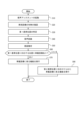
- 4 is a flowchart showing the operation of the system according to the first embodiment of the present disclosure.
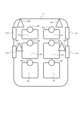
- FIG. 1 is a diagram showing the arrangement of a system according to a first embodiment of the present disclosure in a vehicle.
- FIG. 11 is a diagram illustrating a configuration of a system including a voice operation device according to a second embodiment of the present disclosure.
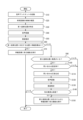
- 10 is a flowchart showing the operation of a system according to a second embodiment of the present disclosure.
- the system 1 includes a voice operation device 10, a plurality of microphones 20, a speaker 30, a display device 40, and an in-vehicle device 50.
- the voice operation device 10 in the vehicle 2 identifies the seat position of the occupant who made the speech (hereinafter also referred to as the first seat position). Furthermore, when the on-board equipment requested by the occupant to operate is not provided in a position corresponding to the first seat position, the voice operation device 10 executes the operation of the on-board equipment associated with a seat position different from the first seat position (hereinafter also referred to as the second seat position).
- the voice operation device 10 executes the operation of the in-vehicle equipment associated with the second seat position. Therefore, even when the in-vehicle equipment requested by the occupant is not located in a position corresponding to the seat position of the occupant, the voice operation technology is improved in that it is possible to execute the operation of another in-vehicle equipment in the second seat position.
- the voice-operated device 10 includes a control unit 11, a memory unit 12, and a communication unit 13.
- the control unit 11 includes one or more processors, one or more programmable circuits, one or more dedicated circuits, or a combination of these.
- the processor is, for example, but is not limited to, a general-purpose processor such as a CPU (Central Processing Unit) or a GPU (Graphics Processing Unit), or a dedicated processor specialized for a specific process.
- the programmable circuit is, for example, but is not limited to, an FPGA (Field-Programmable Gate Array).
- the dedicated circuit is, for example, but is not limited to, an ASIC (Application Specific Integrated Circuit).
- the control unit 11 controls the operation of the entire voice operation device 10.
- the program can be recorded on a computer-readable recording medium.
- Computer-readable recording media include non-transitory computer-readable media, such as a magnetic recording device, an optical disc, a magneto-optical recording medium, or a semiconductor memory.
- the program can be distributed, for example, by selling, transferring, or lending a portable recording medium, such as a DVD (digital versatile disc) or a CD-ROM (compact disc read only memory), on which the program is recorded.
- the program can also be distributed by storing the program in the storage of an external server and transmitting the program from the external server to other computers.
- the program can also be provided as a program product.
- Step S50 The control unit 11 performs processing to estimate the occupant's intention based on the voice recognition result.
- the algorithm related to the intention estimation processing may include a deep neural network, etc.
- the control unit 11 estimates the in-vehicle equipment 50 to be operated and the specific content of the operation. For example, if the occupant's spoken content based on the voice recognition result is to lower the temperature in the passenger compartment, the control unit 11 performs the intention estimation processing to estimate that the intention of the spoken content is to lower the temperature of the air conditioner by a predetermined degree.
- Step S60 The control unit 11 determines whether or not there is an in-vehicle equipment 50 in a position corresponding to the first seat position.
- step S20 since the control unit 11 has information related to the in-vehicle equipment 50 that can be controlled after the voice assistant is started, the control unit 11 can determine whether or not there is an in-vehicle equipment 50 in a position corresponding to the first seat position based on that information.
- a position corresponding to the first seat position is a position close to the first seat position. If it is determined that there is an in-vehicle equipment 50 in a position corresponding to the first seat position, the process proceeds to step S70. On the other hand, if it is determined that there is no in-vehicle equipment 50 in a position corresponding to the first seat position, the process proceeds to step S80.
- Step S70 If it is determined that the in-vehicle equipment 50 is located at a position corresponding to the first seat position, the control unit 11 executes a function related to the in-vehicle equipment 50. For example, if the intention of the spoken content is to lower the temperature of the air conditioner by a predetermined temperature, the control unit 11 executes a process to lower the set temperature of the air conditioner installed at a position corresponding to the first seat position.
- Step S80 If it is determined that there is no in-vehicle equipment 50 in a position corresponding to the first seat position, the control unit 11 executes a function related to the in-vehicle equipment 50 associated with the second seat position.
- the in-vehicle equipment 50 associated with the second seat position refers to the in-vehicle equipment 50 provided in a position corresponding to the second seat position. For example, if the intention of the spoken content is to lower the temperature of the air conditioner by a predetermined temperature, the control unit 11 executes a process to lower the set temperature of the air conditioner associated with the second seat position.
- the correspondence between the first seat position and the second seat position may be determined in advance.
- the second seat position described above may be the seat position closest to the first seat position.
- the in-vehicle equipment 50 it is possible to operate the in-vehicle equipment 50 at the seat position closest to the first seat position, and the function of the in-vehicle equipment 50 increases the likelihood that the passenger's needs will be met.
- Vehicle 2 shown in FIG. 3 has three rows of seats and includes seats 61-66.
- Seat 61 is the driver's seat (seat D).
- Seat 62 is the passenger seat (seat P).
- Seat 63 is the right seat in the second row (seat 2RR).
- Seat 64 is the left seat in the second row (seat 2RL).
- Seat 65 is the right seat in the third row (seat 3RR).
- Seat 66 is the left seat in the third row (seat 3RL).
- Microphones 201-206 are mounted near the front of each of seats 61-66 to detect the speech of the occupant in each seat.
- the control unit 11 executes the operation of the air conditioner 503 or power windows 513 associated with seat 63, which is a second-row seat. Note that in this case, the seat 63 closest to seat 65, which is the first seat position, is the second seat position.
- the control unit 11 executes the operation of the air conditioner 504 or power windows 514 associated with seat 64, which is a second-row seat. Note that in this case, the seat 64 closest to seat 66, which is the first seat position, is the second seat position.
- the voice operation device 10 executes the operation of the in-vehicle equipment associated with the second seat position. Therefore, even when the in-vehicle equipment requested by the occupant is not located in a position corresponding to the seat position of the occupant, the voice operation technology is improved in that it is possible to execute the operation of another in-vehicle equipment in the second seat position.
- the occupant recognition device 60 transmits the detection results to the voice operation device 10.
- the voice operation device 10 of the system 1' adjusts whether or not to execute the operation of the in-vehicle equipment associated with the second seat position depending on the presence or absence of an occupant in the second seat position.
- an embodiment is also possible in which the configuration and operation of the voice-operated device 10 is distributed among multiple computers that can communicate with each other. Also, for example, an embodiment is also possible in which some or all of the components of the voice-operated device 10 are provided in equipment mounted in the vehicle 2. For example, a navigation device mounted in the vehicle 2 may include some or all of the components of the voice-operated device 10.
- a general-purpose computer is made to function as the voice operation device 10 according to the above-described embodiment.
- a program describing the processing contents for realizing each function of the voice operation device 10 according to the above-described embodiment is stored in the memory of the general-purpose computer, and the program is read and executed by a processor. Therefore, the present disclosure according to this embodiment can also be realized as a program executable by a processor, or a non-transitory computer-readable medium that stores the program.
- a general-purpose electronic device such as a smartphone or a computer can be configured to function as the voice operation device 10 according to the above-described embodiment.
- a program describing the processing contents for realizing each function of the voice operation device 10 according to the embodiment can be stored in the memory of the electronic device, and the program can be read and executed by the processor of the electronic device. Therefore, the disclosure according to one embodiment can also be realized as a program executable by a processor.
- a voice-operated device in a vehicle including a control unit, the control unit comprising: When an occupant makes a request to operate an in-vehicle device by voice, the first seat position of the occupant who made the request is identified; A voice-operated device that executes the operation of an in-vehicle equipment associated with a second seat position when the in-vehicle equipment that the speaker requests to operate is not provided at a position corresponding to the first seat position.
- the second seat position is the seat position closest to the first seat position.
- [Appendix 3] The voice-operated device according to claim 1 or 2, wherein the first seat position is a position associated with a seat in a third row seat, and the second seat position is a position associated with a seat in a second row seat.
- [Appendix 4] The voice-operated device according to any one of claims 1 to 3, wherein, when another occupant is seated in the second seat position, the control unit inquires the other occupant as to whether or not the operation of the vehicle equipment can be performed.
- [Appendix 5] The control unit of the voice-operated device described in any one of Appendix 1 to 4, when another occupant is seated in the second seat position and the inquiry setting is ON, inquires of the other occupant whether or not to perform the operation of the vehicle equipment.
- Appendix 6 The voice-operated device according to claim 5, wherein the control unit does not inquire of the other occupant whether or not to perform the operation of the in-vehicle equipment when the inquiry setting is OFF.
- Appendix 7 The voice-operated device according to any one of appendixes 1 to 6, wherein the in-vehicle equipment includes at least one of an air conditioner, a power window, a sunroof, a speaker, and an interior light.
- Appendix 11 The program according to any one of appendices 8 to 10, further comprising, when another occupant is seated in the second seat position, inquiring of the other occupant as to whether or not the operation of the on-board equipment can be performed.
- Appendix 12 A program as described in any one of appendices 8 to 11, which, when another occupant is seated in the second seat position and the inquiry setting is ON, queries the other occupant as to whether or not to perform the operation of the vehicle equipment.
- Appendix 13 The program described in Appendix 12, wherein the control unit does not inquire of the other occupant whether or not to perform the operation of the vehicle equipment when the inquiry setting is OFF.
- [Appendix 14] The program according to any one of appendixes 8 to 13, wherein the in-vehicle equipment includes at least one of an air conditioner, a power window, a sunroof, a speaker, and an interior light.
- Appendix 15 A method executed by a voice-operated device in a vehicle, comprising: Identifying a first seat position of a passenger who has made a request for operation of an in-vehicle device by voice; When the in-vehicle equipment requested by the speaker is not provided at a position corresponding to the first seat position, executing an operation of the in-vehicle equipment corresponding to the second seat position; A method comprising: [Appendix 16] 16.
- Appendix 17 The program described in Appendix 15 or Appendix 16, wherein the first seat position is a position associated with a seat in a third row seat, and the second seat position is a position associated with a seat in a second row seat.
- Appendix 18 A program as described in any one of appendices 15 to 17, which, if another occupant is seated in the second seat position, queries the other occupant as to whether or not the operation of the vehicle equipment can be performed.
- Appendix 19 A program described in any one of appendices 15 to 18, which, when another occupant is seated in the second seat position and the inquiry setting is ON, queries the other occupant as to whether or not to perform the operation of the vehicle equipment.
- Appendix 20 The program described in Appendix 19, wherein the control unit does not inquire of the other occupant whether or not to perform the operation of the vehicle equipment when the inquiry setting is OFF.
Landscapes
- Engineering & Computer Science (AREA)
- Theoretical Computer Science (AREA)
- Human Computer Interaction (AREA)
- General Engineering & Computer Science (AREA)
- Physics & Mathematics (AREA)
- Health & Medical Sciences (AREA)
- Audiology, Speech & Language Pathology (AREA)
- General Physics & Mathematics (AREA)
- Acoustics & Sound (AREA)
- Multimedia (AREA)
- General Health & Medical Sciences (AREA)
- Computational Linguistics (AREA)
- Mechanical Engineering (AREA)
- Fittings On The Vehicle Exterior For Carrying Loads, And Devices For Holding Or Mounting Articles (AREA)
- User Interface Of Digital Computer (AREA)
Abstract
車両に備えられた車載設備を音声操作する技術を改善する。制御部を備える車両内の音声操作装置であって、前記制御部は、乗員が音声により車載設備の操作を要求した場合に発話を行った乗員の第1座席位置を特定し、第1座席位置に対応する位置に発話者が操作を求める車載設備が備わっていない場合に、第2座席位置に対応付けられた車載設備の操作を実行する。
Description
本出願は、2023年12月28日に日本国に特許出願された特願2023-223322の優先権を主張するものであり、当該出願の開示全体をここに参照のために取り込む。
本開示は、音声操作装置、プログラム及び方法に関する。
従来から、車両に備えられた車載設備を音声操作する技術が様々検討されている。
例えば、特許文献1には、複数の実行場所それぞれで独立して動作可能な複数の操作機器に対する、音声による操作を制御する音声対話制御装置が開示されている。
特許文献1には、複数の実行場所それぞれで独立して動作可能な複数の操作機器に対する、音声による操作技術について開示されている。しかしながら特許文献1の技術では、座席位置に対応する位置に発話者が操作を求める車載設備が備わっていない場合における対処については一切検討されていなかった。このように音声操作技術には改善の余地があった。
本開示の目的は、車両に備えられた車載設備を音声操作する技術を改善することにある。
本開示の一実施形態に係る音声操作装置は、
制御部を備える車両内の音声操作装置であって、前記制御部は、
乗員が音声により車載設備の操作を要求した場合に発話を行った乗員の第1座席位置を特定し、
前記第1座席位置に対応する位置に発話者が操作を求める車載設備が備わっていない場合に、第2座席位置に対応付けられた車載設備の操作を実行する。
制御部を備える車両内の音声操作装置であって、前記制御部は、
乗員が音声により車載設備の操作を要求した場合に発話を行った乗員の第1座席位置を特定し、
前記第1座席位置に対応する位置に発話者が操作を求める車載設備が備わっていない場合に、第2座席位置に対応付けられた車載設備の操作を実行する。
本開示の一実施形態に係るプログラムは、
車両内の音声操作装置に、
乗員が音声により車載設備の操作を要求した場合に発話を行った乗員の第1座席位置を特定することと、
前記第1座席位置に対応する位置に発話者が操作を求める車載設備が備わっていない場合に、第2座席位置に対応付けられた車載設備の操作を実行することと、
を含む動作を実行させる。
車両内の音声操作装置に、
乗員が音声により車載設備の操作を要求した場合に発話を行った乗員の第1座席位置を特定することと、
前記第1座席位置に対応する位置に発話者が操作を求める車載設備が備わっていない場合に、第2座席位置に対応付けられた車載設備の操作を実行することと、
を含む動作を実行させる。
本開示の一実施形態に係る方法は、
車両内の音声操作装置が実行する方法であって、
乗員が音声により車載設備の操作を要求した場合に発話を行った乗員の第1座席位置を特定することと、
前記第1座席位置に対応する位置に発話者が操作を求める車載設備が備わっていない場合に、第2座席位置に対応付けられた車載設備の操作を実行することと、
を含む。
車両内の音声操作装置が実行する方法であって、
乗員が音声により車載設備の操作を要求した場合に発話を行った乗員の第1座席位置を特定することと、
前記第1座席位置に対応する位置に発話者が操作を求める車載設備が備わっていない場合に、第2座席位置に対応付けられた車載設備の操作を実行することと、
を含む。
本開示によれば、車両に備えられた車載設備を音声操作する技術を改善することができる。
以下、本開示の実施形態について図面を参照して説明する。
(実施形態1)
図1を参照して、本開示の実施形態に係る音声操作装置を含むシステム1の概要について説明する。システム1は、車両2に備えられる。システム1は、音声操作装置10と、複数のマイク20と、スピーカー30と、表示装置40と、車載設備50とを備える。
図1を参照して、本開示の実施形態に係る音声操作装置を含むシステム1の概要について説明する。システム1は、車両2に備えられる。システム1は、音声操作装置10と、複数のマイク20と、スピーカー30と、表示装置40と、車載設備50とを備える。
車両2は、例えば自動車であるが、これに限られず任意の車両であってもよい。車両2は、例えばガソリン自動車、電気自動車(EV;Electric Vehicle)、ハイブリッド自動車(HV;Hybrid Vehicle)、プラグインハイブリッド自動車(PHV;Plug-in Hybrid Vehicle)、又は燃料電池自動車(FCV;Fuel Cell Vehicle)等であるが、これらに限られない。車両2は、有人走行車両であっても、無人で走行する任意の自律運転車両であってもよい。
まず、本実施形態の概要について説明し、詳細については後述する。車両2内の音声操作装置10は、乗員が音声により車載設備の操作を要求した場合に発話を行った乗員の座席位置(以下、第1座席位置ともいう)を特定する。また音声操作装置10は、第1座席位置に対応する位置に前記乗員が操作を求める車載設備が備わっていない場合に、第1座席位置とは異なる座席位置(以下、第2座席位置ともいう)に対応付けられた車載設備の操作を実行する。
このように、本実施形態によれば、音声操作装置10が発話を行った乗員の座席位置である第1座席位置に対応する位置に発話者が操作を求める車載設備が備わっていない場合に、第2座席位置に対応付けられた車載設備の操作を実行する。このため、乗員の座席位置に対応する位置にその乗員が操作を求める車載設備が備わっていない場合であっても、別の第2座席位置の車載設備の操作を実行できるという点で、音声操作技術が改善される。
次に、システム1の各構成について詳細に説明する。
図1に示すように、音声操作装置10は、制御部11と、記憶部12と、通信部13と、を備える。
制御部11は、1つ以上のプロセッサ、1つ以上のプログラマブル回路、1つ以上の専用回路、又はこれらの組合せを含む。プロセッサは、例えばCPU(Central Processing Unit)若しくはGPU(Graphics Processing Unit)等の汎用プロセッサ、又は特定の処理に特化した専用プロセッサであるがこれらに限られない。プログラマブル回路は、例えばFPGA(Field-Programmable Gate Array)であるがこれに限られない。専用回路は、例えばASIC(Application Specific Integrated Circuit)であるがこれに限られない。制御部11は、音声操作装置10全体の動作を制御する。
記憶部12は、少なくとも1つの半導体メモリ、少なくとも1つの磁気メモリ、少なくとも1つの光メモリ、又はこれらのうち少なくとも2種類の組み合わせが含まれる。半導体メモリは、例えば、RAM(random access memory)又はROM(read only memory)である。RAMは、例えば、SRAM(static random access memory)又はDRAM(dynamic random access memory)である。ROMは、例えば、EEPROM(electrically erasable programmable read only memory)である。記憶部12は、例えば、主記憶装置、補助記憶装置、又はキャッシュメモリとして機能する。記憶部12には、音声操作装置10の動作に用いられるデータと、音声操作装置10の動作によって得られたデータとが記憶される。例えば記憶部12は、音声処理に係るプログラム(以下、音声アシスタントともいう)、データ等を記憶する。音声アシスタントは、所定の音声指示(以下、ウェイクワードともいう)により起動するプログラムである。音声アシスタントは、起動後に発せられた発声内容の音声認識を実行し、ユーザの意図推定を行う。音声アシスタントは、推定した意図に基づき所定の処理を実行する。
通信部13は、少なくとも1つの外部通信用インターフェースが含まれる。通信用インターフェースは、有線通信又は無線通信のいずれのインターフェースであってよい。有線通信の場合、通信用インターフェースは例えばLAN(Local Area Network)インターフェース、USB(Universal Serial Bus)、HDMI(登録商標)(High-Definition Multimedia Interface)等の通信規格に対応したインターフェースであってよい。無線通信の場合、通信用インターフェースは例えば、LTE(Long Term Evolution)、4G(4th generation)、若しくは5G(5th generation)などの移動通信規格に対応したインターフェース、Bluetooth(登録商標)などの近距離無線通信に対応したインターフェースであってよい。通信部13は音声操作装置10の動作に用いられるデータを受信し、また音声操作装置10の動作によって得られるデータを送信する。
音声操作装置10の機能は、本実施形態に係るプログラムを、音声操作装置10に相当するプロセッサで実行することにより実現される。すなわち、音声操作装置10の機能は、ソフトウェアにより実現される。プログラムは、音声操作装置10の動作をコンピュータに実行させることで、コンピュータを音声操作装置10として機能させる。すなわち、コンピュータは、プログラムに従って音声操作装置10の動作を実行することにより音声操作装置10として機能する。
本実施形態においてプログラムは、コンピュータで読取り可能な記録媒体に記録しておくことができる。コンピュータで読取り可能な記録媒体は、非一時的なコンピュータ読取可能な媒体を含み、例えば、磁気記録装置、光ディスク、光磁気記録媒体、又は半導体メモリである。プログラムの流通は、例えば、プログラムを記録したDVD(digital versatile disc)又はCD-ROM(compact disc read only memory)などの可搬型記録媒体を販売、譲渡、又は貸与することによって行う。またプログラムの流通は、プログラムを外部サーバのストレージに格納しておき、外部サーバから他のコンピュータにプログラムを送信することにより行ってもよい。またプログラムはプログラムプロダクトとして提供されてもよい。
音声操作装置10の一部又は全ての機能が、制御部11に相当する専用回路により実現されてもよい。すなわち、音声操作装置10の一部又は全ての機能が、ハードウェアにより実現されてもよい。
またシステム1は、複数のマイク20を備える。複数のマイク20は、例えば車両2内の各座席に備えられる。複数のマイク20は、各座席の乗員の発話による音声入力を受け付ける。複数のマイク20は、受け付けた音声入力を、音声操作装置10に通信部13を介して送信する。
またシステム1は、スピーカー30を備える。スピーカー30は、情報を音声で出力する。スピーカー30の台数は1台であってもよく、複数台であってもよい。スピーカー30が複数台である場合、例えばスピーカー30は、車両2内の各座席に備えられてもよい。
またシステム1は、表示装置40を備える。表示装置40には、少なくとも1つの出力用インターフェースが含まれる。出力用インターフェースは、例えば、情報を映像で出力するディスプレイ等である。ディスプレイは、例えば、LCD(liquid crystal display)又は有機EL(electro luminescence)ディスプレイである。表示装置40は、音声操作装置10の動作によって得られるデータを表示出力する。表示装置40は、タッチスクリーンを含んでよい。この場合、音声操作装置10の動作に用いられるデータを入力する操作を受け付け、かつ音声操作装置10の動作によって得られるデータを表示出力する。本実施形態においては、表示装置40はタッチスクリーンを含むものとして説明する。例えば表示装置40は、センターコンソールに設けられてよい。
またシステム1は、車載設備50を備える。車載設備50は、エアコン、パワーウィンドウ、サンルーフ、スピーカ、及び車内ライトの少なくともいずれかを含む。車載設備50は、音声操作装置10の音声アシスタントによる制御指示により制御される。
図2を参照して、実施形態1に係るシステム1の動作について説明する。
ステップS10:音声操作装置10の制御部11は、乗員によるウェイクワードの発声をマイク20から受け取ることにより、音声アシスタントを起動する。音声アシスタントの起動はこれに限られず、乗員による物理ボタン等の押下を検知することにより起動してもよい。かかる物理ボタンは、一部の座席に設けられてもよく、あるいは各座席に設けられていてもよい。例えば物理ボタンは、ステアリングに設けられたステアリングスイッチであってもよい。音声アシスタントが起動した後に、乗員からの音声による車載設備50の操作の要求を受け付けることができる。
ステップS20:制御部11は、車載設備50の有無を確認する。具体的には制御部11は、車両2に装備されている、音声アシスタントで制御可能な車載設備50の有無を確認する。これにより音声アシスタントの起動後に制御可能な車載設備50が把握される。
ステップS30:乗員が音声により車載設備50の操作を要求した場合、制御部11は、まず当該乗員の第1座席位置を特定する。換言すると、乗員が音声により車載設備の操作を要求した場合に第1座席位置を特定する。第1座席位置の特定処理には、任意の手法が採用可能である。例えば制御部11は、複数のマイク20に入力された音声の音量等に基づき、乗員の第1座席位置を特定する。
ステップS40:制御部11は、音声認識処理を行い、乗員からの発声内容を認識する。音声認識処理に係るアルゴリズムは、ディープニューラルネットワークなどを含み得る。
ステップS50:制御部11は、音声認識結果に基づき、乗員の意図推定処理を行う。意図推定処理に係るアルゴリズムは、ディープニューラルネットワークなどを含み得る。例えば制御部11は、操作対象の車載設備50、操作の具体的内容を推定する。例えば音声認識結果に基づく乗員の発声内容が車室の温度を下げることであれば、制御部11は、意図推定処理として、発声内容の意図が、エアコンの温度を所定温度下げることであると推定する。
ステップS60:制御部11は、第1座席位置に対応する位置に車載設備50があるか否かを判定する。ステップS20において、音声アシスタントの起動後に制御可能な車載設備50に係る情報を把握しているため、制御部11は、当該情報に基づき第1座席位置に対応する位置の車載設備50の有無を判定可能である。第1座席位置に対応する位置とは、第1座席位置に近接した位置である。第1座席位置に対応する位置に車載設備50があると判定した場合、プロセスはステップS70に進む。他方で第1座席位置に対応する位置に車載設備50が無いと判定した場合、プロセスはステップS80に進む。
ステップS70:第1座席位置に対応する位置に車載設備50があると判定した場合、制御部11は、車載設備50に係る機能を実行する。例えば発声内容の意図が、エアコンの温度を所定温度下げることである場合、制御部11は、第1座席位置に対応する位置に備えられたエアコンの設定温度を下げる処理を実行する。
ステップS80:第1座席位置に対応する位置に車載設備50がないと判定した場合、制御部11は、第2座席位置に対応付けられた車載設備50に係る機能を実行する。第2座席位置に対応付けられた車載設備50とは、第2座席位置に対応する位置に設けられた車載設備50を表す。例えば発声内容の意図が、エアコンの温度を所定温度下げることである場合、制御部11は、第2座席位置に対応付けられたエアコンの設定温度を下げる処理を実行する。ここで第1座席位置と第2座席位置との対応関係は予め定められていてよい。
例えば上述の第2座席位置は、第1座席位置に最も近い座席位置であってよい。このようにすることで、第1座席位置に最も近い座席位置の車載設備50の操作が可能であり、当該車載設備50の機能により、乗員の要求を満たす可能性が向上する。
なお、第1座席位置は3列目シートの座席に係る位置であってよい。この場合において第2座席位置は2列目シートの座席に係る位置であってよい。図3に、各座席と車載設備50等との位置関係の一例を示す。ここでは車載設備50がエアコン501~504と、パワーウィンドウ511~514である例について説明する。
図3に示す車両2は3列シートであり、座席61~66を含む。座席61はドライバーの座席(D席)である。座席62は助手席(P席)である。座席63は2列目の右側の席(2RR席)である。座席64は2列目の左側の席(2RL席)である。座席65は3列目の右側の席(3RR席)である。座席66は3列目の左側の席(3RL席)である。各座席61~66の前方近傍には、各座席の乗員の発声を検知するマイク201~マイク206が搭載される。
ここでエアコン501及びパワーウィンドウ511は、座席61の座席位置に対応する位置に設けられている。換言すると、エアコン501及びパワーウィンドウ511は、座席61に対応付けられている。また、エアコン502及びパワーウィンドウ512は、座席62の座席位置に対応する位置に設けられている。換言すると、エアコン502及びパワーウィンドウ512は、座席62に対応付けられている。またエアコン503及びパワーウィンドウ513は、座席63の座席位置に対応する位置に設けられている。換言すると、エアコン503及びパワーウィンドウ513は、座席63に対応付けられている。同様にエアコン504及びパワーウィンドウ514は、座席64の座席位置に対応する位置に設けられている。換言すると、エアコン504及びパワーウィンドウ514は、座席64に対応付けられている。他方で、座席65の座席位置に対応する位置には、エアコン及びパワーウィンドウは設けられていない。同様に座席66の座席位置に対応する位置にも、エアコン及びパワーウィンドウは設けられていない。
例えば3列目シートの座席である座席65の乗員から、エアコン又はパワーウィンドウの操作を求める発声があった場合、座席65に対応する位置に発話者が操作を求める車載設備が備わっていない。そのため制御部11は、2列目シートの座席である座席63に対応付けられたエアコン503又はパワーウィンドウ513の操作を実行する。なおここでは、第1座席位置である座席65に最も近接する座席63が第2座席位置である。
また例えば3列目シートの座席である座席66の乗員から、エアコン又はパワーウィンドウの操作を求める発声があった場合、座席66に対応する位置に発話者が操作を求める車載設備が備わっていない。そのため制御部11は、2列目シートの座席である座席64に対応付けられたエアコン504又はパワーウィンドウ514の操作を実行する。なおここでは、第1座席位置である座席66に最も近接する座席64が第2座席位置である。
このように、本実施形態によれば、音声操作装置10が発話を行った乗員の座席位置である第1座席位置に対応する位置に発話者が操作を求める車載設備が備わっていない場合に、第2座席位置に対応付けられた車載設備の操作を実行する。このため、乗員の座席位置に対応する位置にその乗員が操作を求める車載設備が備わっていない場合であっても、別の第2座席位置の車載設備の操作を実行できるという点で、音声操作技術が改善される。
(実施形態2)
以下に、本開示の実施形態2に係るシステム1’ついて説明をする。図4は本開示の実施形態2に係るシステム1’の構成を示すブロック図である。実施形態1と同一の構成については同一の符号を付し、説明は省略する。実施形態2に係るシステム1’は、実施形態1にかかる構成と比較して、乗員認識装置60を備える点が相違する。乗員認識装置60は、各座席に乗員がいるか否かを判定する装置である。乗員認識装置60は例えば重量センサ、シートベルトのバックルに備えられたセンサ等を含んでよく、これらのセンサの検知結果に基づき、各座席に乗員がいるか否かを検知する。乗員認識装置60は検知結果を音声操作装置10に送信する。概略としてシステム1’の音声操作装置10は、第2座席位置の乗員の有無に応じて、第2座席位置に対応付けられた車載装備の操作の実行可否を調整する。
以下に、本開示の実施形態2に係るシステム1’ついて説明をする。図4は本開示の実施形態2に係るシステム1’の構成を示すブロック図である。実施形態1と同一の構成については同一の符号を付し、説明は省略する。実施形態2に係るシステム1’は、実施形態1にかかる構成と比較して、乗員認識装置60を備える点が相違する。乗員認識装置60は、各座席に乗員がいるか否かを判定する装置である。乗員認識装置60は例えば重量センサ、シートベルトのバックルに備えられたセンサ等を含んでよく、これらのセンサの検知結果に基づき、各座席に乗員がいるか否かを検知する。乗員認識装置60は検知結果を音声操作装置10に送信する。概略としてシステム1’の音声操作装置10は、第2座席位置の乗員の有無に応じて、第2座席位置に対応付けられた車載装備の操作の実行可否を調整する。
図5を参照して、実施形態2に係るシステム1’の動作について説明する。なお実施形態1に係るシステム1と同一の動作(ステップS10~ステップS70)については同一の符号を付し、説明は省略する。
ステップS90:ステップS60において第1座席位置に対応する位置に車載設備50がないと判定した場合、制御部11は、第2座席位置に乗員(以下、別の乗員ともいう。)がいるか否かを判定する。制御部11は、乗員認識装置60から検知結果を受信し、検知結果に基づき判定処理を実行する。別の乗員がいると判定した場合、プロセスはステップS100に進む。第2座席位置に別の乗員がいないと判定した場合、プロセスはステップS150に進む。
ステップS100:制御部11は、問い合わせ設定がONであるか否かを判定する。問い返し設定とは、第2座席位置に対応付けられた車載設備の操作をしてよいか否かの問い合わせを第2座席位置の乗員にするか否かを示す設定項目である。問い合わせ設定がONである場合は、第2座席位置に対応付けられた車載設備の操作をしてよいか否かの問い合わせを第2座席位置の乗員にする。他方で問い合わせ設定がOFFである場合は、第2座席位置に対応付けられた車載設備の操作をしてよいか否かの問い合わせを第2座席位置の乗員にする。問い合わせ設定は、例えばデフォルトでONに設定されていてよく、あるいはデフォルトでOFFに設定されていてもよい。乗員は、例えば表示装置40への入力操作により、問い合わせ設定を変更可能である。問い合わせ設定がONである場合、プロセスはS110に進む。他方で問い合わせ設定がONでない場合、プロセスはS150に進む。
ステップS110:制御部11は、問い合わせ応答を生成し、生成した問い合わせ応答をスピーカー30により出力する。問い合わせ応答は、ステップS50の意図推定処理結果に基づいて生成される。例えば発声内容の意図が、エアコンの温度を所定温度下げることである場合、例えば問い合わせ応答の内容は、「エアコンの温度を下げてもいいですか?」であってよい。
ステップS120:制御部11は、音声認識処理を行い、別の乗員からの発声内容を認識する。
ステップS130:制御部11は、音声認識結果に基づき、別の乗員の意図推定処理を行う。具体的には制御部11は、別の乗員が、車載設備50の操作を承諾したか否かを推定する。
ステップS140:制御部11は、ステップS130の推定結果に基づき、別の乗員が承諾したか否かを判定する。別の乗員が承諾したと判定した場合、プロセスはステップS150に進む。他方で別の乗員が承諾していないと判定した場合、プロセスは終了する。
ステップS150:ステップS90において第2座席位置に別の乗員がいないと判定した場合、ステップS100において問い合わせ設定がONでない場合(問い合わせ設定がOFFである場合)、又はステップS140において別の乗員が承諾したと判定した場合、制御部11は、第2座席位置に対応付けられた車載設備50に係る機能を実行する。
このように、本実施形態によれば、音声操作装置10が発話を行った乗員の座席位置である第1座席位置に対応する位置に発話者が操作を求める車載設備が備わっていない場合において、第2座席位置に座っている別の乗員の承諾に基づき、第2座席位置に対応付けられた車載設備の操作を実行する。このため、乗員の座席位置に対応する位置にその乗員が操作を求める車載設備が備わっていない場合であっても、別の第2座席位置の車載設備の操作を実行できるという点で、音声操作技術が改善される。また、別の乗員の承諾を取ることにより、別の乗員の納得感も高めることができるという点で、音声操作技術が改善される。
また実施形態2によれば、制御部11は、問い合わせ設定に基づき、別の乗員の承諾を確認する。そのため、状況に応じて承諾の問い合わせをするか否かを切り替えることができ、乗員の利便性を向上させることができる。例えば家族のみが車両2に乗車している場合等、他の乗員の承諾を特段必要としない可能性が高い場合には、問い合わせ設定をOFFにする等、状況に応じて適応的に音声操作装置10を制御することができる。
なお上記ではステップS100において、制御部11は、問い合わせ設定に係る判定処理を実行したが、かかる判定処理を省略してもよい。例えばステップS90において第2座席位置に乗員がいると判定した場合、プロセスはステップS110に進んでもよい。つまり、制御部11は、第2座席位置に乗員がいると判定した場合、車載設備50の操作の実行の可否を別の乗員に問い合わせてもよい。
本開示を諸図面及び実施例に基づき説明してきたが、当業者であれば本開示に基づき種々の変形及び改変を行ってもよいことに注意されたい。したがって、これらの変形及び改変は本開示の範囲に含まれることに留意されたい。例えば、各構成部又は各ステップ等に含まれる機能等は論理的に矛盾しないように再配置可能であり、複数の構成部又はステップ等を1つに組み合わせたり、或いは分割したりすることが可能である。
例えば、上述した実施形態において、音声操作装置10の構成及び動作を、互いに通信可能な複数のコンピュータに分散させた実施形態も可能である。また例えば、音声操作装置10の一部又は全部の構成要素を車両2に搭載された機器に設けた実施形態も可能である。例えば、車両2に搭載されるナビゲーション装置が、音声操作装置10の一部又は全部の構成要素を備えてもよい。
また、例えば汎用のコンピュータを、上述した実施形態に係る音声操作装置10として機能させる実施形態も可能である。具体的には、上述した実施形態に係る音声操作装置10の各機能を実現する処理内容を記述したプログラムを、汎用のコンピュータのメモリに格納し、プロセッサによって当該プログラムを読み出して実行させる。したがって、本実施形態に係る本開示は、プロセッサが実行可能なプログラム、又は当該プログラムを記憶する非一時的なコンピュータ可読媒体としても実現可能である。
また、例えば、スマートフォン又はコンピュータ等の汎用の電子機器を、上述した実施形態に係る音声操作装置10として機能させる構成も可能である。具体的には、実施形態に係る音声操作装置10等の各機能を実現する処理内容を記述したプログラムを、電子機器のメモリに格納し、電子機器のプロセッサによって当該プログラムを読み出して実行させることも考えられる。したがって、一実施形態に係る開示は、プロセッサが実行可能なプログラムとしても実現可能である。
以下に本開示の実施形態の一部について例示する。しかしながら、本開示の実施形態はこれらに限定されない点に留意されたい。
[付記1]
制御部を備える車両内の音声操作装置であって、前記制御部は、
乗員が音声により車載設備の操作を要求した場合に発話を行った乗員の第1座席位置を特定し、
前記第1座席位置に対応する位置に発話者が操作を求める車載設備が備わっていない場合に、第2座席位置に対応付けられた車載設備の操作を実行する、音声操作装置。
[付記2]
前記第2座席位置は、前記第1座席位置に最も近い座席位置である付記1に記載の音声操作装置。
[付記3]
前記第1座席位置は3列目シートの座席に係る位置であり、前記第2座席位置は2列目シートの座席に係る位置である、付記1又は付記2に記載の音声操作装置。
[付記4]
前記制御部は、第2座席位置に別の乗員が乗車している場合、前記車載設備の操作の実行の可否を前記別の乗員に問い合わせる、付記1乃至3のいずれか一項に記載の音声操作装置。
[付記5]
前記制御部は、第2座席位置に別の乗員が乗車している場合であって、問い返し設定がONである場合、前記車載設備の操作の実行の可否を前記別の乗員に問い合わせる、付記1乃至4のいずれか一項に記載の音声操作装置。
[付記6]
前記制御部は、問い返し設定がOFFである場合、前記車載設備の操作の実行の可否を前記別の乗員に問い合わせない、付記5に記載の音声操作装置。
[付記7]
前記車載設備は、エアコン、パワーウィンドウ、サンルーフ、スピーカー、及び車内ライトの少なくともいずれかを含む、付記1乃至6のいずれか一項に記載の音声操作装置。
[付記8]
車両内の音声操作装置に、
乗員が音声により車載設備の操作を要求した場合に発話を行った乗員の第1座席位置を特定することと、
前記第1座席位置に対応する位置に発話者が操作を求める車載設備が備わっていない場合に、第2座席位置に対応付けられた車載設備の操作を実行することと、
を含む動作を実行させる、プログラム。
[付記9]
前記第2座席位置は、前記第1座席位置に最も近い座席位置である付記8に記載のプログラム。
[付記10]
前記第1座席位置は3列目シートの座席に係る位置であり、前記第2座席位置は2列目シートの座席に係る位置である、付記8又は付記9に記載のプログラム。
[付記11]
第2座席位置に別の乗員が乗車している場合、前記車載設備の操作の実行の可否を前記別の乗員に問い合わせる、付記8乃至10のいずれか一項に記載のプログラム。
[付記12]
第2座席位置に別の乗員が乗車している場合であって、問い返し設定がONである場合、前記車載設備の操作の実行の可否を前記別の乗員に問い合わせる、付記8乃至11のいずれか一項に記載のプログラム。
[付記13]
前記制御部は、問い返し設定がOFFである場合、前記車載設備の操作の実行の可否を前記別の乗員に問い合わせない、付記12に記載のプログラム。
[付記14]
前記車載設備は、エアコン、パワーウィンドウ、サンルーフ、スピーカー、及び車内ライトの少なくともいずれかを含む、付記8乃至13のいずれか一項に記載のプログラム。
[付記15]
車両内の音声操作装置が実行する方法であって、
乗員が音声により車載設備の操作を要求した場合に発話を行った乗員の第1座席位置を特定することと、
前記第1座席位置に対応する位置に発話者が操作を求める車載設備が備わっていない場合に、第2座席位置に対応付けられた車載設備の操作を実行することと、
を含む、方法。
[付記16]
前記第2座席位置は、前記第1座席位置に最も近い座席位置である付記15に記載の方法。
[付記17]
前記第1座席位置は3列目シートの座席に係る位置であり、前記第2座席位置は2列目シートの座席に係る位置である、付記15又は付記16に記載のプログラム。
[付記18]
第2座席位置に別の乗員が乗車している場合、前記車載設備の操作の実行の可否を前記別の乗員に問い合わせる、付記15乃至17のいずれか一項に記載のプログラム。
[付記19]
第2座席位置に別の乗員が乗車している場合であって、問い返し設定がONである場合、前記車載設備の操作の実行の可否を前記別の乗員に問い合わせる、付記15乃至18のいずれか一項に記載のプログラム。
[付記20]
前記制御部は、問い返し設定がOFFである場合、前記車載設備の操作の実行の可否を前記別の乗員に問い合わせない、付記19に記載のプログラム。
[付記1]
制御部を備える車両内の音声操作装置であって、前記制御部は、
乗員が音声により車載設備の操作を要求した場合に発話を行った乗員の第1座席位置を特定し、
前記第1座席位置に対応する位置に発話者が操作を求める車載設備が備わっていない場合に、第2座席位置に対応付けられた車載設備の操作を実行する、音声操作装置。
[付記2]
前記第2座席位置は、前記第1座席位置に最も近い座席位置である付記1に記載の音声操作装置。
[付記3]
前記第1座席位置は3列目シートの座席に係る位置であり、前記第2座席位置は2列目シートの座席に係る位置である、付記1又は付記2に記載の音声操作装置。
[付記4]
前記制御部は、第2座席位置に別の乗員が乗車している場合、前記車載設備の操作の実行の可否を前記別の乗員に問い合わせる、付記1乃至3のいずれか一項に記載の音声操作装置。
[付記5]
前記制御部は、第2座席位置に別の乗員が乗車している場合であって、問い返し設定がONである場合、前記車載設備の操作の実行の可否を前記別の乗員に問い合わせる、付記1乃至4のいずれか一項に記載の音声操作装置。
[付記6]
前記制御部は、問い返し設定がOFFである場合、前記車載設備の操作の実行の可否を前記別の乗員に問い合わせない、付記5に記載の音声操作装置。
[付記7]
前記車載設備は、エアコン、パワーウィンドウ、サンルーフ、スピーカー、及び車内ライトの少なくともいずれかを含む、付記1乃至6のいずれか一項に記載の音声操作装置。
[付記8]
車両内の音声操作装置に、
乗員が音声により車載設備の操作を要求した場合に発話を行った乗員の第1座席位置を特定することと、
前記第1座席位置に対応する位置に発話者が操作を求める車載設備が備わっていない場合に、第2座席位置に対応付けられた車載設備の操作を実行することと、
を含む動作を実行させる、プログラム。
[付記9]
前記第2座席位置は、前記第1座席位置に最も近い座席位置である付記8に記載のプログラム。
[付記10]
前記第1座席位置は3列目シートの座席に係る位置であり、前記第2座席位置は2列目シートの座席に係る位置である、付記8又は付記9に記載のプログラム。
[付記11]
第2座席位置に別の乗員が乗車している場合、前記車載設備の操作の実行の可否を前記別の乗員に問い合わせる、付記8乃至10のいずれか一項に記載のプログラム。
[付記12]
第2座席位置に別の乗員が乗車している場合であって、問い返し設定がONである場合、前記車載設備の操作の実行の可否を前記別の乗員に問い合わせる、付記8乃至11のいずれか一項に記載のプログラム。
[付記13]
前記制御部は、問い返し設定がOFFである場合、前記車載設備の操作の実行の可否を前記別の乗員に問い合わせない、付記12に記載のプログラム。
[付記14]
前記車載設備は、エアコン、パワーウィンドウ、サンルーフ、スピーカー、及び車内ライトの少なくともいずれかを含む、付記8乃至13のいずれか一項に記載のプログラム。
[付記15]
車両内の音声操作装置が実行する方法であって、
乗員が音声により車載設備の操作を要求した場合に発話を行った乗員の第1座席位置を特定することと、
前記第1座席位置に対応する位置に発話者が操作を求める車載設備が備わっていない場合に、第2座席位置に対応付けられた車載設備の操作を実行することと、
を含む、方法。
[付記16]
前記第2座席位置は、前記第1座席位置に最も近い座席位置である付記15に記載の方法。
[付記17]
前記第1座席位置は3列目シートの座席に係る位置であり、前記第2座席位置は2列目シートの座席に係る位置である、付記15又は付記16に記載のプログラム。
[付記18]
第2座席位置に別の乗員が乗車している場合、前記車載設備の操作の実行の可否を前記別の乗員に問い合わせる、付記15乃至17のいずれか一項に記載のプログラム。
[付記19]
第2座席位置に別の乗員が乗車している場合であって、問い返し設定がONである場合、前記車載設備の操作の実行の可否を前記別の乗員に問い合わせる、付記15乃至18のいずれか一項に記載のプログラム。
[付記20]
前記制御部は、問い返し設定がOFFである場合、前記車載設備の操作の実行の可否を前記別の乗員に問い合わせない、付記19に記載のプログラム。
1 システム
2 車両
10 音声操作装置
11 制御部
12 記憶部
13 通信部
20 複数のマイク
30 スピーカー
40 表示装置
50 車載設備
60 乗員認識装置
61ー66 座席
201ー206 マイク
501ー504 エアコン
511ー514 パワーウィンドウ
2 車両
10 音声操作装置
11 制御部
12 記憶部
13 通信部
20 複数のマイク
30 スピーカー
40 表示装置
50 車載設備
60 乗員認識装置
61ー66 座席
201ー206 マイク
501ー504 エアコン
511ー514 パワーウィンドウ
Claims (20)
- 制御部を備える車両内の音声操作装置であって、前記制御部は、
乗員が音声により車載設備の操作を要求した場合に発話を行った乗員の第1座席位置を特定し、
前記第1座席位置に対応する位置に発話者が操作を求める車載設備が備わっていない場合に、第2座席位置に対応付けられた車載設備の操作を実行する、音声操作装置。 - 前記第2座席位置は、前記第1座席位置に最も近い座席位置である請求項1に記載の音声操作装置。
- 前記第1座席位置は3列目シートの座席に係る位置であり、前記第2座席位置は2列目シートの座席に係る位置である、請求項1に記載の音声操作装置。
- 前記制御部は、第2座席位置に別の乗員が乗車している場合、前記車載設備の操作の実行の可否を前記別の乗員に問い合わせる、請求項1に記載の音声操作装置。
- 前記制御部は、第2座席位置に別の乗員が乗車している場合であって、問い返し設定がONである場合、前記車載設備の操作の実行の可否を前記別の乗員に問い合わせる、請求項1に記載の音声操作装置。
- 前記制御部は、問い返し設定がOFFである場合、前記車載設備の操作の実行の可否を前記別の乗員に問い合わせない、請求項5に記載の音声操作装置。
- 前記車載設備は、エアコン、パワーウィンドウ、サンルーフ、スピーカー、及び車内ライトの少なくともいずれかを含む、請求項1乃至6のいずれか一項に記載の音声操作装置。
- 車両内の音声操作装置に、
乗員が音声により車載設備の操作を要求した場合に発話を行った乗員の第1座席位置を特定することと、
前記第1座席位置に対応する位置に発話者が操作を求める車載設備が備わっていない場合に、第2座席位置に対応付けられた車載設備の操作を実行することと、
を含む動作を実行させる、プログラムを記憶する、非一時的なコンピュータ読取可能な媒体。 - 前記第2座席位置は、前記第1座席位置に最も近い座席位置である請求項8に記載の非一時的なコンピュータ読取可能な媒体。
- 前記第1座席位置は3列目シートの座席に係る位置であり、前記第2座席位置は2列目シートの座席に係る位置である、請求項8に記載の非一時的なコンピュータ読取可能な媒体。
- 第2座席位置に別の乗員が乗車している場合、前記車載設備の操作の実行の可否を前記別の乗員に問い合わせる、請求項8に記載の非一時的なコンピュータ読取可能な媒体。
- 第2座席位置に別の乗員が乗車している場合であって、問い返し設定がONである場合、前記車載設備の操作の実行の可否を前記別の乗員に問い合わせる、請求項8に記載の非一時的なコンピュータ読取可能な媒体。
- 問い返し設定がOFFである場合、前記車載設備の操作の実行の可否を前記別の乗員に問い合わせない、請求項12に記載の非一時的なコンピュータ読取可能な媒体。
- 前記車載設備は、エアコン、パワーウィンドウ、サンルーフ、スピーカー、及び車内ライトの少なくともいずれかを含む、請求項8乃至13のいずれか一項に記載の非一時的なコンピュータ読取可能な媒体。
- 車両内の音声操作装置が実行する方法であって、
乗員が音声により車載設備の操作を要求した場合に発話を行った乗員の第1座席位置を特定することと、
前記第1座席位置に対応する位置に発話者が操作を求める車載設備が備わっていない場合に、第2座席位置に対応付けられた車載設備の操作を実行することと、
を含む、方法。 - 前記第2座席位置は、前記第1座席位置に最も近い座席位置である請求項15に記載の方法。
- 前記第1座席位置は3列目シートの座席に係る位置であり、前記第2座席位置は2列目シートの座席に係る位置である、請求項15に記載の方法。
- 第2座席位置に別の乗員が乗車している場合、前記車載設備の操作の実行の可否を前記別の乗員に問い合わせる、請求項15に記載の方法。
- 第2座席位置に別の乗員が乗車している場合であって、問い返し設定がONである場合、前記車載設備の操作の実行の可否を前記別の乗員に問い合わせる、請求項15に記載の方法。
- 問い返し設定がOFFである場合、前記車載設備の操作の実行の可否を前記別の乗員に問い合わせない、請求項19に記載の方法。
Applications Claiming Priority (2)
| Application Number | Priority Date | Filing Date | Title |
|---|---|---|---|
| JP2023-223322 | 2023-12-28 | ||
| JP2023223322A JP2025105043A (ja) | 2023-12-28 | 2023-12-28 | 音声操作装置、プログラム及び方法 |
Publications (1)
| Publication Number | Publication Date |
|---|---|
| WO2025142016A1 true WO2025142016A1 (ja) | 2025-07-03 |
Family
ID=96217225
Family Applications (1)
| Application Number | Title | Priority Date | Filing Date |
|---|---|---|---|
| PCT/JP2024/035694 Pending WO2025142016A1 (ja) | 2023-12-28 | 2024-10-04 | 音声操作装置、非一時的なコンピュータ読取可能な媒体、及び方法 |
Country Status (3)
| Country | Link |
|---|---|
| JP (1) | JP2025105043A (ja) |
| TW (1) | TW202526910A (ja) |
| WO (1) | WO2025142016A1 (ja) |
Citations (3)
| Publication number | Priority date | Publication date | Assignee | Title |
|---|---|---|---|---|
| JPH1165587A (ja) * | 1997-08-18 | 1999-03-09 | Honda Motor Co Ltd | 車両用音声入力装置 |
| JP2016161754A (ja) * | 2015-03-02 | 2016-09-05 | クラリオン株式会社 | 車載装置 |
| US20230038039A1 (en) * | 2020-04-30 | 2023-02-09 | Huawei Technologies Co., Ltd. | In-vehicle user positioning method, in-vehicle interaction method, vehicle-mounted apparatus, and vehicle |
-
2023
- 2023-12-28 JP JP2023223322A patent/JP2025105043A/ja active Pending
-
2024
- 2024-10-04 WO PCT/JP2024/035694 patent/WO2025142016A1/ja active Pending
- 2024-12-27 TW TW113151244A patent/TW202526910A/zh unknown
Patent Citations (3)
| Publication number | Priority date | Publication date | Assignee | Title |
|---|---|---|---|---|
| JPH1165587A (ja) * | 1997-08-18 | 1999-03-09 | Honda Motor Co Ltd | 車両用音声入力装置 |
| JP2016161754A (ja) * | 2015-03-02 | 2016-09-05 | クラリオン株式会社 | 車載装置 |
| US20230038039A1 (en) * | 2020-04-30 | 2023-02-09 | Huawei Technologies Co., Ltd. | In-vehicle user positioning method, in-vehicle interaction method, vehicle-mounted apparatus, and vehicle |
Also Published As
| Publication number | Publication date |
|---|---|
| JP2025105043A (ja) | 2025-07-10 |
| TW202526910A (zh) | 2025-07-01 |
Similar Documents
| Publication | Publication Date | Title |
|---|---|---|
| CN107628033B (zh) | 基于乘员警觉性的导航 | |
| EP3250417B1 (en) | Controlling vehicle systems with mobile devices | |
| CN108016383B (zh) | 自主车辆进出的系统及方法 | |
| US10052935B2 (en) | Feature description data for vehicle zone configuration | |
| EP3953930B1 (en) | Voice control of vehicle systems | |
| CN111098859A (zh) | 车载数字辅助认证 | |
| US20170028866A1 (en) | Electric vehicle display systems | |
| US20230081386A1 (en) | Vehicle and control method thereof | |
| CN109658922B (zh) | 车辆的用于处理用户输入的装置和方法 | |
| US12092471B2 (en) | Server device, information processing system, control device, shared vehicle, and operation method for information processing system | |
| US20220201083A1 (en) | Platform for integrating disparate ecosystems within a vehicle | |
| WO2017030521A1 (en) | User configurable vehicle parking alert system | |
| GB2547771A (en) | Fuel control regulator system with acoustic pliability | |
| US10000169B2 (en) | Power control apparatus, vehicle having the same, and method of controlling vehicle | |
| US10650662B2 (en) | Control apparatus for vehicle, vehicle, and control method of vehicle | |
| CN116030805A (zh) | 用于话音助理的智能文本和话音反馈 | |
| WO2025142016A1 (ja) | 音声操作装置、非一時的なコンピュータ読取可能な媒体、及び方法 | |
| CN118323168A (zh) | 用于容许访问车辆中的人机接口的系统和方法 | |
| US20250182767A1 (en) | Control apparatus, vehicle, control method, and non-transitory computer readable medium | |
| JP2025109129A (ja) | 音声認識装置 | |
| JP2025095982A (ja) | 情報処理装置 | |
| CN119835620A (zh) | 驾驶员自定义的车对车通信 | |
| JP2024152320A (ja) | 情報処理システム、情報処理方法、及び情報処理プログラム |
Legal Events
| Date | Code | Title | Description |
|---|---|---|---|
| 121 | Ep: the epo has been informed by wipo that ep was designated in this application |
Ref document number: 24911910 Country of ref document: EP Kind code of ref document: A1 |