WO2025041235A1 - 最適介入提示装置、最適介入提示方法、及びプログラム - Google Patents
最適介入提示装置、最適介入提示方法、及びプログラム Download PDFInfo
- Publication number
- WO2025041235A1 WO2025041235A1 PCT/JP2023/030048 JP2023030048W WO2025041235A1 WO 2025041235 A1 WO2025041235 A1 WO 2025041235A1 JP 2023030048 W JP2023030048 W JP 2023030048W WO 2025041235 A1 WO2025041235 A1 WO 2025041235A1
- Authority
- WO
- WIPO (PCT)
- Prior art keywords
- intervention
- characteristic
- optimal
- static
- user
- Prior art date
- Legal status (The legal status is an assumption and is not a legal conclusion. Google has not performed a legal analysis and makes no representation as to the accuracy of the status listed.)
- Pending
Links
Images


Classifications
-
- G—PHYSICS
- G16—INFORMATION AND COMMUNICATION TECHNOLOGY [ICT] SPECIALLY ADAPTED FOR SPECIFIC APPLICATION FIELDS
- G16H—HEALTHCARE INFORMATICS, i.e. INFORMATION AND COMMUNICATION TECHNOLOGY [ICT] SPECIALLY ADAPTED FOR THE HANDLING OR PROCESSING OF MEDICAL OR HEALTHCARE DATA
- G16H20/00—ICT specially adapted for therapies or health-improving plans, e.g. for handling prescriptions, for steering therapy or for monitoring patient compliance
Definitions
- the optimal intervention presentation device 10 is a computer or computer system, such as a general-purpose server, that selects the optimal intervention using the proposed method described above and presents it on the subject terminal 20.
- the optimal intervention presentation device 10 may be, for example, configured with multiple general-purpose servers, may be realized by a virtual machine, or may be a PC (personal computer), etc.
- the subject terminal 20 is various information terminals such as a smartphone, a tablet terminal, a wearable device, etc., used by the subject.
- the subject terminal 20 may be, for example, a PC (personal computer), etc., or various devices such as a weight scale.
- the subject terminal 20 used by subject i will be represented as "subject terminal 20 i .”
- the optimal intervention presentation device 10 has an external I/F 101, a communication I/F 102, a RAM (Random Access Memory) 103, a ROM (Read Only Memory) 104, an auxiliary storage device 105, and a processor 106.
- a bus 107 Each of these pieces of hardware is connected to each other so as to be able to communicate with each other via a bus 107.
- the external I/F 101 is an interface with external devices such as a recording medium 101a.
- recording media 101a include a CD (Compact Disc), a DVD (Digital Versatile Disk), an SD memory card (Secure Digital memory card), and a USB (Universal Serial Bus) memory card.
- the communication I/F 102 is an interface for connecting to the communication network 30.
- the RAM 103 is a volatile semiconductor memory (storage device) that temporarily stores programs and data.
- the ROM 104 is a non-volatile semiconductor memory (storage device) that can store programs and data even when the power is turned off.
- the auxiliary storage device 105 is a non-volatile storage device (storage device) such as a HDD (Hard Disk Drive), SSD (Solid State Drive), flash memory, etc.
- the processor 106 is an arithmetic device such as a CPU (Central Processing Unit) or GPU (Graphics Processing Unit).
- Fig. 5 is a diagram showing an example of the functional configuration of the optimal intervention presentation device 10 according to the present embodiment.
- the optimal intervention presentation device 10 has a static characteristic acquisition unit 111, a behavioral performance acquisition unit 112, a dynamic characteristic estimation unit 113, an intervention effect prediction unit 114, an intervention selection unit 115, an intervention presentation unit 116, an evaluation unit 117, and a static characteristic change detection unit 118.
- Each of these units is realized, for example, by a process in which one or more programs installed in the optimal intervention presentation device 10 are executed by the processor 106 or the like.
- the optimal intervention presentation device 10 according to this embodiment also has a static characteristic storage unit 119, a behavioral performance storage unit 120, an intervention effect storage unit 121, and an intervention storage unit 122.
- the static characteristic acquisition unit 111 acquires the static characteristic information o i s from the subject terminal 20 i .
- the static characteristic acquisition unit 111 stores the static characteristic information o i s acquired from the subject terminal 20 i in the static characteristic storage unit 119. Note that what kind of personal characteristic is to be the static characteristic is set in advance.
- the dynamic characteristic estimation unit 113 estimates dynamic characteristic information o id from the history of the behavioral record R it stored in the behavioral record storage unit 120 (i.e., the sequence data of the behavioral record R it ) for each time t .
- the dynamic characteristic is, for example, a psychological characteristic such as motivation for behavioral change, or an individual characteristic that may change frequently, such as a schedule of a subject, but the dynamic characteristic is not explicitly set, and an individual characteristic that is not set as a static characteristic becomes the dynamic characteristic.
- a specific example of a method for estimating the dynamic characteristic information o id will be described later.
- the intervention effect prediction unit 114 predicts, for each intervention I n , a conditional average treatment effect (CATE), which is a conditional causal effect of the intervention I n , as the intervention effect.
- CATE conditional average treatment effect
- the conditional average treatment effect CATE in when the intervention I n is presented to the subject i is given by the following.
- conditional average treatment effect CATE in E(R it
- o i s , o i d , do (I I n )) - E(R it
- CATE in E (R it
- z i , do (I I n )) - E (R it
- the intervention selection unit 115 does not select the optimal intervention I for the subject i.
- the optimal intervention I is not presented to the subject i.
- the optimal intervention for subject i at time t will also be represented as I (i,t) .
- the intervention effect CATE in' assigned time t will be represented as T it .
- This intervention effect T it represents the intervention effect (conditional average treatment effect) predicted when the optimal intervention I (i, t) at time t is presented to the subject i.
- the intervention presentation unit 116 presents the optimal intervention I (i,t) selected by the intervention selection unit 115 to the subject terminal 20i . That is, the intervention presentation unit 116 transmits the optimal intervention I (i,t) to the subject terminal 20i . As a result, a message or the like representing the optimal intervention I (i,t) is displayed on a display or the like provided on the subject terminal 20i .
- the evaluation unit 117 evaluates whether or not a discrepancy occurs between the behavioral performance of the subject i and the intervention effect, using the behavioral performance R it in the most recent predetermined period and the intervention effect T it in the same period. That is, the evaluation unit 117 evaluates whether or not a discrepancy occurs between the behavioral performance of the subject i and the intervention effect, using the series of behavioral performance ⁇ R it
- the length of the period ⁇ is set in advance.
- the static characteristic change detection unit 118 detects that a change has occurred in the static characteristics of the subject i when the evaluation unit 117 evaluates that a discrepancy has occurred between the behavioral performance of the subject i and the intervention effect. On the other hand, the static characteristic change detection unit 118 determines that no change has occurred in the static characteristics of the subject i when the evaluation unit 117 does not evaluate that a discrepancy has occurred between the behavioral performance of the subject i and the intervention effect.
- the static characteristic storage unit 119 stores, for each subject i, the static characteristic information o i s of the subject i.
- the behavior record storage unit 120 stores, for each subject i, the behavior record R it of the subject i at each time t.
- the intervention effect storage unit 121 stores, for each subject i, the intervention effect information T it at each time t for that subject i.
- Typical examples of each intervention I n ⁇ L include data for displaying on the subject terminal 20 text (message), images, videos, etc., that encourage the subject to change their behavior.
- Fig. 6 is a flowchart showing an example of the optimal intervention suggestion process according to this embodiment. In the following, a case where an optimal intervention is suggested for a certain subject i will be described.
- the static characteristic acquisition unit 111 acquires static characteristic information o i s from the subject terminal 20 i and stores it in the static characteristic storage unit 119 (step S101). This step is executed, for example, when the subject i starts using the subject terminal 20 i to use the behavior change support service provided by the behavior change support system 1. Note that the static characteristics are input by the subject i on the subject terminal 20 i , for example.
- the behavior record acquiring unit 112 acquires the behavior record R it from the subject terminal 20 i and stores it in the behavior record storage unit 120 (Step S102).
- steps S103 to S110 are repeatedly executed for each time t. For example, typically, when the unit of time t is "days," steps S103 to S110 are executed every day.
- the dynamic characteristic estimation unit 113 estimates dynamic characteristic information o i d from the history of the behavior record R it stored in the behavior record storage unit 120 (sequence data of the behavior record R it ) (step S103).
- the dynamic characteristic estimation unit 113 can realize a variational autoencoder using a recurrent neural network (RNN) or the like, and use an intermediate representation vector h t of a model in which the input and output of the variational autoencoder are extended to sequence data as the dynamic characteristic information o i d .
- RNN recurrent neural network
- the dynamic characteristic information o i d can be estimated by an encoder ( RNN) of a variational autoencoder as shown in Fig. 7. That is, the sequence data ⁇ R it
- t t c -3, t c -2, t c -1 ⁇ of behavior record R it is input to an encoder of a variational autoencoder realized by an RNN, and the mean ⁇ and covariance ⁇ are obtained as the output.
- an intermediate representation vector h t is sampled from a multivariate normal distribution N ( ⁇ , ⁇ ) of mean ⁇ and covariance ⁇ , and this intermediate representation vector h t is set as dynamic characteristic information o i d .
- N ⁇ , ⁇
- ⁇ mean ⁇
- ⁇ covariance
- the parameters of the encoder and the decoder of the variational autoencoder may be updated so as to minimize a known predetermined loss function using sequence data of the behavioral performance R it in a certain predetermined period in the past.
- the variational autoencoder may be trained for each subject i, may be trained commonly for a plurality of subjects i, or may be trained commonly for a plurality of subjects i and then retrained for each subject i.
- the loss function may be, for example, a function consisting of a term representing the error (prediction error) between the sequence data input to the encoder and the sequence data output from the decoder, and a regularization term representing the Kullback-Leibler divergence between the multivariate normal distribution N( ⁇ , ⁇ ) of mean ⁇ and covariance ⁇ output from the encoder and the standard normal distribution.
- the dynamic characteristic information o id is estimated by a model in which the input and output of the variational autoencoder is extended to sequence data, but this is only one example, and the dynamic characteristic information o id may be estimated by other methods.
- the sequence data of the behavioral record R it may be clustered by time-series clustering, and a vector representing the cluster to which the sequence data belongs may be used as the dynamic characteristic information o id .
- the intervention presenting unit 116 presents the optimal intervention I (i,t) to the subject terminal 20i (step S107).
- the behavioral record acquiring unit 112 acquires the behavioral record R it representing the behavioral record after the optimal intervention I (i, t) was presented to the subject i from the subject terminal 20 i and stores it in the behavioral record storage unit 120 (step S108).
- the evaluation unit 117 may evaluate whether or not a discrepancy occurs by, for example, the following steps 1 to 3.
- t p t c -M+1, and the number of times included in the period ⁇ is M.
- Step 1 The evaluation unit 117 calculates, for each t ⁇ , the number m that satisfies
- Step 2 The evaluation unit 117 uses the number m calculated in the above step 1 to determine whether m/M is equal to or greater than th2 .
- th2 is a threshold value that satisfies 0 ⁇ th2 ⁇ 1, and its value is set in advance.
- Step 3 If the evaluation unit 117 determines that m/M is greater than or equal to th 2 , it evaluates that a discrepancy has occurred between the behavioral performance of the subject i and the intervention effect, and if not, it evaluates that no discrepancy has occurred between the behavioral performance of the subject i and the intervention effect.
- M ⁇ 2 the number of days
- the static characteristic change detection unit 118 determines whether or not a change in the static characteristics of the subject i has been detected (step S110). If it is assessed in step S109 above that a discrepancy has occurred between the behavioral performance of the subject i and the intervention effect, the static characteristic change detection unit 118 detects that a change has occurred in the static characteristics of the subject i. On the other hand, if it is not assessed in step S109 above that a discrepancy has occurred between the behavioral performance of the subject i and the intervention effect, the static characteristic change detection unit 118 determines that no change has occurred in the static characteristics of the subject i.
- the static characteristic acquisition unit 111 acquires the static characteristic information o i s from the subject terminal 20 i , and updates the static characteristic information o i s stored in the static characteristic memory unit 119 with the acquired static characteristic information o i s (step S111).
- step S103 above is executed at the next time t+1.
- Example 1 In the first embodiment, a health care service is assumed as the behavior change support service provided by the behavior change support system 1, and a case will be described in which a message for encouraging a subject i to walk is personalized.
- the static characteristics are set as health check results at the time of using the healthcare service, past exercise experience, personality diagnosis results, and working style.
- dynamic characteristics are not explicitly set, but are assumed to be schedules, frequency of laundry, physical strength, etc.
- the unit of time t is "days"
- the behavioral record R it of the subject i is the number of steps of the previous day obtained at midnight every day. Furthermore, the behavioral record of the most recent three days is used to estimate the dynamic characteristics and predict the intervention effect.
- the static characteristic information o i s is acquired from the subject terminal 20 i by the static characteristic acquisition unit 111 and stored in the static characteristic storage unit 119 (step S101).
- the first element of o i s represents the "health check result”, and takes "0” if there is no abnormality, and "1” if there is an abnormality.
- the second element represents the "exercise experience”, and takes “1” if there is an exercise experience, and takes "0” if there is no exercise experience.
- the third element represents the "personality diagnosis result”, and takes a value determined in advance according to the diagnosis result.
- the fourth element represents the "work style”, and takes "0” if there is telecommuting, and takes "1” if there is not.
- the behavioral record acquisition unit 112 acquires the most recent number of steps as the behavioral record R it , and stores it in the behavioral record storage unit 120 (step S102).
- steps S103 to S111 are executed every day while the health care service is being used. That is, first, the dynamic characteristic estimation unit 113 estimates dynamic characteristic information o i d from the series data of the behavioral performance R it for the past three days (step S103). Since the most recent number of steps of the subject i is on the rise, a vector expression representing the change in dynamic characteristic "return of physical strength" that influences the rising trend is estimated as dynamic characteristic information o i d .
- the intervention effect T it corresponding to the optimal intervention I (i, t) is stored in the intervention effect storage unit 121 by the intervention selection unit 115 (step S106), and the optimal intervention I (i, t) is presented to the subject terminal 20 i by the intervention presentation unit 116 (step S107).
- a message such as "Why don't you walk farther today?" is displayed on the display of the subject terminal 20 i .
- the behavioral record acquisition unit 112 acquires the number of steps for the previous day as the behavioral record Rit , and stores it in the behavioral record storage unit 120 (step S108).
- step S104 For example, if the number of steps of a subject i is decreasing every 2 or 3 days, a vector expression representing "the frequency of washing is every 2 or 3 days" is estimated as the dynamic characteristic information o i d in step S103. Therefore, for example, "Even just cleaning the room is a good exercise” is selected as the optimal intervention I (i,t) in step S104.
- Example 2 when subject i logs in to a system for using a behavior change support service and when he or she finishes watching a video of a learning material, the next learning material is presented as an intervention.
- the learning materials are assumed to be diverse in terms of field, subject, difficulty level, instructor, etc.
- mock test scores whether or not the student participates in club activities, and preferred schools at the time of using the video learning service are set.
- dynamic characteristics are not explicitly set, schedules, viewing environments, etc. are assumed.
- the unit of time t is the "number of times a video has been viewed," and each time a subject i finishes viewing a video of a learning material, the time t of the subject i advances. Furthermore, the behavioral record R it of the subject i is set to indicate whether or not the learning material presented as the intervention has been viewed after the intervention is presented. The most recent 10 behavioral records are used to estimate the dynamic characteristics and predict the intervention effect.
- the static characteristic information o i s is acquired from the subject terminal 20 i by the static characteristic acquisition unit 111 and stored in the static characteristic storage unit 119 (step S101).
- the first element of o i s represents "score of mock exam” and takes a numerical value representing a deviation value.
- the second element represents "whether or not club activities are held", taking "1” if club activities are being held and "0” if not.
- the third element represents "desired school” and takes a numerical value representing the desired school.
- the behavioral record acquisition unit 112 acquires whether or not the learning material presented at the start of use has been viewed as a behavioral record R it , and stores it in the behavioral record storage unit 120 (step S102).
- steps S103 to S111 are executed. That is, first, the dynamic characteristic estimation unit 113 estimates dynamic characteristic information o i d from the sequence data of the most recent 10 past behavioral results R it (step S103). Since the sequence data of the most recent 10 past behavioral results R it of the subject i is [1, 0, 0, 1, 0, 0, 0, 1, 0, 0], a vector expression representing the change in dynamic characteristic that influences it, "cannot secure enough schedule", is estimated as dynamic characteristic information o i d .
- the intervention effect prediction unit 114 predicts the intervention effect from the static characteristic information o i s and the dynamic characteristic information o i d (step S104), and then the intervention selection unit 115 selects "learning material in which the main points are summarized in a short time" as the optimal intervention I (i, t) (step S105).
- the intervention effect T it corresponding to the optimal intervention I (i, t) is stored in the intervention effect storage unit 121 by the intervention selection unit 115 (step S106), and the optimal intervention I (i, t) is presented to the subject terminal 20 i by the intervention presentation unit 116 (step S107).
- learning materials in which the main points are summarized in a short time are presented as the next learning materials on the display of the subject terminal 20 i .
- the behavioral record acquisition unit 112 acquires the presence or absence of viewing of the learning material presented in the intervention I (i,t) as the behavioral record Rit , and stores it in the behavioral record storage unit 120 (step S108).
- the evaluation unit 117 also determines whether or not there is a discrepancy between the most recent past 10 behavioral results R it and the intervention effect T it (step S109).
- the most recent past 10 behavioral results R it are [0,0,1,0,0,0,1,0,0,1]
- the most recent past 10 intervention effects T it are [0.7,0.4,0.7,0.3,0.6,0.7,0.6,0.4,0.6,0.6]
- the most recent past 10 behavioral results R it are [1, 0, 0, 0, 0, 1, 1, 0, 0, 0] and the most recent past 10 intervention effects T it are [0.7, 0.4, 0.5, 0.5, 0.4, 0.6, 0.6, 0.5, 0.5, 0.6].
- m/M 5/10. This is, for example, when the static characteristics of the subject i, such as the school of choice, have changed. For this reason, the static characteristic change detection unit 118 detects that a discrepancy has occurred between the behavioral results of the subject i and the intervention effect (step S110), and the static characteristic acquisition unit 111 acquires and updates the static characteristic information o i s (step S111).
- the problem setting for selecting an intervention in behavior change is formulated by the causal relationships among "personal characteristics,””intervention,” and “behavioral performance,” and the causal relationships among various factors that change the personal characteristics.
- the personal characteristics are separated into static characteristics and dynamic characteristics, and the dynamic characteristics enable intervention selection that explicitly takes into account changes in the subject's state.
- the optimal intervention presentation device 10 that realizes the above proposed method can estimate dynamic characteristic information o id from the sequence data of the behavioral performance R it for each time t, and then select and present the optimal intervention I (i, t) from the dynamic characteristic information o id and the static characteristic information o id s acquired in advance.
- the optimal intervention I i, t
- the dynamic characteristic information o id which can change frequently, changes, it is not necessary for the subject i to input the dynamic characteristic information o id , and therefore the load on the user can be reduced.
- the optimal intervention presentation device 10 can predict the intervention effect when the optimal intervention I (i,t) is presented to the subject i, and detect a change in the static characteristic information ois from the deviation between the intervention effect Tit and the actual behavioral performance Rit . Therefore, when a change in the static characteristic information ois is detected, it is possible to have the subject i input the change, and it is possible to prevent a decrease in the intervention effect due to a change in the static characteristic information ois .
- Behavioral change support system 10
- Optimal intervention presentation device 20
- Subject terminal 30
- Communication network 101
- External I/F 101a Recording medium
- Communication I/F 103
- RAM 104
- ROM 105
- Auxiliary storage device 106
- Processor 107
- Bus 111
- Static characteristic acquisition unit 112
- Behavioral performance acquisition unit 113
- Dynamic characteristic estimation unit 114
- Intervention effect prediction unit 115
- Intervention selection unit 116 Intervention presentation unit
- Evaluation unit 118
- Static characteristic change detection unit 119
- Static characteristic storage unit 120
- Behavioral performance storage unit 121
- Intervention effect storage unit 122 Intervention storage unit
Landscapes
- Health & Medical Sciences (AREA)
- Engineering & Computer Science (AREA)
- Epidemiology (AREA)
- General Health & Medical Sciences (AREA)
- Medical Informatics (AREA)
- Primary Health Care (AREA)
- Public Health (AREA)
- Management, Administration, Business Operations System, And Electronic Commerce (AREA)
Abstract
本開示の一態様による最適介入提示装置は、ユーザの個人特性の中で変化が生じる頻度が低い個人特性である静的特性を表す静的特性情報を取得する静的特性取得部と、前記ユーザの行動実績に関する情報を用いて、前記個人特性の中で前記静的特性と比較して変化が生じる頻度が高い個人特性である動的特性を表す動的特性情報を推定する動的特性推定部と、前記静的特性情報と前記動的特性情報とを用いて、予め決められた介入毎に、前記ユーザに対して前記介入を提示したときに期待される効果を表す介入効果を予測する介入効果予測部と、前記介入効果が最も高くなる介入を最適介入として選択する選択部と、前記最適介入を前記ユーザに提示する介入提示部と、を有する。
Description
本開示は、最適介入提示装置、最適介入提示方法、及びプログラムに関する。
ユーザに対して何等かの介入を提示することにより、そのユーザの行動変容を支援する技術が従来から知られている(例えば、非特許文献1、非特許文献2、特許文献1等)。これらの技術では、介入の対象となるユーザ(以下、対象者ともいう。)の行動変容実現のために、対象者毎に適切な介入を選択及び提示することが重要となる。一方で、対象者毎に適切な介入を選択するには、その対象者の行動実績等の目標に直接関係する情報のみならず、その対象者の個人特性(例えば、家庭環境や生活環境等の社会的特性、行動変容へのモチベーション等といった心理的特性等)に関する情報も必要になる。
あすけん | あすけんダイエット - 栄養士が無料であなたのダイエットをサポート,インターネット<URL:https://www.asken.jp/>
Chernozhukov, Victor, et al. "Double/debiased machine learning for treatment and structural parameters." (2018): C1-C68.
しかしながら、対象者の個人特性には、頻繁に変化し得る個人特性(例えば、行動変容へのモチベーション等の心理的特性等)も存在する。このため、適切な介入を選択するために、個人特性の変化をその都度ユーザに入力させる場合、ユーザへの負荷が大きいという問題が生じる。
本開示は、上記の点に鑑みてなされたもので、最適な介入をユーザに提示するために要するユーザ負荷を削減できる技術を提供する。
本開示の一態様による最適介入提示装置は、ユーザの個人特性の中で変化が生じる頻度が低い個人特性である静的特性を表す静的特性情報を取得する静的特性取得部と、前記ユーザの行動実績に関する情報を用いて、前記個人特性の中で前記静的特性と比較して変化が生じる頻度が高い個人特性である動的特性を表す動的特性情報を推定する動的特性推定部と、前記静的特性情報と前記動的特性情報とを用いて、予め決められた介入毎に、前記ユーザに対して前記介入を提示したときに期待される効果を表す介入効果を予測する介入効果予測部と、前記介入効果が最も高くなる介入を最適介入として選択する選択部と、前記最適介入を前記ユーザに提示する介入提示部と、を有する。
最適な介入をユーザに提示するために要するユーザ負荷を削減できる技術が提供される。
以下、本発明の一実施形態について説明する。
<行動変容における因果関係>
まず、以下の実施形態で前提とする行動変容における因果関係について、図1を参照しながら説明する。図1は、行動変容における因果関係の一例を示す図である。
まず、以下の実施形態で前提とする行動変容における因果関係について、図1を参照しながら説明する。図1は、行動変容における因果関係の一例を示す図である。
対象者に提示する介入を選択する際には、その対象者の個人特性を考慮して最適な介入を選択する必要がある(図1の(1))。ここで、最適な介入とは、行動変容の目的に応じて、その目的に沿った或る所定の目標を達成するために最も効果的な行動実績が期待できる介入のことである。行動変容の目的の具体例としては、「健康増進」、「ダイエット」、「志望校合格」等が挙げられる。目標の具体例としては、行動変容の目的が「健康増進」や「ダイエット」である場合は「体重70kg」、行動変容の目的が「志望校合格」である場合は「A大学合格」等が挙げられる。また、行動変容の具体例としては、その目的が「健康増進」や「ダイエット」である場合は「歩くこと」や「健康的な食事を採ること」、その目的が「志望校合格」である場合は「勉強すること」等が挙げられる。一方で、個人特性としては、例えば、家庭環境や生活環境等の社会的特性、行動変容へのモチベーション等といった心理的特性等が挙げられる。その他にも、職業、性格、健康診断の結果、模試の成績等も個人特性に挙げられる。ただし、最適な介入を選択する際に、どのような個人特性を考慮するかは行動変容の目的によって異なる。
対象者に対して介入が提示された場合、その介入によって行動実績に変化が生じ得る(図1の(2))。例えば、行動変容の目的が「健康増進」である場合、「今日も健康のために歩きましょう!」等といったメッセージを送信する介入によってユーザの歩数といった行動実績に変化が生じ、歩数が増加し得る。
一方で、個人特性は対象者の環境の変化や時間の経過等といった様々な要因によって変化し、この変化によって行動実績にも変化が生じ得る(図1の(3))。例えば、行動変容の目的が「健康増進」である場合、対象者の勤務形態が「職場勤務」から「在宅勤務」に変化すると、ユーザの歩数といった行動実績にも変化が生じ、歩数が減少し得る。同様に、例えば、時間の経過により対象者のモチベーションが低下すると、歩数が減少し得るし、逆にモチベーションが向上すると、歩数が増加し得る。
このように、対象者の行動実績は、その対象者に対する介入と個人特性の変化によって変化し得る。また、最適な介入を選択する際には、対象者の個人特性を考慮する必要がある。一方で、個人特性は対象者の環境の変化や時間経過等といった様々な要因によって変化し得るため、最適な介入を選択するためには、個人特性の変化をユーザに入力等してもらう必要があるが、例えば、モチベーションの変化等といった頻繁に変化し得る個人特性も存在する。このため、個人特性の変化をその都度ユーザに入力させる場合、ユーザへの負荷が大きくなる。
<提案手法>
以下、最適な介入をユーザに提示するために要するユーザ負荷を削減できる手法(以下、提案手法ともいう。)を提案する。本提案手法では、個人特性の変化をユーザ(対象者)に入力等してもらうことによるユーザ負荷を削減するため、個人特性を「静的特性」と「動的特性」の2つに分類する。ここで、静的特性とは、変化が生じる頻度が低い個人特性のことである。一方で、動的特性とは、静的特性以外の個人特性のことであり、変化が生じる頻度が比較的高い個人特性のことである。静的特性の具体例としては、家庭環境や生活環境等の社会的特性、職業、性格、健康診断の結果、模試の成績等が挙げられる。一方で、動的特性の具体例としては、行動変容へのモチベーション等といった心理的特性、対象者の予定(スケジュール)等が挙げられる。
以下、最適な介入をユーザに提示するために要するユーザ負荷を削減できる手法(以下、提案手法ともいう。)を提案する。本提案手法では、個人特性の変化をユーザ(対象者)に入力等してもらうことによるユーザ負荷を削減するため、個人特性を「静的特性」と「動的特性」の2つに分類する。ここで、静的特性とは、変化が生じる頻度が低い個人特性のことである。一方で、動的特性とは、静的特性以外の個人特性のことであり、変化が生じる頻度が比較的高い個人特性のことである。静的特性の具体例としては、家庭環境や生活環境等の社会的特性、職業、性格、健康診断の結果、模試の成績等が挙げられる。一方で、動的特性の具体例としては、行動変容へのモチベーション等といった心理的特性、対象者の予定(スケジュール)等が挙げられる。
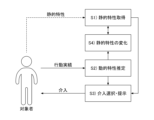
静的特性及び動的特性を利用した介入提示について、図2を参照しながら説明する。図2は、静的特性及び動的特性を利用した介入提示の一例を示す図である。
まず、本提案手法では、対象者の静的特性が取得される(S1)。次に、本提案手法では、予め決められた時刻t毎に、対象者の行動実績から動的特性を推定(S2)した上で、静的特性と動的特性を考慮して最適な介入を選択し、対象者に提示する(S3)。このとき、本提案手法では、以下の式(1)により最適な介入を選択する。

また、本提案手法では、最適な介入を対象者に提示したときの介入効果(つまり、その介入によって期待される行動実績)を予測し、介入効果の予測と実際の行動実績との乖離から静的特性の変化を検知する(S4)。そして、本提案手法では、静的特性の変化が検知された場合、対象者の静的特性が再度取得される。
これにより、本提案手法では、動的特性の変化をユーザ(対象者)に入力等させる必要がなくなり、ユーザ負荷を削減することができる。また、本提案手法では、静的特性の変化が検知された場合にはその変化をユーザ(対象者)に入力等してもらうため、より適切な介入の選択が可能となる。すなわち、本提案手法では、高頻度で変化し得る動的特性に関しては行動実績から推定することによってユーザからの取得を不要とし、低頻度で変化し得る静的特性に関してはその変化が検知された場合のみユーザから取得することとしている。このため、ユーザ負荷の削減に加えて、静的特性の変化によって適切でない介入が選択されてしまう事態も抑止できる。
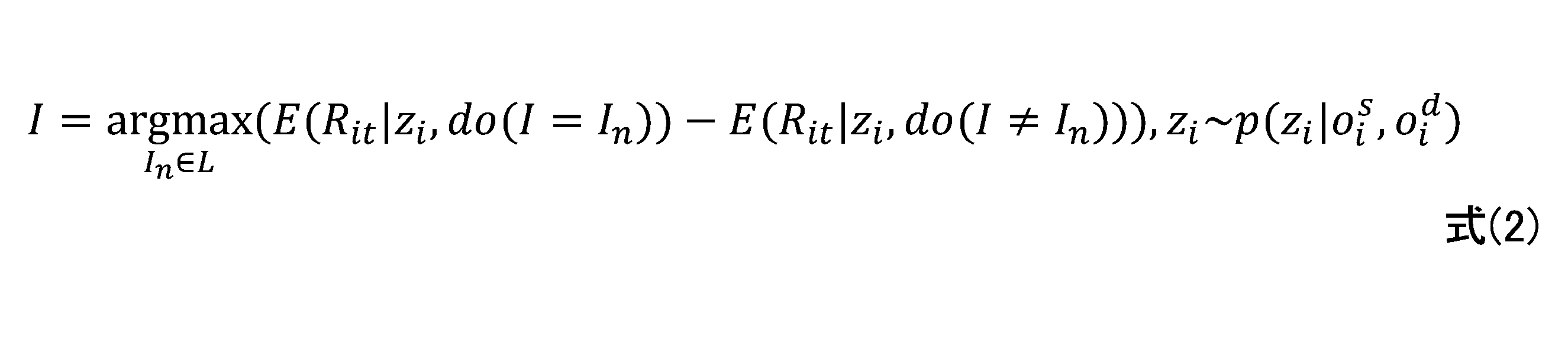
なお、最適な介入を選択する際に、上記の式(1)の代わりに、以下の式(2)により最適な介入が選択されてもよい。
以下、上記の提案手法によって最適な介入をユーザ(対象者)に提示することにより、そのユーザの行動変容を支援する行動変容支援システム1について説明する。
<行動変容支援システム1の全体構成例>
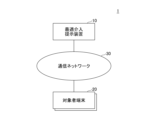
まず、本実施形態に係る行動変容支援システム1の全体構成例について、図3を参照しながら説明する。図3は、本実施形態に係る行動変容支援システム1の全体構成の一例を示す図である。
まず、本実施形態に係る行動変容支援システム1の全体構成例について、図3を参照しながら説明する。図3は、本実施形態に係る行動変容支援システム1の全体構成の一例を示す図である。
図3に示すように、本実施形態に係る行動変容支援システム1には、最適介入提示装置10と、1以上の対象者端末20とが含まれる。また、最適介入提示装置10と各対象者端末20は、例えば、インターネット等を含む通信ネットワーク30を介して通信可能に接続される。
最適介入提示装置10は、上記の提案手法により最適な介入を選択し、対象者端末20に提示する汎用サーバ等といったコンピュータ又はコンピュータシステムである。なお、最適介入提示装置10は、例えば、複数台の汎用サーバ等で構成されるものであってもよいし、仮想マシン等によって実現されるものであってもよいし、PC(パーソナルコンピュータ)等であってもよい。
対象者端末20は、対象者が利用するスマートフォンやタブレット端末、ウェアラブルデバイス等といった各種情報端末である。なお、対象者端末20は、例えば、PC(パーソナルコンピュータ)等であってもよいし、体重計等といった各種機器であってもよい。以下、対象者iが利用する対象者端末20を「対象者端末20i」と表すことにする。
なお、図3に示す行動変容支援システム1の全体構成は一例であって、これに限られるものではない。例えば、最適介入提示装置10と対象者端末20とが一体で構成されるものであってもよい。
<最適介入提示装置10のハードウェア構成例>
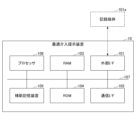
次に、本実施形態に係る最適介入提示装置10のハードウェア構成例について、図4を参照しながら説明する。図4は、本実施形態に係る最適介入提示装置10のハードウェア構成の一例を示す図である。
次に、本実施形態に係る最適介入提示装置10のハードウェア構成例について、図4を参照しながら説明する。図4は、本実施形態に係る最適介入提示装置10のハードウェア構成の一例を示す図である。
図4に示すように、本実施形態に係る最適介入提示装置10は、外部I/F101と、通信I/F102と、RAM(Random Access Memory)103と、ROM(Read Only Memory)104と、補助記憶装置105と、プロセッサ106とを有する。これらの各ハードウェアは、それぞれがバス107を介して通信可能に接続される。
外部I/F101は、記録媒体101a等の外部装置とのインタフェースである。記録媒体101aとしては、例えば、CD(Compact Disc)、DVD(Digital Versatile Disk)、SDメモリカード(Secure Digital memory card)、USB(Universal Serial Bus)メモリカード等が挙げられる。
通信I/F102は、通信ネットワーク30に接続するためのインタフェースである。RAM103は、プログラムやデータを一時保持する揮発性の半導体メモリ(記憶装置)である。ROM104は、電源を切ってもプログラムやデータを保持することができる不揮発性の半導体メモリ(記憶装置)である。補助記憶装置105は、例えば、HDD(Hard Disk Drive)、SSD(Solid State Drive)、フラッシュメモリ等の不揮発性の記憶装置(ストレージ装置)である。プロセッサ106は、例えば、CPU(Central Processing Unit)やGPU(Graphics Processing Unit)等の演算装置である。
なお、図4に示すハードウェア構成は一例であって、最適介入提示装置10のハードウェア構成はこれに限られるものではない。例えば、最適介入提示装置10は、キーボードマウス、タッチパネル等の入力装置を有していてもよいし、ディスプレイ、表示パネル等の表示装置を有していてもよい。また、例えば、最適介入提示装置10は、複数の補助記憶装置105を有していてもよいし、複数のプロセッサ106を有していてもよい。更に、例えば、最適介入提示装置10は、図4に示したハードウェアの一部を有していなくてもよいし、図4に示したハードウェア以外の種々のハードウェアを有していてもよい。
<最適介入提示装置10の機能構成例>
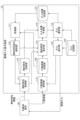
次に、本実施形態に係る最適介入提示装置10の機能構成例について、図5を参照しながら説明する。図5は、本実施形態に係る最適介入提示装置10の機能構成の一例を示す図である。
次に、本実施形態に係る最適介入提示装置10の機能構成例について、図5を参照しながら説明する。図5は、本実施形態に係る最適介入提示装置10の機能構成の一例を示す図である。
図5に示すように、本実施形態に係る最適介入提示装置10は、静的特性取得部111と、行動実績取得部112と、動的特性推定部113と、介入効果予測部114と、介入選択部115と、介入提示部116と、評価部117と、静的特性変化検知部118とを有する。これら各部は、例えば、最適介入提示装置10にインストールされた1以上のプログラムが、プロセッサ106等に実行させる処理により実現される。また、本実施形態に係る最適介入提示装置10は、静的特性記憶部119と、行動実績記憶部120と、介入効果記憶部121と、介入記憶部122とを有する。これら各記憶部は、例えば、補助記憶装置105等の記憶領域により実現される。ただし、これら各記憶部のうちの少なくとも1つの記憶部が、最適介入提示装置10と通信可能に接続された記憶装置等の記憶領域により実現されてもよい。
静的特性取得部111は、静的特性情報oi
sを対象者端末20iから取得する。また、静的特性取得部111は、対象者端末20iから取得した静的特性情報oi
sを静的特性記憶部119に保存する。なお、どのような個人特性を静的特性とするかは予め設定される。
行動実績取得部112は、予め決められた時刻t毎に、行動実績Ritを対象者端末20iから取得する。また、行動実績取得部112は、対象者端末20iから取得した行動実績Ritを行動実績記憶部120に保存する。なお、時刻tの典型例としては、「毎日決められた時刻」、「毎週決められた時刻」、「或る所定のWebサイトにログインした時刻」、「或る所定のアプリケーションを起動した時刻」、「或る所定のイベントが発生した時刻」等が挙げられる。
動的特性推定部113は、時刻t毎に、行動実績記憶部120に記憶されている行動実績Ritの履歴(つまり、行動実績Ritの系列データ)から動的特性情報oi
dを推定する。ここで、動的特性は、例えば、行動変容へのモチベーション等といった心理的特性、対象者の予定(スケジュール)等といった頻繁に変化し得る個人特性のことであるが、動的特性は明示的に設定されるものではなく、静的特性として設定されなかった個人特性が動的特性となる。なお、動的特性情報oi
dの推定方法の具体例については後述する。
介入効果予測部114は、静的特性情報oi
sと、動的特性推定部113によって推定された動的特性情報oi
dとを用いて、介入In(n=1,・・・,N)を対象者iに提示したときの介入効果を予測する。介入効果予測部114は、例えば、介入In毎に、その介入Inの条件付き因果効果である条件付き平均処置効果(CATE:conditional average treatment effect)を介入効果として予測する。ここで、介入Inを対象者iに提示したときの条件付き平均処置効果CATEinは、以下で与えられる。
CATEin=E(Rit|oi
s,oi
d,do(I=In))-E(Rit|oi
s,oi
d,do(I≠In))
すなわち、条件付き平均処置効果CATEinは上記の式(1)のargmaxの対象となる式で与えられる。これにより、N個の条件付き平均処置効果CATEi1,・・・,CATEiNの各々が介入効果として得られる。
すなわち、条件付き平均処置効果CATEinは上記の式(1)のargmaxの対象となる式で与えられる。これにより、N個の条件付き平均処置効果CATEi1,・・・,CATEiNの各々が介入効果として得られる。
なお、介入Inを対象者iに提示したときの条件付き平均処置効果CATEinは、以下で与えられてもよい。
CATEin=E(Rit|zi,do(I=In))-E(Rit|zi,do(I≠In)),zi~p(zi|oi
s,oi
d)
すなわち、条件付き平均処置効果CATEinは上記の式(2)のargmaxの対象となる式で与えられてもよい。
すなわち、条件付き平均処置効果CATEinは上記の式(2)のargmaxの対象となる式で与えられてもよい。
介入選択部115は、介入効果予測部114によって予測された介入効果を用いて、介入記憶部122に記憶されている介入集合L={I1,・・,IN}の中から最適な介入Iを選択する。すなわち、介入選択部115は、CATEi1,・・・,CATEiNの中でその値が最も高いCATEin'(n'∈{1,・・・,N})に対応する介入In'を対象者iに対する最適な介入Iとして選択する。言い換えれば、介入選択部115は、n'=argmaxn∈{1,・・・,N}CATEinを用いて、対象者iに対する最適な介入をI=In'とする。ただし、CATEi1,・・・,CATEiNのすべてが負である場合、介入選択部115は、対象者iに対する最適な介入Iを選択しないものとする。この場合、その対象者iには最適な介入Iが提示されない。以下、時刻tにおける対象者iに対する最適な介入をI(i,t)とも表すことにする。
また、介入選択部115は、時刻tにおける対象者iに対する最適な介入I(i,t)=In'に対応する介入効果CATEin'に対して時刻tを付与して介入効果記憶部121に保存する。以下、時刻tを付与した介入効果CATEin'をTitで表すことにする。この介入効果Titは、時刻tに最適な介入I(i,t)を対象者iに提示したときに予測される介入効果(条件付き平均処置効果)を表している。
介入提示部116は、介入選択部115によって選択された最適な介入I(i,t)を対象者端末20iに提示する。すなわち、介入提示部116は、最適な介入I(i,t)を対象者端末20iに送信する。これにより、対象者端末20iが備えるディスプレイ等には、最適な介入I(i,t)が表すメッセージ等が表示される。
評価部117は、直近の所定の期間における行動実績Ritと、その期間と同一期間における介入効果Titとを用いて、対象者iの行動実績と介入効果との間に乖離が生じているか否かを評価する。すなわち、評価部117は、行動実績記憶部120に記憶されている行動実績の系列{Rit|t∈Δ}と、介入効果記憶部121に記憶されている介入効果の系列{Tit|t∈Δ}とを用いて、対象者iの行動実績と介入効果との間に乖離が生じているか否かを評価する。ここで、Δは、直近の所定の期間(つまり、現在時刻をt=tc、過去の或る時刻をt=tpとしたとき、Δ=[tp,tc]と表される期間)である。Δをどの程度の期間とするかは予め設定される。
静的特性変化検知部118は、評価部117によって対象者iの行動実績と介入効果との間に乖離が生じていると評価された場合、対象者iの静的特性に変化が生じていることを検知する。一方で、静的特性変化検知部118は、評価部117によって対象者iの行動実績と介入効果との間に乖離が生じていると評価されなかった場合、対象者iの静的特性には変化が生じていないものとする。
静的特性記憶部119は、対象者i毎に、その対象者iの静的特性情報oi
sを記憶する。
行動実績記憶部120は、対象者i毎に、その対象者iの各時刻tにおける行動実績Ritを記憶する。
介入効果記憶部121は、対象者i毎に、その対象者iの各時刻tにおける介入効果情報Titを記憶する。
介入記憶部122は、介入集合L={I1,・・,IN}を記憶する。なお、各介入In∈Lの典型例としては、対象者に行動変容を促すテキスト(メッセージ)や画像、動画等を対象者端末20に表示させるためのデータ等が挙げられる。
<最適介入提示処理>
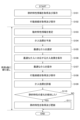
次に、本実施形態に係る最適介入提示処理について、図6を参照しながら説明する。図6は、本実施形態に係る最適介入提示処理の一例を示すフローチャートである。以下では、或る対象者iに対して最適な介入を提示する場合について説明する。
次に、本実施形態に係る最適介入提示処理について、図6を参照しながら説明する。図6は、本実施形態に係る最適介入提示処理の一例を示すフローチャートである。以下では、或る対象者iに対して最適な介入を提示する場合について説明する。
静的特性取得部111は、静的特性情報oi
sを対象者端末20iから取得し、静的特性記憶部119に保存する(ステップS101)。本ステップは、例えば、対象者iが、対象者端末20iを用いて、行動変容支援システム1によって提供される行動変容支援サービスの利用を開始した場合に実行される。なお、静的特性は、例えば、対象者端末20i上で対象者iによって入力される。
行動実績取得部112は、行動実績Ritを対象者端末20iから取得し、行動実績記憶部120に保存する(ステップS102)。
以下、現在時刻t=tcであるものとして、ステップS103~ステップS110の処理について説明する。なお、ステップS103~ステップS110は、時刻t毎に繰り返し実行される。例えば、典型的には、時刻tの単位が「日」である場合、ステップS103~ステップS110は毎日実行される。
動的特性推定部113は、行動実績記憶部120に記憶されている行動実績Ritの履歴(行動実績Ritの系列データ)から動的特性情報oi
dを推定する(ステップS103)。動的特性推定部113は、例えば、変分自己符号化器をRNN(Recurrent Neural Network)等で実現し、その入出力を系列データに拡張したモデルの中間表現ベクトルhtを動的特性情報oi
dとすることができる。変分自己符号化器は、その学習時における損失関数の正則化項の性質により、系列の要素間の違いを考慮したベクトル表現を中間表現ベクトルとして得ることができるためである。
例えば、時刻tの単位を「日」として、過去3日分の行動実績Ritの系列データ{Rit|t=tc-3,tc-2,tc-1}から動的特性情報oi
dを推定する場合、図7に示すように、変分自己符号化器のエンコーダ(RNN)により動的特性情報oi
dを推定することができる。すなわち、行動実績Ritの系列データ{Rit|t=tc-3,tc-2,tc-1}をRNNで実現される変分自己符号化器のエンコーダに入力し、その出力として平均μ及び共分散Σを得る。その後、平均μ、共分散Σの多変量正規分布N(μ,Σ)から中間表現ベクトルhtをサンプリングし、この中間表現ベクトルhtを動的特性情報oi
dとする。ただし、過去3日分の行動実績Ritの系列データを用いることは一例であって、過去のどの程度の期間の行動実績Ritの系列データを用いるかは適宜設定することが可能である。
ここで、上記の変分自己符号化器の学習時には、例えば、過去の或る所定の期間における行動実績Ritの系列データを用いて、既知の所定の損失関数を最小化するように、当該変分自己符号化器のエンコーダ及びデコーダのパラメータを更新すればよい。また、当該変分自己符号化器は対象者i毎に学習されてもよいし、複数の対象者iで共通に学習されてもよいし、複数の対象者iで共通に学習された後、対象者i毎に再学習されてもよい。なお、当該損失関数としては、例えば、エンコーダに入力する系列データとデコーダから出力される系列データとの誤差(予測誤差)を表す項と、エンコーダから出力される平均μ、共分散Σの多変量正規分布N(μ,Σ)と標準正規分布との間のカルバックライブラーダイバージェンスを表す正則化項とで構成される関数とすればよい。
なお、上記のステップS103は、変分自己符号化器の入出力を系列データに拡張したモデルにより動的特性情報oi
dを推定したが、これは一例であって、これ以外の方法により動的特性情報oi
dが推定されてもよい。例えば、行動実績Ritの系列データを時系列クラスタリングによりクラスタリングし、その系列データが属するクラスタを表すベクトルを動的特性情報oi
dとしてもよい。
介入効果予測部114は、介入In(n=1,・・・,N)を対象者iに提示したときの介入効果を予測する(ステップS104)。すなわち、介入効果予測部114は、例えば、介入In毎に、その介入Inの条件付き平均処置効果CATEinを介入効果として算出する。
介入選択部115は、条件付き平均処置効果CATEi1,・・・,CATEiNの中でその値が最も高いCATEin'(n'∈{1,・・・,N})に対応する介入In'∈Lを対象者iに対する最適な介入I(i,t)=In'として選択する(ステップS105)。
介入選択部115は、最適な介入I(i,t)=In'に対応する介入効果CATEin'に対して現在時刻t=tcを付与した介入効果Titを介入効果記憶部121に保存する(ステップS106)。
介入提示部116は、最適な介入I(i,t)を対象者端末20iに提示する(ステップS107)。
行動実績取得部112は、最適な介入I(i,t)が対象者iに提示された後の行動の実績を表す行動実績Ritを対象者端末20iから取得し、行動実績記憶部120に保存する(ステップS108)。
評価部117は、直近の所定の期間Δ=[tp,tc]における行動実績Ritと、その期間と同一期間Δにおける介入効果Titとを用いて、対象者iの行動実績と介入効果との間に乖離が生じているか否かを評価する(ステップS109)。評価部117は、例えば、以下の手順1~手順3により当該乖離が生じているか否かを評価すればよい。以下、tp=tc-M+1であるものとして、期間Δに含まれる時刻数をMとする。
手順1:評価部117は、各t∈Δに対して、|Rit-Tit|≧th1となる個数mを算出する。th1は閾値であり、その値は予め設定される。
手順2:評価部117は、上記の手順1で算出された個数mを用いて、m/Mがth2以上であるか否かを判定する。th2は0<th2<1を満たす閾値であり、その値は予め設定される。
手順3:評価部117は、m/Mがth2以上であると判定した場合は対象者iの行動実績と介入効果との間に乖離が生じていると評価し、そうでない場合は対象者iの行動実績と介入効果との間に乖離が生じていないと評価する。
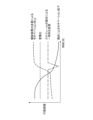
ここで、期間Δをどの程度の期間とするかは予め設定されるが、単日(つまり、M=1)ではなく、少なくとも数日以上(つまり、M≧2)の期間が好ましい。この理由は次の通りである。例えば、モチベーションやスケジュール、習慣等といった動的特性を考えた場合、図8に示すように、モチベーションの向上や低下、習慣化、スケジュールの都合等によって行動実績が変化し得る。このとき、例えば、スケジュールの都合等による一時的な阻害では行動実績の低下も同様に一時的な低下である場合が多い。このため、期間Δを単日等とした場合、介入効果の予測誤差が過大に評価されてしまうことがあるためである。
静的特性変化検知部118は、対象者iの静的特性の変化を検知したか否かを判定する(ステップS110)。静的特性変化検知部118は、上記のステップS109で対象者iの行動実績と介入効果との間に乖離が生じていると評価された場合、その対象者iの静的特性に変化が生じていることを検知する。一方で、静的特性変化検知部118は、上記のステップS109で対象者iの行動実績と介入効果との間に乖離が生じていると評価されなかった場合、その対象者iの静的特性には変化が生じていないものとする。
上記のステップS110で静的特性の変化が検知された場合、静的特性取得部111は、静的特性情報oi
sを対象者端末20iから取得し、その静的特性情報oi
sで静的特性記憶部119に記憶されている静的特性情報oi
sを更新する(ステップS111)。
上記のステップS110で静的特性の変化が検知されなかった場合、又は、上記のステップS111が実行された場合、次の時刻t+1となったときに、上記のステップS103が実行される。
<実施例>
以下、本実施形態に係る行動変容支援システム1の実施例について説明する。
以下、本実施形態に係る行動変容支援システム1の実施例について説明する。
≪実施例1≫
実施例1では、行動変容支援システム1によって提供される行動変容支援サービスとしてヘルスケアサービスを想定し、対象者iに対して歩行を促進するためのメッセージをパーソナライズする場合について説明する。
実施例1では、行動変容支援システム1によって提供される行動変容支援サービスとしてヘルスケアサービスを想定し、対象者iに対して歩行を促進するためのメッセージをパーソナライズする場合について説明する。
実施例1では、各介入はメッセージであり、介入集合としてL={「今日は遠くまで歩いてみませんか?」,「今日も健康のために歩きましょう!」,「部屋の中を掃除するだけでも運動になります。」}を想定する。また、静的特性として、ヘルスケアサービスの利用時における健診結果、過去の運動経験、性格診断結果、勤務形態を設定する。一方で、動的特性は明示的には設定されないが、スケジュール、洗濯の頻度、体力等を想定する。
また、時刻tの単位は「日」であり、対象者iの行動実績Ritは毎日午前0時に前日の歩数が取得されるものとする。更に、動的特性の推定と介入効果の予測には、直近の過去3日間の行動実績が用いられるものとする。
一例として、或る対象者iの静的特性が「健診結果:異常有り」、「運動経験:有」、「性格診断結果:誠実性が高い」、「勤務形態:在宅勤務」であり、直近の歩数が上昇傾向であるものとする。この場合、健診結果への危機感と誠実さから歩行を始めたことにより、過去の運動経験が基礎となり動的特性である体力が戻ってきたと推定できる。このため、例えば、「今日は遠くまで歩いてみませんか?」というメッセージの介入効果が最大となり、当該メッセージが対象者端末20iに提示される。
上記の例について、以下、図6の各ステップと対応させて説明する。
まず、ヘルスケアサービスの利用開始時に静的特性取得部111によって静的特性情報oi
sが対象者端末20iから取得され、静的特性記憶部119に保存される(ステップS101)。静的特性情報oi
sは、例えば、oi
s=(1,1,1,0)といった形式で保存される。ここで、oi
sの1つ目の要素は「健診結果」を表し、異常無しの場合は「0」、異常有りの場合は「1」を取る。同様に、2つ目の要素は「運動経験」を表し、有の場合は「1」、無の場合は「0」を取る。3つ目の要素は「性格診断結果」を表し、その診断結果に応じて予め決められた値を取る。4つ目の要素は「勤務形態」を表し、在宅勤務の場合は「0」、そうでない場合は「1」を取る。また、行動実績取得部112によって直近歩数が行動実績Ritとして取得され、行動実績記憶部120に保存される(ステップS102)。
次に、ヘルスケアサービスの利用中に毎日、ステップS103~ステップS111が実行される。すなわち、まず、動的特性推定部113によって直近の過去3日の行動実績Ritの系列データから動的特性情報oi
dが推定される(ステップS103)。対象者iの直近の歩数は上昇傾向であるため、その上昇傾向に影響を与えている動的特性の変化「体力が戻ってきたこと」を表すベクトル表現が動的特性情報oi
dとして推定される。次に、介入効果予測部114によって静的特性情報oi
sと動的特性情報oi
dから介入効果が予測され(ステップS104)、その後、介入選択部115によって最適な介入I(i,t)=「今日は遠くまで歩いてみませんか?」が選択される(ステップS105)。また、介入選択部115によって最適な介入I(i,t)に対応する介入効果Titが介入効果記憶部121に保存され(ステップS106)、介入提示部116によって最適な介入I(i,t)が対象者端末20iに提示される(ステップS107)。これにより、例えば、対象者端末20iのディスプレイ上には「今日は遠くまで歩いてみませんか?」とのメッセージが表示される。
次に、最適な介入I(i,t)が対象者端末20iに提示された日の翌日の午前0時に行動実績取得部112によって前日の歩数が行動実績Ritとして取得され、行動実績記憶部120に保存される(ステップS108)。
また、評価部117によって直近の過去3日間の行動実績Ritと介入効果Titの間に乖離が生じているか否かが判定される(ステップS109)。例えば、直近の過去3日間の行動実績Ritが[8210,8643,8811]、直近の過去3日間の介入効果Titが[8200,8510,8500]であり、th1=300、th2=0.5であるものとする。この場合、|Rit-Tit|≧th1となる個数mは1であるため、m/M=1/3となる。このため、対象者iの行動実績と介入効果との間に乖離は生じていないと評価され、静的特性変化検知部118によって対象者iの静的特性には変化が生じていないものとされる(ステップS110)。
なお、例えば、対象者iの2、3日おきに歩数が低下している場合、上記のステップS103では「洗濯の頻度が2、3日おきである」ことを表すベクトル表現が動的特性情報oi
dとして推定される。このため、例えば、上記のステップS104では最適な介入I(i,t)として「部屋の中を掃除するだけでも運動になります。」が選択される。
≪実施例2≫
実施例2では、行動変容支援システム1によって提供される行動変容支援サービスとして受験生向けの動画学習サービスを想定し、日々の学習教材の提案をパーソナライズする場合について説明する。
実施例2では、行動変容支援システム1によって提供される行動変容支援サービスとして受験生向けの動画学習サービスを想定し、日々の学習教材の提案をパーソナライズする場合について説明する。
実施例2では、行動変容支援サービスを利用するためのシステムに対象者iがログインしたときと学習教材の動画をし終えたときに、次の学習教材を介入として提示するものとする。なお、学習教材は、分野、科目、難易度、講師等が多岐にわたるものとする。
また、静的特性として、動画学習サービスの利用時における模試の成績、部活動の有無、志望校を設定する。一方で、動的特性は明示的には設定されないが、スケジュール、視聴環境等を想定する。
また、時刻tの単位は「動画の視聴回数」であり、対象者iが学習教材の動画の視聴を終えた都度、その対象者iの時刻tが進むものとする。更に、対象者iの行動実績Ritは介入が提示された後に、その介入として提示された学習教材の視聴有無が提示されるものとする。動的特性の推定と介入効果の予測には、直近の過去10回の行動実績が用いられるものとする。
一例として、或る対象者iの静的特性が、志望校の合格には不十分な成績であり、部活動を実施中であるものとする。また、直近の行動実績(介入として提示された学習教材の視聴有無)が[1,0,0,1,0,0,0,1,0,0]のようにスパースになっているものとする。ここで、「1」は視聴有、「0」は視聴無を表す。この場合、動的特性の変化としてスケジュールを十分に確保できない等が考えられ、短時間で要点がまとめられた学習教材が介入として提示されやすくなる。
上記の例について、以下、図6の各ステップと対応させて説明する。
まず、動画学習サービスの利用開始時に静的特性取得部111によって静的特性情報oi
sが対象者端末20iから取得され、静的特性記憶部119に保存される(ステップS101)。静的特性情報oi
sは、例えば、oi
s=(50,1,30)といった形式で保存される。ここでoi
sの1つ目の要素は「模試の成績」を表し、偏差値を表す数値を取る。同様に、2つ目の要素は「部活動の有無」を表し、部活動を実施中である場合は「1」、そうでない場合は「0」を取る。3つ目の要素は「志望校」を表し、志望校を表す数値を取る。また、行動実績取得部112によって利用開始時に提示された学習教材の視聴有無が行動実績Ritとして取得され、行動実績記憶部120に保存される(ステップS102)。
次に、対象者iが学習教材の動画の視聴を終えた都度、ステップS103~ステップS111が実行される。すなわち、まず、動的特性推定部113によって直近の過去10回の行動実績Ritの系列データから動的特性情報oi
dが推定される(ステップS103)。対象者iの直近の過去10回の行動実績Ritの系列データは[1,0,0,1,0,0,0,1,0,0]であるため、それに影響を与えている動的特性の変化「スケジュールを十分に確保できない」を表すベクトル表現が動的特性情報oi
dとして推定される。次に、介入効果予測部114によって静的特性情報oi
sと動的特性情報oi
dから介入効果が予測され(ステップS104)、その後、介入選択部115によって最適な介入I(i,t)として「短時間で要点がまとめられた学習教材」が選択される(ステップS105)。また、介入選択部115によって最適な介入I(i,t)に対応する介入効果Titが介入効果記憶部121に保存され(ステップS106)、介入提示部116によって最適な介入I(i,t)が対象者端末20iに提示される(ステップS107)。これにより、例えば、対象者端末20iのディスプレイ上には、短時間で要点がまとめられた学習教材が次の学習教材として提示される。
次に、最適な介入I(i,t)が対象者端末20iに提示された後、行動実績取得部112によって当該介入I(i,t)で提示された学習教材の視聴有無が行動実績Ritとして取得され、行動実績記憶部120に保存される(ステップS108)。
また、評価部117によって直近の過去10回の行動実績Ritと介入効果Titの間に乖離が生じているか否かが判定される(ステップS109)。例えば、直近の過去10回の行動実績Ritが[0,0,1,0,0,0,1,0,0,1]、直近の過去10回の介入効果Titが[0.7,0.4,0.7,0.3,0.6,0.7,0.6,0.4,0.6,0.6]であり、th1=0.5、th2=0.5であるものとする。この場合、|Rit-Tit|≧th1となる個数mは4であるため、m/M=4/10となる。このため、対象者iの行動実績と介入効果との間に乖離は生じていないと評価され、静的特性変化検知部118によって対象者iの静的特性には変化が生じていないものとされる(ステップS110)。
なお、例えば、直近の過去10回の行動実績Ritが[1,0,0,0,0,1,1,0,0,0]、直近の過去10回の介入効果Titが[0.7,0.4,0.5,0.5,0.4,0.6,0.6,0.5,0.5,0.6]であったものする。この場合、m/M=5/10となる。これは、例えば、対象者iの志望校等といった静的特性が変化した場合等が挙げられる。このため、静的特性変化検知部118によって対象者iの行動実績と介入効果との間に乖離が生じていることが検知され(ステップS110)、静的特性取得部111によって静的特性情報oi
sが取得及び更新される(ステップS111)。
<まとめ>
以上のように、本実施形態で提案する提案手法では、行動変容における介入選択の問題設定を「個人特性」、「介入」、「行動実績」の3者間の因果関係と、個人特性を変化させる各種要因の因果関係によって定式化している。また、個人特性を静的特性と動的特性に分離し、動的特性によって対象者の状態変化を明示的に考慮した介入選択を可能としている。
以上のように、本実施形態で提案する提案手法では、行動変容における介入選択の問題設定を「個人特性」、「介入」、「行動実績」の3者間の因果関係と、個人特性を変化させる各種要因の因果関係によって定式化している。また、個人特性を静的特性と動的特性に分離し、動的特性によって対象者の状態変化を明示的に考慮した介入選択を可能としている。
このため、上記の提案手法を実現する最適介入提示装置10は、時刻t毎に、行動実績Ritの系列データから動的特性情報oi
dを推定した上で、その動的特性情報oi
dと事前に取得された静的特性情報oi
sから最適な介入I(i,t)を選択及び提示することが可能となる。これにより、頻繁に変化し得る動的特性情報oi
dが変化した場合であっても、動的特性情報oi
dを対象者iに入力等させる必要がないため、ユーザ負荷を削減することができる。
また、本実施形態に係る最適介入提示装置10は、最適な介入I(i,t)を対象者iに提示したときの介入効果を予測した上で、それらの介入効果Titと実際の行動実績Ritとの乖離から静的特性情報oi
sの変化を検知することもできる。このため、静的特性情報oi
sの変化を検知した場合は対象者iにその変化を入力等させることが可能となり、静的特性情報oi
sの変化による介入効果の低下を抑止することが可能となる。
本発明は、具体的に開示された上記の実施形態に限定されるものではなく、請求の範囲の記載から逸脱することなく、種々の変形や変更、既知の技術との組み合わせ等が可能である。
1 行動変容支援システム
10 最適介入提示装置
20 対象者端末
30 通信ネットワーク
101 外部I/F
101a 記録媒体
102 通信I/F
103 RAM
104 ROM
105 補助記憶装置
106 プロセッサ
107 バス
111 静的特性取得部
112 行動実績取得部
113 動的特性推定部
114 介入効果予測部
115 介入選択部
116 介入提示部
117 評価部
118 静的特性変化検知部
119 静的特性記憶部
120 行動実績記憶部
121 介入効果記憶部
122 介入記憶部
10 最適介入提示装置
20 対象者端末
30 通信ネットワーク
101 外部I/F
101a 記録媒体
102 通信I/F
103 RAM
104 ROM
105 補助記憶装置
106 プロセッサ
107 バス
111 静的特性取得部
112 行動実績取得部
113 動的特性推定部
114 介入効果予測部
115 介入選択部
116 介入提示部
117 評価部
118 静的特性変化検知部
119 静的特性記憶部
120 行動実績記憶部
121 介入効果記憶部
122 介入記憶部
Claims (6)
- ユーザの個人特性の中で変化が生じる頻度が低い個人特性である静的特性を表す静的特性情報を取得する静的特性取得部と、
前記ユーザの行動実績に関する情報を用いて、前記個人特性の中で前記静的特性と比較して変化が生じる頻度が高い個人特性である動的特性を表す動的特性情報を推定する動的特性推定部と、
前記静的特性情報と前記動的特性情報とを用いて、予め決められた介入毎に、前記ユーザに対して前記介入を提示したときに期待される効果を表す介入効果を予測する介入効果予測部と、
前記介入効果が最も高くなる介入を最適介入として選択する選択部と、
前記最適介入を前記ユーザに提示する介入提示部と、
を有する最適介入提示装置。 - 前記介入効果予測部は、
前記介入毎に、前記ユーザに対して前記介入を提示したときの行動実績の期待値を前記介入効果として予測する、請求項1に記載の最適介入提示装置。 - 前記動的特性推定部は、
前記ユーザの行動実績の系列データを学習済みの変分自己符号化器のエンコーダに入力することによって得られた平均及び共分散を計算し、
前記平均及び前記共分散によって決定される多変量正規分布からサンプリングされたベクトルを前記静的特性情報として推定する、請求項1に記載の最適介入提示装置。 - 過去の所定の期間における行動実績と、前記期間における前記最適介入に対応する介入効果とを用いて、前記期間における行動実績と介入効果との乖離を評価する評価部と、
前記評価部によって前記乖離が生じていると評価された場合、前記静的特性に変化が生じたことを検知する静的特性変化検知部と、を有し、
前記静的特性取得部は、
前記静的特性変化検知部によって前記静的特性に変化が生じたことが検知された場合、前記静的特性を再取得する、請求項1乃至3の何れか一項に記載の最適介入提示装置。 - ユーザの個人特性の中で変化が生じる頻度が低い個人特性である静的特性を表す静的特性情報を取得する静的特性取得手順と、
前記ユーザの行動実績に関する情報を用いて、前記個人特性の中で前記静的特性と比較して変化が生じる頻度が高い個人特性である動的特性を表す動的特性情報を推定する動的特性推定手順と、
前記静的特性情報と前記動的特性情報とを用いて、予め決められた介入毎に、前記ユーザに対して前記介入を提示したときに期待される効果を表す介入効果を予測する介入効果予測手順と、
前記介入効果が最も高くなる介入を最適介入として選択する選択手順と、
前記最適介入を前記ユーザに提示する介入提示手順と、
をコンピュータが実行する最適介入提示方法。 - ユーザの個人特性の中で変化が生じる頻度が低い個人特性である静的特性を表す静的特性情報を取得する静的特性取得手順と、
前記ユーザの行動実績に関する情報を用いて、前記個人特性の中で前記静的特性と比較して変化が生じる頻度が高い個人特性である動的特性を表す動的特性情報を推定する動的特性推定手順と、
前記静的特性情報と前記動的特性情報とを用いて、予め決められた介入毎に、前記ユーザに対して前記介入を提示したときに期待される効果を表す介入効果を予測する介入効果予測手順と、
前記介入効果が最も高くなる介入を最適介入として選択する選択手順と、
前記最適介入を前記ユーザに提示する介入提示手順と、
をコンピュータに実行させるプログラム。
Priority Applications (1)
| Application Number | Priority Date | Filing Date | Title |
|---|---|---|---|
| PCT/JP2023/030048 WO2025041235A1 (ja) | 2023-08-21 | 2023-08-21 | 最適介入提示装置、最適介入提示方法、及びプログラム |
Applications Claiming Priority (1)
| Application Number | Priority Date | Filing Date | Title |
|---|---|---|---|
| PCT/JP2023/030048 WO2025041235A1 (ja) | 2023-08-21 | 2023-08-21 | 最適介入提示装置、最適介入提示方法、及びプログラム |
Publications (1)
| Publication Number | Publication Date |
|---|---|
| WO2025041235A1 true WO2025041235A1 (ja) | 2025-02-27 |
Family
ID=94731844
Family Applications (1)
| Application Number | Title | Priority Date | Filing Date |
|---|---|---|---|
| PCT/JP2023/030048 Pending WO2025041235A1 (ja) | 2023-08-21 | 2023-08-21 | 最適介入提示装置、最適介入提示方法、及びプログラム |
Country Status (1)
| Country | Link |
|---|---|
| WO (1) | WO2025041235A1 (ja) |
Cited By (1)
| Publication number | Priority date | Publication date | Assignee | Title |
|---|---|---|---|---|
| CN121667652A (zh) * | 2026-02-06 | 2026-03-17 | 浙江大学温州研究院 | 基于数字孪生的智能枕睡眠监测与个性化改善方法 |
Citations (4)
| Publication number | Priority date | Publication date | Assignee | Title |
|---|---|---|---|---|
| JP2021033466A (ja) * | 2019-08-20 | 2021-03-01 | 国立大学法人電気通信大学 | 符号化装置、復号装置、パラメータ学習装置、およびプログラム |
| JP2022031617A (ja) * | 2020-08-09 | 2022-02-22 | オリンパス株式会社 | アドバイスシステムおよびアドバイス方法 |
| JP2022059547A (ja) * | 2020-10-01 | 2022-04-13 | 株式会社World Life Mapping | メンタル改善支援装置 |
| JP2022124967A (ja) * | 2021-02-16 | 2022-08-26 | 株式会社World Life Mapping | サーバ装置、システム、およびプログラム |
-
2023
- 2023-08-21 WO PCT/JP2023/030048 patent/WO2025041235A1/ja active Pending
Patent Citations (4)
| Publication number | Priority date | Publication date | Assignee | Title |
|---|---|---|---|---|
| JP2021033466A (ja) * | 2019-08-20 | 2021-03-01 | 国立大学法人電気通信大学 | 符号化装置、復号装置、パラメータ学習装置、およびプログラム |
| JP2022031617A (ja) * | 2020-08-09 | 2022-02-22 | オリンパス株式会社 | アドバイスシステムおよびアドバイス方法 |
| JP2022059547A (ja) * | 2020-10-01 | 2022-04-13 | 株式会社World Life Mapping | メンタル改善支援装置 |
| JP2022124967A (ja) * | 2021-02-16 | 2022-08-26 | 株式会社World Life Mapping | サーバ装置、システム、およびプログラム |
Cited By (1)
| Publication number | Priority date | Publication date | Assignee | Title |
|---|---|---|---|---|
| CN121667652A (zh) * | 2026-02-06 | 2026-03-17 | 浙江大学温州研究院 | 基于数字孪生的智能枕睡眠监测与个性化改善方法 |
Similar Documents
| Publication | Publication Date | Title |
|---|---|---|
| Lugtig | Panel attrition: Separating stayers, fast attriters, gradual attriters, and lurkers | |
| Willems et al. | Correcting for dependent censoring in routine outcome monitoring data by applying the inverse probability censoring weighted estimator | |
| Korpershoek et al. | Determinants of activation for self-management in patients with COPD | |
| Baesens et al. | Neural network survival analysis for personal loan data | |
| Coe et al. | Long-term care insurance: Does experience matter? | |
| Mood | Logistic regression: Why we cannot do what we think we can do, and what we can do about it | |
| Nandi et al. | Explaining personality pay gaps in the UK | |
| Barrett et al. | Changes in subjective well-being with retirement: assessing savings adequacy | |
| Titman et al. | General tests of the Markov property in multi-state models | |
| Cole et al. | A note on the use of mixture models for individual prediction | |
| Early et al. | Dynamic question ordering in online surveys | |
| KR20160043777A (ko) | 질환 발병 예측 방법 및 그 장치 | |
| Dudel | Expanding the Markov chain toolbox: Distributions of occupation times and waiting times | |
| Frochen et al. | Functional status and adaptation: measuring activities of daily living and device use in the National Health and aging trends study | |
| CN113990506B (zh) | 一种健康状态评估方法、装置、存储介质及计算机系统 | |
| Waddimba et al. | The moderating effect of job satisfaction on physicians’ motivation to adhere to financially incentivized clinical practice guidelines | |
| Browning et al. | Heterogeneity in the dynamics of labor earnings | |
| US20240290499A1 (en) | Method and System for Predicting Medical Diagnoses Using Machine Learning without Patient Intervention | |
| Heinesen et al. | Return to work after cancer and pre-cancer job dissatisfaction | |
| Mukamel et al. | Changes in clinical and hotel expenditures following publication of the nursing home compare report card | |
| Lorenz et al. | Inferring marginal association with paired and unpaired clustered data | |
| Masresha et al. | Determinant factors of leprosy-related disability; comparison of acceleration failure time and parametric shared frailty models | |
| Schneider et al. | The physician-patient relationship revisited: the patient’s view | |
| Kim et al. | Temporal generative models for learning heterogeneous group dynamics of ecological momentary assessment data | |
| Tran et al. | Modeling local dependence in latent vector autoregressive models |
Legal Events
| Date | Code | Title | Description |
|---|---|---|---|
| 121 | Ep: the epo has been informed by wipo that ep was designated in this application |
Ref document number: 23949696 Country of ref document: EP Kind code of ref document: A1 |
|
| NENP | Non-entry into the national phase |
Ref country code: DE |