WO2025023311A1 - ワクチンに使用するための組成物 - Google Patents
ワクチンに使用するための組成物 Download PDFInfo
- Publication number
- WO2025023311A1 WO2025023311A1 PCT/JP2024/026712 JP2024026712W WO2025023311A1 WO 2025023311 A1 WO2025023311 A1 WO 2025023311A1 JP 2024026712 W JP2024026712 W JP 2024026712W WO 2025023311 A1 WO2025023311 A1 WO 2025023311A1
- Authority
- WO
- WIPO (PCT)
- Prior art keywords
- group
- lnp
- carbon atoms
- mrna
- independently represent
- Prior art date
- Legal status (The legal status is an assumption and is not a legal conclusion. Google has not performed a legal analysis and makes no representation as to the accuracy of the status listed.)
- Pending
Links
Images









Classifications
-
- A—HUMAN NECESSITIES
- A61—MEDICAL OR VETERINARY SCIENCE; HYGIENE
- A61K—PREPARATIONS FOR MEDICAL, DENTAL OR TOILETRY PURPOSES
- A61K39/00—Medicinal preparations containing antigens or antibodies
- A61K39/39—Medicinal preparations containing antigens or antibodies characterised by the immunostimulating additives, e.g. chemical adjuvants
-
- A—HUMAN NECESSITIES
- A61—MEDICAL OR VETERINARY SCIENCE; HYGIENE
- A61K—PREPARATIONS FOR MEDICAL, DENTAL OR TOILETRY PURPOSES
- A61K47/00—Medicinal preparations characterised by the non-active ingredients used, e.g. carriers or inert additives; Targeting or modifying agents chemically bound to the active ingredient
- A61K47/06—Organic compounds, e.g. natural or synthetic hydrocarbons, polyolefins, mineral oil, petrolatum or ozokerite
- A61K47/16—Organic compounds, e.g. natural or synthetic hydrocarbons, polyolefins, mineral oil, petrolatum or ozokerite containing nitrogen, e.g. nitro-, nitroso-, azo-compounds, nitriles, cyanates
- A61K47/18—Amines; Amides; Ureas; Quaternary ammonium compounds; Amino acids; Oligopeptides having up to five amino acids
-
- A—HUMAN NECESSITIES
- A61—MEDICAL OR VETERINARY SCIENCE; HYGIENE
- A61P—SPECIFIC THERAPEUTIC ACTIVITY OF CHEMICAL COMPOUNDS OR MEDICINAL PREPARATIONS
- A61P31/00—Antiinfectives, i.e. antibiotics, antiseptics, chemotherapeutics
Definitions
- the present invention relates to a composition for use in a vaccine.
- Vaccines composed of lipid nanoparticles (LNPs) encapsulating messenger RNA (mRNA) are expected to be a highly effective modality because they can be used for 100-day missions.
- LNPs lipid nanoparticles
- mRNA messenger RNA
- Patent Document 1 discloses a cationic lipid with improved intracellular dynamics, but does not disclose the use of the cationic lipid in a vaccine.
- the present invention has been made in consideration of the above problems, and aims to provide a composition for use in a vaccine that can reduce side effects.
- composition for use in a vaccine that can reduce side effects, and completed the present invention.
- R 1a and R 1b each independently represent an alkylene group having 1 to 6 carbon atoms
- Xa and Xb each independently represent a non-cyclic alkyl tertiary amino group having 1 to 6 carbon atoms and one tertiary amino group, or a cyclic alkylene tertiary amino group having 2 to 5 carbon atoms and one or two tertiary amino groups
- R 2a and R 2b each independently represent an alkylene group or an oxydialkylene group having 8 or less carbon atoms
- Y a and Y b each independently represent an ester bond, an amide bond, a carbamate bond, an ether bond, or a urea bond
- Z a and Z b each independently represent a divalent group derived from an aromatic compound having 3 to 16 carbon atoms, at least one aromatic ring, and optionally having a heteroatom
- R 3a and R 3b each independently represent a divalent group derived from an aromatic compound having 3 to 16
- composition described in [1], further comprising a nucleic acid comprising a nucleic acid.
- a vaccine comprising a cationic lipid represented by the above formula (1).
- A2 The vaccine described in [A1], further comprising a nucleic acid.
- A3 The vaccine according to [A1] to [A2], wherein the ratio of the cationic lipid content to the nucleic acid content is 0.05 to 150, expressed as cationic lipid content (nmol)/nucleic acid content ( ⁇ g).
- [A5] The composition according to any one of [A1] to [A4], which is a lipid particle.
- [A6] A vaccine described in any one of [A1] to [A5] for preventing or treating an infectious disease.
- [A8] The vaccine described in [A1] to [A7], wherein the prevention of an infectious disease includes inducing protective immunity against the infectious disease in a subject.
- [B1] A method for preventing a disease, comprising: A method comprising administering a composition comprising a cationic lipid represented by the above formula (1) and a nucleic acid.
- a method comprising administering a composition comprising a cationic lipid represented by the above formula (1) and a nucleic acid.
- [B2] The method according to [B1], wherein the ratio of the cationic lipid content to the nucleic acid content is 0.05 to 150, expressed as cationic lipid content (nmol)/nucleic acid content ( ⁇ g).
- the composition further comprises one or more selected from the group consisting of ionic lipids, neutral lipids, PEG-modified lipids and sterols.
- [B4] The composition according to any one of [B1] to [B3], which is a lipid particle.
- [B5] The method according to any one of [B1] to [B4], wherein the disease is an infectious disease.
- [B6] The method according to any one of [B1] to [B5], wherein the composition is administered intradermally, subcutaneously, intranasally or intramuscularly.
- [B7] The method of any of [B1] to [B6], wherein the composition induces protective immunity against disease in the subject.
- [C1] A method for inducing protective immunity against a disease in a subject, comprising: A method comprising administering a composition comprising a cationic lipid represented by the above formula (1) and a nucleic acid.
- a method comprising administering a composition comprising a cationic lipid represented by the above formula (1) and a nucleic acid.
- [C2] The method according to [C1], wherein the ratio of the cationic lipid content to the nucleic acid content is 0.05 to 150, expressed as cationic lipid content (nmol)/nucleic acid content ( ⁇ g).
- [C3] The method according to [C1] or [C2], wherein the composition further comprises one or more selected from the group consisting of ionic lipids, neutral lipids, PEG-modified lipids and sterols.
- composition according to any one of [C1] to [C3], which is a lipid particle.
- composition according to any one of [C1] to [C4], wherein the disease is an infectious disease.
- composition is administered intradermally, subcutaneously, intranasally or intramuscularly.
- [D1] Use of a composition comprising a cationic lipid represented by the above formula (1) and a nucleic acid for preventing a disease.
- [D2] The use according to [D1], wherein the ratio of the cationic lipid content to the nucleic acid content is 0.05 to 150, expressed as cationic lipid content (nmol)/nucleic acid content ( ⁇ g).
- [D3] The use described in [D1] or [D2], wherein the composition further comprises one or more selected from the group consisting of ionic lipids, neutral lipids, PEG-modified lipids and sterols.
- [D4] The composition according to any one of [D1] to [D3], which is a lipid particle.
- [D5] The use according to any one of [D1] to [D4], wherein the disease is an infectious disease.
- [D6] The use according to any one of [D1] to [D5], wherein the composition is administered intradermally, subcutaneously, intranasally or intramuscularly.
- [D7] The use described in any of [D1] to [D6], wherein the prevention of an infectious disease includes inducing protective immunity against an infectious disease in a subject.
- [E1] Use of the cationic lipid represented by formula (1) above in the manufacture of a composition for use in a vaccine.
- [E2] The use described in [E1], wherein the composition further comprises a nucleic acid.
- [E3] The use according to [E2], wherein the ratio of the cationic lipid content to the nucleic acid content is 0.05 to 150, expressed as cationic lipid content (nmol)/nucleic acid content ( ⁇ g).
- [E4] The use described in any one of [E1] to [E3], wherein the composition further comprises one or more selected from the group consisting of ionic lipids, neutral lipids, PEG-modified lipids, and sterols.
- [E5] The composition according to any one of [E1] to [E4], which is a lipid particle.
- [E6] The composition described in any one of [E1] to [E5], which is a composition for preventing or treating an infectious disease.
- [E7] The use according to any one of [E1] to [E6], wherein the composition is for intradermal, subcutaneous, nasal or intramuscular administration.
- [E8] The use according to [E1] to [E7], wherein the prevention of an infectious disease comprises inducing protective immunity against an infectious disease in a subject.
- the use in [E1] to [E8] may be the use of the cationic lipid represented by the above formula (1) in the production of a vaccine.
- the present invention provides a composition for use in a vaccine that can reduce side effects.
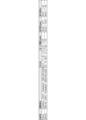
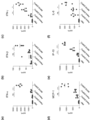
- FIG. 1 shows the results of measuring the encapsulation rate of mRNA-LNP. Cryo-electron microscope images of mRNA-LNPs.
- FIG. 1 shows antibody titers after two subcutaneous immunizations.
- FIG. 1 shows antibody titers after subcutaneous prime immunization.
- FIG. 1 is a graph comparing antibody titers after two subcutaneous immunizations with those of a control.
- FIG. 1 shows antibody titers after two intramuscular immunizations.
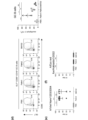
- FIG. 1 shows T cell responses after two subcutaneous or two intramuscular immunizations.
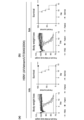
- FIG. 1 shows the infection defense ability using body weight and survival rate as indicators.
- FIG. 1 shows the mRNA transfection efficiency after a single intramuscular immunization.
- FIG. 1 shows the mRNA transfection efficiency after a single intramuscular immunization.
- FIG. 1 shows the mRNA transfection efficiency after two intramuscular immunizations.
- FIG. 1 shows HA expression after two intramuscular immunizations.
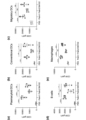
- FIG. 1 shows activation of antigen-presenting cells in draining lymph nodes after subcutaneous immunization.
- FIG. 1 shows the amounts of cytokines in the blood after subcutaneous immunization.
- FIG. 1 shows the amounts of cytokines in the blood after subcutaneous immunization.
- FIG. 1 shows the amount of cytokines in the blood after intramuscular immunization.
- FIG. 1 shows side effects after intramuscular immunization.
- FIG. 13 is a diagram comparing blood cytokine levels and antibody titers between LNPs using different neutral lipids.
- composition of the present embodiment has the following formula (1): (In formula (1), R 1a and R 1b each independently represent an alkylene group having 1 to 6 carbon atoms; Xa and Xb each independently represent a non-cyclic alkyl tertiary amino group having 1 to 6 carbon atoms and one tertiary amino group, or a cyclic alkylene tertiary amino group having 2 to 5 carbon atoms and one or two tertiary amino groups; R 2a and R 2b each independently represent an alkylene group or an oxydialkylene group having 8 or less carbon atoms; Y a and Y b each independently represent an ester bond, an amide bond, a carbamate bond, an ether bond, or a urea bond; Z a and Z b each independently represent a divalent group derived from an aromatic compound having 3 to 16 carbon atoms, at least one aromatic ring, and optionally having a heteroatom; R 3a and R 3b each independently represent a residue
- R 1a and R 1b each independently represent an alkylene group having 1 to 6 carbon atoms, which may be linear or branched and is not particularly limited, but is preferably linear.
- the number of carbon atoms in the alkylene group is not particularly limited, but is preferably 1 to 4, and more preferably 1 to 2, for example.
- the alkylene group having 1 to 6 carbon atoms is not particularly limited, and examples thereof include a methylene group, an ethylene group, a trimethylene group, an isopropylene group, a tetramethylene group, an isobutylene group, a pentamethylene group, and a neopentylene group, etc.
- R 1a may be the same as or different from R 1b and is not particularly limited, but it is preferable that R 1a and R 1b are the same group.
- Xa and Xb each independently represent a non-cyclic alkyl tertiary amino group having 1 to 6 carbon atoms and one tertiary amino group, or a cyclic alkylene tertiary amino group having 2 to 5 carbon atoms and one or two tertiary amino groups, and are not particularly limited, and are preferably each independently a cyclic alkylene tertiary amino group having 2 to 5 carbon atoms and one or two tertiary amino groups.
- Xa may be the same as or different from Xb and is not particularly limited, but it is preferable that Xa and Xb are the same group.
- the alkyl group having 1 to 6 carbon atoms in the non-cyclic alkyl tertiary amino group having 1 tertiary amino group may be linear, branched or cyclic.
- the number of carbon atoms in the alkyl group is not particularly limited, but is preferably 1 to 3, for example.
- the alkyl group having 1 to 6 carbon atoms is not particularly limited, and examples thereof include a methyl group, an ethyl group, a propyl group, an isopropyl group, an n-butyl group, a sec-butyl group, an isobutyl group, a tert-butyl group, a pentyl group, an isopentyl group, a neopentyl group, a t-pentyl group, a 1,2-dimethylpropyl group, a 2-methylbutyl group, a 2-methylpentyl group, a 3-methylpentyl group, a 2,2-dimethylbutyl group, a 2,3-dimethylbutyl group, and a cyclohexyl group.
- a methyl group, an ethyl group, a propyl group, or an isopropyl group is preferable, and a methyl group is more preferable.
- a preferred specific structure of the non-cyclic alkyl tertiary amino group having 1 to 6 carbon atoms and one tertiary amino group is represented by X1 .
- R 5 of X 1 represents an alkyl group having 1 to 6 carbon atoms, and may be linear, branched, or cyclic.
- the number of carbon atoms of the alkyl group is not particularly limited, but is preferably 1 to 3, for example.
- alkyl group having 1 to 6 carbon atoms examples include, but are not particularly limited to, a methyl group, an ethyl group, a propyl group, an isopropyl group, an n-butyl group, a sec-butyl group, an isobutyl group, a tert-butyl group, a pentyl group, an isopentyl group, a neopentyl group, a t-pentyl group, a 1,2-dimethylpropyl group, a 2-methylbutyl group, a 2-methylpentyl group, a 3-methylpentyl group, a 2,2-dimethylbutyl group, a 2,3-dimethylbutyl group, and a cyclohexyl group.
- a methyl group, an ethyl group, a propyl group, or an isopropyl group is preferable, and a methyl group is more preferable.
- the number of carbon atoms in the cyclic alkylene tertiary amino group having 2 to 5 carbon atoms and 1 or 2 tertiary amino groups is not particularly limited, but is preferably, for example, 4 to 5.
- the cyclic alkylene tertiary amino group having 2 to 5 carbon atoms and 1 to 2 tertiary amino groups is not particularly limited, and examples thereof include an aziridylene group, an azetidylene group, a pyrrolidine group, a piperidylene group, an imidazolidylene group, and a piperaziylene group. Among these, a pyrrolidine group, a piperidylene group, or a piperaziylene group is preferable, and a piperidylene group is more preferable.
- a preferred specific structure of a cyclic alkylene tertiary amino group having 2 to 5 carbon atoms and one tertiary amino group is represented by X2 .
- p of X2 is 1 or 2.
- X2 is a pyrrolidine group
- X2 is a piperidylene group.
- a preferred specific structure of a cyclic alkylene tertiary amino group having 2 to 5 carbon atoms and two tertiary amino groups is represented by X3 .
- the w of X3 is 1 or 2.
- X3 is an imidazolidylene group
- X3 is a piperaziylene group.
- R 2a and R 2b each independently represent an alkylene group or oxydialkylene group having 8 or less carbon atoms, and are not particularly limited, but preferably each independently represent an alkylene group having 8 or less carbon atoms.
- R 2a may be the same as or different from R 2b and is not particularly limited, but it is preferable that R 2a is the same group as R 2b .
- the alkylene group having 8 or less carbon atoms may be linear or branched, and is not particularly limited, but is preferably linear.
- the number of carbon atoms in the alkylene group is not particularly limited, but is preferably 6 or less, and more preferably 4 or less.
- Examples of alkylene groups having 8 or less carbon atoms include, but are not particularly limited to, methylene, ethylene, propylene, isopropylene, tetramethylene, isobutylene, pentamethylene, hexamethylene, heptamethylene, and octamethylene groups. Among these, methylene, ethylene, propylene, or tetramethylene groups are preferred, and ethylene groups are more preferred.
- An oxydialkylene group having 8 or less carbon atoms refers to an alkylene group (alkylene-O-alkylene) via an ether bond, in which the total number of carbon atoms in the two alkylene groups is 8 or less.
- the two alkylene groups may be the same or different, but it is preferable that they are the same.
- Examples of oxydialkylene groups having 8 or less carbon atoms include, but are not limited to, an oxydimethylene group, an oxydiethylene group, an oxydipropylene group, and an oxydibutylene group. Among these, an oxydimethylene group, an oxydiethylene group, or an oxydipropylene group is preferable, and an oxydiethylene group is more preferable.
- Y a and Y b each independently represent an ester bond, an amide bond, a carbamate bond, an ether bond or a urea bond, and are not particularly limited, but are preferably each independently an ester bond, an amide bond or a carbamate bond, more preferably each independently an ester bond or an amide bond, and even more preferably each independently an ester bond.
- the bond direction of Y a and Y b is not particularly limited, but when Y a and Y b are ester bonds, they preferably have the structures -Z a -CO-O-R 2a - and -Z b -CO-O-R 2b -.
- Y a may be the same as or different from Y b and is not particularly limited, but it is preferable that Y a and Y b are the same group.
- Z a and Z b each independently represent a divalent group derived from an aromatic compound having 3 to 16 carbon atoms, at least one aromatic ring, and optionally having a heteroatom.
- the aromatic compound preferably has 6 to 12 carbon atoms, more preferably 6 to 7 carbon atoms.
- the aromatic compound preferably contains one aromatic ring. Examples of the aromatic ring contained in the aromatic compound having 3 to 16 carbon atoms include, but are not limited to, aromatic hydrocarbon rings and aromatic heterocycles. Examples of the aromatic hydrocarbon ring include, but are not limited to, a benzene ring, a naphthalene ring, and an anthracene ring.
- aromatic heterocycle examples include, but are not limited to, an imidazole ring, a pyrazole ring, an oxazole ring, an isoxazole ring, a thiazole ring, an isothiazole ring, a triazine ring, a pyrrole ring, a furanthiophene ring, a pyrimidine ring, a pyridazine ring, a pyrazine ring, a pyridine ring, a purine ring, a pteridine ring, a benzimidazole ring, an indole ring, a benzofuran ring, a quinazoline ring, a phthalazine ring, a quinoline ring, an isoquinoline ring, a coumarin ring, a chromone ring, a benzodiazepine ring, a phenoxazine ring, a
- the aromatic ring is preferably a benzene ring, a naphthalene ring, or an anthracene ring, and more preferably a benzene ring.
- the aromatic ring may have a substituent.
- the substituent is not particularly limited, but examples thereof include an acyl group having 2 to 4 carbon atoms, an alkoxycarbonyl group having 2 to 4 carbon atoms, a carbamoyl group having 2 to 4 carbon atoms, an acyloxy group having 2 to 4 carbon atoms, an acylamino group having 2 to 4 carbon atoms, an alkoxycarbonylamino group having 2 to 4 carbon atoms, a fluorine atom, a chlorine atom, a bromine atom, an iodine atom, an alkylsulfanyl group having 1 to 4 carbon atoms, an alkylsulfonyl group having 1 to 4 carbon atoms, an arylsulfonyl group having 6 to 10 carbon atoms, a nitro group, a trifluoromethyl group, a cyano group, an alkyl group having 1 to 4 carbon atoms, a ureido group having 1 to 4 carbon atoms, an al
- an acetyl group, a methoxycarbonyl group, a methylcarbamoyl group, an acetoxy group, an acetamide group, a methoxycarbonylamino group, a fluorine atom, a chlorine atom, a bromine atom, an iodine atom, a methylsulfanyl group, a phenylsulfonyl group, a nitro group, a trifluoromethyl group, a cyano group, a methyl group, an ethyl group, a propyl group, an isopropyl group, a t-butyl group, a ureido group, a methoxy group, an ethoxy group, a propoxy group, an isopropoxy group, a t-butoxy group, a phenyl group, and a phenoxy group are preferable.
- Z a and Z b may be the same or different and are
- Z 1 A preferred specific structure of Z a and Z b is shown as Z 1 .
- s represents an integer of 0 to 3
- t represents an integer of 0 to 3
- u represents an integer of 0 to 4
- u R4s each independently represent a substituent.
- the s in Z1 is preferably an integer of 0 to 1, and more preferably 0.
- the t in Z1 is preferably an integer of 0 to 2, and more preferably 1.
- u is preferably an integer of 0 to 2, and more preferably an integer of 0 to 1.
- R 4 of Z 1 is a substituent of an aromatic ring (benzene ring) contained in an aromatic compound having 3 to 16 carbon atoms that does not inhibit the reaction in the synthesis process of the cationic lipid represented by the above formula (1).
- the substituent is not particularly limited, but examples thereof include an acyl group having 2 to 4 carbon atoms, an alkoxycarbonyl group having 2 to 4 carbon atoms, a carbamoyl group having 2 to 4 carbon atoms, an acyloxy group having 2 to 4 carbon atoms, an acylamino group having 2 to 4 carbon atoms, an alkoxycarbonylamino group having 2 to 4 carbon atoms, a fluorine atom, a chlorine atom, a bromine atom, an iodine atom, an alkylsulfanyl group having 1 to 4 carbon atoms, an alkylsulfonyl group having 1 to 4 carbon atoms, an arylsulfonyl group having 6
- each R4 may be an acetyl group, a methoxycarbonyl group, a methylcarbamoyl group, an acetoxy group, an acetamide group, a methoxycarbonylamino group, a fluorine atom, a chlorine atom, a bromine atom, an iodine atom, a methylsulfanyl group, a phenylsulfonyl group, a nitro group, a trifluoromethyl group, a cyano group, a methyl group, an ethyl group, a propyl group, an isopropyl group, a t-butyl group, a ureido group, a methoxy group, an ethoxy group, a propoxy group, an isopropoxy group, a t-butoxy group, a phenyl group, and a phenoxy group.
- each R4 may be present, a plurality of R4
- R 3a and R 3b each independently represent a residue derived from a reaction product of a fat-soluble vitamin having a hydroxyl group and succinic anhydride or glutaric anhydride, or a residue derived from a reaction product of a sterol derivative having a hydroxyl group and succinic anhydride or glutaric anhydride, or an aliphatic hydrocarbon group having 12 to 22 carbon atoms, and are not particularly limited, but preferably each independently represent a residue derived from a reaction product of a fat-soluble vitamin having a hydroxyl group and succinic anhydride or glutaric anhydride, or an aliphatic hydrocarbon group having 12 to 22 carbon atoms, and more preferably each independently represent an aliphatic hydrocarbon group having 12 to 22 carbon atoms.
- R 3a and/or R 3b are a residue derived from a reaction product of succinic anhydride or glutaric anhydride
- the carbonyl group which is the substituent bonded to R 3a and R 3b in formula (1) may be derived from succinic anhydride or glutaric anhydride.
- the fat-soluble vitamin having a hydroxyl group is not particularly limited, but examples thereof include retinol, ergosterol, 7-dehydrocholesterol, calciferol, corcalciferol, dihydroergocalciferol, dihydrotachysterol, tocopherol, tocotrienol, etc. Among these, tocopherol is preferable.
- the sterol derivative having a hydroxyl group is not particularly limited, but examples thereof include cholesterol, cholestanol, stigmasterol, ⁇ -sitosterol, lanosterol, ergosterol, etc. Among these, cholesterol or cholestanol is preferred.
- the aliphatic hydrocarbon group having 12 to 22 carbon atoms may be linear or branched.
- the aliphatic hydrocarbon group may be saturated or unsaturated.
- the number of unsaturated bonds contained in the aliphatic hydrocarbon group is preferably 1 to 6, more preferably 1 to 3, and even more preferably 1 to 2.
- unsaturated bonds include carbon-carbon double bonds and carbon-carbon triple bonds, with carbon-carbon double bonds being preferred.
- the number of carbon atoms in the aliphatic hydrocarbon group is preferably 13 to 19, and more preferably 13 to 17.
- Examples of the aliphatic hydrocarbon group include, but are not limited to, alkyl groups, alkenyl groups, and alkynyl groups.
- alkyl groups and alkenyl groups are preferred.
- the aliphatic hydrocarbon group having 12 to 22 carbon atoms is not particularly limited, and examples thereof include dodecyl group, tridecyl group, tetradecyl group, pentadecyl group, hexadecyl group, heptadecyl group, octadecyl group, nonadecyl group, icosyl group, henicosyl group, docosyl group, dodecenyl group, tridecenyl group, tetradecenyl group, pentadecenyl group, hexadecenyl group, heptadecenyl group, octadecenyl group, nonadecenyl group, icosenyl group, henicosyl group, docosenyl group, dodecadienyl group, and tridecadienyl group.
- tetradecadienyl group pentadecadienyl group, hexadecadienyl group, heptadecadienyl group, octadecadienyl group, nonadecadienyl group, icosadienyl group, henicosadienyl group, docosadienyl group, octadecatrienyl group, icosatrienyl group, icosatetraenyl group, icosapentaenyl group, docosahexaenyl group, isostearyl group, 1-hexylheptyl group, 1-hexylnonyl group, 1-octylnonyl group, 1-octylundecyl group, and 1-decylundecyl group.
- a tridecyl group, a pentadecyl group, a heptadecyl group, a nonadecyl group, a heptadecenyl group, a heptadecadienyl group, or a 1-hexylnonyl group is preferable, and a tridecyl group, a heptadecyl group, a heptadecenyl group, or a heptadecadienyl group is more preferable.
- the aliphatic hydrocarbon group having 12 to 22 carbon atoms represented by R 3a and R 3b is preferably derived from a fatty acid.
- the carbonyl carbon derived from the fatty acid is included in -CO-O- in formula (1).
- the aliphatic hydrocarbon group is not particularly limited, but for example, when linoleic acid is used as the fatty acid, it is a heptadecadienyl group, and when oleic acid is used as the fatty acid, it is a heptadecenyl group.
- R 3a may be the same as or different from R 3b and is not particularly limited, but it is preferable that R 3a is the same group as R 3b .
- R 1a is the same as R 1b
- Xa is the same as Xb
- R 2a is the same as R 2b
- Ya is the same as Yb
- Za is the same as Zb
- R 3a is the same as R 3b .
- the cationic lipid represented by the above formula (1) is preferably any one of the following cationic lipids (1-1) to (1-3).
- R 1a and R 1b each independently represent an alkylene group having 1 to 6 carbon atoms (e.g., a methylene group, an ethylene group);
- Xa and Xb each independently represent a non-cyclic alkyl tertiary amino group having 1 to 6 carbon atoms and one tertiary amino group (e.g., --N( CH.sub.3 )--), or a cyclic alkylene tertiary amino group having 2 to 5 carbon atoms and one or two tertiary amino groups (e.g., a piperidylene group);
- R 2a and R 2b each independently represent an alkylene group having 8 or less carbon atoms (e.g., a methylene group, an ethylene group, a propylene group);
- Y a and Y b each independently represent
- R 1a and R 1b each independently represent an alkylene group having 1 to 4 carbon atoms (e.g., a methylene group, an ethylene group);
- Xa and Xb each independently represent a non-cyclic alkyl tertiary amino group having 1 to 3 carbon atoms and one tertiary amino group (e.g., --N( CH.sub.3 )--), or a cyclic alkylene tertiary amino group having 2 to 5 carbon atoms and one tertiary amino group (e.g., a piperidylene group);
- R 2a and R 2b each independently represent an alkylene group having 6 or less carbon atoms (e.g., a methylene group, an ethylene group, a propylene group);
- Y a and Y b each independently represent an ester bond or an amide bond;
- Z a and Z b are each independently a divalent group derived from an aromatic compound having 6 to 12
- R 1a and R 1b each independently represent an alkylene group having 1 to 2 carbon atoms (e.g., a methylene group, an ethylene group);
- Xa and Xb each independently represent X 1 : (wherein R 5 is an alkyl group having 1 to 3 carbon atoms (e.g., a methyl group)), or X 2 : (In the formula, p is 1 or 2.) and
- R 2a and R 2b each independently represent an alkylene group having 4 or less carbon atoms (e.g., a methylene group, an ethylene group, a propylene group);
- Y a and Y b each independently represent an ester bond or an amide bond;
- Z a and Z b are each independently Z 1 : (In the formula, s is an integer of 0 to 1, t is an integer of 0 to 2, u is an integer of 0 to 2 (preferably 0), and u R4s each independently represent a substituent.
- the cationic lipid represented by the above formula (1) is not particularly limited, but examples thereof include O-Ph-P3C1, O-Ph-P4C1, O-Ph-P4C2, O-Bn-P4C2, E-Ph-P4C2, L-Ph-P4C2, HD-Ph-P4C2, O-Ph-amide-P4C2, and O-Ph-C3M, and is preferably O-Ph-P4C2 (hereinafter, also referred to as "ssPalmO").
- the ratio (mol%) of the cationic lipid represented by the above formula (1) to the total lipid present in the composition of this embodiment is not particularly limited, but is preferably 5% to 100%, more preferably 10% to 90%, even more preferably 20% to 70%, and even more preferably 35% to 65%. Among these, it is preferably 40% to 60%, and more preferably 45% to 55%.
- the cationic lipid represented by the above formula (1) may be used alone or in combination of two or more kinds.
- the cationic lipid represented by the above formula (1) can be produced by a known method. Although not particularly limited, it can be produced by, for example, the method described in WO 2019/188867, etc.
- the composition of the present embodiment may further contain a nucleic acid.
- nucleic acids include, but are not limited to, deoxyribonucleic acid (DNA) and ribonucleic acid (RNA), and preferably RNA.
- RNA include, but are not limited to, mRNA, circular RNA, self-amplifying RNA, miRNA, piRNA, tsRNA, siRNA, tRNA, rRNA, snRNA, snoRNA, and lncRNA.
- mRNA, circular RNA, self-amplifying RNA, miRNA, piRNA, tsRNA, or siRNA is preferred, and mRNA, circular RNA, self-amplifying RNA, or siRNA is more preferred.
- the nucleic acid is not particularly limited, but from the viewpoint of use in a vaccine, it is preferable that the nucleic acid is a nucleic acid having preventive or therapeutic activity against a specific disease (prophylactic or therapeutic nucleic acid), and examples thereof include nucleic acids derived from pathogenic viruses, nucleic acids derived from pathogenic bacteria, nucleic acids derived from pathogenic fungi, and nucleic acids derived from pathogenic organisms.
- pathogenic viruses include, but are not limited to, influenza virus, avian influenza virus, parainfluenza virus, adenovirus, SARS coronavirus, MERS coronavirus, SARS coronavirus 2, AIDS virus, RS virus, cytomegalovirus, hepatitis virus, Japanese encephalitis virus, measles virus, rubella virus, varicella-zoster virus, viruses belonging to the Picornaviridae family, viruses belonging to the Papillomaviridae family, herpes virus, mumps virus, rotavirus, cholera virus, rabies virus, and viruses that cause viral hemorrhagic fevers (e.g., Ebola hemorrhagic fever, Marburg disease, Lassa fever, and Crimean-Congo hemorrhagic fever).
- influenza virus avian influenza virus
- parainfluenza virus adenovirus
- SARS coronavirus adenovirus
- MERS coronavirus SARS coron
- pathogenic bacteria examples include, but are not limited to, diphtheria, tetanus, tuberculosis, pneumococcus, meningococcus, staphylococcus, pseudomonas aeruginosa, pertussis, anthrax, rickettsia, and salmonella.
- Pathogenic fungi include, but are not limited to, Cryptococcus, Aspergillus, and the like.
- pathogenic organisms examples include, but are not limited to, malaria parasites.
- nucleic acids derived from viruses, bacteria, fungi, pathogenic organisms, and the like that will be newly detected in the future are also included.
- the nucleic acid may be used alone or in combination of two or more. It is preferable that the nucleic acid is purified by a method commonly used by those skilled in the art.
- the nucleic acid bases are not particularly limited, but may be, for example, the purine bases adenine (A) and guanine (G), and the pyrimidine bases thymine (T), cytosine (C), and uracil (U).
- the nucleobase may be partially or completely modified as known in the art.
- the nucleobase may be, for example, a modified nucleobase (e.g., 8-bromoadenylation group, 8-bromoguanyl group, 5-bromocytosyl group, 5-iodocytosyl group, 5-bromouracil group, 5-iodouracil group, 5-fluorouracil group, 5-methylcytosyl group, 8-oxoguanyl group, hypoxanthinyl group, etc.) substituted at any position with one to three optional substituents (e.g., halogen atoms, alkyl groups, aromatic group-substituted alkyl groups, alkoxy groups, acyl groups, alkoxyalkyl groups, hydroxy groups, amino groups, monoalkylamino groups, dialkylamino groups, carboxy groups, aryl groups, heteroaryl groups, cyano groups, nitro groups, etc.).
- nucleobases may be partially or fully modified as known in the art.
- Modified nucleobases in a nucleic acid include 1-methyl-pseudouridine (m1 ⁇ ), 1-ethyl-pseudouridine (e1 ⁇ ), 5-methoxy-uridine (mo5U), 5-methyl-cytidine (m5C), and/or pseudouridine ( ⁇ ).
- modified nucleobases in a nucleic acid include 5-methoxymethyluridine, 5-methylthiouridine, 1-methoxymethylpseudouridine, 5-methylcytidine, and/or 5-methoxycytidine.
- the ratio of the content of the cationic lipid represented by formula (1) to the content of the nucleic acid may be, in terms of cationic lipid content (nmol)/nucleic acid content ( ⁇ g), 0.05 to 150, 0.05 to 145, 0.1 to 140, 0.2 to 135, 0.25 to 130, 0.5 to 125, 1 to 120, 5 to 115, 10 to 110, or 15 to 105.
- composition of the present embodiment may further contain other components in addition to the cationic lipid represented by the above formula (1) and the nucleic acid.
- other components include lipids other than the cationic lipid represented by the above formula (1), surfactants, polyethylene glycol, and proteins.
- the lipid other than the cationic lipid represented by the above formula (1) is not particularly limited, but examples thereof include ionic lipids, neutral lipids, PEG-modified lipids, and sterols.
- ionic lipids include, but are not limited to, lipids that have a positive charge at a selected pH, such as physiological pH, and examples thereof include 1,2-dilinoleyloxy-3-dimethylaminopropane (DLin-DMA), dilinoleylmethyl-4-dimethylaminobutyrate (DLin-MC3-DMA) (see, for example, U.S. Pat. No.
- the neutral lipid is not particularly limited, but may be a lipid that does not have a net positive charge at a selected pH such as physiological pH.
- the neutral lipid is also called a helper lipid or a neutral phospholipid.
- the neutral lipid is not particularly limited, but may be, for example, distearoylphosphatidylcholine (DSPC), dioleoylphosphatidylcholine (DOPC), dipalmitoylphosphatidylcholine (DPPC), dioleoyl-phosphatidylethanolamine (DOPE), palmitoyloleoylphosphatidylcholine (POPC), palmitoyloleoyl-phosphatidylethanolamine (POPE), and dioleoylphosphatidylethanolamine 4-(N-maleimidomethyl)-cyclohexane-1-carboxylate (DOPE-mal).
- DSPC distearoylphosphatidylcholine
- DOPC dioleoylphosphatidylcholine
- DPPC dipalmitoylphosphatidylcholine
- DOPE dioleoy
- the content of the neutral lipid may be 1 mol% to 20 mol%, and is preferably 5 mol% to 15 mol%.
- the PEG-modified lipid is not particularly limited, but may be a lipid containing a polymer moiety such as polyethylene glycol, for example, dimyristoylphosphatidylethanolamine-poly(ethylene glycol) 2000 (DMPE-PEG2000), DPPE-PEG2000, DMG-PEG2000, DPG-PEG2000, PEG2000-c-DOMG, and PEG2000-c-DOPG.
- DMG-PEG2000 is preferred.
- the molecular weight of the polyethylene glycol is not particularly limited, but may be, for example, in the range of about 500 to about 10,000 Da, preferably in the range of about 1,000 to about 5,000 Da, and specifically, may be DMG-PEG1000, DMG-PEG2000, DMG-PEG5000, etc.
- the content of the PEG-modified lipid may be 0.01 mol% to 10 mol%, and is preferably 0.1 mol% to 5 mol%.
- the sterol is not particularly limited, but examples thereof include cholesterol, cholestanol, stigmasterol, ⁇ -sitosterol, lanosterol, ergosterol, etc.
- the sterol content may be 10 mol% to 60 mol%, and preferably 20 mol% to 50 mol%.
- the lipids other than the cationic lipid represented by the above formula (1) may be used alone or in combination of two or more.
- the ratio of the total content of the cationic lipid represented by formula (1) and lipids other than the cationic lipid represented by formula (1) (hereinafter also referred to as the "total lipid content”) to the content of nucleic acid may be 0.05 to 250, 0.05 to 245, 0.1 to 240, 0.5 to 235, 1 to 230, 5 to 225, 10 to 220, 15 to 215, 25 to 210, or 30 to 205, expressed as total lipid content (nmol)/nucleic acid content ( ⁇ g).
- the suppression of side reactions can be indicated by inflammatory properties, which are the main cause of side reactions, and may be indicated by a reduction in the production of inflammatory cytokines and chemokines.
- the composition of the present embodiment may be a lipid membrane structure containing the cationic lipid represented by the above formula (1) as a membrane constituent.
- the "lipid membrane structure” refers to a particle having a membrane structure in which the hydrophilic group of the amphipathic lipid is arranged toward the aqueous phase side of the interface.
- the lipid membrane structure encapsulates a nucleic acid.
- the form of the lipid membrane structure is not particularly limited, but examples thereof include liposomes (e.g., unilamellar liposomes and multilamellar liposomes), O/W type emulsions, W/O type emulsions, spherical micelles, wormlike micelles, LNPs, and unspecified layered structures. Among these, LNPs are preferred.
- composition of the present embodiment is not particularly limited, but can be prepared, for example, by dispersing the cationic lipid represented by the above formula (1) and other components (e.g., lipids other than the cationic lipid represented by the above formula (1)) in an appropriate solvent or dispersion medium (e.g., aqueous solvent, alcoholic solvent, etc.) and, if necessary, performing an operation to induce organization.
- an appropriate solvent or dispersion medium e.g., aqueous solvent, alcoholic solvent, etc.
- the operation for inducing organization can be a known technique, and includes, but is not limited to, an ethanol dilution method using a microchannel or a vortex, a simple hydration method, ultrasonic treatment, heating, a vortex, an ether injection method, a French press method, a cholic acid method, a Ca fusion method, a freeze-thaw method, and a reverse phase evaporation method.
- the target nucleic acid can be made to coexist when forming the composition of this embodiment, to prepare a lipid membrane structure encapsulating the nucleic acid.
- an aqueous solution of nucleic acid and an ethanol solution of the components of the composition of this embodiment may be vigorously mixed in a vortex or microchannel, and then the mixture may be diluted with an appropriate buffer solution.
- the components of the composition of this embodiment are dissolved in an appropriate organic solvent, the solution is placed in a glass container, and the solvent is removed by drying under reduced pressure to obtain a lipid thin film.
- An aqueous solution of nucleic acid may be added to the obtained lipid thin film, and after hydration, the lipid thin film may be ultrasonicated with a sonicator. Therefore, the composition of this embodiment may be a lipid membrane structure encapsulating nucleic acid.
- the term “vaccine” is recognized in the art and refers, without limitation, to a formulation for enhancing immunity against a disease to prevent (prophylactic vaccine) or treat (therapeutic vaccine).
- the composition of this embodiment further comprises a nucleic acid
- the composition may be used to prevent or treat an infectious disease.
- the term “prophylaxis or treatment” refers to prophylactic and/or therapeutic treatment.
- the term “prophylactic or therapeutic treatment” is art-recognized and may include administration of a composition of the present embodiments to a subject.
- Therapeutic treatment may refer to administration following the onset of an undesirable condition (e.g., a disease of a subject or other undesirable condition) and may be intended to reduce, inhibit, reverse, alleviate or stabilize an existing undesirable condition or its side effects, including attenuating any direct or indirect pathological effects of the disease, preventing metastasis. It may also refer to treatment to delay the onset of a disease or to slow the progression of a disease.
- Prophylactic treatment may refer to administration prior to clinical manifestation of an undesirable condition and may be intended to protect against, inhibit recurrence of, and/or prevent an undesirable condition (e.g., an infectious disease). Prevention of disease may also refer to induction of immune defense in a subject.
- Induction of immune defense refers to the elicitation of an immunity or immune response against a disease agent (e.g., an infectious agent, etc.) that can be presented by a vertebrate (e.g., a human) and that can prevent or ameliorate the infection or reduce at least one symptom thereof.
- a disease agent e.g., an infectious agent, etc.
- a vertebrate e.g., a human
- Infectious diseases include, but are not limited to, infectious diseases caused by the above-mentioned pathogenic viruses, pathogenic bacteria, pathogenic fungi, and pathogenic organisms.
- composition of this embodiment is not particularly limited, but is preferably for oral or parenteral administration (e.g., intravenous administration, intramuscular administration, topical administration, nasal administration, transdermal administration, subcutaneous administration, intradermal administration, and intraperitoneal administration), more preferably for parenteral administration, even more preferably for intradermal administration, subcutaneous administration, nasal administration, or intramuscular administration, and even more preferably for subcutaneous administration or intramuscular administration.
- oral or parenteral administration e.g., intravenous administration, intramuscular administration, topical administration, nasal administration, transdermal administration, subcutaneous administration, intradermal administration, and intraperitoneal administration
- parenteral administration e.g., intravenous administration, intramuscular administration, topical administration, nasal administration, transdermal administration, subcutaneous administration, intradermal administration, and intraperitoneal administration
- parenteral administration e.g., intravenous administration, intramuscular administration, topical administration, nasal administration, transdermal administration, subcutaneous administration, intradermal administration,
- the subject to which the composition of the present embodiment is administered is a mammal.
- the mammal is not particularly limited, but may be, for example, a human, a non-human primate, a farm animal, an experimental animal, or a livestock animal, and is preferably a human.
- administration of the composition of this embodiment may allow the composition to reach and contact target cells, and the nucleic acid contained in this embodiment may be introduced into the cells in vivo.
- the dosage and administration interval of the composition of this embodiment can be appropriately selected depending on the subject to be administered, the administration route, and the age, weight, and symptoms of the subject.
- the dosage is not particularly limited, but may be, for example, 0.01 ⁇ g to 100 mg, or may be 0.1 ⁇ g to 10 mg, or may be 0.1 ⁇ g to 1 mg per dose for an adult.
- the administration interval of the composition of this embodiment may be such that a single dose is administered once a day, or may be administered in several divided doses.
- mice 6-week-old male C57BL6 mouse mRNA: A/Viet Nam/1203/2004 (H5N1) derived hemagglutinin (HA) and neuraminidase (NA) DNA were amplified by PCR to prepare a plasmid DNA serving as a template for mRNA.
- This plasmid was linearized with a restriction enzyme, extracted with phenol and chloroform, and purified by ethanol precipitation.
- the linearized plasmid was transcribed using MEGAscript T7 transcription kit (Thermo Fisher Scientific) to obtain mRNA. Note that uridine in the mRNA was replaced with N1-methylpseudouridine.
- the 5' Cap modification was added according to the protocol of the ScriptCap Cap 1 Capping System (C-SCCS1710, Madison, WI, USA), and the 3' end was modified with poly(A) tail according to the protocol of the poly(A) Tailing Kit (AM1350, Thermo Fisher Scientific).
- ⁇ LNP LNP ssPalmO-1 , LNP ssPalmO-2 , LNP SM102
- the quantitative ratio of nucleic acid to lipid is defined as the lipid/RNA ratio, which is the amount of lipid (nmol) relative to the weight of nucleic acid ( ⁇ g); L/R ratio (nmol/ ⁇ g).
- LNPs were prepared with the following lipid composition ratio and L/R ratio.
- L/R ratio 200
- L/R ratio 33
- L/R ratio 33
- ssPalmO is "COATSOME (trademark) SS-OP" purchased from NOF Corporation.
- SM-102 is purchased from Cayman Chemical (Formal Name: 8-[(2-hydroxyethyl)[6-oxo-6-(undecyloxy)hexyl]amino]-octanoic acid, 1-octylnonyl ester).
- LNPs were prepared as follows. ⁇ LNP ssPalmO-1 : Lipid ethanol solution was mixed so that the lipid concentration was 4.0 mM in total of ssPalmO, DOPC and cholesterol. The mRNA solution was diluted with malic acid/NaOH buffer (pH 3.0, 30 mM NaCl) so that the concentration of mRNA was 0.0067 mg/mL.
- Both solutions were mixed using NanoAssemblr Ignite (Precision Nanosystems, Vancouver, Canada) so that the ratio of the nucleic acid solution to the lipid solution was 3:1.
- the total flow rate of the solution at this time was 4.0 mL/min.
- the solution was mixed with an equal amount of MES buffer (pH 6.5) and subjected to ultrafiltration at room temperature and 1000 g. PBS was added to the particle liquid and ultrafiltration was performed. PBS was added again to the obtained particle liquid and ultrafiltration was performed to obtain a particle solution.
- ⁇ LNP ssPalmO-2 Lipid ethanol solution was mixed so that the lipid concentration was 1.2 mM in total of ssPalmO, DOPC and cholesterol.
- the mRNA solution was diluted with malic acid/NaOH buffer (pH 3.0, 30 mM NaCl) so that the concentration of mRNA was 0.012 mg/mL. Both solutions were mixed using NanoAssemblr Ignite (Precision Nanosystems, Vancouver, Canada) so that the ratio of the nucleic acid solution to the lipid solution was 3:1. The total flow rate of the solution at this time was 4.0 mL/min.
- the solution was mixed with an equal amount of MES buffer (pH 6.5) and subjected to ultrafiltration at room temperature and 1000 g. PBS was added to the particle liquid and ultrafiltration was performed. PBS was added again to the obtained particle liquid and ultrafiltration was performed to obtain a particle solution.
- ⁇ LNP SM-102 Lipid ethanol solutions were mixed so that the lipid concentration was 1.2 mM in total of SM-102, DSPC, cholesterol, and DMG-PEG2000.
- the mRNA solution was diluted with acetic acid/NaOH buffer (pH 5.0) so that the concentration of mRNA was 0.012 mg/mL.
- Both solutions were mixed using NanoAssemblr Ignite (Precision Nanosystems, Vancouver, Canada) so that the ratio of the nucleic acid solution to the lipid solution was 3:1.
- the total flow rate of the solution at this time was 2.0 mL/min.
- the solution was mixed with an equal amount of MES buffer (pH 5.5), and ultrafiltration was performed at room temperature and 1000 g.
- the particle size and zeta potential of the mRNA-LNP were measured using a Zetasizer Nano ZS (Malvern Instruments, Malvern, UK), and the encapsulation rate of the mRNA-LNP was measured using a Quant-it (registered trademark) RiboGreen RNA Assay Kit (Thermo Fisher Scientific). The measurement results are shown in Figure 1.
- the prepared mRNA-LNP was observed with a cryo-electron microscope (Talos Arctica, FEI), and the results are shown in FIG.
- Antigen for ELISA A/VietNam/1203/2004 (H5N1)-derived HA and NA recombinant proteins (referred to as rHA and rNA)
- HA or NA-derived mRNA-LNP (mRNA amount 1 ⁇ g/mouse) was subcutaneously immunized on days 0 and 21. Blood and regional lymph nodes were collected on day 35. rHA and rNA-specific IgG1, IgG2b, and IgG2c in plasma were evaluated by ELISA. In addition, antibody titers (Titers) were calculated for rHA-specific IgG1, IgG2b, and IgG2c in plasma using a two-fold serial dilution series. Germinal center B cells were detected using a flow cytometer (Attune NxT, Thermo Fisher Scientific).
- a hemagglutination test was performed according to the following steps. After pretreating the serum with RDE (II) receptor-destroying enzyme (DENKA Co., Ltd., Tokyo, Japan), the serum was diluted 10-fold and serially diluted 2-fold. After reacting with 8HA unit of viral antigen for 30 minutes, the serum was mixed with chicken erythrocytes (Japan Bioserum Co., Ltd., Hiroshima, Japan) and incubated for 30 minutes. The maximum serum dilution ratio that completely inhibited hemagglutination was taken as the HI antibody titer.
- the HI test evaluated the HI antibody titer against the Vietnam strain (A/Viet Nam/1203/2004), which is the same as the vaccine strain, and the Hokkaido strain (A/Ezo red fox/Hokkaido/1/2022), which is a different H5N1 virus from the vaccine strain.
- the Vietnam strain and the Hokkaido strain have 91% homology in HA and 94% homology in NA.
- LNP ssPalmO-1 , LNP ssPalmO-2 , and LNP SM102 are represented as Palm1, Palm2, and SM102, respectively.
- the evaluation results of rHA and rNA-specific IgG in plasma are shown in FIG. 3.
- (a) shows the result of rHA-specific IgG induction in the group subcutaneously immunized twice with HA-derived mRNA
- (b) shows the result of rNA-specific IgG induction in the group subcutaneously immunized twice with NA-derived mRNA.
- HA and NA higher antibody titers were observed in the mRNA-LNP compared to the non-vaccine group.
- LNP ssPalmO-1 and LNP ssPalmO-2 induced antigen-specific antibody titers equivalent to those of LNP SM102 .
- the antibody titer of rHA-specific IgG in plasma is shown in (c).
- Higher antibody titers were observed in the group subcutaneously immunized twice with HA-derived mRNA compared to the non-vaccine group. No significant difference was observed between LNPs.
- the number of germinal center B cells in the regional lymph nodes is shown in (d).
- LNP ssPalmO-1 and LNP ssPalmO-2 which were subcutaneously immunized twice with HA-derived mRNA, tended to induce germinal center B cells more strongly than LNP SM102 .
- the HI antibody titers against the Vietnam strain and the Hokkaido strain are shown in (e) and (f).
- the group subcutaneously immunized twice with HA-derived mRNA showed higher HI antibody titers against the Vietnam strain than the non-vaccine group, and no significant difference was observed between LNPs.
- mice were subcutaneously immunized with HA- or NA-derived mRNA-LNP (1 ⁇ g/mouse in terms of mRNA amount) on day 0. Blood was collected on day 14, and rHA- and rNA-specific IgG1, IgG2b, and IgG2c in plasma were evaluated by ELISA.
- FIG. 4 The evaluation results of rHA and rNA-specific IgG in plasma are shown in FIG. 4.
- (a) shows the result of rHA-specific IgG induction in the group subcutaneously immunized once with HA-derived mRNA
- (b) shows the result of rNA-specific IgG induction in the group subcutaneously immunized once with NA-derived mRNA.
- rHA-specific IgG a higher antibody titer was observed in the mRNA-LNP compared to the non-vaccine group, and no significant difference was observed between LNPs.
- For rNA-specific IgG a higher antibody titer was observed in the mRNA-LNP compared to the non-vaccine group. Although a significant difference was observed between LNPs, the difference was not remarkable.
- the results of this test example demonstrated that LNP ssPalmO-2 induced antigen-specific antibody titers equivalent to those of LNP SM102 .
- mice were subcutaneously immunized with HA-derived mRNA-LNP (mRNA amount 1 ⁇ g/mouse) on days 0 and 21.
- rHA recombinant HA protein, 1 ⁇ g/mouse
- alum aluminum hydroxide salt, 50 ⁇ g/mouse
- Blood and spleens were collected on day 35.
- rHA-specific IgG1, IgG2b, and IgG2c in plasma were evaluated by ELISA. The spleen was restimulated in vitro with rHA, and then IFN- ⁇ - or IL-13-producing CD4- and CD8-positive T cells were detected by intracellular staining.
- FIG. 5 The evaluation results of rHA-specific IgG in plasma are shown in Figure 5.
- (a) shows the results of rHA-specific IgG induction in the groups that were subcutaneously immunized twice with HA-derived mRNA or rHA + alum. Higher antibody titers were observed with mRNA-LNP compared to the non-vaccine group. Compared to the rHA + alum vaccine group, the mRNA-LNP showed significantly higher IgG2b and IgG2c induction.
- (b) to (d) show the results of T cell responses in groups subcutaneously immunized twice with HA-derived mRNA or rHA+alum.
- IFN- ⁇ -producing CD4-positive T cells were significantly induced in the mRNA-LNP vaccine group compared to the non-vaccine group, but were not induced in the rHA+alum vaccine group.
- IL-13-producing CD4-positive T cells and IFN- ⁇ -producing CD8-positive T cells were not induced in any of the vaccine groups compared to the non-vaccine group.
- the results of this test example demonstrated that LNP ssPalmO-2 exhibited superior antibody induction and IFN- ⁇ -producing CD4-positive T cell induction compared to rHA+alum.
- mice were intramuscularly immunized with HA-derived mRNA-LNP (1 ⁇ g/mouse in terms of mRNA amount) on days 0 and 21. Blood was collected on day 35, and rHA-specific IgG1, IgG2b, and IgG2c in plasma were evaluated by ELISA.
- the hemagglutination test was used to evaluate the HI antibody titers against the Vietnam strain (A/Viet Nam/1203/2004), which is the same as the vaccine strain, and the Hokkaido strain (A/Ezo red fox/Hokkaido/1/2022), which is a different H5N1 virus from the vaccine strain.
- FIG. 6(a) The results of evaluating rHA-specific IgG in plasma are shown in Figure 6(a).
- the group immunized intramuscularly twice with HA-derived mRNA had higher antibody titers than the non-vaccine group. Although significant differences were observed between LNPs, the differences were not significant.
- HI antibody titers against the Vietnam strain and the Hokkaido strain are shown in Figures 6(b) and (c).
- the group immunized intramuscularly twice with HA-derived mRNA showed higher HI antibody titers against the Vietnam strain than the non-vaccine group, and no significant difference was observed between LNPs.
- mice were subcutaneously or intramuscularly immunized with HA- or NA-derived mRNA-LNP (1 ⁇ g/mouse as mRNA amount) on days 0 and 21. Spleens were harvested on day 35. After restimulating the spleens in vitro with rHA or rNA, IFN- ⁇ - or IL-13-producing CD4- or CD8-positive T cells were detected by intracellular staining.
- FIG. 7 The results of the T cell response are shown in Figure 7.
- (a) to (d) show the results of the T cell response in the group subcutaneously immunized twice with HA-derived mRNA.
- IFN- ⁇ -producing CD4-positive T cells were significantly induced in the mRNA-LNP vaccine group compared to the non-vaccine group, and LNP ssPalmO-2 was significantly induced compared to LNP ssPalmO-1 and LNP SM102 .
- IL-13-producing CD4-positive T cells, IFN- ⁇ -producing CD8-positive T cells, and IL-13-producing CD8-positive T cells were not induced in any of the vaccine groups compared to the non-vaccine group.
- (e) to (h) show the results of T cell responses in the group subcutaneously immunized twice with NA-derived mRNA.
- IFN- ⁇ -producing CD4-positive T cells and IFN- ⁇ -producing CD8-positive T cells were significantly induced in the LNP ssPalmO-2 group compared to the non-vaccine group, but were not induced in the LNP SM102 group.
- IL-13-producing CD4-positive T cells and IL-13-producing CD8-positive T cells were not induced in any of the vaccine groups compared to the non-vaccine group.
- (i) to (k) show the results of T cell responses in a group that was intramuscularly immunized twice with HA-derived mRNA.
- IFN- ⁇ -producing CD4-positive T cells were significantly induced in the mRNA-LNP vaccine group compared to the non-vaccine group, and no significant difference was observed between LNPs.
- IL-13-producing CD4-positive T cells were not induced in any of the vaccine groups compared to the non-vaccine group.
- IFN- ⁇ -producing CD8-positive T cells were significantly induced in the LNP ssPalmO-2 group compared to the non-vaccine group, and were not induced in the LNP SM102 group.
- the results of this test example demonstrated that LNP ssPalmO-2 showed induction of IFN- ⁇ -producing CD4-positive T cells equal to or greater than that of the LNP SM102 group.
- Test Example 6 Evaluation of infection prevention ability using body weight and survival rate as indicators HA or NA-derived mRNA-LNP (mRNA amount 1 ⁇ g/mouse) was subcutaneously immunized on days 0 and 21. On day 35, the same Vietnam strain (A/Viet Nam/1203/2004) as the vaccine strain was intranasally infected, and the infection protection ability was evaluated using the body weight and survival rate as indicators.
- the Hokkaido strain (A/Ezo red fox/Hokkaido/1/2022), which is a H5N1 virus different from the vaccine strain, or the California strain (A/California/07/2009), which is a H1N1 virus, was intranasally infected in a similar manner, and the infection protection ability was evaluated using the body weight and survival rate as indicators.
- LNP ssPalmO-1 and LNP ssPalmO-2 can induce an infection protective effect equivalent to that of LNP SM102 .
- (c) and (d) are the results of observing the weight and survival rate of mice infected with the Hokkaido strain. In mice using HA as an antigen, the survival rate tended to be extended in LNP SM102 compared to the non-vaccine group, but all died within 14 days of infection. On the other hand, the survival rates of LNP ssPalmO-1 and LNP ssPalmO-2 were 80% and 60%, respectively.
- LNP ssPalmO-1 and LNP ssPalmO-2 may have superior cross-protection ability compared to LNP SM102 .
- mice using NA as an antigen all died within 14 days of infection in both LNPs, but a slight extension of the survival rate was observed, and the effects were highest in the order of LNP ssPalmO-1 , LNP ssPalmO-2 , and LNP SM102 .
- the above results indicate that HA is more effective than NA in terms of cross-protection against the Hokkaido strain, and that LNP ssPalmO-1 and LNP ssPalmO-2 may be more effective than LNP SM102 in terms of cross-protection.
- (e) and (f) are the results of observing the weight and survival rate of mice infected with the California strain.
- the survival rate tended to be extended in LNP SM102 compared to the non-vaccine group, but the survival rate was 40%.
- the survival rate was 100% in LNP ssPalmO-2 .
- NA is superior to HA in cross-protection against the California strain, and that LNP ssPalmO-2 may have superior cross-protection ability to LNP SM102 .
- Luciferase-derived mRNA-LNP (1 ⁇ g/mouse as mRNA amount) was intramuscularly immunized. 6 hours, 24 hours, 48 hours, and 72 hours after immunization, D-luciferin (Fujifilm Wako Pure Chemical Industries, Ltd.) was administered intraperitoneally, and luminescence was measured using an in vivo imaging system (Lumina Series III, PerkinElmer).
- FIG. 9 shows the results of observing the change in luminescence intensity over time using an in vivo imaging system for a group that was immunized intramuscularly once with luciferase-derived mRNA.
- LNP group strong fluorescence was observed in the muscle and liver, and it was observed that the fluorescence gradually disappeared over time.
- (b) shows the quantified value of the luminescence intensity at the administration site. Compared to the PBS group, luminescence was observed at the administration site in the LNP group 6 hours after administration, and no significant difference was observed between LNPs. The luminescence intensity decreased after 24 hours, but no significant difference was observed between LNPs at any time point.
- (c) to (f) show the results of measuring luciferase activity in muscle, draining lymph node (dLN), liver, and spleen for a group that was immunized intramuscularly once with luciferase-derived mRNA.
- Luminescence intensity was significantly increased in the LNP group compared to the PBS group in muscle and liver, but no significant difference was observed between LNPs.
- the results of this test example demonstrated that LNP ssPalmO-2 exhibited mRNA transfer efficiency equivalent to that of the LNP SM102 group.
- Luciferase-derived mRNA-LNP (1 ⁇ g/mouse as mRNA amount) was intramuscularly immunized on days 0 and 21.
- D-luciferin was administered intraperitoneally 6 hours, 24 hours, 48 hours, and 72 hours after the second immunization, and luminescence was measured using an in vivo imaging system.
- muscles were collected and homogenized 6 hours after the second immunization, and luminescence was measured using the ONE-Glo EX Luciferase Assay System.
- FIG. 10 The results of the luminescence measurement are shown in FIG. 10.
- (a) shows the results of observing the change in luminescence intensity over time using an in vivo imaging system for a group that was immunized intramuscularly twice with luciferase-derived mRNA. In the LNP group, strong fluorescence was observed in the muscle and liver, and it was observed that the fluorescence gradually disappeared over time.
- (b) shows the quantified value of the luminescence intensity at the administration site. Luminescence was observed at the administration site in the LNP group 6 hours after administration, and no significant difference was observed between LNPs. The luminescence intensity decreased after 24 hours, but no significant difference was observed between LNPs at any time point.
- (c) shows the results of measuring luciferase activity in muscle for a group that was intramuscularly immunized twice with luciferase-derived mRNA. Luminescence intensity in muscle was significantly increased in the LNP group compared to the PBS group. Although slightly higher, LNP ssPalmO-2 showed a higher value than LNP SM102 . The results of this test example demonstrated that LNP ssPalmO-2 exhibited mRNA transfer efficiency equivalent to that of LNP SM102 .
- mice were intramuscularly immunized with HA-derived mRNA-LNP (1 ⁇ g/mouse as mRNA amount) on days 0 and 21.
- HA-derived mRNA-LNP 1 ⁇ g/mouse as mRNA amount
- mice were subcutaneously immunized with HA-derived mRNA-LNP (mRNA amount: 1 ⁇ g/mouse), and the regional lymph nodes were collected one day later.
- the expression of costimulatory molecules (CD86) in dendritic cells (plasmacytoid DCs, conventional DCs, migratory DCs), B cells, and macrophages was evaluated using a flow cytometer.
- FIG. 12 shows the evaluation of antigen-presenting cell activation using CD86 expression as an index.
- LNP SM102 enhanced expression of CD86 was confirmed in dendritic cells, B cells, and macrophages compared to the non-vaccine group.
- LNP ssPalmO-2 a tendency for LNP ssPalmO-2 to be lower than LNP ssPalmO-1 and LNP SM102 was observed.
- the results of this test example suggest that LNP ssPalmO-2 induces immune responses (antibody production, T cell response) equivalent to those of LNP ssPalmO-1 and LNP SM102 , while the natural immune activation ability of LNP is low.
- FIG. 13 shows the amount of cytokines in blood 6 hours after (a) the first subcutaneous immunization (Prime) and (b) the second subcutaneous immunization (Boost).
- LNP ssPalmO -2 was shown to have significantly lower amounts of inflammatory cytokines or chemokines IFN- ⁇ , IFN- ⁇ , IFN- ⁇ , MCP-1, IP-10, and IL-6 compared to LNP SM102 . It was also found that LNP ssPalmO-1 was significantly lower than LNP SM102, although not as low as LNP ssPalmO-2 . The results of this test example showed that LNP ssPalmO-2 may induce the same vaccine effect while reducing side effects compared to LNP SM102 .
- Test Example 12 Evaluation of blood cytokine levels after subcutaneous immunization The measurements were carried out in the same manner as in Test Example 11, except that the amounts of cytokines and chemokines measured were different from those in Test Example 11.
- the amount of cytokines in the blood 6 hours after the first subcutaneous immunization (Prime) and the second subcutaneous immunization (Boost) is shown in Figure 14.
- the inflammatory cytokines or chemokines KC, TNF- ⁇ , IL-12 p70, RANTES, IL-1 ⁇ , GM-CSF, and IL-10 were hardly induced in any of the LNPs.
- mice were intramuscularly immunized with HA-derived mRNA-LNP (1 ⁇ g/mouse in terms of mRNA amount) on days 0 and 21. On days 0 and 21, blood was collected 6 hours after intramuscular immunization, and the amount of cytokines in the blood was measured using LEGENDplex.
- the amount of cytokines in the blood 6 hours after the first intramuscular immunization (Prime) and the second intramuscular immunization (Boost) is shown in FIG. 15. It was shown that LNP ssPalmO -2 had significantly lower amounts of inflammatory cytokines or chemokines IFN- ⁇ , IFN- ⁇ , IFN- ⁇ , MCP-1, and IP-10 than LNP SM102. The results of this test example showed that even when administered intramuscularly, LNP ssPalmO-2 may induce the same vaccine effect while reducing side effects compared to LNP SM102 .
- HA-derived mRNA-LNP 5 ⁇ g/mouse as mRNA amount
- body temperature was measured 6 hours after intramuscular immunization.
- FIG 16. The evaluation of side effects after intramuscular immunization is shown in Figure 16.
- (a) shows the amount of Evans blue in the muscle 6 hours after intramuscular immunization.
- the LNP ssPalmO-2 group showed a significantly lower amount of Evans blue at the administration site compared to the LNP SM102 group, indicating that inflammation, which is a side effect, was reduced.
- (b) shows the change in body weight 24 hours after intramuscular immunization. Although all LNPs induced weight loss, the LNP ssPalmO-2 group showed significantly reduced weight loss compared to the LNP SM102 group.
- (c) and (d) show body temperature 6 hours after the first intramuscular immunization (Prime) and the second intramuscular immunization (Boost).
- LNP ssPalmO-2 had a significantly reduced body temperature rise compared to the LNP SM102 group.
- the results of this test example showed that LNP ssPalmO-2 had reduced side reactions compared to LNP SM102 .
- DSPC-containing LNP ssPalmO - 2 was prepared in the same manner as LNP ssPalmO-2 , except that DSPC was used instead of DOPC.
- DOPC-containing LNP ssPalmO-2 , DSPC-containing LNP ssPalmO-2 , and DSPC-containing LNP SM102 are represented as Palm2(DOPC), Palm2(DSPC), and SM102(DSPC), respectively.
- HA-derived mRNA-LNP (1 ⁇ g/mouse as mRNA amount) was subcutaneously immunized on days 0 and 21.
- Blood was collected 6 hours after the second immunization, and the amount of cytokines was measured using LEGENDplex. Blood was collected on day 35, and rHA-specific IgG1, IgG2b, and IgG2c in plasma were evaluated by ELISA.
- the amount of cytokines in the blood is shown in Figures 17(a) to (f). It was shown that the amount of inflammatory cytokines or chemokines IFN- ⁇ and IP-10 was significantly increased in DSPC-containing LNP ssPalmO -2 compared to DOPC-containing LNP ssPalmO-2 . It was also shown that the amount of IFN- ⁇ , IFN- ⁇ , IFN- ⁇ , IL-6, MCP-1, and IP-10 was significantly decreased in DSPC-containing LNP ssPalmO-2 compared to DSPC-containing LNP SM102 .
- the rHA-specific IgG in plasma is shown in Figure 17(g).
- mRNA-LNPs are obtained according to the description in the above section "Experimental animals, reagents, etc.”, except for changing the mRNA as follows: ⁇ mRNA: Spike protein derived from the new coronavirus (SARS-CoV-2: original strain and mutant strain). Uridine in the mRNA is replaced with N1-methylpseudouridine.
- mice are immunized intramuscularly with SARS-CoV-2-derived mRNA-LNP. Blood is collected 6 hours after intramuscular immunization, and the amount of cytokines in the blood is measured using the LEGENDplex.
- LNP ssPalmO-2 can significantly reduce the amount of inflammatory cytokines or chemokines, indicating the possibility of reduced side effects.
- LNPs LNP ssPalmO
- ssPalmO ssPalmO
- mRNAs of hemagglutinin (HA) and neuraminidase (NA) derived from the highly pathogenic avian influenza virus (H5N1 virus) of the H5N1 subtype were used as model antigens, and the vaccine effect and inflammatory potential of LNPs (LNP SM102 ) and LNP ssPalmO prepared using SM102, an ionic lipid commonly used worldwide, were evaluated in mice.
- HA hemagglutinin
- NA neuraminidase
- LNP ssPalmO induced antigen-specific antibody production and T cell response equivalent to or greater than those of LNP SM102 .
- the mice were infected with the H5N1 virus of the same strain as the vaccine strain after vaccination, a significant weight loss was observed in the non-vaccine group, and all mice died within 14 days, while in the LNP ssPalmO and LNP SM102 vaccine groups, no weight loss was observed and all mice survived.
- LNP ssPalmO improved weight loss compared to LNP SM102 .
- LNP ssPalmO significantly and significantly reduced the amount of inflammatory cytokines and chemokines such as IL-6, IFN- ⁇ , and MCP-1 produced after vaccination, which are indicators of inflammation that are the main cause of side effects, compared to LNP SM102. From the above results, it was found that LNP ssPalmO is a novel LNP that can reduce side effects while inducing equivalent vaccine effects and infection protection capabilities compared to LNP SM102 .
Landscapes
- Health & Medical Sciences (AREA)
- Chemical & Material Sciences (AREA)
- Life Sciences & Earth Sciences (AREA)
- Animal Behavior & Ethology (AREA)
- Veterinary Medicine (AREA)
- Public Health (AREA)
- Chemical Kinetics & Catalysis (AREA)
- General Chemical & Material Sciences (AREA)
- General Health & Medical Sciences (AREA)
- Medicinal Chemistry (AREA)
- Pharmacology & Pharmacy (AREA)
- Epidemiology (AREA)
- Oil, Petroleum & Natural Gas (AREA)
- Engineering & Computer Science (AREA)
- Proteomics, Peptides & Aminoacids (AREA)
- Immunology (AREA)
- Microbiology (AREA)
- Mycology (AREA)
- Communicable Diseases (AREA)
- Oncology (AREA)
- Nuclear Medicine, Radiotherapy & Molecular Imaging (AREA)
- Organic Chemistry (AREA)
- Pharmaceuticals Containing Other Organic And Inorganic Compounds (AREA)
Priority Applications (1)
| Application Number | Priority Date | Filing Date | Title |
|---|---|---|---|
| JP2025535877A JPWO2025023311A1 (https=) | 2023-07-25 | 2024-07-25 |
Applications Claiming Priority (2)
| Application Number | Priority Date | Filing Date | Title |
|---|---|---|---|
| US202363515413P | 2023-07-25 | 2023-07-25 | |
| US63/515,413 | 2023-07-25 |
Publications (1)
| Publication Number | Publication Date |
|---|---|
| WO2025023311A1 true WO2025023311A1 (ja) | 2025-01-30 |
Family
ID=94375497
Family Applications (1)
| Application Number | Title | Priority Date | Filing Date |
|---|---|---|---|
| PCT/JP2024/026712 Pending WO2025023311A1 (ja) | 2023-07-25 | 2024-07-25 | ワクチンに使用するための組成物 |
Country Status (2)
| Country | Link |
|---|---|
| JP (1) | JPWO2025023311A1 (https=) |
| WO (1) | WO2025023311A1 (https=) |
Citations (5)
| Publication number | Priority date | Publication date | Assignee | Title |
|---|---|---|---|---|
| WO2012018754A2 (en) | 2010-08-02 | 2012-02-09 | Merck Sharp & Dohme Corp. | RNA INTERFERENCE MEDIATED INHIBITION OF CATENIN (CADHERIN-ASSOCIATED PROTEIN), BETA 1 (CTNNB1) GENE EXPRESSION USING SHORT INTERFERING NUCLEIC ACID (siNA) |
| US8158601B2 (en) | 2009-06-10 | 2012-04-17 | Alnylam Pharmaceuticals, Inc. | Lipid formulation |
| US20120295832A1 (en) | 2011-05-17 | 2012-11-22 | Arrowhead Research Corporation | Novel Lipids and Compositions for Intracellular Delivery of Biologically Active Compounds |
| WO2015199952A1 (en) | 2014-06-25 | 2015-12-30 | Acuitas Therapeutics Inc. | Novel lipids and lipid nanoparticle formulations for delivery of nucleic acids |
| WO2019188867A1 (ja) | 2018-03-27 | 2019-10-03 | 日油株式会社 | 細胞内動態を改善した新規カチオン性脂質 |
-
2024
- 2024-07-25 JP JP2025535877A patent/JPWO2025023311A1/ja active Pending
- 2024-07-25 WO PCT/JP2024/026712 patent/WO2025023311A1/ja active Pending
Patent Citations (5)
| Publication number | Priority date | Publication date | Assignee | Title |
|---|---|---|---|---|
| US8158601B2 (en) | 2009-06-10 | 2012-04-17 | Alnylam Pharmaceuticals, Inc. | Lipid formulation |
| WO2012018754A2 (en) | 2010-08-02 | 2012-02-09 | Merck Sharp & Dohme Corp. | RNA INTERFERENCE MEDIATED INHIBITION OF CATENIN (CADHERIN-ASSOCIATED PROTEIN), BETA 1 (CTNNB1) GENE EXPRESSION USING SHORT INTERFERING NUCLEIC ACID (siNA) |
| US20120295832A1 (en) | 2011-05-17 | 2012-11-22 | Arrowhead Research Corporation | Novel Lipids and Compositions for Intracellular Delivery of Biologically Active Compounds |
| WO2015199952A1 (en) | 2014-06-25 | 2015-12-30 | Acuitas Therapeutics Inc. | Novel lipids and lipid nanoparticle formulations for delivery of nucleic acids |
| WO2019188867A1 (ja) | 2018-03-27 | 2019-10-03 | 日油株式会社 | 細胞内動態を改善した新規カチオン性脂質 |
Non-Patent Citations (3)
| Title |
|---|
| JÖRGENSEN ARNE MATTEO, WIBEL RICHARD, BERNKOP‐SCHNÜRCH ANDREAS: "Biodegradable Cationic and Ionizable Cationic Lipids: A Roadmap for Safer Pharmaceutical Excipients", SMALL, WILEY, HOBOKEN, USA, vol. 19, no. 17, 1 April 2023 (2023-04-01), Hoboken, USA, XP093142100, ISSN: 1613-6810, DOI: 10.1002/smll.202206968 * |
| LOVE, KT ET AL., PNAS, vol. 107, 2009, pages 1864 |
| SHEN ZHIGAO, LIU CONG, WANG ZIQIAN, XIE FENGFEI, LIU XINGWU, DONG LINGKAI, PAN XUEHUA, ZENG CHEN, WANG PENG GEORGE: "Development of a Library of Disulfide Bond-Containing Cationic Lipids for mRNA Delivery", DEPARTMENT OF PHARMACOLOGY, SCHOOL OF MEDICINE, SOUTHERN UNIVERSITY OF SCIENCE AND TECHNOLOGY, SHENZHEN 518055, CHINA, vol. 15, no. 2, 1 February 2023 (2023-02-01), pages 477, XP093035717, DOI: 10.3390/pharmaceutics15020477 * |
Also Published As
| Publication number | Publication date |
|---|---|
| JPWO2025023311A1 (https=) | 2025-01-30 |
Similar Documents
| Publication | Publication Date | Title |
|---|---|---|
| US20240148651A1 (en) | LIPID NANOPARTICLES FOR DELIVERING mRNA VACCINES | |
| JP7817257B2 (ja) | mRNAワクチンを送達するための脂質ナノ粒子 | |
| US20230043128A1 (en) | Multivalent influenza vaccines | |
| EP2182923B1 (en) | Virosomes comprising hemagglutinin derived from an influenza virus produced in a cell line, compositions, methods of manufacturing, use thereof | |
| Hartikka et al. | Vaxfectin enhances the humoral immune response to plasmid DNA-encoded antigens | |
| US9181295B2 (en) | Cationic lipids with various head groups for oligonucleotide delivery | |
| JP6460792B2 (ja) | ナノエマルション呼吸器合胞体ウイルス(rsv)サブユニットワクチン | |
| CN117940158A (zh) | 用于核酸递送的包含磷脂酰丝氨酸的新型脂质纳米颗粒 | |
| CN118338911A (zh) | 人偏肺病毒疫苗 | |
| WO2023147091A1 (en) | Coronavirus vaccine | |
| US20260115316A1 (en) | Lipid nanoparticles for delivering nucleic acid to splenic tissue, and method for delivering nucleic acid to splenic tissue using same | |
| JP2025160111A (ja) | 抗原提示細胞を標的とする脂質組成物及びその使用 | |
| DK2140870T3 (en) | The carrier composition for immediate nukleinsyrefremføring | |
| JP2025527207A (ja) | 金属-ポリフェノール複合体粒子、薬物-脂質粒子、並びにその製造方法及び応用 | |
| JP2025527283A (ja) | 金属-リン脂質複合体、金属-リン脂質複合体粒子及び薬物-脂質粒子、並びにその製造方法及び応用 | |
| WO2025023311A1 (ja) | ワクチンに使用するための組成物 | |
| EP4555999A1 (en) | Lipid nanoparticle and method for producing same, nucleic acid-encapsulated lipid nanoparticle and method for producing same, and method for inducing acquired immunity in living body by using nucleic acid-encapsulated lipid nanoparticle | |
| US20260007741A1 (en) | Lipid nanoparticles for delivery of nucleic acids and vaccines | |
| CN119770451A (zh) | 一种含氮链状化合物的应用 |
Legal Events
| Date | Code | Title | Description |
|---|---|---|---|
| 121 | Ep: the epo has been informed by wipo that ep was designated in this application |
Ref document number: 24845685 Country of ref document: EP Kind code of ref document: A1 |
|
| ENP | Entry into the national phase |
Ref document number: 2025535877 Country of ref document: JP Kind code of ref document: A |
|
| WWE | Wipo information: entry into national phase |
Ref document number: 2024845685 Country of ref document: EP |
|
| NENP | Non-entry into the national phase |
Ref country code: DE |