WO2025013271A1 - 電子部品選定システム及び電子部品選定方法 - Google Patents
電子部品選定システム及び電子部品選定方法 Download PDFInfo
- Publication number
- WO2025013271A1 WO2025013271A1 PCT/JP2023/025831 JP2023025831W WO2025013271A1 WO 2025013271 A1 WO2025013271 A1 WO 2025013271A1 JP 2023025831 W JP2023025831 W JP 2023025831W WO 2025013271 A1 WO2025013271 A1 WO 2025013271A1
- Authority
- WO
- WIPO (PCT)
- Prior art keywords
- electronic component
- items
- evaluation
- comparison
- component selection
- Prior art date
- Legal status (The legal status is an assumption and is not a legal conclusion. Google has not performed a legal analysis and makes no representation as to the accuracy of the status listed.)
- Ceased
Links
Images







Classifications
-
- G—PHYSICS
- G06—COMPUTING OR CALCULATING; COUNTING
- G06Q—INFORMATION AND COMMUNICATION TECHNOLOGY [ICT] SPECIALLY ADAPTED FOR ADMINISTRATIVE, COMMERCIAL, FINANCIAL, MANAGERIAL OR SUPERVISORY PURPOSES; SYSTEMS OR METHODS SPECIALLY ADAPTED FOR ADMINISTRATIVE, COMMERCIAL, FINANCIAL, MANAGERIAL OR SUPERVISORY PURPOSES, NOT OTHERWISE PROVIDED FOR
- G06Q50/00—Information and communication technology [ICT] specially adapted for implementation of business processes of specific business sectors, e.g. utilities or tourism
- G06Q50/04—Manufacturing
Definitions
- the present invention relates to an electronic component selection system and an electronic component selection method.
- ECUs Electronic Control Units
- the core component of an in-vehicle electronic control system is an electronic component (semiconductor component) called an MCU (Micro Controller Unit) or SoC (System on Chip).
- MCU Micro Controller Unit
- SoC System on Chip
- Patent Document 1 discloses a technology that "analyzes customer requests, quantifies the similarity of design items, performs simulations using an analytical model to create product configuration proposals, and learns the relationships between the created configuration proposals and the design items.”
- the present invention was made in consideration of this situation, and aims to provide an electronic component selection system and method that can select electronic components based on certain criteria, without relying on the thinking of the designer.
- the electronic component selection system of the present invention for solving the above problem is an electronic component selection system that selects electronic components that satisfy customer required specifications from multiple electronic component candidates, and includes a comparison item extraction processing unit that outputs specification comparison items for judgment by comparing the customer required specifications with an electronic component catalog in which multiple electronic component candidates are described, a decision analysis table generation unit that creates a decision analysis table for selecting electronic component candidates based on the specification comparison items for judgment, and a selection result output unit that outputs electronic component selection results based on the decision analysis table.
- the electronic component selection method of the present invention for solving the above problem is an electronic component selection method for selecting electronic components that satisfy customer required specifications from multiple electronic component candidates, and executes the following steps: outputting specification comparison items for judgment by comparing the customer required specifications with an electronic component catalog listing multiple electronic component candidates; creating a decision analysis table for selecting electronic component candidates based on the specification comparison items for judgment; and outputting electronic component selection results based on the decision analysis table.
- DA table decision analysis table
- FIG. 1 is a block diagram showing an example of a system configuration of an electronic component selection system according to an embodiment of the present invention
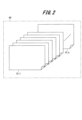
- FIG. 2 is a diagram showing an example of the configuration of a SoC catalog in the electronic component selection system according to the present embodiment.
- FIG. 2 is a diagram showing the stored contents of a database unit in the electronic component selection system according to the present embodiment.
- FIG. 2 is a diagram illustrating a schematic flow of a SoC selection process in the electronic component selection system according to the present embodiment.
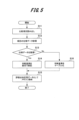
- 10 is a flowchart showing an example of a processing flow for determining evaluation point criteria in a comparison item extraction processing unit in the electronic component selection system according to the present embodiment.
- FIG. 11 is a diagram illustrating a process for determining an evaluation point criterion in the electronic component selection system according to the present embodiment.
- FIG. 11 is a block diagram for specifically explaining the internal processing of a decision analysis table generating unit in the electronic component selection system according to the present embodiment.
- FIG. 11 is a diagram illustrating a procedure for determining an evaluation point for an evaluation point criterion in the electronic component selection system according to the present embodiment.
- FIG. FIG. 11 is a diagram showing a specific example of a DA table in the electronic component selection system according to the present embodiment.
- 4 is a block diagram for specifically explaining the internal processing of a selection result output unit in the electronic component selection system according to the present embodiment.
- FIG. FIG. 2 is a diagram illustrating a schematic flow of a SoC selection process in the electronic component selection system according to the present embodiment.
- the present invention relates to an electronic component selection system that automatically selects electronic components, for example, a system that automatically selects electronic components that meet customer required specifications from among multiple electronic component candidates as electronic components to be used in electronic circuits in electronic control devices for automobiles.
- the electronic component selection system of the present invention is, for example, an electronic component selection system that selects an on-board electronic component that satisfies customer required specifications from a plurality of on-board electronic component candidates as an on-board electronic component to be adopted in an electronic circuit in an electronic control device of an automobile.
- the present invention is not limited to application to systems that select on-board electronic components to be used in electronic circuits in automobile electronic control devices.
- area such as autonomous driving systems, electric systems, and powertrains
- System configuration example 1 is a block diagram showing an example of the system configuration of an electronic component selection system according to an embodiment of the present invention.
- a system for selecting electronic components particularly in-vehicle electronic components, such as a SoC (System on Chip) will be described as an example.
- SoC System on Chip
- the electronic component selection system 10 uses, as input data, customer requirement specifications 20 provided by a customer and an SoC catalog 30 provided by a semiconductor component manufacturer.
- the customer requirement specifications 20 and the SoC catalog 30 are provided in electronic file format.
- the SoC catalog 30 is an electronic component catalog that uses electronic files 31_1 to 31_n in the same number as the candidates to be selected.
- the SoC catalog 30 lists specification items related to the performance and quality of multiple electronic component candidates.
- the electronic component selection system 10 has the following functional parts: a comparison item extraction processing unit 11, a decision analysis table generation unit 12, and a selection result output unit 13.
- the electronic component selection system 10 can be operated, for example, by being installed as an application on a computer.
- the comparison item extraction processing unit 11 is composed of the functional units of a requirement specification analysis unit 111, a specification item extraction unit 112, and a comparison processing unit 113.
- the requirement specification analysis unit 111 analyzes the customer requirement specifications 20 of the input data.
- the specification item extraction unit 112 extracts specification items from the SoC catalog 30 of the input data.
- the comparison processing unit 113 compares the customer requirement specifications analyzed by the requirement specification analysis unit 111 with the specification items extracted by the specification item extraction unit 112, selects matching specification items as comparison items, and outputs them as a file as specification comparison items 40 for judgment.
- the decision analysis table generator 12 has the functional parts of a weight/evaluation point judgment DA table creator 121 and a database unit 122, and creates a DA table 50 for selecting SoC candidates based on the judgment specification comparison items 40.
- the weight/evaluation point determination DA table creation unit 121 performs weighting for each comparison item on the DA table 50 and performs the evaluation point determination process.
- the database unit 122 stores the past DA table 50a used in the evaluation point determination.
- the database unit 122 further stores the post-analysis customer requirement specifications 20a analyzed by the requirement specification analysis unit 111 and the post-analysis SoC catalog 30a analyzed by the specification item extraction unit 112.
- the selection result output unit 13 has a selection judgment unit 131 as a functional unit, and compares the evaluation results of the SoC candidates based on the DA table 50, determines the SoC that is most suitable for the customer requirement specifications 20, and outputs it as a SoC selection report 60.
- the electronic component selection system 10 which is composed of the functional units of the comparison item extraction processing unit 11, decision analysis table generation unit 12, and selection result output unit 13, can automatically create a decision analysis table (DA table) for the electronic component selection process.
- DA table decision analysis table
- comparison item extraction processing unit 11 by configuring the comparison item extraction processing unit 11 with the functional units of the requirement specification analysis unit 111, the specification item extraction unit 112, and the comparison processing unit 113, it is possible to output a file of specification comparison items for judgment based on the comparison result between the analysis result of the customer requirement specifications and the extraction result of the specification items.
- the SoC selection report 60 created by the electronic component selection system 10 is provided to the designer of the in-vehicle electronic control system. The designer will use the SoC selection report 60 created by the electronic component selection system 10 to design an in-vehicle electronic control system such as an ECU (Electronic Control Unit).
- ECU Electronic Control Unit
- FIG. 4 is a block diagram for specifically explaining the internal processing of the comparison item extraction processing unit 11 in the electronic component selection system 10 according to this embodiment.
- the requirement specification analysis unit 111 analyzes the customer requirement specifications 20 provided by the customer in electronic file format, and extracts requirements related to the SoC from the electronic file.
- the specification item extraction unit 112 extracts SoC specification items and data from the SoC catalog 30 provided by the semiconductor component manufacturer in electronic file format.
- the comparison processing unit 113 compares the SoC-related requirements extracted by the requirement specification analysis unit 111 with the specification items extracted by the specification item extraction unit 112, selects matching specification items as comparison items, and outputs them as a file as specification comparison items for judgment 40.
- the specification comparison items for judgment 40 store SoC comparison judgment specification items 40a and evaluation point judgment criteria 40b.
- FIG. 5 is a flowchart showing an example of a processing flow for determining the evaluation point judgment criteria 40b within the comparison item extraction processing unit 11.
- the comparison processing unit 113 first reads out a comparison item from the comparison result between the SoC-related requirements extracted by the requirement specification analysis unit 111 and the specification items extracted by the specification item extraction unit 112 (step S11), then refers to the specification data of the comparison item (step S12), and then determines whether the specification data (specification item) is an item containing numerical values (step S13).
- the comparison processing unit 113 determines that the specification data is an item containing numerical values (Yes in S13), it expresses the evaluation point judgment criteria 40b as a formula (step S14), and then stores it in an internal memory (not shown) as data for determining the evaluation point (step S15), thereby completing the series of processes for determining the evaluation point judgment criteria 40b.
- the comparison processing unit 113 determines that the specification data is not a numerically-stated item, i.e., that it is an item that is difficult to quantify (No in S13), it creates a table of the evaluation point judgment criteria 40b (step S16), then proceeds to step S15 and stores it in the built-in memory as data for determining the evaluation point, and then ends the series of processes for determining the evaluation point judgment criteria 40b.
- evaluation points are determined for each item using different evaluation methods (Yes/No in S13). These evaluation points are then combined on the DA table 50 to quantify the degree to which the candidate electronic components satisfy customer requirements. This allows for quantitative comparison and judgment when selecting an SoC.
- the numerical value specified in the customer requirement specification 20 is set as the evaluation point judgment criterion 40b.
- the processing speed specified in the customer requirement specification 20 is set as the evaluation point judgment criterion 40b and is the midpoint of the evaluation point.
- the CPU processing speed referred to here is the processing speed of the controller (CPU) being designed.
- the processing speed of the SoC candidate is faster than the evaluation point judgment criterion 40b, it is set to the midpoint or higher, and if it is slower than the evaluation point judgment criterion 40b, it is set to a lower evaluation point than the midpoint.
- the content of the specification items related to the SoC extracted by the comparison process in the comparison processing unit 113 is not written in numerical form such as in text format, the description of the customer requirement specifications 20 is set to, for example, the midpoint of a five-point evaluation.
- ASIL Automatic Integrity Level
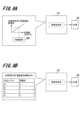
- Figure 6B As an example of an item that is difficult to quantify, let us take the safety level in the functional safety standard ASIL (Automotive Integrity Level) shown in Figure 6B as an example. For example, if ASIL-C or higher is specified in the customer requirement specification 20, an evaluation score of 1 or more is assigned if it complies with ASIL-C and ASIL-D. If it does not comply with ASIL-A or ASIL-B, i.e., the functional safety standard, the evaluation score is set to 0. These determined evaluation scores are registered in the specification comparison item for judgment 40 as table data shown in Figure 6B.
- ASIL-C or higher is specified in the customer requirement specification 20
- ASIL-D If it does not comply with ASIL-A or ASIL-B, i.e., the functional safety standard, the evaluation score is set to 0.
- FIG. 7 is a block diagram for specifically explaining the internal processing of the decision analysis table generating unit 12 in the electronic component selection system 10 according to this embodiment.
- the weight/evaluation point determination DA table creation unit 121 first refers to the past DA table 50a registered in the database unit 122, and registers the weighting data written in the past DA table 50a as the weighting of the DA table 50 to be generated. Next, the weight/evaluation point determination DA table creation unit 121 determines the evaluation points for the evaluation point judgment criteria 40b in the procedure shown in Figure 8A or Figure 8B.
- FIG. 8A shows the procedure for determining an evaluation score for a specification item described as a numerical value.
- the weight/evaluation score determination DA table creation unit 121 determines an evaluation score using the data of the evaluation score determination criteria 40b described in the specification comparison item 40 for determination.
- an evaluation score for the specification value of the SoC candidate is defined, for example, in the form of a linear graph, with the evaluation score determination criteria 40b as the midpoint. The evaluation score of the SoC candidate is determined based on this graph.
- the evaluation score is determined based on the table data in the judgment specification comparison item 40, as shown in FIG. 8B. For example, in FIG. 8B, taking a specification that complies with a functional safety standard as an example, an evaluation score of 1 or more is set for an SoC candidate that meets or exceeds the safety standard specified in the customer requirement specification 20. An evaluation score of 0 is set for an SoC candidate that does not meet the safety standard specified in the customer requirement specification 20.
- DA Table 50 By assigning evaluation scores at multiple levels to specifications that are not given numerical values, it is possible to apply the method to quantitative evaluation in DA Table 50.
- the above-mentioned process is carried out for all comparison items of the SoC candidates to determine the score column of DA Table 50 shown in FIG. 9.
- DA Table 50 an item score is calculated for each specification item by multiplying the weighting by the evaluation score, and the sum of the item scores of the SoC candidates is the overall score.
- FIG. 10 is a block diagram for specifically explaining the internal processing of the selection result output unit 13 in the electronic component selection system 10 according to this embodiment.
- the selection determination unit 131 compares the total scores of the DA tables 50 generated by the decision analysis table generation unit 12, and selects the SoC candidate with the highest total score as the SoC most suitable for the customer requirement specifications 20. Then, this selection result is output as an SoC selection report 60.
- the DA table 50 and SoC selection report 60 are registered in the database unit 122 as actual results, and will be used in the next selection process.
- the evaluation point determination data based on the evaluation point judgment criteria 40b can be added to the past evaluation point judgment criteria, thereby updating the electronic component selection system 10 to the most recent customer requirement situation.
- the evaluation score is determined by referring to data on past evaluation scores registered in database unit 122, the regression analysis results of past specification values and evaluation scores are registered in database unit 122, and the evaluation score on a regression analysis graph is output from the current specification values.
- the current regression analysis results are then added to the regression analysis data and re-run in a regression analysis to be used as reference data for the next selection process.
- a table of past evaluation points registered in the database unit 122 is referenced, and the evaluation points assigned in that table are output.
- FIG. 11 is a diagram showing a schematic flow of the SoC selection process in the electronic component selection system 10 according to the present embodiment.
- the customer requirement specifications 20 are electronic files provided by the customer.
- the SoC catalog 30 is an electronic file provided by the semiconductor manufacturer.
- the analyzed customer requirement specifications 20a analyzed by the requirement specification analysis unit 111 and the analyzed SoC catalog 30a analyzed by the specification item extraction unit 112 are registered in the database unit 122 in the electronic component selection system 10 (step S21).
- the comparison item extraction processing unit 11 performs a comparison item extraction process (step S22).
- the customer judgment criteria 71 are adopted and used for the selection process, and if the judgment criteria are not described in the customer requirement specifications 20 (No in S23), the company's judgment criteria 72 are adopted and used for the selection process.
- the decision analysis table generation unit 12 performs the weight/evaluation point determination processing (step S24), then the DA table creation processing (step S25), and then the selection result output unit 13 performs the SoC candidate processing (step S26).
- the SoC candidates are determined by sequentially executing the comparison item extraction process by the comparison item extraction processing unit 11, the weight/evaluation point determination process by the decision analysis table generation unit 12, the DA table creation process, and the SoC candidate process by the selection result output unit 13.
- the DA table for electronic component selection can be automatically created, so that electronic components can be selected based on certain criteria, without relying on the thinking of the designer.
- an in-vehicle electronic component is used as an example of an electronic component to be selected from multiple electronic component candidates, but the electronic component is not limited to an in-vehicle electronic component, and the technology of the present invention can be applied to electronic components in general used in electronic devices in technical fields that handle electronic components.
- the electronic component selection system can select on-board electronic components according to the requirements specific to the domain of the on-board product.
Landscapes
- Business, Economics & Management (AREA)
- Engineering & Computer Science (AREA)
- Primary Health Care (AREA)
- Strategic Management (AREA)
- Economics (AREA)
- General Health & Medical Sciences (AREA)
- Human Resources & Organizations (AREA)
- Marketing (AREA)
- Manufacturing & Machinery (AREA)
- Health & Medical Sciences (AREA)
- Tourism & Hospitality (AREA)
- Physics & Mathematics (AREA)
- General Business, Economics & Management (AREA)
- General Physics & Mathematics (AREA)
- Theoretical Computer Science (AREA)
- Management, Administration, Business Operations System, And Electronic Commerce (AREA)
Abstract
本発明の電子部品選定システム10は、複数の電子部品候補から顧客要求仕様を満足する電子部品を選定する電子部品選定システムであって、顧客要求仕様と複数の電子部品候補が記載された電子部品カタログとを比較することにより、判定用仕様比較項目を出力する比較項目抽出処理部11と、判定用仕様比較項目に基づいて、電子部品候補を選定するための決定分析表を作成する決定分析表生成部12と、決定分析表に基づいて電子部品選定結果を出力する選定結果出力部13と、を備える。
Description
本発明は、電子部品選定システム及び電子部品選定方法に関する。
電子部品を扱う技術分野において、例えば、自動車の操作や運動に関わる制御技術の電子化は、年々、増加の傾向にある。1台の自動車に搭載されるECU(Electronic Control Unit)と呼ばれる車載電子制御装置の数は、100個以上の膨大な数になっている。このように、ECU開発規模は増加する一方で、その開発期間を短縮することが要求されている。そのため、短期間の開発における車載電子制御システムの品質維持もしくは品質向上が、自動車メーカーやサプライヤーの大きな課題となっている。
車載電子制御システム、特に、ECUシステムのコア部品となるのが、MCU(Micro Controller Unit)もしくはSoC(System on Chip)と呼ばれる電子部品(半導体部品)である。これらの電子部品としては、半導体メーカーごとに多種多様な部品が提供されており、サプライヤーにおいて、顧客要求仕様に適した部品を選定することが、ECU設計において重要な位置を占めている。
従来、新規の顧客要求に対して、これまでには実績のない製品を含めて設計案を素早く生成し、提示することができる技術が提案されている(例えば、特許文献1参照)。特許文献1には、「顧客要求を分析して、設計項目の類似性を数値化し、解析モデルを用いてシミュレーションを行って製品構成案を作成し、この作成した構成案と設計項目との関係を学習する」技術が開示されている。
現在、顧客要求仕様に適した部品の選定については、顧客要求仕様と部品メーカー提供のカタログとを基に、部品候補比較判定のための決定分析(Decision Analysis)表(以下、DA表と記述する場合がある)を設計担当者が作成するようにしている。このDA表の作成については、特許文献1に記載の従来技術では考慮されていない。
ところで、設計担当者によるDA表の作成には、多大な時間を要する。また、部品候補比較判定には、設計担当者固有の判断が反映されやすいため、DA表による部品候補選定結果に、設計担当者による部品判定結果の揺らぎが含まれる場合がある。
本発明は、このような状況に鑑みてなされたものであり、設計担当者の考え方に依存せず、一定の判断基準で電子部品を選定できる電子部品選定システム及び電子部品選定方法を提供することを目的とする。
上記課題を解決するための本発明の電子部品選定システムは、複数の電子部品候補から顧客要求仕様を満足する電子部品を選定する電子部品選定システムであって、顧客要求仕様と複数の電子部品候補が記載された電子部品カタログとを比較することにより、判定用仕様比較項目を出力する比較項目抽出処理部と、判定用仕様比較項目に基づいて、電子部品候補を選定するための決定分析表を作成する決定分析表生成部と、決定分析表に基づいて電子部品選定結果を出力する選定結果出力部と、とを備える。
また、上記課題を解決するための本発明の電子部品選定方法は、複数の電子部品候補から顧客要求仕様を満足する電子部品を選定する電子部品選定方法であって、顧客要求仕様と複数の電子部品候補が記載された電子部品カタログとを比較することにより、判定用仕様比較項目を出力するステップと、判定用仕様比較項目に基づいて、電子部品候補を選定するための決定分析表を作成するステップと、決定分析表に基づいて電子部品選定結果を出力するステップと、の各処理を実行する。
本発明によれば、電子部品の選定作業における決定分析表(DA表)を自動的に作成することで、設計担当者の考え方に依存せず、一定の判断基準で電子部品を選定できる。
上記した以外の課題、構成、及び、効果は、以下の発明を実施するための形態(以下、実施形態と記述する)の説明により明らかにされる。
以下、本発明を実施するための形態(実施形態)について、添付図面を参照して説明する。本明細書及び図面において、実質的に同一の機能又は構成を有する構成要素については、同一の符号を付することにより重複する説明を省略する。
本発明は、電子部品を自動的に選定する電子部品選定システム、例えば、自動車の電子制御装置における電子回路に採用する電子部品として、複数の電子部品候補の中から顧客要求仕様を満足する電子部品を自動的に選定するシステムに関するものである。
<電子部品選定システム>
本発明の電子部品選定システムは、例えば、自動車の電子制御装置における電子回路に採用する車載電子部品として、複数の車載電子部品候補から顧客要求仕様を満足する車載電子部品を選定する電子部品選定システムである。
本発明の電子部品選定システムは、例えば、自動車の電子制御装置における電子回路に採用する車載電子部品として、複数の車載電子部品候補から顧客要求仕様を満足する車載電子部品を選定する電子部品選定システムである。
ただし、本発明は、自動車の電子制御装置における電子回路に採用する車載電子部品を選定するシステムへの適用に限られるものではない。例えば、自動運転システム、電動システム、パワートレインなどの領域別に、選定結果を登録することで、車載製品領域固有の要求仕様に応じた車載電子部品の選定を、同一の電子部品選定システムで実施することができる。
[システム構成例]
図1は、本発明の一実施形態に係る電子部品選定システムのシステム構成例を示すブロック図である。ここでは、電子部品、特に、車載電子部品として、例えば、SoC(System on Chip)を選定するシステムを例に挙げて説明する。
図1は、本発明の一実施形態に係る電子部品選定システムのシステム構成例を示すブロック図である。ここでは、電子部品、特に、車載電子部品として、例えば、SoC(System on Chip)を選定するシステムを例に挙げて説明する。
本実施形態に係る電子部品選定システム10は、顧客から与えられる顧客要求仕様20、及び、半導体部品メーカーから与えられるSoCカタログ30を入力データとして使用する。顧客要求仕様20及びSoCカタログ30は、電子ファイル形式として提供される。SoCカタログ30は、図2に示すように、選定対象の候補分の数量の電子ファイル31_1~31_nを使用する電子部品カタログである。SoCカタログ30には、複数の電子部品候補の性能・品質にかかわる仕様項目が記載されている。
電子部品選定システム10は、比較項目抽出処理部11、決定分析表生成部12、及び、選定結果出力部13の各機能部を有する構成となっている。この電子部品選定システム10については、例えば、コンピュータ上にアプリケーションの一つとして搭載することによって運用することができる。
比較項目抽出処理部11は、要求仕様分析部111、仕様項目抽出部112、及び、比較処理部113の各機能部によって構成されている。
比較項目抽出処理部11において、要求仕様分析部111は、入力データの顧客要求仕様20を分析する。仕様項目抽出部112は、入力データのSoCカタログ30から仕様項目を抽出する。比較処理部113は、要求仕様分析部111で分析された顧客要求仕様と、仕様項目抽出部112で抽出された仕様項目とを比較し、一致する仕様項目を比較項目として選出して、判定用仕様比較項目40としてファイル出力する。
決定分析表生成部12は、重み・評価点判定DA表作成部121及びデータベース部122の各機能部を有し、判定用仕様比較項目40に基づいて、SoC候補選定するためのDA表50を作成する。
決定分析表生成部12において、重み・評価点判定DA表作成部121は、DA表50上での比較項目ごとの重みづけ、及び、評価点決定処理を実行する。データベース部122には、図3に示すように、評価点決定において用いられる過去DA表50aが格納されている。データベース部122には、さらに、要求仕様分析部111で分析された分析後顧客要求仕様20a、及び、仕様項目抽出部112で分析された分析後SoCカタログ30aが格納される。
選定結果出力部13は、選定判定部131を機能部として有し、DA表50を基にSoC候補の評価結果を比較して、顧客要求仕様20に最も適したSoCを決定し、SoC選定レポート60として出力する。
上述したように、比較項目抽出処理部11、決定分析表生成部12、及び、選定結果出力部13の各機能部によって構成される本実施形態に係る電子部品選定システム10によれば、電子部品の選定作業における決定分析表(DA表)を自動的に作成することができる。その結果、設計担当者の考え方に依存せず、一定の判断基準で電子部品を選定することができる。
また、比較項目抽出処理部11を、要求仕様分析部111、仕様項目抽出部112、及び、比較処理部113の各機能部によって構成することで、顧客要求仕様の分析結果と仕様項目の抽出結果との比較結果に基づいて、判定用仕様比較項目をファイル出力することができる。
電子部品選定システム10で作成されたSoC選定レポート60は、車載電子制御システムの設計担当者に提供される。設計担当者は、電子部品選定システム10で作成されたSoC選定レポート60を用いて、ECU(Electronic Control Unit)のような車載電子制御システムを設計することになる。
以下に、電子部品選定システム10の各機能部、即ち、比較項目抽出処理部11、決定分析表生成部12、及び、選定結果出力部13の内部処理について具体的に説明する。
(比較項目抽出処理部の処理例)
図4は、本実施形態に係る電子部品選定システム10における比較項目抽出処理部11の内部処理についての具体的な説明に供するブロック図である。
図4は、本実施形態に係る電子部品選定システム10における比較項目抽出処理部11の内部処理についての具体的な説明に供するブロック図である。
要求仕様分析部111は、顧客から電子ファイル形式として提供される顧客要求仕様20について分析し、電子ファイル内においてSoCに関する要件を抽出する。仕様項目抽出部112は、半導体部品メーカーから電子ファイル形式として提供されるSoCカタログ30からSoCの仕様項目及びデータを抽出する。
比較処理部113は、要求仕様分析部111で抽出されたSoCに関する要件と、仕様項目抽出部112で抽出された仕様項目とを比較して、一致する仕様項目を比較項目として選出して、判定用仕様比較項目40としてファイル出力する。判定用仕様比較項目40には、SoC比較判定用仕様項目40aと共に評価点判断基準40bが格納される。
判定用仕様比較項目40における評価点判断基準40bは、比較項目抽出処理部11内において決定される。図5は、比較項目抽出処理部11内において評価点判断基準40bを決定する処理フローの一例を示すフローチャートである。
図5のフローチャートにおいて、比較処理部113は、先ず、要求仕様分析部111で抽出されたSoCに関する要件と、仕様項目抽出部112で抽出された仕様項目との比較結果から比較項目を読み出し(ステップS11)、次いで、当該比較項目の仕様データを参照し(ステップS12)、次いで、仕様データ(仕様項目)が数値記載の項目であるか否かを判断する(ステップS13)。
比較処理部113は、仕様データが数値記載の項目であると判断した場合は(S13のYes)、評価点判断基準40bを数式で表記し(ステップS14)、次いで、評価点決定用データとして内蔵のメモリ(図示せず)に格納し(ステップS15)、評価点判断基準40bを決定するための一連の処理を終了する。
比較処理部113は、仕様データが数値記載の項目でない、即ち、数値化が困難な項目であると判断した場合は(S13のNo)、評価点判断基準40bをテーブル化し(ステップS16)、次いで、ステップS15に移行して評価点決定用データとして内蔵のメモリに格納し、しかる後、評価点判断基準40bを決定するための一連の処理を終了する。
上述したように、比較項目抽出処理部11の内部処理では、電子部品候補の性能・品質にかかわる仕様項目が、数値記載の項目、及び、数値化が困難な項目であるとき、項目別に異なる評価方法(S13のYes/No)で評価点を決定する。そして,これらの評価点をDA表50上で総合結果として、電子部品候補の顧客要求を満足する度合いを数値化する。これにより、SoCの選定において定量的に比較判断を行うことができる。
具体的には、比較処理部113での比較処理により抽出された、SoCに関する仕様項目の内容が、物理値として記載される数値表記の項目の場合は、顧客要求仕様20内で指定された数値を評価点判断基準40bとする。数値表記の項目として、例えば、図6Aに示すCPU(Central Processing Unit)の処理速度を例に挙げて説明すると、顧客要求仕様20で指定された処理速度を評価点判断基準40bとして、評価点の中間点とする。ここで言うCPUの処理速度とは、設計対象のコントローラ(CPU)の処理速度のことである。
SoC候補の処理速度が評価点判断基準40bよりも速い場合は中間点以上とし、評価点判断基準40bよりも遅い場合は中間点よりも低い評価点とする。他方、比較処理部113での比較処理により抽出された、SoCに関する仕様項目の内容が、テキスト形式のような数値で記載されない場合は、顧客要求仕様20の記載を、例えば5段階評価の中間点とする。
数値化が困難な項目として、例えば、図6Bに示す機能安全規格ASIL(Automotive Integrity Level)における安全度水準を例に挙げて説明すると、例えば、顧客要求仕様20でASIL-C以上と指定されている場合、ASIL-C及びASIL-D対応の場合に1以上の評価点を割り付ける。ASIL-A及びASIL-B、即ち、機能安全規格に対応していない場合は、評価点を0とする。これらの決定した評価点を図6Bに示したテーブルデータとして判定用仕様比較項目40に登録する。
(決定分析表生成部の処理例)
図7は、本実施形態に係る電子部品選定システム10における決定分析表生成部12の内部処理についての具体的な説明に供するブロック図である。
図7は、本実施形態に係る電子部品選定システム10における決定分析表生成部12の内部処理についての具体的な説明に供するブロック図である。
決定分析表生成部12において、重み・評価点判定DA表作成部121は、先ず、データベース部122に登録されている過去DA表50aを参照して、当該過去DA表50aに記載されている重みづけデータを、生成するDA表50の重みづけとして登録する。続いて、重み・評価点判定DA表作成部121は、図8Aあるいは図8Bに示す手順で、評価点判断基準40bに対する評価点を決定する。
図8Aは、数値記載される仕様項目に対する評価点決定処理の手順を示している。重み・評価点判定DA表作成部121は、判定用仕様比較項目40に記載された評価点判断基準40bのデータを用いて評価点を決定する。仕様が物理値として与えられている場合、図8Aに示すように、評価点判断基準40bを中間点として、例えば線形グラフ形式でSoC候補の仕様値に対する評価点を定義する。このグラフに基づいて、SoC候補の評価点を決定する。
他方、SoC候補仕様が数値で与えられていない場合は、図8Bに示すように、判定用仕様比較項目40内のテーブルデータを基に評価点を決定する。例えば、図8Bでは、機能安全規格対応の仕様を例とすると、顧客要求仕様20で指定された安全度基準以上を満たすSoC候補に対しては、1以上の評価点を設定する。顧客要求仕様20で指定された安全度基準を満たしていないSoC候補に対しては、評価点を0とする。
このように、数値で与えられていない仕様に対して、複数段階での評価点を割り当てることで、DA表50での定量評価に適用できる。上述した処理を、SoC候補の比較項目の全てについて実施して、図9に示すDA表50の点数欄を決定していく。DA表50上では、各仕様項目に対して、重みづけ×評価点で項目点を算出し、SoC候補の項目点の総和を総合点とする。
(選定結果出力部の処理例)
図10は、本実施形態に係る電子部品選定システム10における選定結果出力部13の内部処理についての具体的な説明に供するブロック図である。
図10は、本実施形態に係る電子部品選定システム10における選定結果出力部13の内部処理についての具体的な説明に供するブロック図である。
選定判定部131は、決定分析表生成部12で生成されたDA表50の総合点を比較して、最も総合点が高いSoC候補を、顧客要求仕様20に最も適したSoCとして選定する。そして、この選定結果をSoC選定レポート60として出力する。DA表50及びSoC選定レポート60は実績として、データベース部122に登録されて、次回の選定処理に活用される。
データベース部122において、評価点判断基準40bによる評価点決定データを過去の評価点判断基準に追加することで、直近の顧客要求状況に電子部品選定システム10をアップデートできる。
具体的には、数値記載の項目についての評価方法においては、データベース部122に登録された過去の評価点に関するデータを参照して評価点を決定し、データベース部122内には過去の仕様値と評価点の回帰分析結果を登録し、今回の仕様値から、回帰分析グラフ上の評価点を出力する。そして、今回の回帰分析結果を回帰分析データに追加して再度回帰分析にかけて次回の選定作業の参照データとして活用する。
このように、数値で与えられる仕様項目の判断基準に対して、線形回帰による分析を施すことで、図6Aに示す評価点のグラフを最新状況に更新することができる。また、今回の回帰分析結果を回帰分析データに追加して再度回帰分析にかけて次回の選定作業の参照データとして活用することで、次回の選定作業を円滑に行うことができる。
数値化が困難な項目についての評価方法においては、データベース部122に登録された過去の評価点に関するテーブルを参照して、当該テーブルで割り当てられている評価点を出力する。
[SoC選定処理フロー]
続いて、本発明の一実施形態に係る電子部品選定方法、具体的には、本発明の一実施形態に係る電子部品選定システムにおけるSoC選定処理について説明する。図11は、本実施形態に係る電子部品選定システム10におけるSoC選定処理フローを模式的に示す図である。
続いて、本発明の一実施形態に係る電子部品選定方法、具体的には、本発明の一実施形態に係る電子部品選定システムにおけるSoC選定処理について説明する。図11は、本実施形態に係る電子部品選定システム10におけるSoC選定処理フローを模式的に示す図である。
顧客要求仕様20は、顧客から提供される電子ファイルである。また、SoCカタログ30は、半導体メーカーから提供される電子ファイルである。SoC選定処理フローでは、先ず、要求仕様分析部111で分析された分析後顧客要求仕様20a、及び、仕様項目抽出部112で分析された分析後SoCカタログ30aを、電子部品選定システム10内のデータベース部122に登録する(ステップS21)。
次に、比較項目抽出処理部11による比較項目抽出処理を行う(ステップS22)。ここで、比較するSoC仕様項目の判断基準(顧客固有の判断基準)について、顧客要求仕様20の中に記載されている否かの判断を行う(ステップS23)。この判断処理において、顧客要求仕様20の中に顧客固有の判断基準が記載されている場合は(S23のYes)、顧客判断基準71を採用して、選定処理に用い、顧客要求仕様20の中に判断基準が記載されていない場合は(S23のNo)、自社判断基準72を採用して、選定処理に用いる。
比較項目抽出処理部11による比較項目抽出処理後、決定分析表生成部12による重み・評価点決定処理を行い(ステップS24)、次いで、DA表作成処理を行い(ステップS25)、次いで、選定結果出力部13によるSoC候補処理を行う(ステップS26)。
上述したように、比較項目抽出処理部11による比較項目抽出処理、決定分析表生成部12による重み・評価点決定処理、DA表作成処理、及び、選定結果出力部13によるSoC候補処理が順に実行されることにより、SoC候補が決定される。このように、本実施形態に係る電子部品選定方法によれば、電子部品の選定作業におけるDA表を自動的に作成することができるため、設計担当者の考え方に依存せず、一定の判断基準で電子部品を選定できる。
<変形例>
なお、本発明は、上述した実施形態に限られるものではなく、請求の範囲に記載した本発明の要旨を逸脱しない限りにおいて、その他種々の応用例、変形例を取り得ることは勿論である。上述した実施形態は、本発明を分かりやすく説明するためにシステムの構成を詳細かつ具体的に説明したものであり、必ずしも説明した全ての構成を備えるものに限定されない。
なお、本発明は、上述した実施形態に限られるものではなく、請求の範囲に記載した本発明の要旨を逸脱しない限りにおいて、その他種々の応用例、変形例を取り得ることは勿論である。上述した実施形態は、本発明を分かりやすく説明するためにシステムの構成を詳細かつ具体的に説明したものであり、必ずしも説明した全ての構成を備えるものに限定されない。
また、上述した実施形態では、複数の電子部品候補から選定する電子部品として、車載電子部品を例示したが、車載電子部品に限られるものではなく、電子部品を扱う技術分野において、電子機器に用いられる電子部品全般に対して本発明の技術を適用することができる。
また、車載電子部品を、例えば、自動運転システム、電動システム、パワートレインなどの領域別にデータベース部の内部に登録することで、車載製品領域固有の要求仕様に応じた車載電子部品の選定を、本実施形態に係る電子部品選定システムで実施することができる。
10…電子部品選定システム、11…比較項目抽出処理部、12…決定分析表生成部、13…選定結果出力部、20…顧客要求仕様、30…SoCカタログ、31_1~31_n…電子ファイル、40…判定用仕様比較項目、50…DA表、60…SoC選定レポート、71…顧客判断基準、72…自社判断基準、111…要求仕様分析部、112…仕様項目抽出部、113…比較処理部、121…重み・評価点判定DA表作成部、122…データベース部、131…選定判定部
Claims (6)
- 複数の電子部品候補から顧客要求仕様を満足する電子部品を選定する電子部品選定システムであって、
前記顧客要求仕様と前記複数の電子部品候補が記載された電子部品カタログとを比較することにより、判定用仕様比較項目を出力する比較項目抽出処理部と、
前記判定用仕様比較項目に基づいて、電子部品候補を選定するための決定分析表を作成する決定分析表生成部と、
前記決定分析表に基づいて電子部品選定結果を出力する選定結果出力部と、
を備える電子部品選定システム。 - 前記比較項目抽出処理部は、前記顧客要求仕様を分析する要求仕様分析部と、前記電子部品カタログから仕様項目を抽出する仕様項目抽出部と、前記顧客要求仕様で分析された顧客要求仕様と前記仕様項目抽出部で抽出された仕様項目とを比較し、一致する仕様項目を比較項目として選出して、前記判定用仕様比較項目としてファイル出力する比較処理部と、を有する
請求項1に記載の電子部品選定システム。 - 前記比較項目抽出処理部は、前記電子部品候補の性能・品質にかかわる仕様項目が、数値記載の項目、及び、数値化が困難な項目であるとき、項目別に異なる評価方法で評価点を決定して、これらの評価点を決定分析表上で総合結果として、前記電子部品候補の顧客要求を満足する度合いを数値化する
請求項2に記載の電子部品選定システム。 - 前記数値記載の項目についての評価方法では、数値に基づく評価基準との比較で評価点を決定し、
前記数値化が困難な項目についての評価方法では、評価基準との一致を複数段階の点数に置き換えたテーブルデータとして記載する
請求項3に記載の電子部品選定システム。 - 前記数値記載の項目についての評価方法では、データベース部に登録された過去の評価点に関するデータを参照して評価点を決定し、前記データベース部内には過去の仕様値と評価点の回帰分析結果を登録し、今回の仕様値から、回帰分析グラフ上の評価点を出力するとともに、今回の回帰分析結果を回帰分析データに追加して再度回帰分析にかけて次回の選定作業の参照データとして活用し、
前記数値化が困難な項目についての評価方法では、前記データベース部に登録された過去の評価点に関するテーブルを参照して、前記テーブルで割り当てられている評価点を出力する
請求項4に記載の電子部品選定システム。 - 複数の電子部品候補から顧客要求仕様を満足する電子部品を選定する電子部品選定方法であって、
前記顧客要求仕様と前記複数の電子部品候補が記載された電子部品カタログとを比較することにより、判定用仕様比較項目を出力するステップと、
前記判定用仕様比較項目に基づいて、電子部品候補を選定するための決定分析表を作成するステップと、
前記決定分析表に基づいて電子部品選定結果を出力するステップと、
の各処理を実行する電子部品選定方法。
Priority Applications (2)
| Application Number | Priority Date | Filing Date | Title |
|---|---|---|---|
| JP2025532341A JPWO2025013271A1 (ja) | 2023-07-13 | 2023-07-13 | |
| PCT/JP2023/025831 WO2025013271A1 (ja) | 2023-07-13 | 2023-07-13 | 電子部品選定システム及び電子部品選定方法 |
Applications Claiming Priority (1)
| Application Number | Priority Date | Filing Date | Title |
|---|---|---|---|
| PCT/JP2023/025831 WO2025013271A1 (ja) | 2023-07-13 | 2023-07-13 | 電子部品選定システム及び電子部品選定方法 |
Publications (1)
| Publication Number | Publication Date |
|---|---|
| WO2025013271A1 true WO2025013271A1 (ja) | 2025-01-16 |
Family
ID=94215250
Family Applications (1)
| Application Number | Title | Priority Date | Filing Date |
|---|---|---|---|
| PCT/JP2023/025831 Ceased WO2025013271A1 (ja) | 2023-07-13 | 2023-07-13 | 電子部品選定システム及び電子部品選定方法 |
Country Status (2)
| Country | Link |
|---|---|
| JP (1) | JPWO2025013271A1 (ja) |
| WO (1) | WO2025013271A1 (ja) |
Citations (7)
| Publication number | Priority date | Publication date | Assignee | Title |
|---|---|---|---|---|
| JPH10240794A (ja) * | 1997-02-28 | 1998-09-11 | Toshiba Corp | 仕様書作成装置及び仕様書作成方法 |
| JP2004287951A (ja) * | 2003-03-24 | 2004-10-14 | Fujitsu Ltd | 製品評価システム |
| JP2006155601A (ja) * | 2004-11-05 | 2006-06-15 | Hitachi Ltd | 製品構成設計支援システム |
| JP2008159023A (ja) * | 2006-11-30 | 2008-07-10 | Hitachi Ltd | 部品の採用決定支援システム、部品の採用決定支援方法、および部品の採用決定支援プログラム |
| JP2013175050A (ja) * | 2012-02-24 | 2013-09-05 | Hitachi Ltd | 受注見積り案作成支援システム |
| JP2015118593A (ja) * | 2013-12-19 | 2015-06-25 | トヨタ自動車株式会社 | 設計方針導出装置および設計方針導出方法 |
| JP2018005436A (ja) * | 2016-06-30 | 2018-01-11 | 株式会社日立製作所 | 回路設計装置及びそれを用いた回路設計方法 |
-
2023
- 2023-07-13 JP JP2025532341A patent/JPWO2025013271A1/ja active Pending
- 2023-07-13 WO PCT/JP2023/025831 patent/WO2025013271A1/ja not_active Ceased
Patent Citations (7)
| Publication number | Priority date | Publication date | Assignee | Title |
|---|---|---|---|---|
| JPH10240794A (ja) * | 1997-02-28 | 1998-09-11 | Toshiba Corp | 仕様書作成装置及び仕様書作成方法 |
| JP2004287951A (ja) * | 2003-03-24 | 2004-10-14 | Fujitsu Ltd | 製品評価システム |
| JP2006155601A (ja) * | 2004-11-05 | 2006-06-15 | Hitachi Ltd | 製品構成設計支援システム |
| JP2008159023A (ja) * | 2006-11-30 | 2008-07-10 | Hitachi Ltd | 部品の採用決定支援システム、部品の採用決定支援方法、および部品の採用決定支援プログラム |
| JP2013175050A (ja) * | 2012-02-24 | 2013-09-05 | Hitachi Ltd | 受注見積り案作成支援システム |
| JP2015118593A (ja) * | 2013-12-19 | 2015-06-25 | トヨタ自動車株式会社 | 設計方針導出装置および設計方針導出方法 |
| JP2018005436A (ja) * | 2016-06-30 | 2018-01-11 | 株式会社日立製作所 | 回路設計装置及びそれを用いた回路設計方法 |
Also Published As
| Publication number | Publication date |
|---|---|
| JPWO2025013271A1 (ja) | 2025-01-16 |
Similar Documents
| Publication | Publication Date | Title |
|---|---|---|
| Mohammed et al. | Genetic case-based reasoning for improved mobile phone faults diagnosis | |
| Alagöz et al. | Rescheduling of identical parallel machines under machine eligibility constraints | |
| Da Cunha et al. | Data mining for improvement of product quality | |
| Sheen et al. | Block assembly planning in shipbuilding using case-based reasoning | |
| CN112818484A (zh) | 一种物理实体数字孪生综合实施能力评估方法及评估系统 | |
| JP7062766B2 (ja) | マッチングスコア算出装置 | |
| US20240303262A1 (en) | Semantic Search Architecture for Information Retrieval with Natural Language Queries | |
| JP2010033377A (ja) | Webクエリに対する検索要求属性を自動推定する検索装置、検索方法及びプログラム | |
| Qomariyah et al. | Comparative analysis of decision tree algorithm for learning ordinal data expressed as pairwise comparisons | |
| Rogers | Tools and techniques for decomposing and managing complex design projects | |
| Birmingham et al. | MICON: a knowledge based single board computer designer | |
| Ecker et al. | Scheduling tasks on a flexible manufacturing machine to minimize tool change delays | |
| Peng et al. | A hybrid approach for the dynamic flexible job shop scheduling problem considering machine failures | |
| Wang et al. | Research on the reliability allocation method for a production system based on availability | |
| US20140129494A1 (en) | Searching text via function learning | |
| CN119180389A (zh) | 基于多源数据与注意力机制的汽车维保项目预测方法 | |
| JP2025002046A (ja) | マルチエージェント強化学習システムおよびプログラム | |
| WO2025163792A1 (ja) | 応答装置及びプログラム | |
| Chinkatham et al. | An Approach to identify the readiness level of a Solution Concept in The Inventive Design Method | |
| Zhu et al. | Analysis and Optimization of Aircraft Electrical Systems using Partial Modeling Techniques | |
| Becker et al. | Bounded Model Checking and Inductive Verification of Hybrid Discrete-continuous Systems. | |
| US20250225308A1 (en) | Predicting compute job resources and compute time for computation jobs of design of semiconductor devices using machine learning models | |
| US12124821B2 (en) | Method and software tool for making executable specifications in the system development or the system validation of complex functional systems | |
| Renu et al. | Computationally assisted retrieval and reuse of 3d solid models and assembly work instructions | |
| Rushton et al. | Algorithms and Software for Development of Modular Vehicle Architectures |
Legal Events
| Date | Code | Title | Description |
|---|---|---|---|
| 121 | Ep: the epo has been informed by wipo that ep was designated in this application |
Ref document number: 23945144 Country of ref document: EP Kind code of ref document: A1 |
|
| ENP | Entry into the national phase |
Ref document number: 2025532341 Country of ref document: JP Kind code of ref document: A |
|
| NENP | Non-entry into the national phase |
Ref country code: DE |
|
| 122 | Ep: pct application non-entry in european phase |
Ref document number: 23945144 Country of ref document: EP Kind code of ref document: A1 |