WO2025009265A1 - 業務支援システム及び業務支援方法 - Google Patents
業務支援システム及び業務支援方法 Download PDFInfo
- Publication number
- WO2025009265A1 WO2025009265A1 PCT/JP2024/017732 JP2024017732W WO2025009265A1 WO 2025009265 A1 WO2025009265 A1 WO 2025009265A1 JP 2024017732 W JP2024017732 W JP 2024017732W WO 2025009265 A1 WO2025009265 A1 WO 2025009265A1
- Authority
- WO
- WIPO (PCT)
- Prior art keywords
- context
- data
- information
- business
- category
- Prior art date
- Legal status (The legal status is an assumption and is not a legal conclusion. Google has not performed a legal analysis and makes no representation as to the accuracy of the status listed.)
- Ceased
Links
Images




Classifications
-
- G—PHYSICS
- G06—COMPUTING OR CALCULATING; COUNTING
- G06F—ELECTRIC DIGITAL DATA PROCESSING
- G06F16/00—Information retrieval; Database structures therefor; File system structures therefor
- G06F16/20—Information retrieval; Database structures therefor; File system structures therefor of structured data, e.g. relational data
- G06F16/24—Querying
- G06F16/242—Query formulation
-
- G—PHYSICS
- G06—COMPUTING OR CALCULATING; COUNTING
- G06F—ELECTRIC DIGITAL DATA PROCESSING
- G06F16/00—Information retrieval; Database structures therefor; File system structures therefor
- G06F16/90—Details of database functions independent of the retrieved data types
-
- G—PHYSICS
- G06—COMPUTING OR CALCULATING; COUNTING
- G06Q—INFORMATION AND COMMUNICATION TECHNOLOGY [ICT] SPECIALLY ADAPTED FOR ADMINISTRATIVE, COMMERCIAL, FINANCIAL, MANAGERIAL OR SUPERVISORY PURPOSES; SYSTEMS OR METHODS SPECIALLY ADAPTED FOR ADMINISTRATIVE, COMMERCIAL, FINANCIAL, MANAGERIAL OR SUPERVISORY PURPOSES, NOT OTHERWISE PROVIDED FOR
- G06Q10/00—Administration; Management
- G06Q10/06—Resources, workflows, human or project management; Enterprise or organisation planning; Enterprise or organisation modelling
Definitions
- the present invention relates to a business support system and a business support method.
- JP 2022-127238 A states that "the structured information unified management system stores various information on target equipment, such as a chemical plant installed in a factory, in a database using a method called Structured Identifier Management Technology (SIMT), and centrally manages the information as a knowledge base to support maintenance work for the target equipment.”
- SIMT Structured Identifier Management Technology
- a typical business support system comprises a memory unit in which business data related to a business, the business data including data indicating an event that occurred in the business, data regarding the cause of the event, and data regarding measures to address the cause, relationship link information which is path information indicating the relationship between individual data included in the business data, context information indicating the context category of the conversation content related to a user's inquiry, and a context ID which is information indicating the correspondence between the context category in the context information and the path indicating the relationship between individual data included in the relationship link information, an input unit for inputting information regarding a first inquiry by a user, a determination unit for determining the context category of the first inquiry based on the information input to the input unit, and an output unit for outputting information regarding the first inquiry from among data included in the business data based on the context category and the context ID determined by the determination unit.
- a representative business support method is characterized in that a business support system having a memory unit that stores business data related to the business, the business data including data indicating an event that occurred in the business, data regarding the cause of the event, and data regarding measures to address the cause, relationship link information that is path information indicating the relationship between individual data included in the business data, context information that indicates a context category of a conversation content related to a user's inquiry, and a context ID that is information indicating a correspondence between a context category in the context information and a path indicating the relationship between individual data included in the relationship link information, includes the steps of: accepting input of information regarding a first inquiry by a user; determining a context category of the first inquiry based on the accepted information; and outputting information regarding the first inquiry from among data included in the business data based on the determined context category and the context ID.
- the present invention can provide assistance when searching for structured information based on conversation. Problems, configurations, and advantages other than those described above will become clear from the description of the embodiment below.
- FIG. 1 is an explanatory diagram of a structured ID registration table. Explanation of the relationship link registration table Context database diagram Flowchart showing the processing operation of the management server FIG. 13 is an explanatory diagram of a modified example of a context ID. Example of display screen FIG. 13 is an explanatory diagram of a modified example of the management server.
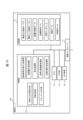
- FIG. 1 is a configuration diagram of a chemical plant management system.
- the chemical plant management system includes a management server 10, a user terminal 20, a distributed control system (DCS) server 30, a facility maintenance management server 40, and a document management server 50.
- DCS distributed control system
- the chemical plant management system is also called a business support system.
- the management server 10 is a computer having a communication interface 11 , a storage unit 12 , and a control unit 13 .
- the communication interface 11 communicates with the user terminal 20 , the DCS server 30 , the facility maintenance management server 40 , and the document management server 50 .
- the storage unit 12 stores various data received from the user terminal 20, the DCS server 30, the facility maintenance management server 40, and the document management server 50.
- the storage unit 12 also stores various programs and data generated by the management server 10.
- the control unit 13 is, for example, a central processing unit (CPU), and realizes various functions by reading and executing programs stored in the storage unit. The functions realized by the control unit 13 include control of the chemical plant and support for an operator.
- the user terminal 20, DCS server 30, facility maintenance management server 40, and document management server 50 are computers that have a communication interface, a memory unit, and a control unit, similar to the management server 10.
- the user terminal 20 is a computer used by a user who performs operation and management tasks for a chemical plant, and has an input unit 21 and a display unit 22.
- the user terminal 20 accepts operations from the user via the input unit 21.
- the user terminal 20 accesses the management server 10 based on the user's operations, and displays the status of the chemical plant on the display unit 22.
- the user terminal 20 also accesses the management server 10 based on the user's operations, and controls the status of the chemical plant.
- the DCS server 30 acquires various data from the production equipment of the chemical plant and equipment within the facility, and transmits it to the management server 10.
- This data includes alarm signals 31 that notify abnormalities in the plant, measurement data 32 that indicate the measurement results of sensors, and operation data 33 that indicates the status of the equipment.
- the DCS server 30 also controls the production equipment, etc., based on control requests received from the management server 10.
- the equipment maintenance management server 40 holds data related to the inspection and repair of the chemical plant as maintenance work data 41.
- the equipment maintenance management server 40 can transmit the maintenance work data 41 to the management server 10.
- the document management server 50 holds design data 51 and manual data 52 for the chemical plant.
- the document management server 50 can transmit the design data 51 and manual data 52 to the management server 10.
- the alarm signal 31, the measurement data 32, the operation data 33, the maintenance work data 41, the design data 51, and the manual data 52 are business data related to the business. These business data include data indicating events that have occurred in the business, data on the causes of the events, and data on measures to address the causes. Although details will be described later, the management server 10 structures and centrally manages business data. The management server 10 also manages path information indicating relationships between individual data contained in the business data as relationship link information. The management server 10 then uses the relationship link information to assist in searching for structured information based on conversation.
- FIG. 2 is an explanatory diagram of business support by the management server 10.
- Node N01 shown in FIG. 2 is an event node corresponding to data indicating an event that has occurred.
- Nodes N11 to N13 are cause nodes corresponding to data related to causes.
- Nodes N21 to N22 are countermeasure nodes corresponding to data related to countermeasures.
- the connections between the nodes are relationship link information.
- the possible causes of the event at node N01 are nodes N11 and N13.
- the cause of node N11 may also occur due to a cause at node N12.
- the countermeasure for the cause at node N11 is node N21, and the countermeasure for the cause at node N12 is node N22.
- the management server 10 assigns a context ID to the path from the event node to the measure node, and associates context information with the context ID.
- the context information indicates a category of the context of the conversation content related to the inquiry by the facility user.
- Context categories are classifications based on the meanings implied by the content of a conversation. For example, the exchange “Did you unplug and plug the power cord?””Yes” and the statement “It's been acting up since I plugged it back in” are not similar when compared at the word level, but they have the same meaning and are therefore in the same category. On the other hand, the exchange “Did you unplug and plug the power cord?"”No” is similar at the word level but has a different overall meaning, so it is in a different category.
- the context information includes one or more categories that correspond to the conversations that the operator had to identify a full or partial event-cause-action path.
- the management server 10 converts the voice data into conversation text data. Any existing technology may be used to convert the conversation voice into text.
- the management server 10 receives conversation text data as an input and determines the category of the context of the conversation text data (1).
- the management server 10 outputs information related to the inquiry of the equipment user P1 from among the data included in the business data, based on the context category and context ID of the conversation text data. Specifically, the management server 10 calculates the degree of match between the context category of the conversation text data and the category included in the context information as a similarity (2). Then, the management server 10 outputs business data present on a path associated with context information with a high similarity exceeding a threshold.
- the output data may be any data present on the path, and may be output for all nodes present on the path.
- the management server 10 outputs a document describing the contents of measures present on the path (3).
- the necessary data may be stored in the memory unit 12 of the management server 10, or may be distributed and stored on multiple servers connected via a network.
- the collection of the memory units of each server becomes the memory unit of this system.
- different servers may be used for different departments or roles, such as the manufacturing department and the maintenance department, and this system can also be applied to such information management systems.
- the control unit 13 executes a predetermined data input/output program to execute processes related to the input/output of various data.
- the control unit 13 executes a predetermined data analysis program to analyze the state of the chemical plant and presents related link information corresponding to the current state.
- the related link information corresponding to the current state is linked to candidates for data to be checked next, and can support the user's operation.
- the control unit 13 executes a predetermined business support program to operate as an inquiry text receiving unit, a context determining unit, and a document output unit.
- the inquiry text receiving unit is an input unit for inputting information regarding a first inquiry by a facility user.
- the inquiry text receiving unit inputs data obtained by converting the voice of a conversation between the facility user and an operator into text as information regarding the first inquiry.
- the conversion from voice to text may be performed by the management server 10 or may be performed by another device.
- the context determination unit is a determination unit that determines the category of the context of the first inquiry based on data obtained by converting the voice of a conversation between the equipment user and the operator into text.
- the context determination unit analyzes the text data, identifies the meaning of the conversation, and classifies the identified meaning into a category. Any existing method such as text mining can be used to analyze the text data.
- the document output unit is an output unit that outputs information related to the first inquiry from among data included in the business data, based on the context category and context ID determined by the context determination unit. Specifically, the document output unit refers to the context database and calculates the degree of agreement between the categories included in the context of the first query and the categories included in the context information as the similarity. The order of the categories included in the context does not need to be taken into consideration when calculating the similarity. For example, if the context information includes two questions, and both questions are asked in the query, the similarity is considered to be high regardless of which question was asked first.
- FIG. 4 is an explanatory diagram of a structured ID registration table.
- structured IDs of data held by each server are registered.
- Each server manages the storage destination of data with a hierarchical directory structure. For this reason, the target data can be identified by the file server ID and the directory ID including the directory hierarchical structure. For example, data can be identified using "file server ID/directory ID/file data ID" as identification information.
- Identification information structured in this way is the structured ID. By using the structured ID, different types of information can be easily managed in a centralized manner.
- the identification information of the structured ID is associated with a server, an information type, the structured ID itself, and a name for screen display.
- the information type indicates the type of the structured ID classified by content, such as "alarm (input)", “document file”, “inspection work”, etc.
- the name for screen display is the name used when displaying the structured ID on the display unit.
- Figure 5 is an explanatory diagram of the relationship link registration table.
- From data From data, To data, and related link description are associated with a relationship link management number that identifies the relationship link.
- FIG. 6 is an explanatory diagram of the context database.
- the context database is data in which a context ID, context information, related links, and related documents are associated with each other.
- each context ID By storing each context ID in association with context information and related links, it is possible to identify a related link related to the contents of the conversation based on the context information and the context ID information determined by the context determination unit.
- the principle of associating context information with related links will be described.
- a related link is information indicating the relationship between multiple structured IDs associated with multiple types of business data, and there are also cases in which the relationship between these structured IDs corresponds to the relationship between business data indicating "events,”"causes," and “measures.”
- the inquiry contains content related to "events,”"causes," and “measures.” Therefore, it is possible to define a correspondence between the relationship between the business data indicating "events,""causes,” and “measures” included in the related link and the context information.
- context information and related links are associated with each context ID and stored.
- node N01 is a "power supply abnormality error”
- node N11 is an "input power outside of appropriate value”
- node N12 is an "abnormal output value of external power supply”
- node N13 is an "abnormal load of motor”
- node N21 is a "break in power supply line”
- node N22 is an "adjustment of external power supply settings”.
- Context ID "C1" includes related links 301 from node N01 to node N11, and related links 302 from node N11 to node N21.
- the conversation contents that have been used to follow related links 301 are "What was the error?", “Did it happen suddenly?”, “Is the equipment behaving correctly?”, and the prescribed answers to these questions. Only representative questions are shown in FIG. 6.
- the conversation contents that have been used to follow related links 302 are "Have you changed the layout recently?”, “Have you unplugged and plugged in the power?”, and the prescribed answers to these questions.
- These conversation contents, or categories corresponding to these conversation contents are registered in the context information of context ID "C1".
- documents for nodes N11 and N21 are registered as related documents.
- the document for node N11 is document data related to "input power outside appropriate value”.
- the document for node N21 is document data related to "power line break”.
- Related documents indicate data that is to be output when the similarity of the context ID is sufficiently high. Documents related to all nodes on the path may be registered as related documents, or documents related to some of the nodes on the path may be registered.
- FIG. 7 is a flowchart showing the processing operation of the management server 10.
- the inquiry text receiving unit performs an "inquiry text receiving process" for inputting information regarding a first inquiry by a facility user (step S101).
- the context determination unit performs "context determination" to determine the context category of the first query based on the received data (step S102).
- the context determination may be performed using any existing method such as text mining.
- the context category of the first query multiple categories included in the context information may be determined. In this case, an index indicating the degree of agreement for each of the multiple categories, or the ratio of multiple context categories that constitute the first query, may be determined.
- the document output unit calculates the degree of agreement between the categories included in the context of the first query and the categories included in the context information as a similarity based on the information determined by the context determination unit and the information in the context database (step S103). For example, as an example of a method of calculating the similarity, the similarity may be calculated based on the proportion of multiple context categories constituting the first query determined by the context determination unit.
- the document output unit identifies a path (relational link) associated with the highly similar context information, and outputs and displays the document associated with the path (step S104). Thereafter, the document output unit registers the category included in the context of the first query in the context database, and updates the context database (step S105).
- Fig. 8 is an explanatory diagram of a modified example of the context ID.
- the context ID "C1-2" is associated with the nodes N01 to N11
- the context ID "C1-1” is associated with the nodes N11 to N21. That is, a part of the context ID "C1” shown in Fig. 2 is made into the context ID "C1-1” and the context ID "C1-2".
- the context ID from node N11 to node N12 is "C2-2”
- the context ID from node N12 to node N22 is "C2-1.” That is, part of the context ID "C2" shown in FIG. 2 is set as the context ID "C2-1" and the context ID "C2-2.”
- the path can be efficiently identified from the conversation content.
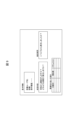
- FIG. 9 is a specific example of a display screen.
- the management server 10 displays the display screen of FIG. 9 on the display of the terminal used by operator P2.
- the display screen includes basic information, conversation content, highly relevant context IDs, recommended questions, etc.
- the conversation content is a conversation between a facility user P1 and an operator P2 converted into text.
- context IDs whose conversation contents and context information are similar are displayed in a list.
- the display order in the list can be set arbitrarily, but as an example, the order may be in descending order of similarity.
- the similarity and output candidate documents are displayed.
- the recommended questions are questions that are effective in narrowing down the context IDs. For example, if there are differences between questions in multiple highly similar context information, the different questions are presented as recommended questions. By using such recommended questions, efficient narrowing down from multiple highly similar context information is possible.
- the recommended questions may be information set by an administrator, or may be information automatically generated by an AI model that has learned the relationship between performance data of past inquiries and corresponding context IDs.
- FIG. 10 is an explanatory diagram of a modified example of the management server.
- the management server 10a shown in FIG. 10 differs from the management server 10 shown in FIG. 3 in that the control unit 13 further includes a recommended question sentence output processing unit, an estimate creation processing unit, an order processing unit, a visit schedule adjustment processing unit, and a production plan creation processing unit. It also differs from the management server 10 shown in FIG. 3 in that the memory unit 12 further includes parts data and worker data. As the rest is the same as the management server 10 shown in FIG. 3, a description will be omitted.
- the parts data includes data on the prices and suppliers of the parts used in the equipment.
- the worker data indicates the dispatch fee and schedule of the worker who will repair the equipment.
- the recommended question output processing unit is a processing unit that uses different categories in multiple pieces of highly similar context information to suggest questions that contribute to narrowing down the context information. These questions correspond to the recommended questions shown in Figure 9.
- the quotation creation processing unit is a processing unit that references the parts data and worker data and creates a quotation for the countermeasures when the data output by the document output unit is data related to the countermeasures.
- the ordering processing unit is a processing unit that references the parts data and places an order for the parts when the data output by the document output unit is data related to countermeasures and the countermeasures include replacing parts.
- the visit schedule adjustment processing unit is a processing unit that adjusts the dispatch schedule based on the schedule of a worker when the data output by the document output unit is data related to the countermeasure and the countermeasure includes the dispatch of the worker.
- the production plan creation processing section is a processing section that adjusts the business plan based on the data output by the document output section. Once the event that occurred and the countermeasures have been identified, the impact on business until the countermeasures are completed can be calculated, and the business plan is adjusted to take this impact into account.
- the business support system disclosed in the embodiments includes a memory unit 12 in which business data related to business, the business data including data indicating an event that occurred in the business, data regarding the cause of the event, and data regarding measures to address the cause, relationship link information which is path information indicating the relationship between individual data included in the business data, context information indicating the context category of the conversation content related to a user's inquiry, and a context ID which is information indicating the correspondence between the context category in the context information and the path indicating the relationship between individual data included in the relationship link information, an inquiry text receiving unit which operates as an input unit for inputting information regarding a first inquiry by a user, a context determination unit which operates as a determination unit for determining the context category of the first inquiry based on the information input to the input unit, and a document output unit which operates as an output unit for outputting information regarding the first inquiry from among data included in the business data based on the context category determined by the determination unit and the context ID.
- the task support system can provide support when searching for structured
- the context category is a classification based on the meaning indicated by the conversation content
- the context information includes one or more categories
- the output unit calculates the degree of match between the category included in the context of the first inquiry and the category included in the context information as a similarity
- the output unit outputs business data present on a path associated with the context information with a high similarity. This allows the business support system to provide information based on similar cases from the past.
- the output unit outputs a screen that displays a plurality of pieces of context information in descending order of the degree of similarity. This allows the business support system to present information to be output in an order of priority.
- the task support system further includes a processing unit that uses different categories in the plurality of pieces of context information with high similarity to suggest questions that contribute to narrowing down the context information. This allows the business support system to efficiently narrow down the information to be output.
- the business support system further includes a processing unit that, when the data output by the output unit is data related to the countermeasure and the countermeasure includes replacement of a part, places an order for the part.
- the business support system further includes a processing unit that, when the data output by the output unit is data related to the countermeasure and the countermeasure includes dispatching a worker, adjusts a dispatch schedule based on the schedule of the worker.
- the business support system further includes a processing unit that adjusts a business plan based on the data output by the output unit.
- the input unit also inputs data obtained by converting the voice of the conversation into text as information related to the first inquiry. This makes it easy to compare with past conversations.
- the present invention is not limited to the above-mentioned embodiment, and various modifications are included.
- the above-mentioned embodiment is described in detail to easily explain the present invention, and is not necessarily limited to the embodiment having all the described configurations.
- the present invention is not limited to the deletion of the configurations, and it is also possible to replace or add the configurations.
- an input by an operator may be further used. By using information that the operator has obtained apart from the conversation, such as the affiliation of the facility user and the status of the facility, together with the content of the conversation, the context can be identified more efficiently.
- 10 Management server, 11: Communication interface, 12: Memory unit, 13: Control unit, 20: User terminal, 21: Input unit, 22: Display unit, 30: DCS server, 31: Alarm signal, 32: Measurement data, 33: Operation data, 40: Equipment maintenance management server, 41: Maintenance work data, 50: Document management server, 51: Design data, 52: Manual data
Landscapes
- Engineering & Computer Science (AREA)
- Theoretical Computer Science (AREA)
- Physics & Mathematics (AREA)
- Business, Economics & Management (AREA)
- Databases & Information Systems (AREA)
- General Physics & Mathematics (AREA)
- General Engineering & Computer Science (AREA)
- Economics (AREA)
- Entrepreneurship & Innovation (AREA)
- Data Mining & Analysis (AREA)
- Human Resources & Organizations (AREA)
- Strategic Management (AREA)
- Tourism & Hospitality (AREA)
- Quality & Reliability (AREA)
- General Business, Economics & Management (AREA)
- Operations Research (AREA)
- Marketing (AREA)
- Mathematical Physics (AREA)
- Computational Linguistics (AREA)
- Game Theory and Decision Science (AREA)
- Educational Administration (AREA)
- Development Economics (AREA)
- Information Retrieval, Db Structures And Fs Structures Therefor (AREA)
- Management, Administration, Business Operations System, And Electronic Commerce (AREA)
Abstract
構造化された情報を会話に基づいて探索する際の支援を行うことを課題とする。業務で生じた事象を示すデータと事象の原因に関するデータと原因への対策に関するデータとを含む業務データと、業務データに含まれる個々のデータ間の関係性を示す関係リンク情報と、ユーザによる問合せに関する会話内容の文脈のカテゴリーを示す文脈情報と、文脈情報における文脈のカテゴリーと関係リンク情報に含まれる個々のデータ間の関係性を示すパスとの対応関係を示す情報である文脈IDと、が格納される記憶部と、ユーザによる第一の問合せに関する情報を入力する入力部と、入力された情報に基づいて、第一の問合せの文脈のカテゴリーを判定する判定部と、判定部によって判定された文脈のカテゴリーと文脈IDとに基づいて、業務データに含まれるデータの中から、第一の問合せに関する情報を出力する出力部と、を備える。
Description
本発明は、業務支援システム及び業務支援方法に関する。
従来、情報を構造化して管理する技術がある。
例えば、特開2022-127238号公報には、「構造化情報一元管理システムは、例えば工場に設置された化学プラント等の対象設備に関する様々な情報を、構造化情報一元管理技術(SIMT:Structured Identifier Management Technology)と呼ばれる手法によりデータベース化し、ナレッジベースとして一元管理することで、対象設備の保守業務を支援する」と記載されている。
例えば、特開2022-127238号公報には、「構造化情報一元管理システムは、例えば工場に設置された化学プラント等の対象設備に関する様々な情報を、構造化情報一元管理技術(SIMT:Structured Identifier Management Technology)と呼ばれる手法によりデータベース化し、ナレッジベースとして一元管理することで、対象設備の保守業務を支援する」と記載されている。
オペレータが、情報を構造化して一元管理するシステムを利用して、現場ユーザからの設備の不具合等に関する問い合わせに対応する場合、オペレータは会話によって情報を引き出し、システム内の探索を行う。ここで、発明者は、そのような事象対応時に、オペレータが構造化された情報をどのように辿るかは、オペレータの技量やノウハウに依存している、という課題を見出した。
これらのことから、構造化された情報を会話に基づいて探索する際の支援を行うことが求められている。
これらのことから、構造化された情報を会話に基づいて探索する際の支援を行うことが求められている。
上記目的を達成するために、代表的な業務支援システムは、業務に関連するデータであって業務で生じた事象を示すデータと前記事象の原因に関するデータと前記原因への対策に関するデータとを含む業務データと、前記業務データに含まれる個々のデータ間の関係性を示すパスの情報である関係リンク情報と、ユーザによる問合せに関する会話内容の文脈のカテゴリーを示す文脈情報と、前記文脈情報における文脈のカテゴリーと前記関係リンク情報に含まれる個々のデータ間の関係性を示すパスとの対応関係を示す情報である文脈IDと、が格納される記憶部と、ユーザによる第一の問合せに関する情報を入力する入力部と、前記入力部に入力された情報に基づいて、前記第一の問合せの文脈のカテゴリーを判定する判定部と、前記判定部によって判定された前記文脈のカテゴリーと前記文脈IDとに基づいて、前記業務データに含まれるデータの中から、前記第一の問合せに関する情報を出力する出力部と、を備えることを特徴とする。
また、代表的な業務支援方法は、業務に関連するデータであって業務で生じた事象を示すデータと前記事象の原因に関するデータと前記原因への対策に関するデータとを含む業務データと、前記業務データに含まれる個々のデータ間の関係性を示すパスの情報である関係リンク情報と、ユーザによる問合せに関する会話内容の文脈のカテゴリーを示す文脈情報と、前記文脈情報における文脈のカテゴリーと前記関係リンク情報に含まれる個々のデータ間の関係性を示すパスとの対応関係を示す情報である文脈IDと、が格納される記憶部を備える業務支援システムが、ユーザによる第一の問合せに関する情報の入力を受け付けるステップと、受け付けた情報に基づいて、前記第一の問合せの文脈のカテゴリーを判定するステップと、判定された前記文脈のカテゴリーと前記文脈IDとに基づいて、前記業務データに含まれるデータの中から、前記第一の問合せに関する情報を出力するステップと、を含むことを特徴とする。
また、代表的な業務支援方法は、業務に関連するデータであって業務で生じた事象を示すデータと前記事象の原因に関するデータと前記原因への対策に関するデータとを含む業務データと、前記業務データに含まれる個々のデータ間の関係性を示すパスの情報である関係リンク情報と、ユーザによる問合せに関する会話内容の文脈のカテゴリーを示す文脈情報と、前記文脈情報における文脈のカテゴリーと前記関係リンク情報に含まれる個々のデータ間の関係性を示すパスとの対応関係を示す情報である文脈IDと、が格納される記憶部を備える業務支援システムが、ユーザによる第一の問合せに関する情報の入力を受け付けるステップと、受け付けた情報に基づいて、前記第一の問合せの文脈のカテゴリーを判定するステップと、判定された前記文脈のカテゴリーと前記文脈IDとに基づいて、前記業務データに含まれるデータの中から、前記第一の問合せに関する情報を出力するステップと、を含むことを特徴とする。
本発明によれば、構造化された情報を会話に基づいて探索する際の支援を実現できる。上記した以外の課題、構成及び効果は以下の実施の形態の説明により明らかにされる。
以下、本発明を実施するための形態例について、図を参照して説明する。
なお、本明細書及び図において、実質的に同一の機能又は構成を有する構成要素については、同一の符号を付することにより重複する説明を省略する。
以下の実施例において、本発明の業務支援システムを化学プラントに適用した例を主に説明するが、本発明の業務支援システムの実施形態はこの例に限られない。化学プラントの他にも、発電所を含むエネルギープラントや、製鉄工場、組み立て工場など、種々の分野のシステムに適用可能である。
なお、本明細書及び図において、実質的に同一の機能又は構成を有する構成要素については、同一の符号を付することにより重複する説明を省略する。
以下の実施例において、本発明の業務支援システムを化学プラントに適用した例を主に説明するが、本発明の業務支援システムの実施形態はこの例に限られない。化学プラントの他にも、発電所を含むエネルギープラントや、製鉄工場、組み立て工場など、種々の分野のシステムに適用可能である。
図1は、化学プラント管理システムの構成図である。化学プラント管理システムは、管理サーバ10、ユーザ端末20、分散制御システム(DCS:distributed control system)サーバ30、設備保全管理サーバ40及び文書管理サーバ50を含む。ここで、化学プラント管理システムは、業務支援システムとも呼ぶ。
管理サーバ10は、通信インタフェース11、記憶部12、制御部13を有するコンピュータである。
通信インタフェース11は、ユーザ端末20、DCSサーバ30、設備保全管理サーバ40及び文書管理サーバ50と通信を行う。
記憶部12は、ユーザ端末20、DCSサーバ30、設備保全管理サーバ40及び文書管理サーバ50から受信した各種データを記憶する。また、記憶部12は、各種プログラムや管理サーバ10が生成したデータを記憶する。
制御部13は、例えばCPU(Central Processing Unit)であり、記憶部のプログラムを読み出して実行することで各種機能を実現する。制御部13が実現する機能には、化学プラントの制御とオペレータの支援とが含まれる。
通信インタフェース11は、ユーザ端末20、DCSサーバ30、設備保全管理サーバ40及び文書管理サーバ50と通信を行う。
記憶部12は、ユーザ端末20、DCSサーバ30、設備保全管理サーバ40及び文書管理サーバ50から受信した各種データを記憶する。また、記憶部12は、各種プログラムや管理サーバ10が生成したデータを記憶する。
制御部13は、例えばCPU(Central Processing Unit)であり、記憶部のプログラムを読み出して実行することで各種機能を実現する。制御部13が実現する機能には、化学プラントの制御とオペレータの支援とが含まれる。
ユーザ端末20、DCSサーバ30、設備保全管理サーバ40及び文書管理サーバ50は、管理サーバ10と同様に、通信インタフェース、記憶部及び制御部を有するコンピュータである。
ユーザ端末20は、化学プラントの運営管理業務を行うユーザが使用するコンピュータであり、入力部21及び表示部22を有する。ユーザ端末20は、ユーザからの操作を入力部21により受け付ける。ユーザ端末20は、ユーザ操作に基づいて管理サーバ10にアクセスし、化学プラントの状態を表示部22に表示する。また、ユーザ端末20は、ユーザ操作に基づいて管理サーバ10にアクセスし、化学プラントの状態を制御する。
DCSサーバ30は、化学プラントの生産設備や施設内設備から各種データを取得し、管理サーバ10に送信する。このデータには、プラントの異常を報知するアラーム信号31、センサの計測結果を示す計測データ32、装置の状態を示す稼働データ33などが含まれる。また、DCSサーバ30は、管理サーバ10から受信した制御要求に基づいて生産設備等の制御を行う。
設備保全管理サーバ40は、化学プラントの点検や修理に関するデータを保全作業データ41として保持している。設備保全管理サーバ40は、保全作業データ41を管理サーバ10に送信できる。
文書管理サーバ50は、化学プラントの設計データ51やマニュアルデータ52を保持している。文書管理サーバ50は、設計データ51やマニュアルデータ52を管理サーバ10に送信できる。
アラーム信号31、計測データ32、稼働データ33、保全作業データ41、設計データ51、マニュアルデータ52は、業務に関連する業務データである。これらの業務データは、業務で生じた事象を示すデータ、事象の原因に関するデータ、原因への対策に関するデータが含まれる。
詳細については後述するが、管理サーバ10は、業務データを構造化して一元管理する。また、管理サーバ10は、業務データに含まれる個々のデータ間の関係性を示すパスの情報を関係リンク情報として管理する。そして、管理サーバ10は、関係リンク情報を利用して、構造化された情報を会話に基づいて探索する際の支援を行う。
詳細については後述するが、管理サーバ10は、業務データを構造化して一元管理する。また、管理サーバ10は、業務データに含まれる個々のデータ間の関係性を示すパスの情報を関係リンク情報として管理する。そして、管理サーバ10は、関係リンク情報を利用して、構造化された情報を会話に基づいて探索する際の支援を行う。
図2は、管理サーバ10による業務支援の説明図である。図2に示したノードN01は、発生した事象を示すデータに対応する事象ノードである。ノードN11~N13は、原因に関するデータに対応する原因ノードである。ノードN21~N22は、対策に関するデータに対応する対策ノードである。ノード間の接続が、関係リンク情報である。
図2では、ノードN01の事象の原因として、ノードN11とノードN13の原因が考えられる状態である。また、ノードN11の原因は、ノードN12の原因により発生する場合がある。ノードN11の原因に対する対策がノードN21であり、ノードN12の原因に対する対策がノードN22である。
例えば、ノードN01の事象がなんらかのセンサにより検知可能なイベントであり、原因ノードN11~N13も検知可能であれば、ノード間のリンクを辿ることで取るべき対策を特定できる。さらに、センサにより検知されたイベントではなくとも、設備ユーザとオペレータの会話に基づいて、問合せに係る事象や対策を特定するため、管理サーバ10は、事象ノードから対策ノードまでのパスに文脈IDを付し、文脈IDに文脈情報を対応付けている。
文脈情報は、設備ユーザによる問合せに関する会話内容の文脈のカテゴリーを示す。
文脈のカテゴリーは、会話内容が示す意味による分類結果である。
例えば、「電源の抜き差しをしましたか?」「はい」というやり取りと「コンセントを入れ直してから調子が悪いです」という発言は、単語レベルで比較しても類似しないが、同じ意味を示すので同一のカテゴリーとなる。一方、「電源の抜き差しをしましたか?」「いいえ」というやり取りは、単語レベルで類似しても全体で示す意味は異なるので、別のカテゴリーとなる。
文脈情報には、オペレータが「事象-原因-対策」の全体又は一部のパスを特定するために行った会話に対応する、1又は複数のカテゴリーを含む。
文脈のカテゴリーは、会話内容が示す意味による分類結果である。
例えば、「電源の抜き差しをしましたか?」「はい」というやり取りと「コンセントを入れ直してから調子が悪いです」という発言は、単語レベルで比較しても類似しないが、同じ意味を示すので同一のカテゴリーとなる。一方、「電源の抜き差しをしましたか?」「いいえ」というやり取りは、単語レベルで類似しても全体で示す意味は異なるので、別のカテゴリーとなる。
文脈情報には、オペレータが「事象-原因-対策」の全体又は一部のパスを特定するために行った会話に対応する、1又は複数のカテゴリーを含む。
文脈IDは、「事象-原因-対策」の全体又は一部のパスに対して付与される。
図2では、ノードN01-ノードN11-ノードN21のパスに文脈ID「C1」を付与している。
同様に、ノードN01-ノードN11-ノードN12-ノードN22のパスに文脈ID「C2」を付与している。
また、ノードN01-ノードN13のパスに文脈ID「C3」を付与している。
そして、文脈ID「C1」に対応する文脈情報に、カテゴリー「最近レイアウトを変更しましたか?」やカテゴリー「電源を抜き差ししましたか?」を含めている。
文脈IDのそれぞれには、関連する関係リンク情報が対応付けられて記憶されている。関係リンク情報は個々のデータ間の関係性を示すパスの情報であり、後述にて説明される。
図2では、ノードN01-ノードN11-ノードN21のパスに文脈ID「C1」を付与している。
同様に、ノードN01-ノードN11-ノードN12-ノードN22のパスに文脈ID「C2」を付与している。
また、ノードN01-ノードN13のパスに文脈ID「C3」を付与している。
そして、文脈ID「C1」に対応する文脈情報に、カテゴリー「最近レイアウトを変更しましたか?」やカテゴリー「電源を抜き差ししましたか?」を含めている。
文脈IDのそれぞれには、関連する関係リンク情報が対応付けられて記憶されている。関係リンク情報は個々のデータ間の関係性を示すパスの情報であり、後述にて説明される。
設備ユーザP1がオペレータP2に問合せを行ったとき、管理サーバ10は、その音声データを会話テキストデータに変換する。会話の音声をテキストに変換する技術は、任意の既存技術を用いればよい。
管理サーバ10は、会話テキストデータを入力として、会話テキストデータの文脈のカテゴリーを判定する(1)。
管理サーバ10は、会話テキストデータの文脈のカテゴリーと文脈IDとに基づいて、業務データに含まれるデータの中から、設備ユーザP1の問合せに関する情報を出力する。具体的には、管理サーバ10は、会話テキストデータの文脈のカテゴリーと文脈情報に含まれるカテゴリーとの一致度合いを類似度として算出する(2)。そして、類似度が閾値を超える高い文脈情報に対応付けられたパス上に存在する業務データを出力する。出力データは、パス上に存在する業務データであれば任意のデータでよく、パス上に存在するすべてのノードについて出力してもよい。一つの例として、管理サーバ10は、パス上に存在する対策の内容が記載されたドキュメントを出力する(3)。
管理サーバ10は、会話テキストデータを入力として、会話テキストデータの文脈のカテゴリーを判定する(1)。
管理サーバ10は、会話テキストデータの文脈のカテゴリーと文脈IDとに基づいて、業務データに含まれるデータの中から、設備ユーザP1の問合せに関する情報を出力する。具体的には、管理サーバ10は、会話テキストデータの文脈のカテゴリーと文脈情報に含まれるカテゴリーとの一致度合いを類似度として算出する(2)。そして、類似度が閾値を超える高い文脈情報に対応付けられたパス上に存在する業務データを出力する。出力データは、パス上に存在する業務データであれば任意のデータでよく、パス上に存在するすべてのノードについて出力してもよい。一つの例として、管理サーバ10は、パス上に存在する対策の内容が記載されたドキュメントを出力する(3)。
このように、管理サーバ10は、業務データを構造化して管理し、「事象」「原因」「対策」に関する業務データを関連リンクで接続してパスを形成し、パスに文脈IDを付して当該パスの特定に用いられたことのある会話内容を文脈情報として対応付ける。そして、あらたに行われた問合せの会話の内容を、登録した文脈情報と比較することで、どのパスに対応する問合せであるかを特定し、パス上のデータを提供する。かかる構成及び動作により、管理サーバ10は、構造化された情報を会話に基づいて探索する際の支援を実現できる。
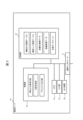
図3は、管理サーバ10の構成図である。管理サーバ10は、通信インタフェース11、記憶部12、制御部13、メモリ14、入力部15及び出力装置16を有する。記憶部12は、各種プログラムに加え、構造化ID登録テーブル、関係リンク登録テーブル、設備の実績データ、設備管理データ、文脈データベースなどを記憶する。
制御部13は、記憶部12のプログラムを読み出して主記憶装置であるメモリ14に展開し、順次実行することで各種機能を実現する。制御部が実現する機能には、問合せ文章受付部、文脈判定部、ドキュメント出力部が含まれる。
入力部15は、キーボードやポインティングデバイス等である。出力装置16は、ディスプレイ等である。入力部15及び出力装置16は、管理サーバ10に対する直接の入出力インタフェースである。
記憶部12は、各種の業務データを記憶する。業務データには、プラントにおける設備管理に関するデータ及び設備の実績データを含む。
設備管理に関するデータは、例えば、設備保全管理サーバ40から受信した保全作業データ41、文書管理サーバ50から受信した設計データ51及びマニュアルデータ52を含むことができる。これらのデータは、受信して記憶部12に保持した状態としてもよいし、設備保全管理サーバ40や文書管理サーバ50に随時アクセスしてそのデータを利用する構成としてもよい。
設備管理に関するデータは、例えば、設備保全管理サーバ40から受信した保全作業データ41、文書管理サーバ50から受信した設計データ51及びマニュアルデータ52を含むことができる。これらのデータは、受信して記憶部12に保持した状態としてもよいし、設備保全管理サーバ40や文書管理サーバ50に随時アクセスしてそのデータを利用する構成としてもよい。
設備の実績データは、プラントにおける設備・機器の稼働データ33や、プロセスを監視するために取得するセンサの計測データ32、稼働データ33や計測データ32が基準を逸脱したことを報知するアラーム信号31を含むことができる。これらのデータは、DCSサーバ30から受信して記憶部12に保持してもよいし、DCSサーバ30随時アクセスしてそのデータを利用する構成としてもよい。
このように、必要なデータを管理サーバ10の記憶部12に保持する構成としてもよいし、ネットワークで接続された複数のサーバに分散して記憶する構成としてもよい。分散記憶する構成では、各サーバの記憶部の集合が、本システムの記憶部となる。化学プラントにおいては、製造部門と保全部門のような部署ごとや役割ごとに異なるサーバを利用する場合があり、そのような情報管理体制においても適用可能である。
また、記憶部12は、複数の種類の業務データのそれぞれを一意に識別する識別情報を記憶する。複数の種類の業務データは、階層構造のディレクトリで管理され、識別情報は、階層構造のディレクトリにおける設備情報の所在に基づいて定まる構造化識別情報(以下、構造化IDという)である。構造化IDは、記憶部12の構造化ID登録テーブルに登録される。
また、記憶部12は、複数の種類の業務データに対応付けられた複数の構造化ID同士の関連性を示す情報である関係リンク情報を関係リンク登録テーブルとして記憶する。
また、記憶部12は、文脈IDに文脈情報等を対応付けた文脈データベースを記憶する。
また、記憶部12は、文脈IDに文脈情報等を対応付けた文脈データベースを記憶する。
制御部13は、所定のデータ入出力プログラムを実行することで、各種データの入出力に関する処理を実行する。
制御部13は、所定のデータ分析プログラムを実行することで、化学プラントの状態を分析し、現状に対応する関係リンク情報を提示する。現状に対応する関係リンク情報は、次に確認すべきデータの候補にリンクしており、ユーザの操作を支援することができる。
制御部13は、所定のデータ分析プログラムを実行することで、化学プラントの状態を分析し、現状に対応する関係リンク情報を提示する。現状に対応する関係リンク情報は、次に確認すべきデータの候補にリンクしており、ユーザの操作を支援することができる。
制御部13は、所定の業務支援プログラムを実行することで、問合せ文章受付部、文脈判定部、ドキュメント出力部として動作する。
問合せ文章受付部は、設備ユーザによる第一の問合せに関する情報を入力する入力部である。問合せ文章受付部は、設備ユーザとオペレータとの会話の音声をテキストに変換したデータを第一の問合せに関する情報として入力する。音声からテキストへの変換は、管理サーバ10が行ってもよいし、他の装置が行ったものであってもよい。
問合せ文章受付部は、設備ユーザによる第一の問合せに関する情報を入力する入力部である。問合せ文章受付部は、設備ユーザとオペレータとの会話の音声をテキストに変換したデータを第一の問合せに関する情報として入力する。音声からテキストへの変換は、管理サーバ10が行ってもよいし、他の装置が行ったものであってもよい。
文脈判定部は、設備ユーザとオペレータとの会話の音声をテキストに変換したデータに基づいて、第一の問合せの文脈のカテゴリーを判定する判定部である。文脈判定部は、テキストデータを解析し、会話のやり取りの意味を特定し、特定した意味をカテゴリーに分類する。テキストデータの解析には、テキストマイニング等の任意の既存手法を用いることができる。
ドキュメント出力部は、文脈判定部によって判定された文脈のカテゴリーと文脈IDとに基づいて、業務データに含まれるデータの中から、第一の問合せに関する情報を出力する出力部である。
具体的には、ドキュメント出力部は、文脈データベースを参照し、第一の問合せの文脈に含まれるカテゴリーと文脈情報に含まれるカテゴリーとの一致度合いを類似度として算出する。類似度の算出には、文脈に含まれるカテゴリーの順序は考慮しなくてよい。例えば、文脈情報に2つの質問が含まれていた場合に、問合せの中に両方の質問が行われていれば、どちらを先に質問したかは問わずに類似度が高いとする。
具体的には、ドキュメント出力部は、文脈データベースを参照し、第一の問合せの文脈に含まれるカテゴリーと文脈情報に含まれるカテゴリーとの一致度合いを類似度として算出する。類似度の算出には、文脈に含まれるカテゴリーの順序は考慮しなくてよい。例えば、文脈情報に2つの質問が含まれていた場合に、問合せの中に両方の質問が行われていれば、どちらを先に質問したかは問わずに類似度が高いとする。
ドキュメント出力部は、類似度の高い文脈情報に対応付けられたパス上に存在する業務データを出力する。例えば、ドキュメント出力部は、類似度が閾値以上である複数の文脈情報を、類似度の高い順に表示する画面を出力する。
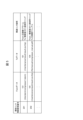
図4は、構造化ID登録テーブルの説明図である。構造化ID登録テーブルは、各サーバが保持するデータの構造化IDを登録されている。各サーバは、階層構造のディレクトリでデータの格納先を管理している。このため、ファイルサーバのID、ディレクトリ階層構造を含むディレクトリIDにより、対象のデータは識別可能である。例えば「ファイルサーバID/ディレクトリID/ファイルデータID」を識別情報としてデータは識別できる。このように構造化された識別情報が構造化IDである。構造化IDを用いることで、異なる種別の情報を一元的に容易に管理することができる。
なお、ファイルの格納先に限定されず、構造化IDは、階層構造のディレクトリ、データベーススキーマの表、データベーススキーマの列および行識別子、マニュアル文書の章節構造における包含関係、インデントによる包含関係など、各種データに示される包含関係や、別紙参照、備考、注釈等のデータの関連性を示す情報から作成可能である。各種データに示される包含関係のことをパス構造とも呼ぶ。なお、文書の章節構造における包含関係は、文書タイトル、章立て、節、見出し、単語のように、文書に設けられた階層から特定できる。構造化IDは、各種データ自体やその管理に用いられるパス構造に示される包含関係を同一の形式で表すよう構造化したものであり、いわば構造化包含関係を示すものである。
なお、ファイルの格納先に限定されず、構造化IDは、階層構造のディレクトリ、データベーススキーマの表、データベーススキーマの列および行識別子、マニュアル文書の章節構造における包含関係、インデントによる包含関係など、各種データに示される包含関係や、別紙参照、備考、注釈等のデータの関連性を示す情報から作成可能である。各種データに示される包含関係のことをパス構造とも呼ぶ。なお、文書の章節構造における包含関係は、文書タイトル、章立て、節、見出し、単語のように、文書に設けられた階層から特定できる。構造化IDは、各種データ自体やその管理に用いられるパス構造に示される包含関係を同一の形式で表すよう構造化したものであり、いわば構造化包含関係を示すものである。
図4では、構造化IDの識別情報に、サーバ、情報種別、構造化ID自体、画面表示用名称を対応付けている。情報種別は、例えば「アラーム(入力)」、「文書ファイル」、「点検作業」など、構造化IDを内容で分類した種別を示す。画面表示用名称は、構造化IDを表示部に表示する際に用いる名称である。
図5は、関係リンク登録テーブルの説明図である。関係リンク登録テーブルでは、関係リンクを識別する関係リンク管理番号に対し、Fromデータ、Toデータ、関連リンク説明を対応付けている。
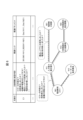
図6は、文脈データベースの説明図である。文脈データベースは、文脈ID、文脈情報、関連リンク、関連ドキュメントを対応付けたデータである。文脈IDのそれぞれに、文脈情報と関連リンクとが対応付けられて記憶されていることにより、文脈判定部によって判定された文脈情報と文脈IDの情報とに基づいて、会話の内容に関連する関係リンクを特定することが出来る。ここで、文脈情報と関連リンクとが対応付けられる原理について説明する。前述の通り、関係リンクは複数の種類の業務データに対応付けられた複数の構造化ID同士の関連性を示す情報であるが、この構造化ID同士の関連性が「事象」「原因」「対策」を示す業務データの関連性と対応するような場合も含まれている。一方で、ある事象に対応するために問合せを行う場合には、その問合せの中には「事象」「原因」「対策」に関連する内容が含まれている。そのため、関係リンクに含まれる「事象」「原因」「対策」を示す業務データの関連性と、文脈情報とで対応関係を定義することが出来る。
また、文脈IDに関連ドキュメントが対応付けることが出来る理由について説明する。上述の通り、文脈IDのそれぞれに、文脈情報と関連リンクとが対応付けられて記憶されている。ここで、ある関係リンクが関係性を定義する業務データが少なくとも二つ存在することとなる。それらのファイルの両方または一方を、関連ドキュメントとして、文脈IDに関連付けても良い。その他にも、管理者によって関連ドキュメントが追加で設定できるように構成されても良い。
図6では、ノードN01は「電源異常エラー」であり、ノードN11は「入力電力適正値外」であり、ノードN12は「外部電源の出力値異常」であり、ノードN13は「モーターの負荷異常」であり、ノードN21は「電源線の破断」であり、ノードN22は「外部電源の設定調整」である。
また、文脈IDに関連ドキュメントが対応付けることが出来る理由について説明する。上述の通り、文脈IDのそれぞれに、文脈情報と関連リンクとが対応付けられて記憶されている。ここで、ある関係リンクが関係性を定義する業務データが少なくとも二つ存在することとなる。それらのファイルの両方または一方を、関連ドキュメントとして、文脈IDに関連付けても良い。その他にも、管理者によって関連ドキュメントが追加で設定できるように構成されても良い。
図6では、ノードN01は「電源異常エラー」であり、ノードN11は「入力電力適正値外」であり、ノードN12は「外部電源の出力値異常」であり、ノードN13は「モーターの負荷異常」であり、ノードN21は「電源線の破断」であり、ノードN22は「外部電源の設定調整」である。
文脈ID「C1」は、ノードN01からノードN11の関連リンク301と、ノードN11からノードN21の関連リンク302とを含む。ここでは、関連リンク301を辿るのに使われたことのある会話内容が、「エラーの内容は?」「突然発生しましたか?」「設備の挙動は正しいですか?」と、それらの質問に対する所定の回答内容である。図6においては、代表的な質問のみを図示している。また、関連リンク302を辿るのに使われたことのある会話内容が「最近レイアウトを変更しましたか?」「電源を抜き差ししましたか?」とそれらの質問に対する所定の回答内容である。これらの会話内容、もしくはこれらの会話内容に対応するカテゴリーが、文脈ID「C1」の文脈情報に登録されている。
文脈ID「C1」には、関連ドキュメントとして、ノードN11のドキュメントと、ノードN21のドキュメントが登録されている。ノードN11のドキュメントとは、「入力電力適正値外」に関係する文書データである。ノードN21のドキュメントとは、「電源線の破断」に関係する文書データである。関連ドキュメントは、その文脈IDの類似度が十分に高い場合に、出力対象となるデータを示す。関連ドキュメントとして、パス上の全てのノードに関するドキュメントを登録してもよいし、パス上の一部のノードに関するドキュメントを登録してもよい。
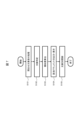
図7は、管理サーバ10の処理動作を示すフローチャートである。
まず、問合せ文章受付部が、設備ユーザによる第一の問合せに関する情報を入力する「問合せ文章受付処理」を行う(ステップS101)。
その後、文脈判定部は、受け付けたデータに基づいて、第一の問合せの文脈のカテゴリーを判定する「文脈判定」を行う(ステップS102)。ここで、文脈の判定については、前述の通り、テキストマイニング等の任意の既存手法を利用して行うようにしても良い。第一の問合せの文脈のカテゴリーについては、文脈情報に含まれる複数のカテゴリーが判定されても良い。その場合、複数のカテゴリーごとに一致度を示す指標、または、第一の問合せを構成する複数の文脈カテゴリーの割合を判定するようにしても良い。
その後、ドキュメント出力部は、文脈判定部が判定した情報と文脈データベースの情報とに基づいて、第一の問合せの文脈に含まれるカテゴリーと文脈情報に含まれるカテゴリーとの一致度合いを類似度として算出する(ステップS103)。例えば、類似度の算出方法の一例として、文脈判定部が判定した第一の問合せを構成する複数の文脈カテゴリーの割合に基づいて、類似度を算出するようにしても良い。
その後、ドキュメント出力部は、類似度の高い文脈情報に対応付けられたパス(関係リンク)を特定し、当該パスによって対応付けられたドキュメントを出力し、表示する(ステップS104)。
その後、ドキュメント出力部は、第一の問合せの文脈に含まれるカテゴリーと文脈データベースに登録して、文脈データベースを更新する(ステップS105)。
まず、問合せ文章受付部が、設備ユーザによる第一の問合せに関する情報を入力する「問合せ文章受付処理」を行う(ステップS101)。
その後、文脈判定部は、受け付けたデータに基づいて、第一の問合せの文脈のカテゴリーを判定する「文脈判定」を行う(ステップS102)。ここで、文脈の判定については、前述の通り、テキストマイニング等の任意の既存手法を利用して行うようにしても良い。第一の問合せの文脈のカテゴリーについては、文脈情報に含まれる複数のカテゴリーが判定されても良い。その場合、複数のカテゴリーごとに一致度を示す指標、または、第一の問合せを構成する複数の文脈カテゴリーの割合を判定するようにしても良い。
その後、ドキュメント出力部は、文脈判定部が判定した情報と文脈データベースの情報とに基づいて、第一の問合せの文脈に含まれるカテゴリーと文脈情報に含まれるカテゴリーとの一致度合いを類似度として算出する(ステップS103)。例えば、類似度の算出方法の一例として、文脈判定部が判定した第一の問合せを構成する複数の文脈カテゴリーの割合に基づいて、類似度を算出するようにしても良い。
その後、ドキュメント出力部は、類似度の高い文脈情報に対応付けられたパス(関係リンク)を特定し、当該パスによって対応付けられたドキュメントを出力し、表示する(ステップS104)。
その後、ドキュメント出力部は、第一の問合せの文脈に含まれるカテゴリーと文脈データベースに登録して、文脈データベースを更新する(ステップS105)。
図8は、文脈IDの変形例についての説明図である。図8では、ノードN01からノードN11に文脈ID「C1-2」、ノードN11からノードN21に文脈ID「C1-1」が対応付けられている。すなわち、図2に示した文脈ID「C1」の一部を、文脈ID「C1-1」や文脈ID「C1-2」としている。
同様に、ノードN11からノードN12を文脈ID「C2-2」、ノードN12からノードN22を文脈ID「C2-1」としている。すなわち、図2に示した文脈ID「C2」の一部を、文脈ID「C2-1」や文脈ID「C2-2」としている。
同様に、ノードN11からノードN12を文脈ID「C2-2」、ノードN12からノードN22を文脈ID「C2-1」としている。すなわち、図2に示した文脈ID「C2」の一部を、文脈ID「C2-1」や文脈ID「C2-2」としている。
このように、パスの全体と部分についてそれぞれ文脈IDを付し、それぞれ文脈情報を対応付けることで、会話内容から効率的にパスを特定できる。
図9は、表示画面の具体例である。管理サーバ10は、図9の表示画面を、オペレータP2が使用する端末のディスプレイに表示する。表示画面は、基本情報、会話内容、関連性の強い文脈ID、推奨質問などを含む。
基本情報としては、設備ユーザP1の名称、対象の設備、保守履歴などを表示する。
会話内容は、設備ユーザP1とオペレータP2との会話をテキストに変換したものである。
関連性の強い文脈IDは、会話内容と文脈情報が類似する文脈IDを一覧表示する。一覧表示における表示順序は任意に設定可能であるが、一例として、類似度の高い順とすればよい。また、文脈IDとともに、類似度と、出力候補のドキュメントを表示する。
推奨質問は、文脈IDの絞り込みに有効な質問の内容である。例えば、類似度の高い複数の文脈情報が有する質問に相違があれば、相違する質問を推奨質問として提示する。このような推奨質問を用いれば、類似度が高い複数の文脈情報からの効率的な絞り込みが可能である。推奨質問は、管理者によって設定される情報であっても良いし、過去の問合せの実績データと対応する文脈IDの関係を学習したAIモデルにより自動で生成される情報であっても良い。
会話内容は、設備ユーザP1とオペレータP2との会話をテキストに変換したものである。
関連性の強い文脈IDは、会話内容と文脈情報が類似する文脈IDを一覧表示する。一覧表示における表示順序は任意に設定可能であるが、一例として、類似度の高い順とすればよい。また、文脈IDとともに、類似度と、出力候補のドキュメントを表示する。
推奨質問は、文脈IDの絞り込みに有効な質問の内容である。例えば、類似度の高い複数の文脈情報が有する質問に相違があれば、相違する質問を推奨質問として提示する。このような推奨質問を用いれば、類似度が高い複数の文脈情報からの効率的な絞り込みが可能である。推奨質問は、管理者によって設定される情報であっても良いし、過去の問合せの実績データと対応する文脈IDの関係を学習したAIモデルにより自動で生成される情報であっても良い。
図10は、管理サーバの変形例の説明図である。図10に示した管理サーバ10aは、制御部13に推奨質問文章出力処理部、見積書作成処理部、発注処理部、訪問日程調整処理部、生産計画作成処理部をさらに備える点が図3に示した管理サーバ10と異なる。また、記憶部12が部品データと作業員データをさらに備える点が図3に示した管理サーバ10と異なる。その他については、図3に示した管理サーバ10と同様であるので、説明を省略する。
部品データは、設備に使用されている部品の価格や発注先等のデータである。
作業員データは、設備の修理等を行う作業員の派遣料や日程を示すデータである。
作業員データは、設備の修理等を行う作業員の派遣料や日程を示すデータである。
推奨質問文章出力処理部は、類似度が高い複数の文脈情報において相違するカテゴリーを用い、文脈情報の絞り込みに寄与する質問を提案する処理部である。この質問が、図9に示した推奨質問に対応する。
見積書作成処理部は、ドキュメント出力部が出力したデータが対策に関するデータである場合に、部品データ及び作業員データを参照し、対策の見積書を作成する処理部である。
発注処理部は、ドキュメント出力部が出力したデータが対策に関するデータであり、当該対策が部品の交換を含む場合に、部品データを参照し、当該部品の発注を行う処理部である。
訪問日程調整処理部は、ドキュメント出力部が出力したデータが対策に関するデータであり、当該対策が作業員の派遣を含む場合に、当該作業員の予定から派遣日程を調整する処理部である。
生産計画作成処理部は、ドキュメント出力部が出力したデータに基づいて、業務計画を調整する処理部である。発生した事象と対策が特定されれば、対策が完了するまでに業務に生じる影響が求められるため、この影響を考慮して業務計画の調整を行うのである。
上述してきたように、実施例に開示した業務支援システムは、業務に関連するデータであって業務で生じた事象を示すデータと前記事象の原因に関するデータと前記原因への対策に関するデータとを含む業務データと、前記業務データに含まれる個々のデータ間の関係性を示すパスの情報である関係リンク情報と、ユーザによる問合せに関する会話内容の文脈のカテゴリーを示す文脈情報と、前記文脈情報における文脈のカテゴリーと前記関係リンク情報に含まれる個々のデータ間の関係性を示すパスとの対応関係を示す情報である文脈IDと、が格納される記憶部12と、ユーザによる第一の問合せに関する情報を入力する入力部として動作する問合せ文章受付部と、前記入力部に入力された情報に基づいて、前記第一の問合せの文脈のカテゴリーを判定する判定部として動作する文脈判定部と、前記判定部によって判定された前記文脈のカテゴリーと前記文脈IDとに基づいて、前記業務データに含まれるデータの中から、前記第一の問合せに関する情報を出力する出力部として動作するドキュメント出力部と、を備える。
この構成及び動作により、業務支援システムは、構造化された情報を会話に基づいて探索する際の支援を実現できる。
この構成及び動作により、業務支援システムは、構造化された情報を会話に基づいて探索する際の支援を実現できる。
また、前記文脈のカテゴリーは、会話内容が示す意味による分類であり、前記文脈情報は、1又は複数のカテゴリーを含み、前記出力部は、前記第一の問合せの文脈に含まれるカテゴリーと前記文脈情報に含まれるカテゴリーとの一致度合いを類似度として算出し、前記出力部は、前記類似度の高い文脈情報に対応付けられたパス上に存在する業務データを出力する。
このため、業務支援システムは、過去の類似の事例に沿って情報提供できる。
このため、業務支援システムは、過去の類似の事例に沿って情報提供できる。
また、前記出力部は、複数の文脈情報を前記類似度の高い順に表示する画面を出力する。
このため、業務支援システムは、出力すべき情報を優先順位をつけて提示できる。
このため、業務支援システムは、出力すべき情報を優先順位をつけて提示できる。
また、業務支援システムは、前記類似度が高い複数の文脈情報において相違するカテゴリーを用い、前記文脈情報の絞り込みに寄与する質問を提案する処理部をさらに備える。
このため、業務支援システムは、出力すべき情報を効率よく絞り込むことができる。
このため、業務支援システムは、出力すべき情報を効率よく絞り込むことができる。
また、業務支援システムは、前記出力部が出力したデータが、前記対策に関するデータであり、当該対策が部品の交換を含む場合に、当該部品の発注を行う処理部をさらに備える。
また、業務支援システムは、前記出力部が出力したデータが、前記対策に関するデータであり、当該対策が作業員の派遣を含む場合に、当該作業員の予定から派遣日程を調整する処理部をさらに備える。
また、業務支援システムは、前記出力部が出力したデータに基づいて、業務計画を調整する処理部をさらに備える。
これらの構成により、業務支援システムは、発生した事象に対する対策の特定から実施までを総合的に支援できる。
また、業務支援システムは、前記出力部が出力したデータが、前記対策に関するデータであり、当該対策が作業員の派遣を含む場合に、当該作業員の予定から派遣日程を調整する処理部をさらに備える。
また、業務支援システムは、前記出力部が出力したデータに基づいて、業務計画を調整する処理部をさらに備える。
これらの構成により、業務支援システムは、発生した事象に対する対策の特定から実施までを総合的に支援できる。
また、前記入力部は、会話の音声をテキストに変換したデータを前記第一の問合せに関する情報として入力する。
このため、過去の会話との比較が容易となる。
このため、過去の会話との比較が容易となる。
なお、本発明は上記の実施例に限定されるものではなく、様々な変形例が含まれる。例えば、上記した実施例は本発明を分かりやすく説明するために詳細に説明したものであり、必ずしも説明した全ての構成を備えるものに限定されるものではない。また、かかる構成の削除に限らず、構成の置き換えや追加も可能である。
例えば、会話の内容から文脈を特定する際に、オペレータによる入力をさらに用いてもよい。設備ユーザの所属や設備の状態等、会話以外でオペレータが知り得た内容を会話の内容と共に用いることで、文脈の特定をより効率的に行うことができる。
例えば、会話の内容から文脈を特定する際に、オペレータによる入力をさらに用いてもよい。設備ユーザの所属や設備の状態等、会話以外でオペレータが知り得た内容を会話の内容と共に用いることで、文脈の特定をより効率的に行うことができる。
10:管理サーバ、11:通信インタフェース、12:記憶部、13:制御部、20:ユーザ端末、21:入力部、22:表示部、30:DCSサーバ、31:アラーム信号、32:計測データ、33:稼働データ、40:設備保全管理サーバ、41:保全作業データ、50:文書管理サーバ、51:設計データ、52:マニュアルデータ
Claims (9)
- 業務に関連するデータであって業務で生じた事象を示すデータと前記事象の原因に関するデータと前記原因への対策に関するデータとを含む業務データと、前記業務データに含まれる個々のデータ間の関係性を示すパスの情報である関係リンク情報と、ユーザによる問合せに関する会話内容の文脈のカテゴリーを示す文脈情報と、前記文脈情報における文脈のカテゴリーと前記関係リンク情報に含まれる個々のデータ間の関係性を示すパスとの対応関係を示す情報である文脈IDと、が格納される記憶部と、
ユーザによる第一の問合せに関する情報を入力する入力部と、
前記入力部に入力された情報に基づいて、前記第一の問合せの文脈のカテゴリーを判定する判定部と、
前記判定部によって判定された前記文脈のカテゴリーと前記文脈IDとに基づいて、前記業務データに含まれるデータの中から、前記第一の問合せに関する情報を出力する出力部と、を備えることを特徴とする業務支援システム。 - 請求項1に記載の業務支援システムであって、
前記文脈のカテゴリーは、会話内容が示す意味による分類であり、前記文脈情報は、1又は複数のカテゴリーを含み、
前記出力部は、前記第一の問合せの文脈に含まれるカテゴリーと前記文脈情報に含まれるカテゴリーとの一致度合いを類似度として算出し、
前記出力部は、前記類似度の高い文脈情報に対応付けられたパス上に存在する業務データを出力することを特徴とする業務支援システム。 - 請求項2に記載の業務支援システムであって、
前記出力部は、複数の文脈情報を前記類似度の高い順に表示する画面を出力することを特徴とする業務支援システム。 - 請求項2に記載の業務支援システムであって、
前記類似度が高い複数の文脈情報において相違するカテゴリーを用い、前記文脈情報の絞り込みに寄与する質問を提案する処理部をさらに備えたことを特徴とする業務支援システム。 - 請求項1に記載の業務支援システムであって、
前記出力部が出力したデータが、前記対策に関するデータであり、当該対策が部品の交換を含む場合に、当該部品の発注を行う処理部をさらに備えたことを特徴とする業務支援システム。 - 請求項1に記載の業務支援システムであって、
前記出力部が出力したデータが、前記対策に関するデータであり、当該対策が作業員の派遣を含む場合に、当該作業員の予定から派遣日程を調整する処理部をさらに備えたことを特徴とする業務支援システム。 - 請求項1に記載の業務支援システムであって、
前記出力部が出力したデータに基づいて、業務計画を調整する処理部をさらに備えたことを特徴とする業務支援システム。 - 請求項1に記載の業務支援システムであって、
前記入力部は、会話の音声をテキストに変換したデータを前記第一の問合せに関する情報として入力することを特徴とする業務支援システム。 - 業務に関連するデータであって業務で生じた事象を示すデータと前記事象の原因に関するデータと前記原因への対策に関するデータとを含む業務データと、前記業務データに含まれる個々のデータ間の関係性を示すパスの情報である関係リンク情報と、ユーザによる問合せに関する会話内容の文脈のカテゴリーを示す文脈情報と、前記文脈情報における文脈のカテゴリーと前記関係リンク情報に含まれる個々のデータ間の関係性を示すパスとの対応関係を示す情報である文脈IDと、が格納される記憶部を備える業務支援システムが、
ユーザによる第一の問合せに関する情報の入力を受け付けるステップと、
受け付けた情報に基づいて、前記第一の問合せの文脈のカテゴリーを判定するステップと、
判定された前記文脈のカテゴリーと前記文脈IDとに基づいて、前記業務データに含まれるデータの中から、前記第一の問合せに関する情報を出力するステップと、
を含むことを特徴とする業務支援方法。
Applications Claiming Priority (2)
| Application Number | Priority Date | Filing Date | Title |
|---|---|---|---|
| JP2023109115A JP2025007601A (ja) | 2023-07-03 | 2023-07-03 | 業務支援システム及び業務支援方法 |
| JP2023-109115 | 2023-07-03 |
Publications (1)
| Publication Number | Publication Date |
|---|---|
| WO2025009265A1 true WO2025009265A1 (ja) | 2025-01-09 |
Family
ID=94171807
Family Applications (1)
| Application Number | Title | Priority Date | Filing Date |
|---|---|---|---|
| PCT/JP2024/017732 Ceased WO2025009265A1 (ja) | 2023-07-03 | 2024-05-14 | 業務支援システム及び業務支援方法 |
Country Status (2)
| Country | Link |
|---|---|
| JP (1) | JP2025007601A (ja) |
| WO (1) | WO2025009265A1 (ja) |
Citations (2)
| Publication number | Priority date | Publication date | Assignee | Title |
|---|---|---|---|---|
| JP2015212926A (ja) * | 2014-05-06 | 2015-11-26 | バイドゥ オンライン ネットワーク テクノロジー (ベイジン) カンパニー リミテッド | 検索方法及び検索装置 |
| JP2020201764A (ja) * | 2019-06-11 | 2020-12-17 | 中国電力株式会社 | 監視支援システムおよび監視支援方法 |
-
2023
- 2023-07-03 JP JP2023109115A patent/JP2025007601A/ja active Pending
-
2024
- 2024-05-14 WO PCT/JP2024/017732 patent/WO2025009265A1/ja not_active Ceased
Patent Citations (2)
| Publication number | Priority date | Publication date | Assignee | Title |
|---|---|---|---|---|
| JP2015212926A (ja) * | 2014-05-06 | 2015-11-26 | バイドゥ オンライン ネットワーク テクノロジー (ベイジン) カンパニー リミテッド | 検索方法及び検索装置 |
| JP2020201764A (ja) * | 2019-06-11 | 2020-12-17 | 中国電力株式会社 | 監視支援システムおよび監視支援方法 |
Also Published As
| Publication number | Publication date |
|---|---|
| JP2025007601A (ja) | 2025-01-17 |
Similar Documents
| Publication | Publication Date | Title |
|---|---|---|
| CN104020729B (zh) | 用于在技术设备或技术过程中记录事件的系统和方法 | |
| WO2019195121A1 (en) | Digital worker management system | |
| WO2022142016A1 (zh) | 基于规则引擎的参数转换方法、装置、设备及介质 | |
| JP2012178192A (ja) | プロセス制御システムを維持管理するためのシステムと方法 | |
| US10911447B2 (en) | Application error fingerprinting | |
| JP5614843B2 (ja) | ソフトウェア設計・運用統合管理システム | |
| JP7393137B2 (ja) | 情報システムおよび情報管理方法 | |
| JP2021131913A (ja) | サービス提供システム、ビジネス分析支援システム、方法及びプログラム | |
| KR102767349B1 (ko) | 철도 시설물 관리를 위한 데이터 관리 방법 | |
| CN118964682B (zh) | 基于元级化低代码平台的软件知识图谱智能构建方法 | |
| EP2825985A1 (en) | System and method for automated compliance verification | |
| Marocco et al. | Operational text-mining methods for enhancing building maintenance management | |
| CN114730443B (zh) | 楼宇信息处理装置 | |
| US11415958B2 (en) | Data extracting apparatus, data extracting method, and recording medium | |
| CN120892321B (zh) | 软件缺陷处理方法、电子设备、存储介质和程序产品 | |
| KR102498062B1 (ko) | 메타데이터 관리 시스템 | |
| Beez et al. | Context-aware documentation in the smart factory | |
| US11709480B2 (en) | System and method for automatic data classification for use with data collection system and process control system | |
| JP2025007601A (ja) | 業務支援システム及び業務支援方法 | |
| JP4336251B2 (ja) | トレーサビリティシステム、トレース情報管理方法、トレース情報管理プログラム、及び記録媒体 | |
| EP4589495A1 (en) | Ai based plant status reporting | |
| US7778719B2 (en) | Method, system, apparatus, and computer-readable medium for providing configure to service for a semiconductor manufacturing service guide system | |
| KR102410415B1 (ko) | 지능형 약물감시 플랫폼을 제공하기 위한 방법 및 장치 | |
| US20060143037A1 (en) | System for taking over and operating services and installations at a site | |
| He | An end-to-end log management framework for distributed systems |
Legal Events
| Date | Code | Title | Description |
|---|---|---|---|
| 121 | Ep: the epo has been informed by wipo that ep was designated in this application |
Ref document number: 24835787 Country of ref document: EP Kind code of ref document: A1 |
|
| NENP | Non-entry into the national phase |
Ref country code: DE |