WO2025005142A1 - 細胞外小胞と連結させて使用するための複合体及びその利用 - Google Patents
細胞外小胞と連結させて使用するための複合体及びその利用 Download PDFInfo
- Publication number
- WO2025005142A1 WO2025005142A1 PCT/JP2024/023197 JP2024023197W WO2025005142A1 WO 2025005142 A1 WO2025005142 A1 WO 2025005142A1 JP 2024023197 W JP2024023197 W JP 2024023197W WO 2025005142 A1 WO2025005142 A1 WO 2025005142A1
- Authority
- WO
- WIPO (PCT)
- Prior art keywords
- binding
- complex
- linked
- extracellular vesicle
- extracellular
- Prior art date
- Legal status (The legal status is an assumption and is not a legal conclusion. Google has not performed a legal analysis and makes no representation as to the accuracy of the status listed.)
- Ceased
Links
Images





Classifications
-
- C—CHEMISTRY; METALLURGY
- C07—ORGANIC CHEMISTRY
- C07K—PEPTIDES
- C07K19/00—Hybrid peptides, i.e. peptides covalently bound to nucleic acids, or non-covalently bound protein-protein complexes
-
- C—CHEMISTRY; METALLURGY
- C12—BIOCHEMISTRY; BEER; SPIRITS; WINE; VINEGAR; MICROBIOLOGY; ENZYMOLOGY; MUTATION OR GENETIC ENGINEERING
- C12N—MICROORGANISMS OR ENZYMES; COMPOSITIONS THEREOF; PROPAGATING, PRESERVING, OR MAINTAINING MICROORGANISMS; MUTATION OR GENETIC ENGINEERING; CULTURE MEDIA
- C12N15/00—Mutation or genetic engineering; DNA or RNA concerning genetic engineering, vectors, e.g. plasmids, or their isolation, preparation or purification; Use of hosts therefor
- C12N15/09—Recombinant DNA-technology
- C12N15/63—Introduction of foreign genetic material using vectors; Vectors; Use of hosts therefor; Regulation of expression
-
- C—CHEMISTRY; METALLURGY
- C12—BIOCHEMISTRY; BEER; SPIRITS; WINE; VINEGAR; MICROBIOLOGY; ENZYMOLOGY; MUTATION OR GENETIC ENGINEERING
- C12N—MICROORGANISMS OR ENZYMES; COMPOSITIONS THEREOF; PROPAGATING, PRESERVING, OR MAINTAINING MICROORGANISMS; MUTATION OR GENETIC ENGINEERING; CULTURE MEDIA
- C12N5/00—Undifferentiated human, animal or plant cells, e.g. cell lines; Tissues; Cultivation or maintenance thereof; Culture media therefor
- C12N5/06—Animal cells or tissues; Human cells or tissues
-
- C—CHEMISTRY; METALLURGY
- C12—BIOCHEMISTRY; BEER; SPIRITS; WINE; VINEGAR; MICROBIOLOGY; ENZYMOLOGY; MUTATION OR GENETIC ENGINEERING
- C12N—MICROORGANISMS OR ENZYMES; COMPOSITIONS THEREOF; PROPAGATING, PRESERVING, OR MAINTAINING MICROORGANISMS; MUTATION OR GENETIC ENGINEERING; CULTURE MEDIA
- C12N5/00—Undifferentiated human, animal or plant cells, e.g. cell lines; Tissues; Cultivation or maintenance thereof; Culture media therefor
- C12N5/10—Cells modified by introduction of foreign genetic material
-
- C—CHEMISTRY; METALLURGY
- C12—BIOCHEMISTRY; BEER; SPIRITS; WINE; VINEGAR; MICROBIOLOGY; ENZYMOLOGY; MUTATION OR GENETIC ENGINEERING
- C12N—MICROORGANISMS OR ENZYMES; COMPOSITIONS THEREOF; PROPAGATING, PRESERVING, OR MAINTAINING MICROORGANISMS; MUTATION OR GENETIC ENGINEERING; CULTURE MEDIA
- C12N9/00—Enzymes; Proenzymes; Compositions thereof; Processes for preparing, activating, inhibiting, separating or purifying enzymes
-
- C—CHEMISTRY; METALLURGY
- C07—ORGANIC CHEMISTRY
- C07K—PEPTIDES
- C07K14/00—Peptides having more than 20 amino acids; Gastrins; Somatostatins; Melanotropins; Derivatives thereof
- C07K14/435—Peptides having more than 20 amino acids; Gastrins; Somatostatins; Melanotropins; Derivatives thereof from animals; from humans
-
- C—CHEMISTRY; METALLURGY
- C12—BIOCHEMISTRY; BEER; SPIRITS; WINE; VINEGAR; MICROBIOLOGY; ENZYMOLOGY; MUTATION OR GENETIC ENGINEERING
- C12N—MICROORGANISMS OR ENZYMES; COMPOSITIONS THEREOF; PROPAGATING, PRESERVING, OR MAINTAINING MICROORGANISMS; MUTATION OR GENETIC ENGINEERING; CULTURE MEDIA
- C12N15/00—Mutation or genetic engineering; DNA or RNA concerning genetic engineering, vectors, e.g. plasmids, or their isolation, preparation or purification; Use of hosts therefor
- C12N15/09—Recombinant DNA-technology
- C12N15/11—DNA or RNA fragments; Modified forms thereof; Non-coding nucleic acids having a biological activity
- C12N15/52—Genes encoding for enzymes or proenzymes
Definitions
- Extracellular vesicles are vesicles secreted from cells, have a lipid bilayer membrane structure, and are known to encapsulate substances such as proteins, sugars, and nucleic acids.
- various research projects using extracellular vesicles have been conducted. For example, because extracellular vesicles are contained in body fluids such as blood, urine, and saliva, they are expected to be used as biomarkers in the diagnosis and treatment of diseases.
- extracellular vesicles are expected to be used as carriers in drug delivery systems (DDS) (Non-Patent Document 1).
- DDS drug delivery systems
- the inventors have uniquely noted that the above-mentioned technology for fusing CD63 protein with a target protein allows only one molecule of the target protein to be introduced into an extracellular vesicle per molecule of CD63 protein.
- the present disclosure aims to provide a new technology that can more efficiently link useful components to extracellular vesicles.
- a useful component can be efficiently linked to extracellular vesicles by using a complex in which a biotin protein ligase linked to a useful component via biotin is linked to a biotin carboxyl carrier protein.
- a useful component can be efficiently linked to extracellular vesicles by utilizing the principle of specific binding between biotin protein ligase and biotin carboxyl carrier protein via biotin, it has been found that a useful component can be efficiently linked to extracellular vesicles by using a complex in which a first binding part (e.g., biotin protein ligase, SpyCatcher, etc.) linked directly or indirectly to a useful component is specifically bound to a second binding part (e.g., biotin carboxyl carrier protein, SpyTag, etc.) that specifically binds to the first binding part, regardless of the combination of biotin protein ligase and biotin carboxyl carrier protein.
- a first binding part e.g., biotin protein ligase, SpyCatcher, etc.
- a second binding part e.g., biotin carboxyl carrier protein, SpyTag, etc.
- Item 1 A complex for use in conjunction with extracellular vesicles, comprising the following components: (1) comprising a first binding portion directly or indirectly linked to a useful ingredient; (2) comprising a second binding portion that specifically binds to the first binding portion; (3) The first connecting portion and the second connecting portion are connected to each other.
- the useful component is at least one selected from the group consisting of proteins, peptides, amino acids and nucleic acids.
- Item 5 The complex according to Item 4, comprising two or more molecules of the second binding part per molecule of the extracellular vesicle-targeting protein.
- Item 6. An extracellular vesicle to which the complex according to any one of Items 1 to 5 is linked.
- Item 7. A cell secreting extracellular vesicles, comprising at least one selected from the group consisting of a vector capable of expressing a first binding part directly or indirectly linked to a useful ingredient and a vector capable of expressing a second binding part.
- Item 9 A method for producing the composite according to Item 4, comprising the following steps (a1) and (a2): (a1) mixing a first binding part directly or indirectly linked to a useful ingredient with a second binding part directly or indirectly linked to an extracellular vesicle-targeting protein; (a2) The first binding portion and the second binding portion are bound to each other, and the useful component is indirectly linked to the extracellular vesicle-targeting protein via the bond.
- a method for producing extracellular vesicles carrying a complex comprising the following steps (b1) and (b2): (b1) mixing a first binding portion directly or indirectly linked to a useful ingredient with an extracellular vesicle carrying a second binding portion directly or indirectly linked to an extracellular vesicle-targeting protein; (b2) The first binding portion and the second binding portion are bound to each other, and the useful component is indirectly linked to the extracellular vesicle via the bond.
- useful components can be efficiently linked to extracellular vesicles.
- Extracellular vesicles equipped with the complex of the present disclosure can also be used as carriers in DDS and the like, and are useful for delivering useful components in the diagnosis, treatment, etc. of diseases.
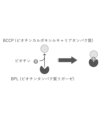
- FIG. 1 shows a model diagram of a biotinylation reaction involving BPL, BCCP and biotin.
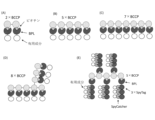
- FIG. 2 shows a model diagram of a complex of the present disclosure to which two or more molecules of the second binding moiety (BCCP) are linked.
- FIG. 3 shows a model diagram of a complex of the present disclosure to which two or more molecules of a second binding moiety (SpyTag) are linked.
- Figure 4 shows a model diagram of the complex of the present disclosure in which seven molecules of the second binding moiety (BCCP or SpyTag) are linked per molecule of the extracellular vesicle-targeting protein.
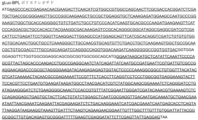
- FIG. 5 shows the Gag-FLAG-5BCCP polynucleotide used in Test Example 1.
- FIG. 6 shows the gLuc-BPL polynucleotide used in Test Example 1.
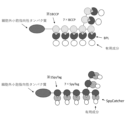
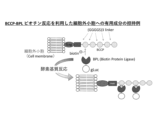
- Figure 7 shows an example of loading useful components into extracellular vesicles using the BCCP-BPL biotinylation reaction.
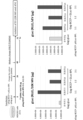
- Figure 8 shows the results of Test Example 1.
- Figure 8 shows that the active ingredient was successfully linked to extracellular vesicles by using the complex of the present disclosure.
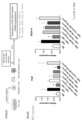
- Figure 9 shows the results of Test Example 2.
- Figure 9 shows that the active ingredient was successfully linked to extracellular vesicles by using the complex of the present disclosure.
- Figure 10 shows the results of Test Example 2.
- Figure 10 shows that the active ingredient was successfully linked to extracellular vesicles by using the complex of the present disclosure.
- FIG 11 shows the binding mode between the useful ingredient (PKI) and the first binding portion in Test Example 3, the binding mode between the extracellular vesicle-targeting protein (Gag) and the second binding portion, and the protocol of Test Example 3.
- Figure 12 shows the results of Test Example 3.
- Figure 12 shows that even when a PKI inhibitor (PKI) was used as an active ingredient, the active ingredient was successfully linked to extracellular vesicles, and further shows that the useful ingredient was successfully delivered to the target subject.
- Figure 13 shows the results of Test Example 3.
- Figure 13 shows that even when PK was used as the active ingredient, the active ingredient was successfully linked to the extracellular vesicles, and further shows that the useful ingredient was successfully delivered to the target subject.
- Figure 14 shows the results of Test Example 3.
- Figure 14 shows that even when PKI was used as the active ingredient, the active ingredient was successfully linked to extracellular vesicles, and further shows that the useful ingredient was successfully delivered to the target subject.
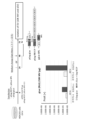
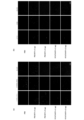
- Figure 15 shows the results of Test Example 5.
- Figure 15 shows that the active ingredients (PKI, STAT3i) were successfully linked to extracellular vesicles even in vivo, and further shows that the useful ingredients were successfully delivered to the target subject.
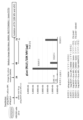
- Figure 16 shows the results of Test Example 5.
- Figure 15 shows that the active ingredient (PKI) was successfully linked to extracellular vesicles even in vivo, and further shows that the useful ingredient was successfully delivered to the target subject.
- Conjugates for use in conjunction with extracellular vesicles comprising the following components: (1) comprising a first binding portion directly or indirectly linked to a useful ingredient; (2) comprising a second binding portion that specifically binds to the first binding portion; (3) The first connecting portion and the second connecting portion are connected to each other.
- first binding portion and the second binding portion are not limited as long as they can bind, but preferred examples include first binding portions and second binding portions that can specifically bind to each other.
- first binding part and the second binding part examples include biotin protein ligase (BPL) and biotin carboxyl carrier protein (BCCP), and preferably the first binding part is BPL and the second binding part is BCCP.
- BPL biotin protein ligase
- BCCP biotin carboxyl carrier protein
- BPL and BCCP can be specifically bound to each other via biotin, and the binding via this specific bond is known as a biotinylation reaction between BPL and BCCP.
- first binding portion and the second binding portion include SpyCatcher and SpyTag, and preferably the first binding portion is SpyCatcher and the second binding portion is SpyTag.
- SpyCatcher and SpyTag can specifically bind via an isopeptide bond, and the binding via this specific bond is known as the SpyCatcher/SpyTag system.
- BCCP is not limited, and examples of the origin of BCCP include Archaea and the like.
- examples of archaea include Sulfolobus archaea such as Sulfolobus tokodaii.
- Examples of BCCP include preferably archaeal BCCP, more preferably Sulfolobus genus BCCP, and even more preferably Sulfolobus tokodaii BCCP.
- examples of BCCP include BCCP described in the Uniprot database under accession number F9VN46.
- an amino acid sequence encoding BCCP from Sulfolobus tokodaii is the amino acid sequence shown in SEQ ID NO: 1.
- the amino acid sequence shown in SEQ ID NO: 1 corresponds to the amino acid sequence encoding BCCP described in the Uniprot database under accession number F9VN46. In this way, the amino acid sequence encoding BCCP can be easily known based on various databases related to proteins, etc.
- the molecular weight of BCCP is about 7000 (about 7 kDa), and, without limiting the present disclosure, examples of the molecular weight of BCCP are preferably about 6000 to 8000 (about 6 to 8 kDa), more preferably about 6500 to 7500 (about 6.5 to 7.5 kDa).
- the amino acid sequence encoding BCCP may have modifications to the amino acid sequence to the extent that BCCP and BPL can be linked via biotin.
- modifications include amino acid sequences that have a sequence identity of 90% or more, preferably 95% or more, more preferably 98% or more, and even more preferably 99% or more, and 99.5% or more to the amino acid sequence represented by SEQ ID NO:1.
- the modification includes, but is not limited to, the amino acid sequence represented by SEQ ID NO: 1 in which one or more amino acids have been deleted, substituted, or added.
- examples of the range of one or more amino acids include 1 to 10, 1 to 9, 1 to 8, 1 to 7, 1 to 6, 1 to 5, 1 to 4, 1 to 3, 1 or 2, etc.
- amino acid sequence identity refers to the degree of amino acid sequence agreement between two or more comparable amino acid sequences.
- the level of amino acid sequence identity can be determined, for example, using the sequence analysis tool FASTA with default parameters.
- the BLAST algorithm by Karlin and Altschul (Karlin S, Altschul S F. "Methods for assessing the statistical significance of molecular sequence features by using general scoring schemes" Proc Natl Acad Sci USA. 87:2264-2268 1990), Karlin S, Altschul S F. "Applications and statistics for multiple high-scoring segments in molecular sequences.” Proc Natl Acad Sci USA. 90:5873-7 (1993)).
- a program called BLASTX based on this BLAST algorithm has been developed. The specific techniques for these analysis methods are publicly known, and can be found on the National Center of Biotechnology Information (NCBI) website (http://www.ncbi.nlm.nih.gov/).
- the modified amino acid may be either a natural amino acid or an artificial amino acid.
- amino acids include hydrophobic amino acids, hydrophilic amino acids, basic amino acids, acidic amino acids, branched chain amino acids, aromatic amino acids, and sulfur-containing amino acids. More specific examples of amino acids include valine, leucine, isoleucine, alanine, arginine, glutamine, lysine, aspartic acid, glutamic acid, proline, cysteine, threonine, methionine, histidine, phenylalanine, tyrosine, tryptophan, asparagine, glycine, and serine. Techniques for deleting, substituting, and/or adding one or more amino acids in a specific amino acid sequence are known.
- conservative substitution is a preferred example of the substitution.
- conservative substitution means that an amino acid residue is replaced with an amino acid residue having a side chain with similar properties.
- a conservative substitution is a substitution between amino acid residues having basic side chains such as lysine, arginine, and histidine.
- amino acid residues having acidic side chains such as aspartic acid and glutamic acid
- amino acid residues having non-charged polar side chains such as glycine, asparagine, glutamine, serine, threonine, tyrosine, and cysteine
- amino acid residues having non-polar side chains such as alanine, valine, leucine, isoleucine, proline, phenylalanine, methionine, and tryptophan
- amino acid residues having ⁇ -branched side chains such as threonine, valine, and isoleucine
- amino acid residues having aromatic side chains such as tyrosine, phenylalanine, tryptophan, and histidine.
- the complex of the present disclosure may contain two or more molecules of BCCP, and the BCCP may be used alone or in combination of two or more types.
- BPL is not limited, and examples of the origin of BPL include Archaea and the like.
- archaea include Sulfolobus archaea such as Sulfolobus tokodaii.
- BPL include preferably archaeal BPL, more preferably Sulfolobus genus BPL, and even more preferably Sulfolobus tokodaii BPL.
- the origin of BPL may be the same as or different from that of BCCP, and is preferably the same.
- examples of BPL include BPL described in the Uniprot database under accession number F9VNG7.
- an amino acid sequence encoding BPL from Sulfolobus tokodaii is the amino acid sequence shown in SEQ ID NO: 2.
- the amino acid sequence shown in SEQ ID NO: 2 corresponds to the amino acid sequence encoding BPL described in the Uniprot database under accession number F9VNG7 (Mass(Da)26317).
- the amino acid sequence encoding BPL can be easily known based on various databases related to proteins, etc.
- the molecular weight of BPL is about 26,000 (about 26 kDa), and, without limiting the present disclosure, examples of the molecular weight of BPL are preferably about 25,000 to 28,000 (about 25 to 28 kDa), preferably about 26,000 to 27,000 (about 26 to 27 kDa).
- the amino acid sequence encoding BPL may have modifications to the amino acid sequence to the extent that BCCP and BPL can be linked via biotin.
- modifications include amino acid sequences that have a sequence identity of 90% or more, preferably 95% or more, more preferably 98% or more, and even more preferably 99% or more, 99.5% or more to the amino acid sequence shown in SEQ ID NO:2.
- the modification includes, but is not limited to, the amino acid sequence represented by SEQ ID NO:2 in which one or more amino acids have been deleted, substituted, or added.
- examples of the range of one or more include 1 to 20, preferably 1 to 15, 1 to 10, 1 to 9, 1 to 8, 1 to 7, 1 to 6, 1 to 5, 1 to 4, 1 to 3, 1 or 2, etc.
- the modified amino acid may be either a natural amino acid or an artificial amino acid, and the amino acid is as described above.
- this disclosure is not limited to this, a preferred example of the substitution is a conservative substitution, and the conservative substitution is as described above.
- the complex of the present disclosure may contain two or more molecules of BPL, and BPL may be used alone or in combination of two or more types.
- Biotin is a known substance designated by CAS registration number 58-85-5, and is also known as a type of B vitamin.
- the complex of the present disclosure includes a useful component directly or indirectly linked to BPL.
- useful components include proteins, peptides, amino acids, and nucleic acids.
- the protein may be a reporter protein, and examples of such proteins include fluorescent proteins such as Gaussia Luciferase (gLuc) and Green Fluorescent Protein GFP.
- peptides include enzyme activity inhibitor peptides such as PKA (protein kinase A) inhibitor peptides and STAT3 (signal transducer and activator of transcription 3) inhibitor peptides.
- nucleic acids include DNA and RNA (small interfering RNA (siRNA), micro RNA (miRNA), etc.).
- the useful components may be used alone or in combination of two or more types.
- the complex of the present disclosure may be used as a protein drug, a nucleic acid drug, etc. depending on the useful component to be linked.
- the useful component may be linked to the BPL according to a linking method known in the art.
- a linking method known in the art.
- indirect linking methods include linking via a linker, linking via a nucleic acid binding protein such as an RNA binding protein (e.g., L7Ae), or linking via the SpyCatcher/SpyTag system, etc.
- the useful component may be further linked directly or indirectly to BCCP.
- Linking of the useful component to BCCP may be performed according to a linking method known in the art, and is described above.
- the BPL linked to the useful component and the BCCP are linked via biotin.
- biotinylation reactions using BCCP as a substrate and BPL as a catalytic enzyme are known.
- biotinylation reactions using BCCP and BPL of archaea, and biotinylation reactions using BCCP and BPL of Escherichia coli are known.
- the BPL linked to the useful component and the BCCP are linked via biotin, preferably by utilizing the biotinylation reaction mechanism.
- a model diagram of the biotinylation reaction using BCCP as a substrate and BPL as a catalytic enzyme is shown in FIG. 1.
- test Example 1 if the amount (loading amount) of useful components in a complex (extracellular endoplasmic reticulum carrying a complex) prepared under biotin-added conditions is greater than the amount (loading amount) of useful components in a complex (extracellular endoplasmic reticulum carrying a complex) prepared under the same conditions except that biotin is not added, it is determined that the biotinylation reaction mechanism can be utilized, and if the amounts are the same or less, it is determined that the biotinylation reaction mechanism cannot be utilized.
- the number of BCCP molecules in the complex of the present disclosure is not limited, and the complex contains one or more molecules of BCCP.
- the range of one or more is exemplified as 1 or more, preferably 2 or more, and in principle there is no upper limit.
- the complex of the present disclosure preferably contains two or more molecules (pieces) of BCCP, more preferably 2 to 100, 2 to 80, 2 to 50, 2 to 30, 2 to 20, 2 to 10, 2 to 8, 2 to 5, etc.
- the molecular weight of one BCCP molecule is about 7000.
- a preferred example is that multiple BCCPs are linked together in the complex of the present disclosure.
- BCCPs are linked directly or indirectly, preferably indirectly via a linker or the like.
- linkers include a GS linker, a linker consisting only of glycine (G), a linker consisting only of serine (S), and an EAAAK linker.
- the length of the linker sequence is not limited as long as the effects of the present disclosure are obtained, and the number of amino acid residues in the linker sequence is preferably 2 to 100, more preferably 3 to 50, and even more preferably 4 to 40, etc.
- Examples of GS linkers include preferably (G 4 S)n, and n is an integer of 1 to 6, preferably 2 to 5, and even more preferably 3 or 4, etc.
- EAAAK linkers examples include (EAAAK)n, and n is an integer of 1 to 6, preferably 2 to 5, and even more preferably 3 or 4, etc. (EAAAK is shown in SEQ ID NO: 3).
- the linker may be used alone or in combination of two or more types.
- BCCP and BPL are linked via biotin, and the content ratio is not limited, and the number of BPL molecules directly or indirectly linked to a useful component per number of BCCP molecules is 0.5 or more, preferably 0.8 or more, and more preferably 1.
- the number of BPL molecules linked to a useful component per number of BCCP molecules is determined by dividing the number of BPL molecules directly or indirectly linked to a useful component by the number of BCCP molecules. More specifically, it is determined as in Test Example 1 described later. In the complex, it is not necessary for a useful component to be linked to all BPLs, and it is not necessary for BPLs to be linked to all BCCPs. (E) in FIG.
- BPL and SpyTag can be linked directly or indirectly, and are preferably linked indirectly via a linker or the like.
- the linkers etc. are explained as above.
- Example using SpyCatcher and SpyTag A case where the first binding part is SpyCatcher and the second binding part is SpyTag will be described in more detail.
- the specific binding by covalent bond (specifically, isopeptide bond) between SpyCatcher and SpyTag is conventionally known as the SpyCatcher/SpyTag system.
- the SpyCatcher/SpyTag system is a technology for binding SpyTag, a short peptide of 14 amino acid residues with a molecular weight of 1.9 (1.9 kDa), and SpyCatcher, a small protein with a molecular weight of 12 (12 kDa).
- SpyTag and SpyCatcher are mixed, they bind to each other, and an isopeptide bond is naturally formed between them.
- an example of an amino acid sequence that encodes SpyTag is the amino acid sequence shown in SEQ ID NO:4, and an example of an amino acid sequence that encodes SpyCatcher is the amino acid sequence shown in SEQ ID NO:5.
- the amino acid sequence encoding SpyTag may have modifications to the amino acid sequence to the extent that SpyTag and SpyCatche can be linked by an isopeptide bond.
- modifications include amino acid sequences that have a sequence identity of 90% or more, preferably 95% or more, more preferably 98% or more, and even more preferably 99% or more, 99.5% or more to the amino acid sequence shown in SEQ ID NO:4.
- the modification includes, but is not limited to, the amino acid sequence represented by SEQ ID NO: 4 in which one or more amino acids have been deleted, substituted, or added.
- examples of the range of one or more include 1 to 5, 1 to 4, 1 to 3, 1 or 2, etc.
- the amino acid sequence encoding SpyCatcher may have modifications to the amino acid sequence to the extent that SpyTag and SpyCatcher can be linked by an isopeptide bond.
- modifications include amino acid sequences that have a sequence identity of 90% or more, preferably 95% or more, more preferably 98% or more, and even more preferably 99% or more, and 99.5% or more to the amino acid sequence represented by SEQ ID NO:5.
- the modification includes, but is not limited to, the amino acid sequence represented by SEQ ID NO:5 in which one or more amino acids have been deleted, substituted, or added.
- examples of the range of one or more amino acids include 1 to 20, 1 to 15, 1 to 10, 1 to 8, 1 to 5, 1 to 4, 1 to 3, 1 or 2, etc.
- amino acids after modification may be either natural amino acids or artificial amino acids, and the amino acids are explained as above.
- amino acids after modification may be either natural amino acids or artificial amino acids, and the amino acids are explained as above.
- this disclosure is not limited thereto, a preferred example of the substitution is a conservative substitution, and the conservative substitution is explained as above.
- the complex of the present disclosure may contain two or more molecules of SpyTag, and the SpyTag may be used alone or in combination of two or more types.
- the complex of the present disclosure may contain two or more molecules of SpyCatcher, and the SpyCatcher may be used alone or in combination of two or more types.
- the complex of the present disclosure includes a useful component directly or indirectly linked to SpyCatcher.
- the useful component is as described above.
- the useful component may be used alone or in combination of two or more types.
- the complex of the present disclosure can be used as a protein drug, a nucleic acid drug, etc., depending on the useful component to be linked.
- the linking of the useful component to SpyCatcher may be performed according to a linking method known in the art.
- indirect linking methods include linking via a linker, linking via a nucleic acid binding protein such as an RNA binding protein (such as L7Ae), and linking using the linking of BCCP and BPL by the biotinylation reaction described above.
- the useful component may be further linked to SpyTag.
- Linking of the useful component to SpyTag may be performed according to linking means known in the art, and is explained in the same manner as above.
- SpyCatcher linked to a useful ingredient and SpyTag are linked via an isopeptide bond.
- a model diagram of linkage using the SpyCatcher/SpyTag system is shown in Figure 3.
- the above-mentioned amino acid sequence modifications in SpyTag and SpyCatcher/ are modifications within the scope of the system's applicability. Whether the system can be used can be determined according to the procedure of the test example described below.
- the amount of useful component carried (loaded) in the complex obtained by allowing SpyCatcher and SpyTag to coexist in phosphate-buffered saline ( PBS (137 mM NaCl , 10 mM Na2HPO4, 2.7 mM KCl, 1.8 mM KH2PO4, pH 7.4)) for 2 hours at room temperature (30°C) is greater than the amount of useful component carried (loaded) in a complex prepared under the same conditions except that SpyCatcher and SpyTag were not allowed to coexist, then the system is judged to be usable, and if the amounts are the same or less, the system is judged to be usable.
- the number of SpyTag molecules in the complex of the present disclosure is not limited, and the complex contains one or more SpyTag molecules.
- the range of one or more is exemplified as one or more, and preferably two or more, and in principle there is no upper limit.
- the complex of the present disclosure preferably contains two or more SpyTags (pieces), and more preferably 2 to 100, 2 to 80, 2 to 50, 2 to 30, 2 to 20, 2 to 10, 2 to 8, 2 to 5, etc. are exemplified.
- the molecular weight of one SpyTag molecule is about 1900.
- a preferred example is that multiple SpyTags are linked together in the complex of the present disclosure.
- SpyTags are linked directly or indirectly, preferably indirectly via a linker or the like.
- the linker or the like is described above.
- the linker may be used alone or in combination of two or more types.
- SpyTag and SpyCatcher are linked by an isopeptide bond, and the content ratio is not limited, and the number of SpyCatcher molecules directly or indirectly linked to a useful component per number of SpyTag molecules is 0.5 or more, preferably 0.8 or more, and more preferably 1.
- the number of SpyCatcher molecules linked to a useful component per number of SpyTag molecules is determined by dividing the number of SpyCatcher molecules linked to a useful component by the number of SpyTag molecules. More specifically, it is determined in accordance with Test Example 1 described below. In the complex, it is not necessary for a useful component to be linked to all SpyCachers, and it is also not necessary for SpyCatcher to be linked to all SpyTags.
- (B) in FIG. 3 is an example in which a useful component is indirectly linked to SpyCatcher via the linkage between BCCP and BPL by the biotinylation reaction.
- SpyCatcher and BCCP can be linked directly or indirectly, and are preferably linked indirectly via a linker or the like.
- the linker or the like is described above.
- the complex of the present disclosure may further include an extracellular vesicle-targeting protein.
- the extracellular vesicle-targeting protein may be a protein that is oriented toward the inside of an extracellular vesicle, a protein that is oriented toward the outside of an extracellular vesicle, or the like.
- Examples of the extracellular vesicle-targeting protein include Gag protein, Lamp2 (liposome-associated membrane protein 2b), lactadherin, ExoSignal, and the like.
- an example of the Gag protein is the amino acid sequence encoding the Gag protein described in Uniprot accession number P03332.
- the complex of the present disclosure is used by linking it to an extracellular vesicle. For this reason, it is preferable that the complex of the present disclosure includes an extracellular vesicle-targeting protein.
- the extracellular vesicle-targeting protein when the complex of the present disclosure further includes an extracellular vesicle-targeting protein, is usually linked directly or indirectly to the second binding part.
- the second binding part may be linked to either the N-terminal side or the C-terminal side of the extracellular vesicle-targeting protein, but is preferably linked to the C-terminal side.
- linkers include a GS linker, a linker consisting only of glycine (G), a linker consisting only of serine (S), and the like.
- GS linkers include preferably (G 4 S)n, where n is an integer of 1 to 6, preferably 2 to 5, and more preferably 3 or 4. These may be used alone or in combination of two or more.
- the linking may be performed according to procedures such as genetic engineering techniques known in the art.
- the number of amino acid residues between the extracellular vesicle-targeting protein and the second binding part is preferably 0 to 80, more preferably 0 to 50, and even more preferably 0 to 30, etc.
- the complex when the complex contains an extracellular vesicle-targeting protein, the complex preferably contains about 1 to 100, more preferably about 2 to 80, and even more preferably about 3 to 50, about 3 to 30, about 3 to 20, about 3 to 10, about 3 to 8, or about 3 to 5 molecules of the second binding portion per molecule of the extracellular vesicle-targeting protein.
- the complex when the complex contains an extracellular vesicle-targeting protein, the complex can be linked to extracellular vesicles via the extracellular vesicle-targeting protein. Therefore, by making the number of second binding portions per molecule of the extracellular vesicle-targeting protein two or more, the useful component can be linked to the extracellular vesicles more efficiently.
- FIG. 4 a model diagram of the complex of the present disclosure in which seven molecules of the second binding portion are linked per molecule of the extracellular vesicle-targeting protein is shown in FIG. 4.
- the number of molecules of the second binding moiety per molecule of extracellular vesicle-targeting protein is determined by dividing the number of molecules of the second binding moiety by the number of molecules of the extracellular vesicle-targeting protein in a complex containing the extracellular vesicle-targeting protein.
- Test Example 1 described below is an example in which BCCP is used as the second binding moiety, and a complex containing 5 molecules of BCCP per molecule of extracellular vesicle-targeting protein is obtained.
- the complex of the present disclosure is used by linking it to extracellular vesicles.
- a preferred example is linking the complex to extracellular vesicles via an extracellular vesicle-targeting protein.
- the complex preferably includes an extracellular vesicle-targeting protein. Linking the extracellular vesicle-targeting protein to the extracellular vesicles may be performed according to procedures such as known genetic engineering techniques.
- Extracellular vesicles are vesicles secreted from cells and have a lipid bilayer structure. Due to differences in the production mechanism, extracellular vesicles have traditionally been classified into exosomes (diameter 50-150 nm), microvesicles (diameter 100-1000 nm), and apoptotic vesicles (diameter 1000-5000 nm). More recently, they have been classified into small EVs (sEVs) (diameter 50-200 nm) and medium/large EVs (m/lEVs) (diameter 200-1000 nm) according to their size. In the present disclosure, the extracellular vesicles may be any of these, and preferred examples include exosomes, microvesicles, etc.
- the first binding part to which a useful component is fused can be linked to the second binding part.
- the second binding part by linking two or more molecules of the second binding part per molecule of extracellular vesicle-targeting protein, as shown in FIG. 4, for example, it becomes possible to efficiently incorporate the useful component fused to the first binding part into the complex, and thus to more efficiently deliver the useful component to extracellular vesicles.
- the complex of the present disclosure allows useful components to be efficiently loaded onto extracellular vesicles.
- Extracellular vesicles equipped with the complex of the present disclosure can also be used as carriers in DDS and the like, and are useful for delivering useful components in the diagnosis, treatment, etc. of diseases.
- the composite of the present disclosure can be produced according to the above description and procedures known in the art. Without limiting the present disclosure, the composite of the present disclosure can be produced by binding a first binding part directly or indirectly linked to a useful ingredient to a second binding part via the first binding part and the second binding part.
- the first binding portion and the second binding portion linked directly or indirectly to the useful component can be produced according to a conventionally known protein expression method.
- the first binding portion can be obtained by introducing a vector capable of expressing the first binding portion linked directly or indirectly to the useful component into a host cell to obtain a transformant, and culturing the transformant to express the first binding portion linked directly or indirectly to the useful component.
- the second binding portion can also be obtained by introducing a vector capable of expressing the second binding portion into a host cell to obtain a transformant, and culturing the transformant to express the second binding portion.
- the vector capable of expressing the first binding portion and the vector capable of expressing the second binding portion may be introduced into the same host cell or into different host cells. When introduced into the same host cell, the first binding portion and the second binding portion are expressed in one cell. When introduced into different host cells, the first binding portion or the second binding portion is expressed in each cell.
- the vector capable of expressing the second binding portion is preferably constructed so that two or more molecules of the second binding portion are linked together to enable the second binding portion to be expressed.
- a base sequence encoding a linker sequence or the like is preferably linked between the base sequence encoding the second binding portion and the base sequence encoding the second binding portion.
- the linker or the like is as described above.
- a vector capable of expressing a first binding part directly or indirectly linked to a useful ingredient incorporates at least a base sequence encoding the useful substance and a base sequence encoding the first binding part. These base sequences are preferably linked via a base sequence encoding a linker sequence or the like. The linker or the like is described above.
- the base sequence encoding the first binding portion and the base sequence encoding the second binding portion may be incorporated together in one vector, or may be incorporated in separate vectors.
- the desired expression vector can be obtained by constructing a polynucleotide having a desired base sequence according to conventional procedures known in this field and incorporating it into an expression vector.
- expression vectors include those commonly used in the field of genetic engineering, and examples of their origin include bacteria such as E. coli, yeast, viruses, and mammals, and they may also be any vector such as a plasmid, phage, or cosmid. There are also no limitations on the host cell, and it may be determined appropriately depending on the type of expression vector used, with a preferred example being a cell of mammalian origin.
- a promoter may be connected to the expression vector as necessary, and for example, a promoter suitable for the host cell may be selected.
- the expression vector may also be connected to base sequences such as an enhancer, a splicing signal, a polyA addition signal, a drug resistance gene, or a marker gene such as Green Fluorescent Protein (GFP). These may be connected to any position of the expression vector depending on the purpose.
- GFP Green Fluorescent Protein
- the medium for culturing the transformant is not limited as long as it is capable of culturing the host cells, and may be either a liquid medium or a solid medium. From the viewpoint of efficient culture, a liquid medium is preferred.
- Various liquid media are known, and examples thereof include LB medium (Luria-Bertani medium).
- the solution or medium during the binding reaction between the first binding moiety and the second binding moiety is not limited as long as these specific bindings are possible, but preferred examples of the medium include liquid media such as DMEM medium (Dulbecco's Modified Eagle Medium) and Opti-MEM (registered trademark) medium (Thermo Fisher Scientific Inc.), and the first binding moiety and the second binding moiety are contacted in the solution or medium at about 37°C for about 2 to 24 hours.
- DMEM medium Dulbecco's Modified Eagle Medium
- Opti-MEM registered trademark
- the content of biotin in the solution or medium during the binding reaction is not limited as long as the biotinylation reaction occurs, but preferred examples of the content of biotin in the solution or medium are about 0.1 to 200 nM, more preferably about 0.1 to 150 nM, and even more preferably about 0.1 to 100 nM.
- the solution or medium may contain any component, as necessary, such as antibiotics such as ampicillin, kanamycin, or chloramphenicol, serum such as FBS (fetal bovine serum), serum substitutes, galactose, or lactose, as long as the effect of the present disclosure is not impaired.
- the solution or medium used during the binding reaction between the first binding moiety and the second binding moiety is not limited as long as specific binding (isopeptide bond) between them is possible, but preferred examples include phosphate buffered saline (PBS) and the above-mentioned medium, and examples of contact in these include contact at about 30 to 37°C for about 2 to 24 hours. Any component such as an antibiotic may be added to the solution or medium as long as it does not interfere with the effects of the present disclosure.
- PBS phosphate buffered saline
- the complex of the present disclosure may further include an extracellular vesicle-targeting protein.
- the extracellular vesicle-targeting protein is preferably linked directly or indirectly to the second binding portion.
- the linking of the extracellular vesicle-targeting protein to the second binding part may also be performed according to a conventionally known procedure.
- the base sequence encoding the extracellular vesicle-targeting protein may be directly or indirectly linked to either the 5'-end or 3'-end of the base sequence encoding the second binding part, preferably directly or indirectly linked to the 5'-end of the base sequence encoding the second binding part.
- the base sequence encoding the extracellular vesicle-targeting protein is directly or indirectly linked to the base sequence encoding the second binding part, preferably linked via the tag sequence or the like.
- a second binding part to which the extracellular vesicle-targeting protein is directly or indirectly linked can be obtained.
- the linking of the second binding part to the first binding part may be performed in the same manner as described above.
- the complex of the present disclosure is used by linking it to an extracellular vesicle.
- this disclosure is not limited thereto, in order to easily support the complex of the present disclosure in an extracellular vesicle, the complex of the present disclosure is preferably linked to the extracellular vesicle via an extracellular vesicle-targeting protein.
- the linking of the complex of the present disclosure to extracellular vesicles is not limited as long as the linking is possible, and may be performed according to procedures conventionally known in the field.
- a procedure for linking the complex of the present disclosure to extracellular vesicles via an extracellular vesicle-targeting protein for example, a complex having a first binding part directly or indirectly linked to a useful component and a second binding part directly or indirectly linked to an extracellular vesicle-targeting protein may be mixed with extracellular vesicles to link the extracellular vesicle-targeting protein to the extracellular vesicles, thereby supporting the complex of the present disclosure on the extracellular vesicles.
- the second binding part directly or indirectly linked to the extracellular vesicle-targeting protein is mixed with the extracellular vesicles to link the extracellular vesicles-targeting protein to the extracellular vesicles.
- the second binding part linked to the extracellular vesicles via the extracellular vesicle-targeting protein obtained in this manner may be mixed with the first binding part directly or indirectly linked to the useful component, and the second binding part and the first binding part may be linked as described above to obtain extracellular vesicles carrying the complex of the present disclosure.
- the procedure for mixing and linking the extracellular vesicle-targeting protein and the extracellular vesicles is itself publicly known, and linking may be performed according to a conventionally known procedure, for example, by mixing in PBS at about 4°C for about 2 hours. Any solution or medium may be used as long as linking is possible, and the temperature and time may be set appropriately.
- a second binding part directly or indirectly linked to an extracellular vesicle-targeting protein can be expressed in the presence of extracellular vesicles to obtain a second binding part bound to an extracellular vesicle via the extracellular vesicle-targeting protein, and the second binding part can be mixed with a first binding part directly or indirectly linked to a useful component, and the second binding part can be bound to the first binding part as described above to obtain extracellular vesicles carrying the complex of the present disclosure.
- a preferred example of the host cell into which the vector is introduced is a cell capable of secreting extracellular vesicles.
- Examples of host cells capable of secreting extracellular vesicles include various cancer cells such as HEK293 cells, dendritic cells, and B16 cells. These may be used alone or in combination of two or more types.
- extracellular vesicles carrying a first binding part to which a useful component is linked and a second binding part via an extracellular vesicle-targeting protein can be produced.
- the present disclosure includes providing extracellular vesicles to which the complex is linked. Furthermore, from this, it can be said that the present disclosure includes providing a cell that secretes extracellular vesicles, which contains at least one vector selected from the group consisting of a vector capable of expressing a first binding part directly or indirectly linked to a useful component and a vector capable of expressing a second binding part directly or indirectly linked to an extracellular vesicle-targeting protein.
- the cell preferably contains a vector capable of expressing a second binding part directly or indirectly linked to an extracellular vesicle-targeting protein.
- the present disclosure also includes providing a method for producing the composite of the present disclosure, which includes the following steps (a1) and (a2). (a1) mixing a first binding part directly or indirectly linked to a useful ingredient with a second binding part directly or indirectly linked to an extracellular vesicle-targeting protein; (a2) The first binding portion and the second binding portion are bound to each other, and the useful component is indirectly linked to the extracellular vesicle-targeting protein via the bond.
- the present disclosure includes providing a method for producing extracellular vesicles carrying the complex of the present disclosure, which includes the following steps (b1) and (b2). (b1) mixing a first binding portion directly or indirectly linked to a useful ingredient with an extracellular vesicle carrying a second binding portion directly or indirectly linked to an extracellular vesicle-targeting protein; (b2) The first binding portion and the second binding portion are bound to each other, and the useful component is indirectly linked to the extracellular vesicle via the bond.
- useful components can be loaded onto extracellular vesicles.
- useful components can be efficiently linked.
- the complex can be easily linked to extracellular vesicles via the extracellular vesicle-targeting protein, and thus useful components can be efficiently loaded onto extracellular vesicles.
- useful components can be linked in multiple stages of two or more, making it possible to multiply load useful components onto extracellular vesicles.
- the complex of the present disclosure can deliver useful components to targets such as tumor macrophages.
- the complex of the present disclosure, and even extracellular vesicles to which the complex is linked, are also useful as carriers in DDS and the like, and are useful for delivering useful components in the diagnosis, treatment, and other aspects of disease.
- the complex of the present disclosure can be used to deliver useful components, it is also useful in various fields other than the medical field.
- Test Example 1 1-1 Preparation of Complexes Supported on Extracellular Vesicles (Examples 1 and 2) Complexes were prepared according to the following procedure.
- Cell culture A commercially available mouse macrophage-like cell line, RAW264.7, was purchased from ATCC (American Type Culture Collection) and cultured at 37°C in RPMI 1640 (Nissui Co. Ltd.) containing 10% FBS (fetal bovine serum).
- FBS fetal bovine serum
- a commercially available human embryonic kidney cell line, HEK293 (CRL-1573) was purchased from ATCC and cultured at 37°C in Dulbecco's modified Eagle's medium (Nissui Co. Ltd.) containing 10% FBS.
- a mouse breast cancer cell line, 4T1 was purchased from ATCC and cultured at 37°C in RPMI 1640 containing 10% FBS under 5% CO2 conditions .
- the polynucleotide shown in Figure 5 was constructed.
- the sequence of the polynucleotide is shown in SEQ ID NO: 6.
- a base sequence encoding a FLAG tag (dotted part in Figure 5) was linked to the 3'-end side of a base sequence encoding a Gag protein (underlined part in Figure 5) via a linker sequence.
- a base sequence encoding BCCP (double underlined part in Figure 5) was linked in five repetitions to the 3'-end side of the base sequence encoding FLAG via a linker sequence ((G 4 S) 3 linker).
- the base sequences encoding BCCP were linked to each other via a (G 4 S) 3 linker.
- a polynucleotide in which the base sequences encoding Gag protein, FLAG, and BCCP (five times) were linked in order from the 5'-end (hereinafter, sometimes referred to as Gag-FLAG-5BCCP polynucleotide) was obtained.
- Gag protein was used as an example of an extracellular vesicle-targeting protein.
- the base sequence encoding the Gag protein is a sequence encoding the Gag protein described in Uniprot accession number P03332, and was designed by the inventors for optimizing expression in mammalian cells.
- the base sequence encoding the FLAG tag encodes the amino acid sequence (DYKDDDDK) represented by SEQ ID NO:7.
- the base sequence encoding BCCP encodes the amino acid sequence represented by SEQ ID NO:1.
- the polynucleotide shown in Figure 6 was constructed according to the following procedure.
- the sequence of the polynucleotide is shown in SEQ ID NO:8.
- a base sequence encoding BPL double underlined portion in Figure 6
- gLuc protein Gaussia luciferase
- gLuc-BPL polynucleotide in which the base sequences encoding gLuc protein and BPL were linked in order from the 5' end (hereinafter, sometimes referred to as gLuc-BPL polynucleotide).
- the base sequence encoding BPL encodes the amino acid represented by SEQ ID NO:2.
- pCMV construct 1-1 was obtained by inserting a Gag-FLAG-5BCCP polynucleotide into the multicloning site of the pcDNA3.1 vector (Thermo Fisher Scientific, Inc.) according to conventional recombinant procedures.
- pCMV construct 1-2 was obtained by inserting a gLuc-BPL polynucleotide into the multicloning site of the pcDNA3.1 vector.
- construct 1-1 and construct 1-2 were introduced into EK293 cells and cultured for 24 or 48 hours, and then the medium was replaced with Opti-MEM (registered trademark) medium (Thermo Fisher Scientific Inc., containing 0.4 ⁇ M biotin) to allow further culture for 24 hours in contact with biotin.
- Opti-MEM registered trademark
- Each culture was then centrifuged (300 g, 10 min, 2000 g, 20 min, all at 4°C), and the culture supernatant was further centrifuged (10000 g, 30 min, 4°C) to separate into a precipitate fraction and a supernatant fraction, and extracellular vesicles (medium/large EVs, hereafter referred to as MVs) were collected from the precipitate fraction.
- MVs extracellular vesicles
- Example 2 the complex obtained by changing the medium to Opti-MEM (containing biotin) after the 24-hour culture was designated as Complex 2-1 (Example 2-1), and the complex obtained by changing the medium to Opti-MEM (containing biotin) after the 48-hour culture was designated as Complex 2-2 (Example 2-2).
- Reference Construct 1 was introduced into HEK293 cells in the same manner as above, and then cultured and centrifuged to separate the precipitate fraction and the supernatant fraction, and extracellular vesicles (medium/large EVs, small EVs) were similarly recovered from each of the precipitate fraction and the supernatant fraction.
- the complexes linked to the extracellular vesicles thus obtained were designated Reference Complex 1 (Reference Example 1) and Reference Complex 2 (Reference Example 2), respectively.
- reference complex 1 the complex obtained by changing the medium to Opti-MEM medium (containing biotin) after the 24-hour culture was designated as reference complex 1-1 (reference example 1-1), and the complex obtained by changing the medium to Opti-MEM medium (containing biotin) after the 48-hour culture was designated as reference complex 1-2 (reference example 1-2).
- reference complex 2 the complex obtained by changing the medium to Opti-MEM medium (containing biotin) after the 24-hour culture was designated as reference example 2-1, and the complex obtained by changing the medium to Opti-MEM medium (containing biotin) after the 48-hour culture was designated as reference example 2-2.
- Figure 7 is a model diagram of an example of loading useful components into extracellular vesicles using the BCCP-BPL biotinylation reaction used in Test Example 1 (Examples 1 and 2).
- Table 1 For each complex obtained as described above, the expression level (loading amount) of gLuc in the extracellular vesicles was measured and calculated.
- Example 1-1 the measurement and calculation of the expression level of gLuc will be explained using Example 1-1 as an example.
- MV contained in the culture supernatant of cells into which the corresponding vector was genetically introduced was collected by stepwise centrifugation and suspended in PBS, after which luciferase activity was measured using a Picagene Dual Kit (Toyo Ink Co., Ltd., Picagene (registered trademark) from Toyo B-Net Co., Ltd.). That is, following the kit's instruction manual, the MV membrane was dissolved in the dissolving solution provided with the kit, and then the luciferase activity measurement reagent was mixed and the amount of luminescence was measured with a luminometer. Measurements and calculations were performed in the same manner for Examples and Reference Examples other than Example 1-1.
- Example 1-2 Results The results are shown in Figure 8. As shown in Figure 8, it was found that the useful components were efficiently supported on the extracellular vesicles in both the complexes of Example 1-1 and Example 1-2 (supported on extracellular vesicles MV (medium/large EV)). In particular, about six times the amount of gLuc was detected in Example 1-2 compared to Reference Example 1-2, which shows that the useful components were very efficiently supported on the extracellular vesicles.
- the molecular weight of BCCP per molecule was 7K
- the molecular weight of BPL was 27K
- the number of BCCP molecules per molecule of extracellular vesicle-targeting protein was 5.
- the number of BPL molecules per molecule of BCCP was 1.
- the constructs were introduced into EK293 cells in the same manner as in Test Example 1, and the cells were cultured for 24 hours.
- the medium was then replaced with DMEM medium (Dulbecco's modified Eagle's medium, Nissui Co. Ltd.), and the cells were cultured for a further 24 hours.
- the medium was then replaced with a biotin-containing medium or a biotin-free medium, and the cells were cultured for a further 24 hours.
- the resulting culture medium was then centrifuged as described above to obtain various complexes.
- the biotin-containing medium used was Opti-MEM medium, FBS-containing DMEM medium (biotin content in the medium was approximately 0.2 nM (DMEM + biotin (biotin present, approximately 0.2 nM) in Table 9), or biotin content in the medium was 0.2 nM + 100 nM (DMEM + biotin (biotin present, approximately 0.2 nM + 100 nM) in Table 9).
- FBS contains biotin, and the biotin content in the FBS-containing DMEM medium was adjusted by adjusting the amount of FBS and the amount of biotin solution added.
- DMEM medium was used as a biotin-free medium.
- Test Example 1 the complex was obtained in the same manner as described above, except that the introduction ratio of pCMV construct 1-1 and pCMV construct 1-2 was changed.
- the introduction ratio (mass ratio of plasmid DNA) of CMV construct 1-1 and pCMV construct 1-2 was 1:1, while in this test, the molecular weight ratios were 1:1, 1:2, and 2:1.
- this test was performed under the conditions that after introducing these constructs into the cells, the cells were cultured for 24 hours, the medium was replaced with DMEM medium, and the cells were further cultured for 24 hours, and then FBS-containing DMEM medium (biotin concentration in the medium was about 0.2 nM) was used.
- Figure 9 shows the results of MV derived from the precipitate fraction contacted with biotin after 48 hours of culture after introducing construct 1-1 and construct 1-2 into cells (Examples 3 to 5, Comparative Example 1), and the results of MV derived from the precipitate fraction contacted with biotin using Gag-gLuc polynucleotide instead of construct 1-1 and construct 1-2 (medium used was FBS-containing DMEM medium) (Reference Example 3).
- Figure 9 shows the results for MV, similar measurements and calculations were also performed for sEV derived from the supernatant fraction.
- biotin was not added (Comparative Example 2)
- the useful components were hardly supported by the extracellular vesicles, whereas when biotin was added (Examples 6 to 8), the useful components were supported by the extracellular vesicles. This also confirmed that the BCCP-BPL linkage system mediated by biotin was functioning.
- Test Example 3 3-1 Preparation of a complex supported on extracellular vesicles A complex linked to extracellular vesicles was produced in the same manner as in Test Example 1, except that a PKA inhibitor peptide (PKI) was used instead of gLuc protein as a useful component. Specifically, a base sequence encoding PKI was linked to the 3'-end side of the base sequence encoding the MYC tag in five repetitions, and a base sequence encoding BPL was further linked to the 3'-end side of the base sequence encoding the MYC tag. The base sequences encoding PKI were linked to each other via a (G 4 S) 3 linker.
- PKI PKA inhibitor peptide
- the base sequence encoding the MYC tag and the base sequence encoding PKI, and the base sequence encoding PKI and the base sequence encoding BPL were also linked via linkers.
- a polynucleotide in which the base sequences of the MYC tag, PKI (five times), and BPL were linked in order from the 5'-end (hereinafter, sometimes referred to as Myc tag-5PKI-BPL polynucleotide) was obtained.
- the base sequence encoding the MYC tag used in this test example encodes the amino acid sequence (EQKLISEEDL) represented by SEQ ID NO: 9.
- the base sequence encoding the PKI used in this test example encodes the amino acid sequence (TYADFIASGRTGRRNAI) shown in SEQ ID NO: 10.
- Gag-FLAG-5BCCP polynucleotide was obtained in the same manner as in Test Example 1.
- a Gag-FLAG-5BCCP polynucleotide was inserted into the multicloning site of the pcDNA3.1 vector to obtain pCMV construct 2-1.
- a Myc tag-5PKI-BPL polynucleotide was inserted into the multicloning site of the pcDNA3.1 vector to obtain pCMV construct 2-2.
- the obtained pCMV constructs 2-1 and 2-2 were used in the same procedure as in Test Example 1, as shown in Figure 11, and cultured for 48 hours after gene introduction. After changing the medium to FBS-containing DMEM medium or Opti-MEM medium, the cells were cultured for an additional 24 hours, and extracellular vesicle MV was collected from the precipitate fraction. Next, according to procedures known in the art, Western blotting was used to confirm whether the useful component, PKA inhibitor peptide, was loaded onto the extracellular vesicle MV. Anti-myc antibody and anti-rabbit IGg antibody were used for the detection.
- TAMs tumor-associated macrophages
- Opti-MEM medium used, Example 15 we used the above-mentioned complex to act on TAM-like macrophages with endoplasmic reticulum carrying PKI, which is known as a PKA inhibitor, as an active ingredient.
- FIGs 12 to 14 The results are shown in Figures 12 to 14. Specifically, macrophages were differentiated into TAM-like cells by adding culture supernatant from cancer cells, and then various samples such as endoplasmic reticulum were added, and the mRNA expression of TAM marker molecules was measured by real-time RT-PCR, as shown in Figure 12. The same procedure was performed to determine the degree of differentiation into M1 macrophages, which are the opposite phenotype of macrophages to TAMs, and the mRNA expression of M1 marker molecules was measured by real-time RT-PCR, as shown in Figure 13. Furthermore, Figure 14 shows the results of Western blotting to confirm whether activation of the PKA pathway is actually inhibited by PKI. In the figure, M ⁇ indicates control macrophages (no sample added).
- Test Example 4 4-1 Preparation of a complex supported on extracellular vesicles (Example 16) A complex supported on extracellular vesicles was produced in the same manner as in Test Example 3, except that a STAT3 inhibitor protein (STAT3i) was used instead of a gLuc protein as a useful component. Specifically, a base sequence encoding STAT3i was linked to the 3'-end side of a base sequence encoding a MYC tag in five repetitions, and a base sequence encoding BPL was further linked to the 3'-end side thereof. The base sequences encoding STAT3i were linked to each other via a (G 4 S) 3 linker.
- STAT3i STAT3 inhibitor protein
- the base sequence encoding the MYC tag and the base sequence encoding STAT3i, and the base sequence encoding STAT3i and the base sequence encoding BPL were also linked via a linker.
- a polynucleotide in which the base sequences of the MYC tag, STAT3i (five times), and BPL were linked in order from the 5'-end (hereinafter, sometimes referred to as Myc tag-5STAT3i-BPL polynucleotide) was obtained.
- the base sequence of STAT3 used in this test example encodes the amino acid sequence (VRHSALHMAVGPLSWPARVS) shown in SEQ ID NO: 11. Gag-FLAG-5BCCP polynucleotide was obtained in the same manner as in Test Example 3.
- a Gag-FLAG-5BCCP polynucleotide was inserted into the multicloning site of the pcDNA3.1 vector to obtain pCMV construct 3-1.
- a Myc tag-5STAT3i-BPL polynucleotide was inserted into the multicloning site of the pcDNA3.1 vector to obtain pCMV construct 3-2.
- the cells were cultured for 48 hours after gene introduction, and the medium was replaced with FBS-containing DMEM medium, after which the cells were cultured for an additional 24 hours, and MV was collected from the precipitate fraction.
- the mixing ratio (mass ratio of plasmid DNA) of pCMV construct 3-1 and pCMV construct 3-2 was 1:1 or 1:2.
- the extracellular vesicles carrying the active ingredient STAT3i using a biotinylation reaction were used as Example 16 (mixing ratio 1:1) and Example 17 (mixing ratio 1:2).
- Western blotting and real-time RT-PCR were used to confirm whether the useful ingredient STAT3 inhibitor protein was loaded on the extracellular vesicle MV, and also to confirm the immune inhibitory function.
- Example 3 when STAT3i was applied using the extracellular vesicles of Example 16 (TAM + rS3-MV (10, 50 ⁇ g/mL)), the M2 marker level was reduced and the M1 marker level was increased. A similar tendency was observed when the extracellular vesicles of Example 17 were used. From this, it was understood that in this test example as well, the expression of M2 type in macrophages was reduced and the expression of M1 type was increased, thereby reducing the immune inhibitory function of macrophages. It was also confirmed that the expected signal pathway was changed by adding extracellular vesicles carrying STAT3 inhibitory protein to TAM.
- BCCPs can be linked and used, and therefore useful components can be efficiently linked to BCCPs.
- two or more molecules of BCCP could be linked to one molecule of extracellular vesicle-targeting protein, it was found that useful components can be efficiently loaded onto extracellular vesicles via BCCP. From this, it was confirmed that useful components can be efficiently delivered to target subjects.
- Test Example 5 5-1 Test procedure After administration of the extracellular vesicles prepared in Test Example 3 (hereinafter referred to as PKI-MVs) or the extracellular vesicles of Example 16 prepared in Test Example 4 (hereinafter referred to as STAT3i-MVs) into the tumor tissue of mice, the change in intratumoral macrophages from M2 type to M1 type, and the number and activation state of T cells in the tumor tissue were evaluated.
- the extracellular vesicles (PKI-MVs) prepared in Test Example 3 were administered into the tumor tissue of tumor-bearing mice, and tests were conducted on their combined use with conventional immune checkpoint therapy (administration of anti-PD-1 antibody).
- tumor-bearing mice were created by intradermal transplantation of 4T1 cells, and the above-mentioned extracellular vesicles (PKI-MVs, STAT3i-MVs) were administered into the tumor tissue.
- the tumor tissue was then collected, frozen sections were prepared, and the differentiation state of macrophages in the tumor tissue, as well as the number and activation state of T cells, were evaluated by immunostaining (Figure 15 below).
- tumor-bearing mice were created in the same way, and the above-mentioned extracellular vesicles were administered into the tumor tissue, along with intraperitoneal administration of anti-PD-1 antibodies, and the tumor growth inhibitory effect was evaluated by measuring the tumor volume over time (Figure 16 below).
- the above test example is an example in which BPL was used as the first binding moiety and BCCP was used as the second binding moiety, but by using the principle of specific binding between BPL and BCCP, the useful component was able to be successfully loaded onto extracellular vesicles in the complex of the above test example, and the useful component was able to be preferably delivered to the target. From this, it was confirmed that even when a means such as the SpyCatcher/SpyTag system, which utilizes specific binding in the same way as BPL and BCCP, is used instead of the combination of BPL and BCCP, the useful component can be successfully loaded onto extracellular vesicles, and the useful component can be preferably delivered to the target.
- a means such as the SpyCatcher/SpyTag system, which utilizes specific binding in the same way as BPL and BCCP
Landscapes
- Health & Medical Sciences (AREA)
- Life Sciences & Earth Sciences (AREA)
- Chemical & Material Sciences (AREA)
- Genetics & Genomics (AREA)
- Engineering & Computer Science (AREA)
- Organic Chemistry (AREA)
- Zoology (AREA)
- Bioinformatics & Cheminformatics (AREA)
- Biomedical Technology (AREA)
- Wood Science & Technology (AREA)
- Biotechnology (AREA)
- Biochemistry (AREA)
- General Health & Medical Sciences (AREA)
- General Engineering & Computer Science (AREA)
- Microbiology (AREA)
- Molecular Biology (AREA)
- Medicinal Chemistry (AREA)
- Cell Biology (AREA)
- Biophysics (AREA)
- Physics & Mathematics (AREA)
- Plant Pathology (AREA)
- Proteomics, Peptides & Aminoacids (AREA)
- Peptides Or Proteins (AREA)
- Medicinal Preparation (AREA)
Abstract
より効率よく有用成分を細胞外小胞へ連結可能な新たな技術を提供することを目的とする。 以下の構成を備える、細胞外小胞と連結させて使用するための複合体:(1)有用成分と直接又は間接的に連結した第1結合部を含む、(2)該第1結合部と特異的に結合する第2結合部を含む、(3)該第1結合部と該第2結合部とが結合されている。
Description
細胞外小胞と連結させて使用するための複合体及びその利用に関する。
細胞外小胞は、細胞から分泌される小胞であり、脂質二重膜構造を有し、タンパク質、糖、核酸等の物質が内包されていることが知られている。近年、細胞外小胞を利用した様々な研究が進められている。例えば、細胞外小胞は、血液、尿、唾液等の体液に含まれていることから、疾患の診断、治療等におけるバイオマーカーとしての応用が期待されている。また、細胞外小胞は、ドラッグデリバリーシステム(DDS)におけるキャリアとしての応用が期待されている(非特許文献1)。
このような研究として、例えば、エレクトロポレーション、超音波処理等の刺激を細胞外小胞に与えることで膜に細孔をあけて、該細孔から物質を細胞外小胞に導入する手法が知られている。また、例えば、CD63(Cluster Differentiation 63)タンパク質と目的タンパク質との融合タンパク質を作製し、CD63タンパク質が有する細胞外小胞への移行性を利用して、該融合タンパク質を細胞外小胞に導入する手法が知られている。
門田 宰ら、細胞外小胞・エクソソーム研究の最前線:臨床応用を目指して、日本薬理学雑誌、149(3)、119-122、2017、公益社団法人日本薬理学会
本発明者らは、CD63タンパク質と目的タンパク質とを融合させる前記技術では、CD63タンパク質1分子あたり1分子の目的タンパク質しか細胞外小胞に導入できないことに独自に着目した。本開示は、より効率よく有用成分を細胞外小胞へ連結可能な新たな技術を提供することを目的とする。
本発明者らは鋭意検討を重ねた結果、ビオチンを介して、有用成分と連結させたビオチンタンパク質リガーゼと、ビオチンカルボキシルキャリアタンパク質とを連結させた複合体を用いることにより、有用成分を効率よく細胞外小胞に連結できることを見出した。また、このように、ビオチンを介したビオチンタンパク質リガーゼとビオチンカルボキシルキャリアタンパク質との特異的結合の原理を利用することにより、有用成分を効率よく細胞外小胞に連結できたことから、ビオチンタンパク質リガーゼとビオチンカルボキシルキャリアタンパク質との組み合わせにかかわらず、有用成分と直接又は間接的に連結した第1結合部(例えば、ビオチンタンパク質リガーゼ、SpyCatcher等)と、該第1結合部と特異的に結合する第2結合部(例えば、ビオチンカルボキシルキャリアタンパク質、SpyTag等)とを特異的に結合させた複合体を用いることにより、有用成分を効率よく細胞外小胞に連結できることを見出した。本発明は該知見に基づき更に検討を重ねて完成されたものであり、本開示は例えば下記に代表される発明を包含する。
項1.以下の構成を備える、細胞外小胞と連結させて使用するための複合体:
(1)有用成分と直接又は間接的に連結した第1結合部を含む、
(2)該第1結合部と特異的に結合する第2結合部を含む、
(3)該第1結合部と該第2結合部とが結合されている。
項2.前記第1結合部、前記第2結合部及び前記特異的な結合が以下の(i)又は(ii)である、項1に記載の複合体:
(i)前記第1結合部がビオチンタンパク質リガーゼであり、前記第2結合部がビオチンカルボキシルキャリアタンパク質であり、前記特異的な結合がビオチンを介した結合である、
(ii)前記第1結合部がSpyCatcherであり、前記第2結合部がSpyTagであり、前記特異的な結合がイソペプチド結合である。
項3.有用成分が、タンパク質、ペプチド、アミノ酸及び核酸からなる群より選択される少なくとも1種である、項1又は2に記載の複合体。
項4.更に、細胞外小胞指向性タンパク質を含み、細胞外小胞指向性タンパク質と前記第2結合部とが直接又は間接的に連結されている、項1~3のいずれか一項に記載の複合体。
項5.前記細胞外小胞指向性タンパク質1分子あたり、前記第2結合部を2分子以上含有する、項4に記載の複合体。
項6.項1~5のいずれか1項に記載する複合体が連結された細胞外小胞。
項7.有用成分と直接又は間接的に連結した第1結合部を発現可能なベクター及び第2結合部を発現可能なベクターからなる群より選択される少なくとも1種を含む、細胞外小胞を分泌する細胞。
項8.前記第2結合部を発現可能なベクターが、細胞外小胞指向性タンパク質と直接又は間接的に連結されている第2結合部を発現可能なベクターである、項7に記載の細胞外小胞を分泌する細胞。
項9.次の工程(a1)及び(a2)を含む、項4に記載する複合体の製造方法:
(a1)有用成分と直接又は間接的に連結した第1結合部と、細胞外小胞指向性タンパク質と直接又は間接的に連結した第2結合部とを混合する、
(a2)前記第1結合部と前記第2結合部とを結合させて、該結合を介して、有用成分を間接的に細胞外小胞指向性タンパク質に連結させる。
項10.次の工程(b1)及び(b2)を含む、請求項1~5のいずれか一項に記載する複合体を担持する細胞外小胞の製造方法:
(b1)有用成分と直接又は間接的に連結した第1結合部と、細胞外小胞指向性タンパク質と直接又は間接的に連結した第2結合部を担持した細胞外小胞とを混合する、
(b2)前記第1結合部と前記第2結合部とを結合させて、該結合を介して、有用成分を間接的に細胞外小胞に連結させる。
本開示によれば、有用成分を効率よく細胞外小胞に連結することができる。本開示の複合体を備えた細胞外小胞は、DDS等におけるキャリアとしても利用でき、疾患の診断、治療等における有用成分の送達に有用である。
以下、本開示に包含される実施形態について更に詳細に説明する。本開示において「含有する」、「含む」はそれぞれ、「実質的にからなる」、「からなる」という意味も包含する。
細胞外小胞と連結させて使用するための複合体
本開示は、以下の構成を備える、細胞外小胞と連結させて使用するための複合体を包含する。
(1)有用成分と直接又は間接的に連結した第1結合部を含む、
(2)該第1結合部と特異的に結合する第2結合部を含む、
(3)該第1結合部と該第2結合部とが結合されている。
本開示は、以下の構成を備える、細胞外小胞と連結させて使用するための複合体を包含する。
(1)有用成分と直接又は間接的に連結した第1結合部を含む、
(2)該第1結合部と特異的に結合する第2結合部を含む、
(3)該第1結合部と該第2結合部とが結合されている。
本開示において、第1結合部及び第2結合部は、これらが結合できる限り制限されないが、好ましくは第1結合部と第2結合部とが特異的に結合可能な第1結合部及び第2結合部が例示される。
第1結合部及び第2結合部の一例として、ビオチンタンパク質リガーゼ(BPL(biotin protein ligase))及びビオチンカルボキシルキャリアタンパク質(BCCP(biotin carboxyl carrier protein))が挙げられ、好ましくは第1結合部がBPLであり、第2結合部がBCCPである。本開示を制限するものではないが、BPLとBCCPとは、ビオチンを介して特異的に結合可能であることが知られており、該特異的結合を介した結合はBPLとBCCPとのビオチン化反応として知られている。
また、第1結合部及び第2結合部の一例として、SpyCatcher及びSpyTagが挙げられ、好ましくは第1結合部がSpyCatcherであり、第2結合部がSpyTagである。本開示を制限するものではないが、SpyCatcherとSpyTagとは、イソペプチド結合を介して特異的に結合可能であることが知られており、該特異的結合を介した結合はSpyCatcher/SpyTagシステムとして知られている。
本開示を制限するものではないが、第1結合部及び第2結合部の例示として、BPL及びBCCPを用いた場合、また、SpyCatcher及びSpyTagを用いた場合について、以下により詳細に説明する。
BPL及びBCCPを用いた例
第1結合部がBPLであり、第2結合部がBCCPである場合について説明する。本開示においてBCCPは制限されず、BCCPの由来として古細菌(Archaea)等が例示される。古細菌として、スルフォロバス トコダイイ(Sulfolobus tokodaii)等のスルフォロバス属古細菌(Sulfolobus)等が例示される。BCCPとして、好ましくは古細菌のBCCPが例示され、より好ましくはスルフォロバス属のBCCP、更に好ましくはスルフォロバス トコダイイのBCCP等が例示される。
本開示を制限するものではないが、BCCPとして、データベースUniprotのアクセッション番号F9VN46等に記載されているBCCPが例示される。一例として、スルフォロバス トコダイイのBCCPをコードするアミノ酸配列として、配列番号1で表されるアミノ酸配列が例示される。配列番号1で表されるアミノ酸配列は、データベースUniprotのアクセッション番号F9VN46において記載されているBCCPをコードするアミノ酸配列に対応する。このようにBCCPをコードするアミノ酸配列は、タンパク質等に関する各種データベースに基づいて容易に知ることができる。また、BCCPの分子量は7000程度(7kDa程度)であることが知られており、本開示を制限するものではないが、BCCPの分子量として好ましくは6000~8000程度(6~8kDa程度)、より好ましくは6500~7500程度(6.5~7.5kDa程度)が例示される。
BCCPをコードするアミノ酸配列は、BCCPとBPLとがビオチンを介して連結できる範囲において、前記アミノ酸配列に改変を有してもよい。
該改変として、本開示を制限するものではないが、配列番号1で表されるアミノ酸配列と90%以上、好ましくは95%以上、より好ましくは98%以上、更に好ましくは99%以上、99.5%以上の配列同一性を有するアミノ酸配列が例示される。
また、該改変として、本開示を制限するものではないが、配列番号1で表されるアミノ酸配列において、1又は複数個のアミノ酸が欠失、置換又は付加されたアミノ酸配列が挙げられる。ここで、1又は複数個の範囲は、1~10個、1~9個、1~8個、1~7個、1~6個、1~5個、1~4個、1~3個、1又は2個等が例示される。
本開示においてアミノ酸配列の同一性は、2以上の対比可能なアミノ酸配列の、お互いに対するアミノ酸配列の一致の程度をいう。アミノ酸配列の同一性のレベルは、例えば、配列分析用ツールであるFASTAを用い、デフォルトパラメータを用いて決定できる。また、Karlin及びAltschulによるアルゴリズムBLAST(Karlin S,Altschul SF.“Method s for assessing the statistical significance of molecular sequence features by using general scoringschemes” Proc Natl Acad Sci USA.87:2264-2268 1990)、Karlin S,Altschul SF.“Applications and statistics for multiple high-scoring segments in molecular sequences.”Proc Natl Acad Sci USA.90:5873-7(1993))に基づいて決定できる。このようなBLASTのアルゴリズムに基づいたBLASTXと呼ばれるプログラムが開発されている。これらの解析方法の具体的な手法は公知であり、National Center of Biotechnology Information(NCBI)のウェエブサイト(http://www.ncbi.nlm.nih. gov/)を参照すればよい。
改変後のアミノ酸は、天然アミノ酸及び人工アミノ酸のいずれであってもよい。アミノ酸として、疎水性アミノ酸、親水性アミノ酸、塩基性アミノ酸、酸性アミノ酸、分岐鎖アミノ酸、芳香族アミノ酸、含硫アミノ酸等が例示される。アミノ酸として、より具体的には、例えばバリン、ロイシン、イソロイシン、アラニン、アルギニン、グルタミン、リシン(リジン)、アスパラギン酸、グルタミン酸、プロリン、システイン、トレオニン(スレオニン)、メチオニン、ヒスチジン、フェニルアラニン、チロシン、トリプトファン、アスパラギン、グリシン、セリン等が挙げられる。特定のアミノ酸配列において1又は複数個のアミノ酸を欠失、置換及び/又は付加させる技術は公知である。
また、本開示を制限するものではないが、置換として保存的置換が好ましく例示される。本開示において保存的置換とは、アミノ酸残基が類似の性質の側鎖を有するアミノ酸残基に置換されることを意味する。例えば、リジン、アルギニン、ヒスチジンといった塩基性側鎖を有するアミノ酸残基同士で置換されることが、保存的な置換にあたる。その他、アスパラギン酸、グルタミン酸といった酸性側鎖を有するアミノ酸残基;グリシン、アスパラギン、グルタミン、セリン、スレオニン、チロシン、システインといった非帯電性極性側鎖を有するアミノ酸残基;アラニン、バリン、ロイシン、イソロイシン、プロリン、フェニルアラニン、メチオニン、トリプトファンといった非極性側鎖を有するアミノ酸残基;スレオニン、バリン、イソロイシンといったβ-分枝側鎖を有するアミノ酸残基、チロシン、フェニルアラニン、トリプトファン、ヒスチジンといった芳香族側鎖を有するアミノ酸残基同士での置換も同様に、保存的な置換にあたる。
本開示の複合体は、2分子以上のBCCPを含んでいてもよく、BCCPは、1種単独で使用してもよく、2種以上を組み合わせて使用してもよい。
本開示においてBPLは制限されず、BPLの由来として古細菌(Archaea)等が例示される。古細菌として、スルフォロバス トコダイイ(Sulfolobus tokodaii)等のスルフォロバス属古細菌(Sulfolobus)等が例示される。BPLとして、好ましくは古細菌のBPLが例示され、より好ましくはスルフォロバス属のBPL、更に好ましくはスルフォロバス トコダイイのBPLが例示される。BPLの由来はBCCPと同じであってもよく異なってもよく、好ましくは同じである。
本開示を制限するものではないが、BPLとして、データベースUniprotのアクセッション番号F9VNG7等に記載されているBPLが例示される。一例として、スルフォロバス トコダイイのBPLをコードするアミノ酸配列として、配列番号2で表されるアミノ酸配列が例示される。配列番号2で表されるアミノ酸配列は、データベースUniprotのアクセッション番号F9VNG7(Mass(Da)26317)において記載されているBPLをコードするアミノ酸配列に対応する。このようにBPLをコードするアミノ酸配列は、タンパク質等に関する各種データベースに基づいて容易に知ることができる。BPLの分子量は26000程度(26kDa程度)であることが知られており、本開示を制限するものではないが、BPLの分子量として好ましくは25000~28000程度(25~28kDa程度)、好ましくは26000~27000程度(26~27kDa程度)が例示される。
BPLをコードするアミノ酸配列は、BCCPとBPLとがビオチンを介して連結できる範囲において、前記アミノ酸配列に改変を有してもよい。
該改変として、本開示を制限するものではないが、配列番号2で表されるアミノ酸配列と90%以上、好ましくは95%以上、より好ましくは98%以上、更に好ましくは99%以上、99.5%以上の配列同一性を有するアミノ酸配列が例示される。
また、該改変として、本開示を制限するものではないが、配列番号2で表されるアミノ酸配列において、1又は複数個のアミノ酸が欠失、置換又は付加されたアミノ酸配列が挙げられる。ここで、1又は複数個の範囲は、1~20個、好ましくは1~15個、1~10個、1~9個、1~8個、1~7個、1~6個、1~5個、1~4個、1~3個、1又は2個等が例示される。
配列同一性は前述と同様に説明される。また、改変後のアミノ酸は、天然アミノ酸及び人工アミノ酸のいずれであってもよく、アミノ酸としては前述と同様に説明される。また、本開示を制限するものではないが、置換として保存的置換が好ましく例示され、保存的置換は前述と同様に説明される。
本開示の複合体は、2分子以上のBPLを含んでいてもよく、BPLは、1種単独で使用してもよく、2種以上を組み合わせて使用してもよい。
ビオチンは、CAS登録番号58-85-5で示される公知の物質であり、ビタミンB群の一種としても知られている。
本開示の複合体は、BPLと直接又は間接的に連結した有用成分を含む。有用成分として、タンパク質、ペプチド、アミノ酸、核酸等が例示される。本開示を制限するものではないが、タンパク質としてレポータータンパク質等であってもよく、ガウシアルシフェラーゼ(Gaussia Luciferase(gLuc))、緑色蛍光タンパク質(Green Fluorescent Protein GFP))等の蛍光タンパク質等が例示される。ペプチドとして、PKA(protein kinase A)阻害ペプチド、STAT3(signal transducer and activator of transcription 3)阻害ペプチド等の酵素活性阻害ペプチド等が例示される。核酸として、DNA、RNA(siRNA(small interfering RNA)、miRNA(micro RNA)等)等が例示される。有用成分は1種単独で使用してもよく、2種以上を組み合わせて使用してもよい。本開示の複合体は連結させる有用成分に応じてタンパク質医薬、核酸医薬等として利用できる。
有用成分のBPLへの連結は、本分野において公知の連結手段に従い行えばよい。本開示を制限するものではないが、間接的な連結手段として、リンカーを介した連結、RNA結合タンパク質(L7Ae等)等の核酸結合タンパク質、SpyCatcher/SpyTagシステム等を介した連結が例示される。
また、ビオチンを介してBCCPとBPLとが連結できる限りにおいて、有用成分は更に直接又は間接的にBCCPに連結していてもよい。有用成分のBCCPへの連結は、本分野において公知の連結手段に従い行えばよく、前述と同様に説明される。
有用成分と連結したBPLと、BCCPとは、ビオチンを介して連結している。従来、BCCPを基質とし、BPLを触媒酵素としたビオチン化反応が知られている。例えば、古細菌のBCCP及びBPLを用いたビオチン化反応、大腸菌のBCCP及びBPLを用いたビオチン化反応等が知られている。この観点から、本開示の複合体では、好ましくは該ビオチン化反応機構を利用して、有用成分と連結したBPLと、BCCPとが、ビオチンを介して連結されている。BCCPを基質とし、BPLを触媒酵素としたビオチン化反応のモデル図を図1に示す。また、このことから、BCCP及びBPLにおける前述のアミノ酸配列の改変は、該ビオチン化反応機構を利用できる範囲における改変が好ましく例示され、古細菌において知られているビオチン化反応機構を利用できる範囲における改変がより好ましく例示される。また、この限りにおいて制限されないが、該ビオチン化反応機構を利用できるかどうかは、後述の試験例1に従い決定できる。試験例1に示すように、ビオチン添加条件で作成した複合体(複合体を担持する細胞外小胞体)における有用成分の担持量(搭載量)が、ビオチン無添加とする以外は同条件で作成した複合体(複合体を担持する細胞外小胞体)における有用成分の担持量(搭載量)と比較して、多い場合は該ビオチン化反応機構を利用できると判断し、同じか少ない場合は該ビオチン化反応機構を利用できないと判断する。
本開示の複合体においてBCCPの分子数は制限されず、該複合体は1又は複数分子のBCCPを含む。ここで、1又は複数の範囲として1以上、好ましくは2以上が例示され、原理的には上限は制限されない。本開示の複合体は、好ましくは2分子(個)以上のBCCPを含有し、より好ましくは2~100個、2~80個、2~50個、2~30個、2~20個、2~10個、2~8個、2~5個等が例示される。なお、前述の通り、BCCP1分子の分子量は7000程度である。図2に示す通り、本開示の複合体において複数のBCCPが連なっていることが好ましく例示される。
BCCP同士は、直接又は間接的に連結されており、好ましくはリンカー等を介して間接的に連結されている。リンカーとして、GSリンカー、グリシン(G)のみからなるリンカー、セリン(S)のみからなるリンカー、EAAAKリンカー等が例示される。リンカー配列の長さは、本開示の効果が得られる限り制限されず、リンカー配列のアミノ酸残基数として好ましくは2~100個、より好ましくは3~50個、更に好ましくは4~40個等が例示される。GSリンカーとして、好ましくは(G4S)nが例示され、nとして1~6の整数が例示され、好ましくは2~5、更に好ましくは3又は4等が例示される。EAAAKリンカーとして、(EAAAK)nが例示され、nとして1~6の整数が例示され、好ましくは2~5、更に好ましくは3又は4等が例示される(EAAAKを配列番号3に示す)。リンカーは、1種単独で使用してもよく、2種以上を組み合わせて使用してもよい。
該複合体においては、図2に示す通り、ビオチンを介してBCCPとBPLとが連結しており、その含有比は制限されず、BCCPの分子数あたり、有用成分と直接又は間接的に連結したBPLの分子数として0.5以上、好ましくは0.8以上、より好ましくは1が例示される。BCCPの分子数あたりの、有用成分と連結したBPLの分子数は、有用成分と直接又は間接的に連結したBPLの分子数を、BCCPの分子数で除することにより決定する。より詳細には後述の試験例1の通り決定する。なお、該複合体において全てのBPLに有用成分が連結している必要はなく、また、全てのBCCPにBPLが連結している必要はない。図2の(E)は、SpyTag及びSpyCatcherを介して有用成分がBPLに間接的に連結した例示である。BPLとSpyTagとは、直接又は間接的に連結可能であり、好ましくはリンカー等を介して間接的に連結されている。リンカー等は前述と同様にして説明される。
SpyCatcher及びSpyTagを用いた例
第1結合部がSpyCatcherであり、第2結合部がSpyTagである場合についてより詳細に説明する。SpyCatcherとSpyTagとの共有結合(具体的にはイソペプチド結合)による特異的結合は、SpyCatcher/SpyTagシステムとして従来知られている。SpyCatcher/SpyTagシステムでは、分子量1.9(1.9kDa)の14アミノ酸残基の短いペプチドであるSpyTagと、分子量12(12kDa)の小さなタンパク質であるSpyCatcherとを結合させる技術であり、SpyTagとSpyCatcherは混合すると結合し、両者の間には自然にイソペプチド結合が形成される。この結合反応は、幅広いpH、温度、及びバッファー条件で再現性よく起こることが知られている。このため、後述の試験例に示す培地中でも、SpyTagとSpyCatcherとを共存させることにより、イソペプチド結合によりSpyTagとSpyCatcherとが特異的に結合できる。
第1結合部がSpyCatcherであり、第2結合部がSpyTagである場合についてより詳細に説明する。SpyCatcherとSpyTagとの共有結合(具体的にはイソペプチド結合)による特異的結合は、SpyCatcher/SpyTagシステムとして従来知られている。SpyCatcher/SpyTagシステムでは、分子量1.9(1.9kDa)の14アミノ酸残基の短いペプチドであるSpyTagと、分子量12(12kDa)の小さなタンパク質であるSpyCatcherとを結合させる技術であり、SpyTagとSpyCatcherは混合すると結合し、両者の間には自然にイソペプチド結合が形成される。この結合反応は、幅広いpH、温度、及びバッファー条件で再現性よく起こることが知られている。このため、後述の試験例に示す培地中でも、SpyTagとSpyCatcherとを共存させることにより、イソペプチド結合によりSpyTagとSpyCatcherとが特異的に結合できる。
この限りにおいて制限されないが、SpyTagをコードするアミノ酸配列として配列番号4で表されるアミノ酸配列が例示され、SpyCatcherをコードするアミノ酸配列として配列番号5で表されるアミノ酸配列が例示される。
SpyTagをコードするアミノ酸配列は、SpyTagとSpyCatcheとがイソペプチド結合により連結できる範囲において、前記アミノ酸配列に改変を有してもよい。
該改変として、本開示を制限するものではないが、配列番号4で表されるアミノ酸配列と90%以上、好ましくは95%以上、より好ましくは98%以上、更に好ましくは99%以上、99.5%以上の配列同一性を有するアミノ酸配列が例示される。
また、該改変として、本開示を制限するものではないが、配列番号4で表されるアミノ酸配列において、1又は複数個のアミノ酸が欠失、置換又は付加されたアミノ酸配列が挙げられる。ここで、1又は複数個の範囲は、1~5個、1~4個、1~3個、1又は2個等が例示される。
SpyCatcherをコードするアミノ酸配列は、SpyTagとSpyCatcheとがイソペプチド結合により連結できる範囲において、前記アミノ酸配列に改変を有してもよい。
該改変として、本開示を制限するものではないが、配列番号5で表されるアミノ酸配列と90%以上、好ましくは95%以上、より好ましくは98%以上、更に好ましくは99%以上、99.5%以上の配列同一性を有するアミノ酸配列が例示される。
また、該改変として、本開示を制限するものではないが、配列番号5で表されるアミノ酸配列において、1又は複数個のアミノ酸が欠失、置換又は付加されたアミノ酸配列が挙げられる。ここで、1又は複数個の範囲は、1~20個、1~15個、1~10個、1~8個、1~5個、1~4個、1~3個、1又は2個等が例示される。
これらの配列同一性は前述と同様に説明される。また、改変後のアミノ酸は、天然アミノ酸及び人工アミノ酸のいずれであってもよく、アミノ酸としては前述と同様に説明される。また、本開示を制限するものではないが、置換として保存的置換が好ましく例示され、保存的置換は前述と同様に説明される。
本開示の複合体は、2分子以上のSpyTagを含んでいてもよく、SpyTagは、1種単独で使用してもよく、2種以上を組み合わせて使用してもよい。また、本開示の複合体は、2分子以上のSpyCatcherを含んでいてもよく、SpyCatcherは、1種単独で使用してもよく、2種以上を組み合わせて使用してもよい。
本開示の複合体は、SpyCatcherと直接又は間接的に連結した有用成分を含む。有用成分は前述と同様に説明される。有用成分は1種単独で使用してもよく、2種以上を組み合わせて使用してもよい。本開示の複合体は連結させる有用成分に応じてタンパク質医薬、核酸医薬等として利用できる。
有用成分のSpyCatcherへの連結は、本分野において公知の連結手段に従い行えばよい。本開示を制限するものではないが、間接的な連結手段として、リンカーを介した連結、RNA結合タンパク質(L7Ae等)等の核酸結合タンパク質等を介した連結、前述のビオチン化反応によるBCCPとBPLとの連結を用いた連結等が例示される。
また、SpyCatcherとSpyTagとが連結できる限りにおいて、有用成分は更にSpyTagに連結していてもよい。有用成分のSpyTagへの連結は、本分野において公知の連結手段に従い行えばよく、前述と同様に説明される。
有用成分と連結したSpyCatcherと、SpyTagとは、イソペプチド結合を介して連結している。SpyCatcher/SpyTagシステムを用いた連結のモデル図を図3に示す。SpyTag及びSpyCatcher/における前述のアミノ酸配列の改変は、該システムを利用できる範囲における改変である。該システムを利用できるかどうかは、後述の試験例の手順に準じて決定できる。SpyCatcherとSpyTagとをリン酸緩衝生理食塩水(PBS(137mM NaCl, 10mM Na2HPO4, 2.7mM KCl, 1.8mM KH2PO4, pH7.4))中、室温(30℃)で2時間共存させて得た複合体における有用成分の担持量(搭載量)が、SpyCatcherとSpyTagとを共存させない以外は同条件で作成した複合体における有用成分の担持量(搭載量)と比較して、多い場合は、該システムを利用しできると判断し、同じか少ない場合は該システムを利用できないと判断する。
本開示の複合体においてSpyTagの分子数は制限されず、該複合体は1又は複数分子のSpyTagを含む。ここで、1又は複数の範囲として1以上、好ましくは2以上が例示され、原理的には上限は制限されない。本開示の複合体は、好ましくは2分子(個)以上のSpyTagを含有し、より好ましくは2~100個、2~80個、2~50個、2~30個、2~20個、2~10個、2~8個、2~5個等が例示される。なお、前述の通り、SpyTag1分子の分子量は1900程度である。図3に示す通り、本開示の複合体において複数のSpyTagが連なっていることが好ましく例示される。
SpyTag同士は、直接又は間接的に連結されており、好ましくはリンカー等を介して間接的に連結されている。リンカー等は前述と同様にして説明される。リンカーは、1種単独で使用してもよく、2種以上を組み合わせて使用してもよい。
該複合体においては、図3に示す通り、SpyTagとSpyCatcherとがイソペプチド結合により連結しており、その含有比は制限されず、SpyTagの分子数あたり、有用成分と直接又は間接的に連結したSpyCatcherの分子数として0.5以上、好ましくは0.8以上、より好ましくは1が例示される。SpyTagの分子数あたりの、有用成分と連結したSpyCatcherの分子数は、有用成分と連結したSpyCatcherの分子数をSpyTagの分子数で除することにより決定する。より詳細には後述の試験例1に準じて決定する。該複合体において全てのSpyCatcherに有用成分が連結している必要はなく、また、全てのSpyTagにSpyCatcherが連結している必要はない。図3の(B)は、前記ビオチン化反応によるBCCPとBPLとの連結を介して有用成分が間接的にSpyCatcherに連結した例示である。SpyCatcherとBCCPとは、直接又は間接的に連結可能であり、好ましくはリンカー等を介して間接的に連結されている。リンカー等は前述と同様にして説明される。
第1結合部及び第2結合部を含む本開示の複合体は、更に、細胞外小胞指向性タンパク質を含んでもよい。細胞外小胞指向性タンパク質は、細胞外小胞の内側に指向性を有するタンパク質、細胞外小胞の外側に指向性を有するタンパク質等のいずれであってもよい。細胞外小胞指向性タンパク質として、Gagタンパク質、Lamp2(リポソーム関連膜タンパク質2b)、ラクトアドへリン、ExoSignal等が例示される。本開示を制限するものではないが、Gagタンパク質として、Uniprotのアクセッション番号P03332において記載されているGagタンパク質をコードするアミノ酸配列が例示される。これらは1種単独で使用してもよく、2種以上を組み合わせて使用してもよい。本開示の複合体は、細胞外小胞と連結させて使用される。このため、本開示の複合体は、細胞外小胞指向性タンパク質を含んでいることが好ましい。
本開示を制限するものではないが、本開示の複合体が更に細胞外小胞指向性タンパク質を含む場合、細胞外小胞指向性タンパク質は、通常、第2結合部と直接又は間接的に連結される。また、第2結合部は、細胞外小胞指向性タンパク質のN末端側又はC末端側のいずれに連結していてもよいが、好ましくはC末端側に連結する。間接的に連結される場合、好ましくはFLAGタグ、リンカー等を介して連結される。リンカーとして、GSリンカー、グリシン(G)のみからなるリンカー、セリン(S)のみからなるリンカー等が例示される。GSリンカーとして、好ましくは(G4S)nが例示され、nとして1~6の整数が例示され、好ましくは2~5、更に好ましくは3又は4等が例示される。これらは1種単独で使用してもよく、2種以上を組み合わせて使用してもよい。該連結は、本分野において公知の遺伝子工学的手法等の手順に従い行えばよい。また、本開示を制限するものではないが、細胞外小胞指向性タンパク質と第2結合部との間を構成するアミノ酸残基数として(すなわち、図4を例に挙げて説明すると、細胞外小胞指向性タンパク質と最も近い第2結合部(第1BCCP又は第1SpyTag)と細胞外小胞指向性タンパク質との間のアミノ酸残基数として)、好ましくは0~80個、より好ましくは0~50個、更に好ましくは0~30等が例示される。
該複合体が細胞外小胞指向性タンパク質を含む場合、該複合体中、細胞外小胞指向性タンパク質1分子あたり、第2結合部の分子数を好ましくは1~100程度、より好ましくは2~80程度、更に好ましくは3~50程度、3~30程度、3~20程度、3~10程度、3~8程度、3~5程度等を含むことが例示される。細胞外小胞指向性タンパク質を含む場合、細胞外小胞指向性タンパク質を介して該複合体を細胞外小胞に連結できることから、細胞外小胞指向性タンパク質1分子あたりの、第2結合部を2以上の分子数とすることにより、一層効率よく有用成分を細胞外小胞に連結させることができる。本開示を制限するものではないが、細胞外小胞指向性タンパク質1分子あたり、7分子の第2結合部が連結された本開示の複合体のモデル図を図4に示す。
なお、本開示において、細胞外小胞指向性タンパク質1分子あたりの第2結合部の分子数は、細胞外小胞指向性タンパク質を含む複合体中、第2結合部の分子数を細胞外小胞指向性タンパク質の分子数で除することにより決定される。後述の試験例1は、第2結合部としてBCCPを用いており、細胞外小胞指向性タンパク質1分子あたりBCCP5分子を含む複合体を得た例示である。
本開示の複合体は、細胞外小胞と連結させて使用するために使用される。該複合体の細胞外小胞への連結手段は、該連結が可能である限り制限されない。好ましくは、細胞外小胞指向性タンパク質を介して、複合体と細胞外小胞とが連結することが例示される。この観点から、該複合体は好ましくは細胞外小胞指向性タンパク質を含む。細胞外小胞指向性タンパク質と細胞外小胞との連結は、公知の遺伝子工学的手法等の手順に従い行えばよい。
細胞外小胞は、細胞から分泌される小胞であり、脂質二重膜構造を有する。細胞外小胞は、産生機構の違いから、従来は、エクソソーム(直径50~150nm)、マイクロベシクル(直径100~1000nm)、アポトーシス小胞(直径1000~5000nm)に分類されてきた。より最近では、その大きさに応じて、small EVs(sEVs)(直径50~200nm)、medium/large EVs(m/lEVs)(直径200~1000nm)に分類される。本開示において細胞外小胞はいずれであってもよく、好ましくはエクソソーム、マイクロベシクル等が例示される。
本開示の複合体では、前述の通り、第2結合部に、有用成分を融合させた第1結合部を連結できる。このことから、例えば図4に示すように、細胞外小胞指向性タンパク質1分子あたり2分子以上の第2結合部を連結させることにより、第1結合部に融合させた有用成分を複合体に効率よく含有させることが可能になり、ひいては、一層効率よく有用成分を細胞外小胞へ送達することが可能となる。
本開示の複合体によれば、有用成分を効率よく細胞外小胞に搭載できる。本開示の複合体を備えた細胞外小胞は、DDS等におけるキャリアとしても利用でき、疾患の診断、治療等における有用成分の送達に有用である。
複合体の製造方法
本開示の複合体は、前記説明に従い、本分野において公知の手順に従い製造することができる。本開示を制限するものではないが、本開示の複合体は、有用成分と直接又は間接的に連結した第1結合部と、第2結合部とを、該第1結合部と該第2結合部とを介して結合させることにより製造できる。
本開示の複合体は、前記説明に従い、本分野において公知の手順に従い製造することができる。本開示を制限するものではないが、本開示の複合体は、有用成分と直接又は間接的に連結した第1結合部と、第2結合部とを、該第1結合部と該第2結合部とを介して結合させることにより製造できる。
例えば、有用成分と直接又は間接的に連結した第1結合部、及び第2結合部は、従来公知のタンパク質発現方法等に従い製造できる。本開示を制限するものではないが、有用成分と直接又は間接的に連結した第1結合部を発現可能なベクターを宿主細胞に導入して形質転換体を得て、該形質転換体を培養して有用成分と直接又は間接的に連結した第1結合部を発現させることにより、該第1結合部を得ることができる。また、第2結合部を発現可能なベクターを宿主細胞に導入して形質転換体を得て、該形質転換体を培養して第2結合部を発現させることにより、該第2結合部を得ることができる。該第1結合部を発現可能なベクターと、該第2結合部を発現可能なベクターとは、同一の宿主細胞に導入されてもよく、別々の宿主細胞に導入されてもよい。同一の宿主細胞に導入される場合、1つの細胞において、該第1結合部及び第2結合部が発現される。別々の宿主細胞に導入される場合、各細胞において該第1結合部又は第2結合部が発現される。
第2結合部を発現可能なベクターは、好ましくは2分子以上の第2結合部が連なって第2結合部が発現可能なように構築される。本開示を制限するものではないが、ベクター中、第2結合部コードする塩基配列と第2結合部コードする塩基配列との間には、好ましくはリンカー配列等をコードする塩基配列が連結されている。リンカー等は前述の通り説明される。
有用成分と直接又は間接的に連結した第1結合部を発現可能なベクターは、有用物質をコードする塩基配列と第1結合部をコードする塩基配列とが少なくとも組み込まれている。これらの塩基配列は、好ましくはリンカー配列等をコードする塩基配列等を介して連結される。リンカー等は前述の通り説明される。
該第1結合部をコードする塩基配列と該第2結合部をコードする塩基配列とは、一つのベクターに共に組み込まれてもよく、別々のベクターに組み込まれていてもよい。
本分野の従来公知の手順に従い、目的に応じた塩基配列を有するポリヌクレオチドを構築し、これを発現ベクターに組み込むことにより、所望の発現ベクターが得られる。
発現ベクターとして、遺伝子工学分野において一般的に使用されている発現ベクターが例示され、その由来として大腸菌等の細菌、酵母、ウイルス、哺乳類等が例示され、また、プラスミド、ファージ、コスミド等のいずれのベクターであってもよい。また、宿主細胞も制限されず、使用する発現ベクターの種類に応じて適宜決定すればよく、哺乳類由来の細胞が好ましく例示される。発現ベクターには、必要に応じて、プロモーターが接続されていてもよく、例えば宿主細胞に適したプロモーターを選択すればよい。このほか、発現ベクターには、エンハンサー、スプライシングシグナル、ポリA付加シグナル、薬剤耐性遺伝子、Green Fluorescent Protein(GFP)等のマーカー遺伝子等の塩基配列が接続されていてもよい。これらは目的に応じて発現ベクターの任意の位置に接続等される。
構築したベクターを宿主細胞に形質転換し、これにより得た形質転換体を培養することにより、前記第1結合部と前記第2結合部が得られる。前記第1結合部と前記第2結合部とが結合可能な条件下で、前記第1結合部と前記第2結合部とを共存させることにより、前記第1結合部と前記第2結合部との結合を介して、有用成分を間接的に第2結合部に連結できる。必要に応じて、このようにして得た培養物等において集菌し、菌体を破砕後、得られた上清等から複合体等を精製してもよい。精製の手順は、従来公知のタンパク質の精製手順等に従い行えばよい。また、複合体が得られる限り、任意の処理を更に行ってもよい。
形質転換体を培養する培地としては、宿主細胞を培養できる限り制限されず、液体培地、固体培地のいずれであってもよい。効率良く培養等する観点から、液体培地が好ましく例示される。液体培地として各種培地が公知であり、LB培地(Luria-Bertani medium)等が例示される。
本開示を制限するものではないが、前記第1結合部がBPLであり、前記第2結合部がBCCPであり、前記特異的な結合がビオチンを介した結合である場合、前記第1結合部と前記第2結合部との結合反応時の溶液又は培地は、これらの特異的結合が可能である限り制限されないが、好ましい培地の例としてDMEM培地(ダルベッコ改変イーグル培地)、Opti-MEM(登録商標)培地(Thermo Fisher Scientific Inc)等の液体培地が挙げられ、該溶液又は培地中、37℃程度、2~24時間程度、第1結合部と第2結合部とを接触させることが例示される。また、該結合反応時の溶液又は培地中のビオチンの含有量は前記ビオチン化反応が生じる限り制限されないが、溶液又は培地中、ビオチンの含有量として好ましくは0.1~200nM程度が例示され、より好ましくは0.1~150nM程度、更に好ましくは0.1~100 nM程度が例示される。また、溶液又は培地には、本開示の効果を妨げない範囲において、アンピシリン、カナマイシン、クロラムフェニコール等の抗生物質、FBS(ウシ胎児血清)等の血清、血清代替物、ガラクトース、ラクトース等の任意の成分を必要に応じて配合してもよい。
本開示を制限するものではないが、前記第1結合部がSpyCatcherであり、前記第2結合部がSpyTagである場合、前記第1結合部と前記第2結合部との結合反応時の溶液又は培地は、これらの特異的結合(イソペプチド結合)が可能である限り制限されないが、好ましい例としてリン酸緩衝生理食塩水(PBS)、前記培地等が挙げられ、これらにおいて30~37℃程度、2~24時間程度接触させることが例示される。溶液又は培地には、本開示の効果を妨げない範囲において、抗生物質等の任意の成分を配合してもよい。
このようにして本開示の複合体を製造することができる。
前述の通り、本開示の複合体は更に細胞外小胞指向性タンパク質を含んでいてもよい。細胞外小胞指向性タンパク質を含む場合、好ましくは、第2結合部に直接又は間接的に細胞外小胞指向性タンパク質が連結している。
第2結合部への細胞外小胞指向性タンパク質の連結も、従来公知の手順に従い行えばよい。例えば、前記第2結合部を発現可能なベクター中、細胞外小胞指向性タンパク質をコードする塩基配列を、第2結合部をコードする塩基配列の5’末端側又は3’末端側のいずれかに直接又は間接的に連結させればよく、好ましくは第2結合部をコードする塩基配列の5’末端側に直接又は間接的に連結させればよい。細胞外小胞指向性タンパク質をコードする塩基配列は、第2結合部をコードする塩基配列と直接又は間接的に連結しており、好ましくは前記タグ配列等を介して連結される。該ベクターを用いることにより、細胞外小胞指向性タンパク質が直接又は間接的に連結した第2結合部が得られる。該第2結合部と前記第1結合部との連結は前述と同様に行えばよい。
本開示の複合体は、細胞外小胞と連結させて使用される。本開示を制限するものではないが、本開示の複合体を細胞外小胞に容易に担持させる観点から、本開示の複合体は好ましくは細胞外小胞指向性タンパク質を介して細胞外小胞に連結させる。
本開示の複合体の細胞外小胞への連結は、これらが連結できる限り制限されず、本分野で従来公知の手順に従い行えばよい。細胞外小胞指向性タンパク質を介した本開示の複合体の細胞外小胞への連結手順として、例えば、有用成分と直接又は間接的に連結した第1結合部と、細胞外小胞指向性タンパク質と直接又は間接的に連結した第2結合部とが連結した複合体を、細胞外小胞と混合して、細胞外小胞指向性タンパク質と細胞外小胞とを連結させることにより、本開示の複合体を細胞外小胞に担持させればよい。
また、例えば、細胞外小胞指向性タンパク質と直接又は間接的に連結した第2結合部を、細胞外小胞と混合して、細胞外小胞指向性タンパク質と細胞外小胞とを連結させる。このようにして得た細胞外小胞指向性タンパク質を介して細胞外小胞に結合した第2結合部と、有用成分と直接又は間接的に連結した第1結合部とを混合し、前述の通り第2結合部と第1結合部とを結合させることにより、本開示の複合体が担持された細胞外小胞を得てもよい。これらの手順において、細胞外小胞指向性タンパク質と細胞外小胞とを混合して連結させる手順自体は公知であり、従来公知の手順に従い連結させればよく、例えばPBS中、4℃程度、2時間程度混合することが例示され、また、連結が可能な限り、任意の溶液、培地を用いてもよく、その温度、時間も適宜設定すればよい。
また、例えば、細胞外小胞存在下で細胞外小胞指向性タンパク質と直接又は間接的に連結した第2結合部を発現させることにより、細胞外小胞指向性タンパク質を介して細胞外小胞に結合した第2結合部を得て、該第2結合部と、有用成分と直接又は間接的に連結した第1結合部とを混合し、前述の通り第2結合部と第1結合部とを結合させることにより、本開示の複合体が担持された細胞外小胞を得てもよい。この観点から、前記ベクターが導入される宿主細胞は、細胞外小胞を分泌可能な細胞であることが好ましく例示される。細胞外小胞を分泌可能な宿主細胞としては、HEK293細胞、樹状細胞、B16細胞等の各種がん細胞等が例示される。これらは1種単独で使用してもよく、2種以上を組み合わせて使用してもよい。
このようにして、細胞外小胞指向性タンパク質を介して第2結合部及び有用成分が連結した第1結合部が担持された細胞外小胞を製造することができる。
このことから、本開示は、前記複合体が連結された細胞外小胞を提供することを包含するといえる。また、このことから、本開示は、有用成分と直接又は間接的に連結した第1結合部を発現可能なベクター及び細胞外小胞指向性タンパク質と直接又は間接的に連結した第2結合部を発現可能なベクターからなる群より選択される少なくとも1種のベクターを含む、細胞外小胞を分泌する細胞を提供することを包含するといえる。該細胞は、好ましくは細胞外小胞指向性タンパク質と直接又は間接的に連結した第2結合部を発現可能なベクターを含むことが例示される。
また、このことから、本開示は、次の工程(a1)及び(a2)を含む本開示の複合体の製造方法を提供することを包含するといえる。
(a1)有用成分と直接又は間接的に連結した第1結合部と、細胞外小胞指向性タンパク質と直接又は間接的に連結した第2結合部とを混合する、
(a2)前記第1結合部と前記第2結合部とを結合させて、該結合を介して、有用成分を間接的に細胞外小胞指向性タンパク質に連結させる。
(a1)有用成分と直接又は間接的に連結した第1結合部と、細胞外小胞指向性タンパク質と直接又は間接的に連結した第2結合部とを混合する、
(a2)前記第1結合部と前記第2結合部とを結合させて、該結合を介して、有用成分を間接的に細胞外小胞指向性タンパク質に連結させる。
また、このことから、本開示は、次の工程(b1)及び(b2)を含む、本開示の複合体を担持する細胞外小胞の製造方法を提供することを包含するといえる。
(b1)有用成分と直接又は間接的に連結した第1結合部と、細胞外小胞指向性タンパク質と直接又は間接的に連結した第2結合部を担持した細胞外小胞とを混合する、
(b2)前記第1結合部と前記第2結合部とを結合させて、該結合を介して、有用成分を間接的に細胞外小胞に連結させる。
(b1)有用成分と直接又は間接的に連結した第1結合部と、細胞外小胞指向性タンパク質と直接又は間接的に連結した第2結合部を担持した細胞外小胞とを混合する、
(b2)前記第1結合部と前記第2結合部とを結合させて、該結合を介して、有用成分を間接的に細胞外小胞に連結させる。
本開示によれば、細胞外小胞に有用成分を担持させることができる。特に、本開示によれば、複数の第2結合部を連結可能であることから、有用成分を効率よく連結できる。また、本開示によれば、細胞外小胞指向性タンパク質1分子に対して2分子以上の第2結合部を連結させることも可能であることから、細胞外小胞指向性タンパク質を介して、細胞外小胞に該複合体を容易に連結させることができ、ひいては、細胞外小胞に有用成分を効率よく担持させることができる。また、図2~4に示す通り、本開示によれば、二段階以上の多段階で有用成分を連結できることから、乗算的に有用成分を細胞外小胞に担持させることが可能である。
また、本開示の複合体によれば、腫瘍マクロファージ等の標的に有用成分を送達することができることが確認された。本開示の複合体、更には該複合体が連結された細胞外小胞は、DDS等におけるキャリアとしても有用であり、疾患の診断、治療等における有用成分の送達に有用である。また、本開示の複合体は有用成分の送達に利用できることから、医療分野以外の様々な分野においても有用である。
以下、例を示して本開示の実施形態をより具体的に説明するが、本開示の実施形態は下記の例に限定されるものではない。
試験例1
1-1.細胞外小胞に担持された複合体(実施例1及び2)の作製
以下の手順に従い複合体を作製した。
・細胞培養
市販のマウスマクロファージ様細胞株RAW264.7(Murine macrophage cell line、RAW264.7)をATCC(American Type Culture Collection)から購入し、10%FBS(fetal bovine serum)含有RPMI 1640 (Nissui Co.Ltd.)を用いて37℃で培養した。市販のヒト胎児腎細胞株HEK293(Human Embryonic Kidney 293、CRL-1573)をATCCから購入し、10%FBS含有Dulbecco’s modified Eagle’s medium (Nissui Co. Ltd.) を用いて37℃で培養した。マウス乳がん細胞株4T1(Mouse breast cancer cell line 4T1)をATCCから購入し、10%FBS含有RPMI 1640を用いて、37℃、5%CO2条件で培養した。
・ベクターの構築
次の手順に従い、図5に示すポリヌクレオチドを構築した。該ポリヌクレオチドの配列を配列番号6に示す。一般的なtwo-step PCR手順に従い、Gagタンパク質をコードする塩基配列(図5中、下線部分)の3’末端側に、リンカー配列を介して、FLAGタグをコードする塩基配列(図5中、点線部分)を連結させた。次いで、一般的なtwo-step PCR手順に従い、該FLAGをコードする塩基配列の3’末端側に、リンカー配列((G4S)3リンカー)を介して、BCCPをコードする塩基配列(図5中、二重下線部分)を5繰り返して連結させた。BCCPをコードする塩基配列同士はそれぞれ(G4S)3リンカーを介して連結させた。これにより、5’末端から順にGagタンパク質、FLAG及びBCCP(5回)をコードする各塩基配列が連結したポリヌクレオチド(以下、Gag-FLAG-5BCCPポリヌクレオチドと記載する場合がある)を得た。
次の手順に従い、図5に示すポリヌクレオチドを構築した。該ポリヌクレオチドの配列を配列番号6に示す。一般的なtwo-step PCR手順に従い、Gagタンパク質をコードする塩基配列(図5中、下線部分)の3’末端側に、リンカー配列を介して、FLAGタグをコードする塩基配列(図5中、点線部分)を連結させた。次いで、一般的なtwo-step PCR手順に従い、該FLAGをコードする塩基配列の3’末端側に、リンカー配列((G4S)3リンカー)を介して、BCCPをコードする塩基配列(図5中、二重下線部分)を5繰り返して連結させた。BCCPをコードする塩基配列同士はそれぞれ(G4S)3リンカーを介して連結させた。これにより、5’末端から順にGagタンパク質、FLAG及びBCCP(5回)をコードする各塩基配列が連結したポリヌクレオチド(以下、Gag-FLAG-5BCCPポリヌクレオチドと記載する場合がある)を得た。
本試験例では、細胞外小胞指向性タンパク質の一例としてGagタンパク質を使用した。Gagタンパク質をコードする前記塩基配列は、Uniprotのアクセッション番号P03332に記載されるGagタンパク質をコードする配列であって、哺乳類細胞での発現最適化のために発明者らが設計したものである。FLAGタグをコードする塩基配列は、配列番号7で表されるアミノ酸配列(DYKDDDDK)をコードする。BCCPをコードする塩基配列は、配列番号1で表されるアミノ酸配列をコードする。
別途、次の手順に従い、図6に示すポリヌクレオチドを構築した。該ポリヌクレオチドの配列を配列番号8に示す。一般的なtwo-step PCR手順に従い、gLucタンパク質を(Gaussia Luciferase)コードする塩基配列(図6中、下線部分)の3’末端側に、リンカー配列を介して、BPLをコードする塩基配列(図6中、二重下線部分)を連結させた。gLucタンパク質は、BPLに連結させる有用成分のモデルとして使用した。これにより、5’末端から順にgLucタンパク質及びBPLをコードする各塩基配列が連結したポリヌクレオチド(以下、gLuc-BPLポリヌクレオチドと記載する場合がある)を得た。BPLをコードする塩基配列は、配列番号2で表されるアミノ酸をコードする。
次いで、従来公知の組換え手順に従い、pcDNA3.1ベクター(Thermo Fisher Scientific, Inc.)のマルチクローニングサイトにGag-FLAG-5BCCPポリヌクレオチドを挿入することにより、pCMV構築物1-1を得た。別途、pcDNA3.1ベクターのマルチクローニングサイトにgLuc-BPLポリヌクレオチドを挿入することにより、pCMV構築物1-2を得た。
得られたpCMV構築物1-1及びpCMV構築物1-2を、細胞外小胞(EV)産生細胞であるHEK293細胞に任意の比率にて遺伝子導入後、公知の発現、回収等の手順に従って、24時間又は48時間培養後、ビオチン存在下で更に24時間培養し、得られた培養上清から、遠心法によりEVを回収した。
具体的には、構築物1-1及び構築物1-2をEK293細胞に導入後24時間又は48時間培養し、次いで、培地をOpti-MEM(登録商標)培地(Thermo Fisher Scientific Inc.、0.4μM biotinを含有)に交換することによりビオチン存在と接触させながら更に24時間培養した。次いで、得られた各培養物を遠心し(300g、10分、2000g、20分、いずれも4℃)、更に培養上清を遠心し(10000g、30分、4℃)、沈殿画分と上清画分とに分け、該沈殿画分から細胞外小胞(medium/large EV、以下MV)を回収した。このようにして得た細胞外小胞と連結した複合体を複合体1(実施例1)とした。なお、複合体1(実施例1)のうち、前記24時間培養後にOpti-MEM培地(ビオチン含有)に変更して得た複合体を複合体1-1(実施例1-1)とし、前記48時間培養後にOpti-MEM培地(ビオチン含有)に変更して得た複合体を複合体1-2(実施例1-2)とした。
また、前記上清画分を、孔径0.2μmのシリンジフィルターに通し、超遠心(100000g、1時間、4℃)を行うことにより得た沈殿画分から細胞外小胞(small EVs、以下sEV)を回収した。このようにして得た細胞外小胞と連結した複合体を複合体2(実施例2)とした。なお、複合体2(実施例2)のうち、前記24時間培養後にOpti-MEM培地(ビオチン含有)に変更して得た複合体を複合体2-1(実施例2-1)とし、前記48時間培養後にOpti-MEM培地(ビオチン含有)に変更して得た複合体を複合体2-2(実施例2-2)とした。
参考例として、Gag-FLAG-5BCCPポリヌクレオチド及びgLuc-BPLポリヌクレオチドに代えて、Gagタンパク質をコードする塩基配列とgLucタンパク質をコードする塩基配列とをFLAGタグをコードする塩基配列を介して連結させたポリヌクレオチド(以下、Gag-gLucポリヌクレオチドと記載する場合がある)を用いた以外は前述と同様にして、該ポリヌクレオチドをベクターに挿入し、参考構築物1を得た。前述と同様にして、参考構築物1をHEK293細胞に導入後、培養、遠心分離により沈殿画分と上清画分とに分け、沈殿画分及び上清画分のそれぞれから同様にして細胞外小胞(medium/large EVs 、small EVs)を回収した。このようにして得た細胞外小胞と連結した複合体をそれぞれ参考複合体1(参考例1)、参考複合体2(参考例2)とした。
また、参考複合体1(参考例1)のうち、前記24時間培養後にOpti-MEM培地(ビオチン含有)に変更して得た複合体を参考複合体1-1(参考例1-1)とし、前記48時間培後にOpti-MEM培地(ビオチン含有)に変更して得た複合体を参考複合体1-2(参考例1-2)とした。また、参考複合体2(参考例2)のうち、前記24時間培養後にOpti-MEM培地(ビオチン含有)に変更して得た複合体を参考例2-1とし、前記48時間培養後にOpti-MEM培地(ビオチン含有)に変更して得た複合体を参考例2-2とした。
図7は、試験例1(実施例1及び2)で用いたBCCP-BPL ビオチン化反応を利用した細胞外小胞への有用成分搭載例のモデル図である。前述のようにして得た各複合体(表1)において、細胞外小胞におけるgLucの発現量(担持量)を測定、算出した。

gLucの発現量の測定、算出について、具体的には、実施例1-1を例に挙げて説明すると、該当ベクターを遺伝子導入した細胞の培養上清中に含まれるMVを段階遠心法にて回収しPBSにて懸濁した後、ピッカジーンデュアルキット(東洋インキ、東洋ビーネット株式会社ピッカジーン(登録商標))を用いてルシフェラーゼ活性を測定した。すなわち、キットの取扱説明書に従い、キット付属の溶解液にてMV膜を溶解した後、ルシフェラーゼ活性測定試薬を混合し、発光量をルミノメーターで計測した。実施例1-1以外の実施例、参考例についても同様にして測定、算出した。
1-2.結果
結果を図8に示す。図8に示す通り、実施例1-1及び実施例1-2の複合体(細胞外小胞MV(medium/large EV)に担持)のいずれにおいても、有用成分を細胞外小胞に効率よく担持できたことが分かった。特に、実施例1-2では、参考例1-2の約6倍量のgLucを検出することができたことから、非常に効率よく有用成分が細胞外小胞に担持されることが分かった。
結果を図8に示す。図8に示す通り、実施例1-1及び実施例1-2の複合体(細胞外小胞MV(medium/large EV)に担持)のいずれにおいても、有用成分を細胞外小胞に効率よく担持できたことが分かった。特に、実施例1-2では、参考例1-2の約6倍量のgLucを検出することができたことから、非常に効率よく有用成分が細胞外小胞に担持されることが分かった。
また、図8には示していないが、実施例2-1及び実施例2-2の複合体(細胞小胞体sEV(small EVs)に担持)においても、有用成分が良好に細胞外小胞に担持されていることが確認できた。このことから、BCCP-BPL連結システムを用いた実施例1及び2の複合体は、有用成分を細胞外小胞に担持させる手段として有用であることが分かった。
なお、本試験例において、1分子あたりBCCPの分子量は7K、BPLの分子量は27Kであり、細胞外小胞指向性タンパク質1分子あたりのBCCPの分子数は5であった。また、BCCP1分子あたりのBPLの分子数は1であった。
これらのことから、BCCPと有用成分と連結したBPLとがビオチンを介して連結された複合体を用いることにより、細胞外小胞に有用成分を効率よく担持できることが確認された。
試験例2
2-1.細胞外小胞に担持された複合体(実施例3~14)の作製
培養時のビオチンの接触濃度を変更する以外は試験例1と同様にして、細胞外小胞に担持された複合体を作製した。
2-1.細胞外小胞に担持された複合体(実施例3~14)の作製
培養時のビオチンの接触濃度を変更する以外は試験例1と同様にして、細胞外小胞に担持された複合体を作製した。
具体的には、試験例1と同様にして構築物をEK293細胞に導入後、24時間培養し、培地をDMEM培地(ダルベッコ改変イーグル培地、Nissui Co. Ltd.)に交換後、更に24時間培養した。次いで、ビオチン含有培地又はビオチン非含有培地に交換後、更に24時間培養した。次いで、得られた培養液を前述の通り遠心法で処理することにより、各種複合体を得た。なお、ビオチン含有培地として、Opti-MEM培地、FBS含有DMEM培地(培地中のビオチン含有量0.2 nM程度(表9中、DMEM+biotin(ビオチン存在、約0.2nM))又は培地中のビオチン含有量0.2 nM+100nM(表9中、DMEM+biotin(ビオチン存在、約0.2nM+100nM)))を使用した。FBSにはビオチンが含まれており、FBS含有DMEM培地中のビオチン含有量は、FBSの添加量とビオチン溶液の添加量とを調整して前記含有量とした。ビオチン非含有培地としてDMEM培地を使用した。
また、試験例1において、pCMV構築物1-1及びpCMV構築物1-2の導入比率を変更した以外は、前述と同様にして複合体を得た。なお、試験例1では、CMV構築物1-1及びpCMV構築物1-2の導入比率(プラスミドDNAの質量比)は1:1であり、本試験では、分子量比1:1、1:2、2:1で行った。また、本試験は、これらの構築物を細胞に導入後、24時間培養し、培地をDMEM培地に交換後24時間更に培養し、次いでFBS含有DMEM培地(培地中のビオチン濃度0.2nM程度)を用いた条件において行った。
2-2.結果
結果を図9及び10に示す。図9は、構築物1-1及び構築物1-2を細胞に導入後48時間培養後にビオチンと接触させた沈殿画分由来のMVの結果(実施例3~5、比較例1)と、構築物1-1及び構築物1-2に代えてGag-gLucポリヌクレオチドを用いてビオチンと接触(使用培地はFBS含有DMEM培地)させた沈殿画分由来のMVの結果(参考例3)を示す。図9に示す通り、ビオチン無添加条件(比較例1)では有用成分がほとんど細胞外小胞に担持されず、一方で、ビオチン添加条件(実施例3~5)では有用成分が細胞外小胞に担持された。このことから、ビオチンを介したBCCP-BPL連結システムが機能していることが確認できた。
結果を図9及び10に示す。図9は、構築物1-1及び構築物1-2を細胞に導入後48時間培養後にビオチンと接触させた沈殿画分由来のMVの結果(実施例3~5、比較例1)と、構築物1-1及び構築物1-2に代えてGag-gLucポリヌクレオチドを用いてビオチンと接触(使用培地はFBS含有DMEM培地)させた沈殿画分由来のMVの結果(参考例3)を示す。図9に示す通り、ビオチン無添加条件(比較例1)では有用成分がほとんど細胞外小胞に担持されず、一方で、ビオチン添加条件(実施例3~5)では有用成分が細胞外小胞に担持された。このことから、ビオチンを介したBCCP-BPL連結システムが機能していることが確認できた。
また、図9はMVの結果であるが、上清画分由来のsEVについても同様に測定、算出を行ったところ、ビオチン無添加条件(比較例2)では有用成分がほとんど細胞外小胞に担持されず、一方で、ビオチン添加条件(実施例6~8)では有用成分が細胞外小胞に担持された。このことかもら、ビオチンを介したBCCP-BPL連結システムが機能していることが確認できた。
また、図10に示す通り、BCCPとBPLとの比を変更した場合も、有用成分を細胞外小胞に効率よく担持できることが確認された。
試験例3
3-1.細胞外小胞に担持された複合体の作製
有用成分としてgLucタンパク質に代えてPKA阻害ペプチド(PKA inhibitor peptides、PKI)を用いた以外は、試験例1と同様の手順で細胞外小胞と連結した複合体を製造した。具体的には、MYCタグをコードする塩基配列の3’末端側にPKIをコードする塩基配列を5繰り返して連結させ、更にその3’末端側にBPLをコードする塩基配列連結させた。PKIをコードする塩基配列同士はそれぞれ(G4S)3リンカーを介して連結させた。また、MYCタグをコードする塩基配列とPKIをコードする塩基配列、PKIをコードする塩基配列とBPLをコードする塩基配列もリンカーを介してそれぞれ連結させた。これにより、5’末端から順にMYCタグ、PKI(5回)及びBPLの各塩基配列が連結したポリヌクレオチド(以下、Myc tag-5PKI-BPLポリヌクレオチドと記載する場合がある)を得た。本試験例で用いたMYCタグをコードする塩基配列は、配列番号9で表されるアミノ酸配列(EQKLISEEDL)をコードする。本試験例で用いたPKIをコードする塩基配列は、配列番号10で表されるアミノ酸配列(TYADFIASGRTGRRNAI)をコードする。Gag-FLAG-5BCCPポリヌクレオチドは試験例1と同様にして得た。
次いで、試験例1と同様にして、pcDNA3.1ベクターのマルチクローニングサイトにGag-FLAG-5BCCPポリヌクレオチドを挿入することにより、pCMV構築物2-1を得た。同様にして、pcDNA3.1ベクターのマルチクローニングサイトにMyc tag-5PKI-BPLポリヌクレオチドを挿入することにより、pCMV構築物2-2を得た。
得られたpCMV構築物2-1及びpCMV構築物2-2を用いて、図11に示すように試験例1と同様の手順で、遺伝子導入後48時間培養し、FBS含有DMEM培地又はOpti-MEM培地に培地を交換後、更に24時間培養し、沈殿画分から細胞外小胞MVを回収した。次いで、本分野で公知の手順に従い、ウエスタンブロッティングにて、有用成分であるPKA阻害ペプチドが、細胞外小胞MVに搭載されているかどうかを確認した。該検出には抗myc抗体及び抗ウサギIGg抗体を用いた。
3-2.結果
有用成分としてPKIを用いた以外は試験例1と同様にして複合体を製造した本試験例においても細胞外小胞においてPKIとGagとが共存していることが確認された。このことから、有用成分としてgLucタンパク質に代えてPKA阻害ペプチドであるPKIを用いた場合であっても細胞外小胞に有用成分を担持できることが確認された。
有用成分としてPKIを用いた以外は試験例1と同様にして複合体を製造した本試験例においても細胞外小胞においてPKIとGagとが共存していることが確認された。このことから、有用成分としてgLucタンパク質に代えてPKA阻害ペプチドであるPKIを用いた場合であっても細胞外小胞に有用成分を担持できることが確認された。
従来、腫瘍微小環境に存在する腫瘍関連マクロファージ(tumor-associated macrophage:TAM)ががんの進行に関与し、がんに対する免疫機構を阻害する機能を有することが知られている。そこで、本試験例では、前記複合体を用いることによってTAMの機能を阻害できるかどうかについて検討した。具体的には、TAMによる免疫阻害作用にはPKAが関与していることが知られており、PKAの亢進が、TAMによる免疫阻害作用の一因であることが知られている。そこで、前記複合体(Opti-MEM培地使用、実施例15)を利用してPKA阻害剤として知られているPKIを有効成分として担持させた細胞小胞体をTAM様マクロファージに作用させた。
結果を図12~14に示す。具体的には、マクロファージにがん細胞の培養上清を添加することでTAM様に分化させたのち、細胞小胞体等の各種試料を添加し、TAMのマーカー分子のmRNA発現をリアルタイムRT-PCRにて測定した結果を図12に示す。同様の操作を行い、TAMとは逆のマクロファージのフェノタイプであるM1マクロファージへの分化の程度を、M1のマーカー分子のmRNA発現をリアルタイムRT-PCRにて測定した結果を図13に示す。また、PKIによってPKAの経路の活性化が実際に阻害されているかどうかについてウェスタンブロッティングを用いて確認した結果を図14に示す。図中、Mφは、コントロール(試料添加なし)のマクロファージ示す。
図12及び13に示す通り、前述の通り複合体(実施例15)を利用して作製した細胞小胞体を用いてPKIを作用させた場合(両図中、TAM+PKI-MV(1, 10、30、50μg/mL))、M2マーカー値が低減し、M1マーカー値が上昇した。これは、マクロファージのM2型(免疫抑制型)の発現が低減し、M1型(免疫活性化型)の発現が上昇したことを意味し、すなわち、マクロファージの免疫阻害機能を低減できたことを意味する。このことから、前記複合体を細胞外小胞と組み合わせて用いることにより、標的対象であるマクロファージ、更にはがん細胞等に有用成分を効率よく送達できることが理解できた。
また、図14に示す通り、該細胞小胞体を用いてPKIを作用させた場合(図中、PKI-MVs)、CREBのリン酸化の割合が減少した。このことから、PKAの阻害ペプチドを担持させた細胞外小胞をTAMに添加することにより、想定されたシグナル経路が変化していることが確認された。このことからも、前記複合体を細胞外小胞と組み合わせて用いることにより、標的対象であるマクロファージ等に有用成分を効率よく送達できることが確認できた。
これらのことから、本開示の複合体によれば、細胞外小胞と組み合わせて用いることにより、標的対象に有用成分を効果的に送達できることが確認できた。
試験例4
4-1.細胞外小胞に担持された複合体(実施例16)の作製
有用成分としてgLucタンパク質に代えてSTAT3阻害タンパク質(STAT3 inhibitor protein、STAT3i)を用いた以外は、試験例3と同様にして細胞外小胞に担持された複合体を製造した。具体的には、MYCタグをコードする塩基配列の3’末端側にSTAT3iをコードする塩基配列を5繰り返して連結させ、更にその3’末端側にBPLをコードする塩基配列連結させた。STAT3iをコードする塩基配列同士はそれぞれ(G4S)3リンカーを介して連結させた。また、MYCタグをコードする塩基配列とSTAT3iをコードする塩基配列、STAT3iをコードする塩基配列とBPLをコードする塩基配列も、リンカーを介してそれぞれ連結させた。これにより、5’末端から順にMYCタグ、STAT3i(5回)及びBPLの各塩基配列が連結したポリヌクレオチド(以下、Myc tag-5STAT3i-BPLポリヌクレオチドと記載する場合がある)を得た。STAT3について、本試験例で使用した塩基配列は、配列番号11で表されるアミノ酸配列(VRHSALHMAVGPLSWPARVS)をコードする。Gag-FLAG-5BCCPポリヌクレオチドは試験例3と同様にして得た。
次いで、試験例3と同様にして、pcDNA3.1ベクターのマルチクローニングサイトにGag-FLAG-5BCCPポリヌクレオチドを挿入することにより、pCMV構築物3-1を得た。同様にして、pcDNA3.1ベクターのマルチクローニングサイトにMyc tag-5STAT3i-BPLポリヌクレオチドを挿入することにより、pCMV構築物3-2を得た。
試験例1と同様の手順で、遺伝子導入後48時間培養し、FBS含有DMEM培地に培地を交換後、更に24時間培養し、沈殿画分からMVを回収した。この際、pCMV構築物3-1及びpCMV構築物3-2の混合比(プラスミドDNAの質量比)は、1:1又は1:2とした。このようにビオチン化反応を利用して有効成分STAT3iを担持させた細胞外小胞を実施例16(混合比1:1)、実施例17(混合比1:2)とした。次いで、試験例3と同様に、ウエスタンブロッティング、リアルタイムRT-PCRにて、有用成分であるSTAT3阻害タンパク質が、細胞外小胞MVに搭載されているかどうかを確認し、また、免疫阻害機能について確認した。
4-2.結果
その結果、試験例3と同様に、実施例16及び17のいずれにおいても、有用成分STAT3iを細胞外小胞に効率よく担持できたことが確認された。
その結果、試験例3と同様に、実施例16及び17のいずれにおいても、有用成分STAT3iを細胞外小胞に効率よく担持できたことが確認された。
また、試験例3と同様に、実施例16の細胞外小胞を用いてSTAT3iを作用させた場合(TAM+rS3-MV(10、50μg/mL))も、M2マーカー値が低減し、M1マーカー値が上昇した。実施例17の細胞外小胞を用いた場合も同様の傾向が認められた。このことから、本試験例においても、マクロファージのM2型の発現が低減し、M1型の発現が上昇し、マクロファージの免疫阻害機能を低減できたことが理解できた。また、STAT3阻害タンパク質を担持させた細胞外小胞をTAMに添加することにより、想定されたシグナル経路が変化していることが確認された。
このことからも、本開示の複合体によれば、細胞外小胞と組み合わせて用いることにより、標的対象であるマクロファージ、更にはがん細胞等に有用成分を効率よく送達できることが確認できた。
更に、これらのことから、本開示の複合体によれば、複数のBCCPを連結して使用可能であることから、有用成分を効率よくBCCPに連結できることが確認できた。また、細胞外小胞指向性タンパク質1分子に対して2分子以上のBCCPを連結できたことから、BCCPを介して、細胞外小胞に有用成分を効率よく担持できることが分かった。このことから、標的対象に有用成分を効率よく送達できることが確認できた。
試験例5
5-1.試験手順
マウスの腫瘍組織内に、試験例3で作製した細胞外小胞(以下、PKI-MVsと記載する)又は試験例4で作製した実施例16の細胞外小胞(以下、STAT3i-MVsと記載する)を投与後、腫瘍内マクロファージのM2型からM1型への変化と、腫瘍組織内T細胞数と活性化状態を評価した。また、試験例3で作製した細胞外小胞(PKI-MVs)を担がんマウスの腫瘍組織内に投与するとともに、従来の免疫チェックポイント療法(抗PD-1抗体投与)との併用等について試験を行った。
5-1.試験手順
マウスの腫瘍組織内に、試験例3で作製した細胞外小胞(以下、PKI-MVsと記載する)又は試験例4で作製した実施例16の細胞外小胞(以下、STAT3i-MVsと記載する)を投与後、腫瘍内マクロファージのM2型からM1型への変化と、腫瘍組織内T細胞数と活性化状態を評価した。また、試験例3で作製した細胞外小胞(PKI-MVs)を担がんマウスの腫瘍組織内に投与するとともに、従来の免疫チェックポイント療法(抗PD-1抗体投与)との併用等について試験を行った。
具体的には、4T1細胞を皮内に移植することで作製した担がんマウスに対して、腫瘍組織内に前記各細胞外小胞(PKI-MVs、STAT3i-MVs)を投与した後、腫瘍組織を回収し凍結切片を作製し免疫染色にて腫瘍組織内のマクロファージの分化状態と、T細胞数とその活性化状態を評価した(後述の図15)。別途、同様に作製した担がんマウスに対して、前述の各細胞外小胞を腫瘍組織内に投与するとともに、抗PD-1抗体を腹腔内投与し、経時的に腫瘍体積を計測することで腫瘍増殖抑制効果を評価した(後述の図16)。
5-2.結果
結果を図15及び16に示す。図15中、腫瘍内マクロファージのM2型からM1型への変化(a)と、腫瘍組織内T細胞数と活性化状態(b)を示す。(a)において、PBSのみを投与した群ではM1型の発現よりもM2型の発現が高かったのに対して、試験例3のPKI-MVs、試験例4のSTAT3i-MVsのいずれかを投与した場合は、M2型の発現が低減し、M1型の発現が増加した。また、(b)の結果から、試験例3のPKI-MVs又は試験例4のSTAT3i-MVsを投与した場合に、T細胞数の増大が観察された。これらのことから、in vivoにおいても、有用成分と連結したBPLとBCCPとがビオチンを介して連結された複合体を細胞外小胞と組み合わせて用いることにより、有用成分を効率よく送達できることが理解できた。
結果を図15及び16に示す。図15中、腫瘍内マクロファージのM2型からM1型への変化(a)と、腫瘍組織内T細胞数と活性化状態(b)を示す。(a)において、PBSのみを投与した群ではM1型の発現よりもM2型の発現が高かったのに対して、試験例3のPKI-MVs、試験例4のSTAT3i-MVsのいずれかを投与した場合は、M2型の発現が低減し、M1型の発現が増加した。また、(b)の結果から、試験例3のPKI-MVs又は試験例4のSTAT3i-MVsを投与した場合に、T細胞数の増大が観察された。これらのことから、in vivoにおいても、有用成分と連結したBPLとBCCPとがビオチンを介して連結された複合体を細胞外小胞と組み合わせて用いることにより、有用成分を効率よく送達できることが理解できた。
また、図16に示す通り、試験例3のPKI-MVsを投与することにより、マウスの腫瘍サイズが減少した。また、腫瘍治療法の一種として知られている抗PD-1抗体投与と試験例3のPKI-MVsを併用したところ、それぞれ単独で投与した場合よりも更に腫瘍サイズが減少した。これらのことからも、本開示の複合体は有効成分の送達に有用であることが理解できた。
前記試験例は、第1結合部としてBPLを、第2結合部としてBCCPを用いた例示であるが、BPLとBCCPとの特異的結合の原理を用いることにより前記試験例の複合体において、有用成分を細胞外小胞に良好に担持でき、また、有用成分を標的に好ましく送達できた。このことから、BPLとBCCP との組み合わせに代えて、BPLとBCCPと同様に特異的結合を利用するSpyCatcher/SpyTagシステム等の手段を用いた場合であっても、有用成分を細胞外小胞に良好に担持でき、また、有用成分を標的に好ましく送達できることが確認できた。
Claims (10)
- 以下の構成を備える、細胞外小胞と連結させて使用するための複合体:
(1)有用成分と直接又は間接的に連結した第1結合部を含む、
(2)該第1結合部と特異的に結合する第2結合部を含む、
(3)該第1結合部と該第2結合部とが結合されている。 - 前記第1結合部、前記第2結合部及び前記特異的な結合が以下の(i)又は(ii)である、請求項1に記載の複合体:
(i)前記第1結合部がビオチンタンパク質リガーゼであり、前記第2結合部がビオチンカルボキシルキャリアタンパク質であり、前記特異的な結合がビオチンを介した結合である、
(ii)前記第1結合部がSpyCatcherであり、前記第2結合部がSpyTagであり、前記特異的な結合がイソペプチド結合である。 - 有用成分が、タンパク質、ペプチド、アミノ酸及び核酸からなる群より選択される少なくとも1種である、請求項1に記載の複合体。
- 更に、細胞外小胞指向性タンパク質を含み、細胞外小胞指向性タンパク質と前記第2結合部とが直接又は間接的に連結されている、請求項1に記載の複合体。
- 前記細胞外小胞指向性タンパク質1分子あたり、前記第2結合部を2分子以上含有する、請求項4に記載の複合体。
- 請求項1~5のいずれか1項に記載する複合体が連結された細胞外小胞。
- 有用成分と直接又は間接的に連結した第1結合部を発現可能なベクター及び第2結合部を発現可能なベクターからなる群より選択される少なくとも1種を含む、細胞外小胞を分泌する細胞。
- 前記第2結合部を発現可能なベクターが、細胞外小胞指向性タンパク質と直接又は間接的に連結されている第2結合部を発現可能なベクターである、請求項7に記載の細胞外小胞を分泌する細胞。
- 次の工程(a1)及び(a2)を含む、請求項4に記載する複合体の製造方法:
(a1)有用成分と直接又は間接的に連結した第1結合部と、細胞外小胞指向性タンパク質と直接又は間接的に連結した第2結合部とを混合する、
(a2)前記第1結合部と前記第2結合部とを結合させて、該結合を介して、有用成分を間接的に細胞外小胞指向性タンパク質に連結させる。 - 次の工程(b1)及び(b2)を含む、請求項1に記載する複合体を担持する細胞外小胞の製造方法:
(b1)有用成分と直接又は間接的に連結した第1結合部と、細胞外小胞指向性タンパク質と直接又は間接的に連結した第2結合部を担持した細胞外小胞とを混合する、
(b2)前記第1結合部と前記第2結合部とを結合させて、該結合を介して、有用成分を間接的に細胞外小胞に連結させる。
Applications Claiming Priority (2)
| Application Number | Priority Date | Filing Date | Title |
|---|---|---|---|
| JP2023-106086 | 2023-06-28 | ||
| JP2023106086 | 2023-06-28 |
Publications (1)
| Publication Number | Publication Date |
|---|---|
| WO2025005142A1 true WO2025005142A1 (ja) | 2025-01-02 |
Family
ID=93938692
Family Applications (1)
| Application Number | Title | Priority Date | Filing Date |
|---|---|---|---|
| PCT/JP2024/023197 Ceased WO2025005142A1 (ja) | 2023-06-28 | 2024-06-26 | 細胞外小胞と連結させて使用するための複合体及びその利用 |
Country Status (1)
| Country | Link |
|---|---|
| WO (1) | WO2025005142A1 (ja) |
Citations (1)
| Publication number | Priority date | Publication date | Assignee | Title |
|---|---|---|---|---|
| JP2008237163A (ja) * | 2007-03-28 | 2008-10-09 | Kyushu Institute Of Technology | タンパク等の分離・検出方法 |
-
2024
- 2024-06-26 WO PCT/JP2024/023197 patent/WO2025005142A1/ja not_active Ceased
Patent Citations (1)
| Publication number | Priority date | Publication date | Assignee | Title |
|---|---|---|---|---|
| JP2008237163A (ja) * | 2007-03-28 | 2008-10-09 | Kyushu Institute Of Technology | タンパク等の分離・検出方法 |
Non-Patent Citations (6)
| Title |
|---|
| MIZUTA RYOSUKE : "Extracellular vesicle hybrid engineering for DDS and medical application", DRUG DELIVERY SYSTEM, vol. 36-2, 1 January 2021 (2021-01-01), pages 90 - 99, XP093254556 * |
| NATHAN J. ALVES, KENDRICK B. TURNER, MICHAEL A. DANIELE, EUNKEU OH, IGOR L. MEDINTZ, SCOTT A. WALPER: "Bacterial Nanobioreactors–Directing Enzyme Packaging into Bacterial Outer Membrane Vesicles", APPLIED MATERIALS & INTERFACES, vol. 7, no. 44, 11 November 2015 (2015-11-11), US , pages 24963 - 24972, XP055710718, ISSN: 1944-8244, DOI: 10.1021/acsami.5b08811 * |
| SUEDA, S. ; TANAKA, H. ; YAMAGISHI, M.: "A biotin-based protein tagging system", ANALYTICAL BIOCHEMISTRY, vol. 393, no. 2, 15 October 2009 (2009-10-15), Amsterdam, NL , pages 189 - 195, XP026468112, ISSN: 0003-2697, DOI: 10.1016/j.ab.2009.06.027 * |
| SUN JINGJING, LIN XUANSHENG, HE YIGE, ZHANG BAOZHONG, ZHOU NAN, HUANG JIAN-DONG: "A bacterial outer membrane vesicle-based click vaccine elicits potent immune response against Staphylococcus aureus in mice", FRONTIERS IN IMMUNOLOGY, vol. 14, Lausanne, CH , pages 1 - 10, XP093254507, ISSN: 1664-3224, DOI: 10.3389/fimmu.2023.1088501 * |
| TAKAHASHI YUKI: "Development of DDS using extracellular vesicles", DRUG DELIVERY SYSTEM, vol. 38-1, 1 January 2023 (2023-01-01), pages 58 - 66, XP093254533 * |
| TAKENAKA MISAKO; TAKAHASHI YUKI; TAKAKURA YOSHINOBU: "Intercellular delivery of NF-κB inhibitor peptide utilizing small extracellular vesicles for the application of anti-inflammatory therapy", JOURNAL OF CONTROLLED RELEASE, vol. 328, 6 September 2020 (2020-09-06), NL , pages 435 - 443, XP086411137, ISSN: 0168-3659, DOI: 10.1016/j.jconrel.2020.09.001 * |
Similar Documents
| Publication | Publication Date | Title |
|---|---|---|
| KR102533834B1 (ko) | 개질된 미토콘드리아 및 이의 용도 | |
| KR101516023B1 (ko) | 눈물 리포칼린 돌연변이 단백질 및 이를 얻는 방법 | |
| CN102770764B (zh) | 对给定靶标具有亲和力的人脂质运载蛋白2(Lcn2,hNGAL)的突变蛋白 | |
| JP2013535189A5 (ja) | ||
| JP2013520426A (ja) | Il−23に結合する、フィブロネクチンをベースとする足場ドメインタンパク質 | |
| JP2016028604A (ja) | IL−4Rαに結合する涙液リポカリンムテイン | |
| JP2013532965A5 (ja) | ||
| JP2013544779A5 (ja) | ||
| KR20100044128A (ko) | 바이포달 펩타이드 바인더 | |
| CN114456252A (zh) | 对磷脂酰肌醇聚糖-3(gpc3)具有亲和力的人脂质运载蛋白2的突变蛋白 | |
| WO2023284742A1 (en) | Cells modified by conjugated n-terminal glycine and uses thereof | |
| JP2021533834A (ja) | 標的特異的細胞外小胞 | |
| US20240117010A1 (en) | Binding protein specific for the spike protein of severe acute respiratory syndrome corona virus 2 (sars-cov-2) | |
| WO2011071279A2 (ko) | Bpb-기반 카르고 운반 시스템 | |
| CN116854827A (zh) | 基于igf2降解细胞膜表面或细胞膜外蛋白的方法及融合蛋白 | |
| US20230106353A1 (en) | System for covalently linking proteins | |
| US20250101109A1 (en) | Anti-b7-h3 compounds and methods of use | |
| CN118647630A (zh) | 嵌合脂联素多肽、包含其的胞外囊泡及其用途 | |
| CN117554620B (zh) | 检测四种可溶性细胞因子受体的试剂盒及其制备方法、应用 | |
| CN109790225B (zh) | 用于靶向dsRNA的嵌合蛋白 | |
| KR101263424B1 (ko) | 세포투과성 엔도스타틴 재조합 단백질, 이를 코딩하는 폴리뉴클레오티드 및 이를 유효성분으로 함유하는 항암 조성물 | |
| WO2021083077A1 (zh) | 半衰期延长的药物及其文库、以及制备方法和应用 | |
| WO2024088213A1 (en) | Combination to induce specific immune tolerance | |
| CN120248079B (zh) | 一种干扰素基因刺激因子突变体及其应用 | |
| EP2567968A1 (en) | Polypeptides targeting glycosylated Muc2 proteins, methods of synthesis, their nucleic acids and uses therof |
Legal Events
| Date | Code | Title | Description |
|---|---|---|---|
| 121 | Ep: the epo has been informed by wipo that ep was designated in this application |
Ref document number: 24832001 Country of ref document: EP Kind code of ref document: A1 |
|
| NENP | Non-entry into the national phase |
Ref country code: DE |
|
| 122 | Ep: pct application non-entry in european phase |
Ref document number: 24832001 Country of ref document: EP Kind code of ref document: A1 |