WO2025003065A1 - Method of manufacturing an enzyme-electrode and enzyme-electrode - Google Patents

Method of manufacturing an enzyme-electrode and enzyme-electrode Download PDF

Info

Publication number
WO2025003065A1
WO2025003065A1 PCT/EP2024/067660 EP2024067660W WO2025003065A1 WO 2025003065 A1 WO2025003065 A1 WO 2025003065A1 EP 2024067660 W EP2024067660 W EP 2024067660W WO 2025003065 A1 WO2025003065 A1 WO 2025003065A1
Authority
WO
WIPO (PCT)
Prior art keywords
enzyme
electrode
carbon
carbon black
particle suspension
Prior art date
Legal status (The legal status is an assumption and is not a legal conclusion. Google has not performed a legal analysis and makes no representation as to the accuracy of the status listed.)
Ceased
Application number
PCT/EP2024/067660
Other languages
French (fr)
Inventor
Christopher Schulz
Alfons Felice
Current Assignee (The listed assignees may be inaccurate. Google has not performed a legal analysis and makes no representation or warranty as to the accuracy of the list.)
DIRECTSENS GmbH
Original Assignee
DIRECTSENS GmbH
Priority date (The priority date is an assumption and is not a legal conclusion. Google has not performed a legal analysis and makes no representation as to the accuracy of the date listed.)
Filing date
Publication date
Application filed by DIRECTSENS GmbH filed Critical DIRECTSENS GmbH
Priority to EP24737373.1A priority Critical patent/EP4735875A1/en
Publication of WO2025003065A1 publication Critical patent/WO2025003065A1/en
Anticipated expiration legal-status Critical
Ceased legal-status Critical Current

Links

Classifications

    • GPHYSICS
    • G01MEASURING; TESTING
    • G01NINVESTIGATING OR ANALYSING MATERIALS BY DETERMINING THEIR CHEMICAL OR PHYSICAL PROPERTIES
    • G01N27/00Investigating or analysing materials by the use of electric, electrochemical, or magnetic means
    • G01N27/26Investigating or analysing materials by the use of electric, electrochemical, or magnetic means by investigating electrochemical variables; by using electrolysis or electrophoresis
    • G01N27/28Electrolytic cell components
    • G01N27/30Electrodes, e.g. test electrodes; Half-cells
    • G01N27/327Biochemical electrodes, e.g. electrical or mechanical details for in vitro measurements
    • G01N27/3271Amperometric enzyme electrodes for analytes in body fluids, e.g. glucose in blood
    • G01N27/3272Test elements therefor, i.e. disposable laminated substrates with electrodes, reagent and channels
    • CCHEMISTRY; METALLURGY
    • C12BIOCHEMISTRY; BEER; SPIRITS; WINE; VINEGAR; MICROBIOLOGY; ENZYMOLOGY; MUTATION OR GENETIC ENGINEERING
    • C12QMEASURING OR TESTING PROCESSES INVOLVING ENZYMES, NUCLEIC ACIDS OR MICROORGANISMS; COMPOSITIONS OR TEST PAPERS THEREFOR; PROCESSES OF PREPARING SUCH COMPOSITIONS; CONDITION-RESPONSIVE CONTROL IN MICROBIOLOGICAL OR ENZYMOLOGICAL PROCESSES
    • C12Q1/00Measuring or testing processes involving enzymes, nucleic acids or microorganisms; Compositions therefor; Processes of preparing such compositions
    • C12Q1/001Enzyme electrodes

Definitions

  • the present invention relates to the field of enzyme electrodes and their manufacturing.
  • the invention further relates to the use of enzyme electrodes for the detection and quantification of analytes, in particular to methods and means for the detection and/or quantification of analytes with enzyme-based methods.
  • Enzyme electrodes are used in several different industries. Thereby, these electrodes are incorporated into biosensors for the detection of analytes.
  • carbohydrates such as glucose or lactate can be detected by biosensors using enzyme modified electrodes.
  • biosensors are analytical devices that leverage the high specificity of biological recognition elements, which are typically enzymes.
  • a biosensor consists of a biological recognition element e.g., an enzyme, which is able to specifically interact with a target molecule and a transducer able to convert this interaction into a measurable signal.
  • enzymes are connected to electrodes and electric currents are measured that are proportional to the enzymes’ substrate concentration in a sample.
  • Biosensors are easy to operate, highly specific and do not need expensive and heavy equipment like it is the case for HPLC or NMR.
  • a biosensor based on an oxidase such as LOx is dependent on oxygen and is a first-generation biosensor.
  • redox mediators other than the O2/H2O2 pair are applied to transfer electrons from the enzyme to the electrode.
  • third-generation biosensors are based on direct electron transfer from enzyme to electrode. Thereby, the enzymes used in these third-generation biosensors are characterized by direct electron transfer (DET) capability to the electrode.
  • DET direct electron transfer
  • CDH Cellobiose dehydrogenase
  • FCb2 flavocytochrome b2
  • FADGDH flavin adenine dinucleotide glucose dehydrogenase
  • the manufacturing of electrodes equipped with a carbon black-enzyme ink has been reported.
  • Shimizu, H. and Tsugawa, W. (2012) described glucose monitoring by a Direct Electron Transfer electrode using an electrode equipped with a carbon-enzyme ink comprising a carbon ink.
  • the carbon ink comprises a carbon black, an anionic polymer (Nation), and water.
  • US2020/024631A1 discloses an electrode made from carbon black, with a polymer matrix containing PEI and enzymes deposited on the electrode.
  • a method for manufacturing a bioelectrode consisting of carbon black and polyethyleneimine (PEI) was described by Jayapiriya et al. (2023). Carbon black and PEI are applied to the electrode as a solution, and following a drying step, antibodies are immobilized onto the dried layer.
  • PEI polyethyleneimine
  • Ibanez-Redin et al. (2020) describe a method to produce a bioelectrode using 3D printing to produce a composite of carbon black, PEI and glucose oxidase.
  • US2022/133190A1 discloses an electrode comprising cellobiose dehydrogenase coupled to the neutral compound polyvinyl alcohol in the presence of ketjen black which is deposited on a carbon electrode, comprising an additional layer of a polycationic composition is disposed over the analyte modulating layer.
  • a method for manufacturing an enzyme electrode comprising the steps of: i. preparing a carbon particle suspension comprising carbon black and a non-conducting cationic polymer; ii. preparing a mixture comprising an enzyme and the carbon particle suspension; iii. applying the mixture to a conductive surface of an electrode; and iv. drying the mixture applied to the conductive surface of the electrode.
  • the carbon black is graphitized carbon black.
  • the non-conducting cationic polymer is polyethyleneimine (PEI), diethylaminoethyl dextran (DEAE), polylysine, or polydiallyldimethylammonium chloride (PDADMAC).
  • PEI polyethyleneimine
  • DEAE diethylaminoethyl dextran
  • PDADMAC polydiallyldimethylammonium chloride
  • the non-conducting cationic polymer is, diethylaminoethyl dextran (DEAE).
  • the ratio of carbon black: nonconducting cationic polymer is in the range of 10:1 to 1 :10.
  • the carbon particle suspension further comprises water.
  • the carbon particle suspension has a concentration in the range of 1 to 10 % (w/v).
  • the carbon particle suspension is prepared by a sonication treatment.
  • a probe sonicator is used for sonication treatment.
  • the sonication treatment is performed for at least 60 seconds.
  • the sonication treatment is performed at a power density of 0.4 W/cm 3 .
  • the sonication treatment is an ultrasonic treatment.
  • agglomerates are removed prior to preparing the mixture comprising the carbon particle suspension and the enzyme.
  • the conductive surface is gold, platinum, or carbon.
  • the enzyme is a direct electron transfer (DET) enzyme.
  • DET direct electron transfer
  • the DET enzyme is DET enzyme having analyte oxidizing activity.
  • the analyte oxidizing activity is glucose oxidizing activity, lactose oxidizing activity, or lactate oxidizing activity.
  • the DET enzyme is cellobiose dehydrogenase (CDH), flavocytochrome b2 (FCb2), or a functional variant thereof.
  • CDH cellobiose dehydrogenase
  • FCb2 flavocytochrome b2
  • the ratio of enzyme:carbon particle suspension is 1 :4.
  • an enzyme electrode comprising an analyte sensing layer, wherein said analyte sensing layer comprises carbon black, a non-conducting cationic polymer, and an enzyme.
  • an enzyme electrode comprising an analyte sensing layer, wherein said analyte sensing layer is a single layer comprising carbon black, a non-conducting cationic polymer, and an enzyme.
  • carbon black is graphitized carbon black.
  • the non-conducting cationic polymer is polyethyleneimine (PEI), diethylaminoethyl dextran (DEAE), polylysine, or polydiallyldimethylammonium chloride (PDADAMC).
  • PEI polyethyleneimine
  • DEAE diethylaminoethyl dextran
  • PDADAMC polydiallyldimethylammonium chloride
  • the enzyme is a direct electron transfer (DET) enzyme.
  • DET direct electron transfer
  • the DET enzyme is DET enzyme having analyte oxidizing activity.
  • the analyte oxidizing activity is glucose oxidizing activity, lactose oxidizing activity, or lactate oxidizing activity.
  • the DET enzyme is cellobiose dehydrogenase (CDH), flavocytochrome b2 (FCb2), or a functional variant thereof.
  • CDH cellobiose dehydrogenase
  • FCb2 flavocytochrome b2
  • the electrode is a gold, platinum, or carbon electrode.
  • an enzyme electrode produced by the method described herein.
  • the method for manufacturing an enzyme electrode comprises the steps of: i. preparing a carbon particle suspension comprising carbon black and a non-conducting cationic polymer; ii. preparing a mixture comprising an enzyme and the carbon particle suspension; iii. applying the mixture to a conductive surface of an electrode; and iv. drying the mixture applied to the conductive surface of the electrode.
  • the carbon black is graphitized carbon black.
  • the non-conducting cationic polymer is polyethyleneimine (PEI), diethylaminoethyl dextran (DEAE), polylysine, or polydiallyldimethylammonium chloride (PDADMAC).
  • the ratio of carbon black: nonconducting cationic polymer is in the range of 10:1 to 1 :10.
  • the carbon particle suspension further comprises water.
  • the carbon particle suspension has a concentration in the range of 1 to 10 % (w/v).
  • the carbon particle suspension is prepared by a sonication treatment.
  • a probe sonicator is used for sonication treatment.
  • the sonication treatment is performed for at least 60 seconds.
  • the sonication treatment is performed at a power density of 0.4 W/cm 3 .
  • the sonication treatment is an ultrasonic treatment.
  • agglomerates are removed prior to preparing the mixture comprising the carbon particle suspension and the enzyme.
  • the conductive surface is gold, platinum, or carbon.
  • the enzyme is a direct electron transfer (DET) enzyme.
  • DET direct electron transfer
  • the DET enzyme is DET enzyme having analyte oxidizing activity.
  • the analyte oxidizing activity is glucose oxidizing activity, lactose oxidizing activity, or lactate oxidizing activity.
  • the DET enzyme is cellobiose dehydrogenase (CDH), flavocytochrome b2 (FCb2), or a functional variant thereof.
  • CDH cellobiose dehydrogenase
  • FCb2 flavocytochrome b2
  • the ratio of enzyme:carbon particle suspension is 1 :4.
  • Figure 1 DLS Data describing the size distribution of a carbon/polycation suspension.
  • FIG. 3 Catalytic current densities for gold electrodes modified with carbon/polycation and various direct electron transfer enzymes sensitive to either glucose or lactate measured at 0 V (for glucose) and 0.2 V (for lactate) vs. an Ag/AgCI reference electrode.
  • Figure 5 Catalytic current densities for gold electrodes modified with carbon/ glucose enzyme inks prepared using different carbon black types measured at 0 V using 20 mM glucose dissolved in 50 mM PBS, pH 7.4.
  • Figure 6 Shelf life of sensors under rapid aging conditions: at 40°C electrodes loose ⁇ 20% of the initial currents within the first data point, but are then stable for at least 14 days. At 60°C a PEI based electrodes show residual currents of ⁇ 20% while DEAE based sensors retain 50% response.
  • the “neutral” amino acids are shown below along with their respective three-letter and single-letter code and polarity: Alanine (Ala, A; nonpolar, neutral), Asparagine (Asn, N; polar, neutral), Cysteine (Cys, C; nonpolar, neutral), Glutamine (Gin, Q; polar, neutral), Glycine (Gly, G; nonpolar, neutral), Isoleucine (lie, I; nonpolar, neutral), Leucine (Leu, L; nonpolar, neutral), Methionine (Met, M; nonpolar, neutral), Phenylalanine (Phe, F; nonpolar, neutral), Proline (Pro, P; nonpolar, neutral), Serine (Ser, S; polar, neutral), Threonine (Thr, T; polar, neutral), Tryptophan (Trp, W; nonpolar, neutral), Tyrosine (Tyr, Y; polar, neutral), Valine (Vai, V; nonpolar, neutral), and Histidine (His, H;
  • the “positively” charged amino acids are: Arginine (Arg, R; polar, positive), and Lysine (Lys, K; polar, positive).
  • the “negatively” charged amino acids are: Aspartic acid (Asp, D; polar, negative), and Glutamic acid (Glu, E; polar, negative).
  • electrode refers to any suitable material comprising a “conductive surface” for accepting electrons e.g., from an enzyme via mediatorless, mediated, or direct electron transfer.
  • conductive surface refers to the surface of the material capable of accepting electrons.
  • the conductive surface is gold, platinum, or carbon.
  • the conductive surface may additionally be modified with carbon nanotubes (single or multi-walled), carbon fibers, nanoparticles, e.g. gold nanoparticles, or promoters as e.g., thiols.
  • the electrode or the conductive surface of the electrode may be also of any material to increase the specific surface of the electrode.
  • the electrode described herein is a working electrode.
  • the electrode described herein enables the detection and/or quantification of an analyte based on direct electron transfer.
  • carbon particle suspension refers to a suspension comprising carbon black particles as the solute particles which do not dissolve but get suspended throughout the bulk of the solvent.
  • suspension refers to a heterogenous mixture or a fluid that contains solid particles.
  • a suspension is a heterogenous mixture in which the solute particles do not dissolve, but get suspended throughout the bulk of the solvent.
  • carbon black refers to a polycrystalline graphite which is produced by combustion.
  • carbon black as described herein is CAS 1333- 86-4.
  • a carbon black particle can be differentiated from other graphite particles by Raman spectroscopy e.g., according to Bokobza L., et al. (2015).
  • the carbon black described herein is graphitized carbon black.
  • Non-limiting examples of graphitized carbon black are graphitized mesoporous carbon black with a specific surface area of 50-100 m 2 /g (e.g., from Sigma 699624), “Conductex SC Ultra” (from Birla carbon, Alexandria Carbon Black Co SAE), “Conductex K Ultra” (Birla carbon, Alexandria Carbon Black Co SAE), and “Super P Conductive” (from TIMCAL Ltd).
  • the graphitized carbon black described herein has crystalline dimensions with lateral sizes of below 20 nm.
  • graphitized carbon black has a pore size of 0.25 cm 3 /g pore volume, a surface area of 50-100 m 2 /g, a boiling point (bp) of 4827 °C, a melting point (mp) of 3654-3697 °C, and an absolute density of 1 .828 g/cm 3
  • the carbon black described herein has an NSA surface area m 2 /g in the range of 30-250, 40-250, 50-250, 50-210, 60-210, 70-210, 80-210, 90-210, 100-210, 110-210, 120-210, 130-210, 140-210, 150-210, ISO- 210, 170-210, or 180-210.
  • the carbon black described herein has an NSA surface area m 2 /g in the range of 180-210.
  • the carbon black described herein has a STSA surface area m 2 /g in the range of 30-130, 40-130, 50-130, 60-130, 70-130, 80-130, 90-130, 100-130, 110-130, or 120-130.
  • the carbon black described herein has a STSA surface area m 2 /g in the range of 120-130.
  • the NSA surface area is based on the B.E.T. theory and includes the total surface area, inclusive of micropores, pore diameters less than 2 nm (20 A).
  • a carbon particle suspension is prepared, wherein said carbon particle comprises carbon black and a cationic polymer.
  • said cationic polymer is non-conducting.
  • cationic polymer refers to a polymer having a positive charge or incorporating cationic entities in their structure.
  • the cationic polymer described herein has a positive charge at a pH value below pH 7, pH 8, pH 9, pH 10, pH 11 , pH 12, pH 13, or pH 14.
  • non-conducting as used herein e.g., in the context of a cationic polymer refers to a cationic polymer that is not electrically conducting.
  • non-conducting is having an electrical conductance of ⁇ 10’ 6 S cm’ 1 .
  • polyethyleneimine is a non-conducting cationic polymer because of its positive charge at pH values ⁇ 8 and its conductivity of ⁇ 10’ 6 S cm’ 1 .
  • polyvinyl alcohol is not a non-conducting cationic polymer because of its neutral charge of the hydroxyl groups.
  • the non-conducting cationic polymer is selected from the group consisting of polyethyleneimine (PEI), diethylaminoethyl dextran (DEAE), polylysine, and polydiallyldimethylammonium chloride (PDADAMC).
  • PEI polyethyleneimine
  • DEAE diethylaminoethyl dextran
  • PDADAMC polydiallyldimethylammonium chloride
  • the non-conducting cationic polymer is polyethyleneimine (PEI).
  • the non-conducting cationic polymer is diethylaminoethyl dextran (DEAE).
  • the non-conducting cationic polymer is polylysine. According to a specific embodiment, the non-conducting cationic polymer is polydiallyldimethylammonium chloride (PDADAMC).
  • PDADAMC polydiallyldimethylammonium chloride
  • the carbon particle suspension described herein comprises carbon black particles in the size of below 1000 nm after removal of agglomerates or sedimenting agglomerates from the carbon particle suspension. According to a specific embodiment, the carbon particle suspension described herein comprises carbon black particles in the range of 300-700 nm.
  • the ratio of carbon black: non-conducting cationic polymer is in the range of 10:1 to 1 :10. Specifically, the ratio of carbon black: non-conducting cationic polymer is in the range of 10:1 to 1 :1. More specifically, the ratio of carbon black: nonconducting cationic polymer is in the range of 7:1 to 1 :1.
  • the ratio of carbon black: non-conducting cationic polymer is in the range of 4:1 to 2:1 for PDADMAC. Specifically, the ratio of carbon black: non-conducting cationic polymer is 3.125:1 for PDADMAC.
  • the ratio of carbon black: non-conducting cationic polymer is in the range of 4:1 to 2:1 for DEAE. Specifically, the ratio of carbon black: non-conducting cationic polymer is 3.125:1 for DEAE.
  • the ratio of carbon black: non-conducting cationic polymer is in the range of 7:1 to 5:1 for PEI. Specifically, the ratio of carbon black: non-conducting cationic polymer is 6.25:1 for PEI.
  • the ratio of carbon black: non-conducting cationic polymer is in the range of 1 :1 to 5:1 for polylysine. Specifically, the ratio of carbon black: non-conducting cationic polymer is 2:1 for polylysine.
  • the ratio of carbon black: non-conducting cationic polymer is to be understood as weightweight.
  • a ratio of carbon black: non-conducting cationic polymer of 10:1 refers to 10 mg carbon black and 1 mg non-conducting cationic polymer.
  • the carbon particle suspension described herein comprises water.
  • the carbon particle suspension comprises an aqueous solution e.g., a buffer.
  • the carbon particle suspension has a concentration in the range of 1 to 10 % (w/v). Specifically, the carbon particle suspension has a concentration in the range of 1 to 5 %, 1 to 4 %, or 1 to 3 % (w/v). According to a specific embodiment, the carbon particle suspension has a concentration in the range of 1 to 2 % (w/v) if PDADMAC is used as non-conducting cationic polymer.
  • the carbon particle suspension has a concentration in the range of 1 to 2 % (w/v) if DEAE is used as non-conducting cationic polymer.
  • the carbon particle suspension has a concentration in the range of 1 to 2 % (w/v) if DEAE is used as non-conducting cationic polymer.
  • the carbon particle suspension has a concentration in the range of 1 to 2 % (w/v) if PEI is used as non-conducting cationic polymer.
  • the carbon particle suspension has a concentration in the range of 2 to 3 % (w/v) if polylysine is used as non-conducting cationic polymer.
  • the carbon particle suspension described herein is prepared by a sonication treatment.
  • sonication refers to the process of applying sound energy to agitate particles or discontinuous fibers in a liquid. Ultrasonic frequencies are usually used, so the process is also known as ultrasonication. In general, sonication may be conducted using e.g., an ultrasonic bath or an ultrasonic probe (sonicator).
  • a probe sonicator is used for the sonication treatment.
  • the sonication treatment described herein is an ultrasonic treatment.
  • ultrasonic as used herein in the context of sonication refers to the use of ultrasonic frequencies.
  • the process of ultrasonic treatment is also known as ultrasonication.
  • the sonication treatment described herein is performed for at least 60 seconds, 120 seconds, 180 seconds, 4 minutes, 5 minutes, 6 minutes, 7 minutes, 8 minutes, 9 minutes, 10 minutes, 15 minutes, 20 minutes, 25 minutes, 30 minutes, 35 minutes, 40 minutes, 45 minutes, 50 minutes, 55 minutes, 60 minutes, or even longer.
  • the sonication treatment described herein may be performed at a power density in the range of 0.01 W/cm 3 to 0.4 W/cm 3 or higher.
  • the sonication treatment described herein may be performed at a power density of 0.4 W/cm 3 .
  • the exposure time of the sonication treatment may be adapted to the specific power density.
  • the technical effect of preparing the carbon particle suspension described herein by sonication treatment is that the sonication improves the deagglomeration of carbon particles which are then kept in a deagglomerated state by the polycationic coating.
  • the carbon particle suspension described herein may comprise agglomerates or sedimenting agglomerates. According to a specific embodiment, the carbon particle suspension described herein may comprise agglomerates or sedimenting agglomerates after the sonication treatment.
  • agglomerates or sedimenting agglomerates may be removed from the carbon particle suspension described herein. According to a specific embodiment, these agglomerates or sedimenting agglomerates may be removed after the sonication treatment and prior to preparing the mixture comprising the carbon particle suspension and the enzyme.
  • the carbon particle suspension described herein is prepared prior to mixing the enzyme with the carbon particle suspension.
  • a mixture comprising an enzyme and the carbon particle suspension as described herein is prepared.
  • enzyme refers to any substance composed wholly or largely of protein or polypeptides that catalyzes or promotes, more or less specifically, one or more chemical or biochemical reaction(s).
  • an enzyme having an activity is a functionally active molecule such as a functional enzyme.
  • a functional enzyme is specifically characterized by a catalytic centre recognizing the enzyme substrate and catalysing the conversion of the substrate to a conversion product.
  • Enzyme variants are considered functional or functionally active upon determining their enzymatic activity in a standard test system, e.g., wherein the enzymatic activity is at least 30% of the activity of the parent (not modified or wild-type) enzyme, or at least any of 40%, 50%, 60%, 70%, 80%, 90%, 100%, or more than 100%.
  • Enzyme activity is generally given in units. Thereby, one unit of enzymatic activity is defined as the amount of enzyme that catalyzes the reaction of 1 pmol of substrate per min under the respective conditions of the determination method. For example, one unit of enzymatic activity is defined as the amount of enzyme that oxidizes 1 pmol of substrate such as e.g., lactate, per min under the respective conditions of the determination method.
  • the specific activity is given in “ll/mg”, “U mg -1 ” or “U per mg”.
  • Volumetric activity is given in units per volume such as in “U/mL”, “ll/ml”, “U per mL”, “U per ml”, “U mL’ 1 ”, or “U mh 1 ”.
  • the enzyme is a direct electron transfer (DET) enzyme.
  • DET direct electron transfer
  • direct electron transfer enzyme or “DET enzyme” as used herein refers to an enzyme which is capable of transferring electrons gained through reaction with its substrate directly to an electron acceptor such as an electrode without the need for mediated electron transfer e.g., by a redox mediator.
  • the enzyme is a direct electron transfer (DET) enzyme having analyte oxidizing activity.
  • DET direct electron transfer
  • oxidizing in the context of an oxidizing agent such as an enzyme having oxidizing activity, refers to an agent that oxidizes a substance and gains or “accepts” an electron from said substance.
  • the enzyme has “analyte oxidizing activity” or “substance oxidizing activity”.
  • substrate e.g., an enzyme having lactate oxidizing activity catalyzes the oxidation of lactate.
  • an enzyme having substance oxidizing activity gains or accepts one or more electrons from the substance.
  • the enzyme itself or a cofactor of the enzyme gets reduced.
  • an enzyme cannot catalyze another oxidation reaction of a substance. Therefore, the enzyme or the cofactor of the enzyme needs to be re-oxidized by transferring the gained electrons to an electron acceptor before another oxidation reaction of a substance can be catalyzed.
  • the enzyme described herein comprises two domains i.e. , a domain having substrate oxidizing activity and a domain transferring the gained electrons to a terminal electron acceptor such as an electrode.
  • the enzyme described herein is an enzyme having analyte oxidizing activity, wherein the analyte oxidizing activity is glucose oxidizing activity, lactose oxidizing activity, or lactate oxidizing activity.
  • the enzyme described herein is a direct electron transfer (DET) enzyme having glucose oxidizing activity, lactose oxidizing activity, or lactate oxidizing activity.
  • DET direct electron transfer
  • the enzyme described herein is cellobiose dehydrogenase (CDH) or flavocytochrome b2 (FCb2).
  • cellobiose dehydrogenase refers to an enzyme having a flavin domain and a haem domain connected by a peptide linker, which oxidizes carbohydrates like its natural substrates cellobiose and cello-oligosaccharides and others, like lactose, maltose, and glucose.
  • the reoxidation of the flavin domain cofactor can be achieved by direct oxidation by two-electron acceptors including quinones like 2,6-dichloroindophenol, o- or p-benzoquinone or derivatives thereof, methylene blue, methylene green, and Meldola's blue; or by one-electron acceptors like potassium ferricyanide, ferricenium hexafluorophosphate, and FeCI3; or by intramolecular electron transfer (IET) to the haem domain cofactor and further to a terminal electron acceptor like cytochrome c (cyt c ) or an electrode surface.
  • two-electron acceptors including quinones like 2,6-dichloroindophenol, o- or p-benzoquinone or derivatives thereof, methylene blue, methylene green, and Meldola's blue
  • one-electron acceptors like potassium ferricyanide, ferricenium hexa
  • Cellobiose dehydrogenase is described e.g., in Harreither, W. et al. (2011 ) and in EP 2223936 A1 .
  • the CDH described herein is a functionally active variant of a CDH peptide sequence and comprises one or more point mutations in the nucleotide sequence encoding the CDH sequence, compared to the respective CDH sequence. Specifically, it comprises 1 , 2, 3, 4, 5, 6, 7, 8, 9, 10, 11 , 12, 13, 14, 15, 16, 17, 18, 19, or 20 point mutations, specifically resulting in one or more amino acid substitutions, additions or deletions, or the like.
  • the functional variant of the CDH peptide sequence is a full-length CDH peptide sequence comprising point mutations, or it is a fragment of the full-length CDH peptide sequence with retained enzymatic activity.
  • a variant of a CDH sequence is functionally active if it is capable of converting the analyte to be determined with the electrode described herein to the corresponding oxidized form.
  • a functionally active variant of a CDH sequence has at least 5, 10, 20, 30, 40, 50, 60, 70, 80, 90, 100, or even more % of the enzymatic activity of the corresponding CDH sequence with the analyte as substrate.
  • a functionally active variant of a CDH sequence has at least 10, 20, 30, 40, 50, 60, 70, or even more % of the enzymatic activity of the corresponding CDH sequence, wherein said enzymatic activity is determined with the CytC assay and the respective analyte, e.g., lactose or glucose as substrate.
  • the CDH may comprise the amino acid sequence of a CDH from Neurospora crassa, Phanerochaete chrysosporium, Corynascus thermophilus, or Myriococcum thermophilum.
  • the CDH may be a functional variant of any one of the foregoing and comprise an amino acid sequence having 70, 75, 80, 85, 90, 95, 96, 97, 98, or 99% with the amino acid sequence of an CDH of any one of the foregoing.
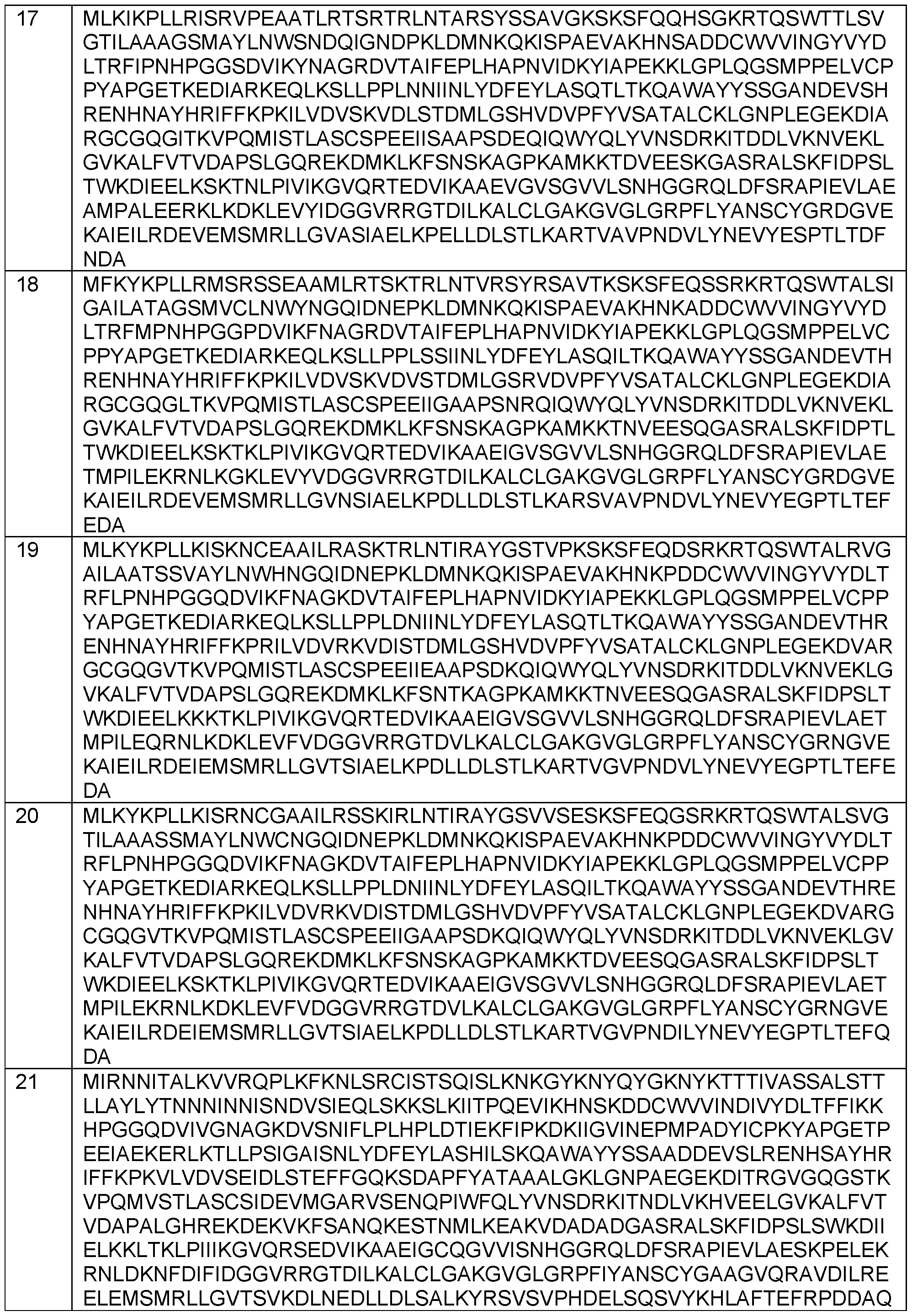
  • the enzyme described herein is a CDH selected from the group consisting of SEQ ID NOs:3 to 9 or a functionally active variant thereof.
  • the enzyme described herein is a CDH selected from the group consisting of SEQ ID NOs:3 to 9 or an enzyme having 50, 60, 65, 70, 75, 80, 85, 90, 91 , 92, 93, 94, 95, 96, 97, 98, or 99 % sequence identity with any one of SEQ ID NOs:3 to 9.
  • the enzyme described herein is a flavocytochrome b2 (FCb2) or a functional variant thereof.
  • FCb2 refers to a L-lactate-cytochrome c oxidoreductase (EC 1.1.2.3; flavocytochrome b2, FCb2, L-lactate cytochrome c oxidoreductase).
  • FCb2 catalyzes the electron transfer from L-lactate to cytochrome c in yeast mitochondria.
  • yeast L-lactate is converted to pyruvate by L-lactate cytochrome c- oxidoreductase (EC 1.1.2.3), which is herein referred to as “Flavocytochrome b2” or "FCb2".
  • FCb2 Native yeast flavocytochrome b2
  • FCb2 Native yeast flavocytochrome b2
  • FCb2 has two functional domains that are connected via a “hinge” linker (57 kDa monomer).
  • the FCb2 from S. cerevisiae is the best studied representative and has been crystallized (PDB 1 FCB).
  • the FCb2 described herein may comprise a sequence based on the mature form of FCb2 naturally found in the yeast mitochondrial intermembrane space, which comprises a cytochrome b2 domain, a flavin domain, a hinge region connecting the cytochrome b2 domain and the flavin domain and a tail region at its C-terminus.
  • a mature FCb2 peptide sequence is the sequence of an FCb2 peptide as it is naturally found in the yeast mitochondrion, specifically in the mitochondrial intermembrane space.
  • the FCb2 described herein comprises a FCb2 peptide sequence comprising at least a yeast heme domain and a yeast flavin domain.
  • the FCb2 described herein is a functionally active variant of a FCb2 peptide sequence found in the yeast mitochondrial intermembrane space and comprises one or more point mutations in the nucleotide sequence encoding the FCb2 sequence, compared to the respective native mature FCb2 sequence. Specifically, it comprises 1 , 2, 3, 4, 5, 6, 7, 8, 9, 10, 11 , 12, 13, 14, 15, 16, 17, 18, 19, or 20 point mutations, specifically resulting in one or more amino acid substitutions, additions or deletions, or the like.
  • the functional variant of the FCb2 peptide sequence is a full-length mature FCb2 peptide sequence comprising point mutations, or it is a fragment of the full-length mature FCb2 peptide sequence with retained enzymatic activity.
  • a variant of a FCb2 sequence is functionally active if it is capable of converting the analyte to be determined with the electrode described herein to the corresponding oxidized form.
  • a functionally active variant of a FCb2 sequence has at least 5, 10, 20, 30, 40, 50, 60, 70, 80, 90, 100, or even more % of the enzymatic activity of the corresponding wild type FCb2 sequence with the analyte as substrate.
  • a functionally active variant of a FCb2 sequence has at least 10, 20, 30, 40, 50, 60, 70, or even more % of the enzymatic activity of the corresponding wild type FCb2 sequence, wherein said enzymatic activity is determined with the CytC assay and the respective analyte, e.g., lactate as substrate.
  • the FCb2 may comprise the amino acid sequence of a FCb2 from S. cerevisiae, W. anomalus, K. marxianus, O. parapolymorpha, Candida glabrata, Kluyveromyces lactis, Lachancea thermotolerans, Saccharomycodes ludwigii, Naumovozyma castelli, Zygosaccharomyces bailii, Zygosaccharomyces parabalii, Lachancea mirantina, Tetrapisispora phaffii, Saccharomyces eubayanus, Saccharomyces kudriavzevii, Saccharomyces paradoxus, Vanderwaltozyma polyspora, Lachancea dasiensis, Wickerhamomyces ciferri, Kluyveromyces dobzhanskii, Kazachstania naganishii, Zygosaccharomyces mellis, Kazachstan
  • the FCb2 may be a functional variant of any one of the foregoing and comprise an amino acid sequence having 70, 75, 80, 85, 90, 95, 96, 97, 98, or 99% sequence identity with the amino acid sequence of an FCb2 of any one of the foregoing.
  • the recombinant FCb2 described herein comprises a peptide sequence derived from the FCb2 of Saccharomyces cerevisiae, Kluyveromyces marxianus, Wickerhamomyces anomalus, Naumovozyma castelli or Cyberlindera fabianii.
  • Amino acid sequences of polypeptides derived from organisms may be readily derived from publicly available databases such as e.g., from databases provided by the National Center for Biotechnology Information (NCBI).
  • NCBI National Center for Biotechnology Information
  • the enzyme described herein is a FCb2 selected from the group consisting of SEQ ID NOs: 10 to 50 or a functionally active variant thereof.
  • the enzyme described herein is a FCb2 selected from the group consisting of SEQ ID NOs: 10 to 50 or an enzyme having 50, 60, 65, 70, 75, 80, 85, 90, 91 , 92, 93, 94, 95, 96, 97, 98, or 99 % sequence identity with any one of SEQ ID NOs: 10 to 50.
  • SEQ ID NO: 10 to 38 and SEQ ID NQ:40 to 46 are from Saccharomycetes.
  • SEQ ID NO: 39 is from WO2022258733A1 .
  • SEQ ID NO:47 is from Wickerhamomyces anomalus.
  • SEQ ID NO:48 is from Cyberlindnera fabianii.
  • SEQ ID NO:49 is from Naumovozyma castellii.
  • SEQ ID NQ:50 is from Saccharomycodes ludwigii.
  • the assay mixture is buffered at pH 7.4 with 11 mM potassium phosphate, 137 mM NaCI, 3 mM KCI and contains 10 mM lactose or lactate, depending on the enzyme used, 20 pM CytC, which acts as a terminal electron acceptor and specifically detects the activity of the whole enzyme as a product of all partial electron transfers (flavin and haem domain).
  • the CytC assay thereby provides a measure of the efficiency of the intramolecular electron transfer (IET) between both domains and to external electron acceptors as an indication of the enzyme's response on electrodes.
  • IET intramolecular electron transfer
  • One unit of enzymatic activity is defined as the amount of enzyme that oxidizes 1 pmol of lactate per min under the assay conditions.
  • CytC The reaction stoichiometry of lactate: CytC is 1 : 2, since two electrons are gained per lactate molecule and transferred individually to 2 molecules CytC. For the detection of activity with other substrates, lactate can be exchanged for other compounds.
  • the cytochrome c assay can be used for determining the direct electron transfer (DET) capability of an enzyme.
  • a functional variant or “functionally active variant” also includes naturally occurring allelic variants, as well as mutants, or any other non-naturally occurring variants.
  • an allelic variant, or also referred to as homologue is an alternate form of a nucleic acid or peptide that is characterized as having a substitution, deletion, or addition of one or more nucleotides or amino acids that does essentially not alter the biological function of the nucleic acid or polypeptide.
  • a functional variant may comprise a substitution, deletion and/or addition of 1 , 2, 3, 4, 5, 6, 7, 8, 9, 10, 11 , 12, 13, 14, 15, 16, 17, 18, 19 or 20 amino acid residues, or a combination thereof.
  • substitutions, deletions and/or additions may be conservative modifications. Specifically, substitutions, deletions and/or additions do not decrease the enzyme’s specific activity.
  • a functionally active variant of the enzyme described herein comprises specific enzymatic activity towards a substrate or analyte of at least 1 ll/rng, as determined by the respective assay as described herein.
  • a functional variant as described herein comprises no more than or up to 1 , 2, 3, 4, 5, 6, 7, 8, 9, 10, 11 , 12, 13, 14, 15, 16, 17, 18, 19, 20, 21 , 22, 23, 24, 25,26, 27, 28, 29, 30, 31 , 32, 33, 34, 35, 36, 37, 38, 39 or 40 amino acid substitutions, deletions and/or additions.
  • these modifications may be conservative modifications.
  • these modifications do not decrease the enzyme’s specific activity.
  • a functionally active variant as described herein comprises up to 15, preferably up to 10 or up to 5, amino acid substitutions, deletions and/or additions.
  • these modifications may be conservative modifications.
  • these modifications do not decrease the enzyme’s specific activity.
  • a functionally active variant described herein comprises at least 40, 50, 60, 70, 80, 85, 90, 95 or 100% or even more of the enzymatic activity of the respective wild type enzyme.
  • Functional variants may be obtained by sequence alterations in the polypeptide or the nucleotide sequence e.g., by one or more point mutations, wherein the sequence alterations retain or improve a feature of the enzyme, such as its stability or activity for example.
  • sequence alterations can include, but are not limited to, (conservative) substitutions, additions, deletions, mutations, and insertions.
  • Conservative substitutions are those that take place within a family of amino acids that are related in their side chains and chemical properties. Examples of such families are amino acids with basic side chains, with acidic side chains, with non-polar aliphatic side chains, with non-polar aromatic side chains, with uncharged polar side chains, with small side chains, with large side chains etc.
  • a point mutation is particularly understood as the engineering of a polynucleotide that results in the expression of an amino acid sequence that differs from the nonengineered amino acid sequence in the substitution, or exchange, deletion, or insertion of one or more single (non-consecutive) or doublets of amino acids for different amino acids.
  • sequence identity is understood as the relatedness between two amino acid sequences or between two nucleotide sequences and described by the degree of sequence identity or sequence complementarity.
  • sequence identity of a variant, homologue, or orthologue as compared to a parent nucleotide or amino acid sequence indicates the degree of identity of two or more sequences.
  • Two or more amino acid sequences may have the same or conserved amino acid residues at a corresponding position, to a certain degree, up to 100%.
  • Two or more nucleotide sequences may have the same or conserved base pairs at a corresponding position, to a certain degree, up to 100%.
  • Sequence similarity searching is an effective and reliable strategy for identifying homologs with excess (e.g., at least 50%) sequence identity.
  • Sequence similarity search tools frequently used are e.g., BLAST, FASTA, and HMMER.
  • Sequence similarity searches can identify such homologous proteins or polynucleotides by detecting excess similarity, and statistically significant similarity that reflects common ancestry.
  • Homologues may encompass orthologues, which are herein understood as the same protein in different organisms, e.g., variants of such protein in different organisms or species.
  • one of the two sequences needs to be converted to its complementary sequence before the % complementarity can then be calculated as the % identity between the first sequence and the second converted sequences using the above-mentioned algorithm.
  • Percent (%) identity with respect to an amino acid sequence, homologs and orthologues described herein is defined as the percentage of amino acid residues in a candidate sequence that are identical with the amino acid residues in the specific polypeptide sequence, after aligning the sequence and introducing gaps, if necessary, and not considering any conservative substitutions as part of the sequence identity.
  • Those skilled in the art can determine appropriate parameters for the alignment, including any algorithms needed to achieve the highest scoring alignment over the full length of the sequences being compared.
  • percentages determined for sequence identities it is possible that arithmetical decimal places may result which are not possible with regard to full nucleotides or amino acids. In this case, the percentages shall be rounded up to whole nucleotides or amino acids.
  • Percent (%) identity with respect to a nucleotide sequence e.g. , of a nucleic acid molecule or a part thereof, in particular a coding DNA sequence, is defined as the percentage of nucleotides in a candidate DNA sequence that is identical with the nucleotides in the DNA sequence, after aligning the sequence and introducing gaps, if necessary, and not considering any conservative substitutions as part of the sequence identity. Alignment for purposes of determining percent nucleotide sequence identity can be achieved in various ways that are within the skill in the art, for instance, using publicly available computer software. Those skilled in the art can determine appropriate parameters for the alignment, including any algorithms needed to achieve the highest scoring alignment over the full length of the sequences being compared.
  • a structure alignment In a structure alignment the maximal set of corresponding pairs of amino acid residues that gives a good structural match when the structures are overlaid, i.e., superposed, is identified. Thereby, the positions of the protein’s backbone C-alpha atoms and/or location of secondary structural elements are considered in this alignment.
  • Tools for performing a structure alignment are available, e.g., the protein data bank provides a tool for pairwise structure alignment.
  • structure superposition is also a tool for determining corresponding amino acid positions in different enzymes. Structure superposition can be performed using the Molecular Graphics System PyMOL, (Schrodinger) using the command “align”.
  • the ratio of enzyme:carbon particle suspension is in the range of 1 :1 to 1 :10 (v/v). Specifically, in the mixture described herein the ratio of enzyme:carbon particle suspension is in the range of 1 :1 to 1 :15 (v/v), 1 :1 to 1 :10 (v/v), 1 :1 to 1 :9 (v/v), 1 :1 to 1 :8 (v/v), 1 :1 to 1 :7 (v/v), 1 :1 to 1 :6 (v/v), 1 :1 to 1 :5 (v/v), 1 :1 to 1 :4 (v/v), 1 :2 to 1 :10 (v/v), 1 :2 to 1 :9 (v/v), 1 :2 to 1 :8 (v/v), 1 :2 to 1 :7 (v/v), 1 :2 to 1 :6 (v/v), 1 :2 to 1 :5 (v/v), 1 :1 to 1 :4
  • the concentration of enzyme in solution is in the range of 1 -50 mg/ml, 1 -40 mg/ml, 1 -30 mg/ml, 1 -25 mg/ml, 1 -20 mg/ml, 10-50 mg/ml, 10-40 mg/ml, or 10-30 mg/ml.
  • the concentration of enzyme in solution may be adjusted according to the enzyme activity of the enzyme used.
  • the solution in which the enzyme is dissolved prior to preparing the mixture is an aqueous solution. Specifically, the enzyme is dissolved in a buffered aqueous solution.
  • applying of the mixture comprising enzyme:carbon particle suspension described herein to a conductive surface of an electrode can be performed by any method suitable for applying such a mixture.
  • drying refers to the removal of the liquid part of the mixture by e.g., evaporation. Thereby, the solid part of the mixture remains at the conductive surface of the electrode.
  • drying is performed after application of the enzyme:carbon particle suspension by incubation at an elevated temperature until the surface of the electrode is dry.
  • drying is performed by incubation at a temperature in the range of 40 to 70 °C. Specifically, drying is performed at a temperature in the range of 50 to 70, or 55 to 65 °C. More specifically, drying is performed at 60 °C.
  • drying is performed by incubation at 60 °C for 1 hour.
  • an electrode comprising an analyte sensing layer
  • said analyte sensing layer comprises carbon black, a cationic polymer, and an enzyme.
  • the cationic polymer is non-conducting.
  • an electrode comprising an analyte sensing layer
  • said analyte sensing layer is a single layer comprising carbon black, a cationic polymer, and an enzyme.
  • the cationic polymer is non-conducting.
  • single layer refers to a layer in which all three components carbon black, a non-conducting cationic polymer, and an enzyme are present as one layer, originating from one solution containing all three components.
  • an electrode is described herein, wherein said electrode is prepared by the method of manufacturing an electrode as described herein.
  • the electrode described herein is used for the determination of an analyte.
  • the electrode may be used as single electrode or as a stack of electrodes of e.g., 2, 3, 4, 5, or more electrodes.
  • the electrode described herein is contacted with the sample. This contact between electrode and sample can be performed by any approach which brings the electrode and the sample in contact in order that the enzyme is allowed to react with the analyte or with the sample suspected to contain the analyte.
  • determining refers to detecting and/or quantifying an analyte such as lactate.
  • detecting refers to the general determination if analyte is present. Detection does not require the exact quantification of analyte but rather provides the user of the method with the information if e.g., the analyte is present with a concentration above a certain threshold. These thresholds are to be adapted to the respective application and sample.
  • quantifying refers to the determination of the concentration or amount of an analyte.
  • Quantification may refer to the determination of an exact amount of an analyte or may alternatively refer to a semi- quantitative determination of an analyte e.g., if the amount of the analyte in a sample is in a certain range. Such a range may be a concentration range suitable for the respective purpose of the determination of the analyte.
  • the sample may be any material for which determining the presence of an analyte is relevant or of interest.
  • the sample is a human or animal sample, specifically any one of body fluid, interstitial fluid, blood, blood plasma, blood serum, dermal fluid, urine, tears, sweat, saliva, skin, flesh, tissue, eyeballs, cornea, and gastric fluid.
  • the sample is a food or beverage sample, specifically any one of milk, dairy product, and non-dairy milk alternative products. Examples of dairy products are whey and cheese. An example of a non-dairy milk alternative products is an oat drink. If solid products are analyzed, the analyte of interest, may be extracted or the solid product may be fluidized, such as by dissolving.
  • determining of analyte is performed electrochemically.
  • electrochemically refers to the usage of an electrochemical biosensor based on the measurement of biological binding eventdependent changes in conductance, resistance, or capacitance of the biosensor surface.
  • one of the electrodes is immobilized with a biological recognition molecule.
  • the contact of the analyte to the biological recognition molecule triggers a change in the electrical properties due to oxidation and reduction reactions taking place as a result of biological interaction activity, thus providing the sensor signal.
  • Electrochemical biosensors rely mostly on enzyme-catalyzed reactions to produce current/potential difference which is then detected.
  • Electrochemical biosensors can be impedimetric, potentiometric, or amperometric.
  • an amperometric biosensor a biochemical signal is transduced into a quantifiable amperometric signal.
  • amperometric biosensors are commonly divided into three main generations depending on the electron transfer method used for the measurement of the biochemical reaction or the degree of separation of the biosensor components (transducer, enzyme, mediators, and cofactors).
  • First-generation biosensors measure the concentration of analytes and/or products of enzymatic reactions that diffuse to the transducer surface and generate an electrical response. They are also called mediatorless amperometric biosensors.
  • oxidases are used in first-generation biosensors. Oxidases need molecular oxygen as a second substrate so the oxidase-based biosensors are oxygen dependent.
  • Second-generation biosensors require an electron mediator for the transfer of electrons obtained from enzymatic reactions to the transducer surface and thereby generate an electrical response.
  • direct electron transfer is enabled between the redox-active biomolecule i.e. , the enzyme, and the electrode surface.
  • the electrode described herein is part of a biosensor.
  • a specific use of the electrodes of the invention is in the provision of a biosensor, more specifically a third-generation biosensor using direct electron transfer properties to detect an analyte and/or to measure the analyte concentration.
  • the biosensor may be suitable for use at acidic, neutral, or alkaline pH.
  • the biosensor may be suitable for use at room temperature or at body temperature.
  • the biosensor may be suitable for the detection and/or quantification at 4°C, 10°C, 15 °C, 20 °C, 21 °C, 22 °C, 23 °C, 24 °C, 25 °C, 26 °C, 27 °C, 28 °C, 29 °C, 30 °C, 31 °C, 32 °C, 33 °C, 34 °C, 35 °C, 36 °C, 37 °C, 38 °C, 39 °C, 40 °C, 41 °C, 42 °C, 43 °C, 44 °C, 45 °C, or higher.
  • the biosensor may have one or more electrodes comprising the enzyme as described herein as working electrode.
  • One or more other electrodes may be included such as one or more counter electrodes, one or more reference electrodes and/or one or more counter/reference electrodes.
  • the biosensor may depend on the use for which the biosensor is intended and the conditions under which it will operate.
  • the biosensor may be a single use biosensor for the detection of analyte.
  • the biosensor may be a biosensor strip.
  • the enzymes described herein may be recombinantly expressed by methods commonly known in the art.
  • the enzymes described herein may be expressed using standard methods for cloning, transformation, and recombinant production in suitable host organisms e.g., in Escherichia coli or in Pichia pastoris.
  • Example 1 Performance of carbon/polycation/enzyme ink on various electrode materials
  • Gold electrodes type “AUTE OAgCI” were obtained from Zensor R&D co., Ltd, carbon, platinum, and gold paste electrodes types “DRP-C110”, DRP-C550 and DRP- C220AT were obtained from DropSens/Metrohm. All electrodes contained an Ag/AgCI reference electrode and a counter electrode of the same material as the working electrode.
  • a direct electron transfer type glucose sensitive cellobiose dehydrogenase CDH having SEQ ID NO:1 , dissolved at 15 mg/ml dissolved in 1 mM phosphate buffer, pH 7.4
  • CDH direct electron transfer type glucose sensitive cellobiose dehydrogenase
  • CDH enzymes such as CDH having SEQ ID NO:1 are e.g. disclosed in EP2636733A1 and such enzymes can be produced according to EP2636733A1 .
  • the described preparation methods of the carbon/polycation ink results in a monodisperse suspension with particle diameter below 1000 nm as shown in the DLS results (Fig. 1 ).
  • Gold electrodes type “AUTEWOAgCI” were obtained from Zensor R&D co., Ltd..
  • the electrodes contained an Ag/AgCI reference electrode and a counter gold electrode.
  • 50 mg of graphitized mesoporous carbon black (Sigma 699624) was dispersed in a 4 ml aqueous solution of 0.2% polyethylenimine (PEI) using a probe sonicator for 2 min at 0.4 W/cm 3 80 pl of the decanted carbon/polycation ink was mixed with 20 pl of enzyme.
  • PEI polyethylenimine
  • Direct electron transfer enzymes were either a glucose sensitive cellobiose dehydrogenase (CDH having SEQ ID NO:1 , dissolved at 15 mg/ml dissolved in 1 mM phosphate buffer, pH 7.4) or a lactate sensitive dehydrogenase (FCb2 having SEQ ID NO:2, dissolved at 10 mg/ml in 100 mM potassium phosphate buffer pH 7.0).
  • CDH glucose sensitive cellobiose dehydrogenase
  • FCb2 lactate sensitive dehydrogenase
  • FCb2 enzymes such as FCb2 having SEQ ID NO:2 are e.g. disclosed in WO2022/258733A1 and such enzymes can be produced according to WO2022/258733A1 .
  • the working electrodes were modified with 2 pl of the enzyme/carbon/polycation ink. Electrodes were dried for 1 h at 60°C afterwards. Electrodes were measured and mounted in a horizontal way and 100 pl of buffer was added and chronoamperometry was started. Buffers were 50 mM PBS, pH 7.4 for the glucose and lactate oxidizing enzymes. Chronoamperometry was measured at 0 V (for glucose) and 0.2 V (for lactate) vs Ag/AgCI for 15 min. The drop of buffer was removed and increasing concentrations of 100 pl of substrates (glucose and lactate dissolved in the respective buffer) were added successively after the previous drop was removed. 1 min after each substrate addition the catalytic current was read and related to the working electrode area of 7.1 mm 2 to obtain current densities J. Three electrodes per enzyme type were measured.
  • Example 3 Performance of carbon/polycation/enzyme ink for carbon dispersed using various polycations
  • Gold electrodes type “AUTEI OOAgCI” were obtained from Zensor R&D co., Ltd..
  • the electrodes contained an Ag/AgCI reference electrode and a counter gold electrode.
  • 50 mg of graphitized mesoporous carbon black (Sigma 699624) was dispersed in a 4 ml solution of polycation using a probe sonicator for 2 min at 0.4 W/cm 3
  • the polycations were aqueous solutions of either 0.4% w/v PDADMAC or 0.4% w/v DEAE or 0.2% w/v PEI or 1 % w/v polylysine.
  • the ratio of carbon black: polycation is 3.125:1 for PDADMAC, 3.125:1 for DEAE, 6.25:1 for PEI, and 1.25:1 for polylysine in the prepared carbon inks.
  • CDH glucose sensitive direct electron transfer enzyme cellobiose dehydrogenase
  • Example 4 Performance of various carbon black types dispersed by polycation in an enzyme ink
  • Gold electrodes type “AUTE OAgCI” were obtained from Zensor R&D co., Ltd..
  • the electrodes contained an Ag/AgCI reference electrode and a counter gold electrode.
  • 50 mg of various carbon black types were dispersed each in a 4 ml aqueous solution of 0.2% PEI using a probe sonicator for 2 min at 0.4 W/cm 3
  • the tested carbon black types were “graphitized mesoporous carbon black with a specific surface area of 50-100 m 2 /g (Sigma 699624); “Ketjenblack EC300J” from Lion Specialty Chemicals Co., Ltd., “Super P” from Imerys S.A., "Conductex SC Ultra” and “Conductex K Ultra” from BIRLA carbon.
  • CDH direct electron transfer type glucose sensitive cellobiose dehydrogenase
  • Gold electrodes type “AUTEWOAgCI” were obtained from Zensor R&D co., Ltd..
  • the electrodes contained an Ag/AgCI reference electrode and a counter gold electrode.
  • 50 mg of graphitized mesoporous carbon black (Sigma 699624) was dispersed in a 4 ml solution of polycation using a probe sonicator for 2 min at 0.4 W/cm 3 .
  • the polycation was an aqueous solution of either 0.4% w/v DEAE or 0.2% w/v PEI.
  • CDH glucose sensitive direct electron transfer enzyme cellobiose dehydrogenase
  • the working electrodes were modified with 2 pl of enzyme/carbon/polycation ink. Electrodes were dried for 1 h at 60°C afterwards. Electrodes were packed into air and humidity tight aluminum bags together with 2 grains of as silica desiccant. Aluminum bags were heat sealed and sealed bags containing the electrodes and silica were stored at 40 ⁇ 0.5°C and 60 ⁇ 0.5°C in an oven. After 2, 7 and 15 days a set of stored electrodes was measured and discarded afterwards. Day 0 electrodes were measured immediately without packing them into aluminum bags.

Landscapes

  • Life Sciences & Earth Sciences (AREA)
  • Chemical & Material Sciences (AREA)
  • Health & Medical Sciences (AREA)
  • Organic Chemistry (AREA)
  • Zoology (AREA)
  • Biochemistry (AREA)
  • Analytical Chemistry (AREA)
  • Engineering & Computer Science (AREA)
  • General Health & Medical Sciences (AREA)
  • Immunology (AREA)
  • Biophysics (AREA)
  • Molecular Biology (AREA)
  • Physics & Mathematics (AREA)
  • Wood Science & Technology (AREA)
  • Proteomics, Peptides & Aminoacids (AREA)
  • Microbiology (AREA)
  • Bioinformatics & Cheminformatics (AREA)
  • General Engineering & Computer Science (AREA)
  • Biotechnology (AREA)
  • Genetics & Genomics (AREA)
  • Hematology (AREA)
  • Chemical Kinetics & Catalysis (AREA)
  • Electrochemistry (AREA)
  • General Physics & Mathematics (AREA)
  • Pathology (AREA)
  • Enzymes And Modification Thereof (AREA)

Abstract

The present invention relates to a method for manufacturing an enzyme electrode, wherein said method comprises the steps of: i) preparing a carbon particle suspension comprising carbon black and a non-conducting cationic polymer; ii) preparing a mixture comprising an enzyme and the carbon particle suspension; iii) applying the mixture to a conductive surface of an electrode; and iv) drying the mixture applied to the conductive surface of the electrode.

Description

METHOD OF MANUFACTURING AN ENZYME-ELECTRODE AND ENZYME-ELECTRODE
FIELD OF THE INVENTION
The present invention relates to the field of enzyme electrodes and their manufacturing. The invention further relates to the use of enzyme electrodes for the detection and quantification of analytes, in particular to methods and means for the detection and/or quantification of analytes with enzyme-based methods.
BACKGROUND OF THE INVENTION
Enzyme electrodes are used in several different industries. Thereby, these electrodes are incorporated into biosensors for the detection of analytes.
In food analytics and healthcare, carbohydrates such as glucose or lactate can be detected by biosensors using enzyme modified electrodes.
In general, biosensors are analytical devices that leverage the high specificity of biological recognition elements, which are typically enzymes. Thereby, a biosensor consists of a biological recognition element e.g., an enzyme, which is able to specifically interact with a target molecule and a transducer able to convert this interaction into a measurable signal. In biosensors, enzymes are connected to electrodes and electric currents are measured that are proportional to the enzymes’ substrate concentration in a sample. Biosensors are easy to operate, highly specific and do not need expensive and heavy equipment like it is the case for HPLC or NMR.
In general, three generations of biosensors are known. A biosensor based on an oxidase such as LOx is dependent on oxygen and is a first-generation biosensor. In second-generation biosensors, redox mediators other than the O2/H2O2 pair are applied to transfer electrons from the enzyme to the electrode. In contrast, third-generation biosensors are based on direct electron transfer from enzyme to electrode. Thereby, the enzymes used in these third-generation biosensors are characterized by direct electron transfer (DET) capability to the electrode. Cellobiose dehydrogenase (CDH), flavocytochrome b2 (FCb2), and flavin adenine dinucleotide glucose dehydrogenase (FADGDH) are examples of such DET-capable enzymes.
One of the major challenges in this field is the material of the electronic circuits and the manufacturing of enzyme modified electrodes. While most applications are based on screen-printed carbon-based electrodes, small embodiments rely on the use of gold or other metals, that can be processed at very small scales. Thereby, enzyme interaction with e.g., gold-based circuits, yields only in very small signals, that are not useful for commercial applications.
Different approaches for manufacturing enzyme modified electrodes have been developed in the field. Thereby, also different materials have been used.
The manufacturing of electrodes equipped with a carbon black-enzyme ink has been reported. For example, Shimizu, H. and Tsugawa, W. (2012) described glucose monitoring by a Direct Electron Transfer electrode using an electrode equipped with a carbon-enzyme ink comprising a carbon ink. Thereby, the carbon ink comprises a carbon black, an anionic polymer (Nation), and water.
US2020/024631A1 discloses an electrode made from carbon black, with a polymer matrix containing PEI and enzymes deposited on the electrode.
A method for manufacturing a bioelectrode consisting of carbon black and polyethyleneimine (PEI) was described by Jayapiriya et al. (2023). Carbon black and PEI are applied to the electrode as a solution, and following a drying step, antibodies are immobilized onto the dried layer.
Ibanez-Redin et al. (2020) describe a method to produce a bioelectrode using 3D printing to produce a composite of carbon black, PEI and glucose oxidase.
US2022/133190A1 discloses an electrode comprising cellobiose dehydrogenase coupled to the neutral compound polyvinyl alcohol in the presence of ketjen black which is deposited on a carbon electrode, comprising an additional layer of a polycationic composition is disposed over the analyte modulating layer.
However, prepared carbon inks as described in the literature are often not well dispersed consisting of too large particles leading to sedimentation over time and clogging issues of liquid dispensing devices impeding manufacturability. Limited stability of the enzyme after mixing with the carbon ink also is an issue due to incompatibility of the enzyme with certain ink ingredients.
Thus, there is an urgent need in the art for methods of manufacturing electrodes and methods of manufacturing enzyme modified electrodes which provide improved signals on various electrode materials including also usually hard to modify metallic surfaces.
SUMMARY OF THE INVENTION
It is the objective of the present invention to provide methods of manufacturing enzyme modified electrodes which provide improved signals. The objective is solved by the subject matter of the present invention.
According to the invention there is provided a method for manufacturing an enzyme electrode, wherein said method comprises the steps of: i. preparing a carbon particle suspension comprising carbon black and a non-conducting cationic polymer; ii. preparing a mixture comprising an enzyme and the carbon particle suspension; iii. applying the mixture to a conductive surface of an electrode; and iv. drying the mixture applied to the conductive surface of the electrode.
Specifically, the carbon black is graphitized carbon black.
Specifically, the non-conducting cationic polymer is polyethyleneimine (PEI), diethylaminoethyl dextran (DEAE), polylysine, or polydiallyldimethylammonium chloride (PDADMAC).
Specifically, the non-conducting cationic polymer is, diethylaminoethyl dextran (DEAE).
Specifically, in the carbon particle suspension the ratio of carbon black: nonconducting cationic polymer is in the range of 10:1 to 1 :10.
Specifically, the carbon particle suspension further comprises water.
Specifically, the carbon particle suspension has a concentration in the range of 1 to 10 % (w/v).
Specifically, the carbon particle suspension is prepared by a sonication treatment.
Specifically, a probe sonicator is used for sonication treatment.
Specifically, the sonication treatment is performed for at least 60 seconds.
Specifically, the sonication treatment is performed at a power density of 0.4 W/cm3.
Specifically, the sonication treatment is an ultrasonic treatment.
Specifically, agglomerates are removed prior to preparing the mixture comprising the carbon particle suspension and the enzyme.
Specifically, not de-agglomerated, sedimenting agglomerates present in the carbon particle suspension after the sonication treatment are removed prior to preparing the mixture comprising the carbon particle suspension and the enzyme.
Specifically, the conductive surface is gold, platinum, or carbon.
Specifically, the enzyme is a direct electron transfer (DET) enzyme.
Specifically, the DET enzyme is DET enzyme having analyte oxidizing activity. Specifically, the analyte oxidizing activity is glucose oxidizing activity, lactose oxidizing activity, or lactate oxidizing activity.
Specifically, the DET enzyme is cellobiose dehydrogenase (CDH), flavocytochrome b2 (FCb2), or a functional variant thereof.
Specifically, in the mixture the ratio of enzyme:carbon particle suspension is 1 :4.
According to the invention there is further provided an enzyme electrode comprising an analyte sensing layer, wherein said analyte sensing layer comprises carbon black, a non-conducting cationic polymer, and an enzyme.
According to the invention there is further provided an enzyme electrode comprising an analyte sensing layer, wherein said analyte sensing layer is a single layer comprising carbon black, a non-conducting cationic polymer, and an enzyme.
Specifically, carbon black is graphitized carbon black.
Specifically, the non-conducting cationic polymer is polyethyleneimine (PEI), diethylaminoethyl dextran (DEAE), polylysine, or polydiallyldimethylammonium chloride (PDADAMC).
Specifically, the enzyme is a direct electron transfer (DET) enzyme.
Specifically, the DET enzyme is DET enzyme having analyte oxidizing activity.
Specifically, the analyte oxidizing activity is glucose oxidizing activity, lactose oxidizing activity, or lactate oxidizing activity.
Specifically, the DET enzyme is cellobiose dehydrogenase (CDH), flavocytochrome b2 (FCb2), or a functional variant thereof.
Specifically, the electrode is a gold, platinum, or carbon electrode.
According to the invention there is further provided an enzyme electrode produced by the method described herein.
Specifically, the method for manufacturing an enzyme electrode comprises the steps of: i. preparing a carbon particle suspension comprising carbon black and a non-conducting cationic polymer; ii. preparing a mixture comprising an enzyme and the carbon particle suspension; iii. applying the mixture to a conductive surface of an electrode; and iv. drying the mixture applied to the conductive surface of the electrode. Specifically, the carbon black is graphitized carbon black. Specifically, the non-conducting cationic polymer is polyethyleneimine (PEI), diethylaminoethyl dextran (DEAE), polylysine, or polydiallyldimethylammonium chloride (PDADMAC).
Specifically, in the carbon particle suspension the ratio of carbon black: nonconducting cationic polymer is in the range of 10:1 to 1 :10.
Specifically, the carbon particle suspension further comprises water.
Specifically, the carbon particle suspension has a concentration in the range of 1 to 10 % (w/v).
Specifically, the carbon particle suspension is prepared by a sonication treatment.
Specifically, a probe sonicator is used for sonication treatment.
Specifically, the sonication treatment is performed for at least 60 seconds.
Specifically, the sonication treatment is performed at a power density of 0.4 W/cm3.
Specifically, the sonication treatment is an ultrasonic treatment.
Specifically, agglomerates are removed prior to preparing the mixture comprising the carbon particle suspension and the enzyme.
Specifically, not de-agglomerated, sedimenting agglomerates present in the carbon particle suspension after the sonication treatment are removed prior to preparing the mixture comprising the carbon particle suspension and the enzyme.
Specifically, the conductive surface is gold, platinum, or carbon.
Specifically, the enzyme is a direct electron transfer (DET) enzyme.
Specifically, the DET enzyme is DET enzyme having analyte oxidizing activity.
Specifically, the analyte oxidizing activity is glucose oxidizing activity, lactose oxidizing activity, or lactate oxidizing activity.
Specifically, the DET enzyme is cellobiose dehydrogenase (CDH), flavocytochrome b2 (FCb2), or a functional variant thereof.
Specifically, in the mixture the ratio of enzyme:carbon particle suspension is 1 :4.
FIGURES
Figure 1 : DLS Data describing the size distribution of a carbon/polycation suspension.
Figure 2: A: Catalytic current densities after the addition of 20 mM glucose to various electrode materials modified with carbon/polycation/enzyme ink measured at 0 V vs Ag/AgCI at pH 7.4. B: Current densities for a similar modification but without carbon/polycation using enzyme only.
Figure 3: Catalytic current densities for gold electrodes modified with carbon/polycation and various direct electron transfer enzymes sensitive to either glucose or lactate measured at 0 V (for glucose) and 0.2 V (for lactate) vs. an Ag/AgCI reference electrode.
Figure 4: Catalytic current densities for gold electrodes modified with carbon/ glucose enzyme inks prepared using different polycations measured at 0 V using 20 mM glucose dissolved in 50 mM PBS, pH 7.4.
Figure 5: Catalytic current densities for gold electrodes modified with carbon/ glucose enzyme inks prepared using different carbon black types measured at 0 V using 20 mM glucose dissolved in 50 mM PBS, pH 7.4.
Figure 6: Shelf life of sensors under rapid aging conditions: at 40°C electrodes loose ~20% of the initial currents within the first data point, but are then stable for at least 14 days. At 60°C a PEI based electrodes show residual currents of ~20% while DEAE based sensors retain 50% response.
DETAILED DESCRIPTION
Unless indicated or defined otherwise, all terms used herein have their usual meaning in the art, which will be clear to the skilled person. Reference is for example made to the standard handbooks, such as Sambrook et al, "Molecular Cloning: A Laboratory Manual" (4th Ed.), Vols. 1 -3, Cold Spring Harbor Laboratory Press (2012); Krebs et al., "Lewin's Genes XI", Jones & Bartlett Learning, (2017); and Berg et al, “Stryer Biochemie” Springer Verlag, 2018.
The subject matter of the claims specifically refers to artificial products or methods employing or producing such artificial products, which may be variants of native (wildtype) products. Though there can be a certain degree of sequence identity to the native structure, it is well understood that the materials, methods, and uses of the invention, e.g., specifically referring to isolated nucleic acid sequences, amino acid sequences, expression constructs, transformed host cells and modified proteins and enzymes, are “man-made” or synthetic, and are therefore not considered as a result of “laws of nature”.
The terms “comprise”, “contain”, “have” and “include” as used herein can be used synonymously and shall be understood as an open definition, allowing further members or parts or elements. “Consisting” is considered as a closest definition without further elements of the consisting definition feature. Thus “comprising” is broader and contains the “consisting” definition.
The term “about” as used herein refers to the same value or a value differing by +/-5 % of the given value.
As used herein and in the claims, the singular form, for example “a”, “an” and “the” includes the plural, unless the context clearly dictates otherwise.
As used herein, amino acids refer to twenty naturally occurring amino acids encoded by sixty-one triplet codons. These 20 amino acids can be split into those that have neutral charges, positive charges, and negative charges:
The “neutral” amino acids are shown below along with their respective three-letter and single-letter code and polarity: Alanine (Ala, A; nonpolar, neutral), Asparagine (Asn, N; polar, neutral), Cysteine (Cys, C; nonpolar, neutral), Glutamine (Gin, Q; polar, neutral), Glycine (Gly, G; nonpolar, neutral), Isoleucine (lie, I; nonpolar, neutral), Leucine (Leu, L; nonpolar, neutral), Methionine (Met, M; nonpolar, neutral), Phenylalanine (Phe, F; nonpolar, neutral), Proline (Pro, P; nonpolar, neutral), Serine (Ser, S; polar, neutral), Threonine (Thr, T; polar, neutral), Tryptophan (Trp, W; nonpolar, neutral), Tyrosine (Tyr, Y; polar, neutral), Valine (Vai, V; nonpolar, neutral), and Histidine (His, H; polar, positive (10%) neutral (90%)).
The “positively” charged amino acids are: Arginine (Arg, R; polar, positive), and Lysine (Lys, K; polar, positive).
The “negatively” charged amino acids are: Aspartic acid (Asp, D; polar, negative), and Glutamic acid (Glu, E; polar, negative).
The term “electrode” refers to any suitable material comprising a “conductive surface” for accepting electrons e.g., from an enzyme via mediatorless, mediated, or direct electron transfer. The term “conductive surface” as used herein refers to the surface of the material capable of accepting electrons.
According to one embodiment of the invention, the conductive surface is gold, platinum, or carbon.
According to one embodiment, the conductive surface may additionally be modified with carbon nanotubes (single or multi-walled), carbon fibers, nanoparticles, e.g. gold nanoparticles, or promoters as e.g., thiols. The electrode or the conductive surface of the electrode may be also of any material to increase the specific surface of the electrode. According to one embodiment of the invention, the electrode described herein is a working electrode.
According to one embodiment, the electrode described herein enables the detection and/or quantification of an analyte based on direct electron transfer.
The term “carbon particle suspension” as used herein refers to a suspension comprising carbon black particles as the solute particles which do not dissolve but get suspended throughout the bulk of the solvent.
The term “suspension” as used herein refers to a heterogenous mixture or a fluid that contains solid particles. In other words, a suspension is a heterogenous mixture in which the solute particles do not dissolve, but get suspended throughout the bulk of the solvent.
In general, the two most common types of carbon allotropes are diamond and graphite. Thereby, graphite can be subdivided into carbon black and graphene.
The term “carbon black” as used herein refers to a polycrystalline graphite which is produced by combustion.
According to one embodiment, carbon black as described herein is CAS 1333- 86-4.
According to one embodiment of the invention, a carbon black particle can be differentiated from other graphite particles by Raman spectroscopy e.g., according to Bokobza L., et al. (2015).
According to one embodiment of the invention, the carbon black described herein is graphitized carbon black.
Non-limiting examples of graphitized carbon black are graphitized mesoporous carbon black with a specific surface area of 50-100 m2/g (e.g., from Sigma 699624), “Conductex SC Ultra” (from Birla carbon, Alexandria Carbon Black Co SAE), “Conductex K Ultra” (Birla carbon, Alexandria Carbon Black Co SAE), and “Super P Conductive” (from TIMCAL Ltd).
According to one embodiment, the graphitized carbon black described herein has crystalline dimensions with lateral sizes of below 20 nm.
According to a specific embodiment, graphitized carbon black has a pore size of 0.25 cm3/g pore volume, a surface area of 50-100 m2/g, a boiling point (bp) of 4827 °C, a melting point (mp) of 3654-3697 °C, and an absolute density of 1 .828 g/cm3
According to one embodiment of the invention, the carbon black described herein has an NSA surface area m2/g in the range of 30-250, 40-250, 50-250, 50-210, 60-210, 70-210, 80-210, 90-210, 100-210, 110-210, 120-210, 130-210, 140-210, 150-210, ISO- 210, 170-210, or 180-210. Specifically, the carbon black described herein has an NSA surface area m2/g in the range of 180-210.
According to one embodiment of the invention, the carbon black described herein has a STSA surface area m2/g in the range of 30-130, 40-130, 50-130, 60-130, 70-130, 80-130, 90-130, 100-130, 110-130, or 120-130. Specifically, the carbon black described herein has a STSA surface area m2/g in the range of 120-130.
The NSA surface area is based on the B.E.T. theory and includes the total surface area, inclusive of micropores, pore diameters less than 2 nm (20 A).
According to one embodiment, a carbon particle suspension is prepared, wherein said carbon particle comprises carbon black and a cationic polymer. Specifically, said cationic polymer is non-conducting.
The term “cationic polymer” as used herein refers to a polymer having a positive charge or incorporating cationic entities in their structure.
According to one embodiment, the cationic polymer described herein has a positive charge at a pH value below pH 7, pH 8, pH 9, pH 10, pH 11 , pH 12, pH 13, or pH 14.
The term “non-conducting” as used herein e.g., in the context of a cationic polymer refers to a cationic polymer that is not electrically conducting.
According to one embodiment, non-conducting is having an electrical conductance of <10’6 S cm’1.
For example, polyethyleneimine (PEI) is a non-conducting cationic polymer because of its positive charge at pH values <8 and its conductivity of <10’6 S cm’1.
For example, polyvinyl alcohol is not a non-conducting cationic polymer because of its neutral charge of the hydroxyl groups.
According to one embodiment, the non-conducting cationic polymer is selected from the group consisting of polyethyleneimine (PEI), diethylaminoethyl dextran (DEAE), polylysine, and polydiallyldimethylammonium chloride (PDADAMC).
According to a specific embodiment, the non-conducting cationic polymer is polyethyleneimine (PEI).
According to a specific embodiment, the non-conducting cationic polymer is diethylaminoethyl dextran (DEAE).
According to a specific embodiment, the non-conducting cationic polymer is polylysine. According to a specific embodiment, the non-conducting cationic polymer is polydiallyldimethylammonium chloride (PDADAMC).
According to one embodiment of the invention, the carbon particle suspension described herein comprises carbon black particles in the size of below 1000 nm after removal of agglomerates or sedimenting agglomerates from the carbon particle suspension. According to a specific embodiment, the carbon particle suspension described herein comprises carbon black particles in the range of 300-700 nm.
According to one embodiment of the invention, in the carbon particle suspension described herein the ratio of carbon black: non-conducting cationic polymer is in the range of 10:1 to 1 :10. Specifically, the ratio of carbon black: non-conducting cationic polymer is in the range of 10:1 to 1 :1. More specifically, the ratio of carbon black: nonconducting cationic polymer is in the range of 7:1 to 1 :1.
According to a specific embodiment, the ratio of carbon black: non-conducting cationic polymer is in the range of 4:1 to 2:1 for PDADMAC. Specifically, the ratio of carbon black: non-conducting cationic polymer is 3.125:1 for PDADMAC.
According to a specific embodiment, the ratio of carbon black: non-conducting cationic polymer is in the range of 4:1 to 2:1 for DEAE. Specifically, the ratio of carbon black: non-conducting cationic polymer is 3.125:1 for DEAE.
According to a specific embodiment, the ratio of carbon black: non-conducting cationic polymer is in the range of 7:1 to 5:1 for PEI. Specifically, the ratio of carbon black: non-conducting cationic polymer is 6.25:1 for PEI.
According to a specific embodiment, the ratio of carbon black: non-conducting cationic polymer is in the range of 1 :1 to 5:1 for polylysine. Specifically, the ratio of carbon black: non-conducting cationic polymer is 2:1 for polylysine.
As used herein, the ratio of carbon black: non-conducting cationic polymer is to be understood as weightweight. For example, a ratio of carbon black: non-conducting cationic polymer of 10:1 refers to 10 mg carbon black and 1 mg non-conducting cationic polymer.
According to one embodiment of the invention, the carbon particle suspension described herein comprises water. In an alternative embodiment, the carbon particle suspension comprises an aqueous solution e.g., a buffer.
According to one embodiment of the invention, the carbon particle suspension has a concentration in the range of 1 to 10 % (w/v). Specifically, the carbon particle suspension has a concentration in the range of 1 to 5 %, 1 to 4 %, or 1 to 3 % (w/v). According to a specific embodiment, the carbon particle suspension has a concentration in the range of 1 to 2 % (w/v) if PDADMAC is used as non-conducting cationic polymer.
According to a specific embodiment, the carbon particle suspension has a concentration in the range of 1 to 2 % (w/v) if DEAE is used as non-conducting cationic polymer.
According to a specific embodiment, the carbon particle suspension has a concentration in the range of 1 to 2 % (w/v) if PEI is used as non-conducting cationic polymer.
According to a specific embodiment, the carbon particle suspension has a concentration in the range of 2 to 3 % (w/v) if polylysine is used as non-conducting cationic polymer.
According to one embodiment of the invention, the carbon particle suspension described herein is prepared by a sonication treatment.
The term “sonication” as used herein refers to the process of applying sound energy to agitate particles or discontinuous fibers in a liquid. Ultrasonic frequencies are usually used, so the process is also known as ultrasonication. In general, sonication may be conducted using e.g., an ultrasonic bath or an ultrasonic probe (sonicator).
According to a specific embodiment of the invention, a probe sonicator is used for the sonication treatment.
According to a specific embodiment of the invention, the sonication treatment described herein is an ultrasonic treatment.
The term “ultrasonic” as used herein in the context of sonication refers to the use of ultrasonic frequencies. The process of ultrasonic treatment is also known as ultrasonication.
According to a specific embodiment of the invention, the sonication treatment described herein is performed for at least 60 seconds, 120 seconds, 180 seconds, 4 minutes, 5 minutes, 6 minutes, 7 minutes, 8 minutes, 9 minutes, 10 minutes, 15 minutes, 20 minutes, 25 minutes, 30 minutes, 35 minutes, 40 minutes, 45 minutes, 50 minutes, 55 minutes, 60 minutes, or even longer. According to a specific embodiment of the invention, the sonication treatment described herein may be performed at a power density in the range of 0.01 W/cm3 to 0.4 W/cm3 or higher. According to a more specific embodiment, the sonication treatment described herein may be performed at a power density of 0.4 W/cm3.
According to a specific embodiment, the exposure time of the sonication treatment may be adapted to the specific power density.
In general, the technical effect of preparing the carbon particle suspension described herein by sonication treatment is that the sonication improves the deagglomeration of carbon particles which are then kept in a deagglomerated state by the polycationic coating.
According to one embodiment of the invention, the carbon particle suspension described herein may comprise agglomerates or sedimenting agglomerates. According to a specific embodiment, the carbon particle suspension described herein may comprise agglomerates or sedimenting agglomerates after the sonication treatment.
According to one embodiment of the invention, agglomerates or sedimenting agglomerates may be removed from the carbon particle suspension described herein. According to a specific embodiment, these agglomerates or sedimenting agglomerates may be removed after the sonication treatment and prior to preparing the mixture comprising the carbon particle suspension and the enzyme.
According to one embodiment of the invention, the carbon particle suspension described herein is prepared prior to mixing the enzyme with the carbon particle suspension.
According to one embodiment, in the method described herein a mixture comprising an enzyme and the carbon particle suspension as described herein is prepared.
The term "enzyme" as used herein refers to any substance composed wholly or largely of protein or polypeptides that catalyzes or promotes, more or less specifically, one or more chemical or biochemical reaction(s).
The term "activity” as used herein e.g., in the context of an enzyme activity, shall refer to the catalysed reaction of the enzyme. Thereby, an enzyme having an activity is a functionally active molecule such as a functional enzyme. A functional enzyme is specifically characterized by a catalytic centre recognizing the enzyme substrate and catalysing the conversion of the substrate to a conversion product. Enzyme variants are considered functional or functionally active upon determining their enzymatic activity in a standard test system, e.g., wherein the enzymatic activity is at least 30% of the activity of the parent (not modified or wild-type) enzyme, or at least any of 40%, 50%, 60%, 70%, 80%, 90%, 100%, or more than 100%.
Enzyme activity is generally given in units. Thereby, one unit of enzymatic activity is defined as the amount of enzyme that catalyzes the reaction of 1 pmol of substrate per min under the respective conditions of the determination method. For example, one unit of enzymatic activity is defined as the amount of enzyme that oxidizes 1 pmol of substrate such as e.g., lactate, per min under the respective conditions of the determination method. The specific activity is given in “ll/mg”, “U mg-1” or “U per mg”. Volumetric activity is given in units per volume such as in “U/mL”, “ll/ml”, “U per mL”, “U per ml”, “U mL’1”, or “U mh1”.
According to one embodiment of the invention, the enzyme is a direct electron transfer (DET) enzyme.
The term “direct electron transfer enzyme” or “DET enzyme” as used herein refers to an enzyme which is capable of transferring electrons gained through reaction with its substrate directly to an electron acceptor such as an electrode without the need for mediated electron transfer e.g., by a redox mediator.
According to one embodiment of the invention, the enzyme is a direct electron transfer (DET) enzyme having analyte oxidizing activity.
In general, the term “oxidizing” in the context of an oxidizing agent such as an enzyme having oxidizing activity, refers to an agent that oxidizes a substance and gains or “accepts” an electron from said substance. Thereby, the enzyme has “analyte oxidizing activity” or “substance oxidizing activity”. Such a substance may also be referred to as substrate. Therefore, e.g., an enzyme having lactate oxidizing activity catalyzes the oxidation of lactate.
In general, an enzyme having substance oxidizing activity gains or accepts one or more electrons from the substance. Thereby, the enzyme itself or a cofactor of the enzyme, gets reduced. In the reduced state, an enzyme cannot catalyze another oxidation reaction of a substance. Therefore, the enzyme or the cofactor of the enzyme needs to be re-oxidized by transferring the gained electrons to an electron acceptor before another oxidation reaction of a substance can be catalyzed.
According to one embodiment, the enzyme described herein comprises two domains i.e. , a domain having substrate oxidizing activity and a domain transferring the gained electrons to a terminal electron acceptor such as an electrode. According to one embodiment, the enzyme described herein is an enzyme having analyte oxidizing activity, wherein the analyte oxidizing activity is glucose oxidizing activity, lactose oxidizing activity, or lactate oxidizing activity.
According to a specific embodiment, the enzyme described herein is a direct electron transfer (DET) enzyme having glucose oxidizing activity, lactose oxidizing activity, or lactate oxidizing activity.
According to one embodiment, the enzyme described herein is cellobiose dehydrogenase (CDH) or flavocytochrome b2 (FCb2).
The term "cellobiose dehydrogenase" or “CDH” as used herein refers to an enzyme having a flavin domain and a haem domain connected by a peptide linker, which oxidizes carbohydrates like its natural substrates cellobiose and cello-oligosaccharides and others, like lactose, maltose, and glucose. The reoxidation of the flavin domain cofactor can be achieved by direct oxidation by two-electron acceptors including quinones like 2,6-dichloroindophenol, o- or p-benzoquinone or derivatives thereof, methylene blue, methylene green, and Meldola's blue; or by one-electron acceptors like potassium ferricyanide, ferricenium hexafluorophosphate, and FeCI3; or by intramolecular electron transfer (IET) to the haem domain cofactor and further to a terminal electron acceptor like cytochrome c (cyt c ) or an electrode surface.
Cellobiose dehydrogenase is described e.g., in Harreither, W. et al. (2011 ) and in EP 2223936 A1 .
In a specific embodiment, the CDH described herein is a functionally active variant of a CDH peptide sequence and comprises one or more point mutations in the nucleotide sequence encoding the CDH sequence, compared to the respective CDH sequence. Specifically, it comprises 1 , 2, 3, 4, 5, 6, 7, 8, 9, 10, 11 , 12, 13, 14, 15, 16, 17, 18, 19, or 20 point mutations, specifically resulting in one or more amino acid substitutions, additions or deletions, or the like. Specifically, the functional variant of the CDH peptide sequence is a full-length CDH peptide sequence comprising point mutations, or it is a fragment of the full-length CDH peptide sequence with retained enzymatic activity. Specifically, a variant of a CDH sequence is functionally active if it is capable of converting the analyte to be determined with the electrode described herein to the corresponding oxidized form. Specifically, a functionally active variant of a CDH sequence has at least 5, 10, 20, 30, 40, 50, 60, 70, 80, 90, 100, or even more % of the enzymatic activity of the corresponding CDH sequence with the analyte as substrate. Specifically, a functionally active variant of a CDH sequence has at least 10, 20, 30, 40, 50, 60, 70, or even more % of the enzymatic activity of the corresponding CDH sequence, wherein said enzymatic activity is determined with the CytC assay and the respective analyte, e.g., lactose or glucose as substrate.
According to a specific embodiment, the CDH may comprise the amino acid sequence of a CDH from Neurospora crassa, Phanerochaete chrysosporium, Corynascus thermophilus, or Myriococcum thermophilum. Specifically, the CDH may be a functional variant of any one of the foregoing and comprise an amino acid sequence having 70, 75, 80, 85, 90, 95, 96, 97, 98, or 99% with the amino acid sequence of an CDH of any one of the foregoing. According to one embodiment, the enzyme described herein is a CDH selected from the group consisting of SEQ ID NOs:3 to 9 or a functionally active variant thereof.
According to a specific embodiment, the enzyme described herein is a CDH selected from the group consisting of SEQ ID NOs:3 to 9 or an enzyme having 50, 60, 65, 70, 75, 80, 85, 90, 91 , 92, 93, 94, 95, 96, 97, 98, or 99 % sequence identity with any one of SEQ ID NOs:3 to 9.
The following table 1 gives the amino acids sequences of SEQ ID NOs:3 to 9:
Table 1
Figure imgf000018_0001
Figure imgf000019_0001
Figure imgf000020_0001
According to one embodiment, the enzyme described herein is a flavocytochrome b2 (FCb2) or a functional variant thereof.
The term “FCb2” refers to a L-lactate-cytochrome c oxidoreductase (EC 1.1.2.3; flavocytochrome b2, FCb2, L-lactate cytochrome c oxidoreductase). In general, FCb2 catalyzes the electron transfer from L-lactate to cytochrome c in yeast mitochondria. In yeast, L-lactate is converted to pyruvate by L-lactate cytochrome c- oxidoreductase (EC 1.1.2.3), which is herein referred to as “Flavocytochrome b2” or "FCb2". Native yeast flavocytochrome b2 (FCb2) has two functional domains that are connected via a “hinge” linker (57 kDa monomer). The FCb2 from S. cerevisiae is the best studied representative and has been crystallized (PDB 1 FCB).
According to a specific embodiment, the FCb2 described herein may comprise a sequence based on the mature form of FCb2 naturally found in the yeast mitochondrial intermembrane space, which comprises a cytochrome b2 domain, a flavin domain, a hinge region connecting the cytochrome b2 domain and the flavin domain and a tail region at its C-terminus. A mature FCb2 peptide sequence is the sequence of an FCb2 peptide as it is naturally found in the yeast mitochondrion, specifically in the mitochondrial intermembrane space.
According to a specific embodiment, the FCb2 described herein comprises a FCb2 peptide sequence comprising at least a yeast heme domain and a yeast flavin domain.
In a specific embodiment, the FCb2 described herein is a functionally active variant of a FCb2 peptide sequence found in the yeast mitochondrial intermembrane space and comprises one or more point mutations in the nucleotide sequence encoding the FCb2 sequence, compared to the respective native mature FCb2 sequence. Specifically, it comprises 1 , 2, 3, 4, 5, 6, 7, 8, 9, 10, 11 , 12, 13, 14, 15, 16, 17, 18, 19, or 20 point mutations, specifically resulting in one or more amino acid substitutions, additions or deletions, or the like. Specifically, the functional variant of the FCb2 peptide sequence is a full-length mature FCb2 peptide sequence comprising point mutations, or it is a fragment of the full-length mature FCb2 peptide sequence with retained enzymatic activity. Specifically, a variant of a FCb2 sequence is functionally active if it is capable of converting the analyte to be determined with the electrode described herein to the corresponding oxidized form. Specifically, a functionally active variant of a FCb2 sequence has at least 5, 10, 20, 30, 40, 50, 60, 70, 80, 90, 100, or even more % of the enzymatic activity of the corresponding wild type FCb2 sequence with the analyte as substrate. Specifically, a functionally active variant of a FCb2 sequence has at least 10, 20, 30, 40, 50, 60, 70, or even more % of the enzymatic activity of the corresponding wild type FCb2 sequence, wherein said enzymatic activity is determined with the CytC assay and the respective analyte, e.g., lactate as substrate.
According to a specific embodiment, the FCb2 may comprise the amino acid sequence of a FCb2 from S. cerevisiae, W. anomalus, K. marxianus, O. parapolymorpha, Candida glabrata, Kluyveromyces lactis, Lachancea thermotolerans, Saccharomycodes ludwigii, Naumovozyma castelli, Zygosaccharomyces bailii, Zygosaccharomyces parabalii, Lachancea mirantina, Tetrapisispora phaffii, Saccharomyces eubayanus, Saccharomyces kudriavzevii, Saccharomyces paradoxus, Vanderwaltozyma polyspora, Lachancea dasiensis, Wickerhamomyces ciferri, Kluyveromyces dobzhanskii, Kazachstania naganishii, Zygosaccharomyces mellis, Kazachstania saulgeensis, Candida boidinii, Lachancea fermentati, Zygosaccharomyces rouxii, Cyberlindnera fabianii, Cyberlindnera jadinii, Kazachstania africana, Lachancea quebecensis, Kuraishia capsulata, Torulaspora delbrueckii, Komogatella pastoris, Komagatella phaffii, Lachancea nothofagi, or Naumovomyces dairenensis. Specifically, the FCb2 may be a functional variant of any one of the foregoing and comprise an amino acid sequence having 70, 75, 80, 85, 90, 95, 96, 97, 98, or 99% sequence identity with the amino acid sequence of an FCb2 of any one of the foregoing.
Specifically, the recombinant FCb2 described herein comprises a peptide sequence derived from the FCb2 of Saccharomyces cerevisiae, Kluyveromyces marxianus, Wickerhamomyces anomalus, Naumovozyma castelli or Cyberlindera fabianii.
Amino acid sequences of polypeptides derived from organisms may be readily derived from publicly available databases such as e.g., from databases provided by the National Center for Biotechnology Information (NCBI).
According to one embodiment, the enzyme described herein is a FCb2 selected from the group consisting of SEQ ID NOs: 10 to 50 or a functionally active variant thereof.
According to a specific embodiment, the enzyme described herein is a FCb2 selected from the group consisting of SEQ ID NOs: 10 to 50 or an enzyme having 50, 60, 65, 70, 75, 80, 85, 90, 91 , 92, 93, 94, 95, 96, 97, 98, or 99 % sequence identity with any one of SEQ ID NOs: 10 to 50.
The following table 2 gives the amino acids sequences of SEQ ID NOs: 10 to 50: Table 2
Figure imgf000022_0001
Figure imgf000023_0001
Figure imgf000024_0001
Figure imgf000025_0001
Figure imgf000026_0001
Figure imgf000027_0001
Figure imgf000028_0001
Figure imgf000029_0001
Figure imgf000030_0001
SEQ ID NO: 10 to 38 and SEQ ID NQ:40 to 46 are from Saccharomycetes. SEQ ID NO: 39 is from WO2022258733A1 . SEQ ID NO:47 is from Wickerhamomyces anomalus. SEQ ID NO:48 is from Cyberlindnera fabianii. SEQ ID NO:49 is from Naumovozyma castellii. SEQ ID NQ:50 is from Saccharomycodes ludwigii.
The enzymatic activity of a cellobiose dehydrogenase, or a flavocytochrome b2, or a variant thereof can be determined by a cytochrome c assay assessing the enzymatic activity from the colorimetric reduction of cytochrome c (CytC) at 30°C and 550 nm, e.g. as previously described by Diep Le et al. (Diep Le et al. 2009); molar extinction coefficient=20 mM-1 cm-1. The assay mixture is buffered at pH 7.4 with 11 mM potassium phosphate, 137 mM NaCI, 3 mM KCI and contains 10 mM lactose or lactate, depending on the enzyme used, 20 pM CytC, which acts as a terminal electron acceptor and specifically detects the activity of the whole enzyme as a product of all partial electron transfers (flavin and haem domain). The CytC assay thereby provides a measure of the efficiency of the intramolecular electron transfer (IET) between both domains and to external electron acceptors as an indication of the enzyme's response on electrodes. One unit of enzymatic activity is defined as the amount of enzyme that oxidizes 1 pmol of lactate per min under the assay conditions. The reaction stoichiometry of lactate: CytC is 1 : 2, since two electrons are gained per lactate molecule and transferred individually to 2 molecules CytC. For the detection of activity with other substrates, lactate can be exchanged for other compounds. The cytochrome c assay can be used for determining the direct electron transfer (DET) capability of an enzyme.
The term “functional variant” or “functionally active variant” also includes naturally occurring allelic variants, as well as mutants, or any other non-naturally occurring variants. As is known in the art, an allelic variant, or also referred to as homologue, is an alternate form of a nucleic acid or peptide that is characterized as having a substitution, deletion, or addition of one or more nucleotides or amino acids that does essentially not alter the biological function of the nucleic acid or polypeptide. Specifically, a functional variant may comprise a substitution, deletion and/or addition of 1 , 2, 3, 4, 5, 6, 7, 8, 9, 10, 11 , 12, 13, 14, 15, 16, 17, 18, 19 or 20 amino acid residues, or a combination thereof. Specifically, substitutions, deletions and/or additions may be conservative modifications. Specifically, substitutions, deletions and/or additions do not decrease the enzyme’s specific activity. Specifically, a functionally active variant of the enzyme described herein comprises specific enzymatic activity towards a substrate or analyte of at least 1 ll/rng, as determined by the respective assay as described herein.
Specifically, a functional variant as described herein comprises no more than or up to 1 , 2, 3, 4, 5, 6, 7, 8, 9, 10, 11 , 12, 13, 14, 15, 16, 17, 18, 19, 20, 21 , 22, 23, 24, 25,26, 27, 28, 29, 30, 31 , 32, 33, 34, 35, 36, 37, 38, 39 or 40 amino acid substitutions, deletions and/or additions. Specifically, these modifications may be conservative modifications. Specifically, these modifications do not decrease the enzyme’s specific activity. Specifically, a functionally active variant as described herein comprises up to 15, preferably up to 10 or up to 5, amino acid substitutions, deletions and/or additions. Specifically, these modifications may be conservative modifications. Specifically, these modifications do not decrease the enzyme’s specific activity.
Specifically, a functionally active variant described herein comprises at least 40, 50, 60, 70, 80, 85, 90, 95 or 100% or even more of the enzymatic activity of the respective wild type enzyme.
Functional variants may be obtained by sequence alterations in the polypeptide or the nucleotide sequence e.g., by one or more point mutations, wherein the sequence alterations retain or improve a feature of the enzyme, such as its stability or activity for example. Such sequence alterations can include, but are not limited to, (conservative) substitutions, additions, deletions, mutations, and insertions. Conservative substitutions are those that take place within a family of amino acids that are related in their side chains and chemical properties. Examples of such families are amino acids with basic side chains, with acidic side chains, with non-polar aliphatic side chains, with non-polar aromatic side chains, with uncharged polar side chains, with small side chains, with large side chains etc.
A point mutation is particularly understood as the engineering of a polynucleotide that results in the expression of an amino acid sequence that differs from the nonengineered amino acid sequence in the substitution, or exchange, deletion, or insertion of one or more single (non-consecutive) or doublets of amino acids for different amino acids.
The term “sequence identity” as used herein is understood as the relatedness between two amino acid sequences or between two nucleotide sequences and described by the degree of sequence identity or sequence complementarity. The sequence identity of a variant, homologue, or orthologue as compared to a parent nucleotide or amino acid sequence indicates the degree of identity of two or more sequences. Two or more amino acid sequences may have the same or conserved amino acid residues at a corresponding position, to a certain degree, up to 100%. Two or more nucleotide sequences may have the same or conserved base pairs at a corresponding position, to a certain degree, up to 100%.
Sequence similarity searching is an effective and reliable strategy for identifying homologs with excess (e.g., at least 50%) sequence identity. Sequence similarity search tools frequently used are e.g., BLAST, FASTA, and HMMER. Sequence similarity searches can identify such homologous proteins or polynucleotides by detecting excess similarity, and statistically significant similarity that reflects common ancestry. Homologues may encompass orthologues, which are herein understood as the same protein in different organisms, e.g., variants of such protein in different organisms or species.
To determine the % complementarity of two complementary sequences, one of the two sequences needs to be converted to its complementary sequence before the % complementarity can then be calculated as the % identity between the first sequence and the second converted sequences using the above-mentioned algorithm.
“Percent (%) identity” with respect to an amino acid sequence, homologs and orthologues described herein is defined as the percentage of amino acid residues in a candidate sequence that are identical with the amino acid residues in the specific polypeptide sequence, after aligning the sequence and introducing gaps, if necessary, and not considering any conservative substitutions as part of the sequence identity. Those skilled in the art can determine appropriate parameters for the alignment, including any algorithms needed to achieve the highest scoring alignment over the full length of the sequences being compared. In case of percentages determined for sequence identities, it is possible that arithmetical decimal places may result which are not possible with regard to full nucleotides or amino acids. In this case, the percentages shall be rounded up to whole nucleotides or amino acids.
For purposes described herein, the sequence identity between two amino acid sequences is determined using standard methods, e.g. using the NCBI BLAST program version 2.2.29 (Jan-06-2014) or online using the multiple sequence alignment tool EMBL-EBI Clustal Omega (Sievers, F. et al. (2011 )).
"Percent (%) identity" with respect to a nucleotide sequence e.g. , of a nucleic acid molecule or a part thereof, in particular a coding DNA sequence, is defined as the percentage of nucleotides in a candidate DNA sequence that is identical with the nucleotides in the DNA sequence, after aligning the sequence and introducing gaps, if necessary, and not considering any conservative substitutions as part of the sequence identity. Alignment for purposes of determining percent nucleotide sequence identity can be achieved in various ways that are within the skill in the art, for instance, using publicly available computer software. Those skilled in the art can determine appropriate parameters for the alignment, including any algorithms needed to achieve the highest scoring alignment over the full length of the sequences being compared. Optimal alignment may be determined with the use of any suitable algorithm for aligning sequences, non-limiting examples of which include the Smith-Waterman algorithm, the Needleman-Wunsch algorithm, MAFFT based algorithms: multiple alignment using fast fourier transform, algorithms based on the Burrows-Wheeler Transform (e.g., the Burrows Wheeler Aligner), Clustal W, Clustal X, BLAT, Novoalign (Novocraft Technologies; available at novocraft.com), ELAND (Illumina, San Diego, CA), SOAP (available at soap.genomies.org.cn), and Maq (available at maq.sourceforge.net).
In a structure alignment the maximal set of corresponding pairs of amino acid residues that gives a good structural match when the structures are overlaid, i.e., superposed, is identified. Thereby, the positions of the protein’s backbone C-alpha atoms and/or location of secondary structural elements are considered in this alignment. Tools for performing a structure alignment are available, e.g., the protein data bank provides a tool for pairwise structure alignment. Specifically, structure superposition is also a tool for determining corresponding amino acid positions in different enzymes. Structure superposition can be performed using the Molecular Graphics System PyMOL, (Schrodinger) using the command “align”.
According to one embodiment of the invention, in the mixture described herein the ratio of enzyme:carbon particle suspension is in the range of 1 :1 to 1 :10 (v/v). Specifically, in the mixture described herein the ratio of enzyme:carbon particle suspension is in the range of 1 :1 to 1 :15 (v/v), 1 :1 to 1 :10 (v/v), 1 :1 to 1 :9 (v/v), 1 :1 to 1 :8 (v/v), 1 :1 to 1 :7 (v/v), 1 :1 to 1 :6 (v/v), 1 :1 to 1 :5 (v/v), 1 :1 to 1 :4 (v/v), 1 :2 to 1 :10 (v/v), 1 :2 to 1 :9 (v/v), 1 :2 to 1 :8 (v/v), 1 :2 to 1 :7 (v/v), 1 :2 to 1 :6 (v/v), 1 :2 to 1 :5 (v/v), 1 :2 to 1 :4 (v/v), 1 :3 to 1 :10 (v/v), 1 :3 to 1 :9 (v/v), 1 :3 to 1 :8 (v/v), 1 :3 to 1 :7 (v/v), 1 :3 to 1 :6 (v/v), 1 :3 to 1 :5 (v/v), or 1 :3 to 1 :4 (v/v). More specifically, in the mixture described herein the ratio of enzyme:carbon particle suspension is 1 :4 (v:v).
According to one embodiment of the invention, the enzyme is in solution prior to preparing the mixture.
According to a specific embodiment, the concentration of enzyme in solution is in the range of 1 -50 mg/ml, 1 -40 mg/ml, 1 -30 mg/ml, 1 -25 mg/ml, 1 -20 mg/ml, 10-50 mg/ml, 10-40 mg/ml, or 10-30 mg/ml. Thereby, the concentration of enzyme in solution may be adjusted according to the enzyme activity of the enzyme used. According to a specific embodiment, the solution in which the enzyme is dissolved prior to preparing the mixture is an aqueous solution. Specifically, the enzyme is dissolved in a buffered aqueous solution.
According to one embodiment, applying of the mixture comprising enzyme:carbon particle suspension described herein to a conductive surface of an electrode can be performed by any method suitable for applying such a mixture.
The term “drying” as used herein refers to the removal of the liquid part of the mixture by e.g., evaporation. Thereby, the solid part of the mixture remains at the conductive surface of the electrode.
According to one embodiment, drying is performed after application of the enzyme:carbon particle suspension by incubation at an elevated temperature until the surface of the electrode is dry.
According to a specific embodiment, drying is performed by incubation at a temperature in the range of 40 to 70 °C. Specifically, drying is performed at a temperature in the range of 50 to 70, or 55 to 65 °C. More specifically, drying is performed at 60 °C.
According to a specific embodiment, drying is performed by incubation at 60 °C for 1 hour.
According to one embodiment, an electrode comprising an analyte sensing layer is described herein, wherein said analyte sensing layer comprises carbon black, a cationic polymer, and an enzyme. Specifically, the cationic polymer is non-conducting.
According to one embodiment, an electrode comprising an analyte sensing layer is described herein, wherein said analyte sensing layer is a single layer comprising carbon black, a cationic polymer, and an enzyme. Specifically, the cationic polymer is non-conducting.
The term “single layer” as used herein refers to a layer in which all three components carbon black, a non-conducting cationic polymer, and an enzyme are present as one layer, originating from one solution containing all three components.
According to one embodiment, an electrode is described herein, wherein said electrode is prepared by the method of manufacturing an electrode as described herein.
According to one embodiment of the invention, the electrode described herein is used for the determination of an analyte.
According to one embodiment of the invention, the electrode may be used as single electrode or as a stack of electrodes of e.g., 2, 3, 4, 5, or more electrodes. According to one embodiment of the invention, for the determination of an analyte by electrochemical means, the electrode described herein is contacted with the sample. This contact between electrode and sample can be performed by any approach which brings the electrode and the sample in contact in order that the enzyme is allowed to react with the analyte or with the sample suspected to contain the analyte.
The term “determining” as used herein refers to detecting and/or quantifying an analyte such as lactate. The term “detecting” refers to the general determination if analyte is present. Detection does not require the exact quantification of analyte but rather provides the user of the method with the information if e.g., the analyte is present with a concentration above a certain threshold. These thresholds are to be adapted to the respective application and sample. The term “quantifying” refers to the determination of the concentration or amount of an analyte. Quantification may refer to the determination of an exact amount of an analyte or may alternatively refer to a semi- quantitative determination of an analyte e.g., if the amount of the analyte in a sample is in a certain range. Such a range may be a concentration range suitable for the respective purpose of the determination of the analyte.
According to one embodiment, the sample may be any material for which determining the presence of an analyte is relevant or of interest. In particular, the sample is a human or animal sample, specifically any one of body fluid, interstitial fluid, blood, blood plasma, blood serum, dermal fluid, urine, tears, sweat, saliva, skin, flesh, tissue, eyeballs, cornea, and gastric fluid. Alternatively, the sample is a food or beverage sample, specifically any one of milk, dairy product, and non-dairy milk alternative products. Examples of dairy products are whey and cheese. An example of a non-dairy milk alternative products is an oat drink. If solid products are analyzed, the analyte of interest, may be extracted or the solid product may be fluidized, such as by dissolving.
According to one embodiment of the invention, determining of analyte is performed electrochemically.
The term “electrochemically” as used herein refers to the usage of an electrochemical biosensor based on the measurement of biological binding eventdependent changes in conductance, resistance, or capacitance of the biosensor surface. In such an electrochemical biosensor, one of the electrodes is immobilized with a biological recognition molecule. The contact of the analyte to the biological recognition molecule triggers a change in the electrical properties due to oxidation and reduction reactions taking place as a result of biological interaction activity, thus providing the sensor signal. Electrochemical biosensors rely mostly on enzyme-catalyzed reactions to produce current/potential difference which is then detected.
Electrochemical biosensors can be impedimetric, potentiometric, or amperometric. In an amperometric biosensor, a biochemical signal is transduced into a quantifiable amperometric signal.
As described in Rocchitta G. et al. (2016) amperometric biosensors are commonly divided into three main generations depending on the electron transfer method used for the measurement of the biochemical reaction or the degree of separation of the biosensor components (transducer, enzyme, mediators, and cofactors). First-generation biosensors measure the concentration of analytes and/or products of enzymatic reactions that diffuse to the transducer surface and generate an electrical response. They are also called mediatorless amperometric biosensors. Commonly, oxidases are used in first-generation biosensors. Oxidases need molecular oxygen as a second substrate so the oxidase-based biosensors are oxygen dependent. Second-generation biosensors require an electron mediator for the transfer of electrons obtained from enzymatic reactions to the transducer surface and thereby generate an electrical response. In third-generation biosensors, direct electron transfer is enabled between the redox-active biomolecule i.e. , the enzyme, and the electrode surface.
According to one embodiment of the invention, the electrode described herein is part of a biosensor. Thereby, a specific use of the electrodes of the invention is in the provision of a biosensor, more specifically a third-generation biosensor using direct electron transfer properties to detect an analyte and/or to measure the analyte concentration. The biosensor may be suitable for use at acidic, neutral, or alkaline pH. The biosensor may be suitable for use at room temperature or at body temperature. Specifically, the biosensor may be suitable for the detection and/or quantification at 4°C, 10°C, 15 °C, 20 °C, 21 °C, 22 °C, 23 °C, 24 °C, 25 °C, 26 °C, 27 °C, 28 °C, 29 °C, 30 °C, 31 °C, 32 °C, 33 °C, 34 °C, 35 °C, 36 °C, 37 °C, 38 °C, 39 °C, 40 °C, 41 °C, 42 °C, 43 °C, 44 °C, 45 °C, or higher.
According to another embodiment, the biosensor may have one or more electrodes comprising the enzyme as described herein as working electrode. One or more other electrodes may be included such as one or more counter electrodes, one or more reference electrodes and/or one or more counter/reference electrodes.
The particular configuration of the biosensor may depend on the use for which the biosensor is intended and the conditions under which it will operate. In a specific embodiment of the present invention, the biosensor may be a single use biosensor for the detection of analyte. Thereby, the biosensor may be a biosensor strip.
According to one embodiment of the present invention, the enzymes described herein may be recombinantly expressed by methods commonly known in the art. For example, the enzymes described herein may be expressed using standard methods for cloning, transformation, and recombinant production in suitable host organisms e.g., in Escherichia coli or in Pichia pastoris.
The examples described herein are illustrative of the present invention and are not intended to be limitations thereon. Many modifications and variations may be made to the techniques described and illustrated herein without departing from scope of the invention.
EXAMPLES
Example 1: Performance of carbon/polycation/enzyme ink on various electrode materials
Materials and methods:
Gold electrodes type “AUTE OAgCI” were obtained from Zensor R&D co., Ltd, carbon, platinum, and gold paste electrodes types “DRP-C110”, DRP-C550 and DRP- C220AT were obtained from DropSens/Metrohm. All electrodes contained an Ag/AgCI reference electrode and a counter electrode of the same material as the working electrode. To prepare the carbon ink, 50 mg of graphitized mesoporous carbon black (Sigma 699624) was dispersed in a 4 ml aqueous solution of 0.2% PEI using a probe sonicator for 2 min at 0.4 W/cm3 Particle suspension was characterized by dynamic light scattering (DLS) methods using a Zetasizer nano system (Malvern Panalytical Ltd).
80 pl of the decanted carbon/PEI ink was mixed with 20 pl of a direct electron transfer type glucose sensitive cellobiose dehydrogenase (CDH having SEQ ID NO:1 , dissolved at 15 mg/ml dissolved in 1 mM phosphate buffer, pH 7.4). All electrodes were modified with 0.28 pl enzyme/carbon/PEI ink per mm2 of working electrode area. Electrodes were dried for 1 h at 60°C afterwards. Electrodes were measured and mounted in a horizontal way and a drop of 100 pl 20 mM glucose (in 50 mM PBS, pH 7.4) was added to the electrodes. Chronoamperometry was measured at 0 V vs Ag/AgCI for 60 s. Catalytic currents were evaluated from t=50-55s. Absolute catalytic currents were related to the working electrode area to obtain current densities J. Three electrodes per enzyme type were measured.
CDH enzymes such as CDH having SEQ ID NO:1 are e.g. disclosed in EP2636733A1 and such enzymes can be produced according to EP2636733A1 .
SEQ ID NO:1 (CDH):
MKLLSRVGATALAATLSLKQCAAQMTEGTYTHEATGITFKTWTPSDGSTFTFG LALPGDALTNDATEYIGLLRCQITDPSSPGYCGISHGQSGQMTQALLLVAWASEDWY TSFRYATGYTLPELYTGDAKLTQIASSVSGDSFEVLFRCENCFSWDQNGATGSVSTS NGALVLGYAASKSGLTGATCPDTAEFGFHNNGFGQWGAVLEGATSDSYEEWAQLA TITPPTTCDGNGPGDKVCVPAPEDTYDYIWGAGAGGITVADKLSEAGHKVLLIEKGP PSTGLWNGTMKPEWLEGTDLTRFDVPGLYNQIVWDSAGIACTDTDQMAGCVLGGGT AVNAGLWWKPHPADWDDNFPHGWKSSDLADATERVFSRIPGTWHPSQDGKLYRQ EGFEVISQGLANAGWREVDANQEPSEKNRTYSHSVFMFSGGERGGPLATYLASAAQ RSNFNLVWNTSVRRAIRTGPRVSGVELECLADGGFNGTVNLKEGGGVIFSAGAFGSA KLLLRSGIGPEDQLEIVASSKDGETFISKNDWIKLPVGHNLIDHLNTDLIITHPDWFYDF YAAWDNPITEDKEAYLNSRSGILAQAAPNIGPLMWEEVTPSDGITRQFQWTCRVEGD SSKTNSTHAMTLSQYLGRGVVSRGRMGITSGLTTTVAEHPYLHNDGDLEAVIQGIQN VVDALSQVPDLEWVLPPPNTTVEEYVNSLIVSPANRRANHWMGTAKMGLDDGRSGG SAVVDLNTKVYGTDNLFWDASIFPGMSTGNPSAMIVIVAEQAAQRILSLRY
Results:
The described preparation methods of the carbon/polycation ink results in a monodisperse suspension with particle diameter below 1000 nm as shown in the DLS results (Fig. 1 ).
The addition of glucose yields catalytic currents for all tested electrode materials which were modified with carbon/polycation/enzyme ink, see Fig. 2A. Using enzyme without the carbon/polycation ink yields negligible currents (Fig. 2B). Currents originate from the oxidation of glucose by the enzyme which in turn is re-oxidized directly by the electrode surface (direct electron transfer). On all tested electrode materials, the same current densities are obtained after adding 20 mM glucose. This indicates that the underlying base electrode material does not impact sensor performance and that the carbon/polycation/enzyme ink works universally on all tested electrode materials. Example 2: Performance of various enzymes with the carbon/polycation ink Materials and methods:
Gold electrodes type “AUTEWOAgCI” were obtained from Zensor R&D co., Ltd.. The electrodes contained an Ag/AgCI reference electrode and a counter gold electrode. To prepare the carbon ink, 50 mg of graphitized mesoporous carbon black (Sigma 699624) was dispersed in a 4 ml aqueous solution of 0.2% polyethylenimine (PEI) using a probe sonicator for 2 min at 0.4 W/cm3 80 pl of the decanted carbon/polycation ink was mixed with 20 pl of enzyme. Direct electron transfer enzymes were either a glucose sensitive cellobiose dehydrogenase (CDH having SEQ ID NO:1 , dissolved at 15 mg/ml dissolved in 1 mM phosphate buffer, pH 7.4) or a lactate sensitive dehydrogenase (FCb2 having SEQ ID NO:2, dissolved at 10 mg/ml in 100 mM potassium phosphate buffer pH 7.0).
FCb2 enzymes such as FCb2 having SEQ ID NO:2 are e.g. disclosed in WO2022/258733A1 and such enzymes can be produced according to WO2022/258733A1 .
SEQ ID NO:2 (FCb2):
MEPKLDMNKQKISPAEVAKHNKPDDCVWVINGYVYDLTRFLPNHPGGQDVIK FNAGKDVTAIFEPLHAPNVIDKYIAPEKKLGPLQGSMPPELVCPPYAPGETKEDIARKE QLKSLLPPLDNIINLYDFEYLASQTLTKQAWAYYSSGANDEVTHRENHNAYHRIFFKP KILVDVRKVDISTDMLGSHVDVPFYVSATALCKLGNPLEGEKDVARGCGQGVTKVPQ MISTLASCSPEEIIEAAPSDKQIQWYQLYVNSDRKITDDLVKNVEKLGVKALFVTVDAP SLGQREKDMKLKFSNTKAGPKAMKKTNVEESQGASRALSKFIDPSLTWKDIEELKKK TKLPIVIKGVQRTEDVIKAAEIGVSGWLSNHGGRQLDFSRAPIEVLAETMPILEQRNLK DKLEVFVDGGVRRGTDVLKALCLGAKGVGLGRPFLYANSCYGRNGVEKAIEILRDEIE MSMRLLGVTSIAELKPDLLDLSTLKARTVGVPNDVLYNEVYEGPTLTEFEDA
The working electrodes were modified with 2 pl of the enzyme/carbon/polycation ink. Electrodes were dried for 1 h at 60°C afterwards. Electrodes were measured and mounted in a horizontal way and 100 pl of buffer was added and chronoamperometry was started. Buffers were 50 mM PBS, pH 7.4 for the glucose and lactate oxidizing enzymes. Chronoamperometry was measured at 0 V (for glucose) and 0.2 V (for lactate) vs Ag/AgCI for 15 min. The drop of buffer was removed and increasing concentrations of 100 pl of substrates (glucose and lactate dissolved in the respective buffer) were added successively after the previous drop was removed. 1 min after each substrate addition the catalytic current was read and related to the working electrode area of 7.1 mm2 to obtain current densities J. Three electrodes per enzyme type were measured.
Results:
Both tested direct electron transfer type enzymes yield clear catalytic currents increasing with increased substrate concentrations, see Fig. 3. Currents originate from direct electron transfer as no mediators are present and the applied potentials are low. Thus, the carbon/polycation ink universally works for various direct electron transfer enzymes. Multiple substrate additions are possible without a wash-off of the sensing layer.
Example 3: Performance of carbon/polycation/enzyme ink for carbon dispersed using various polycations
Materials and methods:
Gold electrodes type “AUTEI OOAgCI” were obtained from Zensor R&D co., Ltd.. The electrodes contained an Ag/AgCI reference electrode and a counter gold electrode. To prepare the carbon inks, 50 mg of graphitized mesoporous carbon black (Sigma 699624) was dispersed in a 4 ml solution of polycation using a probe sonicator for 2 min at 0.4 W/cm3 The polycations were aqueous solutions of either 0.4% w/v PDADMAC or 0.4% w/v DEAE or 0.2% w/v PEI or 1 % w/v polylysine. Thus, the ratio of carbon black: polycation is 3.125:1 for PDADMAC, 3.125:1 for DEAE, 6.25:1 for PEI, and 1.25:1 for polylysine in the prepared carbon inks.
80 pl of the decanted carbon/polycation ink was mixed with 20 pl of the glucose sensitive direct electron transfer enzyme cellobiose dehydrogenase (CDH having SEQ ID NO:1 , dissolved at 15 mg/ml dissolved in 1 mM phosphate buffer, pH 7.4).
The working electrodes were modified with 2 pl of enzyme/carbon/polycation ink. Electrodes were dried for 1 h at 60°C afterwards. Electrodes were measured and mounted in a horizontal way and a drop of 100 pl of 20 mM glucose (in 50 mM PBS, pH 7.4) was added to the electrodes. Chronoamperometry was measured at 0 V vs Ag/AgCI for 60 s. Catalytic currents were evaluated from t=50-55s. Absolute catalytic currents were related to the working electrode area to obtain current densities J. Three electrodes per enzyme type were measured.
Results:
All tested polycations yielded deagglomerated carbon black solutions. Optimum polycation concentrations to obtain best deagglomeration results differed depending on the polycation. Sensors modified with inks containing carbon black dispersed by the various polycations PEI, DEAE, PDADMAC or polylysine mixed with glucose oxidizing enzyme all responded similarly when glucose was added, see Fig. 4. The obtained catalytic currents originate from direct electron transfer as no mediators are present and the applied potential of 0 V is low.
Example 4: Performance of various carbon black types dispersed by polycation in an enzyme ink
Materials and methods:
Gold electrodes type “AUTE OAgCI” were obtained from Zensor R&D co., Ltd.. The electrodes contained an Ag/AgCI reference electrode and a counter gold electrode. To prepare the carbon inks, 50 mg of various carbon black types were dispersed each in a 4 ml aqueous solution of 0.2% PEI using a probe sonicator for 2 min at 0.4 W/cm3 The tested carbon black types were “graphitized mesoporous carbon black with a specific surface area of 50-100 m2/g (Sigma 699624); “Ketjenblack EC300J” from Lion Specialty Chemicals Co., Ltd., “Super P” from Imerys S.A., "Conductex SC Ultra” and “Conductex K Ultra” from BIRLA carbon.
80 pl of the decanted carbon/polycation ink was mixed with 20 pl of a direct electron transfer type glucose sensitive cellobiose dehydrogenase (CDH having SEQ ID NO:1 , dissolved at 15 mg/ml dissolved in 1 mM phosphate buffer, pH 7.4).
The working electrodes were modified with 2 pl of carbon/polycation/enzyme ink. Electrodes were dried for 1 h at 60°C afterwards. Electrodes were measured and mounted in a horizontal way and a drop of 100 pl of 20 mM glucose (in 50 mM PBS, pH 7.4) was added to the electrodes. Chronoamperometry was measured at 0 V vs Ag/AgCI for 60 s. Catalytic currents were evaluated from t=50-55s. Absolute catalytic currents were related to the working electrode area to obtain current densities J. Three electrodes per enzyme type were measured.
Results:
All tested carbon black types dispersed well in the polycation.
Sensors modified with the various carbon/polycation/enzyme inks yielded similar catalytic current responses for 20 mM glucose independent on the used type of carbon black, see Fig. 5. The obtained catalytic currents originate from direct electron transfer as no mediators are present and the applied potential of 0 V is low. Example 5: Shelf life of sensors under rapid aging conditions
Materials and methods:
Gold electrodes type “AUTEWOAgCI” were obtained from Zensor R&D co., Ltd.. The electrodes contained an Ag/AgCI reference electrode and a counter gold electrode. To prepare the carbon inks, 50 mg of graphitized mesoporous carbon black (Sigma 699624) was dispersed in a 4 ml solution of polycation using a probe sonicator for 2 min at 0.4 W/cm3. The polycation was an aqueous solution of either 0.4% w/v DEAE or 0.2% w/v PEI.
80 pl of the decanted carbon/polycation ink was mixed with 20 pl of the glucose sensitive direct electron transfer enzyme cellobiose dehydrogenase (CDH having SEQ ID NO:1 , dissolved at 15 mg/ml dissolved in 1 mM phosphate buffer, pH 7.4).
The working electrodes were modified with 2 pl of enzyme/carbon/polycation ink. Electrodes were dried for 1 h at 60°C afterwards. Electrodes were packed into air and humidity tight aluminum bags together with 2 grains of as silica desiccant. Aluminum bags were heat sealed and sealed bags containing the electrodes and silica were stored at 40±0.5°C and 60±0.5°C in an oven. After 2, 7 and 15 days a set of stored electrodes was measured and discarded afterwards. Day 0 electrodes were measured immediately without packing them into aluminum bags.
Electrodes were measured and mounted in a horizontal way and a drop of 100 pl of 20 mM glucose (in 50 mM PBS, pH 7.4) was added to the electrodes. Chronoamperometry was measured at 0 V vs Ag/AgCI for 60 s. Catalytic currents were evaluated from t=50-55s. Absolute catalytic currents were related to the working electrode area to obtain current densities J. Three electrodes per day and storage temperature were measured.
Results:
See Fig. 6. At 40°C electrodes loose ~20% of the initial currents within the first data point, but are then stable for at least 14 days. REFERENCES
Bokobza L, Bruneel J-L, Couzi M. Raman Spectra of Carbon-Based Materials (from Graphite to Carbon Black) and of Some Silicone Composites. C. 2015; 1 (1 ):77-94 Diep Le, K. H., et al. 2009. “Interdomain Contacts in Flavocytochrome B2, a Mutational Analysis.” Biochemistry 48 (45): 10803-9.
Harreither, W. et al. (2011 ) Catalytic Properties and Classification of Cellobiose Dehydrogenases from Ascomycetes, Applied and Environmental Microbiology, 77(5), 1804-1815.
Rocchitta, G., et al. (2016). Enzyme Biosensors for Biomedical Applications: Strategies for Safeguarding Analytical Performances in Biological Fluids. Sensors (Basel, Switzerland), 16(6), 780. https://doi.org/10.3390/s16060780
Shimizu, H.; Tsugawa, W. Glucose Monitoring by Direct Electron Transfer Needle-Type Miniaturized Electrode. Electrochemistry 2012, 80 (5), 375-378.
Sievers, F. et al. Fast, scalable generation of high-quality protein multiple sequence alignments using Clustal Omega. Mol. Syst. Biol. 7, 539 (2011 )

Claims

1. A method for manufacturing an enzyme electrode, wherein said method comprises the steps of: i. preparing a carbon particle suspension comprising carbon black and a nonconducting cationic polymer; ii. preparing a mixture comprising an enzyme and the carbon particle suspension; iii. applying the mixture to a conductive surface of an electrode; and iv. drying the mixture applied to the conductive surface of the electrode.
2. The method of claim 1 , wherein the carbon black is graphitized carbon black.
3. The method of claim 1 or 2, wherein the non-conducting cationic polymer is polyethyleneimine (PEI), diethylaminoethyl dextran (DEAE), polylysine, or polydiallyldimethylammonium chloride (PDADMAC).
4. The method of any one of claims 1 to 3, wherein in the carbon particle suspension the ratio of carbon black: non-conducting cationic polymer is in the range of 10:1 to 1 :10.
5. The method of any one of claims 1 to 4, wherein the carbon particle suspension further comprises water.
6. The method of claim 5, wherein the carbon particle suspension has a concentration in the range of 1 to 10 % (w/v).
7. The method of any one of claims 1 to 6, wherein the carbon particle suspension is prepared by a sonication treatment.
8. The method of claim 7, wherein a probe sonicator is used for sonication treatment.
9. The method of claim 7 or 8, wherein the sonication treatment is performed for at least 60 seconds.
10. The method of any one of claims 7 to 9, wherein the sonication treatment is performed at a power density of 0.4 W/cm3
11 . The method of any one of claims 7 to 10, wherein the sonication treatment is an ultrasonic treatment.
12. The method of any one of claims 1 to 11 , wherein agglomerates are removed prior to preparing the mixture comprising the carbon particle suspension and the enzyme.
13. The method of any one of claims 1 to 12, wherein the conductive surface is gold, platinum, or carbon.
14. The method of any one of claims 1 to 13, wherein the enzyme is a direct electron transfer (DET) enzyme.
15. The method of claim 14, wherein the DET enzyme is DET enzyme having analyte oxidizing activity.
16. The method of claim 15, wherein the analyte oxidizing activity is glucose oxidizing activity, lactose oxidizing activity, or lactate oxidizing activity.
17. The method of any one of claims 14 to 16, wherein the DET enzyme is cellobiose dehydrogenase (CDH), flavocytochrome b2 (FCb2), or a functional variant thereof.
18. The method of any one of claims 1 to 17, wherein in the mixture the ratio of enzyme:carbon particle suspension is 1 :4.
19. An enzyme electrode comprising an analyte sensing layer, wherein said analyte sensing layer is a single layer comprising carbon black, a non-conducting cationic polymer, and an enzyme.
20. The enzyme electrode of claim 19, wherein carbon black is graphitized carbon black.
21. The enzyme electrode of claim 19 or 20, wherein the non-conducting cationic polymer is polyethyleneimine (PEI), diethylaminoethyl dextran (DEAE), polylysine, or polydiallyldimethylammonium chloride (PDADAMC).
22. The enzyme electrode of any one of claims 19 to 21 , wherein the enzyme is a direct electron transfer (DET) enzyme.
23. The enzyme electrode of claim 22, wherein the DET enzyme is DET enzyme having analyte oxidizing activity.
24. The enzyme electrode of claim 23, wherein the analyte oxidizing activity is glucose oxidizing activity, lactose oxidizing activity, or lactate oxidizing activity.
25. The enzyme electrode of any one of claims of any one of claims 22 to 24, wherein the DET enzyme is cellobiose dehydrogenase (CDH), flavocytochrome b2 (FCb2), or a functional variant thereof.
26. The enzyme electrode of any one of claims 19 to 25, wherein the electrode is a gold, platinum, or carbon electrode.
27. An enzyme electrode produced by the method of any one of claims 1 to 18.
PCT/EP2024/067660 2023-06-27 2024-06-24 Method of manufacturing an enzyme-electrode and enzyme-electrode Ceased WO2025003065A1 (en)

Priority Applications (1)

Application Number Priority Date Filing Date Title
EP24737373.1A EP4735875A1 (en) 2023-06-27 2024-06-24 Method of manufacturing an enzyme-electrode and enzyme-electrode

Applications Claiming Priority (2)

Application Number Priority Date Filing Date Title
EPPCT/EP2023/067418 2023-06-27
EP2023067418 2023-06-27

Publications (1)

Publication Number Publication Date
WO2025003065A1 true WO2025003065A1 (en) 2025-01-02

Family

ID=87136934

Family Applications (1)

Application Number Title Priority Date Filing Date
PCT/EP2024/067660 Ceased WO2025003065A1 (en) 2023-06-27 2024-06-24 Method of manufacturing an enzyme-electrode and enzyme-electrode

Country Status (2)

Country Link
EP (1) EP4735875A1 (en)
WO (1) WO2025003065A1 (en)

Citations (5)

* Cited by examiner, † Cited by third party
Publication number Priority date Publication date Assignee Title
EP2223936A1 (en) 2009-02-27 2010-09-01 Universität für Bodenkultur Wien Cellobiose Dehydrogenase
EP2636733A1 (en) 2012-03-08 2013-09-11 Universität für Bodenkultur Wien Mutated cellobiose dehydrogenase with increased substrate specificity
US20200024631A1 (en) 2018-05-07 2020-01-23 University Of Utah Research Foundation Redox enzyme-embedded pyrene-poly(ethylenimine) hydrogel electrode for electrosynthesis
US20220133190A1 (en) 2020-10-29 2022-05-05 Medtronic Minimed, Inc. Glucose biosensors comprising direct electron transfer enzymes and methods of making and using them
WO2022258733A1 (en) 2021-06-09 2022-12-15 Directsens Gmbh Novel production method of flavocytochrome b2

Patent Citations (5)

* Cited by examiner, † Cited by third party
Publication number Priority date Publication date Assignee Title
EP2223936A1 (en) 2009-02-27 2010-09-01 Universität für Bodenkultur Wien Cellobiose Dehydrogenase
EP2636733A1 (en) 2012-03-08 2013-09-11 Universität für Bodenkultur Wien Mutated cellobiose dehydrogenase with increased substrate specificity
US20200024631A1 (en) 2018-05-07 2020-01-23 University Of Utah Research Foundation Redox enzyme-embedded pyrene-poly(ethylenimine) hydrogel electrode for electrosynthesis
US20220133190A1 (en) 2020-10-29 2022-05-05 Medtronic Minimed, Inc. Glucose biosensors comprising direct electron transfer enzymes and methods of making and using them
WO2022258733A1 (en) 2021-06-09 2022-12-15 Directsens Gmbh Novel production method of flavocytochrome b2

Non-Patent Citations (10)

* Cited by examiner, † Cited by third party
Title
BERG ET AL.: "Stryer Biochemie", 2018, SPRINGER VERLAG
BOKOBZA LBRUNEEL J-LCOUZI M., RAMAN SPECTRA OF CARBON-BASED MATERIALS (FROM GRAPHITE TO CARBON BLACK) AND OF SOME SILICONE COMPOSITES. C., vol. 1, no. 1333-86-4, 2015, pages 77 - 94
DIÊP LÊ, K. H. ET AL.: "Interdomain Contacts in Flavocytochrome B2, a Mutational Analysis.", BIOCHEMISTRY, vol. 48, no. 45, 2009, pages 10803 - 9
HARREITHER, W. ET AL.: "Catalytic Properties and Classification of Cellobiose Dehydrogenases from Ascomycetes", APPLIED AND ENVIRONMENTAL MICROBIOLOGY, vol. 77, no. 5, 2011, pages 1804 - 1815, XP055033455, DOI: 10.1128/AEM.02052-10
IBÁÑEZ-REDÍN GISELA ET AL: "Screen-printed electrodes modified with carbon black and polyelectrolyte films for determination of cancer marker carbohydrate antigen 19-9", MICROCHIMICA ACTA, SPRINGER VIENNA, VIENNA, vol. 187, no. 7, 1 July 2020 (2020-07-01), XP037180242, ISSN: 0026-3672, [retrieved on 20200701], DOI: 10.1007/S00604-020-04404-6 *
JAYAPIRIYA U. S. ET AL: "Additively manufactured microfluidic enzymatic biofuel cell with comb-like bioelectrodes", vol. 27, no. 6, 6 May 2023 (2023-05-06), Berlin/Heidelberg, XP093108411, ISSN: 1613-4982, Retrieved from the Internet <URL:https://link.springer.com/article/10.1007/s10404-023-02648-1/fulltext.html> [retrieved on 20231204], DOI: 10.1007/s10404-023-02648-1 *
KREBS ET AL.: "Lewin's Genes XI", 2017, JONES & BARTLETT LEARNING
ROCCHITTA, G. ET AL.: "Enzyme Biosensors for Biomedical Applications: Strategies for Safeguarding Analytical Performances in Biological Fluids", SENSORS (BASEL, SWITZERLAND), vol. 16, no. 6, 2016, pages 780
SHIMIZU, H.TSUGAWA, W: "Glucose Monitoring by Direct Electron Transfer Needle-Type Miniaturized Electrode", ELECTROCHEMISTRY, vol. 1 -3, no. 5, 2012, pages 375 - 378, XP055378548, DOI: 10.5796/electrochemistry.80.375
SIEVERS, F. ET AL.: "Fast, scalable generation of high-quality protein multiple sequence alignments using Clustal Omega", MOL. SYST. BIOL., vol. 7, 2011, pages 539

Also Published As

Publication number Publication date
EP4735875A1 (en) 2026-05-06

Similar Documents

Publication Publication Date Title
JP6911066B2 (en) Flavin-linked glucose dehydrogenase, method for producing flavin-linked glucose dehydrogenase, and method for measuring glucose using the same.
JP5870027B2 (en) Sensor for fructosyl peptidyl oxidase and glycated protein assays
JP5897463B2 (en) Fructosyl amino acid oxidase
EP2748311B1 (en) Glucose oxidase
EP2753690B1 (en) Penicillium amagasakiense glucose oxidase mutants
US10351892B2 (en) Mutant-type glucose dehydrogenase and use thereof
JP2022081510A (en) HbA1c dehydrogenase
JP2014003970A (en) Highly active mutant of protein having laccase activity, nucleic acid molecule encoding the same and use thereof
WO2016063984A1 (en) Amadoriase having enhanced dehydrogenase activity
JP7818927B2 (en) Mutant glucose dehydrogenase with improved thermostability and use thereof
CN110511913B (en) Mutant glucose oxidase and use thereof
WO2025003065A1 (en) Method of manufacturing an enzyme-electrode and enzyme-electrode
US11505596B2 (en) Mutant cytochrome protein lacking certain heme domains and use thereof
EP4223884A1 (en) Method for improving stability of composition containing flavin-dependent lactate dehydrogenase
JP2012039949A (en) Pyrroloquinoline quinone-dependent glucose dehydrogenase mutant and application thereof
JP6305336B2 (en) Cholesterol oxidase
KR102471777B1 (en) Fusion protein of flavin adenine dinucleotide-glucose dehydrogenase and cytochrome molecule
JP2018201486A (en) Glucose dehydrogenase with high storage stability and continuous glucose monitoring
JP6520106B2 (en) Mutant pyrroloquinoline quinone-dependent glucose dehydrogenase, isolated nucleic acid molecule encoding mutant pyrroloquinoline quinone-dependent glucose dehydrogenase, enzyme electrode fixed with mutant pyrroloquinoline quinone-dependent glucose dehydrogenase, enzyme electrode Battery and biosensor equipped with
CN120693408A (en) Enzymatic Detection of Non-Lactic Hydroxy Acids

Legal Events

Date Code Title Description
121 Ep: the epo has been informed by wipo that ep was designated in this application

Ref document number: 24737373

Country of ref document: EP

Kind code of ref document: A1

WWE Wipo information: entry into national phase

Ref document number: 2024737373

Country of ref document: EP

NENP Non-entry into the national phase

Ref country code: DE

ENP Entry into the national phase

Ref document number: 2024737373

Country of ref document: EP

Effective date: 20260127

ENP Entry into the national phase

Ref document number: 2024737373

Country of ref document: EP

Effective date: 20260127