WO2024256046A1 - Verfahren zum färben von keratinfasern umfassend die anwendung eines oxidativen vorbehandlungsmittels und eines färbemittels mit silan und pigment - Google Patents
Verfahren zum färben von keratinfasern umfassend die anwendung eines oxidativen vorbehandlungsmittels und eines färbemittels mit silan und pigment Download PDFInfo
- Publication number
- WO2024256046A1 WO2024256046A1 PCT/EP2024/057281 EP2024057281W WO2024256046A1 WO 2024256046 A1 WO2024256046 A1 WO 2024256046A1 EP 2024057281 W EP2024057281 W EP 2024057281W WO 2024256046 A1 WO2024256046 A1 WO 2024256046A1
- Authority
- WO
- WIPO (PCT)
- Prior art keywords
- colorant
- group
- agent
- pretreatment agent
- integer
- Prior art date
- Legal status (The legal status is an assumption and is not a legal conclusion. Google has not performed a legal analysis and makes no representation as to the accuracy of the status listed.)
- Ceased
Links
Classifications
-
- A—HUMAN NECESSITIES
- A61—MEDICAL OR VETERINARY SCIENCE; HYGIENE
- A61K—PREPARATIONS FOR MEDICAL, DENTAL OR TOILETRY PURPOSES
- A61K8/00—Cosmetics or similar toiletry preparations
- A61K8/18—Cosmetics or similar toiletry preparations characterised by the composition
- A61K8/30—Cosmetics or similar toiletry preparations characterised by the composition containing organic compounds
- A61K8/58—Cosmetics or similar toiletry preparations characterised by the composition containing organic compounds containing atoms other than carbon, hydrogen, halogen, oxygen, nitrogen, sulfur or phosphorus
- A61K8/585—Organosilicon compounds
-
- A—HUMAN NECESSITIES
- A61—MEDICAL OR VETERINARY SCIENCE; HYGIENE
- A61K—PREPARATIONS FOR MEDICAL, DENTAL OR TOILETRY PURPOSES
- A61K8/00—Cosmetics or similar toiletry preparations
- A61K8/18—Cosmetics or similar toiletry preparations characterised by the composition
- A61K8/30—Cosmetics or similar toiletry preparations characterised by the composition containing organic compounds
- A61K8/40—Cosmetics or similar toiletry preparations characterised by the composition containing organic compounds containing nitrogen
- A61K8/42—Amides
-
- A—HUMAN NECESSITIES
- A61—MEDICAL OR VETERINARY SCIENCE; HYGIENE
- A61Q—SPECIFIC USE OF COSMETICS OR SIMILAR TOILETRY PREPARATIONS
- A61Q5/00—Preparations for care of the hair
- A61Q5/06—Preparations for styling the hair, e.g. by temporary shaping or colouring
- A61Q5/065—Preparations for temporary colouring the hair, e.g. direct dyes
-
- A—HUMAN NECESSITIES
- A61—MEDICAL OR VETERINARY SCIENCE; HYGIENE
- A61K—PREPARATIONS FOR MEDICAL, DENTAL OR TOILETRY PURPOSES
- A61K2800/00—Properties of cosmetic compositions or active ingredients thereof or formulation aids used therein and process related aspects
- A61K2800/40—Chemical, physico-chemical or functional or structural properties of particular ingredients
- A61K2800/42—Colour properties
- A61K2800/43—Pigments; Dyes
-
- A—HUMAN NECESSITIES
- A61—MEDICAL OR VETERINARY SCIENCE; HYGIENE
- A61K—PREPARATIONS FOR MEDICAL, DENTAL OR TOILETRY PURPOSES
- A61K2800/00—Properties of cosmetic compositions or active ingredients thereof or formulation aids used therein and process related aspects
- A61K2800/40—Chemical, physico-chemical or functional or structural properties of particular ingredients
- A61K2800/42—Colour properties
- A61K2800/43—Pigments; Dyes
- A61K2800/432—Direct dyes
- A61K2800/4322—Direct dyes in preparations for temporarily coloring the hair further containing an oxidizing agent
Definitions
- the subject matter of the present application is a cosmetic process for coloring keratin fibers, in particular human hair, which comprises the application of at least two different agents (V) and (F).
- the agent (V) is a pretreatment agent which contains at least one oxidizing agent in a cosmetic carrier.
- the colorant (F) contains at least one silane with one, two or three silicon atoms (F-1) and at least one pigment (F-2) in a cosmetic carrier. Changing the shape and color of keratin material, in particular human hair, represents an important area of modern cosmetics.
- Oxidation dyes are usually used for permanent, intensive coloring with good fastness properties and good gray coverage. Such dyes contain oxidation dye precursors, so-called developer components and coupler components, which form the actual dyes under the influence of oxidizing agents such as hydrogen peroxide. Oxidation dyes are characterized by very long-lasting coloring results. When using direct dyes, already fully formed dyes diffuse from the dye into the hair fiber. In comparison to oxidative hair coloring, the colors obtained with direct dyes have a shorter shelf life and wash out more quickly. Colorings with direct dyes usually remain on the hair for a period of between 5 and 20 washes.
- color pigments are generally understood to be insoluble, color-giving substances. These are present undissolved in the form of small particles in the dye formulation and are only deposited on the outside of the hair fibers and/or the surface of the skin. They can therefore usually be removed without residue by washing the hair a few times with detergents containing surfactants. Various products of this type are available on the market under the name hair mascara. Dyeing with pigments offers various significant advantages. Since the pigments are only deposited on the outside of the keratin fibers, especially the hair fibers, they can no longer be removed.
- the pigment-based coloring system still has some disadvantages, which are due to the low penetration depth of the pigments into the keratin material. Since the pigments do not diffuse into the keratin fiber, but are only deposited in the form of a shell or film on the outside of the fiber, the washfastness of the colors produced with this system still needs to be improved. Various studies have attempted to bind the pigment(s) more permanently to the surface of the hair using film-forming materials, usually polymers.
- organosilicon compounds from the group of silanes are used, the molecular structure of these silanes comprising at least one hydroxyl group and/or hydrolyzable group. Due to the presence of the hydroxyl groups or hydrolyzable groups, the silanes are reactive substances that hydrolyze, oligomerize or polymerize in the presence of water. The oligomerization or polymerization of the silanes initiated by the presence of water ultimately leads to the formation of a film when applied to the keratin material, which fixes the color-imparting compounds and thus produces very long-lasting colors.
- a uniform and long-lasting color should be achieved both at the roots and at the tips of the hair, and the hair should be lightened and damaged as little as possible by the dyeing process. Ideally, the hair should not be damaged at all by using the dye. In addition, a uniform color result should be achieved over its entire length, regardless of the degree of damage to the keratin fiber.
- a first subject matter of the present invention is a method for coloring keratin fibers, in particular human hair, comprising the following steps: - application of a pretreatment agent (V) to the keratin fibers, wherein the pretreatment agent (V-1) contains at least one oxidizing agent from the group of carbamide peroxide, potassium peroxodisulfate, ammonium peroxodisulfate and sodium peroxodisulfate, and - application of a colorant (F) to the keratin fibers, wherein the colorant (F-1) contains at least one organic silicon compound from the group of silanes with one, two or three silicon atoms, and (F-2) contains at least one pigment.
- V pretreatment agent
- F colorant
- the pigments are deposited as coloring compounds in a homogeneous, uniform and smooth film on the surface of the keratin material.
- the film is formed by the silane(s).
- Pretreatment agent (V) Before using the coloring agent (F), the pretreatment agent (V) is applied to the keratin fibers, in particular the hair, in the process according to the invention.
- the pretreatment agent described below is the ready-to-use pretreatment agent which can be applied directly to the keratin fibers or hair in the form in which it is present.
- Oxidizing agent (V-1) in the pretreatment agent (V) contains at least one oxidizing agent (V-1) from the group of carbamide peroxide, potassium peroxodisulfate, ammonium peroxodisulfate and sodium peroxodisulfate.
- Carbamide peroxide is the adduct of hydrogen peroxide and urea, which is commercially available, for example, in the form of a white crystal powder. It is a water-soluble crystalline adduct that can be formed during the recrystallization of urea with 30% hydrogen peroxide solution.
- Carbamide peroxide is also referred to in the literature as urea-hydrogen peroxide adduct, urea peroxide, perhydrite, percarbamide or urea peroxide.
- Carbamide peroxide has the molecular formula CH 6 N 2 O 3 and has the CAS number 124-43-6.
- Carbamide peroxide can be purchased commercially, for example, from Thermo Scientific.
- Ammonium peroxodisulfate which can also be referred to as ammonium persulfate, is the persulfate with the molecular formula (NH 4 ) 2 S 2 O 8
- Potassium peroxodisulfate which can also be referred to as potassium persulfate, is understood to mean the persulfate with the molecular formula K2S2O8.
- Sodium peroxodisulfate which can also be referred to as sodium persulfate, is understood to mean the persulfate with the molecular formula Na2S2O8.
- the process according to the invention is characterized in that the pretreatment agent (V) contains one or more oxidizing agents (V-1) from the group consisting of carbamide peroxide, potassium peroxodisulfate, ammonium peroxodisulfate and sodium peroxodisulfate.
- V-1 oxidizing agents from the group consisting of carbamide peroxide, potassium peroxodisulfate, ammonium peroxodisulfate and sodium peroxodisulfate.
- a process according to the invention is characterized in that the pretreatment agent (V) contains (V-11) carbamide peroxide and (V-12) at least one peroxodisulfate from the group consisting of ammonium peroxodisulfate, potassium peroxodisulfate and sodium peroxodisulfate.
- a process according to the invention is characterized in that the pretreatment agent (V) contains (V-11) carbamide peroxide and (V-12) ammonium peroxodisulfate.
- a process according to the invention is characterized in that the pretreatment agent (V) contains (V-11) carbamide peroxide and (V-12) potassium peroxodisulfate.
- a process according to the invention is characterized in that the pretreatment agent (V) contains (V-11) carbamide peroxide and (V-12) sodium peroxodisulfate.
- a process according to the invention is characterized in that the pretreatment agent (V) contains (V-11) carbamide peroxide and (V-12) ammonium peroxodisulfate and potassium peroxodisulfate.
- a method according to the invention is characterized in that the pretreatment agent (V) contains (V-11) carbamide peroxide and (V-12) ammonium peroxodisulfate and sodium peroxodisulfate.
- a method according to the invention is characterized in that the pretreatment agent (V) contains (V-11) carbamide peroxide and (V-12) potassium peroxodisulfate and sodium peroxodisulfate.
- a method according to the invention is characterized in that the pretreatment agent (V) contains (V-11) carbamide peroxide and (V-12) ammonium peroxodisulfate, potassium peroxodisulfate and sodium peroxodisulfate.
- the oxidative cosmetic pretreatment agent can additionally contain at least one catalyst as an optional component, which activates the oxidation of the substrate, such as the melanin in the keratin material.
- catalysts are, for example, metal ions, iodides, quinones or certain enzymes.
- Suitable metal ions are, for example, Zn 2+ , Cu 2+ , Fe 2+ , Fe 3+ , Mn 2+ , Mn 4+ , Li + , Mg 2+ , Ca 2+ and Al 3+ Particularly suitable are Zn 2+ , Cu 2+ and Mn 2+ .
- the metal ions can in principle be used in the form of any physiologically acceptable salt or in the form of a complex compound.
- Preferred salts are acetates, sulfates, halides, lactates and tartrates.
- Suitable enzymes are, for example, peroxidases, which can significantly increase the effect of small amounts of hydrogen peroxide.
- enzymes which generate small amounts of hydrogen peroxide in situ with the help of atmospheric oxygen and in this way biocatalytically activate the oxidation of the dye precursors.
- catalysts for the oxidation of dye precursors are the so-called 2-electron oxidoreductases in combination with the specific substrates, e.g. - pyranose oxidase and e.g.
- D-glucose or galactose - glucose oxidase and D-glucose, - glycerol oxidase and glycerol, - pyruvate oxidase and benzoic acid or their salts, - alcohol oxidase and alcohol (MeOH, EtOH), - lactate oxidase and lactic acid and their salts, - tyrosinase oxidase and tyrosine, - uricase and uric acid or their salts, - Choline oxidase and choline, - amino acid oxidase and amino acids.
- the extent of the influence that the pretreatment agent (V) has on the wash fastness of the subsequently applied dye (F) can be controlled in a targeted manner.
- the wash fastness is better the higher the quantity of oxidizing agent used in the pretreatment agent (V).
- the damage to the keratin material or the keratin fibers/hair also increases with increasing quantity of oxidizing agent used. In order to find the optimal balance between these two effects, it has proven particularly preferable to use the oxidizing agent(s) in very specific quantity ranges in the pretreatment agent.
- the pretreatment agent (V) according to the invention preferably contains - based on the total weight of the pretreatment agent (V) - 0.1 to 30.0 wt. %, preferably 3.0 to 25.0 wt. %, more preferably 6.0 to 20.0 wt. % and very particularly preferably 8.0 to 17.0 wt. % of carbamide peroxide (V-11).
- the pretreatment agent (V) according to the invention preferably contains - based on the total weight of the pretreatment agent (V) - one or more peroxodisulfates from the group consisting of ammonium peroxodisulfate, potassium peroxodisulfate and sodium peroxodisulfate in a total amount of 0.1 to 40.0 wt. %, preferably 3.0 to 30 wt. %, more preferably 6.0 to 20.0 wt. % and very particularly preferably 9.0 to 17.0 wt. %.
- a process according to the invention is characterized in that the pretreatment agent (V) - based on the total weight of the pretreatment agent (V) - contains (V-11) 0.1 to 30.0 wt. %, preferably 3.0 to 25.0 wt. %, more preferably 6.0 to 20.0 wt. %, and most preferably 8.0 to 17.0 wt. % of carbamide peroxide, and (V-12) one or more peroxodisulfates from the group consisting of ammonium peroxodisulfate, potassium peroxodisulfate and sodium peroxodisulfate in a total amount of 0.1 to 40.0 wt.
- Cosmetic carrier of the pretreatment agent (V) The oxidizing agent(s) (V-1) (or (V-11) and (V-12)) are preferably contained in a cosmetic carrier in the pretreatment agent (V).
- a cosmetic carrier in the pretreatment agent (V).
- various carriers such as an aqueous, alcoholic or aqueous-alcoholic carrier is conceivable.
- the carrier can also be a cream, emulsion, a paste or a surfactant-containing foaming solution, such as a shampoo, foam aerosol, a foam formulation or another preparation that is suitable for use on the hair.
- Water is the most common solvent in cosmetic products, so in principle water can also be used as the main ingredient as a cosmetic carrier.
- the nature of the cosmetic carrier in the pretreatment agent (V) can have a major influence on the lightening and damage associated with the use of the oxidizing agent(s). If, for example, the combination of carbamide peroxide (V-11) and peroxodisulfates (V-12) was used in pretreatment agents (V) with a very high water content, increased lightening and, associated with this, greater hair damage was observed. Although the washfastness of the pigment dye could be improved using the process according to the invention, the hair was also damaged more severely.
- the hair damage could be massively reduced by using a cosmetic carrier with a higher solvent content. It is assumed that the presence of the solvent either slows down the dissolution or decomposition of the carbamide peroxide or inhibits the reaction of carbamide peroxide with persulfates to such an extent that the inner part (i.e. the cortex) of the hair is less oxidatively changed, but the surface or the cuticle is still sufficiently modified so that pigment-containing films can adhere better there. It was also surprising that a reduction in hair damage could be achieved in this way without any loss in terms of the washfastness of the dyes.
- a method according to the invention is characterized in that the pretreatment agent (V) contains at least one solvent from the group consisting of glycerin, 1,2-propylene glycol, 1,3-propylene glycol, 1,2-butylene glycol, ethanol, isopropanol, dipropylene glycol, diethylene glycol monoethyl ether, phenoxyethanol, benzyl alcohol, poly-C1-C6-alkylene glycols, dimethyl carbonate, diethyl carbonate, ethylene carbonate, propylene carbonate, butylene carbonate and glycerol carbonate.
- the pretreatment agent (V) contains at least one solvent from the group consisting of glycerin, 1,2-propylene glycol, 1,3-propylene glycol, 1,2-butylene glycol, ethanol, isopropanol, dipropylene glycol, diethylene glycol monoethyl ether, phenoxyethanol, benzyl alcohol, poly-C1-C6-alky
- -C 6-alkylene glycols dimethyl carbonate, diethyl carbonate, ethylene carbonate, propylene carbonate, butylene carbonate and glycerol carbonate.
- Glycerin is also known as 1,2,3-propanetriol and has the CAS number 56-81-5. Phenoxyethanol has the CAS number 122-99-6.
- 1,2-propylene glycol is also known as 1,2-propanediol and has the CAS numbers 57-55-6 [(RS)-1,2-dihydroxypropane], 4254-14-2 [(R)-1,2-dihydroxypropane] and 4254-153 [(S)-1,2-dihydroxypropane].
- 1,3-propylene glycol is also known as 1,3-dihydroxypropane or 1,3-propanediol and has the CAS number 504-63-2.
- 1,2-Butylene glycol can also be referred to as 1,2-butanediol and has the CAS numbers 584-03-2 (racemate), 40348-66-1 ((R)-enantiomer) and 73522-17-5 ((S)-enantiomer).
- Dipropylene glycols (or oxydipropanols) form a group of substances that are derived from glycol ethers.
- the group of dipropylene glycols includes ⁇ -oxydi-1-propanol with the CAS number 108-61-2, ⁇ -oxydi-2-propanol with the CAS number 110-98-5 and 2-(2-hydroxypropoxy)-1-propanol with the CAS number 106-62-7.
- the mixture of these three isomers has the CAS number 25265-71-8.
- Ethanol has the CAS number 64-17-5.
- Isopropanol is also alternatively known as 2-propanol and has the CAS number 67-63-0.
- Ethylene glycol is also alternatively known as 1,2-ethanediol and has the CAS number 107-21-1.
- Diethylene glycol monoethyl ether can also be alternatively known as ethoxydiglycol or ethyldiglycol or 2-(2-ethoxyethoxy)ethanol and has the CAS number 111-90-0.
- Benzyl alcohol can also be alternatively known as phenylmethanol and has the CAS number 100-51-6.
- Dimethyl carbonate or dimethyl carbonate has the CAS number 616-38-6.
- Diethyl carbonate or diethyl carbonate has the CAS number 105-58-8.
- Propylene carbonate or alternatively 4-methyl-1,3-dioxolan-2-one is a clear, colorless and easily mobile liquid with the CAS numbers 108-32-7 [(RS)-4-methyl-1,3-dioxolan-2-one], 51260- 39-0 [(S)-4-methyl-1,3-dioxolan-2-one] and 16606-55-6 [(R)-4-methyl-1,3-dioxolan-2-one].
- Glyceryl carbonate or alternatively glycerin-1,2-carbonate is formally the cyclic ester of carbonic acid with glycerin and has the CAS number 931-40-8.
- the solvent(s) are preferably used in the pretreatment agent (V) in amounts that are sufficiently high to slow down the dissolution or interaction of the carbamide peroxide and/or the persulfates, but on the other hand are so low that the product is not excessively loaded with solvents.
- the pretreatment agent (V) preferably contains - based on the total weight of the pretreatment agent (V) - one or more solvents from the group consisting of glycerin, 1,2-propylene glycol, 1,3-propylene glycol, 1,2-butylene glycol, ethanol, Isopropanol, dipropylene glycol, diethylene glycol monoethyl ether, phenoxyethanol, benzyl alcohol, poly-C1-C6-alkylene glycols, dimethyl carbonate, diethyl carbonate, ethylene carbonate, propylene carbonate, butylene carbonate and glycerol carbonate in a total amount of 3.0 to 80% by weight, preferably 5.0 to 60.0% by weight, more preferably 9.0 to 40.0% by weight and most preferably 12.0 to 25.0% by weight.
- solvents from the group consisting of glycerin, 1,2-propylene glycol, 1,3-propylene glycol, 1,2-butylene glycol, ethanol
- a method according to the invention is characterized in that the pretreatment agent (V) - based on the total weight of the pretreatment agent (V) - contains one or more solvents from the group consisting of glycerin, 1,2-propylene glycol, 1,3-propylene glycol, 1,2-butylene glycol, ethanol, isopropanol, dipropylene glycol, diethylene glycol monoethyl ether, phenoxyethanol, benzyl alcohol, poly-C1-C6-alkylene glycols, dimethyl carbonate, diethyl carbonate, ethylene carbonate, propylene carbonate, butylene carbonate and glycerol carbonate in a total amount of 3.0 to 80 wt.%, preferably from 5.0 to 60.0 wt.%, more preferably from 9.0 to 40.0 wt.% and very particularly preferably from 12.0 to 25.0 wt.%.
- solvents from the group consisting of glycerin, 1,2-propylene glyco
- the pretreatment agent (V) very particularly preferably contains glycerin and 1,2-propylene glycol.
- the pretreatment agent (V) particularly preferably contains - based on the total weight of the pretreatment agent (V) - 12.0 to 25.0 wt.% glycerin and 1.0 to 7.0 wt.% 1,2-propylene glycol.
- the pretreatment agent (V) can also contain one or more polyalkylene glycols. The polyalkylene glycols reduce the polarity of the cosmetic carrier.
- Polyalkylene glycols that are particularly suitable according to the invention are, for example, ethylene glycols of the formula (EG) (EG), where x is an integer from 1 to 10,000, preferably an integer from 2 to 500, more preferably an integer from 3 to 100 and most preferably an integer from 5 to 30.
- the ethylene glycols of the formula (EG) are protic substances with at least one hydroxy group, which can also be referred to as polyethylene glycols due to their repeating unit -CH2-CH2-O-, provided x is a value of at least 2.
- x is an integer from 1 to 10,000.
- polyethylene glycols are liquid or solid, water-soluble polymers.
- Polyethylene glycols with a molecular weight between 200 g/mol and 400 g/mol are non-volatile liquids at room temperature.
- PEG 600 has a melting range of 17 to 22 °C and thus a paste-like consistency. With molecular weights above 3000 g/mol, PEGs are solid substances and are marketed as flakes or powder.
- the use of low molecular weight alkylene glycols (or polyethylene glycols) in particular has proven to be particularly suitable for solving the problem of the invention.
- x is an integer from 1 to 100, preferably an integer from 1 to 80, more preferably an integer from 2 to 60, even more preferably an integer from 3 to 40, even more preferably an integer from 4 to 20 and very particularly preferably an integer from 6 to 15.
- a particularly preferred low molecular weight polyethylene glycol is, for example, PEG-8.
- PEG-8 is also known as PEG 400 and is commercially available from APS, for example.
- PEG-6, PEG-7, PEG-9 and PEG-10 are examples of suitable low molecular weight polyethylene glycols.
- PEG-32 is alternatively referred to as PEG 1500 and can be purchased commercially, for example, from Clariant.
- the polyalkylene glycol(s), in particular the polyethylene glycols of formula (EG), are preferably used in the pretreatment agent (V) in amounts that are sufficiently high to slow down the dissolution or interaction of the carbamide peroxide, but on the other hand are so low that the product is not excessively contaminated with solvents.
- the pretreatment agent (V) preferably contains - based on the total weight of the pretreatment agent (V) - one or more ethylene glycols of formula (EG) in a total amount of 1.0 to 80% by weight, preferably 1.5 to 60.0% by weight, more preferably 3.0 to 40.0% by weight and very particularly preferably 4.5 to 10.0% by weight.
- a process according to the invention is characterized in that the pretreatment agent (V) - based on the total weight of the pretreatment agent (V) - contains one or more ethylene glycols of the formula (EG-V) in a total amount of 1.0 to 80.0 wt.%, preferably 1.5 to 60.0 wt.%, more preferably 3.0 to 40.0 wt.% and very particularly preferably 4.5 to 10.0 wt.%, (EG-V), where x is an integer from 1 to 10,000, preferably an integer from 2 to 500, more preferably an integer from 3 to 100 and most preferably an integer from 5 to 30.
- EG-V ethylene glycols of the formula
- the pretreatment agent (V) contains at least one solvent from the group described above and at least one polyethylene glycol of the formula (EG-V).
- the pretreatment agent (V) according to the invention contains - one or more solvents from the group consisting of glycerin, 1,2-propylene glycol, 1,3-propylene glycol, 1,2-butylene glycol, ethanol, isopropanol, dipropylene glycol, diethylene glycol monoethyl ether, phenoxyethanol, benzyl alcohol, poly-C1-C6-alkylene glycols, dimethyl carbonate, diethyl carbonate, ethylene carbonate, propylene carbonate, butylene carbonate and glycerol carbonate, and - one or more ethylene glycols of the formula (EG-V) described above.(EG-V), where x is an integer from 1 to 10,000, preferably an integer from 2 to 500, more preferably an integer from 3 to 100 and most preferably an integer
- the pretreatment agent (V) - based on the total weight of the pretreatment agent (V) - contains 5.0 to 70.0 wt.%, preferably 10.0 to 60.0 wt.%, more preferably 15.0 to 50.0 wt.% and most preferably 20.0 to 40.0 wt.% of water.
- a method according to the invention is characterized in that the pretreatment agent (V) contains - based on the total weight of the pretreatment agent (V) - 5.0 to 70.0 wt. %, preferably 10.0 to 60.0 wt. %, more preferably 15.0 to 50.0 wt. % and very particularly preferably 20.0 to 40.0 wt. % water.
- Colorant (F) Following the application of the pretreatment agent (V), the colorant (F) is then applied to the keratin material in the method according to the invention.
- the colorant (F) contains at least one organic silicon compound from the group of silanes with one, two or three silicon atoms (F-1) and at least one pigment (F-2).
- Organic silicon compounds from the group of silanes (F1) in the colorant contains at least one organic silicon compound from the group of silanes with one, two or three silicon atoms.
- silane stands for a group of chemical compounds that are based on a silicon skeleton and hydrogen.
- organic silanes the hydrogen atoms are completely or partially replaced by organic groups such as (substituted) alkyl groups and/or alkoxy groups.
- organic silanes some of the hydrogen atoms can also be replaced by hydroxyl groups.
- Especially suitable silanes (F-1) are the silanes of the formula (I) R1R2N-L-Si(OR3)a(R4)b (I), - R1, R2 independently of one another represent a hydrogen atom or a C1-C6 alkyl group, - L represents a linear or branched, divalent C1-C20 alkylene group, - R 3 for a hydrogen atom or for a C 1 -C 6 -alkyl group, - R 4 for a C 1 -C 6 -alkyl group, - a, is an integer from 1 to 3, and - b is the integer 3 - a.
- a process according to the invention is characterized in that the colorant (F) contains at least one organic silicon compound (F-1) of the formula (I) and/or condensation products thereof, R 1 R 2 N-L-Si(OR 3 ) a (R 4 ) b (I), where - R 1 , R 2 independently represent a hydrogen atom or a C 1 -C 6 -alkyl group, - L stands for a linear or branched, divalent C1-C20-alkylene group, - R3 stands for a hydrogen atom or for a C1-C6-alkyl group, - R 4 for a C 1 -C 6 -alkyl group, - a, represents an integer from 1 to 3, and - b represents the integer 3 – a.
- R 1 , R 2 , R 3 , R 4 and L in the compounds of formula (I) and (II) are explained below by way of example:
- Examples of a C1-C6-alkyl group are the groups methyl, ethyl, propyl, isopropyl, n-butyl, s-butyl and t-butyl, n-pentyl and n-hexyl.
- Propyl, ethyl and methyl are preferred alkyl radicals.
- Examples of a C2-C6-alkenyl group are vinyl, allyl, but-2-enyl, but-3-enyl and isobutenyl, preferred C 2 -C 6 -Alkenyl radicals are vinyl and allyl.
- Examples of a linear divalent C 1 -C 20 - Alkylene group are, for example, the methylene group (-CH2 -), the ethylene group (-CH 2 -CH 2 -), the Propylene group (-CH2-CH2-CH2-) and the butylene group (-CH2-CH2-CH2-CH2-).
- the propylene group (-CH2-CH2-CH2-) is particularly preferred. From a chain length of 3 C atoms, divalent alkylene groups can also be branched.
- Examples of branched, divalent C 3 -C 20 - Alkylene groups are (-CH 2 -CH(CH 3 )-) and (-CH 2 -CH(CH 3 )-CH 2 -).
- the radicals R1 and R2 independently represent a hydrogen atom or a C1-C6 alkyl group. Most preferably, the radicals R1 and R2 both represent a hydrogen atom.
- the middle part of the organic silicon compound is the structural unit or the linker -L- which is suitable for a linear or branched, divalent C1 -C 20 -alkylene group.
- a divalent C1-C20 alkylene group can alternatively be defined as a divalent or divalent C1- C 20 -alkylene group, which means that each group L can form two bonds. One bond is formed by the amino group R 1 R 2 N to the linker L, and the second bond is between the linker L and the silicon atom.
- -L- stands for a linear, divalent (i.e. divalent) C 1 -C 20 -alkylene group. More preferably, -L- represents a linear divalent C 1 -C 6 -alkylene group.
- -L- represents a methylene group (-CH2-), an ethylene group (-CH2-CH2-), a propylene group (-CH2-CH2- CH2-) or a butylene group (-CH2-CH2-CH2-).
- L represents a propylene group (-CH 2 -CH 2 -CH 2 -).
- the linear propylene group (-CH2-CH2-) can alternatively be referred to as a propane-1,3-diyl group.
- the organic silicon compounds of the formula (I) R1R2N-L-Si(OR3)a(R4)b (I) each carry the silicon-containing group -Si(OR 3 ) a (R 4 ) b.
- the radical R3 is a hydrogen atom or a C1-C6 alkyl group
- the radical R4 is a C1-C6 alkyl group.
- R 3 and R 4 independently represents a methyl group or an ethyl group.
- a is an integer from 1 to 3
- b is the integer 3 – a. If a is the number 3, then b is 0. If a is the number 2, then b is 1. If a is the number 1, then b is 2. If the index number a stands for the number 2 or 3, several OR 3 units in the silane molecule of formula (I). In this case, the R3 residue in each of the OR3 units can be chosen independently of the other OR3 units.
- the silane molecule comprises three OR 3 Units, of which, for example, one unit can represent a hydroxy group and two units an ethoxy group.
- the colorant (F) contains at least one organic silicon compound (F-1) of the formula (I), in which independently of one another the radical R 3 represents a hydrogen atom, a methyl group or an ethyl group and the radical R 4 stands for a methyl group or for an ethyl group.
- dyeings with the best wash fastness properties could be obtained if the dyeing agent (F) contains at least one organic silicon compound (F-1) of the formula (I), in which independently of one another - the radical R3 stands for a hydrogen atom, a methyl group or for an ethyl group, and - the radical R4 stands for a methyl group or for an ethyl group. Furthermore, dyeings with the best wash fastness properties could be obtained if the dyeing agent (F) contains at least one organic silicon compound of the formula (I), in which the radical a stands for the number 3. In this case, the radical b stands for the number 0.
- the dyeing agent (F) used in the process is characterized in that it contains at least one organic silicon compound (F-1) of the formula (I), where - R 3 represents a hydrogen atom, a methyl group or an ethyl group, and - R 4 represents a methyl group or an ethyl group, and - a represents the number 3, and - b represents the number 0.
- Organic silicon compounds of the formula (I) which are particularly suitable for solving the problem according to the invention are - (3-aminopropyl)triethoxysilane - (3-Aminopropyl)trimethoxysilane - (2-Aminoethyl)triethoxysilane - (2-Aminoethyl)trimethoxysilane - (3-Dimethylaminopropyl)triethoxysilane - (3-Dimethylaminopropyl)trimethoxysilane 1-(3-Dimethylaminopropyl)silanetriol - (2-dimethylaminoethyl)trimethoxysilane and 1-(2-Dimethylaminoethyl)silanetriol
- the colorant (F) contains at least one organic silicon compound (F-1) of the formula (I) which is selected from the group consisting of - (3-aminopropyl) which is selected from the group consisting of
- the dye (F) used in the process additionally contains at least one organic silicon compound (F-1) of the formula (II) R 5 Si(OR 6 ) k (R 7 ) m (II).
- the organic silicon compound(s) of formula (II) may also be referred to as silanes of the alkylalkoxysilane or alkylhydroxysilane type, R5Si(OR6)k(R7)m (II), where - R 5 for a C 1 -C 18 -alkyl group, - R 6 for a hydrogen atom or a C 1 -C 6 -alkyl group, - R7 stands for a C1-C6-alkyl group - k stands for an integer from 1 to 3, and - m represents the integer 3 – k.
- a process according to the invention is characterized in that the colorant (F) contains at least one organic silicon compound (F-1) of the formula (II) and/or its condensation products, R5Si(OR6)k(R7)m (II), where - R 5 for a C 1 -C 18 -alkyl group, - R 6 for a hydrogen atom or a C 1 -C 6 -alkyl group, - R7 is a C1-C6-alkyl group, - k is an integer from 1 to 3, and - m is the integer 3 – k.
- the radical R5 is a C1-C18-alkyl group.
- R is preferably 5 for a linear C 1 -C 18 -alkyl group.
- R 5 is a methyl group, an ethyl group, an n-propyl group, an n-butyl group, an n-pentyl group, an n-hexyl group, an n-octyl group, an n-dodecyl group or an n-octadecyl group.
- R5 is particularly preferably a methyl group, an ethyl group, an n-hexyl group or an n-octyl group.
- the radical R 6 represents a hydrogen atom or a C1-C6-alkyl group.
- R6 particularly preferably represents a methyl group or an ethyl group.
- the index number k represents the number 2 or 3
- several OR 6 units in the silane molecule of formula (II) can be chosen independently of the other OR6 units.
- the silane molecule comprises three OR 6 Units of which, for example, one unit can represent a hydroxy group and two units can represent an ethoxy group.
- the radical R7 is a C1-C6 alkyl group.
- R7 is particularly preferably a methyl group or an ethyl group.
- k is an integer from 1 to 3, and m is the integer 3 - k. If k is the number 3, then m is 0. If k is the number 2, then m is 1. If k is the number 1, then m is 2.
- Particularly stable films, i.e. dyeings with particularly good wash fastness properties, could be obtained if a dye (F) was used in the process which, in addition to the silane(s) (F-1) of formula (I), contained at least one organic silicon compound of formula (II) in which the residue k stands for the number 3. In this case, the residue m stands for the number 0.
- Organic silicon compounds of formula (II) which are particularly suitable for solving the problem according to the invention are - methyltrimethoxysilane - Ethyltrimethoxysilane - Ethyltriethoxysilane - n-octyltrimethoxysilane - n-octyltriethoxysilane - n-dodecyltrimethoxysilane and/or - n-Dodecyltriethoxysilane. n-octadecyltrimethoxysilane and/or n-octadecyltriethoxysilane.
- a process according to the invention is characterized in that the colorant (F) contains at least one organic silicon compound (F-1) of the formula (II) which is selected from the group consisting of - methyltrimethoxysilane - methyltriethoxysilane - ethyltrimethoxysilane - ethyltriethoxysilane - propyltrimethoxysilane - propyltriethoxysilane - hexyltrimethoxysilane - Hexyltriethoxysilane - Octyltrimethoxysilane - Octyltrimethoxysilane - Octyltriethoxysilane - Dodecyltrimethoxysilane, - Dodecyltriethoxysilane, - Octadecyltrimethoxysilane and - Octadecyltriethoxysilane and/or their condensation products.
- the colorant (F) - based on the total weight of the colorant (F) - contains one or more organic silicon compounds of the formula (I) in a total amount of 0.1 to 20 wt.%, preferably 1 to 15 wt.% and particularly preferably 2 to 12 wt.%. It has been found to be preferred if the colorant (F) - based on the total weight of the colorant (F) - contains one or more organic silicon compounds of the formula (I) and the formula (II) in a total amount of 0.1 to 20 wt. %, preferably 1 to 15 wt. %, and particularly preferably 2 to 12 wt. %.
- a process according to the invention is characterized in that the colorant (F) - based on the total weight of the colorant (F) - contains one or more organic silicon compounds (F-1) in a total amount of 0.1 to 20 wt. %, preferably 1 to 15 wt. % and particularly preferably 2 to 12 wt. %.
- a method is characterized in that a colorant (F) is applied to the keratin fibers, which contains at least one organic silicon compound of the formula (I) selected from the group consisting of (3-aminopropyl)triethoxysilane and (3-aminopropyl)trimethoxysilane, and additionally contains at least one organic silicon compound of the formula (II) selected from the group consisting of methyltrimethoxysilane, methyltriethoxysilane, ethyltrimethoxysilane, ethyltriethoxysilane, propyltrimethoxysilane, propyltriethoxysilane, hexyltrimethoxysilane and hexyltriethoxysilane.
- a colorant (F) is applied to the keratin fibers, which contains at least one organic silicon compound of the formula (I) selected from the group consisting of (3-aminopropyl)triethoxysi
- Oligomers and/or condensation products of the organosilicon compounds In the case of the previously described organic silicon compounds or silanes of the formulas (I) and (II), even the addition of small amounts of water leads to hydrolysis or oligomerization and/or polymerization.
- the extent of oligomerization or polymerization depends on the amount of water that comes into contact with the silane(s) of formulas (I) or (II).
- the aim of the process according to the invention is to form the colored film, i.e. the final polymerization starting from the silanes (F-1) takes place when the colorant (F) is already on the keratin fibers.
- silanes of formulas (I) or (II) therefore also includes their hydrolysis products, oligomers and/or their condensation products.
- the corresponding hydrolysis products, oligomers and/or condensation products are, for example, the following compounds.
- a condensation product is understood to be a product obtained by reacting at least two organic silicon compounds, each with at least one hydroxyl group. or hydrolyzable group per molecule is formed with the elimination of water and/or with the elimination of an alkanol.
- the condensation products can be, for example, dimers, but also trimers or oligomers, whereby the condensation products are in equilibrium with the monomers. Depending on the amount of water used or consumed in the hydrolysis, the equilibrium shifts from monomeric organic silicon compounds to condensation product. Particularly good results were obtained when organic silicon compounds of the formula (I) and (II) were used in the process.
- the colorant (F) used in the process according to the invention contains at least one pigment.
- Pigments in the sense of the present invention are understood to mean coloring compounds which have a solubility in water at 25 °C of less than 0.5 g/L, preferably less than 0.1 g/L, even more preferably less than 0.05 g/L.
- the water solubility can be determined, for example, using the method described below: 0.5 g of the pigment are weighed in a beaker.
- a stir bar is added. Then one liter of distilled water is added. This mixture is heated to 25 °C for one hour while stirring on a magnetic stirrer. If undissolved components of the pigment are still visible in the mixture after this period, the solubility of the pigment is below 0.5 g/L. If the pigment-water mixture cannot be visually assessed due to the high intensity of the pigment, which may be finely dispersed, the mixture is filtered. If a proportion of undissolved pigments remains on the filter paper, the solubility of the pigment is below 0.5 g/L.
- Suitable color pigments can be of inorganic and/or organic origin.
- a colorant (F) according to the invention is characterized in that it contains at least one coloring compound (F-2) from the group of inorganic and/or organic pigments.
- a colorant (F) according to the invention is characterized in that it contains at least one inorganic and/or organic pigment (F-2).
- Preferred color pigments are selected from synthetic or natural inorganic pigments. Inorganic color pigments of natural origin can be made from chalk, ochre, umber, green earth, burnt terra di siena or graphite, for example. Black pigments such as iron oxide black, colored pigments such as ultramarine or iron oxide red, as well as fluorescent or phosphorescent pigments can also be used as inorganic color pigments.
- Colored metal oxides, hydroxides and oxide hydrates, mixed phase pigments, sulfur-containing silicates, silicates, metal sulfides, complex metal cyanides, metal sulfates, chromates and/or molybdates are particularly suitable.
- Particularly preferred color pigments are black iron oxide (CI 77499), yellow iron oxide (CI 77492), red and brown iron oxide (CI 77491), manganese violet (CI 77742), ultramarines (sodium aluminum sulfosilicates, CI 77007, Pigment Blue 29), chromium oxide hydrate (CI77289), iron blue (ferric ferrocyanide, CI77510) and/or carmine (cochineal).
- Colored pearlescent pigments that are also particularly preferred according to the invention are colored pearlescent pigments. These are usually based on mica and/or mica and can be coated with one or more metal oxides. Mica belongs to the layered silicates. The most important representatives of these silicates are muscovite, phlogopite, paragonite, biotite, lepidolite and margarite. To produce the pearlescent pigments in combination with metal oxides, the mica, predominantly muscovite or phlogopite, is coated with a metal oxide. As an alternative to natural mica, synthetic mica, optionally coated with one or more metal oxides, can also be used as a pearlescent pigment.
- Particularly preferred pearlescent pigments are based on natural or synthetic mica and are coated with one or more of the aforementioned metal oxides.
- the color of the respective pigments can be varied by varying the layer thickness of the metal oxide(s).
- a process according to the invention is characterized in that the colorant (F) contains at least inorganic pigment (F-2), which is preferably selected from the group of colored metal oxides, metal hydroxides, metal oxide hydrates, silicates, metal sulfides, complex metal cyanides, metal sulfates, bronze pigments and/or colored pigments based on mica or mica that are coated with at least one metal oxide and/or one metal oxychloride.
- a process according to the invention is characterized in that the colorant (F) contains at least one pigment which is selected from mica-based pigments which are reacted with one or more metal oxides from the group consisting of titanium dioxide (CI 77891), black iron oxide (CI 77499), yellow iron oxide (CI 77492), red and/or brown iron oxide (CI 77491, CI 77499), manganese violet (CI 77742), ultramarines (sodium aluminum sulfosilicates, CI 77007, Pigment Blue 29), chromium oxide hydrate (CI 77289), chromium oxide (CI 77288) and/or iron blue (ferric ferrocyanide, CI 77510).
- the colorant (F) contains at least one pigment which is selected from mica-based pigments which are reacted with one or more metal oxides from the group consisting of titanium dioxide (CI 77891), black iron oxide (CI 77499), yellow iron oxide (CI 77492), red and/or brown iron oxide (
- color pigments are commercially available under the trade names Rona®, Colorona®, Xirona®, Dichrona® and Timiron® from Merck, Ariabel® and Unipure® from Sensient, Prestige® from Eckart Cosmetic Colors and Sunshine® from Sunstar.
- Very particularly preferred color pigments with the trade name Colorona® are, for example: Colorona Copper, Merck, MICA, CI 77491 (IRON OXIDES) Colorona Passion Orange, Merck, Mica, CI 77491 (Iron Oxides), Alumina Colorona Patina Silver, Merck, MICA, CI 77499 (IRON OXIDES), CI 77891 (TITANIUM DIOXIDE) Colorona RY, Merck, CI 77891 (TITANIUM DIOXIDE), MICA, CI 75470 (CARMINE) Colorona Oriental Beige, Merck, MICA, CI 77891 (TITANIUM DIOXIDE), CI 77491 (IRON OXIDES) Colorona Dark Blue, Merck, MICA, TITANIUM DIOXIDE, FERRIC FERROCYANIDE Colorona Chameleon, Merck, CI 77491 (IRON OXIDES), MICA Colorona Abrare Amber, Merck, M
- color pigments with the trade name Unipure® are, for example: Unipure Red LC 381 EM, Sensient CI 77491 (Iron Oxides), Silica Unipure Black LC 989 EM, Sensient, CI 77499 (Iron Oxides), Silica Unipure Yellow LC 182 EM , Sensient, CI 77492 (Iron Oxides), Silica
- the colorant (F) according to the invention can also contain one or more organic pigments.
- organic pigments according to the invention are correspondingly insoluble, organic dyes or color lakes which, for example, consist of the group of nitroso-, nitro-, azo-, xanthene-, anthraquinone-, isoindolinone-, isoindoline-, quinacridone-, perinone-, perylene-, diketo-, pyrrolopyorrol-, indigo-, Thioindido, dioxazine and/or triarylmethane compounds can be selected.
- Particularly suitable organic pigments are, for example, carmine, quinacridone, phthalocyanine, sorghum, blue pigments with the color index numbers Cl 42090, CI 69800, CI 69825, CI 73000 , CI 74100, CI 74160, yellow pigments with the color index numbers CI 11680, CI 11710, CI 15985, CI 19140, CI 20040, CI 21100, CI 21108, CI 47000, CI 47005, green pigments with the color index numbers CI 61565 , CI 61570, CI 74260, orange pigments with the Color Index Numbers CI 11725, CI 15510, CI 45370, CI 71105, red pigments with the Color Index numbers CI 12085, CI 12120, CI 12370, CI 12420, CI 12490, CI 14700, CI 15525, CI 15580, CI 15620, CI 15630, CI 15800
- a process according to the invention is characterized in that the colorant (F) contains at least one organic pigment (F-2), which is preferably selected from the group consisting of carmine, quinacridone, phthalocyanine, sorghum, blue pigments with the Color Index Numbers Cl 42090, CI 69800, CI 69825, CI 73000, CI 74100, CI 74160, yellow pigments with the Color Index Numbers CI 11680, CI 11710, CI 15985, CI 19140, CI 20040, CI 21100, CI 21108, CI 47000, CI 47005, green pigments with the color index numbers CI 61565, CI 61570, CI 74260, orange pigments with the color index numbers CI 11725, CI 15510, CI 45370, CI 71105, red pigments with the color index numbers CI 12085, CI 12120, CI 12370, CI 12420, CI
- F-2 organic pigment
- the organic pigment can also be a colored lake.
- the term coloured varnish refers to particles which comprise a layer of absorbed dyes, whereby the unit of particle and dye is insoluble under the above-mentioned conditions.
- the particles can be, for example, inorganic substrates which contain aluminium, silica , calcium borosilicate, calcium aluminum borosilicate or aluminum.
- Alizarin lake can be used as a color lake, for example. Due to their excellent light and temperature resistance, the use of the aforementioned pigments in the colorant (F) of the process according to the invention is particularly preferred. Furthermore, it is preferred if the pigments used have a certain particle size.
- the at least one pigment has an average particle size D50 of 1.0 to 50 ⁇ m, preferably 5.0 to 45 ⁇ m, preferably 10 to 40 ⁇ m , in particular from 14 to 30 ⁇ m.
- the average particle size D50 can be determined using dynamic light scattering (DLS), for example.
- Pigments with a specific shape can also be used to color the keratin fibers.
- a pigment based on a lamellar and/or a lenticular substrate platelet can be used.
- Coloring based on a substrate plate that contains a vacuum metallized pigment is also possible.
- an agent according to the invention is characterized in that it contains at least one pigment selected from the group of pigments based on a lamellar substrate platelet, pigments based on a lenticular substrate platelet and vacuum-metallized pigments.
- the substrate platelets of this type have an average thickness of at most 50 nm, preferably less than 30 nm, particularly preferably at most 25 nm, for example at most 20 nm.
- the average thickness of the substrate platelets is at least 1 nm, preferably at least 2.5 nm, particularly preferably at least 5 nm, for example at least 10 nm.
- Preferred ranges for the thickness of the substrate platelets are 2.5 to 50 nm, 5 to 50 nm, 10 to 50 nm; 2.5 to 30 nm, 5 to 30 nm, 10 to 30 nm; 2.5 to 25 nm, 5 to 25 nm, 10 to 25 nm, 2.5 to 20 nm, 5 to 20 nm and 10 to 20 nm.
- each substrate platelet has as uniform a thickness as possible. Due to the low thickness of the substrate platelets, the pigment has a particularly high covering power.
- the substrate platelets are preferably monolithic in structure. Monolithic in this context means consisting of a single, closed unit without breaks, layers or inclusions, although structural changes can occur within the substrate platelets.
- the substrate platelets are preferably homogeneous in structure, i.e. there is no concentration gradient within the platelets.
- the substrate platelets are not layered and do not have any particles or particles distributed within them.
- the size of the substrate platelet can be tailored to the respective application purpose, in particular the desired effect on the keratin material.
- the substrate platelets have an average largest diameter of about 2 to 200 ⁇ m, in particular about 5 to 100 ⁇ m.
- the aspect ratio, expressed as the ratio of the average size to the average thickness is at least 80, preferably at least 200, more preferably at least 500, particularly preferably more than 750.
- the average size of the uncoated substrate platelets is understood to be the d50 value of the uncoated substrate platelets.
- the substrate platelets can be made of any material that can be made into platelets.They can be of natural origin, but can also be synthetically produced. Materials from which the substrate platelets can be made include metals and metal alloys, metal oxides, preferably aluminum oxide, inorganic compounds and minerals such as mica and (semi)precious stones, as well as plastics.
- the substrate platelets are preferably made of metal (alloys). Any metal suitable for metallic luster pigments can be considered as a metal.
- Such metals include iron and steel, as well as all air and water-resistant (semi)metals such as platinum, zinc, chromium, molybdenum and silicon, as well as their alloys such as aluminum bronze and brass.
- Preferred metals are aluminum, copper, silver and gold.
- Preferred substrate platelets are aluminum platelets and brass platelets, with aluminum substrate platelets being particularly preferred.
- Lamellar substrate platelets are characterized by an irregularly structured edge and are also referred to as "cornflakes" due to their appearance. Due to their irregular structure, pigments based on lamellar substrate platelets generate a high proportion of scattered light.
- the pigments based on lamellar substrate platelets do not completely cover the existing color of a keratin material and effects analogous to natural graying can be achieved, for example.
- Vacuum metallized pigments (VMP) can be obtained, for example, by releasing metals, metal alloys or metal oxides from appropriately coated films. They are characterized by a particularly low thickness of the substrate platelets in the range of 5 to 50 nm and by a particularly smooth surface with increased reflectivity.
- Substrate platelets which comprise a pigment metallized in a vacuum are also referred to as VMP substrate platelets in this application.
- VMP substrate platelets made of aluminum can be obtained, for example, by releasing aluminum from metallized foils.
- the substrate platelets made of metal or metal alloy can be passivated, for example by anodizing (oxide layer) or chromatizing.
- Uncoated lamellar, lenticular and/or VPM substrate plates, especially those made of metal or metal alloy reflect the incident light to a high degree and create a light-dark flop. These have proven to be particularly preferred for use in colorants.
- Suitable pigments based on a lamellar substrate plate include, for example, the pigments from the VISIONAIRE series from Eckart.
- Pigments based on a lenticular substrate plate are available, for example, under the name Alegrace® Spotify from Schlenk Metallic Pigments GmbH.
- Pigments based on a substrate plate that includes a vacuum metallized pigment are available, for example, under the name Alegrace® Marvelous or Alegrace® Aurous from Schlenk Metallic Pigments GmbH.
- a process according to the invention is characterized in that the colorant (F) contains at least one pigment (F-2) from the group of inorganic pigments, organic pigments, pigments based on a lamellar substrate platelet, pigments based on a lenticular substrate platelet and/or vacuum-metallized pigments.
- the pigment(s) (F-2) represent the second essential component of the colorant (F) according to the invention and are preferably used in certain quantity ranges on average. Particularly good results were obtained when the colorant - based on the total weight of the colorant - contained one or more pigments (F-2) in a total amount of 0.01 to 10.0% by weight, preferably 0.1 to 5.0% by weight, more preferably 0.2 to 2.5% by weight and very particularly preferably 0.25 to 1.5% by weight.
- a method according to the invention is characterized in that the colorant (F) - based on the total weight of the colorant (F) - contains one or more pigments (F-2) in a total amount of 0.01 to 10.0% by weight, preferably 0.1 to 5.0% by weight, more preferably 0.2 to 2.5% by weight and very particularly preferably 0.25 to 1.5% by weight.
- Direct dyes in the colorant (F) can also contain one or more direct dyes as optional components. Direct dyes are dyes that are absorbed directly onto the hair and do not undergo oxidative Process to form the color.
- Direct dyes are usually nitrophenylenediamines, nitroaminophenols, azo dyes, anthraquinones, triarylmethane dyes or indophenols.
- the direct dyes in the sense of the present invention have a solubility in water (760 mmHg) at 25 °C of more than 0.5 g/L and are therefore not to be regarded as pigments.
- the direct dyes in the sense of the present invention have a solubility in water (760 mmHg) at 25 °C of more than 1.0 g/L.
- the main advantage of the process according to the invention is that the colors that can be achieved with the pigment-based colorant (F) are on the one hand very wash-stable, on the other hand also have a very high nuance stability and can also be completely removed again with a suitable color stripping agent. This means that the fading of the color, if it occurs to a lesser extent after several washes of the keratin material, occurs while maintaining the color nuance without any visible color shift. This nuance stability can be observed even when the colorant (F) contains a mixture of pigments (F-2) of different colors.
- the reason for the high stability of the color nuance is that all pigments are deposited in the form of a film on the surface of the keratin material.
- the pigments cannot diffuse into the keratin material, and also in contrast to direct dyes, the size or structure of a pigment cannot influence its depth of penetration into the keratin material. If a mixture of direct dyes of different colors is applied to the keratin material, these different dyes are usually based on different chromophoric structures and molecules of different sizes. Due to their structural differences, these different dyes can diffuse into the keratin material to different depths and are washed out of the keratin material to different degrees during washing.
- dyes in natural tones which are produced, for example, by using a mixture of a yellow, a red and a blue direct dye
- a color shift from brown to yellowish, reddish or bluish can be observed over the course of several washes or shampooings.
- the dyes produced using the method according to the invention are based on a pigment-silane condensate film that is localized on the surface of the keratin material. Washing tests have now shown that although repeated washes lead to a slight reduction in color intensity, there is no shift in the color tone. The The dissolution of different colored pigments from the film when washing the hair is therefore much more uniform.
- a method according to the invention is characterized in that the total amount of direct dyes contained in the coloring agent (F) - based on the total weight of the coloring agent (F) - is below 0.1% by weight, preferably below 0.05% by weight, more preferably below 0.01% by weight and very particularly preferably below 0.001% by weight.
- a process according to the invention is characterized in that the total amount of direct dyes contained in the colorant (F) - based on the total weight of the colorant (F) - is below 0.1% by weight, preferably below 0.05% by weight, more preferably below 0.01% by weight and very particularly preferably below 0.001% by weight, wherein the direct dyes are characterized in that they have a solubility in water (760 mmHg) at 25 °C of more than 0.5 g/L.
- the colorant (F) is free of direct dyes.
- Direct dyes can be divided into anionic, cationic and nonionic direct dyes.
- Examples of cationic direct dyes are Basic Blue 7, Basic Blue 26, HC Blue 16, Basic Violet 2 and Basic Violet 14, Basic Yellow 57, Basic Red 76, Basic Blue 16, Basic Blue 347 (Cationic Blue 347 / Dystar), HC Blue No.16, Basic Blue 99, Basic Brown 16, Basic Brown 17, Basic Yellow 57, Basic Yellow 87, Basic Orange 31, Basic Red 51 and Basic Red 76.
- Examples of non-ionic direct dyes are non-ionic nitro and quinone dyes and neutral azo dyes.
- non-ionic direct dyes are those known under the international names or trade names HC Yellow 2, HC Yellow 4, HC Yellow 5, HC Yellow 6, HC Yellow 12, HC Orange 1, Disperse Orange 3, HC Red 1, HC Red 3, HC Red 10, HC Red 11, HC Red 13, HC Red BN, HC Blue 2, HC Blue 11, HC Blue 12, Disperse Blue 3, HC Violet 1, Disperse Violet 1, Disperse Violet 4, Disperse Black 9 known compounds, as well as 1,4-diamino-2-nitrobenzene, 2-amino-4-nitrophenol, 1,4-bis-(2- hydroxyethyl)-amino-2-nitrobenzene, 3-nitro-4-(2-hydroxyethyl)-aminophenol, 2-(2-Hydroxyethyl)amino-4,6-dinitro-phenol, 4-[(2-Hydroxyethyl)amino]-3-nitro-1-methylbenzene, 1-Amino-4-(2-hydroxyethyl)-amino
- Acid dyes are understood to be direct dyes that contain at least one carboxylic acid group (-COOH) and/or one sulfonic acid group (-SO3H) Depending on the pH value, the protonated forms (-COOH, -SO 3 H) the carboxylic acid or sulfonic acid groups with their deprotonated forms (-COO-, -SO 3 - before) in equilibrium. With decreasing pH, the proportion of protonated forms increases.
- Acid dyes according to the invention can also be used in the form of their sodium salts and/or their potassium salts.
- the acid dyes within the meaning of the present invention have a solubility in water (760 mmHg) at 25 °C of more than 0.5 g/L and are therefore not to be regarded as pigments.
- the acid dyes within the meaning of the present invention preferably have a solubility in water (760 mmHg) at 25 °C of more than 1.0 g/L.
- alkaline earth metal salts such as calcium salts and magnesium salts
- aluminum salts of acid dyes often have poorer solubility than the corresponding alkali metal salts. If the solubility of these salts is below 0.5 g/L (25 °C, 760 mmHg), they do not fall under the definition of a direct dye.
- a key feature of acid dyes is their ability to form anionic charges, whereby the carboxylic acid or sulfonic acid groups responsible for this are usually linked to various chromophoric systems.
- Suitable chromophoric systems can be found, for example, in the structures of nitrophenylenediamines, nitroaminophenols, azo dyes, anthraquinone dyes, triarylmethane dyes, xanthene dyes, rhodamine dyes, oxazine dyes and/or indophenol dyes.
- acid dyes include: Acid Yellow 1 (D&C Yellow 7, Citronin A, Ext.
- Acid Yellow 36 (CI 13065), Acid Yellow 121 (CI 18690), Acid Orange 6 (CI 14270), Acid Orange 7 (2 -Naphthol orange, Orange II, CI 15510, D&C Orange 4, COLIPA n° C015), Acid Orange 10 (C.I.
- Food Blue 2 Acid Blue 2 (CI 62045), Acid Blue 74 (E 132, CI 73015), Acid Blue 80 (CI 61585), Acid Green 3 (CI 42085, Foodgreen1), Acid Green 5 (CI 42095), Acid Green 9 (C.I.42100), Acid Green 22 (C.I.42170), Acid Green 25 (CI 61570, Japan Green 201, D&C Green No.5), Acid Green 50 (Brilliant Acid Green BS, C.I.44090, Acid Brilliant Green BS, E 142), Acid Black 1 (Black n° 401 , Naphthalene Black 10B, Amido Black 10B, CI 20470, COLIPA n° B15), Acid Black 52 (CI 15711), Food Yellow 8 (CI 14270), Food Blue 5, D&C Yellow 8, D&C Green 5, D&C Orange 10, D&C Orange 11, D&C Red 21, D&C Red 27, D&C Red 33, D&C Violet 2 and/or D&C Brown 1.
- the water solubility of the direct dyes can be determined in the following way. 0.1 g of the direct dye is placed in a beaker. A stir bar is added. Then 100 ml of water is added. This mixture is stirred on a magnetic stirrer under Stir to 25 °C. Stir for 60 minutes. The aqueous mixture is then visually assessed. If there are still undissolved residues, the amount of water is increased – for example in 10 ml increments. Water is added until the the amount of dye used has completely dissolved. If the dye-water mixture cannot be assessed visually due to the high intensity of the dye, the mixture is filtered. If a portion of undissolved dye remains on the filter paper, the solubility test is repeated with a larger amount of water.
- Acid Yellow 1 is called 8-hydroxy-5,7-dinitro-2-naphthalenesulfonic acid disodium salt and has a water solubility of at least 40 g/L (25°C).
- Acid Yellow 3 is a mixture of the sodium salts of mono- and disulfonic acids of 2-(2-quinolyl)-1H-indene-1,3(2H)-dione and has a water solubility of 20 g/L (25°C).
- Acid Yellow 9 is the disodium salt of 8-hydroxy-5,7-dinitro-2-naphthalenesulfonic acid, its water solubility is above 40 g/L (25°C).
- Acid Yellow 23 is the trisodium salt of 4,5-dihydro-5-oxo-1-(4-sulfophenyl)-4-((4-sulfophenyl)azo)-1H-pyrazol-3-carboxylic acid and is readily soluble in water at 25 °C.
- Acid Orange 7 is the sodium salt of 4-[(2-hydroxy-1-naphthyl)azo]benzenesulfonate. Its water solubility is more than 7 g/L (25 °C).
- Acid Red 18 is the trisodium salt of 7-hydroxy-8-[(E)-(4-sulfonato-1-naphthyl)-diazenyl)]-1,3-naphthalenedisulfonate and has a very high water solubility of more than 20 wt.%.
- Acid Red 33 is the disodium salt of 5-amino-4-hydroxy-3-(phenylazo)-naphthalene-2,7-disulfonate, its water solubility is 2.5 g/L (25 °C).
- Acid Red 92 is the disodium salt of 3,4,5,6-tetrachloro-2-(1,4,5,8-tetrabromo-6-hydroxy-3-oxoxanthen-9-yl)benzoic acid, its water solubility is stated to be greater than 10 g/L (25 °C).
- Acid Blue 9 is the disodium salt of 2-( ⁇ 4-[N-ethyl(3-sulfonatobenzyl]amino]phenyl ⁇ 4-[(N-ethyl(3-sulfonatobenzyl)imino]-2,5-cyclohexadien-1-ylidene ⁇ methyl)-benzenesulfonate and has a water solubility of more than 20% by weight (25 °C).
- Cosmetic carrier of the colorant (F) contains the silanes (F-1) and the pigments (F-2) particularly preferably in a cosmetic carrier.
- the colorant (F) is preferably formulated with little or no water, so this cosmetic carrier is preferably not water.
- Particularly suitable as cosmetic carriers are, for example, the compounds from the group of poly-C1-C6-alkylene glycols, 1,2-propylene glycol, 1,3-propylene glycol, 1,2-butylene glycol, dipropylene glycol, Ethanol, isopropanol, diethylene glycol monoethyl ether, glycerin, phenoxyethanol and benzyl alcohol.
- Poly-C 1 -C 6 -Alkylene glycols, in particular polyethylene glycols have shown particularly good suitability in this respect.
- a process according to the invention is characterized in that the colorant (F) contains at least one solvent from the group of poly-C 1 -C 6 -Alkylene glycols, 1,2-propylene glycol, 1,3-propylene glycol, 1,2-butylene glycol, dipropylene glycol, ethanol, isopropanol, diethylene glycol monoethyl ether, glycerin, phenoxyethanol and benzyl alcohol, most preferably ethylene glycols.
- the colorant (F) contains at least one solvent from the group of poly-C 1 -C 6 -Alkylene glycols, 1,2-propylene glycol, 1,3-propylene glycol, 1,2-butylene glycol, dipropylene glycol, ethanol, isopropanol, diethylene glycol monoethyl ether, glycerin, phenoxyethanol and benzyl alcohol, most preferably ethylene glycols.
- Suitable poly-C 1 -C 6 -Alkylene glycols include in particular polyethylene glycols, as described for example by the formula (AG) where p is an integer from 1 to 1000, preferably 1 to 100, particularly preferably 2 to 50.
- the alkylene glycols of formula (AG) are protic substances with at least one hydroxy group, which can also be referred to as polyethylene glycols due to their repeating unit -CH2-CH2-O-, provided p is at least 2.
- p is an integer from 1 to 10,000.
- 1,2-Propylene glycol is alternatively referred to as 1,2-propanediol and has the CAS numbers 57-55-6 [(RS)-1,2-dihydroxypropane], 4254-14-2 [(R)-1,2-dihydroxypropane] and 4254-153 [(S)-1,2-dihydroxypropane].
- 1,3-Propylene glycol is alternatively referred to as 1,3-dihydroxypropane or 1,3-propanediol and has the CAS number 504-63-2.
- 1,2-Butylene glycol can also be referred to as 1,2-butanediol and has the CAS numbers 584-03-2 (racemate), 40348-66-1 ((R)-enantiomer) and 73522-17-5 ((S)-enantiomer).
- Dipropylene glycols (or oxydipropanols) form a group of substances that are derived from glycol ether.
- the group of dipropylene glycols includes ⁇ -oxydi-1-propanol with the CAS number 108-61-2, ⁇ -oxydi-2-propanol with the CAS number 110-98-5 and 2-(2-hydroxypropoxy)-1-propanol with the CAS number 106-62-7.
- Ethanol has the CAS number 64-17-5.
- Isopropanol is also alternatively known as 2-propanol and has the CAS number 67-63-0.
- Ethylene glycol is also alternatively known as 1,2-ethanediol and has the CAS number 107-21-1.
- Diethylene glycol monoethyl ether can alternatively be referred to as ethoxydiglycol or ethyl diglycol or 2-(2-ethoxyethoxy)ethanol) and has the CAS number 111-90-0.
- Glycerin is also known as 1,2,3-propanetriol and has the CAS number 56-81-5.
- Phenoxyethanol has the CAS number 122-99-6. Benzyl alcohol can also be known as phenylmethanol and has the CAS number 100-51-6. All of the solvents described above are commercially available from various chemical suppliers such as Aldrich or Fluka.
- One solvent that is particularly suitable for the dye (F) is ethylene glycol, which belongs to the group of poly-C 1 -C 6 -Alkylene glycols and repeating -CH 2 - CH 2 -O-units.
- Ethylene glycols are compounds of the formula (EG-F) (EG-F), where y is an integer from 1 to 10,000, preferably an integer from 2 to 500, more preferably an integer from 3 to 100 and most preferably an integer from 5 to 30.
- the ethylene glycol of the formula (EG-F) is ethylene glycol itself, which is alternatively also referred to as 1,2-ethanediol and has the CAS number 107-21-1.
- the polyethylene glycols of the formula (EG-F) are protic substances with at least two hydroxy groups, which can also be referred to as polyalkylene glycols or polyethylene glycols due to their repeating unit -CH2-CH2-O-, since y is a value of at least 2.
- y is an integer from 1 to 10,000.
- polyethylene glycols are particularly suitable for improving the authenticity properties of the colorants and for optimally adjusting the viscosity of the agents.
- polyethylene glycols are liquid or solid, water-soluble polymers.
- Polyethylene glycols with a molecular mass between 200 g/mol and 400 g/mol are non-volatile liquids at room temperature.
- PEG 600 has a melting range of 17 to 22 °C and thus a paste-like consistency. With molecular masses above 3000 g/mol, the PEGs are solid substances and are sold as flakes or powder.
- y is an integer from 1 to 100, preferably an integer from 1 to 80, more preferably an integer from 2 to 60, even more preferably an integer from 3 to 40, even more preferably an integer from 4 to 20 and very particularly preferably an integer from 6 to 15.
- an agent according to the invention is characterized in that it contains at least one polyethylene glycol of the formula (EG-1), where y1 is an integer from 2 to 100, preferably an integer from 2 to 80, more preferably an integer from 2 to 60, even more preferably an integer from 3 to 40, even more preferably an integer from 4 to 20 and most preferably an integer from 6 to 15.
- a particularly preferred low molecular weight polyethylene glycol is, for example, PEG-8.
- PEG-8 is alternatively also referred to as PEG 400 and is commercially available from APS, for example.
- PEG-6, PEG-7, PEG-9 and PEG-10 are well-suited low molecular weight polyethylene glycols.
- Another well-suited polyethylene glycol is, for example, PEG-32.
- PEG-32 is also alternatively referred to as PEG 1500 and can be purchased commercially from Clariant, for example.
- the use of high molecular weight polyethylene glycols has also proven to be well suited to solving the problem according to the invention.
- High molecular weight polyethylene glycols in the sense of the present invention can be represented by the formula (EG-2), where the index number Y2 stands for an integer from 101 to 10000 (EG-2).
- y2 is an integer from 101 to 1000, preferably an integer from 105 to 800, more preferably an integer from 107 to 600, even more preferably an integer from 109 to 400 and very particularly preferably an integer from 110 to 200.
- an agent according to the invention is characterized in that it contains at least one alkylene glycol of the formula (EG-2), (EG-2), where y2 is an integer from 101 to 1000, preferably an integer from 105 to 800, more preferably an integer from 107 to 600, even more preferably an integer from 109 to 400 and most preferably an integer from 110 to 200.
- EG-2 alkylene glycol of the formula (EG-2), (EG-2), where y2 is an integer from 101 to 1000, preferably an integer from 105 to 800, more preferably an integer from 107 to 600, even more preferably an integer from 109 to 400 and most preferably an integer from 110 to 200.
- a particularly suitable high molecular weight polyethylene glycol is, for example, PEG 6000, which can be obtained commercially from National Starch (China). The molecular weight of PEG 6000 is 6000 to 7500 g/mol, which corresponds to a y2 value of 136 to 171.
- PEG 12000 Another suitable polyethylene glycol is PEG 12000, which is sold commercially, for example, under the trade name Polyethylene Glycol 12000 S (or PEG 12000 S) by CG Chemicals.
- the molecular weight of PEG 12000 is given as 10500 to 15000 g/mol, corresponding to a y2 value of 238 to 341.
- Another suitable polyethylene glycol is PEG 20000, which is available from Clariant under the trade name Polyglycol 20000 P or under the alternative name PEG-350. is available.
- PEG 20000 an average molecular weight of 20,000 g/mol is given, which corresponds to a y2 value of 454.
- the solvent(s) are preferably used in certain quantity ranges in the colorant (F).
- a process according to the invention is therefore characterized in that the colorant (F) contains one or more ethylene glycols of the formula (EG-F), where y is an integer from 1 to 10,000, preferably an integer from 2 to 500, more preferably an integer from 3 to 100 and most preferably an integer from 5 to 30.
- EG-F ethylene glycols of the formula
- a process according to the invention is characterized in that the colorant (F) - based on the total weight of the colorant (F) - contains one or more ethylene glycols of the formula (EG-F) in a total amount of 10.0 to 99.0 wt.%, preferably 30.0 to 99.0 wt.%, more preferably 50.0 to 99.0 wt.% and most preferably 70.0 to 99.0 wt.%, where y is an integer from 1 to 10000, preferably an integer from 2 to 500, more preferably an integer from 3 to 100 and most preferably an integer from 5 to 30.
- the pretreatment agent (V) and/or the colorant (F) can also contain other optional ingredients.
- the agents can also contain other active ingredients, auxiliaries and additives, such as solvents, fatty components such as C8-C30 fatty alcohols, C8-C30 fatty acid triglycerides, C 8 -C 30 fatty acid monoglycerides, the C 8 -C 30 -Fatty acid diglycerides and/or hydrocarbons; polymers; structuring agents such as glucose, maleic acid and lactic acid, hair conditioning compounds such as phospholipids, for example lecithin and cephalins; perfume oils, dimethyl isosorbide and cyclodextrins; fiber structure-improving agents, in particular mono-, di- and oligosaccharides such as glucose, galactose, fructose, fructose and lactose; dyes for coloring the product; anti-d
- the selection of these additional substances will be made by the expert in accordance with the desired properties of the agent. With regard to further optional components and the amounts of these components used, reference is expressly made to the relevant manuals known to the expert.
- the additional active ingredients and auxiliary substances are preferably used in the preparations according to the invention in amounts of 0.0001 to 25% by weight, in particular 0.0005 to 15% by weight, based on the total weight of the respective agent. Sequence of process steps As already described, the pretreatment agent (V) is applied before the dye (F) is used. In this context, it has proven particularly preferable to apply the pretreatment agent (V) to the keratin material, allow it to take effect for a certain period of time and then rinse it out with water.
- a pretreatment agent (V) containing at least one oxidizing agent from group (V-1) is applied to the hair.
- the previously applied pretreatment agent (V) is allowed to act on the keratin fibers.
- various exposure times of 2 to 45 minutes, preferably 2 to 30 minutes and particularly preferably 2 to 20 minutes are possible.
- the pretreatment agent (V) can either be washed out with water alone, i.e. without the aid of a shampoo, or the washing out process can be supported by using a shampoo.
- a method according to the invention is characterized in that there is a period of maximum 24 hours, preferably maximum 12 hours, more preferably maximum 6 hours and most preferably maximum 3 hours between steps (3) and (4).
- a method according to the invention is characterized in that step (4) takes place directly after step (3). The dye is applied in step (4).
- the dye (F) can act on the keratin fibers in step (5), for example, for a period of 15 seconds to 30 minutes, preferably for a period of 30 seconds to 15 minutes, particularly preferably for a period of 1 to 15 minutes.
- Preparation of the ready-to-use pretreatment agent by mixing two separately prepared preparations The pretreatment agent according to the invention described above is the ready-to-use pretreatment agent (V), which can be applied directly to the keratin fibers or hair in the form in which it is present.
- the pretreatment agent is characterized by its content of at least one oxidizing agent from group (V-1) and particularly preferably by its content of a combination of carbamide peroxide (V-11) and at least one persulfate (V-12) from the group of ammonium peroxodisulfate, potassium peroxodisulfate and sodium peroxodisulfate.
- both oxidizing agents from groups (V-1) and (V-2) can be packaged together in one product and made available to the user in this form.
- steps (1) and (2) of the process two initially separate agents are provided, the first agent containing carbamide peroxide and the second agent containing at least one peroxodisulfate from the group of potassium peroxodisulfate, ammonium peroxodisulfate and sodium peroxodisulfate.
- the first agent which contains carbamide peroxide (V-1), is particularly preferably a liquid or flowable agent, very particularly preferably a gel, which contains the solvents and/or polyalkylene glycols described above.
- the second agent, which contains the peroxodisulfate(s) (V-2), is particularly preferably solid or pasty. Shortly before use, these two agents are mixed together to produce the ready-to-use pretreatment agent (V).
- step (3) of the process takes place in step (3) of the process.
- step (4) of the method according to the invention the ready-to-use pretreatment agent (V) is applied to keratin fibers or to the hair.
- the previously applied pretreatment agent (V) is allowed to act on the keratin fibers. In this context, various exposure times of 2 to 45 minutes, preferably 2 to 30 minutes and particularly preferably 2 to 20 minutes are possible.
- the pretreatment agent (V) After the pretreatment agent (V) has acted on the keratin fibers, it can finally be rinsed out with water in step (6).
- the pretreatment agent (V) can either be washed out with water alone, i.e. without the aid of a shampoo, or the washing out process can be supported by using a shampoo.
- the pretreatment agent (V) is rinsed out of the keratin fibers or hair before the dye (F) is applied.
- the user can now freely choose the period of time between the application of the two agents (V) and (F).
- no other agents such as other conditioners or styling agents, are applied between the application of the two agents (V) and (F).
- the maximum period of time between the application of the two agents (V) and (F) is preferably limited to a maximum time interval of 24 hours.
- a method according to the invention is characterized in that step (7) takes place directly after step (6) (if the pretreatment agent is rinsed out) or that step (7) takes place directly after step (5) (if the pretreatment agent is not rinsed out).
- the colorant (F) can act on the keratin fibers in step (8), for example, for a period of 15 seconds to 30 minutes, preferably for a period of 30 seconds to 15 minutes, particularly preferably for a period of 1 to 15 minutes.
- Application of the colorant as a rinse-off or leave-on application After the colorant (F) has been applied or has been applied and allowed to act, it can be rinsed out again in a subsequent step.
- a method according to the invention is characterized by (9) drying the keratin fibers without first washing out the colorant (F) at a temperature of 40 °C to 210 °C, preferably from 45 °C to 190 °C, more preferably from 45 °C to 170 °C, even more preferably from 45 °C to 150 °C and most preferably from 45 °C to 100 °C.
- a drying heat treatment is understood to mean that the keratin fibers are brought into contact with a heated device or that this heated device is applied to or on the keratin material.
- the keratin fibers can also be brought into contact with warm/hot air for heat treatment.
- the device used can be, for example, a hair dryer, a blow dryer, a heat cap, a straightening iron, a curling iron or an infrared lamp.
- a method according to the invention is characterized in that the heat treatment is carried out with a device that is based on a temperature of 40 °C to 210 °C, preferably from 45 °C to 190 °C, more preferably from 45 °C to 170 °C, even more preferably from 45 °C to 100 °C.
- a method according to the invention is characterized by drying the keratin fibers still coated with the colorant (F), preferably drying the keratin fibers still coated with the colorant (F) under the action of heat at a temperature of 40 °C to 210 °C, preferably from 40 °C to 190 °C, more preferably from 40 °C to 170 °C, even more preferably from 40 °C to 100 °C and very particularly preferably from 40 °C to 80 °C.
- the keratin fibers or the hair can be treated with a hair dryer that blows warm or hot air onto the keratin material.
- This air is particularly preferably 45 to 100 °C or very particularly preferably 40°C to 80 °C.
- the keratin fibers or the hair are held under an infrared lamp, which is particularly preferably set to a temperature of 40 to 100 °C.
- hair can also be pressed between two appropriately tempered plates of a straightening iron, whereby the plates can also be moved along the fiber.
- the plates of the straightening iron can, for example, be set to a temperature of up to 210 °C.
- the duration of the heat treatment can be adapted to the selected temperature range. For example, a heat treatment can be carried out for a period of 5 seconds to 60 minutes, preferably from 15 seconds to 45 minutes, more preferably from 15 seconds to 30 minutes and very particularly preferably from 15 seconds to 15 minutes.
- Disodium phosphate 1.20 1.20 Phosphoric acid (85% aqueous solution) 0.15 0.15 Sodium benzoate 0.04 0.04 Sodium hydroxide 0.60 0.60 HEDP (etidronic acid, 60% aqueous solution) 0.50 0.50 Carbamide peroxide 17.00 --- Carbopol Ultrez 21 (Acrylates/C10-30 Alkyl Acrylate 1.5 1.5 Crosspolymer, Lubrizol) Hydrogen peroxide (50% aqueous solution) --- 23.2 Water (distilled) ad 100 ad 100 Agent (2) Persulfate Bleaching powder (% by weight) Sodium silicate/sodium disilicate (Britesil C 265, PQ Corporation) 36.00 CAS No.
- Colorant (F) The following colorant was prepared (all data in % by weight) Colorant (F) % by weight (3-Aminopropyl)triethoxysilane 3.0 Methyltriethoxysilane 6.0 Water 1.0 NaOH 0.01 Unipure Red LC 3079 (Pigment Red 7, CAS No. 5281-04-9) 1.0 PEG-8 (polyethylene glycol, molecular weight 400 g/mol) ad 100 3.
- the first ready-to-use pretreatment agent (V) was prepared by mixing 2 parts by weight of carbamide peroxide gel (agent (1-1)) and one part by weight of persulfate bleaching powder (agent (2)). This agent is referred to below as agent (V1).
- the second ready-to-use pretreatment agent (V) was prepared by mixing 2 parts by weight of the aqueous hydrogen peroxide gel (agent (1-2)) and one part by weight of persulfate bleaching powder (agent (2)). This agent is referred to below as agent (V2).
- agent (V2) This agent is referred to below as agent (V2).
- the ready-to-use pretreatment agent (V) prepared in this way was applied to strands of hair (Kerling company). For this purpose, 4.0 g of pretreatment agent (V) per gram of hair were applied to the strands, massaged in and left to work for 15 minutes at room temperature. The strands were then rinsed with water.
- the dye (F) was then applied directly to the still damp hair strands (4.0 g dye (F) per gram of hair) and massaged into each hair strand for 30 seconds. Another 4 g of water was added to the hair that still had the dye on it and the hair was massaged again. After an exposure time of 5 minutes, each hair strand was rinsed under running water for 30 seconds and dried. Reference strands were treated directly with the dye (F) without using the pre-treatment agent (V). Before applying the dye (F), the reference strand was only moistened with water, then the dye was applied according to the procedure described above. These strands were also visually assessed by a trained person under the daylight lamp. After coloring, each colored strand was subjected to ten manual hair washes.
- the strand was moistened, then a commercially available shampoo (Schwarzkopf, Schauma 7 originally) was massaged into the strand for 25 seconds (0.25 g shampoo per gram of hair). The strand was then washed with lukewarm tap water for 30 seconds and dried. After 10 hair washes, the respective strand was again visually assessed under the daylight lamp. The hair strands were assessed for their color intensity using a scale from 1 (very low color intensity) to 5 (very high color intensity).
- V1/(F) showed improved wash fastness compared to the corresponding dyeing without pretreatment (V).
- the pretreatment carried out with percarbamide/persulfates (V1)/(F) improved the wash fastness of the dyeing to a similar extent as the pretreatment with hydrogen peroxide/persulfates (V2)/(F).
- V1 or V2 was applied to strands of hair (Kerling).
- 4.0 g of pretreatment agent (V) per gram of hair was applied to the strands, massaged in and left to act at room temperature for 30 minutes. The strands were then rinsed with water and dried. The amount of cysteic acid present in the strand of hair was then determined using quantitative NIR spectroscopy.
Landscapes
- Health & Medical Sciences (AREA)
- Life Sciences & Earth Sciences (AREA)
- Animal Behavior & Ethology (AREA)
- General Health & Medical Sciences (AREA)
- Public Health (AREA)
- Veterinary Medicine (AREA)
- Birds (AREA)
- Epidemiology (AREA)
- Cosmetics (AREA)
Abstract
Description


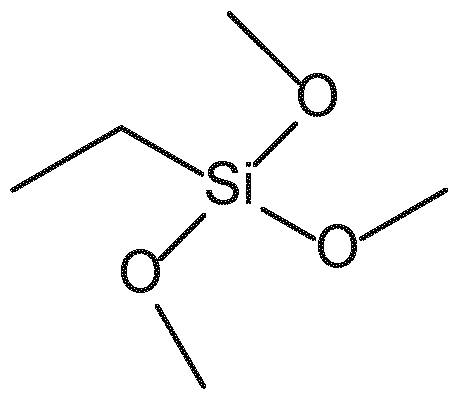


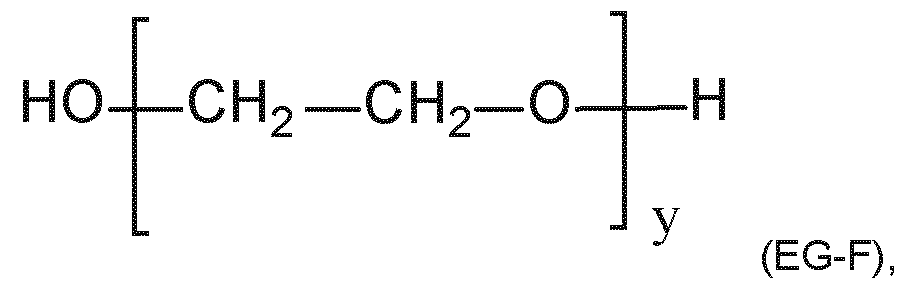
Claims
Priority Applications (1)
| Application Number | Priority Date | Filing Date | Title |
|---|---|---|---|
| EP24714415.7A EP4724033A1 (de) | 2023-06-12 | 2024-03-19 | Verfahren zum färben von keratinfasern umfassend die anwendung eines oxidativen vorbehandlungsmittels und eines färbemittels mit silan und pigment |
Applications Claiming Priority (2)
| Application Number | Priority Date | Filing Date | Title |
|---|---|---|---|
| DE102023205421.3A DE102023205421A1 (de) | 2023-06-12 | 2023-06-12 | Verfahren zum Färben von Keratinfasern umfassend die Anwendung eines oxidativen Vorbehandlungsmittels und eines Färbemittels mit Silan und Pigment |
| DE102023205421.3 | 2023-06-12 |
Publications (1)
| Publication Number | Publication Date |
|---|---|
| WO2024256046A1 true WO2024256046A1 (de) | 2024-12-19 |
Family
ID=90482235
Family Applications (1)
| Application Number | Title | Priority Date | Filing Date |
|---|---|---|---|
| PCT/EP2024/057281 Ceased WO2024256046A1 (de) | 2023-06-12 | 2024-03-19 | Verfahren zum färben von keratinfasern umfassend die anwendung eines oxidativen vorbehandlungsmittels und eines färbemittels mit silan und pigment |
Country Status (3)
| Country | Link |
|---|---|
| EP (1) | EP4724033A1 (de) |
| DE (1) | DE102023205421A1 (de) |
| WO (1) | WO2024256046A1 (de) |
Citations (4)
| Publication number | Priority date | Publication date | Assignee | Title |
|---|---|---|---|---|
| EP2168633B1 (de) | 2008-09-30 | 2016-03-30 | L'Oréal | Kosmetischen Zusammensetzung enthaltend organische Silicium-Derivate mit einer basischen Gruppe als Vorprodukt vor einer Zusammensetzung enthaltend ein filmbildneres hydrophobisches Polymer, ein Pigment und ein Lösungsmittel |
| WO2022002983A1 (en) * | 2020-06-30 | 2022-01-06 | Hfc Prestige Service Germany Gmbh | Hair colouring compositions comprising a bio-based polymer and a crosslinker |
| WO2022184337A1 (de) | 2021-03-03 | 2022-09-09 | Henkel Ag & Co. Kgaa | Verfahren zum färben von keratinischem material, umfassend die anwendung von einer siliciumorganischen verbindung, einer farbgebenden verbindung, eines versiegelungsreagenz und eines vorbehandlungsmittels |
| WO2022184357A1 (de) | 2021-03-04 | 2022-09-09 | Henkel Ag & Co. Kgaa | Verfahren zum färben von keratinischem material, umfassend die anwendung von einer siliciumorganischen verbindung, einer farbgebenden verbindung, eines versiegelungsreagenz und eines enzym-haltigen vorbehandlungsmittels |
Family Cites Families (1)
| Publication number | Priority date | Publication date | Assignee | Title |
|---|---|---|---|---|
| US10363208B2 (en) | 2017-08-30 | 2019-07-30 | L'oreal | Methods for improving the durability of color in artificially colored hair |
-
2023
- 2023-06-12 DE DE102023205421.3A patent/DE102023205421A1/de active Pending
-
2024
- 2024-03-19 WO PCT/EP2024/057281 patent/WO2024256046A1/de not_active Ceased
- 2024-03-19 EP EP24714415.7A patent/EP4724033A1/de active Pending
Patent Citations (4)
| Publication number | Priority date | Publication date | Assignee | Title |
|---|---|---|---|---|
| EP2168633B1 (de) | 2008-09-30 | 2016-03-30 | L'Oréal | Kosmetischen Zusammensetzung enthaltend organische Silicium-Derivate mit einer basischen Gruppe als Vorprodukt vor einer Zusammensetzung enthaltend ein filmbildneres hydrophobisches Polymer, ein Pigment und ein Lösungsmittel |
| WO2022002983A1 (en) * | 2020-06-30 | 2022-01-06 | Hfc Prestige Service Germany Gmbh | Hair colouring compositions comprising a bio-based polymer and a crosslinker |
| WO2022184337A1 (de) | 2021-03-03 | 2022-09-09 | Henkel Ag & Co. Kgaa | Verfahren zum färben von keratinischem material, umfassend die anwendung von einer siliciumorganischen verbindung, einer farbgebenden verbindung, eines versiegelungsreagenz und eines vorbehandlungsmittels |
| WO2022184357A1 (de) | 2021-03-04 | 2022-09-09 | Henkel Ag & Co. Kgaa | Verfahren zum färben von keratinischem material, umfassend die anwendung von einer siliciumorganischen verbindung, einer farbgebenden verbindung, eines versiegelungsreagenz und eines enzym-haltigen vorbehandlungsmittels |
Non-Patent Citations (1)
| Title |
|---|
| no. 25322-68-3 |
Also Published As
| Publication number | Publication date |
|---|---|
| EP4724033A1 (de) | 2026-04-15 |
| DE102023205421A1 (de) | 2024-12-12 |
Similar Documents
| Publication | Publication Date | Title |
|---|---|---|
| EP3999021B1 (de) | Verfahren zum färben von keratinischem material, umfassend die anwendung von einer siliciumorganischen verbindung, eines farbigen effektpigments und eines versiegelungsreagenz i | |
| EP3873402B1 (de) | Verfahren zum behandeln von haaren umfassend die anwendung einer organischen siliciumverbindung, einem alkalisierungsmittel und einem filmbildenden polymer | |
| EP4125780B1 (de) | Verbesserung der waschechtheit von pigmenthaltigen färbemitteln durch anwendung eines oxidativen vorbehandlungsmittels | |
| EP3837020B1 (de) | Verfahren zum färben von keratinischem material, umfassend die anwendung von einer siliciumorganischen verbindung, einer farbgebenden verbindung und einem silikonöl | |
| EP3999019B1 (de) | Verfahren zum färben von keratinischem material, umfassend die anwendung von einer siliciumorganischen verbindung, eines beschichteten effektpigments und eines filmbildenden polymers ii | |
| WO2020187732A1 (de) | Verfahren zum färben von keratinischem material, umfassend die anwendung von einer siliciumorganischen verbindung, eines effektpigments und eines filmbildenden polymers i | |
| EP3968945A1 (de) | Verfahren zum färben von keratinischem material, umfassend die anwendung einer siliciumorganischen verbindung, einer farbgebenden verbindung, eines modifizierten fettsäureesters und eines versiegelungsreagenz ii | |
| WO2020187735A1 (de) | Verfahren zum färben von keratinischem material, umfassend die anwendung von einer siliciumorganischen verbindung, eines effektpigments und eines versiegelungsreagenz vi | |
| EP4392141B1 (de) | Verfahren zum färben von keratinischem material, insbesondere menschlichen haaren | |
| WO2021013511A1 (de) | Verfahren zum färben von keratinischem material, umfassend die anwendung von einer siliciumorganischen verbindung, eines farbigen effektpigments und eines filmbildenden polymers iv | |
| WO2024223177A1 (de) | Verfahren zum färben von keratinfasern umfassend die anwendung eines oxidativen vorbehandlungsmittels und eines färbemittels mit chitosan und pigment | |
| EP3836893B1 (de) | Verfahren zum färben von keratinischem material, umfassend die anwendung von einer siliciumorganischen verbindung, einem oligoalkylsiloxan und einer farbgebenden verbindung | |
| WO2021052720A1 (de) | Verfahren zum färben von keratinischem material, umfassend die anwendung von einer siliciumorganischen verbindung, eines effektpigments und eines filmbildenden polymers | |
| EP3968941A1 (de) | Verfahren zum färben von keratinischem material, umfassend die anwendung einer siliciumorganischen verbindung, einer farbgebenden verbindung, eines modifizierten fettsäureesters und eines versiegelungsreagenz i | |
| EP4724033A1 (de) | Verfahren zum färben von keratinfasern umfassend die anwendung eines oxidativen vorbehandlungsmittels und eines färbemittels mit silan und pigment | |
| EP3941432A1 (de) | Verfahren zum färben von keratinischem material, umfassend die anwendung von einer siliciumorganischen verbindung, eines effektpigments und eines filmbildenden polymers ii | |
| DE102021202048A1 (de) | Verfahren zum Färben von keratinischem Material, umfassend die Anwendung von einer siliciumorganischen Verbindung, einer farbgebenden Verbindung, eines Versiegelungsreagenz und eines Vorbehandlungsmittels | |
| DE102023211393A1 (de) | Verfahren zum Behandeln von keratinischen Fasern, umfassend die Anwendung eines reduktiven Vorbehandlungsmittels und die Anwendung eines Nachbehandlungsmittels mit Silan | |
| DE102023211394A1 (de) | Mittel zum Vorreinigen von keratinischen Fasern, insbesondere menschlichen Haaren, enthaltend ein Reduktionsmittel und ein spezielles Tensidsystem | |
| DE102023204775A1 (de) | Verfahren zum Färben von keratinischen Fasern, insbesondere menschlichen Haaren | |
| EP3999189A1 (de) | Verfahren zum färben von keratinischem material, umfassend die anwendung von einer siliciumorganischen verbindung, eines farbigen effektpigments und eines filmbildenden polymers ii | |
| EP3941591A1 (de) | Verfahren zum färben von keratinischem material, umfassend die anwendung von einer siliciumorganischen verbindung, eines effektpigments und eines filmbildenden polymers iii | |
| EP3968946A1 (de) | Verfahren zum färben von keratinischem material, umfassend die anwendung einer siliciumorganischen verbindung, einer farbgebenden verbindung und eines filmbildenden polymers i |
Legal Events
| Date | Code | Title | Description |
|---|---|---|---|
| 121 | Ep: the epo has been informed by wipo that ep was designated in this application |
Ref document number: 24714415 Country of ref document: EP Kind code of ref document: A1 |
|
| ENP | Entry into the national phase |
Ref document number: 2024714415 Country of ref document: EP Effective date: 20260112 |
|
| WWE | Wipo information: entry into national phase |
Ref document number: 2024714415 Country of ref document: EP |
|
| NENP | Non-entry into the national phase |
Ref country code: DE |
|
| ENP | Entry into the national phase |
Ref document number: 2024714415 Country of ref document: EP Effective date: 20260112 |
|
| ENP | Entry into the national phase |
Ref document number: 2024714415 Country of ref document: EP Effective date: 20260112 |
|
| ENP | Entry into the national phase |
Ref document number: 2024714415 Country of ref document: EP Effective date: 20260112 |
|
| ENP | Entry into the national phase |
Ref document number: 2024714415 Country of ref document: EP Effective date: 20260112 |
|
| WWP | Wipo information: published in national office |
Ref document number: 2024714415 Country of ref document: EP |