WO2024252663A1 - 学習装置 - Google Patents
学習装置 Download PDFInfo
- Publication number
- WO2024252663A1 WO2024252663A1 PCT/JP2023/021517 JP2023021517W WO2024252663A1 WO 2024252663 A1 WO2024252663 A1 WO 2024252663A1 JP 2023021517 W JP2023021517 W JP 2023021517W WO 2024252663 A1 WO2024252663 A1 WO 2024252663A1
- Authority
- WO
- WIPO (PCT)
- Prior art keywords
- unit
- signal reception
- reception data
- estimation
- cluster
- Prior art date
- Legal status (The legal status is an assumption and is not a legal conclusion. Google has not performed a legal analysis and makes no representation as to the accuracy of the status listed.)
- Ceased
Links
Images




Classifications
-
- H—ELECTRICITY
- H04—ELECTRIC COMMUNICATION TECHNIQUE
- H04B—TRANSMISSION
- H04B10/00—Transmission systems employing electromagnetic waves other than radio-waves, e.g. infrared, visible or ultraviolet light, or employing corpuscular radiation, e.g. quantum communication
- H04B10/80—Optical aspects relating to the use of optical transmission for specific applications, not provided for in groups H04B10/03 - H04B10/70, e.g. optical power feeding or optical transmission through water
Definitions
- This disclosure relates to a learning device, a learning method, a recording medium, and an estimation device.
- WDM-NW Wavelength Division Multiplexing-Network
- Patent Document 1 describes a state estimation device that includes a preprocessing unit and an estimation unit.
- the preprocessing unit receives constellation data indicating the phase plane state (constellation) of each signal received by the receiving unit from the receiving unit of the transmission device as signal reception data.
- the preprocessing unit then plots the occurrence frequency of phases in the constellation data, converts it into two-dimensional histogram data, and uses this as feature data.
- the estimation unit estimates the state of the transmission path, an abnormal state of the transmitting unit, or an abnormal state of the receiving unit based on the feature data.
- the estimation unit performs estimation using machine learning such as a neural network.
- estimation is performed using a pre-trained model.
- a model is trained in advance by introducing a model trained in a laboratory environment into a real environment, an event may occur in which the estimation accuracy decreases due to some circumstances during actual use. In this way, there is an issue that a decrease in estimation accuracy can occur when making estimation based on signal reception data.
- one of the objectives of this disclosure is to provide a learning device, a learning method, a recording medium, and an estimation device that can solve the above-mentioned problems.
- the learning device in the present disclosure comprises: A collection unit that collects signal reception data in different conduction states; A clustering unit that classifies the signal reception data collected by the collection unit into a plurality of clusters; a learning unit that learns a model for each cluster classified by the classification unit;
- the configuration has the following:
- the learning method in the present disclosure includes: Collecting signal reception data under different conduction conditions; The collected signal reception data is classified into multiple clusters. The system is structured so that a model is trained for each classified cluster.
- the recording medium in the present disclosure is In the information processing device, Collecting signal reception data under different conduction conditions; The collected signal reception data is classified into multiple clusters. It is a computer-readable recording medium that records a program for implementing the process of learning a model for each classified cluster.
- the estimation device in the present disclosure A collection unit that collects signal reception data to be estimated; A classification unit that identifies a cluster to which the signal reception data collected by the collection unit belongs; an estimation unit that performs estimation using a model corresponding to the cluster identified by the classification unit;
- the configuration has the following:
- the above-mentioned configurations can reduce the risk of a decrease in estimation accuracy.
- FIG. 1 is a diagram illustrating an overview of an estimation system according to the present disclosure.
- FIG. 13 is a diagram showing a comparative example based on the Kullback-Leibler information when the conduction state is not changed.
- FIG. 13 is a diagram showing a comparative example based on the Kullback-Leibniz information when the conduction state is changed.
- FIG. 2 is a block diagram showing a configuration example of a first learning device according to the present disclosure.
- FIG. 11 is a diagram for explaining an example of preprocessing.
- FIG. 11 is a diagram for explaining an example of a classification process.
- FIG. 11 is a diagram for explaining an example of a learning process.
- FIG. 2 is a block diagram showing a configuration example of an estimation device.
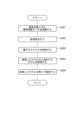
- FIG. 13 is a flowchart showing an example of the operation of the learning device. 4 is a flowchart showing an example of the operation of the estimation device.
- FIG. 2 is a diagram illustrating an example of a hardware configuration of a second learning device according to the present disclosure.
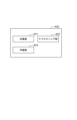
- FIG. 2 is a block diagram showing a configuration example of an estimation device. 4 is a flowchart showing an example of the operation of the estimation device.
- FIG. 1 is a diagram showing an overview of the estimation system 100.
- Figs. 2 and 3 are diagrams showing a comparative example based on Kullback Liebler divergence.
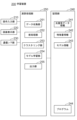
- Fig. 4 is a block diagram showing a configuration example of the learning device 200.
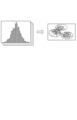
- Fig. 5 is a diagram for explaining an example of preprocessing.
- Fig. 6 is a diagram for explaining an example of classification processing.
- Fig. 7 is a diagram for explaining an example of learning processing.
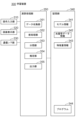
- Fig. 8 is a block diagram showing a configuration example of the estimation device 300.
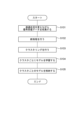
- Fig. 9 is a flowchart showing an operation example of the learning device 200.
- Fig. 10 is a flowchart showing an operation example of the estimation device 300. Note that in the present disclosure, the drawings may be associated with one or more embodiments.
- an estimation system 100 that performs estimation based on signal reception data such as constellation data, as exemplified in FIG. 1, will be described.
- the estimation system 100 performs a predetermined estimation by inputting data corresponding to the signal reception data into a pre-trained model.
- the estimation system 100 estimates parameters such as OSNR (Optical Signal to Noise Ratio) according to the input.
- OSNR Optical Signal to Noise Ratio
- the estimation system 100 may also estimate parameters such as BW (Bandwidth) and XT (crosstalk). Note that the estimation system 100 may estimate the presence or absence of anomalies in addition to one or more arbitrary parameters or instead of parameters.
- FIGS. 2 and 3 show an example of quantification and comparison using Kullback-Leibler divergence (KLD) to capture the fluctuations in the signal distribution.
- KLD Kullback-Leibler divergence
- Kullback-Leibler divergence is a scale index that quantifies the difference in histograms, etc.
- Kullback-Leibler divergence quantifies the difference in the range of 0 to 1, and is calculated as 0 if they are completely identical and 1 if there are no matching parts.
- Figure 2 shows a comparison of 100 signal distribution patterns when the conduction state is not changed.
- Figure 2 shows an example of comparing signal distributions for 100 seconds.
- the comparison value of KLD is 0.008 to 0.001 or less.
- the signal distribution varies by only about 0.8% between each distribution.
- Figure 3 shows a comparison example of 100 signal distribution patterns when the optical signal conduction state is changed 100 times.
- the KLD comparison value is 0.08 to 0.01, which is about 10 times the value when the conduction state is not changed.
- the distribution pattern changes every time the conduction state is changed, and that the changed patterns also have common parts.
- the changing distribution patterns may be classified into a finite number of patterns, about 5 to 10 patterns.
- the estimation system 100 of the present disclosure collects signal reception data such as constellation data while changing the conduction state of the optical signal during learning.
- the estimation system 100 also classifies the collected signal reception data into multiple clusters. For example, the estimation system 100 performs a predetermined preprocessing on the signal reception data before performing the above classification. The estimation system 100 then learns a model for each classified cluster. Furthermore, when the estimation system 100 collects signal reception data to be estimated, it identifies the cluster to which the collected signal reception data belongs. The estimation system 100 then performs estimation using a model corresponding to the identified cluster. For example, with the above configuration, the estimation system 100 performs learning and estimation that can accommodate blurring.
- the continuity status of the optical signal can change by performing certain processing on the transmission environment of the optical signal, etc.
- the continuity status of the optical signal can be changed by stopping and then restarting the optical signal, such as by unplugging and plugging back in the optical fiber through which the optical signal is transmitted, or by restarting the optical signal.
- FIG. 1 shows an example configuration of the estimation system 100.
- the estimation system 100 has a learning device 200 that learns a model based on signal reception data such as constellation data, and an estimation device 300 that performs estimation using the model learned by the learning device 200.
- the learning device 200 and the estimation device 300 can be connected to each other via a wire or wirelessly so that they can communicate with each other.
- the estimation system 100 may be configured by a single information processing device that has the functions of the learning device 200 and the estimation device 300.
- the learning device 200 is an information processing device that performs learning using signal reception data such as constellation data. For example, the learning device 200 performs model learning so as to output parameters such as OSNR in response to input of data corresponding to the signal reception data. The learning device 200 may also perform model learning so as to output information indicating the presence or absence of anomalies in response to input of data corresponding to the signal reception data.
- FIG. 4 shows an example of the configuration of the learning device 200. Referring to FIG. 4, the learning device 200 has, as main components, for example, an operation input unit 210, a screen display unit 220, a communication I/F unit 230, a memory unit 240, and an arithmetic processing unit 250.
- FIG. 4 illustrates an example in which the functions of the learning device 200 are realized using one information processing device. However, at least some of the functions of the learning device 200 may be realized using multiple information processing devices, for example, on the cloud. Furthermore, the learning device 200 may not include some of the configurations exemplified above, such as not having the operation input unit 210 or the screen display unit 220, or may have a configuration other than those exemplified above.
- the operation input unit 210 is made up of operation input devices such as a keyboard and a mouse.
- the operation input unit 210 detects the operation of the operator who operates the learning device 200 and outputs it to the calculation processing unit 250.
- the screen display unit 220 is composed of a screen display device such as a liquid crystal display or an organic electroluminescence (EL) display.
- the screen display unit 220 can display various information stored in the memory unit 240 on the screen in response to instructions from the calculation processing unit 250.
- the communication I/F unit 230 is composed of a data communication circuit and the like.
- the communication I/F unit 230 performs data communication with an external device connected via a communication line.
- the storage unit 240 is a storage device such as a hard disk or memory.
- the storage unit 240 stores processing information and programs 244 required for various processes in the arithmetic processing unit 250.
- the programs 244 are loaded into the arithmetic processing unit 250 and executed to realize various processing units.
- the programs 244 are loaded in advance from an external device or recording medium via a data input/output function such as the communication I/F unit 230, and are stored in the storage unit 240.
- Main information stored in the storage unit 240 includes, for example, optical signal data information 241, feature amount information 242, and model information 243.
- the optical signal data information 241 includes signal reception data such as constellation data.
- the optical signal data information 241 includes signal reception data collected while changing the conduction state of the optical signal.
- the optical signal data information 241 includes signal reception data collected under different conduction states.
- the optical signal data information 241 is updated in response to the data collection unit 251 collecting signal reception data, etc.
- the feature amount information 242 includes features extracted from the signal reception data by performing preprocessing on the signal reception data.
- the feature amount information 242 includes a histogram, which is a feature extracted from the signal reception data as a result of preprocessing by the preprocessing unit 252 described below.
- the feature amount information 242 may include features other than a histogram, such as features extracted as a result of performing a fast Fourier transform as preprocessing.
- the feature amount information 242 is updated in response to the preprocessing unit 252 performing a specified preprocessing, etc.
- a feature amount may be stored for each cluster classified by the clustering unit 253 described later.
- cluster identification information and a feature amount may be associated with each other.
- the model information 243 includes information about a model that has been trained to output predetermined parameters, etc. in response to the input of features.
- the model information 234 may include information indicating weights in a neural network, etc.
- a model is trained by the model training unit 254, which will be described later, for each cluster classified by the clustering unit 253, which will be described later. Therefore, the model information 243 includes a model for each cluster.
- a cluster identifier and a model may be associated with each other.
- the model information 243 is updated by the model training unit 254 training a model, etc.
- the calculation processing unit 250 has a calculation device such as a CPU (Central Processing Unit) and its peripheral circuits.
- the calculation processing unit 250 reads and executes the program 244 from the storage unit 240, thereby realizing various processing units by having the above hardware and the program 244 work together.
- the main processing units realized by the calculation processing unit 250 include, for example, a data collection unit 251, a preprocessing unit 252, a clustering unit 253, a model learning unit 254, and an output unit 255.
- the arithmetic processing unit 250 may have a GPU (Graphic Processing Unit), a DSP (Digital Signal Processor), an MPU (Micro Processing Unit), an FPU (Floating point number Processing Unit), a PPU (Physics Processing Unit), a TPU (Tensor Processing Unit), a quantum processor, a microcontroller, or a combination of these.
- GPU Graphic Processing Unit
- DSP Digital Signal Processor
- MPU Micro Processing Unit
- FPU Floating point number Processing Unit
- PPU Physicals Processing Unit
- TPU Transsor Processing Unit
- quantum processor a microcontroller, or a combination of these.
- the data collection unit 251 collects signal reception data such as constellation data. For example, in optical communications, an optical signal transmitted by a transmitter of a transmitting transponder is transmitted through an optical cable and received by a receiver of a receiving transponder. As an example, the data collection unit 251 may collect signal reception data from the receiver of a receiving transponder. The data collection unit 251 also stores the collected signal reception data in the storage unit 240 as optical signal data information 241.
- the data collection unit 251 also collects signal reception data while changing the conduction state of the optical signal. In other words, the data collection unit 251 collects signal reception data in different conduction states. For example, the conduction state of the optical signal changes when the optical cable through which the optical signal is transmitted is plugged in and out or the optical signal is restarted.
- the data collection unit 251 can collect signal reception data in different conduction states by collecting signal reception data while plugging in and out the optical cable or restarting the optical signal. Note that the plugging in and out of the optical cable or the restart of the optical signal may be achieved manually or by any other means.
- the data collection unit 251 may instruct the transmitting transponder to restart, or the transmitting transponder may be configured to periodically restart.
- the pre-processing unit 252 extracts features from the signal reception data by performing a predetermined pre-processing on the signal reception data.
- the pre-processing unit 252 may perform pre-processing on each piece of signal reception data collected by the data collection unit 251 while changing the conduction state of the optical signal. For example, the pre-processing unit 252 extracts a histogram as the feature, as illustrated in FIG. 5.
- the pre-processing unit 252 also stores the extracted feature in the storage unit 240 as feature information 242.
- the pre-processing unit 252 divides the constellation data, which is the signal reception data, into equal parts in a space of orthogonal coordinates.
- the pre-processing unit 252 then obtains a histogram by tallying up the number of signal points within the divided range. For example, by the above-described processing, the pre-processing unit 252 extracts a histogram, which is a feature amount, from the constellation data.
- the pre-processing unit 252 may perform division in a coordinate system other than the above example, such as polar coordinates. The number of divisions may be determined arbitrarily.
- the preprocessing performed by the preprocessing unit 252 may be other than the above examples.
- the preprocessing unit 252 may perform a fast Fourier transform as preprocessing, such as converting to polar coordinates and then performing a fast Fourier transform and tabulating the data.
- the clustering unit 253 classifies the features extracted by the preprocessing unit 252 into multiple clusters, as illustrated in FIG. 6. In other words, the clustering unit 253 classifies the features into multiple clusters, thereby classifying the signal reception data into multiple clusters.
- the clustering unit 253 can also update the feature information 242 according to the classification results.
- the clustering unit 253 calculates the distance between the features and classifies the features into multiple clusters based on the calculated distance.
- the clustering unit 253 may classify the features into multiple clusters using any method, such as hierarchical clustering using Ward's method, group average method, shortest distance method, or longest distance method, or non-hierarchical clustering.
- the clustering unit 253 may calculate the distance between the features using any method.
- the model learning unit 254 learns the model to output parameters such as OSNR in response to the input of features extracted from the signal reception data.
- the learning device 200 may also learn the model to output information indicating the presence or absence of anomalies in response to the input of features.
- the model learning unit 254 learns a model for each cluster classified by the clustering unit 253, as exemplified in FIG. 7. In other words, the model learning unit 254 learns a model using features that belong to the same cluster among those included in the feature information 242.
- the model learning unit 254 can learn a number of models according to the number of clusters.
- the model learning unit 254 may store the learned model in the storage unit 240 in association with the cluster identifier, etc.
- the model learning unit 254 acquires the OSNR value that serves as the correct label and information indicating the presence or absence of anomalies for each feature included in the feature information 242.
- the model learning unit 254 may acquire information indicating the correct label from a sensor that measures the OSNR or the like, or may accept input of information indicating the correct label from the operation input unit 210 or an external device.
- the model learning unit 254 then learns the model by adjusting weight values and the like so as to provide a more appropriate output using the features and correct labels of the same cluster as input.
- the model learning unit 254 may also learn the model using a method other than the above examples.
- the output unit 255 outputs information about each cluster classified by the clustering unit 253 and the model learned by the model learning unit 254 to an external device such as the estimation device 300.
- the output unit 255 transmits information for enabling the estimation device 300 to identify the range of the cluster as information about the cluster.
- the output unit 255 may transmit information about the feature amounts contained in each cluster, or may transmit maximum and minimum values, other arbitrary statistical values, and the like.
- the output unit 255 may display various information contained in the optical signal data information 241 and the feature amount information 242 on the screen display unit 220, or transmit the information to other external devices via the communication I/F unit 230.
- the above is an example of the configuration of the learning device 200.
- the estimation device 300 is an information processing device that estimates parameters and the like using a model learned by the learning device 200. For example, the estimation device 300 acquires in advance from the learning device 200 information on the model learned by the learning device 200 and each cluster classified. Furthermore, when the estimation device 300 collects signal reception data to be estimated, it identifies the cluster to which the collected signal reception data belongs. The estimation device 300 then performs estimation using a model corresponding to the identified cluster.
- FIG. 8 shows an example of the configuration of the estimation device 300. Referring to FIG. 8, the estimation device 300 has, as main components, for example, an operation input unit 310, a screen display unit 320, a communication I/F unit 330, a storage unit 340, and a calculation processing unit 350.
- estimation device 300 may be realized using one information processing device, similar to the learning device 200 described above, or may be realized using multiple information processing devices. Furthermore, the estimation device 300 may employ the same modified example as the learning device 200.
- the operation input unit 310, screen display unit 320, and communication I/F unit 330 may be similar to the operation input unit 210, screen display unit 220, and communication I/F unit 230 of the learning device 200.
- the storage unit 340 is a storage device such as a hard disk or memory.
- the storage unit 340 stores processing information and programs 344 required for various processes in the arithmetic processing unit 350.
- the programs 344 are loaded into the arithmetic processing unit 350 and executed to realize various processing units.
- the programs 344 are loaded in advance from an external device or recording medium via a data input/output function such as the communication I/F unit 330, and are stored in the storage unit 340.
- Examples of the main information stored in the storage unit 340 include model information 341, optical signal data information 342, feature amount information 343, etc.
- the model information 341 includes information about the model learned by the learning device 200.
- the model information 341 includes a model for each cluster.
- a cluster identifier may be associated with a model.
- the various information included in the model information 341 is acquired in advance by a method such as acquiring it from the learning device 200 via the communication I/F unit 330, and is stored in the memory unit 340.
- the optical signal data information 342 includes signal reception data to be estimated by the estimation device 300.
- the optical signal data information 342 is updated in response to the data collection unit 351 collecting signal reception data such as constellation data.
- Feature amount information 343 includes features extracted from signal reception data by performing preprocessing on the signal reception data to be estimated.
- feature amount information 343 includes a histogram, which is a feature extracted from signal reception data as a result of preprocessing by preprocessing unit 352, which will be described later.
- Feature amount information 343 may include features other than a histogram, such as features extracted as a result of performing a fast Fourier transform as preprocessing.
- Feature amount information 343 is updated in response to predetermined preprocessing performed by preprocessing unit 352, etc.
- the calculation processing unit 350 has a calculation device such as a CPU and its peripheral circuits.
- the calculation processing unit 350 reads and executes the program 344 from the storage unit 340, thereby implementing various processing units by having the above hardware and the program 244 work together.
- the main processing units implemented by the calculation processing unit 250 include, for example, a data collection unit 351, a preprocessing unit 352, a classification unit 353, an estimation unit 354, and an output unit 355.
- calculation processing unit 350 may have a GPU or the like instead of the above-mentioned CPU, similar to the learning device 200.
- the data collection unit 351 collects signal reception data such as constellation data. For example, the data collection unit 351 collects signal reception data to be used for estimating parameters, etc. As an example, the data collection unit 351 may collect signal reception data from the receiving unit of the receiving transponder. In addition, the data collection unit 351 stores the collected signal reception data in the storage unit 340 as optical signal data information 342.
- the pre-processing unit 352 extracts features from the signal reception data to be estimated by performing a predetermined pre-processing on the signal reception data to be estimated. For example, the pre-processing unit 352 extracts a histogram as a feature by performing processing similar to that of the pre-processing unit 252 of the learning device 200. The pre-processing unit 352 also stores the extracted feature in the storage unit 340 as feature information 343. Note that the pre-processing unit 352 may extract features other than those exemplified above from the signal reception data in the same manner as the pre-processing unit 252 of the learning device 200.
- the classification unit 353 identifies the cluster to which the feature extracted by the preprocessing unit 352 belongs, among the clusters classified by the learning device 200. For example, the classification unit 353 calculates the distance between the feature extracted by the preprocessing unit 352 and each cluster. Then, the classification unit 353 identifies the cluster with the shortest distance among the calculated distances as the cluster to which the feature belongs. Note that the classification unit 353 may identify the cluster to which the feature extracted by the preprocessing unit 352 belongs, using any method other than those exemplified above.
- the estimation unit 354 estimates parameters and the like by inputting the features extracted by the preprocessing unit 352 into a model. For example, the estimation unit 354 performs estimation using a model that corresponds to the cluster to which the features to be estimated belong, from among the models learned by the learning device 200.
- the estimation unit 354 refers to the model information 341 to identify a model corresponding to the cluster identified by the classification unit 353. Then, the estimation unit 354 inputs the feature amount extracted by the preprocessing unit 352 to the identified model, thereby estimating parameters, etc.
- the output unit 355 outputs the estimation results by the estimation unit 354.
- the output unit 355 can display the parameter values, which are the estimation results, on the screen display unit 320, or transmit them to an external device via the communication I/F unit 330.
- the output unit 355 may output information about the cluster to which the feature to be estimated belongs along with the estimation results.
- the above is an example of the configuration of the estimation device 300.
- FIG. 9 is a flowchart showing an example of the operation of the learning device 200.
- the data collection unit 251 collects signal reception data such as constellation data.
- the data collection unit 251 collects signal reception data while changing the conduction state of the optical signal (step S101).
- the pre-processing unit 252 extracts features from the signal reception data by performing a predetermined pre-processing on the signal reception data. For example, the pre-processing unit 252 extracts a histogram as the features, as illustrated in FIG. 5 (step S102).
- the clustering unit 253 classifies the features extracted by the preprocessing unit 252 into multiple clusters (step S103), as illustrated in FIG. 6. In other words, the clustering unit 253 classifies the features into multiple clusters, thereby classifying the signal reception data into multiple clusters.
- the model learning unit 254 learns a model to output parameters such as OSNR in response to the input of features. For example, as shown in FIG. 7, the model learning unit 254 learns a model for each cluster classified by the clustering unit 253 (step S104).
- the model learning unit 254 also stores the learned model for each cluster in the memory unit 240 (step S105).
- FIG. 10 is a flowchart showing an example of the operation of the estimation device 300.
- the data collection unit 351 collects signal reception data such as constellation data.
- the data collection unit 351 collects signal reception data to be estimated, such as parameters (step S201).
- the pre-processing unit 352 extracts features from the signal reception data to be estimated by performing a predetermined pre-processing on the signal reception data to be estimated. For example, the pre-processing unit 352 extracts a histogram as a feature by performing processing similar to that of the pre-processing unit 252 of the learning device 200 (step S202).
- the classification unit 353 identifies the cluster to which the feature extracted by the preprocessing unit 352 belongs, among the clusters classified by the learning device 200 (step S203). For example, the classification unit 353 calculates the distance between the feature extracted by the preprocessing unit 352 and each cluster. Then, the classification unit 353 identifies the cluster with the shortest distance among the calculated distances as the cluster to which the feature belongs.
- the estimation unit 354 refers to the model information 341 to identify and acquire a model corresponding to the cluster identified by the classification unit 353 (step S204). The estimation unit 354 then inputs the features extracted by the preprocessing unit 352 to the identified model, thereby estimating parameters and the like (step S205).
- the estimation result by the estimation unit 354 may be output by the output unit 355.
- the above is an example of the operation of the estimation device 300.
- the learning device 200 has a data collection unit 251, a clustering unit 253, and a model learning unit 254.
- the clustering unit 253 can classify the signal reception data collected by the data collection unit 251 while changing the conduction state of the optical signal into multiple clusters.
- the model learning unit 254 can learn a model for each cluster. This makes it possible to learn a model for each cluster with similar features, and realize model learning that can respond to fluctuations that occur in the signal reception data.
- learning can be performed that can respond even when fluctuations occur in the signal reception data due to changes in the conduction state of the optical signal, and model learning that can reduce the risk of a decrease in estimation accuracy can be realized.
- the estimation device 300 also has a classification unit 353 and an estimation unit 354.
- the estimation unit 354 can perform estimation using a model corresponding to the cluster identified by the classification unit 353.
- estimation can be performed using a more appropriate model, and the estimation accuracy can be improved.
- the risk of a decrease in the level of estimation can be reduced.
- the data collection unit 251 may be configured to collect signal reception data such as constellation data and to collect corrected constellation data (corrected signal reception data) obtained by rotating the constellation data on a complex plane. For example, in the process of demodulating an optical signal, the constellation of the demodulated signal on the complex plane may rotate due to a number of factors.
- the data collection unit 251 may collect the constellation data and also collect the corrected constellation data to address the above concerns. As a result, the learning device 200 may learn a more accurate model.
- the rotation angle may be, for example, 90 degrees, 180 degrees, or 270 degrees.
- the data collection unit 251 may acquire, together with the constellation data, corrected constellation data obtained by rotating the constellation data by 90 degrees, corrected constellation data obtained by rotating the constellation data by 180 degrees, and corrected constellation data obtained by rotating the constellation data by 270 degrees.
- the preprocessing unit 252 may extract features from the constellation data and the corrected constellation data by performing preprocessing on each of the constellation data and the corrected constellation data.
- Fig. 11 is a diagram showing an example of the hardware configuration of the learning device 400.
- Fig. 12 is a block diagram showing an example of the configuration of the learning device 400.
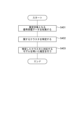
- Fig. 13 is a flowchart showing an example of the operation of the learning device 400.
- Fig. 14 is a block diagram showing an example of the configuration of the estimation device 500.
- Fig. 15 is a flowchart showing an example of the operation of the estimation device 500.
- a learning device 400 that is an information processing device that learns a model based on signal reception data such as constellation data will be described.
- an estimation device 500 that is an information processing device that performs estimation using a model learned by the learning device 400 will be described.
- Fig. 11 shows an example of a hardware configuration of the learning device 400. Referring to Fig. 11, the learning device 400 has, as an example, the following hardware configuration.
- ⁇ CPU Central Processing Unit
- ROM Read Only Memory
- RAM Random Access Memory
- Program group 404 loaded into RAM 403
- a storage device 405 for storing the programs 404
- a drive device 406 that reads and writes data from and to a recording medium 410 outside the information processing device.
- a communication interface 407 that connects to a communication network 411 outside the information processing device
- Input/output interface 408 for inputting and outputting data
- a bus 409 that connects each component
- the learning device 400 can realize the functions of the collection unit 421, clustering unit 422, and learning unit 423 shown in FIG. 12 by having the CPU 401 acquire and execute the program group 404.
- the program group 404 is stored in advance in the storage device 405 or ROM 402, for example, and is loaded into the RAM 403 or the like by the CPU 401 for execution as necessary.
- the program group 404 may be supplied to the CPU 401 via the communication network 411, or may be stored in advance in the recording medium 410, and the drive device 406 may read out the programs and supply them to the CPU 401.
- FIG. 11 shows an example of the hardware configuration of the learning device 400.
- the hardware configuration of the learning device 400 is not limited to the above-mentioned case.
- the learning device 400 may be configured with only a part of the above-mentioned configuration, such as not having the drive device 406.
- the CPU 401 may be a GPU as exemplified in the first embodiment.
- the collection unit 421 collects signal reception data in different continuity states.
- the collection unit 421 collects signal reception data such as constellation data while changing the continuity state of the optical signal by stopping and then restarting the optical signal.
- the continuity state of the optical signal may be changed by unplugging and plugging in the optical fiber through which the optical signal is transmitted, restarting the optical signal, etc.
- the clustering unit 422 classifies the signal reception data collected by the collection unit 421 into multiple clusters.
- the clustering unit 422 may perform clustering using a general method such as hierarchical clustering.
- the learning unit 423 learns a model for each cluster classified by the classification unit 422. For example, the learning unit 423 can learn a model corresponding to a cluster by using signal reception data (or information corresponding to the signal reception data) that belongs to the same cluster among the signal reception data.
- FIG. 13 is a flowchart showing an example of the operation of the learning device 400.
- the collection unit 421 collects signal reception data in different continuity states (step S301).
- the collection unit 421 collects signal reception data such as constellation data while changing the continuity state of the optical signal by stopping and then restarting the optical signal.
- the clustering unit 422 classifies the signal reception data collected by the collection unit 421 into a plurality of clusters (step S302).
- the clustering unit 422 may perform clustering using a general method such as hierarchical clustering.
- the learning unit 423 learns a model for each cluster classified by the classification unit 422 (step S303).
- the above is an example of the operation of the learning device 400.
- the learning device 400 has a collection unit 421, a clustering unit 422, and a learning unit 423.
- the clustering unit 422 can classify the signal reception data collected by the collection unit 421 in different conduction states into a plurality of clusters.
- the learning unit 423 can learn a model for each cluster classified by the classification unit 422.
- the model can be trained to be able to respond to fluctuations that occur in the signal reception data. This makes it possible to realize model learning that can reduce the risk of a decrease in estimation accuracy.
- the above-mentioned learning device 400 can be realized by incorporating a specific program into an information processing device such as the learning device 400.
- a program that is another form of the present disclosure is a program for implementing processing in an information processing device such as the learning device 400, which includes collecting signal reception data in different conduction states, classifying the collected signal reception data into multiple clusters, and learning a model for each classified cluster.
- the learning method executed by an information processing device such as the above-mentioned learning device 400 is a method of collecting signal reception data in different conduction conditions, classifying the collected signal reception data into multiple clusters, and learning a model for each classified cluster.
- the estimation device 500 is an information processing device that performs estimation using the model learned by the learning device 400.
- the hardware configuration of the estimation device 500 may be similar to that of the learning device 400 illustrated in FIG. 11.
- the estimation device 500 can realize the functions of the collection unit 521, classification unit 522, and estimation unit 523 shown in FIG. 14 by having a CPU acquire and execute a group of programs.
- the collection unit 521 collects the signal reception data to be estimated.
- the classification unit 522 identifies the cluster to which the signal reception data collected by the collection unit 521 belongs. For example, the classification unit 522 may identify the cluster using a general method, such as by calculating the distance between each cluster.
- the estimation unit 523 performs estimation using a model corresponding to the cluster identified by the classification unit 522. In other words, the estimation unit 523 performs estimation using a model corresponding to the cluster identified by the classification unit 522, among the multiple models learned by the learning device 400.
- the estimation unit 523 may perform parameter estimation, or may perform estimation of the presence or absence of anomalies.
- FIG. 15 is a flowchart showing an example of the operation of the estimation device 500.
- the collection unit 521 collects signal reception data to be estimated (step S401).
- the classification unit 522 identifies the cluster to which the signal reception data collected by the collection unit 521 belongs (step S402). For example, the classification unit 522 may identify the cluster using a general method, such as by calculating the distance between each cluster.
- the estimation unit 523 performs estimation using a model corresponding to the cluster identified by the classification unit 522 (step S403). In other words, the estimation unit 523 performs estimation using a model corresponding to the cluster identified by the classification unit 522 from among the multiple models learned by the learning device 400.
- the above is an example of the operation of the estimation device 500.
- the estimation device 500 has a collection unit 521, a classification unit 522, and an estimation unit 523.
- the classification unit 522 can identify the cluster to which the signal reception data collected by the collection unit 521 belongs.
- the estimation unit 523 can perform estimation using a model corresponding to the cluster identified by the classification unit 522. As a result, even if there is a deviation in the signal reception data, estimation can be performed using a more appropriate model. This can improve the estimation accuracy.
- the estimation device 500 described above can be realized by incorporating a predetermined program into an information processing device such as the estimation device 500.
- a program that is another form of the present disclosure is a program for implementing processing in an information processing device such as the estimation device 500, which includes collecting signal reception data to be estimated, identifying a cluster to which the collected signal reception data belongs, and performing estimation using a model corresponding to the identified cluster.
- the estimation method executed by an information processing device such as the estimation device 500 described above is a method of collecting signal reception data to be estimated, identifying a cluster to which the collected signal reception data belongs, and performing estimation using a model corresponding to the identified cluster.
- (Appendix 1) A collection unit that collects signal reception data in different conduction states; A clustering unit that classifies the signal reception data collected by the collection unit into a plurality of clusters; a learning unit that learns a model for each cluster classified by the classification unit; A learning device having (Appendix 2) 2.
- the learning device a pre-processing unit that performs pre-processing, which is processing for extracting features from the signal reception data collected by the collecting unit; the clustering unit classifies the signal reception data into a plurality of clusters by classifying the feature amounts into a plurality of clusters; The learning unit learns a model corresponding to a cluster by using features belonging to the same cluster among the features extracted by the preprocessing unit.
- the preprocessing unit extracts a histogram as the feature.
- a learning device collects the signal reception data and also collects corrected signal reception data obtained by rotating the signal reception data. (Appendix 6) 6.
- the learning device collects the corrected signal reception data from the signal reception data by rotating the signal reception data by a predetermined angle on a complex plane.
- Appendix 7 A learning device according to claim 1, A classification unit that identifies a cluster to which the signal reception data collected by the collection unit belongs; an estimation unit that performs estimation using a model corresponding to the cluster identified by the classification unit; having The collection unit collects signal reception data that is to be estimated.
- Appendix 8 An information processing device, Collecting signal reception data under different conduction conditions; The collected signal reception data is classified into multiple clusters. A learning method in which a model is trained for each classified cluster. (Appendix 8-2) 9.
- Appendix 8-3 A learning method according to claim 8 or 8-2, Perform pre-processing to extract features from the collected signal reception data, classifying the signal reception data into a plurality of clusters by classifying the feature amounts into a plurality of clusters; When learning a model, a model corresponding to a cluster is learned by using features belonging to the same cluster among the extracted features.
- Appendix 8-4 The learning method according to claim 8-3, By performing the preprocessing, a histogram is extracted as the feature amount.
- (Appendix 9-3) A recording medium according to claim 9 or 9-2, The system performs pre-processing, which is a process for extracting features from collected signal reception data, classifying the signal reception data into a plurality of clusters by classifying the feature amounts into a plurality of clusters; When learning a model, a model corresponding to a cluster is learned by using features belonging to the same cluster among the extracted features.
- (Appendix 9-4) A recording medium according to claim 9-3, A recording medium for extracting a histogram as the feature amount by performing the preprocessing.
- (Appendix 9-5) A recording medium according to any one of claims 9 to 9-4, A recording medium for collecting the signal reception data and for collecting corrected signal reception data obtained by rotating the signal reception data.
- (Appendix 9-6) A recording medium according to claim 9-5, A recording medium for collecting the correction signal reception data from the signal reception data by rotating the signal reception data by a predetermined angle on a complex plane when collecting the correction signal reception data.
- (Appendix 9-7) A recording medium according to any one of claims 9 to 9-6, Identifying a cluster to which the collected signal reception data to be estimated belongs; A recording medium for performing estimation using a model corresponding to the identified cluster.
- (Appendix 10) A collection unit that collects signal reception data to be estimated; A classification unit that identifies a cluster to which the signal reception data collected by the collection unit belongs; an estimation unit that performs estimation using a model corresponding to the cluster identified by the classification unit; An estimation device having: (Appendix 10-1) 11.
- the estimation device is generated by classifying signal reception data collected under different conduction conditions into a plurality of clusters and performing learning for each classified cluster.
- An information processing device Collect signal reception data to be estimated; Identifying a cluster to which the signal reception data collected by the collection unit belongs; performing estimation using a model corresponding to the cluster identified by the classification unit.
- the estimation method in which the model is generated by classifying signal reception data collected under different conduction conditions into a plurality of clusters and performing learning for each classified cluster.
- (Appendix 12) In the information processing device, Collect signal reception data to be estimated; Identifying a cluster to which the signal reception data collected by the collection unit belongs; A computer-readable recording medium having recorded thereon a program for implementing a process of performing estimation using a model corresponding to the cluster identified by the classification unit. (Appendix 12-1) 13. A recording medium according to claim 12, The model is generated by classifying signal reception data collected under different conduction conditions into a plurality of clusters and performing learning for each of the classified clusters.
- the programs described in the above embodiments and appendices may be stored in a storage device or a computer-readable recording medium.
- the recording medium may be a portable medium such as a flexible disk, an optical disk, a magneto-optical disk, or a semiconductor memory.
- Estimation system 200 Learning device 210 Operation input unit 220 Screen display unit 230 Communication I/F unit 240 Memory unit 241 Optical signal data information 242 Feature amount information 243 Model information 244 Program 250 Calculation processing unit 251 Data collection unit 252 Preprocessing unit 253 Clustering unit 254 Model learning unit 255 Output unit 300 Estimation device 310 Operation input unit 320 Screen display unit 330 Communication I/F unit 340 Memory unit 341 Optical signal data information 342 Feature amount information 343 Model information 344 Program 350 Calculation processing unit 351 Data collection unit 352 Preprocessing unit 353 Clustering unit 354 Model learning unit 355 Output unit 400 Learning device 401 CPU 402 ROM 403 RAM 404 Program group 405 Storage device 406 Drive device 407 Communication interface 408 Input/output interface 409 Bus 410 Recording medium 411 Communication network 421 Collection unit 422 Clustering unit 423 Learning unit 500 Estimation device 521 Collection unit 522 Classification unit 523 Estimation unit
Landscapes
- Physics & Mathematics (AREA)
- Electromagnetism (AREA)
- Engineering & Computer Science (AREA)
- Computer Networks & Wireless Communication (AREA)
- Signal Processing (AREA)
- Optical Communication System (AREA)
Abstract
学習装置は、異なる導通状況における信号受信データを収集する収集部と、前記収集部が収集した信号受信データを複数のクラスタに分類するクラスタリング部と、前記分類部が分類したクラスタごとにモデルの学習を行う学習部と、を有する。
Description
本開示は、学習装置、学習方法、記録媒体、推定装置に関する。
WDM-NW(Wavelength Division Multiplexing - Network)などの光ネットワークにおいて、コンスタレーションデータなどの信号受信データに基づく推定を行うことが知られている。
例えば、特許文献1には、前処理部と、推定部と、を備える状態推定装置が記載されている。特許文献1によると、前処理部は、伝送装置の受信部から、受信部が受信した各信号の位相平面状態(コンスタレーション)を示すコンスタレーションデータを信号受信データとして受信する。そして、前処理部は、コンスタレーションデータに、位相の出現頻度をプロットして二次元ヒストグラムデータに変換し、特徴データとする。また、推定部は、特徴データに基づいて、伝送路の状態、送信部の異常状態、又は、受信部の異常状態を推定する。例えば、特許文献1によると、推定部は、ニューラルネット等の機械学習を用いて推定を行う。
特許文献1に記載の技術の場合、予め学習したモデルを用いて推定を行う。この際、例えば、実験室環境で学習したモデルを実環境に導入するなど事前にモデルの学習を行っておくと、実際の使用時に何らかの事情により推定精度が低下する事象が生じることがあった。このように、信号受信データに基づく推定を行う際に推定精度の低下が生じることがある、という課題が生じていた。
そこで、本開示は、上述した課題を解決することが可能な学習装置、学習方法、記録媒体、推定装置を提供することを目的の一つとする。
かかる目的を達成するため本開示における学習装置は、
異なる導通状況における信号受信データを収集する収集部と、
前記収集部が収集した信号受信データを複数のクラスタに分類するクラスタリング部と、
前記分類部が分類したクラスタごとにモデルの学習を行う学習部と、
を有する
という構成をとる。
異なる導通状況における信号受信データを収集する収集部と、
前記収集部が収集した信号受信データを複数のクラスタに分類するクラスタリング部と、
前記分類部が分類したクラスタごとにモデルの学習を行う学習部と、
を有する
という構成をとる。
また、本開示における学習方法は、
異なる導通状況における信号受信データを収集し、
収集した信号受信データを複数のクラスタに分類し、
分類したクラスタごとにモデルの学習を行う
という構成をとる。
異なる導通状況における信号受信データを収集し、
収集した信号受信データを複数のクラスタに分類し、
分類したクラスタごとにモデルの学習を行う
という構成をとる。
また、本開示における記録媒体は、
情報処理装置に、
異なる導通状況における信号受信データを収集し、
収集した信号受信データを複数のクラスタに分類し、
分類したクラスタごとにモデルの学習を行う
処理を実現させるためのプログラムを記録した、コンピュータが読み取り可能な記録媒体である。
情報処理装置に、
異なる導通状況における信号受信データを収集し、
収集した信号受信データを複数のクラスタに分類し、
分類したクラスタごとにモデルの学習を行う
処理を実現させるためのプログラムを記録した、コンピュータが読み取り可能な記録媒体である。
また、本開示における推定装置は、
推定対象となる信号受信データを収集する収集部と、
前記収集部が収集した信号受信データが属するクラスタを特定する分類部と、
前記分類部が特定したクラスタに対応するモデルを用いた推定を行う推定部と、
を有する
という構成をとる。
推定対象となる信号受信データを収集する収集部と、
前記収集部が収集した信号受信データが属するクラスタを特定する分類部と、
前記分類部が特定したクラスタに対応するモデルを用いた推定を行う推定部と、
を有する
という構成をとる。
上述したような各構成によると、推定精度の低下が生じるおそれを低減させることができる。
[第1の実施形態]
推定システム100の構成例について、図1から図10までを参照して説明する。図1は、推定システム100の概要を示す図である。図2、図3は、カルバックライブラ情報量による比較例を示す図である。図4は、学習装置200の構成例を示すブロック図である。図5は、前処理の一例を説明するための図である。図6は、分類処理の一例を説明するための図である。図7は、学習処理の一例を説明するための図である。図8は、推定装置300の構成例を示すブロック図である。図9は、学習装置200の動作例を示すフローチャートである。図10は、推定装置300の動作例を示すフローチャートである。なお、本開示において図面は、1以上の各実施の形態に関連づけられてよい。
推定システム100の構成例について、図1から図10までを参照して説明する。図1は、推定システム100の概要を示す図である。図2、図3は、カルバックライブラ情報量による比較例を示す図である。図4は、学習装置200の構成例を示すブロック図である。図5は、前処理の一例を説明するための図である。図6は、分類処理の一例を説明するための図である。図7は、学習処理の一例を説明するための図である。図8は、推定装置300の構成例を示すブロック図である。図9は、学習装置200の動作例を示すフローチャートである。図10は、推定装置300の動作例を示すフローチャートである。なお、本開示において図面は、1以上の各実施の形態に関連づけられてよい。
本開示の第1の実施形態では、図1で例示するように、コンスタレーションデータなどの信号受信データに基づく推定を行う推定システム100について説明する。例えば、推定システム100は、信号受信データに応じたデータを予め学習したモデルに入力することで、所定の推定を行う。一例として、推定システム100は、入力に応じて、OSNR(Optical Signal to Noise Ratio:光信号対雑音比)などのパラメータを推定する。推定システム100は、OSNRのほか、BW(Bandwidth:帯域幅)やXT(crosstalk:クロストーク)などのパラメータを推定してもよい。なお、推定システム100は、1つまたは複数の任意のパラメータのほか、または、パラメータの代わりに、異常の有無などを推定してもよい。
上記のようなモデルを用いた推定を行う場合、同一のOSNR値内においても非常に微細な信号分布のブレなどにより推定精度が低下することがある。このような信号分布のブレは、光信号の導通状況が変化することで生じることが確認された。例えば、図2、図3は、信号分布のブレをとらえるためカルバックライブラ情報量(KLD:Kullback-Leibler divergence)による数値化と比較を行った際の一例を示している。ここで、カルバックライブラ情報量は、ヒストグラムなどの差異を数値化する尺度指標である。カルバックライブラ情報量は、0~1の範囲で差分を数値化しており、完全に同一の場合0、一致部分なしの場合1として計算される。例えば、図2は、導通状況を変化させない場合における信号分布100パターンの比較例である。換言すると、図2は、100秒分の信号分布を比較した際の一例を示している。図2で例示する場合、KLDの比較値は0.008~0.001以下となっている。つまり、光信号の導通状況を変化させない場合、各分布間において0.8%くらいしか信号分布が変動していないことになる。一方、図3は、光信号の導通状況を100回変化させた場合における信号分布100パターンの比較例を示している。図3で例示する場合、KLDの比較値は0.08~0.01となっており、導通状況を変化させない場合と比較して10倍程度の値となっている。例えば、以上の結果より、光信号の導通状況を変化させることで信号分布にブレが生じていることが分かる。また、図3を参照すると、導通状況を変化させるたびに分布パターンが変化しており、変化したパターンにも共通している部分があることが分かる。言い換えると、変化する分布パターンは5~10パターン程度の有限パターンに分類可能である可能性があることが分かる。
以上を踏まえ、本開示における推定システム100は、学習時において、光信号の導通状況を変化させながら、コンスタレーションデータなどの信号受信データを収集する。また、推定システム100は、収集した信号受信データを複数のクラスタに分類する。例えば、推定システム100は、信号受信データに対する所定の前処理を行ったうえで、上記分類を行う。その後、推定システム100は、分類したクラスタごとにモデルの学習を行う。また、推定システム100は、推定対象となる信号受信データを収集すると、収集した信号受信データが属するクラスタを特定する。そして、推定システム100は、特定したクラスタに対応するモデルを用いて推定を行う。例えば、以上のような構成により、推定システム100は、ブレに対応可能な学習、推定を行う。
なお、光信号の導通状況は、光信号の伝送環境などに対して所定の処理を行うことなどにより変化する。例えば、光信号の導通状況は、光信号が伝送する光ファイバを抜き差しすること、光信号の再起動を行うことなど、光信号を止めた後再開させることで変化させることができる。
図1は、推定システム100の構成例を示している。図1を参照すると、推定システム100は、コンスタレーションデータなどの信号受信データに基づくモデルの学習を行う学習装置200と、学習装置200により学習したモデルを用いた推定を行う推定装置300とを有している。例えば、学習装置200と推定装置300とは、有線または無線により、互いに通信可能なよう接続することができる。なお、推定システム100は、学習装置200としての機能と推定装置300としての機能とを有する1台の情報処理装置により構成されてもよい。
学習装置200は、コンスタレーションデータなどの信号受信データを用いた学習を行う情報処理装置である。例えば、学習装置200は、信号受信データに応じたデータの入力に対してOSNRなどのパラメータを出力するようにモデルの学習を行う。学習装置200は、信号受信データに応じたデータの入力に対して異常の有無を示す情報を出力するようにモデルの学習を行ってもよい。図4は、学習装置200の構成例を示している。図4を参照すると、学習装置200は、主な構成要素として、例えば、操作入力部210と、画面表示部220と、通信I/F部230と、記憶部240と、演算処理部250と、を有している。
なお、図4では、1台の情報処理装置を用いて学習装置200としての機能を実現する場合について例示している。しかしながら、学習装置200としての機能のうちの少なくとも一部は、例えばクラウド上に実現されるなど、複数台の情報処理装置を用いて実現されてもよい。また、学習装置200は、操作入力部210や画面表示部220を有さないなど上記例示した構成の一部を含まなくてもよいし、上記例示した以外の構成を有してもよい。
操作入力部210は、キーボード、マウスなどの操作入力装置からなる。操作入力部210は、学習装置200を操作する操作者の操作を検出して演算処理部250に出力する。
画面表示部220は、液晶ディスプレイや有機EL(electro-luminescence)などの画面表示装置からなる。画面表示部220は、演算処理部250からの指示に応じて、記憶部240に格納されている各種情報などを画面表示することができる。
通信I/F部230は、データ通信回路などからなる。通信I/F部230は、通信回線を介して接続された外部装置との間でデータ通信を行う。
記憶部240は、ハードディスクやメモリなどの記憶装置である。記憶部240は、演算処理部250における各種処理に必要な処理情報やプログラム244を記憶する。プログラム244は、演算処理部250に読み込まれて実行されることにより各種処理部を実現する。プログラム244は、通信I/F部230などのデータ入出力機能を介して外部装置や記録媒体から予め読み込まれ、記憶部240に保存されている。記憶部240で記憶される主な情報としては、例えば、光信号データ情報241、特徴量情報242、モデル情報243などがある。
光信号データ情報241は、コンスタレーションデータなどの信号受信データを含んでいる。例えば、光信号データ情報241には、光信号の導通状況を変えながら収集された信号受信データが含まれる。換言すると、光信号データ情報241には、異なる導通状況で収集された信号受信データが含まれる。光信号データ情報241は、データ収集部251が信号受信データを収集することなどに応じて更新される。
特徴量情報242は、信号受信データに対して前処理を行うことで信号受信データから抽出される特徴量を含んでいる。例えば、特徴量情報242には、後述する前処理部252による前処理の結果として信号受信データから抽出される特徴量であるヒストグラムが含まれる。なお、特徴量情報242には、前処理として高速フーリエ変換を行った結果抽出される特徴量が含まれるなど、ヒストグラム以外の特徴量が含まれてもよい。特徴量情報242は、前処理部252が所定の前処理を行うことなどに応じて更新される。
なお、特徴量情報242では、後述するクラスタリング部253により分類されるクラスタごとに特徴量が格納されていてもよい。換言すると、例えば、特徴量情報242では、クラスタの識別情報と、特徴量と、などが関連づけられていてもよい。
モデル情報243は、特徴量の入力に応じて所定のパラメータなどを出力するよう学習されたモデルについての情報を含んでいる。モデル情報234には、ニューラルネットにおける重みを示す情報などが含まれてよい。本開示の場合、後述するクラスタリング部253により分類されたクラスタごとに、後述するモデル学習部254によりモデルの学習が行われる。そのため、モデル情報243には、クラスタごとのモデルが含まれる。モデル情報243では、クラスタの識別子と、モデルと、が関連付けられていてもよい。モデル情報243は、モデル学習部254がモデルの学習を行うことなどにより更新される。
演算処理部250は、CPU(Central Processing Unit)などの演算装置とその周辺回路を有する。演算処理部250は、記憶部240からプログラム244を読み込んで実行することにより、上記ハードウェアとプログラム244とを協働させて各種処理部を実現する。演算処理部250で実現される主な処理部としては、例えば、データ収集部251、前処理部252、クラスタリング部253、モデル学習部254、出力部255などがある。
なお、演算処理部250は、上述したCPUの代わりに、GPU(Graphic Processing Unit)、DSP(Digital Signal Processor)、MPU(Micro Processing Unit)、FPU(Floating point number Processing Unit)、PPU(Physics Processing Unit)、TPU(Tensor Processing Unit)、量子プロセッサ、マイクロコントローラ、又は、これらの組み合わせなどを有してもよい。
データ収集部251は、コンスタレーションデータなどの信号受信データを収集する。例えば、光通信においては、送信側トランスポンダの送信部が送信した光信号は、光ケーブルを伝送して、受信側トランスポンダの受信部で受信される。一例として、データ収集部251は、受信側トランスポンダの受信部などから信号受信データを収集してよい。また、データ収集部251は、収集した信号受信データを光信号データ情報241として記憶部240に格納する。
また、データ収集部251は、光信号の導通状況を変えながら信号受信データを収集する。換言すると、データ収集部251は、異なる導通状況における信号受信データを収集する。例えば、光信号が伝送する光ケーブルの抜き差しを行ったり、光信号の再起動を行ったりすることで、光信号の導通状況が変化する。データ収集部251は、光ケーブルの抜き差しを行ったり光信号の再起動を行ったりしながら信号受信データを収集することで、異なる導通状況における信号受信データを収集することができる。なお、光ケーブルの抜き差しや光信号の再起動は、人力、または、そのほか任意の手段で実現してよい。例えば、データ収集部251が送信側トランスポンダに対して再起動の指示などを行ってもよいし、送信側トランスポンダにおいて再起動を定期的に行うよう構成してもよい。
前処理部252は、信号受信データに対して所定の前処理を行うことで、信号受信データから特徴量を抽出する。前処理部252は、データ収集部251が光信号の導通状況を変えながら収集した各信号受信データに対して、前処理を行ってよい。例えば、前処理部252は、図5で例示するように、特徴量としてヒストグラムを抽出する。また、前処理部252は、抽出した特徴量を特徴量情報242として記憶部240に格納する。
一例として、前処理部252は、信号受信データであるコンスタレーションデータを直交座標の空間上で等分割する。その後、前処理部252は、分割範囲内の信号点数を集計することで、ヒストグラムを取得する。例えば、以上のような処理により、前処理部252は、コンスタレーションデータから特徴量であるヒストグラムを抽出する。なお、前処理部252は、極座標など上記例示した以外の座標系で分割を行ってもよい。また、分割数は、任意に定めてよい。
なお、前処理部252が行う前処理は、上記例示した以外であってもよい。例えば、前処理部252は、極座標に変換した後に高速フーリエ変換を行って集計するなど、前処理として高速フーリエ変換処理などを行ってもよい。
クラスタリング部253は、図6で例示するように、前処理部252が抽出した特徴量を複数のクラスタに分類する。換言すると、クラスタリング部253は、特徴量を複数のクラスタに分類することで、信号受信データを複数のクラスタに分類する。また、クラスタリング部253は、分類結果に応じて特徴量情報242を更新することができる。
例えば、クラスタリング部253は、特徴量間の距離を算出して算出した距離に基づいて特徴量を複数のクラスタに分類する。クラスタリング部253は、ウォード法、群平均法、最短距離法、最長距離法などの階層的クラスタリングを行う、または、非階層的クラスタリングを行うなど、任意の手段を用いて特徴量を複数のクラスタに分類してよい。なお、クラスタリング部253は、任意の方法を用いて特徴量間の距離を算出してよい。
モデル学習部254は、信号受信データから抽出した特徴量の入力に応じてOSNRなどのパラメータを出力するようにモデルの学習を行う。学習装置200は、特徴量の入力に対して異常の有無を示す情報を出力するようモデルの学習を行ってもよい。
本開示の場合、モデル学習部254は、図7で例示するように、クラスタリング部253により分類されたクラスタごとにモデルの学習を行う。換言すると、モデル学習部254は、特徴量情報242に含まれる特徴量のうち、同一のクラスタに属する特徴量を用いて、モデルの学習を行う。モデル学習部254は、クラスタの数に応じた数のモデルを学習することができる。また、モデル学習部254は、学習したモデルをクラスタの識別子などと関連づけて記憶部240に格納してよい。
例えば、モデル学習部254は、特徴量情報242に含まれる各特徴量について、正解ラベルとなるOSNRの値や異常の有無を示す情報を取得する。モデル学習部254は、OSNRなどを測定するセンサなどから正解ラベルを示す情報を取得してもよいし、操作入力部210や外部装置などから正解ラベルを示す情報の入力を受け付けてもよい。そして、モデル学習部254は、同一クラスタの特徴量と正解ラベルとを入力としてより適切な出力を行うように重み値などを調整することで、モデルの学習を行う。モデル学習部254は、上記例示した以外の方法を用いてモデルの学習を行ってもよい。
出力部255は、クラスタリング部253が分類した各クラスタについての情報やモデル学習部254が学習したモデルなどを推定装置300などの外部装置に対して出力する。例えば、出力部255は、クラスタについての情報として、推定装置300においてクラスタの範囲を特定可能とするための情報を送信する。一例として、出力部255は、各クラスタに含まれる特徴量の情報を送信してもよいし、最大値や最小値、そのほか任意の統計値などを送信してもよい。なお、出力部255は、光信号データ情報241や特徴量情報242などに含まれる各種情報を画面表示部220上に表示したり、通信I/F部230を介してそのほか外部装置などへと送信したりしてもよい。
以上が、学習装置200の構成例である。
推定装置300は、学習装置200が学習したモデルを用いてパラメータなどの推定を行う情報処理装置である。例えば、推定装置300は、学習装置200から、学習装置200が学習したモデルや分類した各クラスタについての情報を予め取得している。また、推定装置300は、推定対象となる信号受信データを収集すると、収集した信号受信データが属するクラスタを特定する。そして、推定装置300は、特定したクラスタに対応するモデルを用いて推定を行う。図8は、推定装置300の構成例を示している。図8を参照すると、推定装置300は、主な構成要素として、例えば、操作入力部310と、画面表示部320と、通信I/F部330と、記憶部340と、演算処理部350と、を有している。
なお、推定装置300は、上述した学習装置200と同様に、1台の情報処理装置を用いて実現されてもよいし、複数台の情報処理装置を用いて実現されてもよい。また、推定装置300は、学習装置200と同様の変形例を採用してもよい。
操作入力部310、画面表示部320、通信I/F部330は、学習装置200が有する操作入力部210、画面表示部220、通信I/F部230と同様であってよい。
記憶部340は、ハードディスクやメモリなどの記憶装置である。記憶部340は、演算処理部350における各種処理に必要な処理情報やプログラム344を記憶する。プログラム344は、演算処理部350に読み込まれて実行されることにより各種処理部を実現する。プログラム344は、通信I/F部330などのデータ入出力機能を介して外部装置や記録媒体から予め読み込まれ、記憶部340に保存されている。記憶部340で記憶される主な情報としては、例えば、モデル情報341、光信号データ情報342、特徴量情報343などなどがある。
モデル情報341は、学習装置200で学習されたモデルについての情報を含んでいる。モデル情報341には、クラスタごとのモデルが含まれる。モデル情報341では、クラスタの識別子と、モデルと、が関連付けられていてもよい。モデル情報341に含まれる各種情報は、通信I/F部330を介して学習装置200から取得することなどの方法により予め取得され、記憶部340に格納されている。
光信号データ情報342は、推定装置300による推定対象となる信号受信データを含んでいる。例えば、光信号データ情報342は、データ収集部351がコンスタレーションデータなどの信号受信データを収集することなどに応じて更新される。
特徴量情報343は、推定対象となる信号受信データに対して前処理を行うことで信号受信データから抽出される特徴量を含んでいる。例えば、特徴量情報343には、後述する前処理部352による前処理の結果として信号受信データから抽出される特徴量であるヒストグラムが含まれる。特徴量情報343には、前処理として高速フーリエ変換を行った結果抽出される特徴量が含まれるなど、ヒストグラム以外の特徴量が含まれてもよい。特徴量情報343は、前処理部352が所定の前処理を行うことなどに応じて更新される。
演算処理部350は、CPUなどの演算装置とその周辺回路を有する。演算処理部350は、記憶部340からプログラム344を読み込んで実行することにより、上記ハードウェアとプログラム244とを協働させて各種処理部を実現する。演算処理部250で実現される主な処理部としては、例えば、データ収集部351、前処理部352、分類部353、推定部354、出力部355などがある。
なお、演算処理部350は、学習装置200と同様に、上述したCPUの代わりにGPUなどを有してもよい。
データ収集部351は、コンスタレーションデータなどの信号受信データを収集する。例えば、データ収集部351は、パラメータなどの推定対象となる信号受信データを収集する。一例として、データ収集部351は、受信側トランスポンダの受信部などから信号受信データを収集してよい。また、データ収集部351は、収集した信号受信データを光信号データ情報342として記憶部340に格納する。
前処理部352は、推定対象となる信号受信データに対して所定の前処理を行うことで、推定対象となる信号受信データから特徴量を抽出する。例えば、前処理部352は、学習装置200が有する前処理部252と同様の処理を行うことで、特徴量としてヒストグラムを抽出する。また、前処理部352は、抽出した特徴量を特徴量情報343として記憶部340に格納する。なお、前処理部352は、学習装置200が有する前処理部252と同様に上記例示した以外の特徴量を信号受信データから抽出してもよい。
分類部353は、学習装置200が分類した各クラスタのうち、前処理部352が抽出した特徴量が属するクラスタを特定する。例えば、分類部353は、前処理部352が抽出した特徴量と各クラスタとの間の距離を算出する。そして、分類部353は、算出した距離のうち最も距離が短いクラスタを特徴量が属するクラスタとして特定する。なお、分類部353は、上記例示した以外の任意の方法を用いて前処理部352が抽出した特徴量が属するクラスタを特定してもよい。
推定部354は、前処理部352が抽出した特徴量をモデルに入力することで、パラメータなどの推定を行う。例えば、推定部354は、学習装置200が学習したモデルのうち、推定対象となる特徴量が属するクラスタに対応するモデルを用いて推定を行う。
一例として、推定部354は、モデル情報341を参照して、分類部353が特定したクラスタに対応するモデルを特定する。そして、推定部354は、特定したモデルに対して前処理部352が抽出した特徴量を入力することで、パラメータなどの推定を行う。
出力部355は、推定部354による推定結果などを出力する。例えば、出力部355は、推定結果であるパラメータの値などを画面表示部320上に表示したり、通信I/F部330を介して外部装置へと送信したりすることができる。出力部355は、上記推定結果とともに、推定対象となる特徴量が属するクラスタについての情報などを出力してもよい。
以上が、推定装置300の構成例である。
続いて、図9、図10を参照して、学習装置200と推定装置300の動作例について説明する。まず、図9を参照して、学習装置200の動作例について説明する。
図9は、学習装置200の動作例を示すフローチャートである。図9を参照すると、データ収集部251は、コンスタレーションデータなどの信号受信データを収集する。例えば、データ収集部251は、光信号の導通状況を変えながら信号受信データを収集する(ステップS101)。
前処理部252は、信号受信データに対して所定の前処理を行うことで、信号受信データから特徴量を抽出する。例えば、前処理部252は、図5で例示するように、特徴量としてヒストグラムを抽出する(ステップS102)。
クラスタリング部253は、図6で例示するように、前処理部252が抽出した特徴量を複数のクラスタに分類する(ステップS103)。換言すると、クラスタリング部253は、特徴量を複数のクラスタに分類することで、信号受信データを複数のクラスタに分類する。
モデル学習部254は、特徴量の入力に応じてOSNRなどのパラメータを出力するようにモデルの学習を行う。例えば、モデル学習部254は、図7で例示するように、クラスタリング部253により分類されたクラスタごとにモデルの学習を行う(ステップS104)。
また、モデル学習部254は、学習したモデルをクラスタごとに記憶部240に格納する(ステップS105)。
以上が、学習装置200の動作例である。続いて、図10を参照して、推定装置300の動作例について説明する。
図10は、推定装置300の動作例を示すフローチャートである。図10を参照すると、データ収集部351は、コンスタレーションデータなどの信号受信データを収集する。例えば、データ収集部351は、パラメータなどの推定対象となる信号受信データを収集する(ステップS201)。
前処理部352は、推定対象となる信号受信データに対して所定の前処理を行うことで、推定対象となる信号受信データから特徴量を抽出する。例えば、前処理部352は、学習装置200が有する前処理部252と同様の処理を行うことで、特徴量としてヒストグラムを抽出する(ステップS202)。
分類部353は、学習装置200が分類した各クラスタのうち、前処理部352が抽出した特徴量が属するクラスタを特定する(ステップS203)。例えば、分類部353は、前処理部352が抽出した特徴量と各クラスタとの間の距離を算出する。そして、分類部353は、算出した距離のうち最も距離が短いクラスタを特徴量が属するクラスタとして特定する。
推定部354は、モデル情報341を参照して、分類部353が特定したクラスタに対応するモデルを特定して取得する(ステップS204)。そして、推定部354は、特定したモデルに対して前処理部352が抽出した特徴量を入力することで、パラメータなどの推定を行う(ステップS205)。
また、推定部354による推定結果は、出力部355により出力してよい。
以上が、推定装置300の動作例である。
このように、学習装置200は、データ収集部251と、クラスタリング部253と、モデル学習部254とを有している。このような構成によると、クラスタリング部253は、データ収集部251が光信号の導通状況を変えながら収集した信号受信データを複数のクラスタに分類することができる。その結果、モデル学習部254は、クラスタごとにモデルの学習を行うことができる。これにより、特徴量が類似するクラスタごとにモデルの学習を行うことができ、信号受信データに生じるブレに対応可能なモデル学習を実現することができる。つまり、上記構成によると、光信号の導通状況の変化により信号受信データにブレが生じた際にも対応可能な学習を行うことができ、推定精度の低下が生じるおそれを低減可能なモデル学習を実現することができる。
また、推定装置300は、分類部353と、推定部354と、を有している。このような構成によると、推定部354は、分類部353が特定したクラスタに対応するモデルを用いた推定を行うことができる。その結果、より適切なモデルを用いた推定を行うことができ、推定精度を向上させることができる。つまり、上記構成によると、推定程度の低下が生じるおそれを低減させることができる。
なお、データ収集部251は、コンスタレーションデータなどの信号受信データを収集するとともに、コンスタレーションデータを複素平面上で回転させた補正コンスタレーションデータ(補正信号受信データ)を収集するよう構成してもよい。例えば、光信号の復調過程において、復調後信号の複素平面におけるコンスタレーションが複数の要因で回転してしまうことがある。データ収集部251がコンスタレーションデータを収集するとともに補正コンスタレーションデータも収集することで、上記おそれに対応することができる。その結果、学習装置200は、より精度のよいモデルを学習することができる。なお、回転角は、例えば、90度、180度、270度である。換言すると、データ収集部251は、コンスタレーションデータとともに、コンスタレーションデータを90度回転させた補正コンスタレーションデータと、コンスタレーションデータを180度回転させた補正コンスタレーションデータと、コンスタレーションデータを270度回転させた補正コンスタレーションデータと、を取得してもよい。このように、構成する場合、前処理部252は、コンスタレーションデータと補正コンスタレーションデータそれぞれに対して前処理を行うことで、コンスタレーションデータと補正コンスタレーションデータそれぞれから特徴量を抽出してよい。
[第2の実施形態]
次に、図11から図13までを参照して、学習装置400について説明する。また、図14、図15を参照して、推定装置500について説明する。図11は、学習装置400のハードウェア構成例を示す図である。図12は、学習装置400の構成例を示すブロック図である。図13は、学習装置400の動作例を示すフローチャートである。図14は、推定装置500の構成例を示すブロック図である。図15は、推定装置500の動作例を示すフローチャートである。
次に、図11から図13までを参照して、学習装置400について説明する。また、図14、図15を参照して、推定装置500について説明する。図11は、学習装置400のハードウェア構成例を示す図である。図12は、学習装置400の構成例を示すブロック図である。図13は、学習装置400の動作例を示すフローチャートである。図14は、推定装置500の構成例を示すブロック図である。図15は、推定装置500の動作例を示すフローチャートである。
本開示の第2の実施形態においては、コンスタレーションデータなどの信号受信データに基づくモデルの学習を行う情報処理装置である学習装置400について説明する。また、学習装置400により学習したモデルを用いた推定を行う情報処理装置である推定装置500について説明する。図11は、学習装置400のハードウェア構成例を示している。図11を参照すると、学習装置400は、一例として、以下のようなハードウェア構成を有している。
・CPU(Central Processing Unit)401(演算装置)
・ROM(Read Only Memory)402(記憶装置)
・RAM(Random Access Memory)403(記憶装置)
・RAM403にロードされるプログラム群404
・プログラム群404を格納する記憶装置405
・情報処理装置外部の記録媒体410の読み書きを行うドライブ装置406
・情報処理装置外部の通信ネットワーク411と接続する通信インタフェース407
・データの入出力を行う入出力インタフェース408
・各構成要素を接続するバス409
・CPU(Central Processing Unit)401(演算装置)
・ROM(Read Only Memory)402(記憶装置)
・RAM(Random Access Memory)403(記憶装置)
・RAM403にロードされるプログラム群404
・プログラム群404を格納する記憶装置405
・情報処理装置外部の記録媒体410の読み書きを行うドライブ装置406
・情報処理装置外部の通信ネットワーク411と接続する通信インタフェース407
・データの入出力を行う入出力インタフェース408
・各構成要素を接続するバス409
また、学習装置400は、プログラム群404をCPU401が取得して当該CPU401が実行することで、図12に示す収集部421、クラスタリング部422、学習部423としての機能を実現することができる。なお、プログラム群404は、例えば、予め記憶装置405やROM402に格納されており、必要に応じてCPU401がRAM403などにロードして実行する。また、プログラム群404は、通信ネットワーク411を介してCPU401に供給されてもよいし、予め記録媒体410に格納されており、ドライブ装置406が該プログラムを読み出してCPU401に供給してもよい。
なお、図11は、学習装置400のハードウェア構成例を示している。学習装置400のハードウェア構成は上述した場合に限定されない。例えば、学習装置400は、ドライブ装置406を有さないなど、上述した構成の一部から構成されてもよい。また、CPU401は、第1の実施形態で例示したGPUなどであってもよい。
収集部421は、異なる導通状況における信号受信データを収集する。例えば、収集部421は、光信号を止めた後再開させることにより光信号の導通状況を変えながら、コンスタレーションデータなどの信号受信データを収集する。一例として、光信号の導通状況は、光信号が伝送する光ファイバを抜き差しすること、光信号の再起動を行うことなどにより変化させてよい。
クラスタリング部422は、収集部421が収集した信号受信データを複数のクラスタに分類する。クラスタリング部422は、階層的クラスタリングを行うなど一般的な方法を用いてクラスタリングを行ってよい。
学習部423は、分類部422が分類したクラスタごとにモデルの学習を行う。例えば、学習部423は、信号受信データのうち、同一のクラスタに属する信号受信データ(または、信号受信データに応じた情報)を用いて、クラスタに対応するモデルを学習することができる。
以上が、学習装置400の構成例である。続いて、図13を参照して、学習装置400の動作例について説明する。
図13は、学習装置400の動作例を示すフローチャートである。図13を参照すると、収集部421は、異なる導通状況における信号受信データを収集する(ステップS301)。例えば、収集部421は、光信号を止めた後再開させることにより光信号の導通状況を変えながら、コンスタレーションデータなどの信号受信データを収集する。
クラスタリング部422は、収集部421が収集した信号受信データを複数のクラスタに分類する(ステップS302)。クラスタリング部422は、階層的クラスタリングを行うなど一般的な方法を用いてクラスタリングを行ってよい。
学習部423は、分類部422が分類したクラスタごとにモデルの学習を行う(ステップS303)。
以上が、学習装置400の動作例である。
このように、学習装置400は、収集部421とクラスタリング部422と学習部423とを有している。このような構成によると、クラスタリング部422は、異なる導通状況において収集部421が収集した信号受信データを複数のクラスタに分類することができる。また、学習部423は、分類部422が分類したクラスタごとにモデルの学習を行うことができる。その結果、信号受信データに生じるブレに対応可能なようにモデルを学習することができる。これにより、推定精度の低下が生じるおそれを低減可能なモデル学習を実現することができる。
なお、上述した学習装置400は、当該学習装置400などの情報処理装置に所定のプログラムが組み込まれることで実現できる。具体的に、本開示の他の形態であるプログラムは、学習装置400などの情報処理装置に、異なる導通状況における信号受信データを収集し、収集した信号受信データを複数のクラスタに分類し、分類したクラスタごとにモデルの学習を行う、処理を実現するためのプログラムである。
また、上述した学習装置400などの情報処理装置により実行される学習方法は、異なる導通状況における信号受信データを収集し、収集した信号受信データを複数のクラスタに分類し、分類したクラスタごとにモデルの学習を行う、という方法である。
上述した構成を有する、プログラム、又は、プログラムを記録したコンピュータが読み取り可能な記録媒体、又は、学習方法、などであっても、上述した学習装置400と同様の作用・効果を奏するために、上述した本開示の目的を達成することができる。
また、推定装置500は、学習装置400が学習したモデルを用いた推定を行う情報処理装置である。推定装置500のハードウェア構成は、図11で例示した学習装置400と同様であってよい。また、推定装置500は、プログラム群をCPUが取得して当該CPUが実行することで、図14に示す収集部521、分類部522、推定部523としての機能を実現することができる。
収集部521は、推定対象となる信号受信データを収集する。
分類部522は、収集部521が収集した信号受信データが属するクラスタを特定する。例えば、分類部522は、各クラスタとの間の距離などを算出することでクラスタの特定を行うなど、一般的な方法を用いてクラスタの特定を行ってよい。
推定部523は、分類部522が特定したクラスタに対応するモデルを用いた推定を行う。換言すると、推定部523は、学習装置400が学習した複数のモデルのうち、分類部522が特定したクラスタに対応するモデルを用いて推定を行う。推定部523は、パラメータの推定を行ってもよいし、異常の有無の推定を行ってもよい。
以上が、推定装置500の構成例である。続いて、図15を参照して、推定装置500の動作例について説明する。
図15は、推定装置500の動作例を示すフローチャートである。図15を参照すると、収集部521は、推定対象となる信号受信データを収集する(ステップS401)。
分類部522は、収集部521が収集した信号受信データが属するクラスタを特定する(ステップS402)。例えば、分類部522は、各クラスタとの間の距離などを算出することでクラスタの特定を行うなど、一般的な方法を用いてクラスタの特定を行ってよい。
推定部523は、分類部522が特定したクラスタに対応するモデルを用いた推定を行う(ステップS403)。換言すると、推定部523は、学習装置400が学習した複数のモデルのうち、分類部522が特定したクラスタに対応するモデルを用いて推定を行う。
以上が、推定装置500の動作例である。
このように、推定装置500は、収集部521と、分類部522と、推定部523とを有している。このような構成によると、分類部522は、収集部521が収集した信号受信データが属するクラスタを特定することができる。また、推定部523は、分類部522が特定したクラスタに対応するモデルを用いた推定を行うことができる。その結果、信号受信データにブレが生じている場合でもより適したモデルで推定を行うことができる。これにより、推定精度を向上させることができる。
なお、上述した推定装置500は、当該推定装置500などの情報処理装置に所定のプログラムが組み込まれることで実現できる。具体的に、本開示の他の形態であるプログラムは、推定装置500などの情報処理装置に、推定対象となる信号受信データを収集し、収集した信号受信データが属するクラスタを特定し、特定したクラスタに対応するモデルを用いた推定を行う、処理を実現するためのプログラムである。
また、上述した推定装置500などの情報処理装置により実行される推定方法は、推定対象となる信号受信データを収集し、収集した信号受信データが属するクラスタを特定し、特定したクラスタに対応するモデルを用いた推定を行う、という方法である。
上述した構成を有する、プログラム、又は、プログラムを記録したコンピュータが読み取り可能な記録媒体、又は、推定方法、又は、推定装置500、などであっても、上述した学習装置400と同様の作用・効果を奏するために、上述した本開示の目的を達成することができる。
<付記>
上記実施形態の一部又は全部は、以下の付記のようにも記載されうる。以下、本開示における学習装置などの概略を説明する。ただし、本開示は、以下の構成に限定されない。
上記実施形態の一部又は全部は、以下の付記のようにも記載されうる。以下、本開示における学習装置などの概略を説明する。ただし、本開示は、以下の構成に限定されない。
(付記1)
異なる導通状況における信号受信データを収集する収集部と、
前記収集部が収集した信号受信データを複数のクラスタに分類するクラスタリング部と、
前記分類部が分類したクラスタごとにモデルの学習を行う学習部と、
を有する
学習装置。
(付記2)
付記1に記載の学習装置であって、
前記収集部は、光信号を止めた後再開させることにより光信号の導通状況を変えながら、前記信号受信データを収集する
学習装置。
(付記3)
付記1または付記2に記載の学習装置であって、
前記収集部が収集した信号受信データから特徴量を抽出する処理である前処理を行う前処理部を有し、
前記クラスタリング部は、前記特徴量を複数のクラスタに分類することで前記信号受信データを複数のクラスタに分類し、
前記学習部は、前記前処理部が抽出した前記特徴量のうち、同一のクラスタに属する特徴量を用いて、クラスタに対応するモデルを学習する
学習装置。
(付記4)
付記3に記載の学習装置であって、
前記前処理部は、前記特徴量としてヒストグラムを抽出する
学習装置。
(付記5)
付記1から付記4までのうちのいずれか1項に記載の学習装置であって、
前記収集部は、前記信号受信データを収集するとともに、当該信号受信データを回転させた補正信号受信データを収集する
学習装置。
(付記6)
付記5に記載の学習装置であって、
前記収集部は、複素平面上で前記信号受信データを所定角度回転させることで前記信号受信データから前記補正信号受信データを収集する
学習装置。
(付記7)
付記1から付記6までのうちのいずれか1項に記載の学習装置であって、
前記収集部が収集した信号受信データが属するクラスタを特定する分類部と、
前記分類部が特定したクラスタに対応するモデルを用いた推定を行う推定部と、
を有し、
前記収集部は、推定対象となる信号受信データを収集する
学習装置。
(付記8)
情報処理装置が、
異なる導通状況における信号受信データを収集し、
収集した信号受信データを複数のクラスタに分類し、
分類したクラスタごとにモデルの学習を行う
学習方法。
(付記8-2)
付記8に記載の学習方法であって、
前記信号受信データを収集する際、光信号を止めた後再開させることにより光信号の導通状況を変えながら、前記信号受信データを収集する
学習方法。
(付記8-3)
付記8または付記8-2に記載の学習方法であって、
収集した信号受信データから特徴量を抽出する処理である前処理を行い、
前記特徴量を複数のクラスタに分類することで前記信号受信データを複数のクラスタに分類し、
モデルの学習を行う際、抽出した前記特徴量のうち、同一のクラスタに属する特徴量を用いて、クラスタに対応するモデルを学習する
学習方法。
(付記8-4)
付記8-3に記載の学習方法であって、
前記前処理を行うことで、前記特徴量としてヒストグラムを抽出する
学習方法。
(付記8-5)
付記8から付記8-4までのうちのいずれか1項に記載の学習方法であって、
前記信号受信データを収集するとともに、当該信号受信データを回転させた補正信号受信データを収集する
学習方法。
(付記8-6)
付記8-5に記載の学習方法であって、
前記補正信号受信データを収集する際、複素平面上で前記信号受信データを所定角度回転させることで前記信号受信データから前記補正信号受信データを収集する
学習方法。
(付記8-7)
付記8から付記8-6までのうちのいずれか1項に記載の学習方法であって、
収集した推定対象となる信号受信データが属するクラスタを特定し、
特定したクラスタに対応するモデルを用いた推定を行う
学習方法。
(付記9)
情報処理装置に、
異なる導通状況における信号受信データを収集し、
収集した信号受信データを複数のクラスタに分類し、
分類したクラスタごとにモデルの学習を行う
処理を実現するためのプログラムを記録した、コンピュータが読み取り可能な記録媒体。
(付記9-2)
付記9に記載の記録媒体であって、
前記信号受信データを収集する際、光信号を止めた後再開させることにより光信号の導通状況を変えながら、前記信号受信データを収集する
記録媒体。
(付記9-3)
付記9または付記9-2に記載の記録媒体であって、
収集した信号受信データから特徴量を抽出する処理である前処理を行う処理を実現させ、
前記特徴量を複数のクラスタに分類することで前記信号受信データを複数のクラスタに分類し、
モデルの学習を行う際、抽出した前記特徴量のうち、同一のクラスタに属する特徴量を用いて、クラスタに対応するモデルを学習する
記録媒体。
(付記9-4)
付記9-3に記載の記録媒体であって、
前記前処理を行うことで、前記特徴量としてヒストグラムを抽出する
記録媒体。
(付記9-5)
付記9から付記9-4までのうちのいずれか1項に記載の記録媒体であって、
前記信号受信データを収集するとともに、当該信号受信データを回転させた補正信号受信データを収集する
記録媒体。
(付記9-6)
付記9-5に記載の記録媒体であって、
前記補正信号受信データを収集する際、複素平面上で前記信号受信データを所定角度回転させることで前記信号受信データから前記補正信号受信データを収集する
記録媒体。
(付記9-7)
付記9から付記9-6までのうちのいずれか1項に記載の記録媒体であって、
収集した推定対象となる信号受信データが属するクラスタを特定し、
特定したクラスタに対応するモデルを用いた推定を行う
記録媒体。
(付記10)
推定対象となる信号受信データを収集する収集部と、
前記収集部が収集した信号受信データが属するクラスタを特定する分類部と、
前記分類部が特定したクラスタに対応するモデルを用いた推定を行う推定部と、
を有する
推定装置。
(付記10―1)
付記10に記載の推定装置であって、
前記モデルは、異なる導通状況において収集した信号受信データを複数のクラスタに分類して、分類したクラスタごとに学習することで生成されている
推定装置。
(付記11)
情報処理装置が、
推定対象となる信号受信データを収集し、
前記収集部が収集した信号受信データが属するクラスタを特定し、
前記分類部が特定したクラスタに対応するモデルを用いた推定を行う
推定方法。
(付記11―1)
付記11に記載の推定方法であって、
前記モデルは、異なる導通状況において収集した信号受信データを複数のクラスタに分類して、分類したクラスタごとに学習することで生成されている
推定方法。
(付記12)
情報処理装置に、
推定対象となる信号受信データを収集し、
前記収集部が収集した信号受信データが属するクラスタを特定し、
前記分類部が特定したクラスタに対応するモデルを用いた推定を行う
処理を実現するためのプログラムを記録した、コンピュータが読み取り可能な記録媒体。
(付記12-1)
付記12に記載の記録媒体であって、
前記モデルは、異なる導通状況において収集した信号受信データを複数のクラスタに分類して、分類したクラスタごとに学習することで生成されている
記録媒体。
異なる導通状況における信号受信データを収集する収集部と、
前記収集部が収集した信号受信データを複数のクラスタに分類するクラスタリング部と、
前記分類部が分類したクラスタごとにモデルの学習を行う学習部と、
を有する
学習装置。
(付記2)
付記1に記載の学習装置であって、
前記収集部は、光信号を止めた後再開させることにより光信号の導通状況を変えながら、前記信号受信データを収集する
学習装置。
(付記3)
付記1または付記2に記載の学習装置であって、
前記収集部が収集した信号受信データから特徴量を抽出する処理である前処理を行う前処理部を有し、
前記クラスタリング部は、前記特徴量を複数のクラスタに分類することで前記信号受信データを複数のクラスタに分類し、
前記学習部は、前記前処理部が抽出した前記特徴量のうち、同一のクラスタに属する特徴量を用いて、クラスタに対応するモデルを学習する
学習装置。
(付記4)
付記3に記載の学習装置であって、
前記前処理部は、前記特徴量としてヒストグラムを抽出する
学習装置。
(付記5)
付記1から付記4までのうちのいずれか1項に記載の学習装置であって、
前記収集部は、前記信号受信データを収集するとともに、当該信号受信データを回転させた補正信号受信データを収集する
学習装置。
(付記6)
付記5に記載の学習装置であって、
前記収集部は、複素平面上で前記信号受信データを所定角度回転させることで前記信号受信データから前記補正信号受信データを収集する
学習装置。
(付記7)
付記1から付記6までのうちのいずれか1項に記載の学習装置であって、
前記収集部が収集した信号受信データが属するクラスタを特定する分類部と、
前記分類部が特定したクラスタに対応するモデルを用いた推定を行う推定部と、
を有し、
前記収集部は、推定対象となる信号受信データを収集する
学習装置。
(付記8)
情報処理装置が、
異なる導通状況における信号受信データを収集し、
収集した信号受信データを複数のクラスタに分類し、
分類したクラスタごとにモデルの学習を行う
学習方法。
(付記8-2)
付記8に記載の学習方法であって、
前記信号受信データを収集する際、光信号を止めた後再開させることにより光信号の導通状況を変えながら、前記信号受信データを収集する
学習方法。
(付記8-3)
付記8または付記8-2に記載の学習方法であって、
収集した信号受信データから特徴量を抽出する処理である前処理を行い、
前記特徴量を複数のクラスタに分類することで前記信号受信データを複数のクラスタに分類し、
モデルの学習を行う際、抽出した前記特徴量のうち、同一のクラスタに属する特徴量を用いて、クラスタに対応するモデルを学習する
学習方法。
(付記8-4)
付記8-3に記載の学習方法であって、
前記前処理を行うことで、前記特徴量としてヒストグラムを抽出する
学習方法。
(付記8-5)
付記8から付記8-4までのうちのいずれか1項に記載の学習方法であって、
前記信号受信データを収集するとともに、当該信号受信データを回転させた補正信号受信データを収集する
学習方法。
(付記8-6)
付記8-5に記載の学習方法であって、
前記補正信号受信データを収集する際、複素平面上で前記信号受信データを所定角度回転させることで前記信号受信データから前記補正信号受信データを収集する
学習方法。
(付記8-7)
付記8から付記8-6までのうちのいずれか1項に記載の学習方法であって、
収集した推定対象となる信号受信データが属するクラスタを特定し、
特定したクラスタに対応するモデルを用いた推定を行う
学習方法。
(付記9)
情報処理装置に、
異なる導通状況における信号受信データを収集し、
収集した信号受信データを複数のクラスタに分類し、
分類したクラスタごとにモデルの学習を行う
処理を実現するためのプログラムを記録した、コンピュータが読み取り可能な記録媒体。
(付記9-2)
付記9に記載の記録媒体であって、
前記信号受信データを収集する際、光信号を止めた後再開させることにより光信号の導通状況を変えながら、前記信号受信データを収集する
記録媒体。
(付記9-3)
付記9または付記9-2に記載の記録媒体であって、
収集した信号受信データから特徴量を抽出する処理である前処理を行う処理を実現させ、
前記特徴量を複数のクラスタに分類することで前記信号受信データを複数のクラスタに分類し、
モデルの学習を行う際、抽出した前記特徴量のうち、同一のクラスタに属する特徴量を用いて、クラスタに対応するモデルを学習する
記録媒体。
(付記9-4)
付記9-3に記載の記録媒体であって、
前記前処理を行うことで、前記特徴量としてヒストグラムを抽出する
記録媒体。
(付記9-5)
付記9から付記9-4までのうちのいずれか1項に記載の記録媒体であって、
前記信号受信データを収集するとともに、当該信号受信データを回転させた補正信号受信データを収集する
記録媒体。
(付記9-6)
付記9-5に記載の記録媒体であって、
前記補正信号受信データを収集する際、複素平面上で前記信号受信データを所定角度回転させることで前記信号受信データから前記補正信号受信データを収集する
記録媒体。
(付記9-7)
付記9から付記9-6までのうちのいずれか1項に記載の記録媒体であって、
収集した推定対象となる信号受信データが属するクラスタを特定し、
特定したクラスタに対応するモデルを用いた推定を行う
記録媒体。
(付記10)
推定対象となる信号受信データを収集する収集部と、
前記収集部が収集した信号受信データが属するクラスタを特定する分類部と、
前記分類部が特定したクラスタに対応するモデルを用いた推定を行う推定部と、
を有する
推定装置。
(付記10―1)
付記10に記載の推定装置であって、
前記モデルは、異なる導通状況において収集した信号受信データを複数のクラスタに分類して、分類したクラスタごとに学習することで生成されている
推定装置。
(付記11)
情報処理装置が、
推定対象となる信号受信データを収集し、
前記収集部が収集した信号受信データが属するクラスタを特定し、
前記分類部が特定したクラスタに対応するモデルを用いた推定を行う
推定方法。
(付記11―1)
付記11に記載の推定方法であって、
前記モデルは、異なる導通状況において収集した信号受信データを複数のクラスタに分類して、分類したクラスタごとに学習することで生成されている
推定方法。
(付記12)
情報処理装置に、
推定対象となる信号受信データを収集し、
前記収集部が収集した信号受信データが属するクラスタを特定し、
前記分類部が特定したクラスタに対応するモデルを用いた推定を行う
処理を実現するためのプログラムを記録した、コンピュータが読み取り可能な記録媒体。
(付記12-1)
付記12に記載の記録媒体であって、
前記モデルは、異なる導通状況において収集した信号受信データを複数のクラスタに分類して、分類したクラスタごとに学習することで生成されている
記録媒体。
なお、上記各実施形態及び付記において記載したプログラムは、記憶装置に記憶されていたり、コンピュータが読み取り可能な記録媒体に記録されていたりする。例えば、記録媒体は、フレキシブルディスク、光ディスク、光磁気ディスク、及び、半導体メモリ等の可搬性を有する媒体である。
以上、上記各実施形態を参照して本開示を説明したが、本開示は、上述した実施形態に限定されるものではない。本開示の構成や詳細には、本開示の範囲内で当業者が理解しうる様々な変更をすることができる。そして、各実施の形態は、適宜他の実施の形態と組み合わせることができる。
100 推定システム
200 学習装置
210 操作入力部
220 画面表示部
230 通信I/F部
240 記憶部
241 光信号データ情報
242 特徴量情報
243 モデル情報
244 プログラム
250 演算処理部
251 データ収集部
252 前処理部
253 クラスタリング部
254 モデル学習部
255 出力部
300 推定装置
310 操作入力部
320 画面表示部
330 通信I/F部
340 記憶部
341 光信号データ情報
342 特徴量情報
343 モデル情報
344 プログラム
350 演算処理部
351 データ収集部
352 前処理部
353 クラスタリング部
354 モデル学習部
355 出力部
400 学習装置
401 CPU
402 ROM
403 RAM
404 プログラム群
405 記憶装置
406 ドライブ装置
407 通信インタフェース
408 入出力インタフェース
409 バス
410 記録媒体
411 通信ネットワーク
421 収集部
422 クラスタリング部
423 学習部
500 推定装置
521 収集部
522 分類部
523 推定部
200 学習装置
210 操作入力部
220 画面表示部
230 通信I/F部
240 記憶部
241 光信号データ情報
242 特徴量情報
243 モデル情報
244 プログラム
250 演算処理部
251 データ収集部
252 前処理部
253 クラスタリング部
254 モデル学習部
255 出力部
300 推定装置
310 操作入力部
320 画面表示部
330 通信I/F部
340 記憶部
341 光信号データ情報
342 特徴量情報
343 モデル情報
344 プログラム
350 演算処理部
351 データ収集部
352 前処理部
353 クラスタリング部
354 モデル学習部
355 出力部
400 学習装置
401 CPU
402 ROM
403 RAM
404 プログラム群
405 記憶装置
406 ドライブ装置
407 通信インタフェース
408 入出力インタフェース
409 バス
410 記録媒体
411 通信ネットワーク
421 収集部
422 クラスタリング部
423 学習部
500 推定装置
521 収集部
522 分類部
523 推定部
Claims (10)
- 異なる導通状況における信号受信データを収集する収集部と、
前記収集部が収集した信号受信データを複数のクラスタに分類するクラスタリング部と、
前記分類部が分類したクラスタごとにモデルの学習を行う学習部と、
を有する
学習装置。 - 請求項1に記載の学習装置であって、
前記収集部は、光信号を止めた後再開させることにより光信号の導通状況を変えながら、前記信号受信データを収集する
学習装置。 - 請求項1に記載の学習装置であって、
前記収集部が収集した信号受信データから特徴量を抽出する処理である前処理を行う前処理部を有し、
前記クラスタリング部は、前記特徴量を複数のクラスタに分類することで前記信号受信データを複数のクラスタに分類し、
前記学習部は、前記前処理部が抽出した前記特徴量のうち、同一のクラスタに属する特徴量を用いて、クラスタに対応するモデルを学習する
学習装置。 - 請求項3に記載の学習装置であって、
前記前処理部は、前記特徴量としてヒストグラムを抽出する
学習装置。 - 請求項1に記載の学習装置であって、
前記収集部は、前記信号受信データを収集するとともに、当該信号受信データを回転させた補正信号受信データを収集する
学習装置。 - 請求項5に記載の学習装置であって、
前記収集部は、複素平面上で前記信号受信データを所定角度回転させることで前記信号受信データから前記補正信号受信データを収集する
学習装置。 - 請求項1に記載の学習装置であって、
前記収集部が収集した信号受信データが属するクラスタを特定する分類部と、
前記分類部が特定したクラスタに対応するモデルを用いた推定を行う推定部と、
を有し、
前記収集部は、推定対象となる信号受信データを収集する
学習装置。 - 情報処理装置が、
異なる導通状況における信号受信データを収集し、
収集した信号受信データを複数のクラスタに分類し、
分類したクラスタごとにモデルの学習を行う
学習方法。 - 情報処理装置に、
異なる導通状況における信号受信データを収集し、
収集した信号受信データを複数のクラスタに分類し、
分類したクラスタごとにモデルの学習を行う
処理を実現するためのプログラムを記録した、コンピュータが読み取り可能な記録媒体。 - 推定対象となる信号受信データを収集する収集部と、
前記収集部が収集した信号受信データが属するクラスタを特定する分類部と、
前記分類部が特定したクラスタに対応するモデルを用いた推定を行う推定部と、
を有する
推定装置。
Priority Applications (2)
| Application Number | Priority Date | Filing Date | Title |
|---|---|---|---|
| PCT/JP2023/021517 WO2024252663A1 (ja) | 2023-06-09 | 2023-06-09 | 学習装置 |
| JP2025525907A JPWO2024252663A1 (ja) | 2023-06-09 | 2023-06-09 |
Applications Claiming Priority (1)
| Application Number | Priority Date | Filing Date | Title |
|---|---|---|---|
| PCT/JP2023/021517 WO2024252663A1 (ja) | 2023-06-09 | 2023-06-09 | 学習装置 |
Publications (1)
| Publication Number | Publication Date |
|---|---|
| WO2024252663A1 true WO2024252663A1 (ja) | 2024-12-12 |
Family
ID=93795569
Family Applications (1)
| Application Number | Title | Priority Date | Filing Date |
|---|---|---|---|
| PCT/JP2023/021517 Ceased WO2024252663A1 (ja) | 2023-06-09 | 2023-06-09 | 学習装置 |
Country Status (2)
| Country | Link |
|---|---|
| JP (1) | JPWO2024252663A1 (ja) |
| WO (1) | WO2024252663A1 (ja) |
-
2023
- 2023-06-09 JP JP2025525907A patent/JPWO2024252663A1/ja active Pending
- 2023-06-09 WO PCT/JP2023/021517 patent/WO2024252663A1/ja not_active Ceased
Non-Patent Citations (3)
| Title |
|---|
| CHEN X.; LI B.; SHAMSABARDEH M.; PROIETTI R.; ZHU Z.; YOO S. J. B.: "On Real-Time and Self-Taught Anomaly Detection in Optical Networks Using Hybrid Unsupervised/Supervised Learning", 2018 EUROPEAN CONFERENCE ON OPTICAL COMMUNICATION (ECOC), IEEE, 23 September 2018 (2018-09-23), pages 1 - 3, XP033447477, DOI: 10.1109/ECOC.2018.8535185 * |
| TANAKA TAKAFUMI; KUWABARA SEIKI; NISHIZAWA HIDEKI; INUI TETSURO; KOBAYASHI SHOUKEI; HIRANO AKIRA: "Field Demonstration of Real-Time Optical Network Diagnosis using Deep Neural Network and Telemetry", 2019 OPTICAL FIBER COMMUNICATIONS CONFERENCE AND EXHIBITION (OFC), OSA, 3 March 2019 (2019-03-03), pages 1 - 3, XP033540628 * |
| YUJI KOBAYASHI, JUN KODAMA, TAKEHIKO MIZOGUCHI, YOSHIAKI SAKAE, YASUHIRO AJIRO, MORIHIKO OTA: "[Invited Talk] Application of AI Technology for Sophisticated Operation of Optical Networks", IEICE TECHNICAL REPORT, PN, IEICE, JP, vol. 122, no. 350 (PN2022-35), 16 January 2023 (2023-01-16), JP, pages 22 - 29, XP009559273 * |
Also Published As
| Publication number | Publication date |
|---|---|
| JPWO2024252663A1 (ja) | 2024-12-12 |
Similar Documents
| Publication | Publication Date | Title |
|---|---|---|
| CN113435546B (zh) | 基于区分置信度水平的可迁移图像识别方法及系统 | |
| US11991050B2 (en) | Drift detection in edge devices via multi-algorithmic deltas | |
| WO2022037130A1 (zh) | 网络流量异常的检测方法、装置、电子装置和存储介质 | |
| CN110708285B (zh) | 流量监控方法、装置、介质及电子设备 | |
| JP7070584B2 (ja) | 判別モデル生成装置、判別モデル生成方法および判別モデル生成プログラム | |
| EP4363971A1 (en) | Continuous learning models across edge hierarchies | |
| CN113657248B (zh) | 人脸识别模型的训练方法、装置及计算机程序产品 | |
| WO2019167784A1 (ja) | 位置特定装置、位置特定方法及びコンピュータプログラム | |
| CN114120410A (zh) | 用于生成标签信息的方法、装置、设备、介质和产品 | |
| CN111368128B (zh) | 目标图片的识别方法、装置和计算机可读存储介质 | |
| US20210209144A1 (en) | Internet of things sensor equivalence ontology | |
| CN111444364A (zh) | 一种图像检测方法和装置 | |
| US20220148193A1 (en) | Adaptive object recognition apparatus and method in fixed closed circuit television edge terminal using network | |
| WO2021070248A1 (ja) | 送信装置照合装置、送信装置照合システム、送信装置照合方法、およびコンピュータ可読媒体 | |
| CN119625576B (zh) | 无人机航拍图像处理方法、系统、设备及存储介质 | |
| EP4468177A1 (en) | Information processing device | |
| CN115205201B (zh) | 档案异常检测方法、装置、处理设备、存储介质和芯片 | |
| CN117280357B (zh) | 检测装置、检测方法以及记录介质 | |
| CN117710459A (zh) | 三维信息的确定方法、装置及计算机程序产品 | |
| CN115909007A (zh) | 一种图像扩充方法、装置、设备及存储介质 | |
| CN117972498A (zh) | 一种用于海上风机的齿轮箱状态监测系统及其方法 | |
| CN115457282A (zh) | 一种点云数据处理方法及装置 | |
| CN120030077B (zh) | 一种用于仿真数据管理的数据处理方法及装置 | |
| CN116881774B (zh) | 文本判别模型的训练方法及装置、文本判别方法及装置 | |
| CN119642381B (zh) | 室内环境数据分析方法以及相关装置 |
Legal Events
| Date | Code | Title | Description |
|---|---|---|---|
| 121 | Ep: the epo has been informed by wipo that ep was designated in this application |
Ref document number: 23940761 Country of ref document: EP Kind code of ref document: A1 |
|
| ENP | Entry into the national phase |
Ref document number: 2025525907 Country of ref document: JP Kind code of ref document: A |
|
| NENP | Non-entry into the national phase |
Ref country code: DE |