WO2024252567A1 - 過去事例管理装置、方法およびプログラム - Google Patents
過去事例管理装置、方法およびプログラム Download PDFInfo
- Publication number
- WO2024252567A1 WO2024252567A1 PCT/JP2023/021184 JP2023021184W WO2024252567A1 WO 2024252567 A1 WO2024252567 A1 WO 2024252567A1 JP 2023021184 W JP2023021184 W JP 2023021184W WO 2024252567 A1 WO2024252567 A1 WO 2024252567A1
- Authority
- WO
- WIPO (PCT)
- Prior art keywords
- command
- past
- model
- feature
- processing unit
- Prior art date
- Legal status (The legal status is an assumption and is not a legal conclusion. Google has not performed a legal analysis and makes no representation as to the accuracy of the status listed.)
- Ceased
Links
Images







Classifications
-
- G—PHYSICS
- G06—COMPUTING OR CALCULATING; COUNTING
- G06F—ELECTRIC DIGITAL DATA PROCESSING
- G06F11/00—Error detection; Error correction; Monitoring
- G06F11/30—Monitoring
- G06F11/34—Recording or statistical evaluation of computer activity, e.g. of down time, of input/output operation ; Recording or statistical evaluation of user activity, e.g. usability assessment
Definitions
- One aspect of the present invention relates to a past case management device, method, and program that manages past cases of dealing with failures in network devices in a searchable manner.
- a text-based interface (CUI) is often used to control network devices, and when dealing with a fault in a network device, it is common to use the CUI to perform a series of commands to isolate the cause and resolve the problem.
- the following search method has been proposed in the past. That is, when the internal time series data (traffic, resource usage) of a failed network device is recorded in a failure handling database, the feature quantities of the internal time series data are added. Then, the feature quantities of the time series data of the currently occurring failure are compared with the feature quantities of the internal time series data recorded in the failure handling database to perform a similarity determination, thereby extracting past similar failure handling cases (see Patent Document 1, for example).
- Cited Document 1 searches for past cases of dealing with faults based on time-series data that indicates the internal operating state of the device.
- various operations in a network including dealing with faults, are often performed by operator commands.
- the operation details and operation procedures of the operator are important when searching for past cases, and the method described in Cited Document 1 makes it difficult to perform a search that takes into account the operation details and operation procedures of the operator.
- This invention was made with the above in mind, and aims to provide technology that enables searches that reflect the content of the commands entered by the operator when searching past handling cases.
- one aspect of the past case management device or management method when managing past handling cases for events occurring in a monitored object in a searchable state, stores information representing the past handling cases in a first storage unit, generates past command transition models including command content information based on command history information entered by an operator in the past handling cases, groups the generated past command transition models for similar events, and stores them in a second storage unit in association with the past handling cases.
- the past command transition models For each group of the past command transition models, generates a feature model representing the features of the command content information included in the past command transition models belonging to that group, and stores the generated feature model in a third storage unit.
- a new command transition model is generated based on command history information input by the operator to deal with the event, the similarity of the features between the new command transition model and the feature model is calculated, the feature model whose similarity satisfies a predetermined condition is selected as a representative model, and information representing the past handling cases corresponding to the selected representative model is searched for in the first storage unit.
- a command transition model that represents command content information is generated based on past command history information, and this command transition model is further grouped into groups of similar events, and a feature model that represents the characteristics of the command content information is generated for each group. Then, when a new command is input in this state, the command transition model generated based on that command is compared with the past feature models, a feature model with similar command content characteristics is selected, and past handling cases associated with the selected feature model are searched for.
- the command content included in the command entered by the operator is reflected as one of the search criteria and similar past handling cases are searched for.
- the operator can refer to past handling cases that have similar characteristics to the command content entered, allowing them to handle the event accurately and efficiently.
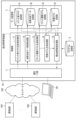
- FIG. 1 is a block diagram showing an example of a hardware configuration of a past case management device according to an embodiment of the present invention.
- FIG. 2 is a block diagram showing an example of the software configuration of the past case management device according to an embodiment of the present invention.
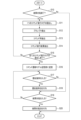
- FIG. 3 is a flowchart showing an example of a processing procedure and processing contents of a command transition model generation process executed by the control unit of the past case management device shown in FIG.
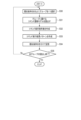
- FIG. 4 is a flowchart showing an example of the procedure and contents of the feature model generation process executed by the control unit of the past case management device shown in FIG.
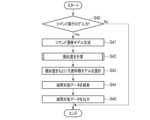
- FIG. 5 is a flowchart showing an example of the procedure and contents of a similar fault search process executed by the control unit of the past case management device shown in FIG.
- FIG. 1 is a block diagram showing an example of a hardware configuration of a past case management device according to an embodiment of the present invention.
- FIG. 2 is a block diagram showing an example of the software configuration of the past case management device according to an embodiment of the present
- FIG. 6 is a flowchart showing an example of the procedure and contents of the similarity calculation process of the similar fault search process shown in FIG.
- FIG. 7 is a diagram showing a specific example of the command transition model generation process shown in FIG.
- FIG. 8 is a diagram for explaining a specific example of the feature model generation process shown in FIG.
- FIG. 9 is used to explain the process of creating a command order probability table in the feature model generation process shown in FIG. 4, and is a diagram showing an example of a command execution order for each command transition model.
- FIG. 10 is a diagram showing an example of a command sequence probability table created in the feature model generation process shown in FIG.
- FIG. 11 is a diagram for explaining an example of a command execution result pattern creation process in the feature model generation process shown in FIG.
- FIG. 12 is a diagram for explaining an example of the operation of the similar fault search process shown in FIG.
- a command transition model is generated that represents the execution order and execution results of commands based on command history information input by an operator, the command transition models are grouped into groups of similar events, and a feature model is generated for each group that represents the execution order and execution results of commands.
- a command transition model is generated based on a command execution log input by the operator in the process of dealing with the failure, the generated command transition model is compared with the feature models to determine their similarity, the past feature model with the highest similarity is selected, past failure dealing data corresponding to the selected feature model is searched for, and the searched failure dealing data is presented to the operator.
- Past case management device SV 1 and 2 are block diagrams showing an example of a hardware configuration and a software configuration, respectively, of a past case management device according to an embodiment of the present invention.
- the past case management device SV is configured, for example, by a server computer installed on the web or in the cloud.
- the past case management device SV has a control unit 1 that uses a hardware processor such as a central processing unit (CPU), and a storage unit having a program storage unit 2 and a data storage unit 3, and a communication interface unit 4 (hereinafter, the interface will be referred to as I/F) are connected to this control unit 1 via a bus 5.
- a hardware processor such as a central processing unit (CPU)
- I/F communication interface unit 4
- the communication I/F unit 4 transmits control commands to the multiple communication devices (hereafter referred to as network devices) NS1 to NSn used in the network via the network NW to control their operation.
- network devices hereafter referred to as network devices
- a character-based CUI Charge User Interface
- the communication I/F unit 4 also transmits and receives various commands to and from an administrator terminal MT used by a system operator.
- the connection between the communication I/F unit 4 and the administrator terminal MT may be made using a signal cable such as a USB cable, or a wireless interface that employs a low-power wireless data communication standard such as Bluetooth (registered trademark) or Wi-Fi (registered trademark).
- the program storage unit 2 is configured by combining, for example, a non-volatile memory such as a solid state drive (SSD) as a storage medium that can be written to and read from at any time, and a non-volatile memory such as a read only memory (ROM), and stores application programs necessary to execute various controls according to one embodiment, in addition to middleware such as an operating system (OS).
- OS operating system
- the OS and each application program will be collectively referred to as the program.
- the data storage unit 3 is, for example, a combination of a non-volatile memory such as an SSD, which can be written to and read from at any time, and a volatile memory such as a RAM (Random Access Memory), and the storage area includes a command execution log storage unit 31, a fault handling data storage unit 32, a command transition model storage unit 33, and a feature model storage unit 34, which are storage units necessary for implementing one embodiment of the present invention.
- a non-volatile memory such as an SSD, which can be written to and read from at any time
- a volatile memory such as a RAM (Random Access Memory)
- the storage area includes a command execution log storage unit 31, a fault handling data storage unit 32, a command transition model storage unit 33, and a feature model storage unit 34, which are storage units necessary for implementing one embodiment of the present invention.
- the command execution log storage unit 31 is used to temporarily store the command execution log sent from the administrator terminal MT.
- the fault handling data storage unit 32 stores fault handling data in which the processing procedure and content are written in plain text when a fault handling process is executed for a network device NS1 to NSn in which a fault has occurred.
- the command transition model storage unit 33 is used to store the command transition model generated by the control unit 1. An example of a command transition model will be described later.
- the feature model storage unit 34 is used to store the feature model generated by the control unit 1. An example of a feature model will be described later.
- the control unit 1 includes a command execution log transmission/reception processing unit 11, a fault handling data acquisition processing unit 12, a command transition model generation processing unit 13, a feature model generation processing unit 14, and a similar fault search processing unit 15 as processing functions necessary to implement one embodiment of this invention.
- the above processing units 11 to 15 are all realized by having the hardware processor of the control unit 1 execute application programs stored in the program storage unit 2. Note that some or all of the above processing units 11 to 15 may be realized using hardware such as an LSI (Large Scale Integration) or an ASIC (Application Specific Integrated Circuit).
- the command execution log transmission/reception processing unit 11 receives a series of command execution logs input by an operator at the administrator terminal MT via the communication I/F unit 4 in the process of dealing with a failure that has occurred in the network devices NS1 to NSn, and stores the received command execution logs in the command execution log storage unit 31.
- the command execution log transmission/reception processing unit 11 also transmits the received command execution logs to the network devices NS1 to NSn.
- the fault handling data acquisition processing unit 12 acquires the fault handling data generated in the process of dealing with the fault from, for example, the administrator terminal MT, and stores the acquired fault handling data in the fault handling data storage unit 32 with a unique fault handling ID attached.
- the fault handling data may also be generated by the fault handling data acquisition processing unit 12.
- the command transition model generation processing unit 13 reads out from the command execution log storage unit 31 a series of command execution logs (command history information) that were input during the process of handling each past fault handling case, and generates a command transition model that represents the command execution order and execution results for each of the past command execution logs that have been read out.
- the command transition model generation processing unit 13 then stores the generated command transition model in the command transition model storage unit 33, along with a similar case ID that identifies whether the types of faults are similar or not, and the fault handling ID.
- An example of the command transition model generation processing will be explained in detail in the operation example.
- the feature model generation processing unit 14 reads out groups of command transition models that have the same similar case ID from the command transition model storage unit 33, and generates a feature model for each group that represents the features of the content of the commands included in each command transition model. The feature model generation processing unit 14 then stores the generated feature models for each group in the feature model storage unit 34 with the similar case ID and the fault handling ID attached. An example of the feature model generation processing will also be described in detail in the operation example.
- the similar fault search processing unit 15 When the similar fault search processing unit 15 receives a series of command execution logs input by the administrator terminal MT in the process of dealing with a new fault, it acquires a new command transition model generated based on the new series of command execution logs from the command transition model generation processing unit 13. The similar fault search processing unit 15 then calculates the feature similarity between the acquired new command transition model and the feature models of each group stored in the feature model storage unit 34, and selects the feature model with the highest calculated feature similarity as the representative model.
- the similar fault search processing unit 15 reads out the corresponding past fault handling data from the fault handling data storage unit 32 based on the fault handling ID assigned to the selected feature model, and transmits the read out past fault handling data from the communication I/F unit 4 to the administrator terminal MT.
- control unit 1 of the past case management device SV under the control of the command execution log transmission/reception processing unit 11, receives a series of command execution logs entered by the operator during the process of dealing with the above-mentioned failure from the administrator terminal MT via the communication I/F unit 4, and stores the received command execution logs in the command execution log storage unit 31.
- control unit 1 of the past case management device SV receives fault handling data indicating the execution procedure for fault handling and its contents from the manager terminal MT via the communication I/F unit 4, and stores the received fault handling data in the fault handling data storage unit 32.
- control unit 1 of the past case management device SV first executes a process of generating a command transition model representing the execution order and execution results of the commands in the fault handling process under the control of the command transition model generation processing unit 13 as follows.
- FIG. 3 is a flowchart showing an example of the processing procedure and processing content of the command transition model generation processing executed by the command transition model generation processing unit 13, and FIG. 7 shows a specific example of the command transition model generation processing.
- step S10 when the command transition model generation processing unit 13 detects the end of the fault handling processing in step S10, first in step S11 it reads out one command execution log that was input during the fault handling processing from the command execution log storage unit 31. Then in step S12, the command transition model generation processing unit 13 detects a prompt string from the read command execution log, and divides the contents of the command execution log based on the detected prompt string. This division process is performed by extracting, in step S13, the string written in the line containing the prompt string as a command string, and further extracting, in step S14, each line following the line containing the prompt string as a command execution result.
- the command transition model generation processing unit 13 determines in step S15 whether or not the splitting process for all command execution logs related to the fault handling is completed. If there are any unprocessed command execution logs remaining, the process returns to step S11 to read the next command execution log and performs the splitting process in steps S12 to S14. The command transition model generation processing unit 13 then repeats the splitting process for each of the remaining command execution logs.
- step S16 the command transition model generation processing unit 13 stores information representing the division results of each of the above-mentioned command execution logs as a command transition model in the command transition model storage unit 33.
- the command transition model generation processing unit 13 then monitors the input of a similar case ID and a fault handling ID in steps S17 and S19, respectively.
- the input similar case ID and fault handling ID are received from the administrator terminal MT in steps S18 and S20, respectively, and the received similar case ID and fault handling ID are assigned to the command transition model. Note that the assignment of the similar case ID and fault handling ID may be performed automatically by the command transition model generation processing unit 13.
- the command transition model generation process described above is executed, for example, after each fault handling process is completed on the administrator terminal MT, but may be executed each time any number of fault handling processes are completed.
- FIG. 4 is a flowchart showing an example of the processing procedure and processing content of the feature model generation processing executed by the feature model generation processing unit 14, and FIG. 8 is a diagram showing a specific example of the feature model generation processing.
- the feature model generation processing unit 14 first selects one similar case ID in step S30, and then reads out the command transition model to which the selected similar case ID has been assigned from the command transition model storage unit 33 in step S31. As a result, a group of command transition models with similar types of failures is read out.
- step S32 the feature model generation processing unit 14 then creates a command order probability table that represents the features of the execution order based on the execution order of the commands included in each command transition model belonging to the group.
- the feature model generation processing unit 14 extracts commands (N commands) from each command transition model belonging to the group, and counts the number of command transition models in which the context holds for all possible pairs of commands X ⁇ Y. Then, the count is divided by the total number of command transition models to find the probability of N ⁇ (N-1) transitions.
- Figure 9 shows an example of the execution order of commands included in each command transition model
- Figure 10 shows an example of a command order probability table created based on the context of the execution order of the above commands.
- step S33 the feature model generation processing unit 14 performs a process of extracting common parts of the command execution results and replacing them with uniform regular expressions in order to aggregate the command execution results between each command transition model belonging to the group. In other words, it creates patterns from the command execution results.
- the feature model generation processing unit 14 extracts command execution results with the same command from multiple command transition models assigned the same similar case ID, and replaces the differences with regular expressions.
- the Myers algorithm which is generally used in the diff command, can be used to extract the differences.
- the Myers algorithm is described in detail in the following document: References: EWMyers, “An O(ND) Difference Algorithm and Its Variations”, Algorithmica, 1 (1986), pp.251-266.
- the feature model generation processing unit 14 uses the command execution result included in the command transition model as is.
- Figure 11 shows a specific example of the patterning process of command execution results described above.
- the execution result (1) of command transition model M1 is compared with the execution result (2) of command transition model M2, and the difference is normalized and replaced with (.*).
- the above replaced execution result is compared with the execution result (3) of command transition model M3, and the difference is replaced with (.*).
- the feature model generation processing unit 14 includes the command sequence probability table and command execution result pattern created as described above in a feature model as information representing the command execution sequence characteristics and command execution result characteristics of the group, and stores this feature model in the feature model storage unit 34 with a similar case ID and a failure handling ID assigned.
- the feature model generation processing unit 14 determines in step S35 whether or not the selection of all groups has been completed, and if there are any unselected groups remaining, it returns to step S30 and repeats the feature model generation processing in steps S30 to S34.
- the feature model generation processing unit 14 ends the processing.
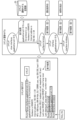
- FIG. 5 is a flowchart showing an example of the procedure and content of the similar failure search process executed by the control unit 1 of the past case management device SV.
- the control unit 1 of the past case management device SV When the input of the command execution log is detected in step S40, the control unit 1 of the past case management device SV generates a command transition model in step S41 by the command transition model generation processing unit 13 based on the command execution log received by the command execution log transmission/reception processing unit 11.
- the command generation process at this time is the same as the generation process of the past command transition model described above in (1), so a description thereof will be omitted here.
- the control unit 1 of the past case management device SV under the control of the similar fault search processing unit 15, first compares the newly generated command transition model with multiple feature models related to past fault handling stored in the feature model storage unit 34 in step S42, and calculates the similarity S between them.
- the similarity S is calculated by the weighted sum of the command execution order similarity S and the command execution result similarity S.
- ⁇ is a coefficient for determining the priority of S o and S r , and can be set arbitrarily by the operator.
- FIG. 6 is a flowchart showing an example of the processing procedure and processing content of the similarity calculation process
- FIG. 12 is a diagram showing a specific example of the similarity calculation process.
- step S421 the similar fault search processing unit 15 first calculates the command order similarity So by comparing the execution order of the commands included in the newly generated command transition model with the command order probability table included in the past feature model.
- step S422 the similar fault search processing unit 15 next finds the command execution result similarity Sr by comparing the command execution results contained in the newly generated command transition model with the command execution result patterns contained in multiple past feature models.
- the similar fault search processing unit 15 finishes calculating the similarity between the newly generated command transition model and all feature models, it then selects, in step S43, the feature model with the highest calculated similarity value as the representative model. Then, in step S44, the similar fault search processing unit 15 searches the fault handling data storage unit 32 based on the fault handling ID assigned to the selected feature model, and reads out the corresponding past fault handling data from the fault handling data storage unit 32.
- step S45 the similar fault search processing unit 15 transmits the past fault handling data read from the fault handling data storage unit 32 to the manager terminal MT from the communication I/F unit 4.
- the manager terminal MT displays the past fault handling data that is most similar to the command execution sequence and command execution results for the fault currently being handled, and the operator can refer to the displayed past fault handling data to handle the fault.
- a command transition model is generated that represents the command execution order and the execution results based on a series of command execution logs input by an operator, and this command transition model is grouped into groups of faults that are similar, and a feature model that represents the command execution order and the execution results for each group is generated.
- a command transition model is generated based on the command execution log input by the operator in the process of handling the fault, the generated command transition model is compared with the features defined in the feature model to determine the similarity, the past feature model with the highest similarity is selected, and past fault handling data corresponding to the selected feature model is searched for and presented to the operator.
- the command execution sequence and command execution results in the series of command execution logs entered by the operator are reflected as search criteria, and similar past failure handling data is searched for based on these search conditions.
- the operator can accurately and efficiently deal with the failure by referring to past failure handling data that is similar to the command execution sequence and command execution result characteristics in the command execution log entered.
- the functions of the past case management device SV are provided in a server computer.
- the present invention is not limited to this, and the functions may be provided in, for example, a personal computer used as the administrator terminal MT.
- the functions of the past case management device may be distributed across multiple server computers or personal computers.
- this invention is not limited to the above-described embodiment as it is, and in the implementation stage, the components can be modified and embodied without departing from the gist of the invention.
- various inventions can be formed by appropriately combining multiple components disclosed in the above-described embodiment. For example, some components may be deleted from all the components shown in the embodiment. Furthermore, components from different embodiments may be appropriately combined.
Landscapes
- Engineering & Computer Science (AREA)
- General Engineering & Computer Science (AREA)
- Theoretical Computer Science (AREA)
- Computer Hardware Design (AREA)
- Quality & Reliability (AREA)
- Physics & Mathematics (AREA)
- General Physics & Mathematics (AREA)
- Debugging And Monitoring (AREA)
Abstract
この発明の一態様は、過去の対処事例の各々について、オペレータが入力したコマンド履歴情報をもとにそのコマンド内容を含む過去のコマンド遷移モデルを生成し、生成した過去のコマンド遷移モデルを類似する事象ごとにグループ化し、かつ上記過去の対処事例と対応付けた状態で記憶する。さらに、上記過去のコマンド遷移モデルのグループごとに、上記コマンドの内容情報の特徴を表す特徴モデルを生成し記憶する。そして、この状態で監視対象において事象が新たに発生した場合に、この事象に対処するために入力されたコマンド履歴情報をもとに新規のコマンド遷移モデルを生成し、この新規のコマンド遷移モデルと上記複数の特徴モデルとの間の特徴の類似度を算出し、算出した前記類似度に基づいて複数の前記特徴モデルの中から代表モデルを選択し、選択した前記代表モデルに対し事前に対応付けられた過去の対処事例を検索する。
Description
この発明の一態様は、例えばネットワーク装置の故障に対する過去の対処事例を検索可能な状態で管理する過去事例管理装置、方法およびプログラムに関する。
ネットワーク装置等の制御には文字を主体としたインタフェース(CUI)が用いられることが多く、ネットワーク装置で発生した故障に対処する場合にも上記CUIを用いた一連のコマンド操作によって、事象の切り分けや、問題への対処を行うことが一般的である。
上記事象の切り分け手法の一部はマニュアル化されており、オペレータはこのマニュアルを参考に対応処理を実行することが可能である。しかし、すべての事象についてその切り分け手法がマニュアル化されているとは限らず、この場合過去の対処事例の記録を表す故障対処データベースを参照して類似事象を検索し、その結果を参考にして対応処理が実施されることが多い。
ところで、上記故障対処データベースから類似事象を検索する場合、故障対処データベースは一般に平文で記述されていることが多いため、特徴的な文字列を検索キーワードとして設定し、この特徴的な文字列をもとに故障対処データベースを検索しなければならない。このため、設定するキーワードによっては類似する事象を特定することが難しく、また適切なキーワードを設定したとしても表記ゆらぎなどの問題により類似事象を検索できるとは限らない。
そこで、従来では以下のような検索手法が提案されている。すなわち、故障したネットワーク装置の内部時系列データ(トラフィック、リソース使用量)を故障対処データベースに記録する際に、上記内部時系列データの特徴量を付与する。そして、現在発生している故障の時系列データの特徴量を、上記故障対処データベースに記録された内部時系列データの特徴量と比較して類似判定を行い、これにより過去の類似した故障対処事例を抽出する(例えば特許文献1を参照)。
ところが、引用文献1に記載された手法は、装置内部の動作状態を表す時系列データに基づいて過去の故障対処事例を検索するものとなっている。これに対し、ネットワークにおける故障対処を含む各種オペレーションは、先に述べたようにオペレータのコマンド操作により行われることが多い。このため、過去事例の検索にはオペレータの操作内容や操作手順が重要となり、引用文献1に記載された手法では上記オペレータの操作内容や操作手順を考慮した検索は困難である。
この発明は上記事情に着目してなされたもので、過去の対処事例を検索する際に、オペレータが入力したコマンドの内容を反映した検索を可能にする技術を提供しようとするものである。
上記課題を解決するためにこの発明に係る過去事例管理装置または管理方法の一態様は、監視対象において発生した事象に対する過去の対処事例を検索可能な状態で管理する際に、前記過去の対処事例を表す情報を第1の記憶部に記憶し、前記過去の対処事例においてオペレータが入力したコマンド履歴情報をもとにコマンドの内容情報を含む過去のコマンド遷移モデルを生成し、生成した前記過去のコマンド遷移モデルを類似する前記事象ごとにグループ化し、かつ前記過去の対処事例と対応付けた状態で第2の記憶部に記憶する。またそれと共に、前記過去のコマンド遷移モデルのグループごとに、当該グループに属する前記過去のコマンド遷移モデルに含まれる前記コマンドの内容情報の特徴を表す特徴モデルを生成し、生成した前記特徴モデルを第3の記憶部に記憶する。そして、前記監視対象において前記事象が新たに発生した場合に、前記事象に対処するために前記オペレータが入力したコマンド履歴情報をもとに新規のコマンド遷移モデルを生成し、前記新規のコマンド遷移モデルと前記特徴モデルとの間で前記特徴の類似度を求め、当該類似度が所定条件を満たす前記特徴モデルを代表モデルとして選択し、選択した前記代表モデルに対応する前記過去の対処事例を表す情報を、前記第1の記憶部から検索するようにしたものである。
この発明の一態様によれば、過去のコマンド履歴情報をもとにコマンドの内容情報を表すコマンド遷移モデルが生成され、さらにこのコマンド遷移モデルが事象の類似するもの同士でグループ化されてグループごとにコマンドの内容情報の特徴を表す特徴モデルが生成される。そして、この状態で新たなコマンドが入力された場合に、当該コマンドをもとに生成されるコマンド遷移モデルと、上記過去の特徴モデルとが比較されて、コマンド内容の特徴が類似する特徴モデルが選択され、選択された特徴モデルに対応付けられている過去の対処事例が検索される。
従って、事象対処過程において、オペレータが入力したコマンドに含まれるコマンド内容が検索要件の1つとして反映されて過去の類似する対処事例が検索されることになる。この結果、新たな事象に対処する際にオペレータは、入力したコマンド内容の特徴と類似する過去の対処事例を参考にして、事象に対する対処を正確かつ効率良く実施することが可能となる。
すなわちこの発明の一態様によれば、過去の対処事例を検索する際に、オペレータが入力したコマンドの内容を反映した検索を可能にする技術を提供することができる。
以下、図面を参照してこの発明に係わる実施形態を説明する。
[一実施形態]
この発明の一実施形態は、例えばネットワークにおいて監視対象となるネットワーク装置において過去に発生した故障等の事象に対する対処事例の各々について、オペレータが入力したコマンド履歴情報をもとにコマンドの実行順序と実行結果を表すコマンド遷移モデルを生成すると共に、このコマンド遷移モデルを事象が類似するもの同士でグループ化し、このグループごとにコマンドの実行順序および実行結果の特徴を表す特徴モデルを生成する。そして、この状態で上記ネットワーク装置において新たに故障が発生した場合に、これに対処する過程でオペレータが入力したコマンド実行ログをもとにコマンド遷移モデルを生成し、生成した上記コマンド遷移モデルを上記特徴モデルと比較してその類似度を求め、類似度が最も高い過去の特徴モデルを選択し、選択した上記特徴モデルに対応する過去の故障対処データを検索して、検索した上記故障対処データを上記オペレータに提示するようにしたものである。
この発明の一実施形態は、例えばネットワークにおいて監視対象となるネットワーク装置において過去に発生した故障等の事象に対する対処事例の各々について、オペレータが入力したコマンド履歴情報をもとにコマンドの実行順序と実行結果を表すコマンド遷移モデルを生成すると共に、このコマンド遷移モデルを事象が類似するもの同士でグループ化し、このグループごとにコマンドの実行順序および実行結果の特徴を表す特徴モデルを生成する。そして、この状態で上記ネットワーク装置において新たに故障が発生した場合に、これに対処する過程でオペレータが入力したコマンド実行ログをもとにコマンド遷移モデルを生成し、生成した上記コマンド遷移モデルを上記特徴モデルと比較してその類似度を求め、類似度が最も高い過去の特徴モデルを選択し、選択した上記特徴モデルに対応する過去の故障対処データを検索して、検索した上記故障対処データを上記オペレータに提示するようにしたものである。
(構成例)
(1)過去事例管理装置SV
図1および図2は、それぞれこの発明の一実施形態に係る過去事例管理装置のハードウェア構成およびソフトウェア構成の一例を示すブロック図である。
(1)過去事例管理装置SV
図1および図2は、それぞれこの発明の一実施形態に係る過去事例管理装置のハードウェア構成およびソフトウェア構成の一例を示すブロック図である。
過去事例管理装置SVは、例えばWeb上またはクラウド上に設置されるサーバコンピュータにより構成される。過去事例管理装置SVは、中央処理ユニット(Central Processing Unit:CPU)等のハードウェアプロセッサを使用した制御部1を備え、この制御部1に対し、バス5を介して、プログラム記憶部2およびデータ記憶部3を有する記憶ユニットと、通信インタフェース(以後インタフェースをI/Fと記載する)部4を接続したものとなっている。
通信I/F部4は、ネットワークで使用される複数の通信装置(以後ネットワーク装置とも云う)NS1~NSnに対し、その動作を制御するための制御コマンドをネットワークNWを介して送信する。上記ネットワーク装置の制御には、文字を主体とするCUI(Character User Interface)が使用される。
また、通信I/F部4は、システムオペレータが使用する管理者端末MTとの間で各種コマンドを送受信する。なお、通信I/F部4と上記管理者端末MTとの間の接続は、USBケーブル等の信号ケーブルが用いられてもよいし、例えばBluetooth(登録商標)またはWi-Fi(登録商標)に代表される小電力無線データ通信規格を採用した無線インタフェースが用いられてもよい。
プログラム記憶部2は、例えば、記憶媒体としてSSD(Solid State Drive)等の随時書込みおよび読出しが可能な不揮発性メモリと、ROM(Read Only Memory)等の不揮発性メモリとを組み合わせて構成したもので、OS(Operating System)等のミドルウェアに加えて、一実施形態に係る各種制御を実行するために必要なアプリケーション・プログラムを格納する。なお、以後OSと各アプリケーション・プログラムとをまとめてプログラムと称する。
データ記憶部3は、例えば記憶媒体として、SSD等の随時書込みおよび読出しが可能な不揮発性メモリと、RAM(Random Access Memory)等の揮発性メモリとを組み合わせたもので、その記憶領域には、この発明の一実施形態を実施するために必要な記憶部として、コマンド実行ログ記憶部31と、故障対処データ記憶部32と、コマンド遷移モデル記憶部33と、特徴モデル記憶部34とが設けられている。
コマンド実行ログ記憶部31は、管理者端末MTから送られたコマンド実行ログを一時記憶するために用いられる。
故障対処データ記憶部32は、故障が発生したネットワーク装置NS1~NSnに対し故障に対する対処処理が実行された場合に、この処理手順と処理内容を平文で記述した故障対処データを記憶する。
コマンド遷移モデル記憶部33は、制御部1により生成されるコマンド遷移モデルを記憶するために使用される。コマンド遷移モデルの一例は後述する。
特徴モデル記憶部34は、制御部1により生成される特徴モデルを記憶するために使用される。特徴モデルの一例は後述する。
制御部1は、この発明の一実施形態を実施するために必要な処理機能として、コマンド実行ログ送受信処理部11と、故障対処データ取得処理部12と、コマンド遷移モデル生成処理部13と、特徴モデル生成処理部14と、類似故障検索処理部15とを備える。
上記処理部11~15は、何れもプログラム記憶部2に格納されたアプリケーション・プログラムを制御部1のハードウェアプロセッサに実行させることにより実現される。なお、上記処理部11~15の一部または全部は、LSI(Large Scale Integration)やASIC(Application Specific Integrated Circuit)等のハードウェアを用いて実現されてもよい。
コマンド実行ログ送受信処理部11は、ネットワーク装置NS1~NSnにおいて発生した故障に対処する過程で、管理者端末MTにおいてオペレータが入力した一連のコマンド実行ログを通信I/F部4を介して受信し、受信した上記コマンド実行ログをコマンド実行ログ記憶部31に保存する。また、コマンド実行ログ送受信処理部11は、受信された上記コマンド実行ログをネットワーク装置NS1~NSnへ送信する。
故障対処データ取得処理部12は、上記故障に対処する過程で生成された故障対処データを例えば管理者端末MTから取得し、取得した上記故障対処データをユニークな故障対処IDを付した状態で、故障対処データ記憶部32に記憶する。なお、上記故障対処データを、故障対処データ取得処理部12が生成するようにしてもよい。
コマンド遷移モデル生成処理部13は、過去の故障対処事例の各々について、その対処過程で入力された一連のコマンド実行ログ(コマンド履歴情報)を上記コマンド実行ログ記憶部31から読み出し、読み出した上記過去の各コマンド実行ログについて、コマンドの実行順序と実行結果を表すコマンド遷移モデルを生成する。そして、コマンド遷移モデル生成処理部13は、生成した上記コマンド遷移モデルを、故障の種類が類似しているか否かを識別する類似案件IDと、上記故障対処IDとを付して、コマンド遷移モデル記憶部33に記憶する。なお、上記コマンド遷移モデルの生成処理の一例は動作例において詳しく説明する。
特徴モデル生成処理部14は、上記コマンド遷移モデル記憶部33から同一の類似案件IDが付されたコマンド遷移モデルのグループを読み出し、グループごとにその各コマンド遷移モデルに含まれるコマンドの内容の特徴を表す特徴モデルを生成する。そして、特徴モデル生成処理部14は、生成した各グループの特徴モデルを、上記類似案件IDおよび上記故障対処IDを付した状態で特徴モデル記憶部34に記憶する。上記特徴モデルの生成処理の一例についても、動作例において詳しく説明する。
類似故障検索処理部15は、新たな故障に対処する過程で管理者端末MTにより入力された一連のコマンド実行ログが受信された場合に、当該新たな一連のコマンド実行ログをもとに生成された新規のコマンド遷移モデルを、コマンド遷移モデル生成処理部13から取得する。そして、類似故障検索処理部15は、取得した上記新規のコマンド遷移モデルと、特徴モデル記憶部34に記憶された各グループの特徴モデルとの間で、それぞれ特徴の類似度を算出し、算出した特徴の類似度が最も高い特徴モデルを代表モデルとして選択する。
類似故障検索処理部15は、選択した上記特徴モデルに付されている故障対処IDをもとに、故障対処データ記憶部32から対応する過去の故障対処データを読み出し、読み出した上記過去の故障対処データを通信I/F部4から管理者端末MTへ送信する。
(動作例)
次に、以上のように構成された過去事例管理装置SVの動作例を説明する。
次に、以上のように構成された過去事例管理装置SVの動作例を説明する。
例えば、ネットワーク装置NS1~NSnのいずれかにおいて故障が発生し、この故障に対する故障対処処理が管理者端末MTにおいてオペレータの操作のもとで行われたとする。
この場合、過去事例管理装置SVの制御部1は、コマンド実行ログ送受信処理部11の制御の下、上記故障対処の過程においてオペレータが入力した一連のコマンド実行ログを、管理者端末MTから通信I/F部4を介して受信し、受信した上記コマンド実行ログをコマンド実行ログ記憶部31に記憶する。
また、それと共に過去事例管理装置SVの制御部1は、故障対処データ取得処理部12の制御の下、故障対処の実行手順とその内容を表す故障対処データを管理者端末MTから通信I/F部4を介して受信し、受信した上記故障対処データを故障対処データ記憶部32に記憶する。
(1)コマンド遷移モデルの生成
上記故障対処処理が終了すると、過去事例管理装置SVの制御部1は、先ず当該故障対処処理におけるコマンドの実行順序と実行結果を表すコマンド遷移モデルを生成する処理を、コマンド遷移モデル生成処理部13の制御の下で以下のように実行する。
上記故障対処処理が終了すると、過去事例管理装置SVの制御部1は、先ず当該故障対処処理におけるコマンドの実行順序と実行結果を表すコマンド遷移モデルを生成する処理を、コマンド遷移モデル生成処理部13の制御の下で以下のように実行する。
図3は、コマンド遷移モデル生成処理部13が実行するコマンド遷移モデル生成処理の処理手順と処理内容の一例を示すフローチャート、図7は、コマンド遷移モデルの生成処理の具体例を示すものである。
すなわち、コマンド遷移モデル生成処理部13は、ステップS10で故障対処処理の終了を検知すると、先ずステップS11により、コマンド実行ログ記憶部31から上記故障対処処理の過程で入力されたコマンド実行ログを1つ読み出す。そして、コマンド遷移モデル生成処理部13は、ステップS12において、読み出した上記コマンド実行ログからプロンプト文字列を検出し、検出した上記プロンプト文字列を基準としてコマンド実行ログの内容を分割する。この分割処理は、ステップS13において、上記プロンプト文字列が存在する行に記述された文字列をコマンド列として抽出し、さらにステップS14において、上記プロンプト文字列が存在する行に続く各行をコマンド実行結果として抽出することにより行われる。
上記1つのコマンド実行ログに対する分割処理が終了すると、コマンド遷移モデル生成処理部13は、ステップS15において、上記故障対処に係るすべてのコマンド実行ログの分割処理が終了したか否かを判定する。そして、未処理のコマンド実行ログが残っていれば、ステップS11に戻って次のコマンド実行ログを読み出し、ステップS12~S14により上記分割処理を行う。コマンド遷移モデル生成処理部13は、残りの各コマンド実行ログについても上記分割処理を繰り返し実行する。
そして、上記故障対処処理に係るすべてのコマンド実行ログに対する分割処理が終了すると、コマンド遷移モデル生成処理部13は、ステップS16において、上記各コマンド実行ログの分割結果を表す情報を、コマンド遷移モデルとしてコマンド遷移モデル記憶部33に記憶する。
コマンド遷移モデル生成処理部13は、続いてステップS17およびステップS19において、それぞれ類似案件IDおよび故障対処IDの入力を監視する。そして、管理者端末MTにおいてオペレータが類似案件IDおよび故障対処IDを入力すると、入力された上記類似案件IDおよび故障対処IDをそれぞれステップS18およびステップS20において管理者端末MTから受信し、受信した上記類似案件IDおよび故障対処IDを上記コマンド遷移モデルに付与する。なお、上記類似案件IDおよび故障対処IDの付与は、コマンド遷移モデル生成処理部13により自動的に行われるようにしてもよい。
以上述べたコマンド遷移モデルの生成処理は、例えば、管理者端末MTにおいて故障対処処理が実行されるごとにその終了後に実行されるが、任意の複数の故障対処処理が終了するごとに行われてもよい。
(2)特徴モデルの生成
上記コマンド遷移モデル記憶部33に所定数以上のコマンド遷移モデルが記憶されると、過去事例管理装置SVの制御部1は、特徴モデル生成処理部14の制御の下、コマンド遷移モデルの特徴モデルを生成する処理を以下のように実行する。
上記コマンド遷移モデル記憶部33に所定数以上のコマンド遷移モデルが記憶されると、過去事例管理装置SVの制御部1は、特徴モデル生成処理部14の制御の下、コマンド遷移モデルの特徴モデルを生成する処理を以下のように実行する。
図4は特徴モデル生成処理部14が実行する特徴モデル生成処理の処理手順と処理内容の一例を示すフローチャート、図8は特徴モデル生成処理の具体例を示す図である。
すなわち、特徴モデル生成処理部14は、先ずステップS30において、類似案件IDを1つ選択し、ステップS31において、上記コマンド遷移モデル記憶部33から上記選択した類似案件IDが付与されたコマンド遷移モデルを読み出す。この結果、故障の種類が類似するコマンド遷移モデルのグループが読み出される。
特徴モデル生成処理部14は、次にステップS32において、上記グループに属する各コマンド遷移モデルに含まれるコマンドの実行順序をもとに、当該実行順序の特徴を表すコマンド順序確率表を作成する。
例えば、特徴モデル生成処理部14は、グループに属する各コマンド遷移モデルについてそれぞれコマンド(N個)を抽出し、これらのコマンドのうち考えられるすべての二対のコマンドX→Yに対してその前後関係が成立しているコマンド遷移モデルの数を計数する。そして、その計数値をコマンド遷移モデルの総数で割り算することにより、N×(N-1)個の遷移の確率を求める。
図9は各コマンド遷移モデルに含まれるコマンドの実行順序の一例を示す図、図10は上記コマンドの実行順序の前後関係をもとに作成されるコマンド順序確率表の一例を示す図である。
特徴モデル生成処理部14は、続いてステップS33において、グループに属する各コマンド遷移モデル間でコマンド実行結果を集約するために、コマンド実行結果の共通部分を抽出して一律の正規表現に置換する処理を行う。すなわち、コマンド実行結果をパターン化する。
例えば、特徴モデル生成処理部14は、同一の類似案件IDが付された複数のコマンド遷移モデルからコマンドが同一のコマンド実行結果を抽出し、その差分を正規表現に置き換える。ここで、上記差分の抽出には、例えばdiffコマンド等で一般的に利用されるMyersのアルゴリズムなどを利用することができる。このMyersのアルゴリズムについては、以下の文献に詳しく記載されている。
参考文献:E.W.Myers, “An O(ND) Difference Algorithm and Its Variations”, Algorithmica, 1 (1986), pp.251-266。
参考文献:E.W.Myers, “An O(ND) Difference Algorithm and Its Variations”, Algorithmica, 1 (1986), pp.251-266。
なお、グループ内に同一のコマンドを有するコマンド遷移モデルが存在しない場合には、特徴モデル生成処理部14は、当該コマンド遷移モデルに含まれるコマンド実行結果をそのまま用いる。
図11は、以上述べたコマンド実行結果のパターン化処理の具体例を示す図である。この例では、コマンド遷移モデルM1の実行結果(1) とコマンド遷移モデルM2の実行結果(2) とを比較し、その差分を正規化して(.*)に置き換えている。さらに、上記置き換えた実行結果と、コマンド遷移モデルM3の実行結果(3) とを比較して、その差分を(.*)に置き換えている。
特徴モデル生成処理部14は、以上のように作成されたコマンド順序確率表およびコマンド実行結果パターンを、ステップS34において、グループのコマンド実行順序の特徴およびコマンド実行結果の特徴を表す情報として特徴モデルに含め、この特徴モデルを類似案件IDおよび故障対処IDを付与した状態で特徴モデル記憶部34に記憶する。
特徴モデル生成処理部14は、上記1つのグループに対する特徴モデルの生成処理を終了すると、ステップS35によりすべてのグループの選択を終了したか否かを判定し、未選択のグループが残っていればステップS30に戻り、上記ステップS30~S34による特徴モデルの生成処理を繰り返し実行する。
一方、すべてのグループについて特徴モデルの生成が終了すると、特徴モデル生成処理部14は処理を終了する。
(3)過去の故障対処データの検索
ネットワーク装置NS1~NSnのいずれかで新たに故障が発生し、オペレータが上記故障に対処するためにコマンド実行ログを入力したとする。この場合、過去事例管理装置SVの制御部1は、類似故障検索処理部15の制御の下、上記コマンド実行ログをもとに故障が類似する過去の対処事例を検索して上記オペレータに提示する処理を以下のように実行する。
ネットワーク装置NS1~NSnのいずれかで新たに故障が発生し、オペレータが上記故障に対処するためにコマンド実行ログを入力したとする。この場合、過去事例管理装置SVの制御部1は、類似故障検索処理部15の制御の下、上記コマンド実行ログをもとに故障が類似する過去の対処事例を検索して上記オペレータに提示する処理を以下のように実行する。
図5は、過去事例管理装置SVの制御部1が実行する類似故障検索処理の処理手順と処理内容の一例を示すフローチャートである。
上記コマンド実行ログの入力をステップS40で検知すると、過去事例管理装置SVの制御部1は、コマンド実行ログ送受信処理部11により受信した上記コマンド実行ログをもとに、ステップS41においてコマンド遷移モデル生成処理部13によりコマンド遷移モデルを生成する。このときのコマンド生成処理については、先に(1)にて述べた過去のコマンド遷移モデルの生成処理と同一なので、ここでの説明は省略する。
上記コマンド遷移モデル生成処理部13により新たなコマンド遷移モデルが生成されると、過去事例管理装置SVの制御部1は、類似故障検索処理部15の制御の下、先ずステップS42において、上記新たに生成されたコマンド遷移モデルと、特徴モデル記憶部34に記憶された過去の故障対処に係る複数の特徴モデルとを比較し、その類似度Sを計算する。
類似度Sは、コマンド実行順序の類似度So と、コマンド実行結果の類似度Sr とを重み付け加算する式
S=αSo +Sr
を用いて算出される。なお、αは上記So とSr とに対する優先度を決定する係数であり、オペレータが任意に設定可能な値である。
S=αSo +Sr
を用いて算出される。なお、αは上記So とSr とに対する優先度を決定する係数であり、オペレータが任意に設定可能な値である。
図6は上記類似度計算処理の処理手順と処理内容の一例を示すフローチャート、図12は類似度計算処理の具体例を示す図である。
すなわち、類似故障検索処理部15は、先ずステップS421において、上記新たに生成されたコマンド遷移モデルに含まれるコマンドの実行順序を、過去の特徴モデルに含まれるコマンド順序確率表とそれぞれ比較することにより、コマンド順序類似度So を計算する。
具体的には、図12に示すように、コマンド順序確率表から、上記新たに生成されたコマンド遷移モデル(入力コマンド遷移モデルとも云う)に含まれるコマンドの前後関係と一致するセルをもれなく抽出し、抽出した各セルの順序確率を合計することにより、コマンド順序類似度So を算出する。この例では、コマンド順序類似度So は、
So =0.66+1+0+0.33+0.66+0.33
=3
のように計算される。
So =0.66+1+0+0.33+0.66+0.33
=3
のように計算される。
類似故障検索処理部15は、次にステップS422において、上記新たに生成されたコマンド遷移モデルに含まれるコマンド実行結果を、過去の複数の特徴モデルに含まれるコマンド実行結果パターンとそれぞれ比較することにより、コマンド実行結果類似度Sr を求める。
具体的には、コマンド実行結果類似度Sr は、比較対象となる過去の特徴モデルごとに、上記新たに生成されたコマンド遷移モデルに含まれるコマンド実行結果がマッチするコマンド実行結果パターンがいくつ存在するかをカウントすることにより求められる。図12の例では、3個のコマンド実行結果パターンとマッチするので、コマンド実行結果類似度はSr =3となる。
類似故障検索処理部15は、ステップS423において、上記算出されたコマンド順序類似度So と、コマンド実行結果類似度Sr とを、上記式を用いて重み付け加算する。例えば、図12の例では、
S=3+3
=6
と求められる。
S=3+3
=6
と求められる。
類似故障検索処理部15は、上記新たに生成されたコマンド遷移モデルと、すべての特徴モデルとの類似度計算が終了すると、次にステップS43において、計算された上記類似度の値が最も高い特徴モデルを代表モデルとして選択する。そして、類似故障検索処理部15は、ステップS44において、選択した上記特徴モデルに付与されている故障対処IDをもとに故障対処データ記憶部32を検索し、故障対処データ記憶部32から対応する過去の故障対処データを読み出す。
類似故障検索処理部15は、最後にステップS45において、上記故障対処データ記憶部32から読み出された過去の故障対処データを、通信I/F部4から管理者端末MTへ送信する。この結果、管理者端末MTには、現在対処中の故障に対しコマンド実行順序およびコマンド実行結果が最も類似する過去の故障対処データが表示されることになり、オペレータは表示された上記過去の故障対処データを参考に故障に対する対処処理を行うことが可能となる。
(作用・効果)
以上述べたように一実施形態では、過去に発生した故障等の事象に対する故障対処データの各々について、オペレータが入力した一連のコマンド実行ログをもとにコマンドの実行順序と実行結果を表すコマンド遷移モデルを生成すると共に、このコマンド遷移モデルを故障が類似するもの同士でグループ化し、このグループごとにコマンドの実行順序および実行結果の特徴を表す特徴モデルを生成する。そして、この状態で新たに故障が発生した場合に、これに対処する過程でオペレータが入力したコマンド実行ログをもとにコマンド遷移モデルを生成し、生成した上記コマンド遷移モデルを上記特徴モデルで定義された特徴と比較してその類似度を求め、類似度が最も高い過去の特徴モデルを選択し、選択した上記特徴モデルに対応する過去の故障対処データを検索して、オペレータに提示するようにしている。
以上述べたように一実施形態では、過去に発生した故障等の事象に対する故障対処データの各々について、オペレータが入力した一連のコマンド実行ログをもとにコマンドの実行順序と実行結果を表すコマンド遷移モデルを生成すると共に、このコマンド遷移モデルを故障が類似するもの同士でグループ化し、このグループごとにコマンドの実行順序および実行結果の特徴を表す特徴モデルを生成する。そして、この状態で新たに故障が発生した場合に、これに対処する過程でオペレータが入力したコマンド実行ログをもとにコマンド遷移モデルを生成し、生成した上記コマンド遷移モデルを上記特徴モデルで定義された特徴と比較してその類似度を求め、類似度が最も高い過去の特徴モデルを選択し、選択した上記特徴モデルに対応する過去の故障対処データを検索して、オペレータに提示するようにしている。
従って、故障対処過程において、オペレータが入力した一連のコマンド実行ログのコマンド実行順序とコマンド実行結果が検索要件として反映され、この検索条件をもとに過去の類似する故障対処データが検索されることになる。この結果、新たな故障に対処する過程においてオペレータは、入力したコマンド実行ログのコマンド実行順序とコマンド実行結果の特徴と類似する過去の故障対処データを参考にして、故障に対する対処を正確かつ効率良く実施することが可能となる。
[その他の実施形態]
(1)一実施形態では、過去事例管理装置SVの各機能をサーバコンピュータに設けた場合を例にとって説明した。しかしそれに限らず、上記各機能を、例えば管理者端末MTとして使用しているパーソナルコンピュータ等に設けるようにしてもよい。また、過去事例管理装置の各機能は、複数のサーバコンピュータまたはパーソナルコンピュータに分散配置されてもよい。
(1)一実施形態では、過去事例管理装置SVの各機能をサーバコンピュータに設けた場合を例にとって説明した。しかしそれに限らず、上記各機能を、例えば管理者端末MTとして使用しているパーソナルコンピュータ等に設けるようにしてもよい。また、過去事例管理装置の各機能は、複数のサーバコンピュータまたはパーソナルコンピュータに分散配置されてもよい。
(2)その他、過去事例管理装置の機能構成や各機能部の処理手順と処理内容、監視対象となる装置の種類や監視対象となる事象の種類等についても、この発明の要旨を逸脱しない範囲で種々変形して実施可能である。
以上、この発明の実施形態を詳細に説明してきたが、前述までの説明はあらゆる点においてこの発明の例示に過ぎない。この発明の範囲を逸脱することなく種々の改良や変形を行うことができることは言うまでもない。つまり、この発明の実施にあたって、実施形態に応じた具体的構成が適宜採用されてもよい。
要するにこの発明は、上記実施形態そのままに限定されるものではなく、実施段階ではその要旨を逸脱しない範囲で構成要素を変形して具体化できる。また、上記実施形態に開示されている複数の構成要素の適宜な組み合せにより種々の発明を形成できる。例えば、実施形態に示される全構成要素から幾つかの構成要素を削除してもよい。さらに、異なる実施形態に亘る構成要素を適宜組み合せてもよい。
SV…過去事例管理装置
NS1~NSn…通信装置
MT…管理者端末
NW…ネットワーク
1…制御部
2…プログラム記憶部
3…データ記憶部
4…通信I/F部
5…バス
11…コマンド実行ログ送受信処理部
12…故障対処データ取得処理部
13…コマンド遷移モデル生成処理部
14…特徴モデル生成処理部
15…類似故障検索処理部
31…コマンド実行ログ記憶部
32…故障対処データ記憶部
33…コマンド遷移モデル記憶部
34…特徴モデル記憶部
NS1~NSn…通信装置
MT…管理者端末
NW…ネットワーク
1…制御部
2…プログラム記憶部
3…データ記憶部
4…通信I/F部
5…バス
11…コマンド実行ログ送受信処理部
12…故障対処データ取得処理部
13…コマンド遷移モデル生成処理部
14…特徴モデル生成処理部
15…類似故障検索処理部
31…コマンド実行ログ記憶部
32…故障対処データ記憶部
33…コマンド遷移モデル記憶部
34…特徴モデル記憶部
Claims (8)
- 監視対象において発生した事象に対する過去の対処事例を検索可能な状態で管理する過去事例管理装置であって、
前記過去の対処事例を表す情報を記憶する第1の記憶部と、
前記過去の対処事例においてオペレータが入力したコマンド履歴情報をもとに、コマンドの内容情報を含む過去のコマンド遷移モデルを生成し、生成した前記過去のコマンド遷移モデルを類似する前記事象ごとにグループ化し、かつ前記過去の対処事例と対応付けた状態で第2の記憶部に記憶する第1の処理部と、
前記過去のコマンド遷移モデルのグループごとに、当該グループに属する前記過去のコマンド遷移モデルに含まれる前記コマンドの内容情報の特徴を表す特徴モデルを生成し、生成した前記特徴モデルを第3の記憶部に記憶する第2の処理部と、
前記監視対象において前記事象が新たに発生した場合に、前記新たな事象に対処するために前記オペレータが入力したコマンド履歴情報をもとに新規のコマンド遷移モデルを生成する第3の処理部と、
前記新規のコマンド遷移モデルと前記特徴モデルとの間で前記特徴の類似度を求め、前記類似度が所定条件を満たす前記特徴モデルを代表モデルとして選択する第4の処理部と、
選択された前記代表モデルに対応する前記過去の対処事例を表す情報を、前記第1の記憶部から検索する第4の処理部と
を備える過去事例管理装置。 - 前記第1の処理部は、前記コマンド履歴情報に含まれる、平文形式の文字列により記述された複数のコマンド実行ログを、それぞれプロンプト文字列を基準に前記コマンドとコマンド実行結果とに分割し、分割された前記コマンドおよび前記コマンド実行結果を含む前記コマンド遷移モデルを生成する、請求項1に記載の過去事例管理装置。
- 前記第2の処理部は、前記過去のコマンド遷移モデルの前記グループごとに、当該グループに属する前記過去のコマンド遷移モデルに含まれる前記コマンドの内容情報からコマンド実行順序の特徴およびコマンド実行結果の特徴を抽出し、抽出した各特徴を含む前記特徴モデルを生成する、請求項1に記載の過去事例管理装置。
- 前記第2の処理部は、前記事象が類似する前記グループごとに、当該グループに含まれる複数の前記コマンド遷移モデルのうち、前後関係が成立するコマンド対を有する前記コマンド遷移モデルの数を計数し、その計数値を前記グループに含まれる前記コマンド遷移モデルの総数で割ることによりコマンド順序確率を算出し、算出した前記コマンド順序確率を前記コマンド実行順序の特徴として前記特徴モデルに含める、請求項3に記載の過去事例管理装置。
- 前記第2の処理部は、前記事象が類似する前記グループごとに、当該グループに含まれる複数のコマンド遷移モデルからそれぞれ同一の前記コマンドに対応付けられる前記コマンド実行結果を抽出し、抽出されたコマンド実行結果間の差分を正規表現に置換し、置換後の前記コマンド実行結果を前記コマンド実行結果の特徴として前記特徴モデルに含める、請求項3に記載の過去事例管理装置。
- 前記第4の処理部は、前記新規のコマンド遷移モデルと複数の前記特徴モデルとの間で、前記コマンド実行順序の特徴の第1の類似度および前記コマンド実行結果の特徴の第2の類似度をそれぞれ算出し、算出された前記第1の類似度と前記第2の類似度とを所定の重みを付けて加算することにより前記類似度を求め、前記類似度が最も高い前記特徴モデルを前記代表モデルとして選択する、請求項3に記載の過去事例管理装置。
- 情報処理装置が、監視対象で発生した事象に対する過去の対処事例を検索可能な状態で管理する過去事例管理方法であって、
前記過去の対処事例を表す情報を取得し、第1の記憶部に記憶する過程と、
前記過去の対処事例においてオペレータが入力したコマンド履歴情報をもとに、コマンドの内容情報を含む過去のコマンド遷移モデルを生成し、生成した前記過去のコマンド遷移モデルを、類似する前記事象ごとにグループ化し、かつ前記過去の対処事例と対応付けた状態で第2の記憶部に記憶する過程と、
前記過去のコマンド遷移モデルのグループごとに、当該グループに属する前記過去のコマンド遷移モデルに含まれる前記コマンドの内容情報の特徴を表す特徴モデルを生成し、生成した前記特徴モデルを第3の記憶部に記憶する過程と、
前記監視対象において前記事象が新たに発生した場合に、前記事象に対処するために前記オペレータが入力したコマンド履歴情報をもとに新規のコマンド遷移モデルを生成する過程と、
前記新規のコマンド遷移モデルと前記特徴モデルとの間で前記特徴の類似度を求め、前記類似度が所定条件を満たす前記特徴モデルを代表モデルとして選択する第4の処理部と、
選択された前記代表モデルに対応する前記過去の対処事例を表す情報を、前記第1の記憶部から検索する過程と
を備える過去事例管理方法。 - 請求項1乃至6のいずれかに記載の過去事例管理装置が備える第1乃至第4の処理部が行う各処理の少なくとも1つを、前記過去事例管理装置が備えるプロセッサに実行させるプログラム。
Priority Applications (2)
| Application Number | Priority Date | Filing Date | Title |
|---|---|---|---|
| PCT/JP2023/021184 WO2024252567A1 (ja) | 2023-06-07 | 2023-06-07 | 過去事例管理装置、方法およびプログラム |
| JP2025525533A JPWO2024252567A1 (ja) | 2023-06-07 | 2023-06-07 |
Applications Claiming Priority (1)
| Application Number | Priority Date | Filing Date | Title |
|---|---|---|---|
| PCT/JP2023/021184 WO2024252567A1 (ja) | 2023-06-07 | 2023-06-07 | 過去事例管理装置、方法およびプログラム |
Publications (1)
| Publication Number | Publication Date |
|---|---|
| WO2024252567A1 true WO2024252567A1 (ja) | 2024-12-12 |
Family
ID=93795436
Family Applications (1)
| Application Number | Title | Priority Date | Filing Date |
|---|---|---|---|
| PCT/JP2023/021184 Ceased WO2024252567A1 (ja) | 2023-06-07 | 2023-06-07 | 過去事例管理装置、方法およびプログラム |
Country Status (2)
| Country | Link |
|---|---|
| JP (1) | JPWO2024252567A1 (ja) |
| WO (1) | WO2024252567A1 (ja) |
Citations (3)
| Publication number | Priority date | Publication date | Assignee | Title |
|---|---|---|---|---|
| JP2006259891A (ja) * | 2005-03-15 | 2006-09-28 | Nec Corp | システム運用管理支援装置、システム運用管理支援方法、およびシステム運用管理支援プログラム |
| JP2011145773A (ja) * | 2010-01-12 | 2011-07-28 | Fujitsu Ltd | ネットワーク管理支援システム、ネットワーク管理支援装置、ネットワーク管理支援方法およびプログラム |
| WO2013140608A1 (ja) * | 2012-03-23 | 2013-09-26 | 株式会社日立製作所 | イベントの根本原因の解析を支援する方法及びシステム |
-
2023
- 2023-06-07 WO PCT/JP2023/021184 patent/WO2024252567A1/ja not_active Ceased
- 2023-06-07 JP JP2025525533A patent/JPWO2024252567A1/ja active Pending
Patent Citations (3)
| Publication number | Priority date | Publication date | Assignee | Title |
|---|---|---|---|---|
| JP2006259891A (ja) * | 2005-03-15 | 2006-09-28 | Nec Corp | システム運用管理支援装置、システム運用管理支援方法、およびシステム運用管理支援プログラム |
| JP2011145773A (ja) * | 2010-01-12 | 2011-07-28 | Fujitsu Ltd | ネットワーク管理支援システム、ネットワーク管理支援装置、ネットワーク管理支援方法およびプログラム |
| WO2013140608A1 (ja) * | 2012-03-23 | 2013-09-26 | 株式会社日立製作所 | イベントの根本原因の解析を支援する方法及びシステム |
Also Published As
| Publication number | Publication date |
|---|---|
| JPWO2024252567A1 (ja) | 2024-12-12 |
Similar Documents
| Publication | Publication Date | Title |
|---|---|---|
| CN115129736A (zh) | 基于规则引擎的规则事件动态加载与更新方法及相关设备 | |
| US9411673B2 (en) | Management server, management system, and management method | |
| US20180365092A1 (en) | Knowledge-based system for diagnosing errors in the execution of an operation | |
| US20190116178A1 (en) | Application error fingerprinting | |
| US20160098390A1 (en) | Command history analysis apparatus and command history analysis method | |
| JPWO2013140608A1 (ja) | イベントの根本原因の解析を支援する方法及びシステム | |
| CN111859047A (zh) | 一种故障解决方法及装置 | |
| CN116418653A (zh) | 基于多指标根因定位算法的故障定位方法及装置 | |
| CN119829421B (zh) | 基于负载差异度引导的分布式系统负载均衡测试方法及装置 | |
| JP6282217B2 (ja) | 不正プログラム対策システムおよび不正プログラム対策方法 | |
| CN120763034A (zh) | 应用调试方法、装置、设备及存储介质 | |
| JP6565628B2 (ja) | 検索プログラム、検索装置および検索方法 | |
| US12353494B2 (en) | Building and deploying a tag library for web site analytics and testing | |
| JP2018081403A (ja) | インシデント管理システム、インシデント管理方法およびコンピュータプログラム | |
| US20230306343A1 (en) | Business process management system and method thereof | |
| CN106713032A (zh) | 一种实现网管业务管理的方法及装置 | |
| JP2006053728A (ja) | 障害対処ルール伝播方法、障害復旧装置およびプログラム | |
| CN119621386A (zh) | 一种故障判断方法、装置、电子设备及存储介质 | |
| CN117370052B (zh) | 微服务故障分析方法、装置、设备及存储介质 | |
| CN112069031A (zh) | 异常查询方法、装置、设备及计算机可读存储介质 | |
| WO2020100634A1 (ja) | 復旧支援装置、復旧支援方法及びプログラム | |
| JP7369219B2 (ja) | 運用管理装置及び方法 | |
| CN118295774A (zh) | 一种Kubernetes资源防误删保护方法及系统 | |
| CN117033410A (zh) | 一种数据的血缘关系的管理方法和系统 | |
| CN115687129A (zh) | 一种覆盖率报告生成方法、装置、存储介质和计算机设备 |
Legal Events
| Date | Code | Title | Description |
|---|---|---|---|
| 121 | Ep: the epo has been informed by wipo that ep was designated in this application |
Ref document number: 23940669 Country of ref document: EP Kind code of ref document: A1 |
|
| ENP | Entry into the national phase |
Ref document number: 2025525533 Country of ref document: JP Kind code of ref document: A |
|
| NENP | Non-entry into the national phase |
Ref country code: DE |