WO2024237337A1 - データ取得装置 - Google Patents
データ取得装置 Download PDFInfo
- Publication number
- WO2024237337A1 WO2024237337A1 PCT/JP2024/018353 JP2024018353W WO2024237337A1 WO 2024237337 A1 WO2024237337 A1 WO 2024237337A1 JP 2024018353 W JP2024018353 W JP 2024018353W WO 2024237337 A1 WO2024237337 A1 WO 2024237337A1
- Authority
- WO
- WIPO (PCT)
- Prior art keywords
- user
- psychological
- information
- data
- unit
- Prior art date
- Legal status (The legal status is an assumption and is not a legal conclusion. Google has not performed a legal analysis and makes no representation as to the accuracy of the status listed.)
- Ceased
Links
Images






Classifications
-
- G—PHYSICS
- G16—INFORMATION AND COMMUNICATION TECHNOLOGY [ICT] SPECIALLY ADAPTED FOR SPECIFIC APPLICATION FIELDS
- G16H—HEALTHCARE INFORMATICS, i.e. INFORMATION AND COMMUNICATION TECHNOLOGY [ICT] SPECIALLY ADAPTED FOR THE HANDLING OR PROCESSING OF MEDICAL OR HEALTHCARE DATA
- G16H50/00—ICT specially adapted for medical diagnosis, medical simulation or medical data mining; ICT specially adapted for detecting, monitoring or modelling epidemics or pandemics
- G16H50/30—ICT specially adapted for medical diagnosis, medical simulation or medical data mining; ICT specially adapted for detecting, monitoring or modelling epidemics or pandemics for calculating health indices; for individual health risk assessment
Definitions
- This disclosure relates to a data acquisition device.
- Patent Document 1 discloses a technology for checking and managing an employee's mental state. This technology uses a trained model to determine whether an employee is at risk of mental illness based on the employee's work situation.
- learning data (teacher data) corresponding to each psychological state is required. For example, by having an information provider provide biometric information, etc. and identifying the information provider's psychological state through a specified test, learning data that is a set of user information and psychological state can be obtained. Learning data can be obtained from information providers in each psychological state, but it is difficult to obtain learning data in the same way for each psychological state. In particular, the psychological state of people who are cooperative in providing learning data is often good, and it is difficult to obtain learning data that corresponds to a poor psychological state.
- This disclosure has been made in consideration of the above, and aims to provide a data acquisition device that can acquire the necessary learning data.
- the data acquisition device includes a psychological state estimation model, an information acquisition unit, an estimation unit, a determination unit, a label creation unit, and a data storage unit.
- the psychological state estimation model is trained using psychological reflection information and a correct label indicating a psychological state corresponding to the psychological reflection information as training data.
- the information acquisition unit acquires the user's psychological reflection information.
- the estimation unit estimates the user's psychological state using the psychological state estimation model with the acquired user's psychological reflection information as input information.
- the determination unit determines whether or not it is necessary to acquire a correct label corresponding to the acquired user's psychological reflection information.
- the label creation unit creates a correct label corresponding to the user's psychological reflection information based on the user's answer to the test presented to the user.
- the data storage unit stores the user's psychological reflection information and the user's correct label as a set of data.
- the psychological state estimation model estimates the user's psychological state using the user's psychological reflection information as input data.
- the data acquisition device can acquire learning data by administering a predetermined test to the user and creating a correct answer label corresponding to the user's psychological reflection information based on the obtained test answers.
- Such a data acquisition device has a determination unit that determines whether or not it is necessary to acquire a correct answer label corresponding to the acquired user's psychological reflection information, and therefore can acquire learning data as needed.
- This disclosure provides a data acquisition device that can acquire the necessary learning data.
- FIG. 1 is a diagram illustrating a configuration of a data acquisition device according to an embodiment of the present disclosure.
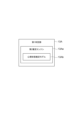
- FIG. 2 is a diagram illustrating an example of a configuration of the determination unit.
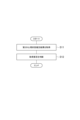
- FIG. 3 is a flow chart for explaining the operation of an example of the determination unit.
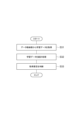
- FIG. 4 is a flowchart for explaining the operation of the determination unit in another example.
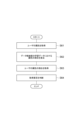
- FIG. 5 is a flowchart for explaining the operation of a determination unit in yet another example.
- FIG. 6 is a flowchart for explaining the operation of a determination unit in yet another example.
- FIG. 7 is a flowchart for explaining the operation of a determination unit in yet another example.
- FIG. 8 is a flowchart for explaining the operation of a further example of the determination unit.
- FIG. 9 is a flowchart for explaining an example of the operation of the data acquisition device.
- FIG. 10 is a diagram illustrating a hardware configuration of an example of a data acquisition device.
- FIG. 1 is a diagram showing the configuration of a data acquisition system 1 including an example data acquisition device 10.
- the example data acquisition system 1 includes a terminal device 5 and a data acquisition device 10.
- the data acquisition device 10 is configured to be able to communicate with the terminal device 5 via a communication network N. Note that while only one terminal device 5 is shown in FIG. 1, the data acquisition device 10 may be able to be connected to multiple terminal devices 5 simultaneously.
- the terminal device 5 is, for example, a communication device operated by a user.
- the terminal device 5 receives input, transmits the received information to the data acquisition device 10, displays information received from the data acquisition device 10, and so on.
- the terminal device 5 may be, for example, a mobile terminal such as a highly functional mobile phone (smartphone), a mobile phone, or a personal digital assistant (PDA). Note that the devices constituting the terminal device 5 are not to be interpreted in a restrictive manner.
- the terminal device 5 can transmit the psychological reflection information acquired from the user to the data acquisition device 10 in association with the user's identification information stored in the terminal device 5.
- the psychological reflection information includes various data reflecting the user's psychological state.
- the psychological reflection information may include the user's biometric information.
- the biometric information is information indicating the state of a living organism, and may be acquired from the living organism depending on the state at any given time.
- the biometric information may be acquired by the terminal device 5.
- the terminal device 5 may include a sensor for acquiring biometric information, may be connected to an external sensor, or may acquire data acquired by an external sensor.
- biometric information may be at least one of audio information, video information, and other detected information.
- Audio information may be sound data including voice uttered by the user.
- audio information may be acquired by a microphone provided in the terminal device 5.
- Video information may be video data including video of the user.
- Video information may include information such as the user's facial expression, eye appearance, and gestures.
- Video information may be acquired by a camera provided in the terminal device 5.
- Other detected information as biometric information may be, for example, detected data related to the user's heart rate, pulse, blood flow, body temperature, sweat, breathing, brain waves, user movements, posture, etc.
- the data acquisition device 10 has an aspect as an estimation device that estimates the psychological state of a user who uses the terminal device 5.
- the data acquisition device 10 also has an aspect as an acquisition device that acquires learning data that can be used for a machine learning model used in the estimation device.
- an example of the data acquisition device 10 has, as its functional parts, an information acquisition part 11, an estimation part 12, a determination part 13, a label creation part 15, and a data storage part 16.
- the information acquisition unit 11 acquires the user's psychological reflection information. As described above, the user's psychological reflection information can be transmitted to the data acquisition device 10 from the terminal device 5 used by the user.
- the information acquisition unit 11 can acquire the user's psychological reflection information in association with the user's identification information.
- the information acquisition unit 11 may acquire the user's identification information, the psychological reflection information, and the reception date and time (time information) in association with each other.
- the information acquisition unit 11 can acquire data indicating the attributes of the user in association with the user's identification information.
- the attributes may be characteristics of each user for classifying individuals without identifying them.
- the attributes may be, for example, gender, age, household composition, lifestyle habits, temperament, attendance information, etc.
- the attribute data may be stored in the terminal device 5 in advance.
- the estimation unit 12 estimates the psychological state of the user using the psychological reflection information of the user acquired by the information acquisition unit 11 as input information.
- an example of the estimation unit 12 includes a first estimation engine 12a having a psychological state estimation model 12b.
- the psychological state estimation model 12b may be a machine learning model trained using the psychological reflection information and a correct answer label indicating the psychological state corresponding to the psychological reflection information as training data.
- the machine learning framework may be, for example, any of regression, binary classification, anomaly detection, change detection, multi-class classification, etc. In this embodiment, an example in which the framework of the psychological state estimation model 12b is regression will be described.
- An example of learning data used to train the psychological state estimation model 12b includes a data set consisting of data indicating psychological reflection information and a correct answer label that quantifies the psychological state of the provider of the psychological reflection information.
- the psychological reflection information is audio data, video data, etc.
- the psychological reflection information may be acquired by the terminal device 5.
- the correct answer label is acquired based on the answers to a specified test given to the provider, which is conducted simultaneously with the acquisition of the psychological reflection information or promptly after the acquisition of the psychological reflection information.
- This test may be composed of a number of questions for quantifying the degree of psychological stress response. That is, in this test, a measurement value that quantifies the psychological state of the subject is determined.
- An example of a question is composed of a question addressed to the subject and a number of options for the question. After reading the question, the subject can select his or her answer from the options. For example, a score is assigned to each option, and the measurement value may be determined based on the score of the option selected as the answer.
- the correct answer label that constitutes the learning data may be a numerical value obtained from the results of the above-mentioned test. In the learning model of this embodiment, a test is used in which the greater the stress, the higher the measurement value.
- Set data composed of psychological reflection information and correct answer data may be associated with the attributes of the provider and stored in the data storage unit 16.
- the first estimation engine 12a of the estimation unit 12 inputs the user's psychological reflection information into the trained psychological state estimation model 12b, thereby acquiring a numerical value (measured value) indicating the user's psychological state output from the psychological state estimation model 12b.
- the first estimation engine 12a classifies the user's psychological state into a first category and a second category. That is, the first estimation engine 12a classifies the user's psychological state into a bad (first category) and a good (second category) by dividing the acquired numerical value using a first threshold value.
- the estimation unit 12 estimates that the user's psychological state is poor when the numerical value output from the psychological state estimation model 12b is equal to or greater than a predetermined threshold.
- the estimation unit 12 estimates that the user's psychological state is good when the numerical value output from the psychological state estimation model 12b is less than a predetermined threshold.
- the estimation unit 12 may transmit the estimation result to the user's terminal device 5.
- the transmitted estimation result may be only a classification (good, poor) indicating the psychological state, or may include an estimated measurement value.
- the estimation unit 12 may store the estimated measurement value and classification in association with the user's identification information. That is, the estimation unit 12 may store previously estimated psychological states for each user.
- the determination unit 13 determines whether or not it is necessary to obtain a correct label corresponding to the psychology reflecting information acquired by the information acquisition unit 11. For example, the determination unit 13 determines whether or not it is necessary to obtain a correct label based on the content of the psychology reflecting information, the state of the psychology reflecting information, the user's usage status, the state of the learning data being used, etc., in order to contribute to improving the accuracy of the psychological state estimation model. Details of the determination unit 13 will be described later.
- the label creation unit 15 creates a correct label corresponding to the obtained psychological reflection information of the user.
- the correct label is created based on the user's answer to a predetermined test presented to the user.
- the test is presented on the display of the user's terminal device 5.
- the label creation unit 15 may transmit a test to the terminal device 5 of the user who needs to obtain a correct label. Note that this test may have the same content as the test used when generating the learning data used to learn the psychological state estimation model.
- the data storage unit 16 stores the user's psychological reflection information acquired by the information acquisition unit 11 and the correct label created by the label creation unit 15 as a set of data. This data may be stored in the data storage unit 16 in association with the user's attributes.
- the psychological state estimation model 12b used by the estimation unit 12 may be updated with the new set of data stored in the data storage unit 16 as additional learning data.
- An example of the judgment unit 13 may be any one of the first judgment unit 13A, the second judgment unit 13B, the third judgment unit 13C, the fourth judgment unit 13D, the fifth judgment unit 13E, and the sixth judgment unit 13F illustrated below.
- FIG. 2 is a block diagram showing the functions of the first judgment unit 13A.
- FIG. 3 is a flow chart showing the operation of the first judgment unit 13A.
- the first judgment unit 13A has a second estimation engine 13Aa having a psychological state estimation model 13Ab.
- the psychological state estimation model 13Ab included in the second estimation engine 13Aa may be the same learning model as the psychological state estimation model 12b included in the estimation unit 12.
- the second estimation engine 13Aa uses the psychological state estimation model 13Ab to obtain a second psychological state estimation result (step S11).
- the second psychological state estimation result has a higher rate of being judged to be unwell compared to the psychological state estimated by the estimation unit 12.
- the second estimation engine 13Aa may classify the user's psychological state into a third category and a fourth category.
- the third category may be broader than the first category indicating that the user's psychological state is poor and may include the first category.
- the fourth category may be narrower than the second category indicating that the user's psychological state is good and may be a category obtained by subtracting the overlap between the second category and the third category from the second category.
- the second estimation engine 13Aa classifies the user's psychological state into the third category and the fourth category by dividing the measurement values estimated by the psychological state estimation model 13Ab by a second threshold value different from the first threshold value. In this case, the psychological reflection information indicating the measurement values near the threshold value that divides the first category and the second category is classified into the third category.
- the first determination unit 13A determines whether or not it is necessary to obtain a correct label corresponding to the user's psychology-reflecting information based on the estimation result of the second estimation engine 13Aa (step S12). The first determination unit 13A determines that it is necessary to obtain a correct label when the second estimation engine 13Aa estimates that the psychology-reflecting information is in the third category.
- FIG. 4 is a flow chart showing the operation of the second judgment unit 13B.
- the second judgment unit 13B judges whether or not it is necessary to obtain a correct label corresponding to the acquired user's psychology-reflecting information based on the history of the user's psychology state.
- the second judgment unit 13B acquires the history of the user's psychology state stored by the estimation unit 12 (step S21).
- the second judgment unit 13B may acquire the history of the user's psychology state acquired by the estimation unit 12 during a certain period of time in the past.
- the second judgment unit 13B performs statistical processing of the user's past psychology state based on the acquired history of the psychology state (step S22).
- the second judgment unit 13B judges whether or not it is necessary to obtain a correct label corresponding to the user's psychology-reflecting information based on the result of the totalization process (step S23).
- the second judgment unit 13B may obtain the percentage of the user's psychological state that is estimated to be unwell based on the history of the acquired psychological state. In this case, when the percentage of the user's psychological state that is estimated to be unwell is equal to or greater than a predetermined threshold, it may be determined that it is necessary to obtain a correct label. Note that the second judgment unit 13B may further perform a judgment by the first judgment unit 13A when the percentage of the user's psychological state that is estimated to be unwell is equal to or greater than a predetermined threshold.
- FIG. 5 is a flow chart showing the operation of the third determination unit 13C.
- the third determination unit 13C determines whether or not it is necessary to obtain a correct label based on the distribution of data already stored in the data storage unit 16. For example, when the proportion of a specific classification constituting the multiple classifications in the data already stored in the data storage unit 16 is equal to or less than a predetermined value, and the user's psychological state estimated using a psychological state estimation model with the user's psychological reflection information as input information corresponds to a specific classification, the third determination unit 13C determines that it is necessary to obtain a correct label corresponding to the user's psychological reflection information.
- the third judgment unit 13C of the example first acquires the learning data stored in the data storage unit 16 (step S31). Next, the third judgment unit 13C performs statistical processing on the learning data (step S32), and judges whether or not it is necessary to acquire a correct label corresponding to the user's psychological reflection information based on the result of the total processing (step S33). For example, the third judgment unit 13C calculates the proportion of defective data based on the classification (good, bad) associated with the acquired learning data. Then, when the proportion of data indicating a defective data is equal to or less than a predetermined threshold, it may be judged that it is necessary to acquire a correct label.
- the third judgment unit 13C further performs judgment by the first judgment unit 13A or the second judgment unit 13B, and judges whether or not it is necessary to acquire a correct label based on the result.
- FIG. 6 is a flow chart showing the operation of the fourth determination unit 13D.
- the fourth determination unit 13D evaluates the quality of the user's biometric information and determines whether or not it is necessary to obtain a correct label corresponding to the user's psychological reflection information according to the evaluation result.
- the fourth determination unit 13D obtains the biometric information constituting the user's psychological reflection information (step S41).
- the fourth determination unit 13D determines the quality of the biometric information (step S42).
- the quality of the biometric information may be an index of whether the data constituting the biometric information can contribute to improving the learning accuracy of the psychological state estimation model.
- the quality of the biometric information may be the signal-to-noise ratio in audio data, video data, etc.
- the fourth determination unit 13D determines whether or not it is necessary to obtain a correct label based on the determination result of the quality of the biometric information (step S43). For example, the fourth determination unit 13D determines that it is necessary to obtain a correct label when the quality of the biometric information exceeds a predetermined standard, and determines that it is not necessary to obtain a correct label when the quality of the biometric information falls below the predetermined standard.
- FIG. 7 is a flow chart showing the operation of the fifth judgment unit 13E.
- the fifth judgment unit 13E judges that it is necessary to acquire a correct label corresponding to the user's psychology reflection information when a predetermined time has passed since the user's previous answer to the test for acquiring the correct label. For example, when the information acquisition unit 11 acquires the user's psychology reflection information, the fifth judgment unit 13E saves the user's identification information and the acquisition date (step S51). In addition, the fifth judgment unit 13E also saves, in association with the acquisition date, whether or not the test for acquiring the correct label was answered. The user's identification information and the acquisition date may be associated with the psychology reflection information and saved as a user history in the fifth judgment unit 13E.
- the fifth judgment unit 13E refers to the user history and acquires the answer date of the most recent test of the user from whom the psychology reflection information was acquired (step S52). Then, the fifth judgment unit 13E calculates the number of days that have passed since the most recent acquisition date until the date of acquisition of the current user's psychological reflection information (step S53), and judges whether or not it is necessary to acquire a correct label based on this number of days that have passed (step S54).
- the fifth judgment unit 13E judges that it is necessary to acquire a correct label if the number of days that have passed is equal to or greater than a predetermined period, and judges that it is not necessary to acquire a correct label if the number of days that have passed is less than the predetermined period.
- FIG. 8 is a flow chart showing the operation of the sixth judgment unit 13F.
- the sixth judgment unit 13F judges whether or not it is necessary to obtain a correct label based on the distribution of data already stored in the data storage unit 16. For example, the sixth judgment unit 13F judges that it is necessary to obtain a correct label corresponding to the user's psychological reflection information when the user's attribute is rare.
- the sixth judgment unit 13F acquires the user's attribute based on the user's identification information (step S61). The attribute may be associated with the identification information and stored in the data storage unit 16.
- the sixth judgment unit 13F calculates the ratio of each attribute in the learning data (including additional learning data) stored in the data storage unit 16 (step S62).
- the sixth judgment unit 13F acquires the ratio of the user's attribute in the learning data based on the calculated ratio of each attribute (step S63).
- the sixth judgment unit 13F judges whether or not it is necessary to obtain a correct label according to the ratio of the user's attribute (step S64). For example, the sixth determination unit 13F may determine that it is necessary to obtain a correct label when the ratio of the user's attributes is less than a predetermined threshold, and may determine that it is not necessary to obtain a correct label when the ratio of the user's attributes is equal to or greater than the predetermined threshold.
- FIG. 9 is a flow chart for explaining an example of the operation of the data acquisition system 1.
- psychological reflection information is output from the terminal device 5 used by the user to the data acquisition device 10 (step S101).
- the information acquisition unit 11 acquires the psychological reflection information output from the terminal device 5 together with the user's identification information (step S102).
- the estimation unit 12 inputs the psychological reflection information acquired by the information acquisition unit 11 to the psychological state estimation model 12b to acquire an estimation result of the user's psychological state (step S103).
- the estimation unit 12 outputs the acquired estimation result to the terminal device 5 (step S104).
- the terminal device 5 acquires the estimation result output from the estimation unit 12 and displays the estimation result on a screen or the like (step S105). Note that steps S104 and S105 may be omitted.
- the determination unit 13 determines whether or not it is necessary to obtain a correct label for the psychology reflection information sent by the user (steps S106 and S107).
- the determination unit 13 may be any one or a combination of the above-mentioned determination units 13A to 13F. If it is determined that it is not necessary to obtain a correct label, the processing of the data processing device may end. On the other hand, if it is determined that it is necessary to obtain a correct label, the label creation unit 15 outputs a test to the terminal device 5 (step S108). Note that if information related to the test has been saved in advance in the terminal device 5, the label creation unit 15 may output a command to the terminal device 5 to display the test.
- the data acquisition device 10 includes a psychological state estimation model 12b that is trained using psychological reflection information and a correct label indicating a psychological state corresponding to the psychological reflection information as training data, an information acquisition unit 11 that acquires the user's psychological reflection information, an estimation unit 12 that estimates the user's psychological state using the psychological state estimation model 12b with the acquired user's psychological reflection information as input information, a determination unit 13 that determines whether or not it is necessary to acquire a correct label corresponding to the acquired user's psychological reflection information, a label creation unit 15 that creates a correct label corresponding to the user's psychological reflection information based on the user's answer to a test presented to the user when the determination unit 13 determines that it is necessary to acquire a correct label, and a data storage unit 16 that stores the user's psychological reflection information and the user's correct label as a set of data.
- a psychological state estimation model 12b that is trained using psychological reflection information and a correct label indicating a psychological state corresponding to the psychological reflection information as training data
- learning data corresponding to the psychological state is required.
- learning data generated with the cooperation of providers is used to construct the learning model.
- Learning data can be obtained from providers in each psychological state, but it is difficult to obtain learning data in the same way for each psychological state.
- providers who are cooperative in generating learning data are rarely in a bad psychological state, making it difficult to obtain learning data that corresponds to a bad state. In this case, there is a risk that a bias will occur between the number of learning data that corresponds to good and the number of learning data that corresponds to bad, making it difficult to accurately estimate the psychological state.
- the psychological state estimation model estimates the psychological state of the user using the user's psychological reflection information as input data.
- the data acquisition device 10 can acquire learning data by conducting a predetermined test on the user and creating a correct label corresponding to the user's psychological reflection information based on the obtained test answers. Since such a data acquisition device 10 has a determination unit 13 that determines whether or not it is necessary to acquire a correct label corresponding to the acquired psychological reflection information of the user, it can acquire learning data as needed. In other words, when the estimated psychological state is poor, it is determined that it is necessary to acquire a correct label, and learning data corresponding to the poor condition that is difficult to acquire can be efficiently acquired. Furthermore, when it is not necessary to acquire a correct label, the test answer from the user is not required, so excessive burden on the user is suppressed.
- the psychological state estimation model may be updated using the data stored in the data storage unit 16 as learning data.
- the learning data including the psychological reflection information determined to be necessary by the determination unit 13 is reflected in the psychological state estimation model, so that the psychological state estimation model can be updated according to the determination criteria of the determination unit 13.
- the determination unit 13 in one example may determine whether or not it is necessary to obtain a correct label based on the distribution of data already stored in the data storage unit 16. In this configuration, for example, learning data that is relatively lacking can be efficiently obtained according to the distribution of the learning data stored in the data storage unit 16.
- the correct labels constituting the training data may be classifiable into a plurality of categories, and the determination unit 13 may determine that it is necessary to obtain a correct label corresponding to the user's psychological reflection information when the proportion of specific sections constituting the plurality of categories in the data stored in the data storage unit 16 is equal to or less than a predetermined value and the user's psychological state estimated using the psychological state estimation model with the user's psychological reflection information as input information corresponds to a particular category.
- the information acquisition unit 11 may acquire user attributes
- the data storage unit 16 may store the attributes along with the data
- the determination unit 13 may calculate the proportion of each attribute in the data stored in the data storage unit 16, and when the proportion of the user's attributes acquired by the information acquisition unit 11 is equal to or less than a predetermined proportion, determine that it is necessary to acquire a correct label corresponding to the user's psychological reflection information.
- learning data corresponding to users with relatively few attributes can be efficiently acquired. The burden on users with attributes for which sufficient learning data has been accumulated can be reduced.
- the estimation unit 12 may classify the user's psychological state into a first category and a second category
- the determination unit 13 may classify the user's state into a third category that is broader than the first category and encompasses the first category, and a fourth category that is the second category minus the third category, and may determine that it is necessary to obtain a correct label corresponding to the user's psychological reflection information when the user's state is classified into the third category.
- psychological reflection information that has the potential to be classified into the first category among the psychological reflection information classified into the second category can be efficiently obtained.
- the estimation unit 12 may store the psychological states estimated in the past for each user, and the determination unit 13 may determine whether or not it is necessary to obtain a correct label corresponding to the acquired psychological reflection information of the user, based on the history of the user's psychological state stored by the estimation unit 12. For example, if it is found that the rate of poor health is high as a result of referring to the history of the user's psychological state, highly reliable data can be obtained by obtaining psychological reflection information at the time when the user's psychological state was estimated to be poor.
- the information acquisition unit 11 may acquire biometric information of the user as the psychological reflection information
- the determination unit 13 may evaluate the quality of the user's biometric information and determine that it is not necessary to acquire a correct label corresponding to the user's psychological reflection information when the quality of the user's biometric information falls below a predetermined standard. In this configuration, low-quality data is not acquired, and therefore a decrease in the estimation accuracy of the psychological state estimation model is suppressed.
- the determination unit 13 may determine that when a user's psychological reflection information is acquired, it is necessary to acquire a correct label corresponding to the user's psychological reflection information if a predetermined time has passed since the user's previous answer to a test for acquiring a correct label. If a long period of time has passed since the user's previous answer to a test for acquiring a correct label, it is considered that the reliability of the correct label is not necessarily high. With this configuration, it is possible to prevent the reliability of the correct label from decreasing.
- the judgment unit 13 may be a combination of the judgment units 13 described above.
- the judgment unit 13 may be a combination of any of the first judgment unit 13A, the second judgment unit 13B, and the third judgment unit 13C and at least one of the fourth judgment unit 13D, the fifth judgment unit 13E, and the sixth judgment unit 13F.
- the judgment unit 13 may determine that acquisition of a correct model is necessary.
- the estimation unit etc. classifies the user's psychological state into two categories
- the user's psychological state may be classified into more categories.
- each functional block may be realized using one device that is physically or logically coupled, or may be realized using two or more devices that are physically or logically separated and connected directly or indirectly (e.g., using wires, wirelessly, etc.) and these multiple devices.
- the functional blocks may be realized by combining the one device or the multiple devices with software.
- Functions include, but are not limited to, judgement, determination, judgment, calculation, computation, processing, derivation, investigation, search, confirmation, reception, transmission, output, access, resolution, selection, election, establishment, comparison, assumption, expectation, regarding, broadcasting, notifying, communicating, forwarding, configuring, reconfiguring, allocating, mapping, and assignment.
- a functional block (component) that performs the transmission function is called a transmitting unit or transmitter.
- the data acquisition device 10 in one embodiment of the present disclosure may function as a computer that performs the psychological state estimation process and data acquisition process of the present disclosure.
- FIG. 10 is a diagram showing an example of the hardware configuration of a data acquisition device according to one embodiment of the present disclosure.
- the above-mentioned data acquisition device 10 may be physically configured as a computer device including a processor 1001, memory 1002, storage 1003, a communication device 1004, an input device 1005, an output device 1006, a bus 1007, etc.
- the term "apparatus” can be interpreted as a circuit, device, unit, etc.
- the hardware configuration of the information acquisition unit 11, estimation unit 12, determination unit 13, label creation unit 15, and data storage unit 16 may be configured to include one or more of the devices shown in the figure, or may be configured to exclude some of the devices.
- Each function of the data acquisition device 10 is realized by loading a specific software (program) onto hardware such as the processor 1001 and memory 1002, causing the processor 1001 to perform calculations, control communications via the communication device 1004, and control at least one of the reading and writing of data in the memory 1002 and storage 1003.
- a specific software program
- the processor 1001 for example, operates an operating system to control the entire computer.
- the processor 1001 may be configured with a central processing unit (CPU) including an interface with peripheral devices, a control device, an arithmetic unit, registers, etc.
- CPU central processing unit
- the estimation unit 12, determination unit 13, label creation unit 15, etc. described above may be realized by the processor 1001.
- the processor 1001 also reads out programs (program codes), software modules, data, etc. from at least one of the storage 1003 and the communication device 1004 into the memory 1002, and executes various processes according to these.
- the programs used are those that cause a computer to execute at least some of the operations described in the above-mentioned embodiments.
- the estimation unit 12, the determination unit 13, the label creation unit 15, etc. may be stored in the memory 1002 and realized by a control program that runs on the processor 1001, and other functional blocks may be similarly realized.
- the above-mentioned various processes have been described as being executed by one processor 1001, they may be executed simultaneously or sequentially by two or more processors 1001.
- the processor 1001 may be implemented by one or more chips.
- the programs may be transmitted from a network via a telecommunications line.
- Memory 1002 is a computer-readable recording medium, and may be composed of at least one of, for example, ROM (Read Only Memory), EPROM (Erasable Programmable ROM), EEPROM (Electrically Erasable Programmable ROM), RAM (Random Access Memory), etc. Memory 1002 may also be called a register, cache, main memory (primary storage device), etc. Memory 1002 can store executable programs (program codes), software modules, etc. for implementing a data acquisition method according to one embodiment of the present disclosure.
- ROM Read Only Memory
- EPROM Erasable Programmable ROM
- EEPROM Electrical Erasable Programmable ROM
- RAM Random Access Memory
- Memory 1002 may also be called a register, cache, main memory (primary storage device), etc.
- Memory 1002 can store executable programs (program codes), software modules, etc. for implementing a data acquisition method according to one embodiment of the present disclosure.
- Storage 1003 is a computer-readable recording medium, and may be, for example, at least one of an optical disk such as a CD-ROM (Compact Disc ROM), a hard disk drive, a flexible disk, a magneto-optical disk (e.g., a compact disk, a digital versatile disk, a Blu-ray (registered trademark) disk), a smart card, a flash memory (e.g., a card, a stick, a key drive), a floppy (registered trademark) disk, a magnetic strip, etc.
- Storage 1003 may also be referred to as an auxiliary storage device.
- the above-mentioned storage medium may be, for example, a database, a server, or other suitable medium including at least one of memory 1002 and storage 1003.
- the communication device 1004 is hardware (transmitting/receiving device) for communicating between computers via at least one of a wired network and a wireless network, and is also referred to as, for example, a network device, a network controller, a network card, or a communication module.
- the communication device 1004 may be configured to include a high-frequency switch, a duplexer, a filter, a frequency synthesizer, etc., to realize, for example, at least one of Frequency Division Duplex (FDD) and Time Division Duplex (TDD).
- FDD Frequency Division Duplex
- TDD Time Division Duplex
- the above-mentioned information acquisition unit 11, etc. may be realized by the communication device 1004.
- the input device 1005 is an input device (e.g., a keyboard, a mouse, a microphone, a switch, a button, a sensor, etc.) that accepts input from the outside.
- the output device 1006 is an output device (e.g., a display, a speaker, an LED lamp, etc.) that performs output to the outside. Note that the input device 1005 and the output device 1006 may be integrated into one structure (e.g., a touch panel).
- each device such as the processor 1001 and memory 1002 is connected by a bus 1007 for communicating information.
- the bus 1007 may be configured using a single bus, or may be configured using different buses between each device.
- the data acquisition device may also be configured to include hardware such as a microprocessor, a digital signal processor (DSP), an application specific integrated circuit (ASIC), a programmable logic device (PLD), or a field programmable gate array (FPGA), and some or all of the functional blocks may be realized by the hardware.
- the processor 1001 may be implemented using at least one of these pieces of hardware.
- the notification of information is not limited to the aspects/embodiments described in this disclosure, and may be performed using other methods.
- the notification of information may be performed by physical layer signaling (e.g., DCI (Downlink Control Information), UCI (Uplink Control Information)), higher layer signaling (e.g., RRC (Radio Resource Control) signaling, MAC (Medium Access Control) signaling, broadcast information (MIB (Master Information Block), SIB (System Information Block)), other signals, or a combination of these.
- RRC signaling may be referred to as an RRC message, and may be, for example, an RRC Connection Setup message, an RRC Connection Reconfiguration message, etc.
- the input and output information may be stored in a specific location (e.g., memory) or may be managed using a management table.
- the input and output information may be overwritten, updated, or added to.
- the output information may be deleted.
- the input information may be sent to another device.
- the determination may be based on a value represented by one bit (0 or 1), a Boolean value (true or false), or a numerical comparison (e.g., with a predetermined value).
- notification of specific information is not limited to being done explicitly, but may be done implicitly (e.g., not notifying the specific information).
- Software shall be construed broadly to mean instructions, instruction sets, code, code segments, program code, programs, subprograms, software modules, applications, software applications, software packages, routines, subroutines, objects, executable files, threads of execution, procedures, functions, etc., whether referred to as software, firmware, middleware, microcode, hardware description language, or otherwise.
- Software, instructions, information, etc. may also be transmitted and received via a transmission medium.
- a transmission medium For example, if the software is transmitted from a website, server, or other remote source using at least one of wired technologies (such as coaxial cable, fiber optic cable, twisted pair, Digital Subscriber Line (DSL)), and/or wireless technologies (such as infrared, microwave, etc.), then at least one of these wired and wireless technologies is included within the definition of a transmission medium.
- wired technologies such as coaxial cable, fiber optic cable, twisted pair, Digital Subscriber Line (DSL)
- wireless technologies such as infrared, microwave, etc.
- the information, signals, etc. described in this disclosure may be represented using any of a variety of different technologies.
- the data, instructions, commands, information, signals, bits, symbols, chips, etc. that may be referred to throughout the above description may be represented by voltages, currents, electromagnetic waves, magnetic fields or magnetic particles, optical fields or photons, or any combination thereof.
- radio resources may be indicated by an index.
- determining may encompass a wide variety of actions.
- Determining and “determining” may include, for example, judging, calculating, computing, processing, deriving, investigating, looking up, search, inquiry (e.g., searching in a table, database, or other data structure), ascertaining something as being “determined” or “judged”, and the like.
- Determining and “determining” may also include receiving (e.g., receiving information), transmitting (e.g., sending information), input, output, accessing (e.g., accessing data in memory), and the like as being “determined”.
- judgment and “decision” can include considering resolving, selecting, choosing, establishing, comparing, etc., to have been “judged” or “decided.” In other words, “judgment” and “decision” can include considering some action to have been “judged” or “decided.” Additionally, “judgment (decision)” can be interpreted as “assuming,” “expecting,” “considering,” etc.
- connection refers to any direct or indirect connection or coupling between two or more elements, and may include the presence of one or more intermediate elements between two elements that are “connected” or “coupled” to one another.
- the coupling or connection between elements may be physical, logical, or a combination thereof.
- “connected” may be read as "access.”
- two elements may be considered to be “connected” or “coupled” to one another using at least one of one or more wires, cables, and printed electrical connections, as well as electromagnetic energy having wavelengths in the radio frequency range, microwave range, and optical (both visible and invisible) range, as some non-limiting and non-exhaustive examples.
- the phrase “based on” does not mean “based only on,” unless expressly stated otherwise. In other words, the phrase “based on” means both “based only on” and “based at least on.”
- any reference to an element using a designation such as "first,” “second,” etc., used in this disclosure does not generally limit the quantity or order of those elements. These designations may be used in this disclosure as a convenient method of distinguishing between two or more elements. Thus, a reference to a first and second element does not imply that only two elements may be employed or that the first element must precede the second element in some way.
- a and B are different may mean “A and B are different from each other.”
- the term may also mean “A and B are each different from C.”
- Terms such as “separate” and “combined” may also be interpreted in the same way as “different.”
- the data acquisition device of the present disclosure has the following configuration.
- a psychological state estimation model trained using psychological reflection information and a correct answer label indicating a psychological state corresponding to the psychological reflection information as training data An information acquisition unit that acquires the psychological reflection information of a user; an estimation unit that estimates a psychological state of the user by using the psychological state estimation model with the psychological reflection information of the user acquired by the information acquisition unit as input information; a determination unit that determines whether or not it is necessary to obtain the correct label corresponding to the mental state reflection information of the user obtained by the information acquisition unit; a label creation unit that creates the correct label corresponding to the psychological reflection information of the user based on an answer of the user to a test presented to the user when the determination unit determines that acquisition of the correct label is necessary; and a data storage unit that stores the psychological reflection information of the user and the correct label of the user as a set of data.
- the correct labels constituting the learning data can be classified into a plurality of categories;
- the information acquisition unit acquires attributes of the user, the data storage unit stores the attributes together with the data;
- the estimation unit classifies the psychological state of the user into a first category and a second category;
- the estimation unit stores the psychological state estimated in the past for each user,
- the data acquisition device according to any one of [1] to [6], wherein the determination unit determines whether or not it is necessary to acquire the correct label corresponding to the acquired psychological reflection information of the user based on the history of the psychological state of the user stored by the estimation unit.
- the information acquisition unit acquires biological information of the user as the psychological reflection information,
- 10 data acquisition device
- 11 information acquisition unit
- 12 estimation unit
- 13 determination unit
- 15 label creation unit
- 16 data storage unit
- 1002 memory
- 1003 storage
- 1004 communication device
- 1005 input device
- 1006 output device
- 1007 bus.
Landscapes
- Health & Medical Sciences (AREA)
- Engineering & Computer Science (AREA)
- Medical Informatics (AREA)
- Public Health (AREA)
- Biomedical Technology (AREA)
- Data Mining & Analysis (AREA)
- Databases & Information Systems (AREA)
- Pathology (AREA)
- Epidemiology (AREA)
- General Health & Medical Sciences (AREA)
- Primary Health Care (AREA)
- Measurement Of The Respiration, Hearing Ability, Form, And Blood Characteristics Of Living Organisms (AREA)
Abstract
データ取得装置は、ユーザの心理反映情報を取得する情報取得部と、取得されたユーザの心理反映情報を入力情報として心理状態推定モデルを利用して当該ユーザの心理状態を推定する推定部と、取得されたユーザの心理反映情報に対応する正解ラベルの取得の要否を判定する判定部と、判定部によって正解ラベルの取得が必要であると判定された場合に、ユーザに対して提示されたテストに対するユーザの回答に基づいてユーザの心理反映情報に対応する正解ラベルを作成するラベル作成部と、を備える。
Description
本開示は、データ取得装置に関する。
特許文献1は、従業員の精神状態を確認および管理する技術を開示する。この技術では、学習済みモデルを利用して、従業員の勤務状況に基づいて従業員の精神的な不調が危惧されるか否かが判定されている。
ユーザの情報からユーザの心理状態を推定する学習モデルを機械学習によって構築する場合、各心理状態に対応する学習データ(教師データ)が必要である。例えば、情報提供者から生体情報などを提供してもらい、当該情報提供者の心理状態を所定のテストなどで特定することにより、ユーザの情報と心理状態とがセットになった学習データが取得され得る。学習データは、各心理状態にある情報提供者から取得され得るが、学習データを各心理状態で同様に取得することは困難である。特に、学習データの提供に協力的な人の心理状態は良好であることが多く、心理状態が不良に該当する学習データの取得は困難である。
本開示は、上記に鑑みてなされたものであり、必要な学習データを取得できるデータ取得装置を提供することを目的とする。
本開示に係るデータ取得装置は、心理状態推定モデルと、情報取得部と、推定部と、判定部と、ラベル作成部と、データ格納部と、を備える。心理状態推定モデルは、心理反映情報と心理反映情報に対応する心理状態を示す正解ラベルとを学習データとして学習されている。情報取得部は、ユーザの心理反映情報を取得する。推定部は、取得されたユーザの心理反映情報を入力情報として心理状態推定モデルを利用して当該ユーザの心理状態を推定する。判定部は、取得されたユーザの心理反映情報に対応する正解ラベルの取得の要否を判定する。ラベル作成部は、判定部によって正解ラベルの取得が必要であると判定された場合に、ユーザに対して提示されたテストに対するユーザの回答に基づいてユーザの心理反映情報に対応する正解ラベルを作成する。データ格納部は、ユーザの心理反映情報とユーザの正解ラベルとをセットのデータにして格納する。
上記のデータ取得装置では、心理状態推定モデルがユーザの心理反映情報を入力データとしてユーザの心理状態を推定する。データ取得装置は、ユーザに所定のテストを行い、得られたテストの回答に基づいてユーザの心理反映情報に対応する正解ラベルを作成することにより、学習データを取得することができる。このようなデータ取得装置は、取得されたユーザの心理反映情報に対応する正解ラベルの取得の要否を判定する判定部を有しているため、必要に応じて学習データを取得することができる。
本開示によれば、必要な学習データを取得できるデータ取得装置を提供することができる。
以下、図面と共に本開示に係るデータ取得装置の実施形態について詳細に説明する。なお、図面の説明においては同一要素には同一符号を付し、重複する説明を省略する。
図1は、一例のデータ取得装置10を含むデータ取得システム1の構成を示す図である。一例のデータ取得システム1は、端末装置5とデータ取得装置10とを含む。例えば、データ取得装置10は、通信ネットワークNを介して端末装置5と互いに通信可能に構成されている。なお、図1においては、1台の端末装置5のみが示されているが、データ取得装置10は複数の端末装置5と同時に接続可能であってよい。
端末装置5は、例えばユーザにより操作される通信機器である。端末装置5は、入力の受け付け、受け付けた情報のデータ取得装置10への送信、データ取得装置10から受信した情報の表示等を実行する。端末装置5は例えば高機能携帯電話機(スマートフォン)、携帯電話機及び携帯情報端末(PDA)などの携帯端末であってよい。なお、端末装置5を構成する装置は、限定的に解釈されない。
端末装置5は、ユーザから取得された心理反映情報を端末装置5に記憶されたユーザの識別情報等と関連付けてデータ取得装置10に送信することができる。心理反映情報は、ユーザの心理状態が反映されている各種データを含む。心理反映情報は、ユーザの生体情報を含んでいてよい。生体情報は、生体の状態を示す情報であって、その時々の状態に応じて生体から取得され得る。生体情報は、端末装置5によって取得され得る。例えば、端末装置5は、生体情報を取得するためのセンサを含んでもよいし、外部のセンサと接続されてもよいし、外部のセンサによって取得されたデータを取得してもよい。
一例の生体情報は、音声情報、映像情報およびその他の検出情報の少なくともいずれか一つであってよい。音声情報は、ユーザにより発せられた音声を含む音データであってよい。一例において、音声情報は、端末装置5が備えるマイクによって取得されてもよい。映像情報は、ユーザを撮像した映像を含む映像データであってよい。映像情報は、ユーザの表情、目の様子、しぐさ等の情報を含み得る。映像情報は、端末装置5が備えるカメラによって取得されてもよい。生体情報としてのその他の検出情報は、例えば、ユーザの心拍、脈拍、血流、体温、発汗、呼吸、脳波、ユーザの動き、姿勢等に関連する検出データであってもよい。
データ取得装置10は、端末装置5を利用するユーザの心理状態を推定する推定装置としての側面を有する。また、データ取得装置10は、その推定装置で利用される機械学習モデルに利用可能な学習データを取得する取得装置としての側面を有する。図1に示すように、一例のデータ取得装置10は、その機能部として、情報取得部11、推定部12、判定部13、ラベル作成部15およびデータ格納部16を備えている。
情報取得部11は、ユーザの心理反映情報を取得する。上述のとおり、ユーザの心理反映情報は、ユーザが利用する端末装置5からデータ取得装置10に送信され得る。情報取得部11は、ユーザの識別情報と対応付けて当該ユーザの心理反映情報を取得することができる。一例の情報取得部11は、ユーザの識別情報、心理反映情報および受信日時(時間情報)を互いに対応付けて取得してもよい。また、情報取得部11は、ユーザの識別情報に対応付けて当該ユーザの属性を示すデータを取得し得る。属性とは、個人を特定することなく個人を分類するためのユーザ毎の特徴であってよい。属性は、例えば性別、年代、世帯構成、生活習慣、気質、勤怠情報等であってよい。属性データは、予め端末装置5に保存されていてもよい。
推定部12は、情報取得部11によって取得されたユーザの心理反映情報を入力情報として、当該ユーザの心理状態を推定する。図1に示すように、一例の推定部12は、心理状態推定モデル12bを有する第1推定エンジン12aを含む。心理状態推定モデル12bは、心理反映情報と心理反映情報に対応する心理状態を示す正解ラベルとを学習データとして学習された機械学習モデルであってよい。機械学習のフレームワークは、例えば、回帰、二値分類、異常検知、変化検知、多クラス分類等のいずれかであってよい。本実施形態においては、心理状態推定モデル12bのフレームワークが回帰である一例について説明する。
心理状態推定モデル12bの学習に用いられる一例の学習データは、心理反映情報を示すデータと当該心理反映情報の提供者の心理状態を数値化した正解ラベルとからなるデータセットを含んで構成されている。心理反映情報が音声データ、映像データ等である場合、心理反映情報は端末装置5によって取得されてよい。正解ラベルは、心理反映情報の取得と同時か、心理反映情報の取得後に速やかに実施される提供者に対する所定のテストの回答に基づいて取得される。
このテストは、例えば心理的ストレス反応の度合いを数値化するための複数の質問によって構成されていてよい。すなわち、このテストでは、被験者の心理状態を数値化した測定値が決定される。一例の質問は、被験者に向けた質問文と、質問文に対する複数の選択肢とによって構成されている。被験者は、質問文を読んだ後に、選択肢から自身の回答を選択することができる。例えば、選択肢のそれぞれに対して点数が決められており、回答として選ばれた選択肢の点数に基づいて測定値が決定されてもよい。学習データを構成する正解ラベルは、上述のテストの結果によって得られる数値であってよい。本実施形態の学習モデルにおいては、ストレスが大きいほど測定値が高くなるテストが用いられる。心理反映情報と正解データとによって構成されるセットデータは、提供者の属性と関連づけられてデータ格納部16に格納されていてよい。
推定部12の第1推定エンジン12aは、学習済みの心理状態推定モデル12bにユーザの心理反映情報を入力することで、心理状態推定モデル12bから出力される当該ユーザの心理状態を示す数値(測定値)を取得する。第1推定エンジン12aは、ユーザの心理状態を第1区分と第2区分とに分類する。すなわち、第1推定エンジン12aは、取得された数値を第1の閾値によって区分けすることにより、ユーザの心理状態を不良(第1区分)と良好(第2区分)とに分類する。
推定部12は、心理状態推定モデル12bから出力される数値が所定の閾値以上のときに、ユーザの心理状態が不良であると推定する。また、推定部12は、心理状態推定モデル12bから出力される数値が所定の閾値未満のときに、ユーザの心理状態が良好であると推定する。推定部12は、推定結果をユーザの端末装置5に送信してもよい。送信される推定結果は、心理状態を示す分類(良好、不良)のみであってもよいし、推定された測定値を含んでもよい。推定部12は、推定された測定値および分類をユーザの識別情報に関連付けて保存してもよい。すなわち、推定部12は、過去に推定した心理状態をユーザごとに保存していてよい。
判定部13は、情報取得部11によって取得された心理反映情報に対応する正解ラベルの取得の要否を判定する。例えば、判定部13は、心理状態推定モデルの精度向上に寄与するために、心理反映情報の内容、心理反映情報の状態、ユーザの利用状況、使用されている学習データの状態等に基づいて、正解ラベルの取得の要否を判定する。判定部13の詳細については後述する。
ラベル作成部15は、正解ラベルの取得が必要であると判定部13によって判定された場合に、取得されたユーザの心理反映情報に対応する正解ラベルを作成する。正解ラベルは、ユーザに対して提示された所定のテストに対するユーザの回答に基づいて作成される。テストは、正解ラベルの取得が必要であると判定部13が判定した際に、ユーザの端末装置5のディスプレイに提示される。一例のラベル作成部15は、正解ラベルの取得が必要なユーザの端末装置5にテストを送信してもよい。なお、このテストは、心理状態推定モデルの学習に利用された学習データを生成する際に使用されたテストと同一の内容を有していてよい。
データ格納部16は、情報取得部11によって取得されたユーザの心理反映情報とラベル作成部15によって作成された正解ラベルとをセットのデータにして保存する。このデータは、ユーザの属性と関連づけられてデータ格納部16に格納されていてよい。推定部12で利用される心理状態推定モデル12bは、新たにデータ格納部16に格納されたセットデータを追加の学習データとして更新され得る。
続いて、判定部13の詳細について説明する。一例の判定部13は、以下に例示する第1判定部13A、第2判定部13B、第3判定部13C、第4判定部13D、第5判定部13Eおよび第6判定部13Fのいずれかであってよい。
図2は、第1判定部13Aの機能を示すブロック図である。図3は、第1判定部13Aの動作を示す流れ図である。第1判定部13Aは、心理状態推定モデル13Abを有する第2推定エンジン13Aaを有する。第2推定エンジン13Aaに含まれる心理状態推定モデル13Abは、推定部12に含まれる心理状態推定モデル12bと同じ学習モデルであってよい。第1判定部13Aでは、第2推定エンジン13Aaによって、心理状態推定モデル13Abを利用して第2の心理状態推定結果が取得される(ステップS11)。第2の心理状態推定結果は、推定部12で推定される心理状態に比べて、不調であると判定される割合が高くなっている。
例えば、第2推定エンジン13Aaは、ユーザの心理状態を第3区分と第4区分とに分類し得る。第3区分は、ユーザの心理状態が不良であることを示す第1区分よりも広く、第1区分を包含する区分であってよい。第4区分は、ユーザの心理状態が良好であることを示す第2区分よりも狭く、第2区分から第3区分との重複分を差し引いた区分であってよい。第2推定エンジン13Aaは、心理状態推定モデル13Abによって推定された測定値を第1の閾値とは異なる第2の閾値によって区分けすることにより、ユーザの心理状態を第3区分と第4区分とに分類する。この場合、第1区分と第2区分とを分ける閾値付近の測定値を示す心理反映情報が第3区分に分類されることになる。すなわち、第1推定エンジン12aにおいて心理状態が不良であるユーザと、第1推定エンジン12aにおいて心理状態が良好であるユーザのうち測定値が高いユーザとは第3区分に分類される。第1判定部13Aは、第2推定エンジン13Aaの推定結果に基づいてユーザの心理反映情報に対応する正解ラベルの取得要否を判断する(ステップS12)。第1判定部13Aは、第2推定エンジン13Aaによって心理反映情報が第3区分であると推定されたときに、正解ラベルの取得が必要であると判定する。
図4は、第2判定部13Bの動作を示す流れ図である。第2判定部13Bは、ユーザの心理状態の履歴に基づいて、取得されたユーザの心理反映情報に対応する正解ラベルの取得の要否を判定する。まず、第2判定部13Bは、推定部12が保存しているユーザの心理状態の履歴を取得する(ステップS21)。例えば第2判定部13Bは、過去の一定期間に推定部12によって取得されたユーザの心理状態の履歴を取得してもよい。続いて第2判定部13Bは、取得した心理状態の履歴に基づいて、ユーザの過去の心理状態を統計処理する(ステップS22)。そして、第2判定部13Bは、総計処理の結果に基づいて、ユーザの心理反映情報に対応する正解ラベルの取得要否を判断する(ステップS23)。
例えば、第2判定部13Bは、取得した心理状態の履歴に基づいて、ユーザの心理状態が不調であると推定された割合を取得してもよい。この場合、不調であると推定された割合が所定の閾値以上であったときに、正解ラベルの取得が必要であると判定してもよい。なお、第2判定部13Bは、不調であると推定された割合が所定の閾値以上であったときに、さらに第1判定部13Aによる判定を実施してもよい。すなわち、第2判定部13Bは、ユーザの過去の推定結果における不調の割合が所定の割合以上であり、且つ、第1判定部13Aによる今回の推定結果が第3区分である場合に、正解ラベルの取得が必要であると判定してもよい。
図5は、第3判定部13Cの動作を示す流れ図である。第3判定部13Cは、データ格納部16に格納済みのデータの分布に基づいて、正解ラベルの取得の要否を判定する。例えば、第3判定部13Cは、データ格納部16に格納済みのデータにおける複数の分類を構成する特定の分類の割合が所定値以下の場合において、ユーザの心理反映情報を入力情報として心理状態推定モデルを利用して推定されたユーザの心理状態が特定の分類に対応しているときに、ユーザの心理反映情報に対応する正解ラベルの取得が必要であると判定する。
一例の第3判定部13Cは、まず、データ格納部16に格納された学習データを取得する(ステップS31)。続いて、第3判定部13Cは、学習データを統計処理し(ステップS32)、総計処理の結果に基づいて、ユーザの心理反映情報に対応する正解ラベルの取得要否を判断する(ステップS33)。例えば、第3判定部13Cは、取得された学習データに関連付けられた分類(良好、不良)に基づいて、不良の割合を算出する。そして、不良を示すデータの割合が所定の閾値以下であったときに、正解ラベルの取得が必要であると判定してもよい。なお、第3判定部13Cは、不良の割合が所定の閾値以下であったときに、さらに第1判定部13Aまたは第2判定部13Bによる判定を実施し、その結果に基づいて正解ラベル取得要否を判定する。
図6は、第4判定部13Dの動作を示す流れ図である。第4判定部13Dは、ユーザの生体情報の品質を評価し、評価結果に応じてユーザの心理反映情報に対応する正解ラベルの取得の要否を判定する。まず、第4判定部13Dは、ユーザの心理反映情報を構成する生体情報を取得する(ステップS41)。続いて、第4判定部13Dは、生体情報の品質を判定する(ステップS42)。生体情報の品質とは、生体情報を構成するデータが心理状態推定モデルの学習精度の向上に貢献できるかの指標であってよい。例えば、生体情報の品質とは、音声データ、映像データ等における信号対雑音比であってもよい。第4判定部13Dは、生体情報の品質の判定結果に基づいて、正解ラベルの取得の要否を判定する(ステップS43)。例えば、第4判定部13Dは、生体情報の品質が所定の基準を上回るときに正解ラベルの取得が必要であると判定し、生体情報の品質が所定の基準を下回るときに正解ラベルの取得が不要であると判定する。
図7は、第5判定部13Eの動作を示す流れ図である。第5判定部13Eは、ユーザの心理反映情報が取得された際に、正解ラベルの取得のためのテストに対する当該ユーザの前回の回答から所定の時間経過しているときに、ユーザの心理反映情報に対応する正解ラベルの取得が必要であると判定する。例えば、第5判定部13Eは、情報取得部11によってユーザの心理反映情報が取得される際に、ユーザの識別情報と取得日とを保存する(ステップS51)。また、第5判定部13Eは、取得日に関連付けて、正解ラベルの取得のためのテストへの回答があったか否かについても保存する。ユーザの識別情報および取得日は、心理反映情報と関連付けられて第5判定部13Eにユーザ履歴として保存されていてよい。第5判定部13Eは、ユーザの心理反映情報が取得された際に、ユーザ履歴を参照し、心理反映情報が取得されたユーザの直近のテストの回答日を取得する(ステップS52)。そして、第5判定部13Eは、直近の取得日から今回のユーザの心理反映情報の取得日までの経過日数を算出し(ステップS53)、この経過日数に応じて正解ラベルの取得要否を判断する(ステップS54)。例えば、第5判定部13Eは、経過日数が所定の期間以上である場合に正解ラベルの取得が必要であると判定し、経過日数が所定の期間未満である場合に正解ラベルの取得が不要であると判定する。
図8は、第6判定部13Fの動作を示す流れ図である。第6判定部13Fは、データ格納部16に格納済みのデータの分布に基づいて、正解ラベルの取得の要否を判定する。例えば、第6判定部13Fは、ユーザの属性が希少である場合に、そのユーザの心理反映情報に対応する正解ラベルの取得が必要であると判定する。まず、第6判定部13Fは、ユーザの識別情報に基づいてユーザの属性を取得する(ステップS61)。属性は、識別情報に関連付けられてデータ格納部16に格納されていてよい。続いて、第6判定部13Fは、データ格納部16に格納されている学習データ(追加の学習データを含む)における属性ごとの割合を算出する(ステップS62)。続いて、第6判定部13Fは、算出された属性ごとの割合に基づいて、学習データ内におけるユーザの属性の割合を取得する(ステップS63)。第6判定部13Fは、ユーザの属性の割合に応じて正解ラベルの取得要否を判定する(ステップS64)。例えば、第6判定部13Fは、ユーザの属性の割合が所定の閾値未満である場合に正解ラベルの取得が必要であると判定し、ユーザの属性の割合が所定の閾値以上である場合に正解ラベルの取得が不要であると判定してもよい。
図9は、データ取得システム1における動作の一例を説明するための流れ図である。図9に示すように、まず、ユーザによって使用される端末装置5からデータ取得装置10に対して心理反映情報が出力される(ステップS101)。続いて、情報取得部11は、端末装置5から出力された心理反映情報をユーザの識別情報と共に取得する(ステップS102)。推定部12は、情報取得部11によって取得された心理反映情報を心理状態推定モデル12bに入力して、当該ユーザの心理状態の推定結果を取得する(ステップS103)。推定部12は、取得された推定結果を端末装置5に出力する(ステップS104)。端末装置5は、推定部12から出力された推定結果を取得し、画面等に推定結果を表示する(ステップS105)。なお、ステップS104およびステップS105は省略されてもよい。
判定部13は、ユーザから送信された心理反映情報についての正解ラベルの取得の要否を判断する(ステップS106、ステップS107)。判定部13は、上述の判定部13A~13Fのいずれか又は組み合わせであってよい。正解ラベルの取得が不要であると判断された場合、データ処理装置の処理は終了してもよい。一方、正解ラベルの取得が必要であると判定されると、ラベル作成部15はテストを端末装置5に出力する(ステップS108)。なお、テストに関連する情報が予め端末装置5に保存されている場合、ラベル作成部15は、テストを表示させるコマンドを端末装置5に対して出力してもよい。
続いて、端末装置5がテストを画面に表示すると(ステップS109)、ユーザはテストに回答することができる。ユーザがテストに回答すると、端末装置5は回答結果をデータ取得装置10に出力する(ステップS110)。情報取得部11が回答結果を取得し(ステップS111)、この回答結果に基づいてラベル作成部15によって正解ラベルが作成される(ステップS112)。正解ラベルは、心理的なストレス反応の度合いを数値化した値である。正解ラベルは、テストの回答に基づいて決定される。作成された正解ラベルは、ユーザの心理反映情報およびユーザの属性とともに学習データとしてデータ格納部16に格納される(ステップS113)。新たにデータ格納部16に格納された学習データは、心理状態推定モデルの更新(追加学習)に利用され得る。また、作成された正解ラベルに基づくユーザの心理状態(良好、不調)が端末装置5に送信されてもよい。
以上説明のとおり、一例のデータ取得装置10は、心理反映情報と心理反映情報に対応する心理状態を示す正解ラベルとを学習データとして学習された心理状態推定モデル12bと、ユーザの心理反映情報を取得する情報取得部11と、取得されたユーザの心理反映情報を入力情報として心理状態推定モデル12bを利用して当該ユーザの心理状態を推定する推定部12と、取得されたユーザの心理反映情報に対応する正解ラベルの取得の要否を判定する判定部13と、判定部13によって正解ラベルの取得が必要であると判定された場合に、ユーザに対して提示されたテストに対するユーザの回答に基づいてユーザの心理反映情報に対応する正解ラベルを作成するラベル作成部15と、ユーザの心理反映情報とユーザの正解ラベルとをセットのデータにして格納するデータ格納部16と、を備える。
機械学習によってユーザの心理状態を推定する学習モデルを構築する場合、心理状態に対応する学習データが必要である。一例において、提供者の協力によって生成される学習データが学習モデルの構築に利用される。学習データは、各心理状態にある提供者から取得され得るが、学習データを各心理状態で同様に取得することは困難である。特に、学習データの生成に協力的な提供者の心理状態が不良であることは少ないため、不良に該当する学習データの取得が困難である。この場合、良好に該当する学習データの数と不良に該当する学習データの数に偏りが生じすることで、精度良く心理状態を推定することが困難になる虞がある。
上記のデータ取得装置10では、心理状態推定モデルがユーザの心理反映情報を入力データとしてユーザの心理状態を推定する。データ取得装置10は、ユーザに所定のテストを行い、得られたテストの回答に基づいてユーザの心理反映情報に対応する正解ラベルを作成することにより、学習データを取得することができる。このようなデータ取得装置10は、取得されたユーザの心理反映情報に対応する正解ラベルの取得の要否を判定する判定部13を有しているため、必要に応じて学習データを取得することができる。すなわち、推定された心理状態が不調である場合に、正解ラベルの取得が必要であると判定されることにより、取得が困難である不調に該当する学習データを効率よく取得できる。また、正解ラベルの取得が不要である場合には、ユーザからのテストの回答を必要としないため、ユーザに過度の負担を掛けることが抑制される。
一例の心理状態推定モデルは、データ格納部16に格納されたデータを学習データとして更新されてもよい。この構成では、判定部13によって必要であると判定された心理反映情報を含む学習データが心理状態推定モデルに反映されるため、判定部13の判定基準に応じて心理状態推定モデルを更新させることができる。
一例の判定部13は、データ格納部16に格納済みのデータの分布に基づいて、正解ラベルの取得の要否を判定してもよい。この構成では、データ格納部16に格納された学習データの分布に応じて、例えば、相対的に不足している学習データを効率的に取得することができる。
一例において、学習データを構成する正解ラベルは、複数の区分に分類可能であってよく、判定部13は、データ格納部16に格納済みのデータにおける複数の区分を構成する特定の区部の割合が所定値以下の場合において、ユーザの心理反映情報を入力情報として心理状態推定モデルを利用して推定されたユーザの心理状態が特定の区分に対応しているときに、ユーザの心理反映情報に対応する正解ラベルの取得が必要であると判定してもよい。この構成では、データの収集が困難であることが予め予想される区分がある場合に、当該区分に該当する学習データを効率よく取得できる。
一例において、情報取得部11は、ユーザの属性を取得してもよく、データ格納部16は、データと共に属性を格納してもよく、判定部13は、データ格納部16に格納されたデータの属性ごとの割合を算出し、情報取得部11によって取得されたユーザの属性の割合が所定の割合以下であるときに、ユーザの心理反映情報に対応する正解ラベルの取得が必要であると判定してもよい。この構成では、相対的に少ない属性を有するユーザに対応する学習データを効率的に取得できる。十分に学習データが蓄積されている属性を有するユーザの負担を軽減することができる。
一例において、推定部12は、ユーザの心理状態を第1区分と第2区分とに分類してもよく、判定部13は、ユーザの状態を第1区分よりも広く第1区分を包含する第3区分と、第2区分から第3区分を差し引いた第4区分とに分類し、ユーザの状態が第3区分に分類されるときにユーザの心理反映情報に対応する正解ラベルの取得が必要であると判定してもよい。この構成では、第2区分に分類された心理反映情報のうち、潜在的に第1区分に分類される可能性がある心理反映情報を効率的に取得できる。
一例において、推定部12は、過去に推定した心理状態をユーザごとに保存してもよく、判定部13は、推定部12が保存するユーザの心理状態の履歴に基づいて、取得されたユーザの心理反映情報に対応する正解ラベルの取得の要否を判定してもよい。例えば、ユーザの心理状態の履歴を参照した結果、不調の割合が高いことが分かった場合、ユーザの心理状態が不調であると推定されたときの心理反映情報を取得することで信頼性の高いデータを得られる。
一例において、情報取得部11は、心理反映情報としてユーザの生体情報を取得してもよく、判定部13は、ユーザの生体情報の品質を評価し、ユーザの生体情報の品質が所定の基準を下回る場合に、ユーザの心理反映情報に対応する正解ラベルの取得が不要であると判定してもよい。この構成では、低い品質の低いデータが取得されないため、心理状態推定モデルの推定精度の低下が抑制される。
一例の判定部13は、ユーザの心理反映情報が取得された際に、正解ラベル取得のためのテストへの当該ユーザの前回の回答から所定の時間経過しているときに、ユーザの心理反映情報に対応する正解ラベルの取得が必要であると判定してもよい。前回の正解ラベル取得のためのテストへの回答から長期間経過している場合、当該正解ラベルの信頼性は必ずしも高いとは言えないと考えられる。この構成では、正解ラベルの信頼性が低下することを抑制できる。また、前回の正解ラベルの取得日からの経過時間に基づいて正解ラベルの更新の要否を判定するため、前回の正解ラベルの取得日から一定期間が経過していないユーザについての回答の負担を軽減することができる。
以上、一実施形態について図面を参照して詳述したが、具体的な構成はこの実施形態に限られない。例えば、判定部13は、上述した各判定部13の組み合わせであってもよい。例えば、判定部13は、第1判定部13A、第2判定部13Bおよび第3判定部13Cのいずれかと、第4判定部13D、第5判定部13Eおよび第6判定部13Fの少なくとも一つとの組み合わせであってもよい。この場合、組み合わせられた各判定部13の全てにおいて正解モデルの取得が必要であると判定された場合に、判定部13は正解モデルの取得が必要であると判定してもよい。
推定部等によってユーザの心理状態が2つの区分に分類される例を示したが、ユーザの心理状態はより多くの区分に分類されてもよい。
上記実施形態の説明に用いたブロック図は、機能単位のブロックを示している。これらの機能ブロック(構成部)は、ハードウェアおよびソフトウェアの少なくとも一方の任意の組み合わせによって実現される。また、各機能ブロックの実現方法は特に限定されない。すなわち、各機能ブロックは、物理的または論理的に結合した1つの装置を用いて実現されてもよいし、物理的または論理的に分離した2つ以上の装置を直接的または間接的に(例えば、有線、無線などを用いて)接続し、これら複数の装置を用いて実現されてもよい。機能ブロックは、上記1つの装置または上記複数の装置にソフトウェアを組み合わせて実現されてもよい。
機能には、判断、決定、判定、計算、算出、処理、導出、調査、探索、確認、受信、送信、出力、アクセス、解決、選択、選定、確立、比較、想定、期待、見做し、報知(broadcasting)、通知(notifying)、通信(communicating)、転送(forwarding)、構成(configuring)、再構成(reconfiguring)、割り当て(allocating、mapping)、割り振り(assigning)などがあるが、これらに限られない。たとえば、送信を機能させる機能ブロック(構成部)は、送信部(transmitting unit)や送信機(transmitter)と呼称される。いずれも、上述したとおり、実現方法は特に限定されない。
例えば、本開示の一実施の形態におけるデータ取得装置10は、本開示の心理状態推定処理およびデータ取得処理を行うコンピュータとして機能してもよい。図10は、本開示の一実施の形態に係るデータ取得装置のハードウェア構成の一例を示す図である。上述のデータ取得装置10は、物理的には、プロセッサ1001、メモリ1002、ストレージ1003、通信装置1004、入力装置1005、出力装置1006、バス1007などを含むコンピュータ装置として構成されてもよい。
なお、以下の説明では、「装置」という文言は、回路、デバイス、ユニットなどに読み替えることができる。情報取得部11、推定部12、判定部13、ラベル作成部15およびデータ格納部16のハードウェア構成は、図に示した各装置を1つまたは複数含むように構成されてもよいし、一部の装置を含まずに構成されてもよい。
データ取得装置10における各機能は、プロセッサ1001、メモリ1002などのハードウェア上に所定のソフトウェア(プログラム)を読み込ませることによって、プロセッサ1001が演算を行い、通信装置1004による通信を制御したり、メモリ1002およびストレージ1003におけるデータの読み出しおよび書き込みの少なくとも一方を制御したりすることによって実現される。
プロセッサ1001は、例えば、オペレーティングシステムを動作させてコンピュータ全体を制御する。プロセッサ1001は、周辺装置とのインターフェース、制御装置、演算装置、レジスタなどを含む中央処理装置(CPU:Central Processing Unit)によって構成されてもよい。例えば、上述の推定部12、判定部13、ラベル作成部15などは、プロセッサ1001によって実現されてもよい。
また、プロセッサ1001は、プログラム(プログラムコード)、ソフトウェアモジュール、データなどを、ストレージ1003および通信装置1004の少なくとも一方からメモリ1002に読み出し、これらに従って各種の処理を実行する。プログラムとしては、上述の実施の形態において説明した動作の少なくとも一部をコンピュータに実行させるプログラムが用いられる。例えば、推定部12、判定部13、ラベル作成部15等は、メモリ1002に格納され、プロセッサ1001において動作する制御プログラムによって実現されてもよく、他の機能ブロックについても同様に実現されてもよい。上述の各種処理は、1つのプロセッサ1001によって実行される旨を説明してきたが、2以上のプロセッサ1001により同時または逐次に実行されてもよい。プロセッサ1001は、1以上のチップによって実装されてもよい。なお、プログラムは、電気通信回線を介してネットワークから送信されても良い。
メモリ1002は、コンピュータ読み取り可能な記録媒体であり、例えば、ROM(Read Only Memory)、EPROM(Erasable Programmable ROM)、EEPROM(Electrically Erasable Programmable ROM)、RAM(Random Access Memory)などの少なくとも1つによって構成されてもよい。メモリ1002は、レジスタ、キャッシュ、メインメモリ(主記憶装置)などと呼ばれてもよい。メモリ1002は、本開示の一実施の形態に係るデータ取得方法を実施するために実行可能なプログラム(プログラムコード)、ソフトウェアモジュールなどを保存することができる。
ストレージ1003は、コンピュータ読み取り可能な記録媒体であり、例えば、CD-ROM(Compact Disc ROM)などの光ディスク、ハードディスクドライブ、フレキシブルディスク、光磁気ディスク(例えば、コンパクトディスク、デジタル多用途ディスク、Blu-ray(登録商標)ディスク)、スマートカード、フラッシュメモリ(例えば、カード、スティック、キードライブ)、フロッピー(登録商標)ディスク、磁気ストリップなどの少なくとも1つによって構成されてもよい。ストレージ1003は、補助記憶装置と呼ばれてもよい。上述の記憶媒体は、例えば、メモリ1002およびストレージ1003の少なくとも一方を含むデータベース、サーバその他の適切な媒体であってもよい。
通信装置1004は、有線ネットワークおよび無線ネットワークの少なくとも一方を介してコンピュータ間の通信を行うためのハードウェア(送受信デバイス)であり、例えばネットワークデバイス、ネットワークコントローラ、ネットワークカード、通信モジュールなどともいう。通信装置1004は、例えば周波数分割複信(FDD:Frequency Division Duplex)および時分割複信(TDD:Time Division Duplex)の少なくとも一方を実現するために、高周波スイッチ、デュプレクサ、フィルタ、周波数シンセサイザなどを含んで構成されてもよい。例えば、上述の情報取得部11などは、通信装置1004によって実現されてもよい。
入力装置1005は、外部からの入力を受け付ける入力デバイス(例えば、キーボード、マウス、マイクロフォン、スイッチ、ボタン、センサなど)である。出力装置1006は、外部への出力を実施する出力デバイス(例えば、ディスプレイ、スピーカー、LEDランプなど)である。なお、入力装置1005および出力装置1006は、一体となった構成(例えば、タッチパネル)であってもよい。
また、プロセッサ1001、メモリ1002などの各装置は、情報を通信するためのバス1007によって接続される。バス1007は、単一のバスを用いて構成されてもよいし、装置間ごとに異なるバスを用いて構成されてもよい。
また、データ取得装置は、マイクロプロセッサ、デジタル信号プロセッサ(DSP:Digital Signal Processor)、ASIC(Application Specific Integrated Circuit)、PLD(Programmable Logic Device)、FPGA(Field Programmable Gate Array)などのハードウェアを含んで構成されてもよく、当該ハードウェアにより、各機能ブロックの一部または全てが実現されてもよい。例えば、プロセッサ1001は、これらのハードウェアの少なくとも1つを用いて実装されてもよい。
情報の通知は、本開示において説明した態様/実施形態に限られず、他の方法を用いて行われてもよい。例えば、情報の通知は、物理レイヤシグナリング(例えば、DCI(Downlink Control Information)、UCI(Uplink Control Information))、上位レイヤシグナリング(例えば、RRC(Radio Resource Control)シグナリング、MAC(Medium Access Control)シグナリング、報知情報(MIB(Master Information Block)、SIB(System Information Block)))、その他の信号またはこれらの組み合わせによって実施されてもよい。また、RRCシグナリングは、RRCメッセージと呼ばれてもよく、例えば、RRC接続セットアップ(RRC Connection Setup)メッセージ、RRC接続再構成(RRC Connection Reconfiguration)メッセージなどであってもよい。
本開示において説明した各態様/実施形態の処理手順、シーケンス、フローチャートなどは、矛盾の無い限り、順序を入れ替えてもよい。例えば、本開示において説明した方法については、例示的な順序を用いて様々なステップの要素を提示しており、提示した特定の順序に限定されない。
入出力された情報等は特定の場所(例えば、メモリ)に保存されてもよいし、管理テーブルを用いて管理してもよい。入出力される情報等は、上書き、更新、または追記され得る。出力された情報等は削除されてもよい。入力された情報等は他の装置へ送信されてもよい。
判定は、1ビットで表される値(0か1か)によって行われてもよいし、真偽値(Boolean:trueまたはfalse)によって行われてもよいし、数値の比較(例えば、所定の値との比較)によって行われてもよい。
本開示において説明した各態様/実施形態は単独で用いてもよいし、組み合わせて用いてもよいし、実行に伴って切り替えて用いてもよい。また、所定の情報の通知(例えば、「Xであること」の通知)は、明示的に行うものに限られず、暗黙的(例えば、当該所定の情報の通知を行わない)ことによって行われてもよい。
以上、本開示について詳細に説明したが、当業者にとっては、本開示が本開示中に説明した実施形態に限定されるものではないということは明らかである。本開示は、請求の範囲の記載により定まる本開示の趣旨および範囲を逸脱することなく修正および変更態様として実施することができる。したがって、本開示の記載は、例示説明を目的とするものであり、本開示に対して何ら制限的な意味を有するものではない。
ソフトウェアは、ソフトウェア、ファームウェア、ミドルウェア、マイクロコード、ハードウェア記述言語と呼ばれるか、他の名称で呼ばれるかを問わず、命令、命令セット、コード、コードセグメント、プログラムコード、プログラム、サブプログラム、ソフトウェアモジュール、アプリケーション、ソフトウェアアプリケーション、ソフトウェアパッケージ、ルーチン、サブルーチン、オブジェクト、実行可能ファイル、実行スレッド、手順、機能などを意味するよう広く解釈されるべきである。
また、ソフトウェア、命令、情報などは、伝送媒体を介して送受信されてもよい。例えば、ソフトウェアが、有線技術(同軸ケーブル、光ファイバケーブル、ツイストペア、デジタル加入者回線(DSL:Digital Subscriber Line)など)および無線技術(赤外線、マイクロ波など)の少なくとも一方を使用してウェブサイト、サーバ、または他のリモートソースから送信される場合、これらの有線技術および無線技術の少なくとも一方は、伝送媒体の定義内に含まれる。
本開示において説明した情報、信号などは、様々な異なる技術のいずれかを使用して表されてもよい。例えば、上記の説明全体に渡って言及され得るデータ、命令、コマンド、情報、信号、ビット、シンボル、チップなどは、電圧、電流、電磁波、磁界若しくは磁性粒子、光場若しくは光子、またはこれらの任意の組み合わせによって表されてもよい。
なお、本開示において説明した用語および本開示の理解に必要な用語については、同一のまたは類似する意味を有する用語と置き換えてもよい。
また、本開示において説明した情報、パラメータなどは、絶対値を用いて表されてもよいし、所定の値からの相対値を用いて表されてもよいし、対応する別の情報を用いて表されてもよい。例えば、無線リソースはインデックスによって指示されるものであってもよい。
本開示で使用する「判断(determining)」、「決定(determining)」という用語は、多種多様な動作を包含する場合がある。「判断」、「決定」は、例えば、判定(judging)、計算(calculating)、算出(computing)、処理(processing)、導出(deriving)、調査(investigating)、探索(looking up、search、inquiry)(例えば、テーブル、データベースまたは別のデータ構造での探索)、確認(ascertaining)した事を「判断」「決定」したとみなす事などを含み得る。また、「判断」、「決定」は、受信(receiving)(例えば、情報を受信すること)、送信(transmitting)(例えば、情報を送信すること)、入力(input)、出力(output)、アクセス(accessing)(例えば、メモリ中のデータにアクセスすること)した事を「判断」「決定」したとみなす事などを含み得る。また、「判断」、「決定」は、解決(resolving)、選択(selecting)、選定(choosing)、確立(establishing)、比較(comparing)などした事を「判断」「決定」したとみなす事を含み得る。つまり、「判断」「決定」は、何らかの動作を「判断」「決定」したとみなす事を含み得る。また、「判断(決定)」は、「想定する(assuming)」、「期待する(expecting)」、「みなす(considering)」などで読み替えられてもよい。
「接続された(connected)」、「結合された(coupled)」という用語、またはこれらのあらゆる変形は、2またはそれ以上の要素間の直接的または間接的なあらゆる接続または結合を意味し、互いに「接続」または「結合」された2つの要素間に1またはそれ以上の中間要素が存在することを含むことができる。要素間の結合または接続は、物理的なものであっても、論理的なものであっても、或いはこれらの組み合わせであってもよい。例えば、「接続」は「アクセス」で読み替えられてもよい。本開示で使用する場合、2つの要素は、1またはそれ以上の電線、ケーブルおよびプリント電気接続の少なくとも一つを用いて、並びにいくつかの非限定的かつ非包括的な例として、無線周波数領域、マイクロ波領域および光(可視および不可視の両方)領域の波長を有する電磁エネルギーなどを用いて、互いに「接続」または「結合」されると考えることができる。
本開示において使用する「に基づいて」という記載は、別段に明記されていない限り、「のみに基づいて」を意味しない。言い換えれば、「に基づいて」という記載は、「のみに基づいて」と「に少なくとも基づいて」の両方を意味する。
本開示において使用する「第1の」、「第2の」などの呼称を使用した要素へのいかなる参照も、それらの要素の量または順序を全般的に限定しない。これらの呼称は、2つ以上の要素間を区別する便利な方法として本開示において使用され得る。したがって、第1および第2の要素への参照は、2つの要素のみが採用され得ること、または何らかの形で第1の要素が第2の要素に先行しなければならないことを意味しない。
本開示において、「含む(include)」、「含んでいる(including)」およびそれらの変形が使用されている場合、これらの用語は、用語「備える(comprising)」と同様に、包括的であることが意図される。さらに、本開示において使用されている用語「または(or)」は、排他的論理和ではないことが意図される。
本開示において、例えば、英語でのa, anおよびtheのように、翻訳により冠詞が追加された場合、本開示は、これらの冠詞の後に続く名詞が複数形であることを含んでもよい。
本開示において、「AとBが異なる」という用語は、「AとBが互いに異なる」ことを意味してもよい。なお、当該用語は、「AとBがそれぞれCと異なる」ことを意味してもよい。「離れる」、「結合される」などの用語も、「異なる」と同様に解釈されてもよい。
本開示のデータ取得装置は、以下の構成を有する。
[1]
心理反映情報と前記心理反映情報に対応する心理状態を示す正解ラベルとを学習データとして学習された心理状態推定モデルと、
ユーザの前記心理反映情報を取得する情報取得部と、
前記情報取得部によって取得された前記ユーザの前記心理反映情報を入力情報として前記心理状態推定モデルを利用して当該ユーザの心理状態を推定する推定部と、
前記情報取得部によって取得された前記ユーザの前記心理反映情報に対応する前記正解ラベルの取得の要否を判定する判定部と、
前記判定部によって前記正解ラベルの取得が必要であると判定された場合に、前記ユーザに対して提示されたテストに対する前記ユーザの回答に基づいて前記ユーザの前記心理反映情報に対応する前記正解ラベルを作成するラベル作成部と、
前記ユーザの前記心理反映情報と前記ユーザの前記正解ラベルとをセットのデータにして格納するデータ格納部と、を備える、データ取得装置。
[2]
前記心理状態推定モデルは、前記データ格納部に格納された前記データを前記学習データとして更新される、[1]に記載のデータ取得装置。
[3]
前記判定部は、前記データ格納部に格納済みの前記データの分布に基づいて、前記正解ラベルの取得の要否を判定する、[1]または[2]に記載のデータ取得装置。
[4]
前記学習データを構成する前記正解ラベルは、複数の区分に分類可能であり、
前記判定部は、前記データ格納部に格納済みの前記データにおける前記複数の区分を構成する特定の区分の割合が所定値以下の場合において、前記ユーザの前記心理反映情報を入力情報として前記心理状態推定モデルを利用して推定された前記ユーザの心理状態が前記特定の区分に対応しているときに、前記ユーザの前記心理反映情報に対応する前記正解ラベルの取得が必要であると判定する、[3]に記載のデータ取得装置。
[5]
前記情報取得部は、前記ユーザの属性を取得し、
前記データ格納部は、前記データと共に前記属性を格納し、
前記判定部は、前記データ格納部に格納された前記データの前記属性ごとの割合を算出し、前記情報取得部によって取得された前記ユーザの前記属性の前記割合が所定の割合以下であるときに、前記ユーザの前記心理反映情報に対応する前記正解ラベルの取得が必要であると判定する、[3]に記載のデータ取得装置。
[6]
前記推定部は、前記ユーザの前記心理状態を第1区分と第2区分とに分類し、
前記判定部は、前記ユーザの状態を前記第1区分よりも広く前記第1区分を包含する第3区分と、前記第2区分から前記第3区分を差し引いた第4区分とに分類し、前記ユーザの前記状態が前記第3区分に分類されるときに前記ユーザの前記心理反映情報に対応する前記正解ラベルの取得が必要であると判定する、[1]~[5]のいずれかに記載のデータ取得装置。
[7]
前記推定部は、過去に推定した前記心理状態を前記ユーザごとに保存しており、
前記判定部は、前記推定部が保存する前記ユーザの前記心理状態の履歴に基づいて、取得された前記ユーザの前記心理反映情報に対応する前記正解ラベルの取得の要否を判定する[1]~[6]のいずれかに記載のデータ取得装置。
[8]
前記情報取得部は、前記心理反映情報として前記ユーザの生体情報を取得しており、
前記判定部は、前記ユーザの前記生体情報の品質を評価し、前記ユーザの前記生体情報の前記品質が所定の基準を下回る場合に、前記ユーザの前記心理反映情報に対応する前記正解ラベルの取得が不要であると判定する、[1]~[7]のいずれかに記載のデータ取得装置。
[9]
前記判定部は、前記ユーザの前記心理反映情報が取得された際に、当該ユーザの前記テストに対する前回の回答の取得から所定の時間経過しているときに、前記ユーザの前記心理反映情報に対応する前記正解ラベルの取得が必要であると判定する、[1]~[8]のいずれかに記載のデータ取得装置。
[1]
心理反映情報と前記心理反映情報に対応する心理状態を示す正解ラベルとを学習データとして学習された心理状態推定モデルと、
ユーザの前記心理反映情報を取得する情報取得部と、
前記情報取得部によって取得された前記ユーザの前記心理反映情報を入力情報として前記心理状態推定モデルを利用して当該ユーザの心理状態を推定する推定部と、
前記情報取得部によって取得された前記ユーザの前記心理反映情報に対応する前記正解ラベルの取得の要否を判定する判定部と、
前記判定部によって前記正解ラベルの取得が必要であると判定された場合に、前記ユーザに対して提示されたテストに対する前記ユーザの回答に基づいて前記ユーザの前記心理反映情報に対応する前記正解ラベルを作成するラベル作成部と、
前記ユーザの前記心理反映情報と前記ユーザの前記正解ラベルとをセットのデータにして格納するデータ格納部と、を備える、データ取得装置。
[2]
前記心理状態推定モデルは、前記データ格納部に格納された前記データを前記学習データとして更新される、[1]に記載のデータ取得装置。
[3]
前記判定部は、前記データ格納部に格納済みの前記データの分布に基づいて、前記正解ラベルの取得の要否を判定する、[1]または[2]に記載のデータ取得装置。
[4]
前記学習データを構成する前記正解ラベルは、複数の区分に分類可能であり、
前記判定部は、前記データ格納部に格納済みの前記データにおける前記複数の区分を構成する特定の区分の割合が所定値以下の場合において、前記ユーザの前記心理反映情報を入力情報として前記心理状態推定モデルを利用して推定された前記ユーザの心理状態が前記特定の区分に対応しているときに、前記ユーザの前記心理反映情報に対応する前記正解ラベルの取得が必要であると判定する、[3]に記載のデータ取得装置。
[5]
前記情報取得部は、前記ユーザの属性を取得し、
前記データ格納部は、前記データと共に前記属性を格納し、
前記判定部は、前記データ格納部に格納された前記データの前記属性ごとの割合を算出し、前記情報取得部によって取得された前記ユーザの前記属性の前記割合が所定の割合以下であるときに、前記ユーザの前記心理反映情報に対応する前記正解ラベルの取得が必要であると判定する、[3]に記載のデータ取得装置。
[6]
前記推定部は、前記ユーザの前記心理状態を第1区分と第2区分とに分類し、
前記判定部は、前記ユーザの状態を前記第1区分よりも広く前記第1区分を包含する第3区分と、前記第2区分から前記第3区分を差し引いた第4区分とに分類し、前記ユーザの前記状態が前記第3区分に分類されるときに前記ユーザの前記心理反映情報に対応する前記正解ラベルの取得が必要であると判定する、[1]~[5]のいずれかに記載のデータ取得装置。
[7]
前記推定部は、過去に推定した前記心理状態を前記ユーザごとに保存しており、
前記判定部は、前記推定部が保存する前記ユーザの前記心理状態の履歴に基づいて、取得された前記ユーザの前記心理反映情報に対応する前記正解ラベルの取得の要否を判定する[1]~[6]のいずれかに記載のデータ取得装置。
[8]
前記情報取得部は、前記心理反映情報として前記ユーザの生体情報を取得しており、
前記判定部は、前記ユーザの前記生体情報の品質を評価し、前記ユーザの前記生体情報の前記品質が所定の基準を下回る場合に、前記ユーザの前記心理反映情報に対応する前記正解ラベルの取得が不要であると判定する、[1]~[7]のいずれかに記載のデータ取得装置。
[9]
前記判定部は、前記ユーザの前記心理反映情報が取得された際に、当該ユーザの前記テストに対する前回の回答の取得から所定の時間経過しているときに、前記ユーザの前記心理反映情報に対応する前記正解ラベルの取得が必要であると判定する、[1]~[8]のいずれかに記載のデータ取得装置。
10…データ取得装置、11…情報取得部、12…推定部、13…判定部、15…ラベル作成部、16…データ格納部、1001…プロセッサ、1002…メモリ、1003…ストレージ、1004…通信装置、1005…入力装置、1006…出力装置、1007…バス。
Claims (9)
- 心理反映情報と前記心理反映情報に対応する心理状態を示す正解ラベルとを学習データとして学習された心理状態推定モデルと、
ユーザの前記心理反映情報を取得する情報取得部と、
前記情報取得部によって取得された前記ユーザの前記心理反映情報を入力情報として前記心理状態推定モデルを利用して当該ユーザの心理状態を推定する推定部と、
前記情報取得部によって取得された前記ユーザの前記心理反映情報に対応する前記正解ラベルの取得の要否を判定する判定部と、
前記判定部によって前記正解ラベルの取得が必要であると判定された場合に、前記ユーザに対して提示されたテストに対する前記ユーザの回答に基づいて前記ユーザの前記心理反映情報に対応する前記正解ラベルを作成するラベル作成部と、
前記ユーザの前記心理反映情報と前記ユーザの前記正解ラベルとをセットのデータにして格納するデータ格納部と、を備える、データ取得装置。 - 前記心理状態推定モデルは、前記データ格納部に格納された前記データを前記学習データとして更新される、請求項1に記載のデータ取得装置。
- 前記判定部は、前記データ格納部に格納済みの前記データの分布に基づいて、前記正解ラベルの取得の要否を判定する、請求項1に記載のデータ取得装置。
- 前記学習データを構成する前記正解ラベルは、複数の区分に分類可能であり、
前記判定部は、前記データ格納部に格納済みの前記データにおける前記複数の区分を構成する特定の区分の割合が所定値以下の場合において、前記ユーザの前記心理反映情報を入力情報として前記心理状態推定モデルを利用して推定された前記ユーザの心理状態が前記特定の区分に対応しているときに、前記ユーザの前記心理反映情報に対応する前記正解ラベルの取得が必要であると判定する、請求項3に記載のデータ取得装置。 - 前記情報取得部は、前記ユーザの属性を取得し、
前記データ格納部は、前記データと共に前記属性を格納し、
前記判定部は、前記データ格納部に格納された前記データの前記属性ごとの割合を算出し、前記情報取得部によって取得された前記ユーザの前記属性の前記割合が所定の割合以下であるときに、前記ユーザの前記心理反映情報に対応する前記正解ラベルの取得が必要であると判定する、請求項3に記載のデータ取得装置。 - 前記推定部は、前記ユーザの前記心理状態を第1区分と第2区分とに分類し、
前記判定部は、前記ユーザの状態を前記第1区分よりも広く前記第1区分を包含する第3区分と、前記第2区分から前記第3区分を差し引いた第4区分とに分類し、前記ユーザの前記状態が前記第3区分に分類されるときに前記ユーザの前記心理反映情報に対応する前記正解ラベルの取得が必要であると判定する、請求項1に記載のデータ取得装置。 - 前記推定部は、過去に推定した前記心理状態を前記ユーザごとに保存しており、
前記判定部は、前記推定部が保存する前記ユーザの前記心理状態の履歴に基づいて、取得された前記ユーザの前記心理反映情報に対応する前記正解ラベルの取得の要否を判定する請求項1に記載のデータ取得装置。 - 前記情報取得部は、前記心理反映情報として前記ユーザの生体情報を取得しており、
前記判定部は、前記ユーザの前記生体情報の品質を評価し、前記ユーザの前記生体情報の前記品質が所定の基準を下回る場合に、前記ユーザの前記心理反映情報に対応する前記正解ラベルの取得が不要であると判定する、請求項1に記載のデータ取得装置。 - 前記判定部は、前記ユーザの前記心理反映情報が取得された際に、前記テストに対する当該ユーザの前回の回答の取得から所定の時間経過しているときに、前記ユーザの前記心理反映情報に対応する前記正解ラベルの取得が必要であると判定する、請求項1に記載のデータ取得装置。
Priority Applications (1)
| Application Number | Priority Date | Filing Date | Title |
|---|---|---|---|
| JP2025520651A JPWO2024237337A1 (ja) | 2023-05-18 | 2024-05-17 |
Applications Claiming Priority (2)
| Application Number | Priority Date | Filing Date | Title |
|---|---|---|---|
| JP2023-082402 | 2023-05-18 | ||
| JP2023082402 | 2023-05-18 |
Publications (1)
| Publication Number | Publication Date |
|---|---|
| WO2024237337A1 true WO2024237337A1 (ja) | 2024-11-21 |
Family
ID=93519168
Family Applications (1)
| Application Number | Title | Priority Date | Filing Date |
|---|---|---|---|
| PCT/JP2024/018353 Ceased WO2024237337A1 (ja) | 2023-05-18 | 2024-05-17 | データ取得装置 |
Country Status (2)
| Country | Link |
|---|---|
| JP (1) | JPWO2024237337A1 (ja) |
| WO (1) | WO2024237337A1 (ja) |
Citations (3)
| Publication number | Priority date | Publication date | Assignee | Title |
|---|---|---|---|---|
| JP2011039883A (ja) * | 2009-08-14 | 2011-02-24 | Nec Corp | アンケート質問提示システム、アンケート質問提示方法、およびアンケート質問提示プログラム |
| WO2013042418A1 (ja) * | 2011-09-22 | 2013-03-28 | 株式会社ティーティーシー | ストレス感受性評価用紙及びプログラム |
| JP2020181577A (ja) * | 2019-04-23 | 2020-11-05 | 株式会社アトラエ | 情報分析装置、情報分析方法、情報分析プログラム及び学習モデル生成方法 |
-
2024
- 2024-05-17 JP JP2025520651A patent/JPWO2024237337A1/ja active Pending
- 2024-05-17 WO PCT/JP2024/018353 patent/WO2024237337A1/ja not_active Ceased
Patent Citations (3)
| Publication number | Priority date | Publication date | Assignee | Title |
|---|---|---|---|---|
| JP2011039883A (ja) * | 2009-08-14 | 2011-02-24 | Nec Corp | アンケート質問提示システム、アンケート質問提示方法、およびアンケート質問提示プログラム |
| WO2013042418A1 (ja) * | 2011-09-22 | 2013-03-28 | 株式会社ティーティーシー | ストレス感受性評価用紙及びプログラム |
| JP2020181577A (ja) * | 2019-04-23 | 2020-11-05 | 株式会社アトラエ | 情報分析装置、情報分析方法、情報分析プログラム及び学習モデル生成方法 |
Also Published As
| Publication number | Publication date |
|---|---|
| JPWO2024237337A1 (ja) | 2024-11-21 |
Similar Documents
| Publication | Publication Date | Title |
|---|---|---|
| US11868734B2 (en) | Dialogue system | |
| JP2021026401A (ja) | 審査装置 | |
| WO2019193796A1 (ja) | 対話サーバ | |
| JPWO2019207909A1 (ja) | 対話サーバ | |
| JP2020027517A (ja) | 行動データ識別システム | |
| US12105759B2 (en) | Recommendation system that selects an optimal algorithm for making an appropriate content recommendation to a user | |
| WO2024237337A1 (ja) | データ取得装置 | |
| JPWO2019202787A1 (ja) | 対話システム | |
| JP2022156706A (ja) | 傷病状態推定装置 | |
| JP7853220B2 (ja) | 血液情報推定装置 | |
| WO2019220791A1 (ja) | 対話装置 | |
| US11604831B2 (en) | Interactive device | |
| JP7548912B2 (ja) | リランキング装置 | |
| JP7749142B2 (ja) | メッセージ送信装置 | |
| WO2023218763A1 (ja) | ユーザ行動提案装置および推定モデル生成装置 | |
| JP7785191B2 (ja) | 使用機器推定装置 | |
| JP2026048250A (ja) | 取得装置および取得方法 | |
| US20260094174A1 (en) | Recommendation evaluation device | |
| US20260087538A1 (en) | Store derivation device | |
| WO2019211967A1 (ja) | 対話装置 | |
| WO2026009346A1 (ja) | 生成装置及び生成方法 | |
| WO2024210097A1 (ja) | レコメンド配信サーバ | |
| WO2026069461A1 (ja) | 情報処理装置および情報処理方法 | |
| JP2024176007A (ja) | ユーザ選択装置 | |
| JP2025110175A (ja) | 情報処理装置及び情報処理方法 |
Legal Events
| Date | Code | Title | Description |
|---|---|---|---|
| 121 | Ep: the epo has been informed by wipo that ep was designated in this application |
Ref document number: 24807287 Country of ref document: EP Kind code of ref document: A1 |
|
| ENP | Entry into the national phase |
Ref document number: 2025520651 Country of ref document: JP Kind code of ref document: A |
|
| WWE | Wipo information: entry into national phase |
Ref document number: 2025520651 Country of ref document: JP |
|
| NENP | Non-entry into the national phase |
Ref country code: DE |