WO2024232171A1 - 通信装置及びその制御方法、並びにプログラム - Google Patents
通信装置及びその制御方法、並びにプログラム Download PDFInfo
- Publication number
- WO2024232171A1 WO2024232171A1 PCT/JP2024/011607 JP2024011607W WO2024232171A1 WO 2024232171 A1 WO2024232171 A1 WO 2024232171A1 JP 2024011607 W JP2024011607 W JP 2024011607W WO 2024232171 A1 WO2024232171 A1 WO 2024232171A1
- Authority
- WO
- WIPO (PCT)
- Prior art keywords
- frequency
- links
- interface
- link
- function
- Prior art date
- Legal status (The legal status is an assumption and is not a legal conclusion. Google has not performed a legal analysis and makes no representation as to the accuracy of the status listed.)
- Ceased
Links
Images






Classifications
-
- H—ELECTRICITY
- H04—ELECTRIC COMMUNICATION TECHNIQUE
- H04W—WIRELESS COMMUNICATION NETWORKS
- H04W76/00—Connection management
- H04W76/10—Connection setup
- H04W76/15—Setup of multiple wireless link connections
-
- H—ELECTRICITY
- H04—ELECTRIC COMMUNICATION TECHNIQUE
- H04W—WIRELESS COMMUNICATION NETWORKS
- H04W72/00—Local resource management
- H04W72/02—Selection of wireless resources by user or terminal
-
- H—ELECTRICITY
- H04—ELECTRIC COMMUNICATION TECHNIQUE
- H04W—WIRELESS COMMUNICATION NETWORKS
- H04W72/00—Local resource management
- H04W72/04—Wireless resource allocation
- H04W72/044—Wireless resource allocation based on the type of the allocated resource
- H04W72/0453—Resources in frequency domain, e.g. a carrier in FDMA
-
- H—ELECTRICITY
- H04—ELECTRIC COMMUNICATION TECHNIQUE
- H04W—WIRELESS COMMUNICATION NETWORKS
- H04W72/00—Local resource management
- H04W72/04—Wireless resource allocation
- H04W72/044—Wireless resource allocation based on the type of the allocated resource
- H04W72/0457—Variable allocation of band or rate
-
- H—ELECTRICITY
- H04—ELECTRIC COMMUNICATION TECHNIQUE
- H04W—WIRELESS COMMUNICATION NETWORKS
- H04W72/00—Local resource management
- H04W72/50—Allocation or scheduling criteria for wireless resources
- H04W72/51—Allocation or scheduling criteria for wireless resources based on terminal or device properties
-
- H—ELECTRICITY
- H04—ELECTRIC COMMUNICATION TECHNIQUE
- H04W—WIRELESS COMMUNICATION NETWORKS
- H04W84/00—Network topologies
- H04W84/02—Hierarchically pre-organised networks, e.g. paging networks, cellular networks, WLAN [Wireless Local Area Network] or WLL [Wireless Local Loop]
- H04W84/10—Small scale networks; Flat hierarchical networks
- H04W84/12—WLAN [Wireless Local Area Networks]
-
- H—ELECTRICITY
- H04—ELECTRIC COMMUNICATION TECHNIQUE
- H04W—WIRELESS COMMUNICATION NETWORKS
- H04W88/00—Devices specially adapted for wireless communication networks, e.g. terminals, base stations or access point devices
- H04W88/02—Terminal devices
-
- H—ELECTRICITY
- H04—ELECTRIC COMMUNICATION TECHNIQUE
- H04W—WIRELESS COMMUNICATION NETWORKS
- H04W88/00—Devices specially adapted for wireless communication networks, e.g. terminals, base stations or access point devices
- H04W88/08—Access point devices
Definitions
- the present invention relates to a communication device capable of performing multi-link communication using multiple parallel links, a control method thereof, and a program.
- the IEEE 802.11 series of standards is known as a wireless local area network (wireless LAN or WLAN) communication standard formulated by the IEEE (Institute of Electrical and Electronics Engineers).
- the IEEE 802.11 series of standards includes IEEE 802.11a/b/g/n/ac/ax standards, etc.
- the IEEE 802.11ax standard uses OFDMA (Orthogonal Frequency Division Multiple Access) to standardize technology that not only achieves a high peak throughput of up to 9.6 gigabits (Gbps) per second, but also improves communication speeds under congested conditions (see Patent Document 1).
- OFDMA Orthogonal Frequency Division Multiple Access
- Multi-link communication technology is a technology in which a communication device (multi-link device (MLD)) on the access point (AP) side communicates with a communication device (MLD) on the station (STA) side by establishing multiple parallel links via multiple different frequency channels.
- MLD multi-link device
- STR Simultaneous Transmit and Receive
- the communication device may not be able to perform STR operation using those links in multi-link communication.
- frequency separation which separates the frequency channels used by each of the multiple links (separating the frequency channels used between the links in the frequency domain).
- a communication device as described above, it may be the case that multiple communication interfaces (e.g., a communication interface that causes the communication device to operate as an access point (AP) and a communication interface that causes the communication device to operate as a station (STA)) that can be used to communicate with different opposing devices are operated in parallel, with each communication interface performing multi-link communication.
- AP access point
- STA station
- This disclosure provides a technology that enables more efficient determination of the frequency channel to be used for each link when multiple communication interfaces are operated in parallel in a communication device capable of performing multi-link communication.
- a communication device is a communication device capable of performing multi-link communication using multiple parallel links each established via a different frequency channel, and includes a first and second interface that are communication interfaces that can each be used to communicate with a different counterpart device, an acquisition means for acquiring frequency separation information indicating frequency separation between links to enable STR operation in which transmission and reception are performed simultaneously over multiple links when performing the multi-link communication, and a selection means for selecting a frequency channel to be used for the link of the second interface based on the frequency separation information when the second interface is started after the first interface is started.
- FIG. 1 shows an example of a network configuration.
- FIG. 2 is a block diagram illustrating an example of a hardware configuration of the communication device.
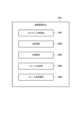
- FIG. 3 is a block diagram illustrating an example of a functional configuration of the communication device.
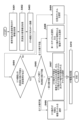
- FIG. 4 is a flowchart showing a process of determining an operating channel for the AP function (first embodiment).
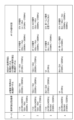
- FIG. 5 shows an example of the processing result of the determination process (FIG. 4) (Example 1).
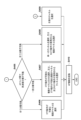
- FIG. 6 is a flowchart showing a process of determining an operating channel for the STA function (second embodiment).
- FIG. 7 shows an example of the processing result of the determination process (FIG. 6) (Example 2).
- FIG. 6 shows an example of the processing result of the determination process (FIG. 6) (Example 2).
- FIG. 8A is a flowchart showing a process of determining an operating channel for an AP function (third embodiment).
- FIG. 8B is a flowchart showing a process of determining an operating channel for the AP function (third embodiment).
- FIG. 9 shows an example of the processing result of the determination process (FIGS. 8A and 8B) (Example 3).
- FIG. 10 shows an example of a user interface (UI) screen.
- UI user interface
- FIG. 1 shows an example of the configuration of a wireless network according to an embodiment of the present disclosure.
- Communication apparatuses 101 to 103 shown in Fig. 1 are wireless devices (WDs) having a wireless communication function for performing wireless communication with external apparatuses.
- the communication device 101 can operate as an access point (AP) that has the role of constructing a wireless network.
- the communication device 101 can also operate as a station (STA) that has the role of participating in a wireless network constructed by other APs. That is, the communication device 101 is configured as a wireless device having an AP function for operating the communication device 101 as an AP and an STA function for operating the communication device 101 as an STA.
- the communication device 102 is configured as a wireless device having an AP function, and the communication device 102 is configured as a wireless device having an STA function.
- the communication device 101 is also referred to as WD101, the communication device 102 as AP102, and the communication device 103 as STA103. Note that, although AP102 and STA103 are shown as separate communication devices in the example of FIG. 1, they may be implemented as AP and STA functions in the same communication device.
- WD101 uses its STA function to wirelessly connect to AP102 as a STA, thereby participating in the wireless network established by AP102.
- WD101 also uses its AP function to establish a wireless network.
- STA103 uses its AP function to wirelessly connect to WD101 as a STA, thereby participating in the wireless network established by WD101's AP function. Therefore, wireless communication is performed between WD101 and AP102 by signals transmitted and received by WD101 as a STA. Also, wireless communication is performed between WD101 and STA103 by signals transmitted and received by WD101 as an AP.
- the communication devices 101 to 103 are compatible with the IEEE 802.11be (EHT: Extremely High Throughput or Extreme High Throughput) standard, which is the successor to the IEEE 802.11ax (HE: High Efficiency) standard, as a wireless LAN communication standard.
- EHT Extremely High Throughput or Extreme High Throughput
- HE High Efficiency
- Each communication device is capable of wireless communication compliant with the IEEE 802.11be standard.
- Each communication device is configured to be able to perform wireless communication in multiple frequency bands (in this embodiment, the 2.4 GHz band, the 5 GHz band, and the 6 GHz band).
- the frequency bands that each communication device can use are not limited to these, and each communication device may be able to use different frequencies, such as the 60 GHz band.
- Each communication device is configured to be able to communicate using bandwidths such as 20 MHz, 40 MHz, 80 MHz, 160 MHz, and 320 MHz.
- the bandwidth that each communication device can use is not limited to this, and different bandwidths may be available, such as 240 MHz and 4 MHz.
- the communication devices 101 to 103 are compatible with at least the IEEE 802.11be standard of the IEEE 802.11 standard series.
- the communication devices 101 to 103 may also be compatible with at least one legacy standard that is an IEEE 802.11 standard that predates the IEEE 802.11be standard.
- the legacy standard is the IEEE 802.11a/b/g/n/ac/ax standard.
- the communication devices 101 to 103 may also support other communication standards such as Bluetooth (registered trademark), NFC (Near Field Communication), UWB (Ultra Wide Band), Zigbee, MBOA (Multi Band OFDM Alliance), etc.
- UWB includes Wireless USB, Wireless 1394, Winet, etc.
- the communication devices 101 to 103 may also support communication standards for wired communication such as wired LAN.
- Communication devices 101 to 103 are multi-link devices (MLDs) that have the function of performing multi-link communication, which establishes multiple links (transmission paths) via multiple frequency channels, respectively, for communication.
- An AP that performs multi-link communication is also called an AP MLD
- an STA that performs multi-link communication is also called a Non-AP MLD or STA MLD.
- multi-link communication multiple links are established and used between the AP MLD and the STA MLD.
- the frequency channel is a frequency channel defined in the IEEE 802.11 standard series, and refers to a frequency channel capable of performing wireless communication conforming to the IEEE 802.11 standard series.
- multiple frequency channels are defined in each of the 2.4 GHz, 5 GHz, 6 GHz, and 60 GHz frequency bands.
- the bandwidth of each frequency channel is defined as 20 MHz. Note that a bandwidth of 40 MHz or more may be used in one frequency channel by bonding one frequency channel with an adjacent frequency channel.
- two links L1 and L2 are established in parallel between WD 101 and AP 102.
- two links L3 and L4 are established in parallel between WD 101 and STA 103.
- WD 101 establishes a link via a first frequency channel in the 5 GHz band as link L1, and establishes a link via a second frequency channel in the 5 GHz band as link L2.
- This allows WD 101 to communicate with AP 102 via both links L1 and L2.
- WD 101 maintains link L2 via the second frequency channel in parallel with link L1 via the first frequency channel.
- WD101 can improve the throughput in communication with AP102 by establishing multiple links with AP102, each via multiple frequency channels, to perform multi-link communication.
- WD101 can improve the throughput in communication with STA103 by establishing multiple links with STA103 (links L3 and L4 in the example of FIG. 1), each via multiple frequency channels, to perform multi-link communication.
- multiple links established between communication devices for multi-link communication may be multiple links each via a different frequency band (e.g., a link in the 5 GHz band and a link in the 6 GHz band).
- multiple links may be established each via a different channel included in the same frequency band.
- two links may be established each via 7ch and 207ch in the 6 GHz band.
- the multiple links established for multi-link communication may include a mixture of multiple links in the same frequency band and links in different frequency bands. For example, two links via 36ch and 149ch in the 5GHz band, respectively, and one link via 15ch in the 6GHz band may be established. In this way, by establishing multiple links via different frequency bands between communication devices, even if one frequency band is congested, it is possible to prevent a decrease in throughput and communication delays by communicating via links established in other frequency bands.
- the communication devices 101 to 103 may be, for example, but are not limited to, a wireless LAN router, a personal computer (PC), a camera, a tablet terminal, a PC, a smartphone, a mobile phone, a headset, or a video camera.
- the communication devices 101 to 103 may also be information processing devices equipped with a wireless chip capable of performing wireless communication conforming to the IEEE 802.11be standard. Note that FIG. 1 shows, as an example, an example in which the WD 101 is a printer, the AP 102 is a wireless LAN router, and the STA 103 is a smartphone.
- ⁇ Hardware configuration of communication device> 2 is a block diagram showing an example of a hardware configuration of the communication device 101 (WD 101).
- the WD 101 has a storage unit 201, a control unit 202, a function unit 203, an input unit 204, an output unit 205, a communication unit 206, and one or more antennas 207.
- the AP 102 and the STA 103 may have the same hardware configuration as the WD 101.
- the storage unit 201 is composed of one or more memories, such as a ROM (Read Only Memory) and/or a RAM (Random Access Memory).
- the storage unit 201 stores various information, such as computer programs for performing various operations described below, and communication parameters for wireless communication.
- other types of storage media such as a flexible disk, a hard disk, an optical disk, a magneto-optical disk, a CD-ROM, a CD-R, a magnetic tape, a non-volatile memory card, a DVD, etc., may be used for the one or more memories constituting the storage unit 201.
- the storage unit 201 may also be equipped with multiple memories, etc.
- the control unit 202 is configured with one or more processors, such as a CPU (Central Processing Unit) and/or an MPU (Micro Processing Unit).
- the control unit 202 controls the entire WD 101 by reading and executing computer programs stored in the storage unit 201.
- the control unit 202 may be configured to control the entire WD 101 in cooperation with the computer programs and an OS (operating system) stored in the storage unit 201.
- the control unit 202 may also be configured to include multiple processors, such as multi-core processors, and to control the entire WD 101 using the multiple processors.
- the control unit 202 generates data or signals (wireless frames) to be transmitted in communication with other communication devices.
- the control unit 202 further controls the functional unit 203 to execute predetermined processes such as wireless communication, imaging, printing, and projection.
- the functional unit 203 is hardware that enables the WD 101 to execute predetermined processes.
- the input unit 204 accepts various operations from the user.
- the output unit 205 outputs various types of information to the user via a monitor screen or a speaker.
- the output from the output unit 205 can be one or more of a display on a monitor screen, audio output from a speaker, and vibration output.
- the input unit 204 and the output unit 205 may be realized as a single module, such as a touch panel display.
- the input unit 204 and the output unit 205 may each be configured integrally with the WD 101, or may be provided separately from the WD 101.
- the communication unit 206 controls wireless communication conforming to the IEEE 802.11be standard.
- the communication unit 206 controls one or more antennas 207 to transmit and receive signals for wireless communication generated by the control unit 202.
- the WD 101 transmits and receives various data such as image data, document data, and video data by communicating with the communication device 102 via the communication unit 206.
- the communication unit 206 may be configured to control wireless communication conforming to other IEEE 802.11 standards in addition to the IEEE 802.11be standard, and to control wired communication such as a wired LAN.
- the WD 101 supports the NFC standard and Bluetooth standard in addition to the IEEE 802.11be standard, it may also be configured to control wireless communication conforming to these communication standards.
- the WD 101 is configured to be able to perform wireless communication conforming to multiple communication standards, it may have individual communication units and antennas corresponding to the different communication standards.
- the one or more antennas 207 are antennas capable of communication in a predetermined frequency band (in this embodiment, the 2.4 GHz band, the 5 GHz band, and the 6 GHz band).
- the WD 101 may have an individual antenna for each frequency band. Furthermore, if the WD 101 has multiple antennas, it may have a corresponding communication unit 206 for each antenna.
- the antenna 207 may be provided separately from the communication unit 206 as shown in FIG. 2, or may be configured together with the communication unit 206 as a single module.
- the above-mentioned AP function and STA function are implemented as separate communication interfaces that can be used to communicate with different counterpart devices.
- the communication unit 206 is configured to include multiple such communication interfaces.
- ⁇ Functional configuration of communication device> 3 is a block diagram showing an example of a functional configuration of the communication device 101 (WD 101) in this embodiment.
- the WD 101 has a multilink control unit 301, a UI (user interface) control unit 302, an IF (interface) control unit 303, a frame generation unit 304, and a frame transmission/reception unit 305 as functional units.
- the multilink control unit 301 performs control related to multilink communication. For example, the multilink control unit 301 controls connection processing for establishing one or more links used for wireless communication with an opposing AP (e.g., AP 102) using the STA function, or for wireless communication with an opposing STA (e.g., STA 103) using the AP function. The multilink control unit 301 further controls processing for adding or deleting links after communication starts, and communication termination processing for deleting all links. Specifically, the connection processing includes authentication processing, association processing, and 4-way handshake (4WHS: 4-Way-Hand-Shake) processing.
- WTS 4-Way-Hand-Shake
- the UI control unit 302 controls the input unit 204 and the output unit 205 to accept user operations via a touch panel or the like, and to output information to the user (such as displaying a screen or outputting audio). For example, the UI control unit 302 accepts touch panel operations from the user using a screen displayed by the output unit 205 via the input unit 204. The UI control unit 302 makes various settings in accordance with the accepted user operations, and stores setting data indicating the settings in the storage unit 201.
- the IF control unit 303 controls individual communication interfaces (communication IFs) that can be used to communicate with different opposing devices. For example, the IF control unit 303 controls the start and stop of each communication IF (AP function or STA function). The IF control unit 303 also manages the IP addresses used by each communication IF, and determines the radio frequency (frequency channel) based on user settings.
- communication IFs communication interfaces
- the IF control unit 303 controls the start and stop of each communication IF (AP function or STA function).
- the IF control unit 303 also manages the IP addresses used by each communication IF, and determines the radio frequency (frequency channel) based on user settings.
- the frame generation unit 304 generates MAC frames including management frames such as Beacon, Probe Request, Probe Response, Authentication Request, or Association Request, and data frames.
- the frame transmission/reception unit 305 transmits wireless frames including the MAC frames generated by the frame generation unit 304, and receives wireless frames from the other device (opposing device).
- Examples 1 to 3 will be described as examples of processing procedures executed by the above-mentioned WD 101.
- Examples 1 to 3 show an example of processing for determining an operating channel for a function to be activated when one of the STA function and the AP function (communication IF) is activated while the other function (communication IF) is activated in the WD 101.
- Example 1 In the first embodiment, an example will be described in which the STA function is activated first and then the AP function is activated. Therefore, in this embodiment, the STA function corresponds to a first communication IF (first interface) that is activated first, and the AP function corresponds to a second communication IF (second interface) that is activated later.
- first communication IF first interface
- second communication IF second interface
- FIG. 4 is a flowchart showing an example of a procedure for a process in Example 1 in which WD101 first activates the STA function, connects to the opposing AP (AP101) as a STA, and then activates the AP function.
- This procedure can be started, for example, in response to turning on the power or wireless function (wireless LAN function) of WD101.
- the WD101 acquires information (frequency band information) indicating the frequency bands that the device itself can use as a STA or AP. This is to accommodate restrictions on usable radio frequency bands that vary by country or region.
- WD101 further acquires frequency separation information indicating frequency separation between links in S402 to enable STR (Simultaneous Transmit and Receive) operation, which transmits and receives simultaneously on multiple links when performing multi-link communication.
- STR indicates that reception (transmission) on link 2 is possible in parallel with transmission (reception) on link 1 during a common period.
- NSTR Non-STR indicates that only reception (transmission) is possible on link 2 while transmission (reception) is performed on link 1 during a common period.
- frequency separation corresponds to separating the frequency channels used by each of the multiple links (separating the frequency channels used between the links in the frequency domain) so that STR operation by the communication device is possible.
- the frequency separation information includes information regarding how far the frequency channels (center frequencies) used between two links should be separated to enable STR operation using the two links. As a result, the frequency separation information indicates the frequency separation required to enable STR operation in multi-link communication.
- the communication device cannot perform STR operations using those links in multi-link communication.
- the communication device can only perform NSTR (Non-STR) operations using those links, and it may not be possible to fully utilize the performance of multi-link communication.
- WD101 acquires frequency separation information in S402, and selects a frequency channel to be used in the link of the AP function based on the acquired frequency separation information. That is, when the AP function (second communication IF) is activated after the STA function (first communication IF) is activated, WD101 selects (determines) a frequency channel to be used in the link of the AP function (second communication IF) based on the frequency separation information. More specifically, WD101 selects a frequency channel to be used in the link of the AP function (second communication IF) based on the frequency separation information so that frequency separation is performed from the link of the STA function (first communication IF) and frequency separation is performed between the links of the AP function (second communication IF). This enables more efficient frequency channel selection.
- frequency separation information can be obtained based on the performance or limitations of the hardware (wireless LAN module or chip, etc.) used in WD101. For example, in the 2.4 GHz band, adjacent channels (e.g. 1ch and 2ch) have some overlapping bands used by each channel, so independent communication cannot be performed for each link. For this reason, there may be limitations such as the frequency channels (center frequencies) used needing to be separated by at least 20 MHz between links. Frequency separation information can be obtained based on such limitations.
- Frequency separation information may also be notified from other communication devices using management frames such as Beacon, Probe Request, or Probe Response in wireless LAN standards. For example, notification may be made using Non-AP MLD Capability, NSTR Mobile AP MLD Capability, Frequency Separation For STA in the MLD Capabilities and Operations subfield, or NSTR indication Bitmap frame in the Link info field no Per-STA Profile subelement. Frequency separation information may also be obtained by such notification.
- the frequency separation information acquired by WD101 indicates that STR operation is possible by separating the frequency channels (center frequencies) used between links by 80 MHz.
- WD101 connects to the opposing AP (AP102 in this example) using the STA function based on the frequency band information and frequency separation information. Specifically, WD101 selects a channel based on the frequency separation information in a frequency band that the device itself can use. In doing so, WD101 selects multiple frequency channels that ensure frequency separation for STR operation. If such a frequency channel cannot be selected, WD101 selects a single frequency channel for a single link. WD101 uses the selected frequency channel to connect to the opposing AP using the STA function.
- steps S404 to S410 WD101 attempts to start the AP function. To do this, it is necessary to select a frequency channel to be used by the AP function. At this point, the STA function is already in operation (S403). In this case, it is desirable for WD101 to select a frequency channel to be used by the AP function so that the STA function and the AP function can operate independently using independent frequency channels.
- WD101 performs a first determination (S404) to determine whether or not it is possible to select a frequency channel that allows frequency separation from the frequency channel being used in the link of the STA function (first communication IF) in a frequency band that WD101 (communication device) can use.
- WD101 further performs a second determination (S405) to determine whether or not frequency separation is possible between the links of the AP function when selecting a frequency channel to be used in the link of the AP function in a frequency band that allows frequency separation from the frequency channel being used in the link of the STA function.
- WD101 selects a frequency channel to be used in the link of the AP function (second communication IF) according to the results of the first and second determinations.
- WD101 determines whether or not there is a frequency band available for use by its own device that allows frequency separation from the STA function (i.e., frequency separation from the frequency channels in use by all links of the STA function) (whether or not a frequency channel can be selected). This determination is made based on frequency band information (S401), frequency separation information (S402), and information on the frequency channels of all links established for the STA function in S403. If WD101 determines that there is a frequency band that allows frequency separation from the STA function, it proceeds to S405, and if it determines that there is not, it proceeds to S409.
- S401 frequency band information
- S402 frequency separation information
- S409 information on the frequency channels of all links established for the STA function
- WD101 selects any frequency channel in the available frequency band. In this embodiment, in such a case, no particular restrictions are placed on the selection of the frequency channel for the AP function.
- WD101 executes the process of S409 according to the determination result that it is not possible to select a frequency channel that is frequency-separable from the frequency channel in use in the STA function link in the frequency band that WD101 can use.
- WD101 selects an arbitrary frequency channel in the frequency band that WD101 can use, regardless of the frequency channel in use in the STA function link.
- WD101 determines whether frequency separation is possible between the links (AP links) of the AP function when the AP function uses (establishes) multiple links to perform multi-link communication. Specifically, WD101 determines whether frequency separation is possible for all links, only for some links, or not for all links, with respect to the maximum number of links that the AP function can establish. This determination is made based on frequency band information (S401), frequency separation information (S402), and information on the frequency channels of all links established for the STA function. Note that if the AP function uses a single link, it may be determined that frequency separation is not possible for all links.
- S405 WD101 determines that frequency separation is possible for all links, it proceeds to S406.
- S406 WD101 selects multiple frequency channels with ensured frequency separation (i.e., multiple frequency channels that enable STR operation) for the links to be established by the AP function.
- the frequency channels are selected in a frequency band that allows frequency separation with the STA function.
- the process of S406 is executed according to the determination result that it is possible to select a frequency channel that allows frequency separation from the frequency channel being used by the link of the STA function, and that frequency separation is possible between the links for all links relative to the maximum number of links that the AP function can establish.
- WD101 selects a frequency channel to be used for each link so that frequency separation is performed between multiple links of the AP function.
- S405 WD101 determines that frequency separation is possible only for some of the links, it proceeds to S407.
- S407 WD101 selects multiple frequency channels (i.e., multiple frequency channels that enable STR operation) that ensure frequency separation for some of the links (out of the maximum number of links) to be established by the AP function.
- the frequency channels are selected in a frequency band that allows frequency separation with the STA function.
- the process of S407 is executed according to the determination result that it is possible to select a frequency channel that allows frequency separation from the frequency channel being used by the link of the STA function, and that frequency separation is possible between the links for some of the links relative to the maximum number of links that the AP function can establish.
- WD101 selects a frequency channel to be used for each link in a frequency channel or frequency band that allows frequency separation from the frequency channel being used by the link of the STA function, so that frequency separation is performed between some of the links of the AP function.
- WD101 may further select a frequency channel (a frequency channel in which frequency separation is not possible) to which NSTR operation is applied for links other than the above-mentioned partial link, in addition to the multiple frequency channels that enable STR operation.
- WD101 may further select a frequency channel in which frequency separation is not possible for establishing a further link in addition to the partial link by the AP function in a frequency channel or frequency band in which frequency separation is possible from the frequency channel being used by the link of the STA function.
- S405 WD 101 determines that frequency separation is not possible for all links, it proceeds to S408.
- S408 WD 101 selects a single frequency channel for establishing a single link by the AP function.
- the frequency channel is selected in a frequency band that allows frequency separation with the STA function.
- the process of S408 is performed according to the determination result that it is possible to select a frequency channel that allows frequency separation from the frequency channel being used by the link of the STA function, and that frequency separation is not possible between the links for all links relative to the maximum number of links that the AP function can establish.
- WD101 selects a single frequency channel for establishing a single link by the AP function in a frequency channel or frequency band that allows frequency separation from the frequency channel being used by the link of the STA function.
- WD101 may select multiple frequency channels to which NSTR operation is applied, instead of a single frequency channel. This results in a state in which STR operation cannot be performed, but multi-link communication by NSTR operation can be performed using multiple links established for the AP function. In this way, WD101 may select multiple frequency channels that do not allow frequency separation in order to establish multiple links by the AP function, in a frequency channel or frequency band that allows frequency separation from the frequency channel being used by the link of the STA function.
- WD101 advances the process to S410.
- S410 WD101 starts the AP function in a state in which the selected frequency channel can be used as the operating channel, and ends the process according to the procedure in FIG. 4. Through such a procedure, WD101 can appropriately determine the operating channel for the AP function and start the AP function while the STA function is operating first.
- Fig. 5 shows an example of the processing result of the process of determining an operating channel for the AP function (Fig. 4).
- Fig. 5 shows six cases of available frequency bands indicated by the frequency band information (S401), frequency channels used by the STA function, frequency channels determined as operating channels for the AP function, and operating states of the STA function and the AP function after the AP function is activated.
- S401 frequency band information
- each link of the STA and AP functions has a bandwidth of 20 MHz
- the frequency separation information (S402) indicates that STR operation is possible by separating the frequency channels (center frequencies) used by 80 MHz between links.
- the maximum number of links for each of the STA and AP functions is 2 in cases 1 to 5, and 4 in case 6.
- the WD 101 is connected to the opposing AP (AP 102) using two links, and is performing STR operation by multi-link communication using the two links (S403).
- the available frequency bands include the 2412-2462 MHz band and the 5660-5700 MHz band, which are frequency bands that can be separated from the frequency channel (frequency band) used by the STA function ("YES" in S404).
- WD101 proceeds from S405 to S406.
- WD101 selects 1ch (center frequency: 2412 MHz) and 140ch (center frequency: 5700 MHz), which are frequency separable, to determine the operating channel for the AP function (S406) and activate the AP function (S410).
- WD101 becomes able to perform multi-link communication with STR operation applied for both the STA function and the AP function.
- the WD 101 is connected to the opposing AP (AP 102) using two links and is performing STR operation by multi-link communication using the two links (S403).
- the available frequency bands include the 5660-5700 MHz band, which is a frequency band that can be separated from the frequency channel (frequency band) used by the STA function (YES in S404).
- WD101 proceeds from S405 to S408.
- WD101 selects 132ch (5660MHz) and 140ch (5700MHz) as frequency channels to which NSTR operation will be applied, thereby determining the operating channel for the AP function (S408) and activating the AP function (S410).
- S408 selects 132ch (5660MHz) and 140ch (5700MHz) as frequency channels to which NSTR operation will be applied, thereby determining the operating channel for the AP function (S408) and activating the AP function (S410).
- S408 the operating channel for the AP function
- S410 activating the AP function
- WD101 performs multi-link communication with STR operation applied for the STA function, and performs multi-link communication with NSTR operation applied for the AP function.
- the WD 101 is connected to the opposing AP (AP 102) using two links and is performing STR operation by multi-link communication using the two links (S403).
- the available frequency bands include the 2412-2462 MHz band, which can be separated from the frequency channel (frequency band) used by the STA function (YES in S404).
- WD101 proceeds from S405 to S408.
- WD101 selects 1ch (2412 MHz) as a single frequency channel for operation using a single link, thereby determining the operating channel for the AP function (S408) and activating the AP function (S410).
- S408 determines the operating channel for the AP function
- S410 activating the AP function
- WD101 performs multi-link communication with STR operation applied for the STA function, and performs communication via a single link for the AP function.
- the WD 101 is connected to the opposing AP (AP 102) using a single link and is performing an STR operation in multi-link communication using the single link (S403).
- the available frequency bands include the 5180-5320 MHz band, which can be separated from the frequency channel (frequency band) used by the STA function (YES in S404).
- WD101 proceeds from S405 to S406.
- WD101 selects 36ch (5180MHz) and 52ch (5260MHz), which are frequency separable, to determine the operating channel for the AP function (S406) and activate the AP function (S410).
- S406 selects 36ch (5180MHz) and 52ch (5260MHz), which are frequency separable, to determine the operating channel for the AP function (S406) and activate the AP function (S410).
- WD101 is able to perform multi-link communication with STR operation applied for the AP function while performing communication over a single link for the STA function.
- WD101 selects 64ch (5320MHz) as an arbitrary frequency channel to determine the operating channel for the AP function (S409) and activates the AP function (S410). As a result, WD101 performs multi-link communication with STR operation applied for the STA function, while performing communication via a single link for the AP function.
- the WD 101 is connected to the opposing AP (AP 102) using a single link and is performing STR operation in multi-link communication using the single link (S403).
- the available frequency bands include the 5260-5320 MHz band and the 5500-5700 MHz band, which are frequency bands that can be separated from the frequency channel (frequency band) used by the STA function (YES in S404).
- the maximum number of links for the AP function is four, whereas in the above frequency band, only two frequency channels with center frequencies 80 MHz or more apart can be selected (i.e., frequency separation is possible only for some of the four links, which corresponds to the maximum number of links). For this reason, WD101 advances the process from S405 to S407.
- WD101 selects 100ch (5500MHz) and 116ch (5580MHz) as frequency channels for STR operation. WD101 further selects 52ch (5260MHz) and 60ch (5300MHz) as frequency channels for NSTR operation. WD101 thereby determines the operating channel for the AP function (S407) and activates the AP function (S410). As a result, WD101 performs communication using a single link for the STA function, while performing multi-link communication for the AP function using a link to which STR operation is applied and a link to which NSTR operation is applied. Note that in this example, only the link to which STR operation is applied may be enabled.
- the WD101 of this embodiment is configured to include a first and second communication IF (STA function and AP function), which are communication IFs that can be used to communicate with different opposing devices.
- the WD101 acquires frequency separation information indicating frequency separation between links to enable STR operation for simultaneous transmission and reception over multiple links when performing multi-link communication.
- the WD101 further selects a frequency channel to be used in the link of the AP function (second communication IF) based on the frequency separation information when the AP function (second communication IF) is activated after the STA function (first communication IF) is activated.
- Example 2 In the first embodiment, an example is shown in which the STA function is started first to connect to the opposing AP, and then the AP function is started to operate simultaneously with the STA function.
- the AP function In the second embodiment, an example is described in which the AP function is started first, and then the STA function is started to connect to the opposing AP. Therefore, in this embodiment, the AP function corresponds to the first communication IF (first interface) that is started first, and the STA function corresponds to the second communication IF (second interface) that is started later.
- FIG. 6 is a flow chart showing an example of a procedure for determining an operating channel for the STA function when WD101 activates the AP function first and then the STA function to connect to the opposing AP (AP101) as a STA.
- this procedure can be started, for example, in response to turning on the power supply or wireless function (wireless LAN function) of WD101.
- WD101 acquires frequency band information indicating the frequency bands that the device itself can use as a STA or AP.
- WD101 further acquires frequency separation information indicating frequency separation for STR operation in multi-link communication.
- the frequency separation information can be acquired, for example, based on the performance or limitations of the hardware (wireless LAN module or chip, etc.) used in WD101.
- WD101 activates the AP function based on the frequency band information and frequency separation information, thereby transitioning to a state in which it can accept a connection from another communication device (e.g., STA103) operating as a STA.
- WD101 selects, based on the frequency separation information, from multiple available frequency channels (multiple frequency channels included in the frequency band that the device itself can use), multiple frequency channels that ensure frequency separation for STR operation.
- WD101 may select any frequency channel in the available frequency band indicated by the frequency band information without considering STR operation. In this case, WD101 activates the AP function so that it operates on a link via the selected frequency channel.
- WD101 After starting the AP function, in S604, WD101 starts the STA function and searches for an AP, thereby acquiring link information and frequency separation information of the opposing AP, which are required to connect to the opposing AP (e.g., AP101) as a STA.
- the AP search is performed, for example, through a management frame such as a Beacon or Probe Response transmitted from the opposing AP.
- the link information of the opposing AP includes information related to frequency channels that can be used by the STA function, such as the number of links available to the opposing AP, the frequency (frequency channel) used by the link, and the frequency bandwidth used by the link.
- WD101 collects information (link information and frequency separation information) related to links that can be used for communication with the opposing AP by the STA function of WD101.
- steps S605 to S611 WD101 attempts to connect to the opposing AP using the STA function.
- steps S605 to S611 the same processing as steps S404 to S410 in the first embodiment is performed, and in this embodiment, the link information of the opposing AP is also taken into consideration.
- the AP function selects a more desirable channel from multiple available channel candidates, whereas in the second embodiment, a channel is selected from multiple channels in use by the opposing AP to which the connection is to be made.
- WD101 performs a first determination (S605) to determine whether or not it is possible to select a frequency channel that allows frequency separation from the frequency channel being used in the link of the AP function (first communication IF) in a frequency band that WD101 (communication device) can use.
- WD101 further performs a second determination (S405) to determine whether or not frequency separation is possible between the links of the STA function when selecting a frequency channel to be used in the link of the STA function in a frequency band that allows frequency separation from the frequency channel being used in the link of the AP function.
- WD101 selects a frequency channel to be used in the link of the STA function (second communication IF) according to the results of the first and second determinations.
- the frequency channel to be used by the STA function is selected so that the AP function already in operation and the STA function to be activated later can operate independently using independent frequency channels.
- WD101 determines whether or not a frequency channel that allows frequency separation from the AP function (i.e., frequency separation from the frequency channels used by all links of the AP function) can be selected for the STA function among the frequency bands available to the device itself. This determination is made based on frequency band information (S601), frequency separation information (S602), information on the frequency channels of all links used by the AP function activated in S603, and link information of the opposing AP (S604). If WD101 determines that a frequency channel that allows frequency separation from the AP function can be selected for the STA function, it proceeds to S606, and if it determines that it cannot be selected, it proceeds to S610.
- WD101 selects any frequency channel (from frequency channels that can be used by the opposing AP) in the available frequency band. In this embodiment, in such a case, no particular restrictions are placed on the selection of frequency channels for the STA function.
- WD101 executes the process of S610 according to the determination result that it is not possible to select a frequency channel that allows frequency separation from the frequency channel in use in the AP function link in the frequency band that WD101 can use.
- WD101 selects an arbitrary frequency channel in the frequency band that WD101 can use, regardless of the frequency channel in use in the AP function link.
- WD101 makes a determination as to whether frequency separation is possible between the links (STA links) of the STA function when the STA function uses (establishes) multiple links to perform multi-link communication. Specifically, WD101 determines whether frequency separation is possible for all links, only for some links, or not for all links, with respect to the maximum number of links that the STA function can establish. This determination is made based on frequency band information (S601), frequency separation information (S602), information on the frequency channels of all links being used by the AP function, and link information of the opposing AP (S604). Note that if the STA function uses a single link, it may be determined that frequency separation is not possible for all links.
- S601 frequency band information
- S602 frequency separation information
- S604 link information of the opposing AP
- S606 WD101 determines that frequency separation is possible for all links, it proceeds to S607.
- S607 WD101 selects multiple frequency channels with ensured frequency separation (i.e., multiple frequency channels that enable STR operation) for the links to be established by the STA function.
- the frequency channels are selected in a frequency band that allows frequency separation with the AP function.
- the process of S607 is executed according to the determination result that it is possible to select a frequency channel that allows frequency separation from the frequency channel being used by the link of the AP function, and that frequency separation is possible between the links for all links relative to the maximum number of links that the STA function can establish.
- WD101 selects a frequency channel to be used for each link so that frequency separation is performed between multiple links of the STA function.
- S606 WD101 determines that frequency separation is possible only for some of the links, it proceeds to S608.
- S608 WD101 selects multiple frequency channels (i.e., multiple frequency channels that enable STR operation) that ensure frequency separation for some of the links (out of the maximum number of links) to be established by the STA function.
- the frequency channels are selected in a frequency band that allows frequency separation with the AP function.
- the processing of S608 is performed according to the determination result that it is possible to select a frequency channel that allows frequency separation from the frequency channel being used by the link of the AP function, and that frequency separation is possible between the links for some of the links relative to the maximum number of links that the STA function can establish.
- WD101 selects a frequency channel to be used for each link in a frequency channel or frequency band that allows frequency separation from the frequency channel being used by the link of the AP function, so that frequency separation is performed between some of the links of the STA function.
- WD101 may further select a frequency channel to which NSTR operation is applied for another link in addition to the multiple frequency channels that enable STR operation.
- WD101 may further select a frequency channel that does not allow frequency separation in a frequency channel or frequency band that allows frequency separation from the frequency channel in use for the link of the AP function, for establishing an additional link in addition to some links by the STA function.
- S606 WD 101 determines that frequency separation is not possible for all links, it proceeds to S609.
- S609 WD 101 selects a single frequency channel for establishing a single link by the STA function.
- the frequency channel is selected in a frequency band that allows frequency separation from the AP function.
- the process of S609 is executed according to the determination result that it is possible to select a frequency channel that allows frequency separation from the frequency channel being used by the link of the AP function, and that frequency separation is not possible between the links for all links relative to the maximum number of links that the STA function can establish.
- WD101 selects a single frequency channel for establishing a single link by the STA function in a frequency channel or frequency band that allows frequency separation from the frequency channel being used by the link of the AP function.
- WD101 may select multiple frequency channels to which NSTR operation is applied, instead of a single frequency channel. This results in a state in which STR operation cannot be performed, but multi-link communication by NSTR operation can be performed using multiple links established for the STA function. In this way, WD101 may select multiple frequency channels that do not allow frequency separation in order to establish multiple links by the STA function, in a frequency channel or frequency band that allows frequency separation from the frequency channel being used by the link of the AP function.
- WD101 advances the process to S611.
- S611 uses the selected frequency channel as the operating channel to connect to the opposing AP, and ends the process according to the procedure in FIG. 6. Through such a procedure, WD101 can appropriately determine the operating channel for the STA function and connect to the opposing AP while the AP function is operating first.
- Fig. 7 shows an example of the process result of the process of determining an operating channel for the STA function (Fig. 6).
- Fig. 7 shows four cases of the available frequency bands indicated by the frequency band information (S601), the frequency channels used by the AP function, the frequency channels available for the opposing AP, and the operating states of the STA function and the AP function after the STA function is started (connection with the opposing AP is completed).
- each link for the STA and AP functions has a bandwidth of 20 MHz
- the frequency separation information (S602) indicates that STR operation is possible by separating the frequency channels (center frequencies) used between links by 80 MHz.
- the maximum number of links for each of the STA and AP functions is 2 in cases 1 to 3, and 4 in case 4.
- the WD 101 In case 1, the WD 101 is in a state where the AP function is activated using two links (S603).
- the available frequency bands include the 2412-2462 MHz band and the 5660-5700 MHz band, which are frequency bands that can be separated from the frequency channel (frequency band) used by the AP function.
- the above frequency bands include 1ch (2412 MHz) and 140ch (5700 MHz) as frequency channels that can be used by the STA function (frequency channels that can be used by the opposing AP) ("YES" in S605).
- the frequency channels 1ch (2412 MHz) and 140ch (5700 MHz) that can be used by the STA function have frequency separation (the center frequencies are 80 MHz or more apart). In other words, frequency separation is possible for all links (two links) of the maximum number of links. Therefore, WD101 advances the process from S606 to S607. In this example, WD101 selects 1ch (2412 MHz) and 140ch (5700 MHz) to determine the operating channel for the STA function (S607) and connects to the opposing AP (S611). As a result, WD101 becomes able to perform multi-link communication with STR operation applied for both the STA function and the AP function.
- the WD 101 is in a state where the AP function is activated using two links (S603).
- the available frequency bands include the 2412-2462 MHz band and the 5660-5700 MHz band, which are frequency bands that can be separated from the frequency channel (frequency band) used by the AP function.
- the above frequency bands include 132ch (5660MHz) and 140ch (5700MHz) as frequency channels that can be used by the STA function ("YES" in S605).
- the frequency channels 132ch (5660MHz) and 140ch (5700MHz) that can be used by the STA function do not have frequency separation (the center frequencies are not more than 80MHz apart). In other words, frequency separation is not possible for all links (two links) of the maximum number of links. For this reason, WD101 proceeds from S606 to S609. In this example, WD101 selects 132ch (5660MHz) and 140ch (5700MHz) as frequency channels to which NSTR operation is applied, thereby determining the operating channel for the STA function (S607) and connecting to the opposing AP (S611). As a result, WD101 performs multi-link communication with STR operation applied for the AP function, and performs multi-link communication with NSTR operation applied for the STA function.
- WD101 selects 36ch (5180MHz) as an arbitrary frequency channel from the frequency channels 36ch (5180MHz) and 64ch (5320MHz) that can be used by the STA function, thereby determining the operating channel for the STA function (S610) and establishing a connection with the opposing AP (S611). As a result, WD101 performs multi-link communication with STR operation applied for the AP function, while performing communication via a single link for the STA function.
- the WD 101 is in a state where the AP function is activated using a single link (S603).
- the available frequency bands include the 5260-5320 MHz band and the 5500-5700 MHz band, which are frequency bands that can be separated from the frequency channel (frequency band) used by the AP function.
- the above frequency bands include 52ch (5260ch), 60ch (5300MHz), 100ch (5500MHz), and 116ch (5580MHz) as frequency channels that can be used by the STA function ("YES" in S605).
- WD101 selects 60ch (5300), 100ch (5500MHz), and 116ch (5580MHz) as frequency channels for STR operation. WD101 then determines the operating channel for the STA function (S608) and connects to the opposing AP (S611). As a result, WD101 is able to perform multi-link communication using links to which STR operation is applied for the STA function, while performing communication using a single link for the AP function.
- the WD101 of this embodiment is configured to include a first and second communication IF (AP function and STA function), which are communication IFs that can be used to communicate with different opposing devices.
- the WD101 acquires frequency separation information indicating frequency separation between links to enable STR operation in which transmission and reception are performed simultaneously over multiple links when performing multi-link communication.
- the WD101 further selects a frequency channel to be used in the link of the STA function (second communication IF) based on the frequency separation information when the STA function (second communication IF) is activated after the AP function (first communication IF) is activated.
- the function (communication IF) that was activated first is given priority in performing the multilink communication to which the STR operation is applied, between the AP function and the STA function (first and second communication IF).
- the function (communication IF) that was activated first is given priority in performing the multilink communication to which the STR operation is applied, between the AP function and the STA function (first and second communication IF).
- the STA function first and second communication IF.
- processing is described in which the function (communication IF) that is activated later, out of the AP function and the STA function (first and second communication IF), is prioritized to perform multi-link communication to which the STR operation is applied.
- the processing is described in the case where the STA function and the AP function are activated in this order, as in the case of the first embodiment, but the processing is also the same when activated in the reverse order (AP function and then the STA function).
- the following mainly describes the parts that are different from the first and second embodiments.
- FIGS. 8A and 8B are flow charts showing an example of a procedure for determining an operating channel for the AP function when the WD101 in the third embodiment first activates the STA function, connects to the opposing AP (AP101) as a STA, and then activates the AP function.
- This procedure can be started, for example, in response to turning on the power or wireless function (wireless LAN function) of the WD101.
- FIGS. 8A and 8B the steps that perform the same processes as in the first embodiment are given the same reference numerals as in FIG. 4, and S801 and S802 have been added.
- S401 to S410 are performed in the same manner as in the first embodiment. However, in this embodiment, after the STA function is activated first, if WD101 determines in S404 that there is no frequency band that can be separated from the STA function among the frequency bands that the WD101 can use, the process proceeds to S801.
- WD 101 determines whether the previously started STA function is using multiple links (connected to the opposing AP via multiple parallel links). If the STA function is using a single link, WD 101 advances the process to S409 and performs the same process as in the first embodiment. On the other hand, if the STA function is using multiple links, WD 101 advances the process to S802.
- WD101 disconnects one of the multiple links (STA links) used by the STA function, and returns the process to S404.
- the STA link to be disconnected can be selected based on the information acquired in S401 to S403 (or S601 to S604) so that the AP function that is started later can perform STR operation.
- WD101 repeats the same determination process as in the first embodiment.
- FIGs. 8A and 8B show an example in which the process proceeds to S801 if S404 is "NO", this is not limiting.
- the procedures in Figs. 8A and 8B may be modified to proceed to S801 if it is determined in S405 that frequency separation is possible only for some links, or that frequency separation is not possible for all links.
- S407 or S408 processing proceeds to S407 or S408.
- processing proceeds to S802, and after completion of processing in S802, processing returns to S404.
- Fig. 9 shows an example of the process result of the process of determining an operating channel for the AP function (Fig. 8A and Fig. 8B).
- Fig. 9 shows three cases of the available frequency band indicated by the frequency band information (S401), the frequency channel used by the STA function, the frequency channel used by the STA function after one STA link is disconnected, and the operating state of the STA function and the AP function after the AP function is started.
- S401 frequency band information
- each link for the STA and AP functions has a bandwidth of 20 MHz, and the frequency separation information (S402) indicates that STR operation is possible by separating the frequency channels (center frequencies) used between the links by 80 MHz.
- the maximum number of links for each of the STA and AP functions is set to 2.
- Case 1 corresponds to the procedure of Figures 8A and 8B (if "NO” in S404, proceed to S801).
- WD 101 is connected to the opposing AP (AP 102) using two links, and is performing STR operation in multi-link communication using the two links (S403).
- AP 102 the opposing AP
- S403 the opposing AP
- WD101 advances the process from S801 to S802 because the STA function is using two links corresponding to two frequency channels, 100ch (5500MHz) and 128ch (5640MHz). Of the two links, WD101 disconnects the link corresponding to 128ch (5640MHz) (S802). As a result, of the available frequency bands, WD101 determines that the 5580-5700MHz band is a frequency band that can be separated from the frequency channel (frequency band) being used by the STA function ("YES" in S404).
- WD101 selects 116ch (5580MHz) and 132ch (5660MHz) in the above frequency band to determine the operating channel for the AP function (S406) and activates the AP function (S410).
- WD101 operates with a single link via 100ch (5500MHz) for the STA function.
- Case 2 corresponds to a modification of the procedures of Figures 8A and 8B so that, when it is determined in S405 that frequency separation is possible only for some links or that frequency separation is impossible for all links, the procedure proceeds to S801.
- the WD 101 is connected to the opposing AP (AP 102) using two links, and is in a state of performing STR operation in multi-link communication using the two links (S403).
- the available frequency bands include the 5660-5700 MHz band, which is a frequency band that can be frequency separated from the frequency channel (frequency band) used by the STA function ("YES" in S404).
- WD101 advances the process from S801 to S802 because the STA function is using two links corresponding to two frequency channels, 100ch (5500 MHz) and 116ch (5580 MHz). Of the two links, WD101 disconnects the link corresponding to 116ch (5580 MHz) (S802). As a result, of the available frequency bands, WD101 determines that the 5580-5700 MHz band is a frequency band that can be separated from the frequency channel (frequency band) being used by the STA function ("YES" in S404).
- WD101 determines the operating channel for the AP function by selecting 116ch (5580MHz) and 132ch (5660MHz) so as to ensure frequency separation between the two links for the AP function in the above frequency band (S406). Furthermore, WD101 activates the AP function (S410). As a result, WD101 operates with a single link via 100ch (5500MHz) for the STA function. Meanwhile, for the AP function, it becomes possible to perform STR operation with two links via 116ch (5580MHz) and 132ch (5660MHz), respectively.
- Case 3 is a modified example of case 2, in which the STA function reconnects the link after determining the operating channel for the AP function. Note that, as shown in Fig. 9, case 3 differs from case 2 in that the STA function can use a 2.4 GHz frequency channel in addition to a 5 GHz frequency channel.
- case 3 as in case 2, the link corresponding to 116ch (5580MHz) that was used by the STA function is disconnected. Furthermore, 116ch (5580MHz) and 132ch (5660MHz) are selected as the operating channels for the AP function, and the AP function is started. In case 3, WD101 also searches for a frequency channel that can be used for the STA function, and establishes a new link with the opposing AP via a frequency channel different from the frequency channel that will be used for the disconnected link. This process is realized by the process from S605 onwards in the procedure in FIG. 6.
- WD101 determines that the 2.4 GHz frequency channels (1-11ch) and 100ch (5500 MHz) can be selected as frequency channels for the STA function that can be frequency-separated from the AP function. As a result, WD101 proceeds to S606. WD101 further selects 1ch (2412 MHz) and 100ch (5500 MHz) to determine the operating channel for the STA function (S607) and connects to the opposing AP (S611). As a result, multi-link communication with STR operation applied can be performed for both the STA function and the AP function.
- the WD 101 may select an operating channel for the AP function or the STA function according to a user selection via a user interface (UI).
- UI user interface
- a UI screen setting screen as shown in Fig. 10 may be displayed on the output unit 205 of the WD 101, and a user selection may be accepted via the input unit 204.
- the WD 101 may display only a plurality of selectable channel candidates on the UI screen and accept a user selection.
- known wireless LAN functions include the P2P (Peer to Peer) function and the NAN (Neighbor Awareness Networking) function.
- P2P Peer to Peer
- NAN Neighbor Awareness Networking
- the STA function and the AP function that are activated first are designated as the first communication IF
- the second communication IF that are activated later are designated as the second communication IF.
- the first communication IF is configured as the STA function and the second communication IF is configured as the AP function
- the first communication IF is configured as the AP function and the second communication IF is configured as the STA function.
- the first communication IF and the second communication IF may be configured as any two combinations of the STA function, the AP function, the P2P function, and the NAN function.
- the first communication IF may be configured as the P2P function and the second communication IF as the AP function.
- the first communication IF may also be configured as the NAN function and the second communication IF as the STA function. Even when such a configuration is adopted, it is possible to realize the same processing and obtain the same effects as in the first to third embodiments.
- the present invention can also be realized by supplying a program that realizes one or more of the functions of the above-mentioned embodiments to a system or device via a network or storage medium, and having one or more processors in the computer of the system or device read and execute the program. It can also be realized by a circuit (e.g., an ASIC) that realizes one or more functions.
- a circuit e.g., an ASIC
Landscapes
- Engineering & Computer Science (AREA)
- Computer Networks & Wireless Communication (AREA)
- Signal Processing (AREA)
- Mobile Radio Communication Systems (AREA)
Abstract
Description
図1は、本開示の実施形態に係る無線ネットワークの構成例を示す。図1に示す通信装置101~103は、外部装置と無線通信を行う無線通信機能を有する無線デバイス(WD)である。
図2に、通信装置101(WD101)のハードウェア構成例を示すブロック図である。WD101は、記憶部201、制御部202、機能部203、入力部204、出力部205、通信部206及び1つ以上のアンテナ207を有する。なお、AP102及びSTA103は、WD101と同様のハードウェア構成を有しうる。
図3は、本実施形態における通信装置101(WD101)の機能構成例を示すブロック図である。WD101は、機能ユニットとして、マルチリンク制御部301、UI(ユーザインタフェース)制御部302、IF(インタフェース)制御部303、フレーム生成部304、及びフレーム送受信部305を有する。
以下では、上述のWD101によって実行される処理手順の例として、実施例1~3について説明する。実施例1~3では、WD101において、STA機能及びAP機能のうちの一方の機能(通信IF)が先に動作している間に、他方の機能(通信IF)を更に起動する場合の、起動対象の機能用の動作チャネルを決定する処理の例を示している。
実施例1では、STA機能を先に起動した後に、AP機能を起動する例について説明する。このため、本実施例では、STA機能が、先に起動される第1通信IF(第1インタフェース)に相当し、AP機能が、後に起動される第2通信IF(第2インタフェース)に相当する。
次に図5を参照して、図4の手順による、AP機能用の動作チャネルの決定処理についての具体例を説明する。図5は、AP機能用の動作チャネルの決定処理(図4)による処理結果の例を示す。図5では、周波数帯情報(S401)が示す、使用可能な周波数帯と、STA機能で使用中の周波数チャネルと、AP機能用の動作チャネルとして決定された周波数チャネルと、AP機能の起動後の、STA機能及びAP機能の動作状態とについて、6つのケースを示している。
ケース1では、WD101は、2つのリンクを用いて対向AP(AP102)と接続し、当該2つのリンクを用いたマルチリンク通信でSTR動作を行っている状態である(S403)。また、使用可能な周波数帯には、STA機能で使用中の周波数チャネル(周波数帯)からの周波数分離が可能な周波数帯として、2412-2462MHz帯と、5660-5700MHz帯とが存在する(S404で「YES」)。
ケース2では、WD101は、2つのリンクを用いて対向AP(AP102)と接続し、当該2つのリンクを用いたマルチリンク通信でSTR動作を行っている状態である(S403)。また、使用可能な周波数帯には、STA機能で使用中の周波数チャネル(周波数帯)からの周波数分離が可能な周波数帯として、5660-5700MHz帯が存在する(S404で「YES」)。
ケース3では、WD101は、2つのリンクを用いて対向AP(AP102)と接続し、当該2つのリンクを用いたマルチリンク通信でSTR動作を行っている状態である(S403)。また、使用可能な周波数帯には、STA機能で使用中の周波数チャネル(周波数帯)からの周波数分離が可能な周波数帯として、2412-2462MHz帯が存在する(S404で「YES」)。
ケース4では、WD101は、単一のリンクを用いて対向AP(AP102)と接続し、当該単一のリンクを用いたマルチリンク通信でSTR動作を行っている状態である(S403)。また、使用可能な周波数帯には、STA機能で使用中の周波数チャネル(周波数帯)からの周波数分離が可能な周波数帯として、5180-5320MHz帯が存在する(S404で「YES」)。
ケース5では、WD101は、2つのリンクを用いて対向AP(AP102)と接続し、当該2つのリンクを用いたマルチリンク通信でSTR動作を行っている状態である(S403)。また、使用可能な周波数帯には、STA機能で使用中の周波数チャネル(周波数帯)からの周波数分離が可能な周波数帯が存在しない(S404で「NO」)。このため、WD101はS404からS409へ処理を進める。
ケース6では、WD101は、単一のリンクを用いて対向AP(AP102)と接続し、当該単一のリンクを用いたマルチリンク通信でSTR動作を行っている状態である(S403)。また、使用可能な周波数帯には、STA機能で使用中の周波数チャネル(周波数帯)からの周波数分離が可能な周波数帯として、5260-5320MHz帯と、5500-5700MHz帯とが存在する(S404で「YES」)。
実施例1では、STA機能を先に起動して対向APと接続した後に、AP機能を起動してSTA機能と同時に動作させる例を示した。実施例2では、AP機能を先に起動した後に、STA機能を起動して対向APと接続する例について説明する。このため、本実施例では、AP機能が、先に起動される第1通信IF(第1インタフェース)に相当し、STA機能が、後に起動される第2通信IF(第2インタフェース)に相当する。以下では、実施例1と異なる部分を中心に説明する。
次に図7を参照して、図6の手順による、STA機能用の動作チャネルの決定処理についての具体例を説明する。図7は、STA機能用の動作チャネルの決定処理(図6)による処理結果の例を示す。図7では、使用周波数帯情報(S601)が示す、使用可能な周波数帯と、AP機能で使用中の周波数チャネルと、対向APで使用可能な周波数チャネルと、STA機能の起動(対向APとの接続完了)後の、STA機能及びAP機能の動作状態とについて、4つのケースを示している。
ケース1では、WD101は、2つのリンクを用いてAP機能を起動している状態である(S603)。また、使用可能な周波数帯には、AP機能で使用中の周波数チャネル(周波数帯)からの周波数分離が可能な周波数帯として、2412-2462MHz帯と、5660-5700MHz帯とが存在する。更に、上記周波数帯には、STA機能で使用可能な周波数チャネル(対向APで使用可能な周波数チャネル)として、1ch(2412MHz)及び140ch(5700MHz)が含まれる(S605で「YES」)。
ケース2では、WD101は、2つのリンクを用いてAP機能を起動している状態である(S603)。また、使用可能な周波数帯には、AP機能で使用中の周波数チャネル(周波数帯)からの周波数分離が可能な周波数帯として、2412-2462MHz帯と、5660-5700MHz帯とが存在する。更に、上記周波数帯には、STA機能で使用可能な周波数チャネルとして、132ch(5660MHz)及び140ch(5700MHz)が含まれる(S605で「YES」)。
ケース3では、WD101は、2つのリンクを用いてAP機能を起動している状態である(S603)。また、使用可能な周波数帯には、AP機能で使用中の周波数チャネル(周波数帯)からの周波数分離が可能な周波数帯が存在しない(S605で「NO」)。このため、WD101はS605からS610へ処理を進める。
ケース4では、WD101は、単一のリンクを用いてAP機能を起動している状態である(S603)。また、使用可能な周波数帯には、AP機能で使用中の周波数チャネル(周波数帯)からの周波数分離が可能な周波数帯として、5260-5320MHz帯と、5500-5700MHz帯とが存在する。更に、上記周波数帯には、STA機能で使用可能な周波数チャネルとして、52ch(5260ch)、60ch(5300MHz)、100ch(5500MHz)及び116ch(5580MHz)が含まれる(S605で「YES」)。
実施例1及び2では、STR動作が適用されたマルチリンク通信の実行に関して、AP機能及びSTA機能(第1及び第2通信IF)のうち、先に起動していた機能(通信IF)が優先されている。一方で、例えば、起動順によらず、STA機能よりもAP機能について、STR動作が適用されたマルチリンク通信を行うことを優先させたいケースが考えられる。
次に図9を参照して、図8A及び図8Bの手順による、AP機能用の動作チャネルの決定処理についての具体例を説明する。図9は、AP機能用の動作チャネルの決定処理(図8A及び図8B)による処理結果の例を示す。図9では、周波数帯情報(S401)が示す、使用可能な周波数帯と、STA機能で使用中の周波数チャネルと、1つのSTAリンクの切断後の、STA機能で使用中の周波数チャネルと、AP機能の起動後の、STA機能及びAP機能の動作状態とについて、3つのケースを示している。
ケース1は、図8A及び図8Bの手順(S404で「NO」の場合にS801へ移行)に対応している。ケース1では、WD101は、2つのリンクを用いて対向AP(AP102)と接続し、当該2つのリンクを用いたマルチリンク通信でSTR動作を行っている状態である(S403)。また、使用可能な周波数帯には、STA機能で使用中の周波数チャネル(周波数帯)からの周波数分離が可能な周波数帯が存在しない(S404で「NO」)。このため、WD101はS404からS801へ処理を進める。
ケース2は、S405において、一部のリンクについてのみ周波数分離が可能である、又は、全てのリンクについて周波数分離が不可能であると判定された場合に、S801へ移行するように、図8A及び図8Bの手順が変更されたものに対応している。WD101は、2つのリンクを用いて対向AP(AP102)と接続し、当該2つのリンクを用いたマルチリンク通信でSTR動作を行っている状態である(S403)。また、使用可能な周波数帯には、STA機能で使用中の周波数チャネル(周波数帯)からの周波数分離が可能な周波数帯として、5660-5700MHz帯とが存在する(S404で「YES」)。
ケース3は、ケース2の変形例として、AP機能用の動作チャネルを決定した後に、再度、STA機能がリンクの再接続を行う例である。なお、図9に示すように、ケース3は、STA機能が、5GHz帯の周波数チャネルに加えて2.4GHz帯の周波数チャネルも使用可能である点が、ケース2と異なっている。
上述の各実施例において、WD101は、AP機能又はSTA機能の動作チャネルの選択を、ユーザインタフェース(UI)を介したユーザ選択に従って実行してもよい。例えば、図10に示すようなUI画面(設定画面)をWD101の出力部205に表示し、入力部204を介してユーザ選択を受け付けてもよい。WD101は、選択可能な複数のチャネル候補のみをUI画面に表示し、ユーザ選択を受け付けてもよい。
Claims (18)
- それぞれ異なる周波数チャネルを介して確立される並列の複数のリンクを用いるマルチリンク通信を実行可能な通信装置であって、
それぞれ異なる対向装置と通信するために使用可能な通信インタフェースである第1及び第2インタフェースと、
前記マルチリンク通信を行う場合に複数のリンクで送信及び受信を同時に行うSTR動作を可能にするための、リンク間の周波数分離を示す周波数分離情報を取得する取得手段と、
前記第1インタフェースの起動後に前記第2インタフェースが起動される場合に、前記周波数分離情報に基づいて、前記第2インタフェースのリンクで使用する周波数チャネルを選択する選択手段と、
を備える、通信装置。 - 前記選択手段は、前記第1インタフェースのリンクから前記周波数分離が行われ、かつ、前記第2インタフェースのリンク間で前記周波数分離が行われるように、前記周波数分離情報に基づいて、前記第2インタフェースのリンクで使用する周波数チャネルを選択する、
請求項1に記載の通信装置。 - 前記選択手段は、
前記通信装置が使用可能な周波数帯において、前記第1インタフェースのリンクで使用中の周波数チャネルからの前記周波数分離が可能な周波数チャネルを選択可能か否かを判定する第1判定と、
前記第1インタフェースのリンクで使用中の周波数チャネルからの前記周波数分離が可能な周波数チャネル又は周波数帯において、前記第2インタフェースのリンクで使用する周波数チャネルを選択する際に、前記第2インタフェースのリンク間で前記周波数分離が可能か否かを判定する第2判定と、を行い、
前記第1判定及び前記第2判定における判定結果に従って、前記第2インタフェースのリンクで使用する周波数チャネルを選択する、
請求項1又は2に記載の通信装置。 - 前記選択手段は、前記第1判定において、前記第1インタフェースの全てのリンクで使用中の周波数チャネルからの前記周波数分離が可能な周波数チャネルを選択可能か否かを判定する、
請求項3に記載の通信装置。 - 前記選択手段は、
前記第1インタフェースのリンクで使用中の周波数チャネルからの前記周波数分離が可能な周波数チャネルを選択可能であり、かつ、前記第2インタフェースが確立できる最大リンク数に対する全てのリンクについて、リンク間で前記周波数分離が可能であるとの判定結果に従って、
前記第1インタフェースのリンクで使用中の周波数チャネルからの前記周波数分離が可能な周波数チャネル又は周波数帯において、前記第2インタフェースの複数のリンク間で前記周波数分離が行われるように、それぞれのリンクで使用する周波数チャネルを選択する、
請求項3又は4に記載の通信装置。 - 前記選択手段は、
前記第1インタフェースのリンクで使用中の周波数チャネルからの前記周波数分離が可能な周波数チャネルを選択可能であり、かつ、前記第2インタフェースが確立できる最大リンク数に対する一部のリンクについて、リンク間で前記周波数分離が可能であるとの判定結果に従って、
前記第1インタフェースのリンクで使用中の周波数チャネルからの前記周波数分離が可能な周波数チャネル又は周波数帯において、前記第2インタフェースの前記一部のリンク間で前記周波数分離が行われるように、それぞれのリンクで使用する周波数チャネルを選択する、
請求項3乃至5のいずれか一項に記載の通信装置。 - 前記選択手段は、前記第1インタフェースのリンクで使用中の周波数チャネルからの前記周波数分離が可能な周波数チャネル又は周波数帯において、前記第2インタフェースにより前記一部のリンクに加えて更なるリンクを確立するための、前記周波数分離が可能ではない周波数チャネルを更に選択する
請求項6に記載の通信装置。 - 前記選択手段は、
前記第1インタフェースのリンクで使用中の周波数チャネルからの前記周波数分離が可能な周波数チャネルを選択可能であり、かつ、前記第2インタフェースが確立できる最大リンク数に対する全てのリンクについて、リンク間で前記周波数分離が不可能であるとの判定結果に従って、
前記第1インタフェースのリンクで使用中の周波数チャネルからの前記周波数分離が可能な周波数チャネル又は周波数帯において、前記第2インタフェースにより単一のリンクを確立するための、単一の周波数チャネルを選択する、
請求項3乃至7のいずれか一項に記載の通信装置。 - 前記選択手段は、
前記第1インタフェースのリンクで使用中の周波数チャネルからの前記周波数分離が可能な周波数チャネルを選択可能であり、かつ、前記第2インタフェースが確立できる最大リンク数に対する全てのリンクについて、リンク間で前記周波数分離が不可能であるとの判定結果に従って、
前記第1インタフェースのリンクで使用中の周波数チャネルからの前記周波数分離が可能な周波数チャネル又は周波数帯において、前記第2インタフェースにより複数のリンクを確立するための、前記周波数分離が可能ではない複数の周波数チャネルを選択する、
請求項3乃至7のいずれか一項に記載の通信装置。 - 前記選択手段は、
前記通信装置が使用可能な周波数帯において、前記第1インタフェースのリンクで使用中の周波数チャネルからの前記周波数分離が可能な周波数チャネルを選択可能ではないとの判定結果に従って、
前記第1インタフェースのリンクで使用中の周波数チャネルによらず、前記通信装置が使用可能な周波数帯において任意の周波数チャネルを選択する、
請求項3乃至9のいずれか一項に記載の通信装置。 - 前記選択手段は、
前記通信装置が使用可能な周波数帯において、前記第1インタフェースのリンクで使用中の周波数チャネルからの前記周波数分離が可能な周波数チャネルを選択可能ではないとの判定結果に従って、
前記第1インタフェースが使用中の複数のリンクのうちの一部を切断し、前記第2インタフェースのリンクで使用する周波数チャネルの選択を再び行う、
請求項3乃至9のいずれか一項に記載の通信装置。 - 前記選択手段は、前記通信装置が使用可能な周波数帯において、前記第1インタフェースのリンクで使用中の周波数チャネルからの前記周波数分離が可能な周波数チャネルを選択可能となるように、前記第1インタフェースが使用中の複数のリンクのうちで切断するリンクを決定する、
請求項11に記載の通信装置。 - 前記選択手段は、
前記第2インタフェースが確立できる最大リンク数に対する一部のリンクについて、リンク間で前記周波数分離が可能である、又は、前記最大リンク数に対する全てのリンクについて、リンク間で前記周波数分離が不可能であるとの判定結果に従って、
前記第1インタフェースが使用中の複数のリンクのうちの一部を切断し、前記第2インタフェースのリンクで使用する周波数チャネルの選択を再び行う、
請求項3乃至12のいずれか一項に記載の通信装置。 - 前記第1インタフェースは、前記通信装置を、外部のアクセスポイントに接続するステーションとして動作させる機能を有し、
前記第2インタフェースは、前記通信装置を、外部のステーションからの接続を受け付けるアクセスポイントとして動作させる機能を有し、
前記第2インタフェースの起動後に、前記選択手段によって選択された周波数チャネルを介して対向装置からの接続を受け付けるよう前記第2インタフェースを制御する制御手段を更に備える、
請求項1乃至13のいずれか一項に記載の通信装置。 - 前記第1インタフェースは、前記通信装置を、外部のステーションからの接続を受け付けるアクセスポイントとして動作させる機能を有し、
前記第2インタフェースは、前記通信装置を、外部のアクセスポイントに接続するステーションとして動作させる機能を有し、
前記第2インタフェースの起動後に、前記選択手段によって選択された周波数チャネルを介して、対向装置とのリンクを確立するよう前記第2インタフェースを制御する制御手段を更に備える、
請求項1乃至13のいずれか一項に記載の通信装置。 - 前記通信装置は、IEEE802.11規格に準拠したマルチリンク通信を実行可能である、請求項1乃至15のいずれか一項に記載の通信装置。
- それぞれ異なる周波数チャネルを介して確立される並列の複数のリンクを用いるマルチリンク通信を実行可能であり、それぞれ異なる対向装置と通信するために使用可能な通信インタフェースである第1及び第2インタフェースを備える通信装置の制御方法と、
前記マルチリンク通信を行う場合に複数のリンクで送信及び受信を同時に行うSTR動作を可能にするための、リンク間の周波数分離を示す周波数分離情報を取得することと、
前記第1インタフェースの起動後に前記第2インタフェースが起動される場合に、前記周波数分離情報に基づいて、前記第2インタフェースのリンクで使用する周波数チャネルを選択することと、
を含む、制御方法。 - 請求項17に記載の制御方法を、通信装置のコンピュータに実行させるためのプログラム。
Priority Applications (3)
| Application Number | Priority Date | Filing Date | Title |
|---|---|---|---|
| EP24803286.4A EP4712637A1 (en) | 2023-05-11 | 2024-03-25 | Communication device, control method for same, and program |
| CN202480031026.4A CN121080086A (zh) | 2023-05-11 | 2024-03-25 | 通信装置及其控制方法、以及程序 |
| US19/375,484 US20260059596A1 (en) | 2023-05-11 | 2025-10-31 | Communication device, method for controlling the same, and storage medium |
Applications Claiming Priority (2)
| Application Number | Priority Date | Filing Date | Title |
|---|---|---|---|
| JP2023-078702 | 2023-05-11 | ||
| JP2023078702A JP2024162796A (ja) | 2023-05-11 | 2023-05-11 | 通信装置及びその制御方法、並びにプログラム |
Related Child Applications (1)
| Application Number | Title | Priority Date | Filing Date |
|---|---|---|---|
| US19/375,484 Continuation US20260059596A1 (en) | 2023-05-11 | 2025-10-31 | Communication device, method for controlling the same, and storage medium |
Publications (1)
| Publication Number | Publication Date |
|---|---|
| WO2024232171A1 true WO2024232171A1 (ja) | 2024-11-14 |
Family
ID=93431559
Family Applications (1)
| Application Number | Title | Priority Date | Filing Date |
|---|---|---|---|
| PCT/JP2024/011607 Ceased WO2024232171A1 (ja) | 2023-05-11 | 2024-03-25 | 通信装置及びその制御方法、並びにプログラム |
Country Status (5)
| Country | Link |
|---|---|
| US (1) | US20260059596A1 (ja) |
| EP (1) | EP4712637A1 (ja) |
| JP (1) | JP2024162796A (ja) |
| CN (1) | CN121080086A (ja) |
| WO (1) | WO2024232171A1 (ja) |
Citations (5)
| Publication number | Priority date | Publication date | Assignee | Title |
|---|---|---|---|---|
| JP2018050133A (ja) | 2016-09-20 | 2018-03-29 | キヤノン株式会社 | 通信装置、制御方法、及びプログラム |
| JP2021111869A (ja) * | 2020-01-09 | 2021-08-02 | キヤノン株式会社 | 通信装置、通信装置の制御方法、およびプログラム |
| WO2021229950A1 (ja) * | 2020-05-11 | 2021-11-18 | キヤノン株式会社 | 通信装置、制御方法、およびプログラム |
| EP4178308A1 (en) * | 2021-11-05 | 2023-05-10 | Samsung Electronics Co., Ltd. | Apparatus and method for multi-link-based wireless communication |
| JP2023078702A (ja) | 2021-11-26 | 2023-06-07 | 京楽産業.株式会社 | 遊技機 |
-
2023
- 2023-05-11 JP JP2023078702A patent/JP2024162796A/ja active Pending
-
2024
- 2024-03-25 CN CN202480031026.4A patent/CN121080086A/zh active Pending
- 2024-03-25 EP EP24803286.4A patent/EP4712637A1/en active Pending
- 2024-03-25 WO PCT/JP2024/011607 patent/WO2024232171A1/ja not_active Ceased
-
2025
- 2025-10-31 US US19/375,484 patent/US20260059596A1/en active Pending
Patent Citations (5)
| Publication number | Priority date | Publication date | Assignee | Title |
|---|---|---|---|---|
| JP2018050133A (ja) | 2016-09-20 | 2018-03-29 | キヤノン株式会社 | 通信装置、制御方法、及びプログラム |
| JP2021111869A (ja) * | 2020-01-09 | 2021-08-02 | キヤノン株式会社 | 通信装置、通信装置の制御方法、およびプログラム |
| WO2021229950A1 (ja) * | 2020-05-11 | 2021-11-18 | キヤノン株式会社 | 通信装置、制御方法、およびプログラム |
| EP4178308A1 (en) * | 2021-11-05 | 2023-05-10 | Samsung Electronics Co., Ltd. | Apparatus and method for multi-link-based wireless communication |
| JP2023078702A (ja) | 2021-11-26 | 2023-06-07 | 京楽産業.株式会社 | 遊技機 |
Non-Patent Citations (1)
| Title |
|---|
| See also references of EP4712637A1 |
Also Published As
| Publication number | Publication date |
|---|---|
| JP2024162796A (ja) | 2024-11-21 |
| EP4712637A1 (en) | 2026-03-18 |
| CN121080086A (zh) | 2025-12-05 |
| US20260059596A1 (en) | 2026-02-26 |
Similar Documents
| Publication | Publication Date | Title |
|---|---|---|
| JP7673265B2 (ja) | 通信装置、通信方法、およびプログラム | |
| JP7851371B2 (ja) | 通信装置、通信方法、およびプログラム | |
| WO2023042757A1 (ja) | 通信装置、制御方法、およびプログラム | |
| JP2024109687A (ja) | 通信装置、制御方法、およびプログラム | |
| CN119014123A (zh) | 通信设备及其控制方法 | |
| WO2024232171A1 (ja) | 通信装置及びその制御方法、並びにプログラム | |
| EP4712636A1 (en) | Communication device, method for controlling same, and program | |
| JP2022151570A (ja) | 通信装置、通信方法、およびプログラム | |
| JP2022150563A (ja) | 通信装置、通信方法、およびプログラム | |
| US20250365719A1 (en) | Information processing apparatus, control method, and non-transitory storage medium | |
| JP2025144136A (ja) | 通信装置及びその制御方法、並びにプログラム | |
| JP2025078540A (ja) | 通信装置、制御方法、及び、プログラム | |
| JP2025183078A (ja) | 通信装置、制御方法、プログラム | |
| JP2025180369A (ja) | 通信装置、制御方法、及び、プログラム | |
| WO2024262447A1 (ja) | 通信装置、制御方法、およびプログラム | |
| WO2022259857A1 (ja) | 通信装置、通信方法、およびプログラム |
Legal Events
| Date | Code | Title | Description |
|---|---|---|---|
| 121 | Ep: the epo has been informed by wipo that ep was designated in this application |
Ref document number: 24803286 Country of ref document: EP Kind code of ref document: A1 |
|
| WWE | Wipo information: entry into national phase |
Ref document number: 2024803286 Country of ref document: EP |
|
| NENP | Non-entry into the national phase |
Ref country code: DE |
|
| ENP | Entry into the national phase |
Ref document number: 2024803286 Country of ref document: EP Effective date: 20251211 |
|
| ENP | Entry into the national phase |
Ref document number: 2024803286 Country of ref document: EP Effective date: 20251211 |
|
| ENP | Entry into the national phase |
Ref document number: 2024803286 Country of ref document: EP Effective date: 20251211 |
|
| ENP | Entry into the national phase |
Ref document number: 2024803286 Country of ref document: EP Effective date: 20251211 |
|
| ENP | Entry into the national phase |
Ref document number: 2024803286 Country of ref document: EP Effective date: 20251211 |
|
| ENP | Entry into the national phase |
Ref document number: 2024803286 Country of ref document: EP Effective date: 20251211 |
|
| ENP | Entry into the national phase |
Ref document number: 2024803286 Country of ref document: EP Effective date: 20251211 |
|
| ENP | Entry into the national phase |
Ref document number: 2024803286 Country of ref document: EP Effective date: 20251211 |
|
| ENP | Entry into the national phase |
Ref document number: 2024803286 Country of ref document: EP Effective date: 20251211 |
|
| WWP | Wipo information: published in national office |
Ref document number: 2024803286 Country of ref document: EP |