WO2024190838A1 - 情報管理サーバー、情報管理システム、情報管理方法及びプログラム - Google Patents
情報管理サーバー、情報管理システム、情報管理方法及びプログラム Download PDFInfo
- Publication number
- WO2024190838A1 WO2024190838A1 PCT/JP2024/009860 JP2024009860W WO2024190838A1 WO 2024190838 A1 WO2024190838 A1 WO 2024190838A1 JP 2024009860 W JP2024009860 W JP 2024009860W WO 2024190838 A1 WO2024190838 A1 WO 2024190838A1
- Authority
- WO
- WIPO (PCT)
- Prior art keywords
- information
- user
- sample
- hierarchical
- reception unit
- Prior art date
- Legal status (The legal status is an assumption and is not a legal conclusion. Google has not performed a legal analysis and makes no representation as to the accuracy of the status listed.)
- Ceased
Links
Images






Classifications
-
- B—PERFORMING OPERATIONS; TRANSPORTING
- B65—CONVEYING; PACKING; STORING; HANDLING THIN OR FILAMENTARY MATERIAL
- B65G—TRANSPORT OR STORAGE DEVICES, e.g. CONVEYORS FOR LOADING OR TIPPING, SHOP CONVEYOR SYSTEMS OR PNEUMATIC TUBE CONVEYORS
- B65G61/00—Use of pick-up or transfer devices or of manipulators for stacking or de-stacking articles not otherwise provided for
-
- G—PHYSICS
- G06—COMPUTING OR CALCULATING; COUNTING
- G06F—ELECTRIC DIGITAL DATA PROCESSING
- G06F21/00—Security arrangements for protecting computers, components thereof, programs or data against unauthorised activity
- G06F21/60—Protecting data
- G06F21/62—Protecting access to data via a platform, e.g. using keys or access control rules
-
- G—PHYSICS
- G06—COMPUTING OR CALCULATING; COUNTING
- G06Q—INFORMATION AND COMMUNICATION TECHNOLOGY [ICT] SPECIALLY ADAPTED FOR ADMINISTRATIVE, COMMERCIAL, FINANCIAL, MANAGERIAL OR SUPERVISORY PURPOSES; SYSTEMS OR METHODS SPECIALLY ADAPTED FOR ADMINISTRATIVE, COMMERCIAL, FINANCIAL, MANAGERIAL OR SUPERVISORY PURPOSES, NOT OTHERWISE PROVIDED FOR
- G06Q10/00—Administration; Management
- G06Q10/08—Logistics, e.g. warehousing, loading or distribution; Inventory or stock management
Definitions
- the present invention relates to an information management server, an information management system, an information management method, and a program.
- the disclosed data sharing system did not offer the flexibility to grant access rights according to the type of data or the granularity, processing level, or abstraction level of the data.
- an objective of the present invention is to increase the flexibility of granting access rights when sharing data.
- the information management server comprises: A first reception unit that receives user information input by a user; a hierarchical information assigning unit that assigns hierarchical information associated with the user information to the user; a second reception unit that receives one or more pieces of sample information for one sample input by a user; a third reception unit that receives a confidentiality level input by a user for each piece of sample information received by the second reception unit; Equipped with The hierarchical information is hierarchical information in a company's supply chain.
- the information management system comprises: An information management system in which a user terminal and an information management server are communicatively connected,
- the information management server includes: A first reception unit that receives user information transmitted from the user terminal; a hierarchical information assigning unit that assigns hierarchical information associated with the user information to the user; a second reception unit that receives one or more pieces of sample information for one sample transmitted from the user terminal; a third reception unit that receives a confidentiality level input by a user for each piece of sample information received by the second reception unit; Equipped with The hierarchical information is hierarchical information in a company's supply chain.
- the information management method comprises: a first receiving step of receiving user information input by a user; a hierarchical information assigning step of assigning hierarchical information associated with the user information to the user; a second receiving step of receiving one or more pieces of sample information for one sample input by a user; a third receiving step of receiving a confidentiality level input by a user for each of the one or more pieces of sample information received in the second receiving step;
- An information management method comprising: The hierarchical information is hierarchical information in a company's supply chain.
- the program according to the present invention is The information management server computer, A first reception unit that receives user information input by a user; a hierarchical information assigning unit that assigns hierarchical information linked to the user information to the user; a second reception unit that receives one or more pieces of sample information for one sample input by a user; a third reception unit that receives a confidentiality level input by a user for each piece of sample information received by the second reception unit; Function as a
- the hierarchical information is hierarchical information in a company's supply chain.
- the present invention increases the flexibility of granting access rights when sharing data.
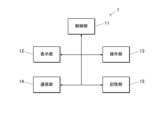
- FIG. 1 is a block diagram showing a configuration of an information management system.
- FIG. 2 is a block diagram showing a configuration of an information management server.
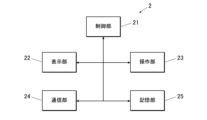
- FIG. 2 is a block diagram showing a configuration of a terminal device.
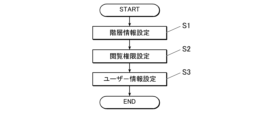
- FIG. 11 is a flow diagram of a browsing authority setting process.
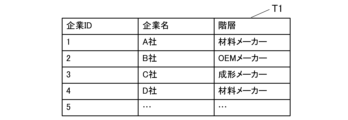
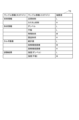
- FIG. 13 is an image diagram of a hierarchical information table.
- FIG. 13 is an image diagram of a confidentiality table.
- FIG. 11 is a flow diagram of a sample information input process.
- FIG. 13 is an image diagram of a sample information confidentiality table.
- FIG. 11 is a flow diagram of a sample information display process.
- FIG. 13 is an image diagram of a sample information display screen.
- FIG. 13 is an image diagram of a sample information display screen.
- FIG. 13 is an image diagram of a sample information display screen.
- FIG. 13 is an image diagram of a hierarchical information table.
- FIG. 13 is an image diagram of a confidentiality table.
- FIG. 13 is an image
- the information management system 100 is composed of an information management server 1, a terminal device 2, and a communication network N.
- the information management server 1 and the terminal device 2 are composed of devices such as PCs.
- the information management server 1 and the terminal device 2 transmit and receive information via the communication network N.
- the information management server 1 is a device that determines the scope of sample information that can be viewed by a viewer based on a combination of the hierarchy to which the sample provider belongs and the hierarchy to which the viewer who views the sample information belongs.
- the scope of sample information that can be viewed by a viewer corresponds to the confidentiality level that can be viewed, which will be described later.
- the terminal device 2 is a device through which a user inputs information to the information management server 1 via the communication network N.
- the terminal device 2 is also a device through which a user receives and confirms information from the information management server 1 via the communication network N.
- a sample provider uses the terminal device 2 to input sample information to the information management server 1.
- a viewer uses the terminal device 2 to receive and confirm sample information that is viewable from the information management server 1.
- a system administrator uses the terminal device 2 to input viewing authority for each hierarchical information.
- the information management server 1 includes a control unit 11, a display unit 12, an operation unit 13, a communication unit 14, and a storage unit 15.
- the control unit 11 is composed of a CPU (Central Processing Unit), a RAM (Random Access Memory), etc.
- the CPU of the control unit 11 reads out various programs stored in the storage unit 15, loads them in the RAM, and executes various processes (such as a browsing authority setting process, a sample information input process, and a sample information display process, which will be described later) according to the loaded programs, thereby controlling the operation of each part of the information management server 1.
- the control unit 11 functions as a first reception unit that receives user information input by a user.
- the control unit 11 functions as a hierarchical information assigning unit that assigns hierarchical information associated with user information to a user.
- the hierarchical information is hierarchical information in a company's supply chain.
- the control unit 11 functions as a second reception unit that receives one or more pieces of sample information for one sample input by the user.
- the control unit 11 functions as a third reception unit that receives a degree of confidentiality input by a user for each piece of sample information, for one or more pieces of sample information received by the second reception unit.
- the control unit 11 functions as a setting unit that sets viewing authority for each piece of hierarchical information input by the system administrator.
- the display unit 12 is composed of a monitor such as an LCD (Liquid Crystal Display), and is configured to display various screens and the like according to the instructions of the display signal input from the control unit 11.
- a monitor such as an LCD (Liquid Crystal Display)
- LCD Liquid Crystal Display
- the operation unit 13 is a keyboard equipped with cursor keys, numeric input keys, various function keys, etc., a pointing device such as a mouse, a touch panel laminated on the surface of the display unit 12, etc.
- the operation unit 13 is configured to be operable by an operator.
- the operation unit 13 outputs various signals based on operations performed by the operator to the control unit 11.
- the communication unit 14 is capable of transmitting and receiving various signals and data to and from other devices connected via a communication network N (such as a LAN (Local Area Network), a WAN (Wide Area Network), the Internet, etc.).
- a communication network N such as a LAN (Local Area Network), a WAN (Wide Area Network), the Internet, etc.).
- the storage unit 15 is composed of a non-volatile semiconductor memory, a hard disk, etc., and stores various programs executed by the control unit 11 and parameters required for executing the programs.
- the terminal device 2 includes a control unit 21, a display unit 22, an operation unit 23, a communication unit 24, and a storage unit 25.
- the control unit 21 is composed of a CPU (Central Processing Unit), a RAM (Random Access Memory), etc.
- the CPU of the control unit 21 reads out various programs stored in the storage unit 25, expands them in the RAM, executes various processes according to the expanded programs, and controls the operation of each part of the terminal device 2.
- the display unit 22 is composed of a monitor such as an LCD (Liquid Crystal Display), and is configured to display various screens (sample information display screen W1, sample information display screen W2, etc.) according to the instructions of the display signal input from the control unit 21.
- a monitor such as an LCD (Liquid Crystal Display)
- various screens sample information display screen W1, sample information display screen W2, etc.
- the operation unit 23 is a keyboard equipped with cursor keys, numeric input keys, various function keys, etc., a pointing device such as a mouse, a touch panel laminated on the surface of the display unit 22, etc.
- the operation unit 23 is configured to be operable by an operator.
- the operation unit 13 outputs various signals based on operations performed by the operator to the control unit 11.
- the communication unit 24 is capable of transmitting and receiving various signals and data to and from other devices connected via a communication network N (such as a LAN (Local Area Network), a WAN (Wide Area Network), the Internet, etc.).
- a communication network N such as a LAN (Local Area Network), a WAN (Wide Area Network), the Internet, etc.).
- the storage unit 25 is composed of a non-volatile semiconductor memory, a hard disk, etc., and stores various programs executed by the control unit 11 and parameters required for executing the programs.
- a user is a user who uses the information management server 1.
- the users mainly include a system administrator, a sample provider, and a viewer.
- the system administrator is a user who can operate various highly confidential setting tables such as a hierarchical information table T1 and a confidentiality table T2, which will be described later.
- the sample provider is a user who provides various sample information related to the sample, which will be described later.
- the sample provider operates a sample information confidentiality table T3, which will be described later.
- a viewer is a user who views sample information. Each user is assigned a user ID, which is linked to a company ID, which will be described later.
- the sample is, for example, a resin molding material or a resin molded product.
- the sample information includes at least one of trace information, physical property information, shape information, appearance information, molding internal information, test information, material information, Talbot image, and test results.
- the trace information is information about what material was used, which molding manufacturer produced the product, and under what molding conditions.
- the trace information is information that indicates the sample's characteristics.
- the physical property information is information on the physical property values of the sample. For example, the physical property information is values described in a spec sheet, such as the thermal expansion coefficient, thermal conductivity, MFR (melt flow rate), tensile strength and bending strength when molded into a dumbbell.
- the shape information is the shape of the sample (for example, dumbbell shape, flat plate shape, etc.).
- the appearance information is, for example, an optical image of a molded sample.
- the internal molding information includes a Talbot image of a molded sample and feature quantities calculated from the Talbot image.
- the test information includes evaluation results of a molded sample (for example, tensile test results of a cut-out portion).
- Material information is various specifications of the material.
- material information is the performance of a dumbbell.
- material information is the base resin (e.g., polypropylene, polyamide, etc.), additives, filler (glass fiber, carbon fiber, etc.), the mixture ratio of the filler and resin, the name of the company selling the material, and the product name.
- a Talbot image is an image of a sample taken using a Talbot microscope. Test results are tests (eg, tensile tests, bend tests, etc.) performed on the samples.
- the browsing authority setting process is a process in which a system administrator sets browsing authority (a confidentiality level at which browsing can be performed) for a user and stores the browsing authority in the storage unit 15.
- the control unit 11 sets hierarchical information in the hierarchical information table T1 shown in FIG. 5 based on a signal from the operation unit 23 by a system administrator via the communication network N (step S1).
- the hierarchical information table T1 shown in FIG. 5 is a table that stores hierarchical information for each company (company ID) in the supply chain of a resin molded product.
- the hierarchy information table T1 has columns for company ID, company name, and hierarchy information. Each company ID is associated with a company name and hierarchy information.
- the hierarchical information includes, for example, material manufacturers, OEM manufacturers, molding manufacturers, and the like in the supply chain of a resin molded product.
- control unit 11 sets the confidentiality level that can be viewed by inputting the confidentiality level table T2 shown in FIG. 6 based on a signal from the operation unit 23 by the system administrator via the communication network N (step S2; setting step). At this time, the control unit 11 functions as a setting unit.
- the confidentiality level table T2 shown in Fig. 6 is a table that determines the scope of sample information that can be viewed based on a combination of the hierarchical level to which the sample provider belongs and the hierarchical level to which the viewer belongs.
- the scope of sample information that can be viewed corresponds to the confidentiality level at which the sample information can be viewed.
- the confidentiality level that can be viewed (viewing authority) refers to the confidentiality level determined based on the combination of the hierarchical level to which the sample provider belongs and the hierarchical level to which the viewer belongs in the confidentiality level table T2. For example, if the sample provider belongs to a molding manufacturer and the viewer belongs to an OEM manufacturer, the viewer can view sample information with confidentiality levels H (High), M (Medium), and L (Low).
- the confidentiality levels increase in the order of H, M, and L.
- confidentiality is the level to which sample information is made public.
- the confidentiality level is set at least for the companies (competitors in FIG. 6) belonging to the same hierarchical information. If the conflicting part in FIG. 6 is not set, the control unit 11 may display an error on the display unit 12.
- the control unit 11 may display the confidentiality level of the recommended settings on the display unit 12. The confidentiality level of the recommended settings may be determined from past input data, etc.
- control unit 11 sets user information based on a signal from the operation unit 23 by the system administrator via the communication network N (step S3), and the viewing authority setting process ends.
- the company ID is linked to the user ID.
- step S1 the system administrator uses the operation unit 13 to input information to the control unit 11, but the sample provider may also use the operation unit 13 to input information to the control unit 11. In other words, the sample provider may set the hierarchical information.
- the sample information input process is a process in which a sample provider inputs sample information and confidentiality into the storage unit 15 of the information management server 1.
- the sample provider inputs user information about the sample provider using the operation unit 23 of the terminal device 2 (step S11).
- the control unit 11 accepts user information of the sample provider based on a signal from the operation unit 23 by the sample provider via the communication network N (step S12; first accepting step). At this time, the control unit 11 functions as a first accepting unit.
- control unit 11 searches the hierarchical information table T1 from the company ID corresponding to the user ID included in the user information, obtains the hierarchical information, and assigns it to the sample provider (step S13; hierarchical information assignment step). At this time, the control unit 11 functions as a hierarchical information assignment unit.
- the sample provider inputs sample information using the operation unit 23 of the terminal device 2 (step S14).
- the control unit 11 accepts the sample information based on a signal from the operation unit 23 by the sample provider via the communication network N (step S15; second accepting step). At this time, the control unit 11 functions as a second accepting unit.
- step S16 the sample provider inputs the confidentiality level using the operation unit 23 of the terminal device 2 (step S16).
- the control unit 11 judges whether the person who inputs the information in step S14 is the same as the person who inputs the information in step S16 (step S17). If the control unit 11 judges that the person is the same (step S17; YES), the sample information input process proceeds to step S18. If the control unit 11 judges that the person is different (step S17; NO), the sample information input process ends.
- the control unit 11 receives the confidentiality level based on a signal from the operation unit 23 by the sample provider via the communication network N (step 18; third reception step). The control unit 11 sets the received confidentiality level in the sample information confidentiality level table T3 shown in Fig. 8, and the sample information input process ends. At this time, the control unit 11 functions as a third reception unit.
- the sample information confidentiality table T3 shown in Fig. 8 is a table in which confidentiality is set for sample information. As shown in Fig. 8, confidentiality is set for sample information for which confidentiality can be set.
- the confidentiality level is set for at least one of the trace information, the shape information, the material information, the Talbot image, and the test result.
- the custom material in FIG. 8 refers to a material customized for a specific manufacturer, as opposed to a general, general-purpose material.
- the shape information shown in Fig. 8 will be described. For example, information on dumbbell shapes and flat plate shapes may be made public, so the confidentiality level is set to L.
- test piece molds owned by each company have a disclosure level of confidentiality level M.
- information on mold shapes used in mass production is set to confidentiality level H. 8
- the confidentiality level may be set according to the abstraction level of the Talbot image.
- the confidentiality level of a high-resolution image may be set to H
- the confidentiality level of a low-resolution image and a statistical image may be set to L.
- the statistical image is, for example, an average image obtained by dividing an image into small regions and calculating an average value of pixel values for each small region.
- the above setting does not need to be performed.
- the sample information display process is a process in which the viewer causes sample information to be displayed on the display unit 22.
- the display content to be displayed on the display unit 22 is determined based on a combination of the sample provider and the hierarchical level to which the viewer belongs.
- the viewer inputs the viewer's user information using the operation unit 23 of the terminal device 2 (step S21).
- the control unit 11 receives user information of the viewer based on a signal from the operation unit 23 by the viewer via the communication network N (step S22; first receiving step). At this time, the control unit 11 functions as a first receiving unit.
- control unit 11 searches the hierarchy information table T1 from the company ID corresponding to the user ID included in the user information, obtains the hierarchy information, and assigns it to the viewer (step S23; hierarchy information assignment step). At this time, the control unit 11 functions as a hierarchy information assignment unit.
- the viewer uses the operation unit 23 of the terminal device 2 to select a sample to be viewed (step S24).
- the control unit 11 accepts the selection of a viewing sample based on a signal from the operation unit 23 by the viewer via the communication network N (step S25).
- the control unit 11 searches the hierarchical information table T1 from the company ID corresponding to the user ID included in the user information of the sample provider of the viewed sample, and obtains the hierarchical information of the sample provider (step S26).
- the control unit 11 uses the confidentiality level table T2 to determine the confidentiality level (L, M, H) at which the data can be viewed based on a combination of the hierarchical level to which the sample provider belongs and the hierarchical level to which the viewer belongs (step S27).
- the confidentiality level table T2 shown in FIG. 6 when the level to which the viewer belongs is the molding manufacturer and the level to which the sample provider belongs is the material manufacturer, the confidentiality levels that can be viewed are determined to be M and L.
- the control unit 11 transmits, from the sample information of the browsing samples, sample information with a browseable confidentiality level to the control unit 21 via the communication network N (step S28).
- the control unit 21 causes the display unit 22 to display the sample information with the viewable confidentiality level, as in a sample information display screen W1 described later (step S26), and the sample information display process ends.
- the confidentiality level that can be viewed by the viewer is M or L
- the control unit 11 does not display on the display unit 12 the material information (custom material), shape information (product shape), and Talbot image (high-resolution image) that have a confidentiality level set to H in the sample information confidentiality table T3 shown in Figure 8, and instead displays on the display unit 12 information other than these among the input sample information.
- the confidentiality levels that a viewer can view are M and L, it may be set that the viewer cannot view all sample information about samples that include sample information with confidentiality levels M and L.
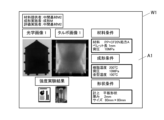
- the sample information display screen W1 is a screen that displays viewable sample information.
- Area A1 is an area for displaying sample information that has been determined to have a confidentiality level that allows viewing in step S27 of the sample information display process.
- the trace information, optical image, Talbot image, strength test results, material conditions, molding conditions, and shape information are set to be displayed.
- the example of FIG. 10 shows that all of the above information is displayed at a confidentiality level that allows viewing.
- the low resolution Talbot image is displayed because it is a confidential image that can be viewed.
- the high resolution Talbot image is not displayed because it is a confidential image that can be viewed.
- the material conditions are not displayed because it is a confidential image that can be viewed.
- not all of the above information is displayed because it is not at a confidentiality level that can be viewed. If the information cannot be displayed, a message such as "Cannot be viewed because the confidentiality level is high" may be displayed. Alternatively, only sample information that can be viewed may be displayed.
- the second embodiment is an embodiment in which an item indicating whether the user is a paid user/free user is added to the hierarchical information table T1 and confidentiality table T2 of the first embodiment.
- a hierarchical information table T4 and confidentiality table T5 are used.
- the examples of the hierarchical information table T4 and confidentiality table T5 are examples in which only information with low confidentiality is set so that a viewer who is a free user can view it.
- the settings may be more detailed, combining hierarchical information and paid/free, such as material manufacturer and paid user, or material manufacturer and free user.
- the process flow is the same as that of the first embodiment.
- steps S1 and S2 whether the user is a paid user or a free user is also input.
- step S27 it is first determined whether the viewer is a paid user or a free user.
- the sample information display screen W2 is a screen that displays viewable sample information, similar to the first embodiment.
- area A2 is an area for displaying sample information that has been determined to have a confidentiality level that can be viewed in step S27 of the sample information display process.
- the button B1 is a button for downloading related data. When the button B1 is pressed, downloading of the related data starts.
- the button B2 is a button for making an inquiry to the sample provider. When the button B2 is pressed, the viewer can send an e-mail or call the sample provider.
- FIG. 15 shows that all of the above information is displayed at a confidentiality level that allows viewing.
- FIG. 16 is an example in which all of the above information is not displayed, but is not at a confidentiality level that allows viewing of all of the information. If the user is a non-paying user and becomes a paid user and is able to browse more sample information, a button B3 may be displayed instead of the button B1, as shown in Fig. 16. The button B3 is a button for proceeding to a subscription screen for the paid version.
- an item is added as to whether the user is a paid user or a free user.
- This has the effect of allowing the sample provider to provide useful information to paid users who are more likely to adopt the product, without incurring additional man-hours.
- paid users are more willing to make selections that include not only material information but also molding conditions, and tend to be more likely to adopt the product.
- the confidentiality table T2 has viewing authority set based on the combination of the sample provider and the hierarchy to which the viewer belongs, but the viewing authority may also be set for each user ID.
- step S3 of the viewing authority setting process the system administrator associates the correct company ID with the user ID.
- the company ID set by the system administrator may be given priority. This can prevent the user's viewing authority from being used incorrectly.
- the settings and inputs made by the user in the above embodiment are not limited to methods using the operation unit 13.
- the settings and inputs may be voice inputs, etc.
- the system administrator may temporarily set the viewer's hierarchy. For example, by setting the viewer's hierarchy to material manufacturer or molding manufacturer, confidentiality level H can be made unviewable. In other words, by replacing step S23 of the sample information display process with such a setting step, it is possible to allow partial viewing even by users who are not registered in the information management server 1.
- the information management server 1 comprises a first reception unit (control unit 11) that receives user information input by a user, a hierarchical information assignment unit (control unit 11) that assigns hierarchical information linked to the user information to the user, a second reception unit (control unit 11) that accepts one or more sample information for one sample input by the user, and a third reception unit (control unit 11) that accepts the confidentiality level input by the user for each sample information for one or more sample information accepted by the second reception unit, and the hierarchical information is hierarchical information in a company's supply chain. This allows for greater flexibility in granting access rights when sharing data.
- the information management server 1 has a setting unit (control unit 11) that sets the viewing authority for each piece of hierarchical information entered by the system administrator, so that the viewing authority is determined based on a combination of the hierarchical information of the sample provider and the viewer, increasing the flexibility of granting access rights.
- a setting unit control unit 11
- the third reception unit (control unit 11) can prevent confidentiality from being set by an unauthorized user by accepting the confidentiality level if the user information of the user who input the confidentiality level for the sample information is the same as the user information when the second reception unit accepted the sample information.
- the information management system 100 is an information management system in which a user terminal (terminal device 2) and an information management server 1 are communicatively connected, and the information management server includes a first reception unit (control unit 11) that receives user information sent from the user terminal, a hierarchical information assignment unit (control unit 11) that assigns hierarchical information linked to the user information to the user, a second reception unit (control unit 11) that accepts one or more sample information for one sample sent from the user terminal, and a third reception unit (control unit 11) that accepts a confidentiality level input by the user for each sample information for one or more sample information accepted by the second reception unit, and the hierarchical information is hierarchical information in a company's supply chain. This allows for greater flexibility in granting access rights when sharing data.
- the information management method also includes a first reception step (steps S12 and S22) of receiving user information input by a user, a hierarchical information assignment step (steps S13 and S23) of assigning hierarchical information linked to the user information to the user, a second reception step (step S15) of accepting one or more sample information for one sample input by the user, and a third reception step (step S17) of accepting a confidentiality level input by the user for each sample information for one or more sample information received in the second reception step, where the hierarchical information is hierarchical information in a company's supply chain. This allows for greater flexibility in granting access rights when sharing data.
- the program also causes the computer of the information management server 1 to function as a first reception unit (control unit 11) that receives user information input by a user, a hierarchical information assignment unit (control unit 11) that assigns hierarchical information linked to the user information to the user, a second reception unit (control unit 11) that receives one or more pieces of sample information for one sample input by the user, and a third reception unit (control unit 11) that accepts the confidentiality level input by the user for each piece of sample information for one or more pieces of sample information received by the second reception unit; and because the hierarchical information is hierarchical information in a company's supply chain, it is possible to increase the flexibility of granting access rights when sharing data.
- a hard disk or a non-volatile semiconductor memory is used as a computer-readable medium for the program according to the present invention, but the present invention is not limited to this example.
- a portable recording medium such as a CD-ROM can be used as another computer-readable medium.
- This disclosure can be used in information management servers, information management systems, information management methods, and programs.
- Information management system 100 Information management system 1 Information management server 11 Control unit (first reception unit, hierarchical information assignment unit, second reception unit, third reception unit, setting unit) 12 Display unit 13 Operation unit 14 Communication unit 15 Memory unit N Communication network
Landscapes
- Engineering & Computer Science (AREA)
- Business, Economics & Management (AREA)
- Theoretical Computer Science (AREA)
- Physics & Mathematics (AREA)
- Economics (AREA)
- General Physics & Mathematics (AREA)
- Computer Security & Cryptography (AREA)
- Human Resources & Organizations (AREA)
- General Engineering & Computer Science (AREA)
- Health & Medical Sciences (AREA)
- Computer Hardware Design (AREA)
- General Health & Medical Sciences (AREA)
- Development Economics (AREA)
- Bioethics (AREA)
- Entrepreneurship & Innovation (AREA)
- Software Systems (AREA)
- Marketing (AREA)
- Operations Research (AREA)
- Quality & Reliability (AREA)
- Strategic Management (AREA)
- Tourism & Hospitality (AREA)
- General Business, Economics & Management (AREA)
- Management, Administration, Business Operations System, And Electronic Commerce (AREA)
Abstract
Description
このようなサプライチェーンの効率化のためには、複数の事業者間で樹脂部品の製造工程や評価結果などのデータが共有されていることが、望ましい。一方、データが共有されると、公開したくない相手に対してもデータ共有されてしまうという課題が生じる。
上記課題に対し、データを開示してもよいユーザーにのみ、データへアクセスするためのアクセス権を付与するデータ共有システムが開示されている(特許文献1、特許文献2)。
ユーザーにより入力されたユーザー情報を受け付ける第1受付部と、
前記ユーザー情報に紐づく階層情報をユーザーに付与する階層情報付与部と、
ユーザーにより入力された一のサンプルに対する1又は複数のサンプル情報を受け付ける第2受付部と、
前記第2受付部により受け付けた1又は複数のサンプル情報に対し、サンプル情報ごとにユーザーにより入力された秘匿度を受け付ける第3受付部と、
を備え、
前記階層情報は企業のサプライチェーンにおける階層情報である。
ユーザー端末と情報管理サーバーとが通信接続された情報管理システムであって、
前記情報管理サーバーは、
前記ユーザー端末から送信されたユーザー情報を受け付ける第1受付部と、
前記ユーザー情報に紐づく階層情報をユーザーに付与する階層情報付与部と、
前記ユーザー端末から送信された一のサンプルに対する1又は複数のサンプル情報を受け付ける第2受付部と、
前記第2受付部により受け付けた1又は複数のサンプル情報に対し、サンプル情報ごとにユーザーにより入力された秘匿度を受け付ける第3受付部と、
を備え、
前記階層情報は企業のサプライチェーンにおける階層情報である。
ユーザーにより入力されたユーザー情報を受け付ける第1受付ステップと、
前記ユーザー情報に紐づく階層情報をユーザーに付与する階層情報付与ステップと、
ユーザーにより入力された一のサンプルに対する1又は複数のサンプル情報を受け付ける第2受付ステップと、
前記第2受付ステップにて受け付けた1又は複数のサンプル情報に対し、サンプル情報ごとにユーザーにより入力された秘匿度を受け付ける第3受付ステップと、
を含む情報管理方法であって、
前記階層情報は企業のサプライチェーンにおける階層情報である。
情報管理サーバーのコンピューターを、
ユーザーにより入力されたユーザー情報を受け付ける第1受付部、
前記ユーザー情報に紐づく階層情報をユーザーに付与する階層情報付与部、
ユーザーにより入力された一のサンプルに対する1又は複数のサンプル情報を受け付ける第2受付部、
前記第2受付部により受け付けた1又は複数のサンプル情報に対し、サンプル情報ごとにユーザーにより入力された秘匿度を受け付ける第3受付部、
として機能させ、
前記階層情報は企業のサプライチェーンにおける階層情報である。
<情報管理システム>
まず、図1を用いて、情報管理システム100の構成を説明する。図1に示すように、情報管理システム100は、情報管理サーバー1、端末装置2、通信ネットワークNからなる。情報管理サーバー1及び端末装置2は、PCなどの装置で構成されている。情報管理サーバー1及び端末装置2は、通信ネットワークNを介して、情報を送受信する。
情報管理サーバー1は、サンプル提供者の所属する階層と、サンプル情報を閲覧する閲覧者の所属する階層の組み合わせに基づき、閲覧者によるサンプル情報の閲覧可能な範囲を決定する装置である。閲覧者によるサンプル情報の閲覧可能な範囲は、後述する閲覧可能な秘匿度に対応している。
端末装置2は、ユーザーが通信ネットワークNを介して情報管理サーバー1に情報を入力するための装置である。また、端末装置2は、ユーザーが通信ネットワークNを介して情報管理サーバー1から情報を受信し確認するための装置である。例えば、サンプル提供者は、端末装置2を用いて、情報管理サーバー1にサンプル情報を入力する。また、閲覧者は、端末装置2を用いて、情報管理サーバー1から閲覧可能な範囲のサンプル情報を受信し確認する。また、システム管理者は、端末装置2を用いて、階層情報ごとの閲覧権限を入力する。
次に、図2を用いて、情報管理サーバー1の構成を説明する。図2に示すように、情報管理サーバー1は、制御部11、表示部12、操作部13、通信部14、記憶部15を備えている。
制御部11は、ユーザーにより入力されたユーザー情報を受け付ける第1受付部として機能する。
制御部11は、ユーザー情報に紐づく階層情報をユーザーに付与する階層情報付与部として機能する。階層情報は企業のサプライチェーンにおける階層情報である。
制御部11は、ユーザーにより入力された一のサンプルに対する1又は複数のサンプル情報を受け付ける第2受付部として機能する。
制御部11は、第2受付部により受け付けた1又は複数のサンプル情報に対し、サンプル情報ごとにユーザーにより入力された秘匿度を受け付ける第3受付部として機能する。
制御部11は、システム管理者より入力された階層情報ごとの閲覧権限を設定する設定部として機能する。
次に、図3を用いて、端末装置2の構成を説明する。図3に示すように、端末装置2は、制御部21、表示部22、操作部23、通信部24、記憶部25を備えている。
ユーザーとは、情報管理サーバー1を使用するユーザーである。ユーザーには、主に、システム管理者、サンプル提供者、閲覧者である。
システム管理者とは、後述する階層情報テーブルT1や秘匿度テーブルT2のような機密性の高い各種設定テーブルを操作することができるユーザーである。
サンプル提供者とは、後述するサンプルに関する各種サンプル情報を提供するユーザーである。サンプル提供者は、後述するサンプル情報秘匿度テーブルT3を操作する。
閲覧者とは、サンプル情報を閲覧するユーザーである。
ユーザーには、ユーザーIDが割り振られている。ユーザーIDには、後述する企業IDが紐づけられている。
サンプルとは、例えば、樹脂成型用材料又は樹脂成型品である。
サンプル情報とは、トレース情報、物性情報、形状情報、外観情報、成形内部情報、試験情報、材料情報、タルボ画像、試験結果のうち少なくとも1つを含む。
トレース情報とは、どの材料を使って、どの成形メーカーが、どのような成形条件で製造したかという情報である。トレース情報は、サンプル素性を表す情報である。
物性情報とは、サンプルの物性値の情報である。例えば、物性情報は、熱膨張率、熱伝導率、MFR(メルトフローレート)、ダンベルに成形した際の引張強度や曲げ強度など、スペックシートに記載される値である。
形状情報とは、サンプルの形状(例えば、ダンベル形状、平板形状等)である。
外観情報とは、成形したサンプルの光学画像などである。
成形内部情報とは、成形したサンプルのタルボ画像及びそのタルボ画像から計算される特徴量などである。
試験情報とは、成形したサンプルの評価結果(例えば、ある部分を切り出した引張試験結果)などである。
材料情報とは、材料の各種スペックである。例えば、材料情報は、ダンベルなどの性能である。また、例えば、材料情報は、母材となる樹脂(例えば、プリプロピレン、ポリアミドなど)、添加剤、フィラー(ガラス繊維、カーボン繊維など)、フィラーと樹脂の混合比、材料を販売している社名と製品名、である。
タルボ画像とは、サンプルをタルボ撮影した画像である。
試験結果とは、サンプルについて実施した試験(例えば、引張試験、曲げ試験等)である。
次に、図4を用いて、閲覧権限設定処理を説明する。閲覧権限設定処理とは、システム管理者が、ユーザーに対して閲覧権限(閲覧可能な秘匿度)を設定し、閲覧権限を記憶部15に記憶させる処理である。
まず、制御部11は、通信ネットワークNを介して、システム管理者による操作部23からの信号に基づき、図5に示す階層情報テーブルT1の階層情報を設定する(ステップS1)。
階層情報テーブルT1には、企業ID、企業名、階層情報の列がある。企業IDごとに、企業名や階層情報が紐づけられている。
階層情報とは、例えば、樹脂成型品のサプライチェーンにおける、材料メーカー、OEMメーカー、成形メーカーなどである。
閲覧可能な秘匿度(閲覧権限)とは、秘匿度テーブルT2における、サンプル提供者の所属する階層と、閲覧者の所属する階層の組み合わせに基づき決定された秘匿度を指す。
例えば、サンプル提供者が成形メーカーの所属で、閲覧者がOEMメーカーの所属の場合、その閲覧者は、秘匿度がH(High)、M(Medium)、L(Low)のサンプル情報が閲覧可能である。
ここで、秘匿度は、H、M、Lの順で高くなっている。
つまり、秘匿度は、サンプル情報の公開レベルである。
なお、秘匿度は、同じ階層情報に属する企業(図6中;競合)に対して少なくとも設定される。図6中の競合の箇所が設定されていない場合、制御部11は、表示部12にエラー表示してもよい。
また、ステップS2において、システム管理者が秘匿度を設定しやすいように、制御部11は、表示部12に、推奨設定の秘匿度を表示させてもよい。推奨設定の秘匿度は、過去の入力データなどから決定されてもよい。
次に、図7を用いて、サンプル情報入力処理を説明する。サンプル情報入力処理とは、サンプル提供者が、情報管理サーバー1の記憶部15に、サンプル情報や秘匿度を入力する処理である。
まず、サンプル提供者は、端末装置2の操作部23を用いて、サンプル提供者のユーザー情報を入力する(ステップS11)。
次に、制御部11は、通信ネットワークNを介して、サンプル提供者による操作部23からの信号に基づき、サンプル提供者のユーザー情報を受け付ける(ステップS12;第1受付ステップ)。このとき、制御部11は、第1受付部として機能する。
次に、制御部11は、通信ネットワークNを介して、サンプル提供者による操作部23からの信号に基づき、サンプル情報を受け付ける(ステップS15;第2受付ステップ)。このとき、制御部11は、第2受付部として機能する。
次に、制御部11は、ステップS14とステップS16における情報の入力者が同じかどうか判断する(ステップS17)。制御部11が同じと判断した場合(ステップS17;YES)、サンプル情報入力処理は、ステップS18に進む。制御部11が異なると判断した場合(ステップS17;NO)、サンプル情報入力処理は、終了する。
次に、制御部11は、通信ネットワークNを介して、サンプル提供者による操作部23からの信号に基づき、秘匿度を受け付ける(ステップ18;第3受付ステップ)。制御部11は、受け付けた秘匿度を、図8に示すサンプル情報秘匿度テーブルT3に設定し、サンプル情報入力処理は終了する。このとき、制御部11は、第3受付部として機能する。
秘匿度は、トレース情報、形状情報、材料情報、タルボ画像、試験結果から少なくとも1つに対して設定される。
図8のカスタム材料とは、一般的な汎用材料に対し、特定メーカーにカスタマイズした材料を指す。
図8に示す形状情報について説明する。例えば、ダンベル形状や平板形状の情報は一般公開してもよいため、秘匿度Lとする。また、材料や成形品が、例えば、突起/リブや穴が開いていたり、ステップ形状になっていたり、ウエルドが意図的にできるものなどといったような、企業ごとに持っているテストピースの金型などは、公開レベルを秘匿度Mとする。また、量産で使う金型形状の情報は、秘匿度Hとする。
図8に示すように、タルボ画像の抽象度に応じて、秘匿度は設定されてもよい。例えば、高解像度画像は秘匿度H、低解像度画像や統計値画像は秘匿度L、と設定されてもよい。ここで、統計値画像とは、例えば、画像をある小領域で区切り、その小領域ごとに画素値の平均値を算出した平均値画像などである。
また、サンプル情報のうち、秘匿度を設定する必要が無い情報に対しては、上記設定は行わなくてもよい。
次に、図9を用いて、サンプル情報表示処理を説明する。サンプル情報表示処理とは、閲覧者が、サンプル情報を表示部22に表示させる処理である。表示部22に表示される表示内容は、サンプル提供者と閲覧者の所属する階層の組み合わせに基づき、決定される。
まず、閲覧者は、端末装置2の操作部23を用いて、閲覧者のユーザー情報を入力する(ステップS21)。
次に、制御部11は、通信ネットワークNを介して、閲覧者による操作部23からの信号に基づき、閲覧者のユーザー情報を受け付ける(ステップS22;第1受付ステップ)。このとき、制御部11は、第1受付部として機能する。
次に、制御部11は、通信ネットワークNを介して、閲覧者による操作部23からの信号に基づき、閲覧サンプルの選択を受け付ける(ステップS25)。
具体的には、図6に示す秘匿度テーブルT2において、閲覧者の所属する階層が成形メーカーであり、サンプル提供者の所属する階層が材料メーカーの場合、閲覧可能な秘匿度は、M及びLと決定される。
次に、制御部21は、閲覧可能な秘匿度のサンプル情報を、後述するサンプル情報表示画面W1のように、表示部22に表示させる(ステップS26)。サンプル情報表示処理は終了する。
具体的には、制御部11は、閲覧者の閲覧可能な秘匿度がM及びLの場合、図8に示すサンプル情報秘匿度テーブルT3では、秘匿度がHに設定された材料情報(カスタム材料)や形状情報(製品形状)、タルボ画像(高解像度画像)を表示部12に表示させず、入力されているサンプル情報のうち、それら以外の情報を表示部12に表示させる。
なお、閲覧者の閲覧可能な秘匿度がM及びLの場合、秘匿度がM及びLのサンプル情報が含まれるサンプルについての全サンプル情報を、閲覧者は閲覧できないと設定されてもよい。
次に、図10~12を用いて、サンプル情報表示画面W1を説明する。
サンプル情報表示画面W1は、閲覧可能なサンプル情報を表示する画面である。
領域A1は、サンプル情報表示処理のステップS27にて、閲覧可能な秘匿度であると判断されたサンプル情報を表示させる領域である。
図10~図12の例では、トレース情報、光学画像、タルボ画像、強度試験結果、材料条件、成形条件、形状情報を表示するように設定されているものとする。
図10の例は、上記全ての情報が閲覧可能な秘匿度であり、表示されている例である。
図11の例は、タルボ画像の低解像度は閲覧可能な秘匿度であり、表示されている。なお、タルボ画像の高解像度画像は、閲覧可能な秘匿度ではなく表示されない。また、材料条件についても、閲覧可能な秘匿度ではなく表示されない。
図12の例は、上記全ての情報が閲覧可能な秘匿度ではなく、表示されていない例である。なお、表示できない場合は、「秘匿度が高いため閲覧できません」といったメッセージを合わせて表示するとよい。また、閲覧可能なサンプル情報のみを表示するようにしてもよい。
第2実施形態は、第1実施形態の階層情報テーブルT1及び秘匿度テーブルT2に、ユーザーが有償ユーザー/無償ユーザーであるかという項目を追加した実施形態である。具体的には、第2実施形態では、階層情報テーブルT4及び秘匿度テーブルT5を用いる。なお、階層情報テーブルT4及び秘匿度テーブルT5の例は、閲覧者が無償ユーザーの場合は、秘匿度の低い情報のみが閲覧できるように設定した際の例である。なお、設定を細かくし、材料メーカーかつ有償ユーザー、材料メーカーかつ無償ユーザー、のように階層情報と有償/無償を組み合わせても良い。
処理のフローについては、第1実施形態と同様である。ステップS1やステップS2では、ユーザーが有償ユーザー/無償ユーザーであるかということも併せて入力される。ステップS27では、閲覧者が有償ユーザー/無償ユーザーであるかということがまず判断される。
次に、図15~図16を用いて、サンプル情報表示画面W2を説明する。
サンプル情報表示画面W2は、第1実施形態と同様に、閲覧可能なサンプル情報を表示する画面である。
領域A2は、第1実施形態と同様に、サンプル情報表示処理のステップS27にて、閲覧可能な秘匿度であると判断されたサンプル情報を表示させる領域である。
ボタンB1は、関連するデータをダウンロードするためのボタンである。ボタンB1が押下されると、関連するデータのダウンロードが開始される。
ボタンB2は、サンプル提供者に問い合わせするためのボタンである。ボタンB2が押下されると、閲覧者からサンプル提供者へのメールもしくは電話が可能となる。
図15~図16の例では、第1実施形態と同様に、トレース情報、光学画像、タルボ画像、強度試験結果、材料条件、成形条件、形状情報を表示するように設定されているものとする。
図15の例は、上記全ての情報が閲覧可能な秘匿度であり、表示されている例である。
図16の例は、上記全ての情報が閲覧可能な秘匿度ではなく、表示されていない例である。
なお、ユーザーが無償ユーザーであり、有償ユーザーになると、閲覧できるサンプル情報が増える場合は、図16に示すように、ボタンB1に変えて、ボタンB3を表示してもよい。ボタンB3とは、有償版の申し込み画面へ進むボタンである。
上記実施形態では、図6に示すように、秘匿度テーブルT2は、サンプル提供者と、閲覧者の所属する階層の組み合わせに基づいて、閲覧権限が設定されているが、閲覧権限は、ユーザーIDごとに設定されてもよい。
以上説明したように、情報管理サーバー1は、ユーザーにより入力されたユーザー情報を受け付ける第1受付部(制御部11)と、ユーザー情報に紐づく階層情報をユーザーに付与する階層情報付与部(制御部11)と、ユーザーにより入力された一のサンプルに対する1又は複数のサンプル情報を受け付ける第2受付部(制御部11)と、第2受付部により受け付けた1又は複数のサンプル情報に対し、サンプル情報ごとにユーザーにより入力された秘匿度を受け付ける第3受付部(制御部11)と、を備え、階層情報は企業のサプライチェーンにおける階層情報である。
これにより、データ共有において、アクセス権付与の柔軟性を高められる。
これにより、データ共有において、アクセス権付与の柔軟性を高められる。
これにより、データ共有において、アクセス権付与の柔軟性を高められる。
例えば、上記の説明では、本発明に係るプログラムのコンピューター読み取り可能な媒体としてハードディスクや半導体の不揮発性メモリー等を使用した例を開示したが、この例に限定されない。その他のコンピューター読み取り可能な媒体として、CD-ROM等の可搬型記録媒体を適用することが可能である。
1 情報管理サーバー
11 制御部(第1受付部、階層情報付与部、第2受付部、第3受付部、設定部)
12 表示部
13 操作部
14 通信部
15 記憶部
N 通信ネットワーク
Claims (11)
- ユーザーにより入力されたユーザー情報を受け付ける第1受付部と、
前記ユーザー情報に紐づく階層情報をユーザーに付与する階層情報付与部と、
ユーザーにより入力された一のサンプルに対する1又は複数のサンプル情報を受け付ける第2受付部と、
前記第2受付部により受け付けた1又は複数のサンプル情報に対し、サンプル情報ごとにユーザーにより入力された秘匿度を受け付ける第3受付部と、
を備え、
前記階層情報は企業のサプライチェーンにおける階層情報である情報管理サーバー。 - 前記秘匿度は、サンプル情報のユーザーと同じ階層情報に属する企業に対して少なくとも設定される請求項1に記載の情報管理サーバー。
- システム管理者より入力された前記階層情報ごとの閲覧権限を設定する設定部を有する請求項1に記載の情報管理サーバー。
- 前記第3受付部は、前記サンプル情報に対し秘匿度を入力したユーザーのユーザー情報と、当該サンプル情報に対し前記第2受付部が受け付けた際のユーザー情報とが同じ場合に秘匿度を受け付ける請求項1に記載の情報管理サーバー。
- 前記秘匿度は、前記サンプル情報の公開レベルである請求項1に記載の情報管理サーバー。
- サンプルは樹脂成型用材料又は樹脂成型品である請求項1に記載の情報管理サーバー。
- 前記サンプル情報は、トレース情報、物性情報、形状情報、外観情報、成形内部情報、試験情報、材料情報、タルボ画像、試験結果のうち少なくとも1つを含む請求項1に記載の情報管理サーバー。
- 前記秘匿度は、トレース情報、形状情報、材料情報、タルボ画像、試験結果から少なくとも1つに対して設定される請求項1に記載の情報管理サーバー。
- ユーザー端末と情報管理サーバーとが通信接続された情報管理システムであって、
前記情報管理サーバーは、
前記ユーザー端末から送信されたユーザー情報を受け付ける第1受付部と、
前記ユーザー情報に紐づく階層情報をユーザーに付与する階層情報付与部と、
前記ユーザー端末から送信された一のサンプルに対する1又は複数のサンプル情報を受け付ける第2受付部と、
前記第2受付部により受け付けた1又は複数のサンプル情報に対し、サンプル情報ごとにユーザーにより入力された秘匿度を受け付ける第3受付部と、
を備え、
前記階層情報は企業のサプライチェーンにおける階層情報である情報管理システム。 - ユーザーにより入力されたユーザー情報を受け付ける第1受付ステップと、
前記ユーザー情報に紐づく階層情報をユーザーに付与する階層情報付与ステップと、
ユーザーにより入力された一のサンプルに対する1又は複数のサンプル情報を受け付ける第2受付ステップと、
前記第2受付ステップにて受け付けた1又は複数のサンプル情報に対し、サンプル情報ごとにユーザーにより入力された秘匿度を受け付ける第3受付ステップと、
を含む情報管理方法であって、
前記階層情報は企業のサプライチェーンにおける階層情報である情報管理方法。 - 情報管理サーバーのコンピューターを、
ユーザーにより入力されたユーザー情報を受け付ける第1受付部、
前記ユーザー情報に紐づく階層情報をユーザーに付与する階層情報付与部、
ユーザーにより入力された一のサンプルに対する1又は複数のサンプル情報を受け付ける第2受付部、
前記第2受付部により受け付けた1又は複数のサンプル情報に対し、サンプル情報ごとにユーザーにより入力された秘匿度を受け付ける第3受付部、
として機能させ、
前記階層情報は企業のサプライチェーンにおける階層情報であるプログラム。
Priority Applications (1)
| Application Number | Priority Date | Filing Date | Title |
|---|---|---|---|
| JP2025506909A JPWO2024190838A1 (ja) | 2023-03-16 | 2024-03-13 |
Applications Claiming Priority (2)
| Application Number | Priority Date | Filing Date | Title |
|---|---|---|---|
| JP2023041793 | 2023-03-16 | ||
| JP2023-041793 | 2023-03-16 |
Publications (1)
| Publication Number | Publication Date |
|---|---|
| WO2024190838A1 true WO2024190838A1 (ja) | 2024-09-19 |
Family
ID=92755299
Family Applications (1)
| Application Number | Title | Priority Date | Filing Date |
|---|---|---|---|
| PCT/JP2024/009860 Ceased WO2024190838A1 (ja) | 2023-03-16 | 2024-03-13 | 情報管理サーバー、情報管理システム、情報管理方法及びプログラム |
Country Status (2)
| Country | Link |
|---|---|
| JP (1) | JPWO2024190838A1 (ja) |
| WO (1) | WO2024190838A1 (ja) |
Citations (3)
| Publication number | Priority date | Publication date | Assignee | Title |
|---|---|---|---|---|
| JP2010108514A (ja) * | 2009-12-28 | 2010-05-13 | Dainippon Printing Co Ltd | 検索仲介システム |
| JP2016081243A (ja) * | 2014-10-15 | 2016-05-16 | 株式会社日立製作所 | 情報共有装置、及び、情報共有方法 |
| JP2019046186A (ja) * | 2017-09-01 | 2019-03-22 | ヤフー株式会社 | アクセス制御装置、アクセス制御方法、およびアクセス制御プログラム |
-
2024
- 2024-03-13 JP JP2025506909A patent/JPWO2024190838A1/ja active Pending
- 2024-03-13 WO PCT/JP2024/009860 patent/WO2024190838A1/ja not_active Ceased
Patent Citations (3)
| Publication number | Priority date | Publication date | Assignee | Title |
|---|---|---|---|---|
| JP2010108514A (ja) * | 2009-12-28 | 2010-05-13 | Dainippon Printing Co Ltd | 検索仲介システム |
| JP2016081243A (ja) * | 2014-10-15 | 2016-05-16 | 株式会社日立製作所 | 情報共有装置、及び、情報共有方法 |
| JP2019046186A (ja) * | 2017-09-01 | 2019-03-22 | ヤフー株式会社 | アクセス制御装置、アクセス制御方法、およびアクセス制御プログラム |
Also Published As
| Publication number | Publication date |
|---|---|
| JPWO2024190838A1 (ja) | 2024-09-19 |
Similar Documents
| Publication | Publication Date | Title |
|---|---|---|
| US11308168B2 (en) | Application update system, method and computer program product | |
| JP5121986B2 (ja) | コンテンツ購入処理端末とその方法 | |
| KR101378111B1 (ko) | 정액 요금제 가입에 의해 음악 컨텐츠의 디지털 저작권 관리를 제공하는 방법 | |
| CN105144081B (zh) | 内容和服务聚合、管理和呈现系统 | |
| US20110145805A1 (en) | Customer relationship management system and method | |
| CN107949843A (zh) | 项目推荐系统、项目推荐方法以及程序 | |
| US20130212383A1 (en) | Revocation Information for Revocable Items | |
| JP2003162616A (ja) | クライアントコンピュータの機能をサーバが実行可能及び実行不可能にするためのマーケティングサーバシステム及びマーケティング方法、並びに、マーケティング方法を備えた記録媒体 | |
| JP2021081841A (ja) | 情報処理方法、情報処理システム、及び、情報端末 | |
| CN103970528B (zh) | 信息处理系统、信息处理装置和方法 | |
| JP4246112B2 (ja) | ファイルのセキュリティー管理システムおよび認証サーバ、クライアント装置ならびにプログラムおよび記録媒体 | |
| US20060288009A1 (en) | Method and apparatus for restricting access to an electronic product release within an electronic software delivery system | |
| CN114041275A (zh) | 无服务器平台上的机密的生命周期管理 | |
| JP2020149247A (ja) | シングルサインオンシステム、利用者端末、及びプログラム | |
| JP2020042538A (ja) | 情報処理装置及びプログラム | |
| WO2006092876A1 (ja) | サービス制御システム、サービス制御方法およびサービス制御プログラム | |
| KR20190085602A (ko) | 멀티 drm을 지원하는 클라우드 기반 미디어 서비스 제공 시스템 | |
| US20090138403A1 (en) | Right objects acquisition method and apparatus | |
| US20040054688A1 (en) | Method and apparatus for controlling component list in issue tracking system | |
| KR101013574B1 (ko) | 커뮤니티 회원의 활동지수 평가에 의한 베스트 컨텐츠 생성시스템 및 방법 | |
| US20060287904A1 (en) | System and method for electronic software delivery and management through channel partners | |
| JP2003216847A (ja) | 製造可否判断装置、製造可否判断システム、プログラム及び記録媒体 | |
| JP2021056870A (ja) | 現場情報管理装置 | |
| JP2019053337A (ja) | 予約代行システム、予約代行方法および予約代行プログラム | |
| KR102872265B1 (ko) | 머신러닝 기반의 맞춤형 대시 보드 구성 요소 추천 방법, 디바이스 및 시스템 |
Legal Events
| Date | Code | Title | Description |
|---|---|---|---|
| 121 | Ep: the epo has been informed by wipo that ep was designated in this application |
Ref document number: 24770942 Country of ref document: EP Kind code of ref document: A1 |
|
| ENP | Entry into the national phase |
Ref document number: 2025506909 Country of ref document: JP Kind code of ref document: A |
|
| WWE | Wipo information: entry into national phase |
Ref document number: 2025506909 Country of ref document: JP |
|
| NENP | Non-entry into the national phase |
Ref country code: DE |
|
| 122 | Ep: pct application non-entry in european phase |
Ref document number: 24770942 Country of ref document: EP Kind code of ref document: A1 |