WO2024157724A1 - 対話支援装置、対話支援方法 - Google Patents
対話支援装置、対話支援方法 Download PDFInfo
- Publication number
- WO2024157724A1 WO2024157724A1 PCT/JP2023/046831 JP2023046831W WO2024157724A1 WO 2024157724 A1 WO2024157724 A1 WO 2024157724A1 JP 2023046831 W JP2023046831 W JP 2023046831W WO 2024157724 A1 WO2024157724 A1 WO 2024157724A1
- Authority
- WO
- WIPO (PCT)
- Prior art keywords
- dialogue
- user
- directed graph
- graph structure
- question
- Prior art date
- Legal status (The legal status is an assumption and is not a legal conclusion. Google has not performed a legal analysis and makes no representation as to the accuracy of the status listed.)
- Ceased
Links
Images










Classifications
-
- G—PHYSICS
- G06—COMPUTING OR CALCULATING; COUNTING
- G06F—ELECTRIC DIGITAL DATA PROCESSING
- G06F16/00—Information retrieval; Database structures therefor; File system structures therefor
- G06F16/20—Information retrieval; Database structures therefor; File system structures therefor of structured data, e.g. relational data
- G06F16/28—Databases characterised by their database models, e.g. relational or object models
-
- G—PHYSICS
- G06—COMPUTING OR CALCULATING; COUNTING
- G06Q—INFORMATION AND COMMUNICATION TECHNOLOGY [ICT] SPECIALLY ADAPTED FOR ADMINISTRATIVE, COMMERCIAL, FINANCIAL, MANAGERIAL OR SUPERVISORY PURPOSES; SYSTEMS OR METHODS SPECIALLY ADAPTED FOR ADMINISTRATIVE, COMMERCIAL, FINANCIAL, MANAGERIAL OR SUPERVISORY PURPOSES, NOT OTHERWISE PROVIDED FOR
- G06Q10/00—Administration; Management
- G06Q10/06—Resources, workflows, human or project management; Enterprise or organisation planning; Enterprise or organisation modelling
- G06Q10/063—Operations research, analysis or management
- G06Q10/0637—Strategic management or analysis, e.g. setting a goal or target of an organisation; Planning actions based on goals; Analysis or evaluation of effectiveness of goals
-
- G—PHYSICS
- G06—COMPUTING OR CALCULATING; COUNTING
- G06Q—INFORMATION AND COMMUNICATION TECHNOLOGY [ICT] SPECIALLY ADAPTED FOR ADMINISTRATIVE, COMMERCIAL, FINANCIAL, MANAGERIAL OR SUPERVISORY PURPOSES; SYSTEMS OR METHODS SPECIALLY ADAPTED FOR ADMINISTRATIVE, COMMERCIAL, FINANCIAL, MANAGERIAL OR SUPERVISORY PURPOSES, NOT OTHERWISE PROVIDED FOR
- G06Q50/00—Information and communication technology [ICT] specially adapted for implementation of business processes of specific business sectors, e.g. utilities or tourism
- G06Q50/10—Services
Definitions
- the present invention relates to an apparatus and method for supporting dialogue carried out in consulting.
- DX Digital Transformation
- Facilitation ability is the ability to appropriately extract and organize various information about the client's current work to clarify the business issues the client is facing and propose specific measures to resolve these, and this ability varies greatly depending on the consultant's experience and skills. For this reason, consulting firms that employ a variety of consultants with different levels of facilitation ability find it difficult to provide high-quality services to clients in a uniform manner.
- Patent Document 1 discloses an idea support system having a voice recognition means for sequentially analyzing voices picked up by a microphone during a meeting and extracting one or more words from the utterances of the participants of the meeting, a utterance recording means for recording the words extracted by the voice recognition means in a memory unit, a knowledge acquisition means for acquiring knowledge by dynamically collecting information related to the words recorded in the memory unit from the Internet, a support processing means for generating support information for supporting the participants' ideas and/or the progress of the meeting using the knowledge acquired by the knowledge acquisition means, and a voice synthesis means for outputting the support information from a speaker as a synthetic voice.
- Patent Document 1 suggests questions by looking at keyword frequency and the size of the relationship structure, and is not designed with the aim of extracting the information necessary for consulting from the customer without bias within the limited dialogue time, so there is no overall picture of the information that should be extracted from the customer. Therefore, even if there is bias in the information obtained in the dialogue, it is not possible to determine this, and it is also not possible to show the consultant, who is the user of the idea support system, a guideline for what question should be asked next in order to cover all the information necessary for consulting.
- the present invention was made against this background, and its main purpose is to provide user support that enables a user to comprehensively collect information necessary for consulting during a conversation with a person within a limited conversation time.
- the dialogue support device is a device that supports a dialogue between a user and an interlocutor, and comprises: a dialogue content processing unit that extracts multiple keywords from the user's utterance content in the dialogue and creates a directed graph structure that combines multiple nodes corresponding to the multiple keywords and edges that indicate the relationships between the multiple nodes; an information storage unit that stores information of the directed graph structure created in the past as accumulated graph data; a network information processing unit that uses any of the multiple keywords as a search target keyword and extracts related keyword candidates related to the search target keyword from the accumulated graph data stored in the information storage unit; a question item creation unit that creates questions to be asked by the user in the dialogue based on the related keyword candidates extracted by the network information processing unit; and a display processing unit that presents the question items created by the question item creation unit to the user.
- the dialogue support method is a method for supporting a dialogue between a user and an interlocutor, comprising the steps of: extracting, by a computer, a plurality of keywords from the content of speech by the user in the dialogue; creating a directed graph structure combining a plurality of nodes corresponding to the plurality of keywords and edges indicating the relationships between the plurality of nodes; extracting, by using any of the plurality of keywords as a search target keyword, related keyword candidates related to the search target keyword from accumulated graph data, which is information of the directed graph structure created in the past; creating questions that the user should ask in the dialogue based on the related keyword candidates; and presenting the questions to the user.
- the present invention provides user support that enables a user to comprehensively collect information necessary for consulting during a dialogue with a person within a limited dialogue time.
- FIG. 13 is a diagram illustrating an example of a stakeholder table.
- FIG. 13 is a diagram illustrating an example of a stakeholder relationship table.
- FIG. 13 is a diagram illustrating an example of a stakeholder value table.
- FIG. 13 is a diagram illustrating an example of an association table between issues, stakeholders, and factors.
- FIG. 13 is a diagram illustrating an example of an assignment relationship table.
- FIG. 13 is a diagram illustrating an example of an assignment priority table.
- FIG. 13 is a diagram illustrating an example of a process/stakeholder/factor association table.
- FIG. 13 illustrates an example of a process relationship table.
- FIG. 13 is a diagram illustrating an example of a factor table.
- FIG. 13 illustrates an example of a process carrier table.
- 3 is a flowchart showing a flow of an entire process of the dialogue supporting device according to the first embodiment of the present invention.
- FIG. 2 is a diagram illustrating an example of a directed graph structure.
- FIG. 13 is a diagram showing an example of a question item list.
- 15 is a flowchart showing details of the process performed in step S100 of FIG. 14.
- FIG. 18 is an explanatory diagram of the process described in the flowchart of FIG. 17.
- FIG. 15 is a flowchart showing details of the process performed in step S500 of FIG. 14.
- FIG. 20 is an explanatory diagram of the process described in the flowchart of FIG. 19 .
- 15 is a flowchart showing details of the process performed in step S600 of FIG. 14.
- FIG. 22 is an explanatory diagram of the process described in the flowchart of FIG. 21 .
- FIG. 11 is a functional block diagram showing an example of a functional configuration of a dialogue support device according to a second embodiment of the present invention.
- 10 is a flowchart showing a flow of an entire process of a dialogue supporting device according to a second embodiment of the present invention.
- FIG. 1 is a diagram showing an example of a system configuration of a dialogue support system according to a first embodiment of the present invention.
- the dialogue support system 10 shown in FIG. 1 is a system that supports a dialogue between a user who is a consultant and a person who is consulted by the user, by proposing questions that the user should ask the person in the future based on the contents of the user's past utterances.
- This dialogue support system 10 includes a dialogue support device 100 and one or more information terminals 200.
- the information terminal 200 is, for example, a PC (Personal Computer) or a smartphone.
- the dialogue support device 100 and the information terminal 200 are connected to each other so as to be able to communicate with each other via a network 300 such as the Internet, a LAN (Local Area Network), or a WAN (Wide Area Network).
- a network 300 such as the Internet, a LAN (Local Area Network), or a WAN (Wide Area Network).
- FIG. 2 is a diagram showing an example of the hardware configuration of a dialogue support device 100 according to a first embodiment of the present invention.
- the dialogue support device 100 is a computer such as a server or a PC, and is configured by connecting a processor 101, a storage device 102, an input device 103, an output device 104, and a communication interface (communication IF) 105 to each other via a communication bus 106.
- a processor 101 such as a server or a PC
- the processor 101 executes a predetermined program to control the operation of the dialogue support device 100 and to cause a computer such as a server or a PC to function as the dialogue support device 100.
- the storage device 102 is a recording medium capable of storing various programs and data non-temporarily or temporarily, and is configured, for example, using a ROM (Read Only Memory), a RAM (Random Access Memory), a HDD (Hard Disk Drive), a flash memory, etc.
- the input device 103 is a device that accepts data input from a user to the dialogue support device 100, and is configured, for example, using a keyboard, a mouse, a touch panel, a microphone, etc.
- the output device 104 is a device that outputs data to a user, and is configured, for example, using a display, a printer, a speaker, etc.
- the communication IF 105 is connected to the network 300 and transmits and receives data between the dialogue support device 100 and the information terminal 200 via the network 300.
- FIG. 2 shows an example of the hardware configuration of the dialogue support device 100
- the information terminal 200 can also be realized with a similar hardware configuration.
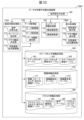
- FIG. 3 is a functional block diagram showing an example of the functional configuration of a dialogue support device 100 according to a first embodiment of the present invention.
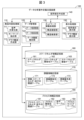
- the dialogue support device 100 has an utterance content processing unit 110, a data management unit 120, a network information processing unit 130, a question item creation unit 140, a display processing unit 150, a stakeholder information storage unit 160, an issue information storage unit 170, and a process information storage unit 180.
- the speech content processing unit 110, data management unit 120, network information processing unit 130, question item creation unit 140 and display processing unit 150 are specifically realized by having the processor 101 execute programs stored in, for example, the storage device 102 shown in FIG. 2.
- the stakeholder information storage unit 160, issue information storage unit 170 and process information storage unit 180 are specifically realized by, for example, the storage device 102 shown in FIG. 2.
- the "information storage unit” may be used as a general term for the stakeholder information storage unit 160, issue information storage unit 170 and process information storage unit 180.
- the speech content processing unit 110 is a unit that processes the content of a user's utterance during a dialogue.
- the speech content processing unit 110 has a voice-to-text unit 111, a keyword extraction unit 112, and a graph structure creation unit 113.
- the speech text conversion unit 111 accepts voice input from the user's speech during a dialogue and converts the voice into text information.
- voice information detected by the microphone of the information terminal 200 held by the user and received by the communication IF 105 via the network 300, or voice information input by the user via the input device 103 is input to the speech text conversion unit 111.
- the speech text conversion unit 111 can convert the content of the user's speech into text information by performing, for example, well-known voice recognition processing on this voice information.
- the keyword extraction unit 112 extracts multiple keywords that each characterize the user's speech content from the text information obtained by converting the user's speech content by the voice-to-text unit 111.
- the keyword extraction unit 112 can extract multiple keywords from the user's speech content, for example, by breaking down the speech content converted into text by the voice-to-text unit 111 into main keywords.
- the graph structure creation unit 113 creates a directed graph structure that graphs the user's speech content based on the multiple keywords extracted from the text information by the keyword extraction unit 112.
- the directed graph structure created by the graph structure creation unit 113 is a graph expressed by combining multiple nodes corresponding to multiple keywords respectively and edges indicating the relationships between the multiple nodes, and represents the semantic connections between the keywords in the user's speech content.
- the directed graph structure created by the graph structure creation unit 113 will be described in detail later.
- the data management unit 120 is a part that manages the data of the directed graph structure created by the graph structure creation unit 113.
- the data management unit 120 has a data accumulation unit 121, a data search unit 122, and a data type estimation unit 123.
- the data accumulation unit 121 records and accumulates the data of the directed graph structure in the information storage unit.
- information on directed graph structures created in the past by the graph structure creation unit 113 is stored in each of the information storage units, the stakeholder information storage unit 160, the issue information storage unit 170, and the process information storage unit 180.
- accumulated graph data information on directed graph structures created in the past that is accumulated in the information storage unit by the data accumulation unit 121 is referred to as "accumulated graph data.”
- the data accumulation unit 121 may also record data such as directed graph structures that the user has directly input to the dialogue support device 100 using the input device 103 or the information terminal 200 as accumulated graph data in the information storage unit.
- the data search unit 122 searches for information that matches any search criteria specified by the user from the past directed graph structures represented by the accumulated graph data accumulated in each of the information storage units, the stakeholder information storage unit 160, the issue information storage unit 170, and the process information storage unit 180.
- the data type estimation unit 123 estimates whether the keywords extracted by the keyword extraction unit 112 correspond to stakeholder information, issue information, or process information.
- Stakeholder information is information about stakeholders with mutual interests, and is stored in the stakeholder information storage unit 160.
- Issue information is information about business issues faced by the interlocutor who is having a dialogue with the user, and is stored in the issue information storage unit 170.
- Process information is information about the business process of the interlocutor who is having a dialogue with the user, and is stored in the process information storage unit 180.
- the data type estimation unit 123 compares the similarity between these pieces of information stored in the stakeholder information storage unit 160, issue information storage unit 170, and process information storage unit 180, respectively, and the keywords extracted by the keyword extraction unit 112, and determines that the keyword corresponds to the type of information with the highest similarity.
- the network information processing unit 130 is a part that analyzes the directed graph structure created by the graph structure creation unit 113 and the directed graph structure in the accumulated graph data stored in the information storage unit, and obtains information based on the analysis results.
- the network information processing unit 130 has a structure confirmation unit 131 and a structure search unit 132.
- the structure confirmation unit 131 evaluates the characteristics (bias and spread) of the directed graph structure created by the graph structure creation unit 113.
- the structure search unit 132 searches and extracts candidates for other keywords (hereinafter referred to as "related keyword candidates") related to the keywords extracted from the current user utterance by the keyword extraction unit 112 from the past directed graph structures represented by the accumulated graph data stored in the information storage unit. The specific method of searching for related keyword candidates at this time will be described later.
- the question item creation unit 140 creates questions that the user should ask the interlocutor based on the related keyword candidates extracted from the past directed graph structure by the network information processing unit 130. The method of creating questions by the question item creation unit 140 will be described in detail later.
- the display processing unit 150 is a unit that presents the directed graph structure created by the graph structure creation unit 113 and the question items created by the question item creation unit 140 to the user by outputting them in a displayable manner via the communication IF 105 to the information terminal 200.
- the display processing unit 150 has a question item display unit 151 and a graph structure display unit 152.
- the question item display unit 151 outputs the question items created by the question item creation unit 140 to the information terminal 200 via the communication IF 105, displays them, and presents them to the user. This makes it possible to suggest questions that the user should ask the interlocutor in the future based on the content of the user's previous utterances in a dialogue between the user and the interlocutor, thereby supporting the dialogue. Note that instead of outputting the question items to the information terminal 200, they may be presented to the user by displaying or outputting them using the output device 104.
- the graph structure display unit 152 outputs the directed graph structure created by the graph structure creation unit 113 and past directed graph structures represented by the accumulated graph data accumulated in the information storage unit to the information terminal 200 via the communication IF 105 for display and presentation to the user. Note that instead of outputting the directed graph structure to the information terminal 200, it may be presented to the user by displaying or outputting it using the output device 104.
- the stakeholder information storage unit 160 has a stakeholder table 161, a stakeholder relationship table 162, and a stakeholder value table 163.
- the issue information storage unit 170 has an issue/stakeholder/factor association table 171, an issue relationship table 172, and an issue priority table 173.
- the process information storage unit 180 has a process/stakeholder/factor association table 181, a process relationship table 182, a factor table 183, and a process carrier table 184.
- FIG. 4 is a diagram showing an example of a stakeholder table 161.
- the stakeholder table 161 has the following fields: stakeholder ID 1611, stakeholder 1612, business type 1613, job type 1614, and position 1615.
- the combination of values in the same row of the fields 1611 to 1615 defines information about one stakeholder 1612.
- the stakeholder ID 1611 is identification information that uniquely identifies the stakeholder 1612.
- the stakeholder 1612 is a person with an interest.
- the stakeholder 1612 may be a nickname such as "data analyst” or "manufacturing department of a manufacturer", a corporation, or an individual.
- the business form 1613 is the type of business that the stakeholder 1612 is engaged in.
- the job type 1614 is the type of occupation of the stakeholder 1612.
- the position 1615 is the position of the stakeholder 1612 within the organization.
- FIG. 5 is a diagram showing an example of a stakeholder relationship table 162.
- the stakeholder relationship table 162 has the fields ID 1621, source stakeholder ID 1622, destination stakeholder ID 1623, and value ID 1624.
- a combination of values in the same row of the fields 1621 to 1624 defines stakeholder relationship information for a set of two stakeholders 1612.
- the combination of source stakeholder ID 1622 and destination stakeholder ID 1623 in each row represents the nodes and edges in the directed graph structure of the stakeholder information.
- ID 1621 is identification information that uniquely identifies stakeholder relationship information.
- Source stakeholder ID 1622 is stakeholder ID 1611 of stakeholder 1612 that is the source of value 1632 (see FIG. 6).
- Destination stakeholder ID 1623 is stakeholder ID 1611 of stakeholder 1612 that is the recipient of value 1632.
- Value ID 1624 is identification information that uniquely identifies value 1632.
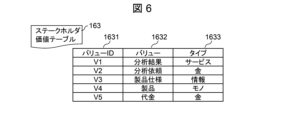
- FIG. 6 is a diagram showing an example of a stakeholder value table 163.
- the stakeholder value table 163 has fields of a value ID 1631, a value 1632, and a type 1633.
- the value ID 1631 is identification information that uniquely identifies the value 1632, similar to the value ID 1624 in the stakeholder relationship table 162.
- the value 1632 is the subject of trading between the stakeholders 702 identified by the stakeholder relationship information.
- the type 1633 is the type of the value 1632.
- FIG. 7 is a diagram showing an example of issue/stakeholder/factor association table 171.
- Issue/stakeholder/factor association table 171 has the following fields: issue ID 1711, issue 1712, subject stakeholder ID 1713, object stakeholder ID 1714, control factor ID 1715, and objective variable factor ID 1716.
- issue ID 1711, issue 1712, subject stakeholder ID 1713, object stakeholder ID 1714, control factor ID 1715, and objective variable factor ID 1716 The combination of values in the same row of fields 1711 to 1716 defines issue/stakeholder/factor association information that indicates the association between issue 1712, stakeholder 1612, and factor 1832 (see FIG. 12).
- the issue ID 1711 is identification information that uniquely identifies the issue 1712.
- the issue 1712 is a problem to be solved or a goal to be achieved by a certain stakeholder 1612 (subject stakeholder) for another stakeholder 1612 (object stakeholder).
- the subject stakeholder ID 1713 is identification information that uniquely identifies the stakeholder 1612 (subject stakeholder) that is the subject of the issue 1712.
- the object stakeholder ID 1714 is identification information that uniquely identifies the stakeholder 1612 (object stakeholder) that is the object of the issue 1712.
- the control factor ID 1715 is identification information that uniquely identifies the factor 1832 that is the control target (explanatory variable) for the issue 1712.
- the objective variable factor ID 1716 is identification information that uniquely identifies the factor 1832 that is the objective variable for the issue 1712. For example, if issue 1712 is "reducing material costs," factor 1832 identified by control factor ID 1715 represents the part for which material costs are to be reduced, and factor 1832 identified by objective variable factor ID 1716 represents the quality information
- FIG. 8 is a diagram showing an example of an issue relationship table 172.
- the issue relationship table 172 has the following fields: ID 1721, higher-level issue ID 1722, lower-level issue ID 1723, and priority ID 1724.
- ID 1721 higher-level issue ID 1722
- lower-level issue ID 1723 lower-level issue ID 1723
- priority ID 1724 The combination of values in the same row of the fields 1721 to 1724 defines issue relationship information that indicates the relationship between two issues 1712.
- the combination of the higher-level issue ID 1722 and lower-level issue ID 1723 in each row represents the nodes and edges in the directed graph structure of the issue information.
- ID1721 is identification information that uniquely identifies the task relationship information.
- Upper-level task ID1722 is task ID1711 of task 1712, which corresponds to the upper-level task in the task relationship information.
- Lower-level task ID1723 is task ID1711 of task 1712, which corresponds to the lower-level task in the task relationship information.
- Priority ID1724 is identification information that uniquely identifies priority 1732 (see Figure 9).
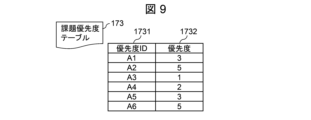
- FIG. 9 is a diagram showing an example of the issue priority table 173.
- the issue priority table 173 has fields of priority ID 1731 and priority 1732.
- the priority ID 1731 is identification information that uniquely identifies the priority 1732, similar to the priority ID 1724 in the issue relationship table 172.
- the priority 1732 is a value that relatively indicates the priority (importance) of the issue relationship information.
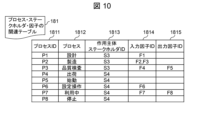
- FIG. 10 is a diagram showing an example of a process-stakeholder-factor association table 181.
- the process-stakeholder-factor association table 181 has the fields of a process ID 1811, a process 1812, an acting stakeholder ID 1813, an input factor ID 1814, and an output factor ID 1815.
- the combination of values in the same row of the fields 1811 to 1815 defines process-stakeholder-factor association information that indicates the association between the process 1812, the stakeholder 1612, and the factor 1832 (see FIG. 12).
- the process ID 1811 is identification information that uniquely identifies the process 1812.
- the process 1812 is an operation or procedure for achieving the task information shown in the directed graph structure.
- the acting stakeholder ID 1813 is identification information that uniquely identifies the stakeholder 1612 (acting stakeholder) that provides the factor 1832 (see FIG. 12) to the process 1812.
- the input factor ID 1814 is identification information that uniquely identifies the factor 1832 provided to the process 1812.
- the output factor ID 1815 is identification information that uniquely identifies the factor 1832 output from the process 1812 to which the input factor 1814 has been provided.
- FIG. 11 is a diagram showing an example of a process relationship table 182.
- the process relationship table 182 has the following fields: ID 1821, previous process ID 1822, next process ID 1823, and carrier ID 1824.
- ID 1821 the number of values in the same row of the fields 1821 to 1824.
- process relationship information that indicates the relationship between two consecutive processes 1812.
- the combination of previous process ID 1822 and next process ID 1823 in each row represents the nodes and edges in the directed graph structure of the process information.
- ID 1821 is identification information that uniquely identifies the process relationship information.
- Previous process ID 1822 is process ID 1811 of process 1812 that appears earlier of two consecutive processes in the process relationship information.
- Next process ID 1823 is process ID 1811 of process 1812 that appears later of two consecutive processes in the process relationship information.
- Carrier ID 1824 is identification information that uniquely identifies carrier 1842 (see Figure 13) that represents people, things, information, etc. that flow between two consecutive processes.
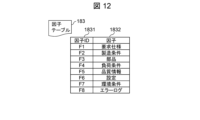
- FIG. 12 is a diagram showing an example of a factor table 183.
- the factor table 183 has fields, factor ID 1831 and factor 1832.
- the factor ID 1831 is identification information that uniquely identifies the factor 1832, similar to the control factor ID 1715 and objective variable factor ID 1716 in the issue-stakeholder-factor association table 171, and the input factor ID 1814 and output factor ID 1815 in the process-stakeholder-factor association table 181.
- the factor 1832 represents an element that is input to the process 1812 or output from the process 1812.
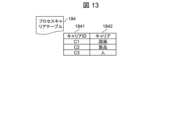
- FIG. 13 is a diagram showing an example of a process carrier table 184.
- the process carrier table 184 has fields, carrier ID 1841 and carrier 1842.
- the carrier ID 1841 is identification information that uniquely identifies the carrier 1842, similar to the carrier ID 1824 in the process relationship table 182.
- the carrier 1842 represents people, things, information, etc. that flow between two consecutive processes.
- FIG. 14 is a flowchart showing the overall process flow of the dialogue support device 100 according to the first embodiment of the present invention.
- the dialogue support device 100 performs the process shown in the flowchart of FIG. 14 at predetermined calculation intervals, for example, to suggest questions to the user during the dialogue and provide dialogue support.
- step S100 the speech content processing unit 110 creates a directed graph structure for each information type from the user's speech content.
- the user's speech content is converted into text information, keywords are extracted, and a directed graph structure is created in which the user's speech content is graphed, reflecting the semantic connections between each keyword. Details of the processing content of step S100 will be described later with reference to Figures 17 and 18.
- step S200 the data management unit 120 accumulates the directed graph structure created in step S100, and the display processing unit 150 displays the directed graph structure on the information terminal 200.
- the information of the directed graph structure created in step S100 is recorded as accumulated graph data in one of the information storage units, the stakeholder information storage unit 160, the issue information storage unit 170, or the process information storage unit 180, depending on the type of information.
- the communication IF 105 is controlled to send image data of the directed graph structure to the information terminal 200 via the network 300, so that the directed graph structure is displayed on the screen of the information terminal 200.
- step S300 it is determined whether there is a problem with the node placement location in the directed graph structure displayed in step S200.
- the user has performed a delete operation or edit operation on the directed graph structure, it is determined that there is a problem with the node placement location and the process proceeds to step S400, whereas if these operations have not been performed, it is determined that there is no problem with the node placement location and the process proceeds to step S500.
- the determination in step S300 may also be performed from the positional relationships of each node and each edge in the directed graph structure.
- step S400 the directed graph structure created in step S100 is deleted or edited.
- the directed graph structure can be deleted or edited in response to an input operation performed by the user on the information terminal 200.
- the information of the directed graph structure recorded in step S200 is erased, and when the effective graph structure is edited, the information of the directed graph structure recorded in step S200 is overwritten with the information of the edited directed graph structure.
- step S400 the process returns to step S100.
- step S500 the network information processing unit 130 sets a keyword corresponding to any node of the directed graph structure created in step S100 as a search target keyword, and extracts related keyword candidates for this search target keyword from the directed graph structure of past cases represented by the accumulated graph data.
- a keyword in the user's utterance content is obtained as a search target keyword from the directed graph structure created in step S100.
- a directed graph structure including a node corresponding to a keyword similar to the search target keyword is searched for, and a node connected to the node in this directed graph structure is identified. Keywords represented by each node in the directed graph structure of past cases identified in this way are extracted as related keyword candidates. Details of the processing content of step S500 will be described later with reference to FIG. 19 and FIG. 20.
- step S600 the question creation unit 140 creates a question list that lists items that the user should ask in a dialogue, based on the related keyword candidates extracted in step S500 and the directed graph structure of the past case that contains these related keyword candidates.
- the keywords in the user's last utterance are obtained as the question target keywords.
- nodes corresponding to keywords similar to the question target keywords and nodes corresponding to related keyword candidates are identified in the directed graph structure of the past case searched in step S500, and keywords to be included in the question list are identified based on the positional relationship of these nodes in the directed graph structure. Details of the processing content of step S600 will be described later with reference to Figures 21 and 22.
- step S700 the display processing unit 150 presents the question list created in step S600 to the user.
- the communication IF 105 is controlled to transmit data of the question list to the information terminal 200 via the network 300, so that the question list is displayed on the screen of the information terminal 200.
- step S800 it is determined whether the question list presented in step S700 is appropriate as a question item in a dialogue.
- the question list presented in step S700 is appropriate as a question item in a dialogue.
- the user has performed an acceptance operation, it is determined that the question list is appropriate and the process shown in the flowchart of FIG. 14 is terminated, and if the acceptance operation has not been performed, it is determined that the question list is not appropriate and the process returns to step S100.
- the determination in step S800 may also be performed based on the content of the user's utterance after the question list is presented.
- the dialogue support device 100 of this embodiment extracts multiple keywords from the content of the user's utterance in the dialogue, and creates a directed graph structure that combines multiple nodes corresponding to the multiple keywords and edges that indicate the relationships between the multiple nodes. Then, using one of the multiple keywords as a search target keyword, related keyword candidates related to the search target keyword are extracted from accumulated graph data, which is information on a directed graph structure created in the past, and questions that the user should ask in the dialogue are created based on these related keyword candidates. By presenting the questions created in this way to the user, the user, who is a consultant, can suggest questions that the user should ask the interlocutor, who is a customer, in the future. As a result, user support can be realized that enables the user to comprehensively collect information necessary for consulting in a dialogue with the interlocutor within a limited dialogue time.
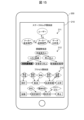
- FIG. 15 is a diagram showing an example of a directed graph structure displayed on the information terminal 200 in step S200 of FIG. 14.
- FIG. 15 shows an example in which a stakeholder relationship diagram 211 showing the directed graph structure of stakeholder information, an issue relationship diagram 212 showing the directed graph structure of issue information, and a process relationship diagram 213 showing the directed graph structure of process information are displayed on the display screen 210 of the information terminal 200.
- the issue relationship diagram 212 highlights the most recently added node, thereby clearly showing the user which part of the directed graph structure the discussion in the current dialogue corresponds to. Note that these expressions of directed graph structures are merely examples, and directed graph structures can be expressed using any method of expression.
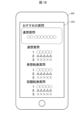
- FIG. 16 is a diagram showing an example of a list of questions displayed on the information terminal 200 in step S700 of FIG. 14.
- three types of questions association questions, idea-changing questions, and topic-changing questions
- association questions idea-changing questions
- topic-changing questions are listed on the display screen 220 of the information terminal 200, with the question with the highest priority displayed as the recommended question. Details of the above three types of questions will be described later.
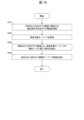
- FIG. 17 is a flowchart showing the details of the process performed in step S100 of FIG. 14.
- step S110 the contents of the user's speech are accepted.
- voice information detected by the microphone of the information terminal 200 held by the user and received by the communication IF 105 via the network 300, or voice information input by the user via the input device 103 is acquired, thereby acquiring voice information corresponding to the utterance made by the user during the conversation, and the contents of the utterance are accepted.
- step S120 the speech to text unit 111 generates text information from the user's speech content received in step S110.
- a well-known speech recognition program is used to convert the speech information acquired in step S110 into text information, thereby generating text information according to the user's speech content.
- step S130 the keyword extraction unit 112 divides the text information generated in step S120 into a plurality of keywords.
- the sentence represented by the text information is divided into a plurality of short sentences, and meaningful words in each of the extracted short sentences are extracted as keywords, thereby dividing the text information into a plurality of keywords.
- step S140 the data type estimation unit 123 classifies each keyword obtained by dividing the text information in step S130 into stakeholder information, issue information, or process information.
- the similarity e.g., cosine similarity
- the calculated similarity of each keyword is summed up for each information type to calculate an overall similarity score for each information type, and the information type with the highest overall score is estimated as the classification result for the series of utterances.
- step S140 the method of classifying keywords in step S140 is not limited to this, and any classification method can be used.
- a dictionary corresponding to each of the stakeholder information, issue information, and process information may be prepared, and keywords may be classified on a rule-based basis by comparing the words registered in this dictionary with each keyword obtained from the text information.
- step S150 the graph structure creation unit 113 calculates the relationships between keywords in the series of user utterances for each information type estimated as the keyword classification result in step S140, and creates a directed graph structure according to the content of the series of user utterances by expressing the calculation results as a combination of nodes and edges.
- the relationships between each keyword can be calculated by inferring the causal relationships between the keywords using well-known natural language processing, for example. Note that machine learning or the like may be used at this time to improve the accuracy of the calculation.
- step S100 of FIG. 14 the process described above is carried out to create a directed graph structure for each information type in real time from the user's speech content.
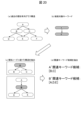
- FIG. 18 is an explanatory diagram of the process described in the flowchart of FIG. 17.
- steps S120 to S130 as shown in FIG. 18(b), the user's speech content is converted into text information, from which multiple keywords (keyword 1 to keyword 6) are extracted.
- step S140 as shown in FIG. 18(c), the similarity of each keyword extracted from the text information corresponding to the series of user utterances is calculated for each information type, and based on the calculation results, it is inferred that the content of the user's utterance corresponds to one of the information types: stakeholder information, issue information, or process information.
- step S150 connections between each keyword in a series of user utterances are extracted. Then, as shown in FIG. 18(e), the connections between each extracted keyword are expressed as a combination of nodes and edges to create a directed graph structure. At this time, the most recently added node (node 6 in the example of FIG. 18(e)) may be highlighted.
- each layer of the directed graph structure may be categorized according to a set category for each layer, and the results may be displayed together with the directed graph structure in step S200 of FIG. 14, or may be used when extracting related keyword candidates in step S500.
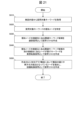
- FIG. 19 is a flowchart showing the details of the process performed in step S500 of FIG. 14.
- step S510 the structure search unit 132 searches the accumulated graph data for directed graph structures of past cases that are similar to the directed graph structure created in step S150 of FIG. 17.
- search keywords are obtained. For example, in the directed graph structure created in step S150, the node corresponding to the last keyword in the user's series of utterances and the node located at the connection source of this node are obtained as search keywords.
- step S530 the structure search unit 132 extracts a portion linked to the similar node of the search target keyword obtained in step S520 from the directed graph structure of the past case searched for in step S510.
- the one with the highest degree of similarity e.g., cosine similarity
- a portion including the identified similar node of the search target keyword and each node whose positional relationship with this similar node satisfies a predetermined criterion is extracted as the portion linked to the similar node of the search target keyword.
- step S540 the structural search unit 132 extracts related keyword candidates for the search target keyword from the portion extracted in step S530.
- each node other than the similar node of the search target keyword included in the portion extracted in step S530 is extracted as a related keyword candidate related to the search target keyword.
- step S500 of FIG. 14 by carrying out the process described above, it is possible to extract related keyword candidates for the search target keyword from the directed graph structure of past cases represented by the accumulated graph data.
- FIG. 20 is an explanatory diagram of the process described in the flowchart of FIG. 19.
- step S510 of FIG. 19 as shown in FIG. 20(a), a directed graph structure of a past case similar to the directed graph structure created based on the user's speech content is searched for from the accumulated graph data.
- step S520 as shown in FIG. 20(b), from the directed graph structure created based on the user's speech content, node B' corresponding to the last keyword in the user's series of utterances and node A' located at the connection source of this node B' (connected to node B' in the opposite edge direction) are obtained as search target keywords.
- step S530 as shown in FIG. 20(c), in the directed graph structure of FIG. 20(a), node A similar to node A' in FIG. 20(b) is identified as a similar node of the search target keyword, and this similar node A and nodes B and C linked to similar node A (connected to node A by edge distance 1) are extracted as a part linked to similar node A of the search target keyword.
- node B similar to node B' in FIG. 20(b) is identified as a similar node of the search target keyword, and this similar node B and nodes A, D, and E linked to similar node B (connected to node B by edge distance 1) are extracted as a part linked to similar node B of the search target keyword.
- each node other than the similar node included in each part of FIG. 20(c) is extracted as a related keyword candidate related to the search target keyword. That is, for search target keyword A', nodes B and C excluding similar node A are extracted as related keyword candidates related to search target keyword A'. Also, for search target keyword B', nodes A, D, and E excluding similar node B are extracted as related keyword candidates related to search target keyword B'.
- FIG. 21 is a flowchart showing the details of the processing performed in step S600 of FIG. 14.
- step S610 the question item creation unit 140 acquires question target keywords from the user's speech.
- a node corresponding to a keyword newly uttered by the user in the dialogue is acquired as the question target keyword.
- step S620 the question item creation unit 140 identifies similar nodes to the question target keyword acquired in step S610 from the directed graph structure of the past case searched for in step S510 in FIG. 19.
- the one having the highest degree of similarity e.g., cosine similarity
- the question target keyword is identified as the similar node to the question target keyword.
- step S630 the question item creation unit 140 creates a question list using, as association questions, related keyword candidates represented by nodes connected to similar nodes of the question target keyword identified in step S620 in the directed graph structure of past cases searched in step S510 of FIG. 19.
- related keyword candidates represented by nodes connected to similar nodes of the question target keyword identified in step S620 in the directed graph structure of past cases searched in step S510 of FIG. 19.
- those that correspond to nodes connected to similar nodes of the question target keyword in the directed graph structure of past cases are identified as related keyword candidates for association questions.
- step S640 the question item creation unit 140 creates a question list by using keywords represented by nodes at other connection destinations of the node in the directed graph structure of past cases searched in step S510 of FIG. 19 as idea-change questions if the node at the connection source of the similar node of the question target keyword identified in step S620 represents a related keyword candidate.
- the related keyword candidates extracted in step S540 of FIG. 19 those that correspond to the node at the connection source of the similar node of the question target keyword in the directed graph structure of past cases are identified as related keyword candidates for idea-change questions.
- the keywords represented by each node connected to a connection destination other than the similar node of the question target keyword are obtained, and each of these keywords is listed as a question item, thereby creating a question list for idea-change questions.
- step S650 the question item creation unit 140 extracts nodes that are the starting points of the bias or fragmentation of the structure in the directed graph structure created in step S150 of FIG. 17, and creates a question list with the keywords represented by these nodes as topic-changing questions.
- the structure confirmation unit 131 evaluates the bias or spread of the created directed graph structure, and if the evaluation result determines that the structure is biased or fragmented, the node located at the starting point is identified as a node for topic-changing questions.
- a question list based on topic-changing questions can be created by obtaining the keywords represented by each node for topic-changing questions identified in this way and listing each of these keywords as question items.
- step S600 of FIG. 14 by carrying out the process described above, a question list can be created that lists the items that the user should ask in the dialogue.
- the question item creation unit 140 can create at least one of the association questions, idea-changing questions, and topic-changing questions as question items that the user should ask in a dialogue by performing at least one of the processes in steps S630 to S650.
- FIG. 22 is an explanatory diagram of the process described in the flowchart of FIG. 21.
- step S640 as shown in FIG. 22(b), for example, in the directed graph structure of past cases, for node D that corresponds to a similar keyword to the question target keyword, a question list is created in which the keywords represented by node E at the other connection destination of node B at the connection source of node D are used as idea-change questions.
- This question list is presented to the user, allowing the user to ask the interlocutor questions using the contents of the keywords represented by node E.
- step S650 for example, if there is a bias in the directed graph structure created from the current dialogue, a question list is created using topic-changing questions based on node A, which is the starting point. Specifically, for example, if node D corresponding to the question target keyword and node B, which is the connection source of node D, branch off from node A, a question list is created with the keyword represented by another node C branching off from node A as the topic-changing question. At this time, if there is a node similar to node C in the directed graph structure of the past case, the question list may be created using the nodes connected to this similar node (nodes E and F in FIG. 22(c)). This question list is presented to the user, allowing the user to ask questions to the interlocutor.
- step S650 for example, if fragmentation has occurred in the directed graph structure created from the current dialogue, a question list is created using topic-changing questions based on nodes A and C located at the starting points. Specifically, for example, if a directed graph structure including nodes C, E, and F has been created in addition to a directed graph structure including node D corresponding to the question target keyword, a question list is created using the keywords represented by nodes A and C located at the respective starting points as topic-changing questions. This question list is presented to the user, allowing the user to ask questions to the interlocutor.
- the first embodiment of the present invention described above provides the following effects.
- the dialogue support device 100 is a device that supports a dialogue between a user and a conversation partner.
- the dialogue support device 100 includes an utterance content processing unit 110 that extracts multiple keywords from the content of a user's utterance in a dialogue and creates a directed graph structure that combines multiple nodes corresponding to the multiple keywords and edges that indicate the relationships between the multiple nodes, an information storage unit (a stakeholder information storage unit 160, an issue information storage unit 170, and a process information storage unit 180) that stores information on directed graph structures created in the past as accumulated graph data, a network information processing unit 130 that uses one of the multiple keywords as a search target keyword and extracts related keyword candidates related to the search target keyword from the accumulated graph data stored in the information storage unit, a question item creation unit 140 that creates questions to be asked by the user in the dialogue based on the related keyword candidates extracted by the network information processing unit 130, and a display processing unit 150 that presents the question items created by the question item creation unit 140 to the user.
- This allows for user support that allows
- the network information processing unit 130 searches for a directed graph structure including similar keywords similar to the search target keyword in the accumulated graph data stored in the information storage unit (step S510), and extracts keywords in the searched directed graph structure whose positional relationship with the similar keywords satisfies a predetermined criterion as related keyword candidates (step S540). In this way, related keyword candidates related to the search target keyword can be appropriately and reliably extracted from the accumulated graph data.
- the question item creation unit 140 acquires one of the multiple keywords as a question target keyword (step S610), and creates a question item based on the positional relationship between a first node corresponding to a keyword similar to the question target keyword in the directed graph structure searched by the network information processing unit 130 and a second node corresponding to a related keyword (steps S630 to S640).
- the question item creation unit creates at least one of the following as a question item: an association question based on a second node located at the connection destination of the first node in the directed graph structure searched by the network information processing unit 130, and an idea change question based on a node at another connection destination of the second node located at the connection source of the first node in the directed graph structure searched by the network information processing unit 130 (steps S630 and S640).
- a question item an association question based on a second node located at the connection destination of the first node in the directed graph structure searched by the network information processing unit 130
- an idea change question based on a node at another connection destination of the second node located at the connection source of the first node in the directed graph structure searched by the network information processing unit 130.
- the question item creation unit 140 may further create a topic-changing question based on a node that corresponds to the starting point of a bias or fragmentation in the directed graph structure created by the speech content processing unit 110 (step S650). In this way, question items can be created from a wide range of perspectives.
- the dialogue support system 10 implements a method for supporting a dialogue between a user and a conversation partner.
- the dialogue support device 100 which is a computer, extracts multiple keywords from the user's utterance in the dialogue (steps S110 to S130), creates a directed graph structure combining multiple nodes corresponding to the multiple keywords and edges indicating the relationships between the multiple nodes (step S150), extracts related keyword candidates related to the search target keyword from accumulated graph data, which is information on the directed graph structure created in the past, using one of the multiple keywords as a search target keyword (step S500), creates questions that the user should ask in the dialogue based on the related keyword candidates (step S600), and presents the questions to the user (step S700).
- user support can be realized that allows the user to comprehensively collect information necessary for consulting in a dialogue with a customer within a limited dialogue time.
- a second embodiment of the present invention will be described below.
- a dialogue support device 100A is provided instead of the dialogue support device 100 in the system configuration of FIG. 1 described in the first embodiment.
- FIG. 23 is a functional block diagram showing an example of the functional configuration of a dialogue support device 100A according to a second embodiment of the present invention.
- Dialogue support device 100A has a functional configuration similar to that of dialogue support device 100 described in the functional block diagram of FIG. 3 in the first embodiment, but differs in that it has an utterance content processing unit 110A instead of utterance content processing unit 110, and a display processing unit 150A instead of display processing unit 150. Other than this, it is the same as the first embodiment, so description thereof will be omitted below.
- the speech content processing unit 110A has a dialogue progress management unit 114 in addition to the speech text generation unit 111, keyword extraction unit 112, and graph structure creation unit 113 described in the first embodiment.
- the dialogue progress management unit 114 calculates the creation speed of the directed graph structure created by the graph structure creation unit 113, and predicts the time it will take for the directed graph structure of the speech content in the user's current dialogue to reach a specified target structure size based on this predicted time.
- the display processing unit 150A has a dialogue progress notification unit 153 in addition to the question item display unit 151 and graph structure display unit 152 described in the first embodiment.
- the dialogue progress notification unit 153 notifies the user according to the dialogue progress managed by the dialogue progress management unit 114.
- the user can be notified by outputting and displaying predetermined image information or text information according to the notification content on the information terminal 200 via the communication IF 105.
- the output device 104 may be used instead of the information terminal 200 to notify the user.
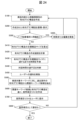
- FIG. 24 is a flowchart showing the overall process flow of the dialogue support device 100A according to the second embodiment of the present invention.
- the dialogue support device 100A manages the progress of the dialogue between the user and the customer by executing the process shown in the flowchart of FIG. 24 at a predetermined processing cycle, for example, and also suggests questions to the user during the dialogue, thereby supporting the dialogue.
- steps S100 to S400 the same processing as in the first embodiment is carried out. If it is determined in step S300 that there is no problem with the placement location of the node, the process proceeds to step S410.
- step S410 the dialogue progress management unit 114 of the speech content processing unit 110A calculates the target structure size of the directed graph structure created in step S100.
- the target structure size is calculated based on the accumulated graph data stored in the information storage unit, for example.
- the dialogue progress management unit 114 searches for a directed graph structure of a past case similar to the directed graph structure created in step S100 from the accumulated graph data stored in either the stakeholder information storage unit 160, the task information storage unit 170, or the process information storage unit 180, using a method similar to that of step S500.
- the target structure size can be calculated by calculating the size of this directed graph structure.
- the size of the directed graph structure can be calculated, for example, by adding up the number of nodes and the number of edges connecting the nodes.
- step S420 the dialogue progress management unit 114 of the speech content processing unit 110A calculates the creation speed of the digraph structure in step S100.
- the creation speed of the digraph structure can be calculated, for example, from the difference between the size of the digraph structure already created in the previous process and the size of the digraph structure created in the current process.
- step S430 the dialogue progress management unit 114 of the speech content processing unit 110A predicts the time until the directed graph structure reaches the target structure size based on the target structure size calculated in step S410 and the creation speed of the directed graph structure calculated in step S420. Specifically, for example, the difference between the size of the directed graph structure created in the current process and the target structure size calculated in step S410 is calculated, and this difference is divided by the creation speed of the directed graph structure calculated in step S420, thereby predicting the time until the directed graph structure reaches the target structure size.
- step S440 the dialogue progress status management unit 114 of the speech content processing unit 110A judges whether the dialogue time in the dialogue currently being conducted by the user is too long or short, based on the predicted time calculated in step S430.
- a preset target time for the dialogue is compared with the predicted time, and it is judged that if the predicted time is longer than the target time, the dialogue time is insufficient, and if the target time is equal to or longer than the predicted time, the dialogue time is sufficient.
- the user can preset any value for the target time for the dialogue.
- step S450 the dialogue progress notification unit 153 of the display processing unit 150A notifies the user according to the result of the determination in step S440.
- the predicted time calculated in step S430 is sent to the information terminal 200 and displayed, thereby notifying the user of an estimate of the time it will take to obtain a directed graph structure of the target structure size if the dialogue proceeds at the current pace.
- a notification may be issued to warn the user of this, encouraging the user to speed up the dialogue.
- the user may be notified of this, encouraging the user to maintain the current pace, or no notification may be issued.
- step S450 After notifying the user in step S450, the process proceeds to step S500. From step S500 onwards, the same processes as in the first embodiment are carried out.
- the dialogue support device 100A of this embodiment can propose questions to the user in the same way as in the first embodiment, and can also manage the progress of the dialogue between the user and the customer.
- the second embodiment of the present invention described above provides the following advantages in addition to the advantages (1) to (5) described in the first embodiment.
- the speech content processing unit 110A calculates the creation speed of the directed graph structure (step S420), and predicts the time until the directed graph structure reaches a predetermined target structure size based on the creation speed (step S430). In this way, it is possible to accurately predict the time until the directed graph structure of the currently ongoing dialogue reaches the target structure size, and appropriately manage the progress of the dialogue.
- the speech content processing unit 110A calculates the target structure size based on the accumulated graph data stored in the information storage units (stakeholder information storage unit 160, issue information storage unit 170, and process information storage unit 180) (step S410). In this way, the target structure size for the directed graph structure of the currently ongoing dialogue can be appropriately set by referring to the directed graph structure of the past case.
- the speech content processing unit 110A judges whether the dialogue time in the dialogue is too long or too short based on the result of the prediction of the time until the directed graph structure reaches a predetermined target structure size (step S440).
- the display processing unit 150A notifies the user according to the result of the judgment by the speech content processing unit 110A of whether the dialogue time is too long or too short (step S450). In this way, it is possible to provide the user with an appropriate notification according to the progress of the dialogue.
- the contents of the question item list created by the question item creation unit 140 in step S600 may be changed based on the current creation status of the digraph structure and the predicted result of the time until the digraph structure reaches the target structure size. For example, if the preset target time of the dialogue is significantly longer than the predicted time until the digraph structure reaches the target structure size, it is preferable to determine that there is sufficient dialogue time and present, for example, the above-mentioned association question as a question item that encourages deeper exploration of the topic.
- step S440 it is preferable to present the above-mentioned topic change question. Furthermore, if the creation speed of the digraph structure calculated in step S410 is decreasing, the above-mentioned idea change question may be presented.
- the predicted time previously determined in step S430 may be stored in the information storage unit, and the contents of the question list created by the question item creation unit 140 in step S600 may be changed based on this and the predicted time determined in the current step S430.
- the predicted time previously determined in step S430 may be stored in the information storage unit, and the contents of the question list created by the question item creation unit 140 in step S600 may be changed based on this and the predicted time determined in the current step S430.
- cases in which the directed graph structure reached the target structure size within a specified target time are identified as success cases.
- the average value of the predicted times stored for the success cases is compared with the predicted time determined in the current step S430, and the contents of the question list created in step S600 can be changed based on the comparison result in the same manner as above.
- the above-mentioned configurations, functional units, processing units, processing means, etc. may be realized in part or in whole in hardware, for example by designing them as integrated circuits.
- the above-mentioned configurations, functions, etc. may also be realized in software by a processor interpreting and executing a program that realizes each function.
- Information on the programs, tables, files, etc. that realize each function can be stored in a memory, a hard disk, a recording device such as an SSD, an IC card, an SD card, a DVD, or other recording media.
- control lines and information lines shown are those that are considered necessary for explanation, and do not necessarily show all of the control lines and information lines in the actual implementation. For example, in reality, it can be considered that almost all components are interconnected.
- the layout of the various functional units, various processing units, and various databases described above is merely an example.
- the layout of the various functional units, various processing units, and various databases can be changed to an optimal layout in terms of the performance, processing efficiency, communication efficiency, etc. of the hardware and software equipped in these devices.
- Dialogue support system 100, 100A: Dialogue support device, 110, 100A: Speech content processing unit, 111: Speech text conversion unit, 112: Keyword extraction unit, 113: Graph structure creation unit, 114: Dialogue progress status management unit, 120: Data management unit, 121: Data storage unit, 122: Data search unit, 123: Data type estimation unit, 130: Network information processing unit, 131: Structure confirmation unit, 132: Structure search unit, 140: Question item creation unit, 150, 150A: Display processing unit, 151: Question item display unit, 152: Graph structure display unit, 153: Dialogue progress status notification knowledge unit, 160: stakeholder information storage unit, 161: stakeholder table, 162: stakeholder relationship table, 163: stakeholder value table, 170: issue information storage unit, 171: issue/stakeholder/factor association table, 172: issue relationship table, 173: issue priority table, 180: process information storage unit, 181: process/stakeholder/factor association table, 182: process relationship table, 183: factor table, 184
Landscapes
- Engineering & Computer Science (AREA)
- Business, Economics & Management (AREA)
- Human Resources & Organizations (AREA)
- Theoretical Computer Science (AREA)
- Tourism & Hospitality (AREA)
- General Physics & Mathematics (AREA)
- Economics (AREA)
- Physics & Mathematics (AREA)
- Strategic Management (AREA)
- Entrepreneurship & Innovation (AREA)
- General Business, Economics & Management (AREA)
- Databases & Information Systems (AREA)
- Marketing (AREA)
- Educational Administration (AREA)
- Game Theory and Decision Science (AREA)
- Development Economics (AREA)
- Operations Research (AREA)
- Health & Medical Sciences (AREA)
- General Health & Medical Sciences (AREA)
- Primary Health Care (AREA)
- Quality & Reliability (AREA)
- Data Mining & Analysis (AREA)
- General Engineering & Computer Science (AREA)
- Management, Administration, Business Operations System, And Electronic Commerce (AREA)
- Information Retrieval, Db Structures And Fs Structures Therefor (AREA)
Abstract
対話支援装置(100)は、ユーザと対話者との間で実施される対話における前記ユーザの発話内容から複数のキーワードを抽出し、前記複数のキーワードにそれぞれ対応する複数のノードと、前記複数のノード同士の関連性を示すエッジとを組み合わせた有向グラフ構造を作成する発話内容処理部(110)と、過去に作成された前記有向グラフ構造の情報を蓄積グラフデータとして記憶する情報記憶部(160,170,180)と、前記複数のキーワードのいずれかを検索対象キーワードとして、前記検索対象キーワードに関連する関連キーワード候補を前記蓄積グラフデータから抽出するネットワーク情報処理部(130)と、抽出された前記関連キーワード候補に基づいて、前記対話において前記ユーザが質問すべき質問項目を作成する質問項目作成部(140)と、作成された前記質問項目を前記ユーザに提示する表示処理部(150)と、を備える。
Description
本発明は、コンサルティングにおいて実施される対話の支援を行う装置および方法に関する。
近年、ビジネスにおける業務の効率化を目的としたデジタル技術の導入(DX:Digital Transformation)が注目されており、デジタル技術の活用を迅速かつ効果的に検討するニーズが各企業において高まっている。しかしながら、DXが成功できている企業は少なく、単なるデジタル技術の導入だけでは、その技術を業務の効率化に十分に活用しきれないことがしばしば見受けられる。そのため、経営価値を高めるための上流の課題分析から課題解決に適したデジタル技術の導入までをトータルで提案するDXコンサルティングへのニーズが高まっており、こうしたサービスを各企業に対して提供するコンサルティング市場が成長している。
従来のDXコンサルティングでは、その成否が個々のコンサルタントのファシリテーション能力に依存する部分が大きい。ファシリテーション能力とは、顧客の現在の業務における様々な情報を顧客から適切に引き出して整理することで、顧客が抱えている業務上の課題を明らかにし、これを解決するための具体策を提案する能力であり、コンサルタントの経験や技量による差が大きい。そのため、ファシリテーション能力に差がある様々なコンサルタントが在籍しているコンサルティング会社では、顧客に対して質の高いサービスをまんべんなく提供することが困難であった。
そこで、コンサルティング会社において発生する上記課題を解決すべく、顧客との対話においてコンサルタントの支援を行うための技術が提案されている。例えば特許文献1には、会議中にマイクによって収音される音声を逐次解析し、前記会議の参加者の発言から1以上の語句を抽出する音声認識手段と、前記音声認識手段により抽出された語句を記憶部に記録する発言記録手段と、前記記憶部に記録された語句に関連する情報をインターネットから動的に収集することにより、知識を獲得する知識獲得手段と、前記知識獲得手段により獲得された知識を用いて、前記参加者の発想及び/又は前記会議の進行を支援するための支援情報を生成する支援処理手段と、前記支援情報を合成音声によりスピーカーから出力する音声合成手段と、を有する発想支援システムが開示されている。
特許文献1の技術は、キーワード頻度や関係構造の大きさをみて質問を提案するものであり、限られた対話時間でコンサルティングに必要な情報を顧客から偏りなく引き出すという観点では構成されていないため、顧客から引き出すべき情報の全体像が存在しない。したがって、対話で得られた情報に偏りがあってもこれを判別することができず、また、コンサルティングに必要な情報を網羅するためには、次にどんな質問をすべきかの方針を発想支援システムのユーザであるコンサルタントに示すこともできない。
本発明は、こうした背景に基づきなされたものであり、その主な目的は、ユーザが限られた対話時間の中で行う対話者との対話においてコンサルティングに必要な情報を網羅的に収集できるようなユーザ支援を実現することにある。
本発明による対話支援装置は、ユーザと対話者との間で実施される対話の支援を行う装置であって、前記対話における前記ユーザの発話内容から複数のキーワードを抽出し、前記複数のキーワードにそれぞれ対応する複数のノードと、前記複数のノード同士の関連性を示すエッジとを組み合わせた有向グラフ構造を作成する発話内容処理部と、過去に作成された前記有向グラフ構造の情報を蓄積グラフデータとして記憶する情報記憶部と、前記複数のキーワードのいずれかを検索対象キーワードとして、前記検索対象キーワードに関連する関連キーワード候補を、前記情報記憶部に記憶された前記蓄積グラフデータから抽出するネットワーク情報処理部と、前記ネットワーク情報処理部により抽出された前記関連キーワード候補に基づいて、前記対話において前記ユーザが質問すべき質問項目を作成する質問項目作成部と、前記質問項目作成部により作成された前記質問項目を前記ユーザに提示する表示処理部と、を備える。
本発明による対話支援方法は、ユーザと対話者との間で実施される対話の支援を行う方法であって、コンピュータにより、前記対話における前記ユーザの発話内容から複数のキーワードを抽出し、前記複数のキーワードにそれぞれ対応する複数のノードと、前記複数のノード同士の関連性を示すエッジとを組み合わせた有向グラフ構造を作成し、前記複数のキーワードのいずれかを検索対象キーワードとして、前記検索対象キーワードに関連する関連キーワード候補を、過去に作成された前記有向グラフ構造の情報である蓄積グラフデータから抽出し、前記関連キーワード候補に基づいて、前記対話において前記ユーザが質問すべき質問項目を作成し、前記質問項目を前記ユーザに提示する。
本発明による対話支援方法は、ユーザと対話者との間で実施される対話の支援を行う方法であって、コンピュータにより、前記対話における前記ユーザの発話内容から複数のキーワードを抽出し、前記複数のキーワードにそれぞれ対応する複数のノードと、前記複数のノード同士の関連性を示すエッジとを組み合わせた有向グラフ構造を作成し、前記複数のキーワードのいずれかを検索対象キーワードとして、前記検索対象キーワードに関連する関連キーワード候補を、過去に作成された前記有向グラフ構造の情報である蓄積グラフデータから抽出し、前記関連キーワード候補に基づいて、前記対話において前記ユーザが質問すべき質問項目を作成し、前記質問項目を前記ユーザに提示する。
本発明によれば、ユーザが限られた対話時間の中で行う対話者との対話においてコンサルティングに必要な情報を網羅的に収集できるようなユーザ支援を実現できる。
以下、本発明の実施形態について図面を参照しつつ説明する。
(第1の実施形態)
図1は、本発明の第1の実施形態に係る対話支援システムのシステム構成例を示す図である。図1に示す対話支援システム10は、コンサルタントであるユーザと、ユーザからコンサルティングを受ける対話者との間で実施される対話において、ユーザのこれまでの発話内容からユーザが対話者に対して今後質問すべき項目を提案することで、対話の支援を行うシステムである。この対話支援システム10は、対話支援装置100と、1以上の情報端末200とを含んで構成される。情報端末200は、例えばPC(Personal Computer)やスマートフォン等である。対話支援装置100と情報端末200とは、インターネット、LAN(Local Area Network)、WAN(Wide Area Network)などのネットワーク300を介して互いに通信可能に接続される。
図1は、本発明の第1の実施形態に係る対話支援システムのシステム構成例を示す図である。図1に示す対話支援システム10は、コンサルタントであるユーザと、ユーザからコンサルティングを受ける対話者との間で実施される対話において、ユーザのこれまでの発話内容からユーザが対話者に対して今後質問すべき項目を提案することで、対話の支援を行うシステムである。この対話支援システム10は、対話支援装置100と、1以上の情報端末200とを含んで構成される。情報端末200は、例えばPC(Personal Computer)やスマートフォン等である。対話支援装置100と情報端末200とは、インターネット、LAN(Local Area Network)、WAN(Wide Area Network)などのネットワーク300を介して互いに通信可能に接続される。
図2は、本発明の第1の実施形態に係る対話支援装置100のハードウェア構成例を示す図である。対話支援装置100は、例えばサーバやPC等のコンピュータであり、プロセッサ101と、記憶デバイス102と、入力デバイス103と、出力デバイス104と、通信インタフェース(通信IF)105とが、通信バス106を介して互いに接続されることにより構成される。
プロセッサ101は、所定のプログラムを実行することで、対話支援装置100の動作制御を行うとともに、サーバやPC等のコンピュータを対話支援装置100として機能させる。記憶デバイス102は、各種プログラムやデータを非一時的または一時的に記憶可能な記録媒体であり、例えばROM(Read Only Memory)、RAM(Random Access Memory)、HDD(Hard Disk Drive)、フラッシュメモリ等を用いて構成される。入力デバイス103は、ユーザから対話支援装置100へのデータ入力を受け付ける装置であり、例えばキーボード、マウス、タッチパネル、マイク等を用いて構成される。出力デバイス104は、ユーザへのデータ出力を行う装置であり、例えばディスプレイ、プリンタ、スピーカー等を用いて構成される。通信IF105は、ネットワーク300と接続し、ネットワーク300を介して対話支援装置100と情報端末200の間でデータを送受信する。
なお、図2では対話支援装置100のハードウェア構成例を示したが、情報端末200についても同様のハードウェア構成により実現可能である。
図3は、本発明の第1の実施形態に係る対話支援装置100の機能的な構成例を示す機能ブロック図である。対話支援装置100は、発話内容処理部110と、データ管理部120と、ネットワーク情報処理部130と、質問項目作成部140と、表示処理部150と、ステークホルダ情報記憶部160と、課題情報記憶部170と、プロセス情報記憶部180と、を有する。
発話内容処理部110、データ管理部120、ネットワーク情報処理部130、質問項目作成部140および表示処理部150は、具体的には、例えば図2に示した記憶デバイス102に記憶されたプログラムをプロセッサ101に実行させることにより実現される。ステークホルダ情報記憶部160、課題情報記憶部170およびプロセス情報記憶部180は、具体的には、例えば図2に示した記憶デバイス102により実現される。なお以下の説明では、ステークホルダ情報記憶部160、課題情報記憶部170およびプロセス情報記憶部180の総称として「情報記憶部」を用いることがある。
発話内容処理部110は、対話におけるユーザの発話内容に対して処理を行う部分である。発話内容処理部110は、音声文章化部111、キーワード抽出部112およびグラフ構造作成部113を有する。
音声文章化部111は、対話中のユーザの発話による音声の入力を受け付けて、その音声をテキスト情報に変換する。対話支援装置100では、例えばユーザが所持している情報端末200のマイクにより検出され、ネットワーク300を介して通信IF105により受信された音声情報や、ユーザが入力デバイス103を介して入力した音声情報が、音声文章化部111に入力される。音声文章化部111は、この音声情報に対して、例えば周知の音声認識処理などを行うことにより、ユーザの発話内容をテキスト情報に変換することができる。
キーワード抽出部112は、音声文章化部111によってユーザの発話内容を変換することで得られたテキスト情報から、その発話内容をそれぞれ特徴付ける複数のキーワードを抽出する。キーワード抽出部112は、例えば音声文章化部111によりテキスト化された発話内容を主要なキーワードに分解することで、ユーザの発話内容から複数のキーワードを抽出することができる。
グラフ構造作成部113は、キーワード抽出部112によってテキスト情報から抽出された複数のキーワードに基づいて、ユーザの発話内容をグラフ化した有向グラフ構造を作成する。グラフ構造作成部113が作成する有向グラフ構造とは、複数のキーワードにそれぞれ対応する複数のノードと、複数のノード同士の関連性を示すエッジとを組み合わせて表現されたグラフであり、ユーザの発話内容におけるキーワード間の意味のつながりを表している。なお、グラフ構造作成部113が作成する有向グラフ構造の詳細については後述する。
データ管理部120は、グラフ構造作成部113により作成された有向グラフ構造のデータを管理する部分である。データ管理部120は、データ蓄積部121、データ検索部122およびデータ種類推定部123を有する。
データ蓄積部121は、グラフ構造作成部113により有向グラフ構造が新たに作成されると、その有向グラフ構造のデータを情報記憶部に記録して蓄積する。これにより、ステークホルダ情報記憶部160、課題情報記憶部170およびプロセス情報記憶部180の各情報記憶部において、過去にグラフ構造作成部113によって作成された有向グラフ構造の情報が記憶される。以下では、データ蓄積部121によって情報記憶部に蓄積された、過去に作成された有向グラフ構造の情報を、「蓄積グラフデータ」と称する。なお、データ蓄積部121は、グラフ構造作成部113により作成された有向グラフ構造以外にも、例えばユーザが入力デバイス103や情報端末200を用いて対話支援装置100に直接入力した有向グラフ構造などのデータを、蓄積グラフデータとして情報記憶部に記録してもよい。
データ検索部122は、ステークホルダ情報記憶部160、課題情報記憶部170およびプロセス情報記憶部180の各情報記憶部に蓄積された蓄積グラフデータが表す過去の有向グラフ構造から、ユーザに指定された任意の検索条件に該当する情報を検索する。
データ種類推定部123は、キーワード抽出部112により抽出されたキーワードが、ステークホルダ情報、課題情報またはプロセス情報のいずれに該当するかを推定する。ステークホルダ情報とは、相互に利害関係のあるステークホルダに関する情報であり、ステークホルダ情報記憶部160に記憶される。課題情報とは、ユーザと対話を行う対話者が抱えている業務上の課題に関する情報であり、課題情報記憶部170に記憶される。プロセス情報とは、ユーザと対話を行う対話者の業務プロセスに関する情報であり、プロセス情報記憶部180に記憶される。データ種類推定部123は、ステークホルダ情報記憶部160、課題情報記憶部170およびプロセス情報記憶部180にそれぞれ記憶されているこれらの情報と、キーワード抽出部112により抽出されたキーワードとの類似度を比較し、最も類似度が高い情報の種類にキーワードが該当すると判断する。
ネットワーク情報処理部130は、グラフ構造作成部113により作成された有向グラフ構造や、情報記憶部に記憶された蓄積グラフデータにおける有向グラフ構造を解析し、その解析結果に基づく情報を取得する部分である。ネットワーク情報処理部130は、構造確認部131および構造検索部132を有する。
構造確認部131は、グラフ構造作成部113により作成された有向グラフ構造の特徴(偏りや広がり)を評価する。
構造検索部132は、キーワード抽出部112によって現在のユーザの発話内容から抽出されたキーワードに関連する別のキーワードの候補(以下「関連キーワード候補」と称する)を、情報記憶部に記憶された蓄積グラフデータが表す過去の有向グラフ構造から検索して抽出する。なお、このときの関連キーワード候補の具体的な検索方法については後述する。
質問項目作成部140は、ネットワーク情報処理部130により過去の有向グラフ構造から抽出された関連キーワード候補に基づいて、ユーザが対話者に対して質問すべき項目である質問項目を作成する。なお、質問項目作成部140による質問項目の作成方法の詳細については後述する。
表示処理部150は、グラフ構造作成部113により作成された有向グラフ構造や、質問項目作成部140により作成された質問項目を、通信IF105を介して表示可能に情報端末200に出力することで、これらをユーザに提示する部分である。表示処理部150は、質問項目表示部151およびグラフ構造表示部152を有する。
質問項目表示部151は、質問項目作成部140により作成された質問項目を、通信IF105を介して情報端末200に出力して表示させ、ユーザに提示する。これにより、ユーザと対話者との間で実施される対話において、ユーザのこれまでの発話内容からユーザが対話者に対して今後質問すべき項目を提案し、対話の支援を行うことができる。なお、質問項目を情報端末200に出力する代わりに、出力デバイス104を用いて表示または出力することで、ユーザに提示してもよい。
グラフ構造表示部152は、グラフ構造作成部113により作成された有向グラフ構造や、情報記憶部に蓄積された蓄積グラフデータが表す過去の有向グラフ構造を、通信IF105を介して情報端末200に出力して表示させ、ユーザに提示する。なお、有向グラフ構造を情報端末200に出力する代わりに、出力デバイス104を用いて表示または出力することで、ユーザに提示してもよい。
ステークホルダ情報記憶部160は、ステークホルダテーブル161と、ステークホルダ関係性テーブル162と、ステークホルダ価値テーブル163と、を有する。課題情報記憶部170は、課題・ステークホルダ・因子の関連テーブル171と、課題関係性テーブル172と、課題優先度テーブル173と、を有する。プロセス情報記憶部180は、プロセス・ステークホルダ・因子の関連テーブル181と、プロセス関係性テーブル182と、因子テーブル183と、プロセスキャリアテーブル184と、を有する。
図4は、ステークホルダテーブル161の一例を示す図である。ステークホルダテーブル161は、フィールドとして、ステークホルダID1611と、ステークホルダ1612と、事業形態1613と、職種1614と、役職1615と、を有する。各フィールド1611~1615の同一行の値の組み合わせが、1人のステークホルダ1612に関する情報を規定する。
ステークホルダID1611は、ステークホルダ1612を一意に特定する識別情報である。ステークホルダ1612は、利害関係の対象者である。ステークホルダ1612は、「データ分析者」、「メーカ製造部門」のような俗称や法人でもよく、個人でもよい。事業形態1613は、ステークホルダ1612が行っている事業の形態である。職種1614は、ステークホルダ1612の職業の種類である。役職1615は、組織内におけるステークホルダ1612の地位である。
図5は、ステークホルダ関係性テーブル162の一例を示す図である。ステークホルダ関係性テーブル162は、フィールドとして、ID1621と、提供元ステークホルダID1622と、提供先ステークホルダID1623と、バリューID1624と、を有する。各フィールド1621~1624の同一行の値の組み合わせが、2人のステークホルダ1612で1組となるステークホルダ関係性情報を規定する。また、各行の提供元ステークホルダID1622および提供先ステークホルダID1623の組み合わせが、ステークホルダ情報の有向グラフ構造におけるノードとエッジを表す。
ID1621は、ステークホルダ関係性情報を一意に特定する識別情報である。提供元ステークホルダID1622は、バリュー1632(図6参照)の提供元となるステークホルダ1612のステークホルダID1611である。提供先ステークホルダID1623は、バリュー1632の提供先となるステークホルダ1612のステークホルダID1611である。バリューID1624は、バリュー1632を一意に特定する識別情報である。
図6は、ステークホルダ価値テーブル163の一例を示す図である。ステークホルダ価値テーブル163は、フィールドとして、バリューID1631と、バリュー1632と、タイプ1633と、を有する。
バリューID1631は、ステークホルダ関係性テーブル162のバリューID1624と同様に、バリュー1632を一意に特定する識別情報である。バリュー1632は、ステークホルダ関係性情報で特定されるステークホルダ702間での取引対象である。タイプ1633は、バリュー1632の種類である。
図7は、課題・ステークホルダ・因子の関連テーブル171の一例を示す図である。課題・ステークホルダ・因子の関連テーブル171は、フィールドとして、課題ID1711と、課題1712と、主体ステークホルダID1713と、客体ステークホルダID1714と、制御因子ID1715と、目的変数因子ID1716と、を有する。各フィールド1711~1716の同一行の値の組み合わせが、課題1712、ステークホルダ1612および因子1832(図12参照)の関連性を示す課題・ステークホルダ・因子関連情報を規定する。
課題ID1711は、課題1712を一意に特定する識別情報である。課題1712は、あるステークホルダ1612(主体ステークホルダ)が他のステークホルダ1612(客体ステークホルダ)に対して、解決すべき問題または達成すべき目標である。主体ステークホルダID1713は、課題1712の主体となるステークホルダ1612(主体ステークホルダ)を一意に特定する識別情報である。客体ステークホルダID1714は、課題1712の客体となるステークホルダ1612(客体ステークホルダ)を一意に特定する識別情報である。制御因子ID1715は、課題1712に対する制御対象(説明変数)となる因子1832を一意に特定する識別情報である。目的変数因子ID1716は、課題1712に対する目的変数となる因子1832を一意に特定する識別情報である。例えば、課題1712が「材料費削減」であれば、制御因子ID1715によって特定される因子1832は、材料費の削減対象となる部品を表し、目的変数因子ID1716によって特定される因子1832は、材料費を削減した場合の当該部品の品質情報を表す。
図8は、課題関係性テーブル172の一例を示す図である。課題関係性テーブル172は、フィールドとして、ID1721と、上位課題ID1722と、下位課題ID1723と、優先度ID1724と、を有する。各フィールド1721~1724の同一行の値の組み合わせが、2つの課題1712間の関係性を示す課題関係性情報を規定する。また、各行の上位課題ID1722および下位課題ID1723の組み合わせが、課題情報の有向グラフ構造におけるノードとエッジを表す。
ID1721は、課題関係性情報を一意に特定する識別情報である。上位課題ID1722は、課題関係性情報において上位課題に相当する課題1712の課題ID1711である。下位課題ID1723は、課題関係性情報において下位課題に相当する課題1712の課題ID1711である。優先度ID1724は、優先度1732(図9参照)を一意に特定する識別情報である。
図9は、課題優先度テーブル173の一例を示す図である。課題優先度テーブル173は、フィールドとして、優先度ID1731と、優先度1732と、を有する。
優先度ID1731は、課題関係性テーブル172の優先度ID1724と同様に、優先度1732を一意に特定する識別情報である。優先度1732は、課題関係性情報の優先順位(重要性)を相対的に示す値である。
図10は、プロセス・ステークホルダ・因子の関連テーブル181の一例を示す図である。プロセス・ステークホルダ・因子の関連テーブル181は、フィールドとして、プロセスID1811と、プロセス1812と、作用主体ステークホルダID1813と、入力因子ID1814と、出力因子ID1815と、を有する。各フィールド1811~1815の同一行の値の組み合わせが、プロセス1812、ステークホルダ1612および因子1832(図12参照)の関連性を示すプロセス・ステークホルダ・因子関連情報を規定する。
プロセスID1811は、プロセス1812を一意に特定する識別情報である。プロセス1812は、有向グラフ構造で示される課題情報を達成するための作業や手続きである。作用主体ステークホルダID1813は、因子1832(図12参照)をプロセス1812に与える主体となるステークホルダ1612(作用主体ステークホルダ)を一意に特定する識別情報である。入力因子ID1814は、プロセス1812に対して与えられる因子1832を一意に特定する識別情報である。出力因子ID1815は、入力因子1814が与えられたプロセス1812から出力される因子1832を一意に特定する識別情報である。
図11は、プロセス関係性テーブル182の一例を示す図である。プロセス関係性テーブル182は、フィールドとして、ID1821と、前プロセスID1822と、後プロセスID1823と、キャリアID1824と、を有する。各フィールド1821~1824の同一行の値の組み合わせが、連続する2つのプロセス1812間の関係性を示すプロセス関係性情報を規定する。また、各行の前プロセスID1822および後プロセスID1823の組み合わせが、プロセス情報の有向グラフ構造におけるノードとエッジを表す。
ID1821は、プロセス関係性情報を一意に特定する識別情報である。前プロセスID1822は、プロセス関係性情報において連続する2つのプロセスのうち先に出現するプロセス1812のプロセスID1811である。後プロセスID1823は、プロセス関係性情報において連続する2つのプロセスのうち後に出現するプロセス1812のプロセスID1811である。キャリアID1824は、連続する2つのプロセス間を流れる人、モノ、情報などを表すキャリア1842(図13参照)を一意に特定する識別情報である。
図12は、因子テーブル183の一例を示す図である。因子テーブル183は、フィールドとして、因子ID1831と、因子1832と、を有する。
因子ID1831は、課題・ステークホルダ・因子の関連テーブル171の制御因子ID1715や目的変数因子ID1716、プロセス・ステークホルダ・因子の関連テーブル181の入力因子ID1814や出力因子ID1815と同様に、因子1832を一意に特定する識別情報である。因子1832は、プロセス1812に入力またはプロセス1812から出力される要素を表す。
図13は、プロセスキャリアテーブル184の一例を示す図である。プロセスキャリアテーブル184は、フィールドとして、キャリアID1841と、キャリア1842と、を有する。
キャリアID1841は、プロセス関係性テーブル182のキャリアID1824と同様に、キャリア1842を一意に特定する識別情報である。キャリア1842は、連続する2つのプロセス間を流れる人、モノ、情報などを表す。
図14は、本発明の第1の実施形態に係る対話支援装置100の全体処理の流れを示すフローチャートである。本実施形態において、対話支援装置100は、例えば図14のフローチャートに示す処理を所定の演算周期ごとに実行することで、ユーザに対して対話中の質問項目を提案し、対話の支援を行う。
ステップS100では、発話内容処理部110により、ユーザの発話内容から情報種類別の有向グラフ構造を作成する。ここでは、例えばユーザの発話内容をテキスト情報に変換してキーワードを抽出し、各キーワードの意味的な繋がりを反映して、ユーザの発話内容をグラフ化した有向グラフ構造を作成する。なお、ステップS100の処理内容の詳細については、図17および図18を参照して後述する。
ステップS200では、データ管理部120により、ステップS100で作成された有向グラフ構造を蓄積するとともに、表示処理部150により、その有向グラフ構造を情報端末200に表示する。ここでは、例えばステップS100で作成された有向グラフ構造の情報を、その情報の種類に応じて、ステークホルダ情報記憶部160、課題情報記憶部170またはプロセス情報記憶部180のいずれかの情報記憶部に蓄積グラフデータとして記録する。また、通信IF105を制御し、有向グラフ構造の画像データをネットワーク300を介して情報端末200に送信することで、情報端末200において有向グラフ構造が画面表示されるようにする。
ステップS300では、ステップS200で表示された有向グラフ構造において、ノード配置場所に問題があるかどうかを判断する。ここでは、例えばユーザが情報端末200に対して、表示された有向グラフ構造の削除や編集を行う操作を入力したか否かを確認する。その結果、有向グラフ構造の削除操作や編集操作がユーザによって行われた場合は、ノードの配置場所に問題があると判断してステップS400に進み、これらの操作が行われていない場合は、ノードの配置場所に問題がないと判断してステップS500に進む。なお、有向グラフ構造の各ノードや各エッジの位置関係からステップS300の判定を実施してもよい。
ステップS400では、ステップS100で作成された有向グラフ構造の削除または編集を実施する。ここでは、例えばユーザが情報端末200に対して行った入力操作に応じて、有向グラフ構造を削除したり、有向グラフ構造の編集を行ったりすることができる。なお、有向グラフ構造を削除した場合は、ステップS200で記録された有向グラフ構造の情報が消去され、有効グラフ構造を編集した場合は、ステップS200で記録された有向グラフ構造の情報が編集後の有向グラフ構造の情報で上書きされる。ステップS400を終えたら、ステップS100に戻る。
ステップS500では、ネットワーク情報処理部130により、ステップS100で作成された有向グラフ構造のいずれかのノードに対応するキーワードを検索対象キーワードとし、この検索対象キーワードに対して、蓄積グラフデータが表す過去案件の有向グラフ構造から関連キーワード候補を抽出する。ここでは、例えばステップS100で作成された有向グラフ構造から、ユーザの発話内容におけるキーワードを検索対象キーワードとして取得する。そして、ステークホルダ情報記憶部160、課題情報記憶部170またはプロセス情報記憶部180のいずれかに記憶された蓄積グラフデータから、検索対象キーワードに類似するキーワードに対応するノードを含む有向グラフ構造を探索し、この有向グラフ構造において、当該ノードと接続されているノードを特定する。こうして特定された過去案件の有向グラフ構造における各ノードが表すキーワードを、関連キーワード候補として抽出する。なお、ステップS500の処理内容の詳細については、図19および図20を参照して後述する。
ステップS600では、質問項目作成部140により、ステップS500で抽出された関連キーワード候補と、この関連キーワード候補を含む過去案件の有向グラフ構造とに基づき、ユーザが対話で質問すべき項目をリスト化した質問項目リストを作成する。ここでは、例えばステップS100で作成された有向グラフ構造から、ユーザの最後の発話内容におけるキーワードを質問対象キーワードとして取得する。そして、質問対象キーワードに類似するキーワードに対応するノードと、関連キーワード候補に対応するノードとを、ステップS500で探索された過去案件の有向グラフ構造においてそれぞれ特定し、これらのノードの有向グラフ構造での位置関係から、質問項目リストに含めるキーワードを特定する。なお、ステップS600の処理内容の詳細については、図21および図22を参照して後述する。
ステップS700では、表示処理部150により、ステップS600で作成された質問項目リストをユーザに提示する。ここでは、例えば通信IF105を制御し、質問項目リストのデータをネットワーク300を介して情報端末200に送信することで、情報端末200において質問項目リストが画面表示されるようにする。
ステップS800では、ステップS700で提示された質問項目リストが、対話における質問項目として適切かどうかを判断する。ここでは、例えばユーザが情報端末200に対して、表示された質問項目リストを承諾する操作を入力したか否かを確認する。その結果、承諾操作がユーザによって行われた場合は、質問項目リストが適切と判断して図14のフローチャートに示す処理を終了し、承諾操作が行われていない場合は、質問項目リストが適切ではないと判断してステップS100に戻る。なお、質問項目リスト提示後のユーザの発話内容からステップS800の判定を実施してもよい。
本実施形態の対話支援装置100は、以上説明した処理を行うことにより、対話におけるユーザの発話内容から複数のキーワードを抽出し、複数のキーワードにそれぞれ対応する複数のノードと、複数のノード同士の関連性を示すエッジとを組み合わせた有向グラフ構造を作成する。そして、複数のキーワードのいずれかを検索対象キーワードとして、検索対象キーワードに関連する関連キーワード候補を、過去に作成された有向グラフ構造の情報である蓄積グラフデータから抽出し、この関連キーワード候補に基づいて、対話においてユーザが質問すべき質問項目を作成する。こうして作成した質問項目をユーザに提示することで、コンサルタントであるユーザが顧客である対話者に対して今後質問すべき項目を提案することができる。その結果、ユーザが限られた対話時間の中で行う対話者との対話においてコンサルティングに必要な情報を網羅的に収集できるようなユーザ支援を実現できる。
図15は、図14のステップS200で情報端末200に表示される有向グラフ構造の例を示す図である。図15では、情報端末200の表示画面210において、ステークホルダ情報の有向グラフ構造を表すステークホルダ関係図211と、課題情報の有向グラフ構造を表す課題関係図212と、プロセス情報の有向グラフ構造を表すプロセス関係図213とを表示した例を示している。このうち課題関係図212では、最も新しく追加されたノードをハイライト表示することで、現在の対話における議論が有向グラフ構造のどの部分に該当するかをユーザに分かりやすく提示している。なお、これらの有向グラフ構造の表現は一例であり、任意の表現方法で有向グラフ構造を表すことができる。
図16は、図14のステップS700で情報端末200に表示される質問項目リストの例を示す図である。図16では、情報端末200の表示画面220において、3種類の質問項目(連想質問、発想転換質問および話題転換質問)をそれぞれ3つずつ列挙し、その中で最も優先度の高いものをおすすめの質問として表示した例を示している。なお、上記3種類の質問項目の詳細については後述する。
図17は、図14のステップS100において実施される処理の詳細を示すフローチャートである。
ステップS110では、ユーザの発話内容を受け付ける。ここでは、例えばユーザが所持している情報端末200のマイクにより検出され、ネットワーク300を介して通信IF105により受信された音声情報や、ユーザが入力デバイス103を介して入力した音声情報を取得することで、ユーザが対話中に行った発話に応じた音声情報を取得してその発話内容を受け付ける。
ステップS120では、音声文章化部111により、ステップS110で受け付けたユーザの発話内容からテキスト情報を生成する。ここでは、例えば周知の音声認識プログラムを利用して、ステップS110で取得した音声情報をテキスト情報に変化することで、ユーザの発話内容に応じたテキスト情報を生成することができる。
ステップS130では、キーワード抽出部112により、ステップS120で生成したテキスト情報を複数のキーワードに分割する。ここでは、例えば周知の自然言語処理を行うことにより、テキスト情報が表す文章を複数の短文に分割し、抽出した各短文において意味のある単語をキーワードとして抽出することで、テキスト情報を複数のキーワードに分割することができる。
ステップS140では、データ種類推定部123により、ステップS130でテキスト情報を分割することで得られた各キーワードを、ステークホルダ情報、課題情報、プロセス情報のいずれかに分類する。ここでは、例えばユーザの一連の発話から得られた各キーワードと、情報記憶部に格納されているデータとの類似度合い(例えばコサイン類似度)を算出する。そして、算出された各キーワードの類似度合いを情報種類ごとに合計することで、情報種類ごとの類似度の総合点を算出し、最も総合点が高い情報種類を、一連の発話に対する分類結果として推定する。
なお、ステップS140におけるキーワードの分類方法はこれに限らず、任意の分類方法を用いることができる。例えば、ステークホルダ情報、課題情報、プロセス情報のそれぞれに対応する辞書を用意し、この辞書に登録された単語とテキスト情報から得られた各キーワードとを照合することで、ルールベースによるキーワード分類を行うようにしてもよい。
ステップS150では、グラフ構造作成部113により、ステップS140でキーワードの分類結果として推定した情報種類ごとに、ユーザの一連の発話におけるキーワード間の関係性を算出し、その算出結果をノードとエッジの組み合わせで表現することにより、ユーザの一連の発話内容に応じた有向グラフ構造を作成する。ここでは、例えば周知の自然言語処理によりキーワード間の因果関係の推論を行うことで、各キーワードの関係性を算出することができる。なお、このとき機械学習等を利用することで算出精度の向上を図るようにしてもよい。ステップS150を実行したら、図17のフローチャートに示す処理を終了する。
図14のステップS100では、以上説明した処理を実施することで、ユーザの発話内容から情報種類別の有向グラフ構造をリアルタイムに作成することができる。
図18は、図17のフローチャートで説明した処理の説明図である。
図17のステップS110では、図18(a)に示すように、ユーザと顧客との対話におけるユーザの発話内容が検出されて発話内容処理部110に入力される。
ステップS120~S130では、図18(b)に示すように、ユーザの発話内容をテキスト情報に変換し、そこから複数のキーワード(キーワード1~キーワード6)を抽出する。
ステップS140では、図18(c)に示すように、ユーザの一連の発話に対応するテキスト情報から抽出された各キーワードの類似度を情報種類ごとに算出し、その算出結果に基づいて、ユーザの発話内容がステークホルダ情報、課題情報、プロセス情報のうちいずれの情報種類に該当するかを類推する。
ステップS150では、図18(d)に示すように、ユーザの一連の発話における各キーワード間の繋がりを抽出する。そして図18(e)に示すように、抽出された各キーワード間の繋がりをノードとエッジの組み合わせで表現し、有向グラフ構造を作成する。このとき、最も新しく追加されたノード(図18(e)の例ではノード6)をハイライト表示してもよい。また、有向グラフ構造の各階層について階層ごとに定められたカテゴリ分けを行い、その結果を図14のステップS200で有向グラフ構造とともに表示したり、ステップS500で関連キーワード候補を抽出する際に利用したりしてもよい。
図19は、図14のステップS500において実施される処理の詳細を示すフローチャートである。
ステップS510では、構造検索部132により、図17のステップS150で作成された有向グラフ構造に類似する過去案件の有向グラフ構造を、蓄積グラフデータから探索する。
ステップS520では、検索対象キーワードを取得する。ここでは、例えばステップS150で作成された有向グラフ構造のうち、ユーザの一連の発話における最後のキーワードに対応するノードと、このノードの接続元に位置するノードとを、検索対象キーワードとして取得する。
ステップS530では、構造検索部132により、ステップS510で探索された過去案件の有向グラフ構造から、ステップS520で取得した検索対象キーワードの類似ノードに紐づく部分を抽出する。ここでは、例えば過去案件の有向グラフ構造に含まれる各ノードのうち、検索対象キーワードとの類似度合い(例えばコサイン類似度)が最も高いものを、検索対象キーワードの類似ノードとして特定する。そして、過去案件の有向グラフ構造において、特定した検索対象キーワードの類似ノードと、この類似ノードとの位置関係が所定の基準を満たす各ノード(例えば、類似ノードとの間に存在するエッジ数が1であるノード)とを含む部分を、検索対象キーワードの類似ノードに紐づく部分として抽出する。
ステップS540では、構造検索部132により、ステップS530で抽出された部分から検索対象キーワードに対する関連キーワード候補を抽出する。ここでは、例えばステップS530の抽出部分に含まれる検索対象キーワードの類似ノード以外の各ノードを、検索対象キーワードに関連する関連キーワード候補として抽出する。ステップS540を実行したら、図19のフローチャートに示す処理を終了する。
図14のステップS500では、以上説明した処理を実施することで、蓄積グラフデータが表す過去案件の有向グラフ構造から、検索対象キーワードに対する関連キーワード候補を抽出することができる。
図20は、図19のフローチャートで説明した処理の説明図である。
図19のステップS510では、図20(a)に示すように、ユーザの発話内容に応じて作成された有向グラフ構造に類似する過去案件の有向グラフ構造を、蓄積グラフデータから探索する。
ステップS520では、図20(b)に示すように、ユーザの発話内容に応じて作成された有向グラフ構造のうち、ユーザの一連の発話における最後のキーワードに対応するノードB’と、このノードB’の接続元に位置する(ノードB’に対してエッジ方向とは逆方向に接続されている)ノードA’とを、検索対象キーワードとして取得する。
ステップS530では、図20(c)に示すように、図20(a)の有向グラフ構造において、図20(b)のノードA’に類似するノードAを検索対象キーワードの類似ノードとして特定し、この類似ノードAと、類似ノードAに紐づく(エッジ距離1でノードAに繋がる)ノードB,Cとを、検索対象キーワードの類似ノードAに紐づく部分として抽出する。同様に、図20(b)のノードB’に類似するノードBを検索対象キーワードの類似ノードとして特定し、この類似ノードBと、類似ノードBに紐づく(エッジ距離1でノードBに繋がる)ノードA,D,Eとを、検索対象キーワードの類似ノードBに紐づく部分として抽出する。
ステップS540では、図20(d)に示すように、図20(c)の各部分に含まれる類似ノード以外の各ノードを、検索対象キーワードに関連する関連キーワード候補として抽出する。すなわち、検索対象キーワードA’については、その類似ノードAを除いたノードB,Cを、検索対象キーワードA’に関連する関連キーワード候補として抽出する。また、検索対象キーワードB’については、その類似ノードBを除いたノードA,D,Eを、検索対象キーワードB’に関連する関連キーワード候補として抽出する。
図21は、図14のステップS600において実施される処理の詳細を示すフローチャートである。
ステップS610では、質問項目作成部140により、ユーザの発話内容から質問対象キーワードを取得する。ここでは、例えばステップS100で作成された有向グラフ構造のうち、ユーザが対話において新たに発したキーワードに対応するノードを、質問対象キーワードとして取得する。
ステップS620では、質問項目作成部140により、図19のステップS510で探索された過去案件の有向グラフ構造から、ステップS610で取得した質問対象キーワードの類似ノードを特定する。ここでは、例えば図19のステップS530と同様に、過去案件の有向グラフ構造に含まれる各ノードのうち、質問対象キーワードとの類似度合い(例えばコサイン類似度)が最も高いものを、質問対象キーワードの類似ノードとして特定する。
ステップS630では、質問項目作成部140により、図19のステップS510で探索された過去案件の有向グラフ構造において、ステップS620で特定した質問対象キーワードの類似ノードの接続先にあるノードが表す関連キーワード候補を連想質問として、質問リストを作成する。ここでは、例えば図19のステップS540で抽出された関連キーワード候補のうち、過去案件の有向グラフ構造において質問対象キーワードの類似ノードの接続先にあるノードに対応するものを、連想質問用の関連キーワード候補として特定する。こうして特定された連想質問用の各関連キーワード候補を質問項目として列挙することで、連想質問による質問リストを作成することができる。
ステップS640では、質問項目作成部140により、図19のステップS510で探索された過去案件の有向グラフ構造において、ステップS620で特定した質問対象キーワードの類似ノードの接続元にあるノードが関連キーワード候補を表すものである場合に、このノードの別の接続先にあるノードが表すキーワードを発想転換質問として、質問リストを作成する。ここでは、例えば図19のステップS540で抽出された関連キーワード候補のうち、過去案件の有向グラフ構造において質問対象キーワードの類似ノードの接続元にあるノードに対応するものを、発想転換質問用の関連キーワード候補として特定する。こうして特定された発送転換質問用の関連キーワード候補に対して、質問対象キーワードの類似ノードとは別の接続先に接続されている各ノードが表すキーワードを取得し、この各キーワードを質問項目として列挙することで、発想転換質問による質問リストを作成することができる。
ステップS650では、質問項目作成部140により、図17のステップS150で作成された有向グラフ構造において、構造の偏りや断片化の起点となっているノードを抽出し、このノードが表すキーワードを話題転換質問として、質問リストを作成する。ここでは、例えば作成された有向グラフ構造の偏りや広がりを構造確認部131によって評価し、その評価結果において構造に偏りや断片化が生じていると判断された場合に、起点に位置するノードを話題転換質問用のノードとして特定する。こうして特定された話題転換質問用の各ノードが表すキーワードを取得し、この各キーワードを質問項目として列挙することで、話題転換質問による質問リストを作成することができる。ステップS650を実行したら、図21のフローチャートに示す処理を終了する。
図14のステップS600では、以上説明した処理を実施することで、ユーザが対話で質問すべき項目をリスト化した質問項目リストを作成することができる。
なお、以上説明した図21のフローチャートにおいて、ステップS630~S650の各処理は必ずしも全て行う必要がなく、いずれかを省略しても構わない。すなわち、質問項目作成部140は、ステップS630~S650の少なくとも1つの処理を実行することで、連想質問、発想転換質問および話題転換質問の少なくともいずれか1つを、対話においてユーザが質問すべき質問項目として作成することができる。
図22は、図21のフローチャートで説明した処理の説明図である。
図21のステップS630では、図22(a)に示すように、例えば過去案件の有向グラフ構造において、質問対象キーワードの類似キーワードに対応するノードDに対して、このノードDの接続先にあるノードG,Hが表す関連キーワード候補を連想質問として質問リストを作成する。この質問リストがユーザに提示されることで、ユーザはノードG,Hが表すキーワードの内容を用いて、対話者への質問を行うことができる。
ステップS640では、図22(b)に示すように、例えば過去案件の有向グラフ構造において、質問対象キーワードの類似キーワードに対応するノードDに対して、このノードDの接続元にあるノードBの別の接続先にあるノードEが表すキーワードを発想転換質問として質問リストを作成する。この質問リストがユーザに提示されることで、ユーザはノードEが表すキーワードの内容を用いて、対話者への質問を行うことができる。
ステップS650では、図22(c)に示すように、例えば今回の対話から作成された有向グラフ構造において偏りが生じている場合に、その起点に位置するノードAに基づく話題転換質問を用いて質問リストを作成する。具体的には、例えば質問対象キーワードに対応するノードDと、このノードDの接続元にあるノードBとがノードAから分岐している場合に、ノードAから分岐しているもう1つのノードCが表すキーワードを話題転換質問として質問リストを作成する。このとき、過去案件の有向グラフ構造においてノードCに類似するノードがある場合には、この類似ノードの接続先にあるノード(図22(c)ではノードE,F)を用いて、質問リストを作成してもよい。この質問リストがユーザに提示されることで、ユーザは対話者への質問を行うことができる。
またステップS650では、図22(d)に示すように、例えば今回の対話から作成された有向グラフ構造において断片化が生じている場合に、その起点に位置するノードA,Cに基づく話題転換質問を用いて質問リストを作成する。具体的には、例えば質問対象キーワードに対応するノードDを含む有向グラフ構造とは別に、ノードC,E,Fを含む有向グラフ構造が作成された場合に、それぞれの起点に位置するノードA,Cが表すキーワードを話題転換質問として質問リストを作成する。この質問リストがユーザに提示されることで、ユーザは対話者への質問を行うことができる。
以上説明した本発明の第1の実施形態によれば、以下の作用効果が得られる。
(1)対話支援装置100は、ユーザと対話者との間で実施される対話の支援を行う装置である。対話支援装置100は、対話におけるユーザの発話内容から複数のキーワードを抽出し、この複数のキーワードにそれぞれ対応する複数のノードと、複数のノード同士の関連性を示すエッジとを組み合わせた有向グラフ構造を作成する発話内容処理部110と、過去に作成された有向グラフ構造の情報を蓄積グラフデータとして記憶する情報記憶部(ステークホルダ情報記憶部160、課題情報記憶部170およびプロセス情報記憶部180)と、複数のキーワードのいずれかを検索対象キーワードとして、検索対象キーワードに関連する関連キーワード候補を、情報記憶部に記憶された蓄積グラフデータから抽出するネットワーク情報処理部130と、ネットワーク情報処理部130により抽出された関連キーワード候補に基づいて、対話においてユーザが質問すべき質問項目を作成する質問項目作成部140と、質問項目作成部140により作成された質問項目をユーザに提示する表示処理部150と、を備える。このようにしたので、ユーザが限られた対話時間の中で行う対話者との対話においてコンサルティングに必要な情報を網羅的に収集できるようなユーザ支援を実現できる。
(2)ネットワーク情報処理部130は、情報記憶部に記憶された蓄積グラフデータにおいて、検索対象キーワードに類似する類似キーワードを含む有向グラフ構造を探索し(ステップS510)、探索された有向グラフ構造において類似キーワードとの位置関係が所定の基準を満たすキーワードを、関連キーワード候補として抽出する(ステップS540)。このようにしたので、検索対象キーワードに関連する関連キーワード候補を蓄積グラフデータから適切かつ確実に抽出することができる。
(3)質問項目作成部140は、複数のキーワードのいずれかを質問対象キーワードとして取得し(ステップS610)、ネットワーク情報処理部130により探索された有向グラフ構造における質問対象キーワードに類似するキーワードに対応する第1のノードと、関連キーワードに対応する第2のノードとの位置関係に基づいて、質問項目を作成する(ステップS630~S640)。具体的には、質問項目作成部は、ネットワーク情報処理部130により探索された有向グラフ構造において、第1のノードの接続先に位置する第2のノードに基づく連想質問と、ネットワーク情報処理部130により探索された有向グラフ構造において、第1のノードの接続元に位置する第2のノードの別の接続先にあるノードに基づく発想転換質問と、の少なくともいずれか1つを、質問項目として作成する(ステップS630,S640)。このようにしたので、過去案件の有向グラフ構造が表す発話内容を参考に、今回の対話に対して適切な質問項目を作成することができる。
(4)質問項目作成部140は、発話内容処理部110により作成された有向グラフ構造における偏りまたは断片化の起点に相当するノードに基づく話題転換質問を、質問項目としてさらに作成してもよい(ステップS650)。このようにすれば、幅広い視点での質問項目を作成することができる。
(5)対話支援システム10は、ユーザと対話者との間で実施される対話の支援を行う方法を実施する。この方法では、コンピュータである対話支援装置100により、対話におけるユーザの発話内容から複数のキーワードを抽出し(ステップS110~S130)、この複数のキーワードにそれぞれ対応する複数のノードと、複数のノード同士の関連性を示すエッジとを組み合わせた有向グラフ構造を作成し(ステップS150)、複数のキーワードのいずれかを検索対象キーワードとして、検索対象キーワードに関連する関連キーワード候補を、過去に作成された有向グラフ構造の情報である蓄積グラフデータから抽出し(ステップS500)、この関連キーワード候補に基づいて、対話においてユーザが質問すべき質問項目を作成し(ステップS600)、質問項目をユーザに提示する(ステップS700)。このようにしたので、ユーザが限られた対話時間の中で行う顧客との対話においてコンサルティングに必要な情報を網羅的に収集できるようなユーザ支援を実現できる。
(第2の実施形態)
次に、本発明の第2の実施形態について以下に説明する。本実施形態では、ユーザと顧客との間で行われる対話の進捗状況を管理する例を説明する。本実施形態の対話支援システムでは、第1の実施形態で説明した図1のシステム構成において、対話支援装置100の代わりに対話支援装置100Aが設けられている。
次に、本発明の第2の実施形態について以下に説明する。本実施形態では、ユーザと顧客との間で行われる対話の進捗状況を管理する例を説明する。本実施形態の対話支援システムでは、第1の実施形態で説明した図1のシステム構成において、対話支援装置100の代わりに対話支援装置100Aが設けられている。
図23は、本発明の第2の実施形態に係る対話支援装置100Aの機能的な構成例を示す機能ブロック図である。対話支援装置100Aは、第1の実施形態で図3の機能ブロック図により説明した対話支援装置100と同様の機能構成を有しているが、発話内容処理部110に替えて発話内容処理部110Aを有している点と、表示処理部150に替えて表示処理部150Aを有している点とが異なる。これ以外の点は第1の実施形態と同様であるため、以下では説明を省略する。
発話内容処理部110Aは、第1の実施形態で説明した音声文章化部111、キーワード抽出部112およびグラフ構造作成部113に加えて、さらに対話進捗状況管理部114を有する。対話進捗状況管理部114は、グラフ構造作成部113により作成される有向グラフ構造の作成速度を計算し、この作成速度に基づいて、ユーザが現在実施中の対話における発話内容の有向グラフ構造が所定の目標構造サイズに達するまでの時間を予測する。この予測時間に基づいて、対話の進捗状況の管理を行う。
表示処理部150Aは、第1の実施形態で説明した質問項目表示部151およびグラフ構造表示部152に加えて、さらに対話進捗状況通知部153を有する。対話進捗状況通知部153は、対話進捗状況管理部114によって管理される対話の進捗状況に応じた通知をユーザに対して行う。例えば、通知内容に応じた所定の画像情報や文字情報を、通信IF105を介して情報端末200に出力して表示させることで、ユーザへの通知を行うことができる。なお、情報端末200の代わりに出力デバイス104を用いて、ユーザへの通知を行ってもよい。
図24は、本発明の第2の実施形態に係る対話支援装置100Aの全体処理の流れを示すフローチャートである。本実施形態において、対話支援装置100Aは、例えば図24のフローチャートに示す処理を所定の処理周期ごとに実行することで、ユーザと顧客との間で行われる対話の進捗状況を管理するとともに、ユーザに対して対話中の質問項目を提案し、対話の支援を行う。
ステップS100~S400では、第1の実施形態と同様の処理をそれぞれ実施する。ステップS300においてノードの配置場所に問題がないと判断した場合は、ステップS410に進む。
ステップS410では、発話内容処理部110Aの対話進捗状況管理部114により、ステップS100で作成された有向グラフ構造の目標構造サイズを算出する。ここでは、例えば情報記憶部に記憶された蓄積グラフデータに基づいて目標構造サイズを算出する。具体的には、例えば対話進捗状況管理部114は、ステークホルダ情報記憶部160、課題情報記憶部170またはプロセス情報記憶部180のいずれかに記憶された蓄積グラフデータから、ステップS100で作成された有向グラフ構造に類似する過去案件の有向グラフ構造を、ステップS500と同様の方法により探索する。この有向グラフ構造のサイズを算出することで、目標構造サイズを算出することができる。なお、有向グラフ構造のサイズは、例えばノードの数やノード間を接続するエッジの数を合計することによって算出可能である。
ステップS420では、発話内容処理部110Aの対話進捗状況管理部114により、ステップS100での有向グラフ構造の作成速度を計算する。ここでは、例えば前回の処理で作成済みの有向グラフ構造のサイズと、今回の処理で作成した有向グラフ構造のサイズとの差から、有向グラフ構造の作成速度を計算することができる。
ステップS430では、発話内容処理部110Aの対話進捗状況管理部114により、ステップS410で算出した目標構造サイズと、ステップS420で算出した有向グラフ構造の作成速度とに基づいて、有向グラフ構造が目標構造サイズに達するまでの時間を予測する。具体的には、例えば今回の処理で作成した有向グラフ構造のサイズと、ステップS410で算出した目標構造サイズとの差分値を求め、この差分値をステップS420で算出した有向グラフ構造の作成速度で割ることにより、有向グラフ構造が目標構造サイズに達するまでの時間を予測することができる。
ステップS440では、発話内容処理部110Aの対話進捗状況管理部114により、ステップS430で求めた予測時間に基づいて、ユーザが実施中の対話における対話時間の過不足を判断する。ここでは、例えば予め設定された対話の目標時間と予測時間とを比較し、目標時間よりも予測時間が長ければ対話時間が不足しており、目標時間が予測時間以上であれば対話時間が十分であると判断する。なお、対話の目標時間には、ユーザが任意の値を予め設定しておくことができる。
ステップS450では、表示処理部150Aの対話進捗状況通知部153により、ステップS440の判断結果に応じたユーザへの通知を実施する。ここでは、例えばステップS430で求められた予測時間を情報端末200に送信して表示させることにより、現在のペースで対話が進んだときに目標構造サイズの有向グラフ構造が得られるまでの時間の目安をユーザに通知する。さらにこのとき、ステップS440で対話時間が不足していると判断された場合には、その旨をユーザに警告する通知を行うことで対話のペースを速めるようにユーザを促してもよい。一方、ステップS440で対話時間が十分と判断された場合には、その旨をユーザに通知することで現在のペースを維持するようにユーザを促してもよいし、あるいは通知をしなくてもよい。
ステップS450でユーザへの通知を実施したら、ステップS500に進む。ステップS500以降では、第1の実施形態と同様の処理をそれぞれ実施する。
本実施形態の対話支援装置100Aは、以上説明した処理を行うことにより、第1の実施形態と同様のユーザへの質問項目の提案を行うとともに、ユーザと顧客との間で行われる対話の進捗状況の管理を行うことができる。
以上説明した本発明の第2の実施形態によれば、第1の実施形態で説明した(1)~(5)に加えて、さらに以下の作用効果が得られる。
(6)発話内容処理部110Aは、有向グラフ構造の作成速度を計算し(ステップS420)、その作成速度に基づいて有向グラフ構造が所定の目標構造サイズに達するまでの時間を予測する(ステップS430)。このようにしたので、現在実施中の対話による有向グラフ構造が目標構造サイズに達するまでの時間を正確に予測して、対話の進捗状況を適切に管理することができる。
(7)発話内容処理部110Aは、情報記憶部(ステークホルダ情報記憶部160、課題情報記憶部170およびプロセス情報記憶部180)に記憶された蓄積グラフデータに基づいて目標構造サイズを算出する(ステップS410)。このようにしたので、過去案件の有向グラフ構造を参考に、現在実施中の対話による有向グラフ構造に対する目標構造サイズを適切に設定できる。
(8)発話内容処理部110Aは、有向グラフ構造が所定の目標構造サイズに達するまでの時間の予測結果に基づいて対話における対話時間の過不足を判断する(ステップS440)。表示処理部150Aは、発話内容処理部110Aによる対話時間の過不足の判断結果に応じた通知をユーザに対して行う(ステップS450)。このようにしたので、対話の進捗状況に応じた適切な通知をユーザに対して行うことができる。
なお、本実施形態では図24のフローチャートにおいて、現在の有向グラフ構造の作成状況や、有向グラフ構造が目標構造サイズに達するまでの時間の予測結果に基づき、ステップS600で質問項目作成部140が作成する質問項目リストの内容を変化させてもよい。例えば、有向グラフ構造が目標構造サイズに達するまでの予測時間に対して、予め設定した対話の目標時間が大幅に余っている場合には、対話時間に十分な余裕があると判断し、話題の深堀りを促すような質問項目として、例えば前述の連想質問などを提示することが好ましい。また反対に、有向グラフ構造が目標構造サイズに達するまでの予測時間よりも目標時間が短く、そのためステップS440で対話時間が不足していると判断された場合には、前述の話題転換質問などを提示することが好ましい。さらに、ステップS410で算出した有向グラフ構造の作成速度が低下しているような場合には、前述の発想転換質問などを提示してもよい。
また本実施形態では、過去にステップS430で求められた予測時間を情報記憶部に記憶しておき、これと今回のステップS430で求められた予測時間とに基づいて、ステップS600で質問項目作成部140が作成する質問項目リストの内容を変化させてもよい。例えば、情報記憶部に記憶された有向グラフ構造が表す過去案件の情報に基づいて、所定の目標時間内に有向グラフ構造が目標構造サイズに達した事例を成功事例として特定する。そして、成功事例について記憶された予測時間の平均値と、今回のステップS430で求められた予測時間とを比較し、その比較結果に基づいて、ステップS600で作成する質問項目リストの内容を上記と同様に変化させることができる。
なお、本発明は上記の実施形態に限定されるものではなく、その要旨を逸脱しない範囲で種々変更可能であることはいうまでもない。たとえば、上記の実施形態は本発明を分かりやすく説明するために詳細に説明したものであり、説明した全ての構成を備えるものに必ずしも限定されるものではない。また上記実施形態の構成の一部について、他の構成の追加や削除、置換をすることが可能である。
また上記の各構成、機能部、処理部、処理手段等は、それらの一部または全部を、たとえば、集積回路で設計する等によりハードウェアで実現してもよい。また上記の各構成、機能等は、プロセッサがそれぞれの機能を実現するプログラムを解釈し、実行することによりソフトウェアで実現してもよい。各機能を実現するプログラム、テーブル、ファイル等の情報は、メモリやハードディスク、SSD等の記録装置、ICカード、SDカード、DVD等の記録媒体に置くことができる。
また上記の各図において、制御線や情報線は説明上必要と考えられるものを示しており、必ずしも実装上の全ての制御線や情報線を示しているとは限らない。たとえば、実際には殆ど全ての構成が相互に接続されていると考えてもよい。
また以上に説明した各種機能部、各種処理部、各種データベースの配置形態は一例に過ぎない。各種機能部、各種処理部、各種データベースの配置形態は、これらの装置が備えるハードウェアやソフトウェアの性能、処理効率、通信効率等の観点から最適な配置形態に変更し得る。
10:対話支援システム、100,100A:対話支援装置、110,100A:発話内容処理部、111:音声文章化部、112:キーワード抽出部、113:グラフ構造作成部、114:対話進捗状況管理部、120:データ管理部、121:データ蓄積部、122:データ検索部、123:データ種類推定部、130:ネットワーク情報処理部、131:構造確認部、132:構造検索部、140:質問項目作成部、150,150A:表示処理部、151:質問項目表示部、152:グラフ構造表示部、153:対話進捗状況通知部、160:ステークホルダ情報記憶部、161:ステークホルダテーブル、162:ステークホルダ関係性テーブル、163:ステークホルダ価値テーブル、170:課題情報記憶部、171:課題・ステークホルダ・因子の関連テーブル、172:課題関係性テーブル、173:課題優先度テーブル、180:プロセス情報記憶部、181:プロセス・ステークホルダ・因子の関連テーブル、182:プロセス関係性テーブル、183:因子テーブル、184:プロセスキャリアテーブル、200:情報端末、300:ネットワーク
Claims (11)
- ユーザと対話者との間で実施される対話の支援を行う装置であって、
前記対話における前記ユーザの発話内容から複数のキーワードを抽出し、前記複数のキーワードにそれぞれ対応する複数のノードと、前記複数のノード同士の関連性を示すエッジとを組み合わせた有向グラフ構造を作成する発話内容処理部と、
過去に作成された前記有向グラフ構造の情報を蓄積グラフデータとして記憶する情報記憶部と、
前記複数のキーワードのいずれかを検索対象キーワードとして、前記検索対象キーワードに関連する関連キーワード候補を、前記情報記憶部に記憶された前記蓄積グラフデータから抽出するネットワーク情報処理部と、
前記ネットワーク情報処理部により抽出された前記関連キーワード候補に基づいて、前記対話において前記ユーザが質問すべき質問項目を作成する質問項目作成部と、
前記質問項目作成部により作成された前記質問項目を前記ユーザに提示する表示処理部と、を備える対話支援装置。 - 請求項1に記載の対話支援装置であって、
前記ネットワーク情報処理部は、前記情報記憶部に記憶された前記蓄積グラフデータにおいて、前記検索対象キーワードに類似する類似キーワードを含む前記有向グラフ構造を探索し、探索された前記有向グラフ構造において前記類似キーワードとの位置関係が所定の基準を満たすキーワードを、前記関連キーワード候補として抽出する対話支援装置。 - 請求項2に記載の対話支援装置であって、
前記質問項目作成部は、前記複数のキーワードのいずれかを質問対象キーワードとして取得し、前記ネットワーク情報処理部により探索された前記有向グラフ構造における前記質問対象キーワードに類似するキーワードに対応する第1のノードと、前記関連キーワードに対応する第2のノードとの位置関係に基づいて、前記質問項目を作成する対話支援装置。 - 請求項3に記載の対話支援装置であって、
前記質問項目作成部は、
前記ネットワーク情報処理部により探索された前記有向グラフ構造において、前記第1のノードの接続先に位置する前記第2のノードに基づく連想質問と、
前記ネットワーク情報処理部により探索された前記有向グラフ構造において、前記第1のノードの接続元に位置する前記第2のノードの別の接続先にあるノードに基づく発想転換質問と、
の少なくともいずれか1つを、前記質問項目として作成する対話支援装置。 - 請求項1に記載の対話支援装置であって、
前記質問項目作成部は、前記発話内容処理部により作成された前記有向グラフ構造における偏りまたは断片化の起点に相当するノードに基づく話題転換質問を、前記質問項目としてさらに作成する対話支援装置。 - 請求項1に記載の対話支援装置であって、
前記発話内容処理部は、前記有向グラフ構造の作成速度を計算し、前記作成速度に基づいて前記有向グラフ構造が所定の目標構造サイズに達するまでの時間を予測する対話支援装置。 - 請求項6に記載の対話支援装置であって、
前記発話内容処理部は、前記情報記憶部に記憶された前記蓄積グラフデータに基づいて前記目標構造サイズを算出する対話支援装置。 - 請求項6に記載の対話支援装置であって、
前記発話内容処理部は、前記時間の予測結果に基づいて前記対話における対話時間の過不足を判断し、
前記表示処理部は、前記発話内容処理部による前記対話時間の過不足の判断結果に応じた通知を前記ユーザに対して行う対話支援装置。 - 請求項6に記載の対話支援装置であって、
前記質問項目作成部は、前記発話内容処理部による前記有向グラフ構造の作成状況および前記時間の予測結果に基づいて、前記質問項目を変化させる対話支援装置。 - 請求項6に記載の対話支援装置であって、
前記情報記憶部は、前記発話内容処理部による過去の前記時間の予測結果をさらに記憶し、
前記質問項目作成部は、前記情報記憶部に記憶された過去の前記時間の予測結果と、今回の前記時間の予測結果とに基づいて、前記質問項目を変化させる対話支援装置。 - ユーザと対話者との間で実施される対話の支援を行う方法であって、
コンピュータにより、
前記対話における前記ユーザの発話内容から複数のキーワードを抽出し、
前記複数のキーワードにそれぞれ対応する複数のノードと、前記複数のノード同士の関連性を示すエッジとを組み合わせた有向グラフ構造を作成し、
前記複数のキーワードのいずれかを検索対象キーワードとして、前記検索対象キーワードに関連する関連キーワード候補を、過去に作成された前記有向グラフ構造の情報である蓄積グラフデータから抽出し、
前記関連キーワード候補に基づいて、前記対話において前記ユーザが質問すべき質問項目を作成し、
前記質問項目を前記ユーザに提示する対話支援方法。
Applications Claiming Priority (2)
| Application Number | Priority Date | Filing Date | Title |
|---|---|---|---|
| JP2023009014A JP2024104675A (ja) | 2023-01-24 | 2023-01-24 | 対話支援装置、対話支援方法 |
| JP2023-009014 | 2023-01-24 |
Publications (1)
| Publication Number | Publication Date |
|---|---|
| WO2024157724A1 true WO2024157724A1 (ja) | 2024-08-02 |
Family
ID=91970523
Family Applications (1)
| Application Number | Title | Priority Date | Filing Date |
|---|---|---|---|
| PCT/JP2023/046831 Ceased WO2024157724A1 (ja) | 2023-01-24 | 2023-12-26 | 対話支援装置、対話支援方法 |
Country Status (2)
| Country | Link |
|---|---|
| JP (1) | JP2024104675A (ja) |
| WO (1) | WO2024157724A1 (ja) |
Citations (2)
| Publication number | Priority date | Publication date | Assignee | Title |
|---|---|---|---|---|
| US20120173243A1 (en) * | 2011-01-05 | 2012-07-05 | International Business Machines Corporation | Expert Conversation Builder |
| JP2021120786A (ja) * | 2020-01-30 | 2021-08-19 | Tis株式会社 | 情報処理装置、情報処理方法、および情報処理プログラム |
-
2023
- 2023-01-24 JP JP2023009014A patent/JP2024104675A/ja active Pending
- 2023-12-26 WO PCT/JP2023/046831 patent/WO2024157724A1/ja not_active Ceased
Patent Citations (2)
| Publication number | Priority date | Publication date | Assignee | Title |
|---|---|---|---|---|
| US20120173243A1 (en) * | 2011-01-05 | 2012-07-05 | International Business Machines Corporation | Expert Conversation Builder |
| JP2021120786A (ja) * | 2020-01-30 | 2021-08-19 | Tis株式会社 | 情報処理装置、情報処理方法、および情報処理プログラム |
Also Published As
| Publication number | Publication date |
|---|---|
| JP2024104675A (ja) | 2024-08-05 |
Similar Documents
| Publication | Publication Date | Title |
|---|---|---|
| US12166919B2 (en) | Tool for annotating and reviewing audio conversations | |
| US11394667B2 (en) | Chatbot skills systems and methods | |
| US10817667B2 (en) | Method and system for a chat box eco-system in a federated architecture | |
| US10032454B2 (en) | Speaker and call characteristic sensitive open voice search | |
| US12272362B2 (en) | Near real-time in-meeting content item suggestions | |
| US11580737B1 (en) | Search results within segmented communication session content | |
| US12158902B2 (en) | Transition-driven transcript search | |
| US20240378384A1 (en) | Tool for categorizing and extracting data from audio conversations | |
| EP1349145A2 (en) | System and method for providing information using spoken dialogue interface | |
| JP2026031765A (ja) | 情報共有支援システム、情報共有支援装置、情報共有支援方法及びプログラム | |
| US20250117854A1 (en) | Generating portfolio changes based on upcoming life event | |
| US20230385778A1 (en) | Meeting thread builder | |
| JP2002297883A (ja) | 知識情報管理方法、知識情報生成方法、知識情報利用方法および知識情報管理装置 | |
| CN114202203A (zh) | 投诉工单处理方法、装置、存储介质及电子设备 | |
| JP2020009140A (ja) | 情報検索システム | |
| WO2019156103A1 (ja) | Faq整備支援装置、faq整備支援方法、及びプログラム | |
| JP7730275B2 (ja) | 営業支援システムおよび営業支援方法 | |
| WO2021166692A1 (ja) | 情報処理装置、情報処理方法、およびプログラム | |
| CN119128120B (zh) | 基于需求标签配置的咨询检索方法及系统 | |
| US20250292778A1 (en) | Near real-time in-meeting content item suggestions | |
| JP6188172B1 (ja) | 特許要件適否予測装置および特許要件適否予測プログラム | |
| WO2024157724A1 (ja) | 対話支援装置、対話支援方法 | |
| Sanjani et al. | Exploring the Application of Machine Learning for Automatic Inbound Email Classification in CRM System at XYZ Company | |
| JP6585288B2 (ja) | 知識構築活用システムおよびプログラム | |
| JP7169031B1 (ja) | プログラム、情報処理装置、情報処理システム、情報処理方法、情報処理端末 |
Legal Events
| Date | Code | Title | Description |
|---|---|---|---|
| 121 | Ep: the epo has been informed by wipo that ep was designated in this application |
Ref document number: 23918678 Country of ref document: EP Kind code of ref document: A1 |
|
| NENP | Non-entry into the national phase |
Ref country code: DE |
|
| 122 | Ep: pct application non-entry in european phase |
Ref document number: 23918678 Country of ref document: EP Kind code of ref document: A1 |