WO2024075644A1 - 操作装置 - Google Patents
操作装置 Download PDFInfo
- Publication number
- WO2024075644A1 WO2024075644A1 PCT/JP2023/035608 JP2023035608W WO2024075644A1 WO 2024075644 A1 WO2024075644 A1 WO 2024075644A1 JP 2023035608 W JP2023035608 W JP 2023035608W WO 2024075644 A1 WO2024075644 A1 WO 2024075644A1
- Authority
- WO
- WIPO (PCT)
- Prior art keywords
- sound
- unit
- operating device
- input
- output
- Prior art date
- Legal status (The legal status is an assumption and is not a legal conclusion. Google has not performed a legal analysis and makes no representation as to the accuracy of the status listed.)
- Ceased
Links
Images

Classifications
-
- G—PHYSICS
- G06—COMPUTING OR CALCULATING; COUNTING
- G06F—ELECTRIC DIGITAL DATA PROCESSING
- G06F3/00—Input arrangements for transferring data to be processed into a form capable of being handled by the computer; Output arrangements for transferring data from processing unit to output unit, e.g. interface arrangements
- G06F3/01—Input arrangements or combined input and output arrangements for interaction between user and computer
- G06F3/02—Input arrangements using manually operated switches, e.g. using keyboards or dials
-
- G—PHYSICS
- G06—COMPUTING OR CALCULATING; COUNTING
- G06F—ELECTRIC DIGITAL DATA PROCESSING
- G06F3/00—Input arrangements for transferring data to be processed into a form capable of being handled by the computer; Output arrangements for transferring data from processing unit to output unit, e.g. interface arrangements
- G06F3/01—Input arrangements or combined input and output arrangements for interaction between user and computer
- G06F3/03—Arrangements for converting the position or the displacement of a member into a coded form
- G06F3/033—Pointing devices displaced or positioned by the user, e.g. mice, trackballs, pens or joysticks; Accessories therefor
- G06F3/0354—Pointing devices displaced or positioned by the user, e.g. mice, trackballs, pens or joysticks; Accessories therefor with detection of two-dimensional [2D] relative movements between the device, or an operating part thereof, and a plane or surface, e.g. 2D mice, trackballs, pens or pucks
-
- G—PHYSICS
- G06—COMPUTING OR CALCULATING; COUNTING
- G06F—ELECTRIC DIGITAL DATA PROCESSING
- G06F3/00—Input arrangements for transferring data to be processed into a form capable of being handled by the computer; Output arrangements for transferring data from processing unit to output unit, e.g. interface arrangements
- G06F3/16—Sound input; Sound output
-
- H—ELECTRICITY
- H04—ELECTRIC COMMUNICATION TECHNIQUE
- H04R—LOUDSPEAKERS, MICROPHONES, GRAMOPHONE PICK-UPS OR LIKE ACOUSTIC ELECTROMECHANICAL TRANSDUCERS; ELECTRIC HEARING AIDS; PUBLIC ADDRESS SYSTEMS
- H04R3/00—Circuits for transducers
Definitions
- the present invention relates to an operating device that accepts input operations from an operator.
- Operation devices such as mice and keyboards that are communicatively connected to electronic devices such as computers and accept input operations from operators are becoming widespread. Such operation devices use switches such as microswitches that open and close circuits when pressed by the operator (see, for example, Patent Document 1). Operation devices such as mice and keyboards are required to have various characteristics according to various uses and situations.
- One characteristic required of operation devices is, for example, quietness, and in Patent Document 1, quietness is achieved by using rubber to absorb vibrations.
- Patent Document 1 the operating device disclosed in Patent Document 1 is always in a muted state, and even in situations where quietness is not required, it is not possible to control the sound according to the surrounding conditions.
- the present invention was made in consideration of these circumstances, and aims to provide an operating device that outputs sounds according to the surrounding situation.
- the operating device described in this application is an operating device equipped with an operating unit that receives input operations from an operator, and is characterized by having a sound input unit that receives external sound input, and a sound output unit that outputs sound.
- the operating device further includes a control unit that controls the sound output from the sound output unit, and when the operating unit receives an input operation, the control unit causes the sound output unit to output a sound based on an external sound received by the sound input unit.
- control unit is characterized in that it causes the sound output unit to output a sound as an operation sound corresponding to an input operation received by the operation unit.
- the operating device further includes a selection unit that accepts a selection of a control method for the sound to be output from the sound output unit, and the control unit causes the sound controlled by the control method selected by the selection unit to be output from the sound output unit.
- control unit controls the sound to be output from the sound output unit based on the volume of the sound received by the sound input unit.
- control unit controls the sound to be output from the sound output unit based on the magnitude of each frequency component of the sound received by the sound input unit.
- the operating device is also characterized in that it is a mouse or a keyboard.
- the operating device further includes a housing that houses the sound output unit, and the housing has an opening formed in the vicinity of the position where the sound output unit is arranged, in the direction in which sound is output from the sound output unit.
- the operating device further includes a housing that houses the sound output unit, the sound output unit is disposed near a side or bottom surface of the housing, and the housing has an opening formed on the side or bottom surface that is located in the direction in which sound is output from the sound output unit, near the position where the sound output unit is disposed.
- the operating device disclosed in this application is equipped with a sound input unit such as a microphone that receives external sound input, and a sound output unit such as a speaker that outputs sound. This provides excellent advantages, such as the ability to output sound according to the surrounding situation.
- FIG. 1 is a schematic perspective view showing an example of the appearance of an operating device disclosed herein; 1 is a schematic perspective view showing an example of the appearance of an operating device disclosed herein; FIG. 2 is a schematic bottom view showing an example of the appearance of the operating device disclosed herein.
- the operation device disclosed in the present application is realized as a device such as a mouse or keyboard used to operate an electronic device such as a personal computer (hereinafter referred to as a PC).
- a PC personal computer
- an operation device 1 illustrated in the drawings will be described with reference to the drawings.
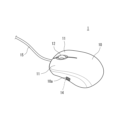
- FIG. 1 is a schematic perspective view showing an example of the appearance of an operating device 1 disclosed in the present application.
- FIG. 1 shows an example in which the operating device 1 disclosed in the present application is applied to a mouse used to operate an electronic device such as a personal computer as a first embodiment.
- the operating device 1 includes a housing 10 incorporating various configurations described later.
- the housing 10 of the operating device 1 includes a pressing operation unit 11 such as a mouse button that receives an input operation pressed by an operator's finger, and a mouse wheel that receives an operation of rotating by the operator's finger.
- a selection operation unit 12 selection unit
- the operator can select a control method for an operation sound generated by a pressing operation on the pressing operation unit 11, that is, a so-called click sound, by operating the selection operation unit 12.
- the operating device 1 has two slit-shaped openings 10a formed on the side surface of the front side of the housing 10.
- the operating device 1 houses within the housing 10 a sound input unit 13 such as a microphone that accepts external sound input, and a sound output unit 14 such as a speaker that outputs sound.
- the sound input unit 13 and sound output unit 14 provided on the housing 10 are disposed near the side surface of the front side of the housing 10.
- the sound input unit 13 and sound output unit 14 are directional, and the opening 10a on the front side of the housing 10 is formed in the direction in which the sound input unit 13 receives sound input and in the direction in which the sound output unit 14 outputs sound.
- the control device 1 is also connected to a connection line 15 that connects to an external electronic device.
- the connection line 15 is used as a communication line for transmitting and receiving electrical signals between the control device 1 and the electronic device, and as a power line for supplying power from the electronic device to the control device 1.
- the control device 1 is not limited to wired communication using the connection line 15, and can communicate electrical signals using various communication methods such as wireless communication.
- the control device 1 can be configured to have an internal power source such as a battery.
- FIG. 2 is a schematic perspective view showing an example of the appearance of the operating device 1 disclosed in the present application.
- the opening 10a of the operating device 1 is formed at a different position from that in the first embodiment.
- the operating device 1 illustrated in FIG. 2 has openings 10a on the left and right sides of the housing 10.
- the sound input unit 13 and the sound output unit 14 of the housing 10 are disposed near the left and right sides of the housing 10.
- the opening 10a (not shown) on the right side of the housing 10 is formed in a direction in which the sound input unit 13 receives sound input, and the opening 10a on the left side is formed in a direction in which the sound output unit 14 outputs sound.
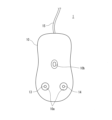
- FIG. 3 is a schematic bottom view showing an example of the appearance of the operating device 1 disclosed in the present application.
- the third embodiment is an embodiment in which the opening 10a of the operating device 1 is formed at a different position from that of the first embodiment.
- the operating device 1 illustrated in FIG. 3 has an opening 10a on the bottom surface of the housing 10.
- the bottom surface of the housing 10 is a surface that faces the top surface of the desk when placed on the desk.
- the opening 10a formed on the bottom surface of the housing 10 is an approximately circular opening.
- the sound input unit 13 and the sound output unit 14 of the housing 10 are arranged near the bottom surface of the housing 10.
- the opening 10a on the bottom surface of the housing 10 is formed in the direction in which the sound input unit 13 receives sound input and in the direction in which the sound output unit 14 outputs sound. Furthermore, the operating device 1 has a detection opening 10b formed on the bottom surface of the housing 10 for a detection unit that detects the movement of the operating device 1.
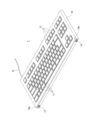
- Fourth Embodiment 4 is a schematic perspective view showing an example of the appearance of the operation device 1 disclosed in the present application.
- the fourth embodiment is a form in which the operation device 1 disclosed in the present application is applied to a keyboard used to operate an electronic device such as a personal computer.
- the operation device 1 includes a housing 10, on which a plurality of key switches such as letter keys, numeric keys, and other function keys are arranged as a pressing operation unit 11. Note that in the present application, an example is described in which some of the key switches such as function keys are used as a selection operation unit 12 (selection unit) for selecting a function.
- the operating device 1 has two slit-shaped openings 10a formed on the front side of the housing 10.
- the operating device 1 accommodates a sound input unit 13 and a sound output unit 14 inside the housing 10.
- the sound input unit 13 and the sound output unit 14 of the housing 10 are arranged near the side of the housing 10.
- the sound input unit 13 and the sound output unit 14 have directionality, and the openings 10a of the housing 10 are formed in the direction in which the sound input unit 13 inputs sound and the direction in which the sound output unit 14 outputs sound.
- the operating device 1 is also connected to a connection line 15 that connects to an external electronic device.
- the operating device 1 can also be configured to communicate electrical signals via wireless communication, and can also be configured to have an internal power source.
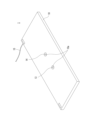
- FIG. 5 is a schematic perspective view showing an example of the appearance of the operating device 1 disclosed in the present application.
- the fifth embodiment is an embodiment in which the opening 10a of the operating device 1 is formed at a different position from the fourth embodiment.
- FIG. 5 shows the operating device 1 from a viewpoint substantially from the bottom surface.
- the operating device 1 illustrated in FIG. 5 has an opening 10a on the bottom surface of the housing 10.
- the bottom surface of the housing 10 is a surface that faces the top surface of the desk when placed on the desk.
- the opening 10a formed on the bottom surface of the housing 10 is a substantially circular opening.
- the sound input unit 13 and the sound output unit 14 of the housing 10 are disposed near the bottom surface of the housing 10.
- the opening 10a on the bottom surface of the housing 10 is formed in a direction in which the sound input unit 13 receives sound input and in a direction in which the sound output unit 14 outputs sound.
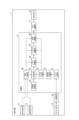
- FIG. 6 is a functional block diagram that shows an example of the functional configuration of the operation device 1 disclosed in the present application.
- various components such as a control unit 2, an input amplifier unit 16, and an output amplifier unit 17 are provided inside the housing 10 of the operation device 1.
- Power is supplied to the control unit 2 from a power source (not shown).
- the operation device 1 includes an echo canceller (not shown) between the sound input unit 13 and the sound output unit 14 to suppress abnormal occurrence of output sound such as howling.
- the control unit 2 is a circuit that controls the entire device, and is configured using a control circuit such as a microcomputer equipped with integrated circuits such as VLSI and LSI.
- the input amplifier 16 is a circuit such as an amplifier that amplifies an electrical signal based on the sound received by the sound input unit 13 and outputs it to the control unit 2.
- the output amplifier 17 is a circuit such as an amplifier that amplifies an electrical signal output from the control unit 2 and outputs it to the sound output unit 14, and the sound output unit 14 outputs sound based on the electrical signal input from the output amplifier 17.
- the control unit 2 realizes various functions such as an operation processing unit 20, an A/D conversion unit 21, a frequency conversion unit 22, an input sound processing unit 23, a sound information storage unit 24, a sound selection unit 25, a pitch adjustment unit 26, an equalizer adjustment unit 27, and a volume adjustment unit 28.
- the operation processing unit 20 accepts input based on an operation on the selection operation unit 12, and passes commands to the sound selection unit 25, pitch adjustment unit 26, equalizer adjustment unit 27, and volume adjustment unit 28 based on the accepted operation input. Specifically, the operation processing unit 20 passes commands to the sound selection unit 25, pitch adjustment unit 26, equalizer adjustment unit 27, and volume adjustment unit 28, such as selecting a sound control function based on the input, starting a selected function, and ending an active function.
- the operation processing unit 20 also accepts input based on an operation on the pressing operation unit 11, and passes a command to the sound selection unit 25 to output an operation sound, a so-called click sound, in response to the accepted operation input.
- the A/D conversion unit 21 samples the analog sound signal received by the sound input unit 13 and amplified by the input amplifier unit 16 at a preset sampling interval, binarizes it, and converts it into a digital signal.
- the digital sound signal is passed to the frequency conversion unit 22.
- the frequency conversion unit 22 converts the frequency of the sound signal using a frequency conversion process such as a fast Fourier transform (FFT) process, and passes the converted signal to the input sound processing unit 23.
- FFT fast Fourier transform
- the input sound processing unit 23 processes the frequency-converted sound signal according to a preset algorithm, and passes the processed sound signal to the sound selection unit 25, pitch adjustment unit 26, equalizer adjustment unit 27, and volume adjustment unit 28.
- the sound information storage unit 24 is a memory that records multiple pieces of reference sound information indicating the reference sounds that are the basis for the sounds output as click sounds.
- the reference sounds recorded as reference sound information include various sounds, such as metallic sounds, dull sounds, and sounds that have a soft feel.
- the inventors of the present application have found through experiments and other means that the sense of operation by the operator is affected by the operation sounds, and the sound information storage unit 24 stores the reference sounds that are the basis for various operation sounds as reference sound information.
- the sound selection unit 25 receives a command based on a selection operation received from the operation processing unit 20, and selects a reference sound signal corresponding to the command from among multiple pieces of reference sound information stored in the sound information storage unit 24. In addition, when the sound selection unit 25 receives a command based on a pressing operation received from the operation processing unit 20, it extracts the selected reference sound information from the sound information storage unit 24 based on the processed sound signal received from the input sound processing unit 23, and passes the extracted reference sound information to the pitch adjustment unit 26.
- the pitch adjustment unit 26 adjusts the pitch of the reference sound signal based on the sound pitch adjustment method selected by the command received from the operation processing unit 20 and the processed sound signal received from the input sound processing unit 23, and passes the adjusted sound signal with the adjusted pitch to the equalizer adjustment unit 27.
- the equalizer adjustment unit 27 adjusts the magnitude of the components of each frequency band of the adjusted sound signal received from the pitch adjustment unit 26 based on the sound frequency adjustment method set in the command received from the operation processing unit 20 and the processed sound signal received from the input sound processing unit 23, and passes the adjusted sound signal with the magnitude adjusted for each frequency band to the volume adjustment unit 28.
- the volume adjustment unit 28 adjusts the volume of the adjusted sound signal received from the equalizer adjustment unit 27 based on the volume adjustment method selected in the command received from the operation processing unit 20 and the processed sound signal received from the input sound processing unit 23, and outputs the adjusted adjusted sound signal to the output amplifier unit 17.
- the output amplifier 17 amplifies the electrical signal input as an adjustment sound signal from the volume adjustment unit 28 of the control unit 2, and outputs a sound based on the amplified electrical signal as a click sound (operation sound) from the sound output unit 14.
- the operating device 1 disclosed in the present application controls the sound output based on an input operation, that is, the so-called click sound, using a control method based on external sound input from the sound input unit 13. That is, the operating device 1 disclosed in the present application uses the control unit 2 to output a click sound in which elements such as pitch, the magnitude of components for each frequency band, and volume are controlled based on the external sound.
- the operating device 1 controls the operation sound based on the sound input from the outside by a control method set as the volume adjustment mode.
- the volume adjustment mode the volume of the click sound is controlled to be larger as the volume of the sound input from the outside increases, and the volume of the click sound is controlled to be smaller as the volume of the sound input from the outside decreases.
- the operating device 1 disclosed in the present application can be controlled in a mute mode to suppress the output of operation sounds when the volume of sound input from the outside is lower than a predetermined lower limit.
- the operating device 1 disclosed in the present application can be deployed in various forms, such as by attaching a mute mode button to the housing 10 and adding a mode that suppresses the output of operation sounds regardless of external sounds by pressing the mute mode button.
- the operation device 1 controls the operation sound based on the sound input from the outside, using a control method set as the masking mode. Specifically, in the case of the masking mode, the operation sound is controlled based on the magnitude of the components for each frequency band of the sound input from the outside. By controlling the operation sound based on the magnitude of the components for each frequency band of the external sound using the masking mode, a masking effect is created in which when sounds of the same frequency overlap, one sound becomes hard to hear. Due to the masking effect, the operation device 1 disclosed in the present application can make it hard to hear external sounds or operation sounds.
- the operation device 1 controls the operation sound based on the sound input from the outside, using the control method set as the inversion mode. Specifically, in the inversion mode, the operation sound based on the sound whose phase is inverted for each frequency band based on the magnitude of the component for each frequency band input from the outside is output, making it possible to cancel out the external sound and the operation sound.
- the operation device 1 controls the operation sound based on the sound input from the outside, using the control method set as the highlight mode. Specifically, in the highlight mode, the operation device 1 controls to output an operation sound that emphasizes the components of a specific frequency band that are small in the external sound, based on the external sound. This enables the operation device 1 to output an operation sound that is not drowned out by external sounds and is easy to hear.
- the operating device 1 disclosed in the present application controls the operation sound in response to external sounds. This provides excellent effects, such as making it possible to output operation sounds in response to external conditions.
- the operating device 1 disclosed in the present application has an opening 10a formed on the side or bottom surface of the housing 10, and outputs sound from the opening 10a. This provides an excellent effect, such as allowing the operator to recognize the sound emitted from the sound output unit 14 as an operation sound from within the housing 10.
- the operating device 1 can also allow the operator to recognize sounds leaking from gaps in the housing 10, such as the boundary of the pressing operation unit 11, as operation sounds.
- the present invention is applied to an operating device 1 connected to an electronic device so that it can communicate with the electronic device.
- the present invention is not limited to this, and can be deployed in various forms, such as an operating device 1 integrated with an electronic device.
- Examples of an operating device 1 integrated with an electronic device include an operating device 1 such as a controller-integrated game machine or a notebook computer.
- the operation device 1 disclosed in the present application can be embodied as various devices other than a mouse or a keyboard.
- the operation device 1 disclosed in the present application can be realized as various devices such as a stick controller having an operation unit such as a stick that accepts rotational operations, an audio mixer having an operation unit such as a dial that accepts rotational operations, and an operation unit such as a slider that accepts sliding operations.
- an opening 10a for the sound input unit 13 and an opening 10a for the sound output unit 14 are formed on the same surface of the operating device 1, but the present invention is not limited to this and can be developed into various forms.
- the operating device 1 can be developed into various forms, such as forming the opening 10a for the sound input unit 13 on the side of the housing 10 and forming the opening 10a for the sound output unit 14 on the bottom surface of the housing 10.
- the operating device 1 can be developed into various forms, such as forming the opening 10a for the sound output unit 14 on the bottom surface of the housing 10 and not forming the opening 10a for the sound input unit 13.
- Operating device (mouse, keyboard) 10 Housing 10a Opening 11 Depression operation unit (operation unit) 12 Selection operation unit (selection unit) 13 Sound input section 14 Sound output section 2 Control section 20 Operation processing section 21 A/D conversion section 22 Frequency conversion section 23 Input sound processing section 24 Sound information storage section 25 Sound selection section 26 Pitch adjustment section 27 Equalizer adjustment section 28 Volume adjustment section
Landscapes
- Engineering & Computer Science (AREA)
- Theoretical Computer Science (AREA)
- General Engineering & Computer Science (AREA)
- Physics & Mathematics (AREA)
- Human Computer Interaction (AREA)
- General Physics & Mathematics (AREA)
- Signal Processing (AREA)
- General Health & Medical Sciences (AREA)
- Audiology, Speech & Language Pathology (AREA)
- Health & Medical Sciences (AREA)
- Acoustics & Sound (AREA)
- Input From Keyboards Or The Like (AREA)
- Position Input By Displaying (AREA)
Abstract
外部の状況に応じた音を操作音として出力することが可能なマウス、キーボード等の操作装置を提供する。 操作装置1は、操作者からの入力操作を受ける押下操作部11を備える。操作装置1は、外部の音の入力を受け付けるマイク等の音入力部13と、音を出力するスピーカ等の音出力部14とを備える。操作装置1は、押下操作部11が入力操作を受け付けた場合に、音入力部13が受け付けた外部の音に基づく音を、音出力部14からクリック音として出力させるように制御する。
Description
本発明は、操作者からの入力操作を受け付ける操作装置に関する。
コンピュータ等の電子機器と通信可能に接続され、操作者からの入力操作を受け付けるマウス、キーボード等の操作装置が普及している。このような操作装置では、操作者からの押下操作を受け付けて回路を開閉するマイクロスイッチ等のスイッチが用いられている(例えば、特許文献1参照。)。マウス、キーボード等の操作装置は、様々な用途、状況に応じた様々な特性が要求されている。操作装置に要求される特性の1つとして、例えば、静音性があり、特許文献1では、ゴムを用いて振動を吸収することで静音化を実現している。
しかしながら、特許文献1に開示されている操作装置は、常に消音している状態であり、仮に、静音性が要求されない状況であっても、周囲の状況に応じて音を制御することはできなかった。
本発明は斯かる事情に鑑みてなされたものであり、周囲の状況に応じた音を出力する操作装置の提供を目的とする。
上記課題を解決するため、本願記載の操作装置は、操作者からの入力操作を受ける操作部を備える操作装置であって、外部の音の入力を受ける音入力部と、音を出力する音出力部とを備えることを特徴とする。
また、前記操作装置において、前記音出力部から出力する音を制御する制御部を備え、前記制御部は、前記操作部が入力操作を受けた場合に、前記音入力部が受け付けた外部の音に基づく音を、前記音出力部から出力させることを特徴とする。
また、前記操作装置において、前記制御部は、前記操作部が受けた入力操作による操作音として、前記音出力部から音を出力させることを特徴とする。
また、前記操作装置において、前記音出力部から出力させる音の制御方法の選択を受け付ける選択部を備え、前記制御部は、前記選択部により選択された制御方法にて制御した音を、前記音出力部から出力させることを特徴とする。
また、前記操作装置において、前記制御部は、前記音入力部が受けた音の音量に基づいて、前記音出力部から出力させる音を制御することを特徴とする。
また、前記操作装置において、前記制御部は、前記音入力部が受けた音の周波数毎の成分の大きさに基づいて、前記音出力部から出力させる音を制御することを特徴とする。
また、前記操作装置において、マウス又はキーボードであることを特徴とする。
また、前記操作装置において、前記音出力部を収容する筐体を備え、前記筐体は、前記音出力部の配置位置の近傍で、前記音出力部から音を出力する方向に開口部が形成されていることを特徴とする。
また、前記操作装置において、前記音出力部を収容する筐体を備え、前記音出力部は、前記筐体の側面又は底面の近傍に配置されており、前記筐体は、前記音出力部の配置位置の近傍で、前記音出力部から音を出力する方向に位置する側面又は底面に開口部が形成されていることを特徴とする。
本願開示の操作装置は、外部の音の入力を受けるマイク等の音入力部と、音を出力するスピーカ等の音出力部とを備えている。これにより、本願開示の操作装置は、周囲の状況に応じた音を出力することが可能である等、優れた効果を奏する。
<適用例>
以下、本願開示の操作装置の実施形態の例について図面を参照しながら説明する。本願開示の操作装置は、例えば、パーソナルコンピュータ(以下、パソコンという)等の電子機器の操作に用いられるマウス、キーボード等の装置として実現される。以下では、図面を参照しながら図面に例示された操作装置1について説明する。
以下、本願開示の操作装置の実施形態の例について図面を参照しながら説明する。本願開示の操作装置は、例えば、パーソナルコンピュータ(以下、パソコンという)等の電子機器の操作に用いられるマウス、キーボード等の装置として実現される。以下では、図面を参照しながら図面に例示された操作装置1について説明する。
<外観>
先ず、操作装置1の外観について第1実施形態乃至第6実施形態を例示して説明する。
先ず、操作装置1の外観について第1実施形態乃至第6実施形態を例示して説明する。
<第1実施形態>
図1は、本願開示の操作装置1の外観の一例を示す概略斜視図である。図1は、第1実施形態として、本願開示の操作装置1をパソコン等の電子機器の操作に用いるマウスに適用した例を示している。操作装置1は、後述する各種構成を内蔵した筐体10を備えている。操作装置1の筐体10には、操作者が指にて押圧する入力操作を受け付けるマウスボタン等の押下操作部11、及び操作者の指にて回動する操作を受け付けるマウスホイールが配置されている。なお、本願では、マウスホイールを、機能を選択する選択操作部12(選択部)として用いる形態を例示して説明する。マウスホイールを選択操作部12として用いる場合、操作者は、選択操作部12を操作することにより、押下操作部11に対する押下操作により発生する操作音、所謂クリック音の制御方法を選択することができる。
図1は、本願開示の操作装置1の外観の一例を示す概略斜視図である。図1は、第1実施形態として、本願開示の操作装置1をパソコン等の電子機器の操作に用いるマウスに適用した例を示している。操作装置1は、後述する各種構成を内蔵した筐体10を備えている。操作装置1の筐体10には、操作者が指にて押圧する入力操作を受け付けるマウスボタン等の押下操作部11、及び操作者の指にて回動する操作を受け付けるマウスホイールが配置されている。なお、本願では、マウスホイールを、機能を選択する選択操作部12(選択部)として用いる形態を例示して説明する。マウスホイールを選択操作部12として用いる場合、操作者は、選択操作部12を操作することにより、押下操作部11に対する押下操作により発生する操作音、所謂クリック音の制御方法を選択することができる。
操作装置1は、筐体10の手前側の側面に、スリット状の開口部10aが2箇所形成されている。操作装置1は、外部の音の入力を受け付けるマイク等の音入力部13及び音を出力するスピーカ等の音出力部14を筐体10内に収容している。筐体10が備える音入力部13及び音出力部14は、筐体10の手前側の側面の近傍に配置されている。音入力部13及び音出力部14は、指向性を有し、筐体10の手前側の開口部10aは、音入力部13が音の入力を受ける方向及び音出力部14が音を出力する方向に形成されている。
また、操作装置1には、外部の電子機器と接続する接続線15が接続されている。接続線15は、操作装置1及び電子機器間で電気信号の送受信を行う通信線、及び電子機器から操作装置1へ電力を供給する電力線として用いられる。なお、操作装置1は、接続線15を用いた有線通信に限らず、無線通信等の様々な通信方法により電気信号の通信を行うことが可能である。また、無線通信を行う場合、操作装置1は、電池等の電源を内部に備えるように構成することも可能である。
<第2実施形態>
図2は、本願開示の操作装置1の外観の一例を示す概略斜視図である。第2実施形態は、第1実施形態において、操作装置1の開口部10aを異なる位置に形成した形態である。図2に例示する操作装置1は、筐体10の左側の側面及び右側の側面に開口部10aを設けている。筐体10が備える音入力部13及び音出力部14は、筐体10の左右の側面の近傍に配置されている。筐体10の右側の側面の開口部10a(図示せず)は、音入力部13が音の入力を受ける方向に形成され、左側の側面の開口部10aは、音出力部14が音を出力する方向に形成されている。
図2は、本願開示の操作装置1の外観の一例を示す概略斜視図である。第2実施形態は、第1実施形態において、操作装置1の開口部10aを異なる位置に形成した形態である。図2に例示する操作装置1は、筐体10の左側の側面及び右側の側面に開口部10aを設けている。筐体10が備える音入力部13及び音出力部14は、筐体10の左右の側面の近傍に配置されている。筐体10の右側の側面の開口部10a(図示せず)は、音入力部13が音の入力を受ける方向に形成され、左側の側面の開口部10aは、音出力部14が音を出力する方向に形成されている。
<第3実施形態>
図3は、本願開示の操作装置1の外観の一例を示す概略底面図である。第3実施形態は、第1実施形態において、操作装置1の開口部10aを異なる位置に形成した形態である。図3に例示する操作装置1は、筐体10の底面に開口部10aを設けている。筐体10の底面は、机上に載置した場合に、机の天面に対向する面である。筐体10の底面に形成された開口部10aは、略円形状の開口となっている。筐体10が備える音入力部13及び音出力部14は、筐体10の底面の近傍に配置されている。筐体10の底面の開口部10aは、音入力部13が音の入力を受ける方向及び音出力部14が音を出力する方向に形成されている。更に、操作装置1は、操作装置1の移動を検出する検出部用に開設された検出用開口部10bが、筐体10の底面に形成されている。
図3は、本願開示の操作装置1の外観の一例を示す概略底面図である。第3実施形態は、第1実施形態において、操作装置1の開口部10aを異なる位置に形成した形態である。図3に例示する操作装置1は、筐体10の底面に開口部10aを設けている。筐体10の底面は、机上に載置した場合に、机の天面に対向する面である。筐体10の底面に形成された開口部10aは、略円形状の開口となっている。筐体10が備える音入力部13及び音出力部14は、筐体10の底面の近傍に配置されている。筐体10の底面の開口部10aは、音入力部13が音の入力を受ける方向及び音出力部14が音を出力する方向に形成されている。更に、操作装置1は、操作装置1の移動を検出する検出部用に開設された検出用開口部10bが、筐体10の底面に形成されている。
<第4実施形態>
図4は、本願開示の操作装置1の外観の一例を示す概略斜視図である。第4実施形態は、本願開示の操作装置1をパソコン等の電子機器の操作に用いるキーボードに適用した形態である。操作装置1は、筐体10を備え、筐体10には、文字キー、数字キー、その他ファンクションキー等の複数のキースイッチが押下操作部11として配列されている。なお、本願では、ファンクションキー等のキースイッチの一部を、機能を選択する選択操作部12(選択部)として用いる形態を例示して説明する。
図4は、本願開示の操作装置1の外観の一例を示す概略斜視図である。第4実施形態は、本願開示の操作装置1をパソコン等の電子機器の操作に用いるキーボードに適用した形態である。操作装置1は、筐体10を備え、筐体10には、文字キー、数字キー、その他ファンクションキー等の複数のキースイッチが押下操作部11として配列されている。なお、本願では、ファンクションキー等のキースイッチの一部を、機能を選択する選択操作部12(選択部)として用いる形態を例示して説明する。
操作装置1は、筐体10の手前側の側面に、スリット状の開口部10aが2箇所形成されている。操作装置1は、筐体10内に、音入力部13及び音出力部14を収容している。筐体10が備える音入力部13及び音出力部14は、筐体10の側面の近傍に配置されている。音入力部13及び音出力部14は、指向性を有し、筐体10の開口部10aは、音入力部13が音を入力する方向及び音出力部14が音を出力する方向に形成されている。また、操作装置1には、外部の電子機器と接続する接続線15が接続されている。なお、操作装置1は、無線通信にて電気信号を通信するように構成することも可能であり、内部に電源を備えるように構成することも可能である。
<第5実施形態>
図5は、本願開示の操作装置1の外観の一例を示す概略斜視図である。第5実施形態は、第4実施形態において、操作装置1の開口部10aを異なる位置に形成した形態である。図5は、操作装置1を略底面方向からの視点で示している。図5に例示する操作装置1は、筐体10の底面に開口部10aを設けている。筐体10の底面は、机上に載置した場合に、机の天面に対向する面である。筐体10の底面に形成された開口部10aは、略円形状の開口となっている。筐体10が備える音入力部13及び音出力部14は、筐体10の底面の近傍に配置されている。筐体10の底面の開口部10aは、音入力部13が音の入力を受ける方向及び音出力部14が音を出力する方向に形成されている。
図5は、本願開示の操作装置1の外観の一例を示す概略斜視図である。第5実施形態は、第4実施形態において、操作装置1の開口部10aを異なる位置に形成した形態である。図5は、操作装置1を略底面方向からの視点で示している。図5に例示する操作装置1は、筐体10の底面に開口部10aを設けている。筐体10の底面は、机上に載置した場合に、机の天面に対向する面である。筐体10の底面に形成された開口部10aは、略円形状の開口となっている。筐体10が備える音入力部13及び音出力部14は、筐体10の底面の近傍に配置されている。筐体10の底面の開口部10aは、音入力部13が音の入力を受ける方向及び音出力部14が音を出力する方向に形成されている。
<機能構成>
次に、本願開示の操作装置1の機能構成例について説明する。図6は、本願開示の操作装置1の機能構成の一例を概略的に示す機能ブロック図である。操作装置1の筐体10内には、前述の押下操作部11、選択操作部12、音入力部13及び音出力部14の他、制御部2、入力増幅部16、出力増幅部17等の各種構成を備えている。制御部2には、図示しない電源から電力が供給されている。また、操作装置1は、音入力部13及び音出力部14の間に、図示しないエコーキャンセラを備えており、ハウリング等の出力音の異常発生を抑制している。
次に、本願開示の操作装置1の機能構成例について説明する。図6は、本願開示の操作装置1の機能構成の一例を概略的に示す機能ブロック図である。操作装置1の筐体10内には、前述の押下操作部11、選択操作部12、音入力部13及び音出力部14の他、制御部2、入力増幅部16、出力増幅部17等の各種構成を備えている。制御部2には、図示しない電源から電力が供給されている。また、操作装置1は、音入力部13及び音出力部14の間に、図示しないエコーキャンセラを備えており、ハウリング等の出力音の異常発生を抑制している。
制御部2は、装置全体を制御する回路であり、例えば、VLSI、LSI等の集積回路を搭載したマイクロコンピュータ等の制御回路を用いて構成されている。
入力増幅部16は、音入力部13が入力を受け付けた音に基づく電気信号を増幅し、制御部2へ出力するアンプ等の回路である。出力増幅部17は、制御部2から出力された電気信号を増幅し、音出力部14へ出力するアンプ等の回路であり、音出力部14は、出力増幅部17から入力された電気信号に基づく音を出力する。
次に、制御部2内の各種回路にて実現される各種機能の構成について説明する。制御部2は、操作処理部20、A/D変換部21、周波数変換部22、入力音処理部23、音情報記憶部24、音選択部25、ピッチ調整部26、イコライザ調整部27、音量調整部28等の各種機能を実現する。
操作処理部20は、選択操作部12に対する操作に基づく入力を受け付け、受け付けた操作の入力に基づいて、音選択部25、ピッチ調整部26、イコライザ調整部27及び音量調整部28に命令を渡す。具体的には、操作処理部20は、音選択部25、ピッチ調整部26、イコライザ調整部27及び音量調整部28に対し、入力に基づく音の制御機能の選択、選択した機能の起動、起動している機能の終了等の命令を渡す。また、操作処理部20は、押下操作部11に対する操作に基づく入力を受け付け、受け付けた操作の入力に対し、操作音、所謂クリック音を出力させる命令を音選択部25に渡す。
A/D変換部21は、音入力部13が入力を受け付け、入力増幅部16が増幅したアナログ信号である音信号を、予め設定されている所定のサンプリング間隔でサンプリングし、二値化してデジタル信号に変換する。デジタル信号に変換された音信号は、周波数変換部22へ渡される。
周波数変換部22は、例えば、高速フーリエ変換処理(FFT:Fast Fourier Transformation)等の周波数変換処理により、音信号を周波数変換し、入力音処理部23に渡す。
入力音処理部23は、周波数変換した音信号を予め設定されているアルゴリズムに従って処理した処理済み音信号を、音選択部25、ピッチ調整部26、イコライザ調整部27及び音量調整部28に渡す。
音情報記憶部24は、クリック音として出力する音の元となる基準音を示す基準音情報を複数記録しているメモリである。基準音情報として記録されている基準音としては、例えば、金属系の音、鈍い音、柔らかい感触がする音等、様々な音である。本願発明者らは、操作者による操作感覚は、操作音に影響されるとの知見を実験等から得ており、音情報記憶部24は、様々な操作音の基となる基準音を基準音情報として記憶している。
音選択部25は、操作処理部20から受け付けた選択操作に基づく命令を受け付け、音情報記憶部24に記憶されている複数の基準音情報のうちから命令に対応する基準音信号を選択する。また、音選択部25は、操作処理部20から受け付けた押下操作に基づく命令を受け付けた時に、入力音処理部23から受け付けた処理済み音信号に基づいて、選択した基準音情報を音情報記憶部24から抽出し、抽出した基準音情報をピッチ調整部26へ渡す。
ピッチ調整部26は、操作処理部20から受け付けた命令にて選択された音のピッチの調整方法と、入力音処理部23から受け付けた処理済み音信号とに基づいて、基準音信号のピッチを調整し、ピッチを調整した調整音信号をイコライザ調整部27へ渡す。
イコライザ調整部27は、操作処理部20から受け付けた命令にて設定された音の周波数の調整方法と、入力音処理部23から受け付けた処理済み音信号とに基づいて、ピッチ調整部26から受け付けた調整音信号の周波数帯毎の成分の大きさを調整し、周波数帯毎に大きさを調整した調整音信号を音量調整部28へ渡す。
音量調整部28は、操作処理部20から受け付けた命令にて選択された音量の調整方法と、入力音処理部23から受け付けた処理済み音信号とに基づいて、イコライザ調整部27から受け付けた調整音信号の音量を調整し、調整した調整音信号を出力増幅部17へ出力する。
出力増幅部17は、制御部2の音量調整部28から調整音信号として入力された電気信号を増幅し、増幅した電気信号に基づく音をクリック音(操作音)として音出力部14から出力させる。
以上のように、本願開示の操作装置1は、音入力部13から入力を受け付けた外部の音に基づく制御方法で、入力操作に基づき出力する音、所謂クリック音を制御する。即ち、本願開示の操作装置1は、制御部2にて、外部の音に基づき、ピッチ、周波数帯毎の成分の大きさ、音量等の要素を制御した音を、クリック音として出力する。
<処理例>
次に、本願開示の操作装置1における具体的な処理の例について説明する。例えば、選択操作部12から選択された機能が、音量調整モードであった場合、操作装置1は、音量調整モードとして設定されている制御方法により、外部から入力された音に基づいて、操作音を制御する。具体的には、音量調整モードの場合、外部から入力された音の音量が大きい程、クリック音の音量が大きくなるように制御し、外部から入力された音の音量が小さいほど、クリック音の音量が小さくなるように制御する。
次に、本願開示の操作装置1における具体的な処理の例について説明する。例えば、選択操作部12から選択された機能が、音量調整モードであった場合、操作装置1は、音量調整モードとして設定されている制御方法により、外部から入力された音に基づいて、操作音を制御する。具体的には、音量調整モードの場合、外部から入力された音の音量が大きい程、クリック音の音量が大きくなるように制御し、外部から入力された音の音量が小さいほど、クリック音の音量が小さくなるように制御する。
更には、本願開示の操作装置1は、消音モードとして、外部から入力された音の音量が所定の下限値より小さい場合、操作音の出力を抑止するように制御することも可能である。なお、本願開示の操作装置1は、消音モードボタンを筐体10に取り付け、消音モードボタンを押下することにより、外部の音に関係なく操作音の出力を抑止するモードを追加する等、様々な形態に展開することが可能である。
また、例えば、選択操作部12から選択された機能が、マスキングモードであった場合、操作装置1は、マスキングモードとして設定されている制御方法により、外部から入力された音に基づいて操作音を制御する。具体的には、マスキングモードの場合、外部から入力された音の周波数帯毎の成分の大きさに基づいて、操作音を制御する。マスキングモードにより、外部の音の周波数帯毎の成分の大きさに基づいて、操作音を制御することで、同じ周波数の音が重なると一方の音が聞こえにくくなるマスキング効果が生じる。マスキング効果により、本願開示の操作装置1は、外部の音又は操作音を聞こえにくくすることが可能となる。
また、例えば、選択操作部12から選択された機能が、反転モードであった場合、操作装置1は、反転モードとして設定されている制御方法により、外部から入力された音に基づいて操作音を制御する。具体的には、反転モードの場合、外部から入力された周波数帯毎の成分の大きさに基づいて、周波数帯毎に位相が反転した音に基づく操作音を出力することにより、外部の音と操作音とを打ち消し合わせることが可能となる。
また、例えば、選択操作部12から選択された機能が、ハイライトモードであった場合、操作装置1は、ハイライトモードとして設定されている制御方法により、外部から入力された音に基づいて操作音を制御する。具体的には、ハイライトモードの場合、操作装置1は、外部の音に基づいて、外部の音では小さい特定の周波数帯の成分を強調した操作音を出力するように制御する。これにより、操作装置1は、外部の音に埋もれず、聞き分けやすい操作音を出力することが可能となる。
以上のように、本願開示の操作装置1は、外部の音に応じて操作音を制御する。これにより、外部の状況に応じて操作音を出力することが可能となる等、優れた効果を奏する。
特に、本願開示の操作装置1は、筐体10の側面又は底面に開口部10aが形成され、開口部10aから音を出力する。これにより、操作者は、音出力部14から発せられる音を、筐体10内からの操作音として認識することが可能である等、優れた効果を奏する。また、操作装置1は、筐体10の隙間、例えば、押下操作部11の境目等から漏れる音も、操作者に操作音として認識させることが可能である。
本発明は、以上説明した実施形態に限定されるものではなく、他の様々な形態で実施することが可能である。そのため、上述した実施形態はあらゆる点で単なる例示に過ぎず、限定的に解釈してはならない。本発明の技術範囲は、請求の範囲によって説明するものであって、明細書本文には何ら拘束されない。更に、請求の範囲の均等範囲に属する変形及び変更は、全て本発明の範囲内のものである。
例えば、前記実施形態では、電子機器と通信可能に接続された操作装置1に適用する形態を示したが、本発明は、これに限らず、電子機器と一体化した操作装置1に適用する等、様々な形態に展開することが可能である。電子機器と一体化した操作装置1としては、コントローラ一体型ゲーム機、ノート型パソコン等の操作装置1を例示することができる。
また、例えば、本願開示の操作装置1は、マウス、キーボード以外にも様々な装置として具現化することが可能である。例えば、本願開示の操作装置1は、回動操作を受け付けるスティック等の操作部を備えるスティックコントローラ、回転操作を受け付けるダイヤル等の操作部及び摺動操作を受け付けるスライダ等の操作部を備える音響ミキサー等の様々な装置として実現することが可能である。
また、例えば、前記実施形態では、操作装置1の同じ面に音入力部13用の開口部10a及び音出力部14用の開口部10aを形成した形態を示したが、本発明はこれに限らず、様々な形態に展開することが可能である。例えば、操作装置1は、音入力部13用の開口部10aを筐体10の側面に形成し、音出力部14用の開口部10aを筐体10の底面に形成する等、様々な形態に展開することが可能である。更には、操作装置1は、音出力部14用の開口部10aを筐体10の底面に形成し、音入力部13用の開口部10aを形成しない等、様々な形態に展開することが可能である。
1 操作装置(マウス、キーボード)
10 筐体
10a 開口部
11 押下操作部(操作部)
12 選択操作部(選択部)
13 音入力部
14 音出力部
2 制御部
20 操作処理部
21 A/D変換部
22 周波数変換部
23 入力音処理部
24 音情報記憶部
25 音選択部
26 ピッチ調整部
27 イコライザ調整部
28 音量調整部
10 筐体
10a 開口部
11 押下操作部(操作部)
12 選択操作部(選択部)
13 音入力部
14 音出力部
2 制御部
20 操作処理部
21 A/D変換部
22 周波数変換部
23 入力音処理部
24 音情報記憶部
25 音選択部
26 ピッチ調整部
27 イコライザ調整部
28 音量調整部
Claims (9)
- 操作者からの入力操作を受ける操作部を備える操作装置であって、
外部の音の入力を受ける音入力部と、
音を出力する音出力部と
を備える
ことを特徴とする操作装置。 - 請求項1に記載の操作装置であって、
前記音出力部から出力する音を制御する制御部を備え、
前記制御部は、
前記操作部が入力操作を受けた場合に、前記音入力部が受け付けた外部の音に基づく音を、前記音出力部から出力させる
ことを特徴とする操作装置。 - 請求項2に記載の操作装置であって、
前記制御部は、
前記操作部が受けた入力操作による操作音として、前記音出力部から音を出力させる ことを特徴とする操作装置。 - 請求項2又は請求項3に記載の操作装置であって、
前記音出力部から出力させる音の制御方法の選択を受け付ける選択部を備え、
前記制御部は、
前記選択部により選択された制御方法にて制御した音を、前記音出力部から出力させる ことを特徴とする操作装置。 - 請求項2又は請求項3に記載の操作装置であって、
前記制御部は、
前記音入力部が受けた音の音量に基づいて、前記音出力部から出力させる音を制御する ことを特徴とする操作装置。 - 請求項2又は請求項3に記載の操作装置であって、
前記制御部は、
前記音入力部が受けた音の周波数毎の成分の大きさに基づいて、前記音出力部から出力させる音を制御する
ことを特徴とする操作装置。 - 請求項1乃至請求項3のいずれか1項に記載の操作装置であって、
マウス又はキーボードである
ことを特徴とする操作装置。 - 請求項1乃至請求項3のいずれか1項に記載の操作装置であって、
前記音出力部を収容する筐体を備え、
前記筐体は、
前記音出力部の配置位置の近傍で、前記音出力部から音を出力する方向に開口部が形成されている
ことを特徴とする操作装置。 - 請求項7に記載の操作装置であって、
前記音出力部を収容する筐体を備え、
前記音出力部は、
前記筐体の側面又は底面の近傍に配置されており、
前記筐体は、
前記音出力部の配置位置の近傍で、前記音出力部から音を出力する方向に位置する側面又は底面に開口部が形成されている
ことを特徴とする操作装置。
Applications Claiming Priority (4)
| Application Number | Priority Date | Filing Date | Title |
|---|---|---|---|
| JP2022-162103 | 2022-10-07 | ||
| JP2022162103 | 2022-10-07 | ||
| JP2023-089429 | 2023-05-31 | ||
| JP2023089429A JP2024055750A (ja) | 2022-10-07 | 2023-05-31 | 操作装置 |
Publications (1)
| Publication Number | Publication Date |
|---|---|
| WO2024075644A1 true WO2024075644A1 (ja) | 2024-04-11 |
Family
ID=90608358
Family Applications (1)
| Application Number | Title | Priority Date | Filing Date |
|---|---|---|---|
| PCT/JP2023/035608 Ceased WO2024075644A1 (ja) | 2022-10-07 | 2023-09-29 | 操作装置 |
Country Status (2)
| Country | Link |
|---|---|
| TW (1) | TWI898245B (ja) |
| WO (1) | WO2024075644A1 (ja) |
Citations (3)
| Publication number | Priority date | Publication date | Assignee | Title |
|---|---|---|---|---|
| JP2000076007A (ja) * | 1998-09-02 | 2000-03-14 | Sony Corp | コンピュータインタフェース装置 |
| CN211604080U (zh) * | 2020-04-28 | 2020-09-29 | 精元电脑股份有限公司 | 主动式降噪静音的键盘 |
| US20200320971A1 (en) * | 2019-04-03 | 2020-10-08 | Chicony Electronics Co., Ltd. | Mouse device and noise cancellation method of the same |
Family Cites Families (2)
| Publication number | Priority date | Publication date | Assignee | Title |
|---|---|---|---|---|
| CN113342131B (zh) * | 2021-02-25 | 2022-06-24 | 荣耀终端有限公司 | 一种笔记本电脑的风扇降噪方法及笔记本电脑 |
| CN113571035B (zh) * | 2021-06-18 | 2022-06-21 | 荣耀终端有限公司 | 降噪方法及降噪装置 |
-
2023
- 2023-08-11 TW TW112130276A patent/TWI898245B/zh active
- 2023-09-29 WO PCT/JP2023/035608 patent/WO2024075644A1/ja not_active Ceased
Patent Citations (3)
| Publication number | Priority date | Publication date | Assignee | Title |
|---|---|---|---|---|
| JP2000076007A (ja) * | 1998-09-02 | 2000-03-14 | Sony Corp | コンピュータインタフェース装置 |
| US20200320971A1 (en) * | 2019-04-03 | 2020-10-08 | Chicony Electronics Co., Ltd. | Mouse device and noise cancellation method of the same |
| CN211604080U (zh) * | 2020-04-28 | 2020-09-29 | 精元电脑股份有限公司 | 主动式降噪静音的键盘 |
Also Published As
| Publication number | Publication date |
|---|---|
| TW202416091A (zh) | 2024-04-16 |
| TWI898245B (zh) | 2025-09-21 |
Similar Documents
| Publication | Publication Date | Title |
|---|---|---|
| JP6822586B2 (ja) | ヘッドホン、再生制御方法、並びにプログラム | |
| JP4733121B2 (ja) | 改善された移動局および補聴器の適合性のための方法および装置 | |
| CN102333266B (zh) | 声音信号处理装置、方法、程序以及麦克风装置 | |
| US20200186114A1 (en) | Audio Signal Adjustment Method, Storage Medium, and Terminal | |
| JP5716287B2 (ja) | 音声信号処理装置、音声信号処理方法、プログラム | |
| CN107509153B (zh) | 声音播放器件的检测方法、装置、存储介质及终端 | |
| EP3799441A1 (en) | Method for adjusting ambient sound for earphone, and earphone | |
| CN106101929A (zh) | 一种保护人耳听力方法及移动终端 | |
| CN105827849A (zh) | 一种音效调节方法及移动终端 | |
| US20140079239A1 (en) | System and apparatus for controlling a user interface with a bone conduction transducer | |
| CN115623372A (zh) | 耳机及耳机音效的调节方法 | |
| CN101529872B (zh) | 电子设备的扬声器模块 | |
| US8433378B2 (en) | Audio driver housing with expandable chamber for portable communication devices | |
| JP2024055750A (ja) | 操作装置 | |
| TWI898245B (zh) | 操作裝置 | |
| JP2009027479A (ja) | 電力線通信音響再生装置 | |
| JPH05199578A (ja) | 音声入力装置と遮音マスクの組合せ装置 | |
| US20250335148A1 (en) | Audio playback system | |
| JP4404043B2 (ja) | 補聴器および補聴器調整装置 | |
| TWI723741B (zh) | 按鍵裝置與按鍵音抑制方法 | |
| US9998819B2 (en) | Audio layer in keyboard device providing enhanced audio performance | |
| WO2024116716A1 (ja) | 操作装置及び調整システム | |
| US9729960B1 (en) | Audio layer in keyboard device providing enhanced audio performance | |
| TW202501242A (zh) | 操作裝置以及操作系統 | |
| JP2009105797A (ja) | 携帯電子機器 |
Legal Events
| Date | Code | Title | Description |
|---|---|---|---|
| 121 | Ep: the epo has been informed by wipo that ep was designated in this application |
Ref document number: 23874771 Country of ref document: EP Kind code of ref document: A1 |
|
| NENP | Non-entry into the national phase |
Ref country code: DE |
|
| 122 | Ep: pct application non-entry in european phase |
Ref document number: 23874771 Country of ref document: EP Kind code of ref document: A1 |