WO2024023925A1 - 候補者絞り込み方法、候補者絞り込み装置、及び候補者絞り込みプログラム - Google Patents
候補者絞り込み方法、候補者絞り込み装置、及び候補者絞り込みプログラム Download PDFInfo
- Publication number
- WO2024023925A1 WO2024023925A1 PCT/JP2022/028772 JP2022028772W WO2024023925A1 WO 2024023925 A1 WO2024023925 A1 WO 2024023925A1 JP 2022028772 W JP2022028772 W JP 2022028772W WO 2024023925 A1 WO2024023925 A1 WO 2024023925A1
- Authority
- WO
- WIPO (PCT)
- Prior art keywords
- registrant
- registrants
- group
- verification
- candidate
- Prior art date
- Legal status (The legal status is an assumption and is not a legal conclusion. Google has not performed a legal analysis and makes no representation as to the accuracy of the status listed.)
- Ceased
Links
Images








Classifications
-
- G—PHYSICS
- G06—COMPUTING OR CALCULATING; COUNTING
- G06F—ELECTRIC DIGITAL DATA PROCESSING
- G06F21/00—Security arrangements for protecting computers, components thereof, programs or data against unauthorised activity
- G06F21/30—Authentication, i.e. establishing the identity or authorisation of security principals
- G06F21/31—User authentication
- G06F21/32—User authentication using biometric data, e.g. fingerprints, iris scans or voiceprints
Definitions
- the present invention relates to a candidate narrowing down method, a candidate narrowing down device, and a candidate narrowing down program.
- identity verification In modern society, identity verification is required in various situations. For example, identity verification may be required when accessing various services, such as determining whether or not to enter a restricted area where only authorized persons can enter, determining whether to log into a computer, or verifying the user for online transactions. be.
- Biometric authentication technology has become widespread in recent years as an authentication method for verifying identity with good accuracy.
- Biometric authentication involves extracting features of the human body, such as fingerprints, blood vessel routes, facial images, etc., and performing personal authentication by comparing these features.
- a sensor such as a camera is used to acquire a user's biometric information, convert it into biometric features that can be matched, and then match the biometric features. For example, if you take an image in the near-infrared wavelength range while irradiating the palm with near-infrared light, you will get an image that shows the subcutaneous veins of the palm in black. From this image, it is possible to extract pattern information about the veins that flow through the palm like a mesh. This vein pattern information is different for each individual. Therefore, this vein pattern information is recorded in advance in a storage device such as a database or an IC card as biometric information of each individual.
- a storage device such as a database or an IC card
- the recorded vein pattern information is compared with the vein pattern information obtained from the person to be matched as verification information to calculate the similarity of the patterns, and based on this similarity, the person to be matched is identified as the person himself/herself. Check whether it exists or not.
- identity verification is performed in this way.
- one-to-N authentication which is widely known as one of the authentication methods, is a method in which the verification information of the person to be verified is verified against the verification information of all registrants registered in the storage device. . Therefore, as the number of registrants whose verification information is recorded in the storage device increases, the time required for authentication increases significantly. Therefore, in 1-to-N authentication, verification is often performed in two steps. In this two-step process, the first step is to narrow down, from all registrants, some registrants who are presumed to be the person to be matched as the candidates for the person to be matched. Subsequently, a process of definitive verification with high authentication accuracy is performed as a second stage process for the narrowed down candidate candidates.
- the process of narrowing down all registrants to candidates can be performed in a shorter time than the process of final verification for all registrants. Therefore, if such two-step processing is performed, the overall processing time required for one-to-N authentication can be expected to be shortened.
- the second stage of 1-to-N authentication which employs a two-stage process, is the process of definitive verification, which requires authentication to reliably identify a unique person, and authentication accuracy is prioritized over processing time. Therefore, it is difficult to significantly shorten the processing time. Therefore, in order to maintain good authentication accuracy and prevent excessively long processing time as the number of registrants increases, it is necessary to It is desirable to improve the accuracy of narrowing down candidates.
- the present invention aims to improve the accuracy of narrowing down candidates.
- a computer performs the generation process and the correction process.
- the generation process when the biometric information of the person to be matched is acquired from the person to be matched, the generation process refers to the storage unit in which the biometric information of each registrant included in the first registrant group is stored, and generates information about the person to be matched. This is a process of performing a first verification on the first group of registrants.
- the generation process is also a process of generating a candidate group that includes registrants who are candidates for the person to be matched by performing this first matching.
- the correction process is performed based on the biometric information of the person to be verified, among the registrants included in the first registrant group, the first registrants included in the candidate group and those included in the candidate group. This is a process of performing a second verification with higher verification accuracy than the first verification for a second registrant group including a second registrant who is not registered. The correction process is also a process of correcting the candidate group based on the result of this second verification.
- the accuracy of narrowing down candidates can be improved.
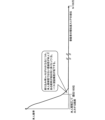
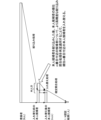
- FIG. 2 is a diagram illustrating how registrants are narrowed down in one-to-N authentication using two-step processing. This is a first example of a graph showing the relationship between the ranking of similarity scores of registrants and the probability that the registrants are true. This is a second example of a graph showing the relationship between the similarity score ranking of registrants and the probability that the registrants are true.
- FIG. 3 is a diagram illustrating a process of replacing the real candidate.
- 1 is a diagram showing a configuration example of a biometric authentication system.
- FIG. 3 is a diagram showing an example of registrant data in a registrant data storage unit.
- FIG. 6 is a diagram showing an example of registrant data in a candidate data storage unit.
- FIG. 1 is a diagram showing a configuration example of a biometric authentication system.
- FIG. 3 is a diagram showing an example of registrant data in a registrant data storage unit.
- FIG. 6 is a diagram showing an example of
- FIG. 6 is a diagram illustrating a method of setting the number of first registrants.
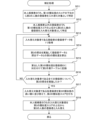
- 1 is a diagram showing an example of a hardware configuration of a computer. It is a flowchart showing the processing contents of authentication processing. It is a flowchart showing the processing contents of candidate narrowing-down processing.
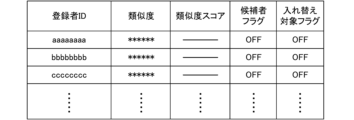
- FIG. 3 is a diagram showing an example of a first work table.
- 7 is a flowchart showing the processing contents of correction processing.
- FIG. 7 is a diagram showing an example of a second work table. It is a flowchart which shows the processing content of a confirmed verification process.
- biometric authentication system In the embodiment described below, a biometric authentication system will be described that verifies the identity of a person to be verified by performing 1-to-N authentication through two-step processing of registration data narrowing processing and final verification processing. Note that in the following description, the biometric authentication system of the embodiment may be referred to as "this system”.
- FIG. 1 is a diagram illustrating how registrants are narrowed down in one-to-N authentication using two-step processing.
- biometric feature data for N registrants is registered in advance in the biometric authentication system of the embodiment.
- this system first narrows down N registrants to m genuine candidates through the first-stage narrowing down process.
- one of the m registrant candidates is identified as the verification target person, that is, as the result of the one-to-N authentication.
- this system narrows down the registrants before final verification to reduce the number of candidate candidates for final verification, thereby reducing the time required for one-to-N authentication to a practical amount of time. Try to keep it within.
- the degree of similarity of the biometric feature data between each of the N registrants and the person to be matched is calculated, and when the registrants are arranged in descending order of similarity, the rank of each registrant is used as a similarity score.
- the m registrants with the top m similarity scores are identified and narrowed down.
- “Narrowing down rate” is known as an index representing the degree of narrowing down by this process.
- the narrowing-down rate is a value obtained by dividing the number of registrants (that is, real candidates) obtained as a result of narrowing down by the number of registrants before narrowing down.
- FIGS. 2 and 3 Both the first example shown in FIG. 2 and the second example shown in FIG. It is a graph showing the relationship between the ranking and the probability that the registrant is the person to be verified.
- the first example shown in FIG. 2 is an example where the number N of registrants is 10,000 and the number m of real candidates is 100. Therefore, the narrowing down rate in the narrowing down process shown in this first example is 0.01 (1.0%). With this level of narrowing down rate, there is a sufficiently high possibility that the person to be matched will be included among the top 100 registrants with similarity scores who are identified as real candidates through the narrowing down process.
- the second example shown in FIG. 3 is the same as the first example shown in FIG. 2 in that the number m of candidates is 100, but the number N of registrants is 1,000,000. They differ in some respects. Therefore, the narrowing down rate in the narrowing down process shown in this second example is 0.0001 (0.01%). With such a very small narrowing down rate, it is not necessarily very likely that the person to be matched will be among the top 100 registrants with similarity scores who are identified as real candidates through the narrowing down process. do not have. If the candidate person does not include the person to be verified, the registrant who is the person to be verified cannot be identified in the final verification process, and authentication will fail. Such an authentication failure results in a decrease in the authentication accuracy of the 1-to-N authentication.
- the rank of the similarity score obtained by the narrowing process is the mth rank (i.e., the rank of the lowest similarity score among the real candidates identified by the narrowing process). ) is performed to identify M registrants whose ranks are near. The M registrants identified through this process become candidates for the candidate replacement process.
- the M registrants who are the candidates for the replacement process are subjected to a narrowing down matching process that is more accurate than the first stage narrowing down process.
- the highly accurate narrowing down matching process is a narrowing down process that increases the probability that registrants with the same similarity score rank are the same when narrowing down with the same narrowing down rate.
- a new similarity is calculated based on the new similarity of the biometric feature data between the person to be replaced and the person to be matched, which is calculated by this narrowing and matching process. Performs the process of calculating the degree score. Next, a process is performed in which the candidates for the replacement process are rearranged according to this new similarity score. Then, a process is performed in which the same number of registrants as the number of original candidates included in the replacement process target persons before the replacement process are identified from among the replacement process target people in descending order of the new similarity score.
- the person who is the target of the replacement process among the person candidates before the replacement process is replaced with the identified registrant.
- the second-stage confirmation verification process that is performed after this process is performed on the candidates who have undergone this replacement process.
- the replacement process targets a small number of M registrants, which are specified by the narrowing down process for N registrants. Therefore, even if highly accurate narrowing down processing is performed for M registrants in the replacement process, the increase in the overall processing time for 1-to-N authentication is suppressed, making it a practical process for authentication processing. fit in time.
- FIG. 5 shows an example of the configuration of a biometric authentication system.
- the biometric authentication system 10 includes a registrant data storage section 11, a verification data acquisition section 12, a candidate data storage section 13, a confirmed verification section 14, an output section 15, and a candidate narrowing down device 20 as components.
- the registrant data storage unit 11 stores in advance registrant data of all users (N registrants) who use the biometric authentication system 10. An example of this registrant data is shown in FIG.
- the registrant data is biometric feature data obtained from biometric information about each registrant, and each data is associated with identification information (hereinafter referred to as "ID") of each registrant.
- ID identification information
- the pattern information about the veins obtained from the image of the subcutaneous veins of the user's palm is the biometric feature of the registrant. used as data.
- all (N) registrants whose registrant data is stored in the registrant data storage unit 11 will be collectively referred to as the "first registrant group.”
- the verification data acquisition unit 12 acquires biometric information from a person to be matched, and acquires biometric features of the person to be matched obtained from the biometric information as matching data.
- the verification data acquisition unit 12 uses, for example, an irradiation unit that irradiates near-infrared rays and photographs an image of the user's palm in the near-infrared wavelength region. It includes a camera and an extraction unit that extracts palm vein pattern information from the image.
- the verification data acquisition unit 12 is installed as a client device in a location remote from the installation location of the biometric authentication system 10, and the biometric authentication system 10 is made to function as a server device, and the client device and the server device are connected through a communication line. It may also be configured to connect with. In such a configuration, the verification data acquired from the person to be verified by the verification data acquisition unit 12 is sent to the biometric authentication system 10 via a communication line.
- the verification data acquisition unit 12 also includes, for example, an irradiation unit that irradiates visible light, a camera that captures an image of the visible light region of the user's palm, and an extraction unit that extracts palm vein pattern information from the image. may be provided.
- the candidate narrowing down device 20 performs a narrowing process on the registrants included in the first registrant group based on the verification data of the verification target person, and identifies the candidate who is the candidate for the verification target person. This is a device that performs identification, and also performs the process of replacing candidate candidates as described above.
- the candidate narrowing down device 20 includes a generation section 21 and a correction section 22.
- the generation unit 21 performs a first verification on the first registrant group to generate a candidate group.
- First verification refers to the registrant data of each of the N registrants included in the first registrant group, which is performed as the first stage narrowing down process in the two-stage 1:N authentication described above. This is a process of calculating the degree of similarity with the verification data of the person to be verified as the first similarity.
- the generation unit 21 obtains the rank of each registrant as a first similarity score when the registrants are arranged in descending order of the first similarity calculated by the first matching, and calculates the rank of each registrant as a first similarity score.
- a candidate group is generated by identifying the top m registrants as the real candidates of the verification target. Note that the "candidate group" is a general term for the first number of registrants (that is, m people) who are identified as genuine candidates by the generation unit 21.
- the generation unit 21 causes the candidate data storage unit 13 to store the registrant data of the specified candidate, that is, the registrant data of the registrants included in the candidate group.
- An example of registrant data stored in the candidate data storage unit 13 is shown in FIG.
- biometric feature data for each registrant, which is registrant data is associated with the ID of each registrant.
- the correction unit 22 performs a second verification with higher verification accuracy than the first verification on the second group of registrants based on the verification data of the verification target, and uses the result of the second verification. Correct the candidate group based on this.
- “Second registrant group” is a general term for some of the registrants included in the first registrant group, and more specifically, registrants included in the candidate group. This is a registrant group including a first registrant who is a part of the candidate group and a second registrant who is a part of the registrants who are not included in the candidate group. Note that the "first registrant” is a registrant with the lowest first similarity among the registrants included in the candidate group, for example, the first registrant among the registrants included in the candidate group. This refers to the second number of registrants in descending order of similarity.
- the "second registrant" is the registrant with the highest first similarity among the remaining registrants after excluding the registrants included in the candidate group from the registrants included in the first registrant group. For example, it refers to the third number of registrants in order of the highest first similarity among the remaining registrants.
- “Second matching with higher matching accuracy than the first matching” refers to similarity that is performed as a narrowing down process with higher accuracy compared to the narrowing down process in the first matching in the above-mentioned candidate replacement process. This is the process of calculating the degree. Through this second verification, the similarity between the registrant data of each of the M registrants included in the second registrant group and the verification data of the person to be verified is calculated as a second similarity.
- the correction unit 22 obtains the rank of each registrant as a second similarity score when the registrants are arranged in descending order of second similarity calculated by the second matching, and calculates the rank of each registrant as a second similarity score.
- the second number of registrants is identified as the third registrant in descending order.
- the correction unit 22 excludes the second number of first registrants from the first number of registrants included in the candidate group, and adds the second number of third registrants to the excluded candidate group. Corrections to include are made to the candidate group. More specifically, the correction unit 22 stores the registrant data of the second number of first registrants in the candidate data storage unit 13 in which registrant data about m registrants included in the candidate group is stored. The registrant data is replaced with registrant data of a second number of third registrants.
- the narrowing down from the registrant group to the candidate group is performed as described above, which involves the above-mentioned replacement of the actual candidates.
- the final verification unit 14 performs the second stage of final verification in the two-stage 1:N authentication described above. More specifically, the final verification unit 14 performs final verification, which has higher verification accuracy than the first and second verifications, and performs verification against the registrant data of each of the m registrants included in the candidate group. The degree of similarity with the verification data of the subject is calculated as the third degree of similarity.
- the confirmed matching unit 14 extracts registrants for whom the calculated third degree of similarity is greater than or equal to a predetermined threshold value in confirmed matching, and selects the registration of one person whose third degree of similarity is the highest among the extracted registrants. The person is identified as the result of the confirmed verification, that is, as the person to be verified. Note that if there is no registrant whose third degree of similarity is greater than or equal to the predetermined threshold value in the final verification, the final verification unit 14 regards the authentication failure as a result of the final verification.
- the output unit 15 outputs the result of the final verification by the final verification unit 14 as the authentication result for the person to be verified.
- the biometric authentication system 10 is configured as described above.
- any method can be used. For example, completely different algorithms may be used to calculate the similarity between a pair of biometric feature data to be compared, so that the accuracy thereof may be varied.
- similarity may be calculated using all or only part of a pair of biometric feature data that is the subject of matching. may be used to provide matching of different precision.
- the degree of similarity may be calculated after performing preprocessing on the biometric feature data to compensate for biases caused by the size, tilt, sharpness, etc. of the image from which the biometric feature data has been obtained.
- matching with different accuracy may be provided depending on whether or not the preprocessing is performed.
- the above-mentioned second number of people and third number of people that is, the first registrant among the M registrants included in the second registrant group who are subject to the replacement process by the correction unit 22. and the number of second registrants may be determined using the method described below.
- the first registrants are registrants selected from among the registrants included in the candidate group generated by the generation unit 21 in descending order of first similarity score.
- the second registrants are selected from among the remaining registrants after excluding the registrants included in the candidate group generated by the generation unit 21 from the first registrant group, in descending order of the first similarity score.
- the selected registrant The correction unit 22 performs a second verification on each of the M registrants, including the second number of first registrants and the third number of second registrants, thereby obtaining the third registration of the second number of registrants.
- the first comparison performed by the generation unit 21 determines the relationship between the ranking of registrants in descending order of similarity scores and the registrant's identity probability, which is shown in the graphs illustrated in FIGS. 2 and 3. Find out in advance.
- This relationship can be established, for example, by repeatedly conducting an evaluation experiment in which the first matching is actually performed, and based on the experimental results, the ranking in descending order of the first similarity score (or the first similarity) and the identity probability.
- the relationship is statistically determined and a table or approximation function representing this relationship is prepared in advance.
- the storage unit may store the table or approximate function.
- the ranking of the first similarity score is determined when this total value becomes the maximum value that is less than or equal to a predetermined probability threshold.
- the registrant in this rank is the registrant whose rank in the first similarity score is the lower limit among the candidates for the replacement process based on the first comparison.
- This ranking also represents the number of registrants whose ranking in descending order of first similarity score is equal to or higher than the ranking.
- This number is also the total number of the first number (that is, m) that is the number of registrants included in the candidate group and the third number (that is, K) that is the number of second registrants. Therefore, by subtracting m, which is the first number of people, from the determined ranking, the value of K is obtained.
- the total value of the identity probability for each of the registrants of the sum of m and K is calculated in descending order of the first similarity score.
- K may be set so that the maximum value is less than or equal to a predetermined probability threshold.
- This method assumes that the third number of people (that is, the value of K) is set in advance. For example, assume that the value obtained as described above is set as the value of K.
- the total value of the authenticity probabilities for each of the third number of second registrants (that is, K people) is determined.
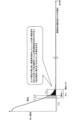
- the graph shown in FIG. 8 represents an example of the relationship between the ranking in descending order of the first similarity score and the identity probability for the first matching performed by the generation unit 21 described above. be.
- the total value of the authenticity probabilities for each of the K second registrants is expressed as the area of the shaded region in FIG.
- the total value of the identity probabilities for each of the remaining first registrants after excluding the registrant with the lowest first similarity score from the first registrants is the identity probability for each of the K second registrants.
- the second number of people, that is, the number of first registrants, is determined so as to be closest to the total value of .
- the total identity probability for each of the (J-1) first registrants, excluding the registrant with the lowest first similarity score from the J number of first registrants, is indicated by diagonal lines in FIG. expressed as the area of the area. Therefore, the value of J is determined so that the area of the shaded area is closest to the area of the shaded area described above. In this way, among the registrants included in the candidate group, the m-th registrant with the lowest first similarity score will be the center, and any of the first registrants higher than that registrant will be matched.
- the probability that one of the second registrants is the person to be verified is the closest to the probability that one of the second registrants is the person to be verified. Therefore, the second registrant group to be subjected to the second verification by the correction unit 22 is appropriate.
- biometric authentication system 10 and candidate narrowing down device 20 in FIG. 5 may be configured by a combination of a computer and software.
- FIG. 9 shows an example of the hardware configuration of the computer 30.
- the computer 30 includes hardware components such as a processor 31, a memory 32, a storage device 33, a reading device 34, a communication interface 36, and an input/output interface 37, for example. These components are connected via a bus 38, and data can be exchanged between the components.
- the processor 31 may be, for example, a single processor, or a multiprocessor and multicore.
- the processor 31 uses the memory 32 to execute, for example, a correction program that describes the procedure of a correction process to be described later.
- the memory 32 is, for example, a semiconductor memory, and includes a RAM area and a ROM area.
- RAM is an abbreviation for Random Access Memory.
- ROM is an abbreviation for Read Only Memory.
- the storage device 33 is, for example, a hard disk, a semiconductor memory such as a flash memory, or an external storage device.
- the storage device 33 provides the functions of the registrant data storage section 11 and the candidate data storage section 13, for example. Further, for example, the storage device 33 stores a table or an approximation function indicating the relationship between similarity and identity probability.
- the reading device 34 accesses the removable storage medium 35 according to instructions from the processor 31.
- the removable storage medium 35 is, for example, a semiconductor device (such as a USB memory), a medium (such as a magnetic disk) in which information is input/output by magnetic action, or a medium (such as a CD-ROM, etc.) in which information is input/output by optical action. DVD, etc.).
- a semiconductor device such as a USB memory
- a medium such as a magnetic disk
- CD-ROM compact Disc
- DVD is an abbreviation for Digital Versatile Disk.
- the communication interface 36 transmits and receives data via a communication line according to instructions from the processor 31, for example.
- the input/output interface 37 provides an interface with an input device such as a camera including a light irradiation unit, a keyboard, or a mouse device, and an output device such as a display device.
- an input device such as a camera including a light irradiation unit, a keyboard, or a mouse device
- an output device such as a display device.
- the program executed by the processor 31 of this computer 30 is provided, for example, in the following format. (1) Installed in the storage device 33 in advance. (2) Provided by removable storage medium 35. (3) Provided from a program server or the like to the communication interface 36 via a communication line.
- the hardware configuration of the computer 30 is an example, and the embodiment is not limited to this.
- some or all of the functions of the above-described functional units may be implemented as hardware such as FPGA and SoC.
- FPGA is an abbreviation for Field Programmable Gate Array.
- SoC is an abbreviation for System-on-a-chip.
- the processor 31 is made to execute an information processing program in which the processing described below is described. By doing so, various processing methods performed by each component of the biometric authentication system 10 are performed by the computer 30.
- FIG. 10 is a flowchart showing the details of the authentication process.
- the verification data acquisition process of S100 is performed by the verification data acquisition unit 12.
- This process is a process of acquiring the biometric feature amount of the person to be matched obtained from the biometric information of the person to be matched as matching data.
- candidate data narrowing down processing in S200 is performed by the candidate narrowing down device 20.
- This process is performed based on the verification data of the verification target person, from the registrants included in the first registrant group, that is, from all the registrants whose registrant data is stored in the registrant data storage unit 11.
- This is a process for narrowing down the search to registrants who are candidates for the person to be verified.
- the aforementioned process of replacing candidate candidates is also performed. Details of this candidate data narrowing down process will be described later.
- This process is a process for performing definitive verification, which is the second stage process in the two-stage 1:N authentication described above. The details of this confirmed verification process will also be described later.
- This process is a process that outputs the result of the final verification performed in the final verification process of S300 as the authentication result for the person to be verified.
- the process described above is the authentication process.
- FIG. 11 is a flowchart showing the details of the candidate data narrowing down process.
- the processing from S201 to S206 in FIG. 11 is the processing performed by the generation unit 21.
- the first similarity calculated in the process of S202 is associated with the registrant ID to which the registrant data acquired in the process of S201 is associated in the registrant data storage unit 11. Processing to record in the work table is performed.
- the first A process is performed to determine whether or not the verification has been performed.
- the process advances to S205.
- the process proceeds to S201. Then, processing is performed to perform the first verification on the remaining registrants.
- FIG. 12 is a diagram showing an example of the first work table.
- the first work table is a table that associates the registrant ID of each registrant whose registrant data is stored in the registrant data storage unit 11 with similarity, similarity score, candidate flag, and replacement target flag. .
- the similarity is the first similarity calculated by the process of S202 for the registrant identified by the registrant ID.
- the similarity score is the first similarity score for the registrant identified by the registrant ID, that is, information on the rank of each registrant when the registrants are arranged in descending order of first similarity. .
- the candidate flag is a flag indicating whether or not the registrant identified by the registrant ID is specified as a candidate for verification.
- the replacement target flag is a flag indicating whether or not the registrant identified by the registrant ID is specified as a candidate for the replacement process of the candidate.
- FIG. 12 represents an example when the first similarity for each registrant is stored in the first work table by repeating the processing from S201 to S204. Therefore, the similarity score, candidate flag, and replacement target flag remain in their initial states.
- each registrant included in the first registrant group is rearranged in descending order of first similarity, thereby performing a process of assigning a first similarity score to each registrant.
- each record in the first work table is sorted in descending order of first similarity, and the rank of each record after sorting is stored in the similarity score field of each record. .
- the first similarity score is associated with the registrant identified by the registrant ID included in each record.
- a process is performed in which a first number of registrants from the top of the first similarity score are identified as real candidates of the verification target person.
- a number of records equal to the first number of people are identified from among the records in the first work table in order from the highest first similarity score, and the candidate flag of each identified record is turned ON.
- the setting process is performed.
- the registrant identified by the registrant ID included in each record of the first work table is specified as a candidate, and a candidate group is generated.
- correction processing is performed. This process is performed by the correction unit 22, and details of the process will be described later.
- the processing up to this point is candidate narrowing down processing.
- FIG. 13 is a flowchart showing the contents of the correction process.
- a process is performed to identify the second number of registrants as candidates for the replacement process.
- a number of records equal to the second number of people are identified in order from the lowest first similarity score. It is done first. Thereafter, processing is performed to set the replacement target flag of each identified record to ON.
- the registrant identified by the registrant ID included in each record whose replacement target flag is set to ON is the first registrant.
- the registrant is identified as a registrant who is included in the second registrant group and is a target of the replacement process.
- the third registrant with the highest first similarity score A process is performed to further specify the number of registrants as candidates for the replacement process.
- this process from among the records whose candidate flags are set to OFF in the first work table, a number of records equal to the third number of people are identified in order from the top of the first similarity score. It is done first. Thereafter, processing is performed to set the replacement target flag of each identified record to ON.
- the registrant identified by the registrant ID included in each record whose replacement target flag is set to ON is the second registrant.
- the registrant is also further specified as a registrant who is included in the second registrant group and is a target of the replacement process.
- registrant data about registrants included in the second registrant group identified in each process of S211 and S212, that is, registrants who are candidates for the replacement process is stored in the registrant data storage.
- a process of acquiring one from the unit 11 is performed.
- a registrant ID is acquired from one of the records whose replacement target flag is set to ON in the first work table, and the registrant ID is stored in the registrant data storage unit 11 in association with the acquired registrant ID. Processing to obtain recorded registrant data is performed.
- the second matching described above is performed to determine the degree of similarity between the registrant data obtained in the process of S213 and the matching data of the person to be matched obtained in the process of S100 in FIG.
- a process of calculating the second degree of similarity is performed.
- the registrant data acquired in the process of S213 is associated with the registrant ID associated with the registrant data storage unit 11, and the second similarity calculated in the process of S214 is calculated as the second similarity. Processing to record in the work table is performed.
- a process is performed to determine whether or not the second verification by the process of S214 has been performed for all registrants who are candidates for the replacement process identified in the processes of S211 and S212. .
- the process advances to S217.
- the process returns to S213. Then, a second verification process is performed on the remaining registrants.
- FIG. 14 is a diagram showing an example of the second work table.
- the second work table is a table similar to the first work table, in which the registrant ID of each registrant whose registrant data is stored in the registrant data storage unit 11 is assigned a similarity degree, a similarity score, and a candidate. This is a table that associates user flags with replacement target flags.
- the degree of similarity is the second degree of similarity calculated in the process of S214 for the registrant identified by the registrant ID.
- the similarity score is a second similarity score for the registrant identified by the registrant ID, that is, information on the rank of each registrant when the registrants are arranged in descending order of second similarity. .
- the candidate flag is a flag indicating whether or not the registrant identified by the registrant ID is specified as a candidate for verification. This flag is set to OFF in the initial state, and is set to ON when the candidate is identified as a candidate in later processing.
- the replacement target flag is a flag indicating whether or not the registrant identified by the registrant ID is specified as a candidate for replacement of the candidate. This flag is always ON in the second work table. is set to
- FIG. 14 represents an example when the second similarity for each registrant is stored in the second work table by repeating the processing from S213 to S216. Therefore, the similarity score, candidate flag, and replacement target flag remain in their initial states.
- a process of assigning a second similarity score to each registrant is performed by sorting the registrants who are candidates for the replacement process in descending order of second similarity.
- each record in the second work table is sorted in descending order of second similarity, and the rank of each record after sorting is stored in the similarity score field of each record. .
- the second similarity score is associated with the registrant identified by the registrant ID included in each record of the second work table.
- a second number of first registrants who are the candidates for the replacement process among the registrants who are the candidates for the verification target at this time are selected based on the second similarity score.
- a process of replacing the registrants with the second number of registrants from the top is performed.
- a process is performed to identify a number of records equal to the second number of people from among the records in the second work table in order from the highest second similarity score.
- the registrant identified by the registrant ID of the specified record is specified as the third registrant.
- a process of setting the candidate flag of the identified record to ON is performed.
- each record in the first work table in which both the candidate flag and the replacement target flag are set to ON is replaced with a record in the second work table in which the candidate flag is set to ON.
- the record for the first registrant is replaced with the record for the third registrant in the first work table.
- the registrant identified by the registrant ID of the record whose candidate flag is set to ON in the first work table is the candidate for the verification target who is the target of the final verification. Become.
- FIG. 15 is a flowchart showing the processing contents of the confirmed verification process.
- a process is performed to obtain one piece of registrant data regarding a registrant who is a candidate.
- one of the records whose candidate flag is set to ON in the first work table is selected, and the registrant data associated with the registrant ID of the selected record is stored as registrant data.
- a process of acquiring information from the unit 11 is performed.
- a final verification is performed, and the degree of similarity between the registrant data acquired in the process of S301 and the verification data of the person to be verified acquired in the process of S100 in FIG. Processing is performed to calculate the degree of similarity between the two.
- the definitive verification performed by this process corresponds to the second stage of the two-stage 1:N authentication described above.
- a process is performed to determine whether or not the final verification by the process in S302 has been performed for all registrants who are candidate candidates.
- the process advances to S304.
- the process returns to S301 and the remaining candidates are identified. Processing is performed to perform a final verification on the candidate.
- a process is performed to determine whether there is a registrant for whom the third similarity calculated in S302 is equal to or greater than a predetermined confirmed verification threshold.
- the process advances to S305.
- the process advances to S306.
- the process up to this point is the final verification process.
- the process proceeds to the output process of S400 in the authentication process of FIG. 10. If the registrant who is the person to be verified is set as the authentication result in the process of S305, information identifying the registrant is outputted in the output process. On the other hand, if information indicating authentication failure has been set as the authentication result in the process of S305, information indicating authentication failure is output in the output process.
- t1 be the processing time of the first verification
- t2 be the processing time of the second verification which has higher verification accuracy than the first verification
- the processing time of the second verification which has higher verification accuracy than the first and second verification
- the processing time of t3 be t3
- the magnitude relationship of the respective processing times be t1 ⁇ t2 ⁇ t3.
- the number of registrants is N people
- the number of people subject to final verification processing is m people.
- the biometric authentication system 10 that performs the replacement process of candidate candidates, assuming that the number of candidates for replacement processing (that is, registrants included in the second registrant group) is M, the biometric authentication system 10 performs 1:N authentication processing.
- the biometric authentication system 10 of FIG. 5 can provide one-to-N authentication with good authentication accuracy in a practical authentication processing time even when the number N of registrants increases significantly. .
- the narrowing down rate is 0.01 (1.0%) as explained using FIG.
- the verification target person himself or herself is not necessarily included.
- the authentication accuracy can be improved by performing the above-described process of replacing the original candidates.
- biometric information used for biometric authentication is not limited to palm veins, but may also be biometric information such as the face, finger veins, fingerprints, and gait. Further, different types of biometric information may be used for the narrowing down process, the replacement process, and the confirmed matching process. For example, the face may be used to perform the replacement process, the palm veins may be used to perform the replacement process, and the palm veins may be used to perform the confirmation verification process.
- Biometric authentication system 11 Registrant data storage unit 12 Verification data acquisition unit 13 Candidate data storage unit 14 Final verification unit 15 Output unit 20 Candidate narrowing down device 21 Generation unit 22 Correction unit 30 Computer 31 Processor 32 Memory 33 Storage device 34 Reading Device 35 Removable storage medium 36 Communication interface 37 Input/output interface 38 Bus
Landscapes
- Engineering & Computer Science (AREA)
- Computer Security & Cryptography (AREA)
- Theoretical Computer Science (AREA)
- Computer Hardware Design (AREA)
- Software Systems (AREA)
- Physics & Mathematics (AREA)
- General Engineering & Computer Science (AREA)
- General Physics & Mathematics (AREA)
- Collating Specific Patterns (AREA)
Abstract
多数の登録者から照合対象者の候補者への絞り込みの精度を向上させる。生成部は、照合対象者の生体情報を照合対象者から取得した場合、第1の登録者群に含まれる登録者それぞれの生体情報が記憶された記憶部を参照し、照合対象者と第1の登録者群に対して第1の照合を行う。生成部は、第1の照合の結果に基づいて、照合対象者の候補者である登録者が含まれる候補者群を生成する。補正部は、照合対象者の生体情報に基づいて、第1の登録者群に含まれる登録者のうちの、候補者群に含まれる第1登録者と候補者群には含まれない第2登録者とを含む第2の登録者群に対して、第1の照合よりも照合精度の高い第2の照合を行う。補正部は、第2の照合の結果に基づいて候補者群を補正する。
Description
本発明は、候補者絞り込み方法、候補者絞り込み装置、及び候補者絞り込みプログラムに関する。
近代社会では様々なシチュエーションにおいて本人確認が必要とされている。例えば、許可された人しか入ることのできない制限エリアに対する入室の可否判定、パソコンへのログイン判定、オンライン取引における利用者確認などといった、様々なサービスへのアクセスの際に本人確認が求められることがある。
良好な精度で本人確認を行うための認証の手法として、生体認証の技術が近年広まっている。生体認証は、指紋、血管の走行経路、顔画像などといった人体の特徴量を抽出し、この特徴量を照合することによって個人認証を行うというものである。
生体認証では、カメラなどのセンサを用いて利用者の生体情報を取得して照合可能な生体特徴量に変換し、その生体特徴量を照合する。例えば、手のひらに近赤外線を照射しながら近赤外波長領域の画像を撮影すると、手のひらの皮下の静脈が黒く映った画像が得られる。この画像から、手のひらを網目の様に流れる静脈についてのパターン情報を抽出することが可能である。この静脈パターン情報は各個人で異なっている。そこで、この静脈パターン情報を、データベースやICカードなどの記憶装置に各個人の生体情報として予め記録しておく。そして、記録しておいた静脈パターン情報を、照合情報として照合対象者から得た静脈パターン情報と比較照合してパターンの類似度の算出を行い、この類似度に基づいて照合対象者が本人であるか否かの確認を行う。生体情報として静脈パターン情報を用いる生体認証では、このようにして本人確認が行われる。
ところで、認証の方式のひとつとして広く知られている1対N認証は、照合対象者の照合情報と、記憶装置に登録されている全ての登録者についての照合情報との照合を行う方式である。このため、記憶装置に照合情報が記録されている登録者の人数が増加すると認証に要する時間が顕著に増加する。そこで、1対N認証では2段階の処理で照合を実施することが多い。この2段階の処理では、まず、全ての登録者から、照合対象者本人と推定される何人かの登録者を照合対象者の本人候補者として絞り込む処理が第1段階の処理として行われる。続いて、絞り込まれた本人候補者を対象として認証精度の高い確定照合の処理が第2段階の処理として行われる。全ての登録者から本人候補者への絞り込みの処理は、確定照合の処理を全ての登録者を対象として行う場合よりも短時間で行うことが可能である。従って、このような2段階の処理を行うようにすると、1対N認証に要する全体の処理時間の短縮化が期待できる。
1対N認証を利用する生体認証に関して幾つかの技術が知られている(例えば、特許文献1~特許文献5参照)。
前述した2段階の処理を採用した1対N認証であっても、登録者数が著しく多い場合には認証に要する処理時間は長くなる。このため、登録者数の顕著な増加に対して認証に要する時間を実用的な時間に収めることが求められる。
2段階の処理を採用した1対N認証における第2段階の処理である確定照合の処理は、唯一人の本人を確実に特定する認証を行う必要があり、認証精度が処理時間よりも優先されることから、処理時間の大幅な短縮は困難である。従って、登録者数の顕著な増加に対して良好な認証精度を保ちつつ処理時間の過度の長時間化を抑制するには、第1段階の処理である絞り込みの処理において、多数の登録者から本人候補者への絞り込みの精度を向上させることが望まれる。
1つの側面において、本発明は、本人候補者の絞り込みの精度を向上させることを目的とする。
1つの案では、コンピュータが生成処理と補正処理とを行う。生成処理は、照合対象者から当該照合対象者の生体情報を取得した場合、第1の登録者群に含まれる登録者それぞれの生体情報が記憶された記憶部を参照し、当該照合対象者と当該第1の登録者群に対して第1の照合を行う処理である。生成処理は、また、この第1の照合を行うことによって、照合対象者の候補者である登録者が含まれる候補者群を生成する処理である。補正処理は、当該照合対象者の生体情報に基づいて、当該第1の登録者群に含まれる登録者のうちの、当該候補者群に含まれる第1登録者と当該候補者群には含まれない第2登録者とを含む第2の登録者群に対して、第1の照合よりも照合精度の高い第2の照合を行う処理である。補正処理は、また、この第2の照合の結果に基づいて当該候補者群を補正する処理である。
1つの側面によれば、本人候補者の絞り込みの精度を向上させることができる。
以下、図面を参照しながら、実施形態を詳細に説明する。
これより説明する実施形態では、登録データの絞り込みの処理と確定照合の処理との2段階の処理により1対N認証を行うことによって、照合対象者の本人確認を行う生体認証システムについて説明する。なお、以下の説明では、実施形態の生体認証システムを「本システム」と称することもある。
まず図1について説明する。図1は、2段階の処理による1対N認証における登録者の絞り込みの様子を説明する図である。
実施形態の生体認証システムには、N人分の登録者についての生体特徴量のデータ(生体情報)が予め登録されているものとする。本システムは、図1に示すように、第1段階の絞り込みの処理により、N人の登録者からm人の本人候補者への絞り込みをまず行う。そして、その後の第2段階の確定照合の処理により、m人の本人候補者である登録者のうちの1人を、照合対象者本人として、すなわち、1対N認証の結果として特定する。このように、本システムでは、確定照合の前に登録者の絞り込みを行うようにして確定照合の対象とする本人候補者の人数を減らすことにより、1対N認証に要する時間を実用的な時間に収めるようにする。
但し、本人候補者への絞り込みの対象となる登録者の人数Nが顕著に大きい場合には、2段階の処理による1対N認証の精度が低下することがある。この事象について説明する。
絞り込み処理は、N人の登録者それぞれと照合対象者との生体特徴量データの類似度を算出し、類似度の高い順に各登録者を並べたときの各登録者の順位を類似度スコアとして求め、類似度スコアの上位m人の登録者を特定して絞り込みの結果とする処理である。この処理による絞り込みの程度を表す指標として「絞り込み率」が知られている。絞り込み率は、絞り込みの結果として得られる登録者(すなわち本人候補者)の人数を絞り込み前の登録者の人数で除算した値である。N人の登録者からm人の本人候補者への絞り込みを行う場合では、m/Nの値が絞り込み率となる。
ここで図2及び図3について説明する。図2に示した第1の例及び図3に示した第2の例は、どちらも、絞り込み処理により算出された登録者の類似度スコアの順位と、当該登録者の本人確率、すなわち、当該順位である登録者が照合対象者本人である確率との関係を表したグラフである。
図2に示した第1の例は、登録者の人数Nが10000であって本人候補者の人数mが100である場合の例である。従って、この第1の例で示されている絞り込み処理における絞り込み率は0.01(1.0%)である。この程度の絞り込み率であれば、絞り込み処理によって本人候補者として特定される類似度スコア上位100人の登録者の中に、照合対象者本人が含まれる可能性は十分に高い。
一方、図3に示した第2の例は、本人候補者の人数mが100である点においては図2に示した第1の例と同一であるが、登録者の人数Nが1000000である点において異なっている。従って、この第2の例で示されている絞り込み処理における絞り込み率は0.0001(0.01%)である。このような極めて小さな絞り込み率では、絞り込み処理によって本人候補者として特定される類似度スコア上位100人の登録者の中に、照合対象者本人が含まれる可能性の高さは必ずしも十分とはいえない。本人候補者に照合対象者本人が含まれていなければ、確定照合の処理において照合対象者本人である登録者が特定できず、認証に失敗する。このような認証の失敗は、1対N認証の認証精度の低下をもたらすことになる。
そこで、実施形態の生体認証システムでは、1対N認証のための2段階の処理における第1段階の絞り込みの処理により特定された本人候補者に対して、本人候補者の入れ替えの処理を行い、入れ替え処理後の本人候補者に対して第2段階の確定照合の処理を行う。この入れ替え処理について、図4を用いて説明する。
本人候補者の入れ替え処理では、まず、絞り込みの処理により求めた類似度スコアの順位が第m番目の順位(すなわち、絞り込み処理により特定された本人候補者のうちで類似度スコアが最下位の順位)の付近の順位である登録者をM人特定する処理を行う。この処理により特定されるM人の登録者が、本人候補者の入れ替え処理の対象者となる。
本人候補者の入れ替え処理は、次に、入れ替え処理の対象者であるM人の登録者に対し、第1段階の絞り込みの処理と比較して精度の高い絞り込み照合処理を実行する。なお、精度の高い絞り込み照合処理とは、同一の絞り込み率で絞り込みを行った場合において、類似度スコアの順位が同一である登録者の本人確率が高くなる絞り込み処理である。
本人候補者の入れ替え処理は、次に、この絞り込み照合処理により算出される、入れ替え処理の対象者と照合対象者との間での生体特徴量データの新たな類似度に基づいて、新たな類似度スコアを求める処理を行う。次に、この新たな類似度スコアに従って入れ替え処理の対象者を並べ直す処理を行う。そして、入れ替え処理の対象者に含まれる入れ替え処理前の本人候補者の人数と同人数の登録者を、当該新たな類似度スコアの高い順に、入れ替え処理の対象者から特定する処理を行う。
その後、本人候補者の入れ替え処理は、入れ替え処理前の本人候補者のうちの入れ替え処理の対象者を、特定された登録者と入れ替える処理を行う。この処理の後に行われる第2段階の確定照合の処理は、この入れ替え処理後の本人候補者を対象として行うようにする。
図3に示したグラフを参照すると分かるように、登録者の人数が顕著に多い場合には、第1段階の絞り込みの処理により本人候補者から除外された登録者のうち類似度スコアの順位が高い登録者の本人確率は無視し得るほどの低さではない。そこで、このような登録者と、絞り込みの処理により一旦は本人候補者として特定されたものの類似度スコアの順位が最下位付近である登録者とに対して、精度の高い絞り込み処理を実行して本人候補者の入れ替えを行う。このようにすることで、本人候補者が、照合対象者本人の候補者としてより確かなものになる。従って、登録者の人数が顕著に多くなった場合であっても1対N認証の良好な認証精度が維持される。
なお、入れ替え処理は、N人の登録者に対する絞り込みの処理により特定された少数のM人の登録者を対象とするものである。従って、入れ替えの処理においてM人の登録者に対して精度の高い絞り込みの処理を行っても、1対N認証のための全体の処理時間の増加は抑制され、認証処理としての実用的な処理時間に収まる。
次に、実施形態の生体認証システムの構成について説明する。図5は、生体認証システムの構成例を示している。
生体認証システム10は、登録者データ記憶部11、照合データ取得部12、候補者データ記憶部13、確定照合部14、及び出力部15と候補者絞り込み装置20とを構成要素として備えている。
登録者データ記憶部11には、生体認証システム10を利用する全ての利用者(N人の登録者)それぞれの登録者データが予め記憶されている。この登録者データの例が図6に示されている。登録者データは、登録者それぞれについての生体情報から取得した生体特徴量のデータであり、各データは登録者それぞれの識別情報(Identification、以下「ID」と記す)に対応付けられている。
例えば、生体認証システム10において手のひらの静脈パターン情報を生体情報として用いる生体認証を行う場合には、利用者の手のひらの皮下の静脈の画像から取得した静脈についてのパターン情報が登録者の生体特徴量のデータとして用いられる。なお、登録者データ記憶部11に登録者データが記憶されている全て(N人)の登録者を「第1の登録者群」と総称することとする。
照合データ取得部12は、照合対象者から生体情報を取得して、当該生体情報から得られる当該照合対象者の生体特徴量を照合データとして取得する。前述した手のひらの静脈パターン情報を用いる生体認証を行う場合には、照合データ取得部12は、例えば、近赤外線を照射する照射部と、利用者の手のひらの近赤外波長領域の画像を撮影するカメラと、当該画像から手のひらの静脈パターン情報を抽出する抽出部とを備える。なお、照合データ取得部12を生体認証システム10の設置場所とは遠隔の地にクライアント装置として設置すると共に、生体認証システム10をサーバ装置として機能させ、当該クライアント装置と当該サーバ装置とを通信回線で接続する構成としてもよい。このような構成とする場合には、照合データ取得部12で照合対象者から取得した照合データを、通信回線を経由して生体認証システム10に送付するようにする。また、照合データ取得部12は、例えば、可視光を照射する照射部と、利用者の手のひらの可視光領域の画像を撮影するカメラと、当該画像から手のひらの静脈パターン情報を抽出する抽出部とを備えてもよい。
候補者絞り込み装置20は、照合対象者の照合データに基づいて、第1の登録者群に含まれる登録者に対して絞り込みの処理を行って、照合対象者本人の候補である本人候補者の特定を行う装置であって、前述した本人候補者の入れ替えの処理も行う装置である。候補者絞り込み装置20は、生成部21と補正部22とを備えている。
生成部21は、第1の登録者群に対して第1の照合を行って候補者群の生成を行う。
「第1の照合」とは、前述した2段階の1:N認証における第1段階の絞り込みの処理として行われる、第1の登録者群に含まれるN人の登録者それぞれの登録者データと照合対象者の照合データとの間の類似度を第1の類似度として算出する処理である。
生成部21は、第1の照合により算出した第1の類似度の高い順に各登録者を並べたときの各登録者の順位を第1の類似度スコアとして求め、第1の類似度スコアの上位m人の登録者を照合対象者の本人候補者として特定することによって候補者群を生成する。なお、「候補者群」とは、生成部21により本人候補者として特定された第1の人数(すなわちm人)の登録者を総称するものである。
生成部21は、特定した本人候補者の登録者データ、すなわち、候補者群に含まれる登録者の登録者データを候補者データ記憶部13に記憶させる。候補者データ記憶部13に記憶させた登録者データの例が図7に示されている。候補者データ記憶部13においても、登録者データ記憶部11と同様に、登録者データである登録者それぞれについての生体特徴量のデータが登録者それぞれのIDに対応付けられている。
補正部22は、照合対象者の照合データに基づいて、第2の登録者群に対して、第1の照合よりも照合精度の高い第2の照合を行い、当該第2の照合の結果に基づいて候補者群を補正する。
「第2の登録者群」とは、第1の登録者群に含まれる登録者のうちの一部の登録者を総称したものであり、より詳細には、候補者群に含まれる登録者の一部である第1登録者と候補者群には含まれない登録者の一部である第2登録者とを含む登録者群である。なお、「第1登録者」とは、候補者群に含まれる登録者のうちで第1の類似度が低い登録者のことであり、例えば、候補者群に含まれる登録者のうちの第1の類似度が低い順に第2の人数の登録者のことである。また、「第2登録者」とは、第1の登録者群に含まれる登録者から候補者群に含まれる登録者を除外した残余の登録者のうちで第1の類似度が高い登録者のことであり、例えば、当該残余の登録者のうちの第1の類似度が高い順に第3の人数の登録者のことである。
「第1の照合よりも照合精度の高い第2の照合」とは、前述した本人候補者の入れ替え処理において、第1の照合における絞り込みの処理と比較して精度の高い絞り込み処理として行われる類似度の算出の処理である。この第2の照合によって、第2の登録者群に含まれるM人の登録者それぞれの登録者データと照合対象者の照合データとの間の類似度を第2の類似度として算出する。
補正部22は、第2の照合により算出した第2の類似度の高い順に各登録者を並べたときの各登録者の順位を第2の類似度スコアとして求め、第2の類似度スコアの高い順に第2の人数の登録者を第3登録者として特定する。補正部22は、候補者群に含まれる第1の人数の登録者から第2の人数の第1登録者を除外し、当該除外後の候補者群に第2の人数の第3登録者を含める補正を候補者群に対して行う。より具体的には、補正部22は、候補者群に含まれるm人の登録者についての登録者データが記憶されている候補者データ記憶部13において、第2の人数の第1登録者の登録者データを、第2の人数の第3登録者の登録者データに入れ替える。
候補者絞り込み装置20では、以上のようにして、前述した本人候補者の入れ替えを伴う、登録者群から候補者群への絞り込みが行われる。
確定照合部14は、前述した2段階の1:N認証における第2段階の確定照合の処理を行う。より具体的には、確定照合部14は、第1及び第2の照合よりも照合精度が更に高い確定照合を行って、候補者群に含まれるm人の登録者それぞれの登録者データと照合対象者の照合データとの間の類似度を第3の類似度として算出する。確定照合部14は、算出した第3の類似度が確定照合においての所定の閾値以上である登録者を抽出し、抽出した登録者のうちで第3の類似度が最大である1人の登録者を、確定照合の結果として、すなわち、照合対象者本人として特定する。なお、第3の類似度が確定照合においての所定の閾値以上である登録者が存在しない場合には、確定照合部14は、認証失敗を確定照合の結果とする。
出力部15は、確定照合部14による確定照合の結果を、照合対象者についての認証結果として出力する。
生体認証システム10は以上のように構成されている。
なお、生成部21により行われる第1の照合と、補正部22により行われる第2の照合と、確定照合部14により行われる確定照合とで用いられる、精度の異なる照合の手法としては、様々な手法が知られており、どのような手法を採用してもよい。例えば、照合の対象である一対の生体特徴量データの類似度を算出するアルゴリズムとして、全く別個のアルゴリズムを用いるようにして精度を異ならせるようにしてもよい。また、例えば、照合の精度よりも処理時間の短さを優先するために、照合の対象である一対の生体特徴量データの全部若しくはそのうちの一部のデータのみを用いて類似度を算出するようにして、異なる精度の照合を提供するようにしてもよい。また、例えば、生体特徴量データを取得した画像の大きさ、傾き、鮮明さ等に起因する偏りを補償するための前処理を生体特徴量データに対して行ってから類似度を算出するようにして、当該前処理の有無により異なる精度の照合を提供するようにしてもよい。
また、前述した第2の人数及び第3の人数、すなわち、補正部22による入れ替えの処理の対象者とする、第2の登録者群に含まれるM人の登録者のうちの第1登録者及び第2登録者それぞれの人数を、これより説明する手法を用いて定めるようにしてもよい。
前述したように、第1登録者とは、生成部21により生成される候補者群に含まれる登録者のうちから第1の類似度スコアが低い順に選択される登録者である。また、第2登録者とは、生成部21により生成される候補者群に含まれる登録者を第1の登録者群から除外した残余の登録者のうちから第1の類似度スコアが高い順に選択される登録者である。補正部22は、第2の人数の第1登録者と第3の人数の第2登録者とを含むM人の登録者それぞれについて第2の照合を行うことによって第2の人数の第3登録者を特定し、生成部21により生成される候補者群に含まれる第1登録者を第3登録者と入れ替える。従って、第2の人数をJとし、第3の人数をKとすると、J+K=Mとなる。
まず、第3の人数であるKの値を定める手法について説明する。
まず、図2及び図3に例示したグラフで示されている、登録者の類似度スコアの高い順の順位と当該登録者の本人確率との関係を、生成部21により行われる第1の照合について予め求めておく。この関係は、例えば、第1の照合を実際に行う評価実験を繰り返し実施し、その実験結果から、第1の類似度スコアの高い順の順位(あるいは、第1の類似度)と本人確率との関係を統計的に求め、この関係を表すテーブル若しくは近似関数を予め用意しておく。なお、図示しないが、記憶部が当該テーブル若しくは近似関数を記憶するようにしてもよい。
このテーブルを参照することにより、若しくは、この近似関数を用いることにより、第1の類似度スコアの高い順の順位と、当該順位以上である登録者それぞれについての本人確率の合計値を求めることが可能である。この合計値は、第1の類似度スコアの高い順の順位が当該順位以上である登録者のいずれかが照合対象者本人である確率を表している。
そこで、この合計値が、予め定めておいた確率閾値以下の最大値となるときの第1の類似度スコアの順位を求める。ここで、当該順位の登録者を、第1の照合による入れ替えの処理の対象者のうちの第1の類似度スコアの順位が下限の登録者とする。この順位は、また、第1の類似度スコアの高い順の順位が当該順位以上である登録者の人数を表している。この人数は、候補者群に含まれる登録者の人数である第1の人数(すなわちm)と第2登録者の人数である第3の人数(すなわちK)との合計人数でもある。従って求めた順位から第1の人数であるmを減算すると、Kの値が得られる。
以上のように、第1の登録者群に含まれる登録者のうちから第1の類似度スコアが高い順に、mとKとを加算した人数の登録者のそれぞれについての本人確率の合計値が、予め定めた確率閾値以下の最大値となるように、Kを設定するようにしてもよい。
次に、第2の人数であるJの値を定める手法について、図8を参照しながら説明する。
この手法は、第3の人数(すなわちKの値)が予め設定されていることを前提とする。例えば、Kの値として、前述したようにして得られた値が設定されているものとする。
次に、前述したテーブルを参照して、若しくは、この近似関数を用いて、第3の人数(すなわちK人)の第2登録者それぞれについての本人確率の合計値を求める。
図8に示されているグラフは、前述した、生成部21により行われる第1の照合についての、第1の類似度スコアの高い順の順位と本人確率との関係の一例を表したものである。K人の第2登録者それぞれについての本人確率の合計値は、図8において網掛けが付されている領域の面積として表現される。
次に、第1登録者から第1の類似度スコアが最も低い登録者を除外した残余の第1登録者それぞれについての本人確率の合計値が、K人の第2登録者それぞれについての本人確率の合計値に最も近くなるように、第2の人数、すなわち第1登録者の人数を定める。
J人の第1登録者から第1の類似度スコアが最も低い登録者を除外した(J-1)人の第1登録者それぞれについての本人確率の合計値は、図8において斜線が付されている領域の面積として表現される。従って、この斜線が付されている領域の面積が、前述した網掛けが付されている領域の面積に最も近くなるように、Jの値を定める。このようにすると、候補者群に含まれる登録者のうち第1の類似度スコアの最も低いm番目の登録者を中心として、当該登録者よりも上位の第1登録者のいずれかが照合対象者本人である確率と、第2登録者のいずれかが照合対象者本人である確率とが最も近くなる。従って、補正部22による第2の照合の対象とする第2の登録者群が適切なものになる。
なお、図5の生体認証システム10や候補者絞り込み装置20を、コンピュータとソフトウェアとの組合せにより構成するようにしてもよい。
図9はコンピュータ30のハードウェア構成例を示している。
コンピュータ30は、構成要素として、例えば、プロセッサ31、メモリ32、記憶装置33、読取装置34、通信インタフェース36、及び入出力インタフェース37の各ハードウェアを備えている。これらの構成要素はバス38を介して接続されており、構成要素間で相互にデータの授受を行える。
プロセッサ31は、例えば、シングルプロセッサであっても、マルチプロセッサ及びマルチコアであってもよい。プロセッサ31は、メモリ32を利用して、例えば、後述する補正処理の手順を記述した補正プログラムを実行する。
メモリ32は、例えば半導体メモリであり、RAM領域及びROM領域を含む。なお、RAMは、Random Access Memoryの略称である。また、ROMは、Read Only Memoryの略称である。
記憶装置33は、例えばハードディスク、フラッシュメモリ等の半導体メモリ、または外部記憶装置である。コンピュータ30を用いて生体認証システム10を構成する場合には、例えば記憶装置33が登録者データ記憶部11及び候補者データ記憶部13の機能を提供する。また、例えば記憶装置33は、類似度と本人確率との関係を示すテーブル若しくは近似関数を記憶する。
読取装置34は、プロセッサ31の指示に従って着脱可能記憶媒体35にアクセスする。着脱可能記憶媒体35は、例えば、半導体デバイス(USBメモリ等)、磁気的作用により情報が入出力される媒体(磁気ディスク等)、光学的作用により情報が入出力される媒体(CD-ROM、DVD等)などにより実現される。なお、USBは、Universal Serial Busの略称である。CDは、Compact Discの略称である。DVDは、Digital Versatile Diskの略称である。
通信インタフェース36は、例えば、プロセッサ31の指示に従って通信回線を介してデータを送受信する。
入出力インタフェース37は、例えば光の照射部を含むカメラや、キーボード、あるいはマウス装置等の入力デバイスやディスプレイ装置等の出力デバイスとのインタフェースを提供する。
このコンピュータ30のプロセッサ31により実行されるプログラムは、例えば、下記の形態で提供される。
(1)記憶装置33に予めインストールされている。
(2)着脱可能記憶媒体35により提供される。
(3)プログラムサーバなどから通信回線を介して通信インタフェース36へ提供される。
(1)記憶装置33に予めインストールされている。
(2)着脱可能記憶媒体35により提供される。
(3)プログラムサーバなどから通信回線を介して通信インタフェース36へ提供される。
なお、コンピュータ30のハードウェア構成は、例示であり、実施形態はこれに限定されるものではない。例えば、上述の機能部の一部または全部の機能がFPGA及びSoCなどによるハードウェアとして実装されてもよい。なお、FPGAは、Field Programmable Gate Arrayの略称である。SoCは、System-on-a-chipの略称である。
次に、図5の生体認証システム10の各構成要素により行われる各種の処理について説明する。
図9のコンピュータ30とソフトウェアとの組合せにより生体認証システム10を構成する場合には、これより説明する処理を記述した情報処理プログラムをプロセッサ31に実行させるようにする。このようにすることで、生体認証システム10の各構成要素が行う各種の処理方法がコンピュータ30により行われる。
初めに、認証処理について説明する。図10は、認証処理の処理内容を示したフローチャートである。
図10の処理が開始されると、まず、S100の照合データ取得処理が照合データ取得部12により行われる。この処理は、照合対象者の生体情報から得られる当該照合対象者の生体特徴量を照合データとして取得する処理である。
次に、S200の候補者データ絞り込み処理が候補者絞り込み装置20により行われる。この処理は、照合対象者の照合データに基づいて、第1の登録者群に含まれる登録者から、すなわち、登録者データ記憶部11に登録者データが記憶されている全ての登録者から、照合対象者本人の候補者である登録者への絞り込みを行う処理である。なお、この処理では、前述した2段階の1:N認証における第1段階の絞り込みの処理と共に、前述した本人候補者の入れ替え処理も行われる。この候補者データ絞り込み処理の詳細については後述する。
次に、S300の確定照合処理が確定照合部14により行われる。この処理は、前述した2段階の1:N認証における第2段階の処理である確定照合を行う処理である。この確定照合処理の詳細についても後述する。
次に、S400の出力処理が出力部15により行われる。この処理は、S300の確定照合処理による確定照合の結果を、照合対象者についての認証結果として出力する処理である。
このS400の出力処理を終えるとS100の照合データ取得処理に処理を戻し、新たな照合データの取得に備えて待機する。
以上までの処理が認証処理である。
次に、図10の認証処理におけるS200の候補者データ絞り込み処理の詳細について説明する。図11は、候補者データ絞り込み処理の処理内容を示したフローチャートである。
図11におけるS201からS206までの処理は、生成部21により行われる処理である。
図11において、まず、S201では、第1の登録者群に含まれる登録者の登録者データ、すなわち、登録者データ記憶部11に記憶されている各登録者の登録者データを1つ取得する処理が行われる。
次に、S202において、前述した第1の照合を実施して、S201の処理で取得した登録者データについての、図10のS100の処理で取得した照合対象者の照合データとの間の類似度を、第1の類似度として算出する処理が行われる。
次に、S203では、登録者データ記憶部11においてS201の処理で取得した登録者データが対応付けられている登録者IDに対応付けて、S202の処理で算出した第1の類似度を第1作業テーブルに記録する処理が行われる。
次に、S204において、第1の登録者群に含まれる全ての登録者について、すなわち、登録者データ記憶部11に登録者データが記憶されている全ての登録者について、S202の処理による第1の照合が実施されたか否かを判定する処理が行われる。この判定処理において、第1の登録者群に含まれる全ての登録者について第1の照合が実施されたと判定されたとき(判定結果がYESのとき)にはS205に処理を進める。一方、この判定処理において、第1の照合が実施されていない登録者が第1の登録者群に残されていると判定されたとき(判定結果がNOのとき)には、S201に処理を戻して、残されている登録者について第1の照合を実施するための処理が行われる。
ここで第1作業テーブルについて説明する。図12は、第1作業テーブルの例を示した図である。
第1作業テーブルは、登録者データ記憶部11に登録者データが記憶されている各登録者の登録者IDに、類似度と類似度スコアと候補者フラグと入れ替え対象フラグとを対応付けるテーブルである。
類似度は、登録者IDで識別される登録者についての、S202の処理により算出された第1の類似度である。類似度スコアは、登録者IDで識別される登録者についての第1の類似度スコア、すなわち、第1の類似度の高い順に各登録者を並べたときの登録者それぞれの順位の情報である。
候補者フラグは、登録者IDで識別される登録者が照合対象者の本人候補者として特定されているか否かを示すフラグである。また、また、入れ替え対象フラグは、登録者IDで識別される登録者が本人候補者の入れ替えの処理の対象者として特定されているか否かを示すフラグである。これらのフラグは初期状態ではOFFに設定されており、特定された場合にONに設定される。従って、第1作業テーブルにおいて、第1登録者についてのレコードでは候補者フラグと入れ替え対象フラグとが共にONに設定され、第2登録者についてのレコードでは、候補者フラグはOFFに設定され、入れ替え対象フラグはONに設定される。
なお、図12の例は、S201からS204の処理に繰り返しにより、各登録者についての第1の類似度が第1作業テーブルに格納されたときの例を表している。従って、類似度スコアと候補者フラグ及び入れ替え対象フラグは初期状態のままである。
図11の説明に戻る。S205において、第1の登録者群に含まれる各登録者を、第1の類似度が高い順に並び替えることによって、登録者それぞれに第1の類似度スコアを付与する処理が行われる。この処理では、第1作業テーブルの各レコードを、第1の類似度の高い順に並び替え、並び替え後の各レコードの順位を、それぞれのレコードの類似度スコアのフィールドに格納する処理が行われる。この処理により、各レコードに含まれている登録者IDで識別される登録者に第1の類似度スコアが対応付けられる。
次に、S206では、第1の類似度スコアの上位から第1の人数の登録者を照合対象者の本人候補者として特定する処理が行われる。この処理では、第1作業テーブルの各レコードのうちから、第1の人数に等しい個数のレコードを、第1の類似度スコアの上位から順に特定し、特定したレコードそれぞれの候補者フラグをONに設定する処理が行われる。この処理により、第1作業テーブルの各レコードに含まれている登録者IDで識別される登録者が本人候補者として特定されて、候補者群が生成される。
次に、S210では補正処理が行われる。この処理は補正部22により行われる処理であり、処理の詳細については後述する。
このS210の補正処理が終了すると候補者絞り込み処理が終了し、その後は図10におけるS300の確定照合処理へと処理が進む。
以上までの処理が候補者絞り込み処理である。
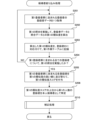
次に、図11の候補者絞り込み処理におけるS210の補正処理の詳細について説明する。図13は、補正処理の処理内容を示したフローチャートである。
図13において、まず、S211では、候補者群に含まれる登録者のうち、すなわち、この処理時点での照合対象者の本人候補者である登録者のうち、第1の類似度スコアの下位から第2の人数の登録者を、入れ替え処理の対象者として特定する処理が行われる。この処理では、第1作業テーブルにおいて、候補者フラグがONに設定されているレコードのうちから、第2の人数に等しい個数のレコードを、第1の類似度スコアの下位から順に特定する処理がまず行われる。その後、特定したレコードそれぞれの入れ替え対象フラグをONに設定する処理が行われる。この処理により入れ替え対象フラグがONに設定された各レコードに含まれている登録者IDで識別される登録者は第1登録者である。当該登録者が、第2の登録者群に含まれる、入れ替え処理の対象者である登録者として特定される。
次に、S212において、第1の登録者群に含まれる登録者であって、この処理時点では照合対象者の本人候補者ではない登録者のうち、第1の類似度スコアの上位から第3の人数の登録者を、入れ替え処理の対象者として更に特定する処理が行われる。この処理では、第1作業テーブルにおいて、候補者フラグがOFFに設定されているレコードのうちから、第3の人数に等しい個数のレコードを、第1の類似度スコアの上位から順に特定する処理がまず行われる。その後、特定したレコードそれぞれの入れ替え対象フラグをONに設定する処理が行われる。この処理により入れ替え対象フラグがONに設定された各レコードに含まれている登録者IDで識別される登録者は第2登録者である。当該登録者も、第2の登録者群に含まれる、入れ替え処理の対象者である登録者として更に特定される。
次に、S213において、S211及びS212それぞれの処理で特定された第2の登録者群に含まれる登録者、すなわち、入れ替え処理の対象者である登録者についての登録者データを、登録者データ記憶部11から1つ取得する処理が行われる。この処理では、第1作業テーブルにおいて入れ替え対象フラグがONに設定されているレコードのうちの1つから登録者IDを取得し、取得した登録者IDに対応付けられて登録者データ記憶部11で記録されている登録者データを取得する処理が行われる。
次に、S214において、前述した第2の照合を実施して、S213の処理で取得した登録者データについての、図10のS100の処理で取得した照合対象者の照合データとの間の類似度を、第2の類似度として算出する処理が行われる。
次に、S215では、登録者データ記憶部11においてS213の処理で取得した登録者データが対応付けられている登録者IDに対応付けて、S214の処理で算出した第2の類似度を第2作業テーブルに記録する処理が行われる。
次に、S216において、S211及びS212それぞれの処理で特定された入れ替え処理の対象者である登録者の全てについて、S214の処理による第2の照合が行われたか否かを判定する処理が行われる。この判定処理において、入れ替え処理の対象者である登録者の全てについて第2の照合が行われたと判定されたとき(判定結果がYESのとき)にはS217に処理を進める。一方、この判定処理において、入れ替え処理の対象者に第2の照合が行われていない登録者が残されていると判定されたとき(判定結果がNOのとき)には、S213に処理を戻して、残されている登録者について第2の照合を行うための処理が行われる。
ここで第2作業テーブルについて説明する。図14は、第2作業テーブルの例を示した図である。
第2作業テーブルは、第1作業テーブルと同様のテーブルであって、登録者データ記憶部11に登録者データが記憶されている各登録者の登録者IDに、類似度と類似度スコアと候補者フラグと入れ替え対象フラグとを対応付けるテーブルである。
類似度は、登録者IDで識別される登録者についての、S214の処理により算出された第2の類似度である。類似度スコアは、登録者IDで識別される登録者についての第2の類似度スコア、すなわち、第2の類似度の高い順に各登録者を並べたときの各登録者の順位の情報である。
候補者フラグは、登録者IDで識別される登録者が照合対象者の本人候補者として特定されているか否かを示すフラグである。このフラグは初期状態ではOFFに設定されており、後の処理により候補者として特定された場合にONに設定される。また、入れ替え対象フラグは、登録者IDで識別される登録者が本人候補者の入れ替えの処理の対象者として特定されているか否かを示すフラグである、このフラグは第2作業テーブルでは常にONに設定される。
なお、図14の例は、S213からS216の処理に繰り返しにより、各登録者についての第2の類似度が第2作業テーブルに格納されたときの例を表している。従って、類似度スコアと候補者フラグ及び入れ替え対象フラグは初期状態のままである。
図13の説明に戻る。S217では、入れ替え処理の対象者である各登録者を第2の類似度が高い順に並び替えることによって、登録者それぞれに第2の類似度スコアを付与する処理が行われる。この処理では、第2作業テーブルの各レコードを、第2の類似度の高い順に並び替え、並び替え後の各レコードの順位を、それぞれのレコードの類似度スコアのフィールドに格納する処理が行われる。この処理により、第2作業テーブルの各レコードに含まれている登録者IDで識別される登録者に第2の類似度スコアが対応付けられる。
次に、S218では、この処理時点での照合対象者の本人候補者である登録者のうちで入れ替え処理の対象者である第2の人数の第1登録者を、第2の類似度スコアの上位から第2の人数の登録者と入れ替える処理が行われる。この処理では、まず、第2作業テーブルのレコードのうちから、第2の人数に等しい個数のレコードを、第2の類似度スコアの上位から順に特定する処理がまず行われる。この処理により、特定されたレコードの登録者IDで識別される登録者が第3登録者として特定される。次に、第2作業テーブルにおいて、特定されたレコードの候補者フラグをONに設定する処理が行われる。次に、第1作業テーブルにおける、候補者フラグと入れ替え対象フラグとが共にONに設定されている各レコードを、候補者フラグをONに設定した第2作業テーブルのレコードに入れ替える処理が行われる。この入れ替えの処理により、第1登録者についてのレコードの第3登録者についてのレコードへの入れ替えが第1作業テーブルで行われる。この入れ替えの処理の後の第1作業テーブルにおいて候補者フラグがONに設定されているレコードの登録者IDで識別される登録者が、確定照合の対象とする、照合対象者の本人候補者となる。
このS218の処理が終了すると補正処理が終了し、その後は図10におけるS300の確定照合処理へと処理が進む。
以上までの処理が補正処理である。
次に、図10の認証処理におけるS300の確定照合処理の詳細について説明する。図15は、確定照合処理の処理内容を示したフローチャートである。
図15において、まず、S301では、本人候補者である登録者についての登録者データを1つ取得する処理が行われる。この処理では、第1作業テーブルにおいて候補者フラグがONに設定されているレコードのうちの1つを選択し、選択したレコードの登録者IDに対応付けられている登録者データを登録者データ記憶部11から取得する処理が行われる。
次に、S302において、確定照合を実施して、S301の処理で取得した登録者データについての、図10のS100の処理で取得した照合対象者の照合データとの間の類似度を、第3の類似度として算出する処理が行われる。この処理により実施される確定照合は、前述した2段階の1:N認証における第2段階の処理に相当するものである。
次に、S303において、本人候補者である全ての登録者について、S302の処理による確定照合が行われたか否かを判定する処理が行われる。この判定処理において、本人候補者である全ての登録者について確定照合が行われたと判定されたとき(判定結果がYESのとき)にはS304に処理を進める。一方、この判定処理において、確定照合が行われていない本人候補者が残されていると判定されたとき(判定結果がNOのとき)には、S301に処理を戻して、残されている本人候補者について確定照合を行うための処理が行われる。
次に、S304において、S302の処理により算出された第3の類似度が、予め定めておいた確定照合閾値以上である登録者が存在するか否かを判定する処理が行われる。この判定処理において、第3の類似度が確定照合閾値以上である登録者が存在すると判定されたとき(判定結果がYESのとき)にはS305に処理を進める。一方、この判定処理において、登録者毎に算出された第3の類似度がいずれも確定照合閾値に満たないと判定されたとき(判定結果がNOのとき)にはS306に処理を進める。
S305では、S302の処理により算出された第3の類似度が最も高い登録者を、照合対象者本人として、認証結果に設定する処理が行われ、その後、この確定照合処理を終了する。
S306では、照合対象者本人である登録者を特定できなかったため、認証失敗を表す情報を認証結果に設定する処理が行われ、その後、この確定照合処理を終了する。
以上までの処理が確定照合処理である。確定照合処理が終了すると、図10の認証処理におけるS400の出力処理に処理が進む。S305の処理により照合対象者本人である登録者が認証結果に設定されていた場合には、当該登録者を識別する情報が出力処理により出力される。一方、S305の処理により認証失敗を表す情報を認証結果に設定されていた場合には、認証失敗を表す情報が出力処理により出力される。
以上の各種の処理を図5の生体認証システム10の各構成要素が行うことにより、高精度での本人候補者の絞り込みが行われ、登録者数が顕著に多い場合であっても良好な認証精度での1対N認証が提供される。
ここで、生体認証システム10による認証処理全体での処理時間について検討する。
例えば、第1の照合の処理時間をt1とし、第1の照合よりも照合精度の高い第2の照合の処理時間をt2とし、第1及び第2の照合よりも照合精度が更に高い確定照合の処理時間をt3とし、それぞれの処理時間の大小関係をt1<t2≪t3とする。また、登録者の人数をN人とし、確定照合の処理の対象者の人数をm人とする。
本人候補者の入れ替えの処理を行わない場合には、2段階の1:N認証の処理に要する全体の処理時間は、T=t1×N+t3×mとなる。
一方、本人候補者の入れ替え処理を行う生体認証システム10では、入れ替え処理の対象者(すなわち、第2の登録者群に含まれる登録者)の人数をM人とすると、1:N認証の処理に要する全体の処理時間は、T=t1×N+t2×M+t3×mとなる。
このように、生体認証システム10では、本人候補者の入れ替え処理の処理時間t2×Mの増加がある。しかしながら、入れ替え処理の対象者の人数Mを適切な値とすることで、全体の処理時間は実用的な程度に収まる。
以上のように、図5の生体認証システム10は、登録者の人数Nの顕著な増加に対しても良好な認証精度での1対N認証を実用的な認証処理時間で提供することができる。
なお、例えば、図2を用いて説明した絞り込み率が0.01(1.0%)の例では、絞り込み処理によって本人候補者として特定される類似度スコア上位100人の登録者の中に、必ずしも照合対象者本人が含まれるとは限らない。しかし、このような場合においても、上述した本人候補者の入れ替え処理を行うことで、認証精度を向上させることができる。
また、生体認証に用いる生体情報は、手のひら静脈に限らず、例えば、顔、指静脈、指紋、歩容などの生体情報を用いてもよい。また、絞り込み処理、入れ替え処理、確定照合処理について、それぞれ異なる種類の生体情報を用いてもよい。例えば、顔を用いて入れ替え処理を行い、手のひら静脈を用いて入れ替え処理を行い、手のひら静脈を用いて確定照合処理を行うようにしてもよい。
以上、開示の実施形態とその利点について詳しく説明したが、当業者は、特許請求の範囲に明確に記載した本発明の範囲から逸脱することなく、様々な変更、追加、省略をすることができるであろう。
10 生体認証システム
11 登録者データ記憶部
12 照合データ取得部
13 候補者データ記憶部
14 確定照合部
15 出力部
20 候補者絞り込み装置
21 生成部
22 補正部
30 コンピュータ
31 プロセッサ
32 メモリ
33 記憶装置
34 読取装置
35 着脱可能記憶媒体
36 通信インタフェース
37 入出力インタフェース
38 バス
11 登録者データ記憶部
12 照合データ取得部
13 候補者データ記憶部
14 確定照合部
15 出力部
20 候補者絞り込み装置
21 生成部
22 補正部
30 コンピュータ
31 プロセッサ
32 メモリ
33 記憶装置
34 読取装置
35 着脱可能記憶媒体
36 通信インタフェース
37 入出力インタフェース
38 バス
Claims (7)
- 照合対象者から前記照合対象者の生体情報を取得した場合、第1の登録者群に含まれる登録者それぞれの生体情報が記憶された記憶部を参照し、前記照合対象者と前記第1の登録者群に対して第1の照合を行って、前記照合対象者の候補者である登録者が含まれる候補者群を生成する生成処理と、
前記照合対象者の生体情報に基づいて、前記第1の登録者群に含まれる前記登録者のうちの、前記候補者群に含まれる第1登録者と前記候補者群には含まれない第2登録者とを含む第2の登録者群に対して、前記第1の照合よりも照合精度の高い第2の照合を行い、前記第2の照合の結果に基づいて前記候補者群を補正する補正処理と、
をコンピュータが行うことを特徴とする候補者絞り込み方法。 - 前記生成処理は、前記第1の照合の結果として得られる、前記第1の登録者群に含まれる前記登録者それぞれの生体情報についての前記照合対象者の生体情報との間の第1の類似度に基づいて、前記第1の登録者群に含まれる前記登録者のうちから前記第1の類似度が高い順に第1の人数の前記登録者を前記候補者として特定することによって、前記候補者群を生成する処理を含み、
前記補正処理は、
前記候補者群に含まれる前記登録者のうちから前記第1の類似度が低い順に第2の人数の前記登録者を、前記第2の登録者群に含まれる前記第1登録者として特定する処理と、
前記第1の登録者群に含まれる前記登録者から前記候補者群に含まれる前記登録者を除外した残余の前記登録者のうちから前記第1の類似度が高い順に第3の人数の前記登録者を、前記第2の登録者群に含まれる前記第2登録者として特定する処理と、
前記第2の照合の結果として得られる、前記第2の登録者群に含まれる前記登録者それぞれの生体情報についての前記照合対象者の生体情報との間の第2の類似度に基づいて、前記第2の登録者群に含まれる前記登録者のうちから前記第2の類似度が高い順に前記第2の人数の前記登録者を第3登録者として特定し、前記第2の人数の前記第1登録者を除外した前記候補者群に前記第2の人数の前記第3登録者を含める処理と、
を含む、
ことを特徴とする請求項1に記載の候補者絞り込み方法。 - 前記登録者が前記照合対象者の本人である確率であって、前記第1の登録者群に含まれる前記登録者のうちから前記第1の類似度が高い順に、前記第1の人数と前記第3の人数とを加算した人数の前記登録者のそれぞれについての前記確率の合計値が、確率閾値以下の最大値となるように、前記第3の人数が設定されることを特徴とする請求項2に記載の候補者絞り込み方法。
- 前記第3の人数が設定されている場合において、前記登録者が前記照合対象者の本人である確率であって、前記第1登録者から前記第1の類似度が最も低い前記登録者を除外した残余の登録者それぞれについての前記確率の合計値が、前記第2登録者それぞれについての前記確率の合計値に最も近くなるように、前記第2の人数が設定されることを特徴とする請求項2に記載の候補者絞り込み方法。
- 前記登録者についての前記確率は、前記登録者についての前記第1の類似度に基づいて、前記第1の類似度と前記確率との関係を示す情報であって、記憶部に記憶された前記情報を参照することによって得られることを特徴とする請求項3または4に記載の候補者絞り込み方法。
- 照合対象者から前記照合対象者の生体情報を取得した場合、第1の登録者群に含まれる登録者それぞれの生体情報が記憶された記憶部を参照し、前記照合対象者と前記第1の登録者群に対して第1の照合を行って、前記照合対象者の候補者である登録者が含まれる候補者群を生成する生成部と、
前記照合対象者の生体情報に基づいて、前記第1の登録者群に含まれる前記登録者のうちの、前記候補者群に含まれる第1登録者と前記候補者群には含まれない第2登録者とを含む第2の登録者群に対して、前記第1の照合よりも照合精度の高い第2の照合を行い、前記第2の照合の結果に基づいて前記候補者群を補正する補正部と、
を備えることを特徴とする候補者絞り込み装置。 - 照合対象者から前記照合対象者の生体情報を取得した場合、第1の登録者群に含まれる登録者それぞれの生体情報が記憶された記憶部を参照し、前記照合対象者と前記第1の登録者群に対して第1の照合を行って、前記照合対象者の候補者である登録者が含まれる候補者群を生成する生成処理と、
前記照合対象者の生体情報に基づいて、前記第1の登録者群に含まれる前記登録者のうちの、前記候補者群に含まれる第1登録者と前記候補者群には含まれない第2登録者とを含む第2の登録者群に対して、前記第1の照合よりも照合精度の高い第2の照合を行い、前記第2の照合の結果に基づいて前記候補者群を補正する補正処理と、
をコンピュータに行わせることを特徴とする候補者絞り込みプログラム。
Priority Applications (1)
| Application Number | Priority Date | Filing Date | Title |
|---|---|---|---|
| PCT/JP2022/028772 WO2024023925A1 (ja) | 2022-07-26 | 2022-07-26 | 候補者絞り込み方法、候補者絞り込み装置、及び候補者絞り込みプログラム |
Applications Claiming Priority (1)
| Application Number | Priority Date | Filing Date | Title |
|---|---|---|---|
| PCT/JP2022/028772 WO2024023925A1 (ja) | 2022-07-26 | 2022-07-26 | 候補者絞り込み方法、候補者絞り込み装置、及び候補者絞り込みプログラム |
Publications (1)
| Publication Number | Publication Date |
|---|---|
| WO2024023925A1 true WO2024023925A1 (ja) | 2024-02-01 |
Family
ID=89705621
Family Applications (1)
| Application Number | Title | Priority Date | Filing Date |
|---|---|---|---|
| PCT/JP2022/028772 Ceased WO2024023925A1 (ja) | 2022-07-26 | 2022-07-26 | 候補者絞り込み方法、候補者絞り込み装置、及び候補者絞り込みプログラム |
Country Status (1)
| Country | Link |
|---|---|
| WO (1) | WO2024023925A1 (ja) |
Citations (4)
| Publication number | Priority date | Publication date | Assignee | Title |
|---|---|---|---|---|
| JP2012208682A (ja) * | 2011-03-29 | 2012-10-25 | Fujitsu Ltd | 生体情報処理装置、生体情報処理方法、および生体情報処理プログラム |
| JP2018207432A (ja) * | 2017-06-09 | 2018-12-27 | 株式会社日立製作所 | 生体署名システム及び生体署名方法 |
| JP2019121188A (ja) * | 2018-01-05 | 2019-07-22 | 富士通株式会社 | 生体認証装置、生体認証方法および生体認証プログラム |
| WO2019207649A1 (ja) * | 2018-04-24 | 2019-10-31 | 三菱電機株式会社 | 認証装置 |
-
2022
- 2022-07-26 WO PCT/JP2022/028772 patent/WO2024023925A1/ja not_active Ceased
Patent Citations (4)
| Publication number | Priority date | Publication date | Assignee | Title |
|---|---|---|---|---|
| JP2012208682A (ja) * | 2011-03-29 | 2012-10-25 | Fujitsu Ltd | 生体情報処理装置、生体情報処理方法、および生体情報処理プログラム |
| JP2018207432A (ja) * | 2017-06-09 | 2018-12-27 | 株式会社日立製作所 | 生体署名システム及び生体署名方法 |
| JP2019121188A (ja) * | 2018-01-05 | 2019-07-22 | 富士通株式会社 | 生体認証装置、生体認証方法および生体認証プログラム |
| WO2019207649A1 (ja) * | 2018-04-24 | 2019-10-31 | 三菱電機株式会社 | 認証装置 |
Similar Documents
| Publication | Publication Date | Title |
|---|---|---|
| JP4937607B2 (ja) | 生体認証方法及び生体認証装置 | |
| Everitt et al. | Java-based internet biometric authentication system | |
| Eskandari et al. | Selection of optimized features and weights on face-iris fusion using distance images | |
| JP5286297B2 (ja) | 生体認証システム | |
| JP5363587B2 (ja) | 生体情報登録方法、生体認証方法および生体認証装置 | |
| JP2009289253A (ja) | 生体認証システム、認証クライアント端末、及び生体認証方法 | |
| JPWO2012144105A1 (ja) | 生体認証システム | |
| Soltane et al. | Multi-modal biometric authentications: concept issues and applications strategies | |
| US11704937B2 (en) | Iris authentication device, iris authentication method and recording medium | |
| Shawkat et al. | The new hand geometry system and automatic identification | |
| JP2012238256A (ja) | 生体認証装置、生体認証方法および生体認証プログラム | |
| Ramu et al. | Machine learning based soft biometrics for enhanced keystroke recognition system | |
| KR100734837B1 (ko) | 다중 생체 인식 시스템 및 그 방법 | |
| CN117095436A (zh) | 企业员工信息智能管理系统及其方法 | |
| CHO et al. | Post-mortem human identification using chest x-ray and ct scan images | |
| WO2024023925A1 (ja) | 候補者絞り込み方法、候補者絞り込み装置、及び候補者絞り込みプログラム | |
| Deepika et al. | Performance Optimization of Feature Extraction for Palm and Wrist in Multimodal Biometrics: A Systematic Literature Review | |
| US20230070660A1 (en) | Authentication method, non-transitory computer-readable storage medium for storing authentication program, and information processing device | |
| Li et al. | Multimodal biometric fusion algorithm based on ranking partition collision theory | |
| KR20080045593A (ko) | 다중 바이오 인식을 통한 사용자 검색 시스템 및 그 방법 | |
| CN115982685A (zh) | 身份核验方法及装置 | |
| Manjunath et al. | Analysis of unimodal and multimodal biometric system using iris and fingerprint | |
| Singh et al. | Smartphone based finger-photo verification using siamese network | |
| WO2024194973A1 (ja) | 抽出方法、抽出プログラムおよび情報処理装置 | |
| KR100696251B1 (ko) | 홍채인식을 위한 비교영역 설정 및 사용자 인증정보 생성방법 및 그 장치 |
Legal Events
| Date | Code | Title | Description |
|---|---|---|---|
| 121 | Ep: the epo has been informed by wipo that ep was designated in this application |
Ref document number: 22953022 Country of ref document: EP Kind code of ref document: A1 |
|
| NENP | Non-entry into the national phase |
Ref country code: DE |
|
| 122 | Ep: pct application non-entry in european phase |
Ref document number: 22953022 Country of ref document: EP Kind code of ref document: A1 |
|
| NENP | Non-entry into the national phase |
Ref country code: JP |