WO2024009487A1 - 推定装置、推定方法、およびプログラム - Google Patents
推定装置、推定方法、およびプログラム Download PDFInfo
- Publication number
- WO2024009487A1 WO2024009487A1 PCT/JP2022/027048 JP2022027048W WO2024009487A1 WO 2024009487 A1 WO2024009487 A1 WO 2024009487A1 JP 2022027048 W JP2022027048 W JP 2022027048W WO 2024009487 A1 WO2024009487 A1 WO 2024009487A1
- Authority
- WO
- WIPO (PCT)
- Prior art keywords
- acceleration
- heart rate
- exercise load
- estimation
- estimation device
- Prior art date
- Legal status (The legal status is an assumption and is not a legal conclusion. Google has not performed a legal analysis and makes no representation as to the accuracy of the status listed.)
- Ceased
Links
Images


Classifications
-
- A—HUMAN NECESSITIES
- A61—MEDICAL OR VETERINARY SCIENCE; HYGIENE
- A61B—DIAGNOSIS; SURGERY; IDENTIFICATION
- A61B5/00—Measuring for diagnostic purposes; Identification of persons
- A61B5/22—Ergometry; Measuring muscular strength or the force of a muscular blow
Definitions
- the present invention relates to an estimation device, an estimation method, and a program for estimating exercise load by analyzing acquired sensor data.
- Appropriate exercise in daily life is important for preventing and preventing the recurrence of diseases such as heart disease.
- Appropriateness of exercise means that the load of the exercise is neither too light nor too heavy for the person. However, it is difficult to determine whether the exercise load is appropriate based on the individual's awareness. Furthermore, evaluations by doctors, physical therapists, etc., not only are difficult, but also have the problem of not being able to take any exercise into account in a non-observation environment.
- Non-Patent Document 1 exercise load is estimated based on sensor data from a three-dimensional acceleration sensor attached to the waist. Specifically, after removing the influence of gravitational acceleration, the type of behavior is first identified based on the magnitude of the acceleration vector before and after passing through the low-pass filter and the ratio of the two magnitudes. Then, the exercise load is estimated using a plurality of equations for converting the exercise load based on acceleration, which are given for each type.
- exercise load is estimated based on sensor data from a heart rate sensor attached to the chest. Specifically, the exercise load is estimated using an exercise load conversion formula based on the amount or rate of increase in heart rate relative to the resting heart rate.
- An object of the present invention is to provide an estimation device, an estimation method, and a program that dynamically and continuously estimate exercise load regardless of the type of activity or exercise, without making any case distinctions.
- an estimating device calculates exercise load using a single calculation formula using information regarding acceleration of a subject and information regarding heart rate of the subject. It includes an exercise load estimator that estimates the exercise load.
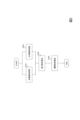
- FIG. 1 is a functional block diagram of an estimation device according to a first embodiment. The figure which shows the example of the process flow of the estimation device based on 1st embodiment.
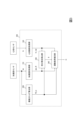
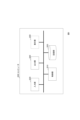
- FIG. 3 is a functional block diagram of an estimation device according to a second embodiment. The figure which shows the example of the process flow of the estimation device based on 2nd embodiment. The figure which shows the example of a structure of the computer to which this method is applied.
- conditional branch that changes the conversion formula refers to a conditional branch where the conversion formula to be applied differs depending on whether a predetermined condition is met, and the value obtained varies greatly depending on the conversion formula to be applied. means. Furthermore, in this embodiment, since conditional branching is not performed, an event that suddenly causes a large drop in estimation accuracy does not occur in an action that is not included in the assumption of case classification.
- ⁇ It is not an inference model like machine learning, but a decision model based on a single transformation formula that requires extremely little amount of calculation, so it is easy to implement on small devices with few resources.
- exercise load is estimated using both information regarding the subject's acceleration and information regarding the subject's heart rate.
- information regarding the subject's acceleration will be obtained after filtering (high-pass filtering and average deviation calculation) is performed on the output value (3D acceleration) of the 3D acceleration sensor to remove the influence of gravitational acceleration and noise. Let it be the norm of the vector (acc_fil).
- the information regarding the subject's heart rate is the increment (hr_net) of the raw output value of the heart rate sensor relative to the resting heart rate.
- RES 1+c 1 ⁇ hr_net ⁇ +c 2 ⁇ acc_fil ⁇ (1- ⁇ ) (1)
- c 1 and c 2 are constants determined in advance through experiments, simulations, etc., and are hyperparameters.
- ⁇ is a function that determines the proportion, and is determined by the heart rate and gravitational acceleration, and ⁇ [0,1]. For example, it can be expressed as follows using the sigmoid function.
- ⁇ sigmoid(a 1 ⁇ (hr_net-a 2 ⁇ acc_fil)- ⁇ ) (2) a 1 , a 2 , and ⁇ are constants determined in advance through experiments, simulations, etc., and are hyperparameters.
- ⁇ HR and ⁇ acc are constants that are added or subtracted for each term of heart rate and acceleration in order to take into account errors in actual measurement, and are constants that are determined in advance through experiments, simulations, etc., and are hyperparameters.
- Equations (1) to (3) used in this embodiment will be explained in more detail.
- changes in exercise load can have a large effect on acceleration, while others have a large effect on heart rate. For example, if you go up and down stairs at the same speed, the exercise load is greater going up.
- heart rate increases on the way up. It may be possible to create a conditional branch to identify these and provide different conversion formulas depending on the type of activity, but if the conditional branch is performed in an unintended manner, the estimation of exercise load will be greatly incorrect. It is not practical in daily life where there are many different types of activities.
- a conditional branch that changes such a conversion formula is not performed, and a function ⁇ that determines the proportional division ratio of terms derived from acceleration and terms derived from heart rate is included in a single conversion formula.
- the value range of the function ⁇ that determines the apportionment ratio is [0, 1], and specifically, when measurement is performed under ideal conditions, it is expressed as in equation (1).
- MET 1+c 1 ⁇ hr_net ⁇ +c 2 ⁇ acc_fil ⁇ (1- ⁇ ) (1)
- the function ⁇ that determines the proportional division ratio is expressed, for example, as in equation (2) by inputting a value representing the magnitude relationship between the constant times the norm of the acceleration vector and the increment of the heart rate into a sigmoid function.
- FIG. 1 is a functional block diagram of the estimation device according to the first embodiment, and FIG. 2 shows its processing flow.
- the estimation device 100 includes an acceleration preprocessing section 110, a heart rate preprocessing section 120, a proportion calculation section 130, and an exercise load estimation section 140.
- the estimation device 100 receives output data from a single-dimensional or multidimensional acceleration sensor and output data from a heartbeat sensor, estimates exercise load using these output data, and outputs an estimation result m.
- the output data of the acceleration sensor is three-dimensional acceleration acc
- the output data of the heart rate sensor is heart rate hr.
- the estimation device 100, the acceleration sensor, and the heartbeat sensor are a single device.
- the acceleration sensor measures 3D acceleration at 25Hz
- the heart rate sensor measures heart rate at 1Hz.
- the estimation device 100, the acceleration sensor, and the heart rate sensor do not need to be in the same device.
- it is possible to acquire acceleration and heart rate with an edge device send the acquired data to a smartphone or cloud using wireless communication such as Bluetooth (registered trademark) or Wi-Fi, and perform data processing on the smartphone or cloud.
- a smartphone or a server device on a cloud that estimates exercise load corresponds to the estimation device 100.
- Various methods can be considered for outputting the estimation results.
- the estimation device 100 may output the estimation result by transmitting it to an external device such as a server device on the cloud or displaying it on a display.
- the obtained three-dimensional acceleration and heart rate may contain missing values depending on the observation environment, so missing value processing is performed as necessary.
- the missing value processing may be performed by any device such as an acceleration sensor, a heartbeat sensor, the estimation device 100, or an external device (not shown).
- processing using interpolation or linear interpolation using the immediately preceding value, immediately following value, or their average value corresponds to missing value processing.
- processing using a moving window will be performed from now on.
- the width of the moving window is, for example, about 10 seconds or 1 minute.
- the step width does not need to match the width of the moving window; for example, it may be 5 seconds or 10 seconds, and the exercise load for that period is estimated for each moving window.
- the estimation device 100 is, for example, a special computer configured by loading a special program into a publicly known or dedicated computer having a central processing unit (CPU), a main memory (RAM), etc. It is a device.
- the estimation device 100 executes each process under the control of a central processing unit, for example.
- the data input to the estimation device 100 and the data obtained through each process are stored, for example, in a main storage device, and the data stored in the main storage device is read out to the central processing unit as needed and used for other purposes. used for processing.
- Each processing unit of the estimation device 100 may be configured at least in part by hardware such as an integrated circuit.
- Each storage unit included in the estimation device 100 can be configured by, for example, a main storage device such as a RAM (Random Access Memory), or middleware such as a relational database or a key-value store.
- a main storage device such as a RAM (Random Access Memory), or middleware such as a relational database or a key-value store.
- middleware such as a relational database or a key-value store.
- each storage unit does not necessarily need to be provided inside the estimation device 100, and may be configured with an auxiliary storage device configured from a hard disk, an optical disk, or a semiconductor memory element such as a flash memory. It may also be configured to be provided outside the.
- the acceleration preprocessing unit 110 receives the three-dimensional acceleration acc as input, performs preprocessing for estimating exercise load (s110), and outputs information regarding the preprocessed acceleration.
- the acceleration preprocessing unit 110 removes the influence of gravitational acceleration from the three-dimensional acceleration acc, removes noise, and integrates the three-dimensional acceleration.
- the acceleration preprocessing unit 110 calculates the average value within the moving window, and subtracts all values within the moving window by the average value. Furthermore, the acceleration preprocessing unit 110 applies a high-pass filter in order to remove noise and estimate the exercise load based on human activity. For example, let the cutoff frequency be 10Hz. After that, the acceleration preprocessing unit 110 subtracts the average value and calculates the average value within the moving window of the absolute value of the value after applying the high-pass filter. The acceleration preprocessing unit 110 calculates the norm of the three-dimensional acceleration vector using the average value of the absolute values as the component of each dimension. The norm acc_fil of the three-dimensional acceleration vector corresponds to information regarding the acceleration after preprocessing.
- the heart rate preprocessing unit 120 receives the heart rate hr, performs preprocessing for estimating exercise load (s120), and outputs information regarding the heart rate after the preprocessing.
- the acceleration preprocessing unit 110 calculates an increment in heart rate as preprocessing.
- the heart rate preprocessing unit 120 calculates the average value within the moving window, and calculates the increment in heart rate by subtracting the average value by the resting heart rate.
- the heart rate increment hr_net corresponds to information regarding the heart rate after preprocessing.
- ⁇ Proportion ratio calculation unit 130 inputs the acceleration vector norm acc_fil and the heart rate increment hr_net, uses these values to calculate the apportionment ratio of the term derived from acceleration and the term derived from heart rate (S130), and outputs the do. For example, a function ⁇ that determines the proportional division ratio between terms derived from acceleration and terms derived from heart rate is calculated. Note that the apportioned proportion is also referred to as a ratio.
- the apportionment ratio calculation unit 130 expresses a two-dimensional linear equation using the acceleration vector norm acc_fil and the heart rate increment hr_net by inputting it into a sigmoid function.
- ⁇ sigmoid(a 1 ⁇ (hr_net-a 2 ⁇ acc_fil)- ⁇ ) (2)
- the exercise load estimating unit 140 inputs the acceleration vector norm acc_fil, the heart rate increment hr_net, and the function ⁇ that determines the proportional division ratio, and uses the acceleration vector norm acc_fil and the heart rate increment hr_net to calculate a single calculation formula.
- the exercise load is estimated (S140), and the estimation result m is output.
- the conversion formula can be expressed as a constant times acc_fil and a constant times hr_net, plus 1, and can be expressed by equation (1).
- Equation (1) takes advantage of the definition of exercise load METs.
- Equation (3) takes into account the effects of actual measurement of heart rate and acceleration, and is corrected by ⁇ HR and ⁇ acc.
- the acceleration vector norm acc_fil and the heart rate increment hr_net are input to the apportionment ratio calculation unit 130 and the exercise load estimation unit 140.
- Other information may be used as long as it is information regarding the heart rate of the subject and information regarding the subject's heart rate.
- the acceleration preprocessing unit 110 and the heart rate preprocessing unit 120 may perform necessary processing to convert the output data of each sensor into information used by the proportion calculation unit 130 and the exercise load estimation unit 140.
- fft_cv is the frequency information of the acceleration data
- a3 is a constant determined in advance through experiments, simulations, etc., and is a hyperparameter. For example, the influence of gravitational acceleration is removed from the three-dimensional acceleration, and the acceleration data that has not passed through the frequency filter is subjected to Fourier transformation for each moving window of a specified size to extract the power spectrum. Then, let fft_cv be the coefficient of variation of the power spectrum. This coefficient of variation fft_cv expresses the complexity of the activity that causes acceleration.
- the movement due to the complexity of the activity can be calculated.
- Changes in load can also be expressed. For example, assuming that measurement is performed under ideal conditions, the exercise load is estimated using the following equation.
- c 3 is a constant determined in advance through experiments, simulations, etc., and is a hyperparameter. Further, for example, when considering the error in actual measurement as in equation (3), the exercise load is estimated using the following equation.
- the second embodiment includes a part that estimates the complexity of an activity.
- FIG. 3 shows a functional block diagram of the estimation device according to the second embodiment
- FIG. 4 shows its processing flow.
- the estimation device 200 includes an acceleration preprocessing section 110, a heart rate preprocessing section 120, a proportion calculation section 230, an exercise load estimation section 240, and a complexity score calculation section 250.
- the complexity score calculation unit 250 receives the three-dimensional acceleration acc as input, calculates a complexity score indicating the complexity of the subject's movement (S250), and outputs it.
- the aforementioned coefficient of variation fft_cv corresponds to the complexity score.
- the complexity score calculation unit 250 first calculates the average value within the moving window in order to remove the influence of gravitational acceleration, and subtracts all the values within the moving window by the average value. Note that a configuration may be adopted in which the subtracted value is received from the acceleration preprocessing section 110. Next, the complexity score calculation unit 250 applies a Hamming window to the subtracted values of each dimension, and then performs Fourier transformation. Further, the complexity score calculation unit 250 calculates the average value and standard deviation of the frequency for the power spectrum obtained by Fourier transform. Furthermore, the complexity score calculation unit 250 calculates the root mean square of each of the mean values and standard deviations calculated for the three dimensions, and divides the root mean square of the standard deviation by the root mean square of the average value.
- the complexity score of the activity within the moving window is calculated as fft_cv.
- the complexity score fft_cv is obtained by dividing the root mean square of the standard deviation by the root mean square of the average value, and can also be said to be expressed by the dispersion of the frequency distribution of the power spectrum.
- ⁇ Proportion ratio calculation unit 230 inputs the acceleration vector norm acc_fil, the heart rate increment hr_net, and the complexity score, and uses these values to calculate the apportionment ratio of the acceleration-derived term and the heart rate-derived term. (S230), output. For example, a function ⁇ that determines the proportional division ratio between terms derived from acceleration and terms derived from heart rate is calculated.
- the apportionment ratio calculation unit 230 expresses a three-dimensional linear equation using the acceleration vector norm acc_fil, the heart rate increment hr_net, and the complexity score fft_cv by inputting it into the sigmoid function.
- ⁇ sigmoid(a 1 ⁇ (hr_net-(a 2 ⁇ acc_fil)/(fft_cv+a 3 ))- ⁇ ) (4)
- the exercise load estimation unit 240 inputs the acceleration vector norm acc_fil, the heart rate increment hr_net, the function ⁇ that determines the proportional division ratio, and the complexity score fft_cv, and uses these values to calculate the exercise load using a single calculation formula. is estimated (S240), and the estimation result m is output.
- the conversion formula is a constant times acc_fil multiplied by the coefficient of variation fft_cv plus a constant c 3 , a constant times hr_net, and It can be expressed as the addition of 1, and can be expressed by equation (5).
- m 1+c 1 ⁇ (hr_net+ ⁇ HR) ⁇ +c 2 ⁇ (acc_fil- ⁇ acc) ⁇ (fft_cv+c 3 ) ⁇ (1- ⁇ ) (6)
- the constant term 1 in equation (6) takes advantage of the definition of exercise load METs. It has been corrected by ⁇ HR and ⁇ acc, taking into account the effects of actual measurements of heart rate and acceleration.
- equations (1) to (3) of the first embodiment are forms that give priority to simplicity, and there is room for detailed adjustment.
- the complexity score is taken into consideration both when calculating the function ⁇ and when estimating the exercise load, but the complexity score may be taken into consideration only in either one. That is, equation (4) and equations (1) and (3) may be combined, or equation (2) and equations (5) and (6) may be combined.
- a program that describes this processing content can be recorded on a computer-readable recording medium.
- the computer-readable recording medium may be of any type, such as a magnetic recording device, an optical disk, a magneto-optical recording medium, or a semiconductor memory.
- this program is performed, for example, by selling, transferring, lending, etc. portable recording media such as DVDs and CD-ROMs on which the program is recorded. Furthermore, this program may be distributed by storing the program in the storage device of the server computer and transferring the program from the server computer to another computer via a network.
- a computer that executes such a program for example, first stores a program recorded on a portable recording medium or a program transferred from a server computer in its own storage device. When executing a process, this computer reads a program stored in its own recording medium and executes a process according to the read program. In addition, as another form of execution of this program, the computer may directly read the program from a portable recording medium and execute processing according to the program, and furthermore, the program may be transferred to this computer from the server computer. The process may be executed in accordance with the received program each time.
- ASP Application Service Provider
- the above-mentioned processing is executed by a so-called ASP (Application Service Provider) service, which does not transfer programs from the server computer to this computer, but only realizes processing functions by issuing execution instructions and obtaining results.
- ASP Application Service Provider
- the present apparatus is configured by executing a predetermined program on a computer, but at least a part of these processing contents may be implemented in hardware.
Landscapes
- Health & Medical Sciences (AREA)
- Life Sciences & Earth Sciences (AREA)
- Heart & Thoracic Surgery (AREA)
- Medical Informatics (AREA)
- Biophysics (AREA)
- Pathology (AREA)
- Engineering & Computer Science (AREA)
- Biomedical Technology (AREA)
- Physical Education & Sports Medicine (AREA)
- Physics & Mathematics (AREA)
- Molecular Biology (AREA)
- Surgery (AREA)
- Animal Behavior & Ethology (AREA)
- General Health & Medical Sciences (AREA)
- Public Health (AREA)
- Veterinary Medicine (AREA)
- Measuring Pulse, Heart Rate, Blood Pressure Or Blood Flow (AREA)
Abstract
活動や運動の種別に関わらず、場合分けを行うことなく、動的かつ連続的に運動負荷を推定する推定装置、推定方法、およびプログラムを提供する。推定装置は、対象者の加速度に関する情報と、対象者の心拍数に関する情報とを用いて、単一の算出式により運動負荷を推定する運動負荷推定部を含む。
Description
本発明は、取得したセンサデータを分析して運動負荷を推定する推定装置、推定方法、およびプログラムに関する。
心疾患など疾病の再発防止や予防には、日常生活における適切な運動が重要である。運動の適切さとは、その運動の負荷が本人にとって軽すぎることもなく、重すぎることもないことを指す。しかし運動の負荷が適切かどうかを本人の自覚によって定めることは難しい。また、医師や理学療法士などによる評価についても、難しさの問題の他に、そもそも非観察環境での運動を一切考慮できないという問題がある。
そこで、日常生活を阻害することのないウェアラブルデバイスで取得したセンサデータの活用が注目されている。日常生活中のセンサデータにより、環境に依らず運動負荷を推定し続けられる。非特許文献1では、腰に取り付けた3次元加速度センサのセンサデータをもとに運動負荷を推定する。具体的には、重力加速度の影響を除いた上で、ローパスフィルタ通過前後の加速度ベクトルの大きさおよびその両者の大きさの比をもとに、まず行動の種類を識別する。そしてその種類ごとに与えた、加速度に基づく運動負荷変換の複数の数式により、運動負荷を推定する。非特許文献2では、胸に取り付けた心拍センサのセンサデータをもとに運動負荷を推定する。具体的には、安静時心拍数に対する心拍数の増加量または増加率に基づく運動負荷変換の数式により、運動負荷を推定する。
Ohkawara et al., "Real-time estimation of daily physical activity intensity by a triaxial accelerometer and a gravity-removal classification algorithm", British Journal of Nutrition, 2011
山本 周平ら、「代謝当量は安静時ならびに運動時の心拍数から推定可能か?」、理学療法ジャーナル 52巻4号 (2018年4月)
しかしながら、これらの手法で運動負荷の高精度な推定は、日常生活中の特定の行動に限定されるという非実用的な欠点がある。例えば1つ目の手法では、静止しながらの運動や荷物を持ちながらの行動による運動負荷を推定できない。2つ目の手法についても、運動負荷が相対的に小さめの運動について運動負荷を推定できない。また、単純にこれら2つの手法を条件分岐によってそれぞれの運動負荷変換の数式を併用することも可能ではある。しかしながら、日常生活の行動、リハビリテーションの運動の中には場合分けの想定に含まれないものも多く、そのような行動、運動では正しく運動負荷を推定できない。言い換えると、このような場合分けで想定できる活動や運動はごく一部に限定されるため、条件分岐による予期せぬ変換式の適用が避けられず、高精度な推定は実現できていない。
本発明は、活動や運動の種別に関わらず、場合分けを行うことなく、動的かつ連続的に運動負荷を推定する推定装置、推定方法、およびプログラムを提供することを目的とする。
上記の課題を解決するために、本発明の一態様によれば、推定装置は、対象者の加速度に関する情報と、対象者の心拍数に関する情報とを用いて、単一の算出式により運動負荷を推定する運動負荷推定部を含む。
本発明によれば、活動や運動の種別に関わらず、場合分けを行うことなく、動的かつ連続的に運動負荷を推定できるという効果を奏する。
以下、本発明の実施形態について、説明する。なお、以下の説明に用いる図面では、同じ機能を持つ構成部や同じ処理を行うステップには同一の符号を記し、重複説明を省略する。以下の説明において、ベクトルや行列の各要素単位で行われる処理は、特に断りが無い限り、そのベクトルやその行列の全ての要素に対して適用されるものとする。
<第一実施形態に係る推定装置の特徴>
・変換式を変更する条件分岐を行わず、対象者の加速度に関する情報と、対象者の心拍数に関する情報を併用して運動負荷を推定することで、あらゆる行動種別に動的かつ連続的に適用できる。なお、ここでいう「変換式を変更する条件分岐」とは、所定の条件を満たすか否かで適用する変換式が異なり、適用する変換式によって、得られる値が大きく異なるような条件分岐を意味する。また、本実施形態では、条件分岐を行わないため、場合分けの想定に含まれていない行動において突発的に大きく推定精度が下がるような事象が生じない。
・変換式を変更する条件分岐を行わず、対象者の加速度に関する情報と、対象者の心拍数に関する情報を併用して運動負荷を推定することで、あらゆる行動種別に動的かつ連続的に適用できる。なお、ここでいう「変換式を変更する条件分岐」とは、所定の条件を満たすか否かで適用する変換式が異なり、適用する変換式によって、得られる値が大きく異なるような条件分岐を意味する。また、本実施形態では、条件分岐を行わないため、場合分けの想定に含まれていない行動において突発的に大きく推定精度が下がるような事象が生じない。
・運動負荷METs(Metabolic equivalents)の定義を忠実に考慮した変換式を用いることで、適用可能範囲が運動負荷の大きさによって限定されない。
・機械学習のような推論モデルではなく、必要な計算量が極めて少ない単一の変換式による決定モデルであるため、リソースの少ない小型デバイスでの実装が容易である。
<第一実施形態の概要>
第一実施形態では、対象者の加速度に関する情報と、対象者の心拍数に関する情報を併用して運動負荷を推定する。以後、対象者の加速度に関する情報は、3次元加速度センサの出力値(3次元加速度)に対して重力加速度の影響やノイズを取り除くためのフィルタ処理(ハイパスフィルタや平均偏差算出)を行った後のベクトルのノルム(acc_fil)とする。また、対象者の心拍数に関する情報は、心拍センサの生の出力値の安静時心拍数に対する増分(hr_net)とする。
第一実施形態では、対象者の加速度に関する情報と、対象者の心拍数に関する情報を併用して運動負荷を推定する。以後、対象者の加速度に関する情報は、3次元加速度センサの出力値(3次元加速度)に対して重力加速度の影響やノイズを取り除くためのフィルタ処理(ハイパスフィルタや平均偏差算出)を行った後のベクトルのノルム(acc_fil)とする。また、対象者の心拍数に関する情報は、心拍センサの生の出力値の安静時心拍数に対する増分(hr_net)とする。
運動負荷METsは、身体活動の強度を示す単位であり、座位での安静時の酸素摂取量を1METsとし、1METs=3.5mL/kg/分である。よって、呼気ガス装置データからMETsを算出できる。加速度と心拍数はそれぞれ酸素摂取量と相関があるが、得手不得手があるため、従来技術を用いて、加速度と心拍数からMETsを算出する際には条件分岐を設ける必要がある。
坐位での安静時の理想的な条件で計測を行ったときのセンサ出力値を用いた場合、acc_fil=0、hr_net=0となる。多くの活動における運動負荷が加速度ベクトルのノルムacc_filや心拍数の増分hr_netと相関があるため、理想的な状態ではMETsの変換式は、acc_filの定数倍とhr_netの定数倍にさらに1を足したものとして表現できる。例えば、次式により表現できる。
MET=1+c1×hr_net×θ+c2×acc_fil×(1-θ) (1)
ただし、c1、c2は実験、シミュレーション等により予め定めた定数であり、ハイパーパラメタである。また、θは按分割合を定める関数であり、心拍数と重力加速度で決まる関数であり、θ∈[0,1]である。例えば、sigmoid関数を用いて以下のように表現される。
ただし、c1、c2は実験、シミュレーション等により予め定めた定数であり、ハイパーパラメタである。また、θは按分割合を定める関数であり、心拍数と重力加速度で決まる関数であり、θ∈[0,1]である。例えば、sigmoid関数を用いて以下のように表現される。
θ=sigmoid(a1×(hr_net-a2×acc_fil)-Δθ) (2)
a1、a2、Δθは、実験、シミュレーション等により予め定めた定数であり、ハイパーパラメタである。
a1、a2、Δθは、実験、シミュレーション等により予め定めた定数であり、ハイパーパラメタである。
しかし、実際には各センサの精度や身体のぶれ、精神状態の影響といった様々な要因により、加速度ベクトルのノルムacc_filも心拍数の増分hr_netも理想的な条件での計測は行えない。この実計測上の誤差を考慮するために、加速度由来の項、心拍数由来の項それぞれについて定数を足し引きすることが有効である。実計測上の誤差を考慮すると、METsの変換式は、例えば、次式により表現できる。
MET=1+c1×(hr_net+ΔHR)×θ+c2×(acc_fil-Δacc)×(1-θ) (3)
ΔHR、Δaccは、この実計測上の誤差を考慮するために、心拍数、加速度それぞれの項について足し引きする定数であり、実験、シミュレーション等により予め求めた定数であり、ハイパーパラメタである。式(3)においてΔHR=0、Δacc=0の場合が式(1)に相当し、式(1)は式(3)の一例と言える。
ΔHR、Δaccは、この実計測上の誤差を考慮するために、心拍数、加速度それぞれの項について足し引きする定数であり、実験、シミュレーション等により予め求めた定数であり、ハイパーパラメタである。式(3)においてΔHR=0、Δacc=0の場合が式(1)に相当し、式(1)は式(3)の一例と言える。
本実施形態で用いる式(1)~(3)について、より詳しく説明する。日常生活内の人の活動には様々な種類があり、その種類によって運動負荷の変化が加速度に大きく影響するものも、心拍数に大きく影響するものもある。例えば階段の上り下りを同じ速度で行った場合、運動負荷は上りの方が大きい。一方、加速度に大きな差は生じないが、心拍数は上りのほうが大きくなる。これらを識別する条件分岐を設け、活動の種類に応じて異なる変換式を設けることも考えられるが、条件分岐が意図しない形で行われた場合、運動負荷の推定を大きく外すことになるため、多様な活動の種類が考えられる日常生活中では実用的でない。そこで、本実施形態では、そのような変換式を変更する条件分岐を行わず、単一の変換式の内部に、加速度由来の項と心拍数由来の項の按分割合を定める関数θを包含する。按分割合を定める関数θの値域は[0,1]であり、具体的には理想的な条件での計測を行う場合には式(1)のように表現する。
MET=1+c1×hr_net×θ+c2×acc_fil×(1-θ) (1)
按分割合を定める関数θは例えば、加速度ベクトルのノルムの定数倍と心拍数の増分の大小関係を表す値をsigmoid関数に入力した形で式(2)のように表現する。
按分割合を定める関数θは例えば、加速度ベクトルのノルムの定数倍と心拍数の増分の大小関係を表す値をsigmoid関数に入力した形で式(2)のように表現する。
θ=sigmoid(a1×(hr_net-a2×acc_fil)-Δθ) (2)
さらに、実計測における誤差を考慮する項を式(1)に加えた場合、式(3)のように表現する。
さらに、実計測における誤差を考慮する項を式(1)に加えた場合、式(3)のように表現する。
MET=1+c1×(hr_net+ΔHR)×θ+c2×(acc_fil-Δacc)×(1-θ) (3)
これにより、先に記した階段の上り下りの例において、階段を上る際は加速度ベクトルのノルムの変化に対して、心拍数の増加が大きくなり、その変化が按分割合において考慮されることで、心拍数の増分に由来する項の按分が大きくなり、より高い精度での運動負荷推定が実現できる。
これにより、先に記した階段の上り下りの例において、階段を上る際は加速度ベクトルのノルムの変化に対して、心拍数の増加が大きくなり、その変化が按分割合において考慮されることで、心拍数の増分に由来する項の按分が大きくなり、より高い精度での運動負荷推定が実現できる。
<第一実施形態に係る推定装置>
図1は第一実施形態に係る推定装置の機能ブロック図を、図2はその処理フローを示す。
図1は第一実施形態に係る推定装置の機能ブロック図を、図2はその処理フローを示す。
推定装置100は、加速度前処理部110と、心拍数前処理部120と、按分割合算出部130と、運動負荷推定部140とを含む。
推定装置100は、単次元または多次元の加速度センサの出力データと心拍センサの出力データとを入力とし、これらの出力データを用いて運動負荷を推定し、推定結果mを出力する。この実施形態では、加速度センサの出力データを三次元加速度accとし、心拍センサの出力データを心拍数hrとする。
本実施形態では、推定装置100と加速度センサと心拍センサとは、単一のデバイスとする。加速度センサは3次元加速度を25Hzで、心拍センサは心拍数を1Hzでそれぞれ取得する。なお、推定装置100と加速度センサと心拍センサとが同一のデバイスにある必要はない。例えば、エッジデバイスで加速度と心拍数を取得し、取得したデータをbluetooth(登録商標)やWi-Fiなどの無線通信によりスマートフォンやクラウドに送信し、スマートフォンやクラウドにおいて、データ処理を行うこともできる。運動負荷を推定するスマートフォンやクラウド上のサーバ装置が推定装置100に相当する。推定結果の出力方法としては様々な形態が考えられる。例えば、推定装置100は、クラウド上のサーバ装置等の外部装置に送信し、または、ディスプレイに表示することで、推定結果を出力してもよい。
得られた3次元加速度と心拍数について、観測環境に応じて欠損値が含まれる場合があるため、必要に応じて欠損値処理を行う。欠損値処理は、加速度センサ、心拍センサ、推定装置100、または図示しない外部装置等の何れの装置で行われてもよい。例えば、直前の値や直後の値、またはそれらの平均値による補間や線形補間による処理が、欠損値処理に該当する。活動中での運動負荷表示を実現するため、以後移動窓を用いた処理を行う。移動窓の幅は例えば10秒や1分程度である。そのステップ幅は、移動窓の幅と一致する必要はなく、例えば5秒や10秒とし、移動窓ごとにその期間の運動負荷を推定する。
推定装置100は、例えば、中央演算処理装置(CPU: Central Processing Unit)、主記憶装置(RAM: Random Access Memory)などを有する公知又は専用のコンピュータに特別なプログラムが読み込まれて構成された特別な装置である。推定装置100は、例えば、中央演算処理装置の制御のもとで各処理を実行する。推定装置100に入力されたデータや各処理で得られたデータは、例えば、主記憶装置に格納され、主記憶装置に格納されたデータは必要に応じて中央演算処理装置へ読み出されて他の処理に利用される。推定装置100の各処理部は、少なくとも一部が集積回路等のハードウェアによって構成されていてもよい。推定装置100が備える各記憶部は、例えば、RAM(Random Access Memory)などの主記憶装置、またはリレーショナルデータベースやキーバリューストアなどのミドルウェアにより構成することができる。ただし、各記憶部は、必ずしも推定装置100がその内部に備える必要はなく、ハードディスクや光ディスクもしくはフラッシュメモリ(Flash Memory)のような半導体メモリ素子により構成される補助記憶装置により構成し、推定装置100の外部に備える構成としてもよい。
以下、各部について説明する。
<加速度前処理部110>
加速度前処理部110は、三次元加速度accを入力とし、運動負荷推定の前処理を行い(s110)、前処理後の加速度に関する情報を出力する。
加速度前処理部110は、三次元加速度accを入力とし、運動負荷推定の前処理を行い(s110)、前処理後の加速度に関する情報を出力する。
例えば、加速度前処理部110は、前処理として、三次元加速度accから重力加速度の影響を取り除き、ノイズを除去し、三次元加速度を統合する。
まず、重力加速度の影響を取り除くために、加速度前処理部110は、移動窓内の平均値を算出し、移動窓内の全ての値をその平均値で減算する。また、ノイズを除去し、人の活動に基づく運動負荷を推定するために、加速度前処理部110は、ハイパスフィルタを適用する。例えばカットオフ周波数を10Hzなどとする。その後、加速度前処理部110は、平均値で減算し、ハイパスフィルタを適用した後の値の絶対値の移動窓内の平均値を算出する。加速度前処理部110は、絶対値の平均値を各次元の成分として、3次元加速度ベクトルのノルムを算出する。3次元加速度ベクトルのノルムacc_filが前処理後の加速度に関する情報に相当する。
<心拍数前処理部120>
心拍数前処理部120は、心拍数hrを入力とし、運動負荷推定の前処理を行い(s120)、前処理後の心拍数に関する情報を出力する。
心拍数前処理部120は、心拍数hrを入力とし、運動負荷推定の前処理を行い(s120)、前処理後の心拍数に関する情報を出力する。
例えば、加速度前処理部110は、前処理として、心拍数の増分を求める。
まず、心拍数前処理部120は、移動窓内の平均値を算出し、平均値を安静時心拍数で減算することで心拍数の増分を算出する。心拍数の増分hr_netが前処理後の心拍数に関する情報に相当する。
<按分割合算出部130>
按分割合算出部130は、加速度ベクトルのノルムacc_filと心拍数の増分hr_netを入力とし、これらの値を用いて、加速度由来の項と心拍数由来の項の按分割合を算出し(S130)、出力する。例えば、加速度由来の項と心拍数由来の項の按分割合を定める関数θを計算する。なお、按分割合を比率ともいう。
按分割合算出部130は、加速度ベクトルのノルムacc_filと心拍数の増分hr_netを入力とし、これらの値を用いて、加速度由来の項と心拍数由来の項の按分割合を算出し(S130)、出力する。例えば、加速度由来の項と心拍数由来の項の按分割合を定める関数θを計算する。なお、按分割合を比率ともいう。
例えば、按分割合算出部130は、加速度ベクトルのノルムacc_filと心拍数の増分hr_netによる二元一次式をsigmoid関数に入力した形で表現する。例えば、
θ=sigmoid(a1×(hr_net-a2×acc_fil)-Δθ) (2)
のように表す。例えば、a1=0.06、a2=40、Δθ=3である。
θ=sigmoid(a1×(hr_net-a2×acc_fil)-Δθ) (2)
のように表す。例えば、a1=0.06、a2=40、Δθ=3である。
このような構成により、式(1)または(3)において、加速度ベクトルのノルムacc_filに対して運動負荷がより大きくなるような活動、例えばエルゴメータでの運動や階段の上りなど、において心拍数の増分hr_netによる項の寄与が連続的に大きくでき、大きな乖離なく精度のいい運動負荷推定が行える。
<運動負荷推定部140>
運動負荷推定部140は、加速度ベクトルのノルムacc_filと心拍数の増分hr_netと按分割合を定める関数θを入力とし、加速度ベクトルのノルムacc_filと心拍数の増分hr_netとを用いて、単一の算出式により運動負荷を推定し(S140)、推定結果mを出力する。
運動負荷推定部140は、加速度ベクトルのノルムacc_filと心拍数の増分hr_netと按分割合を定める関数θを入力とし、加速度ベクトルのノルムacc_filと心拍数の増分hr_netとを用いて、単一の算出式により運動負荷を推定し(S140)、推定結果mを出力する。
例えば、理想的な条件で計測を行う場合を想定すると、変換式は、acc_filの定数倍とhr_netの定数倍にさらに1を足したものとして表現でき、式(1)により表現できる。
m=1+c1×hr_net×θ+c2×acc_fil×(1-θ) (1)
例えば、c1=0.06、c2=9である。式(1)の定数項である1は運動負荷METsの定義を生かしたものである。
例えば、c1=0.06、c2=9である。式(1)の定数項である1は運動負荷METsの定義を生かしたものである。
また、例えば、実計測における誤差を考慮する場合、式(3)のように表現できる。
m=1+c1×(hr_net+ΔHR)×θ+c2×(acc_fil-Δacc)×(1-θ) (3)
例えば、c1=0.06、c2=9、ΔHR=40、Δacc=0.02である。式(3)では、心拍数、加速度のそれぞれ実計測による影響を加味し、ΔHR、Δaccにより、補正した形となっている。
例えば、c1=0.06、c2=9、ΔHR=40、Δacc=0.02である。式(3)では、心拍数、加速度のそれぞれ実計測による影響を加味し、ΔHR、Δaccにより、補正した形となっている。
<効果>
以上の構成により、活動や運動の種別に関わらず、場合分けを行うことなく、動的かつ連続的に運動負荷を推定できる。
以上の構成により、活動や運動の種別に関わらず、場合分けを行うことなく、動的かつ連続的に運動負荷を推定できる。
<変形例>
本実施形態では、按分割合算出部130および運動負荷推定部140において、加速度ベクトルのノルムacc_filと心拍数の増分hr_netとを入力としているが、対象者の運動負荷と相関が高い、対象者の加速度に関する情報と対象者の心拍数に関する情報であれば他の情報であってもよい。加速度前処理部110と心拍数前処理部120は、按分割合算出部130および運動負荷推定部140で用いる情報に、各センサの出力データを変換するために必要な処理を行えばよい。
本実施形態では、按分割合算出部130および運動負荷推定部140において、加速度ベクトルのノルムacc_filと心拍数の増分hr_netとを入力としているが、対象者の運動負荷と相関が高い、対象者の加速度に関する情報と対象者の心拍数に関する情報であれば他の情報であってもよい。加速度前処理部110と心拍数前処理部120は、按分割合算出部130および運動負荷推定部140で用いる情報に、各センサの出力データを変換するために必要な処理を行えばよい。
<第二実施形態>
第一実施形態と異なる部分を中心に説明する。
第一実施形態と異なる部分を中心に説明する。
<第二実施形態の特徴>
按分割合を定める関数θの入力を運動負荷の推定に直接用いる値(hr_net、acc_fil)に限定する必要はない。本実施形態では、加速度データの周波数情報も合わせて考慮し、按分割合を定める関数θを以下の式(4)のように求める。
按分割合を定める関数θの入力を運動負荷の推定に直接用いる値(hr_net、acc_fil)に限定する必要はない。本実施形態では、加速度データの周波数情報も合わせて考慮し、按分割合を定める関数θを以下の式(4)のように求める。
θ=sigmoid(a1×(hr_net-(a2×acc_fil)/(fft_cv+a3))-Δθ) (4)
fft_cvが加速度データの周波数情報であり、a3は実験、シミュレーション等により予め定めた定数であり、ハイパーパラメタである。例えば、3次元加速度から重力加速度の影響を除去し、周波数フィルタは通過していない加速度データについて、規定サイズの移動窓ごとにフーリエ変換を行い、パワースペクトルを抽出する。そして、そのパワースペクトルの変動係数をfft_cvとする。この変動係数fft_cvは、加速度を生じさせる活動の複雑さを表現するものである。関数θにおいて、変動係数fft_cv(パワースペクトル由来の項)に定数a3を加えたもので加速度由来の項を除算することで、加速度データの周波数情報も考慮した案分割合を求めることができる。
fft_cvが加速度データの周波数情報であり、a3は実験、シミュレーション等により予め定めた定数であり、ハイパーパラメタである。例えば、3次元加速度から重力加速度の影響を除去し、周波数フィルタは通過していない加速度データについて、規定サイズの移動窓ごとにフーリエ変換を行い、パワースペクトルを抽出する。そして、そのパワースペクトルの変動係数をfft_cvとする。この変動係数fft_cvは、加速度を生じさせる活動の複雑さを表現するものである。関数θにおいて、変動係数fft_cv(パワースペクトル由来の項)に定数a3を加えたもので加速度由来の項を除算することで、加速度データの周波数情報も考慮した案分割合を求めることができる。
また、単純な加速度の大きさのみならず、活動の複雑さを表す加速度データのパワースペクトルの変動係数fft_cv(パワースペクトル由来の項)をMETsの変換式に含めることにより、活動の複雑さによる運動負荷の変化も表現できるようになる。例えば、理想的な条件での計測は行う場合を想定すると、運動負荷を次式により推定する。
MET=1+c1×hr_net×θ+c2×acc_fil×(fft_cv+c3)×(1-θ) (5)
c3は実験、シミュレーション等により予め定めた定数であり、ハイパーパラメタである。また、例えば、式(3)と同じように、実計測における誤差を考慮する場合、運動負荷を次式により推定する。
c3は実験、シミュレーション等により予め定めた定数であり、ハイパーパラメタである。また、例えば、式(3)と同じように、実計測における誤差を考慮する場合、運動負荷を次式により推定する。
MET=1+c1×(hr_net+ΔHR)×θ+c2×(acc_fil-Δacc)×(fft_cv+c3)×(1-θ) (6)
<第二実施形態に係る推定装置>
第二実施形態では、第一実施形態の構成に加えて、活動の複雑さを推定する部分を備える。
<第二実施形態に係る推定装置>
第二実施形態では、第一実施形態の構成に加えて、活動の複雑さを推定する部分を備える。
図3は第二実施形態に係る推定装置の機能ブロック図を、図4はその処理フローを示す。
推定装置200は、加速度前処理部110と、心拍数前処理部120と、按分割合算出部230と、運動負荷推定部240と、複雑さスコア算出部250とを含む。
<複雑さスコア算出部250>
複雑さスコア算出部250は、三次元加速度accを入力とし、対象者の運動の複雑さを示す複雑さスコアを算出し(S250)、出力する。前述の変動係数fft_cvが複雑さスコアに相当する。
複雑さスコア算出部250は、三次元加速度accを入力とし、対象者の運動の複雑さを示す複雑さスコアを算出し(S250)、出力する。前述の変動係数fft_cvが複雑さスコアに相当する。
複雑さスコア算出部250は、まず、重力加速度の影響を取り除くために、移動窓内の平均値を算出し、移動窓内の全ての値をその平均値で減算する。なお、減算した値を加速度前処理部110から受け取る構成としてもよい。次に、複雑さスコア算出部250は、各次元の減算した値に対して、ハミング窓を適用した上でフーリエ変換を行う。さらに、複雑さスコア算出部250は、フーリエ変換により得られたパワースペクトルについて、周波数についての平均値と標準偏差を算出する。さらに、複雑さスコア算出部250は、その3次元分算出された平均値と標準偏差について、それぞれ二乗平均平方根を算出し、標準偏差の二乗平均平方根を平均値の二乗平均平方根で除したものを、移動窓内の活動の複雑さスコアfft_cvとして算出する。なお、複雑さスコアfft_cvは、標準偏差の二乗平均平方根を平均値の二乗平均平方根で除したものであり、パワースペクトルの周波数分布のばらつきによって表されるものとも言える。
このスコアfft_cvを考慮することにより、胴体は大きく動かさず四肢を主として動かすような細かな動作の運動負荷の推定を補正できる。
<按分割合算出部230>
按分割合算出部230は、加速度ベクトルのノルムacc_filと心拍数の増分hr_netと複雑さスコアとを入力とし、これらの値を用いて、加速度由来の項と心拍数由来の項の按分割合を算出し(S230)、出力する。例えば、加速度由来の項と心拍数由来の項の按分割合を定める関数θを計算する。
按分割合算出部230は、加速度ベクトルのノルムacc_filと心拍数の増分hr_netと複雑さスコアとを入力とし、これらの値を用いて、加速度由来の項と心拍数由来の項の按分割合を算出し(S230)、出力する。例えば、加速度由来の項と心拍数由来の項の按分割合を定める関数θを計算する。
例えば、按分割合算出部230は、加速度ベクトルのノルムacc_filと心拍数の増分hr_netと複雑さスコアfft_cvとによる三元一次式をsigmoid関数に入力した形で表現する。例えば、
θ=sigmoid(a1×(hr_net-(a2×acc_fil)/(fft_cv+a3))-Δθ) (4)
のように表す。例えば、a1=0.06、a2=40、a3=0.4、Δθ=3である。
θ=sigmoid(a1×(hr_net-(a2×acc_fil)/(fft_cv+a3))-Δθ) (4)
のように表す。例えば、a1=0.06、a2=40、a3=0.4、Δθ=3である。
このような構成により、複雑さスコアfft_cvを導入することで、胴体は大きく動かさず四肢を主として動かすような細かな動作の運動負荷の推定を補正できる。
<運動負荷推定部240>
運動負荷推定部240は、加速度ベクトルのノルムacc_filと心拍数の増分hr_netと按分割合を定める関数θと複雑さスコアfft_cvとを入力とし、これらの値を用いて、単一の算出式により運動負荷を推定し(S240)、推定結果mを出力する。
運動負荷推定部240は、加速度ベクトルのノルムacc_filと心拍数の増分hr_netと按分割合を定める関数θと複雑さスコアfft_cvとを入力とし、これらの値を用いて、単一の算出式により運動負荷を推定し(S240)、推定結果mを出力する。
例えば、理想的な条件での計測は行う場合を想定すると、変換式は、acc_filの定数倍に、変動係数fft_cvに定数c3を加えたものを乗じたものと、hr_netの定数倍と、さらに1を足したものとして表現でき、式(5)により表現できる。
m=1+c1×hr_net×θ+c2×acc_fil×(fft_cv+c3)×(1-θ) (5)
例えば、c1=0.06、c2=8、c3=0.4である。
例えば、c1=0.06、c2=8、c3=0.4である。
また、例えば、実計測における誤差を考慮する場合、式(6)のように表現できる。
m=1+c1×(hr_net+ΔHR)×θ+c2×(acc_fil-Δacc)×(fft_cv+c3)×(1-θ) (6)
例えば、c1=0.06、c2=8、c3=0.4、ΔHR=40、Δacc=0.02である。
例えば、c1=0.06、c2=8、c3=0.4、ΔHR=40、Δacc=0.02である。
式(6)の定数項である1は運動負荷METsの定義を生かしたものである。心拍数、加速度のそれぞれ実計測による影響を加味し、ΔHR、Δaccにより、補正した形となっている。
<効果>
このような構成とすることで、第一実施形態と同様の効果を得ることができる。さらに、複雑さスコアfft_cvを導入することで、胴体は大きく動かさず四肢を主として動かすような細かな動作の運動負荷の推定を補正できる。
このような構成とすることで、第一実施形態と同様の効果を得ることができる。さらに、複雑さスコアfft_cvを導入することで、胴体は大きく動かさず四肢を主として動かすような細かな動作の運動負荷の推定を補正できる。
第二実施形態の式(4)~(6)を用いた場合、第一実施形態の式(1)~(3)を用いた場合よりも処理が重くなる分、詳細な評価を行うことができる。第一実施形態の式(1)~(3)はシンプルさを優先した形態であり、細やかな調整の余地があるともいえる。
<変形例>
本実施形態では、関数θを求める際にも、運動負荷を推定する際にも、複雑さスコアを考慮しているが、何れか一方にのみ複雑さスコアを考慮する構成としてもよい。つまり、式(4)と式(1),(3)とを組み合わせてもよいし、式(2)と式(5),(6)とを組み合わせてもよい。
本実施形態では、関数θを求める際にも、運動負荷を推定する際にも、複雑さスコアを考慮しているが、何れか一方にのみ複雑さスコアを考慮する構成としてもよい。つまり、式(4)と式(1),(3)とを組み合わせてもよいし、式(2)と式(5),(6)とを組み合わせてもよい。
<その他の変形例>
本発明は上記の実施形態及び変形例に限定されるものではない。例えば、上述の各種の処理は、記載に従って時系列に実行されるのみならず、処理を実行する装置の処理能力あるいは必要に応じて並列的にあるいは個別に実行されてもよい。その他、本発明の趣旨を逸脱しない範囲で適宜変更が可能である。
本発明は上記の実施形態及び変形例に限定されるものではない。例えば、上述の各種の処理は、記載に従って時系列に実行されるのみならず、処理を実行する装置の処理能力あるいは必要に応じて並列的にあるいは個別に実行されてもよい。その他、本発明の趣旨を逸脱しない範囲で適宜変更が可能である。
<プログラム及び記録媒体>
上述の各種の処理は、図5に示すコンピュータ2000の記録部2020に、上記方法の各ステップを実行させるプログラムを読み込ませ、制御部2010、入力部2030、出力部2040、表示部2050などに動作させることで実施できる。
上述の各種の処理は、図5に示すコンピュータ2000の記録部2020に、上記方法の各ステップを実行させるプログラムを読み込ませ、制御部2010、入力部2030、出力部2040、表示部2050などに動作させることで実施できる。
この処理内容を記述したプログラムは、コンピュータで読み取り可能な記録媒体に記録しておくことができる。コンピュータで読み取り可能な記録媒体としては、例えば、磁気記録装置、光ディスク、光磁気記録媒体、半導体メモリ等どのようなものでもよい。
また、このプログラムの流通は、例えば、そのプログラムを記録したDVD、CD-ROM等の可搬型記録媒体を販売、譲渡、貸与等することによって行う。さらに、このプログラムをサーバコンピュータの記憶装置に格納しておき、ネットワークを介して、サーバコンピュータから他のコンピュータにそのプログラムを転送することにより、このプログラムを流通させる構成としてもよい。
このようなプログラムを実行するコンピュータは、例えば、まず、可搬型記録媒体に記録されたプログラムもしくはサーバコンピュータから転送されたプログラムを、一旦、自己の記憶装置に格納する。そして、処理の実行時、このコンピュータは、自己の記録媒体に格納されたプログラムを読み取り、読み取ったプログラムに従った処理を実行する。また、このプログラムの別の実行形態として、コンピュータが可搬型記録媒体から直接プログラムを読み取り、そのプログラムに従った処理を実行することとしてもよく、さらに、このコンピュータにサーバコンピュータからプログラムが転送されるたびに、逐次、受け取ったプログラムに従った処理を実行することとしてもよい。また、サーバコンピュータから、このコンピュータへのプログラムの転送は行わず、その実行指示と結果取得のみによって処理機能を実現する、いわゆるASP(Application Service Provider)型のサービスによって、上述の処理を実行する構成としてもよい。なお、本形態におけるプログラムには、電子計算機による処理の用に供する情報であってプログラムに準ずるもの(コンピュータに対する直接の指令ではないがコンピュータの処理を規定する性質を有するデータ等)を含むものとする。
また、この形態では、コンピュータ上で所定のプログラムを実行させることにより、本装置を構成することとしたが、これらの処理内容の少なくとも一部をハードウェア的に実現することとしてもよい。
Claims (7)
- 対象者の加速度に関する情報と、対象者の心拍数に関する情報とを用いて、単一の算出式により運動負荷を推定する運動負荷推定部を含む、
推定装置。 - 請求項1の推定装置であって、
前記算出式に含まれる加速度由来の項と心拍数由来の項の按分割合を、前記加速度に関する情報と、前記対象者の心拍数に関する情報とを用いて算出する按分割合算出部を含む、
推定装置。 - 請求項2の推定装置であって、
前記加速度に関する情報は前記対象者に取り付けられた加速度センサの出力データのノルムであり、前記対象者の心拍数に関する情報は前記対象者に取り付けられた心拍センサの出力データの安静時心拍数からの心拍数の増分である、
推定装置。 - 請求項3の推定装置であって、
前記運動負荷の算出式または前記按分割合を求める関数は、前記加速度センサの出力データのパワースペクトル由来の項を有する、
推定装置。 - 請求項4の推定装置であって、
前記パワースペクトル由来の項はパワースペクトルの周波数分布のばらつきによって表される項である、
推定装置。 - 対象者の加速度に関する情報と、対象者の心拍数に関する情報とを用いて、単一の算出式により運動負荷を推定する運動負荷推定ステップを含む、
推定方法。 - 請求項1の推定装置としてコンピュータを機能させるためのプログラム。
Priority Applications (2)
| Application Number | Priority Date | Filing Date | Title |
|---|---|---|---|
| PCT/JP2022/027048 WO2024009487A1 (ja) | 2022-07-08 | 2022-07-08 | 推定装置、推定方法、およびプログラム |
| JP2024531873A JPWO2024009487A1 (ja) | 2022-07-08 | 2022-07-08 |
Applications Claiming Priority (1)
| Application Number | Priority Date | Filing Date | Title |
|---|---|---|---|
| PCT/JP2022/027048 WO2024009487A1 (ja) | 2022-07-08 | 2022-07-08 | 推定装置、推定方法、およびプログラム |
Publications (1)
| Publication Number | Publication Date |
|---|---|
| WO2024009487A1 true WO2024009487A1 (ja) | 2024-01-11 |
Family
ID=89453125
Family Applications (1)
| Application Number | Title | Priority Date | Filing Date |
|---|---|---|---|
| PCT/JP2022/027048 Ceased WO2024009487A1 (ja) | 2022-07-08 | 2022-07-08 | 推定装置、推定方法、およびプログラム |
Country Status (2)
| Country | Link |
|---|---|
| JP (1) | JPWO2024009487A1 (ja) |
| WO (1) | WO2024009487A1 (ja) |
Citations (4)
| Publication number | Priority date | Publication date | Assignee | Title |
|---|---|---|---|---|
| JP2017042218A (ja) * | 2015-08-24 | 2017-03-02 | オムロンヘルスケア株式会社 | 活動量計 |
| JP2018513722A (ja) * | 2015-04-09 | 2018-05-31 | コーニンクレッカ フィリップス エヌ ヴェKoninklijke Philips N.V. | バイタルサインモニタリングシステム |
| WO2020004102A1 (ja) * | 2018-06-25 | 2020-01-02 | 日本電信電話株式会社 | 機能回復訓練支援システムおよび方法 |
| JP2022019140A (ja) * | 2020-07-17 | 2022-01-27 | エヌ・ティ・ティ・コミュニケーションズ株式会社 | 運動強度算出装置、方法およびプログラム |
-
2022
- 2022-07-08 JP JP2024531873A patent/JPWO2024009487A1/ja active Pending
- 2022-07-08 WO PCT/JP2022/027048 patent/WO2024009487A1/ja not_active Ceased
Patent Citations (4)
| Publication number | Priority date | Publication date | Assignee | Title |
|---|---|---|---|---|
| JP2018513722A (ja) * | 2015-04-09 | 2018-05-31 | コーニンクレッカ フィリップス エヌ ヴェKoninklijke Philips N.V. | バイタルサインモニタリングシステム |
| JP2017042218A (ja) * | 2015-08-24 | 2017-03-02 | オムロンヘルスケア株式会社 | 活動量計 |
| WO2020004102A1 (ja) * | 2018-06-25 | 2020-01-02 | 日本電信電話株式会社 | 機能回復訓練支援システムおよび方法 |
| JP2022019140A (ja) * | 2020-07-17 | 2022-01-27 | エヌ・ティ・ティ・コミュニケーションズ株式会社 | 運動強度算出装置、方法およびプログラム |
Also Published As
| Publication number | Publication date |
|---|---|
| JPWO2024009487A1 (ja) | 2024-01-11 |
Similar Documents
| Publication | Publication Date | Title |
|---|---|---|
| Wang et al. | Integral real-time locomotion mode recognition based on GA-CNN for lower limb exoskeleton | |
| Wouda et al. | Estimation of vertical ground reaction forces and sagittal knee kinematics during running using three inertial sensors | |
| Cheng et al. | GaitTrack: Health monitoring of body motion from spatio-temporal parameters of simple smart phones | |
| CN106210269B (zh) | 一种基于智能手机的人体动作识别系统及方法 | |
| Qian et al. | Wearable computing with distributed deep learning hierarchy: a study of fall detection | |
| TW201443834A (zh) | 平衡監測與跌倒預警方法及裝置 | |
| Brock et al. | Learning to judge like a human: convolutional networks for classification of ski jumping errors | |
| Jiang et al. | Model-based data augmentation for user-independent fatigue estimation | |
| CN111345783A (zh) | 基于惯性传感器的前庭功能紊乱检测系统 | |
| CN114041780A (zh) | 一种基于惯性传感器采集的数据进行呼吸监测的方法 | |
| JP2022173490A (ja) | データ管理サーバ、データ管理方法及びデータ管理プログラム | |
| JP2017143910A (ja) | 運動強度推定装置、運動強度推定方法、プログラム | |
| CN120143990A (zh) | 基于元宇宙的多人智慧运动交互协同方法及系统 | |
| Narayan et al. | Adaptive backstepping sliding mode subject-cooperative control for a pediatric lower-limb exoskeleton robot | |
| Zhang et al. | Integrated sensing and computing for wearable human activity recognition with MEMS IMU and BLE network | |
| Qian et al. | Combining deep learning and model-based method using Bayesian Inference for walking speed estimation | |
| Jin | Design of intelligent perception module based on wireless sensor network and basketball sports attitude | |
| Falbriard et al. | Running speed estimation using shoe-worn inertial sensors: Direct integration, linear, and personalized model | |
| JP7847205B2 (ja) | 医療データに基づくディープラーニングモデルの学習及び推論方法、プログラム及び装置 | |
| WO2024009487A1 (ja) | 推定装置、推定方法、およびプログラム | |
| CN121171479A (zh) | 基于多分支时空融合网络的日常生活活动能力评估方法及系统 | |
| CN112998717B (zh) | 一种量化人体生理状态的分析方法和设备 | |
| KR20120049076A (ko) | 3차원 가속도 센서를 이용한 실시간 칼로리 계산방법 | |
| Hyunho et al. | A time-efficient continuous ramp protocol for data-driven walking energy expenditure estimation across multiple speeds | |
| Zhang | Posture detection of athletes in sports based on posture solving algorithms |
Legal Events
| Date | Code | Title | Description |
|---|---|---|---|
| 121 | Ep: the epo has been informed by wipo that ep was designated in this application |
Ref document number: 22950281 Country of ref document: EP Kind code of ref document: A1 |
|
| WWE | Wipo information: entry into national phase |
Ref document number: 2024531873 Country of ref document: JP |
|
| NENP | Non-entry into the national phase |
Ref country code: DE |
|
| 122 | Ep: pct application non-entry in european phase |
Ref document number: 22950281 Country of ref document: EP Kind code of ref document: A1 |