WO2023219056A1 - 整形外科患者のためのリハビリプログラムの選択と実行を支援するための遠隔診療支援システム - Google Patents
整形外科患者のためのリハビリプログラムの選択と実行を支援するための遠隔診療支援システム Download PDFInfo
- Publication number
- WO2023219056A1 WO2023219056A1 PCT/JP2023/017282 JP2023017282W WO2023219056A1 WO 2023219056 A1 WO2023219056 A1 WO 2023219056A1 JP 2023017282 W JP2023017282 W JP 2023017282W WO 2023219056 A1 WO2023219056 A1 WO 2023219056A1
- Authority
- WO
- WIPO (PCT)
- Prior art keywords
- patient
- exercise
- rehabilitation
- rehabilitation program
- program
- Prior art date
- Legal status (The legal status is an assumption and is not a legal conclusion. Google has not performed a legal analysis and makes no representation as to the accuracy of the status listed.)
- Ceased
Links
Images






Classifications
-
- G—PHYSICS
- G16—INFORMATION AND COMMUNICATION TECHNOLOGY [ICT] SPECIALLY ADAPTED FOR SPECIFIC APPLICATION FIELDS
- G16H—HEALTHCARE INFORMATICS, i.e. INFORMATION AND COMMUNICATION TECHNOLOGY [ICT] SPECIALLY ADAPTED FOR THE HANDLING OR PROCESSING OF MEDICAL OR HEALTHCARE DATA
- G16H20/00—ICT specially adapted for therapies or health-improving plans, e.g. for handling prescriptions, for steering therapy or for monitoring patient compliance
- G16H20/30—ICT specially adapted for therapies or health-improving plans, e.g. for handling prescriptions, for steering therapy or for monitoring patient compliance relating to physical therapies or activities, e.g. physiotherapy, acupressure or exercising
Definitions
- the present invention relates to a remote medical treatment support system and method that supports selection and execution of a rehabilitation program for orthopedic patients who are able to exercise independently.
- Orthopedic patients with musculoskeletal diseases/disorders have decreased motor ability even after treatment for the disease is completed, so a certain period of rehabilitation is required to restore the patient's health.
- Rehabilitation is performed with the aim of restoring the patient's health condition and motor function after treatment for the disease has been completed.
- Rehabilitation guidance for orthopedic patients who are able to walk independently is provided by a doctor examining the patient and providing guidance on walking exercises tailored to the patient's condition as determined by the examination.
- Rehabilitation usually takes several months or longer, depending on the type and severity of the disease, and the patient's condition changes during the recovery process, so during the rehabilitation period, patients must regularly visit a medical institution for examinations. It is necessary to check the patient's condition at the time and update the rehabilitation program to suit that condition.
- patients are forced to visit hospitals regularly for long periods of time for medical examinations, and hospitals are constantly crowded with outpatients.
- the doctor cannot directly interview and palpate the patient, he or she can use interviews for examination.
- the patient is asked to answer a large number of questions prepared in advance, and the patient's condition is determined based on the patient's answers to the questions.
- the currently used questionnaires are designed to measure the patient's health status using question items created according to health-related QOL scales (e.g. SF-36) and disease-specific scales related to the patient's disease (e.g. RDQ). It consists of the following question items. Both scales are often used in combination in order to evaluate a patient's recovery status from a disease in the medical field.
- the SF-36 is a scientific, reliable, and valid scale for quantitatively evaluating Health Related Quality of Life (HRQOL).
- the RDQ Roland-Morris Disability Questionnaire
- HRQOL Health Related Quality of Life
- RDQ Roland-Morris Disability Questionnaire
- a doctor or physical therapist quantitatively evaluates the patient's health condition without relying completely on medical questionnaires, and prescribes a rehabilitation program based on the results of the quantitative evaluation.
- the evaluation of the patient's current condition can be updated, and the rehabilitation program prescribed to the patient can be updated based on the updated evaluation.
- a remote medical care support system was needed.
- the inventors of the present invention have proposed a remote medical treatment support system that supports the selection and execution of a rehabilitation program for orthopedic patients who are able to exercise independently, It includes a system server installed in a medical institution, and a wearable electronic terminal that is attached to a patient's body and can collect movement biometric information of the patient and wirelessly transmit measurement data to the system server,
- the system server includes: means for accepting input of patient profile and disease type; means for accepting input of an evaluation score that quantitatively evaluates a patient's health condition, and determining a rehabilitation index of the patient based on the input evaluation score; means for receiving measurement data of exercise biometric information of a patient who performed independent exercise from the wearable electronic terminal;
- the device is equipped with a memory that stores multiple rehabilitation programs created according to the patient's disease type and health condition.
- the system includes: Selecting a rehabilitation program of a grade to be prescribed to the patient from among the plurality of rehabilitation programs stored in the memory based on the input patient's disease type and rehabilitation index, determining an exercise target value that the patient is expected to exhibit when performing the independent exercise instructed in the selected rehabilitation program based on the input patient profile; Collecting measurement data of exercise biometric information of a patient who performed independent exercise instructed in the rehabilitation program of the selected grade using the wearable electronic terminal and transmitting it to the system server; The measurement data of the exercise biometric information collected from the patient is compared with the determined exercise target value of the patient, and the load of independent exercise instructed by the selected rehabilitation program is suitable for the patient in light of predetermined standards.
- the inventors of the present invention further provide a remote medical treatment support method for supporting the selection and execution of a rehabilitation program for orthopedic patients who are able to exercise independently,
- a system server installed in a medical institution and a wearable electronic terminal that is attached to a patient's body and can collect movement biometric information of the patient and wirelessly transmit measurement data to the system server,
- the system server includes a means for accepting input of a patient's profile and disease type, and an input of an evaluation score that quantitatively evaluates the patient's health condition, and performs rehabilitation of the patient based on the input evaluation score.
- means for determining an index means for receiving measurement data of exercise biometric information of a patient who has performed independent exercise from the wearable electronic terminal; and a plurality of rehabilitation programs created according to the type of disease and health condition of the patient. It is equipped with a memory that stores programs, and the plurality of rehabilitation programs are composed of a plurality of grades depending on the magnitude of the load placed on the patient by performing independent exercises instructed by the program, and the rehabilitation Each grade of the program has a rehabilitation index registered according to the evaluation score of the patient's health condition.
- the method includes: selecting a rehabilitation program of a grade to be prescribed to the patient from among the plurality of rehabilitation programs stored in the memory, based on the patient's disease type and rehabilitation index;
- the selected rehabilitation program is performed by determining, by a predetermined method, an exercise target value that is expected to be exhibited when the patient having the input profile performs the independent exercise instructed in the selected rehabilitation program.
- Register for the program collecting measurement data of exercise biometric information of a patient who performed independent exercise instructed in the selected rehabilitation program using the wearable electronic terminal and transmitting the collected data to the system server;
- the collected exercise biological information measurement data is compared with the exercise target value registered in the selected rehabilitation program, and the load of independent exercise instructed by the selected rehabilitation program is determined based on a predetermined standard.
- the exercise target value is all or part of the patient's target heart rate, target calorie consumption, target walking distance, target walking speed, and target number of steps.
- the rehabilitation program includes a program in which the patient continuously performs independent exercise a predetermined number of times per day or a week for a predetermined period of time.
- any one of the measured data of heart rate, calorie consumption, walking distance, walking speed, and number of steps of a patient who performed independent exercise instructed in the selected rehabilitation program does not satisfy the respective target value. determines that the load of the independent exercise is excessive for the patient, and proposes a rehabilitation program that instructs the patient to perform an independent exercise with one lower load than the prescribed rehabilitation program.
- any one of the measurement data of heart rate, calorie consumption, walking distance, walking speed, and number of steps of the patient who performed the independent exercise instructed in the selected rehabilitation program exceeds the respective target value two or more times in a row. If the load of the independent exercise is not satisfied, it is determined that the load of the independent exercise is excessive for the patient, and a rehabilitation program is proposed that instructs the patient to perform an independent exercise with one lower load than the prescribed rehabilitation program. do.
- the wearable electronic terminal measures the walking distance walked by the patient in a predetermined time, and compares the target walking distance instructed in the walking exercise instructed in the rehabilitation program with the distance actually walked by the patient. In comparison, if the distance the patient actually walked is less than the target walking distance, it is determined that the load of the independent exercise is excessive for the patient, and the load on the patient is less than that of the prescribed rehabilitation program.
- the exercise biological information includes measurement data of the patient's heart rate and/or calorie consumption.
- the exercise instructed in the rehabilitation program is a walking exercise
- the exercise biological information includes measurement data of the patient's walking distance and/or number of steps.
- the evaluation score is a score obtained by quantitatively evaluating the patient's health-related quality of life (QOL) based on answers to a questionnaire.
- QOL quality of life
- the patient's health-related quality of life is assessed using disease-specific and non-disease-specific measures.
- the rehabilitation index is calculated based on the average value of the evaluation score based on the disease-specific scale and the evaluation score based on the disease-nonspecific scale.
- the evaluation score is determined by a doctor or physical therapist taking into consideration the patient's profile such as the patient's gender, age, height, weight, and resting heart rate in addition to the patient's health condition.
- the system server of the system is connected to an electronic terminal having a display screen, and the rehabilitation program is prescribed to the patient as a moving image via the electronic terminal.
- the patient's disease comprises low back pain, knee pain, sprain, osteoarthritis, or Achilles tendon rupture.
- the wearable electronic terminal measures the distance walked by the patient in a predetermined period of time, and compares the target distance instructed in the walking exercise instructed in the rehabilitation program with the distance actually walked by the patient. If the actual distance walked by the patient is less than the target walking distance, the patient is instructed to perform independent exercise at a grade that places one lower load on the patient than the prescribed rehabilitation program.
- the wearable electronic terminal measures the distance walked by the patient in a predetermined period of time, and compares the target distance instructed in the walking exercise instructed in the rehabilitation program with the distance actually walked by the patient. If the actual distance walked by the patient exceeds the target walking distance by more than a certain level, independent exercise of a grade that places one higher load on the patient than the prescribed rehabilitation program is instructed.
- the system determines whether the patient has faithfully performed the independent exercise instructed in the prescribed rehabilitation program within the execution period, and provides the patient with the determination result.
- the systems and methods of the present invention reliably quantitatively assess a patient's health status and combine the quantitative assessment with measurements collected by a wearable electronic terminal worn on the patient's body. Since the rehabilitation program is selected and updated based on this information, it is highly reliable and safe to use.
- the system and method of the present invention sets exercise target values according to the profile of each individual patient in a rehabilitation program, and measures the patient's exercise biometric information collected by a wearable electronic terminal attached to the patient's body. Since it is determined whether or not the exercise target value is within the range of the exercise target value, it is possible to select and update the independent exercise according to the characteristics of each individual patient.
- the system and method of the present invention evaluates a patient's health status based on both a non-disease-specific score obtained by interviewing the patient according to a health-related quality of life scale and a disease-specific score obtained according to a disease-specific scale. Since the patient's condition is known, it is possible to select a rehabilitation program that is appropriate for the patient's recovery status.
- the system and method of the present invention calculates an evaluation score by adding individual patient's characteristics such as age, height, weight, etc. as a score to the evaluation score of the patient's health condition obtained by interview, and based on the evaluation score. Since the rehabilitation index can be calculated, it is possible to select a rehabilitation program that suits the characteristics of each individual patient from among a plurality of rehabilitation programs.
- the system and method of the present invention measure the patient's motor ability from data collected by a wearable electronic terminal attached to the patient's body, in addition to interviewing the patient, and perform rehabilitation. Because it selects a rehabilitation program that satisfies the patient's motor ability as well as the index, it is more reliable and safe than systems that rely on interviews.
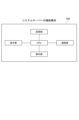
- FIG. 1 shows a conceptual diagram of the network of the system of the present invention.
- FIG. 2 shows a functional configuration diagram of a server used in the system of the present invention.
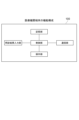
- FIG. 3 shows a configuration diagram of a medical institution terminal used in the system of the present invention.
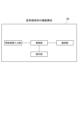
- FIG. 4 shows a functional configuration diagram of a patient-side terminal (wearable electronic terminal) used in the system of the present invention.
- FIG. 5 shows an example of a display screen of the system server used in the system of the present invention.
- FIG. 6 shows an example of a display screen of a patient-side terminal (wearable electronic terminal) used in the system of the present invention.
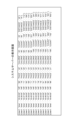
- FIG. 7 shows an example of the SF-36 questionnaire used in the system of the present invention.
- FIG. 1 shows a conceptual diagram of the network of the system of the present invention.
- FIG. 2 shows a functional configuration diagram of a server used in the system of the present invention.
- FIG. 3 shows a configuration diagram of a medical institution terminal used in the system of the present
- FIG. 8 shows an example of an RDQ questionnaire used in the system of the present invention.
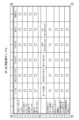
- FIG. 9 shows the relationship between the evaluation score based on the back pain interview used in the system of the present invention, the corresponding rehabilitation index, and the rehabilitation program.
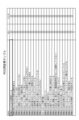
- FIG. 10 shows the target heart rate and calories burned for a patient who walked 1 km in one embodiment of the present invention.
- FIG. 10(A) shows the case of a male patient
- FIG. 10(B) shows the case of a female patient.
- FIG. 11 illustrates a method for selecting and updating rehabilitation programs in one embodiment of the present invention.
- FIG. 12 shows the question items of the medical questionnaire used in one embodiment of the present invention.
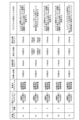
- FIG. 13 shows a grade-based configuration of rehabilitation programs registered in the memory of the system server in one embodiment of the present invention.
- FIG. 14 shows a method for determining a motion target value in one embodiment of the present invention.
- independent exercise refers to exercise that patients can perform on their own under the guidance of a doctor or physical therapist, including muscle strength-building exercise, muscular endurance-building exercise, and cardiopulmonary capacity-building exercise (whole body endurance exercise).
- Strength-enhancing exercise Includes flexibility-improving exercise, dexterity-improving exercise, coordination-improving exercise, and running ability-improving exercise. Walking exercise falls under muscle strength building, muscular endurance building exercise, and cardiopulmonary capacity building exercise, while standing up from a chair falls under muscle strength building and muscular endurance building exercise.
- Health-related QOL refers to the impact that a disease or treatment has on a patient's subjective sense of health (mental health, vitality, pain, etc.) and daily work, housework, and social activities. It is a quantification of how much is being given.
- Health-related QOL scale refers to a scale used to objectively evaluate health-related QOL, including disease-nonspecific scales (e.g. SF-36) and disease-specific scales (e.g. SF-36). :RDQ) is used.
- the "evaluation score” refers to a total score that quantitatively evaluates the patient's health condition based on the patient's answers to each question on the medical questionnaire, and is used as the basis for calculating the rehabilitation index.
- the questionnaire includes non-disease-specific questionnaires and/or disease-specific questionnaires, and based on the patient's responses to these questionnaires, the patient's health status is determined by a quantitative score. Evaluate by shape.
- the evaluation score can be calculated by oneself while taking into consideration the score distribution of the doctor's or physical therapist's questionnaire.
- a doctor or physical therapist can add numerical values based on the patient's gender, age, height, weight, etc. to the evaluation score (see FIG. 12).
- a "non-disease-specific score” is a score obtained through an interview based on a health-related QOL evaluation scale, regardless of the specific disease the patient has.
- SF-36 is typically used as a disease non-specific score (see Figure 7).
- a "disease-specific score” is a score calculated in relation to a specific disease that a patient has, and is calculated based on a score obtained through an interview based on a disease-specific QOL scale.
- the RDQ Roland-Morris Disability Questionnaire
- the RDQ is a scale for patients to quantitatively evaluate the impairment in daily life caused by low back pain (see Figure 8).
- patient profile refers to patient characteristics that should be taken into consideration when determining the exercise load of a rehabilitation program prescribed to the patient, such as the patient's gender, age, height, weight, and resting heart rate.
- each patient's profile can be reflected in the patient's evaluation score by including the patient's profile in the question items of the medical questionnaire and assigning a score to the answers to the questions. .
- the term "rehabilitation index” refers to an index calculated on a plurality of scales based on predetermined criteria based on evaluation scores quantitatively evaluated using a questionnaire.
- the SF-36 when used as a questionnaire, the SF scores are divided into 10 stages, with 1 to 10 being a rehabilitation index of 1, 11 to 20 being a rehabilitation index of 2, and 21 to 20 being a rehabilitation index of 2.
- 30 is rehabilitation index 3
- 31-40 rehabilitation index 4
- 41-50 is rehabilitation index 5
- 51-60 is rehabilitation index 6
- 61-70 rehabilitation index 7
- 71-80 rehabilitation index 8
- 81-90 rehabilitation index
- the rehabilitation index is 9, and 91 to 100 is the rehabilitation index 10 (see Figure 9).
- the rehabilitation index for that patient is 5.
- the sum of the SF-36 evaluation score and the RDQ evaluation score is 2.
- the rehabilitation index of the patient is 4.
- the exercise load (grade) of the rehabilitation program initially prescribed to the patient is determined based on the rehabilitation index (see FIG. 13).
- the causes of diseases such as low back pain include not only disease-specific factors with clear causes, but also non-disease-specific factors with unclear causes.
- RDQ is an evaluation standard related to the patient's low back disease, but low back pain may be caused by factors other than low back disease, so it is necessary to evaluate it using non-disease-specific scales.
- an orthopedic patient's disease is investigated using both interview items based on disease-specific scales and interview items based on non-disease-specific scales, and based on the interview results based on both question items.
- a rehabilitation index is calculated, and a rehabilitation program for a patient with a specific disease is selected based on the rehabilitation index thus calculated.
- the physician or physical therapist in addition to interview scores using the SF-36, RDQ, etc., the physician or physical therapist takes into account other characteristics or profiles of the patient that are not assessed in such interviews. , the rehabilitation index can be finally determined. For example, if the patient is elderly and has a heavy weight relative to his/her height, it is preferable that the rehabilitation program to be prescribed be one with a light load, so the rehabilitation index should be smaller than the one calculated from the interview score. be able to.
- the term "exercise target value” refers to a target value that is expected to be exhibited by a patient who performs an exercise instructed in a rehabilitation program prescribed to the patient.
- the exercise target values are set as a target heart rate, a target calorie consumption, a target walking distance, a target walking speed, and a target number of steps.
- the exercise target value is calculated based on the patient's profile (age, gender, height, weight, resting heart rate) input into the system server.
- FIG. 14 shows an example of a method for determining a motion target value in the present invention.
- the term "target heart rate” refers to the heart rate that is expected to be exhibited by a patient who performs the exercises instructed in the rehabilitation program prescribed to the patient.
- a patient's heart rate increases when the stress exerted by exercise is high, and decreases when the stress is low.
- the load placed on a patient by performing a prescribed exercise varies depending on the gender, age, height, weight, etc. of each individual patient, so in the present invention, the target heart rate is determined based on the patient's resting heart rate. It is set according to the patient's gender, age, height, weight, etc.
- a heart rate measurement collected by a wearable electronic terminal worn on the body of a patient who has performed walking exercises as instructed in a prescribed rehabilitation program exceeds a target heart rate; , the exercise is considered too demanding for the patient. Conversely, if the collected heart rate measurements are below the target heart rate by a certain amount or more, the exercise is determined to be too low load for the patient.
- target calorie consumption refers to the calorie expected to be consumed by a patient who performs the exercise instructed in the rehabilitation program prescribed to the patient.
- a patient's calorie consumption increases when the load imposed by exercise is large, and decreases when the load is small.
- the load placed on a patient by performing a prescribed exercise varies depending on the gender, age, height, weight, etc. of each individual patient. Therefore, in the present invention, the target calorie consumption is determined according to the patient's gender, age, height, weight, etc. is set.
- a measurement of calorie expenditure collected by a wearable electronic terminal worn on the body of a patient who performs the exercises prescribed in a prescribed rehabilitation program exceeds a target calorie expenditure.
- the exercise is determined to be too demanding for the patient, and conversely, if the collected measured calorie expenditure is below the target calorie expenditure by a certain amount, the exercise is determined to be too low for the patient. It is judged that.
- target walking distance refers to the distance that a patient is expected to walk within a predetermined period of time after performing a walking exercise instructed in a rehabilitation program prescribed to the patient.
- the target walking distance can be set according to the target number of steps by gender and age published by the Ministry of Health, Labor and Welfare.
- the measured value of walking distance collected by a wearable electronic terminal attached to the body of a patient who performed walking exercises instructed in a prescribed rehabilitation program is less than the target walking distance, The exercise is determined to be too demanding for the patient. Conversely, if the collected measured walking distance exceeds the target walking distance by a certain amount or more, the exercise is determined to be too low load for the patient.
- target walking speed refers to the expected walking speed when a patient walks within a predetermined period of time after performing a walking exercise instructed in a rehabilitation program prescribed to the patient.
- the target walking speed can be set according to the target number of steps by gender and age published by the Ministry of Health, Labor and Welfare.
- the measured value of walking speed collected by a wearable electronic terminal attached to the body of a patient who performed walking exercises instructed in a prescribed rehabilitation program is lower than the target walking speed, The exercise is determined to be too demanding for the patient.
- the collected walking speed measurement value exceeds the target walking speed by a certain amount or more, the exercise is determined to be too low load for the patient.
- the "target number of steps” refers to the number of steps expected for a patient to walk within a predetermined period of time after performing a walking exercise instructed in a rehabilitation program prescribed to the patient.
- the target number of steps can be set according to the target number of steps by gender and age published by the Ministry of Health, Labor and Welfare.
- the exercise is stopped. , the burden is judged to be too high for the patient.
- the collected measured value of the number of steps exceeds the target number of steps by a certain amount or more, it is determined that the exercise is too low in load for the patient.
- FIG. 1 shows a network configuration of a system according to one embodiment of the present invention.
- the system server 100 is in communication with the medical institution terminal 10 and the wearable electronic terminals 21, 22, and 23 worn on the patient's body, either wirelessly or by wire.
- FIG. 2 shows the functional configuration of the system server 100.
- the CPU of the system server 100 processes the data received from the medical institution terminal 10 and the wearable devices 21, 22, 23, and sends the results to the medical institution terminal 10 and the wearable electronic terminal 21 attached to the patient's body.
- FIG. 3 shows the functional configuration of the medical institution terminal 20. As shown in FIG. It is equipped with an SF 36, an interview result input section for inputting the interview results based on RDQ, and a communication section for transmitting data to the system server 100.
- FIG. 4 shows the functional configuration of a wearable terminal (wearable device) 20 that is worn on a patient's body.
- FIG. 5 shows an example of a display screen of the system server 100 used in one embodiment of the present invention
- FIG. 6 shows a wearable electronic terminal attached to a patient's body used in one embodiment of the present invention.
- An example of a display screen of the machine 20 is shown.
- FIG. 7 shows an example of the SF-36 questionnaire used in one embodiment of the present invention
- FIG. 8 shows an example of the RDQ questionnaire used in one embodiment of the present invention.
- a patient's health condition is quantitatively evaluated by the sum of scores given based on answers to questions on the SF-36 questionnaire and the RDQ questionnaire.
- the memory of the system server 100 stores a plurality of rehabilitation programs with different contents depending on the type of patient's disease (low back pain, knee pain, sprain, osteoarthritis, Achilles tendon rupture, etc.). Registered. Furthermore, the rehabilitation programs registered for each disease include exercise programs divided into multiple grades depending on the patient's quantitatively evaluated health condition.
- FIG. 13 shows one example of the structure of the rehabilitation program of the present invention.
- the grade of the rehabilitation program to be prescribed for the patient is selected.
- a predetermined method determines the exercise target value expected of the patient when the prescribed rehabilitation program is executed.
- Figure 14 shows an example of determining the target heart rate, target calorie consumption, target walking distance, target walking speed, and target number of steps based on the patient's profile (age, gender, height, weight, and resting heart rate). show. It is possible to input an input that modifies the exercise target value calculated in this way. Alternatively, it is also possible for a doctor or physical therapist to set exercise target values for each individual patient based on their own professional judgment.
- the measurement data of the patient's exercise biometric information received from the electronic terminal is compared with the exercise target value determined based on the patient's profile, and as a result, the load due to the exercise instructed in the prescribed rehabilitation program is determined to be excessive or insufficient for the patient. determine whether it was a thing or not. If it is determined that the load is excessive, a rehabilitation program with one lower load grade is proposed, and if it is determined to be too low, a rehabilitation program with one higher load grade is proposed.
- Criteria for determining whether the exercise load is excessive or insufficient for the patient can be set by the user of the system/apparatus of the present invention based on professional judgment in orthopedic medicine. Examples of cases in which the load of walking exercise is determined to be excessive include the following five items: heart rate after walking, calories burned, walking distance, walking speed, and number of steps: 1. 1 point will be given if the measured heart rate is 20 or more times lower than the target heart rate, 100 points will be given if it is 20 or more times higher than the target heart rate, and 10 points will be given in other cases. 2.
- the measured calorie consumption is 20kcal or more lower than the target calorie consumption, 1 point will be given, if it is 20kcal or more higher than the set value, 100 points will be given, and in other cases, 10 points will be given. 3. If the measured walking distance meets the target walking distance (target value by gender and age), 10 points will be awarded, and if it does not, 100 points will be awarded. 4. If the measured walking speed meets the target walking speed (target value by gender and age), 10 points will be given, and if it does not, 100 points will be given. 5. If the measured step count meets the target step count (target value by gender and age), 10 points will be awarded, and if it does not, 100 points will be awarded.
- the possible value pattern is 31 points or 32 points, and a score of 40 points or less is determined to be low.
- the load due to exercise is large, it is determined that the load is heavy if you score 100 points in two or more items for heart rate, calorie consumption, walking distance, walking speed, and number of steps.
- a 65-year-old man came to the clinic with lower back pain.
- he was 170 cm tall, weighed 85 kg, had an SF-36 score of PCS of 48, and an RDQ score of 38.
- the evaluation score obtained by summing the two and dividing the two by 2 was 43, and the rehabilitation index was determined to be 3 based on the interview results.
- a program of walking 1 km for 20 minutes three times a week was selected (see Figures 9 and 11).
- the target heart rate for the selected rehabilitation program was set at 150/min, and the target calorie consumption was set at 110 kcal (see Figure 10).
- the target heart rate for the rehabilitation program was selected based on the female patient's resting heart rate, height, and weight, and the target heart rate was set at 155/min, and the target calorie consumption was set at 110 kcal.
Landscapes
- Health & Medical Sciences (AREA)
- Life Sciences & Earth Sciences (AREA)
- Biophysics (AREA)
- Physical Education & Sports Medicine (AREA)
- Engineering & Computer Science (AREA)
- Epidemiology (AREA)
- General Health & Medical Sciences (AREA)
- Medical Informatics (AREA)
- Primary Health Care (AREA)
- Public Health (AREA)
- Rehabilitation Tools (AREA)
Abstract
【課題】整形外科患者のための継続的リハビリプログラムを遠隔診療システムで提供する。 【解決手段】 健康関連QOL評価尺度を用いた問診表に基づいて算出されたスコアによって患者の健康状態を定量的に評価した評価スコアに基づいて患者に適したリハビリプログラムを選択し、その後、選択されたリハビリプログラムの運動を実行した患者の健康状態を患者の体に装着された着用型電子端末機によって収集し、収集したデータがリハビリプログラムに設定された運動目標値を満たしているかどうかを判断することによって、選択したリハビリプログラムを、患者の体により適した負荷がかかるプログラムに更新する。
Description
本発明は、自立運動が可能な整形外科患者のためのリハビリプログラムの選択と実行を支援する遠隔診療支援システムと方法に関するものである。
運動器疾患・障害の整形外科患者は、疾患の治療が完了した後も運動能力が低下しているので、患者の健康状態を回復するためには、一定期間のリハビリが必要である。リハビリは、疾患の治療が完了した後における患者の健康状態と運動機能の回復を目的として行われる。
自立歩行が可能な整形外科患者に対するリハビリ指導は、医師が患者を診察して、診察によって確認された患者の状態に合わせた歩行運動の指導として提供される。リハビリは、疾患の種類と程度にもよるが通常数か月以上かかり、患者の状態は回復の過程で変動するので、リハビリの期間中患者は定期的に医療機関に通院して診察を受けて、その時々における患者の状態を確認し、その状態に適合したリハビリプログラムに更新していかなければならない。その結果、患者は長期間にわたって定期的に通院して診察を受けることを余儀なくされ、病院は外来患者で常に混みあっている状況である。
近時、患者に対するリハビリ指導にコンピュータネットワークシステムを用いた遠隔診療システムを用いることが提案されている。コンピュータネットワークを介して患者に動画を配信することによって、患者は病院に通院することなくして容易かつ効果的にリハビリ指導を受けることが可能である。
遠隔診療システムでは、医師は患者と直接面談して触診することができないので、診察には問診を用いることができる。問診は、予め用意した多数の質問項目について患者に回答を求め、質問に対する患者の回答に基づいて患者の状態を把握する。現在用いられている問診表は、患者の健康状態を健康関連QOL尺度(例SF-36)に従って作成された質問項目と、患者の有する疾患に関連する疾患特異的尺度(例RDQ)に従って作成された質問項目とからなる。医療現場において患者の疾患の回復状態を評価するためには、両尺度を組み合わせて用いる場合が多い。
患者の疾患の回復状態に応じたリハビリ指導をするためには、問診の評価結果は定量的なデータとして提出されることが望ましい。SF-36は、健康関連QOL(HRQOL: Health Related Quality of Life)を定量的に評価するための科学的で信頼性・妥当性を持つ尺度である。RDQ(Roland-Morris Disability Questionnaire)は、腰痛による日常生活の障害を患者自身が定量的に評価する尺度である。 これらの尺度は多数の質問項目からなり、質問に対する回答に基づいて患者の疾患の回復状態を各質問に割り振られたスコアの合計値によって評価する。これらの尺度に基づく患者の疾患の回復状態の定量的評価は国際的に承認された信頼性が高いものである。
しかし、問診は問診表の質問項目が如何に適切に作成されていても、患者の自己申告に頼るものであり、問診の結果が正しいためには、患者が質問内容を正確に理解する能力を有していて、尚且つ質問された事項に関して患者が自らの健康状態を正確に認識していることが必要である。患者が認知症を患っている老人であるような場合には、多数の質問について回答を求めること自体が難しい。それ故、問診表の使用には自ずから限界があり、そのことが、遠隔診療システムを用いて、患者に適切なリハビリ指導を行う上で大きな障害であった。
腰痛症のリハビリテーションに必須の評価法と活用法 工藤大輔、島田洋一Jpn Rehabil Med 2017: 54:835-840 Vol.54 No. 11 2017
以上のような状況下で、医師又は理学療法士が問診表に完全に頼ることなく患者の健康状態を定量的に評価して、その定量的評価結果に基づいてリハビリプログラムを処方し、患者が処方されたリハビリプログラムで指示された自立運動を遂行していく過程で、患者のその時々の状態の評価を更新し、更新された評価に基づいて患者に処方するリハビリプグラムを更新することができる遠隔診療支援システムが求められていた。
本発明の発明者等は、自立運動が可能な整形外科患者のためのリハビリプログラムの選択と実行を支援する遠隔診療支援システムであって、
医療機関に設置されたシステムサーバーと、患者の体に装着されて患者の運動生体情報を収集して前記システムサーバーに無線で測定データを送信可能な着用型電子端末機を含み、
前記システムサーバーは、
患者のプロファイルと疾患の種類の入力を受け付ける手段と、
患者の健康状態を定量的に評価した評価スコアの入力を受け付け、前記入力された評価スコアに基づいて前記患者のリハビリ指数を決定する手段と、
自立運動を実行した患者の運動生体情報の測定データを前記着用型電子端末機から受信する手段と、
患者の疾患の種類と健康状態に応じて作成された複数のリハビリプログラムを記憶したメモリを備えており、前記複数のリハビリプログラムは、プログラムで指示された自立運動を実行することによって患者にかかる負荷の大きさに応じた複数のグレードから構成されており、各グレードには患者の健康状態の評価スコアに基づいて決定されるハビリ指数が登録されており、
前記システムは、
前記メモリに記憶された複数のリハビリプログラムの中から前記患者に処方するグレードのリハビリプログラムを、前記入力された患者の疾患の種類とリハビリ指数に基づいて選択し、
前記患者が前記選択されたリハビリプログラムで指示された自立運動を実行した場合に示すことが期待される運動目標値を、前記入力された患者のプロファイルに基づいて決定し、
前記選択されたグレードのリハビリプログラムで指示された自立運動を実行した患者の運動生体情報の測定データを前記着用型電子端末機によって収集して前記システムサーバーに送信し、
前記患者から収集された運動生体情報の測定データと前記患者の前記決定された運動目標値を比較して、前記選択されたリハビリプログラムが指示する自立運動の負荷が所定の基準に照らして患者にとって過剰又は過少であると判断される場合には、前記選択されたリハビリプログラムよりも患者に対する負荷が低い又は高いグレードのリハビリプログラムを提案する、
前記自立運動が可能な整形外科患者のためのリハビリプログラムの選択と実行を支援する遠隔診療支援システム、という発明に到達した。
医療機関に設置されたシステムサーバーと、患者の体に装着されて患者の運動生体情報を収集して前記システムサーバーに無線で測定データを送信可能な着用型電子端末機を含み、
前記システムサーバーは、
患者のプロファイルと疾患の種類の入力を受け付ける手段と、
患者の健康状態を定量的に評価した評価スコアの入力を受け付け、前記入力された評価スコアに基づいて前記患者のリハビリ指数を決定する手段と、
自立運動を実行した患者の運動生体情報の測定データを前記着用型電子端末機から受信する手段と、
患者の疾患の種類と健康状態に応じて作成された複数のリハビリプログラムを記憶したメモリを備えており、前記複数のリハビリプログラムは、プログラムで指示された自立運動を実行することによって患者にかかる負荷の大きさに応じた複数のグレードから構成されており、各グレードには患者の健康状態の評価スコアに基づいて決定されるハビリ指数が登録されており、
前記システムは、
前記メモリに記憶された複数のリハビリプログラムの中から前記患者に処方するグレードのリハビリプログラムを、前記入力された患者の疾患の種類とリハビリ指数に基づいて選択し、
前記患者が前記選択されたリハビリプログラムで指示された自立運動を実行した場合に示すことが期待される運動目標値を、前記入力された患者のプロファイルに基づいて決定し、
前記選択されたグレードのリハビリプログラムで指示された自立運動を実行した患者の運動生体情報の測定データを前記着用型電子端末機によって収集して前記システムサーバーに送信し、
前記患者から収集された運動生体情報の測定データと前記患者の前記決定された運動目標値を比較して、前記選択されたリハビリプログラムが指示する自立運動の負荷が所定の基準に照らして患者にとって過剰又は過少であると判断される場合には、前記選択されたリハビリプログラムよりも患者に対する負荷が低い又は高いグレードのリハビリプログラムを提案する、
前記自立運動が可能な整形外科患者のためのリハビリプログラムの選択と実行を支援する遠隔診療支援システム、という発明に到達した。
本発明の発明者者等はさらに、自立運動が可能な整形外科患者のためのリハビリプログラムの選択と実行を支援する遠隔診療支援方法であって、
医療機関に設置されたシステムサーバーと、患者の体に装着されて患者の運動生体情報を収集して前記システムサーバーに無線で測定データを送信可能な着用型電子端末機を用意し、
前記システムサーバーには、患者のプロファイルと疾患の種類の入力を受け付ける手段と、患者の健康状態を定量的に評価した評価スコアの入力を受け付け、前記入力された評価スコアに基づいて前記患者のリハビリ指数を決定する手段と、自立運動を実行した患者の運動生体情報の測定データを前記着用型電子端末機から受信する手段と、患者の疾患の種類と健康状態に応じて作成された複数のリハビリプログラムを記憶したメモリを備えており、前記複数のリハビリプログラムは、プログラムで指示された自立運動を実行することによって患者にかかる負荷の大きさに応じた複数のグレードから構成されており、前記リハビリプログラムの各グレードには患者の健康状態の評価スコアに応じたリハビリ指数が登録されており、
前記方法は、
前記メモリに記憶された複数のリハビリプログラムの中から前記患者に処方するグレードのリハビリプログラムを、前記患者の疾患の種類とリハビリ指数に基づいて選択し、
前記入力されたプロファイルを有する前記患者が前記選択されたリハビリプログラムで指示された自立運動を実行した場合に示すことが期待される運動目標値を所定の方法によって決定して、前記選択されたリハビリプログラムに登録し、
前記選択されたリハビリプログラムで指示された自立運動を実行した患者の運動生体情報の測定データを前記着用型電子端末機によって収集して前記システムサーバーに送信し、
前記収集された運動生体情報の測定データと前記選択されたリハビリプログラムに登録されている前記運動目標値を比較して、前記選択されたリハビリプログラムが指示する自立運動の負荷が所定の基準に照らして患者にとって過剰又は過少であると判断される場合には、前記選択されたリハビリプログラムよりも患者に対する負荷が低い又は高いグレードのリハビリプログラムを提案する、
前記自立運動が可能な整形外科患者のためのリハビリプログラムの選択と実行を支援する遠隔診療支援方法、という発明に到達した。
医療機関に設置されたシステムサーバーと、患者の体に装着されて患者の運動生体情報を収集して前記システムサーバーに無線で測定データを送信可能な着用型電子端末機を用意し、
前記システムサーバーには、患者のプロファイルと疾患の種類の入力を受け付ける手段と、患者の健康状態を定量的に評価した評価スコアの入力を受け付け、前記入力された評価スコアに基づいて前記患者のリハビリ指数を決定する手段と、自立運動を実行した患者の運動生体情報の測定データを前記着用型電子端末機から受信する手段と、患者の疾患の種類と健康状態に応じて作成された複数のリハビリプログラムを記憶したメモリを備えており、前記複数のリハビリプログラムは、プログラムで指示された自立運動を実行することによって患者にかかる負荷の大きさに応じた複数のグレードから構成されており、前記リハビリプログラムの各グレードには患者の健康状態の評価スコアに応じたリハビリ指数が登録されており、
前記方法は、
前記メモリに記憶された複数のリハビリプログラムの中から前記患者に処方するグレードのリハビリプログラムを、前記患者の疾患の種類とリハビリ指数に基づいて選択し、
前記入力されたプロファイルを有する前記患者が前記選択されたリハビリプログラムで指示された自立運動を実行した場合に示すことが期待される運動目標値を所定の方法によって決定して、前記選択されたリハビリプログラムに登録し、
前記選択されたリハビリプログラムで指示された自立運動を実行した患者の運動生体情報の測定データを前記着用型電子端末機によって収集して前記システムサーバーに送信し、
前記収集された運動生体情報の測定データと前記選択されたリハビリプログラムに登録されている前記運動目標値を比較して、前記選択されたリハビリプログラムが指示する自立運動の負荷が所定の基準に照らして患者にとって過剰又は過少であると判断される場合には、前記選択されたリハビリプログラムよりも患者に対する負荷が低い又は高いグレードのリハビリプログラムを提案する、
前記自立運動が可能な整形外科患者のためのリハビリプログラムの選択と実行を支援する遠隔診療支援方法、という発明に到達した。
好ましくは、前記運動目標値は、患者の目標心拍数、目標消費カロリー、目標歩行距離、目標歩行速度、目標歩数の全部又は一部である。
好ましくは、前記リハビリプログラムは、患者が一日又は一週間に所定の回数所定の時間継続して自立運動を行うプログラムを含む。
好ましくは、前記選択されたリハビリプログラムで指示された自立運動を実行した患者の心拍数、消費カロリー、歩行距離、歩行速度及び歩数の測定データのいずれか一つがそれぞれの目標値を満たさない場合には、前記自立運動の負荷は前記患者にとって過剰であると判断し、前記処方されたリハビリプログラムよりも患者に対する負荷が一つ低いグレードの自立運動を指示するリハビリプログラムを提案する。
好ましくは、前記選択されたリハビリプログラムで指示された自立運動を実行した患者の心拍数、消費カロリー、歩行距離、歩行速度及び歩数の測定データのいずれか一つがそれぞれの目標値を2回以上連続して満たさない場合には、前記自立運動の負荷は前記患者にとって過剰であると判断し、前記処方されたリハビリプログラムよりも患者に対する負荷が一つ低いグレードの自立運動を指示するリハビリプログラムを提案する。
好ましくは、前記着用型電子端末機は、患者が所定の時間に歩行した歩行距離を測定し、リハビリプログラムで指示された歩行運動で指示された目標行距離と患者が実際に歩行した距離とを比較して、患者が実際に歩行した距離が目標歩行距離に満たない場合には前記自立運動の負荷は前記患者にとって過剰であると判断し、前記処方されたリハビリプログラムよりも患者に対する負荷が一つ低いグレードの自立運動を指示するリハビリプログラムを提案する。
好ましくは、前記運動生体情報は、患者の心拍数及び/又は消費カロリーの測定データを含む。
好ましくは、前記リハビリプログラムで指示された運動は歩行運動であり、前記運動生体情報は、患者の歩行距離及び/又は歩数の測定データを含む。
好ましくは、前記評価スコアは、問診表に対する回答に基づいて、患者の健康関連QOL(Health Related Quality of Life)を定量的に評価したスコアである。
好ましくは、前記患者の健康関連QOLは、疾患特異的尺度と疾患非特異的尺度を用いて評価する。
好ましくは、前記リハビリ指数は、疾患特異的尺度による評価スコアと疾患非特異的尺度による評価スコアの平均値に基づいて算出される。
好ましくは、前記評価スコアは、医師又は理学療法士が前記患者の健康状態に加えて患者の性別、年齢、身長、体重、安静時心拍数等の患者のプロファイルを考慮して決める。
好ましくは、前記システムのシステムサーバーは、表示画面を備えた電子端末機と接続されており、前記リハビリプログラムは前記電子端末機を介して動画として患者に処方される。
好ましくは、前記患者の疾患は、腰痛、膝痛、捻挫、変形性関節症、又はアキレス腱断裂を含む。
好ましくは、前記着用型電子端末機によって所定の時間に患者が歩行した歩行距離を測定し、リハビリプログラムで指示された歩行運動で指示された目標行距離と患者が実際に歩行した距離とを比較して、患者が実際に歩行した距離が目標歩行距離に満たない場合には、前記処方されたリハビリプログラムよりも患者に対する負荷が一つ低いグレードの自立運動を指示する。
好ましくは、前記着用型電子端末機によって所定の時間に患者が歩行した歩行距離を測定し、リハビリプログラムで指示された歩行運動で指示された目標行距離と患者が実際に歩行した距離とを比較して、患者が実際に歩行した距離が目標歩行距離を一定以上上回る場合には、前記処方されたリハビリプログラムよりも患者に対する負荷が一つ高いグレードの自立運動を指示する。
好ましくは、前記システムは患者が前記処方されたリハビリプログラムで指示された自立運動をその実行期間内において忠実に実行していたかどうかを判断し、その判断結果を患者に提供する。
本発明のシステムと方法は、患者の健康状態を信頼性が高い方法で定量的に評価し、その定量的評価値と患者の体に装着された着用型電子端末機によって収集された測定値に基づいて、リハビリプログラムを選択・更新するので、信頼性が高く、安全に使用することができる。
本発明のシステムと方法は、リハビリプログラムに個々の患者のプロファイルに応じた運動目標値を設定し、患者の体に装着された着用型電子端末機によって収集された患者の運動生体情報の測定データが前記運動目標値の範囲内か否かを判断するので、個々の患者の特徴に合わせて自立運動を選択して更新することが可能である。
本発明のシステムと方法は、患者の健康状態を健康関連QOL尺度に従って問診して得られた疾患非特異的スコアと、疾患特異的尺度に従って得られた疾患特異的スコアの両者に基づいて患者の状態を把握するので、患者の疾患の回復状況に応じたレベルのリハビリプログラムを選択することができる。
本発明のシステムと方法は、問診によって得られた患者の健康状態の評価スコアに個々の患者の年齢、身長、体重等の特徴をスコアとして加えた結果を評価スコアし、その評価スコアに基づいてリハビリ指数を算出することができるので、複数のリハビリプログラムの中から個々の患者の特徴に適合したリハビリプログラムを選択することができる。
本発明のシステムと方法は、リハビリプログラムを選択するために、患者に対する問診に加えて、患者の体に装着された着用型電子端末機によって収集されたデータから患者の運動能力を測定し、リハビリ指数と共に患者から測定した運動能力を満たすリハビリプログラムを選択するので、問診に依存するシステムに比べて信頼性と安全性に優れている。
以下、図面を参照しながら本発明を実施するための形態について詳細に説明する。
定義
定義
<自立運動>
本発明において、「自立運動」とは、患者が医師又は理学療法士の指導のもとに自ら行うことができる運動をいい、筋力増強運動、筋持久力増強運動、心肺能力増強運動(全身持久力増強運動)柔軟性向上運動、巧緻性改善運動、協調性改善運動、走能力向上運動を含む。歩行運動は筋力増強、筋持久力増強運動、心肺能力増強運動に該当し、椅子から立ち上がり運動は筋力増強、筋持久力増強運動に該当する。
本発明において、「自立運動」とは、患者が医師又は理学療法士の指導のもとに自ら行うことができる運動をいい、筋力増強運動、筋持久力増強運動、心肺能力増強運動(全身持久力増強運動)柔軟性向上運動、巧緻性改善運動、協調性改善運動、走能力向上運動を含む。歩行運動は筋力増強、筋持久力増強運動、心肺能力増強運動に該当し、椅子から立ち上がり運動は筋力増強、筋持久力増強運動に該当する。
<健康関連QOL評価尺度>
本発明において「健康関連QOL」とは、疾患や治療が,患者の主観的健康感(メンタルへルス,活力,痛み,など)や,毎日行っている仕事,家事,社会活動にどのようなインパクトを与えているかを定量化したものをいう。「健康関連QOL評価尺度」とは、健康関連QOLを客観的に評価するために用いられる尺度をいい、それには、疾患非特異的尺度(例:SF-36)と、疾患特異的尺度(例:RDQ)が使用されている。
本発明において「健康関連QOL」とは、疾患や治療が,患者の主観的健康感(メンタルへルス,活力,痛み,など)や,毎日行っている仕事,家事,社会活動にどのようなインパクトを与えているかを定量化したものをいう。「健康関連QOL評価尺度」とは、健康関連QOLを客観的に評価するために用いられる尺度をいい、それには、疾患非特異的尺度(例:SF-36)と、疾患特異的尺度(例:RDQ)が使用されている。
<評価スコア>
本発明において、「評価スコア」は問診表の各質問に対する患者の回答に基づいて患者の健康状態を定量的に評価した合計スコアをいい、リハビリ指数を算出するための基礎として用いられる。本発明の好ましい実施態様において、問診表は非疾患特異的質問項目及び/又は疾患特異的質問項目を含み、これらの質問項目に対する患者による回答に基づいて、患者の健康状態を定量的なスコアの形で評価する。しかし、患者から多数の質問項目に対する回答を得るのが難しいような場合には、医師又は理学療法士問診表のスコア配分を考慮しながら評価スコアを自ら算出することもできる。さらに、評価スコアには、医師又は理学療法士が患者の性別、年齢、身長、体重等に基づいた数値を加味することができる(図12参照)。
本発明において、「評価スコア」は問診表の各質問に対する患者の回答に基づいて患者の健康状態を定量的に評価した合計スコアをいい、リハビリ指数を算出するための基礎として用いられる。本発明の好ましい実施態様において、問診表は非疾患特異的質問項目及び/又は疾患特異的質問項目を含み、これらの質問項目に対する患者による回答に基づいて、患者の健康状態を定量的なスコアの形で評価する。しかし、患者から多数の質問項目に対する回答を得るのが難しいような場合には、医師又は理学療法士問診表のスコア配分を考慮しながら評価スコアを自ら算出することもできる。さらに、評価スコアには、医師又は理学療法士が患者の性別、年齢、身長、体重等に基づいた数値を加味することができる(図12参照)。
<疾患非特異的スコア>
本発明において「疾患非特異的スコア」とは、患者の有する特定の疾患とはかかわりあいなく、健康関連QOL評価尺度に基づく問診によって得られたスコアである。SF-36は、疾患非特異的スコアとして代表的に用いられている(図7参照)。
本発明において「疾患非特異的スコア」とは、患者の有する特定の疾患とはかかわりあいなく、健康関連QOL評価尺度に基づく問診によって得られたスコアである。SF-36は、疾患非特異的スコアとして代表的に用いられている(図7参照)。
<疾患特異的スコア>
本発明において「疾患特異的スコア」とは、患者の有する特定の疾患との関係で算出されるスコアであり、疾患特異的QOL尺度に基づく問診によって得られたスコアに基づいて算出される。RDQ(Roland-Morris Disability Questionnaire)は、腰痛による日常生活の障害を患者自身が定量的に評価する尺度である(図8参照)。
本発明において「疾患特異的スコア」とは、患者の有する特定の疾患との関係で算出されるスコアであり、疾患特異的QOL尺度に基づく問診によって得られたスコアに基づいて算出される。RDQ(Roland-Morris Disability Questionnaire)は、腰痛による日常生活の障害を患者自身が定量的に評価する尺度である(図8参照)。
<患者のプロファイル>
本発明において「患者のプロファイル」とは、患者の性別、年齢、身長、体重、安静時心拍数等、患者に処方するリハビリプログラムの運動負荷を決定するにあたって考慮されるべき患者の特徴をいう。本発明の実施態様において、患者のプロファイルを問診表の質問項目の中に入れて、その質問に対する回答にスコアを付与することによって、個々の患者のプロファイルを患者の評価スコアに反映させることができる。
本発明において「患者のプロファイル」とは、患者の性別、年齢、身長、体重、安静時心拍数等、患者に処方するリハビリプログラムの運動負荷を決定するにあたって考慮されるべき患者の特徴をいう。本発明の実施態様において、患者のプロファイルを問診表の質問項目の中に入れて、その質問に対する回答にスコアを付与することによって、個々の患者のプロファイルを患者の評価スコアに反映させることができる。
<リハビリ指数>
本発明において「リハビリ指数」とは、問診表を用いて定量的に評価した評価スコアに基づいて所定の基準で複数のスケールで算出したものをいう。本発明の好ましい実施例において、問診表としてSF-36を用いる場合は、SFのスコア1~100を十段階に分けて、1~10がリハビリ指数1,11~20がリハビリ指数2,21~30がリハビリ指数3,31~40がリハビリ指数4,41~50がリハビリ指数5,51~60がリハビリ指数6,61~70がリハビリ指数7,71~80がリハビリ指数8,81~90がリハビリ指数9,91~100がリハビリ指数10,とする(図9参照)。特定の患者をSF-36で問診した結果のスコア合計が43であれば、当該患者のリハビリ指数は5となる。図9を参照して、問診に疾患非特異的スコア(SF-36)と疾患特異的スコア(RDQ)を用いる場合には、SF-36の評価スコアとRDQの評価スコアを合計して2で割った平均値が36であれば、当該患者のリハビリ指数は4となる。本発明では、リハビリ指数に基づいて、患者に当初処方されるリハビリプログラムの運動負荷(グレード)が決定される(図13参照)。
本発明において「リハビリ指数」とは、問診表を用いて定量的に評価した評価スコアに基づいて所定の基準で複数のスケールで算出したものをいう。本発明の好ましい実施例において、問診表としてSF-36を用いる場合は、SFのスコア1~100を十段階に分けて、1~10がリハビリ指数1,11~20がリハビリ指数2,21~30がリハビリ指数3,31~40がリハビリ指数4,41~50がリハビリ指数5,51~60がリハビリ指数6,61~70がリハビリ指数7,71~80がリハビリ指数8,81~90がリハビリ指数9,91~100がリハビリ指数10,とする(図9参照)。特定の患者をSF-36で問診した結果のスコア合計が43であれば、当該患者のリハビリ指数は5となる。図9を参照して、問診に疾患非特異的スコア(SF-36)と疾患特異的スコア(RDQ)を用いる場合には、SF-36の評価スコアとRDQの評価スコアを合計して2で割った平均値が36であれば、当該患者のリハビリ指数は4となる。本発明では、リハビリ指数に基づいて、患者に当初処方されるリハビリプログラムの運動負荷(グレード)が決定される(図13参照)。
腰痛等の疾患の原因としては、原因が明確な疾患特異的要因に加えて、原因が不明確な疾患非特異的要因が大きく関与している場合が多い。腰痛のリハビリプログラムの選択においてはRDQが患者の腰の疾患に関連する評価基準であるが、腰痛は、腰の疾患以外の要因による場合があるので、それについて疾患非特異的尺度による評価する必要がある。本発明の好ましい実施態様において、整形外科患者の疾患を、疾患特異的尺度に基づく問診項目と疾患非特異的尺度に基づく問診項目の両者によって問診し、その両者の質問項目による問診結果に基づいてリハビリ指数を算出し、そうやって算出したリハビリ指数に基づいて、特定の疾患を有する患者用のリハビリプログラムを選択する。
本発明の好ましい実施態様において、SF-36、RDQ等を用いた問診スコアに加えて、医師又は理学療法士は、そのような問診では評価されていない患者の別の特徴又はプロファイルを考慮して、リハビリ指数を最終的に決定することができる。例えば、患者が高齢でかつ身長に対して体重が重い場合には、処方するリハビリプログラムは、負荷が軽いものである方が望ましいので、リハビリ指数は、問診スコアから算出されるものよりも小さくすることができる。
<運動目標値>
本発明において「運動目標値」とは、患者に処方されたリハビリプログラムで指示された運動を実行した患者が示すことが期待される目標値をいう。本発明の一つの実施例において、運動目標値は、目標心拍数、目標消費カロリー、目標歩行距離、目標歩行速度、目標歩数として設定される。本発明において運動目標値は、システムサーバーに入力された患者のプロファイル(年齢、性別、身長、体重、安静時心拍数)に基づいて算出される。図14は、本発明における運動目標値の決定方法の一つの例を示す。
本発明において「運動目標値」とは、患者に処方されたリハビリプログラムで指示された運動を実行した患者が示すことが期待される目標値をいう。本発明の一つの実施例において、運動目標値は、目標心拍数、目標消費カロリー、目標歩行距離、目標歩行速度、目標歩数として設定される。本発明において運動目標値は、システムサーバーに入力された患者のプロファイル(年齢、性別、身長、体重、安静時心拍数)に基づいて算出される。図14は、本発明における運動目標値の決定方法の一つの例を示す。
<目標心拍数>
本発明において「目標心拍数」とは、患者に処方されたリハビリプログラムで指示された運動を実行した患者が示すことが期待される心拍数をいう。一般的傾向として、患者の心拍数は運動によってかかった負荷が大きいと増加し、負荷が小さいと少なくなる。指示された運動を行うことによって患者にかかる負荷は、個々の患者の性別、年齢、身長、体重等によって変わるので、本発明において目標心拍数は、患者の安静時心拍数をもとにして、患者の性別、年齢、身長、体重等に応じて設定される。
本発明において「目標心拍数」とは、患者に処方されたリハビリプログラムで指示された運動を実行した患者が示すことが期待される心拍数をいう。一般的傾向として、患者の心拍数は運動によってかかった負荷が大きいと増加し、負荷が小さいと少なくなる。指示された運動を行うことによって患者にかかる負荷は、個々の患者の性別、年齢、身長、体重等によって変わるので、本発明において目標心拍数は、患者の安静時心拍数をもとにして、患者の性別、年齢、身長、体重等に応じて設定される。
本発明の好ましい実施態様において、処方されたリハビリプログラムで指示された歩行運動を実行した患者の体に装着された着用型電子端末機によって収集された心拍数の測定値が目標心拍数を上回る場合には、その運動は、当該患者にとって負荷が高すぎると判断される。逆に、収集された心拍数の測定値が目標心拍数を一定以上下回る場合には、その運動は当該患者にとって負荷が低すぎると判断される。
<目標消費カロリー>
本発明において「目標消費カロリー」とは、患者に処方されたリハビリプログラムで指示された運動を実行した患者が消費することが期待されるカロリーをいう。一般的傾向として、患者の消費カロリーは運動によってかかる負荷が大きいと多くなり、負荷が小さいと少なくなる。指示された運動を行うことによって患者にかかる負荷は、個々の患者の性別、年齢、身長、体重等によって変わるので、本発明において目標消費カロリーは、患者の性別、年齢、身長、体重等に応じて設定される。本発明の好ましい実施例では、処方されたリハビリプログラムで指示された運動を実行した患者の体に装着された着用型電子端末機によって収集された消費カロリーの測定値が目標消費カロリーを上回る場合には、その運動は、当該患者にとって負荷が高すぎると判断され、逆に、収集された消費カロリーの測定値が目標消費カロリーを一定以上下回る場合には、その運動は当該患者にとって負荷が低すぎると判断される。
本発明において「目標消費カロリー」とは、患者に処方されたリハビリプログラムで指示された運動を実行した患者が消費することが期待されるカロリーをいう。一般的傾向として、患者の消費カロリーは運動によってかかる負荷が大きいと多くなり、負荷が小さいと少なくなる。指示された運動を行うことによって患者にかかる負荷は、個々の患者の性別、年齢、身長、体重等によって変わるので、本発明において目標消費カロリーは、患者の性別、年齢、身長、体重等に応じて設定される。本発明の好ましい実施例では、処方されたリハビリプログラムで指示された運動を実行した患者の体に装着された着用型電子端末機によって収集された消費カロリーの測定値が目標消費カロリーを上回る場合には、その運動は、当該患者にとって負荷が高すぎると判断され、逆に、収集された消費カロリーの測定値が目標消費カロリーを一定以上下回る場合には、その運動は当該患者にとって負荷が低すぎると判断される。
<目標歩行距離>
本発明において「目標歩行距離」とは、患者に処方されたリハビリプログラムで指示された歩行運動を実行した患者が所定の時間内に歩行することが期待される距離をいう。目標歩行距離は、厚生労働省が出している性年代別目標歩数に従って設定することができる。本発明では、処方されたリハビリプログラムで指示された歩行運動を実行した患者の体に装着された着用型電子端末機によって収集された歩行距離の測定値が目標歩行距離を下回る場合には、その運動は、当該患者にとって負荷が高すぎると判断される。逆に、収集された歩行距離の測定値が目標歩行距離を一定以上上回る場合には、その運動は、当該患者にとって負荷が低すぎると判断される。
本発明において「目標歩行距離」とは、患者に処方されたリハビリプログラムで指示された歩行運動を実行した患者が所定の時間内に歩行することが期待される距離をいう。目標歩行距離は、厚生労働省が出している性年代別目標歩数に従って設定することができる。本発明では、処方されたリハビリプログラムで指示された歩行運動を実行した患者の体に装着された着用型電子端末機によって収集された歩行距離の測定値が目標歩行距離を下回る場合には、その運動は、当該患者にとって負荷が高すぎると判断される。逆に、収集された歩行距離の測定値が目標歩行距離を一定以上上回る場合には、その運動は、当該患者にとって負荷が低すぎると判断される。
<目標歩行速度>
本発明において「目標歩行速度」とは、患者に処方されたリハビリプログラムで指示された歩行運動を実行した患者が所定の時間内に歩行する場合に期待される歩行速度をいう。目標歩行速度は、厚生労働省が出している性年代別目標歩数に従って設定することができる。本発明では、処方されたリハビリプログラムで指示された歩行運動を実行した患者の体に装着された着用型電子端末機によって収集された歩行速度の測定値が目標歩行速度を下回る場合には、その運動は、当該患者にとって負荷が高すぎると判断される。逆に、収集された歩行速度の測定値が目標歩行速度を一定以上上回る場合には、その運動は、当該患者にとって負荷が低すぎると判断される。
本発明において「目標歩行速度」とは、患者に処方されたリハビリプログラムで指示された歩行運動を実行した患者が所定の時間内に歩行する場合に期待される歩行速度をいう。目標歩行速度は、厚生労働省が出している性年代別目標歩数に従って設定することができる。本発明では、処方されたリハビリプログラムで指示された歩行運動を実行した患者の体に装着された着用型電子端末機によって収集された歩行速度の測定値が目標歩行速度を下回る場合には、その運動は、当該患者にとって負荷が高すぎると判断される。逆に、収集された歩行速度の測定値が目標歩行速度を一定以上上回る場合には、その運動は、当該患者にとって負荷が低すぎると判断される。
〈目標歩数〉
本発明において「目標歩数」とは、患者に処方されたリハビリプログラムで指示された歩行運動を実行した患者が所定の時間内に歩行する場合に期待される歩数をいう。
目標歩数は、厚生労働省が出している性年代別目標歩数に従って設定することができる。本発明では、処方されたリハビリプログラムで指示された歩行運動を実行した患者の体に装着された着用型電子端末機によって収集された歩数の測定値が目標歩数を下回る場合には、その運動は、当該患者にとって負荷が高すぎると判断される。逆に、収集された歩数の測定値が目標歩数を一定以上上回る場合には、その運動は、当該患者にとって負荷が低すぎると判断される。
本発明において「目標歩数」とは、患者に処方されたリハビリプログラムで指示された歩行運動を実行した患者が所定の時間内に歩行する場合に期待される歩数をいう。
目標歩数は、厚生労働省が出している性年代別目標歩数に従って設定することができる。本発明では、処方されたリハビリプログラムで指示された歩行運動を実行した患者の体に装着された着用型電子端末機によって収集された歩数の測定値が目標歩数を下回る場合には、その運動は、当該患者にとって負荷が高すぎると判断される。逆に、収集された歩数の測定値が目標歩数を一定以上上回る場合には、その運動は、当該患者にとって負荷が低すぎると判断される。
本発明の実施形態
図1は、本発明の一つの実施例のシステムのネットワーク構成を示す。システムサーバー100は、医療機関端末機10と患者の体に装着された着用型電子端末機21,22,23,と無線又は有線で連絡されている。
図1は、本発明の一つの実施例のシステムのネットワーク構成を示す。システムサーバー100は、医療機関端末機10と患者の体に装着された着用型電子端末機21,22,23,と無線又は有線で連絡されている。
(システムの機能構成)
図2は、システムサーバー100の機能構成を示す。システムサーバー100のCPUは医療機関端末10、ウエラブルデバイス21,22,23,から受信したデータを処理して、結果を医療機関端末機10、患者の体に装着された着用型電子端末機21,22,23,に出力する。図3は、医療機関端末機20の機能構成を示す。SF36、RDQによる問診結果を入力する問診結果入力部、データをシステムサーバー100に送信する通信部を備える。図4は、患者の体に装着される着用型端末機(ウエラブルデバイス)20の機能構成を示す。センサーによって患者の体から収集した生体情報データをシステムサーバー100に送信する通信部を備える。図5は、本発明の一つの実施態様で用いられるシステムサーバー100の表示画面の例を示し、図6は、本発明の一つの実施態様で用いられる患者の体に装着された着用型電子端末機20の表示画面の例を示す。
図2は、システムサーバー100の機能構成を示す。システムサーバー100のCPUは医療機関端末10、ウエラブルデバイス21,22,23,から受信したデータを処理して、結果を医療機関端末機10、患者の体に装着された着用型電子端末機21,22,23,に出力する。図3は、医療機関端末機20の機能構成を示す。SF36、RDQによる問診結果を入力する問診結果入力部、データをシステムサーバー100に送信する通信部を備える。図4は、患者の体に装着される着用型端末機(ウエラブルデバイス)20の機能構成を示す。センサーによって患者の体から収集した生体情報データをシステムサーバー100に送信する通信部を備える。図5は、本発明の一つの実施態様で用いられるシステムサーバー100の表示画面の例を示し、図6は、本発明の一つの実施態様で用いられる患者の体に装着された着用型電子端末機20の表示画面の例を示す。
(問診表)
図7は、本発明の一つの実施態様で用いられるSF-36の問診表の例を示し、図8は、本発明の一つの実施態様で用いられるRDQの問診表の例を示す。本発明の一つの実施態様では、患者の健康状態をSF-36の問診表とRDQの問診表の質問項目に対する回答に基づいて付与されるスコアの合計値によって定量的に評価する。
図7は、本発明の一つの実施態様で用いられるSF-36の問診表の例を示し、図8は、本発明の一つの実施態様で用いられるRDQの問診表の例を示す。本発明の一つの実施態様では、患者の健康状態をSF-36の問診表とRDQの問診表の質問項目に対する回答に基づいて付与されるスコアの合計値によって定量的に評価する。
(リハビリプログラムの選択)
本発明の一つの実施態様において、システムサーバー100のメモリには、患者の疾患の種類(腰痛、膝痛、捻挫、変形性関節症、アキレス腱断裂等)ごとに異なった内容の複数のリハビリプログラムが登録されている。さらに、各疾患ごとに登録されたリハビリプログラムには、患者の定量的に評価された健康状態に応じて複数のグレードに分かれた運動プログラムが用意されている。図13は本発明のリハビリプログラムの構成の一つの例を示す。
本発明の一つの実施態様において、システムサーバー100のメモリには、患者の疾患の種類(腰痛、膝痛、捻挫、変形性関節症、アキレス腱断裂等)ごとに異なった内容の複数のリハビリプログラムが登録されている。さらに、各疾患ごとに登録されたリハビリプログラムには、患者の定量的に評価された健康状態に応じて複数のグレードに分かれた運動プログラムが用意されている。図13は本発明のリハビリプログラムの構成の一つの例を示す。
システムサーバー100に問診表の質問項目に対する患者の回答に基づいて付与されるスコアの合計値と疾患の種類を入力することによって、当該患者に処方されるリハビリプログラムのグレードが選択される。
(運動目標値の決定)
システムサーバーに入力した患者のプロファイルに基づいて、処方されたリハビリプログラムを実行した場合に患者に期待される運動目標値を所定の方法によって決定する。図14は、目標心拍数、目標消費カロリー、目標歩行距離、目標歩行速度、目標歩数を、患者のプロファイル(年齢、性別、身長、体重、安静時心拍数)に基づいて決定する一つの例を示す。このようにして算出された運動目標値を修正する入力をすることが可能である。又は医師又は理学療法士が、自らの専門的判断によって個々の患者に合わせて運動目標値を設定することも可能である。
システムサーバーに入力した患者のプロファイルに基づいて、処方されたリハビリプログラムを実行した場合に患者に期待される運動目標値を所定の方法によって決定する。図14は、目標心拍数、目標消費カロリー、目標歩行距離、目標歩行速度、目標歩数を、患者のプロファイル(年齢、性別、身長、体重、安静時心拍数)に基づいて決定する一つの例を示す。このようにして算出された運動目標値を修正する入力をすることが可能である。又は医師又は理学療法士が、自らの専門的判断によって個々の患者に合わせて運動目標値を設定することも可能である。
(リハビリプログラムの更新)
電子端末から受信した患者の運動生体情報の測定データと患者のプロファイルに基づいて決定された運動目標値を比較し、その結果処方されたリハビリプログラムで指示された運動による負荷が患者にとって過剰又は過少なものだったかどうかを判断する。過剰と判断される場合には、負荷のグレードが一つ低いリハビリプログラムを提案し、過少と判断される場合には、負荷のグレードが一つ高いリハビリプログラムを提案する。
電子端末から受信した患者の運動生体情報の測定データと患者のプロファイルに基づいて決定された運動目標値を比較し、その結果処方されたリハビリプログラムで指示された運動による負荷が患者にとって過剰又は過少なものだったかどうかを判断する。過剰と判断される場合には、負荷のグレードが一つ低いリハビリプログラムを提案し、過少と判断される場合には、負荷のグレードが一つ高いリハビリプログラムを提案する。
運動の負荷が患者にとって過剰又は過少の判断基準は、本発明のシステム・装置の使用者が整形外科医療の専門的判断に基づいて設定することができる。歩行運動の負荷が過剰と判断される場合の例としては、歩行後の心拍数、消費カロリー、歩行距離、歩行速度、歩数の5項目について、例えば:
1. 測定心拍数が目標心拍数よりも20回以上低い場合1点、目標心拍数より20回以上高い場合100点を付与しそれ以外の場合において10点とする、
2. 測定消費カロリーが、目標消費カロリーよりも20kcal以上低い場合1点、設定値より20kcal上高い場合100点を付与しそれ以外の場合において10点とする、
3. 測定歩行距離が、目標歩行距離(性年代別目標値)を満たしていた場合10点、満たさなかった場合100点を付与する。
4. 測定歩行速度が、目標歩行速度(性年代別目標値)を満たしていた場合10点、満たさなかった場合100点を付与する。
5. 測定歩数が、目標歩数(性年代別目標値)を満たしていた場合10点、満たさなかった場合100点を付与する。
以上の判定により5項目中2項目特に心拍数、消費カロリーが低い場合、取りうる値のパターンは31点もしくは32点となり、40点以下をもって負荷が小さいと判断する。また同様に運動による負荷が大きい場合、心拍数や消費カロリー、歩行距離、歩行速度、歩数に関してそれぞれ2項目以上で100点を取る場合に該当し200点以上で負荷が大きいと判断する。
1. 測定心拍数が目標心拍数よりも20回以上低い場合1点、目標心拍数より20回以上高い場合100点を付与しそれ以外の場合において10点とする、
2. 測定消費カロリーが、目標消費カロリーよりも20kcal以上低い場合1点、設定値より20kcal上高い場合100点を付与しそれ以外の場合において10点とする、
3. 測定歩行距離が、目標歩行距離(性年代別目標値)を満たしていた場合10点、満たさなかった場合100点を付与する。
4. 測定歩行速度が、目標歩行速度(性年代別目標値)を満たしていた場合10点、満たさなかった場合100点を付与する。
5. 測定歩数が、目標歩数(性年代別目標値)を満たしていた場合10点、満たさなかった場合100点を付与する。
以上の判定により5項目中2項目特に心拍数、消費カロリーが低い場合、取りうる値のパターンは31点もしくは32点となり、40点以下をもって負荷が小さいと判断する。また同様に運動による負荷が大きい場合、心拍数や消費カロリー、歩行距離、歩行速度、歩数に関してそれぞれ2項目以上で100点を取る場合に該当し200点以上で負荷が大きいと判断する。
65歳男性 腰痛によりクリニックに来院。
外来受診時、身長170cm、体重85kg、SF-36スコア PCS 48,RDQスコア38、両者を合計して2で除した評価スコアが43となり、問診結果よりリハビリ指数3と判定された。その結果、週に3回 各20分間で1km歩行するというプログラムが選択された(図9、図11参照)。患者男性の安静時心拍数、身長、体重から、選択されたリハビリプログラムの目標心拍数は150/分、目標消費カロリーは110 kcalと設定された(図10参照)。
リハビリでは20分間で1 km歩行することができたものの最大心拍数が160/分となり消費カロリーは120 kcalであった。
患者の心拍数と消費カロリーがリハビリプログラムで設定された目標値を上回ったため、リハビリプログラムのグレードを一つ落として、グレード4:1週間に2回 各10分間で1km歩行するというプログラムに移行した(図9、図11参照)。
外来受診時、身長170cm、体重85kg、SF-36スコア PCS 48,RDQスコア38、両者を合計して2で除した評価スコアが43となり、問診結果よりリハビリ指数3と判定された。その結果、週に3回 各20分間で1km歩行するというプログラムが選択された(図9、図11参照)。患者男性の安静時心拍数、身長、体重から、選択されたリハビリプログラムの目標心拍数は150/分、目標消費カロリーは110 kcalと設定された(図10参照)。
リハビリでは20分間で1 km歩行することができたものの最大心拍数が160/分となり消費カロリーは120 kcalであった。
患者の心拍数と消費カロリーがリハビリプログラムで設定された目標値を上回ったため、リハビリプログラムのグレードを一つ落として、グレード4:1週間に2回 各10分間で1km歩行するというプログラムに移行した(図9、図11参照)。
60歳女性 腰痛によりクリニックに来院。
外来受診時、身長150cm、体重60kg、SF-36スコア PCS 26、 RDQスコア 24、両者を合計して2で除した評価スコアが25となり、問診結果よりリハビリ指数3と判定された(図9、図11参照)。その結果、週に各2回 15分間で1km歩行するというプログラムが処方された。患者女性の安静時心拍数、身長、体重から選択されたリハビリプログラムの目標心拍数は155/分、目標消費カロリーは110 kcalと設定された。
リハビリでは15分間で800mしか歩けず、またその時の最大心拍数 160 /分、消費カロリー 110 kcalとなった。
処方されたリハビリプログラムに設定された目標歩行距離を達成できなかったこと、及び最大心拍数 150 /分、消費カロリー 110 kcalであったことにより、グレードを一つ下げて週に2回 各20分間で1 km歩行するというプログラムに移行する(図9、図11参照)。
外来受診時、身長150cm、体重60kg、SF-36スコア PCS 26、 RDQスコア 24、両者を合計して2で除した評価スコアが25となり、問診結果よりリハビリ指数3と判定された(図9、図11参照)。その結果、週に各2回 15分間で1km歩行するというプログラムが処方された。患者女性の安静時心拍数、身長、体重から選択されたリハビリプログラムの目標心拍数は155/分、目標消費カロリーは110 kcalと設定された。
リハビリでは15分間で800mしか歩けず、またその時の最大心拍数 160 /分、消費カロリー 110 kcalとなった。
処方されたリハビリプログラムに設定された目標歩行距離を達成できなかったこと、及び最大心拍数 150 /分、消費カロリー 110 kcalであったことにより、グレードを一つ下げて週に2回 各20分間で1 km歩行するというプログラムに移行する(図9、図11参照)。
45歳男性 腰痛によりクリニックに来院。
外来受診時、身長160cm、体重75kg、SF-36スコア PCS 60 RDQスコア62、両者を合計して2で除した評価スコアが61となり、問診結果よりリハビリ指数7と判定された(図9、図11参照)。その結果、週に3回各10分間で1km歩行するというプログラムが処方された。
患者男性の安静時心拍数、身長、体重から、処方されたリハビリプログラムの目標心拍数は140/分、目標消費カロリーは100 kcalと設定された(図10参照)。
1回目のリハビリでは15分間で1 km歩行した結果、その時の最大心拍数 130 /分、消費カロリー 90 kcalとなった。
2回目のリハビリでは15分間で1 km歩行した結果の最大心拍数が125/分、消費カロリーが85kcalであった。
以上より2回連続して、運動目標値を大きく上回ったため、グレードを一つ上げて週に3回各15分間で1 km歩行するというプログラムに移行する(図9、図11参照)。
外来受診時、身長160cm、体重75kg、SF-36スコア PCS 60 RDQスコア62、両者を合計して2で除した評価スコアが61となり、問診結果よりリハビリ指数7と判定された(図9、図11参照)。その結果、週に3回各10分間で1km歩行するというプログラムが処方された。
患者男性の安静時心拍数、身長、体重から、処方されたリハビリプログラムの目標心拍数は140/分、目標消費カロリーは100 kcalと設定された(図10参照)。
1回目のリハビリでは15分間で1 km歩行した結果、その時の最大心拍数 130 /分、消費カロリー 90 kcalとなった。
2回目のリハビリでは15分間で1 km歩行した結果の最大心拍数が125/分、消費カロリーが85kcalであった。
以上より2回連続して、運動目標値を大きく上回ったため、グレードを一つ上げて週に3回各15分間で1 km歩行するというプログラムに移行する(図9、図11参照)。
60歳女性 変形性膝関節症によりクリニックに来院。
外来受診時、身長156cm、体重52kg、SF-36スコア PCS 43 WOMACスコア 46となり、両者を合計して2で除した評価スコアが44.5となった。問診結果よりリハビリ指数4と判定された。その結果、週に3回 各10分で30回(10回×3セット)椅子からの立ち座り運動をするというプログラムが選択された。
患者女性の身長、体重から、選択されたリハビリプログラムの目標心拍数は145/分、目標消費カロリーは100 kcalと設定された。
1回目のリハビリでは10分で20回しか立ち上がり運動ができず、またその時の最大心拍数 150 /分、消費カロリー 110 kcalとなった。
2回目のリハビリでは10分間で30回立ち上がり運動ができたものの最大心拍数が150 回となり消費カロリーも110 kcalであった。
以上より連続して2項目以下となったため、週に3回 10分間で20回(10回×2セット)立ち上がり運動するというプログラムに移行する。
外来受診時、身長156cm、体重52kg、SF-36スコア PCS 43 WOMACスコア 46となり、両者を合計して2で除した評価スコアが44.5となった。問診結果よりリハビリ指数4と判定された。その結果、週に3回 各10分で30回(10回×3セット)椅子からの立ち座り運動をするというプログラムが選択された。
患者女性の身長、体重から、選択されたリハビリプログラムの目標心拍数は145/分、目標消費カロリーは100 kcalと設定された。
1回目のリハビリでは10分で20回しか立ち上がり運動ができず、またその時の最大心拍数 150 /分、消費カロリー 110 kcalとなった。
2回目のリハビリでは10分間で30回立ち上がり運動ができたものの最大心拍数が150 回となり消費カロリーも110 kcalであった。
以上より連続して2項目以下となったため、週に3回 10分間で20回(10回×2セット)立ち上がり運動するというプログラムに移行する。
10 医療機関端末
20 患者側端末
21 患者端末1
22 患者端末2
23 患者端末3
100 システムサーバー
20 患者側端末
21 患者端末1
22 患者端末2
23 患者端末3
100 システムサーバー
Claims (15)
- 自立運動が可能な整形外科患者のためのリハビリプログラムの選択と実行を支援する遠隔診療支援システムであって、
医療機関に設置されたシステムサーバーと、患者の体に装着されて患者の運動生体情報を収集して前記システムサーバーに無線で測定データを送信可能な着用型電子端末機を含み、
前記システムサーバーは、
患者のプロファイルと疾患の種類の入力を受け付ける手段と、
患者の健康状態を定量的に評価した評価スコアの入力を受け付け、前記入力された評価スコアに基づいて前記患者のリハビリ指数を決定する手段と、
自立運動を実行した患者の運動生体情報の測定データを前記着用型電子端末機から受信する手段と、
患者の疾患の種類と健康状態に応じて作成された複数のリハビリプログラムを記憶したメモリを備えており、前記複数のリハビリプログラムは、プログラムで指示された自立運動を実行することによって患者にかかる負荷の大きさに応じた複数のグレードから構成されており、各グレードには前記患者の健康状態の評価スコアに基づいて決定されるリハビリ指数が登録されており、
前記システムは、
前記メモリに記憶された複数のリハビリプログラムの中から前記患者に処方するグレードのリハビリプログラムを、前記入力された患者の疾患の種類と健康状態の評価スコアに基づいて決定されるリハビリ指数に基づいて選択し、
前記患者が前記選択されたリハビリプログラムで指示された自立運動を実行した場合に示すことが期待される運動目標値を、前記入力された患者のプロファイルに基づいて決定し、
前記選択されたグレードのリハビリプログラムで指示された自立運動を実行した患者の運動生体情報の測定データを前記着用型電子端末機によって収集して前記システムサーバーに送信し、
前記患者から収集された運動生体情報の測定データと前記患者の前記決定された運動目標値を比較して、前記選択されたリハビリプログラムが指示する自立運動の負荷が所定の基準に照らして患者にとって過剰又は過少であると判断される場合には、前記選択されたリハビリプログラムよりも患者に対する負荷が低い又は高いグレードのリハビリプログラムを提案する、
前記自立運動が可能な整形外科患者のためのリハビリプログラムの選択と実行を支援する遠隔診療支援システム。
- 前記運動目標値は、患者の目標心拍数、目標消費カロリー、目標歩行距離、目標歩行速度、目標歩数の全部又は一部である、請求項1に記載の遠隔診療支援システム。
- 前記リハビリプログラムは、患者が一定の期間内に所定の回数所定の時間継続して自立運動をするプログラムを含む、請求項1又は2に記載のシステム。
- 前記選択されたリハビリプログラムで指示された自立運動を実行した患者の心拍数、消費カロリー、歩行距離、歩行速度及び歩数の測定データのいずれか一つがそれぞれの目標値を満たさない場合には、前記自立運動の負荷は前記患者にとって過剰であると判断し、前記処方されたリハビリプログラムよりも患者に対する負荷が低いグレードの自立運動を指示するリハビリプログラムを提案する、請求項1又は2に記載のシステム。
- 前記選択されたリハビリプログラムで指示された自立運動を実行した患者の心拍数、消費カロリー、歩行距離、歩行速度及び歩数の測定データのいずれか一つがそれぞれの目標値を2回以上連続して満たさない場合には、前記自立運動の負荷は前記患者にとって過剰であると判断し、前記処方されたリハビリプログラムよりも患者に対する負荷が低いグレードの自立運動を指示するリハビリプログラムを提案する、請求項1又は2に記載のシステム。
- 前記着用型電子端末機は、患者が所定の時間に歩行した歩行距離を測定し、リハビリプログラムで指示された歩行運動で指示された目標行距離と患者が実際に歩行した距離とを比較して、患者が実際に歩行した距離が目標歩行距離に満たない場合には前記自立運動の負荷は前記患者にとって過剰であると判断し、前記処方されたリハビリプログラムよりも患者に対する負荷が低いグレードの自立運動を指示するリハビリプログラムを提案する、請求項1又は2に記載のシステム。
- 前記着用型電子端末機は、さらに患者の歩行速度を測定し、リハビリプログラムで指示された歩行運動で指示された目標歩行速度と患者が実際に歩行した歩行速度とを比較して、患者が実際に歩行した歩行速度が目標歩行速度に満たない場合には、前記自立運動の負荷は前記患者にとって過剰であると判断し、前記処方されたリハビリプログラムよりも患者に対する負荷が低いグレードの自立運動を指示するリハビリプログラムを提案する、請求項1又は2に記載のシステム。
- 前記着用型電子端末機は患者が処方されたリハビリプログラムで指示された距離を歩くのに要した歩数を測定し、リハビリプログラムで指示された歩行距離を歩くための目標歩数と患者が実際に歩行した歩数とを比較して、患者が実際に歩行した歩数が目標歩数よりも上回る場合には、前記自立運動の負荷は前記患者にとって過剰であると判断し、前記処方されたリハビリプログラムよりも患者に対する負荷が低いグレードの歩行運動を指示するリハビリプログラムを提案する、請求項1又は2に記載のシステム。
- 前記QOL尺度は、疾患特異的尺度と疾患非特異的尺度を含む、請求項1又は2に記載のシステム。
- 前記リハビリ指数は、疾患特異的尺度による評価スコアと疾患非特異的尺度による評価スコアの平均値に基づいて決定される、請求項1又は2に記載のシステム。
- 前記リハビリプログラムは動画として患者に処方される、請求項1又は2に記載のシステム。
- 前記患者の疾患は、腰痛、膝痛、捻挫、又はアキレス腱断裂である、請求項1又は2に記載のシステム。
- 前記患者の前記運動能力指数に基づいて、前記患者が前記処方されたリハビリプログラムをその実行期間内において忠実に実行していたかどうかを判断し、その判断結果を前記更新されたリハビリプログラムと共に前記患者に提供する、請求項1又は2に記載のシステム。
- 自立運動が可能な整形外科患者のためのリハビリプログラムの選択と実行を支援する遠隔診療支援方法であって、
医療機関に設置されたシステムサーバーと、患者の体に装着されて患者の運動生体情報を収集して前記システムサーバーに無線で測定データを送信可能な着用型電子端末機を用意し、
前記システムサーバーは、患者のプロファイルと疾患の種類の入力を受け付ける手段と、患者の健康状態を定量的に評価した評価スコアの入力を受け付け、前記入力された評価スコアに基づいて前記患者のリハビリ指数を決定する手段と、自立運動を実行した患者の運動生体情報の測定データを前記着用型電子端末機から受信する手段と、患者の疾患の種類と健康状態に応じて作成された複数のリハビリプログラムを記憶したメモリを備えており、前記複数のリハビリプログラムは、プログラムで指示された自立運動を実行することによって患者にかかる負荷の大きさに応じた複数のグレードから構成されており、前記リハビリプログラムの各グレードには患者の健康状態の評価スコアに応じたリハビリ指数が登録されており、
前記方法は、
前記メモリに記憶された複数のリハビリプログラムの中から前記患者に処方するグレードのリハビリプログラムを、前記患者の疾患の種類とリハビリ指数に基づいて選択し、
前記入力されたプロファイルを有する前記患者が前記選択されたリハビリプログラムで指示された自立運動を実行した場合に示すことが期待される運動目標値を所定の方法によって決定し、
前記選択されたグレードのリハビリプログラムで指示された自立運動を実行した患者の運動生体情報を前記着用型電子端末機によって収集して前記システムサーバーに送信し、
前記収集された運動生体情報の測定データと前記選択されたリハビリプログラムに登録されている前記運動目標値を比較して、前記選択されたリハビリプログラムが指示する自立運動の負荷が所定の基準によって患者にとって過剰又は過少であると判断される場合には、前記選択されたリハビリプログラムよりも患者に対する負荷が低い又は高いグレードのリハビリプログラムを提案する、
前記自立運動が可能な整形外科患者のためのリハビリプログラムの選択と実行を支援する遠隔診療支援方法。
- 前記運動目標値は、患者の心拍数、消費カロリー、歩行距離、歩行速度、歩数の全部又は一部の目標値である、請求項14に記載の遠隔診療支援方法。
Priority Applications (2)
| Application Number | Priority Date | Filing Date | Title |
|---|---|---|---|
| JP2023537300A JP7344622B1 (ja) | 2022-05-09 | 2023-05-08 | 整形外科患者のためのリハビリプログラムの選択と実行を支援するための遠隔診療支援システム。 |
| US18/912,113 US20250064407A1 (en) | 2022-05-09 | 2024-10-10 | Telemedicine support system for assisting selection and execution of rehabilitation program for orthopedic patient |
Applications Claiming Priority (2)
| Application Number | Priority Date | Filing Date | Title |
|---|---|---|---|
| JP2022077164 | 2022-05-09 | ||
| JP2022-077164 | 2022-05-09 |
Related Child Applications (1)
| Application Number | Title | Priority Date | Filing Date |
|---|---|---|---|
| US18/912,113 Continuation-In-Part US20250064407A1 (en) | 2022-05-09 | 2024-10-10 | Telemedicine support system for assisting selection and execution of rehabilitation program for orthopedic patient |
Publications (1)
| Publication Number | Publication Date |
|---|---|
| WO2023219056A1 true WO2023219056A1 (ja) | 2023-11-16 |
Family
ID=88730476
Family Applications (1)
| Application Number | Title | Priority Date | Filing Date |
|---|---|---|---|
| PCT/JP2023/017282 Ceased WO2023219056A1 (ja) | 2022-05-09 | 2023-05-08 | 整形外科患者のためのリハビリプログラムの選択と実行を支援するための遠隔診療支援システム |
Country Status (1)
| Country | Link |
|---|---|
| WO (1) | WO2023219056A1 (ja) |
Cited By (6)
| Publication number | Priority date | Publication date | Assignee | Title |
|---|---|---|---|---|
| CN118893639A (zh) * | 2024-07-15 | 2024-11-05 | 上海申花智慧医疗科技有限公司 | 一种护理机器人控制方法及机器人系统 |
| CN119207708A (zh) * | 2024-08-30 | 2024-12-27 | 医之联(成都)医疗科技有限公司 | 基于ai技术的全病程康复管理系统及管理方法 |
| CN119296724A (zh) * | 2024-09-27 | 2025-01-10 | 上海市虹口区江湾医院 | 一种基于数据跟踪的心脏病康复随访数据管理系统及方法 |
| CN119851855A (zh) * | 2024-12-20 | 2025-04-18 | 华南理工大学 | 一种老年人运动认知障碍个性化康复方案推荐系统 |
| JP7726582B1 (ja) * | 2024-06-28 | 2025-08-20 | 株式会社Utヘルステック | 遠隔診療支援システム |
| WO2026004188A1 (ja) | 2024-06-28 | 2026-01-02 | 株式会社Utヘルステック | 遠隔診療支援システム |
Citations (4)
| Publication number | Priority date | Publication date | Assignee | Title |
|---|---|---|---|---|
| JP2009244916A (ja) * | 2008-03-28 | 2009-10-22 | Fujitsu Ltd | リハビリプラン更新システム |
| JP2016119006A (ja) * | 2014-12-22 | 2016-06-30 | コガソフトウェア株式会社 | 運動プログラム自動作成方法およびシステム |
| WO2019008771A1 (ja) * | 2017-07-07 | 2019-01-10 | りか 高木 | 治療及び/又は運動の指導プロセス管理システム、治療及び/又は運動の指導プロセス管理のためのプログラム、コンピュータ装置、並びに方法 |
| WO2019022102A1 (ja) * | 2017-07-25 | 2019-01-31 | パナソニックIpマネジメント株式会社 | 活動支援方法、プログラム、及び活動支援システム |
-
2023
- 2023-05-08 WO PCT/JP2023/017282 patent/WO2023219056A1/ja not_active Ceased
Patent Citations (4)
| Publication number | Priority date | Publication date | Assignee | Title |
|---|---|---|---|---|
| JP2009244916A (ja) * | 2008-03-28 | 2009-10-22 | Fujitsu Ltd | リハビリプラン更新システム |
| JP2016119006A (ja) * | 2014-12-22 | 2016-06-30 | コガソフトウェア株式会社 | 運動プログラム自動作成方法およびシステム |
| WO2019008771A1 (ja) * | 2017-07-07 | 2019-01-10 | りか 高木 | 治療及び/又は運動の指導プロセス管理システム、治療及び/又は運動の指導プロセス管理のためのプログラム、コンピュータ装置、並びに方法 |
| WO2019022102A1 (ja) * | 2017-07-25 | 2019-01-31 | パナソニックIpマネジメント株式会社 | 活動支援方法、プログラム、及び活動支援システム |
Cited By (9)
| Publication number | Priority date | Publication date | Assignee | Title |
|---|---|---|---|---|
| JP7726582B1 (ja) * | 2024-06-28 | 2025-08-20 | 株式会社Utヘルステック | 遠隔診療支援システム |
| WO2026004188A1 (ja) | 2024-06-28 | 2026-01-02 | 株式会社Utヘルステック | 遠隔診療支援システム |
| JP7805046B1 (ja) | 2024-06-28 | 2026-01-23 | 株式会社Utヘルステック | 整形外科患者のためのリハビリプログラムを選択して実行することを支援するための遠隔診療支援システム |
| JP2026015786A (ja) * | 2024-06-28 | 2026-02-02 | 株式会社Utヘルステック | 整形外科患者のためのリハビリプログラムを選択して実行することを支援するための遠隔診療支援システム |
| EP4697343A1 (en) | 2024-06-28 | 2026-02-18 | UT Healthtech Co., Ltd. | Remote medical treatment assistance system |
| CN118893639A (zh) * | 2024-07-15 | 2024-11-05 | 上海申花智慧医疗科技有限公司 | 一种护理机器人控制方法及机器人系统 |
| CN119207708A (zh) * | 2024-08-30 | 2024-12-27 | 医之联(成都)医疗科技有限公司 | 基于ai技术的全病程康复管理系统及管理方法 |
| CN119296724A (zh) * | 2024-09-27 | 2025-01-10 | 上海市虹口区江湾医院 | 一种基于数据跟踪的心脏病康复随访数据管理系统及方法 |
| CN119851855A (zh) * | 2024-12-20 | 2025-04-18 | 华南理工大学 | 一种老年人运动认知障碍个性化康复方案推荐系统 |
Similar Documents
| Publication | Publication Date | Title |
|---|---|---|
| WO2023219056A1 (ja) | 整形外科患者のためのリハビリプログラムの選択と実行を支援するための遠隔診療支援システム | |
| Dietrich et al. | Correspondence of classification of motor function of children aged two to four years between families and professionals | |
| Jette et al. | Physical therapists’ management of patients in the acute care setting: an observational study | |
| Bade et al. | Movement pattern biofeedback training after total knee arthroplasty: Randomized clinical trial protocol | |
| JP7344622B1 (ja) | 整形外科患者のためのリハビリプログラムの選択と実行を支援するための遠隔診療支援システム。 | |
| JP7805046B1 (ja) | 整形外科患者のためのリハビリプログラムを選択して実行することを支援するための遠隔診療支援システム | |
| JP7726582B1 (ja) | 遠隔診療支援システム | |
| DeJong et al. | Conditioning effects of partial body weight support treadmill training in children with cerebral palsy | |
| Sanders et al. | Effect of an intensive physical therapy program with partial body weight treadmill training on a 9 year-old child with spastic diplegic cerebral palsy | |
| Siracusa et al. | Effectiveness of a biomechanical intervention in children with spastic diplegia | |
| Rehm | Hospital Acquired Deconditioning in a 78-yeaar old individual: A Case Study | |
| Garner et al. | Reliability of a new single-rater version of the Pediatric Clinical Test of Sensory Interaction for Balance | |
| Flom-Meland et al. | The quality of life of caregivers of children with special needs | |
| DaCosta et al. | The effects of a weighted vest on medial-lateral path sway in pediatric gait | |
| Kondratek et al. | LUMBAR RANGE OF MOTION IN CHILDREN AGES 5, 7, 9, AND 11 YEARS OLD: NORMATIVE VALUES | |
| Palisano et al. | Stability of the gross motor function classification system | |
| Wiggin et al. | Quadricep and hamstring peak torque norms in children 6 through 13 years | |
| Lamb et al. | Factors that influence standardized test selection by pediatric physical therapists | |
| Stuberg et al. | Effects of manual stretching on hamstring flexibility in children with spastic cerebral palsy | |
| Pawielski et al. | THE EFFECT OF A NEUROMUSCULAR ELECTRICAL STIMULATION AND AN ISOMETRIC STRENGTHENING HOME PROGRAM ON A CHILD WITH SPASTIC HEMIPLEGIC CEREBRAL PALSY: A SINGLE SYSTEM DESIGN. | |
| Kathryn Brewer | Exercise Dosing: Choosing Wisely in Interventions for Older Adults | |
| Diffenbaugh et al. | The effects of therapeutic horseback riding on motor function in children with cerebral palsy | |
| Footer et al. | A COMPARISON OF THE ABILITY OF THE GROSS MOTOR FUNCITON MEASURE (GMFM-66) AND SCHOOL FUNCTION ASSESSMENT (SFA) TO DIFFERENTIATE BETWEEN MOBILITY METHODS USED AT SCHOOL BY CHILDREN WITH CEREBRAL PALSY | |
| Hayes et al. | 23 Managing Mobility | |
| Kott et al. | THE PERFORMANCES OF CHILDREN ON THE STANDARDIZED WALKING OBSTACLE COURSE (SWOC) |
Legal Events
| Date | Code | Title | Description |
|---|---|---|---|
| ENP | Entry into the national phase |
Ref document number: 2023537300 Country of ref document: JP Kind code of ref document: A |
|
| 121 | Ep: the epo has been informed by wipo that ep was designated in this application |
Ref document number: 23803533 Country of ref document: EP Kind code of ref document: A1 |
|
| NENP | Non-entry into the national phase |
Ref country code: DE |
|
| 122 | Ep: pct application non-entry in european phase |
Ref document number: 23803533 Country of ref document: EP Kind code of ref document: A1 |